EP3073058A1 - Sealing arrangements in gas turbines - Google Patents
Sealing arrangements in gas turbines Download PDFInfo
- Publication number
- EP3073058A1 EP3073058A1 EP15161401.3A EP15161401A EP3073058A1 EP 3073058 A1 EP3073058 A1 EP 3073058A1 EP 15161401 A EP15161401 A EP 15161401A EP 3073058 A1 EP3073058 A1 EP 3073058A1
- Authority
- EP
- European Patent Office
- Prior art keywords
- seal
- vane
- gap
- picture frame
- seals
- Prior art date
- Legal status (The legal status is an assumption and is not a legal conclusion. Google has not performed a legal analysis and makes no representation as to the accuracy of the status listed.)
- Granted
Links
Images




Classifications
-
- F—MECHANICAL ENGINEERING; LIGHTING; HEATING; WEAPONS; BLASTING
- F01—MACHINES OR ENGINES IN GENERAL; ENGINE PLANTS IN GENERAL; STEAM ENGINES
- F01D—NON-POSITIVE DISPLACEMENT MACHINES OR ENGINES, e.g. STEAM TURBINES
- F01D9/00—Stators
-
- F—MECHANICAL ENGINEERING; LIGHTING; HEATING; WEAPONS; BLASTING
- F01—MACHINES OR ENGINES IN GENERAL; ENGINE PLANTS IN GENERAL; STEAM ENGINES
- F01D—NON-POSITIVE DISPLACEMENT MACHINES OR ENGINES, e.g. STEAM TURBINES
- F01D11/00—Preventing or minimising internal leakage of working-fluid, e.g. between stages
- F01D11/005—Sealing means between non relatively rotating elements
-
- F—MECHANICAL ENGINEERING; LIGHTING; HEATING; WEAPONS; BLASTING
- F01—MACHINES OR ENGINES IN GENERAL; ENGINE PLANTS IN GENERAL; STEAM ENGINES
- F01D—NON-POSITIVE DISPLACEMENT MACHINES OR ENGINES, e.g. STEAM TURBINES
- F01D11/00—Preventing or minimising internal leakage of working-fluid, e.g. between stages
-
- F—MECHANICAL ENGINEERING; LIGHTING; HEATING; WEAPONS; BLASTING
- F01—MACHINES OR ENGINES IN GENERAL; ENGINE PLANTS IN GENERAL; STEAM ENGINES
- F01D—NON-POSITIVE DISPLACEMENT MACHINES OR ENGINES, e.g. STEAM TURBINES
- F01D25/00—Component parts, details, or accessories, not provided for in, or of interest apart from, other groups
- F01D25/08—Cooling; Heating; Heat-insulation
- F01D25/12—Cooling
-
- F—MECHANICAL ENGINEERING; LIGHTING; HEATING; WEAPONS; BLASTING
- F01—MACHINES OR ENGINES IN GENERAL; ENGINE PLANTS IN GENERAL; STEAM ENGINES
- F01D—NON-POSITIVE DISPLACEMENT MACHINES OR ENGINES, e.g. STEAM TURBINES
- F01D25/00—Component parts, details, or accessories, not provided for in, or of interest apart from, other groups
- F01D25/24—Casings; Casing parts, e.g. diaphragms, casing fastenings
-
- F—MECHANICAL ENGINEERING; LIGHTING; HEATING; WEAPONS; BLASTING
- F01—MACHINES OR ENGINES IN GENERAL; ENGINE PLANTS IN GENERAL; STEAM ENGINES
- F01D—NON-POSITIVE DISPLACEMENT MACHINES OR ENGINES, e.g. STEAM TURBINES
- F01D25/00—Component parts, details, or accessories, not provided for in, or of interest apart from, other groups
- F01D25/24—Casings; Casing parts, e.g. diaphragms, casing fastenings
- F01D25/246—Fastening of diaphragms or stator-rings
-
- F—MECHANICAL ENGINEERING; LIGHTING; HEATING; WEAPONS; BLASTING
- F01—MACHINES OR ENGINES IN GENERAL; ENGINE PLANTS IN GENERAL; STEAM ENGINES
- F01D—NON-POSITIVE DISPLACEMENT MACHINES OR ENGINES, e.g. STEAM TURBINES
- F01D9/00—Stators
- F01D9/02—Nozzles; Nozzle boxes; Stator blades; Guide conduits, e.g. individual nozzles
-
- F—MECHANICAL ENGINEERING; LIGHTING; HEATING; WEAPONS; BLASTING
- F01—MACHINES OR ENGINES IN GENERAL; ENGINE PLANTS IN GENERAL; STEAM ENGINES
- F01D—NON-POSITIVE DISPLACEMENT MACHINES OR ENGINES, e.g. STEAM TURBINES
- F01D9/00—Stators
- F01D9/02—Nozzles; Nozzle boxes; Stator blades; Guide conduits, e.g. individual nozzles
- F01D9/04—Nozzles; Nozzle boxes; Stator blades; Guide conduits, e.g. individual nozzles forming ring or sector
- F01D9/042—Nozzles; Nozzle boxes; Stator blades; Guide conduits, e.g. individual nozzles forming ring or sector fixing blades to stators
-
- F—MECHANICAL ENGINEERING; LIGHTING; HEATING; WEAPONS; BLASTING
- F02—COMBUSTION ENGINES; HOT-GAS OR COMBUSTION-PRODUCT ENGINE PLANTS
- F02C—GAS-TURBINE PLANTS; AIR INTAKES FOR JET-PROPULSION PLANTS; CONTROLLING FUEL SUPPLY IN AIR-BREATHING JET-PROPULSION PLANTS
- F02C7/00—Features, components parts, details or accessories, not provided for in, or of interest apart form groups F02C1/00 - F02C6/00; Air intakes for jet-propulsion plants
- F02C7/28—Arrangement of seals
-
- F—MECHANICAL ENGINEERING; LIGHTING; HEATING; WEAPONS; BLASTING
- F16—ENGINEERING ELEMENTS AND UNITS; GENERAL MEASURES FOR PRODUCING AND MAINTAINING EFFECTIVE FUNCTIONING OF MACHINES OR INSTALLATIONS; THERMAL INSULATION IN GENERAL
- F16J—PISTONS; CYLINDERS; SEALINGS
- F16J15/00—Sealings
-
- F—MECHANICAL ENGINEERING; LIGHTING; HEATING; WEAPONS; BLASTING
- F05—INDEXING SCHEMES RELATING TO ENGINES OR PUMPS IN VARIOUS SUBCLASSES OF CLASSES F01-F04
- F05D—INDEXING SCHEME FOR ASPECTS RELATING TO NON-POSITIVE-DISPLACEMENT MACHINES OR ENGINES, GAS-TURBINES OR JET-PROPULSION PLANTS
- F05D2220/00—Application
- F05D2220/30—Application in turbines
- F05D2220/32—Application in turbines in gas turbines
-
- F—MECHANICAL ENGINEERING; LIGHTING; HEATING; WEAPONS; BLASTING
- F05—INDEXING SCHEMES RELATING TO ENGINES OR PUMPS IN VARIOUS SUBCLASSES OF CLASSES F01-F04
- F05D—INDEXING SCHEME FOR ASPECTS RELATING TO NON-POSITIVE-DISPLACEMENT MACHINES OR ENGINES, GAS-TURBINES OR JET-PROPULSION PLANTS
- F05D2240/00—Components
- F05D2240/10—Stators
- F05D2240/12—Fluid guiding means, e.g. vanes
-
- F—MECHANICAL ENGINEERING; LIGHTING; HEATING; WEAPONS; BLASTING
- F05—INDEXING SCHEMES RELATING TO ENGINES OR PUMPS IN VARIOUS SUBCLASSES OF CLASSES F01-F04
- F05D—INDEXING SCHEME FOR ASPECTS RELATING TO NON-POSITIVE-DISPLACEMENT MACHINES OR ENGINES, GAS-TURBINES OR JET-PROPULSION PLANTS
- F05D2240/00—Components
- F05D2240/55—Seals
-
- F—MECHANICAL ENGINEERING; LIGHTING; HEATING; WEAPONS; BLASTING
- F05—INDEXING SCHEMES RELATING TO ENGINES OR PUMPS IN VARIOUS SUBCLASSES OF CLASSES F01-F04
- F05D—INDEXING SCHEME FOR ASPECTS RELATING TO NON-POSITIVE-DISPLACEMENT MACHINES OR ENGINES, GAS-TURBINES OR JET-PROPULSION PLANTS
- F05D2260/00—Function
- F05D2260/20—Heat transfer, e.g. cooling
Definitions
- the conical hula seal comprises an inner part, a plurality of fingers and an outer part, wherein the inner part is attached to one end of each of the plurality of fingers and the outer part is attached to the other end of each of the plurality of fingers.
- the first vane contact surface is conical or spherical. This can help better seal the gap.
- the first vane contact surface is angled such that an elastic range of movement of the first vane relative to the picture frame is minimised. This can minimise the gap width and make sealing the gap easier.
- a cone is a three-dimensional geometric shape that tapers smoothly from a flat base; the base may be circular or may be another shape.
- a conical hula seal is conical frustum, being in the shape of the surface of the frustum of a cone (i.e. a section of the cone not including the apex, also known as a truncated cone), in contrast to an annular hula seal in which the hula seal follows the shape of the surface of a cylinder.
- the sealing portion 2 is crushed into the honeycomb seal 3 and generally stays in contact during operation. Similarly, the second sealing portion nose 10 would be crushed into the honeycomb seal 9.
- a notch 108 for an additional seal is provided in one or both of the side walls of the piston.
- This notch could alternatively be in one of both of the side walls of the piston volume.
- This additional seal can help reduce leakage past the back end 105 of the piston seal 15.
- the first and second seals would be in series; that is, the second seal would be in a different part of the gap to the first seal in the axial direction perpendicular to the longitudinal axis direction 30. In other words, any escaping hot gas from the hot gas flow would have to pass through both the conical hula seal and the second seal.
- the further socket (not shown) is optional because the pressure difference can hold the seal in place - the volume 24 (of the gap between the picture frame 4/bulkhead 5 and the first vane 1) that is closer to the longitudinal axis than the dogbone seal 8 is at a higher pressure than the volume 26 (of the gap between the picture frame 4/bulkhead 5 and the first vane 1) further from the longitudinal axis than the dogbone seal 8.
- the pressure difference along with the shape of the gap, which is narrower on the side of the dogbone seal that is at a lower pressure, keeps the dogbone seal in a position that seals the gap. As a result, it is not essential to provide support on the second sealing portion 7.
- a socket could be provided in only the first vane 1 (for example in the vane tooth 7) and not in the bulkhead 5.
- the second gap 24, 26 has a similar structure to the first gap 44, 46, with a volume 24 in the gap on the far side of the second sealing portion nose 10 relative to the hot gas flow and a volume 26 in the gap on the near side of the second sealing portion nose 10 relative to the hot gas flow (adjacent to the intermediate region 48 or the first gap 44, 46).
Landscapes
- Engineering & Computer Science (AREA)
- General Engineering & Computer Science (AREA)
- Mechanical Engineering (AREA)
- Chemical & Material Sciences (AREA)
- Combustion & Propulsion (AREA)
- Gasket Seals (AREA)
- Turbine Rotor Nozzle Sealing (AREA)
- Sealing Using Fluids, Sealing Without Contact, And Removal Of Oil (AREA)
Abstract
Description
- The present disclosure relates to sealing arrangements in gas turbines, and particularly to sealing arrangements comprising two seals to seal the gap between the first vane and the picture frame.
- In a gas turbine, there is a gap between the picture frames in the combustor outlet and the first vane of the turbine. Movement of the two parts relative to one another can be considerable, and a gap must be left between the parts to avoid contact. The gap is generally purged with cooling air. It has been appreciated that it would be advantageous to improve the design around this gap to, for example, reduce the cooling air requirements.
- The invention is defined in the appended independent claims to which reference should now be made. Advantageous features of the invention are set forth in the dependent claims.
- According to a first aspect of the invention, there is provided a gas turbine comprising a picture frame, a first vane, and a sealing arrangement to seal a gap between the picture frame and the first vane, the sealing arrangement comprising two seals arranged in series between the picture frame and the first vane. This can help to reduce leakage and hot gas ingestion in the gap between the picture frame and the first vane, particularly on the inner platform (inner diameter) between each picture frame and the first vane (rocking vane). In particular, this can seal the gap during all operating conditions despite first vane movements in both the axial and radial directions (compared to the gas turbine longitudinal axis). The noble parts (first vane and picture frame) of the gas turbine are not affected, and the solution can be retrofitted to existing turbines. Use of two seals can also provide redundancy, so that the gap can still be sealed if one of the seals fails or the performance of one or both the seals deteriorates. The seal closest to the hot gas flow can reduce hot gas ingestion in particular, and the seal furthest from the hot gas flow can reduce and/or control the flow of cooling fluid in particular.
- In one embodiment, one of the seals is a honeycomb seal, a dogbone seal, a hula seal or a piston seal and the other seal is a honeycomb seal, a dogbone seal, a hula seal or a piston seal. A piston seal can compensate for both axial and radial displacement, as the piston can be pushed up against the first vane by pressure behind the piston seal in the piston volume. In one embodiment, one of the seals is a honeycomb seal, the first vane comprises a sealing portion arranged to seal the gap in combination with the honeycomb seal.
- In one embodiment, at least one of the seals is a hula seal, and at least one of the at least one hula seals is a conical hula seal. A conical hula seal can be particularly suited to cope with vane movements in both the axial and radial directions (compared to the gas turbine longitudinal axis).
- In one embodiment, the conical hula seal comprises an inner part, a plurality of fingers and an outer part, wherein the inner part is attached to one end of each of the plurality of fingers and the outer part is attached to the other end of each of the plurality of fingers.
- In one embodiment, at least one of the seals is a dogbone seal, and the picture frame comprises a socket for holding the dogbone seal. In one embodiment, at least one of the seals is a piston seal, the piston seal comprises a piston seal front end for contacting a first vane, the majority of the piston seal front end is at least half the width of the widest part of the piston seal in a radial direction relative to a gas turbine longitudinal axis, and the piston seal front end has a tapered portion for contacting the first vane.
- In one embodiment, the first vane comprises a first vane contact surface to contact at least one of the seals. In one embodiment, the first vane contact surface is parallel or substantially parallel to a surface of the picture frame on the opposite side of the gap.
- In one embodiment, the first vane contact surface is conical or spherical. This can help better seal the gap. In one embodiment, the first vane contact surface is angled such that an elastic range of movement of the first vane relative to the picture frame is minimised. This can minimise the gap width and make sealing the gap easier.
- According to a second aspect of the invention, there is provided a method of cooling a gas turbine comprising a picture frame, a first vane, and a sealing arrangement to seal the gap between the picture frame and the first vane, the sealing arrangement comprising two seals arranged in series between the picture frame and the first vane, comprising the step of supplying cooling fluid to the gap between the picture frame and the first vane. This can purge the gap to reduce hot gas ingestion.
- In one embodiment, the method comprises the step of maintaining a higher pressure at the end of the gap furthest from a hot gas flow than the pressure at a hot gas flow end of the gap.
- In one embodiment, at least one of the seals is a piston seal and the method comprises the step of supplying cooling fluid to a volume between the piston seal and the picture frame such that the piston seal remains in contact with the first vane.
- An embodiment of the invention will now be described by way of example only and with reference to the accompanying drawings in which:
-
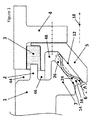
Figure 1 shows a cross-section of an embodiment of the invention comprising a honeycomb seal and a conical hula seal; -
Figure 2 shows a cross-section of an embodiment of the invention comprising a honeycomb seal and a dogbone seal; -
Figure 3 shows a cross-section of an embodiment of the invention comprising two honeycomb seals; -
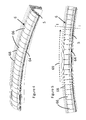
Figure 4 shows a perspective view of a conical hula seal on a bulkhead; -
Figure 5 shows a top view of the conical hula seal ofFigure 4 ; -
Figure 6 shows graphically the movement of a point on the first vane surface during gas turbine operation; -
Figure 7 shows a cross-section view of a piston seal; and -
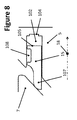
Figure 8 shows a cross-section view of an alternative piston seal. -
Figure 1 shows a first vane 1 (rocking vane) on one side of agap first sealing portion 2 and a second sealing portion 7 (vane tooth). On the other side of thegap picture frame 4 and abulkhead 5 attached to thepicture frame 4. Thebulkhead 5 is shown as a separate component to thepicture frame 4 in the embodiments in this application, but thebulkhead 5 may also be an integral part of thepicture frame 4. In thegap first vane 1 and thepicture frame 4 andbulkhead 5, a first seal (honeycomb seal 3) and a second seal (conical hula seal 6) are arranged. - The
honeycomb seal 3 is arranged between thepicture frame 4 and thebulkhead 5 on one side of thegap first sealing portion 2, which is a protrusion extending from thefirst vane 1, extends across thegap honeycomb seal 3 and seal thegap - The
conical hula seal 6 extends between thesecond sealing portion 7 and thebulkhead 5. Preferably, thesurface 12 of the bulkhead adjacent to theconical hula seal 6 and thesurface 14 of thesecond sealing portion 7 adjacent to theconical hula seal 6 are parallel or substantially parallel (in use they will not always be parallel), both extending in ahula seal direction 16, thehula seal direction 16 being at an angle from thelongitudinal axis direction 18. Thelongitudinal axis direction 18 is the direction of the longitudinal axis of the gas turbine (not shown), which is generally also parallel to the axis of thefirst vane 1 and thepicture frame 4. - In
Figure 2 , an alternative embodiment is shown in which adogbone seal 8 is provided as the second seal rather than a conical hula seal. Thedogbone seal 8 comprises a bulkhead portion 54 adjacent to the bulkhead, afirst vane portion 56 adjacent to thesecond sealing portion 7, and acentral portion 58 joining the bulkhead portion and the first vane portion. The bulkhead portion 54 and thefirst vane portion 56 are typically cylindrical. Thebulkhead 5 also differs from the bulkhead inFigure 1 in that asocket 20 is provided to hold thedogbone seal 8. InFigure 2 , the last part of thegap 24 is effectively part of the compressor plenum. - In
Figure 3 , an alternative embodiment is shown in which asecond honeycomb seal 9 is provided as the second seal. Thebulkhead 5 comprises arecess 30 in which thesecond honeycomb seal 9 is placed. In addition, thesecond sealing portion 7 comprises a secondsealing portion nose 10. This secondsealing portion nose 10 has the same function asfirst sealing portion 2. The first seal (honeycomb seal 3), as in the embodiments inFigures 1 and2 , is provided to seal afirst gap direction 34 perpendicular to thelongitudinal axis direction 18. The second seal (second honeycomb seal 9) is provided to seal asecond gap direction 38, thedirection 38 being at an angle A from thelongitudinal direction 18. - Hula seals such as that shown in
Figure 1 will now be described in more detail. In annular hula seals, the hula seal describes a ring in which the inner part and the outer part are at the same distance from the central axis of the hula seal (i.e. the axis through the centre of the hula seal, which is the hula seal longitudinal axis in the longitudinal axis direction 18). In contrast, a conical hula seal has an inner part that is closer to the central axis of the hula seal than the outer part. In other words, the hula seal direction in an annular hula seal is parallel to the longitudinal axis direction 18 (hula seal longitudinal axis), whereas the hula seal direction in a conical hula seal is at an angle from thelongitudinal axis direction 18. - A cone is a three-dimensional geometric shape that tapers smoothly from a flat base; the base may be circular or may be another shape. Mathematically, a conical hula seal is conical frustum, being in the shape of the surface of the frustum of a cone (i.e. a section of the cone not including the apex, also known as a truncated cone), in contrast to an annular hula seal in which the hula seal follows the shape of the surface of a cylinder. It should be noted for completeness that hula seals do not strictly describe a precisely annular or conical shape, as can be seen in
Figure 3 for example, where aconical hula seal 6 follows ahula seal direction 16 but the curvature of the fingers deviates slightly from a perfect cone. -
Figures 4 and 5 show aconical hula seal 6 attached to abulkhead 5, which is in turn attached to or part of a picture frame 4 (seeFigure 1 ). Theconical hula seal 6 comprises aninner part 64 extending in acircumferential direction 69 relative to a longitudinal axis direction 18 (hula seal axis direction, seeFigure 1 ). Theinner part 64 is configured to be attached to the surface 12 (seeFigure 1 ) of thebulkhead 5. A plurality offingers 66, each attached to theinner part 64, extend away from theinner part 64 in a hula seal direction 16 (seeFigure 1 ). Anouter part 68 is provided at the distal end of thefingers 66 from theinner part 64. The conical hula seal extends in a hula seal direction 16 (seeFigure 1 ) at an angle A from thelongitudinal axis direction 18. A cross section of theconical hula seal 5 along the line I-I inFigure 5 would correspond to the view of theconical hula seal 5 inFigure 1 . It is noted that the bulkhead ofFigure 4 is a different design to the bulkhead ofFigure 1 . - The
fingers 66 do not extend in a straight line, but curve such that the direction of each finger describes an angle greater than angle A (seeFigure 1 ) nearer theinner part 64 and an angle smaller than angle A near theouter part 68. Theouter part 68 is arranged to slidably contact the surface 12 (seeFigure 1 ) of thebulkhead 56. - The hula seal may be an entire ring or may be made up of multiple individual hula seals (hula seal segments). The hula seal of
Figure 5 is a hula seal segment. In one example, 20 hula seals are placed around the 360° annular joint, each extending 15° around the circumference in the circumferential direction 40. The other types of seals described herein may also be segmented in this way. - In a gas turbine, a plurality of picture frames (sequential liner outlets) are arranged around the longitudinal axis of the gas turbine in a ring, with the picture frames typically being attached to sequential liners and with the sequential liners surrounding can combustors. In other words, the picture frames all intersect a plane perpendicular to the longitudinal axis. The sealing solution discussed in this application can be applied on the inner diameter of the picture frames (the edge of the picture frames closest to the longitudinal axis). Preferably, each picture frame has a separate seal segment or segments; that is, seal segments do not extend across multiple picture frames in the circumferential direction relative to the longitudinal axis. This can allow for single vane/blade assembly and/or disassembly during manufacture, maintenance and repair.
- The sealing solution discussed in this application is preferably for sealing a gap between two static parts such as the gap between the picture frame and the first vane.
- When in use, the second sealing portion surface 14 (more specifically, a particular spot on the second sealing portion surface 14) will move along a path similar to that shown in
Figure 6 during its operation cycle. The range of movement fits within an angledrectangular box 148, angled at an angle α from thelongitudinal axis direction 18. Preferably, angle A (seeFigures 1 and3 ) is the same or substantially the same as angle α. There are two directions of movement, the slidingrange 158 and theelastic range 159. Movement in the direction of the slidingrange 158 can be due to rocking (rotation) of the first vane, for example, and movement in the direction of theelastic range 159 can be due to thermal expansion/contraction of components, for example. - Initially, at the assembly or
cold position 150 inFigure 6 , thefirst vane 1 is in a certain position. During startup, the first vane starts moving in a direction as shown bymovement line 156, passing throughpoint 151 which may be a first maximum extent in the sliding range. At full load, the first vane position may be atpoint 152, and during steady state operation the first vane position may be atpoint 153. During operation, the loading may vary, and the first vane position may vary accordingly, moving on or near themovement line 156 in the area between and aroundpoints movement line 156. During shut down, the first vane reaches a second maximum extent on the sliding range atpoint 154. Once fully cooled, the first vane will have completed a full circle ofmovement line 156, arriving back at its cold position atpoint 150. Themovement line 156 ofFigure 6 and the description of the points on the curve are an approximation, and deviations may occur from this approximation. - During assembly of the gas turbine, the sealing
portion 2 is crushed into thehoneycomb seal 3 and generally stays in contact during operation. Similarly, the secondsealing portion nose 10 would be crushed into thehoneycomb seal 9. - In use, cooling fluid may be supplied to the gap between the picture frame and the first vane. This can help reduce hot gas ingestion and can purge the gap.
- A further alternative seal is shown in
Figure 7 , namely apiston seal 15. As with the other seals described herein, thepiston seal 15 is designed to seal thegap second sealing portion 7 of thefirst vane 1 and thebulkhead 5, which is attached to thepicture frame 4. At a front end of the piston seal, a piston sealfront end 107 is arranged to contact the secondsealing portion surface 14; the front end of the piston seal is shaped like one half of a dogbone seal. Aback end 105 of thepiston seal 15 is arranged in apiston volume 102 of thebulkhead 5. Thepiston seal 15 can move relative to thebulkhead 5. At aback end 104 of thepiston volume 102, a source of pressure (not shown) such as a source of cooling fluid is provided. Optionally, anotch 108 for an additional seal (not shown; for example a rope seal) is provided in one or both of the side walls of the piston. This notch could alternatively be in one of both of the side walls of the piston volume. This additional seal can help reduce leakage past theback end 105 of thepiston seal 15. -
Figure 8 shows an alternative embodiment of the piston seal ofFigure 7 , with an alternative shape of piston sealfront end 107. In this design, a majority of the extent (preferably at least 75%) of the piston seal front end (i.e. the part of the piston seal extending across the gap to contact the first vane) is more than half the width of the piston volume (the width of the piston volume in the direction perpendicular to thelongitudinal axis direction 18; this is normally the same or very similar to the width of the main part of the piston seal). This design may be more rigid than the embodiment inFigure 7 . The part of thefront end 107 adjacent to the first vane is preferably tapered. The taper is preferably a convex shape; this can allow better contact with the first vane over a range of operating conditions. - The
piston seal 15 may be various shapes besides the examples inFigures 7 and8 . - As with many of the other embodiments described herein, the second
sealing portion surface 14 inFigure 6 is preferably substantially parallel to the bulkhead surface, on the opposite side of the gap. - The piston seal embodiment in
Figures 7 and8 is shown with apiston volume 102 in thebulkhead 5 parallel tolongitudinal axis direction 18, but thepiston volume 102 may be angled in other directions, for example perpendicular to the secondsealing portion surface 14. The piston seal would also be re-orientated accordingly in line with the piston volume. - The depth of the
piston volume 102 from thebulkhead surface 12 to theback end 104 of thepiston volume 102 may be determined during a design phase based on the length of thepiston seal 15 and the expected size of the gap between thebulkhead surface 12 and the secondsealing portion surface 14. - When in use, the pressure in the cavity in between the
back end 104 of thecavity 102 and theback end 105 of thepiston seal 15 is preferably higher than the pressure in thegap piston seal 15. At a minimum, the pressure at theback end 105 should be high enough to keep the piston sealfront end 107 adjacent to the secondsealing portion surface 14. Thehoneycomb seal 3 and/or thesecond honeycomb seal 9 may also have a similar pressure profile, with a source of pressure such as a source of cooling air provided to push thehoneycomb seal 3/second honeycomb seal 9 against the first sealing portion and second sealing portion nose respectively. - A limited number of specific embodiments are described above. More generally, various sealing solutions can be used to seal the gap between the
picture frame 4 and thefirst vane 1. For the first seal, a honeycomb seal is shown inFigures 1 to 3 , but any of the other seals described in this application could also be used as the first seal. Similarly, any of the seals in this application could be used as the second seal. Any combination of seals is also possible. For example, both the first and second seals could be conical hula seals, with the picture frame and first vane designed so that the picture frame and first vane have the structure shown surrounding the conical hula seal inFigure 3 for both the first seal and the second seal. Three or more seals in series could also be provided. - The first and second seals would be in series; that is, the second seal would be in a different part of the gap to the first seal in the axial direction perpendicular to the
longitudinal axis direction 30. In other words, any escaping hot gas from the hot gas flow would have to pass through both the conical hula seal and the second seal. - The seals described herein may be an entire ring or may be made up of multiple individual seals (seal segments). For example, the
conical hula seal 6 ofFigure 4 is a hula seal segment. In one example, 20 seals are placed around the 360° annular joint, each extending 15° around the circumference in thecircumferential direction 69. - Each seal can describe a partial or full ring as described above. The
longitudinal axis direction 18 will typically be perpendicular to the plane of this partial or full ring. For seal segments, the longitudinal axis of each seal segment is the longitudinal axis of a full ring of seal segments. The seal longitudinal axis will generally also be the longitudinal axis of the picture frame at the end of the sequential liner (the combustor outlet) and/or the gas turbine longitudinal axis. - The
first sealing portion 2 and theadditional seal portion 10 may be various shapes; these parts are required to extend across the gap from the first vane to interact with a honeycomb seal. Similarly, thesocket 20 could vary in shape depending on the shape of the dogbone seal and therecess 30 could vary depending on the shape of the second honeycomb seal and the bulkhead. - The
bulkhead 5 is shown varying in shape in the different embodiments shown in the Figures to accommodate the different types of seal. These bulkhead shapes are examples, and other bulkhead shapes are also possible. For example, a bulkhead of the shape shown inFigure 1 could be amended by the addition of asocket 20 for the dogbone seal but otherwise retain its shape. The bulkhead surface, second sealing portion surface and first vane shape can also vary depending on the seals used. - The
vane tooth 7 is a part of thefirst vane 1 in the embodiments above, but may also be a separate component attached to the first vane. Thefirst sealing portion 2 and theadditional seal portion 10 may also each be either an integral part of thefirst vane 1 or separate components attached to the first vane. - The
honeycomb seal 3 as a first seal is shown between the picture frame and the bulkhead in the embodiments described above. Alternatively, thehoneycomb seal 3 could be attached only adjacent to the picture frame or only adjacent to the bulkhead. - In
Figure 3 , thehoneycomb seal 9 as a second seal is angled at an angle A from thelongitudinal axis direction 18. Alternatively, a second honeycomb seal at a different angle could be used, for example a honeycomb seal similar to the honeycomb seal as a first seal inFigures 1 to 3 or a honeycomb seal at an angle parallel to the longitudinal axis direction. The design of thebulkhead 5 and thesecond sealing portion 7 would need adjusting accordingly. Similarly, thehoneycomb seal 3 as a first seal of any of the embodiments could be angled in a different direction to that shown inFigures 1 to 3 . - The honeycomb is generally orientated so that it can elastically deform under the pressure of the
first sealing portion 2 or the secondsealing portion surface 14. The lines shown in thehoneycomb seal 3 andsecond honeycomb seal 9 show the walls of the honeycomb; that is, the hexagonal nature of the honeycomb structure would be seen if the seal was viewed in the direction of the lines shown in the honeycomb. Thehoneycomb seal 3 shown in the Figures is aligned such that the hexagonal honeycomb structure extends in a circumferential direction relative to the gas turbine longitudinal axis. Thesecond honeycomb seal 9 shown in Figure 9 has the hexagonal honeycomb structure at a different angle, extending perpendicular to the secondsealing portion surface 14. - Although only a conical hula seal is shown in the Figures, an annular hula seal may also be used. A radial hula seal could also be used, which is the extreme case where the hula seal direction is perpendicular to the
longitudinal axis direction 18. In the case of a conical hula seal, thehula seal direction 16 can be at an angle A other than that shown in the examples, and is preferably set such that angle A is within 15° of angle α, more preferably within 5°, and most preferably at an angle A=α. This is the angle that minimises the relative movement of the first vane and the picture frame/bulkhead during gas turbine operation. This minimises theelastic range 159 and thus enables the gap between the first vane and the picture frame/bulkhead, specifically between the secondsealing portion surface 14 and thebulkhead surface 12, to be minimised. This minimises the required range of movement of the conical hula seal. Similarly, thebulkhead surface 12 associated with the conical hula seal is preferably at an angle within 15° of angle α, more preferably within 5°, and most preferably at an angle A=α, and the second sealing portion surface is preferably within 15° of angle α, more preferably within 5°, and most preferably at an angle A=α. - The
dogbone seal 8 is shown as extending parallel to thelongitudinal axis direction 18 inFigure 2 , but may also extend at an angle to thelongitudinal axis direction 18. Other shapes of dogbone seal could be used besides the example described above; the same is true for the hula seals, dogbone seals, piston seals and honeycomb seals described herein. - In the embodiment of
Figure 2 , a further socket (not shown) may be provided in thesecond sealing portion 7 to hold thedogbone seal 8 in place. When the dogbone seal is held at both ends in this way, it will generally need to be made of an extendable material, as the distance between the two sockets will vary when in use. When the dogbone seal is held at only one end, it is generally necessary for the gap to be narrower on the side of the dogbone seal that is at a lower pressure. The further socket (not shown) is optional because the pressure difference can hold the seal in place - the volume 24 (of the gap between thepicture frame 4/bulkhead 5 and the first vane 1) that is closer to the longitudinal axis than thedogbone seal 8 is at a higher pressure than the volume 26 (of the gap between thepicture frame 4/bulkhead 5 and the first vane 1) further from the longitudinal axis than thedogbone seal 8. The pressure difference, along with the shape of the gap, which is narrower on the side of the dogbone seal that is at a lower pressure, keeps the dogbone seal in a position that seals the gap. As a result, it is not essential to provide support on thesecond sealing portion 7. Alternatively, a socket could be provided in only the first vane 1 (for example in the vane tooth 7) and not in thebulkhead 5. - Considerable variation is possible in the shape, direction, width and length of the gap between the picture frame and the first vane. The
first gap longitudinal direction 18, with thefirst sealing portion 2 extending into the gap to help seal the gap along withhoneycomb seal 3. As implied above when discussing the angles of the various seals, this gap may extend in a different direction in alternative embodiments. Similarly,second gap Figures 1 to 3 . The shape of the various parts of the first vane (first sealing portion, second sealing portion, second sealing portion nose, second sealing portion surface) may also vary accordingly. - As with the gap sealed by a
dogbone seal 8 in the embodiment inFigure 2 , the gaps may also vary in width along their extent. - For ease of reference, different parts of the gap between the first vane and the picture frame/bulkhead have been denoted with reference numerals. The gap comprises three parts, a
first gap intermediate region 48 and asecond gap - The
first gap volume 44 adjacent to the hot gas flow (not shown) and avolume 46 on the other side of thefirst sealing portion 2 to the hot gas flow. - The pressure is typically higher in the
volume 46 on the other side of thefirst sealing portion 2 to the hot gas flow than in thevolume 44 adjacent to the hot gas flow; this can allow for a purging flow to leak through the seal, avoiding hot gas ingestion past the first sealing portion and the first seal. - There is then an
intermediate region 48 of the gap between thefirst gap second gap intermediate region 48 is optional and thefirst gap second gap - The
second gap first gap volume 24 in the gap on the far side of the secondsealing portion nose 10 relative to the hot gas flow and avolume 26 in the gap on the near side of the secondsealing portion nose 10 relative to the hot gas flow (adjacent to theintermediate region 48 or thefirst gap 44, 46). - In the case of a piston, dogbone or hula seal, the seal itself would split the first or second gap region rather than the first sealing portion or the second sealing portion nose as shown in the honeycomb seals embodiment of
Figure 3 . In the case of a hula seal, an additional portion of the volume of the gap is between the hula seal itself and the bulkhead. - Various modifications to the embodiments described are possible and will occur to those skilled in the art without departing from the invention which is defined by the following claims.
REFERENCE SIGNS 1 first vane 46 (partial) volume of the first gap 2 first sealing portion 3 honeycomb seal 48 intermediate region of the gap 4 picture frame 54 dogbone seal bulkhead portion 5 bulkhead 6 conical hula seal 56 dogbone seal first vane portion 7 second sealing portion 8 dogbone seal 58 dogbone seal central portion 9 second honeycomb seal 64 inner part 10 second sealing portion nose 66 finger 12 bulkhead surface 68 outer part 14 second sealing portion surface (first vane contact surface) 69 circumferential direction 102 piston volume 104 back end of the piston volume 15 piston seal 16 hula seal direction 105 back end of the piston seal 18 longitudinal axis direction 107 piston seal front end 20 socket 108 notch 24 (partial) volume of the second gap (end of the gap furthest from the hot gas flow) 148 angled rectangular box 150 assembly/ cold position 151 startup 26 (partial) volume of the second gap 152 full load 153 steady state operation 30 recess 154 extreme point in shut down 34 first gap direction 156 movement line 38 second gap direction 158 sliding range 44 (partial) volume of the first gap (hot gas flow end of the gap) 159 elastic range A angle α angle
Claims (14)
- A gas turbine comprising a picture frame (4), a first vane (1), and a sealing arrangement to seal a gap (24, 26, 44, 46) between the picture frame (4) and the first vane (1), the sealing arrangement comprising two seals arranged in series between the picture frame (4) and the first vane (1).
- The gas turbine of claim 1, wherein one of the seals is a honeycomb seal (3, 9), a dogbone seal (8), a hula seal (6) or a piston seal (15) and the other seal is a honeycomb seal (3, 9), a dogbone seal (8), a hula seal (6) or a piston seal (15).
- The gas turbine of claim 1 or 2, wherein one of the seals is a honeycomb seal (3, 9), and wherein the first vane (1) comprises a sealing portion (2, 10) arranged to seal the gap (24, 26, 44, 46) in combination with the honeycomb seal (3, 9).
- The gas turbine of claim 2 or 3, wherein at least one of the seals is a hula seal, and at least one of the at least one hula seals is a conical hula seal (6).
- The gas turbine of claim 4, wherein the conical hula seal (6) comprises an inner part (64), a plurality of fingers (66) and an outer part (68), wherein the inner part (64) is attached to one end of each of the plurality of fingers (66) and the outer part (68) is attached to the other end of each of the plurality of fingers (66).
- The gas turbine of claim 1 or 2, wherein at least one of the seals is a dogbone seal (8), and the picture frame (4) comprises a socket for holding the dogbone seal (8).
- The gas turbine of claim 1 or 2, wherein- at least one of the seals is a piston seal (15),- the piston seal (15) comprises a piston seal front end (107) for contacting a first vane (1),- the majority of the piston seal front end (107) is at least half the width of the widest part of the piston seal (15) in a radial direction relative to a gas turbine longitudinal axis, and- the piston seal front end has a tapered portion for contacting the first vane (1).
- The gas turbine of claim 2, wherein the first vane (1) comprises a first vane contact surface (14) to contact at least one of the seals.
- The gas turbine of claim 8, wherein the first vane contact surface (14) is parallel or substantially parallel to a surface (12) of the picture frame (4) on the opposite side of the gap (24, 26, 44, 46).
- The gas turbine of claim 8 or 9, wherein the first vane contact surface (14) is conical or spherical.
- The gas turbine of any of claims 8 to 10, wherein the first vane contact surface (14) is angled such that an elastic range (159) of movement of the first vane (1) relative to the picture frame (4) is minimised.
- A method of cooling a gas turbine comprising a picture frame (4), a first vane (1), and a sealing arrangement to seal a gap (24, 26, 44, 46) between the picture frame (4) and the first vane (1), the sealing arrangement comprising two seals arranged in series between the picture frame (4) and the first vane (1), comprising the step of supplying cooling fluid to the gap (24, 26, 44, 46) between the picture frame (4) and the first vane (1).
- The method of claim 12, comprising the step of maintaining a higher pressure at the end of the gap (24) furthest from a hot gas flow than the pressure at a hot gas flow end of the gap (44).
- The method of claim 12, wherein at least one of the seals is a piston seal (15), comprising the step of supplying cooling fluid to a volume between the piston seal (15) and the picture frame (4) such that the piston seal (15) remains in contact with the first vane (1).
Priority Applications (3)
| Application Number | Priority Date | Filing Date | Title |
|---|---|---|---|
| EP15161401.3A EP3073058B1 (en) | 2015-03-27 | 2015-03-27 | Sealing arrangements in gas turbines |
| CN201610370672.0A CN106014497B (en) | 2015-03-27 | 2016-03-24 | Sealing arrangement in a gas turbine |
| US15/081,101 US11629609B2 (en) | 2015-03-27 | 2016-03-25 | Sealing arrangements in gas turbines |
Applications Claiming Priority (1)
| Application Number | Priority Date | Filing Date | Title |
|---|---|---|---|
| EP15161401.3A EP3073058B1 (en) | 2015-03-27 | 2015-03-27 | Sealing arrangements in gas turbines |
Publications (2)
| Publication Number | Publication Date |
|---|---|
| EP3073058A1 true EP3073058A1 (en) | 2016-09-28 |
| EP3073058B1 EP3073058B1 (en) | 2020-06-10 |
Family
ID=52875484
Family Applications (1)
| Application Number | Title | Priority Date | Filing Date |
|---|---|---|---|
| EP15161401.3A Active EP3073058B1 (en) | 2015-03-27 | 2015-03-27 | Sealing arrangements in gas turbines |
Country Status (3)
| Country | Link |
|---|---|
| US (1) | US11629609B2 (en) |
| EP (1) | EP3073058B1 (en) |
| CN (1) | CN106014497B (en) |
Families Citing this family (12)
| Publication number | Priority date | Publication date | Assignee | Title |
|---|---|---|---|---|
| US10400896B2 (en) * | 2014-08-28 | 2019-09-03 | United Technologies Corporation | Dual-ended brush seal assembly and method of manufacture |
| EP2998517B1 (en) * | 2014-09-16 | 2019-03-27 | Ansaldo Energia Switzerland AG | Sealing arrangement at the interface between a combustor and a turbine of a gas turbine and gas turbine with such a sealing arrangement |
| US10415411B2 (en) * | 2014-12-12 | 2019-09-17 | United Technologies Corporation | Splined dog-bone seal |
| WO2018085213A1 (en) * | 2016-11-02 | 2018-05-11 | Borgwarner Inc. | Turbine having a multipart turbine housing |
| EP3339581A1 (en) * | 2016-12-22 | 2018-06-27 | Ansaldo Energia S.p.A. | Sealing system for a rotating machine |
| CN108506490B (en) * | 2017-02-27 | 2021-01-26 | 西门子公司 | Honeycomb seal and method and system for making same |
| EP3421726B1 (en) * | 2017-06-30 | 2020-12-30 | Ansaldo Energia Switzerland AG | Picture frame for connecting a can combustor to a turbine in a gas turbine and gas turbine comprising a picture frame |
| CN112460630A (en) * | 2020-10-27 | 2021-03-09 | 中国船舶重工集团公司第七0三研究所 | Sealing assembly between gap planes of high-temperature zone of gas turbine |
| CN114837753B (en) * | 2022-05-17 | 2025-10-17 | 中国联合重型燃气轮机技术有限公司 | Blade seal assembly, turbine and gas turbine |
| US12338738B2 (en) | 2022-07-05 | 2025-06-24 | General Electric Company | Variable flowpath casings for blade tip clearance control |
| US12012859B2 (en) | 2022-07-11 | 2024-06-18 | General Electric Company | Variable flowpath casings for blade tip clearance control |
| US11808157B1 (en) | 2022-07-13 | 2023-11-07 | General Electric Company | Variable flowpath casings for blade tip clearance control |
Citations (5)
| Publication number | Priority date | Publication date | Assignee | Title |
|---|---|---|---|---|
| US5333995A (en) * | 1993-08-09 | 1994-08-02 | General Electric Company | Wear shim for a turbine engine |
| US20110120135A1 (en) * | 2007-09-28 | 2011-05-26 | Thomas Edward Johnson | Turbulated aft-end liner assembly and cooling method |
| EP2532837A2 (en) * | 2011-06-06 | 2012-12-12 | General Electric Company | Seal assemly for gas turbine |
| EP2532969A2 (en) * | 2011-06-06 | 2012-12-12 | General Electric Company | Lock leaf hula seal |
| EP2574731A2 (en) * | 2011-09-30 | 2013-04-03 | MTU Aero Engines GmbH | Segmented component |
Family Cites Families (14)
| Publication number | Priority date | Publication date | Assignee | Title |
|---|---|---|---|---|
| US4126405A (en) * | 1976-12-16 | 1978-11-21 | General Electric Company | Turbine nozzle |
| GB2037901B (en) | 1978-11-25 | 1982-07-28 | Rolls Royce | Nozzle guide vane assembly |
| US4379560A (en) * | 1981-08-13 | 1983-04-12 | Fern Engineering | Turbine seal |
| US6547257B2 (en) * | 2001-05-04 | 2003-04-15 | General Electric Company | Combination transition piece floating cloth seal and stage 1 turbine nozzle flexible sealing element |
| US6869082B2 (en) | 2003-06-12 | 2005-03-22 | Siemens Westinghouse Power Corporation | Turbine spring clip seal |
| US7178340B2 (en) * | 2003-09-24 | 2007-02-20 | Power Systems Mfg., Llc | Transition duct honeycomb seal |
| US8769963B2 (en) * | 2007-01-30 | 2014-07-08 | Siemens Energy, Inc. | Low leakage spring clip/ring combinations for gas turbine engine |
| CH699978A1 (en) * | 2008-11-26 | 2010-05-31 | Alstom Technology Ltd | Steam turbine. |
| US8429919B2 (en) | 2009-05-28 | 2013-04-30 | General Electric Company | Expansion hula seals |
| US20130181408A1 (en) | 2012-01-13 | 2013-07-18 | General Electric Company | Brush seal arrangement combined with honeycomb seal |
| US9964214B2 (en) | 2012-04-02 | 2018-05-08 | United Technologies Corporation | Seal with non-metallic interface |
| US9851008B2 (en) * | 2012-06-04 | 2017-12-26 | United Technologies Corporation | Seal land for static structure of a gas turbine engine |
| CN203559931U (en) * | 2013-10-17 | 2014-04-23 | 浙江浙能北仑发电有限公司 | High-pressure and air admission sealing structure |
| US10260364B2 (en) * | 2015-03-09 | 2019-04-16 | United Technologies Corporation | Sliding seal |
-
2015
- 2015-03-27 EP EP15161401.3A patent/EP3073058B1/en active Active
-
2016
- 2016-03-24 CN CN201610370672.0A patent/CN106014497B/en active Active
- 2016-03-25 US US15/081,101 patent/US11629609B2/en active Active
Patent Citations (5)
| Publication number | Priority date | Publication date | Assignee | Title |
|---|---|---|---|---|
| US5333995A (en) * | 1993-08-09 | 1994-08-02 | General Electric Company | Wear shim for a turbine engine |
| US20110120135A1 (en) * | 2007-09-28 | 2011-05-26 | Thomas Edward Johnson | Turbulated aft-end liner assembly and cooling method |
| EP2532837A2 (en) * | 2011-06-06 | 2012-12-12 | General Electric Company | Seal assemly for gas turbine |
| EP2532969A2 (en) * | 2011-06-06 | 2012-12-12 | General Electric Company | Lock leaf hula seal |
| EP2574731A2 (en) * | 2011-09-30 | 2013-04-03 | MTU Aero Engines GmbH | Segmented component |
Also Published As
| Publication number | Publication date |
|---|---|
| US20160281522A1 (en) | 2016-09-29 |
| CN106014497B (en) | 2021-09-24 |
| EP3073058B1 (en) | 2020-06-10 |
| US11629609B2 (en) | 2023-04-18 |
| CN106014497A (en) | 2016-10-12 |
Similar Documents
| Publication | Publication Date | Title |
|---|---|---|
| EP3073058B1 (en) | Sealing arrangements in gas turbines | |
| EP3511526B1 (en) | Apparatus for sealing and gas turbine engines | |
| US8939712B2 (en) | External segmented shell capable of correcting for rotor misalignment in relation to the stator | |
| US8651497B2 (en) | Winged W-seal | |
| US10731494B2 (en) | Overhanging seal assembly for a gas turbine | |
| US10364694B2 (en) | Turbomachine blade clearance control system | |
| US10458429B2 (en) | Impeller shroud with slidable coupling for clearance control in a centrifugal compressor | |
| US20170051620A1 (en) | Individually compliant segments for split ring hydrodynamic face seal | |
| US9670791B2 (en) | Flexible finger seal for sealing a gap between turbine engine components | |
| JP2009115085A (en) | 1st stage nozzle vs. transition piece seal | |
| US10683768B2 (en) | Circumferential axial segmented trough seal | |
| US11215063B2 (en) | Seal assembly for chute gap leakage reduction in a gas turbine | |
| CN107849933A (en) | For controlling the corrugated globe joint component flexibility interface of rotation condition | |
| US10060534B2 (en) | Sealing structure for turbine | |
| CN102817642A (en) | Compliant plate seal assembly for a turbo machine | |
| US20160312636A1 (en) | Fluid seal structure of heat engine including steam turbine | |
| US10590790B2 (en) | Hula seal | |
| US10689994B2 (en) | Seal assembly to seal corner leaks in gas turbine | |
| US9689573B2 (en) | Combustion equipment having a sealing member that includes a flexible sleeve | |
| EP3073056B1 (en) | Wire seal | |
| RU2753264C1 (en) | Device for sealing gap in turbomachine, gas turbine and sealing structure | |
| US20140003926A1 (en) | Compressor for a gas turbine and method for repairing and/or changing the geometry of and/or servicing said compressor | |
| US20210348518A1 (en) | Turbine seal | |
| US9835039B2 (en) | Slide ring seal |
Legal Events
| Date | Code | Title | Description |
|---|---|---|---|
| PUAI | Public reference made under article 153(3) epc to a published international application that has entered the european phase |
Free format text: ORIGINAL CODE: 0009012 |
|
| AK | Designated contracting states |
Kind code of ref document: A1 Designated state(s): AL AT BE BG CH CY CZ DE DK EE ES FI FR GB GR HR HU IE IS IT LI LT LU LV MC MK MT NL NO PL PT RO RS SE SI SK SM TR |
|
| AX | Request for extension of the european patent |
Extension state: BA ME |
|
| STAA | Information on the status of an ep patent application or granted ep patent |
Free format text: STATUS: REQUEST FOR EXAMINATION WAS MADE |
|
| 17P | Request for examination filed |
Effective date: 20170328 |
|
| RBV | Designated contracting states (corrected) |
Designated state(s): AL AT BE BG CH CY CZ DE DK EE ES FI FR GB GR HR HU IE IS IT LI LT LU LV MC MK MT NL NO PL PT RO RS SE SI SK SM TR |
|
| RAP1 | Party data changed (applicant data changed or rights of an application transferred) |
Owner name: ANSALDO ENERGIA SWITZERLAND AG |
|
| STAA | Information on the status of an ep patent application or granted ep patent |
Free format text: STATUS: EXAMINATION IS IN PROGRESS |
|
| 17Q | First examination report despatched |
Effective date: 20181106 |
|
| GRAP | Despatch of communication of intention to grant a patent |
Free format text: ORIGINAL CODE: EPIDOSNIGR1 |
|
| STAA | Information on the status of an ep patent application or granted ep patent |
Free format text: STATUS: GRANT OF PATENT IS INTENDED |
|
| INTG | Intention to grant announced |
Effective date: 20200102 |
|
| GRAS | Grant fee paid |
Free format text: ORIGINAL CODE: EPIDOSNIGR3 |
|
| GRAA | (expected) grant |
Free format text: ORIGINAL CODE: 0009210 |
|
| STAA | Information on the status of an ep patent application or granted ep patent |
Free format text: STATUS: THE PATENT HAS BEEN GRANTED |
|
| AK | Designated contracting states |
Kind code of ref document: B1 Designated state(s): AL AT BE BG CH CY CZ DE DK EE ES FI FR GB GR HR HU IE IS IT LI LT LU LV MC MK MT NL NO PL PT RO RS SE SI SK SM TR |
|
| REG | Reference to a national code |
Ref country code: GB Ref legal event code: FG4D |
|
| REG | Reference to a national code |
Ref country code: CH Ref legal event code: EP Ref country code: AT Ref legal event code: REF Ref document number: 1279351 Country of ref document: AT Kind code of ref document: T Effective date: 20200615 |
|
| REG | Reference to a national code |
Ref country code: DE Ref legal event code: R096 Ref document number: 602015054002 Country of ref document: DE |
|
| REG | Reference to a national code |
Ref country code: IE Ref legal event code: FG4D |
|
| REG | Reference to a national code |
Ref country code: LT Ref legal event code: MG4D |
|
| PG25 | Lapsed in a contracting state [announced via postgrant information from national office to epo] |
Ref country code: FI Free format text: LAPSE BECAUSE OF FAILURE TO SUBMIT A TRANSLATION OF THE DESCRIPTION OR TO PAY THE FEE WITHIN THE PRESCRIBED TIME-LIMIT Effective date: 20200610 Ref country code: GR Free format text: LAPSE BECAUSE OF FAILURE TO SUBMIT A TRANSLATION OF THE DESCRIPTION OR TO PAY THE FEE WITHIN THE PRESCRIBED TIME-LIMIT Effective date: 20200911 Ref country code: LT Free format text: LAPSE BECAUSE OF FAILURE TO SUBMIT A TRANSLATION OF THE DESCRIPTION OR TO PAY THE FEE WITHIN THE PRESCRIBED TIME-LIMIT Effective date: 20200610 Ref country code: SE Free format text: LAPSE BECAUSE OF FAILURE TO SUBMIT A TRANSLATION OF THE DESCRIPTION OR TO PAY THE FEE WITHIN THE PRESCRIBED TIME-LIMIT Effective date: 20200610 Ref country code: NO Free format text: LAPSE BECAUSE OF FAILURE TO SUBMIT A TRANSLATION OF THE DESCRIPTION OR TO PAY THE FEE WITHIN THE PRESCRIBED TIME-LIMIT Effective date: 20200910 |
|
| REG | Reference to a national code |
Ref country code: NL Ref legal event code: MP Effective date: 20200610 |
|
| PG25 | Lapsed in a contracting state [announced via postgrant information from national office to epo] |
Ref country code: BG Free format text: LAPSE BECAUSE OF FAILURE TO SUBMIT A TRANSLATION OF THE DESCRIPTION OR TO PAY THE FEE WITHIN THE PRESCRIBED TIME-LIMIT Effective date: 20200910 Ref country code: RS Free format text: LAPSE BECAUSE OF FAILURE TO SUBMIT A TRANSLATION OF THE DESCRIPTION OR TO PAY THE FEE WITHIN THE PRESCRIBED TIME-LIMIT Effective date: 20200610 Ref country code: HR Free format text: LAPSE BECAUSE OF FAILURE TO SUBMIT A TRANSLATION OF THE DESCRIPTION OR TO PAY THE FEE WITHIN THE PRESCRIBED TIME-LIMIT Effective date: 20200610 Ref country code: LV Free format text: LAPSE BECAUSE OF FAILURE TO SUBMIT A TRANSLATION OF THE DESCRIPTION OR TO PAY THE FEE WITHIN THE PRESCRIBED TIME-LIMIT Effective date: 20200610 |
|
| REG | Reference to a national code |
Ref country code: AT Ref legal event code: MK05 Ref document number: 1279351 Country of ref document: AT Kind code of ref document: T Effective date: 20200610 |
|
| PG25 | Lapsed in a contracting state [announced via postgrant information from national office to epo] |
Ref country code: AL Free format text: LAPSE BECAUSE OF FAILURE TO SUBMIT A TRANSLATION OF THE DESCRIPTION OR TO PAY THE FEE WITHIN THE PRESCRIBED TIME-LIMIT Effective date: 20200610 Ref country code: NL Free format text: LAPSE BECAUSE OF FAILURE TO SUBMIT A TRANSLATION OF THE DESCRIPTION OR TO PAY THE FEE WITHIN THE PRESCRIBED TIME-LIMIT Effective date: 20200610 |
|
| PG25 | Lapsed in a contracting state [announced via postgrant information from national office to epo] |
Ref country code: ES Free format text: LAPSE BECAUSE OF FAILURE TO SUBMIT A TRANSLATION OF THE DESCRIPTION OR TO PAY THE FEE WITHIN THE PRESCRIBED TIME-LIMIT Effective date: 20200610 Ref country code: AT Free format text: LAPSE BECAUSE OF FAILURE TO SUBMIT A TRANSLATION OF THE DESCRIPTION OR TO PAY THE FEE WITHIN THE PRESCRIBED TIME-LIMIT Effective date: 20200610 Ref country code: PT Free format text: LAPSE BECAUSE OF FAILURE TO SUBMIT A TRANSLATION OF THE DESCRIPTION OR TO PAY THE FEE WITHIN THE PRESCRIBED TIME-LIMIT Effective date: 20201012 Ref country code: RO Free format text: LAPSE BECAUSE OF FAILURE TO SUBMIT A TRANSLATION OF THE DESCRIPTION OR TO PAY THE FEE WITHIN THE PRESCRIBED TIME-LIMIT Effective date: 20200610 Ref country code: CZ Free format text: LAPSE BECAUSE OF FAILURE TO SUBMIT A TRANSLATION OF THE DESCRIPTION OR TO PAY THE FEE WITHIN THE PRESCRIBED TIME-LIMIT Effective date: 20200610 Ref country code: SM Free format text: LAPSE BECAUSE OF FAILURE TO SUBMIT A TRANSLATION OF THE DESCRIPTION OR TO PAY THE FEE WITHIN THE PRESCRIBED TIME-LIMIT Effective date: 20200610 Ref country code: EE Free format text: LAPSE BECAUSE OF FAILURE TO SUBMIT A TRANSLATION OF THE DESCRIPTION OR TO PAY THE FEE WITHIN THE PRESCRIBED TIME-LIMIT Effective date: 20200610 Ref country code: IT Free format text: LAPSE BECAUSE OF FAILURE TO SUBMIT A TRANSLATION OF THE DESCRIPTION OR TO PAY THE FEE WITHIN THE PRESCRIBED TIME-LIMIT Effective date: 20200610 |
|
| PG25 | Lapsed in a contracting state [announced via postgrant information from national office to epo] |
Ref country code: PL Free format text: LAPSE BECAUSE OF FAILURE TO SUBMIT A TRANSLATION OF THE DESCRIPTION OR TO PAY THE FEE WITHIN THE PRESCRIBED TIME-LIMIT Effective date: 20200610 Ref country code: SK Free format text: LAPSE BECAUSE OF FAILURE TO SUBMIT A TRANSLATION OF THE DESCRIPTION OR TO PAY THE FEE WITHIN THE PRESCRIBED TIME-LIMIT Effective date: 20200610 Ref country code: IS Free format text: LAPSE BECAUSE OF FAILURE TO SUBMIT A TRANSLATION OF THE DESCRIPTION OR TO PAY THE FEE WITHIN THE PRESCRIBED TIME-LIMIT Effective date: 20201010 |
|
| REG | Reference to a national code |
Ref country code: DE Ref legal event code: R097 Ref document number: 602015054002 Country of ref document: DE |
|
| PLBE | No opposition filed within time limit |
Free format text: ORIGINAL CODE: 0009261 |
|
| STAA | Information on the status of an ep patent application or granted ep patent |
Free format text: STATUS: NO OPPOSITION FILED WITHIN TIME LIMIT |
|
| PG25 | Lapsed in a contracting state [announced via postgrant information from national office to epo] |
Ref country code: DK Free format text: LAPSE BECAUSE OF FAILURE TO SUBMIT A TRANSLATION OF THE DESCRIPTION OR TO PAY THE FEE WITHIN THE PRESCRIBED TIME-LIMIT Effective date: 20200610 |
|
| 26N | No opposition filed |
Effective date: 20210311 |
|
| PG25 | Lapsed in a contracting state [announced via postgrant information from national office to epo] |
Ref country code: SI Free format text: LAPSE BECAUSE OF FAILURE TO SUBMIT A TRANSLATION OF THE DESCRIPTION OR TO PAY THE FEE WITHIN THE PRESCRIBED TIME-LIMIT Effective date: 20200610 |
|
| PG25 | Lapsed in a contracting state [announced via postgrant information from national office to epo] |
Ref country code: MC Free format text: LAPSE BECAUSE OF FAILURE TO SUBMIT A TRANSLATION OF THE DESCRIPTION OR TO PAY THE FEE WITHIN THE PRESCRIBED TIME-LIMIT Effective date: 20200610 |
|
| REG | Reference to a national code |
Ref country code: CH Ref legal event code: PL |
|
| GBPC | Gb: european patent ceased through non-payment of renewal fee |
Effective date: 20210327 |
|
| REG | Reference to a national code |
Ref country code: BE Ref legal event code: MM Effective date: 20210331 |
|
| PG25 | Lapsed in a contracting state [announced via postgrant information from national office to epo] |
Ref country code: IE Free format text: LAPSE BECAUSE OF NON-PAYMENT OF DUE FEES Effective date: 20210327 Ref country code: GB Free format text: LAPSE BECAUSE OF NON-PAYMENT OF DUE FEES Effective date: 20210327 Ref country code: FR Free format text: LAPSE BECAUSE OF NON-PAYMENT OF DUE FEES Effective date: 20210331 Ref country code: LI Free format text: LAPSE BECAUSE OF NON-PAYMENT OF DUE FEES Effective date: 20210331 Ref country code: LU Free format text: LAPSE BECAUSE OF NON-PAYMENT OF DUE FEES Effective date: 20210327 Ref country code: CH Free format text: LAPSE BECAUSE OF NON-PAYMENT OF DUE FEES Effective date: 20210331 |
|
| PG25 | Lapsed in a contracting state [announced via postgrant information from national office to epo] |
Ref country code: BE Free format text: LAPSE BECAUSE OF NON-PAYMENT OF DUE FEES Effective date: 20210331 |
|
| PG25 | Lapsed in a contracting state [announced via postgrant information from national office to epo] |
Ref country code: HU Free format text: LAPSE BECAUSE OF FAILURE TO SUBMIT A TRANSLATION OF THE DESCRIPTION OR TO PAY THE FEE WITHIN THE PRESCRIBED TIME-LIMIT; INVALID AB INITIO Effective date: 20150327 |
|
| PG25 | Lapsed in a contracting state [announced via postgrant information from national office to epo] |
Ref country code: CY Free format text: LAPSE BECAUSE OF FAILURE TO SUBMIT A TRANSLATION OF THE DESCRIPTION OR TO PAY THE FEE WITHIN THE PRESCRIBED TIME-LIMIT Effective date: 20200610 |
|
| PG25 | Lapsed in a contracting state [announced via postgrant information from national office to epo] |
Ref country code: MK Free format text: LAPSE BECAUSE OF FAILURE TO SUBMIT A TRANSLATION OF THE DESCRIPTION OR TO PAY THE FEE WITHIN THE PRESCRIBED TIME-LIMIT Effective date: 20200610 |
|
| P01 | Opt-out of the competence of the unified patent court (upc) registered |
Effective date: 20240430 |
|
| PG25 | Lapsed in a contracting state [announced via postgrant information from national office to epo] |
Ref country code: MT Free format text: LAPSE BECAUSE OF FAILURE TO SUBMIT A TRANSLATION OF THE DESCRIPTION OR TO PAY THE FEE WITHIN THE PRESCRIBED TIME-LIMIT Effective date: 20200610 |
|
| PG25 | Lapsed in a contracting state [announced via postgrant information from national office to epo] |
Ref country code: TR Free format text: LAPSE BECAUSE OF FAILURE TO SUBMIT A TRANSLATION OF THE DESCRIPTION OR TO PAY THE FEE WITHIN THE PRESCRIBED TIME-LIMIT Effective date: 20200610 |
|
| PGFP | Annual fee paid to national office [announced via postgrant information from national office to epo] |
Ref country code: DE Payment date: 20260320 Year of fee payment: 12 |