EP3072514A1 - Novel oral anticoagulants (NOACs) for preventing development and aggravation of atrial fibrillation - Google Patents
Novel oral anticoagulants (NOACs) for preventing development and aggravation of atrial fibrillation Download PDFInfo
- Publication number
- EP3072514A1 EP3072514A1 EP15160648.0A EP15160648A EP3072514A1 EP 3072514 A1 EP3072514 A1 EP 3072514A1 EP 15160648 A EP15160648 A EP 15160648A EP 3072514 A1 EP3072514 A1 EP 3072514A1
- Authority
- EP
- European Patent Office
- Prior art keywords
- noac
- subject
- atrial
- aggravation
- score
- Prior art date
- Legal status (The legal status is an assumption and is not a legal conclusion. Google has not performed a legal analysis and makes no representation as to the accuracy of the status listed.)
- Withdrawn
Links
- 206010003658 Atrial Fibrillation Diseases 0.000 title claims abstract description 97
- 238000011161 development Methods 0.000 title claims abstract description 21
- 229940089787 novel oral anticoagluant drug Drugs 0.000 title claims description 68
- 208000005189 Embolism Diseases 0.000 claims abstract description 12
- 208000001435 Thromboembolism Diseases 0.000 claims abstract description 11
- HQHQCEKUGWOYPS-URBBEOKESA-N 1-[(2r,3s,4s,5r)-3,4-dihydroxy-5-(hydroxymethyl)oxolan-2-yl]-4-(octadecylamino)pyrimidin-2-one Chemical compound O=C1N=C(NCCCCCCCCCCCCCCCCCC)C=CN1[C@H]1[C@@H](O)[C@H](O)[C@@H](CO)O1 HQHQCEKUGWOYPS-URBBEOKESA-N 0.000 claims description 62
- 229940127066 new oral anticoagluant drug Drugs 0.000 claims description 62
- 238000000034 method Methods 0.000 claims description 27
- 229960003850 dabigatran Drugs 0.000 claims description 25
- YBSJFWOBGCMAKL-UHFFFAOYSA-N dabigatran Chemical compound N=1C2=CC(C(=O)N(CCC(O)=O)C=3N=CC=CC=3)=CC=C2N(C)C=1CNC1=CC=C(C(N)=N)C=C1 YBSJFWOBGCMAKL-UHFFFAOYSA-N 0.000 claims description 25
- 230000001746 atrial effect Effects 0.000 claims description 23
- 229960000288 dabigatran etexilate Drugs 0.000 claims description 18
- KSGXQBZTULBEEQ-UHFFFAOYSA-N dabigatran etexilate Chemical compound C1=CC(C(N)=NC(=O)OCCCCCC)=CC=C1NCC1=NC2=CC(C(=O)N(CCC(=O)OCC)C=3N=CC=CC=3)=CC=C2N1C KSGXQBZTULBEEQ-UHFFFAOYSA-N 0.000 claims description 18
- 239000008186 active pharmaceutical agent Substances 0.000 claims description 16
- 229940123900 Direct thrombin inhibitor Drugs 0.000 claims description 12
- 238000007634 remodeling Methods 0.000 claims description 12
- 239000003868 thrombin inhibitor Substances 0.000 claims description 12
- 239000003814 drug Substances 0.000 claims description 9
- 239000008194 pharmaceutical composition Substances 0.000 claims description 9
- 208000032845 Atrial Remodeling Diseases 0.000 claims description 8
- 230000002107 myocardial effect Effects 0.000 claims description 8
- 150000003839 salts Chemical class 0.000 claims description 8
- 230000003176 fibrotic effect Effects 0.000 claims description 7
- 230000001969 hypertrophic effect Effects 0.000 claims description 7
- 239000012453 solvate Substances 0.000 claims description 7
- 239000000546 pharmaceutical excipient Substances 0.000 claims description 5
- 239000003146 anticoagulant agent Substances 0.000 abstract description 7
- 210000002837 heart atrium Anatomy 0.000 description 19
- 241000700159 Rattus Species 0.000 description 16
- 210000005246 left atrium Anatomy 0.000 description 16
- 238000011282 treatment Methods 0.000 description 15
- 230000018109 developmental process Effects 0.000 description 14
- 230000010410 reperfusion Effects 0.000 description 12
- 208000006011 Stroke Diseases 0.000 description 11
- 210000004351 coronary vessel Anatomy 0.000 description 11
- 208000032843 Hemorrhage Diseases 0.000 description 10
- 208000018672 Dilatation Diseases 0.000 description 9
- 206010019280 Heart failures Diseases 0.000 description 9
- 208000034158 bleeding Diseases 0.000 description 9
- 230000000740 bleeding effect Effects 0.000 description 9
- 230000015572 biosynthetic process Effects 0.000 description 8
- 230000007423 decrease Effects 0.000 description 8
- 108010022233 Plasminogen Activator Inhibitor 1 Proteins 0.000 description 7
- 102100039418 Plasminogen activator inhibitor 1 Human genes 0.000 description 7
- 101800001288 Atrial natriuretic factor Proteins 0.000 description 6
- 102400000667 Brain natriuretic peptide 32 Human genes 0.000 description 6
- 101800000407 Brain natriuretic peptide 32 Proteins 0.000 description 6
- 101800002247 Brain natriuretic peptide 45 Proteins 0.000 description 6
- 206010020772 Hypertension Diseases 0.000 description 6
- 108020004999 messenger RNA Proteins 0.000 description 6
- 230000002265 prevention Effects 0.000 description 6
- 238000003786 synthesis reaction Methods 0.000 description 6
- 102400001282 Atrial natriuretic peptide Human genes 0.000 description 5
- 101800001890 Atrial natriuretic peptide Proteins 0.000 description 5
- 206010016654 Fibrosis Diseases 0.000 description 5
- 101800001649 Heparin-binding EGF-like growth factor Proteins 0.000 description 5
- 102400001369 Heparin-binding EGF-like growth factor Human genes 0.000 description 5
- 241001465754 Metazoa Species 0.000 description 5
- 108090000190 Thrombin Proteins 0.000 description 5
- 230000007495 abnormal renal function Effects 0.000 description 5
- 230000000694 effects Effects 0.000 description 5
- 230000004761 fibrosis Effects 0.000 description 5
- 230000003908 liver function Effects 0.000 description 5
- 230000001314 paroxysmal effect Effects 0.000 description 5
- 230000036470 plasma concentration Effects 0.000 description 5
- 229960004072 thrombin Drugs 0.000 description 5
- 229940019333 vitamin k antagonists Drugs 0.000 description 5
- 108010037362 Extracellular Matrix Proteins Proteins 0.000 description 4
- 102000010834 Extracellular Matrix Proteins Human genes 0.000 description 4
- 108010074860 Factor Xa Proteins 0.000 description 4
- 229920002556 Polyethylene Glycol 300 Polymers 0.000 description 4
- FAPWRFPIFSIZLT-UHFFFAOYSA-M Sodium chloride Chemical compound [Na+].[Cl-] FAPWRFPIFSIZLT-UHFFFAOYSA-M 0.000 description 4
- 206010012601 diabetes mellitus Diseases 0.000 description 4
- 229940079593 drug Drugs 0.000 description 4
- 239000003112 inhibitor Substances 0.000 description 4
- 239000011780 sodium chloride Substances 0.000 description 4
- 238000002560 therapeutic procedure Methods 0.000 description 4
- 230000002861 ventricular Effects 0.000 description 4
- 206010020880 Hypertrophy Diseases 0.000 description 3
- 238000011529 RT qPCR Methods 0.000 description 3
- 208000007536 Thrombosis Diseases 0.000 description 3
- 230000010100 anticoagulation Effects 0.000 description 3
- 238000013194 cardioversion Methods 0.000 description 3
- 230000001413 cellular effect Effects 0.000 description 3
- 238000002474 experimental method Methods 0.000 description 3
- 230000002401 inhibitory effect Effects 0.000 description 3
- 210000005240 left ventricle Anatomy 0.000 description 3
- 238000001294 liquid chromatography-tandem mass spectrometry Methods 0.000 description 3
- 239000000203 mixture Substances 0.000 description 3
- 230000002085 persistent effect Effects 0.000 description 3
- 230000000638 stimulation Effects 0.000 description 3
- 206010007572 Cardiac hypertrophy Diseases 0.000 description 2
- LFQSCWFLJHTTHZ-UHFFFAOYSA-N Ethanol Chemical compound CCO LFQSCWFLJHTTHZ-UHFFFAOYSA-N 0.000 description 2
- 102000005604 Myosin Heavy Chains Human genes 0.000 description 2
- 108010084498 Myosin Heavy Chains Proteins 0.000 description 2
- 102000001708 Protein Isoforms Human genes 0.000 description 2
- 108010029485 Protein Isoforms Proteins 0.000 description 2
- 229930190657 Rupin Natural products 0.000 description 2
- 208000032109 Transient ischaemic attack Diseases 0.000 description 2
- 230000002411 adverse Effects 0.000 description 2
- 230000032683 aging Effects 0.000 description 2
- 229940127219 anticoagulant drug Drugs 0.000 description 2
- 239000008280 blood Substances 0.000 description 2
- 210000004369 blood Anatomy 0.000 description 2
- 238000006243 chemical reaction Methods 0.000 description 2
- 230000003247 decreasing effect Effects 0.000 description 2
- 201000010099 disease Diseases 0.000 description 2
- 208000037265 diseases, disorders, signs and symptoms Diseases 0.000 description 2
- 239000008298 dragée Substances 0.000 description 2
- 238000002592 echocardiography Methods 0.000 description 2
- 230000001605 fetal effect Effects 0.000 description 2
- 230000006870 function Effects 0.000 description 2
- 230000006698 induction Effects 0.000 description 2
- 230000001788 irregular Effects 0.000 description 2
- 208000028867 ischemia Diseases 0.000 description 2
- 230000007774 longterm Effects 0.000 description 2
- 238000012423 maintenance Methods 0.000 description 2
- 230000014508 negative regulation of coagulation Effects 0.000 description 2
- 229940127216 oral anticoagulant drug Drugs 0.000 description 2
- 230000000144 pharmacologic effect Effects 0.000 description 2
- 108090000623 proteins and genes Proteins 0.000 description 2
- 230000000306 recurrent effect Effects 0.000 description 2
- 230000002829 reductive effect Effects 0.000 description 2
- 230000008672 reprogramming Effects 0.000 description 2
- 238000011160 research Methods 0.000 description 2
- 230000033764 rhythmic process Effects 0.000 description 2
- 239000000758 substrate Substances 0.000 description 2
- 208000024891 symptom Diseases 0.000 description 2
- 230000001225 therapeutic effect Effects 0.000 description 2
- 201000010875 transient cerebral ischemia Diseases 0.000 description 2
- XSNMGLZVFNDDPW-ZWKOTPCHSA-N (2s)-1-[(2r)-2-[3-chloro-5-(difluoromethoxy)phenyl]-2-hydroxyacetyl]-n-[[4-(n'-methoxycarbamimidoyl)phenyl]methyl]azetidine-2-carboxamide Chemical compound C1=CC(C(/N)=N/OC)=CC=C1CNC(=O)[C@H]1N(C(=O)[C@H](O)C=2C=C(OC(F)F)C=C(Cl)C=2)CC1 XSNMGLZVFNDDPW-ZWKOTPCHSA-N 0.000 description 1
- 208000007848 Alcoholism Diseases 0.000 description 1
- ITPDYQOUSLNIHG-UHFFFAOYSA-N Amiodarone hydrochloride Chemical compound [Cl-].CCCCC=1OC2=CC=CC=C2C=1C(=O)C1=CC(I)=C(OCC[NH+](CC)CC)C(I)=C1 ITPDYQOUSLNIHG-UHFFFAOYSA-N 0.000 description 1
- 206010002091 Anaesthesia Diseases 0.000 description 1
- QNZCBYKSOIHPEH-UHFFFAOYSA-N Apixaban Chemical compound C1=CC(OC)=CC=C1N1C(C(=O)N(CC2)C=3C=CC(=CC=3)N3C(CCCC3)=O)=C2C(C(N)=O)=N1 QNZCBYKSOIHPEH-UHFFFAOYSA-N 0.000 description 1
- 102000002723 Atrial Natriuretic Factor Human genes 0.000 description 1
- 206010048623 Atrial hypertrophy Diseases 0.000 description 1
- 206010003840 Autonomic nervous system imbalance Diseases 0.000 description 1
- OYPRJOBELJOOCE-UHFFFAOYSA-N Calcium Chemical compound [Ca] OYPRJOBELJOOCE-UHFFFAOYSA-N 0.000 description 1
- 206010007559 Cardiac failure congestive Diseases 0.000 description 1
- 208000006029 Cardiomegaly Diseases 0.000 description 1
- 208000031229 Cardiomyopathies Diseases 0.000 description 1
- 206010012289 Dementia Diseases 0.000 description 1
- 206010013654 Drug abuse Diseases 0.000 description 1
- HGVDHZBSSITLCT-JLJPHGGASA-N Edoxaban Chemical compound N([C@H]1CC[C@@H](C[C@H]1NC(=O)C=1SC=2CN(C)CCC=2N=1)C(=O)N(C)C)C(=O)C(=O)NC1=CC=C(Cl)C=N1 HGVDHZBSSITLCT-JLJPHGGASA-N 0.000 description 1
- 108010029144 Factor IIa Proteins 0.000 description 1
- 108010054218 Factor VIII Proteins 0.000 description 1
- 102000001690 Factor VIII Human genes 0.000 description 1
- 206010053172 Fatal outcomes Diseases 0.000 description 1
- DJBNUMBKLMJRSA-UHFFFAOYSA-N Flecainide Chemical compound FC(F)(F)COC1=CC=C(OCC(F)(F)F)C(C(=O)NCC2NCCCC2)=C1 DJBNUMBKLMJRSA-UHFFFAOYSA-N 0.000 description 1
- 206010018985 Haemorrhage intracranial Diseases 0.000 description 1
- 101000871708 Homo sapiens Proheparin-binding EGF-like growth factor Proteins 0.000 description 1
- 206010020850 Hyperthyroidism Diseases 0.000 description 1
- ALOBUEHUHMBRLE-UHFFFAOYSA-N Ibutilide Chemical compound CCCCCCCN(CC)CCCC(O)C1=CC=C(NS(C)(=O)=O)C=C1 ALOBUEHUHMBRLE-UHFFFAOYSA-N 0.000 description 1
- 208000008574 Intracranial Hemorrhages Diseases 0.000 description 1
- 102000004310 Ion Channels Human genes 0.000 description 1
- 208000032382 Ischaemic stroke Diseases 0.000 description 1
- 206010049694 Left Ventricular Dysfunction Diseases 0.000 description 1
- 206010058467 Lung neoplasm malignant Diseases 0.000 description 1
- 208000011682 Mitral valve disease Diseases 0.000 description 1
- 206010028594 Myocardial fibrosis Diseases 0.000 description 1
- 208000009525 Myocarditis Diseases 0.000 description 1
- 102000003505 Myosin Human genes 0.000 description 1
- 108060008487 Myosin Proteins 0.000 description 1
- NNMBSRDOEVMMIJ-UHFFFAOYSA-N N-ethyl-2-[(methoxyamino)methyl]benzamide 4-oxo-3-(2-pyridin-2-ylethylamino)-7,8-dihydro-6H-pyrrolo[1,2-a]pyrazine-6-carboxylic acid Chemical compound CCNC(=O)c1ccccc1CNOC.OC(=O)C1CCc2cnc(NCCc3ccccn3)c(=O)n12 NNMBSRDOEVMMIJ-UHFFFAOYSA-N 0.000 description 1
- 206010035664 Pneumonia Diseases 0.000 description 1
- 102100033762 Proheparin-binding EGF-like growth factor Human genes 0.000 description 1
- 208000010378 Pulmonary Embolism Diseases 0.000 description 1
- 206010042434 Sudden death Diseases 0.000 description 1
- 230000002159 abnormal effect Effects 0.000 description 1
- 239000003070 absorption delaying agent Substances 0.000 description 1
- 206010001584 alcohol abuse Diseases 0.000 description 1
- 208000025746 alcohol use disease Diseases 0.000 description 1
- 230000000172 allergic effect Effects 0.000 description 1
- 230000004075 alteration Effects 0.000 description 1
- 229960005260 amiodarone Drugs 0.000 description 1
- 230000037005 anaesthesia Effects 0.000 description 1
- 239000003242 anti bacterial agent Substances 0.000 description 1
- 230000000844 anti-bacterial effect Effects 0.000 description 1
- 230000003510 anti-fibrotic effect Effects 0.000 description 1
- 230000002236 anti-hypertrophic effect Effects 0.000 description 1
- 229940127090 anticoagulant agent Drugs 0.000 description 1
- 229940121375 antifungal agent Drugs 0.000 description 1
- 239000003429 antifungal agent Substances 0.000 description 1
- 229960003886 apixaban Drugs 0.000 description 1
- 230000003126 arrythmogenic effect Effects 0.000 description 1
- 210000001367 artery Anatomy 0.000 description 1
- 208000010668 atopic eczema Diseases 0.000 description 1
- 238000013475 authorization Methods 0.000 description 1
- 238000010009 beating Methods 0.000 description 1
- 229950011103 betrixaban Drugs 0.000 description 1
- XHOLNRLADUSQLD-UHFFFAOYSA-N betrixaban Chemical compound C=1C=C(Cl)C=NC=1NC(=O)C1=CC(OC)=CC=C1NC(=O)C1=CC=C(C(=N)N(C)C)C=C1 XHOLNRLADUSQLD-UHFFFAOYSA-N 0.000 description 1
- 230000023555 blood coagulation Effects 0.000 description 1
- 238000010241 blood sampling Methods 0.000 description 1
- 230000036760 body temperature Effects 0.000 description 1
- 210000004556 brain Anatomy 0.000 description 1
- 239000011575 calcium Substances 0.000 description 1
- 229910052791 calcium Inorganic materials 0.000 description 1
- 230000004094 calcium homeostasis Effects 0.000 description 1
- 239000002775 capsule Substances 0.000 description 1
- 230000000747 cardiac effect Effects 0.000 description 1
- 210000004413 cardiac myocyte Anatomy 0.000 description 1
- 238000012754 cardiac puncture Methods 0.000 description 1
- NSQLIUXCMFBZME-MPVJKSABSA-N carperitide Chemical class C([C@H]1C(=O)NCC(=O)NCC(=O)N[C@@H](CCCNC(N)=N)C(=O)N[C@@H](CCSC)C(=O)N[C@@H](CC(O)=O)C(=O)N[C@@H](CCCNC(N)=N)C(=O)N[C@H](C(NCC(=O)N[C@@H](C)C(=O)N[C@@H](CCC(N)=O)C(=O)N[C@@H](CO)C(=O)NCC(=O)N[C@@H](CC(C)C)C(=O)NCC(=O)N[C@@H](CSSC[C@@H](C(=O)N1)NC(=O)[C@H](CO)NC(=O)[C@H](CO)NC(=O)[C@H](CCCNC(N)=N)NC(=O)[C@H](CCCNC(N)=N)NC(=O)[C@H](CC(C)C)NC(=O)[C@@H](N)CO)C(=O)N[C@@H](CC(N)=O)C(=O)N[C@@H](CO)C(=O)N[C@@H](CC=1C=CC=CC=1)C(=O)N[C@@H](CCCNC(N)=N)C(=O)N[C@@H](CC=1C=CC(O)=CC=1)C(O)=O)=O)[C@@H](C)CC)C1=CC=CC=C1 NSQLIUXCMFBZME-MPVJKSABSA-N 0.000 description 1
- 239000003795 chemical substances by application Substances 0.000 description 1
- 230000001684 chronic effect Effects 0.000 description 1
- 238000000576 coating method Methods 0.000 description 1
- -1 coatings Substances 0.000 description 1
- 208000010877 cognitive disease Diseases 0.000 description 1
- 208000029078 coronary artery disease Diseases 0.000 description 1
- 229950004553 darexaban Drugs 0.000 description 1
- IJNIQYINMSGIPS-UHFFFAOYSA-N darexaban Chemical compound C1=CC(OC)=CC=C1C(=O)NC1=CC=CC(O)=C1NC(=O)C1=CC=C(N2CCN(C)CCC2)C=C1 IJNIQYINMSGIPS-UHFFFAOYSA-N 0.000 description 1
- 230000034994 death Effects 0.000 description 1
- 231100000517 death Toxicity 0.000 description 1
- 230000006735 deficit Effects 0.000 description 1
- 238000001514 detection method Methods 0.000 description 1
- 230000001627 detrimental effect Effects 0.000 description 1
- 238000002598 diffusion tensor imaging Methods 0.000 description 1
- 239000002612 dispersion medium Substances 0.000 description 1
- 238000010494 dissociation reaction Methods 0.000 description 1
- 230000005593 dissociations Effects 0.000 description 1
- 229960002994 dofetilide Drugs 0.000 description 1
- IXTMWRCNAAVVAI-UHFFFAOYSA-N dofetilide Chemical compound C=1C=C(NS(C)(=O)=O)C=CC=1CCN(C)CCOC1=CC=C(NS(C)(=O)=O)C=C1 IXTMWRCNAAVVAI-UHFFFAOYSA-N 0.000 description 1
- 229960002084 dronedarone Drugs 0.000 description 1
- ZQTNQVWKHCQYLQ-UHFFFAOYSA-N dronedarone Chemical compound C1=CC(OCCCN(CCCC)CCCC)=CC=C1C(=O)C1=C(CCCC)OC2=CC=C(NS(C)(=O)=O)C=C12 ZQTNQVWKHCQYLQ-UHFFFAOYSA-N 0.000 description 1
- 230000009977 dual effect Effects 0.000 description 1
- 230000004064 dysfunction Effects 0.000 description 1
- 229960000622 edoxaban Drugs 0.000 description 1
- 239000007938 effervescent tablet Substances 0.000 description 1
- 210000003238 esophagus Anatomy 0.000 description 1
- 238000011156 evaluation Methods 0.000 description 1
- 210000002744 extracellular matrix Anatomy 0.000 description 1
- 229960000449 flecainide Drugs 0.000 description 1
- 239000000499 gel Substances 0.000 description 1
- 239000007903 gelatin capsule Substances 0.000 description 1
- 230000002068 genetic effect Effects 0.000 description 1
- 239000008187 granular material Substances 0.000 description 1
- 239000003102 growth factor Substances 0.000 description 1
- 230000036541 health Effects 0.000 description 1
- 208000019622 heart disease Diseases 0.000 description 1
- 208000018578 heart valve disease Diseases 0.000 description 1
- 230000023597 hemostasis Effects 0.000 description 1
- 229960004053 ibutilide Drugs 0.000 description 1
- 230000003116 impacting effect Effects 0.000 description 1
- 230000036512 infertility Effects 0.000 description 1
- 230000000977 initiatory effect Effects 0.000 description 1
- 230000003834 intracellular effect Effects 0.000 description 1
- 230000000302 ischemic effect Effects 0.000 description 1
- 239000007951 isotonicity adjuster Substances 0.000 description 1
- 230000000670 limiting effect Effects 0.000 description 1
- 239000007788 liquid Substances 0.000 description 1
- 201000005202 lung cancer Diseases 0.000 description 1
- 208000020816 lung neoplasm Diseases 0.000 description 1
- 238000012986 modification Methods 0.000 description 1
- 230000004048 modification Effects 0.000 description 1
- 208000010125 myocardial infarction Diseases 0.000 description 1
- 210000004165 myocardium Anatomy 0.000 description 1
- 239000006191 orally-disintegrating tablet Substances 0.000 description 1
- 230000003204 osmotic effect Effects 0.000 description 1
- 230000008506 pathogenesis Effects 0.000 description 1
- 229960001412 pentobarbital Drugs 0.000 description 1
- WEXRUCMBJFQVBZ-UHFFFAOYSA-N pentobarbital Chemical compound CCCC(C)C1(CC)C(=O)NC(=O)NC1=O WEXRUCMBJFQVBZ-UHFFFAOYSA-N 0.000 description 1
- 208000008494 pericarditis Diseases 0.000 description 1
- 208000030613 peripheral artery disease Diseases 0.000 description 1
- 239000006187 pill Substances 0.000 description 1
- 230000003389 potentiating effect Effects 0.000 description 1
- 239000000843 powder Substances 0.000 description 1
- 230000002028 premature Effects 0.000 description 1
- 238000002360 preparation method Methods 0.000 description 1
- REQCZEXYDRLIBE-UHFFFAOYSA-N procainamide Chemical compound CCN(CC)CCNC(=O)C1=CC=C(N)C=C1 REQCZEXYDRLIBE-UHFFFAOYSA-N 0.000 description 1
- 229960000244 procainamide Drugs 0.000 description 1
- 230000000750 progressive effect Effects 0.000 description 1
- 229960000203 propafenone Drugs 0.000 description 1
- JWHAUXFOSRPERK-UHFFFAOYSA-N propafenone Chemical compound CCCNCC(O)COC1=CC=CC=C1C(=O)CCC1=CC=CC=C1 JWHAUXFOSRPERK-UHFFFAOYSA-N 0.000 description 1
- 208000002815 pulmonary hypertension Diseases 0.000 description 1
- 239000002510 pyrogen Substances 0.000 description 1
- 230000009467 reduction Effects 0.000 description 1
- 230000001105 regulatory effect Effects 0.000 description 1
- 230000029058 respiratory gaseous exchange Effects 0.000 description 1
- 230000004044 response Effects 0.000 description 1
- 229960001148 rivaroxaban Drugs 0.000 description 1
- KGFYHTZWPPHNLQ-AWEZNQCLSA-N rivaroxaban Chemical compound S1C(Cl)=CC=C1C(=O)NC[C@@H]1OC(=O)N(C=2C=CC(=CC=2)N2C(COCC2)=O)C1 KGFYHTZWPPHNLQ-AWEZNQCLSA-N 0.000 description 1
- 230000009863 secondary prevention Effects 0.000 description 1
- 230000035939 shock Effects 0.000 description 1
- 238000004904 shortening Methods 0.000 description 1
- 239000002002 slurry Substances 0.000 description 1
- 239000000243 solution Substances 0.000 description 1
- 239000002904 solvent Substances 0.000 description 1
- 238000012453 sprague-dawley rat model Methods 0.000 description 1
- 239000000126 substance Substances 0.000 description 1
- 208000011117 substance-related disease Diseases 0.000 description 1
- 239000000725 suspension Substances 0.000 description 1
- 235000020357 syrup Nutrition 0.000 description 1
- 239000006188 syrup Substances 0.000 description 1
- 230000009885 systemic effect Effects 0.000 description 1
- 208000037905 systemic hypertension Diseases 0.000 description 1
- 239000003826 tablet Substances 0.000 description 1
- 238000012360 testing method Methods 0.000 description 1
- 230000009424 thromboembolic effect Effects 0.000 description 1
- 238000012337 thromboprophylaxis Methods 0.000 description 1
- 210000001519 tissue Anatomy 0.000 description 1
- 230000001515 vagal effect Effects 0.000 description 1
- 208000019553 vascular disease Diseases 0.000 description 1
- VBHQKCBVWWUUKN-KZNAEPCWSA-N vernakalant Chemical compound C1=C(OC)C(OC)=CC=C1CCO[C@H]1[C@H](N2C[C@H](O)CC2)CCCC1 VBHQKCBVWWUUKN-KZNAEPCWSA-N 0.000 description 1
- 229960000527 vernakalant Drugs 0.000 description 1
- 230000036642 wellbeing Effects 0.000 description 1
- 229960001522 ximelagatran Drugs 0.000 description 1
- ZXIBCJHYVWYIKI-PZJWPPBQSA-N ximelagatran Chemical compound C1([C@@H](NCC(=O)OCC)C(=O)N2[C@@H](CC2)C(=O)NCC=2C=CC(=CC=2)C(\N)=N\O)CCCCC1 ZXIBCJHYVWYIKI-PZJWPPBQSA-N 0.000 description 1
Images
Classifications
-
- A—HUMAN NECESSITIES
- A61—MEDICAL OR VETERINARY SCIENCE; HYGIENE
- A61K—PREPARATIONS FOR MEDICAL, DENTAL OR TOILETRY PURPOSES
- A61K31/00—Medicinal preparations containing organic active ingredients
- A61K31/33—Heterocyclic compounds
- A61K31/395—Heterocyclic compounds having nitrogen as a ring hetero atom, e.g. guanethidine or rifamycins
- A61K31/435—Heterocyclic compounds having nitrogen as a ring hetero atom, e.g. guanethidine or rifamycins having six-membered rings with one nitrogen as the only ring hetero atom
- A61K31/44—Non condensed pyridines; Hydrogenated derivatives thereof
- A61K31/4427—Non condensed pyridines; Hydrogenated derivatives thereof containing further heterocyclic ring systems
- A61K31/4439—Non condensed pyridines; Hydrogenated derivatives thereof containing further heterocyclic ring systems containing a five-membered ring with nitrogen as a ring hetero atom, e.g. omeprazole
-
- A—HUMAN NECESSITIES
- A61—MEDICAL OR VETERINARY SCIENCE; HYGIENE
- A61K—PREPARATIONS FOR MEDICAL, DENTAL OR TOILETRY PURPOSES
- A61K31/00—Medicinal preparations containing organic active ingredients
- A61K31/33—Heterocyclic compounds
- A61K31/395—Heterocyclic compounds having nitrogen as a ring hetero atom, e.g. guanethidine or rifamycins
- A61K31/495—Heterocyclic compounds having nitrogen as a ring hetero atom, e.g. guanethidine or rifamycins having six-membered rings with two or more nitrogen atoms as the only ring heteroatoms, e.g. piperazine or tetrazines
- A61K31/505—Pyrimidines; Hydrogenated pyrimidines, e.g. trimethoprim
- A61K31/506—Pyrimidines; Hydrogenated pyrimidines, e.g. trimethoprim not condensed and containing further heterocyclic rings
-
- A—HUMAN NECESSITIES
- A61—MEDICAL OR VETERINARY SCIENCE; HYGIENE
- A61P—SPECIFIC THERAPEUTIC ACTIVITY OF CHEMICAL COMPOUNDS OR MEDICINAL PREPARATIONS
- A61P7/00—Drugs for disorders of the blood or the extracellular fluid
- A61P7/02—Antithrombotic agents; Anticoagulants; Platelet aggregation inhibitors
-
- A—HUMAN NECESSITIES
- A61—MEDICAL OR VETERINARY SCIENCE; HYGIENE
- A61P—SPECIFIC THERAPEUTIC ACTIVITY OF CHEMICAL COMPOUNDS OR MEDICINAL PREPARATIONS
- A61P9/00—Drugs for disorders of the cardiovascular system
Definitions
- the present invention relates to the prevention of development and/or of aggravation of atrial fibrillation, and thereby also relates to the prevention of complications of atrial fibrillation.
- the present invention relates to the use of a NOAC for preventing the atrial remodeling that promotes the occurrence or maintenance of atrial fibrillation, especially in patients with low risk of thromboembolic complications according to standard scoring systems.
- Atrial fibrillation is a major threat to healthy ageing in Europe. AF affects 1.5-2% of the European population, and 12-15% of Europe's octogenarians. AF prevalence will double or triple in the next decades. Patients suffering from AF experience reduced life expectancy (with many premature deaths due to heart failure or sudden death) and quality of life, especially at older age. In addition, AF leads to stroke (often with major disability or fatal outcome), cognitive dysfunction, and dementia, and worsens heart failure. Thus, AF has immense detrimental effects on the well-being of elderly European citizens and burdens European health care systems and societies with considerable cost.
- AF is most commonly idiopathic in the young, but with increasing age is often associated with heart failure, coronary artery disease, valvular heart disease, cardiomyopathy, diabetes and systemic or pulmonary hypertension. Less common conditions predisposing to AF include myocarditis, pericarditis, pulmonary embolism, pneumonia, lung cancer, hyperthyroidism and drug and alcohol abuse.
- Atrial myocardium focal ectopy and electrical re-entry.
- focal ectopy two electrical events in the atrial myocardium
- electrical re-entry On a molecular and cellular level, several drivers of AF have been identified, including atrial fibrosis, abnormal calcium homeostasis and intracellular calcium leak, ion channel dysfunction (genetic or acquired), and autonomic dysfunction, e.g. in athletes with a high vagal tone.
- Atrial fibrillation leads to profound structural alterations, including hypertrophy and dystrophy of cardiomyocytes together with insterstitial fibrosis.
- AF cardiovascular disease
- various clinical conditions that are associated with AF such as hypertension, cardiac hypertrophy, mitral valve diseases or aging favor the structural remodeling of atria, different fibrotic patterns and the formation of AF substrate.
- This myocardial remodeling is responsible for the impairment of local electrical conduction. Due to this dissociation of electrical activity more three-dimensional conduction events (breakthroughs) occur.
- Enhanced conduction block and breakthrough both contribute to the increasing complexity of AF in structurally remodeled atria.
- AF thromboembolic events due to the rapid irregular beating of the heart and blood stasis in poorly contractile left atrium.
- AF increases the chance of stroke five-fold.
- a primary aim of therapy is currently to decrease the risk of arterial thrombus formation and thromboembolism.
- VKAs vitamin K antagonists
- NOACs Novel oral anticoagulants
- NOAC administration may prevent or even reduce atrial remodeling associated with AF, acting in particular as an antihypertrophic and anti-fibrotic agent.
- One object of the invention is a NOAC for use in preventing development and/or aggravation of atrial fibrillation (AF) in a subject.
- AF atrial fibrillation
- AF is de novo AF.
- the subject is substantially healthy.
- the subject has no or low risk of thromboembolism, preferably the subject as a CHADS 2 score or a CHA 2 DS 2 -VASC score of 0.
- said NOAC is a direct thrombin inhibitor.
- said NOAC is selected from dabigatran or a derivative or a salt or solvate thereof and S35972.
- said NOAC is dabigatran etexilate.
- said NOAC is orally administered.
- Another object of the invention is a pharmaceutical composition for use in preventing development and/or aggravation of AF in a subject, wherein said pharmaceutical composition comprises at least one NOAC as described here above in combination with at least one pharmaceutically acceptable excipient.
- Another object of the invention is a medicament for use in preventing development and/or aggravation of AF in a subject, wherein said pharmaceutical composition comprises at least one NOAC as described here above.
- Another object of the invention is a method for preventing development and/or aggravation of AF in a subject, wherein said method comprises administering a therapeutically effective amount of at least one NOAC to the subject.
- Another object of the invention is a method for preventing myocardial remodeling, preferably atrial remodeling, thereby preventing development and/or aggravation of AF, wherein said method comprises administering a therapeutically effective amount of at least one NOAC to the subject.
- said myocardial remodeling is an increase of atrial area, an increase of atrial diameter, an increased atrial expression of hypertrophic and fibrotic markers.
- the present invention relates to a method for preventing development and/or aggravation of AF and complications thereof in a subject, comprising administering to the subject a therapeutically effective amount of at least one NOAC.
- the Applicant demonstrated that the administration of at least one NOAC prevents the development of the arrhythmogenic substrate of atrial fibrillation.
- the administration of NOAC prevents the atrial remodeling that promotes the occurrence or maintenance of atrial fibrillation.
- the method of the invention is for preventing or reducing atrial hypertrophy and fibrosis associated with AF, thereby preventing development and/or aggravation of AF.
- AF is de novo AF (also known as first detected AF), i.e. the subject developed only one episode of AF.
- AF is paroxysmal AF.
- Paroxysmal AF may be defined as recurrent episodes of AF that stop on their own in less than 7 days, preferably in less than 48 hours.
- AF is persistent AF.
- Persistent AF may be defined as recurrent episodes that last more than 7 days, or requiring a cardioversion for stopping.
- cardioversion refers to a noninvasive conversion of an irregular heartbeat to a normal heartbeat using electrical (e.g. DC electrical shock) or chemical means (e.g. using drugs selected in the group of amiodarone, dronedarone, procainamide, dofetilide, ibutilide, propafenone, flecainide, vernakalant).
- AF is permanent AF.
- Permanent AF may be defined as an ongoing long-term episode of AF, with no impact of cardioversion.
- AF is idiopathic AF.
- the complication of AF is thromboembolism, heart failure or aggravation of pre-existing heart failure.
- said NOAC is a direct thrombin inhibitor (thrombin is also known as factor IIa).
- DTI direct thrombin inhibitors
- the anticoagulant is dabigatran or a salt or solvate thereof (preferably dabigatran etexilate).
- the anticoagulant is S35972 having the following structure:
- the NOAC is an inhibitor of factor Xa.
- inhibitors of factor Xa include, but are not limited to, Rivaroxaban, Apixaban, Edoxaban, Betrixaban, Darexaban.
- the present invention also relates to a composition
- a composition comprising at least one NOAC, preferably a direct thrombin inhibitor, more preferably dabigatran or a derivative or a salt or solvate thereof (preferably dabigatran etexilate) or S35972.
- the composition comprises a therapeutically effective amount of at least one NOAC.
- the present invention also relates to a pharmaceutical composition
- a pharmaceutical composition comprising at least one NOAC, preferably a direct thrombin inhibitor, more preferably dabigatran or a derivative or a salt or solvate thereof (preferably dabigatran etexilate) or S35972, in combination with at least one pharmaceutically acceptable excipient.
- the pharmaceutical composition comprises a therapeutically effective amount of at least one NOAC.
- the present invention also relates to a medicament comprising at least one NOAC, preferably a direct thrombin inhibitor, more preferably dabigatran or a derivative or a salt or solvate thereof (preferably dabigatran etexilate) or S35972.
- the medicament comprises a therapeutically effective amount of at least one NOAC.
- the present invention also relates to a composition, pharmaceutical composition or medicament of the invention for preventing development and/or aggravation of AF or complications thereof in a subject.
- the subject is affected, preferably is diagnosed with de novo AF (also known as first detected AF), i.e. the subject developed only one episode of AF.
- de novo AF also known as first detected AF
- the subject developed at least one episode of AF, preferably one, two or three episodes of AF.
- the subject is affected, preferably is diagnosed with paroxysmal AF.
- the subject is affected, preferably is diagnosed with persistent AF.
- the subject is affected, preferably is diagnosed, with permanent AF.
- the subject is affected, preferably is diagnosed, with idiopathic AF.
- the subject is substantially healthy.
- substantially healthy subject relates to a subject who has not been previously diagnosed or identified as having or suffering from or who is not at risk of structural heart diseases (such as, for example, hypertension, diabetes mellitus, valve diseases, ischemic cardiopathies).
- the subject presents no or low risk of AF complications. In one embodiment, the subject presents no or low risk of thromboembolism, heart failure or aggravation of pre-existing heart failure.
- Scoring systems for assessing the risk of thromboembolism of patients with AF are known in the art, and include, but are not limited to, CHADS 2 and CHA 2 DS 2 -VASC.
- CHADS 2 and CHA 2 DS 2 -VASC are two scoring system well known in the art based on the mathematical combination within an addition of weighted risk factors, as shown in the Table 1 below: Table 1: Comparison of CHADS 2 and CHA 2 DS 2 -VASC Risk factor CHADS 2 CHA 2 DS 2 -VASC Congestive heart failure/left ventricular dysfunction 1 1 H ypertension 1 1 A ge ⁇ 75 yrs 1 2 D iabetes mellitus 1 1 S troke / transient ischemic attack / thromboembolism 2 2 V ascular disease (previous myocardial infarction, peripheral artery disease, aortic plaque) NA 1 A ge 65-74 yrs NA 1 Sex category (female) NA 1 NA: Not applicable
- the subject of the invention has a CHADS 2 score of 0 or 1, preferably a CHADS 2 score of 0.
- the subject of the invention has a CHA 2 DS 2 -VASC score of 0 or 1, preferably a CHA 2 DS 2 -VASC score of 0.
- the subject has a high bleeding risk. In another embodiment, the subject has a moderate bleeding risk. In another embodiment, the subject has a low bleeding risk.
- Bleeding risk may be assessed in subjects with AF using a scoring system known in the art, including, without limitation, the HAS-BLED score, wherein HAS-BLED stands for Hypertension, Abnormal Renal/Liver Function, Stroke, Bleeding History or Predisposition, Labile INR, Elderly, Drugs/Alcohol Concomitantly.
- HAS-BLED stands for Hypertension, Abnormal Renal/Liver Function, Stroke, Bleeding History or Predisposition, Labile INR, Elderly, Drugs/Alcohol Concomitantly.
- HAS-BLED is a scoring system well known in the art based on the mathematical combination within an addition of weighted risk factors, as shown in the Table 2 below: Table 2: HAS-BLED score Risk factor HAS-BLED Hypertension 1 Abnormal Renal/Liver Function 1 for each Stroke 1 Bleeding History or Predisposition 1 Labile INR 1 Elderly 1 Drugs/Alcohol Concomitantly 1 for each
- a low bleeding risk corresponds to a score of 0
- a moderate risk corresponds to a score of 1 or 2
- a high bleeding risk corresponds to a score of 3 or more.
- the subject has a HAS-BLED score ranging from 0 to 6, preferably from 0 to 3.
- the subject has a HAS-BLED score ranging from 0 to 6, preferably from 0 to 3, wherein preferably the Abnormal Renal/Liver Function score, the Stroke score and the Elderly score are of 0.
- the subject has a CHADS 2 score of 0 or 1, preferably a CHADS 2 score of 0, and a HAS-BLED score ranging from 0 to 6, preferably ranging from 0 to 3, wherein preferably the Abnormal Renal/Liver Function score, the Stroke score and the Elderly score are of 0.
- the subject has a CHA 2 DS 2 -VASC score of 0 or 1, preferably a CHA 2 DS 2 -VASC score of 0, and a HAS-BLED score ranging from 0 to 6, preferably ranging from 0 to 3, wherein preferably the Abnormal Renal/Liver Function score, the Stroke score and the Elderly score are of 0.
- the subject has a CHADS 2 score of 0 or 1, preferably a CHADS 2 score of 0, and a HAS-BLED score of 0. In another embodiment, the subject has a CHADS 2 score of 0 or 1, preferably a CHADS 2 score of 0, and a HAS-BLED score of 1 or 2. In another embodiment, the subject has a CHADS 2 score of 0 or 1, preferably a CHADS 2 score of 0, and a HAS-BLED score of 3 or more.
- the subject has a CHA 2 DS 2 -VASC score of 0 or 1, preferably a CHA 2 DS 2 -VASC score of 0, and a HAS-BLED score of 0.
- the subject has a CHA 2 DS 2 -VASC score of 0 or 1, preferably a CHA 2 DS 2 -VASC score of 0, and a HAS-BLED score of 1 or 2.
- the subject has a CHA 2 DS 2 -VASC score of 0 or 1, preferably a CHA 2 DS 2 -VASC score of 0, and a HAS-BLED score of 3 or more.
- the subject is a male. In one embodiment, the subject is a female.
- the at least one NOAC is orally administered.
- forms adapted for oral administration include, but are not limited to, tablets, orodispersing/orally disintegrating tablets, effervescent tablets, powders, granules, pills (including sugarcoated pills), dragees, capsules (including soft gelatin capsules), syrups, liquids, gels or other drinkable solutions, suspensions, slurries, liposomal forms and the like.
- the at least one NOAC is dabigatran etexilate and is orally administered.
- the at least one NOAC is S35972 and is orally administered.
- the at least one NOAC is administered twice a day, once a day, once every two days, twice a week, once a week, or once every 1, 2, 3, 4, 5, 6, 7 weeks or more. In one embodiment, the NOAC is administered for at least one month, preferably at least two months or more.
- the therapeutically effective amount of the at least one NOAC ranges from about 10 to about 1000 mg, preferably from about 20 to about 600 mg, more preferably from about 30 mg to about 600 mg. In one embodiment, the therapeutically effective amount of the at least one NOAC is of about 300 mg. In another embodiment, the therapeutically effective amount of the at least one NOAC is of about 440 mg.
- the therapeutically effective amount of the at least one NOAC ranges from about 10 to about 500 mg twice a day, preferably from about 20 to about 400 mg twice a day, more preferably from about 30 mg to about 300 mg twice a day. In one embodiment, the therapeutically effective amount of the at least one NOAC is of about 150 mg twice a day. In another embodiment, the therapeutically effective amount of the at least one NOAC is of about 220 mg twice a day.
- the at least one NOAC is dabigatran etexilate and the therapeutically effective amount of dabigatran etexilate ranges from about 100 to about 1000 mg/day, preferably from about 200 to about 750 mg/day, more preferably from about 280 mg/day to about 600 mg/day. In one embodiment, the therapeutically effective amount of dabigatran etexilate is of about 300 mg/day. In another embodiment, the therapeutically effective amount of dabigatran etexilate is of about 440 mg/day.
- the at least one NOAC is dabigatran etexilate
- the therapeutically effective amount of dabigatran etexilate ranges from about 50 to about 300 mg BID, preferably from about 150 mg to about 300 mg BID (wherein BID stands for "bis in die", i.e. twice a day).
- the at least one NOAC is S35972 and the therapeutically effective amount of S35972 ranges from about 20 to about 800 mg/day, preferably from about 40 to about 480 mg/day, more preferably from about 120 mg/day to about 240 mg/day.
- the at least one NOAC is administered at a dose such that the plasmatic concentration of the at least one NOAC reaches about 50 to 200 ng/ml, preferably about 60 to about 150 ng/ml, more preferably about 91 ng/ml.
- dabigatran etexilate is administered at a dose such that the plasmatic concentration of dabigatran etexilate reaches about 50 to 200 ng/ml, preferably about 60 to about 150 ng/ml, more preferably about 91 ng/ml.
- S35972 is administered at a dose such that the plasmatic concentration of S35792 reaches about 50 to 200 ng/ml, preferably about 60 to about 150 ng/ml, more preferably about 90 to 100 ng/ml.
- the present invention further relates to a method for preventing myocardial remodeling, preferably atrial remodeling, thereby preventing development and/or aggravation of AF and thereby preventing complications thereof in a subject, wherein said method comprises administering a therapeutically effective amount of at least one NOAC to the subject.
- the method of the invention has no impact on ventricle function.
- Myocardial remodeling associated with AF and that may be prevented by the method of the invention include, but is not limited to, increase of atrial surface, increase of atrial diameter, an increased atrial expression of hypertrophic and fibrotic markers.
- the Applicant demonstrated in the Examples that the administration of at least one NOAC in a patient with AF results in a decrease of atrial surface, a decrease of atrial diameter, and prevention of atrial expression of hypertrophic and fibrotic markers.
- the present invention further relates to a method for decreasing or for preventing atrial dilatation, thereby preventing development and/or aggravation of AF and thereby preventing complications thereof in a subject, wherein said method comprises administering a therapeutically effective amount of at least one NOAC to the subject.
- hypertrophic markers include, but are not limited to, ⁇ isoform of the heavy chain of myosin ( ⁇ -MHC), brain natriuretic peptide BNP, and atrial natriuretic peptide ANP.
- fibrotic markers is HB-EGF and plasminogen activator inhibitor 1 (PAI-1), which has also a role in thrombogenesis.
- PAI-1 plasminogen activator inhibitor 1
- the present invention further relates to a method for reducing, or for preventing the increase of the expression of ⁇ -MHC mRNA in the atrium and/or in the ventricle, the expression of BNP in the atrium and/or in the ventricle, the expression of ANP in the ventricle, the expression of PAI-1 in the atrium and/or the expression of HB-EGF in the atrium and/or in the ventricle, thereby preventing development and/or aggravation of AF and thereby preventing complications thereof in a subject, wherein said method comprises administering a therapeutically effective amount of at least one NOAC to the subject.
- Atrial remodeling is composed of cellular hypertrophy and fibrosis.
- the present invention further relates to a method for inhibiting or reducing or preventing myocardial hypertrophy in a subject, wherein said method comprises administering a therapeutically effective amount of at least one NOAC to the subject.
- the present invention further relates to a method for inhibiting or reducing or preventing myocardial fibrosis in a subject, wherein said method comprises administering a therapeutically effective amount of at least one NOAC to the subject.
- the present invention further relates to a method for reducing the duration of an episode of AF associated with structural remodeling of the atria, wherein said method comprises administering a therapeutically effective amount of at least one NOAC to the subject.
- LCMS/MS liquid chromatography-tandem mass spectrometry
- the plasma concentration of dabigatran reaches 49.2 ⁇ 19.3 (SD) ng/ml and the thrombin time increases by a factor 8, which confirms a strong anticoagulant activity ( Figure 3A ).
- the plasma concentration of S35975 reaches 24.1 ⁇ 5.7 and 57.2 ⁇ 24.4 ng/ml, respectively.
- the thrombin time increases by a factor 3 for the two doses ( Figure 3B ).
- fetal genes such as, for example, ⁇ -MHC, as shown in Figure 6A .
- Administration of 25 mg/kg/day of dabigatran or of 6 mg/kg/day of S35972 prevents the synthesis of ⁇ -MHC without impacting the expression of ⁇ -MHC, either 4 or 8 weeks post I/R (see Figure 6A ).
- I/R also induces the synthesis of ⁇ -MHC, while ⁇ -MHC remains constant, as shown in Figure 6B .
- Administration of 6 mg/kg/day of S35972 prevents the synthesis of ⁇ -MHC without significant impact on the expression of ⁇ -MHC, either 4 or 8 weeks post I/R (see Figure 6B ).
- I/R-induced reprogramming of fetal genes is associated with an induction of the synthesis of BNP in atria and ANP in ventricles, (see Figure 7 ).
- Administration of 6 mg/kg/day of S35972 prevents the synthesis of BNP both in the atrium and in the ventricle.
- ANP S35972 administration does not impact its expression in the atrium, but significantly reduces its synthesis in the ventricle ( see Figure 7 ).
- Atrial remodeling is composed of cellular hypertrophy and modifications of extracellular matrix proteins that triggers fibrosis.
- PAI-1 is an extracellular matrix protein, which has a dual role by contributing to pathogenesis of thrombotic events and to cardiac remodeling.
- the mRNA expression of PAI-1 is amplified in both dilated atria and ventricles, but treatment with S35972 has an inhibitory effect in atria only ( Figure 8A ), in agreement with the little effect of S35972 on LVED diameter.
- the expression of HB-EGF which is a potent inductor of extracellular matrix remodeling, is also amplified in dilated atria and ventricles. Treatment with S35972 prevents the induction of HB-EGF mRNA in both atria and ventricles ( Figure 8B ). This could participate in the observed effect of on LVED diameter.
Landscapes
- Health & Medical Sciences (AREA)
- Public Health (AREA)
- Animal Behavior & Ethology (AREA)
- Veterinary Medicine (AREA)
- General Health & Medical Sciences (AREA)
- Chemical & Material Sciences (AREA)
- Pharmacology & Pharmacy (AREA)
- Life Sciences & Earth Sciences (AREA)
- Medicinal Chemistry (AREA)
- Chemical Kinetics & Catalysis (AREA)
- Bioinformatics & Cheminformatics (AREA)
- Organic Chemistry (AREA)
- General Chemical & Material Sciences (AREA)
- Nuclear Medicine, Radiotherapy & Molecular Imaging (AREA)
- Engineering & Computer Science (AREA)
- Epidemiology (AREA)
- Heart & Thoracic Surgery (AREA)
- Cardiology (AREA)
- Diabetes (AREA)
- Hematology (AREA)
- Pharmaceuticals Containing Other Organic And Inorganic Compounds (AREA)
Abstract
The present invention relates to a novel oral anticoagulant (NOAC) for use for preventing development and/or aggravation of atrial fibrillation or complications thereof in a subject with no or low risk of thromboembolism.
Description
- The present invention relates to the prevention of development and/or of aggravation of atrial fibrillation, and thereby also relates to the prevention of complications of atrial fibrillation. In particular, the present invention relates to the use of a NOAC for preventing the atrial remodeling that promotes the occurrence or maintenance of atrial fibrillation, especially in patients with low risk of thromboembolic complications according to standard scoring systems.
- Atrial fibrillation (AF) is a major threat to healthy ageing in Europe. AF affects 1.5-2% of the European population, and 12-15% of Europe's octogenarians. AF prevalence will double or triple in the next decades. Patients suffering from AF experience reduced life expectancy (with many premature deaths due to heart failure or sudden death) and quality of life, especially at older age. In addition, AF leads to stroke (often with major disability or fatal outcome), cognitive dysfunction, and dementia, and worsens heart failure. Thus, AF has immense detrimental effects on the well-being of elderly European citizens and burdens European health care systems and societies with considerable cost.
- AF is most commonly idiopathic in the young, but with increasing age is often associated with heart failure, coronary artery disease, valvular heart disease, cardiomyopathy, diabetes and systemic or pulmonary hypertension. Less common conditions predisposing to AF include myocarditis, pericarditis, pulmonary embolism, pneumonia, lung cancer, hyperthyroidism and drug and alcohol abuse.
- Initiation and perpetuation of AF rely on two electrical events in the atrial myocardium: focal ectopy and electrical re-entry. On a molecular and cellular level, several drivers of AF have been identified, including atrial fibrosis, abnormal calcium homeostasis and intracellular calcium leak, ion channel dysfunction (genetic or acquired), and autonomic dysfunction, e.g. in athletes with a high vagal tone.
- Atrial fibrillation leads to profound structural alterations, including hypertrophy and dystrophy of cardiomyocytes together with insterstitial fibrosis. Both the presence of AF itself and various clinical conditions that are associated with AF such as hypertension, cardiac hypertrophy, mitral valve diseases or aging favor the structural remodeling of atria, different fibrotic patterns and the formation of AF substrate. This myocardial remodeling is responsible for the impairment of local electrical conduction. Due to this dissociation of electrical activity more three-dimensional conduction events (breakthroughs) occur. Enhanced conduction block and breakthrough both contribute to the increasing complexity of AF in structurally remodeled atria.
- Patients with AF are at risk of developing thromboembolic events due to the rapid irregular beating of the heart and blood stasis in poorly contractile left atrium. In particular, AF increases the chance of stroke five-fold. As the consequences of stroke can be devastating, a primary aim of therapy is currently to decrease the risk of arterial thrombus formation and thromboembolism.
- Long term anticoagulation therapy is thus recommended for individuals with AF who are considered at moderate to high risk of thromboembolism. These risks include, but are not limited to, age over 65 years, history of previous stroke or transient ischemic attack, hypertension, diabetes, heart failure and the like.
- However, as anticoagulation therapy increases the risk of hemorrhage, its benefit-risk ratio is usually considered as too low for patients with no or low risk of thromboembolism. Patients with AF presenting no or low risk of thromboembolism are thus excluded from anticoagulation therapy.
- Until 2009, the only available oral anticoagulants for thromboprophylaxis in patients with AF were vitamin K antagonists (VKAs). Novel oral anticoagulants (NOACs) have become alternative options to VKAs for these patients. Indeed, NOACs are associated with the greatest benefits by preventing ischemic stroke, together with a significant reduction in major bleeding, particularly intracranial hemorrhage.
- The Applicant surprisingly showed that NOAC administration may prevent or even reduce atrial remodeling associated with AF, acting in particular as an antihypertrophic and anti-fibrotic agent. These results highlight the possibility to extend the therapeutic use of anticoagulant agents to all AF patients, and in particular to substantially healthy AF patients, for example to patients with no or low risk of stroke.
- One object of the invention is a NOAC for use in preventing development and/or aggravation of atrial fibrillation (AF) in a subject.
- In one embodiment AF is de novo AF.
- In another embodiment, the subject is substantially healthy.
- In another embodiment, the subject has no or low risk of thromboembolism, preferably the subject as a CHADS2 score or a CHA2DS2-VASC score of 0.
- In another embodiment, said NOAC is a direct thrombin inhibitor.
- In another embodiment, said NOAC is selected from dabigatran or a derivative or a salt or solvate thereof and S35972.
- In another embodiment, said NOAC is dabigatran etexilate.
- In another embodiment, said NOAC is orally administered.
- Another object of the invention is a pharmaceutical composition for use in preventing development and/or aggravation of AF in a subject, wherein said pharmaceutical composition comprises at least one NOAC as described here above in combination with at least one pharmaceutically acceptable excipient.
- Another object of the invention is a medicament for use in preventing development and/or aggravation of AF in a subject, wherein said pharmaceutical composition comprises at least one NOAC as described here above.
- Another object of the invention is a method for preventing development and/or aggravation of AF in a subject, wherein said method comprises administering a therapeutically effective amount of at least one NOAC to the subject.
- Another object of the invention is a method for preventing myocardial remodeling, preferably atrial remodeling, thereby preventing development and/or aggravation of AF, wherein said method comprises administering a therapeutically effective amount of at least one NOAC to the subject.
- In one embodiment, said myocardial remodeling is an increase of atrial area, an increase of atrial diameter, an increased atrial expression of hypertrophic and fibrotic markers.
- In the present invention, the following terms have the following meanings:
- "NOAC" (standing for Novel Oral Anticoagulant) refers to the therapeutic class of new target-specific oral anticoagulants, which are not vitamin K antagonists (VKAs). The NOACs, which are now readily available for use, includes two pharmacological groups: direct thrombin inhibitors (DTI) and inhibitors of activated factor X (factor Xa).
- "Prevention": refers to preventing or avoiding the occurrence of symptom. In the present invention, the term "prevention" may refer to a secondary prevention, i.e. to the prevention of the re-occurrence of a symptom or a relapse of the disease.
- "Therapeutically effective amount" means level or amount of NOAC that is aimed at delaying or preventing the onset of AF or a complication thereof, without causing significant negative or adverse side effects to the target.
- "Subject" refers to a warm-blooded animal, more preferably a human. Preferably, the subject is a patient, i.e. the subject is awaiting the receipt of, or is receiving medical care or is/will be the object of a medical procedure.
- "Pharmaceutically acceptable excipient" refers to an excipient that does not produce an adverse, allergic or other untoward reaction when administered to an animal, preferably a human. It includes any and all solvents, dispersion media, coatings, antibacterial and antifungal agents, isotonic and absorption delaying agents and the like. For human administration, preparations should meet sterility, pyrogenicity, general safety and purity standards as required by regulatory offices, such as, for example, FDA Office or EMA.
- "About" preceding a figure means plus or less 10% of the value of said figure.
- The present invention relates to a method for preventing development and/or aggravation of AF and complications thereof in a subject, comprising administering to the subject a therapeutically effective amount of at least one NOAC.
- Indeed, the Applicant demonstrated that the administration of at least one NOAC prevents the development of the arrhythmogenic substrate of atrial fibrillation. In particular, the administration of NOAC prevents the atrial remodeling that promotes the occurrence or maintenance of atrial fibrillation. In one embodiment, the method of the invention is for preventing or reducing atrial hypertrophy and fibrosis associated with AF, thereby preventing development and/or aggravation of AF.
- In one embodiment, AF is de novo AF (also known as first detected AF), i.e. the subject developed only one episode of AF.
- In another embodiment, AF is paroxysmal AF. Paroxysmal AF may be defined as recurrent episodes of AF that stop on their own in less than 7 days, preferably in less than 48 hours.
- In another embodiment, AF is persistent AF. Persistent AF may be defined as recurrent episodes that last more than 7 days, or requiring a cardioversion for stopping. As used herein, the term "cardioversion" refers to a noninvasive conversion of an irregular heartbeat to a normal heartbeat using electrical (e.g. DC electrical shock) or chemical means (e.g. using drugs selected in the group of amiodarone, dronedarone, procainamide, dofetilide, ibutilide, propafenone, flecainide, vernakalant).
- In another embodiment, AF is permanent AF. Permanent AF may be defined as an ongoing long-term episode of AF, with no impact of cardioversion.
- In one embodiment, AF is idiopathic AF.
- In one embodiment, the complication of AF is thromboembolism, heart failure or aggravation of pre-existing heart failure.
- In one embodiment, said NOAC is a direct thrombin inhibitor (thrombin is also known as factor IIa).
- Examples of direct thrombin inhibitors (DTI) that may be used in the present invention include, but are not limited to, dabigatran or a derivative or a salt or solvate thereof (preferably dabigatran etexilate), S35972, AZD0837 and Ximelagatran.
- In one embodiment, the anticoagulant is dabigatran or a salt or solvate thereof (preferably dabigatran etexilate).
-
- S35972 was described in Rupin et al (Journal of Thrombosis and Haemostasis, 2011, 9: 1375-1382).
- In one embodiment, the NOAC is an inhibitor of factor Xa. Examples of inhibitors of factor Xa include, but are not limited to, Rivaroxaban, Apixaban, Edoxaban, Betrixaban, Darexaban.
- The present invention also relates to a composition comprising at least one NOAC, preferably a direct thrombin inhibitor, more preferably dabigatran or a derivative or a salt or solvate thereof (preferably dabigatran etexilate) or S35972. In one embodiment, the composition comprises a therapeutically effective amount of at least one NOAC.
- The present invention also relates to a pharmaceutical composition comprising at least one NOAC, preferably a direct thrombin inhibitor, more preferably dabigatran or a derivative or a salt or solvate thereof (preferably dabigatran etexilate) or S35972, in combination with at least one pharmaceutically acceptable excipient. In one embodiment, the pharmaceutical composition comprises a therapeutically effective amount of at least one NOAC.
- The present invention also relates to a medicament comprising at least one NOAC, preferably a direct thrombin inhibitor, more preferably dabigatran or a derivative or a salt or solvate thereof (preferably dabigatran etexilate) or S35972. In one embodiment, the medicament comprises a therapeutically effective amount of at least one NOAC.
- The present invention also relates to a composition, pharmaceutical composition or medicament of the invention for preventing development and/or aggravation of AF or complications thereof in a subject.
- In one embodiment, the subject is affected, preferably is diagnosed with de novo AF (also known as first detected AF), i.e. the subject developed only one episode of AF.
- In another embodiment, the subject developed at least one episode of AF, preferably one, two or three episodes of AF.
- In another embodiment, the subject is affected, preferably is diagnosed with paroxysmal AF.
- In another embodiment, the subject is affected, preferably is diagnosed with persistent AF.
- In another embodiment, the subject is affected, preferably is diagnosed, with permanent AF.
- In one embodiment, the subject is affected, preferably is diagnosed, with idiopathic AF.
- In one embodiment, the subject is substantially healthy. In the present invention, the term "substantially healthy subject" relates to a subject who has not been previously diagnosed or identified as having or suffering from or who is not at risk of structural heart diseases (such as, for example, hypertension, diabetes mellitus, valve diseases, ischemic cardiopathies).
- In one embodiment, the subject presents no or low risk of AF complications. In one embodiment, the subject presents no or low risk of thromboembolism, heart failure or aggravation of pre-existing heart failure.
- Scoring systems for assessing the risk of thromboembolism of patients with AF are known in the art, and include, but are not limited to, CHADS2 and CHA2DS2-VASC.
- CHADS2 and CHA2DS2-VASC are two scoring system well known in the art based on the mathematical combination within an addition of weighted risk factors, as shown in the Table 1 below:
Table 1: Comparison of CHADS2 and CHA2DS2-VASC Risk factor CHADS2 CHA2DS2-VASC Congestive heart failure/ left ventricular dysfunction 1 1 H ypertension 1 1 Age ≥ 75 yrs 1 2 D iabetes mellitus 1 1 Stroke / transient ischemic attack / thromboembolism 2 2 Vascular disease (previous myocardial infarction, peripheral artery disease, aortic plaque) NA 1 Age 65-74 yrs NA 1 Sex category (female) NA 1 NA: Not applicable - In one embodiment, the subject of the invention has a CHADS2 score of 0 or 1, preferably a CHADS2 score of 0.
- In one embodiment, the subject of the invention has a CHA2DS2-VASC score of 0 or 1, preferably a CHA2DS2-VASC score of 0.
- In one embodiment, the subject has a high bleeding risk. In another embodiment, the subject has a moderate bleeding risk. In another embodiment, the subject has a low bleeding risk.
- Bleeding risk may be assessed in subjects with AF using a scoring system known in the art, including, without limitation, the HAS-BLED score, wherein HAS-BLED stands for Hypertension, Abnormal Renal/Liver Function, Stroke, Bleeding History or Predisposition, Labile INR, Elderly, Drugs/Alcohol Concomitantly.
- HAS-BLED is a scoring system well known in the art based on the mathematical combination within an addition of weighted risk factors, as shown in the Table 2 below:
Table 2: HAS-BLED score Risk factor HAS- BLED Hypertension 1 Abnormal Renal/ Liver Function 1 for each Stroke 1 Bleeding History or Predisposition 1 Labile INR 1 Elderly 1 Drugs/ Alcohol Concomitantly 1 for each - According to the HAS-BLED score, a low bleeding risk corresponds to a score of 0, a moderate risk corresponds to a score of 1 or 2, and a high bleeding risk corresponds to a score of 3 or more.
- In one embodiment, the subject has a HAS-BLED score ranging from 0 to 6, preferably from 0 to 3. Preferably, the subject has a HAS-BLED score ranging from 0 to 6, preferably from 0 to 3, wherein preferably the Abnormal Renal/Liver Function score, the Stroke score and the Elderly score are of 0.
- Therefore, in one embodiment, the subject has a CHADS2 score of 0 or 1, preferably a CHADS2 score of 0, and a HAS-BLED score ranging from 0 to 6, preferably ranging from 0 to 3, wherein preferably the Abnormal Renal/Liver Function score, the Stroke score and the Elderly score are of 0.
- In another embodiment, the subject has a CHA2DS2-VASC score of 0 or 1, preferably a CHA2DS2-VASC score of 0, and a HAS-BLED score ranging from 0 to 6, preferably ranging from 0 to 3, wherein preferably the Abnormal Renal/Liver Function score, the Stroke score and the Elderly score are of 0.
- In one embodiment, the subject has a CHADS2 score of 0 or 1, preferably a CHADS2 score of 0, and a HAS-BLED score of 0. In another embodiment, the subject has a CHADS2 score of 0 or 1, preferably a CHADS2 score of 0, and a HAS-BLED score of 1 or 2. In another embodiment, the subject has a CHADS2 score of 0 or 1, preferably a CHADS2 score of 0, and a HAS-BLED score of 3 or more.
- In one embodiment, the subject has a CHA2DS2-VASC score of 0 or 1, preferably a CHA2DS2-VASC score of 0, and a HAS-BLED score of 0. In another embodiment, the subject has a CHA2DS2-VASC score of 0 or 1, preferably a CHA2DS2-VASC score of 0, and a HAS-BLED score of 1 or 2. In another embodiment, the subject has a CHA2DS2-VASC score of 0 or 1, preferably a CHA2DS2-VASC score of 0, and a HAS-BLED score of 3 or more.
- In one embodiment, the subject is a male. In one embodiment, the subject is a female.
- In one embodiment, the at least one NOAC is orally administered. Examples of forms adapted for oral administration include, but are not limited to, tablets, orodispersing/orally disintegrating tablets, effervescent tablets, powders, granules, pills (including sugarcoated pills), dragees, capsules (including soft gelatin capsules), syrups, liquids, gels or other drinkable solutions, suspensions, slurries, liposomal forms and the like.
- In one embodiment, the at least one NOAC is dabigatran etexilate and is orally administered.
- In one embodiment, the at least one NOAC is S35972 and is orally administered.
- In one embodiment, the at least one NOAC is administered twice a day, once a day, once every two days, twice a week, once a week, or once every 1, 2, 3, 4, 5, 6, 7 weeks or more. In one embodiment, the NOAC is administered for at least one month, preferably at least two months or more.
- In one embodiment, the therapeutically effective amount of the at least one NOAC ranges from about 10 to about 1000 mg, preferably from about 20 to about 600 mg, more preferably from about 30 mg to about 600 mg. In one embodiment, the therapeutically effective amount of the at least one NOAC is of about 300 mg. In another embodiment, the therapeutically effective amount of the at least one NOAC is of about 440 mg.
- In one embodiment, the therapeutically effective amount of the at least one NOAC ranges from about 10 to about 500 mg twice a day, preferably from about 20 to about 400 mg twice a day, more preferably from about 30 mg to about 300 mg twice a day. In one embodiment, the therapeutically effective amount of the at least one NOAC is of about 150 mg twice a day. In another embodiment, the therapeutically effective amount of the at least one NOAC is of about 220 mg twice a day.
- In one embodiment, the at least one NOAC is dabigatran etexilate and the therapeutically effective amount of dabigatran etexilate ranges from about 100 to about 1000 mg/day, preferably from about 200 to about 750 mg/day, more preferably from about 280 mg/day to about 600 mg/day. In one embodiment, the therapeutically effective amount of dabigatran etexilate is of about 300 mg/day. In another embodiment, the therapeutically effective amount of dabigatran etexilate is of about 440 mg/day.
- In one embodiment, the at least one NOAC is dabigatran etexilate, and the therapeutically effective amount of dabigatran etexilate ranges from about 50 to about 300 mg BID, preferably from about 150 mg to about 300 mg BID (wherein BID stands for "bis in die", i.e. twice a day).
- In one embodiment, the at least one NOAC is S35972 and the therapeutically effective amount of S35972 ranges from about 20 to about 800 mg/day, preferably from about 40 to about 480 mg/day, more preferably from about 120 mg/day to about 240 mg/day.
- In one embodiment, the at least one NOAC is administered at a dose such that the plasmatic concentration of the at least one NOAC reaches about 50 to 200 ng/ml, preferably about 60 to about 150 ng/ml, more preferably about 91 ng/ml.
- In one embodiment, dabigatran etexilate is administered at a dose such that the plasmatic concentration of dabigatran etexilate reaches about 50 to 200 ng/ml, preferably about 60 to about 150 ng/ml, more preferably about 91 ng/ml.
- In one embodiment, S35972 is administered at a dose such that the plasmatic concentration of S35792 reaches about 50 to 200 ng/ml, preferably about 60 to about 150 ng/ml, more preferably about 90 to 100 ng/ml.
- The present invention further relates to a method for preventing myocardial remodeling, preferably atrial remodeling, thereby preventing development and/or aggravation of AF and thereby preventing complications thereof in a subject, wherein said method comprises administering a therapeutically effective amount of at least one NOAC to the subject.
- In one embodiment, the method of the invention has no impact on ventricle function.
- Myocardial remodeling associated with AF and that may be prevented by the method of the invention include, but is not limited to, increase of atrial surface, increase of atrial diameter, an increased atrial expression of hypertrophic and fibrotic markers.
- Indeed, the Applicant demonstrated in the Examples that the administration of at least one NOAC in a patient with AF results in a decrease of atrial surface, a decrease of atrial diameter, and prevention of atrial expression of hypertrophic and fibrotic markers.
- Therefore, the present invention further relates to a method for decreasing or for preventing atrial dilatation, thereby preventing development and/or aggravation of AF and thereby preventing complications thereof in a subject, wherein said method comprises administering a therapeutically effective amount of at least one NOAC to the subject.
- Examples of hypertrophic markers include, but are not limited to, β isoform of the heavy chain of myosin (β-MHC), brain natriuretic peptide BNP, and atrial natriuretic peptide ANP.
- A non-limiting example of fibrotic markers is HB-EGF and plasminogen activator inhibitor 1 (PAI-1), which has also a role in thrombogenesis.
- The present invention further relates to a method for reducing, or for preventing the increase of the expression of β-MHC mRNA in the atrium and/or in the ventricle, the expression of BNP in the atrium and/or in the ventricle, the expression of ANP in the ventricle, the expression of PAI-1 in the atrium and/or the expression of HB-EGF in the atrium and/or in the ventricle, thereby preventing development and/or aggravation of AF and thereby preventing complications thereof in a subject, wherein said method comprises administering a therapeutically effective amount of at least one NOAC to the subject.
- Atrial remodeling is composed of cellular hypertrophy and fibrosis.
- Therefore, the present invention further relates to a method for inhibiting or reducing or preventing myocardial hypertrophy in a subject, wherein said method comprises administering a therapeutically effective amount of at least one NOAC to the subject. The present invention further relates to a method for inhibiting or reducing or preventing myocardial fibrosis in a subject, wherein said method comprises administering a therapeutically effective amount of at least one NOAC to the subject.
- The present invention further relates to a method for reducing the duration of an episode of AF associated with structural remodeling of the atria, wherein said method comprises administering a therapeutically effective amount of at least one NOAC to the subject.
-
-
Figure 1 is a combination of two graphs showing left atrium (LA) area after one month of treatment with DTI Dabigatran (A) or S35792 (B). Vehicle (V) is 60% H2O/40% PEG 300 for dabigatran and saline for S35972. Treatment of rats started just after thoracotomy without (Sham) or with occlusion of left coronary artery followed by reperfusion (I/R). Results are presented as mean +/- S.E.M, *P<0.05, **P<0.01 and *** P<0.001 vs Sham; ## P<0.01 and ### P<0.001 vs untreated I/R. -
Figure 2 is a combination of graphs showing left ventricular end-diastolic (LVED) diameter and fractional shortening (FS) after one month of treatment with Dabigatran (A) or S35792 (B). Vehicle (V) is 60% H2O/40% PEG 300 for dabigatran and saline for S35972. Treatment of rats started just after thoracotomy without (Sham) or with occlusion of left coronary artery followed by reperfusion (I/R). Results are presented as mean +/- S.E.M. * P<0.05; ** P<0.001, *** P<0.001 vs Sham; #P<0.05 vs untreated I/R. -
Figure 3 is a combination of two graphs showing thrombin time (TT), which reflects anticoagulant activity, and plasma concentrations of Dabigatran (A) and S35792 (B) in rats after throracotomy with occlusion of left coronary artery followed by reperfusion (I/R). Vehicle (V) is 60% H2O/40% PEG 300 for dabigatran and saline for S35972. Tests were carried out on blood collected by cardiac puncture at sacrifice (i.e. for Dabigatran, 90 minutes after last oral administration). DTI plasma levels are quantified using LC-MS/MS. TT are expressed as mean +/- S.E.M with reference to the mean value of sham animals that underwent thoracotomy only. *** P<0.001 vs untreated I/R. -
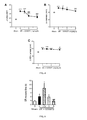
Figure 4 is a combination of three graphs showing left atrium (LA) area (A) and diameter (B) and left ventricle end-diastolic (LVED) diameter (C) after two months of treatment with S35972. Treatment of rats started just after thoracotomy without (Sham) or with occlusion of left coronary artery followed by reperfusion (I/R). LA area was measured by bidimensional echocardiography. LA and LVED diameters were measured in time-motion mode. Results are presented as mean +/- S.E.M. *P<0.05, **P<0.01 and *** P<0.001 vs Sham; # P<0.05 ### P<0.001 vs untreated I/R. -
Figure 5 is a graph showing the impact of S35972 administration during two months on the duration of an episode of AF in rats undergone thoracotomy without (Sham) or with occlusion of left coronary artery followed by reperfusion (I/R). AF duration is measured as the time between the end of the electric stimulation and the return to sinusoidal rhythm. Results are presented as mean +/- S.E.M, *P<0.05 vs Sham; ## P<0.01 vs untreated I/R, -
Figure 6 is a combination of graphs showing the impact of treatments with 25 mg/kg/d dabigatran for 4 weeks and 6 mg/kg/d S35972 for 8 weeks on atrial (A) and ventricular (B) expression of myosin heavy chain (MHC) isoforms. Rats undergone thoracotomy without (Sham) or with occlusion of left coronary artery followed by reperfusion (I/R). Expression of mRNA was measured with real-time qPCR. Results are presented as mean +/- S.E.M. *P<0.05, **P<0.01 vs Sham; #P<0.05 vs untreated I/R. -
Figure 7 is a combination of graphs showing the impact of 2 months S35972 administration on the expression of the hypertrophic markers, brain and atrial natriuretic peptides (BNP and ANP) in atria (A) and ventricle (B). Rats undergone thoracotomy without (Sham) or with occlusion of left coronary artery followed by reperfusion (I/R). Expression of mRNA was measured with real-time qPCR. Results are presented as mean +/- S.E.M. *P<0.05, ***P<0.001 vs Sham; #P<0.05, ##P<0.01 vs untreated I/R. -
Figure 8 is a combination of graphs showing the impact of 2 months S35972 administration on the expression of fibrotic markers, plasminogen activator inhibitor 1 (PAI-1, A) and heparin-binding epidermal growth factor (HB-EGF, B) in atria and ventricle. Rats undergone thoracotomy without (Sham) or with occlusion of left coronary artery followed by reperfusion (I/R). Expression of mRNA was measured with real-time qPCR. Results are presented as mean +/- S.E.M. *P<0.05, ***P<0.001 vs Sham; #P<0.05, ##P<0.01 vs untreated I/R. -
Figure 9 is a combination of graphs showing left atrium (LA) area (A) and diameter (B) and left ventricle end-diastolic (LVED) diameter (C) after one month of treatment with S35972. Treatment of rats started one month post thoracotomy without (Sham) or with occlusion of left coronary artery followed by reperfusion (I/R). LA area was measured by bidimensional echocardiography. LVED and LA diameters were measured in time-motion mode. Results are presented as mean +/- S.E.M, ###P<0.001 vs untreated I/R; †P<0.05 vs I/R rats before treatment with S35972 or vehicle. -
Figure 10 is a graph showing the impact of of S35972 administered 1 month post I/R on duration of AF. Rats undergone thoracotomy without (Sham) or with occlusion of left coronary artery followed by reperfusion (I/R). AF duration is measured as the time between the end of the electric stimulation and return to sinusoidal rhythm. Results are presented as mean +/- S.E.M. - The present invention is further illustrated by the following examples.
- Model: Male OFA Sprague-dawley rats weighting 200-220g were obtained from Charles River (L'Arbresle, France) and housed for two weeks in CEF 105B of Pierre and Marie Curie University (Paris, France) before experiments. All experimental procedure were reviewed by the local Ethical Committee for animal research and approved by the French Ministry of Education and Research (authorization N°00429.03).
- Animals were anesthetized with 30 mg/kg sodium pentobarbital, and then intubated and ventilated at 60 respirations/min while body temperature was maintained at 37°C. Rats underwent thoracotomy and their left coronary artery was either left intact (Sham) or occluded with a 4.0 silk suture at 1 mm from the artery origin. Ischemia was maintained for 30 min and the clamp was removed to initiate a definitive reperfusion phase. This episode of ischemia/reperfusion (I/R) induced a progressive dilatation of ventricle, then of atria.
- Products: The DTIs, Dabigatran etexilate and S35972 (dihydrochloride salt of 4-oxo-3-(2-pyridin-2-ylethylamino)-4,6,7,8-tetrahydro-pyrrolo[1,2-a]pyrazine-6-carboxylic acid 2-ethylcarbamoyl methoxy-benzylamide (Rupin et al, 2011) were synthesized. S35972 was dispensed with an ALZET® osmotic minipump subcutaneously implanted following I/R during anesthesia. Rats received 1.5, 3 6 or 15 mg/kg/d of S35972 or vehicle (Saline) during 4 or 8 weeks. Dabigatran etexilate at 12.5 mg/kg or vehicle (PEG 300 40%/
H2O 60%) was administered by force-feeding twice daily during 4 weeks. Treatment started one hour after I/R procedure, when rats regained consciousness. For dabigatran, blood sampling is performed 90 minutes after force-feeding. Plasma concentrations of Dabigatran and S35972 are determined by liquid chromatography-tandem mass spectrometry (LCMS/MS) with the protocol used for the detection of Dabigatran in human plasma. - Four weeks post-I/R, echocardiographic evaluation shows that both products (S35972 and dabigatran) prevent the dilatation of left atrium (see
Figure 1 ). - As shown in
Figure 2 , both products (S35972 and dabigatran) do not impact ventricular diameter and function (Figure 2 ). - When administered at a dose of 25 mg/kg/day (i.e. 12.5 mg/kg BID), the plasma concentration of dabigatran reaches 49.2 ± 19.3 (SD) ng/ml and the thrombin time increases by a
factor 8, which confirms a strong anticoagulant activity (Figure 3A ). When administered at a dose of 3 or 6 mg/kg/day, the plasma concentration of S35975 reaches 24.1 ± 5.7 and 57.2±24.4 ng/ml, respectively. The thrombin time increases by afactor 3 for the two doses (Figure 3B ). - The results presented in
Figures 1 to 3 thus demonstrate that dabigatran and S35972 inhibit both blood coagulation and atrial dilatation. - Administration of S35972 for 8 weeks at a dose of either 3 or 6 mg/kg/day decreases the left atrium area (
Figure 4A ). However, only a dose of 6 mg/kg/day significantly reduces atrial and ventricular diameters (seeFigures 4B and C ). - Eight weeks post I/R, a rapid stimulation of left atrium with an electrode introduced in the esophagus induces an episode of paroxysmal AF. Administration of 6 mg/kg/day of S35972 decreases the duration of this episode of paroxysmal AF to the control values (
Figure 5 ). - These results thus demonstrate that chronic treatment with S35972 decrease atrial dilatation and AF duration.
- In tissues, dilatation of the left atrium is associated with reprogramming of fetal genes , such as, for example, β-MHC, as shown in
Figure 6A . Administration of 25 mg/kg/day of dabigatran or of 6 mg/kg/day of S35972 prevents the synthesis of β-MHC without impacting the expression of α-MHC, either 4 or 8 weeks post I/R (seeFigure 6A ). - In the ventricle, I/R also induces the synthesis of β-MHC, while α-MHC remains constant, as shown in
Figure 6B . Administration of 6 mg/kg/day of S35972 prevents the synthesis of β-MHC without significant impact on the expression of α-MHC, either 4 or 8 weeks post I/R (seeFigure 6B ). - Moreover, I/R-induced reprogramming of fetal genes is associated with an induction of the synthesis of BNP in atria and ANP in ventricles, (see
Figure 7 ). Administration of 6 mg/kg/day of S35972 prevents the synthesis of BNP both in the atrium and in the ventricle. Regarding ANP, S35972 administration does not impact its expression in the atrium, but significantly reduces its synthesis in the ventricle (seeFigure 7 ). - These results thus demonstrate that dabigatran and S35972 inhibit the hypertrophic response of myocardial atrium and ventricle to I/R.
- Atrial remodeling is composed of cellular hypertrophy and modifications of extracellular matrix proteins that triggers fibrosis. PAI-1 is an extracellular matrix protein, which has a dual role by contributing to pathogenesis of thrombotic events and to cardiac remodeling. The mRNA expression of PAI-1 is amplified in both dilated atria and ventricles, but treatment with S35972 has an inhibitory effect in atria only (
Figure 8A ), in agreement with the little effect of S35972 on LVED diameter. The expression of HB-EGF, which is a potent inductor of extracellular matrix remodeling, is also amplified in dilated atria and ventricles. Treatment with S35972 prevents the induction of HB-EGF mRNA in both atria and ventricles (Figure 8B ). This could participate in the observed effect of on LVED diameter. - These results demonstrate that S35972 inhibits the atrial expression of extracellular matrix protein and growth factors induced by I/R.
- The power of S35972 to regress already established atrial dilatation was tested by starting treatment one month after the I/R episode (
Figure 9 ). Administration of 6 mg/kg/d during one month significantly reduced the left atrium area (Figure 9A ), but not the diameter, which decreased to an intermediate value between Sham and I/R rats (Figure 9B ). S35972 had no effect on left ventricle end-diastolic diameter (Figure 9C ). - Moreover, administration of 6 mg/kg/day S35972 in rats with dilated atria tends to decrease AF duration (
Figure 10 ). - These results thus demonstrate that direct inhibitors of thrombin (such as, for example, dabigatran and S35972) inhibit the development of atrial dilatation and remodeling and the susceptibility to AF, and decrease atrial dilatation.
Claims (13)
- NOAC for use in preventing development and/or aggravation of atrial fibrillation (AF) in a subject.
- NOAC for use according to claim 1, wherein AF is de novo AF.
- NOAC for use according to claim 1 or 2, wherein the subject is substantially healthy.
- NOAC for use according to anyone of claims 1 to 3, wherein the subject has no or low risk of thromboembolism, preferably the subject as a CHADS2 score or a CHA2DS2-VASC score of 0.
- NOAC for use according to anyone of claims 1 to 4, wherein said NOAC is a direct thrombin inhibitor.
- NOAC for use according to anyone of claims 1 to 5, wherein said NOAC is selected from dabigatran or a derivative or a salt or solvate thereof and S35972.
- NOAC for use according to anyone of claims 1 to 6, wherein said NOAC is dabigatran etexilate.
- NOAC for use according to anyone of claims 1 to 7, being orally administered.
- Pharmaceutical composition for use in preventing development and/or aggravation of AF in a subject, wherein said pharmaceutical composition comprises at least one NOAC for use according to anyone of claims 1 to 8 in combination with at least one pharmaceutically acceptable excipient.
- Medicament for use in preventing development and/or aggravation of AF in a subject, wherein said pharmaceutical composition comprises at least one NOAC for use according to anyone of claims 1 to 8.
- Method for preventing development and/or aggravation of AF in a subject, wherein said method comprises administering a therapeutically effective amount of at least one NOAC to the subject.
- Method for preventing myocardial remodeling, preferably atrial remodeling, thereby preventing development and/or aggravation of AF, wherein said method comprises administering a therapeutically effective amount of at least one NOAC to the subject.
- Method according to claim 12, wherein said myocardial remodeling is an increase of atrial area, an increase of atrial diameter, an increased atrial expression of hypertrophic and fibrotic markers.
Priority Applications (1)
| Application Number | Priority Date | Filing Date | Title |
|---|---|---|---|
| EP15160648.0A EP3072514A1 (en) | 2015-03-24 | 2015-03-24 | Novel oral anticoagulants (NOACs) for preventing development and aggravation of atrial fibrillation |
Applications Claiming Priority (1)
| Application Number | Priority Date | Filing Date | Title |
|---|---|---|---|
| EP15160648.0A EP3072514A1 (en) | 2015-03-24 | 2015-03-24 | Novel oral anticoagulants (NOACs) for preventing development and aggravation of atrial fibrillation |
Publications (1)
| Publication Number | Publication Date |
|---|---|
| EP3072514A1 true EP3072514A1 (en) | 2016-09-28 |
Family
ID=52814822
Family Applications (1)
| Application Number | Title | Priority Date | Filing Date |
|---|---|---|---|
| EP15160648.0A Withdrawn EP3072514A1 (en) | 2015-03-24 | 2015-03-24 | Novel oral anticoagulants (NOACs) for preventing development and aggravation of atrial fibrillation |
Country Status (1)
| Country | Link |
|---|---|
| EP (1) | EP3072514A1 (en) |
-
2015
- 2015-03-24 EP EP15160648.0A patent/EP3072514A1/en not_active Withdrawn
Non-Patent Citations (7)
| Title |
|---|
| CAKEBREAD HOLLY E ET AL: "Warfarin-induced purple toe syndrome successfully treated with apixaban.", BMJ CASE REPORTS 2014, vol. 2014, 2014, XP008177469, ISSN: 1757-790X * |
| GREG C. FLAKER: "Bleeding During Treatment With Aspirin Versus Apixaban in Patients With Atrial Fibrillation Unsuitable for Warfarin The Apixaban Versus Acetylsalicylic Acid to Prevent Stroke in Atrial Fibrillation Patients Who Have Failed or Are Unsuitable for Vitamin k Antagonist Treatment (AVERROES) Trial", STROKE, 1 January 2012 (2012-01-01), pages 3291 - 3297, XP055211405, Retrieved from the Internet <URL:http://stroke.ahajournals.org/content/43/12/3291> [retrieved on 20150904], DOI: 10.1161/STROKEAHA.112.664144 * |
| OLDGREN JONAS ET AL: "Risks for stroke, bleeding, and death in patients with atrial fibrillation receiving dabigatran or warfarin in relation to the CHADS2 score: a subgroup analysis of the RE-LY trial.", ANNALS OF INTERNAL MEDICINE 15 NOV 2011, vol. 155, no. 10, 15 November 2011 (2011-11-15), pages 660, XP008177392, ISSN: 1539-3704 * |
| ROGNONI CARLA ET AL: "Apixaban, dabigatran, and rivaroxaban versus warfarin for stroke prevention in non-valvular atrial fibrillation: a cost-effectiveness analysis.", CLINICAL DRUG INVESTIGATION JAN 2014, vol. 34, no. 1, January 2014 (2014-01-01), pages 9 - 17, XP002744386, ISSN: 1179-1918 * |
| RUPIN ET AL., JOURNAL OF THROMBOSIS AND HAEMOSTASIS, vol. 9, 2011, pages 1375 - 1382 |
| RUPIN ET AL.: "S35972, a direct-acting thrombin inhibitor with high oral bioavailabilty and antithrombotic efficacy", JOURNAL OF THROMBOSIS AND HAEMOSTASIS, vol. 9, 2011, pages 1375 - 1382, XP055211284 * |
| WINSTANLEY LISA ET AL: "New thrombin and factor Xa inhibitors for primary and secondary prevention of ischaemic stroke", vol. 12, no. 2, 1 March 2013 (2013-03-01), pages 242 - 251, XP008177386, ISSN: 1871-5273, Retrieved from the Internet <URL:http://www.ingentaconnect.com/content/ben/cnsnddt/2013/00000012/00000002/art00011> * |
Similar Documents
| Publication | Publication Date | Title |
|---|---|---|
| JP5707489B2 (en) | Treatment of type 1 diabetes | |
| JP5707490B2 (en) | Treatment of type 2 diabetes | |
| KR20200035973A (en) | Mabacamten for use in the treatment of hypertrophic cardiomyopathy | |
| US20110230552A1 (en) | Use of dronedarone for the preparation of a medicament for the prevention of stroke or transient ischemic attack | |
| JP2018538367A (en) | Targeting for treating heart disease of formyl peptide receptor 2 / lipoxin A4 receptor (FPR2 / ALX) | |
| Zhang et al. | Small-molecule integrated stress response inhibitor reduces susceptibility to postinfarct atrial fibrillation in rats via the inhibition of integrated stress responses | |
| US20250152671A1 (en) | Medical composition for treating patients exhibiting cardiac decompensation | |
| EP3072514A1 (en) | Novel oral anticoagulants (NOACs) for preventing development and aggravation of atrial fibrillation | |
| KR100623166B1 (en) | Use of cortisol antagonists in the treatment for heart failure | |
| CN116723836A (en) | Administration of Suxinidine for the treatment of acute atrial fibrillation | |
| WO2018045045A1 (en) | Methods for treatment using small molecule potassium-sparing diuretics and natriuretics | |
| JP2023514837A (en) | Use of Cyclosporine Analogues to Treat Fibrosis | |
| KR102831272B1 (en) | The pharmaceutical composition comprising LIF for the prophylaxis or treatment of cardiovascular disease | |
| Medvedev et al. | CoQ10 treatment of patients with CHF and effects of BNP level | |
| EP2387996A1 (en) | Use of dronedarone for the preparation of a medicament for the prevention of cardiovascular events in patients with permanent atrial fibrillation | |
| WO2023200738A1 (en) | Combination treatment of dilated cardiomyopathy comprising a tyrosine kinase inhibitor and a statin | |
| HK40018656A (en) | Triazines for the delay, the onset or to inhibit the progression of type 2 diabetes | |
| Van De Sandt et al. | Pharmacological CCR1 blockade limits infarct size, preserves cardiac function and attenuates left ventricular remodeling in a murine model of myocardial ischemia/reperfusion | |
| WO2017153850A1 (en) | Perhexiline dosing regimens for use in the treatment of hypertrophic cardiomyopathy | |
| EP2387997A1 (en) | Use of dronedarone for the preparation of a medicament for the prevention of cardiovascular events in patients who developed permanent atrial fibrillation throughout the period the dronedarone is administered | |
| Colaiori et al. | P2695 Safety of anticoagulation with uninterrupted NOAC vs interrupted NOAC in patients requiring an implantable cardiac device | |
| HK1158984A (en) | Use of dronedarone for the preparation of a medicament for the prevention of stroke or transient ischemic attack | |
| HK40026724A (en) | Mavacamten for use in the treatment of hypertrophic cardiomyopathy | |
| HK40026724B (en) | Mavacamten for use in the treatment of hypertrophic cardiomyopathy |
Legal Events
| Date | Code | Title | Description |
|---|---|---|---|
| PUAI | Public reference made under article 153(3) epc to a published international application that has entered the european phase |
Free format text: ORIGINAL CODE: 0009012 |
|
| AK | Designated contracting states |
Kind code of ref document: A1 Designated state(s): AL AT BE BG CH CY CZ DE DK EE ES FI FR GB GR HR HU IE IS IT LI LT LU LV MC MK MT NL NO PL PT RO RS SE SI SK SM TR |
|
| AX | Request for extension of the european patent |
Extension state: BA ME |
|
| STAA | Information on the status of an ep patent application or granted ep patent |
Free format text: STATUS: THE APPLICATION IS DEEMED TO BE WITHDRAWN |
|
| 18D | Application deemed to be withdrawn |
Effective date: 20170329 |