EP3071030B1 - Polymer based transplant preservation solution - Google Patents
Polymer based transplant preservation solution Download PDFInfo
- Publication number
- EP3071030B1 EP3071030B1 EP14863795.2A EP14863795A EP3071030B1 EP 3071030 B1 EP3071030 B1 EP 3071030B1 EP 14863795 A EP14863795 A EP 14863795A EP 3071030 B1 EP3071030 B1 EP 3071030B1
- Authority
- EP
- European Patent Office
- Prior art keywords
- preservation solution
- solution
- transplant preservation
- acid
- transplant
- Prior art date
- Legal status (The legal status is an assumption and is not a legal conclusion. Google has not performed a legal analysis and makes no representation as to the accuracy of the status listed.)
- Active
Links
Images



Classifications
-
- A—HUMAN NECESSITIES
- A01—AGRICULTURE; FORESTRY; ANIMAL HUSBANDRY; HUNTING; TRAPPING; FISHING
- A01N—PRESERVATION OF BODIES OF HUMANS OR ANIMALS OR PLANTS OR PARTS THEREOF; BIOCIDES, e.g. AS DISINFECTANTS, AS PESTICIDES OR AS HERBICIDES; PEST REPELLANTS OR ATTRACTANTS; PLANT GROWTH REGULATORS
- A01N1/00—Preservation of bodies of humans or animals, or parts thereof
- A01N1/10—Preservation of living parts
- A01N1/12—Chemical aspects of preservation
- A01N1/122—Preservation or perfusion media
- A01N1/126—Physiologically active agents, e.g. antioxidants or nutrients
-
- A—HUMAN NECESSITIES
- A01—AGRICULTURE; FORESTRY; ANIMAL HUSBANDRY; HUNTING; TRAPPING; FISHING
- A01N—PRESERVATION OF BODIES OF HUMANS OR ANIMALS OR PLANTS OR PARTS THEREOF; BIOCIDES, e.g. AS DISINFECTANTS, AS PESTICIDES OR AS HERBICIDES; PEST REPELLANTS OR ATTRACTANTS; PLANT GROWTH REGULATORS
- A01N1/00—Preservation of bodies of humans or animals, or parts thereof
- A01N1/10—Preservation of living parts
- A01N1/12—Chemical aspects of preservation
- A01N1/122—Preservation or perfusion media
-
- A—HUMAN NECESSITIES
- A61—MEDICAL OR VETERINARY SCIENCE; HYGIENE
- A61K—PREPARATIONS FOR MEDICAL, DENTAL OR TOILETRY PURPOSES
- A61K35/00—Medicinal preparations containing materials or reaction products thereof with undetermined constitution
- A61K35/12—Materials from mammals; Compositions comprising non-specified tissues or cells; Compositions comprising non-embryonic stem cells; Genetically modified cells
Definitions
- This invention relates to the polyglycerol field.
- the invention relates to transplant preservation solutions based on polyglycerols and their uses.
- DGF Delayed graft function
- UW University of Wisconsin
- Celsior Histidine Tryptophan Ketoglutarate
- UW solution is used for both aortic in situ flush and ex vivo cold storage of the kidney, liver and pancreas.
- HES hydroxyethyl starch
- UW solution can have a negative impact on its application in cold preservation of organs, particularly from deceased donors.
- HES is commonly used as a colloid for volume resuscitation of critically ill patients, but its safety has recently come into question; fluid resuscitation with HES is associated with coagulopathy, pruritus and acute kidney injury ( Hartog, C., Reinhart, K., 2009.
- CONTRA Hydroxyethyl starch solutions are unsafe in critically ill patients. Intensive Care Med 35, 1337-1342 ; Perner, A., Haase, N., Guttormsen, A.B., Tenhunen, J., Klemenzson, G., Aneman, A., Madsen, K.R., Moller, M.H., Elkjaer, J.M., Poulsen, L.M., Bendtsen, A., Winding, R., Steensen, M., Berezowicz, P., Soe-Jensen, P., Bestle, M., Strand, K., Wiis, J., White, J.O., Thornberg, K.J., Quist, L., Nielsen, J., Andersen, L.H., Holst, L.B., Thormar, K., Kjaeldgaard, A.L., Fabritius, M.L., Mondrup,
- Hyperbranched polyglycerol is a water-soluble branched polyether polymer that has been investigated for many medical applications, such as restoring the circulation volume as an albumin substitute ( Kainthan, R.K., Janzen, J., Kizhakkedathu, J.N., Devine, D.V., Brooks, D.E., 2008. Hydrophobically derivatized hyperbranched polyglycerol as a human serum albumin substitute.
- CA 2 742 345 discloses a method of improving heart function in a subject comprising administering an effective amount of a hyperbranched polyglycerol to a subject.
- HPG is a highly water soluble (>400 mg/mL) and compact polymer, has an equal or better biocompatibility profile compared to polyethylene glycol (PEG), HPG has low intrinsic viscosity that is similar to that of proteins and is approximately 10-times lower than that of linear polymers (i.e. PEG, HES, dextran) ( Kainthan, R.K., Janzen, J., Kizhakkedathu, J.N., Devine, D.V., Brooks, D.E., 2008. Hydrophobically derivatized hyperbranched polyglycerol as a human serum albumin substitute.
- PEG polyethylene glycol
- Biomaterials 29, 1693-1704 and ul-Haq, M.I., Lai, B.F.L., Chapanian, R., Kizhakkedathu, J.N., 2012. Influence of architecture of high molecular weight linear and branched polyglycerols on their biocompatibility and biodistribution. Biomaterials 33, 9135-9147 ); and HPG neither precipitates proteins nor aggregates the cells (e.g. RBCs) even at very high concentrations ( Liu, Z., Janzen, J., Brooks, D.E., 2010. Adsorption of amphiphilic hyperbranched polyglycerol derivatives onto human red blood cells.
- Biomaterials 31, 3364-3373 Rossi, N.A., Constantinescu, I., Kainthan, R.K., Brooks, D.E., Scott, M.D., Kizhakkedathu, J.N., 2010. Red blood cell membrane grafting of multi-functional hyperbranched polyglycerols. Biomaterials 31, 4167-4178 ; and ul-Haq, M.I., Lai, B.F.L., Chapanian, R., Kizhakkedathu, J.N., 2012. Influence of architecture of high molecular weight linear and branched polyglycerols on their biocompatibility and biodistribution. Biomaterials 33, 9135-9147 ).
- the present invention provides a transplant preservation solution comprising a hyperbranched or dendritic polyglycerol wherein the hyperbranched or dendritic polyglycerol is of a molecular weight between 0.48 kDa and 3.00 kDa, and wherein the transplant preservation solution is a UW-type solution that does not comprise raffinose or hydroxyethyl starch, the transplant preservation solution for use as a medicament for reducing the damaging effects of cold ischemia and warm reperfusion on organ function in a method comprising procuring an organ, maintaining the organ, in the transplant preservation solution, and transplanting the organ, to a patient to be treated for organ failure.
- the molecular weight of the polyglycerol is between about 0.50 kDa and about 3 kDa, or between about 0.75 kDa to about 2.0 kDa.
- the molecular weight (MW) of each polymer is determined by using Gel Permeation Chromatography (GPC) and nuclear magnetic resonance (NMR) spectroscopy.
- the transplant preservation solution is in aqueous solution.
- the polyglycerol comprises about 0.01% by weight to about 50% by weight of the transplant preservation solution solution, about 0.20% by weight to about 40% by weight of the transplant preservation solution solution, about 0.40% by weight to about 30% by weight of the transplant preservation solution solution, about 0.60% by weight to about 25% by weight of the transplant preservation solution solution, about 1.00% by weight to about 23% by weight of the transplant preservation solution solution, or about 1.25% by weight to about 20% by weight of the transplant preservation solution solution.
- the pH of the transplant preservation solution is between about 2.0 and about 9.0, between about 5.0 and about 7.9, between about 5.1 and about 7.9, between about 6.0 and about 7.6, between about 6.1 and about 7.6, between about 6.2 and about 7.6, between about 6.3 and about 7.6, between about 6.4 and about 7.6, or between about 6.5 and about 7.5.
- the transplant preservation solution has an osmolarity between about 150 milliosmols per litre and about 1500 milliosmols per litre, between about 240 and about 600 milliosmols per litre, between about 290 milliosmols per litre and about 580, between about 290 milliosmols per litre and about 480 milliosmols per litre, about 290 milliosmols per litre and about 460 milliosmols per litre, or between about 290 milliosmols per litre and about 450 milliosmols per litre,
- the degree of branching of the polyglycerol is between about 0.5 and about 0.7, between about 0.6 and about 0.7, between about 0.5 and about 0.6, between about 0.55 and about 0.7, or between about 0.55 and about 0.65.
- the transplant preservation solution comprises at least two polyglycerols wherein the molecular weight of each of the at least two polyglycerols are different. In some embodiments, the transplant preservation solution comprises polyglycerols of a single molecular weight. In embodiments in which the transplant preservation solution comprises polyglycerols of a single molecular weight, some of those embodiments comprise a single polyglycerol and other embodiments comprise at least two polyglycerols having the same molecular weight but different chemical structures.
- the polyglycerol may further comprise one or more hydrophobic groups, hydrophilic groups or both.
- the one or more hydrophobic groups, hydrophilic groups or both are joined to form from about 1% to about 100% of hydroxyl groups on the polyglycerol.
- the one or more hydrophobic groups, hydrophilic groups or both are joined to form from about 1% to about 40% of hydroxyl groups on the polyglycerol.
- the one or more hydrophobic groups, hydrophilic groups or both comprise one or more of a carboxylic acid, an amine, a substituted amine, an amino acid, a phosphate, a sulfate, an alkyl, an alkyl ether, an aromatic group, a zwitterionic group, a carbohydrate, metal chelating groups, reactive oxygen scavenging groups, a disulfide or a thiol.
- the transplant preservation solution further comprises one or more of antioxidants, nucleosides, acids, bases, xanthine oxidase inhibitor, diffusion agent, osmotic agent, lactobionic acid, vitamins, proteins, growth factors, anti-inflammatory agents, cell death inhibitors, cell membrane stabilizing agents, antibiotics.
- the present invention provides a transplant preservation solution comprising a hyperbranched polyglycerol (HPG) as described herein.
- HPG hyperbranched polyglycerol
- the present invention provides a transplant preservation solution comprising a hyperbranched polyglycerol wherein the hyperbranched polyglycerol is of a molecular weight between about 1.0 kDa and about 2.0 kDa.
- a transplant preservation solution comprising a hyperbranched or dendritic polyglycerol, wherein the hyperbranched or dendritic polyglycerol is of a molecular weight between 0.48 kDa and 3.00 kDa, and wherein the transplant preservation solution is a UW-type solution that does not comprise raffinose or hydroxyethyl starch, for preservation of an organ, in transportation of an organ, in transportation of a bodily tissue, or in transportation of a cell, wherein the organ, bodily tissue or cell is transported ex-vivo, with the proviso that the use does not constitute a method for treatment of the human or animal body by surgery or therapy.
- Organ transplants may be allografts, isografts or autographs.
- organs can include the heart, kidneys, liver, lungs, pancreas, intestine, spleens, limbs including fingers/toes, sex organs and thymus.
- the transplant preservation solution can be used to reduce and/or minimize the damaging effects of cold ischemia and warm reperfusion on organ, tissue or cell function during organ procurement and transplant.
- the transplant preservation solution may be used at a low temperature. In some embodiments the temperature of the transplant preservation solution may be between 0 and 25 degrees Celsius. In some embodiments the temperature of the transplant preservation solution may be between 0 and 10 degrees Celsius. In some embodiments, the temperature of the transplant preservation solution may be between 1 and 6 degrees Celsius. In some embodiments, the temperature of the transplant preservation solution may be between 2 and 5 degrees Celsius.
- the transplant preservation solution may be used at mammalian body temperature. In some embodiments, the temperature of the transplant preservation solution may be between 25 and 40 degrees Celsius. In some embodiments the temperature of the transplant preservation solution may be between 29 and 38 degrees Celsius. In some embodiments the temperature of the transplant preservation solution may be between 35 and 38 degrees Celsius.
- the methods comprising procuring an organ and maintaining it in a transplant preservation solution, and transplanting said organ to the patient.
- the organ may be from the patient or the organ may be from a person different from the patient.
- tissue may be from the patient or the tissue may be from a person different from the patient.
- a patient having cell based disease, cell based destruction or cell based malfunction comprising procuring cells and maintaining them in a transplant preservation solution, and transplanting said cells to the patient.
- the tissue may be from the patient or the tissue may be from a person different from the patient.
- a transplant preservation solution as described herein may be used in the transplant of an organ to a person with organ failure or with organ disease.
- a transplant preservation solution as described herein may be used in the removal from an organ donor of a heart, kidney, liver, lung, pancreas, intestine, spleen, limbs including fingers/toes, sex organs or thymus.
- a transplant preservation solution as described herein may be used in the removal of tissue from a tissue donor.
- a transplant preservation solution as described herein may be used in the removal of cells from a cell donor.
- the invention also relates to methods for keeping a transplant organ, transplant tissue, or transplant cell viable, the methods comprising contacting the organ, tissue or cell with a transplant preservation solution as described herein.
- transplant preservation solutions comprising hyperbranched or dendritic polyglycerol wherein the hyperbranched or dendritic polyglycerol is of a molecular weight between 0.48 kDa and 3.00 kDa, and wherein the transplant preservation solution is a UW-type solution that does not comprise raffinose or hydroxyethyl starch and claimed uses thereof, fall under the scope of protection.
- polyglycerol is used herein as it is normally understood to a person of ordinary skill in the art and often refers to a polymer having a degree of branching, e.g., between 0 and 1.0 wherein the number of hydroxyl groups is equal to the number of repeat units and the repeat units consist of the following (wherein "r” is the repeat unit): wherein R 1 is H-, CH 3 -, CH 3 CH 2 -, t -Bu-,N 3 -CH 2 -CH 2 , alkyl chains (1 to 18 carbons), -CH 2 -NH 2 , - CH 2 -N(CH 3 ) 2 , -CH 2 -NH(CH 3 ), r-, r-CH 2 - or (r-) 2 CH-; R 2 is -r, -O-r, -O-CH 2 -CH-r, or -OH; and R 3 is - H, -CH 3 , -CH 2 -CH 3 ,
- hyperbranched polyglycerol is used herein as it is normally understood to a person of ordinary skill in the art and often refers to a polyglycerol having a degree of branching between about 0.5 and about 0.7.
- linear polyglycerol is used herein as it is normally understood by a person of ordinary skill in the art, and often refers to a polyglycerol having degree of branching "zero".
- dendritic polyglycerol or polyglycerol dendrimer is used herein as it is normally understood by a person of ordinary skill in the art, and often refers to a polyglycerol having degree of branching 1.0.
- osmotic agent is used herein as it is normally understood to a person of ordinary skill in the art and often refers to a substance that creates an osmotic gradient across a semi-permeable membrane to cause the movement of water across the membrane.
- diffusion agent is used herein as it is normally understood to a person of ordinary skill in the art and often refers to a substance that creates a concentration gradient across a membrane to cause the movement of solutes from an area of higher solute concentration to an area of lower solute concentration.
- electrophile is used herein as it is normally understood to a person of ordinary skill in the art and often refers to an ionized solute.
- alkyl by itself or as part of another substituent, means, unless otherwise stated, a straight or branched chain, or cyclic hydrocarbon radical, or combination thereof, which may be fully saturated, mono- or polyunsaturated and can include di- and multivalent radicals, having the number of carbon atoms designated (e.g. C 1 -C 10 or 1- to 10-membered means one to ten carbons), or if undesignated is a C 1 -C 10 alkyl.
- saturated hydrocarbon radicals include, but are not limited to, groups such as methyl, ethyl, n-propyl, isopropyl, n-butyl, t-butyl, isobutyl, sec-butyl, cyclohexyl, (cyclohexyl)methyl, cyclopropylmethyl, homologs and isomers of, for example, n-pentyl, n-hexyl, n-heptyl, n-octyl, and the like.
- An unsaturated alkyl group is one having one or more double bonds or triple bonds.
- unsaturated alkyl groups include, but are not limited to, vinyl, 2-propenyl, crotyl, 2-isopentenyl, 2-(butadienyl), 2,4-pentadienyl, 3-(1,4-pentadienyl), ethynyl, 1- and 3-propynyl, 3-butynyl, and the higher homologs and isomers.
- transplant preservation solution is used herein as it is normally understood to a person of ordinary skill in the art and often refers to a substance that can be used minimize the damaging effects of cold ischemia and warm reperfusion on organs or tissue during transplant. Terms with a similar meaning include transplant solution, preservation solution, organ preservation solution, preservations solution for transplant. Some examples of typical compositions of some non-limiting examples of transplant preservation solutions known in the art are include, but are not limited to University of Wisconsin (UW) solutions and HTK solutions. HTK-type solutions are organ preservation solutions that comprise histidine, tryptophan and ketoglutarate, whereas UW-type solutions do not comprise histidine, tryptophan and ketoglutarate.
- UW University of Wisconsin
- compositions of these types of organ preservation solutions are provided below: Base components of a typical UW-type transplant preservation solution lactobionic acid Potasium phosphate monobasic Magnesium Sulfate heptahydrate Raffinose pentahydrate Adenosine Glutathione Allopurinal KOH Hydroxyethyl Starch Base components of a typical HTK-type transplant preservation solution Sodium Potassium Magnesium Calcium Ketoglutarate/glutamic acid Histidine Mannitol Tryptophan Composition of UW solution ViaspanTM (DuPont) UW solution Lactobionic acid 100 mM KOH 100 mM KH 2 PO 4 25 mM MgSO 4 5 mM Adenosine 5 mM Glutathione 3 mM Allopurinol 1 mM Raffinose 30 mM Hydroxvethyl starch 50 g/L NaOH/HCl: pH 7.4 + Osmolaritv 320 mO
- transplant preservation solutions of the present invention compared to a known organ preservation solution.
- Transplant preservation solutions of the present invention do not comprise lactate.
- lactate solution has been used as an organ preservation solution, however embodiments comprising lactate are not included in the present invention.
- the invention includes, a polyglycerol as described herein together with the components of a UW-type solution that does not comprise raffinose or hydroxyethyl starch.
- a particular embodiment includes a polyglycerol as described herein together with the components of ViaspanTM , excepting raffinose and hydroxyethyl starch.
- Polyglycerol is a flexible, hydrophilic aliphatic polyether polymer which can be synthesized in linear, hyperbranched and dendrimeric forms with precise control of molecular weight.
- the circulation half-life in mice often depends on the molecular weight of the polymer, but may reach about 60 hours for a molecular weight of 540 kDa.
- Polyglycerols for use in the present invention may contain glucose or carbohydrate and are stable and easily delivered at physiological pH.
- Hyperbranched polyglycerol which is a polyglycerol having a degree of branching between about 0.5 and about 0.7, is prepared by multi-branching ring opening polymerization of glycidol under slow monomer addition.
- Polyglycerol dendrimers are prepared by multiple organic reactions. The structure contains large and small branches with hydroxyl-functionalities that render HPG a highly functional material.
- Linear polyglycerol may be prepared by ring opening polymerization of ethoxy ethyl glycidyl ether using t -BuO - K + as initiator in the presence of 1,4-dioxane followed by deprotection in HCl ( Gervais, M., Brocas, A.L., Cendejas, G., Deffieux, A., Carlotti, S., 2010. Synthesis of Linear High Molar Mass Glycidol-Based Polymers by Monomer-Activated Anionic Polymerization.
- Polyglycerol is a clear, viscous liquid. At room temperature, it is highly viscous and essentially non-volatile. Both linear and hyperbranched polyglycerols are of a compact nature in solution and highly soluble in water (for example, HPG has a water solubility greater than 200 mg/mL).
- LPG has an intrinsic viscosity (0.047 dL/g) that is more similar to that of HPG (0.052 dL/g) than PEG (1.308 dL/g), which again suggests that LPG has a highly compact structure in solution.
- the intrinsic viscosity of polyglycerol increases with increasing molecular weight (similar to proteins) and is significantly lower than other linear polymers.
- transplant preservation solutions of the present invention may have a pH between about 2.0 and about 9.0 or between about 6.5 and about 7.5.
- transplant preservation solutions of the present invention may be in aqueous solution, wherein the polylgycerol comprises about 0.01% by weight to about 50% by weight of the solution or between about 1.25% by weight to about 20% by weight of the solution.
- the polylgycerol comprises about 0.01% by weight to about 50% by weight of the solution or between about 1.25% by weight to about 20% by weight of the solution.
- the transplant preservation solutions of the present invention may have an osmolarity between about 150 milliosmols per litre and about 1500 milliosmols per litre.
- the osmolarity may be between about 290 milliosmols per litre and about 450 milliosmols per litre.
- high osmolarity may be used; for example, about 1500 milliosmols per litre may be achieved using about 40 wt. % to about 50 wt. % 0.5 kDa HPG solutions. With lower molecular weight HPGs, this osmolarity may be achieved with about 30 wt. % to about 40 wt. % HPG solutions.
- transplant preservation solutions of the present invention may have a polydispersity between about 1.0 and 15.
- the transplant preservation solutions of the present invention may comprise at least two polyglycerols wherein the molecular weight of each of the at least two polyglycerols is different.
- the molecular weights of each of the at least two polyglycerols may vary by as little as 74 Da, corresponding to the approximate weight of one repeat unit.
- the molecular weights may also vary by amounts such as about 0.5 kDa, about 1 kDa or about 2 kDa.
- the transplant preservation solutions of the present invention may comprise polyglycerols of a single molecular weight.
- the transplant preservation solution comprises only a single polyglycerol and in other embodiments the transplant preservation solution comprises at least two polyglycerols having the same molecular weight but different chemical structures.
- the transplant preservation solution as described herein may further comprise one or more electrolytes, one or more amino acids, one or more diffusion agents, one or more antioxidants, one or more growth factors, one or more buffering agents, one or more anti-cell death agents and/or one or more osmotic agents.
- the diffusion agent or osmotic agent may comprise sodium, chloride, bicarbonate, a bicarbonate producing agent, sulfate, phosphate, calcium, potassium, magnesium, latobionate, dextrose, fructose, glycerol, sorbitol, manitol, L-carnitine, bovine serum albumin (BSA), maltose, maltotriose, maltopentose, xylitol, adenosine, glutathione, lactobionic acid, potassium hydroxide or mixtures thereof.
- BSA bovine serum albumin
- the buffering agent may comprise maleic acid, phosphoric acid, sulfate, citric acid, malic acid, formic acid, lactic acid, succinic acid, acetic acid, pivalic (trimethylacetic acid), pyridine, piperazine, picolinic acid, L-histidine, 3-(N-morpholino)propanesulfonic acid (MOPS), 4-(2-hydroxyethyl)-1-piperazineethanesulfonic acid (HEPES), tricine, glycyglycine, bicine, boric acid, glycine, or mixtures thereof.
- MOPS 3-(N-morpholino)propanesulfonic acid
- HEPES 4-(2-hydroxyethyl)-1-piperazineethanesulfonic acid
- tricine glycyglycine, bicine, boric acid, glycine, or mixtures thereof.
- the transplant preservation solution as described herein may be used in the process of organ transplantation.
- the organ transplantation may be conducted for a mammal.
- Transplant preservation solution may enhance the protection of donor organs from cold ischemic injury, and of human endothelial cells from cold-induced cell death.
- Transplant preservation solution may be an effective method in clinical practice to prolong the storage period, and the use of transplant preservation solutions as a hypothermic preservation solution prevents the cells from swelling during cold ischemic storage.
- endothelial cell viability or endothelial monolayer integrity is helpful for successfully limiting vascular permeability of solid organs after transplantation.
- vascular endothelium is often first to interact with the cold environment. Loss of endothelial integrity often represents a primary event in cold preservation-related graft injury in various organ transplants. Cold injury may impair the barrier function of the endothelium, leading to parenchymal edema and hemorrhage following reperfusion and early graft dysfunction.
- Transplant preservation solutions of the present invention may increase the protection of cultured endothelial cells from necrosis, and may reduce grafts injury during cold preservation. Improved functional recovery, reduced perivascular inflammation, reduced cellular infiltration, and prolonged graft survival after transplantation may be observed using transplant preservation solutions of the present invention.
- the cell membrane may be a site of cold-induced injury.
- cell membranes When cells are transferred to a cold temperature, cell membranes may be destabilized by, for example, a change of membrane structure. Examples include, modifications of specific lipid-protein interaction, phospholipid asymmetry and lipid composition.
- a membrane transition from the liquid-crystalline phase to the gel phase can result in cell death.
- Cold transplant preservation solution can prevent such a transition as well as other cold-induced injuries.
- transplant preservation solutions comprising hyperbranched or dendritic polyglycerol wherein the hyperbranched or dendritic polyglycerol is of a molecular weight between 0.48 kDa and 3.00 kDa, and wherein the transplant preservation solution is a UW-type solution that does not comprise raffinose or hydroxyethyl starch and claimed uses thereof, fall under the scope of protection.
- C57BL/6j (B6) and BALB/c mice males, 8-10 weeks old were purchased from the Jackson Laboratory (Bar Harbor, ME, USA). All the procedures related to animal use in this study were performed and monitored in accordance with the Canadian Council on Animal Care guideline under the protocols approved by the Animal Use Subcommittee at the University of British Columbia.
- Primary human umbilical vein endothelial cells (HUVECs) were purchased from Lonza Walkersville Inc (Walkersville, MD, USA), and were immortalized with origin-deficient SV40 DNA for experiments in our laboratory.
- the endothelial cell cultures were maintained and grown in Medium 199 supplemented with 10% bovine calf serum, endothelial cell growth supplement, 50 ⁇ g/mL heparin, and antibiotics (penicillin and streptomycin)(Sigma-Aldrich, St. Louis, MO, USA) at 37°C under 5% CO 2 . Data were presented as mean ⁇ standard error of the mean (SEM). The statistical significance of the difference between two groups was determined by t -test. One-way analysis of variance (ANOVA) or two-way with Tukey's multiple comparison test was used as appropriate for comparisons among multiple groups. Values of p ⁇ 0.05 were considered statistically significant.
- Example 1 Reduced organ damage in hypothermic storage of isolated hearts with HPG solution
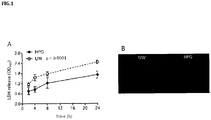
- Enhanced protection of organs was indicated by the lower levels of LDH release from the hearts in HPG group compared to UW group which was further confirmed by ethidium bromide (EB) staining ( Figure 1B ).
- EB is a cell membrane impermeable fluorescent dye that stains nucleic acids, and has been used for dead cell staining.
- Example 2 Improvement of functional recovery of heart transplants with less tissue damage in syngeneic recipients after hypothermic storage with HPG solution
- Neutrophils are one of the first-responding inflammatory cells recruited to the site of injury within minutes following trauma, and are the hallmark of acute muscle injury (Tidball JG, 1995).
- MPO-expressing infiltrates activated neutrophils
- Example 3 Prolonged survival of heart transplants after hypothermic storage with HPG solution
- Example 4 Enhanced cell survival in cultured human endothelial cells by exposure to HPG solution at hypothermic conditions
- Example 5 Maintenance of cell membrane fluidity and intracellular ATP in hypothermic preservation with HPG solution
- HPG polymer (0.5, 1, 3.5 kDa) was synthesized by anionic ring opening multi-branching polymerization of glycidol as described previously ( Sunder, A., Hanselmann, R., Frey, H., Mulhaupt, R., 1999. Controlled synthesis of hyperbranched polyglycerols by ring-opening multibranching polymerization. Macromolecules 32, 4240-4246 ). The molecular characteristics of the polymer were determined by gel permeation chromatography and proton nuclear magnetic resonance spectroscopy. HPG was purified by dialysis against MilliQ filtered water and lyophilized.
- HPG-based preservation solutions were prepared by dissolving HPG (3%, w/v) in a solution containing: 100 mM lactobionic acid, 100 mM potassium hydroxide (KOH), 25 mM potassium dihydrogen phosphate (KH 2 PO 4 ), 5 mM magnesium sulfate (MgSO 4 ), 5 mM adenosine, 3 mM glutathione, and 1 mM allopurinol, the same composition as in ViaspanTM UW solution (UW solution, DuPont Canada, Mississauga, ON, Canada) omitting 30 mM raffinose and 5% HES.
- ViaspanTM UW solution UW solution, DuPont Canada, Mississauga, ON, Canada
- HPG preservation solution was adjusted to 7.4 using NaOH/HCl at 22°C, and its osmolality ( ⁇ 320 mOsm/kg) was determined using Advanced® Model 3320 Micro-Osmometer (Advanced Instruments, Inc., Norwood, MA, USA) in the Vancouver Coastal Health Regional Laboratory Medicine (Vancouver, BC, Canada).
- Donor hearts were harvested from B6 donor mice after perfusion with 10 units/mL of heparin, and stored with ligated pulmonary veins in HPG solution versus UW solution at 4°C. After 24 h of cold preservation, the donor hearts were heterotopically transplanted into either syngeneic B6 mice (isotransplantation) or allogeneic BALB/c mice (allotransplantation) as described previously ( Li, S., Guan, Q., Chen, Z., Gleave, M.E., Nguan, C.Y., Du, C., 2011. Reduction of cold ischemia-reperfusion injury by graft-expressing clusterin in heart transplantation. J Heart Lung Transplant 30, 819-826 ).
- the graft function was scored by its contraction or beating at both 15 min and 24 h after graft transplantation according to a semi-quantitation method as described previously ( Kuznetsov, A.V., Schneeberger, S., Seiler, R., Brandacher, G., Mark, W., Steurer, W., Saks, V., Usson, Y., Margreiter, R., Gnaiger, E., 2004. Mitochondrial defects and heterogeneous cytochrome c release after cardiac cold ischemia and reperfusion.
- LDH release was determined by LDH release, that was quantitated by LDH assay using cytotoxicity detection kit (Roche Applied Science, Laval, QC) following manufacturers' protocols.
- LDH release in the preservation solution was presented as a percentage of positive control (cells incubating with 2% Triton X-100), or in mice, LDH release in the sera as an absorbance unit (OD 490 ).
- HUVECs 0.2 x 10 6 cells/well
- HPG solution 0.5 mL
- UW solution 0.5 mL
- trypin-EDTA solution Sigma-Aldrich Canada
- the cell membrane fluidity of cultured HUVECs was measured using a membrane fluidity kit following the manufacturer's protocol (Marker Gene Technologies, Eugene, OR, USA).
- HUVECs (1 ⁇ 10 6 cells/ml) in culture medium were labeled with lipid analog probe pyrenedecanoic acid by incubation at 25°C for 20 minutes. After two washes with PBS, the cells were incubated in HPG solution or UW solution at 4°C.
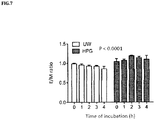
- the emission of monomer (M) at 390 nm or eximer (E) at 480 nm of the probe in the cell membrane was monitored using a fluorescence spectrometer at an excitation of 340 nm at 4°C for a period of 6 h.
- the E/M ratio was calculated as an indicator of membrane fluidity
- MPO Myeloperoxidase
- ATP adenosine triphosphate
- HUVECs (1 ⁇ 10 6 cells/well) were grown in culture medium in 6-well plates overnight, followed by exposure to HPG solution versus UW solution (0.5 mL/well) at 4°C for 4 h. After collection of the solution/supernatant, the intracellular ATP was extracted by the incubation of the cell with 0.35 mL/well of Somatic Cell ATP Releasing Agent (Sigma-Aldrich Canada). Both extracellular ATP in the supernatant and intracellular ATP levels in each experiment were calculated based on the ATP standards determined in the same assay.
- Somatic Cell ATP Releasing Agent Sigma-Aldrich Canada
- Example 13 Histological analysis of graft injury
Landscapes
- Health & Medical Sciences (AREA)
- Life Sciences & Earth Sciences (AREA)
- Zoology (AREA)
- Engineering & Computer Science (AREA)
- General Health & Medical Sciences (AREA)
- Environmental Sciences (AREA)
- Wood Science & Technology (AREA)
- Dentistry (AREA)
- Developmental Biology & Embryology (AREA)
- Immunology (AREA)
- Chemical & Material Sciences (AREA)
- Medicinal Chemistry (AREA)
- Pharmacology & Pharmacy (AREA)
- Epidemiology (AREA)
- Animal Behavior & Ethology (AREA)
- Virology (AREA)
- Public Health (AREA)
- Veterinary Medicine (AREA)
- Cell Biology (AREA)
- Biotechnology (AREA)
- Biomedical Technology (AREA)
- Agricultural Chemicals And Associated Chemicals (AREA)
- Biophysics (AREA)
- Physiology (AREA)
Description
- This invention relates to the polyglycerol field. In particular, the invention relates to transplant preservation solutions based on polyglycerols and their uses.
- Flushing and storage of donor organs with a cold preservation solution is a common method to minimize the ischemic injury during donor organ procurement. Various storage solutions and technologies have been developed for this purpose with varying degrees of success, including contemporary perfusate technology. Delayed graft function (DGF) is a problem that may be found in renal allografts from extended criteria donors that are flushed and stored with some of the currently used University of Wisconsin (UW), Celsior and Histidine Tryptophan Ketoglutarate (HTK) solutions (Agarwal, A., Murdock, P., Fridell, J.A., 2006. Comparison of histidine-tryptophan ketoglutarate solution and University of Wisconsin solution in prolonged cold preservation of kidney allografts. Transplantation 81, 480-482.; Montalti, R., Nardo, B., Capocasale, E., Mazzoni, M.P., Dalla Valle, R., Busi, N., Beltempo, P., Bertelli, R., Puviani, L., Pacile, V., Fuga, G., Faenza, A., 2005. Kidney transplantation from elderly donors: a prospective randomized study comparing celsior and UW solutions. Transplant Proc 37, 2454-2455; and Stevens, R.B., Skorupa, J.Y., Rigley, T.H., Yannam, G.R., Nielsen, K.J., Schriner, M.E., Skorupa, A.J., Murante, A., Holdaway, E., Wrenshall, L.E., 2009. Increased primary non-function in transplanted deceased-donor kidneys flushed with histidine-tryptophan-ketoglutarate solution. Am J Transplant 9, 1055-1062).
- Different preservation solutions substantially differ in their composition, but often they aim to prevent cellular and interstitial edema, and cell death, thus, aiming to maximize organ function after transplantation. UW solution is used for both aortic in situ flush and ex vivo cold storage of the kidney, liver and pancreas. However, the inclusion of hydroxyethyl starch (HES) in UW solution can have a negative impact on its application in cold preservation of organs, particularly from deceased donors. HES is commonly used as a colloid for volume resuscitation of critically ill patients, but its safety has recently come into question; fluid resuscitation with HES is associated with coagulopathy, pruritus and acute kidney injury (Hartog, C., Reinhart, K., 2009. CONTRA: Hydroxyethyl starch solutions are unsafe in critically ill patients. Intensive Care Med 35, 1337-1342; Perner, A., Haase, N., Guttormsen, A.B., Tenhunen, J., Klemenzson, G., Aneman, A., Madsen, K.R., Moller, M.H., Elkjaer, J.M., Poulsen, L.M., Bendtsen, A., Winding, R., Steensen, M., Berezowicz, P., Soe-Jensen, P., Bestle, M., Strand, K., Wiis, J., White, J.O., Thornberg, K.J., Quist, L., Nielsen, J., Andersen, L.H., Holst, L.B., Thormar, K., Kjaeldgaard, A.L., Fabritius, M.L., Mondrup, F., Pott, F.C., Moller, T.P., Winkel, P., Wetterslev, J., 2012. Hydroxyethyl starch 130/0.42 versus Ringer's acetate in severe sepsis. N Engl J Med 367, 124-134; Perner, A., Haase, N., Wetterslev, J., Aneman, A., Tenhunen, J., Guttormsen, A.B., Klemenzson, G., Pott, F., Bodker, K.D., Badstolokken, P.M., Bendtsen, A., Soe-Jensen, P., Tousi, H., Bestle, M., Pawlowicz, M., Winding, R., Bulow, H.H., Kancir, C., Steensen, M., Nielsen, J., Fogh, B., Madsen, K.R., Larsen, N.H., Carlsson, M., Wiis, J., Petersen, J.A., Iversen, S., Schoidt, O., Leivdal, S., Berezowicz, P., Pettila, V., Ruokonen, E., Klepstad, P., Karlsson, S., Kaukonen, M., Rutanen, J., Karason, S., Kjaeldgaard, A.L., Hoist, L.B., Wemerman, J., 2011. Comparing the effect of hydroxyethyl starch 130/0.4 with balanced crystalloid solution on mortality and kidney failure in patients with severe sepsis (6S--Scandinavian Starch for Severe Sepsis/Septic Shock trial): study protocol, design and rationale for a double-blinded, randomised clinical trial. ; Schortgen, F., Lacherade, J.C., Bruneel, F., Cattaneo, I., Hemery, F., Lemaire, F., Brochard, L., 2001. Effects of hydroxyethylstarch and gelatin on renal function in severe sepsis: a multicentre randomised study. Lancet 357, 911-916; and Winkelmayer, W.C., Glynn, R.J., Levin, R., Avorn, J., 2003. Hydroxyethyl starch and change in renal function in patients undergoing coronary artery bypass graft surgery. Kidney Int 64, 1046-1049), and impairs immediate donor kidney function after transplantation (Cittanova, M.L., Leblanc, I., Legendre, C., Mouquet, C., Riou, B., Coriat, P., 1996. Effect of hydroxyethylstarch in brain-dead kidney donors on renal function in kidney-transplant recipients. Lancet 348, 1620-1622).
- Hyperbranched polyglycerol (HPG) is a water-soluble branched polyether polymer that has been investigated for many medical applications, such as restoring the circulation volume as an albumin substitute (Kainthan, R.K., Janzen, J., Kizhakkedathu, J.N., Devine, D.V., Brooks, D.E., 2008. Hydrophobically derivatized hyperbranched polyglycerol as a human serum albumin substitute. Biomaterials 29, 1693-1704.) and in peritoneal dialysis solution as a primary osmotic agent (Mendelson, A.A., Guan, Q., Chafeeva, I., da Roza, G.A., Kizhakkedathu, J.N., Du, C., 2013. Hyperbranched polyglycerol is an efficacious and biocompatible novel osmotic agent in a rodent model of peritoneal dialysis. Perit Dial Int 33, 15-27).
CA 2 742 345 - In one aspect, the present invention provides a transplant preservation solution comprising a hyperbranched or dendritic polyglycerol wherein the hyperbranched or dendritic polyglycerol is of a molecular weight between 0.48 kDa and 3.00 kDa, and wherein the transplant preservation solution is a UW-type solution that does not comprise raffinose or hydroxyethyl starch, the transplant preservation solution for use as a medicament for reducing the damaging effects of cold ischemia and warm reperfusion on organ function in a method comprising procuring an organ, maintaining the organ, in the transplant preservation solution, and transplanting the organ, to a patient to be treated for organ failure. In some embodiments, the molecular weight of the polyglycerol is between about 0.50 kDa and about 3 kDa, or between about 0.75 kDa to about 2.0 kDa. The molecular weight (MW) of each polymer is determined by using Gel Permeation Chromatography (GPC) and nuclear magnetic resonance (NMR) spectroscopy.
- In some embodiments, the transplant preservation solution is in aqueous solution. In one embodiment, the polyglycerol comprises about 0.01% by weight to about 50% by weight of the transplant preservation solution solution, about 0.20% by weight to about 40% by weight of the transplant preservation solution solution, about 0.40% by weight to about 30% by weight of the transplant preservation solution solution, about 0.60% by weight to about 25% by weight of the transplant preservation solution solution, about 1.00% by weight to about 23% by weight of the transplant preservation solution solution, or about 1.25% by weight to about 20% by weight of the transplant preservation solution solution.
- In some embodiments, the pH of the transplant preservation solution is between about 2.0 and about 9.0, between about 5.0 and about 7.9, between about 5.1 and about 7.9, between about 6.0 and about 7.6, between about 6.1 and about 7.6, between about 6.2 and about 7.6, between about 6.3 and about 7.6, between about 6.4 and about 7.6, or between about 6.5 and about 7.5.
- In some embodiments, the transplant preservation solution has an osmolarity between about 150 milliosmols per litre and about 1500 milliosmols per litre, between about 240 and about 600 milliosmols per litre, between about 290 milliosmols per litre and about 580, between about 290 milliosmols per litre and about 480 milliosmols per litre, about 290 milliosmols per litre and about 460 milliosmols per litre, or between about 290 milliosmols per litre and about 450 milliosmols per litre,
- In some embodiments, the degree of branching of the polyglycerol is between about 0.5 and about 0.7, between about 0.6 and about 0.7, between about 0.5 and about 0.6, between about 0.55 and about 0.7, or between about 0.55 and about 0.65.
- In some embodiments, the transplant preservation solution comprises at least two polyglycerols wherein the molecular weight of each of the at least two polyglycerols are different. In some embodiments, the transplant preservation solution comprises polyglycerols of a single molecular weight. In embodiments in which the transplant preservation solution comprises polyglycerols of a single molecular weight, some of those embodiments comprise a single polyglycerol and other embodiments comprise at least two polyglycerols having the same molecular weight but different chemical structures.
- In some embodiments, the polyglycerol may further comprise one or more hydrophobic groups, hydrophilic groups or both. In some embodiments, the one or more hydrophobic groups, hydrophilic groups or both are joined to form from about 1% to about 100% of hydroxyl groups on the polyglycerol. In some embodiments, the one or more hydrophobic groups, hydrophilic groups or both are joined to form from about 1% to about 40% of hydroxyl groups on the polyglycerol. In some embodiments, the one or more hydrophobic groups, hydrophilic groups or both comprise one or more of a carboxylic acid, an amine, a substituted amine, an amino acid, a phosphate, a sulfate, an alkyl, an alkyl ether, an aromatic group, a zwitterionic group, a carbohydrate, metal chelating groups, reactive oxygen scavenging groups, a disulfide or a thiol.
- In some embodiments, the transplant preservation solution further comprises one or more of antioxidants, nucleosides, acids, bases, xanthine oxidase inhibitor, diffusion agent, osmotic agent, lactobionic acid, vitamins, proteins, growth factors, anti-inflammatory agents, cell death inhibitors, cell membrane stabilizing agents, antibiotics.
- In some embodiments, the present invention provides a transplant preservation solution comprising a hyperbranched polyglycerol (HPG) as described herein.
- In some embodiments, the present invention provides a transplant preservation solution comprising a hyperbranched polyglycerol wherein the hyperbranched polyglycerol is of a molecular weight between about 1.0 kDa and about 2.0 kDa.
- In another aspect there is provided use of a transplant preservation solution comprising a hyperbranched or dendritic polyglycerol, wherein the hyperbranched or dendritic polyglycerol is of a molecular weight between 0.48 kDa and 3.00 kDa, and wherein the transplant preservation solution is a UW-type solution that does not comprise raffinose or hydroxyethyl starch, for preservation of an organ, in transportation of an organ, in transportation of a bodily tissue, or in transportation of a cell, wherein the organ, bodily tissue or cell is transported ex-vivo, with the proviso that the use does not constitute a method for treatment of the human or animal body by surgery or therapy.
Organ transplants may be allografts, isografts or autographs. Wherein organs can include the heart, kidneys, liver, lungs, pancreas, intestine, spleens, limbs including fingers/toes, sex organs and thymus. - The transplant preservation solution can be used to reduce and/or minimize the damaging effects of cold ischemia and warm reperfusion on organ, tissue or cell function during organ procurement and transplant.
- In some embodiments, the transplant preservation solution may be used at a low temperature. In some embodiments the temperature of the transplant preservation solution may be between 0 and 25 degrees Celsius. In some embodiments the temperature of the transplant preservation solution may be between 0 and 10 degrees Celsius. In some embodiments, the temperature of the transplant preservation solution may be between 1 and 6 degrees Celsius. In some embodiments, the temperature of the transplant preservation solution may be between 2 and 5 degrees Celsius.
- In some embodiments, the transplant preservation solution may be used at mammalian body temperature. In some embodiments, the temperature of the transplant preservation solution may be between 25 and 40 degrees Celsius. In some embodiments the temperature of the transplant preservation solution may be between 29 and 38 degrees Celsius. In some embodiments the temperature of the transplant preservation solution may be between 35 and 38 degrees Celsius.
- Herein are disclosed methods for treating a patient having organ failure, the methods comprising procuring an organ and maintaining it in a transplant preservation solution, and transplanting said organ to the patient. The organ may be from the patient or the organ may be from a person different from the patient.
- Herein are disclosed methods for treating a patient having tissue disease, tissue destruction or tissue malfunction, the methods comprising procuring tissue and maintaining it in a transplant preservation solution, and transplanting said tissue to the patient. The tissue may be from the patient or the tissue may be from a person different from the patient.
- Herein are disclosed methods for treating a patient having cell based disease, cell based destruction or cell based malfunction, the methods comprising procuring cells and maintaining them in a transplant preservation solution, and transplanting said cells to the patient. The tissue may be from the patient or the tissue may be from a person different from the patient.
- A transplant preservation solution as described herein may be used in the transplant of an organ to a person with organ failure or with organ disease.
- A transplant preservation solution as described herein may be used in the removal from an organ donor of a heart, kidney, liver, lung, pancreas, intestine, spleen, limbs including fingers/toes, sex organs or thymus.
- A transplant preservation solution as described herein may be used in the removal of tissue from a tissue donor.
- A transplant preservation solution as described herein may be used in the removal of cells from a cell donor.
- The invention also relates to methods for keeping a transplant organ, transplant tissue, or transplant cell viable, the methods comprising contacting the organ, tissue or cell with a transplant preservation solution as described herein.
- Only transplant preservation solutions comprising hyperbranched or dendritic polyglycerol wherein the hyperbranched or dendritic polyglycerol is of a molecular weight between 0.48 kDa and 3.00 kDa, and wherein the transplant preservation solution is a UW-type solution that does not comprise raffinose or hydroxyethyl starch and claimed uses thereof, fall under the scope of protection.
-
Figure 1 : Less tissue damage in mouse hearts preserved with HPG transplant preservation solution. The hearts from naive B6 mice were stored in HPG or UW solution (0.2 mL/organ) at 4°C for 24 h. (A) The tissue damage of the hearts was determined by LDH release to the preservation solution. Data are presented as mean ± SEM. Two-way ANOVA was used for statistical analyses (p < 0.0001, HPG vs. UW, n = 4 - 7). (B) A representative image of EB-stained heart slices after 24-h cold preservation with HPG or UW solution. The hearts were stained with 0.5 µg/mL of EB in PBS for 15 min after cold preservation. After removal of unbound EB by extensive washing with PBS, the hearts were sliced transversely into four pieces. The fluorescence intensity in dead cells stained with EB was visualized with UV light. -
Figure 2 : Cold preservation of donor hearts in HPG solution enhances functional recovery after transplantation. Donor hearts were harvested from naïve B6 mice, and were stored in HPG or UW solution (0.5 mL/organ) at 4°C for 24 h. After transplantation to syngeneic B6 recipient mice, the graft function that was determined by the clinical score of graft contraction/beating was examined at both 15 min and 24 h post-transplantation. Score 4: normal contraction (equal to < 30 minutes of cold preservation in UW solution). At 15 min, p < 0.0001 (t-test, HPG vs. UW). At 24 h, p = 0.0209 (t-test, HPG vs. UW). -
Figure 3 : Cold preservation with HPG solution reduces cardiac inflammation and cell death in heart transplants. Donor hearts were treated with prolonged cold preservation in HPG solution versus UW solution and transplanted as described inFigure 2 . The grafts were harvested at 24 h after transplantation, and were formalin-fixed and paraffin-embedded. (A) The graft injury was examined in H&E stained sections. Data are presented as a typical image of light microscopy, showing perivascular inflammation and cardiaomyocyte necrosis. (B) Histological scores of the graft injury in HPG versus UW solution group. Data are presented as mean ± SEM in each group (p = 0.0347, t-Test, HPG vs. UW, n = 9 - 10). (C) The graft injury was determined by the LDH release from heart transplants to the serum. Sera were harvested from recipients at 24 h after transplantation, and serum levels of LDH as a biochemical marker of cardiac graft injury were quantitatively measured using cytotoxicity detection kit. Data are presented as mean ± SEM of ten recipients in each group (p = 0.0381, t-test, HPG vs. UW). -
Figure 4 : Cold preservation with HPG solution reduces myeloperoxidase (MPO)-positive infiltration in heart transplants. MPO-positive cells in the sections of cardiac isografts were detected by immunohistochemical stain with anti-MPO antibody. The data are presented as a typical microscopic view in each group: (A) UW group; (B) HPG group; and (C) Positive control, blood clot. Red arrows point MPO-positive cells in the sections. (D) The number of MPO-positive infiltrates counted using a microscope under 400 × magnification (high-powered field, or hpf). The view was not overlapped and was randomly selected. At least 25 views from two separate sections were counted and averaged for each graft. Data are presented as mean ± SEM of six grafts in each group (p = 0.0287, t-Test, HPG vs. UW). -
Figure 5 : Cold preservation with HPG solution prolongs survival of cardiac allografts. Donor hearts from naïve B6 mice were stored in HPG or UW solution (0.5 mL/organ) at 4°C for 24 h, and transplanted into allogeneic BALB/c mice that were treated with CsA daily. Graft survival was assessed by daily transabdominal palpation, and cessation of the graft beat was considered as graft failure. (A) Graft survival in HPG versus UW group (p = 0.0175, log-rank test, n = 9 - 10). (B, C) Typical microscopic views of H&E-stained sections of functioning grafts onday 20 post-transplantation. -
Figure 6 : Cold preservation with HPG solution protects HUVECs from cell lysis at cold temperature. A monolayer of HUVECs in 24-well plates was incubated with HPG versus UW solution at 4°C for 24 h: (A) Cell survival was determined by trypan blue exclusion assay. Data are presented as mean ± SEM of four separate experiments in each group (p =0.0063, t-test, HPG vs. UW). (B) Cell death in the same cultures was confirmed by the measurement of LDH release. LDH in the preservation solution as a marker of cell lysis was measured and was calculated as a percentage of total LDH in a corresponding positive control (UW solution containing 2% Triton-100). Data are presented as mean ± SEM of four separate experiments in each group (p = 0.0002, t-test, HPG vs. UW). -
Figure 7 : Cold preservation with HPG solution enhances cell membrane fluidity of HUVECs at cold temperature. The cell membrane fluidity of HUVECs in HPG versus UW solution at 4°C was monitored with a pyrene eximer for a period of 4 h. The ratio of eximer-to-monomer (E/M) was calculated as an indictor for the membrane fluidity at the various time points. Data are presented as mean ± SEM of five separate experiments (p < 0.0001, two-way ANOVA, HPG vs. UW). -
Figure 8 : Effects of the molecular weight of HPG on cold preservation of mouse hearts are shown in four graphs showing the percent LDH release of various different solutions over time and at different temperatures. - Any terms not directly defined herein shall be understood to have the meanings commonly associated with them as understood within the art of the invention.
- The term "polyglycerol" is used herein as it is normally understood to a person of ordinary skill in the art and often refers to a polymer having a degree of branching, e.g., between 0 and 1.0 wherein the number of hydroxyl groups is equal to the number of repeat units and the repeat units consist of the following (wherein "r" is the repeat unit):

- The term "hyperbranched polyglycerol" is used herein as it is normally understood to a person of ordinary skill in the art and often refers to a polyglycerol having a degree of branching between about 0.5 and about 0.7.
- The term "linear polyglycerol" is used herein as it is normally understood by a person of ordinary skill in the art, and often refers to a polyglycerol having degree of branching "zero".
- The term "dendritic polyglycerol or polyglycerol dendrimer" is used herein as it is normally understood by a person of ordinary skill in the art, and often refers to a polyglycerol having degree of branching 1.0.
- The term "osmotic agent" is used herein as it is normally understood to a person of ordinary skill in the art and often refers to a substance that creates an osmotic gradient across a semi-permeable membrane to cause the movement of water across the membrane.
- The term "diffusion agent" is used herein as it is normally understood to a person of ordinary skill in the art and often refers to a substance that creates a concentration gradient across a membrane to cause the movement of solutes from an area of higher solute concentration to an area of lower solute concentration.
- The term "electrolyte" is used herein as it is normally understood to a person of ordinary skill in the art and often refers to an ionized solute.
- As used herein, the term "alkyl" by itself or as part of another substituent, means, unless otherwise stated, a straight or branched chain, or cyclic hydrocarbon radical, or combination thereof, which may be fully saturated, mono- or polyunsaturated and can include di- and multivalent radicals, having the number of carbon atoms designated (e.g. C1-C10 or 1- to 10-membered means one to ten carbons), or if undesignated is a C1-C10 alkyl. Examples of saturated hydrocarbon radicals include, but are not limited to, groups such as methyl, ethyl, n-propyl, isopropyl, n-butyl, t-butyl, isobutyl, sec-butyl, cyclohexyl, (cyclohexyl)methyl, cyclopropylmethyl, homologs and isomers of, for example, n-pentyl, n-hexyl, n-heptyl, n-octyl, and the like. An unsaturated alkyl group is one having one or more double bonds or triple bonds. Examples of unsaturated alkyl groups include, but are not limited to, vinyl, 2-propenyl, crotyl, 2-isopentenyl, 2-(butadienyl), 2,4-pentadienyl, 3-(1,4-pentadienyl), ethynyl, 1- and 3-propynyl, 3-butynyl, and the higher homologs and isomers.
- The term "transplant preservation solution" is used herein as it is normally understood to a person of ordinary skill in the art and often refers to a substance that can be used minimize the damaging effects of cold ischemia and warm reperfusion on organs or tissue during transplant. Terms with a similar meaning include transplant solution, preservation solution, organ preservation solution, preservations solution for transplant. Some examples of typical compositions of some non-limiting examples of transplant preservation solutions known in the art are include, but are not limited to University of Wisconsin (UW) solutions and HTK solutions. HTK-type solutions are organ preservation solutions that comprise histidine, tryptophan and ketoglutarate, whereas UW-type solutions do not comprise histidine, tryptophan and ketoglutarate. Some examples of the compositions of these types of organ preservation solutions are provided below:
Base components of a typical UW-type transplant preservation solution lactobionic acid Potasium phosphate monobasic Magnesium Sulfate heptahydrate Raffinose pentahydrate Adenosine Glutathione Allopurinal KOH Hydroxyethyl Starch Base components of a typical HTK-type transplant preservation solution Sodium Potassium Magnesium Calcium Ketoglutarate/glutamic acid Histidine Mannitol Tryptophan Composition of UW solution Viaspan™ (DuPont) UW solution Lactobionic acid 100 mM KOH 100 mM KH2PO4 25 mM MgSO 4 5 mM Adenosine 5 mM Glutathione 3 mM Allopurinol 1 mM Raffinose 30 mM Hydroxvethyl starch 50 g/L NaOH/HCl: pH 7.4 + Osmolaritv 320 mOsmol/k Composition of HTK solution Custodiol™ HTK NaCl (mM) 15 KCl (mM) 9 Potassium hydrogen ketoglutarate (mM) 1 MgCl (mM) 4 Histidine* (mM) 198 CaCl (µM) 15 Tryptophan (mM) 2 Mannitol (mM) 30 Osmolality: 310 mOsmol/k - Below are some non-limiting examples of transplant preservation solutions of the present invention compared to a known organ preservation solution.
Composition and Comparison of HPG-UW solution Viaspan™ (DuPont) UW solution HPG-UW solution Lactobionic acid 100 mM 100 mM KOH 100 mM 100 mM KH2PO4 25 mM< 25 mM MgSO 4 5 mM 5 mM Adenosine 5 mM 5 mM Glutathione 3 mM 3 mM Allopurinol 1 mM 1 mM Raffinose 30 mM None Hvdroxyethyl starch 50 g/L None HPG None 30 g/L NaOH/HCl: pH 7.4 + + Osmolarity 320 mOsmol/kg 320 mOsmol/kg Composition and Comparison of HPG-HTK solution Custodiol™ HTK HPG-HTK NaCl (mM) 15 15 KCl (mM) 9 9 Potassium hydrogen ketoglutarate (mM) 1 1 4 mM MgCl (mM) 4 4 Histidine* (mM) 198 168 CaCl (µM) 15 15 Tryptophan (mM) 2 2 Mannitol (mM) 30 None HPG (g/100 mL) None 3 (3%, 1 kDa) pH 7.02-7.2 at 25°C + + pH 7.4-7.45 at 4°C Osmolality: 310 mOsmol/kg 310 mOsmol/kg - Transplant preservation solutions of the present invention do not comprise lactate. For example ringer's lactate solution has been used as an organ preservation solution, however embodiments comprising lactate are not included in the present invention.
- The invention includes, a polyglycerol as described herein together with the components of a UW-type solution that does not comprise raffinose or hydroxyethyl starch. A particular embodiment includes a polyglycerol as described herein together with the components of Viaspan™ , excepting raffinose and hydroxyethyl starch.
- Polyglycerol is a flexible, hydrophilic aliphatic polyether polymer which can be synthesized in linear, hyperbranched and dendrimeric forms with precise control of molecular weight. The circulation half-life in mice often depends on the molecular weight of the polymer, but may reach about 60 hours for a molecular weight of 540 kDa. Polyglycerols for use in the present invention may contain glucose or carbohydrate and are stable and easily delivered at physiological pH.
- Hyperbranched polyglycerol (HPG), which is a polyglycerol having a degree of branching between about 0.5 and about 0.7, is prepared by multi-branching ring opening polymerization of glycidol under slow monomer addition. Polyglycerol dendrimers are prepared by multiple organic reactions. The structure contains large and small branches with hydroxyl-functionalities that render HPG a highly functional material. Linear polyglycerol (LPG) may be prepared by ring opening polymerization of ethoxy ethyl glycidyl ether using t-BuO-K+ as initiator in the presence of 1,4-dioxane followed by deprotection in HCl (Gervais, M., Brocas, A.L., Cendejas, G., Deffieux, A., Carlotti, S., 2010. Synthesis of Linear High Molar Mass Glycidol-Based Polymers by Monomer-Activated Anionic Polymerization. Macromolecules 43, 1778-1784; Kainthan, R.K., Janzen, J., Levin, E., Devine, D.V., Brooks, D.E., 2006b. Biocompatibility testing of branched and linear polyglycidol. Biomacromolecules 7, 703-709; and Stiriba, S.E., Kautz, H., Frey, H., 2002. Hyperbranched molecular nanocapsules: Comparison of the hyperbranched architecture with the perfect linear analogue. J Am Chem Soc 124, 9698-9699).
- Polyglycerol is a clear, viscous liquid. At room temperature, it is highly viscous and essentially non-volatile. Both linear and hyperbranched polyglycerols are of a compact nature in solution and highly soluble in water (for example, HPG has a water solubility greater than 200 mg/mL). The hydrodynamic radius (Rh) of a LPG with Mn = 104,000 in aqueous 0.1 N NaNO3 solution may be 4.55 nm as determined by QELS measurements. For comparison, the Rh value of an HPG with Mn = 104,000 may be 4.85 nm and a PEG with similar molecular weight may be 12.23 nm. The very small Rh value of LPG indicates that it has quite a different solution structure compared to other linear water soluble polymers and may more closely approximate the solution structure and properties of HPG. In terms of intrinsic viscosity, LPG has an intrinsic viscosity (0.047 dL/g) that is more similar to that of HPG (0.052 dL/g) than PEG (1.308 dL/g), which again suggests that LPG has a highly compact structure in solution. The intrinsic viscosity of polyglycerol increases with increasing molecular weight (similar to proteins) and is significantly lower than other linear polymers.
- The transplant preservation solutions of the present invention may have a pH between about 2.0 and about 9.0 or between about 6.5 and about 7.5.
- The transplant preservation solutions of the present invention may be in aqueous solution, wherein the polylgycerol comprises about 0.01% by weight to about 50% by weight of the solution or between about 1.25% by weight to about 20% by weight of the solution. For example, 1.25 wt.% of 0.5 kDa HPG to 20 wt. % of 0.5 kDa HPG.
- The transplant preservation solutions of the present invention may have an osmolarity between about 150 milliosmols per litre and about 1500 milliosmols per litre. For organ transplant applications, the osmolarity may be between about 290 milliosmols per litre and about 450 milliosmols per litre. For ex vivo applications, high osmolarity may be used; for example, about 1500 milliosmols per litre may be achieved using about 40 wt. % to about 50 wt. % 0.5 kDa HPG solutions. With lower molecular weight HPGs, this osmolarity may be achieved with about 30 wt. % to about 40 wt. % HPG solutions.
- The transplant preservation solutions of the present invention may have a polydispersity between about 1.0 and 15.
- In some embodiments, the transplant preservation solutions of the present invention may comprise at least two polyglycerols wherein the molecular weight of each of the at least two polyglycerols is different. The molecular weights of each of the at least two polyglycerols may vary by as little as 74 Da, corresponding to the approximate weight of one repeat unit. The molecular weights may also vary by amounts such as about 0.5 kDa, about 1 kDa or about 2 kDa.
- In some embodiments, the transplant preservation solutions of the present invention may comprise polyglycerols of a single molecular weight. In some of these embodiments, the transplant preservation solution comprises only a single polyglycerol and in other embodiments the transplant preservation solution comprises at least two polyglycerols having the same molecular weight but different chemical structures.
- The transplant preservation solution as described herein may further comprise one or more electrolytes, one or more amino acids, one or more diffusion agents, one or more antioxidants, one or more growth factors, one or more buffering agents, one or more anti-cell death agents and/or one or more osmotic agents. The diffusion agent or osmotic agent may comprise sodium, chloride, bicarbonate, a bicarbonate producing agent, sulfate, phosphate, calcium, potassium, magnesium, latobionate, dextrose, fructose, glycerol, sorbitol, manitol, L-carnitine, bovine serum albumin (BSA), maltose, maltotriose, maltopentose, xylitol, adenosine, glutathione, lactobionic acid, potassium hydroxide or mixtures thereof. The buffering agent may comprise maleic acid, phosphoric acid, sulfate, citric acid, malic acid, formic acid, lactic acid, succinic acid, acetic acid, pivalic (trimethylacetic acid), pyridine, piperazine, picolinic acid, L-histidine, 3-(N-morpholino)propanesulfonic acid (MOPS), 4-(2-hydroxyethyl)-1-piperazineethanesulfonic acid (HEPES), tricine, glycyglycine, bicine, boric acid, glycine, or mixtures thereof.
- The transplant preservation solution as described herein may be used in the process of organ transplantation. The organ transplantation may be conducted for a mammal.
- Cold ischemic injury during hypothermic preservation of a donor organ, together with additional injury from rewarming or reperfusion, largely contributes to poor organ function in the immediate post-transplantation as well as subsequent rejection episodes (Garlicki, M., 2003. May preservation solution affect the incidence of graft vasculopathy in transplanted heart? ; Hilmi, I., Horton, C.N., Planinsic, R.M., Sakai, T., Nicolau-Raducu, R., Damian, D., Gligor, S., Marcos, A., 2008. The impact of postreperfusion syndrome on short-term patient and liver allograft outcome in patients undergoing orthotopic liver transplantation. Liver Transpl 14, 504-508; and Lauzurica, R., Pastor, M.C., Bayes, B., Hernandez, J.M., Bonet, J., Dolade, M., Navarro, M., Romero, R., 2008. Pretransplant inflammation: a risk factor for delayed graft function? J Nephrol 21, 221-228). Transplant preservation solution may enhance the protection of donor organs from cold ischemic injury, and of human endothelial cells from cold-induced cell death.
- Donor organs stored and transported at hypothermic temperatures (0-5°C), results in cessation of aerobic metabolism and avoids warm ischemic injury during organ procurement and transport. Transplant preservation solution may be an effective method in clinical practice to prolong the storage period, and the use of transplant preservation solutions as a hypothermic preservation solution prevents the cells from swelling during cold ischemic storage.
- Keeping endothelial cell viability or endothelial monolayer integrity is helpful for successfully limiting vascular permeability of solid organs after transplantation. When the blood in a donor organ is replaced by a cold preservation solution for its cold preservation prior to transplantation, vascular endothelium is often first to interact with the cold environment. Loss of endothelial integrity often represents a primary event in cold preservation-related graft injury in various organ transplants. Cold injury may impair the barrier function of the endothelium, leading to parenchymal edema and hemorrhage following reperfusion and early graft dysfunction. Transplant preservation solutions of the present invention may increase the protection of cultured endothelial cells from necrosis, and may reduce grafts injury during cold preservation. Improved functional recovery, reduced perivascular inflammation, reduced cellular infiltration, and prolonged graft survival after transplantation may be observed using transplant preservation solutions of the present invention.
- The cell membrane may be a site of cold-induced injury. When cells are transferred to a cold temperature, cell membranes may be destabilized by, for example, a change of membrane structure. Examples include, modifications of specific lipid-protein interaction, phospholipid asymmetry and lipid composition. A membrane transition from the liquid-crystalline phase to the gel phase can result in cell death. Cold transplant preservation solution can prevent such a transition as well as other cold-induced injuries.
- Various alternative embodiments and examples are described herein. These embodiments and examples are illustrative and do not limit the scope of the invention. Only transplant preservation solutions comprising hyperbranched or dendritic polyglycerol wherein the hyperbranched or dendritic polyglycerol is of a molecular weight between 0.48 kDa and 3.00 kDa, and wherein the transplant preservation solution is a UW-type solution that does not comprise raffinose or hydroxyethyl starch and claimed uses thereof, fall under the scope of protection.
- C57BL/6j (B6) and BALB/c mice (males, 8-10 weeks old) were purchased from the Jackson Laboratory (Bar Harbor, ME, USA). All the procedures related to animal use in this study were performed and monitored in accordance with the Canadian Council on Animal Care guideline under the protocols approved by the Animal Use Subcommittee at the University of British Columbia. Primary human umbilical vein endothelial cells (HUVECs) were purchased from Lonza Walkersville Inc (Walkersville, MD, USA), and were immortalized with origin-deficient SV40 DNA for experiments in our laboratory. The endothelial cell cultures were maintained and grown in Medium 199 supplemented with 10% bovine calf serum, endothelial cell growth supplement, 50 µg/mL heparin, and antibiotics (penicillin and streptomycin)(Sigma-Aldrich, St. Louis, MO, USA) at 37°C under 5% CO2. Data were presented as mean ± standard error of the mean (SEM). The statistical significance of the difference between two groups was determined by t-test. One-way analysis of variance (ANOVA) or two-way with Tukey's multiple comparison test was used as appropriate for comparisons among multiple groups. Values of p ≤ 0.05 were considered statistically significant.
- To demonstrate the beneficial effect of HPG solution in comparison to UW solution on the prevention of cold ischemia injury during cold storage of donor organs, the tissue damage of isolated mouse hearts preserved with HPG solution versus UW solution (0.2 mL/organ at 4°C) was determined by LDH release from donor tissues at different time points. As shown in
Figure 1A , the levels of LDH in the supernatant, released from damaged tissue or dead cells of the organ, were increased with increasing the hypothermic storage time for both UW and HPG solution, but the amount of LDH was significantly lower with HPG solution compared to UW solution. The LDH level for HPG group was increased from 0.75 ± 0.43 at 2 h to 1.71 ± 0.55 at 24 h in comparison to 1.15 ± 0.22 at 2 h to 2.46 ± 0.24 at 24 h in UW group (P < 0.0001, two-way ANOVA, n = 4-7). Enhanced protection of organs was indicated by the lower levels of LDH release from the hearts in HPG group compared to UW group which was further confirmed by ethidium bromide (EB) staining (Figure 1B ). EB is a cell membrane impermeable fluorescent dye that stains nucleic acids, and has been used for dead cell staining. As shown inFigure 1B , the intensity of EB staining of the hearts after 24 h with HPG solution was weaker than that stored in UW solution. These data suggest that hypothermic storage of isolated mouse hearts with HPG solution results in less organ damage as compared to UW solution. - To further examine if the enhanced organ protection of donor organs after cold storage in HPG solution could be translated to their functional recovery after transplantation, the hearts from B6 mice after 24 h of cold storage at 4°C with HPG solution (5 mL/organ) were heterotopically transplanted to syngeneic B6 mice. A similar experiment was performed with hearts stored in UW solution. The function of grafts was examined at both 15 min and 24 h after surgery. As shown in
Figure 2 , the clinical score of graft function of heart grafts pretreated with HPG solution was significantly higher than those stored in UW solution at both two time points. The mean score 3.542 in HPG solution group compared to 2.292 in UW solution group at 15 min (P < 0.0001), or 3.833 in HPG solution group compared to 2.833 in UW solution group (P = 0.0209) at 24 h. In the case of UW solution group, 2 out of 12 grafts lost their function at 24h time point. These data suggest that donor hearts after a prolonged cold preservation with HPG solution have a better functional recovery than those in UW solution after transplantation. - To further understand the reason why transplants preserved in HPG solution had better functional recovery, the tissue injury and neutrophil infiltration in heart grafts were examined at 24 h after transplantation. Sections of heart grafts stained with H&E stain showed that hearts stored in HPG solution exhibited less perivascular inflammation and cardiaomyocyte necrosis compared to the grafts stored in UW solution (
Figure 3A ). The result was confirmed by the semi-quantitative scoring (Figure 3B ), indicating a significantly lower score (1.111 ± 0.423) in HPG solution group as compared to 2.0 ± 0.258 in UW solution group (P = 0.0347). The lower serum levels of LDH in recipient mice receiving HPG solution-preserved grafts further confirmed less tissue damage in histological analysis.Figure 3C showed the LDH levels in serum, represented by the absorbance value in the measurement, in recipients in the HPG group were 1.21 ± 0.76, significantly lower than in the UW group 1.97 ± 1.34 (p = 0.0381). - Neutrophils are one of the first-responding inflammatory cells recruited to the site of injury within minutes following trauma, and are the hallmark of acute muscle injury (Tidball JG, 1995). MPO-expressing infiltrates (activated neutrophils) in the cardiac sections were determined using immunohistochemical stain with anti-MPO antibody, and counted with a semiquantitative method. As shown in
Figure 4 , immunohistochemical stain of MPO+ infiltrates showed that graft sections in HPG solution group had fewer infiltrating MPO+ cells (3.712 ± 0.615 cells/hpf) than that in UW solution group (6.237 ± 0.921 cells/hpf) (p = 0.0287, n=6). Taken together, all these data suggest that cold preservation of donor hearts with HPG solution could improve the recovery of graft function after transplantation, which is associated with less graft injury. - In clinical transplantation, donor organs are mostly transplanted into allogeneic recipients, and these allografts survive under immunosuppressive therapy. To test if HPG solution was superior to UW solution in this setting, donor hearts from B6 mice were preserved both with HPG solution and UW solution (5 mL/organ) at 4°C for 24 h. Stored hearts were heterotopically transplanted to allogeneic BALB/c mice that were receiving daily CsA treatment immediately after surgery. As shown in
Figure 5 , allografts preserved with HPG solution survived longer than those stored in UW solution. Only one transplant with UW solution group was survived 3 days, the rest of them failed within 24 h. In comparison, within HPG groups three of the grafts survived with function in CsA-treated recipients until the end of experiment - for 20 days (P = 0.0175, Log-rank test) and four out of nine transplants in rejected within 24 h. These data suggest that cold preservation of donor hearts with HPG solution prolongs graft survival in allogeneic recipients. - To further test the advantage of HPG solution over UW solution in hypothermic preservation of donor organs, the impact of these solutions on survival of cultured HUVECs at 4°C was compared. As shown in
Figure 6 , there were more survived cells in cultured HUVECs exposed to HPG solution compared to UW solution, evidenced by significantly more cell survival in HUVECs treated with HPG solution (40.19 ± 3.77%) as compared to those (20.75 ± 2.87%) with UW solution (P = 0.0063) (Figure 7 A). The beneficial effect of HPG solution on cell survival was further confirmed by the lower levels of LDH release in HPG solution (21.76 ± 0.29%) compared to those (43.46 ± 2.6%) in UW solution (P = 0.0002). The LDH release from HUVEC cultures under the normal culture conditions after 24-h incubation was approximately 21%, suggesting that HPG solution might completely protect cultured human endothelial cells from cell lysis at cold temperature in a period of 24 h. - To investigate the reason behind the advantage of HPG solution over UW solution in the hypothermic protection of cultured HUVECs from cell death, their influence on membrane fluidity and intracellular ATP were examined. The cell membrane fluidity was determined by the pyrene eximer formation using a pyrene eximer-forming probe, pyrenedecanoic acid. As shown in
Figure 7 , there was a decreasing trend in E/M ratio from 0.99 ± 0.02 at 0 h to 0.85 ± 0.07 at 4 h (P = 0.1887, one-way ANOVA, n = 3) in HUVECs after cold exposure in UW solution. However, the E/M ratio in these cells with HPG solution remained unchanged in the period of study (4 h), indicated by 1.04 ± 0.07 at 0 h to 1.10 ± 0.1 at 4 h (P = 0.4647, one-way ANOVA, n = 3). Statistical comparison of the E/M ratio between these groups suggested that the E/M ratio was significantly higher in HUVECs with HPG solution than those with UW solution (P < 0.0001, two-way ANOVA). These data suggest that HPG solution may be able to maintain the membrane fluidity in cultured endothelial cells even when exposed to cold temperature, while the membrane fluidity in the cells with UW solution decreased during the cold preservation. - To confirm this observation, both extracellular and intracellular ATP levels in these cells were measured after 4 h of hypothermic preservation with UW and HPG solutions. As listed in Table 1, the extracellular ATP, released from HUVECs after exposure to cold UW solution or HPG solution, was not significantly different (137.14 ± 20.11 pmol vs. 130.04 ± 18.19 pmol, P = 0.5740), while the intracellular ATP (50.67 ± 4.03 pmol) of HUVECs with HPG solution was significantly higher than that (43.0 ± 4.4 pmol) of those preserved with UW solution (P = 0.0208), which was further supported by the fact that the ratio of extracellular to intracellular ATP in HPG solution group was significantly lower than that in UW solution group (2.55 ± 0.17 vs. 3.18 ± 0.31, P = 0.0039). Taken together, the enhanced cell survival in human endothelial cells at cold temperature with HPG solution in comparison to UW solution is positively correlated with its capacity of maintaining membrane fluidity and ATP biosynthesis.
- HPG polymer (0.5, 1, 3.5 kDa) was synthesized by anionic ring opening multi-branching polymerization of glycidol as described previously (Sunder, A., Hanselmann, R., Frey, H., Mulhaupt, R., 1999. Controlled synthesis of hyperbranched polyglycerols by ring-opening multibranching polymerization. Macromolecules 32, 4240-4246). The molecular characteristics of the polymer were determined by gel permeation chromatography and proton nuclear magnetic resonance spectroscopy. HPG was purified by dialysis against MilliQ filtered water and lyophilized. HPG-based preservation solutions were prepared by dissolving HPG (3%, w/v) in a solution containing: 100 mM lactobionic acid, 100 mM potassium hydroxide (KOH), 25 mM potassium dihydrogen phosphate (KH2PO4), 5 mM magnesium sulfate (MgSO4), 5 mM adenosine, 3 mM glutathione, and 1 mM allopurinol, the same composition as in Viaspan™ UW solution (UW solution, DuPont Canada, Mississauga, ON, Canada) omitting 30 mM raffinose and 5% HES. The pH of HPG preservation solution was adjusted to 7.4 using NaOH/HCl at 22°C, and its osmolality (∼320 mOsm/kg) was determined using Advanced® Model 3320 Micro-Osmometer (Advanced Instruments, Inc., Norwood, MA, USA) in the Vancouver Coastal Health Regional Laboratory Medicine (Vancouver, BC, Canada).
- Donor hearts were harvested from B6 donor mice after perfusion with 10 units/mL of heparin, and stored with ligated pulmonary veins in HPG solution versus UW solution at 4°C. After 24 h of cold preservation, the donor hearts were heterotopically transplanted into either syngeneic B6 mice (isotransplantation) or allogeneic BALB/c mice (allotransplantation) as described previously (Li, S., Guan, Q., Chen, Z., Gleave, M.E., Nguan, C.Y., Du, C., 2011. Reduction of cold ischemia-reperfusion injury by graft-expressing clusterin in heart transplantation. J ). The graft function was scored by its contraction or beating at both 15 min and 24 h after graft transplantation according to a semi-quantitation method as described previously (Kuznetsov, A.V., Schneeberger, S., Seiler, R., Brandacher, G., Mark, W., Steurer, W., Saks, V., Usson, Y., Margreiter, R., Gnaiger, E., 2004. Mitochondrial defects and heterogeneous cytochrome c release after cardiac cold ischemia and reperfusion. Am J Physiol Heart Circ Physiol 286, H1633-1641; and Li, S., Guan, Q., Chen, Z., Gleave, M.E., Nguan, C.Y., Du, C., 2011. Reduction of cold ischemia-reperfusion injury by graft-expressing clusterin in heart transplantation. J ). In allotransplantation, after surgery the recipient mice received cyclosporine (CsA) therapy (15 mg/kg/day, Novartis, Basel, Switzerland) immediately until the end of experiment or for 20 days. Graft survival was assessed by daily transabdominal palpation in a blinded fashion. Cessation of heartbeat indicated the failure of heart transplant, which was subsequently confirmed by histological examination.
- Cell death with cell membrane disruption and/or cardiac injury was determined by LDH release, that was quantitated by LDH assay using cytotoxicity detection kit (Roche Applied Science, Laval, QC) following manufacturers' protocols. In cultured cells, LDH release in the preservation solution was presented as a percentage of positive control (cells incubating with 2% Triton X-100), or in mice, LDH release in the sera as an absorbance unit (OD490).
- Cell viability was assessed by negatively staining with trypan blue, a cell membrane impermeable dye. In brief, a confluent monolayer of HUVECs (0.2 x 10⁶ cells/well) in 24-well plates was grown overnight, followed by incubation with 0.5 mL of HPG solution or UW solution at 4°C. After hypothermic preservation for 24 h, cells were detached with trypin-EDTA solution (Sigma-Aldrich Canada), and the viable, survived cells, stained negatively with trypan blue, were automatically counted by using TC10™ automated cell counter (Bio-Rad Laboratories Canada, Mississauga, ON, Canada). The percentage of survived cells was calculated as follows: % = (Tx/T0) × 100, where Tx represented the total number of viable cells at indicated time point, and To indicated the total number of viable cells in untreated cell monolayer (0 h time point). The number of viable cells in each sample was presented by the average of at least three determinants.
- The cell membrane fluidity of cultured HUVECs was measured using a membrane fluidity kit following the manufacturer's protocol (Marker Gene Technologies, Eugene, OR, USA).
- HUVECs (1 × 10⁶ cells/ml) in culture medium were labeled with lipid analog probe pyrenedecanoic acid by incubation at 25°C for 20 minutes. After two washes with PBS, the cells were incubated in HPG solution or UW solution at 4°C. The emission of monomer (M) at 390 nm or eximer (E) at 480 nm of the probe in the cell membrane was monitored using a fluorescence spectrometer at an excitation of 340 nm at 4°C for a period of 6 h. The E/M ratio was calculated as an indicator of membrane fluidity
- Myeloperoxidase (MPO), a biomarker of infiltrating neutrophils, in the sections of cardiac tissues was localized by a standard immunohistochemical method, and MPO+ infiltrates was semiquantitated as described previously (Guan, Q., Li, S., Yip, G., Gleave, M.E., Nguan, C.Y., Du, C., 2012. Decrease in donor heart injury by recombinant clusterin protein in cold preservation with University of Wisconsin solution. Surgery 151, 364-371; and Li, S., Guan, Q., Chen, Z., Gleave, M.E., Nguan, C.Y., Du, C., 2011. Reduction of cold ischemia-reperfusion injury by graft-expressing clusterin in heart transplantation. J ).
- The levels of adenosine triphosphate (ATP) in the solutions or cellular extracts were measured by using an ATP determination kit following the manufacturer's protocol (Invitrogen - Life Technologies Inc., Burlington, ON, Canada). In brief, HUVECs (1 × 10⁶ cells/well) were grown in culture medium in 6-well plates overnight, followed by exposure to HPG solution versus UW solution (0.5 mL/well) at 4°C for 4 h. After collection of the solution/supernatant, the intracellular ATP was extracted by the incubation of the cell with 0.35 mL/well of Somatic Cell ATP Releasing Agent (Sigma-Aldrich Canada). Both extracellular ATP in the supernatant and intracellular ATP levels in each experiment were calculated based on the ATP standards determined in the same assay.
- After phosphate-buffered saline (PBS) perfusion, tissue samples were removed at necropsy and fixed in 10% buffered formaldehyde. Specimens were then embedded in paraffin, and sectioned for the hematoxylin and eosin (H&E) staining. Graft injury was determined in H&E-stained sections by histological analysis, and was pathologically scored in a blinded fashion based on the severity of cardiac tissue damage under the microscopic view as: 0: normal cardiac tissue; 1: mild damage, indicated by perivascular injury; 2: severe damage, indicated by the presence of both perivascular injury and mild cardiac hemorrhaging; or 3: severe hemorrhaging and cardiac dilation.
- An experiment to test the effects of the molecular weight of HPG on cold preservation of mouse hearts was also conducted using a protocol similar to Example 1. The results of this experiment are set out in the table below and further in
Figure 8 .The effect of molecular weight of HPG on cold preservation of mouse hearts Group* 6 h** 24 h P value*** UW solution 1.991 ± 0.104 2.325 ± 0.169 0.5 kDa) HPG 1.046 ± 0.353 1.723 ± 0.304 0.0007 1 kDa HPG 0.739 ± 0.165 1.593 ± 0.148 < 0.0001 3.5 kDa HPG 0.987 ± 0.039 1.713 ± 0.346 0.0001 8.7 kDa HPG 1.129 ± 0.479 1.780 ± 0.699 0.0064 10 kDa) HPG 1.524 ± 0.470 2.048 ± 0.423 0.0881 25 kDa HPG 1.705 ± 0.754 2.182 ± 0.678 0.4919 52 kDa) HPG 1.661 ± 0.254 2.152 ± 0.216 0.0550 119 kDa) HPG 1.833 ± 0.386 2.413 ± 0.175 0.8003 *All the HPG solutions contained 3% (w/v) of HPG.
**Mouse heart damage after preservation at 4oC for 6 or 24 h was determined by LDH release, and was presented by the absorbance at LDH measurement.
***The difference between UW solution and each HPG solution was statistically analyzed by two-way ANOVA (n = 3). P ≤ 0.05 was considered significant. - Numeric ranges are inclusive of the numbers defining the range. Furthermore, numeric ranges are provided so that the range of values is recited in addition to the individual values within the recited range being specifically recited in the absence of the range. The word "comprising" is used herein as an open-ended term, substantially equivalent to the phrase "including, but not limited to", and the word "comprises" has a corresponding meaning. As used herein, the singular forms "a", "an" and "the" include plural references unless the context clearly dictates otherwise. Thus, for example, reference to "a thing" includes more than one such thing. Citation of references herein is not an admission that such references are prior art to the present invention. Furthermore, material appearing in the background section of the specification is not an admission that such material is prior art to the invention. Citation of references herein is not an admission that such references are prior art to the present invention nor does it constitute any admission as to the contents or date of these documents.
Claims (21)
- A transplant preservation solution comprising a hyperbranched or dendritic polyglycerol wherein the hyperbranched or dendritic polyglycerol is of a molecular weight between 0.48 kDa and 3.00 kDa, and wherein the transplant preservation solution is a UW-type solution that does not comprise raffinose or hydroxyethyl starch, the transplant preservation solution for use as a medicament for reducing the damaging effects of cold ischemia and warm reperfusion on organ function in a method comprising procuring an organ, maintaining the organ, in the transplant preservation solution, and transplanting the organ, to a patient to be treated for organ failure.
- The transplant preservation solution for use according to claim 1 wherein the pH of the transplant preservation solution is between 2.0 and 9.0.
- The transplant preservation solution for use according to claims 1 or 2 wherein the transplant preservation solution is in aqueous solution, wherein the hyperbranched or dendritic polyglycerol comprises 0.01% by weight to 50% by weight of the transplant preservation solution.
- The transplant preservation solution for use according to any one of claims 1 to 3 wherein the transplant preservation solution has an osmolarity between 150 milliosmols per litre and 1500 milliosmols per litre.
- The transplant preservation solution for use according to any one of claims 1 to 4 wherein the hyperbranched or dendritic polyglycerol has a polydispersity of 1.0 to 15.
- The transplant preservation solution for use according to any one of claims 1 to 5, wherein the transplant preservation solution comprises at least two hyperbranched or dendritic polyglycerols wherein the molecular weight of each of the at least two hyperbranched or dendritic polyglycerols is different.
- The transplant preservation solution for use according to any one of claims 1 to 6 wherein the branched or dendritic polyglycerol further comprises one or more hydrophobic groups, hydrophilic groups or both, which one or more hydrophobic groups, hydrophilic groups or both are either (a) optionally joined to from 1% to 100% of hydroxyl groups on the hyperbranched or dendritic polyglycerol, or (b) optionally joined to from 1% to 40% of hydroxyl groups on the hyperbranched or dendritic polyglycerol.
- The transplant preservation solution for use according to claim 7 wherein the one or more hydrophobic groups, hydrophilic groups or both comprise one or more of a carboxylic acid, an amine, a substituted amine, a quaternary amine, an amino acid, a phosphate, a sulfate, a sulfonate, a phosphonate, an alkyl, an alkene, an alkyne, an alkyl ether, an aromatic, an aromatic ether, a zwitterionic group, a carbohydrate, a disulfide, a ketal, a substituted ketal, an acetal, a substituted acetal, ester groups, thioesters, a urethane, ester-amides, amide groups, a peptide, a phenol, halogens, or a thiol.
- The transplant preservation solution for use according to any one of claims 1 to 8, wherein the transplant preservation solution further comprises at least one selected from the group consisting of: one or more electrolytes, one or more xanthine oxidase inhibitors, one or more antioxidants, one or more nucleosides, one or more amino acids, one or more diffusion agents, one or more osmotic agents, one or more growth factors, one or more buffering agents, and one or more anti-cell death agents.
- The transplant preservation solution for use according to claim 9, wherein the transplant preservation solution either (a) comprises at least one of an osmotic agent and a diffusion agent, the at least one osmotic agent or diffusion agent being selected from the group consisting of: sodium, chloride, bicarbonate, a bicarbonate producing agent, sulfate, phosphate, calcium, potassium, magnesium, lactobionate, dextrose, fructose, glycerol, sorbitol, manitol, L-carnitine, bovine serum albumin (BSA), maltose, maltotriose, maltopentose, xylitol, adenosine, glutathione, lactobionic acid, potassium hydroxide, synthetic polymers, and natural polymers;
or (b) comprises an osmotic agent, which osmotic agent comprises lactobionate. - The transplant preservation solution for use according to claim 9, wherein transplant preservation solution comprises a buffering agent and the buffering agent is selected from at least one of the group consisting of: maleic acid, phosphoric acid, sulfate, citric acid, malic acid, formic acid, lactic acid, succinic acid, acetic acid, pivalic acid, pyridine, piperazine, picolinic acid, L-histidine, 3-(N-morpholino)propanesulfonic acid (MOPS), 4-(2-hydroxyethyl)-1-piperazineethanesulfonic acid (HEPES), tricine, glycyglycine, bicine, boric acid, and glycine.
- Use of a transplant preservation solution comprising a hyperbranched or dendritic polyglycerol, wherein the hyperbranched or dendritic polyglycerol is of a molecular weight between 0.48 kDa and 3.00 kDa, and wherein the transplant preservation solution is a UW-type solution that does not comprise raffinose or hydroxyethyl starch, for preservation of an organ, in transportation of an organ, in transportation of a bodily tissue, or in transportation of a cell, wherein the organ, bodily tissue or cell is transported ex-vivo, with the proviso that the use does not constitute a method for treatment of the human or animal body by surgery or therapy.
- Use of a transplant preservation solution according to claim 12 wherein the pH of the transplant preservation solution is between 2.0 and 9.0.
- Use of a transplant preservation solution according to any one of claims 12 to 13 wherein the transplant preservation solution is in aqueous solution, wherein the hyperbranched or dendritic polyglycerol comprises 0.01% by weight to 50% by weight of the transplant preservation solution.
- Use of a transplant preservation solution according to any one of claims 12 to 14 wherein the transplant preservation solution has an osmolarity between 150 milliosmols per litre and 1500 milliosmols per litre.
- Use of a transplant preservation solution according to any one of claims 12 to 15, wherein the hyperbranched or dendritic polyglycerol has a polydispersity of 1.0 to 15.
- Use of a transplant preservation solution according to any one of claims 12 to 16, wherein the transplant preservation solution comprises at least two hyperbranched or dendritic polyglycerols wherein the molecular weight of each of the at least two hyperbranched or dendritic polyglycerols is different.
- Use of a transplant preservation solution according to any one of claims 12 to 17, wherein the hyperbranched or dendritic polyglycerol further comprises one or more hydrophobic groups, hydrophilic groups or both, which one or more hydrophobic groups, hydrophilic groups or both are either (a) optionally joined to from 1% to 100% of hydroxyl groups on the hyperbranched or dendritic polyglycerol, or (b) optionally joined to from 1% to 40% of hydroxyl groups on the hyperbranched or dendritic polyglycerol.
- Use of a transplant preservation solution according to any one of claims 12 to 18, wherein the transplant preservation solution further comprises at least one selected from the group consisting of: one or more electrolytes, one or more xanthine oxidase inhibitors, one or more antioxidants, one or more nucleosides, one or more amino acids, one or more diffusion agents, one or more osmotic agents, one or more growth factors, one or more buffering agents, and one or more anti-cell death agents.
- Use of a transplant preservation solution of claim 19, wherein either (a) the transplant preservation solution comprises at least one of an osmotic agent or a diffusion agent, the osmotic agent or diffusion agent being selected from the group consisting of: sodium, chloride, bicarbonate, a bicarbonate producing agent, sulfate, phosphate, calcium, potassium, magnesium, lactobionate, dextrose, fructose, glycerol, sorbitol, manitol, L-carnitine, bovine serum albumin (BSA), maltose, maltotriose, maltopentose, xylitol, adenosine, glutathione, lactobionic acid, potassium hydroxide, synthetic polymers, and natural polymers; or
(b) comprises an osmotic agent, which osmotic agent comprises lactobionate. - Use of a transplant preservation solution of claim 19, wherein the transplant preservation solution further comprises a buffering agent and the buffering agent is selected from at least one of the group consisting of: maleic acid, phosphoric acid, sulfate, citric acid, malic acid, formic acid, lactic acid, succinic acid, acetic acid, pivalic acid, pyridine, piperazine, picolinic acid, L-histidine, 3-(N-morpholino)propanesulfonic acid (MOPS), 4-(2-hydroxyethyl)-1-piperazineethanesulfonic acid (HEPES), tricine, glycyglycine, bicine, boric acid, and glycine.
Applications Claiming Priority (2)
| Application Number | Priority Date | Filing Date | Title |
|---|---|---|---|
| US201361907291P | 2013-11-21 | 2013-11-21 | |
| PCT/CA2014/000843 WO2015074139A1 (en) | 2013-11-21 | 2014-11-21 | Polymer based transplant preservation solution |
Related Child Applications (1)
| Application Number | Title | Priority Date | Filing Date |
|---|---|---|---|
| EP19197394.0 Division-Into | 2019-09-13 |
Publications (3)
| Publication Number | Publication Date |
|---|---|
| EP3071030A1 EP3071030A1 (en) | 2016-09-28 |
| EP3071030A4 EP3071030A4 (en) | 2017-05-03 |
| EP3071030B1 true EP3071030B1 (en) | 2020-03-25 |
Family
ID=53178744
Family Applications (1)
| Application Number | Title | Priority Date | Filing Date |
|---|---|---|---|
| EP14863795.2A Active EP3071030B1 (en) | 2013-11-21 | 2014-11-21 | Polymer based transplant preservation solution |
Country Status (6)
| Country | Link |
|---|---|
| US (2) | US20160295856A1 (en) |
| EP (1) | EP3071030B1 (en) |
| CN (1) | CN105960165B (en) |
| CA (1) | CA2936650C (en) |
| ES (1) | ES2800605T3 (en) |
| WO (1) | WO2015074139A1 (en) |
Families Citing this family (8)
| Publication number | Priority date | Publication date | Assignee | Title |
|---|---|---|---|---|
| EP3071030B1 (en) | 2013-11-21 | 2020-03-25 | Jayachandran Kizhakkedathu | Polymer based transplant preservation solution |
| EP3199566A1 (en) * | 2016-01-28 | 2017-08-02 | Freie Universität Berlin | Linear polyglycerol derivatives, a method for manufacturing and applications |
| WO2019147613A1 (en) * | 2018-01-23 | 2019-08-01 | The Regents Of The University Of California | Downstream delivery of agents in solid organ transplantation |
| EP3893862B1 (en) * | 2018-12-14 | 2023-11-22 | National Taiwan University | A stable cardioplegic solution for cardiac surgery |
| CN112425602A (en) * | 2019-08-26 | 2021-03-02 | 无锡市人民医院 | Isolated lung mechanical perfusion liquid and preparation method and application thereof |
| CN112056307A (en) * | 2020-08-24 | 2020-12-11 | 四川大学华西医院 | Umbilical cord preservation liquid and umbilical cord preservation method |
| AU2022228674A1 (en) * | 2021-03-03 | 2023-09-28 | Synklino A/S | Compositions for ex vivo organ care |
| CN112790189B (en) * | 2021-03-10 | 2022-04-22 | 四川大学华西医院 | Organ perfusion and preservation solution and application thereof |
Citations (1)
| Publication number | Priority date | Publication date | Assignee | Title |
|---|---|---|---|---|
| US20070178435A1 (en) * | 2003-05-09 | 2007-08-02 | Lifeblood Medical, Inc. | Composition for maintaining organ and cell viability |
Family Cites Families (14)
| Publication number | Priority date | Publication date | Assignee | Title |
|---|---|---|---|---|
| US3461210A (en) | 1967-07-20 | 1969-08-12 | Unimed Inc | Reduction of intraocular pressure |
| JPS61247466A (en) | 1985-04-25 | 1986-11-04 | テルモ株式会社 | Dialytic solution for abdominal membrane dialysis |
| DE60024479T2 (en) | 1999-10-15 | 2006-05-18 | Dow Global Technologies, Inc., Midland | DIALYSIS SOLUTION CONTAINING POLYGLYCOL AS OSMOTIC AGENT |
| US20030202958A1 (en) | 1999-10-15 | 2003-10-30 | Strickland Alan D. | Dialysis solution including polyglycol osmotic agent |
| US6949335B2 (en) * | 1999-11-30 | 2005-09-27 | 21St Century Medicine, Inc. | Polyglycerol and lactose compositions for the protection of living systems from states of reduced metabolism |
| CA2653541C (en) * | 2005-06-06 | 2014-12-23 | The University Of British Columbia | Polymer-based serum albumin substitute |
| DE102006036326A1 (en) | 2006-08-03 | 2008-02-07 | Charité - Universitätsmedizin Berlin | Dendritic polyglycerol sulfates and sulfonates and their use in inflammatory diseases |
| WO2008074154A1 (en) | 2006-12-18 | 2008-06-26 | The University Of British Columbia | Polymers comprising zwitterionic endgroups |
| WO2009055935A1 (en) | 2007-11-02 | 2009-05-07 | The University Of British Columbia | Hyperbranched polyglycerol for improving heart function |
| EP2542613A4 (en) | 2010-03-01 | 2013-12-11 | Univ British Columbia | DERIVATED HYPER BRANCHED POLYGLYCEROLS |
| WO2012162789A1 (en) | 2011-06-01 | 2012-12-06 | University Of British Columbia | Polymers for reversing heparin-based anticoagulation |
| PE20150288A1 (en) * | 2012-04-24 | 2015-02-22 | Univ British Columbia | POLYMER BASED DIALYSATE |
| EP3071030B1 (en) | 2013-11-21 | 2020-03-25 | Jayachandran Kizhakkedathu | Polymer based transplant preservation solution |
| CN109769797B (en) | 2017-11-13 | 2024-09-10 | 合肥华琪生物工程有限公司 | An organ preservation solution |
-
2014
- 2014-11-21 EP EP14863795.2A patent/EP3071030B1/en active Active
- 2014-11-21 ES ES14863795T patent/ES2800605T3/en active Active
- 2014-11-21 CA CA2936650A patent/CA2936650C/en active Active
- 2014-11-21 CN CN201480072964.5A patent/CN105960165B/en active Active
- 2014-11-21 WO PCT/CA2014/000843 patent/WO2015074139A1/en not_active Ceased
- 2014-11-21 US US15/038,304 patent/US20160295856A1/en not_active Abandoned
-
2020
- 2020-01-08 US US16/737,371 patent/US11357226B2/en active Active
Patent Citations (1)
| Publication number | Priority date | Publication date | Assignee | Title |
|---|---|---|---|---|
| US20070178435A1 (en) * | 2003-05-09 | 2007-08-02 | Lifeblood Medical, Inc. | Composition for maintaining organ and cell viability |
Non-Patent Citations (2)
| Title |
|---|
| GEORGES KARAM ET AL: "A single solution for multiple organ procurement and preservation", TRANSPLANT INTERNATIONAL., vol. 18, no. 6, 1 June 2005 (2005-06-01), GB, pages 657 - 663, XP055607445, ISSN: 0934-0874, DOI: 10.1111/j.1432-2277.2005.00083.x * |
| N.A. 'T HART: "Improving liver preservation, New Solutions in Organ preservation", UNIVERSITY OF GRONINGEN, 1 January 2007 (2007-01-01), pages 34 - 56, XP055607452 * |
Also Published As
| Publication number | Publication date |
|---|---|
| EP3071030A4 (en) | 2017-05-03 |
| EP3071030A1 (en) | 2016-09-28 |
| US20160295856A1 (en) | 2016-10-13 |
| US20200138013A1 (en) | 2020-05-07 |
| ES2800605T3 (en) | 2021-01-04 |
| CN105960165B (en) | 2021-03-23 |
| CN105960165A (en) | 2016-09-21 |
| CA2936650C (en) | 2022-06-21 |
| CA2936650A1 (en) | 2015-05-28 |
| US11357226B2 (en) | 2022-06-14 |
| WO2015074139A1 (en) | 2015-05-28 |
Similar Documents
| Publication | Publication Date | Title |
|---|---|---|
| US11357226B2 (en) | Polymer based transplant preservation solution | |
| US20250113821A1 (en) | Methods and Compositions for Preserving Tissues and Organs | |
| Mister et al. | Propionyl-L-carnitine prevents renal function deterioration due to ischemia/reperfusion | |
| Hauet et al. | A new approach in organ preservation: potential role of new polymers | |
| RU2397641C2 (en) | Solution for perfusion and/or preservation of organs and ways of its application | |
| JP2004537997A (en) | Red blood cells and methods for storing cells | |
| Şentürk et al. | Effective inhibition of cardiomyocyte apoptosis through the combination of trimetazidine and N-acetylcysteine in a rat model of myocardial ischemia and reperfusion injury | |
| Gao et al. | Hyperbranched polyglycerol as a colloid in cold organ preservation solutions | |
| Minor et al. | Kidney transplantation from non-heart-beating donors after oxygenated low-flow machine perfusion preservation with histidine–tryptophan–ketoglutarate solution | |
| Marxen et al. | Effect of cryoprotectants for maintaining drug permeability barriers in porcine buccal mucosa | |
| EP3150067A1 (en) | Organ preservation solution | |
| US20010037956A1 (en) | Organ preservation solution | |
| Guan et al. | Donor preconditioning with taurine protects kidney grafts from injury after experimental transplantation | |
| Theruvath et al. | C-Jun N-terminal kinase 2 promotes graft injury via the mitochondrial permeability transition after mouse liver transplantation | |
| Thuillier et al. | Role of translocator protein in renal ischemia reperfusion, renal preservation and acute kidney injury | |
| García-Gil et al. | Altered cellular membrane fluidity levels and lipid peroxidation during experimental pancreas transplantation | |
| Wei et al. | A natural tetrahydropyrimidine protects small bowel from cold ischemia and subsequent warm in vitro reperfusion injury | |
| US20180295833A1 (en) | Method for suppression of or protection from ischemia/reperfusion injury of organs for transplantation | |
| Cierpka et al. | Biolasol: Novel perfusion and preservation solution for kidneys | |
| Gartzke et al. | Iron chelation prior to static cold storage decreases lipid peroxidation and improves gluconeogenesis during NMP in isolated porcine kidneys | |
| US9258995B2 (en) | Organ cold storage composition and methods of use | |
| US11690813B2 (en) | Aminothiol reduction of ischemia-reperfusion-induced cell death | |
| JPH08325101A (en) | Preservation of animal tissue | |
| KR20010002227A (en) | Composition for the Preservation of Organs and Blood Cells | |
| US20160295855A1 (en) | Aqueous solution for preserving an organ and uses during hypothermic ischemia |
Legal Events
| Date | Code | Title | Description |
|---|---|---|---|
| PUAI | Public reference made under article 153(3) epc to a published international application that has entered the european phase |
Free format text: ORIGINAL CODE: 0009012 |
|
| 17P | Request for examination filed |
Effective date: 20160620 |
|
| AK | Designated contracting states |
Kind code of ref document: A1 Designated state(s): AL AT BE BG CH CY CZ DE DK EE ES FI FR GB GR HR HU IE IS IT LI LT LU LV MC MK MT NL NO PL PT RO RS SE SI SK SM TR |
|
| AX | Request for extension of the european patent |
Extension state: BA ME |
|
| DAX | Request for extension of the european patent (deleted) | ||
| A4 | Supplementary search report drawn up and despatched |
Effective date: 20170331 |
|
| RIC1 | Information provided on ipc code assigned before grant |
Ipc: A01N 1/02 20060101AFI20170327BHEP Ipc: A61K 35/12 20150101ALI20170327BHEP |
|
| RIN1 | Information on inventor provided before grant (corrected) |
Inventor name: NGUAN, CHRISTOPHER Inventor name: KIZHAKKEDATHU, JAYACHANDRAN Inventor name: DU, CAIGAN Inventor name: BROOKS, DONALD |
|
| STAA | Information on the status of an ep patent application or granted ep patent |
Free format text: STATUS: EXAMINATION IS IN PROGRESS |
|
| 17Q | First examination report despatched |
Effective date: 20180130 |
|
| RAP1 | Party data changed (applicant data changed or rights of an application transferred) |
Owner name: DU, CAIGAN Owner name: KIZHAKKEDATHU, JAYACHANDRAN Owner name: NGUAN, CHRISTOPHER Owner name: BROOKS, DONALD |
|
| RIN1 | Information on inventor provided before grant (corrected) |
Inventor name: DU, CAIGAN Inventor name: BROOKS, DONALD Inventor name: KIZHAKKEDATHU, JAYACHANDRAN Inventor name: NGUAN, CHRISTOPHER |
|
| GRAP | Despatch of communication of intention to grant a patent |
Free format text: ORIGINAL CODE: EPIDOSNIGR1 |
|
| STAA | Information on the status of an ep patent application or granted ep patent |
Free format text: STATUS: GRANT OF PATENT IS INTENDED |
|
| INTG | Intention to grant announced |
Effective date: 20191008 |
|
| GRAS | Grant fee paid |
Free format text: ORIGINAL CODE: EPIDOSNIGR3 |
|
| GRAA | (expected) grant |
Free format text: ORIGINAL CODE: 0009210 |
|
| STAA | Information on the status of an ep patent application or granted ep patent |
Free format text: STATUS: THE PATENT HAS BEEN GRANTED |
|
| AK | Designated contracting states |
Kind code of ref document: B1 Designated state(s): AL AT BE BG CH CY CZ DE DK EE ES FI FR GB GR HR HU IE IS IT LI LT LU LV MC MK MT NL NO PL PT RO RS SE SI SK SM TR |
|
| REG | Reference to a national code |
Ref country code: GB Ref legal event code: FG4D |
|
| REG | Reference to a national code |
Ref country code: AT Ref legal event code: REF Ref document number: 1247465 Country of ref document: AT Kind code of ref document: T Effective date: 20200415 Ref country code: IE Ref legal event code: FG4D |
|
| REG | Reference to a national code |
Ref country code: DE Ref legal event code: R096 Ref document number: 602014062966 Country of ref document: DE |
|
| REG | Reference to a national code |
Ref country code: NL Ref legal event code: FP |
|
| PG25 | Lapsed in a contracting state [announced via postgrant information from national office to epo] |
Ref country code: NO Free format text: LAPSE BECAUSE OF FAILURE TO SUBMIT A TRANSLATION OF THE DESCRIPTION OR TO PAY THE FEE WITHIN THE PRESCRIBED TIME-LIMIT Effective date: 20200625 Ref country code: RS Free format text: LAPSE BECAUSE OF FAILURE TO SUBMIT A TRANSLATION OF THE DESCRIPTION OR TO PAY THE FEE WITHIN THE PRESCRIBED TIME-LIMIT Effective date: 20200325 Ref country code: FI Free format text: LAPSE BECAUSE OF FAILURE TO SUBMIT A TRANSLATION OF THE DESCRIPTION OR TO PAY THE FEE WITHIN THE PRESCRIBED TIME-LIMIT Effective date: 20200325 |
|
| PG25 | Lapsed in a contracting state [announced via postgrant information from national office to epo] |
Ref country code: BG Free format text: LAPSE BECAUSE OF FAILURE TO SUBMIT A TRANSLATION OF THE DESCRIPTION OR TO PAY THE FEE WITHIN THE PRESCRIBED TIME-LIMIT Effective date: 20200625 Ref country code: GR Free format text: LAPSE BECAUSE OF FAILURE TO SUBMIT A TRANSLATION OF THE DESCRIPTION OR TO PAY THE FEE WITHIN THE PRESCRIBED TIME-LIMIT Effective date: 20200626 Ref country code: HR Free format text: LAPSE BECAUSE OF FAILURE TO SUBMIT A TRANSLATION OF THE DESCRIPTION OR TO PAY THE FEE WITHIN THE PRESCRIBED TIME-LIMIT Effective date: 20200325 Ref country code: LV Free format text: LAPSE BECAUSE OF FAILURE TO SUBMIT A TRANSLATION OF THE DESCRIPTION OR TO PAY THE FEE WITHIN THE PRESCRIBED TIME-LIMIT Effective date: 20200325 Ref country code: SE Free format text: LAPSE BECAUSE OF FAILURE TO SUBMIT A TRANSLATION OF THE DESCRIPTION OR TO PAY THE FEE WITHIN THE PRESCRIBED TIME-LIMIT Effective date: 20200325 |
|
| REG | Reference to a national code |
Ref country code: LT Ref legal event code: MG4D |
|
| PG25 | Lapsed in a contracting state [announced via postgrant information from national office to epo] |
Ref country code: LT Free format text: LAPSE BECAUSE OF FAILURE TO SUBMIT A TRANSLATION OF THE DESCRIPTION OR TO PAY THE FEE WITHIN THE PRESCRIBED TIME-LIMIT Effective date: 20200325 Ref country code: RO Free format text: LAPSE BECAUSE OF FAILURE TO SUBMIT A TRANSLATION OF THE DESCRIPTION OR TO PAY THE FEE WITHIN THE PRESCRIBED TIME-LIMIT Effective date: 20200325 Ref country code: PT Free format text: LAPSE BECAUSE OF FAILURE TO SUBMIT A TRANSLATION OF THE DESCRIPTION OR TO PAY THE FEE WITHIN THE PRESCRIBED TIME-LIMIT Effective date: 20200818 Ref country code: CZ Free format text: LAPSE BECAUSE OF FAILURE TO SUBMIT A TRANSLATION OF THE DESCRIPTION OR TO PAY THE FEE WITHIN THE PRESCRIBED TIME-LIMIT Effective date: 20200325 Ref country code: SK Free format text: LAPSE BECAUSE OF FAILURE TO SUBMIT A TRANSLATION OF THE DESCRIPTION OR TO PAY THE FEE WITHIN THE PRESCRIBED TIME-LIMIT Effective date: 20200325 Ref country code: SM Free format text: LAPSE BECAUSE OF FAILURE TO SUBMIT A TRANSLATION OF THE DESCRIPTION OR TO PAY THE FEE WITHIN THE PRESCRIBED TIME-LIMIT Effective date: 20200325 Ref country code: EE Free format text: LAPSE BECAUSE OF FAILURE TO SUBMIT A TRANSLATION OF THE DESCRIPTION OR TO PAY THE FEE WITHIN THE PRESCRIBED TIME-LIMIT Effective date: 20200325 Ref country code: IS Free format text: LAPSE BECAUSE OF FAILURE TO SUBMIT A TRANSLATION OF THE DESCRIPTION OR TO PAY THE FEE WITHIN THE PRESCRIBED TIME-LIMIT Effective date: 20200725 |
|
| REG | Reference to a national code |
Ref country code: AT Ref legal event code: MK05 Ref document number: 1247465 Country of ref document: AT Kind code of ref document: T Effective date: 20200325 |
|
| REG | Reference to a national code |
Ref country code: ES Ref legal event code: FG2A Ref document number: 2800605 Country of ref document: ES Kind code of ref document: T3 Effective date: 20210104 |
|
| REG | Reference to a national code |
Ref country code: DE Ref legal event code: R097 Ref document number: 602014062966 Country of ref document: DE |
|
| PG25 | Lapsed in a contracting state [announced via postgrant information from national office to epo] |
Ref country code: AT Free format text: LAPSE BECAUSE OF FAILURE TO SUBMIT A TRANSLATION OF THE DESCRIPTION OR TO PAY THE FEE WITHIN THE PRESCRIBED TIME-LIMIT Effective date: 20200325 Ref country code: DK Free format text: LAPSE BECAUSE OF FAILURE TO SUBMIT A TRANSLATION OF THE DESCRIPTION OR TO PAY THE FEE WITHIN THE PRESCRIBED TIME-LIMIT Effective date: 20200325 |
|
| PLBE | No opposition filed within time limit |
Free format text: ORIGINAL CODE: 0009261 |
|
| STAA | Information on the status of an ep patent application or granted ep patent |
Free format text: STATUS: NO OPPOSITION FILED WITHIN TIME LIMIT |
|
| PG25 | Lapsed in a contracting state [announced via postgrant information from national office to epo] |
Ref country code: PL Free format text: LAPSE BECAUSE OF FAILURE TO SUBMIT A TRANSLATION OF THE DESCRIPTION OR TO PAY THE FEE WITHIN THE PRESCRIBED TIME-LIMIT Effective date: 20200325 |
|
| 26N | No opposition filed |
Effective date: 20210112 |
|
| PG25 | Lapsed in a contracting state [announced via postgrant information from national office to epo] |
Ref country code: SI Free format text: LAPSE BECAUSE OF FAILURE TO SUBMIT A TRANSLATION OF THE DESCRIPTION OR TO PAY THE FEE WITHIN THE PRESCRIBED TIME-LIMIT Effective date: 20200325 |
|
| PG25 | Lapsed in a contracting state [announced via postgrant information from national office to epo] |
Ref country code: MC Free format text: LAPSE BECAUSE OF FAILURE TO SUBMIT A TRANSLATION OF THE DESCRIPTION OR TO PAY THE FEE WITHIN THE PRESCRIBED TIME-LIMIT Effective date: 20200325 |
|
| REG | Reference to a national code |
Ref country code: CH Ref legal event code: PL |
|
| PG25 | Lapsed in a contracting state [announced via postgrant information from national office to epo] |
Ref country code: LU Free format text: LAPSE BECAUSE OF NON-PAYMENT OF DUE FEES Effective date: 20201121 |
|
| REG | Reference to a national code |
Ref country code: BE Ref legal event code: MM Effective date: 20201130 |
|
| PG25 | Lapsed in a contracting state [announced via postgrant information from national office to epo] |
Ref country code: LI Free format text: LAPSE BECAUSE OF NON-PAYMENT OF DUE FEES Effective date: 20201130 Ref country code: CH Free format text: LAPSE BECAUSE OF NON-PAYMENT OF DUE FEES Effective date: 20201130 |
|
| PG25 | Lapsed in a contracting state [announced via postgrant information from national office to epo] |
Ref country code: IE Free format text: LAPSE BECAUSE OF NON-PAYMENT OF DUE FEES Effective date: 20201121 |
|
| PG25 | Lapsed in a contracting state [announced via postgrant information from national office to epo] |
Ref country code: TR Free format text: LAPSE BECAUSE OF FAILURE TO SUBMIT A TRANSLATION OF THE DESCRIPTION OR TO PAY THE FEE WITHIN THE PRESCRIBED TIME-LIMIT Effective date: 20200325 Ref country code: MT Free format text: LAPSE BECAUSE OF FAILURE TO SUBMIT A TRANSLATION OF THE DESCRIPTION OR TO PAY THE FEE WITHIN THE PRESCRIBED TIME-LIMIT Effective date: 20200325 Ref country code: CY Free format text: LAPSE BECAUSE OF FAILURE TO SUBMIT A TRANSLATION OF THE DESCRIPTION OR TO PAY THE FEE WITHIN THE PRESCRIBED TIME-LIMIT Effective date: 20200325 |
|
| PG25 | Lapsed in a contracting state [announced via postgrant information from national office to epo] |
Ref country code: MK Free format text: LAPSE BECAUSE OF FAILURE TO SUBMIT A TRANSLATION OF THE DESCRIPTION OR TO PAY THE FEE WITHIN THE PRESCRIBED TIME-LIMIT Effective date: 20200325 Ref country code: AL Free format text: LAPSE BECAUSE OF FAILURE TO SUBMIT A TRANSLATION OF THE DESCRIPTION OR TO PAY THE FEE WITHIN THE PRESCRIBED TIME-LIMIT Effective date: 20200325 |
|
| PG25 | Lapsed in a contracting state [announced via postgrant information from national office to epo] |
Ref country code: BE Free format text: LAPSE BECAUSE OF NON-PAYMENT OF DUE FEES Effective date: 20201130 |
|
| REG | Reference to a national code |
Ref country code: DE Ref legal event code: R079 Ref document number: 602014062966 Country of ref document: DE Free format text: PREVIOUS MAIN CLASS: A01N0001020000 Ipc: A01N0001100000 |
|
| PGFP | Annual fee paid to national office [announced via postgrant information from national office to epo] |
Ref country code: NL Payment date: 20251118 Year of fee payment: 12 |
|
| PGFP | Annual fee paid to national office [announced via postgrant information from national office to epo] |
Ref country code: DE Payment date: 20251118 Year of fee payment: 12 |
|
| PGFP | Annual fee paid to national office [announced via postgrant information from national office to epo] |
Ref country code: GB Payment date: 20251117 Year of fee payment: 12 |
|
| PGFP | Annual fee paid to national office [announced via postgrant information from national office to epo] |
Ref country code: IT Payment date: 20251121 Year of fee payment: 12 |
|
| PGFP | Annual fee paid to national office [announced via postgrant information from national office to epo] |
Ref country code: FR Payment date: 20251117 Year of fee payment: 12 |
|
| PGFP | Annual fee paid to national office [announced via postgrant information from national office to epo] |
Ref country code: ES Payment date: 20251201 Year of fee payment: 12 |