EP3068087B1 - Method and system for transmitting data parallelly on wireless link and wired link - Google Patents
Method and system for transmitting data parallelly on wireless link and wired link Download PDFInfo
- Publication number
- EP3068087B1 EP3068087B1 EP14812398.7A EP14812398A EP3068087B1 EP 3068087 B1 EP3068087 B1 EP 3068087B1 EP 14812398 A EP14812398 A EP 14812398A EP 3068087 B1 EP3068087 B1 EP 3068087B1
- Authority
- EP
- European Patent Office
- Prior art keywords
- links
- data
- wireless
- wired
- transmission
- Prior art date
- Legal status (The legal status is an assumption and is not a legal conclusion. Google has not performed a legal analysis and makes no representation as to the accuracy of the status listed.)
- Active
Links
Images


Classifications
-
- H—ELECTRICITY
- H04—ELECTRIC COMMUNICATION TECHNIQUE
- H04L—TRANSMISSION OF DIGITAL INFORMATION, e.g. TELEGRAPHIC COMMUNICATION
- H04L41/00—Arrangements for maintenance, administration or management of data switching networks, e.g. of packet switching networks
- H04L41/06—Management of faults, events, alarms or notifications
- H04L41/0654—Management of faults, events, alarms or notifications using network fault recovery
- H04L41/0668—Management of faults, events, alarms or notifications using network fault recovery by dynamic selection of recovery network elements, e.g. replacement by the most appropriate element after failure
-
- H—ELECTRICITY
- H04—ELECTRIC COMMUNICATION TECHNIQUE
- H04L—TRANSMISSION OF DIGITAL INFORMATION, e.g. TELEGRAPHIC COMMUNICATION
- H04L1/00—Arrangements for detecting or preventing errors in the information received
-
- H—ELECTRICITY
- H04—ELECTRIC COMMUNICATION TECHNIQUE
- H04L—TRANSMISSION OF DIGITAL INFORMATION, e.g. TELEGRAPHIC COMMUNICATION
- H04L1/00—Arrangements for detecting or preventing errors in the information received
- H04L1/0001—Systems modifying transmission characteristics according to link quality, e.g. power backoff
- H04L1/0002—Systems modifying transmission characteristics according to link quality, e.g. power backoff by adapting the transmission rate
-
- H—ELECTRICITY
- H04—ELECTRIC COMMUNICATION TECHNIQUE
- H04L—TRANSMISSION OF DIGITAL INFORMATION, e.g. TELEGRAPHIC COMMUNICATION
- H04L12/00—Data switching networks
- H04L12/54—Store-and-forward switching systems
- H04L12/56—Packet switching systems
- H04L12/5691—Access to open networks; Ingress point selection, e.g. ISP selection
- H04L12/5692—Selection among different networks
-
- H—ELECTRICITY
- H04—ELECTRIC COMMUNICATION TECHNIQUE
- H04L—TRANSMISSION OF DIGITAL INFORMATION, e.g. TELEGRAPHIC COMMUNICATION
- H04L41/00—Arrangements for maintenance, administration or management of data switching networks, e.g. of packet switching networks
- H04L41/06—Management of faults, events, alarms or notifications
- H04L41/0654—Management of faults, events, alarms or notifications using network fault recovery
- H04L41/0659—Management of faults, events, alarms or notifications using network fault recovery by isolating or reconfiguring faulty entities
-
- H—ELECTRICITY
- H04—ELECTRIC COMMUNICATION TECHNIQUE
- H04L—TRANSMISSION OF DIGITAL INFORMATION, e.g. TELEGRAPHIC COMMUNICATION
- H04L43/00—Arrangements for monitoring or testing data switching networks
- H04L43/08—Monitoring or testing based on specific metrics, e.g. QoS, energy consumption or environmental parameters
- H04L43/0823—Errors, e.g. transmission errors
- H04L43/0847—Transmission error
-
- H—ELECTRICITY
- H04—ELECTRIC COMMUNICATION TECHNIQUE
- H04L—TRANSMISSION OF DIGITAL INFORMATION, e.g. TELEGRAPHIC COMMUNICATION
- H04L47/00—Traffic control in data switching networks
-
- H—ELECTRICITY
- H04—ELECTRIC COMMUNICATION TECHNIQUE
- H04W—WIRELESS COMMUNICATION NETWORKS
- H04W76/00—Connection management
-
- H—ELECTRICITY
- H04—ELECTRIC COMMUNICATION TECHNIQUE
- H04W—WIRELESS COMMUNICATION NETWORKS
- H04W76/00—Connection management
- H04W76/10—Connection setup
- H04W76/15—Setup of multiple wireless link connections
- H04W76/16—Involving different core network technologies, e.g. a packet-switched [PS] bearer in combination with a circuit-switched [CS] bearer
-
- H—ELECTRICITY
- H04—ELECTRIC COMMUNICATION TECHNIQUE
- H04L—TRANSMISSION OF DIGITAL INFORMATION, e.g. TELEGRAPHIC COMMUNICATION
- H04L1/00—Arrangements for detecting or preventing errors in the information received
- H04L2001/0092—Error control systems characterised by the topology of the transmission link
- H04L2001/0096—Channel splitting in point-to-point links
-
- H—ELECTRICITY
- H04—ELECTRIC COMMUNICATION TECHNIQUE
- H04W—WIRELESS COMMUNICATION NETWORKS
- H04W28/00—Network traffic management; Network resource management
- H04W28/16—Central resource management; Negotiation of resources or communication parameters, e.g. negotiating bandwidth or QoS [Quality of Service]
- H04W28/18—Negotiating wireless communication parameters
- H04W28/22—Negotiating communication rate
-
- H—ELECTRICITY
- H04—ELECTRIC COMMUNICATION TECHNIQUE
- H04W—WIRELESS COMMUNICATION NETWORKS
- H04W72/00—Local resource management
- H04W72/02—Selection of wireless resources by user or terminal
Definitions
- the present invention generally relates to a field of high-speed data transmission, and more particularly to a method and a system for transmitting data in parallel via one or more wireless links and one or more wired links.
- WO2005074159 A1 discloses a method of splitting a data stream on several channels over different communication networks.
- the networks can be a wired one and a wireless one. Partitioning of the data is done based on diverse factors like for example transmission rate or delay of the channels. Also multimedia streams with several stream of different types are possible. Data is encrypted at the source end.
- an object of the present invention is to provide a method and a system for transmitting data in parallel via one or more wireless links and one or more wired links aiming to solve the problems that the transmission rate of data is low, and the data transmission links cannot be sufficiently utilized in the prior art.
- the beneficial effect of the present invention is that the data is transmitted via the wireless links and the wired links in parallel at the same time, the transmission rate of the data is increased, and it is beneficial for high-speed transmission of data with a large data size. Accordingly, the data transmission abilities of the links can be sufficiently utilized, and the data transmission abilities of the links are applied to the greatest extent.
- the present invention provides a method and a system for transmitting data in parallel via one or more wireless links and one or more wired links.
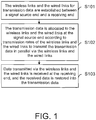
- FIG. 1 is a flowchart of a method for transmitting data in parallel via one or more wireless links and one or more wired links in accordance with the present invention. The method comprises the following steps.
- step S101 the wireless links and the wired links for transmission data are established between a signal source end and a receiving end.
- step S102 the transmission data is allocated to the wireless links and the wired links at the signal source end according to transmission rates of the wireless links and the wired links to transmit the transmission data in parallel via the wireless links and the wired links.
- step S103 data transmitted via the wireless links and the wired links is received at the receiving end, and the received data is restored into the transmission data.
- the wireless links and the wired links for the transmission data are established between the signal source end and the receiving end firstly.
- the wireless link or links may comprise one or more of a wireless link of fourth generation (4G) or third generation (3G) mobile communication technology, a wireless link of wireless fidelity (Wi-Fi), or a Bluetooth wireless link.
- the wireless link or links may comprise other types of wireless links.
- the wired link or links may be a wired broadband link or wired broadband links.
- a conventional data transmission method utilizes a link to transmit data, such that the remaining links cannot be sufficiently utilized and the transmission rate of the transmission data cannot be increased.
- the present invention transmits the transmission data via the wireless links and the wired links at the same time for implementing the high-speed data transmission.
- step S102 the transmission data is required to be allocated, such that each of the wireless links and the wired links can transmit the transmission data.
- step S102 may specifically comprise the following steps.
- step S201 the transmission rates of the wireless links and the transmission rates of the wired links are acquired.
- the transmission rates of the wireless links and the transmission rates of the wired links are calculated, so as to acquire which one of the links has a high transmission rate and which one of the links has a low transmission rate.
- a method for calculating the transmission rates with indicative numbers may be acquired by the following steps.
- the signal source end transmits detecting signals with an identical size to the receiving end via each of the links.
- the receiving end transmits the detecting signals to the signal source end after receiving the detecting signals.
- the transmission rates of the links are calculated according to the required durations and the size of the detecting signals.
- step S202 a data type of the transmission data is acquired.
- the data type of the transmission data is acquired.
- the data type comprises a single-mask data and a multi-task data. Splitting methods for various types of transmission data are different and will be specifically described in detail as follows.
- step S203 the transmission data is allocated to the wireless links and the wired links according to the type of the transmission data, the transmission rates of the wireless links, and the transmission rates of the wired links, so as to transmit the transmission data in parallel via the wireless links and the wired links.
- the transmission data is allocated to the wireless links and the wired links for transmitting the transmission data in parallel at the same time according to the data type of the transmission data and the transmission rates of the links.
- the transmission data required to be transmitted is a multi-task data
- the data size of each task of the transmission data is acquired firstly.
- the task with a large data size is allocated to one of the links with a high transmission rate, while the task with a low data size is allocated to one of the links with a low transmission rate.
- the transmission data required to be transmitted is a two-task data. 1# task with a large data size is allocated to the wireless link with a high transmission rate, while 2# task with a low data size is allocated to the wired link with a low transmission rate.
- the wireless link and the wired link transmit the data in parallel.
- the receiving end normalizes each of the received tasks to generate a complete target data stream, that is, the data transmission data, and then corresponding displaying and storing processes are performed.
- the transmission data is split into a plurality of transmission data blocks according to the number of the wireless link or links, the number of the wired link or links, the transmission rates of the wireless link or links, and the transmission rates of the wired link or links.
- the transmission data blocks are allocated to the corresponding links.
- the number of the transmission data blocks is equal to the number of the links, and a size of each of the transmission data blocks corresponds to the transmission rate of the corresponding link.
- a transmission data stream at a signal source end is split into a data stream 1 and a data stream 2 which are respectively allocated to the wireless link and the wired link and then transmitted via the wireless link and the wired link.
- the data stream 1 and the data stream 2 are connected at the receiving end, so as to be restored into the transmission data stream.
- the number of the transmission data blocks is equal to the number of the links and the size of each of the transmission data blocks corresponds to the transmission rate of the corresponding link.
- the transmission rate of the wireless link is R1
- the transmission rate of the wired link is R2.
- the single-mask data is split into two transmission data blocks.
- a first transmission data block is transmitted via the wireless link, and the size thereof is R1/(R1+R2).
- a second transmission data block is transmitted via the wired link, and the size thereof is R2/(R1+R2).
- the transmission data can be split according to the above-mentioned principle as well, such that the number of the transmission data blocks is equal to that of the links, and the size of each of the split transmission data blocks is proportional to the transmission rate of each of the links.
- the transmission data blocks are properly allocated.
- the single-mask transmission is implemented and the transmission data is split, it is necessary to set identifiers for the transmission data blocks.
- the transmission data is sequentially split according to the identifiers.
- the receiving end receives each of the transmission data blocks, the transmission data blocks are sequentially connected according to the identifiers and restored into the transmission data.
- step S102 when a fault occurs in one of the links, the transmission data transmitted by the one of the links is processed. Specifically, when a fault occurs in one of the links, the data transmitted by the one of the links is re-allocated to another one of links with a highest transmission rate and then transmitted.
- the data transmission rate of the wireless link is high, and the data transmission rate of the wired link is low.
- the data transmitted via the wired link is transmitted via the wireless link. This is the situation that there are two links.
- the data transmitted via the wired link is transmitted via one of the remaining links with the highest transmission rate.
- each of the signal source end for transmitting the data and the receiving end for receiving the data may be one user's mobile terminal or one of other types of data terminals and can meet the requirement for transmitting the data with a high transmission rate.
- the data which is allocated to each of the links at the signal source end may be encrypted during the transmission of the data.
- the receiving end decrypts the data which is received from each of the links according to a consistent protocol, and then the data is restored into the transmission data, thereby increasing the security of the data transmission.
- the present invention further provides a system for transmitting data in parallel via one or more wireless links and one or more wired links in accordance with a preferred embodiment.
- the system comprises:
- the data allocating module 200 comprises:
- the data allocating unit 230 acquires a data size of each task of the transmission data, allocates one of the tasks with a large data size to one of the wireless links and the wired links with a high transmission rate, and allocates one of the tasks with a low data size to one of the wireless links and the wired links with a low transmission rate.
- the data allocating unit 230 splits the transmission data into a plurality of transmission data blocks according to the number of the wireless link or links, the number of the wired link or links, the transmission rates of the wireless link or links, and the transmission rates of the wired link or links, and the transmission data blocks are allocated to the wireless link or links and the wired link or links.
- the number of the transmission data blocks is equal to the sum of the number of the wireless link or links and the number of the wired link or links.
- the sizes of the transmission data blocks correspond to the transmission rates of the wireless link or links and the wired link or links.
- the transmission rate acquiring unit 210 acquires the transmission rates of the wireless links and the transmission rates of the wired links with the following steps:
- the data allocating module 200 comprises: A fault processing unit 240 for re-allocating the transmission data corresponding to one of the links to another one of the links with a highest transmission rate and then transmitting when a fault occurs in the one of the links.
- the present invention utilizes the wireless link or links and the wired link or links to transmit the data in parallel at the same time, the transmission rate of the data is increased, and it is beneficial for high-speed transmission of data with a large data size. Accordingly, the data transmission abilities of the links can be sufficiently utilized, and the data transmission abilities of the links are applied to the greatest extent.
Landscapes
- Engineering & Computer Science (AREA)
- Computer Networks & Wireless Communication (AREA)
- Signal Processing (AREA)
- Environmental & Geological Engineering (AREA)
- Quality & Reliability (AREA)
- Mobile Radio Communication Systems (AREA)
Description
- The present invention generally relates to a field of high-speed data transmission, and more particularly to a method and a system for transmitting data in parallel via one or more wireless links and one or more wired links.
- Currently, modern communication techniques change rapidly with the development of science and technology. Data capacity keeps increasing, and a transmission rate of data is faster and faster. A transmission rate of wireless communication is successively raised. Wireless communication has entered the 4G era now after the 2G and the 3G eras. The download speed of the 4G long term evolution (LTE) reaches 150 megabits per second (Mbps). Although the transmission rate of a wireless link keeps increasing, a user cannot utilize various types of wireless links and wired links to transmit data at the same time as the data is being transmitted. Accordingly, the links with the transmission abilities are not sufficiently utilized, and the transmission rate of the data is not high.
WO2005074159 A1 ,EP2391070 A1 , andWO2011017648 A1 are related prior art documents for this field. In particular,WO2005074159 A1 discloses a method of splitting a data stream on several channels over different communication networks. The networks can be a wired one and a wireless one. Partitioning of the data is done based on diverse factors like for example transmission rate or delay of the channels. Also multimedia streams with several stream of different types are possible. Data is encrypted at the source end. - Based on the deficiencies in the prior art, an object of the present invention is to provide a method and a system for transmitting data in parallel via one or more wireless links and one or more wired links aiming to solve the problems that the transmission rate of data is low, and the data transmission links cannot be sufficiently utilized in the prior art.
- The invention is defined by the subject-matter of the independent claims. Particular embodiments of the invention are set out in the dependent claims.
- The beneficial effect of the present invention is that the data is transmitted via the wireless links and the wired links in parallel at the same time, the transmission rate of the data is increased, and it is beneficial for high-speed transmission of data with a large data size. Accordingly, the data transmission abilities of the links can be sufficiently utilized, and the data transmission abilities of the links are applied to the greatest extent.
-
-
FIG. 1 is a flowchart of a method for transmitting data in parallel via one or more wireless links and one or more wired links in accordance with a preferred embodiment of the present invention. -
FIG. 2 is a specific flowchart of step S101 of the method inFIG. 1 . -
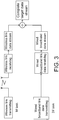
FIG. 3 is a flowchart of transmitting a multi-task data via links in accordance with the present invention. -
FIG. 4 is a flowchart of splitting data at a signal source end when data transmission is implemented in the method of the present invention. -
FIG. 5 is a flowchart of restoring data at a receiving end when data transmission is implemented in the method of the present invention. -
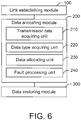
FIG. 6 is a block diagram of a system for transmitting data in parallel via one or more wireless links and one or more wired links in accordance with a preferred embodiment of the present invention. - The present invention provides a method and a system for transmitting data in parallel via one or more wireless links and one or more wired links. In order to clarify the objectives, the technical schemes, and the advantages of the present invention, the description will be made as to the embodiments of the present invention in conjunction with the accompanying drawings. It should be understood that specific embodiments described herein are merely intended to explain the present invention, but are not intended to limit the present invention.
- Please refer to
FIG. 1. FIG. 1 is a flowchart of a method for transmitting data in parallel via one or more wireless links and one or more wired links in accordance with the present invention. The method comprises the following steps. - In step S101, the wireless links and the wired links for transmission data are established between a signal source end and a receiving end.
- In step S102, the transmission data is allocated to the wireless links and the wired links at the signal source end according to transmission rates of the wireless links and the wired links to transmit the transmission data in parallel via the wireless links and the wired links.
- In step S103, data transmitted via the wireless links and the wired links is received at the receiving end, and the received data is restored into the transmission data.
- In step S101, the wireless links and the wired links for the transmission data are established between the signal source end and the receiving end firstly. The wireless link or links may comprise one or more of a wireless link of fourth generation (4G) or third generation (3G) mobile communication technology, a wireless link of wireless fidelity (Wi-Fi), or a Bluetooth wireless link. Certainly, the wireless link or links may comprise other types of wireless links. The wired link or links may be a wired broadband link or wired broadband links. A conventional data transmission method utilizes a link to transmit data, such that the remaining links cannot be sufficiently utilized and the transmission rate of the transmission data cannot be increased. The present invention transmits the transmission data via the wireless links and the wired links at the same time for implementing the high-speed data transmission.
- In step S102, the transmission data is required to be allocated, such that each of the wireless links and the wired links can transmit the transmission data. As shown in
FIG. 2 , step S102 may specifically comprise the following steps. - In step S201, the transmission rates of the wireless links and the transmission rates of the wired links are acquired.
- Firstly, the transmission rates of the wireless links and the transmission rates of the wired links are calculated, so as to acquire which one of the links has a high transmission rate and which one of the links has a low transmission rate. A method for calculating the transmission rates with indicative numbers may be acquired by the following steps.
- The signal source end transmits detecting signals with an identical size to the receiving end via each of the links.
- The receiving end transmits the detecting signals to the signal source end after receiving the detecting signals.
- Required durations for the detecting signals to be transmitted and received via the links are calculated.
- The transmission rates of the links are calculated according to the required durations and the size of the detecting signals.
- In step S202, a data type of the transmission data is acquired.
- In the present step, the data type of the transmission data is acquired. The data type comprises a single-mask data and a multi-task data. Splitting methods for various types of transmission data are different and will be specifically described in detail as follows.
- In step S203, the transmission data is allocated to the wireless links and the wired links according to the type of the transmission data, the transmission rates of the wireless links, and the transmission rates of the wired links, so as to transmit the transmission data in parallel via the wireless links and the wired links.
- In the present step, the transmission data is allocated to the wireless links and the wired links for transmitting the transmission data in parallel at the same time according to the data type of the transmission data and the transmission rates of the links.
- When the transmission data required to be transmitted is a multi-task data, the data size of each task of the transmission data is acquired firstly.
- The task with a large data size is allocated to one of the links with a high transmission rate, while the task with a low data size is allocated to one of the links with a low transmission rate.
- For example, as shown in
FIG. 3 , there is only one wireless link, and there is only one wired link. The transmission data required to be transmitted is a two-task data. 1# task with a large data size is allocated to the wireless link with a high transmission rate, while 2# task with a low data size is allocated to the wired link with a low transmission rate. The wireless link and the wired link transmit the data in parallel. The receiving end normalizes each of the received tasks to generate a complete target data stream, that is, the data transmission data, and then corresponding displaying and storing processes are performed. - Certainly, the above-mentioned situation is only illustrated. In practice, there might be a plurality of wireless links, or the number of the tasks is different from the number of the links. A task with a larger data size may be split, and a data size of allocated data of each of the links is proportional to the transmission rate of the said link.
- When the transmission data is a single-task data, the transmission data is split into a plurality of transmission data blocks according to the number of the wireless link or links, the number of the wired link or links, the transmission rates of the wireless link or links, and the transmission rates of the wired link or links. The transmission data blocks are allocated to the corresponding links. The number of the transmission data blocks is equal to the number of the links, and a size of each of the transmission data blocks corresponds to the transmission rate of the corresponding link.
- For example, as shown in
FIG. 4 and FIG. 5 , a transmission data stream at a signal source end is split into adata stream 1 and adata stream 2 which are respectively allocated to the wireless link and the wired link and then transmitted via the wireless link and the wired link. Thedata stream 1 and thedata stream 2 are connected at the receiving end, so as to be restored into the transmission data stream. - When the single-mask data is transmitted, the number of the transmission data blocks is equal to the number of the links and the size of each of the transmission data blocks corresponds to the transmission rate of the corresponding link. Assume that there are two links including a wireless link and a wired link. The transmission rate of the wireless link is R1, while the transmission rate of the wired link is R2. Then, the single-mask data is split into two transmission data blocks. A first transmission data block is transmitted via the wireless link, and the size thereof is R1/(R1+R2). A second transmission data block is transmitted via the wired link, and the size thereof is R2/(R1+R2). When the number of the wireless links and the wired links is another value, the transmission data can be split according to the above-mentioned principle as well, such that the number of the transmission data blocks is equal to that of the links, and the size of each of the split transmission data blocks is proportional to the transmission rate of each of the links. As a result, one of the links with a high transmission rate transmits one of the transmission data blocks with a large data size, while one of the links with a low transmission rate transmits one of the transmission data blocks with a small data size. The transmission data blocks are properly allocated.
- Furthermore, when the single-mask transmission is implemented and the transmission data is split, it is necessary to set identifiers for the transmission data blocks. The transmission data is sequentially split according to the identifiers. When the receiving end receives each of the transmission data blocks, the transmission data blocks are sequentially connected according to the identifiers and restored into the transmission data.
- Furthermore, in step S102, when a fault occurs in one of the links, the transmission data transmitted by the one of the links is processed. Specifically, when a fault occurs in one of the links, the data transmitted by the one of the links is re-allocated to another one of links with a highest transmission rate and then transmitted.
- For example, in the transmission links in
FIG. 3 , the data transmission rate of the wireless link is high, and the data transmission rate of the wired link is low. When a fault or a congestion occurs in the wired link, the data transmitted via the wired link is transmitted via the wireless link. This is the situation that there are two links. When there are three or more links, the data transmitted via the wired link is transmitted via one of the remaining links with the highest transmission rate. - In the present invention, each of the signal source end for transmitting the data and the receiving end for receiving the data may be one user's mobile terminal or one of other types of data terminals and can meet the requirement for transmitting the data with a high transmission rate.
- Furthermore, the data which is allocated to each of the links at the signal source end may be encrypted during the transmission of the data. The receiving end decrypts the data which is received from each of the links according to a consistent protocol, and then the data is restored into the transmission data, thereby increasing the security of the data transmission.
- Based on the above-mentioned method, the present invention further provides a system for transmitting data in parallel via one or more wireless links and one or more wired links in accordance with a preferred embodiment. As shown in
FIG. 6 , the system comprises: - A
link establishing module 100 for establishing the wireless links and the wired links for transmission data between a signal source end and a receiving end; - A
data allocating module 200 for allocating the transmission data to the wireless links and the wired links at the signal source end according to transmission rates of the wireless links and the wired links to transmit the transmission data in parallel via the wireless links and the wired links; and - A
data restoring module 300 for restoring received data into the transmission data after the receiving end receives the received data from the wireless links and the wired links. - Specifically, the
data allocating module 200 comprises: - A transmission
rate acquiring unit 210 for acquiring the transmission rates of the wireless links and the transmission rates of the wired links; - A data
type acquiring unit 220 for acquiring a data type of the transmission data; and - A
data allocating unit 230 for allocating the transmission data to the wireless links and the wired links according to the type of the transmission data, the transmission rates of the wireless links, and the transmission rates of the wired links, so as to transmit the transmission data in parallel via the wireless links and the wired links. - Furthermore, when the transmission data is a multi-task data, the
data allocating unit 230 acquires a data size of each task of the transmission data, allocates one of the tasks with a large data size to one of the wireless links and the wired links with a high transmission rate, and allocates one of the tasks with a low data size to one of the wireless links and the wired links with a low transmission rate. - Furthermore, when the transmission data is a single-task data, the
data allocating unit 230 splits the transmission data into a plurality of transmission data blocks according to the number of the wireless link or links, the number of the wired link or links, the transmission rates of the wireless link or links, and the transmission rates of the wired link or links, and the transmission data blocks are allocated to the wireless link or links and the wired link or links. The number of the transmission data blocks is equal to the sum of the number of the wireless link or links and the number of the wired link or links. The sizes of the transmission data blocks correspond to the transmission rates of the wireless link or links and the wired link or links. - Furthermore, the transmission
rate acquiring unit 210 acquires the transmission rates of the wireless links and the transmission rates of the wired links with the following steps: - Transmitting identical detecting signals to the receiving end via the wireless links and the wired links from the signal source end;
- Transmitting the detecting signals to the signal source end after the receiving end receives the detecting signals;
- Calculating required durations for the detecting signals to be transmitted and received via the wireless links and the wired links; and
- Calculating the transmission rates of the wireless links and the wired links according to the required durations and the size of the detecting signals.
- Furthermore, the
data allocating module 200 comprises:
Afault processing unit 240 for re-allocating the transmission data corresponding to one of the links to another one of the links with a highest transmission rate and then transmitting when a fault occurs in the one of the links. - In summary, the present invention utilizes the wireless link or links and the wired link or links to transmit the data in parallel at the same time, the transmission rate of the data is increased, and it is beneficial for high-speed transmission of data with a large data size. Accordingly, the data transmission abilities of the links can be sufficiently utilized, and the data transmission abilities of the links are applied to the greatest extent.
- As is understood by a person skilled in the art, the foregoing preferred embodiments of the present invention are illustrative rather than limiting of the present invention. It is intended that various modifications and similar arrangements are to be included within the scope of the appended claims, the scope of which should be accorded the broadest interpretation so as to encompass all such modifications and similar structures.
Claims (12)
- A method for transmitting data in parallel via one or more wireless links and one or more wired links, the method comprising:establishing the wireless links and the wired links for transmission data between a signal source end and a receiving end (S101);allocating the transmission data to the wireless links and the wired links at the signal source end according to transmission rates of the wireless links and transmission rates of the wired links, to transmit the transmission data in parallel via the wireless links and the wired links, wherein data which is allocated to each of the wireless links and the wired links is encrypted at the signal source end (S102); andreceiving the encrypted data transmitted via the wireless links and the wired links at the receiving end, decrypting the encrypted data, and restoring the decrypted data into the transmission data (S103);in that the step of allocation comprises:setting identifiers for a plurality of transmission data blocks, and based on the identifiers, splitting the transmission data into the transmission data blocks according to a number of the wireless link or links, a number of the wired link or links, the transmission rates of the wireless link or links, and the transmission rates of the wired link or links when the transmission data is a single-task data; andallocating the transmission data blocks to the wireless link or links and the wired link or links, wherein a number of the transmission data blocks is equal to a sum of the number of the wireless link or links and the number of the wired link or links, and sizes of the transmission data blocks correspond to the transmission rates of the wireless link or links and the wired link or links,and in that the restoring step comprises:
sequentially connecting the transmission data blocks according to the identifiers, and restoring the transmission data blocks into the transmission data. - The method according to claim 1, characterized in that the step of allocation further comprises:acquiring the transmission rates of the wireless links and the transmission rates of the wired links (S201);acquiring a data type of the transmission data (S202); andallocating the transmission data to the wireless links and the wired links according to the type of the transmission data, the transmission rates of the wireless links, and the transmission rates of the wired links, to transmit the transmission data in parallel via the wireless links and the wired links (S203).
- The method according to claim 2, characterized in that the step of allocation further comprises:acquiring a data size of each task of the transmission data when the transmission data is a multi-task data; andallocating one of the tasks with a large data size to one of the wireless links and the wired links with a high transmission rate, and allocating one of the tasks with a low data size to one of the wireless links and the wired links with a low transmission rate.
- The method according to claim 2, characterized in that the step of acquiring the transmission rates comprises:transmitting identical detecting signals to the receiving end via the wireless links and the wired links from the signal source end;transmitting the detecting signals to the signal source end after the receiving end receives the detecting signals;calculating required durations for the detecting signals to be transmitted and received via the wireless links and the wired links; andcalculating the transmission rates of the wireless links and the wired links according to the required durations and a size of the detecting signals.
- The method according to claim 1, characterized in that the step of allocation further comprises:
re-allocating the transmission data corresponding to one of the wireless links and the wired links to another one of the wireless links and the wired links with a highest transmission rate when a fault occurs in the one of the wireless links and the wired links. - The method according to claim 1, characterized in that the wireless link or links comprise one or more of a wireless link of fourth generation (4G) mobile communication technology, a wireless link of third generation (3G) mobile communication technology, a wireless link of wireless fidelity (Wi-Fi), and a Bluetooth wireless link.
- A system for transmitting data in parallel via one or more wireless links and one or more wired links, the system comprising:a link establishing module (100) for establishing the wireless links and the wired links for transmission data between a signal source end and a receiving end;a data allocating module (200) for allocating the transmission data to the wireless links and the wired links at the signal source end according to transmission rates of the wireless links and transmission rates of the wired links, to transmit the transmission data in parallel via the wireless links and the wired links, wherein data which is allocated to each of the wireless links and the wired links is encrypted at the signal source end; anda data restoring module (300) for decrypting the encrypted data and restoring decrypted data into the transmission data after the receiving end receives the encrypted data transmitted via the wireless links and the wired links;and in that, when the transmission data is a single-task data, the data allocating module (200) sets identifiers for a plurality of transmission data blocks, and based on the identifiers, splits the transmission data into the transmission data blocks data according to a number of the wireless link or links, a number of the wired link or links, the transmission rates of the wireless link or links, the transmission rates of the wired link or links, and the transmission data blocks are allocated to the wireless link or links and the wired link or links, a number of the transmission data blocks is equal to a sum of the number of the wireless link or links and the number of the wired link or links, and sizes of the transmission data blocks correspond to the transmission rates of the wireless link or links and the wired link or links, the data restoring module (300) sequentially connects the transmission data blocks according to the identifiers and restores the transmission data blocks into the transmission data.
- The system according to claim 7, characterized in that the data allocating module (200) comprises:a transmission rate acquiring unit (210) for acquiring the transmission rates of the wireless links and the transmission rates of the wired links;a data type acquiring unit (220) for acquiring a data type of the transmission data; anda data allocating unit (230) for allocating the transmission data to the wireless links and the wired links according to the type of the transmission data, the transmission rates of the wireless links, and the transmission rates of the wired links, to transmit the transmission data in parallel via the wireless links and the wired links.
- The system according to claim 8, characterized in that when the transmission data is a multi-task data, the data allocating unit (230) acquires a data size of each task of the transmission data, allocates one of the tasks with a large data size to one of the wireless links and the wired links with a high transmission rate, and allocates one of the tasks with a low data size to one of the wireless links and the wired links with a low transmission rate.
- The system according to claim 8, characterized in that the transmission rate acquiring unit (210) acquires the transmission rates of the wireless links and the transmission rates of the wired links by transmitting identical detecting signals to the receiving end via the wireless links and the wired links from the signal source end, transmitting the detecting signals to the signal source end after the receiving end receives the detecting signals, calculating required durations for the detecting signals to be transmitted and received via the wireless links and the wired links, and calculating the transmission rates of the wireless links and the wired links according to the required durations and a size of the detecting signals.
- The system according to claim 7, characterized in that the data allocating module (200) comprises:
a fault processing unit (240) for re-allocating the transmission data corresponding to one of the wireless links and the wired links to another one of the wireless links and the wired links with a highest transmission rate when a fault occurs in the one of the wireless links and the wired links. - The system according to claim 7, characterized in that the wireless link or links comprise one or more of a wireless link of fourth generation (4G) mobile communication technology, a wireless link of third generation (3G) mobile communication technology, a wireless link of wireless fidelity (Wi-Fi), and a Bluetooth wireless link.
Applications Claiming Priority (2)
| Application Number | Priority Date | Filing Date | Title |
|---|---|---|---|
| CN201310536600.5A CN103580966A (en) | 2013-11-04 | 2013-11-04 | Wireless link and wire link parallel data transmission method and system |
| PCT/CN2014/075815 WO2015062219A1 (en) | 2013-11-04 | 2014-04-21 | Method and system for transmitting data parallelly on wireless link and wired link |
Publications (3)
| Publication Number | Publication Date |
|---|---|
| EP3068087A1 EP3068087A1 (en) | 2016-09-14 |
| EP3068087A4 EP3068087A4 (en) | 2017-07-12 |
| EP3068087B1 true EP3068087B1 (en) | 2019-05-22 |
Family
ID=50051940
Family Applications (1)
| Application Number | Title | Priority Date | Filing Date |
|---|---|---|---|
| EP14812398.7A Active EP3068087B1 (en) | 2013-11-04 | 2014-04-21 | Method and system for transmitting data parallelly on wireless link and wired link |
Country Status (4)
| Country | Link |
|---|---|
| US (1) | US9634888B2 (en) |
| EP (1) | EP3068087B1 (en) |
| CN (1) | CN103580966A (en) |
| WO (1) | WO2015062219A1 (en) |
Families Citing this family (25)
| Publication number | Priority date | Publication date | Assignee | Title |
|---|---|---|---|---|
| KR101223950B1 (en) * | 2006-09-26 | 2013-01-18 | 리베우 리미티드 | Remote transmission system |
| CN103580966A (en) * | 2013-11-04 | 2014-02-12 | 惠州Tcl移动通信有限公司 | Wireless link and wire link parallel data transmission method and system |
| CN104881020A (en) * | 2015-04-27 | 2015-09-02 | 深圳市元征软件开发有限公司 | Wireless communication method of automobile diagnosis system and automobile diagnosis system |
| CN105553868A (en) * | 2015-09-21 | 2016-05-04 | 宇龙计算机通信科技(深圳)有限公司 | Data transmission method and device and terminal |
| EP3420695B1 (en) * | 2016-02-23 | 2020-04-08 | Telefonaktiebolaget LM Ericsson (PUBL) | Methods used in user equipment and associated ues |
| CN105847139A (en) * | 2016-03-25 | 2016-08-10 | 乐视控股(北京)有限公司 | Data transmission method, apparatus and system |
| CN107306192B (en) * | 2016-04-18 | 2020-12-18 | 中国移动通信集团广东有限公司 | A service data transmission method, device and system |
| CN109417830B (en) * | 2016-08-08 | 2021-10-15 | 华为技术有限公司 | Data transmission method, sender device and receiver device |
| CN106320825A (en) * | 2016-09-20 | 2017-01-11 | 武汉百络优物联科技有限公司 | Control system for detecting working state of intelligent door lock |
| US10237784B2 (en) | 2017-03-24 | 2019-03-19 | Motorola Mobility Llc | Split bearer packet data converge protocol protocol data unit routing |
| CN108664323B (en) * | 2017-03-29 | 2021-06-11 | 视联动力信息技术股份有限公司 | Data transmission method and device based on multiple processors |
| CN110089040B (en) * | 2017-04-07 | 2022-04-15 | Oppo广东移动通信有限公司 | Data transmission method and sending end equipment |
| CN107222370A (en) * | 2017-07-11 | 2017-09-29 | 王焱华 | A kind of big data plateform system |
| WO2019218282A1 (en) * | 2018-05-16 | 2019-11-21 | 华为技术有限公司 | Data transmission method and terminal |
| CN108966319B (en) * | 2018-06-08 | 2021-02-09 | 深圳海翼智新科技有限公司 | Data packet transmission control method, mobile terminal and device |
| WO2020168565A1 (en) * | 2019-02-22 | 2020-08-27 | 海能达通信股份有限公司 | Method for improving data transmission rate, communication system and storage medium |
| CN113034872A (en) * | 2019-12-25 | 2021-06-25 | 海鹰航空通用装备有限责任公司 | Unmanned aerial vehicle link data transmission method and device |
| CN113473645A (en) * | 2020-03-12 | 2021-10-01 | 华为技术有限公司 | Data transmission method and device |
| CN111669729A (en) * | 2020-05-28 | 2020-09-15 | 北京瑞华赢科技发展有限公司 | Man-vehicle cooperative communication method and device based on multilink communication |
| CN113031895A (en) | 2021-03-30 | 2021-06-25 | 联想(北京)有限公司 | Screen projection control method and device and electronic equipment |
| CN115226161A (en) | 2021-04-15 | 2022-10-21 | 伊姆西Ip控股有限责任公司 | Method, electronic device and computer program product for data transmission |
| CN113708893B (en) * | 2021-08-27 | 2022-07-01 | 深圳市奥闻科技有限公司 | Adaptive communication data processing system and method based on Internet of things |
| CN114745451B (en) * | 2022-04-26 | 2024-07-12 | Oppo广东移动通信有限公司 | Data transmission method and device, electronic equipment and computer readable medium |
| CN117615398B (en) * | 2024-01-23 | 2024-04-16 | 国网四川省电力公司电力科学研究院 | A data transmission method, system and medium for distribution automation feeder terminal |
| CN118430126A (en) * | 2024-04-26 | 2024-08-02 | 深圳云存科技有限公司 | An intelligent data storage system with a drone charging and battery replacement device |
Family Cites Families (13)
| Publication number | Priority date | Publication date | Assignee | Title |
|---|---|---|---|---|
| CA2553668A1 (en) * | 2004-01-28 | 2005-08-11 | National University Of Singapore | Systems and methods for communication |
| CN100562048C (en) * | 2006-06-16 | 2009-11-18 | 电子科技大学 | A wireless and wired fusion sensor network system |
| CN101106445B (en) * | 2006-07-14 | 2010-05-12 | 华为技术有限公司 | Home network system and data transmission method, home network controller and terminal |
| US8601155B2 (en) * | 2006-08-16 | 2013-12-03 | Oracle America, Inc. | Telemetry stream performance analysis and optimization |
| KR101333814B1 (en) | 2007-01-11 | 2013-11-29 | 주식회사 팬택앤큐리텔 | High speed data communication apparatus used plural communicating interface, Gateway, Router, High speed data transmitting and receiving method, IP registration method for high speed data transmitting and receiving |
| CN101309442B (en) * | 2007-05-17 | 2011-12-21 | 华为技术有限公司 | Wireless communication apparatus and data transmission method |
| US20110032937A1 (en) * | 2009-08-07 | 2011-02-10 | Kenneth Gould | System and method for sharing a payload among multiple homed networks |
| CN101854202A (en) | 2010-05-07 | 2010-10-06 | 华为技术有限公司 | Data transmission method, device and system |
| GB201008633D0 (en) * | 2010-05-24 | 2010-07-07 | Gigle Networks Iberia Sl | Communications apparatus |
| US9438385B2 (en) * | 2012-09-13 | 2016-09-06 | First Principles, Inc. | Data stream division to increase data transmission rates |
| CN102905319A (en) | 2012-10-23 | 2013-01-30 | 李文龙 | Method and system for data flow distribution |
| CN103200606B (en) | 2013-03-18 | 2016-12-28 | 东莞宇龙通信科技有限公司 | Terminal and data service handling method |
| CN103580966A (en) * | 2013-11-04 | 2014-02-12 | 惠州Tcl移动通信有限公司 | Wireless link and wire link parallel data transmission method and system |
-
2013
- 2013-11-04 CN CN201310536600.5A patent/CN103580966A/en active Pending
-
2014
- 2014-04-21 EP EP14812398.7A patent/EP3068087B1/en active Active
- 2014-04-21 WO PCT/CN2014/075815 patent/WO2015062219A1/en not_active Ceased
- 2014-04-21 US US14/421,828 patent/US9634888B2/en active Active
Non-Patent Citations (1)
| Title |
|---|
| None * |
Also Published As
| Publication number | Publication date |
|---|---|
| WO2015062219A1 (en) | 2015-05-07 |
| EP3068087A1 (en) | 2016-09-14 |
| CN103580966A (en) | 2014-02-12 |
| EP3068087A4 (en) | 2017-07-12 |
| US9634888B2 (en) | 2017-04-25 |
| US20150180699A1 (en) | 2015-06-25 |
Similar Documents
| Publication | Publication Date | Title |
|---|---|---|
| EP3068087B1 (en) | Method and system for transmitting data parallelly on wireless link and wired link | |
| US9503964B2 (en) | Method and system for parallel transmission of plural types of wireless links | |
| CN110418376B (en) | Data transmission method and device | |
| JP4814992B2 (en) | Base station, radio control apparatus, radio apparatus, and data transfer method | |
| US20170111832A1 (en) | Method and apparatus for processing rlc/pdcp entities at a user equipment in a dual connectivity system | |
| EP3751781A1 (en) | Overhead reduction for link protection | |
| CN107820325B (en) | Wireless communication method and system, computer storage medium and device | |
| US10117286B1 (en) | System for distributing data using multiple communication channels | |
| US11082739B2 (en) | Data flow control method and apparatus | |
| JP2014532364A5 (en) | ||
| CN104038505A (en) | Method and device for preventing IPSec (internet protocol security) replaying | |
| EP3125623B1 (en) | Data transmission method, apparatus and system | |
| MX2019014735A (en) | Data transmission method, terminal device and network device. | |
| CN103517439B (en) | Position processing method and base station, terminal | |
| US8824319B2 (en) | Transmitting apparatus, transmitting and receiving apparatus, communication system, and communication method | |
| CN104780120A (en) | Method and device for transmitting files in local area network | |
| US10425508B1 (en) | System for identifying idle time of a protocol to facilitate communication using multiple protocols | |
| US10243864B1 (en) | System for modifying data rates used by audio devices | |
| US10149056B1 (en) | System for configuring audio devices to distribute audio data | |
| US11018968B2 (en) | Packet transmission method and packet transmitting device | |
| CN107645747B (en) | Method and equipment for sending and receiving data | |
| PH12020500487A1 (en) | Data generation method, logical channel configuration method, terminal device and chip | |
| WO2016147340A1 (en) | Cryptographic communication device, cryptographic communication terminal, cryptographic communication method, and cryptographic communication program | |
| CN110932821B (en) | Control information transmission method, device, equipment and storage medium | |
| EP3076743A1 (en) | Data transmission method, device and system |
Legal Events
| Date | Code | Title | Description |
|---|---|---|---|
| PUAI | Public reference made under article 153(3) epc to a published international application that has entered the european phase |
Free format text: ORIGINAL CODE: 0009012 |
|
| 17P | Request for examination filed |
Effective date: 20160601 |
|
| AK | Designated contracting states |
Kind code of ref document: A1 Designated state(s): AL AT BE BG CH CY CZ DE DK EE ES FI FR GB GR HR HU IE IS IT LI LT LU LV MC MK MT NL NO PL PT RO RS SE SI SK SM TR |
|
| AX | Request for extension of the european patent |
Extension state: BA ME |
|
| DAX | Request for extension of the european patent (deleted) | ||
| A4 | Supplementary search report drawn up and despatched |
Effective date: 20170609 |
|
| RIC1 | Information provided on ipc code assigned before grant |
Ipc: H04L 1/00 20060101ALI20170602BHEP Ipc: H04L 12/24 20060101ALI20170602BHEP Ipc: H04L 12/26 20060101ALI20170602BHEP Ipc: H04W 76/00 20090101ALI20170602BHEP Ipc: H04L 12/70 20130101ALI20170602BHEP Ipc: H04W 28/22 20090101ALN20170602BHEP Ipc: H04W 28/08 20090101ALI20170602BHEP Ipc: H04L 12/803 20130101AFI20170602BHEP Ipc: H04W 72/02 20090101ALN20170602BHEP Ipc: H04L 12/54 20130101ALI20170602BHEP |
|
| GRAP | Despatch of communication of intention to grant a patent |
Free format text: ORIGINAL CODE: EPIDOSNIGR1 |
|
| STAA | Information on the status of an ep patent application or granted ep patent |
Free format text: STATUS: GRANT OF PATENT IS INTENDED |
|
| RIC1 | Information provided on ipc code assigned before grant |
Ipc: H04L 12/54 20130101ALI20181102BHEP Ipc: H04L 12/24 20060101ALI20181102BHEP Ipc: H04W 72/02 20090101ALN20181102BHEP Ipc: H04L 1/00 20060101ALI20181102BHEP Ipc: H04W 28/08 20090101ALI20181102BHEP Ipc: H04L 12/803 20130101AFI20181102BHEP Ipc: H04L 12/70 20130101ALI20181102BHEP Ipc: H04W 76/00 20090101ALI20181102BHEP Ipc: H04W 28/22 20090101ALN20181102BHEP Ipc: H04L 12/26 20060101ALI20181102BHEP |
|
| INTG | Intention to grant announced |
Effective date: 20181120 |
|
| RIN1 | Information on inventor provided before grant (corrected) |
Inventor name: ZHOU, BAOZHONG Inventor name: ZHAO, SHIQING |
|
| GRAS | Grant fee paid |
Free format text: ORIGINAL CODE: EPIDOSNIGR3 |
|
| GRAA | (expected) grant |
Free format text: ORIGINAL CODE: 0009210 |
|
| STAA | Information on the status of an ep patent application or granted ep patent |
Free format text: STATUS: THE PATENT HAS BEEN GRANTED |
|
| AK | Designated contracting states |
Kind code of ref document: B1 Designated state(s): AL AT BE BG CH CY CZ DE DK EE ES FI FR GB GR HR HU IE IS IT LI LT LU LV MC MK MT NL NO PL PT RO RS SE SI SK SM TR |
|
| REG | Reference to a national code |
Ref country code: GB Ref legal event code: FG4D |
|
| REG | Reference to a national code |
Ref country code: CH Ref legal event code: EP |
|
| REG | Reference to a national code |
Ref country code: IE Ref legal event code: FG4D |
|
| REG | Reference to a national code |
Ref country code: AT Ref legal event code: REF Ref document number: 1137434 Country of ref document: AT Kind code of ref document: T Effective date: 20190615 |
|
| REG | Reference to a national code |
Ref country code: DE Ref legal event code: R096 Ref document number: 602014047340 Country of ref document: DE |
|
| REG | Reference to a national code |
Ref country code: NL Ref legal event code: MP Effective date: 20190522 |
|
| REG | Reference to a national code |
Ref country code: LT Ref legal event code: MG4D |
|
| PG25 | Lapsed in a contracting state [announced via postgrant information from national office to epo] |
Ref country code: ES Free format text: LAPSE BECAUSE OF FAILURE TO SUBMIT A TRANSLATION OF THE DESCRIPTION OR TO PAY THE FEE WITHIN THE PRESCRIBED TIME-LIMIT Effective date: 20190522 Ref country code: NL Free format text: LAPSE BECAUSE OF FAILURE TO SUBMIT A TRANSLATION OF THE DESCRIPTION OR TO PAY THE FEE WITHIN THE PRESCRIBED TIME-LIMIT Effective date: 20190522 Ref country code: LT Free format text: LAPSE BECAUSE OF FAILURE TO SUBMIT A TRANSLATION OF THE DESCRIPTION OR TO PAY THE FEE WITHIN THE PRESCRIBED TIME-LIMIT Effective date: 20190522 Ref country code: HR Free format text: LAPSE BECAUSE OF FAILURE TO SUBMIT A TRANSLATION OF THE DESCRIPTION OR TO PAY THE FEE WITHIN THE PRESCRIBED TIME-LIMIT Effective date: 20190522 Ref country code: SE Free format text: LAPSE BECAUSE OF FAILURE TO SUBMIT A TRANSLATION OF THE DESCRIPTION OR TO PAY THE FEE WITHIN THE PRESCRIBED TIME-LIMIT Effective date: 20190522 Ref country code: NO Free format text: LAPSE BECAUSE OF FAILURE TO SUBMIT A TRANSLATION OF THE DESCRIPTION OR TO PAY THE FEE WITHIN THE PRESCRIBED TIME-LIMIT Effective date: 20190822 Ref country code: PT Free format text: LAPSE BECAUSE OF FAILURE TO SUBMIT A TRANSLATION OF THE DESCRIPTION OR TO PAY THE FEE WITHIN THE PRESCRIBED TIME-LIMIT Effective date: 20190922 Ref country code: FI Free format text: LAPSE BECAUSE OF FAILURE TO SUBMIT A TRANSLATION OF THE DESCRIPTION OR TO PAY THE FEE WITHIN THE PRESCRIBED TIME-LIMIT Effective date: 20190522 Ref country code: AL Free format text: LAPSE BECAUSE OF FAILURE TO SUBMIT A TRANSLATION OF THE DESCRIPTION OR TO PAY THE FEE WITHIN THE PRESCRIBED TIME-LIMIT Effective date: 20190522 |
|
| PG25 | Lapsed in a contracting state [announced via postgrant information from national office to epo] |
Ref country code: LV Free format text: LAPSE BECAUSE OF FAILURE TO SUBMIT A TRANSLATION OF THE DESCRIPTION OR TO PAY THE FEE WITHIN THE PRESCRIBED TIME-LIMIT Effective date: 20190522 Ref country code: RS Free format text: LAPSE BECAUSE OF FAILURE TO SUBMIT A TRANSLATION OF THE DESCRIPTION OR TO PAY THE FEE WITHIN THE PRESCRIBED TIME-LIMIT Effective date: 20190522 Ref country code: GR Free format text: LAPSE BECAUSE OF FAILURE TO SUBMIT A TRANSLATION OF THE DESCRIPTION OR TO PAY THE FEE WITHIN THE PRESCRIBED TIME-LIMIT Effective date: 20190823 Ref country code: BG Free format text: LAPSE BECAUSE OF FAILURE TO SUBMIT A TRANSLATION OF THE DESCRIPTION OR TO PAY THE FEE WITHIN THE PRESCRIBED TIME-LIMIT Effective date: 20190822 |
|
| REG | Reference to a national code |
Ref country code: AT Ref legal event code: MK05 Ref document number: 1137434 Country of ref document: AT Kind code of ref document: T Effective date: 20190522 |
|
| PG25 | Lapsed in a contracting state [announced via postgrant information from national office to epo] |
Ref country code: CZ Free format text: LAPSE BECAUSE OF FAILURE TO SUBMIT A TRANSLATION OF THE DESCRIPTION OR TO PAY THE FEE WITHIN THE PRESCRIBED TIME-LIMIT Effective date: 20190522 Ref country code: SK Free format text: LAPSE BECAUSE OF FAILURE TO SUBMIT A TRANSLATION OF THE DESCRIPTION OR TO PAY THE FEE WITHIN THE PRESCRIBED TIME-LIMIT Effective date: 20190522 Ref country code: RO Free format text: LAPSE BECAUSE OF FAILURE TO SUBMIT A TRANSLATION OF THE DESCRIPTION OR TO PAY THE FEE WITHIN THE PRESCRIBED TIME-LIMIT Effective date: 20190522 Ref country code: DK Free format text: LAPSE BECAUSE OF FAILURE TO SUBMIT A TRANSLATION OF THE DESCRIPTION OR TO PAY THE FEE WITHIN THE PRESCRIBED TIME-LIMIT Effective date: 20190522 Ref country code: AT Free format text: LAPSE BECAUSE OF FAILURE TO SUBMIT A TRANSLATION OF THE DESCRIPTION OR TO PAY THE FEE WITHIN THE PRESCRIBED TIME-LIMIT Effective date: 20190522 Ref country code: EE Free format text: LAPSE BECAUSE OF FAILURE TO SUBMIT A TRANSLATION OF THE DESCRIPTION OR TO PAY THE FEE WITHIN THE PRESCRIBED TIME-LIMIT Effective date: 20190522 |
|
| REG | Reference to a national code |
Ref country code: DE Ref legal event code: R097 Ref document number: 602014047340 Country of ref document: DE |
|
| PG25 | Lapsed in a contracting state [announced via postgrant information from national office to epo] |
Ref country code: SM Free format text: LAPSE BECAUSE OF FAILURE TO SUBMIT A TRANSLATION OF THE DESCRIPTION OR TO PAY THE FEE WITHIN THE PRESCRIBED TIME-LIMIT Effective date: 20190522 Ref country code: IT Free format text: LAPSE BECAUSE OF FAILURE TO SUBMIT A TRANSLATION OF THE DESCRIPTION OR TO PAY THE FEE WITHIN THE PRESCRIBED TIME-LIMIT Effective date: 20190522 |
|
| PLBE | No opposition filed within time limit |
Free format text: ORIGINAL CODE: 0009261 |
|
| STAA | Information on the status of an ep patent application or granted ep patent |
Free format text: STATUS: NO OPPOSITION FILED WITHIN TIME LIMIT |
|
| PG25 | Lapsed in a contracting state [announced via postgrant information from national office to epo] |
Ref country code: TR Free format text: LAPSE BECAUSE OF FAILURE TO SUBMIT A TRANSLATION OF THE DESCRIPTION OR TO PAY THE FEE WITHIN THE PRESCRIBED TIME-LIMIT Effective date: 20190522 |
|
| 26N | No opposition filed |
Effective date: 20200225 |
|
| PG25 | Lapsed in a contracting state [announced via postgrant information from national office to epo] |
Ref country code: PL Free format text: LAPSE BECAUSE OF FAILURE TO SUBMIT A TRANSLATION OF THE DESCRIPTION OR TO PAY THE FEE WITHIN THE PRESCRIBED TIME-LIMIT Effective date: 20190522 |
|
| PG25 | Lapsed in a contracting state [announced via postgrant information from national office to epo] |
Ref country code: SI Free format text: LAPSE BECAUSE OF FAILURE TO SUBMIT A TRANSLATION OF THE DESCRIPTION OR TO PAY THE FEE WITHIN THE PRESCRIBED TIME-LIMIT Effective date: 20190522 |
|
| PG25 | Lapsed in a contracting state [announced via postgrant information from national office to epo] |
Ref country code: MC Free format text: LAPSE BECAUSE OF FAILURE TO SUBMIT A TRANSLATION OF THE DESCRIPTION OR TO PAY THE FEE WITHIN THE PRESCRIBED TIME-LIMIT Effective date: 20190522 |
|
| REG | Reference to a national code |
Ref country code: CH Ref legal event code: PL |
|
| PG25 | Lapsed in a contracting state [announced via postgrant information from national office to epo] |
Ref country code: LU Free format text: LAPSE BECAUSE OF NON-PAYMENT OF DUE FEES Effective date: 20200421 Ref country code: LI Free format text: LAPSE BECAUSE OF NON-PAYMENT OF DUE FEES Effective date: 20200430 Ref country code: CH Free format text: LAPSE BECAUSE OF NON-PAYMENT OF DUE FEES Effective date: 20200430 |
|
| REG | Reference to a national code |
Ref country code: BE Ref legal event code: MM Effective date: 20200430 |
|
| PG25 | Lapsed in a contracting state [announced via postgrant information from national office to epo] |
Ref country code: BE Free format text: LAPSE BECAUSE OF NON-PAYMENT OF DUE FEES Effective date: 20200430 |
|
| PG25 | Lapsed in a contracting state [announced via postgrant information from national office to epo] |
Ref country code: IE Free format text: LAPSE BECAUSE OF NON-PAYMENT OF DUE FEES Effective date: 20200421 |
|
| REG | Reference to a national code |
Ref country code: DE Ref legal event code: R079 Ref document number: 602014047340 Country of ref document: DE Free format text: PREVIOUS MAIN CLASS: H04L0012803000 Ipc: H04L0047125000 |
|
| PG25 | Lapsed in a contracting state [announced via postgrant information from national office to epo] |
Ref country code: MT Free format text: LAPSE BECAUSE OF FAILURE TO SUBMIT A TRANSLATION OF THE DESCRIPTION OR TO PAY THE FEE WITHIN THE PRESCRIBED TIME-LIMIT Effective date: 20190522 Ref country code: CY Free format text: LAPSE BECAUSE OF FAILURE TO SUBMIT A TRANSLATION OF THE DESCRIPTION OR TO PAY THE FEE WITHIN THE PRESCRIBED TIME-LIMIT Effective date: 20190522 |
|
| PG25 | Lapsed in a contracting state [announced via postgrant information from national office to epo] |
Ref country code: MK Free format text: LAPSE BECAUSE OF FAILURE TO SUBMIT A TRANSLATION OF THE DESCRIPTION OR TO PAY THE FEE WITHIN THE PRESCRIBED TIME-LIMIT Effective date: 20190522 Ref country code: IS Free format text: LAPSE BECAUSE OF FAILURE TO SUBMIT A TRANSLATION OF THE DESCRIPTION OR TO PAY THE FEE WITHIN THE PRESCRIBED TIME-LIMIT Effective date: 20190922 |
|
| P01 | Opt-out of the competence of the unified patent court (upc) registered |
Effective date: 20230530 |
|
| PGFP | Annual fee paid to national office [announced via postgrant information from national office to epo] |
Ref country code: DE Payment date: 20250422 Year of fee payment: 12 |
|
| PGFP | Annual fee paid to national office [announced via postgrant information from national office to epo] |
Ref country code: FR Payment date: 20250425 Year of fee payment: 12 |
|
| PGFP | Annual fee paid to national office [announced via postgrant information from national office to epo] |
Ref country code: GB Payment date: 20260306 Year of fee payment: 13 |