EP3065782B1 - Nanostructure conjugates for modulation of location-specific subtypes of receptors and ion channels - Google Patents
Nanostructure conjugates for modulation of location-specific subtypes of receptors and ion channels Download PDFInfo
- Publication number
- EP3065782B1 EP3065782B1 EP14861026.4A EP14861026A EP3065782B1 EP 3065782 B1 EP3065782 B1 EP 3065782B1 EP 14861026 A EP14861026 A EP 14861026A EP 3065782 B1 EP3065782 B1 EP 3065782B1
- Authority
- EP
- European Patent Office
- Prior art keywords
- nanostructure
- conjugate
- disorders
- previous
- nanostructure conjugate
- Prior art date
- Legal status (The legal status is an assumption and is not a legal conclusion. Google has not performed a legal analysis and makes no representation as to the accuracy of the status listed.)
- Active
Links
Images


Classifications
-
- A—HUMAN NECESSITIES
- A61—MEDICAL OR VETERINARY SCIENCE; HYGIENE
- A61K—PREPARATIONS FOR MEDICAL, DENTAL OR TOILETRY PURPOSES
- A61K31/00—Medicinal preparations containing organic active ingredients
- A61K31/13—Amines
-
- A—HUMAN NECESSITIES
- A61—MEDICAL OR VETERINARY SCIENCE; HYGIENE
- A61K—PREPARATIONS FOR MEDICAL, DENTAL OR TOILETRY PURPOSES
- A61K47/00—Medicinal preparations characterised by the non-active ingredients used, e.g. carriers or inert additives; Targeting or modifying agents chemically bound to the active ingredient
- A61K47/50—Medicinal preparations characterised by the non-active ingredients used, e.g. carriers or inert additives; Targeting or modifying agents chemically bound to the active ingredient the non-active ingredient being chemically bound to the active ingredient, e.g. polymer-drug conjugates
- A61K47/69—Medicinal preparations characterised by the non-active ingredients used, e.g. carriers or inert additives; Targeting or modifying agents chemically bound to the active ingredient the non-active ingredient being chemically bound to the active ingredient, e.g. polymer-drug conjugates the conjugate being characterised by physical or galenical forms, e.g. emulsion, particle, inclusion complex, stent or kit
- A61K47/6921—Medicinal preparations characterised by the non-active ingredients used, e.g. carriers or inert additives; Targeting or modifying agents chemically bound to the active ingredient the non-active ingredient being chemically bound to the active ingredient, e.g. polymer-drug conjugates the conjugate being characterised by physical or galenical forms, e.g. emulsion, particle, inclusion complex, stent or kit the form being a particulate, a powder, an adsorbate, a bead or a sphere
- A61K47/6923—Medicinal preparations characterised by the non-active ingredients used, e.g. carriers or inert additives; Targeting or modifying agents chemically bound to the active ingredient the non-active ingredient being chemically bound to the active ingredient, e.g. polymer-drug conjugates the conjugate being characterised by physical or galenical forms, e.g. emulsion, particle, inclusion complex, stent or kit the form being a particulate, a powder, an adsorbate, a bead or a sphere the form being an inorganic particle, e.g. ceramic particles, silica particles, ferrite or synsorb
-
- A—HUMAN NECESSITIES
- A61—MEDICAL OR VETERINARY SCIENCE; HYGIENE
- A61P—SPECIFIC THERAPEUTIC ACTIVITY OF CHEMICAL COMPOUNDS OR MEDICINAL PREPARATIONS
- A61P1/00—Drugs for disorders of the alimentary tract or the digestive system
- A61P1/08—Drugs for disorders of the alimentary tract or the digestive system for nausea, cinetosis or vertigo; Antiemetics
-
- A—HUMAN NECESSITIES
- A61—MEDICAL OR VETERINARY SCIENCE; HYGIENE
- A61P—SPECIFIC THERAPEUTIC ACTIVITY OF CHEMICAL COMPOUNDS OR MEDICINAL PREPARATIONS
- A61P21/00—Drugs for disorders of the muscular or neuromuscular system
-
- A—HUMAN NECESSITIES
- A61—MEDICAL OR VETERINARY SCIENCE; HYGIENE
- A61P—SPECIFIC THERAPEUTIC ACTIVITY OF CHEMICAL COMPOUNDS OR MEDICINAL PREPARATIONS
- A61P25/00—Drugs for disorders of the nervous system
-
- A—HUMAN NECESSITIES
- A61—MEDICAL OR VETERINARY SCIENCE; HYGIENE
- A61P—SPECIFIC THERAPEUTIC ACTIVITY OF CHEMICAL COMPOUNDS OR MEDICINAL PREPARATIONS
- A61P25/00—Drugs for disorders of the nervous system
- A61P25/04—Centrally acting analgesics, e.g. opioids
-
- A—HUMAN NECESSITIES
- A61—MEDICAL OR VETERINARY SCIENCE; HYGIENE
- A61P—SPECIFIC THERAPEUTIC ACTIVITY OF CHEMICAL COMPOUNDS OR MEDICINAL PREPARATIONS
- A61P25/00—Drugs for disorders of the nervous system
- A61P25/08—Antiepileptics; Anticonvulsants
-
- A—HUMAN NECESSITIES
- A61—MEDICAL OR VETERINARY SCIENCE; HYGIENE
- A61P—SPECIFIC THERAPEUTIC ACTIVITY OF CHEMICAL COMPOUNDS OR MEDICINAL PREPARATIONS
- A61P25/00—Drugs for disorders of the nervous system
- A61P25/14—Drugs for disorders of the nervous system for treating abnormal movements, e.g. chorea, dyskinesia
-
- A—HUMAN NECESSITIES
- A61—MEDICAL OR VETERINARY SCIENCE; HYGIENE
- A61P—SPECIFIC THERAPEUTIC ACTIVITY OF CHEMICAL COMPOUNDS OR MEDICINAL PREPARATIONS
- A61P25/00—Drugs for disorders of the nervous system
- A61P25/14—Drugs for disorders of the nervous system for treating abnormal movements, e.g. chorea, dyskinesia
- A61P25/16—Anti-Parkinson drugs
-
- A—HUMAN NECESSITIES
- A61—MEDICAL OR VETERINARY SCIENCE; HYGIENE
- A61P—SPECIFIC THERAPEUTIC ACTIVITY OF CHEMICAL COMPOUNDS OR MEDICINAL PREPARATIONS
- A61P25/00—Drugs for disorders of the nervous system
- A61P25/18—Antipsychotics, i.e. neuroleptics; Drugs for mania or schizophrenia
-
- A—HUMAN NECESSITIES
- A61—MEDICAL OR VETERINARY SCIENCE; HYGIENE
- A61P—SPECIFIC THERAPEUTIC ACTIVITY OF CHEMICAL COMPOUNDS OR MEDICINAL PREPARATIONS
- A61P25/00—Drugs for disorders of the nervous system
- A61P25/20—Hypnotics; Sedatives
-
- A—HUMAN NECESSITIES
- A61—MEDICAL OR VETERINARY SCIENCE; HYGIENE
- A61P—SPECIFIC THERAPEUTIC ACTIVITY OF CHEMICAL COMPOUNDS OR MEDICINAL PREPARATIONS
- A61P25/00—Drugs for disorders of the nervous system
- A61P25/28—Drugs for disorders of the nervous system for treating neurodegenerative disorders of the central nervous system, e.g. nootropic agents, cognition enhancers, drugs for treating Alzheimer's disease or other forms of dementia
-
- A—HUMAN NECESSITIES
- A61—MEDICAL OR VETERINARY SCIENCE; HYGIENE
- A61P—SPECIFIC THERAPEUTIC ACTIVITY OF CHEMICAL COMPOUNDS OR MEDICINAL PREPARATIONS
- A61P25/00—Drugs for disorders of the nervous system
- A61P25/30—Drugs for disorders of the nervous system for treating abuse or dependence
-
- A—HUMAN NECESSITIES
- A61—MEDICAL OR VETERINARY SCIENCE; HYGIENE
- A61P—SPECIFIC THERAPEUTIC ACTIVITY OF CHEMICAL COMPOUNDS OR MEDICINAL PREPARATIONS
- A61P27/00—Drugs for disorders of the senses
- A61P27/02—Ophthalmic agents
-
- A—HUMAN NECESSITIES
- A61—MEDICAL OR VETERINARY SCIENCE; HYGIENE
- A61P—SPECIFIC THERAPEUTIC ACTIVITY OF CHEMICAL COMPOUNDS OR MEDICINAL PREPARATIONS
- A61P27/00—Drugs for disorders of the senses
- A61P27/02—Ophthalmic agents
- A61P27/06—Antiglaucoma agents or miotics
-
- A—HUMAN NECESSITIES
- A61—MEDICAL OR VETERINARY SCIENCE; HYGIENE
- A61P—SPECIFIC THERAPEUTIC ACTIVITY OF CHEMICAL COMPOUNDS OR MEDICINAL PREPARATIONS
- A61P31/00—Antiinfectives, i.e. antibiotics, antiseptics, chemotherapeutics
- A61P31/12—Antivirals
- A61P31/14—Antivirals for RNA viruses
- A61P31/18—Antivirals for RNA viruses for HIV
-
- A—HUMAN NECESSITIES
- A61—MEDICAL OR VETERINARY SCIENCE; HYGIENE
- A61P—SPECIFIC THERAPEUTIC ACTIVITY OF CHEMICAL COMPOUNDS OR MEDICINAL PREPARATIONS
- A61P37/00—Drugs for immunological or allergic disorders
- A61P37/02—Immunomodulators
- A61P37/06—Immunosuppressants, e.g. drugs for graft rejection
-
- A—HUMAN NECESSITIES
- A61—MEDICAL OR VETERINARY SCIENCE; HYGIENE
- A61P—SPECIFIC THERAPEUTIC ACTIVITY OF CHEMICAL COMPOUNDS OR MEDICINAL PREPARATIONS
- A61P43/00—Drugs for specific purposes, not provided for in groups A61P1/00-A61P41/00
-
- A—HUMAN NECESSITIES
- A61—MEDICAL OR VETERINARY SCIENCE; HYGIENE
- A61P—SPECIFIC THERAPEUTIC ACTIVITY OF CHEMICAL COMPOUNDS OR MEDICINAL PREPARATIONS
- A61P7/00—Drugs for disorders of the blood or the extracellular fluid
- A61P7/04—Antihaemorrhagics; Procoagulants; Haemostatic agents; Antifibrinolytic agents
-
- A—HUMAN NECESSITIES
- A61—MEDICAL OR VETERINARY SCIENCE; HYGIENE
- A61P—SPECIFIC THERAPEUTIC ACTIVITY OF CHEMICAL COMPOUNDS OR MEDICINAL PREPARATIONS
- A61P9/00—Drugs for disorders of the cardiovascular system
- A61P9/10—Drugs for disorders of the cardiovascular system for treating ischaemic or atherosclerotic diseases, e.g. antianginal drugs, coronary vasodilators, drugs for myocardial infarction, retinopathy, cerebrovascula insufficiency, renal arteriosclerosis
-
- B—PERFORMING OPERATIONS; TRANSPORTING
- B82—NANOTECHNOLOGY
- B82Y—SPECIFIC USES OR APPLICATIONS OF NANOSTRUCTURES; MEASUREMENT OR ANALYSIS OF NANOSTRUCTURES; MANUFACTURE OR TREATMENT OF NANOSTRUCTURES
- B82Y5/00—Nanobiotechnology or nanomedicine, e.g. protein engineering or drug delivery
Definitions
- Glutamate is a major excitatory neurotransmitter in the brain.
- neurons possess sophisticated specialized structures of strict geometrical configurations. These structures, called synapses, are responsible for transducing presynaptic signals into biochemical and electrical downstream events in postsynaptic neurons via: a) release of neurotransmitter molecules directly into the synaptic cleft in response to the arrival of action potential to the presynaptic terminal, b) activation of specific neurotransmitter-gated receptors on the postsynaptic terminal, and c) fast removal of neurotransmitter molecules from the cleft through reuptake by specialized transporters in preparation for the next presynaptic signal.
- a narrow opening and a small volume of the synaptic cleft are crucial for maximizing the efficiency of synaptic transmission by providing control over synaptic neurotransmitter concentrations.
- the synaptic cleft at the common excitatory synapses has an average width of about 25 ⁇ 5 nm.
- Glutamate receptors play a central role in numerous physiological processes important for normal brain function, including excitatory glutamatergic neurotransmission, developmental plasticity, and higher cognitive functions such as memory and learning. Hypo- or hyperactivation of glutamate receptors is involved in many neurological and psychiatric conditions, such as neurodegeneration, stroke, pain, epilepsy, schizophrenia, and depression.
- Glutamate receptors are present both inside and outside synapses (synaptic and extrasynaptic locations, respectively). The location of glutamate receptors is not fixed: receptor trafficking in and out of the synapses (lateral mobility) occurs during the brain development and in response to neuronal activity, leading to changes in synaptic vs. extrasynaptic distribution of receptors. Due to the phasic nature of the glutamate presence in the synaptic cleft, activation of synaptic glutamate receptors mediates digital signal processing by neurons. In contrast, activation of extrasynaptic glutamate receptors by tonic glutamate ensures signal integration and determines overall excitability of neuronal networks.
- Extrasynaptic receptors can tonically modulate biochemical and electrical signaling of neurons for long periods of time due to the lack of spatially-constrained mechanisms for controlling glutamate concentrations outside synapses. Glutamate concentrations outside synapses could become elevated due to a) neurotransmitter spillover of from synapses (especially during high frequency firing or when re-uptake transporters are affected), b) reverse operation of neurotransmitter transporters, resulting in their release instead of reuptake, c) neurotransmitter release from glial cells or extrasynaptic varicosities of neuronal axons.
- Glutamate receptors are categorized according to their structure and downstream activation pathways (A) Ionotropic glutamate receptors belong to the family of ligand-gated ion channels: their channel pores open in response to binding of glutamate, allowing the cation influx, which, in turn, results in cell membrane depolarization and downstream electrical signals. There are three pharmacologically distinct types of ionotropic glutamate receptors that are classified according to their preferred agonists: a-amino-3-hydroxyl-5-methyl-4-isoxazole-propionate (AMPA), N-methyl-D-aspartate (NMDA), and kainate.
- AMPA a-amino-3-hydroxyl-5-methyl-4-isoxazole-propionate
- NMDA N-methyl-D-aspartate
- kainate a-amino-3-hydroxyl-5-methyl-4-isoxazole-propionate
- Metabotropic glutamate receptors belong to the family of G-protein-coupled receptors that upon the glutamate binding trigger activation of G-proteins, leading to modulation of the function of various effector molecules such as enzymes, ion channels, and transcription factors.
- NMDA receptors are also involved in many pathological processes Specifically, hyperactivation of NMDARs is found to be associated with many acute and chronic neurological disorders such as cerebral ischemia, traumatic brain injury, epilepsy, Alzheimer's, Parkinson's, and Huntington's diseases, HIV-associated neurocognitive disorders, and amyotrophic lateral sclerosis. Hypoactivation of NMDARs has been implicated in neurodevelopmental disorders, specifically schizophrenia, via the mechanism of disinhibition of excitatory (cholinergic/glutamatergic) projections in significant areas of the brain.
- NMDARs have long been recognized as important therapeutic targets, and several NMDAR antagonists were tested to assess their neuroprotective ability. Unfortunately, practically all NMDAR antagonists exhibited significant side effects ranging from psychotomimetic symptoms and motor impairment, and, as a result, failed during clinical studies. Apparently, these side effects originated because NMDAR antagonists also blocked physiological activity, interrupting normal synaptic signaling and adversely affecting normal brain function. Therefore, the current consensus is that in order to be clinically tolerable and pharmacologically efficient, NMDAR antagonists should be highly discriminative in their action: block only excessive, pathological activity while preserving normal synaptic activity.
- NMDARs at different subcellular locations can have different, and sometimes, opposing effect on the neuronal fate. Namely, physiological synaptic activity is supported by synaptic NMDARs (sNMDARs) in functioning synapses with highly regulated glutamate concentrations, while pathological activity is caused by elevated ambient glutamate concentrations outside synapses and subsequent activation of extrasynaptic NMDARs (eNMDARs). Generally, physiological activation of sNMDARs tends to be neuroprotective via engagement of multiple pathways that enhance antioxidant defenses, nuclear signaling to cAMP response element binding protein (CREB), and signaling by extracellular signal-regulated kinase (ERK1/2).
- CREB nuclear signaling to cAMP response element binding protein
- ERK1/2 extracellular signal-regulated kinase
- eNMDAR activity can initiate signaling cascades leading to neuronal damage by shutting-off pro-survival pathways, activating synaptic injury and pro-apoptotic molecules enhancing neuronal COX-2 expression, and mediating tau-dependent neurodegeneration.
- a nanostructure conjugate can comprise at least one nanostructure linked to at least one modulator compound targeting a membrane protein at an extrasynaptic location.
- the modulator compound is a NMDAR modulator.
- the nanostructure conjugate has an average hydrodynamic diameter of 20-75 nm and the nanostructure is linked to the NMDAR modulator through a linker.
- the modulator compound is an adamantane compound.
- a method of preparing a nanostructure conjugate can comprise linking at least one nanostructure to at least one adamantane compound.
- a nanostructure is linked to at least one NMDAR modulator.
- the method of inhibiting an extrasynaptic protein comprises contacting an extrasynaptic protein with the nanostructure conjugate having an average hydrodynamic diameter larger than a synaptic cleft opening.
- Known extrasynaptic proteins are glutamate receptors, glycine receptors, GABA receptors, cholinergic receptors, opioid receptors, adrenergic receptors, dopaminergic receptors, serotonin receptors, histamine receptors, neurotransmitter transporters, calcium ion channels, potassium ion channels, sodium ion channels, or chloride ion channels.
- the receptor is an NMDA receptor, belonging to the glutamate receptor family.
- the nanostructure conjugate has an average hydrodynamic diameter of 20 nm to 75 nm.
- an additional method of inhibiting an extrasynaptic protein can comprise contacting an extrasynaptic protein with an antagonist having an average hydrodynamic diameter larger than a synaptic cleft opening, wherein the antagonist does not inhibit synaptic proteins.
- the antagonist has an average hydrodynamic diameter of about 5 nm to about 150 nm. In another embodiment, the antagonist has an average hydrodynamic diameter of about 20 nm to about 40 nm.
- a method of treating an animal having a medical condition can comprise administering to the animal a nanostructure conjugate comprising at least one nanostructure linked to at least one modulator compound, as described; wherein the medical condition is any of various pathological conditions, including, but not limited to Alzheimer's disease; Parkinson's disease; amyotrophic lateral sclerosis; Huntington's disease; chemotherapy-induced neuropathy; age-related brain dysfunctions; Down's syndrome; autism; Asperger's Syndrome; Rett syndrome; Fragile X syndrome; Korsakoff's disease; cerebral palsy; epilepsy and other seizure disorders; affective disorders; sleep disorders; traumatic brain injury, encephalopathy, and other traumatic-related injuries or diseases; schizophrenia and other psychotic disorders; pain, neuropathic pain, hyperalgesia and disorders of nociception; addictive disorders; multiple sclerosis and other autoimmune diseases.
- the medical condition is any of various pathological conditions, including, but not limited to Alzheimer's disease; Parkinson's disease; amyotrophic
- the condition can also be ischemia; neuronal reperfusion injury; neuronal trauma or hemorrhage; neuronal infection; stroke; neuronal exposure to a toxic substance; glaucoma and other eye disorders; emetic disorders and conditions; side effects caused by brain radiation therapy; vascular dementia, or HIV-associated dementia.
- the modulator compound is an adamantane compound.
- an additional method of treating an animal having a medical condition can comprise administering to the animal an NMDAR antagonist having an average hydrodynamic diameter greater than a synaptic cleft opening.
- the NMDAR antagonist has an average hydrodynamic diameter of about 5 nm to about 150 nm or about 20 nm to about 40 nm.
- This disclosure presents, among other things, nanostructure conjugates, methods of preparing the nanostructure conjugates, methods of inhibiting extrasynaptic proteins, specifically NMDARs, and methods of treating an animal having a medical condition.
- a general design strategy is shown in Fig. 1 .
- the nanostructure conjugate comprises at least one nanostructure linked to at least one modulator compound.
- the modulator compound is an adamantane compound.
- the modulator compound is a NMDAR modulator, in particular an NMDAR antagonist.
- the nanostructure can generally be any type of nanostructure.
- the nanostructure can generally be any type of nanoparticle.
- nanoparticles include metal nanoparticles, such as gold nanoparticles, silver nanoparticles, and iron nanoparticles.
- Other examples include semiconductor nanoparticles, a core-shell nanoparticle, an inorganic core with a polymer shell, or an organic core with a polymer shell.
- the nanoparticle can be an organic nanoparticle, such as a crosslinked polymer, hydrogel polymer, biodegradable polymer, polylactide (PLA), polyglycolide (PGA), polycaprolactone (PCL), copolymers, polysaccharides, starch, cellulose, chitosan, polyhydroxyalkanoates (PHA), PHB, PHV, or combinations thereof.
- a crosslinked polymer such as a crosslinked polymer, hydrogel polymer, biodegradable polymer, polylactide (PLA), polyglycolide (PGA), polycaprolactone (PCL), copolymers, polysaccharides, starch, cellulose, chitosan, polyhydroxyalkanoates (PHA), PHB, PHV, or combinations thereof.
- the adamantane compound can generally be any adamantane compound.
- Adamantane compounds are based on a core structure of four connected cyclohexane rings arranged in armchair configurations.
- Adamantane has a chemical structure of C 10 H 16 .
- Memantine is a type of adamantane compound having the chemical name 3,5-dimethyladamantan-1-amine.
- Memantine is marketed for use in treating Alzheimer's disease and dementia.
- Rimantadine is yet another adamantane compound that can be easily conjugated or linked to other moieties through its primary amino group. Rimantadine has a chemical name (RS)-1-(1-adamantyl)ethanamine.
- the NMDAR antagonist can be generally any type of an NMDAR antagonist, including, but to limited to APV (R-2-amino-5-phosphonopentanoate), AP7 (2-amino-7-phosphonoheptanoic acid), Atomoxetine, Amantadine, AZD6765, CPPene (3-[(R)-2-carboxypiperazin-4-yl]-prop-2-enyl-1-phosphonic acid), Delucemine, Dexoxadrol, Dextrallorphan, Dextromethorphan, Dextrorphan, Diphenidine, Dizocilpine, Eliprodil, Eticyclidine, Etoxadrol, Gacyclidine, HU-211, Ibogaine, Ketamine, Methoxetamine, Methoxydine, Neramexane, Phencyclidine, Rolicyclidine, Tenocyclidine, Tiletamine, Remacemide, Remacemide, Rhynchophylline, Selfotel
- the nanostructure can be directly linked to the modulator compound, or can be indirectly linked through a linker.
- the linking can typically be covalent, but non-covalent linking is also possible.
- the linker can generally be any type of linker and can be of any length.
- One example of a linker is polyethylene glycol (PEG).
- linkers include polylactic acid (PLA), poly(alkylene glycols), poly(oxyethylated polyol), poly(olefinic alcohol), poly(vinylpyrrolidone), poly(hydroxyalkylmethacrylamide), poly(hydroxyalkylmethacrylate), poly(saccharides), poly(a-hydroxy acid), poly(vinyl alcohol), polyphosphazene, polyoxazoline, poly(N-acryloylmorpholine), poly(acrylic acid), carboxymethyl cellulose, hyaluronic acid, hydroxypropylmethyl cellulose, and copolymers, terpolymers, and mixtures thereof.
- PLA polylactic acid
- PDA poly(alkylene glycols), poly(oxyethylated polyol), poly(olefinic alcohol), poly(vinylpyrrolidone), poly(hydroxyalkylmethacrylamide), poly(hydroxyalkylmethacrylate), poly(saccharides), poly(a-hydroxy acid), poly(viny
- Linkers can generally be in any geometry or form, such as linear forms (for example, alkoxy PEG or bifunctional PEG), branched or multi-arm forms (for example, forked PEG or PEG attached to a polyol core), pendant PEG, or PEG with degradable linkages therein.
- the linker is a linear linker.
- the modulator compound can be linked to the nanostructure or the linker through generally any type of bond.
- bonds include an ether bond, an ester bond, an amide bond, an alkene bond, an alkyne bond, or combinations thereof.
- Other examples include heteroatom, -alkylene-, -O-alkylene-O-, -alkylene-O-alkylene-, -aryl-O-, -O-aryl-, (-O-alkylene-) m , (-alkylene-O-) m linkage, wherein m is 1-1000, thioether, imine, disulfide, metal-organic bond, chelation, ionic bond, electrostatic bond, hydrogen bond, or combinations thereof.
- the nanostructure conjugate can generally contain any number of modulator compounds linked to each nanostructure.
- One example is about five to about 200 modulator compounds are linked to each nanostructure. Specific examples are about 5, about 6, about 7, about 8, about 9, about 10, about 20, about 30, about 40, about 50, about 60, about 70, about 80, about 90, about 100, about 110, about 120, about 130, about 140, about 150, about 160, about 170, about 180, about 190, about 200, and ranges between any two of these values (including endpoints), or ranges above any one of these values.
- the nanostructure conjugate can generally have any average hydrodynamic diameter.
- the average hydrodynamic diameter is from 20 nm to 75 nm.
- the average hydrodynamic diameter is from 20 nm to 50 nm nm or 20 nm to 40 nm. Specific examples of hydrodynamic diameters include 25 nm, 50 nm, 75 nm, and ranges between any two of these values (including endpoints).
- the nanostructure conjugate can have an average hydrodynamic diameter larger than a synaptic cleft opening.
- the nanostructure conjugate can have at least one hydrodynamic size dimension of 20 nm to 40 nm.
- An additional embodiment is directed towards methods of preparing the above-described nanostructure conjugates, the methods comprising linking at least one nanostructure to at least one modulator compound.
- the linking can comprise forming a covalent bond between the nanostructure and the modulator compound.
- the linking can comprise forming a covalent bond between the nanostructure and a linker, and forming a covalent bond between the linker and the modulator compound.
- a further embodiment is directed towards methods of inhibiting an extrasynaptic protein, the method comprising contacting an extrasynaptic protein with a nanostructure conjugate having an average hydrodynamic diameter of about 20 nm to 40 nm.
- the nanostructure conjugate can have an average hydrodynamic diameter larger than a synaptic cleft opening.
- the nanostructure conjugate does not inhibit synaptic proteins.
- the nanostructure conjugate can generally be any of the nanostructure conjugates described above.
- the extrasynaptic protein is a NMDA receptor.
- an extrasynaptic protein can comprise contacting an extrasynaptic protein with its antagonist with an average hydrodynamic diameter of about 5 nm to about 150 nm or about 20 nm to about 40 nm.
- the antagonist does not inhibit synaptic proteins.
- the extrasynaptic protein can be a NMDA receptor.
- a further embodiment is directed towards methods of treating an animal having a medical condition, the method comprising: administering to the animal a nanostructure conjugate comprising at least one nanostructure linked to at least one modulator compound as described; wherein the medical condition is any of various pathological conditions, including, but not limited to, Alzheimer's disease; Parkinson's disease; amyotrophic lateral sclerosis; Huntington's disease; chemotherapy-induced neuropathy; age-related brain dysfunctions; Down's syndrome; autism; Asperger's Syndrome; Rett syndrome; Fragile X syndrome; Korsakoff's disease; cerebral palsy; epilepsy and other seizure disorders; affective disorders; sleep disorders; traumatic brain injury, encephalopathy, and other traumatic-related injuries or diseases; schizophrenia and other psychotic disorders; pain, neuropathic pain, hyperalgesia and disorders of nociception; addictive disorders; multiple sclerosis and other autoimmune diseases.
- the medical condition is any of various pathological conditions, including, but not limited to, Alzheimer's disease; Parkinson
- the condition can also be ischemia; neuronal reperfusion injury; neuronal trauma or hemorrhage; neuronal infection; stroke; neuronal exposure to a toxic substance; glaucoma and other eye disorders; emetic disorders and conditions; side effects caused by brain radiation therapy; vascular dementia, or HIV-associated
- the nanostructure conjugate can generally be any of the nanostructure conjugates described above.
- the animal can generally be any animal. Examples of animals include a mammal, a primate, a human, a dog, a cat, a mouse, a rat, a cow, a horse, and a pig.
- the nanostructure conjugate can be delivered in generally any effective manner.
- administering methods include intranasal delivery, intraperitoneal delivery, interstitial delivery, intracerebral, intrathecal, transcranial, epidural, via brain lymphatics, intravitreal, otologic, through inhalation, intravenous drug delivery, or a combination thereof.
- Another embodiment is directed towards methods of treating an animal having a medical condition, the method comprising: administering to the animal an NMDAR antagonist having an average hydrodynamic diameter of 20 nm to 40 nm; wherein the medical condition is any of various pathological conditions.
- Another embodiment is directed towards methods of treating an animal having a medical condition, the method comprising: administering to the animal a nanostructure conjugate comprising at least one nanostructure linked to at least one adamantane compound, having an average hydrodynamic diameter of 20 nm to 40 nm; wherein the medical condition is any of various pathological conditions.
- Gold NPs were synthesized by citrate reduction of chloroauric acid (HAuCl 4 ; Acros Organics). Briefly, 197 mg of HAuCl 4 in 10 mL of Milli-Q (18.2 Ohm) water was diluted with 500 mL of additional water and brought to a vigorous boil. 50 mL of 13.7 mg/mL sodium citrate trihydrate (Sigma) was rapidly added and boiling was continued for 30 minutes. The resultant Au NP solution with absorption peak at 520 nm was cooled to room temperature. The citrate shell was displaced by a mixture of thiol-modified PEGs terminated with methoxy or carboxylate, at a nominal molar ratio of 4:1 methoxy:carboxylate.
- Synthetic yield was characterized by absorbance measurements of an aliquot, using the plasmon peak at 520 nm. Concentrations of Au NPs were calculated using an extinction coefficient of 1.97 x 10 8 M -1 cm -1 . To determine their diameter, at least 50 Au NPs were analyzed by transmission electron microscopy (TEM) by depositing a diluted aqueous solution onto carbon-coated grids, followed by wicking and drying in a stream of nitrogen.
- TEM transmission electron microscopy
- HS-PEG-OCH 3 , 2 kDa (Rapp Polymere; Tuebingen, Germany) was prepared in 95% ethanol at 24 mg/mL, and HS-PEG-COOH, 3 kDa (Rapp Polymere) at 9 mg/mL. 400 ⁇ L of each were premixed and combined with 100 mL of Au citrate, reaction (i) in Figure 1 . The following day the PEG coated Au NP were purified from free ligand using Amicon centrifugal filters having a molecular weight cutoff of 100 kDa (washed with 0.1X PBS) and concentrated to 2 mL (200 optical density at 520 nm (O.D.)).
- Memantine HCl, Amantadine HCl, glucosamine, amino-PEG-OCH 3 MW 750 (Sigma) were each dissolved in 2-(N-Morpholino)ethanesulfonic acid buffer (MES, 0.1 M, pH 4.3 with NaOH). Glucosamine was used due to its similar size and functional group for attachment, and potential recognition by a different class receptor.
- MES 2-(N-Morpholino)ethanesulfonic acid buffer
- EDC electrospray Activated Cellulose
- NHS N-hydroxysuccinimide
- 100 ⁇ L of amine-drug 70 mM in water was combined and coupling proceeded for 1 hour.
- 25 ⁇ L of carbonate buffer was added (7.5% solution, pH 9.3; Gibco; Grand Island, NY, USA). After 1 hour, 50 ⁇ L more each of EDC and NHS solutions were added with incubation overnight.
- the Au NP products were twice pelleted and washed at 21 k RCF with IX PBS (containing Tween 20 at a concentration of 0.005% w/w), and stored at 4°C overnight. The following day extensive dialysis was performed into IX PBS (without Tween 20) using a 20 kDa Slide-a-Lyzer (Pierce), with three buffer changes over 48 hours.
- the Au NP products were diluted to 27 to 200 O.D. in DPBS (Hyclone) and filtered (0.22 ⁇ m; Millipore).
- DLS Dynamic light scattering
- Au-PEG-Memantine was diluted in phosphate buffered saline (Gibco). Z-average hydrodynamic radius was indicated by the software.
- the Au-Mem solutions were stable for at least several months when sterile filtered and stored at 4°C in sealed Eppendorf tubes. Slight settling and adsorption to container walls could be reversed by brief sonication.
- thiol-PEG-amine (3 kDa, Rapp Polymere) was used in place of the thiol-PEG-carboxylate. Instead of reacting the gold-COOH, the gold-NH2 was reacted with amine reactive dye, Oregon Green 488 succinimidyl ester (Life Technologies). After conjugation of OR488 to Au NPs in place of the drug and purification of the final product, the dye molecules were displaced using dithiothreitol, and their number was characterized by measurements of fluorescence intensity.
- Free memantine was removed by centrifugation of Au-Mem at 21k RCF, with redispersion in PBS, and transfer to new tubes between rounds. At minimum five rounds performed with a purification factor of at least 50-fold, given by the volume initial divided by volume after removing the supernatant. The final product was estimated to have a free memantine concentration of less than 20 nM.
- cortices were dissected from 1- to 2-days old rats and enzymatically treated (papain, 200 U/ml; 30 minutes, 37 °C). After mechanical dissociation in minimum essential medium (MEM; Gibco), the cells were plated into culture flasks and grown at 37°C in a humidified 5% CO 2 /95% air atmosphere.
- MEM minimum essential medium
- pCLAMP 10 software (Molecular Devices) was used for data acquisition and analysis. All recordings were performed using an Axopatch 200B amplifier (Molecular Devices) at RT with a holding potential of -70 mV. Currents were digitally sampled at 10-20 kHz and filtered at 2-5 kHz.
- Spontaneous NMDAR-mediated EPSCs are usually presented as bursts, with each burst consisting of multiple EPSCs.
- NMDAR-mediated sEPSCs we implemented the temporal separation approach. The initial transient component of sEPSCs that represents AMPAR-mediated currents can be easily isolated and excluded from the further analysis. Then, the values for charge transfer of each NMDAR-mediated sEPSC starting from the peak of the first NMDAR-mediated sEPSC and continuing to the baseline were determined. Additionally, the frequency and amplitude of NMDAR-mediated sEPSCs were calculated for each experimental condition during about 100 seconds of recording time. To examine the spontaneous synaptic activity at the equilibrium, the initial 10 seconds of each drug application was excluded from the analysis. Normalization of all parameters was performed for each cell to negate experimental variations between neurons.
- Thyl-YFPH transgenic mice (8-10-days old) were used to prepare organotypic hippocampal slices using the interface method. Brains were dissected under isoflurane anesthesia, and 350- ⁇ m-thick hippocampal slices were collected in ice-cold dissection buffer containing (in mM): 212 sucrose; 3 KC1; 5 MgCl 2 ; 0.5 CaCl 2 ; 1 NaH 2 PO 4 ; 26 NaHCO 3 ; and 10 D-glucose. Dissection buffer was bubbled with 95% v/v O 2 / 5% v/v CO 2 .
- Slices were exposed to 500 nM oligomerized A ⁇ 1-12 peptide, 10 memantine, or 50 nM Au-Mem for 10 days, replenished accordingly with each medium replacement.
- Dendritic spine density was evaluated as follow: Slices were fixed in 4% paraformaldehyde, and images of YFP-expressing cells were acquired by deconvolution microscopy using SlideBook software. For YFP-expressing neurons (n>5 for each condition), two distinct fields of secondary or tertiary dendrites at least 30 ⁇ m in length were selected randomly and analyzed using SlideBook software.
- Example 7 Hybrid nanostructures for selective inhibition of eNMDARs
- Memantine was selected for the role of an NMDAR antagonist and 12-nm Au NPS were used for the purpose of "bulking-up" an NMDAR antagonist. Memantine was attached to Au NPs via polyethylene glycol (PEG) linkers ( Fig. 2 ).
- PEG polyethylene glycol
- the first method for attaching memantine to Au NPs a mixture of methoxy- and carboxyl acid-terminated PEG thiols was immobilized on the Au core followed by amide coupling of the primary amine of memantine (Mem) to the PEG carboxylate groups.
- the second method for attaching Memantine to Au NPs Memantine-PEG-thiols were directly coupled to Au NPs, with methoxy-terminated PEG thiols used as fillers.
- the number of memantine molecules on a NP can be varied by changing the ratio of Memantine-carrying PEG molecules to methoxy-terminated PEG thiols. For example, for 1:4 ratio, it was estimated that the Au-Mem carried approximately 50 memantine molecules.
- the resulting Au-PEG-Memantine nanostructures had a hydrodynamic radius of 35 nm, as determined by DLS measurements.
- Au-Mem had no noticeable effect on the synaptic activity of cerebrocortical neurons as determined by whole-cell patch-clamp recordings of spontaneous excitatory postsynaptic currents (sEPSCs) in the presence of Au-Mem, while free memantine at 10 did block it ( Fig. 4A,B ).
- sEPSCs spontaneous excitatory postsynaptic currents
- Au-Mem was not capable of inhibiting sNMDARs.
- Au-Mem is a highly efficient inhibitor of the NMDAR activity, the lack of inhibition of sNMDARs means that Au-Mem simply cannot reach sNMDARs.
- Au-Mem can block all NMDARs, except sNMDARs, thus satisfying the original goal of developing a sub-type selective NMDAR antagonist that would preserve the activity of sNMDARs.
- Synaptic loss is the fundamental feature linking neuropathology in Alzheimer's disease to cognitive decline.
- Soluble amyloid beta (A ⁇ ) oligomers are known to produce synaptic depression in hippocampal slices.
- eNMDARs have been shown to mediate A ⁇ -induced signaling pathways leading to synaptic spine loss. Therefore, inhibition of eNMDARs is expected to disrupt these neurodegenerative pathways and prevent the synaptic loss even in the presence of A ⁇ oligomers.
- Organotypic hippocampal slices from YFP mice were treated with 500 nM A ⁇ oligomers in the presence and absence of 10 memantine and 50 nM Au-Mem for 10 days. Au-Mem was found to work significantly better than free memantine in protecting synaptic dendritic spines from detrimental effects of A ⁇ oligomers ( Fig. 5 ).
- Example 10 Nanostructures containing amantadine
- Nanostructures can also be prepared containing amantadine (1-adamantylamine), an NMDAR antagonist structurally similar to memantine.
- Example 11 Delivery of hybrid nanostructures to the brain
- Nanostructures can be delivered to the brain via a variety of different routes, such as intranasal delivery, intraperitoneal delivery, interstitial delivery, and so on. To facilitate a specific route of drug delivery to the brain, nanostructures can undergo a route-specific optimization of their surface properties via conjugation of additional molecules leading to enhanced targeting and/or penetration into the brain.
- compositions, methods, and devices are described in terms of “comprising” various components or steps (interpreted as meaning “including, but not limited to”), the compositions, methods, and devices can also “consist essentially of' or “consist of' the various components and steps, and such terminology should be interpreted as defining essentially closed-member groups.
Landscapes
- Health & Medical Sciences (AREA)
- Engineering & Computer Science (AREA)
- Chemical & Material Sciences (AREA)
- Life Sciences & Earth Sciences (AREA)
- Bioinformatics & Cheminformatics (AREA)
- Pharmacology & Pharmacy (AREA)
- Veterinary Medicine (AREA)
- Public Health (AREA)
- Medicinal Chemistry (AREA)
- General Health & Medical Sciences (AREA)
- Animal Behavior & Ethology (AREA)
- General Chemical & Material Sciences (AREA)
- Organic Chemistry (AREA)
- Nuclear Medicine, Radiotherapy & Molecular Imaging (AREA)
- Chemical Kinetics & Catalysis (AREA)
- Neurology (AREA)
- Biomedical Technology (AREA)
- Neurosurgery (AREA)
- Epidemiology (AREA)
- Psychiatry (AREA)
- Immunology (AREA)
- Ophthalmology & Optometry (AREA)
- Inorganic Chemistry (AREA)
- Ceramic Engineering (AREA)
- Pain & Pain Management (AREA)
- Hospice & Palliative Care (AREA)
- Psychology (AREA)
- Virology (AREA)
- Cardiology (AREA)
- Otolaryngology (AREA)
- Molecular Biology (AREA)
- Tropical Medicine & Parasitology (AREA)
- AIDS & HIV (AREA)
- Vascular Medicine (AREA)
- Urology & Nephrology (AREA)
- Addiction (AREA)
- Transplantation (AREA)
- Hematology (AREA)
- Anesthesiology (AREA)
- Heart & Thoracic Surgery (AREA)
Description
- This application claims priority from
U.S. Patent Application Serial No. 61,962,335 filed November 5, 2013 - Glutamate is a major excitatory neurotransmitter in the brain. To support glutamate-mediated inter-neuronal communications, neurons possess sophisticated specialized structures of strict geometrical configurations. These structures, called synapses, are responsible for transducing presynaptic signals into biochemical and electrical downstream events in postsynaptic neurons via: a) release of neurotransmitter molecules directly into the synaptic cleft in response to the arrival of action potential to the presynaptic terminal, b) activation of specific neurotransmitter-gated receptors on the postsynaptic terminal, and c) fast removal of neurotransmitter molecules from the cleft through reuptake by specialized transporters in preparation for the next presynaptic signal. A narrow opening and a small volume of the synaptic cleft are crucial for maximizing the efficiency of synaptic transmission by providing control over synaptic neurotransmitter concentrations. For example, the synaptic cleft at the common excitatory synapses has an average width of about 25 ± 5 nm.
- Glutamate receptors play a central role in numerous physiological processes important for normal brain function, including excitatory glutamatergic neurotransmission, developmental plasticity, and higher cognitive functions such as memory and learning. Hypo- or hyperactivation of glutamate receptors is involved in many neurological and psychiatric conditions, such as neurodegeneration, stroke, pain, epilepsy, schizophrenia, and depression.
- Glutamate receptors are present both inside and outside synapses (synaptic and extrasynaptic locations, respectively). The location of glutamate receptors is not fixed: receptor trafficking in and out of the synapses (lateral mobility) occurs during the brain development and in response to neuronal activity, leading to changes in synaptic vs. extrasynaptic distribution of receptors. Due to the phasic nature of the glutamate presence in the synaptic cleft, activation of synaptic glutamate receptors mediates digital signal processing by neurons. In contrast, activation of extrasynaptic glutamate receptors by tonic glutamate ensures signal integration and determines overall excitability of neuronal networks. Extrasynaptic receptors can tonically modulate biochemical and electrical signaling of neurons for long periods of time due to the lack of spatially-constrained mechanisms for controlling glutamate concentrations outside synapses. Glutamate concentrations outside synapses could become elevated due to a) neurotransmitter spillover of from synapses (especially during high frequency firing or when re-uptake transporters are affected), b) reverse operation of neurotransmitter transporters, resulting in their release instead of reuptake, c) neurotransmitter release from glial cells or extrasynaptic varicosities of neuronal axons.
- Glutamate receptors are categorized according to their structure and downstream activation pathways (A) Ionotropic glutamate receptors belong to the family of ligand-gated ion channels: their channel pores open in response to binding of glutamate, allowing the cation influx, which, in turn, results in cell membrane depolarization and downstream electrical signals. There are three pharmacologically distinct types of ionotropic glutamate receptors that are classified according to their preferred agonists: a-amino-3-hydroxyl-5-methyl-4-isoxazole-propionate (AMPA), N-methyl-D-aspartate (NMDA), and kainate. (B) Metabotropic glutamate receptors belong to the family of G-protein-coupled receptors that upon the glutamate binding trigger activation of G-proteins, leading to modulation of the function of various effector molecules such as enzymes, ion channels, and transcription factors.
- In addition to mediating normal physiological processes, NMDA receptors (NMDARs) are also involved in many pathological processes Specifically, hyperactivation of NMDARs is found to be associated with many acute and chronic neurological disorders such as cerebral ischemia, traumatic brain injury, epilepsy, Alzheimer's, Parkinson's, and Huntington's diseases, HIV-associated neurocognitive disorders, and amyotrophic lateral sclerosis. Hypoactivation of NMDARs has been implicated in neurodevelopmental disorders, specifically schizophrenia, via the mechanism of disinhibition of excitatory (cholinergic/glutamatergic) projections in significant areas of the brain.
- NMDARs have long been recognized as important therapeutic targets, and several NMDAR antagonists were tested to assess their neuroprotective ability. Unfortunately, practically all NMDAR antagonists exhibited significant side effects ranging from psychotomimetic symptoms and motor impairment, and, as a result, failed during clinical studies. Apparently, these side effects originated because NMDAR antagonists also blocked physiological activity, interrupting normal synaptic signaling and adversely affecting normal brain function. Therefore, the current consensus is that in order to be clinically tolerable and pharmacologically efficient, NMDAR antagonists should be highly discriminative in their action: block only excessive, pathological activity while preserving normal synaptic activity.
- Recent results suggest that NMDARs at different subcellular locations can have different, and sometimes, opposing effect on the neuronal fate. Namely, physiological synaptic activity is supported by synaptic NMDARs (sNMDARs) in functioning synapses with highly regulated glutamate concentrations, while pathological activity is caused by elevated ambient glutamate concentrations outside synapses and subsequent activation of extrasynaptic NMDARs (eNMDARs). Generally, physiological activation of sNMDARs tends to be neuroprotective via engagement of multiple pathways that enhance antioxidant defenses, nuclear signaling to cAMP response element binding protein (CREB), and signaling by extracellular signal-regulated kinase (ERK1/2). In contrast, eNMDAR activity can initiate signaling cascades leading to neuronal damage by shutting-off pro-survival pathways, activating synaptic injury and pro-apoptotic molecules enhancing neuronal COX-2 expression, and mediating tau-dependent neurodegeneration.
- Recent studies on ischemic brain injury demonstrated that eNMDAR activity inhibits neuroprotective pathways and triggers neuronal injury, while physiological sNMDAR activity stimulates neuroprotective transcriptional and antioxidant pathways. A similar pattern is emerging for several neurodegenerative disorders such as Alzheimer's and Huntington's diseases. Therefore, drugs that can exclusively modulate eNMDARs are expected to be therapeutically beneficial in many neurological disorders. First studies in this direction have been published. For example gold nanoparticles biofunctionalized with an NMDA receptor antagonist, in particular Conatokin peptide toxins, were described by Lisa Maus in her PhD thesis (Lisa Maus: "Inaugural-Dissertation: Entwicklung stabiler Gold Nanopartikel-Peptid- Konjugate zur Untersuchung von Rezeptor-Liganden Wechselwirkungen im zellulären System", 24 May 2010 (2010-05-24), pages 1-165,http://archiv.ub.uni-heidelberg.de/volltextserver/10668/1/Dissertation_Lisa_Maus.pdf).
- In one embodiment, a nanostructure conjugate can comprise at least one nanostructure linked to at least one modulator compound targeting a membrane protein at an extrasynaptic location. The modulator compound is a NMDAR modulator. The nanostructure conjugate has an average hydrodynamic diameter of 20-75 nm and the nanostructure is linked to the NMDAR modulator through a linker. In one embodiment, the modulator compound is an adamantane compound.
- In another embodiment, a method of preparing a nanostructure conjugate can comprise linking at least one nanostructure to at least one adamantane compound. In one embodiment, a nanostructure is linked to at least one NMDAR modulator.
- The method of inhibiting an extrasynaptic protein comprises contacting an extrasynaptic protein with the nanostructure conjugate having an average hydrodynamic diameter larger than a synaptic cleft opening. Known extrasynaptic proteins are glutamate receptors, glycine receptors, GABA receptors, cholinergic receptors, opioid receptors, adrenergic receptors, dopaminergic receptors, serotonin receptors, histamine receptors, neurotransmitter transporters, calcium ion channels, potassium ion channels, sodium ion channels, or chloride ion channels. In the present disclosure, the receptor is an NMDA receptor, belonging to the glutamate receptor family. The nanostructure conjugate has an average hydrodynamic diameter of 20 nm to 75 nm.
- There can be contemplated an additional method of inhibiting an extrasynaptic protein that can comprise contacting an extrasynaptic protein with an antagonist having an average hydrodynamic diameter larger than a synaptic cleft opening, wherein the antagonist does not inhibit synaptic proteins. In one embodiment, the antagonist has an average hydrodynamic diameter of about 5 nm to about 150 nm. In another embodiment, the antagonist has an average hydrodynamic diameter of about 20 nm to about 40 nm.
- A method of treating an animal having a medical condition can comprise administering to the animal a nanostructure conjugate comprising at least one nanostructure linked to at least one modulator compound, as described; wherein the medical condition is any of various pathological conditions, including, but not limited to Alzheimer's disease; Parkinson's disease; amyotrophic lateral sclerosis; Huntington's disease; chemotherapy-induced neuropathy; age-related brain dysfunctions; Down's syndrome; autism; Asperger's Syndrome; Rett syndrome; Fragile X syndrome; Korsakoff's disease; cerebral palsy; epilepsy and other seizure disorders; affective disorders; sleep disorders; traumatic brain injury, encephalopathy, and other traumatic-related injuries or diseases; schizophrenia and other psychotic disorders; pain, neuropathic pain, hyperalgesia and disorders of nociception; addictive disorders; multiple sclerosis and other autoimmune diseases. The condition can also be ischemia; neuronal reperfusion injury; neuronal trauma or hemorrhage; neuronal infection; stroke; neuronal exposure to a toxic substance; glaucoma and other eye disorders; emetic disorders and conditions; side effects caused by brain radiation therapy; vascular dementia, or HIV-associated dementia. In one embodiment, the modulator compound is an adamantane compound.
- Likewise can be contemplated an additional method of treating an animal having a medical condition can comprise administering to the animal an NMDAR antagonist having an average hydrodynamic diameter greater than a synaptic cleft opening. In one embodiment, the NMDAR antagonist has an average hydrodynamic diameter of about 5 nm to about 150 nm or about 20 nm to about 40 nm.
-
-
Fig. 1 shows a strategy for rational design of nanostructures can selectively or exclusively modulate of eNMDARs without affecting sNMDARs. This strategy is based on the spatial mismatch between the size of nanostructures and the ease of an access to specific subcellular locations. Specifically, a chemical structure larger than the synaptic cleft opening will not be able to access receptors located inside the synapse, but will be able to interact with receptors located elsewhere. -
Fig. 2 shows an example preparation of a nanostructure conjugate. A gold citrate nanoparticle (NP) is reacted with a 3 kDa HS-PEG-R linker. This NP-linker intermediate is next reacted with memantine, gold (Au) NPs linked to memantine (Mem) molecules using EDC/NHA to form an amide bond through the memantine primary amino group. (B) TEM images of the Au core (diameter of 12 nm). (C) Dynamic light scattering of Au-Mem nanostructures. -
Fig. 3 shows that memantine conjugated to Au NPs retains its active pharmacological properties in respect to NMDARs. NMDA currents triggered by co-application of 200 µM NMDA and 20 µM glycine were blocked in the presence of Au-Mem nanostructure conjugates (Fig. 3A ). At the same time, Au NPs with pharmacologically inert molecules (such as PEG polymers (Fig. 3B ) or glucosamine molecules (Fig. 3C )) conjugated instead of memantine have no effect on NMDAR-mediated currents. -
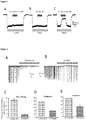
Fig. 4 shows the lack of inhibitory effects from Au-Memantine nanostructure conjugates on spontaneous synaptic activity in cerebrocortical neurons. Application of free (non-conjugated) memantine can almost completely inhibited this synaptic activity (Fig. 4A ), while memantine linked to Au NPs (Au-Mem) had no effect (Fig. 4B ). Analysis of charge transfer (Fig. 4C ), frequency (Fig. 4D ) and amplitude (Fig. 4E ) of NMDAR -mediated sEPSCs in the presence of free memantine molecules and Au-Mem are shown. Data were normalized to their control value in the absence of any drug treatments for the same cell. Data are presented as mean ± SEM (n ≥ 4 cells in each case). -
Fig. 5 shows that Au-Mem nanostructure conjugates prevented dendritic spine loss by Aβ oligomers in hippocampal slices. Hippocampal neurons from YFP-transgenic mice were exposed for 10 days to control media or synthetic Aβ1-42 (500 nM oligomers) in the presence or absence of 10 memantine or 50 nM Au-Mem. Data are presented as mean ± SEM (n ≥ 4 cells in each case). - This disclosure presents, among other things, nanostructure conjugates, methods of preparing the nanostructure conjugates, methods of inhibiting extrasynaptic proteins, specifically NMDARs, and methods of treating an animal having a medical condition. A general design strategy is shown in
Fig. 1 . - The nanostructure conjugate comprises at least one nanostructure linked to at least one modulator compound. In a further embodiment, the modulator compound is an adamantane compound. The modulator compound is a NMDAR modulator, in particular an NMDAR antagonist.
- The nanostructure can generally be any type of nanostructure. In one embodiment, the nanostructure can generally be any type of nanoparticle. Examples of nanoparticles include metal nanoparticles, such as gold nanoparticles, silver nanoparticles, and iron nanoparticles. Other examples include semiconductor nanoparticles, a core-shell nanoparticle, an inorganic core with a polymer shell, or an organic core with a polymer shell. Alternatively, the nanoparticle can be an organic nanoparticle, such as a crosslinked polymer, hydrogel polymer, biodegradable polymer, polylactide (PLA), polyglycolide (PGA), polycaprolactone (PCL), copolymers, polysaccharides, starch, cellulose, chitosan, polyhydroxyalkanoates (PHA), PHB, PHV, or combinations thereof.
- The adamantane compound can generally be any adamantane compound. Adamantane compounds are based on a core structure of four connected cyclohexane rings arranged in armchair configurations. Adamantane has a chemical structure of C10H16. Memantine is a type of adamantane compound having the chemical name 3,5-dimethyladamantan-1-amine. Memantine is marketed for use in treating Alzheimer's disease and dementia. Rimantadine is yet another adamantane compound that can be easily conjugated or linked to other moieties through its primary amino group. Rimantadine has a chemical name (RS)-1-(1-adamantyl)ethanamine.
- The NMDAR antagonist can be generally any type of an NMDAR antagonist, including, but to limited to APV (R-2-amino-5-phosphonopentanoate), AP7 (2-amino-7-phosphonoheptanoic acid), Atomoxetine, Amantadine, AZD6765, CPPene (3-[(R)-2-carboxypiperazin-4-yl]-prop-2-enyl-1-phosphonic acid), Delucemine, Dexoxadrol, Dextrallorphan, Dextromethorphan, Dextrorphan, Diphenidine, Dizocilpine, Eliprodil, Eticyclidine, Etoxadrol, Gacyclidine, HU-211, Ibogaine, Ketamine, Methoxetamine, Methoxydine, Neramexane, Phencyclidine, Rolicyclidine, Tenocyclidine, Tiletamine, Remacemide, Remacemide, Rhynchophylline, Selfotel.
- The nanostructure can be directly linked to the modulator compound, or can be indirectly linked through a linker. The linking can typically be covalent, but non-covalent linking is also possible. The linker can generally be any type of linker and can be of any length. One example of a linker is polyethylene glycol (PEG). Other linkers include polylactic acid (PLA), poly(alkylene glycols), poly(oxyethylated polyol), poly(olefinic alcohol), poly(vinylpyrrolidone), poly(hydroxyalkylmethacrylamide), poly(hydroxyalkylmethacrylate), poly(saccharides), poly(a-hydroxy acid), poly(vinyl alcohol), polyphosphazene, polyoxazoline, poly(N-acryloylmorpholine), poly(acrylic acid), carboxymethyl cellulose, hyaluronic acid, hydroxypropylmethyl cellulose, and copolymers, terpolymers, and mixtures thereof. Linkers can generally be in any geometry or form, such as linear forms (for example, alkoxy PEG or bifunctional PEG), branched or multi-arm forms (for example, forked PEG or PEG attached to a polyol core), pendant PEG, or PEG with degradable linkages therein. In one embodiment, the linker is a linear linker.
- The modulator compound can be linked to the nanostructure or the linker through generally any type of bond. Examples of bonds include an ether bond, an ester bond, an amide bond, an alkene bond, an alkyne bond, or combinations thereof. Other examples include heteroatom, -alkylene-, -O-alkylene-O-, -alkylene-O-alkylene-, -aryl-O-, -O-aryl-, (-O-alkylene-)m, (-alkylene-O-)m linkage, wherein m is 1-1000, thioether, imine, disulfide, metal-organic bond, chelation, ionic bond, electrostatic bond, hydrogen bond, or combinations thereof.
- The nanostructure conjugate can generally contain any number of modulator compounds linked to each nanostructure. One example is about five to about 200 modulator compounds are linked to each nanostructure. Specific examples are about 5, about 6, about 7, about 8, about 9, about 10, about 20, about 30, about 40, about 50, about 60, about 70, about 80, about 90, about 100, about 110, about 120, about 130, about 140, about 150, about 160, about 170, about 180, about 190, about 200, and ranges between any two of these values (including endpoints), or ranges above any one of these values.
- The nanostructure conjugate can generally have any average hydrodynamic diameter. In one embodiment, the average hydrodynamic diameter is from 20 nm to 75 nm. another embodiment, the average hydrodynamic diameter is from 20 nm to 50 nm nm or 20 nm to 40 nm. Specific examples of hydrodynamic diameters include 25 nm, 50 nm, 75 nm, and ranges between any two of these values (including endpoints). In some embodiments, the nanostructure conjugate can have an average hydrodynamic diameter larger than a synaptic cleft opening. In other embodiments, the nanostructure conjugate can have at least one hydrodynamic size dimension of 20 nm to 40 nm.
- An additional embodiment is directed towards methods of preparing the above-described nanostructure conjugates, the methods comprising linking at least one nanostructure to at least one modulator compound. In some embodiments, the linking can comprise forming a covalent bond between the nanostructure and the modulator compound. In other embodiments, the linking can comprise forming a covalent bond between the nanostructure and a linker, and forming a covalent bond between the linker and the modulator compound.
- A further embodiment is directed towards methods of inhibiting an extrasynaptic protein, the method comprising contacting an extrasynaptic protein with a nanostructure conjugate having an average hydrodynamic diameter of about 20 nm to 40 nm. In some embodiments, the nanostructure conjugate can have an average hydrodynamic diameter larger than a synaptic cleft opening. In some embodiments, the nanostructure conjugate does not inhibit synaptic proteins. The nanostructure conjugate can generally be any of the nanostructure conjugates described above. The extrasynaptic protein is a NMDA receptor.
- It is possible to contemplate other methods of inhibiting an extrasynaptic protein that can comprise contacting an extrasynaptic protein with its antagonist with an average hydrodynamic diameter of about 5 nm to about 150 nm or about 20 nm to about 40 nm. In some embodiments, the antagonist does not inhibit synaptic proteins. In one embodiment, the extrasynaptic protein can be a NMDA receptor.
- A further embodiment is directed towards methods of treating an animal having a medical condition, the method comprising: administering to the animal a nanostructure conjugate comprising at least one nanostructure linked to at least one modulator compound as described; wherein the medical condition is any of various pathological conditions, including, but not limited to, Alzheimer's disease; Parkinson's disease; amyotrophic lateral sclerosis; Huntington's disease; chemotherapy-induced neuropathy; age-related brain dysfunctions; Down's syndrome; autism; Asperger's Syndrome; Rett syndrome; Fragile X syndrome; Korsakoff's disease; cerebral palsy; epilepsy and other seizure disorders; affective disorders; sleep disorders; traumatic brain injury, encephalopathy, and other traumatic-related injuries or diseases; schizophrenia and other psychotic disorders; pain, neuropathic pain, hyperalgesia and disorders of nociception; addictive disorders; multiple sclerosis and other autoimmune diseases. The condition can also be ischemia; neuronal reperfusion injury; neuronal trauma or hemorrhage; neuronal infection; stroke; neuronal exposure to a toxic substance; glaucoma and other eye disorders; emetic disorders and conditions; side effects caused by brain radiation therapy; vascular dementia, or HIV-associated The nanostructure conjugate can generally be any of the nanostructure conjugates described above. The animal can generally be any animal. Examples of animals include a mammal, a primate, a human, a dog, a cat, a mouse, a rat, a cow, a horse, and a pig. The nanostructure conjugate can be delivered in generally any effective manner. Examples of administering methods include intranasal delivery, intraperitoneal delivery, interstitial delivery, intracerebral, intrathecal, transcranial, epidural, via brain lymphatics, intravitreal, otologic, through inhalation, intravenous drug delivery, or a combination thereof.
- Another embodiment is directed towards methods of treating an animal having a medical condition, the method comprising: administering to the animal an NMDAR antagonist having an average hydrodynamic diameter of 20 nm to 40 nm; wherein the medical condition is any of various pathological conditions.
- Another embodiment is directed towards methods of treating an animal having a medical condition, the method comprising: administering to the animal a nanostructure conjugate comprising at least one nanostructure linked to at least one adamantane compound, having an average hydrodynamic diameter of 20 nm to 40 nm; wherein the medical condition is any of various pathological conditions.
- Gold NPs were synthesized by citrate reduction of chloroauric acid (HAuCl4; Acros Organics). Briefly, 197 mg of HAuCl4 in 10 mL of Milli-Q (18.2 Ohm) water was diluted with 500 mL of additional water and brought to a vigorous boil. 50 mL of 13.7 mg/mL sodium citrate trihydrate (Sigma) was rapidly added and boiling was continued for 30 minutes. The resultant Au NP solution with absorption peak at 520 nm was cooled to room temperature. The citrate shell was displaced by a mixture of thiol-modified PEGs terminated with methoxy or carboxylate, at a nominal molar ratio of 4:1 methoxy:carboxylate. Synthetic yield was characterized by absorbance measurements of an aliquot, using the plasmon peak at 520 nm. Concentrations of Au NPs were calculated using an extinction coefficient of 1.97 x 10⁸ M-1 cm-1. To determine their diameter, at least 50 Au NPs were analyzed by transmission electron microscopy (TEM) by depositing a diluted aqueous solution onto carbon-coated grids, followed by wicking and drying in a stream of nitrogen.
- HS-PEG-OCH3, 2 kDa (Rapp Polymere; Tuebingen, Germany) was prepared in 95% ethanol at 24 mg/mL, and HS-PEG-COOH, 3 kDa (Rapp Polymere) at 9 mg/mL. 400 µL of each were premixed and combined with 100 mL of Au citrate, reaction (i) in
Figure 1 . The following day the PEG coated Au NP were purified from free ligand using Amicon centrifugal filters having a molecular weight cutoff of 100 kDa (washed with 0.1X PBS) and concentrated to 2 mL (200 optical density at 520 nm (O.D.)). EDC coupling of drug molecules was performed next. Memantine HCl, Amantadine HCl, glucosamine, amino-PEG-OCH3 MW 750 (Sigma) were each dissolved in 2-(N-Morpholino)ethanesulfonic acid buffer (MES, 0.1 M, pH 4.3 with NaOH). Glucosamine was used due to its similar size and functional group for attachment, and potential recognition by a different class receptor. - 100 µL EDC (30 mg/mL in MES), was added to 300 µL Au NPs and incubated for 2 minutes. Then 100 µL of N-hydroxysuccinimide (NHS) in MES was added. After 5 minutes, 100 µL of amine-drug (70 mM in water) was combined and coupling proceeded for 1 hour. To raise the pH and accelerate the reaction, 25 µL of carbonate buffer was added (7.5% solution, pH 9.3; Gibco; Grand Island, NY, USA). After 1 hour, 50 µL more each of EDC and NHS solutions were added with incubation overnight. The Au NP products were twice pelleted and washed at 21 k RCF with IX PBS (containing Tween 20 at a concentration of 0.005% w/w), and stored at 4°C overnight. The following day extensive dialysis was performed into IX PBS (without Tween 20) using a 20 kDa Slide-a-Lyzer (Pierce), with three buffer changes over 48 hours. The Au NP products were diluted to 27 to 200 O.D. in DPBS (Hyclone) and filtered (0.22 µm; Millipore).
- Dynamic light scattering (DLS) was performed using a Zetasizer Nano (Malvern Instruments). A sample of Au-PEG-Memantine was diluted in phosphate buffered saline (Gibco). Z-average hydrodynamic radius was indicated by the software. The Au-Mem solutions were stable for at least several months when sterile filtered and stored at 4°C in sealed Eppendorf tubes. Slight settling and adsorption to container walls could be reversed by brief sonication.
- To quantify the approximate number of molecules that could be attached to a 12-nm Au NP, thiol-PEG-amine (3 kDa, Rapp Polymere) was used in place of the thiol-PEG-carboxylate. Instead of reacting the gold-COOH, the gold-NH2 was reacted with amine reactive dye, Oregon Green 488 succinimidyl ester (Life Technologies). After conjugation of OR488 to Au NPs in place of the drug and purification of the final product, the dye molecules were displaced using dithiothreitol, and their number was characterized by measurements of fluorescence intensity.
- Free memantine was removed by centrifugation of Au-Mem at 21k RCF, with redispersion in PBS, and transfer to new tubes between rounds. At minimum five rounds performed with a purification factor of at least 50-fold, given by the volume initial divided by volume after removing the supernatant. The final product was estimated to have a free memantine concentration of less than 20 nM.
- Primary cerebrocortical cultures were made from E16 rat pups and grown on 12-mm glass coverslips. Briefly, cortices were dissected from 1- to 2-days old rats and enzymatically treated (papain, 200 U/ml; 30 minutes, 37 °C). After mechanical dissociation in minimum essential medium (MEM; Gibco), the cells were plated into culture flasks and grown at 37°C in a humidified 5% CO2/95% air atmosphere.
- Whole-cell voltage-clamp recordings were performed from neurons after 14 days in vitro. The extracellular solution contained (in mM):: 135 NaCl, 2.5 KCl, 2 CaCl2, 0-0.01 MgCl2, 1 NaHCO3, 0.34 Na2HPO4, 0.44 KH2PO4, 20 glucose, 10 Hepes, pH 7.4. Patch electrodes (4-7 MΩ) were filled with a solution containing (in mM): 120 CsCl, 20 tetraethylammonium chloride (TEA-C1), 10 Hepes, 2.25 EGTA, 1 CaCl2, 2 MgCl2,
pH 7.4. pCLAMP 10 software (Molecular Devices) was used for data acquisition and analysis. All recordings were performed using an Axopatch 200B amplifier (Molecular Devices) at RT with a holding potential of -70 mV. Currents were digitally sampled at 10-20 kHz and filtered at 2-5 kHz. - Spontaneous NMDAR-mediated EPSCs are usually presented as bursts, with each burst consisting of multiple EPSCs. To perform the analysis of NMDAR-mediated sEPSCs, we implemented the temporal separation approach. The initial transient component of sEPSCs that represents AMPAR-mediated currents can be easily isolated and excluded from the further analysis. Then, the values for charge transfer of each NMDAR-mediated sEPSC starting from the peak of the first NMDAR-mediated sEPSC and continuing to the baseline were determined. Additionally, the frequency and amplitude of NMDAR-mediated sEPSCs were calculated for each experimental condition during about 100 seconds of recording time. To examine the spontaneous synaptic activity at the equilibrium, the initial 10 seconds of each drug application was excluded from the analysis. Normalization of all parameters was performed for each cell to negate experimental variations between neurons.
- Data were expressed as mean ± SEM. When suitable, results were interpreted using a one-way ANOVA with a Student-Newman-Keuls (SNK) post-hoc test. Pairwise comparisons between genotypes/treatments were assessed with a Student's t-test. Differences were considered statistically significant at P < 0.05.
- Thyl-YFPH transgenic mice (8-10-days old) were used to prepare organotypic hippocampal slices using the interface method. Brains were dissected under isoflurane anesthesia, and 350-µm-thick hippocampal slices were collected in ice-cold dissection buffer containing (in mM): 212 sucrose; 3 KC1; 5 MgCl2; 0.5 CaCl2; 1 NaH2PO4; 26 NaHCO3; and 10 D-glucose. Dissection buffer was bubbled with 95% v/v O2 / 5% v/v CO2. Slices were transferred onto a Millicell cell-culture insert (Millipore) and were placed in medium 1 containing Eagle's Minimum Essential Medium [50% (vol/vol)], horse serum [25% (vol/vol)], Earle's Balanced Salt Solution [18% (vol/vol)], D-glucose (32-35 mM), Hepes (25 mM), glutamine (2 mM), Amphotericin B (2.5 µg/mL), and streptomycin sulfate (100µg/mL). After 24 hours, the culture medium was changed to
medium 2 of similar composition but containing a lower concentration of horse serum [5% (vol/vol)], and then replaced every 2-3 days. Slices were exposed to 500 nM oligomerized Aβ1-12 peptide, 10 memantine, or 50 nM Au-Mem for 10 days, replenished accordingly with each medium replacement. Dendritic spine density was evaluated as follow: Slices were fixed in 4% paraformaldehyde, and images of YFP-expressing cells were acquired by deconvolution microscopy using SlideBook software. For YFP-expressing neurons (n>5 for each condition), two distinct fields of secondary or tertiary dendrites at least 30 µm in length were selected randomly and analyzed using SlideBook software. - Memantine was selected for the role of an NMDAR antagonist and 12-nm Au NPS were used for the purpose of "bulking-up" an NMDAR antagonist. Memantine was attached to Au NPs via polyethylene glycol (PEG) linkers (
Fig. 2 ). - The first method for attaching memantine to Au NPs: a mixture of methoxy- and carboxyl acid-terminated PEG thiols was immobilized on the Au core followed by amide coupling of the primary amine of memantine (Mem) to the PEG carboxylate groups. The second method for attaching Memantine to Au NPs: Memantine-PEG-thiols were directly coupled to Au NPs, with methoxy-terminated PEG thiols used as fillers. The number of memantine molecules on a NP can be varied by changing the ratio of Memantine-carrying PEG molecules to methoxy-terminated PEG thiols. For example, for 1:4 ratio, it was estimated that the Au-Mem carried approximately 50 memantine molecules. The resulting Au-PEG-Memantine nanostructures had a hydrodynamic radius of 35 nm, as determined by DLS measurements.
- Effects of Au-Mem on NMDAR-mediated currents were evaluated in cerebrocortical neurons using patch-clamp whole-cell recordings. When applied in the presence of saturating concentrations of NMDA (200 µM), Au-Mem (100 nM) blocked 62.55 ± 9.72 % (n = 15) of NMDA-mediated ion currents (
Fig. 3A ). Under the same experimental conditions, Au-Glucosamine and Au-PEG at 50 nM had no effect (n = 5) on NMDARs (Fig. 3B, C ). These results were confirmed in imaging experiments that monitored changes in calcium influx in neurons (n >500) as a result of co-application of NMDA and the above mentioned nanostructure conjugates. These findings indicate that a) conjugation did not affect pharmacological properties of memantine as an open-channel NMDAR antagonist; b) properties of a PEG linker (i.e., flexibility and length) used for conjugating memantine molecules to Au NPs allow them an unhampered access to a binding site inside the NMDAR pore; c) pharmacological properties of a fully assembled nanostructure are determined solely by a conjugated antagonist molecule rather than by Au NPs or their polymer coatings. - Au-Mem had no noticeable effect on the synaptic activity of cerebrocortical neurons as determined by whole-cell patch-clamp recordings of spontaneous excitatory postsynaptic currents (sEPSCs) in the presence of Au-Mem, while free memantine at 10 did block it (
Fig. 4A,B ). Using the temporal separation strategy, an analysis of NMDAR-mediated components of sEPSCs was performed by excluding the initial transient component of sEPSCs mediated by AMPA receptors. Detailed analysis of normalized total charge, frequency, and amplitude of NMDAR-mediated sEPSCs demonstrated in the presence of Au-Mem and memantine (Fig. 4C-E ) confirms that Au-Mem was not capable of inhibiting sNMDARs. Considering that, as demonstrated above, Au-Mem is a highly efficient inhibitor of the NMDAR activity, the lack of inhibition of sNMDARs means that Au-Mem simply cannot reach sNMDARs. Thus, Au-Mem can block all NMDARs, except sNMDARs, thus satisfying the original goal of developing a sub-type selective NMDAR antagonist that would preserve the activity of sNMDARs. - To construct a dose-response curve, different concentrations of Au-Mem were applied on fully activated NMDARs (in the presence of 200 µNMDA and 10µ glycine). The Hill coefficient for Au-Mem is about 1, which is expected of a pore blocker. The half maximal inhibitory concentration (IC50) for Au-Mem is about 5 nM. High apparent affinity of Au-Mem is likely due to the presence and immediate availability of multiple memantine molecules from one Au-Memantine NP located near a given NMDAR.
- Synaptic loss is the fundamental feature linking neuropathology in Alzheimer's disease to cognitive decline. Soluble amyloid beta (Aβ) oligomers are known to produce synaptic depression in hippocampal slices. eNMDARs have been shown to mediate Aβ-induced signaling pathways leading to synaptic spine loss. Therefore, inhibition of eNMDARs is expected to disrupt these neurodegenerative pathways and prevent the synaptic loss even in the presence of Aβ oligomers. Organotypic hippocampal slices from YFP mice were treated with 500 nM Aβ oligomers in the presence and absence of 10 memantine and 50 nM Au-Mem for 10 days. Au-Mem was found to work significantly better than free memantine in protecting synaptic dendritic spines from detrimental effects of Aβ oligomers (
Fig. 5 ). - Nanostructures can also be prepared containing amantadine (1-adamantylamine), an NMDAR antagonist structurally similar to memantine.
- Nanostructures can be delivered to the brain via a variety of different routes, such as intranasal delivery, intraperitoneal delivery, interstitial delivery, and so on. To facilitate a specific route of drug delivery to the brain, nanostructures can undergo a route-specific optimization of their surface properties via conjugation of additional molecules leading to enhanced targeting and/or penetration into the brain.
- In the above detailed description, reference is made to the accompanying drawings, which form a part hereof. In the drawings, similar symbols typically identify similar components, unless context dictates otherwise. The illustrative embodiments described in the detailed description, drawings, and claims are not meant to be limiting. Other embodiments may be used, and other changes may be made, without departing from the spirit or scope of the subject matter presented herein. It will be readily understood that the aspects of the present disclosure, as generally described herein, and illustrated in the Figures, can be arranged, substituted, combined, separated, and designed in a wide variety of different configurations, all of which are explicitly contemplated herein.
- The present disclosure is not to be limited in terms of the particular embodiments described in this application, which are intended as illustrations of various aspects. Many modifications and variations can be made without departing from its spirit and scope, as will be apparent to those skilled in the art. Functionally equivalent methods and apparatuses within the scope of the disclosure, in addition to those enumerated herein, will be apparent to those skilled in the art from the foregoing descriptions. Such modifications and variations are intended to fall within the scope of the appended claims. The present disclosure is to be limited only by the terms of the appended claims, along with the full scope of equivalents to which such claims are entitled. It is to be understood that this disclosure is not limited to particular methods, reagents, compounds, compositions or biological systems, which can, of course, vary. It is also to be understood that the terminology used herein is for the purpose of describing particular embodiments only, and is not intended to be limiting.
- As used in this document, the singular forms "a," "an," and "the" include plural references unless the context clearly dictates otherwise. Unless defined otherwise, all technical and scientific terms used herein have the same meanings as commonly understood by one of ordinary skill in the art. Nothing in this disclosure is to be construed as an admission that the embodiments described in this disclosure are not entitled to antedate such disclosure by virtue of prior invention. As used in this document, the term "comprising" means "including, but not limited to."
- While various compositions, methods, and devices are described in terms of "comprising" various components or steps (interpreted as meaning "including, but not limited to"), the compositions, methods, and devices can also "consist essentially of' or "consist of' the various components and steps, and such terminology should be interpreted as defining essentially closed-member groups.
- With respect to the use of substantially any plural and/or singular terms herein, those having skill in the art can translate from the plural to the singular and/or from the singular to the plural as is appropriate to the context and/or application. The various singular/plural permutations may be expressly set forth herein for sake of clarity.
- It will be understood by those within the art that, in general, terms used herein, and especially in the appended claims are generally intended as "open" terms (for example, the term "including" should be interpreted as "including but not limited to," the term "having" should be interpreted as "having at least," the term "includes" should be interpreted as "includes but is not limited to," etc.). It will be further understood by those within the art that if a specific number of an introduced claim recitation is intended, such an intent will be explicitly recited in the claim, and in the absence of such recitation no such intent is present. For example, as an aid to understanding, the following appended claims may contain usage of the introductory phrases "at least one" and "one or more" to introduce claim recitations. However, the use of such phrases should not be construed to imply that the introduction of a claim recitation by the indefinite articles "a" or "an" limits any particular claim containing such introduced claim recitation to embodiments containing only one such recitation, even when the same claim includes the introductory phrases "one or more" or "at least one" and indefinite articles such as "a" or "an" (for example, "a" and/or "an" should be interpreted to mean "at least one" or "one or more"); the same holds true for the use of definite articles used to introduce claim recitations. In addition, even if a specific number of an introduced claim recitation is explicitly recited, those skilled in the art will recognize that such recitation should be interpreted to mean at least the recited number (for example, the bare recitation of "two recitations," without other modifiers, means at least two recitations, or two or more recitations). Furthermore, in those instances where a convention analogous to "at least one of A, B, and C, etc." is used, in general such a construction is intended in the sense one having skill in the art would understand the convention (for example, " a system having at least one of A, B, and C" would include but not be limited to systems that have A alone, B alone, C alone, A and B together, A and C together, B and C together, and/or A, B, and C together, etc.). In those instances where a convention analogous to "at least one of A, B, or C, etc." is used, in general such a construction is intended in the sense one having skill in the art would understand the convention (for example, " a system having at least one of A, B, or C" would include but not be limited to systems that have A alone, B alone, C alone, A and B together, A and C together, B and C together, and/or A, B, and C together, etc.). It will be further understood by those within the art that virtually any disjunctive word and/or phrase presenting two or more alternative terms, whether in the description, claims, or drawings, should be understood to contemplate the possibilities of including one of the terms, either of the terms, or both terms. For example, the phrase "A or B" will be understood to include the possibilities of "A" or "B" or "A and B."
- In addition, where features or aspects of the disclosure are described in terms of Markush groups, those skilled in the art will recognize that the disclosure is also thereby described in terms of any individual member or subgroup of members of the Markush group.
- As will be understood by one skilled in the art, for any and all purposes, such as in terms of providing a written description, all ranges disclosed herein also encompass any and all possible sub-ranges and combinations of sub-ranges thereof. Any listed range can be easily recognized as sufficiently describing and enabling the same range being broken down into at least equal halves, thirds, quarters, fifths, tenths, etc. As a non-limiting example, each range discussed herein can be readily broken down into a lower third, middle third and upper third, etc. As will also be understood by one skilled in the art all language such as "up to," "at least," and the like include the number recited and refer to ranges which can be subsequently broken down into subranges as discussed above. Finally, as will be understood by one skilled in the art, a range includes each individual member. Thus, for example, a group having 1-3 cells refers to groups having 1, 2, or 3 cells.
Claims (13)
- A nanostructure conjugate comprising at least one nanostructure and at least one modulator compound for targeting and modulation of a NMDA receptor at an extrasynaptic location;
wherein the modulator compound is an NMDAR modulator;
wherein the nanostructure conjugate has an average hydrodynamic diameter of 20 - 75 nm; and
wherein the nanostructure is linked to the NMDAR modulator through a linker. - The nanostructure conjugate according to claim 1, wherein the nanostructure conjugate has a hydrodynamic diameter of 20 nm to 50 nm.
- The nanostructure conjugate according to any previous claim, wherein the nanostructure is gold, silver, iron, iron oxide, lanthanide oxide, transition metal, transition metal oxide, silica, porous silica, semiconductor, crystalline, amorphous, lamellar, protein, human serum albumin, hyaluronic acid, dextran, proteoglycan, sulfated biopolymer, carboxybetaine polymer, sulfobetaine polymer, block co-polymer, inorganic core with a polymer shell, an organic core with a polymer shell, or an inorganic core with inorganic shell and polymer shell.
- The nanostructure according to any previous claim, wherein the nanostructure is a Au nanoparticle with a diameter of 12 nm.
- The nanostructure conjugate of any previous claim, wherein the NMDA modulator compound is a NMDA receptor antagonist.
- The nanostructure conjugate of claim 5, wherein the NMDA receptor antagonist is APV, AP7, Atomoxetine, Amantadine, AZD6765, CPPene, Delucemine, Dexoxadrol, Dextrallorphan, Dextromethorphan, Dextrorphan, Diphenidine, Dizocilpine, Eliprodil, Eticyclidine, Etoxadrol, Gacyclidine, Ibogaine, Ketamine, Methoxetamine, HU-211, Methoxydine, Neramexane, Phencyclidine, Rolicyclidine, Tenocyclidine, Tiletamine, Remacemide, Rhynchophylline, or Selfotel.
- The nanostructure conjugate of any previous claim, wherein the modulator compound is at least one adamantane compound.
- The nanostructure conjugate of any previous claim, wherein the modulator compound is memantine or rimantadine.
- The nanostructure conjugate of any previous claim, wherein the linker is polyethylene glycol or polylactic acid.
- The nanostructure conjugate according to any previous claim, wherein the nanostructure conjugate does not inhibit synaptic proteins.
- A nanostructure conjugate according to any previous claim for use in the treatment of a medical condition in an animal; wherein the medical condition is Alzheimer's disease; Parkinson's disease; amyotrophic lateral sclerosis; Huntington's disease; chemotherapy-induced neuropathy; age-related brain dysfunctions; Down's syndrome; autism; Asperger's Syndrome; Rett syndrome; Fragile X syndrome; Korsakoffs disease; cerebral palsy; epilepsy and other seizure disorders; affective disorders; sleep disorders; traumatic brain injury, encephalopathy, and other traumatic-related injuries or diseases; schizophrenia and other psychotic disorders; pain, neuropathic pain, hyperalgesia and disorders of nociception; addictive disorders; multiple sclerosis and other autoimmune diseases; ischemia; neuronal reperfusion injury; neuronal trauma or hemorrhage; neuronal infection; stroke; neuronal exposure to a toxic substance; glaucoma and other eye disorders; emetic disorders and conditions; side effects caused by brain radiation therapy; vascular dementia, or HIV-associated dementia.
- The nanostructure conjugate for use according to claim 11, wherein the animal is a mammal, a primate, a dog, a cat, a mouse, a rat, a cow, a horse, or a pig.
- The nanostructure conjugate for use according to claim 12, wherein the animal is a human.
Applications Claiming Priority (2)
| Application Number | Priority Date | Filing Date | Title |
|---|---|---|---|
| US201361962335P | 2013-11-05 | 2013-11-05 | |
| PCT/US2014/063963 WO2015069669A1 (en) | 2013-11-05 | 2014-11-04 | Nanostructure conjugates for modulation of location-specific subtypes of receptors and ion channels |
Publications (4)
| Publication Number | Publication Date |
|---|---|
| EP3065782A1 EP3065782A1 (en) | 2016-09-14 |
| EP3065782A4 EP3065782A4 (en) | 2018-05-02 |
| EP3065782B1 true EP3065782B1 (en) | 2021-04-14 |
| EP3065782B8 EP3065782B8 (en) | 2021-05-26 |
Family
ID=53042006
Family Applications (1)
| Application Number | Title | Priority Date | Filing Date |
|---|---|---|---|
| EP14861026.4A Active EP3065782B8 (en) | 2013-11-05 | 2014-11-04 | Nanostructure conjugates for modulation of location-specific subtypes of receptors and ion channels |
Country Status (5)
| Country | Link |
|---|---|
| US (1) | US12539337B2 (en) |
| EP (1) | EP3065782B8 (en) |
| JP (1) | JP6634626B2 (en) |
| CN (2) | CN105848686A (en) |
| WO (1) | WO2015069669A1 (en) |
Families Citing this family (7)
| Publication number | Priority date | Publication date | Assignee | Title |
|---|---|---|---|---|
| JP6634626B2 (en) | 2013-11-05 | 2020-01-22 | エレーナ モロカノヴァElena MOLOKANOVA | Nanostructure complexes for the modulation of receptor and ion channel regiospecific subtypes |
| ES2908466T3 (en) * | 2016-08-05 | 2022-04-29 | Shenzhen Profound View Pharma Tech Co Ltd | Substance containing gold grouping and method of preparation and use thereof |
| HUE055873T2 (en) * | 2016-11-28 | 2022-01-28 | Shenzhen Profound View Pharma Tech Co Ltd | Use of gold cluster (AuCs) or substances containing AuCs in the manufacture of a medicament for the prevention and / or treatment of glaucoma |
| CA3085218A1 (en) * | 2017-12-18 | 2019-06-27 | Auburn University | Method for preparing stabilized metal ion ligand nanocomplex and compositions thereof |
| CN113454456B (en) * | 2019-04-15 | 2024-08-20 | 纳诺洛吉卡股份公司 | Empty porous particles for treating, preventing and/or delaying neurodegenerative diseases and neuronal and glial degeneration |
| CN114159627B (en) * | 2021-12-23 | 2022-08-12 | 福州大学 | A composite hydrogel coating for monitoring and treating urinary tract infection and its preparation method and application |
| EP4587019A2 (en) | 2022-09-14 | 2025-07-23 | The Board of Trustees of the Leland Stanford Junior University | Compositions of iboga alkaloids and methods of treatment |
Family Cites Families (34)
| Publication number | Priority date | Publication date | Assignee | Title |
|---|---|---|---|---|
| US20030092029A1 (en) * | 2001-06-06 | 2003-05-15 | Lee Josephson | Magneitc-nanoparticle conjugates and methods of use |
| EP2801366A3 (en) | 2004-09-02 | 2015-04-29 | Cognosci, Inc. | Improved apo E analogs and methods for their use |
| US7282194B2 (en) * | 2004-10-05 | 2007-10-16 | Gp Medical, Inc. | Nanoparticles for protein drug delivery |
| US8337811B1 (en) | 2005-01-04 | 2012-12-25 | Gp Medical, Inc. | Pharmaceutical composition of nanoparticles |
| US7879361B2 (en) * | 2005-01-04 | 2011-02-01 | Gp Medical, Inc. | Nanoparticles for drug delivery |
| US8361439B1 (en) | 2005-01-04 | 2013-01-29 | Gp Medical, Inc. | Pharmaceutical composition of nanoparticles |
| CN101155549B (en) * | 2005-03-21 | 2011-11-16 | 加利福尼亚大学董事会 | Functionalized magnetic nanoparticles and methods of use thereof |
| US20100048653A1 (en) | 2005-07-14 | 2010-02-25 | The University Of British Columbia | Neuroprotective modulation of nmda receptor subtype activities |
| JP4420969B2 (en) | 2007-07-09 | 2010-02-24 | 積水化学工業株式会社 | Spacer particle dispersion, liquid crystal display manufacturing method, and liquid crystal display |
| WO2009084017A2 (en) | 2007-10-10 | 2009-07-09 | Rubicon Research Private Limited | Taste-masked orally disintegrating tablets of memantine hydrochloride |
| US9550827B2 (en) | 2007-10-19 | 2017-01-24 | The Regents Of The University Of California | Methods for ameliorating and preventing central nervous system inflammation |
| US20110274620A1 (en) | 2007-11-05 | 2011-11-10 | Harth Eva M | Multifunctional degradable nanoparticles with control over size and functionalities |
| WO2009123734A1 (en) * | 2008-04-04 | 2009-10-08 | The Regents Of The University Of California | Functionalized magnetic nanoparticles and methods of use thereof |
| US20170157038A1 (en) | 2008-11-13 | 2017-06-08 | Gholam A. Peyman | Ophthalmic drug delivery method |
| US8815584B1 (en) | 2009-04-23 | 2014-08-26 | University Of Central Florida Research Foundation, Inc. | Method of co-culturing mammalian muscle cells and motoneurons |
| US9163216B1 (en) | 2009-04-23 | 2015-10-20 | University Of Central Florida Research Foundation, Inc. | Method for culturing skeletal muscle for tissue engineering |
| US8835168B2 (en) | 2009-04-23 | 2014-09-16 | University Of Central Florida Research Foundation, Inc. | Synthetic mammalian neuromuscular junction and method of making |
| WO2010135277A2 (en) | 2009-05-18 | 2010-11-25 | Brown University | Cyclic-glur6 analogs, methods of treatment and use |
| JP5866119B2 (en) | 2009-10-30 | 2016-02-17 | ノースウェスタン ユニバーシティ | Template nanocomposite |
| US9404140B1 (en) | 2009-11-03 | 2016-08-02 | The University Of Central Florida Research Foundation, Inc. | Patterned cardiomyocyte culture on microelectrode array |
| WO2011075185A1 (en) | 2009-12-18 | 2011-06-23 | Oligasis | Targeted drug phosphorylcholine polymer conjugates |
| US20110229553A1 (en) | 2010-01-22 | 2011-09-22 | Elaine Elisabetsky | Plant Extract with Pharmacological Profile for Treating or Preventing Diseases, Dysfunctions and Disorders of the Central Nervous System, Neurodegenerative Disorders and Sequel from Vascular Dementia |
| EP2531910B1 (en) | 2010-02-05 | 2015-04-08 | University of Central Florida Research Foundation, Inc. | Methods for identifying points of action in electrically active cells |
| CZ201181A3 (en) | 2011-02-15 | 2012-09-12 | Ústav organické chemie a biochemie Akademie ved CR, v.v.i. | Pregnanolone derivatives substituted in position 3alpha with cationic group, process of their preparation, their use and composition containing them |
| EP2705842A1 (en) | 2012-09-05 | 2014-03-12 | Pharnext | Therapeutic approaches for treating parkinson's disease |
| EP2723452A2 (en) | 2011-06-22 | 2014-04-30 | Vyome Biosciences Pvt Ltd | Conjugate-based antifungal and antibacterial prodrugs |
| PT2931291T (en) | 2012-12-11 | 2021-12-03 | Mclean Hospital Corp | Xenon and/or argon treatment as an adjunct to psychotherapy for psychiatric disorders |
| GR1008233B (en) | 2013-03-28 | 2014-06-23 | Αλεξανδρος Δημητριου Βαμβακιδης | Optimization and therapeutic valorization of the symptomatic treatment of alzheimer's disease with rivastigmine, galantamine or donepezil, by selected aminotetrafurans acting as mixed sigma-1 / muscarinic ligands |
| JP6634626B2 (en) | 2013-11-05 | 2020-01-22 | エレーナ モロカノヴァElena MOLOKANOVA | Nanostructure complexes for the modulation of receptor and ion channel regiospecific subtypes |
| US20150231151A1 (en) | 2014-02-19 | 2015-08-20 | University Of Houston System | Compositions and methods for the treatment of neurodegenerative diseases |
| ES2876350T3 (en) | 2014-06-06 | 2021-11-12 | Ovid Therapeutics Inc | Methods to increase tonic inhibition and treatment of secondary insomnia |
| US20180126014A1 (en) | 2015-04-15 | 2018-05-10 | Yale University | Compositions for enhancing delivery of agents across the blood brain barrier and methods of use thereof |
| US10245326B2 (en) | 2015-08-06 | 2019-04-02 | Landon C. G. Miller | Amantadine, memantine, and rimantadine conjugates and a pharmaceutical composition for treatment of neuronal disorders |
| WO2017189561A1 (en) | 2016-04-25 | 2017-11-02 | Mennerick Steve | 25-hydroxycholesterol and methods of use thereof |
-
2014
- 2014-11-04 JP JP2016553223A patent/JP6634626B2/en active Active
- 2014-11-04 EP EP14861026.4A patent/EP3065782B8/en active Active
- 2014-11-04 US US15/034,263 patent/US12539337B2/en active Active
- 2014-11-04 CN CN201480071511.0A patent/CN105848686A/en active Pending
- 2014-11-04 CN CN202111062806.XA patent/CN113813401A/en active Pending
- 2014-11-04 WO PCT/US2014/063963 patent/WO2015069669A1/en not_active Ceased
Non-Patent Citations (1)
| Title |
|---|
| None * |
Also Published As
| Publication number | Publication date |
|---|---|
| EP3065782B8 (en) | 2021-05-26 |
| CN113813401A (en) | 2021-12-21 |
| WO2015069669A1 (en) | 2015-05-14 |
| US12539337B2 (en) | 2026-02-03 |
| EP3065782A1 (en) | 2016-09-14 |
| CN105848686A (en) | 2016-08-10 |
| US20160271271A1 (en) | 2016-09-22 |
| EP3065782A4 (en) | 2018-05-02 |
| JP2017502078A (en) | 2017-01-19 |
| JP6634626B2 (en) | 2020-01-22 |
Similar Documents
| Publication | Publication Date | Title |
|---|---|---|
| US12539337B2 (en) | Nanostructure conjugates for modulation of location-specific subtypes of receptors and ion channels | |
| Ta et al. | Chitosan nanoparticles for enhancing drugs and cosmetic components penetration through the skin | |
| Ferreira et al. | Advances and challenges in retinoid delivery systems in regenerative and therapeutic medicine | |
| Wang et al. | Inhibition of bacterial growth and intramniotic infection in a guinea pig model of chorioamnionitis using PAMAM dendrimers | |
| Yu et al. | A hybrid genipin-cross-linked hydrogel/nanostructured lipid carrier for ocular drug delivery: cellular, ex vivo, and in vivo evaluation | |
| Seabra et al. | Cellulose nanocrystals as carriers in medicine and their toxicities: A review | |
| Wilson et al. | Chitosan nanoparticles as a new delivery system for the anti-Alzheimer drug tacrine | |
| Li et al. | A comparative study on the efficiency of chitosan-N-acetylcysteine, chitosan oligosaccharides or carboxymethyl chitosan surface modified nanostructured lipid carrier for ophthalmic delivery of curcumin | |
| Ahlawat et al. | Chitosan–ellagic acid nanohybrid for mitigating rotenone-induced oxidative stress | |
| US11918695B2 (en) | Topical formulation of hyperbranched polymer-coated particles | |
| Papa et al. | Functionalized nanogel for treating activated astrocytes in spinal cord injury | |
| Ger et al. | Alginate-functionalized nanoceria as ion-responsive eye drop formulation to treat corneal abrasion | |
| Stoicea et al. | Advanced analgesic drug delivery and nanobiotechnology | |
| JP2017222659A (en) | Jasmonate compound composition and method of use | |
| US9283284B2 (en) | Use of conjugates of hyaluronic acid in the local treatment of hyperproliferative skin diseases | |
| Samprasit et al. | Alpha‐mangostin and resveratrol, dual‐drugs‐loaded mucoadhesive thiolated chitosan‐based nanoparticles for synergistic activity against colon cancer cells | |
| Mohamed et al. | MA; Mekkawy, AI Chitosan Nanoparticles for Meloxicam Ocular Delivery: Development | |
| Rai et al. | Lactoferrin-modified PLGA nanoparticles for pregabalin: development, characterization, in vitro targeting and pharmacodynamic evaluation | |
| Kobeissi et al. | Silver-modified cross-linked polyvinylpyrrolidone and its antibacterial activity | |
| CN117982426B (en) | Small molecule self-assembly nanomedicine and preparation method thereof | |
| Pelegrino et al. | Cytotoxicity of hyaluronic acid coated chitosan nanoparticles containing nitric oxide donor against cancer cell lines | |
| WO2011145963A1 (en) | Non-leaching nanoparticle formulation for the intracellular delivery of hydrophobic drugs and its use to modulate cell activity and differentiation | |
| US9145472B2 (en) | Charge reversible polymers | |
| US20210322326A1 (en) | Hydrogel particle carriers for delivery of therapeutic/diagnostic agents | |
| CN115887353A (en) | A kind of hydrogel and its preparation method and application |
Legal Events
| Date | Code | Title | Description |
|---|---|---|---|
| PUAI | Public reference made under article 153(3) epc to a published international application that has entered the european phase |
Free format text: ORIGINAL CODE: 0009012 |
|
| 17P | Request for examination filed |
Effective date: 20160602 |
|
| AK | Designated contracting states |
Kind code of ref document: A1 Designated state(s): AL AT BE BG CH CY CZ DE DK EE ES FI FR GB GR HR HU IE IS IT LI LT LU LV MC MK MT NL NO PL PT RO RS SE SI SK SM TR |
|
| AX | Request for extension of the european patent |
Extension state: BA ME |
|
| DAX | Request for extension of the european patent (deleted) | ||
| RIC1 | Information provided on ipc code assigned before grant |
Ipc: B82Y 5/00 20110101ALI20170511BHEP Ipc: A61K 9/00 20060101ALI20170511BHEP Ipc: A61P 21/00 20060101AFI20170511BHEP Ipc: A61K 31/13 20060101ALI20170511BHEP |
|
| REG | Reference to a national code |
Ref country code: DE Ref legal event code: R079 Ref document number: 602014076657 Country of ref document: DE Free format text: PREVIOUS MAIN CLASS: A61K0047480000 Ipc: A61P0021000000 |
|
| A4 | Supplementary search report drawn up and despatched |
Effective date: 20180329 |
|
| RIC1 | Information provided on ipc code assigned before grant |
Ipc: A61K 31/13 20060101ALI20180323BHEP Ipc: B82Y 5/00 20110101ALI20180323BHEP Ipc: A61P 21/00 20060101AFI20180323BHEP Ipc: A61K 9/00 20060101ALI20180323BHEP |
|
| STAA | Information on the status of an ep patent application or granted ep patent |
Free format text: STATUS: EXAMINATION IS IN PROGRESS |
|
| 17Q | First examination report despatched |
Effective date: 20191128 |
|
| RIN1 | Information on inventor provided before grant (corrected) |
Inventor name: BRAUN, GARY Inventor name: MOLOKANOVE, ELENA Inventor name: SAVTCHENKO, ALEX |
|
| GRAP | Despatch of communication of intention to grant a patent |
Free format text: ORIGINAL CODE: EPIDOSNIGR1 |
|
| STAA | Information on the status of an ep patent application or granted ep patent |
Free format text: STATUS: GRANT OF PATENT IS INTENDED |
|
| INTG | Intention to grant announced |
Effective date: 20201028 |
|
| GRAS | Grant fee paid |
Free format text: ORIGINAL CODE: EPIDOSNIGR3 |
|
| GRAA | (expected) grant |
Free format text: ORIGINAL CODE: 0009210 |
|
| STAA | Information on the status of an ep patent application or granted ep patent |
Free format text: STATUS: THE PATENT HAS BEEN GRANTED |
|
| AK | Designated contracting states |
Kind code of ref document: B1 Designated state(s): AL AT BE BG CH CY CZ DE DK EE ES FI FR GB GR HR HU IE IS IT LI LT LU LV MC MK MT NL NO PL PT RO RS SE SI SK SM TR |
|
| REG | Reference to a national code |
Ref country code: GB Ref legal event code: FG4D |
|
| REG | Reference to a national code |
Ref country code: CH Ref legal event code: EP |
|
| GRAT | Correction requested after decision to grant or after decision to maintain patent in amended form |
Free format text: ORIGINAL CODE: EPIDOSNCDEC |
|
| REG | Reference to a national code |
Ref country code: CH Ref legal event code: PK Free format text: BERICHTIGUNGEN Ref country code: CH Ref legal event code: PK Free format text: BERICHTIGUNG B8 |
|
| REG | Reference to a national code |
Ref country code: DE Ref legal event code: R096 Ref document number: 602014076657 Country of ref document: DE |
|
| REG | Reference to a national code |
Ref country code: IE Ref legal event code: FG4D |
|
| REG | Reference to a national code |
Ref country code: AT Ref legal event code: REF Ref document number: 1381764 Country of ref document: AT Kind code of ref document: T Effective date: 20210515 |
|
| RIN2 | Information on inventor provided after grant (corrected) |
Inventor name: MOLOKANOVA, ELENA Inventor name: BRAUN, GARY Inventor name: SAVTCHENKO, ALEX |
|
| REG | Reference to a national code |
Ref country code: LT Ref legal event code: MG9D |
|
| REG | Reference to a national code |
Ref country code: AT Ref legal event code: MK05 Ref document number: 1381764 Country of ref document: AT Kind code of ref document: T Effective date: 20210414 |
|
| REG | Reference to a national code |
Ref country code: NL Ref legal event code: MP Effective date: 20210414 |
|
| PG25 | Lapsed in a contracting state [announced via postgrant information from national office to epo] |
Ref country code: HR Free format text: LAPSE BECAUSE OF FAILURE TO SUBMIT A TRANSLATION OF THE DESCRIPTION OR TO PAY THE FEE WITHIN THE PRESCRIBED TIME-LIMIT Effective date: 20210414 Ref country code: FI Free format text: LAPSE BECAUSE OF FAILURE TO SUBMIT A TRANSLATION OF THE DESCRIPTION OR TO PAY THE FEE WITHIN THE PRESCRIBED TIME-LIMIT Effective date: 20210414 Ref country code: LT Free format text: LAPSE BECAUSE OF FAILURE TO SUBMIT A TRANSLATION OF THE DESCRIPTION OR TO PAY THE FEE WITHIN THE PRESCRIBED TIME-LIMIT Effective date: 20210414 Ref country code: NL Free format text: LAPSE BECAUSE OF FAILURE TO SUBMIT A TRANSLATION OF THE DESCRIPTION OR TO PAY THE FEE WITHIN THE PRESCRIBED TIME-LIMIT Effective date: 20210414 Ref country code: BG Free format text: LAPSE BECAUSE OF FAILURE TO SUBMIT A TRANSLATION OF THE DESCRIPTION OR TO PAY THE FEE WITHIN THE PRESCRIBED TIME-LIMIT Effective date: 20210714 Ref country code: AT Free format text: LAPSE BECAUSE OF FAILURE TO SUBMIT A TRANSLATION OF THE DESCRIPTION OR TO PAY THE FEE WITHIN THE PRESCRIBED TIME-LIMIT Effective date: 20210414 |
|
| PG25 | Lapsed in a contracting state [announced via postgrant information from national office to epo] |
Ref country code: ES Free format text: LAPSE BECAUSE OF FAILURE TO SUBMIT A TRANSLATION OF THE DESCRIPTION OR TO PAY THE FEE WITHIN THE PRESCRIBED TIME-LIMIT Effective date: 20210414 Ref country code: NO Free format text: LAPSE BECAUSE OF FAILURE TO SUBMIT A TRANSLATION OF THE DESCRIPTION OR TO PAY THE FEE WITHIN THE PRESCRIBED TIME-LIMIT Effective date: 20210714 Ref country code: PL Free format text: LAPSE BECAUSE OF FAILURE TO SUBMIT A TRANSLATION OF THE DESCRIPTION OR TO PAY THE FEE WITHIN THE PRESCRIBED TIME-LIMIT Effective date: 20210414 Ref country code: PT Free format text: LAPSE BECAUSE OF FAILURE TO SUBMIT A TRANSLATION OF THE DESCRIPTION OR TO PAY THE FEE WITHIN THE PRESCRIBED TIME-LIMIT Effective date: 20210816 Ref country code: SE Free format text: LAPSE BECAUSE OF FAILURE TO SUBMIT A TRANSLATION OF THE DESCRIPTION OR TO PAY THE FEE WITHIN THE PRESCRIBED TIME-LIMIT Effective date: 20210414 Ref country code: RS Free format text: LAPSE BECAUSE OF FAILURE TO SUBMIT A TRANSLATION OF THE DESCRIPTION OR TO PAY THE FEE WITHIN THE PRESCRIBED TIME-LIMIT Effective date: 20210414 Ref country code: IS Free format text: LAPSE BECAUSE OF FAILURE TO SUBMIT A TRANSLATION OF THE DESCRIPTION OR TO PAY THE FEE WITHIN THE PRESCRIBED TIME-LIMIT Effective date: 20210814 Ref country code: LV Free format text: LAPSE BECAUSE OF FAILURE TO SUBMIT A TRANSLATION OF THE DESCRIPTION OR TO PAY THE FEE WITHIN THE PRESCRIBED TIME-LIMIT Effective date: 20210414 Ref country code: GR Free format text: LAPSE BECAUSE OF FAILURE TO SUBMIT A TRANSLATION OF THE DESCRIPTION OR TO PAY THE FEE WITHIN THE PRESCRIBED TIME-LIMIT Effective date: 20210715 |
|
| REG | Reference to a national code |
Ref country code: DE Ref legal event code: R097 Ref document number: 602014076657 Country of ref document: DE |
|
| PG25 | Lapsed in a contracting state [announced via postgrant information from national office to epo] |
Ref country code: RO Free format text: LAPSE BECAUSE OF FAILURE TO SUBMIT A TRANSLATION OF THE DESCRIPTION OR TO PAY THE FEE WITHIN THE PRESCRIBED TIME-LIMIT Effective date: 20210414 Ref country code: SK Free format text: LAPSE BECAUSE OF FAILURE TO SUBMIT A TRANSLATION OF THE DESCRIPTION OR TO PAY THE FEE WITHIN THE PRESCRIBED TIME-LIMIT Effective date: 20210414 Ref country code: SM Free format text: LAPSE BECAUSE OF FAILURE TO SUBMIT A TRANSLATION OF THE DESCRIPTION OR TO PAY THE FEE WITHIN THE PRESCRIBED TIME-LIMIT Effective date: 20210414 Ref country code: DK Free format text: LAPSE BECAUSE OF FAILURE TO SUBMIT A TRANSLATION OF THE DESCRIPTION OR TO PAY THE FEE WITHIN THE PRESCRIBED TIME-LIMIT Effective date: 20210414 Ref country code: EE Free format text: LAPSE BECAUSE OF FAILURE TO SUBMIT A TRANSLATION OF THE DESCRIPTION OR TO PAY THE FEE WITHIN THE PRESCRIBED TIME-LIMIT Effective date: 20210414 Ref country code: CZ Free format text: LAPSE BECAUSE OF FAILURE TO SUBMIT A TRANSLATION OF THE DESCRIPTION OR TO PAY THE FEE WITHIN THE PRESCRIBED TIME-LIMIT Effective date: 20210414 |
|
| PLBE | No opposition filed within time limit |
Free format text: ORIGINAL CODE: 0009261 |
|
| STAA | Information on the status of an ep patent application or granted ep patent |
Free format text: STATUS: NO OPPOSITION FILED WITHIN TIME LIMIT |
|
| 26N | No opposition filed |
Effective date: 20220117 |
|
| PG25 | Lapsed in a contracting state [announced via postgrant information from national office to epo] |
Ref country code: IS Free format text: LAPSE BECAUSE OF FAILURE TO SUBMIT A TRANSLATION OF THE DESCRIPTION OR TO PAY THE FEE WITHIN THE PRESCRIBED TIME-LIMIT Effective date: 20210814 Ref country code: AL Free format text: LAPSE BECAUSE OF FAILURE TO SUBMIT A TRANSLATION OF THE DESCRIPTION OR TO PAY THE FEE WITHIN THE PRESCRIBED TIME-LIMIT Effective date: 20210414 |
|
| PG25 | Lapsed in a contracting state [announced via postgrant information from national office to epo] |
Ref country code: MC Free format text: LAPSE BECAUSE OF FAILURE TO SUBMIT A TRANSLATION OF THE DESCRIPTION OR TO PAY THE FEE WITHIN THE PRESCRIBED TIME-LIMIT Effective date: 20210414 |
|
| PG25 | Lapsed in a contracting state [announced via postgrant information from national office to epo] |
Ref country code: LU Free format text: LAPSE BECAUSE OF NON-PAYMENT OF DUE FEES Effective date: 20211104 Ref country code: IT Free format text: LAPSE BECAUSE OF FAILURE TO SUBMIT A TRANSLATION OF THE DESCRIPTION OR TO PAY THE FEE WITHIN THE PRESCRIBED TIME-LIMIT Effective date: 20210414 |
|
| PG25 | Lapsed in a contracting state [announced via postgrant information from national office to epo] |
Ref country code: HU Free format text: LAPSE BECAUSE OF FAILURE TO SUBMIT A TRANSLATION OF THE DESCRIPTION OR TO PAY THE FEE WITHIN THE PRESCRIBED TIME-LIMIT; INVALID AB INITIO Effective date: 20141104 |
|
| P01 | Opt-out of the competence of the unified patent court (upc) registered |
Effective date: 20230427 |
|
| PG25 | Lapsed in a contracting state [announced via postgrant information from national office to epo] |
Ref country code: CY Free format text: LAPSE BECAUSE OF FAILURE TO SUBMIT A TRANSLATION OF THE DESCRIPTION OR TO PAY THE FEE WITHIN THE PRESCRIBED TIME-LIMIT Effective date: 20210414 |
|
| PG25 | Lapsed in a contracting state [announced via postgrant information from national office to epo] |
Ref country code: MK Free format text: LAPSE BECAUSE OF FAILURE TO SUBMIT A TRANSLATION OF THE DESCRIPTION OR TO PAY THE FEE WITHIN THE PRESCRIBED TIME-LIMIT Effective date: 20210414 |
|
| PG25 | Lapsed in a contracting state [announced via postgrant information from national office to epo] |
Ref country code: TR Free format text: LAPSE BECAUSE OF FAILURE TO SUBMIT A TRANSLATION OF THE DESCRIPTION OR TO PAY THE FEE WITHIN THE PRESCRIBED TIME-LIMIT Effective date: 20210414 |
|
| PG25 | Lapsed in a contracting state [announced via postgrant information from national office to epo] |
Ref country code: MT Free format text: LAPSE BECAUSE OF FAILURE TO SUBMIT A TRANSLATION OF THE DESCRIPTION OR TO PAY THE FEE WITHIN THE PRESCRIBED TIME-LIMIT Effective date: 20210414 |
|
| REG | Reference to a national code |
Ref country code: DE Ref legal event code: R084 Ref document number: 602014076657 Country of ref document: DE |
|
| REG | Reference to a national code |
Ref country code: CH Ref legal event code: U11 Free format text: ST27 STATUS EVENT CODE: U-0-0-U10-U11 (AS PROVIDED BY THE NATIONAL OFFICE) Effective date: 20251201 |
|
| PGFP | Annual fee paid to national office [announced via postgrant information from national office to epo] |
Ref country code: DE Payment date: 20251120 Year of fee payment: 12 |
|
| PGFP | Annual fee paid to national office [announced via postgrant information from national office to epo] |
Ref country code: GB Payment date: 20251115 Year of fee payment: 12 |
|
| PGFP | Annual fee paid to national office [announced via postgrant information from national office to epo] |
Ref country code: FR Payment date: 20251115 Year of fee payment: 12 |
|
| PGFP | Annual fee paid to national office [announced via postgrant information from national office to epo] |
Ref country code: BE Payment date: 20251121 Year of fee payment: 12 |
|
| PGFP | Annual fee paid to national office [announced via postgrant information from national office to epo] |
Ref country code: CH Payment date: 20251201 Year of fee payment: 12 |
|
| PGFP | Annual fee paid to national office [announced via postgrant information from national office to epo] |
Ref country code: IE Payment date: 20251115 Year of fee payment: 12 |