EP3064208A1 - Use of n-desmethylclobazam in the treatment of chronic pain disorders and related methods - Google Patents
Use of n-desmethylclobazam in the treatment of chronic pain disorders and related methods Download PDFInfo
- Publication number
- EP3064208A1 EP3064208A1 EP15157219.5A EP15157219A EP3064208A1 EP 3064208 A1 EP3064208 A1 EP 3064208A1 EP 15157219 A EP15157219 A EP 15157219A EP 3064208 A1 EP3064208 A1 EP 3064208A1
- Authority
- EP
- European Patent Office
- Prior art keywords
- desmethylclobazam
- pain
- chronic pain
- pharmaceutically acceptable
- treatment
- Prior art date
- Legal status (The legal status is an assumption and is not a legal conclusion. Google has not performed a legal analysis and makes no representation as to the accuracy of the status listed.)
- Withdrawn
Links
- 208000002193 Pain Diseases 0.000 title claims abstract description 59
- 208000037265 diseases, disorders, signs and symptoms Diseases 0.000 title claims abstract description 39
- 208000000094 Chronic Pain Diseases 0.000 title claims abstract description 38
- RRTVVRIFVKKTJK-UHFFFAOYSA-N N-Desmethylclobazam Chemical compound C12=CC(Cl)=CC=C2NC(=O)CC(=O)N1C1=CC=CC=C1 RRTVVRIFVKKTJK-UHFFFAOYSA-N 0.000 title claims abstract description 36
- 208000035475 disorder Diseases 0.000 title claims abstract description 28
- 238000011282 treatment Methods 0.000 title claims abstract description 26
- 238000000034 method Methods 0.000 title abstract description 11
- 239000008194 pharmaceutical composition Substances 0.000 claims abstract description 19
- 230000002265 prevention Effects 0.000 claims abstract description 10
- 239000003795 chemical substances by application Substances 0.000 claims description 22
- 230000003070 anti-hyperalgesia Effects 0.000 claims description 20
- 208000004296 neuralgia Diseases 0.000 claims description 15
- 208000021722 neuropathic pain Diseases 0.000 claims description 15
- 150000003839 salts Chemical class 0.000 claims description 12
- 208000001640 Fibromyalgia Diseases 0.000 claims description 8
- HOKKHZGPKSLGJE-GSVOUGTGSA-N N-Methyl-D-aspartic acid Chemical group CN[C@@H](C(O)=O)CC(O)=O HOKKHZGPKSLGJE-GSVOUGTGSA-N 0.000 claims description 8
- 239000005557 antagonist Substances 0.000 claims description 4
- 239000003937 drug carrier Substances 0.000 claims description 3
- 230000036407 pain Effects 0.000 description 19
- 230000000694 effects Effects 0.000 description 15
- 239000000203 mixture Substances 0.000 description 13
- JNNOSTQEZICQQP-UHFFFAOYSA-N N-desmethylclozapine Chemical compound N=1C2=CC(Cl)=CC=C2NC2=CC=CC=C2C=1N1CCNCC1 JNNOSTQEZICQQP-UHFFFAOYSA-N 0.000 description 11
- 229940049706 benzodiazepine Drugs 0.000 description 11
- 201000010099 disease Diseases 0.000 description 11
- 241000699670 Mus sp. Species 0.000 description 9
- CXOXHMZGEKVPMT-UHFFFAOYSA-N clobazam Chemical compound O=C1CC(=O)N(C)C2=CC=C(Cl)C=C2N1C1=CC=CC=C1 CXOXHMZGEKVPMT-UHFFFAOYSA-N 0.000 description 9
- 229960001403 clobazam Drugs 0.000 description 8
- 150000001875 compounds Chemical class 0.000 description 8
- 239000003981 vehicle Substances 0.000 description 8
- 241000282414 Homo sapiens Species 0.000 description 7
- 230000006378 damage Effects 0.000 description 7
- 238000005259 measurement Methods 0.000 description 7
- 102000005962 receptors Human genes 0.000 description 7
- 108020003175 receptors Proteins 0.000 description 7
- 150000001557 benzodiazepines Chemical class 0.000 description 6
- -1 carrier Substances 0.000 description 6
- 208000004454 Hyperalgesia Diseases 0.000 description 5
- 206010020751 Hypersensitivity Diseases 0.000 description 5
- 208000026935 allergic disease Diseases 0.000 description 5
- 230000001684 chronic effect Effects 0.000 description 5
- 239000003814 drug Substances 0.000 description 5
- 230000009610 hypersensitivity Effects 0.000 description 5
- 230000037023 motor activity Effects 0.000 description 5
- 208000013586 Complex regional pain syndrome type 1 Diseases 0.000 description 4
- 208000035154 Hyperesthesia Diseases 0.000 description 4
- 241000124008 Mammalia Species 0.000 description 4
- 241001465754 Metazoa Species 0.000 description 4
- 206010028980 Neoplasm Diseases 0.000 description 4
- 201000001947 Reflex Sympathetic Dystrophy Diseases 0.000 description 4
- 206010039897 Sedation Diseases 0.000 description 4
- 208000027418 Wounds and injury Diseases 0.000 description 4
- 201000011510 cancer Diseases 0.000 description 4
- 208000014674 injury Diseases 0.000 description 4
- 230000000144 pharmacologic effect Effects 0.000 description 4
- 238000011160 research Methods 0.000 description 4
- 210000003497 sciatic nerve Anatomy 0.000 description 4
- 230000036280 sedation Effects 0.000 description 4
- 208000024891 symptom Diseases 0.000 description 4
- 239000003826 tablet Substances 0.000 description 4
- 239000000080 wetting agent Substances 0.000 description 4
- 208000023890 Complex Regional Pain Syndromes Diseases 0.000 description 3
- 102000027484 GABAA receptors Human genes 0.000 description 3
- 108091008681 GABAA receptors Proteins 0.000 description 3
- PEDCQBHIVMGVHV-UHFFFAOYSA-N Glycerine Chemical compound OCC(O)CO PEDCQBHIVMGVHV-UHFFFAOYSA-N 0.000 description 3
- 206010043220 Temporomandibular joint syndrome Diseases 0.000 description 3
- 230000000202 analgesic effect Effects 0.000 description 3
- 239000002249 anxiolytic agent Substances 0.000 description 3
- 230000000949 anxiolytic effect Effects 0.000 description 3
- 239000011230 binding agent Substances 0.000 description 3
- 239000002775 capsule Substances 0.000 description 3
- DGBIGWXXNGSACT-UHFFFAOYSA-N clonazepam Chemical compound C12=CC([N+](=O)[O-])=CC=C2NC(=O)CN=C1C1=CC=CC=C1Cl DGBIGWXXNGSACT-UHFFFAOYSA-N 0.000 description 3
- 229960003120 clonazepam Drugs 0.000 description 3
- 239000007884 disintegrant Substances 0.000 description 3
- 229940079593 drug Drugs 0.000 description 3
- 239000003995 emulsifying agent Substances 0.000 description 3
- 206010015037 epilepsy Diseases 0.000 description 3
- 239000000945 filler Substances 0.000 description 3
- 238000009472 formulation Methods 0.000 description 3
- 239000000314 lubricant Substances 0.000 description 3
- 210000000653 nervous system Anatomy 0.000 description 3
- 238000002360 preparation method Methods 0.000 description 3
- 239000003755 preservative agent Substances 0.000 description 3
- 230000004044 response Effects 0.000 description 3
- 239000000600 sorbitol Substances 0.000 description 3
- 235000010356 sorbitol Nutrition 0.000 description 3
- 238000001356 surgical procedure Methods 0.000 description 3
- 208000011580 syndromic disease Diseases 0.000 description 3
- SVUOLADPCWQTTE-UHFFFAOYSA-N 1h-1,2-benzodiazepine Chemical compound N1N=CC=CC2=CC=CC=C12 SVUOLADPCWQTTE-UHFFFAOYSA-N 0.000 description 2
- 241000220479 Acacia Species 0.000 description 2
- 208000019901 Anxiety disease Diseases 0.000 description 2
- 206010064012 Central pain syndrome Diseases 0.000 description 2
- 206010008874 Chronic Fatigue Syndrome Diseases 0.000 description 2
- FBPFZTCFMRRESA-FSIIMWSLSA-N D-Glucitol Natural products OC[C@H](O)[C@H](O)[C@@H](O)[C@H](O)CO FBPFZTCFMRRESA-FSIIMWSLSA-N 0.000 description 2
- 201000009273 Endometriosis Diseases 0.000 description 2
- 102000009025 Endorphins Human genes 0.000 description 2
- 108010049140 Endorphins Proteins 0.000 description 2
- UGJMXCAKCUNAIE-UHFFFAOYSA-N Gabapentin Chemical compound OC(=O)CC1(CN)CCCCC1 UGJMXCAKCUNAIE-UHFFFAOYSA-N 0.000 description 2
- 108010010803 Gelatin Proteins 0.000 description 2
- 208000022559 Inflammatory bowel disease Diseases 0.000 description 2
- 208000005615 Interstitial Cystitis Diseases 0.000 description 2
- 235000010643 Leucaena leucocephala Nutrition 0.000 description 2
- 208000004983 Phantom Limb Diseases 0.000 description 2
- 206010056238 Phantom pain Diseases 0.000 description 2
- VYPSYNLAJGMNEJ-UHFFFAOYSA-N Silicium dioxide Chemical compound O=[Si]=O VYPSYNLAJGMNEJ-UHFFFAOYSA-N 0.000 description 2
- 208000003728 Vulvodynia Diseases 0.000 description 2
- 206010069055 Vulvovaginal pain Diseases 0.000 description 2
- 208000005298 acute pain Diseases 0.000 description 2
- 239000002671 adjuvant Substances 0.000 description 2
- 230000001773 anti-convulsant effect Effects 0.000 description 2
- 230000036506 anxiety Effects 0.000 description 2
- 210000003169 central nervous system Anatomy 0.000 description 2
- 230000008859 change Effects 0.000 description 2
- 239000003086 colorant Substances 0.000 description 2
- 238000011161 development Methods 0.000 description 2
- 229960003529 diazepam Drugs 0.000 description 2
- AAOVKJBEBIDNHE-UHFFFAOYSA-N diazepam Chemical compound N=1CC(=O)N(C)C2=CC=C(Cl)C=C2C=1C1=CC=CC=C1 AAOVKJBEBIDNHE-UHFFFAOYSA-N 0.000 description 2
- 239000003085 diluting agent Substances 0.000 description 2
- 238000001647 drug administration Methods 0.000 description 2
- 230000009977 dual effect Effects 0.000 description 2
- 230000007831 electrophysiology Effects 0.000 description 2
- 238000002001 electrophysiology Methods 0.000 description 2
- 239000000839 emulsion Substances 0.000 description 2
- 239000000499 gel Substances 0.000 description 2
- 239000008273 gelatin Substances 0.000 description 2
- 229920000159 gelatin Polymers 0.000 description 2
- 235000019322 gelatine Nutrition 0.000 description 2
- 235000011852 gelatine desserts Nutrition 0.000 description 2
- 239000007788 liquid Substances 0.000 description 2
- HQKMJHAJHXVSDF-UHFFFAOYSA-L magnesium stearate Chemical compound [Mg+2].CCCCCCCCCCCCCCCCCC([O-])=O.CCCCCCCCCCCCCCCCCC([O-])=O HQKMJHAJHXVSDF-UHFFFAOYSA-L 0.000 description 2
- 239000000463 material Substances 0.000 description 2
- 239000002207 metabolite Substances 0.000 description 2
- 210000000214 mouth Anatomy 0.000 description 2
- 208000029766 myalgic encephalomeyelitis/chronic fatigue syndrome Diseases 0.000 description 2
- 210000005036 nerve Anatomy 0.000 description 2
- 239000000546 pharmaceutical excipient Substances 0.000 description 2
- 229920001223 polyethylene glycol Polymers 0.000 description 2
- 230000001624 sedative effect Effects 0.000 description 2
- 230000035807 sensation Effects 0.000 description 2
- 239000000243 solution Substances 0.000 description 2
- 239000000375 suspending agent Substances 0.000 description 2
- 239000000725 suspension Substances 0.000 description 2
- 235000020357 syrup Nutrition 0.000 description 2
- 239000006188 syrup Substances 0.000 description 2
- 238000012360 testing method Methods 0.000 description 2
- 230000001225 therapeutic effect Effects 0.000 description 2
- 230000000472 traumatic effect Effects 0.000 description 2
- DIWRORZWFLOCLC-HNNXBMFYSA-N (3s)-7-chloro-5-(2-chlorophenyl)-3-hydroxy-1,3-dihydro-1,4-benzodiazepin-2-one Chemical compound N([C@H](C(NC1=CC=C(Cl)C=C11)=O)O)=C1C1=CC=CC=C1Cl DIWRORZWFLOCLC-HNNXBMFYSA-N 0.000 description 1
- ZORQXIQZAOLNGE-UHFFFAOYSA-N 1,1-difluorocyclohexane Chemical compound FC1(F)CCCCC1 ZORQXIQZAOLNGE-UHFFFAOYSA-N 0.000 description 1
- IIZPXYDJLKNOIY-JXPKJXOSSA-N 1-palmitoyl-2-arachidonoyl-sn-glycero-3-phosphocholine Chemical compound CCCCCCCCCCCCCCCC(=O)OC[C@H](COP([O-])(=O)OCC[N+](C)(C)C)OC(=O)CCC\C=C/C\C=C/C\C=C/C\C=C/CCCCC IIZPXYDJLKNOIY-JXPKJXOSSA-N 0.000 description 1
- USSIQXCVUWKGNF-UHFFFAOYSA-N 6-(dimethylamino)-4,4-diphenylheptan-3-one Chemical compound C=1C=CC=CC=1C(CC(C)N(C)C)(C(=O)CC)C1=CC=CC=C1 USSIQXCVUWKGNF-UHFFFAOYSA-N 0.000 description 1
- HBAQYPYDRFILMT-UHFFFAOYSA-N 8-[3-(1-cyclopropylpyrazol-4-yl)-1H-pyrazolo[4,3-d]pyrimidin-5-yl]-3-methyl-3,8-diazabicyclo[3.2.1]octan-2-one Chemical class C1(CC1)N1N=CC(=C1)C1=NNC2=C1N=C(N=C2)N1C2C(N(CC1CC2)C)=O HBAQYPYDRFILMT-UHFFFAOYSA-N 0.000 description 1
- 206010002091 Anaesthesia Diseases 0.000 description 1
- 241000416162 Astragalus gummifer Species 0.000 description 1
- 208000008035 Back Pain Diseases 0.000 description 1
- 241000283690 Bos taurus Species 0.000 description 1
- 108091003079 Bovine Serum Albumin Proteins 0.000 description 1
- 206010068065 Burning mouth syndrome Diseases 0.000 description 1
- 229920002134 Carboxymethyl cellulose Polymers 0.000 description 1
- 208000001387 Causalgia Diseases 0.000 description 1
- 229920002261 Corn starch Polymers 0.000 description 1
- FBPFZTCFMRRESA-JGWLITMVSA-N D-glucitol Chemical compound OC[C@H](O)[C@@H](O)[C@H](O)[C@H](O)CO FBPFZTCFMRRESA-JGWLITMVSA-N 0.000 description 1
- 208000032131 Diabetic Neuropathies Diseases 0.000 description 1
- 241000283086 Equidae Species 0.000 description 1
- WQZGKKKJIJFFOK-GASJEMHNSA-N Glucose Natural products OC[C@H]1OC(O)[C@H](O)[C@@H](O)[C@@H]1O WQZGKKKJIJFFOK-GASJEMHNSA-N 0.000 description 1
- 206010019233 Headaches Diseases 0.000 description 1
- 239000004354 Hydroxyethyl cellulose Substances 0.000 description 1
- 229920000663 Hydroxyethyl cellulose Polymers 0.000 description 1
- XQFRJNBWHJMXHO-RRKCRQDMSA-N IDUR Chemical compound C1[C@H](O)[C@@H](CO)O[C@H]1N1C(=O)NC(=O)C(I)=C1 XQFRJNBWHJMXHO-RRKCRQDMSA-N 0.000 description 1
- PIWKPBJCKXDKJR-UHFFFAOYSA-N Isoflurane Chemical compound FC(F)OC(Cl)C(F)(F)F PIWKPBJCKXDKJR-UHFFFAOYSA-N 0.000 description 1
- YQEZLKZALYSWHR-UHFFFAOYSA-N Ketamine Chemical compound C=1C=CC=C(Cl)C=1C1(NC)CCCCC1=O YQEZLKZALYSWHR-UHFFFAOYSA-N 0.000 description 1
- MKXZASYAUGDDCJ-SZMVWBNQSA-N LSM-2525 Chemical compound C1CCC[C@H]2[C@@]3([H])N(C)CC[C@]21C1=CC(OC)=CC=C1C3 MKXZASYAUGDDCJ-SZMVWBNQSA-N 0.000 description 1
- GUBGYTABKSRVRQ-QKKXKWKRSA-N Lactose Natural products OC[C@H]1O[C@@H](O[C@H]2[C@H](O)[C@@H](O)C(O)O[C@@H]2CO)[C@H](O)[C@@H](O)[C@H]1O GUBGYTABKSRVRQ-QKKXKWKRSA-N 0.000 description 1
- 206010024453 Ligament sprain Diseases 0.000 description 1
- 208000008930 Low Back Pain Diseases 0.000 description 1
- 235000019759 Maize starch Nutrition 0.000 description 1
- 229920000168 Microcrystalline cellulose Polymers 0.000 description 1
- 229920000715 Mucilage Polymers 0.000 description 1
- 208000028389 Nerve injury Diseases 0.000 description 1
- 208000005890 Neuroma Diseases 0.000 description 1
- 208000005141 Otitis Diseases 0.000 description 1
- 241001494479 Pecora Species 0.000 description 1
- 239000002202 Polyethylene glycol Substances 0.000 description 1
- 206010036105 Polyneuropathy Diseases 0.000 description 1
- 206010036376 Postherpetic Neuralgia Diseases 0.000 description 1
- 208000004550 Postoperative Pain Diseases 0.000 description 1
- 241000288906 Primates Species 0.000 description 1
- 241000283984 Rodentia Species 0.000 description 1
- 208000008765 Sciatica Diseases 0.000 description 1
- 206010070834 Sensitisation Diseases 0.000 description 1
- DBMJMQXJHONAFJ-UHFFFAOYSA-M Sodium laurylsulphate Chemical compound [Na+].CCCCCCCCCCCCOS([O-])(=O)=O DBMJMQXJHONAFJ-UHFFFAOYSA-M 0.000 description 1
- 208000027520 Somatoform disease Diseases 0.000 description 1
- 229920002472 Starch Polymers 0.000 description 1
- 235000021355 Stearic acid Nutrition 0.000 description 1
- 241000282887 Suidae Species 0.000 description 1
- 208000002847 Surgical Wound Diseases 0.000 description 1
- 229920001615 Tragacanth Polymers 0.000 description 1
- 230000004913 activation Effects 0.000 description 1
- 239000013543 active substance Substances 0.000 description 1
- 230000001154 acute effect Effects 0.000 description 1
- 239000000654 additive Substances 0.000 description 1
- 239000000853 adhesive Substances 0.000 description 1
- 238000009098 adjuvant therapy Methods 0.000 description 1
- 230000002411 adverse Effects 0.000 description 1
- 229940037003 alum Drugs 0.000 description 1
- CEGOLXSVJUTHNZ-UHFFFAOYSA-K aluminium tristearate Chemical compound [Al+3].CCCCCCCCCCCCCCCCCC([O-])=O.CCCCCCCCCCCCCCCCCC([O-])=O.CCCCCCCCCCCCCCCCCC([O-])=O CEGOLXSVJUTHNZ-UHFFFAOYSA-K 0.000 description 1
- 229940063655 aluminum stearate Drugs 0.000 description 1
- DKNWSYNQZKUICI-UHFFFAOYSA-N amantadine Chemical compound C1C(C2)CC3CC2CC1(N)C3 DKNWSYNQZKUICI-UHFFFAOYSA-N 0.000 description 1
- 229960003805 amantadine Drugs 0.000 description 1
- 230000037005 anaesthesia Effects 0.000 description 1
- 230000036592 analgesia Effects 0.000 description 1
- 239000004599 antimicrobial Substances 0.000 description 1
- 238000013459 approach Methods 0.000 description 1
- 206010003246 arthritis Diseases 0.000 description 1
- QVGXLLKOCUKJST-UHFFFAOYSA-N atomic oxygen Chemical compound [O] QVGXLLKOCUKJST-UHFFFAOYSA-N 0.000 description 1
- 230000009286 beneficial effect Effects 0.000 description 1
- 230000008901 benefit Effects 0.000 description 1
- 230000037396 body weight Effects 0.000 description 1
- 229940098773 bovine serum albumin Drugs 0.000 description 1
- 239000000872 buffer Substances 0.000 description 1
- 239000001506 calcium phosphate Substances 0.000 description 1
- 229910000389 calcium phosphate Inorganic materials 0.000 description 1
- 235000011010 calcium phosphates Nutrition 0.000 description 1
- 239000001768 carboxy methyl cellulose Substances 0.000 description 1
- 235000010948 carboxy methyl cellulose Nutrition 0.000 description 1
- 239000008112 carboxymethyl-cellulose Substances 0.000 description 1
- 230000000973 chemotherapeutic effect Effects 0.000 description 1
- 230000001149 cognitive effect Effects 0.000 description 1
- 208000014439 complex regional pain syndrome type 2 Diseases 0.000 description 1
- 230000001010 compromised effect Effects 0.000 description 1
- 230000036461 convulsion Effects 0.000 description 1
- 230000007123 defense Effects 0.000 description 1
- 229960001985 dextromethorphan Drugs 0.000 description 1
- 206010012601 diabetes mellitus Diseases 0.000 description 1
- 230000003292 diminished effect Effects 0.000 description 1
- 239000002270 dispersing agent Substances 0.000 description 1
- 238000002224 dissection Methods 0.000 description 1
- 231100000673 dose–response relationship Toxicity 0.000 description 1
- 208000019258 ear infection Diseases 0.000 description 1
- BEFDCLMNVWHSGT-UHFFFAOYSA-N ethenylcyclopentane Chemical compound C=CC1CCCC1 BEFDCLMNVWHSGT-UHFFFAOYSA-N 0.000 description 1
- 239000003925 fat Substances 0.000 description 1
- 206010016256 fatigue Diseases 0.000 description 1
- PJMPHNIQZUBGLI-UHFFFAOYSA-N fentanyl Chemical compound C=1C=CC=CC=1N(C(=O)CC)C(CC1)CCN1CCC1=CC=CC=C1 PJMPHNIQZUBGLI-UHFFFAOYSA-N 0.000 description 1
- 229960002428 fentanyl Drugs 0.000 description 1
- 238000010304 firing Methods 0.000 description 1
- 239000000796 flavoring agent Substances 0.000 description 1
- 239000012530 fluid Substances 0.000 description 1
- 235000013355 food flavoring agent Nutrition 0.000 description 1
- 229960002870 gabapentin Drugs 0.000 description 1
- 229960003692 gamma aminobutyric acid Drugs 0.000 description 1
- BTCSSZJGUNDROE-UHFFFAOYSA-N gamma-aminobutyric acid Chemical compound NCCCC(O)=O BTCSSZJGUNDROE-UHFFFAOYSA-N 0.000 description 1
- 210000001035 gastrointestinal tract Anatomy 0.000 description 1
- 230000002068 genetic effect Effects 0.000 description 1
- 210000004195 gingiva Anatomy 0.000 description 1
- 239000008103 glucose Substances 0.000 description 1
- 235000001727 glucose Nutrition 0.000 description 1
- 231100000869 headache Toxicity 0.000 description 1
- 230000036541 health Effects 0.000 description 1
- 150000004677 hydrates Chemical class 0.000 description 1
- 235000019447 hydroxyethyl cellulose Nutrition 0.000 description 1
- 210000000987 immune system Anatomy 0.000 description 1
- 230000006872 improvement Effects 0.000 description 1
- 208000015181 infectious disease Diseases 0.000 description 1
- 230000002757 inflammatory effect Effects 0.000 description 1
- 239000004615 ingredient Substances 0.000 description 1
- 230000002401 inhibitory effect Effects 0.000 description 1
- 230000005764 inhibitory process Effects 0.000 description 1
- 208000028867 ischemia Diseases 0.000 description 1
- 229960002725 isoflurane Drugs 0.000 description 1
- 229960003299 ketamine Drugs 0.000 description 1
- 239000008101 lactose Substances 0.000 description 1
- 235000010445 lecithin Nutrition 0.000 description 1
- 239000000787 lecithin Substances 0.000 description 1
- 229940067606 lecithin Drugs 0.000 description 1
- 230000003902 lesion Effects 0.000 description 1
- 239000012669 liquid formulation Substances 0.000 description 1
- 229960004391 lorazepam Drugs 0.000 description 1
- 210000003141 lower extremity Anatomy 0.000 description 1
- 239000007937 lozenge Substances 0.000 description 1
- 235000019359 magnesium stearate Nutrition 0.000 description 1
- 238000004519 manufacturing process Methods 0.000 description 1
- 230000007246 mechanism Effects 0.000 description 1
- 230000001404 mediated effect Effects 0.000 description 1
- BUGYDGFZZOZRHP-UHFFFAOYSA-N memantine Chemical compound C1C(C2)CC3(C)CC1(C)CC2(N)C3 BUGYDGFZZOZRHP-UHFFFAOYSA-N 0.000 description 1
- 229960004640 memantine Drugs 0.000 description 1
- 206010027175 memory impairment Diseases 0.000 description 1
- 229960001797 methadone Drugs 0.000 description 1
- 229920000609 methyl cellulose Polymers 0.000 description 1
- 125000002496 methyl group Chemical group [H]C([H])([H])* 0.000 description 1
- 235000010270 methyl p-hydroxybenzoate Nutrition 0.000 description 1
- 239000004292 methyl p-hydroxybenzoate Substances 0.000 description 1
- 239000001923 methylcellulose Substances 0.000 description 1
- 235000010981 methylcellulose Nutrition 0.000 description 1
- 235000019813 microcrystalline cellulose Nutrition 0.000 description 1
- 229940016286 microcrystalline cellulose Drugs 0.000 description 1
- 239000008108 microcrystalline cellulose Substances 0.000 description 1
- 201000005518 mononeuropathy Diseases 0.000 description 1
- 210000003205 muscle Anatomy 0.000 description 1
- 230000008764 nerve damage Effects 0.000 description 1
- 230000002981 neuropathic effect Effects 0.000 description 1
- 239000002687 nonaqueous vehicle Substances 0.000 description 1
- QIQXTHQIDYTFRH-UHFFFAOYSA-N octadecanoic acid Chemical compound CCCCCCCCCCCCCCCCCC(O)=O QIQXTHQIDYTFRH-UHFFFAOYSA-N 0.000 description 1
- OQCDKBAXFALNLD-UHFFFAOYSA-N octadecanoic acid Natural products CCCCCCCC(C)CCCCCCCCC(O)=O OQCDKBAXFALNLD-UHFFFAOYSA-N 0.000 description 1
- 239000002674 ointment Substances 0.000 description 1
- 229910052760 oxygen Inorganic materials 0.000 description 1
- 239000001301 oxygen Substances 0.000 description 1
- 239000006179 pH buffering agent Substances 0.000 description 1
- 208000027753 pain disease Diseases 0.000 description 1
- 230000036961 partial effect Effects 0.000 description 1
- 230000001575 pathological effect Effects 0.000 description 1
- 210000000578 peripheral nerve Anatomy 0.000 description 1
- 230000002085 persistent effect Effects 0.000 description 1
- 239000008177 pharmaceutical agent Substances 0.000 description 1
- 230000001766 physiological effect Effects 0.000 description 1
- 229940068196 placebo Drugs 0.000 description 1
- 239000000902 placebo Substances 0.000 description 1
- 230000007824 polyneuropathy Effects 0.000 description 1
- 229920000136 polysorbate Polymers 0.000 description 1
- 239000001267 polyvinylpyrrolidone Substances 0.000 description 1
- 229920000036 polyvinylpyrrolidone Polymers 0.000 description 1
- 235000013855 polyvinylpyrrolidone Nutrition 0.000 description 1
- 229920001592 potato starch Polymers 0.000 description 1
- 229960001233 pregabalin Drugs 0.000 description 1
- AYXYPKUFHZROOJ-ZETCQYMHSA-N pregabalin Chemical compound CC(C)C[C@H](CN)CC(O)=O AYXYPKUFHZROOJ-ZETCQYMHSA-N 0.000 description 1
- 238000012545 processing Methods 0.000 description 1
- 239000000651 prodrug Substances 0.000 description 1
- 229940002612 prodrug Drugs 0.000 description 1
- 230000002035 prolonged effect Effects 0.000 description 1
- 230000000069 prophylactic effect Effects 0.000 description 1
- 238000011321 prophylaxis Methods 0.000 description 1
- 235000010232 propyl p-hydroxybenzoate Nutrition 0.000 description 1
- 239000004405 propyl p-hydroxybenzoate Substances 0.000 description 1
- QELSKZZBTMNZEB-UHFFFAOYSA-N propylparaben Chemical compound CCCOC(=O)C1=CC=C(O)C=C1 QELSKZZBTMNZEB-UHFFFAOYSA-N 0.000 description 1
- 230000000306 recurrent effect Effects 0.000 description 1
- 230000002829 reductive effect Effects 0.000 description 1
- 238000005067 remediation Methods 0.000 description 1
- 239000000932 sedative agent Substances 0.000 description 1
- 230000035945 sensitivity Effects 0.000 description 1
- 230000008313 sensitization Effects 0.000 description 1
- 238000000926 separation method Methods 0.000 description 1
- 239000000377 silicon dioxide Substances 0.000 description 1
- 235000020374 simple syrup Nutrition 0.000 description 1
- 235000019333 sodium laurylsulphate Nutrition 0.000 description 1
- 239000008109 sodium starch glycolate Substances 0.000 description 1
- 229940079832 sodium starch glycolate Drugs 0.000 description 1
- 229920003109 sodium starch glycolate Polymers 0.000 description 1
- 239000007787 solid Substances 0.000 description 1
- 239000008247 solid mixture Substances 0.000 description 1
- 239000012453 solvate Substances 0.000 description 1
- 235000010199 sorbic acid Nutrition 0.000 description 1
- 239000004334 sorbic acid Substances 0.000 description 1
- 229940075582 sorbic acid Drugs 0.000 description 1
- 239000001593 sorbitan monooleate Substances 0.000 description 1
- 235000011069 sorbitan monooleate Nutrition 0.000 description 1
- 229940035049 sorbitan monooleate Drugs 0.000 description 1
- 210000000278 spinal cord Anatomy 0.000 description 1
- 208000020431 spinal cord injury Diseases 0.000 description 1
- 230000002269 spontaneous effect Effects 0.000 description 1
- 239000003381 stabilizer Substances 0.000 description 1
- 239000008107 starch Substances 0.000 description 1
- 229940032147 starch Drugs 0.000 description 1
- 235000019698 starch Nutrition 0.000 description 1
- 239000008117 stearic acid Substances 0.000 description 1
- 230000000638 stimulation Effects 0.000 description 1
- 239000000126 substance Substances 0.000 description 1
- 235000000346 sugar Nutrition 0.000 description 1
- 230000009534 synaptic inhibition Effects 0.000 description 1
- 239000000454 talc Substances 0.000 description 1
- 229910052623 talc Inorganic materials 0.000 description 1
- 235000012222 talc Nutrition 0.000 description 1
- 230000008685 targeting Effects 0.000 description 1
- 229940124597 therapeutic agent Drugs 0.000 description 1
- 231100001274 therapeutic index Toxicity 0.000 description 1
- 210000001519 tissue Anatomy 0.000 description 1
- 230000001988 toxicity Effects 0.000 description 1
- 231100000419 toxicity Toxicity 0.000 description 1
- 239000000196 tragacanth Substances 0.000 description 1
- 235000010487 tragacanth Nutrition 0.000 description 1
- 229940116362 tragacanth Drugs 0.000 description 1
- QORWJWZARLRLPR-UHFFFAOYSA-H tricalcium bis(phosphate) Chemical compound [Ca+2].[Ca+2].[Ca+2].[O-]P([O-])([O-])=O.[O-]P([O-])([O-])=O QORWJWZARLRLPR-UHFFFAOYSA-H 0.000 description 1
- 206010044652 trigeminal neuralgia Diseases 0.000 description 1
- 230000001960 triggered effect Effects 0.000 description 1
- 208000009935 visceral pain Diseases 0.000 description 1
- 230000000007 visual effect Effects 0.000 description 1
- XLYOFNOQVPJJNP-UHFFFAOYSA-N water Substances O XLYOFNOQVPJJNP-UHFFFAOYSA-N 0.000 description 1
- 238000009736 wetting Methods 0.000 description 1
Images


Classifications
-
- A—HUMAN NECESSITIES
- A61—MEDICAL OR VETERINARY SCIENCE; HYGIENE
- A61K—PREPARATIONS FOR MEDICAL, DENTAL OR TOILETRY PURPOSES
- A61K31/00—Medicinal preparations containing organic active ingredients
- A61K31/33—Heterocyclic compounds
- A61K31/395—Heterocyclic compounds having nitrogen as a ring hetero atom, e.g. guanethidine or rifamycins
- A61K31/55—Heterocyclic compounds having nitrogen as a ring hetero atom, e.g. guanethidine or rifamycins having seven-membered rings, e.g. azelastine, pentylenetetrazole
- A61K31/551—Heterocyclic compounds having nitrogen as a ring hetero atom, e.g. guanethidine or rifamycins having seven-membered rings, e.g. azelastine, pentylenetetrazole having two nitrogen atoms, e.g. dilazep
-
- A—HUMAN NECESSITIES
- A61—MEDICAL OR VETERINARY SCIENCE; HYGIENE
- A61K—PREPARATIONS FOR MEDICAL, DENTAL OR TOILETRY PURPOSES
- A61K45/00—Medicinal preparations containing active ingredients not provided for in groups A61K31/00 - A61K41/00
- A61K45/06—Mixtures of active ingredients without chemical characterisation, e.g. antiphlogistics and cardiaca
-
- A—HUMAN NECESSITIES
- A61—MEDICAL OR VETERINARY SCIENCE; HYGIENE
- A61P—SPECIFIC THERAPEUTIC ACTIVITY OF CHEMICAL COMPOUNDS OR MEDICINAL PREPARATIONS
- A61P25/00—Drugs for disorders of the nervous system
Definitions
- the present invention relates to the use of a metabolite of the benzodiazepine clobazam and compositions thereof in the prophylaxis and/or treatment of chronic pain disorders.
- BZDs Benzodiazepines
- Benzodiazepines that are currently used for their anxiolytic or anticonvulsant properties are considered devoid of analgesic effect in human and their use in the treatment of acute or chronic pain is not recommended by current international guidelines ( Corrigan et al., 2012, Cochrane Database Syst Rev, 5: p. CD009486 ; Wiffen et al., 2013, Cochrane Database Syst Rev, 11: p. CD01056 ).
- current international guidelines Corrigan et al., 2012, Cochrane Database Syst Rev, 5: p. CD009486 ; Wiffen et al., 2013, Cochrane Database Syst Rev, 11: p. CD01056 .
- BZDs Benzodiazepines
- diazepam has been used as an active placebo in a study seeking to demonstrate the analgesic effect of fentanyl in patients with chronic non-cancer neuropathic pain ( Dellemijn et al., 1997, Lancet, 349:753-8 ) .
- clonazepam is widely used in practice to treat neuropathic pain and has demonstrated efficacy in myofascial pain, temporomandibular joint dysfunction, cancer-related neuropathic pain and in stomatodynia when used topically ( Gremeau-Richard et al., 2004, Pain, 108:51-7 ).
- BZDs in chronic pain is rather limited by their side effects, such as sedation, memory impairment and dependence and most professionals skilled in the art of medical sciences have been convinced for the past 30 years that BZDs are not indicated for analgesia.
- BZD Specific pharmacological effects of BZD are thought to be associated with their degree of affinity for different subtypes of GABAA receptors found in the central nervous system.
- the anxiolytic and anticonvulsant properties of BZD are mainly mediated by the activation of the ⁇ 2 and ⁇ 3 subunits of the GABAA receptor while tolerance and sedation which remain major impediments to their use have been be associated with the ⁇ 1 subunit ( Rudolph, 2011, Nat Rev Drug Discov, 10(9), 685-97 ). Therefore, the main focus of the entire pharmacological BZD-oriented research was to try in the past twenty years to identify ⁇ 1-sparing compounds.
- Clobazam (CBZ) is a 1-5 BZD prescribed in all forms of anxiety and in epilepsy and commercialized under the name of FrisumTM or OnfiTM for the treatment of epilepsy and under the name of UrbanylTM as antianxiolytic agent and as adjuvant treatment for epilepsy. It seems to exert less cognitive and psychomotor side effects compared with clonazepam and lorazepam.
- Clobazam is known to have higher binding affinity for ⁇ 2 versus ⁇ 1 receptor complexes, a difference which is shared by one of its metabolite N-desmethylclobazam, 8-Chloro-1-phenyl-1H-1,5-benzodiazepine-2,4(3H,5H)-dione), (NDMC or norclobazam) and which is not observed for example for clonazepam for which no distinction of affinity between ⁇ 2 and ⁇ 1 receptor complexes was observed. ( Jensen et al, 2014, PLOS ONE, 9(2), e88456 ) .
- the present invention relates to the unexpected finding that one of the metabolites of Clobazam, N-desmethylclobazam, presents a clear combined selectivity targeting both the ⁇ 2 and ⁇ 3 subunits of the GABA A receptor as compared not only to other benzodiazepine such as diazepam but also as compared to its parent clobazam, which selectivity profile would be really beneficial for the treatment of chronic pain disorders as compared to existing antihyperalgesic agents and also as compared to its parent molecule clobazam.
- a first aspect of the invention provides N-desmethylclobazam and any formulation thereof for use in the prevention or treatment of a chronic pain disorder.
- a second aspect of the invention relates to a use of N-desmethylclobazam for the preparation of a pharmaceutical formulation for the prevention or treatment a chronic pain disorder.
- a third aspect of the invention relates to a pharmaceutical formulation comprising N-desmethylclobazam combined with at least one antihyperalgesic agent, and at least one pharmaceutically acceptable carrier.
- a fourth aspect relates to a method of preventing, treating or ameliorating a chronic pain disorder, said method comprising administering in a subject in need thereof a therapeutically effective amount of N-desmethylclobazam or a pharmaceutical formulation thereof, alone or in combination with at least one antihyperalgesic agent.
- chronic pain disorder includes neuropathic pain, fibromyalgia, somatoform pain disorder, pain related to chronic fatigue syndrome, endometriosis, inflammatory bowel disease, visceral pain, interstitial cystitis, temporomandibular joint dysfunction, and vulvodynia. According to a particular aspect, such disorder includes those described in Chronic Pain: New Insights for the Healthcare Professional: 2013, Scholarly Editions .
- neuroopathic pain includes pain associated with a condition selected from the group consisting of herpes, HIV, traumatic nerve injury, stroke, post-ischemia, fibromyalgia, reflex sympathetic dystrophy, complex regional pain syndrome, spinal cord injury, sciatica, phantom limb pain, diabetic neuropathy, and cancer chemotherapeutic-induced neuropathic pain such as postherpetic neuralgia, root avulsions, painful traumatic mononeuropathy, painful polyneuropathy (particularly due to diabetes), central pain syndromes (potentially caused by virtually any lesion at any level of the nervous system), postsurgical pain syndromes (e.g., postmastectomy syndrome, post-thoracotomy syndrome, phantom pain), complex regional pain syndrome (reflex sympathetic dystrophy and causalgia), stump/neuroma pain, post-ischemic pain (stroke), fibromyalgia, reflex sympathetic dystrophy (RSD), vertebral disk rupture, and/or trigeminal neuralgia.
- antihyperalgesic agent includes agents which are known for their anti-hyperalgesic properties and/or for their binding selectivity to the ⁇ 2 and/or ⁇ 3 subunits of the GABA A receptor as compared to the ⁇ 1 subunit of the GABA A receptor. Such group includes.
- antihyperalgesic agents in the context of the invention include other pharmaceutically acceptable active salts of said compounds, as well as active isomers, enantiomers, polymorphs, solvates, hydrates, and/or prodrugs of said compounds.
- pharmaceutically acceptable refers to a carrier comprised of a material that is not biologically or otherwise undesirable.
- carrier refers to any component present in a pharmaceutical formulation other than the active agent and thus includes diluents, binders, lubricants, disintegrants, fillers, coloring agents, wetting or emulsifying agents, pH buffering agents, preservatives and the like.
- treatment and “treating” and the like generally mean obtaining a desired pharmacological and physiological effect.
- the effect may be prophylactic in terms of preventing or partially preventing a disease, symptom or condition thereof and/or may be therapeutic in terms of a partial or complete cure of a disease, condition, symptom or adverse effect attributed to the disease.
- treatment covers any treatment of a disease in a mammal, particularly a human, and includes: (a) preventing the disease from occurring in a subject which may be predisposed to the disease but has not yet been diagnosed as having it; (b) inhibiting the disease, i.e., arresting its development; or relieving the disease, i.e., causing regression of the disease and/or its symptoms or conditions such as improvement or remediation of damage.
- treatment of chronic pain disorders comprises to normalize or decrease the level or intensity of felt pain and/or the length of the pain episodes and/or to improve the quality of life.
- mammals contemplated by the present invention include human, primates, domesticated animals such as cattle, sheep, pigs, horses, laboratory rodents and the like.
- efficacy of a treatment according to the invention can be measured based on changes in the course of disease in response to a use according to the invention.
- the efficacy of a treatment according to the invention can be measured by a change of pain intensity on a visual analog scale, by Patient Global Impression of Change (PGIC) scores.
- PGIC Patient Global Impression of Change
- the efficacy of the treatment of the invention might be assessed through the measurement of a reduced occurrence and/or length of pain episodes.
- the invention provides pharmaceutical or therapeutic agents as compositions and methods for treating a subject, preferably a mammalian patient, and most preferably a human patient who is suffering from a medical disorder, and in particular a chronic pain disorder.
- the invention provides a pharmaceutical formulation according to the invention for use as a medicament.
- the pharmaceutical composition according to the invention comprises N-desmethylclobazam and any pharmaceutically acceptable salt thereof.
- compositions of this invention may further comprise one or more pharmaceutically acceptable additional ingredient(s) such as alum, stabilizers, antimicrobial agents, buffers, coloring agents, flavoring agents, adjuvants, and the like.
- additional ingredient(s) such as alum, stabilizers, antimicrobial agents, buffers, coloring agents, flavoring agents, adjuvants, and the like.
- compositions according to the invention together with a conventionally employed adjuvant, carrier, diluent or excipient may be placed into the form of pharmaceutical compositions and may be employed as solids, such as tablets or filled capsules, or liquids such as solutions, suspensions, ointments, emulsions, elixirs, or capsules filled with the same, films or gels, all for oral use.
- the compositions may also be formulated as a dry product for reconstitution with water or other suitable vehicle before use.
- Compositions of this invention as liquid formulations including, but not limited to, aqueous or oily suspensions, solutions, emulsions, syrups, and elixirs.
- Such liquid preparations may contain additives including, but not limited to, suspending agents, emulsifying agents, non-aqueous vehicles and preservatives.
- Suspending agents include, but are not limited to, sorbitol syrup, methyl cellulose, glucose/sugar syrup, gelatin, hydroxyethyl cellulose, carboxymethyl cellulose, aluminum stearate gel, and hydrogenated edible fats.
- Emulsifying agents include, but are not limited to, lecithin, sorbitan monooleate, and acacia.
- Preservatives include, but are not limited to, methyl or propyl p-hydroxybenzoate and sorbic acid.
- Dispersing or wetting agents include but are not limited to poly(ethylene glycol), glycerol, bovine serum albumin, Tween®, Span®.
- Solid compositions of this invention may be in the form of tablets or lozenges formulated in a conventional manner.
- tablets and capsules for oral administration may contain conventional excipients including, but not limited to, binding agents, fillers, lubricants, disintegrants and wetting agents.
- Binding agents include, but are not limited to, syrup, acacia, gelatin, sorbitol, tragacanth, mucilage of starch and polyvinylpyrrolidone.
- Fillers include, but are not limited to, lactose, sugar, microcrystalline cellulose, maizestarch, calcium phosphate, and sorbitol.
- Lubricants include, but are not limited to, magnesium stearate, stearic acid, talc, polyethylene glycol, and silica.
- Disintegrants include, but are not limited to, potato starch and sodium starch glycolate.
- Wetting agents include, but are not limited to, sodium lauryl sulfate. Tablets may be coated according to methods well known in the art.
- compositions of this invention may be administered in any manner by oral route including to the mucosal surfaces of the oral cavity including the gingiva, the floor of the oral cavity, cheeks, lips, tongue, teeth.
- N-desmethylclobazam or any suitable pharmaceutically acceptable thereof and pharmaceutical formulations thereof may be administered alone or in combination with at least one anti-hyperalgesic agent.
- anti-hyperalgesic co-agents include N-methyl D-aspartate (NMDA) antagonists such as ketamine, methadone, memantine, amantadine and dextromethorphan or those described in Suzuki et al., 2009, Curr Opin Anaesthesiol., 22(5), 618-22 .
- NMDA N-methyl D-aspartate
- the invention encompasses the administration of N-desmethylclobazam and pharmaceutical formulations thereof to an individual simultaneously or sequentially with at least a co-agent useful in the treatment of hyperalgesia and/or chronic pain disorders (e.g. multiple drug regimens).
- N-desmethylclobazam or a pharmaceutical formulation thereof that is administered simultaneously with said co-agent can be administered in the same or different composition(s) and by the same or different route(s) of administration.
- dosages used for administration of N-desmethylclobazam or any suitable pharmaceutically acceptable thereof include, but are not limited to, an effective amount within the dosage range of about 10 to about 120 mg.
- the dosage range may vary depending on the circumstances of each case, the underlying disease, the clinical indication and the desired intensity of pain relief which is aimed at and/or necessary.
- a pharmaceutical formulation comprising - N-desmethylclobazam or any suitable pharmaceutically acceptable thereof combined with at least one anti-hyperalgesic agent, and at least one pharmaceutically acceptable carrier.
- the dosage administered, as single or multiple doses, to an individual will vary depending upon a variety of factors, including pharmacokinetic properties, patient conditions and characteristics (sex, age, body weight, health, size), extent of symptoms, concurrent treatments, frequency of treatment and the effect desired.
- combined use or formulations might be further combined with at least one anti-hyperalgesic agent, in particular at least one N-methyl D-aspartate (NMDA) antagonist.
- NMDA N-methyl D-aspartate
- patients according to the invention are patients suffering or at risk of suffering from chronic pain disorders.
- patients according to the invention are patients suffering or at risk of suffering from neuropathic pain.
- patients according to the invention are patients suffering or at risk of suffering from fibromyalgia.
- N-desmethylclobazam or any suitable pharmaceutically acceptable thereof alone in combination with at least one anti-hyperalgesic agent for the preparation of a pharmaceutical formulation for the prevention or treatment of a chronic pain disorder.
- N-desmethylclobazam or any suitable pharmaceutically acceptable thereof for the prevention or treatment of a chronic pain disorder, wherein said N-desmethylclobazam or any suitable pharmaceutically acceptable thereof is to be used alone or in combination with at least one anti-hyperalgesic agent.
- the invention provides a method of prevention and/or treatment of a chronic pain disorder comprising the administration of a therapeutically effective amount of N-desmethylclobazam or any suitable pharmaceutically acceptable thereof of a pharmaceutical formulation thereof, alone or in combination with at least one anti-hyperalgesic agent in a mammal in need thereof
- a compound, a use or a method according to the invention wherein the disorder is a neuropathic pain disorder.
- a compound, a use or a method according to the invention wherein the disorder is fibromyalgia.
- Uses, methods and compositions according to the invention may be useful in the prevention, repression or treatment of chronic pain disorders.
- Electrophysiology measurements show a clear separation between the current concentration-response curves for GABA potentiation (%) of ⁇ 1/5 and ⁇ 2/3 recombinant GABAA receptors for N-desmethylclobazam.
- N-desmethylclobazam was tested in different models of hyperalgesia in wild type mice all having the same genetic background as follows.
- CCI chronic constriction injury
- Unilateral constriction injury of the left sciatic nerve just proximal to the trifurcation was performed. Anesthesia was induced and maintained by 2% isoflurane, combined with oxygen (30%).
- the sciatic nerve was exposed at the mid-thigh level proximal to the sciatic trifurcation by blunt dissection through the biceps femoris muscle. 5 ⁇ 7 mm of nerve were freed of adhering tissue and three chromic gut ligatures (4/0) (Ethicon) were loosely put around the nerve with about 1 mm spacing. The ligatures were tied until they elicited a brief twitch in the hindlimb. The surgical wound was closed in layers. Heat hyperalgesia and mechanical sensitization were assessed 7 days after surgery.
- Paw withdrawal latencies upon exposure to a defined radiant heat stimulus were measured using a commercially available apparatus (Plantar Test, Ugo Basile, Comerio, Italy). Four to five measurements were taken in each animal for every time point and averaged. Measurements of paw withdrawal latencies of injured paw and of the contralateral paw were made alternately. Results related to the injured paw are shown in Figure 1 (a,b). After chronic constriction of the sciatic nerve (CCI), paw withdrawal latencies fall from 15 to 5 secondes (thermal hypersensitivity). NDMC dose-dependently reversed this hypersensitivity
- N-desmethylclobazam present a clear an unexpected dual selectivity for both the ⁇ 2 and ⁇ 3 subunits of the GABA A receptor as compared to ⁇ 1 and ⁇ 5 subunits.
- This selectivity profile together with the neuropathic painmodel data supports the usefulness of N-desmethylclobazam and its pharmaceutically acceptable salts in the prevention and/or treatment of chronic pain disorders. Further, such a dual selectivity offers a clear advantage in terms of therapeutic index over the existing antihyperalgesic agents and also as compared to the administration of its parent molecule clobazam.
Landscapes
- Health & Medical Sciences (AREA)
- Life Sciences & Earth Sciences (AREA)
- Animal Behavior & Ethology (AREA)
- General Health & Medical Sciences (AREA)
- Public Health (AREA)
- Veterinary Medicine (AREA)
- Chemical & Material Sciences (AREA)
- Medicinal Chemistry (AREA)
- Pharmacology & Pharmacy (AREA)
- Epidemiology (AREA)
- Engineering & Computer Science (AREA)
- Bioinformatics & Cheminformatics (AREA)
- Biomedical Technology (AREA)
- Neurology (AREA)
- Neurosurgery (AREA)
- Chemical Kinetics & Catalysis (AREA)
- General Chemical & Material Sciences (AREA)
- Nuclear Medicine, Radiotherapy & Molecular Imaging (AREA)
- Organic Chemistry (AREA)
- Pharmaceuticals Containing Other Organic And Inorganic Compounds (AREA)
- Medicines That Contain Protein Lipid Enzymes And Other Medicines (AREA)
Abstract
The present invention is directed to N-desmethylclobazam or any suitable pharmaceutically acceptable thereof useful for the prevention and/or treatment of a chronic pain disorder and related methods and pharmaceutical formulations.
Description
- The present invention relates to the use of a metabolite of the benzodiazepine clobazam and compositions thereof in the prophylaxis and/or treatment of chronic pain disorders.
- While acute pain is a normal sensation triggered in the nervous system to alert the living body to possible injury, chronic pain and is characterized by persisting pain signals keep firing in the nervous system for days, weeks, months, even years. There may have been some triggering event such as sprained back, serious infection, or there may be an ongoing cause of pain such as arthritis, cancer, ear infection, but in some subjects suffering from chronic pain the past injury or the body damage is less evident. Many chronic pain conditions affect older adults. Common chronic pain complaints include headache, low back pain, or neuropathic pain (pain resulting from damage to the peripheral nerves or to the central nervous system itself), A person may have two or more co-existing chronic pain conditions. Such conditions can include chronic fatigue syndrome, endometriosis, fibromyalgia, inflammatory bowel disease, interstitial cystitis, temporomandibular joint dysfunction, and vulvodynia.
- Clinical investigators have found that chronic pain patients often have lower-than-normal levels of endorphins in their spinal fluid and stress would be one factor involved in chronic pain since anxiety, stress, depression, anger, and fatigue interact in complex ways with chronic pain and may decrease the body's production of natural painkillers such as endorphins and the like. Moreover, such negative feelings may increase the level of substances that amplify sensations of pain, causing a vicious cycle of pain for the subject. Even the body's most basic defenses may be compromised by prolonged chronic pain event and there is considerable evidence that unrelenting pain can suppress or depress the immune system.
- Pharmacological management of chronic pain is still an unmet medical need. In the light of the recent progress in the understanding of the neurobiology of chronic pain states, mechanism-based approaches have been advocated (Rowbotham, 2005, Neurology, 65(12 Suppl 4):S66-73 ). Diminished synaptic inhibition in the spinal cord has been recognized in the last decade as an important contributor to central sensitization (Zeilhofer et al., 2012, Annu. Rev. Pharmacol. Toxicol, 52, 111-33 ), a key phenomenon in chronic inflammatory and neuropathic pain
- On the therapeutic side, there are only few alternatives (pregabalin, gabapentin, duloxetin and certain opiods) which are efficient for the treatment of chronic pain or spontaneous on-going pain. In most cases, those active principles are only partially active and have important side effects which limit their use.
- Benzodiazepines (BZDs) that are currently used for their anxiolytic or anticonvulsant properties are considered devoid of analgesic effect in human and their use in the treatment of acute or chronic pain is not recommended by current international guidelines (Corrigan et al., 2012, Cochrane Database Syst Rev, 5: p. CD009486 ; Wiffen et al., 2013, Cochrane Database Syst Rev, 11: p. CD01056). In human beings, research on the analgesic effect of BZDs is scarce and controversial. In clinical research, diazepam has been used as an active placebo in a study seeking to demonstrate the analgesic effect of fentanyl in patients with chronic non-cancer neuropathic pain (Dellemijn et al., 1997, Lancet, 349:753-8). On the other hand, clonazepam is widely used in practice to treat neuropathic pain and has demonstrated efficacy in myofascial pain, temporomandibular joint dysfunction, cancer-related neuropathic pain and in stomatodynia when used topically (Gremeau-Richard et al., 2004, Pain, 108:51-7). However, the use of BZDs in chronic pain is rather limited by their side effects, such as sedation, memory impairment and dependence and most professionals skilled in the art of medical sciences have been convinced for the past 30 years that BZDs are not indicated for analgesia.
- Specific pharmacological effects of BZD are thought to be associated with their degree of affinity for different subtypes of GABAA receptors found in the central nervous system. For instance, the anxiolytic and anticonvulsant properties of BZD are mainly mediated by the activation of the α2 and α3 subunits of the GABAA receptor while tolerance and sedation which remain major impediments to their use have been be associated with the α1 subunit (Rudolph, 2011, Nat Rev Drug Discov, 10(9), 685-97 ). Therefore, the main focus of the entire pharmacological BZD-oriented research was to try in the past twenty years to identify α1-sparing compounds.
- The pharmaceutical industry was first interested in testing novel non-sedative anxiolytic compounds but following the discovery that enhancement of α2, α3 and possibly α5 GABAA-induced inhibition could revert pathological pain hypersensitivity in animal these compounds were also evaluated for their antihyperalgesic potential (Zeilhofer et al., 2012, supra; Dias et al., 2005, J. Neurosci., 25(46), 10682-10688). However, despite a tremendous effort from the pharmaceutical industry, only a handful of these α2/3-selective compounds ever reached the clinical phases of development and all of them either showed excessive toxicity or lost their selectivity when used in human and caused unwanted sedation (Griebel et al, 2013, Nat. Rev. Drug Discov., 12(9), 667-87 ). Recurrent failure in translating preclinical results into effectiveness in human explains why most research in this field has now been abandoned (Skolnick, 2012, Trends Pharmacol. Sci., 33(11), 611-20).
- Clobazam (CBZ) is a 1-5 BZD prescribed in all forms of anxiety and in epilepsy and commercialized under the name of Frisum™ or Onfi™ for the treatment of epilepsy and under the name of Urbanyl™ as antianxiolytic agent and as adjuvant treatment for epilepsy. It seems to exert less cognitive and psychomotor side effects compared with clonazepam and lorazepam. Clobazam is known to have higher binding affinity for α2 versus α1 receptor complexes, a difference which is shared by one of its metabolite N-desmethylclobazam, 8-Chloro-1-phenyl-1H-1,5-benzodiazepine-2,4(3H,5H)-dione), (NDMC or norclobazam) and which is not observed for example for clonazepam for which no distinction of affinity between α2 and α1 receptor complexes was observed. (Jensen et al, 2014, PLOS ONE, 9(2), e88456).
- Therefore, there is a high need to find antihyperalgesic agents deprived from major side effects such as unwanted sedative effects.
- The present invention relates to the unexpected finding that one of the metabolites of Clobazam, N-desmethylclobazam, presents a clear combined selectivity targeting both the α2 and α3 subunits of the GABAA receptor as compared not only to other benzodiazepine such as diazepam but also as compared to its parent clobazam, which selectivity profile would be really beneficial for the treatment of chronic pain disorders as compared to existing antihyperalgesic agents and also as compared to its parent molecule clobazam.
- A first aspect of the invention provides N-desmethylclobazam and any formulation thereof for use in the prevention or treatment of a chronic pain disorder.
- A second aspect of the invention relates to a use of N-desmethylclobazam for the preparation of a pharmaceutical formulation for the prevention or treatment a chronic pain disorder.
- A third aspect of the invention relates to a pharmaceutical formulation comprising N-desmethylclobazam combined with at least one antihyperalgesic agent, and at least one pharmaceutically acceptable carrier.
- A fourth aspect relates to a method of preventing, treating or ameliorating a chronic pain disorder, said method comprising administering in a subject in need thereof a therapeutically effective amount of N-desmethylclobazam or a pharmaceutical formulation thereof, alone or in combination with at least one antihyperalgesic agent.
-
-
Figure 1 shows the effects of NDMC in neuropathic pain model as described in Example 1 (thermal model). a: Paw withdrawal latencies (s, mean ± SEM) in response to a defined radiant heat stimulus. On day 7 after CCI surgery,NDMC -
Figure 2 shows the effects of NDMC in neuropathic pain model as described in Example 1 (mechanical model). a: Paw withdrawal thresholds (g, mean ± SEM) in response to mechanical stimulation with dynamic von Frey filaments. On day 7 after CCI surgery,NDMC -
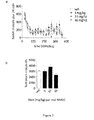
Figure 3 shows the results on motor activity as described in Example 3; a: Motor activity expressed as the total number of beam crossed (n=6 per doses); b: Maximal possible effect (%) on motor activity after administration of 3, 10, 30 mg/kg ofNDMC as compared to vehicle (veh.) in wild-type mice. (n=6 per doses). - The term "chronic pain disorder" includes neuropathic pain, fibromyalgia, somatoform pain disorder, pain related to chronic fatigue syndrome, endometriosis, inflammatory bowel disease, visceral pain, interstitial cystitis, temporomandibular joint dysfunction, and vulvodynia. According to a particular aspect, such disorder includes those described in Chronic Pain: New Insights for the Healthcare Professional: 2013, Scholarly Editions .
- The term "neuropathic pain" includes pain associated with a condition selected from the group consisting of herpes, HIV, traumatic nerve injury, stroke, post-ischemia, fibromyalgia, reflex sympathetic dystrophy, complex regional pain syndrome, spinal cord injury, sciatica, phantom limb pain, diabetic neuropathy, and cancer chemotherapeutic-induced neuropathic pain such as postherpetic neuralgia, root avulsions, painful traumatic mononeuropathy, painful polyneuropathy (particularly due to diabetes), central pain syndromes (potentially caused by virtually any lesion at any level of the nervous system), postsurgical pain syndromes (e.g., postmastectomy syndrome, post-thoracotomy syndrome, phantom pain), complex regional pain syndrome (reflex sympathetic dystrophy and causalgia), stump/neuroma pain, post-ischemic pain (stroke), fibromyalgia, reflex sympathetic dystrophy (RSD), vertebral disk rupture, and/or trigeminal neuralgia.
- The term "antihyperalgesic agent" as referred to herein, includes agents which are known for their anti-hyperalgesic properties and/or for their binding selectivity to the α2 and/or α3 subunits of the GABAA receptor as compared to the α1 subunit of the GABAA receptor. Such group includes.
- Other useful forms of antihyperalgesic agents in the context of the invention include other pharmaceutically acceptable active salts of said compounds, as well as active isomers, enantiomers, polymorphs, solvates, hydrates, and/or prodrugs of said compounds.
- The term "pharmaceutically acceptable" refers to a carrier comprised of a material that is not biologically or otherwise undesirable.
- The term "carrier" refers to any component present in a pharmaceutical formulation other than the active agent and thus includes diluents, binders, lubricants, disintegrants, fillers, coloring agents, wetting or emulsifying agents, pH buffering agents, preservatives and the like.
- As used herein, "treatment" and "treating" and the like generally mean obtaining a desired pharmacological and physiological effect. The effect may be prophylactic in terms of preventing or partially preventing a disease, symptom or condition thereof and/or may be therapeutic in terms of a partial or complete cure of a disease, condition, symptom or adverse effect attributed to the disease. The term "treatment" as used herein covers any treatment of a disease in a mammal, particularly a human, and includes: (a) preventing the disease from occurring in a subject which may be predisposed to the disease but has not yet been diagnosed as having it; (b) inhibiting the disease, i.e., arresting its development; or relieving the disease, i.e., causing regression of the disease and/or its symptoms or conditions such as improvement or remediation of damage.
- In particular, treatment of chronic pain disorders comprises to normalize or decrease the level or intensity of felt pain and/or the length of the pain episodes and/or to improve the quality of life.
- The term "subject" as used herein refers to mammals. For examples, mammals contemplated by the present invention include human, primates, domesticated animals such as cattle, sheep, pigs, horses, laboratory rodents and the like.
- The term "efficacy" of a treatment according to the invention can be measured based on changes in the course of disease in response to a use according to the invention. For example, the efficacy of a treatment according to the invention can be measured by a change of pain intensity on a visual analog scale, by Patient Global Impression of Change (PGIC) scores. For another example, the efficacy of the treatment of the invention might be assessed through the measurement of a reduced occurrence and/or length of pain episodes.
- The invention provides pharmaceutical or therapeutic agents as compositions and methods for treating a subject, preferably a mammalian patient, and most preferably a human patient who is suffering from a medical disorder, and in particular a chronic pain disorder.
- In a particular embodiment, the invention provides a pharmaceutical formulation according to the invention for use as a medicament.
- According to a particular embodiment, the pharmaceutical composition according to the invention comprises N-desmethylclobazam and any pharmaceutically acceptable salt thereof.
- Compositions of this invention may further comprise one or more pharmaceutically acceptable additional ingredient(s) such as alum, stabilizers, antimicrobial agents, buffers, coloring agents, flavoring agents, adjuvants, and the like.
- The compositions according to the invention, together with a conventionally employed adjuvant, carrier, diluent or excipient may be placed into the form of pharmaceutical compositions and may be employed as solids, such as tablets or filled capsules, or liquids such as solutions, suspensions, ointments, emulsions, elixirs, or capsules filled with the same, films or gels, all for oral use. The compositions may also be formulated as a dry product for reconstitution with water or other suitable vehicle before use. Compositions of this invention as liquid formulations including, but not limited to, aqueous or oily suspensions, solutions, emulsions, syrups, and elixirs.
- Such liquid preparations may contain additives including, but not limited to, suspending agents, emulsifying agents, non-aqueous vehicles and preservatives. Suspending agents include, but are not limited to, sorbitol syrup, methyl cellulose, glucose/sugar syrup, gelatin, hydroxyethyl cellulose, carboxymethyl cellulose, aluminum stearate gel, and hydrogenated edible fats. Emulsifying agents include, but are not limited to, lecithin, sorbitan monooleate, and acacia. Preservatives include, but are not limited to, methyl or propyl p-hydroxybenzoate and sorbic acid. Dispersing or wetting agents include but are not limited to poly(ethylene glycol), glycerol, bovine serum albumin, Tween®, Span®.
- Further materials as well as formulation processing techniques and the like are set out in The Science and Practice of Pharmacy ( Remington: The Science & Practice of Pharmacy), 22nd Edition, 2012, Lloyd, Ed. Allen, Pharmaceutical Press , which is incorporated herein by reference.
- Solid compositions of this invention may be in the form of tablets or lozenges formulated in a conventional manner. For example, tablets and capsules for oral administration may contain conventional excipients including, but not limited to, binding agents, fillers, lubricants, disintegrants and wetting agents. Binding agents include, but are not limited to, syrup, acacia, gelatin, sorbitol, tragacanth, mucilage of starch and polyvinylpyrrolidone. Fillers include, but are not limited to, lactose, sugar, microcrystalline cellulose, maizestarch, calcium phosphate, and sorbitol. Lubricants include, but are not limited to, magnesium stearate, stearic acid, talc, polyethylene glycol, and silica. Disintegrants include, but are not limited to, potato starch and sodium starch glycolate. Wetting agents include, but are not limited to, sodium lauryl sulfate. Tablets may be coated according to methods well known in the art.
- Compositions of this invention may be administered in any manner by oral route including to the mucosal surfaces of the oral cavity including the gingiva, the floor of the oral cavity, cheeks, lips, tongue, teeth.
- According to the invention, N-desmethylclobazam or any suitable pharmaceutically acceptable thereof and pharmaceutical formulations thereof may be administered alone or in combination with at least one anti-hyperalgesic agent.
- According to a particular aspect, anti-hyperalgesic co-agents according to the invention include N-methyl D-aspartate (NMDA) antagonists such as ketamine, methadone, memantine, amantadine and dextromethorphan or those described in Suzuki et al., 2009, Curr Opin Anaesthesiol., 22(5), 618-22 .
- The invention encompasses the administration of N-desmethylclobazam and pharmaceutical formulations thereof to an individual simultaneously or sequentially with at least a co-agent useful in the treatment of hyperalgesia and/or chronic pain disorders (e.g. multiple drug regimens). N-desmethylclobazam or a pharmaceutical formulation thereof that is administered simultaneously with said co-agent can be administered in the same or different composition(s) and by the same or different route(s) of administration.
- In a particular embodiment, dosages used for administration of N-desmethylclobazam or any suitable pharmaceutically acceptable thereof include, but are not limited to, an effective amount within the dosage range of about 10 to about 120 mg. The dosage range may vary depending on the circumstances of each case, the underlying disease, the clinical indication and the desired intensity of pain relief which is aimed at and/or necessary.
- According to one embodiment, is provided a pharmaceutical formulation comprising - N-desmethylclobazam or any suitable pharmaceutically acceptable thereof combined with at least one anti-hyperalgesic agent, and at least one pharmaceutically acceptable carrier.
- The dosage administered, as single or multiple doses, to an individual will vary depending upon a variety of factors, including pharmacokinetic properties, patient conditions and characteristics (sex, age, body weight, health, size), extent of symptoms, concurrent treatments, frequency of treatment and the effect desired.
- In a particular embodiment, combined use or formulations might be further combined with at least one anti-hyperalgesic agent, in particular at least one N-methyl D-aspartate (NMDA) antagonist.
- In an embodiment, patients according to the invention are patients suffering or at risk of suffering from chronic pain disorders.
- In a further embodiment, patients according to the invention are patients suffering or at risk of suffering from neuropathic pain.
- In a further embodiment, patients according to the invention are patients suffering or at risk of suffering from fibromyalgia.
- In another embodiment of the invention is provided a use of N-desmethylclobazam or any suitable pharmaceutically acceptable thereof alone in combination with at least one anti-hyperalgesic agent for the preparation of a pharmaceutical formulation for the prevention or treatment of a chronic pain disorder.
- In another embodiment of the invention is provided a use of N-desmethylclobazam or any suitable pharmaceutically acceptable thereof for the prevention or treatment of a chronic pain disorder, wherein said N-desmethylclobazam or any suitable pharmaceutically acceptable thereof is to be used alone or in combination with at least one anti-hyperalgesic agent.
- In another embodiment, the invention provides a method of prevention and/or treatment of a chronic pain disorder comprising the administration of a therapeutically effective amount of N-desmethylclobazam or any suitable pharmaceutically acceptable thereof of a pharmaceutical formulation thereof, alone or in combination with at least one anti-hyperalgesic agent in a mammal in need thereof
- In another embodiment, is provided a compound, a use or a method according to the invention, wherein the disorder is a neuropathic pain disorder.
- In another embodiment, is provided a compound, a use or a method according to the invention, wherein the disorder is fibromyalgia.
- Uses, methods and compositions according to the invention may be useful in the prevention, repression or treatment of chronic pain disorders.
- Examples illustrating the invention will be described hereinafter in a more detailed manner and by reference to the embodiments represented in the Figures.
- The following abbreviations refer respectively to the definitions below:
- Selectivity of N-desmethylclobazam for both α2 and α3 subunits of GABAA recombinant receptor as compared to affinity for α1/5 subunits is measured by standard electrophysiology measurements as compared other benzodiazepines and also as compared to its parent clobazam.
- Electrophysiology measurements show a clear separation between the current concentration-response curves for GABA potentiation (%) of α1/5 and α2/3 recombinant GABAA receptors for N-desmethylclobazam.
- The effects of N-desmethylclobazam (NMDC) was tested in different models of hyperalgesia in wild type mice all having the same genetic background as follows.
- A chronic constriction injury (CCI) model was used. Unilateral constriction injury of the left sciatic nerve just proximal to the trifurcation was performed. Anesthesia was induced and maintained by 2% isoflurane, combined with oxygen (30%). The sciatic nerve was exposed at the mid-thigh level proximal to the sciatic trifurcation by blunt dissection through the biceps femoris muscle. 5 ± 7 mm of nerve were freed of adhering tissue and three chromic gut ligatures (4/0) (Ethicon) were loosely put around the nerve with about 1 mm spacing. The ligatures were tied until they elicited a brief twitch in the hindlimb. The surgical wound was closed in layers. Heat hyperalgesia and mechanical sensitization were assessed 7 days after surgery.
- Paw withdrawal latencies upon exposure to a defined radiant heat stimulus were measured using a commercially available apparatus (Plantar Test, Ugo Basile, Comerio, Italy). Four to five measurements were taken in each animal for every time point and averaged. Measurements of paw withdrawal latencies of injured paw and of the contralateral paw were made alternately. Results related to the injured paw are shown in
Figure 1 (a,b). After chronic constriction of the sciatic nerve (CCI), paw withdrawal latencies fall from 15 to 5 secondes (thermal hypersensitivity). NDMC dose-dependently reversed this hypersensitivity - Mechanical sensitivity was assessed with dynamic von Frey filaments (IITC, Woodland Hills, CA). 4-5 measurements were made for each time point and animal and averaged. Measurements of paw withdrawal thresholds of the injured paw and of the contralateral paw were made alternately. Results related to the injured paw are shown in
Figure 1 (a,b). After chronic constriction of the sciatic nerve (CCI), paw withdrawal threshold fall from 4 to 2 grams (mechanical hypersensitivity). NDMC dose-dependently reversed this hypersensitivity as compared to vehicle group (veh.). - Mice were tested during the light phase of the day-night cycle. After
NDMC diameter 20 cm), equipped with 4 photocells. Motor activity expressed as the total number of photocell interruptions was recorded for 6 h. Results are shown inFigure 3 and support that NDMC did not impair motor activity at any dose. - Altogether these data show that N-desmethylclobazam present a clear an unexpected dual selectivity for both the α2 and α3 subunits of the GABAA receptor as compared to α1 and α5 subunits. This selectivity profile together with the neuropathic painmodel data supports the usefulness of N-desmethylclobazam and its pharmaceutically acceptable salts in the prevention and/or treatment of chronic pain disorders. Further, such a dual selectivity offers a clear advantage in terms of therapeutic index over the existing antihyperalgesic agents and also as compared to the administration of its parent molecule clobazam.
Claims (11)
- N-desmethylclobazam or any pharmaceutically acceptable salt thereof for use in the prevention or treatment of a chronic pain disorder.
- N-desmethylclobazam or any pharmaceutically acceptable salt thereof for use according to claim 1 wherein the chronic pain disorder is neuropathic pain.
- N-desmethylclobazam or any pharmaceutically acceptable salt thereof for use according to claim 1 wherein the chronic pain disorder is fibromyalgia.
- N-desmethylclobazam or any pharmaceutically acceptable salt thereof for use according to any one of claims 1 to 3, wherein said N-desmethylclobazam or any pharmaceutically acceptable salt is to be administered in combination with at least one anti-hyperalgesic agent.
- N-desmethylclobazam or any pharmaceutically acceptable salt thereof for use according to claim 4 wherein the said at least one anti-hyperalgesic agent is an N-methyl D-aspartate (NMDA) antagonist.
- N-desmethylclobazam or any pharmaceutically acceptable salt thereof for use according to any one of claims 1 to 5, wherein said N-desmethylclobazam or any pharmaceutically acceptable salt thereof is to be administered at a dose from about 10 to about 120 mg.
- A pharmaceutical formulation comprising N-desmethylclobazam or any pharmaceutically acceptable salt thereof combined with at least one an anti-hyperalgesic agent, and at least one pharmaceutically acceptable carrier.
- A pharmaceutical formulation according to claim 7, wherein said at least one anti-hyperalgesic agent is an N-methyl D-aspartate (NMDA) antagonist.
- A pharmaceutical formulation according to claim 7 or 8 for use in the prevention or treatment of a chronic pain disorder.
- A pharmaceutical formulation for use according to claim 9 wherein the chronic pain disorder is neuropathic pain.
- A pharmaceutical formulation for use according to claim 9 wherein the chronic pain disorder is fibromyalgia.
Priority Applications (5)
| Application Number | Priority Date | Filing Date | Title |
|---|---|---|---|
| EP15157219.5A EP3064208A1 (en) | 2015-03-02 | 2015-03-02 | Use of n-desmethylclobazam in the treatment of chronic pain disorders and related methods |
| US15/555,227 US10806739B2 (en) | 2015-03-02 | 2016-03-02 | Use of n-desmethylclobazam in the treatment of chronic pain disorders and related methods |
| PCT/IB2016/051158 WO2016139586A1 (en) | 2015-03-02 | 2016-03-02 | Use of n-desmethylclobazam in the treatment of chronic pain disorders and related methods |
| ES16709145T ES2741051T3 (en) | 2015-03-02 | 2016-03-02 | Use of N-desmethylclobazam in the treatment of chronic pain disorders and related procedures |
| EP16709145.3A EP3265095B1 (en) | 2015-03-02 | 2016-03-02 | Use of n-desmethylclobazam in the treatment of chronic pain disorders and related methods |
Applications Claiming Priority (1)
| Application Number | Priority Date | Filing Date | Title |
|---|---|---|---|
| EP15157219.5A EP3064208A1 (en) | 2015-03-02 | 2015-03-02 | Use of n-desmethylclobazam in the treatment of chronic pain disorders and related methods |
Publications (1)
| Publication Number | Publication Date |
|---|---|
| EP3064208A1 true EP3064208A1 (en) | 2016-09-07 |
Family
ID=52692403
Family Applications (2)
| Application Number | Title | Priority Date | Filing Date |
|---|---|---|---|
| EP15157219.5A Withdrawn EP3064208A1 (en) | 2015-03-02 | 2015-03-02 | Use of n-desmethylclobazam in the treatment of chronic pain disorders and related methods |
| EP16709145.3A Active EP3265095B1 (en) | 2015-03-02 | 2016-03-02 | Use of n-desmethylclobazam in the treatment of chronic pain disorders and related methods |
Family Applications After (1)
| Application Number | Title | Priority Date | Filing Date |
|---|---|---|---|
| EP16709145.3A Active EP3265095B1 (en) | 2015-03-02 | 2016-03-02 | Use of n-desmethylclobazam in the treatment of chronic pain disorders and related methods |
Country Status (4)
| Country | Link |
|---|---|
| US (1) | US10806739B2 (en) |
| EP (2) | EP3064208A1 (en) |
| ES (1) | ES2741051T3 (en) |
| WO (1) | WO2016139586A1 (en) |
Families Citing this family (1)
| Publication number | Priority date | Publication date | Assignee | Title |
|---|---|---|---|---|
| SG11202109526PA (en) * | 2019-03-18 | 2021-10-28 | Neurocycle Therapeutics Inc | Use of gabaa receptor modulators for treatment of pain |
-
2015
- 2015-03-02 EP EP15157219.5A patent/EP3064208A1/en not_active Withdrawn
-
2016
- 2016-03-02 ES ES16709145T patent/ES2741051T3/en active Active
- 2016-03-02 EP EP16709145.3A patent/EP3265095B1/en active Active
- 2016-03-02 WO PCT/IB2016/051158 patent/WO2016139586A1/en not_active Ceased
- 2016-03-02 US US15/555,227 patent/US10806739B2/en active Active
Non-Patent Citations (15)
| Title |
|---|
| "Chronic Pain: New Insights for the Healthcare Professional", 2013 |
| "The Science and Practice of Pharmacy", 2012, PHARMACEUTICAL PRESS |
| CORRIGAN ET AL., COCHRANE DATABASE SYST REV, vol. 5, 2012, pages CD009486 |
| DELLEMIJN ET AL., LANCET, vol. 349, 1997, pages 753 - 8 |
| DIAS ET AL., J. NEUROSCI., vol. 25, no. 46, 2005, pages 10682 - 10688 |
| GREMEAU-RICHARD ET AL., PAIN, vol. 108, 2004, pages 51 - 7 |
| GRIEBEL ET AL., NAT. REV. DRUG DISCOV., vol. 12, no. 9, 2013, pages 667 - 87 |
| JENSEN ET AL., PLOS ONE, vol. 9, no. 2, 2014, pages E88456 |
| MARIE BESSON ET AL: "Antihyperalgesic Effect of the GABA A Ligand Clobazam in a Neuropathic Pain Model in Mice: A Pharmacokinetic-Pharmacodynamic Study", BASIC & CLINICAL PHARMACOLOGY & TOXICOLOGY, vol. 112, no. 3, 14 March 2013 (2013-03-14), pages 192 - 197, XP055194941, ISSN: 1742-7835, DOI: 10.1111/bcpt.12017 * |
| ROWBOTHAM, NEUROLOGY, vol. 65, no. 12, 2005, pages 66 - 73 |
| RUDOLPH, NAT REV DRUG DISCOV, vol. 10, no. 9, 2011, pages 685 - 97 |
| SKOLNICK, TRENDS PHARMACOL. SCI., vol. 33, no. 11, 2012, pages 611 - 20 |
| SUZUKI ET AL., CURR OPIN ANAESTHESIOL., vol. 22, no. 5, 2009, pages 618 - 22 |
| WIFFEN ET AL., COCHRANE DATABASE SYST REV, vol. 11, 2013, pages 056 |
| ZEILHOFER ET AL., ANNU. REV. PHARMACOL. TOXICOL, vol. 52, 2012, pages LLL-33 |
Also Published As
| Publication number | Publication date |
|---|---|
| EP3265095A1 (en) | 2018-01-10 |
| US20180161341A1 (en) | 2018-06-14 |
| WO2016139586A1 (en) | 2016-09-09 |
| EP3265095B1 (en) | 2019-05-15 |
| US10806739B2 (en) | 2020-10-20 |
| ES2741051T3 (en) | 2020-02-07 |
Similar Documents
| Publication | Publication Date | Title |
|---|---|---|
| JP5579858B2 (en) | Composition for the treatment of pain comprising tramadol and celecoxib | |
| US20130029989A1 (en) | Topical treatments for pain | |
| AU2023251426A1 (en) | Combinations of cannabinoids and N-acylethanolamines | |
| JP2021526507A (en) | Compositions and Methods for Treating Sudden Death Induced by Seizures | |
| JP6336592B2 (en) | Pharmaceutical composition for treating pruritus conditions mediated through histamine H4 receptor | |
| Palhares et al. | Synergistic antinociceptive effect of a calcium channel blocker and a TRPV1 blocker in an acute pain model in mice | |
| JP2025143406A (en) | Carbamoylcyclohexane derivatives for treating autism spectrum disorders | |
| ES2635353T3 (en) | Dosage forms and therapeutic uses of L-4-chloroquinurenine | |
| MX2015002796A (en) | Nootropic compositions for improving memory performance. | |
| US20230181572A1 (en) | Carbamoyl cyclohexane derivatives for treating autism spectrum disorder | |
| CN105209044B (en) | Therapeutic Mirtazapine composition for antalgesic | |
| KR20210014656A (en) | Methods of treating pain or interstitial cystitis with indole compounds | |
| Yaoita et al. | Involvement of peripheral alpha2A adrenoceptor in the acceleration of gastrointestinal transit and abdominal visceral pain induced by intermittent deprivation of REM sleep | |
| WO2007054348A1 (en) | Novel medicaments | |
| US20230147835A1 (en) | Methods of treating systemic sclerosis | |
| US10806739B2 (en) | Use of n-desmethylclobazam in the treatment of chronic pain disorders and related methods | |
| Salinska et al. | Dantrolene antagonizes the glycineB site of the NMDA receptor | |
| US11590091B2 (en) | Fixed dose composition of paracetamol: amitriptyline and method for the treatment of mixed cancer pain | |
| CN115697316B (en) | Synergistic admixture of gabapentin and ketoprofen, pharmaceutical composition and medical use thereof | |
| WO2015028673A1 (en) | Cav3 CHANNEL BLOCKING AGENT FOR PAIN TREATMENT | |
| Serra et al. | Reversal by flunarizine of the decrease in hippocampal acetylcholine release in pentylenetetrazole-kindled rats | |
| EP2101746B1 (en) | V3 antagonists for the treatment of neuropathic pain | |
| EA048505B1 (en) | CARBAMOYLCYCLOHEXANE DERIVATIVES FOR THE TREATMENT OF AUTISTIC SPECTRUM DISORDER | |
| JP2005513101A (en) | 2-Indanylamino derivatives for the treatment of chronic pain | |
| EA043344B1 (en) | COMPOSITION OF PARACETAMOL: AMITRYPTYLINE WITH A FIXED DOSE AND METHOD FOR TREATING MIXED CANCER PAIN |
Legal Events
| Date | Code | Title | Description |
|---|---|---|---|
| PUAI | Public reference made under article 153(3) epc to a published international application that has entered the european phase |
Free format text: ORIGINAL CODE: 0009012 |
|
| AK | Designated contracting states |
Kind code of ref document: A1 Designated state(s): AL AT BE BG CH CY CZ DE DK EE ES FI FR GB GR HR HU IE IS IT LI LT LU LV MC MK MT NL NO PL PT RO RS SE SI SK SM TR |
|
| AX | Request for extension of the european patent |
Extension state: BA ME |
|
| STAA | Information on the status of an ep patent application or granted ep patent |
Free format text: STATUS: THE APPLICATION IS DEEMED TO BE WITHDRAWN |
|
| 18D | Application deemed to be withdrawn |
Effective date: 20170308 |