EP3059303B1 - Bacterial strain of actinoplanes sp. and application thereof - Google Patents
Bacterial strain of actinoplanes sp. and application thereof Download PDFInfo
- Publication number
- EP3059303B1 EP3059303B1 EP14854401.8A EP14854401A EP3059303B1 EP 3059303 B1 EP3059303 B1 EP 3059303B1 EP 14854401 A EP14854401 A EP 14854401A EP 3059303 B1 EP3059303 B1 EP 3059303B1
- Authority
- EP
- European Patent Office
- Prior art keywords
- actinoplanes
- fidaxomicin
- preparation according
- medium
- cgmcc
- Prior art date
- Legal status (The legal status is an assumption and is not a legal conclusion. Google has not performed a legal analysis and makes no representation as to the accuracy of the status listed.)
- Active
Links
Images


Classifications
-
- C—CHEMISTRY; METALLURGY
- C12—BIOCHEMISTRY; BEER; SPIRITS; WINE; VINEGAR; MICROBIOLOGY; ENZYMOLOGY; MUTATION OR GENETIC ENGINEERING
- C12N—MICROORGANISMS OR ENZYMES; COMPOSITIONS THEREOF; PROPAGATING, PRESERVING, OR MAINTAINING MICROORGANISMS; MUTATION OR GENETIC ENGINEERING; CULTURE MEDIA
- C12N1/00—Microorganisms; Compositions thereof; Processes of propagating, maintaining or preserving microorganisms or compositions thereof; Processes of preparing or isolating a composition containing a microorganism; Culture media therefor
- C12N1/20—Bacteria; Culture media therefor
- C12N1/205—Bacterial isolates
-
- A—HUMAN NECESSITIES
- A61—MEDICAL OR VETERINARY SCIENCE; HYGIENE
- A61P—SPECIFIC THERAPEUTIC ACTIVITY OF CHEMICAL COMPOUNDS OR MEDICINAL PREPARATIONS
- A61P31/00—Antiinfectives, i.e. antibiotics, antiseptics, chemotherapeutics
- A61P31/04—Antibacterial agents
-
- C—CHEMISTRY; METALLURGY
- C12—BIOCHEMISTRY; BEER; SPIRITS; WINE; VINEGAR; MICROBIOLOGY; ENZYMOLOGY; MUTATION OR GENETIC ENGINEERING
- C12N—MICROORGANISMS OR ENZYMES; COMPOSITIONS THEREOF; PROPAGATING, PRESERVING, OR MAINTAINING MICROORGANISMS; MUTATION OR GENETIC ENGINEERING; CULTURE MEDIA
- C12N1/00—Microorganisms; Compositions thereof; Processes of propagating, maintaining or preserving microorganisms or compositions thereof; Processes of preparing or isolating a composition containing a microorganism; Culture media therefor
- C12N1/20—Bacteria; Culture media therefor
-
- C—CHEMISTRY; METALLURGY
- C12—BIOCHEMISTRY; BEER; SPIRITS; WINE; VINEGAR; MICROBIOLOGY; ENZYMOLOGY; MUTATION OR GENETIC ENGINEERING
- C12P—FERMENTATION OR ENZYME-USING PROCESSES TO SYNTHESISE A DESIRED CHEMICAL COMPOUND OR COMPOSITION OR TO SEPARATE OPTICAL ISOMERS FROM A RACEMIC MIXTURE
- C12P19/00—Preparation of compounds containing saccharide radicals
- C12P19/44—Preparation of O-glycosides, e.g. glucosides
- C12P19/60—Preparation of O-glycosides, e.g. glucosides having an oxygen of the saccharide radical directly bound to a non-saccharide heterocyclic ring or a condensed ring system containing a non-saccharide heterocyclic ring, e.g. coumermycin, novobiocin
- C12P19/62—Preparation of O-glycosides, e.g. glucosides having an oxygen of the saccharide radical directly bound to a non-saccharide heterocyclic ring or a condensed ring system containing a non-saccharide heterocyclic ring, e.g. coumermycin, novobiocin the hetero ring having eight or more ring members and only oxygen as ring hetero atoms, e.g. erythromycin, spiramycin, nystatin
-
- C—CHEMISTRY; METALLURGY
- C12—BIOCHEMISTRY; BEER; SPIRITS; WINE; VINEGAR; MICROBIOLOGY; ENZYMOLOGY; MUTATION OR GENETIC ENGINEERING
- C12R—INDEXING SCHEME ASSOCIATED WITH SUBCLASSES C12C - C12Q, RELATING TO MICROORGANISMS
- C12R2001/00—Microorganisms ; Processes using microorganisms
- C12R2001/01—Bacteria or Actinomycetales ; using bacteria or Actinomycetales
- C12R2001/045—Actinoplanes
Definitions
- the present invention relates to microorganism engineering technology, in particular to an Actinoplanes sp strain and application thereof in preparing Fidaxomicin.
- Diarrhea, colonitis and other intestinal diseases caused by the infection of clostridium difficile have features of high pathogenicity and high lethality.
- clostridium difficile had given rise to infection epidemic in numerous provinces in Canada.
- a clostridium difficile ribosome type 027 with high pathogenicity and high lethality had given rise to nosocomial infection epidemic in at least 40 states in US.
- the fulminant epidemic of clostridium difficile appeared in succession in 17 European countries. Clostridium difficile has been listed as mandatorily monitored pathogen in Europe.
- CDAD clostridium difficile-associated diarrhea
- Fidaxomicin whose commercial name is Dificid, to treat clostridium difficile-associated diarrhea (CDAD).
- Fidaxomicin is R-Tiacumicin B.
- Robert et al it was first disclosed that Dactylosporangium aurantiacum subsp. hamdenensis NRRL 18085 can ferment and produce an antibiotic Tiacumicin and structure thereof to inhibit gram positive bacteria. Lipiarmycins are a group of compouds closely relevant to Tiacumicin.
- Lipiarmycins A3 and Lipiarmycins B3 are similar to Tiacumicins B and Tiacumicins C ( J.Antibiotics,1988,308-315 .), respectively.
- Patent US3978211 has disclosed that Lipiarmycins and its producer strain Actinoplanes deccanensis A/10655 ATCC 21983.
- the producer strain Catellatospora sp. Bp3323- 81 of Lipiarmycins A3 was disclosed in J.Antimicrobial Chemotherapy 2008, 62,713-719 .
- One of the aims of the present invention is to provide a new Actinoplanes sp HS-16-20, which has the ability to produce Fidaxomicin, with the preservation number of CGMCC No.7294.
- the aim of the present invention is also to provide an Actinoplanes sp HS-16-20 (CGMCC No.7294), which can be used to produce Fidaxomicin and analogue thereof, or can be used to produce pharmaceutical composition containing Fidaxomicin.
- CGMCC No.7294 Actinoplanes sp HS-16-20
- the present invention also provides a method of preparing Fidaxomicin and analogue thereof by Actinoplanes sp HS-16-20 (CGMCC NO.7294).
- the method comprises aerobically fermenting the Actinoplanes sp HS-16-20 in nutrient medium containing assimilable carbon and/or nitrogen sources.
- the assimilable carbon source is selected from the group consisting of saccharose, glucose, fructose, rhamnose, raffinose, xylose, arabinose, industry molasses, lactose, galactose, maltose, mycose, xylan, dextrin, starch, sorbitol, saligenin, inositol, mannitol, glycerol, glycine and inulin.
- the assimilable nitrogen source is selected from the group consisting of beef extract, salvelike yeast extract, yeast extraction, yeast powder, peptone, tryptone, gluten powder, cottonseed meal, peanut meal, soybean meal, corn steep liquor powder, bran, urea, ammonium salt and nitrate.
- the temperature of the aerobic fermenting is 20 °C to 40 °C, more preferably 25 °C to 30 °C ; pH is 6.0-8.0, more preferably 7.0; time is 144-240 hours; aeration rate is 0.5-1.0 vvm.
- the mode of the aerobic fermenting is submerged fermentation.
- the invention also provides a method of separation and purifying Fidaxomicin.
- the method comprises submitting the fermentation broth to extraction, concentration and column chromatography, etc., to prepare the compound.
- Fidaxomicin can be detected by HPLC in the following conditions:
- the producer strain of Fidaxomicin of the present invention is Actinoplanes sp HS-16-20(CGMCC NO.7294).
- the Actinoplanes sp HS-16-20(CGMCC NO.7294) of the present invention was preserved in China General Microbiological Culture Collection Center (Address: NO.1 West Beichen Road, Chaoyang District, Beijing, Institute of Microbiology Chinese Academy of Sciences) on March 11 th , 2013, and the preservation number is CGMCC NO.7294, classification name is Actinoplanes sp.
- the Actinoplanes sp HS-16-20 (CGMCC NO.7294) has been registered and proved viable.
- the main biological features of Actinoplanes sp HS-16-20 of the invention are:
- the color of the colony is croci, and the colonial morphology is round, with a ruga and embossmen on the surface.
- the diameter of the colony is middle sized, about 6mm.
- the colony is humidish, and the hyphae are loosely in touch with the medium and can be picked easily.
- the present invention describes the feature in morphological and molecular level of Actinoplanes sp HS-16-20. Compared with the features of known producer strains of Tiacumicin and Lipiarmycins in morphology and molecular level, it can be ascertained that Actinoplanes sp HS-16-20 belongs to Actinoplanes sp, however, as a brand-new strain, it is different from the known producer strains of Tiacumicin and Lipiarmycins, Dactylosporangium aurantiacum subsp. hamdenensis NRRL 18085, Actinoplanes deccanensis A/10655 ATCC 21983 and Catellatospora sp. Bp3323-81.
- the Actinoplanes sp HS-16-20 of the present invention has following advantages compared to the producer strains of Fidaxomicin in prior arts:
- the Actinoplanes sp HS-16-20 of the present invention enhances the fermentation unit.
- the Actinoplanes sp HS-16-20 of the invention produces substantially larger amount of Fidaxomicin and analogue thereof compared to the original strains and is beneficial for industrial production.
- the reagent used to adjust the pH of liquid culture medium of the following examples is NaOH solution or hydrochloric acid regularly used in the art.
- Water is used to obtain a needed volume of various culture media in the following examples. Weigh the materials according to the recipe and mix the materials thoroughly, then add water to the needed volume, and lastly use NaOH solution or hydrochloric to adjust pH as needed.
- Gauserime 1 synthetic agar medium (g/L) : soluble starch 20.0, KNO 3 1.0, K 2 HPO 4 0.5, MgSO 4 .7H 2 O 0.5, NaCl 0.5, FeSO 4 .7H 2 O 0.01, pH 7.2-7.4.
- Calcium malate agar medium (g/L) : calcium malate 10.0, glycerinum 10.0, K 2 HPO 4 0.05, NH 4 Cl 0.5, agar 15.0, pH 7.2-7.4.
- LB medium (g/L) : tryptone 10.0, NaCl 10.0, yeast extract 5.0, agar 15.0, pH 7.0.
- YMS medium (g/L) : yeast extract 4.0, malt extract 10.0, glucose 4.0, micro liquid 5ml.
- the components of the micro liquid are (g/L) : MgSO 4 .7H 2 O 80.0, CaCO 3 20.0, FeSO 4 .7H 2 O 6.0, ZnSO 4 .7H 2 O 2.0, MnSO 4 .7H 2 O 2.0, CoCl 3 .6H 2 O 0.5, NaMoO 4 .2H 2 O 1.0.
- Czapek Dox Agar medium (g/L) : saccharose 30.0, NaNO 3 3.0, K 2 HPO 4 1.0, MgSO 4 .7H 2 O 0.5, KCl 0.5, FeSO 4 .7H 2 O 0.01, agar 20.0, pH 6.0-6.5.
- GYEA medium (g/L) : glucose 10.0, yeast extract powder 10.0, pH6.8.
- the sources of the strains used for comparison in the present invention are as follows: Dactylosporangium aurantiacum subsp. hamdenensis NRRL 18085 is purchased from NRRL (Agricultural Research Service Culture Collection).
- Actinoplanes deccanensis A / 10655 ATCC 21983 is purchased from ATCC (American type culture collection).
- Catellatospora sp. Bp3323- 81 is purchased from Novartis, Switzerland.
- Actinoplanes sp. HS-16-20 CGMCC NO.7294 is an actinomycetes strain isolated from a soil sample on the top of Mount Baiyun, Taizhou, Zhejiang.
- 0.1 mL of the bacterial liquid of different dilution ratio was spread on ISP2 medium-coated plates by slight spreading on the surface of the culture medium using a sterilized spreader.
- the plate stood for 30 min at room temperature and then was placed in an incubator set at 28 °C.
- the colonies appeared, the colour, transparency, surface and morphology of the rim of the colonies were observed in order to check that the characteristics are consistent.
- the colonies with consistent morphological characteristics were picked and seeded, and the seeded plate was placed in an incubator set at 28 °C and cultured for 8 days.
- ISP9 medium was used as basal medium with the final concentration of each carbon source being 1.0 %. The results are shown in Table 2.
- nitrogen source ISP9 medium was used as basal medium with the final concentration of both potassium nitrate and ammonium sulfate being 0.1 %. And the results are shown in Table 2.
- the basal medium used in the degradation assay and NaCl tolerance assay is GYEA (pH 6.8).
- the results of degradation assay are shown in Table 3.
- the results of the NaCl tolerance assay is that Actinoplanes sp. HS-16-20 tolerates NaCl well and can still survive under the concentration of 10 %.
- the medium used in oxidase assay, catalase assay, pH assay and temperature assay is YMS medium.
- the result is that strain can grow between 14 °C-45 °C, the optimum growth temperature is 28 °C;
- the strain can grow at pH 5.0-7.5, and the optimum range is pH 6.5-7.0.
- the results of the oxidase and catalase assay are shown in Table 4.
- the M.R, V-P and urease assay were performed according to the method of Manual of Systematic Identification of Common Bacteria. And the results are shown in Table 4.
- the physiological and biochemical assay cultured for 7-9 days at 28 °C except for the temperature assay . And the results are shown in Table 4.
- Table 2 Utilization of carbon source and nitrogen source of Actinoplanes sp.
- the fresh bacterial bodies of the strain to be tested were collected and total DNA template was extracted according to the Pitcher method that was upgraded from the lysozyme method ( Letters in Applied Microbiology, 1989, 8:151-156 ).
- Universal primers 27F and 1495R were used to amplify 16S rRNA gene.
- the PCR product was directly submitted to sequencing by Sangon Biotech (Shanghai) Co., Ltd. after detection and purification.
- the sequenced 16S rDNA sequence was aligned with the homologous sequences of related species and genus in GenBank using BLAST to confirm the taxonomic status of the strain.
- strain HS-16-20 (CGMCC NO.7294) share great homology with Actinoplanes sp, the greatest being 99%. Meanwhile the assay for the apparent characteristics of the strain HS-16-20 (CGMCC NO.7294) was conducted, which revealed that the classification-related parameters of the strain are very close to those of Actinoplanes sp, so the strain HS-16-20 (CGMCC NO.7294) was identified as a strain of Actinoplanes sp. Comparisons between strain Actinoplanes sp. HS-16-20 (CGMCC NO.7294) and other producer strains of Tiacumicin and Lipiarmycins.
- the producer strain of Tiacumicin, Dactylosporangium aurantiacum subsp. hamdenensis NRRL 18085 can grow in calcium malate agar medium, while grow poorly in Czapek Dox Agar medium.
- the colour of the substrate mycelium is saffron yellow and the there is no aerial mycelium.
- Physiological and biochemical characteristics thereof are: gelatin liquefaction negative (-), amylohydrolysis positive (+), milk-clotting negative (-), milk peptonization positive (+), production of hydrogen sulfide positive (+), nitrate reduction positive (+); while Actinoplanes sp. HS-16-20 can grow in Czapek Dox Agar medium, and has aerial mycelium with milk peptonization negative (-), production of hydrogen sulfide negative (-).
- Actinoplanes sp. HS-16-20 (CGMCC NO.7294) of the invention, it is known that the strain Actinoplanes sp. HS-16-20 (CGMCC NO.7294) belongs to actinomyces, and is different from any known producer strains of Tiacumicin and Lipiarmycins. So Actinoplanes sp. HS-16-20 (CGMCC NO.7294) is a brand- new bacteria species.
- ISP2 medium g/L
- Pressure of autoclaving was 1.05 kg/cm 2 , 20 min.
- the medium was cooled to 50-60°C before being poured into the plates.
- one loop of bacterial bodies was inoculated and cultured at 28 ⁇ 1 °C for 8 days until the hypha was mature.
- the formula of seed medium (g/L) saccharose 2, sorbitol 3, cottonseed meal 3, peanut meal 1.5, CaCO 3 0.6, MgSO 4 .7H 2 O 0.3, pH 7.2.
- the liquid volume of the shake flask was 25mL/250mL, and the autoclaving was performed at 121°C for 30 minutes.
- the inoculation amount of the bacteria bodies was 10 5 -10 6 c.f.u. /mL, and was cultured at 28 ⁇ 1 °C, 250 rpm, for 28 hours by shaking on a shaker. At this point the pH of the culture solution is 6.8-7.0, and the concentration of the hypha was 25-30 % (v/v).
- the formula of fermentation broth (g/L) saccharose 10, sorbitol 2, soluble starch 3, (NH 4 ) 2 SO 4 0.5, beef extract 2, peasant meal 1, KH 2 PO 4 0.04, pH 7.0.
- the liquid volume of the shake flask was 20 mL/250 mL, and the autoclaving was performed at 121 °C for 20 minutes.
- the inoculation amount of the seed solution was 15-20% (v/v), and was cultured at 28 ⁇ 1 °C, 250 rpm,for 8 days by shaking on a shaker. HPLC was conducted after fermentation.
- the fermentation unit was 5250 ⁇ g/mL.
- the formula of fermentation broth (g/L) : maltodextrin 6, soluble starch 8, lactose 2, soybean meal 1.5, gluten powder 1, yeast powder 1, CaCO 3 0.4, KCl 0.2, MgCl 2 .7H 2 O 0.2, pH 7.0.
- the liquid volume of the shake flask was 25mL/250mL, and the autoclaving was performed at 121°C for 20 minutes.
- the inoculation amount of the seed solution was 20% (v/v), and was cultured at 30 ⁇ 1 °C, 250 rpm, for 8 days by shaking on a shaker. HPLC was conducted after fermentation, and the fermentation unit was 3892 ⁇ g/mL.
- the formula of fermentation broth (g/L) industrial molasses 8, fructose 2, glycerol 3, maltose 3, peptone 1, tryptone 1.5, salvelike yeast extract 0.5, beef extract 0.5, urea 0.2, citric acid triamine 0.5, MgSO 4 .7H 2 O 0.2, CaCl 2 0.4, pH 7.0.
- the liquid volume of the shake flask was 40mL/500mL, and the autoclaving was performed at 121 °C for 20 minutes.
- the inoculation amount of the seed solution was 10% (v/v), and was cultured at 30 ⁇ 1 °C, 250 rpm, for 9 days by shaking on a shaker. HPLC was conducted after fermentation.
- the fermentation unit was 3156 ⁇ g/mL.
- the formula of the fermentation medium was the same as that in example 5, however, 1 % PPG was added as defoamer.
- the volume of the fermentation tank was 50 L and the volume of the material amount was 35 L, pH 7.0, then it was sterilized at 121 °C for 20 minutes. After cooling, 3.5 L of the seed tank culture solution was added.
- the fermentation temperature was 28 ⁇ 1 °C, and the stirring speed was 200-300 rpm.
- the fermentation lasted for 8 days with an aeration rate of 0.8-1.0 vvm. Then the fermentation tank was opened, and the concentration of hypha was tested to be 4855 ⁇ g/mL.
- the above mixed organic phase was vacuum concentrated at -0.1 Mpa to 15 L at 40°C water bath.
- the concentrated solution was adsorbed by 4 L macroreticular resin HZ20, and eluted by absolute ethyl alcohol.
- the eluate was collected and vacuum concentrated until dried. Then 72.8 g crude product was obtained.
- the difference of the production capacity may be caused by different traits of the bacterial species. Inversely the difference of the production capacity can prove indirectly that Actinoplanes sp. HS-16-20 (CGMCC NO.7294) of the invention is a brand-new bacterial species.
- Actinoplanes sp. HS-16-20 (CGMCC NO.7294) of the invention has greatly enhanced the capacity of Fidaxomicin production compared with other strains, which means is beneficial for industrial production.
Landscapes
- Chemical & Material Sciences (AREA)
- Life Sciences & Earth Sciences (AREA)
- Organic Chemistry (AREA)
- Engineering & Computer Science (AREA)
- Health & Medical Sciences (AREA)
- Zoology (AREA)
- Wood Science & Technology (AREA)
- Genetics & Genomics (AREA)
- Bioinformatics & Cheminformatics (AREA)
- Biotechnology (AREA)
- General Health & Medical Sciences (AREA)
- Microbiology (AREA)
- Biochemistry (AREA)
- General Engineering & Computer Science (AREA)
- Medicinal Chemistry (AREA)
- Tropical Medicine & Parasitology (AREA)
- Chemical Kinetics & Catalysis (AREA)
- Biomedical Technology (AREA)
- General Chemical & Material Sciences (AREA)
- Virology (AREA)
- Pharmacology & Pharmacy (AREA)
- Animal Behavior & Ethology (AREA)
- Public Health (AREA)
- Veterinary Medicine (AREA)
- Communicable Diseases (AREA)
- Nuclear Medicine, Radiotherapy & Molecular Imaging (AREA)
- Oncology (AREA)
- Micro-Organisms Or Cultivation Processes Thereof (AREA)
- Preparation Of Compounds By Using Micro-Organisms (AREA)
- Pharmaceuticals Containing Other Organic And Inorganic Compounds (AREA)
- Saccharide Compounds (AREA)
- Medicines Containing Material From Animals Or Micro-Organisms (AREA)
Description
- The invention claims priority from Chinese patent application
CN201310501389.3, filed on October 16th, 2013 - The present invention relates to microorganism engineering technology, in particular to an Actinoplanes sp strain and application thereof in preparing Fidaxomicin.
- Diarrhea, colonitis and other intestinal diseases caused by the infection of clostridium difficile have features of high pathogenicity and high lethality. In as early as 2003, clostridium difficile had given rise to infection epidemic in numerous provinces in Canada. Up to October 2008, a clostridium difficile ribosome type 027 with high pathogenicity and high lethality had given rise to nosocomial infection epidemic in at least 40 states in US. Soon after the type 027 was discovered in North America, the fulminant epidemic of clostridium difficile appeared in succession in 17 European countries. Clostridium difficile has been listed as mandatorily monitored pathogen in Europe. Under the lead of the European Centre for Disease Prevention and Control (ECDC), three epidemiological investigations were conducted in 2002, 2005 and 2008 all over Europe. For a long time, clostridium difficile-associated diarrhea (CDAD) has been a major focus of study in the medical field, and it is an important task for pharmaceutical researchers to seek new drugs treating CDAD.
- In 2011, FDA authorized Optimer pharmaceutical company to produce a macrolides new drug Fidaxomicin, whose commercial name is Dificid, to treat clostridium difficile-associated diarrhea (CDAD). Fidaxomicin is R-Tiacumicin B. In the patent
US4918174 published in 1986, the applicant of which is Robert et al, it was first disclosed that Dactylosporangium aurantiacum subsp. hamdenensis NRRL 18085 can ferment and produce an antibiotic Tiacumicin and structure thereof to inhibit gram positive bacteria. Lipiarmycins are a group of compouds closely relevant to Tiacumicin. Lipiarmycins A3 and Lipiarmycins B3 are similar to Tiacumicins B and Tiacumicins C (J.Antibiotics,1988,308-315.), respectively. PatentUS3978211 has disclosed that Lipiarmycins and its producer strain Actinoplanes deccanensis A/10655 ATCC 21983. The producer strain Catellatospora sp. Bp3323- 81 of Lipiarmycins A3 was disclosed in J.Antimicrobial Chemotherapy 2008, 62,713-719. The above producer strains of Tiacumicin and Lipiarmycins have the disadvantages of low potency of target products (Tiacumicin and Lipiarmycins), drastic fluctuation of production, instability and high cost of production. Hence seeking for a new highly-effective producer strain of Fidaxomicin is still on going. - One of the aims of the present invention is to provide a new Actinoplanes sp HS-16-20, which has the ability to produce Fidaxomicin, with the preservation number of CGMCC No.7294.
- The aim of the present invention is also to provide an Actinoplanes sp HS-16-20 (CGMCC No.7294), which can be used to produce Fidaxomicin and analogue thereof, or can be used to produce pharmaceutical composition containing Fidaxomicin.
- The present invention also provides a method of preparing Fidaxomicin and analogue thereof by Actinoplanes sp HS-16-20 (CGMCC NO.7294). The method comprises aerobically fermenting the Actinoplanes sp HS-16-20 in nutrient medium containing assimilable carbon and/or nitrogen sources.
- Preferably,the assimilable carbon source is selected from the group consisting of saccharose, glucose, fructose, rhamnose, raffinose, xylose, arabinose, industry molasses, lactose, galactose, maltose, mycose, xylan, dextrin, starch, sorbitol, saligenin, inositol, mannitol, glycerol, glycine and inulin.
- Preferably,the assimilable nitrogen source is selected from the group consisting of beef extract, salvelike yeast extract, yeast extraction, yeast powder, peptone, tryptone, gluten powder, cottonseed meal, peanut meal, soybean meal, corn steep liquor powder, bran, urea, ammonium salt and nitrate.
- Preferably,the temperature of the aerobic fermenting is 20 °C to 40 °C, more preferably 25 °C to 30 °C ; pH is 6.0-8.0, more preferably 7.0; time is 144-240 hours; aeration rate is 0.5-1.0 vvm.
- Preferably,the mode of the aerobic fermenting is submerged fermentation.
- The invention also provides a method of separation and purifying Fidaxomicin. The method comprises submitting the fermentation broth to extraction, concentration and column chromatography, etc., to prepare the compound.
- Fidaxomicin can be detected by HPLC in the following conditions:
- Chromatography Column: C18 Column, 5 µm,4.6×250 nm;
- Mobile phase A: 0.05 % phosphoric acid (v/v);
- Mobile phase B: 90 % acetonitrile (v/v);
- Flow rate: 1.00 ml/min;
- Detection wavelength: 250 nm;
- Program: 0-20 min: 5%-100% phase B; 20-21 min: 100% phase B; 21-22 min: 100%-5% phase B;
- Sample volume: 10 µl.
- The producer strain of Fidaxomicin of the present invention is Actinoplanes sp HS-16-20(CGMCC NO.7294).
- The Actinoplanes sp HS-16-20(CGMCC NO.7294) of the present invention was preserved in China General Microbiological Culture Collection Center (Address: NO.1 West Beichen Road, Chaoyang District, Beijing, Institute of Microbiology Chinese Academy of Sciences) on March 11th, 2013, and the preservation number is CGMCC NO.7294, classification name is Actinoplanes sp. The Actinoplanes sp HS-16-20 (CGMCC NO.7294) has been registered and proved viable.
- The main biological features of Actinoplanes sp HS-16-20 of the invention are: The color of the colony is croci, and the colonial morphology is round, with a ruga and embossmen on the surface. The diameter of the colony is middle sized, about 6mm. The colony is humidish, and the hyphae are loosely in touch with the medium and can be picked easily.
- The present invention describes the feature in morphological and molecular level of Actinoplanes sp HS-16-20. Compared with the features of known producer strains of Tiacumicin and Lipiarmycins in morphology and molecular level, it can be ascertained that Actinoplanes sp HS-16-20 belongs to Actinoplanes sp, however, as a brand-new strain, it is different from the known producer strains of Tiacumicin and Lipiarmycins, Dactylosporangium aurantiacum subsp. hamdenensis NRRL 18085, Actinoplanes deccanensis A/10655 ATCC 21983 and Catellatospora sp. Bp3323-81.
- The Actinoplanes sp HS-16-20 of the present invention has following advantages compared to the producer strains of Fidaxomicin in prior arts:
The Actinoplanes sp HS-16-20 of the present invention enhances the fermentation unit. The Actinoplanes sp HS-16-20 of the invention produces substantially larger amount of Fidaxomicin and analogue thereof compared to the original strains and is beneficial for industrial production. -
-
Fig.1 is a HPLC figure of pure Fidaxomicin obtained in Example 8 of the invention. -
Fig.2 is a ESI/MS figure of pure Fidaxomicin obtained in Example 8 of the invention. -
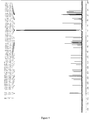
Fig.3 is a 1H-NMR figure of pure Fidaxomicin obtained in Example 8 of the invention. -
Fig.4 is a 13C-NMR figure of pure Fidaxomicin obtained in Example 8 of the invention. - The reagent used to adjust the pH of liquid culture medium of the following examples is NaOH solution or hydrochloric acid regularly used in the art.
- Water is used to obtain a needed volume of various culture media in the following examples. Weigh the materials according to the recipe and mix the materials thoroughly, then add water to the needed volume, and lastly use NaOH solution or hydrochloric to adjust pH as needed.
- The formula of used media of the invention are as follows:
- ISP1 medium (g/L) : glycerinum 10.0, asparagine 1.0, K2HPO4 1.0, trace element solution 1.0ml, agar 15.0, pH7.0-7.4. The components of the trace element solution are (g/L) : FeSO4.7H2O 0.1, MnCl2.4H2O 0.1, ZnSO4.7H2O 0.1.
- ISP2 medium (g/L) : yeast extract powder 4.0, malt extract powder 10.0, glucose 4.0, agar 15.0, pH 7.3.
- ISP3 medium (g/L) : oat agar 72.5, agar 2.5, trace element solution 1.0ml, pH 7.0-7.4. The components of the trace element solution are (g/L) : FeSO4.7H2O 0.1, MnCl2.4H2O 0.1, ZnSO4.7H2O 0.1.
- ISP4 medium (g/L) : soluble starch 10.0, K2HPO4 1.0, MgSO4.7H2O 1.0, NaCl 1.0, (NH4)2SO4 2.0, CaCO3 2.0, trace element solution 1.0ml, agar 15.0, pH 7.0-7.4. The components of the trace element solution are (g/L) : FeSO4.7H2O 0.1, MnCl2.4H2O 0.1,ZnSO4.7H2O 0.1.
- ISP5 medium (g/L) : glucose 10.0, asparagine 0.5, K2HPO4 0.5, agar 15.0, pH 7.0-7.4. ISP9 medium (g/L) : (NH4) 2SO4 2.64, KH2PO4 2.38, K2HPO4 5.65, MgSO4.7H2O 1.00, CaCl2.2H2O 0.10, agar 15.00, trace element solution 1ml. The components of the trace element solution are (g/L) : CuSO4.5H2O 0.64, FeSO4.7H2O 0.11, MnCl2.4H2O 0.79, ZnSO4.7H2O 0.15.
- Gauserime 1 synthetic agar medium (g/L) : soluble starch 20.0, KNO3 1.0, K2HPO4 0.5, MgSO4.7H2O 0.5, NaCl 0.5, FeSO4.7H2O 0.01, pH 7.2-7.4.
- Calcium malate agar medium (g/L) : calcium malate 10.0, glycerinum 10.0, K2HPO4 0.05, NH4Cl 0.5, agar 15.0, pH 7.2-7.4.
- LB medium (g/L) : tryptone 10.0, NaCl 10.0, yeast extract 5.0, agar 15.0, pH 7.0. YMS medium (g/L) : yeast extract 4.0, malt extract 10.0, glucose 4.0, micro liquid 5ml. The components of the micro liquid are (g/L) : MgSO4.7H2O 80.0, CaCO3 20.0, FeSO4.7H2O 6.0, ZnSO4.7H2O 2.0, MnSO4.7H2O 2.0, CoCl3.6H2O 0.5, NaMoO4.2H2O 1.0.
- Czapek Dox Agar medium (g/L) : saccharose 30.0, NaNO3 3.0, K2HPO4 1.0, MgSO4.7H2O 0.5, KCl 0.5, FeSO4.7H2O 0.01, agar 20.0, pH 6.0-6.5. GYEA medium (g/L) : glucose 10.0, yeast extract powder 10.0, pH6.8.
- The sources of the strains used for comparison in the present invention are as follows: Dactylosporangium aurantiacum subsp. hamdenensis NRRL 18085 is purchased from NRRL (Agricultural Research Service Culture Collection).
- Actinoplanes deccanensis A/10655 ATCC 21983 is purchased from ATCC (American type culture collection).
- Catellatospora sp. Bp3323- 81 is purchased from Novartis, Switzerland.
- Actinoplanes sp. HS-16-20 CGMCC NO.7294 is an actinomycetes strain isolated from a soil sample on the top of Mount Baiyun, Taizhou, Zhejiang.
- Cross-sampling in the delimited region in Baiyun, Taizhou was performed, and five sampling sites were picked at random. 10 g of soil sample was collected at each site and put into a conical flask. 10 g of the sample was picked out after being well-mixed, and was added into a conical flask containing 90 mL deionized water with a magnetic stirring apparatus inside, and vortexed for 30 mins to allow the sample to blend into turbid liquid, and that was 10-1 bacterial liquid. The bacterial liquid was diluted by 1:9 using aquae sterilisata to reach the concentrations of 10-2, 10-3, 10-4 and 10-5 respectively according to the spread plate method. 0.1 mL of the bacterial liquid of different dilution ratio was spread on ISP2 medium-coated plates by slight spreading on the surface of the culture medium using a sterilized spreader. The plate stood for 30 min at room temperature and then was placed in an incubator set at 28 °C. When the colonies appeared, the colour, transparency, surface and morphology of the rim of the colonies were observed in order to check that the characteristics are consistent. The colonies with consistent morphological characteristics were picked and seeded, and the seeded plate was placed in an incubator set at 28 °C and cultured for 8 days. 1000 preliminarily screened strains were picked upon maturation of the hyphae, and were scraped using inoculating shovel under aseptic condition, and then were inoculated into 250 mL conical flasks (containing 25 mL seed medium each) and cultured by shaking at 28 °C for 28 hours to obtain the seed solution. The seed solution was inoculated into 250 mL conical flasks (containing 20mL of fermentation medium each), respectively with an transfer amount of 15-20% of the seed solution and cultured by shaking at 28°C for 8 days. The content of Fidaxomicin obtained from the fermentation broth was detected by HPLC, and the strain Actinoplanes sp. HS-16-20 was selected as the most productive strain.
- Experiments were conducted according to Manual of Systematic Identification of Common Bacteria, Molecular Cloning: A Laboratory Manual and Chinese Pharmacopoeia (2010 Edition). The experiments regarding morphological and culture characteristics were performed using 10 media, namely ISP1, ISP2, ISP3, ISP4, ISP5, Gauserime 1 synthetic agar medium, calcium malate agar medium, LB, YMS and Czapek Dox Agar medium. After being cultured at 28 °C for 7-10 days, the colour and pigment of the mycelia were observed, and the results are shown in Table 1.
Table 1 Culture Characteristics of Actinoplanes sp. HS-16-20 in 10 media Medium Growth Situation Substrate mycelium Aerial mycelium Soluble pigment ISP1 2 Deep yellow Deep yellow NO ISP2 4 Sunny yellow creamy yellow NO ISP3 3 creamy yellow creamy yellow NO ISP4 3 beige beige NO ISP5 3 Light ivory Light ivory NO Gauserime 1 2 Light ivory Light ivory NO calcium malate 2 Light ivory Light ivory NO LB 3 beige beige NO YMS 3 Deep yellow Deep yellow NO Czapek Dox 2 Light gray close to white Light gray close to white NO - Utilization of carbon source: ISP9 medium was used as basal medium with the final concentration of each carbon source being 1.0 %. The results are shown in Table 2. Utilization of nitrogen source: ISP9 medium was used as basal medium with the final concentration of both potassium nitrate and ammonium sulfate being 0.1 %. And the results are shown in Table 2.
- The basal medium used in the degradation assay and NaCl tolerance assay is GYEA (pH 6.8). The results of degradation assay are shown in Table 3. The results of the NaCl tolerance assay is that Actinoplanes sp. HS-16-20 tolerates NaCl well and can still survive under the concentration of 10 %.
- The medium used in oxidase assay, catalase assay, pH assay and temperature assay is YMS medium. The result is that strain can grow between 14 °C-45 °C, the optimum growth temperature is 28 °C; The strain can grow at pH 5.0-7.5, and the optimum range is pH 6.5-7.0. The results of the oxidase and catalase assay are shown in Table 4.
- The M.R, V-P and urease assay were performed according to the method of Manual of Systematic Identification of Common Bacteria. And the results are shown in Table 4. The physiological and biochemical assay: cultured for 7-9 days at 28 °C except for the temperature assay . And the results are shown in Table 4.
Table 2 Utilization of carbon source and nitrogen source of Actinoplanes sp. HS-16-20 Carbon source Growth Situation Carbon source Growth Situation Inorganic nitrogen Growth Situation D-glucose 3 saligenin 3 ammonium sulfate + D- raffinose 1 D- lactose 3 potassium nitrate + D-xylose 1 galactose 3 D-sorbitol 2 inositol 2 L-arabinose 1 mannitol 2 glycerinum 2 glycine 1 maltose 3 xylan 3 D- fructose 2 inulin 2 D- saccharose 2 rhamnose 2 Table 3 The results of degradation assay of Actinoplanes sp. HS-16-20 Degradation product Concentration of degradation product Result Degradation product Concentration of degradation product Result adenine 0.5% 0 casein 1.0% 1,- guanine 0.5% 4,- tyrosine 1.0% 4,- xanthine 0.4% 4,- Tween-40 1.0% 3,- hypoxanthine 0.4% 4,- Tween-60 1.0% 3,- xylan 0.4% 4,+ Tween-80 1.0% 3,+ Table 4 The main physiological and biochemical characteristics of Actinoplanes sp. HS-16-20 Test item Result Test item Result Test item Result gelatin liquefaction - Production of hydrogen sulfide - catalase - amylohydrolysis + V-P test - oxidase - Milk-clotting - M.R test - Urease test + Milk peptonization - nitrate reduction + Note: in the Table 1-4, 0: no growth; 1:weak growth; 2:can grow; 3: grow well; 4: grow best; +: Positive; -: Negative. - The fresh bacterial bodies of the strain to be tested were collected and total DNA template was extracted according to the Pitcher method that was upgraded from the lysozyme method (Letters in Applied Microbiology, 1989, 8:151-156). Universal primers 27F and 1495R were used to amplify 16S rRNA gene. The PCR product was directly submitted to sequencing by Sangon Biotech (Shanghai) Co., Ltd. after detection and purification. The sequenced 16S rDNA sequence was aligned with the homologous sequences of related species and genus in GenBank using BLAST to confirm the taxonomic status of the strain.
- The results of BLAST comparison between strain Actinoplanes sp. HS-16-20 (CGMCC NO.7294) 16S rDNA and related sequences in GenBank are shown in Table5 (only strains of great homology are shown in the table).
Table 5 The homology of strain HS-16-20 and related strains Species GenBank No. Number of base differences Homology (%) Actinoplanes deccanensis AB036998.1 3 99.8 Actinoplanes deccanensis subsp. salmoneus AB675009.1 14 99.0 Actinoplanes sp. Y16 HQ839788.1 18 98.7 Actinoplanes deccanensis strain 1MSNU 20026 NR 042012.1 23 98.4 - Through sequencing of the 16S rDNA region, it was found that the strain HS-16-20 (CGMCC NO.7294) share great homology with Actinoplanes sp, the greatest being 99%. Meanwhile the assay for the apparent characteristics of the strain HS-16-20 (CGMCC NO.7294) was conducted, which revealed that the classification-related parameters of the strain are very close to those of Actinoplanes sp, so the strain HS-16-20 (CGMCC NO.7294) was identified as a strain of Actinoplanes sp. Comparisons between strain Actinoplanes sp. HS-16-20 (CGMCC NO.7294) and other producer strains of Tiacumicin and Lipiarmycins.
- According to the report of
US4918174 , the producer strain of Tiacumicin, Dactylosporangium aurantiacum subsp. hamdenensis NRRL 18085 can grow in calcium malate agar medium, while grow poorly in Czapek Dox Agar medium. The colour of the substrate mycelium is saffron yellow and the there is no aerial mycelium. Physiological and biochemical characteristics thereof are: gelatin liquefaction negative (-), amylohydrolysis positive (+), milk-clotting negative (-), milk peptonization positive (+), production of hydrogen sulfide positive (+), nitrate reduction positive (+); while Actinoplanes sp. HS-16-20 can grow in Czapek Dox Agar medium, and has aerial mycelium with milk peptonization negative (-), production of hydrogen sulfide negative (-). - It is reported in
US3978211 that the producer strain of Lipiarmycins Actinoplanes deccanensis A/10655 ATCC 21983 grow poorly in both calcium malate agar medium and Czapek Dox Agar medium. The colours of the colony in different media vary from light yellow to saffron yellow, and there is no aerial mycelium. Physiological and biochemical characteristics thereof are: gelatin liquefaction positive (+), amylohydrolysis positive (+), milk-clotting negative (-), milk peptonization negative (-), production of hydrogen sulfide negative (-), nitrate reduction positive (+); while Actinoplanes sp. HS-16-20 can grow in calcium malate agar medium and Czapek Dox Agar medium , and has aerial mycelium in different media with gelatin liquefaction negative (-). - Antimicrobial Chemotherapy 2008, 62,713-719 and Journal of Northwest A&F University (Natural Science Edition) 2007,35(10),213-218 report that the producer strain of Lipiarmycins Catellatospora sp can grow in Gauserime 1 synthetic agar medium, and there is no report regarding its growth situationin other media. Substrate mycelia thereof are not fractured, and single or clustered short chain of spores appear on the agar surface, and there is no aerial mycelium. Physiological and biochemical characteristics thereof are: amylohydrolysis positive (+), milk-clotting negative (-), milk peptonization positive (+), production of hydrogen sulfide negative (-); while Actinoplanes sp. HS-16-20 has aerial mycelium in Gauserime 1 synthetic agar medium with milk peptonization negative (-).
- Combining the morphological, culture, physiological and biochemical characteristics and the identification results of DNA sequence of Actinoplanes sp. HS-16-20 (CGMCC NO.7294) of the invention, it is known that the strain Actinoplanes sp. HS-16-20 (CGMCC NO.7294) belongs to actinomyces, and is different from any known producer strains of Tiacumicin and Lipiarmycins. So Actinoplanes sp. HS-16-20 (CGMCC NO.7294) is a brand- new bacteria species.
- The plate coated with ISP2 medium (g/L) :glucose 4.0,yeast extract 4.0,malt extract 10.0, agar 15.0, distilled water 1000mL, pH 7.3. Pressure of autoclaving was 1.05 kg/cm2, 20 min. The medium was cooled to 50-60°C before being poured into the plates. And one loop of bacterial bodies was inoculated and cultured at 28±1 °C for 8 days until the hypha was mature.
- The formula of seed medium (g/L) : saccharose 2, sorbitol 3, cottonseed meal 3, peanut meal 1.5, CaCO3 0.6, MgSO4.7H2O 0.3, pH 7.2. The liquid volume of the shake flask was 25mL/250mL, and the autoclaving was performed at 121°C for 30 minutes. The inoculation amount of the bacteria bodies was 105-106 c.f.u. /mL, and was cultured at 28±1 °C, 250 rpm, for 28 hours by shaking on a shaker. At this point the pH of the culture solution is 6.8-7.0, and the concentration of the hypha was 25-30 % (v/v).
- The formula of fermentation broth (g/L) :
saccharose 10, sorbitol 2, soluble starch 3, (NH4)2SO4 0.5, beef extract 2, peasant meal 1, KH2PO4 0.04, pH 7.0. The liquid volume of the shake flask was 20 mL/250 mL, and the autoclaving was performed at 121 °C for 20 minutes. The inoculation amount of the seed solution was 15-20% (v/v), and was cultured at 28±1 °C, 250 rpm,for 8 days by shaking on a shaker. HPLC was conducted after fermentation. The fermentation unit was 5250 µg/mL. - As for the preparation of the colonies on the plate and the seed solution please refer to Example 5.
- The formula of fermentation broth (g/L) : maltodextrin 6,
soluble starch 8, lactose 2, soybean meal 1.5, gluten powder 1, yeast powder 1, CaCO3 0.4, KCl 0.2, MgCl2.7H2O 0.2, pH 7.0. The liquid volume of the shake flask was 25mL/250mL, and the autoclaving was performed at 121°C for 20 minutes. The inoculation amount of the seed solution was 20% (v/v), and was cultured at 30±1 °C, 250 rpm, for 8 days by shaking on a shaker. HPLC was conducted after fermentation, and the fermentation unit was 3892 µg/mL. - As for the preparation of the colonies on the plate and the seed solution please refer to Example 5.
- The formula of fermentation broth (g/L) :
industrial molasses 8, fructose 2, glycerol 3, maltose 3, peptone 1, tryptone 1.5, salvelike yeast extract 0.5, beef extract 0.5, urea 0.2, citric acid triamine 0.5, MgSO4.7H2O 0.2, CaCl2 0.4, pH 7.0. The liquid volume of the shake flask was 40mL/500mL, and the autoclaving was performed at 121 °C for 20 minutes. The inoculation amount of the seed solution was 10% (v/v), and was cultured at 30±1 °C, 250 rpm, for 9 days by shaking on a shaker. HPLC was conducted after fermentation. The fermentation unit was 3156 µg/mL. - 10 L of seed medium was added into a 15 L seeding tank (the formula of the seed medium was the same as that in example 5) and sterilized at 121 °C for 30 minutes. After cooling, 100 mL of shake flask seed solution was added, and was cultured at 28±1 °C with a stirring speed of 200 rpm for 24 hours with an aeration rate of 1.0v vm. At that time the pH of the culture solution was 6.8-7.0, and the concentration of hypha was 25-30 % (v/v).
- The formula of the fermentation medium was the same as that in example 5, however, 1 % PPG was added as defoamer. The volume of the fermentation tank was 50 L and the volume of the material amount was 35 L, pH 7.0, then it was sterilized at 121 °C for 20 minutes. After cooling, 3.5 L of the seed tank culture solution was added. The fermentation temperature was 28±1 °C, and the stirring speed was 200-300 rpm. The fermentation lasted for 8 days with an aeration rate of 0.8-1.0 vvm. Then the fermentation tank was opened, and the concentration of hypha was tested to be 4855 µg/mL.
- 30 L of the fermentation solution of the above opened fermentation tank was frame filtered, and the filter cake was soaked with 30 L absolute ethyl alcohol, evenly stirred and stood at room temperature for 30 minutes. The organic phase of the supernatant was collected, mixed and stored.
- The above mixed organic phase was vacuum concentrated at -0.1 Mpa to 15 L at 40°C water bath. The concentrated solution was adsorbed by 4 L macroreticular resin HZ20, and eluted by absolute ethyl alcohol. The eluate was collected and vacuum concentrated until dried. Then 72.8 g crude product was obtained.
- All the above crude product was dissolved in methyl alcohol and was applied to a preparative column (120g 100-200 mesh C18 reversed-phase preparation material was added into the preparative column). 50% (v/v) acetonitrile was used as eluent. Fractions were collected fractionally. The fractions with chromatographic purity greater than 99 % and various impurities less than 0.1 % were selected to be the major fraction. The major fraction was dried to get 29.1 g pure product and purity thereof was 99.7 %. The obtained pure product was analyzed by HPLC, and the spectrogram of HPLC was shown in
Figure 1 . The parameters of HPLC were: chromatography column: C18 Column, 5 µm, 4.6×250 nm; mobile phase A: 0.05 % phosphoric acid (v/v); mobile phase B: 90 % acetonitrile (v/v); flow rate: 1.00ml/min; detection wavelength: 250nm; program: 0-20 min: 5 %-100 % B phase; 20-21 min: 100% B phase; 21-22 min: 100 %-5 % B phase; Sample volume: 10 µL. After MS analysis of the obtained pure product, the molecular weight thereof was identified as 1058.04. And through 1H-NMR and 13C-NMR analysis, it was confirmed that the pure product was Fidaxomicin with the structure as follows:
- The formula of the medium and culture conditions in example 5 were used to culture Actinoplanes sp. HS-16-20 (CGMCC NO.7294) of the invention and other producer strains of Fidaxomicin, respectively. The potency was tested respectively, and the results were shown in the table 6.
Table 6 Table of comparison of the capacity of Fidaxomicin production of different bacterial species species potency (µg/mL) Dactylosporangium aurantiacum subsp. hamdenensis NRRL 18085 <100 Actinoplanes deccanensis A/10655 ATCC 21983 200-300 Catellatospora sp. Bp3323-81 <100 Actinoplanes sp. HS-16-20(CGMCC NO.7294) 3000-6000 - Combining the morphological, culture, physiological and biochemical characteristics and identification results of DNA sequence of the above four bacterial species, the difference of the production capacity may be caused by different traits of the bacterial species. Inversely the difference of the production capacity can prove indirectly that Actinoplanes sp. HS-16-20 (CGMCC NO.7294) of the invention is a brand-new bacterial species.
- Summarizing the above bacterial species, Actinoplanes sp. HS-16-20 (CGMCC NO.7294) of the invention has greatly enhanced the capacity of Fidaxomicin production compared with other strains, which means is beneficial for industrial production.
- The embodiments illustrated and discussed in this specification are intended only to teach those skilled in the art the best way known to the inventors to make and use the invention. Modifications and variation of the above-described embodiments of the invention are possible without departing from the invention, as appreciated by those skilled in the art in light of the above teachings. It is therefore understood that, within the scope of the claims and their equivalents, the invention may be practiced otherwise than as specifically described.
Claims (9)
- A bacterial strain of Actinoplanes sp HS-16-20, wherein the preservation number is CGMCC No.7294.
- Application of the Actinoplanes sp HS-16-20 according to claim 1 in the production of Fidaxomicin or pharmaceutical compositions containing Fidaxomicin.
- A method of preparation of Fidaxomicin, comprising, aerobic fermenting the Actinoplanes sp HS-16-20 according to claim 1 in nutrient medium containing assimilable carbon source and/or nitrogen source.
- A method of preparation according to claim 3, wherein the assimilabe carbon source is selected from the group consisting of saccharose, glucose, fructose, rhamnose, raffinose, xylose, arabinose, industrial molasses, lactose, galactose, maltose, mycose, xylan, dextrin, starch, sorbitol, saligenin, inositol, mannitol, glycerol, glycine and inulin.
- A method of preparation according to claim 3, wherein the assimilable nitrogen source is selected from the group consisting of beef extract, salvelike yeast extract, yeast extraction, yeast powder, peptone, tryptone, gluten powder, cottonseed meal, peanut meal, soybean meal, corn steep liquor powder, bran, urea, ammonium salt and nitrate.
- A method of preparation according to any of claims 3 to 5, wherein the temperature of the aerobic fermenting is 20 °C to 40 °C, pH is 6.0-8.0, time is 144-240 hours.
- A method of preparation according to claim 6, wherein the temperature of the aerobic fermenting is 25 °C to 30 °C, pH is 7.0.
- A method of preparation according to any of claims 3 to 7, wherein the aeration rate of the aerobic fermenting is 0.5-1.0 vvm.
- A method of preparation according to any of claims 3 to 8, wherein the mode of the aerobic fermenting is submerged fermentation.
Applications Claiming Priority (2)
| Application Number | Priority Date | Filing Date | Title |
|---|---|---|---|
| CN201310501389.3A CN104560766B (en) | 2013-10-16 | 2013-10-16 | A kind of Actinoplanes bacteria strain and its application |
| PCT/CN2014/088536 WO2015055107A1 (en) | 2013-10-16 | 2014-10-14 | Bacterial strain of actinoplanes sp. and application thereof |
Publications (3)
| Publication Number | Publication Date |
|---|---|
| EP3059303A1 EP3059303A1 (en) | 2016-08-24 |
| EP3059303A4 EP3059303A4 (en) | 2017-06-28 |
| EP3059303B1 true EP3059303B1 (en) | 2018-08-22 |
Family
ID=52827666
Family Applications (1)
| Application Number | Title | Priority Date | Filing Date |
|---|---|---|---|
| EP14854401.8A Active EP3059303B1 (en) | 2013-10-16 | 2014-10-14 | Bacterial strain of actinoplanes sp. and application thereof |
Country Status (5)
| Country | Link |
|---|---|
| US (1) | US9982314B2 (en) |
| EP (1) | EP3059303B1 (en) |
| JP (1) | JP6367957B2 (en) |
| CN (1) | CN104560766B (en) |
| WO (1) | WO2015055107A1 (en) |
Families Citing this family (5)
| Publication number | Priority date | Publication date | Assignee | Title |
|---|---|---|---|---|
| CN104560766B (en) | 2013-10-16 | 2017-07-28 | 浙江海正药业股份有限公司 | A kind of Actinoplanes bacteria strain and its application |
| CN104098637B (en) * | 2014-07-09 | 2017-01-04 | 浙江海正药业股份有限公司 | A kind of method of purification feldamycin |
| CN108841769B (en) * | 2018-05-24 | 2021-03-02 | 浙江大学 | Fidaxomicin genetic engineering bacterium and construction method and application thereof |
| CN111349592B (en) * | 2020-05-11 | 2022-06-03 | 河南大学 | Spore production culture medium and preparation method of bacterial spores |
| CN114525216B (en) * | 2021-11-15 | 2024-01-05 | 塔里木大学 | A method for targeted isolation of motile actinomycetes |
Family Cites Families (10)
| Publication number | Priority date | Publication date | Assignee | Title |
|---|---|---|---|---|
| GB1458512A (en) * | 1973-11-22 | 1976-12-15 | Lepetit Spa | Antibiotic substance |
| US4918174A (en) | 1986-09-26 | 1990-04-17 | Abbott Laboratories | Tiacumicin compounds |
| US7507564B2 (en) | 2002-07-29 | 2009-03-24 | Optimer Pharmaceuticals, Inc. | Tiacumicin production |
| US7378508B2 (en) | 2007-01-22 | 2008-05-27 | Optimer Pharmaceuticals, Inc. | Polymorphic crystalline forms of tiacumicin B |
| CN102115757B (en) * | 2010-12-14 | 2015-10-28 | 中国科学院南海海洋研究所 | Platform hooks biological synthesis gene cluster and the application thereof of mycin |
| ITMI20120559A1 (en) * | 2012-04-05 | 2013-10-06 | Olon Spa | IMPROVED PROCEDURE FOR THE PRODUCTION OF TIACUMICINA B |
| CN103275152B (en) * | 2013-05-29 | 2015-11-18 | 华北制药集团新药研究开发有限责任公司 | A kind of preparation method of high-purity fidaxomicin |
| CN103320355B (en) * | 2013-05-29 | 2014-09-24 | 华北制药集团新药研究开发有限责任公司 | Actinoplanessp. strain and its use in preparation of fidaxomicin |
| CN104560766B (en) | 2013-10-16 | 2017-07-28 | 浙江海正药业股份有限公司 | A kind of Actinoplanes bacteria strain and its application |
| CN104098637B (en) * | 2014-07-09 | 2017-01-04 | 浙江海正药业股份有限公司 | A kind of method of purification feldamycin |
-
2013
- 2013-10-16 CN CN201310501389.3A patent/CN104560766B/en active Active
-
2014
- 2014-10-14 EP EP14854401.8A patent/EP3059303B1/en active Active
- 2014-10-14 US US15/028,577 patent/US9982314B2/en active Active
- 2014-10-14 WO PCT/CN2014/088536 patent/WO2015055107A1/en not_active Ceased
- 2014-10-14 JP JP2016548406A patent/JP6367957B2/en active Active
Also Published As
| Publication number | Publication date |
|---|---|
| EP3059303A4 (en) | 2017-06-28 |
| CN104560766B (en) | 2017-07-28 |
| CN104560766A (en) | 2015-04-29 |
| EP3059303A1 (en) | 2016-08-24 |
| JP2016534750A (en) | 2016-11-10 |
| US20160265071A1 (en) | 2016-09-15 |
| JP6367957B2 (en) | 2018-08-01 |
| US9982314B2 (en) | 2018-05-29 |
| WO2015055107A1 (en) | 2015-04-23 |
Similar Documents
| Publication | Publication Date | Title |
|---|---|---|
| CN108676757B (en) | Streptomyces strain and application thereof in producing staurosporine | |
| CN108060100B (en) | Multifunctional Siamese bacillus and preparation and application of bioactive substance thereof | |
| US9982314B2 (en) | Bacterial strain of Actinoplanes sp. and application thereof | |
| EP3275995B1 (en) | Streptomyces and method for producing milbemycin a4 using same | |
| EP3275996B1 (en) | Streptomyces and method for producing milbemycin a3 using same | |
| CN110172415B (en) | Nocardiopsis arctica and fermentation product optimization method thereof | |
| CN106190854B (en) | A kind of preparation method of desert pseudocystoid and oritavancin intermediate | |
| EP3613842B1 (en) | Ivermectin b1b producing strain and use thereof | |
| WO2026001872A1 (en) | 5-ketomilbemycin-producing bacterium and use thereof | |
| CN114907367A (en) | Macrolide compound FW-Z, its fermentation strain, fermentation method and application | |
| CN101486975B (en) | Streptomyces, method for producing tacrolimus and application thereof | |
| Said et al. | Enhancement of clavulanic acid production by Streptomyces sp MU-NRC77 via mutation and medium optimization. | |
| CN109280034B (en) | Benzoxazepine compound with antibacterial activity and preparation method and application thereof | |
| CN108410759B (en) | A strain of Rhodococcus rhodochrous capable of efficiently degrading cyhalothrin and its application | |
| CN119060905A (en) | A potential new species of Amycolatopsis baimaensis WQ 127309 and its application | |
| CN103159830B (en) | Lipopeptide compound | |
| CN114349762B (en) | 6/6/6/6/5/5 cyclic alkaloid compounds with novel frameworks and application thereof in preparation of antibacterial drugs | |
| CN108410760B (en) | Microbacterium aromaticum for efficiently degrading fenvalerate and application thereof | |
| CN113249258A (en) | Pseudomonas aeruginosa for co-producing rhamnolipid and lipopeptide | |
| CN105886421A (en) | Amycolatopsis sp. YIM M13163 and method for preparing efrotomycin pivalate by adopting same | |
| CN113684144B (en) | Endophytic Streptomyces WA5-1-7 in the intestinal tract of an insect cockroach and its application | |
| CN120682991A (en) | A strain of Bacillus siamese AQ171 and its application | |
| CN120738049A (en) | Streptomyces deep olive, microbial inoculum and application thereof | |
| El-Waseif et al. | Biosynthesis, optimization and structure elucidation of antimicrobial agent produced by Streptomyces clavuligerus isolated from Egyptian soil. | |
| CN116445317A (en) | New streptomyces albus strain for producing puromycin and application thereof |
Legal Events
| Date | Code | Title | Description |
|---|---|---|---|
| PUAI | Public reference made under article 153(3) epc to a published international application that has entered the european phase |
Free format text: ORIGINAL CODE: 0009012 |
|
| 17P | Request for examination filed |
Effective date: 20160510 |
|
| AK | Designated contracting states |
Kind code of ref document: A1 Designated state(s): AL AT BE BG CH CY CZ DE DK EE ES FI FR GB GR HR HU IE IS IT LI LT LU LV MC MK MT NL NO PL PT RO RS SE SI SK SM TR |
|
| AX | Request for extension of the european patent |
Extension state: BA ME |
|
| DAX | Request for extension of the european patent (deleted) | ||
| A4 | Supplementary search report drawn up and despatched |
Effective date: 20170526 |
|
| RIC1 | Information provided on ipc code assigned before grant |
Ipc: C12N 1/20 20060101AFI20170519BHEP Ipc: C12P 19/62 20060101ALI20170519BHEP Ipc: C12R 1/045 20060101ALI20170519BHEP |
|
| GRAP | Despatch of communication of intention to grant a patent |
Free format text: ORIGINAL CODE: EPIDOSNIGR1 |
|
| INTG | Intention to grant announced |
Effective date: 20180314 |
|
| GRAS | Grant fee paid |
Free format text: ORIGINAL CODE: EPIDOSNIGR3 |
|
| GRAA | (expected) grant |
Free format text: ORIGINAL CODE: 0009210 |
|
| AK | Designated contracting states |
Kind code of ref document: B1 Designated state(s): AL AT BE BG CH CY CZ DE DK EE ES FI FR GB GR HR HU IE IS IT LI LT LU LV MC MK MT NL NO PL PT RO RS SE SI SK SM TR |
|
| REG | Reference to a national code |
Ref country code: GB Ref legal event code: FG4D |
|
| REG | Reference to a national code |
Ref country code: CH Ref legal event code: EP |
|
| REG | Reference to a national code |
Ref country code: AT Ref legal event code: REF Ref document number: 1032504 Country of ref document: AT Kind code of ref document: T Effective date: 20180915 |
|
| REG | Reference to a national code |
Ref country code: IE Ref legal event code: FG4D |
|
| REG | Reference to a national code |
Ref country code: DE Ref legal event code: R096 Ref document number: 602014031093 Country of ref document: DE |
|
| REG | Reference to a national code |
Ref country code: FR Ref legal event code: PLFP Year of fee payment: 5 |
|
| REG | Reference to a national code |
Ref country code: NL Ref legal event code: MP Effective date: 20180822 |
|
| REG | Reference to a national code |
Ref country code: LT Ref legal event code: MG4D |
|
| PG25 | Lapsed in a contracting state [announced via postgrant information from national office to epo] |
Ref country code: FI Free format text: LAPSE BECAUSE OF FAILURE TO SUBMIT A TRANSLATION OF THE DESCRIPTION OR TO PAY THE FEE WITHIN THE PRESCRIBED TIME-LIMIT Effective date: 20180822 Ref country code: GR Free format text: LAPSE BECAUSE OF FAILURE TO SUBMIT A TRANSLATION OF THE DESCRIPTION OR TO PAY THE FEE WITHIN THE PRESCRIBED TIME-LIMIT Effective date: 20181123 Ref country code: RS Free format text: LAPSE BECAUSE OF FAILURE TO SUBMIT A TRANSLATION OF THE DESCRIPTION OR TO PAY THE FEE WITHIN THE PRESCRIBED TIME-LIMIT Effective date: 20180822 Ref country code: IS Free format text: LAPSE BECAUSE OF FAILURE TO SUBMIT A TRANSLATION OF THE DESCRIPTION OR TO PAY THE FEE WITHIN THE PRESCRIBED TIME-LIMIT Effective date: 20181222 Ref country code: NO Free format text: LAPSE BECAUSE OF FAILURE TO SUBMIT A TRANSLATION OF THE DESCRIPTION OR TO PAY THE FEE WITHIN THE PRESCRIBED TIME-LIMIT Effective date: 20181122 Ref country code: NL Free format text: LAPSE BECAUSE OF FAILURE TO SUBMIT A TRANSLATION OF THE DESCRIPTION OR TO PAY THE FEE WITHIN THE PRESCRIBED TIME-LIMIT Effective date: 20180822 Ref country code: BG Free format text: LAPSE BECAUSE OF FAILURE TO SUBMIT A TRANSLATION OF THE DESCRIPTION OR TO PAY THE FEE WITHIN THE PRESCRIBED TIME-LIMIT Effective date: 20181122 Ref country code: SE Free format text: LAPSE BECAUSE OF FAILURE TO SUBMIT A TRANSLATION OF THE DESCRIPTION OR TO PAY THE FEE WITHIN THE PRESCRIBED TIME-LIMIT Effective date: 20180822 Ref country code: LT Free format text: LAPSE BECAUSE OF FAILURE TO SUBMIT A TRANSLATION OF THE DESCRIPTION OR TO PAY THE FEE WITHIN THE PRESCRIBED TIME-LIMIT Effective date: 20180822 |
|
| REG | Reference to a national code |
Ref country code: AT Ref legal event code: MK05 Ref document number: 1032504 Country of ref document: AT Kind code of ref document: T Effective date: 20180822 |
|
| PG25 | Lapsed in a contracting state [announced via postgrant information from national office to epo] |
Ref country code: AL Free format text: LAPSE BECAUSE OF FAILURE TO SUBMIT A TRANSLATION OF THE DESCRIPTION OR TO PAY THE FEE WITHIN THE PRESCRIBED TIME-LIMIT Effective date: 20180822 Ref country code: LV Free format text: LAPSE BECAUSE OF FAILURE TO SUBMIT A TRANSLATION OF THE DESCRIPTION OR TO PAY THE FEE WITHIN THE PRESCRIBED TIME-LIMIT Effective date: 20180822 Ref country code: HR Free format text: LAPSE BECAUSE OF FAILURE TO SUBMIT A TRANSLATION OF THE DESCRIPTION OR TO PAY THE FEE WITHIN THE PRESCRIBED TIME-LIMIT Effective date: 20180822 |
|
| PG25 | Lapsed in a contracting state [announced via postgrant information from national office to epo] |
Ref country code: ES Free format text: LAPSE BECAUSE OF FAILURE TO SUBMIT A TRANSLATION OF THE DESCRIPTION OR TO PAY THE FEE WITHIN THE PRESCRIBED TIME-LIMIT Effective date: 20180822 Ref country code: PL Free format text: LAPSE BECAUSE OF FAILURE TO SUBMIT A TRANSLATION OF THE DESCRIPTION OR TO PAY THE FEE WITHIN THE PRESCRIBED TIME-LIMIT Effective date: 20180822 Ref country code: RO Free format text: LAPSE BECAUSE OF FAILURE TO SUBMIT A TRANSLATION OF THE DESCRIPTION OR TO PAY THE FEE WITHIN THE PRESCRIBED TIME-LIMIT Effective date: 20180822 Ref country code: CZ Free format text: LAPSE BECAUSE OF FAILURE TO SUBMIT A TRANSLATION OF THE DESCRIPTION OR TO PAY THE FEE WITHIN THE PRESCRIBED TIME-LIMIT Effective date: 20180822 Ref country code: AT Free format text: LAPSE BECAUSE OF FAILURE TO SUBMIT A TRANSLATION OF THE DESCRIPTION OR TO PAY THE FEE WITHIN THE PRESCRIBED TIME-LIMIT Effective date: 20180822 Ref country code: EE Free format text: LAPSE BECAUSE OF FAILURE TO SUBMIT A TRANSLATION OF THE DESCRIPTION OR TO PAY THE FEE WITHIN THE PRESCRIBED TIME-LIMIT Effective date: 20180822 Ref country code: IT Free format text: LAPSE BECAUSE OF FAILURE TO SUBMIT A TRANSLATION OF THE DESCRIPTION OR TO PAY THE FEE WITHIN THE PRESCRIBED TIME-LIMIT Effective date: 20180822 |
|
| REG | Reference to a national code |
Ref country code: DE Ref legal event code: R097 Ref document number: 602014031093 Country of ref document: DE |
|
| PG25 | Lapsed in a contracting state [announced via postgrant information from national office to epo] |
Ref country code: DK Free format text: LAPSE BECAUSE OF FAILURE TO SUBMIT A TRANSLATION OF THE DESCRIPTION OR TO PAY THE FEE WITHIN THE PRESCRIBED TIME-LIMIT Effective date: 20180822 Ref country code: SM Free format text: LAPSE BECAUSE OF FAILURE TO SUBMIT A TRANSLATION OF THE DESCRIPTION OR TO PAY THE FEE WITHIN THE PRESCRIBED TIME-LIMIT Effective date: 20180822 Ref country code: SK Free format text: LAPSE BECAUSE OF FAILURE TO SUBMIT A TRANSLATION OF THE DESCRIPTION OR TO PAY THE FEE WITHIN THE PRESCRIBED TIME-LIMIT Effective date: 20180822 |
|
| REG | Reference to a national code |
Ref country code: CH Ref legal event code: PL |
|
| REG | Reference to a national code |
Ref country code: BE Ref legal event code: MM Effective date: 20181031 |
|
| PG25 | Lapsed in a contracting state [announced via postgrant information from national office to epo] |
Ref country code: LU Free format text: LAPSE BECAUSE OF NON-PAYMENT OF DUE FEES Effective date: 20181014 Ref country code: MC Free format text: LAPSE BECAUSE OF FAILURE TO SUBMIT A TRANSLATION OF THE DESCRIPTION OR TO PAY THE FEE WITHIN THE PRESCRIBED TIME-LIMIT Effective date: 20180822 |
|
| PLBE | No opposition filed within time limit |
Free format text: ORIGINAL CODE: 0009261 |
|
| STAA | Information on the status of an ep patent application or granted ep patent |
Free format text: STATUS: NO OPPOSITION FILED WITHIN TIME LIMIT |
|
| REG | Reference to a national code |
Ref country code: IE Ref legal event code: MM4A |
|
| 26N | No opposition filed |
Effective date: 20190523 |
|
| PG25 | Lapsed in a contracting state [announced via postgrant information from national office to epo] |
Ref country code: LI Free format text: LAPSE BECAUSE OF NON-PAYMENT OF DUE FEES Effective date: 20181031 Ref country code: SI Free format text: LAPSE BECAUSE OF FAILURE TO SUBMIT A TRANSLATION OF THE DESCRIPTION OR TO PAY THE FEE WITHIN THE PRESCRIBED TIME-LIMIT Effective date: 20180822 Ref country code: CH Free format text: LAPSE BECAUSE OF NON-PAYMENT OF DUE FEES Effective date: 20181031 Ref country code: BE Free format text: LAPSE BECAUSE OF NON-PAYMENT OF DUE FEES Effective date: 20181031 |
|
| PG25 | Lapsed in a contracting state [announced via postgrant information from national office to epo] |
Ref country code: IE Free format text: LAPSE BECAUSE OF NON-PAYMENT OF DUE FEES Effective date: 20181014 |
|
| PG25 | Lapsed in a contracting state [announced via postgrant information from national office to epo] |
Ref country code: MT Free format text: LAPSE BECAUSE OF NON-PAYMENT OF DUE FEES Effective date: 20181014 |
|
| PG25 | Lapsed in a contracting state [announced via postgrant information from national office to epo] |
Ref country code: TR Free format text: LAPSE BECAUSE OF FAILURE TO SUBMIT A TRANSLATION OF THE DESCRIPTION OR TO PAY THE FEE WITHIN THE PRESCRIBED TIME-LIMIT Effective date: 20180822 |
|
| PG25 | Lapsed in a contracting state [announced via postgrant information from national office to epo] |
Ref country code: PT Free format text: LAPSE BECAUSE OF FAILURE TO SUBMIT A TRANSLATION OF THE DESCRIPTION OR TO PAY THE FEE WITHIN THE PRESCRIBED TIME-LIMIT Effective date: 20180822 |
|
| PG25 | Lapsed in a contracting state [announced via postgrant information from national office to epo] |
Ref country code: MK Free format text: LAPSE BECAUSE OF NON-PAYMENT OF DUE FEES Effective date: 20180822 Ref country code: CY Free format text: LAPSE BECAUSE OF FAILURE TO SUBMIT A TRANSLATION OF THE DESCRIPTION OR TO PAY THE FEE WITHIN THE PRESCRIBED TIME-LIMIT Effective date: 20180822 Ref country code: HU Free format text: LAPSE BECAUSE OF FAILURE TO SUBMIT A TRANSLATION OF THE DESCRIPTION OR TO PAY THE FEE WITHIN THE PRESCRIBED TIME-LIMIT; INVALID AB INITIO Effective date: 20141014 |
|
| P01 | Opt-out of the competence of the unified patent court (upc) registered |
Effective date: 20230522 |
|
| PGFP | Annual fee paid to national office [announced via postgrant information from national office to epo] |
Ref country code: GB Payment date: 20250922 Year of fee payment: 12 |
|
| PGFP | Annual fee paid to national office [announced via postgrant information from national office to epo] |
Ref country code: FR Payment date: 20250923 Year of fee payment: 12 |
|
| PGFP | Annual fee paid to national office [announced via postgrant information from national office to epo] |
Ref country code: DE Payment date: 20251020 Year of fee payment: 12 |