EP3053592A1 - T cell-inducing vaccine containing interepitope sequence promoting antigen presentation - Google Patents
T cell-inducing vaccine containing interepitope sequence promoting antigen presentation Download PDFInfo
- Publication number
- EP3053592A1 EP3053592A1 EP14850811.2A EP14850811A EP3053592A1 EP 3053592 A1 EP3053592 A1 EP 3053592A1 EP 14850811 A EP14850811 A EP 14850811A EP 3053592 A1 EP3053592 A1 EP 3053592A1
- Authority
- EP
- European Patent Office
- Prior art keywords
- vaccine
- cells
- sequence
- consecutive
- long chain
- Prior art date
- Legal status (The legal status is an assumption and is not a legal conclusion. Google has not performed a legal analysis and makes no representation as to the accuracy of the status listed.)
- Granted
Links
Images





Classifications
-
- A—HUMAN NECESSITIES
- A61—MEDICAL OR VETERINARY SCIENCE; HYGIENE
- A61K—PREPARATIONS FOR MEDICAL, DENTAL OR TOILETRY PURPOSES
- A61K39/00—Medicinal preparations containing antigens or antibodies
- A61K39/0005—Vertebrate antigens
- A61K39/0011—Cancer antigens
-
- A—HUMAN NECESSITIES
- A61—MEDICAL OR VETERINARY SCIENCE; HYGIENE
- A61K—PREPARATIONS FOR MEDICAL, DENTAL OR TOILETRY PURPOSES
- A61K39/00—Medicinal preparations containing antigens or antibodies
- A61K39/002—Protozoa antigens
- A61K39/015—Hemosporidia antigens, e.g. Plasmodium antigens
-
- A—HUMAN NECESSITIES
- A61—MEDICAL OR VETERINARY SCIENCE; HYGIENE
- A61K—PREPARATIONS FOR MEDICAL, DENTAL OR TOILETRY PURPOSES
- A61K39/00—Medicinal preparations containing antigens or antibodies
- A61K39/12—Viral antigens
-
- A—HUMAN NECESSITIES
- A61—MEDICAL OR VETERINARY SCIENCE; HYGIENE
- A61P—SPECIFIC THERAPEUTIC ACTIVITY OF CHEMICAL COMPOUNDS OR MEDICINAL PREPARATIONS
- A61P31/00—Antiinfectives, i.e. antibiotics, antiseptics, chemotherapeutics
- A61P31/04—Antibacterial agents
-
- A—HUMAN NECESSITIES
- A61—MEDICAL OR VETERINARY SCIENCE; HYGIENE
- A61P—SPECIFIC THERAPEUTIC ACTIVITY OF CHEMICAL COMPOUNDS OR MEDICINAL PREPARATIONS
- A61P31/00—Antiinfectives, i.e. antibiotics, antiseptics, chemotherapeutics
- A61P31/12—Antivirals
-
- A—HUMAN NECESSITIES
- A61—MEDICAL OR VETERINARY SCIENCE; HYGIENE
- A61P—SPECIFIC THERAPEUTIC ACTIVITY OF CHEMICAL COMPOUNDS OR MEDICINAL PREPARATIONS
- A61P35/00—Antineoplastic agents
-
- A—HUMAN NECESSITIES
- A61—MEDICAL OR VETERINARY SCIENCE; HYGIENE
- A61K—PREPARATIONS FOR MEDICAL, DENTAL OR TOILETRY PURPOSES
- A61K39/00—Medicinal preparations containing antigens or antibodies
- A61K2039/555—Medicinal preparations containing antigens or antibodies characterised by a specific combination antigen/adjuvant
- A61K2039/55511—Organic adjuvants
- A61K2039/55583—Polysaccharides
-
- A—HUMAN NECESSITIES
- A61—MEDICAL OR VETERINARY SCIENCE; HYGIENE
- A61K—PREPARATIONS FOR MEDICAL, DENTAL OR TOILETRY PURPOSES
- A61K39/00—Medicinal preparations containing antigens or antibodies
- A61K2039/60—Medicinal preparations containing antigens or antibodies characteristics by the carrier linked to the antigen
- A61K2039/6087—Polysaccharides; Lipopolysaccharides [LPS]
-
- A—HUMAN NECESSITIES
- A61—MEDICAL OR VETERINARY SCIENCE; HYGIENE
- A61K—PREPARATIONS FOR MEDICAL, DENTAL OR TOILETRY PURPOSES
- A61K47/00—Medicinal preparations characterised by the non-active ingredients used, e.g. carriers or inert additives; Targeting or modifying agents chemically bound to the active ingredient
- A61K47/30—Macromolecular organic or inorganic compounds, e.g. inorganic polyphosphates
- A61K47/36—Polysaccharides; Derivatives thereof, e.g. gums, starch, alginate, dextrin, hyaluronic acid, chitosan, inulin, agar or pectin
-
- A—HUMAN NECESSITIES
- A61—MEDICAL OR VETERINARY SCIENCE; HYGIENE
- A61K—PREPARATIONS FOR MEDICAL, DENTAL OR TOILETRY PURPOSES
- A61K9/00—Medicinal preparations characterised by special physical form
- A61K9/0012—Galenical forms characterised by the site of application
- A61K9/0019—Injectable compositions; Intramuscular, intravenous, arterial, subcutaneous administration; Compositions to be administered through the skin in an invasive manner
-
- C—CHEMISTRY; METALLURGY
- C12—BIOCHEMISTRY; BEER; SPIRITS; WINE; VINEGAR; MICROBIOLOGY; ENZYMOLOGY; MUTATION OR GENETIC ENGINEERING
- C12N—MICROORGANISMS OR ENZYMES; COMPOSITIONS THEREOF; PROPAGATING, PRESERVING, OR MAINTAINING MICROORGANISMS; MUTATION OR GENETIC ENGINEERING; CULTURE MEDIA
- C12N2710/00—MICROORGANISMS OR ENZYMES; COMPOSITIONS THEREOF; PROPAGATING, PRESERVING, OR MAINTAINING MICROORGANISMS; MUTATION OR GENETIC ENGINEERING; CULTURE MEDIA dsDNA viruses
- C12N2710/00011—Details
- C12N2710/16011—Herpesviridae
- C12N2710/16111—Cytomegalovirus, e.g. human herpesvirus 5
- C12N2710/16122—New viral proteins or individual genes, new structural or functional aspects of known viral proteins or genes
-
- C—CHEMISTRY; METALLURGY
- C12—BIOCHEMISTRY; BEER; SPIRITS; WINE; VINEGAR; MICROBIOLOGY; ENZYMOLOGY; MUTATION OR GENETIC ENGINEERING
- C12N—MICROORGANISMS OR ENZYMES; COMPOSITIONS THEREOF; PROPAGATING, PRESERVING, OR MAINTAINING MICROORGANISMS; MUTATION OR GENETIC ENGINEERING; CULTURE MEDIA
- C12N2710/00—MICROORGANISMS OR ENZYMES; COMPOSITIONS THEREOF; PROPAGATING, PRESERVING, OR MAINTAINING MICROORGANISMS; MUTATION OR GENETIC ENGINEERING; CULTURE MEDIA dsDNA viruses
- C12N2710/00011—Details
- C12N2710/16011—Herpesviridae
- C12N2710/16111—Cytomegalovirus, e.g. human herpesvirus 5
- C12N2710/16134—Use of virus or viral component as vaccine, e.g. live-attenuated or inactivated virus, VLP, viral protein
Definitions
- the present invention relates to a T cell inducing vaccine containing an interepitope sequence that promotes antigen presentation.
- CD8 + killer T cells CD8 + cytotoxic T cells
- CD4 + helper T cells are important regulatory cells that enhance the functions of CD8 + killer T cells and antigen-presenting cells
- professional antigen-presenting cells such as dendritic cells and macrophages, stimulate T cells by presenting antigens thereto and activate T cells via costimulatory molecules, such as CD80, CD86, and cytokines, etc.
- costimulatory molecules such as CD80, CD86, and cytokines, etc.
- Tumor cell derived proteins after being phagocytosed by antigen-presenting cells, are cleaved into peptides of various lengths by proteasomes, proteases, and peptidases within the cells.
- peptides of 8-10 amino acids are loaded as antigen epitope peptides onto major histocompatibility complex (MHC) class I molecules and can be presented on the surfaces of the antigen-presenting cells.
- MHC major histocompatibility complex
- CD8 + killer T cells use T cell receptors (TCRs) to specifically recognize the MHC class I/antigenic peptide complexes and become activated.
- TCRs T cell receptors
- the activated CD8 + killer T cells detect MHC class I/antigenic peptide complexes that are also present on tumor cells and destroy the tumor cells using effector molecules, such as granzymes and perforin.
- CD4 + helper T cells The function of CD4 + helper T cells is important for sufficient activation of CD8 + killer T cells (Non-Patent Document 2).
- Antigenic proteins taken up by the antigen-presenting cells are cleaved into various lengths by proteases and peptidases within the cells and among the resulting antigenic peptides, those of 15-20 amino acids form complexes with MHC class II molecules and can be presented on the antigen-presenting cells.
- CD4 + helper T cells recognize these specifically and are activated.
- the activated CD4 + helper T cells enhance differentiation, growth, and functions of CD8 + killer T cells via secretion of cytokines, such as interferon (IFN) - ⁇ and interleukin (IL) -2.
- IFN interferon
- IL interleukin
- the CD4 + helper T cells also have a function of activating antigen-presenting cells via a CD40 ligand/CD40 pathway, and the antigen-presenting cells activated by the CD4 + helper T cells are improved in the capability to stimulate CD8 + killer T cells (Non-Patent Document 3). It is well known from before that CD4 + helper T cells also have an action of enhancing antigen-specific IgG antibody production in B cells.
- a cancer vaccine therapy has been conceived where a tumor specific antigen is repeatedly administered as a vaccine antigen to induce tumor-specific CD8 + killer T cells within a patient's body to suppress the growth, metastasis, and recurrence of cancer.
- Various forms of the antigen of the cancer vaccines are known, such as synthetic peptides, recombinant proteins, processed cells.
- the present inventors have previously prepared a cancer vaccine using a full-length recombinant protein of a tumor antigenic protein as the antigen.
- the full-length protein includes diverse antigenic peptides recognized by CD8 + killer T cells and CD4 + helper T cells and is expected to activate both types of T cells at the same time.
- short chain peptides mainly, epitope peptides of 8 to 10 residues recognized by CD8 + killer T cells and clinically apply vaccines using these peptides as antigens.
- presentation to T cells occurs readily because such peptides bind directly to MHC molecules on cell surfaces without undergoing uptake and antigen processing within antigen-presenting cells.
- short chain peptides can be manufactured by chemical synthesis and has the advantage of being simpler to manufacture than recombinant proteins, which requires the use of genetically modified organisms.
- Non-Patent Document 5 Exogenous antigenic proteins are phagocytosed by professional antigen-presenting cells, such as dendritic cells and macrophages, that are provided with costimulatory molecules (CD80, CD86, etc.) and are processed within the cells, and antigen presentation to T cells is performed in a mode with appropriate concentration and costimulation.
- professional antigen-presenting cells such as dendritic cells and macrophages
- costimulatory molecules CD80, CD86, etc.
- short peptide antigens bind directly to MHC molecules on cell surfaces and therefore even general somatic cells, which do not have uptake ability (phagocytic ability) and do not express costimulatorymolecules, can present the short peptide antigens in a massive, inappropriate mode that lacks costimulation.
- the T cells that recognize the complexes of the short peptide antigens and MHCs become prone to depletion and apoptosis and this can consequently lead to immunological tolerance to the targeted antigen.
- a long chain peptide antigen is a polypeptide having several dozen residues such that include two or more T cell recognition epitope peptides. Unlike a short chain peptide, a long chain peptide antigen cannot bind directly in intact form to an MHC molecule.
- long chain peptide antigens undergo uptake and intracellular processing by professional antigen-presenting cells with phagocytic ability, such as dendritic cells and macrophages, and the T cell epitope peptides included in the long chain peptide antigens form complexes with MHC molecules only thereafter and are thus presented to T cells in a mode with appropriate concentration and costimulation.
- Long chain peptide antigens do not function as vaccine antigens with general somatic cells lacking antigen phagocytic ability and therefore, unlike short chain peptide vaccines, do not give rise to inappropriate antigen presentation to T cells.
- chemical synthetic methods can be used to manufacture long chain peptide antigens and therefore, as with short peptide antigens, the advantage of being comparatively easy to manufacture is also provided.
- Long chain peptide antigens manufactured by chemical synthesis also have a major advantage in that it is possible to freely design the sequence.
- a long chain peptide antigen is designed so that two or more T cell epitopes are included within a single peptide, and these T cell epitopes may be derived from a single cancer antigenic protein or may be derived from a plurality of cancer antigenic proteins. Also, the T cell epitopes maybe restrictive to a singleMHC ormaybe restrictive to a plurality of MHCs. It is also possible to design so that a long chain peptide antigen includes an epitope recognized by a CD8 + killer T cell and an epitope recognized by a CD4 + helper T cell at the same time.
- Long chain peptide antigens can thus serve as high performance vaccine antigens that can induce diverse T cells.
- the epitopes must be cut out as epitope peptides of lengths and sequences enabl ing binding with MHC molecules by sequences between the respective epitopes on the long chain peptide antigen being cleaved appropriately by proteasomes, proteases, and peptidases in an antigen-presenting cell based on the mechanism of antigen presentation reactions.
- MHC class I binding epitope peptides recognized by CD8 + killer T cells the terminuses of the epitope peptide binding groove on an MHC class I molecule are in a closed state and only epitope peptides, strictly restricted to 8 to 10 residues, can bind to the MHC class I molecule. It is thus especially important with MHC class I binding epitope peptides that peptides of appropriate lengths are produced in antigen-presenting cells.
- the lengths and sequences of the epitope peptides that bind to MHC molecules are determined by complex cleavage reactions involving intracellular proteasomes and various proteases and peptidases.
- proteasomes present in the cytoplasm first perform rough cleavage of the antigenic protein or long chain peptide antigen.
- the terminuses of the resulting peptide fragments are cleaved by other proteases and peptidases based on certain substrate sequence specificities and trimmed to appropriate lengths (trimming reactions).
- Non-Patent Document 7 the substrate sequence specificities of proteasomes have not been revealed in detail and it is difficult to predict peptide sequences that can be cleaved readily by proteasomes.
- the epitope peptide sequences included in a certain long chain peptide or protein must be cut out appropriately from the long chain peptide or protein by intracellular proteasomes, proteases, and peptidases.
- the sequences between the epitopes it is necessary for the sequences between the epitopes to aptly include recognition sites for the proteasomes, proteases, and peptidases.
- the present invention has been made in view of the circumstances described above, and an object thereof is to provide, in a long chain peptide antigen containing a plurality of epitope peptides, an interepitope sequence that effectively achieves antigen presentation of the respective epitope peptides.
- each interepitope sequence is one selected from a group consisting of two to ten consecutive tyrosines, two to ten consecutive threonines, two to ten consecutive alanines, two to ten consecutive histidines, two to ten consecutive glutamines, and two to ten consecutive asparagines and it is especially preferable for the sequence to be tyrosines, glutamines, or asparagines.
- the number of consecutive tyrosines, consecutive threonines, consecutive histidines, consecutive glutamines, or consecutive asparagines is preferably four to eight, more preferably four to six, and especially six.
- the long chain peptide antigen is cleaved inside a body by enzymes within a living body so that the respective epitopes can perform antigen presentation and the respective epitopes thus exhibit antigen presenting abilities effectively. Also, with a vaccine using a long chain peptide antigen having an interepitope sequence constituted of consecutive tyrosines, uptake into antigen-presenting cells is also improved.
- the vaccine is preferably one selected from the group consisting of anticancer vaccines (including dendritic cell vaccines), antibacterial vaccines, and antiviral vaccines.
- the vaccine is preferably at least one selected from the group consisting of peptide vaccines, DNA vaccines, mRNA vaccines, and dendritic cell vaccines.
- a dendritic cell vaccine a peptide antigen or mRNA is added.
- the vaccine is a peptide vaccine
- it is preferably arranged as a vaccine in combination with a hydrophobized polysaccharide, especially, cholesterol-modified pullulan (CHP) as a delivery system.
- a hydrophobized polysaccharide especially, cholesterol-modified pullulan (CHP)
- the plurality of epitopes within the vaccine can perform antigen presentation effectively and therefore a vaccine having a high effect can be provided.
- Synthetic long chain peptides were purchased from Bio-Synthesis Inc. The sequences of the synthetic long chain peptides were as follows.
- Synthetic short chain peptides were purchased from Sigma Genosys. The amino acid sequences of the peptides were as follows.
- RNA vaccines used to synthesize the RNA vaccines were purchased from Operon Biotechnologies, Inc. The sequences of the cDNAs were as follows.
- CHP Cholesterol-modified pullulan
- CHP-80T Cholesterol-modified pullulan
- CpG oligo DNA was purchased from Hokkaido System Science Co., Ltd.
- FITC-labeled anti-CD4 monoclonal antibody (clone RM4-5), PerCP-Cy5.5-labeled anti-CD8 monoclonal antibody (clone 53-6.7), and APC-labeled anti-IFN- ⁇ antibody (clone XMG1.2) were purchased from eBiosciece Inc. or BD Biosciences.
- Anti-human IFN- ⁇ antibody and biotinylated anti-human IFN- ⁇ antibody was purchased from Mabtech AB.
- Each long chain peptide was dissolved in dimethyl sulfoxide (DMSO) at a concentration of 10mg/mL.
- CHP was dissolved in 6M urea-containing phosphate buffered saline (PBS) at a concentration of 10mg/mL.
- 1mL (10mg) of the long chain peptide solution and 20mL (200mg) of the CHP solution were mixed and left to stand at room temperature overnight in a dark place.
- the liquid mixture was transferred into a dialysis membrane (molecular weight cutoff: 3,500; Thermo Fisher Scientific, Inc.) and dialyzed for 2 hours to overnight at 4°C against 0.6M urea-containing PBS of a volume ratio of not less than 100 times as the dialysis outer solution. Dialysis was then performed for 2 hours to overnight at 4°C against 0.06M urea-containing PBS of a volume ratio of not less than 100 times as the dialysis outer solution. Dialysis was performed again for 2 hours to overnight at 4°C against PBS of a volume ratio of not less than 100 times as the dialysis outer solution.
- the dialyzed inner solution was collected, filtered through a filtration sterilization filter of 0.45 ⁇ m or 0.22 ⁇ m pore size, and thereafter the UV absorption at 280nm was measured to determine the final concentration of the long chain peptide from its molecular extinction coefficient.
- Each CHP/long chain peptide complex as the vaccine and the CpG oligo DNA as the adjuvant were administered at the same time to a mouse. Administration was performed by subcutaneous injection on the back of the mouse. As the dose, the CHP/long chain peptide complex was administered at 0.05 to 0.1mg equivalent of long chain peptide per administration. The CpG oligo DNA was administered at 0.05mg per administration.
- spleen cells were separated by the following procedure from each vaccine-administered mouse. The spleen was isolated from the mouse and removed of blood by rinsing with RPMI1640 medium. After the spleen was triturated using a glass slide, the released cells were collected in RPMI1640 medium.
- the supernatant was removed and the cells were treated for 1 minute by adding 2mL of ACK solution. 18mL of RPMI1640 medium were added and centrifugation (400 ⁇ g, 5 minutes, 4°C) was performed. The supernatant was removed and the cells were suspended in RPMI1640 medium of an appropriate amount. After counting the number of cells, the cells were suspended in RPMI1640 medium containing 10% fetal bovine serum (FBS) so that the cell concentration was 1 ⁇ 10 7 cells/mL.
- FBS fetal bovine serum
- mice spleen cells were added at 5 ⁇ 10 6 cells/0.5mL per well to a 24-well culture plate (Nunc). NY p81, MAGE p265, or mERK2 9m as the short chain peptide for CD8 + T cell stimulation or ESO1 LP (native type) or ESO1 LP (Y 6 ) CD4 + T cell stimulation was added at a concentration of 10 ⁇ M and culturing under 37°C and 5% CO 2 was performed for 6 hours. Thereafter, GoldiPlug (BD Biosciences), diluted 10-fold with 10% FBS-containing RPMI1640 medium, was added at 50 ⁇ L per well and culturing under 37°C and 5% CO 2 was performed for 6 hours.
- GoldiPlug BD Biosciences
- the cells were collected and transferred to a 96-well round bottom microplate (Nunc). After centrifuging (1200rpm, 1 minute, 4°C) and removing the supernatant, the cells were suspended in 50 ⁇ L of staining buffer (PBS containing 0.5% bovine serum albumin) per well. TheFITC-labeledanti-CD8antibody or the FITC-labeled anti-CD4 antibody was added and after mixing, the cells were left to stand for 15 minutes in a dark place at 4°C. After rinsing the cells twice with 200 ⁇ L of the staining buffer, 100 ⁇ L of Cytofix/Cytoperm buffer (BD Biosciences) were added and mixed gently.
- staining buffer PBS containing 0.5% bovine serum albumin
- AsubclonedCMS5a cell line obtained from a CMS5 cell line isolated from fibrosarcoma induced by administering 3-methylcholanthrene to a BALB/c mouse, expresses mutant ERK2 (mERK2) as a tumor antigen and presents a CD8 + T cell epitope derived from the mERK2.
- the CMS5a cell line cultured in a T75 flask (Nunc) was detached using PBS containing 0.5% trypsin and collected in RPMI1640 medium containing 10% FBS.
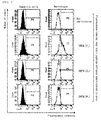
- a test of uptake of long chain peptide antigens by antigen-presenting cells in individual animals was performed as follows. Each long chain peptide was fluorescence-labeled, complexed with a CHP nanogel, administered subcutaneously to BALB/c mice. 16 hours after administration, cells were collected from lymph nodes and after staining with the anti-CD11c antibody and the anti-F4/80 antibody, the uptake of the fluorescence-labeled long chain peptide antigens by CD11c + cells (dendritic cells) and F4/80 + cells (macrophages) was analyzed by flow cytometry.
- Cryostored LCL was rinsed with RPMI medium and suspended at 1.25 ⁇ 10 6 /mL in X-VIV015 medium. This was dispensed in 0.4mL aliquots into polypropylene tubes, and 0.1mL of a vaccine solution (0.1mg/mL as peptide) was added to each tube. The cells were cultured for 24 hours at 37°C in the presence of 5% CO 2 and then used as antigen-presenting cells.
- mRNA was introduced by an electroporation method (300V, 700 ⁇ s) using ECM830 into LCL that was rinsed and suspended in the same manner as in (9). The cells were cultured for 24 hours at 37°C in the presence of 5% CO 2 and then used as antigen-presenting cells.
- the cryostored CD8 + T cell clones were thawed, rinsed, adjusted to 5 ⁇ 10 5 /mL with RPMI medium, and thereafter added in 0.1mL aliquots to each well. After culturing for 24 hours at 37°C in the presence of 5% CO 2 , the liquid was discarded and the plate was rinsed well with phosphate buffered saline containing 0.05% Tween 20 (PBS-T). A biotin-labeled IFN- ⁇ antibody for detection was diluted to an appropriate concentration and dispensed in 0.1mL aliquots into each well.
- the plate was rinsed well with PBS-T, and an alkaline phosphatase-labeled streptavidin diluted to an appropriate concentration was added in 0.1mL aliquots. After incubating for 1 hour at room temperature, the plate was rinsed well with PBS-T. A coloring solution was added in 0.1mL aliquots and allowed to react for 5 minutes to 30 minutes at room temperature. When the formation of spots was observed, the reaction was stopped by rinsing with water.
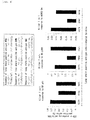
- FIG. 1 shows that with vaccines having a long chain peptide, which contains a plurality of T cell epitopes, as an antigen, differences in interepitope sequence influence the success or failure of specific T cell induction by the respective epitopes.
- the long chain peptide antigens MEN all containing the three types of mouse CD8 + T cell epitope sequences, MA p265, NY p81, and mERK2 9m, which are derived from the human tumor antigens MAGE-A4 and NY-ESO-1 and the mouse tumor antigen, mutant ERK2 (mERK2), were synthesized.
- the sequence between the three types of epitopes was set to one of six consecutive tyrosines (Y 6 ), glycines (G 6 ), prolines (P 6 ), orthreonines (T 6 ).
- Eachlongchainpeptide antigen was complexed with cholesterol-modified pullulan (CHP), which is a type of delivery system, and administered as a vaccine to a mouse.
- CHP cholesterol-modified pullulan
- the interepitope sequence strongly influences T cell induction by the preceding and subsequent epitopes and that consecutive tyrosines or threonines is preferable as the interepitope sequence.
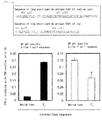
- the influences of differences in interepitope sequence of long chain peptide antigens on antitumor effects of vaccines were examined using a mouse tumor implant model ( FIG. 2 ).
- the long chain peptide antigens MEN all containing three types of mouse CD8 + T cell epitope sequences (MA p265, NY p81, and mERK2 9m), were synthesized, and the sequence between the respective epitopes was set to one of six consecutive tyrosines (Y 6 ), glycines (G 6 ), orprolines (P 6 ).
- Each long chain peptide antigen was complexed with CHP and administered in a single dose as a vaccine to a mouse.
- a short chain peptide vaccine constituted of just the mERK2 9m peptide
- the mouse fibrosarcoma cell line CMS5a presenting the CD8 + T cell epitope mERK2 9m derived from the mERK2 antigen
- the vaccine using the long chain peptide antigen MEN (Y 6 ) the growth of the tumor was suppressed significantly (p ⁇ 0.05).
- the vaccine using MEN (G 6 ) or MEN (P 6 ) or the mERK2 9m short chain peptide vaccine significant suppression of tumor growth was not observed.
- the usefulness of the consecutive tyrosine sequence as an interepitope sequence when the order of epitopes on the long chain peptide antigen differs from that in the case of FIG. 1 , that is, when the epitope sequences preceding and subsequent the interepitope sequence differ was examined.
- the long chain peptide antigens NME all containing three types of mouse CD8 + T cell epitope sequences (MA p265, NY p81, and mERK2 9m), were synthesized. The NME differ from the MEN in FIG. 1 in the order of the three types of epitopes.
- the sequence between the respective epitopes was set to one of six consecutive tyrosines (Y 6 ), glycines (G 6 ), or prolines (P 6 ).
- Y 6 tyrosines
- G 6 glycines
- P 6 prolines
- the long chain peptide antigens MEN, ENM, and NME which are changed in the order of the three types of epitope sequences (MA p265, NY p81, and mERK2 9m) but with which the interepitope sequence is fixed at six consecutive tyrosines (Y 6 ), were prepared.
- vaccines containing the respective long chain peptide antigens were administered to mice, specific CD8 + T cells corresponding to all three types of epitopes were clearly induced with all of the long chainpeptide antigens ( FIG. 4 ).
- the native amino acid sequence of NY-ESO-1 was retained with ESO1 LP (native type) and the sequence of six consecutive tyrosines (Y 6 ) was used with ESO1 LP (Y 6 ).
- MEN long chain peptide antigens MEN, all containing three types of mouse CD8 + T cell epitope sequences (MA p265, NY p81, and mERK2 9m), were synthesized. The sequence between the respective epitopes was set to one to six ( FIG. 6 ) or five to ten ( FIG. 7 ) consecutive tyrosines. Vaccines containing the respective long chain peptide antigens were administered to mice in the same manner as in FIG. 1 and the frequencies of the induced CD8 + T cells were measured. In the case of comparing one to six tyrosines ( FIG.
- Non-Patent Document 7 Long chain peptide antigens MEN, with the interepitope sequence being set to one of six consecutive tyrosines (Y 6 ), glycines (G 6 ), or prolines (P 6 ), were synthesized.
- FAM fluorescent dye
- the sequence between the three types of epitopes was set to that in which six of one of alanine (A), glutamic acid (E), glycine (G), histidine (H), asparagine (N), proline (P), glutamine (Q), serine (S), or tyrosine (Y) are made consecutive.
- a long chain peptide containing an interepitope sequence constituted of an amino acidbesides the above was difficult to synthesize or difficult to complex with CHP.
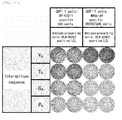
- Immortalized human B cell lines (LCL) administered with vaccines prepared by complexing the respective long chain peptide antigens with CHP were used as antigen-presenting cells to evaluate the antigen presenting activity with respect to NY p157 specific CD8 + T cell clone 1G4 cells by the IFN- ⁇ ELISPOT method.
- the activation of 1G4 cells was clearly confirmed with the long chain peptide vaccine adopting the Y 6 interepitope sequence, the activation of 1G4 cells was not clearly confirmed with the vaccine adopting the G 6 or the P 6 interepitope sequence.
- the sequence between the three types of epitopes was set to that in which six of one of glycine (G), proline (P), threonine (T), or tyrosine (Y) are made consecutive.
- LCL with the respective mRNAs introduced therein were used as antigen-presenting cells to evaluate the antigen presenting activity with respect to NY p157 specific CD8 + T cell clone 1G4 cells or MA4 p143 specific CD8 + T cell clone RNT007#45 cells by the IFN- ⁇ ELISPOT method.
- Activations of 1G4 cells and RNT007#45 were clearly confirmed with the RNA vaccine encoding the long chain peptide adopting Y 6 as the interepitope sequence. From this, it has been revealed that the interepitope sequence of the present invention is useful not only in peptide vaccines but also in RNA vaccines.
- the usefulness of consecutive tyrosines or threonines as an interepitope sequence is not limited to the long chain peptide vaccines described above and may also be applied to DNA vaccines, mRNA vaccines, or dendritic cell vaccines.
- a DNA vaccine may be prepared by using artificial gene synthesis techniques to synthesize a cDNA, encoding a long chain peptide antigen having a single methionine at the N-terminus and having a plurality of T cell epitopes linked by consecutive tyrosine sequences or consecutive threonine sequences, and inserting it into a gene expression plasmid vector for mammals.
- the cDNA of the long chain peptide antigen is synthesized to be in the range of 66 to several kbp according to the number of T cell epitopes to be included.
- plasmid that which contains pcDNA3, pVAX, or other promoter (CMV promoter, etc.) that operates in mammalian cells
- polyA derived from bovine growth hormone, etc.
- a drug resistance gene such as that for kanamycin
- the plasmid may carry a plurality of long chain peptide antigen cDNAs and the respective antigen cDNAs can be co-expressed by linking with an IRES sequence, etc.
- the plasmid may carry, at the same time, accessory genes for enhancing tumor immune response, for example, cytokines such as IFN- ⁇ and IL-12, immunostimulatory molecules, such as GITR ligand-Fc, immunosuppression inhibitors, such as PD-L1-Fc.
- accessory genes for enhancing tumor immune response for example, cytokines such as IFN- ⁇ and IL-12, immunostimulatory molecules, such as GITR ligand-Fc, immunosuppression inhibitors, such as PD-L1-Fc.
- a plurality of plasmid DNAs that differ in the numbers and types of antigen cDNAs and accessories molecules carried may be administered at the same time.
- the DNA vaccine that is obtained is repeatedly administered subcutaneously, intradermally, intravenously, intramuscularly, intralymphnodally, epicutaneously, or intratumorally to the living body of an animal, such as a mouse (BALB/c mouse or C57BL/6 mouse, etc.), or a human, etc., at a dose of 1 ⁇ g to 1mg per individual and an interval of one to four weeks using an administration technique such as a gene gun, needle-free injector, electroporation method, DNA tattooing, delivery system (cationic liposome, polyethylene imine, etc.), hydrodynamic method, transdermal administration method.
- an administration technique such as a gene gun, needle-free injector, electroporation method, DNA tattooing, delivery system (cationic liposome, polyethylene imine, etc.), hydrodynamic method, transdermal administration method.
- the specific T cells induced by the T cell epitopes contained in the long chain peptide antigens that are transcribed and translated from the cDNA on the DNA vaccine may be detected by an immunological technique such as an intracellular cytokine staining method, ELISPOT method, MHC tetramer stainingmethod.
- CMS5a fibrosarcoma, CT26 colorectal cancer, 4T1 breast cancer (hereabove in the case of BALB/c mouse), B16 melanoma, or LLC lung cancer (hereabove in the case of C57BL/6 mouse) incorporating a wild type or model antigen gene may be implanted subcutaneously to observe the inhibitory effect of the DNA vaccine against growth and metastasis of the tumor.
- Tumor growth may be measured by measuring the size of the tumor or, if tumor cells incorporating a monitor gene such as a luciferase gene, are used, by an in vivo imaging technique, such as IVIS (PerkinElmer Inc.), etc.
- tumor nodules which, upon intravenous or subcutaneous administration of tumor, occur in the lungs, etc., that are the metastasis destinations, may be visually counted after dissection or be evaluated by an in vivo imaging technique.
- a biological vector using a virus or microorganism maybe used instead of a plasmid vector.
- a viral vector a retroviral vector, lentiviral vector, adenoviral vector, adeno-associated virus vector, vaccinia virus vector, fowlpox virus vector, alphavirus vector, or Sendai virus vector, etc.
- a microorganism vector yeast, listeria, salmonella, E. coli, or lactobacillus, etc., may be used.
- a DNA vaccine using such a biological vector is administered intravenously, subcutaneously, intradermally, intramuscularly, intralymphnodally, supramucosally, or intratumorally to a test animal, such as a mouse, or a human.
- the arrangement and evaluation methods (immunogenicity and therapeutic effects) of the genes carried on the biological vector are the same as in the example of the plasmid vector described above.
- An mRNA vaccine encoding consecutive tyrosines or threonines as the interepitope sequence may be implemented in the same manner as a DNA vaccine.
- Artificial gene synthesis techniques are used to synthesize a cDNA, encoding a long chain peptide antigen having a single methionine at the N-terminus and having a plurality of T cell epitopes linked by consecutive tyrosine sequences or consecutive threonine sequences, and inserting it into a template plasmid DNA for in vitro transfer.
- the cDNA is prepared to be in the range of 66 to several kbp according to the number of T cell epitopes to be included.
- plasmid DNA that which contains a promoter (T7 promoter, T3 promoter, SP6 promoter, etc.) recognized by a phage RNA polymerase, polyA, and a drug resistance gene (such as that for kanamycin), that is for example, pGEM or pcDNA3, etc., may be used.
- a promoter T7 promoter, T3 promoter, SP6 promoter, etc.
- polyA a drug resistance gene (such as that for kanamycin), that is for example, pGEM or pcDNA3, etc.
- MEGAscript commercially available in vitro transfer kit
- polyA is added to the mRNA as necessary using a polyA tailing kit (Life Technologies, Inc.), etc.
- the mRNA obtained is administered subcutaneously, intradermally, intramuscularly, intralymphnodally, or intratumorally as it is or upon stabilizing with a protamine or liposome, etc., to a test animal, such as a mouse, or a human.
- the mRNA vaccine may contain a plurality of mRNAs. For example, a plurality of mRNAs that code long chain peptide antigens may be administered upon mixing.
- An mRNA encoding accessory molecules for enhancing tumor immune response for example, cytokines such as IFN- ⁇ and IL-12, immunostimulatory molecules, such as CD40 ligand and GITR ligand-Fc, immunosuppression inhibitors, such as PD-L1-Fc, may be administered at the same time as the mRNA vaccine.
- cytokines such as IFN- ⁇ and IL-12
- immunostimulatory molecules such as CD40 ligand and GITR ligand-Fc
- immunosuppression inhibitors such as PD-L1-Fc
- Dendritic cells to be used in a dendritic cell vaccine may be induced to differentiate in vitro from peripheral blood mononuclear cells in the case of humans and bone marrow cells in the case of mice by a conventional method using GM-CSF and IL-4.
- a long chain peptide antigen described above or an mRNA encoding a long chain peptide antigen described above is added to the cells to prepare a vaccine. If a long chain peptide antigen is used, the efficiency of uptake and expression can be increased by using CHP as a delivery system ( FIG. 8 ). If an mRNA encoding a long chain peptide antigen is used, the efficiency of uptake and expression in dendritic cells can be increased by electroporation method.
- an mRNA encoding an accessory molecule for enhancing tumor immune response may be added at the same time as described above.
- the dendritic cells after addition of antigen may be used upon being stimulated and matured by TNF ⁇ , IL-1 ⁇ , IL-6, Flt3 ligand, PGE 2 , CpG oligo DNA, poly IC RNA, etc.
- the dendritic cell vaccine obtained is administered subcutaneously, intradermally, intralymphnodally, intratumorally, or intravenously to a test animal, such as a mouse, or a human at a dose of 10 6 to 10 8 cells.
- the evaluation methods are the same as in the example of the DNA vaccine described above.
- a long chain peptide vaccine, DNA vaccine, mRNA vaccine, or dendritic cell vaccine adopting consecutive tyrosines or threonines as the interepitope sequence may be applied to diseases other than cancer,for example,toinfectiousdiseases.
- pathogenic viruses such as hepatitis virus, human papilloma virus, adult T-cell leukemia virus, human immunodeficiency virus, herpes virus, influenza virus, Coxsackie virus, rotavirus, RS virus, varicella zoster virus, measles virus, polio virus, norovirus, pathogenic obligate intracellularparasiticmicroorganisms, such as rickettsia, chlamydia, phytoplasma, Coxiella, Toxoplasma, Leishmania, protozoa, such as Plasmodium, Cryptosporidium, can be cited.
- viruses such as hepatitis virus, human papilloma virus, adult T-cell leukemia virus, human immunodeficiency virus, herpes virus, influenza virus, Coxsackie virus, rotavirus, RS virus, varicella zoster virus, measles virus, polio virus, norovirus, pathogenic obligate intracellularparasi
- a long chain peptide antigen may be designed with which a plurality of T cell epitopes, identified in hepatitis C virus-derived proteins, such as the core protein, NS4, and NS3, are linked with an interepitope sequence constituted of consecutive tyrosines or threonines.
- Administration conditions of the vaccine containing the long chain peptide antigen and therapeutic effects on hepatitis C virus infection may be examined using a model system, such as an immunodeficient mouse transplanted with human liver tissue.
- a long chain peptide antigen may be designed using T cell epitopes contained in the human herpesvirus-derived proteins E6 and E7, and administration conditions and therapeutic effects may be examined with a mouse model transplanted with a tumor that expresses E6 or E7.
- a long chain peptide antigen is designed with which a group of T cell epitopes, contained in merozoite surface protein 3 (MSP3) and glutamate rich protein (GLURP), which are expressed on the surface of the mature body of Plasmodium, and liver-specific protein 2 (LISP2), which is expressed in the intracanal air, are linked with a sequence of consecutive tyrosines or a sequence of consecutive threonines.
- MSP3 merozoite surface protein 3
- GLURP glutamate rich protein
- LISP2 liver-specific protein 2
- a mouse administered with a vaccine containing the long chain peptide antigen is intravenously administered with 10,000 Plasmodium sporozoites and a peripheral blood smear is prepared 4 to 14 days later.
- Administration conditions and therapeutic effects of the vaccine may be examined by staining with Giemsa and thereafter observing the parasitemia under a microscope.
Landscapes
- Health & Medical Sciences (AREA)
- Life Sciences & Earth Sciences (AREA)
- Animal Behavior & Ethology (AREA)
- Veterinary Medicine (AREA)
- Chemical & Material Sciences (AREA)
- Public Health (AREA)
- Medicinal Chemistry (AREA)
- General Health & Medical Sciences (AREA)
- Pharmacology & Pharmacy (AREA)
- Microbiology (AREA)
- Epidemiology (AREA)
- Mycology (AREA)
- Immunology (AREA)
- Tropical Medicine & Parasitology (AREA)
- Oncology (AREA)
- Virology (AREA)
- Chemical Kinetics & Catalysis (AREA)
- General Chemical & Material Sciences (AREA)
- Nuclear Medicine, Radiotherapy & Molecular Imaging (AREA)
- Organic Chemistry (AREA)
- Communicable Diseases (AREA)
- Peptides Or Proteins (AREA)
- Medicines Containing Antibodies Or Antigens For Use As Internal Diagnostic Agents (AREA)
- Medicinal Preparation (AREA)
- Medicines That Contain Protein Lipid Enzymes And Other Medicines (AREA)
Abstract
Description
- The present invention relates to a T cell inducing vaccine containing an interepitope sequence that promotes antigen presentation.
- The importance of cell-mediated immunity in tumor rejection by a cancer host has been revealed as a result of long years of research related to immune responses against cancer. In particular, it has been revealed that CD8+ killer T cells (CD8+ cytotoxic T cells) are effector cells having an action of directly destroying tumors, that CD4+ helper T cells are important regulatory cells that enhance the functions of CD8+ killer T cells and antigen-presenting cells, and that professional antigen-presenting cells, such as dendritic cells and macrophages, stimulate T cells by presenting antigens thereto and activate T cells via costimulatory molecules, such as CD80, CD86, and cytokines, etc., and the roles and positioning of the respective cells responsible for cellular immune responses against tumors have been established as described below (Non-Patent Document 1).
- Tumor cell derived proteins, after being phagocytosed by antigen-presenting cells, are cleaved into peptides of various lengths by proteasomes, proteases, and peptidases within the cells. Among the resulting peptides, peptides of 8-10 amino acids are loaded as antigen epitope peptides onto major histocompatibility complex (MHC) class I molecules and can be presented on the surfaces of the antigen-presenting cells. CD8+ killer T cells use T cell receptors (TCRs) to specifically recognize the MHC class I/antigenic peptide complexes and become activated. The activated CD8+ killer T cells detect MHC class I/antigenic peptide complexes that are also present on tumor cells and destroy the tumor cells using effector molecules, such as granzymes and perforin.
- The function of CD4+ helper T cells is important for sufficient activation of CD8+ killer T cells (Non-Patent Document 2). Antigenic proteins taken up by the antigen-presenting cells are cleaved into various lengths by proteases and peptidases within the cells and among the resulting antigenic peptides, those of 15-20 amino acids form complexes with MHC class II molecules and can be presented on the antigen-presenting cells. CD4+ helper T cells recognize these specifically and are activated. The activated CD4+ helper T cells enhance differentiation, growth, and functions of CD8+ killer T cells via secretion of cytokines, such as interferon (IFN) -γ and interleukin (IL) -2. The CD4+ helper T cells also have a function of activating antigen-presenting cells via a CD40 ligand/CD40 pathway, and the antigen-presenting cells activated by the CD4+ helper T cells are improved in the capability to stimulate CD8+ killer T cells (Non-Patent Document 3). It is well known from before that CD4+ helper T cells also have an action of enhancing antigen-specific IgG antibody production in B cells.
- Based on the above understanding of T-cell immune response, a cancer vaccine therapy has been conceived where a tumor specific antigen is repeatedly administered as a vaccine antigen to induce tumor-specific CD8+ killer T cells within a patient's body to suppress the growth, metastasis, and recurrence of cancer. Various forms of the antigen of the cancer vaccines are known, such as synthetic peptides, recombinant proteins, processed cells. The present inventors have previously prepared a cancer vaccine using a full-length recombinant protein of a tumor antigenic protein as the antigen. The full-length protein includes diverse antigenic peptides recognized by CD8+ killer T cells and CD4+ helper T cells and is expected to activate both types of T cells at the same time. However, with an exogenous (extracellular) antigenic protein, although the activation of CD4+ helper T cells via the MHC class II pathway proceeds readily, the activation of CD8+ killer T cells via the MHC class I pathway does not proceed readily. This is due to reasons of mechanisms of uptake and antigen processing of exogenous antigenic proteins in antigen-presenting cells (Non-Patent Document 4).
- Therefore many attempts are being made in and outside Japan to chemically synthesize short chain peptides, mainly, epitope peptides of 8 to 10 residues recognized by CD8+ killer T cells and clinically apply vaccines using these peptides as antigens. With short peptide antigens, presentation to T cells occurs readily because such peptides bind directly to MHC molecules on cell surfaces without undergoing uptake and antigen processing within antigen-presenting cells. Also, short chain peptides can be manufactured by chemical synthesis and has the advantage of being simpler to manufacture than recombinant proteins, which requires the use of genetically modified organisms.
- However, immunological problems have been pointed out in regard to the direct binding of short peptide antigens to MHC molecules on cell surfaces without undergoing uptake and antigen processing within antigen-presenting cells (Non-Patent Document 5). Exogenous antigenic proteins are phagocytosed by professional antigen-presenting cells, such as dendritic cells and macrophages, that are provided with costimulatory molecules (CD80, CD86, etc.) and are processed within the cells, and antigen presentation to T cells is performed in a mode with appropriate concentration and costimulation. On the other hand, short peptide antigens bind directly to MHC molecules on cell surfaces and therefore even general somatic cells, which do not have uptake ability (phagocytic ability) and do not express costimulatorymolecules, can present the short peptide antigens in a massive, inappropriate mode that lacks costimulation. In this case, the T cells that recognize the complexes of the short peptide antigens and MHCs become prone to depletion and apoptosis and this can consequently lead to immunological tolerance to the targeted antigen.
- In view of such problems of short chain peptide vaccines, the usefulness of long chain synthetic peptide antigens is attracting attention (Non-Patent Document 5). A long chain peptide antigen is a polypeptide having several dozen residues such that include two or more T cell recognition epitope peptides. Unlike a short chain peptide, a long chain peptide antigen cannot bind directly in intact form to an MHC molecule. As with protein antigens, long chain peptide antigens undergo uptake and intracellular processing by professional antigen-presenting cells with phagocytic ability, such as dendritic cells and macrophages, and the T cell epitope peptides included in the long chain peptide antigens form complexes with MHC molecules only thereafter and are thus presented to T cells in a mode with appropriate concentration and costimulation. Long chain peptide antigens do not function as vaccine antigens with general somatic cells lacking antigen phagocytic ability and therefore, unlike short chain peptide vaccines, do not give rise to inappropriate antigen presentation to T cells. Moreover, chemical synthetic methods can be used to manufacture long chain peptide antigens and therefore, as with short peptide antigens, the advantage of being comparatively easy to manufacture is also provided.
- Long chain peptide antigens manufactured by chemical synthesis also have a major advantage in that it is possible to freely design the sequence. A long chain peptide antigen is designed so that two or more T cell epitopes are included within a single peptide, and these T cell epitopes may be derived from a single cancer antigenic protein or may be derived from a plurality of cancer antigenic proteins. Also, the T cell epitopes maybe restrictive to a singleMHC ormaybe restrictive to a plurality of MHCs. It is also possible to design so that a long chain peptide antigen includes an epitope recognized by a CD8+ killer T cell and an epitope recognized by a CD4+ helper T cell at the same time. Long chain peptide antigens can thus serve as high performance vaccine antigens that can induce diverse T cells. However, for the set of epitopes contained in a long chain peptide antigen to be presented to T cells efficiently, the epitopes must be cut out as epitope peptides of lengths and sequences enabl ing binding with MHC molecules by sequences between the respective epitopes on the long chain peptide antigen being cleaved appropriately by proteasomes, proteases, and peptidases in an antigen-presenting cell based on the mechanism of antigen presentation reactions.
- In regard to MHC class II binding epitope peptides recognized by CD4+ helper T cells, the terminuses of the epitope peptide binding groove on an MHC class II molecule are in an open state and epitope peptides of various lengths can bind to the MHC class II molecule (Non-Patent Document 6). Therefore, with MHC class II binding epitope peptides, the restriction of length is comparatively relaxed. On the other hand, in regard to MHC class I binding epitope peptides recognized by CD8+ killer T cells, the terminuses of the epitope peptide binding groove on an MHC class I molecule are in a closed state and only epitope peptides, strictly restricted to 8 to 10 residues, can bind to the MHC class I molecule. It is thus especially important with MHC class I binding epitope peptides that peptides of appropriate lengths are produced in antigen-presenting cells.
- The lengths and sequences of the epitope peptides that bind to MHC molecules are determined by complex cleavage reactions involving intracellular proteasomes and various proteases and peptidases. In the production of MHC class I binding epitope peptides, proteasomes present in the cytoplasm first perform rough cleavage of the antigenic protein or long chain peptide antigen. The terminuses of the resulting peptide fragments are cleaved by other proteases and peptidases based on certain substrate sequence specificities and trimmed to appropriate lengths (trimming reactions). Although a group of enzymes that trim the N-terminuses of the peptide fragments in this process exists, enzymes that trim the C-terminuses are unknown, and determination of the C-terminuses of the MHC class I binding epitope peptides is dependent only on the initial cleavage reactions by the proteasomes (Non-Patent Document 7). However, the substrate sequence specificities of proteasomes have not been revealed in detail and it is difficult to predict peptide sequences that can be cleaved readily by proteasomes.
- In view of the above epitope production mechanism, how the sequences between the epitopes included in the long chain peptide antigen are cleaved by the intracellular proteasomes, proteases, and peptidases strongly influences the production of the preceding and subsequent epitope peptides and is consequently considered to be an extremely important factor that defines the induction of T cells by vaccines using long chain peptide antigens.
-
- Non-Patent Document 1: Ribas, A., et al. Clin. Oncol. 2003; 21(12): 2415-2432
- Non-Patent Document 2: Shiku, H. Int. J. Hematol. 2003; 77(5) : 435-8.
- Non-Patent Document 3: Behrens, G., et al. Immunol. Cell Biol. 2004; 82(1) : 84-90
- Non-Patent Document 4: Shen, L. & Rock, K. L. Curr. Opin. Immunol. 2006; 18(1) : 85-91
- Non-Patent Document 5: Melief, C. J. M., & van der Burg, S. H. Nature Rev. Cancer, 2008; 8(5): 351-360.
- Non-Patent Document 6: Holland, C. J., et al. Front Immunol. 2013; 4: 172.
- Non-Patent Document 7: Goldberg, A. L., et al. Mol. Immunol. 2002; 39(3-4): 147-64.
- Non-Patent Document 8: Muraoka, D., et al. Vaccine. 2013; 31: 2110-2118.
- For the T cell epitope peptides included in a certain long chain peptide or protein to be efficiently presented as antigens, the epitope peptide sequences must be cut out appropriately from the long chain peptide or protein by intracellular proteasomes, proteases, and peptidases. For this purpose, it is necessary for the sequences between the epitopes to aptly include recognition sites for the proteasomes, proteases, and peptidases.
- In conventional arts, it was hardly examined what sort of interepitope sequence would satisfy the above condition. Therefore, with a vaccine using a long chain peptide antigen designed without examining the interepitope sequence, the induction of T cells that recognize the included epitope peptides is weak or cannot be confirmed in some cases.
- The present invention has been made in view of the circumstances described above, and an object thereof is to provide, in a long chain peptide antigen containing a plurality of epitope peptides, an interepitope sequence that effectively achieves antigen presentation of the respective epitope peptides.
- In a vaccine including a long chain peptide antigen having a plurality of epitopes according to the present invention for achieving the above object, each interepitope sequence is one selected from a group consisting of two to ten consecutive tyrosines, two to ten consecutive threonines, two to ten consecutive alanines, two to ten consecutive histidines, two to ten consecutive glutamines, and two to ten consecutive asparagines and it is especially preferable for the sequence to be tyrosines, glutamines, or asparagines. Here, the number of consecutive tyrosines, consecutive threonines, consecutive histidines, consecutive glutamines, or consecutive asparagines is preferably four to eight, more preferably four to six, and especially six.
- By having the above arrangement, the long chain peptide antigen is cleaved inside a body by enzymes within a living body so that the respective epitopes can perform antigen presentation and the respective epitopes thus exhibit antigen presenting abilities effectively. Also, with a vaccine using a long chain peptide antigen having an interepitope sequence constituted of consecutive tyrosines, uptake into antigen-presenting cells is also improved.
- The vaccine is preferably one selected from the group consisting of anticancer vaccines (including dendritic cell vaccines), antibacterial vaccines, and antiviral vaccines.
- Also, the vaccine is preferably at least one selected from the group consisting of peptide vaccines, DNA vaccines, mRNA vaccines, and dendritic cell vaccines. In a case of a dendritic cell vaccine, a peptide antigen or mRNA is added.
- Also in a case where the vaccine is a peptide vaccine, it is preferably arranged as a vaccine in combination with a hydrophobized polysaccharide, especially, cholesterol-modified pullulan (CHP) as a delivery system.
- With the present invention, the plurality of epitopes within the vaccine can perform antigen presentation effectively and therefore a vaccine having a high effect can be provided.
-
- [
FIG. 1 ] The influences of differences in interepitope sequence of long chain peptide vaccines, containing a plurality of CD8+ T cell epitopes, on specific CD8+T cell inductionby the vaccines were examined. Long chain peptide antigens MEN, all containing three types of mouse CD8+ T cell epitope sequences (MA p265, NY p81, andmERK2 9m), were synthesized. The sequence between the respective epitopes was set to one of six consecutive tyrosines (Y6), glycines (G6), prolines (P6), or threonines (T6). Each long chain peptide antigen was complexed with cholesterol-modifiedpullulan (CHP), which is a type of delivery system, and administered as a vaccine to a mouse. In the process of administration, CpG oligo DNA was coadministered as an adjuvant. Spleen cells were collected one week after the final administration and the frequencies of CD8+ T cells specific to the respective epitope sequences were measured by an intracellular cytokine staining method. - [
FIG. 2 ] The influences of differences in interepitope sequence of long chain peptide vaccines, containing a plurality of CD8+ T cell epitopes, on therapeutic effects of the vaccines were examined. Long chain peptide antigens MEN, all containing three types of mouse CD8+ T cell epitope sequences (MAp265, NYp81,andmERK2 9m), were synthesized. The sequence between the respective epitopes was set to one of six consecutive tyrosines (Y6), glycines (G6), or prolines (P6). Each long chain peptide antigen was complexed with CHP and administered in a single dose as a vaccine to a mouse. As a control, a short chain peptide vaccine, constituted of just them ERK2 9mpeptide, was mixed with Freund's incomplete adjuvant and administered. In the process of administration, CpG oligo DNA was coadministered as an adjuvant. On the day after administration, a mouse fibrosarcoma cell line CMS5a, expressing mERK2 as a tumor antigen and presenting the CD8+ Tcell epitope mERK2 9m derived from the same antigen, was implanted subcutaneously and its growth was recorded over time. - [
FIG. 3 ] The influences of differences in interepitope sequence of long chain peptide vaccines, containing a plurality of CD8+ T cell epitopes, on specific CD8+T cell inductionby the vaccines were examined. Long chain peptide antigens NME, all containing three types of mouse CD8+ T cell epitope sequences (MA p265, NY p81, andmERK2 9m), were synthesized. The antigens differ from the MEN inFIG. 1 in the order of the three types of epitopes. The sequence between the respective epitopes was set to one of six consecutive tyrosines (Y6), glycines (G6), or prolines (P6). Vaccines containing the respective long chain peptide antigens were administered to mice in the same manner as inFIG. 1 and the frequencies of CD8+ T cells specific to the respective epitope sequences were measured by the intracellular cytokine staining method. - [
FIG. 4 ] Whether or not the usefulness of an interepitope sequence, constituted of consecutive tyrosines, is influenced by preceding and subsequent epitope sequences was examined. Long chain peptide antigens MEN, ENM, and NME, all containing three types of mouse CD8+ T cell epitope sequences (MAp265, NYp81, andmERK2 9m), were synthesized. MEN, ENM, and MEN differ in the order of the three types of epitopes. The sequence between the respective epitopes was set to six consecutive tyrosines (Y6). Vaccines containing the respective long chain peptide antigens were administered to mice in the same manner as inFIG. 1 and the frequencies of CD8+ T cells specific to the respective epitope sequences were measured by the intracellular cytokine staining method. - [
FIG. 5 ] The influences of the difference between a native sequence and a consecutive tyrosine sequence as the interepitope sequence on specific CD8+ T cell induction and specific CD4+ T cell induction by vaccines were examined. A long chain peptide antigen ESO1 LP (native type) and a long chain peptide antigen ESO1 LP (Y6), both containing a mouse CD8+ T cell epitope sequence (NY p81) and a mouse CD4+ T cell epitope sequence (NY p91) that are derived from human NY-ESO-1 antigen, were synthesized. As the sequence between epitopes, the native amino acid sequence of NY-ESO-1 was retained with ESO1 LP (native type) and the sequence of six consecutive tyrosines (Y6) was used with ESO1 LP (Y6). Vaccines containing the respective long chain peptide antigens were administered to mice in the same manner as inFIG. 1 and the frequencies of CD8+ T cells and CD4+ T cells specific to the respective epitope sequences were measured by the intracellular cytokine staining method. - [
FIG. 6 ] For interepitope sequences constituted of consecutive tyrosines, the relationship between the number of tyrosines and specific T cell induction by vaccines were examined. Long chain peptide antigens MEN, all containing three types of mouse CD8+ T cell epitope sequences (MAp265, NYp81,andmERK2 9m), were synthesized. The sequence between the respective epitopes was set to one to six consecutive tyrosines. Vaccines containing the respective long chain peptide antigens were administered to mice in the same manner as inFIG. 1 and the frequencies of CD8+ T cells specific to the respective epitope sequences were measured by the intracellular cytokine staining method. - [
FIG. 7 ] For interepitope sequences constituted of consecutive tyrosines, the relationship between the number of tyrosines and specific T cell induction by vaccines were examined. Long chain peptide antigens MEN, all containing three types of mouse CD8+ T cell epitope sequences (MAp265, NYp81,andmERK2 9m), were synthesized. The sequence between the respective epitopes was set to five to ten consecutive tyrosines. Vaccines containing the respective long chain peptide antigens were administered to mice in the same manner as inFIG. 1 and the frequencies of CD8+ T cells specific to the respective epitope sequences were measured by the intracellular cytokine staining method. - [
FIG. 8 ] The influences of differences in interepitope sequence of long chain peptide vaccines on uptake of the vaccines into antigen-presenting cells were examined. Long chain peptide antigens MEN, all containing three types of mouse CD8+ T cell epitope sequences (MAp265, NYp81,andmERK2 9m), were synthesized. The sequence between the respective epitopes was set to one of six consecutive tyrosines (Y6), glycines (G6), or prolines (P6). Each long chain peptide antigen, labeled with the fluorescent dye FAM, was complexed with CHP and administered in vitro to mouse dendritic cells and mouse macrophages. After 60 minutes, the fluorescence uptakes into the respective cells were measured by flow cytometry with the P5 fraction in the figure being deemed to correspond to the dendritic cells and the P6 fraction in the figure being deemed to correspond to the macrophages. - [
FIG. 9 ] The influences of differences in interepitope sequence of long chain peptide vaccines on uptake of the vaccines into antigen-presenting cells were examined. The same FAM-labeled long chain peptide antigens as those inFIG. 8 were complexed with CHP and administered subcutaneously to mice. After 16 hours, cells were collected from a regional lymph node of the administration site, and the fluorescence uptakes into dendritic cells and mouse macrophages were measured by flow cytometry with the P4 fraction in the figure being deemed to correspond to the dendritic cells and the P5 fraction in the figure being deemed to correspond to the macrophages. - [
FIG. 10 ] The influences of differences in interepitope sequence of long chain peptide vaccines, containing a plurality of CD8+ T cell epitopes, on specific CD8+T cell inductionby the vaccines were examined. Long chain peptide antigens NMW, all containing three types of human CD8+ T cell epitope sequences (NY p157:HLA-A0201 restrictive, MA4 p143:HLA-A2402 restrictive, and WT1: HLA-A2402 restrictive p235), were synthesized. The sequences between the respective epitopes were set to those of six consecutive amino acids shown in the figure. Each long chain peptide antigen was complexed with cholesterol-modified pullulan (CHP), which is a type of delivery system, and administered in vitro as a vaccine to an immortalized human B cell line (LCL). Using this as the antigen-presenting cells, co-culturing with CD8+ T cell clone 1G4 cells specific to NY p157 was performed and the activation of the 1G4 cells due to antigen presentation was measured by an IFN-γ ELISPOT method. As a positive control, LCL administered with an NY p157 short chain peptide was used as antigen-presenting cells, and as a negative control, LCL without antigen added was used as antigen-presenting cells. - [
FIG. 11 ] The influences of differences in interepitope sequence of RNA vaccines, containing a plurality of CD8+ T cell epitopes, on specific CD8+ T cell induction by the vaccines were examined. mRNAs encoding long chain peptide antigens NMW, all containing three types of human CD8+ T cell epitope sequences (NY p157:HLA-A0201 restrictive, MA4 p143:HLA-A2402 restrictive, and WT1: HLA-A2402 restrictive p235), were synthesized. The sequences between the respective epitopes were set to those of six consecutive amino acids shown in the figure. Each mRNA was introduced in vitro as a vaccine into LCL by an electroporation method. Using this as the antigen-presenting cells, co-culturing with CD8+ T cell clone 1G4 cells specific to NY p157 or CD8+ T cellclone RNT007# 45 cells specific to MA4 p143 was performed and the activation of the CD8+ T cells due to antigen presentation was measured by the IFN-γ ELISPOT method. - Although embodiments of the present invention shall be described with reference to the drawings, the technical scope of the present invention is not restricted to these embodiments and the invention may be carried out in various modes without changing the gist of the invention. Also, the technical scope of the present invention extends to the range of equivalents.
- Six- to twelve-week-old female BALB/c mice were purchased from Japan SLC, Inc. and reared at the Animal Center of Mie University Faculty of Medicine. The animal experiment protocol was approved by the Ethics Committee of Mie University Faculty of Medicine.
- Synthetic long chain peptides were purchased from Bio-Synthesis Inc. The sequences of the synthetic long chain peptides were as follows.
- MEN (Y6) : SNPARYEFLYYYYYYQYIHSANVLYYYYYYRGPESRLL (Sequence No. 1)
- MEN (G6) : SNPARYEFLGGGGGGQYIHSANVLGGGGGGRGPESRLL (Sequence No. 2)
- MEN (P6) : SNPARYEFLPPPPPPQYIHSANVLPPPPPPRGPESRLL (Sequence No. 3)
- MEN (T6) : SNPARYEFLTTTTTTQYIHSANVLTTTTTTRGPESRLL (Sequence No. 4)
- NME (Y6) : RGPESRLLYYYYYYSNPARYEFLYYYYYYQYIHSANVL (Sequence No. 5)
- NME (G6) : RGPESRLLGGGGGGSNPARYEFLGGGGGGQYIHSANVL (Sequence No. 6)
- NME (P6) : RGPESRLLPPPPPPSNPARYEFLPPPPPPQYIHSANVL (Sequence No. 7)
- ENM (Y6) : QYIHSANVLYYYYYYRGPESRLLYYYYYYSNPARYEFL (Sequence No. 8)
- MEN (Y1) : SNPARYEFLYQYIHSANVLYRGPESRLL (Sequence No. 9)
- MEN (Y2) : SNPARYEFLYYQYIHSANVLYYRGPESRLL (Sequence No. 10)
-
- MEN (Y3) : SNPARYEFLYYYQYIHSANVLYYYRGPESRLL (Sequence No. 11)
- MEN (Y4) : SNPARYEFLYYYYQYIHSANVLYYYYRGPESRLL (Sequence No. 12)
- MEN (Y5) : SNPARYEFLYYYYYQYIHSANVLYYYYYRGPESRLL (Sequence No. 13)
- MEN (Y8) :SNPARYEFLYYYYYYYYQYIHSANVLYYYYYYYYRGPESRLL (Sequence No. 14)
- MEN (Y10) : SNPARYEFLYYYYYYYYYYQYIHSANVLYYYYYYYYYYRGPESRLL (Sequence No. 15)
- ESO1 LP (native type): GARGPESRLLEFYLAMPFATPMEAELARRSLAQDAPPLPV (Sequence No. 16)
- ESO1 LP (Y6): GPESRLLYYYYYYYLAMPFATPMEAELARRSLA (Sequence No. 17)
- NMW (A6) : SLLMWITQCAAAAAANYKRCFPVIAAAAAACMTWNQMNL (Sequence No. 18)
- NMW (E6) : SLLMWITQCEEEEEENYKRCFPVIEEEEEECMTWNQMNL (Sequence No. 19)
- NMW (G6) : SLLMWITQCGGGGGGNYKRCFPVIGGGGGGCMTWNQMNL (Sequence No. 20)
-
- NMW (H6) : SLLMWITQCHHHHHHNYKRCFPVIHHHHHHCMTWNQMNL (Sequence No. 21)
- NMW (N6) : SLLMWITQCNNNNNNNYKRCFPVINNNNNNCMTWNQMNL (Sequence No. 22)
- NMW (P6) : SLLMWITQCPPPPPPNYKRCFPVIPPPPPPCMTWNQMNL (Sequence No. 23)
- NMW (Q6) : SLLMWITQCQQQQQQNYKRCFPVIQQQQQQCMTWNQMNL (Sequence No. 24)
- NMW (S6) : SLLMWITQCSSSSSSNYKRCFPVISSSSSSCMTWNQMNL (Sequence No. 25)
- NMW (Y6) : SLLMWITQCYYYYYYNYKRCFPVIYYYYYYCMTWNQMNL (Sequence No. 26)
- Synthetic short chain peptides were purchased from Sigma Genosys. The amino acid sequences of the peptides were as follows.
- MA p265: SNPARYEFL (Sequence No. 27)
-
mERK2 9m: QYIHSANVL (Sequence No. 28) - NY p81: RGPESRLL (Sequence No. 29)
- NY p157: SLLMWITQC (Sequence No. 30)
- Template cDNAs used to synthesize the RNA vaccines were purchased from Operon Biotechnologies, Inc. The sequences of the cDNAs were as follows.
- NMW (Y6) :


- NMW (T6) :

- NMW (G6) :

- NMW (P6) :

- Cholesterol-modified pullulan (abbreviation CHP) (CHP-80T) was obtained from NOF Corporation. CpG oligo DNA was purchased from Hokkaido System Science Co., Ltd. FITC-labeled anti-CD4 monoclonal antibody (clone RM4-5), PerCP-Cy5.5-labeled anti-CD8 monoclonal antibody (clone 53-6.7), and APC-labeled anti-IFN-γ antibody (clone XMG1.2) were purchased from eBiosciece Inc. or BD Biosciences. Anti-human IFN-γ antibody and biotinylated anti-human IFN-γ antibody was purchased from Mabtech AB.
- Each long chain peptide was dissolved in dimethyl sulfoxide (DMSO) at a concentration of 10mg/mL. CHP was dissolved in 6M urea-containing phosphate buffered saline (PBS) at a concentration of 10mg/mL. 1mL (10mg) of the long chain peptide solution and 20mL (200mg) of the CHP solution were mixed and left to stand at room temperature overnight in a dark place. The liquid mixture was transferred into a dialysis membrane (molecular weight cutoff: 3,500; Thermo Fisher Scientific, Inc.) and dialyzed for 2 hours to overnight at 4°C against 0.6M urea-containing PBS of a volume ratio of not less than 100 times as the dialysis outer solution. Dialysis was then performed for 2 hours to overnight at 4°C against 0.06M urea-containing PBS of a volume ratio of not less than 100 times as the dialysis outer solution. Dialysis was performed again for 2 hours to overnight at 4°C against PBS of a volume ratio of not less than 100 times as the dialysis outer solution. The dialyzed inner solution was collected, filtered through a filtration sterilization filter of 0.45µm or 0.22µm pore size, and thereafter the UV absorption at 280nm was measured to determine the final concentration of the long chain peptide from its molecular extinction coefficient.
- Each CHP/long chain peptide complex as the vaccine and the CpG oligo DNA as the adjuvant were administered at the same time to a mouse. Administration was performed by subcutaneous injection on the back of the mouse. As the dose, the CHP/long chain peptide complex was administered at 0.05 to 0.1mg equivalent of long chain peptide per administration. The CpG oligo DNA was administered at 0.05mg per administration. One week after the final administration, spleen cells were separated by the following procedure from each vaccine-administered mouse. The spleen was isolated from the mouse and removed of blood by rinsing with RPMI1640 medium. After the spleen was triturated using a glass slide, the released cells were collected in RPMI1640 medium. After centrifuging (400×g, 5 minutes, 4°C), the supernatant was removed and the cells were treated for 1 minute by adding 2mL of ACK solution. 18mL of RPMI1640 medium were added and centrifugation (400×g, 5 minutes, 4°C) was performed. The supernatant was removed and the cells were suspended in RPMI1640 medium of an appropriate amount. After counting the number of cells, the cells were suspended in RPMI1640 medium containing 10% fetal bovine serum (FBS) so that the cell concentration was 1×10⁷ cells/mL.
- The mouse spleen cells were added at 5×10⁶ cells/0.5mL per well to a 24-well culture plate (Nunc). NY p81, MAGE p265, or
mERK2 9m as the short chain peptide for CD8+ T cell stimulation or ESO1 LP (native type) or ESO1 LP (Y6) CD4+ T cell stimulation was added at a concentration of 10µM and culturing under 37°C and 5% CO2 was performed for 6 hours. Thereafter, GoldiPlug (BD Biosciences), diluted 10-fold with 10% FBS-containing RPMI1640 medium, was added at 50µL per well and culturing under 37°C and 5% CO2 was performed for 6 hours. The cells were collected and transferred to a 96-well round bottom microplate (Nunc). After centrifuging (1200rpm, 1 minute, 4°C) and removing the supernatant, the cells were suspended in 50µL of staining buffer (PBS containing 0.5% bovine serum albumin) per well. TheFITC-labeledanti-CD8antibody or the FITC-labeled anti-CD4 antibody was added and after mixing, the cells were left to stand for 15 minutes in a dark place at 4°C. After rinsing the cells twice with 200µL of the staining buffer, 100µL of Cytofix/Cytoperm buffer (BD Biosciences) were added and mixed gently. After leaving to stand for 20 minutes in a dark place at room temperature, rinsing with 100µL of Perm/Wash buffer (BD Biosciences) was performed twice. 50µL of Perm/Wash buffer with the respective types of anti-cytokine antibodies added were added to the cells and after suspending gently, the cells were left to stand for 15 minutes in a dark place at room temperature. After rinsing twice with 100µL of Perm/Wash buffer, the cells were re-suspended in 200µL of the staining buffer and transferred to a round-bottom polystyrene tube (BD Biosciences). The cells were analyzed by a flow cytometer (FACS Canto II, BD Biosciences) using the included analysis software (FACSDiva). - AsubclonedCMS5a cell line, obtained from a CMS5 cell line isolated from fibrosarcoma induced by administering 3-methylcholanthrene to a BALB/c mouse, expresses mutant ERK2 (mERK2) as a tumor antigen and presents a CD8+ T cell epitope derived from the mERK2. The CMS5a cell line cultured in a T75 flask (Nunc) was detached using PBS containing 0.5% trypsin and collected in RPMI1640 medium containing 10% FBS. After centrifuging (400×g, 5 minutes, 4°C), the supernatant was removed, and the cells were rinsed twice with RPMI1640 medium, thereafter suspended in RPMI1640 medium at a concentration of 1×10⁶ cells/100µL, and implanted subcutaneously in BALB/c mice at a dose of 100µL/individual. The CHP/long chain peptide complexes and the adjuvant were administered 7 days before tumor implantation (prophylactic condition). After tumor implantation, the length and breadth of the tumor were measured and the product thereof was recorded as tumor size. The data in the tumor growth test were compared by Student's t test using Microsoft Excel (Microsoft Corporation).
- In vitro uptake of the long chain peptide antigens by antigen-presenting cells was measured as follows. Each long chain peptide labeled with a fluorescent dye was complexed with CHP by the method described above. Spleen cells separated from a normal mouse were added at 1×10⁶ cells/0.5mL/well to a 24-well plate. Each CHP/fluorescent-labeled long chain peptide complex was added at a concentration of 10µg/mL and culturing was performed at 37°C. Cells were collected after 60 minutes and stained with an anti-CD11c antibody and an anti-F4/80 antibody. The uptake of the fluorescence-labeled long chain peptide antigens by CD11c+ cells (dendritic cells) and F4/80+ cells (macrophages) were observed using flow cytometry.
- A test of uptake of long chain peptide antigens by antigen-presenting cells in individual animals was performed as follows. Each long chain peptide was fluorescence-labeled, complexed with a CHP nanogel, administered subcutaneously to BALB/c mice. 16 hours after administration, cells were collected from lymph nodes and after staining with the anti-CD11c antibody and the anti-F4/80 antibody, the uptake of the fluorescence-labeled long chain peptide antigens by CD11c+ cells (dendritic cells) and F4/80+ cells (macrophages) was analyzed by flow cytometry.
- Cryostored LCL was rinsed with RPMI medium and suspended at 1.25×10⁶/mL in X-VIV015 medium. This was dispensed in 0.4mL aliquots into polypropylene tubes, and 0.1mL of a vaccine solution (0.1mg/mL as peptide) was added to each tube. The cells were cultured for 24 hours at 37°C in the presence of 5% CO2 and then used as antigen-presenting cells.
- mRNA was introduced by an electroporation method (300V, 700µs) using ECM830 into LCL that was rinsed and suspended in the same manner as in (9). The cells were cultured for 24 hours at 37°C in the presence of 5% CO2 and then used as antigen-presenting cells.
- 75µL aliquots of anti-IFN-γ antibody for capture, diluted to an appropriate concentration, were dispensed into a 96-well plate (Millipore Corp., Multiscreen HA, MAHAS4510) specially designed for ELISPOT and left to stand overnight at 4°C. After discarding the liquid and rinsing with RPMI medium, 100µL aliquots of RPMI medium containing 10% fetal bovine serum were dispensed and the plate was left to stand for not less than 1 hour at 37°C. The liquid was discarded, and the LCL prepared in (9) or (10) was adjusted to 5×10⁴ cells/100µL/well and added to each well. The cryostored CD8+ T cell clones were thawed, rinsed, adjusted to 5×10⁵/mL with RPMI medium, and thereafter added in 0.1mL aliquots to each well. After culturing for 24 hours at 37°C in the presence of 5% CO2, the liquid was discarded and the plate was rinsed well with phosphate buffered saline containing 0.05% Tween 20 (PBS-T). A biotin-labeled IFN-γ antibody for detection was diluted to an appropriate concentration and dispensed in 0.1mL aliquots into each well. After letting stand overnight at 4°C, the plate was rinsed well with PBS-T, and an alkaline phosphatase-labeled streptavidin diluted to an appropriate concentration was added in 0.1mL aliquots. After incubating for 1 hour at room temperature, the plate was rinsed well with PBS-T. A coloring solution was added in 0.1mL aliquots and allowed to react for 5 minutes to 30 minutes at room temperature. When the formation of spots was observed, the reaction was stopped by rinsing with water.
- (12) Preparation of mRNAs encoding long chain peptide antigens cDNAs encoding the intended long chain peptide antigens were purchased as synthetic genes from Operon Biotechnologies, Inc. Each of these was cloned into the multiple cloning site of a pcDNA3.1 vector. The priming site on the T7 promoter contained in the pcDNA3.1 was used to synthesize mRNAby a conventional method using MEGAscript (registered trademark) T7 Transcription Kit, made by Life Technologies, Inc., etc.
-
FIG. 1 shows that with vaccines having a long chain peptide, which contains a plurality of T cell epitopes, as an antigen, differences in interepitope sequence influence the success or failure of specific T cell induction by the respective epitopes. The long chain peptide antigens MEN, all containing the three types of mouse CD8+ T cell epitope sequences, MA p265, NY p81, andmERK2 9m, which are derived from the human tumor antigens MAGE-A4 and NY-ESO-1 and the mouse tumor antigen, mutant ERK2 (mERK2), were synthesized. The sequence between the three types of epitopes was set to one of six consecutive tyrosines (Y6), glycines (G6), prolines (P6), orthreonines (T6). Eachlongchainpeptide antigen was complexed with cholesterol-modified pullulan (CHP), which is a type of delivery system, and administered as a vaccine to a mouse. With the long chain peptide vaccine adopting Y6 or T6 as the interepitope sequence, specific CD8+ T cells corresponding to all three types of epitopes were clearly induced. On the other hand, with the vaccine using G6 or P6 as the interepitope sequence, the induction of specific CD8+ T cells corresponding to all three types of epitopes was clearly weak. From this, it was revealed that the interepitope sequence strongly influences T cell induction by the preceding and subsequent epitopes and that consecutive tyrosines or threonines is preferable as the interepitope sequence. - The influences of differences in interepitope sequence of long chain peptide antigens on antitumor effects of vaccines were examined using a mouse tumor implant model (
FIG. 2 ). The long chain peptide antigens MEN, all containing three types of mouse CD8+ T cell epitope sequences (MA p265, NY p81, andmERK2 9m), were synthesized, and the sequence between the respective epitopes was set to one of six consecutive tyrosines (Y6), glycines (G6), orprolines (P6). Each long chain peptide antigen was complexed with CHP and administered in a single dose as a vaccine to a mouse. As a control, a short chain peptide vaccine, constituted of just themERK2 9m peptide, was administered. On the day after administration, the mouse fibrosarcoma cell line CMS5a, presenting the CD8+Tcell epitope mERK2 9m derived from the mERK2 antigen, was implanted subcutaneously and its growth was recorded over time. With the vaccine using the long chain peptide antigen MEN (Y6), the growth of the tumor was suppressed significantly (p<0.05). In comparison, the vaccine using MEN (G6) or MEN (P6) or themERK2 9m short chain peptide vaccine, significant suppression of tumor growth was not observed. It is believed that the differences in specific CD8+ killer T cell induction resulting from the differences interepitope sequence seen inFIG. 1 significantly influenced the therapeutic effect due to the vaccines. It was also revealed that when an optimal interepitope sequence is adopted, a long chain peptide vaccine exhibits a therapeutic effect that outperforms a short chain peptide vaccine (in the present case, the vaccine having themERK2 9m peptide as the antigen). - The usefulness of the consecutive tyrosine sequence as an interepitope sequence when the order of epitopes on the long chain peptide antigen differs from that in the case of
FIG. 1 , that is, when the epitope sequences preceding and subsequent the interepitope sequence differ was examined. The long chain peptide antigens NME, all containing three types of mouse CD8+ T cell epitope sequences (MA p265, NY p81, andmERK2 9m), were synthesized. The NME differ from the MEN inFIG. 1 in the order of the three types of epitopes. The sequence between the respective epitopes was set to one of six consecutive tyrosines (Y6), glycines (G6), or prolines (P6). When vaccines containing the respective long chain peptide antigens were administered to mice, specificCD8+T cells corresponding to all three types of epitopes were clearly induced with the vaccine using Y6 as the interepitope sequence in the same manner as inFIG. 1 (FIG. 3 ). On the other hand, with the vaccine using G6 or P6, specific CD8+ T cell induction was not observed for one or two types of epitopes among the three types of epitopes. To further examine the influence of the epitope sequences preceding and subsequent the interepitope sequence, the long chain peptide antigens MEN, ENM, and NME, which are changed in the order of the three types of epitope sequences (MA p265, NY p81, andmERK2 9m) but with which the interepitope sequence is fixed at six consecutive tyrosines (Y6), were prepared. When vaccines containing the respective long chain peptide antigens were administered to mice, specific CD8+ T cells corresponding to all three types of epitopes were clearly induced with all of the long chainpeptide antigens (FIG. 4 ). It was thus revealed that with a long chain peptide antigen containing the interepitope sequence constituted of consecutive tyrosines, specific CD8+ T cells for all epitopes can be induced regardless of the sequences preceding and subsequent the interepitope sequence. - In many cases with a long chain peptide vaccine, a native amino acid sequence of the protein that is the target antigen is used as it is as the sequence of the long chain peptide antigen. On the other hand, test results up to now have revealed that, depending on the sequence between epitopes, the preceding and subsequent epitopes do not function appropriately (
FIGS. 1 to 3 ). It was thus considered that even if the interepitope sequence is a native amino acid sequence, it may have an unfavorable influence on the functions of the preceding and subsequent epitopes. Thus, the long chain peptide antigen ESO1 LP (native type) and a long chain peptide antigen ESO1 LP (Y6), both containing a mouse CD8+ T cell epitope sequence (NY p81 or NY p82) and a mouse CD4+ T cell epitope sequence (NY p91) that are derived from human NY-ESO-1 antigen, were synthesized. As the sequence between epitopes, the native amino acid sequence of NY-ESO-1 was retained with ESO1 LP (native type) and the sequence of six consecutive tyrosines (Y6) was used with ESO1 LP (Y6). When vaccines containing the respective long chain peptide antigens were administered to mice, whereas the induction of NY p81 specific CD8+ T cells was hardly observed with the vaccine having ESO1 LP (native type) as the antigen, the induction was significant with the vaccine having ESO1 LP (Y6) as the antigen (FIG. 5 ). Although ESO1 LP (native type) and ESO1 LP (Y6) differ in containing NY p81 (RGPESRLL (Sequence No. 29)) andNYp82 (GPESRLL (Sequence No. 35)), respectively, as the CD8+ T cell epitope, it has been confirmed that NY p82 is poorer in immunogenicity than NY p81 (Non-Patent Document 8) and the excellence of ESO1 LP (Y6) over ESO1 LP (native type) is not due to this difference. Also, the induction of NY p91 specific CD4+ T cells was clearly observed with both ESO1 LP (native type) and ESO1 LP (Y6). From the above, it has been revealed that there are cases where an interepitope sequence derived from a native amino acid sequence does not function and that this problem can be resolved by selecting a consecutive tyrosine sequence as the interepitope sequence. - Deeming that a sequence of consecutive tyrosines is useful as an interepitope sequence, the optimal number thereof was examined. The long chain peptide antigens MEN, all containing three types of mouse CD8+ T cell epitope sequences (MA p265, NY p81, and
mERK2 9m), were synthesized. The sequence between the respective epitopes was set to one to six (FIG. 6 ) or five to ten (FIG. 7 ) consecutive tyrosines. Vaccines containing the respective long chain peptide antigens were administered to mice in the same manner as inFIG. 1 and the frequencies of the induced CD8+ T cells were measured. In the case of comparing one to six tyrosines (FIG. 6 ), in regard to MA p265, which is the first epitope, andNYp81, which is the third epitope, the induction of specific CD8+ T cells was highest when the interepitope sequence was six tyrosines (Y6) and there was a tendency for CD8+ T cell induction to weaken with decrease in the number of tyrosines. In regard tomERK2 9m, which is the second epitope, the induction of specific CD8+ T cells was highest when the interepitope sequence was four tyrosines (Y4) and there was a tendency for CD8+ T cell induction to weaken with decrease in the number of tyrosines. With this mERK2 9m, when the interepitope sequence was six tyrosines (Y6), although lower than that in the case of four tyrosines (Y4), induction of specific CD8+ T cells was observed to some degree. In view of the above results for the three types of epitopes, it was considered that six is best as the number of tyrosines of the interepitope sequence, four comes next and is satisfactory, and three or less is not favorable. In the case of comparing five to ten tyrosines (FIG. 7 ), in regard to MA p265, which is the first epitope, a clear influence of the number of tyrosines of the interepitope sequence on the induction of specific CD8+ T cells was not observed. In regard tomERK2 9m, which is the second epitope, the induction of specific CD8+ T cells was highest when the interepitope sequence was six tyrosines (Y6) and there was a tendency for CD8+ T cell induction to weaken when the number of tyrosines was other than six. In regard to NY p81, which is the third epitope, a clear influence of the number of tyrosines on the induction of specific CD8+ T cells was not observed with the exception of the case where the number of tyrosines of the interepitope sequence was eight (Y8). In view of the results for the three types of epitopes, it was considered that six is best as the number of tyrosines of the interepitope sequence and results do no change much even if the number increases further. From the above, it was revealed that as the number of consecutive tyrosines as the interepitope sequence, four to eight is preferable, four to six is more preferable, and six is especially preferable. - Deeming that a difference in interepitope sequence influences specific T cell induction by the preceding and subsequent epitopes, a mechanism therefor is believed to be based on whether or not the interepitope sequence is appropriately cleaved by proteasomes, etc., within an antigen-presenting cell (Non-Patent Document 7). In order to explore other mechanisms, long chain peptide antigens MEN, with the interepitope sequence being set to one of six consecutive tyrosines (Y6), glycines (G6), or prolines (P6), were synthesized. Each long chain peptide antigen, labeled with the fluorescent dye FAM, was complexed with CHP and administered in vitro to mouse spleen cells including mouse dendritic cells and macrophages. Upon measuring the fluorescence uptakes into the dendritic cells and macrophage, the unexpected finding that the uptake into cells differs according to differences in the interepitope sequence was obtained (
FIG. 8 ). That is, the long chain peptide antigen adopting Y6 as the interepitope sequence was significantly higher in uptake into cells for both dendritic cells and macrophages in comparison to cases of G6 and P6. A similar finding was also obtained in the test using individual mice. The same FAM-labeled long chain peptide antigens as those inFIG. 8 were complexed with CHP and administered subcutaneously to mice. The fluorescence uptakes into the dendritic cells and mouse macrophages present in the regional lymph node of the administration site were measured. With the macrophages, the uptake of the long chain peptide antigen adopting the Y6 interepitope sequence was clearly observed. In contrast, the uptakes of long chain peptide antigens adopting G6 and P6 were hardly observed. With the dendritic cells, uptake was not observed for any of the long chain peptide antigens. Together with the results inFIG. 8 , it was revealed that a long chain peptide antigen with a sequence of consecutive tyrosines as the interepitope sequence is improved in uptake into antigen-presenting cells, especially macrophages. This phenomenon is likely to be mechanism for the highly specific T cell induction ability and excellent cancer treatment effect of a vaccine using a long chain peptide antigen with a sequence of consecutive tyrosines as the interepitope sequence. - That with vaccines having a long chain peptide, containing a plurality of T cell epitopes, as an antigen, differences in interepitope sequence influence the success or failure of specific T cell induction by the respective epitopes was examined in in vitro antigen presentation reactions using human immunocytes (
FIG. 10 ). Long chain peptide antigens NMW, all containing the three types of human CD8+ T cell recognition epitope sequences, NY p157, MA4 p143, and WT1 p235, derived from the human tumor antigens, NY-ESO-1, MAGE-A4, and WT1, were synthesized. The sequence between the three types of epitopes was set to that in which six of one of alanine (A), glutamic acid (E), glycine (G), histidine (H), asparagine (N), proline (P), glutamine (Q), serine (S), or tyrosine (Y) are made consecutive. A long chain peptide containing an interepitope sequence constituted of an amino acidbesides the above was difficult to synthesize or difficult to complex with CHP. Immortalized human B cell lines (LCL) administered with vaccines prepared by complexing the respective long chain peptide antigens with CHP were used as antigen-presenting cells to evaluate the antigen presenting activity with respect to NY p157 specific CD8+ T cell clone 1G4 cells by the IFN-γ ELISPOT method. As with the examination results with mice, whereas the activation of 1G4 cells was clearly confirmed with the long chain peptide vaccine adopting the Y6 interepitope sequence, the activation of 1G4 cells was not clearly confirmed with the vaccine adopting the G6 or the P6 interepitope sequence. Also, as with the vaccine using Y6, the activation of 1G4 cells was clearly observed with vaccines using A6, N6, Q6, and S6 as the interepitope sequences and it was thus revealed that these interepitope sequences are also useful. - That with vaccines usingmRNAencoding a long chain peptide antigen that contains apluralityof T cell epitopes, differences in interepitope sequence influence the success or failure of specific T cell induction by the respective epitopes was examined in in vitro antigen presentation reactions using human immunocytes (
FIG. 11 ). mRNAs that code long chain peptide antigens NMW, all containing the three types of human CD8+ T cell recognition epitope sequences, NY p157, MA4 p143, and WT1 p235, derived from the human tumor antigens, NY-ESO-1, MAGE-A4, and WT1, were synthesized. The sequence between the three types of epitopes was set to that in which six of one of glycine (G), proline (P), threonine (T), or tyrosine (Y) are made consecutive. LCL with the respective mRNAs introduced therein were used as antigen-presenting cells to evaluate the antigen presenting activity with respect to NY p157 specific CD8+ T cell clone 1G4 cells or MA4 p143 specific CD8+ T cellclone RNT007# 45 cells by the IFN-γ ELISPOT method. Activations of 1G4 cells andRNT007# 45 were clearly confirmed with the RNA vaccine encoding the long chain peptide adopting Y6 as the interepitope sequence. From this, it has been revealed that the interepitope sequence of the present invention is useful not only in peptide vaccines but also in RNA vaccines. - The usefulness of consecutive tyrosines or threonines as an interepitope sequence is not limited to the long chain peptide vaccines described above and may also be applied to DNA vaccines, mRNA vaccines, or dendritic cell vaccines.
- A DNA vaccine may be prepared by using artificial gene synthesis techniques to synthesize a cDNA, encoding a long chain peptide antigen having a single methionine at the N-terminus and having a plurality of T cell epitopes linked by consecutive tyrosine sequences or consecutive threonine sequences, and inserting it into a gene expression plasmid vector for mammals. The cDNA of the long chain peptide antigen is synthesized to be in the range of 66 to several kbp according to the number of T cell epitopes to be included. As the plasmid, that which contains pcDNA3, pVAX, or other promoter (CMV promoter, etc.) that operates in mammalian cells, polyA (derived from bovine growth hormone, etc.) for mRNA stabilization, and a drug resistance gene (such as that for kanamycin) may be used. The plasmid may carry a plurality of long chain peptide antigen cDNAs and the respective antigen cDNAs can be co-expressed by linking with an IRES sequence, etc. Similarly, the plasmid may carry, at the same time, accessory genes for enhancing tumor immune response, for example, cytokines such as IFN-γ and IL-12, immunostimulatory molecules, such as GITR ligand-Fc, immunosuppression inhibitors, such as PD-L1-Fc. Also, a plurality of plasmid DNAs that differ in the numbers and types of antigen cDNAs and accessories molecules carried may be administered at the same time.
- The DNA vaccine that is obtained is repeatedly administered subcutaneously, intradermally, intravenously, intramuscularly, intralymphnodally, epicutaneously, or intratumorally to the living body of an animal, such as a mouse (BALB/c mouse or C57BL/6 mouse, etc.), or a human, etc., at a dose of 1µg to 1mg per individual and an interval of one to four weeks using an administration technique such as a gene gun, needle-free injector, electroporation method, DNA tattooing, delivery system (cationic liposome, polyethylene imine, etc.), hydrodynamic method, transdermal administration method. One to two weeks after administration, the specific T cells induced by the T cell epitopes contained in the long chain peptide antigens that are transcribed and translated from the cDNA on the DNA vaccine may be detected by an immunological technique such as an intracellular cytokine staining method, ELISPOT method, MHC tetramer stainingmethod. In tests using mice, CMS5a fibrosarcoma, CT26 colorectal cancer, 4T1 breast cancer (hereabove in the case of BALB/c mouse), B16 melanoma, or LLC lung cancer (hereabove in the case of C57BL/6 mouse) incorporating a wild type or model antigen gene may be implanted subcutaneously to observe the inhibitory effect of the DNA vaccine against growth and metastasis of the tumor. Tumor growth may be measured by measuring the size of the tumor or, if tumor cells incorporating a monitor gene such as a luciferase gene, are used, by an in vivo imaging technique, such as IVIS (PerkinElmer Inc.), etc. To evaluate metastasis, tumor nodules, which, upon intravenous or subcutaneous administration of tumor, occur in the lungs, etc., that are the metastasis destinations, may be visually counted after dissection or be evaluated by an in vivo imaging technique.
- With a DNA vaccine, a biological vector using a virus or microorganismmaybe used instead of a plasmid vector. As a viral vector, a retroviral vector, lentiviral vector, adenoviral vector, adeno-associated virus vector, vaccinia virus vector, fowlpox virus vector, alphavirus vector, or Sendai virus vector, etc., may be used. As a microorganism vector, yeast, listeria, salmonella, E. coli, or lactobacillus, etc., may be used. A DNA vaccine using such a biological vector is administered intravenously, subcutaneously, intradermally, intramuscularly, intralymphnodally, supramucosally, or intratumorally to a test animal, such as a mouse, or a human. The arrangement and evaluation methods (immunogenicity and therapeutic effects) of the genes carried on the biological vector are the same as in the example of the plasmid vector described above.
- An mRNA vaccine encoding consecutive tyrosines or threonines as the interepitope sequence may be implemented in the same manner as a DNA vaccine. Artificial gene synthesis techniques are used to synthesize a cDNA, encoding a long chain peptide antigen having a single methionine at the N-terminus and having a plurality of T cell epitopes linked by consecutive tyrosine sequences or consecutive threonine sequences, and inserting it into a template plasmid DNA for in vitro transfer. The cDNA is prepared to be in the range of 66 to several kbp according to the number of T cell epitopes to be included. As the plasmid DNA, that which contains a promoter (T7 promoter, T3 promoter, SP6 promoter, etc.) recognized by a phage RNA polymerase, polyA, and a drug resistance gene (such as that for kanamycin), that is for example, pGEM or pcDNA3, etc., may be used. Using this plasmid DNA as a template, an mRNA is synthesized using a commercially available in vitro transfer kit (MEGAscript, made by Life Technologies, Inc., or RiboMax Large Scale RNA Production Systems, made by Promega Corporation, etc.). polyA is added to the mRNA as necessary using a polyA tailing kit (Life Technologies, Inc.), etc. The mRNA obtained is administered subcutaneously, intradermally, intramuscularly, intralymphnodally, or intratumorally as it is or upon stabilizing with a protamine or liposome, etc., to a test animal, such as a mouse, or a human. The mRNA vaccine may contain a plurality of mRNAs. For example, a plurality of mRNAs that code long chain peptide antigens may be administered upon mixing. An mRNA encoding accessory molecules for enhancing tumor immune response, for example, cytokines such as IFN-γ and IL-12, immunostimulatory molecules, such as CD40 ligand and GITR ligand-Fc, immunosuppression inhibitors, such as PD-L1-Fc, may be administered at the same time as the mRNA vaccine. The administration conditions and evaluation methods (immunogenicity and therapeutic effects) of the mRNA vaccine are the same as in the example of the DNA vaccine described above.
- Dendritic cells to be used in a dendritic cell vaccine may be induced to differentiate in vitro from peripheral blood mononuclear cells in the case of humans and bone marrow cells in the case of mice by a conventional method using GM-CSF and IL-4. A long chain peptide antigen described above or an mRNA encoding a long chain peptide antigen described above is added to the cells to prepare a vaccine. If a long chain peptide antigen is used, the efficiency of uptake and expression can be increased by using CHP as a delivery system (
FIG. 8 ). If an mRNA encoding a long chain peptide antigen is used, the efficiency of uptake and expression in dendritic cells can be increased by electroporation method. In this process, an mRNA encoding an accessory molecule for enhancing tumor immune response may be added at the same time as described above. The dendritic cells after addition of antigen may be used upon being stimulated and matured by TNFα, IL-1β, IL-6, Flt3 ligand, PGE2, CpG oligo DNA, poly IC RNA, etc. The dendritic cell vaccine obtained is administered subcutaneously, intradermally, intralymphnodally, intratumorally, or intravenously to a test animal, such as a mouse, or a human at a dose of 106 to 108 cells. The evaluation methods (immunogenicity and therapeutic effects) are the same as in the example of the DNA vaccine described above. - A long chain peptide vaccine, DNA vaccine, mRNA vaccine, or dendritic cell vaccine adopting consecutive tyrosines or threonines as the interepitope sequence may be applied to diseases other than cancer,for example,toinfectiousdiseases. As pathogens of infections, pathogenic viruses, such as hepatitis virus, human papilloma virus, adult T-cell leukemia virus, human immunodeficiency virus, herpes virus, influenza virus, Coxsackie virus, rotavirus, RS virus, varicella zoster virus, measles virus, polio virus, norovirus, pathogenic obligate intracellularparasiticmicroorganisms, such as rickettsia, chlamydia, phytoplasma, Coxiella, Toxoplasma, Leishmania, protozoa, such as Plasmodium, Cryptosporidium, can be cited.
- For example, for a vaccine against the hepatitis C virus, a long chain peptide antigen may be designed with which a plurality of T cell epitopes, identified in hepatitis C virus-derived proteins, such as the core protein, NS4, and NS3, are linked with an interepitope sequence constituted of consecutive tyrosines or threonines. Administration conditions of the vaccine containing the long chain peptide antigen and therapeutic effects on hepatitis C virus infection may be examined using a model system, such as an immunodeficient mouse transplanted with human liver tissue. Similarly, for a vaccine against human herpesvirus, a long chain peptide antigen may be designed using T cell epitopes contained in the human herpesvirus-derived proteins E6 and E7, and administration conditions and therapeutic effects may be examined with a mouse model transplanted with a tumor that expresses E6 or E7. For a vaccine against a pathogenic microorganism, for example, for a vaccine against malaria, a long chain peptide antigen is designed with which a group of T cell epitopes, contained in merozoite surface protein 3 (MSP3) and glutamate rich protein (GLURP), which are expressed on the surface of the mature body of Plasmodium, and liver-specific protein 2 (LISP2), which is expressed in the intracanal air, are linked with a sequence of consecutive tyrosines or a sequence of consecutive threonines. A mouse administered with a vaccine containing the long chain peptide antigen, is intravenously administered with 10,000 Plasmodium sporozoites and a peripheral blood smear is prepared 4 to 14 days later. Administration conditions and therapeutic effects of the vaccine may be examined by staining with Giemsa and thereafter observing the parasitemia under a microscope.
- The above results show on one hand that differences in interepitope sequence have a large influence on specific T cell induction by a plurality of epitopes contained in a long chain peptide antigen and that a cancer treatment vaccine using an inappropriate interepitope sequences is poor in inducing the intended T cells and in cancer treatment effect, and show on the other hand that by using consecutive tyrosines or threonines as the interepitope sequence, specific T cell induction by the plurality of epitopes contained in the long chain peptide antigen can be achieved reliably and a cancer treatment vaccine that exhibits high treatment effects can be realized. In the process, it has been revealed that the effects are exhibited regardless of the epitope sequences preceding and subsequent the interepitope sequence and it was also possible to define the optimal length of the interepitope sequence.
- According to the present embodiments, it was possible to provide cancer treatment vaccines of extremely high cancer treatment effects.


Claims (9)
- A vaccine including a long chain peptide antigen having a plurality of epitopes in which each interepitope sequence is one selected from a group consisting of two to ten consecutive tyrosines, two to ten consecutive threonines, two to ten consecutive alanines, two to ten consecutive histidines, two to ten consecutive glutamines and two to ten consecutive asparagines.
- The vaccine as claimed in claim 1, which is one selected from a group consisting of anticancer vaccines, antibacterial vaccines and antiviral vaccines.
- The vaccine as claimed in claim 1 or 2, which is one selected from a group consisting of peptide vaccines, DNA vaccines, mRNA vaccines and dendritic cell vaccines.
- The vaccine as claimed in claim 1 to 3, wherein the interepitope sequence is one selected from a group consisting of four to eight consecutive tyrosines, four to eight consecutive glutamines and four to eight consecutive asparagines.
- The vaccine as claimed in claim 1 to 3, wherein the interepitope sequence is one selected from a group consisting of six consecutive tyrosines, six consecutive glutamines and six consecutive asparagines.
- The vaccine as claimed in claim 1 or 4, which is an anticancer vaccine and a peptide vaccine.
- The vaccine as claimed in claim 1 or 4, which contains a plurality of long chain peptide antigens.
- A combination vaccine which contains the vaccine as claimed in claim 1 to 7 and a hydrophobized polysaccharide as a delivery system.
- The vaccine as claimed in claim 8, wherein the hydrohpbized polysaccharide is cholesterol-modified pullulan (CHP).
Applications Claiming Priority (2)
| Application Number | Priority Date | Filing Date | Title |
|---|---|---|---|
| JP2013206639 | 2013-10-01 | ||
| PCT/JP2014/076286 WO2015050158A1 (en) | 2013-10-01 | 2014-10-01 | T cell-inducing vaccine containing interepitope sequence promoting antigen presentation |
Publications (3)
| Publication Number | Publication Date |
|---|---|
| EP3053592A1 true EP3053592A1 (en) | 2016-08-10 |
| EP3053592A4 EP3053592A4 (en) | 2017-09-06 |
| EP3053592B1 EP3053592B1 (en) | 2025-04-23 |
Family
ID=52778746
Family Applications (1)
| Application Number | Title | Priority Date | Filing Date |
|---|---|---|---|
| EP14850811.2A Active EP3053592B1 (en) | 2013-10-01 | 2014-10-01 | T cell-inducing vaccine containing interepitope sequence promoting antigen presentation |
Country Status (5)
| Country | Link |
|---|---|
| US (3) | US20160367651A1 (en) |
| EP (1) | EP3053592B1 (en) |
| JP (1) | JP6558699B2 (en) |
| CA (1) | CA2925658C (en) |
| WO (1) | WO2015050158A1 (en) |
Cited By (7)
| Publication number | Priority date | Publication date | Assignee | Title |
|---|---|---|---|---|
| US10646549B2 (en) | 2016-05-18 | 2020-05-12 | Modernatx, Inc. | Polynucleotides encoding interleukin-12 (IL12) and uses thereof |
| US10799534B2 (en) | 2015-05-11 | 2020-10-13 | Biontech Cell & Gene Therapies Gmbh | Enhancing the effect of car-engineered T cells by means of nucleic acid vaccination |
| US11421011B2 (en) | 2017-05-18 | 2022-08-23 | Modernatx, Inc. | Polynucleotides encoding tethered interleukin-12 (IL12) polypeptides and uses thereof |
| US12059459B2 (en) | 2016-01-08 | 2024-08-13 | Nykode Therapeutics ASA | Therapeutic anticancer neoepitope vaccine |
| US12462898B2 (en) | 2018-09-27 | 2025-11-04 | Nykode Therapeutics ASA | Method for selecting neoepitopes |
| US12516116B2 (en) | 2010-06-25 | 2026-01-06 | Nykode Therapeutics ASA | Homodimeric protein constructs |
| US12691165B2 (en) | 2020-04-09 | 2026-07-28 | Nykode Therapeutics ASA | Individualized therapeutic anticancer vaccine |
Families Citing this family (16)
| Publication number | Priority date | Publication date | Assignee | Title |
|---|---|---|---|---|
| EP3053592B1 (en) * | 2013-10-01 | 2025-04-23 | Mie University | T cell-inducing vaccine containing interepitope sequence promoting antigen presentation |
| WO2015066819A1 (en) | 2013-11-08 | 2015-05-14 | Carlos Filipe | Method of stabilizing molecules without refrigeration using water soluble polymers and applications thereof in performing chemical reactions |
| US9636388B2 (en) * | 2015-05-19 | 2017-05-02 | Morphogenesis, Inc. | Multi-indication mRNA cancer immunotherapy |
| US10682401B2 (en) | 2015-05-19 | 2020-06-16 | Morphogenesis, Inc. | Multi-indication mRNA cancer immunotherapy |
| JP2017000667A (en) | 2015-06-16 | 2017-01-05 | 国立大学法人三重大学 | Needleless syringe and method for introducing DNA into injection target region using the same |
| EP3328394A4 (en) | 2015-07-30 | 2019-03-13 | ModernaTX, Inc. | PEPTIDE CONCATEMERIC EPITAOPE RNA |
| EP3364949A4 (en) | 2015-10-22 | 2019-07-31 | ModernaTX, Inc. | ANTICANCER VACCINES |
| WO2017109134A1 (en) * | 2015-12-22 | 2017-06-29 | Curevac Ag | Method for producing rna molecule compositions |
| CN108697777A (en) * | 2016-02-08 | 2018-10-23 | 国立大学法人三重大学 | Preconditioning agents for T cell infusion therapy against immune checkpoint inhibitor-resistant tumors |
| US11174288B2 (en) | 2016-12-06 | 2021-11-16 | Northeastern University | Heparin-binding cationic peptide self-assembling peptide amphiphiles useful against drug-resistant bacteria |
| CA3052255A1 (en) * | 2017-02-01 | 2018-08-09 | Modernatx, Inc. | Rna cancer vaccines |
| MA48047A (en) | 2017-04-05 | 2020-02-12 | Modernatx Inc | REDUCTION OR ELIMINATION OF IMMUNE RESPONSES TO NON-INTRAVENOUS THERAPEUTIC PROTEINS, FOR EXAMPLE SUBCUTANEOUSLY |
| ES2991091T3 (en) | 2017-06-05 | 2024-12-02 | Univ Mie | Antigen-binding protein that recognizes MAGE-A4-derived peptide |
| SG11202012653XA (en) | 2018-06-19 | 2021-01-28 | Biontech Us Inc | Neoantigens and uses thereof |
| BR112021012784A2 (en) | 2019-01-29 | 2021-09-21 | Mie University | CANCER VACCINE FORMULATION |
| WO2025225648A1 (en) * | 2024-04-24 | 2025-10-30 | 国立大学法人京都大学 | Composition for treating cancer |
Family Cites Families (28)
| Publication number | Priority date | Publication date | Assignee | Title |
|---|---|---|---|---|
| JPS6169801A (en) | 1984-09-12 | 1986-04-10 | Junzo Sunamoto | Naturally derived polysaccharide derivatives and their production method |
| JPH03292301A (en) | 1990-04-11 | 1991-12-24 | Nippon Oil & Fats Co Ltd | Polysaccharide-sterol derivative and its production |
| JPH0797333A (en) | 1993-08-04 | 1995-04-11 | Takeda Chem Ind Ltd | Supramolecular structure type aggregate |
| US6656481B1 (en) | 1996-09-06 | 2003-12-02 | Mitsubishi Chemical Corporation | Vaccinal preparations |
| WO2001055448A1 (en) * | 2000-01-31 | 2001-08-02 | Human Genome Sciences, Inc. | Nucleic acids, proteins, and antibodies |
| AU2001238347A1 (en) * | 2000-02-28 | 2001-09-12 | Hyseq, Inc. | Novel nucleic acids and polypeptides |
| JP3584283B2 (en) * | 2001-02-23 | 2004-11-04 | 独立行政法人産業技術総合研究所 | Peptides having oligotyrosine |
| US7414032B2 (en) | 2001-06-25 | 2008-08-19 | Immunofrontier, Inc. | Vaccine comprising a polynucleotide encoding an antigen recognized by a CD4+ helper T-cell and a polynucleotide encoding a tumor specific or associated antigen recognized by a CD8+ CTL |
| WO2003000894A1 (en) | 2001-06-25 | 2003-01-03 | Anges Mg, Inc. | Polynucleotide vaccine |
| US20040142325A1 (en) * | 2001-09-14 | 2004-07-22 | Liat Mintz | Methods and systems for annotating biomolecular sequences |
| WO2003102166A2 (en) * | 2002-02-26 | 2003-12-11 | Maxygen, Inc. | Novel flavivirus antigens |
| JP4459060B2 (en) | 2002-12-24 | 2010-04-28 | 株式会社イミュノフロンティア | A vaccine consisting of a polynucleotide |
| PL1664108T3 (en) | 2003-08-21 | 2010-03-31 | Novo Nordisk As | Separation of polypeptides comprising a racemized amino acid |
| JPWO2006077724A1 (en) | 2004-12-28 | 2008-06-19 | 株式会社イミュノフロンティア | Cancer vaccine preparation |
| US9422356B2 (en) * | 2006-01-31 | 2016-08-23 | Republic Of Korea (Republic Of National Fisheries Research And Development Institute) | Artificial signal peptide for expressing an insoluble protein as a soluble active form |
| CN101421299A (en) | 2006-02-22 | 2009-04-29 | 株式会社林原生物化学研究所 | Peptide vaccine for inducing production of anti-amyloid- -peptide antibody |
| JP5170976B2 (en) | 2006-04-11 | 2013-03-27 | 株式会社イミュノフロンティア | Protein complex and method for producing the same |
| EP2118128B1 (en) | 2007-01-15 | 2012-11-07 | GlaxoSmithKline Biologicals SA | Fusion proteins comprising the tumor rejection antigens ny-eso-1 and lage-1 |
| US20080187535A1 (en) | 2007-01-15 | 2008-08-07 | Normand Blais | Vaccine |
| US8309096B2 (en) | 2007-01-15 | 2012-11-13 | Glaxosmithkline Biologicals S.A. | Fusion protein |
| WO2010115033A2 (en) * | 2009-04-02 | 2010-10-07 | Regents Of The University Of Minnesota | Nucleotide repeat expansion-associated polypeptides and uses thereof |
| JP2013090574A (en) * | 2010-01-21 | 2013-05-16 | Daiichi Sankyo Co Ltd | Peptide vaccine |
| CA2825778A1 (en) * | 2011-01-28 | 2012-08-02 | Sanofi | Pharmaceutical compositions comprising human antibodies to pcsk9 |
| AU2012302778B2 (en) | 2011-08-31 | 2016-11-24 | Mie University | Vaccine preparation for cancer treatment |
| PL3489254T3 (en) * | 2012-04-30 | 2023-01-30 | Biocon Limited | Targeted/immunomodulatory fusion proteins and methods for making same |
| JP5485353B2 (en) * | 2012-11-15 | 2014-05-07 | 伊藤忠セラテック株式会社 | Backup stucco material for manufacturing precision casting mold, manufacturing method thereof, and precision casting mold obtained using the same |
| EP3053592B1 (en) * | 2013-10-01 | 2025-04-23 | Mie University | T cell-inducing vaccine containing interepitope sequence promoting antigen presentation |
| MA40764A (en) * | 2014-09-26 | 2017-08-01 | Chugai Pharmaceutical Co Ltd | THERAPEUTIC AGENT INDUCING CYTOTOXICITY |
-
2014
- 2014-10-01 EP EP14850811.2A patent/EP3053592B1/en active Active
- 2014-10-01 US US15/026,841 patent/US20160367651A1/en not_active Abandoned
- 2014-10-01 WO PCT/JP2014/076286 patent/WO2015050158A1/en not_active Ceased
- 2014-10-01 JP JP2015540520A patent/JP6558699B2/en active Active
- 2014-10-01 CA CA2925658A patent/CA2925658C/en active Active
-
2018
- 2018-07-16 US US16/035,922 patent/US11179450B2/en active Active
-
2021
- 2021-11-18 US US17/529,475 patent/US20220062398A1/en not_active Abandoned
Cited By (13)
| Publication number | Priority date | Publication date | Assignee | Title |
|---|---|---|---|---|
| US12516116B2 (en) | 2010-06-25 | 2026-01-06 | Nykode Therapeutics ASA | Homodimeric protein constructs |
| US10799534B2 (en) | 2015-05-11 | 2020-10-13 | Biontech Cell & Gene Therapies Gmbh | Enhancing the effect of car-engineered T cells by means of nucleic acid vaccination |
| US12186275B2 (en) | 2015-05-11 | 2025-01-07 | BioNTach Ceil & Gene Therapies GmbH and TRON—Translationaie Onkologie an der Universitaismedizin der Johannes Gutenberg-univer | Enhancing the effect of CAR-engineered T cells by means of nucleic acid vaccination |
| US12697377B2 (en) | 2016-01-08 | 2026-08-04 | Nykode Therapeutics ASA | Therapeutic anticancer neoepitope vaccine |
| US12059459B2 (en) | 2016-01-08 | 2024-08-13 | Nykode Therapeutics ASA | Therapeutic anticancer neoepitope vaccine |
| US11000573B2 (en) | 2016-05-18 | 2021-05-11 | Modernatx, Inc. | Polynucleotides encoding interleukin-12 (IL12) and uses thereof |
| US11311602B2 (en) | 2016-05-18 | 2022-04-26 | Modernatx, Inc. | Polynucleotides encoding interleukin-12 (IL12) and uses thereof |
| US11571463B2 (en) | 2016-05-18 | 2023-02-07 | Modernatx, Inc. | Polynucleotides encoding interleukin-12 (IL12) and uses thereof |
| US10646549B2 (en) | 2016-05-18 | 2020-05-12 | Modernatx, Inc. | Polynucleotides encoding interleukin-12 (IL12) and uses thereof |
| US11873327B2 (en) | 2017-05-18 | 2024-01-16 | Modernatx, Inc. | Polynucleotides encoding tethered interleukin-12 (IL12) polypeptides and uses thereof |
| US11421011B2 (en) | 2017-05-18 | 2022-08-23 | Modernatx, Inc. | Polynucleotides encoding tethered interleukin-12 (IL12) polypeptides and uses thereof |
| US12462898B2 (en) | 2018-09-27 | 2025-11-04 | Nykode Therapeutics ASA | Method for selecting neoepitopes |
| US12691165B2 (en) | 2020-04-09 | 2026-07-28 | Nykode Therapeutics ASA | Individualized therapeutic anticancer vaccine |
Also Published As
| Publication number | Publication date |
|---|---|
| US20160367651A1 (en) | 2016-12-22 |
| US11179450B2 (en) | 2021-11-23 |
| EP3053592B1 (en) | 2025-04-23 |
| CA2925658C (en) | 2022-12-06 |
| US20190015490A1 (en) | 2019-01-17 |
| US20220062398A1 (en) | 2022-03-03 |
| CA2925658A1 (en) | 2015-04-09 |
| JPWO2015050158A1 (en) | 2017-03-09 |
| WO2015050158A1 (en) | 2015-04-09 |
| EP3053592A4 (en) | 2017-09-06 |
| JP6558699B2 (en) | 2019-08-14 |
Similar Documents
| Publication | Publication Date | Title |
|---|---|---|
| US20220062398A1 (en) | Long chain antigen containing interepitope sequence that promotes antigen presentation to t cells | |
| CN110088272B (en) | Compositions, methods and uses thereof for reprogramming cells into dendritic cells or antigen-presenting cells | |
| ES2653570T3 (en) | Innovative artificial antigen presenting cells and uses thereof | |
| CA2906587C (en) | Compositions and methods for use of recombinant t cell receptors for direct recognition of tumor antigen | |
| CN104774910B (en) | The method of activation of helper t cell and the composition for this method | |
| US9243227B2 (en) | Cytotoxic T lymphocyte | |
| JP6580579B2 (en) | Methods and compositions for producing cells expressing a T cell receptor | |
| CA2777821A1 (en) | Tumor-associated peptides that bind to mhc-molecules | |
| CN110464841A (en) | The pharmaceutical composition and its application of Immune-enhancing effect | |
| EP4670732A1 (en) | METHOD FOR THE TREATMENT OF TUMORS WITH A COMBINATION OF ONCOLYTIC VIRAL VACCINE AND IMMUNE CELLS | |
| JP2018511320A (en) | In vitro artificial lymph node method for sensitization and proliferation of T cells for therapy and epitope mapping | |
| WO2018206577A1 (en) | Interferon primed plasmacytoid dendritic cells | |
| AU2019289973B2 (en) | Method for the in vitro differentiation and maturation of dendritic cells for therapeutic use | |
| CN106604989B (en) | Method for preparing dendritic cell, dendritic cell prepared by the method, and application thereof | |
| KR20210080372A (en) | Novel cancer antigens and methods | |
| JP2018510644A (en) | In vitro artificial lymph nodes for sensitization and proliferation of T cells for therapy and epitope mapping | |
| US20230263889A1 (en) | Pharmaceutical composition and method for inducing an immune response | |
| WO2018032619A1 (en) | Applications of soluble protein baff in b cell in-vitro culture and proliferation | |
| EP2575867B1 (en) | Novel interferon-alpha-producing bone marrow dendritic cells | |
| CN111166876B (en) | Immunopotentiator combination, encoding nucleic acid and application thereof | |
| WO2015066057A2 (en) | Expansion of cmv-specific t cells from cmv-seronegative donors | |
| US20100291683A1 (en) | Modified Antigen Presenting Cells and Methods of Use | |
| Proß | Quantitative and Qualitative Characteristics of Human Tissue-resident SARS-CoV-2-specific CD4+ Th Cells | |
| CN114746545B (en) | Engineering erythrocytes to present specific cancer neoantigens using artificial MHC | |
| Snook | The Role of the T Cell Receptor in Determining CD4+ Differentiation and CD8+ Anti-Tumor Activity |
Legal Events
| Date | Code | Title | Description |
|---|---|---|---|
| PUAI | Public reference made under article 153(3) epc to a published international application that has entered the european phase |
Free format text: ORIGINAL CODE: 0009012 |
|
| 17P | Request for examination filed |
Effective date: 20160331 |
|
| AK | Designated contracting states |
Kind code of ref document: A1 Designated state(s): AL AT BE BG CH CY CZ DE DK EE ES FI FR GB GR HR HU IE IS IT LI LT LU LV MC MK MT NL NO PL PT RO RS SE SI SK SM TR |
|
| AX | Request for extension of the european patent |
Extension state: BA ME |
|
| DAX | Request for extension of the european patent (deleted) | ||
| RIC1 | Information provided on ipc code assigned before grant |
Ipc: A61P 31/12 20060101ALI20170424BHEP Ipc: A61K 9/00 20060101ALI20170424BHEP Ipc: A61K 39/12 20060101ALI20170424BHEP Ipc: C07K 14/00 20060101ALI20170424BHEP Ipc: A61P 31/04 20060101ALI20170424BHEP Ipc: A61P 35/00 20060101ALI20170424BHEP Ipc: A61K 47/36 20060101ALI20170424BHEP Ipc: A61K 48/00 20060101ALI20170424BHEP Ipc: A61K 39/00 20060101AFI20170424BHEP Ipc: A61K 39/015 20060101ALI20170424BHEP |
|
| A4 | Supplementary search report drawn up and despatched |
Effective date: 20170803 |
|
| RIC1 | Information provided on ipc code assigned before grant |
Ipc: C07K 14/00 20060101ALI20170728BHEP Ipc: A61K 9/00 20060101ALI20170728BHEP Ipc: A61K 47/36 20060101ALI20170728BHEP Ipc: A61P 31/04 20060101ALI20170728BHEP Ipc: A61P 35/00 20060101ALI20170728BHEP Ipc: A61K 39/015 20060101ALI20170728BHEP Ipc: A61K 39/00 20060101AFI20170728BHEP Ipc: A61K 39/12 20060101ALI20170728BHEP Ipc: A61K 48/00 20060101ALI20170728BHEP Ipc: A61P 31/12 20060101ALI20170728BHEP |
|
| STAA | Information on the status of an ep patent application or granted ep patent |
Free format text: STATUS: EXAMINATION IS IN PROGRESS |
|
| 17Q | First examination report despatched |
Effective date: 20210607 |
|
| GRAP | Despatch of communication of intention to grant a patent |
Free format text: ORIGINAL CODE: EPIDOSNIGR1 |
|
| STAA | Information on the status of an ep patent application or granted ep patent |
Free format text: STATUS: GRANT OF PATENT IS INTENDED |
|
| INTG | Intention to grant announced |
Effective date: 20241210 |
|
| GRAS | Grant fee paid |
Free format text: ORIGINAL CODE: EPIDOSNIGR3 |
|
| GRAA | (expected) grant |
Free format text: ORIGINAL CODE: 0009210 |
|
| STAA | Information on the status of an ep patent application or granted ep patent |
Free format text: STATUS: THE PATENT HAS BEEN GRANTED |
|
| AK | Designated contracting states |
Kind code of ref document: B1 Designated state(s): AL AT BE BG CH CY CZ DE DK EE ES FI FR GB GR HR HU IE IS IT LI LT LU LV MC MK MT NL NO PL PT RO RS SE SI SK SM TR |
|
| REG | Reference to a national code |
Ref country code: GB Ref legal event code: FG4D |
|
| REG | Reference to a national code |
Ref country code: CH Ref legal event code: EP |
|
| REG | Reference to a national code |
Ref country code: DE Ref legal event code: R096 Ref document number: 602014091836 Country of ref document: DE |
|
| REG | Reference to a national code |
Ref country code: IE Ref legal event code: FG4D |
|
| REG | Reference to a national code |
Ref country code: NL Ref legal event code: MP Effective date: 20250423 |
|
| PG25 | Lapsed in a contracting state [announced via postgrant information from national office to epo] |
Ref country code: NL Free format text: LAPSE BECAUSE OF FAILURE TO SUBMIT A TRANSLATION OF THE DESCRIPTION OR TO PAY THE FEE WITHIN THE PRESCRIBED TIME-LIMIT Effective date: 20250423 |
|
| REG | Reference to a national code |
Ref country code: AT Ref legal event code: MK05 Ref document number: 1787157 Country of ref document: AT Kind code of ref document: T Effective date: 20250423 |
|
| PG25 | Lapsed in a contracting state [announced via postgrant information from national office to epo] |
Ref country code: ES Free format text: LAPSE BECAUSE OF FAILURE TO SUBMIT A TRANSLATION OF THE DESCRIPTION OR TO PAY THE FEE WITHIN THE PRESCRIBED TIME-LIMIT Effective date: 20250423 Ref country code: FI Free format text: LAPSE BECAUSE OF FAILURE TO SUBMIT A TRANSLATION OF THE DESCRIPTION OR TO PAY THE FEE WITHIN THE PRESCRIBED TIME-LIMIT Effective date: 20250423 Ref country code: PT Free format text: LAPSE BECAUSE OF FAILURE TO SUBMIT A TRANSLATION OF THE DESCRIPTION OR TO PAY THE FEE WITHIN THE PRESCRIBED TIME-LIMIT Effective date: 20250825 |
|
| REG | Reference to a national code |
Ref country code: LT Ref legal event code: MG9D |
|
| PG25 | Lapsed in a contracting state [announced via postgrant information from national office to epo] |
Ref country code: GR Free format text: LAPSE BECAUSE OF FAILURE TO SUBMIT A TRANSLATION OF THE DESCRIPTION OR TO PAY THE FEE WITHIN THE PRESCRIBED TIME-LIMIT Effective date: 20250724 Ref country code: NO Free format text: LAPSE BECAUSE OF FAILURE TO SUBMIT A TRANSLATION OF THE DESCRIPTION OR TO PAY THE FEE WITHIN THE PRESCRIBED TIME-LIMIT Effective date: 20250723 |
|
| PG25 | Lapsed in a contracting state [announced via postgrant information from national office to epo] |
Ref country code: PL Free format text: LAPSE BECAUSE OF FAILURE TO SUBMIT A TRANSLATION OF THE DESCRIPTION OR TO PAY THE FEE WITHIN THE PRESCRIBED TIME-LIMIT Effective date: 20250423 |
|
| PG25 | Lapsed in a contracting state [announced via postgrant information from national office to epo] |
Ref country code: BG Free format text: LAPSE BECAUSE OF FAILURE TO SUBMIT A TRANSLATION OF THE DESCRIPTION OR TO PAY THE FEE WITHIN THE PRESCRIBED TIME-LIMIT Effective date: 20250423 |
|
| PG25 | Lapsed in a contracting state [announced via postgrant information from national office to epo] |
Ref country code: HR Free format text: LAPSE BECAUSE OF FAILURE TO SUBMIT A TRANSLATION OF THE DESCRIPTION OR TO PAY THE FEE WITHIN THE PRESCRIBED TIME-LIMIT Effective date: 20250423 |
|
| PG25 | Lapsed in a contracting state [announced via postgrant information from national office to epo] |
Ref country code: AT Free format text: LAPSE BECAUSE OF FAILURE TO SUBMIT A TRANSLATION OF THE DESCRIPTION OR TO PAY THE FEE WITHIN THE PRESCRIBED TIME-LIMIT Effective date: 20250423 |
|
| PG25 | Lapsed in a contracting state [announced via postgrant information from national office to epo] |
Ref country code: RS Free format text: LAPSE BECAUSE OF FAILURE TO SUBMIT A TRANSLATION OF THE DESCRIPTION OR TO PAY THE FEE WITHIN THE PRESCRIBED TIME-LIMIT Effective date: 20250723 |
|
| PG25 | Lapsed in a contracting state [announced via postgrant information from national office to epo] |
Ref country code: IS Free format text: LAPSE BECAUSE OF FAILURE TO SUBMIT A TRANSLATION OF THE DESCRIPTION OR TO PAY THE FEE WITHIN THE PRESCRIBED TIME-LIMIT Effective date: 20250823 |
|
| PG25 | Lapsed in a contracting state [announced via postgrant information from national office to epo] |
Ref country code: LV Free format text: LAPSE BECAUSE OF FAILURE TO SUBMIT A TRANSLATION OF THE DESCRIPTION OR TO PAY THE FEE WITHIN THE PRESCRIBED TIME-LIMIT Effective date: 20250423 |
|
| PGFP | Annual fee paid to national office [announced via postgrant information from national office to epo] |
Ref country code: DE Payment date: 20251020 Year of fee payment: 12 |
|
| PGFP | Annual fee paid to national office [announced via postgrant information from national office to epo] |
Ref country code: GB Payment date: 20251024 Year of fee payment: 12 |
|
| PG25 | Lapsed in a contracting state [announced via postgrant information from national office to epo] |
Ref country code: DK Free format text: LAPSE BECAUSE OF FAILURE TO SUBMIT A TRANSLATION OF THE DESCRIPTION OR TO PAY THE FEE WITHIN THE PRESCRIBED TIME-LIMIT Effective date: 20250423 Ref country code: SM Free format text: LAPSE BECAUSE OF FAILURE TO SUBMIT A TRANSLATION OF THE DESCRIPTION OR TO PAY THE FEE WITHIN THE PRESCRIBED TIME-LIMIT Effective date: 20250423 |
|
| PGFP | Annual fee paid to national office [announced via postgrant information from national office to epo] |
Ref country code: FR Payment date: 20251017 Year of fee payment: 12 |
|
| PG25 | Lapsed in a contracting state [announced via postgrant information from national office to epo] |
Ref country code: CZ Free format text: LAPSE BECAUSE OF FAILURE TO SUBMIT A TRANSLATION OF THE DESCRIPTION OR TO PAY THE FEE WITHIN THE PRESCRIBED TIME-LIMIT Effective date: 20250423 |
|
| PG25 | Lapsed in a contracting state [announced via postgrant information from national office to epo] |
Ref country code: EE Free format text: LAPSE BECAUSE OF FAILURE TO SUBMIT A TRANSLATION OF THE DESCRIPTION OR TO PAY THE FEE WITHIN THE PRESCRIBED TIME-LIMIT Effective date: 20250423 |
|
| REG | Reference to a national code |
Ref country code: DE Ref legal event code: R097 Ref document number: 602014091836 Country of ref document: DE |
|
| PG25 | Lapsed in a contracting state [announced via postgrant information from national office to epo] |
Ref country code: SK Free format text: LAPSE BECAUSE OF FAILURE TO SUBMIT A TRANSLATION OF THE DESCRIPTION OR TO PAY THE FEE WITHIN THE PRESCRIBED TIME-LIMIT Effective date: 20250423 Ref country code: RO Free format text: LAPSE BECAUSE OF FAILURE TO SUBMIT A TRANSLATION OF THE DESCRIPTION OR TO PAY THE FEE WITHIN THE PRESCRIBED TIME-LIMIT Effective date: 20250423 |
|
| PG25 | Lapsed in a contracting state [announced via postgrant information from national office to epo] |
Ref country code: IT Free format text: LAPSE BECAUSE OF FAILURE TO SUBMIT A TRANSLATION OF THE DESCRIPTION OR TO PAY THE FEE WITHIN THE PRESCRIBED TIME-LIMIT Effective date: 20250423 |
|
| PLBE | No opposition filed within time limit |
Free format text: ORIGINAL CODE: 0009261 |
|
| STAA | Information on the status of an ep patent application or granted ep patent |
Free format text: STATUS: NO OPPOSITION FILED WITHIN TIME LIMIT |
|
| REG | Reference to a national code |
Ref country code: CH Ref legal event code: L10 Free format text: ST27 STATUS EVENT CODE: U-0-0-L10-L00 (AS PROVIDED BY THE NATIONAL OFFICE) Effective date: 20260304 |
|
| 26N | No opposition filed |
Effective date: 20260126 |
|
| REG | Reference to a national code |
Ref country code: CH Ref legal event code: H13 Free format text: ST27 STATUS EVENT CODE: U-0-0-H10-H13 (AS PROVIDED BY THE NATIONAL OFFICE) Effective date: 20260527 |
|
| PG25 | Lapsed in a contracting state [announced via postgrant information from national office to epo] |
Ref country code: LU Free format text: LAPSE BECAUSE OF NON-PAYMENT OF DUE FEES Effective date: 20251001 |
|
| REG | Reference to a national code |
Ref country code: BE Ref legal event code: MM Effective date: 20251031 |
|
| PG25 | Lapsed in a contracting state [announced via postgrant information from national office to epo] |
Ref country code: LT Free format text: LAPSE BECAUSE OF FAILURE TO SUBMIT A TRANSLATION OF THE DESCRIPTION OR TO PAY THE FEE WITHIN THE PRESCRIBED TIME-LIMIT Effective date: 20250423 |
|
| PG25 | Lapsed in a contracting state [announced via postgrant information from national office to epo] |
Ref country code: MC Free format text: LAPSE BECAUSE OF FAILURE TO SUBMIT A TRANSLATION OF THE DESCRIPTION OR TO PAY THE FEE WITHIN THE PRESCRIBED TIME-LIMIT Effective date: 20250423 |
|
| PG25 | Lapsed in a contracting state [announced via postgrant information from national office to epo] |
Ref country code: CH Free format text: LAPSE BECAUSE OF NON-PAYMENT OF DUE FEES Effective date: 20251031 Ref country code: BE Free format text: LAPSE BECAUSE OF NON-PAYMENT OF DUE FEES Effective date: 20251031 |
|
| PG25 | Lapsed in a contracting state [announced via postgrant information from national office to epo] |
Ref country code: SE Free format text: LAPSE BECAUSE OF FAILURE TO SUBMIT A TRANSLATION OF THE DESCRIPTION OR TO PAY THE FEE WITHIN THE PRESCRIBED TIME-LIMIT Effective date: 20250423 |