EP3052653B1 - A method of identifying or producing an aptamer - Google Patents
A method of identifying or producing an aptamer Download PDFInfo
- Publication number
- EP3052653B1 EP3052653B1 EP14792753.7A EP14792753A EP3052653B1 EP 3052653 B1 EP3052653 B1 EP 3052653B1 EP 14792753 A EP14792753 A EP 14792753A EP 3052653 B1 EP3052653 B1 EP 3052653B1
- Authority
- EP
- European Patent Office
- Prior art keywords
- azide
- alkyne
- modified
- light
- molecule
- Prior art date
- Legal status (The legal status is an assumption and is not a legal conclusion. Google has not performed a legal analysis and makes no representation as to the accuracy of the status listed.)
- Active
Links
Images


Classifications
-
- C—CHEMISTRY; METALLURGY
- C12—BIOCHEMISTRY; BEER; SPIRITS; WINE; VINEGAR; MICROBIOLOGY; ENZYMOLOGY; MUTATION OR GENETIC ENGINEERING
- C12Q—MEASURING OR TESTING PROCESSES INVOLVING ENZYMES, NUCLEIC ACIDS OR MICROORGANISMS; COMPOSITIONS OR TEST PAPERS THEREFOR; PROCESSES OF PREPARING SUCH COMPOSITIONS; CONDITION-RESPONSIVE CONTROL IN MICROBIOLOGICAL OR ENZYMOLOGICAL PROCESSES
- C12Q1/00—Measuring or testing processes involving enzymes, nucleic acids or microorganisms; Compositions therefor; Processes of preparing such compositions
- C12Q1/68—Measuring or testing processes involving enzymes, nucleic acids or microorganisms; Compositions therefor; Processes of preparing such compositions involving nucleic acids
- C12Q1/6811—Selection methods for production or design of target specific oligonucleotides or binding molecules
-
- C—CHEMISTRY; METALLURGY
- C12—BIOCHEMISTRY; BEER; SPIRITS; WINE; VINEGAR; MICROBIOLOGY; ENZYMOLOGY; MUTATION OR GENETIC ENGINEERING
- C12N—MICROORGANISMS OR ENZYMES; COMPOSITIONS THEREOF; PROPAGATING, PRESERVING, OR MAINTAINING MICROORGANISMS; MUTATION OR GENETIC ENGINEERING; CULTURE MEDIA
- C12N15/00—Mutation or genetic engineering; DNA or RNA concerning genetic engineering, vectors, e.g. plasmids, or their isolation, preparation or purification; Use of hosts therefor
- C12N15/09—Recombinant DNA-technology
- C12N15/11—DNA or RNA fragments; Modified forms thereof; Non-coding nucleic acids having a biological activity
- C12N15/115—Aptamers, i.e. nucleic acids binding a target molecule specifically and with high affinity without hybridising therewith ; Nucleic acids binding to non-nucleic acids, e.g. aptamers
-
- C—CHEMISTRY; METALLURGY
- C12—BIOCHEMISTRY; BEER; SPIRITS; WINE; VINEGAR; MICROBIOLOGY; ENZYMOLOGY; MUTATION OR GENETIC ENGINEERING
- C12N—MICROORGANISMS OR ENZYMES; COMPOSITIONS THEREOF; PROPAGATING, PRESERVING, OR MAINTAINING MICROORGANISMS; MUTATION OR GENETIC ENGINEERING; CULTURE MEDIA
- C12N2310/00—Structure or type of the nucleic acid
- C12N2310/10—Type of nucleic acid
- C12N2310/16—Aptamers
-
- C—CHEMISTRY; METALLURGY
- C12—BIOCHEMISTRY; BEER; SPIRITS; WINE; VINEGAR; MICROBIOLOGY; ENZYMOLOGY; MUTATION OR GENETIC ENGINEERING
- C12N—MICROORGANISMS OR ENZYMES; COMPOSITIONS THEREOF; PROPAGATING, PRESERVING, OR MAINTAINING MICROORGANISMS; MUTATION OR GENETIC ENGINEERING; CULTURE MEDIA
- C12N2320/00—Applications; Uses
- C12N2320/10—Applications; Uses in screening processes
- C12N2320/13—Applications; Uses in screening processes in a process of directed evolution, e.g. SELEX, acquiring a new function
Definitions
- the present invention relates to the technical fields of techniques for producing oligonucleotides that specifically bind to a target.
- the present invention relates to a method of identifying or producing an aptamer.
- SELEX Systematic Evolution of Ligands by Exponential Enrichment
- in vitro selection or in vitro evolution is a technique for producing oligonucleotides of either single-stranded DNA or RNA that specifically bind to a target ligand.
- the SELEX method is for example described in document US 5270163 .
- a candidate mixture of single stranded nucleic acids having regions of randomized sequence is contacted with a target structure and those nucleic acids having an increased affinity to the target are selected and amplified. After several iterations a nucleic acid with good affinity to the target is obtained.
- the method enables to introduce additional chemical entities into DNA during the selection process.
- the modification is only transiently present during the selection cycle. This enables a high degree of compatibility with the enzymatic step of the selection process.
- This approach further allows introducing larger chemical entities into DNA libraries that cannot be used using the methods of the state of the art.
- the method has a broad acceptance of diverse azide substrates, which are either commercially available or accessible by chemical synthesis.
- the method further can comprise displacing one strand of at least one nucleic acid amplified in step (d), and further modifying the nucleic acid to introduce another functionalization.
- a reagent comprising a nucleic acid ligand capable of binding a target sample, wherein the nucleic acid ligand comprises at least one nucleobase modified to contain an azide-alkyne chemical group, wherein the azide-alkyne chemical group comprises a light-sensitive molecule, wherein the light-sensitive molecule is a bulky group inhibiting PCR amplification of the nucleic acid ligand, and wherein the light-sensitive molecule comprises a photo cleavable moiety, wherein upon initiation of cleavage of the photo cleavable moiety by irradiation, a remaining smaller azide-alkyne modified molecule allows amplification.
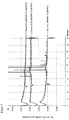
- Figure 5 shows an electropherogram of a representative run of rounds 1 to 3 according to an embodiment of the method targeting the Human Activated Protein C (APC).
- APC Human Activated Protein C
- aptamer refers to a small single-stranded oligonucleotide that recognises its target with high specificity and binds to the target with high affinity.
- alkyne refers to an unsaturated carbon moiety that has a carbon carbon triple bond between two carbon atoms.
- the term "azide” refers to a functional group RN 3 .
- the group R refers to a chemical modification or additional chemical entity that can be introduced into the DNA.
- the group R can be a bulky photo cleavable chemical entity.
- the term "azide-alkyne chemical group” refers to a reaction product of an alkyne and an azide.
- the reaction can be an 1,3-dipolar cycloaddition of the azide with the alkyne.
- Via 1,3-dipolar cycloaddition of an azide with an alkyne the azide-alkyne linkeage can be a triazole linkage.
- click chemistry refers to bio-orthogonal reactions known to those of ordinary skill in the art.
- click chemistry can refer to a 1,3-dipolar cycloaddition.
- An example of click chemistry is the 1,3-dipolar cycloaddition of an azide to an alkyne, for example using the Cu(I) catalyzed 1,3-dipolar cycloaddition of an azides with an alkyne (CuAAC), or the copper-free strain-promoted azide-alkyne cycloaddition (SPAAC).
- candidate mixture refers to a mixture of nucleic acids of differing sequence, from which to select a desired ligand.
- the source of a candidate mixture can be from naturally-occurring nucleic acids or fragments thereof, chemically synthesized nucleic acids, enzymatically synthesized nucleic acids or nucleic acids made by a combination of the foregoing techniques.
- ligand refers to a nucleic acid that binds another molecule, e.g. the target.
- a ligand binds with greater affinity than that of the bulk mixture.
- a candidate mixture can be comprised more than one ligand for a given target.
- the ligands can differ from one another in their binding affinities for the target.
- nucleobase refers to the nitrogen-containing biological compounds found within the DNA and RNA nucleotides and nucleotides, usually referred to as bases.
- the primary nucleobases are cytosine (C), guanine (G), adenine (A), thymine (T), and uracil (U).
- nucleotide refers to the basic building blocks of nucleic acis comprising or consisting of a nucleobase bound, ribose or deoxyribose and at least one phosphate group.
- nucleic acid refers to a ribonucleic acid or a deoxyribonucleic acid, single-stranded or double stranded.
- the aptamer according to the invention hence can be provided in the form of a single-stranded DNA or RNA molecule.
- target sample refers to any compound of interest for which an aptamer is desired.
- a sample can be any material, which probably contains a target to be determined, including any liquid or fluid sample or solid material, including a sample derived from a biological source.
- sample refers to polypeptides, peptides, or small organic molecules.
- sample also refers to biological material, for example cells, cell organelles, or tissues, or extracts of any of the foregoing, biological fluids, biological molecules, or supernatants.
- the term "amplifying” refers to any process or combination of process steps that increases the amount or number of copies of a molecule such as a nucleic acid.
- Polymerase chain reaction (PCR) is an exemplary method for amplifying of nucleic acids.
- partitioning refers to any process whereby apatamers bound to the target sample can be separated from nucleic acids not bound to the target. Partitioning for example can be accomplished by immobilization of the nucleic acids bound to the target on magnetic beads or by capillary electrophoresis of the bound nucleic acids against the target. The choice of partitioning method will depend on properties of the target sample and of the nucleic acids that bind to the target sample and can be made according to principles and properties known to those of ordinary skill in the art.
- the method enables the introduction of additional chemical entities into DNA during the selection process.
- the modification is only transiently present during the selection cycle. This enables a high degree of compatibility with the enzymatic step of the selection process.
- This approach further allows introducing larger chemical entities into DNA libraries that cannot be used using known methods.
- the method has a broad acceptance of diverse azide substrates, which are either commercially available or accessible by chemical synthesis.
- the method further comprises displacing one strand of at least one nucleic acid amplified in step (d), and further modifying the nucleic acid to introduce another functionalization.
- a DNA library modified to comprise a functionalization e.g. an azide-alkyne chemical group
- a functionalization e.g. an azide-alkyne chemical group
- the unbound sequences will be removed and the bound molecules recovered and amplified by PCR.
- the method of displacing one strand of the nucleic acid can be made according to principles and properties known to those of ordinary skill in the art.
- Single-stranded DNA can be achieved by selective lambda exonuclease digestion of one strand.
- the resultant DNA then again can be modified by re-introducing the chemical modification.
- This library again can be subjected to an in vitro selection cycle until an enrichment of target-binding sequences can be detected.
- a candidate mixture of nucleic acids in step (a) can be provided that is prepared by chemical synthesis.
- the candidate mixtures can be prepared in a semi enzymatic way.
- the candidate mixture comprises at least one nucleobase that is modified to comprise an azide-alkyne chemical group.
- the amplification step (d) employs a polymerase chain reaction using an alkyne-modified nucleobase that is further modified via 1,3 dipolar cycloaddition of an azide to yield an azide-alkyne modified nucleobase.
- the nucleic acids of the candidate mixture can be single-stranded DNA.
- the introduction of additional chemical entities into DNA during the selection process can be achieved by using a 5-alkyne modified nucleobase, for example thymine.
- 5-C8-alkyne modified nucleotide-triphosphates for example deoxythymidines are commercially available or can be synthesized.
- Such 5-C8-alkyne modified nucleobases for example deoxythymidines can be introduced into DNA by PCR.
- the modification can be further derivatized with so called bio-orthogonal chemistry, for example using the Cu(I) catalyzed 1,3-dipolar cycloaddition of respective azides with the alkyne.
- Cu(I) catalysed azide-alkyne cycloaddition CuAAC
- copper-free strain-promoted azide-alkyne cycloaddition SPAAC
- the strain-promoted azide-alkyne cycloaddition can overcome toxicity issues associated with the use of Cu(I).
- DNA libraries that are modified in this way can then be employed for in vitro selection purposes.
- this reaction enables to introduce chemical modifications into DNA applicable in SELEX.
- the chemical diversity of DNA libraries can be enhanced.
- the azide is modified with a light-sensitive molecule.
- photosensitive modifications further enhances the approach towards bulky residues to be introduced and used in the selection process. It also enables the direct selection of photoresponsive aptamers. This allows the development of entirely new selection protocols.
- the light-sensitive molecule is a bulky group that inhibits amplification by PCR. It further comprises a photo cleavable moiety, and cleavage of the bulky group can be initiated by irradiation, for example with ultraviolet light, and the remaining smaller azide-alkyne modified molecule can become available to PCR.
- the method can be applied to a broad variety of target samples. This allows for a wide diversity of samples including biological structures.
- the target sample is selected from the group consisting of a polypeptide, peptide, cell, cell fragment, cell membrane, small organic molecule, biological fluid sample and combination thereof.
- the method is not limited to purified samples, of polypeptides, peptides or small organic molecules, but extendable to highly complex biological contexts such as biological fluid sample or even directly at the membranes of cells.
- the invention relates to a reagent comprising a nucleic acid ligand capable of binding a target sample, wherein the nucleic acid ligand comprises at least one nucleobase modified to contain an azide-alkyne chemical group, wherein the azide-alkyne chemical group comprises a light-sensitive molecule, wherein the light-sensitive molecule is a bulky group inhibiting PCR amplification of the nucleic acid ligand, and wherein the light-sensitive molecule comprises a photo cleavable moiety, wherein upon initiation of cleavage of the photo cleavable moiety by irradiation, a remaining smaller azide-alkyne modified molecule allows amplification.
- the modified nucleobase for example can be the thymine.
- the modification can be achieved by using a 5-C8-alkyne modified deoxythymidine that can be introduced into DNA by PCR.
- the modification can be further derivatized with socalled bio-orthogonal chemistry, for example using the Cu(I) catalyzed 1,3-dipolar cycloaddition of a respective azides with the alkyne.
- the azide-alkyne chemical group comprises a light-sensitive molecule.
- the light-sensitive molecule is a bulky group that inhibits PCR amplification of the nucleic acid ligand. Upon initiation of cleavage of a photo cleavable moiety by irradiation with ultraviolet light, a remaining smaller azide-alkyne modified molecule allows amplification.
- the invention will be explained in more detail by virtue of the examples set forth herein below. While at least one exemplary embodiment is presented, it should be appreciated that a vast number of variations exist. It should also be appreciated that the exemplary embodiments are only examples, and are not intended to limit the scope, applicability, or configuration in any way. Rather, the forgoing description will provide those with ordinary skill in the art with the essential characteristics of this invention for implementing at least one exemplary embodiment, it being understood that various changes may be made without departing from the scope as set forth in the appended claims.
- the figure 1 shows a 5-C8-alkyne modified deoxythymidine that is introduced into DNA by PCR. This modification can be further derivatized using Cu(I) catalyzed 1,3-dipolar cycloaddition of an azide R 1 N 3 .
- the figure 2 shows a schematic representation of an embodiment of the method.
- a DNA library modified to comprise an azide-alkyne group is incubated with a target molecule. After incubation, the unbound sequences are removed and the bound molecules recovered.
- the selected molecule is amplified by PCR, using an alkyne-modified nucleobase. Single-strand displacement is achieved by selective lambda exonuclease digestion of one strand.
- the resultant DNA is then again modified by 1,3-dipolar cycloaddition of an azide RN 3 , thereby re-introducing the chemical modification of an azide-alkyne group.
- This library is again subjected to an in vitro selection cycle until an enrichment of target-binding sequences can be detected.
- the figure 3 shows a light-sensitive modification.
- the azide-alkyne group has a light-sensitive molecule that is introduced via the group R of the azide.
- the bulky molecule inhibits amplification by PCR. Irradiation with ultraviolet light cleaves a photo cleavable moiety, and the remaining molecule allows amplification by PCR.
- Nucleic Acids name specification supplier Library (FT2-N42): CAC GAC GCA AGG GAC CAC AGG NNN NNN NNN NNN NNN NNN NNN NNN NNN NNN NNN NNN NNN NNN NNN NNN NNN NNN NNN NNN NNN NNN NNN NNN NNN NNN NNN NNN NNN NNN NNN NNN NNN NNN NNN NNN NNN NNN NNN NNN NNN NNN NNN NNN NNN NNN NNN NNN NNN NNN NNN NNN NNN NNN NNN NNN NNN NNN NNN NNN NNN NNN NNN NNN NNN GAG GCA; (SEQ ID NO: 1) ATDBio, UK N: dA, dC, dG, C8-Alkyne-dU (1:1:1:1) CAC GAC GCA AGG GAC CAC AGG (SEQ ID NO: 2) forward primer (FT2-F) Microsynth AG, Switzerland Phosphate-TGC C
- Tris(4-(3-hydroxy-propoyl)-[1,2,3]triazol-1-ylmethyl)amine Baseclick, Germany BCMI-006-5 Copper sulphate Sigma-Aldrich 451657-10G 5-(Octa-1,7-diynyl)-5'- O- triphosphate-2'-deoxyuridine (Alkyne-dUTP) Baseclick, Germany BCT-05-L dNTPs Larova, Germany 250 ⁇ M Dulbecco's Phosphate Buffered Saline (D-PBS) Sigma-Aldrich D8662-1L Salmon Sperm DNA Life Technologies AM9680 TWEEN® 20 Merck Millipore, Germany 8170721000 ATP [ ⁇ - 32 P]- 3000Ci/mmol 10mCi/ml Perkin Elmer BLU002A500UC Miscellaneous: name supplier Catalogue no.
- the organic phase was dried with magnesium sulfate, the solvent evaporated, and the product was cleaned by column chromatography using a 15:1 mixture of cyclohexane : ethyl acetate.
- the isolated product was dissolved in 200 mL ether and overlaid with 50 mL hexane for crystallization to remove contamination with twofold halogenated product and educt.
- the solid was filtrated and dried under vacuum. 9.9 g (41 %) of the product were isolated.
- the aqueous phase was washed twice with dichlormethane, and the combined organic phases were dried with magnesium sulphate.
- the solvent was removed under vacuum and the residue was cleaned with column chromatography using a gradient of cyclohexane:ethylacetate from 5:1 to 5:3. 520 mg (87 %) of the product were obtained.
- 30 mg of the product were dissolved in a solution of 60 % acetonitrile and 40 % of 0.1 % trifluoroaceticacid and cleaned via HPLC in ten runs using a 250x4.6 mm Nucleosil 100-5 C18 column.
- the procedure started with 60 % acetonitrile and 40 % of 0.1 % trifluoroaceticacid and rinsed during 20 minutes to a ratio of 80% : 20%.
- the retention time of the product 1-[5-(Azidomethyl)-2-nitrophenyl]ethyl-[2-(1 H- indol-3-yl)ethyl]carbamate was 8.7 minutes.
- the single stranded DNA starting library comprising 42 wooble positions (FT2-N42: CAC GAC GCA AGG GAC CAC AGG NNN NNN NNN NNN NNN NNN NNN NNN NNN NNN NNN NNN NNN NNN NNN NNN NNN NNN NNN NNN NNN NNN NNN NNN NNN NNN NNN NNN NNN NNN NNN NNN NNN NNN NNN NNN NNN NNN NNN NNN NNN NNN NNN NNN NNN NNN NNN NNN NNN NNN NNN NNN NNN CAG CAC GAC ACC GCA GAG GCA; N: dA, dC, dG, C8-Alkyne-dU (1:1:1:1)) (SEQ ID NO: 1) was synthesized and PAGE purified by ATDBio (Southampton, United Kingdom).
- the library was further functionalized with the light sensitive Indol-NPE-Azide 1-[5-(Azidomethyl)-2-nitrophenyl]ethyl-[2-(1 H- indol-3-yl)ethyl]carbamate prepared according to Example 1 in a Cu(I) catalysed azide-alkyne cycloaddition (CuAAC reaction) as follows: 150 ⁇ l of a 3.5 ⁇ M DNA solution were mixed with 20 ⁇ l D-PBS and 20 ⁇ l 10mM azide solution and the reaction was started by addition of 10 ⁇ l freshly prepared catalyst solution (10 mM THPTA, 2 mM CuSO 4 , 50 mM Sodium ascorbate). The reaction mixture was incubated for 1h at 37 °C, 800 rpm and the functionalized ssDNA was purified with the NucleoSpin® Gel and PCR Clean-up kit according to the manufacturers recommendation.
- CuAAC reaction Cu(I) catalysed azide-al
- His6-ERK2 His6-tagged ERK2
- SELEX buffer 1x D-PBS + 0.1 % BSA + 0.1 mg/ml salmon sperm + 0.01% Tween20
- the eluted DNA (enriched library) was divided into 8 aliquots and PCR amplified as follows: All PCR reactions were done in 100 ⁇ l reaction volume according to the following pipetting and cycling scheme of table 1 in a Mastercycler® Personal (Eppendorf) thermocycler. The samples were cycled until the desired product band could be detected on an ethidium bromide stained 4% agarose gel.
- Table 1 Reagent Stock-Conc. Final-Conc. Water DNA solution PWO-Buffer 10X 1X dN*TPs 25 mM 250 ⁇ M F-Primer 50 ⁇ M 0.5 ⁇ M R-Primer 50 ⁇ M 0.5 ⁇ M PWO-Pol. 2.5 U/ ⁇ l 2.5 U dN*TPs: dATP / dCTP / dGTP / C8-Alkyne-dUTP
- the cycling scheme was as follows: 2 min at 95°C, followed by 30 sec at 95 °C / 30 sec at 62 °C / 1 min at 72 °C for X cycles, storage at 4 °C.
- the dsDNA PCR products were purified with the NucleoSpin® Gel and PCR Clean-up kit according to the manufacturers recommendation and as a backup of this SELEX round 10 % of the purified dsDNA were stored at -20 °C.
- dsDNA PCR product was supplemented with 40 ⁇ l 10 X exonuclease reaction buffer and 8 ⁇ l lambda exonuclease were added. The mixture was incubate for 60 min at 37 °C, 800 rpm and the ssDNA digestion product was purified with the NucleoSpin® Gel and PCR Clean-up kit according to the manufacturers recommendation
- the enriched single stranded library was again further functionalized with the light sensitive Indol-NPE-Azide in a CuAAC reaction as follows: 150 ⁇ l of the DNA solution were mixed with 20 ⁇ l D-PBS and 20 ⁇ l 10mM azide solution and the reaction was started by addition of 10 ⁇ l freshly prepared catalyst solution (10 mM THPTA, 2 mM CuSO 4 , 50 mM Sodium ascorbate). The reaction mixture was incubated for 1h at 37 °C,
- the enriched library of the 8th and 10th SELEX rounds as well as the starting library were radioactive labelled and functionalized with Indole-NPE-Azide as follows: 41 ⁇ l purified ssDNA were mixed with 5 ⁇ l 10 X T4 PNK reaction buffer, 2 ⁇ l T4 PNK and 2 ⁇ l ⁇ 32P ATP and the mixture was incubated for 1 h at 37 °C.
- the radioactive labelled DNA was purified with the NucleoSpin® Gel and PCR Clean-up kit according to the manufacturers recommendation.
- As a control one sample of the clicked 10th round library was irradiated with UV-light (360 nm) for 5 min in order to cleave the photo sensitive NPE moiety.
- the Figure 4 shows a diagram of the results targeting the MAP kinase ERK.
- the Figure 4 shows the interaction profile of a starting library, given as white bars, and the enriched libraries obtained from selection cycles 8, given as grey bars, and 10, given as black bars.
- non-derivatized magnetic particles were used (empty beads).
- round 10 showed a stronger binding to the Erk-beads compared to the starting library, but only its via click chemistry modified version. This was reflected by the higher amount of DNA that could be eluted from the beads.
- Photo-cleavage of the modification (10th cycle cleaved) resulted in a loss of binding. This result demonstrates that nucleic acids that bind to the ERK target were successfully identified.
- the method targeting the Human Activated Protein C (APC)
- the single stranded DNA starting library comprising 42 wooble positions (FT2-N42: CAC GAC GCA AGG GAC CAC AGG NNN NNN NNN NNN NNN NNN NNN NNN NNN NNN NNN NNN NNN NNN NNN NNN NNN NNN NNN NNN NNN NNN NNN NNN NNN NNN NNN NNN NNN NNN NNN NNN NNN NNN NNN NNN NNN NNN NNN NNN NNN NNN NNN NNN NNN NNN NNN NNN NNN NNN NNN NNN NNN CAG CAC GAC ACC GCA GAG GCA; N: dA, dC, dG, C8-Alkyne-dU (1:1:1:1)) (SEQ ID NO: 1) was synthesized and PAGE purified by ATDBio (Southampton, United Kingdom).
- the library was further functionalized with the Indole-Azide prepared according to Example 2 in a Cu(I) catalysed azide-alkyne cycloaddition (CuAAC reaction) as follows: 150 ⁇ l of a 3.5 ⁇ M DNA solution were mixed with 20 ⁇ l D-PBS and 20 ⁇ l 10mM azide solution and the reaction was started by addition of 10 ⁇ l freshly prepared catalyst solution (10 mM THPTA, 2 mM CuSO4, 50 mM Sodium ascorbate). The reaction mixture was incubated for 1h at 37 °C, 800 rpm and the functionalized ssDNA was purified with the NucleoSpin® Gel and PCR Clean-up kit according to the manufacturers recommendation.
- CuAAC reaction Cu(I) catalysed azide-alkyne cycloaddition
- a PA 800 Capillary Electrophoresis system (Beckman Coulter, Inc., Fullerton, CA, USA) with 32 Karat software (Beckman Coulter, Inc., Fullerton, CA, USA) and equipped with a 50 cm long, 50 ⁇ m inner diameter capillary having a 40 cm length to detector was used.
- the capillary was rinsed with water and B15 buffer for 5 min.
- the capillary cartridge was maintained at 25 °C and the sample chamber was held at 20 °C. Electric fields of 25 kV were utilized to drive the electrophoresis separations.
- the samples (47.5 nl) were injected into the capillary, prefilled with the B15 run buffer, by a pressure pulse of 5 s ⁇ 4 psi. Samples were monitored using UV detection at 254 nm.
- the enriched library received of step 4.2 was PCR amplified as follows: All PCR reactions were done in 100 ⁇ l reaction volume according to the following pipetting and cycling scheme of table 3 in a Mastercycler® Personal (Eppendorf) thermocycler. The samples were cycled until the desired product band could be detected on an ethidium bromide stained 4% agarose gel. Table 3: Reagent Stock-Conc. Final-Conc. Water DNA solution PWO-Buffer 10X 1X dN*TPs 25 mM 250 ⁇ M F-Primer 50 ⁇ M 0.5 ⁇ M R-Primer 50 ⁇ M 0.5 ⁇ M PWO-Pol. 2.5 U/ ⁇ l 2.5 U dN*TPs: dATP / dCTP / dGTP / C8-Alkyne-dUTP
- the cycling scheme was as follows: 2 min at 95°C, followed by 30 sec at 95 °C / 30 sec at 62 °C / 1 min at 72 °C for X cycles, and storage at 4 °C.
- the dsDNA PCR products were purified with the NucleoSpin® Gel and PCR Clean-up kit according to the manufacturers recommendation. The first PCR product was divided into 16 aliquots and further PCR amplified as described above. As a backup of this SELEX round 10 % of the purified dsDNA were stored at -20 °C.
- dsDNA PCR product was supplemented with 40 ⁇ l 10 X exonuclease reaction buffer and 8 ⁇ l lambda exonuclease were added. The mixture was incubate for 60 min at 37 °C, 800 rpm and the ssDNA digestion product was purified with the NucleoSpin® Gel and PCR Clean-up kit according to the manufacturers recommendation
- the enriched single stranded library was again further functionalized with Indole-Azide in a CuAAC reaction as follows: 150 ⁇ l of the DNA solution were mixed with 20 ⁇ l D-PBS and 20 ⁇ l 10mM azide solution and the reaction was started by addition of 10 ⁇ l freshly prepared catalyst solution (10 mM THPTA, 2 mM CuSO 4 , 50 mM Sodium ascorbate). The reaction mixture was incubated for 1h at 37 °C, 800 rpm and the functionalized ssDNA was purified with the NucleoSpin® Gel and PCR Clean-up kit according to the manufacturers recommendation.
- the Figure 5 shows the electropherogram of a representative run of rounds 1 to 3. As can be taken from the figure 5 , although the DNA and APC concentration were reduced by a factor of 10 respectively the peak intensity representing the APC/DNA complex did not decrease, indicating an enrichment of DNA sequences with a stronger binding affinity to APC.
Landscapes
- Life Sciences & Earth Sciences (AREA)
- Engineering & Computer Science (AREA)
- Health & Medical Sciences (AREA)
- Chemical & Material Sciences (AREA)
- Organic Chemistry (AREA)
- Genetics & Genomics (AREA)
- Wood Science & Technology (AREA)
- Zoology (AREA)
- Molecular Biology (AREA)
- Biotechnology (AREA)
- Biomedical Technology (AREA)
- Bioinformatics & Cheminformatics (AREA)
- General Engineering & Computer Science (AREA)
- Microbiology (AREA)
- Biophysics (AREA)
- Physics & Mathematics (AREA)
- Biochemistry (AREA)
- General Health & Medical Sciences (AREA)
- Proteomics, Peptides & Aminoacids (AREA)
- Plant Pathology (AREA)
- Analytical Chemistry (AREA)
- Immunology (AREA)
- Measuring Or Testing Involving Enzymes Or Micro-Organisms (AREA)
Description
- The present invention relates to the technical fields of techniques for producing oligonucleotides that specifically bind to a target. The present invention relates to a method of identifying or producing an aptamer.
- Systematic Evolution of Ligands by Exponential Enrichment (SELEX), also referred to as in vitro selection or in vitro evolution, is a technique for producing oligonucleotides of either single-stranded DNA or RNA that specifically bind to a target ligand. The SELEX method is for example described in document
US 5270163 . In the SELEX method, a candidate mixture of single stranded nucleic acids having regions of randomized sequence is contacted with a target structure and those nucleic acids having an increased affinity to the target are selected and amplified. After several iterations a nucleic acid with good affinity to the target is obtained. - Philipp M. E. Gramlich et al. describe in Angew. Chem. Int. Ed. 2008, vol 47, no. 18, pages 3442-3444 click-reactions for single to triple modification of DNA. Anthony D Keefe and Sharon T Cload describe in Current Opinion in Chemical Biology, vol. 12, no. 4, 2008, pages 448-456 "SELEX with modified nucleotides".
- Many targets cannot be addressed by traditional SELEX approaches. One reason is the limited chemical diversity of nucleic acids. Using chemically modified nucleic acids can solve this issue. However, chemically modified nucleotide-triphosphates often lack compatibility with enzymatic steps, e.g. the polymerase chain reaction (PCR), of the in vitro selection process. Hence, the possible chemical modifications of DNA molecules suitable for in vitro selection are limited. From a practical point of view, use of such modifications is not easily to accomplish since most of them are not commercially accessible and, thus, require laborious chemical synthesis prior use.
- Therefore, it is an object of the present invention to provide a method that allows for the introduction of additional chemical entities into DNA during the selection process.
- It is provided a method of identifying or producing an aptamer comprising the steps of:
- (a) Preparing a candidate mixture of nucleic acids, wherein the mixture comprises at least one nucleotide that is modified to comprise a functionalization introduced by click chemistry, wherein the modified nucleotide comprises an alkyne-modified nucleobase that is further modified via a 1,3 dipolar cycloaddition of an azide to yield an azide-alkyne modified nucleobase, wherein the azide comprises a light-sensitive molecule, wherein the light-sensitive molecule is a bulky group inhibiting PCR amplification of the nucleic acid ligand, and wherein the light-sensitive molecule comprises a photo cleavable moiety, wherein upon initiation of cleavage of the photo cleavable moiety by irradiation, a remaining smaller azide-alkyne modified molecule allows amplification;
- (b) Contacting the candidate mixture with a target sample;
- (c) Partitioning nucleic acids that bind to the target sample from those that do not bind;
- (d) Amplifying the binding nucleic acids to produce a population of nucleic acids that bind the target sample, thereby identifying or producing an aptamer.
- It has been surprisingly found that the method enables to introduce additional chemical entities into DNA during the selection process. Advantageously, the modification is only transiently present during the selection cycle. This enables a high degree of compatibility with the enzymatic step of the selection process. This approach further allows introducing larger chemical entities into DNA libraries that cannot be used using the methods of the state of the art. The method has a broad acceptance of diverse azide substrates, which are either commercially available or accessible by chemical synthesis.
- The method further can comprise displacing one strand of at least one nucleic acid amplified in step (d), and further modifying the nucleic acid to introduce another functionalization.
- In accordance with another aspect of the present invention is provided a reagent comprising a nucleic acid ligand capable of binding a target sample, wherein the nucleic acid ligand comprises at least one nucleobase modified to contain an azide-alkyne chemical group, wherein the azide-alkyne chemical group comprises a light-sensitive molecule, wherein the light-sensitive molecule is a bulky group inhibiting PCR amplification of the nucleic acid ligand, and wherein the light-sensitive molecule comprises a photo cleavable moiety, wherein upon initiation of cleavage of the photo cleavable moiety by irradiation, a remaining smaller azide-alkyne modified molecule allows amplification.
- Other features and advantages of the present invention will be apparent from the detailed description of the invention and from the claims.
-
-
Figure 1 shows a Cu(I) catalyzed 1,3-dipolar cycloaddition of an azide with a 5-C8-alkyne modified deoxythymidine. -
Figure 2 shows a schematic representation of an embodiment of the method. -
Figure 3 shows an embodiment of a light-sensitive modification of an azide-alkyne chemical group. -
Figure 4 shows a diagram of the results of an embodiment of the method targeting the MAP kinase ERK and employing a light-sensitive NPE Indole modification. - Interaction profile of a starting library (white bars) and the enriched libraries obtained from selection cycles 8 (grey bars) and 10 (black bars). DNA molecules were radioactively labeled with 32P at 5'-end and incubated with Erk coupled to magnetic particles. As control, non-derivatized magnetic particles were used (empty beads). No binding of the starting or round 10 libraries was detected to empty beads. In turn,
round 10 showed a stronger binding to the Erk-beads compared to the starting library, but only its clicked version. This is reflected by the higher amount of DNA that could be eluted from the beads. Photo-cleavage of the modification (10th cycle cleaved) resulted in a loss of binding. -
Figure 5 shows an electropherogram of a representative run of rounds 1 to 3 according to an embodiment of the method targeting the Human Activated Protein C (APC). Although the DNA and APC concentration were reduced by a factor of 10 respectively the peak intensity representing the APC/DNA complex did not decrease, indicating an enrichment of DNA sequences with a stronger binding affinity to APC. - As used herein, the term "aptamer" refers to a small single-stranded oligonucleotide that recognises its target with high specificity and binds to the target with high affinity.
- As used herein, the term "alkyne" refers to an unsaturated carbon moiety that has a carbon carbon triple bond between two carbon atoms.
- As used herein, the term "azide" refers to a functional group RN3. The group R refers to a chemical modification or additional chemical entity that can be introduced into the DNA. For example the group R can be a bulky photo cleavable chemical entity.
- As used herein, the term "azide-alkyne chemical group" refers to a reaction product of an alkyne and an azide. The reaction can be an 1,3-dipolar cycloaddition of the azide with the alkyne. Via 1,3-dipolar cycloaddition of an azide with an alkyne the azide-alkyne linkeage can be a triazole linkage.
- As used herein, the term "click chemistry" refers to bio-orthogonal reactions known to those of ordinary skill in the art. The term "click chemistry" can refer to a 1,3-dipolar cycloaddition. An example of click chemistry is the 1,3-dipolar cycloaddition of an azide to an alkyne, for example using the Cu(I) catalyzed 1,3-dipolar cycloaddition of an azides with an alkyne (CuAAC), or the copper-free strain-promoted azide-alkyne cycloaddition (SPAAC).
- As used herein, the term "candidate mixture" refers to a mixture of nucleic acids of differing sequence, from which to select a desired ligand. The source of a candidate mixture can be from naturally-occurring nucleic acids or fragments thereof, chemically synthesized nucleic acids, enzymatically synthesized nucleic acids or nucleic acids made by a combination of the foregoing techniques.
- As used herein, the term "ligand" refers to a nucleic acid that binds another molecule, e.g. the target. In a mixture of candidate nucleic acids, a ligand binds with greater affinity than that of the bulk mixture. In a candidate mixture can be comprised more than one ligand for a given target. The ligands can differ from one another in their binding affinities for the target.
- As used herein, the term "nucleobase" refers to the nitrogen-containing biological compounds found within the DNA and RNA nucleotides and nucleotides, usually referred to as bases. The primary nucleobases are cytosine (C), guanine (G), adenine (A), thymine (T), and uracil (U).
- As used herein, the term "nucleotide" refers to the basic building blocks of nucleic acis comprising or consisting of a nucleobase bound, ribose or deoxyribose and at least one phosphate group.
- If not stated otherwise, the term "nucleic acid" refers to a ribonucleic acid or a deoxyribonucleic acid, single-stranded or double stranded. The aptamer according to the invention hence can be provided in the form of a single-stranded DNA or RNA molecule.
- As used herein, the term "target sample" refers to any compound of interest for which an aptamer is desired. A sample can be any material, which probably contains a target to be determined, including any liquid or fluid sample or solid material, including a sample derived from a biological source. The term sample refers to polypeptides, peptides, or small organic molecules. The term sample also refers to biological material, for example cells, cell organelles, or tissues, or extracts of any of the foregoing, biological fluids, biological molecules, or supernatants.
- As used herein, the term "amplifying" refers to any process or combination of process steps that increases the amount or number of copies of a molecule such as a nucleic acid. Polymerase chain reaction (PCR) is an exemplary method for amplifying of nucleic acids. As used herein, the term "partitioning" refers to any process whereby apatamers bound to the target sample can be separated from nucleic acids not bound to the target. Partitioning for example can be accomplished by immobilization of the nucleic acids bound to the target on magnetic beads or by capillary electrophoresis of the bound nucleic acids against the target. The choice of partitioning method will depend on properties of the target sample and of the nucleic acids that bind to the target sample and can be made according to principles and properties known to those of ordinary skill in the art.
- Unless defined otherwise, the technical and scientific terms used herein have the same meaning as commonly understood by one of ordinary skill in the art to which the invention belongs.
- It should be noted that, as used in this specification and the appended claims, the singular forms "a", "an" and "the" include plural referents unless the content clearly dictates otherwise. Thus, for example, reference to a composition containing "a compound" includes a mixture of two or more compounds. It should also be noted that the term "or" is generally employed in its sense including "and/or" unless the content clearly dictates otherwise.
- According to the invention it is provided a method of identifying or producing an aptamer comprising the steps of:
- (a) Preparing a candidate mixture of nucleic acids, wherein the mixture comprises at least one nucleotide that is modified to comprise a functionalization introduced by click chemistry, wherein the modified nucleotide comprises an alkyne-modified nucleobase that is further modified via a 1,3 dipolar cycloaddition of an azide to yield an azide-alkyne modified nucleobase, wherein the azide comprises a light-sensitive molecule, wherein the light-sensitive molecule is a bulky group inhibiting PCR amplification of the nucleic acid ligand, and wherein the light-sensitive molecule comprises a photo cleavable moiety, wherein upon initiation of cleavage of the photo cleavable moiety by irradiation, a remaining smaller azide-alkyne modified molecule allows amplification;
- (b) Contacting the candidate mixture with a target sample;
- (c) Partitioning nucleic acids that bind to the target sample from those that do not bind;
- (d) Amplifying the binding nucleic acids to produce a population of nucleic acids that bind the target sample, thereby identifying or producing an aptamer.
- The method enables the introduction of additional chemical entities into DNA during the selection process. Advantageously, the modification is only transiently present during the selection cycle. This enables a high degree of compatibility with the enzymatic step of the selection process. This approach further allows introducing larger chemical entities into DNA libraries that cannot be used using known methods. The method has a broad acceptance of diverse azide substrates, which are either commercially available or accessible by chemical synthesis.
- In an embodiment, the method further comprises displacing one strand of at least one nucleic acid amplified in step (d), and further modifying the nucleic acid to introduce another functionalization.
- A DNA library modified to comprise a functionalization, e.g. an azide-alkyne chemical group, can be incubated with a target molecule. After incubation, the unbound sequences will be removed and the bound molecules recovered and amplified by PCR. The method of displacing one strand of the nucleic acid can be made according to principles and properties known to those of ordinary skill in the art. Single-stranded DNA can be achieved by selective lambda exonuclease digestion of one strand. The resultant DNA then again can be modified by re-introducing the chemical modification. This library again can be subjected to an in vitro selection cycle until an enrichment of target-binding sequences can be detected.
- In a first SELEX cycle, in step (a) a candidate mixture of nucleic acids can be provided that is prepared by chemical synthesis. When displacing one strand of at least one nucleic acid amplified in step (d), and further modifying the nucleic acid to introduce another functionalization, e.g. an azide-alkyne chemical group, in the following cycles the candidate mixtures can be prepared in a semi enzymatic way.
- Particularly click chemistry on the basis of 1,3 dipolar cycloadditions is usable in aqueous biological systems to introduce chemical entities. Several types of reaction have been identified that are usable for click chemistry via 1,3 dipolar cycloaddition. Particularly useful has proven the 1,3 dipolar cycloaddition of an azide to an alkyne. Further, the modification of the nucleobase has proven useful in the method. Hence, in an embodiment, the candidate mixture comprises at least one nucleobase that is modified to comprise an azide-alkyne chemical group.
- In an embodiment, the amplification step (d) employs a polymerase chain reaction using an alkyne-modified nucleobase that is further modified via 1,3 dipolar cycloaddition of an azide to yield an azide-alkyne modified nucleobase.
- The nucleic acids of the candidate mixture can be single-stranded DNA. The introduction of additional chemical entities into DNA during the selection process can be achieved by using a 5-alkyne modified nucleobase, for example thymine. 5-C8-alkyne modified nucleotide-triphosphates for example deoxythymidines are commercially available or can be synthesized. Such 5-C8-alkyne modified nucleobases for example deoxythymidines can be introduced into DNA by PCR. The modification can be further derivatized with so called bio-orthogonal chemistry, for example using the Cu(I) catalyzed 1,3-dipolar cycloaddition of respective azides with the alkyne. Beside the Cu(I) catalysed azide-alkyne cycloaddition (CuAAC), copper-free strain-promoted azide-alkyne cycloaddition (SPAAC) reactions also are usable. In applications in cellular or living systems the strain-promoted azide-alkyne cycloaddition can overcome toxicity issues associated with the use of Cu(I).
- DNA libraries that are modified in this way can then be employed for in vitro selection purposes. Hence, this reaction enables to introduce chemical modifications into DNA applicable in SELEX. Thereby, the chemical diversity of DNA libraries can be enhanced.
- In the present invention, the azide is modified with a light-sensitive molecule. The use of photosensitive modifications further enhances the approach towards bulky residues to be introduced and used in the selection process. It also enables the direct selection of photoresponsive aptamers. This allows the development of entirely new selection protocols.
- The light-sensitive molecule is a bulky group that inhibits amplification by PCR. It further comprises a photo cleavable moiety, and cleavage of the bulky group can be initiated by irradiation, for example with ultraviolet light, and the remaining smaller azide-alkyne modified molecule can become available to PCR.
- The method can be applied to a broad variety of target samples. This allows for a wide diversity of samples including biological structures. In an embodiment, the target sample is selected from the group consisting of a polypeptide, peptide, cell, cell fragment, cell membrane, small organic molecule, biological fluid sample and combination thereof. Especially, the method is not limited to purified samples, of polypeptides, peptides or small organic molecules, but extendable to highly complex biological contexts such as biological fluid sample or even directly at the membranes of cells.
- Another aspect, the invention relates to a reagent comprising a nucleic acid ligand capable of binding a target sample, wherein the nucleic acid ligand comprises at least one nucleobase modified to contain an azide-alkyne chemical group, wherein the azide-alkyne chemical group comprises a light-sensitive molecule, wherein the light-sensitive molecule is a bulky group inhibiting PCR amplification of the nucleic acid ligand, and wherein the light-sensitive molecule comprises a photo cleavable moiety, wherein upon initiation of cleavage of the photo cleavable moiety by irradiation, a remaining smaller azide-alkyne modified molecule allows amplification.
- The modified nucleobase for example can be the thymine. The modification can be achieved by using a 5-C8-alkyne modified deoxythymidine that can be introduced into DNA by PCR. The modification can be further derivatized with socalled bio-orthogonal chemistry, for example using the Cu(I) catalyzed 1,3-dipolar cycloaddition of a respective azides with the alkyne.
- In the present invention, the azide-alkyne chemical group comprises a light-sensitive molecule. The light-sensitive molecule is a bulky group that inhibits PCR amplification of the nucleic acid ligand. Upon initiation of cleavage of a photo cleavable moiety by irradiation with ultraviolet light, a remaining smaller azide-alkyne modified molecule allows amplification. The invention will be explained in more detail by virtue of the examples set forth herein below. While at least one exemplary embodiment is presented, it should be appreciated that a vast number of variations exist. It should also be appreciated that the exemplary embodiments are only examples, and are not intended to limit the scope, applicability, or configuration in any way. Rather, the forgoing description will provide those with ordinary skill in the art with the essential characteristics of this invention for implementing at least one exemplary embodiment, it being understood that various changes may be made without departing from the scope as set forth in the appended claims.
- The
figure 1 shows a 5-C8-alkyne modified deoxythymidine that is introduced into DNA by PCR. This modification can be further derivatized using Cu(I) catalyzed 1,3-dipolar cycloaddition of an azide R1N3. - The
figure 2 shows a schematic representation of an embodiment of the method. A DNA library modified to comprise an azide-alkyne group is incubated with a target molecule. After incubation, the unbound sequences are removed and the bound molecules recovered. The selected molecule is amplified by PCR, using an alkyne-modified nucleobase. Single-strand displacement is achieved by selective lambda exonuclease digestion of one strand. The resultant DNA is then again modified by 1,3-dipolar cycloaddition of an azide RN3, thereby re-introducing the chemical modification of an azide-alkyne group. This library is again subjected to an in vitro selection cycle until an enrichment of target-binding sequences can be detected. - The
figure 3 shows a light-sensitive modification. The azide-alkyne group has a light-sensitive molecule that is introduced via the group R of the azide. The bulky molecule inhibits amplification by PCR. Irradiation with ultraviolet light cleaves a photo cleavable moiety, and the remaining molecule allows amplification by PCR. -
Nucleic Acids: name specification supplier Library (FT2-N42): CAC GAC GCA AGG GAC CAC AGG NNN NNN NNN NNN NNN NNN NNN NNN NNN NNN NNN NNN NNN NNN CAG CAC GAC ACC GCA GAG GCA; (SEQ ID NO: 1) ATDBio, UK N: dA, dC, dG, C8-Alkyne-dU (1:1:1:1) CAC GAC GCA AGG GAC CAC AGG (SEQ ID NO: 2) forward primer (FT2-F) Microsynth AG, Switzerland Phosphate-TGC CTC TGC GGT GTC GTG CTG (SEQ ID NO: 3) reverse primer (FT2-R-P) Microsynth AG, Switzerland Proteins: name specification supplier Catalogue no. Pwo DNA polymerase 2.5 U / µl Genaxxon, Germany M3002.0100 λ-Exonuclease 10 U / µl Thermo Scientific EN0562 Human Activated Protein Haematologic HCAPC-080; Lot: C (APC) Technologies CC0405-1.0MG Bovine Serum Albumine (BSA) Sigma-Aldrich A9418-10G T4 Polynucleotide Kinase New England Biolabs M0201L Chemicals: name specification supplier Catalogue no. Tris(4-(3-hydroxy-propoyl)-[1,2,3]triazol-1-ylmethyl)amine (THPTA) Baseclick, Germany BCMI-006-5 Copper sulphate Sigma-Aldrich 451657-10G 5-(Octa-1,7-diynyl)-5'-O-triphosphate-2'-deoxyuridine (Alkyne-dUTP) Baseclick, Germany BCT-05-L dNTPs Larova, Germany 250 µM Dulbecco's Phosphate Buffered Saline (D-PBS) Sigma-Aldrich D8662-1L Salmon Sperm DNA Life Technologies AM9680 TWEEN® 20 Merck Millipore, Germany 8170721000 ATP [γ-32P]- 3000Ci/mmol 10mCi/ml Perkin Elmer BLU002A500UC Miscellaneous: name supplier Catalogue no. Dynabeads® His-Tag Isolation & Pulldown Life Technologies 10103D DynaMag™-2 magnetic rack Life Technologies 12321D NucleoSpin® Gel and PCR Clean-up Macherey-Nagel, Germany 740609.250 Buffers: name specification SELEX-Buffer 1x D-PBS + 0.1 % BSA + 0.1 mg/ml salmon sperm + 0.01% Tween20 B15-Buffer 25 mM Tris, 30 mM NaCl, 1 mM KCl, 1 mM CaCl2, 1 mM MgCl2; pH 8.3 - 25 g (0.14 mol) 2-Nitro-5-methylbenzoic acide were dissolved in 200 mL (2.75 mol) of thionyl chloride in a baked flask. A catalytic amount of dimethyl formamide was added and the solution was heated under reflux for 3 h under inert gas. Excess thionyl chloride was removed by distillation. The product was quantitatively isolated as a brown solid and further used without characterisation.
- 3.5 g (0.14 mol) magnesium, 0.33 mL (3.4 mmol) carbon tetrachloride, and 3.25 mL (56 mmol) ethanol were heated under Argon atmosphere in a baked flask. After start of the reaction, 130 mL dry ether were added drop-wise. A solution of 22.0 ml (0.14 mol) diethyl malonate in 16.6 mL ether, and additional 13.3 mL (0.23 mol) of ethanol were added. Subsequently, the reaction was heated under reflux until the magnesium was consumed. Afterwards, a mixture of 26 g (0.13 mol) 2-nitro-5-methylbenzoyl chloride of step 1.1 in 32.5 mL dry ether was added. The viscosity of the solution increased. After the stirring stopped 9 mL of sulphuric acid in 130 mL water were added. The resulting phases were separated, and the aqueous phase was washed with ether. The combined organic phases were dried with magnesium sulphate, and the solvent was evaporated. Diethyl-5-methyl-2-nitrobenzoyl malonate was obtained as the intermediate product, and dissolved in 26 mL glacial acetic acid. 5 mL of sulfuric acid was added. The solution was heated under reflux as long as gas formation was seen. Afterwards, the solution was put on ice and alkalized using sodium hydroxide solution. The aqueous phase was extracted with ether. The organic phases was dried with magnesium sulfate, the solvent evaporated, and the raw product was separated by column chromatography using a 15:1 mixture of cyclohexane:ethylacetate. 18.1 g (77 %) of the product were isolated.
- 18.1 g (0.10 mol) 2-Nitro-5-methyl acetophenone of step 1.2 were dissolved with 18.9 g (0.11 mol) N-brom succinimide and 2.4 g (10 mmol) dibenzoyl peroxide in 60 mL carbon tetra chloride and heated under reflux for 16 h. Afterwards, 1.21 g (5 mmol) dibenzoyl peroxide were added and the solution was heated under reflux for another 8 h. The reaction solution was then filtered and the filtrate was concentrated under vacuum. The residue was dissolved in ethyl acetate and extracted with saturated sodium hydrogen solution and saline solution. The organic phase was dried with magnesium sulfate, the solvent evaporated, and the product was cleaned by column chromatography using a 15:1 mixture of cyclohexane : ethyl acetate. The isolated product was dissolved in 200 mL ether and overlaid with 50 mL hexane for crystallization to remove contamination with twofold halogenated product and educt. The solid was filtrated and dried under vacuum. 9.9 g (41 %) of the product were isolated.
- 7.76 g (30.2 mmol) 5-(Bromomethyl)-2-nitroacetophenone of step 1.3 were dissolved in 84 mL acetone and 16 mL water, and 2.95 g (45.3 mmol) sodium azide were added. The reaction was heated to 75°C and the reaction process was monitored by thin layer chromatography. After the reaction was completed, the acetone was removed under vacuum and the product was extracted with ethyl acetate. The organic phase was washed with saline solution, dried with magnesium sulphate, the solvent was evaporated, and the residue cleaned with column chromatography using a gradient of cyclohexane:ethylacetate from 10:1 to 5:1. 4.6 g (69 %) of the desired product were isolated.
- 4.0 g (18.2 mmol) 5-Azidomethyl-2-nitro acetophenone of step 1.4 were dissolved in a mixture of 60 mL dry methanol and 40 mL dry dioxane. 1.0 g (27.2 mmol) Sodium borohydride was added and the reaction mixture stirred under inert gar atmosphere. The reaction process was monitored by thin layer chromatography. After the reaction was completed, 160 mL water and 6.5 mL 1M hydrochloric acid were added and the product was extracted in ethyl acetate. The organic phase was washed with saturated sodium chloride solution, dried with magnesium sulphate, the solvent was evaporated, and the residue cleaned with column chromatography using a 5:1 mixture of cyclohexane:ethylacetate. 3,66 g (91 %) of the product were isolated.
- 0.65 g (3.0 mmol) 1-[5-(Azidomethyl)-2-nitrophenyl]ethanol of step 1.5 were dissolved in 6 mL dry acetonitrile. 0.70 mL (5.0 mmol) Triethylamine followed by 1.53 g (6.0 mmol) N,N'-discuccinimidyl carbonate were added and the solution was stirred under inert gar atmosphere. The reaction process was monitored by thin layer chromatography. After the reaction was completed, 10 mL water and 0.2 mL saturated sodium chloride solution were added and the product was extracted in ethyl acetate. The organic phase was separated, dried with magnesium sulphate, concentrated under vacuum, and the product finally isolated with column chromatography using a 2:1 mixture of cyclohexane:ethylacetate. 640 mg (80 %) of the product were isolated.
- 640 mg (1,8 mmol) 1-[5-(Azidomethyl)-2-nitrophenyl]ethyl-N-succinimidyl carbonic acid diester of step 1.6 were dissolved in 11 mL dry tetrahydrofurane. Subsequently, 0.41 mL (2.9 mmol) triethyl amine and 235 mg (1.47 mmol) tryptamine were added and the solution was stirred for 24 h under inert gas. Afterwards, 55 mL dichlormethane and 170 mL of a 5 % solution of hydrochloric acid were added, and the product was extracted. The aqueous phase was washed twice with dichlormethane, and the combined organic phases were dried with magnesium sulphate. The solvent was removed under vacuum and the residue was cleaned with column chromatography using a gradient of cyclohexane:ethylacetate from 5:1 to 5:3. 520 mg (87 %) of the product were obtained. 30 mg of the product were dissolved in a solution of 60 % acetonitrile and 40 % of 0.1 % trifluoroaceticacid and cleaned via HPLC in ten runs using a 250x4.6 mm Nucleosil 100-5 C18 column. The procedure started with 60 % acetonitrile and 40 % of 0.1 % trifluoroaceticacid and rinsed during 20 minutes to a ratio of 80% : 20%. The retention time of the product 1-[5-(Azidomethyl)-2-nitrophenyl]ethyl-[2-(1H-indol-3-yl)ethyl]carbamate was 8.7 minutes.
- Under an argon-atmosphere, 0.90 g 3-(2-Bromoethyl)-1H-indole (4.02 mmol) was solved in 10 mL dry DMF and 0.26 g sodium azide (4.02 mmol) was added. After 15 hours at 25 °C the solution was washed sequentially with water. The combined aqueous layers where reextracted with ethylacetate and the combined ethylacetate solutions were dried with MgSO4 and concentrated. Column chromatography (ethylacetate/petroleum ether 1:9) gave 3-(2-Azidoethyl)-1H-indole as yellow oil. The yield was 0.52 g (70%).
- The method targeting the Mitogen-activated Protein Kinase ERK2 and employing a light-sensitive NPE-Indole modification
- The single stranded DNA starting library comprising 42 wooble positions (FT2-N42: CAC GAC GCA AGG GAC CAC AGG NNN NNN NNN NNN NNN NNN NNN NNN NNN NNN NNN NNN NNN NNN CAG CAC GAC ACC GCA GAG GCA; N: dA, dC, dG, C8-Alkyne-dU (1:1:1:1)) (SEQ ID NO: 1) was synthesized and PAGE purified by ATDBio (Southampton, United Kingdom).
- The library was further functionalized with the light sensitive Indol-NPE-Azide 1-[5-(Azidomethyl)-2-nitrophenyl]ethyl-[2-(1H-indol-3-yl)ethyl]carbamate prepared according to Example 1 in a Cu(I) catalysed azide-alkyne cycloaddition (CuAAC reaction) as follows: 150 µl of a 3.5 µM DNA solution were mixed with 20 µl D-PBS and 20 µl 10mM azide solution and the reaction was started by addition of 10 µl freshly prepared catalyst solution (10 mM THPTA, 2 mM CuSO4, 50 mM Sodium ascorbate). The reaction mixture was incubated for 1h at 37 °C, 800 rpm and the functionalized ssDNA was purified with the NucleoSpin® Gel and PCR Clean-up kit according to the manufacturers recommendation.
- 100 µg recombinant expressed and purified His6-tagged ERK2 (His6-ERK2) (kindfully provided by Sabine Lennarz, University of Bonn) were immobilized on 5 mg magnetic beads (Dynabeads His-Tag Isolation) in a total volume of 500 µl SELEX buffer (1x D-PBS + 0.1 % BSA + 0.1 mg/ml salmon sperm + 0.01% Tween20), according to the manufacturers recommendation. The ERK loaded beads were stored at 4°C until further usage.
- 100 µl (ca. 500 pmol) clicked and purified DNA start library of step 3.1 in 1X D-PBS were heated to 95°C for 3 min and let slowly cool to ambient temperature afterwards. 50 µl (500 µg) uncoupled magnetic beads (in SELEX buffer) were added and incubated for 30 min at 37 °C, 800 rpm. The supernatant was added to 50 µl (500 µg) ERK2-bead suspension and incubated for 30 min at 37 °C, 800 rpm. The supernatant was discarded and the beads were washed 3 times for 30 sec with 200 µl SELEX buffer. 100 µl 300 mM imidazole-solution were added and incubated for 15 min at 37°C, 800 rpm. This supernatant was used for the subsequent PCR amplification.
- The eluted DNA (enriched library) was divided into 8 aliquots and PCR amplified as follows: All PCR reactions were done in 100 µl reaction volume according to the following pipetting and cycling scheme of table 1 in a Mastercycler® Personal (Eppendorf) thermocycler. The samples were cycled until the desired product band could be detected on an ethidium bromide stained 4% agarose gel.
Table 1: Reagent Stock-Conc. Final-Conc. Water DNA solution PWO-Buffer 10X 1X dN*TPs 25 mM 250 µM F-Primer 50 µM 0.5 µM R-Primer 50 µM 0.5 µM PWO-Pol. 2.5 U/µl 2.5 U dN*TPs: dATP / dCTP / dGTP / C8-Alkyne-dUTP - The cycling scheme was as follows: 2 min at 95°C, followed by 30 sec at 95 °C / 30 sec at 62 °C / 1 min at 72 °C for X cycles, storage at 4 °C.
- The dsDNA PCR products were purified with the NucleoSpin® Gel and PCR Clean-up kit according to the manufacturers recommendation and as a backup of this SELEX round 10 % of the purified dsDNA were stored at -20 °C.
- Purified dsDNA PCR product was supplemented with 40 µl 10 X exonuclease reaction buffer and 8 µl lambda exonuclease were added. The mixture was incubate for 60 min at 37 °C, 800 rpm and the ssDNA digestion product was purified with the NucleoSpin® Gel and PCR Clean-up kit according to the manufacturers recommendation
- For the next SELEX round the enriched single stranded library was again further functionalized with the light sensitive Indol-NPE-Azide in a CuAAC reaction as follows: 150 µl of the DNA solution were mixed with 20 µl D-PBS and 20 µl 10mM azide solution and the reaction was started by addition of 10 µl freshly prepared catalyst solution (10 mM THPTA, 2 mM CuSO4, 50 mM Sodium ascorbate). The reaction mixture was incubated for 1h at 37 °C,
- 800 rpm and the functionalized ssDNA was purified with the NucleoSpin® Gel and PCR Clean-up kit according to the manufacturers recommendation.
- 10 µl 10 X D-PBS were added to 90 µl of the enriched clicked DNA library (ca. 50 pmol) and the next SELEX round was performed as described for the first round. In total 10 rounds of SELEX were performed. To increase the selection pressure the amount of ERK2-functionalized beads was reduced and the washing times were increased as summarized in the following table 2:
Table 2: Round ERK2-beads [µl] Wash 1 Wash 2Wash 3 1 50 30 sec 30 sec 30 sec 2 50 30 sec 5 min 30 sec 3 25 30 sec 5 min 30 sec 4 12.5 30 sec 5 min 30 sec 5 5 30 sec 5 min 30 sec 6 2.5 30 sec 5 min 5 min 7/8/9/10 1.25 30 sec 5 min 5 min - The enriched library of the 8th and 10th SELEX rounds as well as the starting library were radioactive labelled and functionalized with Indole-NPE-Azide as follows: 41 µl purified ssDNA were mixed with 5 µl 10 X T4 PNK reaction buffer, 2 µl T4 PNK and 2 µl γ 32P ATP and the mixture was incubated for 1 h at 37 °C. The radioactive labelled DNA was purified with the NucleoSpin® Gel and PCR Clean-up kit according to the manufacturers recommendation. As a control one sample of the clicked 10th round library was irradiated with UV-light (360 nm) for 5 min in order to cleave the photo sensitive NPE moiety.
- A SELEX round (without negative selection) was simulated collecting all fractions (residual library / Wash 1/2/3 / Eluate / Beads). All samples were filled to 1 ml with water and the radioactivity (Cherenkov radiation) was measured for 3 min in a scintillation counter (winSpectral 1414; Perkin Elmer).
- The
Figure 4 shows a diagram of the results targeting the MAP kinase ERK. TheFigure 4 shows the interaction profile of a starting library, given as white bars, and the enriched libraries obtained fromselection cycles 8, given as grey bars, and 10, given as black bars. As control, non-derivatized magnetic particles were used (empty beads). As can be taken from thefigure 4 , no binding of the starting orround 10 libraries was detected to empty beads. In turn,round 10 showed a stronger binding to the Erk-beads compared to the starting library, but only its via click chemistry modified version. This was reflected by the higher amount of DNA that could be eluted from the beads. Photo-cleavage of the modification (10th cycle cleaved) resulted in a loss of binding. This result demonstrates that nucleic acids that bind to the ERK target were successfully identified. - The single stranded DNA starting library comprising 42 wooble positions (FT2-N42: CAC GAC GCA AGG GAC CAC AGG NNN NNN NNN NNN NNN NNN NNN NNN NNN NNN NNN NNN NNN NNN CAG CAC GAC ACC GCA GAG GCA; N: dA, dC, dG, C8-Alkyne-dU (1:1:1:1)) (SEQ ID NO: 1) was synthesized and PAGE purified by ATDBio (Southampton, United Kingdom).
- The library was further functionalized with the Indole-Azide prepared according to Example 2 in a Cu(I) catalysed azide-alkyne cycloaddition (CuAAC reaction) as follows: 150 µl of a 3.5 µM DNA solution were mixed with 20 µl D-PBS and 20 µl 10mM azide solution and the reaction was started by addition of 10 µl freshly prepared catalyst solution (10 mM THPTA, 2 mM CuSO4, 50 mM Sodium ascorbate). The reaction mixture was incubated for 1h at 37 °C, 800 rpm and the functionalized ssDNA was purified with the NucleoSpin® Gel and PCR Clean-up kit according to the manufacturers recommendation.
- 100 µl (ca. 500 pmol) clicked and purified DNA start library in 1X B15 buffer (25 mM Tris, 30 mM NaCl, 1 mM KCl, 1 mM CaCl2, 1 mM MgCl2; pH 8.3) were heated to 95°C for 3 min and let slowly cool to RT afterwards. The indole-azide clicked starting library (3 µM final concentration) and APC (3 µM final concentration) were incubated for 10 min in B15 buffer and 3 x 20 min separation runs of capillary electrophoresis were performed as follows. The enriched library of the 3 seperation runs was collected in 80 µl B15 buffer for subsequent PCR amplification.
- A PA 800 Capillary Electrophoresis system (Beckman Coulter, Inc., Fullerton, CA, USA) with 32 Karat software (Beckman Coulter, Inc., Fullerton, CA, USA) and equipped with a 50 cm long, 50 µm inner diameter capillary having a 40 cm length to detector was used. Before each CE run, the capillary was rinsed with water and B15 buffer for 5 min. The capillary cartridge was maintained at 25 °C and the sample chamber was held at 20 °C. Electric fields of 25 kV were utilized to drive the electrophoresis separations. The samples (47.5 nl) were injected into the capillary, prefilled with the B15 run buffer, by a pressure pulse of 5 s × 4 psi. Samples were monitored using UV detection at 254 nm.
- The enriched library received of step 4.2 was PCR amplified as follows: All PCR reactions were done in 100 µl reaction volume according to the following pipetting and cycling scheme of table 3 in a Mastercycler® Personal (Eppendorf) thermocycler. The samples were cycled until the desired product band could be detected on an ethidium bromide stained 4% agarose gel.
Table 3: Reagent Stock-Conc. Final-Conc. Water DNA solution PWO-Buffer 10X 1X dN*TPs 25 mM 250 µM F-Primer 50 µM 0.5 µM R-Primer 50 µM 0.5 µM PWO-Pol. 2.5 U/µl 2.5 U dN*TPs: dATP / dCTP / dGTP / C8-Alkyne-dUTP - The cycling scheme was as follows: 2 min at 95°C, followed by 30 sec at 95 °C / 30 sec at 62 °C / 1 min at 72 °C for X cycles, and storage at 4 °C.
- The dsDNA PCR products were purified with the NucleoSpin® Gel and PCR Clean-up kit according to the manufacturers recommendation. The first PCR product was divided into 16 aliquots and further PCR amplified as described above. As a backup of this SELEX round 10 % of the purified dsDNA were stored at -20 °C.
- Purified dsDNA PCR product was supplemented with 40 µl 10 X exonuclease reaction buffer and 8 µl lambda exonuclease were added. The mixture was incubate for 60 min at 37 °C, 800 rpm and the ssDNA digestion product was purified with the NucleoSpin® Gel and PCR Clean-up kit according to the manufacturers recommendation
- For the next SELEX round the enriched single stranded library was again further functionalized with Indole-Azide in a CuAAC reaction as follows: 150 µl of the DNA solution were mixed with 20 µl D-PBS and 20 µl 10mM azide solution and the reaction was started by addition of 10 µl freshly prepared catalyst solution (10 mM THPTA, 2 mM CuSO4, 50 mM Sodium ascorbate). The reaction mixture was incubated for 1h at 37 °C, 800 rpm and the functionalized ssDNA was purified with the NucleoSpin® Gel and PCR Clean-up kit according to the manufacturers recommendation.
- In total 5 rounds of SELEX, following the same protocol as in the first round, were performed. To increase the selection pressure the DNA and APC concentration was reduced as summarized in the following table 4:
Table 4: Round APC [µM] DNA [µM] 1 3 3 2 0.23 3 3 0.3 0.3 4 0.1 0.06 5 0.3 0.12 - The
Figure 5 shows the electropherogram of a representative run of rounds 1 to 3. As can be taken from thefigure 5 , although the DNA and APC concentration were reduced by a factor of 10 respectively the peak intensity representing the APC/DNA complex did not decrease, indicating an enrichment of DNA sequences with a stronger binding affinity to APC. -
- <110> Tolle, Fabian Mayer, Günter Heckel, Alexander Friedrich, Felix
- <120> A method of identifying or producing an aptamer
- <130> UD 40668/SAM
- <150>
US 61/885,519
<151> 2013-10-02 - <160> 3
- <170> PatentIn version 3.3
- <210> 1
<211> 84
<212> DNA
<213> Artificial - <220>
<223> library - <220>
<221> misc_feature
<222> (22)..(63)
<223> n is a, c, g or u - <400> 1

- <210> 2
<211> 21
<212> DNA
<213> Artificial - <220>
<223> forward primer - <400> 2
cacgacgcaa gggaccacag g 21 - <210> 3
<211> 21
<212> DNA
<213> Artificial - <220>
<223> reverse primer - <400> 3
tgcctctgcg gtgtcgtgct g 21
Claims (5)
- A method of identifying or producing an aptamer comprising the steps of:(a) Preparing a candidate mixture of nucleic acids, wherein the mixture comprises at least one nucleotide that is modified to comprise a functionalization introduced by click chemistry, wherein the modified nucleotide comprises an alkyne-modified nucleobase that is further modified via a 1,3 dipolar cycloaddition of an azide to yield an azide-alkyne modified nucleobase, wherein the azide comprises a light-sensitive molecule, wherein the light-sensitive molecule is a bulky group inhibiting PCR amplification of the nucleic acid ligand, and wherein the light-sensitive molecule comprises a photo cleavable moiety, wherein upon initiation of cleavage of the photo cleavable moiety by irradiation, a remaining smaller azide-alkyne modified molecule allows amplification;(b) Contacting the candidate mixture with a target sample;(c) Partitioning nucleic acids that bind to the target sample from those that do not bind;(d) Amplifying the binding nucleic acids to produce a population of nucleic acids that bind the target sample, thereby identifying or producing an aptamer.
- The method of claim 1 further comprising displacing one strand of at least one nucleic acid amplified in step (d), and further modifying the nucleic acid to introduce another functionalization.
- The method of claim 1 or 2, wherein the amplification step (d) employs a polymerase chain reaction using an alkyne-modified nucleobase that is further modified via a 1,3 dipolar cycloaddition of an azide to yield an azide-alkyne modified nucleobase.
- The method of claim 1, wherein the target sample is selected from the group consisting of a polypeptide, peptide, cell, cell fragment, cell membrane, small organic molecule, biological fluid sample and combination thereof.
- A reagent comprising a nucleic acid ligand capable of binding a target sample, wherein the nucleic acid ligand comprises at least one nucleobase modified to contain an azide-alkyne chemical group, wherein the azide-alkyne chemical group comprises a light-sensitive molecule, wherein the light-sensitive molecule is a bulky group inhibiting PCR amplification of the nucleic acid ligand, and wherein the light-sensitive molecule comprises a photo cleavable moiety, wherein upon initiation of cleavage of the photo cleavable moiety by irradiation, a remaining smaller azide-alkyne modified molecule allows amplification.
Applications Claiming Priority (2)
| Application Number | Priority Date | Filing Date | Title |
|---|---|---|---|
| US201361885519P | 2013-10-02 | 2013-10-02 | |
| PCT/EP2014/071205 WO2015049356A1 (en) | 2013-10-02 | 2014-10-02 | A method of identifying or producing an aptamer |
Publications (2)
| Publication Number | Publication Date |
|---|---|
| EP3052653A1 EP3052653A1 (en) | 2016-08-10 |
| EP3052653B1 true EP3052653B1 (en) | 2018-12-05 |
Family
ID=51845376
Family Applications (1)
| Application Number | Title | Priority Date | Filing Date |
|---|---|---|---|
| EP14792753.7A Active EP3052653B1 (en) | 2013-10-02 | 2014-10-02 | A method of identifying or producing an aptamer |
Country Status (3)
| Country | Link |
|---|---|
| EP (1) | EP3052653B1 (en) |
| ES (1) | ES2714324T3 (en) |
| WO (1) | WO2015049356A1 (en) |
Families Citing this family (7)
| Publication number | Priority date | Publication date | Assignee | Title |
|---|---|---|---|---|
| ES2768723T3 (en) * | 2014-10-02 | 2020-06-23 | Univ Bonn Rheinische Friedrich Wilhelms | A method of identifying or producing an aptamer |
| EP4520828A3 (en) | 2016-11-15 | 2025-07-09 | The Schepens Eye Research Institute, Inc. | Compositions and methods for the treatment of aberrant angiogenesis |
| WO2019099560A1 (en) | 2017-11-14 | 2019-05-23 | The Schepens Eye Research Institute, Inc. | Runx1 inhibition for treatment of proliferative vitreoretinopathy and conditions associated with epithelial to mesenchymal transition |
| WO2019236571A1 (en) | 2018-06-04 | 2019-12-12 | Chan Zuckerberg Biohub, Inc. | Compositions and methods involving non-natural aptamer libraries |
| US12258558B2 (en) | 2018-06-04 | 2025-03-25 | Cz Biohub Sf, Llc | Compositions and methods for screening aptamers |
| EP3604554A1 (en) | 2018-08-02 | 2020-02-05 | Rheinische Friedrich-Wilhelms-Universität Bonn | A method of identifying or producing an aptamer for a denatured peptide or protein |
| CN109232259B (en) * | 2018-09-27 | 2021-05-28 | 浙江理工大学 | A kind of preparation method of nitroacetophenone |
Family Cites Families (4)
| Publication number | Priority date | Publication date | Assignee | Title |
|---|---|---|---|---|
| US5270163A (en) | 1990-06-11 | 1993-12-14 | University Research Corporation | Methods for identifying nucleic acid ligands |
| DK2172566T4 (en) * | 2007-07-17 | 2022-06-13 | Somalogic Inc | Method for generating aptamers with improved off-rates |
| US20110210017A1 (en) * | 2010-03-01 | 2011-09-01 | Lai Rebecca Y | Fabrication of electrochemical biosensors via click chemistry |
| US9988623B2 (en) * | 2012-10-10 | 2018-06-05 | AM Biotechnologies, LLC | Methods of X-aptamer generation and compositions thereof |
-
2014
- 2014-10-02 ES ES14792753T patent/ES2714324T3/en active Active
- 2014-10-02 EP EP14792753.7A patent/EP3052653B1/en active Active
- 2014-10-02 WO PCT/EP2014/071205 patent/WO2015049356A1/en not_active Ceased
Non-Patent Citations (1)
| Title |
|---|
| None * |
Also Published As
| Publication number | Publication date |
|---|---|
| WO2015049356A1 (en) | 2015-04-09 |
| ES2714324T3 (en) | 2019-05-28 |
| EP3052653A1 (en) | 2016-08-10 |
Similar Documents
| Publication | Publication Date | Title |
|---|---|---|
| El-Sagheer et al. | Synthesis and polymerase chain reaction amplification of DNA strands containing an unnatural triazole linkage | |
| EP3052653A1 (en) | A method of identifying or producing an aptamer | |
| EP3377625B1 (en) | Method for controlled dna fragmentation | |
| JP6886962B2 (en) | How to generate an RNA sequencing library | |
| US8034568B2 (en) | Isothermal nucleic acid amplification methods and compositions | |
| CN104114702B (en) | Template switch is used for the purposes of DNA synthesis | |
| EP3129505B1 (en) | Methods for clonal replication and amplification of nucleic acid molecules for genomic and therapeutic applications | |
| EP3083957B1 (en) | Production of encoded chemical libraries | |
| JP2019107015A (en) | Ligase assisted nucleic acid circularization and amplification | |
| WO2009102896A2 (en) | Isothermal nucleic acid amplification methods and compositions | |
| AU2016102398A4 (en) | Method for enriching target nucleic acid sequence from nucleic acid sample | |
| US20250283094A1 (en) | Modified Nucleosides | |
| JP2023533418A (en) | Methods for Increasing Yields of Sequencing Libraries | |
| KR20150132393A (en) | Chemically modified ligase cofactors, donors and acceptors | |
| KR20240006024A (en) | Amplification of single-stranded DNA | |
| CN108350492A (en) | The nucleic acid cyclisation and amplification of ligase auxiliary | |
| CN114302965B (en) | Primer, double-stranded DNA production device using the primer, and double-stranded DNA production method | |
| JP2025535369A (en) | Methods and compositions for sequencing library normalization | |
| Zhang et al. | A solid-phase enzymatic synthesis platform for the facile production of 2′-fluoroarabinonucleic acid (FANA) and chimeric XNA oligonucleotides using an evolved XNA polymerase | |
| Nastasijevic et al. | Sequence-specific binding of DNA and RNA to immobilized Nickel ions | |
| Gasparutto et al. | Excision of the oxidatively formed 5-hydroxyhydantoin and 5-hydroxy-5-methylhydantoin pyrimidine lesions by Escherichia coli and Saccharomyces cerevisiae DNA N-glycosylases | |
| JP2009221168A (en) | Nucleoside or nucleotide derivative, nucleic acid derivative, target substance-capturing material, method for capturing and/or releasing target substance, and hemin aptamer | |
| JP2013090590A (en) | Method for screening nucleic acid ligand | |
| JP5048915B2 (en) | Double-strand cRNA subtraction method derived from lengthened cDNA | |
| EP3604554A1 (en) | A method of identifying or producing an aptamer for a denatured peptide or protein |
Legal Events
| Date | Code | Title | Description |
|---|---|---|---|
| PUAI | Public reference made under article 153(3) epc to a published international application that has entered the european phase |
Free format text: ORIGINAL CODE: 0009012 |
|
| 17P | Request for examination filed |
Effective date: 20160415 |
|
| AK | Designated contracting states |
Kind code of ref document: A1 Designated state(s): AL AT BE BG CH CY CZ DE DK EE ES FI FR GB GR HR HU IE IS IT LI LT LU LV MC MK MT NL NO PL PT RO RS SE SI SK SM TR |
|
| AX | Request for extension of the european patent |
Extension state: BA ME |
|
| DAX | Request for extension of the european patent (deleted) | ||
| STAA | Information on the status of an ep patent application or granted ep patent |
Free format text: STATUS: EXAMINATION IS IN PROGRESS |
|
| 17Q | First examination report despatched |
Effective date: 20170425 |
|
| GRAP | Despatch of communication of intention to grant a patent |
Free format text: ORIGINAL CODE: EPIDOSNIGR1 |
|
| STAA | Information on the status of an ep patent application or granted ep patent |
Free format text: STATUS: GRANT OF PATENT IS INTENDED |
|
| INTG | Intention to grant announced |
Effective date: 20180628 |
|
| GRAS | Grant fee paid |
Free format text: ORIGINAL CODE: EPIDOSNIGR3 |
|
| GRAA | (expected) grant |
Free format text: ORIGINAL CODE: 0009210 |
|
| STAA | Information on the status of an ep patent application or granted ep patent |
Free format text: STATUS: THE PATENT HAS BEEN GRANTED |
|
| AK | Designated contracting states |
Kind code of ref document: B1 Designated state(s): AL AT BE BG CH CY CZ DE DK EE ES FI FR GB GR HR HU IE IS IT LI LT LU LV MC MK MT NL NO PL PT RO RS SE SI SK SM TR |
|
| REG | Reference to a national code |
Ref country code: GB Ref legal event code: FG4D |
|
| REG | Reference to a national code |
Ref country code: CH Ref legal event code: EP |
|
| REG | Reference to a national code |
Ref country code: AT Ref legal event code: REF Ref document number: 1073113 Country of ref document: AT Kind code of ref document: T Effective date: 20181215 |
|
| REG | Reference to a national code |
Ref country code: IE Ref legal event code: FG4D |
|
| REG | Reference to a national code |
Ref country code: DE Ref legal event code: R096 Ref document number: 602014037505 Country of ref document: DE |
|
| REG | Reference to a national code |
Ref country code: NL Ref legal event code: MP Effective date: 20181205 |
|
| REG | Reference to a national code |
Ref country code: AT Ref legal event code: MK05 Ref document number: 1073113 Country of ref document: AT Kind code of ref document: T Effective date: 20181205 |
|
| REG | Reference to a national code |
Ref country code: LT Ref legal event code: MG4D |
|
| PG25 | Lapsed in a contracting state [announced via postgrant information from national office to epo] |
Ref country code: LV Free format text: LAPSE BECAUSE OF FAILURE TO SUBMIT A TRANSLATION OF THE DESCRIPTION OR TO PAY THE FEE WITHIN THE PRESCRIBED TIME-LIMIT Effective date: 20181205 Ref country code: HR Free format text: LAPSE BECAUSE OF FAILURE TO SUBMIT A TRANSLATION OF THE DESCRIPTION OR TO PAY THE FEE WITHIN THE PRESCRIBED TIME-LIMIT Effective date: 20181205 Ref country code: BG Free format text: LAPSE BECAUSE OF FAILURE TO SUBMIT A TRANSLATION OF THE DESCRIPTION OR TO PAY THE FEE WITHIN THE PRESCRIBED TIME-LIMIT Effective date: 20190305 Ref country code: NO Free format text: LAPSE BECAUSE OF FAILURE TO SUBMIT A TRANSLATION OF THE DESCRIPTION OR TO PAY THE FEE WITHIN THE PRESCRIBED TIME-LIMIT Effective date: 20190305 Ref country code: LT Free format text: LAPSE BECAUSE OF FAILURE TO SUBMIT A TRANSLATION OF THE DESCRIPTION OR TO PAY THE FEE WITHIN THE PRESCRIBED TIME-LIMIT Effective date: 20181205 Ref country code: FI Free format text: LAPSE BECAUSE OF FAILURE TO SUBMIT A TRANSLATION OF THE DESCRIPTION OR TO PAY THE FEE WITHIN THE PRESCRIBED TIME-LIMIT Effective date: 20181205 Ref country code: AT Free format text: LAPSE BECAUSE OF FAILURE TO SUBMIT A TRANSLATION OF THE DESCRIPTION OR TO PAY THE FEE WITHIN THE PRESCRIBED TIME-LIMIT Effective date: 20181205 |
|
| REG | Reference to a national code |
Ref country code: ES Ref legal event code: FG2A Ref document number: 2714324 Country of ref document: ES Kind code of ref document: T3 Effective date: 20190528 |
|
| PG25 | Lapsed in a contracting state [announced via postgrant information from national office to epo] |
Ref country code: SE Free format text: LAPSE BECAUSE OF FAILURE TO SUBMIT A TRANSLATION OF THE DESCRIPTION OR TO PAY THE FEE WITHIN THE PRESCRIBED TIME-LIMIT Effective date: 20181205 Ref country code: RS Free format text: LAPSE BECAUSE OF FAILURE TO SUBMIT A TRANSLATION OF THE DESCRIPTION OR TO PAY THE FEE WITHIN THE PRESCRIBED TIME-LIMIT Effective date: 20181205 Ref country code: GR Free format text: LAPSE BECAUSE OF FAILURE TO SUBMIT A TRANSLATION OF THE DESCRIPTION OR TO PAY THE FEE WITHIN THE PRESCRIBED TIME-LIMIT Effective date: 20190306 Ref country code: AL Free format text: LAPSE BECAUSE OF FAILURE TO SUBMIT A TRANSLATION OF THE DESCRIPTION OR TO PAY THE FEE WITHIN THE PRESCRIBED TIME-LIMIT Effective date: 20181205 |
|
| PG25 | Lapsed in a contracting state [announced via postgrant information from national office to epo] |
Ref country code: NL Free format text: LAPSE BECAUSE OF FAILURE TO SUBMIT A TRANSLATION OF THE DESCRIPTION OR TO PAY THE FEE WITHIN THE PRESCRIBED TIME-LIMIT Effective date: 20181205 |
|
| PG25 | Lapsed in a contracting state [announced via postgrant information from national office to epo] |
Ref country code: PT Free format text: LAPSE BECAUSE OF FAILURE TO SUBMIT A TRANSLATION OF THE DESCRIPTION OR TO PAY THE FEE WITHIN THE PRESCRIBED TIME-LIMIT Effective date: 20190405 Ref country code: CZ Free format text: LAPSE BECAUSE OF FAILURE TO SUBMIT A TRANSLATION OF THE DESCRIPTION OR TO PAY THE FEE WITHIN THE PRESCRIBED TIME-LIMIT Effective date: 20181205 Ref country code: PL Free format text: LAPSE BECAUSE OF FAILURE TO SUBMIT A TRANSLATION OF THE DESCRIPTION OR TO PAY THE FEE WITHIN THE PRESCRIBED TIME-LIMIT Effective date: 20181205 |
|
| PG25 | Lapsed in a contracting state [announced via postgrant information from national office to epo] |
Ref country code: SK Free format text: LAPSE BECAUSE OF FAILURE TO SUBMIT A TRANSLATION OF THE DESCRIPTION OR TO PAY THE FEE WITHIN THE PRESCRIBED TIME-LIMIT Effective date: 20181205 Ref country code: RO Free format text: LAPSE BECAUSE OF FAILURE TO SUBMIT A TRANSLATION OF THE DESCRIPTION OR TO PAY THE FEE WITHIN THE PRESCRIBED TIME-LIMIT Effective date: 20181205 Ref country code: IS Free format text: LAPSE BECAUSE OF FAILURE TO SUBMIT A TRANSLATION OF THE DESCRIPTION OR TO PAY THE FEE WITHIN THE PRESCRIBED TIME-LIMIT Effective date: 20190405 Ref country code: EE Free format text: LAPSE BECAUSE OF FAILURE TO SUBMIT A TRANSLATION OF THE DESCRIPTION OR TO PAY THE FEE WITHIN THE PRESCRIBED TIME-LIMIT Effective date: 20181205 Ref country code: SM Free format text: LAPSE BECAUSE OF FAILURE TO SUBMIT A TRANSLATION OF THE DESCRIPTION OR TO PAY THE FEE WITHIN THE PRESCRIBED TIME-LIMIT Effective date: 20181205 |
|
| REG | Reference to a national code |
Ref country code: DE Ref legal event code: R097 Ref document number: 602014037505 Country of ref document: DE |
|
| PLBE | No opposition filed within time limit |
Free format text: ORIGINAL CODE: 0009261 |
|
| STAA | Information on the status of an ep patent application or granted ep patent |
Free format text: STATUS: NO OPPOSITION FILED WITHIN TIME LIMIT |
|
| PG25 | Lapsed in a contracting state [announced via postgrant information from national office to epo] |
Ref country code: SI Free format text: LAPSE BECAUSE OF FAILURE TO SUBMIT A TRANSLATION OF THE DESCRIPTION OR TO PAY THE FEE WITHIN THE PRESCRIBED TIME-LIMIT Effective date: 20181205 Ref country code: DK Free format text: LAPSE BECAUSE OF FAILURE TO SUBMIT A TRANSLATION OF THE DESCRIPTION OR TO PAY THE FEE WITHIN THE PRESCRIBED TIME-LIMIT Effective date: 20181205 |
|
| 26N | No opposition filed |
Effective date: 20190906 |
|
| PG25 | Lapsed in a contracting state [announced via postgrant information from national office to epo] |
Ref country code: TR Free format text: LAPSE BECAUSE OF FAILURE TO SUBMIT A TRANSLATION OF THE DESCRIPTION OR TO PAY THE FEE WITHIN THE PRESCRIBED TIME-LIMIT Effective date: 20181205 |
|
| PG25 | Lapsed in a contracting state [announced via postgrant information from national office to epo] |
Ref country code: MC Free format text: LAPSE BECAUSE OF FAILURE TO SUBMIT A TRANSLATION OF THE DESCRIPTION OR TO PAY THE FEE WITHIN THE PRESCRIBED TIME-LIMIT Effective date: 20181205 |
|
| PG25 | Lapsed in a contracting state [announced via postgrant information from national office to epo] |
Ref country code: LU Free format text: LAPSE BECAUSE OF NON-PAYMENT OF DUE FEES Effective date: 20191002 |
|
| REG | Reference to a national code |
Ref country code: BE Ref legal event code: MM Effective date: 20191031 |
|
| PG25 | Lapsed in a contracting state [announced via postgrant information from national office to epo] |
Ref country code: BE Free format text: LAPSE BECAUSE OF NON-PAYMENT OF DUE FEES Effective date: 20191031 |
|
| PG25 | Lapsed in a contracting state [announced via postgrant information from national office to epo] |
Ref country code: IE Free format text: LAPSE BECAUSE OF NON-PAYMENT OF DUE FEES Effective date: 20191002 |
|
| PG25 | Lapsed in a contracting state [announced via postgrant information from national office to epo] |
Ref country code: CY Free format text: LAPSE BECAUSE OF FAILURE TO SUBMIT A TRANSLATION OF THE DESCRIPTION OR TO PAY THE FEE WITHIN THE PRESCRIBED TIME-LIMIT Effective date: 20181205 |
|
| PG25 | Lapsed in a contracting state [announced via postgrant information from national office to epo] |
Ref country code: HU Free format text: LAPSE BECAUSE OF FAILURE TO SUBMIT A TRANSLATION OF THE DESCRIPTION OR TO PAY THE FEE WITHIN THE PRESCRIBED TIME-LIMIT; INVALID AB INITIO Effective date: 20141002 Ref country code: MT Free format text: LAPSE BECAUSE OF FAILURE TO SUBMIT A TRANSLATION OF THE DESCRIPTION OR TO PAY THE FEE WITHIN THE PRESCRIBED TIME-LIMIT Effective date: 20181205 |
|
| PG25 | Lapsed in a contracting state [announced via postgrant information from national office to epo] |
Ref country code: MK Free format text: LAPSE BECAUSE OF FAILURE TO SUBMIT A TRANSLATION OF THE DESCRIPTION OR TO PAY THE FEE WITHIN THE PRESCRIBED TIME-LIMIT Effective date: 20181205 |
|
| P01 | Opt-out of the competence of the unified patent court (upc) registered |
Effective date: 20230526 |
|
| REG | Reference to a national code |
Ref country code: CH Ref legal event code: U11 Free format text: ST27 STATUS EVENT CODE: U-0-0-U10-U11 (AS PROVIDED BY THE NATIONAL OFFICE) Effective date: 20251101 |
|
| PGFP | Annual fee paid to national office [announced via postgrant information from national office to epo] |
Ref country code: DE Payment date: 20251029 Year of fee payment: 12 |
|
| PGFP | Annual fee paid to national office [announced via postgrant information from national office to epo] |
Ref country code: GB Payment date: 20251022 Year of fee payment: 12 |
|
| PGFP | Annual fee paid to national office [announced via postgrant information from national office to epo] |
Ref country code: IT Payment date: 20251024 Year of fee payment: 12 |
|
| PGFP | Annual fee paid to national office [announced via postgrant information from national office to epo] |
Ref country code: FR Payment date: 20251030 Year of fee payment: 12 |
|
| PGFP | Annual fee paid to national office [announced via postgrant information from national office to epo] |
Ref country code: CH Payment date: 20251101 Year of fee payment: 12 |
|
| PGFP | Annual fee paid to national office [announced via postgrant information from national office to epo] |
Ref country code: ES Payment date: 20251210 Year of fee payment: 12 |