EP3051898A1 - Method, system and device for data transmission and reception - Google Patents
Method, system and device for data transmission and reception Download PDFInfo
- Publication number
- EP3051898A1 EP3051898A1 EP14846406.8A EP14846406A EP3051898A1 EP 3051898 A1 EP3051898 A1 EP 3051898A1 EP 14846406 A EP14846406 A EP 14846406A EP 3051898 A1 EP3051898 A1 EP 3051898A1
- Authority
- EP
- European Patent Office
- Prior art keywords
- subframe
- configuration information
- accordance
- data
- determined
- Prior art date
- Legal status (The legal status is an assumption and is not a legal conclusion. Google has not performed a legal analysis and makes no representation as to the accuracy of the status listed.)
- Ceased
Links
Images


Classifications
-
- H—ELECTRICITY
- H04—ELECTRIC COMMUNICATION TECHNIQUE
- H04W—WIRELESS COMMUNICATION NETWORKS
- H04W72/00—Local resource management
- H04W72/04—Wireless resource allocation
- H04W72/044—Wireless resource allocation based on the type of the allocated resource
- H04W72/0446—Resources in time domain, e.g. slots or frames
-
- H—ELECTRICITY
- H04—ELECTRIC COMMUNICATION TECHNIQUE
- H04L—TRANSMISSION OF DIGITAL INFORMATION, e.g. TELEGRAPHIC COMMUNICATION
- H04L41/00—Arrangements for maintenance, administration or management of data switching networks, e.g. of packet switching networks
- H04L41/08—Configuration management of networks or network elements
-
- H—ELECTRICITY
- H04—ELECTRIC COMMUNICATION TECHNIQUE
- H04L—TRANSMISSION OF DIGITAL INFORMATION, e.g. TELEGRAPHIC COMMUNICATION
- H04L5/00—Arrangements affording multiple use of the transmission path
- H04L5/0091—Signalling for the administration of the divided path, e.g. signalling of configuration information
- H04L5/0094—Indication of how sub-channels of the path are allocated
-
- H—ELECTRICITY
- H04—ELECTRIC COMMUNICATION TECHNIQUE
- H04L—TRANSMISSION OF DIGITAL INFORMATION, e.g. TELEGRAPHIC COMMUNICATION
- H04L5/00—Arrangements affording multiple use of the transmission path
- H04L5/14—Two-way operation using the same type of signal, i.e. duplex
-
- H—ELECTRICITY
- H04—ELECTRIC COMMUNICATION TECHNIQUE
- H04W—WIRELESS COMMUNICATION NETWORKS
- H04W72/00—Local resource management
- H04W72/02—Selection of wireless resources by user or terminal
-
- H—ELECTRICITY
- H04—ELECTRIC COMMUNICATION TECHNIQUE
- H04W—WIRELESS COMMUNICATION NETWORKS
- H04W72/00—Local resource management
- H04W72/20—Control channels or signalling for resource management
-
- H—ELECTRICITY
- H04—ELECTRIC COMMUNICATION TECHNIQUE
- H04W—WIRELESS COMMUNICATION NETWORKS
- H04W68/00—User notification, e.g. alerting and paging, for incoming communication, change of service or the like
- H04W68/005—Transmission of information for alerting of incoming communication
-
- H—ELECTRICITY
- H04—ELECTRIC COMMUNICATION TECHNIQUE
- H04W—WIRELESS COMMUNICATION NETWORKS
- H04W72/00—Local resource management
- H04W72/20—Control channels or signalling for resource management
- H04W72/23—Control channels or signalling for resource management in the downlink direction of a wireless link, i.e. towards a terminal
-
- H—ELECTRICITY
- H04—ELECTRIC COMMUNICATION TECHNIQUE
- H04W—WIRELESS COMMUNICATION NETWORKS
- H04W88/00—Devices specially adapted for wireless communication networks, e.g. terminals, base stations or access point devices
- H04W88/02—Terminal devices
Definitions
- the present disclosure relates to the field of wireless communication technology, in particular to a method, a system and a device for transmitting and receiving data.
- channel resources are divided in the TDD mode into a series of radio frames in a time domain, and each frame is further divided into several subframes (e.g., 10 subframes).
- uplink/downlink subframe configuration in one radio frame is indicated in system information.
- uplink/downlink subframe configuration #0 is indicated in initial system information, and prior to a certain radio frame K, the network determines, in accordance with the volume of uplink/downlink data to be transmitted, that it is required to switch configuration #0 to configuration #5 through "switching 1" so as to provide more downlink subframes.
- the network determines that it is required to switch configuration #5 to configuration #0 through "switching 2" so as to provide more uplink subframes.
- a User Equipment In the existing system, it is required for a User Equipment (UE) to receive the data based on a hypothesis of a current subframe structure. For example, when a current subframe is a downlink subframe, it is hypothesized that 14 symbols may be used for the downlink reception, and when the current subframe is a special subframe, the number of the symbols for reception may be determined in accordance with special subframe configuration in high-layer signaling.
- UE User Equipment
- a new UE may acquire the configuration of the dynamically-changed subframe.
- public information as paging information and system information must be received on the basis of a special subframe format, resulting in a decrease in a resource utilization rate of the new UE during the data reception.
- An object of the present disclosure is to provide a method, a system and a device for transmitting and receiving data, so as to improve a resource utilization rate of a new UE during the data reception in the case of dynamic uplink/downlink subframe switching.
- the present disclosure provides in some embodiments a method for receiving data, including steps of: determining, by a UE, first configuration information for a dynamic subframe and second configuration information in system information; and receiving, by the UE, data in accordance with the first configuration information and the second configuration information.
- the UE receives the data in accordance with the first configuration information for the dynamic subframe and the second configuration information in the system information, so that the UE may receive the data within an identical subframe on the basis of different frame structures in the case of the known second configuration information. As a result, it is able to improve the resource utilization rate during the data reception.
- the step of receiving, by the UE, the data in accordance with the first configuration information and the second configuration information includes: for one subframe, when the one subframe is determined as a downlink subframe in accordance with the first configuration information and the one subframe is determined as the downlink subframe in accordance with the second configuration information, receiving, by the UE, the data using the one subframe as the downlink subframe; or, for one subframe, when the one subframe is determined as a special subframe in accordance with the first configuration information and the one subframe is determined as a downlink subframe in accordance with the second configuration information, receiving, by the UE, the data using the one subframe as the special subframe; or, for one subframe, when the one subframe is determined as a special subframe in accordance with the first configuration information and the one subframe is determined as the special subframe in accordance with the second configuration information, receiving, by the UE, the data using the one subframe as the special subframe; or, for one subframe, when the one subframe is determined as a
- the UE in the embodiments of the present disclosure receives the data in accordance with the first configuration for the dynamic subframe and the second configuration information in the system information by using the subframe as the downlink subframe and/or the special subframe, so as to improve the resource utilization rate during the data reception.
- the step of receiving, by the UE, the data using the one subframe as the downlink subframe and the special subframe includes receiving, by the UE, the data via all symboles in a first resource of the one subframe and a downlink symbol in a special subframe format in a second resource of the one subframe.
- the method further includes: determining, by the UE, that the UE is configured by a network-side device to receive the data using the one subframe as the downlink subframe.
- the method further includes: determining, by the UE, that the UE is configured by the network-side device to receive the data using the one subframe as the special subframe.
- the method further includes: determining, by the UE, that the UE is configured by the netwokr-side device to receive the data using the one subframe as the downlink subframe and the special subframe.
- the UE is able for the UE to receive the data in respective modes in accordance with the configuration at a network side, thereby to improve the flexibility during the data reception.
- the method further includes: after the UE determines that the UE is configured by the network-side device to receive the data in accordance with uplink/downlink subframe configuration, receiving, by the UE, the data in accordance with the second configuration information; or, after the UE determines that the UE is configured by the network-side device to receive the data in accordance with dynamic subframe configuration, receiving, by the UE, the data in accordance with the first configuration information.
- the UE is able for the UE to receive the data in respective modes in accordance with the configuration at a network side, thereby to improve the flexibility during the data reception.
- the first configuration information includes information of conversion of the downlink subframe configured in the second configuration information into the special subframe and/or information of conversion of the special subframe configured in the second configuration information into the downlink subframe.
- the present disclosure provides in some embodiments a method for transmitting data, including steps of: determining, by a network-side device, first configuration information for a dynamic subframe corresponding to a UE and second configuration information in system information corresponding to the UE; and transmitting, by the network-side device, data to the UE in accordance with the first configuration information and the second configuration information.
- the network-side device transmits the data to the UE in accordance with the first configuration information for the dynamic subframe corresponding to the UE and the second configuration information in the system information corresponding to the UE, so that the UE may receive the data within an identical subframe on the basis of different frame structures in the case of the known second configuration information.
- the network-side device transmits the data to the UE in accordance with the first configuration information for the dynamic subframe corresponding to the UE and the second configuration information in the system information corresponding to the UE, so that the UE may receive the data within an identical subframe on the basis of different frame structures in the case of the known second configuration information.
- the step of transmitting, by the network-side device, the data to the UE in accordance with the first configuration information and the second configuration information includes: for one subframe, when the one subframe is determined as a downlink subframe in accordance with the first configuration information and the one subframe is determined as the downlink subframe in accordance with the second configuration information, transmitting, by the network-side device, the data to the UE using the one subframe as the downlink subframe; or, for one subframe, when the one subframe is determined as a special subframe in accordance with the first configuration information and the one subframe is determined as a downlink subframe in accordance with the second configuration information, transmitting, by the network-side device, the data to the UE using the subframe as the special subframe; or, for one subframe, when the one subframe is determined as a special subframe in accordance with the first configuration information and the one subframe is determined as the special subframe in accordance with the second configuration information, transmitting, by the network-side device, the data to the UE in
- the network-side device in the embodiments of the present disclosure transmits the data to the UE in accordance with the first configuration for the dynamic subframe and the second configuration information in the system information, so as to improve the resource utilization rate during the data transmission.
- the step of transmitting, by the network-side device, the data to the UE using the subframe as the downlink subframe and the special subframe includes transmitting, by the network-side device, the data to the UE via all symboles in a first resource of the subframe and a downlink symbol in a special subframe format in a second resource of the subframe.
- the method further includes: configuring, by the network-side device, the UE to receive the data using the one subframe as the downlink subframe.
- the method further includes: configuring, by the network-side device, the UE to receive the data using the one subframe as the special subframe.
- the method further includes: configuring, by the network-side device, the UE to receive the data using the one subframe as the downlink subframe and the special subframe.
- the network-side device is able for the network-side device to configure respective modes for the UE to receive the data, thereby to improve the flexibility during the data transmission.
- the method further includes: configuring, by the network-side device, the UE to receive the data in accordance with uplink/downlink subframe configuration, therbey to enable the UE to receive the data in accordance with the second configuration information; or configuring, by the network-side device, the UE to receive the data in accordance with dynamic subframe configuration, thereby to enable the UE to receive the data in accordance with the first configuration information.
- the network-side device it is able for the network-side device to configure the respective modes for the UE to receive the data, thereby to improve the flexibility during the data transmission.
- the first configuration information includes information of conversion of the downlink subframe configured in the second configuration information into the special subframe and/or information of conversion of the special subframe configured in the second configuration information into the downlink subframe.
- the present disclosure provides in some embodiments a UE for receiving data, including: a first determination module configured to determine first configuration information for a dynamic subframe and second configuration information in system information; and a reception module configured to receive data in accordance with the first configuration information and the second configuration information.
- the UE receives the data in accordance with the first configuration information for the dynamic subframe and the second configuration information in the system information, so that the UE may receive the data within an identical subframe on the basis of different frame structures in the case of the known second configuration information. As a result, it is able to improve the resource utilization rate during the data reception.
- the reception module is configured to: for one subframe, when the one subframe is determined as a downlink subframe in accordance with the first configuration information and the one subframe is determined as the downlink subframe in accordance with the second configuration information, receive the data using the one subframe as the downlink subframe; or, for one subframe, when the one subframe is determined as a special subframe in accordance with the first configuration information and the one subframe is determined as a downlink subframe in accordance with the second configuration information, receive the data using the one subframe as the special subframe; or, for one subframe, when the one subframe is determined as a special subframe in accordance with the first configuration information and the one subframe is determined as the special subframe in accordance with the second configuration information, receive the data using the one subframe as the special subframe; or, for one subframe, when the one subframe is determined as a downlink subframe in accordance with the first configuration information and the one subframe is determined as a special subframe in accordance with the second configuration information, receive the data using
- the UE in the embodiments of the present disclosure receives the data in accordance with the first configuration for the dynamic subframe and the second configuration information in the system information by using the subframe as the downlink subframe and/or the special subframe, so as to improve the resource utilization rate during the data reception.
- the reception module is configured to receive the data via all symboles in a first resource of the subframe and a downlink symbol in a special subframe format in a second resource of the subframe.
- the reception module is configured to: after the UE is configured by the network-side device to receive the data using the subframe as the downlink subframe, for one subframe, receive the data using the one subframe as the downlink subframe when the one subframe is determined as the downlink subframe in accordance with the first configuration information and the one subframe is determined as the downlink subframe in accordance with the second configuration information; or, after the UE is configured by the network-side device to receive the data using the subframe as the special subframe, for one subframe, receive the data using the one subframe as the special subframe when the one subframe is determined as the special subframe in accordance with the first configuration information and the one subframe is determined as the special subframe in accordance with the second configuration information; or, after the UE is determined by the network-side device to receive the data using the subframe as the downlink subframe and the special subframe, for one subframe, receive the data using the one subframe as the downlink subframe and the special subframe when the one subframe is determined as the downlink
- the UE is able for the UE to receive the data in respective modes in accordance with the configuration at a network side, thereby to improve the flexibility during the data reception.
- the reception module is further configured to: after the UE is configured by the network-side device to receive the data in accordance with uplink/downlink subframe configuration, receive the data in accordance with the second configuration information; or after the UE is configured by the network-side device to receive the data in accordance with dynamic subframe configuration, receive the data in accordance with the first configuration information.
- the first configuration information includes information of conversion of the downlink subframe configured in the second configuration information into the special subframe and/or information of conversion of the special subframe configured in the second configuration information into the downlink subframe.
- the present disclosure provides in some embodiments a network-side device for transmitting data, including: a second determination module configured to determine first configuration information for a dynamic subframe corresponding to a UE and second configuration information in system information corresponding to the UE; and a transmission module configured to transmit data to the UE in accordance with the first configuration information and the second configuration information.
- the network-side device transmits the data to the UE in accordance with the first configuration information for the dynamic subframe corresponding to the UE and the second configuration information in the system information corresponding to the UE, so that the UE may receive the data within an identical subframe on the basis of different frame structures in the case of the known second configuration information.
- the network-side device transmits the data to the UE in accordance with the first configuration information for the dynamic subframe corresponding to the UE and the second configuration information in the system information corresponding to the UE, so that the UE may receive the data within an identical subframe on the basis of different frame structures in the case of the known second configuration information.
- the transmission module is configured to: for one subframe, when the subframe is determined as a downlink subframe in accordance with the first configuration information and the subframe is determined as the downlink subframe in accordance with the second configuration information, transmit the data to the UE using the subframe as the downlink subframe; or, for one subframe, when the subframe is determined as a special subframe in accordance with the first configuration information and the subframe is determined as a downlink subframe in accordance with the second configuration information, transmit the data to the UE using the subframe as the special subframe; or, for one subframe, when the subframe is determined as a special subframe in accordance with the first configuration information and the subframe is determined as the special subframe in accordance with the second configuration information, transmit the data to the UE using the subframe as the special subframe; or, for one subframe, when the subframe is determined as a downlink subframe in accordance with the first configuration information and the subframe is determined as a special subframe in accordance with the second configuration information, transmit the data
- the network-side device in the embodiments of the present disclosure transmits the data to the UE in accordance with the first configuration for the dynamic subframe and the second configuration information in the system information, so as to improve the resource utilization rate during the data transmission.
- the transmission module is configured to transmit the data to the UE via all symboles in a first resource of the subframe and a downlink symbol in a special subframe format in a second resource of the subframe.
- the transmission module is configured to: after the UE is configured to receive the data using the subframe as the downlink subframe, for one subframe, transmit the data to the UE using the one subframe as the downlink subframe when the one subframe is determined as the downlink subframe in accordance with the first configuration information and the one subframe is determined as the downlink subframe in accordance with the second configuration information; or, after the UE is configured to receive the data using the subframe as the special subframe, for one subframe, transmit the data to the UE using the one subframe as the special subframe when the one subframe is determined as the special subframe in accordance with the first configuration information and the one subframe is determined as the downlink subframe in accordance with the second configuration information; or, after the UE is configured to receive the data using the subframe as the downlink subframe and the special subframe, for one subframe, transmit the data to the UE using the one subframe as the special subframe when the one subframe is determined as the special subframe in accordance with the first configuration information and the one sub
- the network-side device is able for the network-side device to configure respective modes for the UE to receive the data, thereby to improve the flexibility during the data transmission.
- the transmission module is further configured to: configure the UE to receive the data in accordance with the uplink/downlink subframe configuration, thereby to enable the UE to receive the data in accordance with the second configuration information, or configure the UE to receive the data in accordance with the dynamic subframe configuration, thereby to enable the UE to receive the data in accordance with the first configuration information.
- the first configuration information includes information of conversion of the downlink subframe configured in the second configuration information into the special subframe and/or information of conversion of the special subframe configured in the second configuration information into the downlink subframe.
- the present disclosure provides in some embodiments a network-side device, including: a processor configured to determine first configuration information for a dynamic subframe corresponding to a UE and second configuration information in system information corresponding to the UE, and transmit data to the UE via a transceiver in accordance with the first configuration information and the second configuration information; and the transceiver configured to receive and transmit the data under the control of the processor.
- the present disclosure provides in some embodiments a UE, including: a processor configured to determine first configuration information for a dynamic subframe and second configuration information in system information, and receive data via a transceiver in accordance with the first configuration information and the second configuration information; and the transceiver configured to receive and transmit the data under the control of the processor.
- the present disclosure provides in some embodimetns a system for receiving data, including: a network-side device configured to determine first configuration information for a dynamic subframe corresponding to a UE and second configuration information in system information corresponding to the UE, and transmit data to the UE in accordance with the first configuration information and the second configuration information; and the UE confiogured to determine the first configuration information for the dynamic subframe and the second configuration information in the system information, and receive the data in accordance with the first configuration information and the second configuration information.
- the UE receives the data in accordance with the first configuration information for the dynamic subframe and the second configuration information in the system information, so that the UE may receive the data within an identical subframe on the basis of different frame structures in the case of the known second configuration information. As a result, it is able to improve the resource utilization rate during the data reception.
- a UE determines first configuration information for a dynamic subframe and second configuration information in system information, and receives data in accordance with the first configuration information and the second configuration information, so that the UE may receive the data within an identical subframe on the basis of different frame structures in the case of the known second configuration information. As a result, it is able to improve the resource utilization rate during the data reception.
- the present disclosure provides in some embodiments a system for receiving data, which includes a network-side device 10 and a UE 20.
- the network-side device 10 is configured to determine first configuration information for a dynamic subframe corresponding to the UE and second configuration information in system information corresponding to the UE, and transmit data to the UE in accordance with the first configuration information and the second configuration information.
- the UE 20 is configured to determine the first configuration information for the dynamic subframe and the second configuration information in the system information, and receive the data in accordance with the first configuration information and the second configuration information.
- the second configuration information is equivalent to TDD uplink/downlink subframe configuration in an existing system, which is available for both a traditional UE (by which the first configuration information cannot be identified and the second configuration information can be identified) and a novel UE (by which both the first configuration information and the second configuration information can be identified).
- the first configuration information (i.e., the changed uplink/downlink subframe configuration) may be indicated by dynamic or semi-static signaling, depending on a change frequency of the subframe configuration.
- Mode 1 for one subframe, when the subframe is determined as a downlink subframe in accordance with the first configuration information and the subframe is determined as the downlink subframe in accordance with the second configuration information, the data is transmitted by the network-side device to the UE using the subframe as the downlink subframe.
- the data is received by the UE using the subframe as the downlink subframe.
- the data when the data is transmitted by the network-side device to the UE using the subframe as the downlink subframe, the data may be transmitted via all symbols in the subframe.
- the data when the data is received by the UE using the subframe as the downlink subframe, the data may be received via all the symbols in the subframe.
- Mode 2 for one subframe, when the subframe is determined as a special subframe in accordance with the first configuration information and the subframe is determined as a downlink subframe in accordance with the second configuration information, the data is transmitted by the network-side device to the UE using the subframe as the special subframe.
- the data is received by the UE using the subframe as the special subframe.
- the data when the data is transmitted by the network-side device to the UE using the subframe as the special subframe, the data may be transmitted via a downlink symbol specified in a special subframe format of the subframe.
- the data when the data is received by the UE using the subframe as the special subframe, the data may be received via a downlink symbol specified in a special subframe format of the subframe.
- Mode 3 for one subframe, when the subframe is determined as a special subframe in accordance with the first configuration information and the subframe is determined as the special subframe in accordance with the second configuration information, the data is transmitted by the network-side device to the UE using the subframe as the special subframe.
- the data is received by the UE using the subframe as the special subframe.
- the data when the data is transmitted by the network-side device to the UE using the subframe as the special subframe, the data may be transmitted via a downlink symbol specified in a special subframe format of the subframe.
- the data when the data is received by the UE using the subframe as the special subframe, the data may be received via a downlink symbol specified in a special subframe format of the subframe.
- Mode 4 for one subframe, when the subframe is determined as a downlink subframe in accordance with the first configuration information and the subframe is determined as a special subframe in accordance with the second configuration information, the data is transmitted by the network-side device to the UE using the subframe as the downlink subframe and the special subframe.
- the data is received by the UE using the subframe as the downlink subframe and the special subframe.
- the data may be transmitted via all symboles in a first resource of the subframe and a downlink symbol specified in a special subframe format in a second resource of the subframe.
- the data may be received via all symboles in the first resource of the subframe and a downlink symbol specified in a special subframe format in the second resource of the subframe.
- Table 1 Current subframe configuration in system information (second configuration information) Dynamic subframe configuration (first configuration information) Mode Downlink Downlink Mode 1 Downlink Special Mode 2 Special Special Mode 3 Special Downlink Mode 4
- a subframe X of a current radio frame includes 14 Orthogonal Frequency Division Multiplexing (OFDM) symbols and two preceding symbols are occupied by Physical Downlink Control Channel (PDCCH).
- a special subframe configured in the system information includes 9 OFDM symbols (e.g., special subframe configuration #1).
- any other information e.g., system information or public control information shared by cells, may also be transmitted via the symbols.
- the network-side device may configure a specific mode for the UE, and the operations may be performed by the UE when the conditions desired for the mode are met and the mode is configured for the UE.
- the UE is configured by the network-side device to receive the data using the subframe as the downlink subframe.
- the UE receives the data using the one subframe as the downlink subframe when the one subframe is determined as the downlink subframe in accordance with the first configuration information and the one subframe is determined as the downlink subframe in accordance with the second configuration information.
- the UE is configured by the network-side device to receive the data using the subframe as the special subframe.
- the UE receives the data using the one subframe as the special subframe when the one subframe is determined as the special subframe in accordance with the first configuration information and the one subframe is determined as the special subframe in accordance with the second configuration information.
- the UE is configured by the network-side device to receive the data using the subframe as the downlink subframe and the special subframe.
- the UE receives the data using the one subframe as the downlink subframe and the special subframe when the one subframe is determined as the downlink subframe in accordance with the first configuration information and the one subframe is determined as the special subframe in accordance with the second configuration information.
- Configuration #4 the UE is configured by the network-side device to receive the data in accordance with the uplink/downlink subframe configuration, thereby to receive the data in accordance with the second configuration information.
- the UE receives the data in accordance with the second configuration information.
- the UE is configured by the network-side device to receive the data in accordance with the dynamic subframe configuration, thereby to receive the data in accordance with the first configuration information.
- the UE receives the data in accordance with the first configuration information.
- the UE may receive the data using the one subframe as the downlink subframe and the special subframe.
- the network-side devic may acquire the first configuration information and the second configuration information, so when the UE is configured by the network-side device, such a contradiction where, e.g., configuration #3 is adopted but for one subframe, the UE determines the one subframe as the special subframe in accordance with the first configuration information and determines the one subframe as the special subframe in accordance with the second configuration information, may not occur.
- the UE is configured by the network-side device in accordance with the first configuration information and the second configuration information.
- an idnetical result may also be acquired by the UE.
- configuration #2, configuration #4 or configuration #5 may be adopted.
- the first configuration information includes information about the conversion of the downlink subframe configured in the second configuration information into the special subframe and/or information about the conversion of the special subframe configured in the second configuration information into the downlink subframe.
- subframe 5 is configured in the second configuration information as a downlink subframe, and the first configuration information includes information about the conversion of subframe 5 into a special subframe.
- the present disclosure provides in some embodiments the network-side device in the system for receiving data, which includes a second determination module 300 and a transmission module 310.
- the second determination module 300 is configured to determine first configuration information for a dynamic subframe corresponding to the UE and second configuration information in system information corresponding to the UE.
- the transmission module 310 is configured to transmit data to the UE in accordance with the first configuration information and the second configuration information.
- the transmission module 310 is configured to: for one subframe, when the subframe is determined as a downlink subframe in accordance with the first configuration information and the subframe is determined as the downlink subframe in accordance with the second configuration information, transmit the data to the UE using the subframe as the downlink subframe; or, for one subframe, when the subframe is determined as a special subframe in accordance with the first configuration information and the subframe is determined as a downlink subframe in accordance with the second configuration information, transmit the data to the UE using the subframe as the special subframe; or, for one subframe, when the subframe is determined as a special subframe in accordance with the first configuration information and the subframe is determined as the special subframe in accordance with the second configuration information, transmit the data to the UE using the subframe as the special subframe; or, for one subframe, when the subframe is determined as a downlink subframe in accordance with the first configuration information and the subframe is determined as a special subframe in accordance with the second configuration information, transmit
- the transmission module 310 is configured to transmit the data to the UE via all symboles in a first resource of the subframe and a downlink symbol in a special subframe format in a second resource of the subframe.
- the transmission module 310 is configured to: after the UE is configured to receive the data using the subframe as the downlink subframe, for one subframe, transmit the data to the UE using the one subframe as the downlink subframe when the one subframe is determined as the downlink subframe in accordance with the first configuration information and the one subframe is determined as the downlink subframe in accordance with the second configuration information; or, after the UE is configured to receive the data using the subframe as the special subframe, for one subframe, transmit the data to the UE using the one subframe as the special subframe when the one subframe is determined as the special subframe in accordance with the first configuration information and the one subframe is determined as the downlink subframe in accordance with the second configuration information; or, after the UE is configured to receive the data using the subframe as the downlink subframe and the special subframe, for one subframe, transmit the data to the UE using the subframe as the special subframe when the one subframe is determined as the special subframe in accordance with the first configuration information and the one
- the transmission module 310 is further configured to: configure the UE to receive the data in accordance with the uplink/downlink subframe configuration, thereby to enable the UE to receive the data in accordance with the second configuration information, or, configure the UE to receive the data in accordance with the dynamic subframe configuration, thereby to enable the UE to receive the data in accordance with the first configuration information.
- the first configuration information includes information about the conversion of the downlink subframe configured in the second configuration information into the special subframe and/or information about the conversion of the special subframe configured in the second configuration information into the downlink subframe.
- the present disclsoure provides in some embodiments the UE in the system for receiving data, which includes a first determination module 400 and a reception module 410.
- the first determination module 400 is configured to determine first configuration information for a dynamic subframe and second configuration information in system information.
- the reception module 410 is configured to receive data in accordance with the first configuration information and the second configuration information.
- the reception module 410 is configured to: for one subframe, when the subframe is determined as a downlink subframe in accordance with the first configuration information and the subframe is determined as the downlink subframe in accordance with the second configuration information, receive the data using the subframe as the downlink subframe; or, for one subframe, when the subframe is determined as a special subframe in accordance with the first configuration information and the subframe is determined as a downlink subframe in accordance with the second configuration information, receive the data using the subframe as the special subframe; or, for one subframe, when the subframe is determined as a special subframe in accordance with the first configuration information and the subframe is determined as the special subframe in accordance with the second configuration information, receive the data using the subframe as the special subframe; or, for one subframe, when the subframe is determined as a downlink subframe in accordance with the first configuration information and the subframe is determined as a special subframe in accordance with the second configuration information, receive the data using the subframe as the downlink
- the reception module 410 is configured to receive the data via all symboles in a first resource of the subframe and a downlink symbol in a special subframe format in a second resource of the subframe.
- the reception module 410 is further configured to: after the UE is configured by the network-side device to receive the data using the subframe as the downlink subframe, for one subframe, receive the data using the one subframe as the downlink subframe when the one subframe is determined as the downlink subframe in accordance with the first configuration information and the one subframe is determined as the downlink subframe in accordance with the second configuration information; or, after the UE is configured by the network-side device to receive the data using the subframe as the special subframe, for one subframe, receive the data using the one subframe as the special subframe when the one subframe is determined as the special subframe in accordance with the first configuration information and the one subframe is determined as the special subframe in accordance with the second configuration information; or, after the UE is configured by the network-side device to receive the data using the subframe as the downlink subframe and the special subframe, for one subframe, receive the data using the one subframe as the downlink subframe and the special subframe when the one subframe is determined as
- the reception module 410 is further configured to: after the UE is configured by the network-side device to receive the data in accordance with uplink/downlink subframe configuration, receive the data in accordance with the second configuration information; or, after the UE is configured by the network-side device to receive the data in accordance with dynamic subframe configuration, receive the data in accordance with the first configuration information.
- the first configuration information includes information about the conversion of the downlink subframe configured in the second configuration information into the special subframe and/or information about the conversion of the special subframe configured in the second configuration information into the downlink subframe.
- the present disclosure provides in some embodiments the network-side device in the system for receiving data, which includes: a processor 500 configured to determine first configuration information for a dynamic subframe corresponding to a UE and second configuration information in system information corresponding to the UE, and transmit data to the UE via a transceiver 510 in accordance with the first configuration information and the second configuration information; and the transceiver 510 configured to receive and transmit data under the control of the processor 500.
- the processor 500 is configured to: for one subframe, when the subframe is determined as a downlink subframe in accordance with the first configuration information and the subframe is determined as the downlink subframe in accordance with the second configuration information, transmit the data via the transceiver 510 to the UE using the subframe as the downlink subframe; or, for one subframe, when the subframe is determined as a special subframe in accordance with the first configuration information and the subframe is determined as a downlink subframe in accordance with the second configuration information, transmit the data via the transceiver 510 to the UE using the subframe as the special subframe; or, for one subframe, when the subframe is determined as a special subframe in accordance with the first configuration information and the subframe is determined as the special subframe in accordance with the second configuration information, transmit the data via the transceiver 510 to the UE using the subframe as the special subframe; or, for one subframe, when the subframe is determined as a downlink subframe in accordance with the first configuration information
- the processor 500 is configured to transmit the data via the transceiver 510 to the UE via all symboles in a first resource of the subframe and a downlink symbol in a special subframe format in a second resource of the subframe.
- the processor 500 is configured to: after the UE is configured to receive the data using the subframe as the downlink subframe, for one subframe, transmit the data via the transceiver 510 to the UE using the one subframe as the downlink subframe when the one subframe is determined as a downlink subframe in accordance with the first configuration information and the one subframe is determined as the downlink subframe in accordance with the second configuration information; or, after the UE is configured to receive the data using the subframe as the special subframe, for one subframe, transmit the data via the transceiver 510 to the UE using the one subframe as the special subframe when the one subframe is determined as the special subframe in accordance with the first configuration information and the one subframe is determined as the downlink subframe in accordance with the second configuration information; or, after the UE is configured to receive the data using the subframe as the downlink subframe and the special subframe, for one subframe, transmit the data via the transceiver 510 to the UE using the one subframe as the one sub
- the processor 500 is further configured to configure the UE to receive the data in accordance with the uplink/downlink subframe configuration, thereby to enable the UE to receive the data in accordance with the second configuration information, or configure the UE to receive the data in accordance with the dynamic subframe configuration, thereby to enable the UE to receive the data in accordance with the first configuration information.
- the first configuration information includes information about the conversion of the downlink subframe configured in the second configuration information into the special subframe and/or information about the conversion of the special subframe configured in the second configuration information into the downlink subframe.
- bus architecture may include interconnected buses and bridges in any amount.
- circuits for one or more processors represented by the processor 500
- the bus architecture may include any other interconencted circuits, such as circuits for a peripheral and a voltage stablizer, and a power management circuit.
- Bus interfaces are provided for the interconnection.
- the transceiver 510 may include several elements, i.e., it may include a transmitter, a receiver and a unit in communication with the other devices over a transmission medium.
- the processor 500 may take charge of managing the bus architecture and general processing, and the data for the operation executed by the processor 500 may be stored in the memory 520.
- the present disclosure provides in some embodiments the UE in the system for receiving data, which includes: a processor 600 configured to determine first configuration information for a dynamic subframe and second configuration information in system information, and receive data via a transceiver 610 in accordance with the first configuration information and the second configuration information; and the transceiver 610 configured to receive and transmit data under the control of the processor 600.
- the processor 600 is configured to: for one subframe, when the subframe is determined as a downlink subframe in accordance with the first configuration information and the subframe is determined as the downlink subframe in accordance with the second configuration information, receive the data via the transceiver 610 using the subframe as the downlink subframe; or, for one subframe, when the subframe is determined as a special subframe in accordance with the first configuration information and the subframe is determined as a downlink subframe in accordance with the second configuration information, receive the data via the transceiver 610 using the subframe as the special subframe; or, for one subframe, when the subframe is determined as a special subframe in accordance with the first configuration information and the subframe is determined as the special subframe in accordance with the second configuration information, receive the data via the transceiver 610 using the subframe as the special subframe; or, for one subframe, when the subframe is determined as a downlink subframe in accordance with the first configuration information and the subframe is determined as a special subframe
- the processor 600 is configured to receive the data via the transceiver 610 through all symboles in a first resource of the subframe and a downlink symbol in a special subframe format in a second resource of the subframe.
- the processor 600 is further configured to: after the UE is configured by the network-side device to receive the data using the subframe as the downlink subframe, for one subframe, receive the data via the transceiver 610 using the one subframe as the downlink subframe when the one subframe is determined as the downlink subframe in accordance with the first configuration information and the one subframe is determined as the downlink subframe in accordance with the second configuration information; or, after the UE is configured by the network-side device to receive the data using the subframe as the special subframe, for one subframe, receive the data via the transceiver 610 using the one subframe as the special subframe when the one subframe is determined as the special subframe in accordance with the first configuration information and the one subframe is determined as the special subframe in accordance with the second configuration information; or, after the UE is determined by the network-side device to receive the data using the subframe as the downlink subframe and the special subframe, for one subframe, receive the data via the tranceiver 610 using the one
- the processor 600 is further configured to: after the UE is configured by the network-side device to receive the data in accordance with uplink/downlink subframe configuration, receive the data in accordance with the second configuration information, or, after the UE is configured by the network-side device to receive the data in accordance with dynamic subframe configuration, receive the data via the transceiver 610 in accordance with the first configuration information.
- the first configuration information includes information about the conversion of the downlink subframe configured in the second configuration information into the special subframe and/or information about the conversion of the special subframe configured in the second configuration information into the downlink subframe.
- bus architecture may include interconnected buses and bridges in any amount.
- circuits for one or more processors represented by the processor 600
- circuits for memories represented by a momory 620.
- the bus architecture may include any other interconencted circuits, such as circuits for a peripheral and a voltage stablizer, and a power management circuit.
- Bus interfaces are provided for the interconnection.
- the transceiver 610 may include several elements, i.e., it may include a transmitter, a receiver and a unit in communication with the other devices over a transmission medium.
- a user interface 630 may also be an interface through which desired devices are interfaced with the UE internally or externally, and these devices include but not limited to a keypad, a display, a speaker, a microphone and a joystick.
- the processor 600 may take charge of managing the bus architecture and general processing, and the data for the operation executed by the processor 600 may be stored in the memory 620.
- the present disclosure further provides in some embodiments methods for transmitting and receiving data.
- the devices for executing these methods are just those included in the system for receiving data in the above-mentioned embodiments, and the principle of these devices is similar to that of the system, so the implementation of these methods may refer to the above-mentioned embodiments concerning the system and thus will not be repeated herein.
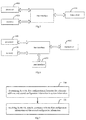
- the present disclosure provides in some embodiments a method for receiving data, which includes: Step 710 of determining, by a UE, first configuration information for a dynamic subframe and second configuration information in system information; and Step 702 of receiving, by the UE, data in accordance with the first configuration information and the second configuration information.
- the step of receiving, by the UE, the data in accordance with the first configuration information and the second configuration information includes: for one subframe, when the one subframe is determined as a downlink subframe in accordance with the first configuration information and the one subframe is determined as the downlink subframe in accordance with the second configuration information, receiving, by the UE, the data using the one subframe as the downlink subframe; or, for one subframe, when the one subframe is determined as a special subframe in accordance with the first configuration information and the one subframe is determined as a downlink subframe in accordance with the second configuration information, receiving, by the UE, the data using the one subframe as the special subframe; or, for one subframe, when the one subframe is determined as a special subframe in accordance with the first configuration information and the one subframe is determined as the special subframe in accordance with the second configuration information, receiving, by the UE, the data using the one subframe as the special subframe; or, for one subframe, when the one subframe is determined as a
- the step of receiving, by the UE, the data using the one subframe as the downlink subframe and the special subframe includes: receiving, by the UE, the data via all symboles in a first resource of the one subframe and a downlink symbol in a special subframe format in a second resource of the one subframe.
- the method further includes: determining, by the UE, that the UE is configured by a network-side device to receive the data using the subframe as the downlink subframe.
- the method further includes: determining, by the UE, that the UE is configured by a network-side device to receive the data using the subframe as the special subframe.
- the method further includes: determining, by the UE, that the UE is configured by a netwokr-side device to receive the data using the subframe as the downlink subframe and the special subframe.
- the method further includes: after the UE determines that the UE is configured by the network-side device to receive the data in accordance with uplink/downlink subframe configuration, receiving, by the UE, the data in accordance with the second configuration information; or, after the UE determines that the UE is configured by the network-side device to receive the data in accordance with dynamic subframe configuration, receiving, by the UE, the data in accordance with the first configuration information.
- the first configuration information includes information about the conversion of the downlink subframe configured in the second configuration information into the special subframe and/or information about the conversion of the special subframe configured in the second configuration information into the downlink subframe.
- the present disclosure provides in some embodiments a method for transmitting data, which includes: Step 810 of determining, by a network-side device, first configuration information for a dynamic subframe corresponding to a UE and second configuration information in system information corresponding to the UE; and Step 820 of transmitting, by the network-side device, data to the UE in accordance with the first configuration information and the second configuration information.
- the step of transmitting, by the network-side device, the data to the UE in accordance with the first configuration information and the second configuration information includes: for one subframe, when the subframe is determined as a downlink subframe in accordance with the first configuration information and the subframe is determined as the downlink subframe in accordance with the second configuration information, transmitting, by the network-side device, the data to the UE using the subframe as the downlink subframe; or, for one subframe, when the subframe is determined as a special subframe in accordance with the first configuration information and the subframe is determined as a downlink subframe in accordance with the second configuration information, transmitting, by the network-side device, the data to the UE using the subframe as the special subframe; or, for one subframe, when the subframe is determined as a special subframe in accordance with the first configuration information and the subframe is determined as the special subframe in accordance with the second configuration information, transmitting, by the network-side device, the data to the UE using the subframe as the subframe
- the step of transmitting, by the network-side device, the data to the UE using the subframe as the downlink subframe and the special subframe includes: transmitting, by the network-side device, the data to the UE via all symboles in a first resource of the subframe and a downlink symbol in a special subframe format in a second resource of the subframe.
- the method further includes: configuring, by the network-side device, the UE to receive the data using the subframe as the downlink subframe.
- the method further includes: configuring, by the network-side device, the UE to receive the data using the subframe as the special subframe.
- the method further includes: configuring, by the network-side device, the UE to receive the data using the subframe as the downlink subframe and the special subframe.
- the method further includes: configuring, by the network-side device, the UE to receive the data in accordance with uplink/downlink subframe configuration, therbey to enable the UE to receive the data in accordance with the second configuration information; or, configuring, by the network-side device, the UE to receive the data in accordance with dynamic subframe configuration, thereby to enable the UE to receive the data in accordance with the first configuration information.
- the first configuration information includes information about the conversion of the downlink subframe configured in the second configuration information into the special subframe and/or information about the conversion of the special subframe configured in the second configuration information into the downlink subframe.
- Figs.7 and 8 may be combined into a method for receiving data, where Step 820 is performed prior to Step 720, and there is no necessary sequential relationship between Steps 710 and 810, as long as Step 710 is performed prior to Step 720 and Step 810 is performed prior to Step 820.
- the present disclosure may be provided as a method, a system or a computer program product, so the present disclosure may be in the form of full hardware embodiments, full software embodiments, or combinations thereof.
- the present disclosure may be in the form of a computer program product implemented on one or more computer-readable storage mediums (including but not limited to disk memory, CD-ROM and optical memory) including computer-readable program codes.
- These computer program instructions may also be stored in a computer readable storage that may guide the computer or the other programmable data process devices to function in a certain way, so that the instructions stored in the computer readable storage may create a product including an instruction unit which achieves the functions assigned in one or more flows in the flow chart and/or one or more blocks in the block diagram.
- These computer program instructions may also be loaded in the computer or the other programmable data process devices, so that a series of operation steps are executed on the computer or the other programmable devices to create processes achieved by the computer. Therefore, the instructions executed in the computer or the other programmable devices provide the steps for achieving the function assigned in one or more flows in the flow chart and/or one or more blocks in the block diagram.
Landscapes
- Engineering & Computer Science (AREA)
- Signal Processing (AREA)
- Computer Networks & Wireless Communication (AREA)
- Mobile Radio Communication Systems (AREA)
Abstract
Description
- The present application claims a priority of the
Chinese patent application No.201310436118.4 filed on September 23, 2013 - The present disclosure relates to the field of wireless communication technology, in particular to a method, a system and a device for transmitting and receiving data.
- It is necessary for a 3rd Generation Partnership Project (3GPP) system and its Long Term Evolution (LTE) system to support dynamic uplink/downlink subframe switching in a Time Division Duplexing (TDD) mode. Through this dynamic uplink/downlink subframe switching, it is able to meet the requirements on uplink/downlink data transmission in a network in a more accurate manner, thereby to improve a network transmission rate and reduce time delay.
- In an existing LTE system, channel resources are divided in the TDD mode into a series of radio frames in a time domain, and each frame is further divided into several subframes (e.g., 10 subframes). In an existing TDD system, uplink/downlink subframe configuration in one radio frame is indicated in system information. As shown in
Fig.1 , uplink/downlinksubframe configuration # 0 is indicated in initial system information, and prior to a certain radio frame K, the network determines, in accordance with the volume of uplink/downlink data to be transmitted, that it is required to switchconfiguration # 0 toconfiguration # 5 through "switching 1" so as to provide more downlink subframes. At a certain radio frame K+M, the network determines that it is required to switchconfiguration # 5 toconfiguration # 0 through "switching 2" so as to provide more uplink subframes. - In the existing system, it is required for a User Equipment (UE) to receive the data based on a hypothesis of a current subframe structure. For example, when a current subframe is a downlink subframe, it is hypothesized that 14 symbols may be used for the downlink reception, and when the current subframe is a special subframe, the number of the symbols for reception may be determined in accordance with special subframe configuration in high-layer signaling.
- In the case of dynamic uplink/downlink subframe switching, when a certain subframe is indicated in the system information as a special subframe and this subframe is dynamically changed to a downlink subframe, a new UE may acquire the configuration of the dynamically-changed subframe. However, in order to not affect the data reception of a traditional UE, such public information as paging information and system information must be received on the basis of a special subframe format, resulting in a decrease in a resource utilization rate of the new UE during the data reception.
- An object of the present disclosure is to provide a method, a system and a device for transmitting and receiving data, so as to improve a resource utilization rate of a new UE during the data reception in the case of dynamic uplink/downlink subframe switching.
- In one aspect, the present disclosure provides in some embodiments a method for receiving data, including steps of: determining, by a UE, first configuration information for a dynamic subframe and second configuration information in system information; and receiving, by the UE, data in accordance with the first configuration information and the second configuration information.
- According to the method in the embodiments of the present disclosure, the UE receives the data in accordance with the first configuration information for the dynamic subframe and the second configuration information in the system information, so that the UE may receive the data within an identical subframe on the basis of different frame structures in the case of the known second configuration information. As a result, it is able to improve the resource utilization rate during the data reception.
- Optionally, the step of receiving, by the UE, the data in accordance with the first configuration information and the second configuration information includes: for one subframe, when the one subframe is determined as a downlink subframe in accordance with the first configuration information and the one subframe is determined as the downlink subframe in accordance with the second configuration information, receiving, by the UE, the data using the one subframe as the downlink subframe; or, for one subframe, when the one subframe is determined as a special subframe in accordance with the first configuration information and the one subframe is determined as a downlink subframe in accordance with the second configuration information, receiving, by the UE, the data using the one subframe as the special subframe; or, for one subframe, when the one subframe is determined as a special subframe in accordance with the first configuration information and the one subframe is determined as the special subframe in accordance with the second configuration information, receiving, by the UE, the data using the one subframe as the special subframe; or, for one subframe, when the one subframe is determined as a downlink subframe in accordance with the first configuration information and the one subframe is determined as a special subframe in accordance with the second configuration information, receiving, by the UE, the data using the one subframe as the downlink subframe and the special subframe.
- The UE in the embodiments of the present disclosure receives the data in accordance with the first configuration for the dynamic subframe and the second configuration information in the system information by using the subframe as the downlink subframe and/or the special subframe, so as to improve the resource utilization rate during the data reception.
- Optionally, the step of receiving, by the UE, the data using the one subframe as the downlink subframe and the special subframe includes receiving, by the UE, the data via all symboles in a first resource of the one subframe and a downlink symbol in a special subframe format in a second resource of the one subframe.
- Optionally, before, for one subframe, receiving, by the UE, the data using the one subframe as the downlink subframe when the one subframe is determined as the downlink subframe in accordance with the first configuration information and the one subframe is determined as the downlink subframe in accordance with the second configuration information, the method further includes: determining, by the UE, that the UE is configured by a network-side device to receive the data using the one subframe as the downlink subframe.
- Before, for one subframe, receiving, by the UE, the data using the one subframe as the special subframe when the one subframe is determined as the special subframe in accordance with the first configuration information and the one subframe is determined as the special subframe in accordance with the second configuration information, the method further includes: determining, by the UE, that the UE is configured by the network-side device to receive the data using the one subframe as the special subframe.
- Before, for one subframe, receiving, by the UE, the data using the one subframe as the downlink subframe and the special subframe when the one subframe is determined as the downlink subframe in accordance with the first configuration information and the subframe is determined as the special subframe in accordance with the second configuration information, the method further includes: determining, by the UE, that the UE is configured by the netwokr-side device to receive the data using the one subframe as the downlink subframe and the special subframe.
- According to the embodiments of the present disclosure, it is able for the UE to receive the data in respective modes in accordance with the configuration at a network side, thereby to improve the flexibility during the data reception.
- Optionally, the method further includes: after the UE determines that the UE is configured by the network-side device to receive the data in accordance with uplink/downlink subframe configuration, receiving, by the UE, the data in accordance with the second configuration information; or, after the UE determines that the UE is configured by the network-side device to receive the data in accordance with dynamic subframe configuration, receiving, by the UE, the data in accordance with the first configuration information.
- According to the embodiments of the present disclosure, it is able for the UE to receive the data in respective modes in accordance with the configuration at a network side, thereby to improve the flexibility during the data reception.
- Optionally, the first configuration information includes information of conversion of the downlink subframe configured in the second configuration information into the special subframe and/or information of conversion of the special subframe configured in the second configuration information into the downlink subframe.
- In another aspect, the present disclosure provides in some embodiments a method for transmitting data, including steps of: determining, by a network-side device, first configuration information for a dynamic subframe corresponding to a UE and second configuration information in system information corresponding to the UE; and transmitting, by the network-side device, data to the UE in accordance with the first configuration information and the second configuration information.
- According to the method in the embodiments of the present disclosure, the network-side device transmits the data to the UE in accordance with the first configuration information for the dynamic subframe corresponding to the UE and the second configuration information in the system information corresponding to the UE, so that the UE may receive the data within an identical subframe on the basis of different frame structures in the case of the known second configuration information. As a result, it is able to improve the resource utilization rate during the data reception.
- Optionally, the step of transmitting, by the network-side device, the data to the UE in accordance with the first configuration information and the second configuration information includes: for one subframe, when the one subframe is determined as a downlink subframe in accordance with the first configuration information and the one subframe is determined as the downlink subframe in accordance with the second configuration information, transmitting, by the network-side device, the data to the UE using the one subframe as the downlink subframe; or, for one subframe, when the one subframe is determined as a special subframe in accordance with the first configuration information and the one subframe is determined as a downlink subframe in accordance with the second configuration information, transmitting, by the network-side device, the data to the UE using the subframe as the special subframe; or, for one subframe, when the one subframe is determined as a special subframe in accordance with the first configuration information and the one subframe is determined as the special subframe in accordance with the second configuration information, transmitting, by the network-side device, the data to the UE using the one subframe as the special subframe; or, for one subframe, when the one subframe is determined as a downlink subframe in accordance with the first configuration information and the one subframe is determined as a special subframe in accordance with the second configuration information, transmitting, by the network-side device, the data to the UE using the one subframe as the downlink subframe and the special subframe.
- The network-side device in the embodiments of the present disclosure transmits the data to the UE in accordance with the first configuration for the dynamic subframe and the second configuration information in the system information, so as to improve the resource utilization rate during the data transmission.
- Optionally, the step of transmitting, by the network-side device, the data to the UE using the subframe as the downlink subframe and the special subframe includes transmitting, by the network-side device, the data to the UE via all symboles in a first resource of the subframe and a downlink symbol in a special subframe format in a second resource of the subframe.
- Optionally, before, for one subframe, transmitting, by the network-side device, the data to the UE using the one subframe as the downlink subframe when the one subframe is determined as the downlink subframe in accordance with the first configuration information and the one subframe is determined as the downlink subframe in accordance with the second configuration information, the method further includes: configuring, by the network-side device, the UE to receive the data using the one subframe as the downlink subframe.
- Before, for one subframe, transmitting, by the network-side device to the UE using the one subframe as the special subframe when the one subframe is determined as the special subframe in accordance with the first configuration information and the one subframe is determined as the downlink subframe in accordance with the second configuration information, the method further includes: configuring, by the network-side device, the UE to receive the data using the one subframe as the special subframe.
- Before, for one subframe, transmitting, by the network-side device, the data to the UE using the one subframe as the special subframe when the one subframe is determined as the special subframe in accordance with the first configuration information and the one subframe is determined as the special subframe in accordance with the second configuration information, the method further includes: configuring, by the network-side device, the UE to receive the data using the one subframe as the downlink subframe and the special subframe.
- According to the embodiments of the present disclosure, it is able for the network-side device to configure respective modes for the UE to receive the data, thereby to improve the flexibility during the data transmission.
- Optionally, the method further includes: configuring, by the network-side device, the UE to receive the data in accordance with uplink/downlink subframe configuration, therbey to enable the UE to receive the data in accordance with the second configuration information; or configuring, by the network-side device, the UE to receive the data in accordance with dynamic subframe configuration, thereby to enable the UE to receive the data in accordance with the first configuration information.
- According to the embodiments of the present disclosure, it is able for the network-side device to configure the respective modes for the UE to receive the data, thereby to improve the flexibility during the data transmission.
- Optionally, the first configuration information includes information of conversion of the downlink subframe configured in the second configuration information into the special subframe and/or information of conversion of the special subframe configured in the second configuration information into the downlink subframe.
- In yet another aspect, the present disclosure provides in some embodiments a UE for receiving data, including: a first determination module configured to determine first configuration information for a dynamic subframe and second configuration information in system information; and a reception module configured to receive data in accordance with the first configuration information and the second configuration information.
- According to the embodiments of the present disclosure, the UE receives the data in accordance with the first configuration information for the dynamic subframe and the second configuration information in the system information, so that the UE may receive the data within an identical subframe on the basis of different frame structures in the case of the known second configuration information. As a result, it is able to improve the resource utilization rate during the data reception.
- Optionally, the reception module is configured to: for one subframe, when the one subframe is determined as a downlink subframe in accordance with the first configuration information and the one subframe is determined as the downlink subframe in accordance with the second configuration information, receive the data using the one subframe as the downlink subframe; or, for one subframe, when the one subframe is determined as a special subframe in accordance with the first configuration information and the one subframe is determined as a downlink subframe in accordance with the second configuration information, receive the data using the one subframe as the special subframe; or, for one subframe, when the one subframe is determined as a special subframe in accordance with the first configuration information and the one subframe is determined as the special subframe in accordance with the second configuration information, receive the data using the one subframe as the special subframe; or, for one subframe, when the one subframe is determined as a downlink subframe in accordance with the first configuration information and the one subframe is determined as a special subframe in accordance with the second configuration information, receive the data using the one subframe as the downlink subframe and the special subframe.
- The UE in the embodiments of the present disclosure receives the data in accordance with the first configuration for the dynamic subframe and the second configuration information in the system information by using the subframe as the downlink subframe and/or the special subframe, so as to improve the resource utilization rate during the data reception.
- Optionally, the reception module is configured to receive the data via all symboles in a first resource of the subframe and a downlink symbol in a special subframe format in a second resource of the subframe.
- Optionally, the reception module is configured to: after the UE is configured by the network-side device to receive the data using the subframe as the downlink subframe, for one subframe, receive the data using the one subframe as the downlink subframe when the one subframe is determined as the downlink subframe in accordance with the first configuration information and the one subframe is determined as the downlink subframe in accordance with the second configuration information; or, after the UE is configured by the network-side device to receive the data using the subframe as the special subframe, for one subframe, receive the data using the one subframe as the special subframe when the one subframe is determined as the special subframe in accordance with the first configuration information and the one subframe is determined as the special subframe in accordance with the second configuration information; or, after the UE is determined by the network-side device to receive the data using the subframe as the downlink subframe and the special subframe, for one subframe, receive the data using the one subframe as the downlink subframe and the special subframe when the one subframe is determined as the downlink subframe in accordance with the first configuration information and the one subframe is determined as the special subframe in accordance with the second configuration information.
- According to the embodiments of the present disclosure, it is able for the UE to receive the data in respective modes in accordance with the configuration at a network side, thereby to improve the flexibility during the data reception.
- Optionally, the reception module is further configured to: after the UE is configured by the network-side device to receive the data in accordance with uplink/downlink subframe configuration, receive the data in accordance with the second configuration information; or after the UE is configured by the network-side device to receive the data in accordance with dynamic subframe configuration, receive the data in accordance with the first configuration information.
- Optionally, the first configuration information includes information of conversion of the downlink subframe configured in the second configuration information into the special subframe and/or information of conversion of the special subframe configured in the second configuration information into the downlink subframe.
- In still yet another aspect, the present disclosure provides in some embodiments a network-side device for transmitting data, including: a second determination module configured to determine first configuration information for a dynamic subframe corresponding to a UE and second configuration information in system information corresponding to the UE; and a transmission module configured to transmit data to the UE in accordance with the first configuration information and the second configuration information.
- According to the embodiments of the present disclosure, the network-side device transmits the data to the UE in accordance with the first configuration information for the dynamic subframe corresponding to the UE and the second configuration information in the system information corresponding to the UE, so that the UE may receive the data within an identical subframe on the basis of different frame structures in the case of the known second configuration information. As a result, it is able to improve the resource utilization rate during the data reception.
- Optionally, the transmission module is configured to: for one subframe, when the subframe is determined as a downlink subframe in accordance with the first configuration information and the subframe is determined as the downlink subframe in accordance with the second configuration information, transmit the data to the UE using the subframe as the downlink subframe; or, for one subframe, when the subframe is determined as a special subframe in accordance with the first configuration information and the subframe is determined as a downlink subframe in accordance with the second configuration information, transmit the data to the UE using the subframe as the special subframe; or, for one subframe, when the subframe is determined as a special subframe in accordance with the first configuration information and the subframe is determined as the special subframe in accordance with the second configuration information, transmit the data to the UE using the subframe as the special subframe; or, for one subframe, when the subframe is determined as a downlink subframe in accordance with the first configuration information and the subframe is determined as a special subframe in accordance with the second configuration information, transmit the data to the UE using the subframe as the downlink subframe and the special subframe.
- The network-side device in the embodiments of the present disclosure transmits the data to the UE in accordance with the first configuration for the dynamic subframe and the second configuration information in the system information, so as to improve the resource utilization rate during the data transmission.
- Optionally, the transmission module is configured to transmit the data to the UE via all symboles in a first resource of the subframe and a downlink symbol in a special subframe format in a second resource of the subframe.
- Optionally, the transmission module is configured to: after the UE is configured to receive the data using the subframe as the downlink subframe, for one subframe, transmit the data to the UE using the one subframe as the downlink subframe when the one subframe is determined as the downlink subframe in accordance with the first configuration information and the one subframe is determined as the downlink subframe in accordance with the second configuration information; or, after the UE is configured to receive the data using the subframe as the special subframe, for one subframe, transmit the data to the UE using the one subframe as the special subframe when the one subframe is determined as the special subframe in accordance with the first configuration information and the one subframe is determined as the downlink subframe in accordance with the second configuration information; or, after the UE is configured to receive the data using the subframe as the downlink subframe and the special subframe, for one subframe, transmit the data to the UE using the one subframe as the special subframe when the one subframe is determined as the special subframe in accordance with the first configuration information and the subframe is determined as the special subframe in accordance with the second configuration information.
- According to the embodiments of the present disclosure, it is able for the network-side device to configure respective modes for the UE to receive the data, thereby to improve the flexibility during the data transmission.
- Optionally, the transmission module is further configured to: configure the UE to receive the data in accordance with the uplink/downlink subframe configuration, thereby to enable the UE to receive the data in accordance with the second configuration information, or configure the UE to receive the data in accordance with the dynamic subframe configuration, thereby to enable the UE to receive the data in accordance with the first configuration information.
- Optionally, the first configuration information includes information of conversion of the downlink subframe configured in the second configuration information into the special subframe and/or information of conversion of the special subframe configured in the second configuration information into the downlink subframe.
- In still yet another aspect, the present disclosure provides in some embodiments a network-side device, including: a processor configured to determine first configuration information for a dynamic subframe corresponding to a UE and second configuration information in system information corresponding to the UE, and transmit data to the UE via a transceiver in accordance with the first configuration information and the second configuration information; and the transceiver configured to receive and transmit the data under the control of the processor.
- In still yet another aspect, the present disclosure provides in some embodiments a UE, including: a processor configured to determine first configuration information for a dynamic subframe and second configuration information in system information, and receive data via a transceiver in accordance with the first configuration information and the second configuration information; and the transceiver configured to receive and transmit the data under the control of the processor.
- In still yet another aspect, the present disclosure provides in some embodimetns a system for receiving data, including: a network-side device configured to determine first configuration information for a dynamic subframe corresponding to a UE and second configuration information in system information corresponding to the UE, and transmit data to the UE in accordance with the first configuration information and the second configuration information; and the UE confiogured to determine the first configuration information for the dynamic subframe and the second configuration information in the system information, and receive the data in accordance with the first configuration information and the second configuration information.
- According to the embodiments of the present disclosure, the UE receives the data in accordance with the first configuration information for the dynamic subframe and the second configuration information in the system information, so that the UE may receive the data within an identical subframe on the basis of different frame structures in the case of the known second configuration information. As a result, it is able to improve the resource utilization rate during the data reception.
-
-
Fig.1 is a schematic view showing the change of dynamic uplink/downlink subframes in the related art; -
Fig.2 is a schematic view showing a system for receiving data according to one embodiment of the present disclosure; -
Fig.3 is a schematic view showing a network-side device in the system for receiving data according to one embodiment of the present disclosure; -
Fig.4 is a schematic view showing a UE in the system for receiving data according to one embodiment of the present disclosure; -
Fig.5 is another schematic view showing the network-side device in the system for receiving data according to one embodiment of the present disclosure; -
Fig.6 is another schematic view showing the UE in the system for receiving data according to one embodiment of the present disclosure; -
Fig.7 is a flow chart of a method for transmitting data according to one embodiment of the present disclosure; -
Fig.8 is a flow chart of a method for receiving data according to one embodiment of the present disclosure; and -
Fig.9 is a schematic view showing the situation where the data is received in two modes within an identical subframe according to one embodiment of the present disclosure. - According to the embodiments of the present disclosure, a UE determines first configuration information for a dynamic subframe and second configuration information in system information, and receives data in accordance with the first configuration information and the second configuration information, so that the UE may receive the data within an identical subframe on the basis of different frame structures in the case of the known second configuration information. As a result, it is able to improve the resource utilization rate during the data reception.
- The embodiments of the present disclosure will be described hereinafter in conjunction with the drawings.
- As shown in
Fig.2 , the present disclosure provides in some embodiments a system for receiving data, which includes a network-side device 10 and aUE 20. - The network-
side device 10 is configured to determine first configuration information for a dynamic subframe corresponding to the UE and second configuration information in system information corresponding to the UE, and transmit data to the UE in accordance with the first configuration information and the second configuration information. - The
UE 20 is configured to determine the first configuration information for the dynamic subframe and the second configuration information in the system information, and receive the data in accordance with the first configuration information and the second configuration information. - During the implementation, the second configuration information is equivalent to TDD uplink/downlink subframe configuration in an existing system, which is available for both a traditional UE (by which the first configuration information cannot be identified and the second configuration information can be identified) and a novel UE (by which both the first configuration information and the second configuration information can be identified).
- The first configuration information (i.e., the changed uplink/downlink subframe configuration) may be indicated by dynamic or semi-static signaling, depending on a change frequency of the subframe configuration.
- There are various modes for the data transmission between the network-side device and the UE in accordance with the first configuration information and the second configuration inforamtion, and some of them will be described hereinafter.
- Mode 1: for one subframe, when the subframe is determined as a downlink subframe in accordance with the first configuration information and the subframe is determined as the downlink subframe in accordance with the second configuration information, the data is transmitted by the network-side device to the UE using the subframe as the downlink subframe.
- Correspondingly, for one subframe, when the subframe is determined as a downlink subframe in accordance with the first configuration information and the subframe is determined as the downlink subframe in accordance with the second configuration information, the data is received by the UE using the subframe as the downlink subframe.
- To be specific, when the data is transmitted by the network-side device to the UE using the subframe as the downlink subframe, the data may be transmitted via all symbols in the subframe. Correspondingly, when the data is received by the UE using the subframe as the downlink subframe, the data may be received via all the symbols in the subframe.
- Mode 2: for one subframe, when the subframe is determined as a special subframe in accordance with the first configuration information and the subframe is determined as a downlink subframe in accordance with the second configuration information, the data is transmitted by the network-side device to the UE using the subframe as the special subframe.
- Correspondingly, for one subframe, when the subframe is determined as a special subframe in accordance with the first configuration information and the subframe is determined as a downlink subframe in accordance with the second configuration information, the data is received by the UE using the subframe as the special subframe.
- To be specific, when the data is transmitted by the network-side device to the UE using the subframe as the special subframe, the data may be transmitted via a downlink symbol specified in a special subframe format of the subframe. Correpondingly, when the data is received by the UE using the subframe as the special subframe, the data may be received via a downlink symbol specified in a special subframe format of the subframe.
- Mode 3: for one subframe, when the subframe is determined as a special subframe in accordance with the first configuration information and the subframe is determined as the special subframe in accordance with the second configuration information, the data is transmitted by the network-side device to the UE using the subframe as the special subframe.
- Correspondingly, for one subframe, when the subframe is determined as a special subframe in accordance with the first configuration information and the subframe is determined as the special subframe in accordance with the second configuration information, the data is received by the UE using the subframe as the special subframe.
- To be specific, when the data is transmitted by the network-side device to the UE using the subframe as the special subframe, the data may be transmitted via a downlink symbol specified in a special subframe format of the subframe. Correspondingly, when the data is received by the UE using the subframe as the special subframe, the data may be received via a downlink symbol specified in a special subframe format of the subframe.
- Mode 4: for one subframe, when the subframe is determined as a downlink subframe in accordance with the first configuration information and the subframe is determined as a special subframe in accordance with the second configuration information, the data is transmitted by the network-side device to the UE using the subframe as the downlink subframe and the special subframe.
- Correspondingly, for one subframe, when the subframe is determined as a downlink subframe in accordance with the first configuration information and the subframe is determined as a special subframe in accordance with the second configuration information, the data is received by the UE using the subframe as the downlink subframe and the special subframe.
- To be specific, the data may be transmitted via all symboles in a first resource of the subframe and a downlink symbol specified in a special subframe format in a second resource of the subframe. Correspondingly, the data may be received via all symboles in the first resource of the subframe and a downlink symbol specified in a special subframe format in the second resource of the subframe.
- The above four modes are shown in Table 1.
Table 1 Current subframe configuration in system information (second configuration information) Dynamic subframe configuration (first configuration information) Mode Downlink Downlink Mode 1 Downlink Special Mode 2 Special Special Mode 3 Special Downlink Mode 4 - In
mode 4, the UE is required to receive the data within an identical subframe in different subframe formats. As shown inFig.9 , it is hypothesized that a subframe X of a current radio frame includes 14 Orthogonal Frequency Division Multiplexing (OFDM) symbols and two preceding symbols are occupied by Physical Downlink Control Channel (PDCCH). InFig.9 , a special subframe configured in the system information includes 9 OFDM symbols (e.g., special subframe configuration #1). By searching control channel, both paging information and dedicated data are detected by the UE concurrently. At this time, in the current radio frame, the paging information and the dedicated data are received by the UE over two different resources (resource 1 and resource 2), respectively, on the basis of two frame format hypotheses. - The above are described by taking the paging information and the dedicated data an example. Of course, according to the practical need, any other information, e.g., system information or public control information shared by cells, may also be transmitted via the symbols.
- During the implementation, the network-side device may configure a specific mode for the UE, and the operations may be performed by the UE when the conditions desired for the mode are met and the mode is configured for the UE.
- Configuration #1: the UE is configured by the network-side device to receive the data using the subframe as the downlink subframe.
- Correspondingly, after the UE is configured by the network-side device to receive the data using the subframe as the downlink subframe, for one subframe, the UE receives the data using the one subframe as the downlink subframe when the one subframe is determined as the downlink subframe in accordance with the first configuration information and the one subframe is determined as the downlink subframe in accordance with the second configuration information.
- Configuration #2: the UE is configured by the network-side device to receive the data using the subframe as the special subframe.
- Correspondingly, after the UE is configured by the network-side device to receive the data using the subframe as the special subframe, for one subframe, the UE receives the data using the one subframe as the special subframe when the one subframe is determined as the special subframe in accordance with the first configuration information and the one subframe is determined as the special subframe in accordance with the second configuration information.
- Configuration #3: the UE is configured by the network-side device to receive the data using the subframe as the downlink subframe and the special subframe.
- Correspondingly, after the UE is configured by the network-side device to receive the data using the subframe as the downlink subframe and the special subframe, for one subframe, the UE receives the data using the one subframe as the downlink subframe and the special subframe when the one subframe is determined as the downlink subframe in accordance with the first configuration information and the one subframe is determined as the special subframe in accordance with the second configuration information.
- Configuration #4: the UE is configured by the network-side device to receive the data in accordance with the uplink/downlink subframe configuration, thereby to receive the data in accordance with the second configuration information.
- Correspondingly, after the the UE is configured by the network-side device to receive the data in accordance with the uplink/downlink subframe configuration, the UE receives the data in accordance with the second configuration information.
- Configuration #5: the UE is configured by the network-side device to receive the data in accordance with the dynamic subframe configuration, thereby to receive the data in accordance with the first configuration information.
- Correspondingly, after the UE is configured by the network-side device to receive the data in accordance with the dynamic subframe configuration, the UE receives the data in accordance with the first configuration information.
- During the implementation, one or more of the above configurations may be adopted according to the practical need.
- For example, when
configuration # 3 is adopted and when one subframe is detemrined as the downlink subframe in accordance with the first configuration information and the one subframe is determined as the special subframe in accordance with the second configuration information, the UE may receive the data using the one subframe as the downlink subframe and the special subframe. - During the implementation, the network-side devic may acquire the first configuration information and the second configuration information, so when the UE is configured by the network-side device, such a contradiction where, e.g.,
configuration # 3 is adopted but for one subframe, the UE determines the one subframe as the special subframe in accordance with the first configuration information and determines the one subframe as the special subframe in accordance with the second configuration information, may not occur. - Hence, the UE is configured by the network-side device in accordance with the first configuration information and the second configuration information.
- For example, when the network-side device determines the subframe as the sepcial subframe in accordance with the first configuration information and determines the subframe as the special subframe in accordance with the second configuration information, an idnetical result may also be acquired by the UE. At this time,
configuration # 2,configuration # 4 orconfiguration # 5 may be adopted. - Optionally, in the embodiments of the present disclosure, the first configuration information includes information about the conversion of the downlink subframe configured in the second configuration information into the special subframe and/or information about the conversion of the special subframe configured in the second configuration information into the downlink subframe.
- For example,
subframe 5 is configured in the second configuration information as a downlink subframe, and the first configuration information includes information about the conversion ofsubframe 5 into a special subframe. - As shown in
Fig.3 , the present disclosure provides in some embodiments the network-side device in the system for receiving data, which includes asecond determination module 300 and atransmission module 310. - The
second determination module 300 is configured to determine first configuration information for a dynamic subframe corresponding to the UE and second configuration information in system information corresponding to the UE. - The
transmission module 310 is configured to transmit data to the UE in accordance with the first configuration information and the second configuration information. - Optionally, the
transmission module 310 is configured to: for one subframe, when the subframe is determined as a downlink subframe in accordance with the first configuration information and the subframe is determined as the downlink subframe in accordance with the second configuration information, transmit the data to the UE using the subframe as the downlink subframe; or, for one subframe, when the subframe is determined as a special subframe in accordance with the first configuration information and the subframe is determined as a downlink subframe in accordance with the second configuration information, transmit the data to the UE using the subframe as the special subframe; or, for one subframe, when the subframe is determined as a special subframe in accordance with the first configuration information and the subframe is determined as the special subframe in accordance with the second configuration information, transmit the data to the UE using the subframe as the special subframe; or, for one subframe, when the subframe is determined as a downlink subframe in accordance with the first configuration information and the subframe is determined as a special subframe in accordance with the second configuration information, transmit the data to the UE using the subframe as the downlink subframe and the special subframe. - Optionally, the
transmission module 310 is configured to transmit the data to the UE via all symboles in a first resource of the subframe and a downlink symbol in a special subframe format in a second resource of the subframe. - Optionally, the
transmission module 310 is configured to: after the UE is configured to receive the data using the subframe as the downlink subframe, for one subframe, transmit the data to the UE using the one subframe as the downlink subframe when the one subframe is determined as the downlink subframe in accordance with the first configuration information and the one subframe is determined as the downlink subframe in accordance with the second configuration information; or, after the UE is configured to receive the data using the subframe as the special subframe, for one subframe, transmit the data to the UE using the one subframe as the special subframe when the one subframe is determined as the special subframe in accordance with the first configuration information and the one subframe is determined as the downlink subframe in accordance with the second configuration information; or, after the UE is configured to receive the data using the subframe as the downlink subframe and the special subframe, for one subframe, transmit the data to the UE using the subframe as the special subframe when the one subframe is determined as the special subframe in accordance with the first configuration information and the subframe is determined as the special subframe in accordance with the second configuration information. - Optionally, the
transmission module 310 is further configured to: configure the UE to receive the data in accordance with the uplink/downlink subframe configuration, thereby to enable the UE to receive the data in accordance with the second configuration information, or, configure the UE to receive the data in accordance with the dynamic subframe configuration, thereby to enable the UE to receive the data in accordance with the first configuration information. - Optionally, the first configuration information includes information about the conversion of the downlink subframe configured in the second configuration information into the special subframe and/or information about the conversion of the special subframe configured in the second configuration information into the downlink subframe.
- As shown in
Fig.4 , the present disclsoure provides in some embodiments the UE in the system for receiving data, which includes afirst determination module 400 and areception module 410. - The
first determination module 400 is configured to determine first configuration information for a dynamic subframe and second configuration information in system information. - The
reception module 410 is configured to receive data in accordance with the first configuration information and the second configuration information. - Optionally, the
reception module 410 is configured to: for one subframe, when the subframe is determined as a downlink subframe in accordance with the first configuration information and the subframe is determined as the downlink subframe in accordance with the second configuration information, receive the data using the subframe as the downlink subframe; or, for one subframe, when the subframe is determined as a special subframe in accordance with the first configuration information and the subframe is determined as a downlink subframe in accordance with the second configuration information, receive the data using the subframe as the special subframe; or, for one subframe, when the subframe is determined as a special subframe in accordance with the first configuration information and the subframe is determined as the special subframe in accordance with the second configuration information, receive the data using the subframe as the special subframe; or, for one subframe, when the subframe is determined as a downlink subframe in accordance with the first configuration information and the subframe is determined as a special subframe in accordance with the second configuration information, receive the data using the subframe as the downlink subframe and the special subframe. - Optionally, the
reception module 410 is configured to receive the data via all symboles in a first resource of the subframe and a downlink symbol in a special subframe format in a second resource of the subframe. - Optionally, the
reception module 410 is further configured to: after the UE is configured by the network-side device to receive the data using the subframe as the downlink subframe, for one subframe, receive the data using the one subframe as the downlink subframe when the one subframe is determined as the downlink subframe in accordance with the first configuration information and the one subframe is determined as the downlink subframe in accordance with the second configuration information; or, after the UE is configured by the network-side device to receive the data using the subframe as the special subframe, for one subframe, receive the data using the one subframe as the special subframe when the one subframe is determined as the special subframe in accordance with the first configuration information and the one subframe is determined as the special subframe in accordance with the second configuration information; or, after the UE is configured by the network-side device to receive the data using the subframe as the downlink subframe and the special subframe, for one subframe, receive the data using the one subframe as the downlink subframe and the special subframe when the one subframe is determined as the downlink subframe in accordance with the first configuration information and the one subframe is determined as the special subframe in accordance with the second configuration information. - Optionally, the
reception module 410 is further configured to: after the UE is configured by the network-side device to receive the data in accordance with uplink/downlink subframe configuration, receive the data in accordance with the second configuration information; or, after the UE is configured by the network-side device to receive the data in accordance with dynamic subframe configuration, receive the data in accordance with the first configuration information. - Optionally, the first configuration information includes information about the conversion of the downlink subframe configured in the second configuration information into the special subframe and/or information about the conversion of the special subframe configured in the second configuration information into the downlink subframe.
- As shown in
Fig.5 , the present disclosure provides in some embodiments the network-side device in the system for receiving data, which includes: aprocessor 500 configured to determine first configuration information for a dynamic subframe corresponding to a UE and second configuration information in system information corresponding to the UE, and transmit data to the UE via atransceiver 510 in accordance with the first configuration information and the second configuration information; and thetransceiver 510 configured to receive and transmit data under the control of theprocessor 500. - Optionally, the
processor 500 is configured to: for one subframe, when the subframe is determined as a downlink subframe in accordance with the first configuration information and the subframe is determined as the downlink subframe in accordance with the second configuration information, transmit the data via thetransceiver 510 to the UE using the subframe as the downlink subframe; or, for one subframe, when the subframe is determined as a special subframe in accordance with the first configuration information and the subframe is determined as a downlink subframe in accordance with the second configuration information, transmit the data via thetransceiver 510 to the UE using the subframe as the special subframe; or, for one subframe, when the subframe is determined as a special subframe in accordance with the first configuration information and the subframe is determined as the special subframe in accordance with the second configuration information, transmit the data via thetransceiver 510 to the UE using the subframe as the special subframe; or, for one subframe, when the subframe is determined as a downlink subframe in accordance with the first configuration information and the subframe is determined as a special subframe in accordance with the second configuration information, transmit the data via thetransceiver 510 to the UE using the subframe as the downlink subframe and the special subframe. - Optionally, the
processor 500 is configured to transmit the data via thetransceiver 510 to the UE via all symboles in a first resource of the subframe and a downlink symbol in a special subframe format in a second resource of the subframe. - Optionally, the
processor 500 is configured to: after the UE is configured to receive the data using the subframe as the downlink subframe, for one subframe, transmit the data via thetransceiver 510 to the UE using the one subframe as the downlink subframe when the one subframe is determined as a downlink subframe in accordance with the first configuration information and the one subframe is determined as the downlink subframe in accordance with the second configuration information; or, after the UE is configured to receive the data using the subframe as the special subframe, for one subframe, transmit the data via thetransceiver 510 to the UE using the one subframe as the special subframe when the one subframe is determined as the special subframe in accordance with the first configuration information and the one subframe is determined as the downlink subframe in accordance with the second configuration information; or, after the UE is configured to receive the data using the subframe as the downlink subframe and the special subframe, for one subframe, transmit the data via thetransceiver 510 to the UE using the one subframe as the special subframe when the one subframe is determined as the downlink subframe in accordance with the first configuration information and the one subframe is determined as the special subframe in accordance with the second configuration information. - Optionally, the
processor 500 is further configured to configure the UE to receive the data in accordance with the uplink/downlink subframe configuration, thereby to enable the UE to receive the data in accordance with the second configuration information, or configure the UE to receive the data in accordance with the dynamic subframe configuration, thereby to enable the UE to receive the data in accordance with the first configuration information. - Optionally, the first configuration information includes information about the conversion of the downlink subframe configured in the second configuration information into the special subframe and/or information about the conversion of the special subframe configured in the second configuration information into the downlink subframe.
- In
Fig.5 , bus architecture may include interconnected buses and bridges in any amount. To be specific, circuits for one or more processors, represented by theprocessor 500, are linked to circuits for memories, represented by amomory 520. Further, the bus architecture may include any other interconencted circuits, such as circuits for a peripheral and a voltage stablizer, and a power management circuit. The above are known in the art, and thus will not be particularly defined herein. Bus interfaces are provided for the interconnection. Thetransceiver 510 may include several elements, i.e., it may include a transmitter, a receiver and a unit in communication with the other devices over a transmission medium. - The
processor 500 may take charge of managing the bus architecture and general processing, and the data for the operation executed by theprocessor 500 may be stored in thememory 520. - As shown in
Fig.6 , the present disclosure provides in some embodiments the UE in the system for receiving data, which includes: aprocessor 600 configured to determine first configuration information for a dynamic subframe and second configuration information in system information, and receive data via atransceiver 610 in accordance with the first configuration information and the second configuration information; and thetransceiver 610 configured to receive and transmit data under the control of theprocessor 600. - Optionally, the
processor 600 is configured to: for one subframe, when the subframe is determined as a downlink subframe in accordance with the first configuration information and the subframe is determined as the downlink subframe in accordance with the second configuration information, receive the data via thetransceiver 610 using the subframe as the downlink subframe; or, for one subframe, when the subframe is determined as a special subframe in accordance with the first configuration information and the subframe is determined as a downlink subframe in accordance with the second configuration information, receive the data via thetransceiver 610 using the subframe as the special subframe; or, for one subframe, when the subframe is determined as a special subframe in accordance with the first configuration information and the subframe is determined as the special subframe in accordance with the second configuration information, receive the data via thetransceiver 610 using the subframe as the special subframe; or, for one subframe, when the subframe is determined as a downlink subframe in accordance with the first configuration information and the subframe is determined as a special subframe in accordance with the second configuration information, receive the data via thetransceiver 610 using the subframe as the downlink subframe and the special subframe. - Optionally, the
processor 600 is configured to receive the data via thetransceiver 610 through all symboles in a first resource of the subframe and a downlink symbol in a special subframe format in a second resource of the subframe. - Optionally, the processor 600 is further configured to: after the UE is configured by the network-side device to receive the data using the subframe as the downlink subframe, for one subframe, receive the data via the transceiver 610 using the one subframe as the downlink subframe when the one subframe is determined as the downlink subframe in accordance with the first configuration information and the one subframe is determined as the downlink subframe in accordance with the second configuration information; or, after the UE is configured by the network-side device to receive the data using the subframe as the special subframe, for one subframe, receive the data via the transceiver 610 using the one subframe as the special subframe when the one subframe is determined as the special subframe in accordance with the first configuration information and the one subframe is determined as the special subframe in accordance with the second configuration information; or, after the UE is determined by the network-side device to receive the data using the subframe as the downlink subframe and the special subframe, for one subframe, receive the data via the tranceiver 610 using the one subframe as the downlink subframe and the special subframe when the one subframe is determined as the downlink subframe in accordance with the first configuration information and the one subframe is determined as the special subframe in accordance with the second configuration information.
- Optionally, the
processor 600 is further configured to: after the UE is configured by the network-side device to receive the data in accordance with uplink/downlink subframe configuration, receive the data in accordance with the second configuration information, or, after the UE is configured by the network-side device to receive the data in accordance with dynamic subframe configuration, receive the data via thetransceiver 610 in accordance with the first configuration information. - Optionally, the first configuration information includes information about the conversion of the downlink subframe configured in the second configuration information into the special subframe and/or information about the conversion of the special subframe configured in the second configuration information into the downlink subframe.
- In
Fig.6 , bus architecture may include interconnected buses and bridges in any amount. To be specific, circuits for one or more processors, represented by theprocessor 600, are linked to circuits for memories, represented by amomory 620. Further, the bus architecture may include any other interconencted circuits, such as circuits for a peripheral and a voltage stablizer, and a power management circuit. The above are known in the art, and thus will not be particularly defined herein. Bus interfaces are provided for the interconnection. Thetransceiver 610 may include several elements, i.e., it may include a transmitter, a receiver and a unit in communication with the other devices over a transmission medium. With respect to different UEs, auser interface 630 may also be an interface through which desired devices are interfaced with the UE internally or externally, and these devices include but not limited to a keypad, a display, a speaker, a microphone and a joystick. - The
processor 600 may take charge of managing the bus architecture and general processing, and the data for the operation executed by theprocessor 600 may be stored in thememory 620. - Based on an identical inventive concept, the present disclosure further provides in some embodiments methods for transmitting and receiving data. The devices for executing these methods are just those included in the system for receiving data in the above-mentioned embodiments, and the principle of these devices is similar to that of the system, so the implementation of these methods may refer to the above-mentioned embodiments concerning the system and thus will not be repeated herein.
- As shown in
Fig.7 , the present disclosure provides in some embodiments a method for receiving data, which includes: Step 710 of determining, by a UE, first configuration information for a dynamic subframe and second configuration information in system information; and Step 702 of receiving, by the UE, data in accordance with the first configuration information and the second configuration information. - Optionally, the step of receiving, by the UE, the data in accordance with the first configuration information and the second configuration information includes: for one subframe, when the one subframe is determined as a downlink subframe in accordance with the first configuration information and the one subframe is determined as the downlink subframe in accordance with the second configuration information, receiving, by the UE, the data using the one subframe as the downlink subframe; or, for one subframe, when the one subframe is determined as a special subframe in accordance with the first configuration information and the one subframe is determined as a downlink subframe in accordance with the second configuration information, receiving, by the UE, the data using the one subframe as the special subframe; or, for one subframe, when the one subframe is determined as a special subframe in accordance with the first configuration information and the one subframe is determined as the special subframe in accordance with the second configuration information, receiving, by the UE, the data using the one subframe as the special subframe; or, for one subframe, when the one subframe is determined as a downlink subframe in accordance with the first configuration information and the one subframe is determined as a special subframe in accordance with the second configuration information, receiving, by the UE, the data using the one subframe as the downlink subframe and the special subframe.
- Optionally, the step of receiving, by the UE, the data using the one subframe as the downlink subframe and the special subframe includes: receiving, by the UE, the data via all symboles in a first resource of the one subframe and a downlink symbol in a special subframe format in a second resource of the one subframe.
- Optionally, before, for one subframe, receiving, by the UE, the data using the one subframe as the downlink subframe when the one subframe is determined as the downlink subframe in accordance with the first configuration information and the one subframe is determined as the downlink subframe in accordance with the second configuration information, the method further includes: determining, by the UE, that the UE is configured by a network-side device to receive the data using the subframe as the downlink subframe.
- Before, for one subframe, receiving, by the UE, the data using the one subframe as the special subframe when the one subframe is determined as the special subframe in accordance with the first configuration information and the one subframe is determined as the special subframe in accordance with the second configuration information, the method further includes: determining, by the UE, that the UE is configured by a network-side device to receive the data using the subframe as the special subframe.
- before, for one subframe, receiving, by the UE, the data using the one subframe as the downlink subframe and the special subframe when the one subframe is determined as the downlink subframe in accordance with the first configuration information and the one subframe is determined as the special subframe in accordance with the second configuration information, the method further includes: determining, by the UE, that the UE is configured by a netwokr-side device to receive the data using the subframe as the downlink subframe and the special subframe.
- Optionally, the method further includes: after the UE determines that the UE is configured by the network-side device to receive the data in accordance with uplink/downlink subframe configuration, receiving, by the UE, the data in accordance with the second configuration information; or, after the UE determines that the UE is configured by the network-side device to receive the data in accordance with dynamic subframe configuration, receiving, by the UE, the data in accordance with the first configuration information.
- Optionally, the first configuration information includes information about the conversion of the downlink subframe configured in the second configuration information into the special subframe and/or information about the conversion of the special subframe configured in the second configuration information into the downlink subframe.
- As shown in
Fig.8 , the present disclosure provides in some embodiments a method for transmitting data, which includes: Step 810 of determining, by a network-side device, first configuration information for a dynamic subframe corresponding to a UE and second configuration information in system information corresponding to the UE; and Step 820 of transmitting, by the network-side device, data to the UE in accordance with the first configuration information and the second configuration information. - Optionally, the step of transmitting, by the network-side device, the data to the UE in accordance with the first configuration information and the second configuration information includes: for one subframe, when the subframe is determined as a downlink subframe in accordance with the first configuration information and the subframe is determined as the downlink subframe in accordance with the second configuration information, transmitting, by the network-side device, the data to the UE using the subframe as the downlink subframe; or, for one subframe, when the subframe is determined as a special subframe in accordance with the first configuration information and the subframe is determined as a downlink subframe in accordance with the second configuration information, transmitting, by the network-side device, the data to the UE using the subframe as the special subframe; or, for one subframe, when the subframe is determined as a special subframe in accordance with the first configuration information and the subframe is determined as the special subframe in accordance with the second configuration information, transmitting, by the network-side device, the data to the UE using the subframe as the special subframe; or, for one subframe, when the subframe is determined as a downlink subframe in accordance with the first configuration information and the subframe is determined as a special subframe in accordance with the second configuration information, transmitting, by the network-side device, the data to the UE using the subframe as the downlink subframe and the special subframe.
- Optionally, the step of transmitting, by the network-side device, the data to the UE using the subframe as the downlink subframe and the special subframe includes: transmitting, by the network-side device, the data to the UE via all symboles in a first resource of the subframe and a downlink symbol in a special subframe format in a second resource of the subframe.
- Optionally, before, for one subframe, transmitting, by the network-side device, the data to the UE using the subframe as the downlink subframe when the subframe is determined as the downlink subframe in accordance with the first configuration information and the subframe is determined as the downlink subframe in accordance with the second configuration information, the method further includes: configuring, by the network-side device, the UE to receive the data using the subframe as the downlink subframe.
- Before, for one subframe, transmitting, by the network-side device to the UE using the subframe as the special subframe when the subframe is determined as the special subframe in accordance with the first configuration information and the subframe is determined as the downlink subframe in accordance with the second configuration information, the method further includes: configuring, by the network-side device, the UE to receive the data using the subframe as the special subframe.
- Before, for one subframe, transmitting, by the network-side device, the data to the UE using the subframe as the special subframe when the subframe is determined as the special subframe in accordance with the first configuration information and the subframe is determined as the special subframe in accordance with the second configuration information, the method further includes: configuring, by the network-side device, the UE to receive the data using the subframe as the downlink subframe and the special subframe.
- Optionally, the method further includes: configuring, by the network-side device, the UE to receive the data in accordance with uplink/downlink subframe configuration, therbey to enable the UE to receive the data in accordance with the second configuration information; or, configuring, by the network-side device, the UE to receive the data in accordance with dynamic subframe configuration, thereby to enable the UE to receive the data in accordance with the first configuration information.
- Optionally, the first configuration information includes information about the conversion of the downlink subframe configured in the second configuration information into the special subframe and/or information about the conversion of the special subframe configured in the second configuration information into the downlink subframe.
- The methods in
Figs.7 and8 may be combined into a method for receiving data, whereStep 820 is performed prior toStep 720, and there is no necessary sequential relationship betweenSteps Step 710 is performed prior toStep 720 andStep 810 is performed prior toStep 820. - It should be appreciated that, the present disclosure may be provided as a method, a system or a computer program product, so the present disclosure may be in the form of full hardware embodiments, full software embodiments, or combinations thereof. In addition, the present disclosure may be in the form of a computer program product implemented on one or more computer-readable storage mediums (including but not limited to disk memory, CD-ROM and optical memory) including computer-readable program codes.
- The present disclosure has been described with reference to the flow charts and/or block diagrams of the method, device (system) and computer program product according to the embodiments of the present disclosure. It should be understood that computer program instructions may be used to implement each of the work flows and/or blocks in the flow charts and/or the block diagrams, and the combination of the work flows and/or blocks in the flow charts and/or the block diagrams. These computer program instructions may be provided to a processor of a common computer, a dedicate computer, an embedded processor or any other programmable data processing devices to create a machine, so that instructions executable by the processor of the computer or the other programmable data processing devices may create a device to achieve the functions assigned in one or more work flows in the flow chart and/or one or more blocks in the block diagram.
- These computer program instructions may also be stored in a computer readable storage that may guide the computer or the other programmable data process devices to function in a certain way, so that the instructions stored in the computer readable storage may create a product including an instruction unit which achieves the functions assigned in one or more flows in the flow chart and/or one or more blocks in the block diagram.
- These computer program instructions may also be loaded in the computer or the other programmable data process devices, so that a series of operation steps are executed on the computer or the other programmable devices to create processes achieved by the computer. Therefore, the instructions executed in the computer or the other programmable devices provide the steps for achieving the function assigned in one or more flows in the flow chart and/or one or more blocks in the block diagram.
- Although the preferred embodiments are described above, a person skilled in the art may make modifications and alterations to these embodiments in accordance with the basic concept of the present disclosure. So, the attached claims are intended to include the preferred embodiments and all of the modifications and alterations that fall within the scope of the present disclosure.
- The above are merely the preferred embodiments of the present disclosure. A person skilled in the art may make further modifications and improvements without departing from the principle of the present disclosure, and these modifications and improvements shall also fall within the scope of the present disclosure.
Claims (25)
- A method for receiving data, comprising steps of:determining, by a User Equipment (UE), first configuration information for a dynamic subframe and second configuration information in system information; andreceiving, by the UE, data in accordance with the first configuration information and the second configuration information.
- The method according to claim 1, wherein the step of receiving, by the UE, the data in accordance with the first configuration information and the second configuration information comprises:for one subframe, when the one subframe is determined as a downlink subframe in accordance with the first configuration information and the one subframe is determined as the downlink subframe in accordance with the second configuration information, receiving, by the UE, the data using the one subframe as the downlink subframe; or,for one subframe, when the one subframe is determined as a special subframe in accordance with the first configuration information and the one subframe is determined as a downlink subframe in accordance with the second configuration information, receiving, by the UE, the data using the one subframe as the special subframe; or,for one subframe, when the one subframe is determined as a special subframe in accordance with the first configuration information and the one subframe is determined as the special subframe in accordance with the second configuration information, receiving, by the UE, the data using the one subframe as the special subframe; or,for one subframe, when the one subframe is determined as a downlink subframe in accordance with the first configuration information and the one subframe is determined as a special subframe in accordance with the second configuration information, receiving, by the UE, the data using the one subframe as the downlink subframe and the special subframe.
- The method according to claim 2, wherein the step of receiving, by the UE, the data using the one subframe as the downlink subframe and the special subframe comprises:receiving, by the UE, the data via all symboles in a first resource of the one subframe and a downlink symbol in a special subframe format in a second resource of the one subframe.
- The method according to claim 2 or 3, wherein
before, for one subframe, receiving, by the UE, the data using the one subframe as the downlink subframe when the one subframe is determined as the downlink subframe in accordance with the first configuration information and the one subframe is determined as the downlink subframe in accordance with the second configuration information, the method further comprises:determining, by the UE, that the UE is configured by a network-side device to receive the data using the one subframe as the downlink subframe;before, for one subframe, receiving, by the UE, the data using the one subframe as the special subframe when the one subframe is determined as the special subframe in accordance with the first configuration information and the one subframe is determined as the special subframe in accordance with the second configuration information, the method further comprises:determining, by the UE, that the UE is configured by the network-side device to receive the data using the one subframe as the special subframe; andbefore, for one subframe, receiving, by the UE, the data using the one subframe as the downlink subframe and the special subframe when the one subframe is determined as the downlink subframe in accordance with the first configuration information and the subframe is determined as the special subframe in accordance with the second configuration information, the method further includes:determining, by the UE, that the UE is configured by the netwokr-side device to receive the data using the one subframe as the downlink subframe and the special subframe. - The method according to claim 4, further comprising:after the UE determines that the UE is configured by the network-side device to receive the data in accordance with uplink/downlink subframe configuration, receiving, by the UE, the data in accordance with the second configuration information; or,after the UE determines that the UE is configured by the network-side device to receive the data in accordance with dynamic subframe configuration, receiving, by the UE, the data in accordance with the first configuration information.
- The method according to any one of claims 1 to 5, wherein the first configuration information comprises information of conversion of the downlink subframe configured in the second configuration information into the special subframe and/or information of conversion of the special subframe configured in the second configuration information into the downlink subframe.
- A method for transmitting data, comprising steps of:determining, by a network-side device, first configuration information for a dynamic subframe corresponding to a User Equipment (UE) and second configuration information in system information corresponding to the UE; andtransmitting, by the network-side device, data to the UE in accordance with the first configuration information and the second configuration information.
- The method according to claim 7, wherein the step of transmitting, by the network-side device, the data to the UE in accordance with the first configuration information and the second configuration information comprises:for one subframe, when the one subframe is determined as a downlink subframe in accordance with the first configuration information and the one subframe is determined as the downlink subframe in accordance with the second configuration information, transmitting, by the network-side device, the data to the UE using the one subframe as the downlink subframe; or,for one subframe, when the one subframe is determined as a special subframe in accordance with the first configuration information and the one subframe is determined as a downlink subframe in accordance with the second configuration information, transmitting, by the network-side device, the data to the UE using the subframe as the special subframe; or,for one subframe, when the one subframe is determined as a special subframe in accordance with the first configuration information and the one subframe is determined as the special subframe in accordance with the second configuration information, transmitting, by the network-side device, the data to the UE using the one subframe as the special subframe; or,for one subframe, when the one subframe is determined as a downlink subframe in accordance with the first configuration information and the one subframe is determined as a special subframe in accordance with the second configuration information, transmitting, by the network-side device, the data to the UE using the one subframe as the downlink subframe and the special subframe.
- The method according to claim 8, wherein the step of transmitting, by the network-side device, the data to the UE using the one subframe as the downlink subframe and the special subframe comprises:transmitting, by the network-side device, the data to the UE via all symboles in a first resource of the one subframe and a downlink symbol in a special subframe format in a second resource of the one subframe.
- The method according to claim 8 or 9, wherein
before, for one subframe, transmitting, by the network-side device, the data to the UE using the one subframe as the downlink subframe when the one subframe is determined as the downlink subframe in accordance with the first configuration information and the one subframe is determined as the downlink subframe in accordance with the second configuration information, the method further comprises:configuring, by the network-side device, the UE to receive the data using the one subframe as the downlink subframe;before, for one subframe, transmitting, by the network-side device to the UE using the one subframe as the special subframe when the one subframe is determined as the special subframe in accordance with the first configuration information and the one subframe is determined as the downlink subframe in accordance with the second configuration information, the method further comprises:configuring, by the network-side device, the UE to receive the data using the one subframe as the special subframe; andbefore, for one subframe, transmitting, by the network-side device, the data to the UE using the one subframe as the special subframe when the one subframe is determined as the special subframe in accordance with the first configuration information and the one subframe is determined as the special subframe in accordance with the second configuration information, the method further comprises:configuring, by the network-side device, the UE to receive the data using the one subframe as the downlink subframe and the special subframe. - The method according to claim 10, further comprising:configuring, by the network-side device, the UE to receive the data in accordance with uplink/downlink subframe configuration, therbey to enable the UE to receive the data in accordance with the second configuration information; or,configuring, by the network-side device, the UE to receive the data in accordance with dynamic subframe configuration, thereby to enable the UE to receive the data in accordance with the first configuration information.
- The method according to any one of claims 7 to 11, wherein the first configuration information comprises information of conversion of the downlink subframe configured in the second configuration information into the special subframe and/or information of conversion of the special subframe configured in the second configuration information into the downlink subframe.
- A User Equipment (UE) for reeciving data, comprising:a first determination module configured to determine first configuration information for a dynamic subframe and second configuration information in system information; anda reception module configured to receive data in accordance with the first configuration information and the second configuration information.
- The UE according to claim 13, wherein the reception module is configured to:for one subframe, when the one subframe is determined as a downlink subframe in accordance with the first configuration information and the one subframe is determined as the downlink subframe in accordance with the second configuration information, receive the data using the one subframe as the downlink subframe; or,for one subframe, when the one subframe is determined as a special subframe in accordance with the first configuration information and the one subframe is determined as a downlink subframe in accordance with the second configuration information, receive the data using the one subframe as the special subframe; or,for one subframe, when the one subframe is determined as a special subframe in accordance with the first configuration information and the one subframe is determined as the special subframe in accordance with the second configuration information, receive the data using the one subframe as the special subframe; or,for one subframe, when the one subframe is determined as a downlink subframe in accordance with the first configuration information and the one subframe is determined as a special subframe in accordance with the second configuration information, receive the data using the one subframe as the downlink subframe and the special subframe.
- The UE according to claim 14, wherein the reception module is configured to receive the data via all symboles in a first resource of the subframe and a downlink symbol in a special subframe format in a second resource of the subframe.
- The UE according to claim 14 or 15, wherein the reception module is further configured to:after the UE is configured by the network-side device to receive the data using the subframe as the downlink subframe, for one subframe, receive the data using the one subframe as the downlink subframe when the one subframe is determined as the downlink subframe in accordance with the first configuration information and the one subframe is determined as the downlink subframe in accordance with the second configuration information; or,after the UE is configured by the network-side device to receive the data using the subframe as the special subframe, for one subframe, receive the data using the one subframe as the special subframe when the one subframe is determined as the special subframe in accordance with the first configuration information and the one subframe is determined as the special subframe in accordance with the second configuration information; or,after the UE is determined by the network-side device to receive the data using the subframe as the downlink subframe and the special subframe, for one subframe, receive the data using the one subframe as the downlink subframe and the special subframe when the one subframe is determined as the downlink subframe in accordance with the first configuration information and the one subframe is determined as the special subframe in accordance with the second configuration information.
- The UE according to claim 16, wherein the reception module is further configured to:after the UE is configured by the network-side device to receive the data in accordance with uplink/downlink subframe configuration, receive the data in accordance with the second configuration information; or, after the UE is configured by the network-side device to receive the data in accordance with dynamic subframe configuration, receive the data in accordance with the first configuration information.
- The UE according to any one of claims 13 to 17, wherein the first configuration information comprises information of conversion of the downlink subframe configured in the second configuration information into the special subframe and/or information of conversion of the special subframe configured in the second configuration information into the downlink subframe.
- A network-side device for transmitting data, comprising:a second determination module configured to determine first configuration information for a dynamic subframe corresponding to a User Equipment (UE) and second configuration information in system information corresponding to the UE; anda transmission module configured to transmit data to the UE in accordance with the first configuration information and the second configuration information.
- The network-side device according to claim 19, wherein the transmission module is configured to:for one subframe, when the subframe is determined as a downlink subframe in accordance with the first configuration information and the subframe is determined as the downlink subframe in accordance with the second configuration information, transmit the data to the UE using the subframe as the downlink subframe; or,for one subframe, when the subframe is determined as a special subframe in accordance with the first configuration information and the subframe is determined as a downlink subframe in accordance with the second configuration information, transmit the data to the UE using the subframe as the special subframe; or,for one subframe, when the subframe is determined as a special subframe in accordance with the first configuration information and the subframe is determined as the special subframe in accordance with the second configuration information, transmit the data to the UE using the subframe as the special subframe; or,for one subframe, when the subframe is determined as a downlink subframe in accordance with the first configuration information and the subframe is determined as a special subframe in accordance with the second configuration information, transmit the data to the UE using the subframe as the downlink subframe and the special subframe.
- The network-side device according to claim 20, wherein the transmission module is configured to transmit the data to the UE via all symboles in a first resource of the subframe and a downlink symbol in a special subframe format in a second resource of the subframe.
- The network-side device according to claim 20 or 21, wherein the transmission module is configured to:after the UE is configured to receive the data using the subframe as the downlink subframe, for one subframe, transmit the data to the UE using the one subframe as the downlink subframe when the one subframe is determined as the downlink subframe in accordance with the first configuration information and the one subframe is determined as the downlink subframe in accordance with the second configuration information; or,after the UE is configured to receive the data using the subframe as the special subframe, for one subframe, transmit the data to the UE using the one subframe as the special subframe when the one subframe is determined as the special subframe in accordance with the first configuration information and the one subframe is determined as the downlink subframe in accordance with the second configuration information; or,after the UE is configured to receive the data using the subframe as the downlink subframe and the special subframe, for one subframe, transmit the data to the UE using the one subframe as the special subframe when the one subframe is determined as the special subframe in accordance with the first configuration information and the subframe is determined as the special subframe in accordance with the second configuration information.
- The network-side device according to claim 22, wherein the transmission module is further configured to:configure the UE to receive the data in accordance with the uplink/downlink subframe configuration, thereby to enable the UE to receive the data in accordance with the second configuration information; or, configure the UE to receive the data in accordance with the dynamic subframe configuration, thereby to enable the UE to receive the data in accordance with the first configuration information.
- The network-side device according to any one of claims 19 to 23, wherein the first configuration information includes information of conversion of the downlink subframe configured in the second configuration information into the special subframe and/or information of conversion of the special subframe configured in the second configuration information into the downlink subframe.
- A system for receiving data, comprising:a network-side device configured to determine first configuration information for a dynamic subframe corresponding to a User Equipment (UE) and second configuration information in system information corresponding to the UE, and transmit data to the UE in accordance with the first configuration information and the second configuration information; andthe UE confiogured to determine the first configuration information for the dynamic subframe and the second configuration inormation in the system information, and receive the data in accordance with the first configuration information and the second configuration information.
Applications Claiming Priority (2)
| Application Number | Priority Date | Filing Date | Title |
|---|---|---|---|
| CN201310436118.4A CN104469950B (en) | 2013-09-23 | 2013-09-23 | A kind of method, system and equipment sending and receiving data |
| PCT/CN2014/087059 WO2015039626A1 (en) | 2013-09-23 | 2014-09-22 | Method, system and device for data transmission and reception |
Publications (2)
| Publication Number | Publication Date |
|---|---|
| EP3051898A1 true EP3051898A1 (en) | 2016-08-03 |
| EP3051898A4 EP3051898A4 (en) | 2016-09-14 |
Family
ID=52688261
Family Applications (1)
| Application Number | Title | Priority Date | Filing Date |
|---|---|---|---|
| EP14846406.8A Ceased EP3051898A4 (en) | 2013-09-23 | 2014-09-22 | METHOD, SYSTEM AND DEVICE FOR TRANSMITTING AND RECEIVING DATA |
Country Status (6)
| Country | Link |
|---|---|
| US (1) | US10033576B2 (en) |
| EP (1) | EP3051898A4 (en) |
| JP (1) | JP6173598B2 (en) |
| KR (1) | KR101738319B1 (en) |
| CN (1) | CN104469950B (en) |
| WO (1) | WO2015039626A1 (en) |
Families Citing this family (3)
| Publication number | Priority date | Publication date | Assignee | Title |
|---|---|---|---|---|
| JP6869998B2 (en) * | 2016-04-15 | 2021-05-12 | オッポ広東移動通信有限公司Guangdong Oppo Mobile Telecommunications Corp., Ltd. | Methods and devices for wireless communication |
| CN110366254B (en) * | 2016-05-13 | 2023-02-07 | 华为技术有限公司 | Resource determination method, related equipment and system |
| AU2016433342B2 (en) | 2016-12-23 | 2022-05-12 | Guangdong Oppo Mobile Telecommunications Corp., Ltd. | Information transmission method, network device and terminal device |
Family Cites Families (13)
| Publication number | Priority date | Publication date | Assignee | Title |
|---|---|---|---|---|
| WO2009120701A2 (en) | 2008-03-24 | 2009-10-01 | Zte U.S.A., Inc. | Dynamic adjustment and signaling of downlink/uplink allocation ratio in lte/tdd systems |
| CN102594436B (en) * | 2011-01-12 | 2016-09-28 | 中兴通讯股份有限公司 | A kind of method and apparatus of data transmission |
| KR101859594B1 (en) | 2011-03-10 | 2018-06-28 | 삼성전자 주식회사 | Method and Apparatus for Supporting Flexible Time Division Duplex in Communication System |
| CN102684855A (en) * | 2011-03-11 | 2012-09-19 | 北京三星通信技术研究有限公司 | Indicating method for HARQ (Hybrid Automatic Repeat reQuest) timing relation |
| US9735844B2 (en) * | 2011-05-09 | 2017-08-15 | Texas Instruments Incorporated | Channel feedback for coordinated multi-point transmissions |
| KR101851240B1 (en) | 2011-05-23 | 2018-04-23 | 삼성전자 주식회사 | Method and apparatus for transmitting of dynamic time division duplex data region in wireless communication system |
| WO2013002591A2 (en) * | 2011-06-28 | 2013-01-03 | 엘지전자 주식회사 | Method for user equipment transreceiving signal in wireless communication system |
| CN102271032B (en) | 2011-08-09 | 2014-11-19 | 电信科学技术研究院 | Method, system and device for realizing uplink feedback |
| US8923274B2 (en) * | 2011-08-15 | 2014-12-30 | Blackberry Limited | Notifying a UL/DL configuration in LTE TDD systems |
| JP6000275B2 (en) * | 2011-11-07 | 2016-09-28 | パナソニック インテレクチュアル プロパティ コーポレーション オブ アメリカPanasonic Intellectual Property Corporation of America | Terminal device, base station device, transmission method and reception method |
| CN104067667A (en) | 2012-01-23 | 2014-09-24 | 英特尔公司 | Network-assisted user association and offloading techniques for integrated multi-RAT heterogeneous networks |
| US9602251B2 (en) * | 2012-01-27 | 2017-03-21 | Sharp Kabushiki Kaisha | Devices for reconfiguring uplink and downlink allocations in time domain duplexing wireless systems |
| US9768929B2 (en) * | 2012-12-21 | 2017-09-19 | Blackberry Limited | Method and apparatus for identifying interference type in time division duplex systems |
-
2013
- 2013-09-23 CN CN201310436118.4A patent/CN104469950B/en active Active
-
2014
- 2014-09-22 KR KR1020167005319A patent/KR101738319B1/en active Active
- 2014-09-22 JP JP2016537119A patent/JP6173598B2/en active Active
- 2014-09-22 US US15/023,345 patent/US10033576B2/en active Active
- 2014-09-22 WO PCT/CN2014/087059 patent/WO2015039626A1/en not_active Ceased
- 2014-09-22 EP EP14846406.8A patent/EP3051898A4/en not_active Ceased
Also Published As
| Publication number | Publication date |
|---|---|
| KR20160039661A (en) | 2016-04-11 |
| CN104469950B (en) | 2018-09-04 |
| EP3051898A4 (en) | 2016-09-14 |
| US10033576B2 (en) | 2018-07-24 |
| KR101738319B1 (en) | 2017-05-19 |
| JP6173598B2 (en) | 2017-08-02 |
| JP2016535526A (en) | 2016-11-10 |
| CN104469950A (en) | 2015-03-25 |
| WO2015039626A1 (en) | 2015-03-26 |
| US20160269226A1 (en) | 2016-09-15 |
Similar Documents
| Publication | Publication Date | Title |
|---|---|---|
| JP6360202B2 (en) | Method for determining validity of signal in wireless communication system supporting change of usage of radio resource and apparatus therefor | |
| US12349189B2 (en) | Method and apparatus for transmitting indication information | |
| EP3869891B1 (en) | Resource determining method, related device, and system | |
| EP3267613A1 (en) | Data transmission method, feedback information transmission method, and related device | |
| KR102207118B1 (en) | Cross-carrier scheduling method and apparatus | |
| KR20190056429A (en) | Method and apparatus for transmitting uplink control information (UCI) | |
| EP3422783A1 (en) | Information transmission method and device | |
| CN105634667B (en) | A kind of processing method and processing device of physical down channel | |
| US10033576B2 (en) | Method, system and device for transmitting and receiving data | |
| US10892872B2 (en) | Method, system and device for determining reference subframe | |
| US11343806B2 (en) | Uplink control channel transmission method and device | |
| US11356221B2 (en) | Data transmission method, device, and system | |
| EP3337078B1 (en) | Pilot frequency configuration method and device | |
| US10271344B2 (en) | Data channel scheduling method, device and system | |
| US10219251B2 (en) | Method and device for communication | |
| CN107889226A (en) | A kind of method and apparatus for determining sequential | |
| US20260032711A1 (en) | Mapping Resource Determination Method, User Equipment, and Non-Transitory Readable Storage Medium | |
| WO2023206416A1 (en) | Methods and apparatuses for scheduling multiple physical downlink shared channel (pdsch) transmissions | |
| EP3478015B1 (en) | Method and device for transmitting and receiving feedback information |
Legal Events
| Date | Code | Title | Description |
|---|---|---|---|
| PUAI | Public reference made under article 153(3) epc to a published international application that has entered the european phase |
Free format text: ORIGINAL CODE: 0009012 |
|
| 17P | Request for examination filed |
Effective date: 20160304 |
|
| AK | Designated contracting states |
Kind code of ref document: A1 Designated state(s): AL AT BE BG CH CY CZ DE DK EE ES FI FR GB GR HR HU IE IS IT LI LT LU LV MC MK MT NL NO PL PT RO RS SE SI SK SM TR |
|
| AX | Request for extension of the european patent |
Extension state: BA ME |
|
| A4 | Supplementary search report drawn up and despatched |
Effective date: 20160817 |
|
| RIC1 | Information provided on ipc code assigned before grant |
Ipc: H04W 72/04 20090101AFI20160810BHEP |
|
| DAX | Request for extension of the european patent (deleted) | ||
| STAA | Information on the status of an ep patent application or granted ep patent |
Free format text: STATUS: EXAMINATION IS IN PROGRESS |
|
| 17Q | First examination report despatched |
Effective date: 20170818 |
|
| REG | Reference to a national code |
Ref country code: DE Ref legal event code: R003 |
|
| STAA | Information on the status of an ep patent application or granted ep patent |
Free format text: STATUS: THE APPLICATION HAS BEEN REFUSED |
|
| 18R | Application refused |
Effective date: 20181008 |