EP3051874A1 - Method, system and equipment for reporting mobile information - Google Patents
Method, system and equipment for reporting mobile information Download PDFInfo
- Publication number
- EP3051874A1 EP3051874A1 EP14846359.9A EP14846359A EP3051874A1 EP 3051874 A1 EP3051874 A1 EP 3051874A1 EP 14846359 A EP14846359 A EP 14846359A EP 3051874 A1 EP3051874 A1 EP 3051874A1
- Authority
- EP
- European Patent Office
- Prior art keywords
- movement information
- network
- side device
- information
- reported
- Prior art date
- Legal status (The legal status is an assumption and is not a legal conclusion. Google has not performed a legal analysis and makes no representation as to the accuracy of the status listed.)
- Granted
Links
Images




Classifications
-
- H—ELECTRICITY
- H04—ELECTRIC COMMUNICATION TECHNIQUE
- H04W—WIRELESS COMMUNICATION NETWORKS
- H04W24/00—Supervisory, monitoring or testing arrangements
- H04W24/10—Scheduling measurement reports ; Arrangements for measurement reports
-
- H—ELECTRICITY
- H04—ELECTRIC COMMUNICATION TECHNIQUE
- H04W—WIRELESS COMMUNICATION NETWORKS
- H04W8/00—Network data management
- H04W8/22—Processing or transfer of terminal data, e.g. status or physical capabilities
- H04W8/24—Transfer of terminal data
-
- H—ELECTRICITY
- H04—ELECTRIC COMMUNICATION TECHNIQUE
- H04L—TRANSMISSION OF DIGITAL INFORMATION, e.g. TELEGRAPHIC COMMUNICATION
- H04L43/00—Arrangements for monitoring or testing data switching networks
- H04L43/06—Generation of reports
- H04L43/065—Generation of reports related to network devices
-
- H—ELECTRICITY
- H04—ELECTRIC COMMUNICATION TECHNIQUE
- H04W—WIRELESS COMMUNICATION NETWORKS
- H04W4/00—Services specially adapted for wireless communication networks; Facilities therefor
- H04W4/02—Services making use of location information
- H04W4/025—Services making use of location information using location based information parameters
-
- H—ELECTRICITY
- H04—ELECTRIC COMMUNICATION TECHNIQUE
- H04W—WIRELESS COMMUNICATION NETWORKS
- H04W76/00—Connection management
- H04W76/20—Manipulation of established connections
- H04W76/27—Transitions between radio resource control [RRC] states
Definitions
- the present disclosure relates to the field of wireless communication technology, in particular to a method, a system and a device for reporting movement information.
- Hetnet heterogeneous network
- the macro cells and the pico cells may achieve an identical function, although with different coverage regions.
- these cells may be used to control switching of User Equipments (UEs).
- UEs User Equipments
- Each pico cell is located within the coverage region of the macro cell, and may have a frequency identical to, or different from, the macro cell.
- the UE When the UE moves to an edge of a cell, it is required to switch a serving cell, so as to ensure the service quality.
- a serving cell For a traditional switching procedure, when the quality of a signal from an adjacent cell detected by the UE meets a certain specific measurement event for a period of time, e.g., time-to-trigger (TTT), the switching may be triggered.
- TTT time-to-trigger
- the network can acquire movement information of the UE, it is able to configure a shorter TTT for the UE at a high speed, so as to switch the UE into a target cell timely, thereby to ensure the communication performance.
- the system performance may be affected by the speed of the UE.
- parameter configuration may be optimized in accordance with the movement information of the UE, e.g., relevant parameters may be switched or the parameters may be measured at different frequencies, so as to ensure the entire communication performance.
- An object of the present disclosure is to provide a method, a system and a device for reporting movement information, so as to overcome the above-mentioned drawbacks in the related art.
- the present disclosure provides in some embodiments a method for reporting movement information, including steps of determining, by a UE, that the UE is being or has been switched from an idle state into a connection state, and reporting, by the UE, movement information of the UE to a network-side device.
- the movement information of the UE is reported by the UE to the network-side device immediately when or after the UE is switched from the idle state into the connection state.
- it is able to shorten the time desired for the network-side device to acquire the movement information of the UE, thereby to optimize parameter configuration for the UE quickly, and prevent the entire communication performance from being adversely affected due to the delayed optimization of the parameter configuration.
- the movement information includes first movement information and/or second movement information.
- the first movement information is information representing a movement state of the UE and determined according to mobility state estimation which is performed on the UE.
- the second movement information is historical information about cell reselection of the UE.
- the movement information includes the first movement information and the second movement information.
- the step of reporting, by the UE, the movement information of the UE to the network-side device includes reporting, by the UE, the first movement information to the network-side device, and reporting, by the UE, the second movement information to the network-side device when it is determined that the network-side device needs to receive the second movement information.
- the movement information includes the second movement information.
- the step of reporting, by the UE, the movement information of the UE to the network-side device includes reporting, by the UE, an empty message to the network-side device, and reporting, by the UE, the second movement information to the network-side device when it is determined that the network-side device needs to receive the second movement information.
- the UE determines that the network-side device needs to receive the second movement information, and when configuration information representing that the second movement information does not need to be reported is received by the UE from the network-side device or no configuration information is received from the network-side device within a predetermined time period after the first movement information has been reported, the UE determines that the network-side device does not need to receive the second movement information.
- the UE performs the processing in accordance with the configuration information from the network-side device, so it is able to control the UE by the network-side device.
- the method further includes reporting, by the UE, information representing whether or not there is the second movement information to the network-side device.
- the UE performs the processing in accordance with the configuration information from the network-side device, so it is able to control the UE by the network-side device.
- the method further includes receiving, by the UE, the configuration information representing that the first movement information needs to be reported from the network-side device.
- the UE performs the processing in accordance with the configuration information from the network-side device, so it is able to control the UE by the network-side device.
- the present disclosure provides in some embodiments a method for receiving movement information, including steps of determining, by a network-side device, that a UE is being or has been switched from an idle state into a connection state, and receiving, by the network-side device, movement information reported by the UE.
- the movement information of the UE is reported by the UE to the network-side device immediately when or after the UE is switched from the idle state into the connection state.
- it is able to shorten the time desired for the network-side device to acquire the movement information of the UE, thereby to optimize parameter configuration for the UE quickly, and prevent the entire communication performance from being adversely affected due to the delayed optimization of the parameter configuration.
- the movement information includes first movement information and/or second movement information.
- the first movement information is information representing a movement state of the UE and determined according to mobility state estimation which is performed on the UE.
- the second movement information is historical information about cell reselection of the UE.
- the UE performs the processing in accordance with the configuration information from the network-side device, so it is able to control the UE by the network-side device.
- the movement information includes the first movement information and the second movement information.
- the step of receiving, by the network-side device, the movement information reported by the UE includes receiving, by the network-side device, the first movement information reported by the UE, transmitting, by the network-side device, configuration information representing that the second movement information needs to be reported to the UE when it is determined that the network-side device needs to receive the second movement information, and receiving, by the network-side device, the second movement information reported by the UE.
- the UE performs the processing in accordance with the configuration information from the network-side device, so it is able to control the UE by the network-side device.
- the method further includes transmitting, by the network-side device, configuration information representing that the second movement information does not need to be reported to the UE when it is determined that the network-side device does not need to receive the second movement information, or not performing configuration on the UE.
- the UE performs the processing in accordance with the configuration information from the network-side device, so it is able to control the UE by the network-side device.
- the method further includes transmitting, by the network-side device, the configuration information representing that the first movement information needs to be reported to the UE when it is determined that the network-side device needs to receive the first movement information.
- the UE performs the processing in accordance with the configuration information from the network-side device, so it is able to control the UE by the network-side device.
- the present disclosure provides in some embodiments a UE for reporting movement information, including a first determination module configured to determine that the UE is being or has been switched from an idle state into a connection state, and a reporting module configured to report movement information of the UE to a network-side device.
- the movement information of the UE is reported by the UE to the network-side device immediately when or after the UE is switched from the idle state into the connection state.
- it is able to shorten the time desired for the network-side device to acquire the movement information of the UE, thereby to optimize parameter configuration for the UE quickly, and prevent the entire communication performance from being adversely affected due to the delayed optimization of the parameter configuration.
- the movement information includes first movement information and/or second movement information.
- the first movement information is information representing a movement state of the UE and determined according to mobility state estimation which is performed on the UE.
- the second movement information is historical information about cell reselection of the UE.
- the movement information includes the first movement information and the second movement information.
- the reporting module is configured to report the first movement information to the network-side device, and report the second movement information to the network-side device when it is determined that the network-side device needs to receive the second movement information.
- the movement information includes the second movement information.
- the reporting module is configured to report an empty message to the network-side device, and report the second movement information to the network-side device when it is determined that the network-side device needs to receive the second movement information.
- the reporting module determines that the network-side device needs to receive the second movement information, and when configuration information representing that the second movement information does not need to be reported is received from the network-side device or no configuration information is received from the network-side device within a predetermined time period after the first movement information has been reported, the reporting module determines that the network-side device does not need to receive the second movement information.
- the reporting module is further configured to, prior to determining that the network-side device needs to receive the second movement information, report information representing whether or not there is the second movement information of the UE to the network-side device.
- the reporting module is further configured to, when the configuration information representing that the first movement information needs to be reported is received from the network-side device, report the first movement information to the network-side device.
- the present disclosure provides in some embodiments a network-side device for receiving movement information, including a second determination module configured to determine that a UE is being or has been switched from an idle state into a connection state, and a processing module configured to receive movement information reported by the UE.
- the movement information includes first movement information and/or second movement information.
- the first movement information is information representing a movement state of the UE and determined according to mobility state estimation which is performed on the UE.
- the second movement information is historical information about cell reselection of the UE.
- the movement information includes the first movement information and the second movement information.
- the processing module is configured to receive the first movement information reported by the UE, transmit configuration information representing that the second movement information needs to be reported to the UE when it is determined that the network-side device needs to receive the second movement information, and receive the second movement information reported by the UE.
- the processing module is further configured to transmit configuration information representing that the second movement information does not need to be reported to the UE when it is determined that the network-side device does not need to receive the second movement information, or not perform configuration on the UE.
- the processing module is further configured to, prior to receiving the first movement information reported by the UE, transmit the configuration information representing that the first movement information needs to be reported to the UE when it is determined that the network-side device needs to receive the first movement information.
- the present disclosure provides in some embodiments a system for reporting movement information, including a UE configured to determine that it is being or has been switched from an idle state into a connection state, and report movement information to a network-side device, and the network-side device configured to determine that the UE is being or has been switched from the idle state into the connection state, and receive the movement information reported by the UE.
- the present disclosure provides in some embodiments a UE, including a processor, a memory and a transceiver.
- the memory is configured to store one or more executable programs for configuring the processor.
- the processor is configured with the one or more executable programs, so as to enable the UE to determine that it is being or has been switched from an idle state into a connection state, and enable the UE to report movement information of the UE to a network-side device.
- the present disclosure provides in some embodiments a network-side device, including a processor, a memory and a transceiver.
- the memory is configured to store one or more executable programs for configuring the processor.
- the processor is configured to determine that a UE is being or has been switched from an idle state into a connection state, and receive movement information reported by the UE via the transceiver.
- the movement information of the UE is reported by the UE to the network-side device immediately when or after the UE is switched from the idle state into the connection state.
- it is able to shorten the time desired for the network-side device to acquire the movement information of the UE, thereby to optimize parameter configuration for the UE quickly, and prevent the entire communication performance from being adversely affected due to the delayed optimization of the parameter configuration.
- movement information of a UE is reported by the UE to a network-side device immediately when or after the UE is switched from an idle state into a connection state.
- it is able to shorten the time desired for the network-side device to acquire the movement information of the UE, thereby to optimize parameter configuration for the UE quickly, and prevent the entire communication performance from being adversely affected due to the delayed optimization of the parameter configuration.
- a system for reporting movement information includes a UE 10 configured to determine that it is being or has been switched from an idle state into a connection state and report movement information to a network-side device, and the network-side device 20 configured to determine that the UE is being or has been switched from the idle state into the connection state and receive the movement information reported by the UE.
- the movement information includes first movement information and/or second movement information.
- the first movement information is information representing a movement state of the UE and determined according to mobility state estimation which is performed on the UE, e.g., a Mobility State Estimation (MSE) result (which may include high speed, middle speed, low speed and null).
- MSE Mobility State Estimation
- the second movement information is historical information about cell reselection of the UE.
- the movement information includes the first movement information and the second movement information.
- the first movement information is reported to the network-side device immediately when or after the UE is switched into the connection state, and the second movement information is reported to the network-side device after it is determined that the network-side device needs to receive the second movement information.
- the UE may determine whether or not the network-side device needs to receive the second movement information as follows. When the UE receives from the network-side device configuration information representing that the second movement information needs to be reported, it determines that the network-side device needs to receive the second movement information. When the UE receives from the network-side device configuration information representing that the second movement information does not need to be reported or no configuration information is received from the network-side device within a predetermined time period after the first movement information has been reported, the UE determines that the network-side device does not need to receive the second movement information.
- the network-side device receives the first movement information reported by the UE, transmit the configuration information representing that the second movement information needs to be reported to the UE after it is determined that the second movement information needs to be received, and receive the second movement information reported by the UE.
- the network-side device may transmit configuration information representing that the second movement information does not need to be reported to the UE, or no configuration is performed on the UE.
- information representing whether or not there is the second movement information may be reported to the network-side device before the UE determines that the network-side device needs to receive the second movement information.
- the information representing whether or not there is the second movement information may be reported together with the first movement information.
- the network-side device may transmit to the UE the configuration information representing that the first movement information needs to be reported after it is determined that the network-side device needs to receive the first movement information.
- the UE may report the first movement information after it receives from the network-side device the configuration information representing that the first movement information needs to be reported.
- the network-side device When the network-side device does not need to receive the first movement information, it may transmit to the UE the configuration information representing that the first movement information does not need to be reported, or no configuration is performed on the UE.
- the UE when the UE receives the configuration information representing that the first movement information does not need to be reported or no relevant configuration information is received within a predetermined time period after the UE has been switched into the connection state, it may not report the first movement information.
- the movement information when it is required to trigger, by the network-side device, the UE to report the movement information, the movement information may be reported only when the UE determines that the network-side device needs to receive the movement information. When it is not required to trigger, by the network-side device, the UE to report the movement information, the movement information may be reported after the UE has been switched into the connection state.
- the movement information to be reported by the UE may include the first movement information and/or the second movement information.
- the movement information includes the second movement information.
- probably some UEs may not have the ability to acquire the first movement information, and at this time, merely the second movement information may be reported.
- an empty message may be reported by the UE to the network-side device immediately when or after the UE is switched into the connection state, and when it is determined that the network-side device needs to receive the second movement information, the second movement information may be reported to the network-side device.
- the UE may not report the empty message to the network-side device, and instead, it may directly determine whether or not the network-side device needs to receive the second movement information after the UE has been switched into the connection state.
- the UE may determine whether or not the network-side device needs to receive the second movement information as follows. When the UE receives from the network-side device the configuration information representing that the second movement information needs to be reported, it may determine that the network-side device needs to receive the second movement information. When the UE receives from the network-side device the configuration information representing that the second movement information does not need to be reported or no configuration information is received within a predetermined time period after the first movement information has been reported, it may determine that the network-side device does not need to receive the second movement information.
- the network-side device receives the first movement information reported by the UE, transmits the configuration information representing that the second movement information needs to be reported to the UE after it is determined that the second movement information needs to be received, and receive the second movement information reported by the UE.
- the network-side device may transmit the configuration information representing that the second movement information does not need to be reported to the UE, or no configuration may be performed on the UE.
- the information representing whether or not there is the second movement information may be reported to the network-side device before it is determined that the network-side device needs to receive the second movement information.
- the information representing whether or not there is the second movement information may be reported together with the empty message.
- the UE may merely report the information representing whether or not there is the second movement information.
- the configuration information representing that the first movement information needs to be reported may be transmitted by the network-side device to the UE after it is determined that the network-side device needs to receive the first movement information.
- the empty message may be reported.
- the network-side device may transmit to the UE the configuration information representing that the first movement information does not need to be reported, or no configuration may be performed on the UE.
- the UE receives the configuration information representing that the first movement information does not need to be reported or no relevant configuration information is received within a predetermined time period after the UE has been switched into the connection state, no empty message may be reported.
- the movement information when it is required to trigger, by the network-side device, the UE to report the movement information, the movement information may be reported only when it is determined that the network-side device needs to receive the movement information.
- the movement information may be reported by the UE after it has been switched into the connection state.
- the movement information to be reported may include the first movement information and/or the second movement information.
- the movement information includes the first movement information.
- probably some UEs may not have the ability to acquire the second movement information, and at this time, merely the first movement information may be reported.
- the first movement information may be reported by the UE to the network-side device immediately when or after the UE is switched into the connection state.
- the network-side device may receive the first movement information.
- the UE may report the information representing whether or not there is the second movement information to the network-side device before it is determined that the network-side device needs to receive the second movement information.
- the information representing whether or not there is the second movement information may be reported together with the first movement information.
- the network-side device may transmit to the UE the configuration information representing that the first movement information needs to be reported after it is determined that the network-side device needs to receive the first movement information.
- the first movement information may be reported after the UE receives from the network-side device the configuration information representing that the first movement information needs to be reported.
- the network-side device may transmit to the UE the configuration information representing that the first movement information does not need to be reported, or no configuration may be performed on the UE.
- the UE may transmit to the UE the configuration information representing that the first movement information does not need to be reported, or no relevant configuration information is received within a predetermined time period after the UE has been switched into the connection state, the first movement information may not be reported.
- the first movement information when it is required to trigger, by the network-side device, the UE to report the first movement information, the first movement information may be reported only when it is determined that the network-side device needs to receive the first movement information. When it is not required to trigger, by the network-side device, the UE to report the first movement information, the first movement information may be reported after the UE has been switched into the connection state.
- the information representing whether or not there is the second movement information is just information representing that there is the second movement information, and where there is not the second movement information, the information representing whether or not there is the second movement information is just information representing that there is not the second movement information.
- the configuration may be performed by the network-side device on the UE through broadcasting or radio resource control (RRC) dedicated signaling.
- RRC radio resource control
- the UE supports the MSE in the idle state and store a history of cells to which the UE has ever accessed.
- the UE performs the MSE in the idle state to estimate its own movement state as high speed, and stores the history of the cells to which the UE has ever accessed, including cell identifiers for 10 cells to which the UE has recently accessed and pace time for each cell.
- a high-speed movement state and a capability identifier 1 representing that the UE has the capability to report the history may be reported to the network-side device.
- the network-side device may determine that the history needs to be reported in accordance with a current network deployment mode (Hetnet), the high-speed movement state and the capability identifier 1, and transmit a reporting identifier a to the UE through RRC dedicated signaling.
- Hetnet a current network deployment mode
- the UE may determine the reporting identifier as a, and report the history to the network-side device.
- the network-side device may then acquire the movement information of the UE in a more accurate manner in accordance with the history.
- the UE supports the MSE in the idle state and store a history of cells to which the UE has ever accessed.
- the UE performs the MSE in the idle state to estimate its own movement state as high speed, and stores the history of the cells to which the UE has ever accessed, including cell identifiers for 10 cells to which the UE has recently accessed and pace time for each cell.
- a high-speed movement state and a capability identifier 1 representing that the UE has the capability to report the history may be reported to the network-side device.
- the network-side device may determine that the UE does not need to report in accordance with a current network deployment mode (macro only), the high-speed movement state and the capability identifier 1, and transmit a reporting identifier b to the UE through RRC dedicated signaling, or no reporting identifier may be transmitted to the UE.
- the UE may determine the reporting identifier as b or determine that no reporting identifier has been received, and at this time, the history may not be reported.
- the UE does not support the MSE in the idle state but may store a history of cells to which the UE has ever accessed.
- the UE In the idle state, the UE stores the history of the cells to which the UE has ever accessed, including cell identifiers for 10 cells to which the UE has recently accessed and pace time for each cell.
- a null movement state and a capability identifier 1 representing that the UE has the capability to report the history may be reported to the network-side device.
- the network-side device may determine that the history needs to be reported in accordance with a current network deployment mode (Hetnet) and the capability identifier 1, and transmit a reporting identifier a to the UE through RRC dedicated signaling.
- Hetnet current network deployment mode
- the UE may determine the reporting identifier as a, and report the history to the network-side device.
- the network-side device may acquire the movement information of the UE in accordance with the history.
- UE supports the MSE in the idle state but may not store a history of cells to which the UE has ever accessed.
- the UE In the idle state, the UE performs the MSE and estimates its own movement state as high speed. When the UE is switched into the connection state, a high-speed movement state and a capability identifier 2 representing that the UE does not have the capability to report the history may be reported to the network-side device.
- the network-side device Upon receiving the high-speed movement state and the capability identifier 2, the network-side device determines that the history does not need to be reported in accordance with the capability identifier 2, and transmit a reporting identifier b to the UE through RRC dedicated signaling, or no reporting identifier may be transmitted.
- the UE may determine the reporting identifier as b or determine that no reporting identifier is received, and at this time, the history may not be reported.
- UE supports the MSE in the idle state and may store a history of cells to which the UE has ever accessed.
- the UE performs the MSE to estimate its own movement state as high speed, and stores the history of the cells to which the UE has ever accessed, including cell identifiers for 10 cells to which the UE has recently accessed and pace time for each cell.
- a high-speed movement state may be reported to the network-side device.
- the network-side device may determine that the history needs to be reported in accordance with a current network deployment mode (Hetnet) and the high-speed movement state, and transmit a reporting identifier a to the UE through RRC dedicated signaling.
- Hetnet current network deployment mode
- the UE may determine the reporting identifier as a, and then report the history to the network-side device.
- the network-side device may acquire more movement information of the UE in a more accurate manner in accordance with the history.
- the UE supports the MSE in the idle state and may store a history of cells to which the UE has ever accessed.
- the UE performs the MSE to estimate its own movement state as high speed, and stores the history of the cells to which the UE has ever accessed, including cell identifiers for 10 cells to which the UE has recently accessed and pace time for each cell.
- the network-side device may transmit an identifier x through broadcasting. When the UE is switched into the connection state and reads the identifier x, it may not report the movement information.
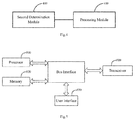
- the present disclosure provides in some embodiments a UE for the system for reporting movement information, which includes a first determination module 300 configured to determine that the UE is being or has been switched from an idle state into a connection state, and a reporting module 310 configured to report movement information of the UE to a network-side device.
- the movement information includes first movement information and/or second movement information.
- the first movement information is information representing a movement state of the UE and determined according to mobility state estimation which is performed on the UE.
- the second movement information is historical information about cell reselection of the UE.
- the movement information includes the first movement information and the second movement information.
- the reporting module 310 is configured to report the first movement information to the network-side device, and report the second movement information to the network-side device when it is determined that the network-side device needs to receive the second movement information.
- the movement information includes the second movement information.
- the reporting module 310 is configured to report an empty message to the network-side device, and report the second movement information to the network-side device when it is determined that the network-side device needs to receive the second movement information.
- the reporting module 310 may determine whether or not the network-side device needs to receive the second movement information as follows. When configuration information representing that the second movement information needs to be reported is received from the network-side device, the reporting module 310 determines that the network-side device needs to receive the second movement information, and when configuration information representing that the second movement information does not need to be reported is received from the network-side device or no configuration information is received from the network-side device within a predetermined time period after the first movement information has been reported, the reporting module 310 determines that the network-side device does not need to receive the second movement information.
- the reporting module 310 is further configured to, prior to determining that the network-side device needs to receive the second movement information, report information representing whether or not there is the second movement information of the UE to the network-side device.
- the reporting module 310 is further configured to, when the configuration information representing that the first movement information needs to be reported is received from the network-side device, report the first movement information to the network-side device.
- the present disclosure provides in some embodiments a network-side device for the system for reporting movement information, which includes a second determination module 400 configured to determine that a UE is being or has been switched from an idle state into a connection state, and a processing module 410 configured to receive movement information reported by the UE.
- the movement information includes first movement information and/or second movement information.
- the first movement information is information representing a movement state of the UE and determined according to mobility state estimation which is performed on the UE.
- the second movement information is historical information about cell reselection of the UE.
- the movement information includes the first movement information and the second movement information.
- the processing module 410 is configured to receive the first movement information reported by the UE, transmit configuration information representing that the second movement information needs to be reported to the UE when it is determined that the network-side device needs to receive the second movement information, and receive the second movement information reported by the UE.
- the processing module 410 is further configured to transmit configuration information representing that the second movement information does not need to be reported to the UE, or not perform configuration on the UE, when it is determined that the network-side device does not need to receive the second movement information.
- the processing module 410 is further configured to, prior to receiving the first movement information reported by the UE, transmit the configuration information representing that the first movement information needs to be reported to the UE when it is determined that the network-side device needs to receive the first movement information.
- the present disclosure further provides in some embodiments another UE and another network-side device.
- the principles of the UE and the network-side device are similar to that of the above-mentioned system, so the implementation thereof may refer to the implementation of the system.
- the present disclosure provides in some embodiments another UE for the system for reporting movement information, which includes a processor 500 and a transceiver 510.
- the processor 500 is configured to determine that the UE is being or has been switched from an idle state into a connection state, and report the movement information of the UE to the network-side device via the transceiver 510.
- the transceiver 510 is configured to receive and transmit data under the control of the processor 500.
- the movement information includes first movement information and/or second movement information.
- the first movement information is information representing a movement state of the UE and determined according to mobility state estimation which is performed on the UE.
- the second movement information is historical information about cell reselection of the UE.
- the movement information includes the first movement information and the second movement information.
- the processor 500 is configured to report the first movement information to the network-side device via the transceiver 510, and report the second movement information via the transceiver 510 to the network-side device when it is determined that the network-side device needs to receive the second movement information.
- the movement information includes the second movement information.
- the processor 500 is configured to report an empty message to the network-side device via the transceiver 510, and report the second movement information to the network-side device via the transceiver 510 when it is determined that the network-side device needs to receive the second movement information.
- the processor 500 may determine whether or not the network-side device needs to receive the second movement information as follows. When configuration information representing that the second movement information needs to be reported is received via the transceiver 510 from the network-side device, the processor 500 determines that the network-side device needs to receive the second movement information, and when configuration information representing that the second movement information does not need to be reported is received via the transceiver 510 from the network-side device or no configuration information is received from the network-side device within a predetermined time period after the first movement information has been reported, the processor 500 determines that the network-side device does not need to receive the second movement information.
- the processor 500 is further configured to, prior to determining that the network-side device needs to receive the second movement information, report information representing whether or not there is the second movement information of the UE to the network-side device via the transceiver 510.
- the processor 500 is further configured to, when the configuration information representing that the first movement information needs to be reported is received from the network-side device via the transceiver 510, report the first movement information to the network-side device via the transceiver 510.
- bus architecture may include a number of buses and bridges connected to each other, so as to connect various circuits for one or more processors, represented by the processor500, and one or more memories, represented by the memory 520.
- the bus architecture may be used to connect any other circuits, such as a circuit for a peripheral device, a circuit for a voltage stabilizer and a power management circuit.
- Bus interfaces are provided, and the transceiver 510 may consist of a transmitter and a receiver for communication with any other devices over a transmission medium.
- a user interface 530 may also be provided for devices which are to be arranged inside or outside the UE, and these devices may include but not limited to a keypad, a display, a speaker, a microphone and a joystick.
- the processor 500 takes charge of managing the bus architecture as well as general processings.
- the memory 520 may store data desired for the operation of the processor 500.
- the present disclosure provides in some embodiments another network-side device for the system for reporting movement information, which includes a processor 600 and a transceiver 610.
- the processor 600 is configured to determine that the UE is being or has been switched into a connection state, and receive movement information reported by the UE via the transceiver 610.
- the transceiver 610 is configured to receive and transmit data under the control of the processor 600.
- the movement information includes first movement information and/or second movement information.
- the first movement information is information representing a movement state of the UE and determined according to mobility state estimation which is performed on the UE.
- the second movement information is historical information about cell reselection of the UE.
- the movement information includes the first movement information and the second movement information.
- the processor 600 is configured to receive via the transceiver 610 the first movement information reported by the UE, and transmit via the transceiver 610 configuration information representing that the second movement information needs to be reported to the UE when it is determined that the network-side device needs to receive the second movement information.
- the network-side device receives the second movement information reported by the UE.
- the processor 600 is further configured to transmit configuration information representing that the second movement information does not need to be reported to the UE , or not perform configuration on the UE, when it is determined that the network-side device does not need to receive the second movement information.
- the processor 600 is further configured to, prior to receiving the first movement information reported by the UE via the transceiver 610, transmit the configuration information representing that the first movement information needs to be reported to the UE via the transceiver 610 when it is determined that the network-side device needs to receive the first movement information.
- bus architecture may include a number of buses and bridges connected to each other, so as to connect various circuits for one or more processors, represented by the processor 600, and one or more memories, represented by the memory 620.
- the bus architecture may be used to connect any other circuits, such as a circuit for a peripheral device, a circuit for a voltage stabilizer and a power management circuit.
- Bus interfaces are provided, and the transceiver 610 may consist of a transmitter and a receiver for communication with any other devices over a transmission medium.
- the processor 600 takes charge of managing the bus architecture as well as general processings.
- the memory 620 may store data desired for the operation of the processor 600.
- the present disclosure further provides in some embodiments a method for reporting by the UE the movement information and a method for receiving by the network-side device the movement information.
- the devices corresponding to these methods are just those in the above-mentioned system for reporting movement information, and the principles thereof are similar to that of the above-mentioned system, so the implementations of these methods may refer to that of the above-mentioned system.
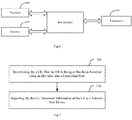
- the present disclosure provides in some embodiments a method for reporting movement information, which includes Step 700 of determining, by a UE, that it is being or has been switched from an idle state into a connection state, and Step 710 of reporting, by the UE, movement information of the UE to a network-side device.
- the movement information includes first movement information and/or second movement information.
- the first movement information is information representing a movement state of the UE and determined according to mobility state estimation which is performed on the UE.
- the second movement information is historical information about cell reselection of the UE.
- the movement information includes the first movement information and the second movement information.
- the step of reporting, by the UE, the movement information of the UE to the network-side device includes: reporting, by the UE, the first movement information to the network-side device; and reporting, by the UE, the second movement information to the network-side device when it is determined that the network-side device needs to receive the second movement information.
- the movement information includes the second movement information.
- the step of reporting, by the UE, the movement information of the UE to the network-side device includes: reporting, by the UE, an empty message to the network-side device; and reporting, by the UE, the second movement information to the network-side device when it is determined that the network-side device needs to receive the second movement information.
- the UE may determine whether or not the network-side device needs to receive the second movement information as follows. When configuration information representing that the second movement information needs to be reported is received by the UE from the network-side device, the UE determines that the network-side device needs to receive the second movement information, and when configuration information representing that the second movement information does not need to be reported is received by the UE from the network-side device or no configuration information is received from the network-side device within a predetermined time period after the first movement information has been reported, the UE determines that the network-side device does not need to receive the second movement information.
- the method further includes reporting, by the UE, information representing whether or not there is the second movement information to the network-side device.
- the method further includes receiving, by the UE, the configuration information representing that the first movement information needs to be reported from the network-side device.
- the present disclosure provides in some embodiments a method for receiving movement information, which includes Step 800 of determining, by a network-side device, that a UE is being or has been switched from an idle state into a connection state, and Step 810 of receiving, by the network-side device, movement information reported by the UE.
- the movement information includes first movement information and/or second movement information.
- the first movement information is information representing a movement state of the UE and determined according to mobility state estimation which is performed on the UE.
- the second movement information is historical information about cell reselection of the UE.
- the movement information includes the first movement information and the second movement information.
- the step of receiving, by the network-side device, the movement information reported by the UE includes: receiving, by the network-side device, the first movement information reported by the UE; transmitting, by the network-side device, configuration information representing that the second movement information needs to be reported to the UE when it is determined that the network-side device needs to receive the second movement information; and receiving, by the network-side device, the second movement information reported by the UE.
- the method further includes transmitting, by the network-side device, configuration information representing that the second movement information does not need to be reported to the UE, or not performing configuration on the UE, when it is determined that the network-side device does not need to receive the second movement information.
- the method further includes transmitting, by the network-side device, the configuration information representing that the first movement information needs to be reported to the UE when it is determined that the network-side device needs to receive the first movement information.
- the present disclosure provides in some embodiments yet another UE for the system for reporting movement information, which includes a processor 901, a memory 902 and a transceiver 903.
- the transceiver 903 may include such devices as a baseband processing element and a radio frequency processing element for transmitting relevant information in accordance with the practical need.
- the memory 902 is configured to store one or more executable programs for configuring the processor.
- the processor 901 is configured with the one or more executable programs, so as to enable the UE to determine that it is being or has been switched from an idle state into a connection state, and enable the UE to report movement information of the UE to a network-side device via the transceiver 903.
- the movement information includes first movement information and/or second movement information.
- the first movement information is information representing a movement state of the UE and determined according to mobility state estimation which is performed on the UE.
- the second movement information is historical information about cell reselection of the UE.
- the movement information includes the first movement information and the second movement information.
- the processor 901 is configured to report the first movement information to the network-side device via the transceiver 903, and report the second movement information to the network-side device when it is determined that the network-side device needs to receive the second movement information.
- the movement information includes the second movement information.
- the processor 901 is configured to report an empty message to the network-side device via the transceiver 903, and report the second movement information to the network-side device via the transceiver 903 when it is determined that the network-side device needs to receive the second movement information.
- the processor 901 may determine whether or not the network-side device needs to receive the second movement information as follows. When configuration information representing that the second movement information needs to be reported is received from the network-side device, the processor 901 determines that the network-side device needs to receive the second movement information, and when configuration information representing that the second movement information does not need to be reported is received from the network-side device or no configuration information is received from the network-side device within a predetermined time period after the first movement information has been reported, the processor 901 determines that the network-side device does not need to receive the second movement information.
- the processor 901 is further configured to, prior to determining that the network-side device needs to receive the second movement information, report information representing whether or not there is the second movement information of the UE to the network-side device via the transceiver 903.
- the processor 901 is further configured to, when the configuration information representing that the first movement information needs to be reported is received from the network-side device, report the first movement information to the network-side device via the transceiver 903.
- the present disclosure provides in some embodiments yet another network-side device for the system for reporting movement information, which includes a processor 1001, a memory 1002 and a transceiver 1003.
- the transceiver 1003 may include such devices as a baseband processing element and a radio frequency processing element for transmitting relevant information in accordance with the practical need.
- the memory 1002 is configured to store one or more executable programs for configuring the processor.
- the processor 1001 is configured to determine that the UE is being or has been switched from an idle state into a connection state, and receive the movement information reported by the UE via the transceiver 1003.
- the movement information includes first movement information and/or second movement information.
- the first movement information is information representing a movement state of the UE and determined according to mobility state estimation which is performed on the UE.
- the second movement information is historical information about cell reselection of the UE.
- the movement information includes the first movement information and the second movement information.
- the processor 1001 is configured to receive the first movement information reported by the UE via the transceiver 1003, transmit configuration information representing that the second movement information needs to be reported to the UE via the transceiver 1003 when it is determined that the network-side device needs to receive the second movement information, and receive the second movement information reported by the UE via the transceiver 1003.
- the processor 1001 is further configured to transmit configuration information representing that the second movement information does not need to be reported to the UE via the transceiver 1003, or not perform configuration on the UE, when it is determined that the network-side device does not need to receive the second movement information.
- the processor 1001 is further configured to, prior to receiving the first movement information reported by the UE, transmit the configuration information representing that the first movement information needs to be reported to the UE via the transceiver 1003 when it is determined that the network-side device needs to receive the first movement information.
- the present disclosure may be provided as a method, a system or a computer program product, so the present disclosure may be in the form of full hardware embodiments, full software embodiments, or combinations thereof.
- the present disclosure may be in the form of a computer program product implemented on one or more computer-readable storage mediums (including but not limited to disk memory, CD-ROM and optical memory) including computer-readable program codes.
- These computer program instructions may also be stored in a computer readable storage that may guide the computer or the other programmable data process devices to function in a certain way, so that the instructions stored in the computer readable storage may create a product including an instruction unit which achieves the functions assigned in one or more flows in the flow chart and/or one or more blocks in the block diagram.
- These computer program instructions may also be loaded in the computer or the other programmable data process devices, so that a series of operation steps are executed on the computer or the other programmable devices to create processes achieved by the computer. Therefore, the instructions executed in the computer or the other programmable devices provide the steps for achieving the function assigned in one or more flows in the flow chart and/or one or more blocks in the block diagram.
Landscapes
- Engineering & Computer Science (AREA)
- Computer Networks & Wireless Communication (AREA)
- Signal Processing (AREA)
- Databases & Information Systems (AREA)
- Mobile Radio Communication Systems (AREA)
Abstract
Description
- The present application claims a priority of the Chinese Patent Application No.
201310436131.X - The present disclosure relates to the field of wireless communication technology, in particular to a method, a system and a device for reporting movement information.
- For a mobile communication system, along with the deployment of femtocells, pico cells and micro cells, a traditional homogeneous network merely consisting of macro cells will evolve to become a heterogeneous network (Hetnet) consisting of various types of cells.
- As shown in
Fig.1 , in a heterogeneous network consisting of both macro cells and pico cells, the macro cells and the pico cells may achieve an identical function, although with different coverage regions. For example, these cells may be used to control switching of User Equipments (UEs). Each pico cell is located within the coverage region of the macro cell, and may have a frequency identical to, or different from, the macro cell. - When the UE moves to an edge of a cell, it is required to switch a serving cell, so as to ensure the service quality. For a traditional switching procedure, when the quality of a signal from an adjacent cell detected by the UE meets a certain specific measurement event for a period of time, e.g., time-to-trigger (TTT), the switching may be triggered. When the UE moves at a high speed, the signal quality at the serving cell may be degraded quickly. At this time, when the TTT is longer, the cell switching may be later, resulting in a wireless link failure for the UE. When the network can acquire movement information of the UE, it is able to configure a shorter TTT for the UE at a high speed, so as to switch the UE into a target cell timely, thereby to ensure the communication performance.
- In the case of the heterogeneous network, the system performance may be affected by the speed of the UE. At a network side, parameter configuration may be optimized in accordance with the movement information of the UE, e.g., relevant parameters may be switched or the parameters may be measured at different frequencies, so as to ensure the entire communication performance.
- However, it is currently able for the network side to acquire the movement information of the UE in accordance with its cell switching times after the UE has been switched into a connection state for a period of time. Before the acquisition of the movement information, it is impossible to optimize the parameter configuration. Hence, the entire communication performance may be adversely affected.
- In a word, it is merely able for the network side, after the UE has been switched into the connection state for a period of time, to acquire the movement information of the UE in accordance with its cell switching times. Hence, it is impossible to optimize the parameter configuration for the UE in time, thereby the entire communication performance may be adversely affected.
- An object of the present disclosure is to provide a method, a system and a device for reporting movement information, so as to overcome the above-mentioned drawbacks in the related art.
- In one aspect, the present disclosure provides in some embodiments a method for reporting movement information, including steps of determining, by a UE, that the UE is being or has been switched from an idle state into a connection state, and reporting, by the UE, movement information of the UE to a network-side device.
- According to the embodiments of the present disclosure, the movement information of the UE is reported by the UE to the network-side device immediately when or after the UE is switched from the idle state into the connection state. As a result, it is able to shorten the time desired for the network-side device to acquire the movement information of the UE, thereby to optimize parameter configuration for the UE quickly, and prevent the entire communication performance from being adversely affected due to the delayed optimization of the parameter configuration.
- Alternatively, the movement information includes first movement information and/or second movement information. The first movement information is information representing a movement state of the UE and determined according to mobility state estimation which is performed on the UE. The second movement information is historical information about cell reselection of the UE.
- Alternatively, the movement information includes the first movement information and the second movement information. The step of reporting, by the UE, the movement information of the UE to the network-side device includes reporting, by the UE, the first movement information to the network-side device, and reporting, by the UE, the second movement information to the network-side device when it is determined that the network-side device needs to receive the second movement information.
- Alternatively, the movement information includes the second movement information. The step of reporting, by the UE, the movement information of the UE to the network-side device includes reporting, by the UE, an empty message to the network-side device, and reporting, by the UE, the second movement information to the network-side device when it is determined that the network-side device needs to receive the second movement information.
- Alternatively, when configuration information representing that the second movement information needs to be reported is received by the UE from the network-side device, the UE determines that the network-side device needs to receive the second movement information, and when configuration information representing that the second movement information does not need to be reported is received by the UE from the network-side device or no configuration information is received from the network-side device within a predetermined time period after the first movement information has been reported, the UE determines that the network-side device does not need to receive the second movement information.
- The UE performs the processing in accordance with the configuration information from the network-side device, so it is able to control the UE by the network-side device.
- Alternatively, prior to determining by the UE that the network-side device needs to receive the second movement information, the method further includes reporting, by the UE, information representing whether or not there is the second movement information to the network-side device.
- The UE performs the processing in accordance with the configuration information from the network-side device, so it is able to control the UE by the network-side device.
- Alternatively, prior to reporting by the UE the first movement information to the network-side device, the method further includes receiving, by the UE, the configuration information representing that the first movement information needs to be reported from the network-side device.
- The UE performs the processing in accordance with the configuration information from the network-side device, so it is able to control the UE by the network-side device.
- In another aspect, the present disclosure provides in some embodiments a method for receiving movement information, including steps of determining, by a network-side device, that a UE is being or has been switched from an idle state into a connection state, and receiving, by the network-side device, movement information reported by the UE.
- According to the embodiments of the present disclosure, the movement information of the UE is reported by the UE to the network-side device immediately when or after the UE is switched from the idle state into the connection state. As a result, it is able to shorten the time desired for the network-side device to acquire the movement information of the UE, thereby to optimize parameter configuration for the UE quickly, and prevent the entire communication performance from being adversely affected due to the delayed optimization of the parameter configuration.
- Alternatively, the movement information includes first movement information and/or second movement information. The first movement information is information representing a movement state of the UE and determined according to mobility state estimation which is performed on the UE. The second movement information is historical information about cell reselection of the UE.
- The UE performs the processing in accordance with the configuration information from the network-side device, so it is able to control the UE by the network-side device.
- Alternatively, the movement information includes the first movement information and the second movement information. The step of receiving, by the network-side device, the movement information reported by the UE includes receiving, by the network-side device, the first movement information reported by the UE, transmitting, by the network-side device, configuration information representing that the second movement information needs to be reported to the UE when it is determined that the network-side device needs to receive the second movement information, and receiving, by the network-side device, the second movement information reported by the UE.
- The UE performs the processing in accordance with the configuration information from the network-side device, so it is able to control the UE by the network-side device.
- Alternatively, the method further includes transmitting, by the network-side device, configuration information representing that the second movement information does not need to be reported to the UE when it is determined that the network-side device does not need to receive the second movement information, or not performing configuration on the UE.
- The UE performs the processing in accordance with the configuration information from the network-side device, so it is able to control the UE by the network-side device.
- Alternatively, prior to receiving by the network-side device the first movement information reported by the UE, the method further includes transmitting, by the network-side device, the configuration information representing that the first movement information needs to be reported to the UE when it is determined that the network-side device needs to receive the first movement information.
- The UE performs the processing in accordance with the configuration information from the network-side device, so it is able to control the UE by the network-side device.
- In yet another aspect, the present disclosure provides in some embodiments a UE for reporting movement information, including a first determination module configured to determine that the UE is being or has been switched from an idle state into a connection state, and a reporting module configured to report movement information of the UE to a network-side device.
- According to the embodiments of the present disclosure, the movement information of the UE is reported by the UE to the network-side device immediately when or after the UE is switched from the idle state into the connection state. As a result, it is able to shorten the time desired for the network-side device to acquire the movement information of the UE, thereby to optimize parameter configuration for the UE quickly, and prevent the entire communication performance from being adversely affected due to the delayed optimization of the parameter configuration.
- Alternatively, the movement information includes first movement information and/or second movement information. The first movement information is information representing a movement state of the UE and determined according to mobility state estimation which is performed on the UE. The second movement information is historical information about cell reselection of the UE.
- Alternatively, the movement information includes the first movement information and the second movement information. The reporting module is configured to report the first movement information to the network-side device, and report the second movement information to the network-side device when it is determined that the network-side device needs to receive the second movement information.
- Alternatively, the movement information includes the second movement information. The reporting module is configured to report an empty message to the network-side device, and report the second movement information to the network-side device when it is determined that the network-side device needs to receive the second movement information.
- Alternatively, when configuration information representing that the second movement information needs to be reported is received from the network-side device, the reporting module determines that the network-side device needs to receive the second movement information, and when configuration information representing that the second movement information does not need to be reported is received from the network-side device or no configuration information is received from the network-side device within a predetermined time period after the first movement information has been reported, the reporting module determines that the network-side device does not need to receive the second movement information.
- Alternatively, the reporting module is further configured to, prior to determining that the network-side device needs to receive the second movement information, report information representing whether or not there is the second movement information of the UE to the network-side device.
- Alternatively, the reporting module is further configured to, when the configuration information representing that the first movement information needs to be reported is received from the network-side device, report the first movement information to the network-side device.
- In still yet another aspect, the present disclosure provides in some embodiments a network-side device for receiving movement information, including a second determination module configured to determine that a UE is being or has been switched from an idle state into a connection state, and a processing module configured to receive movement information reported by the UE.
- Alternatively, the movement information includes first movement information and/or second movement information. The first movement information is information representing a movement state of the UE and determined according to mobility state estimation which is performed on the UE. The second movement information is historical information about cell reselection of the UE.
- Alternatively, the movement information includes the first movement information and the second movement information. The processing module is configured to receive the first movement information reported by the UE, transmit configuration information representing that the second movement information needs to be reported to the UE when it is determined that the network-side device needs to receive the second movement information, and receive the second movement information reported by the UE.
- Alternatively, the processing module is further configured to transmit configuration information representing that the second movement information does not need to be reported to the UE when it is determined that the network-side device does not need to receive the second movement information, or not perform configuration on the UE.
- Alternatively, the processing module is further configured to, prior to receiving the first movement information reported by the UE, transmit the configuration information representing that the first movement information needs to be reported to the UE when it is determined that the network-side device needs to receive the first movement information.
- In still yet another aspect, the present disclosure provides in some embodiments a system for reporting movement information, including a UE configured to determine that it is being or has been switched from an idle state into a connection state, and report movement information to a network-side device, and the network-side device configured to determine that the UE is being or has been switched from the idle state into the connection state, and receive the movement information reported by the UE.
- In still yet another aspect, the present disclosure provides in some embodiments a UE, including a processor, a memory and a transceiver. The memory is configured to store one or more executable programs for configuring the processor. The processor is configured with the one or more executable programs, so as to enable the UE to determine that it is being or has been switched from an idle state into a connection state, and enable the UE to report movement information of the UE to a network-side device.
- In still yet another aspect, the present disclosure provides in some embodiments a network-side device, including a processor, a memory and a transceiver. The memory is configured to store one or more executable programs for configuring the processor. The processor is configured to determine that a UE is being or has been switched from an idle state into a connection state, and receive movement information reported by the UE via the transceiver.
- According to the embodiments of the present disclosure, the movement information of the UE is reported by the UE to the network-side device immediately when or after the UE is switched from the idle state into the connection state. As a result, it is able to shorten the time desired for the network-side device to acquire the movement information of the UE, thereby to optimize parameter configuration for the UE quickly, and prevent the entire communication performance from being adversely affected due to the delayed optimization of the parameter configuration.
- In order to illustrate the technical solutions of the present disclosure or the related art in a clearer manner, the drawings desired for the present disclosure or the related art will be described hereinafter briefly. Obviously, the following drawings merely relate to some embodiments of the present disclosure, and based on these drawings, a person skilled in the art may obtain the other drawings without any creative effort.
-
Fig.1 is a schematic view showing an existing heterogeneous network; -
Fig.2 is a schematic view showing a system for reporting movement information according to one embodiment of the present disclosure; -
Fig.3 is a schematic view showing a UE for the system for reporting movement information according to one embodiment of the present disclosure; -
Fig.4 is a schematic view showing a network-side device for the system for reporting movement information according to one embodiment of the present disclosure; -
Fig.5 is another schematic view showing the UE for the system for reporting movement information according to one embodiment of the present disclosure; -
Fig.6 is another schematic view showing the network-side device for the system for reporting movement information according to one embodiment of the present disclosure; -
Fig.7 is a flow chart of a method for reporting movement information by the UE according to one embodiment of the present disclosure; -
Fig.8 is a flow chart of a method for receiving movement information by the network-side device according to one embodiment of the present disclosure; -
Fig.9 is yet another schematic view showing the UE according to one embodiment of the present disclosure; and -
Fig. 10 is yet another schematic view showing the network-side device according to one embodiment of the present disclosure. - In order to make the objects, the technical solutions and the advantages of the present disclosure more apparent, the present disclosure will be described hereinafter in a clear and complete manner in conjunction with the drawings and embodiments. Obviously, the following embodiments merely relate to a part of, rather than all of, the embodiments of the present disclosure, and based on these embodiments, a person skilled in the art may, without any creative effort, obtain the other embodiments, which also fall within the scope of the present disclosure.
- According to the embodiments of the present disclosure, movement information of a UE is reported by the UE to a network-side device immediately when or after the UE is switched from an idle state into a connection state. As a result, it is able to shorten the time desired for the network-side device to acquire the movement information of the UE, thereby to optimize parameter configuration for the UE quickly, and prevent the entire communication performance from being adversely affected due to the delayed optimization of the parameter configuration.
- The present disclosure will be described hereinafter in conjunction with the drawings and embodiments.
- As shown in
Fig.2 , a system for reporting movement information according to some embodiments of the present disclosure includes aUE 10 configured to determine that it is being or has been switched from an idle state into a connection state and report movement information to a network-side device, and the network-side device 20 configured to determine that the UE is being or has been switched from the idle state into the connection state and receive the movement information reported by the UE. - The movement information includes first movement information and/or second movement information. The first movement information is information representing a movement state of the UE and determined according to mobility state estimation which is performed on the UE, e.g., a Mobility State Estimation (MSE) result (which may include high speed, middle speed, low speed and null). The second movement information is historical information about cell reselection of the UE.
- The movement information will be described in details hereinafter.
- In a first mode, the movement information includes the first movement information and the second movement information.
- The first movement information is reported to the network-side device immediately when or after the UE is switched into the connection state, and the second movement information is reported to the network-side device after it is determined that the network-side device needs to receive the second movement information.
- Alternatively, the UE may determine whether or not the network-side device needs to receive the second movement information as follows. When the UE receives from the network-side device configuration information representing that the second movement information needs to be reported, it determines that the network-side device needs to receive the second movement information. When the UE receives from the network-side device configuration information representing that the second movement information does not need to be reported or no configuration information is received from the network-side device within a predetermined time period after the first movement information has been reported, the UE determines that the network-side device does not need to receive the second movement information.
- Correspondingly, the network-side device receives the first movement information reported by the UE, transmit the configuration information representing that the second movement information needs to be reported to the UE after it is determined that the second movement information needs to be received, and receive the second movement information reported by the UE.
- After it is determined that the network-side device does not need to receive the second movement information, it may transmit configuration information representing that the second movement information does not need to be reported to the UE, or no configuration is performed on the UE.
- In order to help the network-side device to determine whether or not it needs to receive the second movement information, alternatively, information representing whether or not there is the second movement information may be reported to the network-side device before the UE determines that the network-side device needs to receive the second movement information. The information representing whether or not there is the second movement information may be reported together with the first movement information.
- In some embodiments, in order to control the UE, the network-side device may transmit to the UE the configuration information representing that the first movement information needs to be reported after it is determined that the network-side device needs to receive the first movement information. Correspondingly, the UE may report the first movement information after it receives from the network-side device the configuration information representing that the first movement information needs to be reported.
- When the network-side device does not need to receive the first movement information, it may transmit to the UE the configuration information representing that the first movement information does not need to be reported, or no configuration is performed on the UE. Correspondingly, when the UE receives the configuration information representing that the first movement information does not need to be reported or no relevant configuration information is received within a predetermined time period after the UE has been switched into the connection state, it may not report the first movement information.
- In some embodiments, when it is required to trigger, by the network-side device, the UE to report the movement information, the movement information may be reported only when the UE determines that the network-side device needs to receive the movement information. When it is not required to trigger, by the network-side device, the UE to report the movement information, the movement information may be reported after the UE has been switched into the connection state. The movement information to be reported by the UE may include the first movement information and/or the second movement information.
- In a second mode, the movement information includes the second movement information.
- In some embodiments, probably some UEs may not have the ability to acquire the first movement information, and at this time, merely the second movement information may be reported.
- To be specific, an empty message may be reported by the UE to the network-side device immediately when or after the UE is switched into the connection state, and when it is determined that the network-side device needs to receive the second movement information, the second movement information may be reported to the network-side device.
- In some embodiments, the UE may not report the empty message to the network-side device, and instead, it may directly determine whether or not the network-side device needs to receive the second movement information after the UE has been switched into the connection state.
- Alternatively, the UE may determine whether or not the network-side device needs to receive the second movement information as follows. When the UE receives from the network-side device the configuration information representing that the second movement information needs to be reported, it may determine that the network-side device needs to receive the second movement information. When the UE receives from the network-side device the configuration information representing that the second movement information does not need to be reported or no configuration information is received within a predetermined time period after the first movement information has been reported, it may determine that the network-side device does not need to receive the second movement information.
- Correspondingly, the network-side device receives the first movement information reported by the UE, transmits the configuration information representing that the second movement information needs to be reported to the UE after it is determined that the second movement information needs to be received, and receive the second movement information reported by the UE.
- After it is determined that the second movement information does not need to be received, the network-side device may transmit the configuration information representing that the second movement information does not need to be reported to the UE, or no configuration may be performed on the UE.
- In order to help the network-side device to determine whether or not it needs to receive the second movement information, alternatively, the information representing whether or not there is the second movement information may be reported to the network-side device before it is determined that the network-side device needs to receive the second movement information. The information representing whether or not there is the second movement information may be reported together with the empty message. Of course, the UE may merely report the information representing whether or not there is the second movement information.
- In some embodiments, in order to control the UE, the configuration information representing that the first movement information needs to be reported may be transmitted by the network-side device to the UE after it is determined that the network-side device needs to receive the first movement information. Correspondingly, after the UE receives from the network-side device the configuration information representing that the first movement information needs to be reported, the empty message may be reported.
- When the network-side device does not need to receive the first movement information, it may transmit to the UE the configuration information representing that the first movement information does not need to be reported, or no configuration may be performed on the UE. Correspondingly, when the UE receives the configuration information representing that the first movement information does not need to be reported or no relevant configuration information is received within a predetermined time period after the UE has been switched into the connection state, no empty message may be reported.
- In some embodiments, when it is required to trigger, by the network-side device, the UE to report the movement information, the movement information may be reported only when it is determined that the network-side device needs to receive the movement information. When it is not required to trigger, by the network-side device, the UE to report the movement information, the movement information may be reported by the UE after it has been switched into the connection state. The movement information to be reported may include the first movement information and/or the second movement information.
- In a third mode, the movement information includes the first movement information.
- In some embodiments, probably some UEs may not have the ability to acquire the second movement information, and at this time, merely the first movement information may be reported.
- To be specific, the first movement information may be reported by the UE to the network-side device immediately when or after the UE is switched into the connection state. Correspondingly, the network-side device may receive the first movement information.
- In order to help the network-side device to determine whether or not it needs to receive the second movement information, alternatively, the UE may report the information representing whether or not there is the second movement information to the network-side device before it is determined that the network-side device needs to receive the second movement information. The information representing whether or not there is the second movement information may be reported together with the first movement information.
- In order to control the UE, in some embodiments, the network-side device may transmit to the UE the configuration information representing that the first movement information needs to be reported after it is determined that the network-side device needs to receive the first movement information. Correspondingly, the first movement information may be reported after the UE receives from the network-side device the configuration information representing that the first movement information needs to be reported.
- When the network-side device does not need to receive the first movement information, it may transmit to the UE the configuration information representing that the first movement information does not need to be reported, or no configuration may be performed on the UE. Correspondingly, when the UE receives the configuration information representing that the first movement information does not need to be reported or no relevant configuration information is received within a predetermined time period after the UE has been switched into the connection state, the first movement information may not be reported.
- In some embodiments, when it is required to trigger, by the network-side device, the UE to report the first movement information, the first movement information may be reported only when it is determined that the network-side device needs to receive the first movement information. When it is not required to trigger, by the network-side device, the UE to report the first movement information, the first movement information may be reported after the UE has been switched into the connection state.
- In the above modes, when there is the second movement information, the information representing whether or not there is the second movement information is just information representing that there is the second movement information, and where there is not the second movement information, the information representing whether or not there is the second movement information is just information representing that there is not the second movement information.
- In the above modes, the configuration may be performed by the network-side device on the UE through broadcasting or radio resource control (RRC) dedicated signaling.
- The present disclosure will be further described hereinafter in conjunction with some specific embodiments.
- First Embodiment: the UE supports the MSE in the idle state and store a history of cells to which the UE has ever accessed.
- The UE performs the MSE in the idle state to estimate its own movement state as high speed, and stores the history of the cells to which the UE has ever accessed, including cell identifiers for 10 cells to which the UE has recently accessed and pace time for each cell. When the UE is switched into the connection state, a high-speed movement state and a capability identifier 1 representing that the UE has the capability to report the history may be reported to the network-side device.
- Upon receiving the high-speed movement state and the capability identifier 1, the network-side device may determine that the history needs to be reported in accordance with a current network deployment mode (Hetnet), the high-speed movement state and the capability identifier 1, and transmit a reporting identifier a to the UE through RRC dedicated signaling.
- Upon receiving the RRC dedicated signaling, the UE may determine the reporting identifier as a, and report the history to the network-side device. The network-side device may then acquire the movement information of the UE in a more accurate manner in accordance with the history.
- Second Embodiment: the UE supports the MSE in the idle state and store a history of cells to which the UE has ever accessed.
- The UE performs the MSE in the idle state to estimate its own movement state as high speed, and stores the history of the cells to which the UE has ever accessed, including cell identifiers for 10 cells to which the UE has recently accessed and pace time for each cell. When the UE is switched into the connection state, a high-speed movement state and a capability identifier 1 representing that the UE has the capability to report the history may be reported to the network-side device.
- Upon receiving the high-speed movement state and the capability identifier 1, the network-side device may determine that the UE does not need to report in accordance with a current network deployment mode (macro only), the high-speed movement state and the capability identifier 1, and transmit a reporting identifier b to the UE through RRC dedicated signaling, or no reporting identifier may be transmitted to the UE.
- Upon receiving the RRC dedicated signaling, the UE may determine the reporting identifier as b or determine that no reporting identifier has been received, and at this time, the history may not be reported.
- Third Embodiment: The UE does not support the MSE in the idle state but may store a history of cells to which the UE has ever accessed.
- In the idle state, the UE stores the history of the cells to which the UE has ever accessed, including cell identifiers for 10 cells to which the UE has recently accessed and pace time for each cell. When the UE is switched into the connection state, a null movement state and a capability identifier 1 representing that the UE has the capability to report the history may be reported to the network-side device.
- Upon receiving the null movement state and the capability identifier 1, the network-side device may determine that the history needs to be reported in accordance with a current network deployment mode (Hetnet) and the capability identifier 1, and transmit a reporting identifier a to the UE through RRC dedicated signaling.
- Upon receiving the RRC dedicated signaling, the UE may determine the reporting identifier as a, and report the history to the network-side device. The network-side device may acquire the movement information of the UE in accordance with the history.
- Fourth Embodiment: UE supports the MSE in the idle state but may not store a history of cells to which the UE has ever accessed.
- In the idle state, the UE performs the MSE and estimates its own movement state as high speed. When the UE is switched into the connection state, a high-speed movement state and a capability identifier 2 representing that the UE does not have the capability to report the history may be reported to the network-side device.
- Upon receiving the high-speed movement state and the capability identifier 2, the network-side device determines that the history does not need to be reported in accordance with the capability identifier 2, and transmit a reporting identifier b to the UE through RRC dedicated signaling, or no reporting identifier may be transmitted.
- Upon receiving the RRC dedicated signaling, the UE may determine the reporting identifier as b or determine that no reporting identifier is received, and at this time, the history may not be reported.
- Fifth Embodiment: UE supports the MSE in the idle state and may store a history of cells to which the UE has ever accessed.
- In the idle state, the UE performs the MSE to estimate its own movement state as high speed, and stores the history of the cells to which the UE has ever accessed, including cell identifiers for 10 cells to which the UE has recently accessed and pace time for each cell. When the UE is switched into the connection state, a high-speed movement state may be reported to the network-side device.
- Upon receiving the high-speed movement state, the network-side device may determine that the history needs to be reported in accordance with a current network deployment mode (Hetnet) and the high-speed movement state, and transmit a reporting identifier a to the UE through RRC dedicated signaling.
- Upon receiving the RRC dedicated signaling, the UE may determine the reporting identifier as a, and then report the history to the network-side device. The network-side device may acquire more movement information of the UE in a more accurate manner in accordance with the history.
- Sixth Embodiment: the UE supports the MSE in the idle state and may store a history of cells to which the UE has ever accessed.
- In the idle state, the UE performs the MSE to estimate its own movement state as high speed, and stores the history of the cells to which the UE has ever accessed, including cell identifiers for 10 cells to which the UE has recently accessed and pace time for each cell. The network-side device may transmit an identifier x through broadcasting. When the UE is switched into the connection state and reads the identifier x, it may not report the movement information.
- As shown in
Fig.3 , the present disclosure provides in some embodiments a UE for the system for reporting movement information, which includes afirst determination module 300 configured to determine that the UE is being or has been switched from an idle state into a connection state, and areporting module 310 configured to report movement information of the UE to a network-side device. - Alternatively, the movement information includes first movement information and/or second movement information. The first movement information is information representing a movement state of the UE and determined according to mobility state estimation which is performed on the UE. The second movement information is historical information about cell reselection of the UE.
- Alternatively, the movement information includes the first movement information and the second movement information. The
reporting module 310 is configured to report the first movement information to the network-side device, and report the second movement information to the network-side device when it is determined that the network-side device needs to receive the second movement information. - Alternatively, the movement information includes the second movement information. The
reporting module 310 is configured to report an empty message to the network-side device, and report the second movement information to the network-side device when it is determined that the network-side device needs to receive the second movement information. - Alternatively, the
reporting module 310 may determine whether or not the network-side device needs to receive the second movement information as follows. When configuration information representing that the second movement information needs to be reported is received from the network-side device, thereporting module 310 determines that the network-side device needs to receive the second movement information, and when configuration information representing that the second movement information does not need to be reported is received from the network-side device or no configuration information is received from the network-side device within a predetermined time period after the first movement information has been reported, thereporting module 310 determines that the network-side device does not need to receive the second movement information. - Alternatively, the
reporting module 310 is further configured to, prior to determining that the network-side device needs to receive the second movement information, report information representing whether or not there is the second movement information of the UE to the network-side device. - Alternatively, the
reporting module 310 is further configured to, when the configuration information representing that the first movement information needs to be reported is received from the network-side device, report the first movement information to the network-side device. - As shown in
Fig.4 , the present disclosure provides in some embodiments a network-side device for the system for reporting movement information, which includes asecond determination module 400 configured to determine that a UE is being or has been switched from an idle state into a connection state, and aprocessing module 410 configured to receive movement information reported by the UE. - Alternatively, the movement information includes first movement information and/or second movement information. The first movement information is information representing a movement state of the UE and determined according to mobility state estimation which is performed on the UE. The second movement information is historical information about cell reselection of the UE.
- Alternatively, the movement information includes the first movement information and the second movement information. The
processing module 410 is configured to receive the first movement information reported by the UE, transmit configuration information representing that the second movement information needs to be reported to the UE when it is determined that the network-side device needs to receive the second movement information, and receive the second movement information reported by the UE. - Alternatively, the
processing module 410 is further configured to transmit configuration information representing that the second movement information does not need to be reported to the UE, or not perform configuration on the UE, when it is determined that the network-side device does not need to receive the second movement information. - Alternatively, the
processing module 410 is further configured to, prior to receiving the first movement information reported by the UE, transmit the configuration information representing that the first movement information needs to be reported to the UE when it is determined that the network-side device needs to receive the first movement information. - Based on an identical inventive concept, the present disclosure further provides in some embodiments another UE and another network-side device. The principles of the UE and the network-side device are similar to that of the above-mentioned system, so the implementation thereof may refer to the implementation of the system.
- As shown in
Fig.5 , the present disclosure provides in some embodiments another UE for the system for reporting movement information, which includes aprocessor 500 and atransceiver 510. Theprocessor 500 is configured to determine that the UE is being or has been switched from an idle state into a connection state, and report the movement information of the UE to the network-side device via thetransceiver 510. Thetransceiver 510 is configured to receive and transmit data under the control of theprocessor 500. - Alternatively, the movement information includes first movement information and/or second movement information. The first movement information is information representing a movement state of the UE and determined according to mobility state estimation which is performed on the UE. The second movement information is historical information about cell reselection of the UE.
- Alternatively, the movement information includes the first movement information and the second movement information. The
processor 500 is configured to report the first movement information to the network-side device via thetransceiver 510, and report the second movement information via thetransceiver 510 to the network-side device when it is determined that the network-side device needs to receive the second movement information. - Alternatively, the movement information includes the second movement information. The
processor 500 is configured to report an empty message to the network-side device via thetransceiver 510, and report the second movement information to the network-side device via thetransceiver 510 when it is determined that the network-side device needs to receive the second movement information. - Alternatively, the
processor 500 may determine whether or not the network-side device needs to receive the second movement information as follows. When configuration information representing that the second movement information needs to be reported is received via thetransceiver 510 from the network-side device, theprocessor 500 determines that the network-side device needs to receive the second movement information, and when configuration information representing that the second movement information does not need to be reported is received via thetransceiver 510 from the network-side device or no configuration information is received from the network-side device within a predetermined time period after the first movement information has been reported, theprocessor 500 determines that the network-side device does not need to receive the second movement information. - Alternatively, the
processor 500 is further configured to, prior to determining that the network-side device needs to receive the second movement information, report information representing whether or not there is the second movement information of the UE to the network-side device via thetransceiver 510. - Alternatively, the
processor 500 is further configured to, when the configuration information representing that the first movement information needs to be reported is received from the network-side device via thetransceiver 510, report the first movement information to the network-side device via thetransceiver 510. - In
Fig.5 , bus architecture may include a number of buses and bridges connected to each other, so as to connect various circuits for one or more processors, represented by the processor500, and one or more memories, represented by thememory 520. In addition, as is known in the art, the bus architecture may be used to connect any other circuits, such as a circuit for a peripheral device, a circuit for a voltage stabilizer and a power management circuit. Bus interfaces are provided, and thetransceiver 510 may consist of a transmitter and a receiver for communication with any other devices over a transmission medium. With respect to different UEs, auser interface 530 may also be provided for devices which are to be arranged inside or outside the UE, and these devices may include but not limited to a keypad, a display, a speaker, a microphone and a joystick. Theprocessor 500 takes charge of managing the bus architecture as well as general processings. Thememory 520 may store data desired for the operation of theprocessor 500. - As shown in
Fig.6 , the present disclosure provides in some embodiments another network-side device for the system for reporting movement information, which includes aprocessor 600 and atransceiver 610. Theprocessor 600 is configured to determine that the UE is being or has been switched into a connection state, and receive movement information reported by the UE via thetransceiver 610. Thetransceiver 610 is configured to receive and transmit data under the control of theprocessor 600. - Alternatively, the movement information includes first movement information and/or second movement information. The first movement information is information representing a movement state of the UE and determined according to mobility state estimation which is performed on the UE. The second movement information is historical information about cell reselection of the UE.
- Alternatively, the movement information includes the first movement information and the second movement information. The
processor 600 is configured to receive via thetransceiver 610 the first movement information reported by the UE, and transmit via thetransceiver 610 configuration information representing that the second movement information needs to be reported to the UE when it is determined that the network-side device needs to receive the second movement information. The network-side device receives the second movement information reported by the UE. - Alternatively, the
processor 600 is further configured to transmit configuration information representing that the second movement information does not need to be reported to the UE , or not perform configuration on the UE, when it is determined that the network-side device does not need to receive the second movement information. - Alternatively, the
processor 600 is further configured to, prior to receiving the first movement information reported by the UE via thetransceiver 610, transmit the configuration information representing that the first movement information needs to be reported to the UE via thetransceiver 610 when it is determined that the network-side device needs to receive the first movement information. - In
Fig.6 , bus architecture may include a number of buses and bridges connected to each other, so as to connect various circuits for one or more processors, represented by theprocessor 600, and one or more memories, represented by thememory 620. In addition, as is known in the art, the bus architecture may be used to connect any other circuits, such as a circuit for a peripheral device, a circuit for a voltage stabilizer and a power management circuit. Bus interfaces are provided, and thetransceiver 610 may consist of a transmitter and a receiver for communication with any other devices over a transmission medium. Theprocessor 600 takes charge of managing the bus architecture as well as general processings. Thememory 620 may store data desired for the operation of theprocessor 600. - Based on an identical inventive concept, the present disclosure further provides in some embodiments a method for reporting by the UE the movement information and a method for receiving by the network-side device the movement information. The devices corresponding to these methods are just those in the above-mentioned system for reporting movement information, and the principles thereof are similar to that of the above-mentioned system, so the implementations of these methods may refer to that of the above-mentioned system.
- As shown in
Fig.7 , the present disclosure provides in some embodiments a method for reporting movement information, which includesStep 700 of determining, by a UE, that it is being or has been switched from an idle state into a connection state, and Step 710 of reporting, by the UE, movement information of the UE to a network-side device. - Alternatively, the movement information includes first movement information and/or second movement information. The first movement information is information representing a movement state of the UE and determined according to mobility state estimation which is performed on the UE. The second movement information is historical information about cell reselection of the UE.
- Alternatively, the movement information includes the first movement information and the second movement information. The step of reporting, by the UE, the movement information of the UE to the network-side device includes: reporting, by the UE, the first movement information to the network-side device; and reporting, by the UE, the second movement information to the network-side device when it is determined that the network-side device needs to receive the second movement information.
- Alternatively, the movement information includes the second movement information. The step of reporting, by the UE, the movement information of the UE to the network-side device includes: reporting, by the UE, an empty message to the network-side device; and reporting, by the UE, the second movement information to the network-side device when it is determined that the network-side device needs to receive the second movement information.
- Alternatively, the UE may determine whether or not the network-side device needs to receive the second movement information as follows. When configuration information representing that the second movement information needs to be reported is received by the UE from the network-side device, the UE determines that the network-side device needs to receive the second movement information, and when configuration information representing that the second movement information does not need to be reported is received by the UE from the network-side device or no configuration information is received from the network-side device within a predetermined time period after the first movement information has been reported, the UE determines that the network-side device does not need to receive the second movement information.
- Alternatively, prior to determining by the UE that the network-side device needs to receive the second movement information, the method further includes reporting, by the UE, information representing whether or not there is the second movement information to the network-side device.
- Alternatively, prior to reporting by the UE the first movement information to the network-side device, the method further includes receiving, by the UE, the configuration information representing that the first movement information needs to be reported from the network-side device.
- As shown in
Fig.8 , the present disclosure provides in some embodiments a method for receiving movement information, which includesStep 800 of determining, by a network-side device, that a UE is being or has been switched from an idle state into a connection state, and Step 810 of receiving, by the network-side device, movement information reported by the UE. - Alternatively, the movement information includes first movement information and/or second movement information. The first movement information is information representing a movement state of the UE and determined according to mobility state estimation which is performed on the UE. The second movement information is historical information about cell reselection of the UE.
- Alternatively, the movement information includes the first movement information and the second movement information. The step of receiving, by the network-side device, the movement information reported by the UE includes: receiving, by the network-side device, the first movement information reported by the UE; transmitting, by the network-side device, configuration information representing that the second movement information needs to be reported to the UE when it is determined that the network-side device needs to receive the second movement information; and receiving, by the network-side device, the second movement information reported by the UE.
- Alternatively, the method further includes transmitting, by the network-side device, configuration information representing that the second movement information does not need to be reported to the UE, or not performing configuration on the UE, when it is determined that the network-side device does not need to receive the second movement information.
- Alternatively, prior to receiving by the network-side device the first movement information reported by the UE, the method further includes transmitting, by the network-side device, the configuration information representing that the first movement information needs to be reported to the UE when it is determined that the network-side device needs to receive the first movement information.
- As shown in
Fig.9 , the present disclosure provides in some embodiments yet another UE for the system for reporting movement information, which includes aprocessor 901, amemory 902 and atransceiver 903. Thetransceiver 903 may include such devices as a baseband processing element and a radio frequency processing element for transmitting relevant information in accordance with the practical need. Thememory 902 is configured to store one or more executable programs for configuring the processor. Theprocessor 901 is configured with the one or more executable programs, so as to enable the UE to determine that it is being or has been switched from an idle state into a connection state, and enable the UE to report movement information of the UE to a network-side device via thetransceiver 903. - Alternatively, the movement information includes first movement information and/or second movement information. The first movement information is information representing a movement state of the UE and determined according to mobility state estimation which is performed on the UE. The second movement information is historical information about cell reselection of the UE.
- Alternatively, the movement information includes the first movement information and the second movement information. The
processor 901 is configured to report the first movement information to the network-side device via thetransceiver 903, and report the second movement information to the network-side device when it is determined that the network-side device needs to receive the second movement information. - Alternatively, the movement information includes the second movement information. The
processor 901 is configured to report an empty message to the network-side device via thetransceiver 903, and report the second movement information to the network-side device via thetransceiver 903 when it is determined that the network-side device needs to receive the second movement information. - Alternatively, the
processor 901 may determine whether or not the network-side device needs to receive the second movement information as follows. When configuration information representing that the second movement information needs to be reported is received from the network-side device, theprocessor 901 determines that the network-side device needs to receive the second movement information, and when configuration information representing that the second movement information does not need to be reported is received from the network-side device or no configuration information is received from the network-side device within a predetermined time period after the first movement information has been reported, theprocessor 901 determines that the network-side device does not need to receive the second movement information. - Alternatively, the
processor 901 is further configured to, prior to determining that the network-side device needs to receive the second movement information, report information representing whether or not there is the second movement information of the UE to the network-side device via thetransceiver 903. - Alternatively, the
processor 901 is further configured to, when the configuration information representing that the first movement information needs to be reported is received from the network-side device, report the first movement information to the network-side device via thetransceiver 903. - As shown in
Fig.10 , the present disclosure provides in some embodiments yet another network-side device for the system for reporting movement information, which includes aprocessor 1001, amemory 1002 and atransceiver 1003. Thetransceiver 1003 may include such devices as a baseband processing element and a radio frequency processing element for transmitting relevant information in accordance with the practical need. Thememory 1002 is configured to store one or more executable programs for configuring the processor. Theprocessor 1001 is configured to determine that the UE is being or has been switched from an idle state into a connection state, and receive the movement information reported by the UE via thetransceiver 1003. - Alternatively, the movement information includes first movement information and/or second movement information. The first movement information is information representing a movement state of the UE and determined according to mobility state estimation which is performed on the UE. The second movement information is historical information about cell reselection of the UE.
- Alternatively, the movement information includes the first movement information and the second movement information. The
processor 1001 is configured to receive the first movement information reported by the UE via thetransceiver 1003, transmit configuration information representing that the second movement information needs to be reported to the UE via thetransceiver 1003 when it is determined that the network-side device needs to receive the second movement information, and receive the second movement information reported by the UE via thetransceiver 1003. - Alternatively, the
processor 1001 is further configured to transmit configuration information representing that the second movement information does not need to be reported to the UE via thetransceiver 1003, or not perform configuration on the UE, when it is determined that the network-side device does not need to receive the second movement information. - Alternatively, the
processor 1001 is further configured to, prior to receiving the first movement information reported by the UE, transmit the configuration information representing that the first movement information needs to be reported to the UE via thetransceiver 1003 when it is determined that the network-side device needs to receive the first movement information. - It should be appreciated that, the present disclosure may be provided as a method, a system or a computer program product, so the present disclosure may be in the form of full hardware embodiments, full software embodiments, or combinations thereof. In addition, the present disclosure may be in the form of a computer program product implemented on one or more computer-readable storage mediums (including but not limited to disk memory, CD-ROM and optical memory) including computer-readable program codes.
- The present disclosure has been described with reference to the flow charts and/or block diagrams of the method, device (system) and computer program product according to the embodiments of the present disclosure. It should be understood that computer program instructions may be used to implement each of the work flows and/or blocks in the flow charts and/or the block diagrams, and the combination of the work flows and/or blocks in the flow charts and/or the block diagrams. These computer program instructions may be provided to a processor of a common computer, a dedicate computer, an embedded processor or any other programmable data processing devices to create a machine, so that instructions executable by the processor of the computer or the other programmable data processing devices may create a device to achieve the functions assigned in one or more work flows in the flow chart and/or one or more blocks in the block diagram.
- These computer program instructions may also be stored in a computer readable storage that may guide the computer or the other programmable data process devices to function in a certain way, so that the instructions stored in the computer readable storage may create a product including an instruction unit which achieves the functions assigned in one or more flows in the flow chart and/or one or more blocks in the block diagram.
- These computer program instructions may also be loaded in the computer or the other programmable data process devices, so that a series of operation steps are executed on the computer or the other programmable devices to create processes achieved by the computer. Therefore, the instructions executed in the computer or the other programmable devices provide the steps for achieving the function assigned in one or more flows in the flow chart and/or one or more blocks in the block diagram.
- Although the preferred embodiments are described above, a person skilled in the art may make modifications and alterations to these embodiments in accordance with the basic concept of the present disclosure. So, the attached claims are intended to include the preferred embodiments and all of the modifications and alterations that fall within the scope of the present disclosure.
- The above are merely the preferred embodiments of the present disclosure. A person skilled in the art may make further modifications and improvements without departing from the spirit of the present disclosure, and these modifications and improvements shall also fall within the scope of the present disclosure.
Claims (37)
- A method for reporting movement information, comprising steps of:determining, by a User Equipment (UE), that the UE is being or has been switched from an idle state into a connection state; andreporting, by the UE, movement information of the UE to a network-side device.
- The method according to claim 1, wherein the movement information comprises first movement information and/or second movement information, the first movement information is information representing a movement state of the UE and determined according to mobility state estimation (MSE) which is performed on the UE, and the second movement information is historical information about cell reselection of the UE.
- The method according to claim 2, wherein the movement information comprises the first movement information and the second movement information, and
the step of reporting, by the UE, the movement information of the UE to the network-side device comprises:reporting, by the UE, the first movement information to the network-side device; andreporting, by the UE, the second movement information to the network-side device when it is determined that the network-side device needs to receive the second movement information. - The method according to claim 2, wherein the movement information comprises the second movement information, and
the step of reporting, by the UE, the movement information of the UE to the network-side device comprises:reporting, by the UE, an empty message to the network-side device; andreporting, by the UE, the second movement information to the network-side device when it is determined that the network-side device needs to receive the second movement information. - The method according to claim 3 or 4, wherein
when configuration information representing that the second movement information needs to be reported is received by the UE from the network-side device, the UE determines that the network-side device needs to receive the second movement information, and
when configuration information representing that the second movement information does not need to be reported is received by the UE from the network-side device or no configuration information is received from the network-side device within a predetermined time period after the first movement information has been reported, the UE determines that the network-side device does not need to receive the second movement information. - The method according to claim 3 or 4, wherein prior to determining by the UE that the network-side device needs to receive the second movement information, the method further comprises reporting, by the UE, information representing whether or not there is the second movement information to the network-side device.
- The method according to claim 2, wherein prior to reporting by the UE the first movement information to the network-side device, the method further comprises receiving, by the UE, the configuration information representing that the first movement information needs to be reported from the network-side device.
- A method for receiving movement information, comprising steps of:determining, by a network-side device, that a User Equipment (UE) is being or has been switched from an idle state into a connection state; andreceiving, by the network-side device, movement information reported by the UE.
- The method according to claim 8, wherein the movement information comprises first movement information and/or second movement information, the first movement information is information representing a movement state of the UE and determined according to mobility state estimation (MSE) which is performed on the UE, and the second movement information is historical information about cell reselection of the UE.
- The method according to claim 8, wherein the movement information comprises the first movement information and the second movement information, and
the step of receiving, by the network-side device, the movement information reported by the UE comprises:receiving, by the network-side device, the first movement information reported by the UE;transmitting, by the network-side device, configuration information representing that the second movement information needs to be reported to the UE when it is determined that the network-side device needs to receive the second movement information; andreceiving, by the network-side device, the second movement information reported by the UE. - The method according to claim 10, further comprising:transmitting, by the network-side device, configuration information representing that the second movement information does not need to be reported to the UE, or not performing configuration on the UE, when it is determined that the network-side device does not need to receive the second movement information.
- The method according to claim 10 or 11, wherein prior to receiving by the network-side device the first movement information reported by the UE, the method further comprises transmitting, by the network-side device, the configuration information representing that the first movement information needs to be reported to the UE when it is determined that the network-side device needs to receive the first movement information.
- A User Equipment (UE) for reporting movement information, comprising:a first determination module configured to determine that the UE is being or has been switched from an idle state into a connection state; anda reporting module configured to report movement information of the UE to a network-side device.
- The UE according to claim 13, wherein the movement information comprises first movement information and/or second movement information, the first movement information is information representing a movement state of the UE and determined according to mobility state estimation (MSE) which is performed on the UE, and the second movement information is historical information about cell reselection of the UE.
- The UE according to claim 14, wherein the movement information comprises the first movement information and the second movement information, and
the reporting module is configured to report the first movement information to the network-side device, and report the second movement information to the network-side device when it is determined that the network-side device needs to receive the second movement information. - The UE according to claim 14, wherein the movement information comprises the second movement information, and
the reporting module is configured to report an empty message to the network-side device, and report the second movement information to the network-side device when it is determined that the network-side device needs to receive the second movement information. - The UE according to claim 15 or 16, wherein
when configuration information representing that the second movement information needs to be reported is received from the network-side device, the reporting module determines that the network-side device needs to receive the second movement information, and
when configuration information representing that the second movement information does not need to be reported is received from the network-side device or no configuration information is received from the network-side device within a predetermined time period after the first movement information has been reported, the reporting module determines that the network-side device does not need to receive the second movement information. - The UE according to claim 15 or 16, wherein the reporting module is further configured to, prior to determining that the network-side device needs to receive the second movement information, report information representing whether or not there is the second movement information of the UE to the network-side device.
- The UE according to claim 14, wherein the reporting module is further configured to, when the configuration information representing that the first movement information needs to be reported is received from the network-side device, report the first movement information to the network-side device.
- A network-side device for receiving movement information, comprising:a second determination module configured to determine that a User Equipment (UE) is being or has been switched from an idle state into a connection state; anda processing module configured to receive movement information reported by the UE.
- The network-side device according to claim 20, wherein the movement information includes first movement information and/or second movement information, the first movement information is information representing a movement state of the UE and determined according to mobility state estimation (MSE) which is performed on the UE, and the second movement information is historical information about cell reselection of the UE.
- The network-side device according to claim 20, wherein the movement information comprises the first movement information and the second movement information, and
the processing module is configured to receive the first movement information reported by the UE, transmit configuration information representing that the second movement information needs to be reported to the UE when it is determined that the network-side device needs to receive the second movement information, and receive the second movement information reported by the UE. - The network-side device according to claim 22, wherein the processing module is further configured to transmit configuration information representing that the second movement information does not need to be reported to the UE, or not perform configuration on the UE, when it is determined that the network-side device does not need to receive the second movement information.
- The network-side device according to claim 22 or 23, wherein the processing module is further configured to, prior to receiving the first movement information reported by the UE, transmit the configuration information representing that the first movement information needs to be reported to the UE when it is determined that the network-side device needs to receive the first movement information.
- A system for reporting movement information, comprising:a User Equipment (UE) configured to determine that it is being or has been switched from an idle state into a connection state, and report movement information to a network-side device; andthe network-side device configured to determine that the UE is being or has been switched from the idle state into the connection state, and receive the movement information reported by the UE.
- A User Equipment (UE), comprising a processor, a memory and a transceiver, wherein the memory is configured to store one or more executable programs for configuring the processor, and
the processor is configured with the one or more executable programs, and configured to determine that the UE is being or has been switched from an idle state into a connection state, and report movement information of the UE to a network-side device via the transceiver. - The UE according to claim 26, wherein the movement information comprises first movement information and/or second movement information, and
the first movement information is information representing a movement state of the UE and determined according to mobility state estimation (MSE) which is performed on the UE and the second movement information is historical information about cell reselection of the UE. - The UE according to claim 27, wherein the movement information comprises the first movement information and the second movement information, and
the processor is configured to report the first movement information to the network-side device via the transceiver, and report the second movement information to the network-side device via the transceiver when it is determined that the network-side device needs to receive the second movement information. - The UE according to claim 27, wherein the movement information comprises the second movement information, and
the processor is configured to report an empty message to the network-side device via the transceiver, and report the second movement information to the network-side device when it is determined that the network-side device needs to receive the second movement information. - The UE according to claim 28 or 29, wherein
when configuration information representing that the second movement information needs to be reported is received from the network-side device, the processor determines that the network-side device needs to receive the second movement information, and
when configuration information representing that the second movement information does not need to be reported is received from the network-side device or no configuration information is received from the network-side device within a predetermined time period after the first movement information has been reported, the processor determines that the network-side device does not need to receive the second movement information. - The UE according to claim 28 or 29, wherein the processor is further configured to, prior to determining that the network-side device needs to receive the second movement information, report information representing whether or not there is the second movement information of the UE to the network-side device via the transceiver.
- The UE according to claim 27, wherein the processor is further configured to, when the configuration information representing that the first movement information needs to be reported is received from the network-side device, report the first movement information to the network-side device via the transceiver.
- A network-side device, comprising a processor, a memory and a transceiver, wherein
the memory is configured to store one or more executable programs for configuring the processor; and
the processor is configured to determine that a User Equipment (UE) is being or has been switched from an idle state into a connection state, and receive movement information reported by the UE via the transceiver. - The network-side device according to claim 33, wherein the movement information comprises first movement information and/or second movement information, the first movement information is information representing a movement state of the UE and determined according to mobility state estimation (MSE) which is performed on the UE, and the second movement information is historical information about cell reselection of the UE.
- The network-side device according to claim 33, wherein the movement information comprises the first movement information and the second movement information, and
the processor is configured to receive the first movement information reported by the UE via the transceiver, transmit configuration information representing that the second movement information needs to be reported to the UE via the transceiver when it is determined that the network-side device needs to receive the second movement information, and receive the second movement information reported by the UE via the transceiver. - The network-side device according to claim 33, wherein the processor is further configured to transmit configuration information representing that the second movement information does not need to be reported to the UE via the transceiver, or not perform configuration on the UE, when it is determined that the network-side device does not need to receive the second movement information.
- The network-side device according to claim 35 or 36, wherein the processor is further configured to, prior to receiving the first movement information reported by the UE, transmit the configuration information representing that the first movement information needs to be reported to the UE via the transceiver when it is determined that the network-side device needs to receive the first movement information.
Applications Claiming Priority (2)
| Application Number | Priority Date | Filing Date | Title |
|---|---|---|---|
| CN201310436131.XA CN103501517B (en) | 2013-09-23 | 2013-09-23 | A kind of report the method for mobile message, system and equipment |
| PCT/CN2014/087057 WO2015039625A1 (en) | 2013-09-23 | 2014-09-22 | Method, system and equipment for reporting mobile information |
Publications (3)
| Publication Number | Publication Date |
|---|---|
| EP3051874A1 true EP3051874A1 (en) | 2016-08-03 |
| EP3051874A4 EP3051874A4 (en) | 2016-09-14 |
| EP3051874B1 EP3051874B1 (en) | 2018-06-06 |
Family
ID=49866671
Family Applications (1)
| Application Number | Title | Priority Date | Filing Date |
|---|---|---|---|
| EP14846359.9A Active EP3051874B1 (en) | 2013-09-23 | 2014-09-22 | Method systems and device for reporting movement information |
Country Status (7)
| Country | Link |
|---|---|
| US (1) | US10051503B2 (en) |
| EP (1) | EP3051874B1 (en) |
| JP (1) | JP2016532402A (en) |
| KR (1) | KR101781765B1 (en) |
| CN (1) | CN103501517B (en) |
| TW (1) | TWI551162B (en) |
| WO (1) | WO2015039625A1 (en) |
Families Citing this family (7)
| Publication number | Priority date | Publication date | Assignee | Title |
|---|---|---|---|---|
| CN103501517B (en) * | 2013-09-23 | 2016-09-14 | 电信科学技术研究院 | A kind of report the method for mobile message, system and equipment |
| EP3228111A4 (en) * | 2015-04-30 | 2018-10-03 | MediaTek Singapore Pte Ltd. | Idle mode operation in the heterogeneous network with conventional macro cell and mmw small cell |
| CN107995647A (en) * | 2016-10-27 | 2018-05-04 | 中国移动通信有限公司研究院 | A kind of method and device for configuring measurement and reporting |
| AU2018404402A1 (en) * | 2018-01-25 | 2020-09-03 | Guangdong Oppo Mobile Telecommunications Corp., Ltd. | UE movement state determination method, user equipment and computer storage medium |
| BR112021021688A2 (en) | 2019-05-01 | 2021-12-21 | Nokia Technologies Oy | Optimized user equipment capabilities signaling including database failure recovery |
| CN114391265A (en) * | 2020-08-04 | 2022-04-22 | 北京小米移动软件有限公司 | Information transmission method, device, communication equipment and storage medium |
| CN116419203B (en) * | 2022-01-05 | 2025-12-19 | 中国移动通信有限公司研究院 | Terminal state determining method and device, terminal and network side equipment |
Family Cites Families (14)
| Publication number | Priority date | Publication date | Assignee | Title |
|---|---|---|---|---|
| US8634845B2 (en) * | 2006-02-03 | 2014-01-21 | Vodafone Group Plc | Network and method for optimizing cell reselection by using an estimation of mobility of a mobile terminal |
| GB2457653A (en) | 2008-02-04 | 2009-08-26 | Nec Corp | User communications device which maintains and provides idle state cell/tracking area history |
| EP2311260B1 (en) | 2008-07-09 | 2014-12-24 | Ericsson Television Inc. | Constant bit rate padding of mpeg transport streams |
| WO2010105416A1 (en) * | 2009-03-17 | 2010-09-23 | 华为技术有限公司 | Method and apparatus for mobile terminal submitting measurement report and acquiring speed state |
| CN101909322B (en) * | 2009-06-03 | 2015-05-20 | 中兴通讯股份有限公司 | Mobile terminal and method for reporting mobile state thereof |
| CN102300248B (en) * | 2010-06-22 | 2014-06-18 | 电信科学技术研究院 | Method and device for feeding back MDT (Minimization Drive Test) Log information |
| EP2625611A4 (en) * | 2010-10-04 | 2016-12-07 | Kyocera Corp | MOBILE COMMUNICATION PROCEDURE, WIRELESS DEVICE AND BASE STATION |
| EP2742766B1 (en) | 2011-08-09 | 2022-05-11 | Telefonaktiebolaget LM Ericsson (publ) | Exchange of mobility information in cellular radio communicatons |
| EP2632205B1 (en) * | 2012-02-24 | 2018-08-22 | BlackBerry Limited | Monitoring neighbour cells |
| US20130229931A1 (en) * | 2012-03-02 | 2013-09-05 | Electronics And Telecommunications Research Institute | Methods of managing terminal performed in base station and terminal |
| CN103581886B (en) | 2012-07-23 | 2017-06-20 | 中国移动通信集团公司 | DRX parameters and moving velocity of terminal are reported and control method and relevant device |
| US9282507B2 (en) * | 2013-08-07 | 2016-03-08 | Qualcomm Incorporated | Managing wireless connections based on motion |
| CN103501517B (en) | 2013-09-23 | 2016-09-14 | 电信科学技术研究院 | A kind of report the method for mobile message, system and equipment |
| CN103596217B (en) * | 2013-11-01 | 2017-11-07 | 电信科学技术研究院 | A kind of UE mobility informations report method and device |
-
2013
- 2013-09-23 CN CN201310436131.XA patent/CN103501517B/en active Active
-
2014
- 2014-08-18 TW TW103128244A patent/TWI551162B/en active
- 2014-09-22 WO PCT/CN2014/087057 patent/WO2015039625A1/en not_active Ceased
- 2014-09-22 EP EP14846359.9A patent/EP3051874B1/en active Active
- 2014-09-22 US US15/023,119 patent/US10051503B2/en active Active
- 2014-09-22 JP JP2016541801A patent/JP2016532402A/en active Pending
- 2014-09-22 KR KR1020167006039A patent/KR101781765B1/en active Active
Also Published As
| Publication number | Publication date |
|---|---|
| WO2015039625A1 (en) | 2015-03-26 |
| US20160295441A1 (en) | 2016-10-06 |
| JP2016532402A (en) | 2016-10-13 |
| KR101781765B1 (en) | 2017-09-25 |
| TWI551162B (en) | 2016-09-21 |
| KR20160041049A (en) | 2016-04-15 |
| CN103501517A (en) | 2014-01-08 |
| EP3051874A4 (en) | 2016-09-14 |
| EP3051874B1 (en) | 2018-06-06 |
| US10051503B2 (en) | 2018-08-14 |
| CN103501517B (en) | 2016-09-14 |
| TW201513695A (en) | 2015-04-01 |
Similar Documents
| Publication | Publication Date | Title |
|---|---|---|
| EP3051874B1 (en) | Method systems and device for reporting movement information | |
| EP4408070A1 (en) | Measurement method, measurement configuration method, and related communication apparatus | |
| EP3370451B1 (en) | Machine-to-machine (m2m) terminal, base station, method and computer readable medium | |
| US11523294B2 (en) | Measurement gap configuration method, node and user equipment | |
| KR20210020904A (en) | Handover method and apparatus | |
| EP3846528A1 (en) | Method and device for processing measurement report entry | |
| US20170164281A1 (en) | Secondary cell group configuration | |
| US20200229043A1 (en) | Communication method and communications device | |
| EP3764695B1 (en) | Management by a first network device of a link between a terminal device and a second network device according to link quality | |
| CA3025568C (en) | Cell handover method, base station, and control node | |
| EP3099103A1 (en) | Method and device for obtaining unauthorized-frequency information | |
| US12598540B2 (en) | Configuration method and apparatus, and terminal and network side device | |
| US11064429B2 (en) | Information transmission method and apparatus | |
| US9854514B2 (en) | User equipment, small cell and operation method thereof | |
| EP4195756A1 (en) | Measurement method, measurement apparatus, terminal and network device | |
| KR20120133879A (en) | Method for providing wireless environmet information using mdt information at mobile station in the wireless communication system and apparatus therefor | |
| WO2024022654A1 (en) | Handling conditional handover preparations in failure scenarios | |
| CN104519555A (en) | Method and device for information transmission | |
| KR101966186B1 (en) | Appratus and method for determining a serving subcell in a wireless communication system including multiple subcells | |
| CN120568415A (en) | Data transmission method, device, system, communication equipment and storage medium | |
| CN120378999A (en) | Communication control method, device, equipment, chip and medium | |
| HK40010178A (en) | Enhanced reactivation for light connection |
Legal Events
| Date | Code | Title | Description |
|---|---|---|---|
| PUAI | Public reference made under article 153(3) epc to a published international application that has entered the european phase |
Free format text: ORIGINAL CODE: 0009012 |
|
| 17P | Request for examination filed |
Effective date: 20160304 |
|
| AK | Designated contracting states |
Kind code of ref document: A1 Designated state(s): AL AT BE BG CH CY CZ DE DK EE ES FI FR GB GR HR HU IE IS IT LI LT LU LV MC MK MT NL NO PL PT RO RS SE SI SK SM TR |
|
| AX | Request for extension of the european patent |
Extension state: BA ME |
|
| A4 | Supplementary search report drawn up and despatched |
Effective date: 20160816 |
|
| RIC1 | Information provided on ipc code assigned before grant |
Ipc: H04W 36/00 20090101AFI20160809BHEP |
|
| DAX | Request for extension of the european patent (deleted) | ||
| REG | Reference to a national code |
Ref country code: DE Ref legal event code: R079 Ref document number: 602014026799 Country of ref document: DE Free format text: PREVIOUS MAIN CLASS: H04W0036000000 Ipc: H04W0008240000 |
|
| GRAP | Despatch of communication of intention to grant a patent |
Free format text: ORIGINAL CODE: EPIDOSNIGR1 |
|
| STAA | Information on the status of an ep patent application or granted ep patent |
Free format text: STATUS: GRANT OF PATENT IS INTENDED |
|
| RIC1 | Information provided on ipc code assigned before grant |
Ipc: H04W 8/24 20090101AFI20170313BHEP |
|
| INTG | Intention to grant announced |
Effective date: 20170413 |
|
| GRAJ | Information related to disapproval of communication of intention to grant by the applicant or resumption of examination proceedings by the epo deleted |
Free format text: ORIGINAL CODE: EPIDOSDIGR1 |
|
| STAA | Information on the status of an ep patent application or granted ep patent |
Free format text: STATUS: REQUEST FOR EXAMINATION WAS MADE |
|
| INTC | Intention to grant announced (deleted) | ||
| GRAP | Despatch of communication of intention to grant a patent |
Free format text: ORIGINAL CODE: EPIDOSNIGR1 |
|
| STAA | Information on the status of an ep patent application or granted ep patent |
Free format text: STATUS: GRANT OF PATENT IS INTENDED |
|
| INTG | Intention to grant announced |
Effective date: 20170925 |
|
| GRAS | Grant fee paid |
Free format text: ORIGINAL CODE: EPIDOSNIGR3 |
|
| GRAA | (expected) grant |
Free format text: ORIGINAL CODE: 0009210 |
|
| STAA | Information on the status of an ep patent application or granted ep patent |
Free format text: STATUS: THE PATENT HAS BEEN GRANTED |
|
| AK | Designated contracting states |
Kind code of ref document: B1 Designated state(s): AL AT BE BG CH CY CZ DE DK EE ES FI FR GB GR HR HU IE IS IT LI LT LU LV MC MK MT NL NO PL PT RO RS SE SI SK SM TR |
|
| REG | Reference to a national code |
Ref country code: GB Ref legal event code: FG4D |
|
| REG | Reference to a national code |
Ref country code: CH Ref legal event code: EP Ref country code: AT Ref legal event code: REF Ref document number: 1007358 Country of ref document: AT Kind code of ref document: T Effective date: 20180615 |
|
| REG | Reference to a national code |
Ref country code: IE Ref legal event code: FG4D |
|
| REG | Reference to a national code |
Ref country code: DE Ref legal event code: R096 Ref document number: 602014026799 Country of ref document: DE |
|
| REG | Reference to a national code |
Ref country code: FR Ref legal event code: PLFP Year of fee payment: 5 |
|
| REG | Reference to a national code |
Ref country code: NL Ref legal event code: MP Effective date: 20180606 |
|
| REG | Reference to a national code |
Ref country code: LT Ref legal event code: MG4D |
|
| PG25 | Lapsed in a contracting state [announced via postgrant information from national office to epo] |
Ref country code: SE Free format text: LAPSE BECAUSE OF FAILURE TO SUBMIT A TRANSLATION OF THE DESCRIPTION OR TO PAY THE FEE WITHIN THE PRESCRIBED TIME-LIMIT Effective date: 20180606 Ref country code: CY Free format text: LAPSE BECAUSE OF FAILURE TO SUBMIT A TRANSLATION OF THE DESCRIPTION OR TO PAY THE FEE WITHIN THE PRESCRIBED TIME-LIMIT Effective date: 20180606 Ref country code: ES Free format text: LAPSE BECAUSE OF FAILURE TO SUBMIT A TRANSLATION OF THE DESCRIPTION OR TO PAY THE FEE WITHIN THE PRESCRIBED TIME-LIMIT Effective date: 20180606 Ref country code: LT Free format text: LAPSE BECAUSE OF FAILURE TO SUBMIT A TRANSLATION OF THE DESCRIPTION OR TO PAY THE FEE WITHIN THE PRESCRIBED TIME-LIMIT Effective date: 20180606 Ref country code: NO Free format text: LAPSE BECAUSE OF FAILURE TO SUBMIT A TRANSLATION OF THE DESCRIPTION OR TO PAY THE FEE WITHIN THE PRESCRIBED TIME-LIMIT Effective date: 20180906 Ref country code: BG Free format text: LAPSE BECAUSE OF FAILURE TO SUBMIT A TRANSLATION OF THE DESCRIPTION OR TO PAY THE FEE WITHIN THE PRESCRIBED TIME-LIMIT Effective date: 20180906 Ref country code: FI Free format text: LAPSE BECAUSE OF FAILURE TO SUBMIT A TRANSLATION OF THE DESCRIPTION OR TO PAY THE FEE WITHIN THE PRESCRIBED TIME-LIMIT Effective date: 20180606 |
|
| PG25 | Lapsed in a contracting state [announced via postgrant information from national office to epo] |
Ref country code: RS Free format text: LAPSE BECAUSE OF FAILURE TO SUBMIT A TRANSLATION OF THE DESCRIPTION OR TO PAY THE FEE WITHIN THE PRESCRIBED TIME-LIMIT Effective date: 20180606 Ref country code: HR Free format text: LAPSE BECAUSE OF FAILURE TO SUBMIT A TRANSLATION OF THE DESCRIPTION OR TO PAY THE FEE WITHIN THE PRESCRIBED TIME-LIMIT Effective date: 20180606 Ref country code: LV Free format text: LAPSE BECAUSE OF FAILURE TO SUBMIT A TRANSLATION OF THE DESCRIPTION OR TO PAY THE FEE WITHIN THE PRESCRIBED TIME-LIMIT Effective date: 20180606 Ref country code: GR Free format text: LAPSE BECAUSE OF FAILURE TO SUBMIT A TRANSLATION OF THE DESCRIPTION OR TO PAY THE FEE WITHIN THE PRESCRIBED TIME-LIMIT Effective date: 20180907 |
|
| REG | Reference to a national code |
Ref country code: AT Ref legal event code: MK05 Ref document number: 1007358 Country of ref document: AT Kind code of ref document: T Effective date: 20180606 |
|
| PG25 | Lapsed in a contracting state [announced via postgrant information from national office to epo] |
Ref country code: NL Free format text: LAPSE BECAUSE OF FAILURE TO SUBMIT A TRANSLATION OF THE DESCRIPTION OR TO PAY THE FEE WITHIN THE PRESCRIBED TIME-LIMIT Effective date: 20180606 |
|
| PG25 | Lapsed in a contracting state [announced via postgrant information from national office to epo] |
Ref country code: SK Free format text: LAPSE BECAUSE OF FAILURE TO SUBMIT A TRANSLATION OF THE DESCRIPTION OR TO PAY THE FEE WITHIN THE PRESCRIBED TIME-LIMIT Effective date: 20180606 Ref country code: PL Free format text: LAPSE BECAUSE OF FAILURE TO SUBMIT A TRANSLATION OF THE DESCRIPTION OR TO PAY THE FEE WITHIN THE PRESCRIBED TIME-LIMIT Effective date: 20180606 Ref country code: CZ Free format text: LAPSE BECAUSE OF FAILURE TO SUBMIT A TRANSLATION OF THE DESCRIPTION OR TO PAY THE FEE WITHIN THE PRESCRIBED TIME-LIMIT Effective date: 20180606 Ref country code: IS Free format text: LAPSE BECAUSE OF FAILURE TO SUBMIT A TRANSLATION OF THE DESCRIPTION OR TO PAY THE FEE WITHIN THE PRESCRIBED TIME-LIMIT Effective date: 20181006 Ref country code: EE Free format text: LAPSE BECAUSE OF FAILURE TO SUBMIT A TRANSLATION OF THE DESCRIPTION OR TO PAY THE FEE WITHIN THE PRESCRIBED TIME-LIMIT Effective date: 20180606 Ref country code: AT Free format text: LAPSE BECAUSE OF FAILURE TO SUBMIT A TRANSLATION OF THE DESCRIPTION OR TO PAY THE FEE WITHIN THE PRESCRIBED TIME-LIMIT Effective date: 20180606 Ref country code: RO Free format text: LAPSE BECAUSE OF FAILURE TO SUBMIT A TRANSLATION OF THE DESCRIPTION OR TO PAY THE FEE WITHIN THE PRESCRIBED TIME-LIMIT Effective date: 20180606 |
|
| PG25 | Lapsed in a contracting state [announced via postgrant information from national office to epo] |
Ref country code: SM Free format text: LAPSE BECAUSE OF FAILURE TO SUBMIT A TRANSLATION OF THE DESCRIPTION OR TO PAY THE FEE WITHIN THE PRESCRIBED TIME-LIMIT Effective date: 20180606 Ref country code: IT Free format text: LAPSE BECAUSE OF FAILURE TO SUBMIT A TRANSLATION OF THE DESCRIPTION OR TO PAY THE FEE WITHIN THE PRESCRIBED TIME-LIMIT Effective date: 20180606 |
|
| REG | Reference to a national code |
Ref country code: DE Ref legal event code: R097 Ref document number: 602014026799 Country of ref document: DE |
|
| PLBE | No opposition filed within time limit |
Free format text: ORIGINAL CODE: 0009261 |
|
| STAA | Information on the status of an ep patent application or granted ep patent |
Free format text: STATUS: NO OPPOSITION FILED WITHIN TIME LIMIT |
|
| PG25 | Lapsed in a contracting state [announced via postgrant information from national office to epo] |
Ref country code: MC Free format text: LAPSE BECAUSE OF FAILURE TO SUBMIT A TRANSLATION OF THE DESCRIPTION OR TO PAY THE FEE WITHIN THE PRESCRIBED TIME-LIMIT Effective date: 20180606 |
|
| REG | Reference to a national code |
Ref country code: CH Ref legal event code: PL |
|
| 26N | No opposition filed |
Effective date: 20190307 |
|
| PG25 | Lapsed in a contracting state [announced via postgrant information from national office to epo] |
Ref country code: DK Free format text: LAPSE BECAUSE OF FAILURE TO SUBMIT A TRANSLATION OF THE DESCRIPTION OR TO PAY THE FEE WITHIN THE PRESCRIBED TIME-LIMIT Effective date: 20180606 Ref country code: SI Free format text: LAPSE BECAUSE OF FAILURE TO SUBMIT A TRANSLATION OF THE DESCRIPTION OR TO PAY THE FEE WITHIN THE PRESCRIBED TIME-LIMIT Effective date: 20180606 |
|
| REG | Reference to a national code |
Ref country code: BE Ref legal event code: MM Effective date: 20180930 |
|
| REG | Reference to a national code |
Ref country code: IE Ref legal event code: MM4A |
|
| PG25 | Lapsed in a contracting state [announced via postgrant information from national office to epo] |
Ref country code: LU Free format text: LAPSE BECAUSE OF NON-PAYMENT OF DUE FEES Effective date: 20180922 |
|
| PG25 | Lapsed in a contracting state [announced via postgrant information from national office to epo] |
Ref country code: IE Free format text: LAPSE BECAUSE OF NON-PAYMENT OF DUE FEES Effective date: 20180922 |
|
| PG25 | Lapsed in a contracting state [announced via postgrant information from national office to epo] |
Ref country code: CH Free format text: LAPSE BECAUSE OF NON-PAYMENT OF DUE FEES Effective date: 20180930 Ref country code: BE Free format text: LAPSE BECAUSE OF NON-PAYMENT OF DUE FEES Effective date: 20180930 Ref country code: LI Free format text: LAPSE BECAUSE OF NON-PAYMENT OF DUE FEES Effective date: 20180930 |
|
| PG25 | Lapsed in a contracting state [announced via postgrant information from national office to epo] |
Ref country code: AL Free format text: LAPSE BECAUSE OF FAILURE TO SUBMIT A TRANSLATION OF THE DESCRIPTION OR TO PAY THE FEE WITHIN THE PRESCRIBED TIME-LIMIT Effective date: 20180606 |
|
| PG25 | Lapsed in a contracting state [announced via postgrant information from national office to epo] |
Ref country code: MT Free format text: LAPSE BECAUSE OF NON-PAYMENT OF DUE FEES Effective date: 20180922 |
|
| PG25 | Lapsed in a contracting state [announced via postgrant information from national office to epo] |
Ref country code: TR Free format text: LAPSE BECAUSE OF FAILURE TO SUBMIT A TRANSLATION OF THE DESCRIPTION OR TO PAY THE FEE WITHIN THE PRESCRIBED TIME-LIMIT Effective date: 20180606 |
|
| PG25 | Lapsed in a contracting state [announced via postgrant information from national office to epo] |
Ref country code: PT Free format text: LAPSE BECAUSE OF FAILURE TO SUBMIT A TRANSLATION OF THE DESCRIPTION OR TO PAY THE FEE WITHIN THE PRESCRIBED TIME-LIMIT Effective date: 20180606 |
|
| PG25 | Lapsed in a contracting state [announced via postgrant information from national office to epo] |
Ref country code: MK Free format text: LAPSE BECAUSE OF NON-PAYMENT OF DUE FEES Effective date: 20180606 Ref country code: HU Free format text: LAPSE BECAUSE OF FAILURE TO SUBMIT A TRANSLATION OF THE DESCRIPTION OR TO PAY THE FEE WITHIN THE PRESCRIBED TIME-LIMIT; INVALID AB INITIO Effective date: 20140922 |
|
| REG | Reference to a national code |
Ref country code: DE Ref legal event code: R081 Ref document number: 602014026799 Country of ref document: DE Owner name: DATANG MOBILE COMMUNICATIONS EQUIPMENT CO., LT, CN Free format text: FORMER OWNER: CHINA ACADEMY OF TELECOMMUNICATIONS TECHNOLOGY, HAIDIAN, DISTRICT BEIJING, CN |
|
| REG | Reference to a national code |
Ref country code: GB Ref legal event code: 732E Free format text: REGISTERED BETWEEN 20210729 AND 20210804 |
|
| P01 | Opt-out of the competence of the unified patent court (upc) registered |
Effective date: 20230512 |
|
| PGFP | Annual fee paid to national office [announced via postgrant information from national office to epo] |
Ref country code: DE Payment date: 20250919 Year of fee payment: 12 |
|
| PGFP | Annual fee paid to national office [announced via postgrant information from national office to epo] |
Ref country code: GB Payment date: 20250919 Year of fee payment: 12 |
|
| PGFP | Annual fee paid to national office [announced via postgrant information from national office to epo] |
Ref country code: FR Payment date: 20250922 Year of fee payment: 12 |