EP3050560A1 - Intraorally disintegrable tablet comprising disintegrable granular composition - Google Patents
Intraorally disintegrable tablet comprising disintegrable granular composition Download PDFInfo
- Publication number
- EP3050560A1 EP3050560A1 EP14848881.0A EP14848881A EP3050560A1 EP 3050560 A1 EP3050560 A1 EP 3050560A1 EP 14848881 A EP14848881 A EP 14848881A EP 3050560 A1 EP3050560 A1 EP 3050560A1
- Authority
- EP
- European Patent Office
- Prior art keywords
- orally disintegrating
- disintegrating tablet
- medicinal ingredient
- tablet
- wet granulation
- Prior art date
- Legal status (The legal status is an assumption and is not a legal conclusion. Google has not performed a legal analysis and makes no representation as to the accuracy of the status listed.)
- Granted
Links
Images
Classifications
-
- A—HUMAN NECESSITIES
- A61—MEDICAL OR VETERINARY SCIENCE; HYGIENE
- A61K—PREPARATIONS FOR MEDICAL, DENTAL OR TOILETRY PURPOSES
- A61K9/00—Medicinal preparations characterised by special physical form
- A61K9/20—Pills, tablets, discs, rods
- A61K9/2095—Tabletting processes
-
- A—HUMAN NECESSITIES
- A61—MEDICAL OR VETERINARY SCIENCE; HYGIENE
- A61K—PREPARATIONS FOR MEDICAL, DENTAL OR TOILETRY PURPOSES
- A61K31/00—Medicinal preparations containing organic active ingredients
- A61K31/16—Amides, e.g. hydroxamic acids
- A61K31/165—Amides, e.g. hydroxamic acids having aromatic rings, e.g. colchicine, atenolol, progabide
- A61K31/166—Amides, e.g. hydroxamic acids having aromatic rings, e.g. colchicine, atenolol, progabide having the carbon of a carboxamide group directly attached to the aromatic ring, e.g. procainamide, procarbazine, metoclopramide, labetalol
-
- A—HUMAN NECESSITIES
- A61—MEDICAL OR VETERINARY SCIENCE; HYGIENE
- A61K—PREPARATIONS FOR MEDICAL, DENTAL OR TOILETRY PURPOSES
- A61K31/00—Medicinal preparations containing organic active ingredients
- A61K31/16—Amides, e.g. hydroxamic acids
- A61K31/165—Amides, e.g. hydroxamic acids having aromatic rings, e.g. colchicine, atenolol, progabide
- A61K31/167—Amides, e.g. hydroxamic acids having aromatic rings, e.g. colchicine, atenolol, progabide having the nitrogen of a carboxamide group directly attached to the aromatic ring, e.g. lidocaine, paracetamol
-
- A—HUMAN NECESSITIES
- A61—MEDICAL OR VETERINARY SCIENCE; HYGIENE
- A61K—PREPARATIONS FOR MEDICAL, DENTAL OR TOILETRY PURPOSES
- A61K31/00—Medicinal preparations containing organic active ingredients
- A61K31/185—Acids; Anhydrides, halides or salts thereof, e.g. sulfur acids, imidic, hydrazonic or hydroximic acids
- A61K31/19—Carboxylic acids, e.g. valproic acid
- A61K31/192—Carboxylic acids, e.g. valproic acid having aromatic groups, e.g. sulindac, 2-aryl-propionic acids, ethacrynic acid
-
- A—HUMAN NECESSITIES
- A61—MEDICAL OR VETERINARY SCIENCE; HYGIENE
- A61K—PREPARATIONS FOR MEDICAL, DENTAL OR TOILETRY PURPOSES
- A61K31/00—Medicinal preparations containing organic active ingredients
- A61K31/185—Acids; Anhydrides, halides or salts thereof, e.g. sulfur acids, imidic, hydrazonic or hydroximic acids
- A61K31/19—Carboxylic acids, e.g. valproic acid
- A61K31/195—Carboxylic acids, e.g. valproic acid having an amino group
- A61K31/197—Carboxylic acids, e.g. valproic acid having an amino group the amino and the carboxyl groups being attached to the same acyclic carbon chain, e.g. gamma-aminobutyric acid [GABA], beta-alanine, epsilon-aminocaproic acid or pantothenic acid
- A61K31/198—Alpha-amino acids, e.g. alanine or edetic acid [EDTA]
-
- A—HUMAN NECESSITIES
- A61—MEDICAL OR VETERINARY SCIENCE; HYGIENE
- A61K—PREPARATIONS FOR MEDICAL, DENTAL OR TOILETRY PURPOSES
- A61K31/00—Medicinal preparations containing organic active ingredients
- A61K31/33—Heterocyclic compounds
- A61K31/335—Heterocyclic compounds having oxygen as the only ring hetero atom, e.g. fungichromin
- A61K31/365—Lactones
- A61K31/375—Ascorbic acid, i.e. vitamin C; Salts thereof
-
- A—HUMAN NECESSITIES
- A61—MEDICAL OR VETERINARY SCIENCE; HYGIENE
- A61K—PREPARATIONS FOR MEDICAL, DENTAL OR TOILETRY PURPOSES
- A61K31/00—Medicinal preparations containing organic active ingredients
- A61K31/33—Heterocyclic compounds
- A61K31/395—Heterocyclic compounds having nitrogen as a ring hetero atom, e.g. guanethidine or rifamycins
- A61K31/41—Heterocyclic compounds having nitrogen as a ring hetero atom, e.g. guanethidine or rifamycins having five-membered rings with two or more ring hetero atoms, at least one of which being nitrogen, e.g. tetrazole
- A61K31/4164—1,3-Diazoles
- A61K31/4174—Arylalkylimidazoles, e.g. oxymetazolin, naphazoline, miconazole
-
- A—HUMAN NECESSITIES
- A61—MEDICAL OR VETERINARY SCIENCE; HYGIENE
- A61K—PREPARATIONS FOR MEDICAL, DENTAL OR TOILETRY PURPOSES
- A61K31/00—Medicinal preparations containing organic active ingredients
- A61K31/33—Heterocyclic compounds
- A61K31/395—Heterocyclic compounds having nitrogen as a ring hetero atom, e.g. guanethidine or rifamycins
- A61K31/41—Heterocyclic compounds having nitrogen as a ring hetero atom, e.g. guanethidine or rifamycins having five-membered rings with two or more ring hetero atoms, at least one of which being nitrogen, e.g. tetrazole
- A61K31/425—Thiazoles
- A61K31/426—1,3-Thiazoles
-
- A—HUMAN NECESSITIES
- A61—MEDICAL OR VETERINARY SCIENCE; HYGIENE
- A61K—PREPARATIONS FOR MEDICAL, DENTAL OR TOILETRY PURPOSES
- A61K9/00—Medicinal preparations characterised by special physical form
- A61K9/0012—Galenical forms characterised by the site of application
- A61K9/0053—Mouth and digestive tract, i.e. intraoral and peroral administration
- A61K9/0056—Mouth soluble or dispersible forms; Suckable, eatable, chewable coherent forms; Forms rapidly disintegrating in the mouth; Lozenges; Lollipops; Bite capsules; Baked products; Baits or other oral forms for animals
-
- A—HUMAN NECESSITIES
- A61—MEDICAL OR VETERINARY SCIENCE; HYGIENE
- A61K—PREPARATIONS FOR MEDICAL, DENTAL OR TOILETRY PURPOSES
- A61K9/00—Medicinal preparations characterised by special physical form
- A61K9/20—Pills, tablets, discs, rods
- A61K9/2004—Excipients; Inactive ingredients
- A61K9/2013—Organic compounds, e.g. phospholipids, fats
-
- A—HUMAN NECESSITIES
- A61—MEDICAL OR VETERINARY SCIENCE; HYGIENE
- A61K—PREPARATIONS FOR MEDICAL, DENTAL OR TOILETRY PURPOSES
- A61K9/00—Medicinal preparations characterised by special physical form
- A61K9/20—Pills, tablets, discs, rods
- A61K9/2004—Excipients; Inactive ingredients
- A61K9/2022—Organic macromolecular compounds
- A61K9/2027—Organic macromolecular compounds obtained by reactions only involving carbon-to-carbon unsaturated bonds, e.g. polyvinyl pyrrolidone, poly(meth)acrylates
-
- A—HUMAN NECESSITIES
- A61—MEDICAL OR VETERINARY SCIENCE; HYGIENE
- A61K—PREPARATIONS FOR MEDICAL, DENTAL OR TOILETRY PURPOSES
- A61K9/00—Medicinal preparations characterised by special physical form
- A61K9/20—Pills, tablets, discs, rods
- A61K9/2004—Excipients; Inactive ingredients
- A61K9/2022—Organic macromolecular compounds
- A61K9/205—Polysaccharides, e.g. alginate, gums; Cyclodextrin
- A61K9/2054—Cellulose; Cellulose derivatives, e.g. hydroxypropyl methylcellulose
-
- A—HUMAN NECESSITIES
- A61—MEDICAL OR VETERINARY SCIENCE; HYGIENE
- A61K—PREPARATIONS FOR MEDICAL, DENTAL OR TOILETRY PURPOSES
- A61K9/00—Medicinal preparations characterised by special physical form
- A61K9/20—Pills, tablets, discs, rods
- A61K9/2072—Pills, tablets, discs, rods characterised by shape, structure or size; Tablets with holes, special break lines or identification marks; Partially coated tablets; Disintegrating flat shaped forms
- A61K9/2077—Tablets comprising drug-containing microparticles in a substantial amount of supporting matrix; Multiparticulate tablets
-
- A—HUMAN NECESSITIES
- A61—MEDICAL OR VETERINARY SCIENCE; HYGIENE
- A61P—SPECIFIC THERAPEUTIC ACTIVITY OF CHEMICAL COMPOUNDS OR MEDICINAL PREPARATIONS
- A61P1/00—Drugs for disorders of the alimentary tract or the digestive system
- A61P1/04—Drugs for disorders of the alimentary tract or the digestive system for ulcers, gastritis or reflux esophagitis, e.g. antacids, inhibitors of acid secretion, mucosal protectants
-
- A—HUMAN NECESSITIES
- A61—MEDICAL OR VETERINARY SCIENCE; HYGIENE
- A61P—SPECIFIC THERAPEUTIC ACTIVITY OF CHEMICAL COMPOUNDS OR MEDICINAL PREPARATIONS
- A61P29/00—Non-central analgesic, antipyretic or antiinflammatory agents, e.g. antirheumatic agents; Non-steroidal antiinflammatory drugs [NSAID]
-
- A—HUMAN NECESSITIES
- A61—MEDICAL OR VETERINARY SCIENCE; HYGIENE
- A61P—SPECIFIC THERAPEUTIC ACTIVITY OF CHEMICAL COMPOUNDS OR MEDICINAL PREPARATIONS
- A61P3/00—Drugs for disorders of the metabolism
- A61P3/02—Nutrients, e.g. vitamins, minerals
-
- A—HUMAN NECESSITIES
- A61—MEDICAL OR VETERINARY SCIENCE; HYGIENE
- A61P—SPECIFIC THERAPEUTIC ACTIVITY OF CHEMICAL COMPOUNDS OR MEDICINAL PREPARATIONS
- A61P31/00—Antiinfectives, i.e. antibiotics, antiseptics, chemotherapeutics
- A61P31/10—Antimycotics
Definitions
- the present invention relates to an orally disintegrating tablet comprising a disintegrative particulate composition, particularly that comprising an acid-type carboxymethylcellulose and obtainable by the production of a multi-stage granulation process.
- orally disintegrating tablets have been developed as highly convenient forms which can safely be taken by patients who have difficulty in swallowing drugs, elderly people, children, etc., and which can easily be taken without water. It is important that the orally disintegrating tablets have sufficient breaking strength (tablet hardness) such that any cracks, powdering, etc. are not caused in the tablets during production or transportation of the tablets or during breaking their seals in the same manner as general tablets, and also, it is important that the orally disintegrating tablets have excellent disintegrability (disintegration time) such that the tablets immediately disintegrate in the oral cavity.
- the moldability means the relation between a tablet compression force and the tablet hardness obtained thereby.
- a process that needs a high tablet compression force could cause problems such as limitation in the performance of a tablet-compressing machine, reduction of productivity and reduction in the properties of coating particles comprised in the tablet. It will be therefore important for the particle or particulate composition constituting the tablet to have such an excellent moldability that a higher tablet hardness can be obtained with the same tablet compression force, or that the same tablet hardness can be obtained by a lower tablet compression force.
- the tablet hardness and disintegrability are mutually opposing properties.
- the disintegration time will tend to be prolonged, and, when the molding pressure is reduced to shorten the disintegration time, the hardness will tend to be smaller. Therefore, various technologies have been developed in order to cope with both the two properties or to achieve an optimal balance between the two properties.
- An acid-type carboxymethylcellulose which is a cellulose derivative called “carmellose”, will swell when mixed with water and become a suspension with little viscosity. It is comprised in the orally disintegrating tablet as a component such as a substrate, binder, excipient or disintegrator.
- Crystalline cellulose is a water-insoluble substance in white powder that is obtained by a partial depoymerization and purification of ⁇ -cellulose derived from fibrous plant. As this substance is tasteless and chemically stable, it is used as a pharmaceutical additive, especially as an excipient, binder or disintegrator in the formulation of a tablet. It is also used in cosmetics, dairy products and the like as an emulsion-stabilizing agent, etc.
- Patent Literature (PTL) 1 discloses a disintegrative particulate composition that is produced by homogeneously dispersing mannitol, xylitol, inorganic excipient, disintegrator and carmellose in the presence of water, followed by drying.
- the composition is characterized in that xylitol is solid-dispersed in mannitol particles to form composite particles, and that inorganic excipient, disintegrator and carmellose are dispersed in the composite particles.
- Said disintegrative particulate composition is produced by spray-granulation of the dispersion wherein the above components are dispersed in aqueous solvent or by spraying to carriers made of mannitol and the like.
- PTL 2 discloses an orally disintegrating tablet comprising carboxymethylcellulose in an amount of 10% (w/w) or more based on the total amount including medicinal ingredients. It is produced by mixing each component, followed by formulation with a tableting machine.
- PTL 3 discloses a method for the production of an orally disintegrating tablet comprising loratadine as a medicinal ingredient.
- the method include two granulation steps, wherein loratadine is granulated with at least one of additives such as a binder, excipient, disintegrator and the like in a first granulation step, and the resulting granules obtained in the first granulation step is further granulated with at least one of the same additives as in the first step.
- additives such as a binder, excipient, disintegrator and the like
- Carmellose is listed as an example of the disintegrator.
- PTL 4 discloses a method for the production of an orally disintegrating tablet.
- the method comprises a step of spraying an aqueous suspension of a water-soluble and hydrophilic disintegrator onto a mixture of a medicinal ingredient and an excipient to give a granulate (A) comprising the medicinal ingredient, and a step of spraying an aqueous suspension of the same water-soluble and hydrophilic disintegrator as above onto the excipient to give a granulate (B) without the medicinal ingredient, and a step of compression molding of the granulates (A) and (B).
- an object of the present invention is to solve such technical problems as mentioned above, and to provide an orally disintegrating tablet having both an excellent tablet hardness and disintegrability even when the content of a medicinal ingredient is high.
- an orally disintegrating tablet with a high content of a medicinal ingredient and having both an excellent tablet hardness and disintegrability can be produced by using an medicinal ingredient having distribution coefficient (logP) in a range of from -6.0 to 10.0 with a disintegrative particulate composition produced by granulation consisting of at least two stages and comprising an acid-type carboxymethylcellulose as a first disintegrator, leading to the completion of the present invention.
- logP distribution coefficient
- the present invention relates to the following aspects.
- An orally disintegrating tablet comprising a medicinal ingredient having distribution coefficient (logP) in a range of from -6.0 to 10.0 and a disintegrative particulate composition produced by granulation consisting of at least two stages.
- logP distribution coefficient
- the orally disintegrating tablet according to any one of Aspects 1-7 which has tablet hardness of from 30 to 100 N, and disintegration time in water of from 10 to 30 sec.
- the orally disintegrating tablet according to any one of Aspects 1-7, wherein the medicinal ingredient is selected from the group consisting of clotrimazole, ibuprofen, ethenzamide, acetaminophen, famotidine, ascorbic acid, glycine and aspartic acid.
- an orally disintegrating tablet with a high content of a medicinal ingredient and having both an excellent tablet hardness and disintegrability.
- the present invention relates to the orally disintegrating tablet comprising a medicinal ingredient having distribution coefficient (logP) in a range of from -6.0 to 10.0, preferably of from -5.0 to 6.0, and a disintegrative particulate composition produced by granulation consisting of at least two stages.
- a medicinal ingredient having distribution coefficient in a range of from -6.0 to 10.0, preferably of from -5.0 to 6.0
- a disintegrative particulate composition produced by granulation consisting of at least two stages.
- the distribution coefficient is a numerical value showing hydrophobicity of a compound as a whole.
- the distribution coefficient of each medicinal ingredient in the present invention is calculated as follows. Thus, values obtained according to the formulation (1) were principally adopted as a calculated one, and values obtained according to the formulation (2) were adopted as a calculated one when the medicinal ingredient has a structure of a zwitterion such as an amino acid.
- n i means the number of each group of atoms
- a i means a contribution ratio of the group of atoms.
- a numerical value of the contribution ratio may be referred to the following article.
- f i means the coefficient of each group of atoms
- n i means the number of the group of atoms
- c j means the coefficient of each correction factor
- n j means the number of the correction factor.
- the measured value of the distribution coefficient is calculated by the following equation using a concentration of a medicinal ingredient dissolved in each of two phases of water and n-octanol, which is obtained by a conventional quantitative method such as absorption spectrophotometry, gas chromatography or liquid chromatography:
- LogP Log concentration of the medicinal ingredient in n ⁇ octanol phase / concentration of the medicinal ingredient in water phase
- the medicinal ingredient comprised in the orally disintegrating tablet according to the present invention includes a pharmaceutical ingredient, and nutrient ingredient comprised in foods and health food products.
- the medicinal ingredient may be added as such or in a coated or granulated form for the purpose of sustained release or masking of bitterness of the medicinal ingredient.
- the medicinal ingredients comprised in the orally disintegrating tablet according to the present invention may include, for example, agents affecting each organ such as the central nervous system, peripheral nervous system, a sensory organ, a circulatory organ, a respiratory organ and a digestive organ and an urogenital organ; hormone drug; agents affecting metabolism such as a vitamin drug, an analeptic, an agent affecting blood and body fluid; agents affecting the function of tissue and cell such as an agent activating cellular function, an agent affecting tumors, an radioactive medicine, an anti-allergic agent; medicines based on a medical prescription relating to herbal medicines and Chinese medicines; antibiotics; agents for chemotherapy, biological drug; agents for pathogenic organisms such as parasites; agents for formulation use, diagnosis, public health and in-vitro diagnosis.
- agents affecting each organ such as the central nervous system, peripheral nervous system, a sensory organ, a circulatory organ, a respiratory organ and a digestive organ and an urogenital organ
- hormone drug agents affecting metabolism such as a vitamin drug, an analeptic,
- the medicinal ingredient that satisfies the above particular range of the distribution coefficient is selected from the group consisting of clotrimazole, ibuprofen, ethenzamide, acetaminophen, famotidine, ascorbic acid, glycine, loxoprofen, caffeine, loratadine, aldioxa, pipemidic acid, afloqualone, clofibrate, and aspartic acid.
- Table 1 shows the caluculated and experimental values of the distribution coefficients of the representative examples of the medicinal ingredients used in the present invention
- Medicinal Ingredient logP Observed CAChe Calculated KOWWIN Calculated clotrimazole 5.19 ibuprofen 3.5 3.83 ethenzamide 1.39 0.97 acetaminophen 0.49 0.61 famotidine -0.82 -0.42 ascorbic acid -2.15 -1.88 glycine -3.21 -3.41 aspartic acid -3.89 -4.32
- the content of the medicinal ingredient comprised in the orally disintegrating tablet according to the present invention may comprise a content of the medicinal ingredient preferably of 30% or more, more preferably of 40% or more, further preferably of 50% or more.
- the orally disintegrating tablet according to the present invention may comprise the content of the medicinal ingredient of 60% or more, which has the distribution coefficient (logP) in a range of from 0.8 to 4.0 and.
- the orally disintegrating tablet according to the present invention may optionally include other pharmaceutically-acceptable components as additives such as excipients, surfactants, lubricants, acidulants, sweeteners, corrigents, flavoring agents, colorants, and stabilizing agents, when needed.
- additives such as excipients, surfactants, lubricants, acidulants, sweeteners, corrigents, flavoring agents, colorants, and stabilizing agents, when needed.
- these optional components for example, appropriate ingredients described in "Japanese Pharmaceutical Excipients Directory” (YAKUJI NIPPO LIMITED) or the Japanese Pharmacopoeia can be used.
- the types and blending ratios of each optional ingredient (component) are not particularly limited as long as the expected effects of the present invention are brought about, and the blending ratios can properly be determined by those skilled in the art.
- the orally disintegrating tablet can be formulated by any methods known to those skilled in the art, for example, by tableting.
- wicking is a disintegration mechanism which proceeds upon weakened binding force between particles included in the tablet as a result of water permeation through components such as disintegrators included in the tablet.
- disintegrator As a typical example of a disintegrator having a higher effect to promote such "wicking", an acid-type carboxymethylcellulose has been known.
- swelling is a disintegration mechanism which proceeds upon swelling of disintegrators themselves as a result of water permeation through the disintegrators.
- the acid-type carboxymethylcellulose which is the first disintegrator component included in the disintegrative particulate composition produced by granulation consisting of at least two stages according to the present invention, is a substance called carmellose, and has been used as a pharmaceutical additive.
- both calcium salt of carboxymethylcellulose and a cross-linked product of carboxymethylcellulose sodium are water-insoluble, and have been used as disintegrator for tablets, etc.
- sodium salt of carboxymethylcellulose is water-soluble, and has been used for purposes of a binder, etc.
- a salt of carboxymethylcellulose may be referred to as carmellose.
- any disintegrators other than the acid-type carboxymethylcellulose which have been known to a person skilled in the art, can be used.
- a disintegrator having a superior effect to promote a mechanism other than "wicking" e.g. "swelling”
- Suitable examples of such a disintegrator include crospovidone, croscarmellose sodium, carboxymethyl starch sodium, low substituted hydroxypropylcellulose, carboxymethylcellulose calcium, hydroxypropyl starch, and starch.
- crospovidone is a common name for a cross-linked polymer of 1-vinyl-2-pyrrolidone
- croscarmellose sodium is a common name for a cross-linked product of carboxymethylcellulose sodium.
- crospovidone croscarmellose sodium
- carboxymethyl starch sodium low substituted hydroxypropylcellulose
- carboxymethylcellulose calcium is preferable.
- any compound which has been known to a person skilled in the art as an excipient may be included as the third component in the disintegrative particulate composition of the present invention.
- Typical examples of such a compound include sugars or sugar alcohols such as mannitol, erythritol, sorbitol, D-glucitol (maltitol), xylitol, trehalose, lactose and maltose.
- sugars or sugar alcohols such as mannitol, erythritol, sorbitol, D-glucitol (maltitol), xylitol, trehalose, lactose and maltose.
- mannitol, erythritol, trehalose, sorbitol and D-glucitol (maltitol) can be mentioned.
- two or more types of compounds properly selected from these compounds can also be used.
- the excipients may be of the same type
- the disintegrative particulate composition produced by the method of the present invention can include a crystalline cellulose known to a person skilled in the art, as the fourth component.
- a crystalline cellulose known to a person skilled in the art
- commercially-available products such as "Avicel” (FMC Corporation), “CEOLUS” (Asahi Kasei Chemicals Corp.), and “VIVAPUR” (RETTENMAIER) can be mentioned.
- various types of optional components known to a person skilled in the art may properly be added and mixed into the disintegrative particulate composition of the present invention, for the purpose of adjusting various characteristics such as the disintegrating force, binding force and ease in taking the tablet, without impairing the effects of the present invention according to the above-described three or four components.
- fluidizing agents, inorganic excipients, sweetening agents, flavoring agents and coloring agents can be mentioned.
- the amount of each component blended in the disintegrative particulate composition of the present invention can properly be determined by a person skilled in the art, depending on, for example, the type of the component, the type and purpose of the medicinal ingredient, which is a target to be used in the disintegrative particulate composition, or the purpose of the final product, i.e. the orally-disintegrating tablet.
- the amount of the first disintegrator component is within a range of 10% to 50% by weight
- the amount of the second disintegrator component is within a range of 1% to 20% by weight
- the amount of the crystalline cellulose, which is the fourth ingredient is within a range of 1% to 40% by weight
- the amount of the excipient is within a range of 30% to 89% by weight.
- disintegrative particulate composition of the present invention have the following physical properties:
- the average particle size: 2 g of the disintegrative particulate composition is subjected to a measurement with a ⁇ 75 mm automatic shaking sieve device (Type "M-2", Tsutsui Scientific Instruments Co., Ltd.).
- R in the present specification means a curvature radius.
- the first and second granulation steps are carried out by a method in which each component is dispersed in the presence of water, and the dispersion is dried to form complexes, i.e. by a wet granulation process.
- spray methods such as spray drying, tumbling granulation, agitation granulation and fluidized-bed granulation, the freeze-drying method, kneading granulation, and the like can be mentioned, and the composition can be produced by any of these methods known to a person skilled in the art.
- disintegrators such as the acid-type carboxymethylcellulose are hydrophilic
- a manipulation of applying a physical force such as by agitation or the like in the presence of water according to wet granulation
- the aggregated state in the dry powder converts into a state in which particles are more dispersed.
- Dispersion can most easily be carried out by the fluidized-bed granulation process, spray drying, tumbling granulation, agitation granulation, etc., in which dispersion by water spraying and drying are carried out, and also, drying speeds in these methods are high. Therefore, these methods are preferable.
- the fluidized-bed granulation process is a granulation method in which water, an aqueous solution including a binder, or the like is sprayed onto powder, while blowing the powder up by hot air, and, for example, adjustment of spraying conditions, etc. is easy in this method. Therefore, the fluidized-bed granulation process is the most preferable method.
- the first wet granulation step of the granulation of the present disintegrative particulate composition including three components consisting of the first disintegrator component of the acid-type carboxymethylcellulose, the second disintegrator component other than the acid-type carboxymethylcellulose and the excipient
- a person skilled in the art can properly determine which two types of components among the three components are used in the first wet granulation step, depending on their types, amounts, etc.
- the first wet granulation step can be carried out by using either the first or second disintegrator component, and the excipient.
- the first method for example, (1) a method in which two components of a first disintegrator component (or a second disintegrator component) and an excipient are used in the first wet granulation step, and the second disintegrator component (or the first disintegrator component) is used in the second wet granulation step; (2) a method in which two components of the first and second disintegrator components are used in the first wet granulation step, and an excipient is used in the second wet granulation step; and (3) a method in which two components of the first disintegrator component (or the second disintegrator component) and an excipient are used in the first wet granulation step, and two components of the second disintegrator component (or the first disintegrator component) and an excipient are used in the second wet granulation step can be mentioned.
- each of the above-described four components may be used only in one granulation step.
- only granules obtained in the first wet granulation step and the remaining component(s) not used in the first wet granulation step can be used in the second wet granulation step.
- one component can be used in a plurality of granulation steps.
- each of components such as crystalline cellulose can be used in both the first and second wet granulation steps.
- optional components other than the above-described four components, which can be appropriately included in the disintegrative particulate composition of the present invention and which have been known to a person skilled in the art, may be properly added in the first and/or second wet granulation step. Alternatively, these optional components may also be added and mixed in an appropriate granulation step of the third step or subsequent steps.
- a solvent acceptable in pharmaceuticals or foods such as water, ethanol, methanol or acetone
- a spray liquid for example, an aqueous solution in which less than 10% of the component(s) for the disintegrative particulate composition is dissolved can be mentioned, and, in particular, water or such an aqueous solution is preferable.
- the orally-disintegrating tablet of the present invention has excellent tablet hardness and disintegrability due to the specific structures mentioned above.
- the orally-disintegrating tablet may be characterized by having a hardness of 30 to 100 N, preferably 40 to 100 N, more preferably 50 to 100 (N), still more preferably 60 to 150 N, further more preferably 70 to 150 N, and by having a disintegration time in water of 10 to 30 seconds, preferably 10 to 24 seconds, more preferably 10 to 20 seconds.
- mannitol D-mannitol, Merck Ltd.
- 75 g of carmellose N-300, GOTOKU CHEMICAL CO., LTD.
- 227 g of purified water was sprayed onto the resulting mixture at a rate of 24 g/minute to thereby granulate the mixture.
- crospovidone Polyplasdone INF-10, ISP Japan
- 100 g of a crystalline cellulose CEOLUS PH-101, Asahi Kasei Chemicals Corp.
- purified water was sprayed thereto at 10 g/minute to thereby obtain granules (a disintegrative particulate composition of the present invention).
- magnesium stearate Tihei Chemical Industrial Co. Ltd.
- the mixture was then subjected to tableting at tablet compression forces of 6.0 kN with a simple tableting machine (ICHIHASHI-SEIKI Co., Ltd.) to thereby obtain tablets having a diameter of 8.0 mm, R6.5, and a weight of 250 mg.
- the granules had the following values for physical properties: (1) an average particle size of 93 microns and (2) a water content of 1.8% by weight.
- the third wet granulation step 59.5 parts by weight of the resulting disintegrative particulate composition was mixed with 40 parts by weight of clotrimazole (Wako Pure Chemical Industries, Ltd.) and 0.5 parts by weight of magnesium stearate (Taihei Chemical Industrial Co. Ltd.). The mixture was then subjected to tableting at a tablet compression force of 6.0 kN with the simple tableting machine (HANDTAB-100, ICHIHASHI-SEIKI Co., Ltd.) to thereby obtain an angled-corner flat tablet having a diameter of 8.0 mm and a weight of 250 mg.
- HANDTAB-100 simple tableting machine
- the disintegrative particulate composition obtained in Example 1 was mixed with the medicinal ingredient listed in Table 2 and 0.5 parts by weight of magnesium stearate (Taihei Chemical Industrial Co. Ltd.). The mixture was then subjected to tableting at a tablet compression force shown in Table 2 with the simple tableting machine (HANDTAB-100, ICHIHASHI-SEIKI Co., Ltd.) to thereby obtain an angled-corner flat tablet having a diameter of 8.0 mm and a weight of 250 mg.
- the simple tableting machine HANDTAB-100, ICHIHASHI-SEIKI Co., Ltd.
- Hardness a hardness (N) was measured with a Kiya hardness tester (KHT-40N, Fujiwara Scientific Company Co., Ltd.).
- Disintegration time in water a disintegration time in water was measured with a disintegration tester (NT-4HF, TOYAMA SANGYO CO., LTD.) in accordance with the method described in the Japanese Pharmacopoeia provided that an auxiliary disk was not used. However, the auxiliary disk was used for the tablets comprising bicarbonates.
- the present invention significantly contributes to research and development of orally-disintegrating tablets having excellent tablet hardness and disintegrability.
Landscapes
- Health & Medical Sciences (AREA)
- Life Sciences & Earth Sciences (AREA)
- Veterinary Medicine (AREA)
- Chemical & Material Sciences (AREA)
- General Health & Medical Sciences (AREA)
- Public Health (AREA)
- Animal Behavior & Ethology (AREA)
- Pharmacology & Pharmacy (AREA)
- Medicinal Chemistry (AREA)
- Epidemiology (AREA)
- Chemical Kinetics & Catalysis (AREA)
- Nuclear Medicine, Radiotherapy & Molecular Imaging (AREA)
- Organic Chemistry (AREA)
- General Chemical & Material Sciences (AREA)
- Nutrition Science (AREA)
- Bioinformatics & Cheminformatics (AREA)
- Engineering & Computer Science (AREA)
- Pain & Pain Management (AREA)
- Zoology (AREA)
- Physiology (AREA)
- Biophysics (AREA)
- Molecular Biology (AREA)
- Communicable Diseases (AREA)
- Oncology (AREA)
- Hematology (AREA)
- Rheumatology (AREA)
- Diabetes (AREA)
- Obesity (AREA)
- Medicinal Preparation (AREA)
- Pharmaceuticals Containing Other Organic And Inorganic Compounds (AREA)
- Acyclic And Carbocyclic Compounds In Medicinal Compositions (AREA)
Abstract
Description
- The present invention relates to an orally disintegrating tablet comprising a disintegrative particulate composition, particularly that comprising an acid-type carboxymethylcellulose and obtainable by the production of a multi-stage granulation process.
- In the past, orally disintegrating tablets have been developed as highly convenient forms which can safely be taken by patients who have difficulty in swallowing drugs, elderly people, children, etc., and which can easily be taken without water. It is important that the orally disintegrating tablets have sufficient breaking strength (tablet hardness) such that any cracks, powdering, etc. are not caused in the tablets during production or transportation of the tablets or during breaking their seals in the same manner as general tablets, and also, it is important that the orally disintegrating tablets have excellent disintegrability (disintegration time) such that the tablets immediately disintegrate in the oral cavity.
- An excellent moldability will be required in the production of a tablet. The moldability means the relation between a tablet compression force and the tablet hardness obtained thereby. A process that needs a high tablet compression force could cause problems such as limitation in the performance of a tablet-compressing machine, reduction of productivity and reduction in the properties of coating particles comprised in the tablet. It will be therefore important for the particle or particulate composition constituting the tablet to have such an excellent moldability that a higher tablet hardness can be obtained with the same tablet compression force, or that the same tablet hardness can be obtained by a lower tablet compression force.
- The tablet hardness and disintegrability are mutually opposing properties. In general, when a molding pressure is increased to increase the hardness, the disintegration time will tend to be prolonged, and, when the molding pressure is reduced to shorten the disintegration time, the hardness will tend to be smaller. Therefore, various technologies have been developed in order to cope with both the two properties or to achieve an optimal balance between the two properties.
- Furthermore, the components of particles, granulation methods, etc. have been studied in order to impart superior moldability to the particles or particulate compositions constituting tablets.
- An acid-type carboxymethylcellulose, which is a cellulose derivative called "carmellose", will swell when mixed with water and become a suspension with little viscosity. It is comprised in the orally disintegrating tablet as a component such as a substrate, binder, excipient or disintegrator.
- Crystalline cellulose is a water-insoluble substance in white powder that is obtained by a partial depoymerization and purification of α-cellulose derived from fibrous plant. As this substance is tasteless and chemically stable, it is used as a pharmaceutical additive, especially as an excipient, binder or disintegrator in the formulation of a tablet. It is also used in cosmetics, dairy products and the like as an emulsion-stabilizing agent, etc.
- For example, Patent Literature (PTL) 1 discloses a disintegrative particulate composition that is produced by homogeneously dispersing mannitol, xylitol, inorganic excipient, disintegrator and carmellose in the presence of water, followed by drying. The composition is characterized in that xylitol is solid-dispersed in mannitol particles to form composite particles, and that inorganic excipient, disintegrator and carmellose are dispersed in the composite particles. Said disintegrative particulate composition is produced by spray-granulation of the dispersion wherein the above components are dispersed in aqueous solvent or by spraying to carriers made of mannitol and the like.
-
PTL 2 discloses an orally disintegrating tablet comprising carboxymethylcellulose in an amount of 10% (w/w) or more based on the total amount including medicinal ingredients. It is produced by mixing each component, followed by formulation with a tableting machine. -
PTL 3 discloses a method for the production of an orally disintegrating tablet comprising loratadine as a medicinal ingredient. The method include two granulation steps, wherein loratadine is granulated with at least one of additives such as a binder, excipient, disintegrator and the like in a first granulation step, and the resulting granules obtained in the first granulation step is further granulated with at least one of the same additives as in the first step. Carmellose is listed as an example of the disintegrator. - Furthermore,
PTL 4 discloses a method for the production of an orally disintegrating tablet. The method comprises a step of spraying an aqueous suspension of a water-soluble and hydrophilic disintegrator onto a mixture of a medicinal ingredient and an excipient to give a granulate (A) comprising the medicinal ingredient, and a step of spraying an aqueous suspension of the same water-soluble and hydrophilic disintegrator as above onto the excipient to give a granulate (B) without the medicinal ingredient, and a step of compression molding of the granulates (A) and (B). -
- PTL 1: International Publication Pamphlet
WO2011/019045 - PTL 2:
JP-A-2008-285434 - PTL 3:
JP-A-2012-31138 - PTL 4: Specification of Japanese Patent No.
4551627 - It has been desired that a content of a medicinal ingredient is increased in an orally disintegrating tablet. However, if said content is increased, it will cause problems such as that it will be difficult to obtain a desired tablet hardness, and that a high tablet compression force necessary to increase the tablet hardness will lengthen the disintegration time.
- Accordingly, an object of the present invention is to solve such technical problems as mentioned above, and to provide an orally disintegrating tablet having both an excellent tablet hardness and disintegrability even when the content of a medicinal ingredient is high.
- The present inventors have earnestly studied and found that an orally disintegrating tablet with a high content of a medicinal ingredient and having both an excellent tablet hardness and disintegrability can be produced by using an medicinal ingredient having distribution coefficient (logP) in a range of from -6.0 to 10.0 with a disintegrative particulate composition produced by granulation consisting of at least two stages and comprising an acid-type carboxymethylcellulose as a first disintegrator, leading to the completion of the present invention.
- Thus, the present invention relates to the following aspects.
- An orally disintegrating tablet comprising a medicinal ingredient having distribution coefficient (logP) in a range of from -6.0 to 10.0 and a disintegrative particulate composition produced by granulation consisting of at least two stages.
- The orally disintegrating tablet according to
Aspect 1, wherein the distribution coefficient (logP) is in a range of from -5.0 to 6.0. - The orally disintegrating tablet according to Aspect 1 or 2, wherein a content of the medicinal ingredient is 30% or more.
- The orally disintegrating tablet according to
Aspect 3, wherein the content of the medicinal ingredient is 40% or more. - The orally disintegrating tablet according to
Aspect 4, wherein the content of the medicinal ingredient is 50% or more. - The orally disintegrating tablet according to
Aspect 5, wherein the distribution coefficient (logP) of the medicinal ingredient is in a range of from 0.8 to 4.0 and the content of the medicinal ingredient is 60% or more. - The orally disintegrating tablet according to any one of Aspects 1-6, wherein the disintegrative particulate composition including three components consisting of a first disintegrator component of an acid-type carboxymethylcellulose, a second disintegrator component other than the acid-type carboxymethylcellulose and an excipient is produced by the two-stage granulation comprising a first wet granulation step using any two of the three components and a second wet granulation step using at least the granules obtained in the first wet granulation step and the remaining one component not used in the first wet granulation step.
- The orally disintegrating tablet according to any one of Aspects 1-7, which has tablet hardness of from 30 to 100 N, and disintegration time in water of from 10 to 30 sec.
- The orally disintegrating tablet according to any one of Aspects 1-7, wherein the medicinal ingredient is selected from the group consisting of clotrimazole, ibuprofen, ethenzamide, acetaminophen, famotidine, ascorbic acid, glycine and aspartic acid.
- According to the present invention, it has become possible to provide an orally disintegrating tablet with a high content of a medicinal ingredient and having both an excellent tablet hardness and disintegrability.
-
-
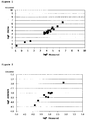
Fig. 1 shows correlation between a value of the distribution coefficient (logP) calculated by CAChe and an experimental value. -
Fig. 2 shows correlation between a value of the distribution coefficient (logP) calculated by KOWWIN and an experimental value. - The present invention relates to the orally disintegrating tablet comprising a medicinal ingredient having distribution coefficient (logP) in a range of from -6.0 to 10.0, preferably of from -5.0 to 6.0, and a disintegrative particulate composition produced by granulation consisting of at least two stages.
- The distribution coefficient is a numerical value showing hydrophobicity of a compound as a whole. The distribution coefficient of each medicinal ingredient in the present invention is calculated as follows. Thus, values obtained according to the formulation (1) were principally adopted as a calculated one, and values obtained according to the formulation (2) were adopted as a calculated one when the medicinal ingredient has a structure of a zwitterion such as an amino acid.
- (1) The value of logP calculated by CAChe using the following equation:

- Wherein ni means the number of each group of atoms, and ai means a contribution ratio of the group of atoms. A numerical value of the contribution ratio may be referred to the following article.
-
- (2) The value of logP calculated by KOWWIN using the following equation:

- Wherein fi means the coefficient of each group of atoms, and ni means the number of the group of atoms, and cj means the coefficient of each correction factor, and nj means the number of the correction factor. A numerical value of the coefficient of each group of atoms and the coefficient of each correction factor may be referred to the following article.
- Thus, it is estimated that water is hardly conducted deeply into the inside of an orally disintegrating tablet comprising a medicinal ingredient with a high distribution coefficient (high hydrophobicity) so that disintegrability of the tablet can be damaged. On the other hand, it is considered that a medicinal ingredient with a low distribution coefficient (high hydrophilicity), which is easily dissolved in water, will increase the binding between the medicinal ingredients comprised in a tablet when the tablet is compressed. As a result, the moldability and disintegrability of the tablet can be reduced.
- On the other hand, the measured value of the distribution coefficient is calculated by the following equation using a concentration of a medicinal ingredient dissolved in each of two phases of water and n-octanol, which is obtained by a conventional quantitative method such as absorption spectrophotometry, gas chromatography or liquid chromatography:

- The relation between the calculated values and the measured (experimental) values are shown in
Figs 1 and 2 . - The medicinal ingredient comprised in the orally disintegrating tablet according to the present invention includes a pharmaceutical ingredient, and nutrient ingredient comprised in foods and health food products. The medicinal ingredient may be added as such or in a coated or granulated form for the purpose of sustained release or masking of bitterness of the medicinal ingredient.
- There is no limitation on a application or kind of the medicinal ingredients comprised in the orally disintegrating tablet according to the present invention, which may include, for example, agents affecting each organ such as the central nervous system, peripheral nervous system, a sensory organ, a circulatory organ, a respiratory organ and a digestive organ and an urogenital organ; hormone drug; agents affecting metabolism such as a vitamin drug, an analeptic, an agent affecting blood and body fluid; agents affecting the function of tissue and cell such as an agent activating cellular function, an agent affecting tumors, an radioactive medicine, an anti-allergic agent; medicines based on a medical prescription relating to herbal medicines and Chinese medicines; antibiotics; agents for chemotherapy, biological drug; agents for pathogenic organisms such as parasites; agents for formulation use, diagnosis, public health and in-vitro diagnosis.
- The medicinal ingredient that satisfies the above particular range of the distribution coefficient is selected from the group consisting of clotrimazole, ibuprofen, ethenzamide, acetaminophen, famotidine, ascorbic acid, glycine, loxoprofen, caffeine, loratadine, aldioxa, pipemidic acid, afloqualone, clofibrate, and aspartic acid. Table 1 below shows the caluculated and experimental values of the distribution coefficients of the representative examples of the medicinal ingredients used in the present invention
[TABLE 1] Medicinal Ingredient logP Observed CAChe Calculated KOWWIN Calculated clotrimazole 5.19 ibuprofen 3.5 3.83 ethenzamide 1.39 0.97 acetaminophen 0.49 0.61 famotidine -0.82 -0.42 ascorbic acid -2.15 -1.88 glycine -3.21 -3.41 aspartic acid -3.89 -4.32 - Although there is no limitation in the content of the medicinal ingredient comprised in the orally disintegrating tablet according to the present invention, it may comprise a content of the medicinal ingredient preferably of 30% or more, more preferably of 40% or more, further preferably of 50% or more.
- Thus, the orally disintegrating tablet according to the present invention may comprise the content of the medicinal ingredient of 60% or more, which has the distribution coefficient (logP) in a range of from 0.8 to 4.0 and.
- The orally disintegrating tablet according to the present invention may optionally include other pharmaceutically-acceptable components as additives such as excipients, surfactants, lubricants, acidulants, sweeteners, corrigents, flavoring agents, colorants, and stabilizing agents, when needed. As these optional components, for example, appropriate ingredients described in "Japanese Pharmaceutical Excipients Directory" (YAKUJI NIPPO LIMITED) or the Japanese Pharmacopoeia can be used. Also, the types and blending ratios of each optional ingredient (component) are not particularly limited as long as the expected effects of the present invention are brought about, and the blending ratios can properly be determined by those skilled in the art. The orally disintegrating tablet can be formulated by any methods known to those skilled in the art, for example, by tableting.
- Four mechanisms of "wicking", "swelling", "deformation" and "repulsion" have been proposed as mechanisms of disintegration of tablets or the like. Among them, "wicking" is a disintegration mechanism which proceeds upon weakened binding force between particles included in the tablet as a result of water permeation through components such as disintegrators included in the tablet. As a typical example of a disintegrator having a higher effect to promote such "wicking", an acid-type carboxymethylcellulose has been known. Also, "swelling" is a disintegration mechanism which proceeds upon swelling of disintegrators themselves as a result of water permeation through the disintegrators.
- The acid-type carboxymethylcellulose, which is the first disintegrator component included in the disintegrative particulate composition produced by granulation consisting of at least two stages according to the present invention, is a substance called carmellose, and has been used as a pharmaceutical additive. In the same manner as the acid-type carboxymethylcellulose, for example, both calcium salt of carboxymethylcellulose and a cross-linked product of carboxymethylcellulose sodium are water-insoluble, and have been used as disintegrator for tablets, etc. On the other hand, sodium salt of carboxymethylcellulose is water-soluble, and has been used for purposes of a binder, etc. In addition, in some cases, a salt of carboxymethylcellulose may be referred to as carmellose.
- For the second disintegrator component of the disintegrative particulate composition of the present invention, any disintegrators other than the acid-type carboxymethylcellulose, which have been known to a person skilled in the art, can be used. However, in order to obtain combined effects of the different disintegration mechanisms as shown above, it is preferable that a disintegrator having a superior effect to promote a mechanism other than "wicking" (e.g. "swelling") be used as the second disintegrator component. Suitable examples of such a disintegrator include crospovidone, croscarmellose sodium, carboxymethyl starch sodium, low substituted hydroxypropylcellulose, carboxymethylcellulose calcium, hydroxypropyl starch, and starch. Additionally, crospovidone is a common name for a cross-linked polymer of 1-vinyl-2-pyrrolidone, and croscarmellose sodium is a common name for a cross-linked product of carboxymethylcellulose sodium.
- Among them, one, or any combination of two or more selected from crospovidone, croscarmellose sodium, carboxymethyl starch sodium, low substituted hydroxypropylcellulose and carboxymethylcellulose calcium is preferable.
- Any compound which has been known to a person skilled in the art as an excipient may be included as the third component in the disintegrative particulate composition of the present invention. Typical examples of such a compound include sugars or sugar alcohols such as mannitol, erythritol, sorbitol, D-glucitol (maltitol), xylitol, trehalose, lactose and maltose. Moreover, as preferable examples thereof, mannitol, erythritol, trehalose, sorbitol and D-glucitol (maltitol) can be mentioned. As the excipient, two or more types of compounds properly selected from these compounds can also be used. Furthermore, when excipients are used in each of the first and second wet granulation steps, the excipients may be of the same type (the same combination), or may be of different types (different combinations).
- The disintegrative particulate composition produced by the method of the present invention can include a crystalline cellulose known to a person skilled in the art, as the fourth component. As typical examples of such a crystalline cellulose, commercially-available products such as "Avicel" (FMC Corporation), "CEOLUS" (Asahi Kasei Chemicals Corp.), and "VIVAPUR" (RETTENMAIER) can be mentioned.
- Furthermore, various types of optional components known to a person skilled in the art may properly be added and mixed into the disintegrative particulate composition of the present invention, for the purpose of adjusting various characteristics such as the disintegrating force, binding force and ease in taking the tablet, without impairing the effects of the present invention according to the above-described three or four components. As examples of such components, fluidizing agents, inorganic excipients, sweetening agents, flavoring agents and coloring agents can be mentioned.
- The amount of each component blended in the disintegrative particulate composition of the present invention can properly be determined by a person skilled in the art, depending on, for example, the type of the component, the type and purpose of the medicinal ingredient, which is a target to be used in the disintegrative particulate composition, or the purpose of the final product, i.e. the orally-disintegrating tablet. In general, relative to the total weight of the disintegrative particulate composition, the amount of the first disintegrator component is within a range of 10% to 50% by weight, the amount of the second disintegrator component is within a range of 1% to 20% by weight, the amount of the crystalline cellulose, which is the fourth ingredient, is within a range of 1% to 40% by weight, and the amount of the excipient is within a range of 30% to 89% by weight.
- It is preferable that the disintegrative particulate composition of the present invention have the following physical properties:
- (1) an average particle size of 50 to 200 microns, e.g. 50 to 150 microns; and
- (2) a water content of 0.5% to 6% by weight, e.g. 0.5% to 3% by weight.
- In addition, these physical properties are measured by using the following methods and conditions.
- The average particle size: 2 g of the disintegrative particulate composition is subjected to a measurement with a Φ75 mm automatic shaking sieve device (Type "M-2", Tsutsui Scientific Instruments Co., Ltd.). In addition, "R" in the present specification means a curvature radius.
- The water content: 5 g of the disintegrative particulate composition is subjected to a measurement using a halogen water content measuring device (Type "HB43", METTLER TOLEDO K.K.).
- There is no limitation on a specific aspect regarding the two-stage granulation for the production of the disintegrative particulate composition, and those skilled in the art may optionally select the specific conditions.
- In the two-stage granulation of the present invention, the first and second granulation steps are carried out by a method in which each component is dispersed in the presence of water, and the dispersion is dried to form complexes, i.e. by a wet granulation process. As specific examples of the wet granulation process, spray methods such as spray drying, tumbling granulation, agitation granulation and fluidized-bed granulation, the freeze-drying method, kneading granulation, and the like can be mentioned, and the composition can be produced by any of these methods known to a person skilled in the art.
- Since disintegrators such as the acid-type carboxymethylcellulose are hydrophilic, by carrying out a manipulation of applying a physical force such as by agitation or the like in the presence of water according to wet granulation, the aggregated state in the dry powder converts into a state in which particles are more dispersed. Dispersion can most easily be carried out by the fluidized-bed granulation process, spray drying, tumbling granulation, agitation granulation, etc., in which dispersion by water spraying and drying are carried out, and also, drying speeds in these methods are high. Therefore, these methods are preferable.
- Among them, the fluidized-bed granulation process is a granulation method in which water, an aqueous solution including a binder, or the like is sprayed onto powder, while blowing the powder up by hot air, and, for example, adjustment of spraying conditions, etc. is easy in this method. Therefore, the fluidized-bed granulation process is the most preferable method.
- In the first wet granulation step of the granulation of the present disintegrative particulate composition including three components consisting of the first disintegrator component of the acid-type carboxymethylcellulose, the second disintegrator component other than the acid-type carboxymethylcellulose and the excipient, a person skilled in the art can properly determine which two types of components among the three components are used in the first wet granulation step, depending on their types, amounts, etc. For example, the first wet granulation step can be carried out by using either the first or second disintegrator component, and the excipient.
- As to specific embodiments of the first method, for example, (1) a method in which two components of a first disintegrator component (or a second disintegrator component) and an excipient are used in the first wet granulation step, and the second disintegrator component (or the first disintegrator component) is used in the second wet granulation step; (2) a method in which two components of the first and second disintegrator components are used in the first wet granulation step, and an excipient is used in the second wet granulation step; and (3) a method in which two components of the first disintegrator component (or the second disintegrator component) and an excipient are used in the first wet granulation step, and two components of the second disintegrator component (or the first disintegrator component) and an excipient are used in the second wet granulation step can be mentioned.
- A granulation method of a disintegrative particulate composition including a crystalline cellulose as a forth component besides the above-described three components can take the following two embodiments:
- (1) a method of producing a disintegrative particulate composition, characterized by including a first wet granulation step using any two or three of the four components, and a second wet granulation step using at least granules obtained in the first wet granulation step and the remaining one or two of the four components not used in the first wet granulation step (the second method of the present invention); and
- (2) a method of producing a disintegrative particulate composition, characterized by including a first wet granulation step using any two of the three components other than the crystalline cellulose, a second wet granulation step using at least granules obtained in the first wet granulation step and the remaining one component not used in the first wet granulation step, and a third step of mixing the crystalline cellulose into granules obtained in the second wet granulation step (the third method of the present invention).
- Additionally, each of the above-described four components may be used only in one granulation step. For example, only granules obtained in the first wet granulation step and the remaining component(s) not used in the first wet granulation step can be used in the second wet granulation step. Alternatively, one component can be used in a plurality of granulation steps. For example, each of components such as crystalline cellulose can be used in both the first and second wet granulation steps.
- Various types of the optional components, other than the above-described four components, which can be appropriately included in the disintegrative particulate composition of the present invention and which have been known to a person skilled in the art, may be properly added in the first and/or second wet granulation step. Alternatively, these optional components may also be added and mixed in an appropriate granulation step of the third step or subsequent steps.
- Furthermore, a person skilled in the art can properly determine various conditions such as the spraying speed, the supply air temperature, the exhaust temperature, and the air supply rate, depending on types or amounts of components, etc.
- In both of the first wet granulation step and the second wet granulation step according to the fluidized-bed granulation process, as a medium for the spray liquid, a solvent acceptable in pharmaceuticals or foods, such as water, ethanol, methanol or acetone, can be mentioned. Alternatively, as the spray liquid, for example, an aqueous solution in which less than 10% of the component(s) for the disintegrative particulate composition is dissolved can be mentioned, and, in particular, water or such an aqueous solution is preferable.
- The orally-disintegrating tablet of the present invention has excellent tablet hardness and disintegrability due to the specific structures mentioned above. As preferable values, the orally-disintegrating tablet may be characterized by having a hardness of 30 to 100 N, preferably 40 to 100 N, more preferably 50 to 100 (N), still more preferably 60 to 150 N, further more preferably 70 to 150 N, and by having a disintegration time in water of 10 to 30 seconds, preferably 10 to 24 seconds, more preferably 10 to 20 seconds.
- In addition, contents of all related art documents cited in the present specification are incorporated herein by reference.
- Hereinafter, the present invention will more specifically be described with reference to Examples. However, the present invention is not considered to be limited to the Examples.
- As the first wet granulation step, 280 g of mannitol (D-mannitol, Merck Ltd.) and 75 g of carmellose (NS-300, GOTOKU CHEMICAL CO., LTD.) were charged to a fluidized-bed granulator (LAB-1, Powrex Corporation), and 227 g of purified water was sprayed onto the resulting mixture at a rate of 24 g/minute to thereby granulate the mixture. Further, as the second wet granulation step, 40 g of crospovidone (Polyplasdone INF-10, ISP Japan) and 100 g of a crystalline cellulose (CEOLUS PH-101, Asahi Kasei Chemicals Corp.) were added to the resulting granules, and 300 g of purified water was sprayed thereto at 10 g/minute to thereby obtain granules (a disintegrative particulate composition of the present invention). 0.5 parts by weight of magnesium stearate (Taihei Chemical Industrial Co. Ltd.) was added to 99.5 parts by weight of the obtained granules, and these were mixed. The mixture was then subjected to tableting at tablet compression forces of 6.0 kN with a simple tableting machine (ICHIHASHI-SEIKI Co., Ltd.) to thereby obtain tablets having a diameter of 8.0 mm, R6.5, and a weight of 250 mg. In addition, the granules had the following values for physical properties: (1) an average particle size of 93 microns and (2) a water content of 1.8% by weight.
- As the third wet granulation step, 59.5 parts by weight of the resulting disintegrative particulate composition was mixed with 40 parts by weight of clotrimazole (Wako Pure Chemical Industries, Ltd.) and 0.5 parts by weight of magnesium stearate (Taihei Chemical Industrial Co. Ltd.). The mixture was then subjected to tableting at a tablet compression force of 6.0 kN with the simple tableting machine (HANDTAB-100, ICHIHASHI-SEIKI Co., Ltd.) to thereby obtain an angled-corner flat tablet having a diameter of 8.0 mm and a weight of 250 mg.
- The disintegrative particulate composition obtained in Example 1 was mixed with the medicinal ingredient listed in Table 2 and 0.5 parts by weight of magnesium stearate (Taihei Chemical Industrial Co. Ltd.). The mixture was then subjected to tableting at a tablet compression force shown in Table 2 with the simple tableting machine (HANDTAB-100, ICHIHASHI-SEIKI Co., Ltd.) to thereby obtain an angled-corner flat tablet having a diameter of 8.0 mm and a weight of 250 mg.
- Values of the physical properties of the resulting tablets were measured based on the following conditions/methods. The test results of hardness and disintegration time are shown in Table 2.
- Hardness: a hardness (N) was measured with a Kiya hardness tester (KHT-40N, Fujiwara Scientific Company Co., Ltd.).
- Disintegration time in water: a disintegration time in water was measured with a disintegration tester (NT-4HF, TOYAMA SANGYO CO., LTD.) in accordance with the method described in the Japanese Pharmacopoeia provided that an auxiliary disk was not used. However, the auxiliary disk was used for the tablets comprising bicarbonates.
- The measurements for the hardness and disintegration time were each repeated six times, and average values thereof were regarded as measurement results.
[Table 2] Medicinal Ingredient Calculated LogP Content (parts by weight) Tablet Compression Force (kN) Tablet Hardness (N) Disintegration Time in Water (s) Disintegrative Particulate Composition 0 6 74 13 Example 1 clotrimazole 5.19 1) 40 6 80 18 Example 2 50 6 84 21 Example 3 ibuprofen 3.83 1) 40 8 57 15 Example 4 50 8 59 16 Example 5 70 8 53 18 Example 6 80 15 49 19 Example 7 ethenzamide 0.97 1) 40 8 71 13 Example 8 50 8 72 15 Example 9 60 10 67 17 Example 10 acetaminophen 0.61 1) 40 12 63 14 Example 11 50 12 46 13 Example 12 famotidine -0.42 1) 40 8 78 25 Example 13 50 8 73 20 Example 14 ascorbic acid -1.88 2) 40 10 54 13 Example 15 50 14 50 22 Example 16 glycine -3.41 2) 40 10 62 13 Example 17 50 12 53 13 Example 18 aspartic acid -4.32 2) 40 12 59 14 Example 19 50 12 44 14 1) LogP Values calculated by CAChe
2) LogP Values calculated by KOWWIN - The present invention significantly contributes to research and development of orally-disintegrating tablets having excellent tablet hardness and disintegrability.
Claims (9)
- An orally disintegrating tablet comprising a medicinal ingredient having distribution coefficient (logP) in a range of from -6.0 to 10.0 and a disintegrative particulate composition produced by granulation consisting of at least two stages.
- The orally disintegrating tablet according to Claim 1, wherein the distribution coefficient (logP) is in a range of from -5.0 to 6.0.
- The orally disintegrating tablet according to Claim 1 or 2, wherein a content of the medicinal ingredient is 30% or more.
- The orally disintegrating tablet according to Claim 3, wherein the content of the medicinal ingredient is 40% or more.
- The orally disintegrating tablet according to Claim 4, wherein the content of the medicinal ingredient is 50% or more.
- The orally disintegrating tablet according to Claim 5, wherein the distribution coefficient (logP) of the medicinal ingredient is in a range of from 0.8 to 4.0 and the content of the medicinal ingredient is 60% or more.
- The orally disintegrating tablet according to any one of Claims 1-6, wherein the disintegrative particulate composition including three components consisting of a first disintegrator component of an acid-type carboxymethylcellulose, a second disintegrator component other than the acid-type carboxymethylcellulose and an excipient is produced by the two-stage granulation comprising a first wet granulation step using any two of the three components and a second wet granulation step using at least the granules obtained in the first wet granulation step and the remaining one component not used in the first wet granulation step.
- The orally disintegrating tablet according to any one of Claims 1-7, which has tablet hardness of from 30 to 100 N, and disintegration time in water of from 10 to 30 sec.
- The orally disintegrating tablet according to any one of Claims 1-7, wherein the medicinal ingredient is selected from the group consisting of clotrimazole, ibuprofen, ethenzamide, acetaminophen, famotidine, ascorbic acid, glycine and aspartic acid.
Applications Claiming Priority (2)
| Application Number | Priority Date | Filing Date | Title |
|---|---|---|---|
| JP2013202247 | 2013-09-27 | ||
| PCT/JP2014/075228 WO2015046219A1 (en) | 2013-09-27 | 2014-09-24 | Intraorally disintegrable tablet comprising disintegrable granular composition |
Publications (3)
| Publication Number | Publication Date |
|---|---|
| EP3050560A1 true EP3050560A1 (en) | 2016-08-03 |
| EP3050560A4 EP3050560A4 (en) | 2017-04-05 |
| EP3050560B1 EP3050560B1 (en) | 2025-01-08 |
Family
ID=52743355
Family Applications (1)
| Application Number | Title | Priority Date | Filing Date |
|---|---|---|---|
| EP14848881.0A Active EP3050560B1 (en) | 2013-09-27 | 2014-09-24 | Intraorally disintegrable tablet comprising disintegrable granular composition |
Country Status (6)
| Country | Link |
|---|---|
| US (1) | US20160213619A1 (en) |
| EP (1) | EP3050560B1 (en) |
| JP (1) | JP6302921B2 (en) |
| CN (1) | CN105555262A (en) |
| TW (1) | TWI644688B (en) |
| WO (1) | WO2015046219A1 (en) |
Cited By (1)
| Publication number | Priority date | Publication date | Assignee | Title |
|---|---|---|---|---|
| EP3050575A4 (en) * | 2013-09-27 | 2017-07-05 | Daicel Corporation | Disintegrating particle composition produced by two-stage wet granulation process, and intraorally disintegrating tablet containing same composition |
Families Citing this family (2)
| Publication number | Priority date | Publication date | Assignee | Title |
|---|---|---|---|---|
| JP2017226600A (en) * | 2014-10-16 | 2017-12-28 | 株式会社ダイセル | Super fast disintegrating tablet |
| KR20220101103A (en) * | 2019-11-13 | 2022-07-19 | 유니슨 파마슈티컬스 피브이티. 엘티디. | Orally disintegrating pharmaceutical composition of apixaban |
Family Cites Families (14)
| Publication number | Priority date | Publication date | Assignee | Title |
|---|---|---|---|---|
| JP4551627B2 (en) | 2003-02-28 | 2010-09-29 | 東和薬品株式会社 | Method for producing orally disintegrating tablets |
| KR20080083071A (en) * | 2003-08-08 | 2008-09-12 | 아지노모토 가부시키가이샤 | Nateglinide-containing formulations |
| JP4567640B2 (en) * | 2005-07-29 | 2010-10-20 | 田辺三菱製薬株式会社 | Miniaturized sarpogrelate hydrochloride oral dosage form |
| US20100209503A1 (en) * | 2005-08-10 | 2010-08-19 | Yoichi Taniguchi | Bitter Taste Masking Dosage Form |
| US20080274178A1 (en) * | 2005-08-10 | 2008-11-06 | Shionogi & Co., Ltd. | Orally Disintegrating Tablet |
| EP1935405A1 (en) * | 2006-12-22 | 2008-06-25 | LEK Pharmaceuticals D.D. | Orally disintegrating tablets |
| JP2008285434A (en) | 2007-05-16 | 2008-11-27 | Taisho Pharm Ind Ltd | Orally disintegrating tablets |
| US20110053942A1 (en) * | 2008-02-13 | 2011-03-03 | Dainippon Sumitomo Pharma Co., Ltd. | Orally disintegrating tablets |
| KR101704156B1 (en) * | 2008-11-25 | 2017-02-07 | 미쓰비시 타나베 파마 코퍼레이션 | Mixture for producing orally rapidly disintegrating tablet |
| JP5674666B2 (en) | 2009-08-11 | 2015-02-25 | 富士化学工業株式会社 | Disintegrating particle composition and intraoral quick disintegrating tablet |
| JP6073543B2 (en) | 2010-07-08 | 2017-02-01 | 沢井製薬株式会社 | Method for producing loratadine-containing orally disintegrating tablet |
| JP6245677B2 (en) * | 2012-01-20 | 2017-12-13 | ニプロ株式会社 | Orally disintegrating tablets |
| CN104080443B (en) * | 2012-03-29 | 2017-12-12 | 株式会社大赛璐 | The preparation method and said composition and the Orally disintegrating tablet containing said composition of the disintegrating particles composition of the carboxymethyl cellulose containing acid |
| CN104010663B (en) * | 2012-09-20 | 2021-02-19 | 株式会社大赛璐 | Disintegrating granule composition containing acid-form carboxymethyl cellulose and crystalline cellulose, and intraorally disintegrating tablet containing the same |
-
2014
- 2014-09-24 JP JP2015539243A patent/JP6302921B2/en active Active
- 2014-09-24 EP EP14848881.0A patent/EP3050560B1/en active Active
- 2014-09-24 US US14/915,872 patent/US20160213619A1/en not_active Abandoned
- 2014-09-24 CN CN201480052795.9A patent/CN105555262A/en active Pending
- 2014-09-24 WO PCT/JP2014/075228 patent/WO2015046219A1/en not_active Ceased
- 2014-09-26 TW TW103133396A patent/TWI644688B/en active
Cited By (2)
| Publication number | Priority date | Publication date | Assignee | Title |
|---|---|---|---|---|
| EP3050575A4 (en) * | 2013-09-27 | 2017-07-05 | Daicel Corporation | Disintegrating particle composition produced by two-stage wet granulation process, and intraorally disintegrating tablet containing same composition |
| US9974738B2 (en) | 2013-09-27 | 2018-05-22 | Daicel Corporation | Disintegrating particle composition produced by two-stage wet granulation process, and intraorally disintegrating tablet containing same composition |
Also Published As
| Publication number | Publication date |
|---|---|
| WO2015046219A1 (en) | 2015-04-02 |
| JPWO2015046219A1 (en) | 2017-03-09 |
| EP3050560A4 (en) | 2017-04-05 |
| CN105555262A (en) | 2016-05-04 |
| JP6302921B2 (en) | 2018-03-28 |
| EP3050560B1 (en) | 2025-01-08 |
| TW201607567A (en) | 2016-03-01 |
| US20160213619A1 (en) | 2016-07-28 |
| TWI644688B (en) | 2018-12-21 |
Similar Documents
| Publication | Publication Date | Title |
|---|---|---|
| EP2832350B1 (en) | Method for producing disintegrating particulate composition comprising acid-type carboxymethylcellulose, disintegrating particulate composition comprising acid-type carboxymethylcellulose, and orally disintegrating tablet including disintegrating particulate composition comprising acid-type carboxymethylcellulose | |
| EP2898899B1 (en) | Disintegrating particle composition containing acid-type carboxymethylcellulose and crystalline cellulose, and orally disintegrating tablet containing said composition | |
| EP3135300B1 (en) | Disintegrating particle composition including microfibrous cellulose | |
| EP2893940A2 (en) | Granulated material for tablet that rapidly disintegrates in mouth | |
| EP3050560B1 (en) | Intraorally disintegrable tablet comprising disintegrable granular composition | |
| EP3020416A1 (en) | Ultrafast-disintegrating tablet and method for manufacturing same | |
| EP3345626B1 (en) | Super-rapid disintegrating tablet, and method for producing same | |
| EP3238712B1 (en) | Very rapidly disintegrating tablet, and method for producing same | |
| EP3050575B1 (en) | Disintegrating particle composition produced by two-stage wet granulation process, and intraorally disintegrating tablet containing same composition | |
| TW201609193A (en) | Composition for oral disintegration tablet containing carbonate and orally disintegrating tablet |
Legal Events
| Date | Code | Title | Description |
|---|---|---|---|
| PUAI | Public reference made under article 153(3) epc to a published international application that has entered the european phase |
Free format text: ORIGINAL CODE: 0009012 |
|
| 17P | Request for examination filed |
Effective date: 20160310 |
|
| AK | Designated contracting states |
Kind code of ref document: A1 Designated state(s): AL AT BE BG CH CY CZ DE DK EE ES FI FR GB GR HR HU IE IS IT LI LT LU LV MC MK MT NL NO PL PT RO RS SE SI SK SM TR |
|
| AX | Request for extension of the european patent |
Extension state: BA ME |
|
| DAX | Request for extension of the european patent (deleted) | ||
| A4 | Supplementary search report drawn up and despatched |
Effective date: 20170306 |
|
| RIC1 | Information provided on ipc code assigned before grant |
Ipc: A61K 47/38 20060101ALI20170228BHEP Ipc: A61K 31/167 20060101ALI20170228BHEP Ipc: A61K 31/375 20060101ALI20170228BHEP Ipc: A61K 9/20 20060101AFI20170228BHEP Ipc: A61P 31/10 20060101ALI20170228BHEP Ipc: A61P 3/02 20060101ALI20170228BHEP Ipc: A61K 31/198 20060101ALI20170228BHEP Ipc: A61P 1/04 20060101ALI20170228BHEP Ipc: A61K 31/4164 20060101ALI20170228BHEP Ipc: A61K 31/192 20060101ALI20170228BHEP Ipc: A61P 29/00 20060101ALI20170228BHEP Ipc: A61K 31/426 20060101ALI20170228BHEP Ipc: A61K 31/166 20060101ALI20170228BHEP |
|
| STAA | Information on the status of an ep patent application or granted ep patent |
Free format text: STATUS: EXAMINATION IS IN PROGRESS |
|
| 17Q | First examination report despatched |
Effective date: 20210315 |
|
| GRAP | Despatch of communication of intention to grant a patent |
Free format text: ORIGINAL CODE: EPIDOSNIGR1 |
|
| STAA | Information on the status of an ep patent application or granted ep patent |
Free format text: STATUS: GRANT OF PATENT IS INTENDED |
|
| INTG | Intention to grant announced |
Effective date: 20240930 |
|
| GRAS | Grant fee paid |
Free format text: ORIGINAL CODE: EPIDOSNIGR3 |
|
| GRAA | (expected) grant |
Free format text: ORIGINAL CODE: 0009210 |
|
| STAA | Information on the status of an ep patent application or granted ep patent |
Free format text: STATUS: THE PATENT HAS BEEN GRANTED |
|
| P01 | Opt-out of the competence of the unified patent court (upc) registered |
Free format text: CASE NUMBER: APP_60670/2024 Effective date: 20241111 |
|
| AK | Designated contracting states |
Kind code of ref document: B1 Designated state(s): AL AT BE BG CH CY CZ DE DK EE ES FI FR GB GR HR HU IE IS IT LI LT LU LV MC MK MT NL NO PL PT RO RS SE SI SK SM TR |
|
| REG | Reference to a national code |
Ref country code: GB Ref legal event code: FG4D |
|
| REG | Reference to a national code |
Ref country code: CH Ref legal event code: EP |
|
| REG | Reference to a national code |
Ref country code: DE Ref legal event code: R096 Ref document number: 602014091436 Country of ref document: DE |
|
| REG | Reference to a national code |
Ref country code: IE Ref legal event code: FG4D |
|
| REG | Reference to a national code |
Ref country code: LT Ref legal event code: MG9D |
|
| REG | Reference to a national code |
Ref country code: NL Ref legal event code: MP Effective date: 20250108 |
|
| REG | Reference to a national code |
Ref country code: AT Ref legal event code: MK05 Ref document number: 1757892 Country of ref document: AT Kind code of ref document: T Effective date: 20250108 |
|
| PG25 | Lapsed in a contracting state [announced via postgrant information from national office to epo] |
Ref country code: NL Free format text: LAPSE BECAUSE OF FAILURE TO SUBMIT A TRANSLATION OF THE DESCRIPTION OR TO PAY THE FEE WITHIN THE PRESCRIBED TIME-LIMIT Effective date: 20250108 |
|
| PG25 | Lapsed in a contracting state [announced via postgrant information from national office to epo] |
Ref country code: RS Free format text: LAPSE BECAUSE OF FAILURE TO SUBMIT A TRANSLATION OF THE DESCRIPTION OR TO PAY THE FEE WITHIN THE PRESCRIBED TIME-LIMIT Effective date: 20250408 |
|
| PG25 | Lapsed in a contracting state [announced via postgrant information from national office to epo] |
Ref country code: FI Free format text: LAPSE BECAUSE OF FAILURE TO SUBMIT A TRANSLATION OF THE DESCRIPTION OR TO PAY THE FEE WITHIN THE PRESCRIBED TIME-LIMIT Effective date: 20250108 |
|
| PG25 | Lapsed in a contracting state [announced via postgrant information from national office to epo] |
Ref country code: PL Free format text: LAPSE BECAUSE OF FAILURE TO SUBMIT A TRANSLATION OF THE DESCRIPTION OR TO PAY THE FEE WITHIN THE PRESCRIBED TIME-LIMIT Effective date: 20250108 |
|
| PG25 | Lapsed in a contracting state [announced via postgrant information from national office to epo] |
Ref country code: ES Free format text: LAPSE BECAUSE OF FAILURE TO SUBMIT A TRANSLATION OF THE DESCRIPTION OR TO PAY THE FEE WITHIN THE PRESCRIBED TIME-LIMIT Effective date: 20250108 |
|
| PG25 | Lapsed in a contracting state [announced via postgrant information from national office to epo] |
Ref country code: NO Free format text: LAPSE BECAUSE OF FAILURE TO SUBMIT A TRANSLATION OF THE DESCRIPTION OR TO PAY THE FEE WITHIN THE PRESCRIBED TIME-LIMIT Effective date: 20250408 Ref country code: IS Free format text: LAPSE BECAUSE OF FAILURE TO SUBMIT A TRANSLATION OF THE DESCRIPTION OR TO PAY THE FEE WITHIN THE PRESCRIBED TIME-LIMIT Effective date: 20250508 |
|
| PG25 | Lapsed in a contracting state [announced via postgrant information from national office to epo] |
Ref country code: HR Free format text: LAPSE BECAUSE OF FAILURE TO SUBMIT A TRANSLATION OF THE DESCRIPTION OR TO PAY THE FEE WITHIN THE PRESCRIBED TIME-LIMIT Effective date: 20250108 |
|
| PG25 | Lapsed in a contracting state [announced via postgrant information from national office to epo] |
Ref country code: LV Free format text: LAPSE BECAUSE OF FAILURE TO SUBMIT A TRANSLATION OF THE DESCRIPTION OR TO PAY THE FEE WITHIN THE PRESCRIBED TIME-LIMIT Effective date: 20250108 Ref country code: PT Free format text: LAPSE BECAUSE OF FAILURE TO SUBMIT A TRANSLATION OF THE DESCRIPTION OR TO PAY THE FEE WITHIN THE PRESCRIBED TIME-LIMIT Effective date: 20250508 |
|
| PG25 | Lapsed in a contracting state [announced via postgrant information from national office to epo] |
Ref country code: GR Free format text: LAPSE BECAUSE OF FAILURE TO SUBMIT A TRANSLATION OF THE DESCRIPTION OR TO PAY THE FEE WITHIN THE PRESCRIBED TIME-LIMIT Effective date: 20250409 Ref country code: BG Free format text: LAPSE BECAUSE OF FAILURE TO SUBMIT A TRANSLATION OF THE DESCRIPTION OR TO PAY THE FEE WITHIN THE PRESCRIBED TIME-LIMIT Effective date: 20250108 |
|
| PG25 | Lapsed in a contracting state [announced via postgrant information from national office to epo] |
Ref country code: AT Free format text: LAPSE BECAUSE OF FAILURE TO SUBMIT A TRANSLATION OF THE DESCRIPTION OR TO PAY THE FEE WITHIN THE PRESCRIBED TIME-LIMIT Effective date: 20250108 |
|
| PG25 | Lapsed in a contracting state [announced via postgrant information from national office to epo] |
Ref country code: SE Free format text: LAPSE BECAUSE OF FAILURE TO SUBMIT A TRANSLATION OF THE DESCRIPTION OR TO PAY THE FEE WITHIN THE PRESCRIBED TIME-LIMIT Effective date: 20250108 |
|
| PG25 | Lapsed in a contracting state [announced via postgrant information from national office to epo] |
Ref country code: SM Free format text: LAPSE BECAUSE OF FAILURE TO SUBMIT A TRANSLATION OF THE DESCRIPTION OR TO PAY THE FEE WITHIN THE PRESCRIBED TIME-LIMIT Effective date: 20250108 |
|
| REG | Reference to a national code |
Ref country code: DE Ref legal event code: R097 Ref document number: 602014091436 Country of ref document: DE |
|
| PG25 | Lapsed in a contracting state [announced via postgrant information from national office to epo] |
Ref country code: DK Free format text: LAPSE BECAUSE OF FAILURE TO SUBMIT A TRANSLATION OF THE DESCRIPTION OR TO PAY THE FEE WITHIN THE PRESCRIBED TIME-LIMIT Effective date: 20250108 |
|
| PGFP | Annual fee paid to national office [announced via postgrant information from national office to epo] |
Ref country code: DE Payment date: 20250919 Year of fee payment: 12 |
|
| PGFP | Annual fee paid to national office [announced via postgrant information from national office to epo] |
Ref country code: GB Payment date: 20250919 Year of fee payment: 12 |
|
| PGFP | Annual fee paid to national office [announced via postgrant information from national office to epo] |
Ref country code: FR Payment date: 20250922 Year of fee payment: 12 |
|
| PG25 | Lapsed in a contracting state [announced via postgrant information from national office to epo] |
Ref country code: CZ Free format text: LAPSE BECAUSE OF FAILURE TO SUBMIT A TRANSLATION OF THE DESCRIPTION OR TO PAY THE FEE WITHIN THE PRESCRIBED TIME-LIMIT Effective date: 20250108 Ref country code: EE Free format text: LAPSE BECAUSE OF FAILURE TO SUBMIT A TRANSLATION OF THE DESCRIPTION OR TO PAY THE FEE WITHIN THE PRESCRIBED TIME-LIMIT Effective date: 20250108 |
|
| PG25 | Lapsed in a contracting state [announced via postgrant information from national office to epo] |
Ref country code: RO Free format text: LAPSE BECAUSE OF FAILURE TO SUBMIT A TRANSLATION OF THE DESCRIPTION OR TO PAY THE FEE WITHIN THE PRESCRIBED TIME-LIMIT Effective date: 20250108 |
|
| PG25 | Lapsed in a contracting state [announced via postgrant information from national office to epo] |
Ref country code: SK Free format text: LAPSE BECAUSE OF FAILURE TO SUBMIT A TRANSLATION OF THE DESCRIPTION OR TO PAY THE FEE WITHIN THE PRESCRIBED TIME-LIMIT Effective date: 20250108 |
|
| PLBE | No opposition filed within time limit |
Free format text: ORIGINAL CODE: 0009261 |
|
| STAA | Information on the status of an ep patent application or granted ep patent |
Free format text: STATUS: NO OPPOSITION FILED WITHIN TIME LIMIT |
|
| REG | Reference to a national code |
Ref country code: CH Ref legal event code: L10 Free format text: ST27 STATUS EVENT CODE: U-0-0-L10-L00 (AS PROVIDED BY THE NATIONAL OFFICE) Effective date: 20251119 |
|
| 26N | No opposition filed |
Effective date: 20251009 |
|
| PG25 | Lapsed in a contracting state [announced via postgrant information from national office to epo] |
Ref country code: IT Free format text: LAPSE BECAUSE OF FAILURE TO SUBMIT A TRANSLATION OF THE DESCRIPTION OR TO PAY THE FEE WITHIN THE PRESCRIBED TIME-LIMIT Effective date: 20250108 |
|
| REG | Reference to a national code |
Ref country code: CH Ref legal event code: H13 Free format text: ST27 STATUS EVENT CODE: U-0-0-H10-H13 (AS PROVIDED BY THE NATIONAL OFFICE) Effective date: 20260504 |
|
| PG25 | Lapsed in a contracting state [announced via postgrant information from national office to epo] |
Ref country code: LU Free format text: LAPSE BECAUSE OF NON-PAYMENT OF DUE FEES Effective date: 20250924 |
|
| REG | Reference to a national code |
Ref country code: BE Ref legal event code: MM Effective date: 20250930 |
|
| PG25 | Lapsed in a contracting state [announced via postgrant information from national office to epo] |
Ref country code: LT Free format text: LAPSE BECAUSE OF FAILURE TO SUBMIT A TRANSLATION OF THE DESCRIPTION OR TO PAY THE FEE WITHIN THE PRESCRIBED TIME-LIMIT Effective date: 20250108 |
|
| PG25 | Lapsed in a contracting state [announced via postgrant information from national office to epo] |
Ref country code: MC Free format text: LAPSE BECAUSE OF FAILURE TO SUBMIT A TRANSLATION OF THE DESCRIPTION OR TO PAY THE FEE WITHIN THE PRESCRIBED TIME-LIMIT Effective date: 20250108 |
|
| PG25 | Lapsed in a contracting state [announced via postgrant information from national office to epo] |
Ref country code: BE Free format text: LAPSE BECAUSE OF NON-PAYMENT OF DUE FEES Effective date: 20250930 Ref country code: CH Free format text: LAPSE BECAUSE OF NON-PAYMENT OF DUE FEES Effective date: 20250930 Ref country code: IE Free format text: LAPSE BECAUSE OF NON-PAYMENT OF DUE FEES Effective date: 20250924 |