EP3047023B1 - Compositions and methods for inhibiting jc virus (jcv) - Google Patents
Compositions and methods for inhibiting jc virus (jcv) Download PDFInfo
- Publication number
- EP3047023B1 EP3047023B1 EP14828378.1A EP14828378A EP3047023B1 EP 3047023 B1 EP3047023 B1 EP 3047023B1 EP 14828378 A EP14828378 A EP 14828378A EP 3047023 B1 EP3047023 B1 EP 3047023B1
- Authority
- EP
- European Patent Office
- Prior art keywords
- jcv
- cells
- antisense
- nucleic acid
- dna
- Prior art date
- Legal status (The legal status is an assumption and is not a legal conclusion. Google has not performed a legal analysis and makes no representation as to the accuracy of the status listed.)
- Active
Links
Images








Classifications
-
- C—CHEMISTRY; METALLURGY
- C12—BIOCHEMISTRY; BEER; SPIRITS; WINE; VINEGAR; MICROBIOLOGY; ENZYMOLOGY; MUTATION OR GENETIC ENGINEERING
- C12N—MICROORGANISMS OR ENZYMES; COMPOSITIONS THEREOF; PROPAGATING, PRESERVING, OR MAINTAINING MICROORGANISMS; MUTATION OR GENETIC ENGINEERING; CULTURE MEDIA
- C12N15/00—Mutation or genetic engineering; DNA or RNA concerning genetic engineering, vectors, e.g. plasmids, or their isolation, preparation or purification; Use of hosts therefor
- C12N15/09—Recombinant DNA-technology
- C12N15/11—DNA or RNA fragments; Modified forms thereof; Non-coding nucleic acids having a biological activity
- C12N15/113—Non-coding nucleic acids modulating the expression of genes, e.g. antisense oligonucleotides; Antisense DNA or RNA; Triplex- forming oligonucleotides; Catalytic nucleic acids, e.g. ribozymes; Nucleic acids used in co-suppression or gene silencing
- C12N15/1131—Non-coding nucleic acids modulating the expression of genes, e.g. antisense oligonucleotides; Antisense DNA or RNA; Triplex- forming oligonucleotides; Catalytic nucleic acids, e.g. ribozymes; Nucleic acids used in co-suppression or gene silencing against viruses
-
- A—HUMAN NECESSITIES
- A61—MEDICAL OR VETERINARY SCIENCE; HYGIENE
- A61P—SPECIFIC THERAPEUTIC ACTIVITY OF CHEMICAL COMPOUNDS OR MEDICINAL PREPARATIONS
- A61P31/00—Antiinfectives, i.e. antibiotics, antiseptics, chemotherapeutics
- A61P31/12—Antivirals
- A61P31/20—Antivirals for DNA viruses
-
- C—CHEMISTRY; METALLURGY
- C07—ORGANIC CHEMISTRY
- C07K—PEPTIDES
- C07K16/00—Immunoglobulins [IG], e.g. monoclonal or polyclonal antibodies
- C07K16/08—Immunoglobulins [IG], e.g. monoclonal or polyclonal antibodies against material from viruses
- C07K16/081—DNA viruses
- C07K16/084—Papillomaviridae (F); Polyomaviridae (F), e.g. SV40, BK virus or JC virus
-
- C—CHEMISTRY; METALLURGY
- C12—BIOCHEMISTRY; BEER; SPIRITS; WINE; VINEGAR; MICROBIOLOGY; ENZYMOLOGY; MUTATION OR GENETIC ENGINEERING
- C12N—MICROORGANISMS OR ENZYMES; COMPOSITIONS THEREOF; PROPAGATING, PRESERVING, OR MAINTAINING MICROORGANISMS; MUTATION OR GENETIC ENGINEERING; CULTURE MEDIA
- C12N2310/00—Structure or type of the nucleic acid
- C12N2310/10—Type of nucleic acid
- C12N2310/11—Antisense
-
- C—CHEMISTRY; METALLURGY
- C12—BIOCHEMISTRY; BEER; SPIRITS; WINE; VINEGAR; MICROBIOLOGY; ENZYMOLOGY; MUTATION OR GENETIC ENGINEERING
- C12N—MICROORGANISMS OR ENZYMES; COMPOSITIONS THEREOF; PROPAGATING, PRESERVING, OR MAINTAINING MICROORGANISMS; MUTATION OR GENETIC ENGINEERING; CULTURE MEDIA
- C12N2310/00—Structure or type of the nucleic acid
- C12N2310/30—Chemical structure
- C12N2310/31—Chemical structure of the backbone
- C12N2310/315—Phosphorothioates
-
- C—CHEMISTRY; METALLURGY
- C12—BIOCHEMISTRY; BEER; SPIRITS; WINE; VINEGAR; MICROBIOLOGY; ENZYMOLOGY; MUTATION OR GENETIC ENGINEERING
- C12N—MICROORGANISMS OR ENZYMES; COMPOSITIONS THEREOF; PROPAGATING, PRESERVING, OR MAINTAINING MICROORGANISMS; MUTATION OR GENETIC ENGINEERING; CULTURE MEDIA
- C12N2310/00—Structure or type of the nucleic acid
- C12N2310/30—Chemical structure
- C12N2310/34—Spatial arrangement of the modifications
- C12N2310/346—Spatial arrangement of the modifications having a combination of backbone and sugar modifications
-
- C—CHEMISTRY; METALLURGY
- C12—BIOCHEMISTRY; BEER; SPIRITS; WINE; VINEGAR; MICROBIOLOGY; ENZYMOLOGY; MUTATION OR GENETIC ENGINEERING
- C12N—MICROORGANISMS OR ENZYMES; COMPOSITIONS THEREOF; PROPAGATING, PRESERVING, OR MAINTAINING MICROORGANISMS; MUTATION OR GENETIC ENGINEERING; CULTURE MEDIA
- C12N2710/00—MICROORGANISMS OR ENZYMES; COMPOSITIONS THEREOF; PROPAGATING, PRESERVING, OR MAINTAINING MICROORGANISMS; MUTATION OR GENETIC ENGINEERING; CULTURE MEDIA dsDNA viruses
- C12N2710/00011—Details
- C12N2710/22011—Polyomaviridae, e.g. polyoma, SV40, JC
Definitions
- PML Progressive multifocal leukoencephalopathy
- CMV polyomavirus JC
- PML symptoms include weakness or paralysis, vision loss, impaired speech, and cognitive deterioration. Severe inflammation can result in brain edema and lead herniation and death of the patients (Tan et al., 2009). The prognosis of PML is generally poor. The lifespan for PML patients averaged 9 months for non-AIDS patients and 2 to 4 months for these with HIV infection before antiretroviral drugs were available.
- PML The mortality rate of PML is still nearly 50% in HIV-infected patients with antiretroviral therapy (Ferenczy et al., 2012). Although 39% to 58% of the general population are seropositive for antibodies to JCV (Kean et al., 2009, Egli et al., 2009), PML occurs only under immune suppression conditions, such as AIDS patients (Cinque et al., 2009), transplant patients using immunosuppressive medicines (Mateen et al., 2011), certain chemotherapy with immune system damage (Pruitt, 2012), and using natalizumab for multiple sclerosis (Major E. 2010; Sadiq et al., 2010), etc.
- nucleoside analogs including azidothymidine, acyclovir, CMX001, cidofovir, Ara-A, and Ara-C
- these drugs can not only disrupt viral DNA synthesis but cellular DNA synthesis of host as well. With the limited access to the CNS, the therapeutic dose of drug would result in severe side effect in vivo.
- Anti-inflammatory agents including diclofenac sodium, mefanamic acid and flunixin meglumine, antimalarial drug mefloquine, and the antineoplastic drug isotretinoin have been shown to inhibit JCV replication in vitro.
- mefloquine is the sole drug passing through the blood-brain barrier (Jones et al. 1994; Pham et al. 1999) among these agents, it elicits broad neurotoxicity (Toovry, 2009) and has not shown efficacy in a clinical trial in PML patients (Clifford et al. 2013).
- RNAi may have shown some promise in reducing JC virus replication (Radhakrishnan 2004).
- the RNAi agents examined were not designed against all known JC Virus strains and were not selected for stability and other properties need for in vivo therapeutic RNAi agents. Accordingly, despite significant advances in the field of RNAi, there remains a need for an agent that can selectively and efficiently silence a gene in the JC virus that has both high biological activity and in vivo stability, and that can effectively inhibit replication of the JC virus for use in treating pathological processes mediated by JC virus infection.
- the present invention is based, at least in part, on the development of a treatment option for progressive multifocal leukoencephalopathy (PML).
- PML progressive multifocal leukoencephalopathy
- the present invention describes the design of a library of antisense oligodeoxynucleotides (ODNs) that can block polyomavirus JC (JCV) replication and multiplication.
- ODNs antisense oligodeoxynucleotides
- JCV polyomavirus JC
- the present invention provides an antisense oligonucleotide which is targeted to a nucleic acid encoding polyomavirus JC (JCV), and is capable of inhibiting JCV replication and multiplication, the antisense oligonucleotide comprising a nucleic acid sequence at least 85% identical to a nucleic acid sequence selected from the group consisting of SEQ ID NO: 11, 12, 13, 14, 15, 16, 17, 19, 20, and 21.
- the oligonucleotide comprises at least one backbone modification and/or at least one methylribos modification and/or at least one 2' sugar modification.
- the antisense oligonucleotide comprises a nucleic acid sequence at least 85% identical to a nucleic acid sequence selected from the group consisting of: SEQ ID NO: 11, 12, 13, 14, 15, 16, 17, 19, 20 and 21.
- the antisense oligonucleotide consists of a nucleic acid sequence selected from the group consisting of: SEQ ID NO: 11, 12, 13, 14, 15, 16, 17, 19, 20 and 21.
- the invention also features a pharmaceutical composition
- a pharmaceutical composition comprising the antisense oligonucleotide of the above aspects, and a pharmaceutical carrier.
- the invention features a pharmaceutical composition for use in a method of inhibiting JCV replication or multiplication in a subject.
- the invention features a pharmaceutical composition for use in a method of treating or preventing progressive multifocal leukoencephalopathy (PML), comprising administering to the subject having or at risk for having PML an effective amount of the pharmaceutical composition of the above aspects and embodiments.
- PML progressive multifocal leukoencephalopathy
- the subject is an immunosuppressed or immunocompromised subject.
- the method further comprises administration of an additional agent.
- the invention features a kit comprising one or more antisense oligonucleotides of the above aspects and embodiments.
- the kit further comprises instructions for use for inhibiting JCV replication or multiplication.
- the instant invention describes the design of antisense ODNs that are single strand DNA molecules, and that can block replication of JCV.
- Previous studies have shown that unmodified oligonucleotides are degraded rapidly in biologic fluids by nucleases. Therefore, to decrease the likelihood that the ODNs of the present invention would be recognized and degraded, the ODNs were modified to contain a phosphorothioate backbone (PS-ODN).
- PS-ODN phosphorothioate backbone
- the present invention also describes mixed backbone ODNs that contain the PS-ODN backbone with an additional modification designed to increase stability, the 2'-O-methyl-ribose (Dias and Stein, 2002). Further studies indicate that administration of a "cocktail" (e.g.
- PS-ODNs directed at different targets within the mRNA is more effective than administration of individual PS-ODNs. Accordingly, PS-ODNs directed towards different regions of the JCV mRNA sequence which can be administered as an antisense cocktail or as individual agents are herein described.
- compositions and methods include the recited elements, but do not exclude other elements.
- Consisting essentially of' when used to define compositions and methods, shall mean excluding other elements of any essential significance to the combination. Thus, a composition consisting essentially of the elements as defined herein would not exclude trace contaminants from the isolation and purification method and pharmaceutically acceptable carriers, such as phosphate buffered saline, preservatives, and the like.
- Consisting of' shall mean excluding more than trace elements of other ingredients and substantial method steps for administering the compositions of this invention.
- Ranges provided herein are understood to be shorthand for all of the values within the range.
- a range of 1 to 50 is understood to include any number, combination of numbers, or sub-range from the group consisting of 1, 2, 3, 4, 5, 6, 7, 8, 9, 10, 11, 12, 13, 14, 15, 16, 17, 18, 19, 20, 21, 22, 23, 24, 25, 26, 27, 28, 29, 30, 31, 32, 33, 34, 35, 36, 37, 38, 39, 40, 41, 42, 43, 44, 45, 46, 47, 48, 49, or 50, as well as all intervening decimal values between the aforementioned integers such as, for example, 1.1, 1.2, 1.3, 1.4, 1.5, 1.6, 1.7, 1.8, and 1.9.
- a nested sub-range of an exemplary range of 1 to 50 may comprise 1 to 10, 1 to 20, 1 to 30, and 1 to 40 in one direction, or 50 to 40, 50 to 30, 50 to 20, and 50 to 10 in the other direction.
- compositions or methods provided herein can be combined with one or more of any of the other compositions and methods provided herein.
- administering is meant to refer to a means of providing the composition to the subject in a manner that results in the composition being inside the subject's body.
- Such an administration can be by any route including, without limitation, subcutaneous, intradermal, intravenous, intra-arterial, intraperitoneal, and intramuscular.
- agent refers to any molecule that can be administered in addition to the antisense oligonucleotides (ODNs) as described herein.
- ODNs antisense oligonucleotides
- agents include, for example, prodrugs, diagnostic agents, imaging agents, therapeutic agents, chemotherapeutic agents, pharmaceutical agents, drugs, synthetic organic molecules, proteins, peptides, vitamins, and steroids.
- RNA As used herein the term "antisense” is meant to refer to the relationship between an oligonucleotide and its complementary target.
- the oligonucleotides are able to inhibit the function of RNA; either its translation into protein, its translocation into the cytoplasm, maturation, or any other activity necessary to its overall biological function.
- the failure of the RNA to perform all or part of its function results in failure of a portion of the genome controlling the normal life cycle of the virus.
- composition refers to an active agent (e.g., antisense ODNs).
- the composition additionally can comprise a pharmaceutically acceptable carrier or excipient and/or one or more therapeutic agents for use in vitro or in vivo.
- the term "effective amount” refers to that amount of a therapeutic agent alone that produces the desired effect (such as treatment of a medical condition such as PML) in a patient.
- the phrase refers to an amount of therapeutic agent that, when incorporated into a composition of the invention, provides a preventative effect sufficient to prevent or protect an individual from future medical risk associated with a particular disease or disorder, such as PML.
- a physician or veterinarian of ordinary skill can readily determine and prescribe the effective amount of the bioactive agent required to treat and/or prevent the progress of the condition.
- kits are understood to contain at least the non-standard laboratory reagents of the invention and one or more non-standard laboratory reagents for use in the methods of the invention.
- oligonucleotide is meant to refer to an oligomer or polymer of ribonucleic acid or deoxyribonucleic acid. This term includes oligonucleotides composed of naturally-occurring nucleobases, sugars and covalent intersugar (backbone) linkages as well as oligonucleotides having non-naturally-occurring portions which function similarly. Modified or substituted oligonucleotides may be preferred over native forms because of desirable properties such as, for example, enhanced cellular uptake, enhanced affinity for nucleic acid target and increased stability in the presence of nucleases. A discussion of antisense oligonucleotides and some desirable modifications can be found in De Mesmaeker et al. 1995.
- the term "pharmaceutically acceptable carrier” encompasses any of the standard pharmaceutical carriers, such as a phosphate buffered saline solution, water, and emulsions, such as an oil/water or water/oil emulsion, and various types of wetting agents.
- the compositions also can include stabilizers and preservatives.
- stabilizers and adjuvants see Martin Remington's Pharm. Sci., 15th Ed. (Mack Publ. Co., Easton, 1975 ).
- phosphorothioate are meant to refer to a variant of normal DNA in which one of the non-bridging oxygen molecules is replaced by sulfur.
- replication is meant to refer to the duplication of the viral genome.
- the term “multiplication” is meant to refer to the making of a new viral organism (e.g. multiplication of one virus to 1000)
- the term “subject” is intended to include organisms needing treatment. Examples of subjects include mammals, e.g., humans, dogs, cows, horses, pigs, sheep, goats, cats, mice, rabbits, rats, and transgenic non-human animals. In certain embodiments, the subject is a human.
- the term "treated,” “treating” or “treatment” includes the diminishment or alleviation of at least one symptom associated or caused by the state, disorder or disease being treated, for example PML.
- a subject that has been treated can exhibit a partial or total alleviation of symptoms, or symptoms can remain static following treatment according to the invention.
- treatment is intended to encompass prophylaxis, therapy and cure.
- ODNs JCV antisense oligodeoxynucleotides
- Antisense oligodeoxynucleotides are short nucleic acids that are used to alter protein expression in a highly specific yet simple manner. The relationship between an oligonucleotide and its complementary target is commonly denoted as antisense. The oligonucleotides are able to inhibit the function of RNA; either its translation into protein, its translocation into the cytoplasm, maturation, or any other activity necessary to its overall biological function.
- PML Progressive multifocal leukoencephalopathy
- JCV the etiologic agent for PML, is normally present and kept under control by the immune system.
- JCV is a double-stranded DNA virus with 5,130 base pairs (bp) of nucleotides in length.
- bp base pairs
- JCV can be divided into three functional areas, including coding region of early proteins that express before viral replication, coding region of late proteins that express after the onset of viral replication and a hypervariable regulatory region in between, composed of an origin of DNA replication and the promoters for early and late transcriptions.
- FIG. 2 A schematic of the JCV genomic structure is shown in Figure 2 , with report of the entire viral genome nucleotide sequence in Frisque et al 1984.
- the early and late mRNAs are transcribed in opposite directions.
- the early proteins include large T antigen (T-Ag) and small t antigen (t-Ag), as well as 3 additional different mRNA splicing products T'135, T'136, T'165.
- T-Ag could bind to the regulatory region and initiate viral replication by diverse mechanisms and t-Ag is also involved in the process of viral replication via binding to host PP2A and pRb proteins (Bollag et al, 2010).
- the coding region of late proteins could transcript capsid proteins VP1, VP2 and VP3, and an accessory agnoprotein.
- the agnoprotein is a regulatory protein, and its function is not well understood.
- JCV can cross the blood-brain barrier into the central nervous system (CNS), where it infects oligodendrocytes and astrocytes.
- VP1 is the sole JCV protein that exposes on the surface of the capsid (Ferenczy et al., 2012), with key role in interaction with serotonin receptor 5HT2AR and sialic acid-containing receptors on the glial cells for viral infection (Elphick et al., 2004, Dugan et al., 2008), while VP2 and VP3 are minor capsid proteins with a function of retaining VP1 in the nucleus of host cell for virion assemble (Shishido-Hara et al, 2004).
- the antisense oligonucleotides that are capable of inhibiting JCV replication as described herein are targeted to a first nucleic acid coding region of early proteins that are expressed before viral replication, a second nucleic acid coding region of late proteins that are expressed after the onset of viral replication, or a third nucleic acid hypervariable regulatory region in between the first and the second regions.
- the early proteins that are expressed before viral replication are selected from the group consisting of large T antigen (T-Ag), small t antigen (t-Ag), and mRNA splicing products T'135, T'136, T'165. This region of the viral genome is termed the early region starting at nucleotide 5113.
- the late proteins that are expressed after the onset of viral replication are selected from the group consisting of capsid protein VP1, capsid protein VP2, capsid protein VP3, and an accessory agnoprotein.
- This region of the viral genome is termed LATE starting at nucleotide 207.
- hypervariable regulatory region comprises an origin of DNA replication and promoters for early and late transcription.
- This region of the viral genome is termed Non Coding Regulatory Region or NCRR starting at nucleotide 11 to nucleotide 206.
- antisense oligonucleotides are targeted to a nucleic acid encoding JCV, and are capable of inhibiting JCV replication are provided.
- the nucleic acid targets may be DNA, RNA, or pre-RNA.
- "Targeting" an oligonucleotide to a selected nucleic acid is a multistep process. The process usually begins with the identification of a nucleic acid sequence whose function is to be modulated. This may be, for example, a cellular gene (or mRNA transcribed from the gene) whose expression is associated with a particular disorder or disease state, or a foreign nucleic acid from an infectious agent.
- the target is a JCV gene or mRNA transcribed from a JCV gene.
- the targeting process also includes determination of a site or sites within this gene for the oligonucleotide interaction to occur such that the desired effect, either detection or modulation of expression of the protein, will result.
- oligonucleotides are chosen which are sufficiently complementary to the target, i.e., hybridize sufficiently well and with sufficient specificity, to give the desired effect.
- “Hybridization” in the context of this invention, means hydrogen bonding, also known as Watson-Crick base pairing, between complementary bases, usually on opposite nucleic acid strands or two regions of a nucleic acid strand.
- Guanine and cytosine are examples of complementary bases which are known to form three hydrogen bonds between them.
- Adenine and thymine are examples of complementary bases which form two hydrogen bonds between them.
- An antisense compound is specifically hybridizable when binding of the compound to the target nucleic acid interferes with the normal function of the target nucleic acid to cause a loss of activity, and there is a sufficient degree of complementarity to avoid nonspecific binding of the antisense compound to non-target nucleic acid sequences under conditions in which specific binding is desired, i.e., under physiological conditions in the case of in vivo assays or therapeutic treatment, and under conditions in which assays are performed in the case of in vitro assays.
- stringent hybridization conditions or “stringent conditions” refers to conditions under which a compound of the invention will hybridize to its target sequence, but to a minimal number of other sequences. Stringent conditions are sequence-dependent and will be different in different circumstances and in the context of this invention, "stringent conditions" under which oligomeric compounds hybridize to a target sequence are determined by the nature and composition of the oligomeric compounds and the assays in which they are being investigated.
- “Complementary,” as used herein, refers to the capacity for precise pairing between two nucleobases of an oligomeric compound. For example, if a nucleobase at a certain position of an oligonucleotide (an oligomeric compound), is capable of hydrogen bonding with a nucleobase at a certain position of a target nucleic acid, said target nucleic acid being a DNA, RNA, or oligonucleotide molecule, then the position of hydrogen bonding between the oligonucleotide and the target nucleic acid is considered to be a complementary position.
- oligonucleotide and the further DNA, RNA, or oligonucleotide molecule are complementary to each other when a sufficient number of complementary positions in each molecule are occupied by nucleobases which can hydrogen bond with each other.
- “specifically hybridizable” and “complementary” are terms which are used to indicate a sufficient degree of precise pairing or complementarity over a sufficient number of nucleobases such that stable and specific binding occurs between the oligonucleotide and a target nucleic acid.
- an antisense compound need not be 100% complementary to that of its target nucleic acid to be specifically hybridizable.
- an oligonucleotide may hybridize over one or more segments such that intervening or adjacent segments are not involved in the hybridization event (e.g., a loop structure or hairpin structure).
- the antisense compounds of the present invention comprise at least 70%, or at least 75%, or at least 80%, or at least 85% sequence complementarity to a target region within the target nucleic acid, more preferably that they comprise at least 90% sequence complementarity and even more preferably comprise at least 95% or at least 99% sequence .complementarity to the target region within the target nucleic acid sequence to which they are targeted.
- an antisense compound in which 18 of 20 nucleobases of the antisense compound are complementary to a target region, and would therefore specifically hybridize would represent 90 percent complementarity.
- the remaining noncomplementary nucleobases may be clustered or interspersed with complementary nucleobases and need not be contiguous to each other or to complementary nucleobases.
- an antisense compound which is 18 nucleobases in length having 4 (four) noncomplementary nucleobases which are flanked by two regions of complete complementarity with the target nucleic acid would have 77.8% overall complementarity with the target nucleic acid and would thus fall within the scope of the present invention.
- Percent complementarity of an antisense compound with a region of a target nucleic acid can be determined routinely using BLAST programs (basic local alignment search tools) and PowerBLAST programs known in the art (Altschul et al. 1990; Zhang and Madden 1997).
- Percent homology, sequence identity or complementarity can be determined by, for example, the Gap program (Wisconsin Sequence Analysis Package, Version 8 for Unix, Genetics Computer Group, University Research Park, Madison WI), using default settings, which uses the algorithm of Smith and Waterman (Adv. Appl. Math., 1981, 2, 482-489 ).
- homology, sequence identity or complementarity is at least 90%.
- homology, sequence identity or complementarity is about 90%, about 92%, about 94%, about 95%, about 96%, about 97%, about 98%, about 99% or about 100%
- the antisense oligonucleotides comprise a nucleic acid sequence at least 85% identical to a nucleic acid sequence selected from the group consisting of: SEQ ID NO: 11, 12, 13, 14, 15, 16, 17, 19, 20, 21, .
- the antisense oligonucleotides comprise a nucleic acid sequence at least 90%, 91%, 92%, 93%, 94%, 95%, 96%, 97%, 98% or 99% identical to a nucleic acid sequence selected from the group consisting of: SEQ ID NO: 11, 12, 13, 14, 15, 16, 17, 19, 20, and 21,.
- the antisense oligonucleotides consisting of a nucleic acid sequence selected from the group consisting of: SEQ ID NO: 11, 12, 13, 14, 15, 16, 17, 19, 20, and 21.
- oligonucleotides and analogs used in accordance with this invention may be conveniently and routinely made through the well-known technique of solid phase synthesis.
- Equipment for such synthesis is sold by several vendors including Applied Biosystems. Any other means for such synthesis may also be employed, however, the actual synthesis of the oligonucleotides are well within the knowledge of one skilled in the art.
- oligonucleotides envisioned for this invention include those containing modified backbones, for example, phosphorothioate.
- the invention features an antisense oligonucleotide comprising at least one phosphorothioate backbone modification and/or at least one methylribose modification and/or at least one 2' sugar modification.
- Other modifications may include phosphotriesters, methyl phosphonates, short chain alkyl or cycloalkyl intersugar linkages or short chain heteroatomic or heterocyclic intersugar linkages.
- Exemplary oligonucleotides with phosphorothioate backbones and those with heteroatom backbones include CH 2 --NH--O--CH 2 , CH 2 --N(CH 3 )--O--CH 2 [known as a methylene (methylimino) or MMI backbone], CH 2 --O--N(CH 3 )--CH 2 , CH 2 --N(CH 3 )--N(CH 3 )--CH 2 and O--N(CH3)--CH 2 --CH 2 backbones, wherein the native phosphodiester backbone is represented as O--P--O--CH 2 .
- the amide backbones disclosed by De Mesmaeker et al. 1995) are also contemplated.
- oligonucleotides may also contain one or more substituted sugar moieties.
- oligonucleotides may comprise one of the following at the 2' position: OH, SH, SCH 3 , F, OCN, OCH 3 OCH 3 , OCH 3 O(CH 2 ) n CH 3 , O(CH 2 ) n NH 2 or O(CH 2 )n CH 3 where n is from 1 to about 10; C1 to C10 lower alkyl, alkoxyalkoxy (i.e., --O-alkyl-O-alkyl), substituted lower alkyl, alkaryl or aralkyl; Cl; Br; CN; CF 3 ; OCF 3 ; O--, S--, or N-alkyl; O--, S--, or N-alkyl; O-, S-, or N-alkenyl; SOCH 3 ; SO 2 CH 3 ; ONO 2 ; NO 2 ; N 3 ;
- a preferred modification includes 2'-methoxyethoxy [2'-O--CH 2 CH 2 OCH 3 , also known as 2'-O--(2-methoxyethyl)] ( Martin et al. Helv. Chim. Acta 1995, 78, 486 ).
- Other preferred modifications include 2'-methoxy (2'-O--CH 3 ), 2'-propoxy (2'-OCH 2 CH 2 CH 3 ) and 2'-fluoro (2'--F). Similar modifications may also be made at other positions on the oligonucleotide, particularly the 3' position of the sugar on the 3' terminal nucleotide and the 5' position of 5' terminal nucleotide. Oligonucleotides may also have sugar mimetics such as cyclobutyls in place of the pentofuranosyl group.
- Oligonucleotides may also include, additionally or alternatively, nucleobase (often referred to in the art simply as “base”) modifications or substitutions.
- nucleobase often referred to in the art simply as “base”
- “unmodified” or “natural” nucleobases include adenine (A), guanine (G), thymine (T), cytosine (C) and uracil (U).
- Modified nucleobases include nucleobases found only infrequently or transiently in natural nucleic acids, e.g., hypoxanthine, 6-methyladenine, 5-me pyrimidines, particularly 5-methylcytosine (also referred to as 5-methyl-2'deoxycytosine and often referred to in the art as 5-me-C), 5-hydroxymethylcytosine (HMC), glycosyl HMC and gentobiosyl HMC, as well as synthetic nucleobases, e.g., 2-aminoadenine, 2-thiouracil, 2-thiothymine, 5-bromouracil, 5-hydroxymethyluracil, 8-azaguanine, 7-deazaguanine, N.sup.6 (6-aminohexyl)adenine and 2,6-diaminopurine.
- nucleobases found only infrequently or transiently in natural nucleic acids, e.g., hypoxanthine, 6-methyladenine
- Another described modification of the antisense compounds involves chemically linking to the antisense compound one or more moieties or conjugates which enhance the activity, cellular distribution or cellular uptake of the oligonucleotide.
- moieties or conjugates can include conjugate groups covalently bound to functional groups such as primary or secondary hydroxyl groups.
- Conjugate groups of the invention include intercalators, reporter molecules, polyamines, polyamides, polyethylene glycols, polyethers, and groups that enhance the pharmacodynamic properties of oligomers, and groups that enhance the pharmacokinetic properties of oligomers.
- Typical conjugate groups include cholesterols, lipids, phospholipids, biotin, phenazine, folate, phenanthridine, anthraquinone, acridine, fluoresceins, rhodamines, coumarins, and dyes.
- Groups that enhance the pharmacodynamic properties include groups that improve uptake, enhance resistance to degradation, and/or strengthen sequence-specific hybridization with the target nucleic acid.
- Groups that enhance the pharmacokinetic properties include groups that improve uptake, distribution, metabolism or excretion of the compounds disclosed herein. Representative conjugate groups are disclosed in International Patent Application PCT/US92/09196, filed October 23, 1992 , and U.S.
- Conjugate moieties include but are not limited to lipid moieties such as a cholesterol moiety, cholic acid, a thioether, e.g., hexyl-S-tritylthiol, a thiocholesterol, an aliphatic chain, e.g., dodecandiol or undecyl residues, a phospholipid, e.g., di-hexadecyl-rac-glycerol or triethylammonium 1,2-di-O-hexadecyl-rac-glycero-3-H-phosphonate, a polyamine or a polyethylene glycol chain, or adamantane acetic acid, a palmityl moiety, or an octadecylamine or hexylamino-carbonyl-oxycholesterol moiety.
- lipid moieties such as a cholesterol moiety, cholic acid, a thioether,
- antisense compounds conjugated to active drug substances for example, aspirin, warfarin, phenylbutazone, ibuprofen, suprofen, fenbufen, ketoprofen, (S)-(+)-pranoprofen, carprofen, dansylsarcosine, 2,3,5-triiodobenzoic acid, flufenamic acid, folinic acid, a benzothiadiazide, chlorothiazide, a diazepine, indomethicin, a barbiturate, a cephalosporin, a sulfa drug, an antidiabetic, an antibacterial or an antibiotic.
- active drug substances for example, aspirin, warfarin, phenylbutazone, ibuprofen, suprofen, fenbufen, ketoprofen, (S)-(+)-pranoprofen, carprofen, dansylsarcosine,
- Oligonucleotide-drug conjugates and their preparation are described in United States Patent Application 09/334,130 (filed June 15, 1999 ).
- the oligonucleotides of the invention may be provided as prodrugs, which comprise one or more moieties which are cleaved off, generally in the body, to yield an active oligonucleotide.
- prodrugs which comprise one or more moieties which are cleaved off, generally in the body, to yield an active oligonucleotide.
- One example of a prodrug approach is described by Imbach et al. in WO Publication 94/26764 .
- oligonucleotide it is not necessary for all positions in a given oligonucleotide to be uniformly modified, and in fact more than one of the aforementioned modifications may be incorporated in a single oligonucleotide or even at within a single nucleoside within an oligonucleotide. Oligonucleotides which are chimeric oligonucleotides are also included herein. "Chimeric" oligonucleotides are oligonucleotides which contain two or more chemically distinct regions, each made up of at least one nucleotide.
- oligonucleotides contain at least one region wherein the oligonucleotide is modified so as to confer upon the oligonucleotide increased resistance to nuclease degradation, increased cellular uptake, and/or increased binding affinity for the target nucleic acid.
- An additional region of the oligonucleotide may serve as a substrate for enzymes capable of cleaving RNA:DNA or RNA:RNA hybrids.
- RNase H is a cellular endonuclease which cleaves the RNA strand of an RNA:DNA duplex. Activation of RNase H, therefore, results in cleavage of the RNA target, thereby greatly enhancing the efficiency of antisense inhibition of gene expression.
- RNA target can be routinely detected by gel electrophoresis and, if necessary, associated nucleic acid hybridization techniques known in the art.
- chimeric oligonucleotides are "gapped” oligonucleotides (or “gapmers") in which a region of deoxynucleotides (the "gap"), preferably containing at least four contiguous deoxynucleotides, is flanked by regions of modified nucleotides, preferably 2'-sugar modified nucleotides.
- the flanking regions may contain 2'-alkoxy or 2'alkoxyalkoxy modifications, more preferably 2'-methoxyethoxy.
- the backbone may be phosphorothioate throughout or may be phosphodiester in the "wings" and phosphorothioate in the "gap".
- Chimeric oligonucleotides may be "winged” oligonucleotides (or “wingmers” or hemichimeras) in which there is a deoxy "gap", preferably at least 4 contiguous deoxynucleotides, flanked on either the 5' or the 3' side by a region of modified nucleotides.
- the flanking region (or "wing") preferably contains 2'-alkoxy or 2'alkoxyalkoxy modifications, more preferably 2'-methoxyethoxy
- the backbone may be phosphorothioate throughout or may be phosphodiester in the "wing" and phosphorothioate in the "gap".
- Other configurations of chimeric oligonucleotide are also comprehended by this invention. These may involve other modifications of the sugar, base or backbone, preferably in the oligonucleotide wing(s).
- the antisense oligonucleotides of the present invention are targeted to a nucleic acid encoding polyomavirus JC (JCV).
- JCV polyomavirus JC
- the description discloses that the target segments identified herein may be employed in a screen for additional compounds that modulate the replication of JCV.
- the screening method comprises the steps of contacting a target segment of a nucleic acid molecule encoding JCV with one or more candidate modulators, and selecting for one or more candidate modulators which inhibit JCV replication. Once it is shown that the candidate modulator or modulators are capable of modulating JCV expression, the modulator may then be employed in further investigative studies of the JCV, or for use as a research, diagnostic, or therapeutic agent.
- the preferred target segments may be also be combined with their respective complementary antisense compounds, as disclosed herein, to form stabilized double-stranded (duplexed) oligonucleotides.
- Such double stranded oligonucleotide moieties have been shown in the art to modulate target expression and regulate translation as well as RNA processing via an antisense mechanism.
- the double-stranded moieties may be subject to chemical modifications ( Fire et al., Nature, 1998, 391, 806-811 ; Timmons and Fire, Nature 1998, 395, 854 ; Timmons et al., Gene, 2001, 263, 103-112 ; Tabara et al., Science, 1998, 282, 430-431 ; Montgomery et al., Proc. Natl. Acad. Sci. USA, 1998, 95, 15502-15507 ; Tuschl et al., Genes Dev., 1999, 13, 3191-3197 ; Elbashir et al., Nature, 2001, 411, 494-498 ; Elbashir et al., Genes Dev.
- the antisense compounds of the present invention can also be applied in the areas of drug discovery and target validation.
- the present invention describes the use of the compounds and preferred target segments identified herein in drug discovery efforts to elucidate relationships that exist between JCV and a disease state, phenotype, or condition, for example PML.
- These methods include detecting or modulating JCV replication comprising contacting a sample, tissue, cell, or organism with the compounds of the present invention, measuring the JCV replication and/or a related phenotypic or chemical endpoint at some time after treatment, and optionally comparing the measured value to a non-treated sample or sample treated with a further compound of the invention.
- the invention in part, pertains to pharmaceutical compositions comprising an antisense oligonucleotide which is targeted to a nucleic acid encoding polyomavirus JC (JCV), and is capable of inhibiting JCV replication and multiplication, the antisense oligonucleotide comprising a nucleic acid sequence at least 85% identical to a nucleic acid sequence selected from the group consisting of SEQ ID NO: 11, 12, 13, 14, 15, 16, 17, 19, 20, and 21, and a pharmaceutical carrier.
- JCV nucleic acid encoding polyomavirus JC
- the oligonucleotides of the present invention are administered in a pharmaceutical composition comprising an antisense oligonucleotide which is targeted to a nucleic acid encoding polyomavirus JC (JCV), and is capable of inhibiting JCV replication and multiplication, the antisense oligonucleotide comprising a nucleic acid sequence at least 85% identical to a nucleic acid sequence selected from the group consisting of SEQ ID NO: 11, 12, 13, 14, 15, 16, 17, 19, 20, and 21. For example, combination of JCV#14 with VP-1-3.
- JCV nucleic acid encoding polyomavirus JC
- the compounds of the invention may also be admixed, encapsulated, conjugated or otherwise associated with other molecules, molecule structures or mixtures of compounds, as for example, liposomes, receptor-targeted molecules, oral, rectal, topical or other formulations, for assisting in uptake, distribution and/or absorption.
- the antisense compounds of the invention encompass any pharmaceutically acceptable salts, esters, or salts of such esters, or any other compound which, upon administration to an animal, including a human, is capable of providing (directly or indirectly) the biologically active metabolite or residue thereof.
- pharmaceutically acceptable salts refers to physiologically and pharmaceutically acceptable salts of the compounds of the invention: i.e., salts that retain the desired biological activity of the parent compound and do not impart undesired toxicological effects thereto.
- preferred examples of pharmaceutically acceptable salts and their uses are further described in U.S. Patent 6,287,860 .
- the present invention also includes pharmaceutical compositions and formulations which include the antisense compounds of the invention.
- the pharmaceutical compositions of the present invention may be administered in a number of ways depending upon whether local or systemic treatment is desired and upon the area to be treated. Administration may be topical (including ophthalmic and to mucous membranes including vaginal and rectal delivery), pulmonary, e.g., by inhalation or insufflation of powders or aerosols, including by nebulizer; intratracheal, intranasal, epidermal and transdermal), oral or parenteral.
- Parenteral administration includes intravenous, intraarterial, subcutaneous, intraperitoneal or intramuscular injection or infusion; or intracranial, e.g., intrathecal or intraventricular, administration.
- Oligonucleotides with at least one 2'-O-methoxyethyl modification are believed to be particularly useful for oral administration.
- Pharmaceutical compositions and formulations for topical administration may include transdermal patches, ointments, lotions, creams, gels, drops, suppositories, sprays, liquids and powders. Conventional pharmaceutical carriers, aqueous, powder or oily bases, thickeners and the like may be necessary or desirable.
- the pharmaceutical formulations of the present invention may be prepared according to conventional techniques well known in the pharmaceutical industry. Such techniques include the step of bringing into association the active ingredients with the pharmaceutical carrier(s) or excipient(s). In general, the formulations are prepared by uniformly and intimately bringing into association the active ingredients with liquid carriers or finely divided solid carriers or both, and then, if necessary, shaping the product.
- compositions of the present invention may be formulated into any of many possible dosage forms such as, but not limited to, tablets, capsules, gel capsules, liquid syrups, soft gels, suppositories, and enemas.
- the compositions of the present invention may also be formulated as suspensions in aqueous, non-aqueous or mixed media.
- Aqueous suspensions may further contain substances which increase the viscosity of the suspension including, for example, sodium carboxymethylcellulose, sorbitol and/or dextran.
- the suspension may also contain stabilizers.
- compositions of the present invention include, but are not limited to, solutions, emulsions, foams and liposome-containing formulations.
- the pharmaceutical compositions and formulations of the present invention may comprise one or more penetration enhancers, carriers, excipients or other active or inactive ingredients.
- Formulations of the present invention include liposomal formulations.
- liposome means a vesicle composed of amphiphilic lipids arranged in a spherical bilayer or bilayers. Liposomes are unilamellar or multilamellar vesicles which have a membrane formed from a lipophilic material and an aqueous interior that contains the composition to be delivered. Cationic liposomes are positively charged liposomes which are believed to interact with negatively charged DNA molecules to form a stable complex. Liposomes that are pH-sensitive or negatively-charged are believed to entrap DNA rather than complex with it. Both cationic and noncationic liposomes have been used to deliver DNA to cells.
- Liposomes also include "sterically stabilized" liposomes, a term which, as used herein, refers to liposomes comprising one or more specialized lipids that, when incorporated into liposomes, result in enhanced circulation lifetimes relative to liposomes lacking such specialized lipids.
- sterically stabilized liposomes are those in which part of the vesicle-forming lipid portion of the liposome comprises one or more glycolipids or is derivatized with one or more hydrophilic polymers, such as a polyethylene glycol (PEG) moiety.
- PEG polyethylene glycol
- the pharmaceutical formulations and compositions of the present invention may also include surfactants.
- surfactants used in drug products, formulations and in emulsions is well known in the art. Surfactants and their uses are further described in U.S. Patent 6,287,860 , which is incorporated herein in its entirety.
- the present invention employs various penetration enhancers to effect the efficient delivery of nucleic acids, particularly oligonucleotides. In addition to aiding the diffusion of non-lipophilic drugs across cell membranes, penetration enhancers also enhance the permeability of lipophilic drugs.
- Penetration enhancers may be classified as belonging to one of five broad categories, i.e., surfactants, fatty acids, bile salts, chelating agents, and non-chelating non-surfactants. Penetration enhancers and their uses are further described in U.S. Patent 6,287,860 .
- formulations are routinely designed according to their intended use, i.e. route of administration.
- Alternative routes of administration would include intrathecal injection and/or use of a pump, convection enhanced delivery with use of a pump, intravenous, intranasal, or parenteral.
- Preferred formulations for topical administration include those in which the oligonucleotides of the invention are in admixture with a topical delivery agent such as lipids, liposomes, fatty acids, fatty acid esters, steroids, chelating agents and surfactants.
- a topical delivery agent such as lipids, liposomes, fatty acids, fatty acid esters, steroids, chelating agents and surfactants.
- Preferred lipids and liposomes include neutral (e.g. dioleoylphosphatidyl DOPE ethanolamine, dimyristoylphosphatidyl choline DMPC, distearolyphosphatidyl choline) negative (e.g. dimyristoylphosphatidyl glycerol DMPG) and cationic (e.g. dioleoyltetramethylaminopropyl DOTAP and dioleoylphosphatidyl ethanolamine DOTMA).
- neutral e.
- oligonucleotides of the invention may be encapsulated within liposomes or may form complexes thereto, in particular to cationic liposomes.
- oligonucleotides may be complexed to lipids, in particular to cationic lipids.
- Preferred fatty acids and esters, pharmaceutically acceptable salts thereof, and their uses are further described in U.S. Patent 6,287,860 .
- Topical formulations are described in detail in United States patent application 09/315,298 filed on May 20, 1999 .
- compositions and formulations for oral administration include powders or granules, microparticulates, nanoparticulates, suspensions or solutions in water or non-aqueous media, capsules, gel capsules, sachets, tablets or minitablets. Thickeners, flavoring agents, diluents, emulsifiers, dispersing aids or binders may be desirable.
- Preferred oral formulations are those in which oligonucleotides of the invention are administered in conjunction with one or more penetration enhancers, surfactants and chelators.
- Preferred surfactants include fatty acids and/or esters or salts thereof, bile acids and/or salts thereof.
- bile acids/salts and fatty acids and their uses are further described in U.S. Patent 6,287,860 .
- penetration enhancers for example, fatty acids/salts in combination with bile acids/salts.
- a particularly preferred combination is the sodium salt of lauric acid, capric acid and UDCA.
- Further penetration enhancers include polyoxyethylene-9-lauryl ether, polyoxyethylene-20-cetyl ether.
- Oligonucleotides of the invention may be delivered orally, in granular form including sprayed dried particles, or complexed to form micro or nanoparticles. Oligonucleotide complexing agents and their uses are further described in U.S. Patent 6,287,860 .
- compositions and formulations for parenteral, intrathecal or intraventricular administration may include sterile aqueous solutions which may also contain buffers, diluents and other suitable additives such as, but not limited to, penetration enhancers, carrier compounds and other pharmaceutically acceptable carriers or excipients.
- compositions containing an antisense oligonucleotide which is targeted to a nucleic acid encoding polyomavirus JC (JCV) and is capable of inhibiting JCV replication and multiplication the antisense oligonucleotide comprising a nucleic acid sequence at least 85% identical to a nucleic acid sequence selected from the group consisting of SEQ ID NO: 11, 12, 13, 14, 15, 16, 17, 19, 20, and 21, and an additional agent.
- the additional agent may be one which functions by a non-antisense mechanism, preferably a therapeutic agent.
- the therapeutic agent is selected from, but not limited to chemotherapeutic agents, cardiovascular drugs, respiratory drugs, sympathomimetic drugs, cholinomimetic drugs, adrenergic or adrenergic neuron blocking drugs, analgesics/antipyretics, anesthetics, antiasthmatics, antibiotics, antidepressants, antidiabetics, antifungals, antihypertensives, antiinflammatories, antianxiety agents, immunosuppressive agents, immunomodulatory agents, antimigraine agents, sedatives/hypnotics, antianginal agents, antipsychotics, antimanic agents, antiarrhythmics, antiarthritic agents, antigout agents, anticoagulants, thrombolytic agents, antifibrinolytic agents, hemorheologic agents, antiplatelet agents, anticonvulsants, antiparkinson agents, antihistamines/antipruritics, agents useful for calcium regulation, antibacterials, antivirals, antimicrobials, anti-infect
- compositions comprising the oligonucleotides and the agent are administered simultaneously, either in the same composition or in separate compositions.
- the oligonucleotide composition and the second therapeutic agent are administered sequentially, i.e., the oligonucleotide composition is administered either prior to or after the administration of the agent.
- sequential administration means that the oligonucleotide and the second agent are administered with a time separation of more than about 15 minutes, such as more than about any of 20, 30, 40, 50, 60 or more minutes. Either may be administered first.
- the composition and the chemotherapeutic agent are contained in separate compositions, which may be contained in the same or different packages.
- the administration of the oligonucleotide composition and the agent are concurrent, i.e., the administration period of the oligonucleotide composition and that of the second agent overlap with each other. In some embodiments, the administration of the oligonucleotide composition and the agent are non-concurrent.
- compositions for use in methods of treatment are provided.
- the present invention encompasses pharmaceutical compositions for use in methods of treating or preventing diseases or disorders by administering to subjects in need thereof an effective amount of an antisense ODN as described herein.
- the invention features pharmaceutical compositions for use in a method of inhibiting JCV replication or multiplication in a subject.
- the invention also features pharmaceutical compositions for use in a method of treating or preventing progressive multifocal leukoencephalopathy (PML), comprising administering to the subject having or at rist of having PML an effective amount of the pharmaceutical composition comprising the antisense ODNs described herein.
- PML progressive multifocal leukoencephalopathy
- the subject is an immunosuppressed or immunocompromised subject.
- the pharmacological composition is preferably used in a method of treating or preventing PML, comprising administering to the subject having or at risk of having PML an effective amount of the pharmaceutical composition.
- a number of diseases or disorders are suitable for treatment according to the pharmaceutical composition for use of the invention.
- Examples include, but are not limited to neuroimmune disorders as well as Adenoma, Ageing, AIDS, Alopecia, Alzheimer's disease, Anemia, Arthritis, Asthma, Atherosclerosis, Cancer, Cardiac conditions or disease, Diabetes mellitus, Foodborne illness, Hemophilia A - E, Herpes, Huntington's disease, Hypertension, Headache, Influenza, lymphomas, Multiple Sclerosis, Myasthenia gravis, Neoplasm, Obesity, Osteoarthritis, Pancreatitis, Parkinson's disease, Pelvic inflammatory disease, Peritonitis, Periodontal disease, Rheumatoid arthritis, severe plaque psoriasis, Sarcoidosis, Sepsis, Sickle-cell disease, systemic lupus erythematosis, Teratoma, Ulcerative colitis, and Uveitis.
- Adenoma Adenoma
- Ageing AIDS, Alopecia
- Alzheimer's disease Anemia
- adjuvant setting refers to a clinical setting in which, for example, an individual has had a history of PML, or the subject is immunocompromised, and therefore these individuals are considered at risk of development of the PML.
- Treatment or administration in the "adjuvant setting” refers to a subsequent mode of treatment.
- the degree of risk i.e., when an individual in the adjuvant setting is considered as "high risk” or "low risk" depends upon several factors, most usually the extent of disease when first treated.
- the uses provided herein may also be practiced in a neoadjuvant setting, i.e., it may be carried out before the primary/definitive therapy.
- the individual has previously been treated.
- the individual has not previously been treated.
- the treatment is a first line therapy.
- compositions and their subsequent administration is believed to be within the skill of those in the art. Dosing is dependent on severity and responsiveness of the disease state to be treated, with the course of treatment lasting from several days to several months, or until a cure is effected or a diminution of the disease state is achieved. Optimal dosing schedules can be calculated from measurements of drug accumulation in the body of the patient. Persons of ordinary skill can easily determine optimum dosages, dosing methodologies and repetition rates. Optimum dosages may vary depending on the relative potency of individual oligonucleotides, and can generally be estimated based on EC 50 s found to be effective in in vitro and in vivo animal models.
- dosage is from 0.01 ug to 100 g per kg of body weight, and may be given once or more daily, weekly, monthly or yearly, or even once every 2 to 20 years. Persons of ordinary skill in the art can easily estimate repetition rates for dosing based on measured residence times and concentrations of the drug in bodily fluids or tissues. Following successful treatment, it may be desirable to have the patient undergo maintenance therapy to prevent the recurrence of the disease state, wherein the oligonucleotide is administered in maintenance doses, ranging from 0.01 ug to 100 g per kg of body weight, once or more daily, to once every 20 years.
- PML Progressive multifocal leukoencephalopathy
- CNS demyelinating disease which results from polyomavirus JC (JCV) under immunosuppressive conditions.
- JCV polyomavirus JC
- Developing chemical drugs against viral entry and replication have demonstrated severe side-effects, which have limited their application.
- Interference RNA technique has been recently introduced to suppressive protein products and replication of JCV, but has questionable nuclear stability.
- phosphorothioate antisense DNAs were examined targeting distinctive regions of JCV VP1, small t-Ag and large T-Ag in cultured human progenitor-derived astrocytes (PDAs) either transiently transfected with JCV genome-containing plasmid pM1TC or freshly infected with Mad 4 stain of JCV.
- PDAs human progenitor-derived astrocytes
- a post-infection treatment with JCV#3 and JCV#14 following JCV infection separately decreased T-Ag+ subpopulation by 71% and 62%.
- VP1 antisense DNA VP1-3 targeting the area away from both N- and C- terminals of VP1 maximally decreased VP1+ subpopulation by 44%.
- TAg antisense JCV#3 significantly suppressed JCV replication.
- In situ hybridization revealed that JCV#3 at tolerant range suppressed JCV+ subpopulation by 88% in PDA culture that was freshly infected with JCV and by 78% in a persistently-infected culture of the SVG-derivative line 10B1 (Ferenczy, et al. 2013) (cell line 10B1-JCV also called 10B1-Mad4 because it is infected with the JCV Mad-4 strain). Due to the nature of phosphorothioate antisense DNA in stability, solubility and excellent bioactivities against protein products and replication of JCV, these studies demonstrate that antisense DNAs targeting specific regions of JCV may provide a novel approach for PML therapy.
- Example 1 Blocking T-Ag products with antisense DNAs reduces the T-Ag positive population.
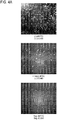
- the effect of antisense DNAs were initially examined in a transient expression system of T-Ag protein where PDAs were transfected with JCV genome-containing plasmid pM1TC. To determine the transfection efficiency and distribution of this plasmid, the PDA cells were seeded on glass coverslips, transfected with 4.5ug/well pM1TC, and co-stained by 5 and 9 days with both DAPI and AF-488 conjugated antibody against SV40 T-Ag, which cross-reacts with JCV T-Ag.
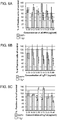
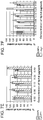
- JCV#3 and JCV#14 dose-dependently suppressed the number of T-Ag+ cells ( Fig 4 ). Maximal inhibition was at 0.5ug/well, where T-Ag+ cells decreased by 56% and 76%, respectively. In contrast, JCV#8 and JCV#13 did not affect T-Ag+ cell number in any tested concentration.
- JCV#8 dose-dependently elicited cell death with a starting concentration of 0.06ug/well.
- JCV#13 induced cell death only at 0.5ug/well.
- Reduction of TAg+ cell percentage by antisense DNA at a concentration of 0.25ug/well is summarized in Table 1, below.
- Data for JCV#3 and JCV#13 were averaged from triplicate experiments, and those for JCV#14 and JCV#8 were averaged from duplicate experiments.
- Antisense DNAs JCV # 3 and JCV # 14 designed against T-Ag were examined in pM1TC-transfected PDA cells to determine their effects on cell population expressing large T-Ag protein, while using JCV # 8 and JCV # 13 designed against products of VP2/3 coding regions as controls ( Fig. 4 ).
- the full population of PDA culture showed blue stained nuclei ( Fig 4A , left panel).
- the pM1TC-receiving cells showed nuclei in green ( Fig 4A , center panel).
- JCV # 3 or JCV # 14 at a concentration range from 0.03ug/well to 0.5ug/well did not elicit any cytotoxicity by 5 days following co-transfection with pM1TC and an antisense DNA ( Fig. 4B and 4C ).
- JCV # 13 at concentrations equal to or less than 0.25ug/well did not result in cytotoxicity, but induced cell death (54%) at 0.5ug/well ( Fig. 4D ).
- JCV # 8 at the concentrations above 0.06ug/well elicited significant cell loss with maximal cell reduction by 93% ( Fig. 4E ).
- JCV # 3 or JCV # 14 dose-dependently reduced T-Ag + cell population ( Fig. 4B and 4C ).
- the maximal effect was achieved when cells were transfected with 0.5ug/well JCV # 3 or JCV # 14, reducing T-Ag positive cells by 56% and 76% respectively.
- JCV # 13 at 0.5ug/well elicited cytotoxicity, and a decrease in both viable cells and the T-Ag + subpopulation. In the rest of the conditions, JCV # 13 did not reduce T-Ag + subpopulation. Quantitatively ( Fig 5B ), JCV # 3 dose-dependently reduced number of T-Ag + cells, with maximal suppression by 71% under non-toxic concentrations ( ⁇ 0.5ug/well). Although at lug/well JCV # 3 nearly completely (96%) removed T-Ag + cells from culture, it elicited cell death by 63% under this condition.
- PDA cells were infected with Mad 4 strain of JCV one day before transfection with 0, 0.03, 0.06, 0.125, 0.25 and 0.5 ug/well of Scramble 1 or Scramble 3. 15 days following transfection, Scramble 3 in tested concentration range did not elicit any cytotoxicity and T-Ag suppression ( Fig 5E ).
- Scramble 1 at 0.25 and 5 ug/well caused cell death, reducing 49% of total cells ( Fig 5D ). Within the non-cytotoxic concentration, it did not reduce T-Ag + subpopulation. Due to the cytotoxicity of Scramble 1, it was eliminated from further studies, while Scramble 3 was further used as a non-specific control.
- Example 2 The effects of antisense DNAs against T-Ag and VP1 are target sequence dependent.
- the sequence-dependent specificity of T-Ag suppression by JCV # 3 and JCV # 13 were further clarified in pM1TC-transfected PDA cells. Due to the cytotoxicity in the previous experiments using pM1TC co-transfection model, JCV # 8 was eliminated from this (JCV-infected) and further studies. Instead, deoxynucleotides with random-distributed order, including Scramble 1 and Scramble 3, were included as additional sequence negative controls ( Fig 5D and 5E ).
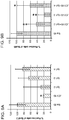
- the scramble 1 and scramble 3 antisense DNAs were included as sequence-specific control in the same range of concentrations as above. 15 days following transfection, the cells were separately immunostained with antibodies against T-Ag and VP1 or intracellular JCV was detected by in situ hybridization. JCV#14 dose-dependently suppressed the number of T-Ag+ cells ( Fig 6A ). JCV # 14 started suppressing T-Ag + subpopulation by 45% at a concentration of 0.125ug/well. JCV # 14 did not elicit any cytotoxicity in tested concentration range.
- LgT-1 and LgT-2 also dose-dependently suppressed the number of T-Ag+ cells, but had less effect than JCV#3 and JCV#14 ( Fig 6B and C ).
- LgT-1 in tested concentration range did not elicit toxicity to JCV-infected PDA cells ( Fig 6B ). It only reduced T-Ag + subpopulation at a concentration of 0.5ug/well.
- LgT-2 only suppressed T-Ag + subpopulation at 0.5ug/well ( Fig 6C ).
- Example 3 Vpl-3 reduced VP-1, but not T-Ag, population.
- the antisense DNAs against VP-1 RNA were also examined to determine their effect on VP-1 + subpopulation.
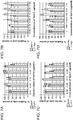
- VP1-2, VP1-3 and VP1-4 did not consistently reduce DAPI + cell numbers across various concentrations ( Fig 7 ).
- VP1-2 suppressed VP-1 + cells by 23% ( Fig 7A ).
- Antisense VP1-2 neither elicited cytotoxicity nor affected T-Ag + subpopulation ( Fig 7B ).
- Antisense VP1-3 dose-dependently reduced VP-1 + subpopulation and achieved 41% suppression at a concentration as low as 0.13ug/well ( Fig 7C ).
- Antisense VP1-3 did not elicit any changes of T-Ag + subpopulation at any concentration ( Fig 7D ).
- Antisense VP1-4 showed no effect on VP-1 + subpopulation ( Fig 7E ).
- antisense VP1-4 did not reduce the T-Ag + subpopulation ( Fig 7F ).
- JCV-infected PDA cells were transfected with antisense DNA. 15 days following transfection the cultures were examined by in situ hybridization and counter-stained with hematoxilyn to determine JCV + subpopulation and total cell number. The nuclei of JCV + cells stained dark brown under DIC ( Fig 8A , top left panel). JCV-infected cultures were also hybridized with nonspecific DNA probe (calf thymus DNA) as a control.
- JCV # 3 transfection did not affect cell density (hemotoxylin-stained cells) at and below 0.5ug/well, and reduced total cell number at 1ug/well. At low-cytotoxicity concentrations, JCV # 3 gradually reduced cell subpopulation with dark-stained nuclei ( Fig 8A ). JCV # 3 dose-dependently decreased number of JCV-containing cells with a maximal non-cytotoxic inhibition of 88% at 0.5ug/ul ( Fig 8B ). Although JCV # 3 at lug/well nearly completely remove JCV-containing cells from culture, it caused 86% cell death under this condition.
- JCV # 13 left cell density unchanged at and below 0.25ug/well. Within non-cytotoxic concentrations, JCV # 13 did not decrease in situ -stained subpopulation ( Fig 8A ). JCV # 13 did not change JCV + subpopulation in the tolerated range of concentrations ( Fig 8C ). JCV # 13 at 0.5 and 1ug/well reduced JCV-containing subpopulation by 55% and 90%, but caused a decrease in total cells by 71% and 89% respectively). Therefore, it was not considered a sequence-specific effect.
- JCV # 3 The effect of JCV # 3 on JCV replication was also examined in a persistently infected 10B1-JCV system where 10B1 cells were previously infected with JCV (Ferenczy et al. 2013).
- the effect of antisense DNA JCV#3, JCV#14, VP1-2, VP1-3 or VP1-4 at 0.25ug/well on number of JCV+ cells was examined twice by in situ hybridization using the 10B1-JCV cell culture.
- JCV#3 significantly reduced JCV+ cell number by 78% ( Fig 9A ).
- the mean value of JCV+ cell number in VP1-2 or VP1-3 group was less than that of Scramble 3 group but there was no significant statistical difference between Scramble 3 and VP1-2, VP1-3, or VP1-4 ( Fig 9A ).
- the studies described herein provide a target-oriented approach to suppressions of translation of JCV VP1 and T-Ag, and replication of JCV with antisense DNA.
- the target-oriented antisense technique directly influences JCV product and replication, and may achieve high ratio of beneficial/diverse effects in PML therapy.
- further studies can be carried out to determine the dose necessary to suppress JCV replication in a human subject.
- the hCMV antisense is an antisense to another human virus, cytomegalovirus, used as a negative control since its sequence is different from JCV. It has previously been used as an experimental control for antisense DNA experiments (Ma, et al. 2012).
- Hemagluttinin is the measure of newly made virions harvested from cultures of 10B1 cells, persistently infected with JCV. There is no plaque assay for JCV. Consequently, virions are measured using their ability to hemagglutinate human type O erythrocytes in a limiting dilution experiment.
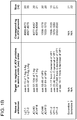
- 10B1-JCV cells were transfected with 0.5ug/100,000 cells of antisense DNAs (control DNA (hCMV), and JCV#14, VP1-3 and the combination of both). 3 days post-transfection, a hemaglutination (HA) assay was performed. JCV#14, with added 2' O-methyl RNA bases on the 5' and 3' ends of the DNA generated 3 fold decreases in JCV replication in comparison with the control, while HA from VP1-3 and the combination of VP1-3 and JCV#14 were comparable to the control.
- control DNA control DNA
- HA hemaglutination
- Figure 12 shows the results of a hemaglutination (HA) assay performed three days post-transfection of 10B1-JCV with the hCMV control DNA (hCMV) and the modified JCV#14-1, JCV#14-3 and JCV#14-5. Both, JCV#14-1 and JCV#14-3 show a significant suppression (a 4- and 6-fold decrease, respectively) of infectious JCV particles in comparison to the control.
- HA hemaglutination
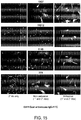
- Both JCV#14-1 and JCV#14-3 caused a reduction in JCV T-Ag RNA as compared to both the no antisense control and hCMV antisense control ( Fig 13 ). Additionally, both JCV#14-1 and JCV#14-3 antisense DNAs caused a reduction in the copy number of VP1 RNA as compared to controls ( Fig 14 ). This may be due to the necessity of T-Ag protein to drive transcription of VP1.
- JCV#14-1 modified JCV #14
- GenScript for the production of monoclonal antibodies.
- the company produced 20 different antibody clones directed against JCV14-1 antisense DNA (reported in the table below in the "Cell line” columns).
- OD 450 is the optical density of the supernatant, indicated the amount of antibody present.
- Virus plasmid and cells.
- JCV is a polyomavirus responsible for Progressive Multifocal Leukoencephalopathy (PML), a demyelinating disease of the central nervous that results from the lytic infection of oligodendrocytes by the virus.
- JCV replicates in limited cell types in culture, predominantly in human glial cells.
- Progenitor- derived astrocytes (PDA) originated from human fetal neural progenitor cells, have been used in this study because susceptible to JCV infection.
- PDA cells were maintained in minimal essential medium (MEM, Cellgro) supplemented with 10% FBS, 2mM L-glutamine and 50ug/ml gentamicin. 10B1 cells were subcloned from SVG cell line.
- MEM minimal essential medium
- SVG cells were previously generated by transfecting human fetal brain cultures with an origin-defective SV40 mutant.
- the resultant culture of multiple phenotypes of neural derived cells became immortalized by stable expression of SV40 T antigen (Major et al., 1985; U.S. Patent 4,707,448 ).
- 10B1 subset of SVG was highly permissive for JCV DNA replication and gene expression and supported persistent and stable JCV infection over months in culture (Ferenczy et al. 2013). Persistently JCV-infected 10B1 cells were also used in this study. 10B1-JCV cells-43-were generated from positive cloning of Mad 4 JCV-infected SVG cells (Major et al., 1985), which showed stable expression of JCV T antigen (T-Ag). Both 10B1 and 10B1-JCV were maintained in MEM containing 10% FBS, 2mM L-glutamine and 50ug/ml gentamicin.
- JCV isolates of Mad-1 and Mad-4 were originally derived from PML patients (Frisque, 1983).
- the Mad-4 isolate of JCV was chosen in this study because it is considered representative of other isolates obtained from the brains of PML patients.
- the Mad-4 isolate of JCV was grown in and purified from PDA (Messam et al., 2003).
- Virus titer was determined by hemagglutination of human type O erythrocytes and is expressed as hemagglutinin units (HAU) (Major et al, 1985).
- HAU hemagglutinin units
- One HAU of Mad-4 virus contains 1 x 10 4 infectious particles.
- the plasmid of pM1TC was constructed by ligation of the full genome of JCV Mad-1 into plasmid vector pBR322 (Frisque, 1983). The plasmid was transformed into competent bacteria and cloned in selective media. After expansion of positive colony, DNA was extracted for both validation with restriction enzyme digestion and sequencing, and cell transfection.
- PDA cells were seeded at densities of 1.5 X 10 5 to 2.5 X 10 5 cells per well in 6-well plates. In one example, PDA cells were seeded at densities of 0.5 X 10 4 cells per well in 6-well plates. Cells were grown 2 days at 37°C. The culture medium was then removed, and cells were washed 3 times with phosphate-buffered saline (PBS). Cells were exposed to a minimal volume of PBS containing Mad-4 JCV at a concentration of 200 HAU per 1 X 10 6 cells for 90 min. Culture medium was added to each well to the nominal volume of the culture plate. The non-infected control cultures were incubated with PBS for 90 min in the absence of virus. After overnight exposure to JCV, the cultures medium was replaced with the medium containing no antibiotics to create a favorite environment for transfection with antisense DNA.
- PBS phosphate-buffered saline
- the antisense DNAs were designed to target products of different coding regions of JCV ( Fig. 1 ).
- two mismatched (or randomly distributed) antisense oligonucleotides are also synthesized as experimental control and assigned the names as scramble 1 (5'-G*A*T*C*T*G* A*G*T*T*C*A*G*A*G*T*C*A*G*A*G*T*C*A*G -3') (SEQ ID NO: 22) and scramble 3 (22-mer, 5'-C*A*G*T*G*T* G*T*G*T*C*T*G*A*G*A* A*G*C*C*A-3') (SEQ ID NO: 23).
- JCV#14-1 (mC*A*G*G*T*C*T*T*C*A*T*C*C*A*C*T*TmC)
- JCV#14-3 (mC*mA*mG*G*T*C*T*T*C*A*T*C*C*C*A*C*T*mU*mC*TmC)
- JCV#14-5 (mC*mA*mG*mG*mU*C*T*T*C*C*A*mC*mU*mC*TmC).
- the oligonucleotides were synthesized by phosphorothioate chemistry at Integrated DNA Technologies.
- PDA cells JCV infection model
- 10B1-JCV cells at 70-90% confluence
- the cultures were rinsed with plan medium to remove transfection complex 4 hours later, and then maintained in the normal culture medium for 15 and 2 days, respectively.
- pM1TC model the PDA cells at 70-90% confluence were co-transfected for 4 hours with 4.5ug/well pM1TC and different concentrations of antisense DNA (see Results) using the same reagent as above.
- the cells were then maintained at 37°C, 5% CO 2 for 5 days.
- Immunofluorescence labeling was conducted on Lipofectamine 2000-transfected cell cultures. Cells were fixed and permeabilized with 1:1 (v/v) methanol/acetone before indirect antibody labeling. Following a blockage with Hanks buffer containing 2% normal horse serum, 10% normal goat serum and 1mM HEPES (HHG), the samples were incubated at RT with 1:100 mouse IgG2a anti-(SV40)T-Ag (DP02, Calbiochem) in HHG or 1:500 mouse IgG1 anti-JCV VP1 (NCL-JC-BK, Novo Castra) in HHG for 1 h.
- HHG Hanks buffer containing 2% normal horse serum, 10% normal goat serum and 1mM HEPES
- Replication of viral DNA in JCV-infected PDA cells or 10B1-JCV cells was detected by in situ DNA hybridization using a JCV biotinylated-DNA BioProbe over the full genome (Enzo Life Sciences, Inc., New York, NY) as previously described (Houff et al., 1989). Calf thymus DNA was used as a nonspecific control for the JCV probe. A brown precipitate in the nuclei of cells is indicative of a positive signal for JCV DNA. The samples were counterstained with hematoxilyn. The total number of JCV-positive cells was counted per sample from the 18-mm by 18-mm coverslip.
- Immunofluorescence labeled or hybrid-positive cells were count over coverslip under 200x using a fluorescent or a bright-field microscope, respectively. To determine the total cell number per coverslip, images were acquired at 5 random positions at X 100 magnification. Cells were counted throughout each image using ImageJ (Rasband, 2012), and the average cell number per photo was converted to cell number per coverslip at final stage. The final data was generated by normalization of positive cell number against total cell number.
- the data are expressed as mean percentages of the JCV-infected, non-treated-control value ⁇ standard deviations (SD). In experiments testing non-infected cells, data are expressed as mean percentages of the non-treated control value ⁇ SD. Data were statistically evaluated at a significance level of 1% with one- or two-way analysis of variance (ANOVA) by using the software VassarStats followed by the Tukey honestly significant difference (HSD) test.
- ANOVA analysis of variance
- 10B1 and 10B1-JCV cell lines were plated at 5e4 cells/well in triplicates. The day after, cells were with antisense DNA at 0.5 ⁇ g/5 4 cells using Lipofectamine 2000 (Life Technologies). The manufacturer's instructions were modified to best adapt them to our cell culture conditions. Briefly, the cells were rinsed with OPTI-MEM (Gibco) medium, and then the transfection complex was added with a ratio of DNA to lipofectamine of 1:20. Cells and transfection complex were incubated for 4 hrs at 37°C in 5% CO2. After this incubation, the transfection complex was gently removed and the cells were rinse once in medium without serum.
- OPTI-MEM Gibco
- transfection protocol used in the experiments described herein differs considerably from the standard protocol supplied by the manufacturer for Lipofectamine in concentration and kinetics of application.
- the protocol described herein for transfection was independently determined and optimized by experimentation.
- the hemagglutination assay is a method of quantification for viruses by hemagglutination of red blood cells.
- One hemagglutination unit (HAu) contains approximately 1x10 4 infectious particles. Hemagglutination titers are expressed as the reciprocal of the final dilution resulting in hemagglutination of human type-O erythrocytes.
- RNA samples were reverse transcribed with Taqman reverse transcription reagents (Life Technologies) using oligo (dT) primers according to the manufacturer's instructions.
- JCV T antigen mRNA present in infected cells was measured using the TaqMan one-step RT-PCR master mix reagents (Applied Biosystems) and the primer/probes described for JCV genome quantification. mRNA values were adjusted based on values from no-RT control reactions.
- JCV VP-1 mRNA present in infected cells was measured using the Power SYBR Green RNA-to-CT kit (Applied Biosystems) with the forward (JLP15 5'-ACAGTGTGGCCAGAATTCCACTACC-3') and the reverse (JLP16 5'-TAAAGCCTCCCCCCCAACAGAAA-3') primers previously described (Agostini et al. 1997) according to manufacturer's instructions.
- Eight ten-fold serial dilutions of Mad-1 plasmid (pM1TC) were prepared to generate a standard curve to determine JCV copy number. mRNA values were adjusted based on values from no-RT control reactions.
- JCV DNA present in infected cells was measured by detecting a unique and conserved short region in the JCV T antigen gene using the TaqMan gene expression master mix reagents (Applied Biosystems), the forward primer JCT1 (5'-AGAGTGTTGGGATCCTGTGTTTT-3'), reverse primer JCT2 (5'-GAGAAGTGGGGATGAAGACCTGTTT-3'), and FAM/TAMRA labeled probe JCT1.1 (5'-6FAMTCATCACTGGCAAACATTTCTTCATGGCTAMRA-3') according to the manufacturer's instructions. Eight ten-fold serial dilutions ofMad-1 plasmid (pM1TC) were prepared to generate a standard curve to determine JCV genome copy number. Copy number was normalized to total DNA concentration.
Landscapes
- Life Sciences & Earth Sciences (AREA)
- Health & Medical Sciences (AREA)
- Chemical & Material Sciences (AREA)
- Genetics & Genomics (AREA)
- Engineering & Computer Science (AREA)
- Organic Chemistry (AREA)
- Molecular Biology (AREA)
- Biomedical Technology (AREA)
- Virology (AREA)
- Biotechnology (AREA)
- General Health & Medical Sciences (AREA)
- Zoology (AREA)
- Wood Science & Technology (AREA)
- Bioinformatics & Cheminformatics (AREA)
- General Engineering & Computer Science (AREA)
- Biophysics (AREA)
- Biochemistry (AREA)
- Medicinal Chemistry (AREA)
- Microbiology (AREA)
- Plant Pathology (AREA)
- Physics & Mathematics (AREA)
- Proteomics, Peptides & Aminoacids (AREA)
- Immunology (AREA)
- Chemical Kinetics & Catalysis (AREA)
- Public Health (AREA)
- Oncology (AREA)
- Animal Behavior & Ethology (AREA)
- Pharmacology & Pharmacy (AREA)
- General Chemical & Material Sciences (AREA)
- Nuclear Medicine, Radiotherapy & Molecular Imaging (AREA)
- Veterinary Medicine (AREA)
- Communicable Diseases (AREA)
- Pharmaceuticals Containing Other Organic And Inorganic Compounds (AREA)
Description
- Progressive multifocal leukoencephalopathy (PML) is a rare, fatal demyelinating disease of the brain caused by the polyomavirus JC (JCV) under immunosuppressive conditions. It is pathologically characterized by progressive damage of white matter of the brain by destroying oligodendrocytes at multiple locations. Clinically, PML symptoms include weakness or paralysis, vision loss, impaired speech, and cognitive deterioration. Severe inflammation can result in brain edema and lead herniation and death of the patients (Tan et al., 2009). The prognosis of PML is generally poor. The lifespan for PML patients averaged 9 months for non-AIDS patients and 2 to 4 months for these with HIV infection before antiretroviral drugs were available. The mortality rate of PML is still nearly 50% in HIV-infected patients with antiretroviral therapy (Ferenczy et al., 2012). Although 39% to 58% of the general population are seropositive for antibodies to JCV (Kean et al., 2009, Egli et al., 2009), PML occurs only under immune suppression conditions, such as AIDS patients (Cinque et al., 2009), transplant patients using immunosuppressive medicines (Mateen et al., 2011), certain chemotherapy with immune system damage (Pruitt, 2012), and using natalizumab for multiple sclerosis (Major E. 2010; Sadiq et al., 2010), etc.
- No effective therapy for PML has been established, although it is a fatal disease. The current strategies to develop PML therapy focuses on blocking the way of viral infection or the inhibition of JCV replication (Marshall and Major, 2010). Blockage of JCV entry via 5HT2AR with receptor antagonists, chlorpromazine and clozapine, effectively inhibited JCV infection (Elphick et al., 2004, Schaumburg et al., 2008, O'Hara et al., 2008, Nukuzuma et al., 2009). Since these are antagonists to other receptors (e.g. dopamine, histamine, adrenergic and acetylcholine receptors) as well, their effect is nonspecific and causes serious side effect and toxicity. Further, although controlled trials have not yet been performed, the clinical efficacy of these compounds seems poor. Several nucleoside analogs, including azidothymidine, acyclovir, CMX001, cidofovir, Ara-A, and Ara-C) have been used for inhibition of JCV replication (Marshall and Major, 2010; Ferenczy et al., 2012). However, these drugs can not only disrupt viral DNA synthesis but cellular DNA synthesis of host as well. With the limited access to the CNS, the therapeutic dose of drug would result in severe side effect in vivo. Anti-inflammatory agents including diclofenac sodium, mefanamic acid and flunixin meglumine, antimalarial drug mefloquine, and the antineoplastic drug isotretinoin have been shown to inhibit JCV replication in vitro. Although mefloquine is the sole drug passing through the blood-brain barrier (Jones et al. 1994; Pham et al. 1999) among these agents, it elicits broad neurotoxicity (Toovry, 2009) and has not shown efficacy in a clinical trial in PML patients (Clifford et al. 2013).
- Reports have indicated that in vitro, RNAi may have shown some promise in reducing JC virus replication (Radhakrishnan 2004). However, the RNAi agents examined were not designed against all known JC Virus strains and were not selected for stability and other properties need for in vivo therapeutic RNAi agents. Accordingly, despite significant advances in the field of RNAi, there remains a need for an agent that can selectively and efficiently silence a gene in the JC virus that has both high biological activity and in vivo stability, and that can effectively inhibit replication of the JC virus for use in treating pathological processes mediated by JC virus infection.
- The present invention is based, at least in part, on the development of a treatment option for progressive multifocal leukoencephalopathy (PML). The present invention describes the design of a library of antisense oligodeoxynucleotides (ODNs) that can block polyomavirus JC (JCV) replication and multiplication.
- Accordingly, in a first aspect, the present invention provides an antisense oligonucleotide which is targeted to a nucleic acid encoding polyomavirus JC (JCV), and is capable of inhibiting JCV replication and multiplication, the antisense oligonucleotide comprising a nucleic acid sequence at least 85% identical to a nucleic acid sequence selected from the group consisting of SEQ ID NO: 11, 12, 13, 14, 15, 16, 17, 19, 20, and 21.
- In one embodiment, the oligonucleotide comprises at least one backbone modification and/or at least one methylribos modification and/or at least one 2' sugar modification.
- In another embodiment of the above aspects, the antisense oligonucleotide comprises a nucleic acid sequence at least 85% identical to a nucleic acid sequence selected from the group consisting of: SEQ ID NO: 11, 12, 13, 14, 15, 16, 17, 19, 20 and 21.
- In another embodiment of the above aspects, the antisense oligonucleotide consists of a nucleic acid sequence selected from the group consisting of: SEQ ID NO: 11, 12, 13, 14, 15, 16, 17, 19, 20 and 21.
- The invention also features a pharmaceutical composition comprising the antisense oligonucleotide of the above aspects, and a pharmaceutical carrier.
- In another aspect, the invention features a pharmaceutical composition for use in a method of inhibiting JCV replication or multiplication in a subject.
- In still another aspect, the invention features a pharmaceutical composition for use in a method of treating or preventing progressive multifocal leukoencephalopathy (PML), comprising administering to the subject having or at risk for having PML an effective amount of the pharmaceutical composition of the above aspects and embodiments.
- In one embodiment of the above aspects, the subject is an immunosuppressed or immunocompromised subject.
- In another embodiment of the above aspects, the method further comprises administration of an additional agent.
- In another embodiment of the above aspects, the invention features a kit comprising one or more antisense oligonucleotides of the above aspects and embodiments.
- In one embodiment, the kit further comprises instructions for use for inhibiting JCV replication or multiplication.
- For a fuller understanding of the present disclosure, reference is made to the following detailed description taken in conjunction with the accompanying drawing figures wherein:
-
Figure 1 shows JCV genomic regions aligned with antisense DNAs used in this study. (A) Alignment of tested antisense DNAs in reference to a circular map of the JCV genome. (B) Detailed information of the antisense DNAs, including the nucleotide (nt) length, the protein targets and homology with the different JCV regions in its genome diagram. -
Figure 2 shows the specific sequences of all the antisense DNAs and their position in the JCV genome map.Figure 2A discloses SEQ ID NOS 1-10, 16-17, and 11-15, respectively, in order of appearance, andFigure 2B discloses SEQ ID NOS 18-23and 33, respectively, in order of appearance. -
Figure 3 shows intracellular distribution of T-Ag and percentage of T-Ag+ cells following pM1TC transfection. PDA cells were transfected with 4.5ug/well pM1TC by using lipofectamine 2000. T-Ag expression (green) in pM1TC-transfected cells were determined with anti-T-Ag antibody by immunocytochemistry. The specimens were co-stained with DAPI (blue). (A) The pM1TC-transfected culture after 5 days was photographed under DIC and (B) fluorescence. T-Ag signal was predominantly located in nucleus of astrocyte. (C) pM1TC-transfected culture after 9 days was stained without primary antibody to serve as a staining control, and T-Ag cannot be detected in absence of the primary antibody. (D) T-Ag signal was detectable in numerous cells when specimen was stained with anti-T-Ag antibody. (E) T-Ag+ cells were shown as a percentage of DAPI-stained total cells and expressed as mean ± SD. n = 2; ***: p < 0.001 by T-test. -
Figure 4 shows suppression of T-Ag positive population of pM1TC-transfected PDA cells withJCV #3 andJCV #14, but not JCV#8 and JCV#13. (A) PDA cells were transfected with only vehicle (left image), with 4.5ug/well pM1TC (center image) or with both 4.5ug/well pM1TC and 5ug/well JCV#3 (right image), and cultured for another 5 days. Cells were double stained with anti-JCV T-Ag antibody (green) and DAPI (blue). (B-E) PDA cells were co-transfected with 4.5ug/well pM1TC and 0, 0.03, 0.06, 0.13, 0.25 and 0.5ug/well ofJCV #3, JCV#14, JCV#8 or JCV#13, and cultured for another 5 days. Percentage of T-Ag+ cells in relationship to the number total cells was immunocytochemically determined by double staining with both DAPI and anti-JCV T-Ag antibody. Data for JCV#3 and JCV#13 are representative of three independent experiments while data for JCV#14 and JCV#8 are representative of two independent experiments. The data were expressed as mean percentages of the pM1TC-transfected, non-antisense-control value ± standard deviations (SD). Statistical analysis was carried out with ANOVA assay followed by Tukey HSD Test at significance level of 0.01. ** P< 0.01 comparing with control of pM1TC-transfection alone in efficacy evaluation; # P< 0.05 and ## P<0.01 comparing with control of pM1TC-transfection alone in cytotoxic evaluation. -
Figure 5 shows suppression of T-Ag byJVC# 3, but notJCV# 13,Scamble 1 control, and Scramble 3 control in Mad 4 JCV-infected PDA cells. (A) PDA cells were infected with 200HAu per 1 million cells. The next day they were transfected with different concentrations ofJCV #3 andJCV #13 and then cultured for 15 days. The cells were then double stained with anti-JCV T-Ag antibody (green bar) and DAPI (blue bar). (B-E) JCV-infected PDA cells were transfected withJCV #3,JCV #13, Scramble 1 (Scram 1) or Scramble 3 (Scram 3), stained with both DAPI and anti-JCV T-Ag antibody, and quantitatively analyzed. Data forJCV #3 andJCV #13 are representative of three or four independent experiments, respectively. The data were expressed as mean percentages of the JCV-infected, non-antisense-control value ± standard deviations (SD). Statistical analysis was carried out with ANOVA assay followed by Tukey HSD Test at significant level of 0.01. ** P< 0.01 comparing with control of JCV-infected alone in efficacy evaluation; ## P<0.01 comparing with control of JCV-infected alone in cytotoxic evaluation. -
Figure 6 shows suppression of T-Ag byJCV# 14, LgT-1, or LgT-2 inMad 4 JCV-infected PDA cells. PDA cells were infected with 200HAu per 1 million cells, then transfected the next day with 0, 0.03, 0.06, 0.13, 0.25 and 0.5ug/well of JCV#14 (A), LgT-1(B) and LgT-2 (C), and cultured for 15 days. At the end, the cells were double stained with anti-JCV T-Ag antibody (green bar) and DAPI (blue bar). Data forJCV #14 are representative of two experiments. The data were expressed as mean percentages of the JCV-infected, non-antisense-control value ± standard deviations (SD) from 5 randomly chosen photo areas. Statistical analysis was carried out with ANOVA assay followed by Tukey HSD Test at significant level of 0.01. ** P< 0.01 comparing with control of JCV-infected alone in efficacy evaluation; ## P<0.01 comparing with control of JCV-infected alone in cytotoxic evaluation. -
Figure 7 shows suppression of VP1, but not T-Ag, by VP1-2, VP1-3, and VP1-4 antisense oligonucleotides inMad 4 JCV-infected PDA cells. PDA cells were infected with 200HAu per 1 million cells, then transfected the next day with 0, 0.03, 0.06, 0.13, 0.25 and 0.5ug/well of VP1-2 (A and B), VP1-3 (C and D) and VP1-4 (E and F), and cultured for 15 more days. At the end, the cells were double stained with DAPI (blue bar) and anti-JCV VP-1 (Orange bar in A, C and E) or anti-JCV T-Ag (green bar in B, D and F) antibody. Data are representative of two independent experiments. Statistical analysis was carried out with ANOVA assay followed by Tukey HSD Test at significant level of 0.01. * P< 0.05 and ** P< 0.01 comparing with control of JCV-infected alone in efficacy evaluation; # P<0.05 and ## P<0.01 comparing with control of JCV-infected alone in cytotoxic evaluation. -
Figure 8 shows suppressed replication of JCV inMad 4 infected PDA cells byJCV #3 but notJCV #13. PDA cells were infected with 200HAu per 1 million cells, then transfected the next day with 0, 0.06, 0.13, 0.25 0.50 and 1.00ug/well ofJCV #3 andJCV #13, and cultured for 15 more days. At the end, the cells were fixed and analyzed by in situ hybridization and counter-stained with hematoxilyn. (A) Image of in situ hybridization under DIC. The dark brown precipitation in the nuclei of the infected PDA cells is representative of the de novo-synthesis of JCV-DNA. (B) and (C) demonstrated quantitative analyses of toxicity (blue bar) and efficacy (brown bar) ofJCV #3 andJCV #13, respectively. Data are representative of 5 randomly counted photo areas and are expressed as percentages of the JCV-infected, non-antisense-control value ± standard deviations (SD). Statistical analysis was carried out with ANOVA assay followed by Tukey HSD Test at significant level of 0.01. * P< 0.05 and ** P< 0.01 comparing with control of JCV-infected alone in efficacy evaluation; ## P<0.01 comparing with control of JCV-infected alone in cytotoxic evaluation. -
Figure 9 shows the effect of a single and/or the combination of two different antisense DNAs on the JCV replication in 10B1 cell line persistently infected by JCV (10B1-JCV). (A) Persistently infected 10B1-JCV cells (Ferenczy, et al. 2013) were transfected with 0.25ug/well ofScramble 3 control (Scr#3),JCV #3, VP1-2, VP1-3 and VP1-4 for 4 hours, and maintained in culture for 2 days. (B) 10B1-JCV cells were transfected with 0.25ug/well Scr# 3 or co-transfected with the combination ofJCV# 3 and VP1-2, or VP1-3 or VP1-4 for 4 hours, and maintained in culture for 2 more days. Data are representative of two independent experiments and are expressed as the mean percentages of the JCV-infected, non-antisense-control value ± standard deviations (SD) of 5 randomly selected photo areas. Statistical analysis was carried out with ANOVA assay followed by Tukey HSD Test at significant level of 0.01. * P< 0.05 and ** P< 0.01 comparing with control of JCV-infected alone in efficacy evaluation. -
Figure 10 shows results of toxicity studies performed using 10B1 cell line. To narrow down the optimal concentration and the number of antisense DNA to use in further experiments, a set of toxicity tests were employed. Three different antisense DNAs (JCV# 3,JCV# 14 and VP1-3) and a control DNA (scr #3) were used at increased concentration from 0.25ug/well to 8ug/well. Each well was seeded with 50,000 10B1 cells.JCV# 14 and VP1-3 showed low level of toxicity at the lower concentrations of antisense DNA. Those experiments also showed that thescr # 3 control DNA was toxic to the 10B1 cells. As a result of these data, further experiments were carried out only usingJCV# 14 and VP1-3 and a different control. -
Figure 11 shows the results of a hemaglutination (HA) assay performed three days post-transfection of 10B1-JCV with the new control DNA (hCMV), andJCV# 14, VP1-3 and the combination of both.JCV# 14 generated 3 fold decreases in JCV replication in comparison with the control, while data from VP1-3 and the combination of VP1-3 andJCV# 14 were comparable to the control. -
Figure 12 shows the results of a hemaglutination (HA) assay performed three days post-transfection of 10B1-JCV with the new control DNA (hCMV) and the modified JCV#14-1, JCV#14-3 and JCV#14-5. Both, JCV#14-1, JCV#14-3 show a significant suppression (a 4- and 6-fold decrease, respectively) of infectious JCV particles in comparison to the control. -
Figure 13 shows levels of T-Ag RNA in persistently infected 10B1-JCV (10B1-Mad4) cells. Values are expressed as copies of cDNA per ng of reverse transcribed mRNA and were determined by qRT-PCR. Wells were seeded with 100,000 cells, followed by transfection with 0.5ug antisense DNA. 3 days after transfection, cells were harvested and RNA was isolated. The left-most column is a control of uninfected 10B1 cells. JCV#14-1 and JCV#14-3 transfection caused a reduction in T-Ag RNA as compared to both no antisense and hCMV controls. -
Figure 14 shows levels of VP1 RNA in persistently infected 10B1-JCV (10B1-Mad4) cells. Values are expressed as copies of cDNA per ng of reverse transcribed mRNA and were determined by qRT-PCR. Wells were seeded with 100,000 cells, followed by transfection with 0.5ug antisense DNA. 3 days after transfection, cells were harvested and RNA was isolated. The left-most column is a control of uninfected 10B1 cells. JCV#14-1 and JCV#14-3 transfection caused a reduction in VP1 RNA as compared to both no antisense and hCMV controls. This may be due to a reduction in T-Ag protein, which drives VP1 transcription. -
Figure 15 shows the detection of antisense DNA in transfected cells. Immunofluorescence imagines were obtained from PDA cells transfected with JCV#14-1 and stained using supernatants derived from 20 different monoclonal antibodies directed against the JCV#14-1 antisense oligodeoxynucleotide. The clones were generated by the company GenScript and screened by ELISA.The sensitivity and specificity of the each supernatants were tested on PDA cells transfected with JCV#14-1 antisense. For each experiment two negative controls were performed. One negative control consisted of PDA cells transfected with JCV#14-1 and stained only with the secondary antibody (gam-IgG-FITC) while the other was PDA cells non-transfected with the antisense, but stained with both primary and secondary antibodies. The third condition consisted of PDA cells transfected with JCV#14-1 and stained with both primary and secondary antibodies. Each monoclonal antibody was tested in duplicate. IFA data showed that some of the supernatant have a non-specific staining (data not shown), but we were able to select four (15G7, 7E5, 11D12, 11H9) that provided the best discrimination between cells transfected with the selected antisense from those not transfected. - The instant invention describes the design of antisense ODNs that are single strand DNA molecules, and that can block replication of JCV. Previous studies have shown that unmodified oligonucleotides are degraded rapidly in biologic fluids by nucleases. Therefore, to decrease the likelihood that the ODNs of the present invention would be recognized and degraded, the ODNs were modified to contain a phosphorothioate backbone (PS-ODN). In addition to the PS-ODNs, the present invention also describes mixed backbone ODNs that contain the PS-ODN backbone with an additional modification designed to increase stability, the 2'-O-methyl-ribose (Dias and Stein, 2002). Further studies indicate that administration of a "cocktail" (e.g. one or more, two or more...ten or more, etc.) of PS-ODNs directed at different targets within the mRNA is more effective than administration of individual PS-ODNs. Accordingly, PS-ODNs directed towards different regions of the JCV mRNA sequence which can be administered as an antisense cocktail or as individual agents are herein described.
- The following definitions will be useful in understanding the instant invention.
- As used herein, the term "comprising" is intended to mean that the compositions and methods include the recited elements, but do not exclude other elements. "Consisting essentially of', when used to define compositions and methods, shall mean excluding other elements of any essential significance to the combination. Thus, a composition consisting essentially of the elements as defined herein would not exclude trace contaminants from the isolation and purification method and pharmaceutically acceptable carriers, such as phosphate buffered saline, preservatives, and the like. "Consisting of' shall mean excluding more than trace elements of other ingredients and substantial method steps for administering the compositions of this invention.
- As used in the specification and claims, the singular form "a", "an" and "the" include plural references unless the context clearly dictates otherwise.
- Ranges provided herein are understood to be shorthand for all of the values within the range. For example, a range of 1 to 50 is understood to include any number, combination of numbers, or sub-range from the group consisting of 1, 2, 3, 4, 5, 6, 7, 8, 9, 10, 11, 12, 13, 14, 15, 16, 17, 18, 19, 20, 21, 22, 23, 24, 25, 26, 27, 28, 29, 30, 31, 32, 33, 34, 35, 36, 37, 38, 39, 40, 41, 42, 43, 44, 45, 46, 47, 48, 49, or 50, as well as all intervening decimal values between the aforementioned integers such as, for example, 1.1, 1.2, 1.3, 1.4, 1.5, 1.6, 1.7, 1.8, and 1.9. With respect to sub-ranges, "nested sub-ranges" that extend from either end point of the range are specifically contemplated. For example, a nested sub-range of an exemplary range of 1 to 50 may comprise 1 to 10, 1 to 20, 1 to 30, and 1 to 40 in one direction, or 50 to 40, 50 to 30, 50 to 20, and 50 to 10 in the other direction.
- Unless specifically stated or obvious from context, as used herein, the term "or" is understood to be inclusive.
- The recitation of a listing of chemical groups in any definition of a variable herein includes definitions of that variable as any single group or combination of listed groups. The recitation of an embodiment for a variable or aspect herein includes that embodiment as any single embodiment or in combination with any other embodiments or portions thereof.
- Any compositions or methods provided herein can be combined with one or more of any of the other compositions and methods provided herein.
- As used herein, the term "administering" is meant to refer to a means of providing the composition to the subject in a manner that results in the composition being inside the subject's body. Such an administration can be by any route including, without limitation, subcutaneous, intradermal, intravenous, intra-arterial, intraperitoneal, and intramuscular.
- As used herein, the term "agent" refers to any molecule that can be administered in addition to the antisense oligonucleotides (ODNs) as described herein. Exemplarily, such an agent will be a "therapeutic agent" capable of exerting an effect on a target, in vitro or in vivo. Exemplary agents include, for example, prodrugs, diagnostic agents, imaging agents, therapeutic agents, chemotherapeutic agents, pharmaceutical agents, drugs, synthetic organic molecules, proteins, peptides, vitamins, and steroids.
- As used herein the term "antisense" is meant to refer to the relationship between an oligonucleotide and its complementary target. The oligonucleotides are able to inhibit the function of RNA; either its translation into protein, its translocation into the cytoplasm, maturation, or any other activity necessary to its overall biological function. The failure of the RNA to perform all or part of its function results in failure of a portion of the genome controlling the normal life cycle of the virus.
- As used herein, a "composition" refers to an active agent (e.g., antisense ODNs). The composition additionally can comprise a pharmaceutically acceptable carrier or excipient and/or one or more therapeutic agents for use in vitro or in vivo.
- As used herein, the term "effective amount" refers to that amount of a therapeutic agent alone that produces the desired effect (such as treatment of a medical condition such as PML) in a patient. In some aspects, the phrase refers to an amount of therapeutic agent that, when incorporated into a composition of the invention, provides a preventative effect sufficient to prevent or protect an individual from future medical risk associated with a particular disease or disorder, such as PML. A physician or veterinarian of ordinary skill can readily determine and prescribe the effective amount of the bioactive agent required to treat and/or prevent the progress of the condition.
- As used herein, "kits" are understood to contain at least the non-standard laboratory reagents of the invention and one or more non-standard laboratory reagents for use in the methods of the invention.
- As used herein, the term "oligonucleotide" is meant to refer to an oligomer or polymer of ribonucleic acid or deoxyribonucleic acid. This term includes oligonucleotides composed of naturally-occurring nucleobases, sugars and covalent intersugar (backbone) linkages as well as oligonucleotides having non-naturally-occurring portions which function similarly. Modified or substituted oligonucleotides may be preferred over native forms because of desirable properties such as, for example, enhanced cellular uptake, enhanced affinity for nucleic acid target and increased stability in the presence of nucleases. A discussion of antisense oligonucleotides and some desirable modifications can be found in De Mesmaeker et al. 1995.
- As used herein, the term "pharmaceutically acceptable carrier" encompasses any of the standard pharmaceutical carriers, such as a phosphate buffered saline solution, water, and emulsions, such as an oil/water or water/oil emulsion, and various types of wetting agents. The compositions also can include stabilizers and preservatives. For examples of carriers, stabilizers and adjuvants, see Martin Remington's Pharm. Sci., 15th Ed. (Mack Publ. Co., Easton, 1975).
- As used herein, "phosphorothioate" are meant to refer to a variant of normal DNA in which one of the non-bridging oxygen molecules is replaced by sulfur.
- As used herein, the term "replication" is meant to refer to the duplication of the viral genome.
- As used herein, the term "multiplication" is meant to refer to the making of a new viral organism (e.g. multiplication of one virus to 1000)
As used herein, the term "subject" is intended to include organisms needing treatment. Examples of subjects include mammals, e.g., humans, dogs, cows, horses, pigs, sheep, goats, cats, mice, rabbits, rats, and transgenic non-human animals. In certain embodiments, the subject is a human. - As used herein, the term "treated," "treating" or "treatment" includes the diminishment or alleviation of at least one symptom associated or caused by the state, disorder or disease being treated, for example PML. A subject that has been treated can exhibit a partial or total alleviation of symptoms, or symptoms can remain static following treatment according to the invention. The term "treatment" is intended to encompass prophylaxis, therapy and cure.
- Other definitions appear in context throughout the disclosure.
- Antisense oligodeoxynucleotides (ODNs) are short nucleic acids that are used to alter protein expression in a highly specific yet simple manner. The relationship between an oligonucleotide and its complementary target is commonly denoted as antisense. The oligonucleotides are able to inhibit the function of RNA; either its translation into protein, its translocation into the cytoplasm, maturation, or any other activity necessary to its overall biological function.
- Progressive multifocal leukoencephalopathy (PML) is a relatively rare and commonly fatal viral disease characterized by progressive damage, with occasional inflammation of the white matter of the brain at multiple locations. It occurs most frequently in people with severe immune deficiency, for example, but not limited to transplant patients on immunosuppressive medications, those receiving certain kinds of chemotherapy and those with AIDS.
- JCV, the etiologic agent for PML, is normally present and kept under control by the immune system. JCV is a double-stranded DNA virus with 5,130 base pairs (bp) of nucleotides in length. In genomic structure, JCV can be divided into three functional areas, including coding region of early proteins that express before viral replication, coding region of late proteins that express after the onset of viral replication and a hypervariable regulatory region in between, composed of an origin of DNA replication and the promoters for early and late transcriptions.
- A schematic of the JCV genomic structure is shown in
Figure 2 , with report of the entire viral genome nucleotide sequence in Frisque et al 1984. - The early and late mRNAs are transcribed in opposite directions. The early proteins include large T antigen (T-Ag) and small t antigen (t-Ag), as well as 3 additional different mRNA splicing products T'135, T'136, T'165. T-Ag could bind to the regulatory region and initiate viral replication by diverse mechanisms and t-Ag is also involved in the process of viral replication via binding to host PP2A and pRb proteins (Bollag et al, 2010). The coding region of late proteins could transcript capsid proteins VP1, VP2 and VP3, and an accessory agnoprotein. The agnoprotein is a regulatory protein, and its function is not well understood. The latest research revealed that it may be involved in viral DNA replication by affecting TAg binding to the viral origin (Saribas et al, 2012), early and late gene expressions (Okada et al., 2001), stabilizing the viral three-dimensional structure (Suzuki et al., 2012), acting as a viroporin (Suzuki et al., 2010), and inducing host cell death (Merabova et al., 2008). JCV can cross the blood-brain barrier into the central nervous system (CNS), where it infects oligodendrocytes and astrocytes. VP1 is the sole JCV protein that exposes on the surface of the capsid (Ferenczy et al., 2012), with key role in interaction with serotonin receptor 5HT2AR and sialic acid-containing receptors on the glial cells for viral infection (Elphick et al., 2004, Dugan et al., 2008), while VP2 and VP3 are minor capsid proteins with a function of retaining VP1 in the nucleus of host cell for virion assemble (Shishido-Hara et al, 2004).
- In certain embodiments, the antisense oligonucleotides that are capable of inhibiting JCV replication as described herein are targeted to a first nucleic acid coding region of early proteins that are expressed before viral replication, a second nucleic acid coding region of late proteins that are expressed after the onset of viral replication, or a third nucleic acid hypervariable regulatory region in between the first and the second regions.
- As described herein, the early proteins that are expressed before viral replication are selected from the group consisting of large T antigen (T-Ag), small t antigen (t-Ag), and mRNA splicing products T'135, T'136, T'165. This region of the viral genome is termed the early region starting at nucleotide 5113.
- As described herein, the late proteins that are expressed after the onset of viral replication are selected from the group consisting of capsid protein VP1, capsid protein VP2, capsid protein VP3, and an accessory agnoprotein. This region of the viral genome is termed LATE starting at nucleotide 207.
- It is further described that the hypervariable regulatory region comprises an origin of DNA replication and promoters for early and late transcription. This region of the viral genome is termed Non Coding Regulatory Region or NCRR starting at
nucleotide 11 to nucleotide 206. - In accordance with the present invention, antisense oligonucleotides are targeted to a nucleic acid encoding JCV, and are capable of inhibiting JCV replication are provided. The nucleic acid targets may be DNA, RNA, or pre-RNA. "Targeting" an oligonucleotide to a selected nucleic acid, in the context of this invention, is a multistep process. The process usually begins with the identification of a nucleic acid sequence whose function is to be modulated. This may be, for example, a cellular gene (or mRNA transcribed from the gene) whose expression is associated with a particular disorder or disease state, or a foreign nucleic acid from an infectious agent. In the present invention, the target is a JCV gene or mRNA transcribed from a JCV gene. The targeting process also includes determination of a site or sites within this gene for the oligonucleotide interaction to occur such that the desired effect, either detection or modulation of expression of the protein, will result. Once the target site has been identified, oligonucleotides are chosen which are sufficiently complementary to the target, i.e., hybridize sufficiently well and with sufficient specificity, to give the desired effect. "Hybridization", in the context of this invention, means hydrogen bonding, also known as Watson-Crick base pairing, between complementary bases, usually on opposite nucleic acid strands or two regions of a nucleic acid strand. Guanine and cytosine are examples of complementary bases which are known to form three hydrogen bonds between them. Adenine and thymine are examples of complementary bases which form two hydrogen bonds between them.
- An antisense compound is specifically hybridizable when binding of the compound to the target nucleic acid interferes with the normal function of the target nucleic acid to cause a loss of activity, and there is a sufficient degree of complementarity to avoid nonspecific binding of the antisense compound to non-target nucleic acid sequences under conditions in which specific binding is desired, i.e., under physiological conditions in the case of in vivo assays or therapeutic treatment, and under conditions in which assays are performed in the case of in vitro assays.
- In the present invention the phrase "stringent hybridization conditions" or "stringent conditions" refers to conditions under which a compound of the invention will hybridize to its target sequence, but to a minimal number of other sequences. Stringent conditions are sequence-dependent and will be different in different circumstances and in the context of this invention, "stringent conditions" under which oligomeric compounds hybridize to a target sequence are determined by the nature and composition of the oligomeric compounds and the assays in which they are being investigated.
- "Complementary," as used herein, refers to the capacity for precise pairing between two nucleobases of an oligomeric compound. For example, if a nucleobase at a certain position of an oligonucleotide (an oligomeric compound), is capable of hydrogen bonding with a nucleobase at a certain position of a target nucleic acid, said target nucleic acid being a DNA, RNA, or oligonucleotide molecule, then the position of hydrogen bonding between the oligonucleotide and the target nucleic acid is considered to be a complementary position. The oligonucleotide and the further DNA, RNA, or oligonucleotide molecule are complementary to each other when a sufficient number of complementary positions in each molecule are occupied by nucleobases which can hydrogen bond with each other. Thus, "specifically hybridizable" and "complementary" are terms which are used to indicate a sufficient degree of precise pairing or complementarity over a sufficient number of nucleobases such that stable and specific binding occurs between the oligonucleotide and a target nucleic acid.
- It is understood in the art that the sequence of an antisense compound need not be 100% complementary to that of its target nucleic acid to be specifically hybridizable. Moreover, an oligonucleotide may hybridize over one or more segments such that intervening or adjacent segments are not involved in the hybridization event (e.g., a loop structure or hairpin structure). It is preferred that the antisense compounds of the present invention comprise at least 70%, or at least 75%, or at least 80%, or at least 85% sequence complementarity to a target region within the target nucleic acid, more preferably that they comprise at least 90% sequence complementarity and even more preferably comprise at least 95% or at least 99% sequence .complementarity to the target region within the target nucleic acid sequence to which they are targeted. For example, an antisense compound in which 18 of 20 nucleobases of the antisense compound are complementary to a target region, and would therefore specifically hybridize, would represent 90 percent complementarity. In this example, the remaining noncomplementary nucleobases may be clustered or interspersed with complementary nucleobases and need not be contiguous to each other or to complementary nucleobases. As such, an antisense compound which is 18 nucleobases in length having 4 (four) noncomplementary nucleobases which are flanked by two regions of complete complementarity with the target nucleic acid would have 77.8% overall complementarity with the target nucleic acid and would thus fall within the scope of the present invention. Percent complementarity of an antisense compound with a region of a target nucleic acid can be determined routinely using BLAST programs (basic local alignment search tools) and PowerBLAST programs known in the art (Altschul et al. 1990; Zhang and Madden 1997).
- Percent homology, sequence identity or complementarity, can be determined by, for example, the Gap program (Wisconsin Sequence Analysis Package,
Version 8 for Unix, Genetics Computer Group, University Research Park, Madison WI), using default settings, which uses the algorithm of Smith and Waterman (Adv. Appl. Math., 1981, 2, 482-489). In more preferred embodiments, homology, sequence identity or complementarity, is at least 90%. In some preferred embodiments, homology, sequence identity or complementarity, is about 90%, about 92%, about 94%, about 95%, about 96%, about 97%, about 98%, about 99% or about 100% - Accordingly, in one embodiment, the antisense oligonucleotides comprise a nucleic acid sequence at least 85% identical to a nucleic acid sequence selected from the group consisting of: SEQ ID NO: 11, 12, 13, 14, 15, 16, 17, 19, 20, 21, . In one embodiment, the antisense oligonucleotides comprise a nucleic acid sequence at least 90%, 91%, 92%, 93%, 94%, 95%, 96%, 97%, 98% or 99% identical to a nucleic acid sequence selected from the group consisting of: SEQ ID NO: 11, 12, 13, 14, 15, 16, 17, 19, 20, and 21,.
- In another embodiment, the antisense oligonucleotides consisting of a nucleic acid sequence selected from the group consisting of: SEQ ID NO: 11, 12, 13, 14, 15, 16, 17, 19, 20, and 21.
- SEQ ID NOs 1-23 are shown below. * represents phosphorothioate bonds. SEQ ID NO: 1 (JCV#1)
5'-G*T*T* C*T*C* C*A*C* A*A*T* C*T*C* C*C*A* G*G*C-3' - SEQ ID NO: 2 (JCV#2)
5'-T* C*T*C* C*A*C* A*A*T* C*T*C* C*C*A* G*G*C*T-3' - SEQ ID NO: 3 (JCV#4)
5'-T* C*T*C* C*A*C* A*A*T* C*T*C* C*C*A* G*G*C*T*T-3' - SEQ ID NO: 4 (JCV#5)
5'-T*T* C*T*C* C*A*C* A*A*T* C*T*C* C*C*A* G*G*C*T-3' - SEQ ID NO: 5 (JCV#8)
5'-C*T*C* C*A*C* A*A*T* C*T*C* C*C*A* G*G*C*T*T-3' - SEQ ID NO: 6 (JCV#9)
5'-T*T* C*T*C* C*A*C* A*A*T* C*T*C* C*C*A* G*G*C-3 - SEQ ID NO: 7 (JCV#10)
5'-C*T*C* C*A*C* A*A*T* C*T*C* C*C*A* G*G*C*T*T*T-3' - SEQ ID NO: 8 (JCV#11)
51-C*T*C* C*A*C* A*A*T* C*T*C* C*C*A* G*G*C*T-3' - SEQ ID NO: 9 (JCV#12)
5'-T* C*T*C* C*A*C* A*A*T* C*T*C* C*C*A* G*G*C-3' - SEQ ID NO: 10 (JCV#13)
5'-G*T*T* C*T*C* C*A*C* A*A*T* C*T*C* C*C*A* G*G-3' - SEQ ID NO: 11 (JCV#3)
5'-G*T*C* T*T*C* A*T*C* C*C*A* C*T*T* C*T*C* A*T-3' - SEQ ID NO: 12 (JCV#6)
5'-G*T*C* T*T*C* A*T*C* C*C*A* C*T*T* C*T*C* A*T*T-3' - SEQ ID NO: 13 (JCV#7)
5'-G*T*C* T*T*C* A*T*C* C*C*A* C*T*T* C*T*C* A-3' - SEQ ID NO: 14 (JCV#14)
5'-C*A*G*G*T*C* T*T*C* A*T*C* C*C*A* C*T*T* C*T*C-3' - SEQ ID NO: 15 (JCV#15)
5'-G*G*T*C* T*T*C* A*T*C* C*C*A* C*T*T* C*T*C*A-3' - SEQ ID NO: 16 (LgT-1)
5'-G*A*A*T*C*C*A*T*G*G*A*G*C*T*T*A*T*G*G*A-3' - SEQ ID NO: 17 (LgT-2)
5'-A*G*A*A*C*T*C*C*A*C*C*C*T*G*A*T*A*A*A*G -3' - SEQ ID NO: 18 (Vp1-1)
5'-T*G*C*T*T*C*A*A*G*A*G*C*A*G*G*T*G*T*T*A*C -3' - SEQ ID NO: 19 (Vp1-2)
5'-T*T*G*G*A*A*C*T*T*G*C*A*C*G*G -3' - SEQ ID NO: 20 (Vp1-3)
5'-T*T*C*T*A*C*C*T*C*T*G*T*A*A*T*T*G*A*G*T*C -3' - SEQ ID NO: 21 (Vpl-4)
5'-T*T*G*T*C*A*A*C*G*T*A*T*C*T*C*A*T*C*A*T*G -3' - SEQ ID NO: 22 (Scram 1)
5'-G*A*T*C*T*G*A*G*T*T*C*A*G*A*G*T*T*C*C*A*G -3' - SEQ ID NO: 23 (Scram 3)
5'-C*A*G*T*G*T*G*T*G*T*C*T*G*A*G*A*A*G*C*T*C*A-3' - The oligonucleotides and analogs used in accordance with this invention may be conveniently and routinely made through the well-known technique of solid phase synthesis. Equipment for such synthesis is sold by several vendors including Applied Biosystems. Any other means for such synthesis may also be employed, however, the actual synthesis of the oligonucleotides are well within the knowledge of one skilled in the art.
- Specific examples of some preferred oligonucleotides envisioned for this invention include those containing modified backbones, for example, phosphorothioate. In one aspect, the invention features an antisense oligonucleotide comprising at least one phosphorothioate backbone modification and/or at least one methylribose modification and/or at least one 2' sugar modification. Other modifications may include phosphotriesters, methyl phosphonates, short chain alkyl or cycloalkyl intersugar linkages or short chain heteroatomic or heterocyclic intersugar linkages. Exemplary oligonucleotides with phosphorothioate backbones and those with heteroatom backbones include CH2 --NH--O--CH2, CH2--N(CH3)--O--CH2 [known as a methylene (methylimino) or MMI backbone], CH2 --O--N(CH3)--CH2, CH2 --N(CH3)--N(CH3)--CH2 and O--N(CH3)--CH2 --CH2 backbones, wherein the native phosphodiester backbone is represented as O--P--O--CH2. The amide backbones disclosed by De Mesmaeker et al. 1995) are also contemplated.
- As described herein, oligonucleotides may also contain one or more substituted sugar moieties. For example, oligonucleotides may comprise one of the following at the 2' position: OH, SH, SCH3, F, OCN, OCH3 OCH3, OCH3 O(CH2)n CH3, O(CH2)n NH2 or O(CH2)n CH3 where n is from 1 to about 10; C1 to C10 lower alkyl, alkoxyalkoxy (i.e., --O-alkyl-O-alkyl), substituted lower alkyl, alkaryl or aralkyl; Cl; Br; CN; CF3 ; OCF3 ; O--, S--, or N-alkyl; O--, S--, or N-alkyl; O-, S-, or N-alkenyl; SOCH3 ; SO2 CH3 ; ONO2 ; NO2 ; N3 ; NH2 ; heterocycloalkyl; heterocycloalkaryl; aminoalkylamino; polyalkylamino; substituted silyl; an RNA cleaving group; a reporter group; an intercalator; a group for improving the pharmacokinetic properties of an oligonucleotide; or a group for improving the pharmacodynamic properties of an oligonucleotide and other substituents having similar properties. A preferred modification includes 2'-methoxyethoxy [2'-O--CH2 CH2 OCH3, also known as 2'-O--(2-methoxyethyl)] (Martin et al. Helv. Chim. Acta 1995, 78, 486). Other preferred modifications include 2'-methoxy (2'-O--CH3), 2'-propoxy (2'-OCH2 CH2 CH3) and 2'-fluoro (2'--F). Similar modifications may also be made at other positions on the oligonucleotide, particularly the 3' position of the sugar on the 3' terminal nucleotide and the 5' position of 5' terminal nucleotide. Oligonucleotides may also have sugar mimetics such as cyclobutyls in place of the pentofuranosyl group.
- Oligonucleotides may also include, additionally or alternatively, nucleobase (often referred to in the art simply as "base") modifications or substitutions. As used herein, "unmodified" or "natural" nucleobases include adenine (A), guanine (G), thymine (T), cytosine (C) and uracil (U). Modified nucleobases include nucleobases found only infrequently or transiently in natural nucleic acids, e.g., hypoxanthine, 6-methyladenine, 5-me pyrimidines, particularly 5-methylcytosine (also referred to as 5-methyl-2'deoxycytosine and often referred to in the art as 5-me-C), 5-hydroxymethylcytosine (HMC), glycosyl HMC and gentobiosyl HMC, as well as synthetic nucleobases, e.g., 2-aminoadenine, 2-thiouracil, 2-thiothymine, 5-bromouracil, 5-hydroxymethyluracil, 8-azaguanine, 7-deazaguanine, N.sup.6 (6-aminohexyl)adenine and 2,6-diaminopurine. Kornberg, A. DNA Replication, W.H. Freeman & Co., San Francisco, 1980, pp 75-77; Gebeyehu, G., et al. Nucl. Acids Res. 1987, 15, 4513). A "universal" base known in the art, e.g., inosine, may be included. 5-me-C substitutions have been shown to increase nucleic acid duplex stability by 0.6-1.2°C. (Sanghvi, Y. S. in Antisense Research and Applications, Crooke and Lebleu, eds., CRC Press, Boca Raton, 1993, pp. 276-278) and are presently preferred base substitutions.
- Another described modification of the antisense compounds involves chemically linking to the antisense compound one or more moieties or conjugates which enhance the activity, cellular distribution or cellular uptake of the oligonucleotide. These moieties or conjugates can include conjugate groups covalently bound to functional groups such as primary or secondary hydroxyl groups. Conjugate groups of the invention include intercalators, reporter molecules, polyamines, polyamides, polyethylene glycols, polyethers, and groups that enhance the pharmacodynamic properties of oligomers, and groups that enhance the pharmacokinetic properties of oligomers. Typical conjugate groups include cholesterols, lipids, phospholipids, biotin, phenazine, folate, phenanthridine, anthraquinone, acridine, fluoresceins, rhodamines, coumarins, and dyes. Groups that enhance the pharmacodynamic properties, in this context, include groups that improve uptake, enhance resistance to degradation, and/or strengthen sequence-specific hybridization with the target nucleic acid. Groups that enhance the pharmacokinetic properties, in this context, include groups that improve uptake, distribution, metabolism or excretion of the compounds disclosed herein. Representative conjugate groups are disclosed in International Patent Application
PCT/US92/09196, filed October 23, 1992 U.S. Patent 6,287,860 . Conjugate moieties include but are not limited to lipid moieties such as a cholesterol moiety, cholic acid, a thioether, e.g., hexyl-S-tritylthiol, a thiocholesterol, an aliphatic chain, e.g., dodecandiol or undecyl residues, a phospholipid, e.g., di-hexadecyl-rac-glycerol ortriethylammonium 1,2-di-O-hexadecyl-rac-glycero-3-H-phosphonate, a polyamine or a polyethylene glycol chain, or adamantane acetic acid, a palmityl moiety, or an octadecylamine or hexylamino-carbonyl-oxycholesterol moiety. Further described are antisense compounds conjugated to active drug substances, for example, aspirin, warfarin, phenylbutazone, ibuprofen, suprofen, fenbufen, ketoprofen, (S)-(+)-pranoprofen, carprofen, dansylsarcosine, 2,3,5-triiodobenzoic acid, flufenamic acid, folinic acid, a benzothiadiazide, chlorothiazide, a diazepine, indomethicin, a barbiturate, a cephalosporin, a sulfa drug, an antidiabetic, an antibacterial or an antibiotic. Oligonucleotide-drug conjugates and their preparation are described in United States Patent Application09/334,130 (filed June 15, 1999 WO Publication 94/26764 - It is not necessary for all positions in a given oligonucleotide to be uniformly modified, and in fact more than one of the aforementioned modifications may be incorporated in a single oligonucleotide or even at within a single nucleoside within an oligonucleotide. Oligonucleotides which are chimeric oligonucleotides are also included herein. "Chimeric" oligonucleotides are oligonucleotides which contain two or more chemically distinct regions, each made up of at least one nucleotide. These oligonucleotides contain at least one region wherein the oligonucleotide is modified so as to confer upon the oligonucleotide increased resistance to nuclease degradation, increased cellular uptake, and/or increased binding affinity for the target nucleic acid. An additional region of the oligonucleotide may serve as a substrate for enzymes capable of cleaving RNA:DNA or RNA:RNA hybrids. By way of example, RNase H is a cellular endonuclease which cleaves the RNA strand of an RNA:DNA duplex. Activation of RNase H, therefore, results in cleavage of the RNA target, thereby greatly enhancing the efficiency of antisense inhibition of gene expression. Consequently, comparable results can often be obtained with shorter oligonucleotides when chimeric oligos are used, compared to phosphorothioate deoxyoligonucleotides hybridizing to the same target region. Cleavage of the RNA target can be routinely detected by gel electrophoresis and, if necessary, associated nucleic acid hybridization techniques known in the art. Typically, chimeric oligonucleotides are "gapped" oligonucleotides (or "gapmers") in which a region of deoxynucleotides (the "gap"), preferably containing at least four contiguous deoxynucleotides, is flanked by regions of modified nucleotides, preferably 2'-sugar modified nucleotides. The flanking regions (or "wings") may contain 2'-alkoxy or 2'alkoxyalkoxy modifications, more preferably 2'-methoxyethoxy. The backbone may be phosphorothioate throughout or may be phosphodiester in the "wings" and phosphorothioate in the "gap". Chimeric oligonucleotides may be "winged" oligonucleotides (or "wingmers" or hemichimeras) in which there is a deoxy "gap", preferably at least 4 contiguous deoxynucleotides, flanked on either the 5' or the 3' side by a region of modified nucleotides. Again, the flanking region (or "wing") preferably contains 2'-alkoxy or 2'alkoxyalkoxy modifications, more preferably 2'-methoxyethoxy, and the backbone may be phosphorothioate throughout or may be phosphodiester in the "wing" and phosphorothioate in the "gap". Other configurations of chimeric oligonucleotide are also comprehended by this invention. These may involve other modifications of the sugar, base or backbone, preferably in the oligonucleotide wing(s).
- The antisense oligonucleotides of the present invention are targeted to a nucleic acid encoding polyomavirus JC (JCV). The description discloses that the target segments identified herein may be employed in a screen for additional compounds that modulate the replication of JCV. The screening method comprises the steps of contacting a target segment of a nucleic acid molecule encoding JCV with one or more candidate modulators, and selecting for one or more candidate modulators which inhibit JCV replication. Once it is shown that the candidate modulator or modulators are capable of modulating JCV expression, the modulator may then be employed in further investigative studies of the JCV, or for use as a research, diagnostic, or therapeutic agent.
- The preferred target segments may be also be combined with their respective complementary antisense compounds, as disclosed herein, to form stabilized double-stranded (duplexed) oligonucleotides. Such double stranded oligonucleotide moieties have been shown in the art to modulate target expression and regulate translation as well as RNA processing via an antisense mechanism. Moreover, the double-stranded moieties may be subject to chemical modifications (Fire et al., Nature, 1998, 391, 806-811; Timmons and Fire, Nature 1998, 395, 854; Timmons et al., Gene, 2001, 263, 103-112; Tabara et al., Science, 1998, 282, 430-431; Montgomery et al., Proc. Natl. Acad. Sci. USA, 1998, 95, 15502-15507; Tuschl et al., Genes Dev., 1999, 13, 3191-3197; Elbashir et al., Nature, 2001, 411, 494-498; Elbashir et al., Genes Dev. 2001, 15, 188-200). For example, such double-stranded moieties have been shown to inhibit the target by the classical hybridization of antisense strand of the duplex to the target, thereby triggering enzymatic degradation of the target (Tijsterman et al., Science, 2002, 295, 694-697).
- It is further disclosed that the antisense compounds of the present invention can also be applied in the areas of drug discovery and target validation. The present invention describes the use of the compounds and preferred target segments identified herein in drug discovery efforts to elucidate relationships that exist between JCV and a disease state, phenotype, or condition, for example PML. These methods include detecting or modulating JCV replication comprising contacting a sample, tissue, cell, or organism with the compounds of the present invention, measuring the JCV replication and/or a related phenotypic or chemical endpoint at some time after treatment, and optionally comparing the measured value to a non-treated sample or sample treated with a further compound of the invention.
- The invention, in part, pertains to pharmaceutical compositions comprising an antisense oligonucleotide which is targeted to a nucleic acid encoding polyomavirus JC (JCV), and is capable of inhibiting JCV replication and multiplication, the antisense oligonucleotide comprising a nucleic acid sequence at least 85% identical to a nucleic acid sequence selected from the group consisting of SEQ ID NO: 11, 12, 13, 14, 15, 16, 17, 19, 20, and 21, and a pharmaceutical carrier.
- In preferred embodiments, the oligonucleotides of the present invention are administered in a pharmaceutical composition comprising an antisense oligonucleotide which is targeted to a nucleic acid encoding polyomavirus JC (JCV), and is capable of inhibiting JCV replication and multiplication, the antisense oligonucleotide comprising a nucleic acid sequence at least 85% identical to a nucleic acid sequence selected from the group consisting of SEQ ID NO: 11, 12, 13, 14, 15, 16, 17, 19, 20, and 21. For example, combination of
JCV# 14 with VP-1-3. - The compounds of the invention may also be admixed, encapsulated, conjugated or otherwise associated with other molecules, molecule structures or mixtures of compounds, as for example, liposomes, receptor-targeted molecules, oral, rectal, topical or other formulations, for assisting in uptake, distribution and/or absorption. Representative United States patents that teach the preparation of such uptake, distribution and/or absorption-assisting formulations include, but are not limited to,
U.S.: 5,108,921 ;5,354,844 ;5,416,016 ;5,459,127 ;5,521,291 ;5,543,158 ;5,547,932 ;5,583,020 ;5,591,721 ;4,426,330 ;4,534,899 ;5,013,556 ;5,108,921 ;5,213,804 ;5,227,170 ;5,264,221 ;5,356,633 ;5,395,619 ;5,416,016 ;5,417,978 ;5,462,854 ;5,469,854 ;5,512,295 ;5,527,528 ;5,534,259 ;5,543,152 ;5,556,948 ;5,580,575 ; and5,595,756 . - The antisense compounds of the invention encompass any pharmaceutically acceptable salts, esters, or salts of such esters, or any other compound which, upon administration to an animal, including a human, is capable of providing (directly or indirectly) the biologically active metabolite or residue thereof. The term "pharmaceutically acceptable salts" refers to physiologically and pharmaceutically acceptable salts of the compounds of the invention: i.e., salts that retain the desired biological activity of the parent compound and do not impart undesired toxicological effects thereto. For oligonucleotides, preferred examples of pharmaceutically acceptable salts and their uses are further described in
U.S. Patent 6,287,860 . - The present invention also includes pharmaceutical compositions and formulations which include the antisense compounds of the invention. The pharmaceutical compositions of the present invention may be administered in a number of ways depending upon whether local or systemic treatment is desired and upon the area to be treated. Administration may be topical (including ophthalmic and to mucous membranes including vaginal and rectal delivery), pulmonary, e.g., by inhalation or insufflation of powders or aerosols, including by nebulizer; intratracheal, intranasal, epidermal and transdermal), oral or parenteral. Parenteral administration includes intravenous, intraarterial, subcutaneous, intraperitoneal or intramuscular injection or infusion; or intracranial, e.g., intrathecal or intraventricular, administration. Oligonucleotides with at least one 2'-O-methoxyethyl modification are believed to be particularly useful for oral administration. Pharmaceutical compositions and formulations for topical administration may include transdermal patches, ointments, lotions, creams, gels, drops, suppositories, sprays, liquids and powders. Conventional pharmaceutical carriers, aqueous, powder or oily bases, thickeners and the like may be necessary or desirable.
- The pharmaceutical formulations of the present invention, which may conveniently be presented in unit dosage form, may be prepared according to conventional techniques well known in the pharmaceutical industry. Such techniques include the step of bringing into association the active ingredients with the pharmaceutical carrier(s) or excipient(s). In general, the formulations are prepared by uniformly and intimately bringing into association the active ingredients with liquid carriers or finely divided solid carriers or both, and then, if necessary, shaping the product.
- The compositions of the present invention may be formulated into any of many possible dosage forms such as, but not limited to, tablets, capsules, gel capsules, liquid syrups, soft gels, suppositories, and enemas. The compositions of the present invention may also be formulated as suspensions in aqueous, non-aqueous or mixed media. Aqueous suspensions may further contain substances which increase the viscosity of the suspension including, for example, sodium carboxymethylcellulose, sorbitol and/or dextran. The suspension may also contain stabilizers.
- Pharmaceutical compositions of the present invention include, but are not limited to, solutions, emulsions, foams and liposome-containing formulations. The pharmaceutical compositions and formulations of the present invention may comprise one or more penetration enhancers, carriers, excipients or other active or inactive ingredients.
- Formulations of the present invention include liposomal formulations. As used in the present invention, the term "liposome" means a vesicle composed of amphiphilic lipids arranged in a spherical bilayer or bilayers. Liposomes are unilamellar or multilamellar vesicles which have a membrane formed from a lipophilic material and an aqueous interior that contains the composition to be delivered. Cationic liposomes are positively charged liposomes which are believed to interact with negatively charged DNA molecules to form a stable complex. Liposomes that are pH-sensitive or negatively-charged are believed to entrap DNA rather than complex with it. Both cationic and noncationic liposomes have been used to deliver DNA to cells. Liposomes also include "sterically stabilized" liposomes, a term which, as used herein, refers to liposomes comprising one or more specialized lipids that, when incorporated into liposomes, result in enhanced circulation lifetimes relative to liposomes lacking such specialized lipids. Examples of sterically stabilized liposomes are those in which part of the vesicle-forming lipid portion of the liposome comprises one or more glycolipids or is derivatized with one or more hydrophilic polymers, such as a polyethylene glycol (PEG) moiety. Liposomes and their uses are further described in
U.S. Patent 6,287,860 . - The pharmaceutical formulations and compositions of the present invention may also include surfactants. The use of surfactants in drug products, formulations and in emulsions is well known in the art. Surfactants and their uses are further described in
U.S. Patent 6,287,860 , which is incorporated herein in its entirety. In one embodiment, the present invention employs various penetration enhancers to effect the efficient delivery of nucleic acids, particularly oligonucleotides. In addition to aiding the diffusion of non-lipophilic drugs across cell membranes, penetration enhancers also enhance the permeability of lipophilic drugs. Penetration enhancers may be classified as belonging to one of five broad categories, i.e., surfactants, fatty acids, bile salts, chelating agents, and non-chelating non-surfactants. Penetration enhancers and their uses are further described inU.S. Patent 6,287,860 . - One of skill in the art will recognize that formulations are routinely designed according to their intended use, i.e. route of administration. Alternative routes of administration would include intrathecal injection and/or use of a pump, convection enhanced delivery with use of a pump, intravenous, intranasal, or parenteral.
- Preferred formulations for topical administration include those in which the oligonucleotides of the invention are in admixture with a topical delivery agent such as lipids, liposomes, fatty acids, fatty acid esters, steroids, chelating agents and surfactants. Preferred lipids and liposomes include neutral (e.g. dioleoylphosphatidyl DOPE ethanolamine, dimyristoylphosphatidyl choline DMPC, distearolyphosphatidyl choline) negative (e.g. dimyristoylphosphatidyl glycerol DMPG) and cationic (e.g. dioleoyltetramethylaminopropyl DOTAP and dioleoylphosphatidyl ethanolamine DOTMA).
- For topical or other administration, oligonucleotides of the invention may be encapsulated within liposomes or may form complexes thereto, in particular to cationic liposomes. Alternatively, oligonucleotides may be complexed to lipids, in particular to cationic lipids. Preferred fatty acids and esters, pharmaceutically acceptable salts thereof, and their uses are further described in
U.S. Patent 6,287,860 . Topical formulations are described in detail in United States patent application09/315,298 filed on May 20, 1999 - Compositions and formulations for oral administration include powders or granules, microparticulates, nanoparticulates, suspensions or solutions in water or non-aqueous media, capsules, gel capsules, sachets, tablets or minitablets. Thickeners, flavoring agents, diluents, emulsifiers, dispersing aids or binders may be desirable. Preferred oral formulations are those in which oligonucleotides of the invention are administered in conjunction with one or more penetration enhancers, surfactants and chelators. Preferred surfactants include fatty acids and/or esters or salts thereof, bile acids and/or salts thereof. Preferred bile acids/salts and fatty acids and their uses are further described in
U.S. Patent 6,287,860 . Also preferred are combinations of penetration enhancers, for example, fatty acids/salts in combination with bile acids/salts. A particularly preferred combination is the sodium salt of lauric acid, capric acid and UDCA. Further penetration enhancers include polyoxyethylene-9-lauryl ether, polyoxyethylene-20-cetyl ether. Oligonucleotides of the invention may be delivered orally, in granular form including sprayed dried particles, or complexed to form micro or nanoparticles. Oligonucleotide complexing agents and their uses are further described inU.S. Patent 6,287,860 . Oral formulations for oligonucleotides and their preparation are described in detail in United States applications09/108,673 (filed July 1, 1998 09/315,298 (filed May 20, 1999 10/071,822, filed February 8, 2002 - Compositions and formulations for parenteral, intrathecal or intraventricular administration may include sterile aqueous solutions which may also contain buffers, diluents and other suitable additives such as, but not limited to, penetration enhancers, carrier compounds and other pharmaceutically acceptable carriers or excipients.
- Certain embodiments of the invention provide pharmaceutical compositions containing an antisense oligonucleotide which is targeted to a nucleic acid encoding polyomavirus JC (JCV) and is capable of inhibiting JCV replication and multiplication, the antisense oligonucleotide comprising a nucleic acid sequence at least 85% identical to a nucleic acid sequence selected from the group consisting of SEQ ID NO: 11, 12, 13, 14, 15, 16, 17, 19, 20, and 21, and an additional agent. For example, the additional agent may be one which functions by a non-antisense mechanism, preferably a therapeutic agent.
- The therapeutic agent is selected from, but not limited to chemotherapeutic agents, cardiovascular drugs, respiratory drugs, sympathomimetic drugs, cholinomimetic drugs, adrenergic or adrenergic neuron blocking drugs, analgesics/antipyretics, anesthetics, antiasthmatics, antibiotics, antidepressants, antidiabetics, antifungals, antihypertensives, antiinflammatories, antianxiety agents, immunosuppressive agents, immunomodulatory agents, antimigraine agents, sedatives/hypnotics, antianginal agents, antipsychotics, antimanic agents, antiarrhythmics, antiarthritic agents, antigout agents, anticoagulants, thrombolytic agents, antifibrinolytic agents, hemorheologic agents, antiplatelet agents, anticonvulsants, antiparkinson agents, antihistamines/antipruritics, agents useful for calcium regulation, antibacterials, antivirals, antimicrobials, anti-infectives, bronchodialators, hormones, hypoglycemic agents, hypolipidemic agents, proteins, peptides, nucleic acids, agents useful for erythropoiesis stimulation, antiulcer/antireflux agents, antinauseants/antiemetics and oil-soluble vitamins, or combinations thereof.
- The composition comprising the oligonucleotides and the agent are administered simultaneously, either in the same composition or in separate compositions. In some embodiments, the oligonucleotide composition and the second therapeutic agent are administered sequentially, i.e., the oligonucleotide composition is administered either prior to or after the administration of the agent. The term "sequential administration" as used herein means that the oligonucleotide and the second agent are administered with a time separation of more than about 15 minutes, such as more than about any of 20, 30, 40, 50, 60 or more minutes. Either may be administered first. The composition and the chemotherapeutic agent are contained in separate compositions, which may be contained in the same or different packages. In some embodiments, the administration of the oligonucleotide composition and the agent are concurrent, i.e., the administration period of the oligonucleotide composition and that of the second agent overlap with each other. In some embodiments, the administration of the oligonucleotide composition and the agent are non-concurrent.
- The present invention encompasses pharmaceutical compositions for use in methods of treating or preventing diseases or disorders by administering to subjects in need thereof an effective amount of an antisense ODN as described herein.
- In certain aspects, the invention features pharmaceutical compositions for use in a method of inhibiting JCV replication or multiplication in a subject.
- The invention also features pharmaceutical compositions for use in a method of treating or preventing progressive multifocal leukoencephalopathy (PML), comprising administering to the subject having or at rist of having PML an effective amount of the pharmaceutical composition comprising the antisense ODNs described herein.
- In preferred embodiments, the subject is an immunosuppressed or immunocompromised subject.
- The pharmacological composition is preferably used in a method of treating or preventing PML, comprising administering to the subject having or at risk of having PML an effective amount of the pharmaceutical composition. However, a number of diseases or disorders are suitable for treatment according to the pharmaceutical composition for use of the invention. Examples include, but are not limited to neuroimmune disorders as well as Adenoma, Ageing, AIDS, Alopecia, Alzheimer's disease, Anemia, Arthritis, Asthma, Atherosclerosis, Cancer, Cardiac conditions or disease, Diabetes mellitus, Foodborne illness, Hemophilia A - E, Herpes, Huntington's disease, Hypertension, Headache, Influenza, lymphomas, Multiple Sclerosis, Myasthenia gravis, Neoplasm, Obesity, Osteoarthritis, Pancreatitis, Parkinson's disease, Pelvic inflammatory disease, Peritonitis, Periodontal disease, Rheumatoid arthritis, severe plaque psoriasis, Sarcoidosis, Sepsis, Sickle-cell disease, systemic lupus erythematosis, Teratoma, Ulcerative colitis, and Uveitis.
- Also described are methods further encompassing diagnostics.
- The methods may be practiced in an adjuvant setting. "Adjuvant setting" refers to a clinical setting in which, for example, an individual has had a history of PML, or the subject is immunocompromised, and therefore these individuals are considered at risk of development of the PML. Treatment or administration in the "adjuvant setting" refers to a subsequent mode of treatment. The degree of risk (i.e., when an individual in the adjuvant setting is considered as "high risk" or "low risk") depends upon several factors, most usually the extent of disease when first treated. The uses provided herein may also be practiced in a neoadjuvant setting, i.e., it may be carried out before the primary/definitive therapy. Thus, in some embodiments, the individual has previously been treated. In other embodiments, the individual has not previously been treated. In some embodiments, the treatment is a first line therapy.
- The pharmaceutical compositions and their subsequent administration (dosing) is believed to be within the skill of those in the art. Dosing is dependent on severity and responsiveness of the disease state to be treated, with the course of treatment lasting from several days to several months, or until a cure is effected or a diminution of the disease state is achieved. Optimal dosing schedules can be calculated from measurements of drug accumulation in the body of the patient. Persons of ordinary skill can easily determine optimum dosages, dosing methodologies and repetition rates. Optimum dosages may vary depending on the relative potency of individual oligonucleotides, and can generally be estimated based on EC50s found to be effective in in vitro and in vivo animal models. In general, dosage is from 0.01 ug to 100 g per kg of body weight, and may be given once or more daily, weekly, monthly or yearly, or even once every 2 to 20 years. Persons of ordinary skill in the art can easily estimate repetition rates for dosing based on measured residence times and concentrations of the drug in bodily fluids or tissues. Following successful treatment, it may be desirable to have the patient undergo maintenance therapy to prevent the recurrence of the disease state, wherein the oligonucleotide is administered in maintenance doses, ranging from 0.01 ug to 100 g per kg of body weight, once or more daily, to once every 20 years.
- The following examples are put forth so as to provide those of ordinary skill in the art with a complete disclosure and description of how to make and use the assay, screening, and therapeutic methods of the invention, and are not intended to limit the scope of what the inventors regard as their invention.
- Progressive multifocal leukoencephalopathy (PML) is a relatively rare, often fatal CNS demyelinating disease, which results from polyomavirus JC (JCV) under immunosuppressive conditions. Presently, there is clinically no cure. Developing chemical drugs against viral entry and replication have demonstrated severe side-effects, which have limited their application. Interference RNA technique has been recently introduced to suppressive protein products and replication of JCV, but has questionable nuclear stability. In the examples described herein, phosphorothioate antisense DNAs were examined targeting distinctive regions of JCV VP1, small t-Ag and large T-Ag in cultured human progenitor-derived astrocytes (PDAs) either transiently transfected with JCV genome-containing plasmid pM1TC or freshly infected with
Mad 4 stain of JCV. A co-transfection of pM1TC with antisenseDNA JCV# 3 orJCV# 14 targeting the domain of T-Ag immunocytochemically reduced T-Ag+ subpopulation by 56% and 76%, respectively. A post-infection treatment withJCV# 3 andJCV# 14 following JCV infection separately decreased T-Ag+ subpopulation by 71% and 62%. Similarly, VP1 antisense DNA VP1-3 targeting the area away from both N- and C- terminals of VP1 maximally decreased VP1+ subpopulation by 44%. In addition, TAg antisenseJCV# 3 significantly suppressed JCV replication. In situ hybridization revealed thatJCV# 3 at tolerant range suppressed JCV+ subpopulation by 88% in PDA culture that was freshly infected with JCV and by 78% in a persistently-infected culture of the SVG-derivative line 10B1 (Ferenczy, et al. 2013) (cell line 10B1-JCV also called 10B1-Mad4 because it is infected with the JCV Mad-4 strain). Due to the nature of phosphorothioate antisense DNA in stability, solubility and excellent bioactivities against protein products and replication of JCV, these studies demonstrate that antisense DNAs targeting specific regions of JCV may provide a novel approach for PML therapy. - Example 1. Blocking T-Ag products with antisense DNAs reduces the T-Ag positive population. The effect of antisense DNAs were initially examined in a transient expression system of T-Ag protein where PDAs were transfected with JCV genome-containing plasmid pM1TC. To determine the transfection efficiency and distribution of this plasmid, the PDA cells were seeded on glass coverslips, transfected with 4.5ug/well pM1TC, and co-stained by 5 and 9 days with both DAPI and AF-488 conjugated antibody against SV40 T-Ag, which cross-reacts with JCV T-Ag. Under differential interference contrast (DIC,
Fig 3A ), PDA showed as large, flat cell with olivary-shaped nucleus which was stained blue with DAPI under fluorescence (Fig 3B ), allowing the determination of the total cell number per coverslip. The cells receiving pM1TC were stained green in the cell nucleus with the antibody against SV40 T-antigen (Fig 3B ). By 5 days following transfection, T-Ag staining presented as green granules in the nucleus, which were visible under higher magnification (Fig 3B ). By 9 days following transfection, T-Ag signal became stronger (Fig 3D ), which cannot be detected when a specimen was stained in absence of the primary antibody (Fig 3C ). Quantitatively, the T-Ag+ cells were 8.1% of total cell in pM1TC-transfected culture, while it was negative in carrier control (no pM1TC) of the immunostaining (Fig 3E ). - In a first set of experiments, the effects of antisense DNAs (
JCV# 3 and JCV#14) against large T-Ag on the numbers of T-Ag+ were originally examined at concentrations of 0, 0.03, 0.06, 0.125, 0.25 and 0.5 ug/well in pM1TC (4.5ug/well)-transfected PDA cultures, while antisense DNAs (JCV# 8 and JCV#14) against VP2/3 were used as sequence-specific controls. 5 days following transfection, the cells were immunostained with antibodies against SV40 T-Ag, and co-stained with DAPI to measure total cell number, determine cell toxicity, and for normalization. -
JCV# 3 andJCV# 14 dose-dependently suppressed the number of T-Ag+ cells (Fig 4 ). Maximal inhibition was at 0.5ug/well, where T-Ag+ cells decreased by 56% and 76%, respectively. In contrast,JCV# 8 andJCV# 13 did not affect T-Ag+ cell number in any tested concentration. - Regarding cell toxicity,
JCV# 8 dose-dependently elicited cell death with a starting concentration of 0.06ug/well.JCV# 13 induced cell death only at 0.5ug/well. Reduction of TAg+ cell percentage by antisense DNA at a concentration of 0.25ug/well is summarized in Table 1, below. Data forJCV# 3 andJCV# 13 were averaged from triplicate experiments, and those forJCV# 14 andJCV# 8 were averaged from duplicate experiments.Table 1. % Reduction of T-Ag+ Positive Cells by Antisense DNAs Antisense DNAs Target Region % T-Ag decrease JCV#3 T 47 JCV#14 T 59 JCV# 8VP2/3 0 JCV# 13VP2/3 0 - Antisense
DNAs JCV #3 andJCV #14 designed against T-Ag were examined in pM1TC-transfected PDA cells to determine their effects on cell population expressing large T-Ag protein, while usingJCV #8 andJCV #13 designed against products of VP2/3 coding regions as controls (Fig. 4 ). In the culture without pM1TC transfection, the full population of PDA culture showed blue stained nuclei (Fig 4A , left panel). When cells were transfected with 4.5ug/well pM1TC, the pM1TC-receiving cells showed nuclei in green (Fig 4A , center panel). A co-transfection of pM1TC with 5ug/well JCV #3 greatly suppressed the green T-Ag signal in the nuclei (Fig 4A , right panel). In a study of increasing concentrations of antisense DNA,JCV #3 orJCV #14 at a concentration range from 0.03ug/well to 0.5ug/well did not elicit any cytotoxicity by 5 days following co-transfection with pM1TC and an antisense DNA (Fig. 4B and 4C ).JCV #13 at concentrations equal to or less than 0.25ug/well did not result in cytotoxicity, but induced cell death (54%) at 0.5ug/well (Fig. 4D ). In contrast,JCV #8 at the concentrations above 0.06ug/well elicited significant cell loss with maximal cell reduction by 93% (Fig. 4E ).JCV #3 orJCV #14 dose-dependently reduced T-Ag+ cell population (Fig. 4B and 4C ). By comparing with pM1TC (no antisense)-transfected group, the maximal effect was achieved when cells were transfected with 0.5ug/wellJCV #3 orJCV #14, reducing T-Ag positive cells by 56% and 76% respectively. In contrast,JCV #13 orJCV #8 did not change the population of the T-Ag positive cells in number (Fig. 4D and 4E , respectively). - To understand if these antisense DNAs affect the number of T-Ag+ PDA cells that contains full JCV virion, the PDA cells were infected with
Mad 4 strain of JCV one day before transfection with 0, 0.03, 0.06, 0.125, 0.25, 0.5 and 1.0 ug/well ofJCV #3 orJCV #13. 15 days following transfection, the cytotoxicity and efficacy of above antisense DNAs were separately evaluated with comparison of DAPI+ and T-Ag+ cells in a group with these in JCV-infection alone group (Fig 5A ).JCV #3 dose-dependently reduced T-Ag+ cell subpopulation (green) while the whole cell population remained unchanged (blue). In contrast,JCV #13 at 0.5ug/well elicited cytotoxicity, and a decrease in both viable cells and the T-Ag+ subpopulation. In the rest of the conditions,JCV #13 did not reduce T-Ag+ subpopulation. Quantitatively (Fig 5B ),JCV #3 dose-dependently reduced number of T-Ag+ cells, with maximal suppression by 71% under non-toxic concentrations (≤ 0.5ug/well). Although at lug/wellJCV #3 nearly completely (96%) removed T-Ag+ cells from culture, it elicited cell death by 63% under this condition. In comparison,JCV #13 at and above 0.5ug/ul elicited cytotoxicity shown by reduced number of DAPI+ cells, although it reduced subpopulation of T-Ag+ cells as well (Fig 5C ). After normalization against the total cell number,JCV #13 showed no suppressive effect on T-Ag+ cells. PDA cells were infected withMad 4 strain of JCV one day before transfection with 0, 0.03, 0.06, 0.125, 0.25 and 0.5 ug/well ofScramble 1 orScramble 3. 15 days following transfection,Scramble 3 in tested concentration range did not elicit any cytotoxicity and T-Ag suppression (Fig 5E ). In contrast,Scramble 1 at 0.25 and 5 ug/well caused cell death, reducing 49% of total cells (Fig 5D ). Within the non-cytotoxic concentration, it did not reduce T-Ag+ subpopulation. Due to the cytotoxicity ofScramble 1, it was eliminated from further studies, whileScramble 3 was further used as a non-specific control. - Example 2. The effects of antisense DNAs against T-Ag and VP1 are target sequence dependent. The sequence-dependent specificity of T-Ag suppression by
JCV #3 andJCV #13 were further clarified in pM1TC-transfected PDA cells. Due to the cytotoxicity in the previous experiments using pM1TC co-transfection model,JCV #8 was eliminated from this (JCV-infected) and further studies. Instead, deoxynucleotides with random-distributed order, includingScramble 1 andScramble 3, were included as additional sequence negative controls (Fig 5D and 5E ). - In another set of experiments, the effects of antisense DNAs against large T-Ag (
JCV# 3 and JCV#14), against large T-Ag, small T-Ag, and the minor T-Ag splice variants (LgT-1, and LgT-2), against VP2/3 (JCV# 8 and JCV#14), and against VP1 (VP1-2, VP1-3 and VP1-4) on the numbers of T-Ag+, VP1+ and JCV+ cells were examined. Concentrations used were 0, 0.03, 0.06, 0.125, 0.25, 0.5 and 1 ug/well, one day following JCV infection of PDA cells at 200HAu/million cells. Thescramble 1 and scramble 3 antisense DNAs were included as sequence-specific control in the same range of concentrations as above. 15 days following transfection, the cells were separately immunostained with antibodies against T-Ag and VP1 or intracellular JCV was detected by in situ hybridization.
JCV# 14 dose-dependently suppressed the number of T-Ag+ cells (Fig 6A ).JCV #14 started suppressing T-Ag+ subpopulation by 45% at a concentration of 0.125ug/well.JCV #14 did not elicit any cytotoxicity in tested concentration range. LgT-1 and LgT-2 also dose-dependently suppressed the number of T-Ag+ cells, but had less effect thanJCV# 3 and JCV#14 (Fig 6B and C ). LgT-1 in tested concentration range did not elicit toxicity to JCV-infected PDA cells (Fig 6B ). It only reduced T-Ag+ subpopulation at a concentration of 0.5ug/well. Similarly, LgT-2 only suppressed T-Ag+ subpopulation at 0.5ug/well (Fig 6C ). - The effect of antisense DNAs against JCV VP1 on VP1+ cell number was examined. VP1-2 decreased VP1+ cells only at the highest test concentration (0.5ug/well in this case) (
Fig 7A ), while VP1-4 had no effect on VP1+ cell number (Fig 7E ). VP1-3 dose-dependently decreased the percentage of VP1+ cells (Fig 7C ). TakingScramble 3 as experimental control, the best antisense DNAsJCV# 3 and VP1-3 (at 0.25ug/well for each) with different target regions is summarized in Table 2, below. Concentration the antisense DNA was 0.25ug/well,data from T-Ag were averaged from four independent experiments, and data from VP1 was from one experiment.Table 2. % Reduction of Positive Cells by Antisense DNAs Antisense DNAs Target Region % T-Ag decrease % VP1 decrease % JCV decrease JCV#3 T 71 N/ A 60 VP1-3 VP1 0 44 N/A Scramble 3 N/A 0 N/A N/A - Example 3. Vpl-3 reduced VP-1, but not T-Ag, population. In JCV-infected PDA culture, the antisense DNAs against VP-1 RNA were also examined to determine their effect on VP-1+ subpopulation. VP1-2, VP1-3 and VP1-4 did not consistently reduce DAPI+ cell numbers across various concentrations (
Fig 7 ). - At 0.5ug/well VP1-2 suppressed VP-1+ cells by 23% (
Fig 7A ). Antisense VP1-2 neither elicited cytotoxicity nor affected T-Ag+ subpopulation (Fig 7B ). Antisense VP1-3 dose-dependently reduced VP-1+ subpopulation and achieved 41% suppression at a concentration as low as 0.13ug/well (Fig 7C ). Antisense VP1-3 did not elicit any changes of T-Ag+ subpopulation at any concentration (Fig 7D ). Antisense VP1-4 showed no effect on VP-1+ subpopulation (Fig 7E ). Similarly, antisense VP1-4 did not reduce the T-Ag+ subpopulation (Fig 7F ). - The effect of T-
Ag antisense JCV #3 on the JCV genome positive (JCV+) subpopulation was examined to understand if blocking T-Ag translation could affect JCV genome replication.Antisense JCV #13 against VP2/3 region was used as an experimental control. JCV-infected PDA cells were transfected with antisense DNA. 15 days following transfection the cultures were examined by in situ hybridization and counter-stained with hematoxilyn to determine JCV+ subpopulation and total cell number. The nuclei of JCV+ cells stained dark brown under DIC (Fig 8A , top left panel). JCV-infected cultures were also hybridized with nonspecific DNA probe (calf thymus DNA) as a control. No dark brown-stained nuclei were found (Fig 8A , bottom left panel).JCV #3 transfection did not affect cell density (hemotoxylin-stained cells) at and below 0.5ug/well, and reduced total cell number at 1ug/well. At low-cytotoxicity concentrations,JCV #3 gradually reduced cell subpopulation with dark-stained nuclei (Fig 8A ).JCV #3 dose-dependently decreased number of JCV-containing cells with a maximal non-cytotoxic inhibition of 88% at 0.5ug/ul (Fig 8B ). AlthoughJCV #3 at lug/well nearly completely remove JCV-containing cells from culture, it caused 86% cell death under this condition. In contrast,JCV #13 left cell density unchanged at and below 0.25ug/well. Within non-cytotoxic concentrations,JCV #13 did not decrease in situ-stained subpopulation (Fig 8A ).JCV #13 did not change JCV+ subpopulation in the tolerated range of concentrations (Fig 8C ).JCV #13 at 0.5 and 1ug/well reduced JCV-containing subpopulation by 55% and 90%, but caused a decrease in total cells by 71% and 89% respectively). Therefore, it was not considered a sequence-specific effect. - The effect of
JCV #3 on JCV replication was also examined in a persistently infected 10B1-JCV system where 10B1 cells were previously infected with JCV (Ferenczy et al. 2013). In one set of experiments, the effect of antisenseDNA JCV# 3,JCV# 14, VP1-2, VP1-3 or VP1-4 at 0.25ug/well on number of JCV+ cells was examined twice by in situ hybridization using the 10B1-JCV cell culture.JCV# 3 significantly reduced JCV+ cell number by 78% (Fig 9A ). The mean value of JCV+ cell number in VP1-2 or VP1-3 group was less than that ofScramble 3 group but there was no significant statistical difference betweenScramble 3 and VP1-2, VP1-3, or VP1-4 (Fig 9A ). - Since
antisense DNA JCV #3 reduced T-Ag+ subpopulation and inhibited JCV genome replication and antisense VP1-3 reduced the VP1+ subpopulation, co-transfection ofJCV #3 with VP1-3, usingScramble 3 and co-transfection with VP1-2 or VP1-4 as experimental controls, was carried out. The 10B1-JCV cells were transfected with 0.25ug/well ofScramble 3 or co-transfected with 0.25ug/well ofJCV #3 and 0.25ug/well of VP1-2, VP1-3 or VP1-4. After 2 days cells were analyzed by in situ hybridization and counter-stained with hematoxilyn (Fig 9B ). The co-transfection with dual antisense DNAs targeting both T-Ag and VP-1 significantly reduced the JCV+ subpopulation. Among them, a co-transfection ofJCV #3 with VP1-3 achieved maximal effect by decreasing JCV+ subpopulation by 80%, while co-transfection ofJCV #3 with VP1-2 reduced JCV+ subpopulation by 57%. However, co-transfection of antisense DNAs against T-Ag and VP1 did not decrease JCV+ cells by more thanJCV #3 transfection alone (Fig 9A and B ). - These results are similar to an early in vitro observation where using siRNA to abolish both JCV agnoprotein and VP1 did not gain an extra effect on hemagglutination activity than VP1 alone either (Orba et al., 2004). Additionally an effort using siRNAs for 15 days to abolish both JCV regulatory proteins T-Ag and agnoprotein did not achieve additional effect on viral replication than T-Ag siRNA alone either (Radhakrishnan et al., 2004). Because TAg is required for viral DNA replication and robust production of VP1 RNA, reduction of TAg may also drive reduction of viral DNA of VP1. In contrast, reduction of VP1 can affect JCV replication only when JCV virion exits the host cell and infects additional cells. Thus in vitro time frames may be too short to see a synergy between antisense DNAs.
- In general, the studies described herein provide a target-oriented approach to suppressions of translation of JCV VP1 and T-Ag, and replication of JCV with antisense DNA. Compared to indirect inhibition of JCV replication with chemicals via suppression of host mitotic machinery, the target-oriented antisense technique directly influences JCV product and replication, and may achieve high ratio of beneficial/diverse effects in PML therapy. Upon finding the tolerable dose of these antisense DNAs in an animal model, further studies can be carried out to determine the dose necessary to suppress JCV replication in a human subject. Even though a synergic effect of T-Ag and VP1 antisense DNAs was not detected in present culture, it is still possible that there are such effects in vivo where JCV can be released from infected cells and efficiently spread to permissive cells in neighborhood. Antisense DNA against JCV represents a novel potential approach for PML therapy.
- In this set of experiments, assessment of the cell toxicity of varying concentrations of antisense oligonucleotides in the 10B1 was carried out (
Fig 10 ). Three different antisense DNAs (JCV# 3,JCV# 14 and VP1-3) and a control DNA (scr #3) were used at increasing concentration from 0.25ug/well to 8ug/well. Each well was seeded with 50,000 10B1 cells.JCV# 14 and VP1-3 showed low level of toxicity at the lower concentrations of antisense DNA. These experiments also showed that thescr # 3 control DNA was toxic on the 10B1 cells. As a result of these data, further experiments were carried out usingonly JCV# 14 and VP1-3 and a different control, hCMV. The hCMV antisense is an antisense to another human virus, cytomegalovirus, used as a negative control since its sequence is different from JCV. It has previously been used as an experimental control for antisense DNA experiments (Ma, et al. 2012). - Hemagluttinin (HA) is the measure of newly made virions harvested from cultures of 10B1 cells, persistently infected with JCV. There is no plaque assay for JCV. Consequently, virions are measured using their ability to hemagglutinate human type O erythrocytes in a limiting dilution experiment.
- 10B1-JCV cells were transfected with 0.5ug/100,000 cells of antisense DNAs (control DNA (hCMV), and
JCV# 14, VP1-3 and the combination of both). 3 days post-transfection, a hemaglutination (HA) assay was performed.JCV# 14, with added 2' O-methyl RNA bases on the 5' and 3' ends of the DNA generated 3 fold decreases in JCV replication in comparison with the control, while HA from VP1-3 and the combination of VP1-3 andJCV# 14 were comparable to the control. -
Figure 12 shows the results of a hemaglutination (HA) assay performed three days post-transfection of 10B1-JCV with the hCMV control DNA (hCMV) and the modified JCV#14-1, JCV#14-3 and JCV#14-5. Both, JCV#14-1 and JCV#14-3 show a significant suppression (a 4- and 6-fold decrease, respectively) of infectious JCV particles in comparison to the control. - In order to examine the direct effects of antisernse DNA on T-Ag and VP1 RNA, a set of experiments were performed on persistently infected 10B1-JCV cells (also called 10B1-Mad4). 100,000 cells were seeded per well and transfected with 0.5ug of antisense DNAs. 3 days post transfection, cells were harvested and RNA was isolated. RNA was reverse transcribed and quantified by qRT-PCR using a standard curve of serial pM1TC dilutions. Uninfected 10B1 cells served as a negative control. T-Ag cDNA was quantified as cDNA copies per ng RNA (
Fig 13 ). Both JCV#14-1 and JCV#14-3 caused a reduction in JCV T-Ag RNA as compared to both the no antisense control and hCMV antisense control (Fig 13 ). Additionally, both JCV#14-1 and JCV#14-3 antisense DNAs caused a reduction in the copy number of VP1 RNA as compared to controls (Fig 14 ). This may be due to the necessity of T-Ag protein to drive transcription of VP1. - In this group of experiments, the evaluation of the monoclonal antibodies against the modified JCV #14 (JCV14-1) was assessed. The sequence for JCV#14-1 (/5Phos/mCA*G*G*T*C*T*T*C*A*T*C*C*C*A*C*T*T*C*TmC) was sent to the company GenScript for the production of monoclonal antibodies. The company produced 20 different antibody clones directed against JCV14-1 antisense DNA (reported in the table below in the "Cell line" columns). OD 450 is the optical density of the supernatant, indicated the amount of antibody present.
Cell line OD 450 Cell line OD 450 1A11 2.739 11012 2.571 1B5 2.438 11H9 2.415 3H4 2.304 13C4 1.872 4D5 2.344 14G2 1.920 5D7 2.317 15G7 2.066 5F11 2.748 16A4 2.430 7E5 2.421 16C3 2.277 7F5 2.739 16E11 2.545 7G3 2.337 18G1 2.211 11B7 2.587 18H9 2.076 11C4 2.137 19G8 1.778 11C5 2.124 20C7 2.319 PC(antiserum 1:1k) 2.752 NC(medium) 0.059 - Those clones were subsequently tested by immunofluorescence (IFA) for their sensitivity and specificity to the antisense JCV#14-1. Each experiment included two independent negative controls. One negative control consisted of PDA cells transfected with JCV#14-1 and stained only with the secondary antibody (gam-IgG-FITC) while the other was PDA cells non transfected with the antisense, but stained with both primary and secondary antibodies. The third condition consisted of PDA cells transfected with JCV#14-1 and stained with both primary and secondary antibodies. Each monoclonal antibody was tested in duplicate. IFA data showed that four monoclonals (15G7, 7E5, 11D12, 11H9) provided the best discrimination between cells transfected with the selected antisense and those not transfected (
Fig. 15 ). The other 16 supernatants were not specific for the antisense DNA and showed non-specific staining (data not shown), - Studies will measure the distribution of antisense molecules after implantation in mouse brain tissue using fluorescent labeled nucleotides. Further toxicology studies are planned in non-human primates and/or rodents for the candidate antisense nucleotides to determine tissue distribution in multiple organs and any occurrence of pathology resulting from the presence of the antisense molecules.
- The foregoing Examples were carried out with, but not limited to, the following methods and materials.
- JCV is a polyomavirus responsible for Progressive Multifocal Leukoencephalopathy (PML), a demyelinating disease of the central nervous that results from the lytic infection of oligodendrocytes by the virus. JCV replicates in limited cell types in culture, predominantly in human glial cells. Progenitor- derived astrocytes (PDA), originated from human fetal neural progenitor cells, have been used in this study because susceptible to JCV infection. PDA cells were maintained in minimal essential medium (MEM, Cellgro) supplemented with 10% FBS, 2mM L-glutamine and 50ug/ml gentamicin. 10B1 cells were subcloned from SVG cell line. SVG cells were previously generated by transfecting human fetal brain cultures with an origin-defective SV40 mutant. The resultant culture of multiple phenotypes of neural derived cells became immortalized by stable expression of SV40 T antigen (Major et al., 1985;
U.S. Patent 4,707,448 ). - 10B1 subset of SVG was highly permissive for JCV DNA replication and gene expression and supported persistent and stable JCV infection over months in culture (Ferenczy et al. 2013). Persistently JCV-infected 10B1 cells were also used in this study. 10B1-JCV cells-43-were generated from positive cloning of
Mad 4 JCV-infected SVG cells (Major et al., 1985), which showed stable expression of JCV T antigen (T-Ag). Both 10B1 and 10B1-JCV were maintained in MEM containing 10% FBS, 2mM L-glutamine and 50ug/ml gentamicin. - JCV isolates of Mad-1 and Mad-4 were originally derived from PML patients (Frisque, 1983). The Mad-4 isolate of JCV was chosen in this study because it is considered representative of other isolates obtained from the brains of PML patients. The Mad-4 isolate of JCV was grown in and purified from PDA (Messam et al., 2003). Virus titer was determined by hemagglutination of human type O erythrocytes and is expressed as hemagglutinin units (HAU) (Major et al, 1985). One HAU of Mad-4 virus contains 1 x 10⁴ infectious particles.
- The plasmid of pM1TC was constructed by ligation of the full genome of JCV Mad-1 into plasmid vector pBR322 (Frisque, 1983). The plasmid was transformed into competent bacteria and cloned in selective media. After expansion of positive colony, DNA was extracted for both validation with restriction enzyme digestion and sequencing, and cell transfection.
- PDA cells were seeded at densities of 1.5 X 10⁵ to 2.5 X 10⁵ cells per well in 6-well plates. In one example, PDA cells were seeded at densities of 0.5 X 10⁴ cells per well in 6-well plates. Cells were grown 2 days at 37°C. The culture medium was then removed, and cells were washed 3 times with phosphate-buffered saline (PBS). Cells were exposed to a minimal volume of PBS containing Mad-4 JCV at a concentration of 200 HAU per 1 X 10⁶ cells for 90 min. Culture medium was added to each well to the nominal volume of the culture plate. The non-infected control cultures were incubated with PBS for 90 min in the absence of virus. After overnight exposure to JCV, the cultures medium was replaced with the medium containing no antibiotics to create a favorite environment for transfection with antisense DNA.
- The antisense DNAs were designed to target products of different coding regions of JCV (
Fig. 1 ). - Lg-T1 (5'-G*A*A*T*C*C*A*T*G* G*A*G*C*T*T* A*T*G*G*A-3') (SEQ ID NO: 16) and Lg-T2 (5'-A*G*A*A*C*T*C*C* A*C*C*C* T*G* A*T*A*A*A*G -3') (SEQ ID NO: 17) target small t, large T and T splice variants; JCV#3 (5'-G*T*C*T*T*C*A*T*C*C* C* A*C*T*T* C*T*C*A*T-3') (SEQ ID NO: 11) and JCV#14 (5'-C*A*G*G*T* C*T*T*C*A*T*C*C*C*A* C*T*T*C*T*C-3') (SEQ ID NO: 14) target large T and small t; JCV#8 (5'-C*T*C*C*A*C*A*A*T*C*T*C*C*C*A*G*G*C*T*T-3') (SEQ ID NO: 5) and JCV#13 (5'-G*T*T*C*T*C* C*A*C*A*A*T*C*T*C*C*C*A*G* G-3') (SEQ ID NO: 10) target VP2/VP3; VP1-2 (5'-T*T*G*G*A*A*C*T* T*G*C*A* C* G*G -3') (SEQ ID NO: 19), VP1-3 (5'-T*T*C*T*A*C*C*T*C*T*G*T*A*A*T*T*G*A*G*T* C -3') (SEQ ID NO: 20) and VP1-4 (5'-T*T*G*T*C*A*A*C*G*T*A*T*C*T*C*A*T*C*A*T*G -3') (SEQ ID NO: 21) target VP1. In addition, two mismatched (or randomly distributed) antisense oligonucleotides are also synthesized as experimental control and assigned the names as scramble 1 (5'-G*A*T*C*T*G* A*G*T*T*C*A*G*A*G* T*T*C*C*A*G -3') (SEQ ID NO: 22) and scramble 3 (22-mer, 5'-C*A*G*T*G*T* G*T*G*T*C*T*G*A*G*A* A*G*C*T*C*A-3') (SEQ ID NO: 23).
2' O-methyl RNA bases were added to the 5' and 3' ends ofJCV# 14 in Examples 7 and 8 JCV#14-1 (mC*A*G*G*T*C*T*T*C*A*T*C*C*C*A*C*T*T*C*TmC), JCV#14-3 (mC*mA*mG*G*T*C*T*T*C*A*T*C*C*C*A*C*T*mU*mC*TmC), JCV#14-5 (mC*mA*mG*mG*mU*C*T*T*C*A*T*C*C*C*A*mC*mU*mU*mC*TmC). The oligonucleotides were synthesized by phosphorothioate chemistry at Integrated DNA Technologies. - PDA cells (JCV infection model) or 10B1-JCV cells, at 70-90% confluence, were transfected with different concentrations of antisense DNA (see Results) using Lipofectamine™ 2000 Transfection Reagent (Invitrogen) according to the manufacturer's instructions. The cultures were rinsed with plan medium to remove
transfection complex 4 hours later, and then maintained in the normal culture medium for 15 and 2 days, respectively. In pM1TC model, the PDA cells at 70-90% confluence were co-transfected for 4 hours with 4.5ug/well pM1TC and different concentrations of antisense DNA (see Results) using the same reagent as above. The cells were then maintained at 37°C, 5% CO2 for 5 days. - Immunofluorescence labeling was conducted on Lipofectamine 2000-transfected cell cultures. Cells were fixed and permeabilized with 1:1 (v/v) methanol/acetone before indirect antibody labeling. Following a blockage with Hanks buffer containing 2% normal horse serum, 10% normal goat serum and 1mM HEPES (HHG), the samples were incubated at RT with 1:100 mouse IgG2a anti-(SV40)T-Ag (DP02, Calbiochem) in HHG or 1:500 mouse IgG1 anti-JCV VP1 (NCL-JC-BK, Novo Castra) in HHG for 1 h. After 3 times' rinse with PBS, the samples were incubated at RT with 1:500 goat anti-mouse IgG with AF488-conjugation (A21131, FITO) or 1:1000 goat anti-mouse IgG1 with FITC-conjugation (Invitrogen) and 1:500 DAPI (D1306, Molecular Probes) in HHG. Samples were finally mounted with a glycerol-based mounting medium and analyzed by fluorescence microscopy using a Zeiss Axiovert 200M microscope fitted with filters appropriate for DAPI and Alexa-Fluor-488 excitation.
- Replication of viral DNA in JCV-infected PDA cells or 10B1-JCV cells was detected by in situ DNA hybridization using a JCV biotinylated-DNA BioProbe over the full genome (Enzo Life Sciences, Inc., New York, NY) as previously described (Houff et al., 1989). Calf thymus DNA was used as a nonspecific control for the JCV probe. A brown precipitate in the nuclei of cells is indicative of a positive signal for JCV DNA. The samples were counterstained with hematoxilyn. The total number of JCV-positive cells was counted per sample from the 18-mm by 18-mm coverslip.
- Immunofluorescence labeled or hybrid-positive cells were count over coverslip under 200x using a fluorescent or a bright-field microscope, respectively. To determine the total cell number per coverslip, images were acquired at 5 random positions at
X 100 magnification. Cells were counted throughout each image using ImageJ (Rasband, 2012), and the average cell number per photo was converted to cell number per coverslip at final stage. The final data was generated by normalization of positive cell number against total cell number. - The data are expressed as mean percentages of the JCV-infected, non-treated-control value ± standard deviations (SD). In experiments testing non-infected cells, data are expressed as mean percentages of the non-treated control value ± SD. Data were statistically evaluated at a significance level of 1% with one- or two-way analysis of variance (ANOVA) by using the software VassarStats followed by the Tukey honestly significant difference (HSD) test.
- 10B1 and 10B1-JCV cell lines were plated at 5e4 cells/well in triplicates. The day after, cells were with antisense DNA at 0.5µg/54cells using Lipofectamine 2000 (Life Technologies). The manufacturer's instructions were modified to best adapt them to our cell culture conditions. Briefly, the cells were rinsed with OPTI-MEM (Gibco) medium, and then the transfection complex was added with a ratio of DNA to lipofectamine of 1:20. Cells and transfection complex were incubated for 4 hrs at 37°C in 5% CO2. After this incubation, the transfection complex was gently removed and the cells were rinse once in medium without serum. Then 2 ml of medium completed with serum was added to the cultures and the cells were incubated for 3 days at 37°C before harvest them for the experiments. It is noted that the transfection protocol used in the experiments described herein differs considerably from the standard protocol supplied by the manufacturer for Lipofectamine in concentration and kinetics of application. The protocol described herein for transfection was independently determined and optimized by experimentation.
- The hemagglutination assay is a method of quantification for viruses by hemagglutination of red blood cells. One hemagglutination unit (HAu) contains approximately 1x10⁴ infectious particles. Hemagglutination titers are expressed as the reciprocal of the final dilution resulting in hemagglutination of human type-O erythrocytes.
- Total RNA was isolated as in Ferenczy, et al, 2013 using Trizol reagent (Ambion), extracted with chloroform, then purified using the RNeasy plus mini kit (Qiagen) according to the manufacturer's instructions, with an on-column DNase step and was eluted from the column in nuclease-free water and quantified on a Nanodrop 8000 (Thermo Scientific).
Total DNA was isolated as in (Ferenczy, et al, 2013) by cell lysis with SDS lysis buffer, followed by proteinase K treatment, phenol chloroform extraction, and ethanol precipitation. DNA was resuspended in nuclease-free water and quantified on a Nanodrop 8000 (Thermo - Equal amounts of RNA were reverse transcribed with Taqman reverse transcription reagents (Life Technologies) using oligo (dT) primers according to the manufacturer's instructions. JCV T antigen mRNA present in infected cells was measured using the TaqMan one-step RT-PCR master mix reagents (Applied Biosystems) and the primer/probes described for JCV genome quantification. mRNA values were adjusted based on values from no-RT control reactions. JCV VP-1 mRNA present in infected cells was measured using the Power SYBR Green RNA-to-CT kit (Applied Biosystems) with the forward (JLP15 5'-ACAGTGTGGCCAGAATTCCACTACC-3') and the reverse (JLP16 5'-TAAAGCCTCCCCCCCAACAGAAA-3') primers previously described (Agostini et al. 1997) according to manufacturer's instructions. Eight ten-fold serial dilutions of Mad-1 plasmid (pM1TC) were prepared to generate a standard curve to determine JCV copy number. mRNA values were adjusted based on values from no-RT control reactions.
- JCV DNA present in infected cells was measured by detecting a unique and conserved short region in the JCV T antigen gene using the TaqMan gene expression master mix reagents (Applied Biosystems), the forward primer JCT1 (5'-AGAGTGTTGGGATCCTGTGTTTT-3'), reverse primer JCT2 (5'-GAGAAGTGGGGATGAAGACCTGTTT-3'), and FAM/TAMRA labeled probe JCT1.1 (5'-6FAMTCATCACTGGCAAACATTTCTTCATGGCTAMRA-3') according to the manufacturer's instructions. Eight ten-fold serial dilutions ofMad-1 plasmid (pM1TC) were prepared to generate a standard curve to determine JCV genome copy number. Copy number was normalized to total DNA concentration.
- Those skilled in the art will recognize, or be able to ascertain using no more than routine experimentation, many equivalents to the specific embodiments of the invention described herein.
- Each of the applications and patents cited in this text, as well as each document or reference cited in each of the applications and patents (including during the prosecution of each issued patent; "application cited documents"), and each of the PCT and foreign applications or patents corresponding to and/or claiming priority from any of these applications and patents, and each of the documents cited or referenced in each of the application cited documents, are disclosed. More generally, documents or references are cited in this text, either in a Reference List before the claims, or in the text itself; and, each of these documents or references ("herein-cited references"), as well as each document or reference cited in each of the herein-cited references (including any manufacturer's specifications, instructions, etc.), is disclosed.
-
- Altschul SF, Gish W, Miller W, Myers EW, Lipman DJ. 1990. Basic local alignment search tool. J .
- Bollag B, Hofstetter CA, Reviriego-Mendoza MM, Frisque RJ. 2010. JC virus small T antigen binds phosphatase PP2A and Rb family proteins and is required for efficient viral DNA replication activity. PLoS One 5:e10606.
- Cinque P, Koralnik IJ, Gerevini S, Miro JM, Price RW. 2009. Progressive multifocal leukoencephalopathy in HIV-1 infection. Lancet Infect. Dis. 9:625-36.
- Clifford DB, Nath A, Cinque P, Brew BJ, Zivadinov R, Gorelik L, Zhao Z, Duda P.2013. A study of mefloquine treatment for progressive multifocal leukoencephalopathy: results and exploration of predictors of PML outcomes. J Neurovirol. 2013 Aug;19(4):351-8.
- Cole CN. 1996. Polyomavirinae: the viruses and their replication, p 917-946. In Fields BN, De Mesmaeker A, Haner R, Moser HE. 1995. Antisense oligonucleotides. Acc. Chem. Res., 28, 366-374.
- Dias N, Stein CA. 2002. Antisense oligonucleotides: basic concepts and mechanisms. Mol. Cancer Ther. 1:347-355.
- Dugan AS, Gasparovic ML, Atwood WJ. 2008. Direct correlation between sialic acid binding and infection of cells by two human polyomaviruses (JC virus and BK virus). J. Virol. 82:2560 -2564.
- Egli A, Infanti L, Dumoulin A, Buser A, Samaridis J, Stebler C, Gosert R, Hirsch HH. 2009. Prevalence of polyomavirus BK and JC infection and replication in 400 healthy blood donors. J. Infect. Dis. 199:837-846.
- Elphick GF, Querbes W, Jordan JA, Gee GV, Eash S, Manley K, Dugan A, Stanifer M, Bhatnagar A, Kroeze WK, Roth BL, Atwood WJ. 2004. The human polyomavirus, JCV, uses serotonin receptors to infect cells. Science 306:1380-1383.
- Ferenczy MW, Marshall LJ, Nelson CD.S, Atwood WJ, Nath A, Khalili K, Major EO. 2012. Molecular biology, epidemiology, and pathogenesis of progressive multifocal leukoencephalopathy, the JC virus-induced demyelinating disease of the human brain. Clin. Microbiol. Rev. 25:471-506.
- Ferenczy MW, Johnson KR, Steinberg SM, Marshall LJ, Monaco MC, Beschloss AM, Jensen PN, Major EO. 2013 Clonal immortalized human glial cell lines support varying levels of JC virus infection due to differences in cellular gene expression. J Neuroimmune Pharmacol. 2013 Dec;8(5):1303-19.
- Frisque RJ. 1983. Regulatory sequences and virus-cell interactions of JC virus. Prog. Clin. Biol. Res. 105:41-59.
- Frisque RJ, Bream GL, Cannella MT.1984. Human polyomavirus JC virus genome. J Virol. 1984 Aug;51(2):458-69.
- Houff SA, Katz D, Kufta CV, Major EO. 1989. A rapid method for in situ hybridization for viral DNA in brain biopsies from patients with AIDS. AIDS 3:843-845.
- Jensen PN, Major EO. 1999. Viral variant nucleotide sequences help expose leukocytic positioning in the JC virus pathway to the CNS. J. Leukoc. Biol. 65:428-438
- Johnson EM. 2010. Structural evaluation of new human polyomaviruses provides clues to pathobiology. Trends Microbiol. 18:215-223.
- Johnson EM, Chen PL, Krachmarov CP, Barr SM, Kanovsky M, Ma ZW, Lee WH. 1995. Association of human Pur alpha with the retinoblastoma protein, Rb, regulates binding to the single-stranded DNA Pur alpha recognition element. J. Biol. Chem. 270:24352-24360.
- Jones R, Kunsman G, Levine B, Smith M, Stahl C. 1994. Mefloquine distribution in postmortem cases. Forensic. Sci. Int. 68:29-32.
- Kean JM, Rao S, Wang M, Garcea RL. 2009. Seroepidemiology of human polyomaviruses. PLoS Pathog. 5:e1000363
- Knipe DM, Howley PM (ed), Fundamental virology, 3rd ed, Lippincott, Williams & Wilkins, Philadelphia.
- Lynch KJ, Frisque RJ. 1990. Identification of critical elements within the JC virus DNA replication origin. J. Virol. 64:5812-5822.
- Lynch KJ, Haggerty S, Frisque RJ. 1994. DNA replication of chimeric JC virus-.
- Ma Y, Wang N, Li M, Gao S, Wang L, Zheng B, Qi Y, Ruan Q. 2012. Human CMV transcripts: an overview. Future Microbiol. May;7(5):577-93.
- Marshall LJ, Major EO. 2010. Molecular regulation of JC virus tropism: insights into potential therapeutic targets for progressive multifocal leukoencephalopathy. J. Neuroimmune Pharmacol. 5:404-417.
- Mateen F.J, Muralidharan R, Carone M, Van De Beek D, Harrison DM, Aksamit AJ, Gould MS, Clifford DB, Nath A. 2011. Progressive multifocal leukoencephalopathy in transplant recipients. Ann. Neurol. 70:305-322.
- Major EO, Miller AE, Mourrain P, Traub RG, de Widt E, Sever J. 1985. Establishment of a line of human fetal glial cells that supports JC virus multiplication. Proc. Natl. Acad. Sci. U. S. A. 82:1257-1261.
- Major EO. 2010. Progressive multifocal leukoencephalopathy in patients on immunomodulatory therapies. Annu Rev Med. 2010;61:35-47.
- Merabova N, Kaniowska D, Kaminski R, Deshmane SL, White MK, Amini S, Darbinyan A, Khalili K. 2008. JC virus agnoprotein inhibits in vitro differentiation of oligodendrocytes and promotes apoptosis. J. Virol. 82:1558-1569.
- Messam CA, Hou J, Gronostajski RM, Major EO. 2003. Lineage pathway of human brain progenitor cells identified by JC virus susceptibility. Ann. Neurol. 53:636-646.
- Neu U, Maginnis MS, Palma AS, Ströh LJ, Nelson CD, Feizi T, Atwood WJ, Stehle T. 2010. Structure-function analysis of the human JC polyomavirus establishes the LSTc pentasaccharide as a functional receptor motif. Cell Host Microbe 8:309-319.
- Nukuzuma S, Nakamichi K, Nukuzuma C, Takegami T. 2009. Inhibitory effect of serotonin antagonists on JC virus propagation in a carrier culture of human neuroblastoma cells. Microbiol. Immunol. 53:496-501.
- O'Hara BA, Atwood WJ. 2008. Interferon beta1-a and selective anti-5HT (2a) receptor antagonists inhibit infection of human glial cells by JC virus. Virus Res. 132:97-103.
- Okada Y, Endo S, Takahashi H, Sawa H, Umemura T, Nagashima K. 2001. Distribution and function of JCV agnoprotein. J. Neurovirol. 7:302-306.
- Orba Y, Sawa H, Iwata H, Tanaka S, Nagashima K. 2004. Inhibition of virus production in JC virus-infected cells by postinfection RNA interference. J. Virol. 78:7270-7273.
- Ou WC, Chen LH, Wang M, Hseu TH, Chang D. 2001. Analysis of minimal sequences on JC virus VP1 required for capsid assembly. J. Neurovirol. 7:298-301.
- Pham YT, Nosten F, Farinotti R, White NJ, Gimenez F. 1999. Cerebral uptake of mefloquine enantiomers in fatal cerebral malaria. Int. J. Clin. Pharmacol. Ther. 37:58-61.
- Portnoy V, Huang V, Place RF, Li LC. 2011. Small RNA and transcriptional upregulation. Wiley Interdiscip. Rev. RNA 2:748-760.
- Pruitt AA. 2012. CNS infections in patients with cancer. Continuum (Minneap Minn) 18:384-405.
- Radhakrishnan S, Gordon J, Del Valle L, Cui J, Khalili K. 2004. Intracellular approach for blocking JC virus gene expression by using RNA interference during viral infection. J. Virol. 78:7264-7269.
- Radulescu RT. 1995. The 'LXCXE' hydropathic superfamily of ligands for retinoblastoma protein: a proposal. Med. Hypotheses. 44:28-31.
- Rakoczy PE. 2001. Antisense DNA technology. Methods Mol. Med. 47:89-104.
- Rasband WS. 2012. ImageJ, U. S. National Institutes of Health, Bethesda, Maryland, USA, http://imagej .nih.gov/ij/.
- Sadiq SA, Puccio LM, Brydon EW. 2010. JCV detection in multiple sclerosis patients treated with natalizumab. J. Neurol. 257:954-958.
- Saribas AS, White MK, Safak M. 2012. JC virus agnoprotein enhances large T antigen binding to the origin of viral DNA replication: evidence for its involvement in viral DNA replication. Virology 433:12-26.
- Schaumburg C, O'Hara BA, Lane TE, Atwood WJ. 2008. Human embryonic stem cell-derived oligodendrocyte progenitor cells express the serotonin receptor and are susceptible to JC virus infection. J. Virol. 82:8896-8899.
- Shishido-Hara Y, Ichinose S, Higuchi K, Hara Y, Yasui K. 2004. Major and minor capsid proteins of human polyomavirus JC cooperatively accumulate to .
- Suzuki T, Orba Y, Okada Y, Sunden Y, Kimura T, Tanaka S, Nagashima K, Hall WW, Sawa H . 2010. The human polyoma JC virus agnoprotein acts as a viroporin. PLoS Pathog. 6:e1000801.
- Suzuki T, Semba S, Sunden Y, Orba Y, Kobayashi S, Nagashima K, Kimura T, Hasegawa H, Sawa H. 2012. Role of JC virus agnoprotein in virion formation. Microbiol. Immunol. 56:639-646.
- Tan K, Roda R, Ostrow L, McArthur J, Nath A. 2009. PML-IRIS in patients with HIV infection: clinical manifestations and treatment with steroids. Neurology 72:1458 -1464. Toovey S. 2009. Mefloquine neurotoxicity: a literature review. Travel Med. Infect. Dis.7:2-6.
- Wang M, Tsou TH, Chen LS, Ou WC, Chen PL, Chang CF, Fung CY, Chang D. 2004. Inhibition of .
- Weinberg RA. 1995. The retinoblastoma protein and cell cycle control. Cell 81:323-330. Weinberg RA. 1996. E2F and cell proliferation: a world turned upside down. Cell 85:457-459.
- White MK, Johnson EM, Khalili K. 2009. Multiple roles for Puralpha in cellular and viral regulation. Cell Cycle 8:1-7.
- Whitehead KA, Dahlman JE, Langer RS, Anderson DG. 2011. Silencing or stimulation? siRNA delivery and the immune system. Annu. Rev. Chem. Biomol. Eng.2:77-96.
- Zhang J, Madden TL. 1997. PowerBLAST: a new network BLAST application for interactive or automated sequence analysis and annotation. Genome Res. 1997 Jun;7(6):649-56.
Claims (12)
- An antisense oligonucleotide which is targeted to a nucleic acid encoding polyomavirus JC (JCV), and is capable of inhibiting JCV replication and multiplication, the antisense oligonucleotide comprising a nucleic acid sequence at least 85% identical to a nucleic acid sequence selected from the group consisting of SEQ ID NO: 11, 12, 13, 14, 15, 16, 17, 19, 20, and 21.
- The antisense oligonucleotide of claim 1, wherein the antisense oligonucleotide comprises at least one phosphorothioate backbone modification and/or at least one methylribose modification and/or at least one 2' sugar modification.
- The antisense oligonucleotide of one of claims 1 or 2, wherein the nucleic acid sequence is at least 90% identical to a nucleic acid sequence selected from the group consisting of: SEQ ID NO: 11, 12, 13, 14, 15, 16, 17, 19, 20 and 21.
- The antisense oligonucleotide of one of claims 1 or 2, wherein the nucleic acid sequence is at least 95% identical to a nucleic acid sequence selected from the group consisting of: SEQ NO: 11, 12, 13, 14, 15, 16, 17, 19, 20, and 21.
- The antisense oligonucleotide of one of claims 1 or 2, wherein the nucleic acid sequence is selected from the group consisting of: SEQ ID NO: 11, 12, 13, 14, 15, 16, 17, 19, 20, and 21.
- A pharmaceutical composition comprising the antisense oligonucleotide of one of claims 1 or 2, and a pharmaceutical carrier.
- The pharmaceutical composition of claim 6 for use in a method of inhibiting JCV replication or multiplication in a subject.
- The pharmaceutical composition of claim 6 for use in a method of treating or preventing progressive multifocal leukoencephalopathy (PML), comprising administering to the subject having or at risk of having PML an effective amount of the pharmaceutical composition.
- The pharmaceutical composition of claim 6 for use in the method of any one of claims 7 to 8, wherein the subject is an immunosuppressed or immunocompromised subject.
- The pharmaceutical composition of claim 6 for use in the method of claim 9, further comprising administration of an additional agent.
- A kit comprising one or more antisense oligonucleotides of claims 1 or 2.
- The kit of claim 11, further comprising instructions for use for inhibiting JCV replication or multiplication.
Applications Claiming Priority (2)
| Application Number | Priority Date | Filing Date | Title |
|---|---|---|---|
| US201361879833P | 2013-09-19 | 2013-09-19 | |
| PCT/US2014/056655 WO2015042466A2 (en) | 2013-09-19 | 2014-09-19 | Compositions and methods for inhibiting jc virus (jcv) |
Publications (2)
| Publication Number | Publication Date |
|---|---|
| EP3047023A2 EP3047023A2 (en) | 2016-07-27 |
| EP3047023B1 true EP3047023B1 (en) | 2019-09-04 |
Family
ID=52392194
Family Applications (1)
| Application Number | Title | Priority Date | Filing Date |
|---|---|---|---|
| EP14828378.1A Active EP3047023B1 (en) | 2013-09-19 | 2014-09-19 | Compositions and methods for inhibiting jc virus (jcv) |
Country Status (3)
| Country | Link |
|---|---|
| US (1) | US10036020B2 (en) |
| EP (1) | EP3047023B1 (en) |
| WO (1) | WO2015042466A2 (en) |
Families Citing this family (3)
| Publication number | Priority date | Publication date | Assignee | Title |
|---|---|---|---|---|
| WO2017100431A2 (en) | 2015-12-09 | 2017-06-15 | Excision Biotherapeutics, Inc. | Gene editing methods and compositions for eliminating risk of jc virus activation and pml (progressive multifocal leukoencephalopathy) during immunosuppresive therapy |
| US11661602B2 (en) | 2018-03-02 | 2023-05-30 | Academisch Ziekenhuis Leiden H.O.D.N. Lumc | Inhibition of polyomavirus replication |
| WO2021168266A1 (en) * | 2020-02-21 | 2021-08-26 | Temple University - Of The Commonwealth System Of Higher Education | Eradication of merkel cell polyomavirus |
Family Cites Families (43)
| Publication number | Priority date | Publication date | Assignee | Title |
|---|---|---|---|---|
| US4426330A (en) | 1981-07-20 | 1984-01-17 | Lipid Specialties, Inc. | Synthetic phospholipid compounds |
| US4534899A (en) | 1981-07-20 | 1985-08-13 | Lipid Specialties, Inc. | Synthetic phospholipid compounds |
| US4707448A (en) | 1984-10-04 | 1987-11-17 | The United States Of America As Represented By The Department Of Health And Human Services | Immortal line of human fetal glial cells |
| US5354844A (en) | 1989-03-16 | 1994-10-11 | Boehringer Ingelheim International Gmbh | Protein-polycation conjugates |
| US5108921A (en) | 1989-04-03 | 1992-04-28 | Purdue Research Foundation | Method for enhanced transmembrane transport of exogenous molecules |
| US5227170A (en) | 1989-06-22 | 1993-07-13 | Vestar, Inc. | Encapsulation process |
| US5527528A (en) | 1989-10-20 | 1996-06-18 | Sequus Pharmaceuticals, Inc. | Solid-tumor treatment method |
| US5013556A (en) | 1989-10-20 | 1991-05-07 | Liposome Technology, Inc. | Liposomes with enhanced circulation time |
| US5356633A (en) | 1989-10-20 | 1994-10-18 | Liposome Technology, Inc. | Method of treatment of inflamed tissues |
| US5580575A (en) | 1989-12-22 | 1996-12-03 | Imarx Pharmaceutical Corp. | Therapeutic drug delivery systems |
| US5469854A (en) | 1989-12-22 | 1995-11-28 | Imarx Pharmaceutical Corp. | Methods of preparing gas-filled liposomes |
| US5264618A (en) | 1990-04-19 | 1993-11-23 | Vical, Inc. | Cationic lipids for intracellular delivery of biologically active molecules |
| JP3220180B2 (en) | 1991-05-23 | 2001-10-22 | 三菱化学株式会社 | Drug-containing protein-bound liposomes |
| US5521291A (en) | 1991-09-30 | 1996-05-28 | Boehringer Ingelheim International, Gmbh | Conjugates for introducing nucleic acid into higher eucaryotic cells |
| NZ244306A (en) | 1991-09-30 | 1995-07-26 | Boehringer Ingelheim Int | Composition for introducing nucleic acid complexes into eucaryotic cells, complex containing nucleic acid and endosomolytic agent, peptide with endosomolytic domain and nucleic acid binding domain and preparation |
| EP0724447B1 (en) | 1991-10-24 | 2003-05-07 | Isis Pharmaceuticals, Inc. | Derivatized oligonucleotides having improved uptake |
| US5583020A (en) | 1992-11-24 | 1996-12-10 | Ribozyme Pharmaceuticals, Inc. | Permeability enhancers for negatively charged polynucleotides |
| JP3351476B2 (en) | 1993-01-22 | 2002-11-25 | 三菱化学株式会社 | Phospholipid derivatives and liposomes containing the same |
| US5395619A (en) | 1993-03-03 | 1995-03-07 | Liposome Technology, Inc. | Lipid-polymer conjugates and liposomes |
| US5462854A (en) | 1993-04-19 | 1995-10-31 | Beckman Instruments, Inc. | Inverse linkage oligonucleotides for chemical and enzymatic processes |
| FR2705099B1 (en) | 1993-05-12 | 1995-08-04 | Centre Nat Rech Scient | Phosphorothioate triester oligonucleotides and process for their preparation. |
| US5534259A (en) | 1993-07-08 | 1996-07-09 | Liposome Technology, Inc. | Polymer compound and coated particle composition |
| US5543158A (en) | 1993-07-23 | 1996-08-06 | Massachusetts Institute Of Technology | Biodegradable injectable nanoparticles |
| US5417978A (en) | 1993-07-29 | 1995-05-23 | Board Of Regents, The University Of Texas System | Liposomal antisense methyl phosphonate oligonucleotides and methods for their preparation and use |
| US5595756A (en) | 1993-12-22 | 1997-01-21 | Inex Pharmaceuticals Corporation | Liposomal compositions for enhanced retention of bioactive agents |
| US5543152A (en) | 1994-06-20 | 1996-08-06 | Inex Pharmaceuticals Corporation | Sphingosomes for enhanced drug delivery |
| US5591721A (en) | 1994-10-25 | 1997-01-07 | Hybridon, Inc. | Method of down-regulating gene expression |
| US5512295A (en) | 1994-11-10 | 1996-04-30 | The Board Of Trustees Of The Leland Stanford Junior University | Synthetic liposomes for enhanced uptake and delivery |
| WO1999001579A1 (en) | 1997-07-01 | 1999-01-14 | Isis Pharmaceuticals, Inc. | Compositions and methods for the delivery of oligonucleotides via the alimentary canal |
| AU3243300A (en) | 1999-02-23 | 2000-09-14 | Isis Pharmaceuticals, Inc. | Multiparticulate formulation |
| US6656730B1 (en) | 1999-06-15 | 2003-12-02 | Isis Pharmaceuticals, Inc. | Oligonucleotides conjugated to protein-binding drugs |
| US6287860B1 (en) | 2000-01-20 | 2001-09-11 | Isis Pharmaceuticals, Inc. | Antisense inhibition of MEKK2 expression |
| US20030219770A1 (en) * | 2001-11-08 | 2003-11-27 | Eshleman James R. | Methods and systems of nucleic acid sequencing |
| JP4840792B2 (en) * | 2001-11-22 | 2011-12-21 | 独立行政法人科学技術振興機構 | Treatment of PML for JC virus agno |
| WO2005112636A2 (en) * | 2004-05-12 | 2005-12-01 | Kamel Khalili | COMPOSITIONS AND METHODS FOR siRNA INHIBITION OF PRIMATE POLYOMAVIRUS GENES |
| WO2005116265A2 (en) * | 2004-05-26 | 2005-12-08 | Wyeth | Probe arrays for expression profiling of rat genes |
| DE202005008426U1 (en) | 2005-05-31 | 2005-09-15 | Ricon Sieb Und Foerdertechnik | Conveyor unit has conveyor belts provided with recesses on inner facing sides for fitting of side edges of conveying apron, whereby conveying apron is connected via edges to conveyor belts in region of recesses |
| WO2007127919A2 (en) * | 2006-04-28 | 2007-11-08 | Alnylam Pharmaceuticals, Inc. | Compositions and methods for inhibiting expression of a gene from the jc virus |
| US20090246754A1 (en) * | 2008-02-19 | 2009-10-01 | Intelligent Mdx | Optimized probes and primers and methods of using same for the detection and quantitation of bk virus |
| WO2012143427A1 (en) * | 2011-04-19 | 2012-10-26 | Santaris Pharma A/S | Anti polyomavirus compounds |
| WO2013080784A1 (en) | 2011-11-30 | 2013-06-06 | シャープ株式会社 | Memory circuit, drive method for same, nonvolatile storage device using same, and liquid crystal display device |
| SG11201407486PA (en) * | 2012-05-16 | 2014-12-30 | Rana Therapeutics Inc | Compositions and methods for modulating utrn expression |
| US10867398B2 (en) | 2017-11-21 | 2020-12-15 | Reliance Core Consulting LLC | Methods, systems, apparatuses and devices for facilitating motion analysis in an environment |
-
2014
- 2014-09-19 EP EP14828378.1A patent/EP3047023B1/en active Active
- 2014-09-19 WO PCT/US2014/056655 patent/WO2015042466A2/en not_active Ceased
- 2014-09-19 US US15/023,352 patent/US10036020B2/en active Active
Non-Patent Citations (1)
| Title |
|---|
| None * |
Also Published As
| Publication number | Publication date |
|---|---|
| WO2015042466A2 (en) | 2015-03-26 |
| WO2015042466A3 (en) | 2015-08-27 |
| EP3047023A2 (en) | 2016-07-27 |
| US20160272974A1 (en) | 2016-09-22 |
| US10036020B2 (en) | 2018-07-31 |
Similar Documents
| Publication | Publication Date | Title |
|---|---|---|
| JP6865871B2 (en) | Includes antisense-induced exons 2 in acidic α-glucosidase | |
| ES2661787T3 (en) | Treatment of hemoglobin-related diseases (hbf / hbg) by inhibition of natural antisense transcript for hbf / hbg | |
| JP6023705B2 (en) | Treatment of SCNA-related diseases by inhibition of natural antisense transcripts on sodium channels, voltage-gated, alpha subunit (SCNA) | |
| JP5514179B2 (en) | Non-sequence complementary antiviral oligonucleotides | |
| JP6049623B2 (en) | Treatment of IDUA-related diseases by inhibition of natural antisense transcripts to α-L-iduronidase (IDUA) | |
| CN102712927B (en) | Treatment of MBTPS1-associated diseases by inhibiting natural antisense transcripts of the membrane-bound transcription factor peptidase, site 1 (MBTPS1) | |
| JP6073795B2 (en) | Treatment of IFRD1-related diseases by inhibition of natural antisense transcripts to interferon-related developmental regulator 1 (IFRD1) | |
| JP5982362B2 (en) | Treatment of PAR4-related diseases by inhibition of natural antisense transcripts to PAR4 | |
| CN114375194A (en) | Treatment of angiopoietin-like 7(ANGPTL7) -related diseases | |
| JP4812874B2 (en) | Composition and method for suppressing expression of JC virus gene | |
| JP2023053352A (en) | antisense oligomeric compounds | |
| TW201143782A (en) | Treatment of LIM homeobox 2 (LHX2) related diseases by inhibition of natural antisense transcript to LHX2 | |
| US20230357774A1 (en) | Compositions and methods for the treatment of angiopoietin like 7 (angptl7) related diseases | |
| WO2019157304A1 (en) | Process to inhibit or eliminate eosinophilic diseases of the airway and related conditions | |
| US10036020B2 (en) | Compositions and methods for inhibiting JC virus (JCV) | |
| EP4183879A1 (en) | Double-stranded oligonucleotide and composition for treating covid-19 containing same | |
| US20210355489A1 (en) | Novel treatment for neat1 associated disease | |
| JP6407912B2 (en) | Treatment of HBF / HBG-related diseases by suppression of natural antisense transcripts against hemoglobin (HBF / HBG) | |
| US20250283086A1 (en) | Compositions and methods for treatment of kidney disease | |
| HK40068617A (en) | Treatment of angiopoietin like 7 (angptl7) related diseases |
Legal Events
| Date | Code | Title | Description |
|---|---|---|---|
| PUAI | Public reference made under article 153(3) epc to a published international application that has entered the european phase |
Free format text: ORIGINAL CODE: 0009012 |
|
| 17P | Request for examination filed |
Effective date: 20160413 |
|
| AK | Designated contracting states |
Kind code of ref document: A2 Designated state(s): AL AT BE BG CH CY CZ DE DK EE ES FI FR GB GR HR HU IE IS IT LI LT LU LV MC MK MT NL NO PL PT RO RS SE SI SK SM TR |
|
| AX | Request for extension of the european patent |
Extension state: BA ME |
|
| RIN1 | Information on inventor provided before grant (corrected) |
Inventor name: KUSCHNER-MONACO, MARIA, CHIARA Inventor name: NATH, AVINDRA Inventor name: JAEGER, LAURA, B. Inventor name: FERENCZY, MICHAEL, WILLIAM Inventor name: MAJOR, EUGENE |
|
| RIN1 | Information on inventor provided before grant (corrected) |
Inventor name: FERENCZY, MICHAEL, WILLIAM Inventor name: KUSCHNER-MONACO, MARIA, CHIARA Inventor name: NATH, AVINDRA Inventor name: JAEGER, LAURA, B. Inventor name: MAJOR, EUGENE |
|
| DAX | Request for extension of the european patent (deleted) | ||
| STAA | Information on the status of an ep patent application or granted ep patent |
Free format text: STATUS: EXAMINATION IS IN PROGRESS |
|
| 17Q | First examination report despatched |
Effective date: 20170510 |
|
| RIN1 | Information on inventor provided before grant (corrected) |
Inventor name: MAJOR, EUGENE Inventor name: NATH, AVINDRA Inventor name: KUSHNER-MONACO, MARIA, CHIARA Inventor name: FERENCZY, MICHAEL, WILLIAM Inventor name: JAEGER, LAURA, B. |
|
| RIC1 | Information provided on ipc code assigned before grant |
Ipc: C12N 15/113 20100101AFI20190218BHEP Ipc: A61P 31/20 20060101ALI20190218BHEP |
|
| GRAP | Despatch of communication of intention to grant a patent |
Free format text: ORIGINAL CODE: EPIDOSNIGR1 |
|
| STAA | Information on the status of an ep patent application or granted ep patent |
Free format text: STATUS: GRANT OF PATENT IS INTENDED |
|
| INTG | Intention to grant announced |
Effective date: 20190403 |
|
| GRAS | Grant fee paid |
Free format text: ORIGINAL CODE: EPIDOSNIGR3 |
|
| GRAA | (expected) grant |
Free format text: ORIGINAL CODE: 0009210 |
|
| STAA | Information on the status of an ep patent application or granted ep patent |
Free format text: STATUS: THE PATENT HAS BEEN GRANTED |
|
| AK | Designated contracting states |
Kind code of ref document: B1 Designated state(s): AL AT BE BG CH CY CZ DE DK EE ES FI FR GB GR HR HU IE IS IT LI LT LU LV MC MK MT NL NO PL PT RO RS SE SI SK SM TR |
|
| REG | Reference to a national code |
Ref country code: GB Ref legal event code: FG4D |
|
| REG | Reference to a national code |
Ref country code: CH Ref legal event code: EP |
|
| REG | Reference to a national code |
Ref country code: AT Ref legal event code: REF Ref document number: 1175394 Country of ref document: AT Kind code of ref document: T Effective date: 20190915 |
|
| REG | Reference to a national code |
Ref country code: DE Ref legal event code: R096 Ref document number: 602014053132 Country of ref document: DE |
|
| REG | Reference to a national code |
Ref country code: IE Ref legal event code: FG4D |
|
| REG | Reference to a national code |
Ref country code: CH Ref legal event code: NV Representative=s name: RENTSCH PARTNER AG, CH |
|
| REG | Reference to a national code |
Ref country code: NL Ref legal event code: MP Effective date: 20190904 |
|
| REG | Reference to a national code |
Ref country code: LT Ref legal event code: MG4D |
|
| PG25 | Lapsed in a contracting state [announced via postgrant information from national office to epo] |
Ref country code: NO Free format text: LAPSE BECAUSE OF FAILURE TO SUBMIT A TRANSLATION OF THE DESCRIPTION OR TO PAY THE FEE WITHIN THE PRESCRIBED TIME-LIMIT Effective date: 20191204 Ref country code: SE Free format text: LAPSE BECAUSE OF FAILURE TO SUBMIT A TRANSLATION OF THE DESCRIPTION OR TO PAY THE FEE WITHIN THE PRESCRIBED TIME-LIMIT Effective date: 20190904 Ref country code: FI Free format text: LAPSE BECAUSE OF FAILURE TO SUBMIT A TRANSLATION OF THE DESCRIPTION OR TO PAY THE FEE WITHIN THE PRESCRIBED TIME-LIMIT Effective date: 20190904 Ref country code: HR Free format text: LAPSE BECAUSE OF FAILURE TO SUBMIT A TRANSLATION OF THE DESCRIPTION OR TO PAY THE FEE WITHIN THE PRESCRIBED TIME-LIMIT Effective date: 20190904 Ref country code: LT Free format text: LAPSE BECAUSE OF FAILURE TO SUBMIT A TRANSLATION OF THE DESCRIPTION OR TO PAY THE FEE WITHIN THE PRESCRIBED TIME-LIMIT Effective date: 20190904 Ref country code: BG Free format text: LAPSE BECAUSE OF FAILURE TO SUBMIT A TRANSLATION OF THE DESCRIPTION OR TO PAY THE FEE WITHIN THE PRESCRIBED TIME-LIMIT Effective date: 20191204 |
|
| PG25 | Lapsed in a contracting state [announced via postgrant information from national office to epo] |
Ref country code: AL Free format text: LAPSE BECAUSE OF FAILURE TO SUBMIT A TRANSLATION OF THE DESCRIPTION OR TO PAY THE FEE WITHIN THE PRESCRIBED TIME-LIMIT Effective date: 20190904 Ref country code: GR Free format text: LAPSE BECAUSE OF FAILURE TO SUBMIT A TRANSLATION OF THE DESCRIPTION OR TO PAY THE FEE WITHIN THE PRESCRIBED TIME-LIMIT Effective date: 20191205 Ref country code: ES Free format text: LAPSE BECAUSE OF FAILURE TO SUBMIT A TRANSLATION OF THE DESCRIPTION OR TO PAY THE FEE WITHIN THE PRESCRIBED TIME-LIMIT Effective date: 20190904 Ref country code: LV Free format text: LAPSE BECAUSE OF FAILURE TO SUBMIT A TRANSLATION OF THE DESCRIPTION OR TO PAY THE FEE WITHIN THE PRESCRIBED TIME-LIMIT Effective date: 20190904 Ref country code: RS Free format text: LAPSE BECAUSE OF FAILURE TO SUBMIT A TRANSLATION OF THE DESCRIPTION OR TO PAY THE FEE WITHIN THE PRESCRIBED TIME-LIMIT Effective date: 20190904 |
|
| REG | Reference to a national code |
Ref country code: AT Ref legal event code: MK05 Ref document number: 1175394 Country of ref document: AT Kind code of ref document: T Effective date: 20190904 |
|
| PG25 | Lapsed in a contracting state [announced via postgrant information from national office to epo] |
Ref country code: RO Free format text: LAPSE BECAUSE OF FAILURE TO SUBMIT A TRANSLATION OF THE DESCRIPTION OR TO PAY THE FEE WITHIN THE PRESCRIBED TIME-LIMIT Effective date: 20190904 Ref country code: PT Free format text: LAPSE BECAUSE OF FAILURE TO SUBMIT A TRANSLATION OF THE DESCRIPTION OR TO PAY THE FEE WITHIN THE PRESCRIBED TIME-LIMIT Effective date: 20200106 Ref country code: PL Free format text: LAPSE BECAUSE OF FAILURE TO SUBMIT A TRANSLATION OF THE DESCRIPTION OR TO PAY THE FEE WITHIN THE PRESCRIBED TIME-LIMIT Effective date: 20190904 Ref country code: EE Free format text: LAPSE BECAUSE OF FAILURE TO SUBMIT A TRANSLATION OF THE DESCRIPTION OR TO PAY THE FEE WITHIN THE PRESCRIBED TIME-LIMIT Effective date: 20190904 Ref country code: NL Free format text: LAPSE BECAUSE OF FAILURE TO SUBMIT A TRANSLATION OF THE DESCRIPTION OR TO PAY THE FEE WITHIN THE PRESCRIBED TIME-LIMIT Effective date: 20190904 Ref country code: AT Free format text: LAPSE BECAUSE OF FAILURE TO SUBMIT A TRANSLATION OF THE DESCRIPTION OR TO PAY THE FEE WITHIN THE PRESCRIBED TIME-LIMIT Effective date: 20190904 Ref country code: IT Free format text: LAPSE BECAUSE OF FAILURE TO SUBMIT A TRANSLATION OF THE DESCRIPTION OR TO PAY THE FEE WITHIN THE PRESCRIBED TIME-LIMIT Effective date: 20190904 |
|
| PG25 | Lapsed in a contracting state [announced via postgrant information from national office to epo] |
Ref country code: IS Free format text: LAPSE BECAUSE OF FAILURE TO SUBMIT A TRANSLATION OF THE DESCRIPTION OR TO PAY THE FEE WITHIN THE PRESCRIBED TIME-LIMIT Effective date: 20200224 Ref country code: CZ Free format text: LAPSE BECAUSE OF FAILURE TO SUBMIT A TRANSLATION OF THE DESCRIPTION OR TO PAY THE FEE WITHIN THE PRESCRIBED TIME-LIMIT Effective date: 20190904 Ref country code: SM Free format text: LAPSE BECAUSE OF FAILURE TO SUBMIT A TRANSLATION OF THE DESCRIPTION OR TO PAY THE FEE WITHIN THE PRESCRIBED TIME-LIMIT Effective date: 20190904 Ref country code: SK Free format text: LAPSE BECAUSE OF FAILURE TO SUBMIT A TRANSLATION OF THE DESCRIPTION OR TO PAY THE FEE WITHIN THE PRESCRIBED TIME-LIMIT Effective date: 20190904 |
|
| REG | Reference to a national code |
Ref country code: DE Ref legal event code: R097 Ref document number: 602014053132 Country of ref document: DE |
|
| PLBE | No opposition filed within time limit |
Free format text: ORIGINAL CODE: 0009261 |
|
| STAA | Information on the status of an ep patent application or granted ep patent |
Free format text: STATUS: NO OPPOSITION FILED WITHIN TIME LIMIT |
|
| PG2D | Information on lapse in contracting state deleted |
Ref country code: IS |
|
| PG25 | Lapsed in a contracting state [announced via postgrant information from national office to epo] |
Ref country code: LU Free format text: LAPSE BECAUSE OF NON-PAYMENT OF DUE FEES Effective date: 20190919 Ref country code: DK Free format text: LAPSE BECAUSE OF FAILURE TO SUBMIT A TRANSLATION OF THE DESCRIPTION OR TO PAY THE FEE WITHIN THE PRESCRIBED TIME-LIMIT Effective date: 20190904 Ref country code: IE Free format text: LAPSE BECAUSE OF NON-PAYMENT OF DUE FEES Effective date: 20190919 Ref country code: IS Free format text: LAPSE BECAUSE OF FAILURE TO SUBMIT A TRANSLATION OF THE DESCRIPTION OR TO PAY THE FEE WITHIN THE PRESCRIBED TIME-LIMIT Effective date: 20200105 |
|
| REG | Reference to a national code |
Ref country code: BE Ref legal event code: MM Effective date: 20190930 |
|
| 26N | No opposition filed |
Effective date: 20200605 |
|
| PG25 | Lapsed in a contracting state [announced via postgrant information from national office to epo] |
Ref country code: MC Free format text: LAPSE BECAUSE OF FAILURE TO SUBMIT A TRANSLATION OF THE DESCRIPTION OR TO PAY THE FEE WITHIN THE PRESCRIBED TIME-LIMIT Effective date: 20190904 Ref country code: SI Free format text: LAPSE BECAUSE OF FAILURE TO SUBMIT A TRANSLATION OF THE DESCRIPTION OR TO PAY THE FEE WITHIN THE PRESCRIBED TIME-LIMIT Effective date: 20190904 Ref country code: BE Free format text: LAPSE BECAUSE OF NON-PAYMENT OF DUE FEES Effective date: 20190930 |
|
| PG25 | Lapsed in a contracting state [announced via postgrant information from national office to epo] |
Ref country code: CY Free format text: LAPSE BECAUSE OF FAILURE TO SUBMIT A TRANSLATION OF THE DESCRIPTION OR TO PAY THE FEE WITHIN THE PRESCRIBED TIME-LIMIT Effective date: 20190904 |
|
| PG25 | Lapsed in a contracting state [announced via postgrant information from national office to epo] |
Ref country code: MT Free format text: LAPSE BECAUSE OF FAILURE TO SUBMIT A TRANSLATION OF THE DESCRIPTION OR TO PAY THE FEE WITHIN THE PRESCRIBED TIME-LIMIT Effective date: 20190904 Ref country code: HU Free format text: LAPSE BECAUSE OF FAILURE TO SUBMIT A TRANSLATION OF THE DESCRIPTION OR TO PAY THE FEE WITHIN THE PRESCRIBED TIME-LIMIT; INVALID AB INITIO Effective date: 20140919 |
|
| PG25 | Lapsed in a contracting state [announced via postgrant information from national office to epo] |
Ref country code: TR Free format text: LAPSE BECAUSE OF FAILURE TO SUBMIT A TRANSLATION OF THE DESCRIPTION OR TO PAY THE FEE WITHIN THE PRESCRIBED TIME-LIMIT Effective date: 20190904 |
|
| PG25 | Lapsed in a contracting state [announced via postgrant information from national office to epo] |
Ref country code: MK Free format text: LAPSE BECAUSE OF FAILURE TO SUBMIT A TRANSLATION OF THE DESCRIPTION OR TO PAY THE FEE WITHIN THE PRESCRIBED TIME-LIMIT Effective date: 20190904 |
|
| P01 | Opt-out of the competence of the unified patent court (upc) registered |
Effective date: 20230504 |
|
| REG | Reference to a national code |
Ref country code: CH Ref legal event code: U11 Free format text: ST27 STATUS EVENT CODE: U-0-0-U10-U11 (AS PROVIDED BY THE NATIONAL OFFICE) Effective date: 20251001 |
|
| PGFP | Annual fee paid to national office [announced via postgrant information from national office to epo] |
Ref country code: DE Payment date: 20250929 Year of fee payment: 12 |
|
| PGFP | Annual fee paid to national office [announced via postgrant information from national office to epo] |
Ref country code: GB Payment date: 20250929 Year of fee payment: 12 |
|
| PGFP | Annual fee paid to national office [announced via postgrant information from national office to epo] |
Ref country code: FR Payment date: 20250925 Year of fee payment: 12 |
|
| PGFP | Annual fee paid to national office [announced via postgrant information from national office to epo] |
Ref country code: CH Payment date: 20251001 Year of fee payment: 12 |