EP3045539A1 - Ethanol fermentation method with surfactant improvement - Google Patents
Ethanol fermentation method with surfactant improvement Download PDFInfo
- Publication number
- EP3045539A1 EP3045539A1 EP14844323.7A EP14844323A EP3045539A1 EP 3045539 A1 EP3045539 A1 EP 3045539A1 EP 14844323 A EP14844323 A EP 14844323A EP 3045539 A1 EP3045539 A1 EP 3045539A1
- Authority
- EP
- European Patent Office
- Prior art keywords
- surfactant
- fermentation
- ethanol
- improvement according
- fermentation method
- Prior art date
- Legal status (The legal status is an assumption and is not a legal conclusion. Google has not performed a legal analysis and makes no representation as to the accuracy of the status listed.)
- Granted
Links
Images





Classifications
-
- C—CHEMISTRY; METALLURGY
- C12—BIOCHEMISTRY; BEER; SPIRITS; WINE; VINEGAR; MICROBIOLOGY; ENZYMOLOGY; MUTATION OR GENETIC ENGINEERING
- C12P—FERMENTATION OR ENZYME-USING PROCESSES TO SYNTHESISE A DESIRED CHEMICAL COMPOUND OR COMPOSITION OR TO SEPARATE OPTICAL ISOMERS FROM A RACEMIC MIXTURE
- C12P7/00—Preparation of oxygen-containing organic compounds
- C12P7/02—Preparation of oxygen-containing organic compounds containing a hydroxy group
- C12P7/04—Preparation of oxygen-containing organic compounds containing a hydroxy group acyclic
- C12P7/06—Ethanol, i.e. non-beverage
-
- C—CHEMISTRY; METALLURGY
- C12—BIOCHEMISTRY; BEER; SPIRITS; WINE; VINEGAR; MICROBIOLOGY; ENZYMOLOGY; MUTATION OR GENETIC ENGINEERING
- C12N—MICROORGANISMS OR ENZYMES; COMPOSITIONS THEREOF; PROPAGATING, PRESERVING, OR MAINTAINING MICROORGANISMS; MUTATION OR GENETIC ENGINEERING; CULTURE MEDIA
- C12N1/00—Microorganisms; Compositions thereof; Processes of propagating, maintaining or preserving microorganisms or compositions thereof; Processes of preparing or isolating a composition containing a microorganism; Culture media therefor
- C12N1/38—Chemical stimulation of growth or activity by addition of chemical compounds which are not essential growth factors; Stimulation of growth by removal of a chemical compound
-
- Y—GENERAL TAGGING OF NEW TECHNOLOGICAL DEVELOPMENTS; GENERAL TAGGING OF CROSS-SECTIONAL TECHNOLOGIES SPANNING OVER SEVERAL SECTIONS OF THE IPC; TECHNICAL SUBJECTS COVERED BY FORMER USPC CROSS-REFERENCE ART COLLECTIONS [XRACs] AND DIGESTS
- Y02—TECHNOLOGIES OR APPLICATIONS FOR MITIGATION OR ADAPTATION AGAINST CLIMATE CHANGE
- Y02E—REDUCTION OF GREENHOUSE GAS [GHG] EMISSIONS, RELATED TO ENERGY GENERATION, TRANSMISSION OR DISTRIBUTION
- Y02E50/00—Technologies for the production of fuel of non-fossil origin
- Y02E50/10—Biofuels, e.g. bio-diesel
Definitions
- the present invention relates to the field of ethanol production through a fermentation process, in particular to an ethanol fermentation method with surfactant improvement under VHG fermentation conditions.
- the production of bioethanol is mainly to convert various biomasses into fuel ethanol through microbial fermentation. Reducing the production cost is a key factor for improving the economic benefit of production of fuel ethanol, especially cellulosic ethanol, and enabling it to be widely applied.
- In order to effectively reduce the production cost currently people are mainly devoted in improving the fermentation time, improving the cyclic utilization efficiency of yeast and improving the endpoint ethanol concentration.
- Kwang Ho Lee, et al. ((Bioresource Technology, 102, 2011: 8191-8198 ) reported a method for immobilizing yeast by using calcium alginate as a carrier. Compared with free cells, immobilized yeast can obtain higher ethanol yield and can effectively shorten the fermentation time by 10 h; U.S.
- patent US20110201093A1 reports that the ethanol yield can be improved and the fermentation time can be reduced by adding carbonate into the fermentation medium; and the patents US20100143993A1 and WO2010/065595A2 adopt ionic liquid as an extraction agent to continuously extract ethanol in situ from the fermentation system to guarantee the activity of yeast.
- VHG fermentation is a technique capable of improving the economic indicator of ethanol fermentation.
- the VHG ethanol fermentation has the following advantages: 1) the productivity and utilization rate of unit equipment are improved; 2) water consumption is reduced; 3) the ethanol in mash in unit volume is increased, and the energy consumption in cooking, fermentation, distillation and DDGS concentration and drying processes is reduced; and 4) the growth of contaminating microorganisms is inhibited.
- VHG ethanol fermentation also causes some problems for a reason that the starting sugar concentration is obviously increased.
- the yeast cells are stressed by high osmotic pressure under the effect of high sugar concentration, consequently the growth and survival rate are decreased, the fermentation time is prolonged and the fermentation is incomplete; on the other hand, the yeast cells are inhibited by strong products of high-concentration ethanol; the fermentation is also inhibited by nutrient insufficiency.
- the literatures Biomass and Bioenergy 39, 2012:48-52 ) and ( energies 2012, 5, 3178-3197 ) discussed about improving the endpoint ethanol concentration by adding different types of nitrogen sources under VHG ethanol fermentation conditions.
- the present invention discloses An ethanol fermentation method with surfactant improvement, wherein high-activity saccharomyces cerevisiae is adopted, glucose is used as a raw material, a nonionic surfactant is added during fermentation cultivation to reduce ethanol inhibition, thereby the osmotic pressure caused by high sugar concentration is reduced, the survival rate and growth speed of the saccharomyces cerevisiae cells under special environments are improved, finally the endpoint ethanol concentration is improved and the consumption of water in the fermentation process and the consumption of energy in the distillation process are effectively reduced; and in addition, the yeast and the surfactant are separated from the fermentation mixture and then are reutilized in the next batch of fermentation processes.
- the purpose of the invention is to provide an ethanol fermentation method with surfactant improvement and relates to a very high gravity (VHG) fermentation ethanol production process, in particular to surfactant-improved VHG ethanol fermentation, wherein endpoint ethanol concentration is improved by adding a surfactant in a fermentation medium.
- VHG very high gravity
- fuel ethanol is produced mainly through a fermentation method
- the fermentation medium comprises carbohydrate, a sugar source and saccharomyces cerevisiae
- the initial pH of the fermentation medium is 3.5-5.3
- the fermentation temperature is 25-40 °C.
- the invention is directed to adding a nonionic surfactant into the fermentation medium to improve the ethanol concentration and the survival ability of yeast cells, and the ethanol can be increased from 110 g /L when no surfactant is added to 150 g/L when the surfactant is added.
- the present invention provides an ethanol fermentation method with surfactant improvement, wherein a fermentable carbohydrate is used as a carbon source, a surfactant-water mixture is used as a fermentation medium, a pH adjusting agent is added to adjust the pH value of the fermentation medium and the saccharomyces cerevisiae cells are inoculated to perform very high gravity ethanol fermentation.
- the fermentable carbohydrate is glucose and the concentration of the fermentable carbohydrate is 270-500 g/L.
- a mass ratio of the surfactant to water in the fermentation medium is 0.001-0.5, preferably 0.125-0.375.
- the ethanol fermentation method with surfactant improvement comprises that: (a) the fermentation medium comprises saccharomyces cerevisiae; (b) the fermentation medium therein comprises at least one of such nonionic surfactants as polyethylene glycol (PEG), methoxy polyethylene glycol (MPEG), dimethoxy polyethylene glycol (DMPEG) and polydimethylsiloxane (PDMS), and the addition of the surfactant can increase the life of yeast cells and endpoint ethanol concentration under VHG fermentation conditions; (c) the yeast cells can be recycled from the fermentation mixture; and (d) the surfactant and the pH adjusting agent can be synchronously recycled.
- nonionic surfactants as polyethylene glycol (PEG), methoxy polyethylene glycol (MPEG), dimethoxy polyethylene glycol (DMPEG) and polydimethylsiloxane (PDMS)
- PEG polyethylene glycol
- MPEG methoxy polyethylene glycol
- DMPEG dimethoxy polyethylene glycol
- PDMS polyd
- the PEG is at least one of PEG-200, 400, 600, 800, 1000.
- a structural formula of the PEG is: a structural formula of the MPEG is: a structural formula of the DMPEG is: and a structural formula of the PDMS is: wherein n is 1-25; and M is alkyl.
- a fermentation process or at least part of the fermentation process comprises the fermentation medium H 2 O and surfactant, a fermentation product ethanol, a fermentation material carbohydrate and saccharomyces cerevisiae.
- the fermentation temperature is generally selected to be 28-44 °C, in particular 30-38 °C, the most preferably 33 °C
- the pH is generally selected to be 3.0-6.5
- the most preferable pH range is 4.0-5.0
- the yeast cell concentration is 10 7 -10 9 /L
- the fermentation time is 12-120 hrs, preferably 60 hrs.
- the pH adjusting agent for the fermentation medium is one of sulfuric acid solution, citric acid-sodium citrate buffer solution, phosphoric acid buffer solution, carbonate buffer solution and acetic acid-sodium acetate buffer solution.
- the bearing capacity of the yeast cells to the osmotic pressure of high-concentrating glucose and the tolerance to high-concentration ethanol are key factors that need to be considered.
- the ethanol concentration can be effectively improved by adding the nonionic surfactant into the fermentation medium. We guess that this phenomenon is caused possibly for a reason that the surfactant is directly or indirectly used as a cell protection agent which improves the survival ability of the yeast cells and thereby improves the ethanol concentration.
- the used surfactant is a nonionic surfactant, for example, the nonionic surfactant is PEG, in particular PEG-200, PEG-400 and PEG-600.
- the mass ratio of the surfactant to water is 0 to 2/3, the mixed fermentation medium of the surfactant and the water can increase the ethanol concentration, which is consistent with the point of view put forward by the present invention.
- the fermentation medium prepared by mixing according to a mass ratio of surfactant to water between 1/5 and 2/3 and between 1/5 and 1/4 can also increase the ethanol concentration.
- a fermentation bath for ethanol production comprises microorganisms (such as yeast) for producing ethanol, a fermentation carbon source (such as carbohydrate, monosaccharide and polysaccharide) and a pH adjusting agent (such as H 2 SO 4 , citric acid-sodium citrate buffer solution, phosphoric acid buffer solution, carbonate buffer solution and acetic acid-sodium acetate buffer solution).
- a fermentation carbon source such as carbohydrate, monosaccharide and polysaccharide
- a pH adjusting agent such as H 2 SO 4 , citric acid-sodium citrate buffer solution, phosphoric acid buffer solution, carbonate buffer solution and acetic acid-sodium acetate buffer solution.
- the concentration of a fermentation substrate is 275-500 g/L
- the fermentation substrate consists of a fermentable carbohydrate
- glucose, cellulose and starch are especially suitable as the carbon source.
- the yeast cells can be recycled and are recovered by performing refrigerated centrifugation to the fermentation liquid for direct use in the next fermentation process.
- the yeast cells are recycled by performing refrigerated centrifugation to the fermentation liquid by adopting a standard centrifugation technique with a centrifugation speed of 4000-15000 rpm and a centrifugation time of 1-30 min.
- the surfactant and the pH adjusting agent can be recycled, refrigerated centrifugation is performed to remove the yeast and supernatant is distilled to obtain residue which replaces a fresh surfactant for a next fermentation process.
- the surfactant and the pH adjusting agent are recovered by adopting a standard vacuum distillation technique, distillation temperature under pressure of 0-0.09Mpa is 40-100 °C and distillation time is 20-120min.
- the yeast cells and the surfactant can be synchronously recycled, the yeast cells are recovered through refrigerated centrifugation, the supernatant is distilled to recover the surfactant, and the recovered yeast cells and the recovered surfactant are simultaneously used for a next batch of fermentation processes.
- the surfactant is recycled by performing refrigerated centrifugation after fermentation to remove the yeast cells, recovering the surfactant and the pH adjusting agent through a standard vacuum distillation technique, the fermentable carbohydrate, the deionized water and the recovered surfactant and pH adjusting agent can be directly added in the next fermentation process, and the pH value of the fermentation medium does not need to be adjusted again.
- the surfactant not only is low in steam pressure, but also has adjustable water solubility, and a fine regulation and control of the physical property thereof can be realized by selecting its structure and the molecular weight.
- This series of features decide that the surfactant has wide biocompatibility to many microorganisms and can be separated from the fermentation mixture by adopting techniques such as centrifugation and distillation.
- a yeast cell recovery process provided by the present invention is that the yeast cells can be recycled from the fermentation mixture of the surfactant and the water through centrifugal separation. Specific process steps are as shown in Fig. 1 .
- the present invention provides a surfactant recovery process: the surfactant can be recycled from the fermentation mixture through the standard distillation technique after fermentation and the surfactant can be cyclically utilized. Specific process steps are as shown in Fig. 2 .
- Saccharomyces cerevisiae was obtained from Hubei Angel Yeast Co., Ltd. Other reagents and chemicals were obtained from SINOPHARM GROUP. Firstly, a certain amount of saccharomyces cerevisiae was weighed and put in a 100 mL conical flask, rehydrated to activate for 20 min at 37 °C by using ultrapure water, and then the resulting solution could be used as yeast broth. Then glucose, surfactant and pre-prepared solution with a certain pH value were added in the conical flask to be sealed by a preservative film, the conical flask was put in a shaker for shaking culture, and the revolving speed of shaker was 160 r/min.
- a product sample was diluted by deionized water, the content of each component in the fermentation liquid was determined by adopting high performance liquid chromatograph (Agilent 1260), the conversion rate and the ethanol yield thereof were calculated according to the feeding amount of the glucose, and the ethanol concentration was calculated according to the mass of ethanol in the fermentation liquid and the volume of activated water and pH solution.
- Chromatographic conditions are: ion exchange column with the column temperature of 65 °C, differential refraction detector with detector temperature of 50 °C; and mobile phase: 5 Mm H 2 SO 4 , flow rate of 0.6 ml/min and inlet amount of 25 uL.
- Glucose conversion rate glucose feeding amount mol ⁇ glucose residual amount mol glucose feeding amount mol ⁇ 100 %
- Ethanol yield actual produced ethanol amount mol 2 ⁇ glucose feeding amount mol ⁇ 100 %
- Ethanol concentration g / L actual produced ethanol amount g H 2 O L
- yeast powder 0.5 g was rehydrated for 15-30min at 25-38 °C by using 4 mL of ultrapure water, then 6.5 g of glucose, 12 mL of pre-prepared sulfuric acid solution with pH of 4.3 were added, then and put in a shaker for shaking and fermented for 48 hrs at 33 °C. After fermentation, refrigerated centrifugal separation at 8000 rpm was performed for 5 min, the supernatant was removed from the fermentation liquid after fermentation, solid yeast powder was left, 4 mL of ultrapure water, 6.5 g of glucose and 12 mL of sulfuric acid solution were added again, fermented for 48-72 hrs at 33 °C, and the above operations were cyclically performed twice.
- the glucose conversion rate, the ethanol yield and the ethanol concentration are respectively as shown in Figs. 9, 10 and 11 . According to the data in the drawings, it can be seen that, when no surfactant was added into the fermentation system, the recovery efficiency of the yeast was very low and the ethanol concentration of only 60 g ⁇ L -1 could be achieved at the first time of recycling the recovered yeast after fermentation for 48 hrs.
- yeast powder 0.5 g was rehydrated for 15-30min at 25-38 °C by using 4 mL of ultrapure water, then 6.5 g of glucose, 4.0 g of PEG-400 and 12 mL of pre-prepared sulfuric acid solution with pH of 4.3 were added, then and put in a shaker for shaking and fermentation was performed for 48 hrs at 33 °C.
- yeast powder 0.5 g was rehydrated for 15-30min at 25-38 °C by using 4 mL of ultrapure water, then 7.5g of glucose, 4.0 g of PEG-400 and 12 mL of pre-prepared sulfuric acid solution with pH of 4.3 were added, then and put in a shaker for shaking and fermentation was performed for 72 hrs at 33 °C.
Landscapes
- Chemical & Material Sciences (AREA)
- Organic Chemistry (AREA)
- Engineering & Computer Science (AREA)
- Life Sciences & Earth Sciences (AREA)
- Zoology (AREA)
- Wood Science & Technology (AREA)
- Health & Medical Sciences (AREA)
- Genetics & Genomics (AREA)
- Bioinformatics & Cheminformatics (AREA)
- Biotechnology (AREA)
- General Health & Medical Sciences (AREA)
- Biochemistry (AREA)
- General Engineering & Computer Science (AREA)
- Microbiology (AREA)
- General Chemical & Material Sciences (AREA)
- Chemical Kinetics & Catalysis (AREA)
- Medicinal Chemistry (AREA)
- Tropical Medicine & Parasitology (AREA)
- Virology (AREA)
- Biomedical Technology (AREA)
- Preparation Of Compounds By Using Micro-Organisms (AREA)
- Micro-Organisms Or Cultivation Processes Thereof (AREA)
Abstract
Description
- The present invention relates to the field of ethanol production through a fermentation process, in particular to an ethanol fermentation method with surfactant improvement under VHG fermentation conditions.
- With the rapid development of world economy, the degree of dependence of people on fossil resources is gradually increased. The high-strength mining and consumption of the fossil resources cause emission of a great amount of harmful gases such as CO2 (Progress in Chemistry, 2006, 18(2-3): 131-141), which consequently leads to serious environmental pollution and influences the existence and development of the human society. In recent years, in order to relieve the increasing shortage of energy and the crisis of global environmental temperature rise caused by the increase of greenhouse gas emission, people are successively devoted in developing "green" alternative energy. As new renewable energy, fuel ethanol has the features of cleanness, renewability and the like, can reduce the emission of carbon monoxide and hydrocarbon in automobile exhaust, and is one of major countermeasures for effectively relieving the energy crisis.
- The production of bioethanol is mainly to convert various biomasses into fuel ethanol through microbial fermentation. Reducing the production cost is a key factor for improving the economic benefit of production of fuel ethanol, especially cellulosic ethanol, and enabling it to be widely applied. In order to effectively reduce the production cost, currently people are mainly devoted in improving the fermentation time, improving the cyclic utilization efficiency of yeast and improving the endpoint ethanol concentration. Kwang Ho Lee, et al. ((Bioresource Technology, 102, 2011: 8191-8198) reported a method for immobilizing yeast by using calcium alginate as a carrier. Compared with free cells, immobilized yeast can obtain higher ethanol yield and can effectively shorten the fermentation time by 10 h; U.S. patent
US20110201093A1 reports that the ethanol yield can be improved and the fermentation time can be reduced by adding carbonate into the fermentation medium; and the patentsUS20100143993A1 andWO2010/065595A2 adopt ionic liquid as an extraction agent to continuously extract ethanol in situ from the fermentation system to guarantee the activity of yeast. - Very high gravity (VHG) fermentation is a technique capable of improving the economic indicator of ethanol fermentation. The VHG ethanol fermentation has the following advantages: 1) the productivity and utilization rate of unit equipment are improved; 2) water consumption is reduced; 3) the ethanol in mash in unit volume is increased, and the energy consumption in cooking, fermentation, distillation and DDGS concentration and drying processes is reduced; and 4) the growth of contaminating microorganisms is inhibited. However, VHG ethanol fermentation also causes some problems for a reason that the starting sugar concentration is obviously increased. On one hand, since the yeast cells are stressed by high osmotic pressure under the effect of high sugar concentration, consequently the growth and survival rate are decreased, the fermentation time is prolonged and the fermentation is incomplete; on the other hand, the yeast cells are inhibited by strong products of high-concentration ethanol; the fermentation is also inhibited by nutrient insufficiency. The literatures (Biomass and Bioenergy 39, 2012:48-52) and (Energies 2012, 5, 3178-3197) discussed about improving the endpoint ethanol concentration by adding different types of nitrogen sources under VHG ethanol fermentation conditions.
- The present invention discloses An ethanol fermentation method with surfactant improvement, wherein high-activity saccharomyces cerevisiae is adopted, glucose is used as a raw material, a nonionic surfactant is added during fermentation cultivation to reduce ethanol inhibition, thereby the osmotic pressure caused by high sugar concentration is reduced, the survival rate and growth speed of the saccharomyces cerevisiae cells under special environments are improved, finally the endpoint ethanol concentration is improved and the consumption of water in the fermentation process and the consumption of energy in the distillation process are effectively reduced; and in addition, the yeast and the surfactant are separated from the fermentation mixture and then are reutilized in the next batch of fermentation processes.
- The purpose of the invention is to provide an ethanol fermentation method with surfactant improvement and relates to a very high gravity (VHG) fermentation ethanol production process, in particular to surfactant-improved VHG ethanol fermentation, wherein endpoint ethanol concentration is improved by adding a surfactant in a fermentation medium. It is well known that fuel ethanol is produced mainly through a fermentation method, the fermentation medium comprises carbohydrate, a sugar source and saccharomyces cerevisiae, the initial pH of the fermentation medium is 3.5-5.3 and the fermentation temperature is 25-40 °C. The invention is directed to adding a nonionic surfactant into the fermentation medium to improve the ethanol concentration and the survival ability of yeast cells, and the ethanol can be increased from 110 g /L when no surfactant is added to 150 g/L when the surfactant is added.
- The present invention provides an ethanol fermentation method with surfactant improvement, wherein a fermentable carbohydrate is used as a carbon source, a surfactant-water mixture is used as a fermentation medium, a pH adjusting agent is added to adjust the pH value of the fermentation medium and the saccharomyces cerevisiae cells are inoculated to perform very high gravity ethanol fermentation.
- According to the ethanol fermentation method with surfactant improvement provided by the present invention, the fermentable carbohydrate is glucose and the concentration of the fermentable carbohydrate is 270-500 g/L.
- According to the ethanol fermentation method with surfactant improvement provided by the present invention, a mass ratio of the surfactant to water in the fermentation medium is 0.001-0.5, preferably 0.125-0.375.
- According to one embodiment of the present invention, the ethanol fermentation method with surfactant improvement comprises that: (a) the fermentation medium comprises saccharomyces cerevisiae; (b) the fermentation medium therein comprises at least one of such nonionic surfactants as polyethylene glycol (PEG), methoxy polyethylene glycol (MPEG), dimethoxy polyethylene glycol (DMPEG) and polydimethylsiloxane (PDMS), and the addition of the surfactant can increase the life of yeast cells and endpoint ethanol concentration under VHG fermentation conditions; (c) the yeast cells can be recycled from the fermentation mixture; and (d) the surfactant and the pH adjusting agent can be synchronously recycled.
- The PEG is at least one of PEG-200, 400, 600, 800, 1000.
- A structural formula of the PEG is:


- According to the present invention, a fermentation process or at least part of the fermentation process comprises the fermentation medium H2O and surfactant, a fermentation product ethanol, a fermentation material carbohydrate and saccharomyces cerevisiae. In one embodiment, the fermentation temperature is generally selected to be 28-44 °C, in particular 30-38 °C, the most preferably 33 °C, the pH is generally selected to be 3.0-6.5, the most preferable pH range is 4.0-5.0, the yeast cell concentration is 107-109/L, and the fermentation time is 12-120 hrs, preferably 60 hrs.
- According to the ethanol fermentation method with surfactant improvement provided by the present invention, the pH adjusting agent for the fermentation medium is one of sulfuric acid solution, citric acid-sodium citrate buffer solution, phosphoric acid buffer solution, carbonate buffer solution and acetic acid-sodium acetate buffer solution.
- In the VHG fermentation process, the bearing capacity of the yeast cells to the osmotic pressure of high-concentrating glucose and the tolerance to high-concentration ethanol are key factors that need to be considered. In the present invention, the ethanol concentration can be effectively improved by adding the nonionic surfactant into the fermentation medium. We guess that this phenomenon is caused possibly for a reason that the surfactant is directly or indirectly used as a cell protection agent which improves the survival ability of the yeast cells and thereby improves the ethanol concentration.
- The used surfactant is a nonionic surfactant, for example, the nonionic surfactant is PEG, in particular PEG-200, PEG-400 and PEG-600. The mass ratio of the surfactant to water is 0 to 2/3, the mixed fermentation medium of the surfactant and the water can increase the ethanol concentration, which is consistent with the point of view put forward by the present invention. The fermentation medium prepared by mixing according to a mass ratio of surfactant to water between 1/5 and 2/3 and between 1/5 and 1/4 can also increase the ethanol concentration.
- A fermentation bath for ethanol production provided by the present invention comprises microorganisms (such as yeast) for producing ethanol, a fermentation carbon source (such as carbohydrate, monosaccharide and polysaccharide) and a pH adjusting agent (such as H2SO4, citric acid-sodium citrate buffer solution, phosphoric acid buffer solution, carbonate buffer solution and acetic acid-sodium acetate buffer solution). The concentration of a fermentation substrate is 275-500 g/L, the fermentation substrate consists of a fermentable carbohydrate, and glucose, cellulose and starch are especially suitable as the carbon source.
- According to the ethanol fermentation method with surfactant improvement provided by the present invention, the yeast cells can be recycled and are recovered by performing refrigerated centrifugation to the fermentation liquid for direct use in the next fermentation process. The yeast cells are recycled by performing refrigerated centrifugation to the fermentation liquid by adopting a standard centrifugation technique with a centrifugation speed of 4000-15000 rpm and a centrifugation time of 1-30 min.
- According to the ethanol fermentation method with surfactant improvement provided by the present invention, the surfactant and the pH adjusting agent can be recycled, refrigerated centrifugation is performed to remove the yeast and supernatant is distilled to obtain residue which replaces a fresh surfactant for a next fermentation process. The surfactant and the pH adjusting agent are recovered by adopting a standard vacuum distillation technique, distillation temperature under pressure of 0-0.09Mpa is 40-100 °C and distillation time is 20-120min.
- According to the ethanol fermentation method with surfactant improvement provided by the present invention, the yeast cells and the surfactant can be synchronously recycled, the yeast cells are recovered through refrigerated centrifugation, the supernatant is distilled to recover the surfactant, and the recovered yeast cells and the recovered surfactant are simultaneously used for a next batch of fermentation processes.
- According to the ethanol fermentation method with surfactant improvement provided by the present invention, the surfactant is recycled by performing refrigerated centrifugation after fermentation to remove the yeast cells, recovering the surfactant and the pH adjusting agent through a standard vacuum distillation technique, the fermentable carbohydrate, the deionized water and the recovered surfactant and pH adjusting agent can be directly added in the next fermentation process, and the pH value of the fermentation medium does not need to be adjusted again.
- The surfactant not only is low in steam pressure, but also has adjustable water solubility, and a fine regulation and control of the physical property thereof can be realized by selecting its structure and the molecular weight. This series of features decide that the surfactant has wide biocompatibility to many microorganisms and can be separated from the fermentation mixture by adopting techniques such as centrifugation and distillation. A yeast cell recovery process provided by the present invention is that the yeast cells can be recycled from the fermentation mixture of the surfactant and the water through centrifugal separation. Specific process steps are as shown in
Fig. 1 . - In one embodiment, the present invention provides a surfactant recovery process: the surfactant can be recycled from the fermentation mixture through the standard distillation technique after fermentation and the surfactant can be cyclically utilized. Specific process steps are as shown in
Fig. 2 . - Saccharomyces cerevisiae was obtained from Hubei Angel Yeast Co., Ltd. Other reagents and chemicals were obtained from SINOPHARM GROUP. Firstly, a certain amount of saccharomyces cerevisiae was weighed and put in a 100 mL conical flask, rehydrated to activate for 20 min at 37 °C by using ultrapure water, and then the resulting solution could be used as yeast broth. Then glucose, surfactant and pre-prepared solution with a certain pH value were added in the conical flask to be sealed by a preservative film, the conical flask was put in a shaker for shaking culture, and the revolving speed of shaker was 160 r/min.
- After fermentation, a product sample was diluted by deionized water, the content of each component in the fermentation liquid was determined by adopting high performance liquid chromatograph (Agilent 1260), the conversion rate and the ethanol yield thereof were calculated according to the feeding amount of the glucose, and the ethanol concentration was calculated according to the mass of ethanol in the fermentation liquid and the volume of activated water and pH solution. Chromatographic conditions are: ion exchange column with the column temperature of 65 °C, differential refraction detector with detector temperature of 50 °C; and mobile phase: 5 Mm H2SO4, flow rate of 0.6 ml/min and inlet amount of 25 uL.


-
-
Fig. 1 illustrates recycling process steps of solid yeast powder; -
Fig. 2 illustrates synchronous recycling process steps of the surfactant and sulfuric acid; -
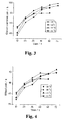
Fig. 3 illustrates the influences of fermentation temperature on glucose conversion rate; -
Fig. 4 illustrates the influences of fermentation temperature on ethanol yield; -
Fig. 5 illustrates the influences of fermentation temperature on ethanol concentration; -
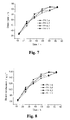
Fig. 6 illustrates the influences of pH value on glucose conversion rate; -
Fig. 7 illustrates the influences of pH value on ethanol yield; -
Fig. 8 illustrates the influences of pH value on ethanol concentration; -
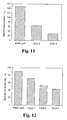
Fig. 9 illustrates the influences of a circulation of yeast fermented for 48 hrs in pure water on glucose conversion rate; -
Fig. 10 illustrates the influences of a circulation of yeast fermented for 48 hrs in pure water on ethanol yield; -
Fig. 11 illustrates the influences of a circulation of yeast fermented for 48 hrs in pure water on ethanol concentration; -
Fig. 12 illustrates the influences of a circulation of yeast fermented for 48 hrs in surfactant/water on glucose conversion rate; -
Fig. 13 illustrates the influences of a circulation of yeast fermented for 48 hrs in surfactant/water on ethanol yield; -
Fig. 14 illustrates the influences of a circulation of yeast fermented for 48 hrs in surfactant/water on ethanol concentration; -
Fig. 15 illustrates the influences of a circulation of yeast fermented for 36-72 hrs in surfactant/water on glucose conversion rate; -
Fig. 16 illustrates the influences of a circulation of yeast fermented for 36-72 hrs in surfactant/water on ethanol yield; -
Fig. 17 illustrates the influences of a circulation of yeast fermented for 36-72 hrs in surfactant/water on ethanol concentration; -
Fig. 18 illustrates recycling of surfactant/sulfuric acid. - The present invention will be further described below in combination with specific examples. However, the claimed scope of the present invention is not limited by the examples. Non-substantive improvement and adjustment made to the present invention by one skilled in the art according to the above-mentioned contents of the present invention shall also belong to the claimed scope of the present invention.
- Firstly, 0.4 g of saccharomyces cerevisiae was weighed and put in a 100 mL conical flask, rehydrated to activate for 20 min at 38 °C by using 4 mL of ultrapure water, and then the resulting solution could be used as yeast broth. Then 6.0 g of glucose, PEG-200 (according to the amount in Table 1) (1-8 g) and pre-prepared H2SO4 solution with pH=3.4 (according to the amount in Table 1) were added, the conical flask was sealed by a preservative film, put in a shaker for shaking culture for 48 hrs at 36 °C, and the revolving speed of shaker was 160 r/min. According to the data in Table 1, it can be seen that, when no PEG-200 was added into the fermentation system (example 1), the glucose conversion rate was 96%, the ethanol yield was 81% and the ethanol concentration was 112 g·L-1; and when 1.0 g of PEG-200 was used to replace pH solution, the glucose conversion rate was increased to 99%, the ethanol yield was increased to 88%, the ethanol concentration was increased to 129 g·L-1, and the glucose conversion rate, the ethanol yield and the ethanol concentration firstly ascended and then dropped with the increase in the amount of the PEG-200. These results preliminarily demonstrate that the PEG can replace the water as the fermentation medium within a certain ratio range, improve the concentration of the fermentation endpoint product ethanol, reduce the content of residual glucose at the fermentation endpoint, reduce the consumption of the water, decrease the production cost and improve the fermentation efficiency.
Table 1 Influences of the ratio of PEG-200 to water on ethanol fermentation efficiency Example PEG-200 /g H2O /mL Mass ratio of PEG to H2O Glucose conversion rate/% Ethanol yield/% Ethanol concentration/g· L -11 0 20 0 96 81 112 2 1.0 19 1/19 99.4 88.2 129.3 3 2.0 18 2/18 93.8 86.5 133.8 4 3.0 17 3/17 81.4 78.6 128.7 5 4.0 16 4/16 71.3 71.8 125.0 6 5.0 15 5/15 48.1 45.8 85.1 7 6.0 14 6/14 24.9 21.9 43.6 8 7.0 13 7/13 12.5 14.0 30.0 9 8.0 12 8/12 5.5 9.3 21.5 - 0.4 g of yeast was weighed and put in a 100 mL conical flask, rehydrated to activate for 20min at 38 °C by using 4 mL of ultrapure water, and then the resulting solution could be used as yeast broth. Then 6.0 g of glucose, PEG-400 (according to the amount in Table 2) (1-8 g) and pre-prepared H2SO4 solution with pH=3.4 (according to the amount in Table 2) were added, the conical flask was sealed by a preservative film, and put in a shaker for shaking culture for 48 hrs at 36 °C, and the revolving speed of shaker was 160 r/min. According to the data in Table 2, it can be seen that, when 4.0 g of PEG-400 was used to replace pH solution, the ethanol concentration could reach to 150 g·L-1, and almost no glucose was remained in the fermentation system. These results further proved that the PEG can replace the water as the fermentation medium within a certain ratio range, improve the concentration of the fermentation endpoint product ethanol, reduce the content of the residual glucose at the fermentation endpoint, reduce the consumption of the water, decrease the production cost and improve the fermentation efficiency.
Table 2 Influences of the ratio of PEG-400 to water on ethanol fermentation efficiency Example PEG-400 /g H2O /mL Mass ratio of PEG to H2O Glucose conversion rate/% Ethanol yield/% Ethanol concentration /g· L -11 0 20 0 96 81 112 10 1.0 19 1/19 99.4 88.1 129.3 11 2.0 18 2/18 99.1 90.0 139.4 12 3.0 17 3/17 99.5 89.3 146.5 13 4.0 16 4/16 99.3 86.8 151.3 14 5.0 15 5/15 93.9 79.6 148.0 15 6.0 14 6/14 84.3 69.6 138.7 16 7.0 13 7/13 43.0 26.0 55.7 17 8.0 12 8/12 19.6 4.0 9.3 - 0.4 g of yeast was weighed and put in a 100 mL conical flask, rehydrated to activate for 20min at 38 °C by using 4 mL of ultrapure water, and then the resulting solution could be used as yeast broth. Then 6.0 g of glucose, PEG-600 (according to the amount in Table 3) (1-8 g) and pre-prepared H2SO4 with pH=3.4 (according to the amount in Table 3) were added, the conical flask was sealed by a preservative film, and put in a shaker for shaking culture for 48 hrs at 36 °C, and the revolving speed of shaker was 160 r/min. According to the data in Table 3, it can be seen that, when PEG-600 was used to replace pH solution, the ethanol concentration gradually ascended and then dropped with the increase in the amount of the PEG-600, and the maximum ethanol concentration could reach to 153g·L-1. These results fully proved that the PEG can replace the water as the fermentation medium within a certain ratio range, improve the concentration of the fermentation endpoint product ethanol, reduce the content of residual glucose at the fermentation endpoint, reduce the consumption of the water, decrease the production cost and improve the fermentation efficiency.
Table 3 Influences of the ratio of PEG-600 to pH solution on ethanol fermentation efficiency Example PEG-600/g H2O/ml Mass ratio of PEG to H2O Glucose conversion rate/% Ethanol yield/% Ethanol concentration/g· L -11 0 20 0 96 81 112 18 1.0 19 1/19 97.8 89.9 131.9 19 2.0 18 2/18 97.3 90.6 140.3 20 3.0 17 3/17 95.4 87.9 144.1 21 4.0 16 4/16 96.4 86.9 151.4 22 5.0 15 5/15 89.7 81.9 152.1 23 6.0 14 6/14 83.3 77.3 153.7 24 7.0 13 7/13 41.8 38.0 81.5 25 8.0 12 8/12 10.1 6.3 14.6 - 0.5 g of yeast was weighed and put in a 100 mL conical flask, rehydrated to activate for 20min at 38 °C by using 4 mL of ultrapure water, and then the solution could be used as yeast broth. Then 6.5 g of glucose, 4.0 g of PEG-400 and 12 mL of H2SO4 solution with pH=3.4 were added, the conical flask was sealed by a preservative film, and put in a shaker for shaking culture for 12-72 hrs at 32-42 °C, and the revolving speed of shaker was 160 r/min. According to
Figs. 3, 4 and5 , it can be seen that different temperatures caused the glucose conversion rate, the ethanol yield and the ethanol concentration to be greatly different in the fermentation process, and the endpoint ethanol concentration dropped with the rise of the temperature when the fermentation temperature exceeded 35 °C; and however, the endpoint ethanol concentration also dropped when the temperature dropped to 30 °C. The optimum fermentation temperature should be selected to be close to 33 °C, the maximum fermentation endpoint ethanol concentration could reach to 160 g·L-1 and no residual glucose existed in the fermentation system. - 0.5 g of yeast was weighed and put in a 100 mL conical flask, rehydrated to activate for 20min at 37 °C by using 4 mL of ultrapure water, and then the resulting solution could be used as yeast broth. Then 6.5 g of glucose, 4.0 g of PEG-400 and 12 mL of H2SO4 solution with pH=3.4-5.1 were added, the conical flask was sealed by a preservative film, and put in a shaker for shaking culture for 12-72 hrs at 35 °C, and the revolving speed of shaker was 160 r/min. Since the pH value would influence the permeability of yeast cells and further influence the nutrient substance absorption and ethanol excretion of the yeast cells, suitable pH is critically important to the influence on fermentation. According to
Figs. 6 ,7 and 8 , it can be seen that, when the pH value of the fermentation liquid is within a range of 4.3-5.1, a fermentation endpoint can be achieved after 60 hrs, the maximum endpoint ethanol concentration can reach to 160 g·L-1 and the glucose is fully fermented. - 0.5 g of yeast powder was rehydrated for 15-30min at 25-38 °C by using 4 mL of ultrapure water, then 6.5 g of glucose, 12 mL of pre-prepared sulfuric acid solution with pH of 4.3 were added, then and put in a shaker for shaking and fermented for 48 hrs at 33 °C. After fermentation, refrigerated centrifugal separation at 8000 rpm was performed for 5 min, the supernatant was removed from the fermentation liquid after fermentation, solid yeast powder was left, 4 mL of ultrapure water, 6.5 g of glucose and 12 mL of sulfuric acid solution were added again, fermented for 48-72 hrs at 33 °C, and the above operations were cyclically performed twice. The glucose conversion rate, the ethanol yield and the ethanol concentration are respectively as shown in
Figs. 9, 10 and11 . According to the data in the drawings, it can be seen that, when no surfactant was added into the fermentation system, the recovery efficiency of the yeast was very low and the ethanol concentration of only 60 g·L-1 could be achieved at the first time of recycling the recovered yeast after fermentation for 48 hrs. - 0.5 g of yeast powder was rehydrated for 15-30min at 25-38 °C by using 4 mL of ultrapure water, then 6.5 g of glucose, 4.0 g of PEG-400 and 12 mL of pre-prepared sulfuric acid solution with pH of 4.3 were added, then and put in a shaker for shaking and fermentation was performed for 48 hrs at 33 °C. After fermentation, refrigerated centrifugal separation at 8000 rpm was performed for 5 min, the supernatant was removed from the fermentation liquid after fermentation, solid yeast powder was left, 4 mL of ultrapure water, 6.5 g of glucose, 4.0 g of PEG-400 and 12 mL of sulfuric acid solution were added again, fermentation was performed for 48 hrs at 33 °C, and the above operations were cyclically performed thrice. The glucose conversion rate, the ethanol yield and the ethanol concentration are respectively as shown in
Figs. 12 ,13 and 14 . According to the data in the drawings, it can be seen that, when the PEG-400 was added into the fermentation system, the recovery efficiency of the yeast was very high and the ethanol concentration of 118 g·L-1 could be achieved at the first time of recycling the recovered yeast after fermentation for 48 hrs. - 0.5 g of yeast powder was rehydrated for 15-30min at 25-38 °C by using 4 mL of ultrapure water, then 6.5 g of glucose, 4.0 g of PEG-400 and 12 mL of pre-prepared sulfuric acid solution with pH = 4.3 were added, put in a shaker for shaking and fermentation was performed for 36-72 hrs at 33 °C. After fermentation, refrigerated centrifugal separation at 8000 rpm was performed for 5 min, the supernatant was removed from the fermentation liquid after fermentation, solid yeast powder was left, 4 mL of ultrapure water, 6.5 g of glucose, 4.0 g of PEG-400 and 12 mL of sulfuric acid solution were added again, fermentation was performed for 48 hrs at 33 °C, and the above operations were cyclically performed thrice. The glucose conversion rate, the ethanol yield and the ethanol concentration are respectively as shown in
Figs. 15, 16 and17 . According to the data in the drawings, it can be seen that, when the PEG-400 was added into the fermentation system, the recovery efficiency of the yeast was very high and the ethanol concentration of 118 g·L-1 could be achieved at the first time of recycling the recovered yeast after fermentation for 48 hrs. - 0.5 g of yeast powder was rehydrated for 15-30min at 25-38 °C by using 4 mL of ultrapure water, then 7.5g of glucose, 4.0 g of PEG-400 and 12 mL of pre-prepared sulfuric acid solution with pH of 4.3 were added, then and put in a shaker for shaking and fermentation was performed for 72 hrs at 33 °C. After fermentation, refrigerated centrifugal separation at 8000 rpm was performed for 5 min, solid yeast powder was removed, the supernatant was distilled, the residue obtained after distillation entered a next fermentation process, 0.5 g of yeast powder was added again and rehydrated for 15-30min at 25-38 °C by using 4 mL of ultrapure water, 6.5 g of glucose and 12 mL of sulfuric acid solution were added again, fermentation was performed for 72 hrs at 33 °C, and the above operations were cyclically performed for four times. The glucose conversion rate, the ethanol yield and the ethanol concentration are as shown in
Fig. 18 , the surfactant PEG-400 can be recycled and the fermentation efficiency is not influenced obviously.
Claims (19)
- An ethanol fermentation method with surfactant improvement, characterized in that: a fermentable carbohydrate is used as a carbon source, a surfactant-water mixture is used as a fermentation medium, a pH adjusting agent is added to adjust the pH value of the fermentation medium and the saccharomyces cerevisiae cells are inoculated to perform very high gravity ethanol fermentation.
- The ethanol fermentation method with surfactant improvement according to claim 1, characterized in that: the fermentable carbohydrate is glucose and the concentration of the fermentable carbohydrate is 270-500g/L.
- The ethanol fermentation method with surfactant improvement according to claim 1, characterized in that: a mass ratio of the surfactant to water in the fermentation medium is 0.001-0.5.
- The ethanol fermentation method with surfactant improvement according to claim 3, characterized in that: the mass ratio of the surfactant to water in the fermentation medium is 0.125-0.375.
- The ethanol fermentation method with surfactant improvement according to claim 1, characterized in that: the surfactant is at least one of such nonionic surfactants as polyethylene glycol (PEG), methoxy polyethylene glycol (MPEG), dimethoxy polyethylene glycol (DMPEG) and polydimethylsiloxane (PDMS), or combinations thereof in any proportion; and
a structural formula of the PEG is:


- The ethanol fermentation method with surfactant improvement according to claim 5, characterized in that: the PEG is at least one of PEG-200, 400, 600, 800, 1000.
- The ethanol fermentation method with surfactant improvement according to claim 1, characterized in that: the concentration of the saccharomyces cerevisiae cells is 107-109/L.
- The ethanol fermentation method with surfactant improvement according to claim 1, characterized in that: the yeast cells can be recycled and the fermentation liquid is subjected to refrigerated centrifugation to recover the yeast cells which are then directly used for a next fermentation process.
- The ethanol fermentation method with surfactant improvement according to claim 1, characterized in that: the surfactant and the pH adjusting agent can be recycled, refrigerated centrifugation is performed to remove yeast and supernatant is distilled to obtain residue which replaces a fresh surfactant for a next fermentation process.
- The ethanol fermentation method with surfactant improvement according to claim 1, characterized in that: the yeast cells and the surfactant can be synchronously recycled, the yeast cells are recovered through refrigerated centrifugation, the supernatant is distilled to recover the surfactant, and the recovered yeast cells and the recovered surfactant are simultaneously used for the next batch of fermentation processes.
- The ethanol fermentation method with surfactant improvement according to claim 1, characterized in that: the fermentation temperature is 28-44°C.
- The ethanol fermentation method with surfactant improvement according to claim 11, characterized in that: the fermentation temperature is 33°C.
- The ethanol fermentation method with surfactant improvement according to claim 1, characterized in that: the fermentation time is 12-120 hrs.
- The ethanol fermentation method with surfactant improvement according to claim 13, characterized in that: the fermentation time is 60 hrs.
- The ethanol fermentation method with surfactant improvement according to claim 1, characterized in that: the pH of the fermentation medium is 3.0-6.5.
- The ethanol fermentation method with surfactant improvement according to claim 1, characterized in that: the pH adjusting agent for the fermentation medium is one of sulfuric acid solution, citric acid-sodium citrate buffer solution, phosphoric acid buffer solution, carbonate buffer solution and acetic acid-sodium acetate buffer solution.
- The ethanol fermentation method with surfactant improvement according to claim 8, characterized in that: the yeast cells are recycled by performing refrigerated centrifugation to the fermentation liquid using a standard centrifugation technique, centrifugation speed is 4000-15000 rpm and centrifugation time is 1-30 min.
- The ethanol fermentation method with surfactant improvement according to claim 9, characterized in that: the surfactant is recycled by performing refrigerated centrifugation after fermentation to remove the yeast cells, recovering the surfactant and the pH adjusting agent through a standard vacuum distillation technique, the fermentable carbohydrate, the deionized water and the recovered surfactant and the pH adjusting agent can be directly added in the next fermentation process, and the pH value of the fermentation medium does not need to be adjusted again.
- The ethanol fermentation method with surfactant improvement according to claim 9, characterized in that: the surfactant and the pH adjusting agent are recovered by adopting a standard vacuum distillation technique under the pressure of 0-0.09 Mpa with the distillation temperature of 40-100°C and the distillation time of 20-120 min.
Applications Claiming Priority (3)
| Application Number | Priority Date | Filing Date | Title |
|---|---|---|---|
| CN201310416058.XA CN104450793B (en) | 2013-09-12 | 2013-09-12 | It is a kind of using surfactant-water as the ultrahigh concentration alcohol fermentation technology of medium |
| CN201310660369.0A CN104694584B (en) | 2013-12-09 | 2013-12-09 | A kind of ultrahigh concentration alcohol fermentation processes yeast recovery technology |
| PCT/CN2014/000398 WO2015035734A1 (en) | 2013-09-12 | 2014-04-14 | Ethanol fermentation method with surfactant improvement |
Publications (3)
| Publication Number | Publication Date |
|---|---|
| EP3045539A1 true EP3045539A1 (en) | 2016-07-20 |
| EP3045539A4 EP3045539A4 (en) | 2017-04-12 |
| EP3045539B1 EP3045539B1 (en) | 2021-01-20 |
Family
ID=52664998
Family Applications (1)
| Application Number | Title | Priority Date | Filing Date |
|---|---|---|---|
| EP14844323.7A Not-in-force EP3045539B1 (en) | 2013-09-12 | 2014-04-14 | Ethanol fermentation method in the presence of a surfactant |
Country Status (8)
| Country | Link |
|---|---|
| US (1) | US10066243B2 (en) |
| EP (1) | EP3045539B1 (en) |
| JP (1) | JP6229864B2 (en) |
| KR (1) | KR20160052584A (en) |
| AU (1) | AU2014321058B2 (en) |
| CA (1) | CA2923932C (en) |
| MY (1) | MY174304A (en) |
| WO (1) | WO2015035734A1 (en) |
Families Citing this family (1)
| Publication number | Priority date | Publication date | Assignee | Title |
|---|---|---|---|---|
| CN105671088B (en) * | 2014-11-20 | 2019-05-17 | 中国科学院大连化学物理研究所 | A continuous saccharification and co-fermentation method of lignocellulose improved by surfactant |
Family Cites Families (7)
| Publication number | Priority date | Publication date | Assignee | Title |
|---|---|---|---|---|
| WO2005069849A2 (en) * | 2004-01-16 | 2005-08-04 | Novozymes North America, Inc | Fermentation processes |
| US8507234B2 (en) * | 2006-06-16 | 2013-08-13 | Polymer Ventures, Inc. | Composition and methods for improving the production of fermentation operations |
| WO2007149327A2 (en) * | 2006-06-16 | 2007-12-27 | Polymer Ventures, Inc. | Composition and methods for improving the production of fermentation operations |
| US7960153B2 (en) | 2007-12-31 | 2011-06-14 | Church & Dwight Co., Inc. | Glucose conversion to ethanol via yeast cultures and bicarbonate ions |
| US20100143993A1 (en) | 2008-12-04 | 2010-06-10 | E.I. Du Pont De Nemours And Company | Process for fermentive preparationfor alcolhols and recovery of product |
| US20100143994A1 (en) | 2008-12-04 | 2010-06-10 | E. I. Du Pont De Memours And Company | Process for fermentive preparation of alcohols and recovery of product |
| CA2803920A1 (en) * | 2010-06-24 | 2011-12-29 | Richard Beard | Derivatives of cycloalkyl- and cycloalkenyl-1,2-dicarboxylic acid compounds having formyl peptide receptor like-1 (fprl-1) agonist or antagonist activity |
-
2014
- 2014-04-14 EP EP14844323.7A patent/EP3045539B1/en not_active Not-in-force
- 2014-04-14 KR KR1020167007341A patent/KR20160052584A/en not_active Ceased
- 2014-04-14 CA CA2923932A patent/CA2923932C/en not_active Expired - Fee Related
- 2014-04-14 JP JP2016541768A patent/JP6229864B2/en not_active Expired - Fee Related
- 2014-04-14 WO PCT/CN2014/000398 patent/WO2015035734A1/en not_active Ceased
- 2014-04-14 US US14/909,801 patent/US10066243B2/en not_active Expired - Fee Related
- 2014-04-14 AU AU2014321058A patent/AU2014321058B2/en not_active Ceased
- 2014-04-14 MY MYPI2016700662A patent/MY174304A/en unknown
Non-Patent Citations (1)
| Title |
|---|
| See references of WO2015035734A1 * |
Also Published As
| Publication number | Publication date |
|---|---|
| CA2923932C (en) | 2018-10-02 |
| EP3045539B1 (en) | 2021-01-20 |
| US20160194668A1 (en) | 2016-07-07 |
| CA2923932A1 (en) | 2015-03-19 |
| EP3045539A4 (en) | 2017-04-12 |
| US10066243B2 (en) | 2018-09-04 |
| KR20160052584A (en) | 2016-05-12 |
| AU2014321058A1 (en) | 2016-05-05 |
| AU2014321058B2 (en) | 2017-08-31 |
| JP2017501717A (en) | 2017-01-19 |
| JP6229864B2 (en) | 2017-11-15 |
| WO2015035734A1 (en) | 2015-03-19 |
| MY174304A (en) | 2020-04-06 |
Similar Documents
| Publication | Publication Date | Title |
|---|---|---|
| US20100268000A1 (en) | Compositions and Methods for Fermentation of Biomass | |
| US8268600B2 (en) | Strain and a novel process for ethanol production from lignocellulosic biomass at high temperature | |
| JP6704597B2 (en) | Simultaneous saccharification and fermentation method of lignocellulose improved by using surfactant | |
| Roca et al. | Increasing ethanol productivity during xylose fermentation by cell recycling of recombinant Saccharomyces cerevisiae | |
| Bao et al. | Optimization of key factors affecting biohydrogen production from microcrystalline cellulose by the co-culture of Clostridium acetobutylicum X 9+ Ethanoigenens harbinense B 2 | |
| Zhao et al. | A novel and efficient bioprocess from steam exploded corn stover to ethanol in the context of on-site cellulase production | |
| Laplace et al. | Combined alcoholic fermentation of D-xylose and D-glucose by four selected microbial strains: process considerations in relation to ethanol tolerance | |
| EP3045539B1 (en) | Ethanol fermentation method in the presence of a surfactant | |
| Codato et al. | Ethanol production from Dekkera bruxellensis in synthetic media with pentose | |
| Wang et al. | Pretreatment and conversion of distiller's dried grains with solubles for acetone-butanol-ethanol (ABE) production | |
| Thanonkeo et al. | The batch ethanol fermentation of jerusalem artichoke using Saccharomyces cerevisiae | |
| KR101392736B1 (en) | Integrated Process for Production of Bioethanol Includes Pretreatment of Lignocellulosic Biomass Using Nitric Acid Produced by Nitrogen Oxides(NOx) | |
| CN108118071A (en) | A kind of method for improving fermenting and producing butanol yield | |
| CN105420288B (en) | A kind of method that surfactant improves the resistance to malicious fermenting property of yeast cells | |
| CN105274149B (en) | A kind of method that surfactant improves the resistance to malicious fermenting property of yeast cells | |
| RU2670014C2 (en) | Method for microbial fermentation of sugary substrates and use of hydrogen in atomic, ionic or gaseous state in such method | |
| CN105647980A (en) | Method used for producing butanol via enzymolysis and fermentation of lignocellulose | |
| CN104694584B (en) | A kind of ultrahigh concentration alcohol fermentation processes yeast recovery technology | |
| Zohri et al. | Ethanol production from Egyptian sugar cane molasses by six yeast strains using batch fermentation. | |
| CN104450793B (en) | It is a kind of using surfactant-water as the ultrahigh concentration alcohol fermentation technology of medium | |
| Oshoma et al. | Influence of nitrogen sources on ethanol production by Saccharomyces Spp in the presence of formic acid | |
| CN106520846A (en) | Improved lignocellulose biomass hydrothermal pretreatment method | |
| Yuan | Bioenergy: Principles and Technologies: Volume 2.2 | |
| Li et al. | Enhanced biohydrogen production from oat straw co-digested with cow dung/sewage sludge by combined aerobic digestion and anaerobic fermentation | |
| BR112021012936B1 (en) | METHOD OF TREATMENT OF LIGNOCELLULOSIC BIOMASS |
Legal Events
| Date | Code | Title | Description |
|---|---|---|---|
| PUAI | Public reference made under article 153(3) epc to a published international application that has entered the european phase |
Free format text: ORIGINAL CODE: 0009012 |
|
| 17P | Request for examination filed |
Effective date: 20160226 |
|
| AK | Designated contracting states |
Kind code of ref document: A1 Designated state(s): AL AT BE BG CH CY CZ DE DK EE ES FI FR GB GR HR HU IE IS IT LI LT LU LV MC MK MT NL NO PL PT RO RS SE SI SK SM TR |
|
| AX | Request for extension of the european patent |
Extension state: BA ME |
|
| DAX | Request for extension of the european patent (deleted) | ||
| A4 | Supplementary search report drawn up and despatched |
Effective date: 20170315 |
|
| RIC1 | Information provided on ipc code assigned before grant |
Ipc: C12P 7/06 20060101AFI20170309BHEP Ipc: C12N 1/38 20060101ALI20170309BHEP Ipc: C12R 1/865 20060101ALI20170309BHEP |
|
| STAA | Information on the status of an ep patent application or granted ep patent |
Free format text: STATUS: EXAMINATION IS IN PROGRESS |
|
| 17Q | First examination report despatched |
Effective date: 20180808 |
|
| GRAP | Despatch of communication of intention to grant a patent |
Free format text: ORIGINAL CODE: EPIDOSNIGR1 |
|
| STAA | Information on the status of an ep patent application or granted ep patent |
Free format text: STATUS: GRANT OF PATENT IS INTENDED |
|
| INTG | Intention to grant announced |
Effective date: 20201008 |
|
| GRAS | Grant fee paid |
Free format text: ORIGINAL CODE: EPIDOSNIGR3 |
|
| GRAA | (expected) grant |
Free format text: ORIGINAL CODE: 0009210 |
|
| STAA | Information on the status of an ep patent application or granted ep patent |
Free format text: STATUS: THE PATENT HAS BEEN GRANTED |
|
| AK | Designated contracting states |
Kind code of ref document: B1 Designated state(s): AL AT BE BG CH CY CZ DE DK EE ES FI FR GB GR HR HU IE IS IT LI LT LU LV MC MK MT NL NO PL PT RO RS SE SI SK SM TR |
|
| REG | Reference to a national code |
Ref country code: GB Ref legal event code: FG4D |
|
| REG | Reference to a national code |
Ref country code: CH Ref legal event code: EP |
|
| REG | Reference to a national code |
Ref country code: AT Ref legal event code: REF Ref document number: 1356446 Country of ref document: AT Kind code of ref document: T Effective date: 20210215 |
|
| REG | Reference to a national code |
Ref country code: IE Ref legal event code: FG4D |
|
| REG | Reference to a national code |
Ref country code: DE Ref legal event code: R096 Ref document number: 602014074440 Country of ref document: DE |
|
| REG | Reference to a national code |
Ref country code: NL Ref legal event code: MP Effective date: 20210120 |
|
| REG | Reference to a national code |
Ref country code: LT Ref legal event code: MG9D |
|
| REG | Reference to a national code |
Ref country code: AT Ref legal event code: MK05 Ref document number: 1356446 Country of ref document: AT Kind code of ref document: T Effective date: 20210120 |
|
| PG25 | Lapsed in a contracting state [announced via postgrant information from national office to epo] |
Ref country code: GR Free format text: LAPSE BECAUSE OF FAILURE TO SUBMIT A TRANSLATION OF THE DESCRIPTION OR TO PAY THE FEE WITHIN THE PRESCRIBED TIME-LIMIT Effective date: 20210421 Ref country code: HR Free format text: LAPSE BECAUSE OF FAILURE TO SUBMIT A TRANSLATION OF THE DESCRIPTION OR TO PAY THE FEE WITHIN THE PRESCRIBED TIME-LIMIT Effective date: 20210120 Ref country code: FI Free format text: LAPSE BECAUSE OF FAILURE TO SUBMIT A TRANSLATION OF THE DESCRIPTION OR TO PAY THE FEE WITHIN THE PRESCRIBED TIME-LIMIT Effective date: 20210120 Ref country code: PT Free format text: LAPSE BECAUSE OF FAILURE TO SUBMIT A TRANSLATION OF THE DESCRIPTION OR TO PAY THE FEE WITHIN THE PRESCRIBED TIME-LIMIT Effective date: 20210520 Ref country code: LT Free format text: LAPSE BECAUSE OF FAILURE TO SUBMIT A TRANSLATION OF THE DESCRIPTION OR TO PAY THE FEE WITHIN THE PRESCRIBED TIME-LIMIT Effective date: 20210120 Ref country code: NO Free format text: LAPSE BECAUSE OF FAILURE TO SUBMIT A TRANSLATION OF THE DESCRIPTION OR TO PAY THE FEE WITHIN THE PRESCRIBED TIME-LIMIT Effective date: 20210420 Ref country code: NL Free format text: LAPSE BECAUSE OF FAILURE TO SUBMIT A TRANSLATION OF THE DESCRIPTION OR TO PAY THE FEE WITHIN THE PRESCRIBED TIME-LIMIT Effective date: 20210120 Ref country code: BG Free format text: LAPSE BECAUSE OF FAILURE TO SUBMIT A TRANSLATION OF THE DESCRIPTION OR TO PAY THE FEE WITHIN THE PRESCRIBED TIME-LIMIT Effective date: 20210420 |
|
| PG25 | Lapsed in a contracting state [announced via postgrant information from national office to epo] |
Ref country code: SE Free format text: LAPSE BECAUSE OF FAILURE TO SUBMIT A TRANSLATION OF THE DESCRIPTION OR TO PAY THE FEE WITHIN THE PRESCRIBED TIME-LIMIT Effective date: 20210120 Ref country code: PL Free format text: LAPSE BECAUSE OF FAILURE TO SUBMIT A TRANSLATION OF THE DESCRIPTION OR TO PAY THE FEE WITHIN THE PRESCRIBED TIME-LIMIT Effective date: 20210120 Ref country code: RS Free format text: LAPSE BECAUSE OF FAILURE TO SUBMIT A TRANSLATION OF THE DESCRIPTION OR TO PAY THE FEE WITHIN THE PRESCRIBED TIME-LIMIT Effective date: 20210120 Ref country code: LV Free format text: LAPSE BECAUSE OF FAILURE TO SUBMIT A TRANSLATION OF THE DESCRIPTION OR TO PAY THE FEE WITHIN THE PRESCRIBED TIME-LIMIT Effective date: 20210120 Ref country code: AT Free format text: LAPSE BECAUSE OF FAILURE TO SUBMIT A TRANSLATION OF THE DESCRIPTION OR TO PAY THE FEE WITHIN THE PRESCRIBED TIME-LIMIT Effective date: 20210120 |
|
| PG25 | Lapsed in a contracting state [announced via postgrant information from national office to epo] |
Ref country code: IS Free format text: LAPSE BECAUSE OF FAILURE TO SUBMIT A TRANSLATION OF THE DESCRIPTION OR TO PAY THE FEE WITHIN THE PRESCRIBED TIME-LIMIT Effective date: 20210520 |
|
| REG | Reference to a national code |
Ref country code: DE Ref legal event code: R097 Ref document number: 602014074440 Country of ref document: DE |
|
| PG25 | Lapsed in a contracting state [announced via postgrant information from national office to epo] |
Ref country code: SM Free format text: LAPSE BECAUSE OF FAILURE TO SUBMIT A TRANSLATION OF THE DESCRIPTION OR TO PAY THE FEE WITHIN THE PRESCRIBED TIME-LIMIT Effective date: 20210120 Ref country code: CZ Free format text: LAPSE BECAUSE OF FAILURE TO SUBMIT A TRANSLATION OF THE DESCRIPTION OR TO PAY THE FEE WITHIN THE PRESCRIBED TIME-LIMIT Effective date: 20210120 Ref country code: EE Free format text: LAPSE BECAUSE OF FAILURE TO SUBMIT A TRANSLATION OF THE DESCRIPTION OR TO PAY THE FEE WITHIN THE PRESCRIBED TIME-LIMIT Effective date: 20210120 |
|
| REG | Reference to a national code |
Ref country code: DE Ref legal event code: R119 Ref document number: 602014074440 Country of ref document: DE |
|
| PLBE | No opposition filed within time limit |
Free format text: ORIGINAL CODE: 0009261 |
|
| STAA | Information on the status of an ep patent application or granted ep patent |
Free format text: STATUS: NO OPPOSITION FILED WITHIN TIME LIMIT |
|
| PG25 | Lapsed in a contracting state [announced via postgrant information from national office to epo] |
Ref country code: MC Free format text: LAPSE BECAUSE OF FAILURE TO SUBMIT A TRANSLATION OF THE DESCRIPTION OR TO PAY THE FEE WITHIN THE PRESCRIBED TIME-LIMIT Effective date: 20210120 Ref country code: DK Free format text: LAPSE BECAUSE OF FAILURE TO SUBMIT A TRANSLATION OF THE DESCRIPTION OR TO PAY THE FEE WITHIN THE PRESCRIBED TIME-LIMIT Effective date: 20210120 Ref country code: ES Free format text: LAPSE BECAUSE OF FAILURE TO SUBMIT A TRANSLATION OF THE DESCRIPTION OR TO PAY THE FEE WITHIN THE PRESCRIBED TIME-LIMIT Effective date: 20210120 Ref country code: SK Free format text: LAPSE BECAUSE OF FAILURE TO SUBMIT A TRANSLATION OF THE DESCRIPTION OR TO PAY THE FEE WITHIN THE PRESCRIBED TIME-LIMIT Effective date: 20210120 Ref country code: RO Free format text: LAPSE BECAUSE OF FAILURE TO SUBMIT A TRANSLATION OF THE DESCRIPTION OR TO PAY THE FEE WITHIN THE PRESCRIBED TIME-LIMIT Effective date: 20210120 |
|
| 26N | No opposition filed |
Effective date: 20211021 |
|
| GBPC | Gb: european patent ceased through non-payment of renewal fee |
Effective date: 20210420 |
|
| PG25 | Lapsed in a contracting state [announced via postgrant information from national office to epo] |
Ref country code: LU Free format text: LAPSE BECAUSE OF NON-PAYMENT OF DUE FEES Effective date: 20210414 |
|
| REG | Reference to a national code |
Ref country code: BE Ref legal event code: MM Effective date: 20210430 |
|
| PG25 | Lapsed in a contracting state [announced via postgrant information from national office to epo] |
Ref country code: DE Free format text: LAPSE BECAUSE OF NON-PAYMENT OF DUE FEES Effective date: 20211103 Ref country code: FR Free format text: LAPSE BECAUSE OF NON-PAYMENT OF DUE FEES Effective date: 20210430 Ref country code: GB Free format text: LAPSE BECAUSE OF NON-PAYMENT OF DUE FEES Effective date: 20210420 Ref country code: LI Free format text: LAPSE BECAUSE OF NON-PAYMENT OF DUE FEES Effective date: 20210430 Ref country code: CH Free format text: LAPSE BECAUSE OF NON-PAYMENT OF DUE FEES Effective date: 20210430 Ref country code: AL Free format text: LAPSE BECAUSE OF FAILURE TO SUBMIT A TRANSLATION OF THE DESCRIPTION OR TO PAY THE FEE WITHIN THE PRESCRIBED TIME-LIMIT Effective date: 20210120 |
|
| PG25 | Lapsed in a contracting state [announced via postgrant information from national office to epo] |
Ref country code: SI Free format text: LAPSE BECAUSE OF FAILURE TO SUBMIT A TRANSLATION OF THE DESCRIPTION OR TO PAY THE FEE WITHIN THE PRESCRIBED TIME-LIMIT Effective date: 20210120 |
|
| PG25 | Lapsed in a contracting state [announced via postgrant information from national office to epo] |
Ref country code: IT Free format text: LAPSE BECAUSE OF FAILURE TO SUBMIT A TRANSLATION OF THE DESCRIPTION OR TO PAY THE FEE WITHIN THE PRESCRIBED TIME-LIMIT Effective date: 20210120 Ref country code: IE Free format text: LAPSE BECAUSE OF NON-PAYMENT OF DUE FEES Effective date: 20210414 |
|
| PG25 | Lapsed in a contracting state [announced via postgrant information from national office to epo] |
Ref country code: IS Free format text: LAPSE BECAUSE OF FAILURE TO SUBMIT A TRANSLATION OF THE DESCRIPTION OR TO PAY THE FEE WITHIN THE PRESCRIBED TIME-LIMIT Effective date: 20210520 |
|
| PG25 | Lapsed in a contracting state [announced via postgrant information from national office to epo] |
Ref country code: BE Free format text: LAPSE BECAUSE OF NON-PAYMENT OF DUE FEES Effective date: 20210430 |
|
| PG25 | Lapsed in a contracting state [announced via postgrant information from national office to epo] |
Ref country code: HU Free format text: LAPSE BECAUSE OF FAILURE TO SUBMIT A TRANSLATION OF THE DESCRIPTION OR TO PAY THE FEE WITHIN THE PRESCRIBED TIME-LIMIT; INVALID AB INITIO Effective date: 20140414 |
|
| PG25 | Lapsed in a contracting state [announced via postgrant information from national office to epo] |
Ref country code: CY Free format text: LAPSE BECAUSE OF FAILURE TO SUBMIT A TRANSLATION OF THE DESCRIPTION OR TO PAY THE FEE WITHIN THE PRESCRIBED TIME-LIMIT Effective date: 20210120 |
|
| PG25 | Lapsed in a contracting state [announced via postgrant information from national office to epo] |
Ref country code: MK Free format text: LAPSE BECAUSE OF FAILURE TO SUBMIT A TRANSLATION OF THE DESCRIPTION OR TO PAY THE FEE WITHIN THE PRESCRIBED TIME-LIMIT Effective date: 20210120 |
|
| PG25 | Lapsed in a contracting state [announced via postgrant information from national office to epo] |
Ref country code: MT Free format text: LAPSE BECAUSE OF FAILURE TO SUBMIT A TRANSLATION OF THE DESCRIPTION OR TO PAY THE FEE WITHIN THE PRESCRIBED TIME-LIMIT Effective date: 20210120 |
|
| PG25 | Lapsed in a contracting state [announced via postgrant information from national office to epo] |
Ref country code: TR Free format text: LAPSE BECAUSE OF FAILURE TO SUBMIT A TRANSLATION OF THE DESCRIPTION OR TO PAY THE FEE WITHIN THE PRESCRIBED TIME-LIMIT Effective date: 20210120 |