EP3041210B1 - Method and ip terminal for implementing answering, calling, and intercommunication by twin handset phone, and ip terminal - Google Patents
Method and ip terminal for implementing answering, calling, and intercommunication by twin handset phone, and ip terminal Download PDFInfo
- Publication number
- EP3041210B1 EP3041210B1 EP14839355.6A EP14839355A EP3041210B1 EP 3041210 B1 EP3041210 B1 EP 3041210B1 EP 14839355 A EP14839355 A EP 14839355A EP 3041210 B1 EP3041210 B1 EP 3041210B1
- Authority
- EP
- European Patent Office
- Prior art keywords
- phone
- terminal
- base
- additional
- base phone
- Prior art date
- Legal status (The legal status is an assumption and is not a legal conclusion. Google has not performed a legal analysis and makes no representation as to the accuracy of the status listed.)
- Not-in-force
Links
Images


Classifications
-
- H—ELECTRICITY
- H04—ELECTRIC COMMUNICATION TECHNIQUE
- H04M—TELEPHONIC COMMUNICATION
- H04M7/00—Arrangements for interconnection between switching centres
- H04M7/006—Networks other than PSTN/ISDN providing telephone service, e.g. Voice over Internet Protocol (VoIP), including next generation networks with a packet-switched transport layer
- H04M7/0075—Details of addressing, directories or routing tables
-
- H—ELECTRICITY
- H04—ELECTRIC COMMUNICATION TECHNIQUE
- H04L—TRANSMISSION OF DIGITAL INFORMATION, e.g. TELEGRAPHIC COMMUNICATION
- H04L65/00—Network arrangements, protocols or services for supporting real-time applications in data packet communication
- H04L65/1066—Session management
- H04L65/1073—Registration or de-registration
-
- H—ELECTRICITY
- H04—ELECTRIC COMMUNICATION TECHNIQUE
- H04M—TELEPHONIC COMMUNICATION
- H04M1/00—Substation equipment, e.g. for use by subscribers
- H04M1/253—Telephone sets using digital voice transmission
- H04M1/2535—Telephone sets using digital voice transmission adapted for voice communication over an Internet Protocol [IP] network
-
- H—ELECTRICITY
- H04—ELECTRIC COMMUNICATION TECHNIQUE
- H04M—TELEPHONIC COMMUNICATION
- H04M1/00—Substation equipment, e.g. for use by subscribers
- H04M1/72—Mobile telephones; Cordless telephones, i.e. devices for establishing wireless links to base stations without route selection
- H04M1/725—Cordless telephones
- H04M1/72502—Cordless telephones with one base station connected to a single line
- H04M1/72505—Radio link set-up procedures
-
- H—ELECTRICITY
- H04—ELECTRIC COMMUNICATION TECHNIQUE
- H04M—TELEPHONIC COMMUNICATION
- H04M3/00—Automatic or semi-automatic exchanges
- H04M3/42—Systems providing special services or facilities to subscribers
- H04M3/42229—Personal communication services, i.e. services related to one subscriber independent of his terminal and/or location
- H04M3/42263—Personal communication services, i.e. services related to one subscriber independent of his terminal and/or location where the same subscriber uses different terminals, i.e. nomadism
-
- H—ELECTRICITY
- H04—ELECTRIC COMMUNICATION TECHNIQUE
- H04M—TELEPHONIC COMMUNICATION
- H04M7/00—Arrangements for interconnection between switching centres
- H04M7/12—Arrangements for interconnection between switching centres for working between exchanges having different types of switching equipment, e.g. power-driven and step by step or decimal and non-decimal
- H04M7/1205—Arrangements for interconnection between switching centres for working between exchanges having different types of switching equipment, e.g. power-driven and step by step or decimal and non-decimal where the types of switching equipement comprises PSTN/ISDN equipment and switching equipment of networks other than PSTN/ISDN, e.g. Internet Protocol networks
Definitions
- the present invention relates to the field of communications technologies, and in particular, to a base phone and additional phone implementation, answering, calling, and intercom method, and an IP terminal.
- a traditional base phone and additional phone are often based on an analog phone deployed at home or in an enterprise, and functions of the traditional base phone and additional phone are supported in a physical parallel connection or wireless manner.
- Several phones in a set of base phone and additional phone share one operator number resource, and functions such as answering a call by any phone, making a call by any phone, and internal intercom, can be implemented.
- An existing base phone and additional phone based on an analog phone generally have two modes: one is that all phone sets are connected by using a physical line, and the other one is that the base phone is connected to a physical line and added with a wireless communications module, so as to implement wireless connection between the base phone and the additional phone.
- the traditional base phone and additional phone are generally based on an analog phone.
- an analog phone is gradually replaced by an IP terminal, such as an IP telephone.
- an evolution process of out with the Copper, in with the Fiber, that is, “narrowband+copper cable” is replaced with “broadband+optical fiber” the traditional analog phone and the base phone and additional phone based on an analog phone are facing a situation of being phased out as their disadvantages are becoming more obvious.
- the base phone and additional phone based on an analog phone in either of the foregoing modes, are connected in a manner of physical parallel connection of copper cables, which lacks security protection and is theft-prone; in addition, when one phone is in a call, a line is occupied, and another phone cannot initiate a new call.
- US2008155689 A1 provides an ad hoc wireless communications system, comprising: one or more personal communications devices that form an ad hoc wireless communications network; each personal communications device further comprising: a processor; a plurality of modules, each module having a plurality of computer instructions executed by the processor to implement the ad hoc wireless communications network, wherein the plurality of modules further comprise a graphical user interface module that generate a user interface and a library that generates a globally unique identifier for the personal communications device; and a server for the ad hoc wireless communication network that is selected from the one or more personal communications devices based on the personal communications device with the largest globally unique identifier.
- the present invention is intended to provide a base phone and additional phone implementation, answering, calling, and intercom method, and an IP terminal, so as to set up a base phone and an additional phone based on IP terminals, and implement basic functions, such as call answering, calling and intercom.
- beneficial effects of the present invention are that: a base phone and an additional phone are set up by using IP terminals, which avoids disadvantages of a lack of security protection and proneness to theft when an analog phone is connected in a manner of physical parallel connection of copper cables, and therefore improves security significantly; in addition, the IP terminals perform communication in a group by using a group-sending manner, which does not cause mutual interference, and ensures stable performance; furthermore, three basic functions of answering, calling, and internal intercom implemented by the base phone and the additional phone are described, so that the base phone and the additional phone can fully meet a use requirement.
- FIG. 1 shows a specific embodiment of a base phone and additional phone implementation method according to the present invention.
- configuration of a base phone and an additional phone is implemented by using IP terminals; therefore, superiority of the IP terminals over the traditional analog phone can be reflected in the embodiment.
- the IP terminal may be an IP telephone, or another terminal loaded with a network IP communication software (such as a PC or a mobile phone).
- the method specifically includes the following steps: Step 101.
- the IP terminal acquires a group address.
- a relationship between a base phone and an additional phone is allocated to IP terminals, so that the IP terminals can work coordinately according to the relationship between the base phone and the additional phone, and meet conditions of implementing functions, such as making and answering a call, performing internal intercom, and the like.
- the base phone and additional phone in the embodiment may include one base phone and at least one additional phone, where the base phone and the additional phone need to join a communication group.
- a base phone and an additional phone are relative concepts in a group. Before joining a group, an IP terminal is not differentiated as a base phone or an additional phone.
- the IP terminal achieves an effect of joining a communication group by acquiring the group address, so as to facilitate subsequent relationship determining.
- Step 102 The IP terminal group-sends a base phone query message according to the group address, and determines whether a base phone feedback message is received.
- the group-sending action of the IP terminal in the step is corresponding to the foregoing group, and only group-sending of the base phone query message is involved in the step, but from a view of extension, actions of group-sending all types of messages by the IP terminal involved in the present invention may comply with the following descriptions:
- the group address includes a multicast group address or a terminal address list, that is, the group may be a multicast group, or may be a set of all terminals in a preset terminal address list.
- joining the group means joining the multicast group;
- terminal address list if an address of an IP terminal exists in the list and the IP terminal acquires the list, it means that the IP terminal joins the group.
- the group-sending actions are different.
- the group-sending means multicast, that is, sending a message to all other terminals in the multicast group.
- the group-sending means sending a message to addresses of all other terminals in the list.
- the embodiment may further include the following solution:
- the IP terminal loads a preset encryption algorithm in the group; when group-sending a message, the IP terminal encrypts the group-sent message according to the encryption algorithm, so that another terminal in the group decrypts the received group-sent message according to the encryption algorithm.
- a uniform encryption algorithm may be configured for an IP terminal that joins the group legally, so that when group-sending a message, the IP terminal may use the encryption algorithm to encrypt the message to be sent. If another IP terminal that receives the encrypted message also loads the encryption algorithm, the another IP terminal may decrypt the encrypted message and perform a subsequent step.
- An IP terminal that does not load the uniform encryption algorithm is considered as a terminal that joins the group illegally; the IP terminal cannot decrypt the encrypted message or complete other corresponding procedures.
- the IP terminal after joining the group, the IP terminal first group-sends the base phone query message, that is, queries whether a base phone already exists in the current group.
- a standard for determining a base phone is join group time, that is, an IP terminal that joins a group earliest is marked as a base phone.
- the IP terminal will not receive a base phone feedback message after sending a base phone query message.
- the base phone query message group-sent by the IP terminal is received by the existing base phone, and the existing base phone feeds back a base phone feedback message to the IP terminal, in response to the base phone query message.
- the IP terminal can learn about whether a base phone already exists in the current group.
- Step 103 When receiving the base phone feedback message fed back by a base phone, the IP terminal marks itself as an additional phone; otherwise, the IP terminal marks itself as a base phone, and registers with a server.
- the first IP terminal that joins a group definitely receives no base phone feedback message, and therefore marks itself as a base phone; when another IP terminal joins the group and send a base phone query message, the another IP terminal receives a base phone feedback message, and marks itself as an additional phone.
- the relationship between the base phone and the additional phone is determined for IP terminals in the group.
- an IP terminal in the group needs to carry server registration information.
- An IP terminal that is marked as a base phone further needs to register with the server by using the server registration information, so as to activate an IP telephone communication service.
- the server in the embodiment is a communications server that is used by an operator to provide a related service.
- the operator provides the user with a number (which is generally called a telephone number).
- the number is used for the first time, the user needs to register and activate the number with the server, so as to use the related service normally.
- the foregoing is a routine communication service subscription procedure, and details are not repeated herein.
- the relationship between the base phone and the additional phone needs to be determined, the base phone completes registration, and the additional phone shares a same number with the base phone.
- the IP terminal obtains status of the additional phone or the base phone in the group, and the relationship between the base phone and the additional phone has been determined.
- the embodiment further includes the following several preferred solutions. It should be noted that, because the following preferred solutions are based on a fact that status of the additional phone and the base phone has been determined, for ease of description, an IP terminal is no longer used uniformly to represent the additional phone or the base phone.
- Step 104 The base phone group-sends a heartbeat message according to a preset time period; after receiving the heartbeat message, the additional phone feeds back a heartbeat feedback message to the base phone; and the base phone receives the heartbeat feedback message.
- Step 105 If a time during which the IP terminal does not receive the heartbeat message exceeds a preset disconnection threshold, the IP terminal marks the IP terminal as a base phone.
- the additional phone and the base phone further need to periodically learn, by using a heartbeat message and a heartbeat feedback message, that the other party is running normally.
- a heartbeat message By sending a heartbeat message according to a preset time period, the base phone starts a heartbeat procedure periodically.
- the additional phone learns that the base phone is running normally, and further feeds back a heartbeat feedback message, so as to notify the base phone that the additional phone is also running normally.
- a time during which the additional phone does not receive the heartbeat message exceeds a preset disconnection threshold, it is considered that the base phone is already disconnected at this moment.
- a new base phone must be set.
- an additional phone may be selected, the additional phone is marked as a base phone, and the additional phone registers with the server again.
- One is to randomly select one of the multiple additional phones as the new base phone, which may be specifically that: by means of negotiation, each of all the additional phones generates a random number and group-sends the random number, and an additional phone whose random number is an extreme value (maximum or minimum) is finally selected and changed.
- the other one is to pre-configure a priority order for all the IP terminals, where before joining the group, each IP terminal is configured with a same priority list.
- all the additional phones check the priority list, and definitely, an additional phone finds that its priority is the highest among all the existing additional phones, and the additional phone changes its status automatically.
- Step 106 The base phone creates a phone list, and writes an address of the base phone into the phone list; and an additional phone sends an address of the additional phone to the base phone, so that the address of the additional phone is written into the phone list by the base phone.
- a phone list may further be created to support an intercom function between two parties and among multiple parties in the group.
- the base phone After writing addresses of all terminals in the multicast group into the phone list, the base phone further needs to send the phone list to all additional phones. That is, all the IP terminals in the multicast group can learn about an address of any other IP terminal according to the phone list.
- An IP terminal sends an internal call message to another terminal according to an address in the phone list, so as to implement internal intercom.
- the terminal address list functions as a phone list, and it is unnecessary to set a phone list again.
- a specific procedure of internal intercom in the group is disclosed in detail in the subsequent embodiments.
- the present invention further discloses an IP terminal.
- an IP terminal For details, refer to FIG. 2 . That is, by using the IP terminal described in the embodiment, configuration of a base phone and an additional phone can be implemented according to the foregoing method, and a core technical solution of the terminal in the embodiment is consistent with the core technical solution of the foregoing method.
- the terminal specifically includes:
- IP terminals are used for setting up a base phone and an additional phone, which improves security significantly and avoids disadvantages of a lack of security protection and proneness to theft when analog phones are connected in a manner of physical parallel connection of copper cables; in addition, the IP terminals perform communication in a group in a multicast or list group-sending manner, which does not cause mutual interference, and ensures stable performance.
- the base phone and the additional phone can communicate externally to implement answering and calling functions, and application functions such as internal intercom.
- application functions such as internal intercom.
- the following discloses a specific procedure of implementing various application functions by the base phone and the additional phone.
- implementation of all functions is based on a prerequisite of the base phone and additional phone that are set up according to the foregoing method, and the setup procedure of the base phone and additional phone is not repeated herein.
- FIG. 3 shows a procedure in which a base phone and an additional phone answer an external incoming call.
- the base phone receives call-in information sent by a server, where the call-in information generally carries a calling number.
- the answering method includes the following steps: Step 301.
- the base phone displays an incoming call, and group-sends a call-in message to the additional phone in a group, so that the additional phone displays the incoming call.
- the displaying an incoming call may be represented as phone ringing, and in normal cases, may also include displaying a calling number.
- the call-in information already carries the calling number, and the base phone can display the number; therefore, correspondingly, the call-in message also carries the calling number, so that the additional phone can also display the number.
- both the additional phone and the base phone display the incoming call, and can answer the incoming call.
- step 302 is performed; when the additional phone answers the incoming call, step 304 is performed.
- Step 302. The base phone sends, to the server, an answer instruction carrying a media transmission parameter of the base phone, establishes a communication session between the base phone and the calling side according to the media transmission parameter of the base phone, and exchanges a media stream.
- the procedure in which the base phone directly answers the incoming call is basically consistent with a procedure in which a single IP terminal answers an incoming call, that is, the base phone directly establishes the communication session by using the server, and exchanges the media stream with the calling side in the communication session to implement a call.
- Step 303 The base phone group-sends a base phone answer message, so as to inform the additional phone of the answer.
- the base phone After answering the call, the base phone needs to group-send the base phone answer message to inform the additional phone in the group that the base phone already answers the incoming call.
- the additional phone may stop displaying the incoming call after receiving the base phone answer message.
- Step 304 The additional phone group-sends an additional phone answer message.
- the additional phone because the additional phone cannot directly interact with the server, when an additional phone needs to answer an incoming call, the additional phone needs to first group-send an additional phone answer message to, on one hand, inform the base phone, so that the base phone learns about an answer requirement of the additional phone, and further responds to the server on behalf of the additional phone; and on the other hand, inform another additional phone that the additional phone already answers the incoming call, and the another additional phone may stop displaying the incoming call after receiving the additional phone answer message.
- the additional phone answer message may have two forms: specifically, the additional phone answer message may carry a media transmission parameter of the additional phone, or carry an address of the additional phone. Subsequent procedures for the forms are different.
- step 305 is performed; when the additional phone answer message carries the address of the additional phone, step 306 is performed.
- Step 305 After receiving the additional phone answer message, the base phone sends, to the server, an answer instruction carrying a media transmission parameter of the additional phone, and establishes a communication session between the additional phone and the calling side according to the media transmission parameter of the additional phone, so as to enable the additional phone to exchange a media stream with the calling side.
- the base phone may directly establish the communication session between the additional phone and the calling side according to the media transmission parameter through the server, and the additional phone exchanges directly the media stream with the calling side by using the communication session.
- Step 306 When the additional phone answer message carries an address of the additional phone, after receiving the additional phone answer message, the base phone sends, to the server, an answer instruction carrying a media transmission parameter of the base phone, establishes a communication session between the base phone and the calling side according to the media transmission parameter of the base phone, and exchanges media stream; and the base phone forwards the media stream to the additional phone according to the address of the additional phone.
- the base phone uses the server to establish the communication session between the base phone and the calling side according to the media transmission parameter of the base phone, and exchanges the media stream, and the procedure is consistent with step 302. Further, the base phone forwards the media stream to the additional phone according to the address of the additional phone in the additional phone answer message, so as to indirectly implement media stream exchange between the additional phone and the calling side.
- the media stream here is actually a bi-directional media stream.
- the base phone forwards, according to the address of the additional phone, a media stream flown from the calling side to the additional phone; and on the other hand, the base phone receives a media stream of the additional phone, and forwards the media stream to the calling side.
- Step 305 and step 306 are two parallel additional phone answering manners, which may be specifically selected according to an actual requirement.
- An advantage of the method in step 305 is that the procedure is relatively simple and the base phone is not occupied.
- An advantage of the method in step 306 is that when another additional phone wants to join the session, the base phone needs only to forward the media stream to the another additional phone at the same time, which facilitates joining of another IP terminal and makes an answering manner more flexible.
- the call-in information, the base phone answer message, and the additional phone answer message carry the calling number.
- involved media transmission parameters include content, such as an IP address and a port number that are used by a corresponding IP terminal (an additional phone or a base phone) to receive a media stream, and a supported media format.
- the media transmission parameter may be encapsulated in an SDP (Session Description Protocol, namely, Session Description Protocol) format.
- FIG. 4 is a procedure in which a base phone and an additional phone initiate an outgoing call.
- the calling procedure is rather similar to the foregoing answering procedure.
- a calling method includes the following steps.
- Step 401 The base phone sends a calling instruction to a server, so that the server forwards the calling instruction to the called side, where the calling instruction carries a called number.
- the base phone is the only IP terminal that is in a group and capable of interacting with the server; therefore, no matter whether the group wants to make an outgoing call by using the additional phone or by using the base phone, it is required that the base phone should finally send the calling instruction to the server.
- the calling instruction must carry the called number, so that the server forwards the calling instruction to the called side according to the number, so as to enable the called side to display the incoming call.
- the base phone sends a calling instruction to a server also includes two cases: when the base phone is used to make the call, the base phone sends the calling instruction to the server according to a user operation; and when the additional phone is used to make the call, the additional phone must first group-send an additional phone calling message to, on one hand, inform the base phone so that the base phone learns about a calling requirement of the additional phone; on the other hand, inform another additional phone of the call. After receiving the additional phone calling message group-sent by the additional phone, the base phone sends the calling instruction to the server.
- Step 402. When the called side answers the call, establish a communication session between an IP terminal and the called side, and exchange a media stream, where the IP terminal is the additional phone or the base phone.
- step 401 according to different status of the IP terminal that initiates the call, that the base phone sends a calling instruction includes two cases. Therefore, in the foregoing two cases, correspondingly, specific manners of establishing a communication session with the called side after the called side answers the call, and terminals corresponding to the communication session are different, which are respectively described below.
- Step 402A1 When a user directly uses the base phone to initiate the call, that is, the base phone sends the calling instruction to the server according to the user operation, a corresponding calling procedure is specifically as follows: Step 402A1.
- the base phone sends the calling instruction to the server according to the user operation the calling instruction further carries a media transmission parameter of the base phone. Establish a communication session between the base phone and the called side according to the media transmission parameter of the base phone, and exchange the media stream.
- the base phone may directly establish the communication session with the called side according to the media transmission parameter of the base phone, and exchange the media stream.
- Step 402A2 The base phone group-sends a base phone calling message, where the base phone calling message carries the called number.
- the base phone When the base phone initiates the call and communicates with the called side, the base phone may group-send the base phone calling message to inform the additional phone in the group of the communication.
- the additional phone When the additional phone initiates the call, the additional phone must first group-send an additional phone calling message to, on one hand, inform the base phone so that the base phone learns about the calling requirement of the additional phone, and sends a calling instruction to the server; on the other hand, inform another additional phone of the call.
- a case in which the additional phone initiates the call is similar to the embodiment shown in FIG. 3 .
- that the additional phone performs communication also includes two manners: the additional phone directly participates in media stream exchange; and the base phone exchanges the media stream and forwards the media stream to the additional phone, which are specifically as follows:
- Step 402B After receiving the additional phone calling message group-sent by the additional phone, the base phone sends the calling instruction to the server, where if the additional phone calling message carries a media transmission parameter of the additional phone and the called number, the calling instruction further carries the media transmission parameter of the additional phone; and the establishing a communication session with the called side, and exchanging a media stream is specifically: establishing the communication session between the additional phone and the called side according to the media transmission parameter of the additional phone, and exchanging the media stream.
- the communication session between the additional phone and the called side can be established according to the media transmission parameter of the additional phone, so that the additional phone directly communicates with the called side, and exchanges the media stream.
- Step 402B2 After receiving the additional phone calling message group-sent by the additional phone, the base phone sends the calling instruction to the server, where if the additional phone calling message carries an address of the additional phone and the called number, the calling instruction further carries a media transmission parameter of the base phone; and the establishing a communication session with the called side, and exchanging a media stream is specifically: establishing the communication session between the base phone and the called side according to the media transmission parameter of the base phone, exchanging the media stream, and forwarding, by the base phone, the media stream to the additional phone according to the address of the additional phone.
- the media stream here is actually a bi-directional media stream.
- the base phone forwards, according to the address of the additional phone, a media stream flown from the called side to the additional phone; and on the other hand, the base phone receives a media stream of the additional phone, and forwards the media stream to the called side.
- the additional phone calling message carries the address of the additional phone; therefore, the communication session between the base phone and the called side needs to be established according to the media transmission parameter of the base phone, and the base phone forwards the media steam to the additional phone according to the address after exchanging the media steam.
- Step 402B1 and step 402B2 are two parallel additional phone calling manners, which may be specifically selected according to an actual requirement.
- An advantage of the method in step 402B1 is that the procedure is relatively simple and the base phone is not occupied.
- An advantage of the method in step 402B2 is that when another additional phone wants to join the session, the base phone needs only to forward the media stream to the another additional phone at the same time, which facilitates joining of another IP terminal and makes an answering manner more flexible.
- the base phone calling message, the additional phone calling message, and the calling instruction in the embodiment all carry the called number.
- the present invention further discloses an IP terminal intercom method.
- the intercom method is further implemented after a base phone and an additional phone are set up according to the method described in the embodiment shown in FIG. 1 .
- a so-called status difference between the base phone and the additional phone is mainly reflected by a function of communicating and interacting with an external server.
- a procedure of internal two-party or multi-party intercom does not involve external communication. Therefore, the additional phone and the base phone are regarded completely equal without a difference in the internal communication procedure.
- a terminal that initially initiates an internal call is the first IP terminal, and the first IP terminal directly sends the internal call message to a called IP terminal, namely, the second IP terminal, so as to enable the second IP terminal to display the incoming call.
- the terminals in the embodiment are all IP terminals, a difference from traditional analog phones is that in the embodiment, the internal call message must be sent according to the address, so that the internal call message may reach a specified object, which means the internal call message is sent carrying the address of the second IP terminal.
- the sending of the internal call message in the embodiment varies with different internal communication forms in the group. If internal communication is performed according to a terminal address list, the first IP terminal may directly find the address of the second IP terminal in the terminal address list, and send the internal call message to the address; if the group performs internal communication in a multicast manner, in order to implement targeted sending of the internal call message, a phone list must be created according to the foregoing step 106, so that the first IP terminal queries the address of the second IP terminal in the phone list, and sends the internal call message.
- the first IP terminal and the second IP terminal can establish the communication session, and exchange the media stream.
- Step 501 to step 502 are a two-party intercom procedure of the IP terminals in the group, and based on this, multi-party intercom may further be implemented, namely, a conference call commonly known in the communications field.
- Establishment of multi-party intercom may be that a third party proactively requests to join the communication session between the first IP terminal and the second IP terminal, or may be that the first IP terminal or the second IP terminal invites a third party to join.
- the first IP terminal or the second IP terminal may invite the third IP terminal to join the session by directly sending the internal call message to the third IP terminal; after the third IP terminal receives the internal call message, displays and answers the incoming call, the third IP terminal joins the communication session.
- the first IP terminal or the second IP terminal needs to perform audio mixing processing on the media streams of the call.
- Step 505. After the first IP terminal and the second IP terminal establish the communication session and exchange the media stream, the first IP terminal or the second IP terminal group-sends an intercom message, so that after receiving the intercom message, a fourth IP terminal sends a request message to request to join the communication session. After receiving the request message, the first IP terminal or the second IP terminal sends an internal call message to the fourth IP terminal, so that the fourth IP terminal displays an incoming call.
- Step 506 After the fourth IP terminal answers the call and joins the communication session, the first IP terminal or the second IP terminal performs audio mixing, and the first IP terminal, the second IP terminal, and the fourth IP terminal exchange media streams.
- Step 505 to step 506 may occur concurrently with step 503 to step 504.
- an intercom message may be group-sent to inform another terminal in the group; when the fourth IP terminal in the group wants to join the communication session of the intercom, the fourth IP terminal can send the request message to the first IP terminal or the second IP terminal to request to join the communication session. If an IP terminal that receives the request message allows the fourth IP terminal to join, the IP terminal sends the internal call message to the fourth IP terminal.
- the fourth IP terminal answers the call and joins the communication session, and the three may implement media stream exchange.
- a specific procedure is consistent with step 503.
- the method in step 503 to step 506 may also be used to enable multiple IP terminals to join the communication session concurrently or sequentially, so as to implement internal intercom of more than three parties.
- a beneficial effect achieved by the three embodiments shown in FIGs. 3 to 5 is that: based on implementation of configuring a base phone and an additional phone, the base phone and the additional phone can be further enabled to implement three basic functions of answering, calling, and internal intercom, which makes the overall technical solution of the base phone and the additional phone more complete and the disclosure clearer, thereby fully meeting a use requirement.
- the IP terminal in the embodiment shown in FIG. 2 implements the answering, calling, and internal intercom functions according to the methods in the foregoing three embodiments.
- the present invention further includes a device, where the device includes:
- the device is a physical device that is definitely required for implementing the foregoing IP terminal or the base phone and the additional phone.
- IP terminals are used for setting up a base phone and an additional phone, which improves security significantly, and avoids disadvantages of lack of security protection and proneness to theft when analog phones are connected in a manner of physical parallel connection of copper cables; in addition, the IP terminals perform communication in a group in a multicast or list group-sending manner, which does not cause mutual interference, and ensures stable performance.
- all involved addresses may be IP addresses.
- the software product may be stored in a storage medium, such as a ROM/RAM, a magnetic disk, or an optical disc, and includes several instructions for instructing a computer device (which may be a personal computer, a server, or a network device such as media gateway) to perform the methods described in the embodiments or some parts of the embodiments of the present invention.
- a computer device which may be a personal computer, a server, or a network device such as media gateway
Landscapes
- Engineering & Computer Science (AREA)
- Signal Processing (AREA)
- Computer Networks & Wireless Communication (AREA)
- Business, Economics & Management (AREA)
- General Business, Economics & Management (AREA)
- Multimedia (AREA)
- Telephonic Communication Services (AREA)
- Telephone Function (AREA)
Description
- The present invention relates to the field of communications technologies, and in particular, to a base phone and additional phone implementation, answering, calling, and intercom method, and an IP terminal.
- A traditional base phone and additional phone are often based on an analog phone deployed at home or in an enterprise, and functions of the traditional base phone and additional phone are supported in a physical parallel connection or wireless manner. Several phones in a set of base phone and additional phone share one operator number resource, and functions such as answering a call by any phone, making a call by any phone, and internal intercom, can be implemented.
- An existing base phone and additional phone based on an analog phone generally have two modes: one is that all phone sets are connected by using a physical line, and the other one is that the base phone is connected to a physical line and added with a wireless communications module, so as to implement wireless connection between the base phone and the additional phone.
- As mentioned above, the traditional base phone and additional phone are generally based on an analog phone. However, with the development of communications technologies, an analog phone is gradually replaced by an IP terminal, such as an IP telephone. In an evolution process of out with the Copper, in with the Fiber, that is, "narrowband+copper cable" is replaced with "broadband+optical fiber", the traditional analog phone and the base phone and additional phone based on an analog phone are facing a situation of being phased out as their disadvantages are becoming more obvious.
- Disadvantages of the analog base phone and additional phone lie in that: the base phone and additional phone based on an analog phone, in either of the foregoing modes, are connected in a manner of physical parallel connection of copper cables, which lacks security protection and is theft-prone; in addition, when one phone is in a call, a line is occupied, and another phone cannot initiate a new call.
-
US2008155689 A1 provides an ad hoc wireless communications system, comprising: one or more personal communications devices that form an ad hoc wireless communications network; each personal communications device further comprising: a processor; a plurality of modules, each module having a plurality of computer instructions executed by the processor to implement the ad hoc wireless communications network, wherein the plurality of modules further comprise a graphical user interface module that generate a user interface and a library that generates a globally unique identifier for the personal communications device; and a server for the ad hoc wireless communication network that is selected from the one or more personal communications devices based on the personal communications device with the largest globally unique identifier. - In view of this, the present invention is intended to provide a base phone and additional phone implementation, answering, calling, and intercom method, and an IP terminal, so as to set up a base phone and an additional phone based on IP terminals, and implement basic functions, such as call answering, calling and intercom.
- To achieve the foregoing objectives, the present invention is as set out in
independent claims 1 and 13, preferred forms being set out independent claims 2 to 12 and 14 to 16. The embodiments and/or examples disclosed in the following description which are not covered by the appended claims are considered as not being part of the present invention. - From the foregoing technical solutions, it may be known that beneficial effects of the present invention are that: a base phone and an additional phone are set up by using IP terminals, which avoids disadvantages of a lack of security protection and proneness to theft when an analog phone is connected in a manner of physical parallel connection of copper cables, and therefore improves security significantly; in addition, the IP terminals perform communication in a group by using a group-sending manner, which does not cause mutual interference, and ensures stable performance; furthermore, three basic functions of answering, calling, and internal intercom implemented by the base phone and the additional phone are described, so that the base phone and the additional phone can fully meet a use requirement.
- To describe the technical solutions in the embodiments of the present invention or in the prior art more clearly, the following briefly introduces the accompanying drawings required for describing the embodiments or the prior art. Apparently, the accompanying drawings in the following description show some embodiments of the present invention, and a person of ordinary skill in the art may still derive other drawings from these accompanying drawings without creative efforts.
-
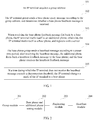
FIG. 1 is a flowchart of a base phone and additional phone implementation method according to an embodiment of the present invention; -
FIG. 2 is a schematic diagram of an IP terminal according to an embodiment of the present invention; -
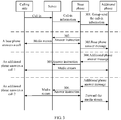
FIG. 3 is a flowchart of a base phone and additional phone answering method according to an embodiment of the present invention; -
FIG. 4 is a flowchart of a base phone and additional phone calling method according to an embodiment of the present invention; and -
FIG. 5 is a flowchart of an IP terminal internal intercom method according to an embodiment of the present invention. - To make the objectives, technical solutions, and advantages of the embodiments of the present invention clearer, the following clearly and completely describes the technical solutions in the embodiments of the present invention with reference to the accompanying drawings in the embodiments of the present invention. Apparently, the described embodiments are some but not all of the embodiments of the present invention. All other embodiments obtained by a person of ordinary skill in the art based on the embodiments of the present invention without creative efforts shall fall within the protection scope of the present invention.
-
FIG. 1 shows a specific embodiment of a base phone and additional phone implementation method according to the present invention. Different from a traditional base phone and additional phone based on an analog phone, in the embodiment, configuration of a base phone and an additional phone is implemented by using IP terminals; therefore, superiority of the IP terminals over the traditional analog phone can be reflected in the embodiment. The IP terminal may be an IP telephone, or another terminal loaded with a network IP communication software (such as a PC or a mobile phone). In the embodiment, the method specifically includes the following steps:
Step 101. The IP terminal acquires a group address. - According to the method of the embodiment, a relationship between a base phone and an additional phone is allocated to IP terminals, so that the IP terminals can work coordinately according to the relationship between the base phone and the additional phone, and meet conditions of implementing functions, such as making and answering a call, performing internal intercom, and the like. The base phone and additional phone in the embodiment may include one base phone and at least one additional phone, where the base phone and the additional phone need to join a communication group. However, a base phone and an additional phone are relative concepts in a group. Before joining a group, an IP terminal is not differentiated as a base phone or an additional phone.
- In the embodiment, the IP terminal achieves an effect of joining a communication group by acquiring the group address, so as to facilitate subsequent relationship determining.
-
Step 102. The IP terminal group-sends a base phone query message according to the group address, and determines whether a base phone feedback message is received. - It should be noted that, the group-sending action of the IP terminal in the step is corresponding to the foregoing group, and only group-sending of the base phone query message is involved in the step, but from a view of extension, actions of group-sending all types of messages by the IP terminal involved in the present invention may comply with the following descriptions:
- The group address includes a multicast group address or a terminal address list, that is, the group may be a multicast group, or may be a set of all terminals in a preset terminal address list. For the multicast group, joining the group means joining the multicast group; for the terminal address list, if an address of an IP terminal exists in the list and the IP terminal acquires the list, it means that the IP terminal joins the group. For the foregoing two manners, the group-sending actions are different.
- For the multicast group, the group-sending means multicast, that is, sending a message to all other terminals in the multicast group. For the terminal address list, the group-sending means sending a message to addresses of all other terminals in the list. The foregoing two communication manners may be selected according to an actual requirement, and a difference in the communication manners does not affect other processes of an overall solution.
- In addition, preferably, the embodiment may further include the following solution:
The IP terminal loads a preset encryption algorithm in the group; when group-sending a message, the IP terminal encrypts the group-sent message according to the encryption algorithm, so that another terminal in the group decrypts the received group-sent message according to the encryption algorithm. - For the sake of security, a uniform encryption algorithm may be configured for an IP terminal that joins the group legally, so that when group-sending a message, the IP terminal may use the encryption algorithm to encrypt the message to be sent. If another IP terminal that receives the encrypted message also loads the encryption algorithm, the another IP terminal may decrypt the encrypted message and perform a subsequent step. An IP terminal that does not load the uniform encryption algorithm is considered as a terminal that joins the group illegally; the IP terminal cannot decrypt the encrypted message or complete other corresponding procedures.
- In the embodiment, after joining the group, the IP terminal first group-sends the base phone query message, that is, queries whether a base phone already exists in the current group. In the embodiment, a standard for determining a base phone is join group time, that is, an IP terminal that joins a group earliest is marked as a base phone. When an IP terminal is the first IP terminal to join a group, and no base phone exists in the group, the IP terminal will not receive a base phone feedback message after sending a base phone query message. On the contrary, if a base phone already exists in the group, the base phone query message group-sent by the IP terminal is received by the existing base phone, and the existing base phone feeds back a base phone feedback message to the IP terminal, in response to the base phone query message.
- By determining whether a base phone feedback message is received, the IP terminal can learn about whether a base phone already exists in the current group.
-
Step 103. When receiving the base phone feedback message fed back by a base phone, the IP terminal marks itself as an additional phone; otherwise, the IP terminal marks itself as a base phone, and registers with a server. - According to the standard for determining a base phone and an additional phone, the first IP terminal that joins a group definitely receives no base phone feedback message, and therefore marks itself as a base phone; when another IP terminal joins the group and send a base phone query message, the another IP terminal receives a base phone feedback message, and marks itself as an additional phone. Up to now, the relationship between the base phone and the additional phone is determined for IP terminals in the group.
- In addition, before joining the group, an IP terminal in the group needs to carry server registration information. An IP terminal that is marked as a base phone further needs to register with the server by using the server registration information, so as to activate an IP telephone communication service. The server in the embodiment is a communications server that is used by an operator to provide a related service. When a user subscribes to a related service with the operator, the operator provides the user with a number (which is generally called a telephone number). When the number is used for the first time, the user needs to register and activate the number with the server, so as to use the related service normally. The foregoing is a routine communication service subscription procedure, and details are not repeated herein. In the embodiment, the relationship between the base phone and the additional phone needs to be determined, the base phone completes registration, and the additional phone shares a same number with the base phone.
- Because the registration is completed by the base phone, in the group including the additional phone and the base phone, a procedure of communicating with the server is completed by the base phone, which is a difference between the base phone and the additional phone.
- By performing
steps 101 to 103, the IP terminal obtains status of the additional phone or the base phone in the group, and the relationship between the base phone and the additional phone has been determined. However, in order to improve functions of the base phone and the additional phone, the embodiment further includes the following several preferred solutions. It should be noted that, because the following preferred solutions are based on a fact that status of the additional phone and the base phone has been determined, for ease of description, an IP terminal is no longer used uniformly to represent the additional phone or the base phone. -
Step 104. The base phone group-sends a heartbeat message according to a preset time period; after receiving the heartbeat message, the additional phone feeds back a heartbeat feedback message to the base phone; and the base phone receives the heartbeat feedback message. -
Step 105. If a time during which the IP terminal does not receive the heartbeat message exceeds a preset disconnection threshold, the IP terminal marks the IP terminal as a base phone. - To prevent a fault, the additional phone and the base phone further need to periodically learn, by using a heartbeat message and a heartbeat feedback message, that the other party is running normally. By sending a heartbeat message according to a preset time period, the base phone starts a heartbeat procedure periodically. After receiving the heartbeat message, the additional phone learns that the base phone is running normally, and further feeds back a heartbeat feedback message, so as to notify the base phone that the additional phone is also running normally.
- If a time during which the additional phone does not receive the heartbeat message exceeds a preset disconnection threshold, it is considered that the base phone is already disconnected at this moment. To ensure normal running of the entire IP terminal group, a new base phone must be set. In the embodiment, an additional phone may be selected, the additional phone is marked as a base phone, and the additional phone registers with the server again.
- However, if there are multiple additional phones in the group, for details about which additional phone is specifically selected and marked as a base phone, reference may be made to the following two mechanisms:
One is to randomly select one of the multiple additional phones as the new base phone, which may be specifically that: by means of negotiation, each of all the additional phones generates a random number and group-sends the random number, and an additional phone whose random number is an extreme value (maximum or minimum) is finally selected and changed. - The other one is to pre-configure a priority order for all the IP terminals, where before joining the group, each IP terminal is configured with a same priority list. When the original base phone is disconnected, all the additional phones check the priority list, and definitely, an additional phone finds that its priority is the highest among all the existing additional phones, and the additional phone changes its status automatically.
- Step 106. The base phone creates a phone list, and writes an address of the base phone into the phone list; and an additional phone sends an address of the additional phone to the base phone, so that the address of the additional phone is written into the phone list by the base phone.
- When a multicast manner is used in the method to perform internal communication, a phone list may further be created to support an intercom function between two parties and among multiple parties in the group. After writing addresses of all terminals in the multicast group into the phone list, the base phone further needs to send the phone list to all additional phones. That is, all the IP terminals in the multicast group can learn about an address of any other IP terminal according to the phone list. An IP terminal sends an internal call message to another terminal according to an address in the phone list, so as to implement internal intercom.
- For a group using a terminal address list for communication, the terminal address list functions as a phone list, and it is unnecessary to set a phone list again. A specific procedure of internal intercom in the group is disclosed in detail in the subsequent embodiments.
- Corresponding to the method embodiment shown in
FIG. 1 , the present invention further discloses an IP terminal. For details, refer toFIG. 2 . That is, by using the IP terminal described in the embodiment, configuration of a base phone and an additional phone can be implemented according to the foregoing method, and a core technical solution of the terminal in the embodiment is consistent with the core technical solution of the foregoing method. The terminal specifically includes: - a
group module 201, configured to acquire a group address; - a base phone and additional
phone setting module 202, configured to: group-send a base phone query message according to the group address, and determine whether a base phone feedback message is received; and when the base phone feedback message fed back by a base phone is received, mark itself as an additional phone; otherwise, mark itself as a base phone, where - the base phone and additional phone setting module further includes a changing unit 221, configured to: when the terminal is marked as an additional phone, and a time during which a heartbeat message is not received exceeds a preset disconnection threshold, mark the terminal as a base phone;
- a
registering module 203, configured to: when the terminal is marked as a base phone, register with a server; and - a
heartbeat module 204, configured to: when the terminal is marked as a base phone, group-send a heartbeat message according to a preset time period, and receive a heartbeat feedback message that is fed back; or when the terminal is marked as an additional phone, receive a heartbeat message and feed back a heartbeat feedback message. - According to the technical solutions described in the two embodiments in
FIG. 1 and FIG. 2 , it can be known that beneficial effects of the method in the embodiment are that: IP terminals are used for setting up a base phone and an additional phone, which improves security significantly and avoids disadvantages of a lack of security protection and proneness to theft when analog phones are connected in a manner of physical parallel connection of copper cables; in addition, the IP terminals perform communication in a group in a multicast or list group-sending manner, which does not cause mutual interference, and ensures stable performance. - After the base phone and the additional phone are set up according to the foregoing embodiment, the base phone and the additional phone can communicate externally to implement answering and calling functions, and application functions such as internal intercom. The following discloses a specific procedure of implementing various application functions by the base phone and the additional phone. In the following several embodiments, implementation of all functions is based on a prerequisite of the base phone and additional phone that are set up according to the foregoing method, and the setup procedure of the base phone and additional phone is not repeated herein.
-
FIG. 3 shows a procedure in which a base phone and an additional phone answer an external incoming call. When the base phone and the additional phone have been set up, and an external calling side calls the base phone and the additional phone, the base phone receives call-in information sent by a server, where the call-in information generally carries a calling number. In the foregoing case, the answering method includes the following steps:
Step 301. The base phone displays an incoming call, and group-sends a call-in message to the additional phone in a group, so that the additional phone displays the incoming call. - The displaying an incoming call may be represented as phone ringing, and in normal cases, may also include displaying a calling number. In the embodiment, the call-in information already carries the calling number, and the base phone can display the number; therefore, correspondingly, the call-in message also carries the calling number, so that the additional phone can also display the number.
- After the calling side makes a call, both the additional phone and the base phone display the incoming call, and can answer the incoming call. When the base phone answers the incoming call,
step 302 is performed; when the additional phone answers the incoming call, step 304 is performed. -
Step 302. The base phone sends, to the server, an answer instruction carrying a media transmission parameter of the base phone, establishes a communication session between the base phone and the calling side according to the media transmission parameter of the base phone, and exchanges a media stream. - The procedure in which the base phone directly answers the incoming call is basically consistent with a procedure in which a single IP terminal answers an incoming call, that is, the base phone directly establishes the communication session by using the server, and exchanges the media stream with the calling side in the communication session to implement a call.
- Step 303. The base phone group-sends a base phone answer message, so as to inform the additional phone of the answer.
- After answering the call, the base phone needs to group-send the base phone answer message to inform the additional phone in the group that the base phone already answers the incoming call. The additional phone may stop displaying the incoming call after receiving the base phone answer message.
- Step 304. The additional phone group-sends an additional phone answer message.
- In the embodiment, because the additional phone cannot directly interact with the server, when an additional phone needs to answer an incoming call, the additional phone needs to first group-send an additional phone answer message to, on one hand, inform the base phone, so that the base phone learns about an answer requirement of the additional phone, and further responds to the server on behalf of the additional phone; and on the other hand, inform another additional phone that the additional phone already answers the incoming call, and the another additional phone may stop displaying the incoming call after receiving the additional phone answer message.
- In the embodiment, the additional phone answer message may have two forms: specifically, the additional phone answer message may carry a media transmission parameter of the additional phone, or carry an address of the additional phone. Subsequent procedures for the forms are different. When the additional phone answer message carries the media transmission parameter of the additional phone,
step 305 is performed; when the additional phone answer message carries the address of the additional phone,step 306 is performed. -
Step 305. After receiving the additional phone answer message, the base phone sends, to the server, an answer instruction carrying a media transmission parameter of the additional phone, and establishes a communication session between the additional phone and the calling side according to the media transmission parameter of the additional phone, so as to enable the additional phone to exchange a media stream with the calling side. - Because the base phone has received the media transmission parameter of the additional phone by using the additional phone answer message, the base phone may directly establish the communication session between the additional phone and the calling side according to the media transmission parameter through the server, and the additional phone exchanges directly the media stream with the calling side by using the communication session.
-
Step 306. When the additional phone answer message carries an address of the additional phone, after receiving the additional phone answer message, the base phone sends, to the server, an answer instruction carrying a media transmission parameter of the base phone, establishes a communication session between the base phone and the calling side according to the media transmission parameter of the base phone, and exchanges media stream; and the base phone forwards the media stream to the additional phone according to the address of the additional phone. - In the step, the base phone uses the server to establish the communication session between the base phone and the calling side according to the media transmission parameter of the base phone, and exchanges the media stream, and the procedure is consistent with
step 302. Further, the base phone forwards the media stream to the additional phone according to the address of the additional phone in the additional phone answer message, so as to indirectly implement media stream exchange between the additional phone and the calling side. - It should be noted that, the media stream here is actually a bi-directional media stream. On one hand, the base phone forwards, according to the address of the additional phone, a media stream flown from the calling side to the additional phone; and on the other hand, the base phone receives a media stream of the additional phone, and forwards the media stream to the calling side.
- Step 305 and step 306 are two parallel additional phone answering manners, which may be specifically selected according to an actual requirement. An advantage of the method in
step 305 is that the procedure is relatively simple and the base phone is not occupied. An advantage of the method instep 306 is that when another additional phone wants to join the session, the base phone needs only to forward the media stream to the another additional phone at the same time, which facilitates joining of another IP terminal and makes an answering manner more flexible. - In the embodiment, in order to support a caller ID display function, the call-in information, the base phone answer message, and the additional phone answer message carry the calling number.
- In addition, in the embodiment and subsequent embodiments, involved media transmission parameters include content, such as an IP address and a port number that are used by a corresponding IP terminal (an additional phone or a base phone) to receive a media stream, and a supported media format. The media transmission parameter may be encapsulated in an SDP (Session Description Protocol, namely, Session Description Protocol) format.
-
FIG. 4 is a procedure in which a base phone and an additional phone initiate an outgoing call. The calling procedure is rather similar to the foregoing answering procedure. When the base phone and the additional phone have been set up, and need to make a call to an external called side, a calling method includes the following steps. - Step 401. The base phone sends a calling instruction to a server, so that the server forwards the calling instruction to the called side, where the calling instruction carries a called number.
- According to the foregoing description, it is known that the base phone is the only IP terminal that is in a group and capable of interacting with the server; therefore, no matter whether the group wants to make an outgoing call by using the additional phone or by using the base phone, it is required that the base phone should finally send the calling instruction to the server. The calling instruction must carry the called number, so that the server forwards the calling instruction to the called side according to the number, so as to enable the called side to display the incoming call.
- In the embodiment, that the base phone sends a calling instruction to a server also includes two cases: when the base phone is used to make the call, the base phone sends the calling instruction to the server according to a user operation; and when the additional phone is used to make the call, the additional phone must first group-send an additional phone calling message to, on one hand, inform the base phone so that the base phone learns about a calling requirement of the additional phone; on the other hand, inform another additional phone of the call. After receiving the additional phone calling message group-sent by the additional phone, the base phone sends the calling instruction to the server.
- Step 402. When the called side answers the call, establish a communication session between an IP terminal and the called side, and exchange a media stream, where the IP terminal is the additional phone or the base phone.
- In step 401, according to different status of the IP terminal that initiates the call, that the base phone sends a calling instruction includes two cases. Therefore, in the foregoing two cases, correspondingly, specific manners of establishing a communication session with the called side after the called side answers the call, and terminals corresponding to the communication session are different, which are respectively described below.
- When a user directly uses the base phone to initiate the call, that is, the base phone sends the calling instruction to the server according to the user operation, a corresponding calling procedure is specifically as follows:
Step 402A1. When the base phone sends the calling instruction to the server according to the user operation, the calling instruction further carries a media transmission parameter of the base phone. Establish a communication session between the base phone and the called side according to the media transmission parameter of the base phone, and exchange the media stream. - In the step, the base phone may directly establish the communication session with the called side according to the media transmission parameter of the base phone, and exchange the media stream.
- Step 402A2. The base phone group-sends a base phone calling message, where the base phone calling message carries the called number.
- When the base phone initiates the call and communicates with the called side, the base phone may group-send the base phone calling message to inform the additional phone in the group of the communication.
- When the additional phone initiates the call, the additional phone must first group-send an additional phone calling message to, on one hand, inform the base phone so that the base phone learns about the calling requirement of the additional phone, and sends a calling instruction to the server; on the other hand, inform another additional phone of the call.
- A case in which the additional phone initiates the call is similar to the embodiment shown in
FIG. 3 . In the embodiment, that the additional phone performs communication also includes two manners: the additional phone directly participates in media stream exchange; and the base phone exchanges the media stream and forwards the media stream to the additional phone, which are specifically as follows: - Step 402B1. After receiving the additional phone calling message group-sent by the additional phone, the base phone sends the calling instruction to the server, where if the additional phone calling message carries a media transmission parameter of the additional phone and the called number, the calling instruction further carries the media transmission parameter of the additional phone; and the establishing a communication session with the called side, and exchanging a media stream is specifically: establishing the communication session between the additional phone and the called side according to the media transmission parameter of the additional phone, and exchanging the media stream.
- In the step, if the additional phone calling message directly carries the media transmission parameter of the additional phone, the communication session between the additional phone and the called side can be established according to the media transmission parameter of the additional phone, so that the additional phone directly communicates with the called side, and exchanges the media stream.
- Step 402B2. After receiving the additional phone calling message group-sent by the additional phone, the base phone sends the calling instruction to the server, where if the additional phone calling message carries an address of the additional phone and the called number, the calling instruction further carries a media transmission parameter of the base phone; and the establishing a communication session with the called side, and exchanging a media stream is specifically: establishing the communication session between the base phone and the called side according to the media transmission parameter of the base phone, exchanging the media stream, and forwarding, by the base phone, the media stream to the additional phone according to the address of the additional phone.
- It should be noted that, the media stream here is actually a bi-directional media stream. On one hand, the base phone forwards, according to the address of the additional phone, a media stream flown from the called side to the additional phone; and on the other hand, the base phone receives a media stream of the additional phone, and forwards the media stream to the called side.
- In the step, the additional phone calling message carries the address of the additional phone; therefore, the communication session between the base phone and the called side needs to be established according to the media transmission parameter of the base phone, and the base phone forwards the media steam to the additional phone according to the address after exchanging the media steam.
- Step 402B1 and step 402B2 are two parallel additional phone calling manners, which may be specifically selected according to an actual requirement. An advantage of the method in step 402B1 is that the procedure is relatively simple and the base phone is not occupied. An advantage of the method in step 402B2 is that when another additional phone wants to join the session, the base phone needs only to forward the media stream to the another additional phone at the same time, which facilitates joining of another IP terminal and makes an answering manner more flexible.
- In addition, the base phone calling message, the additional phone calling message, and the calling instruction in the embodiment all carry the called number.
- As shown in
FIG. 5 , the present invention further discloses an IP terminal intercom method. The intercom method is further implemented after a base phone and an additional phone are set up according to the method described in the embodiment shown inFIG. 1 . However, a so-called status difference between the base phone and the additional phone is mainly reflected by a function of communicating and interacting with an external server. A procedure of internal two-party or multi-party intercom does not involve external communication. Therefore, the additional phone and the base phone are regarded completely equal without a difference in the internal communication procedure. - The intercom method in the embodiment is specifically as follows:
- Step 501. A first IP terminal sends an internal call message to a second IP terminal according to an address of the second IP terminal, so that the second IP terminal displays an incoming call.
- Step 502. After the second IP terminal answers the call, the first IP terminal and the second IP terminal establish a communication session, and exchange a media stream.
- In the intercom method, a terminal that initially initiates an internal call is the first IP terminal, and the first IP terminal directly sends the internal call message to a called IP terminal, namely, the second IP terminal, so as to enable the second IP terminal to display the incoming call.
- It needs to be noted that, because the terminals in the embodiment are all IP terminals, a difference from traditional analog phones is that in the embodiment, the internal call message must be sent according to the address, so that the internal call message may reach a specified object, which means the internal call message is sent carrying the address of the second IP terminal.
- The sending of the internal call message in the embodiment varies with different internal communication forms in the group. If internal communication is performed according to a terminal address list, the first IP terminal may directly find the address of the second IP terminal in the terminal address list, and send the internal call message to the address; if the group performs internal communication in a multicast manner, in order to implement targeted sending of the internal call message, a phone list must be created according to the foregoing step 106, so that the first IP terminal queries the address of the second IP terminal in the phone list, and sends the internal call message.
- After the second IP terminal displays and answers the incoming call, the first IP terminal and the second IP terminal can establish the communication session, and exchange the media stream.
- Step 501 to step 502 are a two-party intercom procedure of the IP terminals in the group, and based on this, multi-party intercom may further be implemented, namely, a conference call commonly known in the communications field. Establishment of multi-party intercom may be that a third party proactively requests to join the communication session between the first IP terminal and the second IP terminal, or may be that the first IP terminal or the second IP terminal invites a third party to join. Specific steps are as follows:
- Step 503. After the first IP terminal and the second IP terminal establish the communication session and exchange the media stream, the first IP terminal or the second IP terminal directly sends an internal call message to a third IP terminal, so that the third IP terminal displays an incoming call.
- Step 504. After the third IP terminal answers the call and joins the communication session, the first IP terminal or the second IP terminal performs audio mixing, and the first IP terminal, the second IP terminal, and the third IP terminal exchange media streams.
- After the first IP terminal and the second IP terminal establish the communication session, the two have a same permission and function, and both can initiate an invitation to the third party, and complete subsequent processing. The first IP terminal or the second IP terminal may invite the third IP terminal to join the session by directly sending the internal call message to the third IP terminal; after the third IP terminal receives the internal call message, displays and answers the incoming call, the third IP terminal joins the communication session. When the three exchange the media streams, the first IP terminal or the second IP terminal needs to perform audio mixing processing on the media streams of the call.
- Step 505. After the first IP terminal and the second IP terminal establish the communication session and exchange the media stream, the first IP terminal or the second IP terminal group-sends an intercom message, so that after receiving the intercom message, a fourth IP terminal sends a request message to request to join the communication session. After receiving the request message, the first IP terminal or the second IP terminal sends an internal call message to the fourth IP terminal, so that the fourth IP terminal displays an incoming call.
- Step 506. After the fourth IP terminal answers the call and joins the communication session, the first IP terminal or the second IP terminal performs audio mixing, and the first IP terminal, the second IP terminal, and the fourth IP terminal exchange media streams.
- Step 505 to step 506 may occur concurrently with step 503 to step 504. After communication is established between the first IP terminal and the second IP terminal, an intercom message may be group-sent to inform another terminal in the group; when the fourth IP terminal in the group wants to join the communication session of the intercom, the fourth IP terminal can send the request message to the first IP terminal or the second IP terminal to request to join the communication session. If an IP terminal that receives the request message allows the fourth IP terminal to join, the IP terminal sends the internal call message to the fourth IP terminal.
- The fourth IP terminal answers the call and joins the communication session, and the three may implement media stream exchange. A specific procedure is consistent with step 503.
- In the embodiment, the method in step 503 to step 506 may also be used to enable multiple IP terminals to join the communication session concurrently or sequentially, so as to implement internal intercom of more than three parties.
- A beneficial effect achieved by the three embodiments shown in
FIGs. 3 to 5 is that: based on implementation of configuring a base phone and an additional phone, the base phone and the additional phone can be further enabled to implement three basic functions of answering, calling, and internal intercom, which makes the overall technical solution of the base phone and the additional phone more complete and the disclosure clearer, thereby fully meeting a use requirement. It should be further emphasized that, the IP terminal in the embodiment shown inFIG. 2 implements the answering, calling, and internal intercom functions according to the methods in the foregoing three embodiments. - In addition, from a perspective of a hardware entity, the present invention further includes a device, where the device includes:
- a processor, configured to: acquire a group address, group-send a base phone query message according to the group address, and determine whether a base phone feedback message is received; and when the base phone feedback message fed back by a base phone is received, mark itself as an additional phone; otherwise, mark itself as a base phone; and
- a memory, configured to store the group address.
- The device is a physical device that is definitely required for implementing the foregoing IP terminal or the base phone and the additional phone.
- Beneficial effects of the device in the embodiment are that: IP terminals are used for setting up a base phone and an additional phone, which improves security significantly, and avoids disadvantages of lack of security protection and proneness to theft when analog phones are connected in a manner of physical parallel connection of copper cables; in addition, the IP terminals perform communication in a group in a multicast or list group-sending manner, which does not cause mutual interference, and ensures stable performance.
- It should be noted that, for all embodiments of the present invention, all involved addresses may be IP addresses.
- Based on the foregoing descriptions of the implementation manners, a person skilled in the art may clearly understand that some or all steps of the methods in the embodiments may be implemented by software in addition to a necessary universal hardware platform. Based on such an understanding, the technical solutions of the present invention essentially or the part contributing to the prior art may be implemented in a form of a software product. The software product may be stored in a storage medium, such as a ROM/RAM, a magnetic disk, or an optical disc, and includes several instructions for instructing a computer device (which may be a personal computer, a server, or a network device such as media gateway) to perform the methods described in the embodiments or some parts of the embodiments of the present invention.
- It should be noted that the embodiments in this specification are all described in a progressive manner, for same or similar parts in the embodiments, reference may be made to these embodiments, and each embodiment focuses on a difference from other embodiments. Especially, device and system embodiments are basically similar to a method embodiment, and therefore are described briefly; for related parts, reference may be made to partial descriptions in the method embodiment. The described device and system embodiment is merely exemplary. The units described as separate parts may or may not be physically separate, and parts displayed as units may or may not be physical units, may be located in one position, or may be distributed on a plurality of network units. Some or all of the modules may be selected according to actual needs to achieve the objectives of the solutions of the embodiments. A person of ordinary skill in the art may understand and implement the embodiments of the present invention without creative efforts.
Claims (16)
- A base phone and additional phone implementation method comprising the steps of:Acquiring (101), by an IP terminal, a group address;group-sending (102), by the IP terminal and according to the group address, a base phone query message, and determining whether a base phone feedback message is received; andwhen the IP terminal receives the base phone feedback message fed back by a base phone, marking itself as an additional phone;otherwise, marking, by the IP terminal, itself as a base phone, and registering with a server;wherein a standard for determining the base phone is join group time, wherein an IP terminal that joins the group earliest is marked as the base phone.
- The method according to claim 1, wherein the acquiring (101), by an IP terminal, a group address comprises the steps of:acquiring, by the IP terminal, a multicast group address, wherein the group-sending is specifically multicast; oracquiring, by the IP terminal, a terminal address list, wherein the group-sending is specifically sending a message to a terminal address in the terminal address list.
- The method according to claim 1, wherein when the IP terminal marks itself as a base phone, the method further comprises the steps of:group-sending, by the IP terminal and according to a preset time period, a heartbeat message, and receiving a heartbeat feedback message that is fed back;wherein when the IP terminal marks itself as an additional phone, the method further comprises the steps of:receiving, by the IP terminal, a heartbeat message sent by the base phone; andif a time during which the IP terminal does not receive the heartbeat message exceeds a preset disconnection threshold, marking, by the IP terminal, itself as a base phone.
- The method according to claim 2, wherein when the group-sending is specifically multicast, the method further comprises the steps of:when the IP terminal marks itself as a base phone, creating a phone list, and writing an address of the IP terminal into the phone list; orwhen the IP terminal marks itself as an additional phone, sending an address of the IP terminal to the base phone, so that the address of the additional phone is written into a phone list by the base phone.
- A base phone and additional phone answering method comprising the steps of setting up a base phone and an additional phone according to all the method steps in claims 1 to 4, and after the base phone receives call-in information sent by a server, the method further comprises the steps of:displaying (302), by the base phone, an incoming call, and group-sending a call-in message to an additional phone in a group; andwhen the base phone answers the incoming call, group-sending (303), by the base phone, a base phone answer message to inform the additional phone of the answer, and exchanging a media stream with a calling side; orwhen the additional phone answers the incoming call, receiving, by the base phone, an additional phone answer message group-sent by the additional phone, and enabling, by the base phone, the additional phone to exchange a media stream with a calling side.
- The method according to claim 5, wherein the step of exchanging, by the base phone, a media stream with a calling side comprises the steps of:
sending, by the base phone to the server, an answer instruction carrying a media transmission parameter of the base phone, establishing a communication session between the base phone and the calling side according to the media transmission parameter of the base phone, and exchanging the media stream. - The method according to claim 5, wherein the step of enabling, by the base phone, the additional phone to exchange a media stream with a calling side comprises the steps of:when the additional phone answer message carries a media transmission parameter of the additional phone, after the base phone receives the additional phone answer message, sending, to the server, an answer instruction carrying the media transmission parameter of the additional phone, and establishing a communication session between the additional phone and the calling side according to the media transmission parameter of the additional phone; orwhen the additional phone answer message carries an address of the additional phone, after the base phone receives the additional phone answer message, sending, to the server, an answer instruction carrying a media transmission parameter of the base phone, establishing a communication session between the base phone and the calling side according to the media transmission parameter of the base phone, exchanging the media stream, and forwarding, by the base phone, the media stream to the additional phone according to the address of the additional phone.
- A base phone and additional phone calling method comprising the steps of setting up a base phone and an additional phone according to all the method steps in claims 1 to 4 the method further comprises the steps of:Sending (401), by the base phone, a calling instruction to a server, wherein the calling instruction carries a called number; andwhen the called side answers the call, establishing (402) a communication session between an IP terminal and the called side, and exchanging a media stream, wherein the IP terminal is the additional phone or the base phone.
- The method according to claim 8, wherein the step of sending, by the base phone, a calling instruction to a server comprises the steps of: sending, by the base phone, the calling instruction to the server according to a user operation, wherein the calling instruction further carries a media transmission parameter of the base phone; and the establishing a communication session between an IP terminal and the called side, and the step of exchanging a media stream comprises the steps of establishing, according to the media transmission parameter of the base phone, the communication session between the base phone and the called side, and exchanging the media stream.
- The method according to claim 9, wherein the method further comprises the steps of:
group-sending, by the base phone, a base phone calling message to inform the additional phone of the call, wherein the base phone calling message carries the called number. - The method according to claim 8, wherein the step of sending, by a base phone, a calling instruction to a server comprises the steps of: after the base phone receives an additional phone calling message group-sent by the additional phone, sending the calling instruction to the server;
if the additional phone calling message carries a media transmission parameter of the additional phone and the called number, the calling instruction further carries the media transmission parameter of the additional phone, and the steps of establishing a communication session with the called side and exchanging a media stream comprise the steps of: establishing the communication session between the additional phone and the called side according to the media transmission parameter of the additional phone, and exchanging the media stream; or
if the additional phone calling message carries an address of the additional phone and the called number, the calling instruction further carries a media transmission parameter of the base phone, and the establishing a communication session with the called side, and exchanging a media stream is specifically: establishing the communication session between the base phone and the called side according to the media transmission parameter of the base phone, exchanging the media stream, and forwarding, by the base phone, the media stream to the additional phone according to the address of the additional phone. - An IP terminal intercom method comprising the steps of setting up a base phone and an additional phone according to all the method steps in claims 1 to 4 the method further comprises the following steps:Sending (501), by a first IP terminal, an internal call message to a second IP terminal according to an address of the second IP terminal; andafter the second IP terminal answers the call, establishing (502) a communication session between the first IP terminal and the second IP terminal, and exchanging a media stream.
- An IP terminal comprising:a group module (201), configured to acquire a group address;a base phone and additional phone setting module (202), configured to: group-send a base phone query message according to the group address, and determine whether a base phone feedback message is received; and when the base phone feedback message fed back by a base phone is received, mark the IP terminal as an additional phone; otherwise, mark the IP terminal as a base phone; anda registering module (203), configured to: when the terminal is marked as a base phone, register with a server;wherein a standard for determining the base phone is join group time, wherein an IP terminal that joins the group earliest is marked as the base phone.
- The terminal according to claim 13, wherein the terminal further comprises:a heartbeat module (204), configured to: when the terminal is marked as a base phone, group-send a heartbeat message according to a preset time period, and receive a heartbeat feedback message that is fed back; or when the terminal is marked as an additional phone, receive a heartbeat message and feed back a heartbeat feedback message;wherein the base phone and additional phone setting module further comprises: a changing unit, configured to: when the terminal is marked as an additional phone, and a time during which no heartbeat message is received exceeds a preset disconnection threshold, mark the terminal as a base phone.
- The terminal according to claim 13 or 14, wherein the terminal is configured to answer an incoming call according to the method described in claims 5 to 7.
- The terminal according to claim 13 or 14, wherein the terminal is configured to make a call according to the method described in claims 8 to 11.
Applications Claiming Priority (2)
| Application Number | Priority Date | Filing Date | Title |
|---|---|---|---|
| CN201310381988.6A CN104427141B (en) | 2013-08-28 | 2013-08-28 | A kind of composite telephone set realizes, answer, call and intercommunication method and IP terminal |
| PCT/CN2014/077338 WO2015027720A1 (en) | 2013-08-28 | 2014-05-13 | Method and ip terminal for implementing answering, calling, and intercommunication by twin handset phone, and ip terminal |
Publications (3)
| Publication Number | Publication Date |
|---|---|
| EP3041210A1 EP3041210A1 (en) | 2016-07-06 |
| EP3041210A4 EP3041210A4 (en) | 2016-09-07 |
| EP3041210B1 true EP3041210B1 (en) | 2019-01-16 |
Family
ID=52585503
Family Applications (1)
| Application Number | Title | Priority Date | Filing Date |
|---|---|---|---|
| EP14839355.6A Not-in-force EP3041210B1 (en) | 2013-08-28 | 2014-05-13 | Method and ip terminal for implementing answering, calling, and intercommunication by twin handset phone, and ip terminal |
Country Status (4)
| Country | Link |
|---|---|
| US (1) | US10404863B2 (en) |
| EP (1) | EP3041210B1 (en) |
| CN (1) | CN104427141B (en) |
| WO (1) | WO2015027720A1 (en) |
Families Citing this family (3)
| Publication number | Priority date | Publication date | Assignee | Title |
|---|---|---|---|---|
| CN110166950B (en) * | 2018-02-13 | 2022-06-24 | 海能达通信股份有限公司 | Answering feedback method, related equipment and system |
| CN109818832A (en) * | 2019-03-07 | 2019-05-28 | 南京文卓星辉科技有限公司 | Public network talk back equipment, the heartbeat processing method of public network talk back equipment and medium |
| CN113242477B (en) * | 2021-05-17 | 2022-05-17 | 珠海市亿鸿通信工程有限公司 | Building intercom wiring management method and system |
Family Cites Families (31)
| Publication number | Priority date | Publication date | Assignee | Title |
|---|---|---|---|---|
| JP2000308128A (en) * | 1999-04-16 | 2000-11-02 | Uniden Corp | Internet cordless telephone system, cordless telephone base unit, cordless telephone handset, and connection control device therefor |
| JP2000308182A (en) | 1999-04-19 | 2000-11-02 | Sony Corp | Magnetic circuit and speaker |
| US6937596B2 (en) | 1999-08-04 | 2005-08-30 | Telefonaktiebolaget Lm Ericsson (Publ) | IP based telephone system |
| DE60029105T2 (en) * | 1999-08-04 | 2006-12-21 | Telefonaktiebolaget Lm Ericsson (Publ) | IP BASED REMOTE INTERCOM SYSTEM |
| CN2539358Y (en) * | 2002-04-07 | 2003-03-05 | 广东步步高电子工业有限公司 | A cordless telephone sub-set and base set with walkie-talkie function |
| EP1376996A3 (en) | 2002-06-25 | 2007-05-30 | Netcodec Co, Limited | Internet cordless phone |
| US6856730B2 (en) * | 2002-07-22 | 2005-02-15 | Intel Corporation | Athermal package for fiber Bragg gratings with two or more bonding regions |
| US7711810B2 (en) * | 2003-01-03 | 2010-05-04 | Nortel Networks Limited | Distributed services based on presence technology |
| JP2004304770A (en) * | 2003-03-14 | 2004-10-28 | Matsushita Electric Ind Co Ltd | Telephone exchange |
| JP3984929B2 (en) | 2003-06-11 | 2007-10-03 | Necインフロンティア株式会社 | VoIP system, VoIP server, and multicast packet communication method |
| US7761515B2 (en) * | 2003-09-18 | 2010-07-20 | Intel Corporation | Group intercom, delayed playback, and ad-hoc based communications system and method |
| JP2006039379A (en) * | 2004-07-29 | 2006-02-09 | Nishikawa Rubber Co Ltd | Sound insulation sheet |
| US20060135151A1 (en) | 2004-12-17 | 2006-06-22 | Keming Mu | Cordless IP telephone |
| JP4211750B2 (en) * | 2005-03-25 | 2009-01-21 | ヤマハ株式会社 | Electronic music equipment |
| US20060221857A1 (en) | 2005-03-31 | 2006-10-05 | Bushnell William J | Method and apparatus for providing enhanced features to multicast content services and multiplayer gaming services |
| US7280397B2 (en) * | 2005-07-11 | 2007-10-09 | Sandisk 3D Llc | Three-dimensional non-volatile SRAM incorporating thin-film device layer |
| US7633914B2 (en) | 2005-08-10 | 2009-12-15 | Cisco Technology, Inc. | Method and system for providing interoperable communications with location information |
| US7836488B2 (en) | 2005-08-18 | 2010-11-16 | Hong Kong Applied Science And Technology Research Institute Co. Ltd. | Authentic device admission scheme for a secure communication network, especially a secure IP telephony network |
| JP2007110631A (en) * | 2005-10-17 | 2007-04-26 | Ntt Docomo Inc | Group call server, group call system, terminal, and group call control method |
| CA2572527A1 (en) | 2005-12-30 | 2007-06-30 | Vtech Telecommunications Limited | System and method for communicating over a data network or the pstn using a hybrid cordless telephone device |
| CN100525260C (en) * | 2006-05-10 | 2009-08-05 | 英保达股份有限公司 | Extension network system and dialing and receiving method thereof |
| WO2008034450A1 (en) * | 2006-09-19 | 2008-03-27 | Telecom Italia S.P.A. | Remote monitoring of phone calls |
| US7813357B2 (en) * | 2006-12-30 | 2010-10-12 | Arcsoft (Shanghai) Technology Company, Ltd. | Regional service by phone |
| JP2008187568A (en) | 2007-01-31 | 2008-08-14 | Sanyo Electric Co Ltd | Cordless ip phone and ip phone system |
| US20080281938A1 (en) * | 2007-05-09 | 2008-11-13 | Oracle International Corporation | Selecting a master node in a multi-node computer system |
| US20080297585A1 (en) | 2007-05-29 | 2008-12-04 | Ascalade Communications Inc. | Integrated cordless voice/video ip phone system |
| US8817776B2 (en) * | 2007-12-28 | 2014-08-26 | Arcsoft (Shanghai) Technology Company, Ltd. | Method to share phone line |
| CN101983341B (en) * | 2008-03-10 | 2013-06-12 | 皇家飞利浦电子股份有限公司 | Method and device for calibrating a magnetic induction tomography system |
| US8255043B2 (en) * | 2008-06-18 | 2012-08-28 | Pacesetter, Inc. | Methods and systems for analyzing T-wave alternans |
| US9049696B2 (en) * | 2010-10-25 | 2015-06-02 | Projectone Solutions, Inc. | Multiple call session system and method for a mobile phone |
| TWM441277U (en) | 2012-07-05 | 2012-11-11 | Jia Teng Technology Co Ltd | The network telephone switchboard device |
-
2013
- 2013-08-28 CN CN201310381988.6A patent/CN104427141B/en not_active Expired - Fee Related
-
2014
- 2014-05-13 EP EP14839355.6A patent/EP3041210B1/en not_active Not-in-force
- 2014-05-13 WO PCT/CN2014/077338 patent/WO2015027720A1/en not_active Ceased
-
2016
- 2016-02-29 US US15/056,407 patent/US10404863B2/en not_active Expired - Fee Related
Also Published As
| Publication number | Publication date |
|---|---|
| WO2015027720A1 (en) | 2015-03-05 |
| US20160182731A1 (en) | 2016-06-23 |
| EP3041210A4 (en) | 2016-09-07 |
| EP3041210A1 (en) | 2016-07-06 |
| CN104427141B (en) | 2016-12-28 |
| CN104427141A (en) | 2015-03-18 |
| US10404863B2 (en) | 2019-09-03 |
Similar Documents
| Publication | Publication Date | Title |
|---|---|---|
| TWI551112B (en) | Non-transitory tangible machine readable medium and client device for circuit switched audio calls and video call transitions | |
| KR101571925B1 (en) | Multipoint conference device and switching method from multipoint conference to point-to-point communication | |
| US8010093B2 (en) | Communication network unit and method for exchanging capability information | |
| US20150350723A1 (en) | Video Communication Method, Home Terminal, and Home Server | |
| US20120050455A1 (en) | Supporting hands-free services via a hands-free device for ip video calls | |
| CN108881779A (en) | Method, system and server for answering and transferring video calls between smart devices | |
| WO2014013355A4 (en) | VVoIP CALL TRANSFER | |
| US10404863B2 (en) | Base phone and additional phone implementation, answering, calling, and intercom method, and IP terminal | |
| CN113765932B (en) | Control method for multiparty call and electronic equipment | |
| KR102361712B1 (en) | System and method for controlling multi-party video call using WebRTC | |
| US20200186636A1 (en) | Enabling call transfer using headset | |
| JP2008535408A (en) | Connecting packet-based calls to multiple devices | |
| CN101931620B (en) | Service implementation method and system, service capability server | |
| CN106470281A (en) | A kind of crosstalk reminding method and device | |
| CN104837126A (en) | Method used for sharing conversation between mobile communication terminals and mobile communication terminals | |
| JP5439938B2 (en) | Communication control device | |
| CN104767754B (en) | Equipment is calculated for online communication session registered client | |
| JP6187111B2 (en) | Telephone system | |
| CN121098844A (en) | File transfer control method, electronic device and readable storage medium | |
| KR100527200B1 (en) | method and apparatus for offer conference service in exchange switch | |
| JP2004357218A (en) | Network telephone system, conference connection control method used in this network telephone system, and call control server device of network telephone system | |
| WO2016029820A1 (en) | Service processing method, system and device | |
| JP2006180372A (en) | IP telephone call system and call control server for communication terminals not always connected to IP network | |
| CN108076013A (en) | A kind of multi-path terminal multiside calling method and device | |
| JP6221595B2 (en) | Telephone system |
Legal Events
| Date | Code | Title | Description |
|---|---|---|---|
| PUAI | Public reference made under article 153(3) epc to a published international application that has entered the european phase |
Free format text: ORIGINAL CODE: 0009012 |
|
| 17P | Request for examination filed |
Effective date: 20160309 |
|
| AK | Designated contracting states |
Kind code of ref document: A1 Designated state(s): AL AT BE BG CH CY CZ DE DK EE ES FI FR GB GR HR HU IE IS IT LI LT LU LV MC MK MT NL NO PL PT RO RS SE SI SK SM TR |
|
| AX | Request for extension of the european patent |
Extension state: BA ME |
|
| A4 | Supplementary search report drawn up and despatched |
Effective date: 20160805 |
|
| RIC1 | Information provided on ipc code assigned before grant |
Ipc: H04M 1/723 20060101ALI20160801BHEP Ipc: H04L 29/06 20060101ALI20160801BHEP Ipc: H04M 1/725 20060101ALI20160801BHEP Ipc: H04M 7/00 20060101AFI20160801BHEP |
|
| DAX | Request for extension of the european patent (deleted) | ||
| GRAP | Despatch of communication of intention to grant a patent |
Free format text: ORIGINAL CODE: EPIDOSNIGR1 |
|
| STAA | Information on the status of an ep patent application or granted ep patent |
Free format text: STATUS: GRANT OF PATENT IS INTENDED |
|
| RIC1 | Information provided on ipc code assigned before grant |
Ipc: H04M 7/12 20060101ALI20180720BHEP Ipc: H04L 29/06 20060101ALI20180720BHEP Ipc: H04M 1/253 20060101ALI20180720BHEP Ipc: H04M 1/725 20060101ALI20180720BHEP Ipc: H04M 3/42 20060101ALI20180720BHEP Ipc: H04M 7/00 20060101AFI20180720BHEP Ipc: H04M 1/723 20060101ALI20180720BHEP |
|
| INTG | Intention to grant announced |
Effective date: 20180815 |
|
| GRAS | Grant fee paid |
Free format text: ORIGINAL CODE: EPIDOSNIGR3 |
|
| GRAA | (expected) grant |
Free format text: ORIGINAL CODE: 0009210 |
|
| STAA | Information on the status of an ep patent application or granted ep patent |
Free format text: STATUS: THE PATENT HAS BEEN GRANTED |
|
| AK | Designated contracting states |
Kind code of ref document: B1 Designated state(s): AL AT BE BG CH CY CZ DE DK EE ES FI FR GB GR HR HU IE IS IT LI LT LU LV MC MK MT NL NO PL PT RO RS SE SI SK SM TR |
|
| REG | Reference to a national code |
Ref country code: GB Ref legal event code: FG4D |
|
| REG | Reference to a national code |
Ref country code: CH Ref legal event code: EP |
|
| REG | Reference to a national code |
Ref country code: IE Ref legal event code: FG4D |
|
| REG | Reference to a national code |
Ref country code: DE Ref legal event code: R096 Ref document number: 602014040132 Country of ref document: DE |
|
| REG | Reference to a national code |
Ref country code: AT Ref legal event code: REF Ref document number: 1090616 Country of ref document: AT Kind code of ref document: T Effective date: 20190215 |
|
| REG | Reference to a national code |
Ref country code: NL Ref legal event code: MP Effective date: 20190116 |
|
| REG | Reference to a national code |
Ref country code: LT Ref legal event code: MG4D |
|
| PG25 | Lapsed in a contracting state [announced via postgrant information from national office to epo] |
Ref country code: NL Free format text: LAPSE BECAUSE OF FAILURE TO SUBMIT A TRANSLATION OF THE DESCRIPTION OR TO PAY THE FEE WITHIN THE PRESCRIBED TIME-LIMIT Effective date: 20190116 |
|
| REG | Reference to a national code |
Ref country code: AT Ref legal event code: MK05 Ref document number: 1090616 Country of ref document: AT Kind code of ref document: T Effective date: 20190116 |
|
| PG25 | Lapsed in a contracting state [announced via postgrant information from national office to epo] |
Ref country code: PT Free format text: LAPSE BECAUSE OF FAILURE TO SUBMIT A TRANSLATION OF THE DESCRIPTION OR TO PAY THE FEE WITHIN THE PRESCRIBED TIME-LIMIT Effective date: 20190516 Ref country code: ES Free format text: LAPSE BECAUSE OF FAILURE TO SUBMIT A TRANSLATION OF THE DESCRIPTION OR TO PAY THE FEE WITHIN THE PRESCRIBED TIME-LIMIT Effective date: 20190116 Ref country code: SE Free format text: LAPSE BECAUSE OF FAILURE TO SUBMIT A TRANSLATION OF THE DESCRIPTION OR TO PAY THE FEE WITHIN THE PRESCRIBED TIME-LIMIT Effective date: 20190116 Ref country code: PL Free format text: LAPSE BECAUSE OF FAILURE TO SUBMIT A TRANSLATION OF THE DESCRIPTION OR TO PAY THE FEE WITHIN THE PRESCRIBED TIME-LIMIT Effective date: 20190116 Ref country code: NO Free format text: LAPSE BECAUSE OF FAILURE TO SUBMIT A TRANSLATION OF THE DESCRIPTION OR TO PAY THE FEE WITHIN THE PRESCRIBED TIME-LIMIT Effective date: 20190416 Ref country code: FI Free format text: LAPSE BECAUSE OF FAILURE TO SUBMIT A TRANSLATION OF THE DESCRIPTION OR TO PAY THE FEE WITHIN THE PRESCRIBED TIME-LIMIT Effective date: 20190116 Ref country code: LT Free format text: LAPSE BECAUSE OF FAILURE TO SUBMIT A TRANSLATION OF THE DESCRIPTION OR TO PAY THE FEE WITHIN THE PRESCRIBED TIME-LIMIT Effective date: 20190116 |
|
| PG25 | Lapsed in a contracting state [announced via postgrant information from national office to epo] |
Ref country code: GR Free format text: LAPSE BECAUSE OF FAILURE TO SUBMIT A TRANSLATION OF THE DESCRIPTION OR TO PAY THE FEE WITHIN THE PRESCRIBED TIME-LIMIT Effective date: 20190417 Ref country code: BG Free format text: LAPSE BECAUSE OF FAILURE TO SUBMIT A TRANSLATION OF THE DESCRIPTION OR TO PAY THE FEE WITHIN THE PRESCRIBED TIME-LIMIT Effective date: 20190416 Ref country code: RS Free format text: LAPSE BECAUSE OF FAILURE TO SUBMIT A TRANSLATION OF THE DESCRIPTION OR TO PAY THE FEE WITHIN THE PRESCRIBED TIME-LIMIT Effective date: 20190116 Ref country code: LV Free format text: LAPSE BECAUSE OF FAILURE TO SUBMIT A TRANSLATION OF THE DESCRIPTION OR TO PAY THE FEE WITHIN THE PRESCRIBED TIME-LIMIT Effective date: 20190116 Ref country code: IS Free format text: LAPSE BECAUSE OF FAILURE TO SUBMIT A TRANSLATION OF THE DESCRIPTION OR TO PAY THE FEE WITHIN THE PRESCRIBED TIME-LIMIT Effective date: 20190516 Ref country code: HR Free format text: LAPSE BECAUSE OF FAILURE TO SUBMIT A TRANSLATION OF THE DESCRIPTION OR TO PAY THE FEE WITHIN THE PRESCRIBED TIME-LIMIT Effective date: 20190116 |
|
| REG | Reference to a national code |
Ref country code: DE Ref legal event code: R097 Ref document number: 602014040132 Country of ref document: DE |
|
| PG25 | Lapsed in a contracting state [announced via postgrant information from national office to epo] |
Ref country code: SK Free format text: LAPSE BECAUSE OF FAILURE TO SUBMIT A TRANSLATION OF THE DESCRIPTION OR TO PAY THE FEE WITHIN THE PRESCRIBED TIME-LIMIT Effective date: 20190116 Ref country code: RO Free format text: LAPSE BECAUSE OF FAILURE TO SUBMIT A TRANSLATION OF THE DESCRIPTION OR TO PAY THE FEE WITHIN THE PRESCRIBED TIME-LIMIT Effective date: 20190116 Ref country code: IT Free format text: LAPSE BECAUSE OF FAILURE TO SUBMIT A TRANSLATION OF THE DESCRIPTION OR TO PAY THE FEE WITHIN THE PRESCRIBED TIME-LIMIT Effective date: 20190116 Ref country code: EE Free format text: LAPSE BECAUSE OF FAILURE TO SUBMIT A TRANSLATION OF THE DESCRIPTION OR TO PAY THE FEE WITHIN THE PRESCRIBED TIME-LIMIT Effective date: 20190116 Ref country code: DK Free format text: LAPSE BECAUSE OF FAILURE TO SUBMIT A TRANSLATION OF THE DESCRIPTION OR TO PAY THE FEE WITHIN THE PRESCRIBED TIME-LIMIT Effective date: 20190116 Ref country code: AL Free format text: LAPSE BECAUSE OF FAILURE TO SUBMIT A TRANSLATION OF THE DESCRIPTION OR TO PAY THE FEE WITHIN THE PRESCRIBED TIME-LIMIT Effective date: 20190116 Ref country code: AT Free format text: LAPSE BECAUSE OF FAILURE TO SUBMIT A TRANSLATION OF THE DESCRIPTION OR TO PAY THE FEE WITHIN THE PRESCRIBED TIME-LIMIT Effective date: 20190116 Ref country code: CZ Free format text: LAPSE BECAUSE OF FAILURE TO SUBMIT A TRANSLATION OF THE DESCRIPTION OR TO PAY THE FEE WITHIN THE PRESCRIBED TIME-LIMIT Effective date: 20190116 |
|
| PLBE | No opposition filed within time limit |
Free format text: ORIGINAL CODE: 0009261 |
|
| STAA | Information on the status of an ep patent application or granted ep patent |
Free format text: STATUS: NO OPPOSITION FILED WITHIN TIME LIMIT |
|
| PG25 | Lapsed in a contracting state [announced via postgrant information from national office to epo] |
Ref country code: SM Free format text: LAPSE BECAUSE OF FAILURE TO SUBMIT A TRANSLATION OF THE DESCRIPTION OR TO PAY THE FEE WITHIN THE PRESCRIBED TIME-LIMIT Effective date: 20190116 |
|
| 26N | No opposition filed |
Effective date: 20191017 |
|
| REG | Reference to a national code |
Ref country code: CH Ref legal event code: PL |
|
| GBPC | Gb: european patent ceased through non-payment of renewal fee |
Effective date: 20190513 |
|
| PG25 | Lapsed in a contracting state [announced via postgrant information from national office to epo] |
Ref country code: LI Free format text: LAPSE BECAUSE OF NON-PAYMENT OF DUE FEES Effective date: 20190531 Ref country code: CH Free format text: LAPSE BECAUSE OF NON-PAYMENT OF DUE FEES Effective date: 20190531 Ref country code: MC Free format text: LAPSE BECAUSE OF FAILURE TO SUBMIT A TRANSLATION OF THE DESCRIPTION OR TO PAY THE FEE WITHIN THE PRESCRIBED TIME-LIMIT Effective date: 20190116 |
|
| REG | Reference to a national code |
Ref country code: BE Ref legal event code: MM Effective date: 20190531 |
|
| PG25 | Lapsed in a contracting state [announced via postgrant information from national office to epo] |
Ref country code: LU Free format text: LAPSE BECAUSE OF NON-PAYMENT OF DUE FEES Effective date: 20190513 Ref country code: SI Free format text: LAPSE BECAUSE OF FAILURE TO SUBMIT A TRANSLATION OF THE DESCRIPTION OR TO PAY THE FEE WITHIN THE PRESCRIBED TIME-LIMIT Effective date: 20190116 |
|
| PG25 | Lapsed in a contracting state [announced via postgrant information from national office to epo] |
Ref country code: TR Free format text: LAPSE BECAUSE OF FAILURE TO SUBMIT A TRANSLATION OF THE DESCRIPTION OR TO PAY THE FEE WITHIN THE PRESCRIBED TIME-LIMIT Effective date: 20190116 |
|
| PG25 | Lapsed in a contracting state [announced via postgrant information from national office to epo] |
Ref country code: GB Free format text: LAPSE BECAUSE OF NON-PAYMENT OF DUE FEES Effective date: 20190513 Ref country code: IE Free format text: LAPSE BECAUSE OF NON-PAYMENT OF DUE FEES Effective date: 20190513 |
|
| PG25 | Lapsed in a contracting state [announced via postgrant information from national office to epo] |
Ref country code: BE Free format text: LAPSE BECAUSE OF NON-PAYMENT OF DUE FEES Effective date: 20190531 |
|
| PG25 | Lapsed in a contracting state [announced via postgrant information from national office to epo] |
Ref country code: FR Free format text: LAPSE BECAUSE OF NON-PAYMENT OF DUE FEES Effective date: 20190531 |
|
| PG25 | Lapsed in a contracting state [announced via postgrant information from national office to epo] |
Ref country code: CY Free format text: LAPSE BECAUSE OF FAILURE TO SUBMIT A TRANSLATION OF THE DESCRIPTION OR TO PAY THE FEE WITHIN THE PRESCRIBED TIME-LIMIT Effective date: 20190116 |
|
| PG25 | Lapsed in a contracting state [announced via postgrant information from national office to epo] |
Ref country code: HU Free format text: LAPSE BECAUSE OF FAILURE TO SUBMIT A TRANSLATION OF THE DESCRIPTION OR TO PAY THE FEE WITHIN THE PRESCRIBED TIME-LIMIT; INVALID AB INITIO Effective date: 20140513 Ref country code: MT Free format text: LAPSE BECAUSE OF FAILURE TO SUBMIT A TRANSLATION OF THE DESCRIPTION OR TO PAY THE FEE WITHIN THE PRESCRIBED TIME-LIMIT Effective date: 20190116 |
|
| PG25 | Lapsed in a contracting state [announced via postgrant information from national office to epo] |
Ref country code: MK Free format text: LAPSE BECAUSE OF FAILURE TO SUBMIT A TRANSLATION OF THE DESCRIPTION OR TO PAY THE FEE WITHIN THE PRESCRIBED TIME-LIMIT Effective date: 20190116 |
|
| PGFP | Annual fee paid to national office [announced via postgrant information from national office to epo] |
Ref country code: DE Payment date: 20220329 Year of fee payment: 9 |
|
| REG | Reference to a national code |
Ref country code: DE Ref legal event code: R119 Ref document number: 602014040132 Country of ref document: DE |
|
| PG25 | Lapsed in a contracting state [announced via postgrant information from national office to epo] |
Ref country code: DE Free format text: LAPSE BECAUSE OF NON-PAYMENT OF DUE FEES Effective date: 20231201 |