EP3038649B1 - Single molecule-overlapping read analysis for minor variant mutation detection in pathogen samples - Google Patents
Single molecule-overlapping read analysis for minor variant mutation detection in pathogen samples Download PDFInfo
- Publication number
- EP3038649B1 EP3038649B1 EP14840432.0A EP14840432A EP3038649B1 EP 3038649 B1 EP3038649 B1 EP 3038649B1 EP 14840432 A EP14840432 A EP 14840432A EP 3038649 B1 EP3038649 B1 EP 3038649B1
- Authority
- EP
- European Patent Office
- Prior art keywords
- sequencing
- overlapping
- analysis
- population
- minor
- Prior art date
- Legal status (The legal status is an assumption and is not a legal conclusion. Google has not performed a legal analysis and makes no representation as to the accuracy of the status listed.)
- Active
Links
Images


Classifications
-
- G—PHYSICS
- G16—INFORMATION AND COMMUNICATION TECHNOLOGY [ICT] SPECIALLY ADAPTED FOR SPECIFIC APPLICATION FIELDS
- G16B—BIOINFORMATICS, i.e. INFORMATION AND COMMUNICATION TECHNOLOGY [ICT] SPECIALLY ADAPTED FOR GENETIC OR PROTEIN-RELATED DATA PROCESSING IN COMPUTATIONAL MOLECULAR BIOLOGY
- G16B30/00—ICT specially adapted for sequence analysis involving nucleotides or amino acids
- G16B30/10—Sequence alignment; Homology search
-
- C—CHEMISTRY; METALLURGY
- C12—BIOCHEMISTRY; BEER; SPIRITS; WINE; VINEGAR; MICROBIOLOGY; ENZYMOLOGY; MUTATION OR GENETIC ENGINEERING
- C12Q—MEASURING OR TESTING PROCESSES INVOLVING ENZYMES, NUCLEIC ACIDS OR MICROORGANISMS; COMPOSITIONS OR TEST PAPERS THEREFOR; PROCESSES OF PREPARING SUCH COMPOSITIONS; CONDITION-RESPONSIVE CONTROL IN MICROBIOLOGICAL OR ENZYMOLOGICAL PROCESSES
- C12Q1/00—Measuring or testing processes involving enzymes, nucleic acids or microorganisms; Compositions therefor; Processes of preparing such compositions
- C12Q1/68—Measuring or testing processes involving enzymes, nucleic acids or microorganisms; Compositions therefor; Processes of preparing such compositions involving nucleic acids
- C12Q1/6876—Nucleic acid products used in the analysis of nucleic acids, e.g. primers or probes
- C12Q1/6888—Nucleic acid products used in the analysis of nucleic acids, e.g. primers or probes for detection or identification of organisms
- C12Q1/689—Nucleic acid products used in the analysis of nucleic acids, e.g. primers or probes for detection or identification of organisms for bacteria
-
- C—CHEMISTRY; METALLURGY
- C12—BIOCHEMISTRY; BEER; SPIRITS; WINE; VINEGAR; MICROBIOLOGY; ENZYMOLOGY; MUTATION OR GENETIC ENGINEERING
- C12Q—MEASURING OR TESTING PROCESSES INVOLVING ENZYMES, NUCLEIC ACIDS OR MICROORGANISMS; COMPOSITIONS OR TEST PAPERS THEREFOR; PROCESSES OF PREPARING SUCH COMPOSITIONS; CONDITION-RESPONSIVE CONTROL IN MICROBIOLOGICAL OR ENZYMOLOGICAL PROCESSES
- C12Q1/00—Measuring or testing processes involving enzymes, nucleic acids or microorganisms; Compositions therefor; Processes of preparing such compositions
- C12Q1/68—Measuring or testing processes involving enzymes, nucleic acids or microorganisms; Compositions therefor; Processes of preparing such compositions involving nucleic acids
- C12Q1/6844—Nucleic acid amplification reactions
- C12Q1/6858—Allele-specific amplification
-
- G—PHYSICS
- G16—INFORMATION AND COMMUNICATION TECHNOLOGY [ICT] SPECIALLY ADAPTED FOR SPECIFIC APPLICATION FIELDS
- G16B—BIOINFORMATICS, i.e. INFORMATION AND COMMUNICATION TECHNOLOGY [ICT] SPECIALLY ADAPTED FOR GENETIC OR PROTEIN-RELATED DATA PROCESSING IN COMPUTATIONAL MOLECULAR BIOLOGY
- G16B30/00—ICT specially adapted for sequence analysis involving nucleotides or amino acids
-
- C—CHEMISTRY; METALLURGY
- C12—BIOCHEMISTRY; BEER; SPIRITS; WINE; VINEGAR; MICROBIOLOGY; ENZYMOLOGY; MUTATION OR GENETIC ENGINEERING
- C12Q—MEASURING OR TESTING PROCESSES INVOLVING ENZYMES, NUCLEIC ACIDS OR MICROORGANISMS; COMPOSITIONS OR TEST PAPERS THEREFOR; PROCESSES OF PREPARING SUCH COMPOSITIONS; CONDITION-RESPONSIVE CONTROL IN MICROBIOLOGICAL OR ENZYMOLOGICAL PROCESSES
- C12Q2600/00—Oligonucleotides characterized by their use
- C12Q2600/106—Pharmacogenomics, i.e. genetic variability in individual responses to drugs and drug metabolism
-
- C—CHEMISTRY; METALLURGY
- C12—BIOCHEMISTRY; BEER; SPIRITS; WINE; VINEGAR; MICROBIOLOGY; ENZYMOLOGY; MUTATION OR GENETIC ENGINEERING
- C12Q—MEASURING OR TESTING PROCESSES INVOLVING ENZYMES, NUCLEIC ACIDS OR MICROORGANISMS; COMPOSITIONS OR TEST PAPERS THEREFOR; PROCESSES OF PREPARING SUCH COMPOSITIONS; CONDITION-RESPONSIVE CONTROL IN MICROBIOLOGICAL OR ENZYMOLOGICAL PROCESSES
- C12Q2600/00—Oligonucleotides characterized by their use
- C12Q2600/156—Polymorphic or mutational markers
Definitions
- the present invention relates to diagnostic methods for the detection and treatment of heteroresistant populations of pathogens.
- Heteroresistance the simultaneous occurrence of drug resistant subpopulations in an otherwise drug susceptible bacterial population in a patient sample, has created uncertainty in the treatment and diagnosis of tuberculosis (TB) and is thought to be an important driver of multi-drug resistance in Mycobacterium tuberculosis ( Mtb ) which is a significant threat to global TB control given its broadening distribution and the emergence of what is being called “totally drug-resistant TB" (TDR-TB). It has been well-documented that heteroresistance creates difficulties in the interpretation of rapid molecular drug resistance tests because it leads to 'indeterminate' test results, but the clinical significance of heteroresistance is still being evaluated.
- Previously undetectable levels of Mtb resistant subpopulations within a larger population of susceptible pathogens may be present in as many as 20% of TB patients, and might help explain some of the inconsistency observed in TB treatment outcomes.
- Previously there was no accurate means of quantifying heteroresistance dynamics or even detecting the presence of heteroresistance until the resistant sub-population had expanded to >1% of the pathogen population within a clinical sample. At that point, however, the patient's infection was determined to be resistant for the purposes of treatment and a potential window of opportunity for preventing resistance was closed.
- the current gold standard method for Mtb drug susceptibility testing can be used to detect later stages of heteroresistance.
- This phenotypic test uses a culture-based, indirect proportion method which relies on the detection of growth of >1% of the inoculum on culture medium containing a critical concentration of an anti-TB drug. It is estimated that for every 10 7-8 Mtb bacilli there is at least one bacillus that has a genetic mutation that renders it naturally resistant to a particular drug. Suboptimal antibiotic treatment causes the few Mtb naturally resistant mutants (by definition, a certain level of heteroresistance) to gain a competitive advantage and subsequently dominate the lesion.
- the 1% population component of resistant organisms that is detectable by the DST method is well above naturally occurring Mtb resistance mutation rates and, again, detections at this level are typically too late to prevent treatment failure.
- Mtb coding genes and promoter regions which also have the potential to rapidly detect heteroresistance, include DNA sequencing (Sanger and pyrosequencing) and allele specific PCR analysis, but these methods are not sensitive or have limited gene coverage.
- Sanger sequencing and pyrosequencing each have significant technical limitations for analyzing mixed populations. Sanger sequencing has a well-established detection threshold of ⁇ 25% minor component in a mixed sample and relies on subjective visual evaluation of the electropherogram for "quantification".
- Pyrosequencing e.g., Qiagen Pyromark
- the PCR-hybridization approach of the line-probe assay has a described sensitivity of detection of a minor resistant variant detection at 5%. Detection of heteroresistance, even at the 1% level provided by MGIT-DST, is insufficient and likely too late to prevent treatment failure. A quantitative and more sensitive method is highly desirable.
- Mtb heteroresistance is not a rare phenomenon, occurring in 9-30% of Mtb populations studied, and has been identified in Mtb populations with phenotypic resistance to first line-drugs (INH, RIF, ETH, and STR) and second-line fluoroquinolones (ofloxacin-OFX) and injectables (AMK). It is highly likely that drug resistant organisms are present in most TB lesions, even as very minor population components, given the high bacilli loads that are typically found in patients.
- the present invention addresses this need by providing methods to detect heteroresistance in TB patient samples at low resistance levels using multiple target loci amplification and sequencing with clinically relevant next generation technology. This translates to a significant increase in the level of detection sensitivity as compared to other methods and an enhanced ability to treat patients with effective therapies against the resistant pathogen populations.
- the present invention is directed to a method of detecting a heteroresistant population of a pathogen in a sample, the method comprising: a) extracting nucleic acids from a sample comprising a population of a pathogen; b) amplifying a target locus of the genome of the pathogen in the extracted nucleic acids, wherein the target locus comprises a minor variant associated with drug resistance in the pathogen; c) consecutively sequencing both overlapping nucleic acid strands from a single DNA molecule amplified from the target locus on a Next Generation Sequencing (NGS) platform to obtain overlapping sequence data from the overlapping nucleic acid strands; d) applying an alignment algorithm to the overlapping sequencing data from the overlapping nucleic acid strands; and e) performing an analysis of the aligned overlapping sequencing data to detect and confirm the minor variant in the overlapping sequencing data from both nucleic acid strands.
- NGS Next Generation Sequencing
- both overlapping nucleic acid strands refers to the coding strand and the noncoding strand of a gene (e.g., a resistance gene such as, but not limited torrs, katG, inhA, and gyrA ) .
- a resistance gene such as, but not limited torrs, katG, inhA, and gyrA
- the analysis of the aligned sequencing data is a minor variant analysis.
- the minor variant analysis is a haplotype variant analysis.
- the target locus may be amplified with a high fidelity polymerase such as KAPA HiFiTM DNA polymerase or Q5® HIFI DNA polymerase.
- each of the overlapping nucleic acid strands consists of less than about 500 nucleotides, less than about 450 nucleotides, less than about 400 nucleotides, less than about 350 nucleotides, less than about 300 nucleotides, less than about 250 nucleotides, less than about 200 nucleotides, less than about 150 nucleotides, less than about 100 nucleotides, or less than about 50 nucleotides.
- the alignment algorithm is optimized for short nucleotide space reads of less than about 500 nucleotides, less than about 450 nucleotides, less than about 400 nucleotides, less than about 350 nucleotides, less than about 300 nucleotides, less than about 250 nucleotides, less than about 200 nucleotides, less than about 150 nucleotides, less than about 100 nucleotides, or less than about 50 nucleotides.
- the alignment algorithm may be Novoalign.
- Various NGS platforms may be used with the present invention including the Ilumina MiSeq platform.
- the minor variant analysis is performed with a bioinformatics script that requires a user to input genomic regions of interest and generates a report with single molecule-overlapping read information used to identify the minor variant.
- the methods of the present invention further comprise using a highly homogenous synthetic plasmid standard to identify actual sequence error rate variance between target loci and sequencing runs.
- the minor variant is selected from the group consisting of a single nucleotide polymorphism (SNP), an insertion, and a deletion.
- SNP single nucleotide polymorphism
- the pathogen is Mycobacterium tuberculosis.
- the at least one minor variant may be located within a genomic sequence selected from the group consisting of katG, inhA promoter, rpoB, gyrA , rrs, eis promoter, and combinations thereof.
- the heteroresistant population is resistant to isoniazid (INH), rifampin (RIF), moxifloxacin (MOX), amikacin (AMK), kanamycin (KAN) and/or capreomycin (CAP).
- IH isoniazid
- RAF rifampin
- MOX moxifloxacin
- AMK amikacin
- KAN kanamycin
- CAP capreomycin
- the treatment is preceded by the detection of one or more heteroresistant population of M. tuberculosis in a sample from the subject.
- a sample such as a biological sample that includes nucleic acid molecules
- biological samples include all clinical samples including, but not limited to, cells, tissues, and bodily fluids, such as: blood; derivatives and fractions of blood, such as serum; extracted galls; biopsied or surgically removed tissue, including tissues that are, for example, unfixed, frozen, fixed in formalin and/or embedded in paraffin; tears; milk; skin scrapes; surface washings; urine; sputum; cerebrospinal fluid; prostate fluid; pus; or bone marrow aspirates.
- a sample includes blood obtained from a human subject, such as whole blood or serum.
- a sample includes buccal cells, for example collected using a swab or by an oral rinse.
- the present invention is directed to a next-generation sequencing analysis methodology to detect minor proportions of a sample that contain mutations associated with important phenotypes, including antibacterial and antiviral resistance. This analysis decreases the sequencing error rate so that extremely low levels of true minor components (e.g., SNP loci) can be detected.
- DR tuberculosis TB
- DR tuberculosis TB
- Undetected heteroresistance the presence of DR and susceptible genotypes in bacterial populations involved in infection, at treatment initiation may play a role in the expansion of DR strains and treatment failure.
- current minor DR component detection levels are limited to ⁇ 1%, using phenotypic drug susceptibility testing, which requires 15-30 days or even longer to complete. By that point during an infection, it is likely too late to prevent DR-TB and treatment failure.
- the present invention relates to a method of detecting resistant Mtb sub-populations consisting of 0.1% or less of the total Mtb population in under a week.
- Detection of minor components in complex biological mixtures has radically advanced with the emergence of next-generation sequencing.
- Low-level detection from sequence data is not trivial, primarily due to the error rates in sequencing.
- the error associated with the respective sequencing platform, as well as the GC content of the organism sets the limit of discerning actual minor component from error.
- SMOR single molecule-overlapping reads
- the Illumina Miseq platform is used to sequence amplicons from several different in vitro mixtures of DR and susceptible Mtb strains to validate the use of SMOR for identifying heteroresistance.
- the calculated average of combined amplification and sequencing error rate for Mtb (a high GC organism) is 0.51% per position across the amplicons tested.
- the Inventors have been able to detect a 0.3% artificial mixture of SNP alleles in the inhA promoter at a frequency of 3.07 ⁇ 10 -3 , which was at least two orders of magnitude more frequent than identifiable sequence errors.
- the use of SMOR allows for researchers and clinicians to follow the evolution of heteroresistance, determine its clinical relevance and develop appropriate treatment strategies to suppress minor component resistant sub-populations before they become clinically significant.
- Mtb Mycobacteria tuberculosis
- clinicians are able to track patient treatment in a more timely fashion and alter the course of treatment when heteroresistance is detected within a week versus a month or more as is common with current technology.
- This analysis can also be useful to researchers wanting to characterize population structure within a single sample of bacteria.
- the invention provides a diagnostic assay for the detection of heteroresistance in Mycobacterium tuberculosis in clinical samples. Modifications of this assay can be used for low level minor mutation resistance in other organisms, as we have also demonstrated with influenza.
- the limit of detection for the minor variant is less than about 1.0%, less than about 0.9%, less than about 0.8%, less than about 0.7%, less than about 0.6%, less than about 0.5%, less than about 0.4%, less than about 0.3%, less than about 0.2%, less than about 0.1%, less than about 0.09%, less than about 0.08%, less than about 0.07%, less than about 0.06%, less than about 0.05%, less than about 0.04%, less than about 0.03%, less than about 0.02%, or less than about 0.01% of the heteroresistant population.
- each of the overlapping nucleic acid strands to be sequenced with the disclosed method consists of less than about 500 nucleotides, less than about 450 nucleotides, less than about 400 nucleotides, less than about 350 nucleotides, less than about 300 nucleotides, less than about 250 nucleotides, less than about 200 nucleotides, less than about 150 nucleotides, less than about 100 nucleotides, or less than about 50 nucleotides.
- the disclosed method further comprises administering a therapeutic agent to a heteroresistant population of M. tuberculosis.
- a therapeutic agent is found in Da Silva et al. (2011) J. Antimicrob. Chemother. 66:1417 .
- the minor variant detected in the heteroresistant population of M. tuberculosis may be an SNP, an insertion, or a deletion.
- the present invention is directed to the detection and analysis of heteroresistance in tuberculosis infections.
- An assay is provided that is able to accurately detect heteroresistance in Mtb and quantify the presence and proportion of all resistant allele minor components down to less than 0.1% using clinically relevant table-top next generation sequencing (NGS) technology and advanced bioinformatic algorithms.
- NGS next generation sequencing
- This approach provides a rapid, highly sensitive and specific method for detecting and monitoring the potential clinical relevance of heteroresistance in serial clinical samples from TB patients, which is not achievable by any other existing technology.
- the NGS technology used in the assay can be used for deep sequencing of multiple targeted areas simultaneously, which allows for the detection of extremely rare minor components in a population at all targeted locations at once. This multiplexing approach is ideal for developing a practical, efficient and rapid analysis of heteroresistance directly from patient sputum, which has significant advantages over existing technologies.
- NGS minor variant detection is not trivial; primarily due to the error rates associated with the sequencing platform (e.g. Illumina MiSeq platform has a standard rating of 75% of bases having a 0.1% error). This rate sets a theoretical limit of discerning a rare variant from error but recent advances in technology and bioinformatics allow for minor variant detection at significantly lower levels than expected error rate.
- An advantage resulting from the approach of the present invention is the ability to accurately detect minor components below the sequencing error by using a "Single-Molecule Overlapping Read" (SMOR) analysis.
- SMOR Single-Molecule Overlapping Read
- the present invention relates to an approach to applying cutting-edge genomic science and technology to the ongoing clinical and public health problem of multi-drug resistant tuberculosis.
- an optimized heteroresistance assay is used to detect known mutations associated with six anti-TB drugs, followed by an evaluation of heteroresistance in serial samples from a patient population.
- the population of bacteria comprises one or more bacteria selected from the group consisting of Actinomedurae, Actinomyces israelii, Bacillus anthracis, Bacillus cereus, Clostridium botulinum, Clostridium difficile, Clostridium perfringens, Clostridium tetani, Corynebacterium, Enterococcus faecalis, Listeria monocytogenes, Nocardia, Propionibacterium acnes, Staphylococcus aureus, Staphylococcus epiderm, Streptococcus mutans, Streptococcus pneumonia, Afipia felis, Bacteriodes, Bartonella bacilliformis, Bortadella pertussis, Borrelia burgdorferi, Borrelia recurrentis, Brucella, Calymmatobacterium granulomatis, Campylobacter, Escherichia coli, Francisella tularensis,
- the present invention further comprises administering to the subject a regime of antibiotics to effectively control the population of pathogen based on the presence or absence of antibiotic resistance markers in the pathogen.
- the present invention is used to detect and monitor antibiotic resistance in a subject infected with a population of bacteria.
- Antibiotic resistance can be determined by the presence or absence of one or more antibiotic resistance genes or markers in the population.
- antibiotic resistance genes include bla tem , bla shv , bla rob , bla oxa , blaZ, aadB, aacC1, aacC2, aacC3, aac6'-IIa, aacA4, aad(6'), vanA, vanB, vanC, msrA, sarA, aac(6') aph(2"), vat, vga, ermA, ermB, ermC, mecA, int, sul, mecA, aac2ia, aac2ib, aac2ic, aac2id, aac2i,
- the method of the present invention further comprises treating the subject with an antibiotic or regime of antibiotics.
- antibiotics include amoxillin, erythromycin, azithromycin, clarithromycin, gentamicin, tobramycin, ciprofloxaxin, norfloxacin, gatifloxacin, ofloxacin, levofloxacin, moxifloxacin, metronidazole, lomefloxacin, ciprofloxacin, natamycin, neomycin, polymyxin B, gentamycin, bacitracin, trovafloxacin, grepafloxacin, sulfacetamide, tetracycline, gramicidin, chloramphenicol, or gramicidin.amino glycosides (gentamicin, neomycin, kanamycin, tobramycin, framycetin, streptomycin, amikacin), ampicillin and amoxillin, sulphon
- the nucleic acids from the sample is analyzed by Sequencing by Synthesis (SBS) techniques.
- SBS techniques generally involve the enzymatic extension of a nascent nucleic acid strand through the iterative addition of nucleotides against a template strand.
- a single nucleotide monomer may be provided to a target nucleotide in the presence of a polymerase in each delivery.
- more than one type of nucleotide monomer can be provided to a target nucleic acid in the presence of a polymerase in a delivery.
- SBS can utilize nucleotide monomers that have a terminator moiety or those that lack any terminator moieties.
- Methods utilizing nucleotide monomers lacking terminators include, for example, pyrosequencing and sequencing using ⁇ -phosphate-labeled nucleotides. In methods using nucleotide monomers lacking terminators, the number of different nucleotides added in each cycle can be dependent upon the template sequence and the mode of nucleotide delivery.
- the terminator can be effectively irreversible under the sequencing conditions used as is the case for traditional Sanger sequencing which utilizes dideoxynucleotides, or the terminator can be reversible as is the case for sequencing methods developed by Solexa (now Illumina, Inc.). In preferred methods a terminator moiety can be reversibly terminating.
- SBS techniques can utilize nucleotide monomers that have a label moiety or those that lack a label moiety. Accordingly, incorporation events can be detected based on a characteristic of the label, such as fluorescence of the label; a characteristic of the nucleotide monomer such as molecular weight or charge; a byproduct of incorporation of the nucleotide, such as release of pyrophosphate; or the like.
- a characteristic of the label such as fluorescence of the label
- a characteristic of the nucleotide monomer such as molecular weight or charge
- a byproduct of incorporation of the nucleotide such as release of pyrophosphate
- the different nucleotides can be distinguishable from each other, or alternatively, the two or more different labels can be the indistinguishable under the detection techniques being used.
- the different nucleotides present in a sequencing reagent can have different labels and they can be distinguished using appropriate optics as exemplified by the sequencing methods developed by Solexa (now Illumina, Inc.).
- a doublet sequencing reagent having a mixture of A/C both the A and C can be labeled with the same fluorophore.
- all of the different nucleotide monomers can have the same label or different labels can be used, for example, to distinguish one mixture of different nucleotide monomers from a second mixture of nucleotide monomers.
- the A and C monomers can have the same first label and the G and T monomers can have the same second label, wherein the first label is different from the second label.
- the first label can be the same as the second label and incorporation events of the first delivery can be distinguished from incorporation events of the second delivery based on the temporal separation of cycles in an SBS protocol. Accordingly, a low resolution sequence representation obtained from such mixtures will be degenerate for two pairs of nucleotides (T/G, which is complementary to A and C, respectively; and C/A which is complementary to G/T, respectively).
- Some embodiments include pyrosequencing techniques. Pyrosequencing detects the release of inorganic pyrophosphate (PPi) as particular nucleotides are incorporated into the nascent strand ( Ronaghi, M., Karamohamed, S., Pettersson, B., Uhlen, M. and Nyren, P. (1996) "Real-time DNA sequencing using detection of pyrophosphate release.” Analytical Biochemistry 242(1), 84-9 ; Ronaghi, M. (2001) "Pyrosequencing sheds light on DNA sequencing.” Genome Res. 11(1), 3-11 ; Ronaghi, M., Uhlen, M. and Nyren, P.
- PPi inorganic pyrophosphate
- cycle sequencing is accomplished by stepwise addition of reversible terminator nucleotides containing, for example, a cleavable or photobleachable dye label as described, for example, in U.S. Pat. No. 7,427,67 , U.S. Pat. No. 7,414,1163 and U.S. Pat. No. 7,057,026 .
- Solexa now Illumina Inc.
- WO 07/123,744 filed in the United States Patent and Trademark Office as U.S. Ser. No. 12/295,337 ).
- Ion Semiconductor Sequencing is utilized to analyze the nucleic acids from the sample.
- Ion Semiconductor Sequencing is a method of DNA sequencing based on the detection of hydrogen ions that are released during DNA amplification. This is a method of "sequencing by synthesis," during which a complementary strand is built based on the sequence of a template strand.
- a microwell containing a template DNA strand to be sequenced can be flooded with a single species of deoxyribonucleotide (dNTP). If the introduced dNTP is complementary to the leading template nucleotide it is incorporated into the growing complementary strand. This causes the release of a hydrogen ion that triggers a hypersensitive ion sensor, which indicates that a reaction has occurred. If homopolymer repeats are present in the template sequence multiple dNTP molecules will be incorporated in a single cycle. This leads to a corresponding number of released hydrogens and a proportionally higher electronic signal.
- dNTP deoxyribonucleotide
- Ion semiconductor sequencing may also be referred to as ion torrent sequencing, proton-mediated sequencing, silicon sequencing, or semiconductor sequencing. Ion semiconductor sequencing was developed by Ion Torrent Systems Inc. and may be performed using a bench top machine. Rusk, N. (2011). "Torrents of Sequence,” Nat Meth 8(1): 44-44 . Although it is not necessary to understand the mechanism of an invention, it is believed that hydrogen ion release occurs during nucleic acid amplification because of the formation of a covalent bond and the release of pyrophosphate and a charged hydrogen ion. Ion semiconductor sequencing exploits these facts by determining if a hydrogen ion is released upon providing a single species of dNTP to the reaction.
- microwells on a semiconductor chip that each contain one single-stranded template DNA molecule to be sequenced and one DNA polymerase can be sequentially flooded with unmodified A, C, G or T dNTP.
- Pennisi E. (2010). "Semiconductors inspire new sequencing technologies” Science 327(5970): 1190 ; and Perkel, J., "Making contact with sequencing's fourth generation” Biotechniques (2011 ).
- the hydrogen ion that is released in the reaction changes the pH of the solution, which is detected by a hypersensitive ion sensor.
- the unattached dNTP molecules are washed out before the next cycle when a different dNTP species is introduced.
- Beneath the layer of microwells is an ion sensitive layer, below which is a hypersensitive ISFET ion sensor. All layers are contained within a CMOS semiconductor chip, similar to that used in the electronics industry. Each released hydrogen ion triggers the ISFET ion sensor. The series of electrical pulses transmitted from the chip to a computer is translated into a DNA sequence, with no intermediate signal conversion required. Each chip contains an array of microwells with corresponding ISFET detectors. Because nucleotide incorporation events are measured directly by electronics, the use of labeled nucleotides and optical measurements are avoided.
- Ion Semiconductor Sequencing technique suitable for use in the methods of the provided disclosure is Ion Torrent sequencing ( U.S. Patent Application Numbers 2009/0026082 , 2009/0127589 , 2010/0035252 , 2010/0137143 , 2010/0188073 , 2010/0197507 , 2010/0282617 , 2010/0300559 ), 2010/0300895 , 2010/0301398 , and 2010/0304982 .
- Ion Torrent sequencing DNA is sheared into fragments of approximately 300-800 base pairs, and the fragments are blunt ended. Oligonucleotide adaptors are then ligated to the ends of the fragments.
- the adaptors serve as primers for amplification and sequencing of the fragments.
- the fragments can be attached to a surface and are attached at a resolution such that the fragments are individually resolvable. Addition of one or more nucleotides releases a proton (H+), which signal detected and recorded in a sequencing instrument. The signal strength is proportional to the number of nucleotides incorporated.
- User guides describe in detail the Ion Torrent protocol(s) that are suitable for use in methods of the invention, such as Life Technologies' literature entitled "Ion Sequencing Kit for User Guide v. 2.0" for use with their sequencing platform the Personal Genome MachineTM (PCG).
- barcodes may be associated with each sample.
- short oligos are added to primers, where each different sample uses a different oligo in addition to a primer.
- library refers to a library of genome-derived sequences.
- the library may also have sequences allowing amplification of the "library” by the polymerase chain reaction or other in vitro amplification methods well known to those skilled in the art.
- the library may also have sequences that are compatible with next- generation high throughput sequencers such as an ion semiconductor sequencing platform.
- the primers and barcodes are ligated to each sample as part of the library generation process.
- the primer and the short oligo are also amplified.
- Synthetic DNA barcodes may be included as part of the primer, where a different synthetic DNA barcode may be used for each library.
- different libraries may be mixed as they are introduced to a flow cell, and the identity of each sample may be determined as part of the sequencing process. Sample separation methods can be used in conjunction with sample identifiers. For example a chip could have 4 separate channels and use 4 different barcodes to allow the simultaneous running of 16 different samples.
- the goal of this study was to detect and quantify the presence of resistant alleles associated with primary TB drug (INH, RIF, MOX, AMK, KAN, and CAP) resistance that occur in ⁇ 0.1% of a mixed (resistant/susceptible) population of Mtb in clinical samples.
- primary TB drug INF, RIF, MOX, AMK, KAN, and CAP
- Inventors optimized and validated a prototype Mtb heteroresistance assay based on NGS technology, which can accurately detect resistant alleles (minor components) down to less than 0.1%, for all known SNPs associated with XDR-TB in six primary resistance genes.
- the Inventors exploited the deep-sequencing capability of the Illumina NGS platforms to detect extremely rare minor components in an Mtb population.
- the deep-sequencing coverage capacity is dependent on the complexity of the genomic material being sequenced; in the case of resistance in Mtb the Inventors focused on sequencing amplicons ( ⁇ 300bp) that contain drug resistance target loci: SNPs previously demonstrated to predict XDR-TB phenotypic resistance with 90-98% sensitivity and ⁇ 100% specificity.
- This short genomic length allows for 10 4 ⁇ -10 5 ⁇ coverage for each individual amplicon, for all target resistance gene regions, for up to 100 distinct clinical samples on a single Illumina MiSeq run.
- the lower limit of detection for each targeted loci is directly related to the sequencing error rate, not the coverage.
- the Inventors advanced the ability to detect extremely rare SNP alleles below the error rate using high fidelity Taq polymerase, improved alignment algorithms, advanced bioinformatics, and minor variant analysis.
- the use of high fidelity thermostable polymerases reduces the impact of PCR- amplification error on minor variant detection.
- the error rate of KAPA HiFi (2.8x10 -7 ) is 100 ⁇ lower than Taq polymerase and 40 ⁇ lower than polymerase blends such as PLATINUM® Taq High Fidelity. Improvements in alignment algorithms have allowed for more accurate assemblies and alignments of sequence data, which result in the reduction of the overall error rate.
- Advanced bioinformatics tools developed in house, better handle the extreme sequence coverage (>100,000 ⁇ ), allowing for the detection of ultra-rare variants.
- haplotype variant analysis involves the detection and quantitation of multiple independent variant loci.
- haplotype variant analysis predicts that the lower limit of minor component detection decreases by the product of individual error rates for the number of target loci contained in an individual sequence read (Box 1). Therefore, if only one SNP loci is interrogated and that loci has a known sequencing error rate of 10 -3 (0.1%), then the theoretical lower limit of detection (LOD) is >10 -3 and is greatly influenced by the sequence coverage.
- the Inventors In order to establish such an assay for Mtb, the Inventors adapted the haplotype accuracy and sensitivity to Mtb resistance markers. Unfortunately, this haplotype approach is only applicable to SNP loci that can be detected on a single sequencing read. As most resistance mechanisms in Mtb are due to SNP loci in several different genomically dispersed genes, it is not possible to generate a di-nucleotide haplotype for every targeted resistance loci within a single sequencing read. To overcome this, the Inventors established a conceptually similar approach of "Single Molecule with Overlapping Reads" (SMOR) analysis for individual targeted SNP loci.
- SMOR Single Molecule with Overlapping Reads
- the Illumina MiSeq platform may be used with 300bp paired end sequencing chemistry, which results in nearly complete overlap of the forward and reverse reads at target loci. This allows for effective coverage of each locus on both strands of an individual sequenced DNA molecule, which in turn allows for an independent confirmation of the specific nucleotide at that single locus.
- a similar approach of independently tagging each strand and sequencing separately has been validated; however, the approach here is to sequence both strands consecutively.
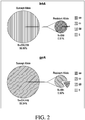
- Figure 2 shows the number of paired complimentary strand reads for resistance-conferring SNPs in the gyrA and inhA genes in experimentally derived mixtures of "pure” susceptible and “pure” resistant Mtb genomes at approximately 999:1 ( ⁇ 0.3%), respectively.
- An analysis was conducted on a number of resistance genes ( rrs, katG, inhA, and gyrA ), providing ample evidence for the proof of principle for this assay. Sequencing error is readily detected and is easily separated from "true calls”.
- Figure 3 is a visualization of actual paired overlapping reads aligned to the gyrA sequence, from a 99:1 susceptible to resistant mixture (1%), showing the presence of resistance allele and susceptible allele states (shading denotes sequences from paired reads).
- the Inventors devised a strategy to identify single resistance conferring mutations down to 0.1% or less using the Illumina MiSeq tabletop sequencer, by making use of SMOR analysis.
- This strategy may be used in an assay for 36 markers on six resistance-associated genes: katG, inhA promoter, rpoB, gyrA , rrs, eis promoter.
- Current MiSeq throughput allows for up to 96 patient samples (with up to 6 target genes) in a single run and still obtain >10 5 reads per target, allowing for variant detection to less than 0.1% (LOD ⁇ 10 -4 ), if present.
- the final assay included a Mtb -specific quantitative PCR analysis of each clinical sample to establish quantity of Mtb present in the sample.
- the assay may include a highly homogeneous synthetic plasmid DNA standard that contains each well-described resistance conferring mutation, for up to 6 genes ( ⁇ 36 SNPs). Deep sequencing of the standard enables identification of actual sequence error rate variance between loci and sequencing runs. The standards are used as error controls for the HDA assays.
- a two-pronged approach is used to validate the HDA: 1) Applying the HDA to known mixtures of pan-susceptible and pan-resistant strains, to assess the assay's accuracy and level of detection for each target; 2) Validate its ability to accurately detect minor variant in clinical samples using normal flora sputum spiked with target DNA, to assess impact of human and background microbial DNA on assay performance.
- Mtb heteroresistance can be detected in patient samples prior to treatment failure. Dynamic changes can be quantified in Mtb populations and heterogeneity found in serial clinical specimens in order to track the population dynamics of pre-existing or emergent resistant sub-populations and to determine at what level sub-populations of resistant organisms of the total Mtb population predict acquired drug resistance and poor treatment outcomes.
- IH isoniazid
- RAF rifampin
- MOX moxifloxacin
- AMK amikacin
- KAN kanamycin
- CAP capreomycin
- GCDD Global Consortium for Drug-resistant TB Diagnostics
- the Inventors determined that detection of 30-50 specific SNPs in six genes ( katG, inhA promoter, rpoB, gyrA , rrs and eis promoter) detects 90-98% of Mtb isolates with clinically relevant phenotypic resistance to INH, RIF, FQ, AMK, KAN and CAP with almost 100% specificity.
- the GCDD global infrastructure has validated fluorescent smear microscopy, tuberculosis identification, MGIT DST (1st and 2nd line drugs), and DNA extraction (used for line probe assays and pyrosequencing) at the Phthisis Pneumology Institute Laboratory (Chisinau, Moldova), along with clinical sites in Mumbai, India and Port Elizabeth, South Africa.
- the Inventors enrolled 225 study participants in Moldova, 586 in India, and 275 in South Africa, all suspected of having MDR-TB, into a study focused on reducing the time of detection of XDR-TB from months to one week.
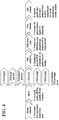
- a sample analysis pipeline was established ( Figure 4 ). Briefly: (A) Sample collection and extraction are accomplished with standard methods; (B) qPCR is run targeting the single copy rpoB gene, to establish a limit of detection for each sample based on the actual quantity of genomes per sample; (C) Six gene regions of the Mtb genome ( katG, inhA promoter, rpoB, gyrA , rrs, eis promoter; all of which contain the 42 different resistance-conferring SNP loci, are amplified using hi-fidelity polymerase,; (D) All six amplicons are pooled together for each patient at each time point in equal molar concentration; (E) A single next-generation sequencing Illumina library preparation is made for each amplicon pool; (F) Several different NGS libraries (up to 96) are pooled together in equal molar concentration for sequencing on the MiSeq (a plasmid control is sequenced with every sequencing pool to examine error of individual runs on the sequencing instrument); and
Landscapes
- Chemical & Material Sciences (AREA)
- Life Sciences & Earth Sciences (AREA)
- Proteomics, Peptides & Aminoacids (AREA)
- Physics & Mathematics (AREA)
- Health & Medical Sciences (AREA)
- Engineering & Computer Science (AREA)
- Organic Chemistry (AREA)
- Analytical Chemistry (AREA)
- General Health & Medical Sciences (AREA)
- Biotechnology (AREA)
- Bioinformatics & Cheminformatics (AREA)
- Biophysics (AREA)
- Zoology (AREA)
- Wood Science & Technology (AREA)
- Medical Informatics (AREA)
- Theoretical Computer Science (AREA)
- Spectroscopy & Molecular Physics (AREA)
- Bioinformatics & Computational Biology (AREA)
- Evolutionary Biology (AREA)
- Immunology (AREA)
- Microbiology (AREA)
- Molecular Biology (AREA)
- Biochemistry (AREA)
- General Engineering & Computer Science (AREA)
- Genetics & Genomics (AREA)
- Chemical Kinetics & Catalysis (AREA)
- Measuring Or Testing Involving Enzymes Or Micro-Organisms (AREA)
Description
- The present invention relates to diagnostic methods for the detection and treatment of heteroresistant populations of pathogens.
- Heteroresistance, the simultaneous occurrence of drug resistant subpopulations in an otherwise drug susceptible bacterial population in a patient sample, has created uncertainty in the treatment and diagnosis of tuberculosis (TB) and is thought to be an important driver of multi-drug resistance in Mycobacterium tuberculosis (Mtb) which is a significant threat to global TB control given its broadening distribution and the emergence of what is being called "totally drug-resistant TB" (TDR-TB). It has been well-documented that heteroresistance creates difficulties in the interpretation of rapid molecular drug resistance tests because it leads to 'indeterminate' test results, but the clinical significance of heteroresistance is still being evaluated. Previously undetectable levels of Mtb resistant subpopulations within a larger population of susceptible pathogens (i.e., heteroresistance) may be present in as many as 20% of TB patients, and might help explain some of the inconsistency observed in TB treatment outcomes. Previously, there was no accurate means of quantifying heteroresistance dynamics or even detecting the presence of heteroresistance until the resistant sub-population had expanded to >1% of the pathogen population within a clinical sample. At that point, however, the patient's infection was determined to be resistant for the purposes of treatment and a potential window of opportunity for preventing resistance was closed.
- The current gold standard method for Mtb drug susceptibility testing (DST) can be used to detect later stages of heteroresistance. This phenotypic test uses a culture-based, indirect proportion method which relies on the detection of growth of >1% of the inoculum on culture medium containing a critical concentration of an anti-TB drug. It is estimated that for every 107-8 Mtb bacilli there is at least one bacillus that has a genetic mutation that renders it naturally resistant to a particular drug. Suboptimal antibiotic treatment causes the few Mtb naturally resistant mutants (by definition, a certain level of heteroresistance) to gain a competitive advantage and subsequently dominate the lesion. The 1% population component of resistant organisms that is detectable by the DST method is well above naturally occurring Mtb resistance mutation rates and, again, detections at this level are typically too late to prevent treatment failure.
- Current diagnostic methods are limited in their use and efficacy. The threshold of in vitro Mycobacteria Growth Indicator Tube (MGIT) heteroresistance detection is approximately 1% of the population, but is qualitative and takes weeks to complete. Current molecular tools that detect resistance-conferring mutations in Mtb coding genes and promoter regions which also have the potential to rapidly detect heteroresistance, include DNA sequencing (Sanger and pyrosequencing) and allele specific PCR analysis, but these methods are not sensitive or have limited gene coverage. Sanger sequencing and pyrosequencing each have significant technical limitations for analyzing mixed populations. Sanger sequencing has a well-established detection threshold of ∼25% minor component in a mixed sample and relies on subjective visual evaluation of the electropherogram for "quantification". Pyrosequencing (e.g., Qiagen Pyromark) is capable of true quantitative sequencing, but has a reported quantification threshold of detection equal to 2.5%-5% of an Mtb population and has limited sequencing depth capability. The PCR-hybridization approach of the line-probe assay has a described sensitivity of detection of a minor resistant variant detection at 5%. Detection of heteroresistance, even at the 1% level provided by MGIT-DST, is insufficient and likely too late to prevent treatment failure. A quantitative and more sensitive method is highly desirable.
- Mtb heteroresistance is not a rare phenomenon, occurring in 9-30% of Mtb populations studied, and has been identified in Mtb populations with phenotypic resistance to first line-drugs (INH, RIF, ETH, and STR) and second-line fluoroquinolones (ofloxacin-OFX) and injectables (AMK). It is highly likely that drug resistant organisms are present in most TB lesions, even as very minor population components, given the high bacilli loads that are typically found in patients.
- There is also a critical need to detect minor resistance variant populations in clinical samples early in therapy to allow for customizable patient treatment and to track variant populations' progress through time. The present invention addresses this need by providing methods to detect heteroresistance in TB patient samples at low resistance levels using multiple target loci amplification and sequencing with clinically relevant next generation technology. This translates to a significant increase in the level of detection sensitivity as compared to other methods and an enhanced ability to treat patients with effective therapies against the resistant pathogen populations.
- In some embodiments, the present invention is directed to a method of detecting a heteroresistant population of a pathogen in a sample, the method comprising: a) extracting nucleic acids from a sample comprising a population of a pathogen; b) amplifying a target locus of the genome of the pathogen in the extracted nucleic acids, wherein the target locus comprises a minor variant associated with drug resistance in the pathogen; c) consecutively sequencing both overlapping nucleic acid strands from a single DNA molecule amplified from the target locus on a Next Generation Sequencing (NGS) platform to obtain overlapping sequence data from the overlapping nucleic acid strands; d) applying an alignment algorithm to the overlapping sequencing data from the overlapping nucleic acid strands; and e) performing an analysis of the aligned overlapping sequencing data to detect and confirm the minor variant in the overlapping sequencing data from both nucleic acid strands. In certain embodiments, both overlapping nucleic acid strands refers to the coding strand and the noncoding strand of a gene (e.g., a resistance gene such as, but not limited torrs, katG, inhA, and gyrA).
- In some implementations, the analysis of the aligned sequencing data is a minor variant analysis. In certain aspects, the minor variant analysis is a haplotype variant analysis. The target locus may be amplified with a high fidelity polymerase such as KAPA HiFi™ DNA polymerase or Q5® HIFI DNA polymerase.
- In some aspects, each of the overlapping nucleic acid strands consists of less than about 500 nucleotides, less than about 450 nucleotides, less than about 400 nucleotides, less than about 350 nucleotides, less than about 300 nucleotides, less than about 250 nucleotides, less than about 200 nucleotides, less than about 150 nucleotides, less than about 100 nucleotides, or less than about 50 nucleotides.
- In other aspects, the alignment algorithm is optimized for short nucleotide space reads of less than about 500 nucleotides, less than about 450 nucleotides, less than about 400 nucleotides, less than about 350 nucleotides, less than about 300 nucleotides, less than about 250 nucleotides, less than about 200 nucleotides, less than about 150 nucleotides, less than about 100 nucleotides, or less than about 50 nucleotides. The alignment algorithm may be Novoalign. Various NGS platforms may be used with the present invention including the Ilumina MiSeq platform.
- In some aspects, the minor variant analysis is performed with a bioinformatics script that requires a user to input genomic regions of interest and generates a report with single molecule-overlapping read information used to identify the minor variant.
- In yet other aspects, the methods of the present invention further comprise using a highly homogenous synthetic plasmid standard to identify actual sequence error rate variance between target loci and sequencing runs.
- In some embodiments, the minor variant is selected from the group consisting of a single nucleotide polymorphism (SNP), an insertion, and a deletion.
- In other embodiments, the pathogen is Mycobacterium tuberculosis. In these embodiments, the at least one minor variant may be located within a genomic sequence selected from the group consisting of katG, inhA promoter, rpoB, gyrA, rrs, eis promoter, and combinations thereof.
- In certain aspects, the heteroresistant population is resistant to isoniazid (INH), rifampin (RIF), moxifloxacin (MOX), amikacin (AMK), kanamycin (KAN) and/or capreomycin (CAP).
- Also disclosed are methods of treating a subject in need thereof with a therapeutic agent to a heteroresistant population of M. tuberculosis, wherein the therapeutic agent is selected from the group consisting of PA-824, OPC-67683, SQ109, TMC207, NAS-21, NAS-91, thioridazine, chlorpromazine, and a 1,3-benzothiazin-4-one, and combinations thereof. In certain aspects, the treatment is preceded by the detection of one or more heteroresistant population of M. tuberculosis in a sample from the subject.
- Illustrative and exemplary embodiments of the disclosure are shown in the drawings in which:
-
FIG. 1 depicts a model of heteroresistant dynamics of Mtb in a non-compliant patient. -
FIG. 2 depicts SMOR analysis of reads for inhA and gyrA. -
FIG. 3 depicts mixed read alignment to gyrA from overlapping read analysis with six different sequences shown (SEQ ID NOs: 1-6). A mixture of resistant (1%) and susceptible (99%) alleles was sequenced to >224,000x coverage and the alignment of 18 reads (9 paired sets) is shown to illustrate the detection of minor variants. Random single SNPs occurring on one strand but not their complement are distinguished from real variants (two examples) as sequencing errors. -
FIG. 4 depicts a sample analysis pipeline with a SMOR heteroresistance detection assay. - Elements and facts in the figures are illustrated for simplicity and have not necessarily been rendered according to any particular sequence or embodiment.
- Aspects and applications of the invention presented herein are described below in the drawings and detailed description of the invention. Unless specifically noted, it is intended that the words and phrases in the specification and the claims be given their plain, ordinary, and accustomed meaning to those of ordinary skill in the applicable arts.
- In the following description, and for the purposes of explanation, numerous specific details are set forth in order to provide a thorough understanding of the various aspects of the invention. The full scope of the inventions is not limited to the specific examples that are described below.
- As used herein, the verb "comprise" as is used in this description and in the claims and its conjugations are used in its non-limiting sense to mean that items following the word are included, but items not specifically mentioned are not excluded. In addition, reference to an element by the indefinite article "a" or "an" does not exclude the possibility that more than one of the elements are present, unless the context clearly requires that there is one and only one of the elements. The indefinite article "a" or "an" thus usually means "at least one".
- As used herein, a "sample," such as a biological sample that includes nucleic acid molecules, is a sample obtained from a subject. As used herein, biological samples include all clinical samples including, but not limited to, cells, tissues, and bodily fluids, such as: blood; derivatives and fractions of blood, such as serum; extracted galls; biopsied or surgically removed tissue, including tissues that are, for example, unfixed, frozen, fixed in formalin and/or embedded in paraffin; tears; milk; skin scrapes; surface washings; urine; sputum; cerebrospinal fluid; prostate fluid; pus; or bone marrow aspirates. In a particular example, a sample includes blood obtained from a human subject, such as whole blood or serum. In another particular example, a sample includes buccal cells, for example collected using a swab or by an oral rinse.
- In some embodiments, the present invention is directed to a next-generation sequencing analysis methodology to detect minor proportions of a sample that contain mutations associated with important phenotypes, including antibacterial and antiviral resistance. This analysis decreases the sequencing error rate so that extremely low levels of true minor components (e.g., SNP loci) can be detected.
- The incidence of drug-resistant (DR) tuberculosis (TB) continues to increase worldwide. Undetected heteroresistance, the presence of DR and susceptible genotypes in bacterial populations involved in infection, at treatment initiation may play a role in the expansion of DR strains and treatment failure. In Mycobacterium tuberculosis, current minor DR component detection levels are limited to ∼1%, using phenotypic drug susceptibility testing, which requires 15-30 days or even longer to complete. By that point during an infection, it is likely too late to prevent DR-TB and treatment failure.
- In some aspects, the present invention relates to a method of detecting resistant Mtb sub-populations consisting of 0.1% or less of the total Mtb population in under a week. Detection of minor components in complex biological mixtures has radically advanced with the emergence of next-generation sequencing. Low-level detection from sequence data, however, is not trivial, primarily due to the error rates in sequencing. The error associated with the respective sequencing platform, as well as the GC content of the organism, sets the limit of discerning actual minor component from error. However, the use of "single molecule-overlapping reads" (SMOR) analysis for determination of actual mutation ratios in target loci (e.g., antibiotic resistance genes) leads to an increase in heteroresistance detection sensitivity and lower error bias.
- The use of overlapping reads allows for effective coverage of each locus on both strands of an individual sequenced DNA molecule, which in turn allows for an independent confirmation of the specific nucleotide at that single locus. The product rule of probability applies, such that if one locus on a single molecule is read two times, it has the lower limit of detection of the probability of one error occurring squared. In some embodiments, the Illumina Miseq platform is used to sequence amplicons from several different in vitro mixtures of DR and susceptible Mtb strains to validate the use of SMOR for identifying heteroresistance. The calculated average of combined amplification and sequencing error rate for Mtb (a high GC organism) is 0.51% per position across the amplicons tested. When employing SMOR, the theoretical limit of detection of a minor component is 2.6x10⁻⁶, readily allowing for detection of minor components below 0.51%.
- The Inventors have been able to detect a 0.3% artificial mixture of SNP alleles in the inhA promoter at a frequency of 3.07×10⁻³, which was at least two orders of magnitude more frequent than identifiable sequence errors. The use of SMOR allows for researchers and clinicians to follow the evolution of heteroresistance, determine its clinical relevance and develop appropriate treatment strategies to suppress minor component resistant sub-populations before they become clinically significant.
- In Mycobacteria tuberculosis (Mtb) there are characterized SNPs that confer resistance to several different antibiotics. By using overlapping reads on these targeted regions we can characterize heteroresistance in clinical samples down to a level that has not been previously achieved. Overlapping reads have been used in next generation sequencing to improve whole genome examination but they have not been used to add confidence in antibiotic resistance population evaluation.
- With the invention, clinicians are able to track patient treatment in a more timely fashion and alter the course of treatment when heteroresistance is detected within a week versus a month or more as is common with current technology. This analysis can also be useful to researchers wanting to characterize population structure within a single sample of bacteria.
- In one embodiment, the invention provides a diagnostic assay for the detection of heteroresistance in Mycobacterium tuberculosis in clinical samples. Modifications of this assay can be used for low level minor mutation resistance in other organisms, as we have also demonstrated with influenza.
- In some embodiments, the limit of detection for the minor variant is less than about 1.0%, less than about 0.9%, less than about 0.8%, less than about 0.7%, less than about 0.6%, less than about 0.5%, less than about 0.4%, less than about 0.3%, less than about 0.2%, less than about 0.1%, less than about 0.09%, less than about 0.08%, less than about 0.07%, less than about 0.06%, less than about 0.05%, less than about 0.04%, less than about 0.03%, less than about 0.02%, or less than about 0.01% of the heteroresistant population.
- In other embodiments, each of the overlapping nucleic acid strands to be sequenced with the disclosed method consists of less than about 500 nucleotides, less than about 450 nucleotides, less than about 400 nucleotides, less than about 350 nucleotides, less than about 300 nucleotides, less than about 250 nucleotides, less than about 200 nucleotides, less than about 150 nucleotides, less than about 100 nucleotides, or less than about 50 nucleotides.
- In yet other embodiments, the disclosed method further comprises administering a therapeutic agent to a heteroresistant population of M. tuberculosis. Exemplary therapeutic agents are found in Da Silva et al. (2011) J. Antimicrob. Chemother. 66:1417.
- The minor variant detected in the heteroresistant population of M. tuberculosis may be an SNP, an insertion, or a deletion. Non-limiting examples of genetic mutations associated with drug resistance in M. tuberculosis are found in Georghiou et al. (2012) PLoS ONE 7(3):e33275.
- Mathematical models of within-host Mtb population dynamics have predicted that heteroresistance can cause the emergence of MDR-TB prior to treatment initiation, and this emergence may occur 1,000 - 10,000 times more frequently. Studies of within-host dynamics of Mtb growth during treatment of have also indicated that resistant subpopulations can easily dominate a lesion over time in both treatment compliant and non-compliant patients (
Figure 1 ). The presence of resistance conferring mutations, even as minor components of an infecting population of Mtb, likely leads to selection of resistant strains, in the presence of the corresponding drug, and subsequent treatment failure. Minor resistant populations, however, are typically missed through standard analysis of isolates because the dominant organism phenotype masks any minor component variants. In certain aspects, the present invention addresses this problem by providing effective methods to detect and quantify minor resistant populations. - In some embodiments, the present invention is directed to the detection and analysis of heteroresistance in tuberculosis infections. An assay is provided that is able to accurately detect heteroresistance in Mtb and quantify the presence and proportion of all resistant allele minor components down to less than 0.1% using clinically relevant table-top next generation sequencing (NGS) technology and advanced bioinformatic algorithms. This approach provides a rapid, highly sensitive and specific method for detecting and monitoring the potential clinical relevance of heteroresistance in serial clinical samples from TB patients, which is not achievable by any other existing technology. Additionally, the NGS technology used in the assay can be used for deep sequencing of multiple targeted areas simultaneously, which allows for the detection of extremely rare minor components in a population at all targeted locations at once. This multiplexing approach is ideal for developing a practical, efficient and rapid analysis of heteroresistance directly from patient sputum, which has significant advantages over existing technologies.
- While deep-sequencing seems to be an obvious solution, it is not sufficient, in and of itself. NGS minor variant detection is not trivial; primarily due to the error rates associated with the sequencing platform (e.g. Illumina MiSeq platform has a standard rating of 75% of bases having a 0.1% error). This rate sets a theoretical limit of discerning a rare variant from error but recent advances in technology and bioinformatics allow for minor variant detection at significantly lower levels than expected error rate. An advantage resulting from the approach of the present invention is the ability to accurately detect minor components below the sequencing error by using a "Single-Molecule Overlapping Read" (SMOR) analysis.
- In certain aspects, the present invention relates to an approach to applying cutting-edge genomic science and technology to the ongoing clinical and public health problem of multi-drug resistant tuberculosis. In one embodiment, an optimized heteroresistance assay is used to detect known mutations associated with six anti-TB drugs, followed by an evaluation of heteroresistance in serial samples from a patient population.
- In certain aspects, the population of bacteria comprises one or more bacteria selected from the group consisting of Actinomedurae, Actinomyces israelii, Bacillus anthracis, Bacillus cereus, Clostridium botulinum, Clostridium difficile, Clostridium perfringens, Clostridium tetani, Corynebacterium, Enterococcus faecalis, Listeria monocytogenes, Nocardia, Propionibacterium acnes, Staphylococcus aureus, Staphylococcus epiderm, Streptococcus mutans, Streptococcus pneumonia, Afipia felis, Bacteriodes, Bartonella bacilliformis, Bortadella pertussis, Borrelia burgdorferi, Borrelia recurrentis, Brucella, Calymmatobacterium granulomatis, Campylobacter, Escherichia coli, Francisella tularensis, Gardnerella vaginalis, Haemophilius aegyptius, Haemophilius ducreyi, Haemophilius influenziae, Heliobacter pylori, Legionella pneumophila, Leptospira interrogans, Neisseria meningitidia, Porphyromonas gingivalis, Providencia sturti, Pseudomonas aeruginosa, Salmonella enteridis, Salmonella typhi, Serratia marcescens, Shigella boydii, Streptobacillus moniliformis, Streptococcus pyogenes, Treponema pallidum, Vibrio cholerae, Yersinia enterocolitica, Yersinia pestis, Bartonella henselae, Chlamydia psittaci, Chlamydia trachomatis, Coxiella burnetii, Mycoplasma pneumoniae, Rickettsia akari, Rickettsia prowazekii, Rickettsia rickettsii, Rickettsia tsutsugamushi, Rickettsia typhi, Ureaplasma urealyticum, Diplococcus pneumoniae, Ehrlichia chafensis, Enterococcus faecium, Meningococci, Burkholderia mallei, Burkholderia pseudomallei, Ricinus communis, and Cryptosporidium parvum.
- In some embodiments, the present invention further comprises administering to the subject a regime of antibiotics to effectively control the population of pathogen based on the presence or absence of antibiotic resistance markers in the pathogen.
- In certain aspects, the present invention is used to detect and monitor antibiotic resistance in a subject infected with a population of bacteria. Antibiotic resistance can be determined by the presence or absence of one or more antibiotic resistance genes or markers in the population. Non-limiting examples of such antibiotic resistance genes include blatem, blashv, blarob, blaoxa, blaZ, aadB, aacC1, aacC2, aacC3, aac6'-IIa, aacA4, aad(6'), vanA, vanB, vanC, msrA, sarA, aac(6') aph(2"), vat, vga, ermA, ermB, ermC, mecA, int, sul, mecA, aac2ia, aac2ib, aac2ic, aac2id, aac2i, aac3ia, aac3iia, aac3iib, aac3iii, aac3iv, aac3ix, aac3vi, aac3viii, aac3vii, aac3x, aac6i, aac6ia, aac6ib, aac6ic, aac6ie, aae6if, aac6ig, aac6iia, aac6iib, aad9, aad9ib, aadd, acra, acrb, adea, adeb, adec, amra, amrb, ant2ia, ant2ib, ant3ia, ant4iia, ant6ia, aph33ia, aph33ib, aph3ia, aph3ib, aph3ic, aph3iiia, aph3iva, aph3va, aph3vb, aph3via, aph3viia, aph4ib, aph6ia, aph6ib, aph6ic, aph6id, ama, baca, bcra, bcrc, bl1_acc, bl1_ampc, bl1_asba, bl1_ceps, bl1_cmy2, bl1_ec, bl1_fox, bl1_mox, bl1_och, bl1_pao, bl1_pse, bl1_sm, bl2a_1, bl2a_exo, bl2a_iii2, bl2a_iii, bl2a_kcc, bl2a_nps, bl2a_okp, bl2a_pc, bl2be_ctxm, bl2be_oxyl, bl2be_per, , bl2be_shv2, bl2b_rob, bl2b_tem1, bl2b_tem2, bl2b_tem, bl2b_tle, bl2b_ula, bl2c_bro, bl2c_pse1, b12c_pse3, bl2d_lcr1, bl2d_moxa, bl2d_oxa10, bl2d_oxa1, bl2d_oxa2, bl2d_oxa5, bl2d_oxa9, bl2d_r39, bl2e_cbla, bl2e_cepa, bl2e_cfxa, bl2e_fpm, bl2e_y56, bl2f_nmca, bl2f_sme1, bl2_ges, bl2_kpc, bl2_len, bl2_veb, bl3_ccra, bl3_cit, bl3_cpha, bl3_gim, bl3_imp, bl3_l, bl3_shw, bl3_sim, bl3_vim, ble, blt, bmr, cara, cata10, cata11, cata12, cata13, cata14, cata15, cata16, cata1, cata2, cata3, cata4, cata5, cata6, cata7, cata8, cata9, catb1, catb2, catb3, catb4, catb5, ceoa, ceob, cml_e1, cml_e2, cml_e3, cml_e4, cml_e5, cml_e6, cml_e7, cml_e8, dfra10, dfra12, dfra13, dfra14, dfra15, dfral6, dfra17, dfra19, dfra1, dfra20, dfra21, dfra22, dfra23, dfra24, dfra25, dfra25, dfra25, dfra26, dfra5, dfra7, dfrb1, dfrb2, dfrb3, dfrb6, emea, emrd, emre, erea, ereb, erma, ermb, ermc, ermd, erme, ermf, ermg, ermh, ermn, ermo, ermq, ermr, erms, ermt, ermu, ermv, ermw, ermx, ermy, fosa, fosb, fosc, fosx, fusb, fush, ksga, lmra, lmrb, lnua, lnub, lsa, maca, macb, mdte, mdtf, mdtg, mdth, mdtk, mdtl, mdtm, mdtn, mdto, mdtp, meca, mecrl, mefa, mepa, mexa, mexb, mexc, mexd, mexe, mexf, mexh, mexi, mexw, mexx, mexy, mfpa, mpha, mphb, mphc, msra, norm, oleb, opcm, opra, oprd, oprj, oprm, oprn, otra, otrb, pbpla, pbplb, pbp2b, pbp2, pbp2x, pmra, qac, qaca, qacb, qnra, qnrb, qnrs, rosa, rosb, smea, smeb, smec, smed, smee, smef, srmb, sta, str, sull, sul2, sul3, tcma, tcr3, tet30, tet31, tet32, tet33, tet34, tet36, tet37, tet38, tet39, tet40, teta, tetb, tetc, tetd, tete, tetg, teth, tetj, tetk, tetl, tetm, teto, tetpa, tetpb, tet, tetq, tets, tett, tetu, tetv, tetw, text, tety, tetz, tlrc, tmrb, tolc, tsnr, vana, vanb, vanc, vand, vane, vang, vanha, vanhb, vanhd, vanra, vanrb, vanrc, vanrd, vanre, vanrg, vansa, vansb, vansc, vansd, vanse, vansg, vant, vante, vantg, vanug, vanwb, vanwg, vanxa, vanxb, vanxd, vanxyc, vanxye, vanxyg, vanya, vanyb, vanyd, vanyg, vanz, vata, vatb, vatc, vatd, vate, vgaa, vgab, vgba, vgbb, vph, ykkc, and ykkd (see the Antibiotic Resistance Genes Database (ARDB) available online).
- In certain embodiments, the method of the present invention further comprises treating the subject with an antibiotic or regime of antibiotics. Non-limiting examples of such antibiotics include amoxillin, erythromycin, azithromycin, clarithromycin, gentamicin, tobramycin, ciprofloxaxin, norfloxacin, gatifloxacin, ofloxacin, levofloxacin, moxifloxacin, metronidazole, lomefloxacin, ciprofloxacin, natamycin, neomycin, polymyxin B, gentamycin, bacitracin, trovafloxacin, grepafloxacin, sulfacetamide, tetracycline, gramicidin, chloramphenicol, or gramicidin.amino glycosides (gentamicin, neomycin, kanamycin, tobramycin, framycetin, streptomycin, amikacin), ampicillin and amoxillin, sulphonamides (trimethoprim-sulfamethoazole), cephalosporins, groups of beta-lactams, chloramphenicols, lincosamides, macrolides, penicillin, group of quinolones, tetracyclins and nitrafuratoin/nitrofurazone, polymyxin B, mupirocin, vancomycin, antimicrobial agents containing one or more biguanide groups (for example chlorhexidine or PHMB), silver complexes or silver salts, hydrogenperoxide and other oxidizing agents, quaternary ammonium compounds, agents delivering chlorine, and antimicrobial peptides.
- In some embodiments, the nucleic acids from the sample is analyzed by Sequencing by Synthesis (SBS) techniques. SBS techniques generally involve the enzymatic extension of a nascent nucleic acid strand through the iterative addition of nucleotides against a template strand. In traditional methods of SBS, a single nucleotide monomer may be provided to a target nucleotide in the presence of a polymerase in each delivery. However, in some of the methods described herein, more than one type of nucleotide monomer can be provided to a target nucleic acid in the presence of a polymerase in a delivery.
- SBS can utilize nucleotide monomers that have a terminator moiety or those that lack any terminator moieties. Methods utilizing nucleotide monomers lacking terminators include, for example, pyrosequencing and sequencing using γ-phosphate-labeled nucleotides. In methods using nucleotide monomers lacking terminators, the number of different nucleotides added in each cycle can be dependent upon the template sequence and the mode of nucleotide delivery. For SBS techniques that utilize nucleotide monomers having a terminator moiety, the terminator can be effectively irreversible under the sequencing conditions used as is the case for traditional Sanger sequencing which utilizes dideoxynucleotides, or the terminator can be reversible as is the case for sequencing methods developed by Solexa (now Illumina, Inc.). In preferred methods a terminator moiety can be reversibly terminating.
- SBS techniques can utilize nucleotide monomers that have a label moiety or those that lack a label moiety. Accordingly, incorporation events can be detected based on a characteristic of the label, such as fluorescence of the label; a characteristic of the nucleotide monomer such as molecular weight or charge; a byproduct of incorporation of the nucleotide, such as release of pyrophosphate; or the like. In embodiments, where two or more different nucleotides are present in a sequencing reagent, the different nucleotides can be distinguishable from each other, or alternatively, the two or more different labels can be the indistinguishable under the detection techniques being used. For example, the different nucleotides present in a sequencing reagent can have different labels and they can be distinguished using appropriate optics as exemplified by the sequencing methods developed by Solexa (now Illumina, Inc.). However, it is also possible to use the same label for the two or more different nucleotides present in a sequencing reagent or to use detection optics that do not necessarily distinguish the different labels. Thus, in a doublet sequencing reagent having a mixture of A/C both the A and C can be labeled with the same fluorophore. Furthermore, when doublet delivery methods are used all of the different nucleotide monomers can have the same label or different labels can be used, for example, to distinguish one mixture of different nucleotide monomers from a second mixture of nucleotide monomers. For example, using the [First delivery nucleotide monomers]+[Second delivery nucleotide monomers] nomenclature set forth above and taking an example of A/C+(1/T), the A and C monomers can have the same first label and the G and T monomers can have the same second label, wherein the first label is different from the second label. Alternatively, the first label can be the same as the second label and incorporation events of the first delivery can be distinguished from incorporation events of the second delivery based on the temporal separation of cycles in an SBS protocol. Accordingly, a low resolution sequence representation obtained from such mixtures will be degenerate for two pairs of nucleotides (T/G, which is complementary to A and C, respectively; and C/A which is complementary to G/T, respectively).
- Some embodiments include pyrosequencing techniques. Pyrosequencing detects the release of inorganic pyrophosphate (PPi) as particular nucleotides are incorporated into the nascent strand (Ronaghi, M., Karamohamed, S., Pettersson, B., Uhlen, M. and Nyren, P. (1996) "Real-time DNA sequencing using detection of pyrophosphate release." Analytical Biochemistry 242(1), 84-9; Ronaghi, M. (2001) "Pyrosequencing sheds light on DNA sequencing." Genome Res. 11(1), 3-11; Ronaghi, M., Uhlen, M. and Nyren, P. (1998) "A sequencing method based on real-time pyrophosphate." Science 281(5375), 363;
U.S. Pat. No. 6,210,891 ;U.S. Pat. No. 6,258,568 andU.S. Pat. No. 6,274,320 ). In pyrosequencing, released PPi can be detected by being immediately converted to adenosine triphosphate (ATP) by ATP sulfurylase, and the level of ATP generated is detected via luciferase-produced photons. - In another example type of SBS, cycle sequencing is accomplished by stepwise addition of reversible terminator nucleotides containing, for example, a cleavable or photobleachable dye label as described, for example, in
U.S. Pat. No. 7,427,67 ,U.S. Pat. No. 7,414,1163 U.S. Pat. No. 7,057,026 . This approach is being commercialized by Solexa (now Illumina Inc.), and is also described inWO 91/06678 WO 07/123,744 U.S. Ser. No. 12/295,337 - In other embodiments, Ion Semiconductor Sequencing is utilized to analyze the nucleic acids from the sample. Ion Semiconductor Sequencing is a method of DNA sequencing based on the detection of hydrogen ions that are released during DNA amplification. This is a method of "sequencing by synthesis," during which a complementary strand is built based on the sequence of a template strand.
- For example, a microwell containing a template DNA strand to be sequenced can be flooded with a single species of deoxyribonucleotide (dNTP). If the introduced dNTP is complementary to the leading template nucleotide it is incorporated into the growing complementary strand. This causes the release of a hydrogen ion that triggers a hypersensitive ion sensor, which indicates that a reaction has occurred. If homopolymer repeats are present in the template sequence multiple dNTP molecules will be incorporated in a single cycle. This leads to a corresponding number of released hydrogens and a proportionally higher electronic signal.
- This technology differs from other sequencing technologies in that no modified nucleotides or optics are used. Ion semiconductor sequencing may also be referred to as ion torrent sequencing, proton-mediated sequencing, silicon sequencing, or semiconductor sequencing. Ion semiconductor sequencing was developed by Ion Torrent Systems Inc. and may be performed using a bench top machine. Rusk, N. (2011). "Torrents of Sequence," Nat Meth 8(1): 44-44. Although it is not necessary to understand the mechanism of an invention, it is believed that hydrogen ion release occurs during nucleic acid amplification because of the formation of a covalent bond and the release of pyrophosphate and a charged hydrogen ion. Ion semiconductor sequencing exploits these facts by determining if a hydrogen ion is released upon providing a single species of dNTP to the reaction.
- For example, microwells on a semiconductor chip that each contain one single-stranded template DNA molecule to be sequenced and one DNA polymerase can be sequentially flooded with unmodified A, C, G or T dNTP. Pennisi, E. (2010). "Semiconductors inspire new sequencing technologies" Science 327(5970): 1190; and Perkel, J., "Making contact with sequencing's fourth generation" Biotechniques (2011). The hydrogen ion that is released in the reaction changes the pH of the solution, which is detected by a hypersensitive ion sensor. The unattached dNTP molecules are washed out before the next cycle when a different dNTP species is introduced.
- Beneath the layer of microwells is an ion sensitive layer, below which is a hypersensitive ISFET ion sensor. All layers are contained within a CMOS semiconductor chip, similar to that used in the electronics industry. Each released hydrogen ion triggers the ISFET ion sensor. The series of electrical pulses transmitted from the chip to a computer is translated into a DNA sequence, with no intermediate signal conversion required. Each chip contains an array of microwells with corresponding ISFET detectors. Because nucleotide incorporation events are measured directly by electronics, the use of labeled nucleotides and optical measurements are avoided.
- An example of a Ion Semiconductor Sequencing technique suitable for use in the methods of the provided disclosure is Ion Torrent sequencing (
U.S. Patent Application Numbers 2009/0026082 ,2009/0127589 ,2010/0035252 ,2010/0137143 ,2010/0188073 ,2010/0197507 ,2010/0282617 ,2010/0300559 ),2010/0300895 ,2010/0301398 , and2010/0304982 . In Ion Torrent sequencing, DNA is sheared into fragments of approximately 300-800 base pairs, and the fragments are blunt ended. Oligonucleotide adaptors are then ligated to the ends of the fragments. The adaptors serve as primers for amplification and sequencing of the fragments. The fragments can be attached to a surface and are attached at a resolution such that the fragments are individually resolvable. Addition of one or more nucleotides releases a proton (H+), which signal detected and recorded in a sequencing instrument. The signal strength is proportional to the number of nucleotides incorporated. User guides describe in detail the Ion Torrent protocol(s) that are suitable for use in methods of the invention, such as Life Technologies' literature entitled "Ion Sequencing Kit for User Guide v. 2.0" for use with their sequencing platform the Personal Genome Machine™ (PCG). - In some embodiments, as a part of the sample preparation process, "barcodes" may be associated with each sample. In this process, short oligos are added to primers, where each different sample uses a different oligo in addition to a primer.
- The term "library", as used herein refers to a library of genome-derived sequences. The library may also have sequences allowing amplification of the "library" by the polymerase chain reaction or other in vitro amplification methods well known to those skilled in the art. The library may also have sequences that are compatible with next- generation high throughput sequencers such as an ion semiconductor sequencing platform.
- In certain embodiments, the primers and barcodes are ligated to each sample as part of the library generation process. Thus during the amplification process associated with generating the ion amplicon library, the primer and the short oligo are also amplified. As the association of the barcode is done as part of the library preparation process, it is possible to use more than one library, and thus more than one sample. Synthetic DNA barcodes may be included as part of the primer, where a different synthetic DNA barcode may be used for each library. In some embodiments, different libraries may be mixed as they are introduced to a flow cell, and the identity of each sample may be determined as part of the sequencing process. Sample separation methods can be used in conjunction with sample identifiers. For example a chip could have 4 separate channels and
use 4 different barcodes to allow the simultaneous running of 16 different samples. - The present invention is further illustrated by the following examples that should not be construed as limiting.
- The goal of this study was to detect and quantify the presence of resistant alleles associated with primary TB drug (INH, RIF, MOX, AMK, KAN, and CAP) resistance that occur in ≤0.1% of a mixed (resistant/susceptible) population of Mtb in clinical samples. To accomplish this goal the Inventors optimized and validated a prototype Mtb heteroresistance assay based on NGS technology, which can accurately detect resistant alleles (minor components) down to less than 0.1%, for all known SNPs associated with XDR-TB in six primary resistance genes.
- The Inventors exploited the deep-sequencing capability of the Illumina NGS platforms to detect extremely rare minor components in an Mtb population. The deep-sequencing coverage capacity is dependent on the complexity of the genomic material being sequenced; in the case of resistance in Mtb the Inventors focused on sequencing amplicons (∼300bp) that contain drug resistance target loci: SNPs previously demonstrated to predict XDR-TB phenotypic resistance with 90-98% sensitivity and ∼100% specificity. This short genomic length allows for 104×-105× coverage for each individual amplicon, for all target resistance gene regions, for up to 100 distinct clinical samples on a single Illumina MiSeq run. However, as stated above, the lower limit of detection for each targeted loci is directly related to the sequencing error rate, not the coverage. The Inventors advanced the ability to detect extremely rare SNP alleles below the error rate using high fidelity Taq polymerase, improved alignment algorithms, advanced bioinformatics, and minor variant analysis. The use of high fidelity thermostable polymerases reduces the impact of PCR- amplification error on minor variant detection. The error rate of KAPA HiFi (2.8x10⁻⁷) is 100× lower than Taq polymerase and 40× lower than polymerase blends such as PLATINUM® Taq High Fidelity. Improvements in alignment algorithms have allowed for more accurate assemblies and alignments of sequence data, which result in the reduction of the overall error rate. Advanced bioinformatics tools, developed in house, better handle the extreme sequence coverage (>100,000×), allowing for the detection of ultra-rare variants.
- The most significant advance in minor variant detection has come from "haplotype variant analysis", which involves the detection and quantitation of multiple independent variant loci. In short, haplotype variant analysis predicts that the lower limit of minor component detection decreases by the product of individual error rates for the number of target loci contained in an individual sequence read (Box 1). Therefore, if only one SNP loci is interrogated and that loci has a known sequencing error rate of 10-3 (0.1%), then the theoretical lower limit of detection (LOD) is >10-3 and is greatly influenced by the sequence coverage. However, if two separate SNP loci are interrogated on a single read, each of which has a sequencing error of 10-3, then their haplotype combined error rate is the product of the individual error rates, or 10-6; for the sake of a simplified probabilistic discussion (Box 1), a conservative LOD that is 10-fold higher or 10-5 (0.001%) is used. The Inventors used this product rule of probability characteristic of haplotype variant analysis to establish a deep-sequencing count-based rare-variant detection assay for forensic analyses using highly controlled mixtures of synthetic plasmids and well characterized Bacillus anthracis genomic material. As long as the sequence of the target genomes and all the SNP loci are well understood, it is relatively easy to identify regions with di-nucleotide or even tri-nucleotide haplotypes to target for minor variant sequence analysis.
-

- L = the lower limit (%) of minor variant detection
- X = the average sequence error rate, and
- n = the number of target SNP loci on a single sequencing read
- In order to establish such an assay for Mtb, the Inventors adapted the haplotype accuracy and sensitivity to Mtb resistance markers. Unfortunately, this haplotype approach is only applicable to SNP loci that can be detected on a single sequencing read. As most resistance mechanisms in Mtb are due to SNP loci in several different genomically dispersed genes, it is not possible to generate a di-nucleotide haplotype for every targeted resistance loci within a single sequencing read. To overcome this, the Inventors established a conceptually similar approach of "Single Molecule with Overlapping Reads" (SMOR) analysis for individual targeted SNP loci. With SMOR, the Inventors exploited the most recent advances in NGS technology by using longer over-lapping paired end sequence reads to interrogate single loci twice in linked sequencing reads. The Illumina MiSeq platform may be used with 300bp paired end sequencing chemistry, which results in nearly complete overlap of the forward and reverse reads at target loci. This allows for effective coverage of each locus on both strands of an individual sequenced DNA molecule, which in turn allows for an independent confirmation of the specific nucleotide at that single locus. A similar approach of independently tagging each strand and sequencing separately has been validated; however, the approach here is to sequence both strands consecutively. Again, the product rule of probability applies, such that if one locus on a single molecule is read two times, it has the same lower limit of detection as a haplotype of two distinct loci on one read. Therefore, if a particular SNP locus has a sequencing error rate of 0.25% (typical for a high GC genome such as Mtb on Illumina technology), the limit of accurate detection may be LOD= (0.00252)(10)(100) = 0.006% with the present invention.
-
Figure 2 shows the number of paired complimentary strand reads for resistance-conferring SNPs in the gyrA and inhA genes in experimentally derived mixtures of "pure" susceptible and "pure" resistant Mtb genomes at approximately 999:1 (∼0.3%), respectively. An analysis was conducted on a number of resistance genes (rrs, katG, inhA, and gyrA), providing ample evidence for the proof of principle for this assay. Sequencing error is readily detected and is easily separated from "true calls". -
Figure 3 is a visualization of actual paired overlapping reads aligned to the gyrA sequence, from a 99:1 susceptible to resistant mixture (1%), showing the presence of resistance allele and susceptible allele states (shading denotes sequences from paired reads). - The Inventors devised a strategy to identify single resistance conferring mutations down to 0.1% or less using the Illumina MiSeq tabletop sequencer, by making use of SMOR analysis. This strategy may be used in an assay for 36 markers on six resistance-associated genes: katG, inhA promoter, rpoB, gyrA, rrs, eis promoter. Current MiSeq throughput allows for up to 96 patient samples (with up to 6 target genes) in a single run and still obtain >105 reads per target, allowing for variant detection to less than 0.1% (LOD∼10-4), if present. The final assay included a Mtb-specific quantitative PCR analysis of each clinical sample to establish quantity of Mtb present in the sample.
- The assay may include a highly homogeneous synthetic plasmid DNA standard that contains each well-described resistance conferring mutation, for up to 6 genes (∼36 SNPs). Deep sequencing of the standard enables identification of actual sequence error rate variance between loci and sequencing runs. The standards are used as error controls for the HDA assays.
- A two-pronged approach is used to validate the HDA: 1) Applying the HDA to known mixtures of pan-susceptible and pan-resistant strains, to assess the assay's accuracy and level of detection for each target; 2) Validate its ability to accurately detect minor variant in clinical samples using normal flora sputum spiked with target DNA, to assess impact of human and background microbial DNA on assay performance.
- The premise of this study was that Mtb heteroresistance can be detected in patient samples prior to treatment failure. Dynamic changes can be quantified in Mtb populations and heterogeneity found in serial clinical specimens in order to track the population dynamics of pre-existing or emergent resistant sub-populations and to determine at what level sub-populations of resistant organisms of the total Mtb population predict acquired drug resistance and poor treatment outcomes.
- The goal was to quantify dynamic changes in Mtb heteroresistance to isoniazid (INH), rifampin (RIF), moxifloxacin (MOX), amikacin (AMK), kanamycin (KAN) and/or capreomycin (CAP) in a prospective study of tuberculosis (TB) and drug-resistant tuberculosis (DR-TB) patients through the first nine months of their treatment or retreatment. The Inventors wanted to determine if the presence and/or expansion of minor variant Mtb subpopulations with resistant alleles are associated with poor clinical outcomes such as time to sputum and culture conversion and clinical improvement.
- The project leverages the existing NIH-sponsored Global Consortium for Drug-resistant TB Diagnostics (GCDD) clinical study results and infrastructure. The Inventors' group (GCDD) completed whole genome sequencing analysis of over 400 clinical multi/extensively drug resistant tuberculosis (M/XDR-TB) isolates from India, Moldova, Philippines and South Africa to quantifying the sensitivity and specificity of individual SNPs and groups of SNPs as markers of clinically relevant phenotypic resistance. Based on this work, the Inventors determined that detection of 30-50 specific SNPs in six genes (katG, inhA promoter, rpoB, gyrA, rrs and eis promoter) detects 90-98% of Mtb isolates with clinically relevant phenotypic resistance to INH, RIF, FQ, AMK, KAN and CAP with almost 100% specificity. The GCDD global infrastructure has validated fluorescent smear microscopy, tuberculosis identification, MGIT DST (1st and 2nd line drugs), and DNA extraction (used for line probe assays and pyrosequencing) at the Phthisis Pneumology Institute Laboratory (Chisinau, Moldova), along with clinical sites in Mumbai, India and Port Elizabeth, South Africa. The Inventors enrolled 225 study participants in Moldova, 586 in India, and 275 in South Africa, all suspected of having MDR-TB, into a study focused on reducing the time of detection of XDR-TB from months to one week.
- A sample analysis pipeline was established (
Figure 4 ). Briefly: (A) Sample collection and extraction are accomplished with standard methods; (B) qPCR is run targeting the single copy rpoB gene, to establish a limit of detection for each sample based on the actual quantity of genomes per sample; (C) Six gene regions of the Mtb genome (katG, inhA promoter, rpoB, gyrA, rrs, eis promoter; all of which contain the 42 different resistance-conferring SNP loci, are amplified using hi-fidelity polymerase,; (D) All six amplicons are pooled together for each patient at each time point in equal molar concentration; (E) A single next-generation sequencing Illumina library preparation is made for each amplicon pool; (F) Several different NGS libraries (up to 96) are pooled together in equal molar concentration for sequencing on the MiSeq (a plasmid control is sequenced with every sequencing pool to examine error of individual runs on the sequencing instrument); and (G) A bioinformatic analysis is conducted of all target loci, and the ratio of non-resistant to resistant allele states is quantified using in-house developed and publically available scripts including SMOR analysis. - Unless defined otherwise, all technical and scientific terms herein have the same meaning as commonly understood by one of ordinary skill in the art to which this invention belongs. Although any methods and materials, similar or equivalent to those described herein, can be used in the practice or testing of the present invention, the preferred methods and materials are described herein.
- The publications discussed herein are provided solely for their disclosure prior to the filing date of the present application. Nothing herein is to be construed as an admission that the present invention is not entitled to antedate such publication by virtue of prior invention.
- While the disclosure has been described in connection with specific embodiments thereof, it will be understood that it is capable of further modifications and this application is intended to cover any variations, uses, or adaptations of the invention following, in general, the principles of the disclosure and including such departures from the present disclosure as come within known or customary practice within the art to which the invention pertains and as may be applied to the essential features hereinbefore set forth and as follows in the scope of the appended claims.
-
- Adjers-Koskela K, Katila ML. Susceptibility testing with the manual mycobacteria growth indicator tube (MGIT) and the MGIT 960 system provides rapid and reliable verification of multidrug-resistant tuberculosis. J Clin Microbiol. 2003;41(3):1235-9.
- Ajbani K, Nikam C, Kazi M, Gray C, Boehme C, Balan K, Shetty A, Rodrigues C. Evaluation of genotype MTBDRsl assay to detect drug resistance associated with fluoroquinolones, aminoglycosides and ethambutol on clinical sediments. PLoS One. 2012;7(11):e49433.
- Beauchemin CA, McSharry JJ, Drusano GL, Nguyen JT, Went GT, Ribeiro RM, et al. Modeling amantadine treatment of influenza A virus in vitro. J Theor Biol. 2008;254(2):439-51. PMCID: 2663526.
- CDC. FluView: 2009-2010 Influenza Season: Week 50 ending December 19, 2009. http://wwwcdcgov/flu/weekly/. 2009.
- Centers for Disease Control and Prevention. Oseltamivir-resistant novel influenza A (H1N1) virus infection in two immunosuppressed patients - Seattle, Washington, 2009. MMWR Morb Mortal Wkly Rep. 2009;58(32):893-6.
- Chen-Harris H, Borucki MK, Torres C, Slezak TR, Allen JE. Ultra-deep mutant spectrum profiling: improving sequencing accuracy using overlapping read pairs. BMC Genomics. 2013;14:96. PMCID: 3599684.
- Colijn C, Cohen T, Ganesh A, Murray M. Spontaneous emergence of multiple drug resistance in tuberculosis before and during therapy. PLoS One. 2011;6(3):e18327.
- Colman RE SJ, Smith D, Gillece J, Rawat A, Usher J, Engelthaler DM, Foster J, Keim P. Haplotype analysis for Bacterial Rare Variant Detection. 11th Annual ASM Biodefense and Emerging Diseases Research Meeting; February 25-27, 2013; Washington DC. 2013.
- Colman RE, Schupp JA, Smith D, Keim PS, Valafar F, Rodwell TC, et al. Advancing heteroresistance detection in tuberculosis using single-molecule-overlapping read (SMOR) analysis. IDSA Conference, San Francisco, CA, October 2013. 2013.
- Cullen MM, Sam NE, Kanduma EG, McHugh TD, Gillespie SH. Direct detection of heteroresistance in Mycobacterium tuberculosis using molecular techniques. J Med Microbiol. 2006;55(Pt 8):1157-8.
- Cushing A, Flaherty P, Hopmans E, Bell JM, Ji HP. RVD: a command-line program for ultrasensitive rare single nucleotide variant detection using targeted next-generation DNA resequencing. BMC Research Notes. 2013;6(1):206.
- Duwe S, Schweiger B. A new and rapid genotypic assay for the detection of neuraminidase inhibitor resistant influenza A viruses of subtype H1N1, H3N2, and H5N1. Journal of virological methods. 2008; 153(2): 134-41.
- Ellebedy AH, Webby RJ. Influenza vaccines. Vaccine. 2009;27 Suppl 4:D65-8.
- Flaherty P, Natsoulis G, Muralidharan O, Winters M, Buenrostro J, Bell J, Brown S, Holodniy M, Zhang N, Ji HP. Ultrasensitive detection of rare mutations using next-generation targeted resequencing. Nucleic Acids Res. 2012;40(1):e2.
- Folkvardsen DB, Svensson E, Thomsen VO, Rasmussen EM, Bang D, Werngren J, Hoffner S, Hillemann D, Rigouts L. Can molecular methods detect 1% isoniazid resistance in Mycobacterium tuberculosis? J Clin Microbiol. 2013;51(5):1596-9.
- Fordyce SL, Bragstad K, Pedersen SS, Jensen TG, Gahrn-Hansen B, Daniels R, et al. Genetic diversity among pandemic 2009 influenza viruses isolated from a transmission chain. Virol J. 2013;10:116. PMCID: 3639878.
- Gandhi NR, Nunn P, Dheda K, Schaaf HS, Zignol M, van Soolingen D, Jensen P, Bayona J. Multidrug-resistant and extensively drug-resistant tuberculosis: a threat to global control of tuberculosis. Lancet. 2010;375(9728): 1830-43.
- Gillespie SH. Evolution of drug resistance in Mycobacterium tuberculosis: clinical and molecular perspective. Antimicrob Agents Chemother. 2002;46(2):267-74.
- Hayden F. Developing new antiviral agents for influenza treatment: what does the future hold? Clin Infect Dis. 2009;48 Suppl 1:S3-S13.
- Hoopes JD, Driebe EM, Kelley E, Engelthaler DM, Keim PS, Perelson AS, et al. Triple combination antiviral drug (TCAD) composed of amantadine, oseltamivir, and ribavirin impedes the selection of drug-resistant influenza A virus. PLoS One. 2011;6(12):e29778. PMCID: 3248427.
- Huse SM, Huber JA, Morrison HG, Sogin ML, Welch D. Accuracy and quality of massively parallel DNA pyrosequencing. Genome Biology. 2007;8(7):R143.
- Jonsson G, Furin J. Will molecular diagnosis of drug-resistant tuberculosis improve patient outcomes? Int J Tuberc Lung Dis. 2012;16(1):4-5.
- Kampmann ML, Fordyce SL, Avila-Arcos MC, Rasmussen M, Willerslev E, Nielsen LP, et al. A simple method for the parallel deep sequencing of full influenza A genomes. J Virol Methods. 2011; 178(1-2):243-8.
- Karahan ZC, Akar N. Restriction endonuclease analysis as a solution for determining rifampin resistance mutations by automated DNA sequencing in heteroresistant Mycobacterium tuberculosis strains. Microbial drug resistance. 2005; 11(2): 137-40.
- Kunisaki KM, Janoff EN. Influenza in immunosuppressed populations: a review of infection frequency, morbidity, mortality, and vaccine responses. Lancet Infect Dis. 2009;9(8):493-504.
- Larder BA, Kohli A, Kellam P, Kemp SD, Kronick M, Henfrey RD. Quantitative detection of HIV-1 drug resistance mutations by automated DNA sequencing. Nature. 1993;365(6447):671-3.
- Lee N, Chan PK, Hui DS, Rainer TH, Wong E, Choi KW, et al. Viral loads and duration of viral shedding in adult patients hospitalized with influenza. J Infect Dis. 2009;200(4):492-500.
- Lipsitch M, Levin BR. Population dynamics of tuberculosis treatment: mathematical models of the roles of non-compliance and bacterial heterogeneity in the evolution of drug resistance. The international journal of tuberculosis and lung disease : the official journal of the International Union against Tuberculosis and Lung Disease. 1998;2(3):187-99.
- Liu CM, Driebe EM, Schupp J, Kelley E, Nguyen JT, McSharry JJ, et al. Rapid quantification of single-nucleotide mutations in mixed influenza A viral populations using allele-specific mixture analysis. J Virol Methods. 2010; 163(1): 109-15.
- Long Q, Jeffares DC, Zhang Q, Ye K, Nizhynska V, Ning Z, Tyler-Smith C, Nordborg M. PoolHap: inferring haplotype frequencies from pooled samples by next generation sequencing. PLoS One. 2011;6(1):e15292.
- McCullers JA, Saito T, Iverson AR. Multiple Genotypes of Influenza B Virus Circulated between 1979 and 2003. Journal of Virology. 2004;78(23): 12817-28.
- Migliori GB, De Iaco G, Besozzi G, Centis R, Cirillo DM. First tuberculosis cases in Italy resistant to all tested drugs. Euro Surveill. 2007; 12(5).
- Molinari NA, Ortega-Sanchez IR, Messonnier ML, Thompson WW, Wortley PM, Weintraub E, et al. The annual impact of seasonal influenza in the US: measuring disease burden and costs. Vaccine. 2007;25(27):5086-96.
- Morandi L, de Biase D, Visani M, Cesari V, De Maglio G, Pizzolitto S, Pession A, Tallini G. Allele specific locked nucleic acid quantitative PCR (ASLNAqPCR): an accurate and cost-effective assay to diagnose and quantify KRAS and BRAF mutation. PLoS One. 2012;7(4):e36084.
- Nakamura K, Oshima T, Morimoto T, Ikeda S, Yoshikawa H, Shiwa Y, et al. Sequence-specific error profile of Illumina sequencers. Nucleic Acids Research. 2011;39(13):e90-e.
- Nguyen JT, Hoopes JD, Le MH, Smee DF, Patick AK, Faix DJ, et al. Triple combination of amantadine, ribavirin, and oseltamivir is highly active and synergistic against drug resistant influenza virus strains in vitro. PLoS One. 2010;5(2):e9332.
- Nguyen JT, Hoopes JD, Smee DF, Prichard MN, Driebe EM, Engelthaler DM, et al. Triple combination of oseltamivir, amantadine, and ribavirin displays synergistic activity against multiple influenza virus strains in vitro. Antimicrob Agents Chemother. 2009;53(10):4115-26.
- Nguyen JT, Smee DF, Barnard DL, Julander JG, Gross M, de Jong MD, et al. Efficacy of combined therapy with amantadine, oseltamivir, and ribavirin in vivo against susceptible and amantadine-resistant influenza A viruses. PLoS One. 2012;7(1):e31006. PMCID: 3264642.
- Organization WH. Policy guidance on drug-susceptibility testing (DST) of second-line antituberculosis drugs. World Health Organization, Geneva, Switzerland. 2008.
- Rinder H, Mieskes KT, Loscher T. Heteroresistance in Mycobacterium tuberculosis. Int J Tuberc Lung Dis. 2001;5(4):339-45.
- Rinder H. Hetero-resistance: an under-recognised confounder in diagnosis and therapy? J Med Microbiol. 2001;50(12):1018-20.
- Rutvisuttinunt W, Chinnawirotpisan P, Simasathien S, Shrestha SK, Yoon I-K, Klungthong C, et al. Simultaneous and complete genome sequencing of Influenza A and B with high coverage by Illumina MiSeq Platform. Journal of Virological Methods. 2013.
- Saunders NJ, Trivedi UH, Thomson ML, Doig C, Laurenson IF, Blaxter ML. Deep resequencing of serial sputum isolates of Mycobacterium tuberculosis during therapeutic failure due to poor compliance reveals stepwise mutation of key resistance genes on an otherwise stable genetic background. J Infect. 2011;62(3):212-7.
- Schmitt MW, Kennedy SR, Salk JJ, Fox EJ, Hiatt JB, Loeb LA. Detection of ultra-rare mutations by next-generation sequencing. Proceedings of the National Academy of Sciences of the United States of America. 2012;109(36): 14508-13.
- Seo S, Englund JA, Nguyen JT, Pukrittayakamee S, Lindegardh N, Tarning J, et al. Combination therapy with amantadine, oseltamivir and ribavirin for influenza A infection: safety and pharmacokinetics. Antivir Ther. 2013;18(3):377-86.
- Shah NS, Richardson J, Moodley P, Moodley S, Babaria P, Ramtahal M, Heysell SK, Li X, Moll AP, Friedland G, Sturm AW, Gandhi NR. Increasing drug resistance in extensively drug-resistant tuberculosis, South Africa. Emerging Infect Dis. 2011;17(3):510-3.
- Shendure J, Ji H. Next-generation DNA sequencing. Nature Biotechnology. 2008;26(10):1135-45.
- Streicher EM, Bergval I, Dheda K, Bottger EC, Gey van Pittius NC, Bosman M, Coetzee G, Anthony RM, van Helden PD, Victor TC, Warren RM. Mycobacterium tuberculosis population structure determines the outcome of genetics-based second-line drug resistance testing. Antimicrobial agents and chemotherapy. 2012;56(5):2420-7.
- Sundstrom M, Edlund K, Lindell M, Glimelius B, Birgisson H, Micke P, Botling J. KRAS analysis in colorectal carcinoma: analytical aspects of Pyrosequencing and allele-specific PCR in clinical practice. BMC Cancer. 2010;10:660.
- Tolani MP, D'Souza D T, Mistry NF. Drug resistance mutations and heteroresistance detected using the GenoType MTBDRplus assay and their implication for treatment outcomes in patients from Mumbai, India. BMC Infect Dis. 2012;12:9.
- Udwadia ZF, Amale RA, Ajbani KK, Rodrigues C. Totally drug-resistant tuberculosis in India. Clin Infect Dis. 2012;54(4):579-81.
- Velayati AA, Masjedi MR, Farnia P, Tabarsi P, Ghanavi J, Ziazarifi AH, Hoffner SE. Emergence of new forms of totally drug-resistant tuberculosis bacilli: super extensively drug-resistant tuberculosis or totally drug-resistant strains in iran. Chest. 2009;136(2):420-5.
- Watson SJ, Welkers MR, Depledge DP, Coulter E, Breuer JM, de Jong MD, et al. Viral population analysis and minority-variant detection using short read next-generation sequencing. Philos Trans R Soc Lond B Biol Sci. 2013;368(1614):20120205. PMCID: 3678329.
- Woods GL, Brown-Elliott B, Desmond EP, Hall GS, Heifets L, Pfyffer GE, Ridderhof JC, Wallace Jr RJ, Warren NG, Witebsky FG. Susceptibility testing of mycobacteria, nocardiae, and other aerobic actinomycetes: approved standard: NCCLS; 2003.
- Zhang X, Zhao B, Liu L, Zhu Y, Zhao Y, Jin Q. Subpopulation analysis of heteroresistance to fluoroquinolone in Mycobacterium tuberculosis isolates from Beijing, China. J Clin Microbiol. 2012;50(4):1471-4.
- (WHO) WHO. Global tuberculosis control 2011.
- (WHO) WHO. Multidrug and extensively drug-resistant TB (M/XDR-TB): 2010 global report on surveillance and response.
-
- <110> Translational Genomics Research Institute
- <120> SINGLE MOLECULE-OVERLAPPING READ ANALYSIS FOR MINOR VARIANT MUTATION DETECTION IN PATHOGEN SAMPLES
- <130> 91482.137
- <150>
US 61/870,220
<151> 2013-08-26 - <160> 6
- <170> PatentIn version 3.5
- <210> 1
<211> 109
<212> DNA
<213> Mycobacterium tuberculosis - <400> 1

- <210> 2
<211> 109
<212> DNA
<213> Mycobacterium tuberculosis - <400> 2

- <210> 3
<211> 109
<212> DNA
<213> Mycobacterium tuberculosis - <400> 3

- <210> 4
<211> 109
<212> DNA
<213> Mycobacterium tuberculosis - <400> 4

- <210> 5
<211> 109
<212> DNA
<213> Mycobacterium tuberculosis - <400> 5

- <210> 6
<211> 109
<212> DNA
<213> Mycobacterium tuberculosis - <400> 6

Claims (15)
- A method of detecting a heteroresistant population of a pathogen in a sample, the method comprising:a) extracting nucleic acids from a sample comprising a population of a pathogen;b) amplifying a target locus of the genome of the pathogen in the extracted nucleic acids, wherein the target locus comprises a minor variant associated with drug resistance in the pathogen;c) consecutively sequencing both nucleic acid strands amplified from a single DNA molecule of the target locus on a Next Generation Sequencing (NGS) platform to obtain overlapping sequence data from the overlapping nucleic acid strands;d) applying an alignment algorithm to the overlapping sequencing data from the overlapping nucleic acid strands; ande) performing an analysis of the aligned overlapping sequencing data to detect and confirm the minor variant in the overlapping sequencing data from both nucleic acid strands.
- The method of claim 1, wherein the target locus comprises a single nucleotide polymorphism (SNP), and wherein the analysis of the aligned overlapping sequencing data comprises confirming the SNP at the target locus in the overlapping sequencing data from both nucleic acid strands.
- The method of claim 1, wherein the analysis is a haplotype variant analysis.
- The method according to any one of the preceding claims, wherein the minor variant comprises less than about 0.1% of the heteroresistant population.
- The method according to any one of the preceding claims, wherein the target locus is amplified with a high fidelity polymerase.
- The method according to any one of the preceding claims, wherein each of the overlapping nucleic acid strands consists of less than about 300 nucleotides.
- The method according to any one of the preceding claims, wherein the alignment algorithm is optimized for short nucleotide space reads of less than about 300 nucleotides.
- The method of claim 7, wherein the alignment algorithm is Novoalign.
- The method according to any one of the preceding claims, wherein the NGS platform is an Ilumina MiSeq platform.
- The method according to any one of the preceding claims, wherein the minor variant analysis is performed with a bioinformatics script that requires a user to input genomic regions of interest and generates a report with single molecule-overlapping read information used to identify the minor variant.
- The method according to any one of the preceding claims, further comprising: performing steps b) to e) of claim 1 with a highly homogenous synthetic plasmid standard to identify actual sequence error rate variance between target loci and sequencing runs.
- The method according to any one of the preceding claims, wherein the minor variant is selected from the group consisting of a single nucleotide polymorphism (SNP), an insertion, and a deletion.
- The method according to any one of the preceding claims, wherein the pathogen is Mycobacterium tuberculosis.
- The method of claim 13, wherein the at least one minor variant is located within a genomic sequence selected from the group consisting of katG, inhA promoter, rpoB, gyrA, rrs, eis promoter, and combinations thereof.
- The method according to any one of claims 13 to 14, wherein the heteroresistant population is resistant to isoniazid (INH), rifampin (RIF), moxifloxacin (MOX), amikacin (AMK), kanamycin (KAN) and/or capreomycin (CAP).
Applications Claiming Priority (2)
| Application Number | Priority Date | Filing Date | Title |
|---|---|---|---|
| US201361870220P | 2013-08-26 | 2013-08-26 | |
| PCT/US2014/052745 WO2015031385A1 (en) | 2013-08-26 | 2014-08-26 | Single molecule-overlapping read analysis for minor variant mutation detection in pathogen samples |
Publications (3)
| Publication Number | Publication Date |
|---|---|
| EP3038649A1 EP3038649A1 (en) | 2016-07-06 |
| EP3038649A4 EP3038649A4 (en) | 2017-05-31 |
| EP3038649B1 true EP3038649B1 (en) | 2019-09-25 |
Family
ID=52587271
Family Applications (1)
| Application Number | Title | Priority Date | Filing Date |
|---|---|---|---|
| EP14840432.0A Active EP3038649B1 (en) | 2013-08-26 | 2014-08-26 | Single molecule-overlapping read analysis for minor variant mutation detection in pathogen samples |
Country Status (4)
| Country | Link |
|---|---|
| US (2) | US10508311B2 (en) |
| EP (1) | EP3038649B1 (en) |
| JP (2) | JP2016528913A (en) |
| WO (1) | WO2015031385A1 (en) |
Families Citing this family (2)
| Publication number | Priority date | Publication date | Assignee | Title |
|---|---|---|---|---|
| WO2009158284A2 (en) * | 2008-06-26 | 2009-12-30 | Mayo Foundation For Medical Education And Research | Methods and materials for producing immune responses against polypeptides involved in antibiotic resistance |
| WO2019099775A1 (en) * | 2017-11-16 | 2019-05-23 | American Molecular Laboratories, Inc. | Methods for detection of antibiotic resistant h.pylori |
Family Cites Families (27)
| Publication number | Priority date | Publication date | Assignee | Title |
|---|---|---|---|---|
| EP0450060A1 (en) | 1989-10-26 | 1991-10-09 | Sri International | Dna sequencing |
| GB9620209D0 (en) | 1996-09-27 | 1996-11-13 | Cemu Bioteknik Ab | Method of sequencing DNA |
| GB9626815D0 (en) | 1996-12-23 | 1997-02-12 | Cemu Bioteknik Ab | Method of sequencing DNA |
| US6274320B1 (en) | 1999-09-16 | 2001-08-14 | Curagen Corporation | Method of sequencing a nucleic acid |
| EP1366192B8 (en) * | 2000-10-24 | 2008-10-29 | The Board of Trustees of the Leland Stanford Junior University | Direct multiplex characterization of genomic dna |
| US7057026B2 (en) | 2001-12-04 | 2006-06-06 | Solexa Limited | Labelled nucleotides |
| US7414116B2 (en) | 2002-08-23 | 2008-08-19 | Illumina Cambridge Limited | Labelled nucleotides |
| WO2007123744A2 (en) | 2006-03-31 | 2007-11-01 | Solexa, Inc. | Systems and devices for sequence by synthesis analysis |
| US8262900B2 (en) | 2006-12-14 | 2012-09-11 | Life Technologies Corporation | Methods and apparatus for measuring analytes using large scale FET arrays |
| US8349167B2 (en) | 2006-12-14 | 2013-01-08 | Life Technologies Corporation | Methods and apparatus for detecting molecular interactions using FET arrays |
| EP2639578B1 (en) | 2006-12-14 | 2016-09-14 | Life Technologies Corporation | Apparatus for measuring analytes using large scale fet arrays |
| US20100035252A1 (en) | 2008-08-08 | 2010-02-11 | Ion Torrent Systems Incorporated | Methods for sequencing individual nucleic acids under tension |
| EP2321645A1 (en) * | 2008-08-18 | 2011-05-18 | Max-Planck-Gesellschaft zur Förderung der Wissenschaften e.V. | Susceptibility to hsp90-inhibitors |
| US8546128B2 (en) | 2008-10-22 | 2013-10-01 | Life Technologies Corporation | Fluidics system for sequential delivery of reagents |
| US20100301398A1 (en) | 2009-05-29 | 2010-12-02 | Ion Torrent Systems Incorporated | Methods and apparatus for measuring analytes |
| US20100137143A1 (en) | 2008-10-22 | 2010-06-03 | Ion Torrent Systems Incorporated | Methods and apparatus for measuring analytes |
| US8748103B2 (en) * | 2008-11-07 | 2014-06-10 | Sequenta, Inc. | Monitoring health and disease status using clonotype profiles |
| US20100323348A1 (en) * | 2009-01-31 | 2010-12-23 | The Regents Of The University Of Colorado, A Body Corporate | Methods and Compositions for Using Error-Detecting and/or Error-Correcting Barcodes in Nucleic Acid Amplification Process |
| CN104404134B (en) * | 2009-04-03 | 2017-05-10 | 莱弗斯基因股份有限公司 | Multiplex nucleic acid detection methods and systems |
| US8574835B2 (en) | 2009-05-29 | 2013-11-05 | Life Technologies Corporation | Scaffolded nucleic acid polymer particles and methods of making and using |
| US8673627B2 (en) | 2009-05-29 | 2014-03-18 | Life Technologies Corporation | Apparatus and methods for performing electrochemical reactions |
| AU2010313253B2 (en) * | 2009-10-30 | 2015-02-19 | Abela Pharmaceuticals, Inc. | Dimethyl sulfoxide (DMSO) and methylsulfonylmethane (MSM) formulations to treat osteoarthritis |
| JP2013531983A (en) * | 2010-06-11 | 2013-08-15 | パソジェニカ,インコーポレイテッド | Nucleic acids for multiplex biological detection and methods of use and production thereof |
| WO2012000445A1 (en) * | 2010-06-30 | 2012-01-05 | 深圳华大基因科技有限公司 | New pcr sequencing method and use thereof in hla genotyping |
| WO2012157684A1 (en) * | 2011-05-16 | 2012-11-22 | 地方独立行政法人 大阪府立病院機構 | Method for assessing progression of clinical state of malignant neoplasm by quantitative detection of dna in blood |
| EP2825675B1 (en) * | 2012-03-13 | 2017-12-27 | Patel, Abhijit Ajit | Measurement of nucleic acid variants using highly-multiplexed error-suppressed deep sequencing |
| JP2015525067A (en) * | 2012-05-23 | 2015-09-03 | セファイド | Chlamydia and gonorrhea detection method based on genome copy number and screening method for infection / inflammation |
-
2014
- 2014-08-26 US US14/912,918 patent/US10508311B2/en active Active
- 2014-08-26 WO PCT/US2014/052745 patent/WO2015031385A1/en not_active Ceased
- 2014-08-26 EP EP14840432.0A patent/EP3038649B1/en active Active
- 2014-08-26 JP JP2016537778A patent/JP2016528913A/en active Pending
-
2019
- 2019-11-07 US US16/677,646 patent/US12398432B2/en active Active
-
2020
- 2020-07-03 JP JP2020115403A patent/JP7262427B2/en active Active
Non-Patent Citations (1)
| Title |
|---|
| None * |
Also Published As
| Publication number | Publication date |
|---|---|
| JP2016528913A (en) | 2016-09-23 |
| US20160201115A1 (en) | 2016-07-14 |
| US10508311B2 (en) | 2019-12-17 |
| EP3038649A1 (en) | 2016-07-06 |
| JP2020171304A (en) | 2020-10-22 |
| EP3038649A4 (en) | 2017-05-31 |
| US12398432B2 (en) | 2025-08-26 |
| US20200063193A1 (en) | 2020-02-27 |
| JP7262427B2 (en) | 2023-04-21 |
| WO2015031385A1 (en) | 2015-03-05 |
Similar Documents
| Publication | Publication Date | Title |
|---|---|---|
| US12234512B2 (en) | Compositions and methods for detecting rare sequence variants | |
| US20220251631A1 (en) | Methods of diagnosing infectious disease pathogens and their drug sensitivity | |
| CN115029342B (en) | Method for quantitative genetic analysis of cell-free DNA | |
| JP7189401B2 (en) | Methods for preparing cell-free nucleic acid molecules by in situ amplification | |
| EP2964785B1 (en) | Method for characterizing microorganisms | |
| US20200080135A1 (en) | Compositions and methods for identifying drug resistant tuberculosis | |
| AU2005322640A1 (en) | Compositions for use in identification of bacteria | |
| JP2008538505A (en) | Composition for use in bacterial identification | |
| US12398432B2 (en) | Single molecule-overlapping read analysis for minor variant mutation detection in pathogen samples | |
| JP2017505120A (en) | Control for NGS system and method of using the same | |
| US20220145366A1 (en) | Early detection of drug-resistant mycobacterium tuberculosis | |
| AU2019240046A1 (en) | Preparation of nucleic acid libraries from RNA and DNA | |
| US20120171692A1 (en) | Composition For Use In Identification Of Bacteria | |
| US12522877B2 (en) | Early detection of drug-resistant mycobacterium tuberculosis | |
| Viltrop et al. | Comparison of DNA extraction methods for multiplex polymerase chain reaction | |
| CN111349691B (en) | Composition, kit and detection method for EGFR gene deletion mutation detection | |
| Dohal et al. | Whole-Genome Sequencing in Relation to Resistance of Mycobacterium tuberculosis | |
| TW202229563A (en) | Molecular diagnostic method using cell lysis composition for nucleic acid extraction | |
| JP7737315B2 (en) | Methods and genetic mutation patterns for detecting increased tumor mutation burden | |
| Petrides et al. | Application and utility of pharmacogenetics in the clinical laboratory | |
| TWI577803B (en) | Multi-drug resistant tuberculosis screening method and kit | |
| HK40002630B (en) | Methods for detecting rare sequence variants | |
| JP2010246515A (en) | Simultaneous detection of base substitution in deoxyribonucleic acid |
Legal Events
| Date | Code | Title | Description |
|---|---|---|---|
| PUAI | Public reference made under article 153(3) epc to a published international application that has entered the european phase |
Free format text: ORIGINAL CODE: 0009012 |
|
| 17P | Request for examination filed |
Effective date: 20160303 |
|
| AK | Designated contracting states |
Kind code of ref document: A1 Designated state(s): AL AT BE BG CH CY CZ DE DK EE ES FI FR GB GR HR HU IE IS IT LI LT LU LV MC MK MT NL NO PL PT RO RS SE SI SK SM TR |
|
| AX | Request for extension of the european patent |
Extension state: BA ME |
|
| RIN1 | Information on inventor provided before grant (corrected) |
Inventor name: SMITH, DAVID Inventor name: KEIM, PAUL Inventor name: RODWELL, TIMOTHY Inventor name: COLMAN, REBECCA E. Inventor name: CATANZARO, ANTONIO Inventor name: SCHUPP, JAMES M. Inventor name: ENGELTHALER, DAVID M. |
|
| RIN1 | Information on inventor provided before grant (corrected) |
Inventor name: COLMAN, REBECCA E. Inventor name: RODWELL, TIMOTHY Inventor name: ENGELTHALER, DAVID M. Inventor name: SMITH, DAVID Inventor name: CATANZARO, ANTONIO Inventor name: SCHUPP, JAMES M. Inventor name: KEIM, PAUL |
|
| DAX | Request for extension of the european patent (deleted) | ||
| RIN1 | Information on inventor provided before grant (corrected) |
Inventor name: CATANZARO, ANTONIO Inventor name: SMITH, DAVID Inventor name: SCHUPP, JAMES M. Inventor name: KEIM, PAUL Inventor name: ENGELTHALER, DAVID M. Inventor name: COLMAN, REBECCA E. Inventor name: RODWELL, TIMOTHY |
|
| A4 | Supplementary search report drawn up and despatched |
Effective date: 20170503 |
|
| RIC1 | Information provided on ipc code assigned before grant |
Ipc: C12Q 1/68 20060101AFI20170425BHEP Ipc: A61K 39/04 20060101ALI20170425BHEP |
|
| REG | Reference to a national code |
Ref country code: DE Ref legal event code: R079 Ref document number: 602014054342 Country of ref document: DE Free format text: PREVIOUS MAIN CLASS: A61K0039040000 Ipc: C12Q0001685800 |
|
| GRAP | Despatch of communication of intention to grant a patent |
Free format text: ORIGINAL CODE: EPIDOSNIGR1 |
|
| STAA | Information on the status of an ep patent application or granted ep patent |
Free format text: STATUS: GRANT OF PATENT IS INTENDED |
|
| RIC1 | Information provided on ipc code assigned before grant |
Ipc: A61K 39/04 20060101ALI20190411BHEP Ipc: C12Q 1/6858 20180101AFI20190411BHEP |
|
| INTG | Intention to grant announced |
Effective date: 20190429 |
|
| GRAS | Grant fee paid |
Free format text: ORIGINAL CODE: EPIDOSNIGR3 |
|
| GRAA | (expected) grant |
Free format text: ORIGINAL CODE: 0009210 |
|
| STAA | Information on the status of an ep patent application or granted ep patent |
Free format text: STATUS: THE PATENT HAS BEEN GRANTED |
|
| AK | Designated contracting states |
Kind code of ref document: B1 Designated state(s): AL AT BE BG CH CY CZ DE DK EE ES FI FR GB GR HR HU IE IS IT LI LT LU LV MC MK MT NL NO PL PT RO RS SE SI SK SM TR |
|
| REG | Reference to a national code |
Ref country code: GB Ref legal event code: FG4D |
|
| REG | Reference to a national code |
Ref country code: CH Ref legal event code: EP |
|
| REG | Reference to a national code |
Ref country code: AT Ref legal event code: REF Ref document number: 1183884 Country of ref document: AT Kind code of ref document: T Effective date: 20191015 |
|
| REG | Reference to a national code |
Ref country code: IE Ref legal event code: FG4D |
|
| REG | Reference to a national code |
Ref country code: DE Ref legal event code: R096 Ref document number: 602014054342 Country of ref document: DE |
|
| REG | Reference to a national code |
Ref country code: NL Ref legal event code: MP Effective date: 20190925 |
|
| PG25 | Lapsed in a contracting state [announced via postgrant information from national office to epo] |
Ref country code: HR Free format text: LAPSE BECAUSE OF FAILURE TO SUBMIT A TRANSLATION OF THE DESCRIPTION OR TO PAY THE FEE WITHIN THE PRESCRIBED TIME-LIMIT Effective date: 20190925 Ref country code: LT Free format text: LAPSE BECAUSE OF FAILURE TO SUBMIT A TRANSLATION OF THE DESCRIPTION OR TO PAY THE FEE WITHIN THE PRESCRIBED TIME-LIMIT Effective date: 20190925 Ref country code: SE Free format text: LAPSE BECAUSE OF FAILURE TO SUBMIT A TRANSLATION OF THE DESCRIPTION OR TO PAY THE FEE WITHIN THE PRESCRIBED TIME-LIMIT Effective date: 20190925 Ref country code: BG Free format text: LAPSE BECAUSE OF FAILURE TO SUBMIT A TRANSLATION OF THE DESCRIPTION OR TO PAY THE FEE WITHIN THE PRESCRIBED TIME-LIMIT Effective date: 20191225 Ref country code: NO Free format text: LAPSE BECAUSE OF FAILURE TO SUBMIT A TRANSLATION OF THE DESCRIPTION OR TO PAY THE FEE WITHIN THE PRESCRIBED TIME-LIMIT Effective date: 20191225 Ref country code: FI Free format text: LAPSE BECAUSE OF FAILURE TO SUBMIT A TRANSLATION OF THE DESCRIPTION OR TO PAY THE FEE WITHIN THE PRESCRIBED TIME-LIMIT Effective date: 20190925 |
|
| REG | Reference to a national code |
Ref country code: LT Ref legal event code: MG4D |
|
| PG25 | Lapsed in a contracting state [announced via postgrant information from national office to epo] |
Ref country code: GR Free format text: LAPSE BECAUSE OF FAILURE TO SUBMIT A TRANSLATION OF THE DESCRIPTION OR TO PAY THE FEE WITHIN THE PRESCRIBED TIME-LIMIT Effective date: 20191226 Ref country code: LV Free format text: LAPSE BECAUSE OF FAILURE TO SUBMIT A TRANSLATION OF THE DESCRIPTION OR TO PAY THE FEE WITHIN THE PRESCRIBED TIME-LIMIT Effective date: 20190925 Ref country code: RS Free format text: LAPSE BECAUSE OF FAILURE TO SUBMIT A TRANSLATION OF THE DESCRIPTION OR TO PAY THE FEE WITHIN THE PRESCRIBED TIME-LIMIT Effective date: 20190925 |
|
| REG | Reference to a national code |
Ref country code: AT Ref legal event code: MK05 Ref document number: 1183884 Country of ref document: AT Kind code of ref document: T Effective date: 20190925 |
|
| PG25 | Lapsed in a contracting state [announced via postgrant information from national office to epo] |
Ref country code: NL Free format text: LAPSE BECAUSE OF FAILURE TO SUBMIT A TRANSLATION OF THE DESCRIPTION OR TO PAY THE FEE WITHIN THE PRESCRIBED TIME-LIMIT Effective date: 20190925 Ref country code: IT Free format text: LAPSE BECAUSE OF FAILURE TO SUBMIT A TRANSLATION OF THE DESCRIPTION OR TO PAY THE FEE WITHIN THE PRESCRIBED TIME-LIMIT Effective date: 20190925 Ref country code: RO Free format text: LAPSE BECAUSE OF FAILURE TO SUBMIT A TRANSLATION OF THE DESCRIPTION OR TO PAY THE FEE WITHIN THE PRESCRIBED TIME-LIMIT Effective date: 20190925 Ref country code: AT Free format text: LAPSE BECAUSE OF FAILURE TO SUBMIT A TRANSLATION OF THE DESCRIPTION OR TO PAY THE FEE WITHIN THE PRESCRIBED TIME-LIMIT Effective date: 20190925 Ref country code: PT Free format text: LAPSE BECAUSE OF FAILURE TO SUBMIT A TRANSLATION OF THE DESCRIPTION OR TO PAY THE FEE WITHIN THE PRESCRIBED TIME-LIMIT Effective date: 20200127 Ref country code: ES Free format text: LAPSE BECAUSE OF FAILURE TO SUBMIT A TRANSLATION OF THE DESCRIPTION OR TO PAY THE FEE WITHIN THE PRESCRIBED TIME-LIMIT Effective date: 20190925 Ref country code: AL Free format text: LAPSE BECAUSE OF FAILURE TO SUBMIT A TRANSLATION OF THE DESCRIPTION OR TO PAY THE FEE WITHIN THE PRESCRIBED TIME-LIMIT Effective date: 20190925 Ref country code: PL Free format text: LAPSE BECAUSE OF FAILURE TO SUBMIT A TRANSLATION OF THE DESCRIPTION OR TO PAY THE FEE WITHIN THE PRESCRIBED TIME-LIMIT Effective date: 20190925 Ref country code: EE Free format text: LAPSE BECAUSE OF FAILURE TO SUBMIT A TRANSLATION OF THE DESCRIPTION OR TO PAY THE FEE WITHIN THE PRESCRIBED TIME-LIMIT Effective date: 20190925 |
|
| PG25 | Lapsed in a contracting state [announced via postgrant information from national office to epo] |
Ref country code: IS Free format text: LAPSE BECAUSE OF FAILURE TO SUBMIT A TRANSLATION OF THE DESCRIPTION OR TO PAY THE FEE WITHIN THE PRESCRIBED TIME-LIMIT Effective date: 20200224 Ref country code: CZ Free format text: LAPSE BECAUSE OF FAILURE TO SUBMIT A TRANSLATION OF THE DESCRIPTION OR TO PAY THE FEE WITHIN THE PRESCRIBED TIME-LIMIT Effective date: 20190925 Ref country code: SM Free format text: LAPSE BECAUSE OF FAILURE TO SUBMIT A TRANSLATION OF THE DESCRIPTION OR TO PAY THE FEE WITHIN THE PRESCRIBED TIME-LIMIT Effective date: 20190925 Ref country code: SK Free format text: LAPSE BECAUSE OF FAILURE TO SUBMIT A TRANSLATION OF THE DESCRIPTION OR TO PAY THE FEE WITHIN THE PRESCRIBED TIME-LIMIT Effective date: 20190925 |
|
| REG | Reference to a national code |
Ref country code: DE Ref legal event code: R097 Ref document number: 602014054342 Country of ref document: DE |
|
| PG2D | Information on lapse in contracting state deleted |
Ref country code: IS |
|
| PG25 | Lapsed in a contracting state [announced via postgrant information from national office to epo] |
Ref country code: IS Free format text: LAPSE BECAUSE OF FAILURE TO SUBMIT A TRANSLATION OF THE DESCRIPTION OR TO PAY THE FEE WITHIN THE PRESCRIBED TIME-LIMIT Effective date: 20200126 Ref country code: DK Free format text: LAPSE BECAUSE OF FAILURE TO SUBMIT A TRANSLATION OF THE DESCRIPTION OR TO PAY THE FEE WITHIN THE PRESCRIBED TIME-LIMIT Effective date: 20190925 |
|
| PLBE | No opposition filed within time limit |
Free format text: ORIGINAL CODE: 0009261 |
|
| STAA | Information on the status of an ep patent application or granted ep patent |
Free format text: STATUS: NO OPPOSITION FILED WITHIN TIME LIMIT |
|
| 26N | No opposition filed |
Effective date: 20200626 |
|
| PG25 | Lapsed in a contracting state [announced via postgrant information from national office to epo] |
Ref country code: SI Free format text: LAPSE BECAUSE OF FAILURE TO SUBMIT A TRANSLATION OF THE DESCRIPTION OR TO PAY THE FEE WITHIN THE PRESCRIBED TIME-LIMIT Effective date: 20190925 |
|
| PG25 | Lapsed in a contracting state [announced via postgrant information from national office to epo] |
Ref country code: MC Free format text: LAPSE BECAUSE OF FAILURE TO SUBMIT A TRANSLATION OF THE DESCRIPTION OR TO PAY THE FEE WITHIN THE PRESCRIBED TIME-LIMIT Effective date: 20190925 |
|
| REG | Reference to a national code |
Ref country code: CH Ref legal event code: PL |
|
| PG25 | Lapsed in a contracting state [announced via postgrant information from national office to epo] |
Ref country code: LI Free format text: LAPSE BECAUSE OF NON-PAYMENT OF DUE FEES Effective date: 20200831 Ref country code: CH Free format text: LAPSE BECAUSE OF NON-PAYMENT OF DUE FEES Effective date: 20200831 |
|
| REG | Reference to a national code |
Ref country code: BE Ref legal event code: MM Effective date: 20200831 |
|
| PG25 | Lapsed in a contracting state [announced via postgrant information from national office to epo] |
Ref country code: BE Free format text: LAPSE BECAUSE OF NON-PAYMENT OF DUE FEES Effective date: 20200831 Ref country code: IE Free format text: LAPSE BECAUSE OF NON-PAYMENT OF DUE FEES Effective date: 20200826 |
|
| PG25 | Lapsed in a contracting state [announced via postgrant information from national office to epo] |
Ref country code: TR Free format text: LAPSE BECAUSE OF FAILURE TO SUBMIT A TRANSLATION OF THE DESCRIPTION OR TO PAY THE FEE WITHIN THE PRESCRIBED TIME-LIMIT Effective date: 20190925 Ref country code: MT Free format text: LAPSE BECAUSE OF FAILURE TO SUBMIT A TRANSLATION OF THE DESCRIPTION OR TO PAY THE FEE WITHIN THE PRESCRIBED TIME-LIMIT Effective date: 20190925 Ref country code: CY Free format text: LAPSE BECAUSE OF FAILURE TO SUBMIT A TRANSLATION OF THE DESCRIPTION OR TO PAY THE FEE WITHIN THE PRESCRIBED TIME-LIMIT Effective date: 20190925 |
|
| PG25 | Lapsed in a contracting state [announced via postgrant information from national office to epo] |
Ref country code: MK Free format text: LAPSE BECAUSE OF FAILURE TO SUBMIT A TRANSLATION OF THE DESCRIPTION OR TO PAY THE FEE WITHIN THE PRESCRIBED TIME-LIMIT Effective date: 20190925 |
|
| PGFP | Annual fee paid to national office [announced via postgrant information from national office to epo] |
Ref country code: LU Payment date: 20250814 Year of fee payment: 12 |
|
| PGFP | Annual fee paid to national office [announced via postgrant information from national office to epo] |
Ref country code: DE Payment date: 20250702 Year of fee payment: 12 |
|
| PGFP | Annual fee paid to national office [announced via postgrant information from national office to epo] |
Ref country code: GB Payment date: 20250703 Year of fee payment: 12 |
|
| PGFP | Annual fee paid to national office [announced via postgrant information from national office to epo] |
Ref country code: FR Payment date: 20250703 Year of fee payment: 12 |