EP3035951B2 - Beta-casein a2 and blood glucose levels - Google Patents
Beta-casein a2 and blood glucose levels Download PDFInfo
- Publication number
- EP3035951B2 EP3035951B2 EP14838462.1A EP14838462A EP3035951B2 EP 3035951 B2 EP3035951 B2 EP 3035951B2 EP 14838462 A EP14838462 A EP 14838462A EP 3035951 B2 EP3035951 B2 EP 3035951B2
- Authority
- EP
- European Patent Office
- Prior art keywords
- beta
- casein
- milk
- diet
- glucose
- Prior art date
- Legal status (The legal status is an assumption and is not a legal conclusion. Google has not performed a legal analysis and makes no representation as to the accuracy of the status listed.)
- Active
Links
Images

Classifications
-
- A—HUMAN NECESSITIES
- A23—FOODS OR FOODSTUFFS; TREATMENT THEREOF, NOT COVERED BY OTHER CLASSES
- A23C—DAIRY PRODUCTS, e.g. MILK, BUTTER OR CHEESE; MILK OR CHEESE SUBSTITUTES; PREPARATION THEREOF
- A23C9/00—Milk preparations; Milk powder or milk powder preparations
-
- A—HUMAN NECESSITIES
- A23—FOODS OR FOODSTUFFS; TREATMENT THEREOF, NOT COVERED BY OTHER CLASSES
- A23C—DAIRY PRODUCTS, e.g. MILK, BUTTER OR CHEESE; MILK OR CHEESE SUBSTITUTES; PREPARATION THEREOF
- A23C9/00—Milk preparations; Milk powder or milk powder preparations
- A23C9/20—Dietetic milk products not covered by groups A23C9/12 - A23C9/18
-
- A—HUMAN NECESSITIES
- A23—FOODS OR FOODSTUFFS; TREATMENT THEREOF, NOT COVERED BY OTHER CLASSES
- A23J—PROTEIN COMPOSITIONS FOR FOODSTUFFS; WORKING-UP PROTEINS FOR FOODSTUFFS; PHOSPHATIDE COMPOSITIONS FOR FOODSTUFFS
- A23J1/00—Obtaining protein compositions for foodstuffs; Bulk opening of eggs and separation of yolks from whites
- A23J1/20—Obtaining protein compositions for foodstuffs; Bulk opening of eggs and separation of yolks from whites from milk, e.g. casein; from whey
- A23J1/202—Casein or caseinates
-
- A—HUMAN NECESSITIES
- A23—FOODS OR FOODSTUFFS; TREATMENT THEREOF, NOT COVERED BY OTHER CLASSES
- A23K—FODDER
- A23K20/00—Accessory food factors for animal feeding-stuffs
- A23K20/10—Organic substances
- A23K20/142—Amino acids; Derivatives thereof
- A23K20/147—Polymeric derivatives, e.g. peptides or proteins
-
- A—HUMAN NECESSITIES
- A23—FOODS OR FOODSTUFFS; TREATMENT THEREOF, NOT COVERED BY OTHER CLASSES
- A23L—FOODS, FOODSTUFFS OR NON-ALCOHOLIC BEVERAGES, NOT OTHERWISE PROVIDED FOR; PREPARATION OR TREATMENT THEREOF
- A23L33/00—Modifying nutritive qualities of foods; Dietetic products; Preparation or treatment thereof
- A23L33/10—Modifying nutritive qualities of foods; Dietetic products; Preparation or treatment thereof using additives
- A23L33/17—Amino acids, peptides or proteins
- A23L33/19—Dairy proteins
-
- A—HUMAN NECESSITIES
- A23—FOODS OR FOODSTUFFS; TREATMENT THEREOF, NOT COVERED BY OTHER CLASSES
- A23L—FOODS, FOODSTUFFS OR NON-ALCOHOLIC BEVERAGES, NOT OTHERWISE PROVIDED FOR; PREPARATION OR TREATMENT THEREOF
- A23L33/00—Modifying nutritive qualities of foods; Dietetic products; Preparation or treatment thereof
- A23L33/30—Dietetic or nutritional methods, e.g. for losing weight
-
- A—HUMAN NECESSITIES
- A23—FOODS OR FOODSTUFFS; TREATMENT THEREOF, NOT COVERED BY OTHER CLASSES
- A23L—FOODS, FOODSTUFFS OR NON-ALCOHOLIC BEVERAGES, NOT OTHERWISE PROVIDED FOR; PREPARATION OR TREATMENT THEREOF
- A23L33/00—Modifying nutritive qualities of foods; Dietetic products; Preparation or treatment thereof
- A23L33/40—Complete food formulations for specific consumer groups or specific purposes, e.g. infant formula
-
- A—HUMAN NECESSITIES
- A61—MEDICAL OR VETERINARY SCIENCE; HYGIENE
- A61K—PREPARATIONS FOR MEDICAL, DENTAL OR TOILETRY PURPOSES
- A61K35/00—Medicinal preparations containing materials or reaction products thereof with undetermined constitution
- A61K35/12—Materials from mammals; Compositions comprising non-specified tissues or cells; Compositions comprising non-embryonic stem cells; Genetically modified cells
- A61K35/20—Milk; Whey; Colostrum
-
- A—HUMAN NECESSITIES
- A61—MEDICAL OR VETERINARY SCIENCE; HYGIENE
- A61K—PREPARATIONS FOR MEDICAL, DENTAL OR TOILETRY PURPOSES
- A61K38/00—Medicinal preparations containing peptides
- A61K38/16—Peptides having more than 20 amino acids; Gastrins; Somatostatins; Melanotropins; Derivatives thereof
- A61K38/17—Peptides having more than 20 amino acids; Gastrins; Somatostatins; Melanotropins; Derivatives thereof from animals; from humans
-
- A—HUMAN NECESSITIES
- A61—MEDICAL OR VETERINARY SCIENCE; HYGIENE
- A61K—PREPARATIONS FOR MEDICAL, DENTAL OR TOILETRY PURPOSES
- A61K38/00—Medicinal preparations containing peptides
- A61K38/16—Peptides having more than 20 amino acids; Gastrins; Somatostatins; Melanotropins; Derivatives thereof
- A61K38/17—Peptides having more than 20 amino acids; Gastrins; Somatostatins; Melanotropins; Derivatives thereof from animals; from humans
- A61K38/1703—Peptides having more than 20 amino acids; Gastrins; Somatostatins; Melanotropins; Derivatives thereof from animals; from humans from vertebrates
- A61K38/1709—Peptides having more than 20 amino acids; Gastrins; Somatostatins; Melanotropins; Derivatives thereof from animals; from humans from vertebrates from mammals
-
- A—HUMAN NECESSITIES
- A61—MEDICAL OR VETERINARY SCIENCE; HYGIENE
- A61P—SPECIFIC THERAPEUTIC ACTIVITY OF CHEMICAL COMPOUNDS OR MEDICINAL PREPARATIONS
- A61P13/00—Drugs for disorders of the urinary system
- A61P13/02—Drugs for disorders of the urinary system of urine or of the urinary tract, e.g. urine acidifiers
-
- A—HUMAN NECESSITIES
- A61—MEDICAL OR VETERINARY SCIENCE; HYGIENE
- A61P—SPECIFIC THERAPEUTIC ACTIVITY OF CHEMICAL COMPOUNDS OR MEDICINAL PREPARATIONS
- A61P13/00—Drugs for disorders of the urinary system
- A61P13/12—Drugs for disorders of the urinary system of the kidneys
-
- A—HUMAN NECESSITIES
- A61—MEDICAL OR VETERINARY SCIENCE; HYGIENE
- A61P—SPECIFIC THERAPEUTIC ACTIVITY OF CHEMICAL COMPOUNDS OR MEDICINAL PREPARATIONS
- A61P27/00—Drugs for disorders of the senses
- A61P27/02—Ophthalmic agents
-
- A—HUMAN NECESSITIES
- A61—MEDICAL OR VETERINARY SCIENCE; HYGIENE
- A61P—SPECIFIC THERAPEUTIC ACTIVITY OF CHEMICAL COMPOUNDS OR MEDICINAL PREPARATIONS
- A61P3/00—Drugs for disorders of the metabolism
- A61P3/04—Anorexiants; Antiobesity agents
-
- A—HUMAN NECESSITIES
- A61—MEDICAL OR VETERINARY SCIENCE; HYGIENE
- A61P—SPECIFIC THERAPEUTIC ACTIVITY OF CHEMICAL COMPOUNDS OR MEDICINAL PREPARATIONS
- A61P3/00—Drugs for disorders of the metabolism
- A61P3/08—Drugs for disorders of the metabolism for glucose homeostasis
-
- A—HUMAN NECESSITIES
- A61—MEDICAL OR VETERINARY SCIENCE; HYGIENE
- A61P—SPECIFIC THERAPEUTIC ACTIVITY OF CHEMICAL COMPOUNDS OR MEDICINAL PREPARATIONS
- A61P3/00—Drugs for disorders of the metabolism
- A61P3/08—Drugs for disorders of the metabolism for glucose homeostasis
- A61P3/10—Drugs for disorders of the metabolism for glucose homeostasis for hyperglycaemia, e.g. antidiabetics
-
- A—HUMAN NECESSITIES
- A61—MEDICAL OR VETERINARY SCIENCE; HYGIENE
- A61P—SPECIFIC THERAPEUTIC ACTIVITY OF CHEMICAL COMPOUNDS OR MEDICINAL PREPARATIONS
- A61P43/00—Drugs for specific purposes, not provided for in groups A61P1/00-A61P41/00
-
- A—HUMAN NECESSITIES
- A61—MEDICAL OR VETERINARY SCIENCE; HYGIENE
- A61P—SPECIFIC THERAPEUTIC ACTIVITY OF CHEMICAL COMPOUNDS OR MEDICINAL PREPARATIONS
- A61P9/00—Drugs for disorders of the cardiovascular system
-
- A—HUMAN NECESSITIES
- A23—FOODS OR FOODSTUFFS; TREATMENT THEREOF, NOT COVERED BY OTHER CLASSES
- A23V—INDEXING SCHEME RELATING TO FOODS, FOODSTUFFS OR NON-ALCOHOLIC BEVERAGES AND LACTIC OR PROPIONIC ACID BACTERIA USED IN FOODSTUFFS OR FOOD PREPARATION
- A23V2002/00—Food compositions, function of food ingredients or processes for food or foodstuffs
-
- A—HUMAN NECESSITIES
- A23—FOODS OR FOODSTUFFS; TREATMENT THEREOF, NOT COVERED BY OTHER CLASSES
- A23V—INDEXING SCHEME RELATING TO FOODS, FOODSTUFFS OR NON-ALCOHOLIC BEVERAGES AND LACTIC OR PROPIONIC ACID BACTERIA USED IN FOODSTUFFS OR FOOD PREPARATION
- A23V2200/00—Function of food ingredients
- A23V2200/30—Foods, ingredients or supplements having a functional effect on health
- A23V2200/328—Foods, ingredients or supplements having a functional effect on health having effect on glycaemic control and diabetes
-
- A—HUMAN NECESSITIES
- A23—FOODS OR FOODSTUFFS; TREATMENT THEREOF, NOT COVERED BY OTHER CLASSES
- A23V—INDEXING SCHEME RELATING TO FOODS, FOODSTUFFS OR NON-ALCOHOLIC BEVERAGES AND LACTIC OR PROPIONIC ACID BACTERIA USED IN FOODSTUFFS OR FOOD PREPARATION
- A23V2200/00—Function of food ingredients
- A23V2200/30—Foods, ingredients or supplements having a functional effect on health
- A23V2200/332—Promoters of weight control and weight loss
-
- A—HUMAN NECESSITIES
- A23—FOODS OR FOODSTUFFS; TREATMENT THEREOF, NOT COVERED BY OTHER CLASSES
- A23V—INDEXING SCHEME RELATING TO FOODS, FOODSTUFFS OR NON-ALCOHOLIC BEVERAGES AND LACTIC OR PROPIONIC ACID BACTERIA USED IN FOODSTUFFS OR FOOD PREPARATION
- A23V2250/00—Food ingredients
- A23V2250/54—Proteins
- A23V2250/542—Animal Protein
- A23V2250/5424—Dairy protein
- A23V2250/54246—Casein
Definitions
- the invention relates to the milk protein beta-casein A2 and regulating the levels of glucose in blood.
- the invention relates to milk and milk derived food products.
- the applicant has found that the consumption of milk and milk products that contain high levels of the protein beta-casein A2 and the avoidance of milk and milk products containing beta-casein A1 helps regulate or maintain glucose levels in blood. Regulation of blood glucose levels is beneficial for the management of a number of health problems associated with hyperglycaemia. Notably, the beneficial effect is immediate (acute) and additionally induces an ongoing (post-exposure to beta-casein A1) beneficial predisposition to regulating or maintaining blood glucose levels.
- Blood glucose levels often referred to as blood sugar levels or concentrations, refer to the amount of glucose present in the blood of a human or animal. Blood glucose levels fluctuate throughout the day, being lowest in the morning before eating, rising for an hour or two following each meal. The primary function of glucose is a source of energy. Glucose from the diet enters the bloodstream from the intestines and is made available for cell absorption via insulin. Glucose may also be produced endogenously from carbohydrates or amino acid R-group side chain substrates through gluconeogenesis when sufficient dietary glucose is available.
- the levels of glucose in the blood are tightly regulated in mammals by metabolic processes.
- the human body maintains glucose levels at close to constant levels most of the day. Insulin signalling directs the body's cells to take up glucose for their own use. If the glucose level inside cells is high, some glucose will be converted to the insoluble glycogen to prevent the soluble glucose from interfering with cellular metabolism. This lowers blood glucose levels and helps prevent hyperglycemia. A deficiency in insulin or the compromised ability to respond to insulin leads to diabetes. Glycogen is held as an energy reserve in the liver and in muscle tissue. If a person's glycogen stores are full, extra glucose will be converted to fat and stored.
- Hyperglycemia refers to a state of persistently high levels of blood glucose. Diabetes mellitus is the most prominent disease resulting from a failure of blood sugar regulation. The classical symptoms of high blood sugar include frequent urination (polyuria), increased thirst (polydipsia) and increased hunger (polyphagia). Long term complications directly linked to hyperglycemia include cardiovascular disease, chronic renal failure, and diabetic retinopathy.
- Type I diabetes results from the body's failure to produce insulin, and is sometimes referred to as insulin-dependent diabetes or juvenile diabetes. Those suffering from type I diabetes typically control insulin levels, and consequently blood glucose levels, by injecting insulin.
- Type II diabetes stems from resistance to insulin, where cells fail to use or respond to insulin properly, and is sometimes referred to as adult-onset diabetes. Both type I and type II diabetes are chronic conditions that cannot be cured. Medical intervention therefore targets prevention of hyperglycemia and also management of the symptoms once hyperglycemia has been diagnosed.
- Bovine milk mainly bovine milk, consumed in populations throughout the world, is a major source of protein in human diets.
- Bovine milk typically comprises around 30 grams per litre of protein. Caseins make up the largest component (80%) of that protein, and beta-caseins make up about 37% of the caseins.
- beta-caseins make up about 37% of the caseins.
- beta-caseins can be categorised as beta-casein A1 and beta-casein A2. These two proteins are the predominant beta-caseins in milk consumed in most human populations. Beta-casein A1 differs from beta-casein A2 by a single amino acid. A histidine amino acid is located at position 67 of the 209 amino acid sequence of beta-casein A1, whereas a proline is located at the same position of beta-casein A2. This single amino acid difference is, however, critically important to the enzymatic digestion of beta-caseins in the gut. The presence of histidine at position 67 allows a protein fragment comprising seven amino acids, known as beta-casomorphin-7 (BCM-7), to be produced on enzymatic digestion.
- BCM-7 beta-casomorphin-7
- BCM-7 is a digestion product of beta-casein A1.
- position 67 is occupied by a proline which hinders cleavage of the amino acid bond at that location.
- BCM-7 is not a digestion product of beta-casein A2.
- beta-casein variants such as beta-casein B and beta-casein C, also have histidine at position 67, and other variants, such as A3, D and E, have proline at position 67. But these variants are found only in very low levels, or not found at all, in milk from cows of European origin.
- beta-casein A1 refers to any beta-casein having histidine at position 67
- beta-casein A2 refers to any beta-casein having proline at position 67.
- BCM-7 is an opioid peptide and can potently activate opioid receptors throughout the body. BCM-7 has the ability to cross the gastrointestinal wall and enter circulation enabling it to influence systemic and cellular activities via opioid receptors.
- the applicant and others have previously determined a link between the consumption of beta-casein A1 in milk and milk products and the incidence of certain health conditions including type I diabetes ( WO 1996/014577 ), coronary heart disease ( WO 1996/036239 ) and neurological disorders ( WO 2002/019832 ).
- WO 1996/014577 describes the triggering of type I diabetes in humans by the ingestion of milk and milk products that contain beta-casein A1. It Is considered that beta-casein A1 stimulates diabetogenic activity, i.e. may cause humans to become diabetic.
- WO 01/00047 A1 refers to a prophylactic dietary supplement based on milk.
- the dietary supplement is fortified by addition of an effective amount of at least one compound selected from the group that includes betaine, cobalamin, folic acid, pyridoxine, and pharmaceutically acceptable analogues of each substance.
- the dietary supplement when consumed, is capable of reducing plasma levels of homocysteine.
- WO 96/14577 A1 refers to a method of selecting non-diabetogenic milk or milk products. The method consists of the selection of non-diabetogenic milk producing cows and recovering and processing their milk and milk products.
- US 2006/094011 A1 refers to a method of reducing the level of saturated fatty acids relative to the level of unsaturated fatty acids in milk.
- the method includes the genotyping and/or phenotyping of bovine cows on the basis of the amino acid residue located at position 67 of beta-casein produced in their milk.
- compositions for use in regulating the level of glucose in the blood to reduce the symptoms of hyperglycaemia in a non-diabetic human where the composition contains beta-casein, and where the beta-casein comprises 100% beta-casein A2, such that the only dietary source of beta-casein in a diet of the non-diabetic human contains beta-casein A2 and no other variant, and a dietary intake of beta-casein A1 is eliminated.
- the beta-casein A2 is preferably a component of milk.
- the milk is preferably bovine milk.
- the amount of beta-casein A2 is 100% by weight of the beta-casein.
- the composition is milk or a milk product.
- the milk may be milk powder or liquid milk.
- the milk product may be cream, yoghurt, quark, cheese, butter, ice cream, or any other milk product.
- the response to consumption of the composition by the animal may be an acute response and may additionally induce a predisposition in the animal to an elevated level of glucose in the blood of the animal.
- the invention relates to a composition containing the protein beta-casein and its use for regulating blood glucose levels to reduce the symptoms of hyperglycaemia in non-diabetic humans, as defined in claim 1.
- the beta-casein is the A2 variant of beta-casein.
- the beta-casein in the composition is 100% beta-casein A2.
- the importance of the exclusivity of the A2 variant in the composition is due to the fact that the applicant has shown that there is a direct link between the A1 variant and high levels of DPPIV activity in the jejunum in animals. High levels of DPPIV activity are directly associated with high blood glucose levels. An inference of high levels of glucose in the blood of humans on consumption of beta-casein A1 therefore has scientific basis.
- beta-casein A2 or predominantly beta-casein A2 results in elevated levels of insulin receptor and insulin receptor substrate gene expression. This improves the ability to manage glucose homeostasis, reduces symptoms and complications associated with elevated blood glucose levels, and lowers the risk of type II diabetes developing.
- acute as used in this specification, unless otherwise indicated, is intended to mean during the period of time from consumption of beta-casein A1 to exit of beta-casein A1 or BCM-7 from the gut (typically 8-20 hours after consumption).
- the primary, if not only, source of beta-caseins in the diet of most human populations is milk or products derived from milk, and since most milk consumed contains a mixture of the A1 and A2 variants of beta-casein only, the consumption of milk (or products made from such milk) having a high content of the A2 variant will necessarily mean that the consumption of the A1 variant is low. It can then be understood that if the only dietary source of beta-casein contains the A2 variant and no other variant, the dietary intake of the A1 variant is eliminated and the adverse symptoms of high blood glucose levels can therefore also be expected to be eliminated.
- the invention of this application is based on the elimination of beta-casein A1 in the diet, and the promotion of beta-casein A2, and this is achieved by ensuring that the beta-casein in beta-casein containing food compositions, especially milk and milk products, is exclusively beta-casein A2.
- beta-casein in the composition is 100% beta-casein A2.
- the complete elimination of beta-casein A1 therefore maximises the potential to maintain normal levels of blood glucose and therefore the avoidance of adverse symptoms associated with high levels.
- the composition of the invention is typically milk, but may also be any milk-derived product such as cream, yoghurt, quark, cheese, butter, or ice cream.
- the composition may also be a non-milk product containing beta-casein that has been obtained from milk.
- the composition may be beta-casein itself, or may be prepared from beta-casein, which beta-casein may be in solid form such as powder or granules or in the form of a solid cake.
- the milk may be obtained from any mammal, including humans, goats, pigs and buffalo, in preferred embodiments of the invention the milk is bovine milk.
- the milk may be in the form of fresh milk, milk powder, liquid milk reconstituted from a powder, skim milk, homogenised milk, condensed milk, evaporated milk, pasteurised milk or non-pasteurised milk, or any other form of milk.
- composition of the invention is applicable for consumption by humans Support for the invention is found in the experiments described in the Examples.
- Example 1 sets out the feeding methodology for the rat studies of Example 2.
- the diets are shown in Table 1.
- the A1 milk diet is based on a formulation where all the beta-casein in the diet is beta-casein A1.
- the A2 milk diet is based on a formulation where all the beta-casein in the diet is beta-casein A2.
- the control diet is based on a formulation where the protein content is egg white.
- Example 2 relates to the effect of beta-casein A1 and beta-casein A2 diets on dipeptidyl peptidase IV (DPPIV) activity in the jejunum and colon of rats.
- DPPIV is a protease known to play an important part of glucose metabolism.
- DPPIV inactivates incretins, which are hormones that cause an increase in secreted insulin and a corresponding decrease in glucagon, and also slow the rate of absorption of nutrients (including glucose and its precursor polysaccharides) into the blood stream by reducing gastric emptying.
- the main incretins are glucagon-like peptide-1 (GLP-1) and gastric inhibitory peptide (GIP).
- DPPIV activity means that the levels of incretins will be lowered. Since incretins cause insulin to be released, the levels of insulin will be reduced and consequently blood glucose levels will increase. In addition, lower levels of incretins leads to increased gastric emptying and therefore to increased blood glucose levels. In other words, a lowering of DPPIV activity should lead to lower blood glucose levels.
- Example 2 show that a diet containing beta-casein A1 causes an increase in DPPIV activity in the jejunum. The effect was not observed in the colon, presumably because glucose absorption occurs primarily in the small intestine, not the colon.
- Table 2 and Figure 1 show that, relative to animals fed the A2 milk diet, animals fed the A1 milk diet demonstrated an increase in DPPIV activity in jejunum tissue, and this activity was persistent from acute through to chronic exposure to beta-casein A1 (or its peptide metabolites). The effect was not reversed, or otherwise affected, on administration of naxolone.
- Table 3 and Figure 2 show no difference in DPPIV activity in colon tissue between animals fed the A1 milk diet and animals fed the A2 milk diet, whether under acute feeding or chronic feeding conditions.
- beta-casein A1 and beta-casein A2 On investigating varying ratios of beta-casein A1 and beta-casein A2 in the diets, and as shown in Table 4 and Figure 3 , animals fed a diet containing beta-casein that is 100% beta-casein A1 showed a significant increase in jejunum DPPIV activity. This increase was also observed in animals fed the 75%A1:25%A2 diet. As the proportion of beta-casein A2 in the diet increases, i.e. 50%A1:50%A2 to 25%A1:75%A2 to 100%A2, the level of DPPIV activity decreased.
- Example 2 therefore shows clearly that ingestion of beta-casein A2, instead of beta-casein A1, leads to lower levels of DPPIV activity in the jejunum, and consequently should lead to lower blood glucose levels.
- Example 3 shows DNA methylation changes in the genes responsible for glucose synthesis and glucose metabolism ( Figure 4 ) in human cells treated with BCM-7 for 4 hours. Further, this Example also shows the DNA methylation changes in the genes responsible for glucose homeostasis (Table 5). Lastly, Example 3 shows that the genes important for insulin signalling pathway and insulin sensitivity have an altered epigenetic status.
- the enzymes/proteins encoded by these genes mediate glucose sensitivity and glucose homeostasis under the influence of insulin and insulin receptor activation.
- the genes encoding insulin receptor (INSR) and insulin receptor substrates (IRS1, IRS4) are altered at the epigenetic level. This directly correlates to decreased insulin receptor formation and decreased insulin sensitivity.
- Reference Example 4 indicates the changes in gene expression of key receptors involved in the insulin signalling pathway. Specifically, this Example focuses on the insulin receptor itself.
- beta-casein A1 in the diet increases DPPIV activity and down regulates INSR and IRS1 and IRS4 gene expression relative to beta-casein A2, and therefore leads to high blood glucose levels, a diet that contains no beta-casein A1 is beneficial for health.
- the benefits of the invention can be achieved for large populations by sourcing milk having a beta-casein content that is exclusively beta-casein A2 and producing products derived from that milk, and making that milk and those products available for the purpose of regulating blood glucose levels and management of the symptoms of conditions where hyperglycemia manifests.
- cows can be tested for the relative proportions of beta-casein A1 and beta-casein A2.
- cows can be genetically tested for their ability to produce milk containing beta-casein A1 or beta-casein A2 or a combination of both. These techniques are well-known.
- the present invention provides a solution that is comparatively easy to manage, i.e. avoidance of milk or milk products that contain beta-casein A1 and ensuring that milk and milk products in the diet contain beta-casein that is 100% beta-casein A2.
- Tissue from the jejunum and colon of rats fed according to Example 1 was quantified for dipeptidyl peptidase IV (DPPIV) activity using a commercial kit (Kit BML-AK498, ENZO Life Sciences, USA).
- DPPIV dipeptidyl peptidase IV
- Tissue samples 50 mg were homogenised in Tris (100 mM, pH 8) and quantified by the addition of Gly-Pro-4-Nitroanilide (Sigma) >Dipeptidyl Peptidase>Gly-Pro + p-Nitroaniline incubated in Tris (100 mM, pH 8) for 15 minutes at 37 °C.
- Genomic DNA was extracted from samples using the Easy DNA kit (Invitrogen K1800-01) using the appropriate protocol for cell lines. Fragmentation was performed on a Covaris S2 ultrasonicator using the following settings: duty cycle 10%, intensity 5, 200 cycles per burst during 200 sec. Fragments were obtained having an average length of 200 bp.
- the power mode is frequency sweeping, temperature 6-8 °C, water level 12. A maximum of 5 ⁇ g was loaded in 130 ⁇ l Tris- EDTA in a microtube with AFA intensifier. For samples with less DNA input (down to 500 ng) the DNA was diluted 1:5 in TrisEDTA. DNA with an input from 5-3 ⁇ g was analysed on the Agilent 2100 using a DNA 1000 chip.
- DNA with an input lower than 3 ⁇ g was concentrated in a rotary evaporator to 25 ⁇ l and the fragment distribution was checked on a high sensitivity DNA chip.
- Methylated DNA was captured using the MethylCap kit (Diagenode, Belgium). The yield was typically between 0.5 and 8 ng of total captured DNA. Fragments were subsequently sequenced using an Illumina Genome Analyzer II. The concentrations of fragmented and captured DNA were determined on a Fluostar Optima plate reader with the Quant-iT PicoGreen dsDNA Assay Kit (Invitrogen P7589) at 480/520nm.
- a DNA Sample Prep Master Mix Set 1 (NEB E6040) was used in combination with a Multiplexing Sample Preparation Oligo Kit (96 samples, Illumina PE-400-1001). The entire fragmented DNA was utilised and followed the NEB protocols, using the multiplexing sequencing adapters provided in the Multiplexing Sample Preparation Oligo Kit. Size selection of the library was carried out on a 2% agarose gel (Low Range Ultra Agarose Biorad 161-3107). A 1Kb Plus ladder (Invitrogen 10787-018) was used and a gel was run at 120 V for 2 hrs. A fragment of 300 bps +/- 50bps was excised and eluted on a Qiagen Gel Extraction Kit column (Qiagen 28704) and eluted in 23 ⁇ l EB.
- the Illumina library amplification index protocol was used with the following alterations: 22 ⁇ l DNA was used and performed 21 cycles run.
- the sample was purified on a Qiaquick PCR Purification column (Qiagen 28101) and eluted in 50 ⁇ l EB, 1:5 diluted, and concentrated in a rotary evaporator to 10 ⁇ l. 1 ⁇ l was applied to an Agilent 2100 HS DNA chip and the concentration was determined by smear analysis on the Agilent 2100.
- the samples were diluted to 10 nM. After denaturation with NaOH the samples were diluted to 16 pM.
- the Paired-End flow cell was prepared according to the Cluster Station User Guide.
- RNA from tissues for the analysis of RNA transcription was isolated using an RNAqueous ® -4PCR kit from Ambion (Austin, TX). The procedure followed was according to the manufacturer's protocol. The isolated RNA was treated with DNase to purify the RNA followed by RNA quantification using a ND-1000 NanoDrop spectrophotometer. Further, cDNA was synthesised as described previously using the first-strand cDNA synthesis from Roche (Indianapolis, IN). 1 mg of RNA, 1 mM dNTP mix, 60 mM random hexamer primers, with sufficient molecular biology grade H20 was added to achieve a final sample volume of 13 ml.
- qRT-PCR assay was performed on triplicate samples using the LightCycler 480 qRT-PCR machine from Roche ( Trivedi et al., Mol. Pharmcol. 2014 ). qRT-PCR was performed using 5 ml of cDNA template, 10 mM sense and antisense primers, 10 ml SYBR Green I Master from Roche, as well as dH20 in a final volume of 20 ml. The list of primers used for this purpose are shown in Table 6.
- the samples were put through the following protocol; incubation for 5 minutes at 95°C, and then 45 cycles of 95°C for 10 seconds, 60°C for 20 seconds, and 72°C for 30 seconds, followed by a single cycle of 95°C for 5 seconds, 1 minute at 65°C, and 97°C for the melting curve, followed by cooling at 40°C for 90 seconds.
- No template controls (NTC) were run on the plate, and the dissociation curves were generated to determine the nonspecific products and this was normalized to avoid any non-specific amplification.
- Data were analysed using the Roche quantification method and were normalised to beta-actin levels.
Landscapes
- Health & Medical Sciences (AREA)
- Life Sciences & Earth Sciences (AREA)
- Chemical & Material Sciences (AREA)
- Engineering & Computer Science (AREA)
- Polymers & Plastics (AREA)
- Pharmacology & Pharmacy (AREA)
- Veterinary Medicine (AREA)
- Medicinal Chemistry (AREA)
- Animal Behavior & Ethology (AREA)
- General Health & Medical Sciences (AREA)
- Public Health (AREA)
- Proteomics, Peptides & Aminoacids (AREA)
- Food Science & Technology (AREA)
- Bioinformatics & Cheminformatics (AREA)
- Zoology (AREA)
- Nutrition Science (AREA)
- Chemical Kinetics & Catalysis (AREA)
- General Chemical & Material Sciences (AREA)
- Organic Chemistry (AREA)
- Nuclear Medicine, Radiotherapy & Molecular Imaging (AREA)
- Diabetes (AREA)
- Mycology (AREA)
- Epidemiology (AREA)
- Immunology (AREA)
- Gastroenterology & Hepatology (AREA)
- Marine Sciences & Fisheries (AREA)
- Hematology (AREA)
- Obesity (AREA)
- Animal Husbandry (AREA)
- Emergency Medicine (AREA)
- Endocrinology (AREA)
- Pediatric Medicine (AREA)
- Virology (AREA)
- Cell Biology (AREA)
- Developmental Biology & Embryology (AREA)
- Biotechnology (AREA)
- Urology & Nephrology (AREA)
- Biomedical Technology (AREA)
- Child & Adolescent Psychology (AREA)
- Heart & Thoracic Surgery (AREA)
Description
- The invention relates to the milk protein beta-casein A2 and regulating the levels of glucose in blood. In particular, the invention relates to milk and milk derived food products. The applicant has found that the consumption of milk and milk products that contain high levels of the protein beta-casein A2 and the avoidance of milk and milk products containing beta-casein A1 helps regulate or maintain glucose levels in blood. Regulation of blood glucose levels is beneficial for the management of a number of health problems associated with hyperglycaemia. Notably, the beneficial effect is immediate (acute) and additionally induces an ongoing (post-exposure to beta-casein A1) beneficial predisposition to regulating or maintaining blood glucose levels.
- Blood glucose levels, often referred to as blood sugar levels or concentrations, refer to the amount of glucose present in the blood of a human or animal. Blood glucose levels fluctuate throughout the day, being lowest in the morning before eating, rising for an hour or two following each meal. The primary function of glucose is a source of energy. Glucose from the diet enters the bloodstream from the intestines and is made available for cell absorption via insulin. Glucose may also be produced endogenously from carbohydrates or amino acid R-group side chain substrates through gluconeogenesis when sufficient dietary glucose is available.
- The levels of glucose in the blood are tightly regulated in mammals by metabolic processes. The human body maintains glucose levels at close to constant levels most of the day. Insulin signalling directs the body's cells to take up glucose for their own use. If the glucose level inside cells is high, some glucose will be converted to the insoluble glycogen to prevent the soluble glucose from interfering with cellular metabolism. This lowers blood glucose levels and helps prevent hyperglycemia. A deficiency in insulin or the compromised ability to respond to insulin leads to diabetes. Glycogen is held as an energy reserve in the liver and in muscle tissue. If a person's glycogen stores are full, extra glucose will be converted to fat and stored.
- Hyperglycemia refers to a state of persistently high levels of blood glucose. Diabetes mellitus is the most prominent disease resulting from a failure of blood sugar regulation. The classical symptoms of high blood sugar include frequent urination (polyuria), increased thirst (polydipsia) and increased hunger (polyphagia). Long term complications directly linked to hyperglycemia include cardiovascular disease, chronic renal failure, and diabetic retinopathy.
- Type I diabetes results from the body's failure to produce insulin, and is sometimes referred to as insulin-dependent diabetes or juvenile diabetes. Those suffering from type I diabetes typically control insulin levels, and consequently blood glucose levels, by injecting insulin. Type II diabetes stems from resistance to insulin, where cells fail to use or respond to insulin properly, and is sometimes referred to as adult-onset diabetes. Both type I and type II diabetes are chronic conditions that cannot be cured. Medical intervention therefore targets prevention of hyperglycemia and also management of the symptoms once hyperglycemia has been diagnosed.
- Milk, mainly bovine milk, consumed in populations throughout the world, is a major source of protein in human diets. Bovine milk typically comprises around 30 grams per litre of protein. Caseins make up the largest component (80%) of that protein, and beta-caseins make up about 37% of the caseins. In the past two decades the body of evidence implicating casein proteins, especially beta-caseins, in a number of health disorders has been growing.
- The beta-caseins can be categorised as beta-casein A1 and beta-casein A2. These two proteins are the predominant beta-caseins in milk consumed in most human populations. Beta-casein A1 differs from beta-casein A2 by a single amino acid. A histidine amino acid is located at position 67 of the 209 amino acid sequence of beta-casein A1, whereas a proline is located at the same position of beta-casein A2. This single amino acid difference is, however, critically important to the enzymatic digestion of beta-caseins in the gut. The presence of histidine at position 67 allows a protein fragment comprising seven amino acids, known as beta-casomorphin-7 (BCM-7), to be produced on enzymatic digestion. Thus, BCM-7 is a digestion product of beta-casein A1. In the case of beta-casein A2, position 67 is occupied by a proline which hinders cleavage of the amino acid bond at that location. Thus, BCM-7 is not a digestion product of beta-casein A2.
- Other beta-casein variants, such as beta-casein B and beta-casein C, also have histidine at position 67, and other variants, such as A3, D and E, have proline at position 67. But these variants are found only in very low levels, or not found at all, in milk from cows of European origin. Thus, in the context of this invention, the term beta-casein A1 refers to any beta-casein having histidine at position 67, and the term beta-casein A2 refers to any beta-casein having proline at position 67.
- BCM-7 is an opioid peptide and can potently activate opioid receptors throughout the body. BCM-7 has the ability to cross the gastrointestinal wall and enter circulation enabling it to influence systemic and cellular activities via opioid receptors. The applicant and others have previously determined a link between the consumption of beta-casein A1 in milk and milk products and the incidence of certain health conditions including type I diabetes (
WO 1996/014577 ), coronary heart disease (WO 1996/036239 ) and neurological disorders (WO 2002/019832 ).WO 1996/014577 describes the triggering of type I diabetes in humans by the ingestion of milk and milk products that contain beta-casein A1. It Is considered that beta-casein A1 stimulates diabetogenic activity, i.e. may cause humans to become diabetic. - The applicant has now found conclusive scientific evidence for a direct link between the consumption of beta-casein A1 and blood glucose levels, and also the consumption of beta-casein A1 and the development of insulin resistance. Since elevated blood glucose levels are implicated in a number of adverse health conditions, including types I and II diabetes, and weight management conditions such as metabolic syndrome (syndrome X) and obesity, the applicant has found a new way to treat these conditions or manage the symptoms of these conditions. Importantly, the applicant has found evidence, not only of an acute and undesirable response to the consumption of beta-casein A1, but also of an ongoing (post-exposure to beta-casein A1 or BCM-7) response in that the consumption of beta-casein A1, and resultant production of BCM-7, can induce genetic changes in an animal that lead to higher levels of blood glucose and consequently an increased likelihood of causing symptoms associated with high blood glucose levels.
- It is therefore an object of the invention to provide a method for controlling the levels of glucose in blood, or to at least provide a useful alternative to existing methods.
-
WO 01/00047 A1 -
WO 96/14577 A1 -
US 2006/094011 A1 refers to a method of reducing the level of saturated fatty acids relative to the level of unsaturated fatty acids in milk. In particular, the method includes the genotyping and/or phenotyping of bovine cows on the basis of the amino acid residue located at position 67 of beta-casein produced in their milk. - In an aspect of the invention there is provided a composition for use in regulating the level of glucose in the blood to reduce the symptoms of hyperglycaemia in a non-diabetic human, where the composition contains beta-casein, and where the beta-casein comprises 100% beta-casein A2, such that the only dietary source of beta-casein in a diet of the non-diabetic human contains beta-casein A2 and no other variant, and a dietary intake of beta-casein A1 is eliminated.
- The beta-casein A2 is preferably a component of milk. The milk is preferably bovine milk.
- The amount of beta-casein A2 is 100% by weight of the beta-casein.
- In certain embodiments of the invention, the composition is milk or a milk product. The milk may be milk powder or liquid milk. The milk product may be cream, yoghurt, quark, cheese, butter, ice cream, or any other milk product.
- The response to consumption of the composition by the animal may be an acute response and may additionally induce a predisposition in the animal to an elevated level of glucose in the blood of the animal.
- Other embodiments of the invention are set out in the appended set of claims.
-
-
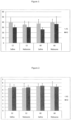
Figure 1 shows jejunum DPPIV activity on acute and chronic feeding of rats fed the diets of Example 1. -
Figure 2 shows colon DPPIV activity on acute and chronic feeding of rats fed the diets of Example 1. -
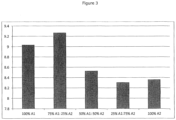
Figure 3 shows jejunum DPPIV activity in rats fed varying ratios of beta-casein A1 and beta-casein A2. -
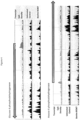
Figure 4 shows DNA methylation changes in the genes corresponding to enzymes responsible for glucose metabolism and glucose homeostasis. -
Figure 5 shows DNA methylation changes in the genes corresponding to enzymes responsible for insulin receptor (INSR) and insulin receptor substrates (IRS1, ISR4). -
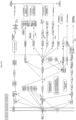
Figure 6 shows the insulin pathway and the genes from this pathway which have an altered epigenetic status. -
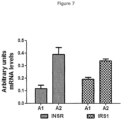
Figure 7 shows the levels of mRNA for insulin receptor (INSR) and insulin receptor substrate (IRS1) expressed in the pancreas of NOD mice. - The invention relates to a composition containing the protein beta-casein and its use for regulating blood glucose levels to reduce the symptoms of hyperglycaemia in non-diabetic humans, as defined in
claim 1. Importantly, the beta-casein is the A2 variant of beta-casein. The beta-casein in the composition is 100% beta-casein A2. The importance of the exclusivity of the A2 variant in the composition is due to the fact that the applicant has shown that there is a direct link between the A1 variant and high levels of DPPIV activity in the jejunum in animals. High levels of DPPIV activity are directly associated with high blood glucose levels. An inference of high levels of glucose in the blood of humans on consumption of beta-casein A1 therefore has scientific basis. The applicant has also found that consumption of milk containing only beta-casein A2 or predominantly beta-casein A2 results in elevated levels of insulin receptor and insulin receptor substrate gene expression. This improves the ability to manage glucose homeostasis, reduces symptoms and complications associated with elevated blood glucose levels, and lowers the risk of type II diabetes developing. - The term "acute" as used in this specification, unless otherwise indicated, is intended to mean during the period of time from consumption of beta-casein A1 to exit of beta-casein A1 or BCM-7 from the gut (typically 8-20 hours after consumption).
- Since the primary, if not only, source of beta-caseins in the diet of most human populations is milk or products derived from milk, and since most milk consumed contains a mixture of the A1 and A2 variants of beta-casein only, the consumption of milk (or products made from such milk) having a high content of the A2 variant will necessarily mean that the consumption of the A1 variant is low. It can then be understood that if the only dietary source of beta-casein contains the A2 variant and no other variant, the dietary intake of the A1 variant is eliminated and the adverse symptoms of high blood glucose levels can therefore also be expected to be eliminated.
- Accordingly, the invention of this application is based on the elimination of beta-casein A1 in the diet, and the promotion of beta-casein A2, and this is achieved by ensuring that the beta-casein in beta-casein containing food compositions, especially milk and milk products, is exclusively beta-casein A2.
- The beta-casein in the composition is 100% beta-casein A2. The complete elimination of beta-casein A1 therefore maximises the potential to maintain normal levels of blood glucose and therefore the avoidance of adverse symptoms associated with high levels.
- The composition of the invention is typically milk, but may also be any milk-derived product such as cream, yoghurt, quark, cheese, butter, or ice cream. The composition may also be a non-milk product containing beta-casein that has been obtained from milk. The composition may be beta-casein itself, or may be prepared from beta-casein, which beta-casein may be in solid form such as powder or granules or in the form of a solid cake.
- While the milk may be obtained from any mammal, including humans, goats, pigs and buffalo, in preferred embodiments of the invention the milk is bovine milk.
- The milk may be in the form of fresh milk, milk powder, liquid milk reconstituted from a powder, skim milk, homogenised milk, condensed milk, evaporated milk, pasteurised milk or non-pasteurised milk, or any other form of milk.
- The composition of the invention is applicable for consumption by humans
Support for the invention is found in the experiments described in the Examples. - Example 1 sets out the feeding methodology for the rat studies of Example 2. The diets are shown in Table 1. The A1 milk diet is based on a formulation where all the beta-casein in the diet is beta-casein A1. The A2 milk diet is based on a formulation where all the beta-casein in the diet is beta-casein A2. The control diet is based on a formulation where the protein content is egg white.
- Example 2 relates to the effect of beta-casein A1 and beta-casein A2 diets on dipeptidyl peptidase IV (DPPIV) activity in the jejunum and colon of rats. DPPIV is a protease known to play an important part of glucose metabolism. DPPIV inactivates incretins, which are hormones that cause an increase in secreted insulin and a corresponding decrease in glucagon, and also slow the rate of absorption of nutrients (including glucose and its precursor polysaccharides) into the blood stream by reducing gastric emptying. The main incretins are glucagon-like peptide-1 (GLP-1) and gastric inhibitory peptide (GIP). An increase in DPPIV activity means that the levels of incretins will be lowered. Since incretins cause insulin to be released, the levels of insulin will be reduced and consequently blood glucose levels will increase. In addition, lower levels of incretins leads to increased gastric emptying and therefore to increased blood glucose levels. In other words, a lowering of DPPIV activity should lead to lower blood glucose levels.
- The results of Example 2 show that a diet containing beta-casein A1 causes an increase in DPPIV activity in the jejunum. The effect was not observed in the colon, presumably because glucose absorption occurs primarily in the small intestine, not the colon. Table 2 and
Figure 1 show that, relative to animals fed the A2 milk diet, animals fed the A1 milk diet demonstrated an increase in DPPIV activity in jejunum tissue, and this activity was persistent from acute through to chronic exposure to beta-casein A1 (or its peptide metabolites). The effect was not reversed, or otherwise affected, on administration of naxolone. Table 3 andFigure 2 show no difference in DPPIV activity in colon tissue between animals fed the A1 milk diet and animals fed the A2 milk diet, whether under acute feeding or chronic feeding conditions. On investigating varying ratios of beta-casein A1 and beta-casein A2 in the diets, and as shown in Table 4 andFigure 3 , animals fed a diet containing beta-casein that is 100% beta-casein A1 showed a significant increase in jejunum DPPIV activity. This increase was also observed in animals fed the 75%A1:25%A2 diet. As the proportion of beta-casein A2 in the diet increases, i.e. 50%A1:50%A2 to 25%A1:75%A2 to 100%A2, the level of DPPIV activity decreased. - Example 2 therefore shows clearly that ingestion of beta-casein A2, instead of beta-casein A1, leads to lower levels of DPPIV activity in the jejunum, and consequently should lead to lower blood glucose levels.
- Example 3 shows DNA methylation changes in the genes responsible for glucose synthesis and glucose metabolism (
Figure 4 ) in human cells treated with BCM-7 for 4 hours. Further, this Example also shows the DNA methylation changes in the genes responsible for glucose homeostasis (Table 5). Lastly, Example 3 shows that the genes important for insulin signalling pathway and insulin sensitivity have an altered epigenetic status. - The enzymes/proteins encoded by these genes mediate glucose sensitivity and glucose homeostasis under the influence of insulin and insulin receptor activation. As indicated in
Figure 5 , the genes encoding insulin receptor (INSR) and insulin receptor substrates (IRS1, IRS4) are altered at the epigenetic level. This directly correlates to decreased insulin receptor formation and decreased insulin sensitivity. - Feedback regulation from glucose promotes insulin synthesis. However, due to down regulation of insulin receptor gene expression, there is decreased insulin sensitivity and disruption of glucose metabolism leading to altered glucose homeostasis. Since these changes are at the epigenetic level, they potentially have a life-long effect and in some cases may even be passed to next generations. Thus, beta-casein A1 (and BCM-7) effects insulin sensitivity at the cellular level due to an altered epigenetic status of the genes responsible for glucose homeostasis and insulin signalling.
- The transcripts and the functional ontology of each gene were analysed using the software application DAVID™ together with the Kyoto Encyclopaedia of Genes and Genomes (KEGG) to observe the interaction of the genes altered in the insulin signalling pathway. The genes which were epigenetically modified under the influence of BCM-7 after 4 hours are shown in
Figure 6 (indicated with a star). AlthoughFigure 6 is a summary representation and does not cover all the genes found to be epigenetically altered, it does demonstrate that BCM-7 affects insulin sensitivity at the receptor level through to the enzymes that metabolise glucose. - Reference Example 4 indicates the changes in gene expression of key receptors involved in the insulin signalling pathway. Specifically, this Example focuses on the insulin receptor itself. NOD (non-obese diabetic) mice were fed an A1 diet or an A2 diet for 10 weeks followed by isolation of their pancreas. Quantification of mRNA levels of insulin receptor (INSR) and insulin receptor substrate type 1 (IRS1) was performed. As indicated in
Figure 7 , mRNA levels of INSR and IRS1 were both lower in the pancreas from NOD mice (N=5) fed the A1 diet compared with NOD mice fed the A2 diet. This indicates that the A1 diet leads to decreased mRNA levels of insulin receptor. This coincides with the altered epigenetic status of INSR and IRS1 induced by BCM-7 in cells. Hence, beta-casein A1 decreases insulin sensitivity, which results in altered glucose metabolism and homeostasis. - These studies represent the first clear scientific evidence of a link between beta-casein A1 consumption and high levels of glucose in blood.
- It is well-known that excessive amounts of carbohydrates, especially simple sugars, in the diet of humans increases the risk of developing insulin resistance which subsequently leads to downstream symptoms of conditions such as type II diabetes and metabolic syndrome. Since beta-casein A1 in the diet increases DPPIV activity and down regulates INSR and IRS1 and IRS4 gene expression relative to beta-casein A2, and therefore leads to high blood glucose levels, a diet that contains no beta-casein A1 is beneficial for health.
- In practical terms, the benefits of the invention can be achieved for large populations by sourcing milk having a beta-casein content that is exclusively beta-casein A2 and producing products derived from that milk, and making that milk and those products available for the purpose of regulating blood glucose levels and management of the symptoms of conditions where hyperglycemia manifests.
- The milk of cows can be tested for the relative proportions of beta-casein A1 and beta-casein A2. Alternatively, cows can be genetically tested for their ability to produce milk containing beta-casein A1 or beta-casein A2 or a combination of both. These techniques are well-known.
- The present invention provides a solution that is comparatively easy to manage, i.e. avoidance of milk or milk products that contain beta-casein A1 and ensuring that milk and milk products in the diet contain beta-casein that is 100% beta-casein A2.
- Any reference to prior art documents in this specification is not to be considered an admission that such prior art is widely known or forms part of the common general knowledge in the field.
- As used in this specification, the words "comprises", "comprising", and similar words, are not to be interpreted in an exclusive or exhaustive sense. In other words, they are intended to mean "including, but not limited to".
- The invention is further described with reference to the following examples. It will be appreciated that the invention as claimed is not intended to be limited in any way by these examples.
- Seventy two weaned (four week old) male Wistar rats were used. Following a 7-day acclimatisation period on a control diet, the rats were fed for either 12 or 60 hours with one of three diets: 100% A1 diet, 100% A2 diet, control diet (n=6 per treatment). The protein component of the diets were derived from skim milk (for the A1 and A2 diets) and on egg white (for the non-milk protein control diet), and were balanced for energy and macronutrient composition (see Table 1). Fifteen minutes before the end of the time period, rats received either naloxone or saline (control) via intra-peritoneal injection, and were then orally gavaged with a non-digestible tracer, titanium dioxide. Faecal and urine samples were collected at 7 time points over the following 24 hours, and stored at -20 °C (faecal) or -80 °C (urine) until they were analysed.
Table 1: Composition of diets Product A1 milk diet A2 milk diet Control diet Ingredient gm kcal gm kcal gm kcal Casein 0 0 0 0 0 0 A1 milk powder 475 1691 0 0 0 0 A2 milk powder 0 0 468 1687 0 0 DL- methionine 3 12 3 12 0 0 Egg whites (dried) 0 0 0 0 200 800 Corn starch 150 600 150 600 153 612 Sucrose 288 1152 294 1176 500 2000 Cellulose, BW200 50 0 50 0 50 0 Corn oil 45.2 406.8 43 387 50 450 Mineral mix S10001 35 0 35 0 35 0 Biotin, 1% 0 0 0 0 0.4 0 Vitamin mix V10001 10 40 10 40 10 40 Choline bitartrate 2 0 2 0 2 0 Total 1058.2 3902 1055 3902 1000.4 3902 - Tissue from the jejunum and colon of rats fed according to Example 1 was quantified for dipeptidyl peptidase IV (DPPIV) activity using a commercial kit (Kit BML-AK498, ENZO Life Sciences, USA). Tissue samples (50 mg) were homogenised in Tris (100 mM, pH 8) and quantified by the addition of Gly-Pro-4-Nitroanilide (Sigma) >Dipeptidyl Peptidase>Gly-Pro + p-Nitroaniline incubated in Tris (100 mM, pH 8) for 15 minutes at 37 °C. The reaction was stopped with acetate buffer (1M, pH 4.2) and the absorbance read in a plate reader at 405 nm and compared to a reference standard curve (Sigma) to calculate activity. One unit produces 1.0 mM of 4-Nitroaniline from Gly-Pro-4-nitroaniline per minute in 0.1 M Tris/HCl at pH 8.0 at 37 °C. The results, shown in Tables 2 to 4 and in
Figures 1 to 3 , clearly indicate that beta-casein A1 increases DPPIV activity in the jejunum. DPPIV activity is expressed in units of nmol/min/µg protein. Note that the rats used for the study of varying ratios of beta-casein A1 and beta-casein A2 (Table 4) were conditioned differently (purified rat diet AIN-76A).Table 2: Jejunum DPPIV activity A1 Std Dev A2 Std Dev Saline 12 39.19 9.05 29.94 4.66 Naloxone 12 35.43 6.68 30.38 10.25 Saline 60 37.35 7.92 26.15 3.58 Naloxone 60 39.39 6.43 36.56 14.18 Table 3: Colon DPPIV activity A1 Std Dev A2 Std Dev Saline 12 6.53 1.18 6.79 0.74 Naloxone 12 6.52 1.33 6.68 0.70 Saline 60 6.94 0.81 7.19 0.63 Naloxone 60 7.03 1.33 6.87 0.64 Table 4: Jejunum DPPIV activity for varying A1:A2 ratios Jejunum DPPIV activity Std Dev 100%A1 9.03 1.89 75% A1:25% A2 9.27 1.68 50% A1:50% A2 8.53 2.26 25% A1:75% A2 8.31 1.32 100%A2 8.36 1.18 - Shifts in global DNA methylation patterns induced by BCM-7 were investigated using methyl-CpG binding domain (MBD) protein-enriched genome sequencing (MBD-seq) as described previously (Trivedi M., et al., Mol. Pharm. 2014), whereas mRNA translation microarray data was obtained using an Agilent V3 microarray chip, from non-treated control SH-SY5Y cells and cells treated for 4 hours with 1 µM BCM-7.
- Genomic DNA was extracted from samples using the Easy DNA kit (Invitrogen K1800-01) using the appropriate protocol for cell lines. Fragmentation was performed on a Covaris S2 ultrasonicator using the following settings:
duty cycle 10%,intensity 5, 200 cycles per burst during 200 sec. Fragments were obtained having an average length of 200 bp. The power mode is frequency sweeping, temperature 6-8 °C,water level 12. A maximum of 5 µg was loaded in 130 µl Tris- EDTA in a microtube with AFA intensifier. For samples with less DNA input (down to 500 ng) the DNA was diluted 1:5 in TrisEDTA. DNA with an input from 5-3 µg was analysed on the Agilent 2100 using a DNA 1000 chip. DNA with an input lower than 3 µg was concentrated in a rotary evaporator to 25 µl and the fragment distribution was checked on a high sensitivity DNA chip. Methylated DNA was captured using the MethylCap kit (Diagenode, Belgium). The yield was typically between 0.5 and 8 ng of total captured DNA. Fragments were subsequently sequenced using an Illumina Genome Analyzer II. The concentrations of fragmented and captured DNA were determined on a Fluostar Optima plate reader with the Quant-iT PicoGreen dsDNA Assay Kit (Invitrogen P7589) at 480/520nm. - To prepare the DNA library, a DNA Sample Prep Master Mix Set 1 (NEB E6040) was used in combination with a Multiplexing Sample Preparation Oligo Kit (96 samples, Illumina PE-400-1001). The entire fragmented DNA was utilised and followed the NEB protocols, using the multiplexing sequencing adapters provided in the Multiplexing Sample Preparation Oligo Kit. Size selection of the library was carried out on a 2% agarose gel (Low Range Ultra Agarose Biorad 161-3107). A 1Kb Plus ladder (Invitrogen 10787-018) was used and a gel was run at 120 V for 2 hrs. A fragment of 300 bps +/- 50bps was excised and eluted on a Qiagen Gel Extraction Kit column (Qiagen 28704) and eluted in 23 µl EB.
- The Illumina library amplification index protocol was used with the following alterations: 22 µl DNA was used and performed 21 cycles run. The sample was purified on a Qiaquick PCR Purification column (Qiagen 28101) and eluted in 50 µl EB, 1:5 diluted, and concentrated in a rotary evaporator to 10 µl. 1 µl was applied to an Agilent 2100 HS DNA chip and the concentration was determined by smear analysis on the Agilent 2100. The samples were diluted to 10 nM. After denaturation with NaOH the samples were diluted to 16 pM. The Paired-End flow cell was prepared according to the Cluster Station User Guide. Sequencing was performed according to the HiSeq user guide (performing a Multiplexed PE Run), with 2 x 51 cycles for the paired end runs.
Table 5: Genes Regulated by BCM-7 treatment involved in glucose homeostasis (P<0.01, FDR<0.1) Genes CREM AKR1A1 AKT1 SLC2A9 SORBS1 PGM1 SORD EDNRA CACNA1E PCK1 SSTR5 ADRA1B TCF7L2 SLC5A1 RPH3AL EDN1 INS GCKR PLSCR3 ALDH5A1 IGF2 ALMS1 STAT3 PPARD CPT1A HK2 G6PC CYB5R4 PGM2L1 PDK1 PDK2 FOXO3 SLC37A4 IRS1 STXBP4 GCK CACNA1C CAV3 YES1 MLXIPL SLC2A3 PPARG INSR SERPINE1 PFKM KLF15 CACNA1A SLC30A8 PTPN11 ADIPOQ GAPDHS PGM5 HNF1A WFS1 SLC2A5 PTCH1 WDTC1 PDK3 H6PD DBH - Whole genome DNA MBD-seq revealed differentially methylated transcripts (DMTs), as defined by false discovery rate (FDR) <0.1 and ANOVA followed by post-hoc student's t-test (p<0.05). Transcripts included both genes and non-coding RNAs that were differentially methylated/transcribed. The epigenetic changes as well as the transcription changes induced by BCM-7 in specific biological or functionally relevant pathways were evaluated using the Ingenuity Pathway Analysis (IPA) tool and pathways exhibiting the highest impact were identified. The results are shown in Table 5. The changes in the epigenetic status of genes responsible for the glucose metabolism, synthesis and glucose homeostasis are also reported to be altered under BCM-7, as shown in
Figures 5 and6 . - NOD mice (male and female) were fed a diet enriched in either A1 or A2 beta-casein milk protein from weaning. These diets were made by Specialty Feeds Australia to ensure adequate composition and nutrition. Cohorts of mice (n=10) from each gender and diet were euthanased at 10W, 20W and at the time of dissection various samples were collected and stored at -80°C. 40 NOD mice were followed in this study: 10 per group (male/female; A1/A2); 10 were euthanased at 10W and 20W. Pancreas were collected and frozen in RNAlater™.
- RNA from tissues for the analysis of RNA transcription was isolated using an RNAqueous®-4PCR kit from Ambion (Austin, TX). The procedure followed was according to the manufacturer's protocol. The isolated RNA was treated with DNase to purify the RNA followed by RNA quantification using a ND-1000 NanoDrop spectrophotometer. Further, cDNA was synthesised as described previously using the first-strand cDNA synthesis from Roche (Indianapolis, IN). 1 mg of RNA, 1 mM dNTP mix, 60 mM random hexamer primers, with sufficient molecular biology grade H20 was added to achieve a final sample volume of 13 ml. Next, the samples were denatured at 65°C for 5 minutes and then placed on ice. Transcriptor RT (20 units/ml) (Roche), Protector RNase inhibitor (40 U/ml) (Roche), 5 Transcriptor Reverse Transcriptase Reaction Buffer (Roche), and molecular biology grade H20 were added to a final volume of 7 ml in the second part of the reaction and the final volume was adjusted to 20 ml. This was followed by incubation in the PTCThermocycler (MJ Research, St. Bruno, QC, Canada) at 25°C for 10 minutes and ended by 30 minutes at 55°C. Lastly, the reverse-transcriptase enzyme was inhibited by incubation at 85°C for 5 minutes.
Table 6: Primer sequences for qRTPCR Sr No Gene Forward 5'-->3' Reverse 5'-->3' 1 INSR ATCCAGCCTGGGTGACATAG AGGGAGTTTGGACAACAACG 2 IRS1 AAATTAGCCTGCCCTTCGTT TGCTGGAAACTTCTGCATTG - Subsequently, the qRT-PCR assay was performed on triplicate samples using the LightCycler 480 qRT-PCR machine from Roche (Trivedi et al., Mol. Pharmcol. 2014). qRT-PCR was performed using 5 ml of cDNA template, 10 mM sense and antisense primers, 10 ml SYBR Green I Master from Roche, as well as dH20 in a final volume of 20 ml. The list of primers used for this purpose are shown in Table 6. The samples were put through the following protocol; incubation for 5 minutes at 95°C, and then 45 cycles of 95°C for 10 seconds, 60°C for 20 seconds, and 72°C for 30 seconds, followed by a single cycle of 95°C for 5 seconds, 1 minute at 65°C, and 97°C for the melting curve, followed by cooling at 40°C for 90 seconds. No template controls (NTC) were run on the plate, and the dissociation curves were generated to determine the nonspecific products and this was normalized to avoid any non-specific amplification. Data were analysed using the Roche quantification method and were normalised to beta-actin levels.
- Although the invention has been described by way of example, it should be appreciated that variations and modifications may be made without departing from the scope of the invention as defined in the claims. Furthermore, where known equivalents exist to specific features, such equivalents are incorporated as if specifically referred in this specification.
Claims (4)
- A composition for use in regulating the level of glucose in blood to reduce the symptoms of hyperglycaemia in a non-diabetic human, where the composition contains beta-casein, and where the beta-casein comprises 100% beta-casein A2, such that the only dietary source of beta-casein in a diet of the non-diabetic human contains beta-casein A2 and no other variant, and a dietary intake of beta-casein A1 is eliminated.
- The composition for use according to claim 1, which is milk or a milk product.
- The composition for use according to claim 2, wherein the milk is fresh milk, milk powder, liquid milk reconstituted from powder, skim milk, homogenised milk, condensed milk, evaporated milk, pasteurised milk, or non-pasteurised milk.
- The composition for use according to claim 2, wherein the milk product is cream, yoghurt, quark, cheese, butter, or ice cream.
Priority Applications (1)
| Application Number | Priority Date | Filing Date | Title |
|---|---|---|---|
| EP21189520.6A EP3943100A1 (en) | 2013-08-23 | 2014-08-22 | Beta-casein a2 and blood glucose levels |
Applications Claiming Priority (2)
| Application Number | Priority Date | Filing Date | Title |
|---|---|---|---|
| US201361869213P | 2013-08-23 | 2013-08-23 | |
| PCT/NZ2014/000172 WO2015026245A1 (en) | 2013-08-23 | 2014-08-22 | Beta-casein a2 and blood glucose levels |
Related Child Applications (2)
| Application Number | Title | Priority Date | Filing Date |
|---|---|---|---|
| EP21189520.6A Division EP3943100A1 (en) | 2013-08-23 | 2014-08-22 | Beta-casein a2 and blood glucose levels |
| EP21189520.6A Division-Into EP3943100A1 (en) | 2013-08-23 | 2014-08-22 | Beta-casein a2 and blood glucose levels |
Publications (4)
| Publication Number | Publication Date |
|---|---|
| EP3035951A1 EP3035951A1 (en) | 2016-06-29 |
| EP3035951A4 EP3035951A4 (en) | 2017-04-19 |
| EP3035951B1 EP3035951B1 (en) | 2021-09-15 |
| EP3035951B2 true EP3035951B2 (en) | 2024-09-04 |
Family
ID=52483940
Family Applications (2)
| Application Number | Title | Priority Date | Filing Date |
|---|---|---|---|
| EP14838462.1A Active EP3035951B2 (en) | 2013-08-23 | 2014-08-22 | Beta-casein a2 and blood glucose levels |
| EP21189520.6A Pending EP3943100A1 (en) | 2013-08-23 | 2014-08-22 | Beta-casein a2 and blood glucose levels |
Family Applications After (1)
| Application Number | Title | Priority Date | Filing Date |
|---|---|---|---|
| EP21189520.6A Pending EP3943100A1 (en) | 2013-08-23 | 2014-08-22 | Beta-casein a2 and blood glucose levels |
Country Status (17)
| Country | Link |
|---|---|
| US (2) | US10568933B2 (en) |
| EP (2) | EP3035951B2 (en) |
| JP (2) | JP6866159B2 (en) |
| KR (2) | KR102270059B1 (en) |
| CN (1) | CN105555295A (en) |
| AU (2) | AU2014309522B2 (en) |
| CA (2) | CA3235298A1 (en) |
| ES (1) | ES2899732T5 (en) |
| IL (2) | IL243845B (en) |
| MX (2) | MX376874B (en) |
| MY (1) | MY192873A (en) |
| NZ (1) | NZ717171A (en) |
| PH (2) | PH12019550262A1 (en) |
| RU (1) | RU2698794C2 (en) |
| SG (2) | SG11201600670VA (en) |
| WO (1) | WO2015026245A1 (en) |
| ZA (1) | ZA201600816B (en) |
Families Citing this family (9)
| Publication number | Priority date | Publication date | Assignee | Title |
|---|---|---|---|---|
| CN105555295A (en) | 2013-08-23 | 2016-05-04 | 艾尔牛奶有限公司 | Beta-casein a2 and blood glucose levels |
| EP4194001B1 (en) * | 2015-04-22 | 2026-03-18 | Cedars-Sinai Medical Center | Enterically delivered bitter oligopeptides for the treatment of type 2 diabetes and obesity |
| CN122398856A (en) | 2015-05-22 | 2026-07-17 | 艾尔牛奶有限公司 | Beta-casein A2 and antioxidant capacity |
| WO2017003300A1 (en) * | 2015-06-29 | 2017-01-05 | The A2 Milk Company Limited | A2 beta-casein and viscosity of milk products |
| CA3009360A1 (en) * | 2015-12-22 | 2017-06-29 | The A2 Milk Company Limited | Infant formula comprising human milk peptides |
| JP2017165661A (en) * | 2016-03-14 | 2017-09-21 | 雪印メグミルク株式会社 | Glucose metabolism improving agent |
| NZ746167A (en) | 2016-03-30 | 2023-04-28 | A2 Milk Co Ltd | Beta-caseins and cognitive function |
| WO2018063008A1 (en) | 2016-09-30 | 2018-04-05 | The A2 Milk Company Limited | Beta-caseins and gut microbiota |
| CN113248628B (en) * | 2021-07-13 | 2021-10-22 | 南京市妇幼保健院 | Milk-derived polypeptide derivative and application thereof in preparation of obesity prevention and treatment medicines, health-care products and food additives |
Family Cites Families (10)
| Publication number | Priority date | Publication date | Assignee | Title |
|---|---|---|---|---|
| CA2204245C (en) * | 1994-11-04 | 2008-07-22 | Robert Bartlett Elliott | Method of selecting non-diabetogenic milk or milk products and milk or milk products so selected |
| US7094949B2 (en) * | 1995-05-16 | 2006-08-22 | A2 Corporation Limited | Breeding and milking cows for milk free of β-casein A1 |
| CA2217820C (en) | 1995-05-16 | 2011-03-01 | Corran Norman Stuart Mclachlan | Milk and milk products for preventing or treating heart disease |
| WO2001000047A1 (en) * | 1999-06-29 | 2001-01-04 | The New Zealand Milk Institute Limited | Prophylactic dietary supplement based on milk |
| WO2002019832A1 (en) | 2000-09-08 | 2002-03-14 | New Zealand Dairy Board | MILK CONTAINING β-CASEIN WITH PROLINE AT POSITION 67 DOES NOT AGGRAVATE NEUROLOGICAL DISORDERS |
| AU2003281273B2 (en) | 2002-07-03 | 2008-07-24 | The A2 Milk Company Limited | Method for altering fatty acid composition of milk |
| US20060280802A1 (en) * | 2002-10-04 | 2006-12-14 | Campbell Julie H | Therapeutic uses of beta-casein a2 and dietary supplement containing beta-casein a2 |
| RU2007105884A (en) * | 2004-07-19 | 2008-08-27 | Н.В. Нютрисиа (Nl) | DRUG FOR APPLICATION OF Aspartate and Vitamin B12 or Biotin for the regulation of ketone bodies |
| EP2745709A1 (en) * | 2012-12-24 | 2014-06-25 | Abbott Laboratories, Inc. | Nutritional compositions with reduced beta-casein a1 and related methods |
| CN105555295A (en) | 2013-08-23 | 2016-05-04 | 艾尔牛奶有限公司 | Beta-casein a2 and blood glucose levels |
-
2014
- 2014-08-22 CN CN201480046351.4A patent/CN105555295A/en active Pending
- 2014-08-22 NZ NZ717171A patent/NZ717171A/en unknown
- 2014-08-22 CA CA3235298A patent/CA3235298A1/en active Pending
- 2014-08-22 RU RU2016103489A patent/RU2698794C2/en active
- 2014-08-22 SG SG11201600670VA patent/SG11201600670VA/en unknown
- 2014-08-22 KR KR1020167007438A patent/KR102270059B1/en active Active
- 2014-08-22 US US14/913,525 patent/US10568933B2/en active Active
- 2014-08-22 AU AU2014309522A patent/AU2014309522B2/en active Active
- 2014-08-22 ES ES14838462T patent/ES2899732T5/en active Active
- 2014-08-22 KR KR1020217005230A patent/KR102626825B1/en active Active
- 2014-08-22 PH PH1/2019/550262A patent/PH12019550262A1/en unknown
- 2014-08-22 EP EP14838462.1A patent/EP3035951B2/en active Active
- 2014-08-22 MX MX2016002372A patent/MX376874B/en active IP Right Grant
- 2014-08-22 JP JP2016536060A patent/JP6866159B2/en active Active
- 2014-08-22 CA CA2920152A patent/CA2920152A1/en active Pending
- 2014-08-22 EP EP21189520.6A patent/EP3943100A1/en active Pending
- 2014-08-22 MY MYPI2016700569A patent/MY192873A/en unknown
- 2014-08-22 SG SG10201801156RA patent/SG10201801156RA/en unknown
- 2014-08-22 WO PCT/NZ2014/000172 patent/WO2015026245A1/en not_active Ceased
-
2016
- 2016-01-28 IL IL243845A patent/IL243845B/en active IP Right Grant
- 2016-01-29 PH PH12016500213A patent/PH12016500213B1/en unknown
- 2016-02-05 ZA ZA2016/00816A patent/ZA201600816B/en unknown
- 2016-02-23 MX MX2020006720A patent/MX2020006720A/en unknown
-
2018
- 2018-01-30 IL IL257228A patent/IL257228B/en active IP Right Grant
- 2018-09-20 JP JP2018175833A patent/JP7082551B2/en active Active
-
2019
- 2019-06-12 AU AU2019204101A patent/AU2019204101B2/en not_active Withdrawn - After Issue
-
2020
- 2020-01-09 US US16/738,852 patent/US20200129590A1/en not_active Abandoned
Also Published As
Similar Documents
| Publication | Publication Date | Title |
|---|---|---|
| EP3035951B1 (en) | Beta-casein a2 and blood glucose levels | |
| EP3019180B1 (en) | Beta-casein a2 and reducing or preventing symptoms of lactose intolerance | |
| HK40066985A (en) | Beta-casein a2 and blood glucose levels | |
| HK1225618B (en) | Beta-casein a2 and blood glucose levels | |
| RU2802806C1 (en) | Beta-casein a2 and blood glucose level | |
| CN101678077A (en) | New anti-inflammatory analgesic | |
| HK40013850A (en) | Beta-casein a2 and reducing or preventing symptoms of lactose intolerance | |
| HK1223846B (en) | Beta-casein a2 and reducing or preventing symptoms of lactose intolerance |
Legal Events
| Date | Code | Title | Description |
|---|---|---|---|
| PUAI | Public reference made under article 153(3) epc to a published international application that has entered the european phase |
Free format text: ORIGINAL CODE: 0009012 |
|
| 17P | Request for examination filed |
Effective date: 20160323 |
|
| AK | Designated contracting states |
Kind code of ref document: A1 Designated state(s): AL AT BE BG CH CY CZ DE DK EE ES FI FR GB GR HR HU IE IS IT LI LT LU LV MC MK MT NL NO PL PT RO RS SE SI SK SM TR |
|
| AX | Request for extension of the european patent |
Extension state: BA ME |
|
| DAX | Request for extension of the european patent (deleted) | ||
| A4 | Supplementary search report drawn up and despatched |
Effective date: 20170322 |
|
| RIC1 | Information provided on ipc code assigned before grant |
Ipc: A61P 3/10 20060101ALI20170316BHEP Ipc: A61K 38/17 20060101AFI20170316BHEP Ipc: A23L 33/00 20160101ALI20170316BHEP Ipc: A23K 20/147 20160101ALI20170316BHEP Ipc: A23J 1/20 20060101ALI20170316BHEP Ipc: A23L 33/19 20160101ALI20170316BHEP |
|
| REG | Reference to a national code |
Ref country code: HK Ref legal event code: DE Ref document number: 1225618 Country of ref document: HK |
|
| STAA | Information on the status of an ep patent application or granted ep patent |
Free format text: STATUS: REQUEST FOR EXAMINATION WAS MADE |
|
| RAP1 | Party data changed (applicant data changed or rights of an application transferred) |
Owner name: THE A2 MILK COMPANY LIMITED |
|
| STAA | Information on the status of an ep patent application or granted ep patent |
Free format text: STATUS: EXAMINATION IS IN PROGRESS |
|
| 17Q | First examination report despatched |
Effective date: 20191022 |
|
| REG | Reference to a national code |
Ref country code: DE Ref legal event code: R079 Ref document number: 602014080166 Country of ref document: DE Free format text: PREVIOUS MAIN CLASS: A61K0038170000 Ipc: A61K0035200000 |
|
| GRAP | Despatch of communication of intention to grant a patent |
Free format text: ORIGINAL CODE: EPIDOSNIGR1 |
|
| STAA | Information on the status of an ep patent application or granted ep patent |
Free format text: STATUS: GRANT OF PATENT IS INTENDED |
|
| RIC1 | Information provided on ipc code assigned before grant |
Ipc: A61P 43/00 20060101ALI20210531BHEP Ipc: A61P 27/02 20060101ALI20210531BHEP Ipc: A61P 13/12 20060101ALI20210531BHEP Ipc: A61P 13/02 20060101ALI20210531BHEP Ipc: A61P 13/00 20060101ALI20210531BHEP Ipc: A61P 9/00 20060101ALI20210531BHEP Ipc: A61P 3/10 20060101ALI20210531BHEP Ipc: A61P 3/08 20060101ALI20210531BHEP Ipc: A61P 3/04 20060101ALI20210531BHEP Ipc: A23K 20/147 20160101ALI20210531BHEP Ipc: A23L 33/19 20160101ALI20210531BHEP Ipc: A23L 33/00 20160101ALI20210531BHEP Ipc: A23J 1/20 20060101ALI20210531BHEP Ipc: A61K 38/17 20060101ALI20210531BHEP Ipc: A61K 35/20 20060101AFI20210531BHEP |
|
| INTG | Intention to grant announced |
Effective date: 20210629 |
|
| GRAS | Grant fee paid |
Free format text: ORIGINAL CODE: EPIDOSNIGR3 |
|
| GRAA | (expected) grant |
Free format text: ORIGINAL CODE: 0009210 |
|
| STAA | Information on the status of an ep patent application or granted ep patent |
Free format text: STATUS: THE PATENT HAS BEEN GRANTED |
|
| RIN1 | Information on inventor provided before grant (corrected) |
Inventor name: TRIVEDI, MALAV SUCHIN Inventor name: CLARKE, ANDREW JOHN |
|
| AK | Designated contracting states |
Kind code of ref document: B1 Designated state(s): AL AT BE BG CH CY CZ DE DK EE ES FI FR GB GR HR HU IE IS IT LI LT LU LV MC MK MT NL NO PL PT RO RS SE SI SK SM TR |
|
| REG | Reference to a national code |
Ref country code: GB Ref legal event code: FG4D Ref country code: CH Ref legal event code: EP |
|
| REG | Reference to a national code |
Ref country code: DE Ref legal event code: R096 Ref document number: 602014080166 Country of ref document: DE |
|
| REG | Reference to a national code |
Ref country code: IE Ref legal event code: FG4D |
|
| REG | Reference to a national code |
Ref country code: AT Ref legal event code: REF Ref document number: 1429998 Country of ref document: AT Kind code of ref document: T Effective date: 20211015 |
|
| REG | Reference to a national code |
Ref country code: NL Ref legal event code: FP |
|
| REG | Reference to a national code |
Ref country code: LT Ref legal event code: MG9D |
|
| PG25 | Lapsed in a contracting state [announced via postgrant information from national office to epo] |
Ref country code: HR Free format text: LAPSE BECAUSE OF FAILURE TO SUBMIT A TRANSLATION OF THE DESCRIPTION OR TO PAY THE FEE WITHIN THE PRESCRIBED TIME-LIMIT Effective date: 20210915 Ref country code: RS Free format text: LAPSE BECAUSE OF FAILURE TO SUBMIT A TRANSLATION OF THE DESCRIPTION OR TO PAY THE FEE WITHIN THE PRESCRIBED TIME-LIMIT Effective date: 20210915 Ref country code: SE Free format text: LAPSE BECAUSE OF FAILURE TO SUBMIT A TRANSLATION OF THE DESCRIPTION OR TO PAY THE FEE WITHIN THE PRESCRIBED TIME-LIMIT Effective date: 20210915 Ref country code: FI Free format text: LAPSE BECAUSE OF FAILURE TO SUBMIT A TRANSLATION OF THE DESCRIPTION OR TO PAY THE FEE WITHIN THE PRESCRIBED TIME-LIMIT Effective date: 20210915 Ref country code: NO Free format text: LAPSE BECAUSE OF FAILURE TO SUBMIT A TRANSLATION OF THE DESCRIPTION OR TO PAY THE FEE WITHIN THE PRESCRIBED TIME-LIMIT Effective date: 20211215 Ref country code: LT Free format text: LAPSE BECAUSE OF FAILURE TO SUBMIT A TRANSLATION OF THE DESCRIPTION OR TO PAY THE FEE WITHIN THE PRESCRIBED TIME-LIMIT Effective date: 20210915 Ref country code: BG Free format text: LAPSE BECAUSE OF FAILURE TO SUBMIT A TRANSLATION OF THE DESCRIPTION OR TO PAY THE FEE WITHIN THE PRESCRIBED TIME-LIMIT Effective date: 20211215 |
|
| REG | Reference to a national code |
Ref country code: AT Ref legal event code: MK05 Ref document number: 1429998 Country of ref document: AT Kind code of ref document: T Effective date: 20210915 |
|
| PG25 | Lapsed in a contracting state [announced via postgrant information from national office to epo] |
Ref country code: LV Free format text: LAPSE BECAUSE OF FAILURE TO SUBMIT A TRANSLATION OF THE DESCRIPTION OR TO PAY THE FEE WITHIN THE PRESCRIBED TIME-LIMIT Effective date: 20210915 Ref country code: GR Free format text: LAPSE BECAUSE OF FAILURE TO SUBMIT A TRANSLATION OF THE DESCRIPTION OR TO PAY THE FEE WITHIN THE PRESCRIBED TIME-LIMIT Effective date: 20211216 |
|
| REG | Reference to a national code |
Ref country code: ES Ref legal event code: FG2A Ref document number: 2899732 Country of ref document: ES Kind code of ref document: T3 Effective date: 20220314 |
|
| PG25 | Lapsed in a contracting state [announced via postgrant information from national office to epo] |
Ref country code: AT Free format text: LAPSE BECAUSE OF FAILURE TO SUBMIT A TRANSLATION OF THE DESCRIPTION OR TO PAY THE FEE WITHIN THE PRESCRIBED TIME-LIMIT Effective date: 20210915 |
|
| PG25 | Lapsed in a contracting state [announced via postgrant information from national office to epo] |
Ref country code: IS Free format text: LAPSE BECAUSE OF FAILURE TO SUBMIT A TRANSLATION OF THE DESCRIPTION OR TO PAY THE FEE WITHIN THE PRESCRIBED TIME-LIMIT Effective date: 20220115 Ref country code: SM Free format text: LAPSE BECAUSE OF FAILURE TO SUBMIT A TRANSLATION OF THE DESCRIPTION OR TO PAY THE FEE WITHIN THE PRESCRIBED TIME-LIMIT Effective date: 20210915 Ref country code: SK Free format text: LAPSE BECAUSE OF FAILURE TO SUBMIT A TRANSLATION OF THE DESCRIPTION OR TO PAY THE FEE WITHIN THE PRESCRIBED TIME-LIMIT Effective date: 20210915 Ref country code: RO Free format text: LAPSE BECAUSE OF FAILURE TO SUBMIT A TRANSLATION OF THE DESCRIPTION OR TO PAY THE FEE WITHIN THE PRESCRIBED TIME-LIMIT Effective date: 20210915 Ref country code: PT Free format text: LAPSE BECAUSE OF FAILURE TO SUBMIT A TRANSLATION OF THE DESCRIPTION OR TO PAY THE FEE WITHIN THE PRESCRIBED TIME-LIMIT Effective date: 20220117 Ref country code: PL Free format text: LAPSE BECAUSE OF FAILURE TO SUBMIT A TRANSLATION OF THE DESCRIPTION OR TO PAY THE FEE WITHIN THE PRESCRIBED TIME-LIMIT Effective date: 20210915 Ref country code: EE Free format text: LAPSE BECAUSE OF FAILURE TO SUBMIT A TRANSLATION OF THE DESCRIPTION OR TO PAY THE FEE WITHIN THE PRESCRIBED TIME-LIMIT Effective date: 20210915 Ref country code: CZ Free format text: LAPSE BECAUSE OF FAILURE TO SUBMIT A TRANSLATION OF THE DESCRIPTION OR TO PAY THE FEE WITHIN THE PRESCRIBED TIME-LIMIT Effective date: 20210915 Ref country code: AL Free format text: LAPSE BECAUSE OF FAILURE TO SUBMIT A TRANSLATION OF THE DESCRIPTION OR TO PAY THE FEE WITHIN THE PRESCRIBED TIME-LIMIT Effective date: 20210915 |
|
| REG | Reference to a national code |
Ref country code: DE Ref legal event code: R026 Ref document number: 602014080166 Country of ref document: DE |
|
| PLBI | Opposition filed |
Free format text: ORIGINAL CODE: 0009260 |
|
| PLAB | Opposition data, opponent's data or that of the opponent's representative modified |
Free format text: ORIGINAL CODE: 0009299OPPO |
|
| PLAX | Notice of opposition and request to file observation + time limit sent |
Free format text: ORIGINAL CODE: EPIDOSNOBS2 |
|
| 26 | Opposition filed |
Opponent name: ARLA FOODS AMBA Effective date: 20220615 Opponent name: FONTERRA CO-OPERATIVE GROUP LIMITED Effective date: 20220613 |
|
| R26 | Opposition filed (corrected) |
Opponent name: ARLA FOODS AMBA Effective date: 20220615 |
|
| PG25 | Lapsed in a contracting state [announced via postgrant information from national office to epo] |
Ref country code: DK Free format text: LAPSE BECAUSE OF FAILURE TO SUBMIT A TRANSLATION OF THE DESCRIPTION OR TO PAY THE FEE WITHIN THE PRESCRIBED TIME-LIMIT Effective date: 20210915 |
|
| PG25 | Lapsed in a contracting state [announced via postgrant information from national office to epo] |
Ref country code: SI Free format text: LAPSE BECAUSE OF FAILURE TO SUBMIT A TRANSLATION OF THE DESCRIPTION OR TO PAY THE FEE WITHIN THE PRESCRIBED TIME-LIMIT Effective date: 20210915 |
|
| PLBB | Reply of patent proprietor to notice(s) of opposition received |
Free format text: ORIGINAL CODE: EPIDOSNOBS3 |
|
| PG25 | Lapsed in a contracting state [announced via postgrant information from national office to epo] |
Ref country code: MC Free format text: LAPSE BECAUSE OF FAILURE TO SUBMIT A TRANSLATION OF THE DESCRIPTION OR TO PAY THE FEE WITHIN THE PRESCRIBED TIME-LIMIT Effective date: 20210915 |
|
| PG25 | Lapsed in a contracting state [announced via postgrant information from national office to epo] |
Ref country code: LU Free format text: LAPSE BECAUSE OF NON-PAYMENT OF DUE FEES Effective date: 20220822 |
|
| P01 | Opt-out of the competence of the unified patent court (upc) registered |
Effective date: 20230506 |
|
| PLBP | Opposition withdrawn |
Free format text: ORIGINAL CODE: 0009264 |
|
| APBM | Appeal reference recorded |
Free format text: ORIGINAL CODE: EPIDOSNREFNO |
|
| APBP | Date of receipt of notice of appeal recorded |
Free format text: ORIGINAL CODE: EPIDOSNNOA2O |
|
| APAH | Appeal reference modified |
Free format text: ORIGINAL CODE: EPIDOSCREFNO |
|
| PG25 | Lapsed in a contracting state [announced via postgrant information from national office to epo] |
Ref country code: HU Free format text: LAPSE BECAUSE OF FAILURE TO SUBMIT A TRANSLATION OF THE DESCRIPTION OR TO PAY THE FEE WITHIN THE PRESCRIBED TIME-LIMIT; INVALID AB INITIO Effective date: 20140822 |
|
| APBU | Appeal procedure closed |
Free format text: ORIGINAL CODE: EPIDOSNNOA9O |
|
| PG25 | Lapsed in a contracting state [announced via postgrant information from national office to epo] |
Ref country code: CY Free format text: LAPSE BECAUSE OF FAILURE TO SUBMIT A TRANSLATION OF THE DESCRIPTION OR TO PAY THE FEE WITHIN THE PRESCRIBED TIME-LIMIT Effective date: 20210915 |
|
| PG25 | Lapsed in a contracting state [announced via postgrant information from national office to epo] |
Ref country code: MK Free format text: LAPSE BECAUSE OF FAILURE TO SUBMIT A TRANSLATION OF THE DESCRIPTION OR TO PAY THE FEE WITHIN THE PRESCRIBED TIME-LIMIT Effective date: 20210915 |
|
| PG25 | Lapsed in a contracting state [announced via postgrant information from national office to epo] |
Ref country code: TR Free format text: LAPSE BECAUSE OF FAILURE TO SUBMIT A TRANSLATION OF THE DESCRIPTION OR TO PAY THE FEE WITHIN THE PRESCRIBED TIME-LIMIT Effective date: 20210915 |
|
| PUAH | Patent maintained in amended form |
Free format text: ORIGINAL CODE: 0009272 |
|
| STAA | Information on the status of an ep patent application or granted ep patent |
Free format text: STATUS: PATENT MAINTAINED AS AMENDED |
|
| 27A | Patent maintained in amended form |
Effective date: 20240904 |
|
| AK | Designated contracting states |
Kind code of ref document: B2 Designated state(s): AL AT BE BG CH CY CZ DE DK EE ES FI FR GB GR HR HU IE IS IT LI LT LU LV MC MK MT NL NO PL PT RO RS SE SI SK SM TR |
|
| REG | Reference to a national code |
Ref country code: DE Ref legal event code: R102 Ref document number: 602014080166 Country of ref document: DE |
|
| REG | Reference to a national code |
Ref country code: NL Ref legal event code: FP |
|
| PG25 | Lapsed in a contracting state [announced via postgrant information from national office to epo] |
Ref country code: MT Free format text: LAPSE BECAUSE OF FAILURE TO SUBMIT A TRANSLATION OF THE DESCRIPTION OR TO PAY THE FEE WITHIN THE PRESCRIBED TIME-LIMIT Effective date: 20210915 |
|
| REG | Reference to a national code |
Ref country code: ES Ref legal event code: DC2A Ref document number: 2899732 Country of ref document: ES Kind code of ref document: T5 Effective date: 20250205 |
|
| PGFP | Annual fee paid to national office [announced via postgrant information from national office to epo] |
Ref country code: NL Payment date: 20250821 Year of fee payment: 12 |
|
| PGFP | Annual fee paid to national office [announced via postgrant information from national office to epo] |
Ref country code: ES Payment date: 20250917 Year of fee payment: 12 |
|
| PGFP | Annual fee paid to national office [announced via postgrant information from national office to epo] |
Ref country code: DE Payment date: 20250819 Year of fee payment: 12 |
|
| PGFP | Annual fee paid to national office [announced via postgrant information from national office to epo] |
Ref country code: IT Payment date: 20250825 Year of fee payment: 12 |
|
| PGFP | Annual fee paid to national office [announced via postgrant information from national office to epo] |
Ref country code: BE Payment date: 20250825 Year of fee payment: 12 Ref country code: GB Payment date: 20250814 Year of fee payment: 12 |
|
| PGFP | Annual fee paid to national office [announced via postgrant information from national office to epo] |
Ref country code: FR Payment date: 20250827 Year of fee payment: 12 |
|
| PGFP | Annual fee paid to national office [announced via postgrant information from national office to epo] |
Ref country code: CH Payment date: 20250901 Year of fee payment: 12 |
|
| PGFP | Annual fee paid to national office [announced via postgrant information from national office to epo] |
Ref country code: IE Payment date: 20250821 Year of fee payment: 12 |