EP3024823B1 - Intercalating amino acids - Google Patents
Intercalating amino acids Download PDFInfo
- Publication number
- EP3024823B1 EP3024823B1 EP14741620.0A EP14741620A EP3024823B1 EP 3024823 B1 EP3024823 B1 EP 3024823B1 EP 14741620 A EP14741620 A EP 14741620A EP 3024823 B1 EP3024823 B1 EP 3024823B1
- Authority
- EP
- European Patent Office
- Prior art keywords
- ncaa
- pylrs
- peptide
- nucleic acid
- lysine
- Prior art date
- Legal status (The legal status is an assumption and is not a legal conclusion. Google has not performed a legal analysis and makes no representation as to the accuracy of the status listed.)
- Not-in-force
Links
- 238000009830 intercalation Methods 0.000 title claims description 21
- 150000001413 amino acids Chemical class 0.000 title description 28
- 108090000765 processed proteins & peptides Proteins 0.000 claims description 131
- 230000027455 binding Effects 0.000 claims description 73
- 125000003118 aryl group Chemical group 0.000 claims description 71
- 150000007523 nucleic acids Chemical class 0.000 claims description 63
- 108020004707 nucleic acids Proteins 0.000 claims description 56
- 102000039446 nucleic acids Human genes 0.000 claims description 56
- 239000004472 Lysine Substances 0.000 claims description 34
- 239000000126 substance Substances 0.000 claims description 28
- KDXKERNSBIXSRK-UHFFFAOYSA-N Lysine Natural products NCCCCC(N)C(O)=O KDXKERNSBIXSRK-UHFFFAOYSA-N 0.000 claims description 27
- WZJYKHNJTSNBHV-UHFFFAOYSA-N benzo[h]quinoline Chemical compound C1=CN=C2C3=CC=CC=C3C=CC2=C1 WZJYKHNJTSNBHV-UHFFFAOYSA-N 0.000 claims description 24
- 238000013519 translation Methods 0.000 claims description 23
- SMWDFEZZVXVKRB-UHFFFAOYSA-N Quinoline Chemical compound N1=CC=CC2=CC=CC=C21 SMWDFEZZVXVKRB-UHFFFAOYSA-N 0.000 claims description 22
- XSCHRSMBECNVNS-UHFFFAOYSA-N quinoxaline Chemical compound N1=CC=NC2=CC=CC=C21 XSCHRSMBECNVNS-UHFFFAOYSA-N 0.000 claims description 22
- 108020004705 Codon Proteins 0.000 claims description 21
- FSEXLNMNADBYJU-UHFFFAOYSA-N 2-phenylquinoline Chemical compound C1=CC=CC=C1C1=CC=C(C=CC=C2)C2=N1 FSEXLNMNADBYJU-UHFFFAOYSA-N 0.000 claims description 16
- UJOBWOGCFQCDNV-UHFFFAOYSA-N 9H-carbazole Chemical compound C1=CC=C2C3=CC=CC=C3NC2=C1 UJOBWOGCFQCDNV-UHFFFAOYSA-N 0.000 claims description 16
- DZBUGLKDJFMEHC-UHFFFAOYSA-N acridine Chemical compound C1=CC=CC2=CC3=CC=CC=C3N=C21 DZBUGLKDJFMEHC-UHFFFAOYSA-N 0.000 claims description 16
- AWJUIBRHMBBTKR-UHFFFAOYSA-N isoquinoline Chemical compound C1=NC=CC2=CC=CC=C21 AWJUIBRHMBBTKR-UHFFFAOYSA-N 0.000 claims description 16
- 238000000034 method Methods 0.000 claims description 16
- 125000001314 canonical amino-acid group Chemical group 0.000 claims description 15
- DGEZNRSVGBDHLK-UHFFFAOYSA-N [1,10]phenanthroline Chemical compound C1=CN=C2C3=NC=CC=C3C=CC2=C1 DGEZNRSVGBDHLK-UHFFFAOYSA-N 0.000 claims description 14
- 150000001875 compounds Chemical class 0.000 claims description 14
- HYZJCKYKOHLVJF-UHFFFAOYSA-N 1H-benzimidazole Chemical compound C1=CC=C2NC=NC2=C1 HYZJCKYKOHLVJF-UHFFFAOYSA-N 0.000 claims description 8
- VEPOHXYIFQMVHW-XOZOLZJESA-N 2,3-dihydroxybutanedioic acid (2S,3S)-3,4-dimethyl-2-phenylmorpholine Chemical compound OC(C(O)C(O)=O)C(O)=O.C[C@H]1[C@@H](OCCN1C)c1ccccc1 VEPOHXYIFQMVHW-XOZOLZJESA-N 0.000 claims description 8
- XJGFWWJLMVZSIG-UHFFFAOYSA-N 9-aminoacridine Chemical compound C1=CC=C2C(N)=C(C=CC=C3)C3=NC2=C1 XJGFWWJLMVZSIG-UHFFFAOYSA-N 0.000 claims description 8
- PCNDJXKNXGMECE-UHFFFAOYSA-N Phenazine Natural products C1=CC=CC2=NC3=CC=CC=C3N=C21 PCNDJXKNXGMECE-UHFFFAOYSA-N 0.000 claims description 8
- 229960001441 aminoacridine Drugs 0.000 claims description 8
- 238000000338 in vitro Methods 0.000 claims description 8
- RDOWQLZANAYVLL-UHFFFAOYSA-N phenanthrridine Natural products C1=CC=C2C3=CC=CC=C3C=NC2=C1 RDOWQLZANAYVLL-UHFFFAOYSA-N 0.000 claims description 8
- 239000003814 drug Substances 0.000 claims description 7
- 208000035143 Bacterial infection Diseases 0.000 claims description 6
- 108091028043 Nucleic acid sequence Proteins 0.000 claims description 6
- 208000036142 Viral infection Diseases 0.000 claims description 6
- 208000022362 bacterial infectious disease Diseases 0.000 claims description 6
- 230000009385 viral infection Effects 0.000 claims description 6
- 206010028980 Neoplasm Diseases 0.000 claims description 5
- 230000001580 bacterial effect Effects 0.000 claims description 5
- 201000011510 cancer Diseases 0.000 claims description 5
- 238000004519 manufacturing process Methods 0.000 claims description 5
- 244000005700 microbiome Species 0.000 claims description 5
- 108040001032 pyrrolysyl-tRNA synthetase activity proteins Proteins 0.000 claims description 5
- 239000002872 contrast media Substances 0.000 claims description 4
- 229940079593 drug Drugs 0.000 claims description 4
- 238000002372 labelling Methods 0.000 claims description 4
- 239000007850 fluorescent dye Substances 0.000 claims description 3
- 238000001215 fluorescent labelling Methods 0.000 claims description 3
- 125000003368 amide group Chemical group 0.000 claims description 2
- 238000000163 radioactive labelling Methods 0.000 claims description 2
- 108090000623 proteins and genes Proteins 0.000 description 54
- 101710123256 Pyrrolysine-tRNA ligase Proteins 0.000 description 52
- 102000004169 proteins and genes Human genes 0.000 description 52
- 235000018102 proteins Nutrition 0.000 description 46
- 108020004414 DNA Proteins 0.000 description 41
- 102000004196 processed proteins & peptides Human genes 0.000 description 39
- 230000014509 gene expression Effects 0.000 description 30
- 230000014616 translation Effects 0.000 description 29
- 235000001014 amino acid Nutrition 0.000 description 28
- 210000004027 cell Anatomy 0.000 description 28
- 235000018977 lysine Nutrition 0.000 description 22
- KDXKERNSBIXSRK-YFKPBYRVSA-N L-lysine Chemical group NCCCC[C@H](N)C(O)=O KDXKERNSBIXSRK-YFKPBYRVSA-N 0.000 description 20
- 241000588724 Escherichia coli Species 0.000 description 19
- 239000013612 plasmid Substances 0.000 description 19
- 108091032973 (ribonucleotides)n+m Proteins 0.000 description 17
- 238000010348 incorporation Methods 0.000 description 17
- 230000001413 cellular effect Effects 0.000 description 15
- RAXXELZNTBOGNW-UHFFFAOYSA-N imidazole Natural products C1=CNC=N1 RAXXELZNTBOGNW-UHFFFAOYSA-N 0.000 description 15
- DHMQDGOQFOQNFH-UHFFFAOYSA-N Glycine Chemical class NCC(O)=O DHMQDGOQFOQNFH-UHFFFAOYSA-N 0.000 description 14
- RTZKZFJDLAIYFH-UHFFFAOYSA-N Diethyl ether Chemical compound CCOCC RTZKZFJDLAIYFH-UHFFFAOYSA-N 0.000 description 13
- 238000003556 assay Methods 0.000 description 13
- XEKOWRVHYACXOJ-UHFFFAOYSA-N Ethyl acetate Chemical compound CCOC(C)=O XEKOWRVHYACXOJ-UHFFFAOYSA-N 0.000 description 12
- FAPWRFPIFSIZLT-UHFFFAOYSA-M Sodium chloride Chemical compound [Na+].[Cl-] FAPWRFPIFSIZLT-UHFFFAOYSA-M 0.000 description 12
- 239000013078 crystal Substances 0.000 description 12
- 230000035772 mutation Effects 0.000 description 12
- ZEXKKIXCRDTKBF-UHFFFAOYSA-N quinoline-2-carboxamide Chemical group C1=CC=CC2=NC(C(=O)N)=CC=C21 ZEXKKIXCRDTKBF-UHFFFAOYSA-N 0.000 description 12
- ZFOMKMMPBOQKMC-KXUCPTDWSA-N L-pyrrolysine Chemical compound C[C@@H]1CC=N[C@H]1C(=O)NCCCC[C@H]([NH3+])C([O-])=O ZFOMKMMPBOQKMC-KXUCPTDWSA-N 0.000 description 11
- 108020004566 Transfer RNA Proteins 0.000 description 11
- 238000006467 substitution reaction Methods 0.000 description 11
- PVKSNHVPLWYQGJ-KQYNXXCUSA-N AMP-PNP Chemical compound C1=NC=2C(N)=NC=NC=2N1[C@@H]1O[C@H](COP(O)(=O)OP(O)(=O)NP(O)(O)=O)[C@@H](O)[C@H]1O PVKSNHVPLWYQGJ-KQYNXXCUSA-N 0.000 description 10
- WEVYAHXRMPXWCK-UHFFFAOYSA-N Acetonitrile Chemical compound CC#N WEVYAHXRMPXWCK-UHFFFAOYSA-N 0.000 description 10
- 230000004570 RNA-binding Effects 0.000 description 10
- 230000015572 biosynthetic process Effects 0.000 description 10
- 230000002687 intercalation Effects 0.000 description 10
- 108700028939 Amino Acyl-tRNA Synthetases Proteins 0.000 description 9
- 230000004568 DNA-binding Effects 0.000 description 9
- OKKJLVBELUTLKV-UHFFFAOYSA-N Methanol Chemical compound OC OKKJLVBELUTLKV-UHFFFAOYSA-N 0.000 description 9
- 241000205274 Methanosarcina mazei Species 0.000 description 9
- 235000004279 alanine Nutrition 0.000 description 9
- 238000007363 ring formation reaction Methods 0.000 description 9
- 102000052866 Amino Acyl-tRNA Synthetases Human genes 0.000 description 8
- CTQNGGLPUBDAKN-UHFFFAOYSA-N O-Xylene Chemical group CC1=CC=CC=C1C CTQNGGLPUBDAKN-UHFFFAOYSA-N 0.000 description 8
- 238000004458 analytical method Methods 0.000 description 8
- 125000004429 atom Chemical group 0.000 description 8
- 238000013461 design Methods 0.000 description 8
- 238000005259 measurement Methods 0.000 description 8
- 238000003786 synthesis reaction Methods 0.000 description 8
- 239000004471 Glycine Chemical class 0.000 description 7
- XSQUKJJJFZCRTK-UHFFFAOYSA-N Urea Natural products NC(N)=O XSQUKJJJFZCRTK-UHFFFAOYSA-N 0.000 description 7
- 238000005119 centrifugation Methods 0.000 description 7
- 230000002068 genetic effect Effects 0.000 description 7
- 230000003993 interaction Effects 0.000 description 7
- 238000002415 sodium dodecyl sulfate polyacrylamide gel electrophoresis Methods 0.000 description 7
- 239000000243 solution Substances 0.000 description 7
- DTQVDTLACAAQTR-UHFFFAOYSA-N Trifluoroacetic acid Chemical compound OC(=O)C(F)(F)F DTQVDTLACAAQTR-UHFFFAOYSA-N 0.000 description 6
- 150000001294 alanine derivatives Chemical class 0.000 description 6
- 238000006243 chemical reaction Methods 0.000 description 6
- 238000010276 construction Methods 0.000 description 6
- 230000000694 effects Effects 0.000 description 6
- 230000001965 increasing effect Effects 0.000 description 6
- -1 lysine Chemical class 0.000 description 6
- 150000002668 lysine derivatives Chemical class 0.000 description 6
- 239000003550 marker Substances 0.000 description 6
- BDAGIHXWWSANSR-UHFFFAOYSA-N methanoic acid Natural products OC=O BDAGIHXWWSANSR-UHFFFAOYSA-N 0.000 description 6
- 229910052757 nitrogen Inorganic materials 0.000 description 6
- 125000004433 nitrogen atom Chemical group N* 0.000 description 6
- 239000012071 phase Substances 0.000 description 6
- 239000011780 sodium chloride Substances 0.000 description 6
- 230000001629 suppression Effects 0.000 description 6
- 108060008226 thioredoxin Proteins 0.000 description 6
- 239000004475 Arginine Substances 0.000 description 5
- 241000713772 Human immunodeficiency virus 1 Species 0.000 description 5
- ACMUGXJWBHJUBZ-SFHVURJKSA-N N[C@@H](CCCCNC(=O)OCc1ccc2ccc3ccccc3c2n1)C(O)=O Chemical compound N[C@@H](CCCCNC(=O)OCc1ccc2ccc3ccccc3c2n1)C(O)=O ACMUGXJWBHJUBZ-SFHVURJKSA-N 0.000 description 5
- 108020005038 Terminator Codon Proteins 0.000 description 5
- 102000002933 Thioredoxin Human genes 0.000 description 5
- 108010067390 Viral Proteins Proteins 0.000 description 5
- 125000003275 alpha amino acid group Chemical group 0.000 description 5
- ODKSFYDXXFIFQN-UHFFFAOYSA-N arginine Natural products OC(=O)C(N)CCCNC(N)=N ODKSFYDXXFIFQN-UHFFFAOYSA-N 0.000 description 5
- 238000002330 electrospray ionisation mass spectrometry Methods 0.000 description 5
- 125000005842 heteroatom Chemical group 0.000 description 5
- 239000011159 matrix material Substances 0.000 description 5
- 108020004999 messenger RNA Proteins 0.000 description 5
- 238000000746 purification Methods 0.000 description 5
- 230000002829 reductive effect Effects 0.000 description 5
- 239000000758 substrate Substances 0.000 description 5
- 229940094937 thioredoxin Drugs 0.000 description 5
- IJGRMHOSHXDMSA-UHFFFAOYSA-N Atomic nitrogen Chemical compound N#N IJGRMHOSHXDMSA-UHFFFAOYSA-N 0.000 description 4
- TWRXJAOTZQYOKJ-UHFFFAOYSA-L Magnesium chloride Chemical compound [Mg+2].[Cl-].[Cl-] TWRXJAOTZQYOKJ-UHFFFAOYSA-L 0.000 description 4
- CSNNHWWHGAXBCP-UHFFFAOYSA-L Magnesium sulfate Chemical compound [Mg+2].[O-][S+2]([O-])([O-])[O-] CSNNHWWHGAXBCP-UHFFFAOYSA-L 0.000 description 4
- 108020000999 Viral RNA Proteins 0.000 description 4
- 238000013459 approach Methods 0.000 description 4
- 239000012300 argon atmosphere Substances 0.000 description 4
- 210000004899 c-terminal region Anatomy 0.000 description 4
- 239000004202 carbamide Substances 0.000 description 4
- 239000003153 chemical reaction reagent Substances 0.000 description 4
- 229940000406 drug candidate Drugs 0.000 description 4
- 229940093499 ethyl acetate Drugs 0.000 description 4
- 235000019439 ethyl acetate Nutrition 0.000 description 4
- 230000002401 inhibitory effect Effects 0.000 description 4
- 230000010354 integration Effects 0.000 description 4
- 230000001404 mediated effect Effects 0.000 description 4
- 125000001997 phenyl group Chemical group [H]C1=C([H])C([H])=C(*)C([H])=C1[H] 0.000 description 4
- 238000012216 screening Methods 0.000 description 4
- AJPJDKMHJJGVTQ-UHFFFAOYSA-M sodium dihydrogen phosphate Chemical compound [Na+].OP(O)([O-])=O AJPJDKMHJJGVTQ-UHFFFAOYSA-M 0.000 description 4
- 229910000162 sodium phosphate Inorganic materials 0.000 description 4
- 239000002904 solvent Substances 0.000 description 4
- 238000004885 tandem mass spectrometry Methods 0.000 description 4
- OUYCCCASQSFEME-UHFFFAOYSA-N tyrosine Natural products OC(=O)C(N)CC1=CC=C(O)C=C1 OUYCCCASQSFEME-UHFFFAOYSA-N 0.000 description 4
- XLYOFNOQVPJJNP-UHFFFAOYSA-N water Substances O XLYOFNOQVPJJNP-UHFFFAOYSA-N 0.000 description 4
- 0 *[C@](CCC=CNC(c1nc(cccc2)c2nc1)=O)N Chemical compound *[C@](CCC=CNC(c1nc(cccc2)c2nc1)=O)N 0.000 description 3
- IVSZLXZYQVIEFR-UHFFFAOYSA-N 1,3-Dimethylbenzene Natural products CC1=CC=CC(C)=C1 IVSZLXZYQVIEFR-UHFFFAOYSA-N 0.000 description 3
- QKNYBSVHEMOAJP-UHFFFAOYSA-N 2-amino-2-(hydroxymethyl)propane-1,3-diol;hydron;chloride Chemical compound Cl.OCC(N)(CO)CO QKNYBSVHEMOAJP-UHFFFAOYSA-N 0.000 description 3
- OSWFIVFLDKOXQC-UHFFFAOYSA-N 4-(3-methoxyphenyl)aniline Chemical compound COC1=CC=CC(C=2C=CC(N)=CC=2)=C1 OSWFIVFLDKOXQC-UHFFFAOYSA-N 0.000 description 3
- 229920000936 Agarose Polymers 0.000 description 3
- UHOVQNZJYSORNB-UHFFFAOYSA-N Benzene Chemical compound C1=CC=CC=C1 UHOVQNZJYSORNB-UHFFFAOYSA-N 0.000 description 3
- YMWUJEATGCHHMB-UHFFFAOYSA-N Dichloromethane Chemical compound ClCCl YMWUJEATGCHHMB-UHFFFAOYSA-N 0.000 description 3
- LYCAIKOWRPUZTN-UHFFFAOYSA-N Ethylene glycol Chemical compound OCCO LYCAIKOWRPUZTN-UHFFFAOYSA-N 0.000 description 3
- QNAYBMKLOCPYGJ-REOHCLBHSA-N L-alanine Chemical compound C[C@H](N)C(O)=O QNAYBMKLOCPYGJ-REOHCLBHSA-N 0.000 description 3
- SRBFZHDQGSBBOR-HWQSCIPKSA-N L-arabinopyranose Chemical compound O[C@H]1COC(O)[C@H](O)[C@H]1O SRBFZHDQGSBBOR-HWQSCIPKSA-N 0.000 description 3
- 239000006137 Luria-Bertani broth Substances 0.000 description 3
- SJRJJKPEHAURKC-UHFFFAOYSA-N N-Methylmorpholine Chemical compound CN1CCOCC1 SJRJJKPEHAURKC-UHFFFAOYSA-N 0.000 description 3
- VYPSYNLAJGMNEJ-UHFFFAOYSA-N Silicium dioxide Chemical compound O=[Si]=O VYPSYNLAJGMNEJ-UHFFFAOYSA-N 0.000 description 3
- YXFVVABEGXRONW-UHFFFAOYSA-N Toluene Chemical compound CC1=CC=CC=C1 YXFVVABEGXRONW-UHFFFAOYSA-N 0.000 description 3
- ZMANZCXQSJIPKH-UHFFFAOYSA-N Triethylamine Chemical compound CCN(CC)CC ZMANZCXQSJIPKH-UHFFFAOYSA-N 0.000 description 3
- SRBFZHDQGSBBOR-UHFFFAOYSA-N beta-D-Pyranose-Lyxose Natural products OC1COC(O)C(O)C1O SRBFZHDQGSBBOR-UHFFFAOYSA-N 0.000 description 3
- 210000004900 c-terminal fragment Anatomy 0.000 description 3
- FPPNZSSZRUTDAP-UWFZAAFLSA-N carbenicillin Chemical compound N([C@H]1[C@H]2SC([C@@H](N2C1=O)C(O)=O)(C)C)C(=O)C(C(O)=O)C1=CC=CC=C1 FPPNZSSZRUTDAP-UWFZAAFLSA-N 0.000 description 3
- 229960003669 carbenicillin Drugs 0.000 description 3
- 150000001732 carboxylic acid derivatives Chemical class 0.000 description 3
- 238000003776 cleavage reaction Methods 0.000 description 3
- 230000004186 co-expression Effects 0.000 description 3
- 235000018417 cysteine Nutrition 0.000 description 3
- 231100000433 cytotoxic Toxicity 0.000 description 3
- 230000001472 cytotoxic effect Effects 0.000 description 3
- 229960004132 diethyl ether Drugs 0.000 description 3
- 238000003818 flash chromatography Methods 0.000 description 3
- 238000005755 formation reaction Methods 0.000 description 3
- 235000019253 formic acid Nutrition 0.000 description 3
- 239000012634 fragment Substances 0.000 description 3
- PCHJSUWPFVWCPO-UHFFFAOYSA-N gold Chemical compound [Au] PCHJSUWPFVWCPO-UHFFFAOYSA-N 0.000 description 3
- 239000010931 gold Substances 0.000 description 3
- 229910052737 gold Inorganic materials 0.000 description 3
- 125000002887 hydroxy group Chemical group [H]O* 0.000 description 3
- 238000011534 incubation Methods 0.000 description 3
- 239000000203 mixture Substances 0.000 description 3
- 229940078552 o-xylene Drugs 0.000 description 3
- 239000008188 pellet Substances 0.000 description 3
- 230000008569 process Effects 0.000 description 3
- 239000000047 product Substances 0.000 description 3
- 125000001422 pyrrolinyl group Chemical group 0.000 description 3
- 239000011541 reaction mixture Substances 0.000 description 3
- 230000004044 response Effects 0.000 description 3
- 230000007017 scission Effects 0.000 description 3
- 239000002002 slurry Substances 0.000 description 3
- 239000007787 solid Substances 0.000 description 3
- 238000001228 spectrum Methods 0.000 description 3
- 239000000725 suspension Substances 0.000 description 3
- 125000001493 tyrosinyl group Chemical group [H]OC1=C([H])C([H])=C(C([H])=C1[H])C([H])([H])C([H])(N([H])[H])C(*)=O 0.000 description 3
- 238000002371 ultraviolet--visible spectrum Methods 0.000 description 3
- 239000013598 vector Substances 0.000 description 3
- OXHOPZLBSSTTBU-UHFFFAOYSA-N 1,3-bis(bromomethyl)benzene Chemical group BrCC1=CC=CC(CBr)=C1 OXHOPZLBSSTTBU-UHFFFAOYSA-N 0.000 description 2
- UVAJCDOUVGWEFK-UHFFFAOYSA-N 1-methyl-2,3-dihydropyrrole Chemical group CN1CCC=C1 UVAJCDOUVGWEFK-UHFFFAOYSA-N 0.000 description 2
- FWBHETKCLVMNFS-UHFFFAOYSA-N 4',6-Diamino-2-phenylindol Chemical compound C1=CC(C(=N)N)=CC=C1C1=CC2=CC=C(C(N)=N)C=C2N1 FWBHETKCLVMNFS-UHFFFAOYSA-N 0.000 description 2
- FUXVKZWTXQUGMW-FQEVSTJZSA-N 9-Aminocamptothecin Chemical compound C1=CC(N)=C2C=C(CN3C4=CC5=C(C3=O)COC(=O)[C@]5(O)CC)C4=NC2=C1 FUXVKZWTXQUGMW-FQEVSTJZSA-N 0.000 description 2
- XKRFYHLGVUSROY-UHFFFAOYSA-N Argon Chemical compound [Ar] XKRFYHLGVUSROY-UHFFFAOYSA-N 0.000 description 2
- GNGRQOWQDFHZDB-NRFANRHFSA-N CC(C)(C)OC(=O)N[C@@H](CCCCNC(=O)OCc1ccc2ccc3ccccc3c2n1)C(O)=O Chemical compound CC(C)(C)OC(=O)N[C@@H](CCCCNC(=O)OCc1ccc2ccc3ccccc3c2n1)C(O)=O GNGRQOWQDFHZDB-NRFANRHFSA-N 0.000 description 2
- HEDRZPFGACZZDS-UHFFFAOYSA-N Chloroform Chemical compound ClC(Cl)Cl HEDRZPFGACZZDS-UHFFFAOYSA-N 0.000 description 2
- 230000004543 DNA replication Effects 0.000 description 2
- 102000052510 DNA-Binding Proteins Human genes 0.000 description 2
- 102000004190 Enzymes Human genes 0.000 description 2
- 108090000790 Enzymes Proteins 0.000 description 2
- PEDCQBHIVMGVHV-UHFFFAOYSA-N Glycerine Chemical compound OCC(O)CO PEDCQBHIVMGVHV-UHFFFAOYSA-N 0.000 description 2
- UFWIBTONFRDIAS-UHFFFAOYSA-N Naphthalene Chemical compound C1=CC=CC2=CC=CC=C21 UFWIBTONFRDIAS-UHFFFAOYSA-N 0.000 description 2
- 102000040945 Transcription factor Human genes 0.000 description 2
- 108091023040 Transcription factor Proteins 0.000 description 2
- 150000001408 amides Chemical class 0.000 description 2
- 239000003242 anti bacterial agent Substances 0.000 description 2
- 229940088710 antibiotic agent Drugs 0.000 description 2
- 239000002246 antineoplastic agent Substances 0.000 description 2
- 229940041181 antineoplastic drug Drugs 0.000 description 2
- 239000003443 antiviral agent Substances 0.000 description 2
- 235000003704 aspartic acid Nutrition 0.000 description 2
- CKLJMWTZIZZHCS-REOHCLBHSA-N aspartic acid group Chemical group N[C@@H](CC(=O)O)C(=O)O CKLJMWTZIZZHCS-REOHCLBHSA-N 0.000 description 2
- 239000011324 bead Substances 0.000 description 2
- MNEYZEYMVZXKQP-UHFFFAOYSA-N benzo[h]quinolin-2-ylmethyl (2,5-dioxopyrrolidin-1-yl) carbonate Chemical compound O=C(OCc1ccc2ccc3ccccc3c2n1)ON1C(=O)CCC1=O MNEYZEYMVZXKQP-UHFFFAOYSA-N 0.000 description 2
- OQFSQFPPLPISGP-UHFFFAOYSA-N beta-carboxyaspartic acid Natural products OC(=O)C(N)C(C(O)=O)C(O)=O OQFSQFPPLPISGP-UHFFFAOYSA-N 0.000 description 2
- 125000003178 carboxy group Chemical group [H]OC(*)=O 0.000 description 2
- 230000004663 cell proliferation Effects 0.000 description 2
- 238000012512 characterization method Methods 0.000 description 2
- WIIZWVCIJKGZOK-RKDXNWHRSA-N chloramphenicol Chemical compound ClC(Cl)C(=O)N[C@H](CO)[C@H](O)C1=CC=C([N+]([O-])=O)C=C1 WIIZWVCIJKGZOK-RKDXNWHRSA-N 0.000 description 2
- 238000001360 collision-induced dissociation Methods 0.000 description 2
- 230000008878 coupling Effects 0.000 description 2
- 238000010168 coupling process Methods 0.000 description 2
- 238000005859 coupling reaction Methods 0.000 description 2
- 238000002447 crystallographic data Methods 0.000 description 2
- ZSWFCLXCOIISFI-UHFFFAOYSA-N cyclopentadiene Chemical compound C1C=CC=C1 ZSWFCLXCOIISFI-UHFFFAOYSA-N 0.000 description 2
- XUJNEKJLAYXESH-UHFFFAOYSA-N cysteine Natural products SCC(N)C(O)=O XUJNEKJLAYXESH-UHFFFAOYSA-N 0.000 description 2
- 230000009089 cytolysis Effects 0.000 description 2
- 210000000805 cytoplasm Anatomy 0.000 description 2
- 238000003795 desorption Methods 0.000 description 2
- 238000000502 dialysis Methods 0.000 description 2
- MWEQTWJABOLLOS-UHFFFAOYSA-L disodium;[[[5-(6-aminopurin-9-yl)-3,4-dihydroxyoxolan-2-yl]methoxy-hydroxyphosphoryl]oxy-oxidophosphoryl] hydrogen phosphate;trihydrate Chemical compound O.O.O.[Na+].[Na+].C1=NC=2C(N)=NC=NC=2N1C1OC(COP(O)(=O)OP([O-])(=O)OP(O)([O-])=O)C(O)C1O MWEQTWJABOLLOS-UHFFFAOYSA-L 0.000 description 2
- 230000009881 electrostatic interaction Effects 0.000 description 2
- 239000012149 elution buffer Substances 0.000 description 2
- 230000002708 enhancing effect Effects 0.000 description 2
- ZMMJGEGLRURXTF-UHFFFAOYSA-N ethidium bromide Chemical compound [Br-].C12=CC(N)=CC=C2C2=CC=C(N)C=C2[N+](CC)=C1C1=CC=CC=C1 ZMMJGEGLRURXTF-UHFFFAOYSA-N 0.000 description 2
- 238000002474 experimental method Methods 0.000 description 2
- 230000006870 function Effects 0.000 description 2
- 239000000499 gel Substances 0.000 description 2
- 238000004896 high resolution mass spectrometry Methods 0.000 description 2
- 230000001939 inductive effect Effects 0.000 description 2
- 125000003588 lysine group Chemical group [H]N([H])C([H])([H])C([H])([H])C([H])([H])C([H])([H])C([H])(N([H])[H])C(*)=O 0.000 description 2
- 229920002521 macromolecule Polymers 0.000 description 2
- 229910001629 magnesium chloride Inorganic materials 0.000 description 2
- 229910052943 magnesium sulfate Inorganic materials 0.000 description 2
- 239000000463 material Substances 0.000 description 2
- 239000012528 membrane Substances 0.000 description 2
- 230000004001 molecular interaction Effects 0.000 description 2
- 235000019799 monosodium phosphate Nutrition 0.000 description 2
- 239000012074 organic phase Substances 0.000 description 2
- 239000000816 peptidomimetic Substances 0.000 description 2
- 230000035699 permeability Effects 0.000 description 2
- YBYRMVIVWMBXKQ-UHFFFAOYSA-N phenylmethanesulfonyl fluoride Chemical compound FS(=O)(=O)CC1=CC=CC=C1 YBYRMVIVWMBXKQ-UHFFFAOYSA-N 0.000 description 2
- 238000002264 polyacrylamide gel electrophoresis Methods 0.000 description 2
- 125000003367 polycyclic group Chemical group 0.000 description 2
- 230000023603 positive regulation of transcription initiation, DNA-dependent Effects 0.000 description 2
- 238000001243 protein synthesis Methods 0.000 description 2
- 230000002797 proteolythic effect Effects 0.000 description 2
- 239000011347 resin Substances 0.000 description 2
- 229920005989 resin Polymers 0.000 description 2
- 210000003705 ribosome Anatomy 0.000 description 2
- 125000001424 substituent group Chemical group 0.000 description 2
- 239000006228 supernatant Substances 0.000 description 2
- 230000008685 targeting Effects 0.000 description 2
- 238000012360 testing method Methods 0.000 description 2
- 150000003568 thioethers Chemical class 0.000 description 2
- 238000012546 transfer Methods 0.000 description 2
- 235000011178 triphosphate Nutrition 0.000 description 2
- 239000001226 triphosphate Substances 0.000 description 2
- UNXRWKVEANCORM-UHFFFAOYSA-I triphosphate(5-) Chemical compound [O-]P([O-])(=O)OP([O-])(=O)OP([O-])([O-])=O UNXRWKVEANCORM-UHFFFAOYSA-I 0.000 description 2
- 210000004881 tumor cell Anatomy 0.000 description 2
- 239000011534 wash buffer Substances 0.000 description 2
- 239000008096 xylene Substances 0.000 description 2
- HOBACDWMUXDSHY-QMMMGPOBSA-N (2s)-2-(quinolin-2-ylamino)propanoic acid Chemical compound C1=CC=CC2=NC(N[C@@H](C)C(O)=O)=CC=C21 HOBACDWMUXDSHY-QMMMGPOBSA-N 0.000 description 1
- VVQIIIAZJXTLRE-QMMMGPOBSA-N (2s)-2-amino-6-[(2-methylpropan-2-yl)oxycarbonylamino]hexanoic acid Chemical compound CC(C)(C)OC(=O)NCCCC[C@H](N)C(O)=O VVQIIIAZJXTLRE-QMMMGPOBSA-N 0.000 description 1
- DQUHYEDEGRNAFO-QMMMGPOBSA-N (2s)-6-amino-2-[(2-methylpropan-2-yl)oxycarbonylamino]hexanoic acid Chemical compound CC(C)(C)OC(=O)N[C@H](C(O)=O)CCCCN DQUHYEDEGRNAFO-QMMMGPOBSA-N 0.000 description 1
- KGKAYWMGPDWLQZ-UHFFFAOYSA-N 1,2-bis(bromomethyl)benzene Chemical group BrCC1=CC=CC=C1CBr KGKAYWMGPDWLQZ-UHFFFAOYSA-N 0.000 description 1
- TZMSYXZUNZXBOL-UHFFFAOYSA-N 10H-phenoxazine Chemical compound C1=CC=C2NC3=CC=CC=C3OC2=C1 TZMSYXZUNZXBOL-UHFFFAOYSA-N 0.000 description 1
- 238000005160 1H NMR spectroscopy Methods 0.000 description 1
- ZTVKISSSDYHKQS-UHFFFAOYSA-N 2-quinoxalin-2-ylacetamide Chemical compound C1=CC=CC2=NC(CC(=O)N)=CN=C21 ZTVKISSSDYHKQS-UHFFFAOYSA-N 0.000 description 1
- 101710159080 Aconitate hydratase A Proteins 0.000 description 1
- 101710159078 Aconitate hydratase B Proteins 0.000 description 1
- GDALETGZDYOOGB-UHFFFAOYSA-N Acridone Natural products C1=C(O)C=C2N(C)C3=CC=CC=C3C(=O)C2=C1O GDALETGZDYOOGB-UHFFFAOYSA-N 0.000 description 1
- 241001120493 Arene Species 0.000 description 1
- 241000193830 Bacillus <bacterium> Species 0.000 description 1
- 101100153581 Bacillus anthracis topX gene Proteins 0.000 description 1
- AUJXLBOHYWTPFV-BLWRDSOESA-N CS[C@H]1SC[C@H]2N(C)C(=O)[C@@H](C)NC(=O)[C@H](COC(=O)[C@@H](C(C)C)N(C)C(=O)[C@@H]1N(C)C(=O)[C@@H](C)NC(=O)[C@H](COC(=O)[C@@H](C(C)C)N(C)C2=O)NC(=O)c1cnc2ccccc2n1)NC(=O)c1cnc2ccccc2n1 Chemical compound CS[C@H]1SC[C@H]2N(C)C(=O)[C@@H](C)NC(=O)[C@H](COC(=O)[C@@H](C(C)C)N(C)C(=O)[C@@H]1N(C)C(=O)[C@@H](C)NC(=O)[C@H](COC(=O)[C@@H](C(C)C)N(C)C2=O)NC(=O)c1cnc2ccccc2n1)NC(=O)c1cnc2ccccc2n1 AUJXLBOHYWTPFV-BLWRDSOESA-N 0.000 description 1
- KXDHJXZQYSOELW-UHFFFAOYSA-N Carbamic acid Chemical group NC(O)=O KXDHJXZQYSOELW-UHFFFAOYSA-N 0.000 description 1
- 108700020911 DNA-Binding Proteins Proteins 0.000 description 1
- 101710096438 DNA-binding protein Proteins 0.000 description 1
- 102000004163 DNA-directed RNA polymerases Human genes 0.000 description 1
- 108090000626 DNA-directed RNA polymerases Proteins 0.000 description 1
- LCGLNKUTAGEVQW-UHFFFAOYSA-N Dimethyl ether Chemical compound COC LCGLNKUTAGEVQW-UHFFFAOYSA-N 0.000 description 1
- KCXVZYZYPLLWCC-UHFFFAOYSA-N EDTA Chemical compound OC(=O)CN(CC(O)=O)CCN(CC(O)=O)CC(O)=O KCXVZYZYPLLWCC-UHFFFAOYSA-N 0.000 description 1
- 108010009858 Echinomycin Proteins 0.000 description 1
- 108010013369 Enteropeptidase Proteins 0.000 description 1
- 102100029727 Enteropeptidase Human genes 0.000 description 1
- 241001198387 Escherichia coli BL21(DE3) Species 0.000 description 1
- 241000233866 Fungi Species 0.000 description 1
- 108091005973 GFP derivatives Proteins 0.000 description 1
- 101150066002 GFP gene Proteins 0.000 description 1
- 108010001336 Horseradish Peroxidase Proteins 0.000 description 1
- 241000725303 Human immunodeficiency virus Species 0.000 description 1
- 150000008545 L-lysines Chemical class 0.000 description 1
- FFEARJCKVFRZRR-BYPYZUCNSA-N L-methionine Chemical compound CSCC[C@H](N)C(O)=O FFEARJCKVFRZRR-BYPYZUCNSA-N 0.000 description 1
- OUYCCCASQSFEME-QMMMGPOBSA-N L-tyrosine Chemical compound OC(=O)[C@@H](N)CC1=CC=C(O)C=C1 OUYCCCASQSFEME-QMMMGPOBSA-N 0.000 description 1
- 108010038807 Oligopeptides Proteins 0.000 description 1
- 102000015636 Oligopeptides Human genes 0.000 description 1
- 241000283973 Oryctolagus cuniculus Species 0.000 description 1
- 229910019142 PO4 Inorganic materials 0.000 description 1
- 108091005804 Peptidases Proteins 0.000 description 1
- 101800001442 Peptide pr Proteins 0.000 description 1
- 108010021757 Polynucleotide 5'-Hydroxyl-Kinase Proteins 0.000 description 1
- 102000008422 Polynucleotide 5'-hydroxyl-kinase Human genes 0.000 description 1
- 239000004365 Protease Substances 0.000 description 1
- 229940124158 Protease/peptidase inhibitor Drugs 0.000 description 1
- 102000044126 RNA-Binding Proteins Human genes 0.000 description 1
- 101710105008 RNA-binding protein Proteins 0.000 description 1
- 102000007056 Recombinant Fusion Proteins Human genes 0.000 description 1
- 108010008281 Recombinant Fusion Proteins Proteins 0.000 description 1
- 102100037486 Reverse transcriptase/ribonuclease H Human genes 0.000 description 1
- 241000235070 Saccharomyces Species 0.000 description 1
- PZBFGYYEXUXCOF-UHFFFAOYSA-N TCEP Chemical compound OC(=O)CCP(CCC(O)=O)CCC(O)=O PZBFGYYEXUXCOF-UHFFFAOYSA-N 0.000 description 1
- 108010076818 TEV protease Proteins 0.000 description 1
- 101150041570 TOP1 gene Proteins 0.000 description 1
- 101710183280 Topoisomerase Proteins 0.000 description 1
- 239000007983 Tris buffer Substances 0.000 description 1
- 241000209140 Triticum Species 0.000 description 1
- 235000021307 Triticum Nutrition 0.000 description 1
- 108090000631 Trypsin Proteins 0.000 description 1
- 102000004142 Trypsin Human genes 0.000 description 1
- 238000002441 X-ray diffraction Methods 0.000 description 1
- 238000002835 absorbance Methods 0.000 description 1
- 230000004308 accommodation Effects 0.000 description 1
- FZEYVTFCMJSGMP-UHFFFAOYSA-N acridone Chemical compound C1=CC=C2C(=O)C3=CC=CC=C3NC2=C1 FZEYVTFCMJSGMP-UHFFFAOYSA-N 0.000 description 1
- 101150063416 add gene Proteins 0.000 description 1
- 230000029936 alkylation Effects 0.000 description 1
- 238000005804 alkylation reaction Methods 0.000 description 1
- 125000000266 alpha-aminoacyl group Chemical group 0.000 description 1
- AFVLVVWMAFSXCK-VMPITWQZSA-N alpha-cyano-4-hydroxycinnamic acid Chemical compound OC(=O)C(\C#N)=C\C1=CC=C(O)C=C1 AFVLVVWMAFSXCK-VMPITWQZSA-N 0.000 description 1
- 238000010640 amide synthesis reaction Methods 0.000 description 1
- 230000006229 amino acid addition Effects 0.000 description 1
- 125000003277 amino group Chemical group 0.000 description 1
- AVKUERGKIZMTKX-NJBDSQKTSA-N ampicillin Chemical compound C1([C@@H](N)C(=O)N[C@H]2[C@H]3SC([C@@H](N3C2=O)C(O)=O)(C)C)=CC=CC=C1 AVKUERGKIZMTKX-NJBDSQKTSA-N 0.000 description 1
- 229960000723 ampicillin Drugs 0.000 description 1
- 230000000844 anti-bacterial effect Effects 0.000 description 1
- 230000000840 anti-viral effect Effects 0.000 description 1
- 239000007864 aqueous solution Substances 0.000 description 1
- 229910052786 argon Inorganic materials 0.000 description 1
- 150000004945 aromatic hydrocarbons Chemical class 0.000 description 1
- 239000012298 atmosphere Substances 0.000 description 1
- 239000012267 brine Substances 0.000 description 1
- 238000001460 carbon-13 nuclear magnetic resonance spectrum Methods 0.000 description 1
- 125000002915 carbonyl group Chemical group [*:2]C([*:1])=O 0.000 description 1
- 150000001735 carboxylic acids Chemical class 0.000 description 1
- 230000030833 cell death Effects 0.000 description 1
- 230000023549 cell-cell signaling Effects 0.000 description 1
- 230000033077 cellular process Effects 0.000 description 1
- 230000005754 cellular signaling Effects 0.000 description 1
- 150000001793 charged compounds Chemical class 0.000 description 1
- PBAYDYUZOSNJGU-UHFFFAOYSA-N chelidonic acid Natural products OC(=O)C1=CC(=O)C=C(C(O)=O)O1 PBAYDYUZOSNJGU-UHFFFAOYSA-N 0.000 description 1
- 125000003636 chemical group Chemical group 0.000 description 1
- 239000007810 chemical reaction solvent Substances 0.000 description 1
- 238000010367 cloning Methods 0.000 description 1
- 238000004132 cross linking Methods 0.000 description 1
- 238000002425 crystallisation Methods 0.000 description 1
- 230000008025 crystallization Effects 0.000 description 1
- 125000004122 cyclic group Chemical group 0.000 description 1
- 150000001945 cysteines Chemical class 0.000 description 1
- 238000013480 data collection Methods 0.000 description 1
- 230000003247 decreasing effect Effects 0.000 description 1
- 230000001419 dependent effect Effects 0.000 description 1
- 238000010511 deprotection reaction Methods 0.000 description 1
- 238000001514 detection method Methods 0.000 description 1
- 238000009792 diffusion process Methods 0.000 description 1
- 230000008034 disappearance Effects 0.000 description 1
- 238000006073 displacement reaction Methods 0.000 description 1
- 238000009826 distribution Methods 0.000 description 1
- 238000000132 electrospray ionisation Methods 0.000 description 1
- 238000002101 electrospray ionisation tandem mass spectrometry Methods 0.000 description 1
- RDYMFSUJUZBWLH-UHFFFAOYSA-N endosulfan Chemical compound C12COS(=O)OCC2C2(Cl)C(Cl)=C(Cl)C1(Cl)C2(Cl)Cl RDYMFSUJUZBWLH-UHFFFAOYSA-N 0.000 description 1
- 238000005516 engineering process Methods 0.000 description 1
- 229960005542 ethidium bromide Drugs 0.000 description 1
- 210000003527 eukaryotic cell Anatomy 0.000 description 1
- 230000005284 excitation Effects 0.000 description 1
- 230000007717 exclusion Effects 0.000 description 1
- 239000000284 extract Substances 0.000 description 1
- 238000000605 extraction Methods 0.000 description 1
- 238000002073 fluorescence micrograph Methods 0.000 description 1
- 239000006260 foam Substances 0.000 description 1
- 238000013467 fragmentation Methods 0.000 description 1
- 238000006062 fragmentation reaction Methods 0.000 description 1
- 239000005350 fused silica glass Substances 0.000 description 1
- 230000004927 fusion Effects 0.000 description 1
- 102000037865 fusion proteins Human genes 0.000 description 1
- 108020001507 fusion proteins Proteins 0.000 description 1
- 238000002523 gelfiltration Methods 0.000 description 1
- 230000012010 growth Effects 0.000 description 1
- 239000001963 growth medium Substances 0.000 description 1
- 238000012835 hanging drop method Methods 0.000 description 1
- 238000003306 harvesting Methods 0.000 description 1
- 125000001072 heteroaryl group Chemical group 0.000 description 1
- 230000036571 hydration Effects 0.000 description 1
- 238000006703 hydration reaction Methods 0.000 description 1
- 239000003112 inhibitor Substances 0.000 description 1
- 238000002347 injection Methods 0.000 description 1
- 239000007924 injection Substances 0.000 description 1
- 238000003780 insertion Methods 0.000 description 1
- 230000037431 insertion Effects 0.000 description 1
- PGLTVOMIXTUURA-UHFFFAOYSA-N iodoacetamide Chemical compound NC(=O)CI PGLTVOMIXTUURA-UHFFFAOYSA-N 0.000 description 1
- 238000005040 ion trap Methods 0.000 description 1
- 150000002500 ions Chemical class 0.000 description 1
- 238000002955 isolation Methods 0.000 description 1
- ZSVHUITUMSDFCK-UHFFFAOYSA-N isoquinoline;quinoline Chemical compound C1=NC=CC2=CC=CC=C21.N1=CC=CC2=CC=CC=C21 ZSVHUITUMSDFCK-UHFFFAOYSA-N 0.000 description 1
- 150000002605 large molecules Chemical class 0.000 description 1
- 239000003446 ligand Substances 0.000 description 1
- 239000007788 liquid Substances 0.000 description 1
- 238000001294 liquid chromatography-tandem mass spectrometry Methods 0.000 description 1
- 239000012139 lysis buffer Substances 0.000 description 1
- 238000002824 mRNA display Methods 0.000 description 1
- 235000019341 magnesium sulphate Nutrition 0.000 description 1
- 238000003760 magnetic stirring Methods 0.000 description 1
- 210000004962 mammalian cell Anatomy 0.000 description 1
- 238000004949 mass spectrometry Methods 0.000 description 1
- 238000001819 mass spectrum Methods 0.000 description 1
- 238000001254 matrix assisted laser desorption--ionisation time-of-flight mass spectrum Methods 0.000 description 1
- 239000002609 medium Substances 0.000 description 1
- 229910021645 metal ion Inorganic materials 0.000 description 1
- 229930182817 methionine Natural products 0.000 description 1
- 238000002156 mixing Methods 0.000 description 1
- 108091005601 modified peptides Proteins 0.000 description 1
- 239000002808 molecular sieve Substances 0.000 description 1
- 238000002703 mutagenesis Methods 0.000 description 1
- 231100000350 mutagenesis Toxicity 0.000 description 1
- 210000004897 n-terminal region Anatomy 0.000 description 1
- 238000005319 nano flow HPLC Methods 0.000 description 1
- 230000009871 nonspecific binding Effects 0.000 description 1
- 230000000269 nucleophilic effect Effects 0.000 description 1
- 230000003647 oxidation Effects 0.000 description 1
- 238000007254 oxidation reaction Methods 0.000 description 1
- 125000004430 oxygen atom Chemical group O* 0.000 description 1
- 230000036961 partial effect Effects 0.000 description 1
- 230000037361 pathway Effects 0.000 description 1
- 239000000137 peptide hydrolase inhibitor Substances 0.000 description 1
- 238000002823 phage display Methods 0.000 description 1
- NBIIXXVUZAFLBC-UHFFFAOYSA-K phosphate Chemical compound [O-]P([O-])([O-])=O NBIIXXVUZAFLBC-UHFFFAOYSA-K 0.000 description 1
- 239000010452 phosphate Substances 0.000 description 1
- 229920001184 polypeptide Polymers 0.000 description 1
- 239000011148 porous material Substances 0.000 description 1
- 239000002244 precipitate Substances 0.000 description 1
- 238000012545 processing Methods 0.000 description 1
- 210000001236 prokaryotic cell Anatomy 0.000 description 1
- 238000000425 proton nuclear magnetic resonance spectrum Methods 0.000 description 1
- 125000004076 pyridyl group Chemical group 0.000 description 1
- VBVPTAPOIKUROG-UHFFFAOYSA-N quinoline quinoxaline-2-carboxamide Chemical class N1=CC=CC2=CC=CC=C21.C1=CC=CC2=NC(C(=O)N)=CN=C21 VBVPTAPOIKUROG-UHFFFAOYSA-N 0.000 description 1
- XYVVNRCEUUMOAX-UHFFFAOYSA-N quinoline;quinoxaline Chemical group N1=CC=CC2=CC=CC=C21.N1=CC=NC2=CC=CC=C21 XYVVNRCEUUMOAX-UHFFFAOYSA-N 0.000 description 1
- 125000002943 quinolinyl group Chemical group N1=C(C=CC2=CC=CC=C12)* 0.000 description 1
- AUJXLBOHYWTPFV-UHFFFAOYSA-N quinomycin A Natural products CN1C(=O)C(C)NC(=O)C(NC(=O)C=2N=C3C=CC=CC3=NC=2)COC(=O)C(C(C)C)N(C)C(=O)C2N(C)C(=O)C(C)NC(=O)C(NC(=O)C=3N=C4C=CC=CC4=NC=3)COC(=O)C(C(C)C)N(C)C(=O)C1CSC2SC AUJXLBOHYWTPFV-UHFFFAOYSA-N 0.000 description 1
- CGJMVNVWQHPASW-UHFFFAOYSA-N quinoxaline-2-carboxamide Chemical group C1=CC=CC2=NC(C(=O)N)=CN=C21 CGJMVNVWQHPASW-UHFFFAOYSA-N 0.000 description 1
- UPUZGXILYFKSGE-UHFFFAOYSA-N quinoxaline-2-carboxylic acid Chemical compound C1=CC=CC2=NC(C(=O)O)=CN=C21 UPUZGXILYFKSGE-UHFFFAOYSA-N 0.000 description 1
- 239000011535 reaction buffer Substances 0.000 description 1
- 238000011160 research Methods 0.000 description 1
- QEVHRUUCFGRFIF-MDEJGZGSSA-N reserpine Chemical compound O([C@H]1[C@@H]([C@H]([C@H]2C[C@@H]3C4=C(C5=CC=C(OC)C=C5N4)CCN3C[C@H]2C1)C(=O)OC)OC)C(=O)C1=CC(OC)=C(OC)C(OC)=C1 QEVHRUUCFGRFIF-MDEJGZGSSA-N 0.000 description 1
- 210000001995 reticulocyte Anatomy 0.000 description 1
- 238000004366 reverse phase liquid chromatography Methods 0.000 description 1
- 238000000926 separation method Methods 0.000 description 1
- 239000000741 silica gel Substances 0.000 description 1
- 229910002027 silica gel Inorganic materials 0.000 description 1
- 238000002741 site-directed mutagenesis Methods 0.000 description 1
- 150000003384 small molecules Chemical class 0.000 description 1
- 238000002791 soaking Methods 0.000 description 1
- URGAHOPLAPQHLN-UHFFFAOYSA-N sodium aluminosilicate Chemical compound [Na+].[Al+3].[O-][Si]([O-])=O.[O-][Si]([O-])=O URGAHOPLAPQHLN-UHFFFAOYSA-N 0.000 description 1
- HPALAKNZSZLMCH-UHFFFAOYSA-M sodium;chloride;hydrate Chemical compound O.[Na+].[Cl-] HPALAKNZSZLMCH-UHFFFAOYSA-M 0.000 description 1
- 230000009870 specific binding Effects 0.000 description 1
- 238000010186 staining Methods 0.000 description 1
- 230000003068 static effect Effects 0.000 description 1
- 239000013589 supplement Substances 0.000 description 1
- 230000002195 synergetic effect Effects 0.000 description 1
- OFVLGDICTFRJMM-WESIUVDSSA-N tetracycline Chemical compound C1=CC=C2[C@](O)(C)[C@H]3C[C@H]4[C@H](N(C)C)C(O)=C(C(N)=O)C(=O)[C@@]4(O)C(O)=C3C(=O)C2=C1O OFVLGDICTFRJMM-WESIUVDSSA-N 0.000 description 1
- 229930101283 tetracycline Natural products 0.000 description 1
- 230000009466 transformation Effects 0.000 description 1
- LENZDBCJOHFCAS-UHFFFAOYSA-N tris Chemical compound OCC(N)(CO)CO LENZDBCJOHFCAS-UHFFFAOYSA-N 0.000 description 1
- 239000012588 trypsin Substances 0.000 description 1
- 230000006490 viral transcription Effects 0.000 description 1
- 230000003612 virological effect Effects 0.000 description 1
- 230000004304 visual acuity Effects 0.000 description 1
- JPZXHKDZASGCLU-LBPRGKRZSA-N β-(2-naphthyl)-alanine Chemical compound C1=CC=CC2=CC(C[C@H](N)C(O)=O)=CC=C21 JPZXHKDZASGCLU-LBPRGKRZSA-N 0.000 description 1
Images





Classifications
-
- C—CHEMISTRY; METALLURGY
- C07—ORGANIC CHEMISTRY
- C07D—HETEROCYCLIC COMPOUNDS
- C07D221/00—Heterocyclic compounds containing six-membered rings having one nitrogen atom as the only ring hetero atom, not provided for by groups C07D211/00 - C07D219/00
- C07D221/02—Heterocyclic compounds containing six-membered rings having one nitrogen atom as the only ring hetero atom, not provided for by groups C07D211/00 - C07D219/00 condensed with carbocyclic rings or ring systems
- C07D221/04—Ortho- or peri-condensed ring systems
- C07D221/06—Ring systems of three rings
- C07D221/10—Aza-phenanthrenes
-
- C—CHEMISTRY; METALLURGY
- C07—ORGANIC CHEMISTRY
- C07D—HETEROCYCLIC COMPOUNDS
- C07D215/00—Heterocyclic compounds containing quinoline or hydrogenated quinoline ring systems
- C07D215/02—Heterocyclic compounds containing quinoline or hydrogenated quinoline ring systems having no bond between the ring nitrogen atom and a non-ring member or having only hydrogen atoms or carbon atoms directly attached to the ring nitrogen atom
- C07D215/16—Heterocyclic compounds containing quinoline or hydrogenated quinoline ring systems having no bond between the ring nitrogen atom and a non-ring member or having only hydrogen atoms or carbon atoms directly attached to the ring nitrogen atom with hetero atoms or with carbon atoms having three bonds to hetero atoms with at the most one bond to halogen, e.g. ester or nitrile radicals, directly attached to ring carbon atoms
- C07D215/48—Carbon atoms having three bonds to hetero atoms with at the most one bond to halogen
-
- C—CHEMISTRY; METALLURGY
- C07—ORGANIC CHEMISTRY
- C07D—HETEROCYCLIC COMPOUNDS
- C07D217/00—Heterocyclic compounds containing isoquinoline or hydrogenated isoquinoline ring systems
- C07D217/22—Heterocyclic compounds containing isoquinoline or hydrogenated isoquinoline ring systems with hetero atoms or with carbon atoms having three bonds to hetero atoms with at the most one bond to halogen, e.g. ester or nitrile radicals, directly attached to carbon atoms of the nitrogen-containing ring
- C07D217/26—Carbon atoms having three bonds to hetero atoms with at the most one bond to halogen
-
- C—CHEMISTRY; METALLURGY
- C07—ORGANIC CHEMISTRY
- C07D—HETEROCYCLIC COMPOUNDS
- C07D241/00—Heterocyclic compounds containing 1,4-diazine or hydrogenated 1,4-diazine rings
- C07D241/36—Heterocyclic compounds containing 1,4-diazine or hydrogenated 1,4-diazine rings condensed with carbocyclic rings or ring systems
- C07D241/38—Heterocyclic compounds containing 1,4-diazine or hydrogenated 1,4-diazine rings condensed with carbocyclic rings or ring systems with only hydrogen or carbon atoms directly attached to the ring nitrogen atoms
- C07D241/40—Benzopyrazines
- C07D241/44—Benzopyrazines with hetero atoms or with carbon atoms having three bonds to hetero atoms with at the most one bond to halogen, e.g. ester or nitrile radicals, directly attached to carbon atoms of the hetero ring
-
- C—CHEMISTRY; METALLURGY
- C07—ORGANIC CHEMISTRY
- C07D—HETEROCYCLIC COMPOUNDS
- C07D471/00—Heterocyclic compounds containing nitrogen atoms as the only ring hetero atoms in the condensed system, at least one ring being a six-membered ring with one nitrogen atom, not provided for by groups C07D451/00 - C07D463/00
- C07D471/02—Heterocyclic compounds containing nitrogen atoms as the only ring hetero atoms in the condensed system, at least one ring being a six-membered ring with one nitrogen atom, not provided for by groups C07D451/00 - C07D463/00 in which the condensed system contains two hetero rings
- C07D471/04—Ortho-condensed systems
Definitions
- the invention relates to a non-canonical amino acid (ncAA) comprising a lysine and an aromatic residue and to a peptide comprising such a ncAA.
- ncAA non-canonical amino acid
- the invention further relates to the use of a ncAA comprising a lysine and an aromatic residue for enhancing the affinity of a nucleic acid binding peptide and to a method for producing a nucleic acid binding compound.
- Nucleic acid binding compounds are used in many different technological fields, in particular life science research and analytical examination. For example, they are used for labeling, isolating and purifying nucleic acid molecules. In addition, nucleic acid binding compounds often interfere with endogenous ligand-DNA interactions, thereby inhibiting cellular processes as e.g. DNA replication or cell signaling pathways. Accordingly, nucleic acid binding compounds are also used for medical applications, e.g. for treating bacterial and viral infections or as anti-cancer drugs.
- nucleic acid binding molecules with DNA or RNA can occur randomly, e.g. through chemical intercalation or targeted, as for example through DNA binding motifs, which mediate binding to specific DNA or RNA sequences or structures. Random intercalation is often observed for small chemical molecules, which are easy to apply, but also show unspecific binding affinities. Targeted binding, in contrast, is found for DNA binding proteins, which are, due to their large size and precise three dimensional folding, elaborate to produce and difficult to apply, in particular for medical uses.
- the invention relates to a non-canonical amino acid (ncAA) comprising a lysine and an aromatic residue, wherein the aromatic residue is bound to the N-epsilon atom of the lysine and wherein the aromatic residue is selected from the group consisting of quinoline, quinoxaline, isoquinoline, benzoquinoline, phenylquinoline, acridine, aminoacridine, phenazine, phenantridine, carbazole, phenanthroline and benzimidazole.
- ncAA non-canonical amino acid
- the invention relates to a ncAA selected from the group consisting of
- the invention relates to a peptide comprising a ncAA of the invention.
- the invention relates to a method for producing a nucleic acid-binding compound comprising the steps of providing a nucleic acid sequence encoding for a peptide, introducing a stop codon or a quadruplet codon into the sequence, expressing the sequence in the presence of a tRNA Pyl , a modified pyrrolysyl-tRNA-synthetase (PylRS), and a ncAA of the invention, which is encoded by the stop codon or the quadruplet codon, wherein the aromatic residue is a nucleic acid intercalating residue.
- a method for producing a nucleic acid-binding compound comprising the steps of providing a nucleic acid sequence encoding for a peptide, introducing a stop codon or a quadruplet codon into the sequence, expressing the sequence in the presence of a tRNA Pyl , a modified pyrrolysyl-tRNA-synthetase (
- the invention relates to a kit comprising a ncAA of the invention, a nucleic acid encoding tRNA Pyl , and a nucleic acid encoding a modified PylRS.
- the invention relates to a use of a ncAA comprising a lysine and an aromatic residue for producing a peptide, wherein the aromatic residue is bound to the N-epsilon atom of the lysine and wherein the aromatic residue is selected from the group consisting of quinoline, quinoxaline, isoquinoline, benzoquinoline, phenylquinoline, acridine, aminoacridine, phenazine, phenantridine, carbazole, phenanthroline and benzimidazole.
- a modified PylRS having a substitution of alanine or glycine for tyrosine at position 306, wherein the PylRS further comprises a substitution of alanine or glycine for lysine at position 407 and/or a substitution of alanine or glycine for aspartic acid at position 408.
- nucleic acid encoding for a PylRS disclosed herein.
- the invention relates to a non-canonical amino acid (ncAA) comprising a lysine and an aromatic residue, wherein the aromatic residue is bound to the N-epsilon atom of the lysine and wherein the aromatic residue is selected from the group consisting of quinoline, quinoxaline, isoquinoline, benzoquinoline, phenylquinoline, acridine, aminoacridine, phenazine, phenantridine, carbazole, phenanthroline and benzimidazole.
- ncAA non-canonical amino acid
- the ncAA of the invention combines two different properties.
- First, it is a derivative of a natural amino acid, namely lysine, such that it can form an integral part of a peptide or protein without disturbing the molecule's structure.
- Second, it comprises an aromatic residue, which has at least two aromatic rings and, thus, has the ability to interact with nucleic acid molecules by stacking and / or intercalation.
- ncAA has the basic structure of a natural amino acid, i.e. lysine, it can be introduced into a peptide by common methods of protein synthesis.
- peptide refers to a compound produced by amide formation between a carboxyl group of one amino acid and an amino group of another.
- the term comprises oligopeptides, polypeptides as well as proteins.
- the peptides may preferably comprise between 5 to 50 amino acids, more preferred 5 to 20 amino acids.
- the ncAA may be incorporated into a peptide by cellular or cell-free protein synthesis through the use of an orthogonal tRNA/aminoacyl-tRNA-synthetase (aaRS) pair.
- aaRS orthogonal tRNA/aminoacyl-tRNA-synthetase
- the ncAA may be incorporated into a peptide by using Escherichia coli cells expressing a mutant pyrrolysyl-tRNA-synthetase, which harbors a Y384F and a Y306A mutation (PylRS_AF) (Yanagisawa et al., 2008).
- the PylRS_AF has a ncAA binding pocket, which is considerably enlarged compared to that of wilde type PylRS, and can accommodate the ncAA. Therefore, the modified PylRS is suitable to transfer much larger amino acids compare to wild type PylRS.
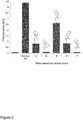
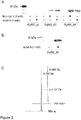
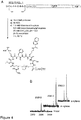
- functional GFP proteins comprising a quinolinecarboxamide-bearing lysine were obtained ( Figure 2 ).
- aromatic residue refers to a chemical group derived from a structure having a cyclic, delocalized (4n + 2) PI-electron system (according to theory of Hückel; IUPAC), in particular to chromophores.
- Such residues include arenes and their substitution products such as benzene, naphthalene, toluene and cyclopentadiene, and aromatic hetereocyclic structures, such as quinoline, quinoxaline, isoquinoline, benzoquinoline, phenylquinoline, acridine, aminoacridine, phenazine, phenantridine, carbazole, benzimidazole, phenanthroline, phenoxazine, and acridone. Since the aromatic residue comprises at least two aromatic rings, it forms polycyclic planar structures, which have the property to intercalate into nucleic acid molecules due to their chemical structure.
- Intercalation occurs by insertion of the aromatic residue between adjacent base pairs of the nucleic acid molecule. Although intercalation does not disturb the stacking pattern of the nucleic acid, it nevertheless results in a vertical separation of the nucleic base pairs and in a partial unwinding of the nucleic acid molecule. Due to these conformational changes of the nucleic acid molecule, binding of other ligands, e.g. enzymes or transcription factors, is disturbed or prevented.
- the aromatic residues further can undergo non-intercalative stacking interactions with nucleobases of nucleic acids, given that these are accessible. Such interactions are often found at the termini of nucleic acid molecules and significantly increase the affinity of the complex.
- the peptide obtains nucleic acid binding properties.
- intrinsic DNA interacting capacities of proteins can be improved by incorporating the ncAA of the invention.
- the integration of rather small, non-charged chromophores into larger scaffolds, as e.g. peptides promotes their nucleic acid binding activity, resulting in molecules with more balanced binding forces and higher selectivity compared to classical intercalators such as 4',6-diamidino-2-phenylindole (DAPI) or 3,8-diamino-5-ethyl-6-phenylphenanthridinium bromide (ethidium bromide).
- DAPI 4',6-diamidino-2-phenylindole
- 3,8-diamino-5-ethyl-6-phenylphenanthridinium bromide ethidium bromide
- the aromatic residue comprises at least three aromatic rings.
- intercalation of aromatic residues depends on various different chemical interactions, empiric guidelines for stacking and intercalation showed that the intercalation potential of aromatic residues increases with their size. Therefore, incorporating a ncAA with an aromatic residue having at least three aromatic rings provides a peptide of particular strong nucleic acid binding properties.
- aromatic residues comprising three aromatic rings such as benzoquinoline and phenanthroline were found to be particularly preferred. Benzoquinoline is efficiently and reliably incorporated into proteins. Phenanthroline has the ability to complex metal ions, and thereby is able to bind further chromophores having intercalating properties. Further more, phenanthroline has specific fluorescent properties, such that peptides and proteins comprising an ncAA comprising a phenanthroline residue can serve as sensors for nucleic acid molecules.
- At least two aromatic rings of the aromatic residue are fused. This improves the intercalative potential of the residue, e.g. the probability of intercalation and the strength of the molecular interactions. Moreover, the integration of a rather small intercalating structure into a larger scaffold, as e.g. a peptide, improves the intercalative binding potential of the resulting molecule. Thus, the integration of a ncAA comprising two fused aromatic rings into a peptide provides a nucleic acid binding molecule with strong and reliable binding affinities.
- the aromatic residue is preferably selected from the group consisting of: and
- At least one of the aromatic rings comprises at least one heteroatom, preferably nitrogen.
- Aromatic residues comprising one, two or more nitrogen atoms were found to become particularly efficiently incorporated into peptides and proteins. It is believed that this is due to the chemical interactions of the heteroaromatic ring and the aminoacyl-tRNA synthetase within the ncAA binding pocket.
- ncAAs with chromophores comprising a single nitrogen atom but being otherwise unsubstituted were found to interact most efficiently with modified PylRSs.
- aromatic residues which comprise a benzene ring with a nitrogen atom at position 4 and are fused to a further benzene ring at positions 5 and 6, are particularly preferred. Accordingly, the aromatic residue is preferably selected from the group consisting of: and
- the aromatic residue is selected from the group consisting of quinoline, quinoxaline, isoquinoline, benzoquinoline, phenylquinoline, acridine, aminoacridine, phenazine, phenantridine, carbazole, phenanthroline and benzimidazole.
- These structures and their derivatives have polycyclic, charged and planar aromatic residues, which efficiently intercalate into nucleic acid structures.
- lysine derivatives comprising residues of the quinoline, quinoxaline, benzoquinoline or phenanthroline type were found to become reliably incorporated into proteins, e.g. GFP, by the use of a modified PylRS. Therefore, the aromatic residue is preferably selected from the group consisting of:
- the aromatic residue is free of hydroxyl (-OH) substitutions.
- Aromatic residues, which do not have any -OH substitutions, as e.g. ncAA 6 ( Figure 1 ) were found to be more efficiently and accurately incorporated in peptides compared to -OH substituted equivalent.
- the aromatic residue is bound to the N-epsilon atom of the lysine by an amide-, carbamate- or urea bond.
- Amine- and carbamate bonds are often found in ncAAs, and ncAAs comprising such structures are effective substrates for amino-acyl tRNA syntethases such as PylRS.
- carbamate bonds can be used for introducing almost any aromatic residue, independently of the chemical structure of the residue.
- the non canonical amino acid is selected from the group consisting of wherein R is the aromatic residue.
- the ncAA may be produced by coupling a carboxylic acid derivative of the aromatic residue to a lysine.
- the carboxylic acid derivatives of the aromatic residues may be commercially purchased or produced by common methods.
- the coupling can be achieved, for example, by reacting the epsilon-N group of N alpha-tert-butoxycarbonyl-L-lysine-tert-butylester to the corresponding amide using benzotri-azol-1-yl-oxy-tripyrrolidino-phosphonium-hexafluorophosphate (pyBOP).
- pyBOP benzotri-azol-1-yl-oxy-tripyrrolidino-phosphonium-hexafluorophosphate
- the invention relates to a ncAA selected from the group consisting of
- the invention relates to a peptide comprising a ncAA of the invention.
- the ncAA is a derivative of a natural amino acid, namely lysine, and, thus, can be integrated into the amino acid sequence of any peptide.
- the amino acid resembles a natural amino acid and the aromatic residue is connected to the N-epsilon atom of the lysine, i.e. located in distance from the peptide's backbone, the ncAA is unlikely to interfere with the peptide's endogenous function.
- any given peptide can be provided with the property to bind to nucleic acids.
- the ncAA may be incorporated into GFP.
- the resulting GFP derivative binds to nucleic acids and is suitable for visualizing DNA and/or RNA.
- ncAA comprising peptides are suitable for isolating nucleic acids, e.g. through antibodies specifically binding to the respective peptide.
- the peptide upon mixing with a nucleic acid containing sample, binds to DNA and/or RNA via the aromatic residue. Subsequently, the mixture is brought into contact with a matrix coated with antibodies against the peptide, such that the peptides together with the bound nucleic acid molecules attach to the antibodies and are isolated from the sample.
- ncAA ncAA-containing peptide
- introduction of a ncAA into a peptide is suitable to direct the peptide to a specific DNA or RNA site.
- aromatic residues were found to intercalate into specific nucleic acid sequences.
- the peptide can be specifically targeted to the respective DNA/RNA sequence.
- the peptide is a nucleic acid binding drug, preferably for treating cancer, bacterial or viral infections.
- the peptides of the invention are particularly suitable for medical uses. Many peptides are known to interfere with proteins having DNA or RNA binding affinities, such as proteins of the DNA replication system or transcription factors. Such peptides are often suitable for inhibiting cell proliferation and/or cell signaling and are therefore interesting drug candidates. However, those peptides having good inhibitory properties are often rather large molecules and therefore difficult to administer. Small peptides, in contrast, which can be introduced into a cell more efficiently, often show weak and unreliable DNA/RNA binding.
- ncAA of the invention By introducing the ncAA of the invention, however, the nucleic acid binding properties of such small peptides are significantly improved. This greatly increases their medical value.
- peptides which interfere with nucleic acid binding molecules but do not show DNA/RNA binding themselves, can be provided with intercalating activity by the introduction of a ncAA of the invention. The peptides then also localize to the DNA and/or RNA, increasing the chance of efficient interference with the targeted DNA or RNA binding protein. For example, several peptides were found to have high binding affinity to topoisomerase 1 (top 1), but do not exhibit cytotoxic effects when used alone.
- top 1 top 1
- the peptides upon administration together with the DNA intercalating 9-aminocamptothecin, the peptides cause great synergistic cytotoxic effects (Pond et al., 2006).
- the top1 binding peptides can be provided with DNA binding activity, presumably inducing cytotoxic effects independently of 9-aminocamptothecin.
- peptides comprising a ncAA of the invention provide potential drugs, in particular for inhibiting cell proliferation and inducing cell death. Accordingly, they are particularly suitable for treating cancer as well as bacterial and viral infections.
- the peptide comprises a RNA binding motif derived from a viral protein.
- a successful approach for the design of antiviral drug candidates is based on peptides and peptidomimetics derived from RNA binding motifs of essential viral proteins. Compared to common small molecules compounds, such peptides exactly match with the viral RNA. Thus, they generate a comparably large number of contacts with the viral RNA, such that they selectively bind the viral RNA and are able to disrupt large protein RNA complexes.
- a particular preferred target of the outlined strategy is the HIV-1 TAT/transactivation response (TAR) RNA complex (Davidson et al., 2009).
- RNA binding motifs of TAT as well as many other RNA binding viral proteins is particularly arginine rich, such that RNA binding mainly relies on non-directional electrostatic interactions. As a consequence, binding between the viral RNA and the peptide is rather unspecific.
- a ncAA of the invention into a TAR targeting peptide, however, the binding selectivity and specificity of the peptide is significantly increased.
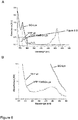
- quinoline carboxamide-bearing fluorescently tagged TAT peptides were found to reliably recognize TAR RNA in vitro as indicated by electromobility shift assays ( Figure 5 ).
- the peptide is bound to a chemical substance, preferably selected from the group consisting of a labeling substance, preferably a fluorescent labeling substance or a radioactive labeling substance, a diagnostic substance, preferably a contrast agent, and a pharmaceutical substance, preferably for treating cancer, bacterial infections or viral infections.
- a chemical substance preferably selected from the group consisting of a labeling substance, preferably a fluorescent labeling substance or a radioactive labeling substance, a diagnostic substance, preferably a contrast agent, and a pharmaceutical substance, preferably for treating cancer, bacterial infections or viral infections.
- the peptide and thus the bound nucleic acid can be detected, e.g. using a fluorometric device in case of a fluorescent labeling.
- a fluorometric device in case of a fluorescent labeling.
- Such peptides are particularly suitable to be used in fluorescence-based screening techniques.
- the peptide may be used to deliver a diagnostic or pharmaceutical substance.
- the diagnostic substance may be a contrast agent and the peptide may be specifically binding to the DNA of tumor cells.
- the ncAA of the invention By incorporating the ncAA of the invention into the peptide, the binding affinity and specificity of the peptide is increased. After administration, the peptides accumulate in the tumor cells, where they can be detected by the contrast agent.
- the specificity and strong DNA binding properties of the peptide may be used to specifically deliver drugs to their site of effect. Depending on the binding specificity of the peptide, such approaches may be employed for anti-cancer drugs as well as antibacterial and antiviral substances.
- binding a chemical substance to a peptide of the invention improves the efficiency and specificity of the substance's distribution in a body.
- the chemical substance is a marker protein.
- marker protein refers to a protein that can be detected by its specific properties, e.g. by its fluorescence, its phosphorescence, its specific interactions with a reporter molecule, such as horseradish peroxidase, or by specific binding affinities as for example found for His-tag molecules.
- the peptide comprising a ncAA of the invention binds to DNA and/or RNA and can be detected through the marker protein.
- Such compounds provide useful tools for screening techniques, which commonly work with high throughput detection methods.
- the peptide and the marker protein consist of amino acids, the entire compound can be expressed on block using cellular expression systems or cell-free translation assays.
- the ncAA is directly incorporated into the marker protein.
- the peptide is cyclized. Cyclization of peptide backbones results in increased proteolytic stability and membrane permeability of the peptide and, thus, improves medical administration. Moreover, cyclization further increases the binding affinity and specificity of the ncAA comprising peptide. Cyclization may be achieved by reacting the peptide with either ⁇ , ⁇ '-dibromo-m- or o-xylene. This results in rapid and quantitative formation of stable non-polar thioether crosslinks, which improve bioavailability and impose differential steric constrains on the peptide backbone due to the use distinct xylene regioisomers.
- a method for enhancing the affinity of a nucleic acid binding peptide comprising introducing a ncAA of the invention into the peptide, wherein the aromatic residue is a nucleic acid intercalating residue.
- the peptide is provided with nucleic acid binding properties.
- this activity can be improved by incorporating a ncAA of the invention into the peptide.
- the invention relates to a method for producing a nucleic acid binding compound comprising the steps of providing a nucleic acid sequence encoding for a peptide, introducing a stop codon or a quadruplet codon into the sequence, expressing the sequence in the presence of a tRNA Pyl , a modified PylRS, and a ncAA of the invention, which is encoded by the stop codon or the quadruplet codon, wherein the aromatic residue is a nucleic acid intercalating residue. Since the aromatic residue mediating the intercalation is fused to the lysine, it can be integrated into any peptide by common peptide bonds through the process of translation.
- cellular translation system refers to a cell or organism, which is modified such that it is suitable to express the peptide of the invention.
- the cell provides all molecules necessary for protein translation, in particular endogenous tRNAs, natural amino acids and ribosomes.
- Cells for protein production may be microorganisms, such as prokaryotic cells, preferably bacterial cells, or eukaryotic cells, preferably cells of a fungus.
- Cellular translation systems are commonly used for the production of recombinant proteins, with Escherichia coli , Saccharomyces and Bacillus most widely applied.
- cell-free translation system refers to in vitro systems comprising all compounds necessary for functional protein translation.
- the systems are commonly based on cell extracts, e.g. from E. coli , wheat germ or rabbit reticulocytes, and contain ribosomes, translation factors, and tRNAs. Alternatively, they can be reconstituted from individually expressed and purified components, as in the co-called PURE-system. Depending on the application, the systems may be supplemented with further compounds, e.g. RNA polymerases.
- a nucleic acid molecule encoding the peptide's sequence serves as a template (mRNA).
- mRNA a nucleic acid molecule encoding the peptide's sequence
- a unique codon is introduced into the mRNA at the position corresponding to the position of the ncAA in the peptide. This unique codon is assigned to the ncAA through the use of an orthogonal aaRS/tRNA pair.
- the genetic code is expanded by a further codon, which is translated by the protein translation machinery into the ncAA (Liu and Schultz, 2010).
- the codon assigned to the ncAA is unique, preferably a stop codon or a quadruplet codon.
- the ribosome produces an amino acid chain according to the nucleic acid sequence of the mRNA incorporating the ncAA.
- the cells may be modified to express a tRNA responding to the unique codon and an aminoacyl-tRNA synthetase for transferring the ncAA to the tRNA.
- the tRNA may be a tRNA Pyl , which responds to an amber codon and the ncAA may be transferred thereon by a modified pyrrolysine-tRNA-synthetase (PylRS), e.g. PylRS_AF.
- the assay may be supplemented with ncAA already loaded onto a tRNA.
- the method further comprises the step of linking the peptide to a chemical substance. This allows the adaption of the peptide for specific applications as outlined herein.
- the sequence is expressed in a cellular translation system or an in vitro translation assay, preferably using a modified PylRS.
- a cellular translation system such as a microorganism
- the ncAA is transported into the cells' cytoplasm where it is transferred onto the tRNA by the aminoacyl-tRNA synthetase.
- most microorganisms are easy to culture in large quantities and techniques for harvesting the cells and isolating the peptide are available.
- modified PylRS refers to a pyrrolysine-tRNA-synthetase, which differs from the wild type PylRS (SEQ ID NO.: 3) by amino acid exchanges that result in an enlargement of the ncAA binding pocket. This may be achieved, for example, by replacing tyrosine at position 306 by alanine or glycine, which are both much smaller amino acids. Such an exchange opens a pocket along the alpha6 helix up to the ⁇ 3 10 -helix that is shielded by the tyrosine (Y306) in the wild type PylRS.
- ncAA As a consequence and unlike found for pyrrolysine, a ncAA according to the invention, as for example ncAA 6, fits into the binding pocket of the PylRS.
- the alpha carboxyl of ncAA 6 is not positioned for inline nucleophilic attack of the alpha phosphate but in a very large distance of 5.1 ⁇ . This results in a shift of the complete ncAA 6 into the rear part of the pocket by several ⁇ that leads to a displacement of the N-epsilon carbonyl group by 4 ⁇ relative to the position found for pyrrolysine.
- the pyridyl ring of the quinoline residue is not in a position similar to the methylpyrroline ring of the pyrrolysine but placed behind it.
- the invention relates to a kit comprising a ncAA of the invention, a nucleic acid encoding tRNA Pyl , and a nucleic acid encoding a modified PylRS.
- the kit provides the components needed for producing a peptide of the invention, using a cellular translation system.
- the nucleic acids of the kit are introduced into the cells of the translation system, e.g. by vector transformation or stable integration into the DNA of the cells.
- the culture media of the cells is supplemented with ncAAs supplied with the kit.
- ncAAs are transferred into the cells' cytoplasm, where they are processed by the modified PylRS and loaded onto the tRNA Pyl .
- the resulting loaded tRNA is then used by the endogenous ribosome for protein production. Since the tRNA Pyl corresponds to a stop or quadruplet codon, the ncAA will only be introduced into the given peptide.
- the kit is also suitable for producing the peptide in a cell-free translation assay, provided that the assay is competent to produce tRNA and PylRS from encoding nucleic acids.
- the invention relates to the use of a ncAA comprising a lysine and an aromatic residue for producing a peptide, wherein the aromatic residue is bound to the N-epsilon atom of the lysine and wherein the aromatic residue is selected from the group consisting of quinoline, quinoxaline, isoquinoline, benzoquinoline, phenylquinoline, acridine, aminoacridine, phenazine, phenantridine, carbazole, phenanthroline and benzimidazole.
- a modified pyrrolysyl-tRNA-synthetase having a substitution of alanine or glycine for tyrosine at position 306, wherein the PylRS further comprises a substitution of alanine or glycine for lysine at position 407 and/or a substitution of alanine or glycine for aspartic acid at position 408.
- PylRS_AF the inventors developed further alternative modified PylRSs which are suitable to transfer ncAAs comprising an aromatic residue with at least two aromatic rings on a tRNA Pyl .
- nucleic acid encoding for a modified PylRS disclosed herein to a vector comprising such a nucleic acid and to a microorganism comprising such a nucleic acid.
- the modified PylRS may be produced using cell-based systems or cell-free assay.
- Plasmid Constructions For construction of pREP_PylRS_wt, pREP_PylRS_GF and pREP_PylRS_AF, a PstI site and a SphI site were removed from plasmid pREPCM3+RBS64 by Quickchange site directed 7 using primers UPRT-PstI_fwd and UPRT-Pstl_rev and primers Tet_SphI_fwd and Tet_Sphl_rev, resulting in pDaS80.
- pREP_PylRS_wt was constructed by introducing the Y306G mutation into pEVOL_PylRS_wt using primers PylRS_Y306G_fwd and PylRS_Y306G_rev.
- pREP_PylRS_AF_L407A and pREP_PylRS_AF_D408A were obtained by Quickchange mutagenesis using primers PylRS_L407A_fwd and PylRS_L407A_rev or PylRS_D408A_fwd and PylRS_D408A_rev, respectively.
- pBAD_TRX_wt and pBAD_TRX_R74TAG the E.
- coli thioredoxin gene with an N-terminal region coding for an S-tag and downstream enteropepti-dase cleavage site was amplified from plasmid pET32a-TRXtag (Addgene) with primers Ncol-TRX_fwd and Notl-TRX-rev and cloned into the NcoI and NotI sites of plasmid pBAD-GFP39TAG26, resulting in plasmid pBAD-TRX-His6.
- mazei PylRS_AF consisting of amino acids 188 to 454 with N-terminal His6-tag was amplified from pEVOL-PylRS_AF using primers BglII_PylRS_short_fwd and SalI_PylRS_rev. This fragment was cloned into the BglII and SalI sites of pEVOL-PylRS_AF, resulting in plasmid pPylRS_AF-188-454-His6.
- pBAD_TAT For construction of pBAD_TAT, a cloning fragment was obtained by primer extension using template TAT_Natmin_TAG6 and primer TAT_rev and cloned into the Ncol and Nhel sites of pBAD_GFP-wt-Nhel+.
- Primer sequences Primer Sequence SEQ ID NO.
- Protein Expression and Purification All proteins were expressed from pBAD vectors and purified using a C-terminal His6 tag.
- E. coli cells were co-transformed with pBAD plasmid containing the target gene with amber codon (pBAD_GFP-39TAG, pBAD_TRX-R74-His6_TAG, pBAD_CmodC or pBAD_TAT, all conferring ampicillin resistance) and a plasmid coding for the respective PylRS mutant and tRNA Pyl (pEVOL_PylRS_AF, pREP_PylRS_wt, _GF, _AF and PylRS_AF single or double alanine mutants).
- a single clone was picked and grown in Luria Broth (LB) media supplemented with suited antibiotics at 37 °C and 200 rpm shaking. 0.1 ml of this culture was used to inoculate 5 ml LB supplemented with the same antibiotics and different concentrations of the ncAA. The culture was incubated at 37 °C and 200 rpm shaking until OD600 of ⁇ 0.4 - 0.6 and protein expression was induced with 0.02% (w/v) L-arabinose. The culture was harvested after 4 - 6 h of incubation by centrifugation (10 min, 3320 x g, room temperature).
- the pellet was lysed with B-Per lysis reagent (Thermo scientific) containing 1x Complete (-EDTA) protease inhibitor cocktail (Roche) and shaking at room temperature at 1400 rpm for 30 min.
- the suspension was pelleted by centrifugation (5 min, 20817 x g, room temperature) the supernatant was extracted with Ni-NTA agarose slurry (Qiagen) at an imidazole concentration of 10 mM by shaking at room temperature.
- E. coli GH371 was co-transformed with pEVOL-PylRS_AF and pBAD_YFP-Y39TAG or pBAD_TRX-R74TAG.
- a single clone was picked and was grown in Luria Broth (LB) media supplemented with 50 ⁇ g/ml carbenicillin and 34 ⁇ g/ml chloramphenicole at 37 °C and 200 rpm shaking.
- 0.1 ml of this culture was used to inoculate 5 ml TB supplemented with 50 ⁇ g/ml carbenicillin and 34 ⁇ g/ml chloramphenicole.
- the culture was incubated at 37 °C and 200 rpm shaking until an OD600 of ⁇ 0.5 was reached and protein expression was induced with 0.2% (w/v) L-arabinose and 1 mM BQ-Lys (ncAA 8).
- the culture was harvested after 6 h of incubation by centrifugation (10 min, 3320 x g, room temperature).
- the pellet was lysed with 500 ⁇ l B-Per lysis reagent (Thermo scientific) containing 1 mM PMSF and shaking at room temperature at 1400 rpm for 30 min.
- the column was washed for 5 min with 95% mobile phase A (0.1% formic acid) and 5 % mobile phase B (0.1% formic acid in acetonitrile), and peptides were eluted using a linear gradient of 5 % mobile phase B to 40% mobile phase B in 65 min, then to 80% B in an additional 5 min, at 300 nL/min.
- the LTQ-Orbitrap mass spectrometer was operated in a data dependent mode in which each full MS scan (30 000 resolving power) was followed by five MS/MS scans where the five most abundant molecular ions were dynamically selected and fragmented by collision-induced dissociation (CID) using a normalized collision energy of 35% in the LTQ ion trap.
- CID collision-induced dissociation
- the Peptide-GFP fusion protein obtained from expressions using E. coli Top10 cotransformed with plasmids pBAD_CmodC and pEVOL_PylRS_AF was dialyzed against TEVHis6 reaction buffer (50 mM Tris-HCl pH 8, 0.5 mM EDTA, 1 mM DTT) overnight. 50 ⁇ l of this protein were digested with 1 ⁇ l (10 U) TEVHis6 protease (Invitrogen, Life technology) for 2.5 h at 30 °C.
- reaction mixture was added to 50 ⁇ l Ni-NTA agarose slurry (Qiagen) in a paper filter spin column (Pierce) and incubated for 20 min at room temperature at 500 rpm.
- the cleaved peptide containing the ncAA was isolated by centrifugation of the resin (1 min, 20817 x g, room temperature).
- the cyclization reaction was incubated for 1 h at 30 °C.
- Synthetic TAR RNA was purchased (IBA,) and purified by 12% denaturing PAGE (8M urea). RNA was 5'-end labeled using ⁇ -32P-ATP and T4 polynucleotide kinase and purified using a G-25 gel filtration column (GE healthcare).
- Crystals of PylRS_AF complexed with adenosine-5'-( ⁇ , ⁇ -imido)triphosphate (AMPPNP) were grown by the vapor-diffusion hanging drop method at 18°C.
- Purified PylRS_AF was concentrated to 10 mg/ml, supplemented with 10 mM AMPPNP and mixed in a 1:2 ratio with reservoir solution (100 mM Tris pH 7.5, and 10% (w/v) PEG 2000 monomethyl ether). Crystals appeared overnight and grew to a maximum size of 150x100x50 ⁇ m.
- Cryostabilization of the crystals was done by soaking in reservoir solution supplemented with 2% additional PEG2000MME, 5 mM MgCl 2 , 10 mM AMPPNP and increasing concentrations of ethylene glycol (final concentration 30% (v/v)). Cryostabilized crystals were flash frozen in liquid nitrogen and diffraction data were measured at the Swiss Light Source, Villigen, Switzerland. The crystals diffracted to 1.6 ⁇ resolution. XDS was used to process diffraction data.
- the structure was solved by molecular replacement with PHASER using PDB entry 2Q7E) as search model. Several rounds of building and refinement were carried out with COOT and PHENIX, respectively.
- ncAA 3 quinoxaline-2-carboxamide chromophore
- quinoxaline-2-carboxylic acid was coupled to lysine by reacting the ⁇ -amino group of N ⁇ -tert-butoxycarbonyl-L-lysine-tert-butylester to the corresponding amide using benzotriazol-1-yl-oxy-tripyrrolidinophosphonium-hexafluorophosphate (PyBOP).
- tRNA Pyl /PylRS pair of Methanosarcina mazei was analyzed for its capability to mediate the selective incorporation of ncAA 3 into proteins in E. coli in response to the amber codon, TAG.
- E. coli were co-transformed with plasmids pEVOL-PylRS_wt (encoding wild type M.
- Y306 is a main component of the rear part and plays a critical role in discriminating against larger, N ⁇ -carbamate-linked lysine derivatives.
- the inventors thus tested a PylRS mutant with reduced steric demand at this position (Y306A) combined with a Y384F mutation (PylRS_AF) for activity towards ncAA 2and 3 as described above.
- GFP-Y39 ⁇ 3 was now expressed at a yield of 1.4 mg/L ( Figure 2 ).
- ncAA 3 N ⁇ -(2-hydroxyquinoxaline-3-carbonyl)-L-lysine, Figure 1 .
- no significant fluorescence increase compared to background was detectable, indicating that the presence of a 3-hydroxyl group is unfavourable.
- the role of the number and position of the aromatic nitrogen atoms was analyzed by testing N ⁇ -(quinoline-2-carbonyl)-L-lysine (ncAA 5) and N ⁇ -(isoquinoline-3-carbonyl)-L-lysine (ncAA 6).
- GFP-Y39 ⁇ 6 was expressed with a yield comparable to ncAA 3 (1.4 mg/L).
- quinolinecarboxamide ncAA 5 proved to be a highly efficient substrate and afforded 4.5 mg/L of purified GFP-Y39 ⁇ 5 under the employed non-optimized conditions (>11 mg/L were obtained under standard expression conditions).
- the inventors tested N ⁇ -(naphtalene-2-carbonyl)-L-lysine (ncAA 7). However, this ncAA exhibited limited solubility ( ⁇ 100 ⁇ M) and thus, expectedly, no expression of GFP-Y39 ⁇ 7 was observed ( Figure 2 )
- the inventors analyzed the role of the binding pocket properties of PylRS at position 306 for efficiency and fidelity of amber suppression with ncAA 5.
- the inventors performed expressions using E. coli co-transformed with pBAD_GFP-Y39TAG and pREP-PylRS_wt, AF and GF, coding for M. mazei tRNA Pyl and the respective PylRS, where PylRS_GF potentially offers further reduced steric demand by a Y306G instead of Y306A mutation.
- SDS PAGE analysis of Ni-NTA-purified GFP extractions obtained from cultures expressing PylRS_wt indicated that ncAA 5, as previously ncAA 3, was not recognized ( Figure 3 A) .
- ncAA 5 and ncAA 2 were associated with both PylRS_AF and PylRS_GF.
- PylRS_GF ncAA 5 afforded higher levels of GFP than ncAA 2.
- expression was generally higher for both ncAAs with PylRS_AF and showed a similar ratio for GFP-Y39 ⁇ 5 versus GFP-Y39 ⁇ 2 expression as observed in cellular fluorescence measurements. No expression could be detected in absence of ncAA 5, indicating high incorporation fidelity.
- protein expression was performed using E.
- coli co-transformed with plasmids pEVOL_PylRS_AF and pBAD_TRX-His6-R74TAG (coding for E. coli thioredoxin (TRX) with an amber site at position R74 and a C-terminal His6-tag) in presence or absence of ncAA 5.
- Ni-NTA purification and SDS PAGE indicated high fidelity of incorporation ( Figure 3 C) .
- ESI MS analysis of the purified protein confirmed the identity of ncAA 5 and again indicated high incorporation fidelity ( Figure 3 C; mass difference of 127 Da between TRX wt and TRXR74 ⁇ 5 corresponds to mass difference between R and ncAA 5).
- Corresponding experiments were performed using ncAA 8 and results are shown in Figures 7 B, C and Figure 9 .
- ncAA 6 into cyclized peptides in a way that is compatible with evolutionary design strategies. Cyclization of peptide backbones often results in improved proteolytic stability, binding affinity/selectivity and membrane permeability.
- E. coli was co-transformed with plasmids pEVOL_PylRS_AF and pBAD_CmodC (encoding GFP fused to an N-terminal peptide that contains a single amber site and two cysteines) in presence of ncAA 5 and cleaved the purified construct with tobacco etch virus protease (TEV-His6, Figure 4 A ).
- ⁇ , ⁇ '-dibromo-m- or o-xylene was reacted with either ⁇ , ⁇ '-dibromo-m- or o-xylene.
- This is expected to result in the rapid and quantitative formation of stable, nonpolar thioether crosslinks that may improve bioavailability and impose differential steric constraints on the peptide backbone due to the used distinct xylene regioisomers.
- ⁇ , ⁇ '-dibromo-m-xylene and related reagents for cysteine crosslinking have been successfully employed in the evolutionary design of cyclized peptides by phage- and mRNA-display, which both are also well established for use with ncAA.
- E. coli cells were co-transformed with plasmids pEVOL_PylRS_AF and pBAD_GFP-TAT (encoding a minimal motif of HIV-1 TAT (YGXKKRRQRRR, SEQ ID NO.: 4) containing a single amber codon (X) fused to a C-terminal GFP gene, ( Figure 5 A) in presence of ncAA 5.
- the overall structure showed less than 0.6 ⁇ root mean square (rms) deviation against a reported structure of M. mazei wt PylRS in complex with AMPPNP (pdb-entry 2Q7E).
- the conformations of the flexible loops are highly conserved, in particular the ⁇ 7- ⁇ 8 loop exhibits a very similar conformation despite the contained Y384F mutation. Additionally, the conformations of AMPPNP and amino acid side chains forming the pyrroline ring binding pocket remain virtually unchanged. However, the Y306A mutation itself results in a considerable enlargement of the ncAA binding pocket.
- This pocket extends along the ⁇ 6 helix up to the ⁇ 1 310-helix that is shielded by Y306 in PylRS_wt and does not take part in pyrrolysine or ncAA recognition in previous crystal structures.
- PylRS_AF thus offers enhanced potential for the genetic encoding of very large ncAA by providing significantly more space than found in all previously reported structures of wt or mutant PylRS.
- the Y306A mutation further exposes residues - in particular L407 and D408 - that have been shielded by Y306 in previous crystal structures and now provide a new region for the engineering of further enlarged binding pockets.
- the found pocket provides sufficient room to accommodate all ncAA tested in the present study and thus solely steric reasons can not account for the observed differences in amber suppression efficiencies with ncAA 3 - 7.
- N ⁇ -phenylcarbonyl-L-lysine-and N ⁇ -(pyridyl-3-carbonyl)-L-lysine that share similarity with ncAA 3 - 7 in respect to the amide-connected aromatic ring - but do not bear a heteroatom at a position similar to pyrrolysine - are poor substrates for PylRS_wt in vitro.
- ncAA incorporation studies with ncAA 3 - 7 provide rules for chromphore design: quinoline- and quinoxalinecarboxamides without further substituents are efficiently processed by PylRS_AF and variations of the fused benzene ring positions in the former are tolerated. Additionally, the solved crystal structure of PylRS_AF shows a significantly larger amino acid binding pocket than found in previous PylRS with available structural data. This provides a basis to further enlarge the binding pocket in order to overcome previous size limitations for aromatic ncAA and genetically encode extended three-ring intercalators derived from quinoline or quinoxaline.
Landscapes
- Chemical & Material Sciences (AREA)
- Organic Chemistry (AREA)
- Peptides Or Proteins (AREA)
- Medicines That Contain Protein Lipid Enzymes And Other Medicines (AREA)
Description
- The invention relates to a non-canonical amino acid (ncAA) comprising a lysine and an aromatic residue and to a peptide comprising such a ncAA. The invention further relates to the use of a ncAA comprising a lysine and an aromatic residue for enhancing the affinity of a nucleic acid binding peptide and to a method for producing a nucleic acid binding compound.
- Nucleic acid binding compounds are used in many different technological fields, in particular life science research and analytical examination. For example, they are used for labeling, isolating and purifying nucleic acid molecules. In addition, nucleic acid binding compounds often interfere with endogenous ligand-DNA interactions, thereby inhibiting cellular processes as e.g. DNA replication or cell signaling pathways. Accordingly, nucleic acid binding compounds are also used for medical applications, e.g. for treating bacterial and viral infections or as anti-cancer drugs.
- The interaction of nucleic acid binding molecules with DNA or RNA can occur randomly, e.g. through chemical intercalation or targeted, as for example through DNA binding motifs, which mediate binding to specific DNA or RNA sequences or structures. Random intercalation is often observed for small chemical molecules, which are easy to apply, but also show unspecific binding affinities. Targeted binding, in contrast, is found for DNA binding proteins, which are, due to their large size and precise three dimensional folding, elaborate to produce and difficult to apply, in particular for medical uses.
- In summary, the number of molecules, which show reliable and efficient nucleic acid binding, and are likewise easy to apply, in particular for medical use, is limited. Moreover, it would be desirable to target given peptides or proteins, which are known to have specific functions, to DNA or RNA. Thus, there is a need for tools to specifically provide molecules with strong and specific nucleic acid binding properties.
- Hohsaka et al., Journal of the American Chemical Society, vol. 121, no. 51 (1999), pages 12194-12195 describes the incorporation of ε-(7-nitrobenz-2-oxa-1,3-diazol-4-yl)-L-lysine and L-2-naphthylalanine into two different sites of a single protein by combining two four-base codons.
- Krippner et al., Tetrahedron Asymmetry, vol. 5, no. 9 (1994), pages 1793-1804 discloses the three intercalating amino acids (S)-(+)-Quinolylalanine, (S)-(+)-Quinoxolylalanine and (S)-(+)-Phenathrolylalanine.
- In a first aspect, the invention relates to a non-canonical amino acid (ncAA) comprising a lysine and an aromatic residue, wherein the aromatic residue is bound to the N-epsilon atom of the lysine and wherein the aromatic residue is selected from the group consisting of quinoline, quinoxaline, isoquinoline, benzoquinoline, phenylquinoline, acridine, aminoacridine, phenazine, phenantridine, carbazole, phenanthroline and benzimidazole.
- In a further aspect, the invention relates to a ncAA selected from the group consisting of

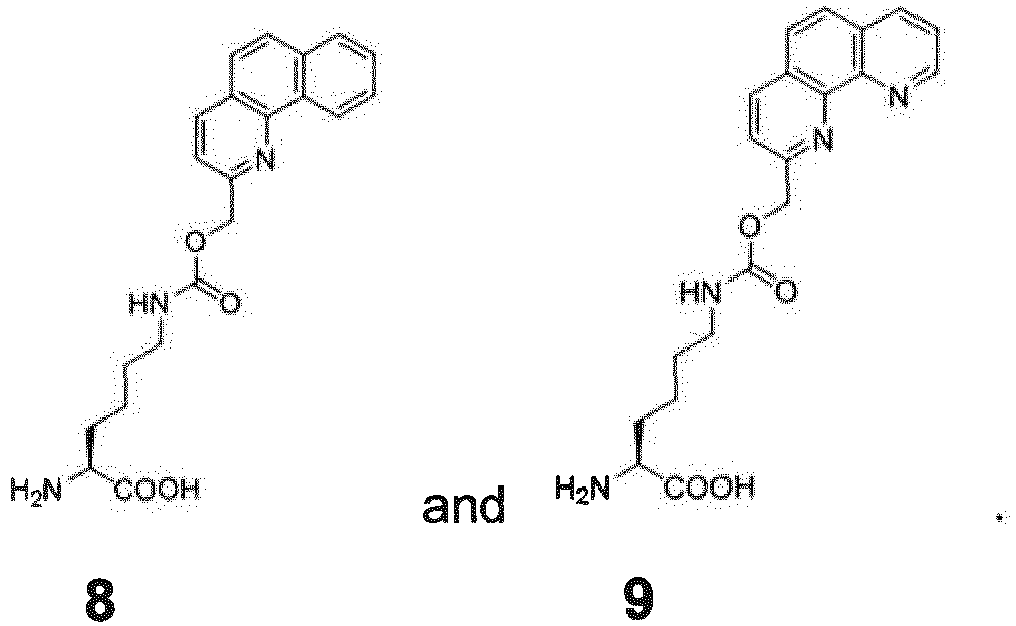
- In a further aspect, the invention relates to a peptide comprising a ncAA of the invention.
- In a further aspect, the invention relates to a method for producing a nucleic acid-binding compound comprising the steps of providing a nucleic acid sequence encoding for a peptide, introducing a stop codon or a quadruplet codon into the sequence, expressing the sequence in the presence of a tRNAPyl, a modified pyrrolysyl-tRNA-synthetase (PylRS), and a ncAA of the invention, which is encoded by the stop codon or the quadruplet codon, wherein the aromatic residue is a nucleic acid intercalating residue.
- In a further aspect, the invention relates to a kit comprising a ncAA of the invention, a nucleic acid encoding tRNAPyl, and a nucleic acid encoding a modified PylRS.
- In a further aspect, the invention relates to a use of a ncAA comprising a lysine and an aromatic residue for producing a peptide, wherein the aromatic residue is bound to the N-epsilon atom of the lysine and wherein the aromatic residue is selected from the group consisting of quinoline, quinoxaline, isoquinoline, benzoquinoline, phenylquinoline, acridine, aminoacridine, phenazine, phenantridine, carbazole, phenanthroline and benzimidazole.
- Disclosed is a modified PylRS having a substitution of alanine or glycine for tyrosine at position 306, wherein the PylRS further comprises a substitution of alanine or glycine for lysine at position 407 and/or a substitution of alanine or glycine for aspartic acid at position 408.
- Further disclosed is a nucleic acid encoding for a PylRS disclosed herein.
-
-
Figure 1 shows the chemical formulas of L-pyrrolysine (1), Nε-tert-butyl-L-lysine (Boc-Lys) (2) and five further non-canonical amino acids comprising a quinoline-isoquinoline or quinoxalinecarboxyamide (ncAA 3 - 7). -
Figure 2 shows the efficiency of PylRS_AF-mediated amber suppression in GFPY39TAG with ncAA 2 - 8 analyzed by whole cell fluorescence measurements. AU = arbitrary units. -
Figure 3 shows the efficient and precise incorporation of quinolinecarboxamide-bearingncAA 6 ofFigure 1 into proteins in E. coli. (A) SDS PAGE analysis of purified GFP depicting the expression of GFPY39→2 and GFP-Y39→6 under co-expression of PylRS_wt, PylRS_GF or PylRS_AF. (B) SDS PAGE analysis of purified TRX-R74→6 expression under co-expression of PylRS_AF. (C) Electrospray ionization mass spectrometry (ESI MS) spectra of purified TRX-wt and TRX-R74→6. -
Figure 4 shows the incorporation of quinolinecarboxamide-bearingncAA 6 into cyclized peptides. (A) Schematic view, cleavage and cyclization of peptide (SEQ ID NO.: 1) construct containing ncAA 6 (marked as X). (B) MALDI-TOF MS spectra of purified, TEV-cleaved linear peptide and cyclization products using either α,α'-dibromo-m- or o-xylene. -
Figure 5 shows the incorporation of quinolinecarboxamide-bearingncAA 6 of Figure 1 into the arginine-rich motif of HIV-1 TAT. (A) Schematic view of the GFP fusion construct with N-terminal TAT minimal arginine-rich motif (SEQ ID NO.: 2) containing ncAA 6 (marked as X). (B) Electromobility shift assay (EMSA) showing binding of GFP-TATconstruct containing ncAA 6 to TAR RNA with varying concentrations of GFP-TAT construct. -
Figure 6 shows the further enlargement of the binding pocket of PylRS_AF. (A) Crystal structure of PylRS_wt in complex withpyrrolysine ncAA 1 and AMPPNP (pdb entry 2ZCE) superimposed with the obtained structure of PylRS_AF in complex with AMPPNP. Shown is only PylRS_AF and Pyrrolysine. The amino acid binding pocket is shown as semi-transparent surface withncAA 1 and newly exposed amino acids M276, L407 and D408 (that form the new rear part of the pocket) shown as sticks. Distances between C5 of the pyrroline ring ofncAA 1 and closest atoms of M276, L407 and D408 are shown as dotted lines. (B) Efficiency of amber suppression in GFP-Y39TAG with Boc-Lys 2 and quinolinecarboxamide-bearingncAA 5 catalyzed by PylRS_AF, PylRS_AF L407A and PylRS_AF D408A analyzed by whole cell fluorescence measurements. AU = arbitrary units. -
Figure 7 shows the efficiency and fidelity of the incorporation of (S)-2-amino-6-(((benzo[h]quinolin-2-ylmethoxy)carbonyl)amino) hexanoic acid (BQ-Lys, ncAA 8) into proteins expressed in E.coli. (A) Chemical structure of BQ-Lys (ncAA 8). (B) SDS PAGE analysis of purified TRX-R74→1 expression under co-expression of PylRS-AF. (C) Expression of YFP-Y39→8 under coexpression of PylRS-AF. Top: Cellular GFP fluorescence. Bottom: SDS PAGE analysis of Ni-NTA purified GFP expressions. (D) UV-Vis spectrum of YFP-Y39→8 expressed with ncAA 8, BocLys or wild type protein. -
Figure 8 shows the spectroscopic characterization of YFP-Y39→8. (A) UV-Vis spectrum of YFP-Y39→8 expressed with ncAA 8, BocLys or wildtype protein. (B) Zoom-in of UV-Vis spectrum, showing enhanced absorbance at 270 nm of the YFP-Y39→8 mutant. (C) and (D) Characterization of fluorescent properties of YFP-Y39→8 at 269 and 304 nm compared to wild type YFP. -
Figure 9 shows the electrospray ionization mass spectrometry (ESI MS) spectra of purified YFP-Y39→8 and TRX-R74→8. -
Figure 10 shows the selection of PylRS variants by a growth assay of E.coli expressing CAT_Q98TAG and tRNAPyl/PylRS-AF in the presence and absence of ncAA 8 on Cam media. -
Figure 11 shows the incorporation of ncAA 8 into proteins in mammalian cells. Sample fluorescence microscopy images of expressions of mCherry-GFP constructs in HEK 293FT cells with (mCherry-GFP_TAG) or without (mCherry-GFP_WT) amber codon at position GFP-Y39 in presence or absence of ncAA 8. - In a first aspect, the invention relates to a non-canonical amino acid (ncAA) comprising a lysine and an aromatic residue, wherein the aromatic residue is bound to the N-epsilon atom of the lysine and wherein the aromatic residue is selected from the group consisting of quinoline, quinoxaline, isoquinoline, benzoquinoline, phenylquinoline, acridine, aminoacridine, phenazine, phenantridine, carbazole, phenanthroline and benzimidazole.
- The ncAA of the invention combines two different properties. First, it is a derivative of a natural amino acid, namely lysine, such that it can form an integral part of a peptide or protein without disturbing the molecule's structure. Second, it comprises an aromatic residue, which has at least two aromatic rings and, thus, has the ability to interact with nucleic acid molecules by stacking and / or intercalation.
- Since the ncAA has the basic structure of a natural amino acid, i.e. lysine, it can be introduced into a peptide by common methods of protein synthesis. Henceforth, the term "peptide" as used herein refers to a compound produced by amide formation between a carboxyl group of one amino acid and an amino group of another. The term comprises oligopeptides, polypeptides as well as proteins. The peptides may preferably comprise between 5 to 50 amino acids, more preferred 5 to 20 amino acids. The ncAA may be incorporated into a peptide by cellular or cell-free protein synthesis through the use of an orthogonal tRNA/aminoacyl-tRNA-synthetase (aaRS) pair. For example, the ncAA may be incorporated into a peptide by using Escherichia coli cells expressing a mutant pyrrolysyl-tRNA-synthetase, which harbors a Y384F and a Y306A mutation (PylRS_AF) (Yanagisawa et al., 2008). Due to said mutations, the PylRS_AF has a ncAA binding pocket, which is considerably enlarged compared to that of wilde type PylRS, and can accommodate the ncAA. Therefore, the modified PylRS is suitable to transfer much larger amino acids compare to wild type PylRS. Using a modified PylRS with an enlarged ncAA binding pocket, functional GFP proteins comprising a quinolinecarboxamide-bearing lysine were obtained (
Figure 2 ). - By incorporating the ncAA into a peptide, the resulting molecule comprises the aromatic residue of the ncAA. The term "aromatic residue" as used herein refers to a chemical group derived from a structure having a cyclic, delocalized (4n + 2) PI-electron system (according to theory of Hückel; IUPAC), in particular to chromophores. Such residues include arenes and their substitution products such as benzene, naphthalene, toluene and cyclopentadiene, and aromatic hetereocyclic structures, such as quinoline, quinoxaline, isoquinoline, benzoquinoline, phenylquinoline, acridine, aminoacridine, phenazine, phenantridine, carbazole, benzimidazole, phenanthroline, phenoxazine, and acridone. Since the aromatic residue comprises at least two aromatic rings, it forms polycyclic planar structures, which have the property to intercalate into nucleic acid molecules due to their chemical structure. Intercalation occurs by insertion of the aromatic residue between adjacent base pairs of the nucleic acid molecule. Although intercalation does not disturb the stacking pattern of the nucleic acid, it nevertheless results in a vertical separation of the nucleic base pairs and in a partial unwinding of the nucleic acid molecule. Due to these conformational changes of the nucleic acid molecule, binding of other ligands, e.g. enzymes or transcription factors, is disturbed or prevented. The aromatic residues further can undergo non-intercalative stacking interactions with nucleobases of nucleic acids, given that these are accessible. Such interactions are often found at the termini of nucleic acid molecules and significantly increase the affinity of the complex.
- Therefore, by introducing the ncAA of the invention into a peptide, the peptide obtains nucleic acid binding properties. Moreover, intrinsic DNA interacting capacities of proteins can be improved by incorporating the ncAA of the invention. Interestingly, the integration of rather small, non-charged chromophores into larger scaffolds, as e.g. peptides, promotes their nucleic acid binding activity, resulting in molecules with more balanced binding forces and higher selectivity compared to classical intercalators such as 4',6-diamidino-2-phenylindole (DAPI) or 3,8-diamino-5-ethyl-6-phenylphenanthridinium bromide (ethidium bromide).
- In a preferred embodiment, the aromatic residue comprises at least three aromatic rings. Although intercalation of aromatic residues depends on various different chemical interactions, empiric guidelines for stacking and intercalation showed that the intercalation potential of aromatic residues increases with their size. Therefore, incorporating a ncAA with an aromatic residue having at least three aromatic rings provides a peptide of particular strong nucleic acid binding properties. Moreover, aromatic residues comprising three aromatic rings, such as benzoquinoline and phenanthroline were found to be particularly preferred. Benzoquinoline is efficiently and reliably incorporated into proteins. Phenanthroline has the ability to complex metal ions, and thereby is able to bind further chromophores having intercalating properties. Further more, phenanthroline has specific fluorescent properties, such that peptides and proteins comprising an ncAA comprising a phenanthroline residue can serve as sensors for nucleic acid molecules.
- In a preferred embodiment, at least two aromatic rings of the aromatic residue are fused. This improves the intercalative potential of the residue, e.g. the probability of intercalation and the strength of the molecular interactions. Moreover, the integration of a rather small intercalating structure into a larger scaffold, as e.g. a peptide, improves the intercalative binding potential of the resulting molecule. Thus, the integration of a ncAA comprising two fused aromatic rings into a peptide provides a nucleic acid binding molecule with strong and reliable binding affinities.
- Accordingly, the aromatic residue is preferably selected from the group consisting of:


- In a preferred embodiment, at least one of the aromatic rings comprises at least one heteroatom, preferably nitrogen. Aromatic residues comprising one, two or more nitrogen atoms were found to become particularly efficiently incorporated into peptides and proteins. It is believed that this is due to the chemical interactions of the heteroaromatic ring and the aminoacyl-tRNA synthetase within the ncAA binding pocket. In particular, ncAAs with chromophores comprising a single nitrogen atom but being otherwise unsubstituted were found to interact most efficiently with modified PylRSs. Moreover, due to the specific molecular interactions between the ncAA and the modified PylRS within the ncAA binding pocket, aromatic residues, which comprise a benzene ring with a nitrogen atom at
position 4 and are fused to a further benzene ring atpositions 


- The aromatic residue is selected from the group consisting of quinoline, quinoxaline, isoquinoline, benzoquinoline, phenylquinoline, acridine, aminoacridine, phenazine, phenantridine, carbazole, phenanthroline and benzimidazole. These structures and their derivatives have polycyclic, charged and planar aromatic residues, which efficiently intercalate into nucleic acid structures. In particular, lysine derivatives comprising residues of the quinoline, quinoxaline, benzoquinoline or phenanthroline type were found to become reliably incorporated into proteins, e.g. GFP, by the use of a modified PylRS. Therefore, the aromatic residue is preferably selected from the group consisting of:


- In a preferred embodiment, the aromatic residue is free of hydroxyl (-OH) substitutions. Aromatic residues, which do not have any -OH substitutions, as e.g. ncAA 6 (
Figure 1 ) were found to be more efficiently and accurately incorporated in peptides compared to -OH substituted equivalent. - In a preferred embodiment, the aromatic residue is bound to the N-epsilon atom of the lysine by an amide-, carbamate- or urea bond. Amine- and carbamate bonds are often found in ncAAs, and ncAAs comprising such structures are effective substrates for amino-acyl tRNA syntethases such as PylRS. Moreover, carbamate bonds can be used for introducing almost any aromatic residue, independently of the chemical structure of the residue. Accordingly, in a particularly preferred embodiment, the non canonical amino acid is selected from the group consisting of

- The ncAA may be produced by coupling a carboxylic acid derivative of the aromatic residue to a lysine. The carboxylic acid derivatives of the aromatic residues may be commercially purchased or produced by common methods. The coupling can be achieved, for example, by reacting the epsilon-N group of N alpha-tert-butoxycarbonyl-L-lysine-tert-butylester to the corresponding amide using benzotri-azol-1-yl-oxy-tripyrrolidino-phosphonium-hexafluorophosphate (pyBOP). Subsequently, the α-amino and α-carboxyl groups of the resulting molecule are deprotected with trifluoroacetic acid.
- In a further aspect, the invention relates to a ncAA selected from the group consisting of

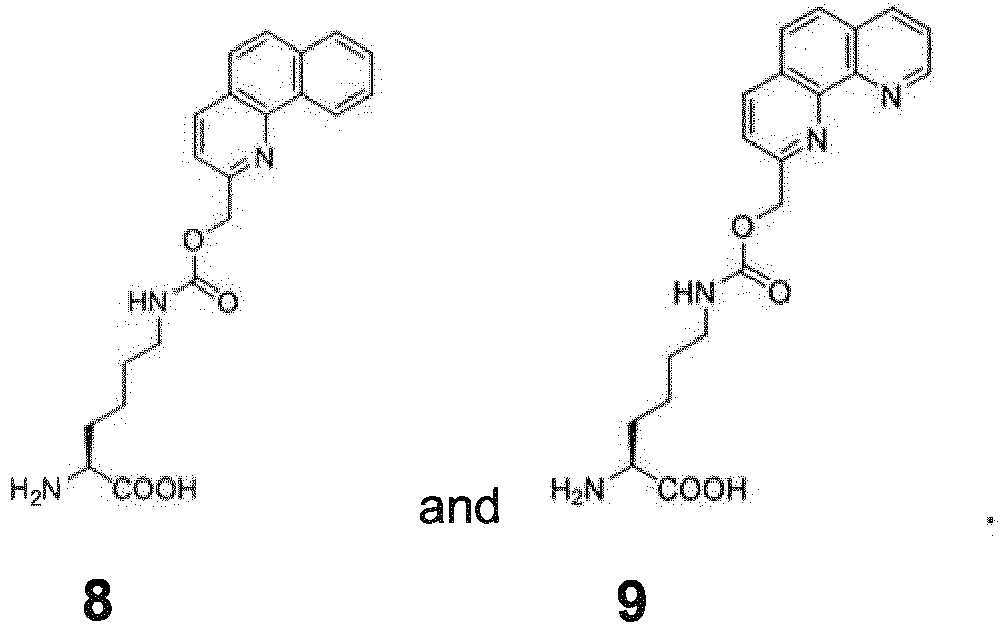
- These lysine derivatives comprising quinoline, quinoxaline, benzoquinoline or phenanthroline residues were found to become incorporated into peptides with high efficiency and accuracy. Of all investigated compounds,
ncAA 6 and ncAA 8 showed the best results (Figure 2 ). - In a further aspect, the invention relates to a peptide comprising a ncAA of the invention. The ncAA is a derivative of a natural amino acid, namely lysine, and, thus, can be integrated into the amino acid sequence of any peptide. Moreover, since the amino acid resembles a natural amino acid and the aromatic residue is connected to the N-epsilon atom of the lysine, i.e. located in distance from the peptide's backbone, the ncAA is unlikely to interfere with the peptide's endogenous function. By integrating the ncAA into the amino acid sequence, any given peptide can be provided with the property to bind to nucleic acids. For example, the ncAA may be incorporated into GFP. The resulting GFP derivative binds to nucleic acids and is suitable for visualizing DNA and/or RNA. Likewise, ncAA comprising peptides are suitable for isolating nucleic acids, e.g. through antibodies specifically binding to the respective peptide. The peptide, upon mixing with a nucleic acid containing sample, binds to DNA and/or RNA via the aromatic residue. Subsequently, the mixture is brought into contact with a matrix coated with antibodies against the peptide, such that the peptides together with the bound nucleic acid molecules attach to the antibodies and are isolated from the sample. Additionally, the introduction of a ncAA into a peptide is suitable to direct the peptide to a specific DNA or RNA site. Several aromatic residues were found to intercalate into specific nucleic acid sequences. By integrating a ncAA comprising such a residue into a given peptide, the peptide can be specifically targeted to the respective DNA/RNA sequence.
- In a preferred embodiment, the peptide is a nucleic acid binding drug, preferably for treating cancer, bacterial or viral infections. Besides the technological applications outlined above, the peptides of the invention are particularly suitable for medical uses. Many peptides are known to interfere with proteins having DNA or RNA binding affinities, such as proteins of the DNA replication system or transcription factors. Such peptides are often suitable for inhibiting cell proliferation and/or cell signaling and are therefore interesting drug candidates. However, those peptides having good inhibitory properties are often rather large molecules and therefore difficult to administer. Small peptides, in contrast, which can be introduced into a cell more efficiently, often show weak and unreliable DNA/RNA binding. By introducing the ncAA of the invention, however, the nucleic acid binding properties of such small peptides are significantly improved. This greatly increases their medical value. In addition, peptides, which interfere with nucleic acid binding molecules but do not show DNA/RNA binding themselves, can be provided with intercalating activity by the introduction of a ncAA of the invention. The peptides then also localize to the DNA and/or RNA, increasing the chance of efficient interference with the targeted DNA or RNA binding protein. For example, several peptides were found to have high binding affinity to topoisomerase 1 (top 1), but do not exhibit cytotoxic effects when used alone. However, upon administration together with the DNA intercalating 9-aminocamptothecin, the peptides cause great synergistic cytotoxic effects (Pond et al., 2006). By incorporating the ncAA of the invention, the top1 binding peptides can be provided with DNA binding activity, presumably inducing cytotoxic effects independently of 9-aminocamptothecin.
- In summary, peptides comprising a ncAA of the invention provide potential drugs, in particular for inhibiting cell proliferation and inducing cell death. Accordingly, they are particularly suitable for treating cancer as well as bacterial and viral infections.
- In a further preferred embodiment, the peptide comprises a RNA binding motif derived from a viral protein. A successful approach for the design of antiviral drug candidates is based on peptides and peptidomimetics derived from RNA binding motifs of essential viral proteins. Compared to common small molecules compounds, such peptides exactly match with the viral RNA. Thus, they generate a comparably large number of contacts with the viral RNA, such that they selectively bind the viral RNA and are able to disrupt large protein RNA complexes. A particular preferred target of the outlined strategy is the HIV-1 TAT/transactivation response (TAR) RNA complex (Davidson et al., 2009). However, the natural binding motifs of TAT as well as many other RNA binding viral proteins is particularly arginine rich, such that RNA binding mainly relies on non-directional electrostatic interactions. As a consequence, binding between the viral RNA and the peptide is rather unspecific. By incorporating a ncAA of the invention into a TAR targeting peptide, however, the binding selectivity and specificity of the peptide is significantly increased. For example, quinoline carboxamide-bearing fluorescently tagged TAT peptides were found to reliably recognize TAR RNA in vitro as indicated by electromobility shift assays (
Figure 5 ). - In a preferred embodiment, the peptide is bound to a chemical substance, preferably selected from the group consisting of a labeling substance, preferably a fluorescent labeling substance or a radioactive labeling substance, a diagnostic substance, preferably a contrast agent, and a pharmaceutical substance, preferably for treating cancer, bacterial infections or viral infections. By binding the peptide to a chemical substance, the peptide is provided with further specific properties. Moreover, the peptide and the chemical substance can be specifically selected for individual applications.
- For example, by binding the peptide to a labeling substance, the peptide and thus the bound nucleic acid can be detected, e.g. using a fluorometric device in case of a fluorescent labeling. Such peptides are particularly suitable to be used in fluorescence-based screening techniques.
- Alternatively, the peptide may be used to deliver a diagnostic or pharmaceutical substance. For example, the diagnostic substance may be a contrast agent and the peptide may be specifically binding to the DNA of tumor cells. By incorporating the ncAA of the invention into the peptide, the binding affinity and specificity of the peptide is increased. After administration, the peptides accumulate in the tumor cells, where they can be detected by the contrast agent. Likewise, the specificity and strong DNA binding properties of the peptide may be used to specifically deliver drugs to their site of effect. Depending on the binding specificity of the peptide, such approaches may be employed for anti-cancer drugs as well as antibacterial and antiviral substances. Thus, binding a chemical substance to a peptide of the invention improves the efficiency and specificity of the substance's distribution in a body.
- In a particular preferred embodiment, the chemical substance is a marker protein. The term "marker protein" as used herein refers to a protein that can be detected by its specific properties, e.g. by its fluorescence, its phosphorescence, its specific interactions with a reporter molecule, such as horseradish peroxidase, or by specific binding affinities as for example found for His-tag molecules. The peptide comprising a ncAA of the invention binds to DNA and/or RNA and can be detected through the marker protein. Such compounds provide useful tools for screening techniques, which commonly work with high throughput detection methods. Moreover, since both, the peptide and the marker protein, consist of amino acids, the entire compound can be expressed on block using cellular expression systems or cell-free translation assays. Importantly, no synthetic chemical reactions are needed to provide the compound with the different properties, i.e. the DNA binding affinity, which is mediated by the aromatic residue, and the detectability, which is mediated by the marker protein. In an even more preferred embodiment, the ncAA is directly incorporated into the marker protein.
- In a preferred embodiment, the peptide is cyclized. Cyclization of peptide backbones results in increased proteolytic stability and membrane permeability of the peptide and, thus, improves medical administration. Moreover, cyclization further increases the binding affinity and specificity of the ncAA comprising peptide. Cyclization may be achieved by reacting the peptide with either α,α'-dibromo-m- or o-xylene. This results in rapid and quantitative formation of stable non-polar thioether crosslinks, which improve bioavailability and impose differential steric constrains on the peptide backbone due to the use distinct xylene regioisomers.
- Disclosed is a method for enhancing the affinity of a nucleic acid binding peptide, comprising introducing a ncAA of the invention into the peptide, wherein the aromatic residue is a nucleic acid intercalating residue. By introducing a ncAA of the invention into a peptide, the peptide is provided with nucleic acid binding properties. Likewise, in the case a peptide already has, although weak DNA/RNA binding activity, this activity can be improved by incorporating a ncAA of the invention into the peptide.
- In a further aspect, the invention relates to a method for producing a nucleic acid binding compound comprising the steps of providing a nucleic acid sequence encoding for a peptide, introducing a stop codon or a quadruplet codon into the sequence, expressing the sequence in the presence of a tRNAPyl, a modified PylRS, and a ncAA of the invention, which is encoded by the stop codon or the quadruplet codon, wherein the aromatic residue is a nucleic acid intercalating residue. Since the aromatic residue mediating the intercalation is fused to the lysine, it can be integrated into any peptide by common peptide bonds through the process of translation. This can be achieved either by using a cellular translation system or a cell-free translation system (also called in vitro translation system). The term "cellular translation system" as used herein refers to a cell or organism, which is modified such that it is suitable to express the peptide of the invention. The cell provides all molecules necessary for protein translation, in particular endogenous tRNAs, natural amino acids and ribosomes. Cells for protein production may be microorganisms, such as prokaryotic cells, preferably bacterial cells, or eukaryotic cells, preferably cells of a fungus. Cellular translation systems are commonly used for the production of recombinant proteins, with Escherichia coli, Saccharomyces and Bacillus most widely applied. The term "cell-free translation system" as used herein refers to in vitro systems comprising all compounds necessary for functional protein translation. The systems are commonly based on cell extracts, e.g. from E. coli, wheat germ or rabbit reticulocytes, and contain ribosomes, translation factors, and tRNAs. Alternatively, they can be reconstituted from individually expressed and purified components, as in the co-called PURE-system. Depending on the application, the systems may be supplemented with further compounds, e.g. RNA polymerases.
- Using either translation system, a nucleic acid molecule encoding the peptide's sequence serves as a template (mRNA). For incorporating the ncAA of the invention into the peptide encoded by the mRNA, a unique codon is introduced into the mRNA at the position corresponding to the position of the ncAA in the peptide. This unique codon is assigned to the ncAA through the use of an orthogonal aaRS/tRNA pair. Thus, the genetic code is expanded by a further codon, which is translated by the protein translation machinery into the ncAA (Liu and Schultz, 2010). For ensuring specificity, the codon assigned to the ncAA is unique, preferably a stop codon or a quadruplet codon. In the course of translation, the ribosome produces an amino acid chain according to the nucleic acid sequence of the mRNA incorporating the ncAA.
- When using cellular translation systems, the cells may be modified to express a tRNA responding to the unique codon and an aminoacyl-tRNA synthetase for transferring the ncAA to the tRNA. For example, the tRNA may be a tRNAPyl, which responds to an amber codon and the ncAA may be transferred thereon by a modified pyrrolysine-tRNA-synthetase (PylRS), e.g. PylRS_AF. For cell-free translation assays, the assay may be supplemented with ncAA already loaded onto a tRNA.
- In a preferred embodiment, the method further comprises the step of linking the peptide to a chemical substance. This allows the adaption of the peptide for specific applications as outlined herein.
- In a preferred embodiment, the sequence is expressed in a cellular translation system or an in vitro translation assay, preferably using a modified PylRS. When using a cellular translation system, such as a microorganism, it is sufficient to provide the cells with nucleic acid sequences encoding the tRNA, the aminoacyl-tRNA synthetase and the mRNA of the protein, and supplement the medium of the cells with the ncAA. The ncAA is transported into the cells' cytoplasm where it is transferred onto the tRNA by the aminoacyl-tRNA synthetase. Moreover, most microorganisms are easy to culture in large quantities and techniques for harvesting the cells and isolating the peptide are available.
- In cell-free translation systems, in contrast, all components need to be added as functional molecules or their subunits. However, the translation process can be controlled more stringently in such systems and isolation of the produced peptides is easier.
- The term "modified PylRS" as used herein refers to a pyrrolysine-tRNA-synthetase, which differs from the wild type PylRS (SEQ ID NO.: 3) by amino acid exchanges that result in an enlargement of the ncAA binding pocket. This may be achieved, for example, by replacing tyrosine at position 306 by alanine or glycine, which are both much smaller amino acids. Such an exchange opens a pocket along the alpha6 helix up to the η310-helix that is shielded by the tyrosine (Y306) in the wild type PylRS. As a consequence and unlike found for pyrrolysine, a ncAA according to the invention, as for
example ncAA 6, fits into the binding pocket of the PylRS. In case of ncAA, it was found that, in contrast to pyrrolysine in wild type PylRS, the alpha carboxyl ofncAA 6 is not positioned for inline nucleophilic attack of the alpha phosphate but in a very large distance of 5.1 Å. This results in a shift of thecomplete ncAA 6 into the rear part of the pocket by several Å that leads to a displacement of the N-epsilon carbonyl group by 4 Å relative to the position found for pyrrolysine. Additionally, the pyridyl ring of the quinoline residue is not in a position similar to the methylpyrroline ring of the pyrrolysine but placed behind it. - In a further aspect, the invention relates to a kit comprising a ncAA of the invention, a nucleic acid encoding tRNAPyl, and a nucleic acid encoding a modified PylRS. The kit provides the components needed for producing a peptide of the invention, using a cellular translation system. For producing the protein in a cellular translation system, the nucleic acids of the kit are introduced into the cells of the translation system, e.g. by vector transformation or stable integration into the DNA of the cells. In addition, the culture media of the cells is supplemented with ncAAs supplied with the kit. The ncAAs are transferred into the cells' cytoplasm, where they are processed by the modified PylRS and loaded onto the tRNAPyl. The resulting loaded tRNA is then used by the endogenous ribosome for protein production. Since the tRNAPyl corresponds to a stop or quadruplet codon, the ncAA will only be introduced into the given peptide. The kit is also suitable for producing the peptide in a cell-free translation assay, provided that the assay is competent to produce tRNA and PylRS from encoding nucleic acids.
- In a further aspect, the invention relates to the use of a ncAA comprising a lysine and an aromatic residue for producing a peptide, wherein the aromatic residue is bound to the N-epsilon atom of the lysine and wherein the aromatic residue is selected from the group consisting of quinoline, quinoxaline, isoquinoline, benzoquinoline, phenylquinoline, acridine, aminoacridine, phenazine, phenantridine, carbazole, phenanthroline and benzimidazole.
- Disclosed is a modified pyrrolysyl-tRNA-synthetase (PylRS) having a substitution of alanine or glycine for tyrosine at position 306, wherein the PylRS further comprises a substitution of alanine or glycine for lysine at position 407 and/or a substitution of alanine or glycine for aspartic acid at position 408. In addition to PylRS_AF, the inventors developed further alternative modified PylRSs which are suitable to transfer ncAAs comprising an aromatic residue with at least two aromatic rings on a tRNAPyl. These modified PylRS harbor a Y306A or Y306G mutation and an additional amino acid substitution at position 407 and/or 408 (PylRS_AF_L407A: SEQ ID NO.: 5; PylRS_AF_ D408A: SEQ ID NO.: 6). As a result of these substitutions, the ncAA binding pocket is even further enlarged compared to PylRS_AF, accompanied by a reduced steric demand, such that the binding pocket is suitable to accept lysine derivatives with even larger aromatic residues, e.g. comprising at least three aromatic rings.
- Further disclosed is a nucleic acid encoding for a modified PylRS disclosed herein, to a vector comprising such a nucleic acid and to a microorganism comprising such a nucleic acid. The modified PylRS may be produced using cell-based systems or cell-free assay.
- Materials and Methods for Chemical Synthesis. All reactions were performed under anhydrous conditions and an inert atmosphere of argon in oven-dried glassware with magnetic stirring. Yields refer to chromatographically and spectroscopically (1H NMR) homogenous materials. Reagents were used as obtained from typical commercial sources. Flash chromatography was carried out using Roth Kieselgel 60 F254 (230-400 mesh) silica gel. All reaction solvents were purchased in anhydrous quality and stored over molecular sieve. 1H and 13C NMR spectra were recorded at ambient temperature on a
Bruker Avance III 400 instrument. Signal positions were reported in δ/ppm. High-resolution mass spectrometry (HRMS) measurements were performed on a Bruker Daltonics micrOTOF II. General Synthesis Procedure for Nε-modified Nα-tertbutoxycarbonyl-L-lysine-tert-butylesters 3a - 8a. Nα-tertbutoxycarbonyl-L-lysine-tert-butylester (0.5 g, 1.65 mmol) and the carboxylic acid of the respective chromophore (1.65 mmol, 1 eq) were placed in a 50 ml two-necked round bottom flask and were dissolved in anhydrous dichloromethane (25 ml) under argon atmosphere. The solution was cooled to 0 °C in an ice bath and N-methyl-morpholine (0.4 ml, 3.64 mmol, 2.2 eq) and PyBOP (0.95 g, 1.82 mmol, 1.1 eq) were added. The reaction mixture was stirred for 16 h at room temperature. The solution was washed with 30 ml Na-HCO3, the phases were separated and dried with MgSO4. The solvent was removed under reduced pressure and the obtained oil was purified using flash column chromatography with ethyl acetate / petrol ether mixtures. The pure product was obtained as a foam. General Synthesis Procedure for Nε-modified L-lysine derivatives ncAA 3 - 8. (1.33 mmol) were dissolved in 8 ml TFA and the mixture was stirred 3 h at room temperature. TFA was removed and the residue was co-evaporated once with methanol. The residue was dissolved in a minimal amount of methanol and precipitated with cold diethyl ether. The precipitate was filtered, washed with diethyl ether and dried under reduced pressure. ncAA 3 - 8 were obtained as the TFA salt. - General Synthesis Procedure for Synthesis of (S)-2-amino-6-(((benzo[h]quinolin-2-ylmethoxy)carbonyl)amino) hexanoic acid (8). 250.0 mg of (S)-2-amino-6-(((benzo[h]quinolin-2-ylmethoxy) carbonyl)amino) hexanoic acid (1 eq, 1.12 mmol) were dissolved in 10 ml degassed MeCN (p.a.) and 282 µl degassed Et3N (1.7 eq, 2.03 mmol, p.a.) at RT under argon atmosphere. 520.3 mg DSC (1.7 eq, 2.03 mmol) were solved in 10 ml degassed acetonitrile under argon atmosphere. The DSC solution was then added dropwise to the stirred solution of (S)-2-amino-6-(((benzo[h]quinolin-2-ylmethoxy) carbonyl)amino) hexanoic acid. The reaction was stirred at room temperature for 20 h, concentrated in vacuo and then purified by flash chromatography (Petrol ether (PE) : ethylacetate (EE) 1.5 : 1). Purification yielded white solid benzo[h]quinolin-2-ylmethyl (2,5-dioxopyrrolidin-1-yl) carbonate (200.2 mg, 0.57 mmol, 48 %). 118.0 mg of benzo[h]quinolin-2-ylmethyl (2,5-dioxopyrrolidin-1-yl) carbonate (1 eq, 0.34 mmol) was dissolved in 15 ml anhydrous DMF under argon atmosphere. After the addition of 107.9 mg of Boc-Lys-OH (1.3 eq, 0.43 mmol) the reaction was stirred at room temperature for 24 h. The reaction was quenched with 35 ml of water. The aqueous solution was extracted three times with EE. The organic phases were combined and washed three times with 20 ml of water and one time with 20 ml brine. The organic phase was dried over MgSO4 and then concentrated in vacuo yielding the slightly yellow solid (S)-6-(((benzo[h]quinolin-2-ylmethoxy)carbonyl)amino)-2-((tert-butoxycarbonyl) amino)hexanoic acid (150.3 mg, 0.31 mmol, 93 %). 118.0 mg of (S)-6-(((benzo[h]quinolin-2-ylmethoxy)carbonyl)amino)-2-((tert-butoxycarbonyl) amino)-hexanoic acid (0.25 mmol) were dissolved in 6 ml CHCl3 and 9 ml of formic acid were added to the stirred solution at room temperature. The reaction was stirred over night, the solvent removed in vacuo and the residue was washed twice with MeOH. The residue was resuspended in diethylether and the solvent removed in vacuo yielding yellow solid (S)-2-amino-6-(((benzo[h]quinolin-2-ylmethoxy)-carbonyl)amino) hexanoic acid (116.0 mg, 0.24 mmol, 98 %).
- Plasmid Constructions. For construction of pREP_PylRS_wt, pREP_PylRS_GF and pREP_PylRS_AF, a PstI site and a SphI site were removed from plasmid pREPCM3+RBS64 by Quickchange site directed 7 using primers UPRT-PstI_fwd and UPRT-Pstl_rev and primers Tet_SphI_fwd and Tet_Sphl_rev, resulting in pDaS80. A cassette containing M. mazei tRNAPyl under control of a proK promoter and M. mazei PylRS_wt_GF or _AF under control of the glnRS'-promoter was amplified from pEVOL_PylRS_wt and pEVOL_PylRS_AF using primers Xbal_pEVOL_5'-PCR_primer and Sphl_pEVOL-3'-PCR_primer and cloned into the Xbal/Sphl sites of pDaS80. An EcoRI site was removed from the obtained plasmids using primers PylRS_Quickch_EcoRI_fwd and PylRS_Quickch_EcoRI_rev. This resulted in plasmids pREP_PylRS_wt and pREP_PylRS_AF. pREP_PylRS_GF was constructed by introducing the Y306G mutation into pEVOL_PylRS_wt using primers PylRS_Y306G_fwd and PylRS_Y306G_rev. pREP_PylRS_AF_L407A and pREP_PylRS_AF_D408A were obtained by Quickchange mutagenesis using primers PylRS_L407A_fwd and PylRS_L407A_rev or PylRS_D408A_fwd and PylRS_D408A_rev, respectively. For construction of pBAD_TRX_wt and pBAD_TRX_R74TAG, the E. coli thioredoxin gene with an N-terminal region coding for an S-tag and downstream enteropepti-dase cleavage site was amplified from plasmid pET32a-TRXtag (Addgene) with primers Ncol-TRX_fwd and Notl-TRX-rev and cloned into the NcoI and NotI sites of plasmid pBAD-GFP39TAG26, resulting in plasmid pBAD-TRX-His6. An amber mutation at site R74 was introduced by Quickchange site directed mutagenesis using primers TRX-R74TAG_fwd and TRXR74TAG_rev, resulting in plasmid pBAD-TRX-His6_R74TAG. For construction of plasmid pBAD_CmodC, a synthetic peptide gene was obtained by primer extension using template Ncol_Mod_Nhel_fwd and primer Ncol_Mod_Nhel_rev and ligated into the same sites in pBAD_GFP-wt-Nhel+, replacing the N-terminal flag tag. For construction of pPylRS_AF_188-454-His6, a C-terminal fragment of M. mazei PylRS_AF consisting of amino acids 188 to 454 with N-terminal His6-tag was amplified from pEVOL-PylRS_AF using primers BglII_PylRS_short_fwd and SalI_PylRS_rev. This fragment was cloned into the BglII and SalI sites of pEVOL-PylRS_AF, resulting in plasmid pPylRS_AF-188-454-His6. For construction of pBAD_TAT, a cloning fragment was obtained by primer extension using template TAT_Natmin_TAG6 and primer TAT_rev and cloned into the Ncol and Nhel sites of pBAD_GFP-wt-Nhel+.
Primer sequences: Primer Sequence SEQ ID NO. UPRT- PstI_fwd 
7 UPRT-PstI_rev 
8 Tet_SphI_fwd 
9 Tet_SphI_rev 
10 XbaI_pEVOL_5I-PCR_primer 
11 SphI_pEVOL-3I-PCR_primer 
12 PylRS-Quickch-EcoRI _fwd 
13 PylRS_Quickch_EcoRI _rev 
14 PylRS Y306G_fwd 
15 PylRS Y306G_rev 
16 NcoI-TRX_fwd 
17 Notl-TRX-rev 
18 TRX-R74TAG_fwd 
19 TRX-R74TAG_rev 
20 NcoI_Mod_NheI_fwd 
21 NcoI_Mod_NheI_rev 
22 BglII_PylRS_short_fwd 
23 SalI-PylRS_rev 
24 PylRS_L407A_fwd 
25 
PylRS_L407A_rev 
26 PylRS_D408A_fwd 
27 PylRS_D408A_rev 
28 TAT_Natmin_Cys_TAG 6
29 TAT_rev AAA AAG CTA GCC GAG CC 30 - Protein Expression and Purification. All proteins were expressed from pBAD vectors and purified using a C-terminal His6 tag. For expression of proteins containing ncAA, E. coli cells were co-transformed with pBAD plasmid containing the target gene with amber codon (pBAD_GFP-39TAG, pBAD_TRX-R74-His6_TAG, pBAD_CmodC or pBAD_TAT, all conferring ampicillin resistance) and a plasmid coding for the respective PylRS mutant and tRNAPyl (pEVOL_PylRS_AF, pREP_PylRS_wt, _GF, _AF and PylRS_AF single or double alanine mutants). A single clone was picked and grown in Luria Broth (LB) media supplemented with suited antibiotics at 37 °C and 200 rpm shaking. 0.1 ml of this culture was used to inoculate 5 ml LB supplemented with the same antibiotics and different concentrations of the ncAA. The culture was incubated at 37 °C and 200 rpm shaking until OD600 of ∼0.4 - 0.6 and protein expression was induced with 0.02% (w/v) L-arabinose. The culture was harvested after 4 - 6 h of incubation by centrifugation (10 min, 3320 x g, room temperature). The pellet was lysed with B-Per lysis reagent (Thermo scientific) containing 1x Complete (-EDTA) protease inhibitor cocktail (Roche) and shaking at room temperature at 1400 rpm for 30 min. The suspension was pelleted by centrifugation (5 min, 20817 x g, room temperature) the supernatant was extracted with Ni-NTA agarose slurry (Qiagen) at an imidazole concentration of 10 mM by shaking at room temperature. The beads were washed with 350 µl 4x PBS and or two wash buffers (50 mM NaH2PO4, 300 mM NaCl, pH = 8.0, containing 20 - 50 mM imidazole). Proteins were eluted with elution buffer (50 mM NaH2PO4, 300 mM NaCl, pH = 8.0, containing 500 mM imidazole). For GFP-TAT
protein containing ncAA 6, expressions were carried out in BL21 (DE3) gold and purification was conducted as above, but under denaturing conditions (8 M urea). Protein was refolded by stepwise dialysis against 20 mM Tris-HCl, pH = 8.0, 10 % glycerole with decreasing urea concentrations. Purity of the obtained proteins was analyzed by SDS PAGE and staining with Gelcode blue (Thermo Scientific) and quantified using a BCA assay (Pierce, Thermo Scientific). For GFP yield determination based on whole cell fluorescence, cell pellets from 3 ml expressions were washed twice with 3 ml 4x PBS (by centrifugation for 10 min at 3320 x g at room temperature and resuspension) and fluorescence was determined using a Tecan M200 plate reader using and excitation wavelength of 475 nm and an emission wavelength of 510 nm. Fluorescence values were corrected for cell densities based on OD600 - measurements. Generally, expressions were carried out in E. coli Top10 using carbenicillin selection for pEVOL plasmids and tetracyclin selection for pREP plasmids. Wild type thioredoxin and TRX-R74→ 6 were expressed in E. coli BL21 (DE3) gold cells. Expressed C-terminal fragment of PylRS_AF (aa 188-454) was stored in 10 mM HEPES-Na+, pH = 7.5, 5 mM MgCl2, 300 mM NaCl at -80 °C before use. - E. coli GH371 was co-transformed with pEVOL-PylRS_AF and pBAD_YFP-Y39TAG or pBAD_TRX-R74TAG. A single clone was picked and was grown in Luria Broth (LB) media supplemented with 50 µg/ml carbenicillin and 34 µg/ml chloramphenicole at 37 °C and 200 rpm shaking. 0.1 ml of this culture was used to inoculate 5 ml TB supplemented with 50 µg/ml carbenicillin and 34 µg/ml chloramphenicole. The culture was incubated at 37 °C and 200 rpm shaking until an OD600 of ∼0.5 was reached and protein expression was induced with 0.2% (w/v) L-arabinose and 1 mM BQ-Lys (ncAA 8). The culture was harvested after 6 h of incubation by centrifugation (10 min, 3320 x g, room temperature). The pellet was lysed with 500 µl B-Per lysis reagent (Thermo scientific) containing 1 mM PMSF and shaking at room temperature at 1400 rpm for 30 min. The suspension was pelleted by centrifugation (5 min, 20817 x g, room temperature), the supernatant was transferred to a paper filter spin column (Pierce) 50 µl Ni-NTA agarose slurry(Qiagen) were added. The suspension was shaken at 500 rpm for 30 min at room temperature. The column was centrifuged (1000 rpm, 10 s, room temperature) and the beads were washed twice with Qiagen Lysis Buffer (50 mM NaH2PO4, 300 mM NaCl, pH = 8.0, containing 20 mM imidazole) and once with wash buffer containing 50 mM. Proteins were eluted twice with 50 µl elution buffer (50 mM NaH2PO4, 300 mM NaCl, pH = 8.0, containing 500 mM imidazole) by addition, incubation for 10 minutes at room temperature and centrifugation (106 x g, 10 s room temperature). Efficiency and fidelity of incorporation was assessed by analyzing protein expression (
Figure 7 B) , GFP fluorescence (Figure 7 C) and by cellular fluorescent analysis (Figure 11 ). - Protein Mass Spectrometry. All protein samples were dialyzed against water using Slide-A-Lyzer mini dialysis units (Pierce, Thermo Scientific) with a molecular weight cut-off of 10.000 Da before measurement. Tryptic protein digests were analyzed by reversed phase liquid chromatography nanospray tandem mass spectrometry (LC-MS/MS) using an LTQ-Orbitrap mass spectrometer (Thermo Fisher) and an Eksigent nano-HPLC. The dimensions of the reversed-phase LC column were 5 µm, 200 Å pore size C18 resin in a 75 µm i.d. × 10 cm long piece of fused silica capillary (Hypersil Gold C18, New Objective). After sample injection, the column was washed for 5 min with 95% mobile phase A (0.1% formic acid) and 5 % mobile phase B (0.1% formic acid in acetonitrile), and peptides were eluted using a linear gradient of 5 % mobile phase B to 40% mobile phase B in 65 min, then to 80% B in an additional 5 min, at 300 nL/min. The LTQ-Orbitrap mass spectrometer was operated in a data dependent mode in which each full MS scan (30 000 resolving power) was followed by five MS/MS scans where the five most abundant molecular ions were dynamically selected and fragmented by collision-induced dissociation (CID) using a normalized collision energy of 35% in the LTQ ion trap. Dynamic exclusion was allowed. Tandem mass spectra were searched against a homemade protein database using Mascot (Matrix Science) with "Trypsin/P" enzyme cleavage, static cysteine alkylation by iodoacetamide and variable methionine oxidation. For measurements of whole proteins the MS/MS fragmentation was switched off and the resolution of the Orbitrap analyser was set to 7500. Deconvolution of protein spectra was performed using ProMass Deconvolution V2.5 software. Matrix-assisted laser desorption/ionization time of flight (MALDI-TOF) MS measurements were carried out with a Bruker Microflex MALDI-TOF spectrometer using a-cyano-4-hydroxycinnamic acid as matrix.
- Generation of Cyclized Peptides. The Peptide-GFP fusion protein obtained from expressions using E. coli Top10 cotransformed with plasmids pBAD_CmodC and pEVOL_PylRS_AF was dialyzed against TEVHis6 reaction buffer (50 mM Tris-HCl pH=8, 0.5 mM EDTA, 1 mM DTT) overnight. 50 µl of this protein were digested with 1 µl (10 U) TEVHis6 protease (Invitrogen, Life technology) for 2.5 h at 30 °C. The reaction mixture was added to 50 µl Ni-NTA agarose slurry (Qiagen) in a paper filter spin column (Pierce) and incubated for 20 min at room temperature at 500 rpm. The cleaved peptide containing the ncAA was isolated by centrifugation of the resin (1 min, 20817 x g, room temperature). For cyclization, 25 µl of the peptide was added to 25 µl of a reaction mixture containing final concentrations of 20 mM (NH4)2CO3 pH = 8.6, 200 µM (tris(2-carboxyethyl)phosphine), 1.1 mM α,α'-dibromo-o-xylene or α,α'-dibromo-m-xylene (Acros) and 25% acetonitrile (Sigma). The cyclization reaction was incubated for 1 h at 30 °C.
- Electromobility Shift Assays. Synthetic TAR RNA was purchased (IBA,) and purified by 12% denaturing PAGE (8M urea). RNA was 5'-end labeled using γ-32P-ATP and T4 polynucleotide kinase and purified using a G-25 gel filtration column (GE healthcare). For binding, 10 nM RNA was incubated with varying concentrations of GFP-TAT
protein containing ncAA 6 in 50 mM Tris-HCl pH = 7.5, 100 mM NaCl, 1 mM DTT and 5 % glycerole at 4 °C for 20 min, loaded onto an analytical, non denaturing PAGE gel and was run in 1x TB at 5 W and 4 °C. Gel was dried and data recorded on a phosphorimager. - PylRS Crystallization and X-Ray Crystallographic Data Acquisition and Processing. Crystals of PylRS_AF complexed with adenosine-5'-(β,γ-imido)triphosphate (AMPPNP) were grown by the vapor-diffusion hanging drop method at 18°C. Purified PylRS_AF was concentrated to 10 mg/ml, supplemented with 10 mM AMPPNP and mixed in a 1:2 ratio with reservoir solution (100 mM Tris pH 7.5, and 10% (w/v) PEG 2000 monomethyl ether). Crystals appeared overnight and grew to a maximum size of 150x100x50 µm. Cryostabilization of the crystals was done by soaking in reservoir solution supplemented with 2% additional PEG2000MME, 5 mM MgCl2, 10 mM AMPPNP and increasing concentrations of ethylene glycol (
final concentration 30% (v/v)). Cryostabilized crystals were flash frozen in liquid nitrogen and diffraction data were measured at the Swiss Light Source, Villigen, Switzerland. The crystals diffracted to 1.6 Å resolution. XDS was used to process diffraction data. The protein crystallized in space group C121 with one molecule in the asymmetric unit (unit cell dimensions: a=101.869Å, b=44.33Å, c=63.879Å and α=90°, β=100.44°, γ=90). The structure was solved by molecular replacement with PHASER using PDB entry 2Q7E) as search model. Several rounds of building and refinement were carried out with COOT and PHENIX, respectively. - Because of its essential role for DNA-binding of the archetype DNA bisintercalator echinomycin29, the inventors first aimed at the synthesis and genetic encoding of an ncAA bearing a quinoxaline-2-carboxamide chromophore (
Figure 1 , ncAA 3). For synthesis ofncAA 3, quinoxaline-2-carboxylic acid was coupled to lysine by reacting the ε-amino group of Nα-tert-butoxycarbonyl-L-lysine-tert-butylester to the corresponding amide using benzotriazol-1-yl-oxy-tripyrrolidinophosphonium-hexafluorophosphate (PyBOP). Subsequent deprotection of the α-amino and α-carboxyl groups with trifluoroacetic acid yielded Nε-(quinoxaline-2-carbonyl)-L-lysine 3 in 75 % overall yield. ncAA 4 - 7 were synthesized analogously from commercially available carboxylic acids. - Next, the tRNAPyl/PylRS pair of Methanosarcina mazei was analyzed for its capability to mediate the selective incorporation of
ncAA 3 into proteins in E. coli in response to the amber codon, TAG. E. coli were co-transformed with plasmids pEVOL-PylRS_wt (encoding wild type M. mazei PylRS and tRNAPyl) and pBAD_GFP-39TAG (encoding GFP with an amber mutation at position Y39 and a C-terminal His6 tag) and the culture induced with L-arabinose in the presence or absence of 1mM ncAA 3 or Nε-(tert-butyloxycarbonyl)-L-lysine (Boc-Lys, ncAA 2), which is an efficiently processed substrate of PylRS_wt. However, expression of full-length GFP was only detected forncAA 2 by cellular fluorescence. A likely reason for this failure of amber suppression is poor accommodation of the large and rigid side chain ofncAA 3 within the binding pocket of PylRS_wt. Among amino acids that constitute the methyl-pyrroline binding pocket of PylRS, Y306 is a main component of the rear part and plays a critical role in discriminating against larger, Nε-carbamate-linked lysine derivatives. The inventors thus tested a PylRS mutant with reduced steric demand at this position (Y306A) combined with a Y384F mutation (PylRS_AF) for activity towardsncAA 2and 3 as described above. In fact, GFP-Y39→ 3 was now expressed at a yield of 1.4 mg/L (Figure 2 ). To test, if the presence of a hydroxy group as found in the second archetype DNA-bisintercalator sandramycine would be tolerated, the investors tested the respective derivative of ncAA 3 (Nε-(2-hydroxyquinoxaline-3-carbonyl)-L-lysine,Figure 1 ). However, no significant fluorescence increase compared to background was detectable, indicating that the presence of a 3-hydroxyl group is unfavourable. Next, the role of the number and position of the aromatic nitrogen atoms was analyzed by testing Nε-(quinoline-2-carbonyl)-L-lysine (ncAA 5) and Nε-(isoquinoline-3-carbonyl)-L-lysine (ncAA 6). GFP-Y39→ 6 was expressed with a yield comparable to ncAA 3 (1.4 mg/L). However,quinolinecarboxamide ncAA 5 proved to be a highly efficient substrate and afforded 4.5 mg/L of purified GFP-Y39→ 5 under the employed non-optimized conditions (>11 mg/L were obtained under standard expression conditions). This suggested that a single nitrogen atom in an otherwise non-substituted chromophore is ideal and that its relative position to the fused benzene ring is important. Finally, to analyze the role of the nitrogen atom inncAA 5 andncAA 6, the inventors tested Nε-(naphtalene-2-carbonyl)-L-lysine (ncAA 7). However, this ncAA exhibited limited solubility (∼100 µM) and thus, expectedly, no expression of GFP-Y39→ 7 was observed (Figure 2 ) - Further, the inventors analyzed the role of the binding pocket properties of PylRS at position 306 for efficiency and fidelity of amber suppression with
ncAA 5. The inventors performed expressions using E. coli co-transformed with pBAD_GFP-Y39TAG and pREP-PylRS_wt, AF and GF, coding for M. mazei tRNAPyl and the respective PylRS, where PylRS_GF potentially offers further reduced steric demand by a Y306G instead of Y306A mutation. SDS PAGE analysis of Ni-NTA-purified GFP extractions obtained from cultures expressing PylRS_wt indicated thatncAA 5, as previouslyncAA 3, was not recognized (Figure 3 A) . In contrast, significant expression was observed forncAA 5 andncAA 2 with both PylRS_AF and PylRS_GF. With PylRS_GF,ncAA 5 afforded higher levels of GFP thanncAA 2. However, expression was generally higher for both ncAAs with PylRS_AF and showed a similar ratio for GFP-Y39→ 5 versus GFP-Y39→ 2 expression as observed in cellular fluorescence measurements. No expression could be detected in absence ofncAA 5, indicating high incorporation fidelity. Electrospray ionization tandem mass spectrometry (ESI MS/MS) of a purified, trypsin-digested GFP-Y39→ 5 sample from an expression with PylRS_AF confirmed the identity and site-selective incorporation ofncAA 5 at position Y39 by the found peptide mass (1623.72844 Da, theoretical mass = 1623.72845) and expected fragment ions (identity and site selective incorporation was confirmed in the same way forncAA 3 and 7). To further assess the scope and fidelity of PylRS_AF-mediated incorporation ofncAA 5 into proteins, protein expression was performed using E. coli co-transformed with plasmids pEVOL_PylRS_AF and pBAD_TRX-His6-R74TAG (coding for E. coli thioredoxin (TRX) with an amber site at position R74 and a C-terminal His6-tag) in presence or absence ofncAA 5. Ni-NTA purification and SDS PAGE indicated high fidelity of incorporation (Figure 3 C) . ESI MS analysis of the purified protein confirmed the identity ofncAA 5 and again indicated high incorporation fidelity (Figure 3 C; mass difference of 127 Da between TRX wt and TRXR74→5 corresponds to mass difference between R and ncAA 5). Corresponding experiments were performed using ncAA 8 and results are shown inFigures 7 B, C andFigure 9 . - In view of the design of nucleic acid targeting drug candidates, the inventors aimed at incorporating
ncAA 6 into cyclized peptides in a way that is compatible with evolutionary design strategies. Cyclization of peptide backbones often results in improved proteolytic stability, binding affinity/selectivity and membrane permeability. E. coli was co-transformed with plasmids pEVOL_PylRS_AF and pBAD_CmodC (encoding GFP fused to an N-terminal peptide that contains a single amber site and two cysteines) in presence ofncAA 5 and cleaved the purified construct with tobacco etch virus protease (TEV-His6,Figure 4 A). For cyclization, the peptide was reacted with either α,α'-dibromo-m- or o-xylene. This is expected to result in the rapid and quantitative formation of stable, nonpolar thioether crosslinks that may improve bioavailability and impose differential steric constraints on the peptide backbone due to the used distinct xylene regioisomers. Additionally, α,α'-dibromo-m-xylene and related reagents for cysteine crosslinking have been successfully employed in the evolutionary design of cyclized peptides by phage- and mRNA-display, which both are also well established for use with ncAA. Analysis by matrix-assisted laser desorption/ionization time of flight (MALDI-TOF) MS indeed showed the disappearance of the signal corresponding to the linear peptide precursor (2320.1 Da) and the occurrence of a new signal with a mass corresponding to the m- or o-xylene-cross-linked peptides, respectively (2424.2 and 2424.3 Da) (Figure 4 B) . This indicates high efficiencies of crosslink formations and establishes a simple route to the design of cyclized, quinolinecarboxamide-bearing peptides that is compatible with strategies of encoded, evolutionary design. - A recent successful approach for the design of antiviral drug candidates relies on peptides and peptidomimetics derived from the RNA-binding motifs of essential viral proteins (Davidson et al., 2009). Compared to small molecules, these inhibitors provide a larger number of contacts, associated with the potential for increased selectivity and ability to disrupt protein-RNA complexes with large binding surfaces. Owing to its high conservation among viral isolates and its ubiquitous, vital role in viral transcription, the HIV-1 TAT/transactivation response (TAR) RNA complex has been a central target of that strategy. However, the natural binding motifs of TAT and many other RNA-binding viral proteins are arginine-rich and use nondirectional electrostatic interactions as main binding forces, which represent a potential source of nonspecific binding. The inventors aimed to expand the nucleic acid recognition repertoire of TAR-binding peptides by incorporating quinolinecarboxamide chromophores in a way that is compatible with highly parallel screening approaches. E. coli cells were co-transformed with plasmids pEVOL_PylRS_AF and pBAD_GFP-TAT (encoding a minimal motif of HIV-1 TAT (YGXKKRRQRRR, SEQ ID NO.: 4) containing a single amber codon (X) fused to a C-terminal GFP gene, (
Figure 5 A) in presence ofncAA 5. The obtained quinolinecarboxamide-bearing, fluorescently tagged TAT peptide was able to recognize TAR RNA in vitro as indicated by electromobility shift assays (EMSA) (Figure 5 B) . This indicates that the GFP tag does not significantly interfere with TAR binding, which provides a starting point for the creation of large diversities of arginine-rich peptides with expanded RNA-recognition potential that can be subjected to highly parallel fluorescent screening techniques. - To gain insights into the differential recognition of ncAA 3 - 7 by PylRS_AF and to establish a basis for further engineering efforts aiming at the genetic encoding of extended three-ring chromophores, the crystal structure of a C-terminal fragment (amino acids 188 - 454) of PylRS_AF in complex with adenosine-5'-(β,γ-imido)triphosphate (AMPPNP) was solved at 1.6 Å resolution (Table 1).
Table 1: Data collection and refinement characteristics for crystal structure of PylRS_AF in complex with AMPPNP. Values in parentheses represent data from the highest resolution shell. Wavelength (Å) 1.0000 Resolution range (Å) 36.11 - 1.6 (1.55 - 1.497) Space group Unitcell dimensions C 1 2 1 a, b, and c (Å) 101.869 44.33 63.879 α, β, and γ (°) 90 100.44 90 Total reflections 145757 Unique reflections 44440 (3930) Completeness (%) 97.86 (87.26) Mean I/sigma(I) 11.06 (1.34) Wilson B-factor 18.27 R-work 0.1884 (0.4878) R-free 0.2205 (0.5030) Number of atoms 4365 Protein residues 259 RMS (bonds) 0.011 RMS (angles) 1.31 Ramachandran favored (%) 99.6 Ramachandran outliers (%) 0.4 Average B-factor 36.3 macromolecules 35.6 solvent 46.6 - The overall structure showed less than 0.6 Å root mean square (rms) deviation against a reported structure of M. mazei wt PylRS in complex with AMPPNP (pdb-entry 2Q7E). The conformations of the flexible loops are highly conserved, in particular the β7-β8 loop exhibits a very similar conformation despite the contained Y384F mutation. Additionally, the conformations of AMPPNP and amino acid side chains forming the pyrroline ring binding pocket remain virtually unchanged. However, the Y306A mutation itself results in a considerable enlargement of the ncAA binding pocket. This pocket extends along the α6 helix up to the η1 310-helix that is shielded by Y306 in PylRS_wt and does not take part in pyrrolysine or ncAA recognition in previous crystal structures. PylRS_AF thus offers enhanced potential for the genetic encoding of very large ncAA by providing significantly more space than found in all previously reported structures of wt or mutant PylRS. The Y306A mutation further exposes residues - in particular L407 and D408 - that have been shielded by Y306 in previous crystal structures and now provide a new region for the engineering of further enlarged binding pockets. On the other hand, the found pocket provides sufficient room to accommodate all ncAA tested in the present study and thus solely steric reasons can not account for the observed differences in amber suppression efficiencies with ncAA 3 - 7.
- Previous in vitro aminoacylation studies with PylRS_wt and amide-substituted lysine-derivatives indicated a strict requirement for the presence of an electronegative heteroatom in the acyl substituent at a similar position as found in pyrrolysine. ncAA bearing this heteroatom are often well tolerated as substrates of PylRS_wt. For example, the use of Nε-carbamate-linkages (that bear an appropriately posi-tionend oxygen atom) to derivatize lysine has been a very successful strategy for the genetic encoding of ncAA with diverse substituents that do not contain further heteroatoms. In contrast, Nε-phenylcarbonyl-L-lysine-and Nε-(pyridyl-3-carbonyl)-L-lysine that share similarity with ncAA 3 - 7 in respect to the amide-connected aromatic ring - but do not bear a heteroatom at a position similar to pyrrolysine - are poor substrates for PylRS_wt in vitro. Additionally, all previous crystal structures of PylRS in complex with both Nε-amide- and Nε-carbamate-linked lysine derivatives and AMPPNP or respective AMP-esters showed extensive hydration of the amino acid binding pocket and several hydrogen-bonds between PylRS (in particular N346), water molecules and the side chain of the bound amino acid, i.e. the amid- or carbamate moiety and pyrroline-N-atom. Differences in hydrogen-bonding capacity of ncAA 3 - 7 with PylRS_AF due to the number and positions of nitrogen atoms and the presence of an additional hydroxy group are thus a likely origin for the observed differential amber suppression efficiencies.
- The ncAA incorporation studies with ncAA3 - 7 provide rules for chromphore design: quinoline- and quinoxalinecarboxamides without further substituents are efficiently processed by PylRS_AF and variations of the fused benzene ring positions in the former are tolerated. Additionally, the solved crystal structure of PylRS_AF shows a significantly larger amino acid binding pocket than found in previous PylRS with available structural data. This provides a basis to further enlarge the binding pocket in order to overcome previous size limitations for aromatic ncAA and genetically encode extended three-ring intercalators derived from quinoline or quinoxaline. The amino acids that are closest to the distal pyrroline ring atoms of
pyrrolysine 1 and that were previously known to form part of the rear amino acid binding pocket, L309 and C348, are highly mutable. Moreover, the PylRS_AF structure reveals M276, L407 and D408 as residues that form the rear part of the new, enlarged binding pocket of PylRS_AF (Figure 6 A) . M276 has been shown to be mutable, whereas L407 and D408 have previously not been analysed. The inventors performed expressions with E. coli that had been cotransformed with plamids pBAD_GFP-39TAG and pREP_PylRS_AF_L407A (including SEQ ID NO.: 5) or pREP_PylRS_AF_D408A (including SEQ ID NO.: 6) (encoding M. mazei tRNAPyl and PylRS_AF with the respective additional alanine mutations) in presence ofncAA Y39→ 5 were expressed (Figure 6 B) . Expression levels were thereby higher for 2 than for 5 with comparable position dependence for both ncAA. This shows that the binding pocket of PylRS_AF is flexible and can be further enlarged and that considerable structural differences in the side chain of the bound ncAA are well tolerated. This provides a promising basis to evolve PylRS mutants for the genetic encoding of ncAA with further extended three-ring chromophores based on the here described quinoline- and quinoxaline-bearing ncAA. - Davidson A, Leeper TC, Athanassiou Z, Patora-Komisarska K, Karn J, Robinson JA, Varani G. Proc Natl Acad Sci USA. 2009 Jul 21;106(29):11931-6. Simultaneous recognition of HIV-1 TAR RNA bulge and loop sequences by cyclic peptide mimics of Tat protein.
- Liu CC, Schultz PG. Annu Rev Biochem. 2010;79:413-44. Adding new chemistries to the genetic code.
- Pond CD, Marshall KM, Barrows LR. Mol Cancer Ther. 2006 Mar;5(3):739-45. Identification of a small topoisomerase I-binding peptide that has synergistic antitumor activity with 9-aminocamptothecin.
- Yanagisawa T, Ishii R, Fukunaga R, Kobayashi T, Sakamoto K, Yokoyama S. Chem Biol. 2008 Nov 24;15(11):1187-97. Multistep engineering of pyrrolysyl-tRNA synthetase to genetically encode N(epsilon)-(o-azidobenzyloxycarbonyl) lysine for site-specific protein modification.
-
- <110> Universität Konstanz
- <120> Intercalating Amino Acids
- <130> T30083
- <140>
EP14741620.0
<141> 2014-07-21 - <150>
EP13178053
<151> 2013-07-25 - <160> 30
- <170> BiSSAP 1.3
- <210> 1
<211> 9
<212> PRT
<213> Artificial Sequence - <220>
<223> modified peptide - <220>
<221> SITE
<222> 7
<223> non-canonical amino acid - <400> 1

- <210> 2
<211> 18
<212> PRT
<213> Artificial Sequence - <220>
<223> modified TAT minimal motif - <220>
<221> SITE
<222> 6
<223> non-canonical amino acid - <400> 2

- <210> 3
<211> 454
<212> PRT
<213> Methanosarcina mazei - <400> 3


- <210> 4
<211> 11
<212> PRT
<213> Artificial Sequence - <220>
<223> modified HIV TAT peptide - <220>
<221> SITE
<222> 3
<223> non-canonical amino acid - <400> 4

- <210> 5
<211> 454
<212> PRT
<213> Artificial Sequence - <220>
<223> modified PylRS - <400> 5


- <210> 6
<211> 454
<212> PRT
<213> Artificial Sequence - <220>
<223> modified PylRS - <400> 6


- <210> 7
<211> 40
<212> DNA
<213> Artificial Sequence - <220>
<223> primer - <400> 7
atcgacctgc tgaaaaaagc gggctgtagc agcatcaaag 40 - <210> 8
<211> 41
<212> DNA
<213> Artificial Sequence - <220>
<223> primer - <400> 8
gcaccagaac tttgatgctg ctacagcccg cttttttcag c 41 - <210> 9
<211> 33
<212> DNA
<213> Artificial Sequence - <220>
<223> primer - <400> 9
atctccttac atgcaccatt ccttgcggcg gcg 33 - <210> 10
<211> 36
<212> DNA
<213> Artificial Sequence - <220>
<223> primer - <400> 10
gcaaggaatg gtacatgcaa ggagatggcg cccaac 36 - <210> 11
<211> 36
<212> DNA
<213> Artificial Sequence - <220>
<223> primer - <400> 11
ttttttctag aatcaatcat ccccataatc cttgtt 36 - <210> 12
<211> 35
<212> DNA
<213> Artificial Sequence - <220>
<223> primer - <400> 12
tttttgcatg caggcagtta ttggtgccct taaac 35 - <210> 13
<211> 39
<212> DNA
<213> Artificial Sequence - <220>
<223> primer - <400> 13
cgaaatcagc ctgaactccg gcaaaccgtt tcgtgaact 39 - <210> 14
<211> 40
<212> DNA
<213> Artificial Sequence - <220>
<223> primer - <400> 14
aaacggtttg ccggagttca ggctgatttc gtctttcgga 40 - <210> 15
<211> 43
<212> DNA
<213> Artificial Sequence - <220>
<223> primer - <400> 15
cgccctatgc tagcaccaaa tctgggtaac tatctgcgca aac 43 - <210> 16
<211> 43
<212> DNA
<213> Artificial Sequence - <220>
<223> primer - <400> 16
gcacggtcca gtttgcgcag atagttaccc agatttggtg cta 43 - <210> 17
<211> 33
<212> DNA
<213> Artificial Sequence - <220>
<223> primer - <400> 17
ttttccatgg gcgataaaat tattcacctg act 33 - <210> 18
<211> 39
<212> DNA
<213> Artificial Sequence - <220>
<223> primer - <400> 18
ttttgcggcc gctcaatgat gatgatgatg atgcttgtc 39 - <210> 19
<211> 44
<212> DNA
<213> Artificial Sequence - <220>
<223> primer - <400> 19
cgaaatatgg catctagggt atcccgactc tgctgctgtt caaa 44 - <210> 20
<211> 40
<212> DNA
<213> Artificial Sequence - <220>
<223> primer - <400> 20
cagcagagtc gggataccct agatgccata tttcggcgca 40 - <210> 21
<211> 53
<212> DNA
<213> Artificial Sequence - <220>
<223> primer - <400> 21
tttccatggg ctgtctgcgt tttggctaga gctgcggcgg tagcgctagc ttt 53 - <210> 22
<211> 18
<212> DNA
<213> Artificial Sequence - <220>
<223> primer - <400> 22
aaagctagcg ctaccgcc 18 - <210> 23
<211> 38
<212> DNA
<213> Artificial Sequence - <220>
<223> primer - <400> 23
tttttagatc tatgccagca ctgacaaaat cccaaacc 38 - <210> 24
<211> 48
<212> DNA
<213> Artificial Sequence - <220>
<223> primer - <400> 24
tttttgtcga ctcaatgatg atgatgatga tgcaggttcg tagagatc 48 - <210> 25
<211> 36
<212> DNA
<213> Artificial Sequence - <220>
<223> primer - <400> 25
gttggaccaa ttccggccga ccgtgagtgg ggtatc 36 - <210> 26
<211> 38
<212> DNA
<213> Artificial Sequence - <220>
<223> primer - <400> 26
ccccactcac ggtcggccgg aattggtcca acaacggc 38 - <210> 27
<211> 36
<212> DNA
<213> Artificial Sequence - <220>
<223> primer - <400> 27
ggaccaattc cgctggcccg tgagtggggt atcgac 36 - <210> 28
<211> 36
<212> DNA
<213> Artificial Sequence - <220>
<223> primer - <400> 28
ccccactcac gggccagcgg aattggtcca acaacg 36 - <210> 29
<211> 75
<212> DNA
<213> Artificial Sequence - <220>
<223> primer - <400> 29

- <210> 30
<211> 17
<212> DNA
<213> Artificial Sequence - <220>
<223> primer - <400> 30
aaaaagctag ccgagcc 17
Claims (10)
- A non-canonical amino acid comprising a lysine and an aromatic residue, wherein the aromatic residue is bound to the N-epsilon atom of the lysine and wherein the aromatic residue is selected from the group consisting of quinoline, quinoxaline, isoquinoline, benzoquinoline, phenylquinoline, acridine, aminoacridine, phenazine, phenantridine, carbazole, phenanthroline and benzimidazole.
- The non-canonical amino acid of claim 1, wherein the aromatic residue is bound to the N-epsilon atom of the lysine by an amide-, carbamate- or urea-bond.
- A non-canonical amino acid selected from the group consisting of
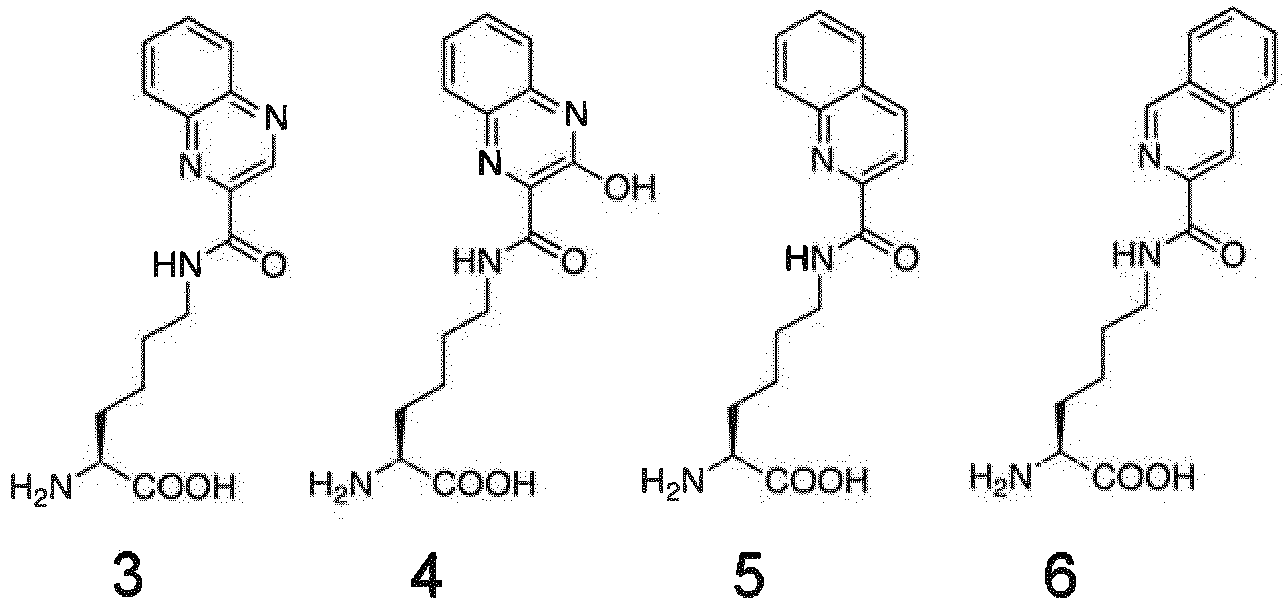

- A peptide comprising a non-canonical amino acid according to claim 1 or 3.
- The peptide of claim 4, wherein the peptide is a nucleic acid-binding drug, preferably for treating cancer, bacterial or viral infections.
- The peptide of claim 4 or 5, wherein the peptide is bound to a chemical substance, preferably selected from the group consisting of a labeling substance, preferably a fluorescent labeling substance or a radioactive labeling substance, a diagnostic substance, preferably a contrast agent and a pharmaceutical substance, preferably for treating cancer, bacterial infections or viral infections.
- A method for producing a nucleic acid-binding compound comprising the steps of- providing a nucleic acid sequence encoding for a peptide,- introducing a stop codon or a quadruplet codon into the sequence,- expressing the sequence in the presence of a tRNAPyl, a modified PylRS, and a non-canonical amino acid according to claim 1, which is encoded by the stop codon or the quadruplet codon,wherein the aromatic residue is a nucleic acid intercalating residue.
- The method of claim 7, wherein the sequence is expressed in a microorganism or an in vitro translation system, preferably using a modified PylRS.
- A kit comprising- a non-canonical amino acid according to claim 1,- a nucleic acid encoding tRNAPyl, and- a nucleic acid encoding a modified PylRS.
- Use of a non-canonical amino acid comprising a lysine and an aromatic residue for producing a peptide, wherein the aromatic residue is bound to the N-epsilon atom of the lysine and wherein the aromatic residue is selected from the group consisting of quinoline, quinoxaline, isoquinoline, benzoquinoline, phenylquinoline, acridine, aminoacridine, phenazine, phenantridine, carbazole, phenanthroline and benzimidazole.
Priority Applications (1)
| Application Number | Priority Date | Filing Date | Title |
|---|---|---|---|
| EP14741620.0A EP3024823B1 (en) | 2013-07-25 | 2014-07-21 | Intercalating amino acids |
Applications Claiming Priority (3)
| Application Number | Priority Date | Filing Date | Title |
|---|---|---|---|
| EP13178053.8A EP2829535A1 (en) | 2013-07-25 | 2013-07-25 | Intercalating amino acids |
| EP14741620.0A EP3024823B1 (en) | 2013-07-25 | 2014-07-21 | Intercalating amino acids |
| PCT/EP2014/065601 WO2015011081A2 (en) | 2013-07-25 | 2014-07-21 | Intercalating amino acids |
Publications (2)
| Publication Number | Publication Date |
|---|---|
| EP3024823A2 EP3024823A2 (en) | 2016-06-01 |
| EP3024823B1 true EP3024823B1 (en) | 2018-03-21 |
Family
ID=48900784
Family Applications (2)
| Application Number | Title | Priority Date | Filing Date |
|---|---|---|---|
| EP13178053.8A Withdrawn EP2829535A1 (en) | 2013-07-25 | 2013-07-25 | Intercalating amino acids |
| EP14741620.0A Not-in-force EP3024823B1 (en) | 2013-07-25 | 2014-07-21 | Intercalating amino acids |
Family Applications Before (1)
| Application Number | Title | Priority Date | Filing Date |
|---|---|---|---|
| EP13178053.8A Withdrawn EP2829535A1 (en) | 2013-07-25 | 2013-07-25 | Intercalating amino acids |
Country Status (2)
| Country | Link |
|---|---|
| EP (2) | EP2829535A1 (en) |
| WO (1) | WO2015011081A2 (en) |
Families Citing this family (3)
| Publication number | Priority date | Publication date | Assignee | Title |
|---|---|---|---|---|
| CN109956911A (en) * | 2019-03-27 | 2019-07-02 | 天津大学 | Salts of triazoxide heterocyclic long-chain non-natural chiral amino acid compounds and their amines, preparation methods and uses |
| CN113105430B (en) * | 2021-04-13 | 2022-04-01 | 天津大学 | Non-natural chiral amino acid compound containing imide sulfone cycloheptyne and its salt compound, its preparation method and use |
| EP4328308A1 (en) | 2022-08-22 | 2024-02-28 | Technische Universität Berlin | Modified trna-synthetase for the incorporation of non-canonical amino acids |
-
2013
- 2013-07-25 EP EP13178053.8A patent/EP2829535A1/en not_active Withdrawn
-
2014
- 2014-07-21 WO PCT/EP2014/065601 patent/WO2015011081A2/en not_active Ceased
- 2014-07-21 EP EP14741620.0A patent/EP3024823B1/en not_active Not-in-force
Also Published As
| Publication number | Publication date |
|---|---|
| WO2015011081A3 (en) | 2015-03-19 |
| EP3024823A2 (en) | 2016-06-01 |
| WO2015011081A2 (en) | 2015-01-29 |
| EP2829535A1 (en) | 2015-01-28 |
Similar Documents
| Publication | Publication Date | Title |
|---|---|---|
| EP2651964B1 (en) | Cross-linked peptides and proteins, methods of making same, and uses thereof | |
| Heal et al. | N-Myristoyl transferase-mediated protein labelling in vivo | |
| EP1932834B1 (en) | Aromatic 1,4-DI-Carboxylamides and their use | |
| EP2804872B1 (en) | Norbornene modified peptides and their labelling with tetrazine compounds | |
| US8986953B2 (en) | Macrocyclic compounds with a hybrid peptidic/non-peptidic backbone and methods for their preparation | |
| Tuley et al. | The genetic incorporation of thirteen novel non-canonical amino acids | |
| CN117279889B (en) | Substituted fluorosulfates and their uses | |
| EP2829535A1 (en) | Intercalating amino acids | |
| Chen et al. | Site-selective azide incorporation into endogenous RNase A via a “chemistry” approach | |
| CN118671349A (en) | High-throughput screening method of anti-gastric cancer drugs | |
| JP7611815B2 (en) | Linker molecule for preparing cell membrane-permeable cyclic peptides and use thereof | |
| JP2009298735A (en) | Method for producing modified protein, modified protein obtained by the production method and protein modification kit | |
| EP4003979B1 (en) | Multikinase degraders | |
| Wang et al. | Covalent protein inhibitors via tyrosine conjugation with cyclic imine mannich electrophiles | |
| Callahan et al. | Single-shot flow synthesis of D-proteins for mirror-image phage display | |
| US12460317B2 (en) | Genetically encoded, phage-displayed cyclic peptide library and methods of making the same | |
| WO2024249187A1 (en) | Targeted protein degradation through site-specific recruitment of ubiquitin ligase | |
| EP4431519A1 (en) | Method for producing compounds, method for producing compound library, compound library, and screening method | |
| WO2019168164A1 (en) | Molecule for protein and/or peptide design | |
| US7371579B1 (en) | Nickel-based reagents for detecting DNA and DNA-protein contacts | |
| CN117098768A (en) | Bioreactive compounds and methods of use | |
| Bionda et al. | Ribosomal synthesis of thioether-bridged bicyclic peptides | |
| US20260132547A1 (en) | Novel phage libraries of bicyclic peptides | |
| WO2024240078A1 (en) | Compositions and methods related to protein labeling | |
| Zhao | An approach for the generation of ubiquitin chains of various topologies based on bioorthogonal chemistry |
Legal Events
| Date | Code | Title | Description |
|---|---|---|---|
| PUAI | Public reference made under article 153(3) epc to a published international application that has entered the european phase |
Free format text: ORIGINAL CODE: 0009012 |
|
| 17P | Request for examination filed |
Effective date: 20151113 |
|
| AK | Designated contracting states |
Kind code of ref document: A2 Designated state(s): AL AT BE BG CH CY CZ DE DK EE ES FI FR GB GR HR HU IE IS IT LI LT LU LV MC MK MT NL NO PL PT RO RS SE SI SK SM TR |
|
| AX | Request for extension of the european patent |
Extension state: BA ME |
|
| RIN1 | Information on inventor provided before grant (corrected) |
Inventor name: SUMMERER, DANIEL Inventor name: SCHMIDT, MORITZ JOHANNES |
|
| DAX | Request for extension of the european patent (deleted) | ||
| 17Q | First examination report despatched |
Effective date: 20170418 |
|
| GRAP | Despatch of communication of intention to grant a patent |
Free format text: ORIGINAL CODE: EPIDOSNIGR1 |
|
| GRAJ | Information related to disapproval of communication of intention to grant by the applicant or resumption of examination proceedings by the epo deleted |
Free format text: ORIGINAL CODE: EPIDOSDIGR1 |
|
| GRAP | Despatch of communication of intention to grant a patent |
Free format text: ORIGINAL CODE: EPIDOSNIGR1 |
|
| INTG | Intention to grant announced |
Effective date: 20170919 |
|
| INTG | Intention to grant announced |
Effective date: 20171005 |
|
| GRAS | Grant fee paid |
Free format text: ORIGINAL CODE: EPIDOSNIGR3 |
|
| GRAA | (expected) grant |
Free format text: ORIGINAL CODE: 0009210 |
|
| AK | Designated contracting states |
Kind code of ref document: B1 Designated state(s): AL AT BE BG CH CY CZ DE DK EE ES FI FR GB GR HR HU IE IS IT LI LT LU LV MC MK MT NL NO PL PT RO RS SE SI SK SM TR |
|
| REG | Reference to a national code |
Ref country code: GB Ref legal event code: FG4D |
|
| REG | Reference to a national code |
Ref country code: CH Ref legal event code: EP |
|
| REG | Reference to a national code |
Ref country code: AT Ref legal event code: REF Ref document number: 980922 Country of ref document: AT Kind code of ref document: T Effective date: 20180415 |
|
| REG | Reference to a national code |
Ref country code: IE Ref legal event code: FG4D |
|
| REG | Reference to a national code |
Ref country code: DE Ref legal event code: R096 Ref document number: 602014022643 Country of ref document: DE |
|
| REG | Reference to a national code |
Ref country code: FR Ref legal event code: PLFP Year of fee payment: 5 |
|
| REG | Reference to a national code |
Ref country code: NL Ref legal event code: MP Effective date: 20180321 |
|
| PG25 | Lapsed in a contracting state [announced via postgrant information from national office to epo] |
Ref country code: FI Free format text: LAPSE BECAUSE OF FAILURE TO SUBMIT A TRANSLATION OF THE DESCRIPTION OR TO PAY THE FEE WITHIN THE PRESCRIBED TIME-LIMIT Effective date: 20180321 Ref country code: NO Free format text: LAPSE BECAUSE OF FAILURE TO SUBMIT A TRANSLATION OF THE DESCRIPTION OR TO PAY THE FEE WITHIN THE PRESCRIBED TIME-LIMIT Effective date: 20180621 Ref country code: LT Free format text: LAPSE BECAUSE OF FAILURE TO SUBMIT A TRANSLATION OF THE DESCRIPTION OR TO PAY THE FEE WITHIN THE PRESCRIBED TIME-LIMIT Effective date: 20180321 Ref country code: CY Free format text: LAPSE BECAUSE OF FAILURE TO SUBMIT A TRANSLATION OF THE DESCRIPTION OR TO PAY THE FEE WITHIN THE PRESCRIBED TIME-LIMIT Effective date: 20180321 Ref country code: HR Free format text: LAPSE BECAUSE OF FAILURE TO SUBMIT A TRANSLATION OF THE DESCRIPTION OR TO PAY THE FEE WITHIN THE PRESCRIBED TIME-LIMIT Effective date: 20180321 |
|
| REG | Reference to a national code |
Ref country code: LT Ref legal event code: MG4D |
|
| REG | Reference to a national code |
Ref country code: AT Ref legal event code: MK05 Ref document number: 980922 Country of ref document: AT Kind code of ref document: T Effective date: 20180321 |
|
| PG25 | Lapsed in a contracting state [announced via postgrant information from national office to epo] |
Ref country code: GR Free format text: LAPSE BECAUSE OF FAILURE TO SUBMIT A TRANSLATION OF THE DESCRIPTION OR TO PAY THE FEE WITHIN THE PRESCRIBED TIME-LIMIT Effective date: 20180622 Ref country code: BG Free format text: LAPSE BECAUSE OF FAILURE TO SUBMIT A TRANSLATION OF THE DESCRIPTION OR TO PAY THE FEE WITHIN THE PRESCRIBED TIME-LIMIT Effective date: 20180621 Ref country code: RS Free format text: LAPSE BECAUSE OF FAILURE TO SUBMIT A TRANSLATION OF THE DESCRIPTION OR TO PAY THE FEE WITHIN THE PRESCRIBED TIME-LIMIT Effective date: 20180321 Ref country code: LV Free format text: LAPSE BECAUSE OF FAILURE TO SUBMIT A TRANSLATION OF THE DESCRIPTION OR TO PAY THE FEE WITHIN THE PRESCRIBED TIME-LIMIT Effective date: 20180321 Ref country code: SE Free format text: LAPSE BECAUSE OF FAILURE TO SUBMIT A TRANSLATION OF THE DESCRIPTION OR TO PAY THE FEE WITHIN THE PRESCRIBED TIME-LIMIT Effective date: 20180321 |
|
| PG25 | Lapsed in a contracting state [announced via postgrant information from national office to epo] |
Ref country code: NL Free format text: LAPSE BECAUSE OF FAILURE TO SUBMIT A TRANSLATION OF THE DESCRIPTION OR TO PAY THE FEE WITHIN THE PRESCRIBED TIME-LIMIT Effective date: 20180321 Ref country code: ES Free format text: LAPSE BECAUSE OF FAILURE TO SUBMIT A TRANSLATION OF THE DESCRIPTION OR TO PAY THE FEE WITHIN THE PRESCRIBED TIME-LIMIT Effective date: 20180321 Ref country code: PL Free format text: LAPSE BECAUSE OF FAILURE TO SUBMIT A TRANSLATION OF THE DESCRIPTION OR TO PAY THE FEE WITHIN THE PRESCRIBED TIME-LIMIT Effective date: 20180321 Ref country code: RO Free format text: LAPSE BECAUSE OF FAILURE TO SUBMIT A TRANSLATION OF THE DESCRIPTION OR TO PAY THE FEE WITHIN THE PRESCRIBED TIME-LIMIT Effective date: 20180321 Ref country code: AL Free format text: LAPSE BECAUSE OF FAILURE TO SUBMIT A TRANSLATION OF THE DESCRIPTION OR TO PAY THE FEE WITHIN THE PRESCRIBED TIME-LIMIT Effective date: 20180321 Ref country code: EE Free format text: LAPSE BECAUSE OF FAILURE TO SUBMIT A TRANSLATION OF THE DESCRIPTION OR TO PAY THE FEE WITHIN THE PRESCRIBED TIME-LIMIT Effective date: 20180321 Ref country code: IT Free format text: LAPSE BECAUSE OF FAILURE TO SUBMIT A TRANSLATION OF THE DESCRIPTION OR TO PAY THE FEE WITHIN THE PRESCRIBED TIME-LIMIT Effective date: 20180321 |
|
| PGFP | Annual fee paid to national office [announced via postgrant information from national office to epo] |
Ref country code: FR Payment date: 20180723 Year of fee payment: 5 Ref country code: DE Payment date: 20180524 Year of fee payment: 5 |
|
| PG25 | Lapsed in a contracting state [announced via postgrant information from national office to epo] |
Ref country code: CZ Free format text: LAPSE BECAUSE OF FAILURE TO SUBMIT A TRANSLATION OF THE DESCRIPTION OR TO PAY THE FEE WITHIN THE PRESCRIBED TIME-LIMIT Effective date: 20180321 Ref country code: SM Free format text: LAPSE BECAUSE OF FAILURE TO SUBMIT A TRANSLATION OF THE DESCRIPTION OR TO PAY THE FEE WITHIN THE PRESCRIBED TIME-LIMIT Effective date: 20180321 Ref country code: AT Free format text: LAPSE BECAUSE OF FAILURE TO SUBMIT A TRANSLATION OF THE DESCRIPTION OR TO PAY THE FEE WITHIN THE PRESCRIBED TIME-LIMIT Effective date: 20180321 Ref country code: SK Free format text: LAPSE BECAUSE OF FAILURE TO SUBMIT A TRANSLATION OF THE DESCRIPTION OR TO PAY THE FEE WITHIN THE PRESCRIBED TIME-LIMIT Effective date: 20180321 |
|
| PGFP | Annual fee paid to national office [announced via postgrant information from national office to epo] |
Ref country code: GB Payment date: 20180725 Year of fee payment: 5 |
|
| PG25 | Lapsed in a contracting state [announced via postgrant information from national office to epo] |
Ref country code: PT Free format text: LAPSE BECAUSE OF FAILURE TO SUBMIT A TRANSLATION OF THE DESCRIPTION OR TO PAY THE FEE WITHIN THE PRESCRIBED TIME-LIMIT Effective date: 20180723 |
|
| REG | Reference to a national code |
Ref country code: DE Ref legal event code: R097 Ref document number: 602014022643 Country of ref document: DE |
|
| PLBE | No opposition filed within time limit |
Free format text: ORIGINAL CODE: 0009261 |
|
| STAA | Information on the status of an ep patent application or granted ep patent |
Free format text: STATUS: NO OPPOSITION FILED WITHIN TIME LIMIT |
|
| PG25 | Lapsed in a contracting state [announced via postgrant information from national office to epo] |
Ref country code: DK Free format text: LAPSE BECAUSE OF FAILURE TO SUBMIT A TRANSLATION OF THE DESCRIPTION OR TO PAY THE FEE WITHIN THE PRESCRIBED TIME-LIMIT Effective date: 20180321 |
|
| 26N | No opposition filed |
Effective date: 20190102 |
|
| REG | Reference to a national code |
Ref country code: CH Ref legal event code: PL |
|
| PG25 | Lapsed in a contracting state [announced via postgrant information from national office to epo] |
Ref country code: LU Free format text: LAPSE BECAUSE OF NON-PAYMENT OF DUE FEES Effective date: 20180721 Ref country code: MC Free format text: LAPSE BECAUSE OF FAILURE TO SUBMIT A TRANSLATION OF THE DESCRIPTION OR TO PAY THE FEE WITHIN THE PRESCRIBED TIME-LIMIT Effective date: 20180321 |
|
| REG | Reference to a national code |
Ref country code: BE Ref legal event code: MM Effective date: 20180731 |
|
| REG | Reference to a national code |
Ref country code: IE Ref legal event code: MM4A |
|
| PG25 | Lapsed in a contracting state [announced via postgrant information from national office to epo] |
Ref country code: IE Free format text: LAPSE BECAUSE OF NON-PAYMENT OF DUE FEES Effective date: 20180721 Ref country code: CH Free format text: LAPSE BECAUSE OF NON-PAYMENT OF DUE FEES Effective date: 20180731 Ref country code: LI Free format text: LAPSE BECAUSE OF NON-PAYMENT OF DUE FEES Effective date: 20180731 |
|
| PG25 | Lapsed in a contracting state [announced via postgrant information from national office to epo] |
Ref country code: SI Free format text: LAPSE BECAUSE OF FAILURE TO SUBMIT A TRANSLATION OF THE DESCRIPTION OR TO PAY THE FEE WITHIN THE PRESCRIBED TIME-LIMIT Effective date: 20180321 Ref country code: BE Free format text: LAPSE BECAUSE OF NON-PAYMENT OF DUE FEES Effective date: 20180731 |
|
| PG25 | Lapsed in a contracting state [announced via postgrant information from national office to epo] |
Ref country code: MT Free format text: LAPSE BECAUSE OF NON-PAYMENT OF DUE FEES Effective date: 20180721 |
|
| REG | Reference to a national code |
Ref country code: DE Ref legal event code: R119 Ref document number: 602014022643 Country of ref document: DE |
|
| GBPC | Gb: european patent ceased through non-payment of renewal fee |
Effective date: 20190721 |
|
| PG25 | Lapsed in a contracting state [announced via postgrant information from national office to epo] |
Ref country code: TR Free format text: LAPSE BECAUSE OF FAILURE TO SUBMIT A TRANSLATION OF THE DESCRIPTION OR TO PAY THE FEE WITHIN THE PRESCRIBED TIME-LIMIT Effective date: 20180321 |
|
| PG25 | Lapsed in a contracting state [announced via postgrant information from national office to epo] |
Ref country code: GB Free format text: LAPSE BECAUSE OF NON-PAYMENT OF DUE FEES Effective date: 20190721 Ref country code: DE Free format text: LAPSE BECAUSE OF NON-PAYMENT OF DUE FEES Effective date: 20200201 |
|
| PG25 | Lapsed in a contracting state [announced via postgrant information from national office to epo] |
Ref country code: MK Free format text: LAPSE BECAUSE OF NON-PAYMENT OF DUE FEES Effective date: 20180321 Ref country code: FR Free format text: LAPSE BECAUSE OF NON-PAYMENT OF DUE FEES Effective date: 20190731 Ref country code: HU Free format text: LAPSE BECAUSE OF FAILURE TO SUBMIT A TRANSLATION OF THE DESCRIPTION OR TO PAY THE FEE WITHIN THE PRESCRIBED TIME-LIMIT; INVALID AB INITIO Effective date: 20140721 |
|
| PG25 | Lapsed in a contracting state [announced via postgrant information from national office to epo] |
Ref country code: IS Free format text: LAPSE BECAUSE OF FAILURE TO SUBMIT A TRANSLATION OF THE DESCRIPTION OR TO PAY THE FEE WITHIN THE PRESCRIBED TIME-LIMIT Effective date: 20180721 |