EP3015474A1 - PROTEIN-POLYMER COMPLEX, TGase SUBSTRATE-CONTAINING POLYMER, TGase SUBSTRATE-CONTAINING MONOMER, METHOD FOR PRODUCING PROTEIN-POLYMER COMPLEX, AND METHOD FOR IMPROVING PROTEIN FUNCTION ON INTERFACE OR IN VICINITIY OF INTERFACE OF SOLID-LIQUID - Google Patents
PROTEIN-POLYMER COMPLEX, TGase SUBSTRATE-CONTAINING POLYMER, TGase SUBSTRATE-CONTAINING MONOMER, METHOD FOR PRODUCING PROTEIN-POLYMER COMPLEX, AND METHOD FOR IMPROVING PROTEIN FUNCTION ON INTERFACE OR IN VICINITIY OF INTERFACE OF SOLID-LIQUID Download PDFInfo
- Publication number
- EP3015474A1 EP3015474A1 EP14816842.0A EP14816842A EP3015474A1 EP 3015474 A1 EP3015474 A1 EP 3015474A1 EP 14816842 A EP14816842 A EP 14816842A EP 3015474 A1 EP3015474 A1 EP 3015474A1
- Authority
- EP
- European Patent Office
- Prior art keywords
- protein
- polymer
- residue
- gln
- glutamine
- Prior art date
- Legal status (The legal status is an assumption and is not a legal conclusion. Google has not performed a legal analysis and makes no representation as to the accuracy of the status listed.)
- Withdrawn
Links
- 229920000642 polymer Polymers 0.000 title claims abstract description 226
- 238000000034 method Methods 0.000 title claims description 75
- 239000000178 monomer Substances 0.000 title claims description 67
- 238000004519 manufacturing process Methods 0.000 title claims description 21
- 239000007788 liquid Substances 0.000 title claims description 17
- 230000004853 protein function Effects 0.000 title claims description 7
- 101710123874 Protein-glutamine gamma-glutamyltransferase Proteins 0.000 title 2
- 108090000623 proteins and genes Proteins 0.000 claims abstract description 126
- 102000004169 proteins and genes Human genes 0.000 claims abstract description 123
- ZDXPYRJPNDTMRX-UHFFFAOYSA-N glutamine Natural products OC(=O)C(N)CCC(N)=O ZDXPYRJPNDTMRX-UHFFFAOYSA-N 0.000 claims abstract description 60
- 150000003141 primary amines Chemical class 0.000 claims abstract description 52
- 108060008539 Transglutaminase Proteins 0.000 claims description 93
- 102000003601 transglutaminase Human genes 0.000 claims description 93
- 239000000758 substrate Substances 0.000 claims description 84
- 102000004190 Enzymes Human genes 0.000 claims description 68
- 108090000790 Enzymes Proteins 0.000 claims description 68
- 238000009739 binding Methods 0.000 claims description 27
- 230000027455 binding Effects 0.000 claims description 25
- 238000002372 labelling Methods 0.000 claims description 25
- KDXKERNSBIXSRK-UHFFFAOYSA-N Lysine Natural products NCCCCC(N)C(O)=O KDXKERNSBIXSRK-UHFFFAOYSA-N 0.000 claims description 24
- 238000006911 enzymatic reaction Methods 0.000 claims description 18
- 239000004472 Lysine Substances 0.000 claims description 14
- 239000013077 target material Substances 0.000 claims description 4
- 230000035945 sensitivity Effects 0.000 abstract description 9
- 238000006243 chemical reaction Methods 0.000 description 97
- 235000018102 proteins Nutrition 0.000 description 91
- 229940088598 enzyme Drugs 0.000 description 69
- 125000000404 glutamine group Chemical group N[C@@H](CCC(N)=O)C(=O)* 0.000 description 55
- XEKOWRVHYACXOJ-UHFFFAOYSA-N Ethyl acetate Chemical compound CCOC(C)=O XEKOWRVHYACXOJ-UHFFFAOYSA-N 0.000 description 51
- ZDXPYRJPNDTMRX-VKHMYHEASA-N L-glutamine Chemical compound OC(=O)[C@@H](N)CCC(N)=O ZDXPYRJPNDTMRX-VKHMYHEASA-N 0.000 description 48
- 239000000047 product Substances 0.000 description 48
- 239000000243 solution Substances 0.000 description 42
- OKKJLVBELUTLKV-UHFFFAOYSA-N Methanol Chemical compound OC OKKJLVBELUTLKV-UHFFFAOYSA-N 0.000 description 39
- 108010059892 Cellulase Proteins 0.000 description 36
- ZMXDDKWLCZADIW-UHFFFAOYSA-N N,N-Dimethylformamide Chemical compound CN(C)C=O ZMXDDKWLCZADIW-UHFFFAOYSA-N 0.000 description 32
- 239000000523 sample Substances 0.000 description 29
- 239000000203 mixture Substances 0.000 description 27
- YMWUJEATGCHHMB-UHFFFAOYSA-N Dichloromethane Chemical compound ClCCl YMWUJEATGCHHMB-UHFFFAOYSA-N 0.000 description 26
- 230000000694 effects Effects 0.000 description 26
- 108090000765 processed proteins & peptides Proteins 0.000 description 24
- 239000002904 solvent Substances 0.000 description 24
- 238000005160 1H NMR spectroscopy Methods 0.000 description 23
- 239000003153 chemical reaction reagent Substances 0.000 description 23
- 238000010586 diagram Methods 0.000 description 23
- 108010048367 enhanced green fluorescent protein Proteins 0.000 description 22
- OKTJSMMVPCPJKN-UHFFFAOYSA-N Carbon Chemical compound [C] OKTJSMMVPCPJKN-UHFFFAOYSA-N 0.000 description 21
- 229910052799 carbon Inorganic materials 0.000 description 21
- KRKNYBCHXYNGOX-UHFFFAOYSA-N citric acid Chemical compound OC(=O)CC(O)(C(O)=O)CC(O)=O KRKNYBCHXYNGOX-UHFFFAOYSA-N 0.000 description 21
- 238000004132 cross linking Methods 0.000 description 21
- 230000002829 reductive effect Effects 0.000 description 21
- 238000010560 atom transfer radical polymerization reaction Methods 0.000 description 20
- 238000004821 distillation Methods 0.000 description 20
- 238000002415 sodium dodecyl sulfate polyacrylamide gel electrophoresis Methods 0.000 description 20
- 238000003786 synthesis reaction Methods 0.000 description 20
- 238000002965 ELISA Methods 0.000 description 19
- 238000000746 purification Methods 0.000 description 19
- -1 1.0 mL/min Substances 0.000 description 18
- 230000015572 biosynthetic process Effects 0.000 description 18
- 239000000843 powder Substances 0.000 description 18
- 230000009257 reactivity Effects 0.000 description 18
- 238000001840 matrix-assisted laser desorption--ionisation time-of-flight mass spectrometry Methods 0.000 description 17
- IAZDPXIOMUYVGZ-UHFFFAOYSA-N Dimethylsulphoxide Chemical compound CS(C)=O IAZDPXIOMUYVGZ-UHFFFAOYSA-N 0.000 description 16
- HEDRZPFGACZZDS-MICDWDOJSA-N Trichloro(2H)methane Chemical compound [2H]C(Cl)(Cl)Cl HEDRZPFGACZZDS-MICDWDOJSA-N 0.000 description 16
- 239000007864 aqueous solution Substances 0.000 description 16
- 238000006116 polymerization reaction Methods 0.000 description 16
- 239000000126 substance Substances 0.000 description 16
- YXFVVABEGXRONW-UHFFFAOYSA-N Toluene Chemical compound CC1=CC=CC=C1 YXFVVABEGXRONW-UHFFFAOYSA-N 0.000 description 15
- 238000001514 detection method Methods 0.000 description 15
- ZSZRUEAFVQITHH-UHFFFAOYSA-N 2-(2-methylprop-2-enoyloxy)ethyl 2-(trimethylazaniumyl)ethyl phosphate Chemical compound CC(=C)C(=O)OCCOP([O-])(=O)OCC[N+](C)(C)C ZSZRUEAFVQITHH-UHFFFAOYSA-N 0.000 description 14
- VYPSYNLAJGMNEJ-UHFFFAOYSA-N Silicium dioxide Chemical compound O=[Si]=O VYPSYNLAJGMNEJ-UHFFFAOYSA-N 0.000 description 14
- 239000000427 antigen Substances 0.000 description 14
- 108091007433 antigens Proteins 0.000 description 14
- 102000036639 antigens Human genes 0.000 description 14
- HRPVXLWXLXDGHG-UHFFFAOYSA-N Acrylamide Chemical compound NC(=O)C=C HRPVXLWXLXDGHG-UHFFFAOYSA-N 0.000 description 13
- 229920002678 cellulose Polymers 0.000 description 13
- 239000001913 cellulose Substances 0.000 description 13
- 239000013642 negative control Substances 0.000 description 13
- 238000000425 proton nuclear magnetic resonance spectrum Methods 0.000 description 13
- 230000035484 reaction time Effects 0.000 description 13
- 239000013598 vector Substances 0.000 description 13
- XLYOFNOQVPJJNP-UHFFFAOYSA-N water Substances O XLYOFNOQVPJJNP-UHFFFAOYSA-N 0.000 description 13
- QOSSAOTZNIDXMA-UHFFFAOYSA-N Dicylcohexylcarbodiimide Chemical compound C1CCCCC1N=C=NC1CCCCC1 QOSSAOTZNIDXMA-UHFFFAOYSA-N 0.000 description 12
- 238000002835 absorbance Methods 0.000 description 12
- 238000011156 evaluation Methods 0.000 description 12
- VHYFNPMBLIVWCW-UHFFFAOYSA-N 4-Dimethylaminopyridine Chemical compound CN(C)C1=CC=NC=C1 VHYFNPMBLIVWCW-UHFFFAOYSA-N 0.000 description 11
- 150000001413 amino acids Chemical group 0.000 description 11
- 238000004458 analytical method Methods 0.000 description 11
- 238000005227 gel permeation chromatography Methods 0.000 description 11
- UIIMBOGNXHQVGW-UHFFFAOYSA-M Sodium bicarbonate Chemical compound [Na+].OC([O-])=O UIIMBOGNXHQVGW-UHFFFAOYSA-M 0.000 description 10
- 125000003277 amino group Chemical group 0.000 description 10
- VLKZOEOYAKHREP-UHFFFAOYSA-N n-Hexane Chemical compound CCCCCC VLKZOEOYAKHREP-UHFFFAOYSA-N 0.000 description 10
- 101710120037 Toxin CcdB Proteins 0.000 description 9
- 230000008859 change Effects 0.000 description 9
- NKLPQNGYXWVELD-UHFFFAOYSA-M coomassie brilliant blue Chemical compound [Na+].C1=CC(OCC)=CC=C1NC1=CC=C(C(=C2C=CC(C=C2)=[N+](CC)CC=2C=C(C=CC=2)S([O-])(=O)=O)C=2C=CC(=CC=2)N(CC)CC=2C=C(C=CC=2)S([O-])(=O)=O)C=C1 NKLPQNGYXWVELD-UHFFFAOYSA-M 0.000 description 9
- 230000009467 reduction Effects 0.000 description 9
- 238000012360 testing method Methods 0.000 description 9
- 241000588724 Escherichia coli Species 0.000 description 8
- 239000012043 crude product Substances 0.000 description 8
- 230000002950 deficient Effects 0.000 description 8
- AMXOYNBUYSYVKV-UHFFFAOYSA-M lithium bromide Chemical compound [Li+].[Br-] AMXOYNBUYSYVKV-UHFFFAOYSA-M 0.000 description 8
- 102000004196 processed proteins & peptides Human genes 0.000 description 8
- 239000000741 silica gel Substances 0.000 description 8
- 229910002027 silica gel Inorganic materials 0.000 description 8
- 239000007787 solid Substances 0.000 description 8
- SJMYWORNLPSJQO-UHFFFAOYSA-N tert-butyl 2-methylprop-2-enoate Chemical compound CC(=C)C(=O)OC(C)(C)C SJMYWORNLPSJQO-UHFFFAOYSA-N 0.000 description 8
- PJUPKRYGDFTMTM-UHFFFAOYSA-N 1-hydroxybenzotriazole;hydrate Chemical compound O.C1=CC=C2N(O)N=NC2=C1 PJUPKRYGDFTMTM-UHFFFAOYSA-N 0.000 description 7
- PMZURENOXWZQFD-UHFFFAOYSA-L Sodium Sulfate Chemical compound [Na+].[Na+].[O-]S([O-])(=O)=O PMZURENOXWZQFD-UHFFFAOYSA-L 0.000 description 7
- FAPWRFPIFSIZLT-UHFFFAOYSA-M Sodium chloride Chemical class [Na+].[Cl-] FAPWRFPIFSIZLT-UHFFFAOYSA-M 0.000 description 7
- 108090000190 Thrombin Proteins 0.000 description 7
- 238000001035 drying Methods 0.000 description 7
- 230000006870 function Effects 0.000 description 7
- VMGSQCIDWAUGLQ-UHFFFAOYSA-N n',n'-bis[2-(dimethylamino)ethyl]-n,n-dimethylethane-1,2-diamine Chemical compound CN(C)CCN(CCN(C)C)CCN(C)C VMGSQCIDWAUGLQ-UHFFFAOYSA-N 0.000 description 7
- 238000002360 preparation method Methods 0.000 description 7
- 230000003595 spectral effect Effects 0.000 description 7
- 229960004072 thrombin Drugs 0.000 description 7
- 238000001026 1H--1H correlation spectroscopy Methods 0.000 description 6
- OZAIFHULBGXAKX-UHFFFAOYSA-N 2-(2-cyanopropan-2-yldiazenyl)-2-methylpropanenitrile Chemical compound N#CC(C)(C)N=NC(C)(C)C#N OZAIFHULBGXAKX-UHFFFAOYSA-N 0.000 description 6
- CSCPPACGZOOCGX-UHFFFAOYSA-N Acetone Chemical compound CC(C)=O CSCPPACGZOOCGX-UHFFFAOYSA-N 0.000 description 6
- XKRFYHLGVUSROY-UHFFFAOYSA-N Argon Chemical group [Ar] XKRFYHLGVUSROY-UHFFFAOYSA-N 0.000 description 6
- RTZKZFJDLAIYFH-UHFFFAOYSA-N Diethyl ether Chemical compound CCOCC RTZKZFJDLAIYFH-UHFFFAOYSA-N 0.000 description 6
- LFQSCWFLJHTTHZ-UHFFFAOYSA-N Ethanol Chemical compound CCO LFQSCWFLJHTTHZ-UHFFFAOYSA-N 0.000 description 6
- 108010058846 Ovalbumin Proteins 0.000 description 6
- 108010008281 Recombinant Fusion Proteins Proteins 0.000 description 6
- 102000007056 Recombinant Fusion Proteins Human genes 0.000 description 6
- HEMHJVSKTPXQMS-UHFFFAOYSA-M Sodium hydroxide Chemical compound [OH-].[Na+] HEMHJVSKTPXQMS-UHFFFAOYSA-M 0.000 description 6
- 239000007853 buffer solution Substances 0.000 description 6
- 239000007795 chemical reaction product Substances 0.000 description 6
- 229920001577 copolymer Polymers 0.000 description 6
- 238000007334 copolymerization reaction Methods 0.000 description 6
- 238000003818 flash chromatography Methods 0.000 description 6
- NPZTUJOABDZTLV-UHFFFAOYSA-N hydroxybenzotriazole Substances O=C1C=CC=C2NNN=C12 NPZTUJOABDZTLV-UHFFFAOYSA-N 0.000 description 6
- 239000003999 initiator Substances 0.000 description 6
- 230000000813 microbial effect Effects 0.000 description 6
- 229940092253 ovalbumin Drugs 0.000 description 6
- 239000002994 raw material Substances 0.000 description 6
- 239000011734 sodium Substances 0.000 description 6
- 238000003756 stirring Methods 0.000 description 6
- 238000004809 thin layer chromatography Methods 0.000 description 6
- 125000002221 trityl group Chemical group [H]C1=C([H])C([H])=C([H])C([H])=C1C([*])(C1=C(C(=C(C(=C1[H])[H])[H])[H])[H])C1=C([H])C([H])=C([H])C([H])=C1[H] 0.000 description 6
- 229960000549 4-dimethylaminophenol Drugs 0.000 description 5
- 102000002260 Alkaline Phosphatase Human genes 0.000 description 5
- 108020004774 Alkaline Phosphatase Proteins 0.000 description 5
- DHMQDGOQFOQNFH-UHFFFAOYSA-N Glycine Chemical compound NCC(O)=O DHMQDGOQFOQNFH-UHFFFAOYSA-N 0.000 description 5
- 239000006180 TBST buffer Substances 0.000 description 5
- 238000009825 accumulation Methods 0.000 description 5
- 230000005587 bubbling Effects 0.000 description 5
- 239000000872 buffer Substances 0.000 description 5
- 210000004899 c-terminal region Anatomy 0.000 description 5
- 239000003054 catalyst Substances 0.000 description 5
- 238000006555 catalytic reaction Methods 0.000 description 5
- 230000001461 cytolytic effect Effects 0.000 description 5
- 101150097231 eg gene Proteins 0.000 description 5
- 238000001962 electrophoresis Methods 0.000 description 5
- 238000010438 heat treatment Methods 0.000 description 5
- 125000004435 hydrogen atom Chemical group [H]* 0.000 description 5
- 125000005439 maleimidyl group Chemical group C1(C=CC(N1*)=O)=O 0.000 description 5
- 239000011159 matrix material Substances 0.000 description 5
- 125000006239 protecting group Chemical group 0.000 description 5
- 238000000926 separation method Methods 0.000 description 5
- 229910000030 sodium bicarbonate Inorganic materials 0.000 description 5
- 235000017557 sodium bicarbonate Nutrition 0.000 description 5
- 238000001179 sorption measurement Methods 0.000 description 5
- 238000010186 staining Methods 0.000 description 5
- ZIBGPFATKBEMQZ-UHFFFAOYSA-N triethylene glycol Chemical compound OCCOCCOCCO ZIBGPFATKBEMQZ-UHFFFAOYSA-N 0.000 description 5
- 238000005406 washing Methods 0.000 description 5
- RYHBNJHYFVUHQT-UHFFFAOYSA-N 1,4-Dioxane Chemical compound C1COCCO1 RYHBNJHYFVUHQT-UHFFFAOYSA-N 0.000 description 4
- QKNYBSVHEMOAJP-UHFFFAOYSA-N 2-amino-2-(hydroxymethyl)propane-1,3-diol;hydron;chloride Chemical compound Cl.OCC(N)(CO)CO QKNYBSVHEMOAJP-UHFFFAOYSA-N 0.000 description 4
- MHXMVFDLNGKBSR-UHFFFAOYSA-N 2-hydroxyethyl 2-bromo-2-methylpropanoate Chemical compound CC(C)(Br)C(=O)OCCO MHXMVFDLNGKBSR-UHFFFAOYSA-N 0.000 description 4
- 229920002134 Carboxymethyl cellulose Polymers 0.000 description 4
- HEDRZPFGACZZDS-UHFFFAOYSA-N Chloroform Chemical compound ClC(Cl)Cl HEDRZPFGACZZDS-UHFFFAOYSA-N 0.000 description 4
- IAZDPXIOMUYVGZ-WFGJKAKNSA-N Dimethyl sulfoxide Chemical compound [2H]C([2H])([2H])S(=O)C([2H])([2H])[2H] IAZDPXIOMUYVGZ-WFGJKAKNSA-N 0.000 description 4
- XLYOFNOQVPJJNP-ZSJDYOACSA-N Heavy water Chemical compound [2H]O[2H] XLYOFNOQVPJJNP-ZSJDYOACSA-N 0.000 description 4
- VEXZGXHMUGYJMC-UHFFFAOYSA-N Hydrochloric acid Chemical compound Cl VEXZGXHMUGYJMC-UHFFFAOYSA-N 0.000 description 4
- WOBHKFSMXKNTIM-UHFFFAOYSA-N Hydroxyethyl methacrylate Chemical compound CC(=C)C(=O)OCCO WOBHKFSMXKNTIM-UHFFFAOYSA-N 0.000 description 4
- 239000012901 Milli-Q water Substances 0.000 description 4
- JGFZNNIVVJXRND-UHFFFAOYSA-N N,N-Diisopropylethylamine (DIPEA) Chemical compound CCN(C(C)C)C(C)C JGFZNNIVVJXRND-UHFFFAOYSA-N 0.000 description 4
- 239000004793 Polystyrene Substances 0.000 description 4
- PPBRXRYQALVLMV-UHFFFAOYSA-N Styrene Chemical compound C=CC1=CC=CC=C1 PPBRXRYQALVLMV-UHFFFAOYSA-N 0.000 description 4
- DTQVDTLACAAQTR-UHFFFAOYSA-N Trifluoroacetic acid Chemical compound OC(=O)C(F)(F)F DTQVDTLACAAQTR-UHFFFAOYSA-N 0.000 description 4
- 125000002947 alkylene group Chemical group 0.000 description 4
- NUZWLKWWNNJHPT-UHFFFAOYSA-N anthralin Chemical compound C1C2=CC=CC(O)=C2C(=O)C2=C1C=CC=C2O NUZWLKWWNNJHPT-UHFFFAOYSA-N 0.000 description 4
- 125000002102 aryl alkyloxo group Chemical group 0.000 description 4
- 125000000051 benzyloxy group Chemical group [H]C1=C([H])C([H])=C(C([H])=C1[H])C([H])([H])O* 0.000 description 4
- 150000001875 compounds Chemical class 0.000 description 4
- 238000012258 culturing Methods 0.000 description 4
- 230000008034 disappearance Effects 0.000 description 4
- 238000009826 distribution Methods 0.000 description 4
- 229960002311 dithranol Drugs 0.000 description 4
- 125000000816 ethylene group Chemical group [H]C([H])([*:1])C([H])([H])[*:2] 0.000 description 4
- 239000007850 fluorescent dye Substances 0.000 description 4
- 239000000499 gel Substances 0.000 description 4
- 238000010353 genetic engineering Methods 0.000 description 4
- 239000011544 gradient gel Substances 0.000 description 4
- 239000003446 ligand Substances 0.000 description 4
- 238000005259 measurement Methods 0.000 description 4
- 125000002496 methyl group Chemical group [H]C([H])([H])* 0.000 description 4
- 125000001570 methylene group Chemical group [H]C([H])([*:1])[*:2] 0.000 description 4
- 239000012074 organic phase Substances 0.000 description 4
- 239000008363 phosphate buffer Substances 0.000 description 4
- 239000013612 plasmid Substances 0.000 description 4
- 229920002223 polystyrene Polymers 0.000 description 4
- 238000010526 radical polymerization reaction Methods 0.000 description 4
- 238000000967 suction filtration Methods 0.000 description 4
- 125000003396 thiol group Chemical group [H]S* 0.000 description 4
- 239000003656 tris buffered saline Substances 0.000 description 4
- 125000000391 vinyl group Chemical group [H]C([*])=C([H])[H] 0.000 description 4
- LMDZBCPBFSXMTL-UHFFFAOYSA-N 1-Ethyl-3-(3-dimethylaminopropyl)carbodiimide Substances CCN=C=NCCCN(C)C LMDZBCPBFSXMTL-UHFFFAOYSA-N 0.000 description 3
- HWSSEYVMGDIFMH-UHFFFAOYSA-N 2-[2-[2-(2-methylprop-2-enoyloxy)ethoxy]ethoxy]ethyl 2-methylprop-2-enoate Chemical compound CC(=C)C(=O)OCCOCCOCCOC(=O)C(C)=C HWSSEYVMGDIFMH-UHFFFAOYSA-N 0.000 description 3
- FPQQSJJWHUJYPU-UHFFFAOYSA-N 3-(dimethylamino)propyliminomethylidene-ethylazanium;chloride Chemical compound Cl.CCN=C=NCCCN(C)C FPQQSJJWHUJYPU-UHFFFAOYSA-N 0.000 description 3
- OZAIFHULBGXAKX-VAWYXSNFSA-N AIBN Substances N#CC(C)(C)\N=N\C(C)(C)C#N OZAIFHULBGXAKX-VAWYXSNFSA-N 0.000 description 3
- WEVYAHXRMPXWCK-UHFFFAOYSA-N Acetonitrile Chemical compound CC#N WEVYAHXRMPXWCK-UHFFFAOYSA-N 0.000 description 3
- 108091003079 Bovine Serum Albumin Proteins 0.000 description 3
- 108010084185 Cellulases Proteins 0.000 description 3
- 102000005575 Cellulases Human genes 0.000 description 3
- 229910021591 Copper(I) chloride Inorganic materials 0.000 description 3
- SHIBSTMRCDJXLN-UHFFFAOYSA-N Digoxigenin Natural products C1CC(C2C(C3(C)CCC(O)CC3CC2)CC2O)(O)C2(C)C1C1=CC(=O)OC1 SHIBSTMRCDJXLN-UHFFFAOYSA-N 0.000 description 3
- 102000005720 Glutathione transferase Human genes 0.000 description 3
- 108010070675 Glutathione transferase Proteins 0.000 description 3
- 238000005481 NMR spectroscopy Methods 0.000 description 3
- 150000001252 acrylic acid derivatives Chemical class 0.000 description 3
- AVKUERGKIZMTKX-NJBDSQKTSA-N ampicillin Chemical compound C1([C@@H](N)C(=O)N[C@H]2[C@H]3SC([C@@H](N3C2=O)C(O)=O)(C)C)=CC=CC=C1 AVKUERGKIZMTKX-NJBDSQKTSA-N 0.000 description 3
- 229960000723 ampicillin Drugs 0.000 description 3
- 229910052786 argon Inorganic materials 0.000 description 3
- 230000008901 benefit Effects 0.000 description 3
- 229940098773 bovine serum albumin Drugs 0.000 description 3
- 239000001768 carboxy methyl cellulose Substances 0.000 description 3
- 235000010948 carboxy methyl cellulose Nutrition 0.000 description 3
- 239000008112 carboxymethyl-cellulose Substances 0.000 description 3
- 210000004027 cell Anatomy 0.000 description 3
- 239000007979 citrate buffer Substances 0.000 description 3
- 238000010367 cloning Methods 0.000 description 3
- OXBLHERUFWYNTN-UHFFFAOYSA-M copper(I) chloride Chemical compound [Cu]Cl OXBLHERUFWYNTN-UHFFFAOYSA-M 0.000 description 3
- 238000010511 deprotection reaction Methods 0.000 description 3
- QONQRTHLHBTMGP-UHFFFAOYSA-N digitoxigenin Natural products CC12CCC(C3(CCC(O)CC3CC3)C)C3C11OC1CC2C1=CC(=O)OC1 QONQRTHLHBTMGP-UHFFFAOYSA-N 0.000 description 3
- SHIBSTMRCDJXLN-KCZCNTNESA-N digoxigenin Chemical compound C1([C@@H]2[C@@]3([C@@](CC2)(O)[C@H]2[C@@H]([C@@]4(C)CC[C@H](O)C[C@H]4CC2)C[C@H]3O)C)=CC(=O)OC1 SHIBSTMRCDJXLN-KCZCNTNESA-N 0.000 description 3
- 238000000921 elemental analysis Methods 0.000 description 3
- 239000012634 fragment Substances 0.000 description 3
- 230000006872 improvement Effects 0.000 description 3
- 125000005647 linker group Chemical group 0.000 description 3
- 239000000463 material Substances 0.000 description 3
- 150000002734 metacrylic acid derivatives Chemical class 0.000 description 3
- 125000000956 methoxy group Chemical group [H]C([H])([H])O* 0.000 description 3
- 102000039446 nucleic acids Human genes 0.000 description 3
- 108020004707 nucleic acids Proteins 0.000 description 3
- 150000007523 nucleic acids Chemical class 0.000 description 3
- 238000010534 nucleophilic substitution reaction Methods 0.000 description 3
- 239000012044 organic layer Substances 0.000 description 3
- 102000013415 peroxidase activity proteins Human genes 0.000 description 3
- 108040007629 peroxidase activity proteins Proteins 0.000 description 3
- 230000000379 polymerizing effect Effects 0.000 description 3
- 239000002244 precipitate Substances 0.000 description 3
- 239000000377 silicon dioxide Substances 0.000 description 3
- 230000009870 specific binding Effects 0.000 description 3
- 235000000346 sugar Nutrition 0.000 description 3
- 150000008163 sugars Chemical class 0.000 description 3
- 239000006228 supernatant Substances 0.000 description 3
- 230000002194 synthesizing effect Effects 0.000 description 3
- 125000000999 tert-butyl group Chemical group [H]C([H])([H])C(*)(C([H])([H])[H])C([H])([H])[H] 0.000 description 3
- 238000000825 ultraviolet detection Methods 0.000 description 3
- LWFUFLREGJMOIZ-UHFFFAOYSA-N 3,5-dinitrosalicylic acid Chemical compound OC(=O)C1=CC([N+]([O-])=O)=CC([N+]([O-])=O)=C1O LWFUFLREGJMOIZ-UHFFFAOYSA-N 0.000 description 2
- NLHHRLWOUZZQLW-UHFFFAOYSA-N Acrylonitrile Chemical compound C=CC#N NLHHRLWOUZZQLW-UHFFFAOYSA-N 0.000 description 2
- 239000002028 Biomass Substances 0.000 description 2
- 241000700199 Cavia porcellus Species 0.000 description 2
- 108010008885 Cellulose 1,4-beta-Cellobiosidase Proteins 0.000 description 2
- 229920000324 Cellulosome Polymers 0.000 description 2
- 229920002307 Dextran Polymers 0.000 description 2
- 239000004471 Glycine Substances 0.000 description 2
- WTDRDQBEARUVNC-UHFFFAOYSA-N L-Dopa Natural products OC(=O)C(N)CC1=CC=C(O)C(O)=C1 WTDRDQBEARUVNC-UHFFFAOYSA-N 0.000 description 2
- 241000124008 Mammalia Species 0.000 description 2
- HDFGOPSGAURCEO-UHFFFAOYSA-N N-ethylmaleimide Chemical compound CCN1C(=O)C=CC1=O HDFGOPSGAURCEO-UHFFFAOYSA-N 0.000 description 2
- JUJWROOIHBZHMG-UHFFFAOYSA-N Pyridine Chemical compound C1=CC=NC=C1 JUJWROOIHBZHMG-UHFFFAOYSA-N 0.000 description 2
- 239000012722 SDS sample buffer Substances 0.000 description 2
- 125000004450 alkenylene group Chemical group 0.000 description 2
- 125000003545 alkoxy group Chemical group 0.000 description 2
- 125000000217 alkyl group Chemical group 0.000 description 2
- 150000001412 amines Chemical class 0.000 description 2
- 125000003710 aryl alkyl group Chemical group 0.000 description 2
- 125000003118 aryl group Chemical group 0.000 description 2
- 125000004104 aryloxy group Chemical group 0.000 description 2
- 238000003556 assay Methods 0.000 description 2
- 125000004429 atom Chemical group 0.000 description 2
- 230000001580 bacterial effect Effects 0.000 description 2
- 229920001222 biopolymer Polymers 0.000 description 2
- 239000006227 byproduct Substances 0.000 description 2
- 210000000166 cellulosome Anatomy 0.000 description 2
- 238000012790 confirmation Methods 0.000 description 2
- 125000005678 ethenylene group Chemical group [H]C([*:1])=C([H])[*:2] 0.000 description 2
- 238000001914 filtration Methods 0.000 description 2
- 238000004108 freeze drying Methods 0.000 description 2
- 150000004676 glycans Chemical class 0.000 description 2
- 238000004128 high performance liquid chromatography Methods 0.000 description 2
- 238000010191 image analysis Methods 0.000 description 2
- 238000011835 investigation Methods 0.000 description 2
- 238000002955 isolation Methods 0.000 description 2
- BPHPUYQFMNQIOC-NXRLNHOXSA-N isopropyl beta-D-thiogalactopyranoside Chemical compound CC(C)S[C@@H]1O[C@H](CO)[C@H](O)[C@H](O)[C@H]1O BPHPUYQFMNQIOC-NXRLNHOXSA-N 0.000 description 2
- 239000002082 metal nanoparticle Substances 0.000 description 2
- FQPSGWSUVKBHSU-UHFFFAOYSA-N methacrylamide Chemical compound CC(=C)C(N)=O FQPSGWSUVKBHSU-UHFFFAOYSA-N 0.000 description 2
- VHRYZQNGTZXDNX-UHFFFAOYSA-N methacryloyl chloride Chemical compound CC(=C)C(Cl)=O VHRYZQNGTZXDNX-UHFFFAOYSA-N 0.000 description 2
- 239000003960 organic solvent Substances 0.000 description 2
- 239000013600 plasmid vector Substances 0.000 description 2
- 229920001282 polysaccharide Polymers 0.000 description 2
- 239000005017 polysaccharide Substances 0.000 description 2
- 238000001556 precipitation Methods 0.000 description 2
- 239000012264 purified product Substances 0.000 description 2
- 150000003254 radicals Chemical class 0.000 description 2
- 230000002285 radioactive effect Effects 0.000 description 2
- 238000005215 recombination Methods 0.000 description 2
- 230000006798 recombination Effects 0.000 description 2
- 108091008146 restriction endonucleases Proteins 0.000 description 2
- 238000012712 reversible addition−fragmentation chain-transfer polymerization Methods 0.000 description 2
- 238000002390 rotary evaporation Methods 0.000 description 2
- 239000012723 sample buffer Substances 0.000 description 2
- 125000001424 substituent group Chemical group 0.000 description 2
- 238000006467 substitution reaction Methods 0.000 description 2
- 230000001629 suppression Effects 0.000 description 2
- 239000013076 target substance Substances 0.000 description 2
- 238000009210 therapy by ultrasound Methods 0.000 description 2
- 229910052723 transition metal Inorganic materials 0.000 description 2
- 150000003624 transition metals Chemical class 0.000 description 2
- 238000000108 ultra-filtration Methods 0.000 description 2
- 229920002554 vinyl polymer Polymers 0.000 description 2
- VHOHAIFYJIBUFF-ASCMOBCVSA-N (4S)-4-amino-5-[1-[(2S)-2-carboxy-2-(phenylmethoxycarbonylamino)ethyl]cyclohexa-2,4-dien-1-yl]-5-oxopentanoic acid Chemical compound C([C@H](NC(=O)OCC=1C=CC=CC=1)C(O)=O)C1(C(=O)[C@H](CCC(O)=O)N)CC=CC=C1 VHOHAIFYJIBUFF-ASCMOBCVSA-N 0.000 description 1
- CRRUGYDDEMGVDY-UHFFFAOYSA-N 1-bromoethylbenzene Chemical compound CC(Br)C1=CC=CC=C1 CRRUGYDDEMGVDY-UHFFFAOYSA-N 0.000 description 1
- GTLWADFFABIGAE-UHFFFAOYSA-N 1-chloroethylbenzene Chemical compound CC(Cl)C1=CC=CC=C1 GTLWADFFABIGAE-UHFFFAOYSA-N 0.000 description 1
- VGUWFGWZSVLROP-UHFFFAOYSA-N 1-pyridin-2-yl-n,n-bis(pyridin-2-ylmethyl)methanamine Chemical compound C=1C=CC=NC=1CN(CC=1N=CC=CC=1)CC1=CC=CC=N1 VGUWFGWZSVLROP-UHFFFAOYSA-N 0.000 description 1
- VILCJCGEZXAXTO-UHFFFAOYSA-N 2,2,2-tetramine Chemical compound NCCNCCNCCN VILCJCGEZXAXTO-UHFFFAOYSA-N 0.000 description 1
- SMZOUWXMTYCWNB-UHFFFAOYSA-N 2-(2-methoxy-5-methylphenyl)ethanamine Chemical compound COC1=CC=C(C)C=C1CCN SMZOUWXMTYCWNB-UHFFFAOYSA-N 0.000 description 1
- NIXOWILDQLNWCW-UHFFFAOYSA-N 2-Propenoic acid Natural products OC(=O)C=C NIXOWILDQLNWCW-UHFFFAOYSA-N 0.000 description 1
- NJNWCIAPVGRBHO-UHFFFAOYSA-N 2-hydroxyethyl-dimethyl-[(oxo-$l^{5}-phosphanylidyne)methyl]azanium Chemical group OCC[N+](C)(C)C#P=O NJNWCIAPVGRBHO-UHFFFAOYSA-N 0.000 description 1
- UAIUNKRWKOVEES-UHFFFAOYSA-N 3,3',5,5'-tetramethylbenzidine Chemical compound CC1=C(N)C(C)=CC(C=2C=C(C)C(N)=C(C)C=2)=C1 UAIUNKRWKOVEES-UHFFFAOYSA-N 0.000 description 1
- FWMNVWWHGCHHJJ-SKKKGAJSSA-N 4-amino-1-[(2r)-6-amino-2-[[(2r)-2-[[(2r)-2-[[(2r)-2-amino-3-phenylpropanoyl]amino]-3-phenylpropanoyl]amino]-4-methylpentanoyl]amino]hexanoyl]piperidine-4-carboxylic acid Chemical compound C([C@H](C(=O)N[C@H](CC(C)C)C(=O)N[C@H](CCCCN)C(=O)N1CCC(N)(CC1)C(O)=O)NC(=O)[C@H](N)CC=1C=CC=CC=1)C1=CC=CC=C1 FWMNVWWHGCHHJJ-SKKKGAJSSA-N 0.000 description 1
- VHUUQVKOLVNVRT-UHFFFAOYSA-N Ammonium hydroxide Chemical compound [NH4+].[OH-] VHUUQVKOLVNVRT-UHFFFAOYSA-N 0.000 description 1
- 108090001008 Avidin Proteins 0.000 description 1
- 241000894006 Bacteria Species 0.000 description 1
- ROFVEXUMMXZLPA-UHFFFAOYSA-N Bipyridyl Chemical compound N1=CC=CC=C1C1=CC=CC=N1 ROFVEXUMMXZLPA-UHFFFAOYSA-N 0.000 description 1
- 241001529572 Chaceon affinis Species 0.000 description 1
- 102000012286 Chitinases Human genes 0.000 description 1
- 108010022172 Chitinases Proteins 0.000 description 1
- KRKNYBCHXYNGOX-UHFFFAOYSA-K Citrate Chemical compound [O-]C(=O)CC(O)(CC([O-])=O)C([O-])=O KRKNYBCHXYNGOX-UHFFFAOYSA-K 0.000 description 1
- YZCKVEUIGOORGS-OUBTZVSYSA-N Deuterium Chemical compound [2H] YZCKVEUIGOORGS-OUBTZVSYSA-N 0.000 description 1
- RPNUMPOLZDHAAY-UHFFFAOYSA-N Diethylenetriamine Chemical compound NCCNCCN RPNUMPOLZDHAAY-UHFFFAOYSA-N 0.000 description 1
- 241000257465 Echinoidea Species 0.000 description 1
- 101710121765 Endo-1,4-beta-xylanase Proteins 0.000 description 1
- WQZGKKKJIJFFOK-GASJEMHNSA-N Glucose Natural products OC[C@H]1OC(O)[C@H](O)[C@@H](O)[C@@H]1O WQZGKKKJIJFFOK-GASJEMHNSA-N 0.000 description 1
- 108010043121 Green Fluorescent Proteins Proteins 0.000 description 1
- 102000004144 Green Fluorescent Proteins Human genes 0.000 description 1
- 241000238631 Hexapoda Species 0.000 description 1
- 108010093488 His-His-His-His-His-His Proteins 0.000 description 1
- UFHFLCQGNIYNRP-UHFFFAOYSA-N Hydrogen Chemical compound [H][H] UFHFLCQGNIYNRP-UHFFFAOYSA-N 0.000 description 1
- AVXURJPOCDRRFD-UHFFFAOYSA-N Hydroxylamine Chemical class ON AVXURJPOCDRRFD-UHFFFAOYSA-N 0.000 description 1
- 102000008394 Immunoglobulin Fragments Human genes 0.000 description 1
- 108010021625 Immunoglobulin Fragments Proteins 0.000 description 1
- 108010044467 Isoenzymes Proteins 0.000 description 1
- WTDRDQBEARUVNC-LURJTMIESA-N L-DOPA Chemical compound OC(=O)[C@@H](N)CC1=CC=C(O)C(O)=C1 WTDRDQBEARUVNC-LURJTMIESA-N 0.000 description 1
- 108090001090 Lectins Proteins 0.000 description 1
- 102000004856 Lectins Human genes 0.000 description 1
- 108060001084 Luciferase Proteins 0.000 description 1
- 239000005089 Luciferase Substances 0.000 description 1
- 241001465754 Metazoa Species 0.000 description 1
- CERQOIWHTDAKMF-UHFFFAOYSA-M Methacrylate Chemical compound CC(=C)C([O-])=O CERQOIWHTDAKMF-UHFFFAOYSA-M 0.000 description 1
- CERQOIWHTDAKMF-UHFFFAOYSA-N Methacrylic acid Chemical compound CC(=C)C(O)=O CERQOIWHTDAKMF-UHFFFAOYSA-N 0.000 description 1
- 241001467460 Myxogastria Species 0.000 description 1
- KWYHDKDOAIKMQN-UHFFFAOYSA-N N,N,N',N'-tetramethylethylenediamine Chemical compound CN(C)CCN(C)C KWYHDKDOAIKMQN-UHFFFAOYSA-N 0.000 description 1
- 125000001429 N-terminal alpha-amino-acid group Chemical group 0.000 description 1
- 241000283973 Oryctolagus cuniculus Species 0.000 description 1
- 229910019142 PO4 Inorganic materials 0.000 description 1
- 229920001213 Polysorbate 20 Polymers 0.000 description 1
- 108010076504 Protein Sorting Signals Proteins 0.000 description 1
- 241000205156 Pyrococcus furiosus Species 0.000 description 1
- 108010090804 Streptavidin Proteins 0.000 description 1
- 108700005078 Synthetic Genes Proteins 0.000 description 1
- 241000203780 Thermobifida fusca Species 0.000 description 1
- YZCKVEUIGOORGS-NJFSPNSNSA-N Tritium Chemical compound [3H] YZCKVEUIGOORGS-NJFSPNSNSA-N 0.000 description 1
- XTXRWKRVRITETP-UHFFFAOYSA-N Vinyl acetate Chemical compound CC(=O)OC=C XTXRWKRVRITETP-UHFFFAOYSA-N 0.000 description 1
- 230000021736 acetylation Effects 0.000 description 1
- 238000006640 acetylation reaction Methods 0.000 description 1
- 229920006322 acrylamide copolymer Polymers 0.000 description 1
- 230000002411 adverse Effects 0.000 description 1
- 125000003172 aldehyde group Chemical group 0.000 description 1
- 150000001350 alkyl halides Chemical class 0.000 description 1
- AFVLVVWMAFSXCK-VMPITWQZSA-N alpha-cyano-4-hydroxycinnamic acid Chemical compound OC(=O)C(\C#N)=C\C1=CC=C(O)C=C1 AFVLVVWMAFSXCK-VMPITWQZSA-N 0.000 description 1
- 235000001014 amino acid Nutrition 0.000 description 1
- 235000011114 ammonium hydroxide Nutrition 0.000 description 1
- 125000000129 anionic group Chemical group 0.000 description 1
- 230000000890 antigenic effect Effects 0.000 description 1
- PXXJHWLDUBFPOL-UHFFFAOYSA-N benzamidine Chemical compound NC(=N)C1=CC=CC=C1 PXXJHWLDUBFPOL-UHFFFAOYSA-N 0.000 description 1
- AGEZXYOZHKGVCM-UHFFFAOYSA-N benzyl bromide Chemical compound BrCC1=CC=CC=C1 AGEZXYOZHKGVCM-UHFFFAOYSA-N 0.000 description 1
- KCXMKQUNVWSEMD-UHFFFAOYSA-N benzyl chloride Chemical compound ClCC1=CC=CC=C1 KCXMKQUNVWSEMD-UHFFFAOYSA-N 0.000 description 1
- 229940073608 benzyl chloride Drugs 0.000 description 1
- 125000001797 benzyl group Chemical group [H]C1=C([H])C([H])=C(C([H])=C1[H])C([H])([H])* 0.000 description 1
- 108010047754 beta-Glucosidase Proteins 0.000 description 1
- 102000006995 beta-Glucosidase Human genes 0.000 description 1
- 238000003236 bicinchoninic acid assay Methods 0.000 description 1
- 239000002551 biofuel Substances 0.000 description 1
- 239000012472 biological sample Substances 0.000 description 1
- 229920001400 block copolymer Polymers 0.000 description 1
- 230000000903 blocking effect Effects 0.000 description 1
- ODWXUNBKCRECNW-UHFFFAOYSA-M bromocopper(1+) Chemical compound Br[Cu+] ODWXUNBKCRECNW-UHFFFAOYSA-M 0.000 description 1
- 125000005569 butenylene group Chemical group 0.000 description 1
- 238000011088 calibration curve Methods 0.000 description 1
- 239000011203 carbon fibre reinforced carbon Substances 0.000 description 1
- 230000015556 catabolic process Effects 0.000 description 1
- 108020001778 catalytic domains Proteins 0.000 description 1
- 230000003197 catalytic effect Effects 0.000 description 1
- 125000001547 cellobiose group Chemical group 0.000 description 1
- 229940106157 cellulase Drugs 0.000 description 1
- 238000007385 chemical modification Methods 0.000 description 1
- 239000007810 chemical reaction solvent Substances 0.000 description 1
- 239000003593 chromogenic compound Substances 0.000 description 1
- 238000004440 column chromatography Methods 0.000 description 1
- 230000000052 comparative effect Effects 0.000 description 1
- 230000002860 competitive effect Effects 0.000 description 1
- 238000007796 conventional method Methods 0.000 description 1
- 238000001816 cooling Methods 0.000 description 1
- 150000004696 coordination complex Chemical class 0.000 description 1
- ORTQZVOHEJQUHG-UHFFFAOYSA-L copper(II) chloride Chemical compound Cl[Cu]Cl ORTQZVOHEJQUHG-UHFFFAOYSA-L 0.000 description 1
- GBRBMTNGQBKBQE-UHFFFAOYSA-L copper;diiodide Chemical compound I[Cu]I GBRBMTNGQBKBQE-UHFFFAOYSA-L 0.000 description 1
- 239000013078 crystal Substances 0.000 description 1
- XUJNEKJLAYXESH-UHFFFAOYSA-N cysteine Natural products SCC(N)C(O)=O XUJNEKJLAYXESH-UHFFFAOYSA-N 0.000 description 1
- 235000018417 cysteine Nutrition 0.000 description 1
- 125000001295 dansyl group Chemical group [H]C1=C([H])C(N(C([H])([H])[H])C([H])([H])[H])=C2C([H])=C([H])C([H])=C(C2=C1[H])S(*)(=O)=O 0.000 description 1
- 230000003247 decreasing effect Effects 0.000 description 1
- 238000006731 degradation reaction Methods 0.000 description 1
- 238000013461 design Methods 0.000 description 1
- 230000006866 deterioration Effects 0.000 description 1
- 229910052805 deuterium Inorganic materials 0.000 description 1
- 125000004342 dicyclopropylmethyl group Chemical group [H]C1([H])C([H])([H])C1([H])C([H])(*)C1([H])C([H])([H])C1([H])[H] 0.000 description 1
- MHUWZNTUIIFHAS-CLFAGFIQSA-N dioleoyl phosphatidic acid Chemical compound CCCCCCCC\C=C/CCCCCCCC(=O)OCC(COP(O)(O)=O)OC(=O)CCCCCCC\C=C/CCCCCCCC MHUWZNTUIIFHAS-CLFAGFIQSA-N 0.000 description 1
- AFOSIXZFDONLBT-UHFFFAOYSA-N divinyl sulfone Chemical compound C=CS(=O)(=O)C=C AFOSIXZFDONLBT-UHFFFAOYSA-N 0.000 description 1
- 230000008030 elimination Effects 0.000 description 1
- 238000003379 elimination reaction Methods 0.000 description 1
- 239000003480 eluent Substances 0.000 description 1
- 125000001301 ethoxy group Chemical group [H]C([H])([H])C([H])([H])O* 0.000 description 1
- ARQNAXVQDYBTEE-UHFFFAOYSA-N ethyl 2-chloro-2-methylpropanoate Chemical compound CCOC(=O)C(C)(C)Cl ARQNAXVQDYBTEE-UHFFFAOYSA-N 0.000 description 1
- 125000001495 ethyl group Chemical group [H]C([H])([H])C([H])([H])* 0.000 description 1
- 238000002474 experimental method Methods 0.000 description 1
- 230000002349 favourable effect Effects 0.000 description 1
- KTWOOEGAPBSYNW-UHFFFAOYSA-N ferrocene Chemical compound [Fe+2].C=1C=C[CH-]C=1.C=1C=C[CH-]C=1 KTWOOEGAPBSYNW-UHFFFAOYSA-N 0.000 description 1
- GNBHRKFJIUUOQI-UHFFFAOYSA-N fluorescein Chemical compound O1C(=O)C2=CC=CC=C2C21C1=CC=C(O)C=C1OC1=CC(O)=CC=C21 GNBHRKFJIUUOQI-UHFFFAOYSA-N 0.000 description 1
- 108091006047 fluorescent proteins Proteins 0.000 description 1
- 102000034287 fluorescent proteins Human genes 0.000 description 1
- 235000013305 food Nutrition 0.000 description 1
- 125000000524 functional group Chemical group 0.000 description 1
- 239000008103 glucose Substances 0.000 description 1
- 108010078144 glutaminyl-glycine Proteins 0.000 description 1
- 150000002333 glycines Chemical group 0.000 description 1
- 239000005090 green fluorescent protein Substances 0.000 description 1
- 125000005843 halogen group Chemical group 0.000 description 1
- 238000004192 high performance gel permeation chromatography Methods 0.000 description 1
- 229910052739 hydrogen Inorganic materials 0.000 description 1
- 239000001257 hydrogen Substances 0.000 description 1
- 238000006460 hydrolysis reaction Methods 0.000 description 1
- 230000002209 hydrophobic effect Effects 0.000 description 1
- 150000002466 imines Chemical class 0.000 description 1
- 238000007654 immersion Methods 0.000 description 1
- 230000001900 immune effect Effects 0.000 description 1
- 238000003364 immunohistochemistry Methods 0.000 description 1
- 238000012744 immunostaining Methods 0.000 description 1
- 239000003112 inhibitor Substances 0.000 description 1
- 238000007852 inverse PCR Methods 0.000 description 1
- 238000012690 ionic polymerization Methods 0.000 description 1
- 239000002523 lectin Substances 0.000 description 1
- 229960004502 levodopa Drugs 0.000 description 1
- 230000029226 lipidation Effects 0.000 description 1
- 150000002632 lipids Chemical class 0.000 description 1
- 210000004185 liver Anatomy 0.000 description 1
- 125000003588 lysine group Chemical group [H]N([H])C([H])([H])C([H])([H])C([H])([H])C([H])([H])C([H])(N([H])[H])C(*)=O 0.000 description 1
- 239000002122 magnetic nanoparticle Substances 0.000 description 1
- 230000014759 maintenance of location Effects 0.000 description 1
- 238000001819 mass spectrum Methods 0.000 description 1
- 230000001404 mediated effect Effects 0.000 description 1
- 229910021645 metal ion Inorganic materials 0.000 description 1
- PQUSVJVVRXWKDG-UHFFFAOYSA-N methyl 2-bromo-2-methylpropanoate Chemical compound COC(=O)C(C)(C)Br PQUSVJVVRXWKDG-UHFFFAOYSA-N 0.000 description 1
- GJWBUVKJZQLZNB-UHFFFAOYSA-N methyl 2-chloro-2-methylpropanoate Chemical compound COC(=O)C(C)(C)Cl GJWBUVKJZQLZNB-UHFFFAOYSA-N 0.000 description 1
- 239000012046 mixed solvent Substances 0.000 description 1
- 238000002156 mixing Methods 0.000 description 1
- 230000004048 modification Effects 0.000 description 1
- 238000012986 modification Methods 0.000 description 1
- 239000002086 nanomaterial Substances 0.000 description 1
- 125000001624 naphthyl group Chemical group 0.000 description 1
- 125000004433 nitrogen atom Chemical group N* 0.000 description 1
- 229920001542 oligosaccharide Polymers 0.000 description 1
- 150000002482 oligosaccharides Chemical class 0.000 description 1
- 150000002894 organic compounds Chemical class 0.000 description 1
- 125000005702 oxyalkylene group Chemical group 0.000 description 1
- 230000001575 pathological effect Effects 0.000 description 1
- 150000002978 peroxides Chemical class 0.000 description 1
- 125000001997 phenyl group Chemical group [H]C1=C([H])C([H])=C(*)C([H])=C1[H] 0.000 description 1
- NBIIXXVUZAFLBC-UHFFFAOYSA-K phosphate Chemical compound [O-]P([O-])([O-])=O NBIIXXVUZAFLBC-UHFFFAOYSA-K 0.000 description 1
- 239000010452 phosphate Substances 0.000 description 1
- QWYZFXLSWMXLDM-UHFFFAOYSA-M pinacyanol iodide Chemical class [I-].C1=CC2=CC=CC=C2N(CC)C1=CC=CC1=CC=C(C=CC=C2)C2=[N+]1CC QWYZFXLSWMXLDM-UHFFFAOYSA-M 0.000 description 1
- 108010025221 plasma protein Z Proteins 0.000 description 1
- 238000012643 polycondensation polymerization Methods 0.000 description 1
- 239000002861 polymer material Substances 0.000 description 1
- 239000000256 polyoxyethylene sorbitan monolaurate Substances 0.000 description 1
- 235000010486 polyoxyethylene sorbitan monolaurate Nutrition 0.000 description 1
- 229920001184 polypeptide Polymers 0.000 description 1
- 230000008569 process Effects 0.000 description 1
- 125000006410 propenylene group Chemical group 0.000 description 1
- 125000002572 propoxy group Chemical group [*]OC([H])([H])C(C([H])([H])[H])([H])[H] 0.000 description 1
- 125000001436 propyl group Chemical group [H]C([*])([H])C([H])([H])C([H])([H])[H] 0.000 description 1
- 125000004805 propylene group Chemical group [H]C([H])([H])C([H])([*:1])C([H])([H])[*:2] 0.000 description 1
- 238000001742 protein purification Methods 0.000 description 1
- UMJSCPRVCHMLSP-UHFFFAOYSA-N pyridine Natural products COC1=CC=CN=C1 UMJSCPRVCHMLSP-UHFFFAOYSA-N 0.000 description 1
- 238000011160 research Methods 0.000 description 1
- 230000004044 response Effects 0.000 description 1
- PYWVYCXTNDRMGF-UHFFFAOYSA-N rhodamine B Chemical compound [Cl-].C=12C=CC(=[N+](CC)CC)C=C2OC2=CC(N(CC)CC)=CC=C2C=1C1=CC=CC=C1C(O)=O PYWVYCXTNDRMGF-UHFFFAOYSA-N 0.000 description 1
- 238000007151 ring opening polymerisation reaction Methods 0.000 description 1
- QSHGUCSTWRSQAF-FJSLEGQWSA-N s-peptide Chemical class C([C@@H](C(=O)N[C@@H](CC(O)=O)C(=O)N[C@@H]([C@@H](C)CC)C(=O)N[C@@H](CC(N)=O)C(=O)N[C@@H](CC=1C=CC(OS(O)(=O)=O)=CC=1)C(=O)N[C@@H](CC=1C=CC(O)=CC=1)C(=O)N[C@@H]([C@@H](C)O)C(=O)N[C@@H](CO)C(=O)N[C@@H](CCC(O)=O)C(=O)N1[C@@H](CCC1)C(=O)N[C@@H](CO)C(=O)N[C@@H](CCC(N)=O)C(=O)N[C@@H](CCCCN)C(O)=O)NC(=O)[C@@H](NC(=O)[C@H]1N(CCC1)C(=O)[C@H](CO)NC(=O)[C@H](CO)NC(=O)[C@@H](NC(=O)[C@H](CCC(N)=O)NC(=O)[C@H](CC=1C=CC(O)=CC=1)NC(=O)[C@H](CC(O)=O)NC(=O)[C@@H](N)CCSC)C(C)C)[C@@H](C)CC)C1=CC=C(OS(O)(=O)=O)C=C1 QSHGUCSTWRSQAF-FJSLEGQWSA-N 0.000 description 1
- 238000012216 screening Methods 0.000 description 1
- 230000028327 secretion Effects 0.000 description 1
- 239000007790 solid phase Substances 0.000 description 1
- 238000001228 spectrum Methods 0.000 description 1
- 238000003860 storage Methods 0.000 description 1
- 150000003440 styrenes Chemical class 0.000 description 1
- 229920001059 synthetic polymer Polymers 0.000 description 1
- 229920000208 temperature-responsive polymer Polymers 0.000 description 1
- 125000000383 tetramethylene group Chemical group [H]C([H])([*:1])C([H])([H])C([H])([H])C([H])([H])[*:2] 0.000 description 1
- WROMPOXWARCANT-UHFFFAOYSA-N tfa trifluoroacetic acid Chemical compound OC(=O)C(F)(F)F.OC(=O)C(F)(F)F WROMPOXWARCANT-UHFFFAOYSA-N 0.000 description 1
- 238000005924 transacylation reaction Methods 0.000 description 1
- 238000012546 transfer Methods 0.000 description 1
- 229910052722 tritium Inorganic materials 0.000 description 1
- 238000001262 western blot Methods 0.000 description 1
- 229910052727 yttrium Inorganic materials 0.000 description 1
Images










Classifications
-
- C—CHEMISTRY; METALLURGY
- C07—ORGANIC CHEMISTRY
- C07K—PEPTIDES
- C07K17/00—Carrier-bound or immobilised peptides; Preparation thereof
- C07K17/02—Peptides being immobilised on, or in, an organic carrier
- C07K17/08—Peptides being immobilised on, or in, an organic carrier the carrier being a synthetic polymer
-
- C—CHEMISTRY; METALLURGY
- C07—ORGANIC CHEMISTRY
- C07K—PEPTIDES
- C07K14/00—Peptides having more than 20 amino acids; Gastrins; Somatostatins; Melanotropins; Derivatives thereof
-
- C—CHEMISTRY; METALLURGY
- C07—ORGANIC CHEMISTRY
- C07K—PEPTIDES
- C07K14/00—Peptides having more than 20 amino acids; Gastrins; Somatostatins; Melanotropins; Derivatives thereof
- C07K14/195—Peptides having more than 20 amino acids; Gastrins; Somatostatins; Melanotropins; Derivatives thereof from bacteria
- C07K14/315—Peptides having more than 20 amino acids; Gastrins; Somatostatins; Melanotropins; Derivatives thereof from bacteria from Streptococcus (G), e.g. Enterococci
-
- C—CHEMISTRY; METALLURGY
- C07—ORGANIC CHEMISTRY
- C07K—PEPTIDES
- C07K5/00—Peptides containing up to four amino acids in a fully defined sequence; Derivatives thereof
- C07K5/04—Peptides containing up to four amino acids in a fully defined sequence; Derivatives thereof containing only normal peptide links
- C07K5/06—Dipeptides
- C07K5/06008—Dipeptides with the first amino acid being neutral
- C07K5/06017—Dipeptides with the first amino acid being neutral and aliphatic
- C07K5/06034—Dipeptides with the first amino acid being neutral and aliphatic the side chain containing 2 to 4 carbon atoms
-
- C—CHEMISTRY; METALLURGY
- C08—ORGANIC MACROMOLECULAR COMPOUNDS; THEIR PREPARATION OR CHEMICAL WORKING-UP; COMPOSITIONS BASED THEREON
- C08G—MACROMOLECULAR COMPOUNDS OBTAINED OTHERWISE THAN BY REACTIONS ONLY INVOLVING UNSATURATED CARBON-TO-CARBON BONDS
- C08G61/00—Macromolecular compounds obtained by reactions forming a carbon-to-carbon link in the main chain of the macromolecule
- C08G61/12—Macromolecular compounds containing atoms other than carbon in the main chain of the macromolecule
-
- C—CHEMISTRY; METALLURGY
- C12—BIOCHEMISTRY; BEER; SPIRITS; WINE; VINEGAR; MICROBIOLOGY; ENZYMOLOGY; MUTATION OR GENETIC ENGINEERING
- C12N—MICROORGANISMS OR ENZYMES; COMPOSITIONS THEREOF; PROPAGATING, PRESERVING, OR MAINTAINING MICROORGANISMS; MUTATION OR GENETIC ENGINEERING; CULTURE MEDIA
- C12N9/00—Enzymes; Proenzymes; Compositions thereof; Processes for preparing, activating, inhibiting, separating or purifying enzymes
- C12N9/14—Hydrolases (3)
- C12N9/24—Hydrolases (3) acting on glycosyl compounds (3.2)
- C12N9/2402—Hydrolases (3) acting on glycosyl compounds (3.2) hydrolysing O- and S- glycosyl compounds (3.2.1)
- C12N9/2405—Glucanases
- C12N9/2434—Glucanases acting on beta-1,4-glucosidic bonds
- C12N9/2437—Cellulases (3.2.1.4; 3.2.1.74; 3.2.1.91; 3.2.1.150)
-
- C—CHEMISTRY; METALLURGY
- C12—BIOCHEMISTRY; BEER; SPIRITS; WINE; VINEGAR; MICROBIOLOGY; ENZYMOLOGY; MUTATION OR GENETIC ENGINEERING
- C12N—MICROORGANISMS OR ENZYMES; COMPOSITIONS THEREOF; PROPAGATING, PRESERVING, OR MAINTAINING MICROORGANISMS; MUTATION OR GENETIC ENGINEERING; CULTURE MEDIA
- C12N9/00—Enzymes; Proenzymes; Compositions thereof; Processes for preparing, activating, inhibiting, separating or purifying enzymes
- C12N9/96—Stabilising an enzyme by forming an adduct or a composition; Forming enzyme conjugates
-
- G—PHYSICS
- G01—MEASURING; TESTING
- G01N—INVESTIGATING OR ANALYSING MATERIALS BY DETERMINING THEIR CHEMICAL OR PHYSICAL PROPERTIES
- G01N33/00—Investigating or analysing materials by specific methods not covered by groups G01N1/00 - G01N31/00
- G01N33/48—Biological material, e.g. blood, urine; Haemocytometers
- G01N33/50—Chemical analysis of biological material, e.g. blood, urine; Testing involving biospecific ligand binding methods; Immunological testing
- G01N33/53—Immunoassay; Biospecific binding assay; Materials therefor
- G01N33/543—Immunoassay; Biospecific binding assay; Materials therefor with an insoluble carrier for immobilising immunochemicals
- G01N33/54306—Solid-phase reaction mechanisms
-
- G—PHYSICS
- G01—MEASURING; TESTING
- G01N—INVESTIGATING OR ANALYSING MATERIALS BY DETERMINING THEIR CHEMICAL OR PHYSICAL PROPERTIES
- G01N33/00—Investigating or analysing materials by specific methods not covered by groups G01N1/00 - G01N31/00
- G01N33/48—Biological material, e.g. blood, urine; Haemocytometers
- G01N33/50—Chemical analysis of biological material, e.g. blood, urine; Testing involving biospecific ligand binding methods; Immunological testing
- G01N33/68—Chemical analysis of biological material, e.g. blood, urine; Testing involving biospecific ligand binding methods; Immunological testing involving proteins, peptides or amino acids
-
- C—CHEMISTRY; METALLURGY
- C08—ORGANIC MACROMOLECULAR COMPOUNDS; THEIR PREPARATION OR CHEMICAL WORKING-UP; COMPOSITIONS BASED THEREON
- C08G—MACROMOLECULAR COMPOUNDS OBTAINED OTHERWISE THAN BY REACTIONS ONLY INVOLVING UNSATURATED CARBON-TO-CARBON BONDS
- C08G2261/00—Macromolecular compounds obtained by reactions forming a carbon-to-carbon link in the main chain of the macromolecule
- C08G2261/10—Definition of the polymer structure
- C08G2261/14—Side-groups
- C08G2261/142—Side-chains containing oxygen
- C08G2261/1426—Side-chains containing oxygen containing carboxy groups (COOH) and/or -C(=O)O-moieties
-
- C—CHEMISTRY; METALLURGY
- C08—ORGANIC MACROMOLECULAR COMPOUNDS; THEIR PREPARATION OR CHEMICAL WORKING-UP; COMPOSITIONS BASED THEREON
- C08G—MACROMOLECULAR COMPOUNDS OBTAINED OTHERWISE THAN BY REACTIONS ONLY INVOLVING UNSATURATED CARBON-TO-CARBON BONDS
- C08G2261/00—Macromolecular compounds obtained by reactions forming a carbon-to-carbon link in the main chain of the macromolecule
- C08G2261/10—Definition of the polymer structure
- C08G2261/14—Side-groups
- C08G2261/143—Side-chains containing nitrogen
- C08G2261/1432—Side-chains containing nitrogen containing amide groups
-
- C—CHEMISTRY; METALLURGY
- C08—ORGANIC MACROMOLECULAR COMPOUNDS; THEIR PREPARATION OR CHEMICAL WORKING-UP; COMPOSITIONS BASED THEREON
- C08G—MACROMOLECULAR COMPOUNDS OBTAINED OTHERWISE THAN BY REACTIONS ONLY INVOLVING UNSATURATED CARBON-TO-CARBON BONDS
- C08G2261/00—Macromolecular compounds obtained by reactions forming a carbon-to-carbon link in the main chain of the macromolecule
- C08G2261/10—Definition of the polymer structure
- C08G2261/14—Side-groups
- C08G2261/148—Side-chains having aromatic units
-
- C—CHEMISTRY; METALLURGY
- C08—ORGANIC MACROMOLECULAR COMPOUNDS; THEIR PREPARATION OR CHEMICAL WORKING-UP; COMPOSITIONS BASED THEREON
- C08G—MACROMOLECULAR COMPOUNDS OBTAINED OTHERWISE THAN BY REACTIONS ONLY INVOLVING UNSATURATED CARBON-TO-CARBON BONDS
- C08G2261/00—Macromolecular compounds obtained by reactions forming a carbon-to-carbon link in the main chain of the macromolecule
- C08G2261/90—Applications
- C08G2261/94—Applications in sensors, e.g. biosensors
-
- C—CHEMISTRY; METALLURGY
- C12—BIOCHEMISTRY; BEER; SPIRITS; WINE; VINEGAR; MICROBIOLOGY; ENZYMOLOGY; MUTATION OR GENETIC ENGINEERING
- C12Y—ENZYMES
- C12Y302/00—Hydrolases acting on glycosyl compounds, i.e. glycosylases (3.2)
- C12Y302/01—Glycosidases, i.e. enzymes hydrolysing O- and S-glycosyl compounds (3.2.1)
- C12Y302/01004—Cellulase (3.2.1.4), i.e. endo-1,4-beta-glucanase
Definitions
- the present invention relates to a protein-polymer complex, a TGase substrate-containing polymer, a TGase substrate-containing monomer, a method for producing a protein-polymer complex, a method for detecting a protein, an enzyme reaction method, and a method for improving protein function at, or in the vicinity of, a solid-liquid interface.
- ELISA Enzyme Linked ImmunoSorbent Assay
- ELISA is a method for quantitatively detecting a specific protein such as an antigen contained in a sample, by using an enzyme-labeled antibody and utilizing an antigen-antibody reaction, and is one technique that is widely used in immunological tests and the like.
- Known forms of ELISA include the direct adsorption method, the sandwich method and the competitive method.
- a primary antibody for a target substance (antigen) adsorbed to the surface of a solid phase is bound via an antigen-antibody reaction.
- the unreacted primary antibody is washed away, and an enzyme-labeled secondary antibody is then added and bound via a second antigen-antibody reaction.
- the unreacted labeled secondary antibody is then washed away, and when a chromogenic substrate is added, a color reaction occurs in proportion to the amount of the antigen.
- the absorbance of the thus generated colored material is measured using an absorbance meter or the like, and the amount of the antigen can be quantified by using a calibration curve prepared using standard samples of known concentration.
- Patent Document 1 discloses a method in which divinyl sulfone is reacted with a polymer such as dextran to introduce vinyl groups, and the resulting polymer is then reacted with an enzyme and an antibody to prepare a complex of the enzyme, the antibody and dextran.
- Patent Document 2 discloses an enzyme-protein complex in which a peptide polymer having two or more basic amino groups or a polysaccharide having at least one introduced amino group, aldehyde group or vinyl group is used as a carrier, two or more enzymes are bound to the carrier, and a protein that exhibits specific binding affinity to another substance is then bound to at least one of the enzymes to form an enzyme-protein complex.
- Patent Document 3 discloses an enzyme-antibody complex in which, using a peptide polymer having a multitude of basic amino groups or a polysaccharide having an introduced amino group as a carrier, one or more molecules of an enzyme having an introduced maleimide group or thiol group, and the carrier, into which either a thiol group has been introduced in the case where a maleimide group has been introduced into the enzyme, or a maleimide group has been introduced in the case where a thiol group has been introduced into the enzyme, are bound together covalently via these groups, a maleimide group is then introduced at the site of at least one residual amino group of the resulting complex, and a thiol group obtained by reduction of an antibody or antibody fragment is then covalently bound to the maleimide group of the complex.
- the enzyme labeling is introduced via a chemical binding method, and therefore the active center of the enzyme is modified, and there is a possibility that the activity of the enzyme may deteriorate.
- Non-Patent Document 1 discloses that by binding a variety of different cellulases to a polymeric protein that functions as a scaffold, the cellulolytic activity could be increased.
- Non-Patent Document 2 discloses that by separating the cellulase catalytic domains and the cellulose-binding domains, and using metal nanoparticles as a scaffold, the cellulolytic activity could be increased by increasing the proportion of cellulose-binding domains.
- Non-Patent Documents 1 and 2 use a three dimensional nanomaterial such as a large protein complex or metal nanoparticles as the scaffold, and do not use a flexible one-dimensional polymer material such as a synthetic polymer as the scaffold molecule.
- TGase transglutaminase
- an exogenous molecule which is anionic and has a glutamine (Gln) residue that is recognizable by TGase, to a peptide or protein having a lysine (Lys) residue or a primary amine that is recognizable by TGase
- Objects of the present invention are to provide a protein-polymer complex which is capable of detecting a target protein with good sensitivity, or has an enzyme reaction efficiency that is improved beyond that of the stand-alone enzyme, and also to provide a TGase substrate-containing polymer and a TGase substrate-containing monomer that can be used for obtaining the protein-polymer complex, a method for producing the protein-polymer complex, a method for detecting a protein using the protein-polymer complex, an enzyme reaction method that uses the protein-polymer complex, and a method for improving protein function at, or in the vicinity of, a solid-liquid interface using the protein-polymer complex.
- the present invention provides a protein-polymer complex comprising a polymer having a glutamine (Gln) residue or a primary amine on a side chain, wherein either a protein having a primary amine is bound to the glutamine (Gln) residue, or a protein having a glutamine (Gln) residue is bound to the primary amine.
- the present invention also provides a TGase substrate-containing polymer having a glutamine (Gln) residue or a lysine (Lys) residue on a side chain.
- the present invention also provides a TGase substrate-containing monomer having a glutamine (Gln) residue or a lysine (Lys) residue that can be used in the production of a polymer having a glutamine (Gln) residue or a lysine (Lys) residue on a side chain.
- the present invention also provides a method for producing a protein-polymer complex, the method comprising a protein binding step of using a transglutaminase (TGase) to bind, to a polymer having a glutamine (Gln) residue or a primary amine on a side chain, either a protein having a primary amine to the glutamine (Gln) residue, or a protein having a glutamine (Gln) residue to the primary amine.
- TGase transglutaminase
- the present invention also provides a method for detecting a protein, the method comprising binding, either directly or indirectly, a protein-polymer complex comprising a polymer having a glutamine (Gln) residue or a primary amine on a side chain, wherein either a protein having a primary amine is bound to the glutamine (Gln) residue or a protein having a glutamine (Gln) residue is bound to the primary amine, and a target protein that exists within a target material, binding a labeling molecule comprising a portion that binds specifically to the protein of the bound protein-polymer complex, and detecting the labeling molecule.
- a protein-polymer complex comprising a polymer having a glutamine (Gln) residue or a primary amine on a side chain, wherein either a protein having a primary amine is bound to the glutamine (Gln) residue or a protein having a glutamine (Gln) residue is bound to the primary amine, and a target protein that
- the present invention also provides an enzyme reaction method, wherein a protein-polymer complex, which comprises a polymer having a glutamine (Gln) residue or a primary amine on a side chain, in which either a protein having a primary amine is bound to the glutamine (Gln) residue or a protein having a glutamine (Gln) residue is bound to the primary amine, and in which the protein is an enzyme, acts upon a substrate.
- a protein-polymer complex which comprises a polymer having a glutamine (Gln) residue or a primary amine on a side chain, in which either a protein having a primary amine is bound to the glutamine (Gln) residue or a protein having a glutamine (Gln) residue is bound to the primary amine, and in which the protein is an enzyme, acts upon a substrate.
- the present invention also provides a method for improving protein function at, or in the vicinity of, a solid-liquid interface, the method using a protein-polymer complex comprising a polymer having a glutamine (Gln) residue or a primary amine on a side chain, wherein either a protein having a primary amine is bound to the glutamine (Gln) residue, or a protein having a glutamine (Gln) residue is bound to the primary amine.
- a protein-polymer complex comprising a polymer having a glutamine (Gln) residue or a primary amine on a side chain, wherein either a protein having a primary amine is bound to the glutamine (Gln) residue, or a protein having a glutamine (Gln) residue is bound to the primary amine.
- the present invention is able to provide a protein-polymer complex which is capable of detecting a target protein with good sensitivity, or has an enzyme reaction efficiency that is improved beyond that of the stand-alone enzyme, and also provide a TGase substrate-containing polymer and a TGase substrate-containing monomer that can be used for obtaining the protein-polymer complex, a method for producing the protein-polymer complex, a method for detecting a protein using the protein-polymer complex, an enzyme reaction method that uses the protein-polymer complex, and a method for improving protein function at, or in the vicinity of, a solid-liquid interface using the protein-polymer complex.
- TGase transglutaminases
- MMG microbial transglutaminase
- TGase is an enzyme that catalyzes transacylation reactions, and for example, catalyzes covalent binding between the ⁇ -carboxamide group of specific Gln residues (Q) within a protein, and the ⁇ -amino group of a lysine residue (K) or any of various primary amines.
- TGase protein-polymer complexes containing an introduced protein such as an enzyme can be created.
- the reactive site of the polymer and the reactive tag portion of the enzyme or the like can be crosslinked selectively, enabling the enzyme or the like to be introduced with almost no reduction in activity.
- a polymer is used as the scaffold molecule, there are various advantages compared with the case where a nucleic acid such as DNA is used as the scaffold molecule, including higher chemical stability, ability to control the chemical properties via the combination of comonomers, as well as cost advantages. If an atom transfer radical polymerization method (ATRP) described below or similar is used in addition to conventional polymerization methods, then the degree of polymerization and the like can be controlled.
- ATRP atom transfer radical polymerization method
- Z-QG N-carbobenzyloxy glutaminyl glycine
- a Z-Q(Trt)G-EMA which is a TGase substrate-containing monomer containing Z-QG having a Gln that is recognizable by TGase (MTG-recognizable Gln)
- a Z-QG-containing polymer is obtained which is a TGase substrate-containing polymer that also contains Z-QG.
- a TGase such as MTG
- a protein such as an enzyme having an introduced TGase-recognizable Lys such as MTG-recognizable Lys
- a protein-polymer complex having a polymer:protein ratio of 1:n (wherein n is an integer of 1 or greater) can be produced.
- this protein-polymer complex is bound to a target protein, and a labeling enzyme containing a labeling portion is then bound to the protein of the bound protein-polymer complex, then a detection reaction for the target protein can be performed. Further, if a labeling enzyme containing a labeling portion is bound to the protein of the protein-polymer complex, and a target protein is then bound, then a detection reaction for the target protein can be performed.
- a labeling enzyme containing a labeling portion is bound to the protein of the protein-polymer complex, and a target protein is then bound, then a detection reaction for the target protein can be performed.
- MMG microbial transglutaminase
- this protein-polymer complex can also be utilized in cascade enzyme reaction systems and enzyme reaction systems which degrade substrates concertedly.
- the Gln residue in the TGase substrate-containing monomer such as Z-Q(Trt)G-EMA and the TGase substrate-containing polymer, and the primary amine such as the Lys residue in the protein may be reversed.
- a TGase substrate-containing monomer having a Lys or the like that is recognizable by TGase (MTG-recognizable Lys) is obtained.
- a TGase such as MTG
- a protein such as an enzyme having an introduced TGase-recognizable Gln such as MTG-recognizable Gln
- a protein-polymer complex having a polymer:protein ratio of 1:n (wherein n is an integer of 1 or greater) can be produced.
- any effects on the active site of the protein such as an enzyme can be suppressed, enabling the protein to be introduced into the polymer in a site-specific manner.
- a "polymer” is a large organic molecule which has a structure composed of repeating monomer units, has a backbone composed mainly of carbon-carbon bonds, is formed from carbon, hydrogen and nitrogen atoms and the like, and has a weight-average molecular weight of at least 10,000, and as such, differs from biopolymers such as proteins and nucleic acids.
- the TGase substrate-containing monomer according to an embodiment of the present invention is a monomer having a glutamine (Gln) residue or a lysine (Lys) residue that can be used in the production of a polymer having a glutamine (Gln) residue or a lysine (Lys) residue on a side chain.
- a glutamine (Gln) residue or a lysine (Lys) residue There are no particular limitations on the TGase substrate-containing monomer having a glutamine (Gln) residue or a lysine (Lys) residue, provided the monomer has a glutamine (Gln) residue or a lysine (Lys) residue, and can be used to obtain a polymer via a polymerization reaction.
- Examples of the monomer include a methacrylate ester, acrylate ester, methacrylamide, acrylamide or styrene derivative having a glutamine (Gln) residue or a lysine (Lys) residue.
- a methacrylate ester, acrylate ester, methacrylamide, acrylamide or styrene derivative having a glutamine (Gln) residue or a lysine (Lys) residue examples of the monomer.
- an acrylate ester or methacrylate ester having a glutamine (Gln) residue or a lysine (Lys) residue is preferred.
- acrylate esters or methacrylate esters having a glutamine (Gln) residue include the compounds of formula (1) shown below.
- R 1 represents a hydrogen atom or a protective group
- R 2 represents a hydrogen atom or a methyl group
- each of X and Y independently represents an alkylene group having a carbon number of 1 to 48 or an alkenylene group having a carbon number of 2 to 48
- Z represents an alkyl group having a carbon number of 1 to 48, an alkoxy group having a carbon number of 1 to 48, an aryl group having a carbon number of 6 to 48, an aryloxy group having a carbon number of 6 to 48, an arylalkyl group having a carbon number of 7 to 48, or an arylalkyloxy group having a carbon number of 7 to 48.
- divalent groups represented by X and Y include, independently, alkylene groups having a carbon number of 1 to 48 such as a methylene group, ethylene group, propylene group or butylene group, and alkenylene groups having a carbon number of 2 to 48 such as an ethenylene group, propenylene group or butenylene group.
- each of X and Y preferably independently represents an alkylene group having a carbon number of 1 to 48, and more preferably represents an alkylene group having a carbon number of 1 to 4, and compounds in which X represents an ethylene group and Y represents a methylene group are particularly preferred.
- a specific example of this type of X group is -(C 2 H 4 O) n -C 2 H 4 -.
- Examples of the substituent represented by Z include alkyl groups having a carbon number of 1 to 48 such as a methyl group, ethyl group or propyl group, alkoxy groups having a carbon number of 1 to 48 such as a methoxy group, ethoxy group or propoxy group, aryl groups having a carbon number of 6 to 48 such as a phenyl group or naphthyl group, aryloxy groups having a carbon number of 6 to 48 such as a phenyloxy group, arylalkyl groups having a carbon number of 7 to 48 such as a benzyl group, and arylalkyloxy groups having a carbon number of 7 to 48 such as a benzyloxy group.
- Z is preferably an arylalkyloxy group having a carbon number of 7 to 48, more preferably an arylalkyloxy group having a carbon number of 7 to 10, and Z is most preferably a benzyloxy group.
- Z may be further substituted with a dinitrophenyl group or L-3,4-dihydroxyphenyl group or the like.
- at least one of Y and Z may be independently substituted with an amino acid other than Lys.
- the structure of the linker region that links the Z-QG and the polymer can be optimized, so that, for example, by introducing a flexible linker region, the reactivity of the MTG reaction that causes cross-linking between the polymer and the protein can be improved.
- R 1 is a hydrogen atom
- the amino group of the Gln side chain may act as a ligand, and therefore R 1 is preferably protected with a protective group that exhibits significant steric hindrance.
- Examples of the protective group include a trityl group, 4-methyltrityl group, 4-methoxytrityl group, 2,4,6-trimethoxybenzyl group, 1-cyclopropyl-1-methylethyl group, and dicyclopropylmethyl group.
- the MTG-recognizable Gln residue preferably exists as benzyloxycarbonyl-L-glutamylglycine (Z-QG), as illustrated in the TGase substrate-containing monomer of the above formula (1).
- Z-QG is preferable as it has a smaller molecular size than digoxigenin (DIG) or the like.
- the TGase substrate-containing monomer represented by formula (1) the TGase substrate-containing monomer in which R 1 represents a trityl group, R 2 represents a methyl group, X represents an ethylene group, Y represents a methylene group, and Z represents a benzyloxy group is Z-Q(Trt)G-EMA, and the TGase substrate-containing monomer in which R 1 represents a hydrogen atom, R 2 represents a methyl group, X represents an ethylene group, Y represents a methylene group, and Z represents a benzyloxy group is Z-QG-EMA.
- TGase substrate-containing monomer that does not contain both a TGase-recognizable Gln residue and a Lys residue or primary amine is preferred. This is because if the monomer contains both types of residue, then self cross-linking may occur, which has an adverse effect on the yield of the targeted protein-polymer complex.
- the comonomer that may be copolymerized with the TGase substrate-containing monomer, and examples include vinyl monomers such as methacrylic acid, acrylic acid, methacrylate esters, acrylate esters, methacrylamide, acrylamide, styrene, acrylonitrile and vinyl acetate.
- vinyl monomers such as methacrylic acid, acrylic acid, methacrylate esters, acrylate esters, methacrylamide, acrylamide, styrene, acrylonitrile and vinyl acetate.
- an acrylate ester or a methacrylate ester as a comonomer is preferable. Either a single comonomer or two or more comonomers may be used.
- the ratio between the TGase substrate-containing monomer and the comonomer may be set as appropriate, and for example, the ratio of TGase substrate-containing monomer:comonomer is typically within a range from 3 mol:1,000 mol to 1 mol:24 mol.
- the TGase substrate-containing polymer is a polymer having a glutamine (Gln) residue or lysine (Lys) residue on a side chain.
- the polymerization method used for obtaining the TGase substrate-containing polymer includes radical polymerization using a peroxide or an azo compound, radical polymerization mediated via a nitroxide (NMP), reversible addition fragmentation chain transfer polymerization (RAFT), atom transfer radical polymerization (ATRP), condensation polymerization, ring-opening polymerization and ionic polymerization.
- NMP nitroxide
- RAFT reversible addition fragmentation chain transfer polymerization
- ATRP atom transfer radical polymerization
- condensation polymerization condensation polymerization
- ring-opening polymerization ionic polymerization.
- the atom transfer radical polymerization method is a living radical polymerization method that uses a transition metal complex as a catalyst, and is a method that enables control of the molecular weight and molecular weight distribution, synthesis of block copolymers, control of the polymer architecture to produce linear, star-shaped or brush-shaped polymers or the like, and polymer terminal functional group modification by a nucleophilic substitution reaction of a terminal halogen atom following the reaction.
- the effectiveness of atom transfer radical polymerization is well known for controlled polymerization of a variety of vinyl monomers including styrene, acrylate esters, methacrylate esters and acrylonitrile.
- Examples of the catalyst used in the atom transfer radical polymerization method include copper chloride, copper bromide and copper iodide.
- transition metals in the form of a metal complex with an amine-based or imine-based multidentate ligand such as 2,2'-bipyridine, N,N,N',N'-tetramethylethylenediamine, diethylenetriamine, triethylenetetramine, tris[2-(dimethylamino)ethyl]amine or tris(2-pyridylmethyl)amine, good solubility can be ensured, and the catalyst is used in a state of controlled activity.
- an amine-based or imine-based multidentate ligand such as 2,2'-bipyridine, N,N,N',N'-tetramethylethylenediamine, diethylenetriamine, triethylenetetramine, tris[2-(dimethylamino)ethyl]amine or tris(2-pyridylmethyl)amine
- the initiator used in the atom transfer radical polymerization method is an organic compound having at least one atom that can undergo atom transfer, and an alkyl halide is mainly used.
- Specific examples include 2-hydroxyethyl 2-bromoisobutyrate, ethyl 2-chloroisobutyrate, methyl 2-bromoisobutyrate, methyl 2-chloroisobutyrate, benzyl bromide, benzyl chloride, 1-phenyl ethyl bromide, and 1-phenyl ethyl chloride.
- Examples of the solvent used in the atom transfer radical polymerization method include toluene, N,N-dimethylformamide, acetone, methanol, ethanol and water.
- TGase substrate-containing monomer and the TGase substrate-containing polymer can be performed by high performance liquid chromatography (HPLC) or gel permeation chromatography (GPC) or the like. Further, identification of the TGase substrate-containing monomer can be performed by MALDI TOF-MS, NMR and IR and the like. Further, HPLC can be used to confirm the product and determine the yield.
- HPLC high performance liquid chromatography
- GPC gel permeation chromatography
- the protein-polymer complex according to an embodiment of the present invention has a structure in which a protein having a primary amine is bound to a glutamine (Gln) residue in the TGase substrate-containing polymer having a glutamine (Gln) residue on a side chain. Further, the protein-polymer complex according to another embodiment of the present invention has a structure in which a protein having a glutamine (Gln) residue is bound to a primary amine in the TGase substrate-containing polymer having a primary amine on a side chain.
- the protein-polymer complex according to the present embodiment may be obtained, for example, by a method that includes a protein binding step of using a transglutaminase (TGase) to bind a protein having a primary amine to a glutamine (Gln) residue of the TGase substrate-containing polymer having a glutamine (Gln) residue on a side chain.
- TGase transglutaminase
- the protein-polymer complex according to the present embodiment may also be obtained, for example, by a method that includes a protein binding step of using a transglutaminase (TGase) to bind a protein having a glutamine (Gln) residue to a primary amine of the TGase substrate-containing polymer having a primary amine on a side chain.
- TGase transglutaminase
- Gln glutamine
- n the ratio of the protein relative to the polymer, provided that n is 1 or greater, and the value of n may be adjusted as required.
- n the ratio of the protein relative to the polymer
- n the value of n may be adjusted as required.
- a large value for n enhances the detection sensitivity, and is consequently preferred.
- n is too large, then the efficiency of the binding of the target protein via an antigen-antibody reaction or the like may sometimes deteriorate.
- this description means that the obtained linking portion is generated as a result of a primary amine and a Gln residue forming an ⁇ -( ⁇ -glutamyl)lysine bond or a ⁇ -glutamyl amide bond.
- the Lys residue that is recognizable by TGase may be a primary amine.
- a Lys residue is used as an example, but unless specifically stated otherwise, the description also applies to primary amines.
- the term "primary amine” include not only organic amines, but also Lys and Gly and the like.
- the protein having a glutamine (Gln) residue and the protein having a primary amine include affinity molecules having the ability to bind to other biopolymers, such as protein A, protein G, low-molecular weight antibodies, single chain antibodies, avidin, streptavidin and lectin, and enzymes such as alkaline phosphatase, peroxidase and glutathione S-transferase.
- affinity molecules having the ability to bind to other biopolymers, such as protein A, protein G, low-molecular weight antibodies, single chain antibodies, avidin, streptavidin and lectin, and enzymes such as alkaline phosphatase, peroxidase and glutathione S-transferase.
- the protein may have a labeling portion.
- a labeling protein such as a labeling enzyme having a labeling portion may be introduced, for example using a transglutaminase (TGase), into the TGase substrate-containing polymer.
- TGase transglutaminase
- Examples of the method used for introducing the labeling protein include chemical modification methods and genetic engineering methods.
- the labeling portion examples include enzymes, fluorescent dyes, compounds containing a radioactive isotope, labels that can be detected magnetically (such as magnetic nanoparticles), labels that can be detected thermally (such as temperature-responsive polymers) and labels that can be detected electrically (such as polymers containing ferrocene sites), although from the viewpoints of detection sensitivity and handling and the like, at least one of an enzyme and a fluorescent dye is preferable.
- fluorescent dye is a material that emits fluorescence or phosphorescence in response to irradiation with ultraviolet light or visible light or the like of a selected wavelength.
- fluorescent dyes include fluorescein, rhodamine, dansyl and carbocyanine derivatives, whereas examples of fluorescent proteins include green fluorescent protein and variants thereof.
- radioactive isotopes examples include deuterium ( 2 H), tritium ( 3 H), 10 B, 11 B, 13 C, 15 N and 18 O.
- TGase a substrate that functions as a Lys residue donor has fewer structural restrictions than a substrate that functions as a Gln residue donor. Accordingly, there are cases where the labeling enzyme or the like that is to be modified has a TGase-recognizable Lys residue from the beginning, and cases where a tag comprising a TGase-recognizable Lys residue is added to the enzyme.
- Examples of known good substrates for microbial TGase include peptides composed of an amino acid sequence represented by LLQG (SEQ ID NO: 1), LAQG (SEQ ID NO: 2), LGQG (SEQ ID NO: 3), PLAQSH (SEQ ID NO: 4), FERQHMDS (SEQ ID NO: 5) or TEQKLISEEDL (SEQ ID NO: 6), or peptides composed of an amino acid sequence represented by GLGQGGG (SEQ ID NO: 7), GFGQGGG (SEQ ID NO: 8), GVGQGGG (SEQ ID NO: 9) or GGLQGGG (SEQ ID NO: 10).
- examples of known good substrates for guinea pig liver-derived TGase include benzyloxycarbonyl-L-glutamylphenylalanine (Z-QF), a peptide composed of an amino acid sequence represented by EAQQIVM (SEQ ID NO: 11), or peptides composed of an amino acid sequence represented by GGGQLGG (SEQ ID NO: 12), GGGQVGG (SEQ ID NO: 13), GGGQRGG (SEQ ID NO: 14), GQQQLG (SEQ ID NO: 15), PNPQLPF (SEQ ID NO: 16) or PKPQQFM (SEQ ID NO: 17).
- Z-QF benzyloxycarbonyl-L-glutamylphenylalanine
- EAQQIVM SEQ ID NO: 11
- peptides composed of an amino acid sequence represented by GGGQLGG SEQ ID NO: 12
- GGGQVGG SEQ ID NO: 13
- GGGQRGG SEQ ID
- the N-terminal amino group can function as a TGase substrate, and therefore by-products caused by self cross-linking may occur. Accordingly, in the case of substrate peptides in which the N-terminal is a glycine (G), the peptide can be protected from becoming a TGase substrate by substituting the hydrogen atoms of the N-terminal amino group with an appropriate group, thereby ensuring that the desired linkage occurs.
- the expression "N-terminal protection” is used to describe this type of protection. It is known that the reactivity varies depending on the method employed for the N-terminal protection.
- the Lys residue (K) that is recognizable by TGase may exist as a peptide having an amino acid sequence represented by MKHKGS (SEQ ID NO: 18), MRHKGS (SEQ ID NO: 23), MRRKGS (SEQ ID NO: 24) or MHRKGS (SEQ ID NO: 25).
- Tagging with this type of peptide containing a TGase-recognizable Lys residue can be used for the purpose of binding a labeling enzyme or the like to a desired site on a protein, such as the C-terminal or N-terminal.
- Examples of other peptides containing a TGase-recognizable Lys residue and their amino acid sequences include modified S-peptide (GSGMKETAAARFERAHMDSGS (SEQ ID NO: 19)), MGGSTKHKIPGGS (SEQ ID NO: 20), N-terminal glycines (N-terminal GGG, N-terminal GGGGG (SEQ ID NO: 21)), and MKHKGGGSGGGSGS (SEQ ID NO: 22) in which the linker region between N-terminal MKHKGS and the target protein has been extended.
- MGGSTKHKIPGGS SEQ ID NO: 20
- N-terminal glycines N-terminal GGG, N-terminal GGGGG (SEQ ID NO: 21)
- MKHKGGGSGGGSGS SEQ ID NO: 22
- Proteins such as labeling enzymes having an added peptide containing a TGase-recognizable Lys residue at the C-terminal or N-terminal can be prepared as recombinant proteins using genetic engineering techniques. Purification of such recombinant proteins in which a TGase substrate peptide tag has been introduced at the C-terminal or N-terminal can be conducted by gel permeation chromatography or the like, using a purification peptide tag added at the N-terminal or C-terminal respectively (for example, a (His)6-tag (hexahistidine tag))(in order to avoid any deterioration in the reactivity of the TGase, the design should be made so that the purification peptide tag is introduced at a different terminal from the terminal containing the introduced substrate peptide tag).
- a purification peptide tag added at the N-terminal or C-terminal respectively (for example, a (His)6-tag (hexahistidine tag)
- Confirmation of the amino acid sequence may be performed by using a DNA sequencer to confirm the gene sequence of the plasmid vector that codes the protein, or in the case of a substrate peptide introduced at the N-terminal, by direct identification by N-terminal analysis. Confirmation of the protein purification can be performed by SDS-PAGE or the like.
- the labeling enzyme there are no particular limitations on the labeling enzyme, provided it possesses a property that enables detection to be performed using a coloration reaction or the like.
- Examples include alkaline phosphatase (AP), glutathione S-transferase (GST), luciferase and peroxidase.
- alkaline phosphatase or peroxidase is preferred.
- proteins that can be produced by genetic engineering are preferred.
- the protein-polymer complex is used under comparatively high temperature conditions (for example, 70°C or higher)
- a mesophile-derived enzyme if used, then loss of activity may be a concern.
- an alkaline phosphatase derived from the hyperthermophile Pyrococcus furiosus (PfuAP) may be used as the target enzyme.
- the protein may be an enzyme that is stable relative to organic solvents and heat.
- This type of high-stability enzyme can be obtained by screening from the natural world (for example, see Chemistry and Chemical Industry, vol. 61 (No. 6), pp. 571 to 575 (2008 ), Taku Uchiyama and Kentaro Miyazaki, Bioscience and Industry, vol. 66 (No. 5), pp. 234 to 239 (2008 ), and Noriyuki Dokyu, Bioscience and Industry, vol. 66 (No. 12), pp. 667 to 670 (2008 )), or by techniques for increasing the stability using protein engineering (for example, see Hiroyasu Ogino, Bio Industry, vol. 25 (No.
- TGase transglutaminase
- mammals guinea pig and human
- invertebrates insects, horseshoe crab, sea urchin
- bacteria and protists myxomycetes
- MTG microbial transglutaminase
- the binding reaction between the protein having a Lys residue and the TGase substrate-containing polymer is predicted to proceed in two stages, namely formation of an acyl-enzyme complex via a nucleophilic substitution reaction of the cysteine (Cys) residue that represents the MTG active center at the Gln of the TGase substrate-containing polymer, and a subsequent elimination of the MTG via a nucleophilic substitution reaction at the acyl-enzyme complex by the Lys of the protein containing the labeling portion.
- the molar concentration ratio of the protein that is bound relative to the TGase substrate-containing polymer is preferably 2 or greater, and is more preferably 5 or greater.
- concentration ratio refers to a ratio between molar concentrations.
- the reaction is preferably performed at a pH of 5.5 to 8.0 and at a temperature of 4 to 50°C (for example, at room temperature (18 to 22°C)). Under such conditions, a satisfactorily high reaction rate can be achieved within 12 hours, preferably within 6 hours, and more preferably within 3 hours.
- the function of the protein introduced into the protein-polymer complex can be improved at, or in the vicinity of, a solid-liquid interface.
- a method for detecting a protein which is capable of detecting a target protein with good sensitivity at, or in the vicinity of, a solid-liquid interface, and an enzyme reaction method which, compared with a stand-alone enzyme, exhibits enhanced enzyme reaction efficiency at, or in the vicinity of, a solid-liquid interface are described below.
- a method for detecting a protein is a method comprising binding, either directly or indirectly, the protein-polymer complex and a target protein that exists within a target material, binding a labeling molecule comprising a portion that binds specifically to the protein of the bound protein-polymer complex, and detecting the labeling molecule.
- a method for detecting a protein is a method comprising binding, either directly or indirectly, a protein-polymer complex comprising a labeling portion, and a target protein that exists within a target material, and detecting the labeling portion of the bound protein-polymer complex.
- Examples of the protein that represents the detection target include IgG and antigenic proteins.
- the protein-polymer complex according to the present invention By using the protein-polymer complex according to the present invention, primary antibodies of almost all animal types can be detected.
- the protein-polymer complex according to the present invention can yield a higher S/N ratio than conventional enzyme-labeled secondary antibodies. Further, the detection sensitivity can be similar or superior to that of conventional enzyme-labeled secondary antibodies, meaning the protein-polymer complex can be very versatile.
- binding to a multitude of primary antibodies can be achieved, and even in those cases where a plurality of target substances (antigens) are to be detected, because a separate antibody need not be prepared to bind each antigen specifically, the versatility can be excellent.
- the protein-polymer complex and the method for detecting a protein according to embodiments of the present invention can be used in fundamental research fields such as western blot analysis, ELISA and immunohistochemistry (immunostaining), and also in fields such as pathological examination.
- protein-polymer complex according to an embodiment of the present embodiment can also be used in the detection of antigens other than proteins that can be bound by antibodies, including low-molecular weight antigens such as digoxigenin, polypeptides, nucleic acids, and lipids and the like.
- the protein-polymer complex according to an embodiment of the present embodiment can also be used in cascade enzyme reaction systems and enzyme reaction systems which degrade substrates concertedly, such as in the degradation of cellulose.
- the protein-polymer complex according to an embodiment of the present invention can be used in enzyme reactions.
- a protein-polymer complex comprising a polymer having a glutamine (Gln) residue or a primary amine on a side chain, in which either a protein having a primary amine is bound to the glutamine (Gln) residue or a protein having a glutamine (Gln) residue is bound to the primary amine, and in which the protein is an enzyme, may act upon a substrate.
- Examples of the enzyme include cellulases, which are enzymes that hydrolyze cellulose, and xylanases and chitinases, which are enzymes that act upon water-insoluble substrates.
- Cellulases are classified into three types, namely endoglucanase (EG) which randomly cleaves the non-crystalline regions inside cellulose, cellobiohydrolase (CBH) which degrades cellulose from the terminals into cellobiose units, and ⁇ -glucosidase (BGL) which degrades oligosaccharides to generate glucose.
- EG endoglucanase
- CBH cellobiohydrolase
- BGL ⁇ -glucosidase
- MTG a product manufactured by Ajinomoto Co., Inc. was used.
- K-tag EGFP and wild-type EGFP recombinant proteins prepared in E. coli were used.
- Z-QG-OH and 2-hydroxyethyl methacrylate (HEMA) were purchased from Sigma-Aldrich Co., Ltd.
- Z-Q(Trt)-OH, HCl ⁇ Gly-OEt, 1-ethyl-3-(3-dimethylaminopropyl)-carbodiimide hydrochloride (EDC), N,N'-dicyclohexylcarbodiimide (DCC), 1-hydroxybenzotriazole monohydrate (HOBt), N,N-diisopropylethylamine (DIEA) and N,N-dimethyl-4-aminopyridine (DMAP) were purchased from Watanabe Chemical Industries, Ltd.
- Triethylene glycol (TEG) and methacryloyl chloride were purchased from Tokyo Chemical Industry Co., Ltd.
- tert-butyl methacrylate (tBMA), CuCl, tris[2-(dimethylamino)ethyl]amine (Me 6 TREN), 2-hydroxyethyl 2-bromoisobutyrate and 2-methacryloyloxyethyl phosphorylcholine (MPC) were purchased from Sigma-Aldrich Co., Ltd., and acrylamide, 2,2'-azobis(isobutyronitrile) (AIBN) and anhydrous toluene were purchased from Wako Pure Chemical Industries, Ltd.
- a Polystyrene Standard ReadyCal set was purchased from Sigma-Aldrich Co., Ltd., and LiBr ⁇ H 2 O and trifluoroacetic acid (TFA) were purchased from Wako Pure Chemical Industries, Ltd.
- a 10 to 20% gradient gel (e-PAGEL (a registered trademark) E-R1020L) was purchased from ATTO Corporation. For all other reagents, commercially available products were used unless specifically stated otherwise.
- Nuclear magnetic resonance (NMR) spectral measurements were performed using an AV300M apparatus (manufactured by Bruker Corporation).
- GPC Gel permeation chromatography
- LaChrom Elite pump: L2130, differential refractive index detector: L-2490, ultraviolet detector: L-2455, manufactured by Hitachi, Ltd.
- MALDI-ToF MS Matrix-assisted laser desorption ionization time-of-flight mass analysis
- Autoflex III manufactured by Bruker Corporation.
- room temperature refers to a temperature of 18°C to 28°C.
- an MTG-catalyzed reaction was performed using an enhanced green fluorescent protein (EGFP) containing a K-tag (MRHKGS) that had been introduced using genetic engineering techniques as a model protein.
- EGFP enhanced green fluorescent protein
- MRHKGS K-tag
- the organic phase was washed with a 5% aqueous solution of sodium bicarbonate and then a saturated saline solution, and following drying over anhydrous sodium sulfate, the solvent was removed by distillation under reduced pressure, yielding a crude product.
- the product was a white powder (yield: 25 mg, 0.056 mmol, yield: 10%).
- the 1 H-NMR spectrum and the peak assignments are shown in FIG. 2 and Table 1 respectively. Further, the results of MALDI-ToF MS analysis (matrix: dithranol) were as shown below. These results confirmed the production of Z-QG-EMA.
- a monomer having an MTG-recognizable glutamine (Gln) residue (Z-QG-containing monomer) was synthesized in three stages.
- Z-QG-containing monomer Z-QG-EMA is subjected to polymerization by atom transfer radical polymerization, there is a possibility that the amino group of the Gln side chain may act as a ligand.
- a monomer Z-QG(Trt)G-EMA was synthesized in which the amino group of the Gln side chain was protected with a trityl group that exhibits significant steric hindrance.
- EDC (0.44 g, 2.3 mmol, 1.2 eq./Z-Q(Trt)-OH
- HOBt (0.35 g, 2.3 mmol, 1.2 eq./Z-Q(Trt)-OH
- Z-Q(Trt)G-OEt (0.40 g, 0.66 mmol) was dissolved in 1,4-dioxane (8.0 mL), methanol (2.0 mL) and a 1 M aqueous solution of sodium hydroxide (0.66 mL, 0.66 mmol, 1.0 eq./Z-Q(Trt)G-OEt) were added, and the resulting solution was stirred at room temperature for 50 minutes.
- the product was a white powder (yield: 0.14 g, 0.25 mmol, yield: 38%).
- the 1 H-NMR spectrum and the peak assignments are shown in FIG. 6 and Table 5 respectively. Further, the results of MALDI-ToF MS analysis (matrix: dithranol) were as shown below.
- the reaction solvent may be changed from a 1,4-dioxane/methanol system to a 1,4-dioxane/ethanol system.
- the white precipitate that formed in the reaction solution was removed by suction filtration, the solvent was then removed by distillation under reduced pressure, and the resulting product was dissolved in ethyl acetate.
- a 10% aqueous solution of citric acid was added, and the resulting mixture was stirred at room temperature and then extracted twice into ethyl acetate.
- the organic phase was washed with a 5% aqueous solution of sodium bicarbonate and then a saturated saline solution, and following drying over anhydrous sodium sulfate, the solvent was removed by distillation under reduced pressure, yielding a crude product.
- the product was a white powder (yield: 67 mg, 0.096 mmol, yield: 55%).
- the 1 H-NMR spectrum and the peak assignments are shown in FIG. 7 and Table 6 respectively. Further, the results of MALDI-ToF MS analysis (matrix: dithranol) were as shown below.
- a polymer (Z-QG-containing polymer) formed from Z-QG-EMA and methacrylate was synthesized.
- the GPC analysis was performed using a differential refractive index (RI) detector and an ultraviolet detector (UV, 269 nm) for detection, and using 5 mM LiBr-containing DMF as the eluent at a flow rate of 1.0 mL/min, with analysis performed relative to standard polystyrenes.
- RI differential refractive index
- UV ultraviolet detector
- the crude product was a light yellow solid (yield: 151 mg), and the purified product was a white powder (yield: 76 mg).
- the 1 H-NMR spectrum and the peak assignments of the purified product are shown in FIG. 8 and Table 9 respectively.
- a precipitation operation was used to confirm that the residual monomers (Z-Q(Trt)G-EMA and tBMA) had been removed. Further, based on peak integrals, it was estimated that about 4% of Z-QG had been introduced into the polymer chain.
- the product was a white powder (yield: 39 mg), the 1 H-NMR spectrum and the peak assignments for which are shown in FIG. 11 and Table 12 respectively. It was confirmed that peaks attributable to the trityl group and the tert-butyl group had disappeared. Further, based on peak integrals, it was estimated that about 2% of Z-QG had been introduced into the polymer chain. It is assumed that the reason for the reduction in the Z-QG content is because the oligomers having a higher Z-QG content were more readily soluble in the solvent (diethyl ether) used in the precipitation operation. Further, as was the case prior to the deprotection, no signal derived from the initiator could be confirmed.
- the gene sequence (SEQ ID NO: 26) of the vector used, and the amino acid sequence (SEQ ID NO: 27) of the protein are shown in FIG. 12 and FIG. 13 respectively.
- a thrombin recognition sequence (LVPRGS) is introduced between the K-tag sequence and the pG sequence, and by treating the K-tag pG with thrombin, the wild-type pG having no introduced K-tag that is used in the control experiments can be produced easily.
- the vector used was prepared by recombination of an artificially synthesized protein G gene into a pET22b+ vector using two restriction enzymes NdeI and XhoI. Using an inverse PCR method, the K-tag sequence and the thrombin recognition sequence were introduced at the C-terminal side of the protein G ( FIG. 14 ). Further, a K-tag protein G containing the thrombin recognition sequence may be synthesized from the beginning as an artificial synthetic gene, and the restriction enzymes then used to achieve recombination of the pET22 plasmid vector.
- K-tag pG was expressed from the prepared vector using E . coli (BL21 strain).
- the E. coli (BL21 strain) having the transformed vector was precultured overnight at 37°C and 200 rpm in an LB medium (30 mL) containing ampicillin (100 ⁇ g/mL). Culturing was then performed at 37°C and 200 rpm in an LB medium (1 L) containing ampicillin (100 ⁇ g/mL) until the absorbance at 600 nm reached a value of 0.5 to 0.6, and isopropyl ⁇ -D-1-thiogalactopyranoside was then added in an amount sufficient to achieve a final concentration of 0.5 mM.
- culturing was continued at 27°C and 200 rpm for 8 hours.
- the cells were pulverized by an ultrasonic treatment and subjected to His-tag purification using filtration and an Ni-NTA column, and following concentration by ultrafiltration (fraction molecular weight: 10 kDa), a PD-10 column was used to perform a buffer substitution with a 10 mM Tris-HCl buffer solution (pH 8.0), and the resulting sample was then stored at -80°C.
- the protein concentration of the K-tag pG was calculated by bicinchoninic acid assay (BCA assay), using bovine serum albumin as a standard protein.
- BCA assay bicinchoninic acid assay
- the wild-type pG containing no introduced K-tag was also prepared.
- To 1 mg of the K-tag pG was added sufficient thrombin to achieve 10 units, and the resulting mixture was reacted at 25°C for 6 hours.
- His-tag purification was performed using an Ni-NTA column, and following collection of the flow-through fraction, the thrombin was removed using a benzamidine column.
- a PD-10 column was used to perform a buffer substitution with a 10 mM Tris-HCl buffer solution (pH 8.0), and the resulting sample was then stored at -80°C.
- the protein concentration of the K-tag pG was calculated by BCA assay, using bovine serum albumin as a standard protein. Isolation and purification were confirmed by SDS-PAGE (15% acrylamide, electrophoresis conditions: 200 V, 20 mA, 70 min) and CBB staining.
- cross-linking of the K-tag pG and the Z-QG-containing polymer was performed using MTG.
- each reagent is shown in Table 13.
- the polymer was prepared with a Z-QG equivalent content of 2%.
- the reaction time was set to 6 hours and the reaction temperature was set to 25°C.
- a 2 ⁇ SDS sample buffer was added to the collected samples of the reaction solution, and following halting of the reaction by heating at 94°C for 15 minutes, SDS-PAGE (10 to 20% gradient gel, electrophoresis conditions: 200 V, 20 mA, 95 min) was performed, and the products were confirmed by CBB staining.
- the reaction time was set to 3 hours and the reaction temperature was set to 25°C.
- a 2 ⁇ SDS sample buffer was added to the collected samples of the reaction solution, and following halting of the reaction by heating at 94°C for 15 minutes, SDS-PAGE (10 to 20% gradient gel, electrophoresis conditions: 200 V, 20 mA, 95 min) was performed, and the products were confirmed by CBB staining ( FIG. 16 ).
- the K-tag pG reaction rates at each of the pH levels are illustrated in FIG. 17 . It was evident that even at the same pH, the MTG reactivity changed depending on the buffer solution. Because metal ions such as Ca 2+ are not required for MTG activity expression, it was predicted that the reactivity would be independent of the type of buffer, but it is thought that the type of buffer does have an effect on the cross-linking between pG and the Z-QG-containing polymer.
- ELISA was performed using ovalbumin (OVA) as a model antigen.
- OVA ovalbumin
- a pG-polymer hybrid (pG-polymer complex) was prepared.
- the composition of each reagent is shown in Table 15.
- the concentration of the Z-QG-containing polymer the polymer was prepared with a Z-QG equivalent content of 2%.
- An MTG-catalyzed reaction was conducted with the reaction time set to 6 hours and the reaction temperature set to 25°C.
- N-ethylmaleimide (NEM) was added in an amount sufficient to obtain a final concentration of 1 mM, thereby halting the reaction, and the reaction solution was then diluted 1,000-fold with Tris-buffered saline (TBS), thus preparing a pG-polymer hybrid solution (pG concentration: 0.01 ⁇ M).
- ELISA operations were performed using the procedure described below. First, 100 ⁇ L/well of a 50 ⁇ g/mL OVA aqueous solution was added to each well of a 96-well immunoplate, and following storage overnight at 4°C, each well was washed with 0.1% Tween20/TBS (TBST) (5 washing repetitions/well). In order to suppress non-specific adsorption to the plate, 200 ⁇ L/well of 2% bovine serum albumin/TBS was added, and following standing for 2 hours at 37°C and blocking, the wells were washed with TBST (5 washing repetitions/well).
- Tween20/TBS Tween20/TBS
- TMB 3,3',5,5'-tetramethylbenzidine
- FIG. 19 illustrates the change in the absorbance at 370 nm for each sample.
- the change in the absorbance at 370 nm (dO.D./min) was 0.03 or less, whereas in the K-tag pG sample in which it is thought that a pG-polymer hybrid had been formed, a large difference of about 0.2 was observed (No. 8).
- ELISA was performed using ovalbumin (OVA) as a model antigen.
- OVA ovalbumin
- the pG-polymer hybrid was prepared in the same manner as above.
- FIG. 21 illustrates the change in the absorbance (dO.D./min) at 370 nm for each of the samples.
- the change in absorbance for the pG-polymer hybrid was about 0.18, which was substantially the same change in absorbance as that observed for the commercially available HRP-labeled anti-rabbit IgG (No. 8).
- the commercially available HRP-labeled anti-rabbit IgG exhibited a background of about 0.042, whereas the pG-polymer hybrid value was less than 0.01, indicating that the background was able to be lowered.
- the product was a colorless transparent liquid (yield: 2.2 g, yield: 69%), and the 1 H-NMR confirmed that the byproduct TEGDMA had been removed.
- the product was used in the subsequent tests at a purity of 83%.
- the organic phase was washed with a 5% aqueous solution of sodium bicarbonate and then washed with a saturated saline solution, and following drying over anhydrous sodium sulfate, the solvent was removed by distillation under reduced pressure, yielding a crude product.
- This product was dissolved in a mixed methanol/DCM solvent, silica gel was added, and a rotary evaporation was performed, thereby adsorbing the product to the silica.
- the solvent was removed by distillation under reduced pressure, yielding a white powder.
- the product was identified by 1 H-NMR and 1 H- 1 H COSY.
- the product was a white powder (yield: 0.55 g, yield: 40%), and assignment of the 1 H-NMR and 1 H- 1 H COSY spectra confirmed the production of Z-QG-TEGMA.
- the solubility was improved compared with Z-QG-EMA, and the product was soluble not only in DMF and DMSO, but also in solvents such as chloroform and DCM.
- Z-QG-EMA and Z-QG-TEGMA were selected as the Z-QG monomers
- acrylamide and 2-methacryloyloxyethyl phosphorylcholine (MPC) were selected as water-soluble comonomers
- Z-QG polymer syntheses were performed by free radical polymerization.
- Acrylamide was used as a nonionic monomer.
- MPC was used as an amphoteric ionic monomer. Further, MPC polymers are known to have a protein non-specific adsorption suppression effect, and it was thought that it may enable suppression of the background and an improvement in the S/N ratio when applied to ELISA.
- Z-QG monomers Z-QG-EMA and Z-QG-TEGMA was copolymerized with Acrylamide.
- each of the reagents was placed in a microtube, and after 30 minutes of Ar bubbling, the microtube was sealed. The microtube was then immersed in an oil bath at 60°C, and stirred for 56 hours (in the case of Z-QG-EMA) or 24 hours (in the case of Z-QG-TEGMA). Each reaction solution was then diluted with Milli-Q water, re-precipitated in cold acetone, and then dried under vacuum. Each of the products was dissolved in Milli-Q water or DMSO/Milli-Q water, and freeze drying was then performed to obtain a white powder. Each product was then identified by 1 H-NMR.
- the MPC was decanted several times from cold acetonitrile, and a 2M methanol solution of MPC was then prepared.
- each of the reagents was placed in a microtube, and after 30 minutes of Ar bubbling, the microtube was sealed. The microtube was then immersed in an oil bath at 60°C and stirred for 24 hours. The reaction solution was then diluted with methanol, re-precipitated in cold chloroform, and then dried under vacuum. The product was dissolved in Milli-Q water, and freeze drying was then performed to obtain a white powder. The product was then identified by 1 H-NMR. [Table 20] Reagent Final concentration Z-QG-containing monomer Z-QG-TEGMA 0.04 M Comonomer MPC 0.96 M Initiator 2,2'-azobis(isobutyronitrile) (AIBN) 1 mM
- K-tag EGFP and wild-type EGFP recombinant proteins prepared in E. coli were used. Preparation was performed in accordance with the method disclosed in Protein Lipidation Catalyzed by Microbial Transglutaminase, Hiroki Abe, Masahiro Goto, Noriho Kamiya, Chem. Eur. J. 2011, 17, pp. 14004 to 14008 .
- the MTG reactivity of each Z-QG-containing polymer was evaluated using K-tag EGFP.
- each reagent is shown in Table 22.
- concentration of the Z-QG-containing polymer preparation was performed with a Z-QG equivalent content, and the Z-QG-containing polymer used and the Z-QG content are shown in Table 23.
- An MTG-catalyzed reaction was performed with the reaction time set to 3 hours and the reaction temperature set to 25°C.
- N-ethylmaleimide (NEM) was added in an amount sufficient to obtain a final concentration of 1 mM, thereby halting the reaction.
- SDS-PAGE (10 to 20% gradient gel, electrophoresis conditions: 200 V, 20 mA, 110 min) was then performed, and the products were confirmed by CBB staining ( FIG. 22 ).
- a poly(Z-QG-TEGMA-co-Acrylamide) (Z-QG content 4%), as Z-QG-containing polymer, synthesized by radical copolymerization of Z-QG-TEGMA and Acrylamide, and K-tag EG were complexed using MTG.
- K-tag EG and CBM-deficient K-tag EG recombinant proteins prepared in E. coli were used.
- the amino acid sequences of these proteins are shown in SEQ ID NO: 28 and 29 respectively.
- the full length EG gene was amplified by PCR. Moreover, by subjecting the obtained amplified product to repeated PCR using primer pairs of SEQ ID NO: 30 and 32, and SEQ ID NO: 31 and 33, K-tag was introduced at the downstream of the EG gene. The DNA fragment of the thus obtained full length K-tag EG gene was recombined with the pET22b+ vector using an in-Fusion cloning method (SEQ ID NO: 34).
- PCR was used to amplify the region excluding the secretion signal sequence from the full length EG gene.
- the obtained amplified fragment was recombined by in-Fusion cloning with a linear pET22b+ vector obtained by performing PCR using SEQ ID NO: 34 as a template and using a primer pair of SEQ ID NO: 36 and 37. This yielded a vector plasmid for K-tag EG expression (SEQ ID NO: 38).
- K-tag EG and CBM-deficient K-tag EG were expressed from the prepared vector plasmids using E. coli (BL21 strain).
- the vector plasmids were transformed into E. coli (BL21 strain), the E. coli were then subjected to shake-culturing in an LB medium containing ampicillin (100 ⁇ g/mL) at 37°C, and when the absorbance at 600 nm reached about 1, isopropyl ⁇ -D-1-thiogalactopyranoside was added in an amount sufficient to achieve a final concentration of 0.5 mM. Subsequently, shake-culturing was continued at 25°C overnight, thus expressing the protein.
- the thus obtained bacterial cells were collected by centrifugal separation, pulverized by an ultrasonic treatment, subjected to His-tag purification using filtration and an Ni-NTA column, and then dialyzed in PBS, yielding the K-tag EG and CBM-deficient K-tag EG.
- the reaction conditions are shown in Table 24.
- preparation was performed with a Z-QG equivalent content.
- the reaction temperature was set to 25°C, samples of the reaction solution were collected 1, 3 and 6 hours after the start of the reaction, a 2 ⁇ sample buffer was added to each collected sample, and the reaction was halted by heating at 94°C for 15 minutes.
- a reaction trace was performed by SDS-polyacrylamide gel electrophoresis (SDS-PAGE), and the image analysis software Image J was used to calculate the reaction rate of the complexed K-tag EG.
- SDS-PAGE SDS-polyacrylamide gel electrophoresis
- the Z-QG-containing polymer and CBM-deficient K-tag fused EG were complexed.
- the reaction conditions are shown in Table 25.
- preparation was performed with a Z-QG equivalent content.
- the reaction temperature was set to 25°C, samples of the reaction solution were collected 1, 3 and 6 hours after the start of the reaction, a 2 ⁇ sample buffer was added to each collected sample, and the reaction was halted by heating at 94°C for 15 minutes.
- a reaction trace was performed by SDS-polyacrylamide gel electrophoresis (SDS-PAGE).
- SDS-PAGE SDS-polyacrylamide gel electrophoresis
- the thus obtained gel was stained using Coomassie Brilliant Blue (CBB) to confirm the products.
- CBB Coomassie Brilliant Blue
- the results of the SDS-PAGE analyses are shown in FIG. 24 .
- the reaction rates after reaction times of 1, 3 and 6 hours were 6.7%, 60% and 85% respectively. In this manner, a high reaction rate of 85% had been achieved after reaction for 6 hours.
- Carboxymethyl cellulose was used as a soluble cellulose substrate, and Avicel was used as an insoluble cellulose substrate.
- Enzyme solutions were added to 50 mM phosphate buffer solutions containing 0.5 wt% of CMC or Avicel that had been heated to 50°C so that the final concentrations of the various components in the solution were as shown in Table 26, and a hydrolysis reaction was started by stirring with a vortex stirrer.
- Reagent Final concentration CMC or Avicel 0.5 wt% EG 100 nM BGL 100 nM Phosphate buffer (pH 7.0) 50 mM
- the reaction temperature was set to 50°C, and the reaction time was set to 5 hours for the CMC and 24 hours for the Avicel. Following completion of each reaction, a 100 ⁇ L sample was extracted, and the reaction was halted by immersion in an ice bath. Subsequently, the sample was mixed with 100 ⁇ L of 3,5-dinitrosalicylic acid (DNS) reagent, and following heating at 99°C for 5 minutes with rapid stirring, the sample was again cooled in an ice bath. After cooling, the sample was subjected to centrifugal separation (15,000 G, 1 min, 25°C), the supernatant was added to a 96-well plate, and the absorbance at 540 nm was measured using a plate reader.
- DMS 3,5-dinitrosalicylic acid
- the amount of reducing sugars in each sample was calculated from the absorbance value.
- Samples containing only the stand-alone K-tag EG or ⁇ CBM-EG-Ktag, and samples prepared by physically mixing the K-tag EG or ⁇ CBM-EG-Ktag with the Z-QG-containing polymer were tested in a similar manner as controls.
- the activity was similar to the unmodified EG for the soluble substrate. It is known that the existence of CBM has almost no effect on the activity relative to soluble substrates, and therefore it was thought that this result strongly suggested that the enzyme activity of each of the accumulated EG enzymes was able to be maintained. Moreover, the activity relative to the insoluble substrate was about 4 times that of the unmodified EG.
- a protein-polymer complex which was capable of detecting a target protein with good sensitivity, and a TGase substrate-containing polymer and a TGase substrate-containing monomer that could be used for obtaining the protein-polymer complex were able to be obtained. Further, a target protein was able to be detected with good sensitivity using the protein-polymer complex. Moreover, by using the protein-polymer complex, the efficiency of the enzyme reaction was able to be improved compared with the stand-alone enzyme.
Landscapes
- Chemical & Material Sciences (AREA)
- Health & Medical Sciences (AREA)
- Life Sciences & Earth Sciences (AREA)
- Organic Chemistry (AREA)
- Engineering & Computer Science (AREA)
- Molecular Biology (AREA)
- Genetics & Genomics (AREA)
- Medicinal Chemistry (AREA)
- Biochemistry (AREA)
- General Health & Medical Sciences (AREA)
- Biomedical Technology (AREA)
- Immunology (AREA)
- Zoology (AREA)
- Wood Science & Technology (AREA)
- Bioinformatics & Cheminformatics (AREA)
- Proteomics, Peptides & Aminoacids (AREA)
- Microbiology (AREA)
- Biotechnology (AREA)
- Urology & Nephrology (AREA)
- Hematology (AREA)
- Biophysics (AREA)
- General Engineering & Computer Science (AREA)
- Cell Biology (AREA)
- Gastroenterology & Hepatology (AREA)
- Food Science & Technology (AREA)
- Physics & Mathematics (AREA)
- Analytical Chemistry (AREA)
- General Physics & Mathematics (AREA)
- Pathology (AREA)
- Chemical Kinetics & Catalysis (AREA)
- Polymers & Plastics (AREA)
- Peptides Or Proteins (AREA)
- Measuring Or Testing Involving Enzymes Or Micro-Organisms (AREA)
Abstract
Description
- The present invention relates to a protein-polymer complex, a TGase substrate-containing polymer, a TGase substrate-containing monomer, a method for producing a protein-polymer complex, a method for detecting a protein, an enzyme reaction method, and a method for improving protein function at, or in the vicinity of, a solid-liquid interface.
- A variety of proteins exist in biological samples, and methods such as ELISA (Enzyme Linked ImmunoSorbent Assay) are known as methods for detecting and quantifying specific proteins.
- ELISA is a method for quantitatively detecting a specific protein such as an antigen contained in a sample, by using an enzyme-labeled antibody and utilizing an antigen-antibody reaction, and is one technique that is widely used in immunological tests and the like. Known forms of ELISA include the direct adsorption method, the sandwich method and the competitive method.
- For example, a primary antibody for a target substance (antigen) adsorbed to the surface of a solid phase is bound via an antigen-antibody reaction. The unreacted primary antibody is washed away, and an enzyme-labeled secondary antibody is then added and bound via a second antigen-antibody reaction. The unreacted labeled secondary antibody is then washed away, and when a chromogenic substrate is added, a color reaction occurs in proportion to the amount of the antigen. The absorbance of the thus generated colored material is measured using an absorbance meter or the like, and the amount of the antigen can be quantified by using a calibration curve prepared using standard samples of known concentration.
- Further, methods using polymer antibodies and the like are also known as high-sensitivity antigen detection methods.
- For example,
Patent Document 1 discloses a method in which divinyl sulfone is reacted with a polymer such as dextran to introduce vinyl groups, and the resulting polymer is then reacted with an enzyme and an antibody to prepare a complex of the enzyme, the antibody and dextran. -
Patent Document 2 discloses an enzyme-protein complex in which a peptide polymer having two or more basic amino groups or a polysaccharide having at least one introduced amino group, aldehyde group or vinyl group is used as a carrier, two or more enzymes are bound to the carrier, and a protein that exhibits specific binding affinity to another substance is then bound to at least one of the enzymes to form an enzyme-protein complex. -
Patent Document 3 discloses an enzyme-antibody complex in which, using a peptide polymer having a multitude of basic amino groups or a polysaccharide having an introduced amino group as a carrier, one or more molecules of an enzyme having an introduced maleimide group or thiol group, and the carrier, into which either a thiol group has been introduced in the case where a maleimide group has been introduced into the enzyme, or a maleimide group has been introduced in the case where a thiol group has been introduced into the enzyme, are bound together covalently via these groups, a maleimide group is then introduced at the site of at least one residual amino group of the resulting complex, and a thiol group obtained by reduction of an antibody or antibody fragment is then covalently bound to the maleimide group of the complex. - However, in the enzyme-labeled secondary antibody described above or any of the polymer antibodies such as those described in
Patent Documents 1 to 3, the enzyme labeling is introduced via a chemical binding method, and therefore the active center of the enzyme is modified, and there is a possibility that the activity of the enzyme may deteriorate. - On the other hand, it has been found that by using an enzyme complex in which a plurality of enzymes have been complexed with the molecule or material that functions as the scaffold, the efficiency of the enzyme reactions can be improved compared with that of the stand-alone enzymes. For example, natural cellulolytic enzymes can efficiently degrade cellulose, which has a strong crystal structure, and therefore there is growing demand for these cellulolytic enzymes as catalysts for the production of biofuels and chemical products using cellulose-based biomass, which is a renewable resource, as a raw material. This process is particularly desirable if inedible biomass can be used, because then there is no competition with food production. Natural systems exist which form enzyme complexes known as cellulosomes that can efficiently degrade cellulose. Tests are now being conducted into the production of artificial cellulolytic enzyme complexes which resemble cellulosomes.
- Non-Patent
Document 1 discloses that by binding a variety of different cellulases to a polymeric protein that functions as a scaffold, the cellulolytic activity could be increased. - Non-Patent
Document 2 discloses that by separating the cellulase catalytic domains and the cellulose-binding domains, and using metal nanoparticles as a scaffold, the cellulolytic activity could be increased by increasing the proportion of cellulose-binding domains. - However, complexes such as those described in Non-Patent
Documents - On the other hand, another method is known in which a transglutaminase (TGase) is used to achieve site-specific binding of an exogenous molecule, which is anionic and has a glutamine (Gln) residue that is recognizable by TGase, to a peptide or protein having a lysine (Lys) residue or a primary amine that is recognizable by TGase (for example, see Patent Document 4).
-
- Patent Document 1:
JP H06-509167 A - Patent Document 2:
JP 2001-181299 A - Patent Document 3:
JP 2000-088850 A - Patent Document 4:
JP 2008-54658 A -
- Non-Patent Document 1: Shigenobu Mitsuzawa et al., J. Biotechnol., vol. 143, pp. 139 to 144 (2009)
- Non-Patent Document 2: Do-Myoung Kim et al., small, vol. 7, pp. 656 to 664 (2011)
- Objects of the present invention are to provide a protein-polymer complex which is capable of detecting a target protein with good sensitivity, or has an enzyme reaction efficiency that is improved beyond that of the stand-alone enzyme, and also to provide a TGase substrate-containing polymer and a TGase substrate-containing monomer that can be used for obtaining the protein-polymer complex, a method for producing the protein-polymer complex, a method for detecting a protein using the protein-polymer complex, an enzyme reaction method that uses the protein-polymer complex, and a method for improving protein function at, or in the vicinity of, a solid-liquid interface using the protein-polymer complex.
- The present invention provides a protein-polymer complex comprising a polymer having a glutamine (Gln) residue or a primary amine on a side chain, wherein either a protein having a primary amine is bound to the glutamine (Gln) residue, or a protein having a glutamine (Gln) residue is bound to the primary amine.
- Further, the present invention also provides a TGase substrate-containing polymer having a glutamine (Gln) residue or a lysine (Lys) residue on a side chain.
- Furthermore, the present invention also provides a TGase substrate-containing monomer having a glutamine (Gln) residue or a lysine (Lys) residue that can be used in the production of a polymer having a glutamine (Gln) residue or a lysine (Lys) residue on a side chain.
- Moreover, the present invention also provides a method for producing a protein-polymer complex, the method comprising a protein binding step of using a transglutaminase (TGase) to bind, to a polymer having a glutamine (Gln) residue or a primary amine on a side chain, either a protein having a primary amine to the glutamine (Gln) residue, or a protein having a glutamine (Gln) residue to the primary amine.
- Further, the present invention also provides a method for detecting a protein, the method comprising binding, either directly or indirectly, a protein-polymer complex comprising a polymer having a glutamine (Gln) residue or a primary amine on a side chain, wherein either a protein having a primary amine is bound to the glutamine (Gln) residue or a protein having a glutamine (Gln) residue is bound to the primary amine, and a target protein that exists within a target material, binding a labeling molecule comprising a portion that binds specifically to the protein of the bound protein-polymer complex, and detecting the labeling molecule.
- Furthermore, the present invention also provides an enzyme reaction method, wherein a protein-polymer complex, which comprises a polymer having a glutamine (Gln) residue or a primary amine on a side chain, in which either a protein having a primary amine is bound to the glutamine (Gln) residue or a protein having a glutamine (Gln) residue is bound to the primary amine, and in which the protein is an enzyme, acts upon a substrate.
- Further, the present invention also provides a method for improving protein function at, or in the vicinity of, a solid-liquid interface, the method using a protein-polymer complex comprising a polymer having a glutamine (Gln) residue or a primary amine on a side chain, wherein either a protein having a primary amine is bound to the glutamine (Gln) residue, or a protein having a glutamine (Gln) residue is bound to the primary amine.
- The present invention is able to provide a protein-polymer complex which is capable of detecting a target protein with good sensitivity, or has an enzyme reaction efficiency that is improved beyond that of the stand-alone enzyme, and also provide a TGase substrate-containing polymer and a TGase substrate-containing monomer that can be used for obtaining the protein-polymer complex, a method for producing the protein-polymer complex, a method for detecting a protein using the protein-polymer complex, an enzyme reaction method that uses the protein-polymer complex, and a method for improving protein function at, or in the vicinity of, a solid-liquid interface using the protein-polymer complex.
-
-
FIG. 1 is a schematic view illustrating one example of a method for producing a protein-polymer complex according to an embodiment of the present invention. -
FIG. 2 is a diagram illustrating the 1H-NMR spectrum (300 MHz, DMSO-d6, TMS standard) of Z-QG-EMA in an example. -
FIG. 3 is a diagram illustrating a reaction trace (matrix: α-CHCA) by MALDI-ToF MS in an example. -
FIG. 4 is a diagram illustrating a reaction trace (negative control) by MALDI-ToF MS in an example. -
FIG. 5 is a diagram illustrating the 1H-NMR spectrum (300 MHz, CDCl3, TMS standard) of Z-Q(Trt)G-OEt in an example. -
FIG. 6 is a diagram illustrating the 1H-NMR spectrum (300 MHz, CDCl3, TMS standard) of Z-Q(Trt)G-OH in an example. -
FIG. 7 is a diagram illustrating the 1H-NMR spectrum (300 MHz, CDCl3, TMS standard) of Z-Q(Trt)G-EMA in an example. -
FIG. 8 is a diagram illustrating the 1H-NMR spectrum (300 MHz, CDCl3, TMS standard) of a Z-Q(Trt)G-containing polymer (following purification) in an example. -
FIG. 9 is a diagram illustrating a GPC measurement result (RI detection, 5 mM LiBr-containing DMF, 1.0 mL/min, polystyrene standards) in an example. -
FIG. 10 is a diagram illustrating a GPC measurement result (UV detection (269 nm), 5 mM LiBr-containing DMF, 1.0 mL/min, polystyrene standards) in an example. -
FIG. 11 is a diagram illustrating the 1H-NMR spectrum (300 MHz, deuterium oxide) of a Z-QG-containing polymer in an example. -
FIG. 12 is a diagram illustrating the gene sequence of a vector used in an example. -
FIG. 13 is a diagram illustrating the amino acid sequence of a protein used in an example. -
FIG. 14 is a diagram illustrating the preparation of pET22 K-tag pG in an example. -
FIG. 15 is a diagram illustrating a reaction trace by SDS-PAGE in an example. -
FIG. 16 is a diagram illustrating an evaluation by SDS-PAGE of the pH dependency of an MTG cross-linking reaction in an example. -
FIG. 17 is a diagram illustrating an evaluation of the pH dependency of a cross-linking reaction by MTG in an example. -
FIG. 18 is a schematic view illustrating ELISA in an example. -
FIG. 19 is a diagram illustrating the results of using ELISA to evaluate the effect of accumulating a protein G on a polymer in an example. -
FIG. 20 is a schematic view illustrating ELISA in an example. -
FIG. 21 is a diagram illustrating an ELISA evaluation of a protein G-polymer hybrid. -
FIG. 22 is a diagram illustrating an evaluation by SDS-PAGE of the MTG reactivity of each Z-QG-containing polymer (P1, P2, P3 and P4) and K-tag EGFP in Example 2. -
FIG. 23 is a diagram illustrating an evaluation by SDS-PAGE of the MTG reactivity of a Z-QG-containing polymer and K-tag EG in Example 3. -
FIG. 24 is a diagram illustrating an evaluation by SDS-PAGE of the MTG reactivity of a Z-QG-containing polymer and ΔCBM-EG-Ktag in Example 3. -
FIG. 25 is a diagram illustrating the results of calculating the amount of reducing sugars when a Z-QG-containing polymer/K-tag EG complex (conjugate) acts upon a cellulose substrate in Example 3. -
FIG. 26 is a diagram illustrating the results of calculating the amount of reducing sugars when a Z-QG-containing polymer/ΔCBM-EG-Ktag complex (conjugate) acts upon a cellulose substrate in Example 3. - Embodiments of the present invention are described below. These embodiments are merely examples of implementing the present invention, and the present invention is in no way limited by these embodiments.
- In order to achieve one-dimensional accumulation of a protein on a polymer, investigations were conducted into the cross-linking of a polymer having an MTG-recognizable Gln residue or an MTG-recognizable primary amine on a side chain, and a protein having an MTG-recognizable Lys peptide tag or an MTG-recognizable Gln peptide tag.
- The inventors of the present invention focused their attention on the site-specific protein-modifying ability possessed by transglutaminases (TGase) such as microbial transglutaminase (MTG), as a technique for introducing a protein into a polymer via covalent binding. TGase is an enzyme that catalyzes transacylation reactions, and for example, catalyzes covalent binding between the γ-carboxamide group of specific Gln residues (Q) within a protein, and the ε-amino group of a lysine residue (K) or any of various primary amines. Using this TGase, protein-polymer complexes containing an introduced protein such as an enzyme can be created. Because MTG or the like exhibits high substrate recognition, the reactive site of the polymer and the reactive tag portion of the enzyme or the like can be crosslinked selectively, enabling the enzyme or the like to be introduced with almost no reduction in activity. Further, because a polymer is used as the scaffold molecule, there are various advantages compared with the case where a nucleic acid such as DNA is used as the scaffold molecule, including higher chemical stability, ability to control the chemical properties via the combination of comonomers, as well as cost advantages. If an atom transfer radical polymerization method (ATRP) described below or similar is used in addition to conventional polymerization methods, then the degree of polymerization and the like can be controlled.
- For example, by synthesizing a monomer that includes, as an MTG-recognizable Gln, an N-carbobenzyloxy glutaminyl glycine (Z-QG) (namely, a Z-QG-containing monomer), which is a Gln substrate that is widely used for measuring MTG activity, and then either polymerizing the monomer, or if necessary copolymerizing the monomer with a comonomer, the inventors investigated the production of Z-QG-containing polymers. It is thought that by varying the composition ratio between the Z-QG-containing monomer and the comonomer, it is possible to control the distance between Z-QG sites to a distance that is appropriate for substrate recognition in the MTG reaction, and to control the distance between proteins following accumulation.
- Specifically, as illustrated by the example in
FIG. 1 , by synthesizing a monomer Z-Q(Trt)G-EMA, which is a TGase substrate-containing monomer containing Z-QG having a Gln that is recognizable by TGase (MTG-recognizable Gln), and then either polymerizing this monomer, or if necessary copolymerizing the monomer with a comonomer, a Z-QG-containing polymer is obtained which is a TGase substrate-containing polymer that also contains Z-QG. Subsequently, by using a TGase such as MTG to achieve binding of a protein such as an enzyme having an introduced TGase-recognizable Lys such as MTG-recognizable Lys, a protein-polymer complex having a polymer:protein ratio of 1:n (wherein n is an integer of 1 or greater) can be produced. - If this protein-polymer complex is bound to a target protein, and a labeling enzyme containing a labeling portion is then bound to the protein of the bound protein-polymer complex, then a detection reaction for the target protein can be performed. Further, if a labeling enzyme containing a labeling portion is bound to the protein of the protein-polymer complex, and a target protein is then bound, then a detection reaction for the target protein can be performed. As a result, operations can be simplified considerably and the background can be reduced compared with conventional techniques, and because the bulk enzyme microbial transglutaminase (MTG) is used, cost reductions and the like can also be expected. Further, this protein-polymer complex can also be utilized in cascade enzyme reaction systems and enzyme reaction systems which degrade substrates concertedly.
- In
FIG. 1 , the Gln residue in the TGase substrate-containing monomer such as Z-Q(Trt)G-EMA and the TGase substrate-containing polymer, and the primary amine such as the Lys residue in the protein may be reversed. In other words, by synthesizing a TGase substrate-containing monomer having a Lys or the like that is recognizable by TGase (MTG-recognizable Lys), and then either polymerizing this monomer, or if necessary copolymerizing the monomer with a comonomer, a TGase substrate-containing polymer having a Lys (MTG-recognizable Lys) or the like is obtained. Subsequently, by using a TGase such as MTG to achieve binding of a protein such as an enzyme having an introduced TGase-recognizable Gln such as MTG-recognizable Gln, a protein-polymer complex having a polymer:protein ratio of 1:n (wherein n is an integer of 1 or greater) can be produced. - In this manner, any effects on the active site of the protein such as an enzyme can be suppressed, enabling the protein to be introduced into the polymer in a site-specific manner.
- In the present description, a "polymer" is a large organic molecule which has a structure composed of repeating monomer units, has a backbone composed mainly of carbon-carbon bonds, is formed from carbon, hydrogen and nitrogen atoms and the like, and has a weight-average molecular weight of at least 10,000, and as such, differs from biopolymers such as proteins and nucleic acids.
- The TGase substrate-containing monomer according to an embodiment of the present invention is a monomer having a glutamine (Gln) residue or a lysine (Lys) residue that can be used in the production of a polymer having a glutamine (Gln) residue or a lysine (Lys) residue on a side chain. There are no particular limitations on the TGase substrate-containing monomer having a glutamine (Gln) residue or a lysine (Lys) residue, provided the monomer has a glutamine (Gln) residue or a lysine (Lys) residue, and can be used to obtain a polymer via a polymerization reaction. Examples of the monomer include a methacrylate ester, acrylate ester, methacrylamide, acrylamide or styrene derivative having a glutamine (Gln) residue or a lysine (Lys) residue. Among these, in terms of reactivity, ease of synthesis, and ease of synthesis in terms of applicability to the atom transfer radical polymerization method (ATRP) described below, an acrylate ester or methacrylate ester having a glutamine (Gln) residue or a lysine (Lys) residue is preferred.
- Examples of acrylate esters or methacrylate esters having a glutamine (Gln) residue include the compounds of formula (1) shown below.

- In formula (1), R1 represents a hydrogen atom or a protective group, R2 represents a hydrogen atom or a methyl group, each of X and Y independently represents an alkylene group having a carbon number of 1 to 48 or an alkenylene group having a carbon number of 2 to 48, and Z represents an alkyl group having a carbon number of 1 to 48, an alkoxy group having a carbon number of 1 to 48, an aryl group having a carbon number of 6 to 48, an aryloxy group having a carbon number of 6 to 48, an arylalkyl group having a carbon number of 7 to 48, or an arylalkyloxy group having a carbon number of 7 to 48.
- Specific examples of the divalent groups represented by X and Y include, independently, alkylene groups having a carbon number of 1 to 48 such as a methylene group, ethylene group, propylene group or butylene group, and alkenylene groups having a carbon number of 2 to 48 such as an ethenylene group, propenylene group or butenylene group. Among these, each of X and Y preferably independently represents an alkylene group having a carbon number of 1 to 48, and more preferably represents an alkylene group having a carbon number of 1 to 4, and compounds in which X represents an ethylene group and Y represents a methylene group are particularly preferred. X may be further substituted with an ethenylene group or an oxyalkylene group such as -(C2H4O)n- or -(C3H6O)n- (wherein n represents the number of repeating units, and n = 2, 4, 8, 12 or 24). A specific example of this type of X group is -(C2H4O)n-C2H4-.
- Examples of the substituent represented by Z include alkyl groups having a carbon number of 1 to 48 such as a methyl group, ethyl group or propyl group, alkoxy groups having a carbon number of 1 to 48 such as a methoxy group, ethoxy group or propoxy group, aryl groups having a carbon number of 6 to 48 such as a phenyl group or naphthyl group, aryloxy groups having a carbon number of 6 to 48 such as a phenyloxy group, arylalkyl groups having a carbon number of 7 to 48 such as a benzyl group, and arylalkyloxy groups having a carbon number of 7 to 48 such as a benzyloxy group. Among these, Z is preferably an arylalkyloxy group having a carbon number of 7 to 48, more preferably an arylalkyloxy group having a carbon number of 7 to 10, and Z is most preferably a benzyloxy group. Z may be further substituted with a dinitrophenyl group or L-3,4-dihydroxyphenyl group or the like. Further, in the combination with the aforementioned substituent represented by Y, at least one of Y and Z may be independently substituted with an amino acid other than Lys.
- By appropriate selection of X and Y, the structure of the linker region that links the Z-QG and the polymer can be optimized, so that, for example, by introducing a flexible linker region, the reactivity of the MTG reaction that causes cross-linking between the polymer and the protein can be improved.
- In the TGase substrate-containing monomer of the above formula (1), if R1 is a hydrogen atom, then when polymerization is performed by atom transfer radical polymerization or the like, there is a possibility that the amino group of the Gln side chain may act as a ligand, and therefore R1 is preferably protected with a protective group that exhibits significant steric hindrance.
- Examples of the protective group include a trityl group, 4-methyltrityl group, 4-methoxytrityl group, 2,4,6-trimethoxybenzyl group, 1-cyclopropyl-1-methylethyl group, and dicyclopropylmethyl group.
- In those cases where microbial TGase (MTG) is used, the MTG-recognizable Gln residue preferably exists as benzyloxycarbonyl-L-glutamylglycine (Z-QG), as illustrated in the TGase substrate-containing monomer of the above formula (1). Z-QG is preferable as it has a smaller molecular size than digoxigenin (DIG) or the like. In the TGase substrate-containing monomer represented by formula (1), the TGase substrate-containing monomer in which R1 represents a trityl group, R2 represents a methyl group, X represents an ethylene group, Y represents a methylene group, and Z represents a benzyloxy group is Z-Q(Trt)G-EMA, and the TGase substrate-containing monomer in which R1 represents a hydrogen atom, R2 represents a methyl group, X represents an ethylene group, Y represents a methylene group, and Z represents a benzyloxy group is Z-QG-EMA. Further, selection of a TGase substrate-containing monomer that does not contain both a TGase-recognizable Gln residue and a Lys residue or primary amine is preferred. This is because if the monomer contains both types of residue, then self cross-linking may occur, which has an adverse effect on the yield of the targeted protein-polymer complex.
- There are no particular limitations on the comonomer that may be copolymerized with the TGase substrate-containing monomer, and examples include vinyl monomers such as methacrylic acid, acrylic acid, methacrylate esters, acrylate esters, methacrylamide, acrylamide, styrene, acrylonitrile and vinyl acetate. For example, in order to ensure adequate hydrophilicity relative to the comparatively hydrophobic Z-QG, the use of an acrylate ester or a methacrylate ester as a comonomer is preferable. Either a single comonomer or two or more comonomers may be used.
- Further, other examples of comonomers that may be copolymerized with the TGase substrate-containing monomer include monomers having a phosphorylcholine group such as 2-methacryloyloxyethyl phosphorylcholine.
- The ratio between the TGase substrate-containing monomer and the comonomer may be set as appropriate, and for example, the ratio of TGase substrate-containing monomer:comonomer is typically within a range from 3 mol:1,000 mol to 1 mol:24 mol.
- The TGase substrate-containing polymer according to an embodiment of the present invention is a polymer having a glutamine (Gln) residue or lysine (Lys) residue on a side chain. There are no particular limitations on the polymerization method used for obtaining the TGase substrate-containing polymer, and examples include radical polymerization using a peroxide or an azo compound, radical polymerization mediated via a nitroxide (NMP), reversible addition fragmentation chain transfer polymerization (RAFT), atom transfer radical polymerization (ATRP), condensation polymerization, ring-opening polymerization and ionic polymerization. Among these, the use of an atom transfer radical polymerization method (ATRP) is preferred. The atom transfer radical polymerization method is a living radical polymerization method that uses a transition metal complex as a catalyst, and is a method that enables control of the molecular weight and molecular weight distribution, synthesis of block copolymers, control of the polymer architecture to produce linear, star-shaped or brush-shaped polymers or the like, and polymer terminal functional group modification by a nucleophilic substitution reaction of a terminal halogen atom following the reaction. The effectiveness of atom transfer radical polymerization is well known for controlled polymerization of a variety of vinyl monomers including styrene, acrylate esters, methacrylate esters and acrylonitrile.
- Examples of the catalyst used in the atom transfer radical polymerization method (ATRP) include copper chloride, copper bromide and copper iodide. By using these transition metals in the form of a metal complex with an amine-based or imine-based multidentate ligand such as 2,2'-bipyridine, N,N,N',N'-tetramethylethylenediamine, diethylenetriamine, triethylenetetramine, tris[2-(dimethylamino)ethyl]amine or tris(2-pyridylmethyl)amine, good solubility can be ensured, and the catalyst is used in a state of controlled activity.
- The initiator used in the atom transfer radical polymerization method (ATRP) is an organic compound having at least one atom that can undergo atom transfer, and an alkyl halide is mainly used. Specific examples include 2-hydroxyethyl 2-bromoisobutyrate, ethyl 2-chloroisobutyrate, methyl 2-bromoisobutyrate, methyl 2-chloroisobutyrate, benzyl bromide, benzyl chloride, 1-phenyl ethyl bromide, and 1-phenyl ethyl chloride.
- Examples of the solvent used in the atom transfer radical polymerization method (ATRP) include toluene, N,N-dimethylformamide, acetone, methanol, ethanol and water.
- Examples of methods for preparing the TGase substrate-containing monomer and the TGase substrate-containing polymer are described below in the examples. These are merely examples of methods for preparing a TGase substrate-containing monomer and a TGase substrate-containing polymer according to the present invention, and the invention is not limited to these particular examples.
- Purification of the TGase substrate-containing monomer and the TGase substrate-containing polymer can be performed by high performance liquid chromatography (HPLC) or gel permeation chromatography (GPC) or the like. Further, identification of the TGase substrate-containing monomer can be performed by MALDI TOF-MS, NMR and IR and the like. Further, HPLC can be used to confirm the product and determine the yield.
- The protein-polymer complex according to an embodiment of the present invention has a structure in which a protein having a primary amine is bound to a glutamine (Gln) residue in the TGase substrate-containing polymer having a glutamine (Gln) residue on a side chain. Further, the protein-polymer complex according to another embodiment of the present invention has a structure in which a protein having a glutamine (Gln) residue is bound to a primary amine in the TGase substrate-containing polymer having a primary amine on a side chain.
- The protein-polymer complex according to the present embodiment may be obtained, for example, by a method that includes a protein binding step of using a transglutaminase (TGase) to bind a protein having a primary amine to a glutamine (Gln) residue of the TGase substrate-containing polymer having a glutamine (Gln) residue on a side chain. Further, the protein-polymer complex according to the present embodiment may also be obtained, for example, by a method that includes a protein binding step of using a transglutaminase (TGase) to bind a protein having a glutamine (Gln) residue to a primary amine of the TGase substrate-containing polymer having a primary amine on a side chain.
- In the protein-polymer complex, there are no particular limitations on the ratio n of the protein relative to the polymer, provided that n is 1 or greater, and the value of n may be adjusted as required. In those cases where the protein-polymer complex is used in the detection or the like of a target protein described below, a large value for n enhances the detection sensitivity, and is consequently preferred. However, if n is too large, then the efficiency of the binding of the target protein via an antigen-antibody reaction or the like may sometimes deteriorate.
- When the present description states that "binding is performed using TGase", with the exception of special circumstances, this description means that the obtained linking portion is generated as a result of a primary amine and a Gln residue forming an ε-(γ-glutamyl)lysine bond or a γ-glutamyl amide bond.
- In the present embodiment, the Lys residue that is recognizable by TGase may be a primary amine. In this description, a Lys residue is used as an example, but unless specifically stated otherwise, the description also applies to primary amines. The term "primary amine" include not only organic amines, but also Lys and Gly and the like.
- There are no particular limitations on the protein having a glutamine (Gln) residue and the protein having a primary amine, and examples include affinity molecules having the ability to bind to other biopolymers, such as protein A, protein G, low-molecular weight antibodies, single chain antibodies, avidin, streptavidin and lectin, and enzymes such as alkaline phosphatase, peroxidase and glutathione S-transferase.
- In the protein-polymer complex according to the present embodiment, the protein may have a labeling portion. For example, a labeling protein such as a labeling enzyme having a labeling portion may be introduced, for example using a transglutaminase (TGase), into the TGase substrate-containing polymer. Examples of the method used for introducing the labeling protein include chemical modification methods and genetic engineering methods.
- Examples of the labeling portion include enzymes, fluorescent dyes, compounds containing a radioactive isotope, labels that can be detected magnetically (such as magnetic nanoparticles), labels that can be detected thermally (such as temperature-responsive polymers) and labels that can be detected electrically (such as polymers containing ferrocene sites), although from the viewpoints of detection sensitivity and handling and the like, at least one of an enzyme and a fluorescent dye is preferable.
- There are no particular limitations on the fluorescent dye, provided it is a material that emits fluorescence or phosphorescence in response to irradiation with ultraviolet light or visible light or the like of a selected wavelength. Examples of fluorescent dyes include fluorescein, rhodamine, dansyl and carbocyanine derivatives, whereas examples of fluorescent proteins include green fluorescent protein and variants thereof.
- Examples of radioactive isotopes include deuterium (2H), tritium (3H), 10B, 11B, 13C, 15N and 18O.
- It is thought that for TGase, a substrate that functions as a Lys residue donor has fewer structural restrictions than a substrate that functions as a Gln residue donor. Accordingly, there are cases where the labeling enzyme or the like that is to be modified has a TGase-recognizable Lys residue from the beginning, and cases where a tag comprising a TGase-recognizable Lys residue is added to the enzyme.
- Examples of known good substrates for microbial TGase include peptides composed of an amino acid sequence represented by LLQG (SEQ ID NO: 1), LAQG (SEQ ID NO: 2), LGQG (SEQ ID NO: 3), PLAQSH (SEQ ID NO: 4), FERQHMDS (SEQ ID NO: 5) or TEQKLISEEDL (SEQ ID NO: 6), or peptides composed of an amino acid sequence represented by GLGQGGG (SEQ ID NO: 7), GFGQGGG (SEQ ID NO: 8), GVGQGGG (SEQ ID NO: 9) or GGLQGGG (SEQ ID NO: 10). Further, examples of known good substrates for guinea pig liver-derived TGase include benzyloxycarbonyl-L-glutamylphenylalanine (Z-QF), a peptide composed of an amino acid sequence represented by EAQQIVM (SEQ ID NO: 11), or peptides composed of an amino acid sequence represented by GGGQLGG (SEQ ID NO: 12), GGGQVGG (SEQ ID NO: 13), GGGQRGG (SEQ ID NO: 14), GQQQLG (SEQ ID NO: 15), PNPQLPF (SEQ ID NO: 16) or PKPQQFM (SEQ ID NO: 17). Depending on the type of TGase used, the Gln residue that is recognizable by TGase may exist as one of these types of peptides.
- In substrate peptides in which the N-terminal is a glycine (G), the N-terminal amino group can function as a TGase substrate, and therefore by-products caused by self cross-linking may occur. Accordingly, in the case of substrate peptides in which the N-terminal is a glycine (G), the peptide can be protected from becoming a TGase substrate by substituting the hydrogen atoms of the N-terminal amino group with an appropriate group, thereby ensuring that the desired linkage occurs. In this description, unless specifically stated otherwise, the expression "N-terminal protection" is used to describe this type of protection. It is known that the reactivity varies depending on the method employed for the N-terminal protection. Specifically, it is known that for mammals-derived TGase, protection by N-terminal acetylation of GQQQLG (namely, Ac-GQQQLG) or conversion of the N-terminal amino acid to DOPA (L-3,4-dihydroxyphenylalanine) (namely, DOPA-GQQQLG) results in increased reactivity. These types of protection examples may also be utilized in the present embodiment.
- The Lys residue (K) that is recognizable by TGase may exist as a peptide having an amino acid sequence represented by MKHKGS (SEQ ID NO: 18), MRHKGS (SEQ ID NO: 23), MRRKGS (SEQ ID NO: 24) or MHRKGS (SEQ ID NO: 25). Tagging with this type of peptide containing a TGase-recognizable Lys residue can be used for the purpose of binding a labeling enzyme or the like to a desired site on a protein, such as the C-terminal or N-terminal. Examples of other peptides containing a TGase-recognizable Lys residue and their amino acid sequences include modified S-peptide (GSGMKETAAARFERAHMDSGS (SEQ ID NO: 19)), MGGSTKHKIPGGS (SEQ ID NO: 20), N-terminal glycines (N-terminal GGG, N-terminal GGGGG (SEQ ID NO: 21)), and MKHKGGGSGGGSGS (SEQ ID NO: 22) in which the linker region between N-terminal MKHKGS and the target protein has been extended.
- Proteins such as labeling enzymes having an added peptide containing a TGase-recognizable Lys residue at the C-terminal or N-terminal can be prepared as recombinant proteins using genetic engineering techniques. Purification of such recombinant proteins in which a TGase substrate peptide tag has been introduced at the C-terminal or N-terminal can be conducted by gel permeation chromatography or the like, using a purification peptide tag added at the N-terminal or C-terminal respectively (for example, a (His)6-tag (hexahistidine tag))(in order to avoid any deterioration in the reactivity of the TGase, the design should be made so that the purification peptide tag is introduced at a different terminal from the terminal containing the introduced substrate peptide tag). Confirmation of the amino acid sequence may be performed by using a DNA sequencer to confirm the gene sequence of the plasmid vector that codes the protein, or in the case of a substrate peptide introduced at the N-terminal, by direct identification by N-terminal analysis. Confirmation of the protein purification can be performed by SDS-PAGE or the like.
- There are no particular limitations on the labeling enzyme, provided it possesses a property that enables detection to be performed using a coloration reaction or the like. Examples include alkaline phosphatase (AP), glutathione S-transferase (GST), luciferase and peroxidase. Of these, from the viewpoints of achieving high catalytic activity and good stability, alkaline phosphatase or peroxidase is preferred. From the viewpoint of facilitating introduction of a peptide tag, proteins that can be produced by genetic engineering are preferred.
- In those cases where the protein-polymer complex is used under comparatively high temperature conditions (for example, 70°C or higher), if a mesophile-derived enzyme is used, then loss of activity may be a concern. In such cases, an alkaline phosphatase derived from the hyperthermophile Pyrococcus furiosus (PfuAP) may be used as the target enzyme.
- Furthermore, in the protein-polymer complex, the protein may be an enzyme that is stable relative to organic solvents and heat. This type of high-stability enzyme can be obtained by screening from the natural world (for example, see Chemistry and Chemical Industry, vol. 61 (No. 6), pp. 571 to 575 (2008), Taku Uchiyama and Kentaro Miyazaki, Bioscience and Industry, vol. 66 (No. 5), pp. 234 to 239 (2008), and Noriyuki Dokyu, Bioscience and Industry, vol. 66 (No. 12), pp. 667 to 670 (2008)), or by techniques for increasing the stability using protein engineering (for example, see Hiroyasu Ogino, Bio Industry, vol. 25 (No. 7), pp. 16 to 23 (2008), and Kentaro Miyazaki, Bio Industry, vol. 25 (No. 7), pp. 52 to 58 (2008)). By using these techniques, even enzymes derived from mesophiles can be converted to enzymes that exhibit favorable organic solvent resistance and heat resistance.
- A variety of enzymes can be used as the transglutaminase (TGase). Currently known TGase varieties include those derived from mammals (guinea pig and human), invertebrates (insects, horseshoe crab, sea urchin), plants, bacteria and protists (myxomycetes), and in the case of human-derived TGase, eight isozymes have been discovered. An example of a preferred TGase that can be used favorably in the present embodiment, particularly in terms of stability, ease of handling, and bulk producibility and the like, is microbial transglutaminase (MTG).
- When MTG is used in the present embodiment, based on the expected MTG catalysis, the binding reaction between the protein having a Lys residue and the TGase substrate-containing polymer is predicted to proceed in two stages, namely formation of an acyl-enzyme complex via a nucleophilic substitution reaction of the cysteine (Cys) residue that represents the MTG active center at the Gln of the TGase substrate-containing polymer, and a subsequent elimination of the MTG via a nucleophilic substitution reaction at the acyl-enzyme complex by the Lys of the protein containing the labeling portion.
- In the present embodiment, the molar concentration ratio of the protein that is bound relative to the TGase substrate-containing polymer is preferably 2 or greater, and is more preferably 5 or greater. When the abbreviated term "concentration ratio" is used in this description, unless specifically stated otherwise, the term refers to a ratio between molar concentrations.
- In those cases where MTG is used as the TGase to perform the binding reaction, in addition to ensuring that the molar concentration ratio satisfies a specific range as described above, the reaction is preferably performed at a pH of 5.5 to 8.0 and at a temperature of 4 to 50°C (for example, at room temperature (18 to 22°C)). Under such conditions, a satisfactorily high reaction rate can be achieved within 12 hours, preferably within 6 hours, and more preferably within 3 hours.
- By using the protein-polymer complex according to the present embodiment, the function of the protein introduced into the protein-polymer complex can be improved at, or in the vicinity of, a solid-liquid interface. As examples of this improvement that is obtainable by using the protein-polymer complex of the embodiment described above, a method for detecting a protein which is capable of detecting a target protein with good sensitivity at, or in the vicinity of, a solid-liquid interface, and an enzyme reaction method which, compared with a stand-alone enzyme, exhibits enhanced enzyme reaction efficiency at, or in the vicinity of, a solid-liquid interface are described below.
- A method for detecting a protein according to an embodiment of the present invention is a method comprising binding, either directly or indirectly, the protein-polymer complex and a target protein that exists within a target material, binding a labeling molecule comprising a portion that binds specifically to the protein of the bound protein-polymer complex, and detecting the labeling molecule.
- Further, a method for detecting a protein according to another embodiment of the present invention is a method comprising binding, either directly or indirectly, a protein-polymer complex comprising a labeling portion, and a target protein that exists within a target material, and detecting the labeling portion of the bound protein-polymer complex.
- Examples of the protein that represents the detection target include IgG and antigenic proteins. By using the protein-polymer complex according to the present invention, primary antibodies of almost all animal types can be detected. The protein-polymer complex according to the present invention can yield a higher S/N ratio than conventional enzyme-labeled secondary antibodies. Further, the detection sensitivity can be similar or superior to that of conventional enzyme-labeled secondary antibodies, meaning the protein-polymer complex can be very versatile. By using the protein-polymer complex according to the present invention, binding to a multitude of primary antibodies can be achieved, and even in those cases where a plurality of target substances (antigens) are to be detected, because a separate antibody need not be prepared to bind each antigen specifically, the versatility can be excellent.
- The protein-polymer complex and the method for detecting a protein according to embodiments of the present invention can be used in fundamental research fields such as western blot analysis, ELISA and immunohistochemistry (immunostaining), and also in fields such as pathological examination.
- Further, the protein-polymer complex according to an embodiment of the present embodiment can also be used in the detection of antigens other than proteins that can be bound by antibodies, including low-molecular weight antigens such as digoxigenin, polypeptides, nucleic acids, and lipids and the like.
- In addition to the detection of proteins and the like, the protein-polymer complex according to an embodiment of the present embodiment can also be used in cascade enzyme reaction systems and enzyme reaction systems which degrade substrates concertedly, such as in the degradation of cellulose.
- The protein-polymer complex according to an embodiment of the present invention can be used in enzyme reactions. In other words, a protein-polymer complex comprising a polymer having a glutamine (Gln) residue or a primary amine on a side chain, in which either a protein having a primary amine is bound to the glutamine (Gln) residue or a protein having a glutamine (Gln) residue is bound to the primary amine, and in which the protein is an enzyme, may act upon a substrate.
- Examples of the enzyme include cellulases, which are enzymes that hydrolyze cellulose, and xylanases and chitinases, which are enzymes that act upon water-insoluble substrates. Cellulases are classified into three types, namely endoglucanase (EG) which randomly cleaves the non-crystalline regions inside cellulose, cellobiohydrolase (CBH) which degrades cellulose from the terminals into cellobiose units, and β-glucosidase (BGL) which degrades oligosaccharides to generate glucose.
- By using a protein-polymer complex in which a plurality of enzymes have been complexed with the polymer, the efficiency of the enzyme reactions can be improved compared with the stand-alone enzymes.
- A more detailed description of the present invention is presented below based on a series of examples and comparative examples, but the present invention is in no way limited by the following examples.
- For MTG, a product manufactured by Ajinomoto Co., Inc. was used. For K-tag EGFP and wild-type EGFP, recombinant proteins prepared in E. coli were used. In terms of the reagents used in relation to monomer syntheses, Z-QG-OH and 2-hydroxyethyl methacrylate (HEMA) were purchased from Sigma-Aldrich Co., Ltd. Further, Z-Q(Trt)-OH, HCl·Gly-OEt, 1-ethyl-3-(3-dimethylaminopropyl)-carbodiimide hydrochloride (EDC), N,N'-dicyclohexylcarbodiimide (DCC), 1-hydroxybenzotriazole monohydrate (HOBt), N,N-diisopropylethylamine (DIEA) and N,N-dimethyl-4-aminopyridine (DMAP) were purchased from Watanabe Chemical Industries, Ltd. Triethylene glycol (TEG) and methacryloyl chloride were purchased from Tokyo Chemical Industry Co., Ltd. In terms of the reagents used in relation to the polymer syntheses, tert-butyl methacrylate (tBMA), CuCl, tris[2-(dimethylamino)ethyl]amine (Me6TREN), 2-hydroxyethyl 2-bromoisobutyrate and 2-methacryloyloxyethyl phosphorylcholine (MPC) were purchased from Sigma-Aldrich Co., Ltd., and acrylamide, 2,2'-azobis(isobutyronitrile) (AIBN) and anhydrous toluene were purchased from Wako Pure Chemical Industries, Ltd. A Polystyrene Standard ReadyCal set was purchased from Sigma-Aldrich Co., Ltd., and LiBr·H2O and trifluoroacetic acid (TFA) were purchased from Wako Pure Chemical Industries, Ltd. A 10 to 20% gradient gel (e-PAGEL (a registered trademark) E-R1020L) was purchased from ATTO Corporation. For all other reagents, commercially available products were used unless specifically stated otherwise. Nuclear magnetic resonance (NMR) spectral measurements were performed using an AV300M apparatus (manufactured by Bruker Corporation). Gel permeation chromatography (GPC) was performed using a high performance liquid chromatograph apparatus LaChrom Elite (pump: L2130, differential refractive index detector: L-2490, ultraviolet detector: L-2455, manufactured by Hitachi, Ltd.). Matrix-assisted laser desorption ionization time-of-flight mass analysis (MALDI-ToF MS) was performed using an Autoflex III (manufactured by Bruker Corporation). In the following examples, "room temperature" refers to a temperature of 18°C to 28°C.
- In order to evaluate the reactivity of a Z-QG-containing monomer as a Gln substrate, an MTG-catalyzed reaction was performed using an enhanced green fluorescent protein (EGFP) containing a K-tag (MRHKGS) that had been introduced using genetic engineering techniques as a model protein. First, the Z-QG-containing monomer Z-QG-EMA was synthesized.
-

- A 200 mL round-bottom flask was charged with Z-QG-OH (0.20 g, 0.59 mmol), N,N-dimethylformamide (DMF) (6.5 mL) was added, the mixture was cooled in ice, and then HEMA (0.17 g, 1.3 mmol, 2.2 eq./Z-QG-OH) was added. Subsequently, DCC (0.15 g, 0.71 mmol, 1.2 eq./Z-QG-OH) and HOBt (0.11 g, 0.73 mmol, 1.2 eq./Z-QG-OH) were added. DMAP (15 mg, 0.12 mmol, 0.21 eq./Z-QG-OH) was then added, the temperature was raised gradually to room temperature, and the mixture was then stirred at room temperature for 4 hours. A reaction trace was performed by thin layer chromatography (TLC), which confirmed the disappearance of the raw materials. The white precipitate that formed in the reaction solution was removed by suction filtration, the solvent was then removed by distillation under reduced pressure, and the resulting product was dissolved in ethyl acetate. A 10% aqueous solution of citric acid was added, and the resulting mixture was stirred at room temperature and then extracted twice into ethyl acetate. The organic phase was washed with a 5% aqueous solution of sodium bicarbonate and then a saturated saline solution, and following drying over anhydrous sodium sulfate, the solvent was removed by distillation under reduced pressure, yielding a crude product.
- Following purification by flash column chromatography (silica gel, n-hexane:ethyl acetate = 1:10 (v/v)), the solvent was removed by distillation under reduced pressure, yielding a white powder. Identification of the product was performed by 1H-NMR, 1H-1H COSY and MALDI-ToF MS.
- The product was a white powder (yield: 25 mg, 0.056 mmol, yield: 10%). The 1H-NMR spectrum and the peak assignments are shown in
FIG. 2 and Table 1 respectively. Further, the results of MALDI-ToF MS analysis (matrix: dithranol) were as shown below. These results confirmed the production of Z-QG-EMA. - [M+H]+ (theoretical value: 450.46, measured value: -), [M+Na]+ (theoretical value: 472.44, measured value: 472.06)
[Table 1] 1H-NMR spectral assignments for Z-QG-EMA (300 MHz, DMSO-d6, TMS standard) Chemical shift δ (ppm) Peak splitting (J Hz) Assignment 1.70 to 1.74 m a 1.87 m a, b 2.13 m c 3.77 to 3.85 m d 3.92 to 3.94 m e 4.32 br f, g 5.07 s h 5.69 s i 6.06 s j 6.76 br k 7.24 br k 7.31 to 7.34 m l 7.46 to 7.48 d (6.0) m 8.31 to 8.35 t (5.7) n -

- In order to investigate whether a Z-QG-containing monomer would be recognized by MTG as a Gln residue, cross-linking of Z-QG-EMA and K-tag EGFP was performed using MTG. The composition of each reagent is shown in Table 2. The reaction time was set to 2 hours, the reaction temperature was set to 25°C, and samples of the reaction solution extracted after 5, 60 and 120 minutes were each treated with a 4-fold volume of a 1% aqueous solution of TFA to halt the reaction, and a reaction trace was performed by MALDI-ToF MS.
- A sample to which MTG had not been added, and a sample to which wild-type EGFP with no introduced K-tag had been added were tested in a similar manner as negative controls.
[Table 2] Composition of reaction solution for cross-linking using MTG Reagent Final concentration Z-QG-EMA in DMSO 200 µM K- tag EGFP 10 µM MTG 0.1 unit/ml Tris-HCl buffer solution (pH 8.0) 50 mM - The results of the MALDI-ToF MS measurements performed at each of the reaction times are shown in
FIG. 3, FIG. 4 and Table 3. The appearance of a peak corresponding with the molecular weight of a molecule (EMA-EGFP) formed by a single molecule of Z-QG-EMA (Mw: 449.45) binding to the K-tag EGFP confirmed that the Z-QG-EMA was recognized as a Gln residue by MTG, and introduced into the K-tag EGFP. Further, 60 minutes after the start of the reaction, only the EMA-EGFP was detected, making it clear that the MTG reaction proceeds very efficiently. At this time, peaks corresponding with the molecular weights of molecules formed due to the binding of two or more molecules of the Z-QG-EMA were not detected. Further, in the case in which no MTG was added and the case in which wild-type EGFP was used, no change was observed in the mass spectrum. The above results suggested strongly that the Z-QG-EMA had been introduced specifically at the K-tag of the K-tag EGFP.[Table 3] Peak values Theoretical value [M+H]+ Measured value [M+Na]+ K-tag EGFP 28470.14 28495.55 EMA-EGFP 28902.56 28926.18 - As illustrated by the reaction formulas shown below, a monomer having an MTG-recognizable glutamine (Gln) residue (Z-QG-containing monomer) was synthesized in three stages. When the Z-QG-containing monomer Z-QG-EMA is subjected to polymerization by atom transfer radical polymerization, there is a possibility that the amino group of the Gln side chain may act as a ligand. Accordingly, a monomer Z-QG(Trt)G-EMA was synthesized in which the amino group of the Gln side chain was protected with a trityl group that exhibits significant steric hindrance.

- In a 200 mL round-bottom flask, Z-Q(Trt)-OH (1.0 g, 1.9 mmol) and HCl·Gly-OEt (0.54 g, 3.9 mmol, 2.1 eq./Z-Q(Trt)-OH) were dissolved in DMF (40 mL), DIEA (1.4 mL, 8.1 mmol, 4.3 eq./Z-Q(Trt)-OH) was added, and the solution was cooled in ice. Next, EDC (0.44 g, 2.3 mmol, 1.2 eq./Z-Q(Trt)-OH) and HOBt (0.35 g, 2.3 mmol, 1.2 eq./Z-Q(Trt)-OH) were dissolved in a small amount of DMF, and then added gradually to the above solution. The temperature was raised gradually to room temperature, and the reaction solution was then stirred at room temperature for 2 hours. A reaction trace was performed by TLC, which confirmed the disappearance of the raw materials.
- A 10% aqueous solution of citric acid was added to the reaction solution, and the resulting mixture was stirred at room temperature and then extracted twice into ethyl acetate. The organic phase was washed with a 5% aqueous solution of sodium bicarbonate and then a saturated saline solution, and following drying over anhydrous sodium sulfate, the solvent was removed by distillation under reduced pressure, yielding a crude product.
- Following purification by flash column chromatography (silica gel, n-hexane:ethyl acetate = 5:6 (v/v)), the solvent was removed by distillation under reduced pressure, yielding a white powder. Identification of the product was performed by 1H-NMR, 1H-1H COSY and MALDI-ToF MS.
- The product was a white powder (yield: 0.58 g, 0.95 mmol, yield: 50%). The 1H-NMR spectrum and the peak assignments are shown in
FIG. 5 and Table 4 respectively. Further, the results of MALDI-ToF MS analysis (matrix: dithranol) were as shown below. These results confirmed the production of Z-Q(Trt)G-OEt. - [M+H]+ (theoretical value: 608.70, measured value: -), [M+Na]+ (theoretical value: 630.39, measured value: 630.45), [M+K]+ (theoretical value: 646.79, measured value: 646.44)
[Table 4] 1H-NMR spectral assignments for Z-Q(Trt)G-OEt (300 MHz, CDCl3, TMS standard) Chemical shift δ (ppm) Peak splitting (J Hz) Assignment 1.19 to 1.24 t (7.1) a 2.05 to 2.08 m b 2.57 to 2.58 m c 3.85 s d 4.07 to 4.14 m e, f 5.08 s g 5.86 br h 6.67 br i 7.20 to 7.25 m j, k 7.35 m 1 - In a 100 mL round-bottom flask, Z-Q(Trt)G-OEt (0.40 g, 0.66 mmol) was dissolved in 1,4-dioxane (8.0 mL), methanol (2.0 mL) and a 1 M aqueous solution of sodium hydroxide (0.66 mL, 0.66 mmol, 1.0 eq./Z-Q(Trt)G-OEt) were added, and the resulting solution was stirred at room temperature for 50 minutes.
- Subsequently, 0.01 M hydrochloric acid was added to the reaction solution to adjust the pH to 4, and the solution was stirred at room temperature to halt the reaction. Following removal of the solvent by distillation under reduced pressure, the residue was dissolved in ethyl acetate, washed with a 10% aqueous solution of citric acid, and then extracted twice into ethyl acetate. The extract was washed with a saturated saline solution, and following drying over anhydrous sodium sulfate, the solvent was removed by distillation under reduced pressure, yielding a crude product. When the product was investigated by TLC, residual raw materials were detected, and therefore 1,4-dioxane (5.0 mL) was added to the 100 mL round-bottom flask to dissolve the crude product, methanol (1.0 mL) and a 4 M aqueous solution of sodium hydroxide (0.16 mL, 0.64 mmol, 1.0 eq./Z-Q(Trt)G-OEt) were added, and the resulting solution was stirred at room temperature for 2 hours. A reaction trace was performed by TLC, which confirmed the disappearance of the raw materials.
- Subsequently, a 10% aqueous solution of citric acid was added to the reaction solution, and the resulting mixture was stirred at room temperature and then extracted twice into ethyl acetate. The extract was then washed with a saturated saline solution, and following drying over anhydrous sodium sulfate, the solvent was removed by distillation under reduced pressure, yielding a crude product.
- Following purification by flash column chromatography (silica gel, (1) dichloromethane:methanol = 20:1 (v/v), (2) dichloromethane:methanol = 15:1 (v/v), (3) dichloromethane:methanol = 10:1 (v/v)), the solvent was removed by distillation under reduced pressure, yielding a white powder. Identification of the product was performed by 1H-NMR, 1H-1H COSY and MALDI-ToF MS. Further, a
fraction 1 obtained by column chromatography was also identified by MALDI-ToF MS. - The product was a white powder (yield: 0.14 g, 0.25 mmol, yield: 38%). The 1H-NMR spectrum and the peak assignments are shown in
FIG. 6 and Table 5 respectively. Further, the results of MALDI-ToF MS analysis (matrix: dithranol) were as shown below. - Product: [M+H]+ (theoretical value: 580.65, measured value: -), [M+Na]+ (theoretical value: 602.63, measured value: 602.39), [M+K]+ (theoretical value: 618.74, measured value: 618.37)
- Fraction 1: [M+H]+ (theoretical value: 594.26, measured value: -), [M+Na]+ (theoretical value: 616.24, measured value: 616.46), [M+K]+ (theoretical value: 632.22, measured value: 632.45)
- The above results confirmed the production of Z-Q(Trt)G-OH. Further, the MALDI-ToF MS results for the
fraction 1 suggest the compound Z-Q(Trt)G-OMe represented by the formula shown below. In order to avoid the production of this Z-Q(Trt)G-OMe, the reaction solvent may be changed from a 1,4-dioxane/methanol system to a 1,4-dioxane/ethanol system.
[Table 5] 1H-NMR spectral assignments for Z-Q(Trt)G-OH (300 MHz, CDCl3, TMS standard) Chemical shift δ (ppm) Peak splitting (J Hz) Assignment 1.81 br a 2.17 br a 2.39 to 2.47 br b 3.71 to 3.96 m c 4.30 br d 5.07 s e 5.98 to 6.00 br f 7.23 to 7.26 m g, h, i 7.32 m j - A 200 mL round-bottom flask was charged with Z-Q(Trt)G-OH (0.10 g, 0.18 mmol), THF (7 mL) was added, and the solution was cooled in ice. HEMA (0.056 g, 0.43 mmol, 2.4 eq./Z-Q(Trt)G-OH) was then added. Subsequently, DCC (0.046 g, 0.22 mmol, 1.2 eq./Z-Q(Trt)G-OH) and HOBt (0.032 g, 0.21 mmol, 1.2 eq./Z-Q(Trt)G-OH) were dissolved in a small amount of THF, and then added gradually to the above solution. DMAP (3.5 mg, 0.029 mmol, 0.2 eq./Z-Q(Trt)G-OH) was then added, the temperature was raised gradually to room temperature, and the reaction solution was then stirred at room temperature for 19 and a half hours. A reaction trace was performed by TLC, which confirmed the disappearance of the raw materials.
- The white precipitate that formed in the reaction solution was removed by suction filtration, the solvent was then removed by distillation under reduced pressure, and the resulting product was dissolved in ethyl acetate. A 10% aqueous solution of citric acid was added, and the resulting mixture was stirred at room temperature and then extracted twice into ethyl acetate. The organic phase was washed with a 5% aqueous solution of sodium bicarbonate and then a saturated saline solution, and following drying over anhydrous sodium sulfate, the solvent was removed by distillation under reduced pressure, yielding a crude product.
- Following purification by flash column chromatography (silica gel, (1) n-hexane:ethyl acetate = 3:2 (v/v), (2) n-hexane:ethyl acetate = 1:1 (v/v)), the solvent was removed by distillation under reduced pressure, yielding a white powder. Identification of the product was performed by 1H-NMR, 1H-1H COSY, MALDI-ToF MS and elemental analysis.
- The product was a white powder (yield: 67 mg, 0.096 mmol, yield: 55%). The 1H-NMR spectrum and the peak assignments are shown in
FIG. 7 and Table 6 respectively. Further, the results of MALDI-ToF MS analysis (matrix: dithranol) were as shown below. - [M+H]+ (theoretical value: 692.78, measured value: -), [M+Na]+ (theoretical value: 714.76, measured value: 714.62), [M+K]+ (theoretical value: 730.87, measured value: 730.61)
- The results of the elemental analysis are shown in Table 7. The 1H-NMR spectrum suggests a ratio Z-Q(Trt)G-EMA:DMF = 1:0.03 (mol/mol), and a combination of Z-Q(Trt)G-EMA + 0.5H2O + 0.03DMF yields a match with the measured values within a margin of error of 0.3%. The above results confirmed the production of Z-Q(Trt)G-EMA.
[Table 6] 1H-NMR spectral assignments for Z-Q(Trt)G-EMA (300 MHz, CDCl3, TMS standard) Chemical shift δ (ppm) Peak splitting (J Hz) Assignment 1.94 S a 2.09 m b 2.59 m c 3.90 to 3.92 d (5.1) d 4.13 to 4.14 m e 4.29 s f, g 5.09 s h 5.59 s i 5.85 br j 6.12 s k 6.77 br 1 7.14 m m 7.24 to 7.27 m n 7.35 m o [Table 7] Results of elemental analysis Content [%] Element C H N O Measured value 68.42 6.11 5.99 19.48 Theoretical value 69.45 5.97 6.07 18.50 Theoretical value (+ 0.5H2O + 0.03DMF) 68.49 6.05 6.04 19.42 - From the viewpoints of MTG substrate recognition and protein function retention, it is thought that it is desirable that a certain spacing is maintained between the Z-QG sites that function as MTG reaction sites. Accordingly, as shown in the reaction formulas shown below, a copolymerization was conducted with tert-butyl methacrylate (tBMA) to synthesize a polymer (Z-Q(Trt)G-containing polymer) formed from Z-Q(Trt)G-EMA and tBMA. By subsequently conducting deprotection of the tert-butyl group and the trityl group that has functioned as a protective group for the Gln side chain, a polymer (Z-QG-containing polymer) formed from Z-QG-EMA and methacrylate was synthesized.


- An atom transfer radical polymerization was performed using the procedure described below so that Z-Q(Trt)G-EMA/Z-Q(Trt)G-containing monomer = 4% and the degree of polymerization reached 50. The reason for setting the degree of polymerization to 50 was so that, in the 1H-NMR, the degree of polymerization could be easily calculated from the ratio between the integral of the peak derived from the initiator and the integral of the peak derived from the polymer main chain. The final concentration of each of the reagents is shown in Table 8.
[Table 8] Composition of ATRP reaction solution Reagent Final concentration Z-QG-containing monomer Z-Q(Trt)G-EMA 92 mM Comonomer tBMA 2.2 M Catalyst CuCl 51 mM Ligand tris[2-(dimethylamino)ethyl]amine (Me6TREN) 0.15 M Initiator 2-hydroxyethyl 2-bromoisobutyrate 48 mM - A 10 mL Schlenk flask A was charged with Z-Q(Trt)G-EMA (44.7 mg, 0.0646 mmol) and CuCl (3.52 mg, 0.0356 mmol), the flask was then sealed with a septum stopper, and the atmosphere inside the flask was substituted with argon. Similarly, a 10 mL Schlenk flask B and a 10 mL test tube C were also each sealed with a septum stopper, and the internal atmosphere was substituted with argon. To the Schlenk flask A were added tBMA (250 µL, 1.54 mmol) and anhydrous toluene (50 µL). To the Schlenk flask B were added 2-hydroxyethyl 2-bromoisobutyrate (50 µL, 0.345 mmol) and anhydrous toluene (1.03 mL). Each of the Schlenk flasks A and B was subjected to three freeze-deaeration repetitions. The test tube C was charged with Me6TREN(tris[2-(dimethylamino)ethyl]amine: 100 µL, 0.374 mmol) and anhydrous toluene (1.07 mL), and the solution was subjected to argon bubbling. Subsequently, 300 µL of the solution from the test tube C was added to the Schlenk flask A, and another freeze-deaeration was performed. The Schlenk flask A was then placed in a 90°C oil bath, and once a substantially uniform solution had been obtained, 100 µL of the solution from the Schlenk flask B was added to the Schlenk flask A to initiate the reaction. After 22 hours, the system was opened and the reaction was halted. The obtained green-brown solid was dissolved in THF and passed through a silica column, and the green precipitate was removed by passing an adequate amount of dichloromethane through the column. The solvent was removed by distillation under reduced pressure, yielding a light yellow solid. The product was identified by 1H-NMR.
- The thus obtained light yellow solid was dissolved in a small amount of THF (150 µL) and then added dropwise to a cooled mixed solvent of methanol:water = 4:1 (v/v), and following stirring using a vortex stirrer, a centrifugal separation (8,000 rpm, 3 min) was performed, and the supernatant was removed. This operation was repeated 5 times, and the resulting product was then freeze dried overnight to obtain a white powder. The product was identified by 1H-NMR. The molecular weight and the molecular weight distribution of the product were determined by GPC. The GPC analysis was performed using a differential refractive index (RI) detector and an ultraviolet detector (UV, 269 nm) for detection, and using 5 mM LiBr-containing DMF as the eluent at a flow rate of 1.0 mL/min, with analysis performed relative to standard polystyrenes.
- The crude product was a light yellow solid (yield: 151 mg), and the purified product was a white powder (yield: 76 mg). The 1H-NMR spectrum and the peak assignments of the purified product are shown in
FIG. 8 and Table 9 respectively. A precipitation operation was used to confirm that the residual monomers (Z-Q(Trt)G-EMA and tBMA) had been removed. Further, based on peak integrals, it was estimated that about 4% of Z-QG had been introduced into the polymer chain.[Table 9] 1H-NMR spectral assignments for Z-Q(Trt)G-containing polymer (following purification) (300 MHz, CDCl3, TMS standard) Chemical shift δ (ppm) Peak splitting (J Hz) Assignment 0.8 to 1.2 br a 1.3 to 1.5 br b 1.7 to 2.2 br c 5.08 s d 7.26 m e 7.35 m f - The results of measuring the molecular weight and the molecular weight distribution for the product by GPC are shown in
FIG. 9, FIG. 10 and Tables 10 and 11.[Table 10] Peak information in GPC chromatogram (RI detection) Mn Mw Polydispersity (Mw/Mn) Degree of polymerization Z-QG number/polymer chain a 58 kDa 71 kDa 1.2 353 14 b 13 kDa 14 kDa 1.1 79 3.2 c 5.4 kDa 5.4 kDa 1.0 33 1.3 [Table 11] Peak information in GPC chromatogram (UV detection) Mn Mw Polydispersity (Mw/Mn) Degree of polymerization Z-QG number/polymer chain a' 58 kDa 69 kDa 1.2 353 14 b' 10 kDa 12 kDa 1.2 61 2.4 c' 4.7 kDa 4.8 kDa 1.0 29 1.1 - Synthesis was conducted with the aim of producing a Z-Q(Trt)G-containing polymer having a degree of polymerization of 50 (theoretical molecular weight: 8.2 kDa), but production of polymer components having a higher molecular weight was confirmed. In both the RI detection and the UV detection, three molecular weight distributions were confirmed, making it clear that three types of Z-Q(Trt)G-containing polymers had been produced. It is thought that because the scale of the polymer synthesis was a very small 0.7 mL, there is a possibility that non-uniform reactions may have occurred in the reaction system.
- Deprotection was performed for the trityl group that represents the protective group for the Gln residue of the obtained Z-Q(Trt)G-containing polymer, and the tert-butyl group of the comonomer.
- A 25 mL round-bottom flask was charged with the Z-Q(Trt)G-containing polymer (60 mg), dichloromethane (5 mL) and TFA (5.0 mL) were added, and the resulting mixture was stirred for 22 hours in a 40°C oil bath. The product was then concentrated using a rotary evaporator and added dropwise to cooled diethyl ether, and following stirring using a vortex stirrer, a centrifugal separation (8,000 rpm, 3 min) was performed, and the supernatant was removed. This operation was repeated 5 times, yielding a light brown solid. This solid was dissolved in ammonia water (pH 11), and then freeze dried overnight to obtain a white powder. The product was identified by 1H-NMR.
- The product was a white powder (yield: 39 mg), the 1H-NMR spectrum and the peak assignments for which are shown in
FIG. 11 and Table 12 respectively. It was confirmed that peaks attributable to the trityl group and the tert-butyl group had disappeared. Further, based on peak integrals, it was estimated that about 2% of Z-QG had been introduced into the polymer chain. It is assumed that the reason for the reduction in the Z-QG content is because the oligomers having a higher Z-QG content were more readily soluble in the solvent (diethyl ether) used in the precipitation operation. Further, as was the case prior to the deprotection, no signal derived from the initiator could be confirmed.[Table 12] 1H-NMR spectral assignments for Z-QG-containing polymer (following purification) (300 MHz, deuterium oxide) Chemical shift δ (ppm) Peak splitting (J Hz) Assignment 0.8 to 1.2 br a 1.6 to 2.2 br b 5.01 s c 7.31 m d - The gene sequence (SEQ ID NO: 26) of the vector used, and the amino acid sequence (SEQ ID NO: 27) of the protein are shown in
FIG. 12 andFIG. 13 respectively. A thrombin recognition sequence (LVPRGS) is introduced between the K-tag sequence and the pG sequence, and by treating the K-tag pG with thrombin, the wild-type pG having no introduced K-tag that is used in the control experiments can be produced easily. - The vector used was prepared by recombination of an artificially synthesized protein G gene into a pET22b+ vector using two restriction enzymes NdeI and XhoI. Using an inverse PCR method, the K-tag sequence and the thrombin recognition sequence were introduced at the C-terminal side of the protein G (
FIG. 14 ). Further, a K-tag protein G containing the thrombin recognition sequence may be synthesized from the beginning as an artificial synthetic gene, and the restriction enzymes then used to achieve recombination of the pET22 plasmid vector. - K-tag pG was expressed from the prepared vector using E. coli (BL21 strain). The E. coli (BL21 strain) having the transformed vector was precultured overnight at 37°C and 200 rpm in an LB medium (30 mL) containing ampicillin (100 µg/mL). Culturing was then performed at 37°C and 200 rpm in an LB medium (1 L) containing ampicillin (100 µg/mL) until the absorbance at 600 nm reached a value of 0.5 to 0.6, and isopropyl β-D-1-thiogalactopyranoside was then added in an amount sufficient to achieve a final concentration of 0.5 mM. Subsequently, culturing was continued at 27°C and 200 rpm for 8 hours. Following collection of the obtained bacterial cells, the cells were pulverized by an ultrasonic treatment and subjected to His-tag purification using filtration and an Ni-NTA column, and following concentration by ultrafiltration (fraction molecular weight: 10 kDa), a PD-10 column was used to perform a buffer substitution with a 10 mM Tris-HCl buffer solution (pH 8.0), and the resulting sample was then stored at -80°C. The protein concentration of the K-tag pG was calculated by bicinchoninic acid assay (BCA assay), using bovine serum albumin as a standard protein. The expression, isolation and purification were confirmed by SDS-PAGE (15% acrylamide, electrophoresis conditions: 200 V, 20 mA, 70 min) and CBB staining.
- Further, as described below, by subjecting the purified K-tag pG to a thrombin treatment, the wild-type pG containing no introduced K-tag was also prepared. To 1 mg of the K-tag pG was added sufficient thrombin to achieve 10 units, and the resulting mixture was reacted at 25°C for 6 hours. His-tag purification was performed using an Ni-NTA column, and following collection of the flow-through fraction, the thrombin was removed using a benzamidine column. Following concentration of the resulting flow-through fraction by ultrafiltration (fraction molecular weight: 5 kDa), a PD-10 column was used to perform a buffer substitution with a 10 mM Tris-HCl buffer solution (pH 8.0), and the resulting sample was then stored at -80°C. The protein concentration of the K-tag pG was calculated by BCA assay, using bovine serum albumin as a standard protein. Isolation and purification were confirmed by SDS-PAGE (15% acrylamide, electrophoresis conditions: 200 V, 20 mA, 70 min) and CBB staining.

- As described below, cross-linking of the K-tag pG and the Z-QG-containing polymer was performed using MTG.

- The composition of each reagent is shown in Table 13.
In terms of the concentration of the Z-QG-containing polymer, the polymer was prepared with a Z-QG equivalent content of 2%. The reaction time was set to 6 hours and the reaction temperature was set to 25°C. A 2×SDS sample buffer was added to the collected samples of the reaction solution, and following halting of the reaction by heating at 94°C for 15 minutes, SDS-PAGE (10 to 20% gradient gel, electrophoresis conditions: 200 V, 20 mA, 95 min) was performed, and the products were confirmed by CBB staining. - A sample to which MTG had not been added, and a sample to which wild-type pG with no introduced K-tag had been added were tested in a similar manner as negative controls.
[Table 13] Composition of reaction solution for cross-linking using MTG Reagent Final concentration K- tag pG 10 µM Z-QG-containing polymer 200 µM (Z-QG equivalent) MTG 0.5 unit/ml Citrate buffer solution (pH 5.3) 100 mM - The cross-linking of the K-tag pG and the Z-QG-containing polymer using MTG was traced by SDS-PAGE (
FIG. 15 ). In the results, no change in the bands was observed in the negative control samples. On the other hand, in the sample in which reaction with the Z-QG-containing polymer was conducted using MTG, the intensity of the K-tag pG band decreased, and a new broad signal was confirmed at a higher molecular weight. This confirmed clearly that K-tag pG could be introduced into the Z-QG-containing polymer. (Evaluation of pH dependency of cross-linking reaction using MTG) - In order to evaluate the pH dependency of the cross-linking reaction between K-tag pG and the Z-QG-containing polymer, MTG-catalyzed reactions were performed at different pH levels in buffer solutions of different buffers. The composition of each reagent is shown in Table 14. In terms of the concentration of the Z-QG-containing polymer, the polymer was prepared with a Z-QG equivalent content of 2%.
[Table 14] Composition of reaction solution for cross-linking using MTG Reagent Final concentration K- tag pG 10 µM Z-QG-containing polymer 200 µM (Z-QG equivalent) MTG 0.5 unit/ml Phosphate, citrate, Tris-HCl buffer solutions (pH 4.6 to 8.5) 100 mM - The reaction time was set to 3 hours and the reaction temperature was set to 25°C. A 2×SDS sample buffer was added to the collected samples of the reaction solution, and following halting of the reaction by heating at 94°C for 15 minutes, SDS-PAGE (10 to 20% gradient gel, electrophoresis conditions: 200 V, 20 mA, 95 min) was performed, and the products were confirmed by CBB staining (
FIG. 16 ). - A sample to which MTG had not been added was tested in a similar manner as a negative control. Using the image analysis software Image J, the band intensities of the CBB-stained SDS-PAGE gel were quantified, and the reaction rate of the K-tag pG was calculated from the reduction in the intensity of the K-tag pG band. When calculating band intensities, 5 separate analyses were performed for a single band, and the average value was used.
- The fact that differences in the intensity of the K-tag pG band and the intensity of the reaction product bands could be seen in each of the lanes of
FIG. 16 confirmed that the MTG reactivity varied depending on the pH. Further, in those lanes in which reaction products were observed, among the two types of reaction products which were observed at a higher molecular weight and a lower molecular weight, the proportion of the lower molecular weight reaction product increased as the pH increased. At present, little detail is known about this change in the reaction products depending on the pH. In the citrate buffer solution (pH 5.3), only the higher molecular weight reaction product was obtained, and based on the assumption that this product is the result of a plurality of K-tag pG molecules undergoing cross-linking with the Z-QG-containing polymer, ELISA was performed to investigate whether a protein accumulation effect could be seen. - Further, the K-tag pG reaction rates at each of the pH levels, calculated by image analysis of the CBB-stained SDS-PAGE gels, are illustrated in
FIG. 17 . It was evident that even at the same pH, the MTG reactivity changed depending on the buffer solution. Because metal ions such as Ca2+ are not required for MTG activity expression, it was predicted that the reactivity would be independent of the type of buffer, but it is thought that the type of buffer does have an effect on the cross-linking between pG and the Z-QG-containing polymer. - In order to illustrate the effects of accumulation of the protein G (pG) on the polymer, ELISA was performed using ovalbumin (OVA) as a model antigen. An outline of the ELISA method used in this investigation is illustrated in
FIG. 18 . - First, a pG-polymer hybrid (pG-polymer complex) was prepared. The composition of each reagent is shown in Table 15. In terms of the concentration of the Z-QG-containing polymer, the polymer was prepared with a Z-QG equivalent content of 2%. An MTG-catalyzed reaction was conducted with the reaction time set to 6 hours and the reaction temperature set to 25°C. N-ethylmaleimide (NEM) was added in an amount sufficient to obtain a final concentration of 1 mM, thereby halting the reaction, and the reaction solution was then diluted 1,000-fold with Tris-buffered saline (TBS), thus preparing a pG-polymer hybrid solution (pG concentration: 0.01 µM).
- A sample to which wild-type pG with no introduced K-tag had been added, and a sample containing only added K-tag pG were prepared in a similar manner as negative controls.
[Table 15] Composition of reaction solution for cross-linking using MTG Reagent Final concentration K- tag pG 10 µM Z-QG-containing polymer 200 µM (Z-QG equivalent) MTG 0.5 unit/ml Citrate buffer solution (pH 5.3) 100 mM - ELISA operations were performed using the procedure described below. First, 100 µL/well of a 50 µg/mL OVA aqueous solution was added to each well of a 96-well immunoplate, and following storage overnight at 4°C, each well was washed with 0.1% Tween20/TBS (TBST) (5 washing repetitions/well). In order to suppress non-specific adsorption to the plate, 200 µL/well of 2% bovine serum albumin/TBS was added, and following standing for 2 hours at 37°C and blocking, the wells were washed with TBST (5 washing repetitions/well). Next, 100 µL/well of Anti-OVA IgG (rabbit-derived) was added, and following standing for 2 hours at 37°C, the wells were washed with TBST (5 washing repetitions/well). Subsequently, 100 µL/well of the prepared pG-polymer hybrid solution was added, and following standing for 2 hours at 37°C, the wells were washed with TBST (5 washing repetitions/well). Next, 100 µL/well of HRP-labeled anti-guinea pig IgG was added, and following standing for 2 hours at 37°C, the wells were washed with TBST (5 washing repetitions/well). Finally, 100 µL/well of 3,3',5,5'-tetramethylbenzidine (TMB) was added, and the change over time in the absorbance (O.D.) at 370 nm and 37°C was measured over a period of 30 minutes.
- The same tests were performed on a total of 8 samples including the negative controls (Table 16).
[Table 16] 1 2 3 4 5 6 7 8 Antigen - - - - + + + + Primary antibody - - + + - - + + pG or pG-polymer hybrid - + - + - + - + -
FIG. 19 illustrates the change in the absorbance at 370 nm for each sample. In the samples that were used as negative controls, namely the sample to which wild-type pG with no introduced K-tag had been added and the sample containing only added K-tag pG, the change in the absorbance at 370 nm (dO.D./min) was 0.03 or less, whereas in the K-tag pG sample in which it is thought that a pG-polymer hybrid had been formed, a large difference of about 0.2 was observed (No. 8). It is thought that this observation indicates that the HRP-labeled IgG was able to bind to the pG on the Z-QG-containing polymer that was not bound to the Anti-OVA IgG, resulting in labeling of the pG-polymer hybrid with a plurality of enzymes. Accordingly, it was assumed that a plurality of pG units existed in the prepared pG-polymer hybrid, namely the K-tag pG had been accumulated on the Z-QG-containing polymer. Further, the fact that strong signals were only observed for the samples in which all three of OVA, Anti-OVA IgG and pG existed confirmed that the result was not due to non-specific adsorption such as physical adsorption, but was rather due to specific binding of the pG to Anti-OVA IgG. - In order to illustrate the advantages of the protein G (pG)-polymer hybrid, ELISA was performed using ovalbumin (OVA) as a model antigen. An outline of the ELISA method performed in this test is illustrated in
FIG. 20 . - The pG-polymer hybrid was prepared in the same manner as above.
- A commercially available HRP-labeled anti-rabbit IgG was used as a control.
- The procedure for the ELISA operations was the same as described in above. However, in the case of the commercially available HRP-labeled anti-rabbit IgG used as a control, this control was added to the reaction system instead of using the pG-polymer hybrid.
- The same tests were performed on a total of 8 samples including the negative control (Table 17).
[Table 17] 1 2 3 4 5 6 7 8 Antigen - - - - + + + + Primary antibody - - + + - - + + Labeled secondary antibody or pG-polymer hybrid - + - + - + - + -
FIG. 21 illustrates the change in the absorbance (dO.D./min) at 370 nm for each of the samples. The change in absorbance for the pG-polymer hybrid was about 0.18, which was substantially the same change in absorbance as that observed for the commercially available HRP-labeled anti-rabbit IgG (No. 8). But, when the respective negative controls (No. 4) in which the antigen did not exist were compared, the commercially available HRP-labeled anti-rabbit IgG exhibited a background of about 0.042, whereas the pG-polymer hybrid value was less than 0.01, indicating that the background was able to be lowered. - Comparing the results for No. 4 and No. 8, the S/N ratio for the prepared pG-polymer hybrid was about 23, which was considerably higher than the S/N ratio observed for the commercially available HRP-labeled IgG antibody (about 4.6).
- A 200 mL round-bottom flask was charged with Z-QG-OH (0.51 g, 1.5 mmol), anhydrous N,N-dimethylformamide (anhydrous DMF) (15 mL) and HEMA (0.39 g, 3.0 mmol, 2.0 eq./Z-QG-OH) were added, and the mixture was cooled in ice. Subsequently, DCC (0.37 g, 1.8 mmol, 1.2 eq./Z-QG-OH) and HOBt (0.29 g, 1.9 mmol, 1.3 eq./Z-QG-OH) were added. DMAP (37 mg, 0.30 mmol, 0.21 eq./Z-QG-OH) was then added, the temperature was raised gradually to room temperature, and the mixture was then stirred at 40°C for 20 hours. The white solid that formed in the reaction solution was removed by suction filtration, and the solvent was then removed by distillation under reduced pressure. The product was dissolved in dimethyl sulfoxide (DMSO), ethyl acetate was used as the organic layer, and the organic layer was washed with a 10% aqueous solution of citric acid and then a 5% aqueous solution of sodium bicarbonate. The organic layer was then washed in a saturated saline solution, and following drying over anhydrous sodium sulfate, the solvent was removed by distillation under reduced pressure, yielding a white powder. Identification of the product was performed by 1H-NMR. The product was a white powder (yield: 0.63 g, yield: 93%). In this manner, Z-QG-EMA was able to be recovered by performing only liquid separation operations.
-

- A 300 mL three-neck round-bottom flask was charged with TEG (3.4 mL, 26 mmol) and anhydrous pyridine (2.1 mL, 26 mmol, 1.0 eq./TEG), anhydrous dichloromethane (anhydrous DCM) (80 mL) was added, and the resulting mixture was stirred at room temperature for 30 minutes while undergoing Ar bubbling. The reaction container was then cooled in ice, methacryloyl chloride (2.4 mL, 25 mmol, 0.96 eq./TEG) was added dropwise under an Ar atmosphere, and stirring was continued for 2 hours in the ice bath. The temperature was then gradually raised to room temperature, and following stirring for a further 2 hours under an Ar atmosphere, the solvent was removed by distillation under reduced pressure, and the resulting product was suspended in ethyl acetate. Silica gel was added and a rotary evaporation was performed, thereby adsorbing the product to the silica. Following purification by flash column chromatography (silica gel, ethyl acetate:n-hexane = 7:3 (v/v)), the solvent was removed by distillation under reduced pressure, yielding a colorless transparent liquid. The product was identified by 1H-NMR.
- The product was a colorless transparent liquid (yield: 2.2 g, yield: 69%), and the 1H-NMR confirmed that the byproduct TEGDMA had been removed. The product was used in the subsequent tests at a purity of 83%.
- A 50 mL round-bottom flask was charged with Z-QG-OH (0.50 g, 1.5 mmol), anhydrous N,N-dimethylformamide (anhydrous DMF) (15 mL) and TEGMA (0.44 g, 1.7 mmol, 1.1 eq./Z-QG-OH) were added, and the mixture was cooled in ice while undergoing Ar bubbling. Subsequently, DCC (0.37 g, 1.8 mmol, 1.2 eq./Z-QG-OH) and HOBt (0.28 g, 1.8 mmol, 1.2 eq./Z-QG-OH) were added. DMAP (37 mg, 0.30 mmol, 0.21 eq./Z-QG-OH) was then added, the temperature was raised gradually to room temperature, and the mixture was then stirred at 40°C for 23 hours under an Ar atmosphere. The white solid that formed in the reaction solution was removed by suction filtration, the solvent was then removed by distillation under reduced pressure, and the product was dissolved in ethyl acetate. A 10% aqueous solution of citric acid was added, and the resulting mixture was stirred at room temperature and then extracted twice into ethyl acetate. The organic phase was washed with a 5% aqueous solution of sodium bicarbonate and then washed with a saturated saline solution, and following drying over anhydrous sodium sulfate, the solvent was removed by distillation under reduced pressure, yielding a crude product. This product was dissolved in a mixed methanol/DCM solvent, silica gel was added, and a rotary evaporation was performed, thereby adsorbing the product to the silica. Following purification by flash column chromatography (silica gel, methanol:DCM = 1:15 (v/v)), the solvent was removed by distillation under reduced pressure, yielding a white powder. The product was identified by 1H-NMR and 1H-1H COSY.
- The product was a white powder (yield: 0.55 g, yield: 40%), and assignment of the 1H-NMR and 1H-1H COSY spectra confirmed the production of Z-QG-TEGMA. The solubility was improved compared with Z-QG-EMA, and the product was soluble not only in DMF and DMSO, but also in solvents such as chloroform and DCM.
- Z-QG-EMA and Z-QG-TEGMA were selected as the Z-QG monomers, acrylamide and 2-methacryloyloxyethyl phosphorylcholine (MPC) were selected as water-soluble comonomers, and Z-QG polymer syntheses were performed by free radical polymerization. Acrylamide was used as a nonionic monomer. MPC was used as an amphoteric ionic monomer. Further, MPC polymers are known to have a protein non-specific adsorption suppression effect, and it was thought that it may enable suppression of the background and an improvement in the S/N ratio when applied to ELISA.
- Each of the Z-QG monomers (Z-QG-EMA and Z-QG-TEGMA) was copolymerized with Acrylamide.

- Using the amounts shown in Table 18, each of the reagents was placed in a microtube, and after 30 minutes of Ar bubbling, the microtube was sealed. The microtube was then immersed in an oil bath at 60°C, and stirred for 56 hours (in the case of Z-QG-EMA) or 24 hours (in the case of Z-QG-TEGMA). Each reaction solution was then diluted with Milli-Q water, re-precipitated in cold acetone, and then dried under vacuum. Each of the products was dissolved in Milli-Q water or DMSO/Milli-Q water, and freeze drying was then performed to obtain a white powder. Each product was then identified by 1H-NMR.
[Table 18] Reagent Final concentration Z-QG-containing monomer Z-QG-EMA or Z-QG-TEGMA 0.04 M Comonomer Acrylamide 0.96 M Initiator 2,2'-azobis(isobutyronitrile) (AIBN) 1 mM - [monomer] = 1 M in DMSO
- Polymerization temperature = 60°C
- Total liquid volume = 1.0 mL
- The yield of each of the synthesized Z-QG-containing polymers and the copolymer composition calculated from the 1H-NMR are shown in Table 19. By using free radical copolymerization, the Z-QG content in the Z-QG-containing polymer could be controlled as desired, and synthesis of the polymers was simple.
[Table 19] Sample/abbreviation Mole fraction (Z-QG/Acrylamide) Yield (%) in feed in copolymer Poly(Z-QG-EMA-co-Acrylamide)/P1 0.04/0.96 0.041/0.959 - Poly(Z-QG-TEGMA-co-Acrylamide)/P2 0.04/0.96 0.036/0.964 19 Poly(Z-QG-TEGMA-co-Acrylamide)/P3 0.01/0.99 0.013/0.987 83 -

- In order to remove the polymerization inhibitor contained in the MPC, the MPC was decanted several times from cold acetonitrile, and a 2M methanol solution of MPC was then prepared.
- Using the amounts shown in Table 20, each of the reagents was placed in a microtube, and after 30 minutes of Ar bubbling, the microtube was sealed. The microtube was then immersed in an oil bath at 60°C and stirred for 24 hours. The reaction solution was then diluted with methanol, re-precipitated in cold chloroform, and then dried under vacuum. The product was dissolved in Milli-Q water, and freeze drying was then performed to obtain a white powder. The product was then identified by 1H-NMR.
[Table 20] Reagent Final concentration Z-QG-containing monomer Z-QG-TEGMA 0.04 M Comonomer MPC 0.96 M Initiator 2,2'-azobis(isobutyronitrile) (AIBN) 1 mM - [monomer] = 1 M in methanol
- Polymerization temperature = 60°C
- Total liquid volume = 1.0 mL
- The yield of the synthesized Z-QG-containing polymer and the copolymer composition calculated from the 1H-NMR are shown in Table 21.
[Table 21] Sample/abbreviation Mole fraction (Z-QG/MPC) Yield (%) in feed in copolymer Poly(Z-QG-TEGMA-co-MPC)/P4 0.04/0.96 0.044/0.956 17 - For the K-tag EGFP and wild-type EGFP, recombinant proteins prepared in E. coli were used. Preparation was performed in accordance with the method disclosed in Protein Lipidation Catalyzed by Microbial Transglutaminase, Hiroki Abe, Masahiro Goto, Noriho Kamiya, Chem. Eur. J. 2011, 17, pp. 14004 to 14008.
- The MTG reactivity of each Z-QG-containing polymer was evaluated using K-tag EGFP.

- The composition of each reagent is shown in Table 22.
In terms of the concentration of the Z-QG-containing polymer, preparation was performed with a Z-QG equivalent content, and the Z-QG-containing polymer used and the Z-QG content are shown in Table 23. An MTG-catalyzed reaction was performed with the reaction time set to 3 hours and the reaction temperature set to 25°C. N-ethylmaleimide (NEM) was added in an amount sufficient to obtain a final concentration of 1 mM, thereby halting the reaction. SDS-PAGE (10 to 20% gradient gel, electrophoresis conditions: 200 V, 20 mA, 110 min) was then performed, and the products were confirmed by CBB staining (FIG. 22 ). A sample to which MTG had not been added was tested in a similar manner as a negative control.[Table 22] Reagent Final concentration Z-QG-containing polymer 200 µM (Z-QG equivalent) K- tag EGFP 10 µM MTG 1.0 unit/ml - Reaction time = 3 hours
- Reaction temperature = 25°C
- Total liquid volume = 50 µL
- Comparing P1 with P2 containing the introduced TEG linker, P2 showed a greater reduction in the K-tag EGFP band intensity, making it clear that the introduction of the TEG linker had improved the MTG reactivity. Further, comparing P2 and P3, which have different Z-QG contents, it was evident that P2, having the higher Z-QG content, had a higher MTG reactivity. Further, almost no reduction in the K-tag EGFP band intensity could be confirmed in P4, but it is thought the fact that a new band was observed at the high-molecular weight side in only the sample containing added MTG suggests that, although minimal, some cross-linking had occurred between the Z-QG-containing polymer and the K-tag EGFP.
- It can be said that the above results indicate that by introducing a TEG linker, the MTG reactivity of the Acrylamide copolymers and the MPC copolymer were able to be improved.
- A poly(Z-QG-TEGMA-co-Acrylamide) (Z-
QG content 4%), as Z-QG-containing polymer, synthesized by radical copolymerization of Z-QG-TEGMA and Acrylamide, and K-tag EG were complexed using MTG. - For the K-tag EG and CBM-deficient K-tag EG, recombinant proteins prepared in E. coli were used. The amino acid sequences of these proteins are shown in SEQ ID NO: 28 and 29 respectively.
- Using the genomic DNA of the BAA-629D-5 strain of Thermobifida fusca purchased from ATCC (American Type Culture Collection) as a template, and using primers of SEQ ID NO: 30 and 31 respectively, the full length EG gene was amplified by PCR. Moreover, by subjecting the obtained amplified product to repeated PCR using primer pairs of SEQ ID NO: 30 and 32, and SEQ ID NO: 31 and 33, K-tag was introduced at the downstream of the EG gene. The DNA fragment of the thus obtained full length K-tag EG gene was recombined with the pET22b+ vector using an in-Fusion cloning method (SEQ ID NO: 34).
- Furthermore, using the genomic DNA of the BAA-629D-5 strain as a template, and using a primer pair of SEQ ID NO: 35 and 31, PCR was used to amplify the region excluding the secretion signal sequence from the full length EG gene. The obtained amplified fragment was recombined by in-Fusion cloning with a linear pET22b+ vector obtained by performing PCR using SEQ ID NO: 34 as a template and using a primer pair of SEQ ID NO: 36 and 37. This yielded a vector plasmid for K-tag EG expression (SEQ ID NO: 38).
- Further, in a similar manner, using a primer pair of SEQ ID NO: 39 and 31, a portion excluding the CBM region from the EG gene was amplified by PCR, and the resulting amplified fragment was recombined with the pET22b+ vector by in-Fusion cloning to obtain a vector plasmid for expressing CBM-deficient K-tag EG (SEQ ID NO: 40).
- K-tag EG and CBM-deficient K-tag EG were expressed from the prepared vector plasmids using E. coli (BL21 strain). The vector plasmids were transformed into E. coli (BL21 strain), the E. coli were then subjected to shake-culturing in an LB medium containing ampicillin (100 µg/mL) at 37°C, and when the absorbance at 600 nm reached about 1, isopropyl β-D-1-thiogalactopyranoside was added in an amount sufficient to achieve a final concentration of 0.5 mM. Subsequently, shake-culturing was continued at 25°C overnight, thus expressing the protein. The thus obtained bacterial cells were collected by centrifugal separation, pulverized by an ultrasonic treatment, subjected to His-tag purification using filtration and an Ni-NTA column, and then dialyzed in PBS, yielding the K-tag EG and CBM-deficient K-tag EG.
- The reaction conditions are shown in Table 24. In terms of the concentration of the Z-QG-containing polymer, preparation was performed with a Z-QG equivalent content. The reaction temperature was set to 25°C, samples of the reaction solution were collected 1, 3 and 6 hours after the start of the reaction, a 2× sample buffer was added to each collected sample, and the reaction was halted by heating at 94°C for 15 minutes. Subsequently, a reaction trace was performed by SDS-polyacrylamide gel electrophoresis (SDS-PAGE), and the image analysis software Image J was used to calculate the reaction rate of the complexed K-tag EG. A sample to which MTG had not been added, and a sample using wild-type EG were tested in a similar manner as negative controls.
[Table 24] Reagent Final concentration Poly(Z-QG-TEGMA-co-Acrylamide) 200 µM (Z-QG equivalent) Ktag-EG (Tfu0901) 10 µM MTG 0.1 unit/ml Phosphate buffer (pH 6.0) 50 mM - Reaction time = 1, 3, 6 hours
- Reaction temperature = 25°C
- Total liquid volume = 50 µL
- The results of the SDS-PAGE analyses are shown in
FIG. 23 . The fact that no reduction in band intensity was observed in the two negative control samples confirmed a K-tag-specific cross-linking reaction catalyzed by MTG. The results of image analysis using the image analysis software Image J revealed that the reaction rates after reaction times of 1, 3 and 5 hours were 51%, 91% and 90% respectively. - The Z-QG-containing polymer and CBM-deficient K-tag fused EG (ΔCBM-EG-Ktag) were complexed.
- The reaction conditions are shown in Table 25. In terms of the concentration of the Z-QG-containing polymer, preparation was performed with a Z-QG equivalent content. The reaction temperature was set to 25°C, samples of the reaction solution were collected 1, 3 and 6 hours after the start of the reaction, a 2× sample buffer was added to each collected sample, and the reaction was halted by heating at 94°C for 15 minutes. Subsequently, a reaction trace was performed by SDS-polyacrylamide gel electrophoresis (SDS-PAGE). The thus obtained gel was stained using Coomassie Brilliant Blue (CBB) to confirm the products. Further, an image of the gel was acquired, and the image analysis software Image J was used to calculate the band intensities. Using the ΔCBM-EG-Ktag band intensity of the sample containing no added MTG as a standard, the reduction in the band intensity was calculated as an indicator of the reaction rate of the ΔCBM-EG-Ktag
[Table 25] Reagent Final concentration Poly(Z-QG-TEGMA-co-Acrylamide) 200 µM (Z-QG equivalent) ΔCBM-EG- Ktag 10 µM MTG 0.1 unit/ml Phosphate buffer (pH 6.0) 50 mM - Reaction time = 1, 3, 6 hours
- Reaction temperature = 25°C
- The results of the SDS-PAGE analyses are shown in
FIG. 24 . The reaction rates after reaction times of 1, 3 and 6 hours were 6.7%, 60% and 85% respectively. In this manner, a high reaction rate of 85% had been achieved after reaction for 6 hours. - Carboxymethyl cellulose (CMC) was used as a soluble cellulose substrate, and Avicel was used as an insoluble cellulose substrate. Enzyme solutions were added to 50 mM phosphate buffer solutions containing 0.5 wt% of CMC or Avicel that had been heated to 50°C so that the final concentrations of the various components in the solution were as shown in Table 26, and a hydrolysis reaction was started by stirring with a vortex stirrer.
[Table 26] Reagent Final concentration CMC or Avicel 0.5 wt% EG 100 nM BGL 100 nM Phosphate buffer (pH 7.0) 50 mM - Reaction time = 5, 24 hours
- Reaction temperature = 50°C, 1000 rpm
- The reaction temperature was set to 50°C, and the reaction time was set to 5 hours for the CMC and 24 hours for the Avicel. Following completion of each reaction, a 100 µL sample was extracted, and the reaction was halted by immersion in an ice bath. Subsequently, the sample was mixed with 100 µL of 3,5-dinitrosalicylic acid (DNS) reagent, and following heating at 99°C for 5 minutes with rapid stirring, the sample was again cooled in an ice bath. After cooling, the sample was subjected to centrifugal separation (15,000 G, 1 min, 25°C), the supernatant was added to a 96-well plate, and the absorbance at 540 nm was measured using a plate reader. The amount of reducing sugars in each sample was calculated from the absorbance value. Samples containing only the stand-alone K-tag EG or ΔCBM-EG-Ktag, and samples prepared by physically mixing the K-tag EG or ΔCBM-EG-Ktag with the Z-QG-containing polymer were tested in a similar manner as controls.
- The relative activities of each of the complexes relative to unmodified EG are shown in
FIG. 25 and FIG. 26 . In the case of the Z-QG-containing polymer/K-tag EG complex, which was prepared using CBM-containing EG that has a high affinity for the substrates, similar activity to the unmodified EG was observed for both substrates. These results suggested that the enzyme activity of each of the accumulated EG enzymes was favorably maintained even after accumulation on the Z-QG-containing polymer. - Further, in the case of the Z-QG-containing polymer/ΔCBM-EG-Ktag complex, which was prepared using CBM-deficient EG, the activity was similar to the unmodified EG for the soluble substrate. It is known that the existence of CBM has almost no effect on the activity relative to soluble substrates, and therefore it was thought that this result strongly suggested that the enzyme activity of each of the accumulated EG enzymes was able to be maintained. Moreover, the activity relative to the insoluble substrate was about 4 times that of the unmodified EG. It is thought that in the Z-QG-containing polymer/ΔCBM-EG-Ktag complex, although each of the accumulated EG enzymes lacked CBM, the enzyme domains that have slight activity relative to the insoluble substrate interact with the substrate at multiple locations, causing an increase in the apparent affinity for the substrate.
- In this manner, the Z-QG-containing polymer/K-tag EG complex which has an extremely strong affinity for the insoluble substrate exhibited similar activity to the unmodified EG, whereas the Z-QG-containing polymer/ΔCBM-EG-Ktag complex which interacted comparatively weakly with the substrate exhibited activity that was about 4 times that of the unmodified ΔCBM-EG. These results suggested that by controlling the affinity of the accumulated enzyme molecules for the substrate, an improvement in the enzyme activity was possible.
- As described above, a protein-polymer complex which was capable of detecting a target protein with good sensitivity, and a TGase substrate-containing polymer and a TGase substrate-containing monomer that could be used for obtaining the protein-polymer complex were able to be obtained. Further, a target protein was able to be detected with good sensitivity using the protein-polymer complex. Moreover, by using the protein-polymer complex, the efficiency of the enzyme reaction was able to be improved compared with the stand-alone enzyme.


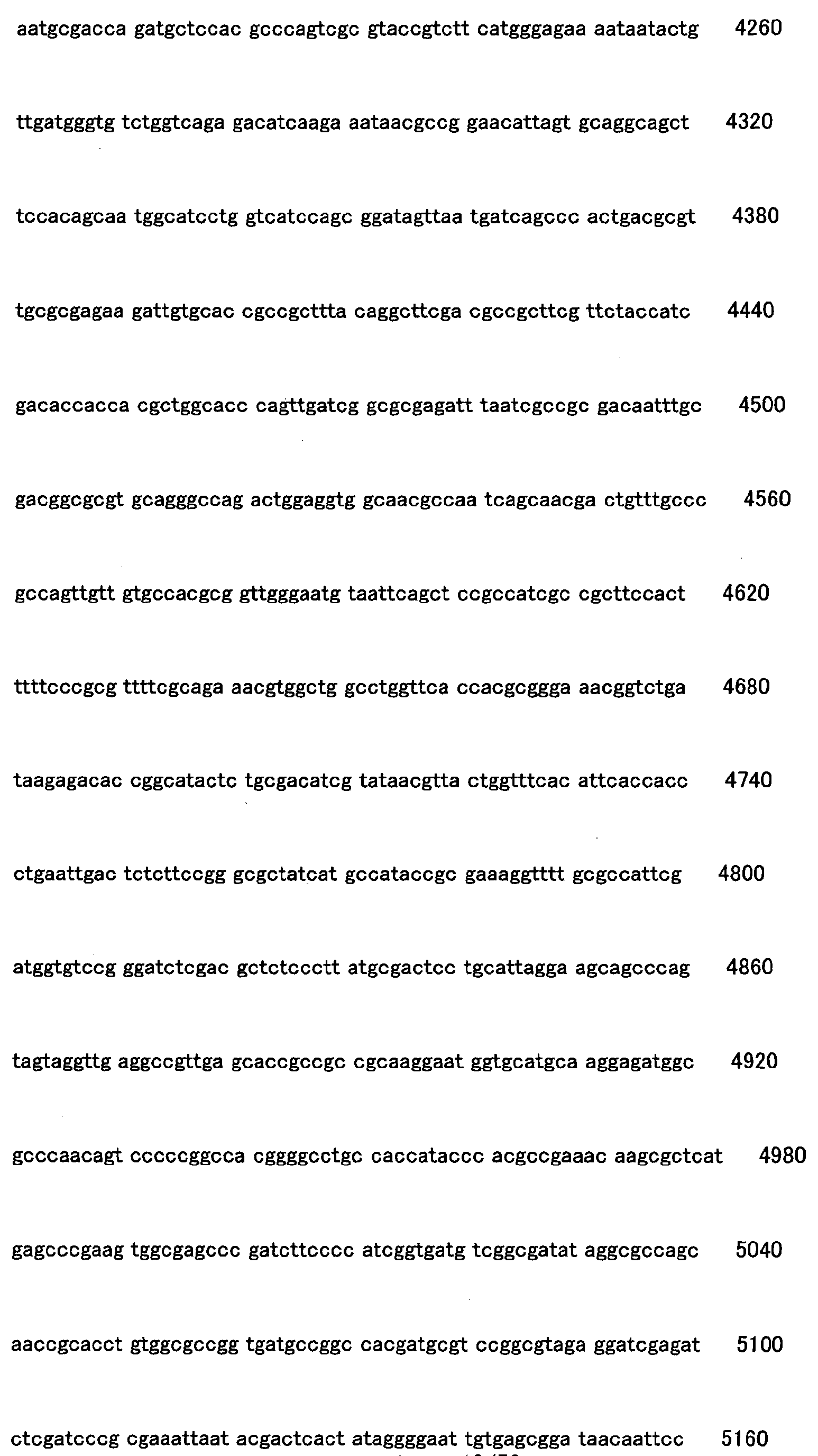


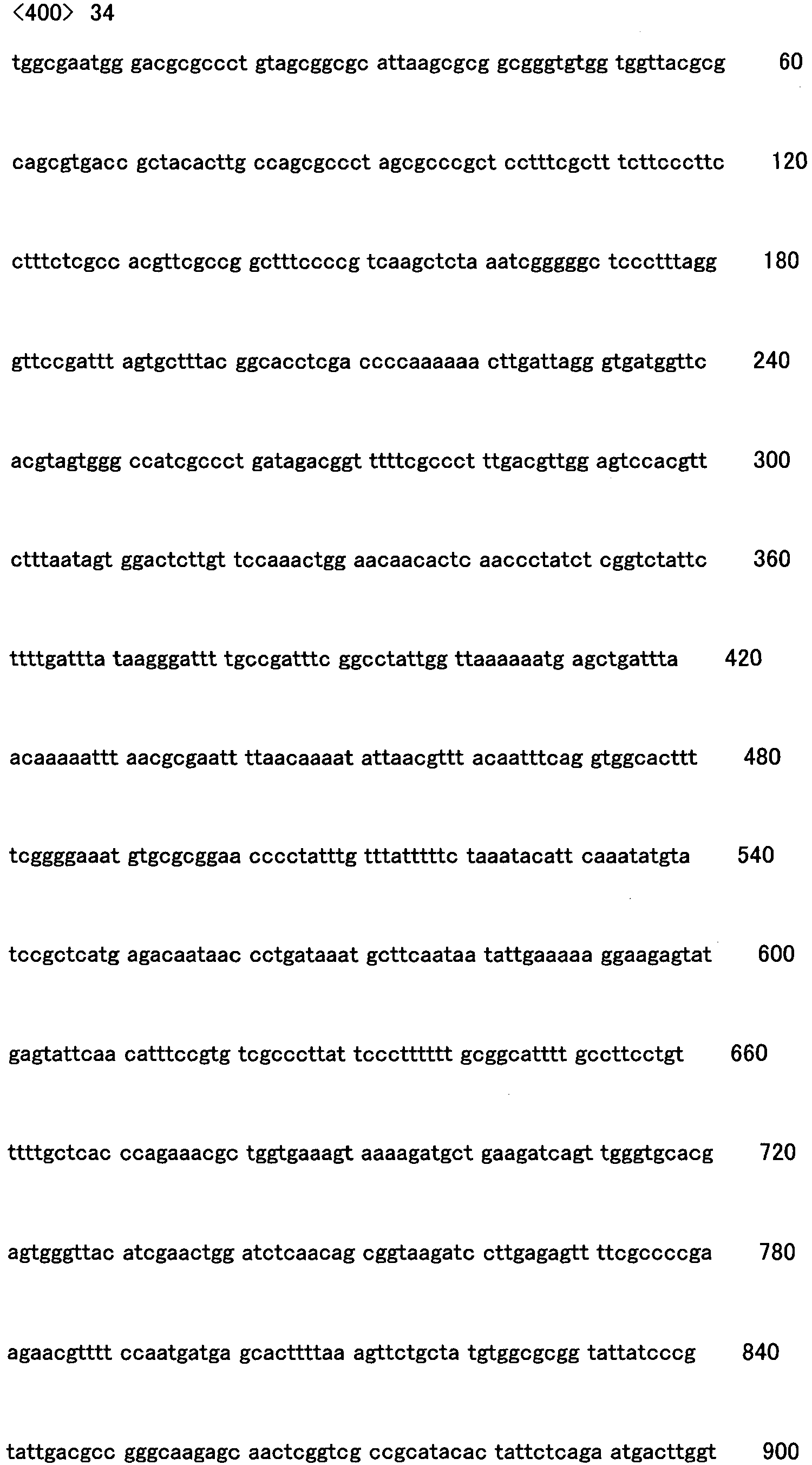


| Abbreviation | Copolymer | Z-QG mole fraction |
| P1 | Poly(Z-QG-EMA-co-Acrylamide)* | 0.041 |
| P2 | Poly(Z-QG-TEGMA-co-Acrylamide)* | 0.036 |
| P3 | Poly(Z-QG-TEGMA-co-Acrylamide) | 0.013 |
| P4 | Poly(Z-QG-TEGMA-co-MPC) | 0.044 |
| P1 and P2 were insoluble in water, and were therefore dissolved in DMSO (final concentration: 2% DMSO (v/v)) |
Claims (7)
- A protein-polymer complex comprising a polymer having a glutamine (Gln) residue or a primary amine on a side chain, wherein either a protein having a primary amine is bound to the glutamine (Gln) residue, or a protein having a glutamine (Gln) residue is bound to the primary amine.
- A TGase substrate-containing polymer, having a glutamine (Gln) residue or a lysine (Lys) residue on a side chain.
- A TGase substrate-containing monomer, having a glutamine (Gln) residue or a lysine (Lys) residue that can be used in production of a polymer having a glutamine (Gln) residue or a lysine (Lys) residue on a side chain.
- A method for producing a protein-polymer complex, the method comprising a protein binding step of using a transglutaminase (TGase) to bind, to a polymer having a glutamine (Gln) residue or a primary amine on a side chain, either a protein having a primary amine to the glutamine (Gln) residue, or a protein having a glutamine (Gln) residue to the primary amine.
- A method for detecting a protein, the method comprising binding, either directly or indirectly, a protein-polymer complex comprising a polymer having a glutamine (Gln) residue or a primary amine on a side chain, wherein either a protein having a primary amine is bound to the glutamine (Gln) residue or a protein having a glutamine (Gln) residue is bound to the primary amine, and a target protein that exists within a target material, binding a labeling molecule comprising a portion that binds specifically to the protein of the bound protein-polymer complex, and detecting the labeling molecule.
- An enzyme reaction method, wherein a protein-polymer complex, which comprises a polymer having a glutamine (Gln) residue or a primary amine on a side chain, in which either a protein having a primary amine is bound to the glutamine (Gln) residue or a protein having a glutamine (Gln) residue is bound to the primary amine, and in which the protein is an enzyme, acts upon a substrate.
- A method for improving protein function at, or in a vicinity of, a solid-liquid interface, the method using a protein-polymer complex comprising a polymer having a glutamine (Gln) residue or a primary amine on a side chain, wherein either a protein having a primary amine is bound to the glutamine (Gln) residue, or a protein having a glutamine (Gln) residue is bound to the primary amine.
Applications Claiming Priority (2)
| Application Number | Priority Date | Filing Date | Title |
|---|---|---|---|
| JP2013136878 | 2013-06-28 | ||
| PCT/JP2014/067850 WO2014208776A1 (en) | 2013-06-28 | 2014-06-27 | PROTEIN-POLYMER COMPLEX, TGase SUBSTRATE-CONTAINING POLYMER, TGase SUBSTRATE-CONTAINING MONOMER, METHOD FOR PRODUCING PROTEIN-POLYMER COMPLEX, AND METHOD FOR IMPROVING PROTEIN FUNCTION ON INTERFACE OR IN VICINITIY OF INTERFACE OF SOLID-LIQUID |
Publications (2)
| Publication Number | Publication Date |
|---|---|
| EP3015474A1 true EP3015474A1 (en) | 2016-05-04 |
| EP3015474A4 EP3015474A4 (en) | 2017-01-11 |
Family
ID=52142096
Family Applications (1)
| Application Number | Title | Priority Date | Filing Date |
|---|---|---|---|
| EP14816842.0A Withdrawn EP3015474A4 (en) | 2013-06-28 | 2014-06-27 | PROTEIN-POLYMER COMPLEX, TGase SUBSTRATE-CONTAINING POLYMER, TGase SUBSTRATE-CONTAINING MONOMER, METHOD FOR PRODUCING PROTEIN-POLYMER COMPLEX, AND METHOD FOR IMPROVING PROTEIN FUNCTION ON INTERFACE OR IN VICINITIY OF INTERFACE OF SOLID-LIQUID |
Country Status (4)
| Country | Link |
|---|---|
| US (1) | US9688777B2 (en) |
| EP (1) | EP3015474A4 (en) |
| JP (1) | JP6353446B2 (en) |
| WO (1) | WO2014208776A1 (en) |
Families Citing this family (3)
| Publication number | Priority date | Publication date | Assignee | Title |
|---|---|---|---|---|
| US11786603B2 (en) | 2016-02-26 | 2023-10-17 | Regeneron Pharmaceuticals, Inc. | Optimized transglutaminase site-specific antibody conjugation |
| CN114768876A (en) * | 2022-04-27 | 2022-07-22 | 东莞理工学院 | C3 symmetric bifunctional catalyst and preparation method and application thereof |
| WO2025037528A1 (en) * | 2023-08-15 | 2025-02-20 | ソニーグループ株式会社 | Compound, conjugate, light emission detection system, and measurement device |
Family Cites Families (12)
| Publication number | Priority date | Publication date | Assignee | Title |
|---|---|---|---|---|
| DK0594772T3 (en) | 1991-07-04 | 1997-02-24 | Immunodex K S | |
| DK130991D0 (en) | 1991-07-04 | 1991-07-04 | Immunodex K S | POLYMER CONJUGATES |
| JPH0889278A (en) | 1994-09-29 | 1996-04-09 | Ajinomoto Co Inc | Modified protein for gene transfer and method for producing the same |
| JP3524401B2 (en) | 1998-09-16 | 2004-05-10 | 株式会社ニチレイ | Enzyme-antibody complex and method for producing the same |
| JP3781934B2 (en) | 1999-12-22 | 2006-06-07 | 株式会社ニチレイバイオサイエンス | Enzyme-protein complex |
| US7985601B2 (en) | 2002-03-08 | 2011-07-26 | The Regents Of The University Of California | Tunable, semi-interpenetrating polymer networks (sIPNS) for medicine and biotechnology |
| JP4604201B2 (en) * | 2006-08-02 | 2011-01-05 | 国立大学法人九州大学 | Site-specific linkage of foreign molecules to proteins and their use |
| JP2009286701A (en) | 2008-05-27 | 2009-12-10 | Kyushu Univ | Substrate for protein immobilization and method for protein immobilization |
| JP4621926B2 (en) | 2008-07-24 | 2011-02-02 | 国立大学法人九州大学 | Enzyme substrate-modified nucleoside triphosphate, nucleic acid probe, multilabeled nucleic acid probe, method for producing multilabeled nucleic acid probe, and method for detecting target nucleic acid |
| JP2012158522A (en) | 2009-04-17 | 2012-08-23 | Kyushu Univ | Polymer-nucleic acid complex, method for imaging tumor cells or the like using the same, and pharmaceutical composition for treatment of cancer |
| US20120220720A1 (en) | 2009-07-29 | 2012-08-30 | Corning Incorporated | Functionalized cell binding peptides and cell culture articles |
| WO2011062965A2 (en) | 2009-11-18 | 2011-05-26 | University Of Washington Through Its Center For Commercialization | Targeting monomers and polymers having targeting blocks |
-
2014
- 2014-06-27 JP JP2015524157A patent/JP6353446B2/en active Active
- 2014-06-27 WO PCT/JP2014/067850 patent/WO2014208776A1/en not_active Ceased
- 2014-06-27 US US14/392,208 patent/US9688777B2/en active Active
- 2014-06-27 EP EP14816842.0A patent/EP3015474A4/en not_active Withdrawn
Also Published As
| Publication number | Publication date |
|---|---|
| WO2014208776A1 (en) | 2014-12-31 |
| JPWO2014208776A1 (en) | 2017-02-23 |
| JP6353446B2 (en) | 2018-07-04 |
| US20160251450A1 (en) | 2016-09-01 |
| US9688777B2 (en) | 2017-06-27 |
| EP3015474A4 (en) | 2017-01-11 |
Similar Documents
| Publication | Publication Date | Title |
|---|---|---|
| US12103996B2 (en) | Polymer backbone element tags | |
| Spain et al. | Recent advances in the synthesis of well‐defined glycopolymers | |
| KR102891229B1 (en) | Biomagnetic microspheres and their manufacturing and use methods | |
| EP1312627B1 (en) | Polymers | |
| US20110184147A1 (en) | Enzyme substrate for labeling of protein | |
| JP4621926B2 (en) | Enzyme substrate-modified nucleoside triphosphate, nucleic acid probe, multilabeled nucleic acid probe, method for producing multilabeled nucleic acid probe, and method for detecting target nucleic acid | |
| WO2016182494A1 (en) | Molecularly imprinted polymers | |
| US9688777B2 (en) | Protein-polymer complex, TGase substrate-containing polymer, TGase substrate-containing monomer, method for producing protein-polymer complex, and method for improving protein function at solid-liquid interface or in vicinity of solid-liquid interface | |
| Garret‐Flaudy et al. | Use of the avidin (imino) biotin system as a general approach to affinity precipitation | |
| Luo et al. | Manipulation of the bioactivity of glucose oxidase via raft‐controlled surface modification | |
| Vaidya et al. | Enhancing ligand–protein binding in affinity thermoprecipitation: Elucidation of spacer effects | |
| US20050245705A1 (en) | Ionic polymers and polymer-comprising substrates | |
| Aiba | Studies on chitosan 5. Reactivity of partially N‐acetylated chitosan in aqueous media | |
| Narla et al. | Orientated glyco-macroligand formation based on site-specific immobilization of O-cyanate chain-end functionalized glycopolymer | |
| CN116004580B (en) | Beta-agarase mutant and application of immobilized enzyme thereof | |
| EP4324858A1 (en) | Copolymer, antibody-copolymer conjugate preparation kit, antibody-copolymer conjugate, antigen concentration method, and antigen detection method | |
| CN111040056B (en) | Preparation of Fluorescent Nanoparticles and Their Application in Cell Surface Sugar Detection | |
| CN114460047B (en) | A method for artificially modifying 3D photo-crosslinking probes and fishing for active small molecule synthases from Chinese herbal medicines | |
| JP5146785B2 (en) | Enzyme substrate modified nucleoside triphosphate derivatives | |
| He et al. | Free radical polymerization facilitated covalent conjugation enables anchoring-omitting expansion microscopy | |
| Manecke et al. | [8] Immobilization of enzymes on neutral and ionic carriers | |
| CN117813339A (en) | Metal-containing polymers for mass cytometry | |
| Rodríguez | Characterization and Studies of Horseradish Peroxidase Immobilized in Thermoresponsive N-isopropylacrylamide Polymers | |
| Hsiao | Carboxypeptidase Y: purification, immobilization and applications in protein sequencing and peptide synthesis |
Legal Events
| Date | Code | Title | Description |
|---|---|---|---|
| PUAI | Public reference made under article 153(3) epc to a published international application that has entered the european phase |
Free format text: ORIGINAL CODE: 0009012 |
|
| 17P | Request for examination filed |
Effective date: 20160113 |
|
| AK | Designated contracting states |
Kind code of ref document: A1 Designated state(s): AL AT BE BG CH CY CZ DE DK EE ES FI FR GB GR HR HU IE IS IT LI LT LU LV MC MK MT NL NO PL PT RO RS SE SI SK SM TR |
|
| AX | Request for extension of the european patent |
Extension state: BA ME |
|
| DAX | Request for extension of the european patent (deleted) | ||
| RAP1 | Party data changed (applicant data changed or rights of an application transferred) |
Owner name: KYUSHU UNIVERSITY, NATIONAL UNIVERSITY CORPORATION Owner name: HITACHI, LTD. |
|
| A4 | Supplementary search report drawn up and despatched |
Effective date: 20161208 |
|
| RIC1 | Information provided on ipc code assigned before grant |
Ipc: C07K 14/00 20060101AFI20161202BHEP Ipc: C12Q 1/48 20060101ALI20161202BHEP Ipc: G01N 33/68 20060101ALI20161202BHEP |
|
| GRAP | Despatch of communication of intention to grant a patent |
Free format text: ORIGINAL CODE: EPIDOSNIGR1 |
|
| INTG | Intention to grant announced |
Effective date: 20170921 |
|
| RIN1 | Information on inventor provided before grant (corrected) |
Inventor name: KAMIYA, NORIHO Inventor name: WAKABAYASHI, RIE Inventor name: YAHIRO, KENSUKE Inventor name: HAYASHI, KOUNOSUKE |
|
| STAA | Information on the status of an ep patent application or granted ep patent |
Free format text: STATUS: THE APPLICATION HAS BEEN WITHDRAWN |
|
| 18W | Application withdrawn |
Effective date: 20171206 |