EP3013325B1 - Nanoparticle and gelation stabilized functional composites of an ionic salt in a hydrophobic polymer matrix - Google Patents
Nanoparticle and gelation stabilized functional composites of an ionic salt in a hydrophobic polymer matrix Download PDFInfo
- Publication number
- EP3013325B1 EP3013325B1 EP14777933.4A EP14777933A EP3013325B1 EP 3013325 B1 EP3013325 B1 EP 3013325B1 EP 14777933 A EP14777933 A EP 14777933A EP 3013325 B1 EP3013325 B1 EP 3013325B1
- Authority
- EP
- European Patent Office
- Prior art keywords
- droplets
- gel
- emulsions
- phase
- emulsion
- Prior art date
- Legal status (The legal status is an assumption and is not a legal conclusion. Google has not performed a legal analysis and makes no representation as to the accuracy of the status listed.)
- Active
Links
Images


Classifications
-
- B—PERFORMING OPERATIONS; TRANSPORTING
- B01—PHYSICAL OR CHEMICAL PROCESSES OR APPARATUS IN GENERAL
- B01D—SEPARATION
- B01D61/00—Processes of separation using semi-permeable membranes, e.g. dialysis, osmosis or ultrafiltration; Apparatus, accessories or auxiliary operations specially adapted therefor
- B01D61/38—Liquid-membrane separation
- B01D61/40—Liquid-membrane separation using emulsion-type membranes
-
- A—HUMAN NECESSITIES
- A61—MEDICAL OR VETERINARY SCIENCE; HYGIENE
- A61K—PREPARATIONS FOR MEDICAL, DENTAL OR TOILETRY PURPOSES
- A61K9/00—Medicinal preparations characterised by special physical form
- A61K9/70—Web, sheet or filament bases ; Films; Fibres of the matrix type containing drug
-
- B—PERFORMING OPERATIONS; TRANSPORTING
- B01—PHYSICAL OR CHEMICAL PROCESSES OR APPARATUS IN GENERAL
- B01D—SEPARATION
- B01D67/00—Processes specially adapted for manufacturing semi-permeable membranes for separation processes or apparatus
- B01D67/0002—Organic membrane manufacture
- B01D67/0009—Organic membrane manufacture by phase separation, sol-gel transition, evaporation or solvent quenching
- B01D67/0011—Casting solutions therefor
-
- B—PERFORMING OPERATIONS; TRANSPORTING
- B01—PHYSICAL OR CHEMICAL PROCESSES OR APPARATUS IN GENERAL
- B01D—SEPARATION
- B01D69/00—Semi-permeable membranes for separation processes or apparatus characterised by their form, structure or properties; Manufacturing processes specially adapted therefor
- B01D69/14—Dynamic membranes
- B01D69/141—Heterogeneous membranes, e.g. containing dispersed material; Mixed matrix membranes
- B01D69/148—Organic/inorganic mixed matrix membranes
-
- B—PERFORMING OPERATIONS; TRANSPORTING
- B01—PHYSICAL OR CHEMICAL PROCESSES OR APPARATUS IN GENERAL
- B01D—SEPARATION
- B01D71/00—Semi-permeable membranes for separation processes or apparatus characterised by the material; Manufacturing processes specially adapted therefor
- B01D71/06—Organic material
- B01D71/76—Macromolecular material not specifically provided for in a single one of groups B01D71/08 - B01D71/74
- B01D71/80—Block polymers
-
- C—CHEMISTRY; METALLURGY
- C08—ORGANIC MACROMOLECULAR COMPOUNDS; THEIR PREPARATION OR CHEMICAL WORKING-UP; COMPOSITIONS BASED THEREON
- C08L—COMPOSITIONS OF MACROMOLECULAR COMPOUNDS
- C08L53/00—Compositions of block copolymers containing at least one sequence of a polymer obtained by reactions only involving carbon-to-carbon unsaturated bonds; Compositions of derivatives of such polymers
- C08L53/02—Compositions of block copolymers containing at least one sequence of a polymer obtained by reactions only involving carbon-to-carbon unsaturated bonds; Compositions of derivatives of such polymers of vinyl-aromatic monomers and conjugated dienes
-
- C—CHEMISTRY; METALLURGY
- C09—DYES; PAINTS; POLISHES; NATURAL RESINS; ADHESIVES; COMPOSITIONS NOT OTHERWISE PROVIDED FOR; APPLICATIONS OF MATERIALS NOT OTHERWISE PROVIDED FOR
- C09D—COATING COMPOSITIONS, e.g. PAINTS, VARNISHES OR LACQUERS; FILLING PASTES; CHEMICAL PAINT OR INK REMOVERS; INKS; CORRECTING FLUIDS; WOODSTAINS; PASTES OR SOLIDS FOR COLOURING OR PRINTING; USE OF MATERIALS THEREFOR
- C09D153/00—Coating compositions based on block copolymers containing at least one sequence of a polymer obtained by reactions only involving carbon-to-carbon unsaturated bonds; Coating compositions based on derivatives of such polymers
- C09D153/02—Vinyl aromatic monomers and conjugated dienes
-
- C—CHEMISTRY; METALLURGY
- C09—DYES; PAINTS; POLISHES; NATURAL RESINS; ADHESIVES; COMPOSITIONS NOT OTHERWISE PROVIDED FOR; APPLICATIONS OF MATERIALS NOT OTHERWISE PROVIDED FOR
- C09D—COATING COMPOSITIONS, e.g. PAINTS, VARNISHES OR LACQUERS; FILLING PASTES; CHEMICAL PAINT OR INK REMOVERS; INKS; CORRECTING FLUIDS; WOODSTAINS; PASTES OR SOLIDS FOR COLOURING OR PRINTING; USE OF MATERIALS THEREFOR
- C09D5/00—Coating compositions, e.g. paints, varnishes or lacquers, characterised by their physical nature or the effects produced; Filling pastes
-
- C—CHEMISTRY; METALLURGY
- C09—DYES; PAINTS; POLISHES; NATURAL RESINS; ADHESIVES; COMPOSITIONS NOT OTHERWISE PROVIDED FOR; APPLICATIONS OF MATERIALS NOT OTHERWISE PROVIDED FOR
- C09D—COATING COMPOSITIONS, e.g. PAINTS, VARNISHES OR LACQUERS; FILLING PASTES; CHEMICAL PAINT OR INK REMOVERS; INKS; CORRECTING FLUIDS; WOODSTAINS; PASTES OR SOLIDS FOR COLOURING OR PRINTING; USE OF MATERIALS THEREFOR
- C09D7/00—Features of coating compositions, not provided for in group C09D5/00; Processes for incorporating ingredients in coating compositions
- C09D7/40—Additives
- C09D7/60—Additives non-macromolecular
-
- C—CHEMISTRY; METALLURGY
- C09—DYES; PAINTS; POLISHES; NATURAL RESINS; ADHESIVES; COMPOSITIONS NOT OTHERWISE PROVIDED FOR; APPLICATIONS OF MATERIALS NOT OTHERWISE PROVIDED FOR
- C09K—MATERIALS FOR MISCELLANEOUS APPLICATIONS, NOT PROVIDED FOR ELSEWHERE
- C09K3/00—Materials not provided for elsewhere
- C09K3/18—Materials not provided for elsewhere for application to surfaces to minimize adherence of ice, mist or water thereto; Thawing or antifreeze materials for application to surfaces
-
- B—PERFORMING OPERATIONS; TRANSPORTING
- B01—PHYSICAL OR CHEMICAL PROCESSES OR APPARATUS IN GENERAL
- B01D—SEPARATION
- B01D69/00—Semi-permeable membranes for separation processes or apparatus characterised by their form, structure or properties; Manufacturing processes specially adapted therefor
- B01D69/14—Dynamic membranes
- B01D69/141—Heterogeneous membranes, e.g. containing dispersed material; Mixed matrix membranes
- B01D69/142—Heterogeneous membranes, e.g. containing dispersed material; Mixed matrix membranes with "carriers"
-
- B—PERFORMING OPERATIONS; TRANSPORTING
- B01—PHYSICAL OR CHEMICAL PROCESSES OR APPARATUS IN GENERAL
- B01D—SEPARATION
- B01D71/00—Semi-permeable membranes for separation processes or apparatus characterised by the material; Manufacturing processes specially adapted therefor
- B01D71/02—Inorganic material
- B01D71/024—Oxides
- B01D71/027—Silicium oxide
-
- C—CHEMISTRY; METALLURGY
- C08—ORGANIC MACROMOLECULAR COMPOUNDS; THEIR PREPARATION OR CHEMICAL WORKING-UP; COMPOSITIONS BASED THEREON
- C08K—Use of inorganic or non-macromolecular organic substances as compounding ingredients
- C08K3/00—Use of inorganic substances as compounding ingredients
- C08K3/34—Silicon-containing compounds
- C08K3/36—Silica
-
- C—CHEMISTRY; METALLURGY
- C08—ORGANIC MACROMOLECULAR COMPOUNDS; THEIR PREPARATION OR CHEMICAL WORKING-UP; COMPOSITIONS BASED THEREON
- C08K—Use of inorganic or non-macromolecular organic substances as compounding ingredients
- C08K5/00—Use of organic ingredients
- C08K5/04—Oxygen-containing compounds
- C08K5/09—Carboxylic acids; Metal salts thereof; Anhydrides thereof
- C08K5/098—Metal salts of carboxylic acids
Definitions
- the hydrophilic dispersed medium (6) comprises Pickering emulsion droplets comprising anti-icing agent surrounded and stabilized by hydrophobic silica nanoparticles (8). Said droplets store and induce controlled release of said anti-icing agent.
- Anti-icing agent (7) of the present invention is ionic salt, preferably potassium formate salt (KCOOH). Ionic salts are widely used agents as anti-icing and they have very high freezing point depression effect. KCOOH has been preferred as an anti-icing agent (7) over common salts, such as CaCl 2 , NaCl, or MgCl 2 , due to its higher freezing point depression effect, low corrosion and, environmentally safe properties. Potassium formate salt is less hazardous than said chloride salts.
- the process of the invention comprises incorporation of anti-icing agents into hydrophobic styrene-butadiene-styrene (SBS) copolymer (2) and stabilization of the mixture with hydrophobic silica nanoparticles (8) using Pickering emulsion templating method.
- SBS hydrophobic styrene-butadiene-styrene
- Hydrophobic fumed silica nanoparticles (8) are 10-15 nm; preferably 12 nm. Hydrophobic silica nanoparticles (8) are used as stabilizing agent. Nanoparticle use is necessary to prepare a stable solution. If it does not use, the anti-icing agent is not dispersed homogenously. Other nanoparticles to be used in the present invention are preferably particles having both hydrophobic and hydrophilic groups thereon.
- the composite of the present invention is promising to find future applications such as monolith scaffolds in tissue engineering, platforms for drug delivery from a surface, tool for food processing or coating for delivery of functional anti-icing materials.
- This encapsulation method is not only applicable to store anti-icing agents but it is extended to any water soluble material.
- a variety of materials including optically and chemically active materials is preferably incorporated into the composite of the present invention and the composite designed here can lead to applications where functional materials other than ionic salts are incorporated into hydrophobic monoliths.
- Agar solution was prepared by adding 1% (w/w) agar powder in distilled water. The mixture was cooked in microwave oven until it boiled and all powder was dissolved. Subsequently 0.5 g of KCOOH was dissolved in 1 mL of agar solution, which yielded 0.5 g/ml KCOOH (s) salt solution in agar. Three different fractions of internal volume of salty agar solution were added into three different concentrations of nanoparticle-cyclohexane dispersion. The particle dispersion was kept at room temperature.
- the figure also demonstrates that, gelation of the dispersed phase promoted the formation of droplets around 20 ⁇ m, where the number of droplets with gel phase that were bigger than 180 ⁇ m diameter was more in number than the droplets without gel phase. For the case of no gel in the dispersed phase, the greatest size that a non-gel droplet could reach was 180 ⁇ m.
- the average droplet sizes calculated also agree with this observation, and showed that the droplets with gel tended to maintain greater sizes, despite the fact that small gel droplets were possible (Table 2).
- Table 2 shows average droplet/domain sizes ( ⁇ m) for all samples in wet and dry states with respect to internal volume fraction (horizontal) and particle concentration % (vertical).
- WCA Water contact angles
- goniometer DataPhysics Instruments, Germany.
- the membrane surfaces were 0.5 - 1 cm 2 wide.
- the membranes were characterized after solvent evaporation.
- a water droplet of 5 ⁇ l was deposited on the surface of each dry membrane and advancing contact angles were measured. All of the values reported are the average of four measurements taken at different locations of an individual membrane and have a maximum error of ⁇ 4°.
- Sole SBS solution showed a linear trend for viscosity with respect to shear stress.
- the change in rheological behavior upon emulsification can be attributed to the discontinuity which the droplets create within the undisturbed continuous polymer medium.
- Emulsion samples with the two internal volume fractions ( ⁇ ) and two nanoparticle concentrations demonstrated shear thinning behavior.
- the shear thinning behavior rate was more pronounced in the emulsions with gelation in the internal phase compared to the case where there was no gelation in the internal phase.
- hydrodynamic forces become large enough for droplet flocks to deform, elongate, and align with the shear field. Eventually they get disrupted and this leads to a rapid decrease in viscosity.
- continuous phase which is trapped between flocs, can be released and this further lowers the viscosity.
Landscapes
- Chemical & Material Sciences (AREA)
- Engineering & Computer Science (AREA)
- Chemical Kinetics & Catalysis (AREA)
- Organic Chemistry (AREA)
- Materials Engineering (AREA)
- Health & Medical Sciences (AREA)
- Life Sciences & Earth Sciences (AREA)
- Wood Science & Technology (AREA)
- Medicinal Chemistry (AREA)
- Dispersion Chemistry (AREA)
- Combustion & Propulsion (AREA)
- Public Health (AREA)
- Veterinary Medicine (AREA)
- Pharmacology & Pharmacy (AREA)
- Epidemiology (AREA)
- Animal Behavior & Ethology (AREA)
- General Health & Medical Sciences (AREA)
- Manufacturing & Machinery (AREA)
- Water Supply & Treatment (AREA)
- Bioinformatics & Cheminformatics (AREA)
- Polymers & Plastics (AREA)
- Inorganic Chemistry (AREA)
- Colloid Chemistry (AREA)
- Compositions Of Macromolecular Compounds (AREA)
- Processes Of Treating Macromolecular Substances (AREA)
Description
- Present invention is related to a controlled released composite membrane comprising hydrophobic styrene-butadiene-styrene block copolymer as hydrophobic continuous medium and Pickering emulsion droplets comprising anti-icing agents surrounded and stabilized by hydrophobic silica nanoparticles as hydrophilic dispersed medium and a process for the preparation of said composite.
- Incorporation of hydrophilic functional agents within a hydrophobic matrix has been a conventional challenge in materials science. This challenge can be addressed by forming stable liquid emulsions and using them as templates to form solid-like composites. Emulsions are the mixture of immiscible liquids and spherical dispersed droplets are within a continuous phase. The liquid emulsion droplets need to be robust and have long-term stability, so that the structure of the emulsion droplets throughout the drying process should be maintained. Although micro-emulsions are thermodynamically stable and require little attention for a stabilizing system, emulsion droplets tend to coalesce and phase separate before the templating process, unless caution is taken. It is well established that, as an alternative to surface active molecules, small solid particles attach at fluid/fluid interfaces of two immiscible mediums when the particles are partially wettable by both mediums. This mechanism for use in emulsion templates due to their strong stability is known as "Pickering emulsions".
- In a study, Imhof and Pine have templated micro-emulsions of droplet size ranging from 100 to 200 nm (Imhof A, Pine DJ (1997) Ordered macroporous materials by emulsion templating. Nature 389: 948-951). They have employed sol-gel processing to cure the continuous phase. The results showed that they were able to make materials with a well defined pore size difference of, 20%.They have obtained a porous monolith by removal of oil droplets within aqueous continuous medium and gelation of the aqueous medium by sol-gel method (Imhof A, Pine DJ (1998) Uniform macroporous ceramics and plastics by emulsion templating. Chemical Engineering & Technology 21: 682-685). In another study, Binks prepared a porous silica monolith by silica particles alone (Binks BP (2002) Macroporous silica from solid-stabilized emulsion templates. Advanced Materials 14: 1824-1827).Such porous monoliths are also proposed to be used as adsorbents, catalytic supports, light-weight structural materials, insulators besides their potential application as filters.
- The importance of self-assembly of target materials at the interface to form stable capsules was investigated in a study of Wei and Wan. The authors used polyaniline coated hollow microspheres for self-assembly of aniline monomers around oil-in-water (o/w) droplets in emulsion, and polymerized the shell subsequently. Such capsules are promising to be used as delivery vehicles for controlled-release encapsulation, drug delivery, protection of biologically active agents.
- Macroporous systems are proposed to serve mostly as filtering systems, whereas the capsules have been considered to encapsulate either nanoparticles or biomaterials such as drugs, food and cosmetics.
-
US 4 973 606 A discloses an ion-exchange membrane that comprises zeolite as filler material within a styrene-butadiene-block copolymer basis. -
US 6 943 205 B2 discloses anti-microbial articles comprising as bulk matarial styrene-butadiene-block copolymer and silver-zeolite, that is to say silver loaded zeolite, as filler. It is aimed to provide highly desirable long-term antimicrobial characteristics within the cured rubber articles. -
WO 2010/017558 A2 discloses superhydrophobic coatings, that is to say membranes, prepared from Pickering emulsions. Silica particles can be added to the coatings as stabilizer and rubber resins can be blended into the substrate i.e., hydrophobic styrene-butadiene- styrene (SBS) rubber to enhance hydrophobicity and adhesion strength to the substrates. -
CN 102 676 060 A discloses a solid asphalt polymer film attached onto an antifreeze liquid layer and further comprising CaCl2 as anti-icing agent. -
CN 102 382 536 A discloses an anti-icing composition prepared by mixing a fluoro-rubber emulsion with nano-silica and an anti-icing agent adsorbed onto the silica particles (e.g. Virahol). Anti-icing composition is adsorbed onto the silica particles and said composition provides slow release of anti-icing agent. - Present invention relates to a controlled release composite membrane comprising hydrophobic styrene-butadiene-styrene block copolymer (2) as hydrophobic continuous medium (5) and Pickering emulsion droplets comprising anti-icing agents surrounded and stabilized by hydrophobic silica nanoparticles (8) as hydrophilic dispersed medium (6) and a process thereof.
- The process introduced here involves incorporation of anti-icing agents into hydrophobic styrene-butadiene-styrene (SBS) copolymer as hydrophobic continuous medium (5) and stabilization of the mixture with hydrophobic silica nanoparticles (8) using Pickering emulsion templating method. The resultant colloid system demonstrated enhanced mechanical strength and viscoelastic behavior. Partially hydrophobic silica nanoparticles are used to form Pickering emulsion.
- Main object of the invention is to provide controlled release of the active ingredients loaded into the composite of the present invention.
- Another object of the invention is to delay freezing in the surfaces especially asphalt surfaces and in the application of modified bitumen.
- Other object of the present invention is to enhance the mechanical properties of polymeric matrix by the homogeneous and stable distribution of anti-icing active and hydrophilic molecules into the SBS- block copolymer which is the most common ingredient of the modified bitumen applications.
-
-
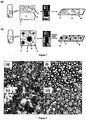
Figure 1a . Schematic representation of the preparation process without particle stabilization. -
Figure 1 b. Schematic representation of the preparation process with particle stabilization. -
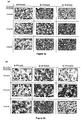
Figure 2a . Optical microscope images of wet emulsions prepared without agar gel in the dispersed phase. Scale bar is 200 µm. -
Figure 2b . Optical microscope images of wet emulsions prepared with agar gel in the dispersed phase. Scale bar is 200 µm. -
Figure 2c . Optical microscope images of dry emulsions prepared without agar gel in the dispersed phase. Scale bar is 200 µm. -
Figure 2d . Optical microscope images of dry emulsions prepared with agar gel in the dispersed phase. Scale bar is 200 µm. -
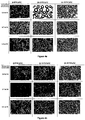
Figure 3a . Optical microscope images of wet emulsions for altered concentrations of nanoparticles and internal phase volume fractions. Internal phase does not contain agar gel. Scale bar represents 200 µm. -
Figure 3b . Optical microscope images of dry emulsions for altered concentrations of nanoparticles and internal phase volume fractions. Internal phase does not contain agar gel. Scale bar represents 200 µm. -
Figure 4a . Optical microscope images of wet emulsions for altered concentrations of nanoparticles and internal phase volume fractions. Internal phase contains agar gel. -
Figure 4b . Optical microscope images of dry emulsions for altered concentrations of nanoparticles and internal phase volume fractions. Internal phase contains agar gel. -
Figure 5a . Viscosity versus shear rate profiles for emulsions with no gelation of the internal phase. -
Figure 5b . Viscosity versus shear rate profiles for emulsions with gelation of the internal phase. -
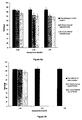
Figure 6a . Water contact angle (WCA) immediate measurements after deposition of water droplets on the surface, -
Figure 6b . Water contact angle (WCA) measurements after 15 seconds of the deposition of water droplets on the surface. -
Figure 7a . Droplet size distribution for emulsions when internal phase volume fraction (φ) of 0.17, and nanoparticle concentration of 1.0% (w/w) were used. -
Figure 7b . Droplet size distribution for emulsions when internal phase volume fraction (φ)of 0.33, and nanoparticle concentration of 1.0% (w/w) were used. -
Figure 8a . Loss and storage moduli in response to frequency for the template emulsion of gel cores (φ =0.17, 0.7 % wt. particle concentration and 0.17 internal phase fraction). -
Figure 8b . Loss and storage moduli in response to frequency for the template emulsion of non-gel cores (0.7 % wt. particle concentration and 0.17 internal phase fraction). -
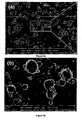
Figure 9a . Scanning electron microscope image for the templated dry emulsion with gel cores -
Figure 9b . Closer view of the scanning electron microscope image for the templated dry emulsion with gel cores - The parts in said figures are individually referenced as following.
An aqueous potassium formate stock solution (1) SBS block copolymer (2) Organic solvent (3) Substrate (4) Hydrophobic continuous medium (5) comprising SBS block copolymer Hydrophilic dispersed medium comprising (6) anti-icing agent Anti-icing agent (7) Silica nanoparticles (8) - In the present invention, controlled released composite membrane comprising hydrophobic styrene-butadiene-styrene block copolymer (2) as hydrophobic continuous medium (5) and Pickering emulsion droplets comprising anti-icing agents surrounded and stabilized by hydrophobic silica nanoparticles (8) as hydrophilic dispersed medium (6) and the process for the preparation of said composite are disclosed.
- The hydrophobic continuous medium (5) comprises a base which is non-polar styrene-butadiene-styrene (SBS) block copolymer (2) and can be compatible with most non-polar surfaces. SBS is the most preferred polymer to modify bitumen.
- The hydrophilic dispersed medium (6) comprises Pickering emulsion droplets comprising anti-icing agent surrounded and stabilized by hydrophobic silica nanoparticles (8). Said droplets store and induce controlled release of said anti-icing agent. Anti-icing agent (7) of the present invention is ionic salt, preferably potassium formate salt (KCOOH). Ionic salts are widely used agents as anti-icing and they have very high freezing point depression effect. KCOOH has been preferred as an anti-icing agent (7) over common salts, such as CaCl2, NaCl, or MgCl2, due to its higher freezing point depression effect, low corrosion and, environmentally safe properties. Potassium formate salt is less hazardous than said chloride salts. The advantages of this material prepared in the present invention are the restricted permeability of the composite structure towards the functional agent, and stability of the template during drying process. It is hypothesized that silica nanoparticles will allow for controlled release of KCOOH through the internal phase domains and through the particle shells.
- In order to avoid destructed shapes, to enhance restricted permeability, and to reinforce rheological properties, it is preferably included functional domains in agar gel within the designed material. Pickering emulsion droplets are used as templates for the functional domains, which encapsulate anti-icing agent (7) in the functional membrane coating.
- The composite of the present invention is good for any application in which hydrophilic functional agents should be homogeneously dispersed and controllably released such as anti-icing agents for surfaces, biomolecules or drugs for therapeutic applications, etc and said composites can be used in several areas like enhancing the mechanical properties of the surfaces e.g. asphalt by the controlled release of the molecules reducing the freezing point of the water and biological applications as controlled drug carrier for therapeutic purposes.
- The process of the invention comprises incorporation of anti-icing agents into hydrophobic styrene-butadiene-styrene (SBS) copolymer (2) and stabilization of the mixture with hydrophobic silica nanoparticles (8) using Pickering emulsion templating method.
- In this invention particle stabilization to design a functional composite includes the use of an anti-icing agent with hydrophobic silica nanoparticles (8).
- The resultant colloid system demonstrated enhanced mechanical strength and viscoelastic behavior. Partially hydrophobic silica nanoparticles are used to form Pickering emulsion.
- The process of the present invention for the preparation of the composite with particle stabilization comprises the following the steps:
- 1. Hydrophobic silica nanoparticles are dispersed in an organic solvent (3), preferably cyclohexane,
- 2. SBS polymer is dissolved in cyclohexane to form hydrophobic continuous medium,
- 3. Aqueous anti-icing agent solution is suspended in said hydrophobic continuous medium,
- 4. Pickering emulsion is formed, and
- 5. Said emulsion is applied on a glass surface to form a solid layer.
- Primary particle size of hydrophobic fumed silica nanoparticles (8) is 10-15 nm; preferably 12 nm. Hydrophobic silica nanoparticles (8) are used as stabilizing agent. Nanoparticle use is necessary to prepare a stable solution. If it does not use, the anti-icing agent is not dispersed homogenously. Other nanoparticles to be used in the present invention are preferably particles having both hydrophobic and hydrophilic groups thereon.
- Different from previous studies on emulsion templating, which either obtained a porous monolith or isolated capsules, functional domains with or without gel phase embedded on a monolith membrane has been prepared, and characterized here. The domains can serve as functional capsules which store anti-icing agents and are surrounded by nanoparticles. Thus, utilizing solid particle stabilized droplets, gelation of the functional phase and loading hydrophilic agents within the membrane impart novelty to potential applications for similar research areas.
- The composite of the present invention is promising to find future applications such as monolith scaffolds in tissue engineering, platforms for drug delivery from a surface, tool for food processing or coating for delivery of functional anti-icing materials. This encapsulation method is not only applicable to store anti-icing agents but it is extended to any water soluble material. A variety of materials including optically and chemically active materials is preferably incorporated into the composite of the present invention and the composite designed here can lead to applications where functional materials other than ionic salts are incorporated into hydrophobic monoliths.
- Said template emulsion is designed to serve both as a dry membrane and a viscous stable multiphase system to be integrated into other hydrophobic mediums that would otherwise be incompatible with the delivery material. In order to manipulate the affinity towards various other mediums, hydrophobic polymers other than SBS can be favored.
- Exemplary embodiments and the experiments are given below.
- Following composites are prepared:
- Wet/Dry emulsions without agar gel in the dispersed phase,
- Wet/Dry emulsions with agar gel in the dispersed phase.
- Emulsions prepared without agar gel in the dispersed phase,
- Wet/Dry emulsions prepared with agar gel in the dispersed phase.
- Preparation of Silica Nanoparticle and SBS solutions. Silica AEROSIL 816 ® nanoparticles were dispersed in cyclohexane with three different concentrations: 0.4, 0.7, and 1.0 gram in 100 mL cyclohexane. The dispersion was carried out by high energy application via ultra-sonication tip (73 MS, 50 % amplitude, 50 Hz frequency) for 3 minutes. Ice bath was applied every 45 seconds to avoid excessive temperature rises. During the period between nanoparticle dispersion and emulsion preparation, the nanoparticle suspension is kept in ultrasonic bath in order to avoid agglomerations that may arise from steady positioning. Dynamic Light Scattering (DLS) measurements indicated that agglomeration could not be fully avoided. Nanoparticle dispersions of all concentrations outturned particle sizes of the range 100-150 nm.
- The SBS stock solution is prepared by mixing 110 mg/ml SBS in cyclohexane. The mixture is stirred on magnetic stirrer at room temperature.
- Preparation of the Emulsion without Gelation of the Internal Phase. The moisture in the solid KCOOH was eliminated through freeze-drying. An aqueous KCOOH stock solution (0.5 g/mL) (1) was prepared by dissolving the salt in distilled water at room temperature. In order to obtain emulsion templates with just aqueous KCOOH solution in the dispersed phase, 0.5 mL of nanoparticle stock solution was added into aqueous KCOOH solution in the amounts of 0.5, 0.25, or 0.15 mL to obtain emulsions with 9, 14, or 25 % (v/v) internal phase fractions, respectively. To this
solution 1 mL of SBS stock solution is added to obtain emulsions with SBS in the continuous phase. The stability of the emulsions in vials was observed for 3 days at room temperature. For parametric sensitivity experiments, emulsion solutions containing altered concentrations of nanoparticles and internal phase volume fraction were examined. Table 1 demonstrates the concentrations of the emulsions prepared to investigate the effects on the properties of emulsion templates. Internal phase volume fraction was calculated with respect to the emulsion total volume (water + particles + SBS solution).Table 1 Oil Internal Volume Fraction % (v/v) Silica nanoparticle concentration in stock solution % (w/v) SBS Solution 9 0.4 SBS Solution 14 0.7 SBS Solution 25 1.0 - Preparation of the Emulsion with Gelation of the Internal Phase. Agar solution was prepared by adding 1% (w/w) agar powder in distilled water. The mixture was cooked in microwave oven until it boiled and all powder was dissolved. Subsequently 0.5 g of KCOOH was dissolved in 1 mL of agar solution, which yielded 0.5 g/ml KCOOH (s) salt solution in agar. Three different fractions of internal volume of salty agar solution were added into three different concentrations of nanoparticle-cyclohexane dispersion. The particle dispersion was kept at room temperature. Stock nanoparticle solution concentrations of 0.4% (w/v), 0.7% (w/v), 1.0% (w/v), and internal volume fractions of 9 % (v/v), 14 % (v/v), 25 % (v/v) were prepared. For example, for an internal volume fraction of 25 % (v/v), 0.5 mL of the KCOOH agar solution was added into 0.5 mL of nanoparticle stock solution phase under high shear applied by vortex at maximum speed for 5 seconds. As hot agar solution was mixed in the cyclohexane, the aqueous solution formed well-dispersed droplets which were stabilized by nanoparticles. The stabilized agar droplets instantly cooled as they mixed with the nanoparticle solution at room temperature. As agar solution turned into gel phase, hydrophilic gel droplets that were dispersed in cyclohexane formed an emulsion. Actually, 1 ml of the concentrated SBS polymer in cyclohexane (110 mg/ml) was added drop-wise into 1 mL of the KCOOH, agar, and nanoparticle solution with gentle mixing.
- Casting of Emulsions on Substrate Surfaces. Obtained emulsions are applied on substrate (4) surfaces to dry them. Microscope glass slides were rinsed with ethanol and distilled water. The substrates (4) were dried with nitrogen and 100 µl of each emulsion solution was deposited on glass slides separately. The cast membranes on glass slides were dried at 15 °C. The membranes were considered to be dry when the solvent evaporated from both phases of the emulsion, and membranes appeared elastic.
- Here, neither the continuous nor the dispersed phase of the emulsion was removed. Instead, they were strongly stabilized to compose aqueous delivery capsules embedded in a hydrophobic polymer monolith membrane. The droplets were functionalized by loading with aqueous KCOOH as a representative hydrophilic agent. The emulsion was stabilized by solid particle stabilization method, utilizing surface modified partially hydrophobic silica nanoparticles (8). The functionalized packages with gel domains were also fabricated and compared to the ones without gel domains. The effect of parameters such as gelation, nanoparticle concentration and dispersed phase volume fraction on the stability of the initial emulsion, the rheology of the partially dried viscous emulsion, and on the hydrophobicity and morphology of the resultant membrane were investigated in detail.
- Stable emulsions have been prepared with the two immiscible phases; where hydrophilic liquid droplets are dispersed in a polymer solution medium (
Figure 1 ). Next, emulsions templates were formed from the dispersed droplets of the initial emulsion. The method involves an elastic membrane platform based on the continuous polymer phase; and functional domains, where domains are spread on a solid platform at a macroscopically homogeneous order (Figure 1b ). Emulsion stabilization prior to drying offers the possibility to integrate two opposite surface properties in a resultant elastic membrane. - Optical microscope images prepared with internal volume fraction φ=0.33, and nanoparticle concentration of 0.7 % (w/w) are shown in
figure 2. Figures 2a and 2b display the differences resulted from the presence of gel phase in the wet emulsion droplets, which contained aqueous KCOOH, right after being placed on the glass slide. The aqueous gel droplets were larger and much more predominantly shaped than the ones without gel. Furthermore, the droplets without gel had a tendency to merge and lose stability by forfeiting their spherical shapes, especially when particle concentration was low (0.7 % wt of particles). It can be observed fromfigure 2b that gelation of the internal phase with the use of agar contributed greatly to homogeneity of the dispersed phase. - The effect of gelation of the internal phase in the wet state of the emulsion could also be observed in dry states of the membrane templates. As can be observed in
Figure 2c , the domains without gel phase could not retain the original spherical shapes upon drying. The gel domains on the other hand, preserved their three dimensional size and morphology to a large extent, despite having been slightly distorted due to volume changes of the continuous phase during drying (Figure 2d ). Furthermore, the gel cores within the domains protected the gel droplets from cracking. They remained resistant against the capillary pressure effects, which occurred during evaporation of the solvent in both phases. The elimination of cracks allows for better protection of the anti-icing agent, which was incorporated within capsules. A crack-free shell around the functional domains is highly desirable, as this would contribute to the stability of the membrane composite as a whole, which may further allow for better controlled release profiles of the functional agent from the gel domains towards their surroundings. Additional observation that could be made aboutfigure 2 is that emulsions that were prepared with agar gel in the internal phase have larger droplet sizes compared to the emulsions prepared with only functional aqueous solution. - In order to investigate the effect of critical parameters on the properties of wet and dry emulsions, samples were prepared with different internal volume fraction and particle concentration conditions. Emulsion samples were placed on glass slides separately, and were observed under the microscope (Nikon, Eclipse Ni-U) in both wet and dry states (
Figure 3 ). Optical micrographs were obtained by placing emulsion samples on previously cut square shaped glass slides. They were then placed in an optical microscope attached to a DS camera control unit (Model: DS-L3) both before (wet) or after solvent evaporation (dry). The surface images were imported to a software program (Kameram) for analysis of the droplet sizes and morphologies. Morphologies of both wet and dry castings were found to be dependent on the constituents of the dispersed phase. The effects of particle concentration in the emulsion, internal phase volume fraction, and gelation of the internal phase on the morphology of membranes have been studied (Table 1). The morphology of an emulsion sample that contains agar gel in the internal phase was analyzed via Scanning electron microscope (Zeiss Ultra Plus, Bruker; Optronik Ltd Sti, Ankara, Turkey) (Figure 9a and 9b ). - The effects of the internal phase volume fraction and nanoparticle concentration on average droplet size have been demonstrated in
Figure 3a and 3b for altered concentrations of nanoparticles and internal phase volume fractions. Internal phase does not contain agar gel. For the case of emulsions prepared with the functional aqueous solution, the average size of the wet droplets or the dry domains show similar dependencies on particle concentration and internal phase volume fraction. The smaller average diameter of the dry samples is simply due to the shrinkage phenomenon which occurs during evaporation of the solvent.Figure 3b demonstrates that emulsion templates have distorted structures and lose their morphology upon drying. Independent from nanoparticle concentration or internal volume fraction, cracking of droplets during solvent evaporation resulted in the formation of irregular domains. - Increasing the internal phase volume caused smaller sized droplets and smaller dry domains (
Figure 7a and 7b ). Infigure 7a , average droplet size was measured as 120.65 µm, when gelation occurs within the internal phase. Average droplet size was measured as 74.89 µm in the absence of gelation. Infigure 7b , average droplet size was measured as 74.3 µm, when gelation occurs within the internal phase. Average droplet size was measured as 55.13 µm in the absence of gelation. -
Figure 4 demonstrates the effect of particle concentration and internal phase volume fraction on the morphology of both wet and dry states of the emulsions prepared with agar in the aqueous phase. The figure indicates that the droplets for both wet and dry states were larger in size compared to the emulsions prepared with only functional aqueous solution in the internal phase. Lower particle concentration was inadequate to stabilize all the internal phase in the shape of spherical droplets. However, for lower internal volume ratios, the samples with agar in the internal phase deviated from the behavior of non-gelled ones. Due to the intrinsic stiffness of the gel droplets, 0.7 % and 1.0 % (w/v) particle concentrations were sufficient to stabilize high amount of internal phase into spherical forms. For the emulsions prepared with gelation in the internal phase, increases in nanoparticles concentration in the stock solution resulted in smaller droplet sizes. Also, low internal phase fraction induces smaller total surface area for droplets. Thus, larger droplets form to allow for the complete particle coverage of droplets. -
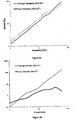
Figure 6 shows water contact angle (WCA) measurements on functional membranes with gelation of internal phase. Each series represents an internal volume fraction as displayed in the legend. Horizontal axis represents particle concentration in % (w/w).Figure 6a displays the distribution of droplet size for wet emulsions formed with 17% (v/v) internal volume fraction and 1.0 % (w/v) nanoparticle concentration. It was observed from the figure that gel domains were distributed along a wide range of droplet size, starting from 20 µm and extending up until 300 µm diameter. The droplets without gel occupy a narrower size range of 20-180 µm. The figure also demonstrates that, gelation of the dispersed phase promoted the formation of droplets around 20 µm, where the number of droplets with gel phase that were bigger than 180 µm diameter was more in number than the droplets without gel phase. For the case of no gel in the dispersed phase, the greatest size that a non-gel droplet could reach was 180 µm. The average droplet sizes calculated also agree with this observation, and showed that the droplets with gel tended to maintain greater sizes, despite the fact that small gel droplets were possible (Table 2). Table 2 shows average droplet/domain sizes (µm) for all samples in wet and dry states with respect to internal volume fraction (horizontal) and particle concentration % (vertical).Figure 6b demonstrates the distribution of droplet size for wet emulsions formed with 25% (v/v) internal volume fraction and 1.0 % (w/v) nanoparticle concentration. Similar trends were obtained, where the maximum diameter of a droplet without gel phase was 160 µm, while gel droplet sizes were spread on a wider range, reaching a droplet diameter of 220 µm. Minimum diameter for both droplets with or without gel were about 20 µm.Table 2 WET DRY Internal volume fraction (%(v/v) 9 14 25 9 14 25 Nanoparticle concentration % wt Without gelation in the internal phase 0.4 % 95.25 78.82 49.73 91.24 78.43 41.27 0.7% 151.11 120.18 101.67 120.98 112.43 96.37 1.0 % 101.65 74.89 55.06 95.17 73.32 49.03 Nanoparticle concentration % wt With gelation in the internal phase 0.4 % 248.12 160.26 101.24 240.67 158.65 102.38 0.7% 208.03 162.14 122.25 175.98 166.91 89.59 1.0 % 196.09 120.65 74.24 175.43 119.07 73.89 - Contact Angle Measurements. Water contact angles (WCA) on surfaces of dry cast membranes were determined at room temperature and ambient relative humidity using goniometer (DataPhysics Instruments, Germany). The membrane surfaces were 0.5 - 1 cm2 wide. The membranes were characterized after solvent evaporation. A water droplet of 5 µl was deposited on the surface of each dry membrane and advancing contact angles were measured. All of the values reported are the average of four measurements taken at different locations of an individual membrane and have a maximum error of ±4°.
-
Figure 4a shows that low internal phase volume fraction (9% (v/v)) along with reduced particle concentration leads to the formation of giant (200-400 µm) functional domains. This occurred as a result of energy favor of full coverage of droplets in the emulsion. - The particles in the system tend to minimize the interfacial area between the continuous polymer phase and the aqueous gel phase. However, full coverage requires reduction in the surface area of functional droplets, thus increase in their size. The supportive gel structure further contributed to the enlargement of emulsion droplets. As particle concentration increased, greater interfacial area, accompanied by smaller droplet size and greater number of droplets per unit area were obtained (
Figure 4 ). This effect of particle concentration on droplet size has also been reflected on the templated dry membranes (Figure 4b ). The giant droplets surrounded by the particles from 0.4 % (w/v) suspension yielded similarly large dry domains (Figure 4b ). It should also be noted that increasing internal volume phase fraction resulted in an increased contact of droplets in wet state and dry state. When the internal phase volume fraction was high, continuous phase SBS polymer base was completely occupied by functional domains. Thus, more internal phase yielded small and compact domains that are slightly deformed upon drying due to pressing on each other (Figure 4b ). - These observations related to the decrease in droplet size with an increase in internal phase volume fraction or increases in nanoparticle solution concentration are also consistent with the previous findings. For example, Akartuna et al. found that increasing the concentration of poly(vinylidene difluoride) (PVDF) particles lead to a decrease in droplet size of wet emulsions prepared with water-in-oil emulsions. This was due to the higher viscosity of the original nanoparticle solution, which caused higher shear stress on the aqueous phase droplets during mixing. Similarly, increasing water content in the emulsions at a fixed particle concentration decreased droplet size. The reason for this effect was explained by increased viscosity of the emulsion with high water content, which resulted in random close packing for the droplets.
- The emulsions prepared in this study with agar gel in the internal phase, have been observed to have defined spherical shapes of dispersed droplets. This may suggest enhanced stability of the emulsions with agar gel in the internal phase. Gelation of the internal phase resulted in the formation of highly dense and stiff droplets within the emulsions, which influenced both the size and the shape of the functional domains. The intended function of nanoparticles for the emulsion templates prepared in this study has primarily been the stabilization of the emulsions for a long period of time such that homogeneously distributed functional domains in the final membrane could be obtained.
- The stabilization effect of particles was better distinguished in the samples where agar gel was not present in the internal phase, since gel cores remained stable at all nanoparticle concentrations used. In the samples prepared with agar gel, the spherical shapes of the emulsion droplets and templated domains were preserved in the wet state, regardless of the nanoparticle concentration used. The gel domains do not sustain the droplets perfect spherical shapes in dry state; however, they remained stiff enough to maintain a three dimensional closed shape (
Figure 4 ). In addition to the contribution to stability of emulsions, nanoparticles have effects on gel droplet size and on the bridging behavior between stable droplets. Dry domains were slightly smaller but comparable in size to their initial wet droplet phase. - Rheological measurements were performed at 25°C using a stress-strain controlling rheometer. (Discovery Hybrid Series-2) from Thermal Analysis (TA) Instruments with a profiled parallel-plate geometry (20 mm plate diameter). Experiments were carried out with a mechanically set gap of 950 µm. Flow tests were conducted to determine viscosities of the wet emulsions by gradually increasing the shear rate from 0.01 to 100 1/s. Oscillatory tests were conducted to measure G'and G" (storage and loss moduli) of the wet emulsions by frequency sweep from 1 to 100 Hz with a strain set at 0.2 %.
- For these samples, viscosities were compared with the viscosities of emulsions prepared without agar in the internal phase. In
figure 5a and figure 5b , viscosity versus shear rate profiles for homogeneous SBS solution have been included for comparison. It is observed fromfigure 5a that emulsification within SBS solution without agar gel in the internal phase induced decreases in viscosities compared to the homogeneous SBS dissolved in cyclohexane. It should be noted that SBS solution used for this measurement has the same concentration as the continuous polymer phase of the emulsions prepared with aqueous solution and is equal to 73 mg/ml. SBS solution shows Newtonian behavior, emulsions show shear thinning which is an indication of "structuring" at zero-shear and structure breakage at larger shear. This result could be explained by the disturbed continuity within the whole fluid, and formation of a structure with the addition of aqueous phase. This weakening of viscosity was improved with increasing the nanoparticle stock solution concentration, increasing the internal phase, or with gelation of the internal phase (Figure 5a). Figure 5b demonstrates that the emulsions prepared with 25 % (v/v) dispersed phase with agar and 1 % (w/v) nanoparticle concentration, had higher viscosities compared to the SBS solution alone. The emulsions prepared with agar gel in the internal phase had higher viscosities than the emulsions that had liquid aqueous droplets in the internal phase only. The addition of higher nanoparticle concentration or increasing internal volume fraction promoted viscosities of the samples prepared with or without gel in the internal phase. - The fact that particle addition enhances viscosity is supported by previous studies.29 The stability of the emulsions was promoted with increased nanoparticle concentration, which increased resistance to flow. As a result more stable droplets within emulsion yielded higher viscosities. Higher number of particles also caused smaller droplets with greater quantity. The droplet size d is proportional to the σ l ηγ where σ is the interfacial tension; η is the viscosity of emulsion, and γ is the applied shear rate. Based on the relation where d ∼ σ / ηγ, the smaller average droplet sizes of emulsions prepared from suspensions with increased solids content are expected to have higher viscosities (η). Increased droplet surface area by reduced droplet size means that interfacial friction among droplet surfaces will be promoted, which in turn enhances viscosity. In addition, spatial hindrance caused by higher number of droplets per unit volume causes an increase in viscosity.
-
Figure 5 displays increased viscosities for emulsions prepared with or without gel in the dispersed phase. The figure indicates that higher viscosities were observed for the samples containing higher amount of aqueous internal phase. This can be explained by increase in the total surface area with reduced droplet size reduction, as well as the spatial hindrance caused by the higher amount of internal phase (φ) within the emulsion. The collusions among droplets increase, when the total volume occupied by the droplets in an emulsion is high. The additional friction and collusions which φ increase brings along causes an enhancement in viscosity. In addition, all emulsions, consisting of gel or aqueous dispersed phase demonstrated shear thinning behavior (Figure 5 ). Sole SBS solution on the other hand, showed a linear trend for viscosity with respect to shear stress. The change in rheological behavior upon emulsification can be attributed to the discontinuity which the droplets create within the undisturbed continuous polymer medium. Emulsion samples with the two internal volume fractions (φ) and two nanoparticle concentrations demonstrated shear thinning behavior. The shear thinning behavior rate was more pronounced in the emulsions with gelation in the internal phase compared to the case where there was no gelation in the internal phase. As shear rate increases, hydrodynamic forces become large enough for droplet flocks to deform, elongate, and align with the shear field. Eventually they get disrupted and this leads to a rapid decrease in viscosity. In addition, continuous phase, which is trapped between flocs, can be released and this further lowers the viscosity. - Storage modulus (G') and loss modulus (G") of emulsion samples with or without gelation in the internal medium were investigated under oscillatory testing with altered frequency. At low frequencies below 2 Hz, the loss moduli were greater than the storage moduli for both emulsions with or without gelation in the internal medium (
Figure 8 ). At a specific point during frequency increase, G' exceeds G", which indicates solid-like behavior beyond that frequency. For the emulsions that contain agar in the internal phase G' exceeds G" at a lower frequency, compared to the behavior observed for the emulsions that do not contain agar in the internal phase (Figure 8 ). This indicates that gelation of the internal droplets promotes solid-like behavior, as G' is a determinant of the elastic behavior whereas G" indicates viscous behavior (Figure 8 ). - The location and morphology of dry domains embedded within polymeric membrane base would influence hydrophobicity of the membrane. The surface hydrophobicity was investigated through water contact angle (WCA) analysis on the templated membranes. Water contact angles (WCA) on surfaces of dry cast membranes were determined at room temperature and ambient relative humidity using goniometer (DataPhysics Instruments, Germany). The membrane surfaces were 0.5 - 1 cm2 wide. The membranes were characterized after solvent evaporation. A water droplet of 5 µl was deposited on the surface of each dry membrane and advancing contact angles were measured. All of the values reported are the average of four measurements taken at different locations of an individual membrane and have a maximum error of ±4°.
- The functionalized polymer membranes which did not have agar gel in the internal phase were slightly less hydrophobic than sole SBS membrane. All contact angles measured for non-gel samples were stable and did not experience a significant variation over time. WCAs were measured around 75°-81°.
Figure 6 shows WCA measurement results for all samples within the range of 0.4-1.0% (w/v) nanoparticle concentration and 9-25 % (v/v) internal volume fraction which had gelation of agar in the internal phase.Figure 6a displays WCA's measured immediately after deposition of water droplets on the surface for all samples prepared with gel droplets. Immediately after water droplet deposition on a membrane surface, WCA measured were in between 68° - 84°. However, some samples with gel domains displayed a changing contact angle due to the presence of higher internal phase and hence higher water absorption capacity by the gel phase.Figure 6b demonstrates this particular group of samples which behaved different from the rest of the samples. For the membranes prepared with higher dispersed phase content (14 and 25 %(v/v) and 0.7 and 1% (w/v) nanoparticle concentrations), the droplets were absorbed by themembrane 15 seconds after deposition on the surface, which reduced WCAs down to ∼0°. The water uptake by the functional domains could be explained by strong water absorption capacity of the gel phase dispersed in the membrane formed via emulsion templating method. However, the fact that certain membranes display this behavior while the rest hold the water droplet on the surface with a steady WCA is intriguing. For the case of membrane samples prepared with 9% internal phase volume fraction, water could not be absorbed at any nanoparticle concentration by the membrane. Most probably, for these membranes, water content of the gel phase was at equilibrium and gel phase could not be swollen further. In addition, for the membranes prepared with 0.4 % (w/v) of nanoparticle concentration, water could not be absorbed by the gel phase at any internal volume fraction condition (Figure 6b ). This could be explained by the fact that at low nanoparticle concentration condition, the droplet sizes are larger and hence evaporation of water in the internal phase is limited during drying step. This limits further swelling of the membrane. The lack of water absorption by these domains could also be explained by the fact that hydrophilic (salt or gel) domains were not at the top surface, and that they were covered by hydrophobic SBS. When the amount of hydrophilic domains was increased, the water drop was not stable on the top surface and decreased with time. This indicates that there are enough hydrophilic domains at the top surface which might also be connected causing the water drop to penetrate into the membrane. The membrane samples which demonstrated water absorption behavior contained closed packed functional domains, as was observed infigure 4 .
Claims (4)
- Controlled released composite membrane wherein said membrane comprises hydrophobic styrene-butadiene-styrene block copolymer (2) as hydrophobic continuous medium (5) and Pickering emulsion droplets comprising anti-icing agents surrounded and stabilized by hydrophobic silica nanoparticles (8) as hydrophilic dispersed medium (6).
- Controlled released composite membrane according to claim 1 characterized in that said anti-icing agent (7) is potassium formate.
- Controlled released composite membrane according to claim 1, characterized in that hydrophilic dispersed medium (6) comprises agar.
- A process for the preparation of controlled released composite membrane according to any of the preceding claims comprising incorporation of anti-icing agents into hydrophobic styrene-butadiene-styrene block copolymer (2) as hydrophobic continuous medium (5) and stabilization of the mixture with hydrophobic silica nanoparticles (8) using Pickering emulsion templating method.
Applications Claiming Priority (2)
| Application Number | Priority Date | Filing Date | Title |
|---|---|---|---|
| TR201307719 | 2013-06-26 | ||
| PCT/TR2014/000240 WO2015005883A2 (en) | 2013-06-26 | 2014-06-24 | Nanoparticle and gelation stabilized functional composites of an ionic salt in a hydrophobic polymer matrix |
Publications (2)
| Publication Number | Publication Date |
|---|---|
| EP3013325A2 EP3013325A2 (en) | 2016-05-04 |
| EP3013325B1 true EP3013325B1 (en) | 2017-04-26 |
Family
ID=51656032
Family Applications (1)
| Application Number | Title | Priority Date | Filing Date |
|---|---|---|---|
| EP14777933.4A Active EP3013325B1 (en) | 2013-06-26 | 2014-06-24 | Nanoparticle and gelation stabilized functional composites of an ionic salt in a hydrophobic polymer matrix |
Country Status (7)
| Country | Link |
|---|---|
| US (1) | US9499715B2 (en) |
| EP (1) | EP3013325B1 (en) |
| CA (1) | CA2923921C (en) |
| DK (1) | DK3013325T3 (en) |
| ES (1) | ES2635008T3 (en) |
| PT (1) | PT3013325T (en) |
| WO (1) | WO2015005883A2 (en) |
Families Citing this family (4)
| Publication number | Priority date | Publication date | Assignee | Title |
|---|---|---|---|---|
| CN110200937B (en) * | 2019-05-21 | 2021-04-23 | 淮阴工学院 | Preparation method of porous hybrid microspheres with sustained release properties |
| CN111704146B (en) * | 2020-06-09 | 2021-12-31 | 山西大学 | Pickering microbubble system construction method and application for synthesizing ammonia by photocatalytic nitrogen fixation |
| CN111849327B (en) * | 2020-07-07 | 2021-08-17 | 淮阴工学院 | Preparation method of pH stimulus responsive intelligent self-warning self-healing anti-corrosion water-based coating |
| CN114956378B (en) * | 2022-05-23 | 2023-04-14 | 江苏大学 | Conical array surface for adsorbing oil droplets in water, oil-water separation net and preparation method thereof |
Family Cites Families (5)
| Publication number | Priority date | Publication date | Assignee | Title |
|---|---|---|---|---|
| DE3407149A1 (en) | 1984-02-28 | 1985-08-29 | Basf Ag, 6700 Ludwigshafen | ORGANIC POLYMER MEMBRANES CONTAINING CRYSTALLINE CARRIER COMPOUNDS, THEIR PRODUCTION AND USE |
| US6943205B2 (en) | 2003-04-25 | 2005-09-13 | Milliken & Company | Antimicrobial articles and compositions made from styrene butadiene rubber |
| WO2010017558A2 (en) | 2008-08-08 | 2010-02-11 | The Board Of Trustees Of The University Of Illinois | Composite material compositions and methods |
| CN102382536B (en) | 2011-08-11 | 2013-07-17 | 天津大学 | Super-hydrophobic ice-covering-proof coating having slowly-releasing function and preparation method thereof |
| CN102676060B (en) | 2012-04-13 | 2014-03-05 | 太原理工大学 | A kind of antifreeze liquid film for pulverized coal transportation and its preparation method and application |
-
2014
- 2014-06-24 DK DK14777933.4T patent/DK3013325T3/en active
- 2014-06-24 CA CA2923921A patent/CA2923921C/en not_active Expired - Fee Related
- 2014-06-24 WO PCT/TR2014/000240 patent/WO2015005883A2/en not_active Ceased
- 2014-06-24 EP EP14777933.4A patent/EP3013325B1/en active Active
- 2014-06-24 US US15/026,208 patent/US9499715B2/en not_active Expired - Fee Related
- 2014-06-24 PT PT147779334T patent/PT3013325T/en unknown
- 2014-06-24 ES ES14777933.4T patent/ES2635008T3/en active Active
Non-Patent Citations (1)
| Title |
|---|
| None * |
Also Published As
| Publication number | Publication date |
|---|---|
| WO2015005883A2 (en) | 2015-01-15 |
| US9499715B2 (en) | 2016-11-22 |
| US20160244630A1 (en) | 2016-08-25 |
| EP3013325A2 (en) | 2016-05-04 |
| WO2015005883A3 (en) | 2015-04-09 |
| DK3013325T3 (en) | 2017-08-21 |
| CA2923921A1 (en) | 2015-01-15 |
| PT3013325T (en) | 2017-07-31 |
| ES2635008T3 (en) | 2017-10-02 |
| CA2923921C (en) | 2016-09-06 |
Similar Documents
| Publication | Publication Date | Title |
|---|---|---|
| Lin et al. | Genipin-crosslinked sugar beet pectin-bovine serum albumin nanoparticles as novel pickering stabilizer | |
| Eghbal et al. | Complex coacervation for the development of composite edible films based on LM pectin and sodium caseinate | |
| Tunc et al. | Functional properties of wheat gluten/montmorillonite nanocomposite films processed by casting | |
| Bhutto et al. | Curcumin-loaded Pickering emulsion stabilized by pH-induced self-aggregated chitosan particles: Effects of degree of deacetylation and molecular weight | |
| Zhang et al. | Pickering high internal phase emulsions stabilized by worm-like polymeric nanoaggregates | |
| CA2923921C (en) | Nanoparticle and gelation stabilized functional composites of an ionic salt in a hydrophobic polymer matrix | |
| JP2005534741A (en) | Porous beads and method for producing the same | |
| Sowasod et al. | Development of encapsulation technique for curcumin loaded O/W emulsion using chitosan based cryotropic gelation | |
| Wu et al. | KGM/chitosan bio-nanocomposite films reinforced with ZNPs: Colloidal, physical, mechanical and structural attributes | |
| Napso et al. | Cellulose gel dispersion: From pure hydrogel suspensions to encapsulated oil-in-water emulsions | |
| Yang et al. | Preparation of octyl-grafted alginate-amide gel particle and its application in Pickering emulsion | |
| Barbé et al. | Sol–gel matrices for controlled release: from macro to nano using emulsion polymerisation | |
| Xu et al. | Adsorption and foaming properties of edible egg yolk peptide nanoparticles: Effect of particle aggregation | |
| Veronovski et al. | Synthesis and use of organic biodegradable aerogels as drug carriers | |
| Mi et al. | Preparation of water-in-oil emulsions using a hydrophobic polymer membrane with 3D bicontinuous skeleton structure | |
| Amiryousefi et al. | Encapsulation of caffeine in hydrogel colloidosome: optimization of fabrication, characterization and release kinetics evaluation | |
| Omura et al. | Encapsulation of either hydrophilic or hydrophobic substances in spongy cellulose particles | |
| Abbasian Chaleshtari et al. | Interdroplet interactions and rheology of concentrated nanoemulsions for templating porous polymers | |
| Goycoolea et al. | Electrokinetic behavoir of chitosan adsorbed on o/w nanoemulsion droplets | |
| Ghiorghita et al. | Burst-free and sustained release of diclofenac sodium from mesoporous silica/PEI microspheres coated with carboxymethyl cellulose/chitosan layer-by-layer films | |
| Liang et al. | Engineering functional alginate beads for encapsulation of Pickering emulsions stabilized by colloidal particles | |
| Ipate et al. | New cryogels based on polymers and zeolite L for controlled Enalapril maleate release | |
| Park et al. | Effect of poly (ethylene oxide) on the release behaviors of poly (ɛ-caprolactone) microcapsules containing erythromycin | |
| Desbrières et al. | Interfacial properties of chitin and chitosan based systems | |
| Armutcu et al. | Evaluation of controlled hydroxychloroquine releasing performance from calcium-alginate beads |
Legal Events
| Date | Code | Title | Description |
|---|---|---|---|
| PUAI | Public reference made under article 153(3) epc to a published international application that has entered the european phase |
Free format text: ORIGINAL CODE: 0009012 |
|
| 17P | Request for examination filed |
Effective date: 20151223 |
|
| AK | Designated contracting states |
Kind code of ref document: A2 Designated state(s): AL AT BE BG CH CY CZ DE DK EE ES FI FR GB GR HR HU IE IS IT LI LT LU LV MC MK MT NL NO PL PT RO RS SE SI SK SM TR |
|
| AX | Request for extension of the european patent |
Extension state: BA ME |
|
| RIN1 | Information on inventor provided before grant (corrected) |
Inventor name: AYDIN, DERYA Inventor name: KIZILEL, RIZA Inventor name: KANYAS, SELIN Inventor name: KIZILEL, SEDA Inventor name: DEMIREL, ADEM LEVEND Inventor name: CANIAZ, RAMAZAN OGUZ |
|
| DAX | Request for extension of the european patent (deleted) | ||
| GRAP | Despatch of communication of intention to grant a patent |
Free format text: ORIGINAL CODE: EPIDOSNIGR1 |
|
| INTG | Intention to grant announced |
Effective date: 20170124 |
|
| GRAS | Grant fee paid |
Free format text: ORIGINAL CODE: EPIDOSNIGR3 |
|
| GRAA | (expected) grant |
Free format text: ORIGINAL CODE: 0009210 |
|
| AK | Designated contracting states |
Kind code of ref document: B1 Designated state(s): AL AT BE BG CH CY CZ DE DK EE ES FI FR GB GR HR HU IE IS IT LI LT LU LV MC MK MT NL NO PL PT RO RS SE SI SK SM TR |
|
| REG | Reference to a national code |
Ref country code: GB Ref legal event code: FG4D |
|
| REG | Reference to a national code |
Ref country code: CH Ref legal event code: EP |
|
| REG | Reference to a national code |
Ref country code: AT Ref legal event code: REF Ref document number: 887266 Country of ref document: AT Kind code of ref document: T Effective date: 20170515 |
|
| REG | Reference to a national code |
Ref country code: IE Ref legal event code: FG4D |
|
| REG | Reference to a national code |
Ref country code: DE Ref legal event code: R096 Ref document number: 602014009121 Country of ref document: DE |
|
| REG | Reference to a national code |
Ref country code: CH Ref legal event code: NV Representative=s name: KATZAROV S.A., CH |
|
| REG | Reference to a national code |
Ref country code: FR Ref legal event code: PLFP Year of fee payment: 4 |
|
| REG | Reference to a national code |
Ref country code: RO Ref legal event code: EPE |
|
| REG | Reference to a national code |
Ref country code: PT Ref legal event code: SC4A Ref document number: 3013325 Country of ref document: PT Date of ref document: 20170731 Kind code of ref document: T Free format text: AVAILABILITY OF NATIONAL TRANSLATION Effective date: 20170725 |
|
| REG | Reference to a national code |
Ref country code: NL Ref legal event code: FP |
|
| REG | Reference to a national code |
Ref country code: SE Ref legal event code: TRGR |
|
| REG | Reference to a national code |
Ref country code: DK Ref legal event code: T3 Effective date: 20170817 |
|
| RAP2 | Party data changed (patent owner data changed or rights of a patent transferred) |
Owner name: TURKIYE PETROL RAFINERILERI ANONIM SIRKETI TUPRAS Owner name: KOC UNIVERSITESI |
|
| REG | Reference to a national code |
Ref country code: LT Ref legal event code: MG4D |
|
| REG | Reference to a national code |
Ref country code: AT Ref legal event code: MK05 Ref document number: 887266 Country of ref document: AT Kind code of ref document: T Effective date: 20170426 |
|
| REG | Reference to a national code |
Ref country code: NO Ref legal event code: T2 Effective date: 20170426 |
|
| REG | Reference to a national code |
Ref country code: ES Ref legal event code: FG2A Ref document number: 2635008 Country of ref document: ES Kind code of ref document: T3 Effective date: 20171002 |
|
| PG25 | Lapsed in a contracting state [announced via postgrant information from national office to epo] |
Ref country code: HR Free format text: LAPSE BECAUSE OF FAILURE TO SUBMIT A TRANSLATION OF THE DESCRIPTION OR TO PAY THE FEE WITHIN THE PRESCRIBED TIME-LIMIT Effective date: 20170426 Ref country code: AT Free format text: LAPSE BECAUSE OF FAILURE TO SUBMIT A TRANSLATION OF THE DESCRIPTION OR TO PAY THE FEE WITHIN THE PRESCRIBED TIME-LIMIT Effective date: 20170426 Ref country code: LT Free format text: LAPSE BECAUSE OF FAILURE TO SUBMIT A TRANSLATION OF THE DESCRIPTION OR TO PAY THE FEE WITHIN THE PRESCRIBED TIME-LIMIT Effective date: 20170426 Ref country code: FI Free format text: LAPSE BECAUSE OF FAILURE TO SUBMIT A TRANSLATION OF THE DESCRIPTION OR TO PAY THE FEE WITHIN THE PRESCRIBED TIME-LIMIT Effective date: 20170426 |
|
| REG | Reference to a national code |
Ref country code: GR Ref legal event code: EP Ref document number: 20170401949 Country of ref document: GR Effective date: 20171122 |
|
| PG25 | Lapsed in a contracting state [announced via postgrant information from national office to epo] |
Ref country code: RS Free format text: LAPSE BECAUSE OF FAILURE TO SUBMIT A TRANSLATION OF THE DESCRIPTION OR TO PAY THE FEE WITHIN THE PRESCRIBED TIME-LIMIT Effective date: 20170426 Ref country code: BG Free format text: LAPSE BECAUSE OF FAILURE TO SUBMIT A TRANSLATION OF THE DESCRIPTION OR TO PAY THE FEE WITHIN THE PRESCRIBED TIME-LIMIT Effective date: 20170726 Ref country code: IS Free format text: LAPSE BECAUSE OF FAILURE TO SUBMIT A TRANSLATION OF THE DESCRIPTION OR TO PAY THE FEE WITHIN THE PRESCRIBED TIME-LIMIT Effective date: 20170826 Ref country code: PL Free format text: LAPSE BECAUSE OF FAILURE TO SUBMIT A TRANSLATION OF THE DESCRIPTION OR TO PAY THE FEE WITHIN THE PRESCRIBED TIME-LIMIT Effective date: 20170426 Ref country code: LV Free format text: LAPSE BECAUSE OF FAILURE TO SUBMIT A TRANSLATION OF THE DESCRIPTION OR TO PAY THE FEE WITHIN THE PRESCRIBED TIME-LIMIT Effective date: 20170426 |
|
| REG | Reference to a national code |
Ref country code: DE Ref legal event code: R097 Ref document number: 602014009121 Country of ref document: DE |
|
| PG25 | Lapsed in a contracting state [announced via postgrant information from national office to epo] |
Ref country code: CZ Free format text: LAPSE BECAUSE OF FAILURE TO SUBMIT A TRANSLATION OF THE DESCRIPTION OR TO PAY THE FEE WITHIN THE PRESCRIBED TIME-LIMIT Effective date: 20170426 Ref country code: EE Free format text: LAPSE BECAUSE OF FAILURE TO SUBMIT A TRANSLATION OF THE DESCRIPTION OR TO PAY THE FEE WITHIN THE PRESCRIBED TIME-LIMIT Effective date: 20170426 Ref country code: MC Free format text: LAPSE BECAUSE OF FAILURE TO SUBMIT A TRANSLATION OF THE DESCRIPTION OR TO PAY THE FEE WITHIN THE PRESCRIBED TIME-LIMIT Effective date: 20170426 Ref country code: SK Free format text: LAPSE BECAUSE OF FAILURE TO SUBMIT A TRANSLATION OF THE DESCRIPTION OR TO PAY THE FEE WITHIN THE PRESCRIBED TIME-LIMIT Effective date: 20170426 |
|
| PG25 | Lapsed in a contracting state [announced via postgrant information from national office to epo] |
Ref country code: SM Free format text: LAPSE BECAUSE OF FAILURE TO SUBMIT A TRANSLATION OF THE DESCRIPTION OR TO PAY THE FEE WITHIN THE PRESCRIBED TIME-LIMIT Effective date: 20170426 |
|
| REG | Reference to a national code |
Ref country code: CH Ref legal event code: PCAR Free format text: NEW ADDRESS: AVENUE DES MORGINES 12, 1213 PETIT-LANCY (CH) |
|
| PLBE | No opposition filed within time limit |
Free format text: ORIGINAL CODE: 0009261 |
|
| STAA | Information on the status of an ep patent application or granted ep patent |
Free format text: STATUS: NO OPPOSITION FILED WITHIN TIME LIMIT |
|
| REG | Reference to a national code |
Ref country code: IE Ref legal event code: MM4A |
|
| 26N | No opposition filed |
Effective date: 20180129 |
|
| PG25 | Lapsed in a contracting state [announced via postgrant information from national office to epo] |
Ref country code: LU Free format text: LAPSE BECAUSE OF NON-PAYMENT OF DUE FEES Effective date: 20170624 Ref country code: IE Free format text: LAPSE BECAUSE OF NON-PAYMENT OF DUE FEES Effective date: 20170624 |
|
| PG25 | Lapsed in a contracting state [announced via postgrant information from national office to epo] |
Ref country code: SI Free format text: LAPSE BECAUSE OF FAILURE TO SUBMIT A TRANSLATION OF THE DESCRIPTION OR TO PAY THE FEE WITHIN THE PRESCRIBED TIME-LIMIT Effective date: 20170426 |
|
| REG | Reference to a national code |
Ref country code: FR Ref legal event code: PLFP Year of fee payment: 5 |
|
| PG25 | Lapsed in a contracting state [announced via postgrant information from national office to epo] |
Ref country code: MT Free format text: LAPSE BECAUSE OF NON-PAYMENT OF DUE FEES Effective date: 20170624 |
|
| PG25 | Lapsed in a contracting state [announced via postgrant information from national office to epo] |
Ref country code: HU Free format text: LAPSE BECAUSE OF FAILURE TO SUBMIT A TRANSLATION OF THE DESCRIPTION OR TO PAY THE FEE WITHIN THE PRESCRIBED TIME-LIMIT; INVALID AB INITIO Effective date: 20140624 |
|
| PG25 | Lapsed in a contracting state [announced via postgrant information from national office to epo] |
Ref country code: CY Free format text: LAPSE BECAUSE OF FAILURE TO SUBMIT A TRANSLATION OF THE DESCRIPTION OR TO PAY THE FEE WITHIN THE PRESCRIBED TIME-LIMIT Effective date: 20170426 |
|
| PG25 | Lapsed in a contracting state [announced via postgrant information from national office to epo] |
Ref country code: MK Free format text: LAPSE BECAUSE OF FAILURE TO SUBMIT A TRANSLATION OF THE DESCRIPTION OR TO PAY THE FEE WITHIN THE PRESCRIBED TIME-LIMIT Effective date: 20170426 |
|
| PG25 | Lapsed in a contracting state [announced via postgrant information from national office to epo] |
Ref country code: AL Free format text: LAPSE BECAUSE OF FAILURE TO SUBMIT A TRANSLATION OF THE DESCRIPTION OR TO PAY THE FEE WITHIN THE PRESCRIBED TIME-LIMIT Effective date: 20170426 |
|
| PGFP | Annual fee paid to national office [announced via postgrant information from national office to epo] |
Ref country code: PT Payment date: 20200617 Year of fee payment: 7 Ref country code: GR Payment date: 20200611 Year of fee payment: 7 Ref country code: CH Payment date: 20200618 Year of fee payment: 7 Ref country code: FR Payment date: 20200619 Year of fee payment: 7 Ref country code: DK Payment date: 20200622 Year of fee payment: 7 Ref country code: RO Payment date: 20200611 Year of fee payment: 7 Ref country code: NO Payment date: 20200623 Year of fee payment: 7 Ref country code: DE Payment date: 20200618 Year of fee payment: 7 |
|
| PGFP | Annual fee paid to national office [announced via postgrant information from national office to epo] |
Ref country code: BE Payment date: 20200625 Year of fee payment: 7 Ref country code: SE Payment date: 20200625 Year of fee payment: 7 |
|
| PGFP | Annual fee paid to national office [announced via postgrant information from national office to epo] |
Ref country code: IT Payment date: 20200625 Year of fee payment: 7 |
|
| REG | Reference to a national code |
Ref country code: DE Ref legal event code: R119 Ref document number: 602014009121 Country of ref document: DE |
|
| REG | Reference to a national code |
Ref country code: NO Ref legal event code: MMEP Ref country code: DK Ref legal event code: EBP Effective date: 20210630 |
|
| REG | Reference to a national code |
Ref country code: SE Ref legal event code: EUG |
|
| PG25 | Lapsed in a contracting state [announced via postgrant information from national office to epo] |
Ref country code: RO Free format text: LAPSE BECAUSE OF NON-PAYMENT OF DUE FEES Effective date: 20210624 Ref country code: PT Free format text: LAPSE BECAUSE OF NON-PAYMENT OF DUE FEES Effective date: 20211224 |
|
| REG | Reference to a national code |
Ref country code: CH Ref legal event code: PL |
|
| REG | Reference to a national code |
Ref country code: BE Ref legal event code: MM Effective date: 20210630 |
|
| PG25 | Lapsed in a contracting state [announced via postgrant information from national office to epo] |
Ref country code: LI Free format text: LAPSE BECAUSE OF NON-PAYMENT OF DUE FEES Effective date: 20210630 Ref country code: DE Free format text: LAPSE BECAUSE OF NON-PAYMENT OF DUE FEES Effective date: 20220101 Ref country code: CH Free format text: LAPSE BECAUSE OF NON-PAYMENT OF DUE FEES Effective date: 20210630 |
|
| PG25 | Lapsed in a contracting state [announced via postgrant information from national office to epo] |
Ref country code: SE Free format text: LAPSE BECAUSE OF NON-PAYMENT OF DUE FEES Effective date: 20210625 Ref country code: NO Free format text: LAPSE BECAUSE OF NON-PAYMENT OF DUE FEES Effective date: 20210630 Ref country code: GR Free format text: LAPSE BECAUSE OF NON-PAYMENT OF DUE FEES Effective date: 20220105 Ref country code: FR Free format text: LAPSE BECAUSE OF NON-PAYMENT OF DUE FEES Effective date: 20210630 |
|
| PG25 | Lapsed in a contracting state [announced via postgrant information from national office to epo] |
Ref country code: IT Free format text: LAPSE BECAUSE OF NON-PAYMENT OF DUE FEES Effective date: 20210624 Ref country code: DK Free format text: LAPSE BECAUSE OF NON-PAYMENT OF DUE FEES Effective date: 20210630 Ref country code: BE Free format text: LAPSE BECAUSE OF NON-PAYMENT OF DUE FEES Effective date: 20210630 |
|
| P01 | Opt-out of the competence of the unified patent court (upc) registered |
Effective date: 20230602 |
|
| PGFP | Annual fee paid to national office [announced via postgrant information from national office to epo] |
Ref country code: NL Payment date: 20230620 Year of fee payment: 10 |
|
| PGFP | Annual fee paid to national office [announced via postgrant information from national office to epo] |
Ref country code: GB Payment date: 20230622 Year of fee payment: 10 Ref country code: ES Payment date: 20230829 Year of fee payment: 10 |
|
| REG | Reference to a national code |
Ref country code: NL Ref legal event code: MM Effective date: 20240701 |
|
| GBPC | Gb: european patent ceased through non-payment of renewal fee |
Effective date: 20240624 |
|
| PG25 | Lapsed in a contracting state [announced via postgrant information from national office to epo] |
Ref country code: NL Free format text: LAPSE BECAUSE OF NON-PAYMENT OF DUE FEES Effective date: 20240701 |
|
| PG25 | Lapsed in a contracting state [announced via postgrant information from national office to epo] |
Ref country code: NL Free format text: LAPSE BECAUSE OF NON-PAYMENT OF DUE FEES Effective date: 20240701 |
|
| PG25 | Lapsed in a contracting state [announced via postgrant information from national office to epo] |
Ref country code: GB Free format text: LAPSE BECAUSE OF NON-PAYMENT OF DUE FEES Effective date: 20240624 |
|
| PGFP | Annual fee paid to national office [announced via postgrant information from national office to epo] |
Ref country code: TR Payment date: 20250623 Year of fee payment: 12 |
|
| REG | Reference to a national code |
Ref country code: ES Ref legal event code: FD2A Effective date: 20250801 |
|
| PG25 | Lapsed in a contracting state [announced via postgrant information from national office to epo] |
Ref country code: ES Free format text: LAPSE BECAUSE OF NON-PAYMENT OF DUE FEES Effective date: 20240625 |