EP3012328A2 - Methods for detecting oncogenic mutations - Google Patents
Methods for detecting oncogenic mutations Download PDFInfo
- Publication number
- EP3012328A2 EP3012328A2 EP15187075.5A EP15187075A EP3012328A2 EP 3012328 A2 EP3012328 A2 EP 3012328A2 EP 15187075 A EP15187075 A EP 15187075A EP 3012328 A2 EP3012328 A2 EP 3012328A2
- Authority
- EP
- European Patent Office
- Prior art keywords
- sequence
- primer
- seq
- kit
- reverse
- Prior art date
- Legal status (The legal status is an assumption and is not a legal conclusion. Google has not performed a legal analysis and makes no representation as to the accuracy of the status listed.)
- Granted
Links
Images




Classifications
-
- C—CHEMISTRY; METALLURGY
- C12—BIOCHEMISTRY; BEER; SPIRITS; WINE; VINEGAR; MICROBIOLOGY; ENZYMOLOGY; MUTATION OR GENETIC ENGINEERING
- C12Q—MEASURING OR TESTING PROCESSES INVOLVING ENZYMES, NUCLEIC ACIDS OR MICROORGANISMS; COMPOSITIONS OR TEST PAPERS THEREFOR; PROCESSES OF PREPARING SUCH COMPOSITIONS; CONDITION-RESPONSIVE CONTROL IN MICROBIOLOGICAL OR ENZYMOLOGICAL PROCESSES
- C12Q1/00—Measuring or testing processes involving enzymes, nucleic acids or microorganisms; Compositions therefor; Processes of preparing such compositions
- C12Q1/68—Measuring or testing processes involving enzymes, nucleic acids or microorganisms; Compositions therefor; Processes of preparing such compositions involving nucleic acids
- C12Q1/6876—Nucleic acid products used in the analysis of nucleic acids, e.g. primers or probes
- C12Q1/6883—Nucleic acid products used in the analysis of nucleic acids, e.g. primers or probes for diseases caused by alterations of genetic material
- C12Q1/6886—Nucleic acid products used in the analysis of nucleic acids, e.g. primers or probes for diseases caused by alterations of genetic material for cancer
-
- C—CHEMISTRY; METALLURGY
- C12—BIOCHEMISTRY; BEER; SPIRITS; WINE; VINEGAR; MICROBIOLOGY; ENZYMOLOGY; MUTATION OR GENETIC ENGINEERING
- C12Q—MEASURING OR TESTING PROCESSES INVOLVING ENZYMES, NUCLEIC ACIDS OR MICROORGANISMS; COMPOSITIONS OR TEST PAPERS THEREFOR; PROCESSES OF PREPARING SUCH COMPOSITIONS; CONDITION-RESPONSIVE CONTROL IN MICROBIOLOGICAL OR ENZYMOLOGICAL PROCESSES
- C12Q2600/00—Oligonucleotides characterized by their use
- C12Q2600/156—Polymorphic or mutational markers
-
- C—CHEMISTRY; METALLURGY
- C12—BIOCHEMISTRY; BEER; SPIRITS; WINE; VINEGAR; MICROBIOLOGY; ENZYMOLOGY; MUTATION OR GENETIC ENGINEERING
- C12Q—MEASURING OR TESTING PROCESSES INVOLVING ENZYMES, NUCLEIC ACIDS OR MICROORGANISMS; COMPOSITIONS OR TEST PAPERS THEREFOR; PROCESSES OF PREPARING SUCH COMPOSITIONS; CONDITION-RESPONSIVE CONTROL IN MICROBIOLOGICAL OR ENZYMOLOGICAL PROCESSES
- C12Q2600/00—Oligonucleotides characterized by their use
- C12Q2600/16—Primer sets for multiplex assays
Definitions
- the present invention relates to a reagent kit and a method for detecting a mutation of a KIT gene.
- NGS next generation sequencing
- the primers used for UID-PCR are, in some aspects, used in multiplex for the production of template for a Well-Barcode-PCR (WBC-PCR). These primers comprise, or consist of, a universal sequence (e.g., a WBC-PCR primer binding site), the digital unique identifier (UID), and a gene-specific binding site (which is hereinafter also called "complementary sequence portion").
- WBC-PCR Well-Barcode-PCR
- a method is provided to analyze a biological sample from an organism for genetic mutations associated with cancer, the method comprising performing multiplex sequencing of DNA amplified with at least two panels of primers, wherein the at least two panels of primers comprise primers that amplify at least two amplicons of a gene with genetic mutations.
- a method of the embodiments is defined as an in vitro method.
- the gene may be KIT (see e.g., SEQ ID NO: 49).
- the at least two amplicons of KIT may be comprised in exons 8-11, 13, 14, 17, and/or 18.
- a first panel of primers may amplify at least two amplicons selected from the group consisting of amplicons generated by amplification reactions performed with primer pair IDs 24, 36, 39, 52, 55, and 56 of Table 1 and a second panel of primers may amplify at least two amplicons selected from the group consisting of amplicons generated by amplification reactions performed with primer pair IDs 12, 47, 54, 61, and 62 of Table 1.
- an amplicon may be shifted 1, 2, 3, 4, 5, 6, 7, 8, 9, 10, 11, 12, 13, 14, 15, 16, 17 18, 19 or20 base pairs upstream or downstream of the amplicon as defined by the primers shown in Table 1.
- the amplification of the amplicons is carried out using primer pairs at least 85% identical to those listed in Table 1.
- 1, 2, 3, 4 or 5 base pairs may be different than the base pairs listed in Table 1 for a given primer.
- a primer may comprise or consist of the sequences as listed in Table 1.
- kits comprising primer pairs for amplification of amplicons generated by amplification reactions performed with primer pair IDs 24, 36, 39, 52, 55, and 56 or amplicons generated by amplification reactions performed with primer pair IDs 12, 47, 54, 61, and 62 of the KIT gene as listed in Table 1.
- the kit may comprise primer pairs for amplification of amplicons generated by amplification reactions performed with primer pair IDs 24, 36, 39, 52, 55, and 56 and amplicons generated by amplification reactions performed with primer pair IDs 12, 47, 54, 61, and 62 of the KIT gene as listed in Table 1.
- an amplicon may be shifted 1, 2, 3, 4, 5, 6, 7, 8, 9, 10, 11, 12, 13, 14, 15, 16, 17 18, 19 or 20 base pairs upstream or downstream of the amplicon as defined by the primers shown in Table 1.
- the primer pairs may be at least 85% identical to those listed in Table 1.
- 1, 2, 3, 4 or 5 base pairs may be different than the base pairs listed in Table 1 for a given primer.
- a primer may comprise or consist of the sequences as listed in Table 1.
- a reagent kit for detecting a mutation of a KIT gene in a specimen comprising DNA, the kit comprising at least one primer set selected from the group consisting of: a) a forward primer comprising a sequence of SEQ ID NO: 15 and a reverse primer comprising a sequence of SEQ ID NO: 16; b) a forward primer comprising a sequence of SEQ ID NO: 11 and a reverse primer comprising a sequence of SEQ ID NO: 12; c) a forward primer comprising a sequence of SEQ ID NO: 5 and a reverse primer comprising a sequence of SEQ ID NO: 6; d) a forward primer comprising a sequence of SEQ ID NO: 3 and a reverse primer comprising a sequence of SEQ ID NO: 4; e) a forward primer comprising a sequence of SEQ ID NO: 1 and a reverse primer comprising a sequence of SEQ ID NO: 2; f) a forward primer comprising a sequence of SEQ ID NO:
- the kit may comprise at least two, three, four, or five primer sets selected from the group consisting of primer sets d), c), f), b), a), and i).
- the kit may comprise primer sets d), c), f), b), a), and i).
- the kit may comprise at least two, three, or four primer sets selected from the group consisting of primer sets e), g), h), j), or k).
- the kit may comprise primer sets e), g), h), j), and k).
- the kit may comprise at least two, three, four, five, six, seven, eight, nine, or ten of primer sets selected from the group consisting of primer sets a)-k). In yet a further aspect, the kit may comprise primer sets a)-k). In various aspects, at least one primer in the primer set may comprise a heterologous nucleotide sequence. In certain aspects, the heterologous nucleotide sequence may be a M13 Forward or M13 Reverse sequence. In some aspects, at least one primer in the primer set may comprise a sequence of SEQ ID NO: 45 or a sequence of SEQ ID NO: 46.
- one primer in the primer set may comprise a random sequence.
- the random sequence may comprise 10-18 random nucleotides (e.g., 10, 11, 12, 13, 14, 15, 16, 17 or 18).
- the random sequence is a known sequence.
- the primer in the primer set that comprises a random sequence may further comprise a sequence of SEQ ID NO: 45.
- the primer in the primer set that does not comprise a random sequence may further comprise a sequence of SEQ ID NO: 46.
- one primer in the primer set may comprise a random sequence and a sequence of SEQ ID NO: 45.
- one primer in the primer set may comprise a sequence of SEQ ID NO: 45 and the other primer in the primer set may comprise a sequence of SEQ ID NO: 46.
- a primer set e) may be further defined as a forward primer comprising a sequence of SEQ ID NO: 41 and a reverse primer comprising a sequence of SEQ ID NO: 42.
- primer set d) may be further defined as a forward primer comprising a sequence of SEQ ID NO: 27 and a reverse primer comprising a sequence of SEQ ID NO: 28.
- primer set c) may be further defined as a forward primer comprising a sequence of SEQ ID NO: 25 and a reverse primer comprising a sequence of SEQ ID NO: 26.
- primer set f) may be further defined as a forward primer comprising a sequence of SEQ ID NO: 33 and a reverse primer comprising a sequence of SEQ ID NO: 34.
- primer set g) may be further defined as a forward primer comprising a sequence of SEQ ID NO: 37 and a reverse primer comprising a sequence of SEQ ID NO: 38.
- primer set b) may be further defined as a forward primer comprising a sequence of SEQ ID NO: 23 and a reverse primer comprising a sequence of SEQ ID NO: 24.
- primer set h) may be further defined as a forward primer comprising a sequence of SEQ ID NO: 39 and a reverse primer comprising a sequence of SEQ ID NO: 40.
- primer set a) may be further defined as a forward primer comprising a sequence of SEQ ID NO: 31 and a reverse primer comprising a sequence of SEQ ID NO: 32.
- primer set i) may be further defined as a forward primer comprising a sequence of SEQ ID NO: 29 and a reverse primer comprising a sequence of SEQ ID NO: 30.
- primer set j) may be further defined as a forward primer comprising a sequence of SEQ ID NO: 35 and a reverse primer comprising a sequence of SEQ ID NO: 36.
- primer set k) may be further defined as a forward primer comprising a sequence of SEQ ID NO: 43 and a reverse primer comprising a sequence of SEQ ID NO: 44.
- the specimen may be selected from the group consisting of a tissue biopsy, resected tumor and a bodily fluid, such as, for example, a lymph, saliva, blood (e.g., serum or plasma) or urine sample.
- a sample may be fractionated to purify DNA from other components.
- the specimen may be a human specimen.
- the KIT gene may comprise a sequence of SEQ ID NO: 49.
- a method for detecting (or selectively detecting) a mutation of a KIT gene comprising amplifying KIT gene DNA using the reagent kit according to the present embodiment, thereby detecting the mutation of the KIT gene.
- the mutation may be a point mutation, insertion, or deletion.
- a method of detecting (or selectively detecting) a mutation of the KIT gene comprises identifying a mutation that is present in a threshold portion of amplicons (within one UID-family).
- a method can, for example, allow for mutations present in the nucleic acids of the sample to be distinguished from mutations that can arise from errors introduced by the polymerase during amplification.
- detecting a mutation comprises identifying mutation s present in at least about 10%, 20%, 30%, 40%, 50%, 60%, 70%, 80%, or 90% (e.g., between about 50% and about 90%) of the amplicons (in a given UID family).
- the mutation is present in at least 70%, 75%, 80%, 85%, or 90% of these amplicons.
- the mutations may be associated with cancer and the method may be further defined as a method of detecting and/or monitoring cancer.
- Types of tumors that can be detected and/or monitored in this fashion are virtually unlimited. Any tumor that sheds cells and/or DNA into the blood or stool or other bodily fluid can be used.
- Such tumors include, in addition to colorectal tumors, tumors of the breast, lung, kidney, liver, pancreas, stomach, brain, head and neck, lymphatics, ovaries, uterus, bone, blood, etc.
- the method may be further defined as a method of detecting susceptibility or resistance to therapies that target kit.
- a method of the embodiments is defined as a method of detecting resistance to drugs targeting KIT.
- Kit targeting drugs include, without limitation 2-phenylpyrimidine tyrosine kinase inhibitors, such as imatinib (STI-571) and (2-carboxyamido)(3-amino) thiophene compounds (see, e.g., U.S. Pat. No. 6,949,563 and U.S. Pat. Publication No. 2005/0154014 , each incorporated herein by reference).
- Kit targeting drug is imatinib, OSI-930, OSI-817, AMG 706, AMN 107 (nilotinib), sunitinib, sorafenib, dasatinib, pazopanib, ponatinib, regorafenib or masitinib (AB1010).
- a method further comprises reporting mutations of a KIT gene detected in a sample or reporting whether a subject is susceptible or resistant to a therapy that targets KIT. Reporting may comprise preparing an oral, written or electronic report. In some aspects, such a report is provided to the patient, a doctor, a hospital, or an insurance company.
- a gene mutation can refer to assessing mutations in no more than 10, 8, 7, 6, 5, 4, 3, 2 or 1 different genes in a sample.
- a method of the embodiments comprises detecting mutations in a gene, the gene consisting of the KIT gene.
- an isolated nucleic acid molecule comprising, or consisting of, the sequence of any one of SEQ ID NOs: 107-132.
- the isolated nucleotide molecule is no more than 200, 150, 100 or 75 nucleotides in length.
- the nucleic acid molecule comprises a heterologous (e.g., non-human) sequence.
- the heterologous sequence may comprise a random nucleotide sequence such as a random sequence of 10-18 nucleotides.
- the heterologous sequence comprises the sequence of SEQ ID NO: 45 or 46.
- an isolated nucleotide molecule of the embodiments comprises, or consists of, the sequence of any one of SEQ ID NOs: 23-44.
- Embodiments of the present invention use a digital unique identifier (UID)-PCR to label each and every amplicon of interest with a unique barcode sequence while it is being produced. These barcoded amplicons are again amplified to generate UID families. By means of NGS and subsequent data analysis, mutation detection takes place within each UID family. A sequence alteration is reported only if it is carried in more than a set threshold of all UID family members, thus minimizing false positive results. Polymerase errors occurring during UID-PCR are further reduced by setting individual background-thresholds for every nucleotide position. These are determined by using the same approach on wild-type DNA from healthy individuals.
- UID digital unique identifier
- the UID-primers may amplify mutation hotspots in KIT. Due to the multiplexing of large stretches of KIT DNA, several mutations in KIT can be detected from a single plasma sample.
- KIT The KIT gene, the complete open reading frame of which is provided in SEQ ID NO: 49, has the official gene name: v-kit Hardy-Zuckerman 4 feline sarcoma viral oncogene homolog. KIT is also known as proto-oncogene c-Kit, tyrosine-protein kinase Kit, or CD117. In this specification, this gene is called either "KIT” or "KIT gene.”
- the reagent kit according to the present embodiments comprises a plurality of primer sets.
- Each primer set comprises forward and reverse primers.
- the forward primer comprises a complementary sequence portion that is substantially complementary to an antisense strand of KIT from which nucleic acid amplification starts.
- the reverse primer comprises a complementary sequence portion that is substantially complementary to a sense strand of KIT from which nucleic acid amplification starts.
- the forward primer preferably comprises a UID sequence.
- the UID can be a random sequence.
- the UID sequence is preferably located 5' of the complementary sequence portion of the forward primer.
- the forward primer comprises a universal sequence.
- One example of a universal sequence is the first M13 sequence.
- the first M13 sequence is preferably located 5' of the UID sequence.
- the reverse primer preferably comprises a universal sequence.
- a universal sequence is the second M13 sequence.
- the second M13 sequence is preferably located 5' of the complementary sequence portion of the reverse primer.
- the reverse primer can also comprise a UID sequence.
- the UID sequence can be located between the second M13 sequence and the complementary sequence portion in the reverse primer.
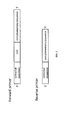
- FIG. 2 is a schematic illustration of a forward primer, which comprises the universal sequence, UID, and complementary sequence portion, and a reverse primer, which comprises the universal sequence.
- Table 3 shows the exon structure (i.e., the beginning and ending position of each exon) of the KIT gene for analysis by the methods of the embodiments.. Table 1.
- Primer sequences used to amplify the UID assigned products may be as follows (* stands for a phosphodiester bond; "N” stands for any of A, T, G and C):
- Primers of the present embodiment can be used for Safe-Sequencing, which involves two steps: (1) library preparation is performed by using uniquely-tagged primers (UID-Primers), labeling each nascent molecule in a first PCR (UID-PCR); and (2) amplification of each uniquely tagged template so that many daughter molecules with the identical sequence are generated (defined as a UID-family) (see WO 2012/142213 , which is incorporated herein by reference in its entirety). If a mutation pre-existed in the template molecule used for amplification, that mutation should be present in a certain proportion, or even all, of daughter molecules containing that UID (barring any subsequent replication or sequencing errors).
- a UID-family in which every family member (or a certain predetermined proportion) has an identical mutation is called a "super-mutant.” Mutations not occurring in the original templates, such as those occurring during amplification steps after UID-PCR or through errors in base-calling, should not give rise to super-mutants, i.e., will not be present at the predetermined frequency in a UID-family.
- the background polymerase error rate can be determined.
- the template molecules contain no sequence aberrations (i.e., are wild-type)
- the super-mutants detected with known wild-type DNA can only originate from polymerase errors occurring during the UID-PCR.
- Safe-Sequencing data is more reliable than data from conventional NGS, and fewer false positive mutations are reported.
- Safe-Sequencing provides for detection of previously unknown mutations.
- the approach can be employed for any purpose where a very high level of accuracy and sensitivity is required from sequence data. As shown below, the approach can be used to assess the fidelity of a polymerase, the accuracy of in vitro synthesized nucleic acid synthesis, and the prevalence of mutations in nuclear or mitochondrial nucleic acids of normal cells. The approach may be used to detect and/or quantify mosaicism, germline and somatic mutations.
- Fragments of nucleic acids may be obtained using a random fragment forming technique such as mechanical shearing, sonicating, or subjecting nucleic acids to other physical or chemical stresses. Fragments may not be strictly random, as some sites may be more susceptible to stresses than others. Endonucleases that randomly or specifically fragment may also be used to generate fragments. Size of fragments may vary, but desirably will be in ranges between 30 and 5,000 basepairs, between 100 and 2,000, between 150 and 1,000, or within ranges with different combinations of these endpoints. Nucleic acids may be, for example, RNA or DNA. Modified forms of RNA or DNA may also be used.
- Attachment of an exogenous UID to an analyte nucleic acid fragment may be performed by any means known in the art, including enzymatic, chemical, or biologic.
- One means employs a polymerase chain reaction.
- Another means employs a ligase enzyme.
- the enzyme may be mammalian or bacterial, for example. Ends of fragments may be repaired prior to joining using other enzymes such as Klenow Fragment of T4 DNA Polymerase. Other enzymes which may be used for attaching are other polymerase enzymes.
- a UID may be added to one or both ends of the fragments.
- a UID may be contained within a nucleic acid molecule that contains other regions for other intended functionality. For example, a universal priming site may be added to permit later amplification. Another additional site may be a region of complementarity to a particular region or gene in the analyte nucleic acids.
- a UID may be from 2 to 4,000, from 100 to 1000, from 4 to 400, bases
- UIDs may be made using random addition of nucleotides to form a short sequence to be used as an identifier. At each position of addition, a selection from one of four deoxyribonucleotides may be used. Alternatively a selection from one of three, two, or one deoxyribonucleotides may be used. Thus the UID may be fully random, somewhat random, or non-random in certain positions.
- Another manner of making UIDs utilizes pre-determined nucleotides assembled on a chip. In this manner of making, complexity is attained in a planned manner. It may be advantageous to attach a UID to each end of a fragment, increasing the complexity of the UID population on fragments.
- a cycle of polymerase chain reaction for adding exogenous UID refers to the thermal denaturation of a double stranded molecule, the hybridization of a first primer to a resulting single strand, the extension of the primer to form a new second strand hybridized to the original single strand.
- a second cycle refers to the denaturation of the new second strand from the original single strand, the hybridization of a second primer to the new second strand, and the extension of the second primer to form a new third strand, hybridized to the new second strand. Multiple cycles may be required to increase efficiency, for example, when analyte is dilute or inhibitors are present.
- adapters can be added to the ends of fragments by ligation.
- Complexity of the analyte fragments can be decreased by a capture step, either on a solid phase or in liquid step.
- the capture step will employ hybridization to probes representing a gene or set of genes of interest. If on a solid phase, non-binding fragments are separated from binding fragments. Suitable solid phases known in the art include filters, membranes, beads, columns, etc.
- a capture reagent can be added which binds to the probes, for example through a biotin-avidin type interaction. After capture, desired fragments can be eluted for further processing.
- the order of adding adapters and capturing is not critical.
- Another means of reducing the complexity of the analyte fragments involves amplification of one or more specific genes or regions.
- One way to accomplish this is to use inverse PCR.
- Primers can be used which are gene-specific, thus enriching while forming libraries.
- the gene-specific primers can contain grafting sequences for subsequent attachment to a massively parallel sequencing platform.
- endogenous UIDs provide a limited number of unique possibilities, depending on the fragment size and sequencing read length
- combinations of both endogenous and exogenous UIDs can be used, introducing additional sequences when amplifying would increase the available UIDs and thereby increase sensitivity.
- the template can be split into 96 wells, and 96 different primers could be used during the amplification. This would effectively increase the available UIDs 96-fold, because up to 96 templates with the same endogenous UID could be distinguished.
- This technique can also be used with exogenous UIDs, so that each well's primers add a unique, well-specific sequence to the amplification products. This can improve the specificity of detection of rare templates.
- Amplification of fragments containing a UID can be performed according to known techniques to generate families of fragments. Polymerase chain reaction can be used. Other amplification methods can also be used, as is convenient. Inverse PCR may be used, as can rolling circle amplification. Amplification of fragments typically is done using primers that are complementary to priming sites that are attached to the fragments at the same time as the UIDs. The priming sites are distal to the UIDs, so that amplification includes the UIDs. Amplification forms a family of fragments, each member of the family sharing the same UID. Because the diversity of UIDs is greatly in excess of the diversity of the fragments, each family should derive from a single fragment molecule in the analyte. Primers used for the amplification may be chemically modified to render them more resistant to exonucleases. One such modification is the use of phosphorothioate linkages between one or more 3' nucleotides.
- Family members are sequenced and compared to identify any divergencies within a family. Sequencing is preferably performed on a massively parallel sequencing platform, many of which are commercially available. If the sequencing platform requires a sequence for "grafting," i.e., attachment to the sequencing device, such a sequence can be added during addition of UIDs or adapters or separately.
- a grafting sequence may be part of a UID primer, a universal primer, a gene target-specific primer, the amplification primers used for making a family, or separate. Redundant sequencing refers to the sequencing of a plurality of members of a single family.
- a threshold can be set for identifying a mutation in an analyte. If the "mutation" appears in all members of a UID-family, then it derives from the analyte. If it appears in less than all members, then it may have been introduced during the analysis. Thresholds for calling a mutation may be set, for example, at 1%, 5%, 10%, 20%, 30%, 40%, 50%, 60%, 70%, 80%, 90%, 95%, 97%, 98%, or 100%. Thresholds will be set based on the number of members of a UID-family that are sequenced and the particular purpose and situation.
- the first primer comprises a first portion of 10-100 nucleotides complementary to the gene or gene portion and a second portion of 10 to 100 nucleotides comprising a site for hybridization to a third primer.
- the second primer comprises a first portion of 10-100 nucleotides complementary to the gene or gene portion and a second portion of 10 to 100 nucleotides comprising a site for hybridization to a fourth primer.
- Interposed between the first portion and the second portion of the second primer is a third portion consisting of 2 to 4,000 nucleotides forming a unique identifier (UID).
- UID unique identifier
- the unique identifiers in the population have at least 4, at least 16, at least 64, at least 256, at least 1,024, at least 4,096, at least 16,384, at least 65,536, at least 262,144, at least 1 ,048,576, at least 4,194,304, at least 16,777,216, or at least 67,108,864 different sequences.
- the first and second primers are complementary to opposite strands of the gene or gene portion.
- a kit can be made containing both the primers for attaching exogenous UIDs as well as amplification primers, i.e., the third and fourth primers complementary to the second portions of each of the first and second primers.
- the third and fourth primers can optionally contain additional grafting or indexing sequences.
- the UID may comprise randomly selected sequences, pre-defined nucleotide sequences, or both randomly selected sequences and pre-defined nucleotides. If both, these can be joined together in blocks or interspersed.
- primer pair ID 47 covers 1.59% of mutations; primer pair ID 24 covers 5.09 % of mutations; primer pair ID 54 covers 1.73% of mutations; primer pair ID 52 covers 26.83% of mutations; primer pair ID 61 covers 9.13% of mutations; primer pair ID 56 covers 1.06% of mutations; primer pair ID 36 covers 2.94% of mutations; primer pair ID 39 covers 0.25% of mutations; primer pair ID 62 covers 1.66% of mutations; primer pair ID 55 covers 38.09% of mutations; primer pair ID 12 covers 0.5% of mutations)
- N in Sequence is any of A, T, G and C; a sequence portion consisting of plural "N"s in each primer sequence is a random sequence).
- the combined use of the two panels provided coverage of mutations in exons 8-11, 13, 14, 17, and 18 of the KIT gene.
- the KIT transcript (corresponding to open reading frame of ENST00000288135; SEQ ID NO: 49) is composed of the exon domains of the gene sequence as shown in Table 3. Table 3.
- KIT Exon Structure Exon nt start nt end 1 1 67 2 68 337 3 338 619 4 620 756 5 757 925 6 926 1115 7 1116 1231 8 1232 1346 9 1347 1540 10 1541 1647 11 1648 1774 12 1774 1879 13 1880 1990 14 1991 2141 15 2142 2233 16 2234 2361 17 2362 2484 18 2485 2596 19 2597 2696 20 2697 2802 21 2803 2931
- a master mix was prepared for each multiplex primer panel (UID-Mpx).
- the required volumes of 5x Q5 Reaction Buffer (NEB, cat # B9027), 10 mM dNTP Mix (Life Technologies, cat # 18427088), and Q5 High-Fidelity Hot Start DNA Polymerase (NEB, cat # M0493) were pipetted into a clean tube and mixed by vortexing.
- human genomic DNA (Promega, cat # G 3041) was thawed overnight, heated to 65°C for 10 min, mixed by vortexing, and spun down. Solutions of 0.33 ng/ ⁇ L were prepared by combining the human genomic DNA and 1x TE/Glyco (SIG, cat # 6.2.016.009).
- PCR reactions including no template controls (NegKo, SIG, Cat # 6.2.024.001), were set up in 96-well PCR plates. PCR reactions were performed as shown in Table 5. PCR plates were stored at 2-4°C following the completion of thermal cycling. Table 5. PCR Conditions for UID-PCR Temperature Time in minutes PCR cycles Ramp rate 98°C 02:00 1 98°C 00:20 10-15x 2.5°C/s 63°C 02:10 2.5°C/s 72°C 02:10 2.5°C/s
- AMPure® beads (Agencourt® AMPure® XP, Beckman Coulter®, Cat # A63881) were added into each well of the 96-well plate according to plate layout, mixed by pipetted up and down 10 times, and incubated for 10 min at room temperature.
- the PCR plate was then placed onto the magnet (SPRI Plate 96T - Ring Super Magnet Plate; Beckman Coulter) and incubated for 5 min.
- the liquid was aspirated from each well of the PCR plate without disturbing the beads bound to the magnet.
- 100 ⁇ L 70% ethanol was twice added to each well, incubated for 30 sec, and aspirated.
- the plate was removed from the magnet and the plate allowed to air dry for 2 min at room temperature. Then, 120 ⁇ L EB buffer was slowly added to each well, mixed by pipetted up and down 20 times, and incubated for 2 min at room temperature. Then the plate was placed into the magnet and incubated for 2 min until all the beads were bound to the magnet. The supernatant was transferred to a clean 96-well plate, which was optionally stored at 2-4 °C prior to further processing. Next, the plate was placed on the magnet and incubated for 1 min. Then 5 ⁇ L of the supernatant was mixed with 99 ⁇ L of EB buffer and mixed by pipetting up and down eight times to prepare the dilution plate. Both plates were stored at 2-8°C.
- WBC-Primer plates To prepare WBC-Primer plates, WBC primers were resuspended in TE buffer, mixed by vortexing, and spun down. Then, to prepare WBC-Primer master plates, 50 ⁇ L WBC-forward primer (IDT; cat # IN2391) and 50 ⁇ L of 96 different reverse primers (IDT) were added to each well of a 96-well plate. To prepare a WBC-sub plate, each well of the mater place was diluted 1:10 with TE-buffer into a new 96-well plate.
- IDTT WBC-forward primer
- IDT 96 different reverse primers
- UID-Mpx specific master mixes were prepared and pipetted into the PCR plate according to the plate layout. Then, 2.5 ⁇ L WBC primer and the template were added to the appropriate wells of the PCR plate and mixed by pipetted up and down three times.
- the input amount for the amplification of UID-assigned amplicons may vary between 0.1% and 1% of purified UID-assigned PCR products.
- PCR reactions were performed as shown in Table 6. PCR plates were stored at 2-8°C following the completion of thermal cycling. Table 6.
- Each PCR product amplified with one UID-Mpx may not be mixed with PCR-products of another UID-Mpx. They must be purified separately.
- EB buffer Qiagen
- the bead suspension was then spun down for 20 sec at 200 rcf.
- the bead suspension was then transferred to a clean tube, incubated at room temperature for 1 min, and placed on the Dyna-Mag-15 for 1 min to bind all beads to the magnet-side of the tube.
- Eighty microliters of the eluate were moved to a clean tube. This process was repeated twice for a total of 160 ⁇ L eluate collected.
- the tube was turned around the vertical axis by 180° for 5 sec to let the beads fly through the ethanol. The supernatant was completely aspirated, the tube removed from the magnet, and the beads allowed to air dry for 2 min at room temperature.
- EB buffer Qiagen
- 40 ⁇ L EB buffer Qiagen
- the bead suspension was then spun down and the tube incubated for 1 min at room temperature.
- the tube was then placed on the Dyna-Mag-2 and incubated for 1 min until all the beads were bound to the magnet side of the tube.
- 40 ⁇ L of the supernatant was carefully transferred into a clean tube without disturbing the bead pellet. This process was repeated twice for a total of 80 ⁇ L supernatant collected.
- the tube was turned around the vertical axis by 180° for 5 sec to let the beads fly through the ethanol. The supernatant was completely aspirated, the tube removed from the magnet, and the beads allowed to air dry for 2 min at room temperature.
- Distilled water (360 ⁇ L) was added to the cleaning chip and placed into the Bioanalyzer (Bioanalyzer 2100, Agilent) for 10 sec. Following removal of the cleaning chip, the electrodes were allowed to dry for 1 min. Labchips were prepared according to the manufacturer's instructions. Data analysis was performed either based on regions or by manual integration depending on whether the base line was directly on top of the signal line.
- PhiX control Kit v3 (Illumina; cat # FC-110-3001) was diluted 1:10 in EB buffer by adding 10 mL of PhiX to 90 ⁇ L EB buffer.
- 1 ⁇ L 1 nM PhiX (SIG, cat # FC-110-3001) was added to 10 ⁇ L 0.1 M NaOH, mixed by vortexing, and spun down. The mixture was incubated for 5 min at room temperature to denature the dsDNA into ssDNA. Then, 980 ⁇ L of Buffer HT1 was added and mixed by vortexing. Next, 400 ⁇ L Buffer HT1 was added to a clean tube, mixed with 600 ⁇ L of the PhiX mixture by vortexing, and stored at 2-8°C.
- primer stocks were resuspended in 1 mM EDTA to achieve a concentration of 100 mM.
- the reagents in the cartridge (MiSeq® v3 Reagent Kit, Illumina, cat # MS-102-3001) by inverting the cartridge 10 times, the liquid in positions 12 and 13 were removed and placed into individual clean tubes. These tubes were spun down and then 7 ⁇ L of sequencing primers 12 (SIG, cat # 6.2.032.012) and 13 (SIG, cat # 6.2.032.013) were added to each tube, respectively. The tubes were then vortexed and spun down, after which the primer solutions were added by to their respective positions on the cartridge. Finally, 600 ⁇ L of the final PhiX mixture was added to the "sample" position on the cartridge.
- the flowcell was cleaned using ultrapure water and lint-free tissue. Then the cartridge was inserted into the flowcell and the sequencing run performed.
- UID-Primers were used to amplify amplicons of interest in a multiplex PCR using wild-type genomic human DNA. Primers used here are shown in Figs. 3 to 6 ..
- UID-PCR products were purified to remove residual primers, reagents, and salts. The PCR-products were also diluted to limit the input material for WBC-PCR. WBC-PCR was used to amplify purified UID-PCR products, giving rise to UID families. Each well of a 96-well PCR plate was assigned a well-specific 6-mer sequence (well barcode) to identify samples and subsample replicate wells. In addition, Illumina-adaptor sequences were added during this PCR.
- WBC-PCR products were purified using AMPure magnetic beads that bind DNA.
- the AMPure-concentration was decreased to focus purification on the desired PCR products in the size range of 180-250 bp.
- WBC-PCR products were quantified using the Bioanalyzer capillary electrophoresis system. WBC-PCR products were diluted, denatured, and subjected to sequencing by synthesis using M13 primers. Data-analysis for Safe-Sequencing was performed to count UID families, UID family sizes, and identify supermutants, which are considered background in the case of wild-type genomic human DNA input. Data analysis without UIDs (Conventional Sequencing) was performed by counting unique reads and calculating the background.
Landscapes
- Chemical & Material Sciences (AREA)
- Life Sciences & Earth Sciences (AREA)
- Health & Medical Sciences (AREA)
- Proteomics, Peptides & Aminoacids (AREA)
- Organic Chemistry (AREA)
- Engineering & Computer Science (AREA)
- Zoology (AREA)
- Wood Science & Technology (AREA)
- Immunology (AREA)
- Analytical Chemistry (AREA)
- Genetics & Genomics (AREA)
- Pathology (AREA)
- Physics & Mathematics (AREA)
- Biotechnology (AREA)
- Microbiology (AREA)
- Molecular Biology (AREA)
- Biophysics (AREA)
- Biochemistry (AREA)
- Bioinformatics & Cheminformatics (AREA)
- General Engineering & Computer Science (AREA)
- General Health & Medical Sciences (AREA)
- Hospice & Palliative Care (AREA)
- Oncology (AREA)
- Measuring Or Testing Involving Enzymes Or Micro-Organisms (AREA)
Description
- The sequence listing that is contained in the file named "ISTCP0005US_ST25.txt", which is 15 KB (as measured in Microsoft Windows®) and was created on September 23, 2014, is filed herewith by electronic submission and is incorporated by reference herein.
- The present invention relates to a reagent kit and a method for detecting a mutation of a KIT gene.
- It is known that mutations of KIT gene can be a marker of specific disease such as a cancer. It has been detected by various conventional methods. For instance, next generation sequencing (NGS) has been used for it. In conventional NGS, the errors introduced by polymerases cannot be distinguished from sequence alterations of the original template molecules.
- Herein, a highly sensitive and reliable method of detecting DNA sequence aberrations in the KIT gene is provided.
- The primers used for UID-PCR are, in some aspects, used in multiplex for the production of template for a Well-Barcode-PCR (WBC-PCR). These primers comprise, or consist of, a universal sequence (e.g., a WBC-PCR primer binding site), the digital unique identifier (UID), and a gene-specific binding site (which is hereinafter also called "complementary sequence portion").
- In one embodiment, a method is provided to analyze a biological sample from an organism for genetic mutations associated with cancer, the method comprising performing multiplex sequencing of DNA amplified with at least two panels of primers, wherein the at least two panels of primers comprise primers that amplify at least two amplicons of a gene with genetic mutations. In certain aspects, a method of the embodiments is defined as an in vitro method.
- In some aspects, the gene may be KIT (see e.g., SEQ ID NO: 49). In this aspect, the at least two amplicons of KIT may be comprised in exons 8-11, 13, 14, 17, and/or 18. In some aspects, a first panel of primers may amplify at least two amplicons selected from the group consisting of amplicons generated by amplification reactions performed with
primer pair IDs primer pair IDs - In a further embodiment, a kit is provided comprising primer pairs for amplification of amplicons generated by amplification reactions performed with
primer pair IDs primer pair IDs primer pair IDs primer pair IDs - In still a further embodiment, a reagent kit is provided for detecting a mutation of a KIT gene in a specimen comprising DNA, the kit comprising at least one primer set selected from the group consisting of: a) a forward primer comprising a sequence of SEQ ID NO: 15 and a reverse primer comprising a sequence of SEQ ID NO: 16; b) a forward primer comprising a sequence of SEQ ID NO: 11 and a reverse primer comprising a sequence of SEQ ID NO: 12; c) a forward primer comprising a sequence of SEQ ID NO: 5 and a reverse primer comprising a sequence of SEQ ID NO: 6; d) a forward primer comprising a sequence of SEQ ID NO: 3 and a reverse primer comprising a sequence of SEQ ID NO: 4; e) a forward primer comprising a sequence of SEQ ID NO: 1 and a reverse primer comprising a sequence of SEQ ID NO: 2; f) a forward primer comprising a sequence of SEQ ID NO: 7 and a reverse primer comprising a sequence of SEQ ID NO: 8; g) a forward primer comprising a sequence of SEQ ID NO: 9 and a reverse primer comprising a sequence of SEQ ID NO: 10; h) a forward primer comprising a sequence of SEQ ID NO: 13 and a reverse primer comprising a sequence of SEQ ID NO: 14; i) a forward primer comprising a sequence of SEQ ID NO: 17 and a reverse primer comprising a sequence of SEQ ID NO: 18; j) a forward primer comprising a sequence of SEQ ID NO: 19 and a reverse primer comprising a sequence of SEQ ID NO: 20; or k) a forward primer comprising a sequence of SEQ ID NO: 21 and a reverse primer comprising a sequence of SEQ ID NO: 22.
- In some aspects, the kit may comprise at least two, three, four, or five primer sets selected from the group consisting of primer sets d), c), f), b), a), and i). In certain aspects, the kit may comprise primer sets d), c), f), b), a), and i). In some aspects, the kit may comprise at least two, three, or four primer sets selected from the group consisting of primer sets e), g), h), j), or k). In a further aspect, the kit may comprise primer sets e), g), h), j), and k). In some aspects, the kit may comprise at least two, three, four, five, six, seven, eight, nine, or ten of primer sets selected from the group consisting of primer sets a)-k). In yet a further aspect, the kit may comprise primer sets a)-k). In various aspects, at least one primer in the primer set may comprise a heterologous nucleotide sequence. In certain aspects, the heterologous nucleotide sequence may be a M13 Forward or M13 Reverse sequence. In some aspects, at least one primer in the primer set may comprise a sequence of SEQ ID NO: 45 or a sequence of SEQ ID NO: 46.
- In various aspects, one primer in the primer set may comprise a random sequence. In some aspects, the random sequence may comprise 10-18 random nucleotides (e.g., 10, 11, 12, 13, 14, 15, 16, 17 or 18). In some aspects, the random sequence is a known sequence. In certain aspects, the primer in the primer set that comprises a random sequence may further comprise a sequence of SEQ ID NO: 45. In certain aspects, the primer in the primer set that does not comprise a random sequence may further comprise a sequence of SEQ ID NO: 46. In certain aspects, one primer in the primer set may comprise a random sequence and a sequence of SEQ ID NO: 45. In certain aspects, one primer in the primer set may comprise a sequence of SEQ ID NO: 45 and the other primer in the primer set may comprise a sequence of SEQ ID NO: 46.
- In a further aspect, a primer set e) may be further defined as a forward primer comprising a sequence of SEQ ID NO: 41 and a reverse primer comprising a sequence of SEQ ID NO: 42. In one aspect, primer set d) may be further defined as a forward primer comprising a sequence of SEQ ID NO: 27 and a reverse primer comprising a sequence of SEQ ID NO: 28. In one aspect, primer set c) may be further defined as a forward primer comprising a sequence of SEQ ID NO: 25 and a reverse primer comprising a sequence of SEQ ID NO: 26. In one aspect, primer set f) may be further defined as a forward primer comprising a sequence of SEQ ID NO: 33 and a reverse primer comprising a sequence of SEQ ID NO: 34. In one aspect, primer set g) may be further defined as a forward primer comprising a sequence of SEQ ID NO: 37 and a reverse primer comprising a sequence of SEQ ID NO: 38. In one aspect, primer set b) may be further defined as a forward primer comprising a sequence of SEQ ID NO: 23 and a reverse primer comprising a sequence of SEQ ID NO: 24. In one aspect, primer set h) may be further defined as a forward primer comprising a sequence of SEQ ID NO: 39 and a reverse primer comprising a sequence of SEQ ID NO: 40. In one aspect, primer set a) may be further defined as a forward primer comprising a sequence of SEQ ID NO: 31 and a reverse primer comprising a sequence of SEQ ID NO: 32. In one aspect, primer set i) may be further defined as a forward primer comprising a sequence of SEQ ID NO: 29 and a reverse primer comprising a sequence of SEQ ID NO: 30. In one aspect, primer set j) may be further defined as a forward primer comprising a sequence of SEQ ID NO: 35 and a reverse primer comprising a sequence of SEQ ID NO: 36. In one aspect, primer set k) may be further defined as a forward primer comprising a sequence of SEQ ID NO: 43 and a reverse primer comprising a sequence of SEQ ID NO: 44.
- In some aspects, the specimen may be selected from the group consisting of a tissue biopsy, resected tumor and a bodily fluid, such as, for example, a lymph, saliva, blood (e.g., serum or plasma) or urine sample. In some aspects, a sample may be fractionated to purify DNA from other components. In certain aspects, the specimen may be a human specimen. In one aspect, the KIT gene may comprise a sequence of SEQ ID NO: 49.
- In still a further embodiment, a method is provided for detecting (or selectively detecting) a mutation of a KIT gene comprising amplifying KIT gene DNA using the reagent kit according to the present embodiment, thereby detecting the mutation of the KIT gene. In some aspects, the mutation may be a point mutation, insertion, or deletion.
- In a further aspect, a method of detecting (or selectively detecting) a mutation of the KIT gene comprises identifying a mutation that is present in a threshold portion of amplicons (within one UID-family). Such a method can, for example, allow for mutations present in the nucleic acids of the sample to be distinguished from mutations that can arise from errors introduced by the polymerase during amplification. For example, in some aspects, detecting a mutation comprises identifying mutation s present in at least about 10%, 20%, 30%, 40%, 50%, 60%, 70%, 80%, or 90% (e.g., between about 50% and about 90%) of the amplicons (in a given UID family). In certain aspects, the mutation is present in at least 70%, 75%, 80%, 85%, or 90% of these amplicons.
- In certain aspects, the mutations may be associated with cancer and the method may be further defined as a method of detecting and/or monitoring cancer. Types of tumors that can be detected and/or monitored in this fashion are virtually unlimited. Any tumor that sheds cells and/or DNA into the blood or stool or other bodily fluid can be used. Such tumors include, in addition to colorectal tumors, tumors of the breast, lung, kidney, liver, pancreas, stomach, brain, head and neck, lymphatics, ovaries, uterus, bone, blood, etc.
- In certain aspects, the method may be further defined as a method of detecting susceptibility or resistance to therapies that target kit. For example, in some aspects, a method of the embodiments is defined as a method of detecting resistance to drugs targeting KIT. Kit targeting drugs include, without limitation 2-phenylpyrimidine tyrosine kinase inhibitors, such as imatinib (STI-571) and (2-carboxyamido)(3-amino) thiophene compounds (see, e.g.,
U.S. Pat. No. 6,949,563 andU.S. Pat. Publication No. 2005/0154014 , each incorporated herein by reference). For example, in some specific aspects the Kit targeting drug is imatinib, OSI-930, OSI-817, AMG 706, AMN 107 (nilotinib), sunitinib, sorafenib, dasatinib, pazopanib, ponatinib, regorafenib or masitinib (AB1010). - In still further aspects, a method further comprises reporting mutations of a KIT gene detected in a sample or reporting whether a subject is susceptible or resistant to a therapy that targets KIT. Reporting may comprise preparing an oral, written or electronic report. In some aspects, such a report is provided to the patient, a doctor, a hospital, or an insurance company.
- As used herein the phrase "selectively determining" refers to methods wherein only a finite number of genes are assessed for mutations (e.g., rather than assaying essentially all genes in a sample). For example, in some aspects "selectively determining" a gene mutation can refer to assessing mutations in no more than 10, 8, 7, 6, 5, 4, 3, 2 or 1 different genes in a sample. In some aspects a method of the embodiments comprises detecting mutations in a gene, the gene consisting of the KIT gene.
- In a still a further embodiment there is provided an isolated nucleic acid molecule comprising, or consisting of, the sequence of any one of SEQ ID NOs: 107-132. In further aspects, the isolated nucleotide molecule is no more than 200, 150, 100 or 75 nucleotides in length. In certain aspects, the nucleic acid molecule comprises a heterologous (e.g., non-human) sequence. For example, the heterologous sequence may comprise a random nucleotide sequence such as a random sequence of 10-18 nucleotides. In some aspects, the heterologous sequence comprises the sequence of SEQ ID NO: 45 or 46. In a yet a further aspect, an isolated nucleotide molecule of the embodiments comprises, or consists of, the sequence of any one of SEQ ID NOs: 23-44.
- As used herein the specification, "a" or "an" may mean one or more. As used herein in the claim(s), when used in conjunction with the word "comprising," the words "a" or "an" may mean one or more than one.
- The use of the term "or" in the claims is used to mean "and/or" unless explicitly indicated to refer to alternatives only or the alternatives are mutually exclusive, although the disclosure supports a definition that refers to only alternatives and "and/or." As used herein "another" may mean at least a second or more.
- Throughout this application, the term "about" is used to indicate that a value includes the inherent variation of error for the device, the method being employed to determine the value, or the variation that exists among the study subjects.
- Other objects, features and advantages of the present embodiments will become apparent from the following detailed description. It should be understood, however, that the detailed description and the specific examples, while indicating preferred embodiments of the invention, are given by way of illustration only, since various changes and modifications within the spirit and scope of the invention will become apparent to those skilled in the art from this detailed description.
- The following drawings form part of the present specification and are included to further demonstrate certain aspects of the present invention. Embodiments of the invention may be better understood by reference to one or more of these drawings in combination with the detailed description of specific embodiments presented herein.
-
FIG. 1 . KIT composite mutation coverage (88.9%). Based on Ensembl transcript ENST00000288135. X-axis represents the nucleotide sequence of the transcript relative to the start codon. Y-axis represents the mutation count. Dark gray bands arePanel 1; light gray bands arePanel 2. Histogram spikes represent mutations. Vertical black bars above X-axis represent possible secondary resistance mutations to imatinib. White numbers at the top of each band (from the left, 47, 24, 54, 52, 61, 56, 36, 39, 62, 55, and 12) correspond to the Primer pair ID number in Tables 1 and 2. Bar across bottom represents the exon structure of the transcript and correspond to the nucleotide positions provided in Table 3. -
FIG. 2 . Schematic illustration of the forward primer, which comprises the universal sequence, UID, and complementary sequence portion, and the reverse primer, which comprises the universal sequence. -
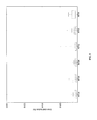
FIG. 3 . Box plot showing percent error distribution using conventional sequencing withKIT primer panel 1. -
FIG. 4 . Box plot showing percent error distribution using conventional sequencing withKIT primer panel 2. -
FIG. 5 . Box plot showing percent error distribution using Safe-Sequencing withKIT primer panel 1. -
FIG. 6 . Box plot showing percent error distribution using Safe-Sequencing withKIT primer panel 2. - Embodiments of the present invention use a digital unique identifier (UID)-PCR to label each and every amplicon of interest with a unique barcode sequence while it is being produced. These barcoded amplicons are again amplified to generate UID families. By means of NGS and subsequent data analysis, mutation detection takes place within each UID family. A sequence alteration is reported only if it is carried in more than a set threshold of all UID family members, thus minimizing false positive results. Polymerase errors occurring during UID-PCR are further reduced by setting individual background-thresholds for every nucleotide position. These are determined by using the same approach on wild-type DNA from healthy individuals.
- In various aspects, the UID-primers may amplify mutation hotspots in KIT. Due to the multiplexing of large stretches of KIT DNA, several mutations in KIT can be detected from a single plasma sample.
- The KIT gene, the complete open reading frame of which is provided in SEQ ID NO: 49, has the official gene name: v-kit Hardy-
Zuckerman 4 feline sarcoma viral oncogene homolog. KIT is also known as proto-oncogene c-Kit, tyrosine-protein kinase Kit, or CD117. In this specification, this gene is called either "KIT" or "KIT gene." - The reagent kit according to the present embodiments comprises a plurality of primer sets. Each primer set comprises forward and reverse primers. The forward primer comprises a complementary sequence portion that is substantially complementary to an antisense strand of KIT from which nucleic acid amplification starts. The reverse primer comprises a complementary sequence portion that is substantially complementary to a sense strand of KIT from which nucleic acid amplification starts.
- For Safe-Sequencing, the forward primer preferably comprises a UID sequence. The UID can be a random sequence. The UID sequence is preferably located 5' of the complementary sequence portion of the forward primer. More preferably, the forward primer comprises a universal sequence. One example of a universal sequence is the first M13 sequence. The first M13 sequence is preferably located 5' of the UID sequence.
- The reverse primer preferably comprises a universal sequence. One example of a universal sequence is the second M13 sequence. The second M13 sequence is preferably located 5' of the complementary sequence portion of the reverse primer. The reverse primer can also comprise a UID sequence. The UID sequence can be located between the second M13 sequence and the complementary sequence portion in the reverse primer.
-
FIG. 2 is a schematic illustration of a forward primer, which comprises the universal sequence, UID, and complementary sequence portion, and a reverse primer, which comprises the universal sequence. Table 3, below shows the exon structure (i.e., the beginning and ending position of each exon) of the KIT gene for analysis by the methods of the embodiments..Table 1. KIT Primers Primer pair ID Complementary sequence portion of Forward Primer SEQ ID NO: Complementary sequence portion of Reverse Primer SEQ ID NO: UID Location* 12 ATTATTGACTCTGTTGTGCTTCTATTACAG 1 ACGTCACTTTCAAACGTGTATACAC 2 reverse 24 TACAACGATGTGGGCAAGAC 3 GACAGAGCCTAAACATCCCC 4 forward 36 CCATTTGACAGAACGGGAAG 5 ACACGGCTTTACCTCCAATG 6 forward 39 CCTTTTCTTATGTGCTTTTAGGG 7 AAATAAATGAATCACGTTTTCTTCTC 8 forward 47 TGGCCATTTCTGTTTTCCTG 9 TGCTGCCACACATTGGAG 10 reverse 52 TCTATTTTTCCCTTTCTCCCC 11 GGGTCTATGTAAACATAATTGTTTCC 12 forward 54 GCTGATTGGTTTCGTAATCGT 13 TCTGGAGAGAGAACAAATAAATGG 14 forward 55 ACTCATGGTCGGATCACAAA 15 GCAGGACTGTCAAGCAGAGA 16 forward 56 CTTCCTTATGATCACAAATGGGAG 17 GGTGACATGGAAAGCCCC 18 reverse 61 AAGTACAGTGGAAGGTTGTTGAGG 19 AAACTCAGCCTGTTTCTGGG 20 forward 62 CTAATAGTGTATTCACAGAGACTTGGC 21 TGGCTAGACCAAAATCACAAATC 22 forward * Orientation refers to the location of the randomized 14-base UID sequence, whether it is connected to the forward or the reverse primer. - Primers for use with the embodiments may be fused to the M13 sequence at their 5' end as follows:
- M13 forward: 5'-CGACGTAAAACGACGGCCAGT-3' (SEQ ID NO: 45);
- M13 reverse: 5'-CACACAGGAAACAGCTATGACCATG-3' (SEQ ID NO: 46).
- The forward or the reverse primer may be fused with either one of these sequences.
- Primer sequences used to amplify the UID assigned products may be as follows (* stands for a phosphodiester bond; "N" stands for any of A, T, G and C):
- Forward:
5'-AATGATACGGCGACCACCGAGATCTACACCGACGTAAAACGACGGCCA*G*T-3' (SEQ ID NO: 47); - Reverse:

- Primers of the present embodiment can be used for Safe-Sequencing, which involves two steps: (1) library preparation is performed by using uniquely-tagged primers (UID-Primers), labeling each nascent molecule in a first PCR (UID-PCR); and (2) amplification of each uniquely tagged template so that many daughter molecules with the identical sequence are generated (defined as a UID-family) (see
WO 2012/142213 , which is incorporated herein by reference in its entirety). If a mutation pre-existed in the template molecule used for amplification, that mutation should be present in a certain proportion, or even all, of daughter molecules containing that UID (barring any subsequent replication or sequencing errors). A UID-family in which every family member (or a certain predetermined proportion) has an identical mutation is called a "super-mutant." Mutations not occurring in the original templates, such as those occurring during amplification steps after UID-PCR or through errors in base-calling, should not give rise to super-mutants, i.e., will not be present at the predetermined frequency in a UID-family. - In some cases, by iteratively applying Safe-Sequencing to wild-type DNA samples, the background polymerase error rate can be determined. Under the premise that the template molecules contain no sequence aberrations (i.e., are wild-type), the super-mutants detected with known wild-type DNA can only originate from polymerase errors occurring during the UID-PCR.
- By applying these approaches Safe-Sequencing data is more reliable than data from conventional NGS, and fewer false positive mutations are reported. In addition, Safe-Sequencing provides for detection of previously unknown mutations. The approach can be employed for any purpose where a very high level of accuracy and sensitivity is required from sequence data. As shown below, the approach can be used to assess the fidelity of a polymerase, the accuracy of in vitro synthesized nucleic acid synthesis, and the prevalence of mutations in nuclear or mitochondrial nucleic acids of normal cells. The approach may be used to detect and/or quantify mosaicism, germline and somatic mutations.
- Fragments of nucleic acids may be obtained using a random fragment forming technique such as mechanical shearing, sonicating, or subjecting nucleic acids to other physical or chemical stresses. Fragments may not be strictly random, as some sites may be more susceptible to stresses than others. Endonucleases that randomly or specifically fragment may also be used to generate fragments. Size of fragments may vary, but desirably will be in ranges between 30 and 5,000 basepairs, between 100 and 2,000, between 150 and 1,000, or within ranges with different combinations of these endpoints. Nucleic acids may be, for example, RNA or DNA. Modified forms of RNA or DNA may also be used.
- Attachment of an exogenous UID to an analyte nucleic acid fragment may be performed by any means known in the art, including enzymatic, chemical, or biologic. One means employs a polymerase chain reaction. Another means employs a ligase enzyme. The enzyme may be mammalian or bacterial, for example. Ends of fragments may be repaired prior to joining using other enzymes such as Klenow Fragment of T4 DNA Polymerase. Other enzymes which may be used for attaching are other polymerase enzymes. A UID may be added to one or both ends of the fragments. A UID may be contained within a nucleic acid molecule that contains other regions for other intended functionality. For example, a universal priming site may be added to permit later amplification. Another additional site may be a region of complementarity to a particular region or gene in the analyte nucleic acids. A UID may be from 2 to 4,000, from 100 to 1000, from 4 to 400, bases in length, for example.
- UIDs may be made using random addition of nucleotides to form a short sequence to be used as an identifier. At each position of addition, a selection from one of four deoxyribonucleotides may be used. Alternatively a selection from one of three, two, or one deoxyribonucleotides may be used. Thus the UID may be fully random, somewhat random, or non-random in certain positions. Another manner of making UIDs utilizes pre-determined nucleotides assembled on a chip. In this manner of making, complexity is attained in a planned manner. It may be advantageous to attach a UID to each end of a fragment, increasing the complexity of the UID population on fragments.
- A cycle of polymerase chain reaction for adding exogenous UID refers to the thermal denaturation of a double stranded molecule, the hybridization of a first primer to a resulting single strand, the extension of the primer to form a new second strand hybridized to the original single strand. A second cycle refers to the denaturation of the new second strand from the original single strand, the hybridization of a second primer to the new second strand, and the extension of the second primer to form a new third strand, hybridized to the new second strand. Multiple cycles may be required to increase efficiency, for example, when analyte is dilute or inhibitors are present.
- In the case of endogenous UIDs, adapters can be added to the ends of fragments by ligation. Complexity of the analyte fragments can be decreased by a capture step, either on a solid phase or in liquid step. Typically the capture step will employ hybridization to probes representing a gene or set of genes of interest. If on a solid phase, non-binding fragments are separated from binding fragments. Suitable solid phases known in the art include filters, membranes, beads, columns, etc. If in a liquid phase, a capture reagent can be added which binds to the probes, for example through a biotin-avidin type interaction. After capture, desired fragments can be eluted for further processing. The order of adding adapters and capturing is not critical. Another means of reducing the complexity of the analyte fragments involves amplification of one or more specific genes or regions. One way to accomplish this is to use inverse PCR. Primers can be used which are gene-specific, thus enriching while forming libraries. Optionally, the gene-specific primers can contain grafting sequences for subsequent attachment to a massively parallel sequencing platform.
- Because endogenous UIDs provide a limited number of unique possibilities, depending on the fragment size and sequencing read length, combinations of both endogenous and exogenous UIDs can be used, introducing additional sequences when amplifying would increase the available UIDs and thereby increase sensitivity. For example, before amplification, the template can be split into 96 wells, and 96 different primers could be used during the amplification. This would effectively increase the available UIDs 96-fold, because up to 96 templates with the same endogenous UID could be distinguished. This technique can also be used with exogenous UIDs, so that each well's primers add a unique, well-specific sequence to the amplification products. This can improve the specificity of detection of rare templates.
- Amplification of fragments containing a UID can be performed according to known techniques to generate families of fragments. Polymerase chain reaction can be used. Other amplification methods can also be used, as is convenient. Inverse PCR may be used, as can rolling circle amplification. Amplification of fragments typically is done using primers that are complementary to priming sites that are attached to the fragments at the same time as the UIDs. The priming sites are distal to the UIDs, so that amplification includes the UIDs. Amplification forms a family of fragments, each member of the family sharing the same UID. Because the diversity of UIDs is greatly in excess of the diversity of the fragments, each family should derive from a single fragment molecule in the analyte. Primers used for the amplification may be chemically modified to render them more resistant to exonucleases. One such modification is the use of phosphorothioate linkages between one or more 3' nucleotides.
- Family members are sequenced and compared to identify any divergencies within a family. Sequencing is preferably performed on a massively parallel sequencing platform, many of which are commercially available. If the sequencing platform requires a sequence for "grafting," i.e., attachment to the sequencing device, such a sequence can be added during addition of UIDs or adapters or separately. A grafting sequence may be part of a UID primer, a universal primer, a gene target-specific primer, the amplification primers used for making a family, or separate. Redundant sequencing refers to the sequencing of a plurality of members of a single family.
- A threshold can be set for identifying a mutation in an analyte. If the "mutation" appears in all members of a UID-family, then it derives from the analyte. If it appears in less than all members, then it may have been introduced during the analysis. Thresholds for calling a mutation may be set, for example, at 1%, 5%, 10%, 20%, 30%, 40%, 50%, 60%, 70%, 80%, 90%, 95%, 97%, 98%, or 100%. Thresholds will be set based on the number of members of a UID-family that are sequenced and the particular purpose and situation.
- Populations of primer pairs are used to attach exogenous UIDs. The first primer comprises a first portion of 10-100 nucleotides complementary to the gene or gene portion and a second portion of 10 to 100 nucleotides comprising a site for hybridization to a third primer. The second primer comprises a first portion of 10-100 nucleotides complementary to the gene or gene portion and a second portion of 10 to 100 nucleotides comprising a site for hybridization to a fourth primer. Interposed between the first portion and the second portion of the second primer is a third portion consisting of 2 to 4,000 nucleotides forming a unique identifier (UID). The unique identifiers in the population have at least 4, at least 16, at least 64, at least 256, at least 1,024, at least 4,096, at least 16,384, at least 65,536, at least 262,144, at least 1 ,048,576, at least 4,194,304, at least 16,777,216, or at least 67,108,864 different sequences. The first and second primers are complementary to opposite strands of the gene or gene portion. A kit can be made containing both the primers for attaching exogenous UIDs as well as amplification primers, i.e., the third and fourth primers complementary to the second portions of each of the first and second primers. The third and fourth primers can optionally contain additional grafting or indexing sequences. The UID may comprise randomly selected sequences, pre-defined nucleotide sequences, or both randomly selected sequences and pre-defined nucleotides. If both, these can be joined together in blocks or interspersed.
- The following examples are included to demonstrate preferred embodiments of the invention. It should be appreciated by those of skill in the art that the techniques disclosed in the examples which follow represent techniques discovered by the inventor to function well in the practice of embodiments of the invention, and thus can be considered to constitute preferred modes for its practice. However, those of skill in the art should, in light of the present disclosure, appreciate that many changes can be made in the specific embodiments which are disclosed and still obtain a like or similar result without departing from the spirit and scope of the invention.
- Two panels of KIT amplicons defined by the primers of Table 1 were generated and found to provide 88.9% mutation coverage of the KIT gene (as illustrated in
FIG. 1 ).Primer pair ID 47 covers 1.59% of mutations;primer pair ID 24 covers 5.09 % of mutations; primer pair ID 54 covers 1.73% of mutations; primer pair ID 52 covers 26.83% of mutations; primer pair ID 61 covers 9.13% of mutations; primer pair ID 56 covers 1.06% of mutations;primer pair ID 36 covers 2.94% of mutations;primer pair ID 39 covers 0.25% of mutations; primer pair ID 62 covers 1.66% of mutations; primer pair ID 55 covers 38.09% of mutations;primer pair ID 12 covers 0.5% of mutations) The primer sequences for these panels are listed in Table 2, below ("N" in Sequence is any of A, T, G and C; a sequence portion consisting of plural "N"s in each primer sequence is a random sequence). The combined use of the two panels provided coverage of mutations in exons 8-11, 13, 14, 17, and 18 of the KIT gene. The KIT transcript (corresponding to open reading frame of ENST00000288135; SEQ ID NO: 49) is composed of the exon domains of the gene sequence as shown in Table 3.

Table 3. KIT Exon Structure Exon nt start nt end 1 1 67 2 68 337 3 338 619 4 620 756 5 757 925 6 926 1115 7 1116 1231 8 1232 1346 9 1347 1540 10 1541 1647 11 1648 1774 12 1774 1879 13 1880 1990 14 1991 2141 15 2142 2233 16 2234 2361 17 2362 2484 18 2485 2596 19 2597 2696 20 2697 2802 21 2803 2931 - First, a master mix was prepared for each multiplex primer panel (UID-Mpx). To prepare the master mix, the required volumes of 5x Q5 Reaction Buffer (NEB, cat # B9027), 10 mM dNTP Mix (Life Technologies, cat # 18427088), and Q5 High-Fidelity Hot Start DNA Polymerase (NEB, cat # M0493) were pipetted into a clean tube and mixed by vortexing.
- To prepare UID-Mpx, primer stocks (UID-Mpx KIT_1, Sysmex Inostics, cat # 6.2.032.101; UID-Mpx KIT_2, Sysmex Inostics, cat # 6.2.032.102) were resuspended in fresh 1 mM EDTA, mixed by vortexing, and spun down. Primers used to amplify amplicons of
panel Table 4. Primer Concentrations for Panels panel 1primer conc. [µM] panel 2primer conc. [µM] 55 0.23 62 0.46 56 0.54 47 0.4 52 1.54 12 0.1 39 1.4 61 0.29 24 0.19 54 0.4 36 0.2 - To prepare wild type reference sequence, human genomic DNA (Promega, cat # G 3041) was thawed overnight, heated to 65°C for 10 min, mixed by vortexing, and spun down. Solutions of 0.33 ng/µL were prepared by combining the human genomic DNA and 1x TE/Glyco (SIG, cat # 6.2.016.009).
- PCR reactions, including no template controls (NegKo, SIG, Cat # 6.2.024.001), were set up in 96-well PCR plates. PCR reactions were performed as shown in Table 5. PCR plates were stored at 2-4°C following the completion of thermal cycling.
Table 5. PCR Conditions for UID-PCR Temperature Time in minutes PCR cycles Ramp rate 98°C 02:00 1 98°C 00:20 10-15x 2.5°C/s 63°C 02:10 2.5°C/s 72°C 02:10 2.5°C/s - First, 35 µL of AMPure® beads (Agencourt® AMPure® XP, Beckman Coulter®, Cat # A63881) were added into each well of the 96-well plate according to plate layout, mixed by pipetted up and down 10 times, and incubated for 10 min at room temperature. The PCR plate was then placed onto the magnet (SPRI Plate 96T - Ring Super Magnet Plate; Beckman Coulter) and incubated for 5 min. The liquid was aspirated from each well of the PCR plate without disturbing the beads bound to the magnet. Then, 100 µL 70% ethanol was twice added to each well, incubated for 30 sec, and aspirated. Following the second ethanol wash, the plate was removed from the magnet and the plate allowed to air dry for 2 min at room temperature. Then, 120 µL EB buffer was slowly added to each well, mixed by pipetted up and down 20 times, and incubated for 2 min at room temperature. Then the plate was placed into the magnet and incubated for 2 min until all the beads were bound to the magnet. The supernatant was transferred to a clean 96-well plate, which was optionally stored at 2-4 °C prior to further processing. Next, the plate was placed on the magnet and incubated for 1 min. Then 5 µL of the supernatant was mixed with 99 µL of EB buffer and mixed by pipetting up and down eight times to prepare the dilution plate. Both plates were stored at 2-8°C.
- To prepare WBC-Primer plates, WBC primers were resuspended in TE buffer, mixed by vortexing, and spun down. Then, to prepare WBC-Primer master plates, 50 µL WBC-forward primer (IDT; cat # IN2391) and 50 µL of 96 different reverse primers (IDT) were added to each well of a 96-well plate. To prepare a WBC-sub plate, each well of the mater place was diluted 1:10 with TE-buffer into a new 96-well plate.
- UID-Mpx specific master mixes were prepared and pipetted into the PCR plate according to the plate layout. Then, 2.5 µL WBC primer and the template were added to the appropriate wells of the PCR plate and mixed by pipetted up and down three times. The input amount for the amplification of UID-assigned amplicons may vary between 0.1% and 1% of purified UID-assigned PCR products. PCR reactions were performed as shown in Table 6. PCR plates were stored at 2-8°C following the completion of thermal cycling.
Table 6. PCR Conditions for WBC-PCR Temperature Time in minutes PCR cycles Ramp rate 98°C 02:00 1 98°C 00:20 16-21x 2.5°C/s 65°C 02:10 2.5°C/s 72°C 02:10 2.5°C/s - Each PCR product amplified with one UID-Mpx may not be mixed with PCR-products of another UID-Mpx. They must be purified separately.
- For the first round of purification, all of the liquid from the wells of a single UID-Mpx were collected and mixed in a tube while avoiding bubble formation. AMPure beads (Agencourt AMPure XP, Beckman Coulter, Cat # A63881) were added to the tube, mixed well by vortexing for 10 s, and incubated at room temperature for 5 min. Then the tube was placed on a Dyna-Mag-15 and incubated for 5 min, after which the supernatant was removed and discarded. The inside wall of the tube was twice rinsed with 70% ethanol and the supernatant removed and discarded after a 30 sec incubation. After removing any residual ethanol, the tube was removed from the magnet and allowed to air dry for 2 min at room temperature.
- Next, 70 µL EB buffer (Qiagen) was added to the tube and the beads were resuspended by vortexing. The bead suspension was then spun down for 20 sec at 200 rcf. The bead suspension was then transferred to a clean tube, incubated at room temperature for 1 min, and placed on the Dyna-Mag-15 for 1 min to bind all beads to the magnet-side of the tube. Eighty microliters of the eluate were moved to a clean tube. This process was repeated twice for a total of 160 µL eluate collected.
- For the second round of purification, 40 µL 5x Phusion GC Buffer (Thermo, Cat # F-519) was added to the eluate, mixed by vortexing, and spun down. AMPure beads (220 µL) were added to the eluate, vortexed, and spun down. Following a 5 min incubation at room temperature, the tube was placed on the Dyna-Mag-2 and incubated for 2 min. The supernatant was removed and 500 µL 70% ethanol was added. Following a 30 sec incubation at room temperature, the supernatant was removed and 500 µL 70% ethanol was added. During a 30 sec incubation at room temperature, the tube was turned around the vertical axis by 180° for 5 sec to let the beads fly through the ethanol. The supernatant was completely aspirated, the tube removed from the magnet, and the beads allowed to air dry for 2 min at room temperature.
- Next, 40 µL EB buffer (Qiagen) was added to the tube and the beads were resuspended by vortexing. The bead suspension was then spun down and the tube incubated for 1 min at room temperature. The tube was then placed on the Dyna-Mag-2 and incubated for 1 min until all the beads were bound to the magnet side of the tube. Then, 40 µL of the supernatant was carefully transferred into a clean tube without disturbing the bead pellet. This process was repeated twice for a total of 80 µL supernatant collected.
- For the third round of purification, 20 µL 5x Phusion GC Buffer (Thermo, Cat # F-519) was added to the supernatant, mixed by vortexing, and spun down. AMPure beads (100 µL) were added to the supernatant, vortexed, and spun down. Following a 5 min incubation at room temperature, the tube was placed on the Dyna-Mag-2 and incubated for 2 min at room temperature. The supernatant was removed and 500 µL 70% ethanol was added. Following a 30 sec incubation at room temperature, the supernatant was removed and 500 µL 70% ethanol was added. During a 30 sec incubation at room temperature, the tube was turned around the vertical axis by 180° for 5 sec to let the beads fly through the ethanol. The supernatant was completely aspirated, the tube removed from the magnet, and the beads allowed to air dry for 2 min at room temperature.
- Next, 10 µL EB buffer (Qiagen) was added to the tube and the beads were resuspended by vortexing. The bead suspension was then spun down and the tube incubated for 1 min at room temperature. The tube was then placed on the Dyna-Mag-2 and incubated for 1 min until all the beads were bound to the magnet side of the tube. Then, all of the supernatant was carefully transferred into a clean tube without disturbing the bead pellet. The supernatant was stored at -20 °C.
- Distilled water (360 µL) was added to the cleaning chip and placed into the Bioanalyzer (Bioanalyzer 2100, Agilent) for 10 sec. Following removal of the cleaning chip, the electrodes were allowed to dry for 1 min. Labchips were prepared according to the manufacturer's instructions. Data analysis was performed either based on regions or by manual integration depending on whether the base line was directly on top of the signal line.
- To prepare 1 nM PhiX control, the stock of PhiX control Kit v3 (Illumina; cat # FC-110-3001) was diluted 1:10 in EB buffer by adding 10 mL of PhiX to 90 µL EB buffer. First, 1
µL 1 nM PhiX (SIG, cat # FC-110-3001) was added to 10 µL 0.1 M NaOH, mixed by vortexing, and spun down. The mixture was incubated for 5 min at room temperature to denature the dsDNA into ssDNA. Then, 980 µL of Buffer HT1 was added and mixed by vortexing. Next, 400 µL Buffer HT1 was added to a clean tube, mixed with 600 µL of the PhiX mixture by vortexing, and stored at 2-8°C. - To prepare sequencing primers, primer stocks were resuspended in 1 mM EDTA to achieve a concentration of 100 mM. After mixing the reagents in the cartridge (MiSeq® v3 Reagent Kit, Illumina, cat # MS-102-3001) by inverting the
cartridge 10 times, the liquid inpositions - On the MiSeq Benchtop Sequencer (Illumina), the flowcell was cleaned using ultrapure water and lint-free tissue. Then the cartridge was inserted into the flowcell and the sequencing run performed.
- Provided here is the comparison of the use of the present KIT primer sets in Safe-Sequencing versus NGS. The same data was analyzed from one experiment with and without UIDs. This allows for an unbiased comparison of the use of the KIT primer sets in the context of Safe-Sequencing and in the context of conventional NGS.
- UID-Primers were used to amplify amplicons of interest in a multiplex PCR using wild-type genomic human DNA. Primers used here are shown in
Figs. 3 to 6 .. - UID-PCR products were purified to remove residual primers, reagents, and salts. The PCR-products were also diluted to limit the input material for WBC-PCR. WBC-PCR was used to amplify purified UID-PCR products, giving rise to UID families. Each well of a 96-well PCR plate was assigned a well-specific 6-mer sequence (well barcode) to identify samples and subsample replicate wells. In addition, Illumina-adaptor sequences were added during this PCR.
- WBC-PCR products were purified using AMPure magnetic beads that bind DNA. In a process of three consecutive rounds of purification, the AMPure-concentration was decreased to focus purification on the desired PCR products in the size range of 180-250 bp.
- To determine the DNA input amount for sequencing, purified WBC-PCR products were quantified using the Bioanalyzer capillary electrophoresis system. WBC-PCR products were diluted, denatured, and subjected to sequencing by synthesis using M13 primers. Data-analysis for Safe-Sequencing was performed to count UID families, UID family sizes, and identify supermutants, which are considered background in the case of wild-type genomic human DNA input. Data analysis without UIDs (Conventional Sequencing) was performed by counting unique reads and calculating the background.
- Data analysis comparing the analysis using (Safe-Sequencing;
FIGs. 5-6 ) and not using (Conventional Sequencing;FIGs. 3-4 ) the UIDs showed that the UIDs allowed for a ∼500-fold decrease in background (i.e., polymerase errors) in comparison to analysis without UIDs (FIGs. 3-6 ). This allows for 500-fold more reliability and sensitivity by using the UIDs. - * * *
- All of the methods disclosed and claimed herein can be made and executed without undue experimentation in light of the present disclosure. While the compositions and methods of this invention have been described in terms of preferred embodiments, it will be apparent to those of skill in the art that variations may be applied to the methods and in the steps or in the sequence of steps of the method described herein without departing from the concept, spirit and scope of the invention. More specifically, it will be apparent that certain agents which are both chemically and physiologically related may be substituted for the agents described herein while the same or similar results would be achieved. All such similar substitutes and modifications apparent to those skilled in the art are deemed to be within the spirit, scope and concept of the invention as defined by the appended claims.
- The following references, to the extent that they provide exemplary procedural or other details supplementary to those set forth herein, are specifically incorporated herein by reference.


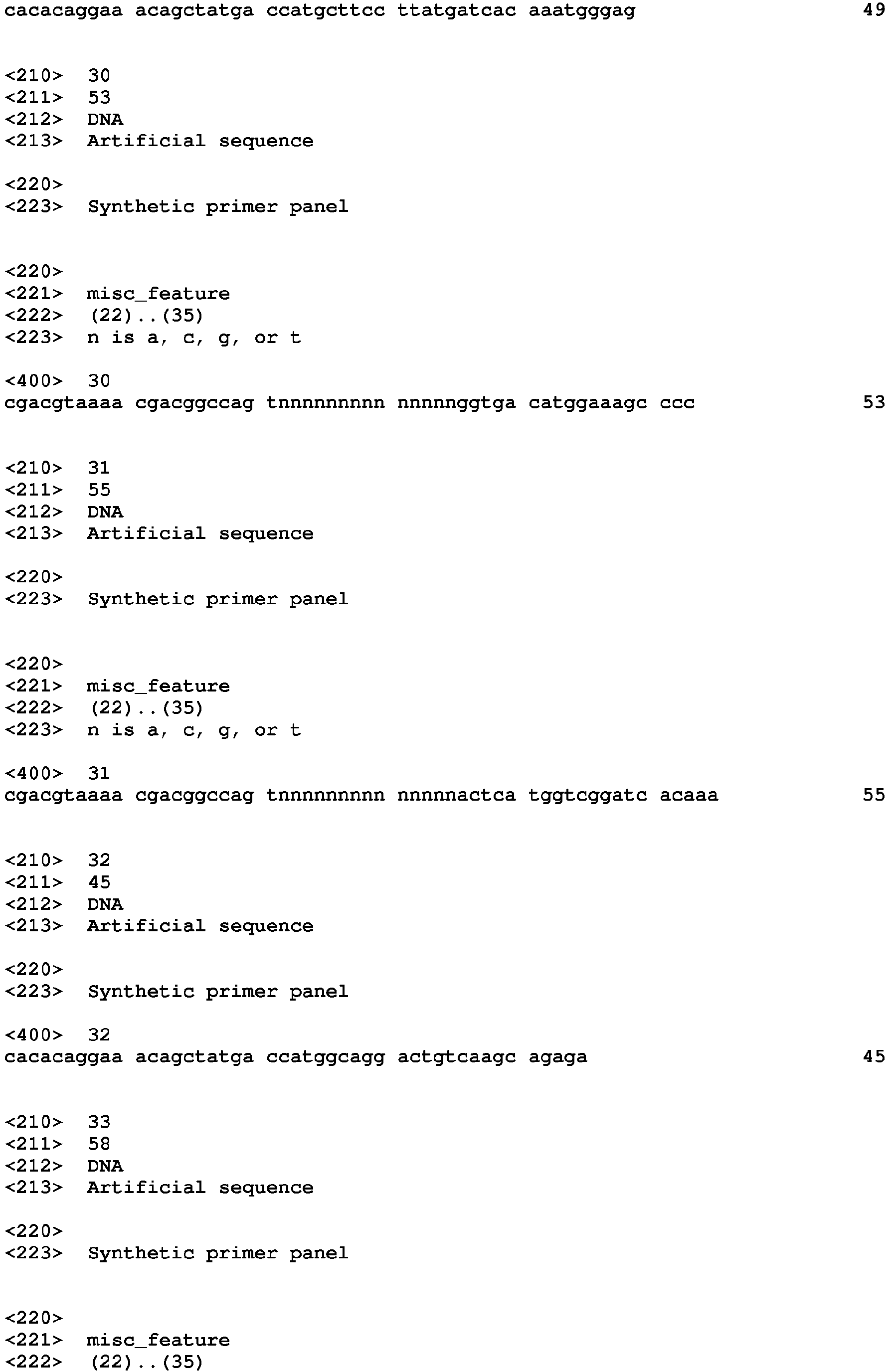


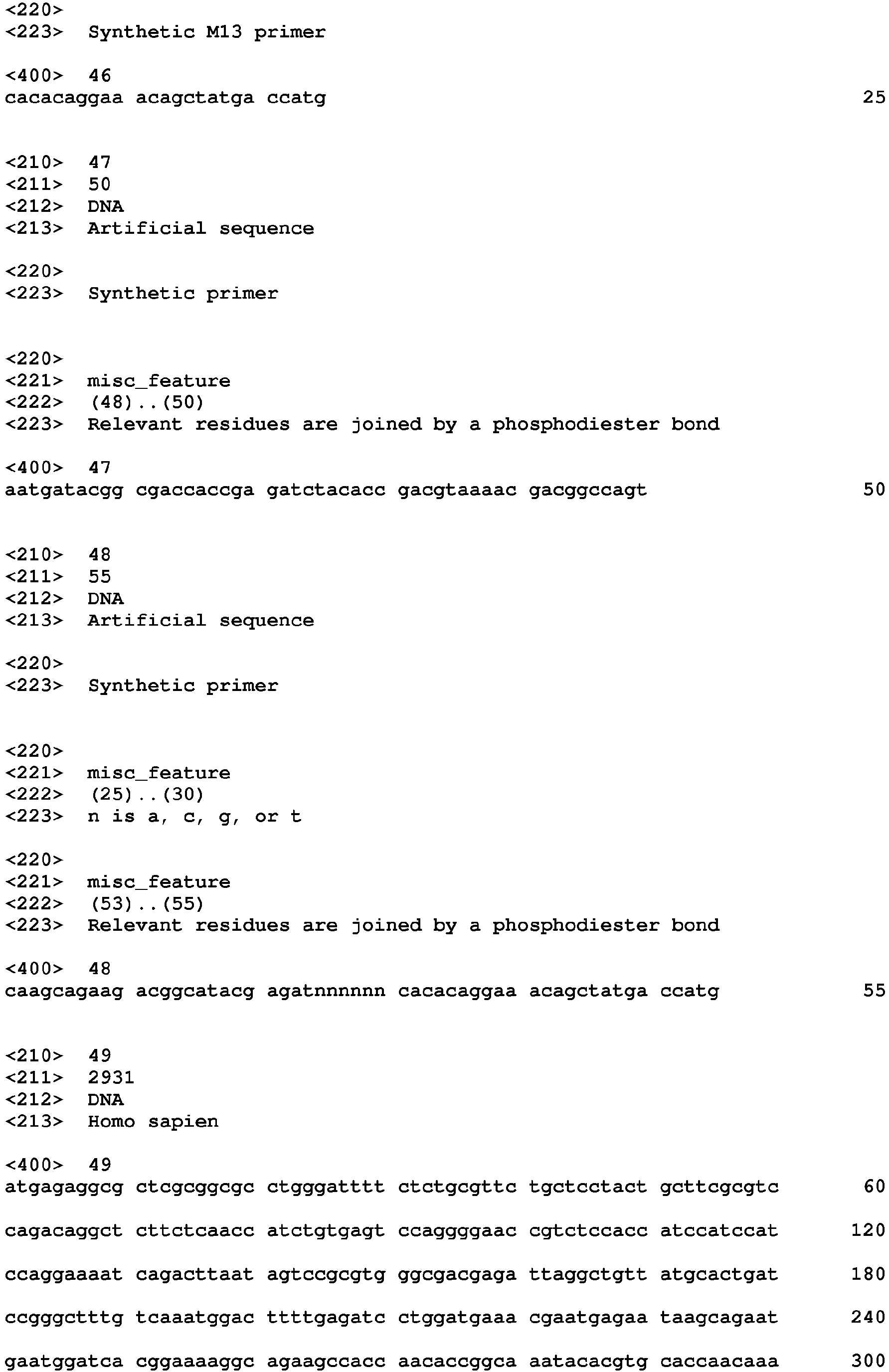


Claims (15)
- A reagent kit for detecting a mutation of a KIT gene in a specimen comprising DNA, the kit comprising at least one primer set selected from the group consisting of:a) a forward primer comprising a sequence of SEQ ID NO: 15 and a reverse primer comprising a sequence of SEQ ID NO: 16;b) a forward primer comprising a sequence of SEQ ID NO: 11 and a reverse primer comprising a sequence of SEQ ID NO: 12;c) a forward primer comprising a sequence of SEQ ID NO: 5 and a reverse primer comprising a sequence of SEQ ID NO: 6;d) a forward primer comprising a sequence of SEQ ID NO: 3 and a reverse primer comprising a sequence of SEQ ID NO: 4;e) a forward primer comprising a sequence of SEQ ID NO: 1 and a reverse primer comprising a sequence of SEQ ID NO: 2;f) a forward primer comprising a sequence of SEQ ID NO: 7 and a reverse primer comprising a sequence of SEQ ID NO: 8;g) a forward primer comprising a sequence of SEQ ID NO: 9 and a reverse primer comprising a sequence of SEQ ID NO: 10;h) a forward primer comprising a sequence of SEQ ID NO: 13 and a reverse primer comprising a sequence of SEQ ID NO: 14;i) a forward primer comprising a sequence of SEQ ID NO: 17 and a reverse primer comprising a sequence of SEQ ID NO: 18;j) a forward primer comprising a sequence of SEQ ID NO: 19 and a reverse primer comprising a sequence of SEQ ID NO: 20; ork) a forward primer comprising a sequence of SEQ ID NO: 21 and a reverse primer comprising a sequence of SEQ ID NO: 22.
- The reagent kit of claim 1, wherein the kit comprises at least two primer sets selected from the group consisting of the primer sets a) to k).
- The reagent kit of claim 1 or 2, wherein at least one primer in the primer set comprises a heterologous nucleotide sequence.
- The reagent kit of any of claims 1 to 3, wherein one primer in the primer set comprises a random sequence.
- The reagent kit of claim 3, wherein at least one primer in the primer set comprises a sequence of SEQ ID NO: 45 or a sequence of SEQ ID NO: 46.
- The reagent kit of claim 4, wherein the primer in the primer set that comprises a random sequence further comprises a sequence of SEQ ID NO: 45.
- The reagent kit of claim 4, wherein the primer in the primer set that does not comprise a random sequence further comprises a sequence of SEQ ID NO: 46.
- The reagent kit of claim 4, wherein the random sequence comprises 10-18 random nucleotides.
- The reagent kit of claim 4, wherein the random sequence is a known sequence.
- The reagent kit of any of claims 1 to 9, wherein one primer in the primer set comprises a random sequence and a sequence of SEQ ID NO: 45.
- The reagent kit of any of claims 1 to 10, wherein one primer in the primer set comprises a sequence of SEQ ID NO: 45 and the other primer in the primer set comprises a sequence of SEQ ID NO: 46.
- The reagent kit of any of claims 1 to 11, wherein:(i) primer set e) is further defined as a forward primer comprising a sequence of SEQ ID NO: 41 and a reverse primer comprising a sequence of SEQ ID NO: 42;(ii) primer set d) is further defined as a forward primer comprising a sequence of SEQ ID NO: 27 and a reverse primer comprising a sequence of SEQ ID NO: 28;(iii) primer set c) is further defined as a forward primer comprising a sequence of SEQ ID NO: 25 and a reverse primer comprising a sequence of SEQ ID NO: 26;(iv) primer set f) is further defined as a forward primer comprising a sequence of SEQ ID NO: 33 and a reverse primer comprising a sequence of SEQ ID NO: 34;(v) primer set g) is further defined as a forward primer comprising a sequence of SEQ ID NO: 37 and a reverse primer comprising a sequence of SEQ ID NO: 38;(vi) primer set b) is further defined as a forward primer comprising a sequence of SEQ ID NO: 23 and a reverse primer comprising a sequence of SEQ ID NO: 24;(vii) primer set h) is further defined as a forward primer comprising a sequence of SEQ ID NO: 39 and a reverse primer comprising a sequence of SEQ ID NO: 40;(viii) primer set a) is further defined as a forward primer comprising a sequence of SEQ ID NO: 31 and a reverse primer comprising a sequence of SEQ ID NO: 32;(ix) primer set i) is further defined as a forward primer comprising a sequence of SEQ ID NO: 29 and a reverse primer comprising a sequence of SEQ ID NO: 30;(x) primer set j) is further defined as a forward primer comprising a sequence of SEQ ID NO: 35 and a reverse primer comprising a sequence of SEQ ID NO: 36; and/or(xi) primer set k) is further defined as a forward primer comprising a sequence of SEQ ID NO: 43 and a reverse primer comprising a sequence of SEQ ID NO: 44.
- The reagent kit of any of claims 1 to 12, wherein the specimen is selected from the group consisting of a tissue biopsy and a bodily fluid.
- The reagent kit of any of claims 1 to 13, wherein the specimen is a human specimen.
- A method for detecting a mutation of a KIT gene, comprising:amplifying KIT gene DNA using a primer set according to any of claims 1 to 14 thereby detecting the mutation of the KIT gene.
Applications Claiming Priority (1)
| Application Number | Priority Date | Filing Date | Title |
|---|---|---|---|
| US14/501,159 US9845507B2 (en) | 2014-09-30 | 2014-09-30 | Methods for detecting oncogenic mutations |
Publications (3)
| Publication Number | Publication Date |
|---|---|
| EP3012328A2 true EP3012328A2 (en) | 2016-04-27 |
| EP3012328A3 EP3012328A3 (en) | 2016-05-25 |
| EP3012328B1 EP3012328B1 (en) | 2019-04-10 |
Family
ID=54238299
Family Applications (1)
| Application Number | Title | Priority Date | Filing Date |
|---|---|---|---|
| EP15187075.5A Active EP3012328B1 (en) | 2014-09-30 | 2015-09-28 | Methods for detecting oncogenic mutations |
Country Status (2)
| Country | Link |
|---|---|
| US (1) | US9845507B2 (en) |
| EP (1) | EP3012328B1 (en) |
Families Citing this family (1)
| Publication number | Priority date | Publication date | Assignee | Title |
|---|---|---|---|---|
| CN112029856A (en) * | 2020-06-22 | 2020-12-04 | 上海真固生物科技有限公司 | A kind of lung cancer or colorectal cancer mutation gene detection primer composition and its application |
Citations (3)
| Publication number | Priority date | Publication date | Assignee | Title |
|---|---|---|---|---|
| US20050154014A1 (en) | 2003-01-06 | 2005-07-14 | Jason Bloxham | (2-carboxamido)(3-amino) thiophene compounds |
| US6949563B2 (en) | 2003-01-06 | 2005-09-27 | Graham Michael Wynne | (2-carboxamido)(3-amino)thiophene compounds |
| WO2012142213A2 (en) | 2011-04-15 | 2012-10-18 | The Johns Hopkins University | Safe sequencing system |
Family Cites Families (6)
| Publication number | Priority date | Publication date | Assignee | Title |
|---|---|---|---|---|
| US6218529B1 (en) * | 1995-07-31 | 2001-04-17 | Urocor, Inc. | Biomarkers and targets for diagnosis, prognosis and management of prostate, breast and bladder cancer |
| US20040022764A1 (en) * | 2002-07-31 | 2004-02-05 | Hanan Polansky | Inhibition of microcompetition with a foreign polynucleotide as treatment of chronic disease |
| EP2400035A1 (en) * | 2010-06-28 | 2011-12-28 | Technische Universität München | Methods and compositions for diagnosing gastrointestinal stromal tumors |
| US20120237485A1 (en) | 2011-01-31 | 2012-09-20 | Yiqin Du | Trabecular Meshwork Stem Cells |
| WO2013081864A1 (en) | 2011-11-29 | 2013-06-06 | Life Technologies Corporation | Methods and compositions for multiplex pcr |
| EP2825675B1 (en) * | 2012-03-13 | 2017-12-27 | Patel, Abhijit Ajit | Measurement of nucleic acid variants using highly-multiplexed error-suppressed deep sequencing |
-
2014
- 2014-09-30 US US14/501,159 patent/US9845507B2/en active Active
-
2015
- 2015-09-28 EP EP15187075.5A patent/EP3012328B1/en active Active
Patent Citations (3)
| Publication number | Priority date | Publication date | Assignee | Title |
|---|---|---|---|---|
| US20050154014A1 (en) | 2003-01-06 | 2005-07-14 | Jason Bloxham | (2-carboxamido)(3-amino) thiophene compounds |
| US6949563B2 (en) | 2003-01-06 | 2005-09-27 | Graham Michael Wynne | (2-carboxamido)(3-amino)thiophene compounds |
| WO2012142213A2 (en) | 2011-04-15 | 2012-10-18 | The Johns Hopkins University | Safe sequencing system |
Also Published As
| Publication number | Publication date |
|---|---|
| EP3012328A3 (en) | 2016-05-25 |
| US9845507B2 (en) | 2017-12-19 |
| EP3012328B1 (en) | 2019-04-10 |
| US20160090632A1 (en) | 2016-03-31 |
Similar Documents
| Publication | Publication Date | Title |
|---|---|---|
| JP7821756B2 (en) | Methods for targeted nucleic acid sequence enrichment with application to error-corrected nucleic acid sequencing | |
| JP7379418B2 (en) | Deep sequencing profiling of tumors | |
| EP3607065B1 (en) | Method and kit for constructing nucleic acid library | |
| JP7336461B2 (en) | Construction of ctDNA library for simultaneous detection of multiple mutations commonly seen in liver cancer and method for analysis of sequencing data | |
| TWI864378B (en) | Highly sensitive method for accurate parallel quantification of nucleic acids | |
| CN111073961A (en) | High-throughput detection method for gene rare mutation | |
| CN111979583B (en) | Construction method and application of single-stranded nucleic acid molecule high-throughput sequencing library | |
| CN114958997B (en) | Methods for detecting partner genes | |
| CN116445608B (en) | Composition for detecting deafness-related gene mutation, kit and application | |
| CN108949911B (en) | Method for identifying and quantifying low frequency somatic mutations | |
| US20180291369A1 (en) | Error-proof nucleic acid library construction method and kit | |
| EP3012328B1 (en) | Methods for detecting oncogenic mutations | |
| JP7762690B2 (en) | A highly sensitive method for accurate parallel quantification of mutant nucleic acids | |
| CN103667267B (en) | For with the DNA probe storehouse of KRAS gene recombination and the method adopting its enrichment KRAS gene fragment | |
| WO2025072326A1 (en) | Methods, systems, and compositions for cfdna analysis | |
| CN112805380B (en) | Systems and methods for preparing modular and combinatorial nucleic acid samples for sequencing | |
| US20210115435A1 (en) | Error-proof nucleic acid library construction method | |
| CN119932164A (en) | A highly sensitive method for accurate and parallel quantification of nucleic acids | |
| CN121852537A (en) | Single-end targeting single-end random molecular labeling method for polynucleic acid variation quantitative analysis and application thereof | |
| HK40126982A (en) | Highly sensitive methods for accurate parallel quantification of nucleic acids | |
| CN117265116A (en) | Detection method, kit and probe library of TFE3 fusion gene | |
| HK1260078A1 (en) | Deep sequencing profiling of tumors | |
| HK1239741B (en) | Target region enrichment method based on multiplex pcr and reagent |
Legal Events
| Date | Code | Title | Description |
|---|---|---|---|
| PUAL | Search report despatched |
Free format text: ORIGINAL CODE: 0009013 |
|
| PUAI | Public reference made under article 153(3) epc to a published international application that has entered the european phase |
Free format text: ORIGINAL CODE: 0009012 |
|
| AK | Designated contracting states |
Kind code of ref document: A2 Designated state(s): AL AT BE BG CH CY CZ DE DK EE ES FI FR GB GR HR HU IE IS IT LI LT LU LV MC MK MT NL NO PL PT RO RS SE SI SK SM TR |
|
| AX | Request for extension of the european patent |
Extension state: BA ME |
|
| AK | Designated contracting states |
Kind code of ref document: A3 Designated state(s): AL AT BE BG CH CY CZ DE DK EE ES FI FR GB GR HR HU IE IS IT LI LT LU LV MC MK MT NL NO PL PT RO RS SE SI SK SM TR |
|
| AX | Request for extension of the european patent |
Extension state: BA ME |
|
| RIC1 | Information provided on ipc code assigned before grant |
Ipc: C12Q 1/68 20060101AFI20160421BHEP |
|
| STAA | Information on the status of an ep patent application or granted ep patent |
Free format text: STATUS: REQUEST FOR EXAMINATION WAS MADE |
|
| 17P | Request for examination filed |
Effective date: 20161108 |
|
| RBV | Designated contracting states (corrected) |
Designated state(s): AL AT BE BG CH CY CZ DE DK EE ES FI FR GB GR HR HU IE IS IT LI LT LU LV MC MK MT NL NO PL PT RO RS SE SI SK SM TR |
|
| STAA | Information on the status of an ep patent application or granted ep patent |
Free format text: STATUS: EXAMINATION IS IN PROGRESS |
|
| 17Q | First examination report despatched |
Effective date: 20170926 |
|
| GRAP | Despatch of communication of intention to grant a patent |
Free format text: ORIGINAL CODE: EPIDOSNIGR1 |
|
| STAA | Information on the status of an ep patent application or granted ep patent |
Free format text: STATUS: GRANT OF PATENT IS INTENDED |
|
| INTG | Intention to grant announced |
Effective date: 20181112 |
|
| GRAS | Grant fee paid |
Free format text: ORIGINAL CODE: EPIDOSNIGR3 |
|
| GRAA | (expected) grant |
Free format text: ORIGINAL CODE: 0009210 |
|
| STAA | Information on the status of an ep patent application or granted ep patent |
Free format text: STATUS: THE PATENT HAS BEEN GRANTED |
|
| REG | Reference to a national code |
Ref country code: DE Ref legal event code: R082 Ref document number: 602015027917 Country of ref document: DE Representative=s name: HOFFMANN - EITLE PATENT- UND RECHTSANWAELTE PA, DE |
|
| AK | Designated contracting states |
Kind code of ref document: B1 Designated state(s): AL AT BE BG CH CY CZ DE DK EE ES FI FR GB GR HR HU IE IS IT LI LT LU LV MC MK MT NL NO PL PT RO RS SE SI SK SM TR |
|
| REG | Reference to a national code |
Ref country code: GB Ref legal event code: FG4D |
|
| REG | Reference to a national code |
Ref country code: CH Ref legal event code: EP Ref country code: AT Ref legal event code: REF Ref document number: 1118695 Country of ref document: AT Kind code of ref document: T Effective date: 20190415 |
|
| REG | Reference to a national code |
Ref country code: IE Ref legal event code: FG4D |
|
| REG | Reference to a national code |
Ref country code: DE Ref legal event code: R096 Ref document number: 602015027917 Country of ref document: DE |
|
| REG | Reference to a national code |
Ref country code: NL Ref legal event code: MP Effective date: 20190410 |
|
| REG | Reference to a national code |
Ref country code: LT Ref legal event code: MG4D |
|
| REG | Reference to a national code |
Ref country code: AT Ref legal event code: MK05 Ref document number: 1118695 Country of ref document: AT Kind code of ref document: T Effective date: 20190410 |
|
| PG25 | Lapsed in a contracting state [announced via postgrant information from national office to epo] |
Ref country code: NL Free format text: LAPSE BECAUSE OF FAILURE TO SUBMIT A TRANSLATION OF THE DESCRIPTION OR TO PAY THE FEE WITHIN THE PRESCRIBED TIME-LIMIT Effective date: 20190410 |
|
| PG25 | Lapsed in a contracting state [announced via postgrant information from national office to epo] |
Ref country code: AL Free format text: LAPSE BECAUSE OF FAILURE TO SUBMIT A TRANSLATION OF THE DESCRIPTION OR TO PAY THE FEE WITHIN THE PRESCRIBED TIME-LIMIT Effective date: 20190410 Ref country code: ES Free format text: LAPSE BECAUSE OF FAILURE TO SUBMIT A TRANSLATION OF THE DESCRIPTION OR TO PAY THE FEE WITHIN THE PRESCRIBED TIME-LIMIT Effective date: 20190410 Ref country code: NO Free format text: LAPSE BECAUSE OF FAILURE TO SUBMIT A TRANSLATION OF THE DESCRIPTION OR TO PAY THE FEE WITHIN THE PRESCRIBED TIME-LIMIT Effective date: 20190710 Ref country code: HR Free format text: LAPSE BECAUSE OF FAILURE TO SUBMIT A TRANSLATION OF THE DESCRIPTION OR TO PAY THE FEE WITHIN THE PRESCRIBED TIME-LIMIT Effective date: 20190410 Ref country code: LT Free format text: LAPSE BECAUSE OF FAILURE TO SUBMIT A TRANSLATION OF THE DESCRIPTION OR TO PAY THE FEE WITHIN THE PRESCRIBED TIME-LIMIT Effective date: 20190410 Ref country code: PT Free format text: LAPSE BECAUSE OF FAILURE TO SUBMIT A TRANSLATION OF THE DESCRIPTION OR TO PAY THE FEE WITHIN THE PRESCRIBED TIME-LIMIT Effective date: 20190910 Ref country code: SE Free format text: LAPSE BECAUSE OF FAILURE TO SUBMIT A TRANSLATION OF THE DESCRIPTION OR TO PAY THE FEE WITHIN THE PRESCRIBED TIME-LIMIT Effective date: 20190410 Ref country code: FI Free format text: LAPSE BECAUSE OF FAILURE TO SUBMIT A TRANSLATION OF THE DESCRIPTION OR TO PAY THE FEE WITHIN THE PRESCRIBED TIME-LIMIT Effective date: 20190410 |
|
| PG25 | Lapsed in a contracting state [announced via postgrant information from national office to epo] |
Ref country code: LV Free format text: LAPSE BECAUSE OF FAILURE TO SUBMIT A TRANSLATION OF THE DESCRIPTION OR TO PAY THE FEE WITHIN THE PRESCRIBED TIME-LIMIT Effective date: 20190410 Ref country code: RS Free format text: LAPSE BECAUSE OF FAILURE TO SUBMIT A TRANSLATION OF THE DESCRIPTION OR TO PAY THE FEE WITHIN THE PRESCRIBED TIME-LIMIT Effective date: 20190410 Ref country code: BG Free format text: LAPSE BECAUSE OF FAILURE TO SUBMIT A TRANSLATION OF THE DESCRIPTION OR TO PAY THE FEE WITHIN THE PRESCRIBED TIME-LIMIT Effective date: 20190710 Ref country code: GR Free format text: LAPSE BECAUSE OF FAILURE TO SUBMIT A TRANSLATION OF THE DESCRIPTION OR TO PAY THE FEE WITHIN THE PRESCRIBED TIME-LIMIT Effective date: 20190711 Ref country code: PL Free format text: LAPSE BECAUSE OF FAILURE TO SUBMIT A TRANSLATION OF THE DESCRIPTION OR TO PAY THE FEE WITHIN THE PRESCRIBED TIME-LIMIT Effective date: 20190410 |
|
| PG25 | Lapsed in a contracting state [announced via postgrant information from national office to epo] |
Ref country code: IS Free format text: LAPSE BECAUSE OF FAILURE TO SUBMIT A TRANSLATION OF THE DESCRIPTION OR TO PAY THE FEE WITHIN THE PRESCRIBED TIME-LIMIT Effective date: 20190810 Ref country code: AT Free format text: LAPSE BECAUSE OF FAILURE TO SUBMIT A TRANSLATION OF THE DESCRIPTION OR TO PAY THE FEE WITHIN THE PRESCRIBED TIME-LIMIT Effective date: 20190410 |
|
| REG | Reference to a national code |
Ref country code: DE Ref legal event code: R097 Ref document number: 602015027917 Country of ref document: DE |
|
| PG25 | Lapsed in a contracting state [announced via postgrant information from national office to epo] |
Ref country code: SK Free format text: LAPSE BECAUSE OF FAILURE TO SUBMIT A TRANSLATION OF THE DESCRIPTION OR TO PAY THE FEE WITHIN THE PRESCRIBED TIME-LIMIT Effective date: 20190410 Ref country code: EE Free format text: LAPSE BECAUSE OF FAILURE TO SUBMIT A TRANSLATION OF THE DESCRIPTION OR TO PAY THE FEE WITHIN THE PRESCRIBED TIME-LIMIT Effective date: 20190410 Ref country code: DK Free format text: LAPSE BECAUSE OF FAILURE TO SUBMIT A TRANSLATION OF THE DESCRIPTION OR TO PAY THE FEE WITHIN THE PRESCRIBED TIME-LIMIT Effective date: 20190410 Ref country code: CZ Free format text: LAPSE BECAUSE OF FAILURE TO SUBMIT A TRANSLATION OF THE DESCRIPTION OR TO PAY THE FEE WITHIN THE PRESCRIBED TIME-LIMIT Effective date: 20190410 Ref country code: RO Free format text: LAPSE BECAUSE OF FAILURE TO SUBMIT A TRANSLATION OF THE DESCRIPTION OR TO PAY THE FEE WITHIN THE PRESCRIBED TIME-LIMIT Effective date: 20190410 |
|
| PLBE | No opposition filed within time limit |
Free format text: ORIGINAL CODE: 0009261 |
|
| STAA | Information on the status of an ep patent application or granted ep patent |
Free format text: STATUS: NO OPPOSITION FILED WITHIN TIME LIMIT |
|
| PG25 | Lapsed in a contracting state [announced via postgrant information from national office to epo] |
Ref country code: IT Free format text: LAPSE BECAUSE OF FAILURE TO SUBMIT A TRANSLATION OF THE DESCRIPTION OR TO PAY THE FEE WITHIN THE PRESCRIBED TIME-LIMIT Effective date: 20190410 Ref country code: SM Free format text: LAPSE BECAUSE OF FAILURE TO SUBMIT A TRANSLATION OF THE DESCRIPTION OR TO PAY THE FEE WITHIN THE PRESCRIBED TIME-LIMIT Effective date: 20190410 |
|
| 26N | No opposition filed |
Effective date: 20200113 |
|
| PG25 | Lapsed in a contracting state [announced via postgrant information from national office to epo] |
Ref country code: TR Free format text: LAPSE BECAUSE OF FAILURE TO SUBMIT A TRANSLATION OF THE DESCRIPTION OR TO PAY THE FEE WITHIN THE PRESCRIBED TIME-LIMIT Effective date: 20190410 |
|
| PG25 | Lapsed in a contracting state [announced via postgrant information from national office to epo] |
Ref country code: SI Free format text: LAPSE BECAUSE OF FAILURE TO SUBMIT A TRANSLATION OF THE DESCRIPTION OR TO PAY THE FEE WITHIN THE PRESCRIBED TIME-LIMIT Effective date: 20190410 Ref country code: MC Free format text: LAPSE BECAUSE OF FAILURE TO SUBMIT A TRANSLATION OF THE DESCRIPTION OR TO PAY THE FEE WITHIN THE PRESCRIBED TIME-LIMIT Effective date: 20190410 |
|
| REG | Reference to a national code |
Ref country code: CH Ref legal event code: PL |
|
| PG25 | Lapsed in a contracting state [announced via postgrant information from national office to epo] |
Ref country code: LI Free format text: LAPSE BECAUSE OF NON-PAYMENT OF DUE FEES Effective date: 20190930 Ref country code: LU Free format text: LAPSE BECAUSE OF NON-PAYMENT OF DUE FEES Effective date: 20190928 Ref country code: IE Free format text: LAPSE BECAUSE OF NON-PAYMENT OF DUE FEES Effective date: 20190928 Ref country code: CH Free format text: LAPSE BECAUSE OF NON-PAYMENT OF DUE FEES Effective date: 20190930 |
|
| REG | Reference to a national code |
Ref country code: BE Ref legal event code: MM Effective date: 20190930 |
|
| PG25 | Lapsed in a contracting state [announced via postgrant information from national office to epo] |
Ref country code: BE Free format text: LAPSE BECAUSE OF NON-PAYMENT OF DUE FEES Effective date: 20190930 |
|
| GBPC | Gb: european patent ceased through non-payment of renewal fee |
Effective date: 20190928 |
|
| PG25 | Lapsed in a contracting state [announced via postgrant information from national office to epo] |
Ref country code: GB Free format text: LAPSE BECAUSE OF NON-PAYMENT OF DUE FEES Effective date: 20190928 Ref country code: FR Free format text: LAPSE BECAUSE OF NON-PAYMENT OF DUE FEES Effective date: 20190930 |
|
| PG25 | Lapsed in a contracting state [announced via postgrant information from national office to epo] |
Ref country code: CY Free format text: LAPSE BECAUSE OF FAILURE TO SUBMIT A TRANSLATION OF THE DESCRIPTION OR TO PAY THE FEE WITHIN THE PRESCRIBED TIME-LIMIT Effective date: 20190410 |
|
| PG25 | Lapsed in a contracting state [announced via postgrant information from national office to epo] |
Ref country code: MT Free format text: LAPSE BECAUSE OF FAILURE TO SUBMIT A TRANSLATION OF THE DESCRIPTION OR TO PAY THE FEE WITHIN THE PRESCRIBED TIME-LIMIT Effective date: 20190410 Ref country code: HU Free format text: LAPSE BECAUSE OF FAILURE TO SUBMIT A TRANSLATION OF THE DESCRIPTION OR TO PAY THE FEE WITHIN THE PRESCRIBED TIME-LIMIT; INVALID AB INITIO Effective date: 20150928 |
|
| PG25 | Lapsed in a contracting state [announced via postgrant information from national office to epo] |
Ref country code: MK Free format text: LAPSE BECAUSE OF FAILURE TO SUBMIT A TRANSLATION OF THE DESCRIPTION OR TO PAY THE FEE WITHIN THE PRESCRIBED TIME-LIMIT Effective date: 20190410 |
|
| PGFP | Annual fee paid to national office [announced via postgrant information from national office to epo] |
Ref country code: DE Payment date: 20250805 Year of fee payment: 11 |