EP3009514A1 - Method for transfecting eukaryotic cells using sepiolite fibres - Google Patents
Method for transfecting eukaryotic cells using sepiolite fibres Download PDFInfo
- Publication number
- EP3009514A1 EP3009514A1 EP14306619.9A EP14306619A EP3009514A1 EP 3009514 A1 EP3009514 A1 EP 3009514A1 EP 14306619 A EP14306619 A EP 14306619A EP 3009514 A1 EP3009514 A1 EP 3009514A1
- Authority
- EP
- European Patent Office
- Prior art keywords
- cells
- nucleic acids
- transfection
- composite material
- sepiolite fibres
- Prior art date
- Legal status (The legal status is an assumption and is not a legal conclusion. Google has not performed a legal analysis and makes no representation as to the accuracy of the status listed.)
- Withdrawn
Links
- 235000019355 sepiolite Nutrition 0.000 title claims abstract description 71
- 239000004113 Sepiolite Substances 0.000 title claims abstract description 68
- 229910052624 sepiolite Inorganic materials 0.000 title claims abstract description 68
- 238000000034 method Methods 0.000 title claims abstract description 46
- 210000003527 eukaryotic cell Anatomy 0.000 title claims abstract description 40
- 210000004027 cell Anatomy 0.000 claims abstract description 87
- 238000001890 transfection Methods 0.000 claims abstract description 66
- 150000007523 nucleic acids Chemical class 0.000 claims abstract description 57
- 239000000203 mixture Substances 0.000 claims abstract description 54
- 108020004707 nucleic acids Proteins 0.000 claims abstract description 53
- 102000039446 nucleic acids Human genes 0.000 claims abstract description 53
- 239000002131 composite material Substances 0.000 claims abstract description 38
- 210000004962 mammalian cell Anatomy 0.000 claims abstract description 10
- 238000000338 in vitro Methods 0.000 claims abstract description 7
- 239000008194 pharmaceutical composition Substances 0.000 claims abstract description 5
- 206010028980 Neoplasm Diseases 0.000 claims description 18
- 150000001768 cations Chemical class 0.000 claims description 18
- WHTVZRBIWZFKQO-AWEZNQCLSA-N (S)-chloroquine Chemical compound ClC1=CC=C2C(N[C@@H](C)CCCN(CC)CC)=CC=NC2=C1 WHTVZRBIWZFKQO-AWEZNQCLSA-N 0.000 claims description 15
- 201000011510 cancer Diseases 0.000 claims description 15
- 229960003677 chloroquine Drugs 0.000 claims description 14
- WHTVZRBIWZFKQO-UHFFFAOYSA-N chloroquine Natural products ClC1=CC=C2C(NC(C)CCCN(CC)CC)=CC=NC2=C1 WHTVZRBIWZFKQO-UHFFFAOYSA-N 0.000 claims description 14
- 108090000623 proteins and genes Proteins 0.000 claims description 14
- ATHGHQPFGPMSJY-UHFFFAOYSA-N spermidine Chemical compound NCCCCNCCCN ATHGHQPFGPMSJY-UHFFFAOYSA-N 0.000 claims description 12
- PFNFFQXMRSDOHW-UHFFFAOYSA-N spermine Chemical compound NCCCNCCCCNCCCN PFNFFQXMRSDOHW-UHFFFAOYSA-N 0.000 claims description 10
- 102000004169 proteins and genes Human genes 0.000 claims description 7
- -1 Ca2+ and Mg2+ Chemical class 0.000 claims description 6
- 210000005260 human cell Anatomy 0.000 claims description 6
- 229940063673 spermidine Drugs 0.000 claims description 6
- 239000000126 substance Substances 0.000 claims description 6
- 241000282414 Homo sapiens Species 0.000 claims description 5
- 150000001767 cationic compounds Chemical class 0.000 claims description 5
- 229940063675 spermine Drugs 0.000 claims description 5
- 238000001415 gene therapy Methods 0.000 claims description 4
- 238000002649 immunization Methods 0.000 claims description 4
- 230000003053 immunization Effects 0.000 claims description 4
- 229910001411 inorganic cation Inorganic materials 0.000 claims description 4
- 208000030507 AIDS Diseases 0.000 claims description 3
- 208000024172 Cardiovascular disease Diseases 0.000 claims description 3
- 208000026350 Inborn Genetic disease Diseases 0.000 claims description 3
- 150000001412 amines Chemical class 0.000 claims description 3
- 238000004113 cell culture Methods 0.000 claims description 3
- 208000016361 genetic disease Diseases 0.000 claims description 3
- 208000023275 Autoimmune disease Diseases 0.000 claims description 2
- 241000238631 Hexapoda Species 0.000 claims description 2
- 241000282412 Homo Species 0.000 claims description 2
- 241000124008 Mammalia Species 0.000 claims description 2
- 241000700605 Viruses Species 0.000 claims description 2
- 239000003937 drug carrier Substances 0.000 claims description 2
- 150000004676 glycans Chemical class 0.000 claims description 2
- 150000002632 lipids Chemical class 0.000 claims description 2
- 229920001282 polysaccharide Polymers 0.000 claims description 2
- 239000005017 polysaccharide Substances 0.000 claims description 2
- 238000002360 preparation method Methods 0.000 claims description 2
- 239000001963 growth medium Substances 0.000 description 26
- 239000002609 medium Substances 0.000 description 18
- 239000000725 suspension Substances 0.000 description 15
- 238000003151 transfection method Methods 0.000 description 13
- 108091003079 Bovine Serum Albumin Proteins 0.000 description 10
- 239000012091 fetal bovine serum Substances 0.000 description 10
- 230000014509 gene expression Effects 0.000 description 10
- 239000006144 Dulbecco’s modified Eagle's medium Substances 0.000 description 7
- UXVMQQNJUSDDNG-UHFFFAOYSA-L Calcium chloride Chemical compound [Cl-].[Cl-].[Ca+2] UXVMQQNJUSDDNG-UHFFFAOYSA-L 0.000 description 6
- LFQSCWFLJHTTHZ-UHFFFAOYSA-N Ethanol Chemical compound CCO LFQSCWFLJHTTHZ-UHFFFAOYSA-N 0.000 description 6
- 239000001110 calcium chloride Substances 0.000 description 6
- 229910001628 calcium chloride Inorganic materials 0.000 description 6
- 239000007788 liquid Substances 0.000 description 6
- 108091032973 (ribonucleotides)n+m Proteins 0.000 description 5
- QKNYBSVHEMOAJP-UHFFFAOYSA-N 2-amino-2-(hydroxymethyl)propane-1,3-diol;hydron;chloride Chemical compound Cl.OCC(N)(CO)CO QKNYBSVHEMOAJP-UHFFFAOYSA-N 0.000 description 5
- 239000003242 anti bacterial agent Substances 0.000 description 5
- 229940088710 antibiotic agent Drugs 0.000 description 5
- VYPSYNLAJGMNEJ-UHFFFAOYSA-N Silicium dioxide Chemical compound O=[Si]=O VYPSYNLAJGMNEJ-UHFFFAOYSA-N 0.000 description 4
- BRZYSWJRSDMWLG-DJWUNRQOSA-N (2r,3r,4r,5r)-2-[(1s,2s,3r,4s,6r)-4,6-diamino-3-[(2s,3r,4r,5s,6r)-3-amino-4,5-dihydroxy-6-[(1r)-1-hydroxyethyl]oxan-2-yl]oxy-2-hydroxycyclohexyl]oxy-5-methyl-4-(methylamino)oxane-3,5-diol Chemical compound O1C[C@@](O)(C)[C@H](NC)[C@@H](O)[C@H]1O[C@@H]1[C@@H](O)[C@H](O[C@@H]2[C@@H]([C@@H](O)[C@H](O)[C@@H]([C@@H](C)O)O2)N)[C@@H](N)C[C@H]1N BRZYSWJRSDMWLG-DJWUNRQOSA-N 0.000 description 3
- 230000003115 biocidal effect Effects 0.000 description 3
- 201000008968 osteosarcoma Diseases 0.000 description 3
- 230000008569 process Effects 0.000 description 3
- 238000003153 stable transfection Methods 0.000 description 3
- 238000003756 stirring Methods 0.000 description 3
- 238000012546 transfer Methods 0.000 description 3
- 238000003146 transient transfection Methods 0.000 description 3
- 230000003612 virological effect Effects 0.000 description 3
- 102000040650 (ribonucleotides)n+m Human genes 0.000 description 2
- 241000699800 Cricetinae Species 0.000 description 2
- 241000699802 Cricetulus griseus Species 0.000 description 2
- 108060001084 Luciferase Proteins 0.000 description 2
- TWRXJAOTZQYOKJ-UHFFFAOYSA-L Magnesium chloride Chemical group [Mg+2].[Cl-].[Cl-] TWRXJAOTZQYOKJ-UHFFFAOYSA-L 0.000 description 2
- 206010039491 Sarcoma Diseases 0.000 description 2
- 230000009471 action Effects 0.000 description 2
- 238000000376 autoradiography Methods 0.000 description 2
- 108010005774 beta-Galactosidase Proteins 0.000 description 2
- 102000005936 beta-Galactosidase Human genes 0.000 description 2
- 230000010261 cell growth Effects 0.000 description 2
- 238000005516 engineering process Methods 0.000 description 2
- 239000003102 growth factor Substances 0.000 description 2
- 238000010166 immunofluorescence Methods 0.000 description 2
- 238000007901 in situ hybridization Methods 0.000 description 2
- 238000001727 in vivo Methods 0.000 description 2
- 208000032839 leukemia Diseases 0.000 description 2
- 239000000463 material Substances 0.000 description 2
- 201000001441 melanoma Diseases 0.000 description 2
- 235000015097 nutrients Nutrition 0.000 description 2
- 239000013612 plasmid Substances 0.000 description 2
- 238000011160 research Methods 0.000 description 2
- 239000000377 silicon dioxide Substances 0.000 description 2
- 210000001082 somatic cell Anatomy 0.000 description 2
- 206010005003 Bladder cancer Diseases 0.000 description 1
- 241000283690 Bos taurus Species 0.000 description 1
- 206010006187 Breast cancer Diseases 0.000 description 1
- 208000026310 Breast neoplasm Diseases 0.000 description 1
- 241000282465 Canis Species 0.000 description 1
- 201000009030 Carcinoma Diseases 0.000 description 1
- 241000282693 Cercopithecidae Species 0.000 description 1
- 206010009944 Colon cancer Diseases 0.000 description 1
- 108090000790 Enzymes Proteins 0.000 description 1
- 102000004190 Enzymes Human genes 0.000 description 1
- 241000282324 Felis Species 0.000 description 1
- WQZGKKKJIJFFOK-GASJEMHNSA-N Glucose Natural products OC[C@H]1OC(O)[C@H](O)[C@@H](O)[C@@H]1O WQZGKKKJIJFFOK-GASJEMHNSA-N 0.000 description 1
- 208000017604 Hodgkin disease Diseases 0.000 description 1
- 208000021519 Hodgkin lymphoma Diseases 0.000 description 1
- 208000010747 Hodgkins lymphoma Diseases 0.000 description 1
- 208000008839 Kidney Neoplasms Diseases 0.000 description 1
- 239000005089 Luciferase Substances 0.000 description 1
- 206010058467 Lung neoplasm malignant Diseases 0.000 description 1
- 206010025323 Lymphomas Diseases 0.000 description 1
- 241001529936 Murinae Species 0.000 description 1
- 206010029260 Neuroblastoma Diseases 0.000 description 1
- 206010033128 Ovarian cancer Diseases 0.000 description 1
- 206010061535 Ovarian neoplasm Diseases 0.000 description 1
- 206010061902 Pancreatic neoplasm Diseases 0.000 description 1
- 206010060862 Prostate cancer Diseases 0.000 description 1
- 208000000236 Prostatic Neoplasms Diseases 0.000 description 1
- 208000015634 Rectal Neoplasms Diseases 0.000 description 1
- 206010038389 Renal cancer Diseases 0.000 description 1
- 108700008625 Reporter Genes Proteins 0.000 description 1
- 108020004459 Small interfering RNA Proteins 0.000 description 1
- 208000024313 Testicular Neoplasms Diseases 0.000 description 1
- 206010057644 Testis cancer Diseases 0.000 description 1
- 208000024770 Thyroid neoplasm Diseases 0.000 description 1
- 208000007097 Urinary Bladder Neoplasms Diseases 0.000 description 1
- 238000013459 approach Methods 0.000 description 1
- 230000005540 biological transmission Effects 0.000 description 1
- 125000002091 cationic group Chemical group 0.000 description 1
- 229920006317 cationic polymer Polymers 0.000 description 1
- 230000001413 cellular effect Effects 0.000 description 1
- 238000012761 co-transfection Methods 0.000 description 1
- 208000029742 colonic neoplasm Diseases 0.000 description 1
- 238000013461 design Methods 0.000 description 1
- 238000011161 development Methods 0.000 description 1
- 230000000694 effects Effects 0.000 description 1
- 238000004520 electroporation Methods 0.000 description 1
- 230000009881 electrostatic interaction Effects 0.000 description 1
- 239000000835 fiber Substances 0.000 description 1
- 230000002496 gastric effect Effects 0.000 description 1
- 238000001476 gene delivery Methods 0.000 description 1
- 239000008103 glucose Substances 0.000 description 1
- 231100001261 hazardous Toxicity 0.000 description 1
- 238000005286 illumination Methods 0.000 description 1
- 238000003365 immunocytochemistry Methods 0.000 description 1
- 230000006872 improvement Effects 0.000 description 1
- 238000007850 in situ PCR Methods 0.000 description 1
- 230000003834 intracellular effect Effects 0.000 description 1
- 201000010982 kidney cancer Diseases 0.000 description 1
- 239000002502 liposome Substances 0.000 description 1
- 201000005202 lung cancer Diseases 0.000 description 1
- 208000020816 lung neoplasm Diseases 0.000 description 1
- 239000011777 magnesium Substances 0.000 description 1
- 229910001629 magnesium chloride Inorganic materials 0.000 description 1
- VTHJTEIRLNZDEV-UHFFFAOYSA-L magnesium dihydroxide Chemical compound [OH-].[OH-].[Mg+2] VTHJTEIRLNZDEV-UHFFFAOYSA-L 0.000 description 1
- HCWCAKKEBCNQJP-UHFFFAOYSA-N magnesium orthosilicate Chemical compound [Mg+2].[Mg+2].[O-][Si]([O-])([O-])[O-] HCWCAKKEBCNQJP-UHFFFAOYSA-N 0.000 description 1
- 239000000391 magnesium silicate Substances 0.000 description 1
- 229910052919 magnesium silicate Inorganic materials 0.000 description 1
- 235000019792 magnesium silicate Nutrition 0.000 description 1
- 208000015486 malignant pancreatic neoplasm Diseases 0.000 description 1
- 238000005259 measurement Methods 0.000 description 1
- 238000011177 media preparation Methods 0.000 description 1
- 239000012528 membrane Substances 0.000 description 1
- 230000008384 membrane barrier Effects 0.000 description 1
- 231100001223 noncarcinogenic Toxicity 0.000 description 1
- 201000002528 pancreatic cancer Diseases 0.000 description 1
- 208000008443 pancreatic carcinoma Diseases 0.000 description 1
- 239000002245 particle Substances 0.000 description 1
- 239000000376 reactant Substances 0.000 description 1
- 206010038038 rectal cancer Diseases 0.000 description 1
- 201000001275 rectum cancer Diseases 0.000 description 1
- 125000005372 silanol group Chemical group 0.000 description 1
- 230000000392 somatic effect Effects 0.000 description 1
- 210000000130 stem cell Anatomy 0.000 description 1
- 201000003120 testicular cancer Diseases 0.000 description 1
- 230000001225 therapeutic effect Effects 0.000 description 1
- 238000002560 therapeutic procedure Methods 0.000 description 1
- 201000002510 thyroid cancer Diseases 0.000 description 1
- 230000000451 tissue damage Effects 0.000 description 1
- 231100000827 tissue damage Toxicity 0.000 description 1
- 231100000331 toxic Toxicity 0.000 description 1
- 230000002588 toxic effect Effects 0.000 description 1
- 239000003053 toxin Substances 0.000 description 1
- 231100000765 toxin Toxicity 0.000 description 1
- 108700012359 toxins Proteins 0.000 description 1
- 239000012096 transfection reagent Substances 0.000 description 1
- 238000004627 transmission electron microscopy Methods 0.000 description 1
- 201000005112 urinary bladder cancer Diseases 0.000 description 1
- XLYOFNOQVPJJNP-UHFFFAOYSA-N water Substances O XLYOFNOQVPJJNP-UHFFFAOYSA-N 0.000 description 1
Images

Classifications
-
- C—CHEMISTRY; METALLURGY
- C12—BIOCHEMISTRY; BEER; SPIRITS; WINE; VINEGAR; MICROBIOLOGY; ENZYMOLOGY; MUTATION OR GENETIC ENGINEERING
- C12N—MICROORGANISMS OR ENZYMES; COMPOSITIONS THEREOF; PROPAGATING, PRESERVING, OR MAINTAINING MICROORGANISMS; MUTATION OR GENETIC ENGINEERING; CULTURE MEDIA
- C12N15/00—Mutation or genetic engineering; DNA or RNA concerning genetic engineering, vectors, e.g. plasmids, or their isolation, preparation or purification; Use of hosts therefor
- C12N15/09—Recombinant DNA-technology
- C12N15/87—Introduction of foreign genetic material using processes not otherwise provided for, e.g. co-transformation
Definitions
- the present invention relates to a method for in vitro or ex vivo transfecting eukaryotic cells with one or more nucleic acids, using a transfection composition containing one or more composite materials comprising sepiolite fibres.
- the present invention further relates to a composite material comprising sepiolite fibres for its use for transfecting mammalian cells, and in particular human cells.
- Transfection refers to a process which consists in deliberately introducing a biological functional nucleic acid into the nucleus of a eukaryotic cell. The foreign nucleic acid is then expressed and retains its functions within the cell.
- This process leads either to a stable transfection, when the foreign nucleic acid is integrated in the genome of the cell, or to a transient transfection, when the foreign nucleic acid is expressed for a limited time.
- Common physical transfection methods include electroporation, hydroporation, sonoporation, biolistic technology, micro/nanoinjection and laserfection/optoinjection. These methods usually employ a physical force to overcome the membrane barrier of the cells and thus facilitate the intracellular transfer of nucleic acids.
- the application of these methods is quite simple, since the nucleic acid is introduced into the cell without involving a particular carrier or a viral system.
- these methods require expensive equipments. They are also time-demanding and induce several drawbacks, including cell mortality and tissue damages. Furthermore, prospects for in vivo delivery are poor.
- transfection methods typically rely on the use of electrostatic interactions between cationic compounds and the negatively charged backbone of nucleic acids.
- the transfection reagents are commonly composed of cationic liposomes and cationic polymers, which form electrostatic complexes with the nucleic acids.
- these methods require no particular equipment, their reactants remain expensive and their applications are not fully satisfactory. Indeed, these methods comprise generally several steps that can be difficult to control, and their efficiency depends on the cell type. In addition, they are time-demanding, difficult to reproduce and can become toxic at high concentrations.
- the method shall be inexpensive, easy to reproduce and shall induce a high transfection efficiency.
- the method shall also trigger both stable and transient transfection and shall be suitable for eukaryotic cell types.
- the Applicant has now discovered, surprisingly, that an efficient transfection of eukaryotic cells could be achieved using a composite material comprising particular inorganic fibres that are linked with the nucleic acids to be transfected into the cell.
- the present invention therefore relates to a method for in vitro or ex vivo transfecting eukaryotic cells with one or more nucleic acids wherein said cells are contacted with a transfection composition containing one or more composite materials comprising sepiolite fibres, having a mean length being less than or equal to 2 ⁇ m, linked with said nucleic acids.
- the method of the invention makes it possible to achieve the objectives outlined above.
- the transfection method according to the invention requires no particular expensive equipment.
- the Applicant has discovered that the particular sepiolite fibres used in the present invention internalize spontaneously and rapidly into the eukaryotic cells, and in particular into mammalian cells.
- the transfection method according to the invention is therefore not time-consuming.
- the Applicant has discovered, surprisingly, that the transfection method according to the invention allows the nuclear internalization of the nucleic acids.
- the method according to the invention triggers both stable and transient transfection of different types of nucleic acids in different types of eukaryotic cells.
- the particular sepiolite fibres used in the invention are considered as being non-hazardous and non carcinogenic by the International Agency of Research on Cancer (IARC) and the European Directive.
- the method of the invention constitutes a promising approach for gene therapy, in particular for the treatment of genetic disorders, cardiovascular diseases, AIDS and cancer.
- a first subject of the present invention is thus a non therapeutic method for in vitro or ex vivo transfecting eukaryotic cells with one or more nucleic acids wherein said cells are contacted with a transfection composition containing one or more composite materials comprising sepiolite fibres, having a mean length being less than or equal to 2 ⁇ m, linked with said nucleic acids.
- the present invention also relates to a composite material comprising sepiolite fibres, having a mean length being less than or equal to 2 ⁇ m, linked with one or more nucleic acids, for its use for transfecting mammalian cells.
- the present invention is based on the use of particular composite materials that comprise sepiolite fibres, having a mean length being less than or equal to 2 ⁇ m.
- Sepiolite is a natural hydrated magnesium silicate of theoretical unit cell formula Si 12 O 30 Mg 8 (OH,F) 4 (H 2 O) 4 ,8H 2 O. Sepiolite shows an alternation of blocks and tunnels that grow up in the fibre direction.
- the blocks are constituted by two layers of tetrahedral silica sandwiching a central magnesium oxide-hydroxide layer.
- the discontinuity of the silica sheets gives rise to the presence of silanol groups (Si-OH) at the edges of the channels, which are the tunnels open to the external surface of the sepiolite particles.
- the total specific surface area of the sepiolite fibres ranges from 100 to 500 m 2 /g, preferably from 200 to 400 m 2 /g.
- the mean length of the sepiolite fibres is less than or equal to 1 ⁇ m, and better still less than or equal to 800nm. More preferably, the mean length of the sepiolite fibres ranges from 150 to 850nm.
- the sepiolite used in the composite material of the invention contains advantageously less than 1% by weight of fibres having a length of at least 5 ⁇ m, preferably less than 5% by weight of fibres having a length of at least 2.5 ⁇ m.
- the size distribution (length and diameter) of the fibres can be determined by transmission electron microscopy (TEM), using a Zeiss 912AB transmission electron microscope (dark-field mode with a tilted illumination).
- TEM transmission electron microscopy
- the mean diameter of the sepiolite fibres of the present invention is preferably less than or equal to 50nm, more preferably less than or equal to 25nm, and better still ranges from 8 to 18nm.
- sepiolite fibres that can be used in the present invention are the products sold by the company Tolsa S.A., under the name Pangel S9, and by the company Kremer Pigmente GmbH&Co, under the number 58945.
- the sepiolites fibres are sonicated prior to the preparation of the composite material, that is to say before contacting them with the nucleic acids.
- the concentration of the sepiolite fibres in the transfection composition of the present invention typically ranges from 0.1 to 5 ⁇ g. ⁇ l -1 , preferably from 0.5 to 4 ⁇ g. ⁇ l -1 , and better still from 1 to 3 ⁇ g. ⁇ l -1 .
- the composite material used in the present invention comprises one or more nucleic acids that are linked to the sepiolite fibres.
- the method of the invention is a method of co-transfection.
- distinct means that the nucleic acid chains have different structures.
- the nucleic acids can be in particular chosen from DNA, RNA, DNA/RNA hybrids and chemically modified nucleic acids. More preferably the nucleic acids are chosen from DNA chains and RNA chains.
- the nucleic acids are chosen from linear or circular, single stranded or double-stranded nucleic acid chains.
- the nucleic acids can be present in any kind of vector.
- the vector is a plasmid, such as pCMV.
- the nucleic acids are chosen from single stranded or double stranded RNA chains.
- the double stranded RNA is a siRNA.
- the concentration of the nucleic acids in the transfection composition of the present invention can typically range from 0.05 to 0.9 ⁇ g. ⁇ l -1 , preferably from 0.08 to 0.75 ⁇ g. ⁇ l -1 .
- the composite material of the present invention can be prepared by adding the above described nucleic acids to a suspension of the sepiolite fibres in a liquid medium.
- the nucleic acids spontaneously link to the sepiolite fibres.
- the liquid medium is preferably chosen from water, a growth medium or a Tris-HCl buffer.
- the liquid medium is a 10mM Tris-HCl buffer, with a pH value equals to 7.5.
- the suspension of sepiolite fibres is sonicated prior to the addition of the nucleic acids.
- the transfection composition of the present invention advantageously contains said composite material in a liquid medium as described above.
- the transfection composition is typically prepared by adding said nucleic acids directly to the sepiolite fibres in suspension in said liquid medium.
- the weight ratio between the amount of said nucleic acids and the amount of said sepiolite fibres advantageously ranges from 20 to 300 ⁇ g of nucleic acids linked per mg of sepiolite fibres, preferably from 50 to 270 ⁇ g of nucleic acids linked per mg of sepiolite fibres, and better still from 70 to 200 ⁇ g of nucleic acids linked per mg of sepiolite fibres.
- the composite material further comprises one or more additional molecules that are also linked to the sepiolite fibres, chosen from biological molecules, chemical molecules and mixtures thereof.
- the biological molecules are chosen from polysaccharides, viruses, lipids, proteins and mixtures thereof, and more preferably from proteins.
- the chemical molecules are advantageously chosen among toxins having a therapeutic interest, such as chloroquine.
- This embodiment can be achieved by adding said biological or chemical molecules directly into the transfection composition described above.
- the transfection composition may further contain one or more cations, chosen from monovalent cations, polyvalent cations and mixtures thereof.
- the cations which can be present in the transfection composition are polyvalent cations. They are preferably chosen from:
- the cations are divalent inorganic cations, and are even more preferably chosen from Mg 2+ , Ca 2+ and mixtures thereof.
- the cations when they are present in the transfection composition of the present invention, have a concentration preferably ranging from 0.5 to 100mM, and more preferably from 0.5 to 80mM.
- the method of the present invention is a method for in vitro , ex vivo or in vivo transfecting eukaryotic cells.
- the eukaryotic cells are mammalian cells.
- mammalian cells one can mention, human, monkey, canine, feline, bovine and murine cells. More preferentially, the mammalian cells are human cells.
- the eukaryotic cells are advantageously mammalian cancer cells, and more preferably human cancer cells.
- the eukaryotic cells are insect cells.
- the eukaryotic cells of the present invention may come either from established cell lines or from primary cell cultures.
- the eukaryotic cells come from established cell lines. Examples of established cell lines are the Chinese hamster cells (V79 cells) and the human osteosarcoma cells (U2OS cells).
- the eukaryotic cells of the present invention can be either dividing cells or non-dividing cells, preferably dividing cells.
- the eukaryotic cells of the invention can be either somatic or stem cells, preferably somatic cells.
- the eukaryotic cells are cultured in an appropriate growth medium, which can be supplemented with several growth factors, nutrients and antibiotics.
- suitable growth media include modified Eagle's medium (MEM) and Dulbecco's modified Eagle's medium (DMEM), depending on the cell line.
- the choice of the growth medium will be appreciated by those skilled in the art, because some cells require a special growth medium. A person skilled in the art will therefore adapt the growth medium preparation to the studied cells, including pH, glucose concentration, growth factors, nutrients and antibiotics.
- the growth medium used in the present invention comprises 10% by volume of fetal bovine serum (FBS), relative to the total volume of the growth medium.
- FBS fetal bovine serum
- the culture conditions such as the temperature and the percentage of CO 2 , will be adapted by a person skilled in the art, depending on the cell types.
- the eukaryotic cells are incubated at 37°C and 5% of CO 2 .
- the optimal density of cells depends on the cell types and on the particular purpose of the transfection method.
- the growth medium can further contain one or more additional component.
- the growth medium comprises chloroquine.
- the growth medium Prior to contacting the cells with the transfection composition, the growth medium is preferably removed and replaced by a fresh growth medium.
- the fresh growth medium comprises chloroquine.
- the eukaryotic cells are incubated with chloroquine prior to contacting them with the transfection composition.
- the eukaryotic cells are preincubated with chloroquine, by contacting them with chloroquine, for a period advantageously ranging from 5 to 60 minutes, and more preferably from 15 to 45 minutes before the introduction of the transfection composition.
- the chloroquine may be present in a concentration ranging from 2 to 100 ⁇ M, and preferably from 5 to 25 ⁇ M with regard to the cell growth medium.
- the method for in vitro or ex vivo transfecting eukaryotic cells according to the present invention comprises a step wherein the eukaryotic cells are contacted with the transfection composition described above.
- transfection composition directly into the growth medium containing said cells.
- the transfection composition is directly contacted with the cells, before adding the growth medium.
- the transfection method requires no mechanical action, such as a mechanical friction, of the sepiolite fibres on the eukaryotic cell membranes in order to enable the cellular internalisation of the composite materials.
- the composite material is just contacted with the eukaryotic cells, without any mechanical action on the cells and/or the composite material.
- the concentration of the sepiolite fibres in the medium surrounding said eukaryotic cells, after contacting said eukaryotic cells with the transfection composition ranges preferably from 0.1 to 50 ng. ⁇ l -1 , more preferably from 1 to 20 ng. ⁇ l -1 , and better still from 5 to 10 ng. ⁇ l -1 .
- the medium surrounding the eukaryotic cells during the transfection itself is typically made of a mixture of the growth medium and the transfection composition.
- the eukaryotic cells are contacted with the transfection composition for a period that is superior than or equal to one hour.
- the eukaryotic cells are contacted with the transfection composition for a period ranging from 1 to 60 hours, and better still from 6 to 48 hours.
- the process can be stopped simply by replacing the liquid medium surrounding the cells, which is typically made of a mixture of the growth medium and of the transfection composition, with a fresh growth medium that does not contain the said composite material.
- the efficiency of the transfection method can be analyzed by different methods.
- the target gene expression level can be detected by reporter genes, such as for example mKate2 gene, luciferase gene, or ⁇ -galactosidase gene expression.
- reporter genes such as for example mKate2 gene, luciferase gene, or ⁇ -galactosidase gene expression.
- the signal of mKate2 can be directly observed under a fluorescence microscope, the activity of luciferase can be detected by a luminometer, and the blue product catalyzed by ⁇ -galactosidase can be observed under microscope or determined by a microplate reader.
- a person skilled in the art is familiar with how these reporters function and how they may be introduced into a gene delivery system.
- the nucleic acid and its expression products can be determined by various methods, such as detecting immunofluorescence or enzyme immunocytochemistry, autoradiography or in situ hybridization. If immunofluorescence is used to detect expression of an encoded protein, a fluorescently labelled antibody that binds the target protein is used. Cells containing the protein are then identified by detecting a fluorescent signal. If the delivered molecules can modulate gene expression, the target gene expression level can also be determined by methods such as autoradiography, in situ hybridization, and in situ PCR.
- Another useful method for assessing the efficiency of the transfection consists in transfecting the cells with a plasmid encoding for a gene resistant to a particular antibiotic, such as G418.
- the transfected cells become then resistant to the antibiotic and can therefore be easily selected by simply adding the antibiotic to the medium containing the cells. The number of transfected cells can then be visually estimated.
- the identification method can be chosen depending on the properties of the delivered nucleic acids and/or their expression products.
- Another object of the present invention is a pharmaceutical composition containing, in a pharmaceutically acceptable carrier, one or more composite material(s) as described above.
- Such material comprises sepiolite fibres, having a mean length being less than or equal to 2 ⁇ m, linked with one or more nucleic acids.
- the pharmaceutical composition further contains one or more polyvalent cations, preferably chosen from:
- Another object of the present invention is a composite material as described above, for its use for transfecting mammalian cells.
- Such material comprises sepiolite fibres, having a mean length being less than or equal to 2 ⁇ m, linked with one or more nucleic acids.
- the composite material of the present invention is for use in gene therapy.
- the composite material of the present invention is for use in the treatment of cancer, cardiovascular diseases, AIDS, genetic disorders or autoimmune disorders, and better still in the treatment of cancer.
- the cancer may be any kind of cancer or tumour, including a carcinoma, a sarcoma, a lymphoma, a melanoma, a paediatric tumour and a leukaemia tumour.
- the cancer may be any kind of cancer including a gastrointestinal sarcoma, a renal cancer, a breast cancer, a leukaemia, an Hodgkin lymphoma, a neuroblastoma, a prostate cancer, an oesophagus cancer, a colon cancer, a rectal cancer, an ovarian cancer, a pancreatic cancer, a testicular cancer, a bladder cancer, a lung cancer, a thyroid cancer, an osteosarcoma and a melanoma.
- a gastrointestinal sarcoma a renal cancer, a breast cancer, a leukaemia, an Hodgkin lymphoma, a neuroblastoma, a prostate cancer, an oesophagus cancer, a colon cancer, a rectal cancer, an ovarian cancer, a pancreatic cancer, a testicular cancer, a bladder cancer, a lung cancer, a thyroid cancer, an osteosarcoma and a melanoma.
- the composite material of the present invention is for use in the immunization of mammals, and more preferably in the immunization of humans.
- the first sepiolite suspension (Sep) was vigorously mixed for at least 10 minutes, while the second sepiolite suspension (sSep) was sonicated three times at 30% of amplitude for 10 seconds each time with a Vibra cell 75042 (Bioblock Scientific).
- V79 cells Chinese hamster cells (V79 cells) were grown in dishes as monolayers in modified Eagle's medium (MEM) supplemented with 10% by volume of fetal bovine serum (FBS), relative to the total volume of the medium.
- MEM modified Eagle's medium
- FBS fetal bovine serum
- U2OS cells Human osteosarcoma cells were grown in dishes as monolayers in Dulbecco's modified Eagle's medium (DMEM) supplemented with 10% by volume of FBS, relative to the total volume of the medium.
- DMEM Dulbecco's modified Eagle's medium
- V79 and the U2OS cells were incubated at 37°C, with 5% CO 2 in air and 100% humidification.
- MEM, DMEM and FBS were purchased from Life Technologies TM .
- V79 and U2OS cells were split in 6 well/plates at a density of 2*10 4 and 1*10 4 respectively.
- the growth medium of both V79 and U2OS cells was then removed and replaced by 3ml of respectively each transfection compositions (a) and (b) as described above.
- the cells were washed with PBS and fresh growth medium, supplemented with antibiotic G418 (600 ng. ⁇ l -1 for V79 cells and 0.8 ⁇ g. ⁇ l -1 for U2OS cells), was added, in order to start the selection.
- antibiotic G418 600 ng. ⁇ l -1 for V79 cells and 0.8 ⁇ g. ⁇ l -1 for U2OS cells
- Figure 1 shows that a satisfying transfection is achieved in both cases and for both cell types.
- the transfection is further increased when the sepiolite fibres, used in the composite material, were sonicated.
- the cells transfected using sonicated sepiolite fibres show an increased resistance to the antibiotics with regard to the cells transfected using non sonicated sepiolite fibres ( Figures 1A and 1C ).
- 70 ⁇ l of a transfection composition were prepared by mixing:
- transfection efficiency in presence of different polyvalent cations, four transfection compositions were prepared, using the mixture as described above in which CaCl 2 was replaced with MgCl 2 (50 mM), spermine (1 mM) and spermidine (1 mM).
- the mixtures were then stirred at 25°C and 700rpm in a Thermomixer (Eppendorf).
- the growth medium of the V79 cells was then removed and replaced by 3ml of each transfection composition.
- the cells were washed with PBS and fresh growth medium, supplemented with antibiotic G418 (0.6 ⁇ g. ⁇ l -1 ), was added, in order to start the selection.
- Figure 2 shows that the presence of divalent cations improves the transfection efficiency. Furthermore, the cells transfected in presence of either Mg 2+ ( Figure 2A , left) or Ca 2+ ( Figure 2A , right and Figure 2B , 1-2 ) present more resistance to the antibiotics than the cells transfected in the presence of either spermidine ( Figure 2B, 3-4 ) or spemine ( Figure 2B , 5-6).
- 70 ⁇ l of a transfection composition were prepared by mixing:
- the transfection was performed on U2OS cells as described above.
- the transfection was also performed on U2OS cells that were pretreated with chloroquine, by incubating them 30 minutes in fresh growth medium supplemented with chloroquine (10 ⁇ M) prior to the transfection.
- the cell growth medium was removed and replaced by 3ml of the transfection composition to start the transfection.
- the cells were washed with PBS and fresh growth medium, supplemented with antibiotic G418 (0.8 ⁇ g. ⁇ l -1 ), was added, in order to start the selection.
- Figure 3 shows that the transfection efficiency is increased when the cells are pretreated with chloroquine. Indeed, cells treated with chloroquine and then transfected with sonicated sepiolites fibres ( Figure 3B ) were more resistant to the antibiotics than cells only transfected with sonicated sepiolites fibres ( Figure 3A ).
Landscapes
- Genetics & Genomics (AREA)
- Health & Medical Sciences (AREA)
- Engineering & Computer Science (AREA)
- Life Sciences & Earth Sciences (AREA)
- Chemical & Material Sciences (AREA)
- Wood Science & Technology (AREA)
- Organic Chemistry (AREA)
- Biotechnology (AREA)
- General Engineering & Computer Science (AREA)
- Biomedical Technology (AREA)
- Zoology (AREA)
- Bioinformatics & Cheminformatics (AREA)
- Molecular Biology (AREA)
- Microbiology (AREA)
- Plant Pathology (AREA)
- Physics & Mathematics (AREA)
- Biochemistry (AREA)
- General Health & Medical Sciences (AREA)
- Biophysics (AREA)
- Pharmaceuticals Containing Other Organic And Inorganic Compounds (AREA)
- Medicines That Contain Protein Lipid Enzymes And Other Medicines (AREA)
- Micro-Organisms Or Cultivation Processes Thereof (AREA)
Abstract
The present invention relates to a method for in vitro or ex vivo transfecting eukaryotic cells with one or more nucleic acids wherein said cells are contacted with a transfection composition containing one or more composite materials comprising sepiolite fibres, having a mean length being less than or equal to 2µm, linked with said nucleic acids.
The invention further concerns a pharmaceutical composition containing such composite material, and the composite material for its use for transfecting mammalian cells.
Description
- The present invention relates to a method for in vitro or ex vivo transfecting eukaryotic cells with one or more nucleic acids, using a transfection composition containing one or more composite materials comprising sepiolite fibres.
- The present invention further relates to a composite material comprising sepiolite fibres for its use for transfecting mammalian cells, and in particular human cells.
- Transfection refers to a process which consists in deliberately introducing a biological functional nucleic acid into the nucleus of a eukaryotic cell. The foreign nucleic acid is then expressed and retains its functions within the cell.
- This process leads either to a stable transfection, when the foreign nucleic acid is integrated in the genome of the cell, or to a transient transfection, when the foreign nucleic acid is expressed for a limited time.
- The transfer of particular nucleic acids into biological organisms is a pivotal issue to design novel promising strategies for gene therapy and/or the development of new biological models of interest for both academic and applied biological/biotechnological, medical and agronomy research.
- A broad range of non-viral delivery systems has been developed leading to both chemical and physical transfection methods.
- Common physical transfection methods include electroporation, hydroporation, sonoporation, biolistic technology, micro/nanoinjection and laserfection/optoinjection. These methods usually employ a physical force to overcome the membrane barrier of the cells and thus facilitate the intracellular transfer of nucleic acids. The application of these methods is quite simple, since the nucleic acid is introduced into the cell without involving a particular carrier or a viral system. However, these methods require expensive equipments. They are also time-demanding and induce several drawbacks, including cell mortality and tissue damages. Furthermore, prospects for in vivo delivery are poor.
- Chemical transfection methods typically rely on the use of electrostatic interactions between cationic compounds and the negatively charged backbone of nucleic acids. Thus, the transfection reagents are commonly composed of cationic liposomes and cationic polymers, which form electrostatic complexes with the nucleic acids. Although these methods require no particular equipment, their reactants remain expensive and their applications are not fully satisfactory. Indeed, these methods comprise generally several steps that can be difficult to control, and their efficiency depends on the cell type. In addition, they are time-demanding, difficult to reproduce and can become toxic at high concentrations.
- Thus, there is a real need to provide a non-viral transfection method that overcomes the drawbacks previously mentioned. The method shall be inexpensive, easy to reproduce and shall induce a high transfection efficiency.
- The method shall also trigger both stable and transient transfection and shall be suitable for eukaryotic cell types.
- The Applicant has now discovered, surprisingly, that an efficient transfection of eukaryotic cells could be achieved using a composite material comprising particular inorganic fibres that are linked with the nucleic acids to be transfected into the cell.
- The present invention therefore relates to a method for in vitro or ex vivo transfecting eukaryotic cells with one or more nucleic acids wherein said cells are contacted with a transfection composition containing one or more composite materials comprising sepiolite fibres, having a mean length being less than or equal to 2µm, linked with said nucleic acids.
- The method of the invention makes it possible to achieve the objectives outlined above.
- The transfection method according to the invention requires no particular expensive equipment.
- The Applicant has discovered that the particular sepiolite fibres used in the present invention internalize spontaneously and rapidly into the eukaryotic cells, and in particular into mammalian cells. The transfection method according to the invention is therefore not time-consuming.
- Moreover, the Applicant has discovered, surprisingly, that the transfection method according to the invention allows the nuclear internalization of the nucleic acids.
- The method according to the invention triggers both stable and transient transfection of different types of nucleic acids in different types of eukaryotic cells.
- Besides, the particular sepiolite fibres used in the invention are considered as being non-hazardous and non carcinogenic by the International Agency of Research on Cancer (IARC) and the European Directive. The method of the invention constitutes a promising approach for gene therapy, in particular for the treatment of genetic disorders, cardiovascular diseases, AIDS and cancer.
- A first subject of the present invention is thus a non therapeutic method for in vitro or ex vivo transfecting eukaryotic cells with one or more nucleic acids wherein said cells are contacted with a transfection composition containing one or more composite materials comprising sepiolite fibres, having a mean length being less than or equal to 2µm, linked with said nucleic acids.
- Similarly, the present invention also relates to a composite material comprising sepiolite fibres, having a mean length being less than or equal to 2µm, linked with one or more nucleic acids, for its use for transfecting mammalian cells.
- Other subjects, characteristics, aspects and advantages of the invention will emerge even more clearly on reading the description and the examples that follow.
- In which that follows and unless otherwise indicated, the limits of a range of values are included within this range, in particular in the expressions "of between" and "ranging from...to...".
- Moreover, the expression "at least one" used in the present description is equivalent to the expression "one or more".
-
-
Figure 1 shows the efficiency of the transfection method of the present invention on V79 hamster cells (1A and 1B) and on U2OS human cells (1C and 1D). V79 cells and U2OS human cells were transfected with composite materials comprising either sepiolite fibres (1A and 1C) or sonicated sepiolite fibres (1B and 1D) linked with the gene resistant to G418, in presence of CaCl2. -
Figure 2 shows the efficiency of the transfection method of the present invention in presence of different polyvalent cations, Mg2+ (2A, left), Ca2+ (2A, right and 2B, 1-2), spermidine (2B, 3-4) and spermine (2B, 5-6), on V79 hamster cells. -
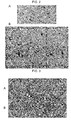
Figure 3 shows the efficiency of the transfection method of the present invention using sonicated sepiolite fibres on U2OS human cells. U2OS cells pretreated with chloroquine (3B) were compared to untreated cells (3A). Both types of cells were then transfected with composite materials comprising sonicated sepiolite fibres. - The present invention is based on the use of particular composite materials that comprise sepiolite fibres, having a mean length being less than or equal to 2µm.
- Sepiolite is a natural hydrated magnesium silicate of theoretical unit cell formula Si12O30Mg8(OH,F)4(H2O)4,8H2O. Sepiolite shows an alternation of blocks and tunnels that grow up in the fibre direction. The blocks are constituted by two layers of tetrahedral silica sandwiching a central magnesium oxide-hydroxide layer. The discontinuity of the silica sheets gives rise to the presence of silanol groups (Si-OH) at the edges of the channels, which are the tunnels open to the external surface of the sepiolite particles.
- According to a preferred embodiment, the total specific surface area of the sepiolite fibres, determined by BET measurements, ranges from 100 to 500 m2/g, preferably from 200 to 400 m2/g.
- In a preferred embodiment, the mean length of the sepiolite fibres is less than or equal to 1µm, and better still less than or equal to 800nm. More preferably, the mean length of the sepiolite fibres ranges from 150 to 850nm.
- The sepiolite used in the composite material of the invention contains advantageously less than 1% by weight of fibres having a length of at least 5µm, preferably less than 5% by weight of fibres having a length of at least 2.5µm.
- The size distribution (length and diameter) of the fibres can be determined by transmission electron microscopy (TEM), using a Zeiss 912AB transmission electron microscope (dark-field mode with a tilted illumination).
- In addition, the mean diameter of the sepiolite fibres of the present invention is preferably less than or equal to 50nm, more preferably less than or equal to 25nm, and better still ranges from 8 to 18nm.
- Examples of sepiolite fibres that can be used in the present invention are the products sold by the company Tolsa S.A., under the name Pangel S9, and by the company Kremer Pigmente GmbH&Co, under the number 58945.
- According to a particular preferred embodiment, the sepiolites fibres are sonicated prior to the preparation of the composite material, that is to say before contacting them with the nucleic acids.
- Indeed, the Applicant has discovered that sonicating the sepiolite fibres increases the affinity between the fibres and the nucleic acids, and improves the overall efficiency of the transfection.
- The concentration of the sepiolite fibres in the transfection composition of the present invention typically ranges from 0.1 to 5µg.µl-1, preferably from 0.5 to 4µg.µl-1, and better still from 1 to 3µg.µl-1.
- The composite material used in the present invention comprises one or more nucleic acids that are linked to the sepiolite fibres.
- When two or more distinct nucleic acid chains are present in the transfection composition, the method of the invention is a method of co-transfection. The term distinct means that the nucleic acid chains have different structures.
- In the present invention, the nucleic acids can be in particular chosen from DNA, RNA, DNA/RNA hybrids and chemically modified nucleic acids. More preferably the nucleic acids are chosen from DNA chains and RNA chains.
- According to a preferred embodiment, the nucleic acids are chosen from linear or circular, single stranded or double-stranded nucleic acid chains. The nucleic acids can be present in any kind of vector. Preferably, the vector is a plasmid, such as pCMV.
- According to another preferred embodiment, the nucleic acids are chosen from single stranded or double stranded RNA chains. Preferably, the double stranded RNA is a siRNA.
- The concentration of the nucleic acids in the transfection composition of the present invention can typically range from 0.05 to 0.9µg.µl-1, preferably from 0.08 to 0.75µg.µl-1.
- The composite material of the present invention can be prepared by adding the above described nucleic acids to a suspension of the sepiolite fibres in a liquid medium. The nucleic acids spontaneously link to the sepiolite fibres.
- The liquid medium is preferably chosen from water, a growth medium or a Tris-HCl buffer.
- According to a preferred embodiment, the liquid medium is a 10mM Tris-HCl buffer, with a pH value equals to 7.5.
- According to a preferred embodiment, the suspension of sepiolite fibres is sonicated prior to the addition of the nucleic acids.
- The transfection composition of the present invention advantageously contains said composite material in a liquid medium as described above.
- The transfection composition is typically prepared by adding said nucleic acids directly to the sepiolite fibres in suspension in said liquid medium.
- In the composite material of the present invention, the weight ratio between the amount of said nucleic acids and the amount of said sepiolite fibres advantageously ranges from 20 to 300µg of nucleic acids linked per mg of sepiolite fibres, preferably from 50 to 270µg of nucleic acids linked per mg of sepiolite fibres, and better still from 70 to 200µg of nucleic acids linked per mg of sepiolite fibres.
- According to a particular embodiment of the invention, the composite material further comprises one or more additional molecules that are also linked to the sepiolite fibres, chosen from biological molecules, chemical molecules and mixtures thereof.
- In particular, the biological molecules are chosen from polysaccharides, viruses, lipids, proteins and mixtures thereof, and more preferably from proteins.
- The chemical molecules are advantageously chosen among toxins having a therapeutic interest, such as chloroquine.
- This embodiment can be achieved by adding said biological or chemical molecules directly into the transfection composition described above.
- The transfection composition, according to the present invention, may further contain one or more cations, chosen from monovalent cations, polyvalent cations and mixtures thereof.
- Indeed, the Applicant has discovered that in presence of cations the affinity between the sepiolite fibres and the nucleic acids is increased, leading to a significant improvement of the overall efficiency of the transfection.
- In a preferred embodiment, the cations which can be present in the transfection composition are polyvalent cations. They are preferably chosen from:
- divalent inorganic cations, such as Mg2+ and Ca2+, and
- polycationic aliphatic amines, preferably trivalent and tetravalent amines, such as spermidine and spermine.
- According to a particularly preferred embodiment, the cations are divalent inorganic cations, and are even more preferably chosen from Mg2+, Ca2+ and mixtures thereof.
- The cations, when they are present in the transfection composition of the present invention, have a concentration preferably ranging from 0.5 to 100mM, and more preferably from 0.5 to 80mM.
- The method of the present invention is a method for in vitro, ex vivo or in vivo transfecting eukaryotic cells. According to a preferred embodiment, the eukaryotic cells are mammalian cells. As preferred examples of mammalian cells, one can mention, human, monkey, canine, feline, bovine and murine cells. More preferentially, the mammalian cells are human cells.
- The eukaryotic cells are advantageously mammalian cancer cells, and more preferably human cancer cells.
- According to another particular embodiment, the eukaryotic cells are insect cells.
- The eukaryotic cells of the present invention may come either from established cell lines or from primary cell cultures. Preferably, the eukaryotic cells come from established cell lines. Examples of established cell lines are the Chinese hamster cells (V79 cells) and the human osteosarcoma cells (U2OS cells).
- In addition, the eukaryotic cells of the present invention can be either dividing cells or non-dividing cells, preferably dividing cells.
- The eukaryotic cells of the invention can be either somatic or stem cells, preferably somatic cells.
- The eukaryotic cells are cultured in an appropriate growth medium, which can be supplemented with several growth factors, nutrients and antibiotics. Examples of suitable growth media include modified Eagle's medium (MEM) and Dulbecco's modified Eagle's medium (DMEM), depending on the cell line.
- However, the choice of the growth medium will be appreciated by those skilled in the art, because some cells require a special growth medium. A person skilled in the art will therefore adapt the growth medium preparation to the studied cells, including pH, glucose concentration, growth factors, nutrients and antibiotics.
- Preferably, the growth medium used in the present invention comprises 10% by volume of fetal bovine serum (FBS), relative to the total volume of the growth medium.
- In addition, the culture conditions, such as the temperature and the percentage of CO2, will be adapted by a person skilled in the art, depending on the cell types. According to a prefer embodiment, the eukaryotic cells are incubated at 37°C and 5% of CO2.
- The optimal density of cells depends on the cell types and on the particular purpose of the transfection method.
- The growth medium can further contain one or more additional component. Preferably, the growth medium comprises chloroquine.
- Prior to contacting the cells with the transfection composition, the growth medium is preferably removed and replaced by a fresh growth medium. Preferably, the fresh growth medium comprises chloroquine.
- According to a preferred embodiment of the invention, the eukaryotic cells are incubated with chloroquine prior to contacting them with the transfection composition.
- Indeed, the Applicant has discovered that the transfer of nucleic acids is enhanced when the cells have been previously treated with chloroquine. The overall efficiency of the transfection is therefore improved.
- The eukaryotic cells are preincubated with chloroquine, by contacting them with chloroquine, for a period advantageously ranging from 5 to 60 minutes, and more preferably from 15 to 45 minutes before the introduction of the transfection composition.
- The chloroquine may be present in a concentration ranging from 2 to 100µM, and preferably from 5 to 25µM with regard to the cell growth medium.
- The method for in vitro or ex vivo transfecting eukaryotic cells according to the present invention comprises a step wherein the eukaryotic cells are contacted with the transfection composition described above.
- This can be advantageously achieved by introducing the transfection composition directly into the growth medium containing said cells.
- According to another preferred embodiment, the transfection composition is directly contacted with the cells, before adding the growth medium.
- The transfection method, according to the present invention, requires no mechanical action, such as a mechanical friction, of the sepiolite fibres on the eukaryotic cell membranes in order to enable the cellular internalisation of the composite materials. The composite material is just contacted with the eukaryotic cells, without any mechanical action on the cells and/or the composite material.
- The concentration of the sepiolite fibres in the medium surrounding said eukaryotic cells, after contacting said eukaryotic cells with the transfection composition, ranges preferably from 0.1 to 50 ng.µl-1, more preferably from 1 to 20 ng.µl-1, and better still from 5 to 10 ng.µl-1.
- The medium surrounding the eukaryotic cells during the transfection itself is typically made of a mixture of the growth medium and the transfection composition.
- According to a preferred embodiment, the eukaryotic cells are contacted with the transfection composition for a period that is superior than or equal to one hour.
- More preferably, the eukaryotic cells are contacted with the transfection composition for a period ranging from 1 to 60 hours, and better still from 6 to 48 hours.
- After the transfection has been sufficiently completed, the process can be stopped simply by replacing the liquid medium surrounding the cells, which is typically made of a mixture of the growth medium and of the transfection composition, with a fresh growth medium that does not contain the said composite material.
- The efficiency of the transfection method can be analyzed by different methods. The target gene expression level can be detected by reporter genes, such as for example mKate2 gene, luciferase gene, or β-galactosidase gene expression. The signal of mKate2 can be directly observed under a fluorescence microscope, the activity of luciferase can be detected by a luminometer, and the blue product catalyzed by β-galactosidase can be observed under microscope or determined by a microplate reader. A person skilled in the art is familiar with how these reporters function and how they may be introduced into a gene delivery system.
- The nucleic acid and its expression products can be determined by various methods, such as detecting immunofluorescence or enzyme immunocytochemistry, autoradiography or in situ hybridization. If immunofluorescence is used to detect expression of an encoded protein, a fluorescently labelled antibody that binds the target protein is used. Cells containing the protein are then identified by detecting a fluorescent signal. If the delivered molecules can modulate gene expression, the target gene expression level can also be determined by methods such as autoradiography, in situ hybridization, and in situ PCR.
- Another useful method for assessing the efficiency of the transfection, that was used in the examples hereunder, consists in transfecting the cells with a plasmid encoding for a gene resistant to a particular antibiotic, such as G418. The transfected cells become then resistant to the antibiotic and can therefore be easily selected by simply adding the antibiotic to the medium containing the cells. The number of transfected cells can then be visually estimated.
- The identification method can be chosen depending on the properties of the delivered nucleic acids and/or their expression products.
- Another object of the present invention is a pharmaceutical composition containing, in a pharmaceutically acceptable carrier, one or more composite material(s) as described above. Such material comprises sepiolite fibres, having a mean length being less than or equal to 2µm, linked with one or more nucleic acids.
- In a preferred embodiment, the pharmaceutical composition further contains one or more polyvalent cations, preferably chosen from:
- divalent inorganic cations, such as Mg2+ and Ca2+, and
- polycationic aliphatic amines, preferably trivalent and tetravalent amines, such as spermine and spermidine.
- Another object of the present invention is a composite material as described above, for its use for transfecting mammalian cells. Such material comprises sepiolite fibres, having a mean length being less than or equal to 2µm, linked with one or more nucleic acids.
- In a preferred embodiment, the composite material of the present invention is for use in gene therapy.
- More preferably, the composite material of the present invention is for use in the treatment of cancer, cardiovascular diseases, AIDS, genetic disorders or autoimmune disorders, and better still in the treatment of cancer.
- The cancer may be any kind of cancer or tumour, including a carcinoma, a sarcoma, a lymphoma, a melanoma, a paediatric tumour and a leukaemia tumour.
- In particular, the cancer may be any kind of cancer including a gastrointestinal sarcoma, a renal cancer, a breast cancer, a leukaemia, an Hodgkin lymphoma, a neuroblastoma, a prostate cancer, an oesophagus cancer, a colon cancer, a rectal cancer, an ovarian cancer, a pancreatic cancer, a testicular cancer, a bladder cancer, a lung cancer, a thyroid cancer, an osteosarcoma and a melanoma.
- According to another preferred embodiment, the composite material of the present invention is for use in the immunization of mammals, and more preferably in the immunization of humans.
- Other characteristics and advantages of the invention are given in the following experimental section, which should be regarded as illustrative and not limiting the scope of the present application.
- Two sepiolite suspensions were prepared by dispersing sepiolite fibres (Pangel S9 from Tolsa, having a mean length ranging from 200 to 600nm,and a mean diameter of 15nm) in a Tris-HCl buffer (10mM, pH=7.5) to obtain a final concentration of sepiolite fibres of 2µg.µl-1. The first sepiolite suspension (Sep) was vigorously mixed for at least 10 minutes, while the second sepiolite suspension (sSep) was sonicated three times at 30% of amplitude for 10 seconds each time with a Vibra cell 75042 (Bioblock Scientific).
- Chinese hamster cells (V79 cells) were grown in dishes as monolayers in modified Eagle's medium (MEM) supplemented with 10% by volume of fetal bovine serum (FBS), relative to the total volume of the medium.
- Human osteosarcoma cells (U2OS cells) were grown in dishes as monolayers in Dulbecco's modified Eagle's medium (DMEM) supplemented with 10% by volume of FBS, relative to the total volume of the medium.
- The V79 and the U2OS cells were incubated at 37°C, with 5% CO2 in air and 100% humidification.
- MEM, DMEM and FBS were purchased from Life Technologies™.
- V79 and U2OS cells were split in 6 well/plates at a density of 2*104 and 1*104 respectively.
-
- (a) For transfecting V79 cells, 70µl of a transfection composition were prepared by mixing:
- 40 µl of sepiolite suspension (Sep or sSep) as described above,
- 14 µl of 50 mM CaCl2,
- 7.8 µl of 10 mM TrisHCl and
- 8.2 µl of pCMV (0.49µg.µl-1) encoding for the gene resistant to G418.
- To compare the transfection efficiency in presence of non sonicated and sonicated sepiolite fibres in V79 cells, two transfection compositions were prepared: one using the non sonicated suspension of sepiolite fibres (Sep) and the other using the sonicated suspension of sepiolite fibres (sSep).
- After 2 hours stirring, 5.83ml of MEM, supplemented with FBS as described above, were added, and two transfection compositions were thus obtained.
- (b) For transfecting U2OS cells, 70µl of a transfection composition were prepared by mixing:
- 40 µl of sepiolite suspension (Sep or sSep) as described above,
- 14 µl of 50 mM CaCl2, and
- 16 µl of pCMV (0.49 µg.µl-1) encoding for the gene resistant to G418.
- To compare the transfection efficiency in presence of non sonicated and sonicated sepiolite fibres in U2OS cells, two transfection compositions were prepared: one using the non sonicated suspension of sepiolite fibres (Sep) and the other using the sonicated suspension of sepiolite fibres (sSep).
- After 2 hours stirring, 8.9ml of DMEM, supplemented with FBS as described above, were added, and a transfection composition was thus obtained.
- The growth medium of both V79 and U2OS cells was then removed and replaced by 3ml of respectively each transfection compositions (a) and (b) as described above.
- After two days, the cells were washed with PBS and fresh growth medium, supplemented with antibiotic G418 (600 ng.µl-1 for V79 cells and 0.8 µg.µl-1 for U2OS cells), was added, in order to start the selection.
- 10 days later, the cells colonies were stained with Giemsa (25% in ethanol) and the number of colonies was estimated.
- The more colonies there are, the better the transfection. The results obtained are shown in
Figure 1 . -
Figure 1 shows that a satisfying transfection is achieved in both cases and for both cell types. The transfection is further increased when the sepiolite fibres, used in the composite material, were sonicated. Indeed, the cells transfected using sonicated sepiolite fibres (Figures 1B and 1D ) show an increased resistance to the antibiotics with regard to the cells transfected using non sonicated sepiolite fibres (Figures 1A and 1C ). - 70µl of a transfection composition were prepared by mixing:
- 40 µl of non sonicated sepiolite suspension (Sep) as described above,
- 14 µl of 50 mM CaCl2,
- 7.8 µl of 10 mM TrisHCl and
- 8.2 µl of pCMV (0.49µg.µl-1) encoding for the gene resistant to G418.
- To compare the transfection efficiency in presence of different polyvalent cations, four transfection compositions were prepared, using the mixture as described above in which CaCl2 was replaced with MgCl2 (50 mM), spermine (1 mM) and spermidine (1 mM).
- The mixtures were then stirred at 25°C and 700rpm in a Thermomixer (Eppendorf).
- After 2 hours, 5.83ml of MEM, supplemented with FBS as described above, were added, and four transfection compositions were thus obtained.
- The growth medium of the V79 cells was then removed and replaced by 3ml of each transfection composition.
- After two days, the cells were washed with PBS and fresh growth medium, supplemented with antibiotic G418 (0.6µg.µl-1), was added, in order to start the selection.
- 10 days later, the cells colonies were stained with Giemsa (25% in ethanol) and the number of colonies was estimated.
- The more colonies there are, the better the transfection. The results obtained are shown in
Figure 2 . -
Figure 2 shows that the presence of divalent cations improves the transfection efficiency. furthermore, the cells transfected in presence of either Mg2+ (Figure 2A , left) or Ca2+ (Figure 2A , right andFigure 2B ,1-2 ) present more resistance to the antibiotics than the cells transfected in the presence of either spermidine (Figure 2B, 3-4 ) or spemine (Figure 2B , 5-6). - 70µl of a transfection composition were prepared by mixing:
- 40 µl of sonicated sepiolite suspension (sSep) as described above,
- 14 µl of 50 mM CaCl2, and
- 16 µl of pCMV (0.49µg.µl-1) encoding for the gene resistant to G418.
- After 2 hours stirring, 8.9ml of DMEM, supplemented with FBS as described above, were added, and a transfection composition was thus obtained.
- The transfection was performed on U2OS cells as described above.
- The transfection was also performed on U2OS cells that were pretreated with chloroquine, by incubating them 30 minutes in fresh growth medium supplemented with chloroquine (10µM) prior to the transfection.
- In each case, the cell growth medium was removed and replaced by 3ml of the transfection composition to start the transfection.
- After two days, the cells were washed with PBS and fresh growth medium, supplemented with antibiotic G418 (0.8µg.µl-1), was added, in order to start the selection.
- 10 days later, the cells colonies were stained with Giemsa (25% in ethanol) and the number of colonies was estimated.
- The more colonies there are, the better the transfection. The results obtained are shown in
Figure 3 . -
Figure 3 shows that the transfection efficiency is increased when the cells are pretreated with chloroquine. Indeed, cells treated with chloroquine and then transfected with sonicated sepiolites fibres (Figure 3B ) were more resistant to the antibiotics than cells only transfected with sonicated sepiolites fibres (Figure 3A ).
Claims (25)
- A method for in vitro or ex vivo transfecting eukaryotic cells with one or more nucleic acids wherein said cells are contacted with a transfection composition containing one or more composite materials comprising sepiolite fibres, having a mean length being less than or equal to 2µm, linked with said nucleic acids.
- The method according to the preceding claim wherein the mean length of the sepiolite fibres is less than or equal to 1µm, preferably less than or equal to 800nm, and more preferably ranges from 150 to 850nm.
- The method according to any one of the preceding claims wherein the mean diameter of the sepiolite fibres is less than or equal to 50nm, preferably less than or equal to 25nm, and more preferably ranges from 8 to 18nm.
- The method according to any one of the preceding claims wherein the sepiolite fibres are sonicated prior to the preparation of the composite material.
- The method according to any one of the preceding claims wherein the nucleic acids are chosen from DNA, RNA, DNA/RNA hybrids and chemically modified nucleic acids.
- The method according to the preceding claim wherein the nucleic acids are chosen from linear or circular, single stranded or double-stranded nucleic acids chains.
- The method according to any one of the preceding claims wherein the weight ratio between the amount of said nucleic acids and the amount of said sepiolite fibres in said composite material ranges from 20 to 300µg of nucleic acids linked per mg of sepiolite fibres, preferably from 50 to 270µg of nucleic acids linked per mg of sepiolite fibres, and better still from 70 to 200µg of nucleic acids linked per mg of sepiolite fibres.
- The method according to any one of the preceding claims wherein said composite material further comprises one or more additional molecules chosen from biological molecules, chemical molecules and mixtures thereof.
- The method according to the preceding claim wherein the biological molecules are chosen from polysaccharides, viruses, lipids, proteins and mixtures thereof, and preferably from proteins.
- The method according to any one of the preceding claims wherein the transfection composition further contains one or more cations, chosen from monovalent cations, polyvalent cations and mixtures thereof.
- The method according to the preceding claim wherein the cations are polyvalent cations, chosen from:- divalent inorganic cations, such as Ca2+ and Mg2+, and- polycationic aliphatic amines, preferably trivalent and tetravalent amines, such as spermidine and spermine.
- The method according to any one of the preceding claims wherein said eukaryotic cells come from established cell lines or from primary cell culture.
- The method according to any one of the preceding claims wherein the said eukaryotic cells are dividing cells or non-dividing cells.
- The method according to any one of the preceding claims wherein the said eukaryotic cells are insect cells.
- The method according to any one of the claims 1 to 13 wherein the said eukaryotic cells are mammalian cells, preferably human cells.
- The method according to the preceding claim wherein said eukaryotic cells are mammalian cancer cells, preferably human cancer cells.
- The method according to any one of the preceding claims wherein said eukaryotic cells are treated with chloroquine prior to contacting them with the transfection composition.
- The method according to any one of the preceding claims wherein the concentration of the sepiolite fibres in the medium surrounding said eukaryotic cells, after contacting said cells with the transfection composition, ranges from 0.1 to 50 ng.µl-1, preferably from 1 to 20 ng.µl-1, and better still from 5 to 10 ng.µl-1.
- The method according to any one of the preceding claims wherein said eukaryotic cells are contacted with said transfection composition for a period of time superior or equal to 1 hour, preferably for a period ranging from 1 to 60 hours, and better still from 6 to 48 hours.
- Pharmaceutical composition containing, in a pharmaceutically acceptable carrier, one or more composite material(s) as defined in any one of claims 1 to 9.
- Pharmaceutical composition according to the preceding claim further containing one or more polyvalent cations as defined in claims 10 or 11.
- Composite material as defined in any one of claims 1 to 9 for its use for transfecting mammalian cells.
- Composite material according to the preceding claim for its use in gene therapy.
- Composite material according to claims 22 or 23 for its use in the treatment of cancer, cardiovascular diseases, AIDS, genetic disorders or autoimmune disorders, and preferably in the treatment of cancer.
- Composite material according to claim 22 for its use in the immunization of mammals, and preferably in the immunization of humans.
Priority Applications (4)
| Application Number | Priority Date | Filing Date | Title |
|---|---|---|---|
| EP14306619.9A EP3009514A1 (en) | 2014-10-14 | 2014-10-14 | Method for transfecting eukaryotic cells using sepiolite fibres |
| EP15780861.9A EP3207148B1 (en) | 2014-10-14 | 2015-10-14 | Method for transfecting eukaryotic cells using sepiolite fibres |
| ES15780861T ES2798449T3 (en) | 2014-10-14 | 2015-10-14 | Method for transfecting eukaryotic cells using sepiolite fibers |
| PCT/EP2015/073782 WO2016059114A1 (en) | 2014-10-14 | 2015-10-14 | Method for transfecting eukaryotic cells using sepiolite fibres |
Applications Claiming Priority (1)
| Application Number | Priority Date | Filing Date | Title |
|---|---|---|---|
| EP14306619.9A EP3009514A1 (en) | 2014-10-14 | 2014-10-14 | Method for transfecting eukaryotic cells using sepiolite fibres |
Publications (1)
| Publication Number | Publication Date |
|---|---|
| EP3009514A1 true EP3009514A1 (en) | 2016-04-20 |
Family
ID=51799058
Family Applications (2)
| Application Number | Title | Priority Date | Filing Date |
|---|---|---|---|
| EP14306619.9A Withdrawn EP3009514A1 (en) | 2014-10-14 | 2014-10-14 | Method for transfecting eukaryotic cells using sepiolite fibres |
| EP15780861.9A Active EP3207148B1 (en) | 2014-10-14 | 2015-10-14 | Method for transfecting eukaryotic cells using sepiolite fibres |
Family Applications After (1)
| Application Number | Title | Priority Date | Filing Date |
|---|---|---|---|
| EP15780861.9A Active EP3207148B1 (en) | 2014-10-14 | 2015-10-14 | Method for transfecting eukaryotic cells using sepiolite fibres |
Country Status (3)
| Country | Link |
|---|---|
| EP (2) | EP3009514A1 (en) |
| ES (1) | ES2798449T3 (en) |
| WO (1) | WO2016059114A1 (en) |
Cited By (1)
| Publication number | Priority date | Publication date | Assignee | Title |
|---|---|---|---|---|
| WO2018131792A1 (en) * | 2017-01-10 | 2018-07-19 | 중앙대학교 산학협력단 | Method for transforming microorganism |
-
2014
- 2014-10-14 EP EP14306619.9A patent/EP3009514A1/en not_active Withdrawn
-
2015
- 2015-10-14 ES ES15780861T patent/ES2798449T3/en active Active
- 2015-10-14 WO PCT/EP2015/073782 patent/WO2016059114A1/en not_active Ceased
- 2015-10-14 EP EP15780861.9A patent/EP3207148B1/en active Active
Non-Patent Citations (5)
| Title |
|---|
| EDUARDO RUIZ-HITZKY ET AL: "Advanced biohybrid materials based on nanoclays for biomedical applications", PROCEEDINGS OF SPIE, vol. 8548, 24 October 2012 (2012-10-24), pages 85480D, XP055177339, ISSN: 0277-786X, DOI: 10.1117/12.999995 * |
| JERÓNIMO RODRÍGUEZ-BELTRÁN ET AL: "Simple DNA transformation in Pseudomonas based on the Yoshida effect", JOURNAL OF MICROBIOLOGICAL METHODS, vol. 89, no. 2, 1 May 2012 (2012-05-01), pages 95 - 98, XP055177340, ISSN: 0167-7012, DOI: 10.1016/j.mimet.2012.02.013 * |
| NAOTO YOSHIDA ET AL: "Plasmid uptake by bacteria: a comparison of methods and efficiencies", APPLIED MICROBIOLOGY AND BIOTECHNOLOGY, SPRINGER, BERLIN, DE, vol. 83, no. 5, 27 May 2009 (2009-05-27), pages 791 - 798, XP019705630, ISSN: 1432-0614 * |
| TAN H ET AL: "Optimization of bacterial plasmid transformation using nanomaterials based on the Yoshida effect", INTERNATIONAL JOURNAL OF MOLECULAR SCIENCES, MOLECULAR DIVERSITY PRESERVATION INTERNATIONAL, BASEL, CH, vol. 11, no. 12, 1 December 2010 (2010-12-01), pages 4962 - 4972, XP002737152, ISSN: 1422-0067 * |
| WILHARM G ET AL: "A simple and rapid method of bacterial transformation", JOURNAL OF MICROBIOLOGICAL METHODS, ELSEVIER, AMSTERDAM, NL, vol. 80, no. 2, 1 February 2010 (2010-02-01), pages 215 - 216, XP026872055, ISSN: 0167-7012, [retrieved on 20100125] * |
Cited By (1)
| Publication number | Priority date | Publication date | Assignee | Title |
|---|---|---|---|---|
| WO2018131792A1 (en) * | 2017-01-10 | 2018-07-19 | 중앙대학교 산학협력단 | Method for transforming microorganism |
Also Published As
| Publication number | Publication date |
|---|---|
| ES2798449T3 (en) | 2020-12-11 |
| WO2016059114A1 (en) | 2016-04-21 |
| EP3207148A1 (en) | 2017-08-23 |
| EP3207148B1 (en) | 2020-03-25 |
Similar Documents
| Publication | Publication Date | Title |
|---|---|---|
| Han et al. | High-efficiency DNA injection into a single human mesenchymal stem cell using a nanoneedle and atomic force microscopy | |
| Bhise et al. | Evaluating the potential of poly (beta-amino ester) nanoparticles for reprogramming human fibroblasts to become induced pluripotent stem cells | |
| Lee et al. | Comparative analysis of non-viral transfection methods in mouse embryonic fibroblast cells | |
| CN111263812A (en) | Synthetic guide RNAs for CRISPR/CAS activation systems | |
| RU2678756C1 (en) | Vtvaf17 gene-therapy dna vector, method for producing thereof, escherichia coli scs110-af strain, method for producing thereof, escherichia coli scs110-af/vtvaf17 strain, bearing vtvaf17 gene-therapy dna vector, method for producing thereof | |
| Cao et al. | Non‐Viral Co‐Delivery of the Four Yamanaka Factors for Generation of Human Induced Pluripotent Stem Cells via Calcium Phosphate Nanocomposite Particles | |
| Lim et al. | Improved transfection of HUVEC and MEF cells using DNA complexes with magnetic nanoparticles in an oscillating field | |
| Schade et al. | Magnetic nanoparticle based nonviral microRNA delivery into freshly isolated CD105+ hMSCs | |
| Larsson et al. | Sorting live stem cells based on Sox2 mRNA expression | |
| Castro-Smirnov et al. | Biotechnological applications of the sepiolite interactions with bacteria: Bacterial transformation and DNA extraction | |
| Rinkenauer et al. | Parallel high-throughput screening of polymer vectors for nonviral gene delivery: evaluation of structure–property relationships of transfection | |
| Yildiz et al. | Magnetic nanoparticle mediated-gene delivery for simpler and more effective transformation of Pichia pastoris | |
| Cho et al. | Efficient gene expression in human stem cell derived-cortical organoids using adeno associated virus | |
| Han et al. | The heterogeneous nature of polyethylenimine-DNA complex formation affects transient gene expression | |
| EP3207148B1 (en) | Method for transfecting eukaryotic cells using sepiolite fibres | |
| Liu et al. | Lower-molecular-weight chitosan-treated polyethyleneimine: a practical strategy for gene delivery to mesenchymal stem cells | |
| Montigny et al. | Parameters influencing high-efficiency transfection of bacterial artificial chromosomes into cultured mammalian cells | |
| Ling Yong et al. | Microbubble‐mediated sonoporation for highly efficient transfection of recalcitrant human B‐cell lines | |
| Fukuda et al. | High-efficiency transformation of the chlorarachniophyte Amorphochlora amoebiformis by electroporation | |
| US10787657B2 (en) | Methods for efficient intracellular delivery using anisotropic magnetic particles | |
| JP5858393B2 (en) | Novel gene expression control method using variable region of antibody | |
| CN105463025B (en) | A technical method for biologically activated quantum dot nanocarriers used in RNA interference | |
| Liao et al. | Micro‐scale RNA Interference using Iron Oxide Nanoparticle‐modified Lentivirus | |
| Wang et al. | Cell compatibility of an eposimal vector mediated by the characteristic motifs of matrix attachment regions | |
| Elias et al. | Anti-cancer binary system activated by bacteriophage HK022 integrase |
Legal Events
| Date | Code | Title | Description |
|---|---|---|---|
| PUAI | Public reference made under article 153(3) epc to a published international application that has entered the european phase |
Free format text: ORIGINAL CODE: 0009012 |
|
| AK | Designated contracting states |
Kind code of ref document: A1 Designated state(s): AL AT BE BG CH CY CZ DE DK EE ES FI FR GB GR HR HU IE IS IT LI LT LU LV MC MK MT NL NO PL PT RO RS SE SI SK SM TR |
|
| AX | Request for extension of the european patent |
Extension state: BA ME |
|
| STAA | Information on the status of an ep patent application or granted ep patent |
Free format text: STATUS: THE APPLICATION IS DEEMED TO BE WITHDRAWN |
|
| 18D | Application deemed to be withdrawn |
Effective date: 20161021 |