EP3009138A2 - Herbal composition for the management of obesity and/or weight - Google Patents
Herbal composition for the management of obesity and/or weight Download PDFInfo
- Publication number
- EP3009138A2 EP3009138A2 EP15183167.4A EP15183167A EP3009138A2 EP 3009138 A2 EP3009138 A2 EP 3009138A2 EP 15183167 A EP15183167 A EP 15183167A EP 3009138 A2 EP3009138 A2 EP 3009138A2
- Authority
- EP
- European Patent Office
- Prior art keywords
- composition
- weight
- obesity
- group
- subject
- Prior art date
- Legal status (The legal status is an assumption and is not a legal conclusion. Google has not performed a legal analysis and makes no representation as to the accuracy of the status listed.)
- Granted
Links
Images


Classifications
-
- A—HUMAN NECESSITIES
- A61—MEDICAL OR VETERINARY SCIENCE; HYGIENE
- A61K—PREPARATIONS FOR MEDICAL, DENTAL OR TOILETRY PURPOSES
- A61K36/00—Medicinal preparations of undetermined constitution containing material from algae, lichens, fungi or plants, or derivatives thereof, e.g. traditional herbal medicines
- A61K36/18—Magnoliophyta (angiosperms)
- A61K36/185—Magnoliopsida (dicotyledons)
- A61K36/22—Anacardiaceae (Sumac family), e.g. smoketree, sumac or poison oak
-
- A—HUMAN NECESSITIES
- A23—FOODS OR FOODSTUFFS; TREATMENT THEREOF, NOT COVERED BY OTHER CLASSES
- A23L—FOODS, FOODSTUFFS OR NON-ALCOHOLIC BEVERAGES, NOT OTHERWISE PROVIDED FOR; PREPARATION OR TREATMENT THEREOF
- A23L33/00—Modifying nutritive qualities of foods; Dietetic products; Preparation or treatment thereof
- A23L33/10—Modifying nutritive qualities of foods; Dietetic products; Preparation or treatment thereof using additives
- A23L33/105—Plant extracts, their artificial duplicates or their derivatives
-
- A—HUMAN NECESSITIES
- A23—FOODS OR FOODSTUFFS; TREATMENT THEREOF, NOT COVERED BY OTHER CLASSES
- A23L—FOODS, FOODSTUFFS OR NON-ALCOHOLIC BEVERAGES, NOT OTHERWISE PROVIDED FOR; PREPARATION OR TREATMENT THEREOF
- A23L33/00—Modifying nutritive qualities of foods; Dietetic products; Preparation or treatment thereof
- A23L33/30—Dietetic or nutritional methods, e.g. for losing weight
-
- A—HUMAN NECESSITIES
- A61—MEDICAL OR VETERINARY SCIENCE; HYGIENE
- A61P—SPECIFIC THERAPEUTIC ACTIVITY OF CHEMICAL COMPOUNDS OR MEDICINAL PREPARATIONS
- A61P3/00—Drugs for disorders of the metabolism
- A61P3/04—Anorexiants; Antiobesity agents
Definitions
- the invention generally relates to herbal compositions. More particularly, the invention relates to herbal compositions derived from Mangifera indica and methods for their use in the treatment and management of obesity and/or weight.
- Obesity is a condition manifesting almost directly as a consequence of a modern day lifestyle that encompasses sedentary work-culture, high fat, calorie-rich diet, dearth of regular exercise or physical activity, addiction to habit forming substances such as tobacco and alcohol and high day-to-day stress levels. Obesity has reached epidemic proportions globally, with more than 1 billion adults overweight - at least 300 million of them clinically obese - and is a major contributor to the global burden of chronic disease and disability.
- Ischemic heart disease and cardiovascular diseases are the conditions, often referred to as lifestyle diseases, have obesity as one of their root causes. Ischemic heart disease is the number one cause of death in the world today, according the World Health Organization (WHO). Cardiovascular diseases (CVDs) have killed nearly 17 million people in the year 2011 which amounts to 3 in every 10 deaths. CVDs are among the top causes of death, in India as well, as per the WHO. The importance of managing obesity is, thus, evident.
- obesity is a complex condition, with serious social and psychological dimensions, affecting virtually all ages and socioeconomic groups.
- the health consequences range from increased risk of premature death, to serious chronic conditions that reduce the overall quality of life.
- weight loss surgery is ruled out by a host of the population due to high costs involved. Therefore, there is a gradual shift towards an increase in the use of drugs.
- Drugs used for weight-loss generally alter one of the fundamental processes of the human body such as weight regulation by altering appetite, metabolism or absorption of calories.
- Orlistat is the only anti-obesity medication that is approved for long-term use by the FDA. It reduces the intestinal fat absorption by inhibiting the pancreatic enzyme lipase.
- Rimonabant and Sibutramine are the other drugs that had initially been approved for the treatment of obesity, but were banned eventually due to safety concerns. Because of the potential side effects, it is recommended that anti-obesity drugs only be prescribed for obesity where it is hoped that the benefits of the treatment outweigh its risk.
- Mangifera indica is a large evergreen tree belonging to Anacardiaceae which is native to tropical Asia and has been cultivated in the Indian subcontinent for over 4,000 years.
- Chemical constituents of Mangifera indica are always of an interest especially the polyphenolics, flavonoids and triterpenoids.
- the bark is reported to contain protocatechic acid, catechin, mangiferin, alanine, glycine, ⁇ -aminobutyric acid, kinic acid, shikimic acid etc.
- Mangifera indica leaves extract revealed the presence of steroids, flavonoid, reducing sugar and cardiac glycosides in the hexane extract; anthraquinone, tannin and reducing sugar in the ethyl acetate extracts and saponin, steroids, tannin, flavonoid, reducing sugars and cardiac glycosides in the methanolic extracts [Aiyelaagbe et al.,2009].
- Fruit skin has been found to be a good source of phytochemicals, such as polyphenols, carotenoids, vitamin E and vitamin C [Ajila et al., 2007a].
- Mangifera indica stem bark and leaf extract may produce a pleiotropic action on several lipid and carbohydrate metabolism targets simultaneously, making them as multifunctional botanical therapeutics useful in weight control. They may also provide effective biochemical tools for studying the complex relationships between energy balance, adiposity and endocrine function [Moreno et al., 2005]. Also, mango fruit skin and flesh extracts affect adipogenesis in 3T3-L1 cells [Taing et al., 2012].
- Mangiferin a xanthone glycoside major bio-active constituent, isomangiferin, tannins & gallic acid derivatives [Shah et al., 2010]. It is a major C-glucosylxanthone from M. indica stem bark, leaves, heartwood, roots and fruits [Wauthoz et al., 2007]. Mangiferin, a natural polyphenol, has been shown to have hypolipidemic effect in rat and mouse [Guo et al., 2011]. Presence of mangiferin in the herbal composition could be one of the factors for the anti-obesity action. Hence in view of this herbal composition containing extract of Mangifera indica was evaluated for its anti obesity property.
- Subject of the invention is a composition comprising an extract of Mangifera extract for use in treating obesity.
- treating also relates to prevention of obesity.
- Subject of the invention is a non therapeutic method for managing obesity and/or weight in a subject comprising administering to the subject a composition comprising an extract of Mangifera extract in an amount effective to manage obesity in the subject.
- the term "managing weight” especially means achieving weight loss or preventing weight gain.
- the amount effective to manage obesity and/or weight in the subject ranges between 50-500 mg/kg body weight.
- the amount effective to manage obesity and/or weight in the subject ranges between 50-500 mg/kg body weight.
- managing obesity and/or weight in the subject comprises decreasing at least one of appetite, body weight gain, metabolism and absorption of calories.
- administering the composition modulates at least one of insulin levels, lipase levels and lipid peroxidation.
- administering the composition modulates at least one of serum glucose, total cholesterol, triglyceride, HDL-c and LDL-c levels.
- the composition comprises an extract of Mangifera indica bark, leaf and fruit skin in a ratio of 80:10:10 respectively.
- the composition comprises, by weight, about 29% flavonoids and about 19% polyphenols.
- the composition comprises, by weight, about 22% mangiferin, about 4% catechin, about 3% epicatechin, and about 0.4% quercitin dihydrate.
- the composition inhibits super oxide dismutase in the subject.
- the composition is administered as a powder, pill, tablet, pellet, capsule, thin film, solution, spray, syrup, linctus, lozenge, pastille, chewing gum, paste, vapor, suspension, emulsion, ointment, cream, lotion, liniment, gel, drop, topical patche, buccal patch, bead, gummy, gel, sol or injection.
- compositions for managing obesity and/or weight in a subject wherein the composition comprises by weight, about 22% mangiferin, about 4% catechin, about 3% epicatechin, and about 0.4% quercitin dihydrate.
- the composition is formulated as a powder, pill, tablet, pellet, capsule, thin film, solution, spray, syrup, linctus, lozenge, pastille, chewing gum, paste, vapor, suspension, emulsion, ointment, cream, lotion, liniment, gel, drop, topical patch, buccal patch, bead, gummy, gel, sol or injection.
- the term "about” as used herein refers to a quantity, level, value, number, frequency, percentage, dimension, size, amount, weight or length that varies by as much as 30, 25, 20, 25, 10, 9, 8, 7, 6, 5, 4, 3, 2 or 1 % to a reference quantity, level, value, number, frequency, percentage, dimension, size, amount, weight or length.
- the terms “about” or “approximately” when preceding a numerical value indicates the value plus or minus a range of 15%, 10%, 5%, or 1%, or any intervening range thereof.
- Mangifera indica material refers to any material from the Mangifera indica plant, including, but not limited to, bark, leaves, fruit, seeds, leaves, stems, wood, fruit skin, flowers, pollen, and combinations thereof.
- the phrase "managing obesity” comprises treating or preventing obesity.
- the invention generally relates to herbal compositions and methods for their use in a variety of therapeutic and preventative applications. More particularly, the invention relates to compositions comprising Mangifera indica extract and methods for their use in the management of obesity and/or weight.
- compositions of the present invention may be administered by various routes including but not limiting to topical, oral, buccal, sub-lingual, parenteral, rectal, and inhalation.
- the compositions may be in a dosage form that includes but is not limited to powders, pills, tablets, pellets, capsules, thin films, solutions, sprays, syrups, linctuses, lozenges, pastilles, chewing gums, pastes, vaporizers, suspensions, emulsions, ointments, creams, lotions, liniments, gels, drops, topical patches, buccal patches, beads, gummies, gels, sols, injections and the like.
- the composition comprises at least one pharmaceutically acceptable excipient.
- the herbal compositions of the present invention find use in a variety of therapeutic and preventive applications.
- the herbal compositions are administered to a subject for preventing oxidation (antioxidant activity).
- the herbal compositions find use in treating, preventing or managing obesity and/or weight.
- the phrase "managing obesity and/or weight” as used herein refers to preventing or reducing body fat, preventing or reducing weight gain, preventing or reducing the absorption of fat in the diet, reducing body mass index (BMI), reducing abdominal fat, preventing weight gain from a high fat diet and combinations thereof.
- BMI body mass index
- herbal compositions are administered in the management of hyperlipidemic conditions, including but not limited to, reducing serum low density lipids, cholesterol and triglycerides, raising high density lipids (HDL) and combinations thereof.
- the herbal compositions are administered to prevent or reduce the accumulation of fat in the liver.
- the herbal compositions of the invention are administered to reduce oxidative stress or regulating blood glucose levels.
- reduce refers to any measurable decrease that is produced as a result of administering the compositions of the invention, relative to the absence of such administration.
- the compositions of the invention are non-toxic and non-mutagenic.
- the term “increase,” or “raise,” refers to any measurable increase that is produced as a result of administering the compositions of the invention, relative to the absence of such administration.
- an aspect of the invention concerns portions of Mangifera indica that may be used in preparation of the herbal composition.
- the herbal composition may be prepared from any portion of Mangifera indica, including the bark, leaves, fruit, seeds, leaves, stems, wood, fruit skin, flowers, pollen, and combinations thereof.
- the compositions of the invention are prepared from bark, leaf and fruit skin.
- the compositions are prepared from Mangifera indica bark, leaves and fruit skin in a ratio of about 80:10:10 respectively.
- Another aspect of the invention concerns the dosage of the herbal composition that is used.
- the dosage of the composition will depend on the nature of the condition to be treated or managed, and the degree or advancement of the condition being addressed.
- Some non-limiting examples of dosages for use with the invention include about 50-500 mg/kg body weight. In one aspect of the invention, the dosage is about 500 mg/kg body weight.
- the dosages disclosed herein may be administered between one and four times daily. In one aspect of the invention, the selected dosage is administered three times a day.
- compositions of the invention are made by ethanol extraction.
- compositions are made by aqueous extraction.
- compositions of the invention are prepared by compressing a Mangifera indica material.
- Dried parts of Mangifera indica bark, leaf and fruit skin (80:10:10 ratio) were cut in to small pieces, approximately 10 mm in length, to form a 100 kg mass. This mass was pulverized to form a coarse powder in a hammer mill and stacked in a vertical 1.0 KL extractor. The lower end of the extractor contained a perforated plate on which a filtration cloth was fixed. The bottom of the extractor was connected to a transfer pump input and the output of the transfer pump was connected to a T bend. One end was connected to the extractor top for circulation of the extraction mass during the extraction period and the other end of the T bend was connected to a receiver tank.
- the above-mentioned coarse powder was initially extracted with six bed volumes of 70% v/v ethyl alcohol.
- the extraction was carried out at 75-78°C for about 7-8 hours with continuous circulation of the extract with a transfer pump.
- the extract was filtered through a 5 micron SS candle filter and the resultant clear extract was collected in a receiver tank.
- the bed was re-extracted by adding 4 bed volumes of 70% ethyl alcohol 3 more times at a temperature of 75-78°C for about 7-8 hours. All the extracts were then collected in a receiver tank and the combined extract was concentrated in a reactor under vacuum at 80-85°C till the extract mass- total dissolved solids (TDS) reached 60-70%.
- TDS extract mass- total dissolved solids
- the extract mass was further dried in a vacuum tray drier at 80-85°C until the completion of drying.
- the yield of the extract, the herbal composition (HC) was found to be 14 ⁇ 0.5 w/w%.
- the extract was further subjected to phyto-chemical analysis through spectrophotometric and HPLC estimations. The studies confirmed that the HC is associated with good percentage of antioxidant constituents. Table 1 Results of phyto-chemical analysis S. N.
- Mangiferin (98% purity) was procured from Sigma Aldrich. Chemicals required for the analysis Acetonitrile (ACN), Methanol (MeOH), Formic acid, double distilled water was of LC grade.
- HC was weighed into a 10 mL standard flask. Approximately 3 mL of 70 % methanol (LC grade) was added. The mixture was sonicated for 10 minutes, and made up to the mark with the same solvent. The sample solution was filtered through a 0.20 ⁇ m a nylon filter.
- a sensitive and selective ultra performance liquid chromatography (UPLC) method was used for the fingerprint analysis of herbal composition.
- the LC system consisted of a Shimadzu LC MS/MS # 8040 system.
- the column used was SHIM-PACK XR-ODSIII, 5 ⁇ m, 150X 2.1 mm with mobile phase consisting 0. 1% Formic acid in LCMS grade water: Acetonitrile with isocratic gradient system at run time of 8 min.
- the flow rate was maintained at 0.35 mL/min at 25 ⁇ 2°C.
- the eluate was monitored at 254 nm. Retention time was as mentioned in Table 5.
- Hydrogen peroxide (H 2 O 2 ) scavenging activity
- the superoxide anion scavenging activity of the HC was measured in this test.
- 1 ml (156 ⁇ M) of Nitro blue tetrazolium (NBT), 1 ml (468 ⁇ M) of nicotinamide adenine dinucleotide (NADH) and 3 ml of the HC at 100 ⁇ g/ml concentration were admixed in phosphate buffer (pH 7.4).
- the reaction was started by adding 100 ⁇ l of phenazine methosulfate (PMS) (0.18mg/ml) and the mixture was incubated at 25 °C for 5 min followed by measuring the absorbance at 560 nm.
- PMS phenazine methosulfate
- the total antioxidant activity of the HC was determined by the phosphomolybdenum method where 0.3 ml of the HC (100 ⁇ g/ml) was combined with 3ml of a reagent solution (0.6M sulfuric acid, 28mM sodium phosphate and 4mM ammonium molybdate). The resultant reaction mixture was incubated at 95°C for 90 min and cooled to room temperature. The absorbance of the solution was measured at 695 nm against a blank solution (water). The total antioxidant capacity was expressed as the milligram equivalents of ascorbic acid.
- the total antioxidant capability of the HC was found to be 41.06 mg equivalent ascorbic acid.
- the HC exhibited good antioxidant property.
- the antioxidant ability of HC was confirmed through hydrogen peroxide radical scavenging activity, superoxide radical scavenging activity and the total antioxidant capacity.
- a suspension containing 1% (V/V) of triolein and 1% (V/V) of tween 40 in 0.1M phosphate buffer (pH-8) was prepared and emulsified.
- the assay was initiated by adding 800 ⁇ l of the Triolein emulsion to 200 ⁇ l of Porcine Pancreatic Lipase (0.5 g Pancreatic Lipase in 15 ml of 0.1 M phosphate buffer at pH-8) and 200 ⁇ l of the HC extract (100 ⁇ g/ml concentration).
- the resultant mixture was mixed and the absorbance was measured immediately at 450 nm (T°).
- the mixtures were then incubated at 37 °C for 30 min and the absorption was measured at 450 nm (T 30 ).
- Inhibition % A cont - A test ⁇ 100 A cont where:
- TBARS Thiobarbituric acid reactive species
- the HC showed enhanced lipid peroxidation property as compared to Quercetin.
- Herbal composition possesses good hypolipidemic and anti-obesity activity, which may be due to its antioxidant and free radical scavenging potential.
- Single-dose oral toxicity of the HC was evaluated in albino Wistar rats.
- a limit test was performed in which female rats received a single oral administration of the HC at a dose of 2000 mg/kg body weight. Following dosing, the limit test rats were observed daily and weighed weekly. A gross necropsy examination was performed on all limit test animals at the time of scheduled euthanasia (day 14). No mortality occurred during the duration of the limit test. Further, no significant gross internal findings were observed at necropsy on study day 14.
- the acute oral lethal dose (LD 50 ) of the HC was estimated to be greater than 2000 mg/kg in rats.
- Wistar female and male rats were treated with the HC 250,500 and 1000 mg/kg/b.w for 28 days by oral gavage, followed by 14 day recovery period.
- the no observed adverse effect level (NOAEL) of the HC was found to be 1000 mg/kg/b.w. for both female and male Wistar rats wen given orally for 28 days followed by a 14 day recovery period.
- the objective was to investigate the effect of the HC against high fat diet fed rats.
- Animals Male Wistar rats (160 to 200 g); No of animals: 36; Housing: 3/ cage, 12 hrs light/dark cycle; Temperature: 25 ⁇ 2°c;
- Groups Male Wistar rats were divided into six groups with six animals in each group Group Diet Group 01: Normal feed + Vehicle (distilled water) Group 02: High fat diet Group 03: High fat diet + Standard drug (Orlistat 30 mg/kg) Group 04: High fat diet + HC (50 mg/kg) Group 05: High fat diet + HC (100 mg/kg) Group 06: High fat diet + HC (150 mg/kg)
- Table 13 Results of the effect of the HC on body weight gain in male rats Groups Final weight Initial weight Difference in body weight gain Group I 251.70 ⁇ 2.02 181.70 ⁇ 1.99 70.00 ⁇ 2.60 Group II 292.50 ⁇ 1.81 181.50 ⁇ 1.31 111.0 ⁇ 2.2 ***a Group III 261.80 ⁇ 2.53 182.00 ⁇ 0.96 79.82 ⁇ 2.58 ***b Group IV 254.80 ⁇ 1.87 182.30 ⁇ 1.99 72.43 ⁇ 3.16 ***b Group V 250.50 ⁇ 2.53 183.30 ⁇ 0.88 67.15 ⁇ 2.75 ***b Group VI 259.20 ⁇ 6.06 184.70 ⁇ 0.80 74.50 ⁇ 5.77 ***b Values are expressed in terms of SEM ⁇ Mean.
- the HC at 50 and 100mg/kg b.w showed significant reduction (P ⁇ 0.01, P ⁇ 0.001) in food intake when compared to the high fat diet group.
- the HC at 50 and 150 mg/kg b.w. showed a significant reduction (P ⁇ 0.05), at 100mg/kg b.w. showed significant reduction (P ⁇ 0.01) in glucose levels when compared to high fat diet group.
- the HC at 50 and 100 mg/kg b.w. showed a significant reduction (P ⁇ 0.001), at 150mg/kg b.w. showed significant reduction (P ⁇ 0.01) in total cholesterol and low density lipoproteins (LDL) levels when compared to high fat diet group.
- the HC at all doses showed a significant reduction (P ⁇ 0.001) in total triglycerides and an increase in the HDL levels when compared to the high fat diet group (Group II).
- the Herbal Composition is a composition of the Herbal Composition:
Landscapes
- Health & Medical Sciences (AREA)
- Life Sciences & Earth Sciences (AREA)
- Chemical & Material Sciences (AREA)
- Natural Medicines & Medicinal Plants (AREA)
- Engineering & Computer Science (AREA)
- Mycology (AREA)
- General Health & Medical Sciences (AREA)
- Public Health (AREA)
- Botany (AREA)
- Polymers & Plastics (AREA)
- Medicinal Chemistry (AREA)
- Food Science & Technology (AREA)
- Nutrition Science (AREA)
- Pharmacology & Pharmacy (AREA)
- Veterinary Medicine (AREA)
- Animal Behavior & Ethology (AREA)
- Bioinformatics & Cheminformatics (AREA)
- Alternative & Traditional Medicine (AREA)
- Hematology (AREA)
- Obesity (AREA)
- Organic Chemistry (AREA)
- Nuclear Medicine, Radiotherapy & Molecular Imaging (AREA)
- General Chemical & Material Sciences (AREA)
- Chemical Kinetics & Catalysis (AREA)
- Child & Adolescent Psychology (AREA)
- Diabetes (AREA)
- Biotechnology (AREA)
- Medical Informatics (AREA)
- Microbiology (AREA)
- Epidemiology (AREA)
- Medicines Containing Plant Substances (AREA)
- Pharmaceuticals Containing Other Organic And Inorganic Compounds (AREA)
- Coloring Foods And Improving Nutritive Qualities (AREA)
Abstract
Description
- The invention generally relates to herbal compositions. More particularly, the invention relates to herbal compositions derived from Mangifera indica and methods for their use in the treatment and management of obesity and/or weight.
- Obesity is a condition manifesting almost directly as a consequence of a modern day lifestyle that encompasses sedentary work-culture, high fat, calorie-rich diet, dearth of regular exercise or physical activity, addiction to habit forming substances such as tobacco and alcohol and high day-to-day stress levels. Obesity has reached epidemic proportions globally, with more than 1 billion adults overweight - at least 300 million of them clinically obese - and is a major contributor to the global burden of chronic disease and disability. Ischemic heart disease and cardiovascular diseases are the conditions, often referred to as lifestyle diseases, have obesity as one of their root causes. Ischemic heart disease is the number one cause of death in the world today, according the World Health Organization (WHO). Cardiovascular diseases (CVDs) have killed nearly 17 million people in the year 2011 which amounts to 3 in every 10 deaths. CVDs are among the top causes of death, in India as well, as per the WHO. The importance of managing obesity is, thus, evident.
- Often coexisting in developing countries with under-nutrition, obesity is a complex condition, with serious social and psychological dimensions, affecting virtually all ages and socioeconomic groups. Obesity and being overweight pose a major risk for other serious chronic diseases, including
type 2 diabetes, hypertension, stroke and certain forms of cancer. The health consequences range from increased risk of premature death, to serious chronic conditions that reduce the overall quality of life. - It is, therefore, safe to state that managing obesity would substantially aid in reducing global mortality, increasing life expectancy and increasing the quality of life. Dietary changes, exercise and activity, behavioral change, prescription weight-loss medications and weight-loss surgery are the common treatment arms for managing obesity. The treatment method to be undertaken often depends on the preferred choice of an individual undergoing treatment as well as the level of obesity.
- The preferred treatment modality for weight loss is dieting and physical exercise. However, due to busy schedules and sedentary lifestyles, following-up with the first two methods seems to be practiced in an irregular manner. Weight loss surgery, on the other hand, is ruled out by a host of the population due to high costs involved. Therefore, there is a gradual shift towards an increase in the use of drugs.
- Drugs used for weight-loss generally alter one of the fundamental processes of the human body such as weight regulation by altering appetite, metabolism or absorption of calories. Orlistat is the only anti-obesity medication that is approved for long-term use by the FDA. It reduces the intestinal fat absorption by inhibiting the pancreatic enzyme lipase. Rimonabant and Sibutramine are the other drugs that had initially been approved for the treatment of obesity, but were banned eventually due to safety concerns. Because of the potential side effects, it is recommended that anti-obesity drugs only be prescribed for obesity where it is hoped that the benefits of the treatment outweigh its risk.
- In view of the above, nutrition-based interventions are being hailed as an inexpensive alternative to aid weight loss and to manage weight in a better way. Medicinal herbal supplements, being cost-effective and exerting less to no toxic side-effects, are being extensively utilized due to their effectiveness in managing many chronic disorders.
- The inventors of the present disclosure, therefore, envisage a cost-effective and safe herbal composition or a dietary supplement which is used for the management of obesity based on the extract of Mangifera indica. Mangifera indica is a large evergreen tree belonging to Anacardiaceae which is native to tropical Asia and has been cultivated in the Indian subcontinent for over 4,000 years. Chemical constituents of Mangifera indica are always of an interest especially the polyphenolics, flavonoids and triterpenoids. The bark is reported to contain protocatechic acid, catechin, mangiferin, alanine, glycine, γ-aminobutyric acid, kinic acid, shikimic acid etc. Mangifera indica leaves extract revealed the presence of steroids, flavonoid, reducing sugar and cardiac glycosides in the hexane extract; anthraquinone, tannin and reducing sugar in the ethyl acetate extracts and saponin, steroids, tannin, flavonoid, reducing sugars and cardiac glycosides in the methanolic extracts [Aiyelaagbe et al.,2009]. Fruit skin has been found to be a good source of phytochemicals, such as polyphenols, carotenoids, vitamin E and vitamin C [Ajila et al., 2007a].
- The relative biochemical complexity of Mangifera indica stem bark and leaf extract may produce a pleiotropic action on several lipid and carbohydrate metabolism targets simultaneously, making them as multifunctional botanical therapeutics useful in weight control. They may also provide effective biochemical tools for studying the complex relationships between energy balance, adiposity and endocrine function [Moreno et al., 2005]. Also, mango fruit skin and flesh extracts affect adipogenesis in 3T3-L1 cells [Taing et al., 2012].
- Mangiferin a xanthone glycoside major bio-active constituent, isomangiferin, tannins & gallic acid derivatives [Shah et al., 2010]. It is a major C-glucosylxanthone from M. indica stem bark, leaves, heartwood, roots and fruits [Wauthoz et al., 2007]. Mangiferin, a natural polyphenol, has been shown to have hypolipidemic effect in rat and mouse [Guo et al., 2011]. Presence of mangiferin in the herbal composition could be one of the factors for the anti-obesity action. Hence in view of this herbal composition containing extract of Mangifera indica was evaluated for its anti obesity property.
- It is an object of the invention to provide a method for managing obesity in a subject comprising administering to the subject a composition comprising an extract of Mangifera extract in an amount effective to manage obesity and/or weight in the subject.
- Subject of the invention is a composition comprising an extract of Mangifera extract for use in treating obesity. As used herein, the term "treating" also relates to prevention of obesity.
- Subject of the invention is a non therapeutic method for managing obesity and/or weight in a subject comprising administering to the subject a composition comprising an extract of Mangifera extract in an amount effective to manage obesity in the subject. The term "managing weight" especially means achieving weight loss or preventing weight gain.
- In some aspects of the invention, the amount effective to manage obesity and/or weight in the subject ranges between 50-500 mg/kg body weight.
- In some aspects of the invention, the amount effective to manage obesity and/or weight in the subject ranges between 50-500 mg/kg body weight.
- In some aspects of the invention, managing obesity and/or weight in the subject comprises decreasing at least one of appetite, body weight gain, metabolism and absorption of calories.
- In some aspects of the invention, administering the composition modulates at least one of insulin levels, lipase levels and lipid peroxidation.
- In some aspects of the invention, administering the composition modulates at least one of serum glucose, total cholesterol, triglyceride, HDL-c and LDL-c levels.
- In some aspects of the invention, the composition comprises an extract of Mangifera indica bark, leaf and fruit skin in a ratio of 80:10:10 respectively.
- In some aspects of the invention, the composition comprises, by weight, about 29% flavonoids and about 19% polyphenols.
- In some aspects of the invention, the composition comprises, by weight, about 22% mangiferin, about 4% catechin, about 3% epicatechin, and about 0.4% quercitin dihydrate.
- In some aspects of the invention, the composition inhibits super oxide dismutase in the subject.
- In some aspects of the invention, the composition is administered as a powder, pill, tablet, pellet, capsule, thin film, solution, spray, syrup, linctus, lozenge, pastille, chewing gum, paste, vapor, suspension, emulsion, ointment, cream, lotion, liniment, gel, drop, topical patche, buccal patch, bead, gummy, gel, sol or injection.
- It is a further object of the invention to provide a composition for managing obesity and/or weight in a subject, wherein the composition comprises by weight, about 22% mangiferin, about 4% catechin, about 3% epicatechin, and about 0.4% quercitin dihydrate.
- In some aspects of the invention, the composition is formulated as a powder, pill, tablet, pellet, capsule, thin film, solution, spray, syrup, linctus, lozenge, pastille, chewing gum, paste, vapor, suspension, emulsion, ointment, cream, lotion, liniment, gel, drop, topical patch, buccal patch, bead, gummy, gel, sol or injection.
-
-
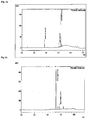
Fig. 1 shows HPLC chromatograms of herbal composition showing phenolic and flavonoidal constituents. -
Fig. 2 shows a HPLC chromatogram of a herbal composition showing mangiferin peak. -
Fig 3 shows the in-vitro evaluation of H2O2 scavenging, SOD, anti-oxidant, Anti-lipase, lipid peroxidation inhibitory and Carbonic anhydrase activity." - The term "about" as used herein refers to a quantity, level, value, number, frequency, percentage, dimension, size, amount, weight or length that varies by as much as 30, 25, 20, 25, 10, 9, 8, 7, 6, 5, 4, 3, 2 or 1 % to a reference quantity, level, value, number, frequency, percentage, dimension, size, amount, weight or length. In particular embodiments, the terms "about" or "approximately" when preceding a numerical value indicates the value plus or minus a range of 15%, 10%, 5%, or 1%, or any intervening range thereof.
- As used herein, the phrase "Mangifera indica material" refers to any material from the Mangifera indica plant, including, but not limited to, bark, leaves, fruit, seeds, leaves, stems, wood, fruit skin, flowers, pollen, and combinations thereof.
- As used herein, the phrase "managing obesity" comprises treating or preventing obesity.
- The invention generally relates to herbal compositions and methods for their use in a variety of therapeutic and preventative applications. More particularly, the invention relates to compositions comprising Mangifera indica extract and methods for their use in the management of obesity and/or weight.
- The herbal compositions of the present invention may be administered by various routes including but not limiting to topical, oral, buccal, sub-lingual, parenteral, rectal, and inhalation. The compositions may be in a dosage form that includes but is not limited to powders, pills, tablets, pellets, capsules, thin films, solutions, sprays, syrups, linctuses, lozenges, pastilles, chewing gums, pastes, vaporizers, suspensions, emulsions, ointments, creams, lotions, liniments, gels, drops, topical patches, buccal patches, beads, gummies, gels, sols, injections and the like. Typically, the composition comprises at least one pharmaceutically acceptable excipient.
- The herbal compositions of the present invention find use in a variety of therapeutic and preventive applications. In some embodiments of the invention, the herbal compositions are administered to a subject for preventing oxidation (antioxidant activity). In other embodiments of the invention, the herbal compositions find use in treating, preventing or managing obesity and/or weight. The phrase "managing obesity and/or weight" as used herein refers to preventing or reducing body fat, preventing or reducing weight gain, preventing or reducing the absorption of fat in the diet, reducing body mass index (BMI), reducing abdominal fat, preventing weight gain from a high fat diet and combinations thereof. In embodiments of the invention, herbal compositions are administered in the management of hyperlipidemic conditions, including but not limited to, reducing serum low density lipids, cholesterol and triglycerides, raising high density lipids (HDL) and combinations thereof. In other embodiments of the invention, the herbal compositions are administered to prevent or reduce the accumulation of fat in the liver. In other embodiments, the herbal compositions of the invention are administered to reduce oxidative stress or regulating blood glucose levels. The term "reduce" as used herein refers to any measurable decrease that is produced as a result of administering the compositions of the invention, relative to the absence of such administration. Significantly, the compositions of the invention are non-toxic and non-mutagenic. Similarly, the term "increase," or "raise," refers to any measurable increase that is produced as a result of administering the compositions of the invention, relative to the absence of such administration.
- An aspect of the invention concerns portions of Mangifera indica that may be used in preparation of the herbal composition. Accordingly, the herbal composition may be prepared from any portion of Mangifera indica, including the bark, leaves, fruit, seeds, leaves, stems, wood, fruit skin, flowers, pollen, and combinations thereof. In a preferred embodiment, the compositions of the invention are prepared from bark, leaf and fruit skin. In yet another embodiment of the invention, the compositions are prepared from Mangifera indica bark, leaves and fruit skin in a ratio of about 80:10:10 respectively.
- Another aspect of the invention concerns the dosage of the herbal composition that is used. The dosage of the composition will depend on the nature of the condition to be treated or managed, and the degree or advancement of the condition being addressed. Some non-limiting examples of dosages for use with the invention include about 50-500 mg/kg body weight. In one aspect of the invention, the dosage is about 500 mg/kg body weight. The dosages disclosed herein may be administered between one and four times daily. In one aspect of the invention, the selected dosage is administered three times a day.
- Another aspect of the invention concerns methods for making the subject herbal compositions. In some aspects, the herbal compositions are made by ethanol extraction. In other aspects of the invention, the compositions are made by aqueous extraction. In still other embodiments, the compositions of the invention are prepared by compressing a Mangifera indica material.
- Dried parts of Mangifera indica bark, leaf and fruit skin (80:10:10 ratio) were cut in to small pieces, approximately 10 mm in length, to form a 100 kg mass. This mass was pulverized to form a coarse powder in a hammer mill and stacked in a vertical 1.0 KL extractor. The lower end of the extractor contained a perforated plate on which a filtration cloth was fixed. The bottom of the extractor was connected to a transfer pump input and the output of the transfer pump was connected to a T bend. One end was connected to the extractor top for circulation of the extraction mass during the extraction period and the other end of the T bend was connected to a receiver tank.
- The above-mentioned coarse powder was initially extracted with six bed volumes of 70% v/v ethyl alcohol. The extraction was carried out at 75-78°C for about 7-8 hours with continuous circulation of the extract with a transfer pump. After completion of extraction, the extract was filtered through a 5 micron SS candle filter and the resultant clear extract was collected in a receiver tank. The bed was re-extracted by adding 4 bed volumes of 70
% ethyl alcohol 3 more times at a temperature of 75-78°C for about 7-8 hours. All the extracts were then collected in a receiver tank and the combined extract was concentrated in a reactor under vacuum at 80-85°C till the extract mass- total dissolved solids (TDS) reached 60-70%. The extract mass was further dried in a vacuum tray drier at 80-85°C until the completion of drying. The yield of the extract, the herbal composition (HC) was found to be 14±0.5 w/w%. The extract was further subjected to phyto-chemical analysis through spectrophotometric and HPLC estimations. The studies confirmed that the HC is associated with good percentage of antioxidant constituents.Table 1 Results of phyto-chemical analysis S. N. Phyto-constituents Percentage Analysis Method 1 Total flavonoids 28.56±0.93 w/ w% Spectrophotometric 2 Total polyphenols 18.9±1.8 w/w% Spectrophotometric Table 2 Composition of the determined flavonoids S. N. Constituents Percentage 1 Mangiferin 21.5±0.82 w/w% 2 (+)- Catechin 3.84±0.31 w/w% 3 (-)- Epicatechin 2.67±0.25 w/ w% 4 Quercetin dihydrate 0.43±0.06 w/w% Table 3 Composition of the determined polyphenols S.N. Constituents Percentage 1 Gallic acid 4.5±0.42 w/ w% 2 3, 4-Dihydroxy benzoic acid 0.93±0.23 w/ w% 3 Methyl gallate 1.2±0.34 w/ w% 4 Proplyl gallate 2.31±0.73 w/ w% 5 Pyrogallol 0.48±0.08 w/ w% 6 Parahydroxy benzoic acid 1.43±0.07 w/ w% 7 Vanillic acid 0.33±0.06 w/w% 8 Syringic acid 0.82+0.13 w/w% 9 Ferulic acid 0.12±0.02 w/ w% 10 Ethyl gallate 0.76±0.14 w/w% 11 Ellagic acid 0.16±0.05 w/w% Table 4 Peak Table showing phenolic and flavonoids in HC Name Ret. Time Area Height Area % Lambda max Mangiferin 3.936 1120914 479844 94.067 257/241/318/366/580 (+)- Catechin 7.598 58049 20738 9.623 203/278/366/657/622 (-)- Epicatechin 7.245 197931 62255 15.075 208/274/662/623 Quercetin dihydrate 5.314 29209 12881 1.038 254/370/199 Gallic acid 4.629 132932 36837 22.038 215/270/387/656/404 3, 4-Dihydroxybenzoic acid 3.352 245290 75658 8.716 260/206/222/295/365 Methyl gallate 1.114 32395 13176 6.362 215/271 Proplyl gallate 2.680 53767 15055 10.559 216/273 Pyrogallol 0.598 37015 11721 100.000 202/257/240/315/362 Parahydroxy benzoic acid 3.683 127757 54283 4.540 256/315/198 Vanillic acid 1.269 4780 2177 0.939 204/260 Syringic acid 3.795 211448 79433 7.513 271/226 Ferulic acid 4.062 190504 74471 6.769 261/360 Ethyl gallate 3.975 46246 17396 1.643 261/245 Ellagic acid 7.990 43005 18447 6.750 253/366/662/623 - Mangiferin (98% purity) was procured from Sigma Aldrich. Chemicals required for the analysis Acetonitrile (ACN), Methanol (MeOH), Formic acid, double distilled water was of LC grade.
- Around 10 mg of HC was weighed into a 10 mL standard flask. Approximately 3 mL of 70 % methanol (LC grade) was added. The mixture was sonicated for 10 minutes, and made up to the mark with the same solvent. The sample solution was filtered through a 0.20 µm a nylon filter.
- Around 10 mg of standard (98%) was weighed into a 10 mL standard flask and dissolved in 70 % methanol (LC grade). The mixture was sonicated for 10 minutes, and made up to mark with the same solvent. The sample solution was filtered through a 0.20 µm nylon filter.
- A sensitive and selective ultra performance liquid chromatography (UPLC) method was used for the fingerprint analysis of herbal composition. The LC system consisted of a Shimadzu LC MS/MS # 8040 system. The column used was SHIM-PACK XR-ODSIII, 5µm, 150X 2.1 mm with mobile phase consisting 0. 1% Formic acid in LCMS grade water: Acetonitrile with isocratic gradient system at run time of 8 min. The flow rate was maintained at 0.35 mL/min at 25 ± 2°C. The eluate was monitored at 254 nm. Retention time was as mentioned in Table 5.
Table 5 Optimized Chromatographic Conditions S.NO PARAMETERS SPECIFICATION 1 Instrument LC MS/MS # 8040 2 Detector SPD- M20A PDA 3 Mobile phase A: B 0. 1% Formic acid in LCMS grade water : Acetonitrile 4 Column SHIM-PACK XR-ODSIII, 5µm, 150X 2.1 mm 5 Pump Nexera X2, LC- 30AD Shimadzu 6 Wavelength 254 nm 7 Flow rate 0.35 mL / min 8 Volume of injection 1 µL 9 Run time 8 min Table 6 Peak Table showing mangiferin in Herbal composition Name Ret. Time Area Height Area % Lambda max Mangiferin 3.936 1120914 479844 94.067 257/241/318/366/580 Neo-mangiferin 4.195 70695 29923 5.933 259/243/319/364/579 Total 1191609 509767 100.00 - Hydrogen peroxide scavenging activity of the HC was estimated in this study where initially, HC solutions were prepared at different concentrations in distilled water and the resultant solutions were mixed in 0.6 ml of 40 mM H2O2 solution prepared in phosphate buffer (0.1 M pH 7.4) and incubated for 10 min. The absorbance was measured at 230 nm against a blank solution containing H2O2. Similar procedure was repeated for HC, Mangiferin and Quercetin. The amount of hydrogen peroxide radical inhibited was calculated using the following equation. The result is expressed as % H2O2 radical scavenging activity.

- Abs control - Absorbance of H2O2 radical
- Abs sample - Absorbance of sample extract/ standard (the HC, mangiferin and quercetin)
-
Table 7 H2O2 scavenging activity H2O2scavenging activity Samples Concentration in µg/ ml 10 20 30 40 Quercetin(Standard) 5.6 14.55 18.86 33.96 Mangiferin 98% 8.49 33.01 64.15 76.41 HC 16.43 19.17 53.42 75.34 - The superoxide anion scavenging activity of the HC was measured in this test. 1 ml (156 µM) of Nitro blue tetrazolium (NBT), 1 ml (468 µM) of nicotinamide adenine dinucleotide (NADH) and 3 ml of the HC at 100 µg/ml concentration were admixed in phosphate buffer (pH 7.4). The reaction was started by adding 100 µl of phenazine methosulfate (PMS) (0.18mg/ml) and the mixture was incubated at 25 °C for 5 min followed by measuring the absorbance at 560 nm. Similar solutions were prepared for quercetin and mangiferin and the percentage of inhibition was calculated by using the formula provided herein-below; the result was expressed as % superoxide dismutase scavenging activity.

- Abs control - Absorbance of control
- Abs sample - Absorbance of sample extract/ standard (the HC, mangiferin and quercetin)
-
Table 8 SOD activity results SOD activity Sample Concentration in µg/ml % Inhibition Quercetin (Standard) 51.03 Mangiferin 98% 7.50 HC 83.40 - The total antioxidant activity of the HC was determined by the phosphomolybdenum method where 0.3 ml of the HC (100µg/ml) was combined with 3ml of a reagent solution (0.6M sulfuric acid, 28mM sodium phosphate and 4mM ammonium molybdate). The resultant reaction mixture was incubated at 95°C for 90 min and cooled to room temperature. The absorbance of the solution was measured at 695 nm against a blank solution (water). The total antioxidant capacity was expressed as the milligram equivalents of ascorbic acid.
-
Table 9 Total antioxidant assay Total antioxidant assay Sample Concentration µg /ml mg equivalent ascorbic acid Mangiferin 98% 31.23 HC 41.06 - Conclusion: The total antioxidant capability of the HC was found to be 41.06 mg equivalent ascorbic acid. The HC exhibited good antioxidant property. The antioxidant ability of HC was confirmed through hydrogen peroxide radical scavenging activity, superoxide radical scavenging activity and the total antioxidant capacity.
- A suspension containing 1% (V/V) of triolein and 1% (V/V) of
tween 40 in 0.1M phosphate buffer (pH-8) was prepared and emulsified. The assay was initiated by adding 800µl of the Triolein emulsion to 200µl of Porcine Pancreatic Lipase (0.5 g Pancreatic Lipase in 15 ml of 0.1 M phosphate buffer at pH-8) and 200 µl of the HC extract (100 µg/ml concentration). The resultant mixture was mixed and the absorbance was measured immediately at 450 nm (T°). The mixtures were then incubated at 37 °C for 30 min and the absorption was measured at 450 nm (T30).
- A(cont) - is the absorbance of the control (TC 0-TC 30)
- A(test) - is the absorbance of the sample test /standard (T0-T30) (the HC, mangiferin and quercetin)
-
Table 10 Anti-lipase assay results Anti-lipase assay Sample Concentration: 1.2 mg/ml % Inhibition Orlistat 75.27 Mangiferin 98% 41.78 HC 42.30 - Conclusion: The HC showed good anti-lipase property.
- The HC at 250 µg/ml and 98% Mangiferin were independently mixed in 1.4 ml of tris buffer and 2.5 ml of carbonic anhydrase. The resultant mixtures were incubated at room temperature for 5 min. After incubation, 1 ml of 4-NPA was added to the mixtures and further incubated for 15-20 min at 37 °C. The absorbance of the reaction mixtures were measured at 400 nm.

- A (cont) - is the absorbance of the control
- A (test) - is the absorbance of the test sample /standard
-
Table 11 Carbonic Anhydrase test results Carbonic Anhydrase Sample Concentration: 100µg % inhibition Mangiferin 98% 47.06 HC 52.31 - Conclusion: The HC showed enhanced anti-lipase property as compared to Mangiferin.
- A modified Thiobarbituric acid reactive species (TBARS) assay (Ohkowa et al., 1979) is used to measure lipid peroxidation formed using egg yolk homogenate as lipid rich media (Ruberto et al., 2000).
- Take 0.5ml of egg homogenate (10%in distilled water) and 0.1 ml of test sample in the concentration range 100-500µ g/ml in a test tube and volume made up to 1 ml by adding distilled water. Finally add 0.05 ml ferrous sulphate (0.07M) to the above mixture and incubate for 30 min to induce the lipid peroxidation. Thereafter add 1.5 ml of 20% acetic acid (pH 3.5) and 1.5 ml of (0.8%in 1.1% SDS) TBA and 0.05 ml (20%) TCA then heated in boiling water bath for 60 min. After cooling 5 ml of butanol will be added to all the test tubes and centrifuged at 3000 rpm for 10 min. Measure the absorbance of the organic upper layer at 532 nm. The percentage inhibition of lipid peroxidation calculated from the formula,

Ab (cont) - is the absorbance of the control
Ab (test sample) - is the absorbance of the test sample /standardTable 12 Lipid peroxidation inhibitory assay test results Lipid peroxidation inhibitory assay Sample Concentration: 100-500µ g/ml % inhibition HC 56.52 Mangiferin 98% 74.9 Quercetin (STD) 53.44 - Conclusion: The HC showed enhanced lipid peroxidation property as compared to Quercetin. Herbal composition possesses good hypolipidemic and anti-obesity activity, which may be due to its antioxidant and free radical scavenging potential.
- Single-dose oral toxicity of the HC was evaluated in albino Wistar rats. A limit test was performed in which female rats received a single oral administration of the HC at a dose of 2000 mg/kg body weight. Following dosing, the limit test rats were observed daily and weighed weekly. A gross necropsy examination was performed on all limit test animals at the time of scheduled euthanasia (day 14). No mortality occurred during the duration of the limit test. Further, no significant gross internal findings were observed at necropsy on study day 14.
- Conclusion: Under the conditions of this test, the acute oral lethal dose (LD50) of the HC was estimated to be greater than 2000 mg/kg in rats.
- Repeated dose 28 day oral toxicity study, with the HC in rats followed by 14 day recovery period, was performed. The objective of the study was to assess the safety of the HC when administered orally to female and male rats. Another objective was to determine the target organ toxicity, no observed effect level (NOEL) and reversibility of signs of toxicity after the recovery period.
- Wistar female and male rats were treated with the HC 250,500 and 1000 mg/kg/b.w for 28 days by oral gavage, followed by 14 day recovery period.
- Observations: 1) all the male and female animals from control and all the treated dose groups up to 1000 mg/kg survived throughout the dosing period of 28 days and the recovery period of 14 days; 2) no signs of intoxication were observed in male and female animals from different dose groups during the dosing period of 28 days and during the recovery period of 14 days; 3) male rats showed a significant decrease in body weight gain with 250 and 500 mg/kg b.w. of the HC and a significant decrease in body weight gain were seen with 500 and 1000 mg/kg b.w. of the HC in females when compared with the control on day 29. During the reversal period the animals restored to normal when compared with control reversal group on day 43; 4) food consumption of control and treated animals was found to be comparable throughout the dosing period of 28 days and the recovery period of 14 days; 5) haematological analysis conducted at the end of the dosing period on day 29 and at the end of recovery period on day 43, revealed no abnormalities attributable to the treatment; 6) biochemical analysis conducted at the end of the dosing period on day 29 and at the end of recovery period on day 43, revealed no attributable changes to the treatment, except there was a significant increase in high density lipoproteins (HDL) levels in female rats treated with 250, 500 and 1000 mg/kg/b.w. of the HC; 7) functional battery observation tests conducted at termination revealed no abnormalities; 8) urine analysis, conducted at the end of the dosing period in week 4 and at the end of recovery period in week 6,revealed no abnormality attributable to the treatment; 9) organ weight data of male and female sacrificed at the end of the dosing period and at the end of the recovery period was found to be comparable with that of respective controls, gross pathological examination did not reveal any abnormality; histopathological examination did not reveal any major abnormality except congestion of blood vessels in few organs.
- Conclusion: Based on the above findings, the no observed adverse effect level (NOAEL) of the HC was found to be 1000 mg/kg/b.w. for both female and male Wistar rats wen given orally for 28 days followed by a 14 day recovery period.
- Objective: The objective was to investigate the effect of the HC against high fat diet fed rats.
- Animals: Male Wistar rats (160 to 200 g); No of animals: 36; Housing: 3/ cage, 12 hrs light/dark cycle; Temperature: 25±2°c;
- Model & Composition of the Diet: High fat diet in rats: 25% Lard, 5% Soyabean oil; 5% starch; 65% Normal commercial available rat feed;
- Groups: Male Wistar rats were divided into six groups with six animals in each group
Group Diet Group 01: Normal feed + Vehicle (distilled water) Group 02: High fat diet Group 03: High fat diet + Standard drug ( Orlistat 30 mg/kg)Group 04: High fat diet + HC (50 mg/kg) Group 05: High fat diet + HC (100 mg/kg) Group 06: High fat diet + HC (150 mg/kg) -
Table 13 Results of the effect of the HC on body weight gain in male rats Groups Final weight Initial weight Difference in body weight gain Group I 251.70±2.02 181.70±1.99 70.00±2.60 Group II 292.50±1.81 181.50±1.31 111.0±2.2***a Group III 261.80±2.53 182.00±0.96 79.82±2.58***b Group IV 254.80±1.87 182.30±1.99 72.43±3.16***b Group V 250.50±2.53 183.30±0.88 67.15±2.75***b Group VI 259.20±6.06 184.70±0.80 74.50±5.77***b Values are expressed in terms of SEM ±Mean. Data were analyzed by one way ANOVA followed by Dunnett's t test.
Number of animals in each group n=6.
aComparison made with control group.
b Comparison made with high fat diet group.***P<0.001. -
Table 14 Results of the effect of the HC on the average food intake in male rats Groups Average food intake g/rat Group I 17.21± 0.38 Group II 13.56±0.36***a Group III 13.45±0.28nsb Group IV 12.13±0.24**b Group V 11.26±0.24**b Group VI 13.18±0.31nsb Values are expressed in terms of SEM ±Mean. Data were analyzed by one way ANOVA followed by Dunnett's t test.
Number of animals in each group n=6.
aComparison made with control group.
b Comparison made with high fat diet group.
***P<0.001
***P<0.001
**P<0.01 ns non significant. - The HC at 50 and 100mg/kg b.w showed significant reduction (P<0.01, P<0.001) in food intake when compared to the high fat diet group.
-
Table 15 Results of the effect of the HC on liver organ weight and mesenteric, brown adipose tissue (BAT), perirenal fat pads and epididymal fat pad Groups Liver Mesenteric fat BAT Perirenal fat pad tissue Epididymal fat pad Right Left Right Left Group I 2.8±0.01 0.59±0.02 0.13± 0.01 0.25± 0.02 0.21± 0.01 0.38± 0.01 0.33± 0.02 Group II 3.5±0.15 ***a 1.14±0.07 ***a 0.30+0.01***a 1.05±0.13***a 1.07±0.11***a 0.63± 0.04***a 0.56± 0.05***a Group III 2.8±0.08 ***b 1.02±0.07 nsb 0.28±0.001nsb 0.77±0.08*b 0.77± 0.08*b 0.55± 0.02nsb 0.52± 0.03nsb Group IV 2.7±0.07 ***b 0.80± 0.03 **b 0.17±0.01***b 0.49±0.01***b 0.44±0.03***b 0.51± 0.01*b 0.42± 0.01*b Group V 2.8±0.03 ***b 0.83± 0.03 **b 0.17±0.01***b 0.47±0.02***b 0.67±0.02***b 0.51± 0.02*b 0.39± 0.02**b Group VI 2.9±0.02 ***b 0.84± 0.03 **b 0.17±0.01***b 0.63±0.07**b 0.69±0.04**b 0.51± 0.02*b 0.42± 0.03*b Data were analyzed by one way ANOVA followed by Dunnett's t test. Number of animals in each group n=6.
aComparison made with control group.
b Comparison made with high fat diet group.
***P<0.001 **P<0.01 * P<0.05 ns non significant. -
Table 16 Results of the effect of the HC on serum glucose, total cholesterol, triglyceride, HDL-c and LDL-c levels (mg/dL) Groups Glucose Total cholesterol Triglycende HDL-c LDL-c Group I 81.63±2.96 47.53±1.15 52.61±2.14 22.61±0.56 14.40±1.51 Group II 114.20±7.63**a 61.39±2.47***a 104.6±4.16***a 17.27±0.51***a 23.20±2.96*a Group III 92.00±2.89**b 50.91±0.62***b 79.96±1.13***b 21.72±1.22**b 13.20±1.7**b Group IV 96.23±2.72*b 48.96±1.9***b 71.48±5.42***b 23.77±0.99***b 10.89±1.02***b Group V 82.37±2.82***b 48.93±2.23***b 55.92±2.03***b 24.97±0.87***b 12.77±1.75***b Group VI 96.70±0.96*b 52.55±1.42**b 79.77±5.3***b 24.25±0.48***b 12.35±2.13**b Data were analyzed by one way ANOVA followed by Dunnett's t test.
Number of animals in each group n=6.
aComparison made with control group.
b Comparison made with high fat diet group.
***P<0.001 **P<0.01 * P<0.05 - The HC at 50 and 150 mg/kg b.w. showed a significant reduction (P<0.05), at 100mg/kg b.w. showed significant reduction (P<0.01) in glucose levels when compared to high fat diet group. The HC at 50 and 100 mg/kg b.w. showed a significant reduction (P<0.001), at 150mg/kg b.w. showed significant reduction (P<0.01) in total cholesterol and low density lipoproteins (LDL) levels when compared to high fat diet group. The HC at all doses showed a significant reduction (P<0.001) in total triglycerides and an increase in the HDL levels when compared to the high fat diet group (Group II).
-
Table 17 Results of the effect of the HC on atherogenic index Group Atherogenic Index Group I 1.11±0.08 Group II 2.57±0.18***a Group III 1.39±0.15***b Group IV 1.07±0.06***b Group V 0.96±0.06***b Group VI 1.17±0.08***b Data were analyzed by one way ANOVA followed by Dunnett's t test.
Number of animals in each group n=6.
aComparison made with control group.
b Comparison made with high fat diet group.***P<0.001 -
Table 18 Results of the effect of the HC on liver triglyceride levels Group Liver triglycerides Group I 63.85±0.42 Group II 96.47±1.67***a Group III 87.77±2.28*b Group IV 78.57±1.93***b Group V 86.47±2.11**b Group VI 85.46±2.31**b Data were analyzed by one way ANOVA followed by Dunnett's t test.
Number of animals in each group n=6.
aComparison made with control group.
b Comparison made with high fat diet group.
***P<0.001**P<0.01 * P<0.05 -
Table 19 Results of the effect of the HC on insulin hormonal levels Group Insulin (mU/L) Group I 0.27±0.023 Group II 0.15±0.008***a Group III 0.15±0.005nsb Group IV 0.14±0.005nsb Group V 0.22±0.01*b Group VI 0.23±0.02**b Data were analyzed by one way ANOVA followed by Dunnett's t test.
Number of animals in each group n=6.
aComparison made with control group.
b Comparison made with high fat diet group.
***P<0.001 **P<0.01* P<0.05 ns non significant. -
Table 20 Effect of the HC on the fecal fatty acid estimation Group Fecal fatty acid estimation Group I 1.0±0.05 Group II 3.3±0.13***a Group III 4.1±0.26*b Group IV 2.3±0.13**b Group V 2.4±0.26**b Group VI 3.1±0.26nsb Data were analyzed by one way ANOVA followed by Dunnett's t test.
Number of animals in each group n=6.
aComparison made with control group.
b Comparison made with high fat diet group.
***P<0.001 **P<0.01* P<0.05 ns non significant. - Therefore, the in vivo anti-obesity studies of the HC revealed the following results.
- The Herbal Composition:
- ▪ reduces body weight gain,
- ▪ reduces food intake
- ▪ removes abdominal fat tissue
- ▪ causes thermogenesis
- ▪ improves the HDL levels
- ▪ restores glucose levels
- ▪ Has liver protection.
- A Prospective, Randomized, Double blind, Placebo controlled clinical trial to evaluate efficacy and safety of HC tablets in reducing the bodyweight in obese patients was carried out.
- A total 30 numbers of subjects were included in the study as per inclusion criteria. Subjects were randomized and equal no of subjects were assigned in HC treatment group A and placebo treatment group B. The clinical study conducted for 56 days at Sampoorna Healthcare and Amruth Poly clinic, Bangalore, India. The study was performed in fulfillment with Declaration of Helsinki, 2002. The protocol and patient informed consent form was reviewed and approved by appropriate independent ethics committees of Sampoorna Healthcare and Amruth Poly Clinic before the starting of the study. Subjects were on a treatment for 56 days and examined at
weeks Table 21 Primary and secondary outcome of HC treated group No. Parameters Visit 1 Visit 4Difference in % 1 Body weight(kg) 82.5±12.3 77.25±12.9 6.36 2 Body mass index(BMI kg/m2) 30.96±1.76 28.92±2.0 6.59 3 Waist circumference(cm) 101.25±6.67 94.92±5.9 6.25 4 Hip circumference(cm) 106.33±2.05 101.91±1.67 4.16 5 Triglycerides(mg/dL) 168.5±73.56 143.83±46.13 14.64 6 Cholesterol(mg/dL) 214.08±33.2 187.91±21.2 12.22 7 LDL(mg/dL) 138.27±34.9 104.33±25.73 24.55 8 VLDL(mg/dL) 33.7±14.71 28.76±9.22 14.66 9 HDL 42.1±8.4 54.81±5.2 30.19 Table 22 Primary and secondary outcome of Placebo treated group No. Parameters Visit 1 Visit 4Difference in % 1 Body weight(kg) 85.5±10.9 84.95±10.88 0.643 2 Body mass index(BMI kg/m2) 32.33±1.88 32.04±1.81 0.90 3 Waist circumference(cm) 104.79±5.36 104.42±5.33 0.35 4 Hip circumference(cm) 108.83±1.70 108.46±1.73 0.34 5 Triglycerides(mg/dL) 188.5±75.4 185.75±74.68 1.46 6 Cholestrol(mg/dL) 204.91±43.8 201.16±43.2 1.83 7 LDL(mg/dL) 108.85±59.7 107.75±59.16 1.01 8 VLDL(mg/dL) 37.7±15.08 37.15±14.93 1.46 9 HDL 41.92±4 41.93±3.52 0.02 -
- 1. OECD Guideline for the testing of chemicals- Repeated Dose 90-day Oral Toxicity Study in Rodents; TG 408, 21st September 1998.
- 2. OECD Guideline No. 420, "Acute Oral Toxicity" -Fixed Dose Procedure 17th December 2001.
- 3. Chougule A., Manjunath A. (2012), Anti-obesity drugs of Bhava prakasha nighantu: The literary survey. IJRAP, 3 (5), 650-654.
- 4. Juliana Aparecida Severi , Zeila Pinheiro Lima , Hélio Kushima , Alba Regina Monteiro Souza Brito , Lourdes Campaner dos Santos, Wagner Vilegas , Clelia Akiko HirumaLima (2009) Polyphenols with Antiulcerogenic Action from Aqueous Decoction of Mango Leaves (Mangifera indica L.) . Molecules, 14, 1098-1110.
- 5. Taing M.W., Pierson J-T, Hoang V.L. T., Shaw P. N., Dietzgen R. G., Gidley M. J., Sarah J.,Thomson R, Monteith G. R. (2012) Mango fruit peel and flesh extracts affect adipogenesis in 3T3-L1 cells. Food Funct., 3, 828-836.
- 6. Moreno, D. A., Ripoll, C., Ilić, N., Poulev, A., Aubin, C., Raskin, I. (2005) Inhibition of lipid metabolic enzymes using Mangifera indica extracts. J. Food Agric. & Environ., Vol. 4(1): 21-26.
- 7. Ajila, C. M., Bhat, S. G., & Prasada Rao, U. J. S. (2007a). Valuable components of raw and ripe peels from two Indian mango varieties. Food Chemistry, 102, 1006-1011.
- 8. Aiyelaagbe O.O., Osamudiamen P. M. (2009) Phytochemical Screening for Active Compounds in Mangifera indica Leaves from Ibadan, Oyo State Plant Sciences Research, 2(1), 11-13.
- 9. Shah K.A., Patel M.B., Patel R.J., Parmar P.K. (2010) Mangifera Indica (Mango). Phcog. Rev., 4(7),42-48
- 10. Wauthoz N., Balde A. Balde E. S., Damme M. V., Duez P. (2007) Ethnopharmacology of Mangifera indica L. Bark and Pharmacological Studies of its Main C-Glucosylxanthone, Mangiferin. International Journal of Biomedical and Pharmaceutical Sciences, 1(2), 112-119.
- 11. Singh S. K., Sinha S. K., Prasad S.K., Kumar R., Bithu B. S., Kuma S. S., Singh P. (2011) Synthesis and evaluation of novel analogues of mangiferin as potent antipyretic. Asian Pacific Journal of Tropical Medicine, 866-869.
- 12. Gabino Garrido, Idania Rodeiro, Ivones Hernández, Gastón García, Gema Pérez, Nelson Merino, Alberto Núñez-Sellés, René Delgado (2009) In vivo acute toxicological studies of an antioxidant extract from Mangifera indica L. (Vimang),32(1),53-8.
- 13. Fuchuan Guo, Conghui Huang, Xilu Liao, Yemei Wang, Ying He, Rennan Feng, Ying Li, Changhao Sun (2011) Beneficial effects of mangiferin on hyperlipidemia in high-fat-fed hamsters.Molecular Nutrition & Food Research. 55(12), 1809-18.
Claims (15)
- A composition comprising an extract of Mangifera for use in treating obesity.
- A non therapeutic method for managing obesity and/or weight in a subject comprising administering to the subject a composition comprising an extract of Mangifera in an amount effective to manage obesity and/or weight in the subject.
- The composition or method of claim 1 or 2, wherein the amount effective to manage obesity and/or weight in the subject is 500mg.
- The composition or method of at least one of the preceding claims for altering at least one of appetite, body weight gain, metabolism or absorption of calories.
- The composition or method of at least one of the preceding claims for modulating at least one of insulin levels, lipase levels and lipid peroxidation.
- The composition or method of at least one of the preceding claims for modulating at least one of serum glucose, total cholesterol, triglyceride, HDL-c and LDL-c levels.
- The composition or method of at least one of the preceding claims, wherein the composition comprises an extract of Mangifera indica bark, leaf and fruit skin in a ratio of 80:10:10 respectively.
- The composition or method of at least one of the preceding claims, wherein the composition comprises, by weight, about 29% flavonoids and about 19% polyphenols.
- The composition or method of at least one of the preceding claims, wherein the composition comprises, by weight, about 22% mangiferin, about 4% catechin, about 3% epicatechin, and about 0.4% quercitin dihydrate.
- The composition or method of at least one of the preceding claims, wherein the composition inhibits super oxide dismutase in the subject.
- The composition or method of at least one of the preceding claims, wherein the composition is administered as a powder, pill, tablet, pellet, capsule, thin film, solution, spray, syrup, linctus, lozenge, pastille, chewing gum, paste, vapor, suspension, emulsion, ointment, cream, lotion, liniment, gel, drop, topical patche, buccal patch, bead, gummy, gel, sol or injection.
- A composition for managing obesity and/or weight in a subject, the composition comprising by weight, about 22% mangiferin, about 4% catechin, about 3% epicatechin, and about 0.4% quercitin dihydrate.
- The composition of claim 12, wherein the composition is formulated as a powder, pill, tablet, pellet, capsule, thin film, solution, spray, syrup, linctus, lozenge, pastille, chewing gum, paste, vapor, suspension, emulsion, ointment, cream, lotion, liniment, gel, drop, topical patch, buccal patch, bead, gummy, gel, sol or injection.
- The non-therapeutic use of a composition for managing obesity and/or weight in a subject, the composition comprising an extract of Mangifera in an amount effective to manage obesity and/or weight in the subject.
- The composition or method of at least one of the preceding claims, wherein the composition comprises an extract of a Mangifera extract.
Applications Claiming Priority (1)
| Application Number | Priority Date | Filing Date | Title |
|---|---|---|---|
| US201462044398P | 2014-09-01 | 2014-09-01 |
Publications (4)
| Publication Number | Publication Date |
|---|---|
| EP3009138A2 true EP3009138A2 (en) | 2016-04-20 |
| EP3009138A3 EP3009138A3 (en) | 2016-07-13 |
| EP3009138B1 EP3009138B1 (en) | 2019-05-01 |
| EP3009138B8 EP3009138B8 (en) | 2019-06-26 |
Family
ID=54035159
Family Applications (1)
| Application Number | Title | Priority Date | Filing Date |
|---|---|---|---|
| EP15183167.4A Active EP3009138B8 (en) | 2014-09-01 | 2015-08-31 | Mangifera extract for the management of obesity and/or weight |
Country Status (3)
| Country | Link |
|---|---|
| EP (1) | EP3009138B8 (en) |
| DK (1) | DK3009138T3 (en) |
| ES (1) | ES2738729T3 (en) |
Families Citing this family (1)
| Publication number | Priority date | Publication date | Assignee | Title |
|---|---|---|---|---|
| US10874708B2 (en) * | 2017-01-10 | 2020-12-29 | Nektium Pharma, S.L. | Compositions for reducing appetite and craving, increasing satiety, enhancing mood, and reducing stress |
Family Cites Families (4)
| Publication number | Priority date | Publication date | Assignee | Title |
|---|---|---|---|---|
| CU22846A1 (en) * | 1998-12-29 | 2003-04-28 | Ct De Quimica Farmaceutica | PHARMACEUTICAL AND NUTRITIONAL COMPOSITIONS FROM EXTRACTS OF MANGIFERA INDICA L |
| JP2011184351A (en) * | 2010-03-08 | 2011-09-22 | Nitta Gelatin Inc | Anti-obesity agent |
| CN102920696B (en) * | 2012-09-27 | 2015-03-18 | 戴好富 | Application of mangiferin compound or mango extraction as pancreatic lipase inhibitor and in preparation of medicament or food for preventing and treating obesity |
| WO2014138426A2 (en) * | 2013-03-07 | 2014-09-12 | Topokine Therapeutics, Inc. | Methods and compositions for reducing body fat and adipocytes |
-
2015
- 2015-08-31 EP EP15183167.4A patent/EP3009138B8/en active Active
- 2015-08-31 ES ES15183167T patent/ES2738729T3/en active Active
- 2015-08-31 DK DK15183167.4T patent/DK3009138T3/en active
Non-Patent Citations (13)
| Title |
|---|
| "Acute Oral Toxicity", OECD GUIDELINE NO. 420, 17 December 2001 (2001-12-17) |
| AIYELAAGBE O.O.; OSAMUDIAMEN P. M.: "Phytochemical Screening for Active Compounds in Mangifera indica Leaves from Ibadan", OYO STATE PLANT SCIENCES RESEARCH, vol. 2, no. 1, 2009, pages 11 - 13 |
| AJILA, C. M.; BHAT, S. G.; PRASADA RAO, U. J. S.: "Valuable components of raw and ripe peels from two Indian mango varieties", FOOD CHEMISTRY, vol. 102, 2007, pages 1006 - 1011, XP005892962, DOI: doi:10.1016/j.foodchem.2006.06.036 |
| CHOUGULE A.; MANJUNATH A.: "Anti-obesity drugs of Bhava prakasha nighantu: The literary survey", IJRAP, vol. 3, no. 5, 2012, pages 650 - 654 |
| FUCHUAN GUO; CONGHUI HUANG; XILU LIAO; YEMEI WANG; YING HE; RENNAN FENG; YING LI; CHANGHAO SUN: "Beneficial effects of mangiferin on hyperlipidemia in high-fat-fed hamsters", MOLECULAR NUTRITION & FOOD RESEARCH, vol. 55, no. 12, 2011, pages 1809 - 18 |
| GABINO GARRIDO; IDANIA RODEIRO; IVONES HERNANDEZ; GASTON GARCIA; GEMA PEREZ; NELSON MERINO; ALBERTO NÚÑEZ-SELLÉS; RENE DELGADO: "In vivo acute toxicological studies of an antioxidant extract", MANGIFERA INDICA L. (VIMANG, vol. 32, no. 1, 2009, pages 53 - 8 |
| JULIANA APARECIDA SEVERI; ZEILA PINHEIRO LIMA; HELIO KUSHIMA; ALBA REGINA MONTEIRO; SOUZA BRITO; LOURDES CAMPANER DOS SANTOS; WAGN: "Polyphenols with Antiulcerogenic Action from Aqueous Decoction of Mango Leaves (Mangifera indica L.", MOLECULES, vol. 14, 2009, pages 1098 - 1110 |
| MORENO, D. A.; RIPOLL, C.; ILIC, N.; POULEV, A.; AUBIN, C.; RASKIN, I.: "Inhibition of lipid metabolic enzymes using Mangifera indica extracts", J. FOOD AGRIC. & ENVIRON, vol. 4, no. 1, 2005, pages 21 - 26 |
| OECD GUIDELINE FOR THE TESTING OF CHEMICALS- REPEATED DOSE 90-DAY ORAL TOXICITY STUDY IN RODENTS, 21 September 1998 (1998-09-21) |
| SHAH K.A.; PATEL M.B.; PATEL R.J.; PARMAR P.K.: "Mangifera Indica (Mango", PHCOG. REV., vol. 4, no. 7, 2010, pages 42 - 48 |
| SINGH S. K.; SINHA S. K.; PRASAD S.K.; KUMAR R.; BITHU B. S.; KUMA S. S.; SINGH P: "Synthesis and evaluation of novel analogues of mangiferin as potent antipyretic", ASIAN PACIFIC JOURNAL OF TROPICAL MEDICINE, 2011, pages 866 - 869 |
| TAING M.W.; PIERSON J-T; HOANG V.L. T.; SHAW P. N.; DIETZGEN R. G.; GIDLEY M. J.; SARAH J.; THOMSON R; MONTEITH G. R.: "Mango fruit peel and flesh extracts affect adipogenesis in 3T3-L1 cells", FOOD FUNCT., vol. 3, 2012, pages 828 - 836 |
| WAUTHOZ N.; BALDE A.; BALDE E. S.; DAMME M. V.; DUEZ P.: "Ethnopharmacology of Mangifera indica L. Bark and Pharmacological Studies of its Main C-Glucosylxanthone, Mangiferin", INTERNATIONAL JOURNAL OF BIOMEDICAL AND PHARMACEUTICAL SCIENCES, vol. 1, no. 2, 2007, pages 112 - 119 |
Also Published As
| Publication number | Publication date |
|---|---|
| EP3009138B8 (en) | 2019-06-26 |
| EP3009138B1 (en) | 2019-05-01 |
| DK3009138T3 (en) | 2019-08-05 |
| EP3009138A3 (en) | 2016-07-13 |
| ES2738729T3 (en) | 2020-01-24 |
Similar Documents
| Publication | Publication Date | Title |
|---|---|---|
| Abd Elkader et al. | Phytogenic compounds from avocado (Persea americana L.) extracts; antioxidant activity, amylase inhibitory activity, therapeutic potential of type 2 diabetes | |
| Juárez-Reyes et al. | Hypoglycemic, antihyperglycemic, and antioxidant effects of the edible plant Anoda cristata | |
| Orhan et al. | In-vivo assessment of antidiabetic and antioxidant activities of grapevine leaves (Vitis vinifera) in diabetic rats | |
| US6932990B2 (en) | Carbohydrate absorption inhibitor and method for manufacturing the same | |
| Xue et al. | Trigonella foenum graecum seed extract protects kidney function and morphology in diabetic rats via its antioxidant activity | |
| Yao et al. | Antioxidant and α-glucosidase inhibitory activity of colored grains in China | |
| Pereira et al. | Influence of the traditional Brazilian drink Ilex paraguariensis tea on glucose homeostasis | |
| Misra et al. | Evaluation of in vivo anti-hyperglycemic and antioxidant potentials of α-santalol and sandalwood oil | |
| Palanisamy et al. | Rambutan rind in the management of hyperglycemia | |
| EP3050561A2 (en) | Compositions of chlorogenic acid and methods for making and using the same in obesity management | |
| Lin et al. | Screening of xanthine oxidase inhibitor from selected edible plants and hypouricemic effect of Rhizoma Alpiniae Officinarum extract on hyperuricemic rats | |
| Masoodi et al. | A comprehensive review on fruit Aristotelia chilensis (Maqui) for modern health: Towards a better understanding | |
| Karageçili et al. | Comprehensively Revealing the Profile of Pistacia vera L. cv. Siirt Turpentine-Antioxidant, Antidiabetic, Anti-Alzheimer, and Antiglaucoma Effects. | |
| Ghauri et al. | Assessment of α-amylase and α-glucosidase inhibitory potential of Citrus reticulata peel extracts in hyperglycemic/hypoglycemic rats | |
| Manzanilla Valdez et al. | Antidiabetic and hypotensive effect of Cnidoscolus aconitifolius (Mill) IM Johnst leaves extracts | |
| US10646527B2 (en) | Method of using a Mangifera indica composition in the treatment of obesity | |
| Kodagoda et al. | In vitro antioxidant activity and antidiabetic potential of five spiral ginger (Costus speciosus (J. Koenig) Sm.) populations available in Sri Lanka | |
| Kuntal et al. | Phytochemical screening and establishment of the antidiabetic potential of aqueous leaf extract of the endangered plant Decalepis nervosa in Rats with Alloxan-induced Diabetes | |
| El Karkouri et al. | Phytochemical analysis, antioxidant, toxicity, and antihyperglycemic effects of Cistus ladaniferus L., extracts | |
| Ekanem et al. | In vitro antioxidant activity and hypoglycemic efficacy of the leaf, stem, and rhizome extracts of Costus igneus nak (Costaceae) in Alloxan Induced Diabetic Rats | |
| US8557305B2 (en) | Compositions and methods for controlling metabolic syndrome using whole fruit-derived cranberry ingredient profile enriched in stress adapted bioactives (SABs) | |
| EP3009138B1 (en) | Mangifera extract for the management of obesity and/or weight | |
| Bekele et al. | Antidiabetic activity and phytochemical screening of crude extracts of Stevia rebaudiana Bertoni and Ajuga remota Benth grown in Ethiopia on alloxan-induced diabetic mice | |
| Fraisse et al. | Impact of simulated gastrointestinal conditions on polyphenol stability and antiglycoxidant potential of sage (Salvia officinalis) infusion | |
| Ly et al. | Preliminary Phytochemical Analysis and the Anti-Diabetic Effect of Leaf Extracts of Symplocos cochinchinensis (Lour.) Moore ssp. Laurina (Retz.) Nooteb. Against α-Amylase and α-Glucosidase |
Legal Events
| Date | Code | Title | Description |
|---|---|---|---|
| PUAI | Public reference made under article 153(3) epc to a published international application that has entered the european phase |
Free format text: ORIGINAL CODE: 0009012 |
|
| AK | Designated contracting states |
Kind code of ref document: A2 Designated state(s): AL AT BE BG CH CY CZ DE DK EE ES FI FR GB GR HR HU IE IS IT LI LT LU LV MC MK MT NL NO PL PT RO RS SE SI SK SM TR |
|
| AX | Request for extension of the european patent |
Extension state: BA ME |
|
| PUAL | Search report despatched |
Free format text: ORIGINAL CODE: 0009013 |
|
| AK | Designated contracting states |
Kind code of ref document: A3 Designated state(s): AL AT BE BG CH CY CZ DE DK EE ES FI FR GB GR HR HU IE IS IT LI LT LU LV MC MK MT NL NO PL PT RO RS SE SI SK SM TR |
|
| AX | Request for extension of the european patent |
Extension state: BA ME |
|
| RIC1 | Information provided on ipc code assigned before grant |
Ipc: A61P 3/04 20060101ALI20160609BHEP Ipc: A61K 36/22 20060101AFI20160609BHEP |
|
| STAA | Information on the status of an ep patent application or granted ep patent |
Free format text: STATUS: REQUEST FOR EXAMINATION WAS MADE |
|
| 17P | Request for examination filed |
Effective date: 20170112 |
|
| RBV | Designated contracting states (corrected) |
Designated state(s): AL AT BE BG CH CY CZ DE DK EE ES FI FR GB GR HR HU IE IS IT LI LT LU LV MC MK MT NL NO PL PT RO RS SE SI SK SM TR |
|
| STAA | Information on the status of an ep patent application or granted ep patent |
Free format text: STATUS: EXAMINATION IS IN PROGRESS |
|
| 17Q | First examination report despatched |
Effective date: 20171129 |
|
| RIC1 | Information provided on ipc code assigned before grant |
Ipc: A61K 36/22 20060101AFI20181010BHEP Ipc: A23L 33/00 20160101ALI20181010BHEP Ipc: A61P 3/04 20060101ALI20181010BHEP Ipc: A23L 33/105 20160101ALI20181010BHEP |
|
| GRAP | Despatch of communication of intention to grant a patent |
Free format text: ORIGINAL CODE: EPIDOSNIGR1 |
|
| STAA | Information on the status of an ep patent application or granted ep patent |
Free format text: STATUS: GRANT OF PATENT IS INTENDED |
|
| INTG | Intention to grant announced |
Effective date: 20181120 |
|
| GRAS | Grant fee paid |
Free format text: ORIGINAL CODE: EPIDOSNIGR3 |
|
| GRAA | (expected) grant |
Free format text: ORIGINAL CODE: 0009210 |
|
| STAA | Information on the status of an ep patent application or granted ep patent |
Free format text: STATUS: THE PATENT HAS BEEN GRANTED |
|
| AK | Designated contracting states |
Kind code of ref document: B1 Designated state(s): AL AT BE BG CH CY CZ DE DK EE ES FI FR GB GR HR HU IE IS IT LI LT LU LV MC MK MT NL NO PL PT RO RS SE SI SK SM TR |
|
| REG | Reference to a national code |
Ref country code: GB Ref legal event code: FG4D |
|
| REG | Reference to a national code |
Ref country code: AT Ref legal event code: REF Ref document number: 1126015 Country of ref document: AT Kind code of ref document: T Effective date: 20190515 Ref country code: CH Ref legal event code: PK Free format text: BERICHTIGUNGEN Ref country code: CH Ref legal event code: EP |
|
| REG | Reference to a national code |
Ref country code: DE Ref legal event code: R096 Ref document number: 602015029192 Country of ref document: DE |
|
| REG | Reference to a national code |
Ref country code: IE Ref legal event code: FG4D |
|
| REG | Reference to a national code |
Ref country code: CH Ref legal event code: PK Free format text: BERICHTIGUNG B8 |
|
| RAP2 | Party data changed (patent owner data changed or rights of a patent transferred) |
Owner name: VIDYA HERBS PVT LTD |
|
| RIN2 | Information on inventor provided after grant (corrected) |
Inventor name: KODIMULE SHYAM PRASAD |
|
| REG | Reference to a national code |
Ref country code: CH Ref legal event code: NV Representative=s name: VALIPAT S.A. C/O BOVARD SA NEUCHATEL, CH |
|
| REG | Reference to a national code |
Ref country code: DK Ref legal event code: T3 Effective date: 20190801 |
|
| REG | Reference to a national code |
Ref country code: NL Ref legal event code: FP |
|
| REG | Reference to a national code |
Ref country code: LT Ref legal event code: MG4D |
|
| PG25 | Lapsed in a contracting state [announced via postgrant information from national office to epo] |
Ref country code: HR Free format text: LAPSE BECAUSE OF FAILURE TO SUBMIT A TRANSLATION OF THE DESCRIPTION OR TO PAY THE FEE WITHIN THE PRESCRIBED TIME-LIMIT Effective date: 20190501 Ref country code: LT Free format text: LAPSE BECAUSE OF FAILURE TO SUBMIT A TRANSLATION OF THE DESCRIPTION OR TO PAY THE FEE WITHIN THE PRESCRIBED TIME-LIMIT Effective date: 20190501 Ref country code: NO Free format text: LAPSE BECAUSE OF FAILURE TO SUBMIT A TRANSLATION OF THE DESCRIPTION OR TO PAY THE FEE WITHIN THE PRESCRIBED TIME-LIMIT Effective date: 20190801 Ref country code: FI Free format text: LAPSE BECAUSE OF FAILURE TO SUBMIT A TRANSLATION OF THE DESCRIPTION OR TO PAY THE FEE WITHIN THE PRESCRIBED TIME-LIMIT Effective date: 20190501 Ref country code: AL Free format text: LAPSE BECAUSE OF FAILURE TO SUBMIT A TRANSLATION OF THE DESCRIPTION OR TO PAY THE FEE WITHIN THE PRESCRIBED TIME-LIMIT Effective date: 20190501 Ref country code: SE Free format text: LAPSE BECAUSE OF FAILURE TO SUBMIT A TRANSLATION OF THE DESCRIPTION OR TO PAY THE FEE WITHIN THE PRESCRIBED TIME-LIMIT Effective date: 20190501 Ref country code: PT Free format text: LAPSE BECAUSE OF FAILURE TO SUBMIT A TRANSLATION OF THE DESCRIPTION OR TO PAY THE FEE WITHIN THE PRESCRIBED TIME-LIMIT Effective date: 20190901 |
|
| PG25 | Lapsed in a contracting state [announced via postgrant information from national office to epo] |
Ref country code: LV Free format text: LAPSE BECAUSE OF FAILURE TO SUBMIT A TRANSLATION OF THE DESCRIPTION OR TO PAY THE FEE WITHIN THE PRESCRIBED TIME-LIMIT Effective date: 20190501 Ref country code: GR Free format text: LAPSE BECAUSE OF FAILURE TO SUBMIT A TRANSLATION OF THE DESCRIPTION OR TO PAY THE FEE WITHIN THE PRESCRIBED TIME-LIMIT Effective date: 20190802 Ref country code: BG Free format text: LAPSE BECAUSE OF FAILURE TO SUBMIT A TRANSLATION OF THE DESCRIPTION OR TO PAY THE FEE WITHIN THE PRESCRIBED TIME-LIMIT Effective date: 20190801 Ref country code: RS Free format text: LAPSE BECAUSE OF FAILURE TO SUBMIT A TRANSLATION OF THE DESCRIPTION OR TO PAY THE FEE WITHIN THE PRESCRIBED TIME-LIMIT Effective date: 20190501 |
|
| REG | Reference to a national code |
Ref country code: AT Ref legal event code: MK05 Ref document number: 1126015 Country of ref document: AT Kind code of ref document: T Effective date: 20190501 |
|
| PG25 | Lapsed in a contracting state [announced via postgrant information from national office to epo] |
Ref country code: IS Free format text: LAPSE BECAUSE OF FAILURE TO SUBMIT A TRANSLATION OF THE DESCRIPTION OR TO PAY THE FEE WITHIN THE PRESCRIBED TIME-LIMIT Effective date: 20190901 |
|
| REG | Reference to a national code |
Ref country code: ES Ref legal event code: FG2A Ref document number: 2738729 Country of ref document: ES Kind code of ref document: T3 Effective date: 20200124 |
|
| PG25 | Lapsed in a contracting state [announced via postgrant information from national office to epo] |
Ref country code: CZ Free format text: LAPSE BECAUSE OF FAILURE TO SUBMIT A TRANSLATION OF THE DESCRIPTION OR TO PAY THE FEE WITHIN THE PRESCRIBED TIME-LIMIT Effective date: 20190501 Ref country code: RO Free format text: LAPSE BECAUSE OF FAILURE TO SUBMIT A TRANSLATION OF THE DESCRIPTION OR TO PAY THE FEE WITHIN THE PRESCRIBED TIME-LIMIT Effective date: 20190501 Ref country code: SK Free format text: LAPSE BECAUSE OF FAILURE TO SUBMIT A TRANSLATION OF THE DESCRIPTION OR TO PAY THE FEE WITHIN THE PRESCRIBED TIME-LIMIT Effective date: 20190501 Ref country code: AT Free format text: LAPSE BECAUSE OF FAILURE TO SUBMIT A TRANSLATION OF THE DESCRIPTION OR TO PAY THE FEE WITHIN THE PRESCRIBED TIME-LIMIT Effective date: 20190501 Ref country code: EE Free format text: LAPSE BECAUSE OF FAILURE TO SUBMIT A TRANSLATION OF THE DESCRIPTION OR TO PAY THE FEE WITHIN THE PRESCRIBED TIME-LIMIT Effective date: 20190501 |
|
| REG | Reference to a national code |
Ref country code: DE Ref legal event code: R097 Ref document number: 602015029192 Country of ref document: DE |
|
| PG25 | Lapsed in a contracting state [announced via postgrant information from national office to epo] |
Ref country code: SM Free format text: LAPSE BECAUSE OF FAILURE TO SUBMIT A TRANSLATION OF THE DESCRIPTION OR TO PAY THE FEE WITHIN THE PRESCRIBED TIME-LIMIT Effective date: 20190501 |
|
| PLBE | No opposition filed within time limit |
Free format text: ORIGINAL CODE: 0009261 |
|
| STAA | Information on the status of an ep patent application or granted ep patent |
Free format text: STATUS: NO OPPOSITION FILED WITHIN TIME LIMIT |
|
| PG25 | Lapsed in a contracting state [announced via postgrant information from national office to epo] |
Ref country code: TR Free format text: LAPSE BECAUSE OF FAILURE TO SUBMIT A TRANSLATION OF THE DESCRIPTION OR TO PAY THE FEE WITHIN THE PRESCRIBED TIME-LIMIT Effective date: 20190501 |
|
| 26N | No opposition filed |
Effective date: 20200204 |
|
| PG25 | Lapsed in a contracting state [announced via postgrant information from national office to epo] |
Ref country code: PL Free format text: LAPSE BECAUSE OF FAILURE TO SUBMIT A TRANSLATION OF THE DESCRIPTION OR TO PAY THE FEE WITHIN THE PRESCRIBED TIME-LIMIT Effective date: 20190501 |
|
| PG25 | Lapsed in a contracting state [announced via postgrant information from national office to epo] |
Ref country code: SI Free format text: LAPSE BECAUSE OF FAILURE TO SUBMIT A TRANSLATION OF THE DESCRIPTION OR TO PAY THE FEE WITHIN THE PRESCRIBED TIME-LIMIT Effective date: 20190501 Ref country code: MC Free format text: LAPSE BECAUSE OF FAILURE TO SUBMIT A TRANSLATION OF THE DESCRIPTION OR TO PAY THE FEE WITHIN THE PRESCRIBED TIME-LIMIT Effective date: 20190501 Ref country code: LU Free format text: LAPSE BECAUSE OF NON-PAYMENT OF DUE FEES Effective date: 20190831 |
|
| REG | Reference to a national code |
Ref country code: BE Ref legal event code: MM Effective date: 20190831 |
|
| PG25 | Lapsed in a contracting state [announced via postgrant information from national office to epo] |
Ref country code: BE Free format text: LAPSE BECAUSE OF NON-PAYMENT OF DUE FEES Effective date: 20190831 |
|
| PG25 | Lapsed in a contracting state [announced via postgrant information from national office to epo] |
Ref country code: CY Free format text: LAPSE BECAUSE OF FAILURE TO SUBMIT A TRANSLATION OF THE DESCRIPTION OR TO PAY THE FEE WITHIN THE PRESCRIBED TIME-LIMIT Effective date: 20190501 |
|
| PG25 | Lapsed in a contracting state [announced via postgrant information from national office to epo] |
Ref country code: MT Free format text: LAPSE BECAUSE OF FAILURE TO SUBMIT A TRANSLATION OF THE DESCRIPTION OR TO PAY THE FEE WITHIN THE PRESCRIBED TIME-LIMIT Effective date: 20190501 Ref country code: HU Free format text: LAPSE BECAUSE OF FAILURE TO SUBMIT A TRANSLATION OF THE DESCRIPTION OR TO PAY THE FEE WITHIN THE PRESCRIBED TIME-LIMIT; INVALID AB INITIO Effective date: 20150831 |
|
| PG25 | Lapsed in a contracting state [announced via postgrant information from national office to epo] |
Ref country code: MK Free format text: LAPSE BECAUSE OF FAILURE TO SUBMIT A TRANSLATION OF THE DESCRIPTION OR TO PAY THE FEE WITHIN THE PRESCRIBED TIME-LIMIT Effective date: 20190501 |
|
| REG | Reference to a national code |
Ref country code: DE Ref legal event code: R082 Ref document number: 602015029192 Country of ref document: DE |
|
| PGFP | Annual fee paid to national office [announced via postgrant information from national office to epo] |
Ref country code: NL Payment date: 20250730 Year of fee payment: 11 |
|
| PGFP | Annual fee paid to national office [announced via postgrant information from national office to epo] |
Ref country code: DE Payment date: 20250730 Year of fee payment: 11 Ref country code: DK Payment date: 20250820 Year of fee payment: 11 |
|
| PGFP | Annual fee paid to national office [announced via postgrant information from national office to epo] |
Ref country code: IT Payment date: 20250812 Year of fee payment: 11 |
|
| PGFP | Annual fee paid to national office [announced via postgrant information from national office to epo] |
Ref country code: GB Payment date: 20250731 Year of fee payment: 11 |
|
| PGFP | Annual fee paid to national office [announced via postgrant information from national office to epo] |
Ref country code: FR Payment date: 20250731 Year of fee payment: 11 |
|
| PGFP | Annual fee paid to national office [announced via postgrant information from national office to epo] |
Ref country code: CH Payment date: 20250930 Year of fee payment: 11 |
|
| PGFP | Annual fee paid to national office [announced via postgrant information from national office to epo] |
Ref country code: IE Payment date: 20250821 Year of fee payment: 11 |
|
| PGFP | Annual fee paid to national office [announced via postgrant information from national office to epo] |
Ref country code: ES Payment date: 20251119 Year of fee payment: 11 |