EP3007486B1 - Asa assisted interference coordination in heterogeneous tdd relay network - Google Patents
Asa assisted interference coordination in heterogeneous tdd relay network Download PDFInfo
- Publication number
- EP3007486B1 EP3007486B1 EP14804842.4A EP14804842A EP3007486B1 EP 3007486 B1 EP3007486 B1 EP 3007486B1 EP 14804842 A EP14804842 A EP 14804842A EP 3007486 B1 EP3007486 B1 EP 3007486B1
- Authority
- EP
- European Patent Office
- Prior art keywords
- asa
- primary
- base station
- macro base
- relay
- Prior art date
- Legal status (The legal status is an assumption and is not a legal conclusion. Google has not performed a legal analysis and makes no representation as to the accuracy of the status listed.)
- Not-in-force
Links
Images


Classifications
-
- H—ELECTRICITY
- H04—ELECTRIC COMMUNICATION TECHNIQUE
- H04L—TRANSMISSION OF DIGITAL INFORMATION, e.g. TELEGRAPHIC COMMUNICATION
- H04L5/00—Arrangements affording multiple use of the transmission path
- H04L5/003—Arrangements for allocating sub-channels of the transmission path
- H04L5/0032—Distributed allocation, i.e. involving a plurality of allocating devices, each making partial allocation
-
- H—ELECTRICITY
- H04—ELECTRIC COMMUNICATION TECHNIQUE
- H04L—TRANSMISSION OF DIGITAL INFORMATION, e.g. TELEGRAPHIC COMMUNICATION
- H04L5/00—Arrangements affording multiple use of the transmission path
- H04L5/14—Two-way operation using the same type of signal, i.e. duplex
-
- H—ELECTRICITY
- H04—ELECTRIC COMMUNICATION TECHNIQUE
- H04W—WIRELESS COMMUNICATION NETWORKS
- H04W16/00—Network planning, e.g. coverage or traffic planning tools; Network deployment, e.g. resource partitioning or cells structures
- H04W16/02—Resource partitioning among network components, e.g. reuse partitioning
- H04W16/06—Hybrid resource partitioning, e.g. channel borrowing
-
- H—ELECTRICITY
- H04—ELECTRIC COMMUNICATION TECHNIQUE
- H04W—WIRELESS COMMUNICATION NETWORKS
- H04W16/00—Network planning, e.g. coverage or traffic planning tools; Network deployment, e.g. resource partitioning or cells structures
- H04W16/14—Spectrum sharing arrangements between different networks
-
- H—ELECTRICITY
- H04—ELECTRIC COMMUNICATION TECHNIQUE
- H04W—WIRELESS COMMUNICATION NETWORKS
- H04W56/00—Synchronisation arrangements
- H04W56/001—Synchronization between nodes
Definitions
- the invention belongs to the technical field of mobile wireless communication, in particular to ASA (Authorized Shared Access) assistance-based interference coordination in a heterogeneous TDD (Time Division Duplexing) relay network.
- ASA Authorized Shared Access
- TDD Time Division Duplexing
- CA Carrier Aggregation
- An ASA mechanism is an improved spectrum use mechanism based on a cognitive radio technology, can ensure use QOS of the mobile authorized user in an authorized frequency band, and provides ASA spectrum service with insufficient spectrum efficiency for secondary ASA users in the case of not interfering existing users.
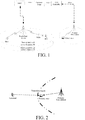
- an ASA-assisted TD-LTE system structure is as shown in FIG. 1 .
- a macro base station controls a Macro User Equipment (MUE), and a relay, and a Relay User Equipment (RUE) is connected with the relay and is positioned at the margin of a cell.
- MUE Macro User Equipment
- RUE Relay User Equipment
- a primary user is controlled by a primary base station.
- a secondary system operator network Operation, Administration and Maintenance (OAM) and the primary base station are both connected with an ASA controller managing an ASA spectrum.
- the ASA controller is independent from a 3GPP system.
- the ASA controller only provides spectrum-related information and actual wireless resource is still in charge of the 3GP system.
- Two usable carrier frequencies are assumed to exist, one is an existing LTE carrier frequency f0 and the other is an ASA carrier frequency f1.
- the macro base station uses the carrier frequency f0 as a central frequency point of a Primary Cell (P cell) to provide system information and basic Radio Resource Control (RRC) signaling, so as to provide low speed/high reliability data transmission for User Equipment (UE).
- RRC Radio Resource Control
- UE User Equipment
- the macro base station aggregates the ASA carrier frequency f1 as a central frequency point of a Secondary Cell (S cell) to provide massive high-speed data transmission.
- S cell Secondary Cell
- LG ELECTRONICS INC. filed a patent application No. WO2013/036005 , titled “METHOD OF INDICATING A CONTROL CHANNEL IN A WIRELESS ACCESS SYSTEM, BASE STATION FOR THE SAME AND USER EQUIPMENT FOR THE SAME".
- This patent provides a method for smoothly transceiving UL/DL data between a UE and a base station. But, this patent is based on a frequency manipulation, not taking into account the relay and the interferences it generates with its transmissions.
- a protection region is a specific region defined for protecting communication of the primary user.
- Threshold is a maximal interference threshold allowed by correct signal receiving of the primary user in the protection region.
- Threshold SINR is a minimal Signal to Interference plus Noise Ratio (SINR) value.
- SINR Signal to Interference plus Noise Ratio
- OAM judges and ensures that the base station or a terminal does no influence communication of the primary user when the ASA frequency point works.
- relay node enhancing cell coverage are deployed on the ASA carrier frequency, the RUE connected with the relay node is positioned at the cell margin, and the primary user is positioned at the margin of the protection region.
- uplink of the RUE generates interference to downlink of the primary user.
- uplink of the primary user generates interference to the downlink of the RUE.
- An interference scene is as shown in FIG. 3 , the scene is assumed as follows: N is set as a noise signal, I1 is interference of RUE uplink to the primary user, I2 is interference of primary user uplink to the RUE, I3 is interference of the relay to the primary user, D1 is a downlink signal of a relay access network, D2 is a downlink signal of the primary user, U1 is an uplink signal of the relay access network, and U2 is an uplink signal of the primary user.
- the ASA carrier frequency f1 is assumed to have one or more relay nodes.
- the primary user positioned at the margin of the TD-LTE cell requests for use of the carrier frequency f1 at a specific region (namely, the protection region)
- an RUE communication range close to the primary user is partially overlapped with the protection region, so that the RUE will generate interference to the downlink of the primary user. How to timely find and estimate interference is a key critical problem of ensuring QoS of the primary user.
- the ASA controller informs the OAM of the newest ASA spectrum use region
- the OAM informs the MME of reducing coverage of the macro base station at the margin of the protection region.
- the UE or the relay node need to be switched to the primary cell f0 unconditionally, thus severely affecting the experience and QoS of a user terminal, and causing network performance reduction; in addition, massive signalings are also consumed due to switching of massive nodes.
- the operators do not want the unconditional large batch switching.
- the invention aims to provide an ASA assistance-based interference coordination method in a heterogeneous TDD relay network, which is used for: in a TDD relay system structure, an ASA controller assists a secondary system in interference coordination through regulating time slot structure configuration and synchronous information, a Mobility Management Entity (MME) acquires time slot configuration and synchronous information of the primary system by ASA, and selects optimal time slot configuration and work mode for the relay node according to related information of the relay node in a jurisdiction range to prevent the secondary system from generate interference to the primary user.
- MME Mobility Management Entity
- the invention provides an ASA assistance-based interference coordination method in a heterogeneous TDD relay network, which is used in a scene with coexisting of an ASA assistance-based TD-LTE network and a TDD primary user network, and comprises two usable carrier frequencies, one of which is an LTE carrier frequency f0 and the other of which is an ASA carrier frequency f1, the carrier frequency f1 is a central frequency point of a primary cell and the ASA carrier frequency f1 is a central frequency point of a secondary cell, and the method comprises following steps:
- the request message comprises frame configuration information and time synchronous information of the primary system and is stored in an ASA database.
- control message comprises the protection region or spectrum use-related information, and frame configuration information and synchronous information of the primary system.
- the macro base station if the macro base station can acquire precise position information of the RUE and a relay node, the macro base station directly controls the related relay node and subordinate RUE to adjust frame configuration information, or configures part of RUE to measure to judge whether interference is generated to the primary user.
- the ASA assistance-based interference coordination method in a heterogeneous TDD relay network, wherein, in step 5, if the macro base station cannot acquire precise position information of the RUE, the macro base station or the relay node configure all RUE to measure to judge whether interference is generated to the primary user.
- the frame structure of the relay node to which the RUE belongs is adjusted according to following principles: a downlink access link subframe of a TD-LTE network relay is positioned in a downlink subframe of the primary user and an uplink access link subframe of the relay is positioned in an uplink subframe of the primary user.
- ASA assistance-based interference coordination method in a heterogeneous TDD relay network, spectrum efficiency is improved, switching times and signaling consumption caused by switching are reduced, integral performance of a TD-LTE cognitive network is effectively improved, and QoS of secondary users is ensured.
- FIG. 4 is a scene schematic diagram of an ASA assistance-based interference coordination system in a heterogeneous TDD relay network of the invention.
- a macro base station controls a relay node, and an RUE connected with the relay is positioned at a cell margin.
- the primary user is controlled by a primary base station and is positioned at the margin of a protection region.
- a secondary system OAM and the primary base station are both connected with an ASA controller managing ASA spectrum.
- the ASA controller is independent from a 3GPP system.
- the ASA controller only provides spectrum-related information and actual wireless resource is still in charge of the 3GPP system.
- Two usable carrier frequencies are assumed to exist, one is an existing LTE carrier frequency f0 and the other is an ASA carrier frequency f1.
- the macro base station uses the carrier frequency f0 as a central frequency point of a P cell to provide system information and basic RRC signaling, so as to provide speed/high reliability data transmission for User Equipment (UE) as much as possible.
- UE User Equipment
- the macro base station aggregates the ASA carrier frequency f1 as a central frequency point of an S cell to provide massive high-speed data transmission.
- uplink of the RUE generates interference to downlink of the primary user.
- uplink of the primary user generates interference to the downlink of the RUE.
- the ASA assistance-based interference coordination method in a heterogeneous TDD relay network comprises following steps:
- the ASA controller assists a secondary system for an interference coordination mechanism by regulating time slot structure configuration and synchronous information
- the MME acquires time slot configuration and synchronous information of the primary system by the ASA, and selects optimal time slot configuration and work mode for the relay node according to related information of the relay node in a jurisdiction range to prevent the secondary system from generate interference to the primary user, spectrum efficiency is improved, meanwhile, a relay node continuously work on the ASA carrier frequency f1, thus avoiding signaling consumption caused by a relay node and massive RUE switching and network performance reduction, Therefore, the invention effectively overcomes various defects in the prior art and has high industrial value in use.
Landscapes
- Engineering & Computer Science (AREA)
- Signal Processing (AREA)
- Computer Networks & Wireless Communication (AREA)
- Mobile Radio Communication Systems (AREA)
Description
- The invention belongs to the technical field of mobile wireless communication, in particular to ASA (Authorized Shared Access) assistance-based interference coordination in a heterogeneous TDD (Time Division Duplexing) relay network.
- Along with evolution of LTE and continuous growth of the mobile wireless communication system, higher data transmission rate and spectrum efficiency are required. Therefore, 3GPP puts forwards a Carrier Aggregation (CA) technology in the new LTE-Advanced standard, which is configured to allow operators to acquire larger bandwidth for system and network deployment through aggregation of some small continuous or noncontinuous carrier waves by realizing a high speed transmission CA technology with sufficient spectrum bandwidth (up to 100Mhz) and provide backward compatibility for prior users. However, extremely limited spectrum resource in the LTE system hardly meets the high speed transmission demand. Hence, adoption of other authorized spectrums as extension of the existing LTE authorized spectrum becomes one of considerable solutions of the LTE system.
- An ASA mechanism is an improved spectrum use mechanism based on a cognitive radio technology, can ensure use QOS of the mobile authorized user in an authorized frequency band, and provides ASA spectrum service with insufficient spectrum efficiency for secondary ASA users in the case of not interfering existing users.
- In prior art, an ASA-assisted TD-LTE system structure is as shown in
FIG. 1 . Known from the figure, in a scene with coexisting of the ASA assistance-based TD-LTE network and a TDD primary user network, a macro base station controls a Macro User Equipment (MUE), and a relay, and a Relay User Equipment (RUE) is connected with the relay and is positioned at the margin of a cell. In a primary user system, a primary user is controlled by a primary base station. A secondary system operator network Operation, Administration and Maintenance (OAM) and the primary base station are both connected with an ASA controller managing an ASA spectrum. The ASA controller is independent from a 3GPP system. The ASA controller only provides spectrum-related information and actual wireless resource is still in charge of the 3GP system. Two usable carrier frequencies are assumed to exist, one is an existing LTE carrier frequency f0 and the other is an ASA carrier frequency f1. The macro base station uses the carrier frequency f0 as a central frequency point of a Primary Cell (P cell) to provide system information and basic Radio Resource Control (RRC) signaling, so as to provide low speed/high reliability data transmission for User Equipment (UE). Meanwhile, the macro base station aggregates the ASA carrier frequency f1 as a central frequency point of a Secondary Cell (S cell) to provide massive high-speed data transmission. In this scene, due to dynamics of the ASA spectrum, it is required to further research, keep and improve service continuity, Qos, interference coordination, load balance and switching mechanism of the current system. - For instance, LG ELECTRONICS INC. filed a patent application No.
WO2013/036005 , titled "METHOD OF INDICATING A CONTROL CHANNEL IN A WIRELESS ACCESS SYSTEM, BASE STATION FOR THE SAME AND USER EQUIPMENT FOR THE SAME". This patent provides a method for smoothly transceiving UL/DL data between a UE and a base station. But, this patent is based on a frequency manipulation, not taking into account the relay and the interferences it generates with its transmissions. - A protection region is a specific region defined for protecting communication of the primary user. Threshold is a maximal interference threshold allowed by correct signal receiving of the primary user in the protection region. ThresholdSINR is a minimal Signal to Interference plus Noise Ratio (SINR) value. As shown in
FIG. 2 , C is set as a downlink signal of the primary user, I is set as an interference signal, N is set as a noise signal, then SINR of the primary user in the protection region is equal to C-I-N, which should be higher than ThresholdSINR.. According to related parameters such as Threshold1, or ThresholdSINR, sending power, path loss, position information and the like, OAM judges and ensures that the base station or a terminal does no influence communication of the primary user when the ASA frequency point works. - In a scene with coexisting of the ASA assistance-based TDD-LTE network and TDD primary user network, relay node enhancing cell coverage are deployed on the ASA carrier frequency, the RUE connected with the relay node is positioned at the cell margin, and the primary user is positioned at the margin of the protection region. When the primary user requests for use of the ASA carrier frequency, uplink of the RUE generates interference to downlink of the primary user. Similarly, uplink of the primary user generates interference to the downlink of the RUE.
- An interference scene is as shown in
FIG. 3 , the scene is assumed as follows:
N is set as a noise signal, I1 is interference of RUE uplink to the primary user, I2 is interference of primary user uplink to the RUE, I3 is interference of the relay to the primary user, D1 is a downlink signal of a relay access network, D2 is a downlink signal of the primary user, U1 is an uplink signal of the relay access network, and U2 is an uplink signal of the primary user. - When D2-I1-N is smaller than ThresholdSINR, the access network uplink of the relay (U1) generates interference to the downlink of the primary user (D2);
when D1-I2-N is smaller than ThresholdSINR, uplink of the primary user (U2) generates interference to the access network downlink (D1) of the relay;
when D2-I3-N is larger than ThresholdSINR, access network downlink of the relay (D1) will not generate interference to the downlink of the primary user (D2). - Under the ASA assistance-based TD-LTE network structure, the ASA carrier frequency f1 is assumed to have one or more relay nodes. When the primary user positioned at the margin of the TD-LTE cell requests for use of the carrier frequency f1 at a specific region (namely, the protection region), an RUE communication range close to the primary user is partially overlapped with the protection region, so that the RUE will generate interference to the downlink of the primary user. How to timely find and estimate interference is a key critical problem of ensuring QoS of the primary user.
- Generally speaking, the most direct method is that the ASA controller informs the OAM of the newest ASA spectrum use region, the OAM informs the MME of reducing coverage of the macro base station at the margin of the protection region. If in the secondary cell using the ASA carrier frequency, UE or relay node exist outside the new coverage, the UE or the relay node need to be switched to the primary cell f0 unconditionally, thus severely affecting the experience and QoS of a user terminal, and causing network performance reduction; in addition, massive signalings are also consumed due to switching of massive nodes. Along with increment of user number and improvement of user requirements, the operators do not want the unconditional large batch switching.
- In view of shortcomings of the prior art, the invention aims to provide an ASA assistance-based interference coordination method in a heterogeneous TDD relay network, which is used for: in a TDD relay system structure, an ASA controller assists a secondary system in interference coordination through regulating time slot structure configuration and synchronous information, a Mobility Management Entity (MME) acquires time slot configuration and synchronous information of the primary system by ASA, and selects optimal time slot configuration and work mode for the relay node according to related information of the relay node in a jurisdiction range to prevent the secondary system from generate interference to the primary user.
- In order to achieve the purpose and other related purposes, the invention provides an ASA assistance-based interference coordination method in a heterogeneous TDD relay network, which is used in a scene with coexisting of an ASA assistance-based TD-LTE network and a TDD primary user network, and comprises two usable carrier frequencies, one of which is an LTE carrier frequency f0 and the other of which is an ASA carrier frequency f1, the carrier frequency f1 is a central frequency point of a primary cell and the ASA carrier frequency f1 is a central frequency point of a secondary cell, and the method comprises following steps:
-
Step 1, when the primary user requests for use of the ASA carrier frequency f1, a primary base station sends a request message to an ASA controller to request for leaving ASA spectrum users in a protection region; -
Step 2, after the ASA controller receives the request from the primary system, the ASA controller sends an ASA control message to the OAM; -
Step 3, after the OAM receives the ASA control message, the MME to which the region, possibly generates interference to the primary system, belongs is inquired according to a new protection region in the ASA control message or the interference region message, and the ASA control message is sent to the MME to adjust the coverage of a macro base station in the region possibly generating interference; - Step 4, the MME calculates and informs related macro base stations of adjusting wireless resource control according to a new interference region and sends frame configuration information and synchronous information of the primary system to the related macro base stations.
- Step 5, the macro base station adjusts wireless resource control and reduces coverage of the ASA carrier frequency f1 on the secondary cell to avoid the interference generated to a primary system cell; and the macro base station finds an RUE close to the protection region of the primary system and possibly interfering to the primary user, adjusts a frame structure of relay node to which the RUE belongs and updates synchronous information;
- Step 6, the macro base station sends new frame configuration information and synchronous information to the relay node;
-
Step 7, the macro base station reports a new coverage of subordinate base stations and/or a coverage of relay node and a work mode; and -
Step 8, the ASA controller periodically sends frame configuration and synchronous information of the primary system to the OAM,
characterized in that, during execution of step 5, it is not required that an LTE secondary system and the primary system are kept precise synchronization, during downlink subframe transmission of the primary user, the relay node can carry out downlink transmission of an access link, downlink transmission of a backbone link or uplink transmission of the backbone link; and during uplink subframe transmission of the primary users, the relay node can carry out uplink transmission of an access link, downlink transmission of the backbone link or uplink transmission of the backbone link. - According to the ASA assistance-based interference coordination method in a heterogeneous TDD relay network, wherein, in
step 1, the request message comprises frame configuration information and time synchronous information of the primary system and is stored in an ASA database. - According to the ASA assistance-based interference coordination method in a heterogeneous TDD relay network, wherein, in
step 2, the control message comprises the protection region or spectrum use-related information, and frame configuration information and synchronous information of the primary system. - According to the ASA assistance-based interference coordination method in a heterogeneous TDD relay network, wherein, in step 5, if the macro base station can acquire precise position information of the RUE and a relay node, the macro base station directly controls the related relay node and subordinate RUE to adjust frame configuration information, or configures part of RUE to measure to judge whether interference is generated to the primary user.
- According to the ASA assistance-based interference coordination method in a heterogeneous TDD relay network, wherein, in step 5, if the macro base station cannot acquire precise position information of the RUE, the macro base station or the relay node configure all RUE to measure to judge whether interference is generated to the primary user.
- According to the ASA assistance-based interference coordination method in a heterogeneous TDD relay network, wherein, in step 5, the frame structure of the relay node to which the RUE belongs is adjusted according to following principles: a downlink access link subframe of a TD-LTE network relay is positioned in a downlink subframe of the primary user and an uplink access link subframe of the relay is positioned in an uplink subframe of the primary user.
- As mentioned above, according to the ASA assistance-based interference coordination method in a heterogeneous TDD relay network, spectrum efficiency is improved, switching times and signaling consumption caused by switching are reduced, integral performance of a TD-LTE cognitive network is effectively improved, and QoS of secondary users is ensured.
-
-
FIG. 1 shows a structural schematic diagram of an ASA assisted TD-LTE system structure in prior art; -
FIG. 2 shows a schematic diagram of a protection region of a primary user system in prior art; -
FIG. 3 shows a schematic diagram of an interference scene of an ASA assisted TD-LTE system structure in prior art; -
FIG. 4 is a scene schematic diagram of an ASA assistance-based interference coordination system in a heterogeneous TDD relay network of the invention; -
FIG 5 shows a reference diagram of ASA assisted dual system frame configuration in the invention; -
FIG. 6 shows a flowchart of an ASA assisted relay interference coordination signaling in the invention. - The present invention is described through specific examples, and those skilled in the art can easily learn other advantages and effects of the invention by content disclosed in the description. The invention can also be implemented or applied through other different specific examples, respective details in the description can be subject to various modifications or alternations based on different opinions and applications without departing from the invention.
- Different from an interference coordination method based on a self adaption power control mechanism, the invention adjusts the time slot configuration of the relay node by cooperation of ASA and MME to achieve an aim of interference coordination.
FIG. 4 is a scene schematic diagram of an ASA assistance-based interference coordination system in a heterogeneous TDD relay network of the invention. Known from the figure, in a scene with coexisting of an ASA assistance-based TD-LTE network and a TDD primary user network, a macro base station controls a relay node, and an RUE connected with the relay is positioned at a cell margin. In a primary user system, the primary user is controlled by a primary base station and is positioned at the margin of a protection region. A secondary system OAM and the primary base station are both connected with an ASA controller managing ASA spectrum. The ASA controller is independent from a 3GPP system. The ASA controller only provides spectrum-related information and actual wireless resource is still in charge of the 3GPP system. Two usable carrier frequencies are assumed to exist, one is an existing LTE carrier frequency f0 and the other is an ASA carrier frequency f1. The macro base station uses the carrier frequency f0 as a central frequency point of a P cell to provide system information and basic RRC signaling, so as to provide speed/high reliability data transmission for User Equipment (UE) as much as possible. Meanwhile, the macro base station aggregates the ASA carrier frequency f1 as a central frequency point of an S cell to provide massive high-speed data transmission. In this scene, when the primary user requests for use of the ASA carrier frequency, uplink of the RUE generates interference to downlink of the primary user. Similarly, uplink of the primary user generates interference to the downlink of the RUE. - With reference to
FIG. 6 , the ASA assistance-based interference coordination method in a heterogeneous TDD relay network comprises following steps: -
Step 1, when the primary user requests for use of the carrier frequency f1, a primary system base station sends a request message to an ASA controller to request for leaving ASA spectrum users in a protection region, the request message comprises frame configuration information and time synchronous information of the primary system and is stored in an ASA database; -
Step 2, after the ASA controller receives the request from the primary system, the ASA controller sends an ASA control message to the OAM, the control message comprises the protection region or spectrum use-related information, and frame configuration information and synchronous information of the primary system, if required, the OAM further updates coverage and a work mode of a secondary system macro base station according to this message; -
Step 3, after the OAM receives the ASA control message, the MME to which the region, possibly generates interference to the primary system, belongs is inquired according to a new protection region in the ASA control message or the interference region message, and the ASA control message is sent to the MME to adjust the coverage of a macro base station in the region possibly generating interference; - Step 4, the MME calculates and informs related macro base stations of adjusting wireless resource control (sending power, wave beam direction and the like) according to a new interference region and sends frame configuration information and synchronous information of the primary system to the related macro base stations
- Step 5, the macro base station adjusts wireless resource control (sending power, wave beam direction and the like) and reduces coverage of the ASA carrier frequency f1 on the secondary cell to avoid the interference generated to a primary system cell; if the RUE exists near to the protection region, the macro base station combines a current network state (sending power, user capacity, business flow, time delay need and the like of the relay and RUE) and the ASA control message (frame configuration and synchronous information of the primary system) to adjust a frame structure of a relay node to which the RUE belongs, and update synchronous information, and RUE uplink is prevented from interfering to the primary user downlink. This mechanism does not require the precise synchronization between the LTE secondary system and the primary system, during downlink subframe transmission of the primary user, the relay node can carry out downlink transmission of an access link, downlink transmission of a backbone link or uplink transmission of the backbone link; and during uplink subframe transmission of the primary user, the relay node can carry out uplink transmission of an access link, downlink transmission of the backbone link or uplink transmission of the backbone link. An application example of a frame configuration method of the TD-LTE network and the primary user network is as shown in
FIG. 5 , when the TD-LTE secondary network generates interference to the primary system or primary user, configuration of a TD-LTE frame structure is required to ensure that a downlink access link subframe of a TD-LTE network relay is positioned in a downlink subframe of the primary user and uplink access link subframe of the relay is positioned in an uplink subframe of the primary users, and a relay backbone link can be flexibly configured.
wherein, the macro base station can find the RUE close to the protection region of the primary system and possibly interfering to the primary user by adopting following steps:- if the macro base station can acquire precise position information (for example, GPS positioning information) of the RUE and a relay node, the macro base station directly controls related relay node and subordinate RUE to adjust frame configuration information, or configures part of RUE to measure to judge whether interference is generated to the primary user.
- If the macro base station cannot acquire precise position information of the RUE, the macro base station or a relay node configure all RUE to measure. Based on a measuring report, the macro base station reconfigures a frame structure and frame starting time for related relay node and subordinate RUE to enable the relay node to continuously use the ASA carrier frequency f1.
- Step 6, the macro base station sends new frame configuration information and synchronous information to the relay node;
-
Step 7, the macro base station reports new coverage of subordinate macro base stations and/or coverage of the relay node and a work mode (time slot coordination or non-time slot coordination mode, frame configuration information and the like). Such reported information can assist MME in monitoring and managing allocation of the ASA spectrum. -
Step 8, the ASA controller periodically sends frame configuration and synchronous information of the primary system to the OAM. - In conclusion, according to the ASA assistance-based interference coordination method in a heterogeneous TDD relay network, under a TDD relay system structure, the ASA controller assists a secondary system for an interference coordination mechanism by regulating time slot structure configuration and synchronous information, the MME acquires time slot configuration and synchronous information of the primary system by the ASA, and selects optimal time slot configuration and work mode for the relay node according to related information of the relay node in a jurisdiction range to prevent the secondary system from generate interference to the primary user, spectrum efficiency is improved, meanwhile, a relay node continuously work on the ASA carrier frequency f1, thus avoiding signaling consumption caused by a relay node and massive RUE switching and network performance reduction, Therefore, the invention effectively overcomes various defects in the prior art and has high industrial value in use.
- The aforesaid examples only describe principles and effects of the invention and do not intend to limit the invention. Any skilled in the art can modify or alter the examples which fall in the scope of the invention. Therefore, all equivalent modifications or alternations finished by a person with common knowledge in the art through disclosed by the invention are still covered by claims of the invention.
Claims (6)
- An ASA, Authorized Shared Access, assistance-based interference coordination method in a heterogeneous TDD, Time Division Duplex, network, which is used in a scene with coexisting of an ASA assistance-based TD-LTE, Time Division Duplex - Long-Term Evolution, network and a TDD, Time Division Duplex, primary user network, the heterogeneous TDD relay network comprising two usable carrier frequencies, one of which is an LTE carrier frequency f0 and the other of which is an ASA carrier frequency f1, the carrier frequency f1 is a central frequency point of a primary cell and the ASA carrier frequency f1 is a central frequency point of a secondary cell, wherein, the method comprises following steps:Step 1, a primary base station sending a request message to an ASA controller to request for leaving ASA spectrum users in a protection region, when a primary user requests for use of the ASA carrier frequency f1;Step 2, the ASA controller sending an ASA control message to an OAM, Operation Administration and Maintenance, the ASA controller receives the request from the primary system;Step 3, after the OAM receives the ASA control message, an MME, Mobility Management Entity, being inquired according to a new protection region in the ASA control message or the interference region message, and the ASA control message being sent to the MME to adjust the coverage of a macro base station in a region possibly interfering to the primary system, the region possibly interfering to the primary system belonging to the MME;Step 4, the MME calculating and informing related macro base stations to adjust wireless resource control according to a new interference region, and sending frame configuration information and synchronous information of the primary system to the related macro base stations;Step 5, the macro base station adjusting the wireless resource control and reducing coverage of the secondary cell on the ASA carrier frequency f1 to avoid the interference to a primary system cell; and the macro base station finding an RUE, Relay User Equipment, to the protection region of the primary system and possibly interfering to the primary users, adjusting a frame structure of a relay node to which the RUE belongs, and updating synchronous information;Step 6, the macro base station sending new frame configuration information and synchronous information to the relay node;Step 7, the macro base station reporting new coverage of subordinate base stations and/or coverage of the relay node and a work mode; andStep 8, the ASA controller periodically sending frame configuration and the synchronous information of the primary system to the OAM, wherein during execution of step 5, it is not required that an LTE secondary system and the primary system are kept precise synchronization, during downlink subframe transmission of the primary user, the relay node can carry out downlink transmission of an access link, downlink transmission of a backbone link or uplink transmission of the backbone link; and during uplink subframe transmission of the primary users, the relay node can carry out uplink transmission of an access link, downlink transmission of the backbone link or uplink transmission of the backbone link.
- The ASA assistance-based interference coordination method in a heterogeneous TDD relay network of claim 1, wherein,
in step 1, the request message comprises frame configuration information and time synchronous information of the primary system and is stored in an ASA database. - The ASA assistance-based interference coordination method in a heterogeneous TDD relay network of claim 1, wherein,
in step 2, the control message comprises the protection region or spectrum use-related information, and frame configuration information and synchronous information of the primary system. - The ASA assistance-based interference coordination method in a heterogeneous TDD relay network of claim 1, wherein,
in step 5, if the macro base station can acquire precise position information of the RUE and relay node, the macro base station directly controls related relay node and subordinate RUE to adjust frame configuration information, or configures part of RUE to measure to judge whether interference is generated to the primary users. - The ASA assistance-based interference coordination method in a heterogeneous TDD relay network of claim 1, wherein,
in step 5, if the macro base station cannot acquire precise position information of the RUE, the macro base station or relay node configure all RUE to measure to judge whether interference is generated to the primary users. - The ASA assistance-based interference coordination method in a heterogeneous TDD relay network of claim 1, wherein,
in step 5, the frame structure of the relay node to which the RUE belongs is adjusted according to following principles: a downlink access link subframe of a TD-LTE network relay is positioned in a downlink subframe of the primary users and an uplink access link subframe of the relay is positioned in an uplink subframe of the primary user.
Applications Claiming Priority (2)
| Application Number | Priority Date | Filing Date | Title |
|---|---|---|---|
| CN201310213462.7A CN104219716B (en) | 2013-05-31 | 2013-05-31 | Disturbance coordination method based on ASA auxiliary in isomery TDD junction networks |
| PCT/CN2014/075649 WO2014190823A1 (en) | 2013-05-31 | 2014-04-18 | Asa assisted interference coordination method in heterogeneous tdd relay network |
Publications (3)
| Publication Number | Publication Date |
|---|---|
| EP3007486A1 EP3007486A1 (en) | 2016-04-13 |
| EP3007486A4 EP3007486A4 (en) | 2017-05-03 |
| EP3007486B1 true EP3007486B1 (en) | 2018-08-01 |
Family
ID=51987978
Family Applications (1)
| Application Number | Title | Priority Date | Filing Date |
|---|---|---|---|
| EP14804842.4A Not-in-force EP3007486B1 (en) | 2013-05-31 | 2014-04-18 | Asa assisted interference coordination in heterogeneous tdd relay network |
Country Status (4)
| Country | Link |
|---|---|
| US (1) | US9893850B2 (en) |
| EP (1) | EP3007486B1 (en) |
| CN (1) | CN104219716B (en) |
| WO (1) | WO2014190823A1 (en) |
Families Citing this family (8)
| Publication number | Priority date | Publication date | Assignee | Title |
|---|---|---|---|---|
| CN104640219A (en) * | 2015-02-02 | 2015-05-20 | 厦门大学 | Interference coordinated sub-frame configuration method and device |
| WO2017062050A1 (en) * | 2015-10-07 | 2017-04-13 | Intel IP Corporation | Dynamically beamformed control channel for beamformed cells |
| CN105228189B (en) * | 2015-10-26 | 2019-04-23 | 西安电子科技大学 | Wireless Access Mode and Relay Selection Method in Heterogeneous Cooperative Networks |
| US10440688B2 (en) * | 2016-01-14 | 2019-10-08 | Samsung Electronics Co., Ltd. | Frame structures and signaling techniques for a unified wireless backhaul and access network |
| DE102016011153A1 (en) * | 2016-09-14 | 2018-03-15 | Kathrein-Werke Kg | control system |
| WO2020061724A1 (en) * | 2018-09-24 | 2020-04-02 | Qualcomm Incorporated | Triggering mechanism for remote interference management |
| US11882081B2 (en) | 2021-09-30 | 2024-01-23 | Motorola Solutions, Inc. | Intelligent interference mitigation for time division duplexing broadband networks |
| CN116170046A (en) * | 2021-11-24 | 2023-05-26 | 中国移动通信集团设计院有限公司 | Signal transmission method, device and equipment in a macro network |
Family Cites Families (13)
| Publication number | Priority date | Publication date | Assignee | Title |
|---|---|---|---|---|
| CN101257714B (en) * | 2008-04-08 | 2011-03-09 | 浙江大学 | Across layer self-adapting paralleling channel allocating method of cognized radio system |
| US8768359B2 (en) * | 2010-08-20 | 2014-07-01 | Qualcomm Incorporated | Sample selection for secondary synchronization signal (SSS) detection |
| CN103081524B (en) * | 2010-08-24 | 2016-02-10 | 诺基亚技术有限公司 | Method and apparatus for facilitating determination of available spectrum |
| CN107318125B (en) * | 2010-11-11 | 2021-08-27 | 瑞典爱立信有限公司 | Method and network node for configuring an ABS transmission mode and corresponding measurement mode |
| CN102098679B (en) * | 2011-01-27 | 2013-08-21 | 北京星河亮点技术股份有限公司 | Method for reducing long term evolution (LTE) radio communication system cell interference by using cognitive technology |
| US9578515B2 (en) * | 2011-05-13 | 2017-02-21 | Qualcomm Incorporated | Methods and apparatuses for frequency spectrum sharing |
| WO2013036005A1 (en) * | 2011-09-05 | 2013-03-14 | Lg Electronics Inc. | Method of indicating a control channel in a wireless access system, base station for the same and user equipment for the same |
| US9801117B2 (en) * | 2011-09-19 | 2017-10-24 | Qualcomm Incorporated | Method and apparatus for channel discovery in cognitive radio communications |
| JP5796448B2 (en) * | 2011-10-07 | 2015-10-21 | ソニー株式会社 | Wireless communication apparatus, wireless communication method, and wireless communication system |
| US20130121272A1 (en) * | 2011-11-14 | 2013-05-16 | Qualcomm Incorporated | Method and apparatus for dynamic frequency selection in wireless communications |
| WO2013078637A1 (en) * | 2011-11-30 | 2013-06-06 | 华为技术有限公司 | User bearer deactivation method and device |
| US10588101B2 (en) * | 2012-01-06 | 2020-03-10 | Qualcomm Incorporated | Long term evoluton (LTE) user equipment relays having a licensed wireless or wired backhaul link and an unlicensed access link |
| US9277416B2 (en) | 2012-09-18 | 2016-03-01 | Nokia Technologies Oy | Method and apparatus for scheduling radio resources |
-
2013
- 2013-05-31 CN CN201310213462.7A patent/CN104219716B/en not_active Expired - Fee Related
-
2014
- 2014-04-18 US US14/894,947 patent/US9893850B2/en not_active Expired - Fee Related
- 2014-04-18 WO PCT/CN2014/075649 patent/WO2014190823A1/en not_active Ceased
- 2014-04-18 EP EP14804842.4A patent/EP3007486B1/en not_active Not-in-force
Also Published As
| Publication number | Publication date |
|---|---|
| CN104219716B (en) | 2018-05-04 |
| EP3007486A1 (en) | 2016-04-13 |
| US9893850B2 (en) | 2018-02-13 |
| CN104219716A (en) | 2014-12-17 |
| EP3007486A4 (en) | 2017-05-03 |
| WO2014190823A1 (en) | 2014-12-04 |
| US20160112165A1 (en) | 2016-04-21 |
Similar Documents
| Publication | Publication Date | Title |
|---|---|---|
| US9893850B2 (en) | ASA assistance-based interference coordination method in heterogeneous TDD relay network | |
| EP2521279B1 (en) | Power control method and apparatus | |
| EP3096568B1 (en) | User terminal, radio base station, and radio communication method | |
| US9503232B2 (en) | Methods and apparatus for inter-cell interference coordination with protected subframes | |
| WO2018171006A1 (en) | Interference measurement method and related device | |
| EP3437385B1 (en) | Interference control in cellular communication system | |
| CN104429143A (en) | Methods and apparatus for in-device coexistence detection and mitigation | |
| US20230269611A1 (en) | Cross link interference measurement configuration | |
| CN106416408A (en) | Communication system for mitigating interference due to coexistence | |
| CN102137499B (en) | Method, system and equipment for performing interruption coordination | |
| KR102357945B1 (en) | Wireless communication methods, devices and network devices | |
| CN105323858B (en) | Frequency handover method, base station and system in a kind of timesharing long evolving system | |
| US20250310064A1 (en) | Nominal csi-rs configurations for spatial beam prediction | |
| CN107735957B (en) | Communication Systems | |
| EP2982153A1 (en) | Dynamic radio coverage area transition management with coordinated handover | |
| WO2018059264A1 (en) | Method and device for scheduling transmissions in wireless communication system | |
| WO2020094118A1 (en) | Data transmission method, sending terminal device, and receiving terminal device | |
| EP2323459A1 (en) | Mobile communication system and method | |
| US20250374101A1 (en) | Quality of experience measurement reporting | |
| US20190268814A1 (en) | Network Node and Methods Therein for User Plane Switching | |
| US20240397433A1 (en) | Selective uplink transmission power boosting for user equipment | |
| EP3755072B1 (en) | Method, apparatus and system for determining maximum transmit power, and storage medium | |
| WO2024150204A9 (en) | Embedding cross-link interference measurements in channel state information measurements | |
| CN103079211A (en) | Heterogeneous network interference coordination method on basis of carrier aggregation | |
| US11184864B2 (en) | Method for wireless communication, terminal device, network device, and network node |
Legal Events
| Date | Code | Title | Description |
|---|---|---|---|
| PUAI | Public reference made under article 153(3) epc to a published international application that has entered the european phase |
Free format text: ORIGINAL CODE: 0009012 |
|
| 17P | Request for examination filed |
Effective date: 20151223 |
|
| AK | Designated contracting states |
Kind code of ref document: A1 Designated state(s): AL AT BE BG CH CY CZ DE DK EE ES FI FR GB GR HR HU IE IS IT LI LT LU LV MC MK MT NL NO PL PT RO RS SE SI SK SM TR |
|
| AX | Request for extension of the european patent |
Extension state: BA ME |
|
| DAX | Request for extension of the european patent (deleted) | ||
| A4 | Supplementary search report drawn up and despatched |
Effective date: 20170331 |
|
| RIC1 | Information provided on ipc code assigned before grant |
Ipc: H04W 36/00 20090101AFI20170327BHEP Ipc: H04W 16/06 20090101ALI20170327BHEP Ipc: H04W 16/14 20090101ALI20170327BHEP |
|
| GRAP | Despatch of communication of intention to grant a patent |
Free format text: ORIGINAL CODE: EPIDOSNIGR1 |
|
| STAA | Information on the status of an ep patent application or granted ep patent |
Free format text: STATUS: GRANT OF PATENT IS INTENDED |
|
| INTG | Intention to grant announced |
Effective date: 20180227 |
|
| GRAS | Grant fee paid |
Free format text: ORIGINAL CODE: EPIDOSNIGR3 |
|
| GRAA | (expected) grant |
Free format text: ORIGINAL CODE: 0009210 |
|
| STAA | Information on the status of an ep patent application or granted ep patent |
Free format text: STATUS: THE PATENT HAS BEEN GRANTED |
|
| AK | Designated contracting states |
Kind code of ref document: B1 Designated state(s): AL AT BE BG CH CY CZ DE DK EE ES FI FR GB GR HR HU IE IS IT LI LT LU LV MC MK MT NL NO PL PT RO RS SE SI SK SM TR |
|
| REG | Reference to a national code |
Ref country code: GB Ref legal event code: FG4D |
|
| REG | Reference to a national code |
Ref country code: CH Ref legal event code: EP Ref country code: AT Ref legal event code: REF Ref document number: 1025825 Country of ref document: AT Kind code of ref document: T Effective date: 20180815 |
|
| REG | Reference to a national code |
Ref country code: IE Ref legal event code: FG4D |
|
| REG | Reference to a national code |
Ref country code: DE Ref legal event code: R096 Ref document number: 602014029632 Country of ref document: DE |
|
| REG | Reference to a national code |
Ref country code: NL Ref legal event code: MP Effective date: 20180801 |
|
| REG | Reference to a national code |
Ref country code: LT Ref legal event code: MG4D |
|
| REG | Reference to a national code |
Ref country code: AT Ref legal event code: MK05 Ref document number: 1025825 Country of ref document: AT Kind code of ref document: T Effective date: 20180801 |
|
| PG25 | Lapsed in a contracting state [announced via postgrant information from national office to epo] |
Ref country code: NO Free format text: LAPSE BECAUSE OF FAILURE TO SUBMIT A TRANSLATION OF THE DESCRIPTION OR TO PAY THE FEE WITHIN THE PRESCRIBED TIME-LIMIT Effective date: 20181101 Ref country code: SE Free format text: LAPSE BECAUSE OF FAILURE TO SUBMIT A TRANSLATION OF THE DESCRIPTION OR TO PAY THE FEE WITHIN THE PRESCRIBED TIME-LIMIT Effective date: 20180801 Ref country code: NL Free format text: LAPSE BECAUSE OF FAILURE TO SUBMIT A TRANSLATION OF THE DESCRIPTION OR TO PAY THE FEE WITHIN THE PRESCRIBED TIME-LIMIT Effective date: 20180801 Ref country code: BG Free format text: LAPSE BECAUSE OF FAILURE TO SUBMIT A TRANSLATION OF THE DESCRIPTION OR TO PAY THE FEE WITHIN THE PRESCRIBED TIME-LIMIT Effective date: 20181101 Ref country code: LT Free format text: LAPSE BECAUSE OF FAILURE TO SUBMIT A TRANSLATION OF THE DESCRIPTION OR TO PAY THE FEE WITHIN THE PRESCRIBED TIME-LIMIT Effective date: 20180801 Ref country code: PL Free format text: LAPSE BECAUSE OF FAILURE TO SUBMIT A TRANSLATION OF THE DESCRIPTION OR TO PAY THE FEE WITHIN THE PRESCRIBED TIME-LIMIT Effective date: 20180801 Ref country code: FI Free format text: LAPSE BECAUSE OF FAILURE TO SUBMIT A TRANSLATION OF THE DESCRIPTION OR TO PAY THE FEE WITHIN THE PRESCRIBED TIME-LIMIT Effective date: 20180801 Ref country code: RS Free format text: LAPSE BECAUSE OF FAILURE TO SUBMIT A TRANSLATION OF THE DESCRIPTION OR TO PAY THE FEE WITHIN THE PRESCRIBED TIME-LIMIT Effective date: 20180801 Ref country code: IS Free format text: LAPSE BECAUSE OF FAILURE TO SUBMIT A TRANSLATION OF THE DESCRIPTION OR TO PAY THE FEE WITHIN THE PRESCRIBED TIME-LIMIT Effective date: 20181201 Ref country code: AT Free format text: LAPSE BECAUSE OF FAILURE TO SUBMIT A TRANSLATION OF THE DESCRIPTION OR TO PAY THE FEE WITHIN THE PRESCRIBED TIME-LIMIT Effective date: 20180801 Ref country code: GR Free format text: LAPSE BECAUSE OF FAILURE TO SUBMIT A TRANSLATION OF THE DESCRIPTION OR TO PAY THE FEE WITHIN THE PRESCRIBED TIME-LIMIT Effective date: 20181102 |
|
| PG25 | Lapsed in a contracting state [announced via postgrant information from national office to epo] |
Ref country code: HR Free format text: LAPSE BECAUSE OF FAILURE TO SUBMIT A TRANSLATION OF THE DESCRIPTION OR TO PAY THE FEE WITHIN THE PRESCRIBED TIME-LIMIT Effective date: 20180801 Ref country code: LV Free format text: LAPSE BECAUSE OF FAILURE TO SUBMIT A TRANSLATION OF THE DESCRIPTION OR TO PAY THE FEE WITHIN THE PRESCRIBED TIME-LIMIT Effective date: 20180801 Ref country code: AL Free format text: LAPSE BECAUSE OF FAILURE TO SUBMIT A TRANSLATION OF THE DESCRIPTION OR TO PAY THE FEE WITHIN THE PRESCRIBED TIME-LIMIT Effective date: 20180801 |
|
| PG25 | Lapsed in a contracting state [announced via postgrant information from national office to epo] |
Ref country code: RO Free format text: LAPSE BECAUSE OF FAILURE TO SUBMIT A TRANSLATION OF THE DESCRIPTION OR TO PAY THE FEE WITHIN THE PRESCRIBED TIME-LIMIT Effective date: 20180801 Ref country code: EE Free format text: LAPSE BECAUSE OF FAILURE TO SUBMIT A TRANSLATION OF THE DESCRIPTION OR TO PAY THE FEE WITHIN THE PRESCRIBED TIME-LIMIT Effective date: 20180801 Ref country code: IT Free format text: LAPSE BECAUSE OF FAILURE TO SUBMIT A TRANSLATION OF THE DESCRIPTION OR TO PAY THE FEE WITHIN THE PRESCRIBED TIME-LIMIT Effective date: 20180801 Ref country code: ES Free format text: LAPSE BECAUSE OF FAILURE TO SUBMIT A TRANSLATION OF THE DESCRIPTION OR TO PAY THE FEE WITHIN THE PRESCRIBED TIME-LIMIT Effective date: 20180801 Ref country code: CZ Free format text: LAPSE BECAUSE OF FAILURE TO SUBMIT A TRANSLATION OF THE DESCRIPTION OR TO PAY THE FEE WITHIN THE PRESCRIBED TIME-LIMIT Effective date: 20180801 |
|
| REG | Reference to a national code |
Ref country code: DE Ref legal event code: R097 Ref document number: 602014029632 Country of ref document: DE |
|
| PG25 | Lapsed in a contracting state [announced via postgrant information from national office to epo] |
Ref country code: SK Free format text: LAPSE BECAUSE OF FAILURE TO SUBMIT A TRANSLATION OF THE DESCRIPTION OR TO PAY THE FEE WITHIN THE PRESCRIBED TIME-LIMIT Effective date: 20180801 Ref country code: SM Free format text: LAPSE BECAUSE OF FAILURE TO SUBMIT A TRANSLATION OF THE DESCRIPTION OR TO PAY THE FEE WITHIN THE PRESCRIBED TIME-LIMIT Effective date: 20180801 Ref country code: DK Free format text: LAPSE BECAUSE OF FAILURE TO SUBMIT A TRANSLATION OF THE DESCRIPTION OR TO PAY THE FEE WITHIN THE PRESCRIBED TIME-LIMIT Effective date: 20180801 |
|
| PLBE | No opposition filed within time limit |
Free format text: ORIGINAL CODE: 0009261 |
|
| STAA | Information on the status of an ep patent application or granted ep patent |
Free format text: STATUS: NO OPPOSITION FILED WITHIN TIME LIMIT |
|
| 26N | No opposition filed |
Effective date: 20190503 |
|
| PG25 | Lapsed in a contracting state [announced via postgrant information from national office to epo] |
Ref country code: SI Free format text: LAPSE BECAUSE OF FAILURE TO SUBMIT A TRANSLATION OF THE DESCRIPTION OR TO PAY THE FEE WITHIN THE PRESCRIBED TIME-LIMIT Effective date: 20180801 |
|
| REG | Reference to a national code |
Ref country code: DE Ref legal event code: R119 Ref document number: 602014029632 Country of ref document: DE |
|
| REG | Reference to a national code |
Ref country code: CH Ref legal event code: PL |
|
| REG | Reference to a national code |
Ref country code: BE Ref legal event code: MM Effective date: 20190430 |
|
| GBPC | Gb: european patent ceased through non-payment of renewal fee |
Effective date: 20190418 |
|
| PG25 | Lapsed in a contracting state [announced via postgrant information from national office to epo] |
Ref country code: MC Free format text: LAPSE BECAUSE OF FAILURE TO SUBMIT A TRANSLATION OF THE DESCRIPTION OR TO PAY THE FEE WITHIN THE PRESCRIBED TIME-LIMIT Effective date: 20180801 Ref country code: LU Free format text: LAPSE BECAUSE OF NON-PAYMENT OF DUE FEES Effective date: 20190418 |
|
| PG25 | Lapsed in a contracting state [announced via postgrant information from national office to epo] |
Ref country code: LI Free format text: LAPSE BECAUSE OF NON-PAYMENT OF DUE FEES Effective date: 20190430 Ref country code: CH Free format text: LAPSE BECAUSE OF NON-PAYMENT OF DUE FEES Effective date: 20190430 Ref country code: GB Free format text: LAPSE BECAUSE OF NON-PAYMENT OF DUE FEES Effective date: 20190418 Ref country code: DE Free format text: LAPSE BECAUSE OF NON-PAYMENT OF DUE FEES Effective date: 20191101 |
|
| PG25 | Lapsed in a contracting state [announced via postgrant information from national office to epo] |
Ref country code: BE Free format text: LAPSE BECAUSE OF NON-PAYMENT OF DUE FEES Effective date: 20190430 |
|
| PG25 | Lapsed in a contracting state [announced via postgrant information from national office to epo] |
Ref country code: TR Free format text: LAPSE BECAUSE OF FAILURE TO SUBMIT A TRANSLATION OF THE DESCRIPTION OR TO PAY THE FEE WITHIN THE PRESCRIBED TIME-LIMIT Effective date: 20180801 |
|
| PG25 | Lapsed in a contracting state [announced via postgrant information from national office to epo] |
Ref country code: IE Free format text: LAPSE BECAUSE OF NON-PAYMENT OF DUE FEES Effective date: 20190418 |
|
| PG25 | Lapsed in a contracting state [announced via postgrant information from national office to epo] |
Ref country code: FR Free format text: LAPSE BECAUSE OF NON-PAYMENT OF DUE FEES Effective date: 20190430 Ref country code: PT Free format text: LAPSE BECAUSE OF FAILURE TO SUBMIT A TRANSLATION OF THE DESCRIPTION OR TO PAY THE FEE WITHIN THE PRESCRIBED TIME-LIMIT Effective date: 20181201 |
|
| PG25 | Lapsed in a contracting state [announced via postgrant information from national office to epo] |
Ref country code: CY Free format text: LAPSE BECAUSE OF FAILURE TO SUBMIT A TRANSLATION OF THE DESCRIPTION OR TO PAY THE FEE WITHIN THE PRESCRIBED TIME-LIMIT Effective date: 20180801 |
|
| PG25 | Lapsed in a contracting state [announced via postgrant information from national office to epo] |
Ref country code: MT Free format text: LAPSE BECAUSE OF FAILURE TO SUBMIT A TRANSLATION OF THE DESCRIPTION OR TO PAY THE FEE WITHIN THE PRESCRIBED TIME-LIMIT Effective date: 20180801 Ref country code: HU Free format text: LAPSE BECAUSE OF FAILURE TO SUBMIT A TRANSLATION OF THE DESCRIPTION OR TO PAY THE FEE WITHIN THE PRESCRIBED TIME-LIMIT; INVALID AB INITIO Effective date: 20140418 |
|
| PG25 | Lapsed in a contracting state [announced via postgrant information from national office to epo] |
Ref country code: MK Free format text: LAPSE BECAUSE OF FAILURE TO SUBMIT A TRANSLATION OF THE DESCRIPTION OR TO PAY THE FEE WITHIN THE PRESCRIBED TIME-LIMIT Effective date: 20180801 |