EP3002287B1 - Thiochromeno[2,3-c]quinolin-12-one derivatives and their use as topoisomerase inhibitors - Google Patents
Thiochromeno[2,3-c]quinolin-12-one derivatives and their use as topoisomerase inhibitors Download PDFInfo
- Publication number
- EP3002287B1 EP3002287B1 EP14187461.0A EP14187461A EP3002287B1 EP 3002287 B1 EP3002287 B1 EP 3002287B1 EP 14187461 A EP14187461 A EP 14187461A EP 3002287 B1 EP3002287 B1 EP 3002287B1
- Authority
- EP
- European Patent Office
- Prior art keywords
- chloro
- thiochromeno
- quinolin
- amino
- compound
- Prior art date
- Legal status (The legal status is an assumption and is not a legal conclusion. Google has not performed a legal analysis and makes no representation as to the accuracy of the status listed.)
- Active
Links
- 0 C*N1CCCC1 Chemical compound C*N1CCCC1 0.000 description 2
- ZKTHGRNFSJIXPH-UHFFFAOYSA-N CC(C)NCCCNCCO Chemical compound CC(C)NCCCNCCO ZKTHGRNFSJIXPH-UHFFFAOYSA-N 0.000 description 1
- RZVHKYOUNCDYTN-UHFFFAOYSA-N CC(C)NCCNCCO Chemical compound CC(C)NCCNCCO RZVHKYOUNCDYTN-UHFFFAOYSA-N 0.000 description 1
- YDCNZMOBAPTYRB-UHFFFAOYSA-N CC(C)NCc1ccccn1 Chemical compound CC(C)NCc1ccccn1 YDCNZMOBAPTYRB-UHFFFAOYSA-N 0.000 description 1
- PLVAGECVSMTBNL-UHFFFAOYSA-N CN1CCC(CCCC2CCNCC2)CC1 Chemical compound CN1CCC(CCCC2CCNCC2)CC1 PLVAGECVSMTBNL-UHFFFAOYSA-N 0.000 description 1
Images

Classifications
-
- C—CHEMISTRY; METALLURGY
- C07—ORGANIC CHEMISTRY
- C07D—HETEROCYCLIC COMPOUNDS
- C07D495/00—Heterocyclic compounds containing in the condensed system at least one hetero ring having sulfur atoms as the only ring hetero atoms
- C07D495/02—Heterocyclic compounds containing in the condensed system at least one hetero ring having sulfur atoms as the only ring hetero atoms in which the condensed system contains two hetero rings
- C07D495/04—Ortho-condensed systems
-
- A—HUMAN NECESSITIES
- A61—MEDICAL OR VETERINARY SCIENCE; HYGIENE
- A61P—SPECIFIC THERAPEUTIC ACTIVITY OF CHEMICAL COMPOUNDS OR MEDICINAL PREPARATIONS
- A61P35/00—Antineoplastic agents
-
- A—HUMAN NECESSITIES
- A61—MEDICAL OR VETERINARY SCIENCE; HYGIENE
- A61P—SPECIFIC THERAPEUTIC ACTIVITY OF CHEMICAL COMPOUNDS OR MEDICINAL PREPARATIONS
- A61P35/00—Antineoplastic agents
- A61P35/02—Antineoplastic agents specific for leukemia
Definitions
- the invention relates to development of cancer drug, especially relates to the development of novel thiochromeno[2,3- c ]quinolin-12-one derivatives, preparation method and application thereof.
- Telomerase is the enzyme that synthesizes telomeric DNA, the terminal DNA at chromosome ends which, together with telomere-binding proteins, confers stability to chromosomes. In most of organism, the replication and maintenance of the length of telomere has to rely on telomerase.
- the telomerase is composed of RNA and protein subunits. At present, part of important telomerase subunits had been identified.
- human telomerase comprising: human telomerase reverse transcriptase (hTERT) having reverse transciptase activity, human telomerase RNA component used as a template, and some telomere-binding proteins such as human telomerase-associated protein, p23, hsp90, hsp40, hsp70 and the like.
- hTERT human telomerase reverse transcriptase
- human RNA component used as a template
- some telomere-binding proteins such as human telomerase-associated protein, p23, hsp90, hsp40, hsp70 and the like.
- telomere will be shorten gradually as the number of cell division increased, which may be considered as the mitotic clock for counting the number of cell division.
- M1 stage mortality stage 1
- M2 stage mortality stage 2
- M2 stage is also called a crisis satge. Most of cells will die in M2 stage, except small part of cells with telomerase activity will survive. This small part of cells will continue to divide without limitation and become an immortalized cell (or a cancer cell).
- telomere activation of telomerase can maintain the length of a telomere so as to prevent a cell from entering the ageing stage; or the inhibition of telomerase activity can be used to limit the division of a cancer cell. Both thought may become the key factors in the development of a cell toward immortalization or cancerization.
- telomerase inhibitors to treat the cancer have been considered as a novel cancer-specific therapy, as most tumor cells have high expression of telomerase, whereas most normal somatic cells express low or undetectable levels of telomerase and is therefore an attractive target for the design of anticancer agents.
- cancers arise from abnormal proliferation of DNA. Therefore, selectively destroy the DNA of cancer cells without damaging the DNA of normal cells is highly desired. However, it is difficult to differentiate the DNAs between normal cells and cancer cells. Consequently, specific 'targeted therapy' was developed following identification of the differences between normal cells and cancer cells, and when combined with other chemotherapies or radiation therapies, targeted therapy can significantly reduce side effects and provide better treatment outcomes. Thus, targeted therapy currently is a popular field in studying cancer treatments. Because topoisomerases have been found to play an indispensible role in DNA replication, they have become the objects of targeted therapy for anticancer treatments. The anticancer drug camptothecin discovered by M.E. Wall and M.C. Wani in 1966 through systematic screening of natural substances is an inhibitor for type I topoisomerases.
- camptothecin has numerous disadvantages and thus cannot be used for clinical treatment.
- the lactone ring can be easily hydrolyzed to hydroxycarboxylate in vivo at the normal pH and then binds to serum albumin and lose its effect of inhibiting the function of type I topoisomerases.
- the structure of the tricomplex of camptothecin-Top I-DNA is not stable because the complex is not maintained by covalent bonds and water solubility of camptothecin is poor which causes lower bioavailability.
- the p-glycoprotein (MDR1, ABC1) efflux transporter proteins in the cell membrane transported the drugs out of the cells and more important is that some tumor cells have slowly developed resistance and adverse drug side effects against camptothecin.
- topoisomerase inhibitors have been available in the prior art ( Cushman, et al. J. Med. Chem., 2000, 43 (20), pp 3688-3698 ; Strumberg, et al. J. Med. Chem., 1999, 42 (3), pp 446-457 ; Khadka & Cho. Expert Opin. Ther. Pat., 2013 Aug;23(8):1033-56 ; Croisy-Delcey, et al. Heterocycles, 1991, vol. 32, no10, pp. 1933-1945 ).
- present invention provides a compound as shown in formulation (I): wherein the R is selected from the groups consisting of:
- R group consisting of i) ⁇ vi) are selected from the group consisting of chlorine, hydroxyl, methoxyl, dimethylamino, piperazin-1-yl, 4-methylpiperazin-1-yl, 4-ethylpiperazin-1-yl, 4-(2-hydroxyethyl)piperazin-1-yl, 4-Benzylpiperazin-1-yl, 4-phenylpiperazin-1-yl, morpholino, thiomorpholino, piperidin-1-yl, 4-hydroxypiperidin-1-yl, 4-Benzylpiperidin-1-yl, (1,4'-Bipiperidin)-1'-yl, 4-(3-(piperidin-4-yl)propyl)piperidin-1-yl, pyrrolidin-1-yl, 2-oxopiperidin-1-yl, methylamino, ethylamino, propylamino, butylamino, isobutylamino
- the invention provides a pharmaceutical composition
- a pharmaceutical composition comprising an effective amount of the abovementioned compound and at least one pharmaceutically acceptable vehicle, diluent or excipient.
- the invention provides the presently disclosed compound for use in a method for inhibiting the Topoisomerase I activity of cancer cell, the method comprising administrating an effective amount of said compound.
- the invention provides the presently disclosed compound for use in a method for inhibiting the Topoisomerase II activity of cancer cell, the method comprising administrating an effevtive amount of said compound.
- the invention relates to the compound described herein for use in a method for the treatment of cancer, the method comprising administrating an effective amount of said compound.
- the cancer is selected from the groups consisting of leukemia, non-small cell lung cancer, colorectal cancer, central nervous system (CNS) cancer, melanoma, ovarian cancer, renal cancer, prostate cancer and breast cancer.
- CNS central nervous system
- the invention provides a method for preparation of thiochromeno[2,3- c ]quinolin-12-one derivatives, the method comprising:
- treatment refers to the methods which ameliorate, improve, reduce or reverse the patient's disease or any relevant symptoms caused by the disease, or methods which can prevent onset of such diseases or any resulting symptoms.
- inventive composition can be prepared into a dosage form for suitable application of the inventive composition by using technology commonly understood by a person skilled in the art through formulating the abovementioned Lactobacillus isolated strain(s) with a pharmaceutically acceptable vehicle, wherein the excipients include, but are not limited to, solution, emulsion, suspension, powder, tablet, pill, lozenge, troche, chewing gum, slurry, and other suitable forms.
- the pharmaceutically acceptable vehicle may contain one or several reagents selecting form the following list: solvents, emulsifiers, suspending agents, decomposers, binding agents, excipients, stabilizing agents, chelating agents, diluents, gelling agents, preservatives, lubricants, surfactants and other agents suitable for use in the invention.
- compositions one or more dissolving aids, buffers, preservatives, colorants, fragrances, flavoring agents and the like, which are commonly used for formulation can be added as desired.
- pharmaceutically acceptable excipients refers to substances known by persons skilled in the art, which are physiologically inert, pharmacologically inactive and are compatible with the physical as well as chemical characteristics of sorafenib or GW5074.
- Pharmaceutically acceptable excipients include, but are not limited to, polymers, resins, plasticizers, fillers, lubricants, diluents, binders, disintegrants, solvents, co-solvents, surfactants, preservatives, sweetening agents, flavoring agents, pharmaceutical grade dyes or pigments, and viscosity agents.
- composition is used to describe solid or liquid compositions in a form, concentration and purity that are suitable for administration in patients (e.g. humans or animals) and can induce desired physiological changes following administration.
- Pharmaceutical compositions are typically sterile and non-pyrogenic.
- Multiplicities are recorded as s (singlet), d (doublet), t (triplet), q (quartet), quin (quintuplet), sext (sextet), sep (septet), m (multiplet), dd (doublet of doublet), dt (doublet of triplet), td (triplet of doublet), qd (quartet of doublet) and br (broadened).
- Mass spectra High resolution electrospray ionization (HRESI): Finnigan MAT 95S (Instrumentation Center, National Taiwan University, Taipei, Taiwan).
- DU-145 and PC-3 are human hormone-refractory (androgen-independent) prostatic cancer cell lines from American Type Culture Collection (HTB-81TM, ATCC, Rockville, MD) 125 and Bioresource Collection and Research Center (60122, BCRC, Taiwan) 126 , respectively.
- HTB-81TM American Type Culture Collection
- 125 and Bioresource Collection and Research Center
- 60122, BCRC, Taiwan Bioresource Collection and Research Center
- Two of the "classical” cell lines were cultivated in RPMI-1640 medium supplemented with 5% fetal bovine serum (v/v), 100 U/mL penicillin, and 50 mg/mL streptomycin.
- Results are expressed as mean values of at least three independent experiments.
- the IC 50 values of testing compounds were described in Table 1. Table1. Effects of 10-Chloro-12 H- thiochromeno[2,3- c ]quinolin -12-one derivatives on cytotoxicity by MTT assay. No.
- compounds N7, N8, N14, N15, N17, and N18 containing more than one nitrogen atom in the side chains showed the outstanding cytotoxic activities than having a hydroxyl group, alkyl group, or aromatic rings.
- Compounds 5, 7, 8, 16, 19, N2, N7, N8, N9, N14, N15, N16, N17, N18, N19, and N25 were selected for TOPs activities assay.
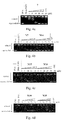
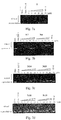
- compounds 5, 7, 8, 16, 19, N2, N7, N8, N9, N14-N19, and N25 were also selected for primary TOP I and II activities assays at 25 and/or 50 ⁇ M ( Fig. 2-4 ).
- TOP I activity assay compounds 7, N7, N14, N15, N17, N18, and N25 were showed more potent inhibitory effects than CPT and selected for further evaluation by using five different concentrations ( Figure 4 ).
- the IC 50 value of compounds 7, N7, N14, N15, N18, N19, and N25 were about 10, 10, 1, 5, 25, 5, and 25 ⁇ M, respectively (detect by TopoGEN TG2005H, TG-2000H-1).
- test results shown in this section are the compound cytotoxicities in vitro against cancer cell lines National Cancer Institute (NCI)'s anticancer drug screen and 26 compounds (2, 3, 4, 5, 6, 8, 10, 11, 12, 13, N1, N2, N6, N7, N9, N12, N13, N14, N16, N17, N19, N21, N25, N27, N30, N31) screened.
- NCI National Cancer Institute
- 26 compounds (2, 3, 4, 5, 6, 8, 10, 11, 12, 13, N1, N2, N6, N7, N9, N12, N13, N14, N16, N17, N19, N21, N25, N27, N30, N31) screened.
- cytotoxicity of the 26 compounds at the concentration of 10 ⁇ M was conducted on 60 cell lines and SRB assay was performed after 48 hours of incubation.
- the results are shown in Tables 2 to 4 and are represented by growth percentage.
Landscapes
- Chemical & Material Sciences (AREA)
- Organic Chemistry (AREA)
- Health & Medical Sciences (AREA)
- General Health & Medical Sciences (AREA)
- Life Sciences & Earth Sciences (AREA)
- Chemical Kinetics & Catalysis (AREA)
- General Chemical & Material Sciences (AREA)
- Medicinal Chemistry (AREA)
- Nuclear Medicine, Radiotherapy & Molecular Imaging (AREA)
- Pharmacology & Pharmacy (AREA)
- Veterinary Medicine (AREA)
- Animal Behavior & Ethology (AREA)
- Public Health (AREA)
- Hematology (AREA)
- Oncology (AREA)
- Pharmaceuticals Containing Other Organic And Inorganic Compounds (AREA)
- Heterocyclic Carbon Compounds Containing A Hetero Ring Having Oxygen Or Sulfur (AREA)
Description
- The invention relates to development of cancer drug, especially relates to the development of novel thiochromeno[2,3-c]quinolin-12-one derivatives, preparation method and application thereof.
- Telomerase is the enzyme that synthesizes telomeric DNA, the terminal DNA at chromosome ends which, together with telomere-binding proteins, confers stability to chromosomes. In most of organism, the replication and maintenance of the length of telomere has to rely on telomerase. The telomerase is composed of RNA and protein subunits. At present, part of important telomerase subunits had been identified. The composition of human telomerase comprising: human telomerase reverse transcriptase (hTERT) having reverse transciptase activity, human telomerase RNA component used as a template, and some telomere-binding proteins such as human telomerase-associated protein, p23, hsp90, hsp40, hsp70 and the like.
- Many research studies had indicated that the activity of human telomerase can only be detected in cells having high proliferation ability, for example, germ cells, hemopoietic cells, part of stem cells, most of immortalized cells and most of tumor cells. In the somatic cell, the telomere will be shorten gradually as the number of cell division increased, which may be considered as the mitotic clock for counting the number of cell division. When a telomere is shortened to a certain extent, cell will stop division and entering aging stage, stay at this stage for a period of time, and then goes to death. This period of time is called mortality stage 1 (M1 stage). When a tumor suppressor gene such as p53 or Rb is mutated within M1 stage, the cell might escape from aging stage and keeps on cell division in this period of time which is called mortality stage 2 (M2 stage). If a cell lacks of telomerase activity during this period, the length of a telomere will be reduced still, the telomere will not be able to protect the the terminal end of the chromosome, and this might result into the instability of the chromosome, as well as the cell can not transfer genetic information completely and enters apoptosis in the end. Therefore, M2 stage is also called a crisis satge. Most of cells will die in M2 stage, except small part of cells with telomerase activity will survive. This small part of cells will continue to divide without limitation and become an immortalized cell (or a cancer cell).
- In view of the foregoing, it is thought generally that the activation of telomerase can maintain the length of a telomere so as to prevent a cell from entering the ageing stage; or the inhibition of telomerase activity can be used to limit the division of a cancer cell. Both thought may become the key factors in the development of a cell toward immortalization or cancerization. In summary, using the telomerase inhibitors to treat the cancer have been considered as a novel cancer-specific therapy, as most tumor cells have high expression of telomerase, whereas most normal somatic cells express low or undetectable levels of telomerase and is therefore an attractive target for the design of anticancer agents.
- Cancers arise from abnormal proliferation of DNA. Therefore, selectively destroy the DNA of cancer cells without damaging the DNA of normal cells is highly desired. However, it is difficult to differentiate the DNAs between normal cells and cancer cells. Consequently, specific 'targeted therapy' was developed following identification of the differences between normal cells and cancer cells, and when combined with other chemotherapies or radiation therapies, targeted therapy can significantly reduce side effects and provide better treatment outcomes. Thus, targeted therapy currently is a popular field in studying cancer treatments. Because topoisomerases have been found to play an indispensible role in DNA replication, they have become the objects of targeted therapy for anticancer treatments. The anticancer drug camptothecin discovered by M.E. Wall and M.C. Wani in 1966 through systematic screening of natural substances is an inhibitor for type I topoisomerases.
- Unfortunately, camptothecin has numerous disadvantages and thus cannot be used for clinical treatment. For example, the lactone ring can be easily hydrolyzed to hydroxycarboxylate in vivo at the normal pH and then binds to serum albumin and lose its effect of inhibiting the function of type I topoisomerases. In addition, the structure of the tricomplex of camptothecin-Top I-DNA is not stable because the complex is not maintained by covalent bonds and water solubility of camptothecin is poor which causes lower bioavailability. The p-glycoprotein (MDR1, ABC1) efflux transporter proteins in the cell membrane transported the drugs out of the cells and more important is that some tumor cells have slowly developed resistance and adverse drug side effects against camptothecin. As a result, a number of water-soluble semi-synthetic drugs were developed even after commercialization of camptothecin such as Topotecan (HYCAMTIN®) which is used for treating ovarian cancer and Irinotecan (CAMPTO®) which is used for treating colon cancer and both have issues when used for clinical treatment.
- Other topoisomerase inhibitors have been available in the prior art (Cushman, et al. J. Med. Chem., 2000, 43 (20), pp 3688-3698; Strumberg, et al. J. Med. Chem., 1999, 42 (3), pp 446-457; Khadka & Cho. Expert Opin. Ther. Pat., 2013 Aug;23(8):1033-56; Croisy-Delcey, et al. Heterocycles, 1991, vol. 32, no10, pp. 1933-1945). However, there still remains a considerable need for new inhibitors that overcome the drawbacks of existing ones.
- Hence, based on the importance of topoisomerase inhibitors in development of anticancer drugs, the inventor of this application developed a series of novel thiochromeno[2,3-c]quinolin-12-one derivatives and disclosed the preparation methods as well as relevant applications herein after a number of innovative improvements.
- In one aspect, present invention provides a compound as shown in formulation (I):

- i) halo, amino, hydroxyl and thiol groups;
- ii) nitrogen-containing linear alkyl chains of NH(CH2)nH, alkyl groups with substituted side chains, alkyl side chains with a substituted amino group and alkyl side chains with a substituted hydroxyl group, wherein 1 ≤ n ≤ 10;
- iii) O(CH2)nH, N(CH3)2, NH(CH2)nNH(CH2)nOH, wherein 1 ≤ n ≤ 10;
- iv) nitrogen-containing cycloalkyl groups and heterocyclic compounds of C3-12 which contain 1 to 3 heteroatoms selected from the group consisting of O, S and N, wherein the ortho-, para- and meta- position can be further selected independently from one of the groups consisting of: hydrogen group, (CH2)nH alkyl groups, (CH2)n hydroxyl groups, (CH2)nC3-12 cycloalkyl groups, (CH2)nC3-12 nitrogen-containing cycloalkyl groups, (CH2)n benzene rings, formyl group and (CH2)nCOC3-12 nitrogen-containing cycloalkyl groups, wherein 0 ≤ n ≤ 10;
- v) NH(CH2)nR1, 0 ≤ n ≤ 10, wherein R1 is selected from the groups consisting of: N(CH3)2, C(NH2)2, linear alkyl chains of NH(CH2)nH, alkyl groups with substituted side chains, alkyl side chains with a substituted amino group and alkyl side chains with a substituted hydroxyl group;
- vi) NH(CH2)nR2, 0 ≤ n ≤ 10, wherein R2 is selected from the groups consisting of: benzene rings, C3-12 cycloalkyl groups and heterocyclic groups of which contain 1 to 3 heteroatoms selected from the group consisting of O, S and N, wherein the ortho-, para- and meta- position can be further selected independently from one of the groups consisting of: Methoxyl group, amino group, benzene rings, alkyl, amino, nitro,hydroxyl groups with substituted C1-C3 side chains and C3-12 heterocyclic groups; wherein the C3-12 heterocyclic groups which contain 1 to 3 heteroatoms selected from the group consisting of O, S and N;
- According to the invention, wherein the R group consisting of i) ∼ vi) are selected from the group consisting of chlorine, hydroxyl, methoxyl, dimethylamino, piperazin-1-yl, 4-methylpiperazin-1-yl, 4-ethylpiperazin-1-yl, 4-(2-hydroxyethyl)piperazin-1-yl, 4-Benzylpiperazin-1-yl, 4-phenylpiperazin-1-yl, morpholino, thiomorpholino, piperidin-1-yl, 4-hydroxypiperidin-1-yl, 4-Benzylpiperidin-1-yl, (1,4'-Bipiperidin)-1'-yl, 4-(3-(piperidin-4-yl)propyl)piperidin-1-yl, pyrrolidin-1-yl, 2-oxopiperidin-1-yl, methylamino, ethylamino, propylamino, butylamino, isobutylamino, pentan-3-ylamino, (2-(dimethylamino)ethyl)amino, (2-(diethylamino)ethyl)amino, 2-ethanolamino, 3-propanolamino, 5-pentanolamino, (1-hydroxybutan-2-yl)amino, (4-methylpentan-2-yl)amino, (2-Aminoethyl)amino, (2-((2-hydroxyethyl)amino)ethyl)amino, (2-morpholinoethyl)amino, (3-(dimethylamino)propyl)amino, (3-(diethylamino)propyl)amino, (3-((2-hydroxyethyl)amino)propyl)amino, (2,3-dihydro-1H-inden-2-yl)amino, cyclohexylamino, (1-Benzylpiperidin-4-yl)amino, (thiophen-2-ylmethyl)amino, (cyclohexylmethyl)amino, benzylamino, (pyridin-2-ylmethyl)amino, (Benzo[d][1,3]dioxol-5-ylmethyl)amino, (2-methoxybenzyl)amino, (3,4-dimethoxybenzyl)amino, phenethylamino, (4-methoxyphenethyl)amino, (4-aminophenethyl)amino, guanidine and piperidin-1-ylamino.
- According to the invention, wherein the compound is selected from the group consisting of:
- 3-((4-Chlorophenyl)thio)-2-hydroxyquinoline-4-carboxylic acid,
- 6,9-Dichloro-12H-thiochromeno[2,3-c]quinolin-12-one,
- 10-Chloro-6-hydroxy-12H-thiochromeno[2,3-c]quinolin-12-one,
- 10-Chloro-6-methoxy-12H-thiochromeno[2,3-c]quinolin-12-one 10-C hloro-6-dimethylamino-12H-thiochromeno[2,3-c]quinolin-12-one,
- 10-Chloro-6-(piperazin-1-yl)-12H-thiochromeno[2,3-c]quinolin-12-on e,
- 10-Chloro-6-(4-methylpiperazin-1-yl)-12H-thiochromeno[2,3-c]quino lin-12-one,
- 10-Chloro-6-(4-ethylpiperazin-1-yl)-12H-thiochromeno[2,3-c]quinoli n-12-one,
- 10-Chloro-6-(4-(2-hydroxyethyl)piperazin-1-yl)-12H-thiochromeno[2, 3-c]quinolin-12one,
- 6-(4-Benzylpiperazin-1-yl)-10-chloro-12H-thiochromeno[2,3-c]quinol in-12-one,
- 10-Chloro-6-(4-phenylpiperazin-1-yl)-12H-thiochromeno[2,3-c]quino lin-12-one,
- 10-Chloro-6-morpholino-12H-thiochromeno[2,3-c]quinolin-12-one,
- 10-Chloro-6-thiomorpholino-12H-thiochromeno[2,3-c]quinolin-12-on e,
- 10-Chloro-6-(piperidin-1-yl)-12H-thiochromeno[2,3-c]quinolin-12-on e,
- 10-Chloro-6-(4-hydroxypiperidin-1-yl)-12H-thiochromeno[2,3-c]quin olin-12-one,
- 6-(4-Benzylpiperidin-1-yl)-10-chloro-12H-thiochromeno[2,3-c]quinol in-12-one,
- 6-([1,4'-Bipiperidin]-1'-yl)-10-chloro-12H-thiochromeno[2,3-c]quinoli n-12-one,
- 10-Chloro-6-(4-(3-(piperidin-4-yl)propyl)piperidin-1--yl)-12H-thiochr omeno[2,3-c]quinolin-12-one,
- 10-Chloro-6-(pyrrolidin-1-yl)-12H-thiochromeno[2,3-c]quinolin-12-o ne,
- 10-Chloro-6-(2-oxopiperidin-1-yl)-12H-thiochromeno[2,3-c]quinolin-12-one,
- 10-Chloro-6-methylamino-12H-thiochromeno[2,3-c]quinolin-12-one,
- 10-Chloro-6-ethylamino-12H-thiochromeno[2,3-c]quinolin-12-one,
- 10-Chloro-6-propylamino-12H-thiochromeno[2,3-c]quinolin-12-one,
- 6-(Butylamino)-10-chloro-12H-thiochromeno[2,3-c]quinolin-12-one,
- 10-Chloro-6-isobutylamino-12H-thiochromeno[2,3-c]quinolin-12-one,
- 10-Chloro-6-(pentan-3-ylamino)-12H-thiochromeno[2,3-c]quinolin-1 2-one,
- 10-Chloro-6-((2-(dimethylamino)ethyl)amino)-12H-thiochromeno[2,3 -c]quinolin-12-one,
- 10-Chloro-6-((2-(diethylamino)ethyl)amino)-12H-thiochromeno[2,3-c ]quinolin-12-one,
- 10-Chloro-6-(2-ethanolamino)-12H-thiochromeno[2,3-c]quinolin-12-one,
- 10-Chloro-6-(3-propanolamino)-12H-thiochromeno[2,3-c]quinolin-12 -one,
- 10-Chloro-6-(5-pentanolamino)-12H-thiochromeno[2,3-c]quinolin-12 -one,
- 10-Chloro-6-((1-hydroxybutan-2-yl)amino)-12H-thiochromeno[2,3-c] quinolin-12-one,
- 10-Chloro-6-((4-methylpentan-2-yl)amino)-12H-thiochromeno[2,3-c] quinolin-12-one,
- 6-((2-Aminoethyl)amino)-10-chloro-12H-thiochromeno[2,3-c]quinoli n-12-one,
- 10-Chloro-6-((2-((2-hydroxyethyl)amino)ethyl)amino)-12H-thiochro meno[2,3-c]quinolin-12-one,
- 10-Chloro-6-((2-morpholinoethyl)amino)-12H-thiochromeno[2,3-c]qu inolin-12-one,
- 10-Chloro-6-((3-(dimethylamino)propyl)amino)-12H-thiochromeno[2, 3-c]quinolin-12-one,
- 10-Chloro-6-((3-(diethylamino)propyl)amino)-12H-thiochromeno[2,3 -c]quinolin-12-one,
- 10-Chloro-6-((3-((2-hydroxyethyl)amino)propyl)amino)-12H-thiochro meno[2,3-c]quinolin-12-one,
- 10-Chloro-6-((2,3-dihydro-1H-inden-2-yl)amino)-12H-thiochromeno[ 2,3-c]quinolin-12-one,
- 10-Chloro-6-(cyclohexylamino)-12H-thiochromeno[2,3-c]quinolin-12 -one,
- 6-((1-Benzylpiperidin-4-yl)amino)-10-chloro-12H-thiochromeno[2,3-c]quinolin-12-one,
- 10-Chloro-6-((thiophen-2-ylmethyl)amino)-12H-thiochromeno[2,3-c] quinolin-12-one,
- 10-Chloro-6-((cyclohexylmethyl)amino)-12H-thiochromeno[2,3-c]qui nolin-12-one,
- 6-(Benzylamino)-10-chloro-12H-thiochromeno[2,3-c]quinolin-12-one,
- 10-Chloro-6-((pyridin-2-ylmethyl)amino)-12H-thiochromeno[2,3-c]q uinolin-12-one,
- 6-((Benzo[d][1,3]dioxol-5-ylmethyl)amino)-10-chloro-12H-thiochrom eno[2,3-c]quinolin-12-one,
- 10-Chloro-6-((2-methoxybenzyl)amino)-12H-thiochromeno[2,3-c]qui nolin-12-one,
- 10-Chloro-6-((3,4-dimethoxybenzyl)amino)-12H-thiochromeno[2,3-c] quinolin-12-one,
- 10-Chloro-6-(phenethylamino)-12H-thiochromeno[2,3-c]quinolin-12-one,
- 10-Chloro-6-((4-methoxyphenethyl)amino)-12H-thiochromeno[2,3-c] quinolin-12-one,
- 6-((4-Aminophenethyl)amino)-10-chloro-12H-thiochromeno[2,3-c]qu inolin-12-one,
- 2-(10-Chloro-12-oxo-12H-thiochromeno[2,3-c]quinolin-6-yl)guanidin e,
- 10-Chloro-6-(piperidin-1-ylamino)-12H-thiochromeno[2,3-c]quinolin-12-one,
- and their salts.
- In another aspect, the invention provides a pharmaceutical composition comprising an effective amount of the abovementioned compound and at least one pharmaceutically acceptable vehicle, diluent or excipient.
- In another aspect, the invention provides the presently disclosed compound for use in a method for inhibiting the Topoisomerase I activity of cancer cell, the method comprising administrating an effective amount of said compound.
- In another aspect, the invention provides the presently disclosed compound for use in a method for inhibiting the Topoisomerase II activity of cancer cell, the method comprising administrating an effevtive amount of said compound.
- In another aspect, the invention relates to the compound described herein for use in a method for the treatment of cancer, the method comprising administrating an effective amount of said compound.
- According to the invention,, wherein the cancer is selected from the groups consisting of leukemia, non-small cell lung cancer, colorectal cancer, central nervous system (CNS) cancer, melanoma, ovarian cancer, renal cancer, prostate cancer and breast cancer.
- In another aspect, the invention provides a method for preparation of thiochromeno[2,3-c]quinolin-12-one derivatives, the method comprising:
- (1) mix isatin, 2-((4-chlorophenyl)thio)acetic acid and sodium acetate was heated at 150 °C for 1 h, after cooling the mixture was added acetic acid, the precipitate was collected, washed with acetic acid, water and n-hexane, and obtained compound 2 (3-((4-Chlorophenyl)thio)-2-hydroxyquinoline-4-carboxylic acid);
- (2) a solution of compound 2 (3-((4-Chlorophenyl)thio)-2-hydroxyquinoline-4-carboxylic acid) in phosphoryl trichloride was heated at 150 °C for 48 h, after cooling the mixture was poured into water 0 °C, the precipitate was collected by filtration, then added into 10% NaHCO3 with vigorous stirring for 1 h, the resulting precipitate was collected and washed with H2O, the crude solid was recrystallized by dichloromethane to give compound 3 (6,9-Dichloro-12H-thiochromeno[2,3-c] quinolin-12-one);
- (3) a solution of compound 3 (6,9-Dichloro-12H-thiochromeno [2,3-c]quinolin-12-one) in DMF was added conc. HCl and refluxed, after 6 hours, the conc. HCl was added dropwise and refluxed for another 12 hours, the mixture was evaporated in vacuo and treated with H2O, after filtered the crude solid was washed with EtOH to give compound 4 (10-Chloro-6-hydroxy-12H-thiochromeno[2,3-c]quinolin-12-one);
- (4) a suspension of compound 3 (6,9-Dichloro-12H-thiochromeno[2,3-c]quinolin-12-one) and sodium methoxide in methanol was refluxed for 16 h, after cooled the solvent was removed, filtrated and washed with ethanol and n-hexane to collect compound 5 (10-Chloro-6-methoxy-12H-thiochromeno[2,3-c]quinolin-12-one);
- (5) a solution of compound 3 (6,9-Dichloro-12H-thiochromeno[2,3-c]quinolin-12-one), appropriate secondary amines and sodium carbonate in DMSO was refluxed for 10 hours, then the reaction was added ice-water, the precipitate was filtered, washed with water/methanol to collect the following compound:
- 10-Chloro-6-dimethylamino-12H-thiochromeno[2,3-c]quinoli n-12-one,
- 10-Chloro-6-(piperazin-1-yl)-12H-thiochromeno[2,3-c]quinol in-12-one,
- 10-Chloro-6-(4-methylpiperazin-1-yl)-12H-thiochromeno[2,3 -c]quinolin-12-one,
- 10-Chloro-6-(4-ethylpiperazin-1-yl)-12H-thiochromeno[2,3-c ]quinolin-12-one,
- 10-Chloro-6-(4-(2-hydroxyethyl)piperazin-1-yl)-12H-thiochr omeno[2,3-c]quinolin-12one,
- 6-(4-Benzylpiperazin-1-yl)-10-chloro-12H-thiochromeno[2,3-c]quinolin-12-one,
- 10-Chloro-6-(4-phenylpiperazin-1-yl)-12H-thiochromeno[2,3 -c]quinolin-12-one,
- 10-Chloro-6-morpholino-12H-thiochromeno[2,3-c]quinolin-1 2-one,
- 10-Chloro-6-thiomorpholino-12H-thiochromeno[2,3-c]quinol in-12-one,
- 10-Chloro-6-(piperidin-1-yl)-12H-thiochromeno[2,3-c]quinol in-12-one,
- 10-Chloro-6-(4-hydroxypiperidin-1-yl)-12H-thiochromeno[2, 3-c]quinolin-12-one,
- 6-(4-Benzylpiperidin-1-yl)-10-chloro-12H-thiochromeno[2,3-c]quinolin-12-one,
- 6-([1,4'-Bipiperidin]-1'-yl)-10-chloro-12H-thiochromeno[2,3-c]quinolin-12-one,
- 10-Chloro-6-(4-(3-(piperidin-4-yl)propyl)piperidin-1-yl)-12H -thiochromeno[2,3-c]quinolin-12-one,
- 10-Chloro-6-(pyrrolidin-1-yl)-12H-thiochromeno[2,3-c]quino lin-12-one, or
- 10-Chloro-6-(2-oxopiperidin-1-yl)-12H-thiochromeno[2,3-c] quinolin-12-one respectively;
- (6) a solution of compound 3 (6,9-Dichloro-12H-thiochromeno[2,3-c]quinolin-12-one) in DMSO was added appropriate primary amines and refluxed for 8 hours, after cooled the reaction was added water, the precipitate was filtered and washed with water and methanol to collect the following compound:
- 10-Chloro-6-methylamino-12H-thiochromeno[2,3-c]quinolin-12-one,
- 10-Chloro-6-ethylamino-12H-thiochromeno[2,3-c]quinolin-1 2-one,
- 10-Chloro-6-propylamino-12H-thiochromeno[2,3-c]quinolin-12-one,
- 6-(Butylamino)-10-chloro-12H-thiochromeno[2,3-c]quinolin-12-one,
- 10-Chloro-6-isobutylamino-12H-thiochromeno[2,3-c]quinoli n-12-one,
- 10-Chloro-6-(pentan-3-ylamino)-12H-thiochromeno[2,3-c]qu inolin-12-one,
- 10-Chloro-6-((2-(dimethylamino)ethyl)amino)-12H-thiochro meno[2,3-c]quinolin-12-one,
- 10-Chloro-6-((2-(diethylamino)ethyl)amino)-12H-thiochrome no[2,3-c]quinolin-12-one,
- 10-Chloro-6-(2-ethanolamino)-12H-thiochromeno[2,3-c]quin olin-12-one,
- 10-Chloro-6-(3-propanolamino)-12H-thiochromeno[2,3-c]qui nolin-12-one,
- 10-Chloro-6-(5-pentanolamino)-12H-thiochromeno[2,3-c]qui nolin-12-one,
- 10-Chloro-6-((1-hydroxybutan-2-yl)amino)-12H-thiochromen o[2,3-c]quinolin-12-one,
- 10-Chloro-6-((4-methylpentan-2-yl)amino)-12H-thiochromen o[2,3-c]quinolin-12-one,
- 6-((2-Aminoethyl)amino)-10-chloro-12H-thiochromeno[2,3-c ]quinolin-12-one,
- 10-Chloro-6-((2-((2-hydroxyethyl)amino)ethyl)amino)-12H-t hiochromeno[2,3-c]quinolin-12-one,
- 10-Chloro-6-((2-morpholinoethyl)amino)-12H-thiochromeno[ 2,3-c]quinolin-12-one,
- 10-Chloro-6-((3-(dimethylamino)propyl)amino)-12H-thiochr omeno[2,3-c]quinolin-12-one,
- 10-Chloro-6-((3-(diethylamino)propyl)amino)-12H-thiochro meno[2,3-c]quinolin-12-one,
- 10-Chloro-6-((3-((2-hydroxyethyl)amino)propyl)amino)-12H -thiochromeno[2,3-c]quinolin-12-one,
- 10-Chloro-6-((2,3-dihydro-1H-inden-2-yl)amino)-12H-thioch romeno[2,3-c]quinolin-12-one,
- 10-Chloro-6-(cyclohexylamino)-12H-thiochromeno[2,3-c]qui nolin-12-one,
- 6-((1-Benzylpiperidin-4-yl)amino)-10-chloro-12H-thiochrom eno[2,3-c]quinolin-12-one,
- 10-Chloro-6-((thiophen-2-ylmethyl)amino)-12H-thiochromen o[2,3-c]quinolin-12-one,
- 10-Chloro-6-((cyclohexylmethyl)amino)-12H-thiochromeno[ 2,3-c]quinolin-12-one,
- 6-(Benzylamino)-10-chloro-12H-thiochromeno[2,3-c]quinoli n-12-one,
- 10-Chloro-6-((pyridin-2-ylmethyl)amino)-12H-thiochromeno [2,3-c]quinolin-12-one,
- 6-((Benzo[d][1,3]dioxol-5-ylmethyl)amino)-10-chloro-12H-t hiochromeno[2,3-c]quinolin-12-one,
- 10-Chloro-6-((2-methoxybenzyl)amino)-12H-thiochromeno[2 ,3-c]quinolin-12-one,
- 10-Chloro-6-((3,4-dimethoxybenzyl)amino)-12H-thiochrome no[2,3-c]quinolin-12-one,
- 10-Chloro-6-(phenethylamino)-12H-thiochromeno[2,3-c]quin olin-12-one,
- 10-Chloro-6-((4-methoxyphenethyl)amino)-12H-thiochromen o[2,3-c]quinolin-12-one,
- 6-((4-Aminophenethyl)amino)-10-chloro-12H-thiochromeno[ 2,3-c]quinolin-12-one,
- 2-(10-Chloro-12-oxo-12H-thiochromeno[2,3-c]quinolin-6-yl) guanidine, or
- 10-Chloro-6-(piperidin-1-ylamino)-12H-thiochromeno[2,3-c] quinolin-12-one respectively.
- These features and advantages of the present invention will be fully understood and appreciated from the following detailed description of the accompanying Drawings.
-
-
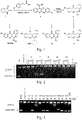
Fig. 1 depicts the general scheme for a series of thiochromeno [2,3-c]quinolin-12-one derivatives. -
Fig. 2 is the effect ofcompounds -
Fig. 3 is the effect of compounds N2, N7, N8, N9, N14-N19, N25, and CPT on DNA relaxation catalyzed by TOP I at a concentration of 50 µM. -
Fig. 4a-d are the effects ofcompounds 7, N7, N14, N15, N18, N19 and N25 on TOP I mediated supercoiled DNA relaxation. -
Fig. 5 is the effect ofcompounds -
Fig. 6 is the effect of compounds N2, N7, N8, N9, N14-N19, N25, and VP-16 on DNA relaxation catalyzed by TOP II at a concentration of 50 µM. -
Fig. 7a-d are the effects ofcompounds 7, N7, N8, N14, N15, N18, and N19 on TOP II mediated supercoiled DNA relaxation. - Unless defined otherwise, all technical and scientific terms used herein have the meaning commonly understood by a person skilled in the art to which this invention belongs. As used herein, the following terms have the meanings ascribed to them unless specified otherwise. The present invention will now be described more specifically with reference to the following embodiments, which are provided for the purpose of demonstration rather than limitation.
- The term "treatment", "under treatment" and similar terms refer to the methods which ameliorate, improve, reduce or reverse the patient's disease or any relevant symptoms caused by the disease, or methods which can prevent onset of such diseases or any resulting symptoms.
- The term ""pharmaceutically acceptable" is used to describe substances to be used in the composition must be compatible with other ingredients in the formulation and be harmless to the subject.
- The inventive composition can be prepared into a dosage form for suitable application of the inventive composition by using technology commonly understood by a person skilled in the art through formulating the abovementioned Lactobacillus isolated strain(s) with a pharmaceutically acceptable vehicle, wherein the excipients include, but are not limited to, solution, emulsion, suspension, powder, tablet, pill, lozenge, troche, chewing gum, slurry, and other suitable forms.
- The pharmaceutically acceptable vehicle may contain one or several reagents selecting form the following list: solvents, emulsifiers, suspending agents, decomposers, binding agents, excipients, stabilizing agents, chelating agents, diluents, gelling agents, preservatives, lubricants, surfactants and other agents suitable for use in the invention.
- In the abovementioned compositions, one or more dissolving aids, buffers, preservatives, colorants, fragrances, flavoring agents and the like, which are commonly used for formulation can be added as desired.
- The term "pharmaceutically acceptable excipients", as used herein, refers to substances known by persons skilled in the art, which are physiologically inert, pharmacologically inactive and are compatible with the physical as well as chemical characteristics of sorafenib or GW5074. Pharmaceutically acceptable excipients include, but are not limited to, polymers, resins, plasticizers, fillers, lubricants, diluents, binders, disintegrants, solvents, co-solvents, surfactants, preservatives, sweetening agents, flavoring agents, pharmaceutical grade dyes or pigments, and viscosity agents.
- The term "pharmaceutical composition" is used to describe solid or liquid compositions in a form, concentration and purity that are suitable for administration in patients (e.g. humans or animals) and can induce desired physiological changes following administration. Pharmaceutical compositions are typically sterile and non-pyrogenic.
- The present invention will now be described more specifically with reference to the following embodiments, which are provided for the purpose of demonstration rather than limitation. The drugs as well as biomaterials used in the invention are all commercially available materials and the sources disclosed below are merely examples.
- All reactions were monitored by thin-layer chromatography (TLC) coated with silica gel 60 F254. Melting points of all synthetic compounds were measured with Büchi B-545 melting point apparatus. 1H NMR: Varian GEMINI-300 (300 MHz) or Agilent 400 MR DD2 (400 MHz); δ values are in ppm relative to tetramethylsilane (TMS) as an internal standard (0 ppm). Multiplicities are recorded as s (singlet), d (doublet), t (triplet), q (quartet), quin (quintuplet), sext (sextet), sep (septet), m (multiplet), dd (doublet of doublet), dt (doublet of triplet), td (triplet of doublet), qd (quartet of doublet) and br (broadened). Mass spectra: High resolution electrospray ionization (HRESI): Finnigan MAT 95S (Instrumentation Center, National Taiwan University, Taipei, Taiwan). X-ray Single Crystal Diffraction: Bruker Enraf-Nonius APEX II diffractometer (Department of Chemistry, National Taiwan Normal University). Typical experiments illustrating the general procedures for the preparation of the thiochromenoquinolones are described below (
Fig. 1 ). - A mixture of isatin (1) (0.44 g, 2.99 mmol), 2-((4-chlorophenyl)thio)acetic acid (0.70 g, 3.47 mmol), and sodium acetate (0.05 g) was heated at 150 °C in miniclave for 1 h (TLC monitored). After cooling, the mixture was added
acetic acid 10 mL, and the gray precipitate was collected, washed with acetic acid, water and n-hexane, and obtained light purple compound. - A solution of compound 2 (0.55 g, 2.1 mmol) in phosphoryl trichloride (5 mL) was heated at 150 °C for 48 h. After cooling, the mixture was poured into ice (50 mL) at 0 °C. The resulting green precipitate that separated was collected by filtration. The filtered cake was suspended in 10% NaHCO3 solution (50 mL) with vigorous stirring for 1 h. The resulting precipitate was collected and washed with H2O. The crude solid was recrystallized from dichloromethane to give yellow product.
- To a solution of compound 3 (0.32 g, 0.96 mmol) in DMF (20 mL) was added conc. HCl (3 mL) and refluxed. After 6 h, the conc. HCl (6 mL) was added dropwise and refluxed for another 12 h. The mixture was evaporated in vacuo and treated with H2O (20 mL), after filtered the crude solid was washed with EtOH to give yellow solid.
- A suspension of compound 3 (0.33 g, 1.0 mmol) and sodium methoxide (0.55g, 10 mmol) in methanol (20 mL) was refluxed for 16 h. After cooled, the solvent was removed by rotarvapor vacuum, filtrated and washed with ethanol and n-hexane to collect the white solid.
- Compound 3 (0.33 g, 1.0 mmol), appropriate secondary amines (1.1 mmol) and sodium carbonate (5 mmol) in DMSO (20 mL) was refluxed for 10 h (TLC monitored). After 30 min, the reaction was added ice-water (100 mL). The precipitate was filtered, washed with water/methanol and collected to get the yellow solid.
- To a solution of compound 3 (0.33 g, 1.0 mmol) in DMSO (30 mL) was added appropriate primary amines (1.1 mmol) and refluxed for 8 h (TLC monitored). After cooled, the reaction was added water (100 mL). The precipitate was filtered and washed with water and hot methanol to collect the yellow solid.
- The pure compound was obtained as a gray solid (yield 86%). (Rf = 0.5 at EA: AcOH = 20: 1). Mp 306-308 °C. 1H NMR (300 MHz, DMSO-d 6): δ (ppm) 7.26 (3H, t, J = 7.6 Hz, Ar-H), 7.34 (2H, d, J = 6.0 Hz, Ar-H), 7.39 (1H, d, J = 8.0 Hz, Ar-H), 7.46 (1H, d, J = 8.0 Hz, Ar-H), 7.62 (1H, t, J = 8.0 Hz, Ar-H), 12.22 (1H, s, -COOH). 13C NMR (100 MHz, DMSO-d 6): δ (ppm) 115.58, 116.26, 120.36, 123.21, 126.21, 129.33, 130.30, 131.47, 132.54, 134.36, 140.11, 151.69, 159.37, 166.80 (CO). HRMS (ESI) calcd for C16H10NO3SCl [M]+ 331.0070; found [M+H]+ 332.0147 (100), [M+H+2]+ 334.0122 (33); found [M-H]- 330.0002.
- The yellow solid material was isolated in 90% yield (Rf = 0.50 at CH2Cl2: n-hexane = 1: 1). Mp 259-261°C (CH2Cl2). 1H NMR (400 MHz, CDCl3): δ (ppm) 7.71 (2H, m, Ar-H), 7.77-7.85 (2H, m, Ar-H), 8.10-8.13 (m, 1H, Ar-H), 8.60 (t, 1H, J = 1.2 Hz, Ar-H), 9.67-9.71 (1H, m, Ar-H). 13C NMR (100 MHz, CDCl3): δ (ppm) 124.87, 126.28, 127.85, 129.17, 129.39, 129.93, 130.31, 131.20, 131.90, 133.01, 133.09, 133.38, 134.43, 145.27, 146.61, 180.64 (CO). HRMS (ESI) calcd for C16H7NOSCl2 [M]+ 330.9625; found [M+H]+ 331.9699 (100), [M+H+2]+ 333.9672 (67), [M+H+4]+ 335.9645 (11).
- The yellow solid material was isolated in 95% yield (Rf = 0.40 at EA). Mp > 410 °C. 1H NMR (400 MHz, DMSO-d 6): δ ppm 7.35 (1H, td, J = 7.2, 1.2 Hz, Ar-H), 7.47 (1H, dd, J = 8.4, 1.2 Hz, Ar-H), 7.59 (1H, td, J = 7.2 Hz, 1.6 Hz, Ar-H), 7.89 (1H, dd, J = 8.4 Hz, 2.4 Hz, Ar-H), 8.10 (1H, d, J = 8.8 Hz, Ar-H), 8.38 (1H, d, J = 2.4 Hz, Ar-H), 9.35 (1H, dd, J = 8.4, 2.4 Hz, Ar-H), 12.73 (br, 1H, -OH). 13C NMR (75 MHz, CDCl3): 8 (ppm) 116.61, 117.52, 123.65, 126.82, 128.44, 130.22, 130.49, 130.54, 132.52, 133.00, 133.42, 135.09, 136.27, 138.90, 158.70, 180.38 (CO). HRMS (ESI) m/z calcd for C16H8NO2SCl [M]+: 312.9964, found, 314.0051.
- The gray solid material was isolated in 91% yield (Rf = 0.52 at CH2Cl2: n-hexane = 1: 1). Mp 227-228 °C. 1H NMR (400 MHz, CDCl3): δ (ppm) 4.27 (3H, s, -OCH3), 7.60 (1H, td, J = 7.6, 1.2 Hz, Ar-H), 7.37 (1H, d, J = 2.0 Hz, Ar-H), 7.70 (1H, td, J = 7.6 Hz, 1.6 Hz, Ar-H), 7.94 (1H, dd, J = 8.0 Hz, 1.2 Hz, Ar-H), 8.60 (1H, d, J = 1.6 Hz, Ar-H), 9.64 (1H, dd, J = 8.8 Hz, 1.2 Hz, Ar-H). 13C NMR (100 MHz, CDCl3): δ (ppm) 54.83 (OCH3), 122.91, 126.23, 126.54, 126.76, 127.66, 127.95, 129.23, 129.50, 130.54, 132.49, 133.48, 133.85, 143.82, 156.06, 180.47 (CO). HRMS (ESI) m/z calcd for C17H10NO2SCl [M]+ 327.0121; found [M+H]+ 328.0203, [M+H+2]+ 330.0172.
- Product 6 was prepared from 3 and dimethylamine. The light-yellow solid material was isolated in 85% yield (Rf = 0.45 at CH2Cl2: n-hexane = 1: 1). Mp 194-195 °C. 1H NMR (400 MHz, CDCl3): δ (ppm) 3.06 (6H, s, -CH3), 7.59-7.67 (3H, m, Ar-H), 7.71 (1H, t, J = 7.2 Hz, Ar-H), 8.00 (1H, d, J = 8.4 Hz, Ar-H), 8.59 (1H,d, J = 1.2 Hz, Ar-H), 9.60 (1H, d, J = 8.4 Hz, Ar-H). 13C NMR (100 MHz, CDCl3): δ (ppm) 43.00, 123.44, 125.71, 127.22, 127.78 128.47, 129.07, 129.37, 130.59, 130.67, 132.23, 132.46, 133.61, 134.36, 144.84, 158.32, 181.52 (CO). HRMS (ESI) calcd for C18H13N2OSCl [M]+ 340.0437; found [M+H]+ 341.0517 (100), [M+H+2]+ 343.0501 (33).
-
Product 7 was prepared from 3 and piperazine. The dark-yellow solid material was isolated in 69% yield (Rf = 0.12 at EA: MeOH: ammonia water = 20: 5: 1). Mp 211-213 °C. 1H NMR (400 MHz, CDCl3): δ (ppm) 3.20 (4H, t, J = 4.8 Hz, -CH2-), 3.36 (4H, t, J = 4.8 Hz, -CH2-), 7.60-7.66 (3H, m, Ar-H), 7.70 (1H, td, J = 8.0, 1.2 Hz, Ar-H), 7.99 (1H, dd, J = 8.4, 0.8 Hz, Ar-H), 8.56 (1H, d, J = 2.0 Hz, Ar-H), 9.60 (1H, dd, J = 8.4, 0.8 Hz, Ar-H). 13C NMR (100 MHz, CDCl3): δ (ppm) 45.95, 52.31, 123.62, 125.81, 127.58, 127.86, 128.72, 129.10, 129.37, 130.65, 130.99, 132.17,132.47, 133.63, 134.33, 144.94, 157.61, 181.45 (CO). HRMS (ESI) calcd for C20H16N3OSCl [M]+ 381.0703; found [M+H]+ 382.0783. -
Product 8 was prepared from 3 and 1-methylpiperazine. The green-yellow solid material was isolated in 80% yield (Rf = 0.24 at EA: methanol = 5: 1). Mp 212-214 °C. 1H NMR (400 MHz, CDCl3): δ (ppm) 2.51 (3H, s, -CH3), 2.84 (4H, br, -CH2-), 3.50 (4H, t, J = 4.5 Hz, -CH2-), 7.60-7.66 (3H, m, Ar-H), 7.68-7.72 (1H, td, J = 8.1, 1.5 Hz, Ar-H), 8.01 (1H, dd, J = 8.1, 1.5 Hz, Ar-H), 8.56 (1H, d, J = 1.5 Hz, Ar-H), 9.60 (1H, dd, J = 8.4, 1.5 Hz, Ar-H). 13C NMR (100 MHz, CDCl3): δ (ppm) 45.73, 50.31, 54.65, 123.70, 125.90, 127.60, 127.80, 128.82, 129.20, 129.39, 130.62, 130.84, 132.36, 132.47, 133.78, 134.24, 145.08, 157.18, 181.42 (CO). HRMS (ESI) calcd for C21H18N3OSCl [M]+ 395.0859; found [M+H]+ 396.0926. - Product 9 was prepared from 3 and 1-ethylpiperazine. The yellow solid material was isolated in 74% yield (Rf = 0.48 at EA: MeOH = 10: 1). Mp 196-198 °C. 1H NMR (400 MHz, CDCl3): δ (ppm) 1.19 (3H, t, J = 7.2 Hz, -CH3), 2.58 (2H, q, J = 7.2 Hz, -CH2-), 2.78 (4H, br, -CH2-), 3.46 (4H, t, J = 4.4 Hz, -CH2-), 7.61-7.66 (3H, m, Ar-H), 7.68-7.73 (1H, td, J = 8.4, 1.6 Hz, Ar-H), 8.01 (1H, dd, J = 8.0, 1.2 Hz, Ar-H), 8.59 (1H, d, J = 4.0 Hz, Ar-H), 9.62 (1H, dd, J = 8.4, 0.8 Hz, Ar-H). 13C NMR (100 MHz, CDCl3): δ (ppm) 12.07, 50.88, 52.46, 52.67, 123.55, 125.77, 127.48, 127.83, 128.78, 129.12, 129.36, 130.62, 130.76, 132.21, 132.47, 133.62, 134.34, 144.97, 157.34, 181.50 (CO). HRMS (ESI) calcd for C22H20N3OSCl [M]+ 409.1016; found [M+H]+ 410.1069.
-
Product 10 was prepared from 3 and 2-(piperazin-1-yl)ethanol. The green-yellow solid material was isolated in 60% yield (Rf = 0.37 at EA: MeOH= 2: 1). Mp 211-213 °C. 1H NMR (400 MHz, CDCl3): δ (ppm) 2.74 (2H, t, J = 5.2 Hz, -CH2-), 2.87 (4H, t, J = 3.6 Hz, -CH2-), 3.45 (4H, t, J = 3.6 Hz, -CH2-), 3.72 (2H, t, J = 5.2 Hz, -CH2O-), 7.62-7.67 (3H, m, Ar-H), 7.72 (1H, td, J = 7.2, 1.6 Hz, Ar-H), 8.01 (1H, dd, J = 8.4, 1.2 Hz, Ar-H), 8.59 (1H, d, J = 0.6 Hz, Ar-H), 9.62 (1H, dd, J = 4.8, 1.2 Hz, Ar-H). 13C NMR (100 MHz, CDCl3): δ (ppm) 50.85, 52.72, 57.74, 59.35, 123.65, 125.81, 127.66, 127.82, 128.73, 129.14, 129.44, 130.68, 130.77, 132.19, 132.51, 133.69, 134.21, 144.90, 157.26, 181.43 (CO). HRMS (ESI) calcd for C22H20N3O2SCl [M]+ 425.0965; found [M+H]+ 426.1024. - Product 11 was prepared from 3 and 4-benzylpiperazine. The yellow solid material was isolated in 81 % yield (Rf = 0.43 at EA: n-hexane = 1: 4). Mp 191-193 °C. 1H NMR (400 MHz, CDCl3): δ (ppm) 2.78 (4H, br, -CH2N-), 3.43 (4H, t, J = 4.85 Hz, - NCH2-), 3.68 (2H, s, -CH2-), 7.27-7.42 (5H, m, Ar'-H), 7.61-7.67 (3H, m, Ar-H), 7.71 (1H, td, J = 7.6, 1.6 Hz, Ar-H), 8.00 (1H, dd, J = 8.4, 1.2 Hz, Ar-H), 8.5 8 (1H, d, J = 2.0 Hz, Ar-H), 9.61 (1H, dd, J = 8.4, 1.2 Hz, Ar-H). 13C NMR (100 MHz, CDCl3): δ (ppm) 50.94, 52.96, 63.08, 123.57, 125.78, 127.18, 127.48, 127.83, 128.33, 128.73, 129.09, 129.17, 129.34, 130.58, 130.90, 132.18, 132.44, 133.60, 134.36, 138.11, 144.95, 157.48, 181.47 (CO). HRMS (ESI) calcd for C27H22N3OSCl [M]+ 471.1172; found [M+H]+ 472.1241.
- Product 12 was prepared from 3 and 1-phenylpiperazine. The yellow solid material was isolated in 77% yield (Rf = 0.73 at EA: n-hexane = 1: 4). Mp 236-237 °C. 1H NMR (300 MHz, CDCl3): δ (ppm) 3.50-3.60 (8H, m, -CH2-), 6.94 (1H, t, J = 7.2 Hz, Ar'-H), 7.04 (2H, d, J = 8.4 Hz, Ar'-H), 7.33 (2H, t, J = 7.5 Hz, Ar'-H), 7.63-7.67 (3H, m, Ar-H), 7.71 (1H, t, J = 7.2 Hz, Ar-H), 8.02 (1H, d, J = 7.2 Hz, Ar-H), 8.58 (1H, s, Ar-H), 9.63 (1H, d, J = 8.1 Hz, Ar-H). 13C NMR (75 MHz, CDCl3): δ (ppm) 48.60, 50.33, 115.77,119.51, 123.21, 125.38, 127.14, 127.30, 128.27, 128.65, 128.71, 128.88, 130.23, 131.77, 131.97, 133.22, 133.70, 144.52, 150.90, 156.83, 159.91, 180.91 (CO). HRMS (ESI) calcd for C26H20N3OSCl [M]+ 457.1016; found [M+H]+ 458.1095.
- Product 13 was prepared from 3 and morpholine. The yellow solid material was isolated in 70% yield (Rf = 0.42 at CH2Cl2). Mp 217-218 °C. 1H NMR (300 MHz, CDCl3): δ (ppm) 3.41 (4H, t, J = 4.5 Hz, -NCH2-), 4.02 (4H, t, J = 4.5 Hz, -CH2O-), 7.62-7.70 (3H, m, Ar-H), 7.73 (1H, td, J = 7.5, 1.5 Hz, Ar-H), 8.03 (1H, dd, J = 8.4, 1.5 Hz, Ar-H), 8.59 (1H, dd, J = 2.1, 0.6 Hz, Ar-H), 9.35 (1H, dd, J = 8.7, 1.8 Hz, Ar-H). 13C NMR (75 MHz, CDCl3): δ (ppm) 51.36, 66.88, 123.92, 126.06, 127.85, 127.91, 128.94, 129.34, 129.52, 130.71, 131.05, 132.50, 132.61, 133.95, 134.29, 145.23, 157.29, 181.51 (CO). HRMS (ESI) calcd for C20H15N2O2SCl [M]+ 382.8633; found [M+H]+ 383.0620.
- Product 14 was prepared from 3 and thiomorpholine. The yellow solid material was isolated in 86% yield (Rf = 0.77 at EA: n-hexane = 1: 4). Mp 219-220 °C. 1H NMR (300 MHz, CDCl3): δ (ppm) 2.98 (4H, t, J = 4.8 Hz, -NCH2-), 3.64 (4H, t, J = 5.1 Hz, -SCH2-), 7.62-7.84 (3H, m, Ar-H), 7.73 (1H, td, J = 8.4, 1.8 Hz, Ar-H), 8.06 (1H, dd, J = 8.1, 1.5 Hz, Ar-H), 8.57 (1H, dd, J = 1.8, 0.6 Hz, Ar-H), 9.61 (1H, dd, J = 7.8, 1.2 Hz, Ar-H). 13C NMR (75 MHz, CDCl3): δ (ppm) 27.06, 52.64, 114.95, 123.23, 125.40, 127.27, 127.31, 128.30, 128.68, 128.87, 130.55, 131.81, 131.96, 133.29, 133.70, 144.93, 157.43, 180.86 (CO). HRMS (ESI) m/z calcd for C20H15N2S2OCl+ [M]+ 398.0314, found [M+H]+ 399.0420, [M+H+2]+ 401.0394.
- Product 15 was prepared from 3 and piperidine. The yellow solid material was isolated in 86% yield (Rf = 0.75 at EA). Mp 187-188 °C. 1H NMR (400 MHz, CDCl3): δ (ppm) 1.71-1.74 (2H, m, -CH2-), 1.88 (4H, p, J = 4.5 Hz, -CH2-), 3.31 (4H, t, J = 4.2 Hz, -NCH2-), 7.60-7.64 (2H, m, Ar-H), 7.61 (1H, d, J = 6.3 Hz, Ar-H), 7.69 (1H, td, J = 5.1, 1.2 Hz, Ar-H), 7.99 (1H, dd, J = 5.4, 0.6 Hz, Ar-H), 8.58 (1H, d, J = 1.5 Hz, Ar-H), 9.62 (1H, dd, J = 6.3, 0.6 Hz, Ar-H) 13C NMR (100 MHz, CDCl3): δ (ppm) 24.27, 25.89, 52.33, 123.47, 125.75, 127.28, 127.85, 128.56, 129.02, 129.23, 130.48, 131.62, 132.16, 132.33, 133.46, 134.67, 144.97, 158.50, 181.51 (CO). HRMS (ESI) calcd for C21H17N2OSCl [M]+ 380.0750; found [M+H]+ 381.0816.
-
Product 16 was prepared from 3 and 4-hydroxypiperidine. The gray-yellow solid material was isolated in 84% yield (Rf = 0.4 at EA: n-hexane = 1: 1). Mp 224-225 °C. 1H NMR (400 MHz, CDCl3): δ (ppm) 1.89 (1H, td, J = 7.2, 2.7 Hz, piperidine-CHa), 1.94 (1H, td, J = 6.9, 2.7 Hz, piperidine-CHa), 2.15-2.21 (2H, m, piperidine-CHe), 3.19 (2H, td, J = 8.4, 2.1 Hz, piperidine-NCHa), 3.60-3.65 (2H, m, piperidine-NCHe), 4.01 (1H, sext, J = 3.0 Hz, piperidine-CH), 7.61-7.67 (3H, m, Ar-H), 7.71 (1H, td, J = 6.3, 1.2 Hz, Ar-H), 7.99 (1H, dd, J = 6.3, 0.6 Hz, Ar-H), 8.59 (1H, dd, J = 1.5, 0.6 Hz, Ar-H), 9.64 (1H, dd, J = 6.3, 0.6 Hz, Ar-H). 13C NMR (100 MHz, CDCl3): δ (ppm) 34.49, 48.90, 67.80, 123.62, 125.82, 127.54, 127.88, 128.64, 129.11, 129.36, 130.61, 131.29, 132.20, 132.47, 133.63, 134.43, 144.91, 157.83, 181.47 (CO). HRMS (ESI) calcd for C21H17N2OSCl [M]+ 396.0699; found [M+H]+ 397.0757. - Product 17 was prepared from 3 and 4-benzylpiperidine. The yellow solid material was isolated in 90% yield (Rf = 0.57 at CH2Cl2: n-hexane = 2: 1). Mp 184-185 °C. 1H NMR (400 MHz, CDCl3): δ (ppm) 1.67 (2H, td, J = 9.3, 3.0 Hz, -CH2-), 1.79-1.89 (1H, m, -CH-), 1.88 (2H, d, J = 6.9 Hz, piperidine-CH2), 2.71 (2H, d, J = 5.1 Hz, piperidine-CH2), 3.00 (2H, td, J = 9.3, 1.2 Hz, -NCH2-), 3.65 (2H, d, J = 9.3 Hz, -NCH2-), 7.20-7.25 (3H, m, Ar-H), 7.31-7.33 (2H, m, Ar-H), 7.60-7.72 (4H, m, Ar-H), 7.98 (1H, dd, J = 6.3, 0.6 Hz, Ar-H), 8.59 (1H, d, J = 1.8 Hz, Ar-H), 9.62 (1H, dd, J = 6.6, 0.6 Hz, Ar-H). 13C NMR (100 MHz, CDCl3): δ (ppm) 32.21, 37.88, 43.30, 51.64, 123.52, 125.79, 125.99, 127.36, 127.87, 128.61, 129.09, 129.17, 129.29, 130.55, 131.49, 132.22, 132.41, 133.54, 134.62, 140.46, 144.98, 147.04, 158.25, 181.55 (CO). HRMS (ESI) calcd for C28H23N2OSCl [M]+ 471.0130; found [M+H]+ 471.1276.
- Product 18 was prepared from 3 and 1,4'-bipiperidine. The yellow solid material was isolated in 92% yield (Rf = 0.15 at EA: MeOH= 5: 1). Mp 187-189 °C. 1H NMR (400 MHz, CDCl3): δ (ppm) 1.50-1.52 (2H, m, piperidine-H), 1.66-1.67 (3H, m, piperidine-H), 1.86-1.98 (2H, qd, J = 12.4, 2.8 Hz, piperidine-H), 2.06 (2H, d, J = 11.6 Hz, piperidine-H), 2.54 (1H, t, J = 10.8 Hz, piperidine-H), 2.65 (3H, br, piperidine-H), 3.05 (2H, t, J = 12 Hz, piperidine-H), 3.73 (2H, d, J = 12.8 Hz, piperidine-H), 7.60-7.66 (3H, m, Ar-H), 7.70 (1H, td, J = 8.0, 1.2 Hz, Ar-H), 7.98 (1H, d, J = 8.0 Hz, Ar-H), 8.58 (1H, s, Ar-H), 9.62 (1H, d, J = 8.8 Hz, Ar-H). 13C NMR (100 MHz, CDCl3): δ (ppm) 24.79, 26.36, 28.24, 50.45, 51.16, 62.40, 123.57, 125.80, 127.42, 127.86, 128.61, 129.08, 129.30, 130.52, 131.41, 132.18, 132.43, 133.56, 134.54, 144.92, 157.92, 181.47 (CO). HRMS (ESI) calcd for C26H26N3OSCl [M]+ 463.1485; found [M+H]+ 464.1593.
-
Product 19 was prepared from 3 and 1,3-di(piperidin-4-yl)propane. The yellow solid material was isolated in 76% yield (Rf = 0.13 at CH2Cl2). Mp 164-165 °C. 1H NMR (400 MHz, CDCl3): δ (ppm) 1.16 (2H, qd, J = 11.6, 3.2 Hz, -CH2-), 1.20-1.28 (2H, m, -CH2-), 1.36-1.39 (4H, m, -CH2-), 1.51-1.58 (4H, m, -CH2-), 1.70 (2H, d, J = 13.6 Hz, -CH2-), 1.87 (2H, d, J = 9.6 Hz, -CH2-), 2.43 (1H, br, -NH), 2.60 (2H, td, J = 12.0, 2.0 Hz, -CH2-), 2.99 (2H, t, J = 11.2 Hz, -CH2-), 3.10 (2H, d, J = 12 Hz, -CH2-), 3.64 (2H, d, J = 12.4 Hz, -CH2-), 7.59-7.65 (3H, m, Ar-H), 7.68 (1H, td, J = 8.0, 1.2 Hz, Ar-H), 8.00 (1H, dd, J = 11.2, 1.2 Hz, Ar-H), 8.57 (1H, d, J = 1.6 Hz, Ar-H), 9.61 (1H, d, J = 8.4 Hz, Ar-H). 13C NMR (100 MHz, CDCl3): δ (ppm) 23.66, 32.40, 33.24, 35.73, 36.08, 36.86, 37.38, 46.58, 51.76, 123.49, 125.79, 127.30, 127.84, 128.57, 129.05, 129.26, 130.49, 131.55, 132.17, 132.36, 133.50, 134.64, 144.98, 158.34, 181.50 (CO). HRMS (ESI) calcd for C29H32N3OSCl [M]+ 505.1955; found [M+H]+ 506.2004. - Product 20 was prepared from 3 and pyrrolidine. The solid material was isolated in 86% yield (Rf = 0.56 at CH2Cl2: n-hexane = 1: 1). Mp 170-171 °C. 1H NMR (300 MHz, CDCl3): δ (ppm) 2.05 (4H, quin, J = 3.6 Hz, -CH2-), 3.76 (4H, t, J = 6.9 Hz, -NCH2-), 7.50(1H, td, J = 7.2, 1.5 Hz, Ar-H), 7.61 (1H, d, J = 1.5 Hz, Ar-H11), 7.65 (1H, td, J = 7.5, 1.5 Hz, Ar-H), 7.88 (1H, dd, J = 8.4, 1.5 Hz, Ar-H), 8.54 (1H, t, J = 1.5 Hz, Ar-H), 9.44 (1H, dd, J = 8.7, 1.5 Hz, Ar-H). 13C NMR (75 MHz, CDCl3): δ (ppm) 24.89, 50.52, 121.90, 124.97, 125.17, 126.92, 127.33, 128.42, 128.84, 130.09, 131.77, 131.92, 133.10, 133.32, 144.73, 154.62, 159.91, 181.07 (CO). HRMS (ESI) calcd for C20H15N2OSCl [M]+ 366.0594; found [M+H]+ 367.0659.
- Product 21 was a yellow solid material which was isolated in 89% yield. Mp: 258-261 °C.1H NMR (400 MHz, CDCl3): δ ppm. 1.25 (1H, d, J = 4.8 Hz, piperidone-H), 2.44 (2H, quin, -CH2-), 2.61 (1H, s, piperidone-H), 2.75 (2H, t, J = 8.4 Hz, -CH2-), 4.11-4.14 (2H, m, -CH2-), 7.60-7.67 (2H, m, Ar-H), 7.78-7.81 (2H, m, Ar-H), 8.09-8.12 (1H, m, Ar-H), 8.60 (1H, d, J = 2.0 Hz, Ar-H), 9.72-9.75 (1H, m, Ar-H). 13C NMR (100 MHz, CDCl3): δ ppm. 19.37, 31.47, 41.05, 49.14, 125.25, 126.08, 127.65, 129.29, 129.51, 129.80, 129.88, 130.74, 131.96, 132.26, 132.74, 133.47, 133.91, 145.05, 148.08, 176.14, 181.01.
- Product N1 was prepared from 3 and methylamine. The pure compound was obtained as a yellow solid (yield 92%) (Rf = 0.65 at CH2Cl2). Mp 237-238 °C (MeOH). 1H NMR (400 MHz, CDCl3): δ (ppm) 3.26 (3H, d, J = 4.8 Hz, -CH3), 4.92 (1H, d, J = 4.8 Hz, -NH-), 7.45 (1H, td, J = 11.2, 1.6 Hz, Ar-H), 7.58 (1H, d, J = 8.4 Hz, Ar-H), 7.69-7.65 (2H, m, Ar-H), 7.86 (1H, dd, J = 8.4, 0.8 Hz, Ar-H), 8.56 (1H, d, J = 1.6 Hz, Ar-H), 9.45 (1H, dd, J = 8.4, 1.2 Hz, Ar-H). 13C NMR (100 MHz, CDCl3): δ (ppm) 29.38, 120.73, 123.68, 124.65, 125.87, 127.18, 127.49, 129.38, 129.51, 129.62, 131.04, 132.50, 132.53, 134.14, 145.64, 151.21, 180.96 (CO). HRMS (ESI) m/z calcd for C17H11N2OSCl [M]+: 326.0281, found [M+H]+: 327.0356.
- Product N2 was prepared from 3 and ethylamine. The pure compound was obtained as a yellow solid (yield 91%) (Rf = 0.75 at CH2Cl2). Mp 204-205 °C (MeOH). 1H NMR (400 MHz, CDCl3): δ (ppm) 1.41 (3H, t, J = 7.2 Hz, -CH3), 3.75 (2H, q, J = 1.6 Hz, -CH2-), 4.81 (1H, br, -NH-), 7.44 (1H, td, J = 8.4, 1.6 Hz, Ar-H), 7.58-7.64 (3H, m, Ar-H), 7.83 (1H, d, J = 8.4 Hz, Ar-H), 8.56 (1H, d, J = 1.6 Hz, Ar-H), 9.44 (1H, d, J = 8.4 Hz, Ar-H). 13C NMR (100 MHz, CDCl3): δ (ppm) 14.79, 37.28, 120.70, 123.50, 124.58, 125.84, 127.18, 127.47, 129.39, 129.47, 129.66, 131.08, 132.50, 132.53, 134.12, 145.67, 150.55, 181.00 (CO). HRMS (ESI) m/z calcd for C18H13N2OSCl [M]+: 340.0437, found [M+H]+: 341.0493.
- Product N3 was prepared from 3 and propylamine. The pure compound was obtained as a yellow solid (yield 85%) (Rf = 0.82 at CH2Cl2). Mp 178-179 °C (MeOH). 1H NMR (400 MHz, CDCl3): δ (ppm) 1.09 (3H, t, J = 7.2 Hz, -CH3), 1.81 (2H, sext, J = 7.2 Hz, -CH2-), 3.69 (2H, q, J = 7.2 Hz, -NCH2-), 4.87 (1H, br, -NH-), 7.44 (1H, td, J = 8.0, 1.2 Hz, Ar-H), 7.58-7.64 (3H,m, Ar-H), 7.82 (1H, d, J = 8.0 Hz, Ar-H), 8.56 (1H,d, J = 1.2 Hz, Ar-H), 9.44 (1H, d, J = 8.8 Hz, Ar-H). 13C NMR (100 MHz, CDCl3): δ (ppm) 11.68, 22.64, 44.13, 120.67, 123.53, 124.53, 125.82, 127.15, 127.46, 129.38, 129.46, 129.65, 131.05, 132.49, 134.10, 145.66, 150.62, 181.02 (CO). HRMS (ESI) m/z calcd for C19H15N2OSCl [M]+: 354.0594, found [M+H]+: 355.0651.
- Product N4 was prepared from 3 and butylamine. The pure compound was obtained as a yellow solid (yield 91%) (Rf = 0.85 at CH2Cl2). Mp 147-149 °C (MeOH). 1H NMR (400 MHz, CDCl3): δ (ppm) 1.03 (3H, t, J = 7.2 Hz,-CH3), 1.53 (2H, sext, J = 7.2 Hz, -CH2-), 1.76 (2H, quin, J = 7.2 Hz, -CH2- ), 3.71 (2H, q, J = 6.8 Hz, -NCH2-), 4.83 (1H, br, -NH-), 7.43 (1H, td, J = 7.6, 1.2 Hz, Ar-H), 7.57-7.64 (3H, m, Ar-H), 7.82 (1H, d, J = 8.4 Hz, Ar-H), 8.55 (1H, d, J = 1.6 Hz, Ar-H), 9.43 (1H, d, J = 8.4 Hz, Ar-H). 13C NMR (100 MHz, CDCl3): δ (ppm) 13.97, 20.36, 31.54, 42.12, 120.67, 123.53, 124.52, 125.84, 127.16, 127.46, 129.38, 129.46, 129.65, 131.05, 132.48, 132.52, 134.11, 145.68, 150.62, 181.00 (CO). HRMS (ESI) m/z calcd for C20H17N2OSCl [M]+: 368.0750, found [M+H]+: 369.0846.
- Product N5 was prepared from 3 and isobutylamine. The pure compound was obtained as a yellow crystal (yield 61%) (Rf = 0.85 at CH2Cl2). Mp 159-160 °C (MeOH). 1H NMR (400 MHz, CDCl3): δ (ppm) 1.08 (6H, d, J = 6.8 Hz,-CH3), 2.10 (1H, sep, J = 6.8 Hz,-CH-), 3.56 (2H, t, J = 6.4 Hz, -CH2-), 4.94 (1H, br, -NH), 7.44(1H, t, J = 7.2 Hz, Ar-H), 7.59-7.64 (3H, m, Ar-H), 7.82 (1H, d, J = 8.4 Hz, Ar-H), 8.57 (1H, dd, J = 2.0, 0.8 Hz, Ar-H), 9.43 (1H, d, J = 8.4 Hz, Ar-H). 13C NMR (100 MHz, CDCl3): δ (ppm) 20.50, 28.16, 49.72, 120.67, 123.54, 124.51, 125.82, 127.13, 127.47, 129.39, 129.47, 129.69, 131.02, 132.50, 134.11, 138.34, 145.62, 150.68, 181.02 (CO). HRMS (ESI) m/z calcd for C20H17N2OSCl [M]+: 368.0750, found [M+H]+: 369.0825.
- Product N6 was prepared from 3 and 3-aminopentane. The pure compound was obtained as a light yellow crystal (yield 65%) (Rf = 0.87 at CH2Cl2). Mp 160-161 °C (MeOH). 1H NMR (400 MHz, CDCl3): δ (ppm) 0.92 (6H, t, J = 7.6 Hz, -CH3), 1.69 (4H, quin, J = 6.0 Hz, -CH2-), 4.34 (1H, sext, J = 7.2 Hz, -CH-), 6.58 (1H, d, J = 8.0 Hz, Ar-H), 7.36(1H, t, J = 8.0 Hz, Ar-H), 7.58 (1H, t, J = 8.0 Hz, Ar-H), 7.65 (1H, d, J = 8.0 Hz, Ar-H), 7.90 (1H, dd, J = 8.4, 2.4 Hz, Ar-H), 8.01 (1H, d, J = 8.4 Hz, Ar-H), 8.40 (1H, d, J = 2.4 Hz, Ar-H), 9.34 (1H, d, J = 8.8 Hz, Ar-H). 13C NMR (100 MHz, CDCl3): δ (ppm) 11.21, 26.86, 54.41, 120.16, 123.92, 125.13, 125.81, 127.05, 128.49, 129.02, 129.37, 129.73, 132.17, 132.55, 133.22, 133.29, 145.69, 151.64, 180.85 (CO). HRMS (ESI) m/z calcd for C21H19N2OSCl [M]+: 382.0907, found [M+H]+: 383.0994, [M-H]-:381.0851.
- Product N7 was prepared from 3 and N,N-dimethylethylenediamine. The pure compound was obtained as a yellow crystal (yield 76%) (Rf = 0.82 at EA: MeOH: ammonia water= 10:5:1). Mp 156-157 °C (MeOH). 1H NMR (400 MHz, CDCl3): δ (ppm) 2.36 (6H, s, -N(CH3)2), 2.69 (2H, t, J = 6.0 Hz, -CH2N-), 3.57 (2H, q, J = 5.6 Hz, -NCH2-), 5.86 (1H, br, -NH), 7.44 (1H, td, J = 8.0, 1.6 Hz, Ar-H), 7.62 (2H, td, J = 7.6, 1.6 Hz, Ar-H), 7.65 (1H, dd, J = 8.0, 0.8 Hz, Ar-H), 7.82 (1H, dd, J = 8.4, 1.2 Hz, Ar-H), 8.58 (1H, dd, J = 1.6, 0.4 Hz, Ar-H), 9.46 (1H, dd, J = 8.8, 1.2 Hz, Ar-H). 13C NMR (100 MHz, CDCl3): δ (ppm) 39.53, 45.28, 57.57, 120.71, 123.46, 125.90, 127.02, 127.27, 127.57, 129.35, 129.43, 129.56, 131.46, 132.43, 132.56, 134.02, 145.72, 150.90, 181.05. (CO). HRMS (ESI) m/z calcd for C20H18N3OSCl [M]+: 383.0859, found [M+H]+: 384.0925.
- Product N8 was prepared from 3 and N,N-diethylethylenediamine. The pure compound was obtained as a yellow crystal (yield 86%) (Rf = 0.8 at EA: MeOH: ammonia water= 10:5:1). Mp 152-153 °C (MeOH). 1H NMR (400 MHz, CDCl3): δ (ppm) 1.13 (6H, t, J = 7.2 Hz,-CH3), 2.64 (4H, q, J = 6.8 Hz,-NCH2-), 2.82 (2H, t, J = 6.0 Hz,-CH2N-), 3.70 (2H, q, J = 5.2 Hz, -NCH2-), 6.08 (1H, br, -NH-), 7.43(1H, t, J = 7.2 Hz, Ar-H), 7.59-7.64 (3H, m, Ar-H), 7.81 (1H, d, J = 8.4 Hz, Ar-H), 8.57 (1H, d, J = 1.2 Hz, Ar-H), 9.45 (1H, d, J = 8.4 Hz, Ar-H). 13C NMR (100 MHz, CDCl3): δ (ppm) 12.34, 39.52, 46.81, 50.89, 120.64, 124.25, 124.34, 125.89, 126.96, 127.63, 129.32, 129.41, 129.53, 131.49, 132.37, 132.55, 133.98, 145.79, 150.96, 181.06 (CO). HRMS (ESI) m/z calcd for C22H22N3OSCl [M]+: 411.1172, found [M+H]+: 412.1262.
- Product N9 was prepared from 3 and ethanolamine. The pure compound was obtained as a yellow crystal (yield 77%) (Rf = 0.65 at EA). Mp 190-192 °C (MeOH). 1H NMR (400 MHz, CDCl3): δ (ppm) 3.93 (2H, q, J = 4.4 Hz, -NCH2-), 4.00 (2H, t, J = 4.4 Hz, -CH2O-), 4.23 (1H, br, -OH), 5.45 (1H, br, -NH), 7.48 (1H, td, J = 8.0, 1.6 Hz, Ar-H), 7.62-7.68 (3H, m, Ar-H),7.81 (1H, dd, J =7.6, 0.8 Hz, Ar-H), 8.58 (1H, dd, J = 1.6, 0.4 Hz, Ar-H), 9.45 (1H, dd, J = 8.4, 0.8 Hz, Ar-H). 13C NMR (100 MHz, CDCl3): δ (ppm) 45.88, 63.59, 120.97, 123.67, 125.12, 125.92, 126.60, 127.50, 129.48, 129.83, 130.15, 130.91, 132.55, 132.69, 134.35, 144.65, 151.32, 180.87 (CO). HRMS (ESI) m/z calcd for C18H13N2O2SCl [M]+: 356.8260, found [M+H]+: 357.0476, [M+H+2]+: 359.0455.
- Product N10 was prepared from 3 and 3-amino-1-propanol. The pure compound was obtained as a yellow solid (yield 94%) (Rf = 0.66 at EA). Mp 201-202 °C (MeOH). 1H NMR (400 MHz, CDCl3): δ (ppm) 1.94 (2H, p, J = 6.0 Hz, -CH2-), 3.72 (2H, t, J = 5.2 Hz, -NCH2-), 3.93 (2H, q, J = 6.0 Hz, -CH2O-), 4.41 (1H, br, -OH), 5.38 (1H, t, J = 5.2 Hz, -NH-), 7.45 (1H, td, J = 7.6, 1.2 Hz, Ar-H), 7.58-7.65 (3H, m, Ar-H), 7.78 (1H, dd, J = 8.4, 0.8 Hz, Ar-H), 8.56 (1H, dd, J = 2.0, 0.4 Hz, Ar-H), 9.42 (1H, dd, J = 8.4, 1.2 Hz, Ar-H). 13C NMR (100 MHz, CDCl3): δ (ppm) 33.23, 38.94, 59.25, 120.72, 123.44, 124.84, 125.94, 126.32, 127.45, 129.44, 129.92, 130.11, 130.84, 132.49, 132.64, 134.31, 144.83, 151.33, 180.88 (CO). HRMS (ESI) m/z calcd for C19H15N2O2SCl [M]+: 370.0543, found [M+H]+: 371.0622.
- Product N11 was prepared from 3 and 5-amino-1-pentanol. The pure compound was obtained as a yellow solid (yield 91%) (Rf = 0.7 at EA). Mp 158-160 °C (MeOH). 1H NMR (400 MHz, CDCl3): δ (ppm) 1.40 (1H, br, -OH),1.49-1.62 (2H, m, -CH2-), 1.71 (2H, quin, -CH2-), 1.83 (2H, quin, -CH2-), 3.74 (4H, quin, -CH2-), 4.91 (1H, br, -NH), 7.45(1H, td, J = 7.6, 1.2 Hz, Ar-H), 7. 59 (3H, m, Ar-H), 7.83 (1H, d, J = 8.4 Hz, Ar-H), 8.57 (1H, d, J = 1.2 Hz, Ar-H), 9.44 (1H, d, J = 8.4 Hz, Ar-H). 13C NMR (100 MHz, CDCl3): δ (ppm) 23.39, 29.17, 32.40, 42.24, 62.83, 120.69, 123.53, 124.60, 125.84, 127.11, 127.48, 129.40, 129.51, 129.71, 131.02, 131.79, 132.53, 134.14, 145.60, 150.58, 181.02 (CO). HRMS (ESI) m/z calcd for C21H19N2O2SCl [M]+: 398.0856, found [M+H]+: 399.0914.
- Product N12 was prepared from 3 and 2-amino-1-butanol. The pure compound was obtained as a yellow solid (yield 94%) (Rf = 0.8 at EA). Mp 203-204 °C (MeOH). 1H NMR (400 MHz, CDCl3): δ (ppm) 1.21 (3H, t, J = 7.6 Hz, -CH3), 1.71-1.88 (2H, m, -CH2-), 3.79 (1H, dd, J = 11.2, 1.6 Hz, -CH2-), 3.99 (1H, dd, J = 11.2, 2.8 Hz, -CH2-), 4.34 (1H, quin, J = 11.2 Hz, -NCH-), 4.59 (1H, br, -OH), 5.02 (1H, d, J = 6.0 Hz, -NH-), 7.44(1H, td, J = 8.0, 1.2 Hz, Ar-H), 7.56 (1H, d, J = 8.4 Hz, Ar-H), 7.59 (1H, td, J = 7.6, 1.2 Hz, Ar-H), 7.61 (1H, d, J = 8.4 Hz, Ar-H), 7.74 (1H, d, J = 8.4 Hz, Ar-H), 8.52 (1H, d, J = 2.0 Hz, Ar-H), 9.40 (1H, dd, J = 7.6, 1.2 Hz, Ar-H). 13C NMR (100 MHz, CDCl3): δ (ppm) 10.95, 24.95, 56.89, 67.08, 120.83, 123.68, 124.98, 125.88, 126.51, 127.40, 129.39, 129.75, 130.02, 130.81, 132.38, 132.62, 134.28, 144.53, 151.09, 180.75 (CO). HRMS (ESI) m/z calcd for C20H17N2O2SCl [M]+: 384.0699, found [M+H]+: 385.0790.
- Product N13 was prepared from 3 and 4-methylpentan-2-amine.The pure compound was obtained as a yellow solid (yield 94%) (Rf = 0.9 at CH2Cl2). Mp 176-177 °C (MeOH). 1H NMR (400 MHz, CDCl3): δ (ppm) 0.98 (3H, d, J = 6.8 Hz, -CH3), 1.03 (3H, d, J = 6.8 Hz, -CH3), 1.35 (3H, d, J = 6.4 Hz, -CH3), 1.45 (1H, quin, J = 6.4 Hz, -CH2-), 1.66 (1H, quin, J = 6.8 Hz, -CH2-), 1.80 (1H, sep, J = 6.8 Hz, -CH-), 4.63 (1H, br, -NH), 4.63-4.66 (1H, m, -CH-), 7.43 (1H, td, J = 7.6, 1.2 Hz, Ar-H), 7.58-7.63 (3H, m, Ar-H), 7.81 (1H, d, J = 8.4 Hz, Ar-H), 8.56 (1H, d, J = 1.2 Hz, Ar-H), 9.43 (1H, d, J = 8.4 Hz, Ar-H). 13C NMR (100 MHz, CDCl3): δ (ppm) 21.38, 22.87, 22.92, 25.40, 45.73, 46.80, 120.55, 123.42, 124.36, 125.80, 127.21, 127.44, 129.38, 129.71, 131.08, 132.47, 132.52, 134.07, 145.76, 150.01, 181.05 (CO). HRMS (ESI) m/z calcd for C22H19N2OSCl [M]+: 396.1063, found [M+H]+: 397.1142.
- Product N14 was prepared from 3 and 1,2-diaminoethane. The pure compound was obtained as a yellow solid (yield 90%) (Rf = 0.6 at EA: MeOH: ammonia water = 10: 5: 1). Mp 193-194 °C (MeOH). 1H NMR (400 MHz, DMSO-d6 ): δ (ppm) 2.90 (2H, t, J = 6.0 Hz, -CH2-), 3.59 (2H, t, J = 6.0 Hz, -CH2-), 7.36 (1H, t, J = 8.0 Hz, Ar-H), 7.59(1H, t, J = 8.0 Hz, Ar-H), 7.66 (1H, d, J = 8.0 Hz, Ar-H), 7.85 (1H, d, J = 7.2 Hz, Ar-H), 7.96 (1H, d, J = 8.8 Hz, Ar-H), 8.35 (1H, br, Ar-H), 9.32 (1H, d, J = 8.4 Hz, Ar-H). 13C NMR (100 MHz, DMSO-d6 ): δ (ppm) 40.79, 45.06, 120.24, 124.08, 125.31, 125.84, 127.00, 128.39, 128.83, 129.32, 129.69, 132.06, 132.33, 133.12, 133.26, 145.58, 151.52, 180.65 (CO). HRMS (ESI) m/z calcd for C18H14N3OSCl [M]+: 355.0546, found [M+H]+: 356.0641.
- Product N15 was prepared from 3 and N-(2-hydroxyethyl)ethylenediamine. The pure compound was obtained as a yellow solid (yield 58%) (Rf = 0.63 at EA: MeOH: ammonia water = 10: 5: 1). Mp 141-143 °C (MeOH). 1H NMR (400 MHz, DMSO-d6 ): δ (ppm) 2.69 (2H, t, J = 5.6 Hz, -CH2-), 2.90 (2H, t, J = 6.0 Hz, -CH2-), 3.51 (2H, t, J = 5.6 Hz, -CH2-), 3.65 (2H, t, J = 6.0 Hz, -CH2-), 7.10 (1H, br, -NH-), 7.32 (1H, t, J = 7.2 Hz, Ar-H), 7.55 (1H, t, J = 7.2 Hz, Ar-H), 7.62 (1H, d, J = 8.4 Hz, Ar-H), 7.76 (1H, t, J = 7.2 Hz, Ar-H), 7.86 (1H, d, J = 8.4 Hz, Ar-H), 8.25 (1H, d, J = 2.0 Hz, Ar-H), 9.26 (1H, d, J = 8.4 Hz, Ar-H). 13C NMR (100 MHz, DMSO-d6 ): δ (ppm) 41.90, 48.16, 51.80, 60.72, 120.13, 123.96, 125.14, 125.81, 126.94, 128.26, 128.65, 129.16, 129.60, 131.82, 132.11, 132.96, 133.19, 145.50, 151.35, 180.45 (CO). HRMS (ESI) m/z calcd for C20H18N3O2SCl [M]+: 399.8938, found [M+H]+: 400.0880.
- Product N16 was prepared from 3 and 4-(2-aminoethyl)morpholine. The pure compound was obtained as a yellow solid (yield 87%) (Rf = 0.48 at EA). Mp 189-190 °C (MeOH). 1H NMR (400 MHz, CDCl3): δ (ppm) 2.63 (4H, br, -CH2-), 2.81 (2H, br, -CH2-), 3.81 (6H, br, -CH2-), 5.92 (1H, br, -NH-), 6.70 (2H, d, J = 8.4 Hz, Ar'-H), 7.45 (1H, td, J = 7.8, 1.6 Hz, Ar-H), 7.60-7.64 (3 H, m, Ar-H), 7.81 (1H, d, J = 8.4 Hz, Ar-H), 8.57 (1H, s, Ar-H), 9.46 (1H, dd, J = 8.8, 1.2 Hz, Ar-H). 13C NMR (100 MHz, CDCl3): δ (ppm) 38.28, 53.31, 56.52, 67.13, 120.73, 123.94, 124.58, 125.91, 127.01, 127.56, 129.37, 129.49, 129.64, 131.27, 132.47, 132.54, 134.10, 145.66, 150.76, 180.99 (CO). HRMS (ESI) m/z calcd for C22H20N3O2SCl [M]+: 425.0965, found [M+H]+: 426.1058, [M-H]-: 424.0885.
- Product N17 was prepared from 3 and 3-(dimethylamino)-1-propylamine. The pure compound was obtained as a yellow crystal (yield 43%) (Rf = 0.71 at EA: MeOH: ammonia water = 10: 5: 1). Mp 194-195 °C (MeOH). 1H NMR (400 MHz, CDCl3): δ (ppm) 1.92 (2H, quin, J =6.0 Hz, -CH2-), 2.41 (6H, s, -N(CH3)2), 2.60 (2H, t, J = 5.6 Hz, -CH2N-), 3.81 (2H, q, J = 5.6 Hz, -NCH2-), 7.95 (1H, br, -NH), 7.40 (1H, td, J = 7.6, 1.6 Hz, Ar-H), 7.56-7.63 (4H, m, Ar-H), 7.80 (1H, d, J = 8.4 Hz, Ar-H), 8.57 (1H, d, J = 2.4 Hz, Ar-H), 9.44 (1H, dd, J = 7.6, 0.8 Hz, Ar-H). 13C NMR (100 MHz, CDCl3): δ (ppm) 24.83, 43.64, 45.68, 59.72, 120.46, 123.97, 124.56, 125.84, 126.83, 127.54, 129.32, 129.48, 131.84, 132.29, 132.56, 133.86, 146.01, 151.27, 181.14 (CO). HRMS (ESI) m/z calcd for C21H20N3OSCl [M]+: 397.1016, found [M+H]+: 398.1072.
- Product N18 was prepared from 3 and 3-(diethylamino)-1-propylamine. The pure compound was obtained as a yellow acicular crystal (yield 70%) (Rf = 0.68 at EA: MeOH: ammonia water = 10: 5: 1). Mp 142-143 °C (MeOH). 1H NMR (400 MHz, CDCl3): δ (ppm) 1.15 (6H, t, J = 6.8 Hz, -CH3), 1.91 (2H, quin, J = 6.0 Hz, -CH2-), 2.66-2.72 (6H, m, -NCH2-), 3.81 (2H, q, J = 4.8 Hz, -NCH2-), 7.40 (1H, td, J = 7.2, 1.2 Hz, Ar-H), 7.55-7.58 (1H, dd, J = 8.4, 3.6 Hz, Ar-H), 7.60-7.64 (2H, m, Ar-H), 7.81 (1H, d, J = 8.0 Hz, Ar-H), 7.93 (1H, br, Ar-H), 8.58 (1H,t, J = 2.0 Hz, Ar-H), 9.45 (1H, dd, J = 8.4, 0.8 Hz, Ar-H). 13C NMR (100 MHz, CDCl3): δ (ppm) 11.44, 24.71, 44.25, 47.09, 53.57, 120.45, 123.99, 124.50, 125.86, 126.87, 127.46, 129.34, 129.43, 131.85, 132.32, 132.57, 133.88, 146.04, 151.30, 181.15 (CO). HRMS (ESI) m/z calcd for C23H24N3SOCm [M]+: 425.1329, found [M+H]+: 426.1396, [M-H]-: 424.1284.
- Product N19 was prepared from 3 and N-(2-Hydroxyethyl)-1,3-diaminopropane. The pure compound was obtained as a brown solid (yield 75%) (Rf = 0.65 at EA: MeOH: ammonia water = 10: 5: 1). Mp 65-67 °C (MeOH). 1H NMR (400 MHz, CDCl3): δ (ppm) 1.89 (2H, quin, J = 6.0 Hz, -CH2-), 2.15 (2H, br, -OH & -NH-), 2.85 (4H, quin, -CH2-), 3.74 (2H, t, J = 6.0 Hz, -CH2-), 3.80 (2H, t, J = 5.2 Hz, -CH2-), 6.53 (1H, br, -NH-), 7.39 (1H, td, J = 7.6, 0.8 Hz, Ar-H), 7.44 (1H, d, J = 8.8 Hz, Ar-H), 7.50 (1H, dd, J = 8.4, 2.4 Hz, Ar-H), 7.58 (1H, td, J = 7.2, 1.2 Hz, Ar-H), 7.76 (1H, d, J = 8.0 Hz, Ar-H), 8.46 (1H, d, J = 2.0 Hz, Ar-H), 9.39 (1H, d, J = 8.4 Hz, Ar-H). 13C NMR (100 MHz, CDCl3): δ (ppm) 28.37, 42.23, 48.74, 51.65, 61.42, 120.48, 123.99, 124.22, 125.85, 126.88, 127.42, 129.13, 129.33, 129.38, 131.23, 132.21, 132.33, 133.95, 145.69, 150.82, 180.92 (CO). HRMS (ESI) m/z calcd for C21H20N3O2SCl [M]+: 413.0965, found [M+H]+: 414.1053, [M+H+2]+: 416.1037.
- Product N20 was prepared from 3 and 2-aminoindane. The pure compound was obtained as a brown solid (yield 65%) (Rf = 0.7 at CH2Cl2: n-hexane= 2: 1). Mp 251-252 °C (MeOH). 1H NMR (400 MHz, CDCl3): δ (ppm) 3.02 (1H, d, J = 5.2 Hz, indane-H), 3.06 (1H, d, J = 5.2 Hz, indane-H), 3.59 (1H, d, J = 7.2 Hz, indane-H), 3.63 (1H, d, J = 7.2 Hz, indane-H), 5.10 (1H, d, J = 6.8 Hz, -NH), 5.23 (1H, q, J = 5.2 Hz, indane-H), 7.21-7.25 (2H, m, Ar'-H), 7.28-7.31 (2H, m, Ar'-H), 7.47 (1H, td, J = 6.8, 1.2 Hz, Ar-H), 7.58 (1H, d, J = 8.4 Hz, Ar-H), 7.61-7.67 (1H, td, J = 6.8, 1.2 Hz, Ar-H), 7.87 (1H, d, J = 7.6 Hz, Ar-H), 8.57 (1H, d, J = 2.0 Hz, Ar-H), 9.46 (1H, dd, J = 8.8, 0.8 Hz, Ar-H). 13C NMR (100 MHz, CDCl3): δ (ppm) 40.41, 53.27, 120.79, 123.60, 124.81, 124.93, 125.84, 126.76, 127.37, 127.46, 129.38, 129.51, 129.71, 131.02, 132.50, 132.54, 134.12, 141.29, 145.56, 150.20, 181.00 (CO). HRMS (ESI) m/z calcd for C25H17N2OSCl [M]+: 428.0750; found [M+H]+: 429.0822.
- Product N21 was prepared from 3 and cyclohexylamine. The pure compound was obtained as a brown solid (yield 91%) (Rf = 0.7 at CH2Cl2: n-hexane= 2: 1). Mp 196-197 °C (MeOH). 1H NMR (400 MHz, CDCl3): δ (ppm) 1.25-1.40 (4H, m, cyclohexylamine-CH2), 1.49-1.60 (2H, m, cyclohexylamine-CH2), 1.70-1.74 (2H, m, cyclohexylamine-CH2), 1.79-1.84 (2H, m, cyclohexylamine-CH2), 2.21 (2H, dd, J = 8.8, 3.2 Hz, cyclohexylamine-CH2), 4.30 (1H, sep, J = 3.6 Hz, cyclohexylamine-CH), 4.72 (1H, d, J = 6.8 Hz, -NH-), 7.41(1H, t, J = 8.0 Hz, Ar-H), 7.51-62 (3H, m, Ar-H), 7.79 (1H, d, J = 8.0 Hz, Ar-H), 8.51 (1H, d, J = 1.6 Hz, Ar-H), 9.41 (1H, d, J = 8.4 Hz, Ar-H). 13C NMR (100 MHz, CDCl3): δ (ppm) 24.94, 25.92, 33.10, 50.26, 120.51, 123.50, 124.34, 125.77, 127.11, 127.37, 129.27, 129.35, 129.60, 131.01, 132.37, 132.41, 134.00, 145.66, 149.75, 180.95 (CO). HRMS (ESI) m/z calcd for C22H19N2OSCl [M]+: 394.0907; found [M+H]+: 395.0991.
- Product N22 was prepared from 3 and 1-benzylpiperidin-4-amine. The pure compound was obtained as a brown solid (yield 62%) (Rf = 0.77 at EA). Mp 194-196 °C (MeOH). 1H NMR (400 MHz, CDCl3): δ (ppm) 1.62-1.72 (2H, m, piperidine-H), 2.24 (2H, d, J = 13.2 Hz, piperidine-H), 2.32 (2H, t, J = 11.2 Hz, piperidine-H), 2.92 (2H, d, J = 11.6 Hz, piperidine-H), 3.59 (2H, s, -CH2-), 4.35 (1H, sext, J = 6.4 Hz, piperidine-CH), 4.75 (1H, d, J = 7.2 Hz, -NH), 7.26-7.30 (1H, m, Ar'-H), 7.36-7.38 (4H, m, Ar'-H), 7.44 (1H, td, J = 7.6, 0.8 Hz, Ar-H), 7.59-7.64 (3H, m, Ar-H), 7.80 (1H, d, J = 7.6 Hz, Ar-H), 8.56 (1H, d, J = 1.6 Hz, Ar-H), 9.43 (1H, d, J = 8.8 Hz, Ar-H). 13C NMR (100 MHz, CDCl3): δ (ppm) 32.26, 48.63, 52.35, 63.22, 120.63, 123.47, 124.57, 125.81, 127.07, 127.12, 127.47, 128.25, 129.21, 129.35, 129.44, 129.74, 130.99, 132.46, 132.52, 134.10, 138.37, 145.57, 149.76, 181.00 (CO). HRMS (ESI) m/z calcd for C28H24N3OSCl [M]+: 485.1329; found [M+H]+: 486.1379.
- Product N23 was prepared from 3 and 2-thiophenemethylamine. The pure compound was obtained as a brown solid (yield 78%) (Rf = 0.7 at CH2Cl2: n-hexane = 2: 1). Mp 178-180 °C (MeOH). 1H NMR (400 MHz, CDCl3): δ (ppm) 5.07 (1H, d, J = 5.2 Hz, -NCH2-), 5.17 (1H, br, -NH-),7.00 (1H, t, J = 4.4 Hz, thiophene-H), 7.16 (1H, d, J = 3.2 Hz, thiophene-H), 7.25 (1H, d, J = 0.8 Hz, thiophene-H), 7.47(1H, t, J = 8.0 Hz, Ar-H), 7.52 (1H, d, J = 8.4 Hz, Ar-H), 7.58 (1H, d, J = 8.4 Hz, Ar-H), 7.65 (1H, t, J = 7.6 Hz, Ar-H), 7.89 (1H, d, J = 8.0 Hz, Ar-H), 8.53 (1H, s, Ar-H), 9.46 (1H, d, J = 8.4 Hz, Ar-H). 13C NMR (100 MHz, CDCl3): δ (ppm) 41.14, 121.06, 123.58, 125.05, 125.47, 125.89, 126.47, 126.73, 127.29, 127.45, 129.33, 129.57, 129.71, 130.94, 132.39, 132.51, 134.12, 141.36, 145.20, 149.82, 180.80 (CO). HRMS (ESI) m/z calcd for C21H13N2OS2Cl [M]+: 408.0158; found [M+H]+: 409.0251, [M-H]-: 407.0085.
- Product N24 was prepared from 3 and cyclohexylmethanamine. The pure compound was obtained as a brown solid (yield 79%) (Rf = 0.7 at CH2Cl2: n-hexane = 2: 1). Mp 165-166 °C (MeOH). 1H NMR (400 MHz, CDCl3): δ (ppm) 1.07 (1H, d, J = 11.2 Hz, cyclohexyl-CH2), 1.30 (1H, d, J = 11.2 Hz, cyclohexyl-CH2), 1.23 (2H, q, J = 11.6 Hz, cyclohexyl-CH2), 1.31 (2H, q, J = 11.6 Hz, cyclohexyl-CH2), 1.78-1.81 (4H, m, cyclohexyl-CH2), 1.90 (2H, d, J = 12.4 Hz, cyclohexyl-CH2), 3.53 (2H, t, J = 6.0 Hz, -NCH2-), 4.85 (1H, br, -NH-), 7.40 (1H, t, J = 7.2 Hz, Ar-H), 7.51 (1H, d, J = 8.8 Hz, Ar-H), 7.55 (1H, d, J = 1.6 Hz, Ar-H), 7.60 (1H, t, J = 8.0 Hz, Ar-H), 7.79 (1H, d, J = 8.0 Hz, Ar-H), 8.50 (1H, d, J = 1.2 Hz, Ar-H), 9.41 (1H, d, J = 8.4 Hz, Ar-H). 13C NMR (100 MHz, CDCl3): δ (ppm) 25.97, 26.52, 31.23, 37.63, 48.50, 120.59, 123.57, 124.41, 125.80, 127.10, 127.38, 129.26, 129.38, 129.45, 130.95, 132.33, 132.41, 134.02, 145.58, 150.64, 180.87 (CO). HRMS (ESI) m/z calcd for C23H21N2OCl [M]+: 408.1063; found [M+H]+: 409.1115.
- Product N25 was prepared from 3 and benzylamine. The pure compound was obtained as a brown solid (yield 93%) (Rf = 0.67 at CH2Cl2: n-hexane = 2: 1). Mp 194-195 °C (MeOH). 1H NMR (400 MHz, CDCl3): δ (ppm) 4.94 (2H, d, J = 5.2 Hz, -CH2-), 5.16 (1H, br, -NH-), 7.33-7.51 (6H, m, Ar-H), 7.58-7.67 (3H, m, Ar-H), 7.87 (1H, d, J = 8.0 Hz, Ar-H), 8.59 (1H, d, J = 2.0 Hz, Ar-H), 9.47 (1H, d, J = 8.0 Hz, Ar-H). 13C NMR (100 MHz, CDCl3): δ (ppm) 37.63, 120.98, 123.54, 124.89, 125.87, 127.26, 127.50, 127.63, 128.24, 128.79, 129.43, 129.57, 129.85, 131.02, 132.58, 134.18, 138.82, 145.48, 150.33, 181.00 (CO). HRMS (ESI) m/z calcd for C23H15N2OSCl [M]+: 402.0594; found [M+H]+: 403.0692.
- Product N26 was prepared from 3 and 2-picolylamine. The pure compound was obtained as a brown solid (yield 93%) (Rf = 0.25 at EA). Mp 187-189 °C (MeOH). 1H NMR (400 MHz, CDCl3): δ (ppm) 5.01 (2H, d, J = 4.0 Hz, -CH2-), 6.79 (1H, br, -NH-), 7.24-7.28 (1H, m, Ar'-H), 7.45 (2H, t, J = 7.2 Hz, Ar'-H & Ar-H), 7.61-7.67 (3H, m, Ar-H), 7.73 (1H, td, J = 7.6, 1.6 Hz, Ar-H), 7.86 (1H, d, J = 8.4 Hz, Ar-H), 8.58 (1H, d, J = 2.0 Hz, Ar-H), 8.67 (1H, d, J = 4.8 Hz, Ar'-H), 9.47 (1H, d, J = 8.4 Hz, Ar-H). 13C NMR (100 MHz, CDCl3): δ (ppm) 46.74, 120.81, 122.37, 124.19, 124.61, 125.93, 127.04, 127.60, 129.33, 129.44, 129.60, 131.40, 132.46, 132.52, 134.03, 136.94, 145.62, 148.94, 150.43, 156.58, 181.00 (CO). HRMS (ESI) m/z calcd for C22H14N3OSCl [M]+: 403.0546; found [M+H]+: 404.0615.
- Product N27 was prepared from 3 and piperonylamine. The pure compound was obtained as a brown solid (yield 90%) (Rf = 0.88 at EA). Mp 205-206 °C (MeOH). 1H NMR (400 MHz, CDCl3): δ (ppm) 4.82 (2H, t, J = 5.2 Hz, -NCH2-), 5.08 (1H, br, -NH-), 5.97 (2H, s, -OCH2O-), 6.82 (1H, d, J = 8.0 Hz, Ar'-H), 6.96 (1H, d, J = 8.0 Hz, Ar'-H), 7.00 (1H, d, J = 1.2 Hz, Ar'-H), 7.47 (1H, td, J = 8.0, 1.2 Hz, Ar-H), 7.57 (1H, d, J = 8.8 Hz, Ar-H), 7.60-7.66 (2H, m, Ar-H), 7.86 (1H, d, J = 8.0 Hz, Ar-H), 8.62 (1H, d, J = 2.0 Hz, Ar-H), 9.46 (1H, d, J = 8.8 Hz, Ar-H). 13C NMR (100 MHz, CDCl3): δ (ppm) 46.30, 101.10, 108.40, 108.85, 120.95, 121.58, 123.52, 124.88, 125.86, 127.23, 127.46, 129.39, 129.56, 129.76, 130.98, 132.48, 132.55, 132.61, 134.15, 145.42, 147.07, 147.92, 150.21, 180.93 (CO). HRMS (ESI) m/z calcd for C24H15N2O3SCl [M]+: 446.0492; found [M+H]+: 447.0586, [M-H]-: 445.0440.
- Product N28 was prepared from 3 and 2-methoxybenzylamine. The pure compound was obtained as a brown solid (yield 82%) (Rf = 0.65 at CH2Cl2: n-hexane = 2: 1). Mp 223-224 °C (MeOH). 1H NMR (400 MHz, CDCl3): δ (ppm) 3.95 (3H, s, -OCH3), 4.93 (2H, d, J = 5.6 Hz, -NCH2-), 5.57 (1H, t, J = 5.6 Hz, -NH-), 5.97 (2H, s, -OCH2O-), 6.94-7.00 (2H, m, Ar'-H), 7.30 (1H, td, J = 8.0, 2.0 Hz, Ar'-H), 7.45 (1H, td, J = 8.0, 1.6 Hz, Ar'-H), 7.51 (1H, d, J = 7.2 Hz, Ar'-H), 7.59-7.66 (3H, m, Ar-H), 7.89 (1H, dd, J = 8.4, 1.2 Hz, Ar-H), 8.57 (1H, dd, J = 2.0, 0.8 Hz, Ar-H), 9.45 (1H, dd, J = 8.4, 0.8 Hz, Ar-H). 13C NMR (100 MHz, CDCl3): δ (ppm) 42.33, 55.49, 110.47, 120.68, 120.81, 123.90, 124.59, 125.82, 126.68, 127.20, 127.52, 128.88, 129.38, 129.44, 129.71, 130.49, 131.23, 132.46, 132.54, 134.04, 145.59, 150.62, 157.89, 181.04 (CO). HRMS (ESI) m/z calcd for C24H17N2O2SCl [M]+: 432.0699; found [M+H]+: 433.0783.
- Product N29 was prepared from 3 and 3,4-dimethoxybenzylamine. The pure compound was obtained as a brown solid (yield 84%) (Rf = 0.66 at CH2Cl2: n-hexane = 2: 1). Mp 251-252 °C (MeOH). 1H NMR (400 MHz, CDCl3): δ (ppm) 3.89 (3H, s, -OCH3), 3.90 (3H, s, -OCH3), 4.86 (2H, d, J = 4.8 Hz, -NCH2-), 5.11 (1H, t, J = 5.2 Hz, -NH-), 6.89 (1H, d, J = 8.0 Hz, Ar'-H), 7.05 (1H, dd, J = 8.0, 2.0 Hz, Ar'-H), 7.08 (1H, d, J = 2.0 Hz, Ar'-H), 7.48 (1H, td, J = 7.6, 1.2 Hz, Ar-H), 7.60 (1H, dd, J = 8.4, 0.4 Hz, Ar-H), 7.65 (1H, dd, J = 8.4, 1.5 Hz, Ar-H), 7.66 (1H, td, J = 8.0, 1.2 Hz, Ar-H), 7.88 (1H, dd, J = 8.4, 0.8 Hz, Ar-H), 8.59 (1H, dd, J = 1.5, 0.4 Hz, Ar-H), 9.48 (1H, dd, J = 8.4, 1.2 Hz, Ar-H). 13C NMR (100 MHz, CDCl3): δ (ppm) 46.45, 55.96, 55.99, 111.31, 111.82, 120.59, 120.99, 123.56, 124.88, 125.91, 127.20, 127.50, 129.45, 129.60, 129.88, 131.04, 131.34, 132.59, 134.21, 145.52, 148.63, 149.20, 150.34, 181.01 (CO). HRMS (ESI) m/z calcd for C25H19N2O3SCl [M]+: 462.0805; found [M+H]+: 463.0900, [M-H]-: 461.0754.
- Product N30 was prepared from 3 and phenethylamine. The pure compound was obtained as a brown solid (yield 94%) (Rf = 0.52 at CH2Cl2: n-hexane= 2: 1). Mp 151-152 °C (MeOH). 1H NMR (400 MHz, CDCl3): δ (ppm) 3.10 (2H, t, J = 6.8 Hz, -CH2-), 3.98 (2H, q, J = 6.4 Hz, -NCH2-),4.91 (1H, t, J = 4.8 Hz, -NH-), 7.27-7.39 (5H, m, Ar'-H), 7.45 (1H, t, J = 8.0 Hz, Ar-H), 7.54 (1H, d, J = 8.4 Hz, Ar-H), 7.59 (1H, d, J = 1.2 Hz, Ar-H), 7.63 (1H, t, J = 7.6 Hz, Ar-H), 7.85 (1H, d, J = 8.4 Hz, Ar-H), 8.54 (1H, d, J = 1.6 Hz, Ar-H), 9.44 (1H, d, J = 8.4 Hz, Ar-H). 13C NMR (100 MHz, CDCl3): δ (ppm) 35.33, 43.52, 120.77, 123.66, 124.69, 125.85, 126.56, 127.23, 127.50, 128.73, 128.94, 129.33, 129.48, 129.50, 131.03, 132.54, 134.08, 139.30, 145.57, 150.36, 180.94 (CO). HRMS (ESI) m/z calcd for C24H17N2OSCl [M]+: 416.9226; found [M+H]+: 417.0857, [M+H+2]+: 419.0834.
- Product N31 was prepared from 3 and 2-(4-methoxyphenyl)ethylamine. The pure compound was obtained as a yellow solid (yield 95%) (Rf = 0.89 at CH2Cl2). Mp 214-215 °C (MeOH). 1H NMR (400 MHz, CDCl3): δ (ppm) 3.03 (2H, t, J = 6.8 Hz, -CH2-), 3.81 (3H, s, -OCH3), 3.94 (2H, q, J = 6.4 Hz, -NCH2-), 4.90 (1H, t, J = 4.8 Hz, -NH-), 6.90 (2H, d, J = 8.4 Hz, Ar'-H), 7.23 (2H, d, J = 8.4 Hz, Ar'-H), 7.45 (1H, t, J = 7.6 Hz, Ar-H), 7.55 (1H, d, J = 8.8 Hz, Ar-H), 7.59 (1H, d, J = 2.0 Hz, Ar-H), 7.63 (1H, t, J = 7.6 Hz, Ar-H), 7.85 (1H, d, J = 8.0 Hz, Ar-H), 8.54 (1H, d, J = 2.0 Hz, Ar-H), 9.44 (1H, d, J = 8.8 Hz, Ar-H). 13C NMR (100 MHz, CDCl3): δ (ppm) 34.39, 43.68, 55.31, 114.13, 120.76, 123.67, 124.67, 125.85, 127.22, 127.52, 129.36, 129.49, 129.68, 129.87, 131.05, 131.24, 132.48, 134.09, 145.59, 150.41, 158.31, 180.99 (CO). HRMS (ESI) m/z calcd for C25H19N2O2SCl [M]+: 446.0856; found [M+H]+: 447.0938.
- Product N32 was prepared from 3 and 2-(4-aminophenyl)ethylamine. The pure compound was obtained as a yellow solid (yield 82%) (Rf = 0.52 at CH2Cl2). Mp 208-210 °C (MeOH). 1H NMR (400 MHz, CDCl3): δ (ppm) 2.97 (2H, t, J = 6.8 Hz, -CH2-), 3.63 (2H, br, -NH2), 3.91 (2H, q, J = 6.4 Hz, -NCH2-),4.91 (1H, t, J = 4.8 Hz, -NH-), 6.70 (2H, d, J = 8.4 Hz, Ar'-H), 7.09 (2H, d, J = 8.0 Hz, Ar'-H), 7.44 (1H, t, J = 7.6 Hz, Ar-H), 7.55 (1H, d, J = 8.0 Hz, Ar-H), 7.60 (1H, d, J = 8.4 Hz, Ar-H), 7.63 (1H, t, J = 7.6 Hz, Ar-H), 7.84 (1H, d, J = 8.0 Hz, Ar-H), 8.54 (1H, d, J = 2.0 Hz, Ar-H), 9.44 (1H, d, J = 8.4 Hz, Ar-H). 13C NMR (100 MHz, CDCl3): δ (ppm) 34.37, 43.70, 115.52, 120.72, 123.73, 124.59, 125.83, 127.19, 127.51, 129.06, 129.31, 129.45, 129.59, 129.75, 131.09, 132.42, 134.04, 144.89, 145.60, 150.45, 180.96 (CO). HRMS (ESI) m/z calcd for C24H16N3OSCl [M]+: 431.0859; found [M+H]+: 432.0950.
- Product N33 was a yellow solid (yield 85%). Mp: 370 °C.(dec.) 1H NMR (400 MHz, DMSO-d 6): δ ppm. 7.40 (3H, td, J = 8.4, 1.2 Hz, Ar-H & -NH2), 7.59 (1H, td, J = 8.7, 1.2 Hz, Ar-H), 7.59 (1H, dd, J = 8.4, 0.8 Hz, Ar-H), 7.83 (1H, dd, J = 8.4, 2.0 Hz, Ar-H), 7.95 (1H, d, J = 8.8 Hz, Ar-H), 8.40 (1H, d, J = 2.4 Hz, Ar-H), 9.49 (1H, dd, J = 8.4, 0.8 Hz, Ar-H). 13C NMR (100 MHz, DMSO-d 6): δ ppm. 120.77, 124.49, 125.86, 126.82, 128.11, 128.60, 129.21, 129.85, 132.13, 132.52, 132.68, 136.17, 136.80, 144.49, 159.19, 181.16. HRMS (ESI) calcd for C17H11N4OSCl [M]+ 354.0342; found [M+H]+ 355.0438.
- Product N34 was a yellow solid (yield 60%). Mp: 180-181 °C. 1H NMR (400 MHz, CDCl3): δ ppm. 1.72-1.74 (2H, m, -CH2-), 1.89 (4H, quin, J = 5.2 Hz, -CH2-), 3.32 (4H, J = 4.8 Hz, -CH2-), 7.36(1H, tt, J = 8.7,2.1 Hz, Ar-H10), 7.47 (1H, dd, J = 8.4, 2.7 Hz, Ar-H8), 7.61-7.73 (3H, m, Ar-H), 8.00 (1H, d, J = 8.0 Hz, Ar-H), 8.59 (1H,d, J = 2.0 Hz, Ar-H), 9.63 (1H, d, J = 8.8 Hz, Ar-H). 13C NMR (100 MHz, CDCl3): δ ppm. 24.28, 25.91, 52.36, 123.49, 125.77, 127.32, 127.90, 128.59, 129.06, 129.27, 130.51, 131.66, 132.18, 132.39, 133.49, 134.70, 144.98, 158.53, 181.58.
- In pharmacological tests, compounds synthesized chemically including 2-21, N-1 to N-34 (a total of 54 drugs) are subjected to the following pharmacological activity tests: (1) MTT assay; (2) Topoisomerase I and II activities assay; (3) cytotoxicity assays conducted by NCI on the 26 screened compounds in 60 cancer cell lines.
- All of synthesis compounds were evaluated cell cytotoxicity by using MTT colorimetric assay on PC-3 and DU-145 cell lines. DU-145 and PC-3 are human hormone-refractory (androgen-independent) prostatic cancer cell lines from American Type Culture Collection (HTB-81™, ATCC, Rockville, MD)125 and Bioresource Collection and Research Center (60122, BCRC, Taiwan)126, respectively. Two of the "classical" cell lines were cultivated in RPMI-1640 medium supplemented with 5% fetal bovine serum (v/v), 100 U/mL penicillin, and 50 mg/mL streptomycin. Approximately 2 x 10³ cells were seeded into each well of a 96-well plate and incubated in 5% CO2 at 37 °C for 24 h. To evaluate the in vitro cytotoxicity, all the synthetic compounds were dissolved in DMSO, prepared immediately before the experiments and diluted into the complete medium before being added to each well of a 96-well plate. Each compound was then added to the culture medium for designated various concentrations (0.15, 0.5, 1.5, 5, 15 µM). After 72 h, an amount of 100 µL of MTT (1 mg/mL) was added to each well, and the samples were incubated at 37 °C for 4 h. After removing the MTT solution, 100 µL of DMSO was added to each well and incubated at 37 °C for another 20 mins. The absorbency at 560 nm was measured by using an ELISA reader.
- Results are expressed as mean values of at least three independent experiments. The IC50 values of testing compounds were described in Table 1.
Table1. Effects of 10-Chloro-12H-thiochromeno[2,3-c]quinolin -12-one derivatives on cytotoxicity by MTT assay. No. Compound structure or R substitutions MTT assay (IC50 ± SD) a DU-145 (µM) PC-3 (µM) 2 
> 15 > 15 3 
> 15 > 15 4 
> 15 10.10 ± 1.81 5 
10.84 ± 6.55 3.89 ± 0.54 6 
> 15 > 15 7 
5.01 ± 1.68 2.84 ± 0.64 8 
12.94 ± 0.26 7.18 ± 2.45 9 
> 15 12.04 ± 3.41 10 
> 15 > 15 11 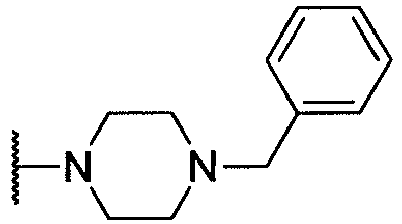
> 15 > 15 12 
> 15 > 15 13 
> 15 > 15 14 
> 15 > 15 15 
13.38 ± 2.87 > 15 16 
11.12 ± 4.18 9.55 ± 2.42 17 
> 15 > 15 18 
10.23 ± 2.03 14.16 ± 1.41 19 
9.02 ± 1.20 6.36 ± 0.17 20 
> 15 > 15 21 
11.12 ± 4.18 9.55 ± 2.42 N1 11.65 ± 5.15 14.48 ± 2.70 N2 6.70 ± 1.62 5.18 ± 2.20 N3 7.64 ± 2.74 7.41 ± 3.43 N4 10.35 ± 2.46 10.11 ± 1.32 N5 > 15 > 15 N6 > 15 > 15 N7 5.94 ± 3.45 2.25 ± 0.61 N8 1.73 ± 0.72 1.11 ± 0.69 N9 11.55 ± 7.23 7.48 ± 3.35 N10 5.94 ± 2.03 6.31 ± 4.11 N11 4.95 ± 0.58 8.38 ± 3.39 N12 6.74 ± 2.14 7.05 ± 2.48 N13 14.16 ± 1.18 10.38 ± 2.30 N14 1.80 ± 0.40 1.64 ± 0.55 N15 
3.81 ± 1.88 3.44 ± 1.81 N16 
> 15 >15 N17 
2.70 ± 0.16 2.27 ± 0.09 N18 
3.53 ± 1.05 2.22 ± 0.21 N19 
1.50 ± 1.32 1.98 ± 0.72 N20 
4.86 ± 0.99 6.20 ± 2.52 N21 
8.06 ± 2.08 7.51 ± 0.22 N22 
8.39 ± 1.84 6.47 ± 0.30 N23 
14.65 ± 3.84 > 15 N24 
13.55 ± 3.88 14.80 ± 3.26 N25 
13.49 ± 0.69 11.16 ± 1.55 N26 
14.75 ± 1.99 14.20 ± 2.22 N27 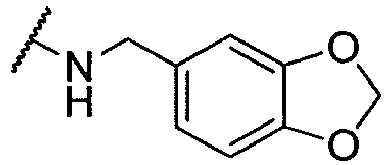
11.82 ± 5.83 > 15 N28 
9.61 ± 4.88 6.01 ± 3.31 N29 
4.86 ± 0.99 6.20 ± 2.52 N30 
> 15 > 15 N31 > 15 > 15 N32 13.59 ± 1.39 10.11 ± 0.94 N33 
8.11 ± 1.37 6.13 ± 6.98 N34 
9.06 ± 1.95 8.22 ± 1.02 - Mitoxantrone 0.10 ± 0.01 0.39 ± 0.02 - Doxorubicin 0.12 ± 0.03 0.63 ± 0.26 - Camptothecin 0.10 ± 0.01 0.10 ± 0.01 - Etoposide (VP-16) 0.40 ± 0.01 4.33 ± 0.86 a SD: standard derivatives, all experiments were independently performed at least three times. - Besides, compounds N7, N8, N14, N15, N17, and N18 containing more than one nitrogen atom in the side chains showed the outstanding cytotoxic activities than having a hydroxyl group, alkyl group, or aromatic rings.
Compounds - According to the cell cytotoxicity, compounds 5, 7, 8, 16, 19, N2, N7, N8, N9, N14-N19, and N25 were also selected for primary TOP I and II activities assays at 25 and/or 50 µM (
Fig. 2-4 ). In TOP I activity assay, compounds 7, N7, N14, N15, N17, N18, and N25 were showed more potent inhibitory effects than CPT and selected for further evaluation by using five different concentrations (Figure 4 ). The IC50 value ofcompounds 7, N7, N14, N15, N18, N19, and N25 were about 10, 10, 1, 5, 25, 5, and 25 µM, respectively (detect by TopoGEN TG2005H, TG-2000H-1). - We also performed TOP 11-catalyzed relaxation of plasmid DNA assays(
Fig. 5-7 ) to evaluate if compounds could inhibit TOP II. Respond to our drug design, compounds 7, N7, N8, N14, N15, N18, and N19 were showed more potent inhibitory effects than the positive agent VP-16 and selected for further evaluation by using five different concentrations (Figure 7 ). The IC50 value ofcompounds 7, N7, N8, N14, N15, N18, and N19 were about 10, 10, 1, 10, 5, 1, and 1 µM, respectively (detect by TopoGEN TG2005H, TG-2000H-1). - The test results shown in this section are the compound cytotoxicities in vitro against cancer cell lines National Cancer Institute (NCI)'s anticancer drug screen and 26 compounds (2, 3, 4, 5, 6, 8, 10, 11, 12, 13, N1, N2, N6, N7, N9, N12, N13, N14, N16, N17, N19, N21, N25, N27, N30, N31) screened. In the first stage, cytotoxicity of the 26 compounds at the concentration of 10 µM was conducted on 60 cell lines and SRB assay was performed after 48 hours of incubation. The results are shown in Tables 2 to 4 and are represented by growth percentage.
- Furthermore, among five compounds were active drugs for further their cytostatic and cytotoxic activities against the 60 cell panel by using five dose studies (0.01, 0.1, 1, 10 and 100 µM) (Table 5).
- Many changes and modifications in the above described embodiment of the invention can, of course, be carried out without departing from the scope thereof. Accordingly, to promote the progress in science and the useful arts, the invention is disclosed and is intended to be limited only by the scope of the appended claims.


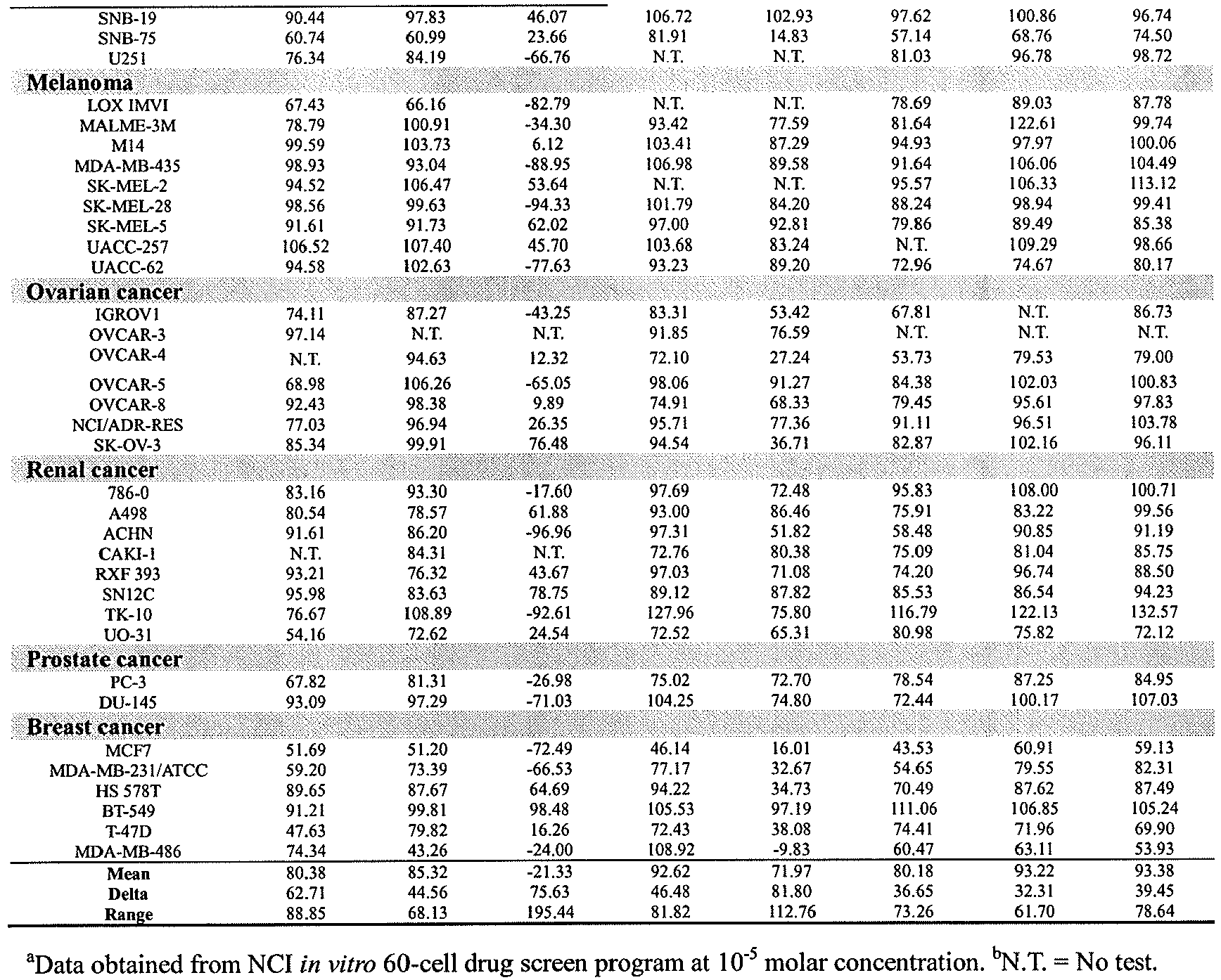


Claims (9)
- A compound as shown in formulation (I):
 i) halo, amino, hydroxyl and thiol groups;ii) nitrogen-containing linear alkyl chains of NH(CH2)nH, alkyl groups with substituted side chains, alkyl side chains with a substituted amino group and alkyl side chains with a substituted hydroxyl group, wherein 1 ≤ n ≤ 10;iii) O(CH2)nH, N(CH3)2, NH(CH2)nNH(CH2)nOH, wherein 1 ≤ n ≤ 10;iv) nitrogen-containing cycloalkyl groups and heterocyclic compounds of C3-12 which contain 1 to 3 heteroatoms selected from the group consisting of O, S and N, wherein the ortho-, para- and meta- position can be further selected independently from one of the groups consisting of: hydrogen group, (CH2)nH alkyl groups, (CH2)n hydroxyl groups, (CH2)n C3-12 cycloalkyl groups, (CH2)nC3-12 nitrogen-containing cycloalkyl groups, (CH2)n benzene rings, formyl group and (CH2)nCO C3-12 nitrogen-containing cycloalkyl groups, wherein 0 ≤ n ≤ 10;v) NH(CH2)nR1, 0 ≤ n ≤ 10, wherein R1 is selected from the groups consisting of: N(CH3)2, C(NH2)2, linear alkyl chains of NH(CH2)nH, alkyl groups with substituted side chains, alkyl side chains with a substituted amino group and alkyl side chains with a substituted hydroxyl group;vi) NH(CH2)nR2, 0 ≤ n ≤ 10, wherein R2 is selected from the groups consisting of: benzene rings, C3-12 cycloalkyl groups and heterocyclic groups of which contain 1 to 3 heteroatoms selected from the group consisting of O, S and N, wherein the ortho-, para- and meta- position can be further selected independently from one of the groups consisting of: Methoxyl group, amino group, benzene rings, alkyl, amino, nitro,hydroxyl groups with substituted C1-C3 side chains and C3-12 heterocyclic groups; wherein the C3-12 heterocyclic groups which contain 1 to 3 heteroatoms selected from the group consisting of O, S and N;and their pharmaceutically acceptable salts, stereoisomers and enantiomers.
 - The compound according to claim 1, wherein the R group consisting of i) ∼ vi) are selected from the group consisting of chlorine, hydroxyl, methoxyl, dimethylamino, piperazin-1-yl, 4-methylpiperazin-1-yl, 4-ethylpiperazin-1-yl, 4-(2-hydroxyethyl)piperazin-1-yl, 4-Benzylpiperazin-1-yl, 4-phenylpiperazin-1-yl, morpholino, thiomorpholino, piperidin-1-yl, 4-hydroxypiperidin-1-yl, 4-Benzylpiperidin-1-yl, (1,4'-Bipiperidin)-1'-yl, 4-(3-(piperidin-4-yl)propyl)piperidin-1-yl, pyrrolidin-1-yl, 2-oxopiperidin-1-yl, methylamino, ethylamino, propylamino, butylamino, isobutylamino, pentan-3-ylamino, (2-(dimethylamino)ethyl)amino, (2-(diethylamino)ethyl)amino, 2-ethanolamino, 3-propanolamino, 5-pentanolamino, (1-hydroxybutan-2-yl)amino, (4-methylpentan-2-yl)amino, (2-Aminoethyl)amino, (2-((2-hydroxyethyl)amino)ethyl)amino, (2-morpholinoethyl)amino, (3-(dimethylamino)propyl)amino, (3-(diethylamino)propyl)amino, (3-((2-hydroxyethyl)amino)propyl)amino, (2,3-dihydro-1H-inden-2-yl)amino, cyclohexylamino, (1-Benzylpiperidin-4-yl)amino, (thiophen-2-ylmethyl)amino, (cyclohexylmethyl)amino, benzylamino, (pyridin-2-ylmethyl)amino, (Benzo[d][1,3]dioxol-5-ylmethyl)amino, (2-methoxybenzyl)amino, (3,4-dimethoxybenzyl)amino, phenethylamino, (4-methoxyphenethyl)amino, (4-aminophenethyl)amino, guanidine and piperidin-1-ylamino.
- The compound according to claim 1, wherein the compound is selected from the group consisting of:3-((4-Chlorophenyl)thio)-2-hydroxyquinoline-4-carboxylic acid,6,9-Dichloro-12H-thiochromeno[2,3-c]quinolin-12-one,10-Chloro-6-hydroxy-12H-thiochromeno[2,3-c]quinolin-12-one,10-Chloro-6-methoxy-12H-thiochromeno[2,3-c]quinolin-12-one10-Chloro-6-dimethylamino-12H-thiochromeno[2,3-c]quinolin-12-one,10-Chloro-6-(piperazin-1-yl)-12H-thiochromeno[2,3-c]quinolin-12-one,10-Chloro-6-(4-methylpiperazin-1-yl)-12H-thiochromeno[2,3-c] quinolin-12-one,10-Chloro-6-(4-ethylpiperazin-1-yl)-12H-thiochromeno[2,3-c]q uinolin-12-one,10-Chloro-6-(4-(2-hydroxyethyl)piperazin-1-yl)-12H-thiochrom eno[2,3-c]quinolin-12one,6-(4-Benzylpiperazin-1-yl)-10-chloro-12H-thiochromeno[2,3-c] quinolin-12-one,10-Chloro-6-(4-phenylpiperazin-1-yl)-12H-thiochromeno[2,3-c] quinolin-12-one,10-Chloro-6-morpholino-12H-thiochromeno[2,3-c]quinolin-12-one,10-Chloro-6-thiomorpholino-12H-thiochromeno[2,3-c]quinolin-12-one,10-Chloro-6-(piperidin-1-yl)-12H-thiochromeno[2,3-c]quinolin-12-one,10-Chloro-6-(4-hydroxypiperidin-1-yl)-12H-thiochromeno[2,3-c ]quinolin-12-one,6-(4-Benzylpiperidin-1-yl)-10-chloro-12H-thiochromeno[2,3-c] quinolin-12-one,6-([1,4'-Bipiperidin]-1'-yl)-10-chloro-12H-thiochromeno[2,3-c]q uinolin-12-one,10-Chloro-6-(4-(3-(piperidin-4-yl)propyl)piperidin-1-yl)-12H-th iochromeno[2,3-c]quinolin-12-one,10-Chloro-6-(pyrrolidin-1-yl)-12H-thiochromeno[2,3-c]quinolin -12-one,10-Chloro-6-(2-oxopiperidin-1-yl)-12H-thiochromeno[2,3-c]qui nolin-12-one,10-Chloro-6-methylamino-12H-thiochromeno[2,3-c]quinolin-12 -one,10-Chloro-6-ethylamino-12H-thiochromeno[2,3-c]quinolin-12-o ne,10-Chloro-6-propylamino-12H-thiochromeno[2,3-c]quinolin-12 -one,6-(Butylamino)-10-chloro-12H-thiochromeno[2,3-c]quinolin-12 -one,10-Chloro-6-isobutylamino-12H-thiochromeno[2,3-c]quinolin-1 2-one,10-Chloro-6-(pentan-3-ylamino)-12H-thiochromeno[2,3-c]quino lin-12-one,10-Chloro-6-((2-(dimethylamino)ethyl)amino)-12H-thiochrome no[2,3-c]quinolin-12-one,10-Chloro-6-((2-(diethylamino)ethyl)amino)-12H-thiochromeno [2,3-c]quinolin-12-one,10-Chloro-6-(2-ethanolamino)-12H-thiochromeno[2,3-c]quinoli n-12-one,10-Chloro-6-(3-propanolamino)-12H-thiochromeno[2,3-c]quino lin-12-one,10-Chloro-6-(5-pentanolamino)-12H-thiochromeno[2,3-c]quinol in-12-one,10-Chloro-6-((1-hydroxybutan-2-yl)amino)-12H-thiochromeno[ 2,3-c]quinolin-12-one,10-Chloro-6-((4-methylpentan-2-yl)amino)-12H-thiochromeno[ 2,3-c]quinolin-12-one,6-((2-Aminoethyl)amino)-10-chloro-12H-thiochromeno[2,3-c]q uinolin-12-one,10-Chloro-6-((2-((2-hydroxyethyl)amino)ethyl)amino)-12H-thio chromeno[2,3-c]quinolin-12-one,10-Chloro-6-((2-morpholinoethyl)amino)-12H-thiochromeno[2, 3-c]quinolin-12-one,10-Chloro-6-((3-(dimethylamino)propyl)amino)-12H-thiochrom eno[2,3-c]quinolin-12-one,10-Chloro-6-((3-(diethylamino)propyl)amino)-12H-thiochromen o[2,3-c]quinolin-12-one,10-Chloro-6-((3-((2-hydroxyethyl)amino)propyl)amino)-12H-th iochromeno[2,3-c]quinolin-12-one,10-Chloro-6-((2,3-dihydro-1H-inden-2-yl)amino)-12H-thiochro meno[2,3-c]quinolin-12-one,10-Chloro-6-(cyclohexylamino)-12H-thiochromeno[2,3-c]quino lin-12-one,6-((1-Benzylpiperidin-4-yl)amino)-10-chloro-12H-thiochromen o[2,3-c]quinolin-12-one,10-Chloro-6-((thiophen-2-ylmethyl)amino)-12H-thiochromeno[ 2,3-c]quinolin-12-one,10-Chloro-6-((cyclohexylmethyl)amino)-12H-thiochromeno[2,3 -c]quinolin-12-one,6-(Benzylamino)-10-chloro-12H-thiochromeno[2,3-c]quinolin-1 2-one,10-Chloro-6-((pyridin-2-ylmethyl)amino)-12H-thiochromeno[2, 3-c]quinolin-12-one,6-((Benzo[d][1,3]dioxol-5-ylmethyl)amino)-10-chloro-12H-thio chromeno[2,3-c] quinolin-12-one,10-Chloro-6-((2-methoxybenzyl)amino)-12H-thiochromeno[2,3-c]quinolin-12-one,10-Chloro-6-((3,4-dimethoxybenzyl)amino)-12H-thiochromeno[ 2,3-c]quinolin-12-one,10-Chloro-6-(phenethylamino)-12H-thiochromeno[2,3-c]quinoli n-12-one,10-Chloro-6-((4-methoxyphenethyl)amino)-12H-thiochromeno[ 2,3-c]quinolin-12-one,6-((4-Aminophenethyl)amino)-10-chloro-12H-thiochromeno[2,3 -c]quinolin-12-one,2-(10-Chloro-12-oxo-12H-thiochromeno[2,3-c]quinolin-6-yl)gu anidine,10-Chloro-6-(piperidin-1-ylamino)-12H-thiochromeno[2,3-c]qui nolin-12-one,and their salts.
- The compound according to claim 1 for use in a method for inhibiting the Topoisomerase I activity of cancer cell, the method comprising administrating a effective amount of the compound according to claim 1.
- The compound according to claim 1 for use in a method for inhibiting the Topoisomerase II activity of cancer cell, the method comprising administrating an effective amount of the compound according to claim 1.
- The compound according to claim 1 for use in a method for the treatment of cancer, the method comprising administrating an effective amount of said compound.
- The compound for use according to claim 6, wherein the cancer is selected from the groups consisting of leukemia, non-small cell lung cancer, colorectal cancer, central nervous system (CNS) cancer, melanoma, ovarian cancer, renal cancer, prostate cancer and breast cancer.
- A pharmaceutical composition comprising an effective amount of the compound according to claim 1 and at least one pharmaceutically acceptable vehicle, diluent or excipient.
- A method for preparation of thiochromeno[2,3-c]quinolin-12-one derivatives according to claim 1, the method comprising:(1) mix isatin, 2-((4-chlorophenyl)thio)acetic acid and sodium acetate was heated at 150 °C for 1 h, after cooling the mixture was added acetic acid, the precipitate was collected, washed with acetic acid, water and n-hexane, and obtained compound 2 (3-((4-Chlorophenyl)thio)-2-hydroxyquinoline-4-carboxylic acid);(2) a solution of compound 2 (3-((4-Chlorophenyl)thio)-2-hydroxyquinoline-4-carboxylic acid) in phosphoryl trichloride was heated at 150 °C for 48 h, after cooling the mixture was poured into water 0 °C, the precipitate was collected by filtration, then added into 10% NaHCO3 with vigorous stirring for 1 h, the resulting precipitate was collected and washed with H2O, the crude solid was recrystallized by dichloromethane to give compound 3 (6,9-Dichloro-12H-thiochromeno[2,3-c] quinolin-12-one);(3) a solution of compound 3 (6,9-Dichloro-12H-thiochromeno [2,3-c]quinolin-12-one) in DMF was added conc. HCl and refluxed, after 6 hours, the conc. HCl was added dropwise and refluxed for another 12 hours, the mixture was evaporated in vacuo and treated with H2O, after filtered the crude solid was washed with EtOH to give compound 4 (10-Chloro-6-hydroxy-12H-thiochromeno[2,3-c]quinolin-12-one);(4) a suspension of compound 3 (6,9-Dichloro-12H-thiochromeno[2,3-c]quinolin-12-one) and sodium methoxide in methanol was refluxed for 16 h, after cooled the solvent was removed, filtrated and washed with ethanol and n-hexane to collect compound 5 (10-Chloro-6-methoxy-12H-thiochromeno[2,3-c]quinolin-12-one);(5) a solution of compound 3 (6,9-Dichloro-12H-thiochromeno[2,3-c]quinolin-12-one), appropriate secondary amines and sodium carbonate in DMSO was refluxed for 10 hours, then the reaction was added ice-water, the precipitate was filtered, washed with water/methanol to collect the following compound:10-Chloro-6-dimethylamino-12H-thiochromeno[2,3-c]quinoli n-12-one,10-Chloro-6-(piperazin-1-yl)-12H-thiochromeno[2,3-c]quinol in-12-one,10-Chloro-6-(4-methylpiperazin-1-yl)-12H-thiochromeno[2,3 -c]quinolin-12-one,10-Chloro-6-(4-ethylpiperazin-1-yl)-12H-thiochromeno[2,3-c ]quinolin-12-one,10-Chloro-6-(4-(2-hydroxyethyl)piperazin-1-yl)-12H-thiochr omeno[2,3-c]quinolin-12one,6-(4-Benzylpiperazin-1-yl)-10-chloro-12H-thiochromeno[2,3-c]quinolin-12-one,10-Chloro-6-(4-phenylpiperazin-1-yl)-12H-thiochromeno[2,3 -c]quinolin-12-one,10-Chloro-6-morpholino-12H-thiochromeno[2,3-c]quinolin-1 2-one,10-Chloro-6-thiomorpholino-12H-thiochromeno[2,3-c]quinol in-12-one,10-Chloro-6-(piperidin-1-yl)-12H-thiochromeno[2,3-c]quinol in-12-one,10-Chloro-6-(4-hydroxypiperidin-1-yl)-12H-thiochromeno[2, 3-c]quinolin-12-one,6-(4-Benzylpiperidin-1-yl)-10-chloro-12H-thiochromeno[2,3-c]quinolin-12-one,6-([1,4'-Bipiperidin]-1'-yl)-10-chloro-12H-thiochromeno[2,3-c]quinolin-12-one,10-Chloro-6-(4-(3-(piperidin-4-yl)propyl)piperidin-1-yl)-12H -thiochromeno[2,3-c]quinolin-12-one,10-Chloro-6-(pyrrolidin-1-yl)-12H-thiochromeno[2,3-c]quino lin-12-one, or10-Chloro-6-(2-oxopiperidin-1-yl)-12H-thiochromeno[2,3-c] quinolin-12-one respectively;(6) a solution of compound 3 (6,9-Dichloro-12H-thiochromeno[2,3-c]quinolin-12-one) in DMSO was added appropriate primary amines and refluxed for 8 hours, after cooled the reaction was added water, the precipitate was filtered and washed with water and methanol to collect the following compound:10-Chloro-6-methylamino-12H-thiochromeno[2,3-c]quinolin-12-one,10-Chloro-6-ethylamino-12H-thiochromeno[2,3-c]quinolin-1 2-one,10-Chloro-6-propylamino-12H-thiochromeno[2,3-c]quinolin-12-one,6-(Butylamino)-10-chloro-12H-thiochromeno[2,3-c]quinolin-12-one,10-Chloro-6-isobutylamino-12H-thiochromeno[2,3-c]quinoli n-12-one,10-Chloro-6-(pentan-3-ylamino)-12H-thiochromeno[2,3-c]qu inolin-12-one,10-Chloro-6-((2-(dimethylamino)ethyl)amino)-12H-thiochro meno[2,3-c]quinolin-12-one,10-Chloro-6-((2-(diethylamino)ethyl)amino)-12H-thiochrome no[2,3-c]quinolin-12-one,10-Chloro-6-(2-ethanolamino)-12H-thiochromeno[2,3-c]quin olin-12-one,10-Chloro-6-(3-propanolamino)-12H-thiochromeno[2,3-c]qui nolin-12-one,10-Chloro-6-(5-pentanolamino)-12H-thiochromeno[2,3-c]qui nolin-12-one,10-Chloro-6-((1-hydroxybutan-2-yl)amino)-12H-thiochromen o[2,3-c]quinolin-12-one,10-Chloro-6-((4-methylpentan-2-yl)amino)-12H-thiochromen o[2,3-c]quinolin-12-one,6-((2-Aminoethyl)amino)-10-chloro-12H-thiochromeno[2,3-c ]quinolin-12-one,10-Chloro-6-((2-((2-hydroxyethyl)amino)ethyl)amino)-12H-t hiochromeno[2,3-c]quinolin-12-one,10-Chloro-6-((2-morpholinoethyl)amino)-12H-thiochromeno[ 2,3-c]quinolin-12-one,10-Chloro-6-((3-(dimethylamino)propyl)amino)-12H-thiochr omeno[2,3-c]quinolin-12-one,10-Chloro-6-((3-(diethylamino)propyl)amino)-12H-thiochro meno[2,3-c]quinolin-12-one,10-Chloro-6-((3-((2-hydroxyethyl)amino)propyl)amino)-12H -thiochromeno[2,3-c]quinolin-12-one,10-Chloro-6-((2,3-dihydro-1H-inden-2-yl)amino)-12H-thioch romeno[2,3-c]quinolin-12-one,10-Chloro-6-(cyclohexylamino)-12H-thiochromeno[2,3-c]qui nolin-12-one,6-((1-Benzylpiperidin-4-yl)amino)-10-chloro-12H-thiochrom eno[2,3-c]quinolin-12-one,10-Chloro-6-((thiophen-2-ylmethyl)amino)-12H-thiochromen o[2,3-c]quinolin-12-one,10-Chloro-6-((cyclohexylmethyl)amino)-12H-thiochromeno[ 2,3-c]quinolin-12-one,6-(Benzylamino)-10-chloro-12H-thiochromeno[2,3-c]quinoli n-12-one,10-Chloro-6-((pyridin-2-ylmethyl)amino)-12H-thiochromeno [2,3-c]quinolin-12-one,6-((Benzo[d][1,3]dioxol-5-ylmethyl)amino)-10-chloro-12H-t hiochromeno[2,3-c]quinolin-12-one,10-Chloro-6-((2-methoxybenzyl)amino)-12H-thiochromeno[2 ,3-c]quinolin-12-one,10-Chloro-6-((3,4-dimethoxybenzyl)amino)-12H-thiochrome no[2,3-c]quinolin-12-one,10-Chloro-6-(phenethylamino)-12H-thiochromeno[2,3-c]quin olin-12-one,10-Chloro-6-((4-methoxyphenethyl)amino)-12H-thiochromen o[2,3-c]quinolin-12-one,6-((4-Aminophenethyl)amino)-10-chloro-12H-thiochromeno[ 2,3-c]quinolin-12-one,2-(10-Chloro-12-oxo-12H-thiochromeno[2,3-c]quinolin-6-yl) guanidine, or10-Chloro-6-(piperidin-1-ylamino)-12H-thiochromeno[2,3-c] quinolin-12-one respectively.
Priority Applications (4)
| Application Number | Priority Date | Filing Date | Title |
|---|---|---|---|
| EP14187461.0A EP3002287B1 (en) | 2014-10-02 | 2014-10-02 | Thiochromeno[2,3-c]quinolin-12-one derivatives and their use as topoisomerase inhibitors |
| DK14187461.0T DK3002287T3 (en) | 2014-10-02 | 2014-10-02 | Thiochrome [2,3-c] quinoline-12-derivatives and their use as inhibitors of topoisomerase |
| ES14187461.0T ES2667819T3 (en) | 2014-10-02 | 2014-10-02 | Thiochromen [2,3-c] quinolin-12-one derivatives and their use as topoisomerase inhibitors |
| HUE14187461A HUE038944T2 (en) | 2014-10-02 | 2014-10-02 | Thiochromeno[2,3-c]quinolin-12-one derivatives and their use as topoisomerase inhibitors |
Applications Claiming Priority (1)
| Application Number | Priority Date | Filing Date | Title |
|---|---|---|---|
| EP14187461.0A EP3002287B1 (en) | 2014-10-02 | 2014-10-02 | Thiochromeno[2,3-c]quinolin-12-one derivatives and their use as topoisomerase inhibitors |
Publications (2)
| Publication Number | Publication Date |
|---|---|
| EP3002287A1 EP3002287A1 (en) | 2016-04-06 |
| EP3002287B1 true EP3002287B1 (en) | 2018-01-31 |
Family
ID=51751901
Family Applications (1)
| Application Number | Title | Priority Date | Filing Date |
|---|---|---|---|
| EP14187461.0A Active EP3002287B1 (en) | 2014-10-02 | 2014-10-02 | Thiochromeno[2,3-c]quinolin-12-one derivatives and their use as topoisomerase inhibitors |
Country Status (4)
| Country | Link |
|---|---|
| EP (1) | EP3002287B1 (en) |
| DK (1) | DK3002287T3 (en) |
| ES (1) | ES2667819T3 (en) |
| HU (1) | HUE038944T2 (en) |
Families Citing this family (1)
| Publication number | Priority date | Publication date | Assignee | Title |
|---|---|---|---|---|
| WO2019191896A1 (en) * | 2018-04-03 | 2019-10-10 | 3Sm Biotron Inc. | Fms-like tyrosine kinase inhibitors |
-
2014
- 2014-10-02 EP EP14187461.0A patent/EP3002287B1/en active Active
- 2014-10-02 ES ES14187461.0T patent/ES2667819T3/en active Active
- 2014-10-02 DK DK14187461.0T patent/DK3002287T3/en active
- 2014-10-02 HU HUE14187461A patent/HUE038944T2/en unknown
Also Published As
| Publication number | Publication date |
|---|---|
| HUE038944T2 (en) | 2018-12-28 |
| ES2667819T3 (en) | 2018-05-14 |
| EP3002287A1 (en) | 2016-04-06 |
| DK3002287T3 (en) | 2018-05-22 |
Similar Documents
| Publication | Publication Date | Title |
|---|---|---|
| JP5890806B2 (en) | N-substituted indenoisoquinoline and its synthesis | |
| CA2736097C (en) | Carbazole compounds for inhibition of nf-kb activity | |
| US9102631B2 (en) | 1-(arylmethyl)-5,6,7,8-tetrahydroquinazoline-2,4-diones and analogs and the use thereof | |
| CZ2002846A3 (en) | Pteridinones functioning as kinase inhibitors | |
| EP3421472B1 (en) | Aza-tryptanthrin derivatives as ido1 and/or tdo inhibitors | |
| JP6063909B2 (en) | Novel thiochromeno [2,3-c] quinolin-12-one derivative, preparation method and application thereof | |
| US20030207909A1 (en) | Therapeutic acridone and acridine compounds | |
| CN103214456B (en) | Benzimidazole compound with antitumour activity as well as preparation method and application thereof | |
| AU2017368286A1 (en) | 3-amino-1,5-dihydro-pyrazolo[3,4-d]pyrimidin-4-ones as cyclin dependent kinase inhibitors | |
| EP3002287A1 (en) | Thiochromeno[2,3-c]quinolin-12-one derivatives and their use as topoisomerase inhibitors | |
| Dzieduszycka et al. | Synthesis of 7-oxo-7H-naphtho [1, 2, 3-de] quinoline derivatives as potential anticancer agents active on multidrug resistant cell lines | |
| TWI488843B (en) | Novel thiochromeno(2,3-c)quinolin-12-one derivatives, preparation method and application thereof | |
| EP3098222B1 (en) | Fused acridine derivative and pharmaceutical composition, preparation method and use thereof | |
| CN104356142B (en) | Dehydrothiamine [2,3-c ] quinoline-12-ketone derivative and preparation method and application thereof | |
| Jasztold‐Howorko et al. | Synthesis of 5, 6‐Dimethyl‐9‐methoxy‐1‐phenyl‐6H‐pyrido [4, 3‐b] carbazole Derivatives and their Cytotoxic Activity | |
| KR20160043348A (en) | Novel thiochromeno[2,3-c]quinolin-12-one derivatives, preparation method and application thereof | |
| HK1206334B (en) | Dehydrothiamine [2,3-c]quinoline-12-ketone derivatives, and preparation method and application thereof | |
| CA2866502A1 (en) | Thiochromeno(2,3-c)quinolin-12-one derivatives, preparation method and application thereof | |
| Vu et al. | Synthesis and in vitro cytotoxic evaluation of new quinazolinone-based conjugates | |
| US20150197492A1 (en) | NOVEL INDENO[1,2-c]QUINOLIN-11-ONE DERIVATIVES, PREPARATION METHOD AND APPLICATION THEREOF | |
| CN115583945A (en) | Diheterocyclic compounds and their use as ATR inhibitors |
Legal Events
| Date | Code | Title | Description |
|---|---|---|---|
| PUAI | Public reference made under article 153(3) epc to a published international application that has entered the european phase |
Free format text: ORIGINAL CODE: 0009012 |
|
| AK | Designated contracting states |
Kind code of ref document: A1 Designated state(s): AL AT BE BG CH CY CZ DE DK EE ES FI FR GB GR HR HU IE IS IT LI LT LU LV MC MK MT NL NO PL PT RO RS SE SI SK SM TR |
|
| AX | Request for extension of the european patent |
Extension state: BA ME |
|
| 17P | Request for examination filed |
Effective date: 20161005 |
|
| RBV | Designated contracting states (corrected) |
Designated state(s): AL AT BE BG CH CY CZ DE DK EE ES FI FR GB GR HR HU IE IS IT LI LT LU LV MC MK MT NL NO PL PT RO RS SE SI SK SM TR |
|
| GRAC | Information related to communication of intention to grant a patent modified |
Free format text: ORIGINAL CODE: EPIDOSCIGR1 |
|
| GRAP | Despatch of communication of intention to grant a patent |
Free format text: ORIGINAL CODE: EPIDOSNIGR1 |
|
| RIC1 | Information provided on ipc code assigned before grant |
Ipc: A61P 35/02 20060101ALI20161221BHEP Ipc: A61K 31/4743 20060101ALI20161221BHEP Ipc: C07D 495/04 20060101AFI20161221BHEP Ipc: A61P 35/00 20060101ALI20161221BHEP |
|
| INTG | Intention to grant announced |
Effective date: 20170124 |
|
| GRAJ | Information related to disapproval of communication of intention to grant by the applicant or resumption of examination proceedings by the epo deleted |
Free format text: ORIGINAL CODE: EPIDOSDIGR1 |
|
| GRAP | Despatch of communication of intention to grant a patent |
Free format text: ORIGINAL CODE: EPIDOSNIGR1 |
|
| INTG | Intention to grant announced |
Effective date: 20170712 |
|
| GRAS | Grant fee paid |
Free format text: ORIGINAL CODE: EPIDOSNIGR3 |
|
| GRAA | (expected) grant |
Free format text: ORIGINAL CODE: 0009210 |
|
| AK | Designated contracting states |
Kind code of ref document: B1 Designated state(s): AL AT BE BG CH CY CZ DE DK EE ES FI FR GB GR HR HU IE IS IT LI LT LU LV MC MK MT NL NO PL PT RO RS SE SI SK SM TR |
|
| REG | Reference to a national code |
Ref country code: GB Ref legal event code: FG4D Ref country code: CH Ref legal event code: EP |
|
| REG | Reference to a national code |
Ref country code: AT Ref legal event code: REF Ref document number: 967272 Country of ref document: AT Kind code of ref document: T Effective date: 20180215 |
|
| REG | Reference to a national code |
Ref country code: IE Ref legal event code: FG4D |
|
| REG | Reference to a national code |
Ref country code: DE Ref legal event code: R096 Ref document number: 602014020299 Country of ref document: DE |
|
| REG | Reference to a national code |
Ref country code: NL Ref legal event code: FP |
|
| REG | Reference to a national code |
Ref country code: ES Ref legal event code: FG2A Ref document number: 2667819 Country of ref document: ES Kind code of ref document: T3 Effective date: 20180514 |
|
| REG | Reference to a national code |
Ref country code: DK Ref legal event code: T3 Effective date: 20180516 Ref country code: SE Ref legal event code: TRGR |
|
| REG | Reference to a national code |
Ref country code: LT Ref legal event code: MG4D |
|
| PG25 | Lapsed in a contracting state [announced via postgrant information from national office to epo] |
Ref country code: LT Free format text: LAPSE BECAUSE OF FAILURE TO SUBMIT A TRANSLATION OF THE DESCRIPTION OR TO PAY THE FEE WITHIN THE PRESCRIBED TIME-LIMIT Effective date: 20180131 Ref country code: NO Free format text: LAPSE BECAUSE OF FAILURE TO SUBMIT A TRANSLATION OF THE DESCRIPTION OR TO PAY THE FEE WITHIN THE PRESCRIBED TIME-LIMIT Effective date: 20180430 Ref country code: HR Free format text: LAPSE BECAUSE OF FAILURE TO SUBMIT A TRANSLATION OF THE DESCRIPTION OR TO PAY THE FEE WITHIN THE PRESCRIBED TIME-LIMIT Effective date: 20180131 Ref country code: FI Free format text: LAPSE BECAUSE OF FAILURE TO SUBMIT A TRANSLATION OF THE DESCRIPTION OR TO PAY THE FEE WITHIN THE PRESCRIBED TIME-LIMIT Effective date: 20180131 |
|
| PG25 | Lapsed in a contracting state [announced via postgrant information from national office to epo] |
Ref country code: IS Free format text: LAPSE BECAUSE OF FAILURE TO SUBMIT A TRANSLATION OF THE DESCRIPTION OR TO PAY THE FEE WITHIN THE PRESCRIBED TIME-LIMIT Effective date: 20180531 Ref country code: GR Free format text: LAPSE BECAUSE OF FAILURE TO SUBMIT A TRANSLATION OF THE DESCRIPTION OR TO PAY THE FEE WITHIN THE PRESCRIBED TIME-LIMIT Effective date: 20180501 Ref country code: PL Free format text: LAPSE BECAUSE OF FAILURE TO SUBMIT A TRANSLATION OF THE DESCRIPTION OR TO PAY THE FEE WITHIN THE PRESCRIBED TIME-LIMIT Effective date: 20180131 Ref country code: LV Free format text: LAPSE BECAUSE OF FAILURE TO SUBMIT A TRANSLATION OF THE DESCRIPTION OR TO PAY THE FEE WITHIN THE PRESCRIBED TIME-LIMIT Effective date: 20180131 Ref country code: BG Free format text: LAPSE BECAUSE OF FAILURE TO SUBMIT A TRANSLATION OF THE DESCRIPTION OR TO PAY THE FEE WITHIN THE PRESCRIBED TIME-LIMIT Effective date: 20180430 Ref country code: RS Free format text: LAPSE BECAUSE OF FAILURE TO SUBMIT A TRANSLATION OF THE DESCRIPTION OR TO PAY THE FEE WITHIN THE PRESCRIBED TIME-LIMIT Effective date: 20180131 |
|
| PG25 | Lapsed in a contracting state [announced via postgrant information from national office to epo] |
Ref country code: EE Free format text: LAPSE BECAUSE OF FAILURE TO SUBMIT A TRANSLATION OF THE DESCRIPTION OR TO PAY THE FEE WITHIN THE PRESCRIBED TIME-LIMIT Effective date: 20180131 Ref country code: AL Free format text: LAPSE BECAUSE OF FAILURE TO SUBMIT A TRANSLATION OF THE DESCRIPTION OR TO PAY THE FEE WITHIN THE PRESCRIBED TIME-LIMIT Effective date: 20180131 Ref country code: RO Free format text: LAPSE BECAUSE OF FAILURE TO SUBMIT A TRANSLATION OF THE DESCRIPTION OR TO PAY THE FEE WITHIN THE PRESCRIBED TIME-LIMIT Effective date: 20180131 |
|
| REG | Reference to a national code |
Ref country code: DE Ref legal event code: R097 Ref document number: 602014020299 Country of ref document: DE |
|
| PG25 | Lapsed in a contracting state [announced via postgrant information from national office to epo] |
Ref country code: CZ Free format text: LAPSE BECAUSE OF FAILURE TO SUBMIT A TRANSLATION OF THE DESCRIPTION OR TO PAY THE FEE WITHIN THE PRESCRIBED TIME-LIMIT Effective date: 20180131 Ref country code: SM Free format text: LAPSE BECAUSE OF FAILURE TO SUBMIT A TRANSLATION OF THE DESCRIPTION OR TO PAY THE FEE WITHIN THE PRESCRIBED TIME-LIMIT Effective date: 20180131 Ref country code: SK Free format text: LAPSE BECAUSE OF FAILURE TO SUBMIT A TRANSLATION OF THE DESCRIPTION OR TO PAY THE FEE WITHIN THE PRESCRIBED TIME-LIMIT Effective date: 20180131 |
|
| PLBE | No opposition filed within time limit |
Free format text: ORIGINAL CODE: 0009261 |
|
| STAA | Information on the status of an ep patent application or granted ep patent |
Free format text: STATUS: NO OPPOSITION FILED WITHIN TIME LIMIT |
|
| REG | Reference to a national code |
Ref country code: HU Ref legal event code: AG4A Ref document number: E038944 Country of ref document: HU |
|
| 26N | No opposition filed |
Effective date: 20181102 |
|
| PG25 | Lapsed in a contracting state [announced via postgrant information from national office to epo] |
Ref country code: SI Free format text: LAPSE BECAUSE OF FAILURE TO SUBMIT A TRANSLATION OF THE DESCRIPTION OR TO PAY THE FEE WITHIN THE PRESCRIBED TIME-LIMIT Effective date: 20180131 |
|
| PG25 | Lapsed in a contracting state [announced via postgrant information from national office to epo] |
Ref country code: MC Free format text: LAPSE BECAUSE OF FAILURE TO SUBMIT A TRANSLATION OF THE DESCRIPTION OR TO PAY THE FEE WITHIN THE PRESCRIBED TIME-LIMIT Effective date: 20180131 Ref country code: LU Free format text: LAPSE BECAUSE OF NON-PAYMENT OF DUE FEES Effective date: 20181002 |
|
| REG | Reference to a national code |
Ref country code: AT Ref legal event code: UEP Ref document number: 967272 Country of ref document: AT Kind code of ref document: T Effective date: 20180131 |
|
| PG25 | Lapsed in a contracting state [announced via postgrant information from national office to epo] |
Ref country code: MT Free format text: LAPSE BECAUSE OF NON-PAYMENT OF DUE FEES Effective date: 20181002 |
|
| PG25 | Lapsed in a contracting state [announced via postgrant information from national office to epo] |
Ref country code: PT Free format text: LAPSE BECAUSE OF FAILURE TO SUBMIT A TRANSLATION OF THE DESCRIPTION OR TO PAY THE FEE WITHIN THE PRESCRIBED TIME-LIMIT Effective date: 20180131 |
|
| PG25 | Lapsed in a contracting state [announced via postgrant information from national office to epo] |
Ref country code: MK Free format text: LAPSE BECAUSE OF NON-PAYMENT OF DUE FEES Effective date: 20180131 Ref country code: CY Free format text: LAPSE BECAUSE OF FAILURE TO SUBMIT A TRANSLATION OF THE DESCRIPTION OR TO PAY THE FEE WITHIN THE PRESCRIBED TIME-LIMIT Effective date: 20180131 |
|
| P01 | Opt-out of the competence of the unified patent court (upc) registered |
Effective date: 20230523 |
|
| PGFP | Annual fee paid to national office [announced via postgrant information from national office to epo] |
Ref country code: HU Payment date: 20240328 Year of fee payment: 10 Ref country code: DE Payment date: 20240329 Year of fee payment: 10 Ref country code: GB Payment date: 20240329 Year of fee payment: 10 |
|
| PGFP | Annual fee paid to national office [announced via postgrant information from national office to epo] |
Ref country code: NL Payment date: 20240417 Year of fee payment: 10 |
|
| PGFP | Annual fee paid to national office [announced via postgrant information from national office to epo] |
Ref country code: TR Payment date: 20240328 Year of fee payment: 10 |
|
| PGFP | Annual fee paid to national office [announced via postgrant information from national office to epo] |
Ref country code: IE Payment date: 20240410 Year of fee payment: 10 |
|
| PGFP | Annual fee paid to national office [announced via postgrant information from national office to epo] |
Ref country code: DK Payment date: 20240416 Year of fee payment: 10 |
|
| PGFP | Annual fee paid to national office [announced via postgrant information from national office to epo] |
Ref country code: CH Payment date: 20240416 Year of fee payment: 10 |
|
| PGFP | Annual fee paid to national office [announced via postgrant information from national office to epo] |
Ref country code: ES Payment date: 20240410 Year of fee payment: 10 |
|
| PGFP | Annual fee paid to national office [announced via postgrant information from national office to epo] |
Ref country code: AT Payment date: 20240425 Year of fee payment: 10 |
|
| PGFP | Annual fee paid to national office [announced via postgrant information from national office to epo] |
Ref country code: IT Payment date: 20240424 Year of fee payment: 10 Ref country code: FR Payment date: 20240417 Year of fee payment: 10 |
|
| PGFP | Annual fee paid to national office [announced via postgrant information from national office to epo] |
Ref country code: SE Payment date: 20240416 Year of fee payment: 10 Ref country code: BE Payment date: 20240417 Year of fee payment: 10 |
|
| REG | Reference to a national code |
Ref country code: DE Ref legal event code: R119 Ref document number: 602014020299 Country of ref document: DE |
|
| REG | Reference to a national code |
Ref country code: DK Ref legal event code: EBP Effective date: 20241031 |
|
| REG | Reference to a national code |
Ref country code: CH Ref legal event code: PL |
|
| REG | Reference to a national code |
Ref country code: SE Ref legal event code: EUG |
|
| REG | Reference to a national code |
Ref country code: NL Ref legal event code: MM Effective date: 20241101 |
|
| REG | Reference to a national code |
Ref country code: AT Ref legal event code: MM01 Ref document number: 967272 Country of ref document: AT Kind code of ref document: T Effective date: 20241002 |
|
| GBPC | Gb: european patent ceased through non-payment of renewal fee |
Effective date: 20241002 |
|
| PG25 | Lapsed in a contracting state [announced via postgrant information from national office to epo] |
Ref country code: DE Free format text: LAPSE BECAUSE OF NON-PAYMENT OF DUE FEES Effective date: 20250501 |
|
| PG25 | Lapsed in a contracting state [announced via postgrant information from national office to epo] |
Ref country code: GB Free format text: LAPSE BECAUSE OF NON-PAYMENT OF DUE FEES Effective date: 20241002 |
|
| PG25 | Lapsed in a contracting state [announced via postgrant information from national office to epo] |
Ref country code: HU Free format text: LAPSE BECAUSE OF NON-PAYMENT OF DUE FEES Effective date: 20241003 |
|
| PG25 | Lapsed in a contracting state [announced via postgrant information from national office to epo] |
Ref country code: BE Free format text: LAPSE BECAUSE OF NON-PAYMENT OF DUE FEES Effective date: 20241031 Ref country code: NL Free format text: LAPSE BECAUSE OF NON-PAYMENT OF DUE FEES Effective date: 20241101 |
|
| PG25 | Lapsed in a contracting state [announced via postgrant information from national office to epo] |
Ref country code: FR Free format text: LAPSE BECAUSE OF NON-PAYMENT OF DUE FEES Effective date: 20241031 |
|
| PG25 | Lapsed in a contracting state [announced via postgrant information from national office to epo] |
Ref country code: CH Free format text: LAPSE BECAUSE OF NON-PAYMENT OF DUE FEES Effective date: 20241031 |
|
| PG25 | Lapsed in a contracting state [announced via postgrant information from national office to epo] |
Ref country code: AT Free format text: LAPSE BECAUSE OF NON-PAYMENT OF DUE FEES Effective date: 20241002 |
|
| REG | Reference to a national code |
Ref country code: BE Ref legal event code: MM Effective date: 20241031 |
|
| PG25 | Lapsed in a contracting state [announced via postgrant information from national office to epo] |
Ref country code: DK Free format text: LAPSE BECAUSE OF NON-PAYMENT OF DUE FEES Effective date: 20241031 |
|
| PG25 | Lapsed in a contracting state [announced via postgrant information from national office to epo] |
Ref country code: IT Free format text: LAPSE BECAUSE OF NON-PAYMENT OF DUE FEES Effective date: 20241002 Ref country code: SE Free format text: LAPSE BECAUSE OF NON-PAYMENT OF DUE FEES Effective date: 20241003 |
|
| PG25 | Lapsed in a contracting state [announced via postgrant information from national office to epo] |
Ref country code: IE Free format text: LAPSE BECAUSE OF NON-PAYMENT OF DUE FEES Effective date: 20241002 |
|
| REG | Reference to a national code |
Ref country code: ES Ref legal event code: FD2A Effective date: 20251126 |
|
| PG25 | Lapsed in a contracting state [announced via postgrant information from national office to epo] |
Ref country code: ES Free format text: LAPSE BECAUSE OF NON-PAYMENT OF DUE FEES Effective date: 20241003 |