EP3000466A1 - Inhibitor for retinochoroidal disorders - Google Patents
Inhibitor for retinochoroidal disorders Download PDFInfo
- Publication number
- EP3000466A1 EP3000466A1 EP14800477.3A EP14800477A EP3000466A1 EP 3000466 A1 EP3000466 A1 EP 3000466A1 EP 14800477 A EP14800477 A EP 14800477A EP 3000466 A1 EP3000466 A1 EP 3000466A1
- Authority
- EP
- European Patent Office
- Prior art keywords
- retinochoroidal
- inhibitor
- benzoic acid
- salt
- acid
- Prior art date
- Legal status (The legal status is an assumption and is not a legal conclusion. Google has not performed a legal analysis and makes no representation as to the accuracy of the status listed.)
- Granted
Links
Images
Classifications
-
- A—HUMAN NECESSITIES
- A61—MEDICAL OR VETERINARY SCIENCE; HYGIENE
- A61K—PREPARATIONS FOR MEDICAL, DENTAL OR TOILETRY PURPOSES
- A61K31/00—Medicinal preparations containing organic active ingredients
- A61K31/33—Heterocyclic compounds
- A61K31/395—Heterocyclic compounds having nitrogen as a ring hetero atom, e.g. guanethidine or rifamycins
- A61K31/41—Heterocyclic compounds having nitrogen as a ring hetero atom, e.g. guanethidine or rifamycins having five-membered rings with two or more ring hetero atoms, at least one of which being nitrogen, e.g. tetrazole
- A61K31/415—1,2-Diazoles
-
- A—HUMAN NECESSITIES
- A61—MEDICAL OR VETERINARY SCIENCE; HYGIENE
- A61J—CONTAINERS SPECIALLY ADAPTED FOR MEDICAL OR PHARMACEUTICAL PURPOSES; DEVICES OR METHODS SPECIALLY ADAPTED FOR BRINGING PHARMACEUTICAL PRODUCTS INTO PARTICULAR PHYSICAL OR ADMINISTERING FORMS; DEVICES FOR ADMINISTERING FOOD OR MEDICINES ORALLY; BABY COMFORTERS; DEVICES FOR RECEIVING SPITTLE
- A61J9/00—Feeding-bottles in general
- A61J9/08—Protective covers for bottles
-
- A—HUMAN NECESSITIES
- A61—MEDICAL OR VETERINARY SCIENCE; HYGIENE
- A61K—PREPARATIONS FOR MEDICAL, DENTAL OR TOILETRY PURPOSES
- A61K31/00—Medicinal preparations containing organic active ingredients
- A61K31/33—Heterocyclic compounds
- A61K31/395—Heterocyclic compounds having nitrogen as a ring hetero atom, e.g. guanethidine or rifamycins
- A61K31/41—Heterocyclic compounds having nitrogen as a ring hetero atom, e.g. guanethidine or rifamycins having five-membered rings with two or more ring hetero atoms, at least one of which being nitrogen, e.g. tetrazole
-
- A—HUMAN NECESSITIES
- A61—MEDICAL OR VETERINARY SCIENCE; HYGIENE
- A61K—PREPARATIONS FOR MEDICAL, DENTAL OR TOILETRY PURPOSES
- A61K47/00—Medicinal preparations characterised by the non-active ingredients used, e.g. carriers or inert additives; Targeting or modifying agents chemically bound to the active ingredient
- A61K47/06—Organic compounds, e.g. natural or synthetic hydrocarbons, polyolefins, mineral oil, petrolatum or ozokerite
- A61K47/26—Carbohydrates, e.g. sugar alcohols, amino sugars, nucleic acids, mono-, di- or oligo-saccharides; Derivatives thereof, e.g. polysorbates, sorbitan fatty acid esters or glycyrrhizin
-
- A—HUMAN NECESSITIES
- A61—MEDICAL OR VETERINARY SCIENCE; HYGIENE
- A61K—PREPARATIONS FOR MEDICAL, DENTAL OR TOILETRY PURPOSES
- A61K47/00—Medicinal preparations characterised by the non-active ingredients used, e.g. carriers or inert additives; Targeting or modifying agents chemically bound to the active ingredient
- A61K47/44—Oils, fats or waxes according to two or more groups of A61K47/02-A61K47/42; Natural or modified natural oils, fats or waxes, e.g. castor oil, polyethoxylated castor oil, montan wax, lignite, shellac, rosin, beeswax or lanolin
-
- A—HUMAN NECESSITIES
- A61—MEDICAL OR VETERINARY SCIENCE; HYGIENE
- A61K—PREPARATIONS FOR MEDICAL, DENTAL OR TOILETRY PURPOSES
- A61K9/00—Medicinal preparations characterised by special physical form
- A61K9/0012—Galenical forms characterised by the site of application
- A61K9/0048—Eye, e.g. artificial tears
-
- A—HUMAN NECESSITIES
- A61—MEDICAL OR VETERINARY SCIENCE; HYGIENE
- A61K—PREPARATIONS FOR MEDICAL, DENTAL OR TOILETRY PURPOSES
- A61K9/00—Medicinal preparations characterised by special physical form
- A61K9/06—Ointments; Bases therefor; Other semi-solid forms, e.g. creams, sticks, gels
-
- A—HUMAN NECESSITIES
- A61—MEDICAL OR VETERINARY SCIENCE; HYGIENE
- A61K—PREPARATIONS FOR MEDICAL, DENTAL OR TOILETRY PURPOSES
- A61K9/00—Medicinal preparations characterised by special physical form
- A61K9/08—Solutions
-
- A—HUMAN NECESSITIES
- A61—MEDICAL OR VETERINARY SCIENCE; HYGIENE
- A61K—PREPARATIONS FOR MEDICAL, DENTAL OR TOILETRY PURPOSES
- A61K9/00—Medicinal preparations characterised by special physical form
- A61K9/14—Particulate form, e.g. powders, Processes for size reducing of pure drugs or the resulting products, Pure drug nanoparticles
-
- A—HUMAN NECESSITIES
- A61—MEDICAL OR VETERINARY SCIENCE; HYGIENE
- A61K—PREPARATIONS FOR MEDICAL, DENTAL OR TOILETRY PURPOSES
- A61K9/00—Medicinal preparations characterised by special physical form
- A61K9/20—Pills, tablets, discs, rods
-
- A—HUMAN NECESSITIES
- A61—MEDICAL OR VETERINARY SCIENCE; HYGIENE
- A61K—PREPARATIONS FOR MEDICAL, DENTAL OR TOILETRY PURPOSES
- A61K9/00—Medicinal preparations characterised by special physical form
- A61K9/20—Pills, tablets, discs, rods
- A61K9/2004—Excipients; Inactive ingredients
- A61K9/2013—Organic compounds, e.g. phospholipids, fats
- A61K9/2018—Sugars, or sugar alcohols, e.g. lactose, mannitol; Derivatives thereof, e.g. polysorbates
-
- A—HUMAN NECESSITIES
- A61—MEDICAL OR VETERINARY SCIENCE; HYGIENE
- A61K—PREPARATIONS FOR MEDICAL, DENTAL OR TOILETRY PURPOSES
- A61K9/00—Medicinal preparations characterised by special physical form
- A61K9/20—Pills, tablets, discs, rods
- A61K9/2004—Excipients; Inactive ingredients
- A61K9/2022—Organic macromolecular compounds
- A61K9/205—Polysaccharides, e.g. alginate, gums; Cyclodextrin
-
- A—HUMAN NECESSITIES
- A61—MEDICAL OR VETERINARY SCIENCE; HYGIENE
- A61P—SPECIFIC THERAPEUTIC ACTIVITY OF CHEMICAL COMPOUNDS OR MEDICINAL PREPARATIONS
- A61P27/00—Drugs for disorders of the senses
-
- A—HUMAN NECESSITIES
- A61—MEDICAL OR VETERINARY SCIENCE; HYGIENE
- A61P—SPECIFIC THERAPEUTIC ACTIVITY OF CHEMICAL COMPOUNDS OR MEDICINAL PREPARATIONS
- A61P27/00—Drugs for disorders of the senses
- A61P27/02—Ophthalmic agents
-
- A—HUMAN NECESSITIES
- A61—MEDICAL OR VETERINARY SCIENCE; HYGIENE
- A61P—SPECIFIC THERAPEUTIC ACTIVITY OF CHEMICAL COMPOUNDS OR MEDICINAL PREPARATIONS
- A61P43/00—Drugs for specific purposes, not provided for in groups A61P1/00-A61P41/00
Definitions
- the present invention relates to an inhibitor of retinochoroidal disorder comprising (E)-4-(2- ⁇ 3-[(1H-pyrazol-1-yl)methyl]-5,5,8,8-tetramethyl-5 ,6,7,8-tetrahydronaphthalene-2-yl ⁇ vinyl)benzoic acid, an ester thereof or a salt thereof as an effective ingredient.
- a retinochoroidal fibrotic scar is often formed in epiretinal, intraretinal, or subretinal tissue and in some cases leads to a disorder in photoreceptor cell functions.
- Collagen which is one of the components of the stroma and retinal pigment epithelial cells, particularly type I collagen, is known as a representative cell component constituting a retinochoroidal fibrotic scar.
- Retinochoroidal dysfunction occurs due to the formation and atrophy of a retinochoroidal fibrotic scar.
- it is considered effective against retinochoroidal disorders to inhibit atrophy of collagen, particularly type I collagen, of retinal pigment epithelial cells or the like to prevent deformation or disintegration of a tissue structure.
- RAR is involved in various effects such as growth, morphogenesis, and differentiation in many cells such as inflammatory cells, immune cells, and structural cells. Further, it is verified that there is a difference in the distribution of RAR subtypes depending on the tissue or organ of a mammal. Some of the effects of RAR are undesirable, such as increase in triglyceride due to RAR ⁇ . Thus, the specificity or selectivity with respect to subtypes in compounds with RAR agonist activity is expected to lead to reduction in risk of side effects. For the above reasons, there is a demand for RAR agonists, which have a strong effect of inhibiting retinochoroidal disorders and are highly safe based on subtype selectivity.
- (E)-4-(2- ⁇ 3-[(1H-pyrazole-1-yl)methyl]-5,5,8,8-tetramethyl-5,6,7,8-tetrahydronaphthalene-2-yl ⁇ vinyl) benzoic acid is disclosed to be useful as a RAR ⁇ selective agonist against pulmonary emphysema, cancer, and dermatosis (for example, see Patent Literature 2) and against neurological pain (for example, see Patent Literature 3).
- the present invention is directed to [1] an inhibitor for a retinochoroidal disorder comprising (E)-4-(2- ⁇ 3-[(1H-pyrazole-1-yl)methyl]-5,5,8,8-tetramethyl-5,6,7,8-tetrahydronaphthalene-2-yl ⁇ vinyl)benzoic acid, an ester thereof, or a salt thereof as an effective ingredient, [2] the inhibitor for a retinochoroidal disorder of the above-described [1], wherein the (E)-4-(2- ⁇ 3-[(1H-pyrazole-1-yl)methyl]-5,5,8,8-tetramethyl-5,6,7,8-tetrahydronaphthalene-2-yl ⁇ vinyl)benzoic acid, the ester thereof, or the salt thereof is (E)-4-(2- ⁇ 3-[(1H-pyrazole-1-yl)methyl]-5,5,8,8-tetramethyl-5,6,7,8-tetrahydronaphthalene
- (E)-4-(2- ⁇ 3-[(1H-pyrazole-1-yl)methyl]-5,5,8,8-tetramethyl-5,6,7,8-tetrahydronaphthalene-2-yl ⁇ vinyl) benzoic acid, an ester thereof, or a salt thereof, which is an effective ingredient of the inhibitor for a retinochoroidal disorder of the present invention, is useful as an inhibitor for retinochoroidal disorders, particularly as an inhibitor for the formation and atrophy of a retinochoroidal scar, by inhibiting collagen atrophy of a retinal pigment epithelial cell, fibroblast, glial cell or the like.
- a retinochoroidal disorder is suitably exemplified by formation and atrophy of a retinochoroidal scar and vitreoretinal diseases such as diabetic retinopathy, age-related macular degeneration, retinal detachment, proliferative vitreoretinopathy, uveitis, ocular infection, retinopathy of prematurity, neovascular maculopathy, and retinochoroiditis.
- a retinochoroidal disorder is particularly suitably exemplified by formation and atrophy of a retinochoroidal scar.
- a retinochoroidal scar refers to the formation of a fibrous connective tissue at an epiretinal, intraretinal, or subretinal injury site with the soothing or progression of an ophthalmic inflammation.
- Atrophy of a retinochoroidal scar refers to the atrophy by a formed retinochoroidal scar pulling tissue in the periphery thereof upon healing. Such formation and atrophy of a retinochoroidal scar occurs in series. It is possible to prevent peripheral tissue and macular area of a retinochoroidal scar from deforming to cause a disorder in the retinochoroidal function by inhibiting the formation and atrophy of the retinochoroidal scar.
- the benzoic acid of the invention, an ester thereof, or a salt thereof, which is an effective ingredient of the therapeutic agent for a retinochoroidal disorder of the present invention can be manufactured in accordance with the method described in Patent Literature 2 described above or purchased as a commercially-available product.
- Examples of such commercially-available products include product name: palovarotene manufactured by Shanghai Haoyuan Chemexpress.
- Esters in the benzoic acid of the invention, an ester thereof, or a salt thereof, which is an effective ingredient of the therapeutic agent for a retinochoroidal disorder of the present invention are not particularly limited and can be any ester converted to the benzoic acid of the invention in a reaction by an enzyme or the like under physiological conditions in vivo.
- esters can be manufactured by a known method from the benzoic acid of the invention or an intermediate during synthesis thereof.
- Salts in the benzoic acid of the invention, an ester thereof, or a salt thereof, which is an effective ingredient of the inhibitor for a retinochoroidal disorder of the present invention are not particularly limited and can be any pharmaceutically acceptable salts.
- Such salts include (1) as an acid addition salt, inorganic acid salts such as hydrochloride, hydrobromic acid salt, hydro iodic acid salt, nitric acid salt, sulfuric acid salt, phosphoric acid salt and the like; and organic acid salts such as acetic acid salt, trifluoroacetic acid salt, benzoic acid salt, oxalic acid salt, malonic acid salt, succinic acid salt, maleic acid salt, fumaric acid salt, tartaric acid salt, citric acid salt, methanesulfonic acid salt, ethanesulfonic acid salt, trifluoromethanesulfonic acid salt, benzenesulfonic acid salt, p-toluenesulfonic acid salt, glutamic acid salt,
- the inhibitor for a retinochoroidal disorder of the present invention can be administered orally or parenterally (intravenous administration, intramuscular administration, intraperitoneal administration, percutaneous administration, intratracheal administration, intracutaneous administration, or subcutaneous administration) in a form of an ointment (preferably ophthalmic ointment), injection, tablet, granule, fine granule, powder, capsule, inhalant, syrup, pill, liquid formulation, suspension, emulsion, percutaneous absorption agent, suppository, or lotion manufactured by mixing in a suitable pharmacologically acceptable additive.
- ointment preferably ophthalmic ointment
- injection tablet, granule, fine granule, powder, capsule, inhalant, syrup, pill, liquid formulation, suspension, emulsion, percutaneous absorption agent, suppository, or lotion manufactured by mixing in a suitable pharmacologically acceptable additive.
- ointment preferably ophthalmic ointment
- injection
- excipients include organic excipients and inorganic excipients.
- organic excipients include: sugar derivatives such as lactose, sucrose, glucose, mannitol, sorbitol and the like; starch derivatives such as corn starch, potato starch, ⁇ -starch, dextrin and the like; cellulose derivatives such as crystalline cellulose and the like; gum arabic; dextran; pullulan and the like.
- inorganic excipients include: light anhydrous silicic acid; and sulfuric acid salts such as calcium sulfate and the like.
- binding agents include hydroxypropyl cellulose, hydroxypropyl methylcellulose, polyvinylpyrrolidone, macrogol and the compounds described above shown for excipients.
- disintegrators include: cellulose derivatives such as hydroxypropyl cellulose with a low degree of substitutions, carboxymethyl cellulose, calcium carboxymethyl cellulose, and internally crosslinked calcium carboxymethyl cellulose and the like; crosslinked polyvinylpyrrolidone; and chemically modified starch or cellulose derivatives or the like such as carboxymethyl starch and sodium carboxymethyl starch and the like.
- emulsifiers include: colloidal clay such as bentonite and veegum and the like; anionic surfactants such as sodium lauryl sulfate and the like; cationic surfactants such as benzalkonium chloride and the like; and non-ionic surfactants and the like such as polyoxyethylene alkyl ether, polyoxyethylene sorbitan fatty acid ester, and sucrose fatty acid ester and the like.
- stabilizers include: para-hydroxybenzoic acid esters such as methylparaben, propylparaben and the like; alcohols such as chlorobutanol, benzyl alcohol, and phenylethyl alcohol and the like; benzalkonium chloride; phenols such as phenol and cresol and the like; thimerosal; acetic anhydride; and sorbic acid.
- flavoring agents include: sweeteners such as sodium saccharin and aspartame and the like; acidulants such as citric acid, malic acid, and tartaric acid and the like; and flavors such as menthol, lemon extract and orange extract and the like.
- Diluents are generally compounds used as a diluent. Examples thereof include lactose, mannitol, glucose, sucrose, calcium sulfate, hydroxypropyl cellulose, microcrystalline cellulose, water, ethanol, polyethylene glycol, propylene glycol, glycerol, starch, polyvinylpyrrolidone, mixtures thereof and the like.
- ointments preferably ophthalmic ointments
- a commonly-used base such as white petrolatum or liquid paraffin or the like can be used for preparation.
- the inhibitor for a retinochoroidal disorder of the present invention includes those in a form of instillation in addition to the above-described dosage forms.
- the above-described instillation can be instillatively administered.
- the agent can be formulated with a well-known method by suitably blending in an isotonizing agent, buffer, pH regulator, solubilizer, thickener, stabilizer, preservative (antiseptic) or the like as an additive. Further, it is also possible to obtain a stable instillation by adding a pH regulator, thickener, dispersant or the like to prepare suspension of a drug.
- buffers include phosphoric acid, phosphate, citric acid, acetic acid, ⁇ -aminocaproic acid and the like.
- pH regulators examples include hydrochloric acid, citric acid, phosphoric acid, acetic acid, sodium hydroxide, potassium hydroxide, boric acid, borax, disodium hydrogen phosphate, sodium dihydrogen phosphate, sodium carbonate, sodium bicarbonate and the like.
- preservatives include commonly-used sorbic acid, potassium sorbate, benzalkonium chloride, benzethonium chloride, methyl parahydroxybenzoate, propyl parahydroxybenzoate, chlorobutanol and the like. It is also possible to use these preservatives in combination.
- An instillation may have any pH within a range acceptable for an ophthalmic formulation, but the pH is desirably set to 4.0-8.5.
- the dosage of the inhibitor for a retinochoroidal disorder of the present invention can be appropriately changed in accordance with the dosage form, severity of symptoms of a patient to whom the agent is to be administered, age, weight, judgment of a physician or the like.
- oral agents it is generally possible to administer 0.01-5000 mg, preferably 0.1-2500 mg, and more preferably 0.5-1000 mg per day for an adult in one or several doses.
- instillations it is possible to administer those with an effective ingredient concentration of 0.000001-10% (W/V), preferably 0.00001-3% (W/V), and more preferably 0.0001-1% (W/V), in one or several daily doses.
- ophthalmic ointments it is possible to administer those with an effective ingredient concentration of 0.00001-10% (W/W), preferably 0.0001-3% (W/W), and more preferably 0.001-1% (W/W), in one or several daily doses.
- the benzoic acid of the invention can inhibit collagen atrophy due to TGF when using murine retinal pigment epithelial cells.
- the benzoic acid of the invention contributes to collagen turn over and is effective in inhibiting retinochoroidal disorders and has an effect of inhibiting tissue remodeling that occurs after inflammation, hemorrhage, infection, surgery, or injury in an ophthalmic tissue, i.e., retinal tissue fibrillation, retinochoroidal scar formation, and atrophy.
- laser was irradiated (0.05 seconds, 200 mW, 532 nm) onto one location on the posterior pole of fundus of mouse C57BL/6 (purchased from SLC) to destroy the Bruch's membrane, which enabled infiltration of inflammatory cells from the choroid as well as creation of air bubbles subretinally.
- a 33G needle was then inserted from pars plana. 0.5 ⁇ l of 4 ⁇ 10 7 ml thioglycollate elicited peritoneal macrophage and 1 ⁇ g, 5 ⁇ g, or 50 ⁇ g of the benzoic acid of the invention were subretinally injected. For the control, the benzoic acid of the invention was not injected (0 ⁇ g).
- the benzoic acid of the invention and the other components described above are added to sterile purified water.
- the solution is thoroughly mixed to prepare an instillation. It is possible to prepare an instillation with a concentration of 0.05% (W/V), 0.3% (W/V), 0.5% (W/V), or 1% (W/V) by changing the amount of the benzoic acid of the invention or the like that is added.
- Drug Formulation Example 2 Ophthalmic Ointment In 100 g Benzoic acid of the invention 0.3 g Liquid paraffin 10.0 g White petrolatum appropriate amount
- the benzoic acid of the invention is added to homogeneously-melted white petrolatum and liquid paraffin. The mixture is thoroughly mixed and then gradually cooled to prepare an ophthalmic ointment. It is possible to prepare an ophthalmic ointment with a concentration of 0.05% (W/W), 0.1% (W/W), 0.5% (W/W), or 1% (W/W) by changing the amount of the benzoic acid of the invention or the like that is added.
- Drug Formulation Example 3 Tablet In 100 mg Benzoic acid of the invention 1 mg Lactose 66.4 mg Corn starch 20 mg Calcium carboxymethyl cellulose 6 mg Hydroxypropyl cellulose 6 mg Magnesium stearate 0.6 mg
- the benzoic acid of the invention, corn starch and lactose are mixed in a mixer.
- Calcium carboxymethyl cellulose and hydroxypropyl cellulose are added to the mixture for granulation.
- the particle size of the resulting granules is adjusted after drying.
- Magnesium stearate is added to and mixed with the adjusted granules and the mixture is made into tablets with a tableting machine. Further, it is possible to prepare tablets with the content of 0.1 mg, 10 mg, or 50 mg in 100 mg by changing the amount of the benzoic acid of the invention or the like that is added.
- (E)-4-(2- ⁇ 3-[(1H-pyrazole-1-yl)methyl]-5,5,8,8-tetramethyl-5,6,7,8-tetrahydronaphthalene-2-yl ⁇ vinyl) benzoic acid, an ester thereof, or a salt thereof, which is an effective ingredient of the inhibitor for a retinochoroidal disorder of the present invention, is useful as an inhibitor for retinochoroidal disorders, particularly as an inhibitor for the formation and atrophy of a retinochoroidal scar, by strongly inhibiting collagen contraction in a retinal pigment epithelial cell, fibroblast, glial cell or the like in the retinochoroid.
Landscapes
- Health & Medical Sciences (AREA)
- Chemical & Material Sciences (AREA)
- Life Sciences & Earth Sciences (AREA)
- Animal Behavior & Ethology (AREA)
- General Health & Medical Sciences (AREA)
- Public Health (AREA)
- Veterinary Medicine (AREA)
- Medicinal Chemistry (AREA)
- Pharmacology & Pharmacy (AREA)
- Epidemiology (AREA)
- Engineering & Computer Science (AREA)
- Chemical Kinetics & Catalysis (AREA)
- General Chemical & Material Sciences (AREA)
- Oil, Petroleum & Natural Gas (AREA)
- Molecular Biology (AREA)
- Bioinformatics & Cheminformatics (AREA)
- Ophthalmology & Optometry (AREA)
- Nuclear Medicine, Radiotherapy & Molecular Imaging (AREA)
- Organic Chemistry (AREA)
- Biophysics (AREA)
- Biochemistry (AREA)
- Pharmaceuticals Containing Other Organic And Inorganic Compounds (AREA)
- Medicinal Preparation (AREA)
Abstract
Description
- The present invention relates to an inhibitor of retinochoroidal disorder comprising (E)-4-(2-{3-[(1H-pyrazol-1-yl)methyl]-5,5,8,8-tetramethyl-5 ,6,7,8-tetrahydronaphthalene-2-yl}vinyl)benzoic acid, an ester thereof or a salt thereof as an effective ingredient.
- In Japan where the society has an aging population, the ratio of vitreoretinal diseases such as diabetic retinopathy, retinal detachment, and age-related macular degeneration is expected to continue to increase as a cause of blindness. Prognosis of such diseases, which resulted in blindness in the past, is improving by the development of vitreoretinal operation and introduction of biopharmaceuticals, such as anti-VERF intraocular injections. However, aside from initial symptoms, the prognosis of visual functions in severe cases, where symptoms were left untreated for a long period of time or are recurring, is still not favorable. Even if retinopexy is attained by an operation or intraocular neovascularity can be devised to disappear with a pharmaceutical agent, photoreceptor functions would decrease if retinal cells have already suffered an irreversible secondary damage. Eyes are organs, forwhichhealing of injury would be completely meaningless if photoreceptor functions are lost. Thus, in order to maintain normal retinal functions, it is important how an ophthalmic inflammation and the following secondary reaction can be controlled with the least amount of damage.
- Along with the calming or progression of an ophthalmic inflammation, a retinochoroidal fibrotic scar is often formed in epiretinal, intraretinal, or subretinal tissue and in some cases leads to a disorder in photoreceptor cell functions. Collagen, which is one of the components of the stroma and retinal pigment epithelial cells, particularly type I collagen, is known as a representative cell component constituting a retinochoroidal fibrotic scar. Retinochoroidal dysfunction occurs due to the formation and atrophy of a retinochoroidal fibrotic scar. In this regard, it is considered effective against retinochoroidal disorders to inhibit atrophy of collagen, particularly type I collagen, of retinal pigment epithelial cells or the like to prevent deformation or disintegration of a tissue structure.
- To date, a medicament for the prevention and/or treatment of diabetic retinopathy or age-related macular degeneration having an agonist of a retinoic acid receptor (hereinafter, also referred to as "RAR"), all-trans retinoic acid or 4-[(5,6,7,8-tetrahydro-5,5,8,8-tetramethyl-2-naphthalenyl) carbamoyl]benzoic acid, as an effective ingredient (for example, see Patent Literature 1). However, since such an effective ingredient does not have selectivity with respect to RAR subtypes RARα and RARβ, the contribution of each RAR subtype to improvement in the retinal function is unknown. Meanwhile, RAR is involved in various effects such as growth, morphogenesis, and differentiation in many cells such as inflammatory cells, immune cells, and structural cells. Further, it is verified that there is a difference in the distribution of RAR subtypes depending on the tissue or organ of a mammal. Some of the effects of RAR are undesirable, such as increase in triglyceride due to RARα. Thus, the specificity or selectivity with respect to subtypes in compounds with RAR agonist activity is expected to lead to reduction in risk of side effects. For the above reasons, there is a demand for RAR agonists, which have a strong effect of inhibiting retinochoroidal disorders and are highly safe based on subtype selectivity.
- (E)-4-(2-{3-[(1H-pyrazole-1-yl)methyl]-5,5,8,8-tetramethyl-5,6,7,8-tetrahydronaphthalene-2-yl}vinyl) benzoic acid is disclosed to be useful as a RARγ selective agonist against pulmonary emphysema, cancer, and dermatosis (for example, see Patent Literature 2) and against neurological pain (for example, see Patent Literature 3). However, there is no study that has examined the pharmacological effect of (E)-4-(2-{3-[(1H-pyrazole-1-yl)methyl]-5,5,8,8-tetramethyl-5,6,7,8-tetrahydronaphthalene-2-yl}vinyl)benzoic acid, an ester thereof, or a salt thereof on retinochoroidal disorders, particularly the formation and atrophy of a retinochoroidal scar, or a document suggesting such an effect.
-
- [PTL 1] Domestic Publication of
PCT International Publication No. 2007/037188 - [PTL 2] International Publication No.
WO 2002/028810 pamphlet - [PTL 3] International Publication No.
WO 2008/057930 pamphlet - The objective of the present invention is to provide an inhibitor for a retinochoroidal disorder, particularly an inhibitor for the formation and atrophy of a retinochoroidal scar in epiretinal, intraretinal, or subretinal tissue.
- The search for a drug that is effective against ophthalmic diseases, particularly retinochoroidal disorders in vitreoretinal diseases, is an objective that is important and of interest in the field of ophthalmology. After diligent research to find a drug that is effective in inhibiting retinochoroidal disorders, particularly the formation and atrophy of a retinochoroidal scar, the inventors discovered that the RARγ selective agonist (E)-4-(2-{3-[(1H-pyrazole-1-yl)methyl]-5,5,8,8-tetramethyl-5,6,7,8-tetrahydronaphthalene-2-yl}vinyl)benzoic acid exerts an excellent effect of amelioration in inhibiting the formation and atrophy of a retinochoroidal scar by pharmacological tests using murine retinal pigment epithelial cells, wherein the above-described benzoic acid exhibited an effect of inhibiting collagen atrophy and an effect of inhibiting the formation and atrophy of subretinal scars in mice to complete the present invention.
- Specifically, the present invention is directed to [1] an inhibitor for a retinochoroidal disorder comprising (E)-4-(2-{3-[(1H-pyrazole-1-yl)methyl]-5,5,8,8-tetramethyl-5,6,7,8-tetrahydronaphthalene-2-yl}vinyl)benzoic acid, an ester thereof, or a salt thereof as an effective ingredient, [2] the inhibitor for a retinochoroidal disorder of the above-described [1], wherein the (E)-4-(2-{3-[(1H-pyrazole-1-yl)methyl]-5,5,8,8-tetramethyl-5,6,7,8-tetrahydronaphthalene-2-yl}vinyl)benzoic acid, the ester thereof, or the salt thereof is (E)-4-(2-{3-[(1H-pyrazole-1-yl)methyl]-5,5,8,8-tetramethyl-5,6,7,8-tetrahydronaphthalene-2-yl}vinyl)benzoic acid or a salt thereof, [3] the inhibitor for a retinochoroidal disorder of the above-described [1] or [2], wherein the retinochoroidal disorder is formation or atrophy of a retinochoroidal scar in epiretinal, intraretinal, or subretinal tissue, [4] the inhibitor for a retinochoroidal disorder according to any one of the above-described [1] - [3], wherein a form of administration is instillative administration or oral administration, and [5] the inhibitor for a retinochoroidal disorder accordingly to any one of the above-described [1]-[4], wherein a dosage form is an instillation, an ophthalmic ointment, an injection, a tablet, a granule, a fine granule, a powder or a capsule.
- (E)-4-(2-{3-[(1H-pyrazole-1-yl)methyl]-5,5,8,8-tetramethyl-5,6,7,8-tetrahydronaphthalene-2-yl}vinyl) benzoic acid, an ester thereof, or a salt thereof, which is an effective ingredient of the inhibitor for a retinochoroidal disorder of the present invention, is useful as an inhibitor for retinochoroidal disorders, particularly as an inhibitor for the formation and atrophy of a retinochoroidal scar, by inhibiting collagen atrophy of a retinal pigment epithelial cell, fibroblast, glial cell or the like.
-
- [
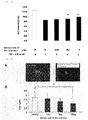
Figure 1] Figure 1 is a graph showing the relationship between the concentration (µM) of (E)-4-(2-{3-[(1H-pyrazole-1-yl)methyl]-5,5,8,8-tetramethyl-5,6,7,8-tetrahydronaphthalene-2-yl}vinyl)benzoic acid (hereinafter, also referred to as "benzoic acid of the invention") and collagen atrophy (diameter (mm) of collagen gel in the dish) when using murine retinal pigment epithelial cells, wherein "*" indicates the presence of a statistically significant difference (p < 0.05). - [
Figure 2] Figure 2 is a graph showing the results of studying the effect of inhibiting subretinal scar formation when the benzoic acid of the invention is injected in murine subretinal scar model production.Figure 2A shows the results of subretinal observation after 7 days from the injection of 50 µg of the benzoic acid of the present invention and macrophages.Figure 2B shows the results of measuring a subretinal scar region after 7 days from injection when injecting 1 µg, 5µg, or 50µg of the benzoic acid of the invention and macrophages, wherein "*" indicates the presence of a statistically significant difference (p < 0.05). - The inhibitor for a retinochoroidal disorder of the present invention is not particularly limited and may be any inhibitor having the benzoic acid of the invention represented by the following formula (I), an ester thereof, or a salt thereof as the effective ingredient. However, the benzoic acid of the invention or a salt thereof is preferable as an effective ingredient. Further, other embodiments of the present invention include: a method of treating a retinochoroidal disorder characterized in administering the benzoic acid of the invention, an ester thereof, or a salt thereof to a subject; the benzoic acid of the invention, an ester thereof, or a salt thereof for use as an inhibitor for a retinochoroidal disorder; and use of the benzoic acid of the invention, an ester thereof, or a salt thereof in the preparation of an inhibitor for a retinochoroidal disorder.

- In the present invention, a retinochoroidal disorder refers to a condition in which an injury occurs to a photoreceptor cell, ganglion cell, retinal pigment epithelial cell or tissue comprised of each of the above-described cells in the retina or choroid, ultimately leading to cell death or tissue dysfunction to cause disturbance in visual function such as vision or field of vision. A retinochoroidal disorder is suitably exemplified by formation and atrophy of a retinochoroidal scar and vitreoretinal diseases such as diabetic retinopathy, age-related macular degeneration, retinal detachment, proliferative vitreoretinopathy, uveitis, ocular infection, retinopathy of prematurity, neovascular maculopathy, and retinochoroiditis. A retinochoroidal disorder is particularly suitably exemplified by formation and atrophy of a retinochoroidal scar.
- In the present invention, a retinochoroidal scar is a fibrous connective tissue occurring at an epiretinal, intraretinal, or subretinal injury site with the soothing or progression of an ophthalmic inflammation, preferably a fibrous connective tissue occurring at a subretinal injury site, and is mainly tissue comprised of a retinal pigment epithelial cell, fibroblast, glial cell, or the like with extracellular matrix including collagen. In addition, the above-described epiretinal refers to on a retinal surface, subretinal refers to between the retina and choroid, inside the choroid, and under the choroid. Further, formation of a retinochoroidal scar refers to the formation of a fibrous connective tissue at an epiretinal, intraretinal, or subretinal injury site with the soothing or progression of an ophthalmic inflammation. Atrophy of a retinochoroidal scar refers to the atrophy by a formed retinochoroidal scar pulling tissue in the periphery thereof upon healing. Such formation and atrophy of a retinochoroidal scar occurs in series. It is possible to prevent peripheral tissue and macular area of a retinochoroidal scar from deforming to cause a disorder in the retinochoroidal function by inhibiting the formation and atrophy of the retinochoroidal scar.
- The benzoic acid of the invention, an ester thereof, or a salt thereof, which is an effective ingredient of the therapeutic agent for a retinochoroidal disorder of the present invention, can be manufactured in accordance with the method described in
Patent Literature 2 described above or purchased as a commercially-available product. Examples of such commercially-available products include product name: palovarotene manufactured by Shanghai Haoyuan Chemexpress. - Esters in the benzoic acid of the invention, an ester thereof, or a salt thereof, which is an effective ingredient of the therapeutic agent for a retinochoroidal disorder of the present invention, are not particularly limited and can be any ester converted to the benzoic acid of the invention in a reaction by an enzyme or the like under physiological conditions in vivo. Examples of such esters include: esters generated by reaction with a primary alcohol, such as methanol, ethanol, propanol, hexanol, dodecanal or the like; esters generated by reaction with a secondary alcohol such as isopropanol, s-butanol, 1-ethylpropanol or the like; esters generated by reaction with a tertiary alcohol such as t-butanol, 1-methyl-1-ethylpropanol or the like; and esters generated by reaction with an amino alcohol such as 2-aminoethanol or the like.
- The above-described esters can be manufactured by a known method from the benzoic acid of the invention or an intermediate during synthesis thereof.
- Salts in the benzoic acid of the invention, an ester thereof, or a salt thereof, which is an effective ingredient of the inhibitor for a retinochoroidal disorder of the present invention, are not particularly limited and can be any pharmaceutically acceptable salts. Such salts include (1) as an acid addition salt, inorganic acid salts such as hydrochloride, hydrobromic acid salt, hydro iodic acid salt, nitric acid salt, sulfuric acid salt, phosphoric acid salt and the like; and organic acid salts such as acetic acid salt, trifluoroacetic acid salt, benzoic acid salt, oxalic acid salt, malonic acid salt, succinic acid salt, maleic acid salt, fumaric acid salt, tartaric acid salt, citric acid salt, methanesulfonic acid salt, ethanesulfonic acid salt, trifluoromethanesulfonic acid salt, benzenesulfonic acid salt, p-toluenesulfonic acid salt, glutamic acid salt, aspartic acid salt and the like and (2) as a basic salt, metal salts such as sodium salt, potassium salt, calcium salt, magnesium salt and the like; inorganic salts such as ammonium salt and the like; and organic amine salts such as triethylamine salt, guanidine salt and the like.
- The inhibitor for a retinochoroidal disorder of the present invention can be administered orally or parenterally (intravenous administration, intramuscular administration, intraperitoneal administration, percutaneous administration, intratracheal administration, intracutaneous administration, or subcutaneous administration) in a form of an ointment (preferably ophthalmic ointment), injection, tablet, granule, fine granule, powder, capsule, inhalant, syrup, pill, liquid formulation, suspension, emulsion, percutaneous absorption agent, suppository, or lotion manufactured by mixing in a suitable pharmacologically acceptable additive. These formulations are manufactured by a well-known method by using an additive such as an excipient, lubricant, binding agent, disintegrator, emulsifier, stabilizer, flavoring agent or diluent.
- Examples of excipients include organic excipients and inorganic excipients. Examples of organic excipients include: sugar derivatives such as lactose, sucrose, glucose, mannitol, sorbitol and the like; starch derivatives such as corn starch, potato starch, α-starch, dextrin and the like; cellulose derivatives such as crystalline cellulose and the like; gum arabic; dextran; pullulan and the like. Examples of inorganic excipients include: light anhydrous silicic acid; and sulfuric acid salts such as calcium sulfate and the like.
- Examples of lubricants include: stearic acid; metal salts of stearic acid such as calcium stearate, magnesium stearate and the like; talc; colloidal silica; wax such as beeswax, spermaceti and the like; boric acid; adipic acid; sulfuric acid salts such as sodium sulfate and the like; glycol; fumaric acid; sodium benzoate; D,L-Leucine, sodium lauryl sulfate; silicic acids such as silica and silicic acid hydrate; and the starch derivatives and the like for the above-described excipients.
- Examples of binding agents include hydroxypropyl cellulose, hydroxypropyl methylcellulose, polyvinylpyrrolidone, macrogol and the compounds described above shown for excipients.
- Examples of disintegrators include: cellulose derivatives such as hydroxypropyl cellulose with a low degree of substitutions, carboxymethyl cellulose, calcium carboxymethyl cellulose, and internally crosslinked calcium carboxymethyl cellulose and the like; crosslinked polyvinylpyrrolidone; and chemically modified starch or cellulose derivatives or the like such as carboxymethyl starch and sodium carboxymethyl starch and the like.
- Examples of emulsifiers include: colloidal clay such as bentonite and veegum and the like; anionic surfactants such as sodium lauryl sulfate and the like; cationic surfactants such as benzalkonium chloride and the like; and non-ionic surfactants and the like such as polyoxyethylene alkyl ether, polyoxyethylene sorbitan fatty acid ester, and sucrose fatty acid ester and the like.
- Examples of stabilizers include: para-hydroxybenzoic acid esters such as methylparaben, propylparaben and the like; alcohols such as chlorobutanol, benzyl alcohol, and phenylethyl alcohol and the like; benzalkonium chloride; phenols such as phenol and cresol and the like; thimerosal; acetic anhydride; and sorbic acid.
- Examples of flavoring agents include: sweeteners such as sodium saccharin and aspartame and the like; acidulants such as citric acid, malic acid, and tartaric acid and the like; and flavors such as menthol, lemon extract and orange extract and the like.
- Diluents are generally compounds used as a diluent. Examples thereof include lactose, mannitol, glucose, sucrose, calcium sulfate, hydroxypropyl cellulose, microcrystalline cellulose, water, ethanol, polyethylene glycol, propylene glycol, glycerol, starch, polyvinylpyrrolidone, mixtures thereof and the like.
- For ointments (preferably ophthalmic ointments), a commonly-used base such as white petrolatum or liquid paraffin or the like can be used for preparation.
- The inhibitor for a retinochoroidal disorder of the present invention includes those in a form of instillation in addition to the above-described dosage forms. The above-described instillation can be instillatively administered. The agent can be formulated with a well-known method by suitably blending in an isotonizing agent, buffer, pH regulator, solubilizer, thickener, stabilizer, preservative (antiseptic) or the like as an additive. Further, it is also possible to obtain a stable instillation by adding a pH regulator, thickener, dispersant or the like to prepare suspension of a drug.
- Examples of isotonizing agents include glycerin, propylene glycol,sodium chloride,potassium chloride, sorbitol, mannitol and the like.
- Examples of buffers include phosphoric acid, phosphate, citric acid, acetic acid, ε-aminocaproic acid and the like.
- Examples of pH regulators include hydrochloric acid, citric acid, phosphoric acid, acetic acid, sodium hydroxide, potassium hydroxide, boric acid, borax, disodium hydrogen phosphate, sodium dihydrogen phosphate, sodium carbonate, sodium bicarbonate and the like.
- Examples of solubilizers include polysorbate 80, polyoxylethylene hydrogenated castor oil 60, macrogol 4000 and the like.
- Examples of thickeners and dispersants include: cellulose polymers such as hydroxypropyl methylcellulose, hydroxypropyl cellulose and the like; polyvinyl alcohols; polyvinylpyrrolidone and the like. Further, examples of stabilizers include edetic acid, sodium edetate and the like.
- Examples of preservatives (antiseptics) include commonly-used sorbic acid, potassium sorbate, benzalkonium chloride, benzethonium chloride, methyl parahydroxybenzoate, propyl parahydroxybenzoate, chlorobutanol and the like. It is also possible to use these preservatives in combination.
- An instillation may have any pH within a range acceptable for an ophthalmic formulation, but the pH is desirably set to 4.0-8.5.
- The dosage of the inhibitor for a retinochoroidal disorder of the present invention can be appropriately changed in accordance with the dosage form, severity of symptoms of a patient to whom the agent is to be administered, age, weight, judgment of a physician or the like. For oral agents, it is generally possible to administer 0.01-5000 mg, preferably 0.1-2500 mg, and more preferably 0.5-1000 mg per day for an adult in one or several doses. For instillations, it is possible to administer those with an effective ingredient concentration of 0.000001-10% (W/V), preferably 0.00001-3% (W/V), and more preferably 0.0001-1% (W/V), in one or several daily doses. For ophthalmic ointments, it is possible to administer those with an effective ingredient concentration of 0.00001-10% (W/W), preferably 0.0001-3% (W/W), and more preferably 0.001-1% (W/W), in one or several daily doses.
- Hereinafter, the present invention is illustrated in further detail while providing Examples (Test Examples and Drug Formulation Examples). However, the scope of the present invention is not limited thereto.
- Murine retinal pigment epithelial cells were used to assess the inhibition effect of a tested compound on three-dimensional collagen gel atrophy in accordance with the method of Nishida et al (Investigative Ophthalmology & Visual Science 42 : 1247-1253 (2001)). A subretinal sheet-like pigment epithelial cell comprising a retinal pigment epithelial cell from a mouse eyeball was collected and grown in primary culture. The cultured cell was detached and collected from a culture slide with 0.05% Trypsin-EDTA. After washing twice in a serum free medium (MEM: product number 11095; Gibco), a serum-free medium was added to make a cell suspension. Type I collagen (3 mg/ml: product number 637-00653; Nitta Gelatin Inc.), 10 × MEM, reconstitution buffer (product number 635-00791; Nitta Gelatin Inc.), cell suspension (1.1 × 10⁷ cells/ml in MEM), and water were mixed on ice at the volume ratio of 7:1:1:0.2:1.8. A culture dish coated with 1% BSA was inoculated with the mixture (0.5 ml), which was incubated for one hour at 37°C to make a collagen gel. Then, 0.5 ml each of serum free media, to which 1 ng/ml of TGF-β2 (R&D) and 0, 0.01, 0.1, or 1 µM of the benzoic acid of the invention were added, was added onto collagen gels and incubated at 37°C. The diameter of gels was measured after 24 hours. As a control, 0.5 ml of only a serum-free medium was added and similarly incubated. The results are shown in
Figure 1 . - It can be seen from
Figure 1 that the benzoic acid of the invention can inhibit collagen atrophy due to TGF when using murine retinal pigment epithelial cells. This demonstrates that the benzoic acid of the invention contributes to collagen turn over and is effective in inhibiting retinochoroidal disorders and has an effect of inhibiting tissue remodeling that occurs after inflammation, hemorrhage, infection, surgery, or injury in an ophthalmic tissue, i.e., retinal tissue fibrillation, retinochoroidal scar formation, and atrophy. - A murine subretinal scar model was produced to study whether the benzoic acid of the invention has an effect of inhibiting subretinal scar formation. A subretinal scar model in a mouse was produced by the method shown below in accordance with the method of Young-j oon et al (Investigative Ophthalmology & Visual Science, 52, 6089-6095(2001)).
- First, laser was irradiated (0.05 seconds, 200 mW, 532 nm) onto one location on the posterior pole of fundus of mouse C57BL/6 (purchased from SLC) to destroy the Bruch's membrane, which enabled infiltration of inflammatory cells from the choroid as well as creation of air bubbles subretinally.
- A 33G needle was then inserted from pars plana. 0.5 µl of 4 × 10⁷ ml thioglycollate elicited peritoneal macrophage and 1 µg, 5 µg, or 50 µg of the benzoic acid of the invention were subretinally injected. For the control, the benzoic acid of the invention was not injected (0 µg).
- The subretinal area was observed and subretinal scar region was measure 7 days after injection of the macrophage and the benzoic acid of the invention described above. The results are shown in
Figure 2 . - As shown in
Figure 2A , formation of a scar was inhibited when 50 µg of the benzoic acid of the invention was injected in comparison to the control. Further, as shown inFigure 2B , the scar region (fibrillation region) narrows as the amount of injection of the benzoic acid of the invention increases. Thus, it was revealed that formation and atrophy of subretinal scars can be inhibited by the benzoic acid of the invention. -
(Drug Formulation Example 1) Instillation In 100 ml Benzoic acid of the invention 100 mg Sodium chloride 800 mg Polysorbate 80 appropriate amount Disodium hydrogen phosphate appropriate amount Sodium dihydrogen phosphate appropriate amount Sterile purified water appropriate amount - The benzoic acid of the invention and the other components described above are added to sterile purified water. The solution is thoroughly mixed to prepare an instillation. It is possible to prepare an instillation with a concentration of 0.05% (W/V), 0.3% (W/V), 0.5% (W/V), or 1% (W/V) by changing the amount of the benzoic acid of the invention or the like that is added.
(Drug Formulation Example 2) Ophthalmic Ointment In 100 g Benzoic acid of the invention 0.3 g Liquid paraffin 10.0 g White petrolatum appropriate amount - The benzoic acid of the invention is added to homogeneously-melted white petrolatum and liquid paraffin. The mixture is thoroughly mixed and then gradually cooled to prepare an ophthalmic ointment. It is possible to prepare an ophthalmic ointment with a concentration of 0.05% (W/W), 0.1% (W/W), 0.5% (W/W), or 1% (W/W) by changing the amount of the benzoic acid of the invention or the like that is added.
(Drug Formulation Example 3) Tablet In 100 mg Benzoic acid of the invention 1 mg Lactose 66.4 mg Corn starch 20 mg Calcium carboxymethyl cellulose 6 mg Hydroxypropyl cellulose 6 mg Magnesium stearate 0.6 mg - The benzoic acid of the invention, corn starch and lactose are mixed in a mixer. Calcium carboxymethyl cellulose and hydroxypropyl cellulose are added to the mixture for granulation. The particle size of the resulting granules is adjusted after drying. Magnesium stearate is added to and mixed with the adjusted granules and the mixture is made into tablets with a tableting machine. Further, it is possible to prepare tablets with the content of 0.1 mg, 10 mg, or 50 mg in 100 mg by changing the amount of the benzoic acid of the invention or the like that is added.
- (E)-4-(2-{3-[(1H-pyrazole-1-yl)methyl]-5,5,8,8-tetramethyl-5,6,7,8-tetrahydronaphthalene-2-yl}vinyl) benzoic acid, an ester thereof, or a salt thereof, which is an effective ingredient of the inhibitor for a retinochoroidal disorder of the present invention, is useful as an inhibitor for retinochoroidal disorders, particularly as an inhibitor for the formation and atrophy of a retinochoroidal scar, by strongly inhibiting collagen contraction in a retinal pigment epithelial cell, fibroblast, glial cell or the like in the retinochoroid.
Claims (5)
- An inhibitor for a retinochoroidal disorder comprising (E)-4-(2-{3-[(1H-pyrazole-1-yl)methyl]-5,5,8,8-tetramethyl-5,6,7,8-tetrahydronaphthalene-2-yl}vinyl)benzoic acid, an ester thereof, or a salt thereof as an effective ingredient.
- The inhibitor for a retinochoroidal disorder of claim 1, wherein the (E)-4-(2-{3-[(1H-pyrazole-1-yl)methyl]-5,5,8,8-tetramethyl-5,6,7,8-tetrahydronaphthalene-2-yl}vinyl)benzoic acid, the ester thereof, or the salt thereof is (E)-4-(2-{3-[(1H-pyrazole-1-yl)methyl]-5,5,8,8-tetramethyl-5,6,7,8-tetrahydronaphthalene-2-yl}vinyl)benzoic acid or a salt thereof.
- The inhibitor for a retinochoroidal disorder of claim 1 or 2, wherein the retinochoroidal disorder is formation or atrophy of a retinochoroidal scar in subretinal, intraretinal, or epiretinal tissue.
- The inhibitor for a retinochoroidal disorder according to any one of claims 1-3, wherein a form of administration is instillative administration or oral administration.
- The inhibitor for a retinochoroidal disorder accordingly to any one of claims 1-4, wherein a dosage form is an instillation, an ophthalmic ointment, an injection, a tablet, a granule, a fine granule, a powder or a capsule.
Priority Applications (6)
| Application Number | Priority Date | Filing Date | Title |
|---|---|---|---|
| SM20180593T SMT201800593T1 (en) | 2013-05-22 | 2014-05-21 | INHIBITOR FOR RETINOCHOROID DISORDERS |
| SI201430951T SI3000466T1 (en) | 2013-05-22 | 2014-05-21 | Inhibitor for retinochoroidal disorders |
| PL14800477T PL3000466T3 (en) | 2013-05-22 | 2014-05-21 | Inhibitor for retinochoroidal disorders |
| EP18183955.6A EP3446690B1 (en) | 2013-05-22 | 2014-05-21 | Inhibitor for retinochoroidal disorders |
| HRP20181876TT HRP20181876T1 (en) | 2013-05-22 | 2014-05-21 | RETINOCOROIDAL DISORDER INHIBITOR |
| RS20181364A RS58045B1 (en) | 2013-05-22 | 2014-05-21 | Inhibitor for retinochoroidal disorders |
Applications Claiming Priority (2)
| Application Number | Priority Date | Filing Date | Title |
|---|---|---|---|
| JP2013107706 | 2013-05-22 | ||
| PCT/JP2014/002667 WO2014188716A1 (en) | 2013-05-22 | 2014-05-21 | Inhibitor for retinochoroidal disorders |
Related Child Applications (1)
| Application Number | Title | Priority Date | Filing Date |
|---|---|---|---|
| EP18183955.6A Division EP3446690B1 (en) | 2013-05-22 | 2014-05-21 | Inhibitor for retinochoroidal disorders |
Publications (3)
| Publication Number | Publication Date |
|---|---|
| EP3000466A1 true EP3000466A1 (en) | 2016-03-30 |
| EP3000466A4 EP3000466A4 (en) | 2017-01-25 |
| EP3000466B1 EP3000466B1 (en) | 2018-08-15 |
Family
ID=51933283
Family Applications (2)
| Application Number | Title | Priority Date | Filing Date |
|---|---|---|---|
| EP14800477.3A Active EP3000466B1 (en) | 2013-05-22 | 2014-05-21 | Inhibitor for retinochoroidal disorders |
| EP18183955.6A Active EP3446690B1 (en) | 2013-05-22 | 2014-05-21 | Inhibitor for retinochoroidal disorders |
Family Applications After (1)
| Application Number | Title | Priority Date | Filing Date |
|---|---|---|---|
| EP18183955.6A Active EP3446690B1 (en) | 2013-05-22 | 2014-05-21 | Inhibitor for retinochoroidal disorders |
Country Status (22)
| Country | Link |
|---|---|
| US (4) | US10702502B2 (en) |
| EP (2) | EP3000466B1 (en) |
| JP (2) | JP6407145B2 (en) |
| KR (1) | KR102303316B1 (en) |
| CN (1) | CN105377258B (en) |
| AU (1) | AU2014269762B2 (en) |
| BR (1) | BR112015029114B1 (en) |
| CA (1) | CA2913005C (en) |
| CY (1) | CY1121036T1 (en) |
| DK (1) | DK3000466T3 (en) |
| ES (2) | ES2989991T3 (en) |
| HR (1) | HRP20181876T1 (en) |
| LT (1) | LT3000466T (en) |
| MX (1) | MX362239B (en) |
| PL (1) | PL3000466T3 (en) |
| PT (1) | PT3000466T (en) |
| RS (1) | RS58045B1 (en) |
| RU (1) | RU2672057C2 (en) |
| SI (1) | SI3000466T1 (en) |
| SM (1) | SMT201800593T1 (en) |
| WO (1) | WO2014188716A1 (en) |
| ZA (1) | ZA201508940B (en) |
Cited By (5)
| Publication number | Priority date | Publication date | Assignee | Title |
|---|---|---|---|---|
| KR20160013075A (en) * | 2013-05-22 | 2016-02-03 | 고쿠리츠다이가쿠호우진 야마구치 다이가쿠 | Inhibitor for retinochoroidal disorders |
| WO2018090137A1 (en) | 2016-11-16 | 2018-05-24 | Clementia Pharmaceuticals Inc. | Methods for treating multiple osteochondroma (mo) |
| US11433039B2 (en) | 2010-09-01 | 2022-09-06 | Thomas Jefferson University | Composition and method for muscle repair and regeneration |
| US11471440B2 (en) | 2012-11-08 | 2022-10-18 | Yamaguchi University | Therapeutic agent for keratoconjunctive disorders |
| US11622959B2 (en) | 2016-06-08 | 2023-04-11 | Clementia Pharmaceuticals Inc. | Methods for treating heterotopic ossification |
Family Cites Families (35)
| Publication number | Priority date | Publication date | Assignee | Title |
|---|---|---|---|---|
| WO1994015902A1 (en) | 1993-01-11 | 1994-07-21 | Ligand Pharmaceuticals Inc. | Compounds having selectivity for retinoid x receptors |
| US5824685A (en) * | 1995-02-01 | 1998-10-20 | The Johns Hopkins University School Of Medicine | Method of preventing proliferation of retinal pigment epithelium by retinoic acid receptor agonists |
| US5624957A (en) | 1995-06-06 | 1997-04-29 | Bristol-Myers Squibb Company | Rary-specific retinobenzoic acid derivatives |
| US5919970A (en) | 1997-04-24 | 1999-07-06 | Allergan Sales, Inc. | Substituted diaryl or diheteroaryl methanes, ethers and amines having retinoid agonist, antagonist or inverse agonist type biological activity |
| US7514074B2 (en) | 1997-07-14 | 2009-04-07 | Osiris Therapeutics, Inc. | Cardiac muscle regeneration using mesenchymal stem cells |
| US6204288B1 (en) | 1999-03-08 | 2001-03-20 | The University Of Mississippi | 1,2-dithiolane derivatives |
| US6313168B1 (en) | 1999-12-15 | 2001-11-06 | Allergan Sales, Inc. | Use of retinoid receptor antagonists in the treatment of cartilage and bone pathologies |
| US20030114482A1 (en) | 1999-12-15 | 2003-06-19 | Maurizio Pacifici | Use of retinoid receptor antagonists or agonists in the treatment of cartilage and bone pathologies |
| AU784377B2 (en) | 2000-03-14 | 2006-03-23 | Arthur V. Sampaio | Compositions and methods for affecting osteogenesis |
| JP4118675B2 (en) | 2000-10-02 | 2008-07-16 | エフ.ホフマン−ラ ロシュ アーゲー | A new retinoid for the treatment of emphysema |
| PL209697B1 (en) | 2001-09-18 | 2011-10-31 | Hoffmann La Roche | Substituted urea retinoid agonists ii |
| AU2002329276B2 (en) | 2001-09-18 | 2008-04-24 | F. Hoffmann-La Roche Ag | Alkyl urea retinoid agonists I |
| AUPR892501A0 (en) | 2001-11-16 | 2001-12-13 | Peter Maccallum Cancer Institute, The | Method of enhancing self renewal of stem cells and uses thereof |
| US20050101581A1 (en) | 2002-08-28 | 2005-05-12 | Reading Christopher L. | Therapeutic treatment methods 2 |
| JP2005206544A (en) | 2004-01-23 | 2005-08-04 | Yasuyoshi Uchida | Muscle-regenerating agent |
| AU2005240078A1 (en) | 2004-04-30 | 2005-11-17 | Allergan, Inc. | Retinoid-containing sustained release intraocular drug delivery systems and related methods of manufacturing |
| AU2006227623B2 (en) * | 2005-03-17 | 2011-10-20 | Elan Pharma International Limited | Injectable compositions of nanoparticulate immunosuppressive compounds |
| US7345931B2 (en) | 2005-08-01 | 2008-03-18 | Infineon Technologies Ag | Maintaining internal voltages of an integrated circuit in response to a clocked standby mode |
| EP1938815A1 (en) * | 2005-09-27 | 2008-07-02 | Sapporo Medical University | Pharmaceutical for prevention and treatment of ophthalmic disease induced by increase in vasopermeability |
| KR20070037188A (en) | 2005-09-30 | 2007-04-04 | 현대자동차주식회사 | Flow control structure in automatic transmission |
| WO2007113122A1 (en) | 2006-03-31 | 2007-10-11 | F. Hoffmann-La Roche Ag | Process for preparing retinoid compounds |
| DK2026778T3 (en) | 2006-05-16 | 2019-01-07 | Io Therapeutics Llc | RAR ANTAGONIST OR INVERSE AGONIST FOR USE IN THE TREATMENT OF CHEMOTHERAPY AND / OR RADIATION THERAPY SIDE EFFECTS |
| CA2667706A1 (en) | 2006-10-27 | 2008-05-08 | Lpath, Inc. | Compositions and methods for treating ocular diseases and conditions |
| EP2089023A2 (en) * | 2006-11-02 | 2009-08-19 | Aestus Therapeutics, Inc. | Methods of treating neuropathic pain with agonists of ppar-gamma |
| US9119777B2 (en) | 2008-05-30 | 2015-09-01 | Microdose Therapeutx, Inc. | Methods and compositions for administration of oxybutynin |
| JP2009235031A (en) | 2008-03-28 | 2009-10-15 | Nano Egg:Kk | Agent for promoting regeneration of cornea tissue |
| US8969350B2 (en) | 2008-12-18 | 2015-03-03 | Astrazeneca Ab | Pharmaceutical product comprising a p38 kinase inhibitor and a second active ingredient |
| EP2393915A4 (en) | 2009-02-05 | 2012-12-26 | Regenertech Pty Ltd | Method of producing progenitor cells from differentiated cells |
| PL2613776T3 (en) | 2010-09-01 | 2021-01-11 | Thomas Jefferson University | Composition and method for muscle repair and regeneration |
| WO2012047674A2 (en) | 2010-09-27 | 2012-04-12 | Microdose Therapeutx, Inc. | Methods and compositions for disease treatment using inhalation |
| US10485780B2 (en) | 2011-03-14 | 2019-11-26 | Beth Israel Deaconess Medical Center, Inc. | Methods and compositions for the treatment of proliferative disorders |
| WO2012129562A2 (en) | 2011-03-24 | 2012-09-27 | The Scripps Research Institute | Compounds and methods for inducing chondrogenesis |
| US8772273B2 (en) | 2011-10-04 | 2014-07-08 | Quretino Therapeutics, Inc. | Formulations and uses of retinoic acid receptor selective agonists |
| CN109589324B (en) | 2012-11-08 | 2022-06-14 | 国立大学法人山口大学 | Therapeutic agent for keratoconjunctival disorder |
| CN105377258B (en) | 2013-05-22 | 2020-08-28 | 国立大学法人山口大学 | Inhibitors of retinochoroidal disorders |
-
2014
- 2014-05-21 CN CN201480041392.4A patent/CN105377258B/en active Active
- 2014-05-21 SM SM20180593T patent/SMT201800593T1/en unknown
- 2014-05-21 DK DK14800477.3T patent/DK3000466T3/en active
- 2014-05-21 EP EP14800477.3A patent/EP3000466B1/en active Active
- 2014-05-21 SI SI201430951T patent/SI3000466T1/en unknown
- 2014-05-21 WO PCT/JP2014/002667 patent/WO2014188716A1/en not_active Ceased
- 2014-05-21 ES ES18183955T patent/ES2989991T3/en active Active
- 2014-05-21 EP EP18183955.6A patent/EP3446690B1/en active Active
- 2014-05-21 HR HRP20181876TT patent/HRP20181876T1/en unknown
- 2014-05-21 KR KR1020157035402A patent/KR102303316B1/en active Active
- 2014-05-21 PL PL14800477T patent/PL3000466T3/en unknown
- 2014-05-21 JP JP2015518078A patent/JP6407145B2/en active Active
- 2014-05-21 ES ES14800477.3T patent/ES2694831T3/en active Active
- 2014-05-21 US US14/892,536 patent/US10702502B2/en active Active
- 2014-05-21 MX MX2015016083A patent/MX362239B/en active IP Right Grant
- 2014-05-21 RU RU2015154741A patent/RU2672057C2/en active
- 2014-05-21 LT LTEP14800477.3T patent/LT3000466T/en unknown
- 2014-05-21 BR BR112015029114-7A patent/BR112015029114B1/en active IP Right Grant
- 2014-05-21 AU AU2014269762A patent/AU2014269762B2/en active Active
- 2014-05-21 RS RS20181364A patent/RS58045B1/en unknown
- 2014-05-21 CA CA2913005A patent/CA2913005C/en active Active
- 2014-05-21 PT PT14800477T patent/PT3000466T/en unknown
-
2015
- 2015-12-08 ZA ZA2015/08940A patent/ZA201508940B/en unknown
-
2018
- 2018-05-07 JP JP2018089396A patent/JP6749962B2/en active Active
- 2018-11-14 CY CY181101204T patent/CY1121036T1/en unknown
-
2020
- 2020-06-04 US US16/893,120 patent/US11730718B2/en active Active
-
2023
- 2023-07-10 US US18/219,765 patent/US12357613B2/en active Active
-
2025
- 2025-06-12 US US19/236,409 patent/US20260124176A1/en active Pending
Non-Patent Citations (1)
| Title |
|---|
| See references of WO2014188716A1 * |
Cited By (11)
| Publication number | Priority date | Publication date | Assignee | Title |
|---|---|---|---|---|
| US11433039B2 (en) | 2010-09-01 | 2022-09-06 | Thomas Jefferson University | Composition and method for muscle repair and regeneration |
| US12023312B2 (en) | 2010-09-01 | 2024-07-02 | Thomas Jefferson University | Composition and method for muscle repair and regeneration |
| US11471440B2 (en) | 2012-11-08 | 2022-10-18 | Yamaguchi University | Therapeutic agent for keratoconjunctive disorders |
| KR20160013075A (en) * | 2013-05-22 | 2016-02-03 | 고쿠리츠다이가쿠호우진 야마구치 다이가쿠 | Inhibitor for retinochoroidal disorders |
| US11622959B2 (en) | 2016-06-08 | 2023-04-11 | Clementia Pharmaceuticals Inc. | Methods for treating heterotopic ossification |
| US12138245B2 (en) | 2016-06-08 | 2024-11-12 | Clementia Pharmaceuticals Inc. | Methods for treating heterotopic ossification |
| US12201614B2 (en) | 2016-06-08 | 2025-01-21 | Clementia Pharmaceuticals Inc. | Methods for treating heterotopic ossification |
| US12458626B2 (en) | 2016-06-08 | 2025-11-04 | Clementia Pharmaceuticals Inc. | Methods for treating heterotopic ossification |
| WO2018090137A1 (en) | 2016-11-16 | 2018-05-24 | Clementia Pharmaceuticals Inc. | Methods for treating multiple osteochondroma (mo) |
| EP3541380A4 (en) * | 2016-11-16 | 2020-12-09 | Clementia Pharmaceuticals Inc. | METHOD FOR TREATMENT OF MULTIPLE OSTEOCHONDROMAS (MO) |
| US10980778B2 (en) | 2016-11-16 | 2021-04-20 | Clementia Pharmaceuticals Inc. | Methods for treating multiple osteochondroma (MO) |
Also Published As
Similar Documents
| Publication | Publication Date | Title |
|---|---|---|
| US12357613B2 (en) | Inhibitor for retinochoroidal disorders | |
| US11471440B2 (en) | Therapeutic agent for keratoconjunctive disorders | |
| CA3088185C (en) | Suspension compositions of multi-target inhibitors | |
| HK40005356A (en) | Inhibitor for retinochoroidal disorders | |
| HK40005356B (en) | Inhibitor for retinochoroidal disorders | |
| NZ715245B2 (en) | Inhibitor for retinochoroidal disorders | |
| HK1221909B (en) | Inhibitor for retinochoroidal disorders |
Legal Events
| Date | Code | Title | Description |
|---|---|---|---|
| PUAI | Public reference made under article 153(3) epc to a published international application that has entered the european phase |
Free format text: ORIGINAL CODE: 0009012 |
|
| 17P | Request for examination filed |
Effective date: 20151222 |
|
| AK | Designated contracting states |
Kind code of ref document: A1 Designated state(s): AL AT BE BG CH CY CZ DE DK EE ES FI FR GB GR HR HU IE IS IT LI LT LU LV MC MK MT NL NO PL PT RO RS SE SI SK SM TR |
|
| AX | Request for extension of the european patent |
Extension state: BA ME |
|
| DAX | Request for extension of the european patent (deleted) | ||
| A4 | Supplementary search report drawn up and despatched |
Effective date: 20161223 |
|
| RIC1 | Information provided on ipc code assigned before grant |
Ipc: A61K 9/08 20060101ALI20161219BHEP Ipc: A61K 31/4155 20060101AFI20161219BHEP Ipc: A61K 9/20 20060101ALI20161219BHEP Ipc: A61K 47/26 20060101ALI20161219BHEP Ipc: A61P 43/00 20060101ALI20161219BHEP Ipc: A61K 9/06 20060101ALI20161219BHEP Ipc: A61P 27/02 20060101ALI20161219BHEP Ipc: A61K 47/44 20170101ALI20161219BHEP |
|
| STAA | Information on the status of an ep patent application or granted ep patent |
Free format text: STATUS: EXAMINATION IS IN PROGRESS |
|
| 17Q | First examination report despatched |
Effective date: 20170809 |
|
| GRAP | Despatch of communication of intention to grant a patent |
Free format text: ORIGINAL CODE: EPIDOSNIGR1 |
|
| STAA | Information on the status of an ep patent application or granted ep patent |
Free format text: STATUS: GRANT OF PATENT IS INTENDED |
|
| INTG | Intention to grant announced |
Effective date: 20180223 |
|
| GRAS | Grant fee paid |
Free format text: ORIGINAL CODE: EPIDOSNIGR3 |
|
| GRAA | (expected) grant |
Free format text: ORIGINAL CODE: 0009210 |
|
| STAA | Information on the status of an ep patent application or granted ep patent |
Free format text: STATUS: THE PATENT HAS BEEN GRANTED |
|
| AK | Designated contracting states |
Kind code of ref document: B1 Designated state(s): AL AT BE BG CH CY CZ DE DK EE ES FI FR GB GR HR HU IE IS IT LI LT LU LV MC MK MT NL NO PL PT RO RS SE SI SK SM TR |
|
| REG | Reference to a national code |
Ref country code: AT Ref legal event code: REF Ref document number: 1028944 Country of ref document: AT Kind code of ref document: T Effective date: 20180815 Ref country code: GB Ref legal event code: FG4D Ref country code: CH Ref legal event code: EP |
|
| REG | Reference to a national code |
Ref country code: IE Ref legal event code: FG4D |
|
| REG | Reference to a national code |
Ref country code: DE Ref legal event code: R096 Ref document number: 602014030557 Country of ref document: DE |
|
| REG | Reference to a national code |
Ref country code: RO Ref legal event code: EPE |
|
| REG | Reference to a national code |
Ref country code: HR Ref legal event code: TUEP Ref document number: P20181876 Country of ref document: HR |
|
| REG | Reference to a national code |
Ref country code: DK Ref legal event code: T3 Effective date: 20181119 |
|
| REG | Reference to a national code |
Ref country code: PT Ref legal event code: SC4A Ref document number: 3000466 Country of ref document: PT Date of ref document: 20181127 Kind code of ref document: T Free format text: AVAILABILITY OF NATIONAL TRANSLATION Effective date: 20181114 |
|
| REG | Reference to a national code |
Ref country code: NL Ref legal event code: FP |
|
| REG | Reference to a national code |
Ref country code: SE Ref legal event code: TRGR |
|
| REG | Reference to a national code |
Ref country code: NO Ref legal event code: T2 Effective date: 20180815 |
|
| REG | Reference to a national code |
Ref country code: CH Ref legal event code: NV Representative=s name: E. BLUM AND CO. AG PATENT- UND MARKENANWAELTE , CH |
|
| REG | Reference to a national code |
Ref country code: HR Ref legal event code: T1PR Ref document number: P20181876 Country of ref document: HR |
|
| REG | Reference to a national code |
Ref country code: EE Ref legal event code: FG4A Ref document number: E016719 Country of ref document: EE Effective date: 20181113 |
|
| REG | Reference to a national code |
Ref country code: SK Ref legal event code: T3 Ref document number: E 29254 Country of ref document: SK |
|
| REG | Reference to a national code |
Ref country code: GR Ref legal event code: EP Ref document number: 20180403344 Country of ref document: GR Effective date: 20190320 |
|
| REG | Reference to a national code |
Ref country code: DE Ref legal event code: R097 Ref document number: 602014030557 Country of ref document: DE |
|
| REG | Reference to a national code |
Ref country code: HR Ref legal event code: ODRP Ref document number: P20181876 Country of ref document: HR Payment date: 20190506 Year of fee payment: 6 |
|
| PLBE | No opposition filed within time limit |
Free format text: ORIGINAL CODE: 0009261 |
|
| STAA | Information on the status of an ep patent application or granted ep patent |
Free format text: STATUS: NO OPPOSITION FILED WITHIN TIME LIMIT |
|
| 26N | No opposition filed |
Effective date: 20190516 |
|
| REG | Reference to a national code |
Ref country code: HR Ref legal event code: ODRP Ref document number: P20181876 Country of ref document: HR Payment date: 20200709 Year of fee payment: 7 |
|
| REG | Reference to a national code |
Ref country code: HR Ref legal event code: ODRP Ref document number: P20181876 Country of ref document: HR Payment date: 20210521 Year of fee payment: 8 |
|
| REG | Reference to a national code |
Ref country code: HR Ref legal event code: ODRP Ref document number: P20181876 Country of ref document: HR Payment date: 20220519 Year of fee payment: 9 |
|
| REG | Reference to a national code |
Ref country code: FR Ref legal event code: PLFP Year of fee payment: 10 |
|
| REG | Reference to a national code |
Ref country code: HR Ref legal event code: ODRP Ref document number: P20181876 Country of ref document: HR Payment date: 20230515 Year of fee payment: 10 |
|
| REG | Reference to a national code |
Ref country code: HR Ref legal event code: ODRP Ref document number: P20181876 Country of ref document: HR Payment date: 20240328 Year of fee payment: 11 |
|
| PGFP | Annual fee paid to national office [announced via postgrant information from national office to epo] |
Ref country code: NL Payment date: 20250409 Year of fee payment: 12 |
|
| REG | Reference to a national code |
Ref country code: HR Ref legal event code: ODRP Ref document number: P20181876 Country of ref document: HR Payment date: 20250324 Year of fee payment: 12 |
|
| PGFP | Annual fee paid to national office [announced via postgrant information from national office to epo] |
Ref country code: SM Payment date: 20250529 Year of fee payment: 12 |
|
| PGFP | Annual fee paid to national office [announced via postgrant information from national office to epo] |
Ref country code: FI Payment date: 20250513 Year of fee payment: 12 |
|
| PGFP | Annual fee paid to national office [announced via postgrant information from national office to epo] |
Ref country code: DE Payment date: 20250325 Year of fee payment: 12 |
|
| PGFP | Annual fee paid to national office [announced via postgrant information from national office to epo] |
Ref country code: ES Payment date: 20250603 Year of fee payment: 12 Ref country code: DK Payment date: 20250516 Year of fee payment: 12 |
|
| PGFP | Annual fee paid to national office [announced via postgrant information from national office to epo] |
Ref country code: LT Payment date: 20250422 Year of fee payment: 12 |
|
| PGFP | Annual fee paid to national office [announced via postgrant information from national office to epo] |
Ref country code: IS Payment date: 20250509 Year of fee payment: 12 Ref country code: RS Payment date: 20250508 Year of fee payment: 12 Ref country code: HU Payment date: 20250429 Year of fee payment: 12 Ref country code: NO Payment date: 20250509 Year of fee payment: 12 |
|
| PGFP | Annual fee paid to national office [announced via postgrant information from national office to epo] |
Ref country code: AL Payment date: 20250514 Year of fee payment: 12 Ref country code: LU Payment date: 20250516 Year of fee payment: 12 Ref country code: BE Payment date: 20250410 Year of fee payment: 12 Ref country code: IT Payment date: 20250422 Year of fee payment: 12 |
|
| PGFP | Annual fee paid to national office [announced via postgrant information from national office to epo] |
Ref country code: HR Payment date: 20250425 Year of fee payment: 12 |
|
| PGFP | Annual fee paid to national office [announced via postgrant information from national office to epo] |
Ref country code: PT Payment date: 20250520 Year of fee payment: 12 |
|
| PGFP | Annual fee paid to national office [announced via postgrant information from national office to epo] |
Ref country code: EE Payment date: 20250409 Year of fee payment: 12 |
|
| PGFP | Annual fee paid to national office [announced via postgrant information from national office to epo] |
Ref country code: MT Payment date: 20250519 Year of fee payment: 12 Ref country code: GR Payment date: 20250416 Year of fee payment: 12 |
|
| PGFP | Annual fee paid to national office [announced via postgrant information from national office to epo] |
Ref country code: CH Payment date: 20250601 Year of fee payment: 12 |
|
| PGFP | Annual fee paid to national office [announced via postgrant information from national office to epo] |
Ref country code: AT Payment date: 20250425 Year of fee payment: 12 Ref country code: RO Payment date: 20250422 Year of fee payment: 12 |
|
| PGFP | Annual fee paid to national office [announced via postgrant information from national office to epo] |
Ref country code: TR Payment date: 20250514 Year of fee payment: 12 Ref country code: SK Payment date: 20250416 Year of fee payment: 12 |
|
| PGFP | Annual fee paid to national office [announced via postgrant information from national office to epo] |
Ref country code: CZ Payment date: 20250430 Year of fee payment: 12 |
|
| PGFP | Annual fee paid to national office [announced via postgrant information from national office to epo] |
Ref country code: MK Payment date: 20250325 Year of fee payment: 12 |
|
| PGFP | Annual fee paid to national office [announced via postgrant information from national office to epo] |
Ref country code: CY Payment date: 20250408 Year of fee payment: 12 |
|
| PGFP | Annual fee paid to national office [announced via postgrant information from national office to epo] |
Ref country code: SE Payment date: 20260312 Year of fee payment: 13 |
|
| PGFP | Annual fee paid to national office [announced via postgrant information from national office to epo] |
Ref country code: GB Payment date: 20260312 Year of fee payment: 13 |
|
| PGFP | Annual fee paid to national office [announced via postgrant information from national office to epo] |
Ref country code: MC Payment date: 20260325 Year of fee payment: 13 |
|
| PGFP | Annual fee paid to national office [announced via postgrant information from national office to epo] |
Ref country code: IE Payment date: 20260310 Year of fee payment: 13 |
|
| PGFP | Annual fee paid to national office [announced via postgrant information from national office to epo] |
Ref country code: FR Payment date: 20260309 Year of fee payment: 13 |
|
| PGFP | Annual fee paid to national office [announced via postgrant information from national office to epo] |
Ref country code: PL Payment date: 20260319 Year of fee payment: 13 |
|
| PGFP | Annual fee paid to national office [announced via postgrant information from national office to epo] |
Ref country code: LV Payment date: 20260320 Year of fee payment: 13 |
|
| PGFP | Annual fee paid to national office [announced via postgrant information from national office to epo] |
Ref country code: SI Payment date: 20260325 Year of fee payment: 13 |
|
| PGFP | Annual fee paid to national office [announced via postgrant information from national office to epo] |
Ref country code: BG Payment date: 20260316 Year of fee payment: 13 |