EP2998396A1 - Manipulation of hairy and enhancer of split 3 (Hes3) and its regulators/mediators in diabetes, obesity, and metabolic syndrome - Google Patents
Manipulation of hairy and enhancer of split 3 (Hes3) and its regulators/mediators in diabetes, obesity, and metabolic syndrome Download PDFInfo
- Publication number
- EP2998396A1 EP2998396A1 EP14185019.8A EP14185019A EP2998396A1 EP 2998396 A1 EP2998396 A1 EP 2998396A1 EP 14185019 A EP14185019 A EP 14185019A EP 2998396 A1 EP2998396 A1 EP 2998396A1
- Authority
- EP
- European Patent Office
- Prior art keywords
- hes3
- protein
- inhibitor
- insulin
- activator
- Prior art date
- Legal status (The legal status is an assumption and is not a legal conclusion. Google has not performed a legal analysis and makes no representation as to the accuracy of the status listed.)
- Withdrawn
Links
- 101150094793 Hes3 gene Proteins 0.000 title claims abstract description 366
- 208000008589 Obesity Diseases 0.000 title claims abstract description 47
- 235000020824 obesity Nutrition 0.000 title claims abstract description 47
- 102100030773 Transcription factor HES-3 Human genes 0.000 title claims abstract description 13
- 101710170043 Transcription factor HES-3 Proteins 0.000 title claims abstract description 6
- 208000001145 Metabolic Syndrome Diseases 0.000 title claims description 16
- 201000000690 abdominal obesity-metabolic syndrome Diseases 0.000 title claims description 16
- 206010012601 diabetes mellitus Diseases 0.000 title description 26
- NOESYZHRGYRDHS-UHFFFAOYSA-N insulin Chemical compound N1C(=O)C(NC(=O)C(CCC(N)=O)NC(=O)C(CCC(O)=O)NC(=O)C(C(C)C)NC(=O)C(NC(=O)CN)C(C)CC)CSSCC(C(NC(CO)C(=O)NC(CC(C)C)C(=O)NC(CC=2C=CC(O)=CC=2)C(=O)NC(CCC(N)=O)C(=O)NC(CC(C)C)C(=O)NC(CCC(O)=O)C(=O)NC(CC(N)=O)C(=O)NC(CC=2C=CC(O)=CC=2)C(=O)NC(CSSCC(NC(=O)C(C(C)C)NC(=O)C(CC(C)C)NC(=O)C(CC=2C=CC(O)=CC=2)NC(=O)C(CC(C)C)NC(=O)C(C)NC(=O)C(CCC(O)=O)NC(=O)C(C(C)C)NC(=O)C(CC(C)C)NC(=O)C(CC=2NC=NC=2)NC(=O)C(CO)NC(=O)CNC2=O)C(=O)NCC(=O)NC(CCC(O)=O)C(=O)NC(CCCNC(N)=N)C(=O)NCC(=O)NC(CC=3C=CC=CC=3)C(=O)NC(CC=3C=CC=CC=3)C(=O)NC(CC=3C=CC(O)=CC=3)C(=O)NC(C(C)O)C(=O)N3C(CCC3)C(=O)NC(CCCCN)C(=O)NC(C)C(O)=O)C(=O)NC(CC(N)=O)C(O)=O)=O)NC(=O)C(C(C)CC)NC(=O)C(CO)NC(=O)C(C(C)O)NC(=O)C1CSSCC2NC(=O)C(CC(C)C)NC(=O)C(NC(=O)C(CCC(N)=O)NC(=O)C(CC(N)=O)NC(=O)C(NC(=O)C(N)CC=1C=CC=CC=1)C(C)C)CC1=CN=CN1 NOESYZHRGYRDHS-UHFFFAOYSA-N 0.000 claims abstract description 294
- 108090001061 Insulin Proteins 0.000 claims abstract description 147
- 102000004877 Insulin Human genes 0.000 claims abstract description 147
- 229940125396 insulin Drugs 0.000 claims abstract description 147
- 239000003112 inhibitor Substances 0.000 claims abstract description 133
- 150000001875 compounds Chemical class 0.000 claims abstract description 124
- 238000000034 method Methods 0.000 claims abstract description 121
- 201000010099 disease Diseases 0.000 claims abstract description 102
- 208000037265 diseases, disorders, signs and symptoms Diseases 0.000 claims abstract description 102
- 208000001072 type 2 diabetes mellitus Diseases 0.000 claims abstract description 74
- 238000004519 manufacturing process Methods 0.000 claims abstract description 67
- 239000012190 activator Substances 0.000 claims abstract description 57
- 239000003814 drug Substances 0.000 claims abstract description 52
- 206010022489 Insulin Resistance Diseases 0.000 claims abstract description 50
- 238000011282 treatment Methods 0.000 claims abstract description 47
- 230000003247 decreasing effect Effects 0.000 claims abstract description 46
- 238000000338 in vitro Methods 0.000 claims abstract description 32
- 239000008194 pharmaceutical composition Substances 0.000 claims abstract description 31
- 150000002611 lead compounds Chemical class 0.000 claims abstract description 23
- 230000006806 disease prevention Effects 0.000 claims abstract description 13
- 230000002708 enhancing effect Effects 0.000 claims abstract description 11
- 108090000623 proteins and genes Proteins 0.000 claims description 210
- 102000004169 proteins and genes Human genes 0.000 claims description 172
- 210000004027 cell Anatomy 0.000 claims description 155
- 230000000694 effects Effects 0.000 claims description 105
- 239000004055 small Interfering RNA Substances 0.000 claims description 63
- 108020004459 Small interfering RNA Proteins 0.000 claims description 61
- 102000039446 nucleic acids Human genes 0.000 claims description 58
- 108020004707 nucleic acids Proteins 0.000 claims description 58
- 150000007523 nucleic acids Chemical class 0.000 claims description 56
- 108010017324 STAT3 Transcription Factor Proteins 0.000 claims description 46
- 230000027455 binding Effects 0.000 claims description 43
- 238000012360 testing method Methods 0.000 claims description 41
- 210000000496 pancreas Anatomy 0.000 claims description 37
- 108091023037 Aptamer Proteins 0.000 claims description 30
- 150000003384 small molecules Chemical class 0.000 claims description 30
- 206010067584 Type 1 diabetes mellitus Diseases 0.000 claims description 27
- 239000012634 fragment Substances 0.000 claims description 27
- 108091092562 ribozyme Proteins 0.000 claims description 27
- 108090000994 Catalytic RNA Proteins 0.000 claims description 26
- 102000053642 Catalytic RNA Human genes 0.000 claims description 26
- 150000001413 amino acids Chemical group 0.000 claims description 26
- 230000000692 anti-sense effect Effects 0.000 claims description 23
- 230000002401 inhibitory effect Effects 0.000 claims description 23
- 108091027967 Small hairpin RNA Proteins 0.000 claims description 22
- 102000016267 Leptin Human genes 0.000 claims description 19
- 108010092277 Leptin Proteins 0.000 claims description 19
- 229940039781 leptin Drugs 0.000 claims description 19
- NRYBAZVQPHGZNS-ZSOCWYAHSA-N leptin Chemical compound O=C([C@H](CO)NC(=O)[C@H](CC(C)C)NC(=O)[C@H](CC(O)=O)NC(=O)[C@H](CC(C)C)NC(=O)[C@H](CCC(N)=O)NC(=O)[C@H](CC=1C2=CC=CC=C2NC=1)NC(=O)[C@H](CC(C)C)NC(=O)[C@@H](NC(=O)[C@H](CC(O)=O)NC(=O)[C@H](CCC(N)=O)NC(=O)[C@H](CC(C)C)NC(=O)[C@H](CO)NC(=O)CNC(=O)[C@H](CCC(N)=O)NC(=O)[C@@H](N)CC(C)C)CCSC)N1CCC[C@H]1C(=O)NCC(=O)N[C@@H](CS)C(O)=O NRYBAZVQPHGZNS-ZSOCWYAHSA-N 0.000 claims description 19
- 230000026731 phosphorylation Effects 0.000 claims description 19
- 238000006366 phosphorylation reaction Methods 0.000 claims description 19
- 230000011664 signaling Effects 0.000 claims description 17
- 210000000227 basophil cell of anterior lobe of hypophysis Anatomy 0.000 claims description 15
- MTCFGRXMJLQNBG-UHFFFAOYSA-N Serine Natural products OCC(N)C(O)=O MTCFGRXMJLQNBG-UHFFFAOYSA-N 0.000 claims description 14
- 108700003486 Jagged-1 Proteins 0.000 claims description 13
- 108700037966 Protein jagged-1 Proteins 0.000 claims description 13
- 229940124597 therapeutic agent Drugs 0.000 claims description 13
- 230000005764 inhibitory process Effects 0.000 claims description 11
- OUYCCCASQSFEME-UHFFFAOYSA-N tyrosine Natural products OC(=O)C(N)CC1=CC=C(O)C=C1 OUYCCCASQSFEME-UHFFFAOYSA-N 0.000 claims description 11
- OUYCCCASQSFEME-QMMMGPOBSA-N L-tyrosine Chemical compound OC(=O)[C@@H](N)CC1=CC=C(O)C=C1 OUYCCCASQSFEME-QMMMGPOBSA-N 0.000 claims description 10
- 108091070501 miRNA Proteins 0.000 claims description 9
- 239000002679 microRNA Substances 0.000 claims description 9
- 239000004480 active ingredient Substances 0.000 claims description 8
- 230000001270 agonistic effect Effects 0.000 claims description 8
- 102000008986 Janus Human genes 0.000 claims description 5
- 108050000950 Janus Proteins 0.000 claims description 5
- 102000004022 Protein-Tyrosine Kinases Human genes 0.000 claims description 4
- 108090000412 Protein-Tyrosine Kinases Proteins 0.000 claims description 4
- 230000002265 prevention Effects 0.000 claims description 4
- 102000004495 STAT3 Transcription Factor Human genes 0.000 claims 6
- 102000049556 Jagged-1 Human genes 0.000 claims 3
- 235000018102 proteins Nutrition 0.000 description 157
- 230000014509 gene expression Effects 0.000 description 100
- 241000699670 Mus sp. Species 0.000 description 55
- WQZGKKKJIJFFOK-GASJEMHNSA-N Glucose Natural products OC[C@H]1OC(O)[C@H](O)[C@@H](O)[C@@H]1O WQZGKKKJIJFFOK-GASJEMHNSA-N 0.000 description 48
- WQZGKKKJIJFFOK-VFUOTHLCSA-N beta-D-glucose Chemical compound OC[C@H]1O[C@@H](O)[C@H](O)[C@@H](O)[C@@H]1O WQZGKKKJIJFFOK-VFUOTHLCSA-N 0.000 description 48
- 239000008103 glucose Substances 0.000 description 44
- 108091032973 (ribonucleotides)n+m Proteins 0.000 description 40
- 102100024040 Signal transducer and activator of transcription 3 Human genes 0.000 description 40
- 108090000765 processed proteins & peptides Proteins 0.000 description 37
- 241000282414 Homo sapiens Species 0.000 description 34
- 230000004913 activation Effects 0.000 description 34
- 230000001965 increasing effect Effects 0.000 description 28
- 101710183548 Pyridoxal 5'-phosphate synthase subunit PdxS Proteins 0.000 description 26
- 210000004153 islets of langerhan Anatomy 0.000 description 25
- 108020004999 messenger RNA Proteins 0.000 description 24
- 235000001014 amino acid Nutrition 0.000 description 23
- 229940024606 amino acid Drugs 0.000 description 23
- 241000699666 Mus <mouse, genus> Species 0.000 description 22
- 230000006378 damage Effects 0.000 description 22
- 210000002966 serum Anatomy 0.000 description 22
- 210000004369 blood Anatomy 0.000 description 21
- 239000008280 blood Substances 0.000 description 21
- ZSJLQEPLLKMAKR-GKHCUFPYSA-N streptozocin Chemical compound O=NN(C)C(=O)N[C@H]1[C@@H](O)O[C@H](CO)[C@@H](O)[C@@H]1O ZSJLQEPLLKMAKR-GKHCUFPYSA-N 0.000 description 21
- 108020004414 DNA Proteins 0.000 description 20
- 238000003556 assay Methods 0.000 description 20
- ZSJLQEPLLKMAKR-UHFFFAOYSA-N Streptozotocin Natural products O=NN(C)C(=O)NC1C(O)OC(CO)C(O)C1O ZSJLQEPLLKMAKR-UHFFFAOYSA-N 0.000 description 19
- 125000003275 alpha amino acid group Chemical group 0.000 description 19
- 229960001052 streptozocin Drugs 0.000 description 19
- 108010070047 Notch Receptors Proteins 0.000 description 18
- 102000005650 Notch Receptors Human genes 0.000 description 18
- 102000004196 processed proteins & peptides Human genes 0.000 description 18
- 238000012228 RNA interference-mediated gene silencing Methods 0.000 description 17
- 230000009368 gene silencing by RNA Effects 0.000 description 17
- 230000003993 interaction Effects 0.000 description 17
- 239000000523 sample Substances 0.000 description 17
- 230000003915 cell function Effects 0.000 description 16
- 238000006243 chemical reaction Methods 0.000 description 16
- 239000000203 mixture Substances 0.000 description 16
- 230000004048 modification Effects 0.000 description 16
- 238000012986 modification Methods 0.000 description 16
- 239000000126 substance Substances 0.000 description 16
- 230000006870 function Effects 0.000 description 15
- 235000009200 high fat diet Nutrition 0.000 description 15
- 230000037361 pathway Effects 0.000 description 15
- 238000013518 transcription Methods 0.000 description 15
- 230000035897 transcription Effects 0.000 description 15
- 238000013519 translation Methods 0.000 description 15
- 230000001419 dependent effect Effects 0.000 description 14
- 238000002474 experimental method Methods 0.000 description 14
- 102000002574 p38 Mitogen-Activated Protein Kinases Human genes 0.000 description 14
- 108010068338 p38 Mitogen-Activated Protein Kinases Proteins 0.000 description 14
- 230000002829 reductive effect Effects 0.000 description 14
- 229940079593 drug Drugs 0.000 description 13
- 230000015572 biosynthetic process Effects 0.000 description 12
- 239000002773 nucleotide Substances 0.000 description 12
- 125000003729 nucleotide group Chemical group 0.000 description 12
- 102000005962 receptors Human genes 0.000 description 12
- 108020003175 receptors Proteins 0.000 description 12
- 210000002237 B-cell of pancreatic islet Anatomy 0.000 description 11
- 102100032702 Protein jagged-1 Human genes 0.000 description 11
- 108010065917 TOR Serine-Threonine Kinases Proteins 0.000 description 11
- 102000013530 TOR Serine-Threonine Kinases Human genes 0.000 description 11
- 208000024891 symptom Diseases 0.000 description 11
- 210000001519 tissue Anatomy 0.000 description 11
- 108700011259 MicroRNAs Proteins 0.000 description 10
- 238000003776 cleavage reaction Methods 0.000 description 10
- -1 fibrates Substances 0.000 description 10
- XZWYZXLIPXDOLR-UHFFFAOYSA-N metformin Chemical compound CN(C)C(=N)NC(N)=N XZWYZXLIPXDOLR-UHFFFAOYSA-N 0.000 description 10
- 238000003786 synthesis reaction Methods 0.000 description 10
- 230000008685 targeting Effects 0.000 description 10
- 241001465754 Metazoa Species 0.000 description 9
- 108091008611 Protein Kinase B Proteins 0.000 description 9
- 230000000903 blocking effect Effects 0.000 description 9
- 230000015556 catabolic process Effects 0.000 description 9
- 238000005516 engineering process Methods 0.000 description 9
- 239000012528 membrane Substances 0.000 description 9
- 229960003105 metformin Drugs 0.000 description 9
- 239000000546 pharmaceutical excipient Substances 0.000 description 9
- 230000007017 scission Effects 0.000 description 9
- 241000894007 species Species 0.000 description 9
- 238000010186 staining Methods 0.000 description 9
- 241000283074 Equus asinus Species 0.000 description 8
- 238000004458 analytical method Methods 0.000 description 8
- 239000003795 chemical substances by application Substances 0.000 description 8
- 230000007423 decrease Effects 0.000 description 8
- 238000006731 degradation reaction Methods 0.000 description 8
- 229910052731 fluorine Inorganic materials 0.000 description 8
- 239000003446 ligand Substances 0.000 description 8
- 230000004807 localization Effects 0.000 description 8
- 239000000243 solution Substances 0.000 description 8
- 230000000638 stimulation Effects 0.000 description 8
- 102100034594 Angiopoietin-1 Human genes 0.000 description 7
- 238000000018 DNA microarray Methods 0.000 description 7
- 102100028098 Homeobox protein Nkx-6.1 Human genes 0.000 description 7
- 101000578254 Homo sapiens Homeobox protein Nkx-6.1 Proteins 0.000 description 7
- 101000843569 Homo sapiens Transcription factor HES-3 Proteins 0.000 description 7
- 102100034343 Integrase Human genes 0.000 description 7
- 102100021747 Leukemia inhibitory factor receptor Human genes 0.000 description 7
- 108010064527 OSM-LIF Receptors Proteins 0.000 description 7
- 108091007960 PI3Ks Proteins 0.000 description 7
- 102000038030 PI3Ks Human genes 0.000 description 7
- 108010092799 RNA-directed DNA polymerase Proteins 0.000 description 7
- 230000000295 complement effect Effects 0.000 description 7
- 239000003937 drug carrier Substances 0.000 description 7
- 229910052739 hydrogen Inorganic materials 0.000 description 7
- 238000001727 in vivo Methods 0.000 description 7
- 238000000159 protein binding assay Methods 0.000 description 7
- 230000001105 regulatory effect Effects 0.000 description 7
- 238000011160 research Methods 0.000 description 7
- 108091006107 transcriptional repressors Proteins 0.000 description 7
- 239000013598 vector Substances 0.000 description 7
- 238000001262 western blot Methods 0.000 description 7
- 102000040650 (ribonucleotides)n+m Human genes 0.000 description 6
- 102100034608 Angiopoietin-2 Human genes 0.000 description 6
- 108091005932 CCKBR Proteins 0.000 description 6
- 102100036016 Gastrin/cholecystokinin type B receptor Human genes 0.000 description 6
- 101150092640 HES1 gene Proteins 0.000 description 6
- 101000924552 Homo sapiens Angiopoietin-1 Proteins 0.000 description 6
- FAPWRFPIFSIZLT-UHFFFAOYSA-M Sodium chloride Chemical compound [Na+].[Cl-] FAPWRFPIFSIZLT-UHFFFAOYSA-M 0.000 description 6
- 230000037396 body weight Effects 0.000 description 6
- 239000000872 buffer Substances 0.000 description 6
- 229910052799 carbon Inorganic materials 0.000 description 6
- 230000008859 change Effects 0.000 description 6
- 239000003085 diluting agent Substances 0.000 description 6
- 229960004666 glucagon Drugs 0.000 description 6
- 238000003365 immunocytochemistry Methods 0.000 description 6
- 239000004615 ingredient Substances 0.000 description 6
- 238000005259 measurement Methods 0.000 description 6
- 239000002609 medium Substances 0.000 description 6
- 230000004879 molecular function Effects 0.000 description 6
- 210000004940 nucleus Anatomy 0.000 description 6
- 230000002018 overexpression Effects 0.000 description 6
- 239000002953 phosphate buffered saline Substances 0.000 description 6
- HYAFETHFCAUJAY-UHFFFAOYSA-N pioglitazone Chemical compound N1=CC(CC)=CC=C1CCOC(C=C1)=CC=C1CC1C(=O)NC(=O)S1 HYAFETHFCAUJAY-UHFFFAOYSA-N 0.000 description 6
- 230000004481 post-translational protein modification Effects 0.000 description 6
- 230000008569 process Effects 0.000 description 6
- 230000019491 signal transduction Effects 0.000 description 6
- 208000011580 syndromic disease Diseases 0.000 description 6
- 239000003981 vehicle Substances 0.000 description 6
- XLYOFNOQVPJJNP-UHFFFAOYSA-N water Chemical compound O XLYOFNOQVPJJNP-UHFFFAOYSA-N 0.000 description 6
- 108010014303 DNA-directed DNA polymerase Proteins 0.000 description 5
- 102000016928 DNA-directed DNA polymerase Human genes 0.000 description 5
- 238000002965 ELISA Methods 0.000 description 5
- 102000004190 Enzymes Human genes 0.000 description 5
- 108090000790 Enzymes Proteins 0.000 description 5
- 102000051325 Glucagon Human genes 0.000 description 5
- 108060003199 Glucagon Proteins 0.000 description 5
- 102100031181 Glyceraldehyde-3-phosphate dehydrogenase Human genes 0.000 description 5
- 101000924533 Homo sapiens Angiopoietin-2 Proteins 0.000 description 5
- 206010028980 Neoplasm Diseases 0.000 description 5
- 108091028043 Nucleic acid sequence Proteins 0.000 description 5
- 206010033307 Overweight Diseases 0.000 description 5
- 241000700159 Rattus Species 0.000 description 5
- 241000251131 Sphyrna Species 0.000 description 5
- 230000003213 activating effect Effects 0.000 description 5
- 230000003321 amplification Effects 0.000 description 5
- 230000004071 biological effect Effects 0.000 description 5
- 201000011510 cancer Diseases 0.000 description 5
- 230000003197 catalytic effect Effects 0.000 description 5
- 238000004113 cell culture Methods 0.000 description 5
- 230000001413 cellular effect Effects 0.000 description 5
- 239000003153 chemical reaction reagent Substances 0.000 description 5
- 230000009260 cross reactivity Effects 0.000 description 5
- 208000004104 gestational diabetes Diseases 0.000 description 5
- MASNOZXLGMXCHN-ZLPAWPGGSA-N glucagon Chemical compound C([C@@H](C(=O)N[C@H](C(=O)N[C@@H](CCC(N)=O)C(=O)N[C@@H](CC=1C2=CC=CC=C2NC=1)C(=O)N[C@@H](CC(C)C)C(=O)N[C@@H](CCSC)C(=O)N[C@@H](CC(N)=O)C(=O)N[C@@H]([C@@H](C)O)C(O)=O)C(C)C)NC(=O)[C@H](CC(O)=O)NC(=O)[C@H](CCC(N)=O)NC(=O)[C@H](C)NC(=O)[C@H](CCCNC(N)=N)NC(=O)[C@H](CCCNC(N)=N)NC(=O)[C@H](CO)NC(=O)[C@H](CC(O)=O)NC(=O)[C@H](CC(C)C)NC(=O)[C@H](CC=1C=CC(O)=CC=1)NC(=O)[C@H](CCCCN)NC(=O)[C@H](CO)NC(=O)[C@H](CC=1C=CC(O)=CC=1)NC(=O)[C@H](CC(O)=O)NC(=O)[C@H](CO)NC(=O)[C@@H](NC(=O)[C@H](CC=1C=CC=CC=1)NC(=O)[C@@H](NC(=O)CNC(=O)[C@H](CCC(N)=O)NC(=O)[C@H](CO)NC(=O)[C@@H](N)CC=1NC=NC=1)[C@@H](C)O)[C@@H](C)O)C1=CC=CC=C1 MASNOZXLGMXCHN-ZLPAWPGGSA-N 0.000 description 5
- 108020004445 glyceraldehyde-3-phosphate dehydrogenase Proteins 0.000 description 5
- 229940088597 hormone Drugs 0.000 description 5
- 239000005556 hormone Substances 0.000 description 5
- 238000002347 injection Methods 0.000 description 5
- 239000007924 injection Substances 0.000 description 5
- 230000002452 interceptive effect Effects 0.000 description 5
- 210000003734 kidney Anatomy 0.000 description 5
- 210000004185 liver Anatomy 0.000 description 5
- 230000007246 mechanism Effects 0.000 description 5
- 210000001178 neural stem cell Anatomy 0.000 description 5
- 108091027963 non-coding RNA Proteins 0.000 description 5
- 102000042567 non-coding RNA Human genes 0.000 description 5
- 238000003199 nucleic acid amplification method Methods 0.000 description 5
- 229920001184 polypeptide Polymers 0.000 description 5
- 238000011002 quantification Methods 0.000 description 5
- 238000002198 surface plasmon resonance spectroscopy Methods 0.000 description 5
- 230000001225 therapeutic effect Effects 0.000 description 5
- FWBHETKCLVMNFS-UHFFFAOYSA-N 4',6-Diamino-2-phenylindol Chemical compound C1=CC(C(=N)N)=CC=C1C1=CC2=CC=C(C(N)=N)C=C2N1 FWBHETKCLVMNFS-UHFFFAOYSA-N 0.000 description 4
- 102000053602 DNA Human genes 0.000 description 4
- 108700039887 Essential Genes Proteins 0.000 description 4
- 108010011459 Exenatide Proteins 0.000 description 4
- 238000000636 Northern blotting Methods 0.000 description 4
- 238000010222 PCR analysis Methods 0.000 description 4
- 102000014160 PTEN Phosphohydrolase Human genes 0.000 description 4
- 108010011536 PTEN Phosphohydrolase Proteins 0.000 description 4
- 108010079855 Peptide Aptamers Proteins 0.000 description 4
- YASAKCUCGLMORW-UHFFFAOYSA-N Rosiglitazone Chemical compound C=1C=CC=NC=1N(C)CCOC(C=C1)=CC=C1CC1SC(=O)NC1=O YASAKCUCGLMORW-UHFFFAOYSA-N 0.000 description 4
- 241000282898 Sus scrofa Species 0.000 description 4
- 108010006785 Taq Polymerase Proteins 0.000 description 4
- 230000009102 absorption Effects 0.000 description 4
- 238000010521 absorption reaction Methods 0.000 description 4
- 238000000137 annealing Methods 0.000 description 4
- 239000000427 antigen Substances 0.000 description 4
- 108091007433 antigens Proteins 0.000 description 4
- 102000036639 antigens Human genes 0.000 description 4
- 238000013459 approach Methods 0.000 description 4
- 150000001720 carbohydrates Chemical class 0.000 description 4
- 235000014633 carbohydrates Nutrition 0.000 description 4
- 238000001514 detection method Methods 0.000 description 4
- 239000000839 emulsion Substances 0.000 description 4
- 229960001519 exenatide Drugs 0.000 description 4
- 239000003925 fat Substances 0.000 description 4
- 238000002875 fluorescence polarization Methods 0.000 description 4
- 238000002866 fluorescence resonance energy transfer Methods 0.000 description 4
- 108020001507 fusion proteins Proteins 0.000 description 4
- 102000037865 fusion proteins Human genes 0.000 description 4
- 239000000499 gel Substances 0.000 description 4
- 238000003197 gene knockdown Methods 0.000 description 4
- 229960004346 glimepiride Drugs 0.000 description 4
- WIGIZIANZCJQQY-RUCARUNLSA-N glimepiride Chemical compound O=C1C(CC)=C(C)CN1C(=O)NCCC1=CC=C(S(=O)(=O)NC(=O)N[C@@H]2CC[C@@H](C)CC2)C=C1 WIGIZIANZCJQQY-RUCARUNLSA-N 0.000 description 4
- 238000007446 glucose tolerance test Methods 0.000 description 4
- 230000012010 growth Effects 0.000 description 4
- 230000036541 health Effects 0.000 description 4
- 125000002887 hydroxy group Chemical group [H]O* 0.000 description 4
- 206010022498 insulinoma Diseases 0.000 description 4
- 239000013642 negative control Substances 0.000 description 4
- 208000021255 pancreatic insulinoma Diseases 0.000 description 4
- 230000000144 pharmacologic effect Effects 0.000 description 4
- 239000013641 positive control Substances 0.000 description 4
- 238000012545 processing Methods 0.000 description 4
- 239000000047 product Substances 0.000 description 4
- 239000011541 reaction mixture Substances 0.000 description 4
- 230000009467 reduction Effects 0.000 description 4
- 230000002441 reversible effect Effects 0.000 description 4
- 239000011780 sodium chloride Substances 0.000 description 4
- 108091006106 transcriptional activators Proteins 0.000 description 4
- 230000002103 transcriptional effect Effects 0.000 description 4
- 238000001890 transfection Methods 0.000 description 4
- 230000001052 transient effect Effects 0.000 description 4
- 230000004584 weight gain Effects 0.000 description 4
- 235000019786 weight gain Nutrition 0.000 description 4
- OPIFSICVWOWJMJ-AEOCFKNESA-N 5-bromo-4-chloro-3-indolyl beta-D-galactoside Chemical compound O[C@@H]1[C@@H](O)[C@@H](O)[C@@H](CO)O[C@H]1OC1=CNC2=CC=C(Br)C(Cl)=C12 OPIFSICVWOWJMJ-AEOCFKNESA-N 0.000 description 3
- 241000283707 Capra Species 0.000 description 3
- 102000019298 Lipocalin Human genes 0.000 description 3
- 108050006654 Lipocalin Proteins 0.000 description 3
- 102100025169 Max-binding protein MNT Human genes 0.000 description 3
- 101710163270 Nuclease Proteins 0.000 description 3
- 108091034117 Oligonucleotide Proteins 0.000 description 3
- 239000002202 Polyethylene glycol Substances 0.000 description 3
- WCUXLLCKKVVCTQ-UHFFFAOYSA-M Potassium chloride Chemical compound [Cl-].[K+] WCUXLLCKKVVCTQ-UHFFFAOYSA-M 0.000 description 3
- DNIAPMSPPWPWGF-UHFFFAOYSA-N Propylene glycol Chemical compound CC(O)CO DNIAPMSPPWPWGF-UHFFFAOYSA-N 0.000 description 3
- 108010029485 Protein Isoforms Proteins 0.000 description 3
- 102000001708 Protein Isoforms Human genes 0.000 description 3
- 239000013614 RNA sample Substances 0.000 description 3
- 241000283984 Rodentia Species 0.000 description 3
- 102000042773 Small Nucleolar RNA Human genes 0.000 description 3
- 108020003224 Small Nucleolar RNA Proteins 0.000 description 3
- 229940100389 Sulfonylurea Drugs 0.000 description 3
- 102000040945 Transcription factor Human genes 0.000 description 3
- 108091023040 Transcription factor Proteins 0.000 description 3
- 125000000539 amino acid group Chemical group 0.000 description 3
- 230000008827 biological function Effects 0.000 description 3
- 210000003855 cell nucleus Anatomy 0.000 description 3
- JUFFVKRROAPVBI-PVOYSMBESA-N chembl1210015 Chemical compound C([C@@H](C(=O)N[C@@H]([C@@H](C)CC)C(=O)N[C@@H](CCC(O)=O)C(=O)N[C@@H](CC=1C2=CC=CC=C2NC=1)C(=O)N[C@@H](CC(C)C)C(=O)N[C@@H](CCCCN)C(=O)N[C@@H](CC(=O)N[C@H]1[C@@H]([C@@H](O)[C@H](O[C@H]2[C@@H]([C@@H](O)[C@@H](O)[C@@H](CO[C@]3(O[C@@H](C[C@H](O)[C@H](O)CO)[C@H](NC(C)=O)[C@@H](O)C3)C(O)=O)O2)O)[C@@H](CO)O1)NC(C)=O)C(=O)NCC(=O)NCC(=O)N1[C@@H](CCC1)C(=O)N[C@@H](CO)C(=O)N[C@@H](CO)C(=O)NCC(=O)N[C@@H](C)C(=O)N1[C@@H](CCC1)C(=O)N1[C@@H](CCC1)C(=O)N1[C@@H](CCC1)C(=O)N[C@@H](CO)C(N)=O)NC(=O)[C@H](CC(C)C)NC(=O)[C@H](CCCNC(N)=N)NC(=O)[C@@H](NC(=O)[C@H](C)NC(=O)[C@H](CCC(O)=O)NC(=O)[C@H](CCC(O)=O)NC(=O)[C@H](CCC(O)=O)NC(=O)[C@H](CCSC)NC(=O)[C@H](CCC(N)=O)NC(=O)[C@H](CCCCN)NC(=O)[C@H](CO)NC(=O)[C@H](CC(C)C)NC(=O)[C@H](CC(O)=O)NC(=O)[C@H](CO)NC(=O)[C@@H](NC(=O)[C@H](CC=1C=CC=CC=1)NC(=O)[C@@H](NC(=O)CNC(=O)[C@H](CCC(O)=O)NC(=O)CNC(=O)[C@@H](N)CC=1NC=NC=1)[C@@H](C)O)[C@@H](C)O)C(C)C)C1=CC=CC=C1 JUFFVKRROAPVBI-PVOYSMBESA-N 0.000 description 3
- 230000002950 deficient Effects 0.000 description 3
- 239000008121 dextrose Substances 0.000 description 3
- 235000020880 diabetic diet Nutrition 0.000 description 3
- 239000000975 dye Substances 0.000 description 3
- 230000032050 esterification Effects 0.000 description 3
- 238000005886 esterification reaction Methods 0.000 description 3
- 230000029142 excretion Effects 0.000 description 3
- 229960004580 glibenclamide Drugs 0.000 description 3
- ZNNLBTZKUZBEKO-UHFFFAOYSA-N glyburide Chemical compound COC1=CC=C(Cl)C=C1C(=O)NCCC1=CC=C(S(=O)(=O)NC(=O)NC2CCCCC2)C=C1 ZNNLBTZKUZBEKO-UHFFFAOYSA-N 0.000 description 3
- 238000013537 high throughput screening Methods 0.000 description 3
- 235000003642 hunger Nutrition 0.000 description 3
- 201000001421 hyperglycemia Diseases 0.000 description 3
- 230000002055 immunohistochemical effect Effects 0.000 description 3
- 238000011534 incubation Methods 0.000 description 3
- 230000006698 induction Effects 0.000 description 3
- 230000001939 inductive effect Effects 0.000 description 3
- 230000003914 insulin secretion Effects 0.000 description 3
- 230000003834 intracellular effect Effects 0.000 description 3
- 150000002632 lipids Chemical class 0.000 description 3
- 230000001404 mediated effect Effects 0.000 description 3
- 235000021590 normal diet Nutrition 0.000 description 3
- 210000000056 organ Anatomy 0.000 description 3
- 150000002894 organic compounds Chemical class 0.000 description 3
- 230000008520 organization Effects 0.000 description 3
- 238000002823 phage display Methods 0.000 description 3
- 229960005095 pioglitazone Drugs 0.000 description 3
- 229920001223 polyethylene glycol Polymers 0.000 description 3
- 229920000642 polymer Polymers 0.000 description 3
- 230000004044 response Effects 0.000 description 3
- 238000010839 reverse transcription Methods 0.000 description 3
- 229920002477 rna polymer Polymers 0.000 description 3
- 125000003607 serino group Chemical group [H]N([H])[C@]([H])(C(=O)[*])C(O[H])([H])[H] 0.000 description 3
- 210000002027 skeletal muscle Anatomy 0.000 description 3
- 230000003019 stabilising effect Effects 0.000 description 3
- 125000001424 substituent group Chemical group 0.000 description 3
- 150000003626 triacylglycerols Chemical class 0.000 description 3
- 238000011144 upstream manufacturing Methods 0.000 description 3
- 208000004611 Abdominal Obesity Diseases 0.000 description 2
- 229940077274 Alpha glucosidase inhibitor Drugs 0.000 description 2
- 101710137189 Amyloid-beta A4 protein Proteins 0.000 description 2
- 102100022704 Amyloid-beta precursor protein Human genes 0.000 description 2
- 101710151993 Amyloid-beta precursor protein Proteins 0.000 description 2
- 108010039627 Aprotinin Proteins 0.000 description 2
- 229940123208 Biguanide Drugs 0.000 description 2
- OKTJSMMVPCPJKN-UHFFFAOYSA-N Carbon Chemical compound [C] OKTJSMMVPCPJKN-UHFFFAOYSA-N 0.000 description 2
- CURLTUGMZLYLDI-UHFFFAOYSA-N Carbon dioxide Chemical compound O=C=O CURLTUGMZLYLDI-UHFFFAOYSA-N 0.000 description 2
- 208000024172 Cardiovascular disease Diseases 0.000 description 2
- 206010065941 Central obesity Diseases 0.000 description 2
- RKWGIWYCVPQPMF-UHFFFAOYSA-N Chloropropamide Chemical compound CCCNC(=O)NS(=O)(=O)C1=CC=C(Cl)C=C1 RKWGIWYCVPQPMF-UHFFFAOYSA-N 0.000 description 2
- 108010005939 Ciliary Neurotrophic Factor Proteins 0.000 description 2
- 102100031614 Ciliary neurotrophic factor Human genes 0.000 description 2
- 241000699800 Cricetinae Species 0.000 description 2
- 108010017826 DNA Polymerase I Proteins 0.000 description 2
- 102000004594 DNA Polymerase I Human genes 0.000 description 2
- 102000052510 DNA-Binding Proteins Human genes 0.000 description 2
- 101710096438 DNA-binding protein Proteins 0.000 description 2
- 108010067722 Dipeptidyl Peptidase 4 Proteins 0.000 description 2
- 102100025012 Dipeptidyl peptidase 4 Human genes 0.000 description 2
- 206010014486 Elevated triglycerides Diseases 0.000 description 2
- 241000196324 Embryophyta Species 0.000 description 2
- 101150066002 GFP gene Proteins 0.000 description 2
- 108010023302 HDL Cholesterol Proteins 0.000 description 2
- 241000282412 Homo Species 0.000 description 2
- 101001027128 Homo sapiens Fibronectin Proteins 0.000 description 2
- 101000628562 Homo sapiens Serine/threonine-protein kinase STK11 Proteins 0.000 description 2
- 206010060378 Hyperinsulinaemia Diseases 0.000 description 2
- 206010020772 Hypertension Diseases 0.000 description 2
- 208000013016 Hypoglycemia Diseases 0.000 description 2
- 102000008394 Immunoglobulin Fragments Human genes 0.000 description 2
- 108010021625 Immunoglobulin Fragments Proteins 0.000 description 2
- 101710186630 Insulin-1 Proteins 0.000 description 2
- 108010041872 Islet Amyloid Polypeptide Proteins 0.000 description 2
- 102000036770 Islet Amyloid Polypeptide Human genes 0.000 description 2
- WHUUTDBJXJRKMK-VKHMYHEASA-N L-glutamic acid Chemical compound OC(=O)[C@@H](N)CCC(O)=O WHUUTDBJXJRKMK-VKHMYHEASA-N 0.000 description 2
- 102000000853 LDL receptors Human genes 0.000 description 2
- 108010001831 LDL receptors Proteins 0.000 description 2
- LTXREWYXXSTFRX-QGZVFWFLSA-N Linagliptin Chemical compound N=1C=2N(C)C(=O)N(CC=3N=C4C=CC=CC4=C(C)N=3)C(=O)C=2N(CC#CC)C=1N1CCC[C@@H](N)C1 LTXREWYXXSTFRX-QGZVFWFLSA-N 0.000 description 2
- TWRXJAOTZQYOKJ-UHFFFAOYSA-L Magnesium chloride Chemical compound [Mg+2].[Cl-].[Cl-] TWRXJAOTZQYOKJ-UHFFFAOYSA-L 0.000 description 2
- 241000124008 Mammalia Species 0.000 description 2
- 208000028389 Nerve injury Diseases 0.000 description 2
- PVNIIMVLHYAWGP-UHFFFAOYSA-N Niacin Chemical compound OC(=O)C1=CC=CN=C1 PVNIIMVLHYAWGP-UHFFFAOYSA-N 0.000 description 2
- 102000035195 Peptidases Human genes 0.000 description 2
- 108091000080 Phosphotransferase Proteins 0.000 description 2
- 208000004880 Polyuria Diseases 0.000 description 2
- RJKFOVLPORLFTN-LEKSSAKUSA-N Progesterone Chemical compound C1CC2=CC(=O)CC[C@]2(C)[C@@H]2[C@@H]1[C@@H]1CC[C@H](C(=O)C)[C@@]1(C)CC2 RJKFOVLPORLFTN-LEKSSAKUSA-N 0.000 description 2
- 239000004365 Protease Substances 0.000 description 2
- 238000004617 QSAR study Methods 0.000 description 2
- 238000002123 RNA extraction Methods 0.000 description 2
- 230000006819 RNA synthesis Effects 0.000 description 2
- 102000000574 RNA-Induced Silencing Complex Human genes 0.000 description 2
- 108010016790 RNA-Induced Silencing Complex Proteins 0.000 description 2
- 108700008625 Reporter Genes Proteins 0.000 description 2
- 102000000395 SH3 domains Human genes 0.000 description 2
- 108050008861 SH3 domains Proteins 0.000 description 2
- 102100026715 Serine/threonine-protein kinase STK11 Human genes 0.000 description 2
- 102000039471 Small Nuclear RNA Human genes 0.000 description 2
- 108010056088 Somatostatin Proteins 0.000 description 2
- 102000005157 Somatostatin Human genes 0.000 description 2
- 108010088160 Staphylococcal Protein A Proteins 0.000 description 2
- 241000205098 Sulfolobus acidocaldarius Species 0.000 description 2
- 101000844753 Sulfolobus acidocaldarius (strain ATCC 33909 / DSM 639 / JCM 8929 / NBRC 15157 / NCIMB 11770) DNA-binding protein 7d Proteins 0.000 description 2
- 108010085671 Thermus thermophilus DNA polymerase Proteins 0.000 description 2
- 229940123464 Thiazolidinedione Drugs 0.000 description 2
- 102100030951 Tissue factor pathway inhibitor Human genes 0.000 description 2
- JLRGJRBPOGGCBT-UHFFFAOYSA-N Tolbutamide Chemical compound CCCCNC(=O)NS(=O)(=O)C1=CC=C(C)C=C1 JLRGJRBPOGGCBT-UHFFFAOYSA-N 0.000 description 2
- 239000013504 Triton X-100 Substances 0.000 description 2
- 229920004890 Triton X-100 Polymers 0.000 description 2
- 108090000848 Ubiquitin Proteins 0.000 description 2
- 102000044159 Ubiquitin Human genes 0.000 description 2
- 102000006275 Ubiquitin-Protein Ligases Human genes 0.000 description 2
- 108010083111 Ubiquitin-Protein Ligases Proteins 0.000 description 2
- 241000251539 Vertebrata <Metazoa> Species 0.000 description 2
- JLCPHMBAVCMARE-UHFFFAOYSA-N [3-[[3-[[3-[[3-[[3-[[3-[[3-[[3-[[3-[[3-[[3-[[5-(2-amino-6-oxo-1H-purin-9-yl)-3-[[3-[[3-[[3-[[3-[[3-[[5-(2-amino-6-oxo-1H-purin-9-yl)-3-[[5-(2-amino-6-oxo-1H-purin-9-yl)-3-hydroxyoxolan-2-yl]methoxy-hydroxyphosphoryl]oxyoxolan-2-yl]methoxy-hydroxyphosphoryl]oxy-5-(5-methyl-2,4-dioxopyrimidin-1-yl)oxolan-2-yl]methoxy-hydroxyphosphoryl]oxy-5-(6-aminopurin-9-yl)oxolan-2-yl]methoxy-hydroxyphosphoryl]oxy-5-(6-aminopurin-9-yl)oxolan-2-yl]methoxy-hydroxyphosphoryl]oxy-5-(6-aminopurin-9-yl)oxolan-2-yl]methoxy-hydroxyphosphoryl]oxy-5-(6-aminopurin-9-yl)oxolan-2-yl]methoxy-hydroxyphosphoryl]oxyoxolan-2-yl]methoxy-hydroxyphosphoryl]oxy-5-(5-methyl-2,4-dioxopyrimidin-1-yl)oxolan-2-yl]methoxy-hydroxyphosphoryl]oxy-5-(4-amino-2-oxopyrimidin-1-yl)oxolan-2-yl]methoxy-hydroxyphosphoryl]oxy-5-(5-methyl-2,4-dioxopyrimidin-1-yl)oxolan-2-yl]methoxy-hydroxyphosphoryl]oxy-5-(5-methyl-2,4-dioxopyrimidin-1-yl)oxolan-2-yl]methoxy-hydroxyphosphoryl]oxy-5-(6-aminopurin-9-yl)oxolan-2-yl]methoxy-hydroxyphosphoryl]oxy-5-(6-aminopurin-9-yl)oxolan-2-yl]methoxy-hydroxyphosphoryl]oxy-5-(4-amino-2-oxopyrimidin-1-yl)oxolan-2-yl]methoxy-hydroxyphosphoryl]oxy-5-(4-amino-2-oxopyrimidin-1-yl)oxolan-2-yl]methoxy-hydroxyphosphoryl]oxy-5-(4-amino-2-oxopyrimidin-1-yl)oxolan-2-yl]methoxy-hydroxyphosphoryl]oxy-5-(6-aminopurin-9-yl)oxolan-2-yl]methoxy-hydroxyphosphoryl]oxy-5-(4-amino-2-oxopyrimidin-1-yl)oxolan-2-yl]methyl [5-(6-aminopurin-9-yl)-2-(hydroxymethyl)oxolan-3-yl] hydrogen phosphate Polymers Cc1cn(C2CC(OP(O)(=O)OCC3OC(CC3OP(O)(=O)OCC3OC(CC3O)n3cnc4c3nc(N)[nH]c4=O)n3cnc4c3nc(N)[nH]c4=O)C(COP(O)(=O)OC3CC(OC3COP(O)(=O)OC3CC(OC3COP(O)(=O)OC3CC(OC3COP(O)(=O)OC3CC(OC3COP(O)(=O)OC3CC(OC3COP(O)(=O)OC3CC(OC3COP(O)(=O)OC3CC(OC3COP(O)(=O)OC3CC(OC3COP(O)(=O)OC3CC(OC3COP(O)(=O)OC3CC(OC3COP(O)(=O)OC3CC(OC3COP(O)(=O)OC3CC(OC3COP(O)(=O)OC3CC(OC3COP(O)(=O)OC3CC(OC3COP(O)(=O)OC3CC(OC3COP(O)(=O)OC3CC(OC3COP(O)(=O)OC3CC(OC3CO)n3cnc4c(N)ncnc34)n3ccc(N)nc3=O)n3cnc4c(N)ncnc34)n3ccc(N)nc3=O)n3ccc(N)nc3=O)n3ccc(N)nc3=O)n3cnc4c(N)ncnc34)n3cnc4c(N)ncnc34)n3cc(C)c(=O)[nH]c3=O)n3cc(C)c(=O)[nH]c3=O)n3ccc(N)nc3=O)n3cc(C)c(=O)[nH]c3=O)n3cnc4c3nc(N)[nH]c4=O)n3cnc4c(N)ncnc34)n3cnc4c(N)ncnc34)n3cnc4c(N)ncnc34)n3cnc4c(N)ncnc34)O2)c(=O)[nH]c1=O JLCPHMBAVCMARE-UHFFFAOYSA-N 0.000 description 2
- 230000001594 aberrant effect Effects 0.000 description 2
- 125000002777 acetyl group Chemical group [H]C([H])([H])C(*)=O 0.000 description 2
- 238000006640 acetylation reaction Methods 0.000 description 2
- DZBUGLKDJFMEHC-UHFFFAOYSA-N acridine Chemical compound C1=CC=CC2=CC3=CC=CC=C3N=C21 DZBUGLKDJFMEHC-UHFFFAOYSA-N 0.000 description 2
- 239000000654 additive Substances 0.000 description 2
- 230000002411 adverse Effects 0.000 description 2
- 239000000556 agonist Substances 0.000 description 2
- 239000003888 alpha glucosidase inhibitor Substances 0.000 description 2
- 230000004075 alteration Effects 0.000 description 2
- DZHSAHHDTRWUTF-SIQRNXPUSA-N amyloid-beta polypeptide 42 Chemical compound C([C@@H](C(=O)N[C@@H](C)C(=O)N[C@@H](CCC(O)=O)C(=O)N[C@@H](CC(O)=O)C(=O)N[C@H](C(=O)NCC(=O)N[C@@H](CO)C(=O)N[C@@H](CC(N)=O)C(=O)N[C@@H](CCCCN)C(=O)NCC(=O)N[C@@H](C)C(=O)N[C@H](C(=O)N[C@@H]([C@@H](C)CC)C(=O)NCC(=O)N[C@@H](CC(C)C)C(=O)N[C@@H](CCSC)C(=O)N[C@@H](C(C)C)C(=O)NCC(=O)NCC(=O)N[C@@H](C(C)C)C(=O)N[C@@H](C(C)C)C(=O)N[C@@H]([C@@H](C)CC)C(=O)N[C@@H](C)C(O)=O)[C@@H](C)CC)C(C)C)NC(=O)[C@H](CC=1C=CC=CC=1)NC(=O)[C@@H](NC(=O)[C@H](CC(C)C)NC(=O)[C@H](CCCCN)NC(=O)[C@H](CCC(N)=O)NC(=O)[C@H](CC=1N=CNC=1)NC(=O)[C@H](CC=1N=CNC=1)NC(=O)[C@@H](NC(=O)[C@H](CCC(O)=O)NC(=O)[C@H](CC=1C=CC(O)=CC=1)NC(=O)CNC(=O)[C@H](CO)NC(=O)[C@H](CC(O)=O)NC(=O)[C@H](CC=1N=CNC=1)NC(=O)[C@H](CCCNC(N)=N)NC(=O)[C@H](CC=1C=CC=CC=1)NC(=O)[C@H](CCC(O)=O)NC(=O)[C@H](C)NC(=O)[C@@H](N)CC(O)=O)C(C)C)C(C)C)C1=CC=CC=C1 DZHSAHHDTRWUTF-SIQRNXPUSA-N 0.000 description 2
- 239000007864 aqueous solution Substances 0.000 description 2
- 230000008901 benefit Effects 0.000 description 2
- 239000011230 binding agent Substances 0.000 description 2
- 230000036772 blood pressure Effects 0.000 description 2
- 210000004556 brain Anatomy 0.000 description 2
- 229960001713 canagliflozin Drugs 0.000 description 2
- VHOFTEAWFCUTOS-TUGBYPPCSA-N canagliflozin hydrate Chemical compound O.CC1=CC=C([C@H]2[C@@H]([C@@H](O)[C@H](O)[C@@H](CO)O2)O)C=C1CC(S1)=CC=C1C1=CC=C(F)C=C1.CC1=CC=C([C@H]2[C@@H]([C@@H](O)[C@H](O)[C@@H](CO)O2)O)C=C1CC(S1)=CC=C1C1=CC=C(F)C=C1 VHOFTEAWFCUTOS-TUGBYPPCSA-N 0.000 description 2
- 125000004432 carbon atom Chemical group C* 0.000 description 2
- 239000000969 carrier Substances 0.000 description 2
- 230000010261 cell growth Effects 0.000 description 2
- 229960001761 chlorpropamide Drugs 0.000 description 2
- HVYWMOMLDIMFJA-DPAQBDIFSA-N cholesterol Chemical compound C1C=C2C[C@@H](O)CC[C@]2(C)[C@@H]2[C@@H]1[C@@H]1CC[C@H]([C@H](C)CCCC(C)C)[C@@]1(C)CC2 HVYWMOMLDIMFJA-DPAQBDIFSA-N 0.000 description 2
- 230000034994 death Effects 0.000 description 2
- 231100000517 death Toxicity 0.000 description 2
- 230000007812 deficiency Effects 0.000 description 2
- 230000006735 deficit Effects 0.000 description 2
- 238000003745 diagnosis Methods 0.000 description 2
- 229940042399 direct acting antivirals protease inhibitors Drugs 0.000 description 2
- 239000003623 enhancer Substances 0.000 description 2
- 230000002255 enzymatic effect Effects 0.000 description 2
- 210000003527 eukaryotic cell Anatomy 0.000 description 2
- 230000001747 exhibiting effect Effects 0.000 description 2
- 239000013604 expression vector Substances 0.000 description 2
- 210000001508 eye Anatomy 0.000 description 2
- 238000002825 functional assay Methods 0.000 description 2
- 230000004927 fusion Effects 0.000 description 2
- 230000030279 gene silencing Effects 0.000 description 2
- 229960001381 glipizide Drugs 0.000 description 2
- ZJJXGWJIGJFDTL-UHFFFAOYSA-N glipizide Chemical compound C1=NC(C)=CN=C1C(=O)NCCC1=CC=C(S(=O)(=O)NC(=O)NC2CCCCC2)C=C1 ZJJXGWJIGJFDTL-UHFFFAOYSA-N 0.000 description 2
- 229930195712 glutamate Natural products 0.000 description 2
- 150000004676 glycans Chemical class 0.000 description 2
- 230000013595 glycosylation Effects 0.000 description 2
- 238000006206 glycosylation reaction Methods 0.000 description 2
- 238000009396 hybridization Methods 0.000 description 2
- 210000004408 hybridoma Anatomy 0.000 description 2
- 230000035879 hyperinsulinaemia Effects 0.000 description 2
- 210000000987 immune system Anatomy 0.000 description 2
- 238000013115 immunohistochemical detection Methods 0.000 description 2
- 230000001771 impaired effect Effects 0.000 description 2
- 238000001802 infusion Methods 0.000 description 2
- 229910052500 inorganic mineral Inorganic materials 0.000 description 2
- 238000009830 intercalation Methods 0.000 description 2
- 238000001990 intravenous administration Methods 0.000 description 2
- 230000000366 juvenile effect Effects 0.000 description 2
- 229960002397 linagliptin Drugs 0.000 description 2
- 108010013555 lipoprotein-associated coagulation inhibitor Proteins 0.000 description 2
- 229940124302 mTOR inhibitor Drugs 0.000 description 2
- 239000003628 mammalian target of rapamycin inhibitor Substances 0.000 description 2
- 238000002483 medication Methods 0.000 description 2
- 235000013336 milk Nutrition 0.000 description 2
- 239000008267 milk Substances 0.000 description 2
- 210000004080 milk Anatomy 0.000 description 2
- 239000011707 mineral Substances 0.000 description 2
- 235000010755 mineral Nutrition 0.000 description 2
- 230000008764 nerve damage Effects 0.000 description 2
- 108091008104 nucleic acid aptamers Proteins 0.000 description 2
- 230000030648 nucleus localization Effects 0.000 description 2
- 239000003921 oil Substances 0.000 description 2
- 235000019198 oils Nutrition 0.000 description 2
- 210000000277 pancreatic duct Anatomy 0.000 description 2
- 239000000137 peptide hydrolase inhibitor Substances 0.000 description 2
- 239000008024 pharmaceutical diluent Substances 0.000 description 2
- 102000020233 phosphotransferase Human genes 0.000 description 2
- 239000013612 plasmid Substances 0.000 description 2
- 206010036067 polydipsia Diseases 0.000 description 2
- 229920001282 polysaccharide Polymers 0.000 description 2
- 239000005017 polysaccharide Substances 0.000 description 2
- 230000035755 proliferation Effects 0.000 description 2
- 230000001681 protective effect Effects 0.000 description 2
- 238000000751 protein extraction Methods 0.000 description 2
- 230000004063 proteosomal degradation Effects 0.000 description 2
- 238000000746 purification Methods 0.000 description 2
- KIDHWZJUCRJVML-UHFFFAOYSA-N putrescine Chemical compound NCCCCN KIDHWZJUCRJVML-UHFFFAOYSA-N 0.000 description 2
- 238000003753 real-time PCR Methods 0.000 description 2
- 230000008929 regeneration Effects 0.000 description 2
- 238000011069 regeneration method Methods 0.000 description 2
- 230000000284 resting effect Effects 0.000 description 2
- 229960004586 rosiglitazone Drugs 0.000 description 2
- 229960004937 saxagliptin Drugs 0.000 description 2
- QGJUIPDUBHWZPV-SGTAVMJGSA-N saxagliptin Chemical compound C1C(C2)CC(C3)CC2(O)CC13[C@H](N)C(=O)N1[C@H](C#N)C[C@@H]2C[C@@H]21 QGJUIPDUBHWZPV-SGTAVMJGSA-N 0.000 description 2
- 108010033693 saxagliptin Proteins 0.000 description 2
- 230000028327 secretion Effects 0.000 description 2
- MFFMDFFZMYYVKS-SECBINFHSA-N sitagliptin Chemical compound C([C@H](CC(=O)N1CC=2N(C(=NN=2)C(F)(F)F)CC1)N)C1=CC(F)=C(F)C=C1F MFFMDFFZMYYVKS-SECBINFHSA-N 0.000 description 2
- 229960004034 sitagliptin Drugs 0.000 description 2
- 210000000813 small intestine Anatomy 0.000 description 2
- 108091029842 small nuclear ribonucleic acid Proteins 0.000 description 2
- NHXLMOGPVYXJNR-ATOGVRKGSA-N somatostatin Chemical compound C([C@H]1C(=O)N[C@H](C(N[C@@H](CO)C(=O)N[C@@H](CSSC[C@@H](C(=O)N[C@@H](CCCCN)C(=O)N[C@@H](CC(N)=O)C(=O)N[C@@H](CC=2C=CC=CC=2)C(=O)N[C@@H](CC=2C=CC=CC=2)C(=O)N[C@@H](CC=2C3=CC=CC=C3NC=2)C(=O)N[C@@H](CCCCN)C(=O)N[C@H](C(=O)N1)[C@@H](C)O)NC(=O)CNC(=O)[C@H](C)N)C(O)=O)=O)[C@H](O)C)C1=CC=CC=C1 NHXLMOGPVYXJNR-ATOGVRKGSA-N 0.000 description 2
- 229960000553 somatostatin Drugs 0.000 description 2
- 238000010561 standard procedure Methods 0.000 description 2
- 238000007619 statistical method Methods 0.000 description 2
- 210000000130 stem cell Anatomy 0.000 description 2
- 230000004960 subcellular localization Effects 0.000 description 2
- 239000000758 substrate Substances 0.000 description 2
- CCEKAJIANROZEO-UHFFFAOYSA-N sulfluramid Chemical group CCNS(=O)(=O)C(F)(F)C(F)(F)C(F)(F)C(F)(F)C(F)(F)C(F)(F)C(F)(F)C(F)(F)F CCEKAJIANROZEO-UHFFFAOYSA-N 0.000 description 2
- 239000000725 suspension Substances 0.000 description 2
- 230000009885 systemic effect Effects 0.000 description 2
- 230000035922 thirst Effects 0.000 description 2
- 229960005371 tolbutamide Drugs 0.000 description 2
- 238000012546 transfer Methods 0.000 description 2
- 230000005945 translocation Effects 0.000 description 2
- 239000001226 triphosphate Substances 0.000 description 2
- 235000011178 triphosphate Nutrition 0.000 description 2
- 125000001493 tyrosinyl group Chemical group [H]OC1=C([H])C([H])=C(C([H])=C1[H])C([H])([H])C([H])(N([H])[H])C(*)=O 0.000 description 2
- 238000010798 ubiquitination Methods 0.000 description 2
- 230000034512 ubiquitination Effects 0.000 description 2
- 210000002700 urine Anatomy 0.000 description 2
- 238000005406 washing Methods 0.000 description 2
- 230000004580 weight loss Effects 0.000 description 2
- 239000000080 wetting agent Substances 0.000 description 2
- DGVVWUTYPXICAM-UHFFFAOYSA-N β‐Mercaptoethanol Chemical compound OCCS DGVVWUTYPXICAM-UHFFFAOYSA-N 0.000 description 2
- XUFXOAAUWZOOIT-SXARVLRPSA-N (2R,3R,4R,5S,6R)-5-[[(2R,3R,4R,5S,6R)-5-[[(2R,3R,4S,5S,6R)-3,4-dihydroxy-6-methyl-5-[[(1S,4R,5S,6S)-4,5,6-trihydroxy-3-(hydroxymethyl)-1-cyclohex-2-enyl]amino]-2-oxanyl]oxy]-3,4-dihydroxy-6-(hydroxymethyl)-2-oxanyl]oxy]-6-(hydroxymethyl)oxane-2,3,4-triol Chemical compound O([C@H]1O[C@H](CO)[C@H]([C@@H]([C@H]1O)O)O[C@H]1O[C@@H]([C@H]([C@H](O)[C@H]1O)N[C@@H]1[C@@H]([C@@H](O)[C@H](O)C(CO)=C1)O)C)[C@@H]1[C@@H](CO)O[C@@H](O)[C@H](O)[C@H]1O XUFXOAAUWZOOIT-SXARVLRPSA-N 0.000 description 1
- FDKWRPBBCBCIGA-REOHCLBHSA-N (2r)-2-azaniumyl-3-$l^{1}-selanylpropanoate Chemical compound [Se]C[C@H](N)C(O)=O FDKWRPBBCBCIGA-REOHCLBHSA-N 0.000 description 1
- YKXCWZVUWWQSAV-BTVCFUMJSA-N (2r,3s,4r,5r)-2,3,4,5,6-pentahydroxyhexanal;sodium Chemical compound [Na].OC[C@@H](O)[C@@H](O)[C@H](O)[C@@H](O)C=O YKXCWZVUWWQSAV-BTVCFUMJSA-N 0.000 description 1
- ZOBPZXTWZATXDG-UHFFFAOYSA-N 1,3-thiazolidine-2,4-dione Chemical compound O=C1CSC(=O)N1 ZOBPZXTWZATXDG-UHFFFAOYSA-N 0.000 description 1
- VTAKZNRDSPNOAU-UHFFFAOYSA-M 2-(chloromethyl)oxirane;hydron;prop-2-en-1-amine;n-prop-2-enyldecan-1-amine;trimethyl-[6-(prop-2-enylamino)hexyl]azanium;dichloride Chemical compound Cl.[Cl-].NCC=C.ClCC1CO1.CCCCCCCCCCNCC=C.C[N+](C)(C)CCCCCCNCC=C VTAKZNRDSPNOAU-UHFFFAOYSA-M 0.000 description 1
- MEJBHKKASWTUPL-XFULWGLBSA-N 2-[[6-[(3R)-3-aminopiperidin-1-yl]-3-methyl-2,4-dioxopyrimidin-1-yl]methyl]benzonitrile 3-(diaminomethylidene)-1,1-dimethylguanidine Chemical compound CN(C)C(=N)N=C(N)N.C=1C=CC=C(C#N)C=1CN1C(=O)N(C)C(=O)C=C1N1CCC[C@@H](N)C1 MEJBHKKASWTUPL-XFULWGLBSA-N 0.000 description 1
- LNTORSITGSWVNQ-DYYGGQLPSA-N 2-[[6-[(3r)-3-aminopiperidin-1-yl]-3-methyl-2,4-dioxopyrimidin-1-yl]methyl]benzonitrile;5-[[4-[2-(5-ethylpyridin-2-yl)ethoxy]phenyl]methyl]-1,3-thiazolidine-2,4-dione Chemical compound N1=CC(CC)=CC=C1CCOC(C=C1)=CC=C1CC1C(=O)NC(=O)S1.C=1C=CC=C(C#N)C=1CN1C(=O)N(C)C(=O)C=C1N1CCC[C@@H](N)C1 LNTORSITGSWVNQ-DYYGGQLPSA-N 0.000 description 1
- SQHWUYVHKRVCMD-UHFFFAOYSA-N 2-n,2-n-dimethyl-10-phenylphenazin-10-ium-2,8-diamine;chloride Chemical compound [Cl-].C12=CC(N(C)C)=CC=C2N=C2C=CC(N)=CC2=[N+]1C1=CC=CC=C1 SQHWUYVHKRVCMD-UHFFFAOYSA-N 0.000 description 1
- SWLAMJPTOQZTAE-UHFFFAOYSA-N 4-[2-[(5-chloro-2-methoxybenzoyl)amino]ethyl]benzoic acid Chemical class COC1=CC=C(Cl)C=C1C(=O)NCCC1=CC=C(C(O)=O)C=C1 SWLAMJPTOQZTAE-UHFFFAOYSA-N 0.000 description 1
- GDTQLZHHDRRBEB-UHFFFAOYSA-N 4-[5-(cyclopropylcarbamoyl)-2-methylanilino]-5-methyl-n-propylpyrrolo[2,1-f][1,2,4]triazine-6-carboxamide Chemical compound C12=C(C)C(C(=O)NCCC)=CN2N=CN=C1NC(C(=CC=1)C)=CC=1C(=O)NC1CC1 GDTQLZHHDRRBEB-UHFFFAOYSA-N 0.000 description 1
- FYSRKRZDBHOFAY-UHFFFAOYSA-N 6-(N-carbamoyl-2,6-difluoroanilino)-2-(2,4-difluorophenyl)-3-pyridinecarboxamide Chemical compound FC=1C=CC=C(F)C=1N(C(=O)N)C(N=1)=CC=C(C(N)=O)C=1C1=CC=C(F)C=C1F FYSRKRZDBHOFAY-UHFFFAOYSA-N 0.000 description 1
- RREANTFLPGEWEN-MBLPBCRHSA-N 7-[4-[[(3z)-3-[4-amino-5-[(3,4,5-trimethoxyphenyl)methyl]pyrimidin-2-yl]imino-5-fluoro-2-oxoindol-1-yl]methyl]piperazin-1-yl]-1-cyclopropyl-6-fluoro-4-oxoquinoline-3-carboxylic acid Chemical compound COC1=C(OC)C(OC)=CC(CC=2C(=NC(\N=C/3C4=CC(F)=CC=C4N(CN4CCN(CC4)C=4C(=CC=5C(=O)C(C(O)=O)=CN(C=5C=4)C4CC4)F)C\3=O)=NC=2)N)=C1 RREANTFLPGEWEN-MBLPBCRHSA-N 0.000 description 1
- 239000005541 ACE inhibitor Substances 0.000 description 1
- 102100027211 Albumin Human genes 0.000 description 1
- 108010088751 Albumins Proteins 0.000 description 1
- 239000012110 Alexa Fluor 594 Substances 0.000 description 1
- 108010048154 Angiopoietin-1 Proteins 0.000 description 1
- 108010048036 Angiopoietin-2 Proteins 0.000 description 1
- 102000008102 Ankyrins Human genes 0.000 description 1
- 108010049777 Ankyrins Proteins 0.000 description 1
- 208000002109 Argyria Diseases 0.000 description 1
- BSYNRYMUTXBXSQ-UHFFFAOYSA-N Aspirin Chemical compound CC(=O)OC1=CC=CC=C1C(O)=O BSYNRYMUTXBXSQ-UHFFFAOYSA-N 0.000 description 1
- 238000012935 Averaging Methods 0.000 description 1
- 241000713838 Avian myeloblastosis virus Species 0.000 description 1
- 241000894006 Bacteria Species 0.000 description 1
- 108010077805 Bacterial Proteins Proteins 0.000 description 1
- XNCOSPRUTUOJCJ-UHFFFAOYSA-N Biguanide Chemical compound NC(N)=NC(N)=N XNCOSPRUTUOJCJ-UHFFFAOYSA-N 0.000 description 1
- 241000283690 Bos taurus Species 0.000 description 1
- 108091003079 Bovine Serum Albumin Proteins 0.000 description 1
- 208000003174 Brain Neoplasms Diseases 0.000 description 1
- 101150105054 CCKBR gene Proteins 0.000 description 1
- 101100179824 Caenorhabditis elegans ins-17 gene Proteins 0.000 description 1
- 101100371858 Caenorhabditis elegans unc-79 gene Proteins 0.000 description 1
- 101710167800 Capsid assembly scaffolding protein Proteins 0.000 description 1
- UGFAIRIUMAVXCW-UHFFFAOYSA-N Carbon monoxide Chemical compound [O+]#[C-] UGFAIRIUMAVXCW-UHFFFAOYSA-N 0.000 description 1
- 241000700199 Cavia porcellus Species 0.000 description 1
- 101710150890 Cholecystokinin B Proteins 0.000 description 1
- 108010077544 Chromatin Proteins 0.000 description 1
- 208000017667 Chronic Disease Diseases 0.000 description 1
- 108091028075 Circular RNA Proteins 0.000 description 1
- 229920002905 Colesevelam Polymers 0.000 description 1
- 108091035707 Consensus sequence Proteins 0.000 description 1
- FDKWRPBBCBCIGA-UWTATZPHSA-N D-Selenocysteine Natural products [Se]C[C@@H](N)C(O)=O FDKWRPBBCBCIGA-UWTATZPHSA-N 0.000 description 1
- 230000004544 DNA amplification Effects 0.000 description 1
- 108091008102 DNA aptamers Proteins 0.000 description 1
- 230000007067 DNA methylation Effects 0.000 description 1
- 101000994439 Danio rerio Protein jagged-1a Proteins 0.000 description 1
- JVHXJTBJCFBINQ-ADAARDCZSA-N Dapagliflozin Chemical compound C1=CC(OCC)=CC=C1CC1=CC([C@H]2[C@@H]([C@@H](O)[C@H](O)[C@@H](CO)O2)O)=CC=C1Cl JVHXJTBJCFBINQ-ADAARDCZSA-N 0.000 description 1
- 108700022150 Designed Ankyrin Repeat Proteins Proteins 0.000 description 1
- 108010093668 Deubiquitinating Enzymes Proteins 0.000 description 1
- 108090000194 Dipeptidyl-peptidases and tripeptidyl-peptidases Proteins 0.000 description 1
- 102000003779 Dipeptidyl-peptidases and tripeptidyl-peptidases Human genes 0.000 description 1
- 239000006144 Dulbecco’s modified Eagle's medium Substances 0.000 description 1
- LVGKNOAMLMIIKO-UHFFFAOYSA-N Elaidinsaeure-aethylester Natural products CCCCCCCCC=CCCCCCCCC(=O)OCC LVGKNOAMLMIIKO-UHFFFAOYSA-N 0.000 description 1
- 206010014476 Elevated cholesterol Diseases 0.000 description 1
- 241000588724 Escherichia coli Species 0.000 description 1
- HKVAMNSJSFKALM-GKUWKFKPSA-N Everolimus Chemical compound C1C[C@@H](OCCO)[C@H](OC)C[C@@H]1C[C@@H](C)[C@H]1OC(=O)[C@@H]2CCCCN2C(=O)C(=O)[C@](O)(O2)[C@H](C)CC[C@H]2C[C@H](OC)/C(C)=C/C=C/C=C/[C@@H](C)C[C@@H](C)C(=O)[C@H](OC)[C@H](O)/C(C)=C/[C@@H](C)C(=O)C1 HKVAMNSJSFKALM-GKUWKFKPSA-N 0.000 description 1
- HTQBXNHDCUEHJF-XWLPCZSASA-N Exenatide Chemical compound C([C@@H](C(=O)N[C@@H]([C@@H](C)CC)C(=O)N[C@@H](CCC(O)=O)C(=O)N[C@@H](CC=1C2=CC=CC=C2NC=1)C(=O)N[C@@H](CC(C)C)C(=O)N[C@@H](CCCCN)C(=O)N[C@@H](CC(N)=O)C(=O)NCC(=O)NCC(=O)N1[C@@H](CCC1)C(=O)N[C@@H](CO)C(=O)N[C@@H](CO)C(=O)NCC(=O)N[C@@H](C)C(=O)N1[C@@H](CCC1)C(=O)N1[C@@H](CCC1)C(=O)N1[C@@H](CCC1)C(=O)N[C@@H](CO)C(N)=O)NC(=O)[C@H](CC(C)C)NC(=O)[C@H](CCCNC(N)=N)NC(=O)[C@@H](NC(=O)[C@H](C)NC(=O)[C@H](CCC(O)=O)NC(=O)[C@H](CCC(O)=O)NC(=O)[C@H](CCC(O)=O)NC(=O)[C@H](CCSC)NC(=O)[C@H](CCC(N)=O)NC(=O)[C@H](CCCCN)NC(=O)[C@H](CO)NC(=O)[C@H](CC(C)C)NC(=O)[C@H](CC(O)=O)NC(=O)[C@H](CO)NC(=O)[C@@H](NC(=O)[C@H](CC=1C=CC=CC=1)NC(=O)[C@@H](NC(=O)CNC(=O)[C@H](CCC(O)=O)NC(=O)CNC(=O)[C@@H](N)CC=1NC=NC=1)[C@@H](C)O)[C@@H](C)O)C(C)C)C1=CC=CC=C1 HTQBXNHDCUEHJF-XWLPCZSASA-N 0.000 description 1
- 102100023374 Forkhead box protein M1 Human genes 0.000 description 1
- 101150021362 GOLPH3 gene Proteins 0.000 description 1
- 229940127552 Glucagon-like Peptide-1 (GLP-1) Agonists Drugs 0.000 description 1
- FAEKWTJYAYMJKF-QHCPKHFHSA-N GlucoNorm Chemical compound C1=C(C(O)=O)C(OCC)=CC(CC(=O)N[C@@H](CC(C)C)C=2C(=CC=CC=2)N2CCCCC2)=C1 FAEKWTJYAYMJKF-QHCPKHFHSA-N 0.000 description 1
- 108091027874 Group I catalytic intron Proteins 0.000 description 1
- 229940121710 HMGCoA reductase inhibitor Drugs 0.000 description 1
- 108090001102 Hammerhead ribozyme Proteins 0.000 description 1
- 206010019280 Heart failures Diseases 0.000 description 1
- 102000003693 Hedgehog Proteins Human genes 0.000 description 1
- 108090000031 Hedgehog Proteins Proteins 0.000 description 1
- 241000724709 Hepatitis delta virus Species 0.000 description 1
- 101150029234 Hes5 gene Proteins 0.000 description 1
- 241000238631 Hexapoda Species 0.000 description 1
- 101150095068 Hey gene Proteins 0.000 description 1
- 101000756632 Homo sapiens Actin, cytoplasmic 1 Proteins 0.000 description 1
- 101000690301 Homo sapiens Aldo-keto reductase family 1 member C4 Proteins 0.000 description 1
- 101000907578 Homo sapiens Forkhead box protein M1 Proteins 0.000 description 1
- 101000976075 Homo sapiens Insulin Proteins 0.000 description 1
- 101001116548 Homo sapiens Protein CBFA2T1 Proteins 0.000 description 1
- 208000035150 Hypercholesterolemia Diseases 0.000 description 1
- 206010020751 Hypersensitivity Diseases 0.000 description 1
- INUYORWPOJLGFB-UHFFFAOYSA-N ISN-2 Natural products COC1C(O)C(O)C(O)C(O)C1OC1C(N)C(O)C(O)C(CO)O1 INUYORWPOJLGFB-UHFFFAOYSA-N 0.000 description 1
- 101150115496 Ifi30 gene Proteins 0.000 description 1
- 108060003951 Immunoglobulin Proteins 0.000 description 1
- 229940123993 Incretin mimetic Drugs 0.000 description 1
- 101150089655 Ins2 gene Proteins 0.000 description 1
- 108010089308 Insulin Detemir Proteins 0.000 description 1
- 108010057186 Insulin Glargine Proteins 0.000 description 1
- 108010065920 Insulin Lispro Proteins 0.000 description 1
- 108010001127 Insulin Receptor Proteins 0.000 description 1
- COCFEDIXXNGUNL-RFKWWTKHSA-N Insulin glargine Chemical compound C([C@@H](C(=O)N[C@@H](CC(C)C)C(=O)N[C@H]1CSSC[C@H]2C(=O)N[C@H](C(=O)N[C@@H](CO)C(=O)N[C@H](C(=O)N[C@H](C(N[C@@H](CO)C(=O)N[C@@H](CC(C)C)C(=O)N[C@@H](CC=3C=CC(O)=CC=3)C(=O)N[C@@H](CCC(N)=O)C(=O)N[C@@H](CC(C)C)C(=O)N[C@@H](CCC(O)=O)C(=O)N[C@@H](CC(N)=O)C(=O)N[C@@H](CC=3C=CC(O)=CC=3)C(=O)N[C@@H](CSSC[C@H](NC(=O)[C@H](C(C)C)NC(=O)[C@H](CC(C)C)NC(=O)[C@H](CC=3C=CC(O)=CC=3)NC(=O)[C@H](CC(C)C)NC(=O)[C@H](C)NC(=O)[C@H](CCC(O)=O)NC(=O)[C@H](C(C)C)NC(=O)[C@H](CC(C)C)NC(=O)[C@H](CC=3NC=NC=3)NC(=O)[C@H](CO)NC(=O)CNC1=O)C(=O)NCC(=O)N[C@@H](CCC(O)=O)C(=O)N[C@@H](CCCNC(N)=N)C(=O)NCC(=O)N[C@@H](CC=1C=CC=CC=1)C(=O)N[C@@H](CC=1C=CC=CC=1)C(=O)N[C@@H](CC=1C=CC(O)=CC=1)C(=O)N[C@@H]([C@@H](C)O)C(=O)N1[C@@H](CCC1)C(=O)N[C@@H](CCCCN)C(=O)N[C@@H]([C@@H](C)O)C(=O)N[C@@H](CCCNC(N)=N)C(=O)N[C@@H](CCCNC(N)=N)C(O)=O)C(=O)NCC(O)=O)=O)CSSC[C@@H](C(N2)=O)NC(=O)[C@H](CCC(N)=O)NC(=O)[C@H](CCC(O)=O)NC(=O)[C@H](C(C)C)NC(=O)[C@@H](NC(=O)CN)[C@@H](C)CC)[C@@H](C)CC)[C@@H](C)O)NC(=O)[C@H](CCC(N)=O)NC(=O)[C@H](CC(N)=O)NC(=O)[C@@H](NC(=O)[C@@H](N)CC=1C=CC=CC=1)C(C)C)C1=CN=CN1 COCFEDIXXNGUNL-RFKWWTKHSA-N 0.000 description 1
- 102100036721 Insulin receptor Human genes 0.000 description 1
- 229940122245 Janus kinase inhibitor Drugs 0.000 description 1
- QNAYBMKLOCPYGJ-REOHCLBHSA-N L-alanine Chemical compound C[C@H](N)C(O)=O QNAYBMKLOCPYGJ-REOHCLBHSA-N 0.000 description 1
- CKLJMWTZIZZHCS-REOHCLBHSA-N L-aspartic acid Chemical compound OC(=O)[C@@H](N)CC(O)=O CKLJMWTZIZZHCS-REOHCLBHSA-N 0.000 description 1
- COLNVLDHVKWLRT-QMMMGPOBSA-N L-phenylalanine Chemical compound OC(=O)[C@@H](N)CC1=CC=CC=C1 COLNVLDHVKWLRT-QMMMGPOBSA-N 0.000 description 1
- 239000002144 L01XE18 - Ruxolitinib Substances 0.000 description 1
- 238000008214 LDL Cholesterol Methods 0.000 description 1
- 101150046735 LEPR gene Proteins 0.000 description 1
- 101150063827 LEPROT gene Proteins 0.000 description 1
- UIARLYUEJFELEN-LROUJFHJSA-N LSM-1231 Chemical compound C12=C3N4C5=CC=CC=C5C3=C3C(=O)NCC3=C2C2=CC=CC=C2N1[C@]1(C)[C@](CO)(O)C[C@H]4O1 UIARLYUEJFELEN-LROUJFHJSA-N 0.000 description 1
- 101710128836 Large T antigen Proteins 0.000 description 1
- 102100031775 Leptin receptor Human genes 0.000 description 1
- 239000012097 Lipofectamine 2000 Substances 0.000 description 1
- YSDQQAXHVYUZIW-QCIJIYAXSA-N Liraglutide Chemical compound C([C@@H](C(=O)N[C@@H](CC(C)C)C(=O)N[C@@H](CCC(O)=O)C(=O)NCC(=O)N[C@@H](CCC(N)=O)C(=O)N[C@@H](C)C(=O)N[C@@H](C)C(=O)N[C@@H](CCCCNC(=O)CC[C@H](NC(=O)CCCCCCCCCCCCCCC)C(O)=O)C(=O)N[C@@H](CCC(O)=O)C(=O)N[C@@H](CC=1C=CC=CC=1)C(=O)N[C@@H]([C@@H](C)CC)C(=O)N[C@@H](C)C(=O)N[C@@H](CC=1C2=CC=CC=C2NC=1)C(=O)N[C@@H](CC(C)C)C(=O)N[C@@H](C(C)C)C(=O)N[C@@H](CCCNC(N)=N)C(=O)NCC(=O)N[C@@H](CCCNC(N)=N)C(=O)NCC(O)=O)NC(=O)[C@H](CO)NC(=O)[C@H](CO)NC(=O)[C@@H](NC(=O)[C@H](CC(O)=O)NC(=O)[C@H](CO)NC(=O)[C@@H](NC(=O)[C@H](CC=1C=CC=CC=1)NC(=O)[C@@H](NC(=O)CNC(=O)[C@H](CCC(O)=O)NC(=O)[C@H](C)NC(=O)[C@@H](N)CC=1NC=NC=1)[C@@H](C)O)[C@@H](C)O)C(C)C)C1=CC=C(O)C=C1 YSDQQAXHVYUZIW-QCIJIYAXSA-N 0.000 description 1
- 108010019598 Liraglutide Proteins 0.000 description 1
- 108060001084 Luciferase Proteins 0.000 description 1
- 239000005089 Luciferase Substances 0.000 description 1
- 102000043136 MAP kinase family Human genes 0.000 description 1
- 108091054455 MAP kinase family Proteins 0.000 description 1
- 101150105660 MFGE8 gene Proteins 0.000 description 1
- 101150055411 MPZL1 gene Proteins 0.000 description 1
- 101150021503 Mesd gene Proteins 0.000 description 1
- IBAQFPQHRJAVAV-ULAWRXDQSA-N Miglitol Chemical compound OCCN1C[C@H](O)[C@@H](O)[C@H](O)[C@H]1CO IBAQFPQHRJAVAV-ULAWRXDQSA-N 0.000 description 1
- 101100012279 Mus musculus Fam171b gene Proteins 0.000 description 1
- 101000819572 Mus musculus Glyceraldehyde-3-phosphate dehydrogenase Proteins 0.000 description 1
- 101100016892 Mus musculus Hes3 gene Proteins 0.000 description 1
- 101100238610 Mus musculus Msh3 gene Proteins 0.000 description 1
- 101100519292 Mus musculus Pdx1 gene Proteins 0.000 description 1
- JOOXLOJCABQBSG-UHFFFAOYSA-N N-tert-butyl-3-[[5-methyl-2-[4-[2-(1-pyrrolidinyl)ethoxy]anilino]-4-pyrimidinyl]amino]benzenesulfonamide Chemical compound N1=C(NC=2C=C(C=CC=2)S(=O)(=O)NC(C)(C)C)C(C)=CN=C1NC(C=C1)=CC=C1OCCN1CCCC1 JOOXLOJCABQBSG-UHFFFAOYSA-N 0.000 description 1
- 101150090410 NEFL gene Proteins 0.000 description 1
- 239000000020 Nitrocellulose Substances 0.000 description 1
- 208000031662 Noncommunicable disease Diseases 0.000 description 1
- 230000005913 Notch signaling pathway Effects 0.000 description 1
- 239000004677 Nylon Substances 0.000 description 1
- 238000012408 PCR amplification Methods 0.000 description 1
- KCAJXIDMCNPGHZ-UHFFFAOYSA-N PH 797804 Chemical compound CNC(=O)C1=CC=C(C)C(N2C(C(Br)=C(OCC=3C(=CC(F)=CC=3)F)C=C2C)=O)=C1 KCAJXIDMCNPGHZ-UHFFFAOYSA-N 0.000 description 1
- 229910019142 PO4 Inorganic materials 0.000 description 1
- 101150003490 PSPC1 gene Proteins 0.000 description 1
- 241001494479 Pecora Species 0.000 description 1
- 108091005804 Peptidases Proteins 0.000 description 1
- 241000009328 Perro Species 0.000 description 1
- 102000003993 Phosphatidylinositol 3-kinases Human genes 0.000 description 1
- 108090000430 Phosphatidylinositol 3-kinases Proteins 0.000 description 1
- 102000004160 Phosphoric Monoester Hydrolases Human genes 0.000 description 1
- 108090000608 Phosphoric Monoester Hydrolases Proteins 0.000 description 1
- 108091036407 Polyadenylation Proteins 0.000 description 1
- 229920001213 Polysorbate 20 Polymers 0.000 description 1
- 241000288906 Primates Species 0.000 description 1
- 101710130420 Probable capsid assembly scaffolding protein Proteins 0.000 description 1
- ONIBWKKTOPOVIA-UHFFFAOYSA-N Proline Natural products OC(=O)C1CCCN1 ONIBWKKTOPOVIA-UHFFFAOYSA-N 0.000 description 1
- 102000001253 Protein Kinase Human genes 0.000 description 1
- 239000005700 Putrescine Substances 0.000 description 1
- 238000010843 Qubit protein assay Methods 0.000 description 1
- 108091008103 RNA aptamers Proteins 0.000 description 1
- 238000010802 RNA extraction kit Methods 0.000 description 1
- 238000010240 RT-PCR analysis Methods 0.000 description 1
- 108091060570 RasiRNA Proteins 0.000 description 1
- 101150113624 Rbm3 gene Proteins 0.000 description 1
- 229940122208 Ribonuclease inhibitor Drugs 0.000 description 1
- 101710141795 Ribonuclease inhibitor Proteins 0.000 description 1
- 102100037968 Ribonuclease inhibitor Human genes 0.000 description 1
- 108091028664 Ribonucleotide Proteins 0.000 description 1
- 108020004422 Riboswitch Proteins 0.000 description 1
- QHKYPYXTTXKZST-UHFFFAOYSA-N SB-202190 Chemical compound C1=CC(O)=CC=C1C1=NC(C=2C=CC(F)=CC=2)=C(C=2C=CN=CC=2)N1 QHKYPYXTTXKZST-UHFFFAOYSA-N 0.000 description 1
- ZQUSFAUAYSEREK-WKILWMFISA-N SB-239063 Chemical compound COC1=NC=CC(C=2N(C=NC=2C=2C=CC(F)=CC=2)[C@@H]2CC[C@@H](O)CC2)=N1 ZQUSFAUAYSEREK-WKILWMFISA-N 0.000 description 1
- 101150097713 SCD1 gene Proteins 0.000 description 1
- 240000004808 Saccharomyces cerevisiae Species 0.000 description 1
- 101710204410 Scaffold protein Proteins 0.000 description 1
- 229940123518 Sodium/glucose cotransporter 2 inhibitor Drugs 0.000 description 1
- 101000677856 Stenotrophomonas maltophilia (strain K279a) Actin-binding protein Smlt3054 Proteins 0.000 description 1
- 229930182558 Sterol Natural products 0.000 description 1
- 238000000692 Student's t-test Methods 0.000 description 1
- 229930006000 Sucrose Natural products 0.000 description 1
- CZMRCDWAGMRECN-UGDNZRGBSA-N Sucrose Chemical compound O[C@H]1[C@H](O)[C@@H](CO)O[C@@]1(CO)O[C@@H]1[C@H](O)[C@@H](O)[C@H](O)[C@@H](CO)O1 CZMRCDWAGMRECN-UGDNZRGBSA-N 0.000 description 1
- 102000003673 Symporters Human genes 0.000 description 1
- 108090000088 Symporters Proteins 0.000 description 1
- 101150027463 TUBA1A gene Proteins 0.000 description 1
- 108091046869 Telomeric non-coding RNA Proteins 0.000 description 1
- CBPNZQVSJQDFBE-FUXHJELOSA-N Temsirolimus Chemical compound C1C[C@@H](OC(=O)C(C)(CO)CO)[C@H](OC)C[C@@H]1C[C@@H](C)[C@H]1OC(=O)[C@@H]2CCCCN2C(=O)C(=O)[C@](O)(O2)[C@H](C)CC[C@H]2C[C@H](OC)/C(C)=C/C=C/C=C/[C@@H](C)C[C@@H](C)C(=O)[C@H](OC)[C@H](O)/C(C)=C/[C@@H](C)C(=O)C1 CBPNZQVSJQDFBE-FUXHJELOSA-N 0.000 description 1
- 241000589500 Thermus aquaticus Species 0.000 description 1
- AYFVYJQAPQTCCC-UHFFFAOYSA-N Threonine Natural products CC(O)C(N)C(O)=O AYFVYJQAPQTCCC-UHFFFAOYSA-N 0.000 description 1
- 239000004473 Threonine Substances 0.000 description 1
- 208000007536 Thrombosis Diseases 0.000 description 1
- 239000004012 Tofacitinib Substances 0.000 description 1
- 102000003929 Transaminases Human genes 0.000 description 1
- 108090000340 Transaminases Proteins 0.000 description 1
- 108010020713 Tth polymerase Proteins 0.000 description 1
- 235000010724 Wisteria floribunda Nutrition 0.000 description 1
- 229960002632 acarbose Drugs 0.000 description 1
- XUFXOAAUWZOOIT-UHFFFAOYSA-N acarviostatin I01 Natural products OC1C(O)C(NC2C(C(O)C(O)C(CO)=C2)O)C(C)OC1OC(C(C1O)O)C(CO)OC1OC1C(CO)OC(O)C(O)C1O XUFXOAAUWZOOIT-UHFFFAOYSA-N 0.000 description 1
- 230000021736 acetylation Effects 0.000 description 1
- 229960001138 acetylsalicylic acid Drugs 0.000 description 1
- 230000002378 acidificating effect Effects 0.000 description 1
- 230000009471 action Effects 0.000 description 1
- 230000000996 additive effect Effects 0.000 description 1
- 210000000577 adipose tissue Anatomy 0.000 description 1
- 239000002671 adjuvant Substances 0.000 description 1
- 239000000443 aerosol Substances 0.000 description 1
- 238000003314 affinity selection Methods 0.000 description 1
- 239000011543 agarose gel Substances 0.000 description 1
- 235000004279 alanine Nutrition 0.000 description 1
- 230000001476 alcoholic effect Effects 0.000 description 1
- 150000001299 aldehydes Chemical class 0.000 description 1
- ZSBOMTDTBDDKMP-OAHLLOKOSA-N alogliptin Chemical compound C=1C=CC=C(C#N)C=1CN1C(=O)N(C)C(=O)C=C1N1CCC[C@@H](N)C1 ZSBOMTDTBDDKMP-OAHLLOKOSA-N 0.000 description 1
- 229960001667 alogliptin Drugs 0.000 description 1
- 150000001408 amides Chemical class 0.000 description 1
- 229940044094 angiotensin-converting-enzyme inhibitor Drugs 0.000 description 1
- 230000000840 anti-viral effect Effects 0.000 description 1
- 239000004599 antimicrobial Substances 0.000 description 1
- 239000003963 antioxidant agent Substances 0.000 description 1
- 235000006708 antioxidants Nutrition 0.000 description 1
- RCHHVVGSTHAVPF-ZPHPLDECSA-N apidra Chemical compound C([C@@H](C(=O)N[C@@H](CC(C)C)C(=O)N[C@H]1CSSC[C@H]2C(=O)N[C@H](C(=O)N[C@@H](CO)C(=O)N[C@H](C(=O)N[C@H](C(N[C@@H](CO)C(=O)N[C@@H](CC(C)C)C(=O)N[C@@H](CC=3C=CC(O)=CC=3)C(=O)N[C@@H](CCC(N)=O)C(=O)N[C@@H](CC(C)C)C(=O)N[C@@H](CCC(O)=O)C(=O)N[C@@H](CC(N)=O)C(=O)N[C@@H](CC=3C=CC(O)=CC=3)C(=O)N[C@@H](CSSC[C@H](NC(=O)[C@H](C(C)C)NC(=O)[C@H](CC(C)C)NC(=O)[C@H](CC=3C=CC(O)=CC=3)NC(=O)[C@H](CC(C)C)NC(=O)[C@H](C)NC(=O)[C@H](CCC(O)=O)NC(=O)[C@H](C(C)C)NC(=O)[C@H](CC(C)C)NC(=O)[C@H](CC=3N=CNC=3)NC(=O)[C@H](CO)NC(=O)CNC1=O)C(=O)NCC(=O)N[C@@H](CCC(O)=O)C(=O)N[C@@H](CCCNC(N)=N)C(=O)NCC(=O)N[C@@H](CC=1C=CC=CC=1)C(=O)N[C@@H](CC=1C=CC=CC=1)C(=O)N[C@@H](CC=1C=CC(O)=CC=1)C(=O)N[C@@H]([C@@H](C)O)C(=O)N1[C@@H](CCC1)C(=O)N[C@@H](CCC(O)=O)C(=O)N[C@@H]([C@@H](C)O)C(O)=O)C(=O)N[C@@H](CC(N)=O)C(O)=O)=O)CSSC[C@@H](C(N2)=O)NC(=O)[C@H](CCC(N)=O)NC(=O)[C@H](CCC(O)=O)NC(=O)[C@H](C(C)C)NC(=O)[C@@H](NC(=O)CN)[C@@H](C)CC)[C@@H](C)CC)[C@@H](C)O)NC(=O)[C@H](CCC(N)=O)NC(=O)[C@H](CCCCN)NC(=O)[C@@H](NC(=O)[C@@H](N)CC=1C=CC=CC=1)C(C)C)C1=CNC=N1 RCHHVVGSTHAVPF-ZPHPLDECSA-N 0.000 description 1
- 108010054176 apotransferrin Proteins 0.000 description 1
- 239000008365 aqueous carrier Substances 0.000 description 1
- 239000003125 aqueous solvent Substances 0.000 description 1
- 229940009098 aspartate Drugs 0.000 description 1
- CKLJMWTZIZZHCS-REOHCLBHSA-L aspartate group Chemical group N[C@@H](CC(=O)[O-])C(=O)[O-] CKLJMWTZIZZHCS-REOHCLBHSA-L 0.000 description 1
- 230000001363 autoimmune Effects 0.000 description 1
- 210000003719 b-lymphocyte Anatomy 0.000 description 1
- 229950000971 baricitinib Drugs 0.000 description 1
- XUZMWHLSFXCVMG-UHFFFAOYSA-N baricitinib Chemical compound C1N(S(=O)(=O)CC)CC1(CC#N)N1N=CC(C=2C=3C=CNC=3N=CN=2)=C1 XUZMWHLSFXCVMG-UHFFFAOYSA-N 0.000 description 1
- OGBUMNBNEWYMNJ-UHFFFAOYSA-N batilol Chemical class CCCCCCCCCCCCCCCCCCOCC(O)CO OGBUMNBNEWYMNJ-UHFFFAOYSA-N 0.000 description 1
- 230000009286 beneficial effect Effects 0.000 description 1
- 150000004283 biguanides Chemical class 0.000 description 1
- 230000033228 biological regulation Effects 0.000 description 1
- 239000000090 biomarker Substances 0.000 description 1
- 230000023555 blood coagulation Effects 0.000 description 1
- OZVBMTJYIDMWIL-AYFBDAFISA-N bromocriptine Chemical compound C1=CC(C=2[C@H](N(C)C[C@@H](C=2)C(=O)N[C@]2(C(=O)N3[C@H](C(N4CCC[C@H]4[C@]3(O)O2)=O)CC(C)C)C(C)C)C2)=C3C2=C(Br)NC3=C1 OZVBMTJYIDMWIL-AYFBDAFISA-N 0.000 description 1
- 229960002802 bromocriptine Drugs 0.000 description 1
- BPKIGYQJPYCAOW-FFJTTWKXSA-I calcium;potassium;disodium;(2s)-2-hydroxypropanoate;dichloride;dihydroxide;hydrate Chemical compound O.[OH-].[OH-].[Na+].[Na+].[Cl-].[Cl-].[K+].[Ca+2].C[C@H](O)C([O-])=O BPKIGYQJPYCAOW-FFJTTWKXSA-I 0.000 description 1
- 238000004422 calculation algorithm Methods 0.000 description 1
- 229910002092 carbon dioxide Inorganic materials 0.000 description 1
- 239000001569 carbon dioxide Substances 0.000 description 1
- 239000011203 carbon fibre reinforced carbon Substances 0.000 description 1
- 229910002091 carbon monoxide Inorganic materials 0.000 description 1
- 150000004649 carbonic acid derivatives Chemical class 0.000 description 1
- 125000003178 carboxy group Chemical group [H]OC(*)=O 0.000 description 1
- 150000001735 carboxylic acids Chemical class 0.000 description 1
- 125000002091 cationic group Chemical group 0.000 description 1
- 230000004663 cell proliferation Effects 0.000 description 1
- 230000036755 cellular response Effects 0.000 description 1
- 230000004700 cellular uptake Effects 0.000 description 1
- 239000001913 cellulose Substances 0.000 description 1
- 229920002678 cellulose Polymers 0.000 description 1
- 239000002738 chelating agent Substances 0.000 description 1
- 125000003636 chemical group Chemical group 0.000 description 1
- JCKYGMPEJWAADB-UHFFFAOYSA-N chlorambucil Chemical compound OC(=O)CCCC1=CC=C(N(CCCl)CCCl)C=C1 JCKYGMPEJWAADB-UHFFFAOYSA-N 0.000 description 1
- 229960004630 chlorambucil Drugs 0.000 description 1
- 235000012000 cholesterol Nutrition 0.000 description 1
- 210000003483 chromatin Anatomy 0.000 description 1
- 238000004587 chromatography analysis Methods 0.000 description 1
- 229960001152 colesevelam Drugs 0.000 description 1
- 238000002648 combination therapy Methods 0.000 description 1
- 239000002299 complementary DNA Substances 0.000 description 1
- 239000008139 complexing agent Substances 0.000 description 1
- 238000004590 computer program Methods 0.000 description 1
- 238000004624 confocal microscopy Methods 0.000 description 1
- 230000001268 conjugating effect Effects 0.000 description 1
- 238000007796 conventional method Methods 0.000 description 1
- NKLPQNGYXWVELD-UHFFFAOYSA-M coomassie brilliant blue Chemical compound [Na+].C1=CC(OCC)=CC=C1NC1=CC=C(C(=C2C=CC(C=C2)=[N+](CC)CC=2C=C(C=CC=2)S([O-])(=O)=O)C=2C=CC(=CC=2)N(CC)CC=2C=C(C=CC=2)S([O-])(=O)=O)C=C1 NKLPQNGYXWVELD-UHFFFAOYSA-M 0.000 description 1
- 210000004351 coronary vessel Anatomy 0.000 description 1
- 238000012937 correction Methods 0.000 description 1
- 230000008878 coupling Effects 0.000 description 1
- 238000010168 coupling process Methods 0.000 description 1
- 238000005859 coupling reaction Methods 0.000 description 1
- 239000013078 crystal Substances 0.000 description 1
- 125000004122 cyclic group Chemical group 0.000 description 1
- 229960003834 dapagliflozin Drugs 0.000 description 1
- 230000007547 defect Effects 0.000 description 1
- 230000007850 degeneration Effects 0.000 description 1
- 230000000593 degrading effect Effects 0.000 description 1
- 230000001934 delay Effects 0.000 description 1
- 230000003111 delayed effect Effects 0.000 description 1
- 238000004925 denaturation Methods 0.000 description 1
- 230000036425 denaturation Effects 0.000 description 1
- 238000000326 densiometry Methods 0.000 description 1
- 239000005549 deoxyribonucleoside Substances 0.000 description 1
- 238000001212 derivatisation Methods 0.000 description 1
- 230000018109 developmental process Effects 0.000 description 1
- 238000002059 diagnostic imaging Methods 0.000 description 1
- 230000029087 digestion Effects 0.000 description 1
- 238000010790 dilution Methods 0.000 description 1
- 239000012895 dilution Substances 0.000 description 1
- 235000011180 diphosphates Nutrition 0.000 description 1
- LOKCTEFSRHRXRJ-UHFFFAOYSA-I dipotassium trisodium dihydrogen phosphate hydrogen phosphate dichloride Chemical compound P(=O)(O)(O)[O-].[K+].P(=O)(O)([O-])[O-].[Na+].[Na+].[Cl-].[K+].[Cl-].[Na+] LOKCTEFSRHRXRJ-UHFFFAOYSA-I 0.000 description 1
- 238000009826 distribution Methods 0.000 description 1
- 239000002934 diuretic Substances 0.000 description 1
- 229940030606 diuretics Drugs 0.000 description 1
- MVCOAUNKQVWQHZ-UHFFFAOYSA-N doramapimod Chemical compound C1=CC(C)=CC=C1N1C(NC(=O)NC=2C3=CC=CC=C3C(OCCN3CCOCC3)=CC=2)=CC(C(C)(C)C)=N1 MVCOAUNKQVWQHZ-UHFFFAOYSA-N 0.000 description 1
- 230000007783 downstream signaling Effects 0.000 description 1
- 238000012377 drug delivery Methods 0.000 description 1
- 230000001819 effect on gene Effects 0.000 description 1
- 239000003792 electrolyte Substances 0.000 description 1
- 238000001962 electrophoresis Methods 0.000 description 1
- 210000002308 embryonic cell Anatomy 0.000 description 1
- 210000001671 embryonic stem cell Anatomy 0.000 description 1
- 210000002257 embryonic structure Anatomy 0.000 description 1
- 101150075825 emc2 gene Proteins 0.000 description 1
- 239000006274 endogenous ligand Substances 0.000 description 1
- 230000009088 enzymatic function Effects 0.000 description 1
- 238000006911 enzymatic reaction Methods 0.000 description 1
- 230000008029 eradication Effects 0.000 description 1
- ZMMJGEGLRURXTF-UHFFFAOYSA-N ethidium bromide Chemical compound [Br-].C12=CC(N)=CC=C2C2=CC=C(N)C=C2[N+](CC)=C1C1=CC=CC=C1 ZMMJGEGLRURXTF-UHFFFAOYSA-N 0.000 description 1
- 229960005542 ethidium bromide Drugs 0.000 description 1
- LVGKNOAMLMIIKO-QXMHVHEDSA-N ethyl oleate Chemical compound CCCCCCCC\C=C/CCCCCCCC(=O)OCC LVGKNOAMLMIIKO-QXMHVHEDSA-N 0.000 description 1
- 229940093471 ethyl oleate Drugs 0.000 description 1
- 229960005167 everolimus Drugs 0.000 description 1
- 238000013265 extended release Methods 0.000 description 1
- 238000000605 extraction Methods 0.000 description 1
- 239000012894 fetal calf serum Substances 0.000 description 1
- 229940125753 fibrate Drugs 0.000 description 1
- 239000000945 filler Substances 0.000 description 1
- 239000012530 fluid Substances 0.000 description 1
- 239000007850 fluorescent dye Substances 0.000 description 1
- 238000009472 formulation Methods 0.000 description 1
- 238000010230 functional analysis Methods 0.000 description 1
- 238000001502 gel electrophoresis Methods 0.000 description 1
- 238000003500 gene array Methods 0.000 description 1
- 238000012226 gene silencing method Methods 0.000 description 1
- 230000002068 genetic effect Effects 0.000 description 1
- 239000011521 glass Substances 0.000 description 1
- 230000005182 global health Effects 0.000 description 1
- 230000009229 glucose formation Effects 0.000 description 1
- 230000014101 glucose homeostasis Effects 0.000 description 1
- 230000010030 glucose lowering effect Effects 0.000 description 1
- 230000004153 glucose metabolism Effects 0.000 description 1
- 230000001279 glycosylating effect Effects 0.000 description 1
- 239000001963 growth medium Substances 0.000 description 1
- 230000008821 health effect Effects 0.000 description 1
- 235000004280 healthy diet Nutrition 0.000 description 1
- 208000019622 heart disease Diseases 0.000 description 1
- 231100000304 hepatotoxicity Toxicity 0.000 description 1
- 238000012203 high throughput assay Methods 0.000 description 1
- 238000012188 high-throughput screening assay Methods 0.000 description 1
- WNRQPCUGRUFHED-DETKDSODSA-N humalog Chemical compound C([C@H](NC(=O)[C@H](CC(C)C)NC(=O)[C@H](CO)NC(=O)[C@H](CS)NC(=O)[C@H]([C@@H](C)CC)NC(=O)[C@H](CO)NC(=O)[C@H]([C@@H](C)O)NC(=O)[C@H](CS)NC(=O)[C@H](CS)NC(=O)[C@H](CCC(N)=O)NC(=O)[C@H](CCC(O)=O)NC(=O)[C@H](C(C)C)NC(=O)[C@@H](NC(=O)CN)[C@@H](C)CC)C(=O)N[C@@H](CCC(N)=O)C(=O)N[C@@H](CC(C)C)C(=O)N[C@@H](CCC(O)=O)C(=O)N[C@@H](CC(N)=O)C(=O)N[C@@H](CC=1C=CC(O)=CC=1)C(=O)N[C@@H](CS)C(=O)N[C@@H](CC(N)=O)C(O)=O)C1=CC=C(O)C=C1.C([C@@H](C(=O)N[C@@H](CC(C)C)C(=O)N[C@H](C(=O)N[C@@H](CCC(O)=O)C(=O)N[C@@H](C)C(=O)N[C@@H](CC(C)C)C(=O)N[C@@H](CC=1C=CC(O)=CC=1)C(=O)N[C@@H](CC(C)C)C(=O)N[C@@H](C(C)C)C(=O)N[C@@H](CS)C(=O)NCC(=O)N[C@@H](CCC(O)=O)C(=O)N[C@@H](CCCNC(N)=N)C(=O)NCC(=O)N[C@@H](CC=1C=CC=CC=1)C(=O)N[C@@H](CC=1C=CC=CC=1)C(=O)N[C@@H](CC=1C=CC(O)=CC=1)C(=O)N[C@@H]([C@@H](C)O)C(=O)N[C@@H](CCCCN)C(=O)N1[C@@H](CCC1)C(=O)N[C@@H]([C@@H](C)O)C(O)=O)C(C)C)NC(=O)[C@H](CO)NC(=O)CNC(=O)[C@H](CS)NC(=O)[C@H](CC(C)C)NC(=O)[C@H](CC=1NC=NC=1)NC(=O)[C@H](CCC(N)=O)NC(=O)[C@H](CC(N)=O)NC(=O)[C@@H](NC(=O)[C@@H](N)CC=1C=CC=CC=1)C(C)C)C1=CN=CN1 WNRQPCUGRUFHED-DETKDSODSA-N 0.000 description 1
- 102000054751 human RUNX1T1 Human genes 0.000 description 1
- 210000005260 human cell Anatomy 0.000 description 1
- 239000002471 hydroxymethylglutaryl coenzyme A reductase inhibitor Substances 0.000 description 1
- 230000002218 hypoglycaemic effect Effects 0.000 description 1
- 238000003384 imaging method Methods 0.000 description 1
- 150000002466 imines Chemical class 0.000 description 1
- 238000002649 immunization Methods 0.000 description 1
- 238000010166 immunofluorescence Methods 0.000 description 1
- 230000005847 immunogenicity Effects 0.000 description 1
- 102000018358 immunoglobulin Human genes 0.000 description 1
- 238000002991 immunohistochemical analysis Methods 0.000 description 1
- 238000011532 immunohistochemical staining Methods 0.000 description 1
- 238000003364 immunohistochemistry Methods 0.000 description 1
- 238000000126 in silico method Methods 0.000 description 1
- 238000005462 in vivo assay Methods 0.000 description 1
- 230000002779 inactivation Effects 0.000 description 1
- 238000010348 incorporation Methods 0.000 description 1
- MGXWVYUBJRZYPE-YUGYIWNOSA-N incretin Chemical class C([C@@H](C(=O)N[C@@H](CO)C(=O)N[C@@H]([C@@H](C)CC)C(=O)N[C@@H](C)C(=O)N[C@@H](CCSC)C(=O)N[C@@H](CC(O)=O)C(=O)N[C@@H](CCCCN)C(=O)N[C@@H]([C@@H](C)CC)C(=O)N[C@@H](CC=1NC=NC=1)C(=O)N[C@@H](CCC(N)=O)C(=O)N[C@@H](CCC(N)=O)C(=O)N[C@@H](CC(O)=O)C(=O)N[C@@H](CC=1C=CC=CC=1)C(=O)N[C@@H](C(C)C)C(=O)N[C@@H](CC(N)=O)C(=O)N[C@@H](CC=1C2=CC=CC=C2NC=1)C(=O)N[C@@H](CC(C)C)C(=O)N[C@@H](CC(C)C)C(=O)N[C@@H](C)C(=O)N[C@@H](CCC(N)=O)C(=O)N[C@@H](CCCCN)C(=O)NCC(=O)N[C@@H](CCCCN)C(=O)N[C@@H](CCCCN)C(=O)N[C@@H](CC(N)=O)C(=O)N[C@@H](CC(O)=O)C(=O)N[C@@H](CC=1C2=CC=CC=C2NC=1)C(=O)N[C@@H](CCCCN)C(=O)N[C@@H](CC=1NC=NC=1)C(=O)N[C@@H](CC(N)=O)C(=O)N[C@@H]([C@@H](C)CC)C(=O)N[C@@H]([C@@H](C)O)C(=O)N[C@@H](CCC(N)=O)C(O)=O)NC(=O)[C@H](CC(O)=O)NC(=O)[C@H](CO)NC(=O)[C@@H](NC(=O)[C@H](CC=1C=CC=CC=1)NC(=O)[C@@H](NC(=O)CNC(=O)[C@H](CCC(O)=O)NC(=O)[C@H](C)NC(=O)[C@@H](N)CC=1C=CC(O)=CC=1)[C@@H](C)O)[C@@H](C)CC)C1=CC=C(O)C=C1 MGXWVYUBJRZYPE-YUGYIWNOSA-N 0.000 description 1
- 239000000859 incretin Substances 0.000 description 1
- 239000011261 inert gas Substances 0.000 description 1
- 150000002484 inorganic compounds Chemical class 0.000 description 1
- 229910010272 inorganic material Inorganic materials 0.000 description 1
- PBGKTOXHQIOBKM-FHFVDXKLSA-N insulin (human) Chemical compound C([C@@H](C(=O)N[C@@H](CC(C)C)C(=O)N[C@H]1CSSC[C@H]2C(=O)N[C@H](C(=O)N[C@@H](CO)C(=O)N[C@H](C(=O)N[C@H](C(N[C@@H](CO)C(=O)N[C@@H](CC(C)C)C(=O)N[C@@H](CC=3C=CC(O)=CC=3)C(=O)N[C@@H](CCC(N)=O)C(=O)N[C@@H](CC(C)C)C(=O)N[C@@H](CCC(O)=O)C(=O)N[C@@H](CC(N)=O)C(=O)N[C@@H](CC=3C=CC(O)=CC=3)C(=O)N[C@@H](CSSC[C@H](NC(=O)[C@H](C(C)C)NC(=O)[C@H](CC(C)C)NC(=O)[C@H](CC=3C=CC(O)=CC=3)NC(=O)[C@H](CC(C)C)NC(=O)[C@H](C)NC(=O)[C@H](CCC(O)=O)NC(=O)[C@H](C(C)C)NC(=O)[C@H](CC(C)C)NC(=O)[C@H](CC=3NC=NC=3)NC(=O)[C@H](CO)NC(=O)CNC1=O)C(=O)NCC(=O)N[C@@H](CCC(O)=O)C(=O)N[C@@H](CCCNC(N)=N)C(=O)NCC(=O)N[C@@H](CC=1C=CC=CC=1)C(=O)N[C@@H](CC=1C=CC=CC=1)C(=O)N[C@@H](CC=1C=CC(O)=CC=1)C(=O)N[C@@H]([C@@H](C)O)C(=O)N1[C@@H](CCC1)C(=O)N[C@@H](CCCCN)C(=O)N[C@@H]([C@@H](C)O)C(O)=O)C(=O)N[C@@H](CC(N)=O)C(O)=O)=O)CSSC[C@@H](C(N2)=O)NC(=O)[C@H](CCC(N)=O)NC(=O)[C@H](CCC(O)=O)NC(=O)[C@H](C(C)C)NC(=O)[C@@H](NC(=O)CN)[C@@H](C)CC)[C@@H](C)CC)[C@@H](C)O)NC(=O)[C@H](CCC(N)=O)NC(=O)[C@H](CC(N)=O)NC(=O)[C@@H](NC(=O)[C@@H](N)CC=1C=CC=CC=1)C(C)C)C1=CN=CN1 PBGKTOXHQIOBKM-FHFVDXKLSA-N 0.000 description 1
- 238000012528 insulin ELISA Methods 0.000 description 1
- 229960003948 insulin detemir Drugs 0.000 description 1
- 229960002869 insulin glargine Drugs 0.000 description 1
- 108700039926 insulin glulisine Proteins 0.000 description 1
- 229960000696 insulin glulisine Drugs 0.000 description 1
- 229960002068 insulin lispro Drugs 0.000 description 1
- 239000000138 intercalating agent Substances 0.000 description 1
- 210000000936 intestine Anatomy 0.000 description 1
- 238000007918 intramuscular administration Methods 0.000 description 1
- 238000007912 intraperitoneal administration Methods 0.000 description 1
- 150000002576 ketones Chemical class 0.000 description 1
- 108010019813 leptin receptors Proteins 0.000 description 1
- 229950001845 lestaurtinib Drugs 0.000 description 1
- UGOZVNFCFYTPAZ-IOXYNQHNSA-N levemir Chemical compound CCCCCCCCCCCCCC(=O)NCCCC[C@@H](C(O)=O)NC(=O)[C@@H]1CCCN1C(=O)[C@H]([C@@H](C)O)NC(=O)[C@@H](NC(=O)[C@H](CC=1C=CC=CC=1)NC(=O)[C@H](CC=1C=CC=CC=1)NC(=O)CNC(=O)[C@H](CCCNC(N)=N)NC(=O)[C@H](CCC(O)=O)NC(=O)CNC(=O)[C@H]1NC(=O)[C@H](C(C)C)NC(=O)[C@H](CC(C)C)NC(=O)[C@H](CC=2C=CC(O)=CC=2)NC(=O)[C@H](CC(C)C)NC(=O)[C@H](C)NC(=O)[C@H](CCC(O)=O)NC(=O)[C@H](C(C)C)NC(=O)[C@H](CC(C)C)NC(=O)[C@H](CC=2N=CNC=2)NC(=O)[C@H](CO)NC(=O)CNC(=O)[C@@H](NC(=O)[C@H](CC(C)C)NC(=O)[C@H](CC=2N=CNC=2)NC(=O)[C@H](CCC(N)=O)NC(=O)[C@H](CC(N)=O)NC(=O)[C@@H](NC(=O)[C@@H](N)CC=2C=CC=CC=2)C(C)C)CSSC[C@@H]2NC(=O)[C@@H](NC(=O)[C@H](CCC(N)=O)NC(=O)[C@H](CCC(O)=O)NC(=O)[C@@H](NC(=O)[C@@H](NC(=O)CN)[C@@H](C)CC)C(C)C)CSSC[C@H](NC(=O)[C@H]([C@@H](C)CC)NC(=O)[C@H](CO)NC(=O)[C@H]([C@@H](C)O)NC2=O)C(=O)N[C@@H](CO)C(=O)N[C@@H](CC(C)C)C(=O)N[C@@H](CC=2C=CC(O)=CC=2)C(=O)N[C@@H](CCC(N)=O)C(=O)N[C@@H](CC(C)C)C(=O)N[C@@H](CCC(O)=O)C(=O)N[C@@H](CC(N)=O)C(=O)N[C@@H](CC=2C=CC(O)=CC=2)C(=O)N[C@@H](CSSC1)C(=O)N[C@@H](CC(N)=O)C(O)=O)CC1=CC=C(O)C=C1 UGOZVNFCFYTPAZ-IOXYNQHNSA-N 0.000 description 1
- 230000000670 limiting effect Effects 0.000 description 1
- 125000005647 linker group Chemical group 0.000 description 1
- 230000037356 lipid metabolism Effects 0.000 description 1
- 239000007788 liquid Substances 0.000 description 1
- 229960002701 liraglutide Drugs 0.000 description 1
- 210000005229 liver cell Anatomy 0.000 description 1
- 230000007056 liver toxicity Effects 0.000 description 1
- 238000011068 loading method Methods 0.000 description 1
- 239000000314 lubricant Substances 0.000 description 1
- 229910001629 magnesium chloride Inorganic materials 0.000 description 1
- 210000004962 mammalian cell Anatomy 0.000 description 1
- 239000003550 marker Substances 0.000 description 1
- 238000004949 mass spectrometry Methods 0.000 description 1
- 239000000463 material Substances 0.000 description 1
- 229950004994 meglitinide Drugs 0.000 description 1
- 239000000155 melt Substances 0.000 description 1
- 102000006240 membrane receptors Human genes 0.000 description 1
- 108020004084 membrane receptors Proteins 0.000 description 1
- 230000002503 metabolic effect Effects 0.000 description 1
- 230000004060 metabolic process Effects 0.000 description 1
- 125000000325 methylidene group Chemical group [H]C([H])=* 0.000 description 1
- 238000002493 microarray Methods 0.000 description 1
- 230000000813 microbial effect Effects 0.000 description 1
- VKHAHZOOUSRJNA-GCNJZUOMSA-N mifepristone Chemical compound C1([C@@H]2C3=C4CCC(=O)C=C4CC[C@H]3[C@@H]3CC[C@@]([C@]3(C2)C)(O)C#CC)=CC=C(N(C)C)C=C1 VKHAHZOOUSRJNA-GCNJZUOMSA-N 0.000 description 1
- 229960003248 mifepristone Drugs 0.000 description 1
- 229960001110 miglitol Drugs 0.000 description 1
- 239000003226 mitogen Substances 0.000 description 1
- 108091005573 modified proteins Proteins 0.000 description 1
- 102000035118 modified proteins Human genes 0.000 description 1
- 238000010369 molecular cloning Methods 0.000 description 1
- 229950008814 momelotinib Drugs 0.000 description 1
- ZVHNDZWQTBEVRY-UHFFFAOYSA-N momelotinib Chemical compound C1=CC(C(NCC#N)=O)=CC=C1C1=CC=NC(NC=2C=CC(=CC=2)N2CCOCC2)=N1 ZVHNDZWQTBEVRY-UHFFFAOYSA-N 0.000 description 1
- 238000012544 monitoring process Methods 0.000 description 1
- 150000002772 monosaccharides Chemical group 0.000 description 1
- 238000010172 mouse model Methods 0.000 description 1
- 230000035772 mutation Effects 0.000 description 1
- 208000010125 myocardial infarction Diseases 0.000 description 1
- 208000031225 myocardial ischemia Diseases 0.000 description 1
- MPYACSQFXVMWNO-UHFFFAOYSA-N n-[5-[4-(3,3-dimethylazetidine-1-carbonyl)phenyl]-[1,2,4]triazolo[1,5-a]pyridin-2-yl]cyclopropanecarboxamide Chemical compound C1C(C)(C)CN1C(=O)C1=CC=C(C=2N3N=C(NC(=O)C4CC4)N=C3C=CC=2)C=C1 MPYACSQFXVMWNO-UHFFFAOYSA-N 0.000 description 1
- RIJLVEAXPNLDTC-UHFFFAOYSA-N n-[5-[4-[(1,1-dioxo-1,4-thiazinan-4-yl)methyl]phenyl]-[1,2,4]triazolo[1,5-a]pyridin-2-yl]cyclopropanecarboxamide Chemical compound C1CC1C(=O)NC(=NN12)N=C1C=CC=C2C(C=C1)=CC=C1CN1CCS(=O)(=O)CC1 RIJLVEAXPNLDTC-UHFFFAOYSA-N 0.000 description 1
- 229960000698 nateglinide Drugs 0.000 description 1
- OELFLUMRDSZNSF-BRWVUGGUSA-N nateglinide Chemical compound C1C[C@@H](C(C)C)CC[C@@H]1C(=O)N[C@@H](C(O)=O)CC1=CC=CC=C1 OELFLUMRDSZNSF-BRWVUGGUSA-N 0.000 description 1
- 230000009707 neogenesis Effects 0.000 description 1
- 229960003512 nicotinic acid Drugs 0.000 description 1
- 235000001968 nicotinic acid Nutrition 0.000 description 1
- 239000011664 nicotinic acid Substances 0.000 description 1
- 229920001220 nitrocellulos Polymers 0.000 description 1
- 239000012454 non-polar solvent Substances 0.000 description 1
- 102000037979 non-receptor tyrosine kinases Human genes 0.000 description 1
- 108091008046 non-receptor tyrosine kinases Proteins 0.000 description 1
- 239000012457 nonaqueous media Substances 0.000 description 1
- 239000000346 nonvolatile oil Substances 0.000 description 1
- 238000012758 nuclear staining Methods 0.000 description 1
- 238000010899 nucleation Methods 0.000 description 1
- 235000015097 nutrients Nutrition 0.000 description 1
- 229920001778 nylon Polymers 0.000 description 1
- 239000004006 olive oil Substances 0.000 description 1
- 235000008390 olive oil Nutrition 0.000 description 1
- 229940126701 oral medication Drugs 0.000 description 1
- 150000002895 organic esters Chemical class 0.000 description 1
- 150000002917 oxazolidines Chemical class 0.000 description 1
- 150000002923 oximes Chemical class 0.000 description 1
- 229910052760 oxygen Inorganic materials 0.000 description 1
- 239000001301 oxygen Substances 0.000 description 1
- 229950011410 pacritinib Drugs 0.000 description 1
- HWXVIOGONBBTBY-ONEGZZNKSA-N pacritinib Chemical compound C=1C=C(C=2)NC(N=3)=NC=CC=3C(C=3)=CC=CC=3COC\C=C\COCC=2C=1OCCN1CCCC1 HWXVIOGONBBTBY-ONEGZZNKSA-N 0.000 description 1
- 238000002888 pairwise sequence alignment Methods 0.000 description 1
- JYYLVUFNAHSSFE-UHFFFAOYSA-N pamapimod Chemical compound O=C1N(C)C2=NC(NC(CCO)CCO)=NC=C2C=C1OC1=CC=C(F)C=C1F JYYLVUFNAHSSFE-UHFFFAOYSA-N 0.000 description 1
- 229950001749 pamapimod Drugs 0.000 description 1
- 108700011804 pancreatic and duodenal homeobox 1 Proteins 0.000 description 1
- 238000007911 parenteral administration Methods 0.000 description 1
- 230000036961 partial effect Effects 0.000 description 1
- 239000000816 peptidomimetic Substances 0.000 description 1
- 230000000737 periodic effect Effects 0.000 description 1
- 239000000825 pharmaceutical preparation Substances 0.000 description 1
- COLNVLDHVKWLRT-UHFFFAOYSA-N phenylalanine Natural products OC(=O)C(N)CC1=CC=CC=C1 COLNVLDHVKWLRT-UHFFFAOYSA-N 0.000 description 1
- PWXJULSLLONQHY-UHFFFAOYSA-N phenylcarbamic acid Chemical class OC(=O)NC1=CC=CC=C1 PWXJULSLLONQHY-UHFFFAOYSA-N 0.000 description 1
- 235000021317 phosphate Nutrition 0.000 description 1
- 125000002467 phosphate group Chemical group [H]OP(=O)(O[H])O[*] 0.000 description 1
- 150000003904 phospholipids Chemical class 0.000 description 1
- 150000003013 phosphoric acid derivatives Chemical class 0.000 description 1
- 238000007747 plating Methods 0.000 description 1
- 239000002798 polar solvent Substances 0.000 description 1
- 229920002401 polyacrylamide Polymers 0.000 description 1
- 238000002264 polyacrylamide gel electrophoresis Methods 0.000 description 1
- 102000054765 polymorphisms of proteins Human genes 0.000 description 1
- 102000040430 polynucleotide Human genes 0.000 description 1
- 108091033319 polynucleotide Proteins 0.000 description 1
- 239000002157 polynucleotide Substances 0.000 description 1
- 239000000256 polyoxyethylene sorbitan monolaurate Substances 0.000 description 1
- 235000010486 polyoxyethylene sorbitan monolaurate Nutrition 0.000 description 1
- 239000001103 potassium chloride Substances 0.000 description 1
- 235000011164 potassium chloride Nutrition 0.000 description 1
- 239000000843 powder Substances 0.000 description 1
- 229960003611 pramlintide Drugs 0.000 description 1
- 108010029667 pramlintide Proteins 0.000 description 1
- NRKVKVQDUCJPIZ-MKAGXXMWSA-N pramlintide acetate Chemical compound C([C@@H](C(=O)NCC(=O)N1CCC[C@H]1C(=O)N[C@@H]([C@@H](C)CC)C(=O)N[C@@H](CC(C)C)C(=O)N1[C@@H](CCC1)C(=O)N1[C@@H](CCC1)C(=O)N[C@@H]([C@@H](C)O)C(=O)N[C@@H](CC(N)=O)C(=O)N[C@@H](C(C)C)C(=O)NCC(=O)N[C@@H](CO)C(=O)N[C@@H](CC(N)=O)C(=O)N[C@@H]([C@@H](C)O)C(=O)N[C@@H](CC=1C=CC(O)=CC=1)C(N)=O)NC(=O)[C@H](CC(N)=O)NC(=O)[C@H](CC(N)=O)NC(=O)[C@H](CO)NC(=O)[C@H](CO)NC(=O)[C@H](CC=1NC=NC=1)NC(=O)[C@@H](NC(=O)[C@H](CC(C)C)NC(=O)[C@H](CC=1C=CC=CC=1)NC(=O)[C@H](CC(N)=O)NC(=O)[C@H](C)NC(=O)[C@H](CC(C)C)NC(=O)[C@H](CCCNC(N)=N)NC(=O)[C@H](CCC(N)=O)NC(=O)[C@@H](NC(=O)[C@H](C)NC(=O)[C@H](CS)NC(=O)[C@@H](NC(=O)[C@H](C)NC(=O)[C@@H](NC(=O)[C@H](CC(N)=O)NC(=O)[C@H](CS)NC(=O)[C@@H](N)CCCCN)[C@@H](C)O)[C@@H](C)O)[C@@H](C)O)C(C)C)C1=CC=CC=C1 NRKVKVQDUCJPIZ-MKAGXXMWSA-N 0.000 description 1
- 230000035935 pregnancy Effects 0.000 description 1
- 238000009609 prenatal screening Methods 0.000 description 1
- 238000002360 preparation method Methods 0.000 description 1
- GCYXWQUSHADNBF-AAEALURTSA-N preproglucagon 78-108 Chemical compound C([C@@H](C(=O)N[C@@H]([C@@H](C)CC)C(=O)N[C@@H](C)C(=O)N[C@@H](CC=1C2=CC=CC=C2NC=1)C(=O)N[C@@H](CC(C)C)C(=O)N[C@@H](C(C)C)C(=O)N[C@@H](CCCCN)C(=O)NCC(=O)N[C@@H](CCCNC(N)=N)C(=O)NCC(O)=O)NC(=O)[C@H](CCC(O)=O)NC(=O)[C@H](CCCCN)NC(=O)[C@H](C)NC(=O)[C@H](C)NC(=O)[C@H](CCC(N)=O)NC(=O)CNC(=O)[C@H](CCC(O)=O)NC(=O)[C@H](CC(C)C)NC(=O)[C@H](CC=1C=CC(O)=CC=1)NC(=O)[C@H](CO)NC(=O)[C@H](CO)NC(=O)[C@@H](NC(=O)[C@H](CC(O)=O)NC(=O)[C@H](CO)NC(=O)[C@@H](NC(=O)[C@H](CC=1C=CC=CC=1)NC(=O)[C@@H](NC(=O)CNC(=O)[C@H](CCC(O)=O)NC(=O)[C@H](C)NC(=O)[C@@H](N)CC=1N=CNC=1)[C@@H](C)O)[C@@H](C)O)C(C)C)C1=CC=CC=C1 GCYXWQUSHADNBF-AAEALURTSA-N 0.000 description 1
- 239000003755 preservative agent Substances 0.000 description 1
- 239000000186 progesterone Substances 0.000 description 1
- 229960003387 progesterone Drugs 0.000 description 1
- 230000002035 prolonged effect Effects 0.000 description 1
- 230000001915 proofreading effect Effects 0.000 description 1
- 125000006239 protecting group Chemical group 0.000 description 1
- 108020001580 protein domains Proteins 0.000 description 1
- 229940121649 protein inhibitor Drugs 0.000 description 1
- 239000012268 protein inhibitor Substances 0.000 description 1
- 230000006916 protein interaction Effects 0.000 description 1
- 108060006633 protein kinase Proteins 0.000 description 1
- 150000003230 pyrimidines Chemical class 0.000 description 1
- 238000002708 random mutagenesis Methods 0.000 description 1
- 238000011536 re-plating Methods 0.000 description 1
- 230000009103 reabsorption Effects 0.000 description 1
- 108700015048 receptor decoy activity proteins Proteins 0.000 description 1
- 229960002354 repaglinide Drugs 0.000 description 1
- 230000004043 responsiveness Effects 0.000 description 1
- 238000012340 reverse transcriptase PCR Methods 0.000 description 1
- 239000003161 ribonuclease inhibitor Substances 0.000 description 1
- 239000002342 ribonucleoside Substances 0.000 description 1
- 239000002336 ribonucleotide Substances 0.000 description 1
- 125000002652 ribonucleotide group Chemical group 0.000 description 1
- 210000003705 ribosome Anatomy 0.000 description 1
- 238000002702 ribosome display Methods 0.000 description 1
- 125000000548 ribosyl group Chemical group C1([C@H](O)[C@H](O)[C@H](O1)CO)* 0.000 description 1
- SUFUKZSWUHZXAV-BTJKTKAUSA-N rosiglitazone maleate Chemical compound [H+].[H+].[O-]C(=O)\C=C/C([O-])=O.C=1C=CC=NC=1N(C)CCOC(C=C1)=CC=C1CC1SC(=O)NC1=O SUFUKZSWUHZXAV-BTJKTKAUSA-N 0.000 description 1
- 229960003271 rosiglitazone maleate Drugs 0.000 description 1
- 229960000215 ruxolitinib Drugs 0.000 description 1
- HFNKQEVNSGCOJV-OAHLLOKOSA-N ruxolitinib Chemical compound C1([C@@H](CC#N)N2N=CC(=C2)C=2C=3C=CNC=3N=CN=2)CCCC1 HFNKQEVNSGCOJV-OAHLLOKOSA-N 0.000 description 1
- 150000003839 salts Chemical class 0.000 description 1
- 239000012723 sample buffer Substances 0.000 description 1
- 238000012216 screening Methods 0.000 description 1
- 230000003248 secreting effect Effects 0.000 description 1
- 229940082569 selenite Drugs 0.000 description 1
- MCAHWIHFGHIESP-UHFFFAOYSA-L selenite(2-) Chemical compound [O-][Se]([O-])=O MCAHWIHFGHIESP-UHFFFAOYSA-L 0.000 description 1
- ZKZBPNGNEQAJSX-UHFFFAOYSA-N selenocysteine Natural products [SeH]CC(N)C(O)=O ZKZBPNGNEQAJSX-UHFFFAOYSA-N 0.000 description 1
- 229940055619 selenocysteine Drugs 0.000 description 1
- 235000016491 selenocysteine Nutrition 0.000 description 1
- 230000035945 sensitivity Effects 0.000 description 1
- 238000012163 sequencing technique Methods 0.000 description 1
- 239000003001 serine protease inhibitor Substances 0.000 description 1
- 239000012679 serum free medium Substances 0.000 description 1
- 238000007493 shaping process Methods 0.000 description 1
- 239000002924 silencing RNA Substances 0.000 description 1
- 238000002741 site-directed mutagenesis Methods 0.000 description 1
- 230000000391 smoking effect Effects 0.000 description 1
- 101150062190 sod1 gene Proteins 0.000 description 1
- 239000007787 solid Substances 0.000 description 1
- 238000001228 spectrum Methods 0.000 description 1
- 230000002269 spontaneous effect Effects 0.000 description 1
- 239000007858 starting material Substances 0.000 description 1
- 230000037351 starvation Effects 0.000 description 1
- 239000008174 sterile solution Substances 0.000 description 1
- 150000003432 sterols Chemical class 0.000 description 1
- 235000003702 sterols Nutrition 0.000 description 1
- 210000002784 stomach Anatomy 0.000 description 1
- 238000003860 storage Methods 0.000 description 1
- 238000007920 subcutaneous administration Methods 0.000 description 1
- 239000005720 sucrose Substances 0.000 description 1
- YROXIXLRRCOBKF-UHFFFAOYSA-N sulfonylurea Chemical class OC(=N)N=S(=O)=O YROXIXLRRCOBKF-UHFFFAOYSA-N 0.000 description 1
- 150000003467 sulfuric acid derivatives Chemical class 0.000 description 1
- 239000006228 supernatant Substances 0.000 description 1
- 239000013589 supplement Substances 0.000 description 1
- 230000004083 survival effect Effects 0.000 description 1
- 230000002195 synergetic effect Effects 0.000 description 1
- 238000010189 synthetic method Methods 0.000 description 1
- 230000009897 systematic effect Effects 0.000 description 1
- 238000007910 systemic administration Methods 0.000 description 1
- ZMELOYOKMZBMRB-DLBZAZTESA-N talmapimod Chemical compound C([C@@H](C)N(C[C@@H]1C)C(=O)C=2C(=CC=3N(C)C=C(C=3C=2)C(=O)C(=O)N(C)C)Cl)N1CC1=CC=C(F)C=C1 ZMELOYOKMZBMRB-DLBZAZTESA-N 0.000 description 1
- 229960000235 temsirolimus Drugs 0.000 description 1
- QFJCIRLUMZQUOT-UHFFFAOYSA-N temsirolimus Natural products C1CC(O)C(OC)CC1CC(C)C1OC(=O)C2CCCCN2C(=O)C(=O)C(O)(O2)C(C)CCC2CC(OC)C(C)=CC=CC=CC(C)CC(C)C(=O)C(OC)C(O)C(C)=CC(C)C(=O)C1 QFJCIRLUMZQUOT-UHFFFAOYSA-N 0.000 description 1
- 231100001274 therapeutic index Toxicity 0.000 description 1
- 150000001467 thiazolidinediones Chemical class 0.000 description 1
- 150000003548 thiazolidines Chemical class 0.000 description 1
- 230000036962 time dependent Effects 0.000 description 1
- 229960001350 tofacitinib Drugs 0.000 description 1
- UJLAWZDWDVHWOW-YPMHNXCESA-N tofacitinib Chemical compound C[C@@H]1CCN(C(=O)CC#N)C[C@@H]1N(C)C1=NC=NC2=C1C=CN2 UJLAWZDWDVHWOW-YPMHNXCESA-N 0.000 description 1
- 229960002277 tolazamide Drugs 0.000 description 1
- OUDSBRTVNLOZBN-UHFFFAOYSA-N tolazamide Chemical compound C1=CC(C)=CC=C1S(=O)(=O)NC(=O)NN1CCCCCC1 OUDSBRTVNLOZBN-UHFFFAOYSA-N 0.000 description 1
- 230000000699 topical effect Effects 0.000 description 1
- 231100000331 toxic Toxicity 0.000 description 1
- 230000002588 toxic effect Effects 0.000 description 1
- 231100000419 toxicity Toxicity 0.000 description 1
- 230000001988 toxicity Effects 0.000 description 1
- 230000009466 transformation Effects 0.000 description 1
- 230000009261 transgenic effect Effects 0.000 description 1
- 102000027257 transmembrane receptors Human genes 0.000 description 1
- 108091008578 transmembrane receptors Proteins 0.000 description 1
- 238000002054 transplantation Methods 0.000 description 1
- 125000002264 triphosphate group Chemical class [H]OP(=O)(O[H])OP(=O)(O[H])OP(=O)(O[H])O* 0.000 description 1
- UNXRWKVEANCORM-UHFFFAOYSA-N triphosphoric acid Chemical compound OP(O)(=O)OP(O)(=O)OP(O)(O)=O UNXRWKVEANCORM-UHFFFAOYSA-N 0.000 description 1
- 235000015112 vegetable and seed oil Nutrition 0.000 description 1
- 239000008158 vegetable oil Substances 0.000 description 1
- 238000012800 visualization Methods 0.000 description 1
- 235000013343 vitamin Nutrition 0.000 description 1
- 239000011782 vitamin Substances 0.000 description 1
- 229940088594 vitamin Drugs 0.000 description 1
- 229930003231 vitamin Natural products 0.000 description 1
- 239000001993 wax Substances 0.000 description 1
- 239000013585 weight reducing agent Substances 0.000 description 1
- 230000036642 wellbeing Effects 0.000 description 1
- 238000001086 yeast two-hybrid system Methods 0.000 description 1
Images

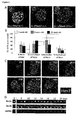
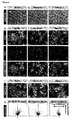
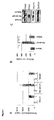


Classifications
-
- C—CHEMISTRY; METALLURGY
- C07—ORGANIC CHEMISTRY
- C07K—PEPTIDES
- C07K14/00—Peptides having more than 20 amino acids; Gastrins; Somatostatins; Melanotropins; Derivatives thereof
- C07K14/435—Peptides having more than 20 amino acids; Gastrins; Somatostatins; Melanotropins; Derivatives thereof from animals; from humans
- C07K14/46—Peptides having more than 20 amino acids; Gastrins; Somatostatins; Melanotropins; Derivatives thereof from animals; from humans from vertebrates
- C07K14/47—Peptides having more than 20 amino acids; Gastrins; Somatostatins; Melanotropins; Derivatives thereof from animals; from humans from vertebrates from mammals
- C07K14/4701—Peptides having more than 20 amino acids; Gastrins; Somatostatins; Melanotropins; Derivatives thereof from animals; from humans from vertebrates from mammals not used
- C07K14/4702—Regulators; Modulating activity
-
- A—HUMAN NECESSITIES
- A61—MEDICAL OR VETERINARY SCIENCE; HYGIENE
- A61K—PREPARATIONS FOR MEDICAL, DENTAL OR TOILETRY PURPOSES
- A61K31/00—Medicinal preparations containing organic active ingredients
- A61K31/70—Carbohydrates; Sugars; Derivatives thereof
- A61K31/7088—Compounds having three or more nucleosides or nucleotides
- A61K31/713—Double-stranded nucleic acids or oligonucleotides
-
- C—CHEMISTRY; METALLURGY
- C12—BIOCHEMISTRY; BEER; SPIRITS; WINE; VINEGAR; MICROBIOLOGY; ENZYMOLOGY; MUTATION OR GENETIC ENGINEERING
- C12N—MICROORGANISMS OR ENZYMES; COMPOSITIONS THEREOF; PROPAGATING, PRESERVING, OR MAINTAINING MICROORGANISMS; MUTATION OR GENETIC ENGINEERING; CULTURE MEDIA
- C12N15/00—Mutation or genetic engineering; DNA or RNA concerning genetic engineering, vectors, e.g. plasmids, or their isolation, preparation or purification; Use of hosts therefor
- C12N15/09—Recombinant DNA-technology
- C12N15/11—DNA or RNA fragments; Modified forms thereof; Non-coding nucleic acids having a biological activity
- C12N15/113—Non-coding nucleic acids modulating the expression of genes, e.g. antisense oligonucleotides; Antisense DNA or RNA; Triplex- forming oligonucleotides; Catalytic nucleic acids, e.g. ribozymes; Nucleic acids used in co-suppression or gene silencing
-
- C—CHEMISTRY; METALLURGY
- C12—BIOCHEMISTRY; BEER; SPIRITS; WINE; VINEGAR; MICROBIOLOGY; ENZYMOLOGY; MUTATION OR GENETIC ENGINEERING
- C12N—MICROORGANISMS OR ENZYMES; COMPOSITIONS THEREOF; PROPAGATING, PRESERVING, OR MAINTAINING MICROORGANISMS; MUTATION OR GENETIC ENGINEERING; CULTURE MEDIA
- C12N15/00—Mutation or genetic engineering; DNA or RNA concerning genetic engineering, vectors, e.g. plasmids, or their isolation, preparation or purification; Use of hosts therefor
- C12N15/09—Recombinant DNA-technology
- C12N15/11—DNA or RNA fragments; Modified forms thereof; Non-coding nucleic acids having a biological activity
- C12N15/113—Non-coding nucleic acids modulating the expression of genes, e.g. antisense oligonucleotides; Antisense DNA or RNA; Triplex- forming oligonucleotides; Catalytic nucleic acids, e.g. ribozymes; Nucleic acids used in co-suppression or gene silencing
- C12N15/1135—Non-coding nucleic acids modulating the expression of genes, e.g. antisense oligonucleotides; Antisense DNA or RNA; Triplex- forming oligonucleotides; Catalytic nucleic acids, e.g. ribozymes; Nucleic acids used in co-suppression or gene silencing against oncogenes or tumor suppressor genes
-
- G—PHYSICS
- G01—MEASURING; TESTING
- G01N—INVESTIGATING OR ANALYSING MATERIALS BY DETERMINING THEIR CHEMICAL OR PHYSICAL PROPERTIES
- G01N33/00—Investigating or analysing materials by specific methods not covered by groups G01N1/00 - G01N31/00
- G01N33/48—Biological material, e.g. blood, urine; Haemocytometers
- G01N33/50—Chemical analysis of biological material, e.g. blood, urine; Testing involving biospecific ligand binding methods; Immunological testing
- G01N33/68—Chemical analysis of biological material, e.g. blood, urine; Testing involving biospecific ligand binding methods; Immunological testing involving proteins, peptides or amino acids
- G01N33/6893—Chemical analysis of biological material, e.g. blood, urine; Testing involving biospecific ligand binding methods; Immunological testing involving proteins, peptides or amino acids related to diseases not provided for elsewhere
-
- C—CHEMISTRY; METALLURGY
- C12—BIOCHEMISTRY; BEER; SPIRITS; WINE; VINEGAR; MICROBIOLOGY; ENZYMOLOGY; MUTATION OR GENETIC ENGINEERING
- C12N—MICROORGANISMS OR ENZYMES; COMPOSITIONS THEREOF; PROPAGATING, PRESERVING, OR MAINTAINING MICROORGANISMS; MUTATION OR GENETIC ENGINEERING; CULTURE MEDIA
- C12N2310/00—Structure or type of the nucleic acid
- C12N2310/10—Type of nucleic acid
- C12N2310/11—Antisense
-
- C—CHEMISTRY; METALLURGY
- C12—BIOCHEMISTRY; BEER; SPIRITS; WINE; VINEGAR; MICROBIOLOGY; ENZYMOLOGY; MUTATION OR GENETIC ENGINEERING
- C12N—MICROORGANISMS OR ENZYMES; COMPOSITIONS THEREOF; PROPAGATING, PRESERVING, OR MAINTAINING MICROORGANISMS; MUTATION OR GENETIC ENGINEERING; CULTURE MEDIA
- C12N2310/00—Structure or type of the nucleic acid
- C12N2310/10—Type of nucleic acid
- C12N2310/12—Type of nucleic acid catalytic nucleic acids, e.g. ribozymes
-
- C—CHEMISTRY; METALLURGY
- C12—BIOCHEMISTRY; BEER; SPIRITS; WINE; VINEGAR; MICROBIOLOGY; ENZYMOLOGY; MUTATION OR GENETIC ENGINEERING
- C12N—MICROORGANISMS OR ENZYMES; COMPOSITIONS THEREOF; PROPAGATING, PRESERVING, OR MAINTAINING MICROORGANISMS; MUTATION OR GENETIC ENGINEERING; CULTURE MEDIA
- C12N2310/00—Structure or type of the nucleic acid
- C12N2310/10—Type of nucleic acid
- C12N2310/14—Type of nucleic acid interfering nucleic acids [NA]
-
- C—CHEMISTRY; METALLURGY
- C12—BIOCHEMISTRY; BEER; SPIRITS; WINE; VINEGAR; MICROBIOLOGY; ENZYMOLOGY; MUTATION OR GENETIC ENGINEERING
- C12N—MICROORGANISMS OR ENZYMES; COMPOSITIONS THEREOF; PROPAGATING, PRESERVING, OR MAINTAINING MICROORGANISMS; MUTATION OR GENETIC ENGINEERING; CULTURE MEDIA
- C12N2310/00—Structure or type of the nucleic acid
- C12N2310/10—Type of nucleic acid
- C12N2310/14—Type of nucleic acid interfering nucleic acids [NA]
- C12N2310/141—MicroRNAs, miRNAs
-
- C—CHEMISTRY; METALLURGY
- C12—BIOCHEMISTRY; BEER; SPIRITS; WINE; VINEGAR; MICROBIOLOGY; ENZYMOLOGY; MUTATION OR GENETIC ENGINEERING
- C12N—MICROORGANISMS OR ENZYMES; COMPOSITIONS THEREOF; PROPAGATING, PRESERVING, OR MAINTAINING MICROORGANISMS; MUTATION OR GENETIC ENGINEERING; CULTURE MEDIA
- C12N2310/00—Structure or type of the nucleic acid
- C12N2310/10—Type of nucleic acid
- C12N2310/16—Aptamers
-
- C—CHEMISTRY; METALLURGY
- C12—BIOCHEMISTRY; BEER; SPIRITS; WINE; VINEGAR; MICROBIOLOGY; ENZYMOLOGY; MUTATION OR GENETIC ENGINEERING
- C12N—MICROORGANISMS OR ENZYMES; COMPOSITIONS THEREOF; PROPAGATING, PRESERVING, OR MAINTAINING MICROORGANISMS; MUTATION OR GENETIC ENGINEERING; CULTURE MEDIA
- C12N2310/00—Structure or type of the nucleic acid
- C12N2310/50—Physical structure
- C12N2310/53—Physical structure partially self-complementary or closed
- C12N2310/531—Stem-loop; Hairpin
-
- G—PHYSICS
- G01—MEASURING; TESTING
- G01N—INVESTIGATING OR ANALYSING MATERIALS BY DETERMINING THEIR CHEMICAL OR PHYSICAL PROPERTIES
- G01N2800/00—Detection or diagnosis of diseases
- G01N2800/04—Endocrine or metabolic disorders
- G01N2800/042—Disorders of carbohydrate metabolism, e.g. diabetes, glucose metabolism
-
- G—PHYSICS
- G01—MEASURING; TESTING
- G01N—INVESTIGATING OR ANALYSING MATERIALS BY DETERMINING THEIR CHEMICAL OR PHYSICAL PROPERTIES
- G01N2800/00—Detection or diagnosis of diseases
- G01N2800/04—Endocrine or metabolic disorders
- G01N2800/044—Hyperlipemia or hypolipemia, e.g. dyslipidaemia, obesity
Definitions
- the present invention relates to an inhibitor of Hairy and Enhancer of Split 3 (Hes3) for use in a method of preventing or treating (i) a disease characterised by insulin resistance or (ii) obesity. Further, the present invention also relates to a method of preventing or treating a disease characterised by insulin resistance or obesity, to a pharmaceutical composition comprising Hes3 and to Hes3 and/or an activator thereof for use in a method of preventing or treating a disease characterised by decreased insulin production.
- Hes3 Hairy and Enhancer of Split 3
- the present invention relates to a method of preventing or treating a disease characterised by decreased insulin production and to the use of Hes3 as a target in a screen for identifying a compound suitable as a lead compound and/or as a medicament for the treatment of diseases characterised by insulin resistance or of obesity or of diseases characterised by decreased insulin production.
- the present invention relates to in-vitro or ex-vivo methods for identifying a compound suitable as a lead compound and/or as a medicament for the treatment and/or prevention of diseases characterised by insulin resistance or of obesity or of diseases characterised by decreased insulin production.
- the present invention also relates to an in-vitro method of eliciting or enhancing insulin production.
- Insulin is the only blood glucose-lowering hormone and is secreted by the pancreatic beta-cells of the islets of Langerhans. After its synthesis, the hormone is processed into its biologically active form and stored in vesicles ready for release. In the event insulin secretion becomes necessary, the hormone is released via a complex process involving the interplay of several proteins with the vesicle ( Rorsman and Renström (2003) Diabetologia 46, 1029 ).
- pancreatic islets are strictly required for maintaining glucose homeostasis, and defects in their ability to adequately secrete insulin in response to glucose result in diabetes ( Bell and Polonsky (2001) Nature 414, 788 ).
- Diabetes is a chronic disease, which occurs when the pancreas does not produce enough insulin, or when the body cannot effectively use the insulin it produces (insulin resistance).
- Insulin resistance According to the WHO, 347 million people worldwide have diabetes ( Danaei et al. (2011) Lancet, 378(9785):31-40 ). In 2004, an estimated 3.4 million people died from consequences of high fasting blood sugar (Global health risks. Mortality and burden of disease attributable to selected major risks. Geneva, World Health Organization, 2009) and the WHO projected that diabetes will be the 7th leading cause of death in 2030 (Global status report on noncommunicable diseases 2010. Geneva, World Health Organization, 2011).
- Diabetes can be divided into different subtypes which differ in the mechanism underlying the disease.
- Type 1 diabetes (previously known as insulin-dependent, juvenile or childhood-onset) is characterised by deficient insulin production which is considered to be due to autoimmune destruction of the insulin-producing beta cells.
- the cause of type 1 diabetes is not known and it is not preventable with current knowledge. Symptoms, which may occur suddenly, include excessive excretion of urine (polyuria), thirst (polydipsia), constant hunger, weight loss, vision changes and fatigue.
- Type 1 diabetes is usually treated with insulin, exercise, and a diabetic diet.
- Type 2 diabetes results from the body's ineffective use of insulin also referred to as insulin resistance.
- Insulin resistance occurs when cells in the body such as, for example, liver, skeletal muscle and adipose/fat tissue become less sensitive and eventually resistant to insulin, the hormone which is produced by the pancreas to facilitate glucose absorption. Glucose can no longer be absorbed by the cells but remains in the blood, triggering the need for more and more insulin (hyperinsulinaemia) to be produced in an attempt to process the glucose. The production of ever-increasing amounts of insulin strains and may eventually damage the beta cells in the pancreas.
- insulin resistance is strongly associated with irregularities in both glucose and lipid metabolism, and is therefore an underlying feature of the metabolic syndrome and type 2 diabetes.
- type 2 diabetes Diabetes, diagnosis and classification of diabetes mellitus and its complications. Part 1: Diagnosis and classification of diabetes mellitus. Geneva, World Health Organization, 1999 (WHO/NCD/NCS/99.2)).
- This type of diabetes is considered to largely be the result of excess body weight and physical inactivity. Symptoms may be similar to those of type 1 diabetes, but are often less marked. As a result, the disease may be diagnosed not earlier than several years after onset, once complications have already arisen.
- Treatment for type 2 diabetes includes weight reduction, exercise, a diabetic diet, oral medication where necessary and if this is not sufficient, treatment with insulin.
- Medications for type 2 diabetes are designed to increase the insulin output by the pancreas, decrease the amount of glucose released from the liver, increase the sensitivity of cells to insulin, decrease the absorption of carbohydrates from the intestine, and/or slow emptying of the stomach to delay the presentation of carbohydrates for digestion and absorption in the small intestine.
- Medications increasing the release of insulin from the pancreas include sulfonylureas, such as for example chlorpropamide, tolbutamide, glyburide, glipizide and glimepiride, and meglitinides. These drugs are effective in rapidly lowering blood sugar but run the risk of causing hypoglycemia. In addition, in some patients allergic reactions may prevent use of sulfonylureas.
- Biguanides such as metformin decrease glucose production by the liver. Because insulin production is not directly affected, hypoglycaemia is usually not an issue with these drugs. However, their use is limited in patients with kidney or liver impairment.
- sodium-glucose co-transporter 2 (SGLT2) inhibitors such as canagliflozin may be employed to block reabsorption of glucose by the kidney and to thereby lower the blood glucose levels.
- SGLT2 sodium-glucose co-transporter 2
- thiazolidinediones lowers blood glucose by improving target cell response to insulin, i.e. by decreasing insulin resistance.
- some substances falling within this class have been associated with liver toxicity or with increased risk of heart attack and stroke.
- alpha glucosidase inhibitors can be used to decrease breakdown of carbohydrates in the small intestine and to thereby delay glucose absorption.
- amylin analogues, incretin mimetics, glucagon-like peptide-1 (GLP-1) agonists, dipeptidyl peptidase (DPP-IV) inhibitors and combination therapies are also used in the treatment of type 2 diabetes.
- Gestational diabetes is a type of diabetes wherein hyperglycaemia first occurs or is first recognised during pregnancy. Gestational diabetes is most often diagnosed through prenatal screening, rather than reported symptoms. In many cases gestational diabetes is a transient and reversible form of diabetes. Treatment options include exercise and a diabetic diet as well as insulin where required.
- metabolic syndrome A complex of several interrelated risk factors for diabetes as well as for cardiovascular disease (CVD) and other diseases is referred to as metabolic syndrome.
- Alternative terms to describe metabolic syndrome are, for example, “syndrome X”, “Reaven's syndrome” and in Australia, “CHAOS”.
- the factors of this syndrome include dysglycemia, raised blood pressure, elevated triglyceride levels, low high-density lipoprotein cholesterol levels, and obesity (particularly central adiposity). Most commonly, patients suffering from metabolic syndrome exhibit abdominal obesity and resistance to insulin.
- Treatment of metabolic syndrome is directed at lowering LDL cholesterol and high blood pressure and preventing or managing diabetes.
- As a first line of treatment losing weight, adhering to a healthy diet, exercising and quitting smoking (where applicable) are recommended.
- treatment of the individual factors may be required.
- elevated cholesterol levels are treated with medicines such as statins, fibrates, or nicotinic acid.
- High blood pressure is treated, for example, with diuretics or ACE inhibitor and high blood sugar is treated with oral medicines (such as metformin), insulin injections, or both.
- low-dose aspirin can help reduce the risk of blood clots, especially for people whose risk of heart disease is high.
- the WHO considers a body mass index (BMI) of 30 or higher to be indicative of obesity.
- BMI body mass index
- the incidence of this extreme form of being overweight has nearly doubled since 1980 according to the WHO.
- 2008 more than 1.4 billion adults, 20 and older, were overweight. Of these over 200 million men and nearly 300 million women were obese.
- Overweight and obesity are considered leading risks for global deaths.
- 44% of the diabetes burden 23% of the ischaemic heart disease burden and between 7% and 41% of certain cancer burdens are considered attributable to overweight and obesity.
- the technical problem underlying the present invention is the provision of novel means and methods useful in the treatment and/or prevention of obesity, of diseases characterised by insulin resistance (such as metabolic syndrome and type 2 diabetes) or diseases characterised by decreased insulin production (such as type 1 diabetes).
- the present invention relates to an inhibitor of Hairy and Enhancer of Split 3 (Hes3) for use in a method of preventing or treating (i) a disease characterised by insulin resistance or (ii) obesity.
- Hes3 Hairy and Enhancer of Split 3
- Hes3 is an abbreviation of "Hairy and enhancer of split 3" and both terms are used interchangeably herein.
- Hes3 also known as Class B basic helix-loop-helix protein 43 (bHLHb43), GeneID: 390992, GenBank accession no: NP_001019769.1, UniProtKB accession number: Q5TGS1 (as of September 16, 2014 the sequence had last been modified on December 21, 2004)
- bHLH basic helix-loop-helix
- sequences can be obtained, for example, in the world wide web, e.g., at ncbi.nlm.nih.gov or at uniprot.org. It is of note that also all the sequences accessible through the respective accession numbers mentioned throughout this application are within the scope of the present invention irrespective of whether the entry of the respective accession number is completely identical to the sequence displayed by the corresponding SEQ ID NO due to potential future updates in the databases. Thus, this is to account for future corrections and modifications in the entries of the databases, which might occur due to the continuing progress of science. Transcription factors of this family regulate developmental processes in progenitor cells from various tissues.
- Hes3 stands out within this family as an indirect target of a non-canonical branch of the Notch signalling pathway (Poser et al., (2013) Front Physiol 4, 273), whereas other family members such as Hes1 and Hes5 are direct transcriptional targets of the cleaved intracellular domain of the Notch receptor ( Guruharsha et al. (2012) Nat Rev Genet 13, 654-666 ).
- mitogen and stress activated kinase 1 (MSK1) and liver kinase B 1 (LKB1) prevent the phosphorylation of STAT3 at Serine 727. Instead, STAT3 is phosphorylated on tyrosine 705.
- This opposing pathway can also be accessed via ciliary neurotrophic factor (CNTF) and Leukemia inhibitory factor receptor (LIFR) which induce activation of the Janus protein kinase (JAK) via gp130; in addition, p38 activation further induces JAK activation.
- CNTF ciliary neurotrophic factor
- LIFR Leukemia inhibitory factor receptor
- NSC cultures from the subventricular zone of adult Hes3 null mice can be established but they are non-responsive to treatments that normally promote Hes3 expression and increase their number such as Delta4 and insulin ( Androutsellis-Theotokis et al. (2008) Cold Spring Harb Symp Quant Biol 73, 403-410 ).
- the expression of Hes3 has further been shown to induce the expression of Sonic hedgehog (Shh).
- Sonic hedgehog Sonic hedgehog
- Hes3 has two forms: Hes3a and Hes3b ( Hirata et al. (2000) J Biol Chem 275, 19083-19089 ). Hes3a cannot bind DNA but can still form heterodimers with other basic helix-loop-helix factors (bHLH). Hes3b can both bind DNA and form heterodimers. In some preferred embodiments Hes3 is Hes3a. In other preferred embodiments Hes3 is Hes3b.
- rs61760837 a synonymous single nucleotide polymorphisms (SNP) (rs61760837) as well as a non-synonymous SNP (rs61760836) leading to the replacement of a proline by threonine in the orange domain of Hes3 have been described.
- the rs-numbers are based on the SNP database maintained at NCBI (dbSNP; in the world wide web at ncbi.nlm.nih.gov/SNP/) where each SNP is given a unique SNP identifier consisting of the letters "rs" followed by a specific number.
- the sequences identified by the respective rs-numbers can also be obtained, for example, in the world wide web at ensemble.org.
- Hes3 encompasses all these forms of Hes3.
- Hes3 is a protein which comprises or consists of the amino acid sequence of any one of SEQ ID NOs:4 to 7 or is encoded by a nucleic acid comprising or consisting of any one of SEQ ID NOs:8 to 10. These sequences refer to the amino acid sequence or the nucleic acid sequence of different Hes3 proteins (Table 1). Also encompassed are SNP variants, splice forms, homologous molecules from other species, such as orthologues, such as for example, homologous molecules from pig or primates, or mutated sequences from the same species.
- Table 1 Listing of the different Hes3 amino acid and nucleic acid sequences referred to in the present invention together with the corresponding species.
- Hes3 variant species amino acid sequence (SEQ ID NO) UniProt accession number and date of last modification to the sequence (as of September 16, 2014) nucleotide sequence (SEQ ID NO) NCBI Reference Sequence Hes3 human 4 Q5TGS1; December 21, 2004 8 No_001024598.3 Hes3a mouse 5 Q61657; December 12, 2006 9 NM_008237.4 Hes3b mouse 6 Q9JHC5; October 1, 2000 - Hes3 rat 7 Q04667; June 1, 1994 10 No_022687.1
- inhibitor designates a compound significantly lowering, including completely abolishing (within the limits of detection) the activity of a target molecule, preferably by performing one or more of the following effects: (i)(a) the transcription of the gene encoding the protein to be inhibited is lowered, i.e.
- the level of mRNA is lowered, (i)(b) the transcription of a gene encoding a protein counteracting the protein to be inhibited is enhanced, (ii)(a) the translation of the mRNA encoding the protein to be inhibited is lowered, (ii)(b) the translation of the mRNA encoding a protein counteracting the protein to be inhibited is enhanced (iii)(a) the stability of the protein to be inhibited is lowered in the presence of the inhibitor (iii)(b) the stability of the protein counteracting the protein to be inhibited is enhanced in the presence of the inhibitor, (iv)(a) the protein to be inhibited performs its biochemical or cellular function with lowered efficiency in the presence of the inhibitor, (iv)(b) the protein counteracting the protein to be inhibited performs its biochemical or cellular function with enhanced efficiency in the presence of the inhibitor.
- significantly lowering or “lowered” refers to a statistically significant decrease and means that the transcription or translation of a gene or the stability or efficiency of a protein is lowered with increasing preference at least 2-fold, at least 5-fold, at least 10-fold, at least 50-fold and at least 100-fold as compared to the transcription or efficiency in the absence of the Hes3 inhibitor.
- enhanced means that the transcription of a gene or efficiency of a protein is enhanced with increasing preference at least 2-fold, at least 5-fold, at least 10-fold, at least 50-fold and at least 100-fold as compared to the transcription or efficiency in the absence of the inhibitor.
- protein as used herein describes a group of molecules consisting of more than 30 amino acids and is used interchangeably with the term “polypeptide” herein, whereas the term “peptide” as used herein describes a group of molecules consisting of up to 30 amino acids.
- the group of peptides and polypeptides are referred to together with the term “(poly)peptide”.
- fragments of proteins of more than 30 amino acids are also encompassed by the term “(poly)peptide” and fragments of proteins of more than 30 amino acids.
- fragment of protein refers to a portion of a protein comprising at least the amino acid residues necessary to maintain the biological activity of the protein.
- the amino acid chains are linear.
- (Poly)peptides may further form multimers consisting of at least two identical or different molecules.
- the corresponding higher order structures of such multimers are correspondingly termed homo- or heterodimers, homo- or heterotrimers etc.
- peptidomimetics of such (poly)peptides where amino acid(s) and/or peptide bond(s) have been replaced by functional analogues are also encompassed by the invention.
- Such functional analogues include all known amino acids other than the 20 gene-encoded amino acids, such as selenocysteine.
- the term "(poly)peptide” also refers to naturally modified (poly)peptides where the modification is effected e.g. by glycosylation, acetylation, phosphorylation and similar modifications which are well known in the art.
- (poly)peptides are not always entirely linear.
- (poly)peptides may be branched as a result of ubiquitination, and they may be circular, with or without branching, generally as a result of post-translation events, including natural processing events and events brought about by human manipulation which do not occur naturally.
- Circular, branched and branched circular (poly)peptides may be synthesized by non-translational natural processes and by synthetic methods.
- the modifications can be a function of how the (poly)peptide is made.
- the modifications will be determined by the host cells posttranslational modification capacity and the modification signals in the amino acid sequence.
- a (poly)peptide when glycosylation is desired, a (poly)peptide should be expressed in a glycosylating host, generally an eukaryotic cell, for example Cos7, HELA or others.
- a glycosylating host generally an eukaryotic cell, for example Cos7, HELA or others.
- the same type of modification may be present in the same or varying degree at several sites in a given (poly)peptide.
- a given (poly)peptide may contain more than one type of modification.
- a protein counteracting the protein to be inhibited refers to a protein which either reduces or abolishes the expression (for example by acting as a transcriptional repressor), the stability (e.g. by targeting the protein to be inhibited for (proteasomal) degradation or by cleaving it into inactive fragments) or the activity (for example by directly binding to the protein to be inhibited thereby blocking its active site) of the protein to be inhibited or which mediates an effect that is opposed to that of the protein to be inhibited.
- the protein to be inhibited is a kinase
- the counteracting protein acting by the latter mechanism may be a phosphatase targeting the same substrate.
- an inhibitor can perform one or more of the indicated activities. Accordingly, a compound may fall within only one or within more than one of the following inhibitor classes.
- Compounds falling in class (i)(a) include compounds interfering with the transcriptional machinery and/or its interaction with the promoter of said gene and/or with expression control elements remote from the promoter such as enhancers.
- Compounds falling in class (i)(b) include compounds enhancing the activity/efficiency of the transcriptional machinery and/or its interaction with the promoter of said gene and/or with expression control elements remote from the promoter such as enhancers.
- Compounds of class (ii)(a) comprise antisense constructs and constructs for performing RNA interference (e.g.
- siRNA well known in the art (see, e.g. Zamore (2001) Nat Struct Biol. 8(9), 746 ; Tuschl (2001) Chembiochem. 2(4), 239 ).
- Targeting on the nucleic acid level is often effected by hybridisation to the target sequence.
- Class (ii)(b) encompasses compounds which enhance the translation of an mRNA, for example, by enhancing its stability.
- Class (iii)(a) lower the stability of the protein to be inhibited for example by interfering with its correct folding, by targeting it for (proteasomal) degradation and/or by inducing or mediating its cleavage into inactive fragments.
- Class (iii)(b) encompasses compounds which enhance the stability of a protein counteracting the protein to be inhibited for example by stabilising its correct folding and/or by preventing its (proteasomal) degradation or cleavage into inactive fragments.
- Compounds of class (iv)(a) interfere with the molecular or cellular function of the protein to be inhibited.
- active site binding compounds e.g.
- a small molecule, an antibody, peptide or aptamer), in particular compounds capable of binding to the active site of protein to be inhibited are envisaged.
- This also includes compounds which do not necessarily directly bind to the protein to be inhibited, but still interfere with the cellular activity of the protein, for example by binding to and/or inhibiting the function, or by inhibiting expression of members of the pathway in which the protein to be inhibited is involved. These members may be either upstream or downstream of the protein to be inhibited within the given signalling pathway.
- Compounds of class (iv)(b) include those which enhance the molecular or cellular function of the protein counteracting the protein to be inhibited.
- a biochemical function designates a function of the protein per se, for example, the enzymatic function of a protein.
- the cellular function of a protein comprises functions of the protein within the cellular context, e.g., a function which may only occur upon interaction with other cellular components, in particular other proteins.
- the inhibitor in accordance with the present invention may in certain embodiments be provided as a proteinaceous compound or as a nucleic acid molecule encoding the inhibitor.
- the nucleic acid molecule encoding the inhibitor may be incorporated into an expression vector comprising regulatory elements, such as for example specific promoters, and thus can be delivered into a cell.
- regulatory elements such as for example specific promoters
- Methods for targeted transfection of cells and suitable vectors are known in the art, see for example Sambrook and Russel ("Molecular Cloning, A Laboratory Manual", Cold Spring Harbor Laboratory, N.Y. (2001 )). Incorporation of the nucleic acid molecule encoding the inhibitor into an expression vector allows to either selectively or permanently elevate the level of the encoded inhibitor in any cell or a subset of selected cells of a recipient.
- pancreatic beta cells refers to cells which are normally located in the pancreas in clusters known as the islets of Langerhans and which produce, store and release insulin.
- an inhibitor specifically inhibits the activity of its target.
- the term "specifically” in this context refers to the capability of an inhibitor to not have an effect or an essential effect on other molecules than the target molecules. In other words, a corresponding inhibitor does not display cross-reactivity or essentially does not display cross-reactivity. In this context, the term “essentially” is meant to refer to an insignificant or negligible effect. The insignificance or negligibility can be based on functional or quantitative parameters. For example, only a minimal amount of cross-reactivity occurs with a different non-target molecule.
- the expression and/or activity of a non-target molecule is inhibited by not more than 20%, such as not more than 15%, preferably by not more than 10%, such as not more than 5%, such as not more than 2%, more preferably by not more than 1% as compared to the expression and/or activity in the absence of the inhibitor. Further it is preferred that the cross-reactivity with a different non-target molecule is associated only with a negligible or insignificant effect, if any.
- the biological or cellular function effected or contributed to by the non-target molecule is reduced by less than 20%, such as less than 15%, preferably by less than 10%, such less than 5%, such as less than 2%, more preferably by less than 1% as compared to the biological or cellular function in the absence of the inhibitor.
- the cross-reactivity with a different non-target molecule is not associated with any effect, i.e. the biological or cellular function effected or contributed to by the non-target molecule is not reduced.
- inhibitor of Hes3 encompasses compounds that (1) inhibit components of the signalling pathway upstream of Hes3, (2) that target Hes3 itself, and (3) that inhibit components downstream of Hes3. Also encompassed are (4) compounds that activate components of a pathway preventing Hes3 expression and/or activation.
- the above types of compounds inhibiting Hes3 can belong to one or more of the inhibitor classes (i) to (iv) described herein above: (i)(a) the transcription of the gene encoding Hes3 or of a gene encoding a protein effecting or contributing to Hes3 expression and/or activation is lowered or abolished (e.g.
- the transcription of a gene encoding a factor acting downstream of Hes3 may be lowered or abolished, such factors include, for example, cholecystokinin B (CCKBR) and the small nucleolar RNAs Snord32a, Snord57, Snord53, Snord35a, Snord49b and Snord104; (i)(b) the transcription of a gene encoding a protein preventing Hes3 expression and/or activation or counteracting its activity is enhanced (e.g.
- Hes3 or a protein effecting or contributing to Hes3 expression and/or activation e.g. Delta4, jagged 1, Notch, Ang2, PI3K, Akt or mTOR
- a protein acting downstream of Hes3 e.g. CCKBR
- a protein preventing Hes3 expression and/or activation or counteracting its activity e.g. gp130, LIFR; JAK, p38, MSK1, LBK1, Ang1, PTEN or Hes1 performs its biochemical or cellular function with enhanced efficiency or has enhanced biochemical or cellular function in the presence of the Hes3 inhibitor.
- compounds of class (ii)(a) comprise antisense constructs and constructs for performing RNA interference (e.g. siRNA) well known in the art (see, e.g. Zamore (2001) Nat Struct Biol. 8(9), 746 ; Tuschl (2001) Chembiochem. 2(4), 239 ).
- RNA interference e.g. siRNA
- antisense constructs and constructs for performing RNA interference which specifically target Hes3, Delta4, jagged 1, Notch, mTOR, PI3K, Akt, Ang2 or CCKBR are envisaged. It is known in the art how such constructs are designed.
- Exemplary siRNAs for the recited factors can be produced and are therefore commercially available, for example, from Sigma-Aldridge, Qiagen, Santa Cruz or OriGene upon request.
- the Hes3 inhibitor does not inhibit insulin or insulin receptor.
- Class (ii)(b) encompasses compounds stabilising the mRNA of gene encoding a protein preventing Hes3 expression and/or activation (e.g. gp130, LIFR; JAK, p38, MSK1, LBK1, PTEN or Ang1) or enhancing its translation in another manner.
- the translation of mRNA to protein and the stability of the protein itself can be regulated by specific non-coding (nc) RNA.
- Class (iii)(a) includes compounds which lower the stability of Hes3 or of a protein effecting or contributing to Hes3 expression and/or activation or of a protein acting downstream of Hes3, for example by interfering with its correct folding and/or by targeting it for proteasomal degradation.
- This may include ubiquitin ligases specifically targeting the protein for proteasomal degradation or proteases specifically cleaving the protein into inactive fragments.
- Compounds falling within class (iii)(b) enhance the stability of a protein preventing Hes3 expression and/or activation.
- this class includes, for example, compounds inhibiting ubiquitin ligases or proteases that, in absence of the compound, lead to the degradation or cleavage of the protein preventing Hes3 expression and/or activation.
- compounds directly binding to the protein preventing Hes3 expression and/or activation and stabilising its correct folding are also encompassed.
- activating post-translational modification refers to alternations to a protein which occur after its translation from mRNA into protein has been completed and which contribute to the signal transduction. This encompasses different kinds of modifications, such as for example, folding, cleavage, or addition of chemical groups or small proteins, such as, e.g., phosphorylation and non-degrading types of ubiquitination.
- an activating post-translational modification is a phosphorylation.
- active site binding compounds e.g. a small molecule, an antibody, a peptide or an aptamer
- mTOR e.g. a small molecule, an antibody, a peptide or an aptamer
- Such inhibitors are known in the art and include for example, the mTOR inhibitors everolimus and temsirolimus.
- compounds which block activating post-translational modifications This includes, for example, compounds which bind to or block the binding sites of the protein thereby blocking these sites for other interaction partners.
- the latter group of compounds which block binding sites of the protein may be fragments or modified fragments with improved pharmacological properties of the naturally occurring binding partners.
- small peptides binding specifically to STAT3 phosphorylated at serine 727 of any one of SEQ ID NOs:1) or at the position corresponding thereto and preventing its interaction with downstream signalling components are envisaged.
- dominant-negative versions of proteins are envisaged. Such dominant-negative proteins maintain the ability to bind to interaction partners and thus compete with their naturally occurring active counterpart. At the same time they lack the activity of the naturally occurring variant.
- a kinase-dead variant of, for example, mTOR, PI3K or Akt may compete with the naturally occurring active protein, but cannot phosphorylate the targets of mTOR thus blocking the signalling pathway.
- variants of the pathway components which have been altered so that activating posttranslational modifications are no longer possible. This includes, for example, a variant of STAT3 that cannot be phosphorylated at serine 727 or at a position corresponding thereto in STAT3 from a different organism. Such a variant may be generated by replacing the serine at this site by an alanine.
- Class (iv)(b) includes compounds which enhance the molecular or cellular function of a protein preventing Hes3 expression and/or activation. This class may therefore comprise, e.g., Ang1 agonists such as soluble forms of Ang1 which may be recombinantly produced. Further, this class may encompass a variant of STAT3 mimicking constitutive phosphorylation at tyrosine 705 in STAT3 of any one of SEQ ID NOs:1 to 3) or at the corresponding position in STAT3 derived from a different organism. Such a variant can be obtained, for example, by replacing the relevant tyrosine residue with glutamate or aspartate.
- the inhibitor of Hes3 is not an mTOR inhibitor.
- a Hes3 inhibitor can be determined by comparison to a negative control and/or a positive control as defined and further detailed herein.
- a "positive control” designates compounds which in conditions/experimental setups for Hes3 expression and/or activity show results which are already known or expected to be positive, i.e. a positive control will result in the inhibition of Hes3 expression and/or activity after a predetermined time and may be a known Hes3 inhibitor.
- An example of a positive control is a Hes3 siRNA. Suitable siRNAs for Hes3 are known in the art and can be obtained commercially, for example, form Santa Cruz Biotechnology or from OriGene Tec.
- a "negative control” designates compounds which in conditions/experimental setups for testing Hes3 expression and/or activity show results which are already known or expected to be negative, i.e. a negative control will result in the occurrence of Hes3 expression and/or activity after a predetermined time and may be an inactive compound, e.g. a control siRNA such as, for example, a scrambled siRNA.
- a Hes3 inhibitor prevents Hes3 expression and/or activation.
- the term “prevent” includes also reducing Hes3 expression and/or activation which means that the Hes3 expression and/or activation is reduced by the Hes3 inhibitor with increasing preference at least by 20%, at least by 30%, at least by 40%, at least by 50%, at least by 75%, at least by 90% and at least by 95% as compared to the negative control after a predetermined time.
- a predetermined time specifies a period of time which is sufficient for the induction or inhibition of Hes3 expression and/or activation. It is known in the art how to determine such a time period.
- a control may also be, for example, a statistical readout of Hes3 expression and/or activation obtained from control experiments using the above types of compounds previously carried out.
- a statistical readout is in general obtained by averaging more than one control experiments previously carried out. The average may be obtained by weighting the results from repeating the same control experiment or by weighting the results from different control experiments.
- Statistical methods for obtaining a statistical readout are well-known in the art. The statistical readout is then compared to results obtained testing a compound for its ability to act as a Hes3 inhibitor.
- the determination of the binding of potential inhibitors can be effected in, for example and without limitation, any binding assay, such as a biophysical binding assay, which may be used to identify binding of test molecules prior to performing the functional/activity assay with the inhibitor.
- Suitable biophysical binding assays are known in the art and comprise fluorescence polarisation (FP) assay, fluorescence resonance energy transfer (FRET) assay and surface plasmon resonance (SPR) assay.
- FP fluorescence polarisation
- FRET fluorescence resonance energy transfer
- SPR surface plasmon resonance
- one may indirectly determine the interaction of the inhibitor with its target molecule by using a suitable read out.
- the determination of the expression level of the protein can, for example, be carried out on the nucleic acid level or on the amino acid level.
- Methods for determining expression on the nucleic acid level include, but are not limited to, northern blotting, PCR, RT-PCR or real RT-PCR.
- a northern blot allows the determination of RNA or isolated mRNA in a sample.
- Northern blotting involves the use of electrophoresis to separate RNA samples by size and detection with a hybridisation probe complementary to part of or the entire target sequence. Initially, typically total RNA extraction from the sample is performed. If desired, mRNA can be separated from said initial RNA sample through the use of oligo (dT) cellulose chromatography to isolate only the RNA with a poly(A) tail. RNA samples are then separated by gel electrophoresis. The separated RNA is then transferred to a nylon membrane through a capillary or vacuum blotting system. After transfer to the membrane, the RNA is immobilised through covalent linkage to the membrane by, e.g., UV light or heat.
- RNA is detected using suitably labelled probes and X-ray film and can subsequently be quantified by densitometry.
- Suitable compositions of gels, buffers and labels are well-known in the art and may vary depending on the specific sample and target to be identified. The above protocol is typical but by no means limiting for a northern blot.
- PCR is well known in the art and is employed to make large numbers of copies of a target sequence. This is done on an automated cycler device, which can heat and cool containers with the reaction mixture in a very short time.
- the PCR generally, consists of many repetitions of a cycle which consists of: (a) a denaturing step, which melts both strands of a DNA molecule and terminates all previous enzymatic reactions; (b) an annealing step, which is aimed at allowing the primers to anneal specifically to the melted strands of the DNA molecule; and (c) an extension step, which elongates the annealed primers by using the information provided by the template strand.
- PCR can be performed, for example, in a 50 ⁇ l reaction mixture containing 5 ⁇ l of 10 x PCR buffer with 1.5 mM MgCl2, 200 ⁇ M of each deoxynucleoside triphosphate, 0.5 ⁇ l of each primer (10 ⁇ M), about 10 to 100ng of template DNA and 1 to 2.5 units of Taq polymerase.
- the primers for the amplification may be labelled or be unlabelled.
- DNA amplification can be performed, e.g., with a Applied Biosystems Veriti® Thermal Cycler (Life Technologies Corporation, Carlsbad, CA), C1000TM thermal cycler (Bio-Rad Laboratories, Hercules, CA,), or SureCycler 8800 (Agilent Technologies, Santa Clara, CA): 2 min at 94°C, followed by 30 to 40 cycles consisting of annealing (e. g. 30 s at 50°C), extension (e. g. 1 min at 72°C, depending on the length of DNA template and the enzyme used), denaturing (e. g. 10 s at 94°C) and a final annealing step, e.g.
- annealing e. g. 30 s at 50°C
- extension e. g. 1 min at 72°C, depending on the length of DNA template and the enzyme used
- denaturing e. g. 10 s at 94°C
- Suitable polymerases for use with a DNA template include, for example, E. coli DNA polymerase I or its Klenow fragment, T4 DNA polymerase, Tth polymerase, Taq polymerase, a heat-stable DNA polymerase isolated from Thermus aquaticus Vent, Amplitaq, Pfu and KOD, some of which may exhibit proof-reading function and/or different temperature optima.
- E. coli DNA polymerase I or its Klenow fragment T4 DNA polymerase, Tth polymerase, Taq polymerase, a heat-stable DNA polymerase isolated from Thermus aquaticus Vent, Amplitaq, Pfu and KOD, some of which may exhibit proof-reading function and/or different temperature optima.
- optimise PCR conditions for the amplification of specific nucleic acid molecules with primers of different length and/or composition or to scale down or increase the volume of the reaction mix are well known in the art how to optimise PCR conditions for the amplification of specific nucleic acid molecules with primers of different
- RT-PCR reverse transcriptase polymerase chain reaction
- reverse transcriptase refers to an enzyme that catalyzes the polymerisation of deoxyribonucleoside triphosphates to form primer extension products that are complementary to a ribonucleic acid template. The enzyme initiates synthesis at the 3'-end of the primer and proceeds toward the 5'-end of the template until synthesis terminates.
- RNA target sequence into a complementary, copy-DNA (cDNA) sequence
- cDNA complementary, copy-DNA
- suitable polymerising agents that convert the RNA target sequence into a complementary, copy-DNA (cDNA) sequence are avian myeloblastosis virus reverse transcriptase and Thermus thermophilus DNA polymerase, a thermostable DNA polymerase with reverse transcriptase activity marketed by Perkin Elmer.
- the genomic RNA/cDNA duplex template is heat denatured during the first denaturation step after the initial reverse transcription step leaving the DNA strand available as an amplification template.
- High-temperature RT provides greater primer specificity and improved efficiency.
- the RT reaction can be performed, for example, in a 20 ⁇ l reaction mix containing: 0.5 to 1 ⁇ g total RNA, approximately 10 to 30 pmol of the forward and reverse primer, respectively, 2 ⁇ l of 10x RT-PCR buffer, 0.2 ⁇ l AMV reverse transcriptase (25U/ ⁇ l), 1 ⁇ l Taq Polymerase (5U/ ⁇ l), a ribonuclease inhibitor and H2O up to 20 ⁇ l final volume.
- the reaction may be, for example, performed by using the following conditions: The reaction is held at 45°C for 30min to allow for reverse transcription. The reaction temperature is then raised to 94 C° for 5 minutes to stop the reverse transcriptase reaction and to denature the RNA-cDNA duplex. Next, the reaction temperature undergoes 30 to 40 cycles of 94°C for 30 seconds, 60°C for 45 seconds and 72°C for 1-3 minutes. Finally, the reaction temperature is held at 72 C° for 7 minutes for the final extension step, cooled to 15 C°, and held at that temperature until further processing of the amplified sample. Any of the above mentioned reaction conditions may be scaled up according to the needs of the particular case.
- the resulting products are loaded onto an agarose gel and band intensities are compared after staining the nucleic acid molecules with an intercalating dye such as ethidium bromide or SybrGreen.
- an intercalating dye such as ethidium bromide or SybrGreen.
- Real-time PCR employs a specific probe, in the art also referred to as TaqMan probe, which has a reporter dye covalently attached at the 5' end and a quencher at the 3' end.
- TaqMan probe After the TaqMan probe has been hybridised in the annealing step of the PCR reaction to the complementary site of the polynucleotide being amplified, the 5' fluorophore is cleaved by the 5' nuclease activity of Taq polymerase in the extension phase of the PCR reaction. This enhances the fluorescence of the 5' donor, which was formerly quenched due to the close proximity to the 3' acceptor in the TaqMan probe sequence.
- Methods for the determination of the expression of a protein on the amino acid level include, but are not limited to, western blotting or polyacrylamide gel electrophoresis in conjunction with protein staining techniques such as Coomassie Brilliant blue or silver-staining.
- the total protein is loaded onto a polyacrylamide gel and electrophoresed. Afterwards, the separated proteins are transferred onto a membrane, e.g. a polyvinyldifluoride (PVDF) membrane, by applying an electrical current.
- PVDF polyvinyldifluoride
- the proteins on the membrane are exposed to an antibody specifically recognising the protein of interest. After washing, a second antibody specifically recognising the first antibody and carrying a readout system such as a fluorescent dye is applied.
- the amount of the protein of interest is determined by comparing the fluorescence intensity of the protein derived from the sample treated with the inhibitor and the protein derived from a non-treated sample. A lower fluorescence intensity of the protein derived from the sample treated with the inhibitor indicates a successful inhibitor of the protein.
- Agilent Bioanalyzer technique e.g., Agilent 2100 Bioanalyzer; Agilent Technologies, Santa Clara, CA.
- the efficiency of the inhibitor can be quantified by comparing the amount of Shh, CCKBR and/or other targets of Hes3 on the mRNA or protein level in the presence of the inhibitor to that in the absence of the inhibitor.
- the efficacy of the inhibitor can be assessed or by determining the expression of a reporter gene, such as luciferase or GFP, under the control of the Shh promoter, in presence or absence of the inhibitor, wherein a reduction in the expression of the reporter gene in the presence of or after administration of the inhibitor as compared to the expression in the absence of or prior to said administration is indicative of a successful inhibition of Hes3.
- Assays for determining the expression of a factor on mRNA- or protein-level are described above.
- the efficiency of inhibitors, especially inhibitors of class (iv), can further by assessed by analysing the subcellular localisation of Hes3 in presence versus absence of the inhibitor.
- the subcellular localisation of Hes3 can be assessed by immunocytochemical analysis or by the use of cell lines transfected with a GFP-fused Hes3 construct.
- Methods for immunocytochemical analysis are well known in the art and are described, for example, in Immunocytochemistry Methods and Protocols, edited by Lorette C. Javois, 2nd edition, 1999, Human Press, or on the world wide web (www) under dede.invitrogen.com/site/de/de/home/References/Molecular-Probes-The-Handbook.html .
- a change in the phenotype of a cell or an organism can be taken as a measure for the efficacy of the inhibitor.
- the inhibitor of the present invention is comprised in a pharmaceutical composition, preferably further comprising a pharmaceutically acceptable carrier, excipient and/or diluent.
- the term "pharmaceutical composition”, as used herein, relates to a composition for administration to a patient, preferably a human patient.
- the pharmaceutical composition comprises at least one, such as at least two, e.g. at least three, in further embodiments at least four such as at last five of the inhibitors mentioned herein.
- at least one inhibitor such as at least two, e.g. at least three, in further embodiments at least four such as at last five of the inhibitors mentioned herein.
- the term "essentially” in this context refers to an insignificant or negligible inhibitory effect.
- the inhibitors provide an additive effect and, optionally, a synergistic effect in their inhibitory activity.
- the composition may be in solid, liquid or gaseous form and may be, inter alia, in a form of (a) powder(s), (a) tablet(s), (a) solution(s) or (an) aerosol(s).
- said pharmaceutical composition comprises a pharmaceutically acceptable carrier, excipient and/or diluent.
- suitable pharmaceutical carriers, excipients and/or diluents are well known in the art and include phosphate buffered saline solutions, water, emulsions, such as oil/water emulsions, various types of wetting agents, sterile solutions etc.
- the carriers, excipients and diluents to some extent depend on the chemical nature of the actual inhibitors and can be chosen according to established protocols.
- Compositions comprising such carriers can be formulated by well known conventional methods. These pharmaceutical compositions can be administered to the subject at a suitable dose.
- compositions may be effected by different ways, e.g., by intravenous, oral, rectal, intraperitoneal, subcutaneous, intramuscular, topical, intradermal, intranasal or intrabronchial administration. It is preferred that the mode of administration is a systemic administration such as, e.g., carried out by injection and/or delivery, e.g., to a site in the bloodstream such as a coronary artery.
- the compositions may also be administered directly to the target site, e.g., by biolistic delivery to an external or internal target site, preferably the pancreas. Local administration may be advantageous to, e.g., minimise the amount of drug used or decrease the risk of adverse side effects, if any.
- a combination of systemic and localised administration may be chosen in order to achieve a temporally increased concentration of the inhibitor as defined herein at a specific site in the body.
- the dosage regimen will be determined by the attending physician and clinical factors. As is well known in the medical arts, dosages for any one patient depend upon many factors, including the patient's size, body surface area, age, the potency and bioavailability of the particular compound to be administered, sex, time and route of administration, general health, and other drugs being administered concurrently. In particular, the potency and mode of action of an inhibitor may dictate not only its dosage, but also its way of administration.
- compositions may be present in amounts between 1 ng and 10 mg/kg body weight per dose; however, doses below or above this exemplary range are envisioned, especially considering the aforementioned factors. If the regimen is a continuous infusion, it should also be in the range of 0.01 ⁇ g to 10 mg units per kilogram of body weight per minute. The continuous infusion regimen may be completed with a loading dose in the dose range of 1 ng and 10 mg/kg body weight.
- the inhibitor(s) may be functionalised in that moieties are attached that specifically target the pancreas and more specifically the pancreatic beta cells.
- the inhibitors may be attached to antibodies or antibody fragments specifically interacting with the antigen expressed by the cell.
- the vehicle carrying the inhibitor(s) may be functionalised so that pancreatic beta cells are targeted.
- inhibitors can be functionalised in a way that it is converted by the enzymatic activity into a functionally active form or that it is subject to the specific uptake mechanism, respectively.
- compositions may be administered locally or systemically.
- Preparations for parenteral administration include sterile aqueous or non-aqueous solutions, suspensions, and emulsions.
- non-aqueous solvents are propylene glycol, polyethylene glycol, vegetable oils such as olive oil, and injectable organic esters such as ethyl oleate.
- Aqueous carriers include water, alcoholic/aqueous solutions, emulsions or suspensions, including saline and buffered media.
- Parenteral vehicles include sodium chloride solution, Ringer's dextrose, dextrose and sodium chloride, lactated Ringer's, or fixed oils.
- Intravenous vehicles include fluid and nutrient replenishers, electrolyte replenishers (such as those based on Ringer's dextrose), and the like. Preservatives and other additives may also be present such as, for example, antimicrobials, anti-oxidants, chelating agents, and inert gases and the like. It is particularly preferred that said pharmaceutical composition comprises further agents known in the art to antagonise heart failure. Since the pharmaceutical preparation relies on the above mentioned inhibitors, it is preferred that those mentioned further agents are only used as a supplement, i.e. at a reduced dose as compared to the recommended dose when used as the only drug, so as to e.g. reduce side effects conferred by the further agents. Conventional excipients include binding agents, fillers, lubricants and wetting agents.
- a disease characterised by insulin resistance refers to a condition, wherein cells which usually respond to insulin by taking up and storing glucose, such as, for example, liver cells, cells of the skeletal muscle and adipose/fat tissue, become less sensitive and eventually resistant to insulin. The resulting increase in blood glucose may raise levels outside the normal range and causes adverse health effects.
- the disease characterised by insulin resistance is metabolic syndrome or type 2 diabetes.
- type 2 diabetes refers to a condition characterised by ineffective use of insulin also referred to as insulin resistance. Due to cells such as, for example, liver, skeletal muscle and adipose/fat tissue becoming less sensitive and eventually resistant to insulin, glucose can no longer be absorbed by the cells but remains in the blood. Thus, type 2 diabetes is initially characterised by an increased need for insulin (hyperinsulinaemia). This prolonged increased production of insulin may lead to a degeneration of the beta cells of the pancreas. Thus, at later stages type 2 diabetes is characterised by increased concentrations of glucose in the blood increases (hyperglycaemia). This leads to damage to the body including a build-up of triglycerides which further impairs insulin sensitivity and damage to the body's microvascular system (leading to kidney, eye and nerve damage).
- metabolic syndrome refers to a complex of several interrelated risk factors for diabetes as well as for cardiovascular disease (CVD) and other diseases.
- CVD cardiovascular disease
- Alternative terms are, for example, “syndrome X”, “Reaven's syndrome” and in Australia, “CHAOS”.
- the factors of this syndrome include dysglycemia, raised blood pressure, elevated triglyceride levels, low high-density lipoprotein cholesterol levels, and obesity (particularly central adiposity).
- Patients suffering from metabolic syndrome exhibit resistance to insulin and usually abdominal obesity.
- the term "obesity” as used herein refers to a medical condition involving an excessive amount of body fat.
- a body mass index (BMI) of 30 or higher is considered to be indicative of obesity.
- the term refers to a form of obesity which is associated with at least partial insulin resistance.
- prevent in the context of diseases means that the disease is precluded from developing or delayed in its progress in the presence of the inhibitor for use according to the invention.
- the term “prevent” also encompasses the meaning of reducing the risk and/ or rate of developing the disease. In other words, while the term “prevent” thus encompasses precluding the disease, i.e. the disease does not occur, it also relates to a decrease in the risk and/or rate of developing the disease, e.g.
- treat in the context of diseases means that the disease which is already present is eradicated or reduced. This may also encompass eradicating or reducing not the disease as such but only individual symptoms thereof. It will be understood that even reducing severity of the disease or of individual symptoms thereof may increase the life expectancy or overall well-being of the patient afflicted with the diseases. Therefore, the term “treat” also encompasses the meaning of reducing the severity of the disease or of symptoms thereof. In other words, while the term “treat” thus encompasses eradication of the disease or of a symptom thereof, i.e. the patient no longer suffers from the disease or from the symptom, it also relates to a decrease in the severity of the disease or of a symptom thereof, e.g.
- the inhibitor is for use in preventing or treating a disease characterised by insulin resistance or obesity in a mammalian subject. More preferably, the subject is human.
- Hes3 deficient mice gain less weight than wild-type mice when fed a high fat diet (HFD) and that these mice are able to lower their glucose levels efficiently (see Figure 8 ).
- HFD high fat diet
- Hes3 deficiency surprisingly also reduced the weight gain induced by the HFD significantly thus making inhibition of Hes3 a suitable option also for prevention and/or treatment of obesity.
- the present invention thus provides advantageous treatment opportunities for diseases for which additional treatments are urgently needed due to their increasing worldwide prevalence.
- the invention further relates to a method for preventing or treating (i) a disease characterised by insulin resistance or (ii) obesity, comprising administering a therapeutically effective amount of an inhibitor of Hes3 to a subject in need thereof.
- the term "therapeutically effective amount” refers to a quantity of the Hes3 inhibitor that is sufficient to prevent or treat a disease characterised by insulin resistance or obesity.
- the therapeutically effective amount for a given situation will readily be determined by routine experimentation and is within the skills and judgement of the ordinary clinician or physician.
- the regimen as a regular administration of the pharmaceutical composition should be in the range of 1 ⁇ g to 5 g per day.
- a more preferred dosage might be in the range of 0.01 mg to 100 mg, even more preferably 0.01 mg to 50 mg and most preferably 0.01 mg to 10 mg per day.
- the term "subject in need thereof” refers to an animal, preferably a vertebrate, more preferably a mammal, and most preferably to a human subject which suffers from a disease characterised by insulin resistance or obesity.
- the inhibitor of Hes3 is to be used (a) as the sole pharmaceutically active ingredient; or (b) in combination with a further therapeutic agent, preferably a further therapeutic agent for the same medical indication.
- the term "as the sole pharmaceutically active ingredient” indicates that the Hes3 inhibitor is the only substance preventing or treating the disease characterised by insulin resistance or obesity or suspected of doing so. This does not exclude more than one Hes3 inhibitor being included. In other words, two or more Hes3 inhibitors belonging to the same or different classes of inhibitors as described herein may be present. Further, the Hes3 inhibitor(s) may nevertheless be provided in a pharmaceutical composition, comprising additional ingredients, which however are on their own ineffective in preventing or treating the disease characterised by insulin resistance or obesity. This includes, for example, a pharmaceutically acceptable carrier, an excipient and/or a diluent as defined herein above. Further, the concomitant use of a therapeutic agent for a different medical indication is not excluded.
- combination with a further therapeutic agent refers to the Hes3 inhibitor having admixed thereto another pharmaceutically effective ingredient suitable in preventing or treating the disease characterised by insulin resistance or obesity.
- a combination of a Hes3 inhibitor with such an additional pharmaceutically effective ingredient wherein the two or more active ingredients are not admixed but are provided separately.
- the Hes3 inhibitor and the additional pharmaceutically effective agent(s) are to be administered simultaneously or within a short period of time of each other. Administration may occur by the same or by different routes in this case.
- Preferred therapeutic agents to be combined with the Hes3 inhibitor are therapeutic agents for the same medical indication, i.e. therapeutics, in particular established therapeutics, for the treatment a disease characterised by insulin resistance or obesity.
- an Hes3 inhibitor with an established therapeutic for the treatment of type 2 diabetes, such as for example, a sulfonylurea, a biguanide, a sodium-glucose co-transporter (SGLT2) inhibitor, a thiazolidinedione, an alpha glucosidase inhibitor, an amylin analogue, an incretin mimetic, a glucagon-like peptide-1 (GLP-1) agonist, a DPP-IV inhibitor, a combination medicament or with insulin is envisaged.
- a sulfonylurea such as for example, a sulfonylurea, a biguanide, a sodium-glucose co-transporter (SGLT2) inhibitor, a thiazolidinedione, an alpha glucosidase inhibitor, an amylin analogue, an incretin mimetic, a glucagon-like peptide-1 (GLP-1) agonist,
- a Hes3 inhibitor may be combined with one or more of the following drugs: metformin, pioglitazone, exenatide, sitagliptin, colesevelam, a combination of sitagliptin and metformin, glipizide, glimepiride, insulin glargine, glibenclamide (also known as glyburide), canagliflozin, rosiglitazone, saxagliptin, insulin detemir, a combination of pioglitazone and metformin, linagliptin, an extended release formulation comprising saxagliptin and metformin HCl, bromocriptine, liraglutide, repaglinide, insulin lispro, nateglinide, acarbose, pramlintide, dapagliflozin, a combination of rosiglitazone maleate and glimepiride, insulin glulis
- the invention also relates to a pharmaceutical composition comprising Hes3.
- Hes3 as provided with regard to the inhibitor for use according to the invention applies mutatis mutandis also to the pharmaceutical composition of the invention.
- the term encompasses a Hes3 protein as well as a nucleic acid molecule encoding Hes3.
- the term "pharmaceutical composition” relates to a composition for administration to a patient, preferably a human patient.
- the pharmaceutical composition of the invention in addition to Hes3, comprises a pharmaceutically acceptable carrier, excipient and/or diluent.
- suitable pharmaceutical carriers, excipients and/or diluents have been provided herein above.
- suitable forms as well as modes of administration and dosage regimes have also been described herein above.
- Hes3 for use as a medicament it is preferred that this medicament is used in treating or preventing a disease that is known or thought to be caused or exacerbated by a lack of Hes3 expression and/or activity or that is thought to be treatable or preventable by increasing the expression or activity of Hes3.
- diseases characterised by decreased insulin production such as for example, type 1 diabetes
- the treatment of gestational diabetes is also envisaged. It is preferred that the disease to be treated is type 1 diabetes.
- the invention also relates to Hes3 and/or an activator thereof for use in a method of preventing or treating a disease characterised by decreased insulin production
- said activator of Hes3 is (a) an antibody, an antibody mimetic, a dominant negative protein, an siRNA, an shRNA, an miRNA, a ribozyme, an aptamer, an antisense nucleic acid molecule or a small molecule inhibiting Janus protein tyrosine kinase (JAK); (b) an antibody, an antibody mimetic, a dominant negative protein, an siRNA, an shRNA, an miRNA, a ribozyme, an aptamer, an antisense nucleic acid molecule or a small molecule inhibiting p38; (c) a variant of STAT3 that cannot be phosphorylated on tyrosine 705; (d) a variant of STAT3 that mimics constitutive phosphorylation on serine 727; (e) a soluble variant of Delta4 or
- an activator of Hes3 refers to means and methods inducing or enhancing the expression, activation or activity of Hes3.
- an activator of Hes3 may, for example, increase the transcription, the translation or the stability of Hes3 and/or it may induce or enhance its translocation to the nucleus, its binding to interaction partners, its binding to DNA or its ability to act as a transcriptional activator or repressor.
- the term "disease characterised by decreased insulin production” refers to conditions, wherein the ability of the pancreatic beta cells to produce insulin is reduced or abolished. This may be due to the cells not working properly, i.e. being present but functionally impaired, or to the cells being destroyed.
- the term refers to diseases where the beta cells of the pancreas are destroyed, for example by an aberrant reaction of the immune system.
- the term refers to type 1 diabetes. Although in later stages of type 2 diabetes the function of the pancreatic beta cells may be impaired so that insulin production is reduced, type 2 diabetes is not encompassed by the term "disease characterised by decreased insulin production" as used herein.
- antibody as used herein comprises, for example, polyclonal or monoclonal antibodies. Furthermore, also derivatives or fragments thereof, which still retain the binding specificity, are comprised in the term "antibody”. Antibody fragments or derivatives comprise, inter alia, Fab or Fab' fragments, Fd, F(ab') 2 , Fv or scFv fragments, single domain V H or V-like domains, such as VhH or V-NAR-domains, as well as multimeric formats such as minibodies, diabodies, tribodies or triplebodies, tetrabodies or chemically conjugated Fab'-multimers (see, for example, Altshuler EP, Serebramiya DV, Katrukha AG.
- antibody also includes embodiments such as chimeric (human constant domain, non-human variable domain), single chain and humanised (human antibody with the exception of non-human CDRs) antibodies.
- polyclonal antibodies can be obtained from the blood of an animal following immunisation with an antigen in mixture with additives and adjuvants and monoclonal antibodies can be produced by any technique which provides antibodies produced by continuous cell line cultures. Examples for such techniques are described, e.g.
- Harlow E and Lane D Cold Spring Harbor Laboratory Press, 1988; Harlow E and Lane D, Using Antibodies: A Laboratory Manual, Cold Spring Harbor Laboratory Press, 1999 and include the hybridoma technique originally described by Köhler and Milstein, 1975, the trioma technique, the human B-cell hybridoma technique (see e.g. Kozbor D, 1983, Immunology Today, vol.4, 7 ; Li J, et al. 2006, PNAS, vol. 103(10), 3557 ) and the EBV-hybridoma technique to produce human monoclonal antibodies (Cole et al., 1985, Alan R. Liss, Inc, 77-96).
- recombinant antibodies may be obtained from monoclonal antibodies or can be prepared de novo using various display methods such as phage, ribosomal, mRNA, or cell display.
- a suitable system for the expression of the recombinant (humanised) antibodies may be selected from, for example, bacteria, yeast, insects, mammalian cell lines or transgenic animals or plants (see, e.g., US patent 6,080,560 ; Holliger P, Hudson PJ. 2005, Nat Biotechnol., vol. 23(9), 11265 ).
- techniques described for the production of single chain antibodies see, inter alia, US Patent 4,946,778 ) can be adapted to produce single chain antibodies specific for an epitope of a component of the pathway. Surface plasmon resonance as employed in the BIAcore system can be used to increase the efficiency of phage antibodies.
- antibody mimetics refers to compounds which, like antibodies, can specifically bind antigens, but which are not structurally related to antibodies.
- Antibody mimetics are usually artificial peptides or proteins with a molar mass of about 3 to 20 kDa.
- an antibody mimetic may be selected from the group consisting of affibodies (which are based on the Z-domain of staphylococcal protein A) adnectins (based on the tenth domain of human fibronectin), anticalins (derived from lipocalins), DARPins (derived from ankyrin repeat proteins), avimers (based e.g.
- LDLR Low Density Lipoprotein Receptor
- nanofitins derived from the DNA binding protein Sac7d of Sulfolobus acidocaldarius
- affilins structurally derived from gamma-B crystalline or ubiquitin
- Kunitz domain peptides derived from the Kunitz domains of various protease inhibitors
- Fynomers ® which are derived from the human Fyn SH3 domain
- DARPin refers to a designed ankyrin repeat domain (166 residues), which provides a rigid interface arising from typically three repeated ⁇ -turns. DARPins usually carry three repeats corresponding to an artificial consensus sequence, whereby six positions per repeat are randomised. Consequently, DARPins lack structural flexibility (Gebauer and Skerra, 2009).
- Nanofitin is an antibody mimetic protein that is derived from the DNA binding protein Sac7d of Sulfolobus acidocaldarius. Nanofitins usually have a molecular weight of around 7kDa and are designed to specifically bind a target molecule by randomising the amino acids on the binding surface ( Mouratou B, Béhar G, Paillard-Laurance L, Colinet S, Pecorari F., (2012) Methods Mol Biol.; 805:315-31 ).
- anticalin refers to an engineered protein derived from a lipocalin ( Beste G, Schmidt FS, Stibora T, Skerra A. (1999) Proc Natl Acad Sci USA. 96(5):1898-903 ; Gebauer and Skerra (2009) Curr Opinion in Chemical Biology 13:245-255 ).
- Anticalins possess an eight-stranded ⁇ -barrel which forms a highly conserved core unit among the lipocalins and naturally forms binding sites for ligands by means of four structurally variable loops at the open end.
- Anticalins although not homologous to the IgG superfamily, show features that so far have been considered typical for the binding sites of antibodies: (i) high structural plasticity as a consequence of sequence variation and (ii) elevated conformational flexibility, allowing induced fit to targets with differing shape.
- an “adnectin” (also referred to as “monobody”) as used herein, is based on the 10th extracellular domain of human fibronectin III (10Fn3), which adopts an Ig-like ⁇ -sandwich fold of 94 residues with 2 to 3 exposed loops, but lacks the central disulphide bridge ( Gebauer and Skerra (2009) Curr Opinion in Chemical Biology 13:245-255 ).
- Adnectins with the desired target specificity can be genetically engineered by introducing modifications in specific loops of the protein.
- affibody refers to a family of antibody mimetics which is derived from the Z-domain of staphylococcal protein A. Structurally, affibody molecules are based on a three-helix bundle domain which can also be incorporated into fusion proteins. In itself, an affibody has a molecular mass of around 6kDa and is stable at high temperatures and under acidic or alkaline conditions. Target specificity is obtained by randomisation of 13 amino acids located in two alpha-helices involved in the binding activity of the parent protein domain ( Feldwisch J, Tolmachev V.; (2012) Methods Mol Biol. 899:103-26 ).
- affilin refers to antibody mimetics that are developed by using either gamma-B crystalline or ubiquitin as a scaffold and modifying amino-acids on the surface of these proteins by random mutagenesis. Selection of affilins with the desired target specificity is effected, for example, by phage display or ribosome display techniques. Depending on the scaffold, affilins have a molecular weight of approximately 10 or 20kDa. As used herein the term affilin also refers to di- or multimerised forms of affilins ( Weidle UH, et al., (2013), Cancer Genomics Proteomics;10(4):155-68 ).
- avimer refers to a class of antibody mimetics which consist of two or more peptide sequences of 30 to 35 amino acids each which are derived from A-domains of various membrane receptors and which are connected by linker peptides. Binding of target molecules occurs via the A-domain and domains with the desired binding specificity can, for example, be selected by phage display techniques. Binding specificity of the different A-domains contained in an avimer may, but does not have to, be identical ( Weidle UH, et al., (2013), Cancer Genomics Proteomics;10(4):155-68 ).
- a "Kunitz domain peptide” is derived from the Kunitz domain of a Kunitz-type protease inhibitor such as bovine pancreatic trypsin inhibitor (BPTI), amyloid precursor protein (APP) or tissue factor pathway inhibitor (TFPI).
- BPTI bovine pancreatic trypsin inhibitor
- APP amyloid precursor protein
- TFPI tissue factor pathway inhibitor
- Kunitz domains have a molecular weight of approximately 6kDA and domains with the required target specificity can be selected by display techniques such as phage display ( Weidle et al., (2013), Cancer Genomics Proteomics;10(4):155-68 ).
- Fynomer ® refers to a non-immunoglobulin-derived binding polypeptide derived from the human Fyn SH3 domain.
- Fyn SH3-derived polypeptides are well-known in the art and have been described e.g. in Grabulovski et al. (2007) JBC, 282, p. 3196-3204 , WO 2008/022759 , Bertschinger et al (2007) Protein Eng Des Sel 20(2):57-68 , Gebauer and Skerra (2009) Curr Opinion in Chemical Biology 13:245-255 , or Schlatter et al. (2012), MAbs 4:4, 1-12 ).
- dominant negative protein refers to versions of proteins which maintain the ability to interact with the interaction partners of the corresponding naturally occurring protein but which lack at least one aspect of the activity of the corresponding naturally occurring protein.
- a dominant negative protein is a protein competing with the corresponding naturally occurring protein for interaction partners but lacking its activity.
- dominant negative proteins are inactive variants of Hes3 or of proteins effecting or contributing to the expression and/or activation of Hes3. This includes soluble variants of the receptors such as, for example, Notch lacking the transmembrane domain. These receptor-like proteins can still bind to the natural ligand thus preventing its binding to the transmembrane receptors.
- soluble receptor cannot pass on the signal into the cell and thus cannot induce expression and/or activation of Hes3.
- membrane-anchored receptors can act as a dominant negative protein as long as they can bind to the natural ligand and are unable to intracellularly transmit the signal.
- This also encompasses soluble forms of receptors generated by cleavage of the extracellular domain, naturally occurring alternative forms of a receptor or other receptors binding to the same endogenous ligand, thus preventing its binding to the receptor to be inhibited, but being unable to transmit the signal which the ligand would induce upon binding to the receptor to be inhibited.
- Such receptors are also referred to as decoy-receptors.
- Examples for other dominant negative proteins are kinase-dead variants of mTOR as well as a variant of STAT3 that cannot be phosphorylated at serine 727 of STAT3 of any one of SEQ ID NOs:1 to 3 or at the position corresponding thereto in STAT3 from a different organism.
- siRNA small interfering RNA
- siRNA also known as short interfering RNA or silencing RNA
- siRNA refers to a class of 18 to 30, preferably 19 to 25, most preferred 21 to 23 or even more preferably 21 nucleotide-long double-stranded RNA molecules that play a variety of roles in biology.
- siRNA is involved in the RNA interference (RNAi) pathway where the siRNA interferes with the expression of a specific gene.
- RNAi RNA interference
- siRNAs also act in RNAi-related pathways, e.g. as an antiviral mechanism or in shaping the chromatin structure of a genome.
- siRNAs naturally found in nature have a well defined structure: a short double-strand of RNA (dsRNA) with 2-nt 3' overhangs on either end. Each strand has a 5' phosphate group and a 3' hydroxyl (-OH) group.
- dsRNA short double-strand of RNA
- -OH 3' hydroxyl
- This structure is the result of processing by dicer, an enzyme that converts either long dsRNAs or small hairpin RNAs into siRNAs.
- siRNAs can also be exogenously (artificially) introduced into cells to bring about the specific knockdown of a gene of interest. Essentially any gene of which the sequence is known can thus be targeted based on sequence complementarity with an appropriately tailored siRNA.
- the double-stranded RNA molecule or a metabolic processing product thereof is capable of mediating target-specific nucleic acid modifications, particularly RNA interference and/or DNA methylation.
- Exogenously introduced siRNAs may be devoid of overhangs at their 3' and 5' ends, however, it is preferred that at least one RNA strand has a 5'- and/or 3'-overhang.
- one end of the double-strand has a 3'-overhang from 1-5 nucleotides, more preferably from 1-3 nucleotides and most preferably 2 nucleotides.
- the other end may be blunt-ended or has up to 6 nucleotides 3'-overhang.
- any RNA molecule suitable to act as siRNA is envisioned in the present invention.
- siRNA duplexes composed of 21-nt sense and 21-nt antisense strands, paired in a manner to have a 2-nt 3'- overhang.
- the sequence of the 2-nt 3' overhang makes a small contribution to the specificity of target recognition restricted to the unpaired nucleotide adjacent to the first base pair (Elbashir et al. 2001).
- 2'-deoxynucleotides in the 3' overhangs are as efficient as ribonucleotides, but are often cheaper to synthesize and probably more nuclease resistant.
- siRNA Delivery of siRNA may be accomplished using any of the methods known in the art, for example by combining the siRNA with saline and administering the combination intravenously or intranasally or by formulating siRNA in glucose (such as for example 5% glucose) or cationic lipids and polymers can be used for siRNA delivery in vivo through systemic routes either intravenously (IV) or intraperitoneally (IP) ( Fougerolles et al. (2008), Current Opinion in Pharmacology, 8:280-285 ; Lu et al. (2008), Methods in Molecular Biology, vol. 437: Drug Delivery Systems - Chapter 3: Delivering Small Interfering RNA for Novel Therapeutics ).
- IV intravenously
- IP intraperitoneally
- siRNAs can be altered by various modifications such as by inclusion of a blocking group at the 3' and 5' ends, wherein the term "blocking group refers to substituents of that can be attached to oligonucleotides or nucleomonomers, either as protecting groups or coupling groups for synthesis (cf. WO 98/13526 , EP 2221377 B1 ), by inclusion of agents that enhance the affinity to the target sequence such as intercalating agents (e.g., acridine, chlorambucil, phenazinium, benzophenanthirdine), attaching a conjugating or complexing agent or encapsulating it to facilitate cellular uptake, or attaching targeting moieties for targeted delivery.
- intercalating agents e.g., acridine, chlorambucil, phenazinium, benzophenanthirdine
- shRNA short hairpin RNA
- RISC RNA-induced silencing complex
- si/shRNAs to be used in the present invention are preferably chemically synthesized using appropriately protected ribonucleoside phosphoramidites and a conventional DNA/RNA synthesizer.
- Suppliers of RNA synthesis reagents are Proligo (Hamburg, Germany), Dharmacon Research (Lafayette, CO, USA), Pierce Chemical (part of Perbio Science, Rockford, IL, USA), Glen Research (Sterling, VA, USA), ChemGenes (Ashland, MA, USA), and Cruachem (Glasgow, UK).
- siRNAs or shRNAs are obtained from commercial RNA oligo synthesis suppliers, which sell RNA-synthesis products of different quality and costs.
- the RNAs applicable in the present invention are conventionally synthesized and are readily provided in a quality suitable for RNAi.
- RNAi include, for example, microRNAs (miRNA).
- Said RNA species are single-stranded RNA molecules which, as endogenous RNA molecules, regulate gene expression. Binding to a complementary mRNA transcript triggers the degradation of said mRNA transcript through a process similar to RNA interference.
- a ribozyme (from ribonucleic acid enzyme, also called RNA enzyme or catalytic RNA) is an RNA molecule that catalyzes a chemical reaction. Many natural ribozymes catalyze either their own cleavage or the cleavage of other RNAs, but they have also been found to catalyze the aminotransferase activity of the ribosome.
- Non-limiting examples of well-characterised small self-cleaving RNAs are the hammerhead, hairpin, hepatitis delta virus, and in vitro-selected lead-dependent ribozymes, whereas the group I intron is an example for larger ribozymes. The principle of catalytic self-cleavage is well established in the art.
- the hammerhead ribozymes are characterised best among the RNA molecules with ribozyme activity. Since it was shown that hammerhead structures can be integrated into heterologous RNA sequences and that ribozyme activity can thereby be transferred to these molecules, it appears that catalytic antisense sequences for almost any target sequence can be created, provided the target sequence contains a potential matching cleavage site.
- the basic principle of constructing hammerhead ribozymes is as follows: An interesting region of the RNA, which contains the GUC (or CUC) triplet, is selected. Two oligonucleotide strands, each usually with 6 to 8 nucleotides, are taken and the catalytic hammerhead sequence is inserted between them. Molecules of this type were synthesized for numerous target sequences. They showed catalytic activity in vitro and in some cases also in vivo. The best results are usually obtained with short ribozymes and target sequences.
- Aptamers are nucleic acid molecules or peptide molecules that bind a specific target molecule. Aptamers are usually created by selecting them from a large random sequence pool, but natural aptamers also exist in riboswitches. Aptamers can be used for both basic research and clinical purposes as macromolecular drugs. Aptamers can be combined with ribozymes to self-cleave in the presence of their target molecule. These compound molecules have additional research, industrial and clinical applications ( Osborne et. al. (1997), Current Opinion in Chemical Biology, 1:5-9 ; Stull & Szoka (1995), Pharmaceutical Research, 12, 4:465-483 ).
- aptamers can be classified as nucleic acid aptamers, such as DNA or RNA aptamers, or peptide aptamers. Whereas the former normally consist of (usually short) strands of oligonucleotides, the latter preferably consist of a short variable peptide domain, attached at both ends to a protein scaffold.
- Nucleic acid aptamers are nucleic acid species that, as a rule, have been engineered through repeated rounds of in-vitro selection or equivalently, SELEX (systematic evolution of ligands by exponential enrichment) to bind to various molecular targets such as small molecules, proteins, nucleic acids, and even cells, tissues and organisms.
- SELEX systematic evolution of ligands by exponential enrichment
- Peptide aptamers usually are peptides or proteins that are designed to interfere with other protein interactions inside cells. They consist of a variable peptide loop attached at both ends to a protein scaffold. This double structural constraint greatly increases the binding affinity of the peptide aptamer to levels comparable to an antibody's (nanomolar range).
- the variable peptide loop typically comprises 10 to 20 amino acids, and the scaffold may be any protein having good solubility properties.
- the bacterial protein Thioredoxin-A is the most commonly used scaffold protein, the variable peptide loop being inserted within the redox-active site, which is a -Cys-Gly-Pro-Cys- loop in the wild protein, the two cysteins lateral chains being able to form a disulfide bridge.
- Peptide aptamer selection can be made using different systems, but the most widely used is currently the yeast two-hybrid system.
- Aptamers offer the utility for biotechnological and therapeutic applications as they offer molecular recognition properties that rival those of the commonly used biomolecules, in particular antibodies.
- aptamers offer advantages over antibodies as they can be engineered completely in a test tube, are readily produced by chemical synthesis, possess desirable storage properties, and elicit little or no immunogenicity in therapeutic applications.
- Non-modified aptamers are cleared rapidly from the bloodstream, with a half-life of minutes to hours, mainly due to nuclease degradation and clearance from the body by the kidneys, a result of the aptamer's inherently low molecular weight.
- Unmodified aptamer applications currently focus on treating transient conditions such as blood clotting, or treating organs such as the eye where local delivery is possible. This rapid clearance can be an advantage in applications such as in vivo diagnostic imaging.
- Several modifications, such as 2'-fluorine-substituted pyrimidines, polyethylene glycol (PEG) linkage, fusion to albumin or other half life extending proteins etc. are available such that the half-life of aptamers can be increased for several days or even weeks.
- aptamer recognising a small compound with a hammerhead ribozyme.
- the conformational change induced in the aptamer upon binding the target molecule is supposed to regulate the catalytic function of the ribozyme.
- antisense nucleic acid molecule refers to a nucleic acid which is complementary to a target nucleic acid.
- An antisense molecule is capable of interacting with the target nucleic acid, more specifically it is capable of hybridising with the target nucleic acid. Due to the formation of the hybrid, transcription of the target gene(s) and/or translation of the target mRNA is reduced or blocked. Standard methods relating to antisense technology have been described (see, e.g., Melani et al., Cancer Res. (1991) 51:2897-2901 ).
- a small molecule - in all embodiments of the present invention - may be an organic or an inorganic small molecule.
- Organic small molecules relate or belong to the class of chemical compounds having a carbon basis, the carbon atoms linked together by carbon-carbon bonds.
- the original definition of the term organic related to the source of chemical compounds with organic compounds being those carbon-containing compounds obtained from plant or animal or microbial sources, whereas inorganic compounds were obtained from mineral sources.
- Organic compounds can be natural or synthetic.
- the small molecule may be an inorganic small molecule.
- Inorganic small molecules are derived from mineral sources and include all compounds without carbon atoms (except carbon dioxide, carbon monoxide and carbonates).
- the small molecule has a molecular weight of less than about 2000 amu, or less than about 1000 amu such as less than about 500 amu, and even more preferably less than about 250 amu.
- the size of a small molecule can be determined by methods well-known in the art, e.g., mass spectrometry.
- the small molecules may be designed, for example, based on the crystal structure of the target molecule, where sites presumably responsible for the biological activity can be identified and verified in in-vivo assays such as in-vivo high-throughput screening (HTS) assays.
- the small molecule is an organic small molecule.
- JAK is an abbreviation for "Janus protein tyrosine kinase” and both terms are used interchangeably herein.
- JAK is a non-receptor tyrosine kinase which has been implicated, for example, in a pathway counteracting the expression and activation of Hes3. Therefore, a compound inhibiting the expression and/or activity of JAK is an indirect activator of Hes3.
- Known JAK inhibitors include, for example, tofacitinib, ruxolitinib, baricitinib, CYT387, GLPG0634, GSK2586184, lestaurtinib, pacritinib and TG101348.
- p38 refers to p38 mitogen-activated protein kinases. Like JAK, p38 has been described to be a component of a pathway counteracting the expression and activation of Hes3. Therefore, compounds inhibiting p38 can be used as activators of Hes3.
- Known inhibitors of p38 include, for example, pamapimod, PH-797804, BIRB 796, VX-702, SB 239063, SB202190, SCIO 469, and BMS 582949. These inhibitors are known in the art.
- a variant of STAT3 that cannot be phosphorylated on tyrosine 705" refers to a form of STAT3 wherein the amino acid sequence has been altered such that the protein is no longer phosphorylatable at position 705 (see SEQ ID NOs:1 to 3). Also encompassed are variants of STAT3 from other organisms wherein the amino acid sequence has been altered such that the protein can no longer be phosphorylated at the position corresponding to position 705 of any one of SEQ ID NOs:1 to 3. It is known in the art how such a corresponding position can be determined. For example, an alignment may be used to determine the corresponding position in STAT3 from a different organism.
- Alterations to the amino acid sequence that are suitable to prevent phosphorylation at a given position are also known in the art.
- the tyrosine at position 705 of STAT3 of any one of SEQ ID NOs:1 to 3 or at a position corresponding thereto in STAT3 from another organism may be replaced by a phenylalanine.
- Methods for replacing one amino acid by another are well known in the art and include, for example, generating a nucleic acid molecule encoding the protein wherein the nucleotides encoding the relevant amino acid are exchanged, e.g. by site directed mutagenesis.
- the variant of STAT3 that cannot be phosphorylated on tyrosine 705 or a position corresponding thereto is provided in a sufficient amount enabling it to effectively compete with endogenous STAT3 which can be phosphorylated at that position so as to prevent interaction of phosphorylatable STAT3 with its interaction partners. It is also preferred that the variant of STAT3 is provided in the form of a nucleic acid molecule encoding the variant of STAT3.
- a variant of STAT3 that mimics constitutive phosphorylation on serine 727 denotes a form of STAT3 wherein the amino acid sequence has been altered such that the activities of this protein correspond to those of a corresponding STAT3 which is constitutively phosphorylated at position 727 (see any one of SEQ ID NOs:1 to 3). Also encompassed are variants of STAT3 from other organisms wherein the amino acid sequence has been altered such that the protein mimics constitutive phosphorylation at the position corresponding to position 727 of any one of SEQ ID NOs:1 to 3. It is known in the art that such a corresponding position can be determined, for example, by an alignment.
- the amino acid sequence that are suitable to prevent phosphorylation at a given position are also known in the art.
- the serine at position 727 of STAT3 of any one of SEQ ID NOs:1 to 3 or at a position corresponding thereto in STAT3 from another organism may be replaced by a glutamate or an aspartate residue.
- Methods for replacing one amino acid by another are well known in the art and have been referred to herein above.
- the variant of STAT3 that mimics constitutive phosphorylation on serine 727 or a position corresponding thereto is provided in the form of a nucleic acid molecule encoding the variant of STAT3.
- a soluble variant of Delta4 or jagged 1 refers to a non-membrane bound form of these ligands.
- Such a soluble variant may comprise the entire extracellular domain of the respective ligand or only the portion thereof which is required for binding to the receptor Notch.
- the variant may consist of the extracellular domain or of the receptor-binding portion thereof or it may comprise additional subsequences. Such additional subsequences may include, for example, a tag used for purification or detection of the variant.
- the soluble variant of Delta4 or jagged 1 is a recombinant purified protein.
- an agonistic antibody specifically binding to Notch denotes an antibody which binds to the receptor Notch without binding to any other factor or which binds to other factors only with substantially lower affinity and which induces activation of Notch.
- an agonistic antibody for Notch is known in the art ( Li et al. (2008), JBC 283 (12): 8046-54 ).
- an inhibitor of leptin signalling refers to a compound interfering with the signal transduction pathway induced by the hormone leptin specifically in the pancreas.
- Such an inhibitor may for example interfere with the expression and/or activity of one of the pathway components such as, for example, leptin itself, a leptin receptor such as Ob-Rb or of a downstream component such as components of the Jak-Stat and MAPK signal transduction pathways in the pancreas.
- inhibition of leptin signalling specifically in the pancreas is achieved by local administration of the inhibitor to the pancreas and/or by localised delivery of the inhibitors of the present invention to the pancreas.
- Suitable methods of local administration and methods for targeting a compound to a specific tissue or cell type, in this case the pancreas, are known in the art and have been described herein above. It has been observed in accordance with the present invention that Hes3 is induced in mice where leptin signalling is genetically disrupted (ob/ob and db/db mouse strains), indicating that pancreas-specific inhibitors of leptin signalling are activators of Hes3 expression (see Figure 9 ).
- Hes3 and/or an activator thereof can be used to initiate neogenesis, i.e. to generate pancreatic islets from non-pancreatic islets cells and to thus rescue or at least partially increase insulin production.
- leptin signalling fulfils different functions in different tissues. Therefore, genetic deficiency of a component of leptin signalling throughout the body induces obesity and, potentially indirectly, type 2 diabetes. It is hypothesised that this function is mediated mainly via leptin signalling in the brain.
- the data provided herein indicate that leptin signalling has the additional role of regulating Hes3 expression and insulin production in the pancreas.
- Inhibition of leptin signalling in the pancreas induces Hes3 expression and insulin production. Accordingly, compounds inhibiting leptin signalling specifically in the pancreas (but not in other tissues and especially not in the brain) can be used in methods for treating or preventing diseases characterised by decreased insulin production, such as, for example, type 1 diabetes. Thus, treatment opportunities for preventing and/or treating diseases characterised by decreased insulin production, in particular type 1 diabetes, are provided.
- the invention relates to a method for preventing or treating a disease characterised by decreased insulin production comprising administering a therapeutically effective amount of Hes3 and/or an activator thereof to a subject in need thereof, wherein said activator of Hes3 is (a) an antibody, an antibody mimetic, a dominant negative protein, an siRNA, an shRNA, an miRNA, a ribozyme, an aptamer, an antisense nucleic acid molecule or a small molecule inhibiting Janus protein tyrosine kinase (JAK); (b) antibody, an antibody mimetic, a dominant negative protein, an siRNA, an shRNA, an miRNA, a ribozyme, an aptamer, an antisense nucleic acid molecule or a small molecule inhibiting p38; (c) a variant of STAT3 that cannot be phosphorylated on tyrosine 705; (d) a variant of STAT3 that mimics constitutive phosphorylation on serine
- the term "therapeutically effective amount" refers to a quantity of Hes3 and/or the activator thereof that is sufficient to prevent or treat a disease characterised by decreased insulin production.
- the therapeutically effective amount for a given situation will readily be determined by routine experimentation and is within the skills and judgement of the ordinary clinician or physician.
- the regimen as a regular administration of the pharmaceutical composition should be in the range of 1 ⁇ g to 5 g units per day.
- a more preferred dosage might be in the range of 0.01 mg to 100 mg, even more preferably 0.01 mg to 50 mg and most preferably 0.01 mg to 10 mg per day.
- the term "subject in need thereof' refers to an animal, preferably a vertebrate, more preferably a mammal, and most preferably to a human subject which suffers from a disease characterised by decreased insulin production, such as, for example, type 1 diabetes.
- composition of the invention of Hes3 and/or the activator thereof for use according to the invention or of the method for preventing or treating a disease characterised by decreased insulin production Hes3 and/or the activator thereof is/are to be used (a) as the sole pharmaceutically active ingredient; or (b) in combination with a further therapeutic agent.
- the term "as the sole pharmaceutically active ingredient” indicates that Hes3 or the activator thereof is the only substance preventing or treating the disease characterised by decreased insulin production or suspected of doing so. This does not exclude more than one Hes3 activator being included in the presence or absence of Hes3. In other words, Hes3 and/or one or more Hes3 activators as defined herein above may be present. Further, Hes3 and/or the Hes3 activator(s) may nevertheless be provided in a pharmaceutical composition, comprising additional ingredients, which are on their own ineffective in preventing or treating the disease characterised by decreased insulin production. This includes, for example, a pharmaceutically acceptable carrier, excipient and/or diluent as defined herein above.
- combination with a further therapeutic agent refers to Hes3 or the activator thereof having admixed thereto another pharmaceutically effective ingredient suitable in preventing or treating the disease characterised by decreased insulin production.
- a combination of Hes3 and/or an activator thereof with such an additional pharmaceutically effective ingredient wherein the two active ingredients are not admixed but are provided separately.
- Hes3 and/or an activator thereof and the additional pharmaceutically effective agent are to be administered simultaneously or within a short period of time of each other. Administration may occur by the same or by different routes in this case.
- Preferred therapeutic agents to be combined with the Hes3 and/or an activator thereof are therapeutic agents for the same medical indication, i.e. therapeutics, in particular established therapeutics, for the treatment a disease characterised by decreased insulin production.
- a combination of Hes3 and/or an activator thereof with an established therapeutic for the treatment of type 1 diabetes, such as for example insulin is envisaged.
- the invention also relates to the use of Hes3 as a target in a screen for identifying a compound suitable as a lead compound and/or as a medicament for the treatment and/or prevention of (a) diseases characterised by insulin resistance or of obesity; or (b) diseases characterised by decreased insulin production.
- the term "compound” denotes any substance to be tested for its suitability either in treating or preventing a disease characterised by insulin resistance or obesity or in treating or preventing a disease characterised by reduced insulin production.
- the compound or may be a compound that is designed or expected to target Hes3 or an upstream or downstream component thereof.
- any substance may be tested, i.e. also substances which are not specifically designed to target a particular component.
- screen refers to an assay determining whether a compound has a specific property. Usually, a large number of compounds are analysed for the presence or absence of the specific property or properties. Encompassed are in particular assays assessing the binding of a compound to a target (binding assays) and assays determining the capability of a compound to inhibit or enhance the activity of the target respectively (functional assays). In particular, it is envisaged that the compound may be analysed for its ability to bind to the target prior to being subjected to the functional analysis.
- Binding assays may be performed, for example, by a biophysical binding assay such as fluorescence polarisation (FP) assay, fluorescence resonance energy transfer (FRET) assay or surface plasmon resonance (SPR) assay as mentioned herein above.
- FP fluorescence polarisation
- FRET fluorescence resonance energy transfer
- SPR surface plasmon resonance
- DNA-encoded chemical libraries may be employed in identifying high affinity binders for a given target.
- Such libraries and their use are known in the art. Briefly, such a DEL comprises a large number of small molecules, each of which is liked to a short identifier DNA sequence.
- the DEL is subjected to affinity selection on an immobilized target, such as a protein, which in the present case may be Hes3, unbound molecules are removed by a washing step and bound molecules are identified by amplifying and identifying (for example by sequencing or by the use of a microarray) the attached DNA sequence.
- Functional assays may be performed by assessing a known activity of a target in the presence and absence of the test compound.
- the compound is a (poly)peptide, a nucleic acid molecule, a lipid, a polysaccharide or a small molecule.
- Nucleic acid molecules include DNA, such as cDNA or genomic DNA, and RNA. It is understood that the term “RNA” as used herein comprises all forms of RNA including mRNA, ncRNA (non-coding RNA), tRNA and rRNA.
- RNA comprises all forms of RNA including mRNA, ncRNA (non-coding RNA), tRNA and rRNA.
- non-coding RNA includes siRNA (small interfering RNA), miRNA (micro RNA), rasiRNA (repeat associated RNA), snoRNA (small nucleolar RNA), and snRNA (small nuclear RNA). Further included are nucleic acid mimicking molecules known in the art such as synthetic or semisynthetic derivatives of DNA or RNA and mixed polymers, both sense and antisense strands.
- nucleic acid mimicking molecules or nucleic acid derivatives include phosphorothioate nucleic acid, phosphoramidate nucleic acid, 2'-O-methoxyethyl ribonucleic acid, morpholino nucleic acid, hexitol nucleic acid (HNA) and locked nucleic acid (LNA) (see Braasch and Corey (2001) Chem Biol. 8, 1 ).
- LNA is an RNA derivative in which the ribose ring is constrained by a methylene linkage between the 2'-oxygen and the 4'-carbon. They may contain additional non-natural or derivatised nucleotide bases, as will be readily appreciated by those skilled in the art.
- lipid refers to a fatty or waxy organic compound that is readily soluble in nonpolar solvent but not in polar solvent.
- Lipids are well known in the art and include, for example, waxes, oils, sterols, cholesterol, fat-soluble vitamins, monoglycerides, diglycerides, triglycerides (fats), and phospholipids.
- polysaccharide refers to a linear or branched carbohydrate molecule composed of monosaccharide units which are joined by glycosidic bonds.
- lead compound refers to a compound that can be classified as an inhibitor or activator of Hes3 as defined herein above.
- Such lead compounds are used as starting compounds for developing drugs to treat or prevent diseases characterised by insulin resistance or obesity or to treat or prevent diseases characterised by decreased insulin production, respectively, in that they may be optimised with regard to, e.g., their potency, their pharmacokinetic profile or their suitability to be used in a certain pharmaceutical formulation, so as to arrive at a compound which may be, advantageously, safely and effectively used in a pharmaceutical composition.
- Methods and tools for the optimisation of the pharmacological properties of compounds identified in screens, the lead compounds are known in the art.
- the optimisation comprises modifying the lead compound to achieve: i) modified spectrum of activity, organ specificity, and/or ii) improved potency, and/or iii) decreased toxicity (improved therapeutic index), and/or iv) decreased side effects, and/or v) modified onset of therapeutic action, duration of effect, and/or vi) modified pharmacokinetic parameters (resorption, distribution, uptake into a specific cell type, metabolism and excretion), and/or vii) modified physico-chemical parameters (solubility, hygroscopicity, colour, taste, odour, stability, state), and/or viii) improved general specificity, organ/tissue specificity, and/or ix) optimised application form and route by (a) esterification of carboxyl groups, or (b) esterification of hydroxyl groups with carboxylic acids, or (c) esterification of hydroxyl groups to, e.g.
- phosphates, pyrophosphates or sulfates or hemi-succinates or (d) formation of pharmaceutically acceptable salts, or (e) formation of pharmaceutically acceptable complexes, or (f) synthesis of pharmacologically active polymers, or (g) introduction of hydrophilic moieties, or (h) introduction/exchange of substituents on aromates or side chains, change of substituent pattern, or (i) modification by introduction of isosteric or bioisosteric moieties, or (j) synthesis of homologous compounds, or (k) introduction of branched side chains, or (I) conversion of alkyl substituents to cyclic analogues, or (m) derivatisation of hydroxyl groups to ketales, acetales, or (n) N-acetylation to amides, phenylcarbamates, or (o) synthesis of Mannich bases, imines, or (p) transformation of ketones or aldehydes to Schiff's bases, oxi
- the present invention also relates to an in-vitro or ex-vivo method of identifying a compound suitable as a lead compound and/or as a medicament for the treatment and/or prevention of diseases characterised by insulin resistance or of obesity, the method comprising the steps of (a) contacting a test compound with a Hes3 protein, and (b) determining whether said test compound, upon contacting in step (a) inhibits the activity of said Hes3 protein wherein said inhibition indicates a compound suitable as a lead compound and/or as a medicament for the treatment and/or prevention of diseases characterised by insulin resistance or of obesity.
- Hes3 may be an isolated or recombinantly produced protein.
- ex-vivo or in-vitro method refers to a method that is carried out outside a living organism.
- living cells or tissues that are derived directly from a living organism, i.e. that have not been outside the organism for more than approximately 24 hours, are employed.
- an ex-vivo method is performed under conditions that resemble the conditions in a living organism, i.e. the in-vivo conditions, as closely as possible.
- in-vitro method molecules cells or cell lines are employed that have not formed part of a living organism for more than 24 hours, or (in case of molecules) that have never formed part of a living organism because they have been produced synthetically.
- an in-vitro method may be performed under conditions that do not, or at least not closely, resemble the in-vivo conditions.
- the term "contacting” refers to bringing the test compound into such close proximity of the target protein under conditions and for a period of time such that the compound may interact with and/or act on its target protein.
- the term encompasses that the conditions such as temperature, pH, under which the contact occurs as well as the concentration of the test compound are such that the contact does not damage the target protein. Suitable conditions and incubation times for ensuring that this is the case are known in the art.
- the activity of said Hes3 protein refers to the ability of the Hes3 protein to bind to interaction partners, to bind to DNA and/or to act as a transcription factor or as a transcriptional repressor. Suitable assays are known in the art and have been described herein above.
- the level of activity is less than 90%, more preferred less than 80%, 70%, 60% or 50% of the activity in absence of the inhibitor. Yet more preferred are inhibitors lowering the level down to less than 25%, less than 10%, less than 5% or less than 1% of the activity in absence of the inhibitor.
- step (a) is performed before step (b).
- High-throughput screening assays independently of being biochemical, cellular or other assays, generally may be performed in wells of microtiter plates, wherein each plate may contain, for example 96, 384 or 1536 wells. Handling of the plates, including incubation at temperatures other than ambient temperature, and bringing into contact of test compounds with the assay mixture is preferably effected by one or more computer-controlled robotic systems including pipetting devices.
- mixtures of, for example 10, 20, 30, 40, 50 or 100 test compounds may be added to each well.
- said mixture of test compounds may be de-convoluted to identify the one or more test compounds in said mixture giving rise to the observed biological activity.
- the Hes3 protein is comprised in a cell.
- the "cell” as recited throughout this specification refers to a primary cell or a cell from a cell line.
- the term preferably does not encompass human embryonic stem cells or cells obtained from human embryos.
- Primary cells are cells which are directly obtained from an organism and which are not immortalized. Suitable primary cells are, for example, cells that are capable of secreting insulin such as pancreatic beta-cells from species such as mouse, rat, human, guinea pig, hamster, pig, dog, sheep, goat, donkey or cow, and are used either in the form of islets of Langerhans or isolated cells.
- the cells are primary pancreatic islet cells from rodents or humans or primary non-dissociated pancreatic islets from rodents and humans.
- the cell line may be, for example, selected from the rat insulinoma (RIN) cell lines such as INS-1 ( Asfari et al. (1992) Endocrinol.130, 167 ), INS-2 ( Asfari et al. (1992) Endocrinol.130, 167 ), RIN-r ( Philippe et al. (1986) Endocrinol. 119, 2833 ) and RIN-m ( Bathena et al. (1982) Diabetes 31, 521 ; Praz et al. (1983) Biochem. J. 210, 345 ; Philippe et al. (1987) J. Clin. Invest.
- RIN rat insulinoma
- HIT hamster insulinoma
- HIT-T15 Santerre et al. (1981) Proc. Natl. Acad. Sci. U.S.A. 78, 4339 ) or from mouse beta-cell lines expressing the SV40 large T-antigen (beta-TC lines) such as betaTC1, betaTC2, betaTC3 ( Efrat et al. (1988) Proc. Natl. Acad. Sci. U.S.A. 85, 9037 ), betaTC6 ( Poitout et al. (1995) Diabetes 44, 306 ), betaTC7 ( Efrat et al.
- HIT-T15 Santerre et al. (1981) Proc. Natl. Acad. Sci. U.S.A. 78, 4339
- mouse beta-cell lines expressing the SV40 large T-antigen such as betaTC1, betaTC2, betaTC3 ( Efrat et al. (1988) Proc. Natl. Acad. Sci. U
- betaTCtet Efrat et al. (1995) Proc. Natl. Acad. Sci. U.S.A. 92, 3576
- mouse insulinoma MIN cell lines
- MIN6 Myazaki et al. (1990) Endocrinol. 127, 126 ).
- said cell comprises a Hes3 protein.
- the protein comprises or consists of the amino acid sequence of any one of SEQ ID NOs:4 to 7 or is encoded by a nucleic acid comprising or consisting of any one of SEQ ID NOs:8 to 10.
- test compound is contacted with the cell comprising the Hes3 protein, i.e. the test compound is brought into such close proximity of the cell under conditions and for a period of time such that the compound may enter the cell and may interact with and/or act on its target protein.
- the contacting is performed under conditions that are not toxic or harmful to the cell. Suitable conditions and incubation times for ensuring that this is the case are known in the art.
- the activity of Hes3 that can be determined, further to the activities to be assessed when Hes3 is employed as an isolated protein, includes the ability of Hes3 to translocate to the nucleus.
- the test compound is contacted with a cell comprising Hes3, inhibition of Hes3 activity by the test compound may be achieved by the test compound performing one or more of the following effects: (i) the transcription of the gene encoding Hes3 is lowered, i.e. the level of mRNA is lowered, (ii) the translation of the mRNA encoding Hes3 is lowered, (iii) the Hes3 protein performs its biochemical function with lowered efficiency in presence of the inhibitor, and (iv) the Hes3 protein performs its cellular function with lowered efficiency in presence of the inhibitor.
- assessing whether a test compound inhibits the activity of Hes3 may involve assessing the amount of Hes3 mRNA, the amount of Hes3 protein and/or the intracellular localisation of Hes3, detecting the binding of Hes3 to its interaction partners or to DNA or assessing its activity as a transcriptional activator or repressor. Suitable assay have been described herein above. Additionally or alternatively it may be determined, whether the test compound reduces or abolishes Hes3-mediated insulin expression and/or secretion.
- the present invention also relates to an in-vitro or ex-vivo method of identifying a compound suitable as a lead compound and/or as a medicament for the treatment and/or prevention of diseases characterised by decreased insulin production, the method comprising the steps of (a) contacting a test compound with a Hes3 protein, and (b) determining whether said test compound, upon contacting in step (a) increases the activity of said Hes3 protein, wherein said increase indicates a compound suitable as a lead compound and/or as a medicament for the treatment and/or prevention of diseases characterised by decreased insulin production.
- Increasing Hes3 activity refers to an increase of the above defined Hes3 activity.
- the level of activity is increased by more than 10%, such as by more than 25% as compared to the activity in the absence of the test compound. More preferably, the activity is increased by more than 50%, such as by more than 60%, such as by more than 70% such as more than 80%, such as by more than 90% as compared to the activity in the absence of the test compound. Even more preferably, the activity is increased by more than 100% as compared to the activity in the absence of the test compound, i.e. the activity is at least doubled as compared to the activity in absence of the inhibitor. Yet more preferably, the activity is at least tripled as compared to the activity in absence of the inhibitor.
- the activity is at least 4-fold, such as at least 5-fold, such as at least 10-fold, such as at least 50-fold, such as at least, 80-fold, such as at least 100-fold the activity in absence of the test compounds.
- the test compound not only enhancing but eliciting the activity of Hes3. In other words, in absence of the test compound no activity of Hes3 may be observable whereas such an activity can be detected upon addition of the test compound.
- the Hes3 protein is comprised in a cell.
- the test compound may increase the activity of Hes3 by performing one or more of the following effects: (i) the transcription of the gene encoding Hes3 is enhanced, i.e. the level of mRNA is increased, (ii) the translation of the mRNA encoding Hes3 is enhanced, (iii) the Hes3 protein performs its biochemical function with increased efficiency in presence of the inhibitor, and (iv) the Hes3 protein performs its cellular function with increased efficiency in presence of the inhibitor.
- assessing whether a test compound increases the activity of Hes3 may involve assessing the amount of Hes3 mRNA, the amount of Hes3 protein and/or the intracellular localisation of Hes3, detecting the binding of Hes3 to its interaction partners or to DNA or assessing its activity as a transcriptional activator or repressor. Suitable assay have been described herein above. Additionally or alternatively it may be determined, whether the test compound elicits or enhances Hes3-mediated insulin expression and/or secretion.
- the present invention relates to an in-vitro method of eliciting or enhancing insulin production comprising bringing a cell into contact with Hes3 and/or an activator thereof, wherein said activator is (a) an antibody, an antibody mimetic, a dominant negative protein, an siRNA, an shRNA, an miRNA, a ribozyme, an aptamer, an antisense nucleic acid molecule or a small molecule inhibiting JAK; (b) antibody, an antibody mimetic, a dominant negative protein, an siRNA, an shRNA, an miRNA, a ribozyme, an aptamer, an antisense nucleic acid molecule or a small molecule inhibiting p38; (c) a variant of STAT3 that cannot be phosphorylated on tyrosine 705; (d) a variant of STAT3 that mimics constitutive phosphorylation on serine 727; (e) a soluble variant of Delta4 or jagged 1; (f) an agonist
- elicit refers to inducing an event such as insulin production in a cell where this event was not observable prior to the treatment. Therefore, eliciting insulin production refers to making a cell produce insulin which did not do so prior to the treatment.
- enhancing insulin production refers to increasing the quantity of insulin produced by a cell which already produced insulin albeit in a lesser amount prior to the treatment.
- the amount of insulin produced by the cell is increased by more than 10%, such as by more than 25% as compared to the amount of insulin produced by the cell in the absence of Hes3 and/or the activator thereof. More preferably, the amount of insulin produced by the cell is increased by more than 50%, such as by more than 60%, such as by more than 70% such as more than 80%, such as by more than 90% as compared to the amount of insulin produced by the cell in the absence Hes3 and/or the activator thereof. Even more preferably, the amount of insulin produced by the cell is increased by more than 100% as compared to the amount of insulin produced by the cell in the absence of Hes3 and/or the activator thereof, i.e.
- the amount of insulin produced by the cell is at least doubled as compared to the activity in absence of Hes3 and/or the activator thereof. Yet more preferably, the amount of insulin produced by the cell is at least tripled as compared to the amount of insulin produced by the cell in absence of Hes3 and/or the activator thereof. Most preferably, the amount of insulin produced by the cell is at least 4-fold, such as at least 5-fold, such as at least 10-fold, such as at least 50-fold, such as at least, 80-fold, such as at least 100-fold the amount of insulin produced by the cell in absence of the Hes3 and/or the activator thereof. Also envisaged is Hes3 and/or the activator thereof not only enhancing but eliciting the production of insulin. In other words, in absence of Hes3 and/or the activator thereof no production of insulin may be observable whereas such a production can be detected upon addition Hes3 and/or the activator thereof.
- the cell is a cell capable of producing insulin as defined herein above. Suitable examples of such cells have also been described herein above.
- this method relates to the in-vitro production of insulin in eukaryotic cells, for example for biotechnological purposes.
- said Hes3 protein comprises or consists of the amino acid sequence of any one of SEQ ID NOs: 4 to 7;
- (ii) is encoded by a nucleic acid molecule comprising or consisting of the sequence of any one of SEQ ID NOs: 8 to 10;
- (iii) comprises or consists of a fragment of the amino acid sequence of any one of SEQ ID NOs: 4 to 7 and exhibits Hes3 activity;
- (iv) comprises or consists of a fragment of the Hes3 protein encoded by the nucleic acid molecule of any
- SEQ ID NOs:4 to 7 represent Hes3 isoforms from different organisms.
- Group (i) comprises Hes3 proteins which either consist of one of the indicated amino acid sequences or which in addition to one of these sequences comprise further amino acid sequences, such as is the case in fusion proteins. These additional amino acid sequences may for example constitute a tag facilitating purification or detection of the fusion protein. Suitable tags and methods for creating fusion proteins are well known in the art.
- the proteins of group (ii) are encoded by a nucleic acid molecule consisting of the nucleotide sequence of any one of SEQ ID NOs:8 to 10 or by a nucleic acid molecule comprising but not consisting of one of these nucleotide sequences. Like the corresponding amino acid sequences, the nucleotide sequences of SEQ ID NOs:8 to 10 are also shown in Table 1 herein above.
- fragment of the protein refers to a portion of the protein comprising at least the amino acid residues necessary to maintain the biological activity of the protein.
- a fragment of the protein exhibiting Hes3 activity is a portion of the protein comprising at least the amino acid residues of the bHLH domain (amino acids 1 to 49 of SEQ ID NO:4), the WRPW motif (amino acids 175 to 178 of SEQ ID NO:4) and/or the orange domain (amino acids 65 to 99 of SEQ ID NO:4) or the corresponding domains of a Hes3 protein from a different organism.
- Methods for identifying the position of a specific domain within a protein are known in the art.
- the fragment comprises or consists of at least 30, such as at least 40, such as at least 50, such as at least 60, such as at least 70, such as at least 90, such as at least 100, such as at least 120, such as at least 140, such as at least 160, such as at least 180 contiguous amino acids, i.e. the fragment may be a fragment comprising or consisting of a linear chain of exactly the recited number of amino acids but may also be a fragment comprising or consisting of a linear chain of more than the recited number of amino acids. Furthermore, said fragment exhibits at least one aspect of Hes3 activity as described herein above.
- the fragment needs to exhibit at least the aspect of Hes3 activity that is employed as a readout.
- the fragment needs to have at least the ability to translocate to the nucleus.
- sequences that at least exhibit 75% identity with the above-recited protein are sequences that at least exhibit 75% identity with the above-recited protein.
- the identity is between 75% and 98% such as at least 80%, more preferred at least 90%, more preferred 95% and most preferred the identity is at least 98%.
- Such molecules may be splice forms, homologous molecules from other species, such as orthologues, or mutated sequences from the same species to mention the most prominent examples.
- suitable computer programs known in the art Such programs comprise BLAST (Altschul et al. (1990) J. Mol. Biol.
- the inhibitor for use according to the invention of the method of treating and/or preventing a disease characterised by insulin resistance or obesity of the invention, of the use according to the invention or of the in-vitro or ex-vivo method of identifying a compound suitable as a lead compound and/or as a medicament for the treatment and/or prevention of diseases characterised by insulin resistance or obesity of the invention, the disease characterised by insulin resistance is type II diabetes or metabolic syndrome.
- the pharmaceutical composition of the invention, of Hes3 and/or an activator thereof for use according to the invention of the method of treating and/or preventing a disease characterised by decreased insulin production of the invention, of the use according to the invention, or of the in-vitro or ex-vivo method of identifying a compound suitable as a lead compound and/or as a medicament for the treatment and/or prevention of diseases characterised by decreased insulin production, the disease characterised by decreased insulin production is type I diabetes.
- Type 1 diabetes (previously known as insulin-dependent, juvenile or childhood-onset) is characterized by deficient insulin production. The exact cause of type 1 diabetes is not known but the disease is considered to involve the destruction of the beta cells of the pancreas which is thought to involve an aberrant reaction of the immune system. Symptoms, which may occur suddenly, include excessive excretion of urine (polyuria), thirst (polydipsia), constant hunger, weight loss, vision changes and fatigue.
- the inhibitor is an antibody, an antibody mimetic, a dominant negative protein, an siRNA, an shRNA, an miRNA, a ribozyme, an aptamer, an antisense nucleic acid molecule or a small molecule.
- Hes3 and/or the activator thereof for use according to the invention or the method of treating and/or preventing a disease characterised by decreased insulin production of the invention, Hes3 and/or the activator thereof is to be administered to the beta cells of the pancreas.
- Type 1 diabetes is considered to result mainly from the production of the beta cells of the pancreas. An involvement of other cell types or tissues, if any, is considered to be minor. Therefore, a targeted administration of Hes3 and/or the activator thereof to the remaining beta cells and/or to the pancreas is envisaged in preventing and/or treating diseases characterised by decreased insulin production such as type 1 diabetes. Means and methods for such a localised administration are known in the art and have been described herein above.
- each embodiment mentioned in a dependent claim is combined with each embodiment of each claim (independent or dependent) said dependent claim depends from.
- a dependent claim 2 reciting 3 alternatives D, E and F and a claim 3 depending from claims 1 and 2 and reciting 3 alternatives G, H and I
- the specification unambiguously discloses embodiments corresponding to combinations A, D, G; A, D, H; A, D, I; A, E, G; A, E, H; A, E, I; A, F, G; A, F, H; A, F, I; B, D, G; B, D, H; B, D, I; B, E, G; B, E, H; B, E, I; B, F, G; B, F, H; B, F, I; C, D, G; C, D, H; C, D, I; C,
- Cell culture - MIN6 were grown in either serum containing medium (DMEM (Life Technologies, 61965-026), 15% Fetal Calf Serum (Biochrom Superior, F0615), 70 ⁇ M 2-Mercaptoethanol (Sigma Aldrich, M6250), 100 ⁇ g/mL Pen-Strep (Life Technologies, 15140-122)) or serum free N2 medium (DMEM-F12 (Sigma Aldrich, D8062), 100 ⁇ g/mL Apo-Transferrin (Sigma Aldrich, T2036), 20 nM Progesterone (Sigma Aldrich, P8783), 100 ⁇ M Putrescine (Sigma Aldrich, P5780), 30 nM Selenite (Sigma Aldrich, S5261), 100 ⁇ g/mL Pen-Strep)).
- serum containing medium DMEM (Life Technologies, 61965-026), 15% Fetal Calf Serum (Biochrom Superior, F0615), 70 ⁇ M 2-Mercaptoethanol (Sigma Aldrich,
- DNA Microarray - RNA was extracted from MIN6 cells grown in T75 flask under the above mentioned culture conditions. For experiments using HES3 siRNA, cells were transfected at 24 hours after seeding. RNA Integrity Number (RIN) for each sample was checked using Agilent Bioanalyzer (Agilent Michigan). Triplicates for each culture conditions were run in DNA microarray equipment (Affymetrix). Volcano plots, heat maps, and statistics were generated using the R-2.15.2 software.
- RIN RNA Integrity Number
- RNA Isolation and Reverse Transcriptase PCR - RNA was extracted from whole pancreas or MIN6 cells using High Pure RNA isolation kit (Roche, 11828665001) and reverse transcribed using Promega M-MLV reverse transcriptase (Promega, M170B). PCR was performed for HES3a, HES3b, Pdx1, Insulin and GAPDH. The following primers were used using Dream Taq Green DNA polymerase (Thermo Scientific, EP0711): Table 2: Primers.
- the membrane was blocked in 5% Milk and 0.1% Tween 20 in 1xPBS at room temperature for 30 min and incubated with polyclonal HES3 antibody 1:1000 (Santa Cruz, M-135, sc-25393), Anti- Pdx1 antibody 1:10.000 (Abcam,ab47383), Insulin 1:5000 (Santa Cruz, H-86,sc-9168) and Polyclonal anti-GAPDH 1:10.000 (R&D,AF5718) at 4C overnight in rocking platform.
- the sections and cells were permeabilised in 0.1% Triton X-100 in PBS, blocked in 5% Milk and 0.1% Triton X-100 in PBS and incubated overnight at 4°C with anti-HES3 1:100 (Santa Cruz, M-135, sc-25393), Anti- Pdx1 1:1000 (Abcam,ab47383), Anti Insulin 1:200 (GeneTex, GT X27842), Anti-Glucagon 1:200 (GeneTex, K79bB10), Anti-Somatostatin 1:200 (GeneTex, YC7) and anti-NKX6.1 1:200 (rnd systems, AF5857) diluted in blocking buffer.
- Cell Proliferation - MIN6 proliferation was determined 4 days after the final cell passage by incubating the cells with 10 ⁇ M EdU for 8 hours followed by visualization using the Click-IT EdU Alexa Fluor 594 Imaging Kit (Invitrogen C10339).
- Insulin secretion assay - Combined glucose/KCI stimulated insulin production was performed on MIN6 cells as described in ( Ort, et al. (2001) Embo J 20, 4013-4023 ) using a Rat Insulin ELISA kit (Mercodia, 10-1250-01) and detected with a microplate reader (TECAN).
- HES3 Knock Down and overexpression - MIN6 cells were plated at 50000 cells on a 24-well plate. 24 hours later, cells were transfected with HES3 siRNA or scrambled control siRNA (Santa Cruz, sc-37942, sc-37007) using DharmaFECT4 (Thermo Scientific, T-2004-001) as described by the manufacturer. Cells were assayed 12-24 hours post-transfection for changes in proliferation, as well as gene expression as determined by gene array analysis, immunocytochemistry, and western blot. For HES3 overexpression, MIN6 cells were transfected using Lipofectamine 2000 as described by the manufacturer with either pcDNA3.1 containing a C-terminus GFP-tagged HES3a gene or empty vector. Cells were cultured up to day 5, immunostained, and imaged using laser confocal microscopy.
- mice were injected intraperitoneally with a single dose of 150 mg/kg Streptozotocin or PBS (vehicle control).
- PBS blood pressure
- mice were injected intraperitoneally with a 5 daily doses of 50 mg/kg mg/kg Streptozotocin or PBS (vehicle control). Mice were kept for the next 4 weeks before pancreata extraction.
- Db / db and Ob / ob mice - Pancreata were harvested from 10 month old mice homozygous for the diabetes spontaneous mutations, Lepr db or Lep ob. C57BI/6J mice served as control.
- mice - 8 weeks-old C57BI/6J mice were administered a single 4 Gray dose of irradiation for 3 minutes and 41 seconds. Pancreata were extracted 5 days after irradiation.
- GTT In vivo Glucose Tolerance Test
- mice were fasted for 16 hours (overnight). The next day animals were weighed and a first glucose measurement (point 0 for IPGTT) was taken by nicking the tail of each mouse and gently massaging a small drop of blood onto a glucometer strip. A 20% D-glucose stock in PBS was prepared and the volume of the solution to be injected was determined by multiplying the weight of the animal in kg by 10. The solution was injected intraperitoneally (ip) 2 gr/kg of body weight using a 29G x 1 ⁇ 2 in needle attached to a 1 ml syringe. Glucose measurements were taken at 15, 30, 60, 90, 120 min bas described above. During the assay, animals were provided only with water.
- Hes3 immunolabelling of isolated adult human pancreatic islets shows expression of Hes3 (counter-stained for insulin, Pdx1, Nkx6.1, glucagon, and somatostatin) ( Fig. 1A ).
- PCR analysis confirmed Hes3 expression ( Fig. 1B ).
- Isolated adult human pancreatic islets can be placed in culture for research or transplantation purposes ( Ludwig, et al. (2013) Proc Natl Acad Sci U S A 110,19054-19058 ). Typically, these cells are cultured in serum-containing media. However, in NSC cultures, serum inclusion in the culture medium opposes the nuclear localization of Hes3, and this may suppress transcriptional functions ( Poser et al. (2013) Front Physiol 4, 273 ).
- dissociated human islet cells were cultured in both commonly used serum-containing (“CC”) and serum-free defined (“DC”) conditions. As detailed above, these conditions differ not only in terms of the presence or absence of serum but also in other aspects. Under both conditions, cells grew efficiently and the cultures maintained expression of Pdx1, Nkx6.1, and insulin ( Fig. 1 C-E ). The incidence of cells with nuclear Hes3 and the Hes3 label intensity was higher in DC than in CC ( Fig. 1F, G ).
- Hes3 immunolabelling of the adult mouse pancreas shows that Hes3 is expressed in a significant proportion of beta and alpha cells ( FIG. 2A,B ).
- Insets are images of the cell nuclei stained with DAPI. Hes3 immunofluorescence appeared postnatally, at approximately day 8 and gradually increased until approximately day 20 ( Fig. 2C ). Insets show merged channel images. PCR analysis of total adult mouse pancreas confirmed the expression of both Hes3 isoforms (Hes3a and Hes3b) ( Fig. 2D ).
- Example 4 Hes3 is expressed in cultured MIN6 cells under defined conditions
- the mouse insulinoma cell line MIN6 allows the assessment of cell growth and glucose-stimulated insulin secretion ( Miyazaki et al. (1990) Endocrinology 127, 126-132 ).
- MIN6 cells are typically cultured in serum-containing conditions (CC).
- the cells were additionally cultured in serum-free conditions (DC) to assess whether, like with the human cells, these conditions promote nuclear Hes3 expression.
- DC serum-free conditions
- RC Return Conditions
- Example 5 MIN6 cells cultured in serum-free conditions respond to glucose challenge and pharmacological stimulation
- Hes3 RNA interference reduced cell number in DC; in contrast, it had no significant effect in CC ( Fig. 5A,B ). Hes3 RNA interference in DC induced significant changes in gene expression as revealed by an Affymetrix DNA microarray experiment; Hes3 knockdown in CC had a smaller effect on gene expression ( Fig. 5C ,D; Table 2).
- Table 3 Gene expression regulation by Hes3 knockdown in MIN6 cells. MIN6 cells were passaged into separate plates and cultured in CC or DC for 1 day prior to transfection. Cells were transfected with scrambled control siRNA orHes3 siRNA, and total RNA was collected after 4 days in vitro. Gene expression profiles were determined using an Affymetrix DNA microarray.
- Hes3 RNA interference reduced the expression of Pdx1 and insulin in DC as assessed by Western blotting and PCR approaches ( Fig. 5E,F ).
- Transient overexpression with a control vector with the GFP gene and a vector with the GFP gene fused to Hes3 revealed that all (100%) of the cells transfected with Hes3-GFP also exhibited Pdx1 expression.
- cells transfected with the control GFP vector did not have a greater incidence of Pdx1 expression than non-transfected control ( ⁇ 15%) ( Fig. 5G ).
- Example 7 Hes3 regulates responses to glucose challenge in MIN6 cell cultures
- Hes3 RNA interference reduced insulin content, the amount of released insulin, and stimulation index as assessed by ELISA measurements of insulin ( Fig. 6A-C ).
- the stimulation index is a measure of the ability of insulin-producing cells to release insulin when stimulated. Different stimulation protocols can be used. Here a combination of glucose and potassium Chloride (KCI) which promotes cells to release insulin was used. Released insulin was measured by ELISA.
- KCI potassium Chloride
- Example 8 Lack of Hes3 renders mice more susceptible to Streptozotocin (STZ)-induced damage in a model for type 1 diabetes
- Hes3 null mice have no obvious phenotype under normal conditions. Indeed, islet morphology and biomarker expression did not reveal any obvious differences from wild type mice ( FIG. 7A ). Fasting blood glucose levels and glucose tolerance test (GTT) scores were normal ( Fig. 7B, C ). Following STZ damage (using either high or low dose STZ protocols), however, activation of the Hes3a promoter was significantly enhanced, as assessed by X-Gal staining ( Fig. 7D, E ), suggesting a role of Hes3 in this damage paradigm. When wild type mice are subjected to the low STZ damage protocol, blood glucose levels increase approximately 3 days after the last STZ injection, relative to vehicle-treated animals ( Fig. 7 F) .
- Example 9 Hes3 null mice are more resistant to weight gain and diabetes induced by high fat diet, a model for type 2 diabetes.
- Hes3 null mice gain much less weight than wild type controls when placed on a high fat diet. Hes3 null mice look very normal to the eye, whereas normal mice are obviously obese. After 10 weeks of HFD wild-type mice on average weigh 13 grams more than Hes3 null mice. In addition, after 11 weeks on a HFD wild-type mice are not able to lower their blood glucose levels as efficiently as the wild-type mice placed on a normal diet (ND). By contrast, HFD-fed Hes3 null mice are capable of reducing their blood glucose levels, just like ND-fed Hes3 null mice. This is indicative of the wild-type mice but not the Hes3 null mice developing type 2 diabetes. Overall, this shows that lack of Hes3 protects from weight gain and type 2 diabetes.
Landscapes
- Health & Medical Sciences (AREA)
- Life Sciences & Earth Sciences (AREA)
- Engineering & Computer Science (AREA)
- Chemical & Material Sciences (AREA)
- Genetics & Genomics (AREA)
- Biomedical Technology (AREA)
- Molecular Biology (AREA)
- Organic Chemistry (AREA)
- General Health & Medical Sciences (AREA)
- Biochemistry (AREA)
- Biotechnology (AREA)
- Zoology (AREA)
- Bioinformatics & Cheminformatics (AREA)
- Wood Science & Technology (AREA)
- General Engineering & Computer Science (AREA)
- Microbiology (AREA)
- Biophysics (AREA)
- Physics & Mathematics (AREA)
- Medicinal Chemistry (AREA)
- Proteomics, Peptides & Aminoacids (AREA)
- Urology & Nephrology (AREA)
- Plant Pathology (AREA)
- Hematology (AREA)
- Immunology (AREA)
- Toxicology (AREA)
- Gastroenterology & Hepatology (AREA)
- Oncology (AREA)
- Analytical Chemistry (AREA)
- General Physics & Mathematics (AREA)
- Pathology (AREA)
- Cell Biology (AREA)
- Food Science & Technology (AREA)
- Pharmacology & Pharmacy (AREA)
- Epidemiology (AREA)
- Animal Behavior & Ethology (AREA)
- Public Health (AREA)
- Veterinary Medicine (AREA)
- Medicines That Contain Protein Lipid Enzymes And Other Medicines (AREA)
- Pharmaceuticals Containing Other Organic And Inorganic Compounds (AREA)
- Acyclic And Carbocyclic Compounds In Medicinal Compositions (AREA)
Abstract
The present invention relates to an inhibitor of Hairy and Enhancer of Split 3 (Hes3) for use in a method of preventing or treating (i) a disease characterised by insulin resistance or (ii) obesity. Further, the present invention also relates to a method of preventing or treating a disease characterised by insulin resistance or obesity, to a pharmaceutical composition comprising Hes3 and to Hes3 and/or an activator thereof for use in a method of preventing or treating a disease characterised by decreased insulin production. In addition, the present invention relates to a method of preventing or treating a disease characterised by decreased insulin production and to the use of Hes3 as a target in a screen for identifying a compound suitable as a lead compound and/or as a medicament for the treatment of diseases characterised by insulin resistance or of obesity or of diseases characterised by decreased insulin production. Moreover, the present invention relates to in-vitro or ex-vivo methods for identifying a compound suitable as a lead compound and/or as a medicament for the treatment and/or prevention of diseases characterised by insulin resistance or of obesity or of diseases characterised by decreased insulin production. Finally, the present invention also relates to an in-vitro method of eliciting or enhancing insulin production.
Description
- The present invention relates to an inhibitor of Hairy and Enhancer of Split 3 (Hes3) for use in a method of preventing or treating (i) a disease characterised by insulin resistance or (ii) obesity. Further, the present invention also relates to a method of preventing or treating a disease characterised by insulin resistance or obesity, to a pharmaceutical composition comprising Hes3 and to Hes3 and/or an activator thereof for use in a method of preventing or treating a disease characterised by decreased insulin production. In addition, the present invention relates to a method of preventing or treating a disease characterised by decreased insulin production and to the use of Hes3 as a target in a screen for identifying a compound suitable as a lead compound and/or as a medicament for the treatment of diseases characterised by insulin resistance or of obesity or of diseases characterised by decreased insulin production. Moreover, the present invention relates to in-vitro or ex-vivo methods for identifying a compound suitable as a lead compound and/or as a medicament for the treatment and/or prevention of diseases characterised by insulin resistance or of obesity or of diseases characterised by decreased insulin production. Finally, the present invention also relates to an in-vitro method of eliciting or enhancing insulin production.
- In this specification, a number of documents including patent applications and manufacturer's manuals are cited. The disclosure of these documents, while not considered relevant for the patentability of this invention, is herewith incorporated by reference in its entirety. More specifically, all referenced documents are incorporated by reference to the same extent as if each individual document was specifically and individually indicated to be incorporated by reference.
- Insulin is the only blood glucose-lowering hormone and is secreted by the pancreatic beta-cells of the islets of Langerhans. After its synthesis, the hormone is processed into its biologically active form and stored in vesicles ready for release. In the event insulin secretion becomes necessary, the hormone is released via a complex process involving the interplay of several proteins with the vesicle (Rorsman and Renström (2003) Diabetologia 46, 1029).
- Thus, pancreatic islets are strictly required for maintaining glucose homeostasis, and defects in their ability to adequately secrete insulin in response to glucose result in diabetes (Bell and Polonsky (2001) Nature 414, 788).
- Diabetes is a chronic disease, which occurs when the pancreas does not produce enough insulin, or when the body cannot effectively use the insulin it produces (insulin resistance). According to the WHO, 347 million people worldwide have diabetes (Danaei et al. (2011) Lancet, 378(9785):31-40). In 2004, an estimated 3.4 million people died from consequences of high fasting blood sugar (Global health risks. Mortality and burden of disease attributable to selected major risks. Geneva, World Health Organization, 2009) and the WHO projected that diabetes will be the 7th leading cause of death in 2030 (Global status report on noncommunicable diseases 2010. Geneva, World Health Organization, 2011).
- Diabetes can be divided into different subtypes which differ in the mechanism underlying the disease.
-
Type 1 diabetes (previously known as insulin-dependent, juvenile or childhood-onset) is characterised by deficient insulin production which is considered to be due to autoimmune destruction of the insulin-producing beta cells. The cause oftype 1 diabetes is not known and it is not preventable with current knowledge. Symptoms, which may occur suddenly, include excessive excretion of urine (polyuria), thirst (polydipsia), constant hunger, weight loss, vision changes and fatigue.Type 1 diabetes is usually treated with insulin, exercise, and a diabetic diet. -
Type 2 diabetes (formerly called non-insulin-dependent or adult-onset) results from the body's ineffective use of insulin also referred to as insulin resistance. Insulin resistance occurs when cells in the body such as, for example, liver, skeletal muscle and adipose/fat tissue become less sensitive and eventually resistant to insulin, the hormone which is produced by the pancreas to facilitate glucose absorption. Glucose can no longer be absorbed by the cells but remains in the blood, triggering the need for more and more insulin (hyperinsulinaemia) to be produced in an attempt to process the glucose. The production of ever-increasing amounts of insulin strains and may eventually damage the beta cells in the pancreas. Once the pancreas is no longer able to produce enough insulin, the concentration of glucose in the blood increases (hyperglycaemia). This leads to damage to the body including a build-up of triglycerides which further impairs insulin sensitivity and causes damage to the body's microvascular system (leading to kidney, eye and nerve damage). - Thus, insulin resistance is strongly associated with irregularities in both glucose and lipid metabolism, and is therefore an underlying feature of the metabolic syndrome and
type 2 diabetes. Approximately 90% of people with diabetes around the world are suffering fromtype 2 diabetes (Definition, diagnosis and classification of diabetes mellitus and its complications. Part 1: Diagnosis and classification of diabetes mellitus. Geneva, World Health Organization, 1999 (WHO/NCD/NCS/99.2)). This type of diabetes is considered to largely be the result of excess body weight and physical inactivity. Symptoms may be similar to those oftype 1 diabetes, but are often less marked. As a result, the disease may be diagnosed not earlier than several years after onset, once complications have already arisen. Treatment fortype 2 diabetes includes weight reduction, exercise, a diabetic diet, oral medication where necessary and if this is not sufficient, treatment with insulin. Medications fortype 2 diabetes are designed to increase the insulin output by the pancreas, decrease the amount of glucose released from the liver, increase the sensitivity of cells to insulin, decrease the absorption of carbohydrates from the intestine, and/or slow emptying of the stomach to delay the presentation of carbohydrates for digestion and absorption in the small intestine. Medications increasing the release of insulin from the pancreas include sulfonylureas, such as for example chlorpropamide, tolbutamide, glyburide, glipizide and glimepiride, and meglitinides. These drugs are effective in rapidly lowering blood sugar but run the risk of causing hypoglycemia. In addition, in some patients allergic reactions may prevent use of sulfonylureas. - Biguanides such as metformin decrease glucose production by the liver. Because insulin production is not directly affected, hypoglycaemia is usually not an issue with these drugs. However, their use is limited in patients with kidney or liver impairment.
- As a further alternative, sodium-glucose co-transporter 2 (SGLT2) inhibitors such as canagliflozin may be employed to block reabsorption of glucose by the kidney and to thereby lower the blood glucose levels. The class of drugs known as thiazolidinediones lowers blood glucose by improving target cell response to insulin, i.e. by decreasing insulin resistance. However, some substances falling within this class have been associated with liver toxicity or with increased risk of heart attack and stroke.
- Further, alpha glucosidase inhibitors can be used to decrease breakdown of carbohydrates in the small intestine and to thereby delay glucose absorption. In addition, amylin analogues, incretin mimetics, glucagon-like peptide-1 (GLP-1) agonists, dipeptidyl peptidase (DPP-IV) inhibitors and combination therapies are also used in the treatment of
type 2 diabetes. - A further subform of diabetes is gestational diabetes. Gestational diabetes is a type of diabetes wherein hyperglycaemia first occurs or is first recognised during pregnancy. Gestational diabetes is most often diagnosed through prenatal screening, rather than reported symptoms. In many cases gestational diabetes is a transient and reversible form of diabetes. Treatment options include exercise and a diabetic diet as well as insulin where required.
- A complex of several interrelated risk factors for diabetes as well as for cardiovascular disease (CVD) and other diseases is referred to as metabolic syndrome. Alternative terms to describe metabolic syndrome are, for example, "syndrome X", "Reaven's syndrome" and in Australia, "CHAOS". The factors of this syndrome include dysglycemia, raised blood pressure, elevated triglyceride levels, low high-density lipoprotein cholesterol levels, and obesity (particularly central adiposity). Most commonly, patients suffering from metabolic syndrome exhibit abdominal obesity and resistance to insulin.
- According to the International Diabetes Federation (IDF), a quarter of the world's adults have metabolic syndrome and people with metabolic syndrome have a five-fold greater risk of developing
type 2 diabetes (Alberti et al., (2009) Circulation 120: 1640-1645). - Treatment of metabolic syndrome is directed at lowering LDL cholesterol and high blood pressure and preventing or managing diabetes. As a first line of treatment losing weight, adhering to a healthy diet, exercising and quitting smoking (where applicable) are recommended. In addition, treatment of the individual factors may be required. For example, elevated cholesterol levels are treated with medicines such as statins, fibrates, or nicotinic acid. High blood pressure is treated, for example, with diuretics or ACE inhibitor and high blood sugar is treated with oral medicines (such as metformin), insulin injections, or both. Moreover, low-dose aspirin can help reduce the risk of blood clots, especially for people whose risk of heart disease is high.
- The WHO considers a body mass index (BMI) of 30 or higher to be indicative of obesity. The incidence of this extreme form of being overweight has nearly doubled since 1980 according to the WHO. In 2008, more than 1.4 billion adults, 20 and older, were overweight. Of these over 200 million men and nearly 300 million women were obese. Overweight and obesity are considered leading risks for global deaths. Around 3.4 million adults die each year as a result of being overweight or obese. In addition, 44% of the diabetes burden, 23% of the ischaemic heart disease burden and between 7% and 41% of certain cancer burdens are considered attributable to overweight and obesity.
- In view of the increasing prevalence of obesity, of diseases characterised by insulin resistance (such as metabolic syndrome and
type 2 diabetes) and diseases characterised by decreased insulin production (such astype 1 diabetes) in the world's population, there is an increasing need for additional treatment opportunities, in particular for treatments suitable to overcome the limitations of current therapeutics. Thus, the technical problem underlying the present invention is the provision of novel means and methods useful in the treatment and/or prevention of obesity, of diseases characterised by insulin resistance (such as metabolic syndrome andtype 2 diabetes) or diseases characterised by decreased insulin production (such astype 1 diabetes). - The solution to this problem is achieved by providing the embodiments as characterised in the claims.
- Accordingly, the present invention relates to an inhibitor of Hairy and Enhancer of Split 3 (Hes3) for use in a method of preventing or treating (i) a disease characterised by insulin resistance or (ii) obesity.
- The following terms are all known in the art and are used in accordance with the definitions provided there. The definitions provided in this specification are solely intended to reflect the understanding of these terms in the art. Where nevertheless a discrepancy arises, the definitions provided herein supersede.
- The term "Hes3" is an abbreviation of "Hairy and enhancer of
split 3" and both terms are used interchangeably herein. Hes3 (also known as Class B basic helix-loop-helix protein 43 (bHLHb43), GeneID: 390992, GenBank accession no: NP_001019769.1, UniProtKB accession number: Q5TGS1 (as of September 16, 2014 the sequence had last been modified on December 21, 2004)) is a basic helix-loop-helix (bHLH) transcription factor belonging to the Hes/Hey gene family. The sequences can be obtained, for example, in the world wide web, e.g., at ncbi.nlm.nih.gov or at uniprot.org. It is of note that also all the sequences accessible through the respective accession numbers mentioned throughout this application are within the scope of the present invention irrespective of whether the entry of the respective accession number is completely identical to the sequence displayed by the corresponding SEQ ID NO due to potential future updates in the databases. Thus, this is to account for future corrections and modifications in the entries of the databases, which might occur due to the continuing progress of science. Transcription factors of this family regulate developmental processes in progenitor cells from various tissues. Hes3 stands out within this family as an indirect target of a non-canonical branch of the Notch signalling pathway (Poser et al., (2013)Front Physiol 4, 273), whereas other family members such as Hes1 and Hes5 are direct transcriptional targets of the cleaved intracellular domain of the Notch receptor (Guruharsha et al. (2012) Nat Rev Genet 13, 654-666). Specifically, in rodent neural stem cell (NSC) cultures, activation of the Notch receptor by soluble forms of the Delta4 and Jagged1 ligands induces the PI3 kinase - dependent phosphorylation of Akt, mTOR, and STAT3, the latter taking place on serine residue 727 of STAT3 (SEQ ID NOs:1 to 3 corresponding to human (Uniprot: P40763; as of September 16, 2014 the sequence had last been modified on June 7, 2004), mouse (Uniprot: P42227; as of September 16, 2014 the sequence had last been modified on October 1, 1996) and rat (UniProt:P52631; as of September 16, 2014 the sequence had last been modified on October 1, 1996) STAT3).) or on the corresponding serine residue of STAT3 from a different organism. These phosphorylation events are followed by the induction of Hes3 transcription leading to increased cell survival and growth (Androutsellis-Theotokis et al. (2006) Nature 442, 823-826). Another activator of the Akt/mTOR/STAT3-serine pathway, insulin, also induces Hes3 transcription and promotes cell growth (Androutsellis-Theotokis et al. (2008) Cold Spring Harb Symp Quant Biol 73, 403-410). In NSCs the Notch pathway is counteracted by the simultaneous activation of an opposing pathway by Notch cleavage. In this opposing pathway mitogen and stress activated kinase 1 (MSK1) and liver kinase B 1 (LKB1) prevent the phosphorylation of STAT3 at Serine 727. Instead, STAT3 is phosphorylated on tyrosine 705. This opposing pathway can also be accessed via ciliary neurotrophic factor (CNTF) and Leukemia inhibitory factor receptor (LIFR) which induce activation of the Janus protein kinase (JAK) via gp130; in addition, p38 activation further induces JAK activation. NSC cultures from the subventricular zone of adult Hes3 null mice can be established but they are non-responsive to treatments that normally promote Hes3 expression and increase their number such as Delta4 and insulin (Androutsellis-Theotokis et al. (2008) Cold Spring Harb Symp Quant Biol 73, 403-410). The expression of Hes3 has further been shown to induce the expression of Sonic hedgehog (Shh). In addition, it has been described that inhibition of Hes3 expression by RNA interference in cultures of primary human brain cancer stem cells opposes their growth (Park et al. (2013) ). - Hes3 has two forms: Hes3a and Hes3b (Hirata et al. (2000) J Biol Chem 275, 19083-19089). Hes3a cannot bind DNA but can still form heterodimers with other basic helix-loop-helix factors (bHLH). Hes3b can both bind DNA and form heterodimers. In some preferred embodiments Hes3 is Hes3a. In other preferred embodiments Hes3 is Hes3b. In addition, a synonymous single nucleotide polymorphisms (SNP) (rs61760837) as well as a non-synonymous SNP (rs61760836) leading to the replacement of a proline by threonine in the orange domain of Hes3 have been described. The rs-numbers are based on the SNP database maintained at NCBI (dbSNP; in the world wide web at ncbi.nlm.nih.gov/SNP/) where each SNP is given a unique SNP identifier consisting of the letters "rs" followed by a specific number. The sequences identified by the respective rs-numbers can also be obtained, for example, in the world wide web at ensemble.org. As used herein the term "Hes3" encompasses all these forms of Hes3. Preferably, Hes3 is a protein which comprises or consists of the amino acid sequence of any one of SEQ ID NOs:4 to 7 or is encoded by a nucleic acid comprising or consisting of any one of SEQ ID NOs:8 to 10. These sequences refer to the amino acid sequence or the nucleic acid sequence of different Hes3 proteins (Table 1). Also encompassed are SNP variants, splice forms, homologous molecules from other species, such as orthologues, such as for example, homologous molecules from pig or primates, or mutated sequences from the same species.
Table 1: Listing of the different Hes3 amino acid and nucleic acid sequences referred to in the present invention together with the corresponding species. Hes3 variant species amino acid sequence (SEQ ID NO) UniProt accession number and date of last modification to the sequence (as of September 16, 2014) nucleotide sequence (SEQ ID NO) NCBI Reference Sequence Hes3 human 4 Q5TGS1; December 21, 2004 8 No_001024598.3 Hes3a mouse 5 Q61657; December 12, 2006 9 NM_008237.4 Hes3b mouse 6 Q9JHC5; October 1, 2000 - Hes3 rat 7 Q04667; June 1, 1994 10 No_022687.1 - The term "inhibitor" designates a compound significantly lowering, including completely abolishing (within the limits of detection) the activity of a target molecule, preferably by performing one or more of the following effects: (i)(a) the transcription of the gene encoding the protein to be inhibited is lowered, i.e. the level of mRNA is lowered, (i)(b) the transcription of a gene encoding a protein counteracting the protein to be inhibited is enhanced, (ii)(a) the translation of the mRNA encoding the protein to be inhibited is lowered, (ii)(b) the translation of the mRNA encoding a protein counteracting the protein to be inhibited is enhanced (iii)(a) the stability of the protein to be inhibited is lowered in the presence of the inhibitor (iii)(b) the stability of the protein counteracting the protein to be inhibited is enhanced in the presence of the inhibitor, (iv)(a) the protein to be inhibited performs its biochemical or cellular function with lowered efficiency in the presence of the inhibitor, (iv)(b) the protein counteracting the protein to be inhibited performs its biochemical or cellular function with enhanced efficiency in the presence of the inhibitor.
- The term "significantly lowering" or "lowered" refers to a statistically significant decrease and means that the transcription or translation of a gene or the stability or efficiency of a protein is lowered with increasing preference at least 2-fold, at least 5-fold, at least 10-fold, at least 50-fold and at least 100-fold as compared to the transcription or efficiency in the absence of the Hes3 inhibitor. The term "enhanced" means that the transcription of a gene or efficiency of a protein is enhanced with increasing preference at least 2-fold, at least 5-fold, at least 10-fold, at least 50-fold and at least 100-fold as compared to the transcription or efficiency in the absence of the inhibitor.
- The term "protein" as used herein describes a group of molecules consisting of more than 30 amino acids and is used interchangeably with the term "polypeptide" herein, whereas the term "peptide" as used herein describes a group of molecules consisting of up to 30 amino acids. The group of peptides and polypeptides are referred to together with the term "(poly)peptide". Also encompassed by the term "(poly)peptide" are fragments of proteins of more than 30 amino acids. The term "fragment of protein" as used herein refers to a portion of a protein comprising at least the amino acid residues necessary to maintain the biological activity of the protein. Preferably, the amino acid chains are linear. (Poly)peptides may further form multimers consisting of at least two identical or different molecules. The corresponding higher order structures of such multimers are correspondingly termed homo- or heterodimers, homo- or heterotrimers etc. Furthermore, peptidomimetics of such (poly)peptides where amino acid(s) and/or peptide bond(s) have been replaced by functional analogues are also encompassed by the invention. Such functional analogues include all known amino acids other than the 20 gene-encoded amino acids, such as selenocysteine. The term "(poly)peptide" also refers to naturally modified (poly)peptides where the modification is effected e.g. by glycosylation, acetylation, phosphorylation and similar modifications which are well known in the art.
- It is also well known that (poly)peptides are not always entirely linear. For instance, (poly)peptides may be branched as a result of ubiquitination, and they may be circular, with or without branching, generally as a result of post-translation events, including natural processing events and events brought about by human manipulation which do not occur naturally. Circular, branched and branched circular (poly)peptides may be synthesized by non-translational natural processes and by synthetic methods. The modifications can be a function of how the (poly)peptide is made. For recombinant (poly)peptides, for example, the modifications will be determined by the host cells posttranslational modification capacity and the modification signals in the amino acid sequence. Accordingly, when glycosylation is desired, a (poly)peptide should be expressed in a glycosylating host, generally an eukaryotic cell, for example Cos7, HELA or others. The same type of modification may be present in the same or varying degree at several sites in a given (poly)peptide. Also, a given (poly)peptide may contain more than one type of modification.
- As used herein the term "a protein counteracting the protein to be inhibited" refers to a protein which either reduces or abolishes the expression (for example by acting as a transcriptional repressor), the stability (e.g. by targeting the protein to be inhibited for (proteasomal) degradation or by cleaving it into inactive fragments) or the activity (for example by directly binding to the protein to be inhibited thereby blocking its active site) of the protein to be inhibited or which mediates an effect that is opposed to that of the protein to be inhibited. For example, if the protein to be inhibited is a kinase the counteracting protein acting by the latter mechanism may be a phosphatase targeting the same substrate.
- As mentioned herein above, an inhibitor can perform one or more of the indicated activities. Accordingly, a compound may fall within only one or within more than one of the following inhibitor classes. Compounds falling in class (i)(a) include compounds interfering with the transcriptional machinery and/or its interaction with the promoter of said gene and/or with expression control elements remote from the promoter such as enhancers. Compounds falling in class (i)(b) include compounds enhancing the activity/efficiency of the transcriptional machinery and/or its interaction with the promoter of said gene and/or with expression control elements remote from the promoter such as enhancers. Compounds of class (ii)(a) comprise antisense constructs and constructs for performing RNA interference (e.g. siRNA) well known in the art (see, e.g. Zamore (2001) Nat Struct Biol. 8(9), 746; Tuschl (2001) Chembiochem. 2(4), 239). Generally, the following holds true: Targeting on the nucleic acid level is often effected by hybridisation to the target sequence. The higher the level of identity of the targeting compound to the complementary sequence of the target nucleic acid, the higher the level of specificity of targeting. Class (ii)(b) encompasses compounds which enhance the translation of an mRNA, for example, by enhancing its stability. Compounds of class (iii)(a) lower the stability of the protein to be inhibited for example by interfering with its correct folding, by targeting it for (proteasomal) degradation and/or by inducing or mediating its cleavage into inactive fragments. Class (iii)(b) encompasses compounds which enhance the stability of a protein counteracting the protein to be inhibited for example by stabilising its correct folding and/or by preventing its (proteasomal) degradation or cleavage into inactive fragments. Compounds of class (iv)(a) interfere with the molecular or cellular function of the protein to be inhibited. As compounds inhibiting the molecular function, active site binding compounds (e.g. a small molecule, an antibody, peptide or aptamer), in particular compounds capable of binding to the active site of protein to be inhibited, are envisaged. This also includes compounds which do not necessarily directly bind to the protein to be inhibited, but still interfere with the cellular activity of the protein, for example by binding to and/or inhibiting the function, or by inhibiting expression of members of the pathway in which the protein to be inhibited is involved. These members may be either upstream or downstream of the protein to be inhibited within the given signalling pathway. Compounds of class (iv)(b) include those which enhance the molecular or cellular function of the protein counteracting the protein to be inhibited. This includes compounds which bind to the protein counteracting the protein to be inhibited, and thereby enhance the activity of the protein counteracting the protein to be inhibited, for example, by maintaining the active conformation of the counteracting protein. In this regard, a biochemical function designates a function of the protein per se, for example, the enzymatic function of a protein. The cellular function of a protein comprises functions of the protein within the cellular context, e.g., a function which may only occur upon interaction with other cellular components, in particular other proteins.
- The inhibitor in accordance with the present invention may in certain embodiments be provided as a proteinaceous compound or as a nucleic acid molecule encoding the inhibitor. For example, the nucleic acid molecule encoding the inhibitor may be incorporated into an expression vector comprising regulatory elements, such as for example specific promoters, and thus can be delivered into a cell. Methods for targeted transfection of cells and suitable vectors are known in the art, see for example Sambrook and Russel ("Molecular Cloning, A Laboratory Manual", Cold Spring Harbor Laboratory, N.Y. (2001)). Incorporation of the nucleic acid molecule encoding the inhibitor into an expression vector allows to either selectively or permanently elevate the level of the encoded inhibitor in any cell or a subset of selected cells of a recipient. Thus, a tissue- and/or time-dependent expression of the inhibitor can be achieved, for example, restricted to pancreatic beta cells. In a preferred embodiment, the inhibitor is therefore a beta cell-specific inhibitor. As used herein the term "pancreatic beta cells" refers to cells which are normally located in the pancreas in clusters known as the islets of Langerhans and which produce, store and release insulin.
- Preferably, an inhibitor specifically inhibits the activity of its target.
- The term "specifically" in this context refers to the capability of an inhibitor to not have an effect or an essential effect on other molecules than the target molecules. In other words, a corresponding inhibitor does not display cross-reactivity or essentially does not display cross-reactivity. In this context, the term "essentially" is meant to refer to an insignificant or negligible effect. The insignificance or negligibility can be based on functional or quantitative parameters. For example, only a minimal amount of cross-reactivity occurs with a different non-target molecule. Preferably, the expression and/or activity of a non-target molecule is inhibited by not more than 20%, such as not more than 15%, preferably by not more than 10%, such as not more than 5%, such as not more than 2%, more preferably by not more than 1% as compared to the expression and/or activity in the absence of the inhibitor. Further it is preferred that the cross-reactivity with a different non-target molecule is associated only with a negligible or insignificant effect, if any. In this regard it is preferred that the biological or cellular function effected or contributed to by the non-target molecule is reduced by less than 20%, such as less than 15%, preferably by less than 10%, such less than 5%, such as less than 2%, more preferably by less than 1% as compared to the biological or cellular function in the absence of the inhibitor. Most preferably, the cross-reactivity with a different non-target molecule is not associated with any effect, i.e. the biological or cellular function effected or contributed to by the non-target molecule is not reduced.
- The term "inhibitor of Hes3" encompasses compounds that (1) inhibit components of the signalling pathway upstream of Hes3, (2) that target Hes3 itself, and (3) that inhibit components downstream of Hes3. Also encompassed are (4) compounds that activate components of a pathway preventing Hes3 expression and/or activation.
- The above types of compounds inhibiting Hes3 can belong to one or more of the inhibitor classes (i) to (iv) described herein above: (i)(a) the transcription of the gene encoding Hes3 or of a gene encoding a protein effecting or contributing to Hes3 expression and/or activation is lowered or abolished (e.g. the genes for Delta4, jagged 1, Notch, Angiopoietin 2 (Ang2), PI3K, Akt or mTOR, alternatively, the transcription of a gene encoding a factor acting downstream of Hes3 may be lowered or abolished, such factors include, for example, cholecystokinin B (CCKBR) and the small nucleolar RNAs Snord32a, Snord57, Snord53, Snord35a, Snord49b and Snord104; (i)(b) the transcription of a gene encoding a protein preventing Hes3 expression and/or activation or counteracting its activity is enhanced (e.g. the gene encoding gp130, LIFR; JAK, p38, MSK1, LBK1, Angiopoietin 1 (Ang1), PTEN or Hes1)); (ii)(a) the translation of the gene encoding Hes3 or of a gene encoding a protein effecting or contributing to Hes3 expression and/or activation or of a protein acting downstream of Hes3 is lowered or abolished (e.g. the genes for Delta4, jagged 1, Notch, mTOR, Ang2, PI3K, Akt or CCKBR); (ii)(b) the translation of a gene encoding a protein preventing Hes3 expression and/or activation or counteracting its activity is enhanced (e.g. the gene encoding gp130, LIFR; JAK, p38, MSK1, LBK1, Ang1, PTEN or Hes1); (iii)(a) the stability of Hes3 or of a protein effecting or contributing to contributing to Hes3 expression and/or activation or of a protein acting downstream of Hes3 is lowered or abolished (e.g. Delta4, jagged 1, Notch, mTOR, Ang2, PI3K, Akt or CCKBR); (iii)(b) the stability of a protein preventing Hes3 expression and/or activation or counteracting its activity is enhanced (e.g. gp130, LIFR; JAK, p38, MSK1, LBK1 or Hes1), (iv)(a) Hes3 or a protein effecting or contributing to Hes3 expression and/or activation (e.g. Delta4, jagged 1, Notch, Ang2, PI3K, Akt or mTOR) or a protein acting downstream of Hes3 (e.g. CCKBR) performs its biochemical or cellular function with lowered efficiency or has abolished biochemical or cellular function in the presence of the inhibitor; (iv)(b) a protein preventing Hes3 expression and/or activation or counteracting its activity (e.g. gp130, LIFR; JAK, p38, MSK1, LBK1, Ang1, PTEN or Hes1) performs its biochemical or cellular function with enhanced efficiency or has enhanced biochemical or cellular function in the presence of the Hes3 inhibitor.
- As described above, compounds of class (ii)(a) comprise antisense constructs and constructs for performing RNA interference (e.g. siRNA) well known in the art (see, e.g. Zamore (2001) Nat Struct Biol. 8(9), 746; Tuschl (2001) Chembiochem. 2(4), 239). In particular antisense constructs and constructs for performing RNA interference which specifically target Hes3, Delta4, jagged 1, Notch, mTOR, PI3K, Akt, Ang2 or CCKBR are envisaged. It is known in the art how such constructs are designed. Exemplary siRNAs for the recited factors can be produced and are therefore commercially available, for example, from Sigma-Aldridge, Qiagen, Santa Cruz or OriGene upon request. In accordance with the present invention the Hes3 inhibitor does not inhibit insulin or insulin receptor. Class (ii)(b) encompasses compounds stabilising the mRNA of gene encoding a protein preventing Hes3 expression and/or activation (e.g. gp130, LIFR; JAK, p38, MSK1, LBK1, PTEN or Ang1) or enhancing its translation in another manner. The translation of mRNA to protein and the stability of the protein itself can be regulated by specific non-coding (nc) RNA. These include micro-RNA, long-non-coding-RNA, circular-RNA and others. Usually, the activity of ncRNA results in a degradation of the respective mRNA and/or protein and thus lowers the amount of the protein. Therefore, an inhibitor of this class may indirectly increase the translation and, thus, the level of a protein by blocking a corresponding ncRNA. Class (iii)(a) includes compounds which lower the stability of Hes3 or of a protein effecting or contributing to Hes3 expression and/or activation or of a protein acting downstream of Hes3, for example by interfering with its correct folding and/or by targeting it for proteasomal degradation. This may include ubiquitin ligases specifically targeting the protein for proteasomal degradation or proteases specifically cleaving the protein into inactive fragments. Compounds falling within class (iii)(b) enhance the stability of a protein preventing Hes3 expression and/or activation. Thus, this class includes, for example, compounds inhibiting ubiquitin ligases or proteases that, in absence of the compound, lead to the degradation or cleavage of the protein preventing Hes3 expression and/or activation. Also encompassed are compounds directly binding to the protein preventing Hes3 expression and/or activation and stabilising its correct folding. Compounds of class (iv)(a) interfere with the molecular or cellular function of Hes3, of a protein effecting or contributing to Hes3 expression and/or activation or of a protein acting downstream of Hes3. Specifically, compounds interfering with activating post-translational modifications such as, for example, phosphorylation are also encompassed. As used herein the term "activating post-translational modification" refers to alternations to a protein which occur after its translation from mRNA into protein has been completed and which contribute to the signal transduction. This encompasses different kinds of modifications, such as for example, folding, cleavage, or addition of chemical groups or small proteins, such as, e.g., phosphorylation and non-degrading types of ubiquitination. Not encompassed are modifications that lead to the inactivation or degradation of the modified protein. Preferably, an activating post-translational modification is a phosphorylation. Accordingly, active site binding compounds (e.g. a small molecule, an antibody, a peptide or an aptamer), for example for mTOR, PI3K or Akt are envisaged. Such inhibitors are known in the art and include for example, the mTOR inhibitors everolimus and temsirolimus. Also envisaged are compounds which block activating post-translational modifications. This includes, for example, compounds which bind to or block the binding sites of the protein thereby blocking these sites for other interaction partners. The latter group of compounds which block binding sites of the protein may be fragments or modified fragments with improved pharmacological properties of the naturally occurring binding partners. For example, small peptides binding specifically to STAT3 phosphorylated at serine 727 of any one of SEQ ID NOs:1) or at the position corresponding thereto and preventing its interaction with downstream signalling components are envisaged. Also dominant-negative versions of proteins are envisaged. Such dominant-negative proteins maintain the ability to bind to interaction partners and thus compete with their naturally occurring active counterpart. At the same time they lack the activity of the naturally occurring variant. For example, a kinase-dead variant of, for example, mTOR, PI3K or Akt may compete with the naturally occurring active protein, but cannot phosphorylate the targets of mTOR thus blocking the signalling pathway. Also envisaged are variants of the pathway components which have been altered so that activating posttranslational modifications are no longer possible. This includes, for example, a variant of STAT3 that cannot be phosphorylated at serine 727 or at a position corresponding thereto in STAT3 from a different organism. Such a variant may be generated by replacing the serine at this site by an alanine. Also encompassed in this class are compounds that interfere with the molecular function of Hes3, e.g. with its ability to translocate to the nucleus, to bind DNA and/or to act as a transcriptional activator or repressor. Class (iv)(b) includes compounds which enhance the molecular or cellular function of a protein preventing Hes3 expression and/or activation. This class may therefore comprise, e.g., Ang1 agonists such as soluble forms of Ang1 which may be recombinantly produced. Further, this class may encompass a variant of STAT3 mimicking constitutive phosphorylation at tyrosine 705 in STAT3 of any one of SEQ ID NOs:1 to 3) or at the corresponding position in STAT3 derived from a different organism. Such a variant can be obtained, for example, by replacing the relevant tyrosine residue with glutamate or aspartate. Preferably, the inhibitor of Hes3 is not an mTOR inhibitor.
- The efficiency of a Hes3 inhibitor can be determined by comparison to a negative control and/or a positive control as defined and further detailed herein. As used herein a "positive control" designates compounds which in conditions/experimental setups for Hes3 expression and/or activity show results which are already known or expected to be positive, i.e. a positive control will result in the inhibition of Hes3 expression and/or activity after a predetermined time and may be a known Hes3 inhibitor. An example of a positive control is a Hes3 siRNA. Suitable siRNAs for Hes3 are known in the art and can be obtained commercially, for example, form Santa Cruz Biotechnology or from OriGene Tec. As used herein a "negative control" designates compounds which in conditions/experimental setups for testing Hes3 expression and/or activity show results which are already known or expected to be negative, i.e. a negative control will result in the occurrence of Hes3 expression and/or activity after a predetermined time and may be an inactive compound, e.g. a control siRNA such as, for example, a scrambled siRNA.
- As mentioned herein above, a Hes3 inhibitor prevents Hes3 expression and/or activation. In this regard, the term "prevent" includes also reducing Hes3 expression and/or activation which means that the Hes3 expression and/or activation is reduced by the Hes3 inhibitor with increasing preference at least by 20%, at least by 30%, at least by 40%, at least by 50%, at least by 75%, at least by 90% and at least by 95% as compared to the negative control after a predetermined time.
- As used herein the term "a predetermined time" specifies a period of time which is sufficient for the induction or inhibition of Hes3 expression and/or activation. It is known in the art how to determine such a time period.
- It is of note that whereas the controls are preferably included into the experimental setup, this is by no means necessary. A control may also be, for example, a statistical readout of Hes3 expression and/or activation obtained from control experiments using the above types of compounds previously carried out. A statistical readout is in general obtained by averaging more than one control experiments previously carried out. The average may be obtained by weighting the results from repeating the same control experiment or by weighting the results from different control experiments. Statistical methods for obtaining a statistical readout are well-known in the art. The statistical readout is then compared to results obtained testing a compound for its ability to act as a Hes3 inhibitor.
- The determination of the binding of potential inhibitors can be effected in, for example and without limitation, any binding assay, such as a biophysical binding assay, which may be used to identify binding of test molecules prior to performing the functional/activity assay with the inhibitor. Suitable biophysical binding assays are known in the art and comprise fluorescence polarisation (FP) assay, fluorescence resonance energy transfer (FRET) assay and surface plasmon resonance (SPR) assay. Instead of or in addition to assessing the direct interaction of inhibitor and target molecule by binding assays, one may indirectly determine the interaction of the inhibitor with its target molecule by using a suitable read out. For example, in cases where the inhibitor acts by decreasing the expression level of the target protein, the determination of the expression level of the protein can, for example, be carried out on the nucleic acid level or on the amino acid level.
- Methods for determining expression on the nucleic acid level include, but are not limited to, northern blotting, PCR, RT-PCR or real RT-PCR.
- A northern blot allows the determination of RNA or isolated mRNA in a sample. Northern blotting involves the use of electrophoresis to separate RNA samples by size and detection with a hybridisation probe complementary to part of or the entire target sequence. Initially, typically total RNA extraction from the sample is performed. If desired, mRNA can be separated from said initial RNA sample through the use of oligo (dT) cellulose chromatography to isolate only the RNA with a poly(A) tail. RNA samples are then separated by gel electrophoresis. The separated RNA is then transferred to a nylon membrane through a capillary or vacuum blotting system. After transfer to the membrane, the RNA is immobilised through covalent linkage to the membrane by, e.g., UV light or heat. Then, the RNA is detected using suitably labelled probes and X-ray film and can subsequently be quantified by densitometry. Suitable compositions of gels, buffers and labels are well-known in the art and may vary depending on the specific sample and target to be identified. The above protocol is typical but by no means limiting for a northern blot.
- PCR is well known in the art and is employed to make large numbers of copies of a target sequence. This is done on an automated cycler device, which can heat and cool containers with the reaction mixture in a very short time. The PCR, generally, consists of many repetitions of a cycle which consists of: (a) a denaturing step, which melts both strands of a DNA molecule and terminates all previous enzymatic reactions; (b) an annealing step, which is aimed at allowing the primers to anneal specifically to the melted strands of the DNA molecule; and (c) an extension step, which elongates the annealed primers by using the information provided by the template strand. Generally, PCR can be performed, for example, in a 50 µl reaction mixture containing 5 µl of 10 x PCR buffer with 1.5 mM MgCl2, 200 µM of each deoxynucleoside triphosphate, 0.5 µl of each primer (10 µM), about 10 to 100ng of template DNA and 1 to 2.5 units of Taq polymerase. The primers for the amplification may be labelled or be unlabelled. DNA amplification can be performed, e.g., with a Applied Biosystems Veriti® Thermal Cycler (Life Technologies Corporation, Carlsbad, CA), C1000™ thermal cycler (Bio-Rad Laboratories, Hercules, CA,), or SureCycler 8800 (Agilent Technologies, Santa Clara, CA): 2 min at 94°C, followed by 30 to 40 cycles consisting of annealing (e. g. 30 s at 50°C), extension (e. g. 1 min at 72°C, depending on the length of DNA template and the enzyme used), denaturing (e. g. 10 s at 94°C) and a final annealing step, e.g. at 55°C for 1 min as well as a final extension step, e.g. at 72°C for 5 min. Suitable polymerases for use with a DNA template include, for example, E. coli DNA polymerase I or its Klenow fragment, T4 DNA polymerase, Tth polymerase, Taq polymerase, a heat-stable DNA polymerase isolated from Thermus aquaticus Vent, Amplitaq, Pfu and KOD, some of which may exhibit proof-reading function and/or different temperature optima. However, it is well known in the art how to optimise PCR conditions for the amplification of specific nucleic acid molecules with primers of different length and/or composition or to scale down or increase the volume of the reaction mix. The "reverse transcriptase polymerase chain reaction" (RT-PCR) is used when the nucleic acid to be amplified consists of RNA. The term "reverse transcriptase" refers to an enzyme that catalyzes the polymerisation of deoxyribonucleoside triphosphates to form primer extension products that are complementary to a ribonucleic acid template. The enzyme initiates synthesis at the 3'-end of the primer and proceeds toward the 5'-end of the template until synthesis terminates. Examples of suitable polymerising agents that convert the RNA target sequence into a complementary, copy-DNA (cDNA) sequence are avian myeloblastosis virus reverse transcriptase and Thermus thermophilus DNA polymerase, a thermostable DNA polymerase with reverse transcriptase activity marketed by Perkin Elmer. Typically, the genomic RNA/cDNA duplex template is heat denatured during the first denaturation step after the initial reverse transcription step leaving the DNA strand available as an amplification template. High-temperature RT provides greater primer specificity and improved efficiency.
U.S. patent application Serial No. 07/746,121, filed Aug. 15, 1991 - The reaction may be, for example, performed by using the following conditions: The reaction is held at 45°C for 30min to allow for reverse transcription. The reaction temperature is then raised to 94 C° for 5 minutes to stop the reverse transcriptase reaction and to denature the RNA-cDNA duplex. Next, the reaction temperature undergoes 30 to 40 cycles of 94°C for 30 seconds, 60°C for 45 seconds and 72°C for 1-3 minutes. Finally, the reaction temperature is held at 72 C° for 7 minutes for the final extension step, cooled to 15 C°, and held at that temperature until further processing of the amplified sample. Any of the above mentioned reaction conditions may be scaled up according to the needs of the particular case. The resulting products, e.g., are loaded onto an agarose gel and band intensities are compared after staining the nucleic acid molecules with an intercalating dye such as ethidium bromide or SybrGreen. A lower band intensity of the sample treated with the inhibitor as compared to a non-treated sample indicates that the inhibitor successfully inhibits the protein.
- Real-time PCR employs a specific probe, in the art also referred to as TaqMan probe, which has a reporter dye covalently attached at the 5' end and a quencher at the 3' end. After the TaqMan probe has been hybridised in the annealing step of the PCR reaction to the complementary site of the polynucleotide being amplified, the 5' fluorophore is cleaved by the 5' nuclease activity of Taq polymerase in the extension phase of the PCR reaction. This enhances the fluorescence of the 5' donor, which was formerly quenched due to the close proximity to the 3' acceptor in the TaqMan probe sequence. Thereby, the process of amplification can be monitored directly and in real time, which permits a significantly more precise determination of expression levels than conventional end-point PCR. Also of use in real time RT-PCR experiments is a DNA intercalating dye such as SybrGreen for monitoring the de novo synthesis of double stranded DNA molecules.
- Methods for the determination of the expression of a protein on the amino acid level include, but are not limited to, western blotting or polyacrylamide gel electrophoresis in conjunction with protein staining techniques such as Coomassie Brilliant blue or silver-staining. The total protein is loaded onto a polyacrylamide gel and electrophoresed. Afterwards, the separated proteins are transferred onto a membrane, e.g. a polyvinyldifluoride (PVDF) membrane, by applying an electrical current. The proteins on the membrane are exposed to an antibody specifically recognising the protein of interest. After washing, a second antibody specifically recognising the first antibody and carrying a readout system such as a fluorescent dye is applied. The amount of the protein of interest is determined by comparing the fluorescence intensity of the protein derived from the sample treated with the inhibitor and the protein derived from a non-treated sample. A lower fluorescence intensity of the protein derived from the sample treated with the inhibitor indicates a successful inhibitor of the protein. Also of use in protein quantification is the Agilent Bioanalyzer technique (e.g., Agilent 2100 Bioanalyzer; Agilent Technologies, Santa Clara, CA).
- Similarly, the efficiency of the inhibitor, independently of the class it belongs to, with the exception of inhibitors that target components that are downstream of Hes3 and/or its targets, can be quantified by comparing the amount of Shh, CCKBR and/or other targets of Hes3 on the mRNA or protein level in the presence of the inhibitor to that in the absence of the inhibitor. Alternatively, the efficacy of the inhibitor can be assessed or by determining the expression of a reporter gene, such as luciferase or GFP, under the control of the Shh promoter, in presence or absence of the inhibitor, wherein a reduction in the expression of the reporter gene in the presence of or after administration of the inhibitor as compared to the expression in the absence of or prior to said administration is indicative of a successful inhibition of Hes3. Assays for determining the expression of a factor on mRNA- or protein-level are described above.
- A reported gene assay for assessing the ability of Hes3 to act as a transcriptional repressor has been described previously (Hirata et al. (2000) J Biol Chem 275, 19083-19089) and can also be used to assess the efficiency of a Hes3 inhibitor.
- The efficiency of inhibitors, especially inhibitors of class (iv), can further by assessed by analysing the subcellular localisation of Hes3 in presence versus absence of the inhibitor. The subcellular localisation of Hes3 can be assessed by immunocytochemical analysis or by the use of cell lines transfected with a GFP-fused Hes3 construct. Methods for immunocytochemical analysis are well known in the art and are described, for example, in Immunocytochemistry Methods and Protocols, edited by Lorette C. Javois, 2nd edition, 1999, Human Press, or on the world wide web (www) under dede.invitrogen.com/site/de/de/home/References/Molecular-Probes-The-Handbook.html.
- Alternatively, a change in the phenotype of a cell or an organism can be taken as a measure for the efficacy of the inhibitor.
- Preferably, the inhibitor of the present invention is comprised in a pharmaceutical composition, preferably further comprising a pharmaceutically acceptable carrier, excipient and/or diluent.
- The term "pharmaceutical composition", as used herein, relates to a composition for administration to a patient, preferably a human patient. The pharmaceutical composition comprises at least one, such as at least two, e.g. at least three, in further embodiments at least four such as at last five of the inhibitors mentioned herein. In cases where more than one inhibitor is comprised in the pharmaceutical composition it is understood that none of these inhibitors has any or any essentially inhibitory effect on the other inhibitors also comprised in the composition. The term "essentially" in this context refers to an insignificant or negligible inhibitory effect. Again, it is preferred that the inhibitors provide an additive effect and, optionally, a synergistic effect in their inhibitory activity.
- The composition may be in solid, liquid or gaseous form and may be, inter alia, in a form of (a) powder(s), (a) tablet(s), (a) solution(s) or (an) aerosol(s).
- As mentioned above, it is preferred that said pharmaceutical composition comprises a pharmaceutically acceptable carrier, excipient and/or diluent. Examples of suitable pharmaceutical carriers, excipients and/or diluents are well known in the art and include phosphate buffered saline solutions, water, emulsions, such as oil/water emulsions, various types of wetting agents, sterile solutions etc. The carriers, excipients and diluents to some extent depend on the chemical nature of the actual inhibitors and can be chosen according to established protocols. Compositions comprising such carriers can be formulated by well known conventional methods. These pharmaceutical compositions can be administered to the subject at a suitable dose. Administration of the suitable compositions may be effected by different ways, e.g., by intravenous, oral, rectal, intraperitoneal, subcutaneous, intramuscular, topical, intradermal, intranasal or intrabronchial administration. It is preferred that the mode of administration is a systemic administration such as, e.g., carried out by injection and/or delivery, e.g., to a site in the bloodstream such as a coronary artery. The compositions may also be administered directly to the target site, e.g., by biolistic delivery to an external or internal target site, preferably the pancreas. Local administration may be advantageous to, e.g., minimise the amount of drug used or decrease the risk of adverse side effects, if any. A combination of systemic and localised administration may be chosen in order to achieve a temporally increased concentration of the inhibitor as defined herein at a specific site in the body. The dosage regimen will be determined by the attending physician and clinical factors. As is well known in the medical arts, dosages for any one patient depend upon many factors, including the patient's size, body surface area, age, the potency and bioavailability of the particular compound to be administered, sex, time and route of administration, general health, and other drugs being administered concurrently. In particular, the potency and mode of action of an inhibitor may dictate not only its dosage, but also its way of administration. Pharmaceutically active matter may be present in amounts between 1 ng and 10 mg/kg body weight per dose; however, doses below or above this exemplary range are envisioned, especially considering the aforementioned factors. If the regimen is a continuous infusion, it should also be in the range of 0.01 µg to 10 mg units per kilogram of body weight per minute. The continuous infusion regimen may be completed with a loading dose in the dose range of 1 ng and 10 mg/kg body weight.
- In the case of localised delivery of the inhibitors of the present invention to the pancreas, various options exist to achieve said site-specific delivery. For example, the inhibitor(s) may be functionalised in that moieties are attached that specifically target the pancreas and more specifically the pancreatic beta cells. Based on the specific expression of defined antigens by pancreatic beta cells, inhibitors may be attached to antibodies or antibody fragments specifically interacting with the antigen expressed by the cell. Alternatively, the vehicle carrying the inhibitor(s) may be functionalised so that pancreatic beta cells are targeted. Where pancreatic beta cells exhibit particular enzymatic activities or uptake mechanisms, inhibitors can be functionalised in a way that it is converted by the enzymatic activity into a functionally active form or that it is subject to the specific uptake mechanism, respectively.
- Efficacy of a treatment can be monitored by periodic assessment. As mentioned herein above, the compositions may be administered locally or systemically. Preparations for parenteral administration include sterile aqueous or non-aqueous solutions, suspensions, and emulsions. Examples of non-aqueous solvents are propylene glycol, polyethylene glycol, vegetable oils such as olive oil, and injectable organic esters such as ethyl oleate. Aqueous carriers include water, alcoholic/aqueous solutions, emulsions or suspensions, including saline and buffered media. Parenteral vehicles include sodium chloride solution, Ringer's dextrose, dextrose and sodium chloride, lactated Ringer's, or fixed oils. Intravenous vehicles include fluid and nutrient replenishers, electrolyte replenishers (such as those based on Ringer's dextrose), and the like. Preservatives and other additives may also be present such as, for example, antimicrobials, anti-oxidants, chelating agents, and inert gases and the like. It is particularly preferred that said pharmaceutical composition comprises further agents known in the art to antagonise heart failure. Since the pharmaceutical preparation relies on the above mentioned inhibitors, it is preferred that those mentioned further agents are only used as a supplement, i.e. at a reduced dose as compared to the recommended dose when used as the only drug, so as to e.g. reduce side effects conferred by the further agents. Conventional excipients include binding agents, fillers, lubricants and wetting agents.
- As used herein the term "a disease characterised by insulin resistance" refers to a condition, wherein cells which usually respond to insulin by taking up and storing glucose, such as, for example, liver cells, cells of the skeletal muscle and adipose/fat tissue, become less sensitive and eventually resistant to insulin. The resulting increase in blood glucose may raise levels outside the normal range and causes adverse health effects. Preferably, the disease characterised by insulin resistance is metabolic syndrome or
type 2 diabetes. - As used herein the term "
type 2 diabetes" refers to a condition characterised by ineffective use of insulin also referred to as insulin resistance. Due to cells such as, for example, liver, skeletal muscle and adipose/fat tissue becoming less sensitive and eventually resistant to insulin, glucose can no longer be absorbed by the cells but remains in the blood. Thus,type 2 diabetes is initially characterised by an increased need for insulin (hyperinsulinaemia). This prolonged increased production of insulin may lead to a degeneration of the beta cells of the pancreas. Thus, at later stages type 2 diabetes is characterised by increased concentrations of glucose in the blood increases (hyperglycaemia). This leads to damage to the body including a build-up of triglycerides which further impairs insulin sensitivity and damage to the body's microvascular system (leading to kidney, eye and nerve damage). - The term "metabolic syndrome" refers to a complex of several interrelated risk factors for diabetes as well as for cardiovascular disease (CVD) and other diseases. Alternative terms are, for example, "syndrome X", "Reaven's syndrome" and in Australia, "CHAOS". The factors of this syndrome include dysglycemia, raised blood pressure, elevated triglyceride levels, low high-density lipoprotein cholesterol levels, and obesity (particularly central adiposity). Patients suffering from metabolic syndrome exhibit resistance to insulin and usually abdominal obesity.
- The term "obesity" as used herein refers to a medical condition involving an excessive amount of body fat. A body mass index (BMI) of 30 or higher is considered to be indicative of obesity. Preferably, the term refers to a form of obesity which is associated with at least partial insulin resistance.
- The term "prevent" in the context of diseases means that the disease is precluded from developing or delayed in its progress in the presence of the inhibitor for use according to the invention. As will be understood, even a reduction in the risk and/or rate of developing the disease will be beneficial as it may render the disease more manageable from a clinical standpoint and may increase the life expectancy and/or quality of the patient afflicted with the disease. Therefore, the term "prevent" also encompasses the meaning of reducing the risk and/ or rate of developing the disease. In other words, while the term "prevent" thus encompasses precluding the disease, i.e. the disease does not occur, it also relates to a decrease in the risk and/or rate of developing the disease, e.g. by at least (for each value) 30%, 40%, or 50% such as at least (for each value) 55%, 60%, 65%, 70% or 75%, preferred by at least (for each value) 80% or 85%, more preferred at least (for each value) 90% or 95% and most preferred by 100%, i.e. no disease occurs, as mentioned before.
- The term "treat" in the context of diseases means that the disease which is already present is eradicated or reduced. This may also encompass eradicating or reducing not the disease as such but only individual symptoms thereof. It will be understood that even reducing severity of the disease or of individual symptoms thereof may increase the life expectancy or overall well-being of the patient afflicted with the diseases. Therefore, the term "treat" also encompasses the meaning of reducing the severity of the disease or of symptoms thereof. In other words, while the term "treat" thus encompasses eradication of the disease or of a symptom thereof, i.e. the patient no longer suffers from the disease or from the symptom, it also relates to a decrease in the severity of the disease or of a symptom thereof, e.g. by at least (for each value) 30%, 40%, or 50% such as at least (for each value) 55%, 60%, 65%, 70% or 75%, preferred by at least (for each value) 80% or 85%, more preferred at least (for each value) 90% or 95% and most preferred by 100%, i.e. the disease or symptom is eradicated and the patient no longer suffers therefrom, as mentioned before.
- Preferably, the inhibitor is for use in preventing or treating a disease characterised by insulin resistance or obesity in a mammalian subject. More preferably, the subject is human.
- In accordance with the present invention, it was surprisingly found that Hes3 deficient mice gain less weight than wild-type mice when fed a high fat diet (HFD) and that these mice are able to lower their glucose levels efficiently (see
Figure 8 ). This indicates that contrary to wild-type mice, Hes3 null mice do not developtype 2 diabetes. Therefore, inhibition of Hes3 is a suitable approach in preventing and/or treating diseases associated with insulin resistance. Examples of such diseases are metabolic syndrome andtype 2 diabetes. Further, as mentioned previously, Hes3 deficiency surprisingly also reduced the weight gain induced by the HFD significantly thus making inhibition of Hes3 a suitable option also for prevention and/or treatment of obesity. The present invention thus provides advantageous treatment opportunities for diseases for which additional treatments are urgently needed due to their increasing worldwide prevalence. - The invention further relates to a method for preventing or treating (i) a disease characterised by insulin resistance or (ii) obesity, comprising administering a therapeutically effective amount of an inhibitor of Hes3 to a subject in need thereof.
- The definitions and preferred embodiments provided for the inhibitor for use according to the invention apply mutatis mutandis also to this method of the invention.
- The term "comprising" in the context of the methods of the invention denotes that the methods may include further steps. Alternatively, the methods consist of the specified steps, i.e. no other steps are performed in addition to the steps described herein.
- With regard to the method of preventing or treating a disease characterised by insulin resistance or obesity the term "therapeutically effective amount" refers to a quantity of the Hes3 inhibitor that is sufficient to prevent or treat a disease characterised by insulin resistance or obesity. The therapeutically effective amount for a given situation will readily be determined by routine experimentation and is within the skills and judgement of the ordinary clinician or physician. Generally, the regimen as a regular administration of the pharmaceutical composition should be in the range of 1 µg to 5 g per day. However, a more preferred dosage might be in the range of 0.01 mg to 100 mg, even more preferably 0.01 mg to 50 mg and most preferably 0.01 mg to 10 mg per day.
- In the context of method of preventing or treating a disease characterised by insulin resistance or obesity the term "subject in need thereof" refers to an animal, preferably a vertebrate, more preferably a mammal, and most preferably to a human subject which suffers from a disease characterised by insulin resistance or obesity.
- In a preferred embodiment of the inhibitor for use according to the invention or of the above method of the invention, the inhibitor of Hes3 is to be used (a) as the sole pharmaceutically active ingredient; or (b) in combination with a further therapeutic agent, preferably a further therapeutic agent for the same medical indication.
- In accordance with this embodiment the term "as the sole pharmaceutically active ingredient" indicates that the Hes3 inhibitor is the only substance preventing or treating the disease characterised by insulin resistance or obesity or suspected of doing so. This does not exclude more than one Hes3 inhibitor being included. In other words, two or more Hes3 inhibitors belonging to the same or different classes of inhibitors as described herein may be present. Further, the Hes3 inhibitor(s) may nevertheless be provided in a pharmaceutical composition, comprising additional ingredients, which however are on their own ineffective in preventing or treating the disease characterised by insulin resistance or obesity. This includes, for example, a pharmaceutically acceptable carrier, an excipient and/or a diluent as defined herein above. Further, the concomitant use of a therapeutic agent for a different medical indication is not excluded.
- The term "in combination with a further therapeutic agent" refers to the Hes3 inhibitor having admixed thereto another pharmaceutically effective ingredient suitable in preventing or treating the disease characterised by insulin resistance or obesity. Also encompassed is a combination of a Hes3 inhibitor with such an additional pharmaceutically effective ingredient wherein the two or more active ingredients are not admixed but are provided separately. In that case the Hes3 inhibitor and the additional pharmaceutically effective agent(s) are to be administered simultaneously or within a short period of time of each other. Administration may occur by the same or by different routes in this case. Preferred therapeutic agents to be combined with the Hes3 inhibitor are therapeutic agents for the same medical indication, i.e. therapeutics, in particular established therapeutics, for the treatment a disease characterised by insulin resistance or obesity. In particular, a combination of an Hes3 inhibitor with an established therapeutic for the treatment of
type 2 diabetes, such as for example, a sulfonylurea, a biguanide, a sodium-glucose co-transporter (SGLT2) inhibitor, a thiazolidinedione, an alpha glucosidase inhibitor, an amylin analogue, an incretin mimetic, a glucagon-like peptide-1 (GLP-1) agonist, a DPP-IV inhibitor, a combination medicament or with insulin is envisaged. More specifically, a Hes3 inhibitor may be combined with one or more of the following drugs: metformin, pioglitazone, exenatide, sitagliptin, colesevelam, a combination of sitagliptin and metformin, glipizide, glimepiride, insulin glargine, glibenclamide (also known as glyburide), canagliflozin, rosiglitazone, saxagliptin, insulin detemir, a combination of pioglitazone and metformin, linagliptin, an extended release formulation comprising saxagliptin and metformin HCl, bromocriptine, liraglutide, repaglinide, insulin lispro, nateglinide, acarbose, pramlintide, dapagliflozin, a combination of rosiglitazone maleate and glimepiride, insulin glulisine, miglitol, chlorpropamide, alogliptin, tolbutamide, tolazamide, mifepristone, a combination of rosiglitazone and metformin, a combination of repaglidine and metformin, a combination of linagliptin and metformin, a combination of pioglitazone and glimepiride, a combination of alogliptin and pioglitazone and a combination of alogliptin and metformin. - In addition, the invention also relates to a pharmaceutical composition comprising Hes3.
- The definition of the term "Hes3" as provided with regard to the inhibitor for use according to the invention applies mutatis mutandis also to the pharmaceutical composition of the invention. In particular, in the context of the pharmaceutical composition of the invention the term encompasses a Hes3 protein as well as a nucleic acid molecule encoding Hes3.
- As defined herein above, with regard to the inhibitor for use according to the invention the term "pharmaceutical composition" relates to a composition for administration to a patient, preferably a human patient. Preferably, the pharmaceutical composition of the invention, in addition to Hes3, comprises a pharmaceutically acceptable carrier, excipient and/or diluent. Examples of suitable pharmaceutical carriers, excipients and/or diluents have been provided herein above. In addition, suitable forms as well as modes of administration and dosage regimes have also been described herein above. With regard to Hes3 for use as a medicament it is preferred that this medicament is used in treating or preventing a disease that is known or thought to be caused or exacerbated by a lack of Hes3 expression and/or activity or that is thought to be treatable or preventable by increasing the expression or activity of Hes3. In particular, diseases characterised by decreased insulin production, such as for example,
type 1 diabetes, are envisaged. Also envisaged is the treatment of gestational diabetes. It is preferred that the disease to be treated istype 1 diabetes. - The invention also relates to Hes3 and/or an activator thereof for use in a method of preventing or treating a disease characterised by decreased insulin production wherein said activator of Hes3 is (a) an antibody, an antibody mimetic, a dominant negative protein, an siRNA, an shRNA, an miRNA, a ribozyme, an aptamer, an antisense nucleic acid molecule or a small molecule inhibiting Janus protein tyrosine kinase (JAK); (b) an antibody, an antibody mimetic, a dominant negative protein, an siRNA, an shRNA, an miRNA, a ribozyme, an aptamer, an antisense nucleic acid molecule or a small molecule inhibiting p38; (c) a variant of STAT3 that cannot be phosphorylated on tyrosine 705; (d) a variant of STAT3 that mimics constitutive phosphorylation on serine 727; (e) a soluble variant of Delta4 or jagged 1; (f) an agonistic antibody specifically binding to Notch; or (g) an inhibitor of leptin signalling.
- The definitions and preferred embodiments provided herein above with regard to the pharmaceutical composition of the invention apply mutatis mutandis also to Hes3 and/or an activator thereof for use according to the invention.
- As used herein the term "activator of Hes3" refers to means and methods inducing or enhancing the expression, activation or activity of Hes3. In other words, an activator of Hes3 may, for example, increase the transcription, the translation or the stability of Hes3 and/or it may induce or enhance its translocation to the nucleus, its binding to interaction partners, its binding to DNA or its ability to act as a transcriptional activator or repressor.
- As used herein, the term "disease characterised by decreased insulin production" refers to conditions, wherein the ability of the pancreatic beta cells to produce insulin is reduced or abolished. This may be due to the cells not working properly, i.e. being present but functionally impaired, or to the cells being destroyed. Preferably, the term refers to diseases where the beta cells of the pancreas are destroyed, for example by an aberrant reaction of the immune system. Most preferably, the term refers to type 1 diabetes. Although in later stages of
type 2 diabetes the function of the pancreatic beta cells may be impaired so that insulin production is reduced,type 2 diabetes is not encompassed by the term "disease characterised by decreased insulin production" as used herein. - The term "antibody" as used herein comprises, for example, polyclonal or monoclonal antibodies. Furthermore, also derivatives or fragments thereof, which still retain the binding specificity, are comprised in the term "antibody". Antibody fragments or derivatives comprise, inter alia, Fab or Fab' fragments, Fd, F(ab')2, Fv or scFv fragments, single domain VH or V-like domains, such as VhH or V-NAR-domains, as well as multimeric formats such as minibodies, diabodies, tribodies or triplebodies, tetrabodies or chemically conjugated Fab'-multimers (see, for example, Altshuler EP, Serebryanaya DV, Katrukha AG. 2010, Biochemistry (Mosc)., vol. 75(13), 1584 Holliger P, Hudson PJ. 2005, Nat Biotechnol., vol. 23(9), 1126). The term "antibody" also includes embodiments such as chimeric (human constant domain, non-human variable domain), single chain and humanised (human antibody with the exception of non-human CDRs) antibodies.
- Various techniques for the production of antibodies are well known in the art and described, e.g. in Altshuler et al., 2010 (Altshuler EP, Serebryanaya DV, Katrukha AG. 2010, Biochemistry (Mosc)., vol. 75(13), 1584). Thus, polyclonal antibodies can be obtained from the blood of an animal following immunisation with an antigen in mixture with additives and adjuvants and monoclonal antibodies can be produced by any technique which provides antibodies produced by continuous cell line cultures. Examples for such techniques are described, e.g. in Harlow E and Lane D, Cold Spring Harbor Laboratory Press, 1988; Harlow E and Lane D, Using Antibodies: A Laboratory Manual, Cold Spring Harbor Laboratory Press, 1999 and include the hybridoma technique originally described by Köhler and Milstein, 1975, the trioma technique, the human B-cell hybridoma technique (see e.g. Kozbor D, 1983, Immunology Today, vol.4, 7; Li J, et al. 2006, PNAS, vol. 103(10), 3557) and the EBV-hybridoma technique to produce human monoclonal antibodies (Cole et al., 1985, Alan R. Liss, Inc, 77-96). Furthermore, recombinant antibodies may be obtained from monoclonal antibodies or can be prepared de novo using various display methods such as phage, ribosomal, mRNA, or cell display. A suitable system for the expression of the recombinant (humanised) antibodies may be selected from, for example, bacteria, yeast, insects, mammalian cell lines or transgenic animals or plants (see, e.g.,
US patent 6,080,560 ; Holliger P, Hudson PJ. 2005, Nat Biotechnol., vol. 23(9), 11265). Further, techniques described for the production of single chain antibodies (see, inter alia,US Patent 4,946,778 ) can be adapted to produce single chain antibodies specific for an epitope of a component of the pathway. Surface plasmon resonance as employed in the BIAcore system can be used to increase the efficiency of phage antibodies. - As used herein the term "antibody mimetics" refers to compounds which, like antibodies, can specifically bind antigens, but which are not structurally related to antibodies. Antibody mimetics are usually artificial peptides or proteins with a molar mass of about 3 to 20 kDa. For example, an antibody mimetic may be selected from the group consisting of affibodies (which are based on the Z-domain of staphylococcal protein A) adnectins (based on the tenth domain of human fibronectin), anticalins (derived from lipocalins), DARPins (derived from ankyrin repeat proteins), avimers (based e.g. on multimerised Low Density Lipoprotein Receptor (LDLR)-A), nanofitins (derived from the DNA binding protein Sac7d of Sulfolobus acidocaldarius), affilins (structurally derived from gamma-B crystalline or ubiquitin), Kunitz domain peptides (derived from the Kunitz domains of various protease inhibitors) and Fynomers® which are derived from the human Fyn SH3 domain (see e.g. Grabulovski et al. (2007) JBC, 282, p. 3196-3204,
WO 2008/022759 , Bertschinger et al (2007) Protein Eng Des Sel 20(2):57-68, Gebauer and Skerra (2009) Curr Opinion in Chemical Biology 13:245-255, or Schlatter et al. (2012), MAbs 4:4, 1-12). These polypeptides are well known in the art and will be described in further detail herein below. - As used herein, the term "DARPin" refers to a designed ankyrin repeat domain (166 residues), which provides a rigid interface arising from typically three repeated β-turns. DARPins usually carry three repeats corresponding to an artificial consensus sequence, whereby six positions per repeat are randomised. Consequently, DARPins lack structural flexibility (Gebauer and Skerra, 2009).
- A "nanofitin" (also known as affitin) is an antibody mimetic protein that is derived from the DNA binding protein Sac7d of Sulfolobus acidocaldarius. Nanofitins usually have a molecular weight of around 7kDa and are designed to specifically bind a target molecule by randomising the amino acids on the binding surface (Mouratou B, Béhar G, Paillard-Laurance L, Colinet S, Pecorari F., (2012) Methods Mol Biol.; 805:315-31).
- The term "anticalin" as used herein refers to an engineered protein derived from a lipocalin (Beste G, Schmidt FS, Stibora T, Skerra A. (1999) Proc Natl Acad Sci USA. 96(5):1898-903; Gebauer and Skerra (2009) Curr Opinion in Chemical Biology 13:245-255). Anticalins possess an eight-stranded β-barrel which forms a highly conserved core unit among the lipocalins and naturally forms binding sites for ligands by means of four structurally variable loops at the open end. Anticalins, although not homologous to the IgG superfamily, show features that so far have been considered typical for the binding sites of antibodies: (i) high structural plasticity as a consequence of sequence variation and (ii) elevated conformational flexibility, allowing induced fit to targets with differing shape.
- An "adnectin" (also referred to as "monobody") as used herein, is based on the 10th extracellular domain of human fibronectin III (10Fn3), which adopts an Ig-like β-sandwich fold of 94 residues with 2 to 3 exposed loops, but lacks the central disulphide bridge (Gebauer and Skerra (2009) Curr Opinion in Chemical Biology 13:245-255). Adnectins with the desired target specificity can be genetically engineered by introducing modifications in specific loops of the protein.
- The term "affibody" as used herein refers to a family of antibody mimetics which is derived from the Z-domain of staphylococcal protein A. Structurally, affibody molecules are based on a three-helix bundle domain which can also be incorporated into fusion proteins. In itself, an affibody has a molecular mass of around 6kDa and is stable at high temperatures and under acidic or alkaline conditions. Target specificity is obtained by randomisation of 13 amino acids located in two alpha-helices involved in the binding activity of the parent protein domain (Feldwisch J, Tolmachev V.; (2012) Methods Mol Biol. 899:103-26).
- The term "affilin" as used herein refers to antibody mimetics that are developed by using either gamma-B crystalline or ubiquitin as a scaffold and modifying amino-acids on the surface of these proteins by random mutagenesis. Selection of affilins with the desired target specificity is effected, for example, by phage display or ribosome display techniques. Depending on the scaffold, affilins have a molecular weight of approximately 10 or 20kDa. As used herein the term affilin also refers to di- or multimerised forms of affilins (Weidle UH, et al., (2013), Cancer Genomics Proteomics;10(4):155-68).
- The term "avimer" as used herein refers to a class of antibody mimetics which consist of two or more peptide sequences of 30 to 35 amino acids each which are derived from A-domains of various membrane receptors and which are connected by linker peptides. Binding of target molecules occurs via the A-domain and domains with the desired binding specificity can, for example, be selected by phage display techniques. Binding specificity of the different A-domains contained in an avimer may, but does not have to, be identical (Weidle UH, et al., (2013), Cancer Genomics Proteomics;10(4):155-68).
- A "Kunitz domain peptide" is derived from the Kunitz domain of a Kunitz-type protease inhibitor such as bovine pancreatic trypsin inhibitor (BPTI), amyloid precursor protein (APP) or tissue factor pathway inhibitor (TFPI). Kunitz domains have a molecular weight of approximately 6kDA and domains with the required target specificity can be selected by display techniques such as phage display (Weidle et al., (2013), Cancer Genomics Proteomics;10(4):155-68).
- As used herein the term "Fynomer®" refers to a non-immunoglobulin-derived binding polypeptide derived from the human Fyn SH3 domain. Fyn SH3-derived polypeptides are well-known in the art and have been described e.g. in Grabulovski et al. (2007) JBC, 282, p. 3196-3204,
WO 2008/022759 , Bertschinger et al (2007) Protein Eng Des Sel 20(2):57-68, Gebauer and Skerra (2009) Curr Opinion in Chemical Biology 13:245-255, or Schlatter et al. (2012), MAbs 4:4, 1-12). - The term "dominant negative protein" as used herein refers to versions of proteins which maintain the ability to interact with the interaction partners of the corresponding naturally occurring protein but which lack at least one aspect of the activity of the corresponding naturally occurring protein. Thus, a dominant negative protein is a protein competing with the corresponding naturally occurring protein for interaction partners but lacking its activity. Examples of dominant negative proteins are inactive variants of Hes3 or of proteins effecting or contributing to the expression and/or activation of Hes3. This includes soluble variants of the receptors such as, for example, Notch lacking the transmembrane domain. These receptor-like proteins can still bind to the natural ligand thus preventing its binding to the transmembrane receptors. At the same time the soluble receptor cannot pass on the signal into the cell and thus cannot induce expression and/or activation of Hes3. It is understood that also membrane-anchored receptors can act as a dominant negative protein as long as they can bind to the natural ligand and are unable to intracellularly transmit the signal. This also encompasses soluble forms of receptors generated by cleavage of the extracellular domain, naturally occurring alternative forms of a receptor or other receptors binding to the same endogenous ligand, thus preventing its binding to the receptor to be inhibited, but being unable to transmit the signal which the ligand would induce upon binding to the receptor to be inhibited. Such receptors are also referred to as decoy-receptors. Examples for other dominant negative proteins are kinase-dead variants of mTOR as well as a variant of STAT3 that cannot be phosphorylated at serine 727 of STAT3 of any one of SEQ ID NOs:1 to 3 or at the position corresponding thereto in STAT3 from a different organism.
- As used herein, the term "small interfering RNA (siRNA)", also known as short interfering RNA or silencing RNA, refers to a class of 18 to 30, preferably 19 to 25, most preferred 21 to 23 or even more preferably 21 nucleotide-long double-stranded RNA molecules that play a variety of roles in biology. Most notably, siRNA is involved in the RNA interference (RNAi) pathway where the siRNA interferes with the expression of a specific gene. In addition to their role in the RNAi pathway, siRNAs also act in RNAi-related pathways, e.g. as an antiviral mechanism or in shaping the chromatin structure of a genome.
- siRNAs naturally found in nature have a well defined structure: a short double-strand of RNA (dsRNA) with 2-nt 3' overhangs on either end. Each strand has a 5' phosphate group and a 3' hydroxyl (-OH) group. This structure is the result of processing by dicer, an enzyme that converts either long dsRNAs or small hairpin RNAs into siRNAs. siRNAs can also be exogenously (artificially) introduced into cells to bring about the specific knockdown of a gene of interest. Essentially any gene of which the sequence is known can thus be targeted based on sequence complementarity with an appropriately tailored siRNA. The double-stranded RNA molecule or a metabolic processing product thereof is capable of mediating target-specific nucleic acid modifications, particularly RNA interference and/or DNA methylation. Exogenously introduced siRNAs may be devoid of overhangs at their 3' and 5' ends, however, it is preferred that at least one RNA strand has a 5'- and/or 3'-overhang. Preferably, one end of the double-strand has a 3'-overhang from 1-5 nucleotides, more preferably from 1-3 nucleotides and most preferably 2 nucleotides. The other end may be blunt-ended or has up to 6 nucleotides 3'-overhang. In general, any RNA molecule suitable to act as siRNA is envisioned in the present invention. The most efficient silencing was so far obtained with siRNA duplexes composed of 21-nt sense and 21-nt antisense strands, paired in a manner to have a 2-nt 3'- overhang. The sequence of the 2-nt 3' overhang makes a small contribution to the specificity of target recognition restricted to the unpaired nucleotide adjacent to the first base pair (Elbashir et al. 2001). 2'-deoxynucleotides in the 3' overhangs are as efficient as ribonucleotides, but are often cheaper to synthesize and probably more nuclease resistant. Delivery of siRNA may be accomplished using any of the methods known in the art, for example by combining the siRNA with saline and administering the combination intravenously or intranasally or by formulating siRNA in glucose (such as for example 5% glucose) or cationic lipids and polymers can be used for siRNA delivery in vivo through systemic routes either intravenously (IV) or intraperitoneally (IP) (Fougerolles et al. (2008), Current Opinion in Pharmacology, 8:280-285; Lu et al. (2008), Methods in Molecular Biology, vol. 437: Drug Delivery Systems - Chapter 3: Delivering Small Interfering RNA for Novel Therapeutics). The activity and specificity of siRNAs can be altered by various modifications such as by inclusion of a blocking group at the 3' and 5' ends, wherein the term "blocking group refers to substituents of that can be attached to oligonucleotides or nucleomonomers, either as protecting groups or coupling groups for synthesis (cf.
WO 98/13526 EP 2221377 B1 ), by inclusion of agents that enhance the affinity to the target sequence such as intercalating agents (e.g., acridine, chlorambucil, phenazinium, benzophenanthirdine), attaching a conjugating or complexing agent or encapsulating it to facilitate cellular uptake, or attaching targeting moieties for targeted delivery. - A short hairpin RNA (shRNA) is a sequence of RNA that makes a tight hairpin turn that can be used to silence gene expression via RNA interference. Experimentally, shRNA uses a vector introduced into cells and utilises the U6 promoter to ensure that the shRNA is expressed. This vector is usually passed on to daughter cells, allowing the gene silencing to be inherited. The shRNA hairpin structure is cleaved by the cellular machinery into siRNA, which is then bound to the RNA-induced silencing complex (RISC). This complex binds to and cleaves mRNAs which match the siRNA that is bound to it.
- si/shRNAs to be used in the present invention are preferably chemically synthesized using appropriately protected ribonucleoside phosphoramidites and a conventional DNA/RNA synthesizer. Suppliers of RNA synthesis reagents are Proligo (Hamburg, Germany), Dharmacon Research (Lafayette, CO, USA), Pierce Chemical (part of Perbio Science, Rockford, IL, USA), Glen Research (Sterling, VA, USA), ChemGenes (Ashland, MA, USA), and Cruachem (Glasgow, UK). Most conveniently, siRNAs or shRNAs are obtained from commercial RNA oligo synthesis suppliers, which sell RNA-synthesis products of different quality and costs. In general, the RNAs applicable in the present invention are conventionally synthesized and are readily provided in a quality suitable for RNAi.
- Further molecules effecting RNAi include, for example, microRNAs (miRNA). Said RNA species are single-stranded RNA molecules which, as endogenous RNA molecules, regulate gene expression. Binding to a complementary mRNA transcript triggers the degradation of said mRNA transcript through a process similar to RNA interference.
- A ribozyme (from ribonucleic acid enzyme, also called RNA enzyme or catalytic RNA) is an RNA molecule that catalyzes a chemical reaction. Many natural ribozymes catalyze either their own cleavage or the cleavage of other RNAs, but they have also been found to catalyze the aminotransferase activity of the ribosome. Non-limiting examples of well-characterised small self-cleaving RNAs are the hammerhead, hairpin, hepatitis delta virus, and in vitro-selected lead-dependent ribozymes, whereas the group I intron is an example for larger ribozymes. The principle of catalytic self-cleavage is well established in the art. The hammerhead ribozymes are characterised best among the RNA molecules with ribozyme activity. Since it was shown that hammerhead structures can be integrated into heterologous RNA sequences and that ribozyme activity can thereby be transferred to these molecules, it appears that catalytic antisense sequences for almost any target sequence can be created, provided the target sequence contains a potential matching cleavage site. The basic principle of constructing hammerhead ribozymes is as follows: An interesting region of the RNA, which contains the GUC (or CUC) triplet, is selected. Two oligonucleotide strands, each usually with 6 to 8 nucleotides, are taken and the catalytic hammerhead sequence is inserted between them. Molecules of this type were synthesized for numerous target sequences. They showed catalytic activity in vitro and in some cases also in vivo. The best results are usually obtained with short ribozymes and target sequences.
- Aptamers are nucleic acid molecules or peptide molecules that bind a specific target molecule. Aptamers are usually created by selecting them from a large random sequence pool, but natural aptamers also exist in riboswitches. Aptamers can be used for both basic research and clinical purposes as macromolecular drugs. Aptamers can be combined with ribozymes to self-cleave in the presence of their target molecule. These compound molecules have additional research, industrial and clinical applications (Osborne et. al. (1997), Current Opinion in Chemical Biology, 1:5-9; Stull & Szoka (1995), Pharmaceutical Research, 12, 4:465-483).
- More specifically, aptamers can be classified as nucleic acid aptamers, such as DNA or RNA aptamers, or peptide aptamers. Whereas the former normally consist of (usually short) strands of oligonucleotides, the latter preferably consist of a short variable peptide domain, attached at both ends to a protein scaffold.
- Nucleic acid aptamers are nucleic acid species that, as a rule, have been engineered through repeated rounds of in-vitro selection or equivalently, SELEX (systematic evolution of ligands by exponential enrichment) to bind to various molecular targets such as small molecules, proteins, nucleic acids, and even cells, tissues and organisms.
- Peptide aptamers usually are peptides or proteins that are designed to interfere with other protein interactions inside cells. They consist of a variable peptide loop attached at both ends to a protein scaffold. This double structural constraint greatly increases the binding affinity of the peptide aptamer to levels comparable to an antibody's (nanomolar range). The variable peptide loop typically comprises 10 to 20 amino acids, and the scaffold may be any protein having good solubility properties. Currently, the bacterial protein Thioredoxin-A is the most commonly used scaffold protein, the variable peptide loop being inserted within the redox-active site, which is a -Cys-Gly-Pro-Cys- loop in the wild protein, the two cysteins lateral chains being able to form a disulfide bridge. Peptide aptamer selection can be made using different systems, but the most widely used is currently the yeast two-hybrid system.
- Aptamers offer the utility for biotechnological and therapeutic applications as they offer molecular recognition properties that rival those of the commonly used biomolecules, in particular antibodies. In addition to their discriminate recognition, aptamers offer advantages over antibodies as they can be engineered completely in a test tube, are readily produced by chemical synthesis, possess desirable storage properties, and elicit little or no immunogenicity in therapeutic applications. Non-modified aptamers are cleared rapidly from the bloodstream, with a half-life of minutes to hours, mainly due to nuclease degradation and clearance from the body by the kidneys, a result of the aptamer's inherently low molecular weight. Unmodified aptamer applications currently focus on treating transient conditions such as blood clotting, or treating organs such as the eye where local delivery is possible. This rapid clearance can be an advantage in applications such as in vivo diagnostic imaging. Several modifications, such as 2'-fluorine-substituted pyrimidines, polyethylene glycol (PEG) linkage, fusion to albumin or other half life extending proteins etc. are available such that the half-life of aptamers can be increased for several days or even weeks.
- Also useful is the combination of an aptamer recognising a small compound with a hammerhead ribozyme. The conformational change induced in the aptamer upon binding the target molecule is supposed to regulate the catalytic function of the ribozyme.
- The term "antisense nucleic acid molecule" as used herein refers to a nucleic acid which is complementary to a target nucleic acid. An antisense molecule is capable of interacting with the target nucleic acid, more specifically it is capable of hybridising with the target nucleic acid. Due to the formation of the hybrid, transcription of the target gene(s) and/or translation of the target mRNA is reduced or blocked. Standard methods relating to antisense technology have been described (see, e.g., Melani et al., Cancer Res. (1991) 51:2897-2901).
- A small molecule - in all embodiments of the present invention - may be an organic or an inorganic small molecule. Organic small molecules relate or belong to the class of chemical compounds having a carbon basis, the carbon atoms linked together by carbon-carbon bonds. The original definition of the term organic related to the source of chemical compounds, with organic compounds being those carbon-containing compounds obtained from plant or animal or microbial sources, whereas inorganic compounds were obtained from mineral sources. Organic compounds can be natural or synthetic. Alternatively the small molecule may be an inorganic small molecule. Inorganic small molecules are derived from mineral sources and include all compounds without carbon atoms (except carbon dioxide, carbon monoxide and carbonates).Preferably, the small molecule has a molecular weight of less than about 2000 amu, or less than about 1000 amu such as less than about 500 amu, and even more preferably less than about 250 amu. The size of a small molecule can be determined by methods well-known in the art, e.g., mass spectrometry. The small molecules may be designed, for example, based on the crystal structure of the target molecule, where sites presumably responsible for the biological activity can be identified and verified in in-vivo assays such as in-vivo high-throughput screening (HTS) assays. Preferably, the small molecule is an organic small molecule.
- As used herein, the term "JAK" is an abbreviation for "Janus protein tyrosine kinase" and both terms are used interchangeably herein. JAK is a non-receptor tyrosine kinase which has been implicated, for example, in a pathway counteracting the expression and activation of Hes3. Therefore, a compound inhibiting the expression and/or activity of JAK is an indirect activator of Hes3. Known JAK inhibitors include, for example, tofacitinib, ruxolitinib, baricitinib, CYT387, GLPG0634, GSK2586184, lestaurtinib, pacritinib and TG101348.
- The term "p38" as used herein refers to p38 mitogen-activated protein kinases. Like JAK, p38 has been described to be a component of a pathway counteracting the expression and activation of Hes3. Therefore, compounds inhibiting p38 can be used as activators of Hes3. Known inhibitors of p38 include, for example, pamapimod, PH-797804, BIRB 796, VX-702, SB 239063, SB202190, SCIO 469, and BMS 582949. These inhibitors are known in the art.
- As used herein the term "a variant of STAT3 that cannot be phosphorylated on tyrosine 705" refers to a form of STAT3 wherein the amino acid sequence has been altered such that the protein is no longer phosphorylatable at position 705 (see SEQ ID NOs:1 to 3). Also encompassed are variants of STAT3 from other organisms wherein the amino acid sequence has been altered such that the protein can no longer be phosphorylated at the position corresponding to position 705 of any one of SEQ ID NOs:1 to 3. It is known in the art how such a corresponding position can be determined. For example, an alignment may be used to determine the corresponding position in STAT3 from a different organism. Alterations to the amino acid sequence that are suitable to prevent phosphorylation at a given position are also known in the art. For example, the tyrosine at position 705 of STAT3 of any one of SEQ ID NOs:1 to 3 or at a position corresponding thereto in STAT3 from another organism may be replaced by a phenylalanine. Methods for replacing one amino acid by another are well known in the art and include, for example, generating a nucleic acid molecule encoding the protein wherein the nucleotides encoding the relevant amino acid are exchanged, e.g. by site directed mutagenesis. Preferably, the variant of STAT3 that cannot be phosphorylated on tyrosine 705 or a position corresponding thereto is provided in a sufficient amount enabling it to effectively compete with endogenous STAT3 which can be phosphorylated at that position so as to prevent interaction of phosphorylatable STAT3 with its interaction partners. It is also preferred that the variant of STAT3 is provided in the form of a nucleic acid molecule encoding the variant of STAT3.
- The term "a variant of STAT3 that mimics constitutive phosphorylation on serine 727" as used herein denotes a form of STAT3 wherein the amino acid sequence has been altered such that the activities of this protein correspond to those of a corresponding STAT3 which is constitutively phosphorylated at position 727 (see any one of SEQ ID NOs:1 to 3). Also encompassed are variants of STAT3 from other organisms wherein the amino acid sequence has been altered such that the protein mimics constitutive phosphorylation at the position corresponding to position 727 of any one of SEQ ID NOs:1 to 3. It is known in the art that such a corresponding position can be determined, for example, by an alignment. Alterations to the amino acid sequence that are suitable to prevent phosphorylation at a given position are also known in the art. For example, the serine at position 727 of STAT3 of any one of SEQ ID NOs:1 to 3 or at a position corresponding thereto in STAT3 from another organism may be replaced by a glutamate or an aspartate residue. Methods for replacing one amino acid by another are well known in the art and have been referred to herein above. Preferably, the variant of STAT3 that mimics constitutive phosphorylation on serine 727 or a position corresponding thereto is provided in the form of a nucleic acid molecule encoding the variant of STAT3.
- As used herein the term "a soluble variant of Delta4 or jagged 1" refers to a non-membrane bound form of these ligands. Such a soluble variant may comprise the entire extracellular domain of the respective ligand or only the portion thereof which is required for binding to the receptor Notch. The variant may consist of the extracellular domain or of the receptor-binding portion thereof or it may comprise additional subsequences. Such additional subsequences may include, for example, a tag used for purification or detection of the variant. Preferably, the soluble variant of Delta4 or jagged 1 is a recombinant purified protein.
- The term "an agonistic antibody specifically binding to Notch" denotes an antibody which binds to the receptor Notch without binding to any other factor or which binds to other factors only with substantially lower affinity and which induces activation of Notch. For example, an agonistic antibody for Notch is known in the art (Li et al. (2008), JBC 283 (12): 8046-54).
- The term "an inhibitor of leptin signalling" refers to a compound interfering with the signal transduction pathway induced by the hormone leptin specifically in the pancreas. Such an inhibitor may for example interfere with the expression and/or activity of one of the pathway components such as, for example, leptin itself, a leptin receptor such as Ob-Rb or of a downstream component such as components of the Jak-Stat and MAPK signal transduction pathways in the pancreas. Preferably, inhibition of leptin signalling specifically in the pancreas is achieved by local administration of the inhibitor to the pancreas and/or by localised delivery of the inhibitors of the present invention to the pancreas. Various options exist to achieve said site-specific delivery. Suitable methods of local administration and methods for targeting a compound to a specific tissue or cell type, in this case the pancreas, are known in the art and have been described herein above. It has been observed in accordance with the present invention that Hes3 is induced in mice where leptin signalling is genetically disrupted (ob/ob and db/db mouse strains), indicating that pancreas-specific inhibitors of leptin signalling are activators of Hes3 expression (see
Figure 9 ). - In accordance with the present invention it was surprisingly found that treatment with streptozotocin (STZ) which is used to experimentally model
type 1 diabetes by specifically damaging the beta cells of the pancreas induces activation of the Hes3a promoter (the mouse strain employed in these experiments only allows the assessment of Hes3a promoter activity). This suggests a role of Hes3 in this damage paradigm (see Example 8 andFigure 7 ). In line with this notion, mice lacking Hes3 (Hes3 null mice) showed a greater deficit in beta cells and a faster and more pronounced increase blood glucose level upon treatment with STZ. This indicates that Hes3 is required in the protection and/or regeneration from STZ induced damage. Considering that STZ treatment is an established model fortype 1 diabetes, this supports a protective role for Hes3 with regard totype 1 diabetes. Without wishing to be bound by scientific theory it is hypothesised that treatment with Hes3 and/or an activator thereof prevents damage to the beta cells of the pancreas and thus prevents or at least delays the onset oftype 1 diabetes. Further, it was shown in accordance with this invention that in mice with disrupted leptin signalling (ob/ob and db/db mouse strains) or in mice subjected to total body irradiation, Hes3 expression can be induced outside the pancreatic islets such as, for example in the pancreatic duct and that the cells expressing Hes3 also express insulin. These data indicate that, even after the onset oftype 1 diabetes, Hes3 and/or an activator thereof can be used to initiate neogenesis, i.e. to generate pancreatic islets from non-pancreatic islets cells and to thus rescue or at least partially increase insulin production. Without wishing to be bound by theory, it is further hypothesised that leptin signalling fulfils different functions in different tissues. Therefore, genetic deficiency of a component of leptin signalling throughout the body induces obesity and, potentially indirectly,type 2 diabetes. It is hypothesised that this function is mediated mainly via leptin signalling in the brain. The data provided herein indicate that leptin signalling has the additional role of regulating Hes3 expression and insulin production in the pancreas. Inhibition of leptin signalling in the pancreas induces Hes3 expression and insulin production. Accordingly, compounds inhibiting leptin signalling specifically in the pancreas (but not in other tissues and especially not in the brain) can be used in methods for treating or preventing diseases characterised by decreased insulin production, such as, for example,type 1 diabetes. Thus, treatment opportunities for preventing and/or treating diseases characterised by decreased insulin production, inparticular type 1 diabetes, are provided. - Further, the invention relates to a method for preventing or treating a disease characterised by decreased insulin production comprising administering a therapeutically effective amount of Hes3 and/or an activator thereof to a subject in need thereof, wherein said activator of Hes3 is (a) an antibody, an antibody mimetic, a dominant negative protein, an siRNA, an shRNA, an miRNA, a ribozyme, an aptamer, an antisense nucleic acid molecule or a small molecule inhibiting Janus protein tyrosine kinase (JAK); (b) antibody, an antibody mimetic, a dominant negative protein, an siRNA, an shRNA, an miRNA, a ribozyme, an aptamer, an antisense nucleic acid molecule or a small molecule inhibiting p38; (c) a variant of STAT3 that cannot be phosphorylated on tyrosine 705; (d) a variant of STAT3 that mimics constitutive phosphorylation on serine 727; (e) a soluble variant of Delta4 or jagged 1; (f) an agonistic antibody specifically binding to Notch; or (g) an inhibitor of leptin signalling.
- The definitions and preferred embodiments provided with regard to the pharmaceutical composition of the invention and with regard to Hes3 and/or an activator thereof for use according to the invention herein above, apply mutatis mutandis also to this method of the invention.
- With regard to the method of preventing or treating a disease characterised by decreased insulin production the term "therapeutically effective amount" refers to a quantity of Hes3 and/or the activator thereof that is sufficient to prevent or treat a disease characterised by decreased insulin production. The therapeutically effective amount for a given situation will readily be determined by routine experimentation and is within the skills and judgement of the ordinary clinician or physician. Generally, the regimen as a regular administration of the pharmaceutical composition should be in the range of 1 µg to 5 g units per day. However, a more preferred dosage might be in the range of 0.01 mg to 100 mg, even more preferably 0.01 mg to 50 mg and most preferably 0.01 mg to 10 mg per day.
- In the context of method of preventing or treating a disease characterised by decreased insulin production the term "subject in need thereof' refers to an animal, preferably a vertebrate, more preferably a mammal, and most preferably to a human subject which suffers from a disease characterised by decreased insulin production, such as, for example,
type 1 diabetes. - In a preferred embodiment of the pharmaceutical composition of the invention, of Hes3 and/or the activator thereof for use according to the invention or of the method for preventing or treating a disease characterised by decreased insulin production Hes3 and/or the activator thereof is/are to be used (a) as the sole pharmaceutically active ingredient; or (b) in combination with a further therapeutic agent.
- In accordance with this embodiment the term "as the sole pharmaceutically active ingredient" indicates that Hes3 or the activator thereof is the only substance preventing or treating the disease characterised by decreased insulin production or suspected of doing so. This does not exclude more than one Hes3 activator being included in the presence or absence of Hes3. In other words, Hes3 and/or one or more Hes3 activators as defined herein above may be present. Further, Hes3 and/or the Hes3 activator(s) may nevertheless be provided in a pharmaceutical composition, comprising additional ingredients, which are on their own ineffective in preventing or treating the disease characterised by decreased insulin production. This includes, for example, a pharmaceutically acceptable carrier, excipient and/or diluent as defined herein above.
- The term "in combination with a further therapeutic agent" refers to Hes3 or the activator thereof having admixed thereto another pharmaceutically effective ingredient suitable in preventing or treating the disease characterised by decreased insulin production. Also encompassed is a combination of Hes3 and/or an activator thereof with such an additional pharmaceutically effective ingredient wherein the two active ingredients are not admixed but are provided separately. In that case Hes3 and/or an activator thereof and the additional pharmaceutically effective agent are to be administered simultaneously or within a short period of time of each other. Administration may occur by the same or by different routes in this case. Preferred therapeutic agents to be combined with the Hes3 and/or an activator thereof are therapeutic agents for the same medical indication, i.e. therapeutics, in particular established therapeutics, for the treatment a disease characterised by decreased insulin production. In particular, a combination of Hes3 and/or an activator thereof with an established therapeutic for the treatment of
type 1 diabetes, such as for example insulin, is envisaged. - In addition, the invention also relates to the use of Hes3 as a target in a screen for identifying a compound suitable as a lead compound and/or as a medicament for the treatment and/or prevention of (a) diseases characterised by insulin resistance or of obesity; or (b) diseases characterised by decreased insulin production.
- In accordance with this embodiment the term "compound" denotes any substance to be tested for its suitability either in treating or preventing a disease characterised by insulin resistance or obesity or in treating or preventing a disease characterised by reduced insulin production. The compound or may be a compound that is designed or expected to target Hes3 or an upstream or downstream component thereof. However, any substance may be tested, i.e. also substances which are not specifically designed to target a particular component.
- The term "screen" as used herein refers to an assay determining whether a compound has a specific property. Usually, a large number of compounds are analysed for the presence or absence of the specific property or properties. Encompassed are in particular assays assessing the binding of a compound to a target (binding assays) and assays determining the capability of a compound to inhibit or enhance the activity of the target respectively (functional assays). In particular, it is envisaged that the compound may be analysed for its ability to bind to the target prior to being subjected to the functional analysis. Binding assays may be performed, for example, by a biophysical binding assay such as fluorescence polarisation (FP) assay, fluorescence resonance energy transfer (FRET) assay or surface plasmon resonance (SPR) assay as mentioned herein above. Further, DNA-encoded chemical libraries (DEL) may be employed in identifying high affinity binders for a given target. Such libraries and their use are known in the art. Briefly, such a DEL comprises a large number of small molecules, each of which is liked to a short identifier DNA sequence. The DEL is subjected to affinity selection on an immobilized target, such as a protein, which in the present case may be Hes3, unbound molecules are removed by a washing step and bound molecules are identified by amplifying and identifying (for example by sequencing or by the use of a microarray) the attached DNA sequence. Functional assays may be performed by assessing a known activity of a target in the presence and absence of the test compound.
- Preferably, the compound is a (poly)peptide, a nucleic acid molecule, a lipid, a polysaccharide or a small molecule.
- The definition of the term "(poly)peptide" as provided herein above also applies mutatis mutandis to this embodiment.
- "Nucleic acid molecules", in accordance with the present invention, include DNA, such as cDNA or genomic DNA, and RNA. It is understood that the term "RNA" as used herein comprises all forms of RNA including mRNA, ncRNA (non-coding RNA), tRNA and rRNA. The term "non-coding RNA" includes siRNA (small interfering RNA), miRNA (micro RNA), rasiRNA (repeat associated RNA), snoRNA (small nucleolar RNA), and snRNA (small nuclear RNA). Further included are nucleic acid mimicking molecules known in the art such as synthetic or semisynthetic derivatives of DNA or RNA and mixed polymers, both sense and antisense strands. Such nucleic acid mimicking molecules or nucleic acid derivatives according to the invention include phosphorothioate nucleic acid, phosphoramidate nucleic acid, 2'-O-methoxyethyl ribonucleic acid, morpholino nucleic acid, hexitol nucleic acid (HNA) and locked nucleic acid (LNA) (see Braasch and Corey (2001) Chem Biol. 8, 1). LNA is an RNA derivative in which the ribose ring is constrained by a methylene linkage between the 2'-oxygen and the 4'-carbon. They may contain additional non-natural or derivatised nucleotide bases, as will be readily appreciated by those skilled in the art.
- The term "lipid" as used herein refers to a fatty or waxy organic compound that is readily soluble in nonpolar solvent but not in polar solvent. Lipids are well known in the art and include, for example, waxes, oils, sterols, cholesterol, fat-soluble vitamins, monoglycerides, diglycerides, triglycerides (fats), and phospholipids.
- As used herein the term "polysaccharide" refers to a linear or branched carbohydrate molecule composed of monosaccharide units which are joined by glycosidic bonds.
- The term "lead compound" as used herein refers to a compound that can be classified as an inhibitor or activator of Hes3 as defined herein above. Such lead compounds are used as starting compounds for developing drugs to treat or prevent diseases characterised by insulin resistance or obesity or to treat or prevent diseases characterised by decreased insulin production, respectively, in that they may be optimised with regard to, e.g., their potency, their pharmacokinetic profile or their suitability to be used in a certain pharmaceutical formulation, so as to arrive at a compound which may be, advantageously, safely and effectively used in a pharmaceutical composition. Methods and tools for the optimisation of the pharmacological properties of compounds identified in screens, the lead compounds, are known in the art. For example, in silico tools for optimizing lead compounds are known in the art and described, e.g., in Cruciani et al., European Journal of Pharmaceutical Sciences, vol. 11, suppl. 2, p. S29-S39 (2000). Furthermore, high-throughput approaches for evaluating properties of lead compounds have been described in Tarbit and Berman, Current Opinion in Chemical Biology, vol. 2, ).
- In a more preferred embodiment of the methods of the invention, the optimisation comprises modifying the lead compound to achieve: i) modified spectrum of activity, organ specificity, and/or ii) improved potency, and/or iii) decreased toxicity (improved therapeutic index), and/or iv) decreased side effects, and/or v) modified onset of therapeutic action, duration of effect, and/or vi) modified pharmacokinetic parameters (resorption, distribution, uptake into a specific cell type, metabolism and excretion), and/or vii) modified physico-chemical parameters (solubility, hygroscopicity, colour, taste, odour, stability, state), and/or viii) improved general specificity, organ/tissue specificity, and/or ix) optimised application form and route by (a) esterification of carboxyl groups, or (b) esterification of hydroxyl groups with carboxylic acids, or (c) esterification of hydroxyl groups to, e.g. phosphates, pyrophosphates or sulfates or hemi-succinates, or (d) formation of pharmaceutically acceptable salts, or (e) formation of pharmaceutically acceptable complexes, or (f) synthesis of pharmacologically active polymers, or (g) introduction of hydrophilic moieties, or (h) introduction/exchange of substituents on aromates or side chains, change of substituent pattern, or (i) modification by introduction of isosteric or bioisosteric moieties, or (j) synthesis of homologous compounds, or (k) introduction of branched side chains, or (I) conversion of alkyl substituents to cyclic analogues, or (m) derivatisation of hydroxyl groups to ketales, acetales, or (n) N-acetylation to amides, phenylcarbamates, or (o) synthesis of Mannich bases, imines, or (p) transformation of ketones or aldehydes to Schiff's bases, oximes, acetales, ketales, enolesters, oxazolidines, thiazolidines or combinations thereof.
- The various steps recited above are generally known in the art, as described above. They include or rely on quantitative structure-activity relationship (QSAR) analyses (Kubinyi (1992) "Hausch-Analysis and Related Approaches", VCH Verlag, Weinheim), combinatorial biochemistry, classical chemistry and others (see, for example, Holzgrabe and Bechtold (2000) Deutsche Apotheker Zeitung 140(8), 813).
- Further, the present invention also relates to an in-vitro or ex-vivo method of identifying a compound suitable as a lead compound and/or as a medicament for the treatment and/or prevention of diseases characterised by insulin resistance or of obesity, the method comprising the steps of (a) contacting a test compound with a Hes3 protein, and (b) determining whether said test compound, upon contacting in step (a) inhibits the activity of said Hes3 protein wherein said inhibition indicates a compound suitable as a lead compound and/or as a medicament for the treatment and/or prevention of diseases characterised by insulin resistance or of obesity.
- The definitions and preferred embodiments as provided with regard to the use of Hes3 according to the present invention apply mutatis mutandis also to this in-vitro or ex-vivo method. In particular, the Hes3 protein may be an isolated or recombinantly produced protein.
- The term "ex-vivo or in-vitro method" refers to a method that is carried out outside a living organism. In an ex-vivo method living cells or tissues that are derived directly from a living organism, i.e. that have not been outside the organism for more than approximately 24 hours, are employed. In addition, an ex-vivo method is performed under conditions that resemble the conditions in a living organism, i.e. the in-vivo conditions, as closely as possible. By contrast, in an in-vitro method molecules, cells or cell lines are employed that have not formed part of a living organism for more than 24 hours, or (in case of molecules) that have never formed part of a living organism because they have been produced synthetically. In addition, an in-vitro method may be performed under conditions that do not, or at least not closely, resemble the in-vivo conditions.
- As used herein the term "contacting" refers to bringing the test compound into such close proximity of the target protein under conditions and for a period of time such that the compound may interact with and/or act on its target protein. At the same time the term encompasses that the conditions such as temperature, pH, under which the contact occurs as well as the concentration of the test compound are such that the contact does not damage the target protein. Suitable conditions and incubation times for ensuring that this is the case are known in the art.
- The term "the activity of said Hes3 protein" refers to the ability of the Hes3 protein to bind to interaction partners, to bind to DNA and/or to act as a transcription factor or as a transcriptional repressor. Suitable assays are known in the art and have been described herein above.
- In a preferred embodiment, the level of activity is less than 90%, more preferred less than 80%, 70%, 60% or 50% of the activity in absence of the inhibitor. Yet more preferred are inhibitors lowering the level down to less than 25%, less than 10%, less than 5% or less than 1% of the activity in absence of the inhibitor.
- It is understood that determining whether a test compound inhibits the activity of Hes3 is only possible once the test compound has been brought into contact with a cell comprising Hes3. Therefore, the steps are performed in the indicated order, i.e. step (a) is performed before step (b).
- The analysis whether a test compound inhibits the activity of Hes3 can be performed by using, e.g., high throughput screening assays (HTS). High-throughput assays, independently of being biochemical, cellular or other assays, generally may be performed in wells of microtiter plates, wherein each plate may contain, for example 96, 384 or 1536 wells. Handling of the plates, including incubation at temperatures other than ambient temperature, and bringing into contact of test compounds with the assay mixture is preferably effected by one or more computer-controlled robotic systems including pipetting devices. In case large libraries of test compounds are to be screened and/or screening is to be effected within short time, mixtures of, for example 10, 20, 30, 40, 50 or 100 test compounds may be added to each well. In case a well exhibits biological activity, said mixture of test compounds may be de-convoluted to identify the one or more test compounds in said mixture giving rise to the observed biological activity.
- In a preferred embodiment of this ex-vivo or in-vitro method the Hes3 protein is comprised in a cell.
- The "cell" as recited throughout this specification refers to a primary cell or a cell from a cell line. As used herein, the term preferably does not encompass human embryonic stem cells or cells obtained from human embryos. Primary cells are cells which are directly obtained from an organism and which are not immortalized. Suitable primary cells are, for example, cells that are capable of secreting insulin such as pancreatic beta-cells from species such as mouse, rat, human, guinea pig, hamster, pig, dog, sheep, goat, donkey or cow, and are used either in the form of islets of Langerhans or isolated cells. Preferably, the cells are primary pancreatic islet cells from rodents or humans or primary non-dissociated pancreatic islets from rodents and humans. The cell line may be, for example, selected from the rat insulinoma (RIN) cell lines such as INS-1 (Asfari et al. (1992) Endocrinol.130, 167), INS-2 (Asfari et al. (1992) Endocrinol.130, 167), RIN-r (Philippe et al. (1986) Endocrinol. 119, 2833) and RIN-m (Bathena et al. (1982) Diabetes 31, 521; Praz et al. (1983) Biochem. J. 210, 345; Philippe et al. (1987) J. Clin. Invest. 79, 351) or from the hamster insulinoma (HIT) cell lines such as HIT-T15 (Santerre et al. (1981) Proc. Natl. Acad. Sci. U.S.A. 78, 4339) or from mouse beta-cell lines expressing the SV40 large T-antigen (beta-TC lines) such as betaTC1, betaTC2, betaTC3 (Efrat et al. (1988) Proc. Natl. Acad. Sci. U.S.A. 85, 9037), betaTC6 (Poitout et al. (1995) Diabetes 44, 306), betaTC7 (Efrat et al. (1993) Diabetes 42, 901), betaTCtet (Efrat et al. (1995) Proc. Natl. Acad. Sci. U.S.A. 92, 3576) or from mouse insulinoma (MIN) cell lines such as MIN6 (Myazaki et al. (1990) Endocrinol. 127, 126).
- As recited hereinabove, said cell comprises a Hes3 protein. Preferably, the protein comprises or consists of the amino acid sequence of any one of SEQ ID NOs:4 to 7 or is encoded by a nucleic acid comprising or consisting of any one of SEQ ID NOs:8 to 10.
- With regard to this preferred embodiment the test compound is contacted with the cell comprising the Hes3 protein, i.e. the test compound is brought into such close proximity of the cell under conditions and for a period of time such that the compound may enter the cell and may interact with and/or act on its target protein. In addition, the contacting is performed under conditions that are not toxic or harmful to the cell. Suitable conditions and incubation times for ensuring that this is the case are known in the art.
- The activity of Hes3 that can be determined, further to the activities to be assessed when Hes3 is employed as an isolated protein, includes the ability of Hes3 to translocate to the nucleus.
- If the test compound is contacted with a cell comprising Hes3, inhibition of Hes3 activity by the test compound may be achieved by the test compound performing one or more of the following effects: (i) the transcription of the gene encoding Hes3 is lowered, i.e. the level of mRNA is lowered, (ii) the translation of the mRNA encoding Hes3 is lowered, (iii) the Hes3 protein performs its biochemical function with lowered efficiency in presence of the inhibitor, and (iv) the Hes3 protein performs its cellular function with lowered efficiency in presence of the inhibitor. Thus, assessing whether a test compound inhibits the activity of Hes3 may involve assessing the amount of Hes3 mRNA, the amount of Hes3 protein and/or the intracellular localisation of Hes3, detecting the binding of Hes3 to its interaction partners or to DNA or assessing its activity as a transcriptional activator or repressor. Suitable assay have been described herein above. Additionally or alternatively it may be determined, whether the test compound reduces or abolishes Hes3-mediated insulin expression and/or secretion.
- In addition, the present invention also relates to an in-vitro or ex-vivo method of identifying a compound suitable as a lead compound and/or as a medicament for the treatment and/or prevention of diseases characterised by decreased insulin production, the method comprising the steps of (a) contacting a test compound with a Hes3 protein, and (b) determining whether said test compound, upon contacting in step (a) increases the activity of said Hes3 protein, wherein said increase indicates a compound suitable as a lead compound and/or as a medicament for the treatment and/or prevention of diseases characterised by decreased insulin production.
- The definitions and preferred embodiments regarding the terms "ex-vivo or in-vitro method", "contacting", the Hes3 protein, the term "the activity of said Hes3 protein" and the order of steps as provided with regard to the in-vitro or ex-vivo method of identifying a compound suitable as a lead compound and/or as a medicament for the treatment and/or prevention of diseases characterised by insulin resistance or of obesity apply mutatis mutandis also to this method.
- Increasing Hes3 activity refers to an increase of the above defined Hes3 activity.
- In a preferred embodiment, the level of activity is increased by more than 10%, such as by more than 25% as compared to the activity in the absence of the test compound. More preferably, the activity is increased by more than 50%, such as by more than 60%, such as by more than 70% such as more than 80%, such as by more than 90% as compared to the activity in the absence of the test compound. Even more preferably, the activity is increased by more than 100% as compared to the activity in the absence of the test compound, i.e. the activity is at least doubled as compared to the activity in absence of the inhibitor. Yet more preferably, the activity is at least tripled as compared to the activity in absence of the inhibitor. Most preferably, the activity is at least 4-fold, such as at least 5-fold, such as at least 10-fold, such as at least 50-fold, such as at least, 80-fold, such as at least 100-fold the activity in absence of the test compounds. Also envisaged is the test compound not only enhancing but eliciting the activity of Hes3. In other words, in absence of the test compound no activity of Hes3 may be observable whereas such an activity can be detected upon addition of the test compound.
- In a preferred embodiment of this ex-vivo or in-vitro method the Hes3 protein is comprised in a cell.
- In this embodiment, the test compound may increase the activity of Hes3 by performing one or more of the following effects: (i) the transcription of the gene encoding Hes3 is enhanced, i.e. the level of mRNA is increased, (ii) the translation of the mRNA encoding Hes3 is enhanced, (iii) the Hes3 protein performs its biochemical function with increased efficiency in presence of the inhibitor, and (iv) the Hes3 protein performs its cellular function with increased efficiency in presence of the inhibitor. Thus, assessing whether a test compound increases the activity of Hes3 may involve assessing the amount of Hes3 mRNA, the amount of Hes3 protein and/or the intracellular localisation of Hes3, detecting the binding of Hes3 to its interaction partners or to DNA or assessing its activity as a transcriptional activator or repressor. Suitable assay have been described herein above. Additionally or alternatively it may be determined, whether the test compound elicits or enhances Hes3-mediated insulin expression and/or secretion.
- Further, the present invention relates to an in-vitro method of eliciting or enhancing insulin production comprising bringing a cell into contact with Hes3 and/or an activator thereof, wherein said activator is (a) an antibody, an antibody mimetic, a dominant negative protein, an siRNA, an shRNA, an miRNA, a ribozyme, an aptamer, an antisense nucleic acid molecule or a small molecule inhibiting JAK; (b) antibody, an antibody mimetic, a dominant negative protein, an siRNA, an shRNA, an miRNA, a ribozyme, an aptamer, an antisense nucleic acid molecule or a small molecule inhibiting p38; (c) a variant of STAT3 that cannot be phosphorylated on tyrosine 705; (d) a variant of STAT3 that mimics constitutive phosphorylation on serine 727; (e) a soluble variant of Delta4 or jagged 1; (f) an agonistic antibody specifically binding to Notch; or (g) an inhibitor of leptin signalling.
- The definitions and preferred embodiments provided herein above apply mutatis mutandis also to this in-vitro method.
- As used herein the term "elicit" refers to inducing an event such as insulin production in a cell where this event was not observable prior to the treatment. Therefore, eliciting insulin production refers to making a cell produce insulin which did not do so prior to the treatment.
- The term "enhancing insulin production" refers to increasing the quantity of insulin produced by a cell which already produced insulin albeit in a lesser amount prior to the treatment.
- In a preferred embodiment, the amount of insulin produced by the cell is increased by more than 10%, such as by more than 25% as compared to the amount of insulin produced by the cell in the absence of Hes3 and/or the activator thereof. More preferably, the amount of insulin produced by the cell is increased by more than 50%, such as by more than 60%, such as by more than 70% such as more than 80%, such as by more than 90% as compared to the amount of insulin produced by the cell in the absence Hes3 and/or the activator thereof. Even more preferably, the amount of insulin produced by the cell is increased by more than 100% as compared to the amount of insulin produced by the cell in the absence of Hes3 and/or the activator thereof, i.e. the amount of insulin produced by the cell is at least doubled as compared to the activity in absence of Hes3 and/or the activator thereof. Yet more preferably, the amount of insulin produced by the cell is at least tripled as compared to the amount of insulin produced by the cell in absence of Hes3 and/or the activator thereof. Most preferably, the amount of insulin produced by the cell is at least 4-fold, such as at least 5-fold, such as at least 10-fold, such as at least 50-fold, such as at least, 80-fold, such as at least 100-fold the amount of insulin produced by the cell in absence of the Hes3 and/or the activator thereof. Also envisaged is Hes3 and/or the activator thereof not only enhancing but eliciting the production of insulin. In other words, in absence of Hes3 and/or the activator thereof no production of insulin may be observable whereas such a production can be detected upon addition Hes3 and/or the activator thereof.
- The cell is a cell capable of producing insulin as defined herein above. Suitable examples of such cells have also been described herein above.
- It will be understood that this method relates to the in-vitro production of insulin in eukaryotic cells, for example for biotechnological purposes.
- In a preferred embodiment of the inhibitor for use according the invention, of the method of treating or preventing a disease characterised by insulin resistance or obesity of the invention, of the method of treating or preventing a disease characterised by decreased insulin production of the invention, of the pharmaceutical composition of the invention, of Hes3 and/or the activator thereof of the invention, of the use of the invention, of the in-vitro method of the invention, or of the in-vitro or ex-vivo method of the invention, said Hes3 protein (i) comprises or consists of the amino acid sequence of any one of SEQ ID NOs: 4 to 7; (ii) is encoded by a nucleic acid molecule comprising or consisting of the sequence of any one of SEQ ID NOs: 8 to 10; (iii) comprises or consists of a fragment of the amino acid sequence of any one of SEQ ID NOs: 4 to 7 and exhibits Hes3 activity; (iv) comprises or consists of a fragment of the Hes3 protein encoded by the nucleic acid molecule of any one of SEQ ID NOs: 8 to 10 and exhibits Hes3 activity; or (v) comprises or consists of a sequence at least 75% identical with (1) the amino acid sequence of any one of SEQ ID NOs: 4 to 7, (2) the Hes3 protein encoded by the nucleic acid molecule of any one of SEQ ID NOs: 8 to 10; or (3) the fragment according to (iii) and exhibits Hes3 activity.
- The definitions and preferred embodiments provided herein above apply mutatis mutandis also to this embodiment.
- As described herein above and as shown in Table 1, SEQ ID NOs:4 to 7 represent Hes3 isoforms from different organisms.
- Group (i) comprises Hes3 proteins which either consist of one of the indicated amino acid sequences or which in addition to one of these sequences comprise further amino acid sequences, such as is the case in fusion proteins. These additional amino acid sequences may for example constitute a tag facilitating purification or detection of the fusion protein. Suitable tags and methods for creating fusion proteins are well known in the art.
- The proteins of group (ii) are encoded by a nucleic acid molecule consisting of the nucleotide sequence of any one of SEQ ID NOs:8 to 10 or by a nucleic acid molecule comprising but not consisting of one of these nucleotide sequences. Like the corresponding amino acid sequences, the nucleotide sequences of SEQ ID NOs:8 to 10 are also shown in Table 1 herein above.
- The term "fragment of the protein" as defined herein in connection with the various proteins refers to a portion of the protein comprising at least the amino acid residues necessary to maintain the biological activity of the protein.
- Preferably a fragment of the protein exhibiting Hes3 activity is a portion of the protein comprising at least the amino acid residues of the bHLH domain (
amino acids 1 to 49 of SEQ ID NO:4), the WRPW motif (amino acids 175 to 178 of SEQ ID NO:4) and/or the orange domain (amino acids 65 to 99 of SEQ ID NO:4) or the corresponding domains of a Hes3 protein from a different organism. Methods for identifying the position of a specific domain within a protein are known in the art. It is also preferred that the fragment comprises or consists of at least 30, such as at least 40, such as at least 50, such as at least 60, such as at least 70, such as at least 90, such as at least 100, such as at least 120, such as at least 140, such as at least 160, such as at least 180 contiguous amino acids, i.e. the fragment may be a fragment comprising or consisting of a linear chain of exactly the recited number of amino acids but may also be a fragment comprising or consisting of a linear chain of more than the recited number of amino acids. Furthermore, said fragment exhibits at least one aspect of Hes3 activity as described herein above. It is understood that in the in-vitro or ex-vivo methods the fragment needs to exhibit at least the aspect of Hes3 activity that is employed as a readout. In other words, if the ability of a test compound to inhibit or enhance Hes3 activity is analysed, for example, by determining Hes3 translocation to the nucleus, the fragment needs to have at least the ability to translocate to the nucleus. - Also encompassed by the present invention are sequences that at least exhibit 75% identity with the above-recited protein. Preferably, the identity is between 75% and 98% such as at least 80%, more preferred at least 90%, more preferred 95% and most preferred the identity is at least 98%. Such molecules may be splice forms, homologous molecules from other species, such as orthologues, or mutated sequences from the same species to mention the most prominent examples. To evaluate the identity level between two nucleotide or protein sequences, they can be aligned electronically using suitable computer programs known in the art. Such programs comprise BLAST (Altschul et al. (1990) J. Mol. Biol. 215, 403), variants thereof such as WU-BLAST (Altschul and Gish (1996) Methods Enzymol. 266, 460), FASTA (Pearson and Lipman (1988) Proc. Natl. Acad. Sci. USA 85, 2444) or implementations of the Smith-Waterman algorithm (SSEARCH, Smith and Waterman (1981) J. Mol. Biol., 147, 195). These programs, in addition to providing a pairwise sequence alignment, also report the sequence identity level (usually in percent identity) and the probability for the occurrence of the alignment by chance (P-value). Programs such as CLUSTALW (Higgins et al. (1994) Nucleic Acids Res. 22, 4673) can be used to align more than two sequences.
- The considerations regarding Hes3 activity provided with regard to the fragment of groups (iii) and (iv) also apply to the proteins of group (v).
- In another preferred embodiment of the inhibitor for use according to the invention, of the method of treating and/or preventing a disease characterised by insulin resistance or obesity of the invention, of the use according to the invention or of the in-vitro or ex-vivo method of identifying a compound suitable as a lead compound and/or as a medicament for the treatment and/or prevention of diseases characterised by insulin resistance or obesity of the invention, the disease characterised by insulin resistance is type II diabetes or metabolic syndrome.
- The definitions and preferred embodiments provided herein above apply mutatis mutandis also to this embodiment.
- In a preferred embodiment of the pharmaceutical composition of the invention, of Hes3 and/or an activator thereof for use according to the invention, of the method of treating and/or preventing a disease characterised by decreased insulin production of the invention, of the use according to the invention, or of the in-vitro or ex-vivo method of identifying a compound suitable as a lead compound and/or as a medicament for the treatment and/or prevention of diseases characterised by decreased insulin production, the disease characterised by decreased insulin production is type I diabetes.
-
Type 1 diabetes (previously known as insulin-dependent, juvenile or childhood-onset) is characterized by deficient insulin production. The exact cause oftype 1 diabetes is not known but the disease is considered to involve the destruction of the beta cells of the pancreas which is thought to involve an aberrant reaction of the immune system. Symptoms, which may occur suddenly, include excessive excretion of urine (polyuria), thirst (polydipsia), constant hunger, weight loss, vision changes and fatigue. - In a further preferred embodiment of the inhibitor for use according to the invention or of the method of treating and/or preventing a disease characterised by insulin resistance or obesity of the invention, the inhibitor is an antibody, an antibody mimetic, a dominant negative protein, an siRNA, an shRNA, an miRNA, a ribozyme, an aptamer, an antisense nucleic acid molecule or a small molecule.
- The definitions and preferred embodiments provided herein above apply mutatis mutandis also to this embodiment.
- In another preferred embodiment of the pharmaceutical composition of the invention, of Hes3 and/or the activator thereof for use according to the invention, or the method of treating and/or preventing a disease characterised by decreased insulin production of the invention, Hes3 and/or the activator thereof is to be administered to the beta cells of the pancreas.
- The definitions and preferred embodiments provided herein above apply mutatis mutandis also to this embodiment.
-
Type 1 diabetes is considered to result mainly from the production of the beta cells of the pancreas. An involvement of other cell types or tissues, if any, is considered to be minor. Therefore, a targeted administration of Hes3 and/or the activator thereof to the remaining beta cells and/or to the pancreas is envisaged in preventing and/or treating diseases characterised by decreased insulin production such astype 1 diabetes. Means and methods for such a localised administration are known in the art and have been described herein above. - As regards the embodiments characterised in this specification, in particular in the claims, it is intended that each embodiment mentioned in a dependent claim is combined with each embodiment of each claim (independent or dependent) said dependent claim depends from. For example, in case of an
independent claim 1 reciting 3 alternatives A, B and C, adependent claim 2 reciting 3 alternatives D, E and F and aclaim 3 depending fromclaims - Similarly, and also in those cases where independent and/or dependent claims do not recite alternatives, it is understood that if dependent claims refer back to a plurality of preceding claims, any combination of subject-matter covered thereby is considered to be explicitly disclosed. For example, in case of an
independent claim 1, adependent claim 2 referring back toclaim 1, and adependent claim 3 referring back to bothclaims claims claims dependent claim 4 is present which refers to any one ofclaims 1 to 3, it follows that the combination of the subject-matter ofclaims claims claims claims - The above considerations apply mutatis mutandis to all attached claims.
- The figures show:
-
Figure 1 : Hes3 is expressed in adult human pancreatic islets and dissociated cultures. (A) Confocal immunohistochemical images of sections from isolated human pancreatic islets show nuclear Hes3 expression in cells co-expressing glucagon, insulin, somatostatin, Nkx6.1, and Pdx1 [Image widths: 246µm]. (B) PCR analysis from isolated human pancreatic islets shows Hes3, Pdx1, and insulin expression. (C-E) Cultures from dissociated human pancreatic islets in serum-free and serum-containing conditions exhibit Hes3 expression; Hes3 co-localizes with Pdx1, Nkx6.1, and insulin [Image widths: 246µm]. (F) Quantification of the percentage of cells with nuclear Hes3 staining in cultures from dissociated human pancreatic islets in the presence or absence of serum. (G) Quantification of nuclear Hes3 signal intensity in cultures from dissociated human pancreatic islets in serum-free and serum-containing conditions [Signal intensity was measured using the Fiji image processing software. Data are means from 500+ cells; error bars represent s.e.m.]. -
Figure 2 : Hes3 is expressed in mouse pancreatic islets. (A) Confocal immunohistochemical images of sections from the adult mouse pancreas show that Hes3 is expressed in the nucleus of pancreatic islet cells co-expressing glucagon, insulin, and Nkx6.1 [Image widths: 246µm; insets show cell nuclei stained with DAPI]. (B) Quantification of the percentage of cells in the islet that express Hes3, the percentage of insulin positive cells in the islet that express Hes3, and the percentage of glucagon positive cells in the islet that express Hes3 in 4, 8, and 15 week old mice [N=3; errors bars represent s.e.m.s]. (C) Immunohistochemical images of sections from the adult mouse pancreas show that Hes3 immunoreactivity appears postnatally ["P8":postnatal day 8, etc.]. [Image widths: 246µm]. (D) Hes3 mRNA expression in cDNA from total pancreas from mice of different ages (postnatal days 3 to 20) - (data are shown for both isoforms of Hes3: Hes3a and Hes3b). -
Figure 3 : Hes3 is expressed in cultured MIN6 cells under defined conditions. (A) Cells cultured in all three conditions grow efficiently (representative brightfield images shown) [Image widths: 450µm]. (B) Serum-free conditions promote nuclear Hes3 localization and increase nuclear Pdx1 localization. Nuclear Hes3 and Pdx1 co-localize. (Representative immunocytochemistry images shown) [Image widths: 450µm]. (C) Cells cultured in all three conditions incorporate EdU (representative immunocytochemistry images shown) [image width: 125µm]. (D) Culture conditions affect gene expression profiles as revealed by Affymetrix DNA microarrays. Dots left of the vertical dotted line represent downregulated genes and dots right of the vertical dotted line represent upregulated genes. -
Figure 4 : MIN6 cells cultured in serum-free conditions respond to glucose challenge and pharmacological stimulation. (A) Released insulin measurements by ELISA under the three different conditions show that the cells are responsive to glucose challenge in all conditions. [N=3; errors bars represent s.e.m.s. "R": Resting state; "S": Stimulated state]. (B) Stimulation index measurements (expressed as % of the value in serum-containing conditions) by ELISA under the three different conditions show that the cells are responsive to glucose challenge in all conditions. [N=3; errors bars represent s.e.m.s]. (C) Culture conditions affect Pdx1 expression and insulin content (Western blotting images shown); Serum-free conditions increase Pdx1 expression and insulin content; the effects are reversed by re-plating the cells in RC [GAPDH is used as the housekeeping gene]. -
Figure 5 : Hes3 regulates cell number and gene expression in MIN6 cell cultures. (A) Hes3 interference by siRNA opposes their growth in serum-containing conditions. (Representative brightfield images shown) [Image width: 450µm]. (B) Quantification of cell number following Hes3 interference in serum-free conditions. Data are presented as number of cells per field of view. [N=3; errors bars represent s.d.]. (C,D) Hes3 interference by siRNA in cells cultured in serum-containing and serum-free conditions induces gene expression profile changes (5 days after interference). Data are presented as a "Volcano" plot generated from Affymetrix DNA microarrays. The y axis represents statistical confidence (from quadruplicate samples) and the x axis represents fold change (logarithmic scale). Dots left of the vertical dotted line represent genes whose expression is reduced by Hes3 siRNA and dots right of the vertical dotted line represent those whose expression increases. (E) Hes3 interference opposes Hes3, Pdx1, and insulin expression. (Western blotting data shown; GAPDH was used as the housekeeping gene). (F) Hes3 interference opposes Pdx1 and insulin expression. (PCR data shown; GAPDH was used as the housekeeping gene). (G) Hes3 overexpression induces nuclear Pdx1 localization in DC. In DC, at each time point, approximately 15% of cells exhibit nuclear Hes3 localization. Transient overexpression of a control GFP plasmid has no effect on nuclear Pdx1 localization. The top two rows show examples of GFP-labelled cells with nuclear and non-nuclear Pdx1. In contrast, overexpression of a Hes3-GFP fusion plasmid results in 100% of labelled cells exhibiting nuclear Pdx1. (Representative immunocytochemistry images shown) [image width: 246µm]. -
Figure 6 : Hes3 regulates responses to glucose challenge in MIN6 cell cultures. (A-C) Insulin content, released insulin, and stimulation index (expressed as % of control siRNA) measurements by ELISA following transfection with either a control siRNA or Hes3 siRNA show that opposing Hes3 expression reduces the responsiveness to glucose challenge in MIN6 cells cultured in serum-free conditions. [N=3; errors bars represent s.e.m. "R": Resting state; "S": Stimulated state]. -
Figure 7 : Hes3 null mice exhibit a more pronounced effect following STZ-induced damage. (A) Immunohistochemical detection of pancreatic islet markers in sections from whole pancreas [Image widths: 246µm]. (B) PCR analysis of Hes1 expression in isolated islets from wild type and Hes3 mice. (C) X-Gal staining in Hes3 null mice following damage by the low STZ protocol. (D) X-Gal staining in Hes3 null mice following damage by the high STZ protocol. (E) Blood glucose level progression after damage by the low STZ protocol in wild type and Hes3 null mice. (F) Immunohistochemical detection of Nkx6.1 in sections from total pancreas in wild type and Hes3null mice 5 days after damage by the low STZ protocol.] -
Figure 8 : Hes3 null mice are more resistant to weight gain and diabetes induced by high fat diet (HFD).- (A) Normal mice placed on a high fat diet (11 weeks on HFD) gain weight. This effect is much less pronounced in mice in which Hes3 has been knocked out (Hes3 null mice). (B) Wild type mice develop
type 2 diabetes within a few (11) weeks of being placed on a HFD as is shown by their inability to efficiently reduce blood glucose levels (as determined by a glucose tolerance test). By contrast Hes3 null mice can efficiently reduce glucose levels even on a HFD and do not developtype 2 diabetes.
- (A) Normal mice placed on a high fat diet (11 weeks on HFD) gain weight. This effect is much less pronounced in mice in which Hes3 has been knocked out (Hes3 null mice). (B) Wild type mice develop
-
Figure 9 : Induction of Hes3 expression outside the pancreatic islet. Immunohistochemical stainings of perfused and fixed mouse pancreata sections for Hes3 and insulin (and DAPI, as a cell nucleus marker). Normal islet exhibit Hes3 staining in the islets but not outside of the islets. In contrast, islets from db/db, ob/ob, and irradiated wild-type mice exhibit Hes3 staining outside of the islets. Specifically, Hes3 staining is seen associate with the pancreatic duct; Hes3+ cells also express insulin. [Irradiation regimen: a single 4 Gray dose of irradiation for 3 minutes and 41 seconds; pancreata were extracted 5 days after irradiation]. - The examples illustrate the invention
- Cell culture - MIN6 were grown in either serum containing medium (DMEM (Life Technologies, 61965-026), 15% Fetal Calf Serum (Biochrom Superior, F0615), 70 µM 2-Mercaptoethanol (Sigma Aldrich, M6250), 100 µg/mL Pen-Strep (Life Technologies, 15140-122)) or serum free N2 medium (DMEM-F12 (Sigma Aldrich, D8062), 100 µg/mL Apo-Transferrin (Sigma Aldrich, T2036), 20 nM Progesterone (Sigma Aldrich, P8783), 100 µM Putrescine (Sigma Aldrich, P5780), 30 nM Selenite (Sigma Aldrich, S5261), 100 µg/mL Pen-Strep)). To examine changes in the properties of MIN6 under different culture conditions, cells were first maintained in serum containing medium for 5 days. Cells were then passaged and grown under serum free conditions for another 5 days. The cells were then passaged again, back into serum containing medium ("RC" for Return Condition) for an additional 5 days prior to analysis. Serum and no serum controls were run in parallel in which the cells were maintained in either serum containing or serum free conditions for the final 10 days of the experiment. For Exendin-4 treatments, cells were seeded at 50000 cells per 24 well-plate well and treated with 200 nM Exendin-4 (Biotrend, BP0111) beginning at 24 hours after plating. Exendin-4 was added every two days during medium changes, and cells were fixed and immunostained at
day 5. Serum-containing medium is denoted as "CC" (Common Conditions) and serum-free medium as "DC" (Defined Conditions). - DNA Microarray - RNA was extracted from MIN6 cells grown in T75 flask under the above mentioned culture conditions. For experiments using HES3 siRNA, cells were transfected at 24 hours after seeding. RNA Integrity Number (RIN) for each sample was checked using Agilent Bioanalyzer (Agilent Michigan). Triplicates for each culture conditions were run in DNA microarray equipment (Affymetrix). Volcano plots, heat maps, and statistics were generated using the R-2.15.2 software.
- RNA Isolation and Reverse Transcriptase PCR - RNA was extracted from whole pancreas or MIN6 cells using High Pure RNA isolation kit (Roche, 11828665001) and reverse transcribed using Promega M-MLV reverse transcriptase (Promega, M170B). PCR was performed for HES3a, HES3b, Pdx1, Insulin and GAPDH. The following primers were used using Dream Taq Green DNA polymerase (Thermo Scientific, EP0711):
Table 2: Primers. Gene forward primer reverse primer Mouse HES3a AAGCTCCCTGCCATAGCGGA ATGCGTGCACGGCGCTTCTT Mouse HES3b ACATCACAGCATGGGCACCGAGCCCACATC GTTGATGCGTGCACGGCGCTTCTTC Mouse HES3 ATCTCCAAGCCTCTGATGGAGAA AGCTTTCGTTTCCGTATCTGATG Human Hes3 GAGAAGCCTTCAGAACTCCTTGC CTGCCGACCTCATCTCCGCG Mouse Pdx1 CCACCCCAGTTTACAAGCTC TGTAGGCAGTACGGGTCCTC Human Pdx1 CTTTCTCCTCCTCCTCCTTCTA GGTCATACTGGCTCGTGAATAG Mouse Insulin GACCAGCTATAATCAGAGACC AGTTGCAGTAGTTCTCCAGCTG Human Insulin ATCACTGTCCTTCTGCCA GGGTGTGTAGAAGAAGCC Mouse GAPDH CTGGAGAAACCTGCCAAGTA TGTTGCTGTAGCCGTATTCA Human beta actin GCCGTCTTGCCCTCCATCGTG GGAGCCACACGCAGCTCATTGTA - Western Blotting - MIN6 cells were grown in 6-well plates for 5 days, then lysed with 500 µl CytoBuster Protein Extraction Reagent (Novagen, 71009-3) contain protease inhibitors (Sigma Aldrich, P8340). Samples were resolved by western blot using standard techniques. To measure total Hes3, Pdx1, Insulin and house-keeping gene GAPDH in MIN6 and 1.1 B4 cell lines, cells were grown in 6-well plate for 5 days, lysed in 500 µl CytoBuster Protein Extraction Reagent (Novagen, Cat Nr: 71009-3) with 5 µl Protein Inhibitor Cocktail (Sigma Aldrich, P8340) on ice for 30 min and centrifuged for 15 min at 20,000 rpm. The supernatants were collected and protein concentrations were determined using Nanodrops and Qubit Protein Assay Kit (Lifetechnologies). 5 ug of protein was mixed with NuPAGE LDS sample buffer (Life technologies NP0007) and NuPAGE sample reduction agent (Life Technologies NP0009) and boiled at 95 C for 5 min. Samples were loaded in 10% NuPAGE Bis-Tris-Gel (WG1201A) and run for 35 min. Proteins resolved were transferred to a nitrocellulose membrane (iBlot Gel Transfer Stacks, Life Technologies IB301001). The membrane was blocked in 5% Milk and 0.1
% Tween 20 in 1xPBS at room temperature for 30 min and incubated with polyclonal HES3 antibody 1:1000 (Santa Cruz, M-135, sc-25393), Anti- Pdx1 antibody 1:10.000 (Abcam,ab47383), Insulin 1:5000 (Santa Cruz, H-86,sc-9168) and Polyclonal anti-GAPDH 1:10.000 (R&D,AF5718) at 4C overnight in rocking platform. Primary antibodies were detected using donkey anti-goat IgG (H+L)-HRPO (Dianova, 805-035-180), goat anti-rabbit IgG (H+L)-HRPO (Dianova, 111-035-144), goat anti-mouse IgG (H+L)-HRPO (Dianova, 115-035-146). All secondary antibodies were diluted 1:5000 in blocking buffer and incubated at RT for 1 hour. Immunoreactive bands was developed using SuperSignal West Pico Chemiluminescent Substrate (Thermoscientific, 34078) and detected by LAS3000 bioimager (FUJI,Japan) - Immunohistochemistry/Immunocytochemistry - Perfused pancreata were fixed in in 4% PFA at 4°C overnight, dehydrated in 30% Sucrose, embedded in Tissue-Tek-OCT compound (sakura, 4583) and cryo-sectioned (LEICA Germany). 12-14 µm sections were cut and mounted on glass slides. Cells were fixed in 4% PFA at 4°C for 30 min. The sections and cells were permeabilised in 0.1% Triton X-100 in PBS, blocked in 5% Milk and 0.1% Triton X-100 in PBS and incubated overnight at 4°C with anti-HES3 1:100 (Santa Cruz, M-135, sc-25393), Anti- Pdx1 1:1000 (Abcam,ab47383), Anti Insulin 1:200 (GeneTex, GT X27842), Anti-Glucagon 1:200 (GeneTex, K79bB10), Anti-Somatostatin 1:200 (GeneTex, YC7) and anti-NKX6.1 1:200 (rnd systems, AF5857) diluted in blocking buffer. Primary antibodies were detected by incubating the sections with donkey anti-rabbit IgG(H+L) 594 (Dianova,711-505-152), donkey anti-goat IgG (H+L) 488 (Dianova, 705-486-147), donkey anti-guinea pig IgG(H+L) 488 (Dianova, 706-486-148),donkey anti-guinea pig IgG (H+L) 649 (Dianova, 706-496-148), donkey anti-mouse IgG (H+L) 649 (Dianova, 715-496-150 and donkey anti-rat IgG (H+L) 649 (Dianova, 712-496-150). All secondary antibodies were diluted 1:500 in blocking buffer and incubated at room temperature for 1-2 hours. DAPI is applied at 1:10000 dilution for 15 min for nuclear staining. Images were taken using a laser confocal microscope (LEICA,Germany).
- Cell Proliferation - MIN6 proliferation was determined 4 days after the final cell passage by incubating the cells with 10 µM EdU for 8 hours followed by visualization using the Click-IT EdU Alexa Fluor 594 Imaging Kit (Invitrogen C10339).
- Insulin secretion assay - Combined glucose/KCI stimulated insulin production was performed on MIN6 cells as described in (Ort, et al. (2001) ) using a Rat Insulin ELISA kit (Mercodia, 10-1250-01) and detected with a microplate reader (TECAN).
- HES3 Knock Down and overexpression - MIN6 cells were plated at 50000 cells on a 24-well plate. 24 hours later, cells were transfected with HES3 siRNA or scrambled control siRNA (Santa Cruz, sc-37942, sc-37007) using DharmaFECT4 (Thermo Scientific, T-2004-001) as described by the manufacturer. Cells were assayed 12-24 hours post-transfection for changes in proliferation, as well as gene expression as determined by gene array analysis, immunocytochemistry, and western blot. For HES3 overexpression, MIN6 cells were transfected using
Lipofectamine 2000 as described by the manufacturer with either pcDNA3.1 containing a C-terminus GFP-tagged HES3a gene or empty vector. Cells were cultured up today 5, immunostained, and imaged using laser confocal microscopy. - Mouse models of diabetes - For high dose Streptozotocin experiments, 8 weeks-old C57BI/6J mice were injected intraperitoneally with a single dose of 150 mg/kg Streptozotocin or PBS (vehicle control). For low dose Streptozotocin experiments, 8 weeks-old C57BI/6J mice were injected intraperitoneally with a 5 daily doses of 50 mg/kg mg/kg Streptozotocin or PBS (vehicle control). Mice were kept for the next 4 weeks before pancreata extraction.
- Db/db and Ob/ob mice - Pancreata were harvested from 10 month old mice homozygous for the diabetes spontaneous mutations, Lepr db or Lep ob. C57BI/6J mice served as control.
- Total-body irradiation of mice - 8 weeks-old C57BI/6J mice were administered a single 4 Gray dose of irradiation for 3 minutes and 41 seconds. Pancreata were extracted 5 days after irradiation.
- In vivo Glucose Tolerance Test (GTT) - Mice were fasted for 6-8 hours prior to the experiment. Glucose levels were measured 0, 30, 60, 90, and 120 minutes after injection of a 20% glucose solution (25 µl of glucose solution per gram of body weight).
- Mice were fasted for 16 hours (overnight). The next day animals were weighed and a first glucose measurement (
point 0 for IPGTT) was taken by nicking the tail of each mouse and gently massaging a small drop of blood onto a glucometer strip. A 20% D-glucose stock in PBS was prepared and the volume of the solution to be injected was determined by multiplying the weight of the animal in kg by 10. The solution was injected intraperitoneally (ip) 2 gr/kg of body weight using a 29G x ½ in needle attached to a 1 ml syringe. Glucose measurements were taken at 15, 30, 60, 90, 120 min bas described above. During the assay, animals were provided only with water. - Human pancreatic islets - Human isolated islets were obtained from the Diabetes Research Group, King's College London, UK.
- Statistical analysis - Results shown are the mean ± S.D. or s.e.m.s, as noted in the figure legends. Asterisks identify experimental groups that were significantly different (p-value, 0.05) from control groups by the Student's t-test (paired, two-sided) (Microsoft Excel), where applicable.
- Hes3 immunolabelling of isolated adult human pancreatic islets shows expression of Hes3 (counter-stained for insulin, Pdx1, Nkx6.1, glucagon, and somatostatin) (
Fig. 1A ). PCR analysis confirmed Hes3 expression (Fig. 1B ). Isolated adult human pancreatic islets can be placed in culture for research or transplantation purposes (Ludwig, et al. (2013) Proc Natl Acad Sci U S A 110,19054-19058). Typically, these cells are cultured in serum-containing media. However, in NSC cultures, serum inclusion in the culture medium opposes the nuclear localization of Hes3, and this may suppress transcriptional functions (Poser et al. (2013) ). For this purpose, dissociated human islet cells were cultured in both commonly used serum-containing ("CC") and serum-free defined ("DC") conditions. As detailed above, these conditions differ not only in terms of the presence or absence of serum but also in other aspects. Under both conditions, cells grew efficiently and the cultures maintained expression of Pdx1, Nkx6.1, and insulin (Fig. 1 C-E ). The incidence of cells with nuclear Hes3 and the Hes3 label intensity was higher in DC than in CC (Fig. 1F, G ). - Hes3 immunolabelling of the adult mouse pancreas shows that Hes3 is expressed in a significant proportion of beta and alpha cells (
Fig. 2A,B ). Insets are images of the cell nuclei stained with DAPI. Hes3 immunofluorescence appeared postnatally, at approximatelyday 8 and gradually increased until approximately day 20 (Fig. 2C ). Insets show merged channel images. PCR analysis of total adult mouse pancreas confirmed the expression of both Hes3 isoforms (Hes3a and Hes3b) (Fig. 2D ). - The mouse insulinoma cell line MIN6 allows the assessment of cell growth and glucose-stimulated insulin secretion (Miyazaki et al. (1990) Endocrinology 127, 126-132). MIN6 cells are typically cultured in serum-containing conditions (CC). Here, the cells were additionally cultured in serum-free conditions (DC) to assess whether, like with the human cells, these conditions promote nuclear Hes3 expression. In some experiments, following growth in DC, cells were passaged back in serum-containing conditions (Return Conditions, "RC") to assess the reversibility of the cell state (
Fig. 3A ). Cells grew efficiently in all three conditions (Fig. 3B ). In CC and RC, no cells exhibited nuclear localization of Hes3. In contrast, in DC, approximately 15% of cells exhibited strong nuclear Hes3 localization at each point in time (Fig. 3C ). Cells under all conditions incorporated EdU (Fig. 3D ) [% of cells that incorporate EdU following an 8h EdU pulse: CC: 47.7% ± 8.4; DC: 15.0% ± 2.1; RC: 49.8% ± 9.7]. In DC, cells also exhibited a higher incidence of Pdx1 expression. Gene expression differed between CC and DC, and between DC and RC, as revealed by DNA microarray analysis (Fig. 3E ). CC and RC conditions were similar. - Cells in all three conditions were subjected to a period of glucose starvation followed by a challenge with a combination of glucose and KCI as described previously (Ort, T., et al. (2001) ). Under all conditions cells responded by releasing insulin (
Fig. 4A,B ). In DC, the amount of released insulin and the stimulation index were elevated compared to CC and RC conditions. In DC, protein expression of Pdx1 and insulin were higher than in CC or RC (Fig. 4C ). Total Hes3 expression was similar in all three conditions. - Hes3 RNA interference reduced cell number in DC; in contrast, it had no significant effect in CC (
Fig. 5A,B ). Hes3 RNA interference in DC induced significant changes in gene expression as revealed by an Affymetrix DNA microarray experiment; Hes3 knockdown in CC had a smaller effect on gene expression (Fig. 5C ,D; Table 2).Table 3: Gene expression regulation by Hes3 knockdown in MIN6 cells. MIN6 cells were passaged into separate plates and cultured in CC or DC for 1 day prior to transfection. Cells were transfected with scrambled control siRNA orHes3 siRNA, and total RNA was collected after 4 days in vitro. Gene expression profiles were determined using an Affymetrix DNA microarray. [Data are from a single experiment with quadruplicate samples; top 10 log2FC values are presented for each category]. Genes up-regulated by Hes3 siRNA in CC Genes down-regulated by Hes3 siRNA in CC Gene log2FC p value Gene log2FC p value Rny3 1.58 0.02 Mesdc2 -1.06 0.01 Mfge8 0.76 0.02 Golph3 -1.14 0.05 Mpzl1 0.58 5.4e-07 Cnih4 -0.79 0.0005 Snord32a 0.84 0.01 Lclat1 -0.92 0.02 Unc79 0.71 0.03 Ifi30 -0.71 0.02 Snord57 0.61 0.04 Ifnar2 -0.70 0.006 Snord53 2.12 0.04 Cckbr -0.95 0.02 Pspc1 0.61 0.04 Actr10 -0.73 0.003 Jnc80 0.76 0.004 Nrsn1 -0.82 0.002 Snord35a 3.05 0.002 Tuba1a -0.65 0.02 Genes up-regulated by Hes3 siRNA in DC Genes down-regulated by Hes3 siRNA in DC Gene log2FC p value Gene log2FC p value Sic25a40 0.90 0.01 Igkv2-137 -0.90 0.009 Cdkn2c 0.59 0.01 Gm19684 -1.18 0.003 Pcx 0.75 0.002 Rbm3 -0.78 0.04 Fam171b 1.47 3.1e-05 Olfr1371 -1.36 0.0006 Gm10632 0.82 0.0002 Sod1 -0.92 0.02 0610031J06 Rik 0.74 0.0007 Sst -0.66 0.03 Nefl 0.83 0.002 Olfr331 -1.23 0.005 Scd1 0.90 0.008 Ighv1-83 -1.09 0.02 Pcdhga10 1.33 0.007 Ifna5 -1.20 0.02 Emc2 0.75 0.03 Trav4-2 -0.68 0.0006 - Hes3 RNA interference reduced the expression of Pdx1 and insulin in DC as assessed by Western blotting and PCR approaches (
Fig. 5E,F ). Transient overexpression with a control vector with the GFP gene and a vector with the GFP gene fused to Hes3 revealed that all (100%) of the cells transfected with Hes3-GFP also exhibited Pdx1 expression. In contrast, cells transfected with the control GFP vector did not have a greater incidence of Pdx1 expression than non-transfected control (∼15%) (Fig. 5G ). - Hes3 RNA interference reduced insulin content, the amount of released insulin, and stimulation index as assessed by ELISA measurements of insulin (
Fig. 6A-C ). The stimulation index is a measure of the ability of insulin-producing cells to release insulin when stimulated. Different stimulation protocols can be used. Here a combination of glucose and potassium Chloride (KCI) which promotes cells to release insulin was used. Released insulin was measured by ELISA. - Hes3 null mice have no obvious phenotype under normal conditions. Indeed, islet morphology and biomarker expression did not reveal any obvious differences from wild type mice (
Fig. 7A ). Fasting blood glucose levels and glucose tolerance test (GTT) scores were normal (Fig. 7B, C ). Following STZ damage (using either high or low dose STZ protocols), however, activation of the Hes3a promoter was significantly enhanced, as assessed by X-Gal staining (Fig. 7D, E ), suggesting a role of Hes3 in this damage paradigm. When wild type mice are subjected to the low STZ damage protocol, blood glucose levels increase approximately 3 days after the last STZ injection, relative to vehicle-treated animals (Fig. 7 F) . In contrast, blood glucose levels in Hes3 null mice increased within one day and reached higher levels than wild-types. Immunohistochemical analysis of the pancreata of wild type and Hes3null mice 5 days after the last STZ injection revealed no obvious effect of glucagon+ alpha cells between the two mouse strains, but a significant reduction in beta cell number as assessed by counting insulin+, Pdx1+, and Nkx6.1+ cells (Fig. 7G ). This indicates that Hes3 is required in the protection and/or regeneration from STZ induced damage. Treatment with STZ selectively damages the pancreatic beta cells and is therefore an established model fortype 1 diabetes. Thus, the above data support a protective role for Hes3 with regard totype 1 diabetes. - Hes3 null mice gain much less weight than wild type controls when placed on a high fat diet. Hes3 null mice look very normal to the eye, whereas normal mice are obviously obese. After 10 weeks of HFD wild-type mice on average weigh 13 grams more than Hes3 null mice. In addition, after 11 weeks on a HFD wild-type mice are not able to lower their blood glucose levels as efficiently as the wild-type mice placed on a normal diet (ND). By contrast, HFD-fed Hes3 null mice are capable of reducing their blood glucose levels, just like ND-fed Hes3 null mice. This is indicative of the wild-type mice but not the Hes3 null
mice developing type 2 diabetes. Overall, this shows that lack of Hes3 protects from weight gain andtype 2 diabetes.


Claims (16)
- An inhibitor of Hairy and Enhancer of Split 3 (Hes3) for use in a method of preventing or treating(i) a disease characterised by insulin resistance or(ii) obesity.
- A method for preventing or treating(i) a disease characterised by insulin resistance or(ii) obesity,comprising administering a therapeutically effective amount of an inhibitor of Hes3 to a subject in need thereof.
- The inhibitor for use according to claim 1, or the method of claim 2, wherein the inhibitor of Hes3 is to be used(a) as the sole pharmaceutically active ingredient; or(b) in combination with a further therapeutic agent, preferably a further therapeutic agent for the same medical indication.
- A pharmaceutical composition comprising Hes3.
- Hes3 and/or an activator thereof for use in a method of preventing or treating a disease characterised by decreased insulin production wherein said activator of Hes3 is(a) an antibody, an antibody mimetic, a dominant negative protein, an siRNA, an shRNA, an miRNA, a ribozyme, an aptamer, an antisense nucleic acid molecule or a small molecule inhibiting Janus protein tyrosine kinase (JAK);(b) an antibody, an antibody mimetic, a dominant negative protein, an siRNA, an shRNA, an miRNA, a ribozyme, an aptamer, an antisense nucleic acid molecule or a small molecule inhibiting p38;(c) a variant of STAT3 that cannot be phosphorylated on tyrosine 705;(d) a variant of STAT3 that mimics constitutive phosphorylation on serine 727;(e) a soluble variant of Delta4 or jagged 1;(f) an agonistic antibody specifically binding to Notch; or(g) an inhibitor of leptin signalling.
- A method for preventing or treating a disease characterised by decreased insulin production comprising administering a therapeutically effective amount of Hes3 and/or an activator thereof to a subject in need thereof, wherein said activator of Hes3 is(a) an antibody, an antibody mimetic, a dominant negative protein, an siRNA, an shRNA, an miRNA, a ribozyme, an aptamer, an antisense nucleic acid molecule or a small molecule inhibiting JAK;(b) an antibody, an antibody mimetic, a dominant negative protein, an siRNA, an shRNA, an miRNA, a ribozyme, an aptamer, an antisense nucleic acid molecule or a small molecule inhibiting p38;(c) a variant of STAT3 that cannot be phosphorylated on tyrosine 705;(d) a variant of STAT3 that mimics constitutive phosphorylation on serine 727;(e) a soluble variant of Delta4 or jagged 1;(f) an agonistic antibody specifically binding to Notch; or(g) an inhibitor of leptin signalling.
- The pharmaceutical composition of claim 4, Hes3 and/or the activator thereof for use according to claim 5, or the method of claim 6, wherein Hes3 and/or the activator thereof is/are to be used(a) as the sole pharmaceutically active ingredient; or(b) in combination with a further therapeutic agent.
- Use of Hes3 as a target in a screen for identifying a compound suitable as a lead compound and/or as a medicament for the treatment and/or prevention of(a) diseases characterised by insulin resistance or of obesity; or(b) diseases characterised by decreased insulin production.
- An in-vitro or ex-vivo method of identifying a compound suitable as a lead compound and/or as a medicament for the treatment and/or prevention of diseases characterised by insulin resistance or of obesity, the method comprising the steps of(a) contacting a test compound with a Hes3 protein, and(b) determining whether said test compound, upon contacting in step (a) inhibits the activity of said Hes3 proteinwherein said inhibition indicates a compound suitable as a lead compound and/or as a medicament for the treatment and/or prevention of diseases characterised by insulin resistance or of obesity.
- An in-vitro or ex-vivo method of identifying a compound suitable as a lead compound and/or as a medicament for the treatment and/or prevention of diseases characterised by decreased insulin production, the method comprising the steps of(a) contacting a test compound with a Hes3 protein, and(b) determining whether said test compound, upon contacting in step (a) increases the activity of said Hes3 proteinwherein said increase indicates a compound suitable as a lead compound and/or as a medicament for the treatment and/or prevention of diseases characterised by decreased insulin production.
- An in-vitro method of eliciting or enhancing insulin production comprising bringing a cell into contact with Hes3 and/or an activator thereof, wherein said activator is(a) an antibody, an antibody mimetic, a dominant negative protein, an siRNA, an shRNA, an miRNA, a ribozyme, an aptamer, an antisense nucleic acid molecule or a small molecule inhibiting JAK;(b) an antibody, an antibody mimetic, a dominant negative protein, an siRNA, an shRNA, an miRNA, a ribozyme, an aptamer, an antisense nucleic acid molecule or a small molecule inhibiting p38;(c) a variant of STAT3 that cannot be phosphorylated on tyrosine 705;(d) a variant of STAT3 that mimics constitutive phosphorylation on serine 727;(e) a soluble variant of Delta4 or jagged 1;(f) an agonistic antibody specifically binding to Notch; or(g) an inhibitor of leptin signalling.
- The inhibitor for use according to claim 1 or 3, the method of claim 2, 3, 6 or 7, the pharmaceutical composition of claim 4 or 7, Hes3 and/or the activator thereof of claim 5 or 7, the use of claim 8, the in-vitro method of claim 11, or the in-vitro or ex-vivo method of claim 9 or 10, wherein said Hes3 protein(i) comprises or consists of the amino acid sequence of any one of SEQ ID NOs:4 to 7;(ii) is encoded by a nucleic acid molecule comprising or consisting of the sequence of any one of SEQ ID NOs:8 to 10;(iii) comprises or consists of a fragment of the amino acid sequence of any one of SEQ ID NOs:4 to 7 and exhibits Hes3 activity;(iv) comprises or consists of a fragment of the Hes3 protein encoded by the nucleic acid molecule of any one of SEQ ID NOs:8 to 10 and exhibits Hes3 activity; or(v) comprises or consists of a sequence at least 75% identical with(1) the amino acid sequence of any one of SEQ ID NOs:4 to 7;(2) the Hes3 protein encoded by the nucleic acid molecule of any one of SEQ ID NOs:8 to 10; or(3) the fragment according to (iii)
and exhibits Hes3 activity. - The inhibitor for use according to claim 1, 3 or 12, the method of claim 2, 3 or 12, the use of claim 8, or the in-vitro or ex-vivo method of claim 9 or 12, wherein the disease characterised by insulin resistance is type II diabetes or metabolic syndrome.
- The pharmaceutical composition of claim 4, 7 or 12, Hes3 and/or the activator thereof for use according to claim 5, 7 or 12, the method of claim 6, 7 or 12, the use of claim 8, or the in-vitro or ex-vivo method of any one of claims claim 10 or 12, wherein the disease characterised by decreased insulin production is type I diabetes.
- The inhibitor of any one of claims 1, 3, 12 or 13 or the method of any one of claims 2, 3, 12 or 13 wherein the inhibitor is an antibody, an antibody mimetic, a dominant negative protein, an siRNA, an shRNA, an miRNA, a ribozyme, an aptamer, an antisense nucleic acid molecule or a small molecule.
- The pharmaceutical composition of claim 4, 7, 12 or 14, Hes3 and/or the activator thereof for use according to claim 5, 7, 12 or 14, or the method of claim 6, 7, 12 or 13, wherein Hes3 and/or the activator thereof is to be administered to the beta cells of the pancreas.
Priority Applications (2)
| Application Number | Priority Date | Filing Date | Title |
|---|---|---|---|
| EP14185019.8A EP2998396A1 (en) | 2014-09-16 | 2014-09-16 | Manipulation of hairy and enhancer of split 3 (Hes3) and its regulators/mediators in diabetes, obesity, and metabolic syndrome |
| PCT/EP2015/070971 WO2016041906A2 (en) | 2014-09-16 | 2015-09-14 | Manipulation of hairy and enhancer of split 3 (hes3) and its regulators/mediators in diabetes, obesity, and metabolic syndrome |
Applications Claiming Priority (1)
| Application Number | Priority Date | Filing Date | Title |
|---|---|---|---|
| EP14185019.8A EP2998396A1 (en) | 2014-09-16 | 2014-09-16 | Manipulation of hairy and enhancer of split 3 (Hes3) and its regulators/mediators in diabetes, obesity, and metabolic syndrome |
Publications (1)
| Publication Number | Publication Date |
|---|---|
| EP2998396A1 true EP2998396A1 (en) | 2016-03-23 |
Family
ID=51564505
Family Applications (1)
| Application Number | Title | Priority Date | Filing Date |
|---|---|---|---|
| EP14185019.8A Withdrawn EP2998396A1 (en) | 2014-09-16 | 2014-09-16 | Manipulation of hairy and enhancer of split 3 (Hes3) and its regulators/mediators in diabetes, obesity, and metabolic syndrome |
Country Status (2)
| Country | Link |
|---|---|
| EP (1) | EP2998396A1 (en) |
| WO (1) | WO2016041906A2 (en) |
Families Citing this family (1)
| Publication number | Priority date | Publication date | Assignee | Title |
|---|---|---|---|---|
| CN111154711B (en) * | 2018-11-07 | 2022-08-05 | 杭州瑞普晨创科技有限公司 | Application of JAK2 Inhibitor in Induced Differentiation of Islet β Cells |
Citations (6)
| Publication number | Priority date | Publication date | Assignee | Title |
|---|---|---|---|---|
| US4946778A (en) | 1987-09-21 | 1990-08-07 | Genex Corporation | Single polypeptide chain binding molecules |
| WO1998013526A1 (en) | 1996-09-26 | 1998-04-02 | Oligos Etc. Inc. | Three component chimeric antisense oligonucleotides |
| US6080560A (en) | 1994-07-25 | 2000-06-27 | Monsanto Company | Method for producing antibodies in plant cells |
| WO2008022759A2 (en) | 2006-08-21 | 2008-02-28 | Eidgenoessische Technische Hochschule Zürich | Specific and high affinity binding proteins comprising modified sh3 domains of fyn kinase |
| WO2011053822A2 (en) * | 2009-11-01 | 2011-05-05 | The Brigham And Women's Hospital, Inc. | Notch inhibition in the treatment and prevention of obesity and metabolic syndrome |
| EP2221377B1 (en) | 2002-02-01 | 2011-10-19 | Life Technologies Corporation | Oligonucleotide compositions with enhanced efficiency |
Family Cites Families (1)
| Publication number | Priority date | Publication date | Assignee | Title |
|---|---|---|---|---|
| US20090029904A1 (en) * | 2006-07-21 | 2009-01-29 | Sean Oldham | Compositions and methods for treatment of insulin-resistance diseases |
-
2014
- 2014-09-16 EP EP14185019.8A patent/EP2998396A1/en not_active Withdrawn
-
2015
- 2015-09-14 WO PCT/EP2015/070971 patent/WO2016041906A2/en not_active Ceased
Patent Citations (6)
| Publication number | Priority date | Publication date | Assignee | Title |
|---|---|---|---|---|
| US4946778A (en) | 1987-09-21 | 1990-08-07 | Genex Corporation | Single polypeptide chain binding molecules |
| US6080560A (en) | 1994-07-25 | 2000-06-27 | Monsanto Company | Method for producing antibodies in plant cells |
| WO1998013526A1 (en) | 1996-09-26 | 1998-04-02 | Oligos Etc. Inc. | Three component chimeric antisense oligonucleotides |
| EP2221377B1 (en) | 2002-02-01 | 2011-10-19 | Life Technologies Corporation | Oligonucleotide compositions with enhanced efficiency |
| WO2008022759A2 (en) | 2006-08-21 | 2008-02-28 | Eidgenoessische Technische Hochschule Zürich | Specific and high affinity binding proteins comprising modified sh3 domains of fyn kinase |
| WO2011053822A2 (en) * | 2009-11-01 | 2011-05-05 | The Brigham And Women's Hospital, Inc. | Notch inhibition in the treatment and prevention of obesity and metabolic syndrome |
Non-Patent Citations (67)
| Title |
|---|
| "Immunocytochemistry Methods and Protocols", 1999, HUMAN PRESS |
| "Part 1: Diagnosis and classification of diabetes mellitus", 1999, WORLD HEALTH ORGANIZATION, article "Definition, diagnosis and classification of diabetes mellitus and its complications" |
| ALBERTI ET AL., CIRCULATION, vol. 120, 2009, pages 1640 - 1645 |
| ALTSCHUL ET AL., J. MOL. BIOL., vol. 215, 1990, pages 403 |
| ALTSCHUL; GISH, METHODS ENZYMOL., vol. 266, 1996, pages 460 |
| ALTSHULER EP; SEREBRYANAYA DV; KATRUKHA AG., BIOCHEMISTRY (MOSC)., vol. 75, no. 13, 2010, pages 1584 |
| ANDROUTSELLIS-THEOTOKIS ET AL., COLD SPRING HARB SYMP QUANT BIOL, vol. 73, 2008, pages 403 - 410 |
| ANDROUTSELLIS-THEOTOKIS ET AL., NATURE, vol. 442, 2006, pages 823 - 826 |
| ASFARI ET AL., ENDOCRINOL., vol. 1 30, 1992, pages 167 |
| ASFARI ET AL., ENDOCRINOL., vol. 130, 1992, pages 167 |
| BATHENA ET AL., DIABETES, vol. 31, 1982, pages 521 |
| BELL; POLONSKY, NATURE, vol. 414, 2001, pages 788 |
| BERTSCHINGER ET AL., PROTEIN ENG DES SEL, vol. 20, no. 2, 2007, pages 57 - 68 |
| BESTE G; SCHMIDT FS; STIBORA T; SKERRA A., PROC NATL ACAD SCI U S A., vol. 96, no. 5, 1999, pages 1898 - 903 |
| BRAASCH; COREY, CHEM BIOL., vol. 8, 2001, pages 1 |
| CRUCIANI ET AL., EUROPEAN JOURNAL OF PHARMACEUTICAL SCIENCES, vol. 11, no. 2, 2000, pages S29 - S39 |
| D. FUKUDA ET AL: "Notch ligand Delta-like 4 blockade attenuates atherosclerosis and metabolic disorders", PROCEEDINGS OF THE NATIONAL ACADEMY OF SCIENCES, vol. 109, no. 27, 13 June 2012 (2012-06-13), pages E1868 - E1877, XP055194354, ISSN: 0027-8424, DOI: 10.1073/pnas.1116889109 * |
| DANAEI ET AL., LANCET, vol. 378, no. 9785, 2011, pages 31 - 40 |
| EFRAT ET AL., PROC. NATL. ACAD. SCI. U.S.A., vol. 85, 1988, pages 9037 |
| EFRAT ET AL., PROC. NATL. ACAD. SCI. U.S.A., vol. 92, 1995, pages 3576 |
| FELDWISCH J; TOLMACHEV V., METHODS MOL BIOL., vol. 899, 2012, pages 103 - 26 |
| FOUGEROLLES ET AL., CURRENT OPINION IN PHARMACOLOGY, vol. 8, 2008, pages 280 - 285 |
| GEBAUER; SKERRA, CURR OPINION IN CHEMICAL BIOLOGY, vol. 13, 2009, pages 245 - 255 |
| GRABULOVSKI ET AL., JBC, vol. 282, 2007, pages 3196 - 3204 |
| GURUHARSHA ET AL., NAT REV GENET, vol. 13, 2012, pages 654 - 666 |
| HARLOW E; LANE D: "Using Antibodies: A Laboratory Manual", 1999, COLD SPRING HARBOR LABORATORY PRESS |
| HIGGINS ET AL., NUCLEIC ACIDS RES., vol. 22, 1994, pages 4673 |
| HIRATA ET AL., J BIOL CHEM, vol. 275, 2000, pages 19083 - 19089 |
| HOLLIGER P; HUDSON PJ., NAT BIOTECHNOL., vol. 23, no. 9, 2005, pages 1126 |
| HOLLIGER P; HUDSON PJ., NAT BIOTECHNOL., vol. 23, no. 9, 2005, pages 11265 |
| HOLZGRABE; BECHTOLD, DEUTSCHE APOTHEKER ZEITUNG, vol. 140, no. 8, 2000, pages 813 |
| JIMMY MASJKUR ET AL: "Neurovascular Signals Suggest a Propagation Mechanism for Endogenous Stem Cell Activation Along Blood Vessels", CNS & NEUROLOGICAL DISORDERS - DRUG TARGETS, vol. 11, 1 January 2012 (2012-01-01), pages 805 - 817, XP055194169 * |
| KOZBOR D, IMMUNOLOGY TODAY, vol. 4, 1983, pages 7 |
| KUBINYI: "Hausch-Analysis and Related Approaches", 1992, VCH VERLAG |
| L. VALENTI ET AL: "Hepatic Notch Signaling Correlates With Insulin Resistance and Nonalcoholic Fatty Liver Disease", DIABETES, vol. 62, no. 12, 29 August 2013 (2013-08-29), pages 4052 - 4062, XP055194166, ISSN: 0012-1797, DOI: 10.2337/db13-0769 * |
| LI ET AL., JBC, vol. 283, no. 12, 2008, pages 8046 - 54 |
| LI J ET AL., PNAS, vol. 103, no. 10, 2006, pages 3557 |
| LU ET AL.: "Methods in Molecular Biology, vol. 437: Drug Delivery Systems", vol. 437, 2008, article "Delivering Small Interfering RNA for Novel Therapeutics" |
| LUDWIG ET AL., PROC NATL ACAD SCI U S A, vol. 110, 2013, pages 19054 - 19058 |
| MELANI ET AL., CANCER RES., vol. 51, 1991, pages 2897 - 2901 |
| MIYAZAKI ET AL., ENDOCRINOLOGY, vol. 127, 1990, pages 126 - 132 |
| MOURATOU B; B6HAR G; PAILLARD-LAURANCE L; COLINET S; PECORARI F., METHODS MOL BIOL., vol. 805, 2012, pages 315 - 31 |
| MYAZAKI ET AL., ENDOCRINOL., vol. 127, 1990, pages 126 |
| ORT ET AL., EMBO J, vol. 20, 2001, pages 4013 - 4023 |
| ORT, T. ET AL., EMBO J, vol. 20, 2001, pages 4013 - 4023 |
| OSBORNE, CURRENT OPINION IN CHEMICAL BIOLOGY, vol. 1, 1997, pages 5 - 9 |
| PARK ET AL., SCI REP, vol. 3, 2013, pages 1095 |
| PEARSON; LIPMAN, PROC. NATL. ACAD. SCI. USA, vol. 85, 1988, pages 2444 |
| PHILIPPE ET AL., ENDOCRINOL., vol. 119, 1986, pages 2833 |
| PHILIPPE ET AL., J. CLIN. INVEST., vol. 79, 1987, pages 351 |
| POITOUT ET AL., DIABETES, vol. 44, 1995, pages 306 |
| POSER ET AL., FRONT PHYSIOL, vol. 4, 2013, pages 273 |
| PRAZ ET AL., BIOCHEM. J., vol. 210, 1983, pages 345 |
| RAYMOND MOELLERING ET AL: "Direct Inhibition of the Notch Transactivation Complex with Synthetic Constrained Peptides in T-Cell Acute Lymphoblastic Leukemia. - ASH Annual Meeting Abstracts", BLOOD, vol. 110, 1 January 2007 (2007-01-01), XP055194365 * |
| RONNY FALK ET AL: "Generation of anti-Notch antibodies and their application in blocking Notch signalling in neural stem cells", METHODS, vol. 58, no. 1, 1 September 2012 (2012-09-01), pages 69 - 78, XP055194367, ISSN: 1046-2023, DOI: 10.1016/j.ymeth.2012.07.008 * |
| RORSMAN; RENSTROM, DIABETOLOGIA, vol. 46, 2003, pages 1029 |
| SAMBROOK; RUSSEL: "Molecular Cloning, A Laboratory Manual", 2001, COLD SPRING HARBOR LABORATORY |
| SANTERRE ET AL., PROC. NATL. ACAD. SCI. U.S.A., vol. 78, 1981, pages 4339 |
| SCHLATTER ET AL., MABS, vol. 4, no. 4, 2012, pages 1 - 12 |
| SMITH; WATERMAN, J. MOL. BIOL., vol. 147, 1981, pages 195 |
| STEVEN W. POSER ET AL: "The STAT3-Ser/Hes3 signaling axis: an emerging regulator of endogenous regeneration and cancer growth", FRONTIERS IN PHYSIOLOGY, vol. 4, 1 January 2013 (2013-01-01), XP055172025, DOI: 10.3389/fphys.2013.00273 * |
| STULL; SZOKA, PHARMACEUTICAL RESEARCH, vol. 12, no. 4, 1995, pages 465 - 483 |
| TARBIT; BERMAN, CURRENT OPINION IN CHEMICAL BIOLOGY, vol. 2, no. 3, 1998, pages 411 - 416 |
| TUSCHL, CHEMBIOCHEM., vol. 2, no. 4, 2001, pages 239 |
| WEIDLE ET AL., CANCER GENOMICS PROTEOMICS, vol. 10, no. 4, 2013, pages 155 - 68 |
| WEIDLE UH ET AL., CANCER GENOMICS PROTEOMICS, vol. 10, no. 4, 2013, pages 155 - 68 |
| ZAMORE, NAT STRUCT BIOL., vol. 8, no. 9, 2001, pages 746 |
Also Published As
| Publication number | Publication date |
|---|---|
| WO2016041906A3 (en) | 2016-09-01 |
| WO2016041906A2 (en) | 2016-03-24 |
Similar Documents
| Publication | Publication Date | Title |
|---|---|---|
| Sloop et al. | Hepatic and glucagon-like peptide-1–mediated reversal of diabetes by glucagon receptor antisense oligonucleotide inhibitors | |
| Lan et al. | MicroRNA-494 reduces ATF3 expression and promotes AKI | |
| Rajan et al. | Chronic hyperglycemia downregulates GLP-1 receptor signaling in pancreatic β-cells via protein kinase A | |
| JP7620938B2 (en) | KLF-induced myocardial regeneration | |
| CN103429739A (en) | Method for preparing enteroendocrine cells producing and secreting insulin | |
| US10258639B2 (en) | Methods for treating insulin resistance and for sensitizing patients to GLP1 agonist therapy | |
| MX2012009318A (en) | Methods and compounds for muscle growth. | |
| US20160333343A1 (en) | Method of Treatment of Vascular Complications | |
| US20170157110A1 (en) | Methods for inducing insulin production and uses thereof | |
| US20120053119A1 (en) | Therapeutic method for increasing pancreatic beta cell mass | |
| KR101910770B1 (en) | A method for screening a therapeutic agent for type 2 diabetes using DSCR1-4, and a composition for diagnosing type 2 diabetes or predicting prognosis | |
| CN116261461A (en) | Methods of Stimulating Cell Proliferation | |
| Pan et al. | Glucose, metformin, and AICAR regulate the expression of G protein-coupled receptor members in INS-1 β cell | |
| US20090156523A1 (en) | Methods and compositions for modulating foxo1 activity and insulin signaling | |
| KR101652957B1 (en) | Novel siRNA suppressing ATF3 gene expression and use thereof | |
| WO2016041906A2 (en) | Manipulation of hairy and enhancer of split 3 (hes3) and its regulators/mediators in diabetes, obesity, and metabolic syndrome | |
| US20220088010A1 (en) | Co-Administration of inhibitors to produce insulin producing gut cells | |
| CN114786683A (en) | SiRNA, pharmaceutical composition and method for treating diabetes by using same | |
| Gao et al. | Liraglutide inhibits the progression of prediabetes in rats by reducing Raf-1 kinase inhibitor protein | |
| CN116392500A (en) | microRNA and its use in diagnosis and therapy | |
| Papadimitropoulou et al. | Pharmacological targeting of SOS1-RAS interaction triggers pancreatic β-cell proliferation and sustainably reverses diabetic hyperglycemia | |
| Urmi et al. | Pancreatic β-Cell Senescence: A Contributor to Type 2 Diabetes | |
| Bauer | The Impact of Mig6 on Pancreatic Endocrine Cell Fate: Alpha and Beta Cell Mass in Health and Disease | |
| Vigorelli | CD34+ stem cells and epigenetic memory: key players and pharmacological targets in diabetic cardiovascular complication. | |
| Tang | Ketohexokinase and fructose metabolism promote pancreatic cancer growth by activating MAPK signaling pathway |
Legal Events
| Date | Code | Title | Description |
|---|---|---|---|
| PUAI | Public reference made under article 153(3) epc to a published international application that has entered the european phase |
Free format text: ORIGINAL CODE: 0009012 |
|
| AK | Designated contracting states |
Kind code of ref document: A1 Designated state(s): AL AT BE BG CH CY CZ DE DK EE ES FI FR GB GR HR HU IE IS IT LI LT LU LV MC MK MT NL NO PL PT RO RS SE SI SK SM TR |
|
| AX | Request for extension of the european patent |
Extension state: BA ME |
|
| STAA | Information on the status of an ep patent application or granted ep patent |
Free format text: STATUS: THE APPLICATION IS DEEMED TO BE WITHDRAWN |
|
| 18D | Application deemed to be withdrawn |
Effective date: 20160924 |