EP2996430A1 - Method and terminal for content synchronization among terminals - Google Patents
Method and terminal for content synchronization among terminals Download PDFInfo
- Publication number
- EP2996430A1 EP2996430A1 EP14886092.7A EP14886092A EP2996430A1 EP 2996430 A1 EP2996430 A1 EP 2996430A1 EP 14886092 A EP14886092 A EP 14886092A EP 2996430 A1 EP2996430 A1 EP 2996430A1
- Authority
- EP
- European Patent Office
- Prior art keywords
- terminal
- synchronization group
- content
- sharing
- identifier
- Prior art date
- Legal status (The legal status is an assumption and is not a legal conclusion. Google has not performed a legal analysis and makes no representation as to the accuracy of the status listed.)
- Granted
Links
Images









Classifications
-
- H—ELECTRICITY
- H04—ELECTRIC COMMUNICATION TECHNIQUE
- H04W—WIRELESS COMMUNICATION NETWORKS
- H04W56/00—Synchronisation arrangements
- H04W56/003—Arrangements to increase tolerance to errors in transmission or reception timing
-
- H—ELECTRICITY
- H04—ELECTRIC COMMUNICATION TECHNIQUE
- H04W—WIRELESS COMMUNICATION NETWORKS
- H04W4/00—Services specially adapted for wireless communication networks; Facilities therefor
- H04W4/80—Services using short range communication, e.g. near-field communication [NFC], radio-frequency identification [RFID] or low energy communication
-
- H—ELECTRICITY
- H04—ELECTRIC COMMUNICATION TECHNIQUE
- H04W—WIRELESS COMMUNICATION NETWORKS
- H04W76/00—Connection management
- H04W76/10—Connection setup
-
- H—ELECTRICITY
- H04—ELECTRIC COMMUNICATION TECHNIQUE
- H04W—WIRELESS COMMUNICATION NETWORKS
- H04W76/00—Connection management
- H04W76/10—Connection setup
- H04W76/11—Allocation or use of connection identifiers
-
- H—ELECTRICITY
- H04—ELECTRIC COMMUNICATION TECHNIQUE
- H04W—WIRELESS COMMUNICATION NETWORKS
- H04W76/00—Connection management
- H04W76/10—Connection setup
- H04W76/14—Direct-mode setup
-
- H—ELECTRICITY
- H04—ELECTRIC COMMUNICATION TECHNIQUE
- H04W—WIRELESS COMMUNICATION NETWORKS
- H04W8/00—Network data management
- H04W8/005—Discovery of network devices, e.g. terminals
Definitions
- the present invention relates to the field of communications technologies, and in particular, to a method for synchronizing content among terminals and terminals.
- Bluetooth Bluetooth, BT for short
- Digital Living Network Alliance DIGITAL LIVING NETWORK ALLIANCE, DLNA for short
- a Bluetooth technology is widely applied in file sharing among terminals. For example, when a user shares a file with another user, the user first needs to enable the Bluetooth to discover devices nearby and manually select, from the discovered devices nearby, a device of the user to establish a connection to the device, and then the user also manually selects a file that needs to be shared.
- the DLNA is a media sharing technology based on the Internet Protocol (Internet Protocol, IP for short) and can be run on physical connections such as the Ethernet, Wi-Fi, and power lines.
- the DLNA defines device types such as a digital media server (Digital Media Server, DMS for short), a digital media renderer (Digital Media Renderer, DMR for short), a digital media player (Digital Media Player, DMP for short), and a digital media controller (Digital Media Controller, DMC for short).
- DMS Digital Media Server, DMS for short
- DMR Digital Media Renderer
- DMP Digital Media Player
- DMC Digital Media Controller
- a device DMP can also discover a DMS in a network, and a user can browse and play, in the DMP, a media file shared in the discovered DMS device.
- the DLNA has a higher speed and can support sharing among multiple devices.
- Embodiments of the present invention provide a method for synchronizing content among terminals, so as to reduce manual operations of a user as much as possible and conveniently synchronize content among terminals.
- the present invention provides a method for synchronizing content among terminals, where the method includes:
- the method further includes:
- the method further includes:
- the method further includes:
- the sending, by the first terminal, a synchronization group create message to the second terminal includes:
- the sending, by the first terminal, a synchronization group create message to the second terminal includes:
- the synchronization group create message further carries a shared folder name, and before the first terminal discovers a second terminal, the method further includes:
- the synchronization group create message further carries a shared folder name
- the method further includes:
- the synchronizing, by the first terminal, the content for sharing of the first terminal and content for sharing of the second terminal by using the connection established to the second terminal the first terminal includes:
- the method before the synchronizing, by the first terminal, the content for sharing of the first terminal and content for sharing of the second terminal by using the connection established to the second terminal, the method further includes at least one of the following:
- the present invention provides a method for synchronizing content among terminals, where the method includes: determining, by a second terminal, content for sharing of the second terminal; when the second terminal is discovered by a first terminal, establishing, by the second terminal, a connection to the first terminal by using a short-range wireless communications technology, where the second terminal belongs to a same synchronization group as the first terminal, and can establish a connection to the first terminal by using a short-range wireless communications technology, and terminals that belong to a same synchronization group can synchronize content for sharing; and synchronizing, by the second terminal, the content for sharing of the second terminal and content for sharing of the first terminal by using the connection established to the first terminal.
- the method further includes:
- the method further includes:
- the synchronization group create message further carries a shared folder name, and before the second terminal is discovered by a first terminal, the method further includes:
- the synchronization group create message further carries a shared folder name, and before the second terminal is discovered by a first terminal, the method further includes:
- the synchronizing, by the second terminal, the content for sharing of the second terminal and content for sharing of the first terminal by using the connection established to the first terminal includes:
- the method before the synchronizing, by the second terminal, the content for sharing of the second terminal and content for sharing of the first terminal by using the connection established to the first terminal, the method further includes at least one of the following:
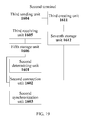
- the present invention provides a terminal, where the terminal includes: a first determining unit, a first connection unit, and a first synchronization unit, where the first determining unit is configured to determine content for sharing of the first terminal; the first connection unit is configured to: when the first terminal discovers a second terminal, establish a connection to the second terminal by using a short-range wireless communications technology, where the second terminal belongs to a same synchronization group as the first terminal, and can establish a connection to the first terminal by using a short-range wireless communications technology, and terminals that belong to a same synchronization group can synchronize content for sharing; and the first synchronization unit is configured to synchronize the content for sharing of the first terminal and content for sharing of the second terminal by using the connection established to the second terminal.
- the first terminal further includes a first sending unit, a first receiving unit, a first storage unit, and a first discovering unit, where the first sending unit is configured to send a synchronization group create message to the second terminal, where the synchronization group create message carries an identifier of the first terminal and an identifier of the synchronization group, and the synchronization group create message is used for requesting the second terminal to join the synchronization group;
- the first receiving unit is configured to receive a synchronization group join message returned by the second terminal that agrees to join the synchronization group, where the synchronization group join message includes an identifier of the second terminal and the identifier of the synchronization group;
- the first storage unit is configured to store the identifier of the second terminal in group member information;
- the first discovering unit is configured to discover the second terminal according to the group member information;
- the first connection unit is configured to establish the connection to the second terminal according to the identifier of the second terminal by using the short-range wireless communications technology
- the first terminal further includes: a second receiving unit, a first confirming unit, a second sending unit, a second storage unit, and a second discovering unit, where the second receiving unit is further configured to receive a synchronization group create message sent by a creating terminal, where the synchronization group create message carries an identifier of the creating terminal and the identifier of the synchronization group, and the synchronization group create message is used for requesting the first terminal to join the synchronization group; the first confirming unit is configured to agree to join the synchronization group; the second sending unit is configured to send a synchronization group join message to the creating terminal, where the synchronization group join message includes an identifier of the first terminal and the identifier of the synchronization group; the second storage unit is configured to store the identifier of the creating terminal in group member information; the second discovering unit is configured to discover the second terminal according to the group member information; and the first connection unit is configured to establish the connection
- the second receiving unit is further configured to receive a synchronization group join message sent by a third terminal that agrees to join the synchronization group, where the synchronization group join message sent by the third terminal includes an identifier of the third terminal and the identifier of the synchronization group; and the second storage unit is further configured to store the identifier of the third terminal in the group member information.
- the first sending unit is specifically configured to multicast the synchronization group create message to the second terminal in a local area network; and the first receiving unit is specifically configured to receive the synchronization group join message multicasted in the local area network by the second terminal that agrees to join the synchronization group.
- the first sending unit is specifically configured to send the synchronization group create message to a message server, so that the message server forwards the synchronization group create message to the second terminal; and the first receiving unit is specifically configured to receive the synchronization group join message that is sent by the second terminal that agrees to join the synchronization group and is forwarded by the message server.
- the first sending unit is specifically configured to send the synchronization group create message to the second terminal, where the synchronization group create message carries the identifier of the first terminal, the identifier of the synchronization group, and a shared folder name, and the synchronization group create message is used for requesting the second terminal to join the synchronization group;
- the first terminal further includes: a first creating unit and a third storage unit, where the first creating unit is configured to create a shared folder corresponding to the shared folder name; and the third storage unit is configured to store description information of the content for sharing in the shared folder; and the first synchronization unit is specifically configured to acquire, by using the connection established to the second terminal and according to the description information of the content for sharing stored in the shared folder of the first terminal and description information of the content for sharing stored in a shared folder of the second terminal, corresponding content for sharing, and synchronize the content for sharing with the second terminal.
- the second receiving unit is specifically configured to receive the synchronization group create message sent by the creating terminal, where the synchronization group create message carries the identifier of the first terminal, the identifier of the synchronization group, and a shared folder name, and the synchronization group create message is used for requesting the first terminal to join the synchronization group;
- the first terminal further includes: a second creating unit and a fourth storage unit, where the second creating unit is configured to create a shared folder corresponding to the shared folder name; and the fourth storage unit is configured to store description information of the content for sharing in the shared folder; and the first synchronization unit is specifically configured to acquire, by using the connection established to the second terminal and according to the description information of the content for sharing stored in the shared folder of the first terminal and description information of the content for sharing stored in a shared folder of the second terminal, corresponding content for sharing, and synchronize the content for sharing with the second terminal.
- the first synchronization unit is specifically configured to acquire description information, on a central node, of the content for sharing of the second terminal, where the central node belongs to the synchronization group; and acquire, according to the description information, on the central node, of the content for sharing of the second terminal and description information of the content for sharing of the first terminal, corresponding content for sharing, and synchronize the content for sharing with the second terminal.
- the first terminal further includes at least one of the following units: a first authenticating unit and the first determining unit, where the first authenticating unit is configured to authenticate the second terminal; and the first determining unit is configured to determine whether a current moment falls within a preset synchronization period of time.
- the present invention provides a second terminal, where the second terminal includes: a second determining unit, a second connection unit, and a second synchronization unit, where the second determining unit is configured to determine content for sharing of the second terminal;
- the second connection unit is configured to: when the second terminal is discovered by a first terminal, establish, by the second terminal, a connection to the first terminal by using a short-range wireless communications technology, where the second terminal belongs to a same synchronization group as the first terminal, and can establish a connection to the first terminal by using a short-range wireless communications technology, and terminals that belong to a same synchronization group can synchronize content for sharing; and the second synchronization unit is configured to synchronize the content for sharing of the second terminal and content for sharing of the first terminal by using the connection established to the first terminal.
- the second terminal further includes: a third sending unit, a third receiving unit, and a fifth storage unit, where the third sending unit is configured to send a synchronization group create message to the first terminal, where the synchronization group create message carries an identifier of the second terminal and an identifier of the synchronization group, and the synchronization group create message is used for requesting the first terminal to join the synchronization group; the third receiving unit is configured to receive a synchronization group join message returned by the first terminal that agrees to join the synchronization group, where the synchronization group join message includes an identifier of the first terminal and the identifier of the synchronization group; the fifth storage unit is configured to store the identifier of the first terminal in group member information; and the second connection unit is configured to establish the connection to the first terminal according to the identifier of the first terminal by using the short-range wireless communications technology.
- the second terminal further includes: a fourth receiving unit, a second confirming unit, a fourth sending unit, and a sixth storage unit, where the fourth receiving unit is configured to receive a synchronization group create message sent by a creating terminal, where the synchronization group create message carries an identifier of the creating terminal and the identifier of the synchronization group, and the synchronization group create message is used for requesting the second terminal to join the synchronization group; the second confirming unit is configured to agree to join the synchronization group; the fourth sending unit is configured to send a synchronization group join message, where the synchronization group join message includes the identifier of the second terminal and the identifier of the synchronization group; and the sixth storage unit is configured to store the identifier of the creating terminal in group member information.
- the third sending unit is specifically configured to send the synchronization group create message to the first terminal, where the synchronization group create message carries the identifier of the first terminal, the identifier of the synchronization group, and a shared folder name, and the synchronization group create message is used for requesting the first terminal to join the synchronization group;
- the second terminal further includes: a third creating unit and a seventh storage unit, where the third creating unit is configured to create a shared folder corresponding to the shared folder name; and the seventh storage unit is configured to store description information of the content for sharing in the shared folder; and the second synchronization unit is configured to acquire, by using the connection established to the first terminal and according to description information of the content for sharing stored in a shared folder of the first terminal and the description information of the content for sharing stored in the shared folder of the second terminal, corresponding content for sharing, and synchronize the content for sharing with the first terminal.
- the fourth receiving unit is specifically configured to receive the synchronization group create message sent by the creating terminal, where the synchronization group create message carries the identifier of the creating terminal, the identifier of the synchronization group, and a shared folder name, and the synchronization group create message is used for requesting the second terminal to join the synchronization group;
- the second terminal further includes: a fourth creating unit and an eighth storage unit, where the fourth creating unit is configured to create a shared folder corresponding to the shared folder name; and the eighth storage unit is configured to store description information of the content for sharing in the shared folder; and the second synchronization unit is configured to acquire, by using the connection established to the first terminal and according to description information of the content for sharing stored in a shared folder of the first terminal and the description information of the content for sharing stored in the shared folder of the second terminal, corresponding content for sharing, and synchronize the content for sharing with the first terminal.
- the second synchronization unit is specifically configured to acquire description information, on a central node, of the content for sharing of the first terminal, where the central node belongs to the synchronization group; and acquire, according to the description information, on the central node, of the content for sharing of the first terminal and description information of the content for sharing of the second terminal, corresponding media content, and synchronize the content for sharing with the first terminal.
- the second terminal further includes at least one of the following units: a second authenticating unit and a second determining unit, where the second authenticating unit is specifically configured to authenticate the first terminal; and the second determining unit is specifically configured to determine whether a current moment falls within a preset synchronization period of time.
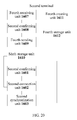
- the present invention provides a terminal, where the first terminal includes: a processor, a memory, and a transceiver, where the processor is configured to determine content for sharing of the first terminal and store the content for sharing of the first terminal in the memory, and when the first terminal discovers a second terminal, invoke the transceiver to establish, by using a short-range wireless communications technology, a connection to the second terminal, where the second terminal belongs to a same synchronization group as the first terminal, and can establish a connection to the first terminal by using a short-range wireless communications technology the second terminal, and terminals that belong to a same synchronization group can synchronize content for sharing; and the processor is further configured to invoke the transceiver to synchronize, by using the connection established to the second terminal, the content for sharing of the first terminal and content for sharing of the second terminal.
- the processor is further configured to invoke the transceiver to send a synchronization group create message to the second terminal, where the synchronization group create message carries an identifier of the first terminal and an identifier of the synchronization group, and the synchronization group create message is used for requesting the second terminal to join the synchronization group; and receive a synchronization group join message returned by the second terminal that agrees to join the synchronization group, where the synchronization group join message includes an identifier of the second terminal and the identifier of the synchronization group; the processor is further configured to store group member information including the identifier of the first terminal in the memory; the processor is further configured to invoke the group member information in the memory and invoke the transceiver to discover the second terminal; and the processor is specifically configured to invoke the transceiver to establish, according to the identifier of the second terminal by using the short-range wireless communications technology, the connection to the second terminal.
- the processor is further configured to invoke the transceiver to receive a synchronization group create message sent by a creating terminal, where the synchronization group create message carries an identifier of the creating terminal and the identifier of the synchronization group, and the synchronization group create message is used for requesting the second terminal to join the synchronization group;
- the processor is further configured to agree to join the synchronization group;
- the processor is further configured to invoke the transceiver to send a synchronization group join message, where the synchronization group join message includes an identifier of the first terminal and the identifier of the synchronization group;
- the processor is further configured to store group member information including the identifier of the creating terminal in the memory;
- the processor is further configured to invoke the group member information in the memory and invoke the transceiver to discover the second terminal; and
- the processor is specifically configured to invoke the transceiver to establish, according to the identifier of the second terminal by using the short-range wireless communications
- the processor is further configured to invoke the transceiver to receive a synchronization group join message sent by a third terminal that agrees to join the synchronization group, where the synchronization group join message sent by the third terminal includes an identifier of the third terminal and the identifier of the synchronization group; and the processor is further configured to store group member information including the identifier of the third terminal in the memory.
- the processor is specifically configured to invoke the transceiver to multicast the synchronization group create message to the second terminal in a local area network; and receive the synchronization group join message multicasted in the local area network by the second terminal that agrees to join the synchronization group.
- the processor is specifically configured to invoke the transceiver to send the synchronization group create message to a message server, so that the message server forwards the synchronization group create message to the second terminal; and receive the synchronization group join message that is sent by the second terminal that agrees to join the synchronization group and is forwarded by the message server.
- the synchronization group create message carries the identifier of the first terminal, the identifier of the synchronization group, and a shared folder name; the processor is further configured to create a shared folder corresponding to the shared folder name in the memory, and store description information of the content for sharing in the shared folder; and the processor is specifically configured to invoke the transceiver and the connection established to the second terminal to synchronize, according to the description information of the content for sharing stored in the shared folder of the first terminal and information of the content for sharing stored in a shared folder of the second terminal, the content for sharing with the second terminal.
- the synchronization group create message carries the identifier of the creating terminal, the identifier of the synchronization group, and a shared folder name; the processor is further configured to create a shared folder corresponding to the shared folder name in the memory, and store description information of the content for sharing in the shared folder; and the processor is specifically configured to invoke the transceiver and the connection established to the second terminal to synchronize, according to the description information of the content for sharing stored in the shared folder of the first terminal and information of the content for sharing stored in a shared folder of the second terminal, the content for sharing with the second terminal.
- the processor is specifically configured to invoke the transceiver to acquire description information, on a central node, of the content for sharing of the second terminal, where the central node belongs to the synchronization group; and synchronize the content for sharing of the second terminal according to the description information, on the central node, of the content for sharing of the second terminal.
- the processor is further configured to execute at least one of the following:
- the present invention provides a second terminal, where the second terminal includes: a processor, a memory, and a transceiver, where the processor is configured to determine content for sharing of the second terminal and store the content for sharing of the second terminal in the memory; the processor is further configured to: when the second terminal is discovered by a first terminal, invoke the transceiver to establish, by using a short-range wireless communications technology, a connection to the first terminal, where the second terminal belongs to a same synchronization group as the first terminal, and can establish a connection to the first terminal by using a short-range wireless communications technology, and terminals that belong to a same synchronization group can synchronize content for sharing; and the processor is further configured to invoke the transceiver and the connection established to the first terminal to synchronize the content for sharing of the second terminal and content for sharing of the first terminal.
- the processor is further configured to invoke the transceiver to send a synchronization group create message to the first terminal, where the synchronization group create message carries an identifier of the second terminal and an identifier of the synchronization group, and the synchronization group create message is used for requesting the first terminal to join the synchronization group; and receive a synchronization group join message returned by the terminal to agree to join the synchronization group, where the synchronization group join message includes an identifier of the first terminal that agrees to join the synchronization group and the identifier of the synchronization group; the processor is further configured to store group member information including the identifier of the first terminal in the memory; and the processor is specifically configured to invoke the transceiver to establish, according to the identifier of the first terminal by using the short-range wireless communications technology, the connection to the first terminal.
- the processor is further configured to invoke the transceiver to receive a synchronization group create message sent by a creating terminal, where the synchronization group create message carries an identifier of the creating terminal and the identifier of the synchronization group, and the synchronization group create message is used for requesting the second terminal to join the synchronization group;
- the processor is further configured to agree to join the synchronization group;
- the processor is further configured to invoke the transceiver to send a synchronization group join message, where the synchronization group join message includes the identifier of the second terminal and the identifier of the synchronization group; and the processor is further configured to store group member information including the identifier of the creating terminal in the memory.
- the synchronization group create message carries the identifier of the second terminal, the identifier of the synchronization group, and a shared folder name;
- the processor is configured to create a shared folder corresponding to the shared folder name in the memory, and store description information of the content for sharing in the shared folder;
- the processor is specifically configured to invoke the transceiver, the connection established to the first terminal, and the memory to synchronize, according to the description information of the content for sharing stored in the shared folder of the second terminal and information of the content for sharing stored in a shared folder of the first terminal, the content for sharing with the first terminal.
- the synchronization group create message carries the identifier of the creating terminal, the identifier of the synchronization group, and a shared folder name;
- the processor is configured to create a shared folder corresponding to the shared folder name in the memory, and store description information of the content for sharing in the shared folder;
- the processor is specifically configured to invoke the transceiver and the connection established to the first terminal and invoke the memory to synchronize, according to the description information of the content for sharing stored in the shared folder of the second terminal and information of the content for sharing stored in a shared folder of the first terminal, the content for sharing with the first terminal.
- the processor is further configured to invoke the transceiver to acquire description information, on a central node, of the content for sharing of the first terminal, where the central node belongs to the synchronization group; and synchronize the content for sharing of the first terminal according to the description information, on the central node, of the content for sharing of the first terminal.
- the processor is further configured to execute at least one of the following:
- the embodiments of the present invention provide a method for synchronizing content among terminals.
- the method includes: determining, by a first terminal, content for sharing of the first terminal; when the first terminal discovers a second terminal, establishing, by the first terminal, a connection to the second terminal by using a short-range wireless communications technology, where the second terminal belongs to a same synchronization group as the first terminal, and can establish a connection to the first terminal by using a short-range wireless communications technology the second terminal, and terminals that belong to a same synchronization group can synchronize content for sharing; and synchronizing, by the first terminal, the content for sharing of the first terminal and content for sharing of the second terminal by using the connection established to the second terminal.
- content for sharing can be synchronized among terminals in a synchronization group
- the first terminal when a first terminal discovers a second terminal, the first terminal establishes a connection to the second terminal by using a short-range wireless communications technology, and content for sharing is synchronized between the first terminal and the second terminal; and a user no longer manually establishes a communication connection and then manually selects a file to send the file, so as to reduce operations of the user as much as possible and conveniently implement synchronization of the content for sharing among the terminals.
- a subsequent operation of establishing the connection does not necessarily executed immediately after the first terminal discovers the second terminal, but that the first terminal discovers the second terminal is a trigger condition of executing the subsequent operation of establishing the connection.
- a first terminal refers to a terminal that actively discovers another terminal in a synchronization group
- a second terminal refers to a terminal that belongs to the same synchronization group as the first terminal and can establish a connection to the first terminal by using a short-range wireless communications technology.
- each synchronization group includes two or more terminals
- the synchronization group is a group in which terminals in the group are allowed to automatically synchronize content for sharing with each other.
- an identifier of a synchronization group is used for identifying the synchronization group, and the first terminal can identify, according to the identifier of the synchronization group, whether another terminal nearby that is discovered by the first terminal is a terminal that belongs to the same synchronization group as the first terminal.
- Terminals that belong to a same synchronization group may save an identifier of the synchronization group after the synchronization group is created, and a message that is subsequently sent among these terminals may carry the identifier of the synchronization group, and a terminal that receives the message can learn, according to the identifier of the synchronization group, a synchronization group to which a terminal that sends the message belongs.
- an identifier of a terminal is used for identifying the terminal.
- each first terminal may store an identifier of each terminal in the synchronization group, so that the first terminal can identify, according to the identifier of each terminal in the synchronization group, whether another terminal nearby that is sent by the first terminal is a terminal that belongs to the same synchronization group as the first terminal.
- the first terminal may further establish, according to an identifier of a second terminal, a connection to the second terminal by using a short-range wireless technology.
- Content for sharing refers to content that a terminal agrees to display or send to another terminal, and may be set by a user or use a default setting.
- the content for sharing includes: a new photographed/recorded photo, video or audio, a media photo, video or audio that is locally saved or uploaded to a network, or data of other types, for example, text files such as .txt, .PDF, and .word, which is not specifically limited in the embodiments of the present invention.
- Description information of the content includes: a name of the content, and may further include any piece of the following information: creation time, size, format, and URL.
- content for sharing determined by the first terminal includes the following content: Table 1 Name Creation time Size Format URL Song A 2014-03-08 3 MB wma D ⁇ Song Song B 2014-03-08 3 MB wma D ⁇ Song
- a directory of content for sharing mentioned in the embodiments refers to a set including description information of the content for sharing, as shown in Table 1.
- Table 1 is only an exemplary description, and certainly, a directory of content for sharing may be represented in other forms.
- a short-range wireless communications technology refers to a wireless communications technology in which two communications parties transmit information by using radio waves and a transmission distance is constrained within a short range (within tens of meters).
- Wi-Fi, Bluetooth, ZigBee, infrared, and NFC are generally considered as short-range wireless communications technologies.
- Synchronization of content for sharing refers to that the first terminal acquires some or all of content for sharing of the second terminal, and/or the second terminal acquires some or all of content for sharing of the first terminal, and within a certain period of time, the content for sharing of the first terminal is kept consistent with the content for sharing of the second terminal.
- the first terminal synchronizes content for sharing with the second terminal may be that the first terminal acquires all content for sharing to be synchronized of the second terminal, the second terminal acquires all content for sharing to be synchronized of the second terminal, and finally, within a certain period of time, content for sharing of the first terminal and content for sharing of the second terminal include the content for sharing of the first terminal before synchronization and the content for sharing of the second terminal before synchronization.
- the first terminal acquires content for sharing, which is not stored in the first terminal, in the second terminal
- the second terminal acquires content for sharing, which is not stored in the second terminal, in the first terminal
- the content for sharing of the first terminal and the content for sharing of the second terminal include common content for sharing of the first terminal and the second terminal before synchronization, non-common content for sharing in the first terminal, and non-common content for sharing in the second terminal.
- the content for sharing of the first terminal may be used as a reference, that is, when the content for sharing of the first terminal is not consistent with the content for sharing of the second terminal, the content for sharing of the second terminal is updated to be the content for sharing of the first terminal.
- the content for sharing of the second terminal may be used as a reference, that is, when the content for sharing of the first terminal is not consistent with the content for sharing of the second terminal, the content for sharing of the first terminal is updated to be the content for sharing of the second terminal.
- a user may set a reference for synchronization, or a terminal (for example, a terminal that actively performs a discovery, or a terminal that creates a synchronization group, or a terminal whose content for sharing is updated most recently) in a synchronization group is used as a reference by default.
- a terminal for example, a terminal that actively performs a discovery, or a terminal that creates a synchronization group, or a terminal whose content for sharing is updated most recently
- an embodiment of the present invention provides a method for synchronizing content among terminals. As shown in FIG. 1 , the method includes:
- the second terminal belongs to a same synchronization group as the first terminal, and can establish a connection to the first terminal by using a short-range wireless communications technology, and terminals that belong to a same synchronization group can synchronize content for sharing.
- each terminal may serve as the first terminal to discover a terminal nearby in real time or periodically or after being triggered by a user, and determine whether the discovered terminal and the terminal that actively performs a discovery belong to the same synchronization group.
- Each terminal may record an identifier of the synchronization group and/or identifiers of all the terminals included in the synchronization group. The terminal may determine, according to the recorded identifier of the synchronization group and/or the recorded identifiers of all the terminals included in the synchronization group, which discovered terminals nearby is the second terminals.
- An identifier of the second terminal may be used by the first terminal to identify, according to the identifiers of all the terminals included in the synchronization group, whether a discovered terminal nearby is a second terminal that belongs to the same synchronization group as the first terminal, or the identifier of the second terminal may be used by the first terminal to establish the connection to the second terminal according to the identifier of the second terminal by using the short-range wireless communications technology.
- An identifier of a terminal in the synchronization group includes at least one of the following: a universally unique identifier (Universally Unique Identifier, UUID for short), an IP (Internet Protocol, Internet Protocol for short) address, a Media Access Control (Media Access Control, MAC for short) address, a Bluetooth (Bluetooth, BT for short) address, an instant messaging service account, an email address, and a telephone number of the terminal.
- UUID Universally unique identifier
- IP Internet Protocol, Internet Protocol for short
- Media Access Control Media Access Control
- MAC Media Access Control
- Bluetooth Bluetooth
- the instant messaging service account may specifically be an account of instant messaging software such as QQ, MSN, Skype, or WeChat.
- a terminal that actively performs a discovery may first discover all terminals nearby that can establish short-range wireless communication, and then determine whether these discovered terminals belong to the same synchronization group as the terminal that actively performs a discovery.
- a terminal that belongs to the same synchronization group as the terminal that actively performs a discovery is a second terminal to be found.
- the terminal that actively performs a discovery may also attempt to establish a short-range wireless communication connection to these terminals according to the identifier of the synchronization group and/or the identifiers of all the terminals included in the synchronization group, and a terminal that can successfully establish a short-range wireless communication connection to the terminal that actively performs a discovery is a second terminal.
- the first terminal listens to a Simple Service Discovery Protocol (Simple Service Discovery Protocol, SSDP for short) packet or a multicast domain name system (multicast Domain Name System, mDNS for short) packet sent by another device in the WLAN, or the first terminal actively sends a UPnP Search message in the WLAN and listens to a response packet returned by a device in the network. If a packet obtained through listening by the first terminal carries the recorded identifier of the synchronization group and/or the identifier of the second terminal included in the synchronization group, it is determined that a device that sends the packet is the second terminal.
- a Simple Service Discovery Protocol Simple Service Discovery Protocol
- SSDP multicast domain name system
- mDNS multicast Domain Name System
- the first terminal may further discover a second terminal by using BT, that is, the first terminal enables a BT function and then scans for a BT device nearby, matches an identifier of a BT device obtained through scanning with the identifiers, which are recorded by the first terminal, of all the terminals included in the synchronization group, and if the identifier of the BT device matches a recorded identifier of a terminal, determines that the BT device obtained through scanning is the second terminal.
- BT a second terminal by using BT, that is, the first terminal enables a BT function and then scans for a BT device nearby, matches an identifier of a BT device obtained through scanning with the identifiers, which are recorded by the first terminal, of all the terminals included in the synchronization group, and if the identifier of the BT device matches a recorded identifier of a terminal, determines that the BT device obtained through scanning is the second terminal.
- the first terminal may further discover a terminal nearby by using WiFi, that is, the first terminal enables a Wi-Fi Direct function and then scans for a Wi-Fi device nearby, matches an identifier of a Wi-Fi device obtained through scanning with the recorded identifiers of all the terminals included in the synchronization group, and if the identifier of the Wi-Fi device matches a recorded identifier of a terminal, determines that the Wi-Fi device obtained through scanning is the second terminal.
- the first terminal may establish a connection to the second terminal by using a short-range wireless communications technology.
- the first terminal if the first terminal is located in the WLAN, the first terminal establishes a TCP/IP connection to the second terminal by using a URL (Uniform Resource Locator, Uniform Resource Locator for short) carried in a response packet that is obtained through listening and returned by a synchronize terminal.
- a URL Uniform Resource Locator, Uniform Resource Locator for short
- the first terminal if the first terminal establishes the connection to the second terminal by using the BT, and if the identifiers, which are recorded by the first terminal, of all the terminals included in the synchronization group are BT addresses of second terminals, the first terminal pairs a BT address of the first terminal with a BT address of a second terminal that is obtained through scanning, to establish a connection.
- the first terminal obtains, through interaction by using a BT protocol, the BT address of the second terminal obtained through scanning.
- the first terminal then pairs the BT address of the first terminal with the BT address of the second terminal obtained through scanning, to establish a connection.
- the first terminal establishes the connection to the second terminal by using WiFi Direct, and if the identifiers, which are recorded by the first terminal, of all the terminals included in the synchronization group are MAC addresses, the first terminal establishes, according to a MAC address of the first terminal and a MAC address of a second terminal obtained through scanning, a Wi-Fi Direct connection to the second terminal.
- the first terminal obtains, through interaction by using a Wi-Fi protocol, the MAC address of the second terminal obtained through scanning.
- the first terminal then establishes, according to the MAC address of the first terminal and the MAC address of the second terminal that is obtained through scanning, a Wi-Fi Direct connection to the second terminal.
- Wi-Fi Direct supports creation of a point-to-point ad hoc temporary network among multiple terminals, where one terminal serves as a network creater (Group Owner, GO for short). Therefore, when the first terminal performs a search and discovers multiple second terminals nearby, the first terminal may create an ad hoc network with these found second terminals.
- the first terminal synchronizes the content for sharing of the first terminal and content for sharing of the second terminal by using the connection established to the second terminal.
- the first terminal and the second terminal may establish a TCP/IP connection by using a WLAN, or may establish a connection by using Bluetooth pairing, or establish a WiFi-Direct connection, and create a point-to-point ad hoc temporary network by using multiple terminals connected by using Wi-Fi Direct.
- the first terminal may synchronize the content for sharing with the second terminal by using a connection in at least one manner above.
- the first terminal and the second terminal establish the connection by using Bluetooth pairing
- the first terminal and the second terminal are paired to establish an upper-layer service session, acquire the content for sharing of each other, and determine which content is not locally stored, so that content that is not locally stored is acquired from a paired BT device, and then incremental synchronization is performed.
- BT devices may be paired to establish an upper-layer service session by specifically using an IP-based protocol such as the BT A/V Profile protocol, the UPnP/DLNA, the IGRS or the mDNS.
- IP-based protocol such as the BT A/V Profile protocol, the UPnP/DLNA, the IGRS or the mDNS.
- the first terminal and the second terminal establish the connection by using Bluetooth pairing
- the first terminal and the second terminal exchange, by using a BT connection, Wi-Fi configuration information, for example, information such as a channel identifier, a MAC address, and a key, and then establish a Wi-Fi Direct connection and a TCP/IP connection over the Wi-Fi Direct connection.
- the first terminal may synchronize, by using the foregoing upper-layer service session protocol, the content for sharing.
- the first terminal and the second terminal establish the connection by using WiFi Direct
- the first terminal and the second terminal then establish an upper-layer service session such as the UPnP, the DLNA, the IGRS, and the mDNS, to synchronize the content for sharing.
- an upper-layer service session such as the UPnP, the DLNA, the IGRS, and the mDNS
- content for sharing may be synchronized by using a central node.
- the central node belongs to the synchronization group, that is, the central node is any one of the second terminals or is the first terminal itself.
- a second terminal that initiates creation of the synchronization group may serve as the central node, and certainly, another second terminal that does not initiate creation of the synchronization group may serve as the central node.
- the method includes:
- the central node stores the description information of the content for sharing of the second terminal, and may further store the description information of the content for sharing of the first terminal. If the central node does not store the description information of the content for sharing of the first terminal, when the first terminal performs synchronization, acquires the description information of the content for sharing of the first terminal locally from the first terminal.
- the description information of the content for sharing of the first terminal may be saved in a shared folder in the first terminal, and is then sent to the central node, or may be not stored in the shared folder in the first terminal, and instead is stored in another file, and is then sent to the central node.
- the description information of the content of the second terminal may be saved in a shared folder in the second terminal, and is then sent to the central node, or may be not stored in the shared folder in the second terminal, and instead is stored in another file and then sent to the central node.
- the central node may store the content for sharing of the second terminal, and the first terminal synchronizes the content for sharing of the second terminal from the central node according to the description information, on the central node, of the content for sharing to be synchronized of the second terminal; or certainly, the first terminal may acquire the content for sharing of the second terminal from the second terminal or another device according to the description information, acquired from the central node, of the content for sharing of the second terminal, which is not specifically limited in this embodiment of the present invention.
- an implementation manner of synchronizing, by using the central node, the content for sharing is applicable to a case in which all the terminals, or some terminals including a terminal that serves as the central node in the synchronization group access a same local area network.
- the second terminal accesses the same wireless local area network, for example, is connected to a Wi-Fi router that multicasts a same SSID. Therefore, by default, a creating terminal that initiates creation of the synchronization group may serve as the central node, or when joining the synchronization group, a terminal of any one of the second terminals may announce, by using the SSDP or by using an instant messaging client, for example, by adding a field "owner" to a message for identification, to a message server that the second terminal is the central node. Another terminal records an identifier of a terminal that serves as a central node.
- a process of synchronizing content for sharing among second terminals is used as an example for description in the following, where the synchronization group includes second terminals X, A, B, and C, the second terminal X is the central node, and the second terminals X, A, B, and C access a same local area network.
- the method includes:
- Each terminal downloads the content for sharing, for example, downloads, by using the HTTP protocol, the content for sharing.
- the method further includes:
- the content for sharing is synchronized between the first terminal and the second terminal.
- the synchronization group join message when each second terminal sends a synchronization group join message to the first terminal, the synchronization group join message further carries first authentication information, for example, a character string, or certificate information of the terminal.
- first authentication information for example, a character string, or certificate information of the terminal.
- TLS Transport Layer Security
- the first terminal acquires second authentication information sent by the second terminal, and then the first terminal matches the second authentication information with the first authentication information; if the second authentication information is the same as the first authentication information, the authentication succeeds; otherwise, the authentication fails.
- the method further includes:
- each second terminal may set a time of starting synchronization of the content for sharing. For example, for a travel activity, it may be set to perform synchronization for 1 day, and then synchronization is no longer performed and it is automatically set to perform no synchronization on a local shared folder.
- a creating terminal of a synchronization group may set a time window and send the time window to another terminal, and the another second terminal automatically sets a same policy.
- a field for example, "sep-14-2013 12:00:00 - sep-14-2013 18:00:00", for describing the time window may be carried in the SSDP message in the foregoing embodiment.
- the method before the synchronizing, by the first terminal, the content for sharing with the second terminal by using the connection established to the second terminal, the method further includes:
- This embodiment of the present invention provides a method for synchronizing content among terminals.
- the method includes: determining, by a first terminal, content for sharing of the first terminal; when the first terminal discovers a second terminal, establishing, by the first terminal, a connection to the second terminal by using a short-range wireless communications technology, where the second terminal belongs to a same synchronization group as the first terminal, and can establish a connection to the first terminal by using a short-range wireless communications technology, and terminals that belong to a same synchronization group can synchronize content for sharing; and synchronizing, by the first terminal, the content for sharing of the first terminal and content for sharing of the second terminal by using the connection established to the second terminal.
- terminals in a synchronization group are allowed to synchronize content for sharing among each other, after a first terminal discovers a second terminal, the first terminal establishes a connection to the second terminal by using a short-range wireless communications technology, and content for sharing is synchronized between the first terminal and the second terminal, so as to reduce operations of a user as much as possible and conveniently implement synchronization of the content for sharing among the terminals.
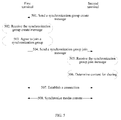
- An embodiment of the present invention further provides a method for synchronizing content among terminals. As shown in FIG. 2 , the method includes:
- the second terminal belongs to a same synchronization group as the first terminal, and can establish a connection to the first terminal by using a short-range wireless communications technology, and terminals that belong to a same synchronization group can synchronize content for sharing.
- each terminal may serve as the first terminal to discover a terminal nearby in real time or periodically or after being triggered by a user, and determine whether the discovered terminal and the terminal that actively performs a discovery belong to the same synchronization group.
- Each terminal may record an identifier of the synchronization group and/or identifiers of all the terminals included in the synchronization group. The terminal may determine, according to the recorded identifier of the synchronization group and/or the recorded identifiers of all the terminals included in the synchronization group, which discovered terminals nearby is the second terminals.
- the first terminal may establish a connection to the second terminal by using a short-range wireless communications technology.
- a short-range wireless communications technology For a specific process of establishing the connection, refer to the description of the foregoing embodiment, which is not described in detail herein again in this embodiment of the present invention.
- the second terminal synchronizes the content for sharing of the second terminal and content for sharing of the first terminal by using the connection established to the first terminal.
- This embodiment of the present invention provides a method for synchronizing content among terminals.
- the method includes: determining, by a second terminal, content for sharing of the second terminal; when the second terminal is discovered by a first terminal, establishing, by the second terminal, a connection to the first terminal by using a short-range wireless communications technology, where the second terminal belongs to a same synchronization group as the first terminal, and can establish a connection to the first terminal by using a short-range wireless communications technology, and terminals that belong to a same synchronization group can synchronize content for sharing; and synchronizing, by the second terminal, the content for sharing of the second terminal and content for sharing of the first terminal by using the connection established to the first terminal.
- terminals in a synchronization group are allowed to synchronize content for sharing among each other, after a terminal discovers a second terminal, the terminal establishes a connection to the second terminal by using a short-range wireless communications technology, and content for sharing is synchronized between the second terminal and the terminal, so as to reduce operations of a user as much as possible and conveniently implement synchronization of the content for sharing among the terminals.
- an embodiment of the present invention provides a method for synchronizing content among terminals.
- the first terminal serves as a creating terminal of the synchronization group, and the method includes:
- the first terminal may send a synchronization group create message in a local communication manner in the same wireless local area network.
- the first terminal may also send, by using a message server, a synchronization group create message to the terminals that are not in the same local area network.
- the local communication manner refers to a manner of sending a message to another terminal in a local area network without an operator network or the Internet.
- the local communication manner may be a communications manner based on a protocol such as the Universal Plug and Play (Universal Plug and Play, UPnP for short)/DLNA, the multicast domain name system (multicast Domain Name System, mDNS for short)/zero-configuration networking (Bonjour), the Intelligent Grouping And Resource Sharing (Intelligent Grouping And Resource Sharing, IGRS for short).
- a protocol such as the Universal Plug and Play (Universal Plug and Play, UPnP for short)/DLNA, the multicast domain name system (multicast Domain Name System, mDNS for short)/zero-configuration networking (Bonjour), the Intelligent Grouping And Resource Sharing (Intelligent Grouping And Resource Sharing, IGRS for short).
- the terminals in the same local area network may be terminals that access a same Wi-Fi access point (Access Point, AP for short) or an ad hoc network formed by using Wireless Fidelity Direct (Wireless Fidelity Direct, Wi-Fi Direct for short).
- AP Access Point
- Wi-Fi Direct Wireless Fidelity Direct
- That the first terminal sends a synchronization group create message in a local communication manner specifically includes that:
- a user may trigger creation of the synchronization group by using a newly added synchronization group create button on a user interface (User Interface, UI for short) on a browser or an APP such as an instant messaging application or a social application, so that the terminal sends, in a local communication manner in the local area network, the synchronization group create message in a multicast manner.
- a user group name and a member list are created and displayed on an APP interface
- a click on "Start media synchronization” may trigger creation of a synchronization group and invitation for another user in a same local area network to join the synchronization group
- a user that has permission to start the synchronization group may be a group manager or an ordinary member.
- a terminal in a same local area network based on the Simple Service Discovery Protocol sends a synchronization group create message.
- the Simple Service Discovery Protocol (SSDP, Simple Service Discovery Protocol) is an application layer protocol and is one of core protocols that form a Universal Plug and Play (UPnP) technology.
- the synchronization group create message may be an SSDP:alive packet, or may be an SSDP:update packet, which is briefly referred to as an SSDP packet below.
- An identifier of the synchronization group and the identifier of the first terminal are included in an extension field of the SSDP packet; for example, SYNC-GROUP may include the identifier Group ID of the synchronization group and the identifier User ID of the first terminal, for example, a UUID, an IP address, a MAC address, a BT address, an instant messaging service account, an email address, or a telephone number of the first terminal.
- a field may be added or extended to describe information about the created synchronization group.
- That the first terminal sends a synchronization group create message to the second terminal by using a message server is applicable to a case of a second terminal that is not located in a same local area network as the first terminal.
- the first terminal may send the synchronization group create message to the message server by using a mobile network or the Wi-Fi or in other access manners, and the message server is located in an operator network or is an over-the-top (Over The Top, OTT for short) server, for example, a short message service server, a WeChat server, or an instant messaging server.
- OTT Over The Top
- the first terminal sends the synchronization group create message to the message server, so that the message server forwards the synchronization group create message to the second terminal.
- the first terminal sends a synchronization group create message to another group member by using a currently used browser, instant messaging software or social software, and a special message format may be defined by using the Extensible Messaging and Presence Protocol (Extensible Messaging and Presence Protocol, XMPP for short), and used for representing the synchronization group create message.
- the special message format also includes a field SYNC-GROUP, and the field may include the identifier Group ID of the synchronization group and the identifier User ID of the first terminal, for example, the UUID, the IP address, the MAC address, the BT address, the instant messaging service account, the email address, or the telephone number of the first terminal.
- the special message format is as follows:
- the first terminal may not only send, in a local communication manner in the local area network, the synchronization group create message in a multicast manner, but also may send the synchronization group create message to the message server simultaneously, and this case is applicable to that some second terminals are located in a same local area network as the first terminal and some second terminals are not located in the same local area network as the first terminal.
- the second terminal receives the synchronization group create message sent by the first terminal.
- the second terminal agrees to join the synchronization group.
- the second terminal in the same local area network enables a UPnP listening function to listen to an SSDP packet, parses a field SYNC-GROUP from the SSDP packet, learns that a new synchronization group is created, and may prompt, by using a UI, a user whether to join the synchronization group. After the user confirms whether to join the synchronization group, the second terminal records an identifier of the synchronization group and the identifier of the first terminal.
- the second terminal sends a synchronization group join message, where the synchronization group join message includes an identifier of the second terminal and the identifier of the synchronization group.
- the first terminal receives the synchronization group join message returned by the second terminal that agrees to join the synchronization group.
- the synchronization group join message is received in a corresponding communication manner. That is, when the first terminal receives in a local communication manner the synchronization group join message that is multicasted in the local area network, the first terminal may also receive the synchronization group join message forwarded by the message server, and certainly, may also receive the synchronization group join message in both the foregoing two manners.
- the first terminal receives the synchronization group join message that is multicasted in the local area network by the second terminal
- other terminals that agree to join the synchronization group can also receive the synchronization group join message that is multicasted by the first terminal.
- the first terminal may further receive a synchronization group join message sent by another terminal that agrees to join the synchronization group, where the synchronization group join message sent by the another terminal that agrees to join the synchronization group includes an identifier of the another terminal that agrees to join the synchronization group and the identifier of the synchronization group.
- the process includes that:
- the first terminal, the second terminal, and the third terminal may send messages in a multicast manner. If the first terminal, the second terminal, and the third terminal are not in a same local area network, the first terminal, the second terminal, or the third terminal may send, by using the message server, a message to the other two terminals.
- the message server For a specific message sending manner, refer to the description of the foregoing embodiment, which is not described in detail herein again in this embodiment of the present invention.
- the above exemplarily describes rather than limitedly describes, by using the first, second, and third terminals as an example, the process of creating the synchronization group.
- the third terminal is only another terminal that intends to join the synchronization group except the second terminal, and there may be one third terminal, and certainly, there may also be multiple third terminals.
- the first terminal determines content for sharing of the first terminal.
- the first terminal When the first terminal discovers a second terminal, the first terminal establishes a connection to the second terminal by using a short-range wireless communications technology.
- the first terminal synchronizes the content for sharing of the first terminal and content for sharing of the second terminal by using the connection established to the second terminal.
- step 306 to step 308 refer to the detailed description of the foregoing embodiment, which are not described in detail herein again in this embodiment of the present invention.
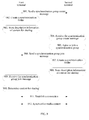
- the first terminal serves as a creating terminal of the synchronization group; however, persons skilled in the art may understand that the first terminal may also serve as a noncreating terminal of the synchronization group, and a specific process is shown in FIG. 4 :
- This embodiment of the present invention provides a method for synchronizing content among terminals.
- the method includes: sending, by a first terminal, a synchronization group create message to another terminal, where the synchronization group create message carries an identifier of the first terminal and an identifier of a synchronization group, and the synchronization group create message is used for requesting the another terminal to join the synchronization group; receiving, by the first terminal, a synchronization group join message returned by a terminal that agrees to join the synchronization group, where the synchronization group join message includes an identifier of the terminal that agrees to join the synchronization group and the identifier of the synchronization group; discovering, by the first terminal, a second terminal that belongs to the same synchronization group as the first terminal and can establish a connection to the first terminal by using a short-range wireless communications technology, where terminals that belong to a same synchronization group automatically synchronize content for sharing; establishing, by the first terminal according to the identifier of the second terminal,
- terminals in a group of a synchronization group created by a first terminal are allowed to synchronize content for sharing among each other, after a terminal discovers a second terminal, the terminal establishes a connection to the second terminal by using a short-range wireless communications technology, and content for sharing is synchronized between the terminal and the second terminal, so as to reduce operations of a user as much as possible and conveniently implement synchronization of the content for sharing among the terminals.
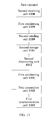
- An embodiment of the present invention provides a method for synchronizing content among terminals. As shown in FIG. 5 , the method includes:
- step 506 to step 508 refer to the detailed description of the foregoing embodiment, which are not described in detail herein again in this embodiment of the present invention.
- the second terminal serves as a creating terminal of the synchronization group; however, persons skilled in the art may understand that the second terminal may also serve as a noncreating terminal of the synchronization group, and a specific process is shown in FIG. 6 :
- An interaction process of creating a synchronization group is described in detail below by using a scenario in which terminals A, B, and C access a same wireless local area network. As shown in FIG. 7 , the process includes:
- the synchronization group join message sent by the terminal B includes the identifier of B and the identifier of the synchronization group
- the synchronization group join message multicasted by the terminal C includes the identifier of C and the identifier of the synchronization group.
- Each terminal records the identifiers of the other terminals, to establish connections to the other terminals. At this point, the synchronization group has been created.
- Each terminal records the identifiers of the other terminals, to establish connections to the other terminals. At this point, the synchronization group has been created.
- This embodiment of the present invention provides a method for synchronizing content among terminals.
- the method includes: sending, by the first terminal, a synchronization group create message to a second terminal, where the synchronization group create message carries an identifier of the first terminal and an identifier of the synchronization group, and the synchronization group create message is used for requesting the second terminal to join the synchronization group; receiving, by the first terminal, a synchronization group join message returned by the second terminal, where the synchronization group join message includes an identifier of the second terminal and the identifier of the synchronization group; determining, by the first terminal, content for sharing of the first terminal; when the first terminal discovers the second terminal, establishing, by the first terminal, a connection to the second terminal by using a short-range wireless communications technology, where the second terminal belongs to a same synchronization group as the first terminal, and can establish a connection to the first terminal by using a short-range wireless communications technology, and terminals that belong to a same synchronization group
- terminals in a group of a synchronization group created by the second terminal are allowed to synchronize content for sharing among each other, after a terminal discovers the second terminal, the terminal establishes a connection to the second terminal by using a short-range wireless communications technology, and content for sharing is synchronized between the terminal and the second terminal, so as to reduce operations of a user as much as possible and conveniently implement synchronization of the content for sharing among the terminals.
- the terminals in the synchronization group each create a shared folder with a same name, and the shared folder may store the content for sharing.
- the shared folder may store description information of the content for sharing only.
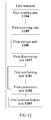
- an embodiment of the present invention provides a method for synchronizing content among terminals. As shown in FIG. 9 , the method includes:
- the first terminal may add the shared folder name to the synchronization group create message, so that other terminals that intend to join the synchronization group create shared folders with the same name.
- a terminal in a same local area network based on the SSDP sends a synchronization group create message, where the synchronization group create message may be an SSDP:alive packet, or may be an SSDP:update packet, which is briefly referred to as an SSDP packet below.
- the shared folder name may be included in an extension field of the SSDP, for example, SYNC-GROUP may include the shared folder name Group Folder ID.
- the first terminal sends a synchronization group create message to another group member by using a currently used browser, instant messaging software or social software, where a field SYNC-GROUP included in a special message format defined in the XMPP may carry the shared folder name.
- the first terminal creates a shared folder corresponding to the shared folder name.
- the first terminal stores description information of content for sharing in the shared folder.
- the first terminal may create the shared folder and store the description information of the content for sharing before sending the synchronization group create message, and certainly, may also create the shared folder and store the description information of the content for sharing after sending the synchronization group create message and before the other second terminal synchronizes file content, which is not specifically limited in this embodiment of the present invention.
- an option "Share it to a shared folder" is added to a UI. Click on this option indicates that a user agrees to share, to the synchronization group, currently recorded content or content to be recorded, and the first terminal adds the description information of the content to the shared folder.
- an App For example, every time a user has recorded content (a photo, a video or audio), an App prompts, by using a display button or a popup dialog box, the user whether to add the content to a shared folder, and shares the content after the user confirms whether to add the content to the shared folder; or, a checkbox is displayed on a UI of an App, if in a checked state, content that is recorded subsequently is added to a shared folder by default; and if in an unchecked state, content that is recorded subsequently is not added to the shared folder.
- the second terminal receives the synchronization group create message sent by the first terminal.
- the second terminal agrees to join the synchronization group.
- the second terminal sends a synchronization group join message to the first terminal, where the synchronization group join message includes an identifier of the second terminal and the identifier of the synchronization group.
- the second terminal creates a shared folder corresponding to the shared folder name.
- the second terminal stores description information of the content for sharing in the shared folder.
- the second terminal may create the shared folder and store the description information of the content for sharing after the second terminal agrees to join the synchronization group and before the second terminal synchronizes the content for sharing with the first terminal, which is not specifically limited in this embodiment of the present invention.
- the first terminal receives a synchronization group join message returned by the first terminal that agrees to join the synchronization group.
- the first terminal determines content for sharing of the first terminal.
- the first terminal When the first terminal discovers a second terminal, the first terminal establishes a connection to the second terminal by using a short-range wireless communications technology.
- the first terminal synchronizes the content for sharing of the first terminal and content for sharing of the second terminal by using the connection established to the second terminal.
- This embodiment of the present invention provides a method for synchronizing content among terminals. Based on the foregoing solution, because terminals in a synchronization group are allowed to synchronize content for sharing among each other, after a terminal discovers a second terminal, the terminal establishes a connection to the second terminal by using a short-range wireless communications technology, and content for sharing is synchronized between the terminal and the second terminal, so as to reduce operations of a user as much as possible and conveniently implement synchronization of the content for sharing among the terminals. Further, because the first terminal and the second terminal create shared folders locally, synchronization of the content for sharing between the first terminal and the second terminal becomes more convenient.
- an update message may be sent to a second terminal.
- an embodiment of the present invention provides a method for synchronizing content among terminals. As shown in FIG. 10 , the method includes:
- the first terminal and the second terminal may send a multicast message in a local area network, where the multicast message carries an update prompt or a timestamp.
- a field ITEM-UPDATE is added to the SSDP packet, and the field carries description information, for example, an ID/Name, a URL, a format, and an update time, of content for sharing after an update packet is sent last time.
- description information for example, an ID/Name, a URL, a format, and an update time, of content for sharing after an update packet is sent last time.
- the format of the SSDP packet is as follows:
- the first terminal and the second terminal may send update messages by using an instant messaging application, where the update messages carry an update prompt or a timestamp.
- the first terminal and the second terminal may send update messages by using an UPnP event, where the update messages carry an update prompt or a timestamp.
- the first terminal and the second terminal may send update messages by using an established short-range wireless communications technology, where the update messages carry an update prompt or a timestamp.
- the update message includes description information of unsynchronized content and/or a field for prompting an update, for example, "update"/"new".
- first terminal and the second terminal may also add an update prompt or a timestamp to a BT or Wi-Fi device discovery message, for example, a WiFi Direct point-to-point scanning response message, or a BT response message.
- an update prompt or a timestamp to a BT or Wi-Fi device discovery message, for example, a WiFi Direct point-to-point scanning response message, or a BT response message.
- This embodiment of the present invention provides a method for synchronizing content among terminals. Based on the foregoing solution, because terminals in a synchronization group are allowed to synchronize content for sharing among each other, after a terminal discovers a second terminal, the terminal establishes a connection to the second terminal by using a short-range wireless communications technology, and content for sharing is synchronized between the terminal and the second terminal, so as to reduce operations of a user as much as possible and conveniently implement synchronization of the content for sharing among the terminals. Further, because the first terminal and the second terminal can actively send update messages, the efficiency of synchronization can be further improved, and the number of times of unnecessary connections and a processing amount among terminals can be reduced.
- An embodiment of the present invention provides a terminal.
- the terminal includes: a first determining unit 1101, a first connection unit 1102, and a first synchronization unit 1103.
- the first determining unit 1101 is configured to determine content for sharing of the first terminal.
- the first connection unit 1102 is configured to: when the first terminal discovers a second terminal, establish a connection to the second terminal by using a short-range wireless communications technology, where the second terminal belongs to a same synchronization group as the first terminal, and can establish a connection to the first terminal by using a short-range wireless communications technology, and terminals that belong to a same synchronization group can synchronize content for sharing.
- the first synchronization unit 1103 is configured to synchronize the content for sharing of the first terminal and content for sharing of the second terminal by using the connection established to the second terminal.
- the first terminal further includes a first sending unit 1104, a first receiving unit 1105, a first storage unit 1106, and a first discovering unit 1107.
- the first sending unit 1104 is configured to send a synchronization group create message to the second terminal, where the synchronization group create message carries an identifier of the first terminal and an identifier of the synchronization group, and the synchronization group create message is used for requesting the second terminal to join the synchronization group.
- the first receiving unit 1105 is configured to receive a synchronization group join message returned by the second terminal that agrees to join the synchronization group, where the synchronization group join message includes an identifier of the second terminal and the identifier of the synchronization group.
- the first storage unit 1106 is configured to store the identifier of the second terminal in group member information.
- the first discovering unit 1107 is configured to discover the second terminal according to the group member information.
- the first connection unit 1102 is configured to establish the connection to the second terminal according to the identifier of the second terminal by using the short-range wireless communications technology.
- the first terminal further includes: a second receiving unit 1108, a first confirming unit 1109, a second sending unit 1110, a second storage unit 1111, and a second discovering unit 1112.
- the second receiving unit 1108 is further configured to receive a synchronization group create message sent by a creating terminal, where the synchronization group create message carries an identifier of the creating terminal and the identifier of the synchronization group, and the synchronization group create message is used for requesting the first terminal to join the synchronization group.
- the first confirming unit 1107 is configured to agree to join the synchronization group.
- the second sending unit 1108 is configured to send a synchronization group join message to the creating terminal, where the synchronization group join message includes an identifier of the first terminal and the identifier of the synchronization group.
- the second storage unit 1111 is configured to store the identifier of the creating terminal in group member information.
- the second discovering unit 1112 is configured to discover the second terminal according to the group member information.
- the first connection unit 1102 is configured to establish the connection to the second terminal according to the identifier of the second terminal by using the short-range wireless communications technology.
- the second receiving unit 1108 is further configured to receive a synchronization group join message sent by a third terminal that agrees to join the synchronization group, where the synchronization group join message sent by the third terminal includes an identifier of the third terminal and the identifier of the synchronization group.
- the second storage unit 1111 is further configured to store the identifier of the third terminal in the group member information.
- the first sending unit 1104 is specifically configured to send the synchronization group create message to the second terminal in a multicast manner in the local area network.
- the first receiving unit 1105 is specifically configured to receive the synchronization group join message multicasted in the local area network by the second terminal that agrees to join the synchronization group.
- the first sending unit 1104 is specifically configured to send the synchronization group create message to a message server, so that the message server forwards the synchronization group create message to the second terminal.
- the first receiving unit 1105 is specifically configured to receive the synchronization group join message that is sent by the second terminal that agrees to join the synchronization group and is forwarded by the message server.
- the terminals in the synchronization group each create a shared folder with a same name, and the shared folder may store the content for sharing.
- the shared folder may store description information of the content for sharing only. If the first terminal serves as the creating terminal of the synchronization group, specifically, as shown in FIG. 14 , the first terminal further includes: a first creating unit 1113, and a third storage unit 1114.
- the first sending unit 1104 is specifically configured to send the synchronization group create message to the second terminal, where the synchronization group create message carries the identifier of the first terminal, the identifier of the synchronization group, and a shared folder name, and the synchronization group create message is used for requesting the second terminal to join the synchronization group.
- the first creating unit 1113 is configured to create a shared folder corresponding to the shared folder name.
- the third storage unit 1114 is configured to store description information of the content for sharing in the shared folder.
- the first synchronization unit 1103 is specifically configured to acquire, by using the connection established to the second terminal and according to the description information of the content for sharing stored in the shared folder of the first terminal and description information of the content for sharing stored in a shared folder of the second terminal, corresponding content for sharing, and synchronize the content for sharing with the second terminal.
- the terminals in the synchronization group each create a shared folder with a same name, and the shared folder may store the content for sharing.
- the shared folder may store description information of the content for sharing only. If the first terminal serves as a noncreating terminal of the synchronization group, specifically, as shown in FIG. 15 , the first terminal further includes: a second creating unit 1115 and a fourth storage unit 1116.
- the second receiving unit 1108 is specifically configured to receive the synchronization group create message sent by the creating terminal, where the synchronization group create message carries the identifier of the first terminal, the identifier of the synchronization group, and a shared folder name, and the synchronization group create message is used for requesting the first terminal to join the synchronization group.
- the second creating unit 1115 is configured to create a shared folder corresponding to the shared folder name.
- the fourth storage unit 1116 is configured to store description information of the content for sharing in the shared folder.
- the first synchronization unit 1103 is specifically configured to acquire, by using the connection established to the second terminal and according to the description information of the content for sharing stored in the shared folder of the first terminal and description information of the content for sharing stored in a shared folder of the second terminal, corresponding content for sharing, and synchronize the content for sharing with the second terminal.
- the first synchronization unit 1103 is specifically configured to acquire description information, on a central node, of the content for sharing of the second terminal, where the central node belongs to the synchronization group; and acquire, according to the description information, on the central node, of the content for sharing of the second terminal and description information of the content for sharing of the first terminal, corresponding content for sharing, and synchronize the content for sharing with the second terminal.
- the first synchronization unit 1103 specifically receives an update message sent by the second terminal, where the update message carries description information of updated content for sharing of the second terminal; and synchronize the updated content for sharing of the second terminal according to the description information of the updated content for sharing of the second terminal carried in the update message.
- the first terminal further includes at least one of the following units: a first authenticating unit and a first determining unit.
- the first authenticating unit is configured to authenticate the second terminal.
- the first determining unit is configured to determine whether a current moment falls within a preset synchronization period of time.
- the terminal includes a first determining unit, a first connection unit, and a first synchronization unit, where the first determining unit determines content for sharing of the first terminal; when the first terminal discovers a second terminal, the first connection unit establishes a connection to the second terminal by using a short-range wireless communications technology, where the second terminal belongs to a same synchronization group as the first terminal, and can establish a connection to the first terminal by using a short-range wireless communications technology, and terminals that belong to a same synchronization group can synchronize content for sharing; and the first synchronization unit synchronizes the content for sharing of the first terminal and content for sharing of the second terminal by using the connection established to the second terminal.
- terminals in a synchronization group are allowed to synchronize content for sharing among each other, after a terminal discovers a second terminal, the terminal establishes a connection to the second terminal by using a short-range wireless communications technology, and content for sharing is synchronized between the terminal and the second terminal, so as to reduce operations of a user as much as possible and conveniently implement synchronization of the content for sharing among the terminals.
- An embodiment of the present invention provides a second terminal.
- the second terminal includes: a second determining unit 1601, a second connection unit 1602, and a second synchronization unit 1603.
- the second determining unit 1601 is configured to determine content for sharing of the second terminal.
- the second connection unit 1602 is configured to: when the second terminal is discovered by a first terminal, establish, by the second terminal, a connection to the first terminal by using a short-range wireless communications technology, where the second terminal belongs to a same synchronization group as the first terminal, and can establish a connection to the first terminal by using a short-range wireless communications technology, and terminals that belong to a same synchronization group can synchronize content for sharing.
- the second synchronization unit 1603 is configured to synchronize the content for sharing of the second terminal and content for sharing of the first terminal by using the connection established to the first terminal.
- the second terminal further includes: a third sending unit 1604, a third receiving unit 1605, and a fifth storage unit 1606.
- the third sending unit 1604 is configured to send a synchronization group create message to the first terminal, where the synchronization group create message carries an identifier of the second terminal and an identifier of the synchronization group, and the synchronization group create message is used for requesting the first terminal to join the synchronization group.
- the third receiving unit 1605 is configured to receive a synchronization group join message returned by the first terminal that agrees to join the synchronization group, where the synchronization group join message includes an identifier of the first terminal and the identifier of the synchronization group.
- the fifth storage unit 1606 is configured to store the identifier of the first terminal in group member information.
- the second connection unit 1602 is configured to establish the connection to the first terminal according to the identifier of the first terminal by using the short-range wireless communications technology.
- the second terminal further includes: a fourth receiving unit 1607, a second confirming unit 1608, a fourth sending unit 1609, and a sixth storage unit 1610.
- the fourth receiving unit 1607 is configured to receive a synchronization group create message sent by a creating terminal, where the synchronization group create message carries an identifier of the creating terminal and the identifier of the synchronization group, and the synchronization group create message is used for requesting the second terminal to join the synchronization group.
- the second confirming unit 1608 is configured to agree to join the synchronization group.
- the fourth sending unit 1609 is configured to send a synchronization group join message, where the synchronization group join message includes the identifier of the second terminal and the identifier of the synchronization group.
- the terminals in the synchronization group each create a shared folder with a same name, and the shared folder may store the content for sharing.
- the shared folder may store description information of the content for sharing only. If the second terminal serves as the creating terminal of the synchronization group, specifically, as shown in FIG. 19 , the first terminal further includes: a third creating unit 1611 and a seventh storage unit 1612.
- the third sending unit 1604 is specifically configured to send the synchronization group create message to the first terminal, where the synchronization group create message carries the identifier of the first terminal, the identifier of the synchronization group, and a shared folder name, and the synchronization group create message is used for requesting the first terminal to join the synchronization group.
- the third creating unit 1611 is configured to create a shared folder corresponding to the shared folder name.
- the seventh storage unit 1612 is configured to store description information of the content for sharing in the shared folder.
- the second synchronization unit 1603 is configured to acquire, by using the connection established to the first terminal and according to description information of the content for sharing stored in a shared folder of the first terminal and the description information of the content for sharing stored in the shared folder of the second terminal, corresponding content for sharing, and synchronize the content for sharing with the first terminal.
- the terminals in the synchronization group each create a shared folder with a same name, and the shared folder may store the content for sharing.
- the shared folder may store description information of the content for sharing only. If the second terminal serves as a noncreating terminal of the synchronization group, specifically, as shown in FIG. 20 , the first terminal further includes: a fourth creating unit 1613 and an eighth storage unit 1614.
- the fourth receiving unit 1607 is specifically configured to receive a synchronization group create message sent by a creating terminal, where the synchronization group create message carries an identifier of the creating terminal, the identifier of the synchronization group, and a shared folder name, and the synchronization group create message is used for requesting the second terminal to join the synchronization group.
- the fourth creating unit 1613 is configured to create a shared folder corresponding to the shared folder name.
- the eighth storage unit 1614 is configured to store description information of the content for sharing in the shared folder.
- the second synchronization unit 1603 is configured to acquire, by using the connection established to the first terminal and according to description information of the content for sharing stored in a shared folder of the first terminal and the description information of the content for sharing stored in the shared folder of the second terminal, corresponding content for sharing, and synchronize the content for sharing with the first terminal.
- the second synchronization unit 1603 is specifically configured to acquire description information, on a central node, of the content for sharing of the first terminal, where the central node belongs to the synchronization group; and acquire, according to the description information, on the central node, of the content for sharing of the first terminal and description information of the content for sharing of the second terminal, corresponding media content, and synchronize the content for sharing with the first terminal.
- the second synchronization unit 1603 is specifically configured to receive, by the first terminal by using the connection established to the second terminal, an update message sent by the second terminal, where the update message carries description information of updated content for sharing of the second terminal; and synchronize the updated content for sharing of the first terminal according to the description information of the updated content for sharing of the first terminal carried in the update message.
- the second terminal further includes at least one of the following units: a second authenticating unit and a second determining unit.
- the second authenticating unit is specifically configured to authenticate the second terminal.
- the second determining unit is specifically configured to determine whether a current moment falls within a preset synchronization period of time.
- the second terminal includes: a second determining unit, a second connection unit, and a second synchronization unit, where the second determining unit determines content for sharing of the second terminal; when the second terminal is discovered by a first terminal, the second connection unit the second terminal establishes a connection to the first terminal by using a short-range wireless communications technology, where the second terminal belongs to a same synchronization group as the first terminal, and can establish a connection to the first terminal by using a short-range wireless communications technology, and terminals that belong to a same synchronization group can synchronize content for sharing; and the second synchronization unit synchronizes the content for sharing of the second terminal and content for sharing of the first terminal by using the connection established to the first terminal.
- terminals in a synchronization group are allowed to synchronize content for sharing among each other, after a terminal discovers a second terminal, the terminal establishes a connection to the second terminal by using a short-range wireless communications technology, and content for sharing is synchronized between the terminal and the second terminal, so as to reduce operations of a user as much as possible and conveniently implement synchronization of the content for sharing among the terminals.
- the terminal includes a transceiver 2101, a processor 2102, a memory 2103, and a first communications bus 2104 configured to implement a connection and communication among these apparatuses.
- the first communications bus 2104 may be an Industry Standard Architecture (Industry Standard Architecture, ISA for short) bus, a Peripheral Component Interconnect (Peripheral Component, PCI for short) bus, an Extended Industry Standard Architecture (Extended Industry Standard Architecture, EISA for short) bus or the like.
- the bus 2104 may be classified into an address bus, a data bus, a control bus, and the like.
- the bus 2104 in FIG. 21 is represented by only using one bold line, which does not mean that there is only one bus or one type of bus.
- the memory 2103 is configured to store executable program code, where the program code includes a computer operation instruction.
- the memory 2103 may include a high-speed RAM memory, and may further include a non-volatile memory (non-volatile memory), for example, at least one disk memory.
- the processor 2102 may be a central processing unit (Central Processing Unit, CPU for short), or an application-specific integrated circuit (Application Specific Integrated Circuit, ASIC for short), or one or more integrated circuits configured to implement this embodiment of the present invention.
- CPU Central Processing Unit
- ASIC Application Specific Integrated Circuit
- the processor 2102 is configured to execute the executable program code, for example, a computer program, stored in the memory 2103 to run a program corresponding to the executable code.
- the executable program code for example, a computer program
- the processor 2102 is configured to determine content for sharing of a first terminal and store the content for sharing of the first terminal in the memory, and when the first terminal discovers a second terminal, invoke the transceiver 2101 to establish, by using a short-range wireless communications technology, a connection to the second terminal, where the second terminal belongs to a same synchronization group as the first terminal, and can establish a connection to the first terminal by using a short-range wireless communications technology the second terminal, and terminals that belong to a same synchronization group can synchronize content for sharing.
- the processor 2102 is further configured to invoke the transceiver 2101 to synchronize, by using the connection established to the second terminal, the content for sharing of the first terminal and content for sharing of the second terminal.
- the processor 2102 is further configured to invoke the transceiver 2101 to send a synchronization group create message to the second terminal, where the synchronization group create message carries an identifier of the first terminal and an identifier of the synchronization group, and the synchronization group create message is used for requesting the second terminal to join the synchronization group; and receive a synchronization group join message returned by the second terminal that agrees to join the synchronization group, where the synchronization group join message includes an identifier of the second terminal and the identifier of the synchronization group.
- the processor 2102 is further configured to store, in the memory 2103, group member information including the identifier of the first terminal.
- the processor 2102 is further configured to invoke the group member information in the memory 2103 and invoke the transceiver 2101 to discover the second terminal.
- the processor 2102 is specifically configured to invoke the transceiver 2101 to establish, according to the identifier of the second terminal by using the short-range wireless communications technology, the connection to the second terminal.
- the processor 2102 is further configured to invoke the transceiver 2101 to receive a synchronization group create message sent by a creating terminal, where the synchronization group create message carries an identifier of the creating terminal and an identifier of the synchronization group, and the synchronization group create message is used for requesting the second terminal to join the synchronization group.
- the processor 2102 is further configured to agree to join the synchronization group.
- the processor 2102 is further configured to invoke the transceiver 2101 to send a synchronization group join message, where the synchronization group join message includes an identifier of the first terminal and the identifier of the synchronization group.
- the processor 2102 is further configured to store, in the memory 2103, group member information including the identifier of the creating terminal.
- the processor 2102 is further configured to invoke the group member information in the memory 2103 and invoke the transceiver 2101 to discover the second terminal.
- the processor 2102 is specifically configured to invoke the transceiver 2101 to establish, according to the identifier of the second terminal by using the short-range wireless communications technology, the connection to the second terminal.
- the processor 2102 is further configured to invoke the transceiver 2101 to receive a synchronization group join message sent by a third terminal that agrees to join the synchronization group, where the synchronization group join message sent by the third terminal includes an identifier of the third terminal and the identifier of the synchronization group.
- the processor 2102 is further configured to store, in the memory 2103, group member information including the identifier of the third terminal.
- the processor 2102 is specifically configured to invoke the transceiver 2101 to send the synchronization group create message to the second terminal in a multicast manner in the local area network; and receive the synchronization group join message multicasted in the local area network by the second terminal that agrees to join the synchronization group.
- the processor 2102 is specifically configured to invoke the transceiver 2101 to send the synchronization group create message to a message server, so that the message server forwards the synchronization group create message to the second terminal; and receive the synchronization group join message that is sent by the second terminal that agrees to join the synchronization group and is forwarded by the message server.
- the terminals in the synchronization group each create a shared folder with a same name, and the shared folder may store the content for sharing.
- the shared folder may store description information of the content for sharing only.
- the processor 2102 is specifically configured to invoke the transceiver 2101 to send the synchronization group create message to the second terminal, where the synchronization group create message carries the identifier of the first terminal, the identifier of the synchronization group, and a shared folder name, and the synchronization group create message is used for requesting the second terminal to join the synchronization group.
- the processor 2102 is further configured to create, in the memory 2103, a shared folder corresponding to the shared folder name, and store description information of the content for sharing in the shared folder.
- the processor 2102 is specifically configured to invoke the transceiver 2101 and the connection established to the second terminal to synchronize, according to the description information of the content for sharing stored in the shared folder of the first terminal and information of the content for sharing stored in a shared folder of the second terminal, the content for sharing with the second terminal.
- the terminals in the synchronization group each create a shared folder with a same name, and the shared folder may store the content for sharing.
- the shared folder may store description information of the content for sharing only.
- the processor 2102 is further configured to invoke the transceiver 2101 to receive a synchronization group create message sent by the creating terminal, where the synchronization group create message carries the identifier of the creating terminal, the identifier of the synchronization group, and a shared folder name, and the synchronization group create message is used for requesting the first terminal to join the synchronization group.
- the processor 2102 is further configured to create, in the memory 2103, a shared folder corresponding to the shared folder name, and store description information of the content for sharing in the shared folder.
- the processor 2102 is specifically configured to invoke the transceiver 2101 and the connection established to the second terminal to synchronize, according to the description information of the content for sharing stored in the shared folder of the first terminal and information of the content for sharing stored in a shared folder of the second terminal, the content for sharing with the second terminal.
- the processor 2102 is specifically configured to invoke the transceiver 2101 to acquire description information, on a central node, of the content for sharing of the second terminal, where the central node belongs to the synchronization group; and synchronize the content for sharing of the second terminal according to the description information, on the central node, of the content for sharing of the second terminal.
- the processor 2102 may specifically invoke the transceiver 2101 to receive an update message sent by the second terminal, where the update message carries description information of the content for sharing of the second terminal; and synchronize the content for sharing of the second terminal according to the description information of the content for sharing of the second terminal carried in the update message.
- the processor 2102 is further configured to perform at least one of the following:
- the terminal includes: a processor, a memory, and a transceiver, where the processor determines content for sharing of the first terminal, and when the first terminal discovers a second terminal, invokes the transceiver to establish, by using a short-range wireless communications technology, a connection to the second terminal, where the second terminal belongs to a same synchronization group as the first terminal, and can establish a connection to the first terminal by using a short-range wireless communications technology the second terminal, and terminals that belong to a same synchronization group can synchronize content for sharing; and the processor further invokes the transceiver to synchronize, by using the connection established to the second terminal, the content for sharing of the first terminal and content for sharing of the second terminal.
- terminals in a synchronization group are allowed to synchronize content for sharing among each other, after a terminal discovers a second terminal, the terminal establishes a connection to the second terminal by using a short-range wireless communications technology, and content for sharing is synchronized between the terminal and the second terminal, so as to reduce manual operations and automatically synchronize the content for sharing with the second terminal.
- An embodiment of the present invention provides a second terminal.
- the second terminal includes a transceiver 2201, a processor 2202, a memory 2203, and a first communications bus 2204 configured to implement a connection and communication among these apparatuses.
- the first communications bus 2204 may be an Industry Standard Architecture (Industry Standard Architecture, ISA for short) bus, a Peripheral Component Interconnect (Peripheral Component, PCI for short) bus, an Extended Industry Standard Architecture (Extended Industry Standard Architecture, EISA for short) bus or the like.
- the bus 2204 may be classified into an address bus, a data bus, a control bus, and the like.
- the bus 2204 in FIG. 22 is represented by only using one bold line, which does not mean that there is only one bus or one type of bus.
- the memory 2203 is configured to store executable program code, where the program code includes a computer operation instruction.
- the memory 2203 may include a high-speed RAM memory, and may further include a non-volatile memory (non-volatile memory), for example, at least one disk memory.
- the processor 2202 may be a central processing unit (Central Processing Unit, CPU for short), or an application-specific integrated circuit (Application Specific Integrated Circuit, ASIC for short), or one or more integrated circuits configured to implement this embodiment of the present invention.
- CPU Central Processing Unit
- ASIC Application Specific Integrated Circuit
- the processor 2202 is configured to execute the executable program code, for example, a computer program, stored in the memory 2203 to run a program corresponding to the executable code.
- the executable program code for example, a computer program
- the processor 2202 is configured to determine content for sharing of the second terminal and store the content for sharing of the second terminal in the memory.
- the processor 2202 is further configured to: when the second terminal is discovered by a first terminal, invoke the transceiver 2201 to establish, by using a short-range wireless communications technology, a connection to the first terminal, where the second terminal belongs to a same synchronization group as the first terminal, and can establish a connection to the first terminal by using a short-range wireless communications technology, and terminals that belong to a same synchronization group can synchronize content for sharing.
- the processor 2202 is further configured to invoke the transceiver 2201 and the connection established to the first terminal to synchronize the content for sharing of the second terminal and content for sharing of the first terminal.
- the processor 2202 is further configured to invoke the transceiver 2201 to send a synchronization group create message to a first terminal, where the synchronization group create message carries an identifier of the second terminal and an identifier of the synchronization group, and the synchronization group create message is used for requesting the first terminal to join the synchronization group; and receive a synchronization group join message returned by a terminal that agrees to join the synchronization group, where the synchronization group join message includes an identifier of the first terminal that agrees to join the synchronization group and the identifier of the synchronization group.
- the processor 2202 is further configured to store, in the memory 2203, group member information including the identifier of the first terminal.
- the processor 2202 is specifically configured to invoke the transceiver 2201 to establish, according to the identifier of the first terminal by using a short-range wireless communications technology, the connection to the first terminal.
- the processor 2202 is further configured to invoke the transceiver 2201 to receive a synchronization group create message sent by a creating terminal, where the synchronization group create message carries an identifier of the creating terminal and an identifier of the synchronization group, and the synchronization group create message is used for requesting the second terminal to join the synchronization group.
- the processor 2202 is further configured to agree to join the synchronization group.
- the processor 2202 is further configured to invoke the transceiver 2201 to send a synchronization group join message, where the synchronization group join message includes an identifier of the second terminal and the identifier of the synchronization group.
- the processor 2202 is further configured to store, in the memory 2203, group member information including the identifier of the creating terminal.
- the terminals in the synchronization group each create a shared folder with a same name, and the shared folder may store the content for sharing.
- the shared folder may store description information of the content for sharing only.
- the processor 2202 is specifically configured to invoke the transceiver 2201 to send the synchronization group create message to the first terminal, where the synchronization group create message carries an identifier of the second terminal, the identifier of the synchronization group, and a shared folder name, and the synchronization group create message is used for requesting the first terminal to join the synchronization group.
- the processor 2202 is further configured to create, in the memory 2203, a shared folder corresponding to the shared folder name, and store description information of the content for sharing in the shared folder.
- the processor 2202 is specifically configured to invoke the transceiver 2201, the connection established to the first terminal, and the memory 2203 to synchronize, according to the description information of the content for sharing stored in the shared folder of the second terminal and information of the content for sharing stored in a shared folder of the first terminal, the content for sharing with the first terminal.
- the terminals in the synchronization group each create a shared folder with a same name, and the shared folder may store the content for sharing.
- the shared folder may store description information of the content for sharing only.
- the processor 2202 is specifically configured to invoke the transceiver 2201 to receive the synchronization group create message sent by the creating terminal, where the synchronization group create message carries the identifier of the creating terminal, the identifier of the synchronization group, and a shared folder name, and the synchronization group create message is used for requesting the second terminal to join the synchronization group.
- the processor 2202 is further configured to create, in the memory 2203, a shared folder corresponding to the shared folder name, and store description information of the content for sharing in the shared folder.
- the processor 2202 is specifically configured to invoke the transceiver 2201 and the connection established to the first terminal and invoke the memory 2203 to synchronize, according to the description information of the content for sharing stored in the shared folder of the second terminal and information of the content for sharing stored in a shared folder of the first terminal, the content for sharing with the first terminal.
- the processor 2202 is specifically configured to invoke the transceiver 2201 to acquire description information, on a central node, of the content for sharing of the first terminal, where the central node belongs to the synchronization group; and synchronize the content for sharing of the first terminal according to the description information, on the central node, of the content for sharing of the first terminal.
- the processor 2202 is specifically configured to receive, by the first terminal by using the connection established to the second terminal, an update message sent by the second terminal, where the update message carries description information of the content for sharing of the second terminal; and synchronize the content for sharing of the first terminal according to the description information of the content for sharing of the first terminal carried in the update message.
- the processor 2202 is further configured to perform at least one of the following:
- the second terminal includes: a processor, a memory, and a transceiver, where the processor determines content for sharing of the second terminal and stores the content for sharing of the second terminal in the memory; the processor is further configured to: when the second terminal is discovered by a first terminal, invoke the transceiver to establish, by using a short-range wireless communications technology, a connection to the first terminal, where the second terminal belongs to a same synchronization group as the first terminal, and can establish a connection to the first terminal by using a short-range wireless communications technology, and terminals that belong to a same synchronization group can synchronize content for sharing; and the processor further invokes the transceiver and the connection established to the first terminal to synchronize the content for sharing of the second terminal and content for sharing of the first terminal.
- terminals in a synchronization group are allowed to synchronize content for sharing among each other, after a terminal discovers a second terminal, the terminal establishes a connection to the second terminal by using a short-range wireless communications technology, and content for sharing is synchronized between the terminal and the second terminal, so as to reduce operations of a user as much as possible and conveniently implement synchronization of the content for sharing among the terminals.
- the disclosed terminal and method may be implemented in other manners.
- the described terminal embodiment is merely exemplary.
- the unit division is merely logical function division and may be other division in actual implementation.
- multiple units or members may be combined or integrated into another system, or some features may be ignored or not performed.
- the displayed or discussed mutual couplings or direct couplings or communication connections may be implemented through some interfaces.
- the indirect couplings or communication connections between the apparatuses or units may be implemented in electronic or other forms.
- the units described as separate parts may or may not be physically separate, and parts displayed as units may or may not be physical units, may be located in one position, or may be distributed on multiple network units. Some or all of the units may be selected according to actual needs to achieve the objectives of the solutions of the embodiments.
- functional units in the embodiments of the present invention may be integrated into one processing unit, or each of the units may exist alone physically, or two or more units are integrated into one unit.
- the integrated unit may be implemented in a form of hardware, or may be implemented in a form of hardware in addition to a software functional unit.
- the integrated unit may be stored in a computer-readable storage medium.
- the software functional unit is stored in a storage medium and includes several instructions for instructing a computer device (which may be a personal computer, a server, or a network device) to perform some of the steps of the methods described in the embodiments of the present invention.
- the foregoing storage medium includes: any medium that can store program code, such as a USB flash drive, a removable hard disk, a read-only memory (Read-Only Memory, ROM for short), a random access memory (Random Access Memory, RAM for short), a magnetic disk, or an optical disc.
Landscapes
- Engineering & Computer Science (AREA)
- Computer Networks & Wireless Communication (AREA)
- Signal Processing (AREA)
- Databases & Information Systems (AREA)
- Mobile Radio Communication Systems (AREA)
- Information Transfer Between Computers (AREA)
Abstract
Description
- The present invention relates to the field of communications technologies, and in particular, to a method for synchronizing content among terminals and terminals.
- As photography and video recording performance of mobile terminals in the prior art is improved significantly and photo and video sharing is supported anytime and anywhere, users take photos and record videos more frequently by using mobile terminals such as smartphones, tablet computers, or digital cameras with a network connecting function, and share photos and videos with friends instantly by using wireless networks and social applications or save photos and videos instantly by using network storage services.
- At present, in the industry there are some solutions in which content in a mobile terminal is shared by using a short-range wireless communications technology, for example, Bluetooth (Bluetooth, BT for short), or Digital Living Network Alliance (DIGITAL LIVING NETWORK ALLIANCE, DLNA for short).
- A Bluetooth technology is widely applied in file sharing among terminals. For example, when a user shares a file with another user, the user first needs to enable the Bluetooth to discover devices nearby and manually select, from the discovered devices nearby, a device of the user to establish a connection to the device, and then the user also manually selects a file that needs to be shared.
- DLNA is a media sharing technology based on the Internet Protocol (Internet Protocol, IP for short) and can be run on physical connections such as the Ethernet, Wi-Fi, and power lines. The DLNA defines device types such as a digital media server (Digital Media Server, DMS for short), a digital media renderer (Digital Media Renderer, DMR for short), a digital media player (Digital Media Player, DMP for short), and a digital media controller (Digital Media Controller, DMC for short). A DMS can discover a DMR device nearby, and a user can select media at a DMS end and manually select a DMR to which the media needs to be pushed. A device DMP can also discover a DMS in a network, and a user can browse and play, in the DMP, a media file shared in the discovered DMS device. Compared with a Bluetooth technology, because of using a Wi-Fi wireless transmission technology, the DLNA has a higher speed and can support sharing among multiple devices.
- However, regardless of the Bluetooth technology or the DLNA technology, if a user wants to synchronize and share a media file in another device, the user needs to perform a large number of manual operations, such as an operation of selecting a device and a media file for synchronization and sharing.
- Embodiments of the present invention provide a method for synchronizing content among terminals, so as to reduce manual operations of a user as much as possible and conveniently synchronize content among terminals.
- To achieve the foregoing objective, the following technical solutions are used in the embodiments of the present invention:
- According to a first aspect, the present invention provides a method for synchronizing content among terminals, where the method includes:
- determining, by a first terminal, content for sharing of the first terminal;
- when the first terminal discovers a second terminal, establishing, by the first terminal, a connection to the second terminal by using a short-range wireless communications technology, where the second terminal belongs to a same synchronization group as the first terminal, and can establish a connection to the first terminal by using a short-range wireless communications technology, and terminals that belong to a same synchronization group can synchronize content for sharing; and
- synchronizing, by the first terminal, the content for sharing of the first terminal and content for sharing of the second terminal by using the connection established to the second terminal.
- With reference to the first aspect, in a first possible implementation manner, before the first terminal discovers a second terminal, the method further includes:
- sending, by the first terminal, a synchronization group create message to the second terminal, where the synchronization group create message carries an identifier of the first terminal and an identifier of the synchronization group, and the synchronization group create message is used for requesting the second terminal to join the synchronization group;
- receiving, by the first terminal, a synchronization group join message returned by the second terminal that agrees to join the synchronization group, where the synchronization group join message includes an identifier of the second terminal and the identifier of the synchronization group; and
- storing, by the first terminal, the identifier of the second terminal in group member information, where
- a process in which the first terminal discovers the second terminal includes: discovering, by the first terminal, the second terminal according to the group member information; and
- the establishing, by the first terminal, a connection to the second terminal by using a short-range wireless communications technology includes: establishing, by the first terminal, the connection to the second terminal according to the identifier of the second terminal by using the short-range wireless communications technology.
- With reference to the first aspect, in a second possible implementation manner, before the first terminal discovers a second terminal, the method further includes:
- receiving, by the first terminal, a synchronization group create message sent by a creating terminal, where the synchronization group create message carries an identifier of the creating terminal and an identifier of the synchronization group, and the synchronization group create message is used for requesting the first terminal to join the synchronization group;
- agreeing, by the first terminal, to join the synchronization group;
- sending, by the first terminal, a synchronization group join message to the creating terminal, where the synchronization group join message includes an identifier of the first terminal and the identifier of the synchronization group; and
- storing, by the first terminal, the identifier of the creating terminal in group member information, where
- a process in which the first terminal discovers the second terminal includes: discovering, by the first terminal, the second terminal according to the group member information; and
- the establishing, by the first terminal, a connection to the second terminal by using a short-range wireless communications technology includes: establishing, by the first terminal, the connection to the second terminal according to an identifier of the second terminal by using the short-range wireless communications technology.
- With reference to the second possible implementation manner, in a third possible implementation manner, after the agreeing, by the first terminal, to join the synchronization group, the method further includes:
- receiving, by the first terminal, a synchronization group join message sent by a third terminal that agrees to join the synchronization group, where the synchronization group join message sent by the third terminal includes an identifier of the third terminal and the identifier of the synchronization group; and
- storing, by the first terminal, the identifier of the third terminal in the group member information.
- With reference to the first possible implementation manner, in a fourth possible implementation manner, the sending, by the first terminal, a synchronization group create message to the second terminal includes:
- multicasting, by the first terminal, the synchronization group create message to the second terminal in a local area network; and
- the receiving, by the first terminal, a synchronization group join message returned by the second terminal that agrees to join the synchronization group includes:
- receiving, by the first terminal, the synchronization group join message multicasted in the local area network by the second terminal that agrees to join the synchronization group.
- With reference to the first possible implementation manner, in a fifth possible implementation manner, the sending, by the first terminal, a synchronization group create message to the second terminal includes:
- sending, by the first terminal, the synchronization group create message to a message server, so that the message server forwards the synchronization group create message to the second terminal; and
- the receiving, by the first terminal, a synchronization group join message returned by the second terminal that agrees to join the synchronization group, includes:
- receiving, by the first terminal, the synchronization group join message that is sent by the second terminal that agrees to join the synchronization group and is forwarded by the message server.
- With reference to the first possible implementation manner, in a sixth possible implementation manner, the synchronization group create message further carries a shared folder name, and before the first terminal discovers a second terminal, the method further includes:
- creating, by the first terminal, a shared folder corresponding to the shared folder name; and
- storing, by the first terminal, description information of the content for sharing in the shared folder, where
- the synchronizing, by the first terminal, the content for sharing of the first terminal and content for sharing of the second terminal by using the connection established to the second terminal the first terminal includes:
- acquiring, by the first terminal, by using the connection established to the second terminal and according to the description information of the content for sharing stored in the shared folder of the first terminal and description information of the content for sharing stored in a shared folder of the second terminal, corresponding content for sharing, and synchronizing the content for sharing with the second terminal.
- With reference to the second possible implementation manner, in a seventh possible implementation manner, the synchronization group create message further carries a shared folder name, and after the receiving, by the first terminal, a synchronization group create message sent by a creating terminal and before the first terminal discovers a second terminal, the method further includes:
- creating, by the first terminal, a shared folder corresponding to the shared folder name; and
- storing, by the first terminal, description information of the content for sharing in the shared folder, where
- the synchronizing, by the first terminal the first terminal, the content for sharing of the first terminal and content for sharing of the second terminal by using the connection established to the second terminal includes:
- acquiring, by the first terminal, by using the connection established to the second terminal and according to the description information of the content for sharing stored in the shared folder of the first terminal and description information of the content for sharing stored in a shared folder of the second terminal, corresponding content for sharing, and synchronizing the content for sharing with the second terminal.
- With reference to the first aspect or the first possible implementation manner to the fifth possible implementation manner, in an eighth possible implementation manner, the synchronizing, by the first terminal, the content for sharing of the first terminal and content for sharing of the second terminal by using the connection established to the second terminal the first terminal includes:
- acquiring, by the first terminal, description information, on a central node, of the content for sharing of the second terminal, where the central node belongs to the synchronization group;
- acquiring, by the first terminal according to the description information, on the central node, of the content for sharing of the second terminal and description information of the content for sharing of the first terminal, corresponding content for sharing, and synchronizing the content for sharing with the second terminal.
- With reference to the first aspect or the first possible implementation manner to the eighth possible implementation manner, in a ninth possible implementation manner, before the synchronizing, by the first terminal, the content for sharing of the first terminal and content for sharing of the second terminal by using the connection established to the second terminal, the method further includes at least one of the following:
- authenticating, by the first terminal, the second terminal, and succeeding in the authentication; and
- determining, by the first terminal, that a current moment falls within a preset synchronization period of time.
- According to a second aspect, the present invention provides a method for synchronizing content among terminals, where the method includes: determining, by a second terminal, content for sharing of the second terminal;
when the second terminal is discovered by a first terminal, establishing, by the second terminal, a connection to the first terminal by using a short-range wireless communications technology, where the second terminal belongs to a same synchronization group as the first terminal, and can establish a connection to the first terminal by using a short-range wireless communications technology, and terminals that belong to a same synchronization group can synchronize content for sharing; and
synchronizing, by the second terminal, the content for sharing of the second terminal and content for sharing of the first terminal by using the connection established to the first terminal. - With reference to the second aspect, in a first possible implementation manner, before the second terminal is discovered by a first terminal, the method further includes:
- sending, by the second terminal, a synchronization group create message to the first terminal, where the synchronization group create message carries an identifier of the second terminal and an identifier of the synchronization group, and the synchronization group create message is used for requesting the first terminal to join the synchronization group;
- receiving, by the second terminal, a synchronization group join message returned by the first terminal that agrees to join the synchronization group, where the synchronization group join message includes an identifier of the first terminal and the identifier of the synchronization group; and
- storing, by the second terminal, the identifier of the first terminal in group member information, where
- the establishing, by the second terminal, a connection to the first terminal by using a short-range wireless communications technology includes: establishing, by the second terminal according to the identifier of the first terminal, the connection to the first terminal by using the short-range wireless communications technology.
- With reference to the second aspect, in a second possible implementation manner, before the second terminal is discovered by a first terminal, the method further includes:
- receiving, by the second terminal, a synchronization group create message sent by a creating terminal, where the synchronization group create message carries an identifier of the creating terminal and an identifier of the synchronization group, and the synchronization group create message is used for requesting the second terminal to join the synchronization group;
- agreeing, by the second terminal, to join the synchronization group;
- sending, by the second terminal, a synchronization group join message, where the synchronization group join message includes an identifier of the second terminal and the identifier of the synchronization group; and
- storing, by the second terminal, the identifier of the creating terminal in group member information.
- With reference to the first possible implementation manner, in a third possible implementation manner, the synchronization group create message further carries a shared folder name, and before the second terminal is discovered by a first terminal, the method further includes:
- creating, by the second terminal, a shared folder corresponding to the shared folder name; and
- storing, by the second terminal, description information of the content for sharing in the shared folder, where
- the synchronizing, by the second terminal, the content for sharing of the second terminal and content for sharing of the first terminal by using the connection established to the first terminal includes:
- acquiring, by the second terminal by using the connection established to the first terminal and according to description information of the content for sharing stored in a shared folder of the first terminal and the description information of the content for sharing stored in the shared folder of the second terminal, corresponding content for sharing, and synchronizing the content for sharing with the first terminal.
- With reference to the second possible implementation manner, in a fourth possible implementation manner, the synchronization group create message further carries a shared folder name, and before the second terminal is discovered by a first terminal, the method further includes:
- creating, by the second terminal, a shared folder corresponding to the shared folder name; and
- storing, by the second terminal, description information of the content for sharing in the shared folder, where
- the synchronizing, by the second terminal, the content for sharing of the second terminal and content for sharing of the first terminal by using the connection established to the first terminal includes:
- acquiring, by the second terminal by using the connection established to the first terminal and according to description information of the content for sharing stored in a shared folder of the first terminal and the description information of the content for sharing stored in the shared folder of the second terminal, corresponding content for sharing, and synchronizing the content for sharing with the first terminal.
- With reference to the second aspect or the first possible implementation manner to the second possible implementation manner, in a fifth possible implementation manner, the synchronizing, by the second terminal, the content for sharing of the second terminal and content for sharing of the first terminal by using the connection established to the first terminal includes:
- acquiring, by the second terminal, description information, on a central node, of the content for sharing of the first terminal, where the central node belongs to the synchronization group;
- acquiring, by the second terminal according to the description information, on the central node, of the content for sharing of the first terminal and description information of the content for sharing of the second terminal, corresponding media content, and synchronizing the content for sharing with the first terminal.
- With reference to the second aspect or the first possible implementation manner to the fifth possible implementation manner, in a sixth possible implementation manner, before the synchronizing, by the second terminal, the content for sharing of the second terminal and content for sharing of the first terminal by using the connection established to the first terminal, the method further includes at least one of the following:
- authenticating, by the second terminal, the first terminal, and succeeding in the authentication;
- determining, by the second terminal, that a current moment falls within a preset synchronization period of time.
- According to a third aspect, the present invention provides a terminal, where the terminal includes: a first determining unit, a first connection unit, and a first synchronization unit, where
the first determining unit is configured to determine content for sharing of the first terminal;
the first connection unit is configured to: when the first terminal discovers a second terminal, establish a connection to the second terminal by using a short-range wireless communications technology, where the second terminal belongs to a same synchronization group as the first terminal, and can establish a connection to the first terminal by using a short-range wireless communications technology, and terminals that belong to a same synchronization group can synchronize content for sharing; and
the first synchronization unit is configured to synchronize the content for sharing of the first terminal and content for sharing of the second terminal by using the connection established to the second terminal. - With reference to the third aspect, in a first possible implementation manner, the first terminal further includes a first sending unit, a first receiving unit, a first storage unit, and a first discovering unit, where
the first sending unit is configured to send a synchronization group create message to the second terminal, where the synchronization group create message carries an identifier of the first terminal and an identifier of the synchronization group, and the synchronization group create message is used for requesting the second terminal to join the synchronization group;
the first receiving unit is configured to receive a synchronization group join message returned by the second terminal that agrees to join the synchronization group, where the synchronization group join message includes an identifier of the second terminal and the identifier of the synchronization group;
the first storage unit is configured to store the identifier of the second terminal in group member information;
the first discovering unit is configured to discover the second terminal according to the group member information; and
the first connection unit is configured to establish the connection to the second terminal according to the identifier of the second terminal by using the short-range wireless communications technology. - With reference to the third aspect or the first possible implementation manner, in a second possible implementation manner, the first terminal further includes: a second receiving unit, a first confirming unit, a second sending unit, a second storage unit, and a second discovering unit, where
the second receiving unit is further configured to receive a synchronization group create message sent by a creating terminal, where the synchronization group create message carries an identifier of the creating terminal and the identifier of the synchronization group, and the synchronization group create message is used for requesting the first terminal to join the synchronization group;
the first confirming unit is configured to agree to join the synchronization group;
the second sending unit is configured to send a synchronization group join message to the creating terminal, where the synchronization group join message includes an identifier of the first terminal and the identifier of the synchronization group;
the second storage unit is configured to store the identifier of the creating terminal in group member information;
the second discovering unit is configured to discover the second terminal according to the group member information; and
the first connection unit is configured to establish the connection to the second terminal according to the identifier of the second terminal by using the short-range wireless communications technology. - With reference to the second possible implementation manner, in a third possible implementation manner, the second receiving unit is further configured to receive a synchronization group join message sent by a third terminal that agrees to join the synchronization group, where the synchronization group join message sent by the third terminal includes an identifier of the third terminal and the identifier of the synchronization group; and
the second storage unit is further configured to store the identifier of the third terminal in the group member information. - With reference to the first possible implementation manner, in a fourth possible implementation manner, the first sending unit is specifically configured to multicast the synchronization group create message to the second terminal in a local area network; and
the first receiving unit is specifically configured to receive the synchronization group join message multicasted in the local area network by the second terminal that agrees to join the synchronization group. - With reference to the first possible implementation manner, in a fifth possible implementation manner, the first sending unit is specifically configured to send the synchronization group create message to a message server, so that the message server forwards the synchronization group create message to the second terminal; and
the first receiving unit is specifically configured to receive the synchronization group join message that is sent by the second terminal that agrees to join the synchronization group and is forwarded by the message server. - With reference to the first possible implementation manner, in a sixth possible implementation manner, the first sending unit is specifically configured to send the synchronization group create message to the second terminal, where the synchronization group create message carries the identifier of the first terminal, the identifier of the synchronization group, and a shared folder name, and the synchronization group create message is used for requesting the second terminal to join the synchronization group;
the first terminal further includes: a first creating unit and a third storage unit, where
the first creating unit is configured to create a shared folder corresponding to the shared folder name; and
the third storage unit is configured to store description information of the content for sharing in the shared folder; and
the first synchronization unit is specifically configured to acquire, by using the connection established to the second terminal and according to the description information of the content for sharing stored in the shared folder of the first terminal and description information of the content for sharing stored in a shared folder of the second terminal, corresponding content for sharing, and synchronize the content for sharing with the second terminal. - With reference to the second possible implementation manner, in a seventh possible implementation manner, the second receiving unit is specifically configured to receive the synchronization group create message sent by the creating terminal, where the synchronization group create message carries the identifier of the first terminal, the identifier of the synchronization group, and a shared folder name, and the synchronization group create message is used for requesting the first terminal to join the synchronization group;
the first terminal further includes: a second creating unit and a fourth storage unit, where
the second creating unit is configured to create a shared folder corresponding to the shared folder name; and
the fourth storage unit is configured to store description information of the content for sharing in the shared folder; and
the first synchronization unit is specifically configured to acquire, by using the connection established to the second terminal and according to the description information of the content for sharing stored in the shared folder of the first terminal and description information of the content for sharing stored in a shared folder of the second terminal, corresponding content for sharing, and synchronize the content for sharing with the second terminal. - With reference to the third aspect or the first possible implementation manner to the fifth possible implementation manner, in an eighth possible implementation manner, the first synchronization unit is specifically configured to acquire description information, on a central node, of the content for sharing of the second terminal, where the central node belongs to the synchronization group; and
acquire, according to the description information, on the central node, of the content for sharing of the second terminal and description information of the content for sharing of the first terminal, corresponding content for sharing, and synchronize the content for sharing with the second terminal. - With reference to the third aspect or the first possible implementation manner to the eighth possible implementation manner, in a ninth possible implementation manner, the first terminal further includes at least one of the following units: a first authenticating unit and the first determining unit, where
the first authenticating unit is configured to authenticate the second terminal; and
the first determining unit is configured to determine whether a current moment falls within a preset synchronization period of time. - According to a fourth aspect, the present invention provides a second terminal, where the second terminal includes: a second determining unit, a second connection unit, and a second synchronization unit, where
the second determining unit is configured to determine content for sharing of the second terminal;
the second connection unit is configured to: when the second terminal is discovered by a first terminal, establish, by the second terminal, a connection to the first terminal by using a short-range wireless communications technology, where the second terminal belongs to a same synchronization group as the first terminal, and can establish a connection to the first terminal by using a short-range wireless communications technology, and terminals that belong to a same synchronization group can synchronize content for sharing; and
the second synchronization unit is configured to synchronize the content for sharing of the second terminal and content for sharing of the first terminal by using the connection established to the first terminal. - With reference to the fourth aspect, in a first possible implementation manner, the second terminal further includes: a third sending unit, a third receiving unit, and a fifth storage unit, where
the third sending unit is configured to send a synchronization group create message to the first terminal, where the synchronization group create message carries an identifier of the second terminal and an identifier of the synchronization group, and the synchronization group create message is used for requesting the first terminal to join the synchronization group;
the third receiving unit is configured to receive a synchronization group join message returned by the first terminal that agrees to join the synchronization group, where the synchronization group join message includes an identifier of the first terminal and the identifier of the synchronization group;
the fifth storage unit is configured to store the identifier of the first terminal in group member information; and
the second connection unit is configured to establish the connection to the first terminal according to the identifier of the first terminal by using the short-range wireless communications technology. - With reference to the fourth aspect or the first possible implementation manner, in a second possible implementation manner, the second terminal further includes: a fourth receiving unit, a second confirming unit, a fourth sending unit, and a sixth storage unit, where
the fourth receiving unit is configured to receive a synchronization group create message sent by a creating terminal, where the synchronization group create message carries an identifier of the creating terminal and the identifier of the synchronization group, and the synchronization group create message is used for requesting the second terminal to join the synchronization group;
the second confirming unit is configured to agree to join the synchronization group;
the fourth sending unit is configured to send a synchronization group join message, where the synchronization group join message includes the identifier of the second terminal and the identifier of the synchronization group; and
the sixth storage unit is configured to store the identifier of the creating terminal in group member information. - With reference to the first possible implementation manner, in a third possible implementation manner, the third sending unit is specifically configured to send the synchronization group create message to the first terminal, where the synchronization group create message carries the identifier of the first terminal, the identifier of the synchronization group, and a shared folder name, and the synchronization group create message is used for requesting the first terminal to join the synchronization group;
the second terminal further includes: a third creating unit and a seventh storage unit, where
the third creating unit is configured to create a shared folder corresponding to the shared folder name; and
the seventh storage unit is configured to store description information of the content for sharing in the shared folder; and
the second synchronization unit is configured to acquire, by using the connection established to the first terminal and according to description information of the content for sharing stored in a shared folder of the first terminal and the description information of the content for sharing stored in the shared folder of the second terminal, corresponding content for sharing, and synchronize the content for sharing with the first terminal. - With reference to the second possible implementation manner, in a fourth possible implementation manner, the fourth receiving unit is specifically configured to receive the synchronization group create message sent by the creating terminal, where the synchronization group create message carries the identifier of the creating terminal, the identifier of the synchronization group, and a shared folder name, and the synchronization group create message is used for requesting the second terminal to join the synchronization group;
the second terminal further includes: a fourth creating unit and an eighth storage unit, where
the fourth creating unit is configured to create a shared folder corresponding to the shared folder name; and
the eighth storage unit is configured to store description information of the content for sharing in the shared folder; and
the second synchronization unit is configured to acquire, by using the connection established to the first terminal and according to description information of the content for sharing stored in a shared folder of the first terminal and the description information of the content for sharing stored in the shared folder of the second terminal, corresponding content for sharing, and synchronize the content for sharing with the first terminal. - With reference to the fourth aspect or the first possible implementation manner to the second possible implementation manner, in a fifth possible implementation manner, the second synchronization unit is specifically configured to acquire description information, on a central node, of the content for sharing of the first terminal, where the central node belongs to the synchronization group; and
acquire, according to the description information, on the central node, of the content for sharing of the first terminal and description information of the content for sharing of the second terminal, corresponding media content, and synchronize the content for sharing with the first terminal. - With reference to the fourth aspect or the first possible implementation manner to the fifth possible implementation manner, in a sixth possible implementation manner, the second terminal further includes at least one of the following units: a second authenticating unit and a second determining unit, where
the second authenticating unit is specifically configured to authenticate the first terminal; and
the second determining unit is specifically configured to determine whether a current moment falls within a preset synchronization period of time. - According to a fifth aspect, the present invention provides a terminal, where the first terminal includes: a processor, a memory, and a transceiver, where
the processor is configured to determine content for sharing of the first terminal and store the content for sharing of the first terminal in the memory, and when the first terminal discovers a second terminal, invoke the transceiver to establish, by using a short-range wireless communications technology, a connection to the second terminal, where the second terminal belongs to a same synchronization group as the first terminal, and can establish a connection to the first terminal by using a short-range wireless communications technology the second terminal, and terminals that belong to a same synchronization group can synchronize content for sharing; and
the processor is further configured to invoke the transceiver to synchronize, by using the connection established to the second terminal, the content for sharing of the first terminal and content for sharing of the second terminal. - With reference to the fifth aspect, in a first possible implementation manner,
the processor is further configured to invoke the transceiver to send a synchronization group create message to the second terminal, where the synchronization group create message carries an identifier of the first terminal and an identifier of the synchronization group, and the synchronization group create message is used for requesting the second terminal to join the synchronization group; and receive a synchronization group join message returned by the second terminal that agrees to join the synchronization group, where the synchronization group join message includes an identifier of the second terminal and the identifier of the synchronization group;
the processor is further configured to store group member information including the identifier of the first terminal in the memory;
the processor is further configured to invoke the group member information in the memory and invoke the transceiver to discover the second terminal; and
the processor is specifically configured to invoke the transceiver to establish, according to the identifier of the second terminal by using the short-range wireless communications technology, the connection to the second terminal. - With reference to the fifth aspect or the first possible implementation manner, in a second possible implementation manner, the processor is further configured to invoke the transceiver to receive a synchronization group create message sent by a creating terminal, where the synchronization group create message carries an identifier of the creating terminal and the identifier of the synchronization group, and the synchronization group create message is used for requesting the second terminal to join the synchronization group;
the processor is further configured to agree to join the synchronization group;
the processor is further configured to invoke the transceiver to send a synchronization group join message, where the synchronization group join message includes an identifier of the first terminal and the identifier of the synchronization group;
the processor is further configured to store group member information including the identifier of the creating terminal in the memory;
the processor is further configured to invoke the group member information in the memory and invoke the transceiver to discover the second terminal; and
the processor is specifically configured to invoke the transceiver to establish, according to the identifier of the second terminal by using the short-range wireless communications technology, the connection to the second terminal. - With reference to the second possible implementation manner, in a third possible implementation manner, the processor is further configured to invoke the transceiver to receive a synchronization group join message sent by a third terminal that agrees to join the synchronization group, where the synchronization group join message sent by the third terminal includes an identifier of the third terminal and the identifier of the synchronization group; and
the processor is further configured to store group member information including the identifier of the third terminal in the memory. - With reference to the first possible implementation manner, in a fourth possible implementation manner, the processor is specifically configured to invoke the transceiver to multicast the synchronization group create message to the second terminal in a local area network; and receive the synchronization group join message multicasted in the local area network by the second terminal that agrees to join the synchronization group.
- With reference to the first possible implementation manner, in a fifth possible implementation manner, the processor is specifically configured to invoke the transceiver to send the synchronization group create message to a message server, so that the message server forwards the synchronization group create message to the second terminal; and
receive the synchronization group join message that is sent by the second terminal that agrees to join the synchronization group and is forwarded by the message server. - With reference to the first possible implementation manner, in a sixth possible implementation manner, the synchronization group create message carries the identifier of the first terminal, the identifier of the synchronization group, and a shared folder name;
the processor is further configured to create a shared folder corresponding to the shared folder name in the memory, and store description information of the content for sharing in the shared folder; and
the processor is specifically configured to invoke the transceiver and the connection established to the second terminal to synchronize, according to the description information of the content for sharing stored in the shared folder of the first terminal and information of the content for sharing stored in a shared folder of the second terminal, the content for sharing with the second terminal. - With reference to the second possible implementation manner, in a seventh possible implementation manner, the synchronization group create message carries the identifier of the creating terminal, the identifier of the synchronization group, and a shared folder name;
the processor is further configured to create a shared folder corresponding to the shared folder name in the memory, and store description information of the content for sharing in the shared folder; and
the processor is specifically configured to invoke the transceiver and the connection established to the second terminal to synchronize, according to the description information of the content for sharing stored in the shared folder of the first terminal and information of the content for sharing stored in a shared folder of the second terminal, the content for sharing with the second terminal. - With reference to the fifth aspect or the first possible implementation manner to the fifth possible implementation manner, in an eighth possible implementation manner, the processor is specifically configured to invoke the transceiver to acquire description information, on a central node, of the content for sharing of the second terminal, where the central node belongs to the synchronization group; and
synchronize the content for sharing of the second terminal according to the description information, on the central node, of the content for sharing of the second terminal. - With reference to the fifth aspect or the first possible implementation manner to the eighth possible implementation manner, in a ninth possible implementation manner, the processor is further configured to execute at least one of the following:
- authenticating the second terminal; and
- determining whether a current moment falls within a preset synchronization period of time.
- According to a sixth aspect, the present invention provides a second terminal, where the second terminal includes: a processor, a memory, and a transceiver, where
the processor is configured to determine content for sharing of the second terminal and store the content for sharing of the second terminal in the memory;
the processor is further configured to: when the second terminal is discovered by a first terminal, invoke the transceiver to establish, by using a short-range wireless communications technology, a connection to the first terminal, where the second terminal belongs to a same synchronization group as the first terminal, and can establish a connection to the first terminal by using a short-range wireless communications technology, and terminals that belong to a same synchronization group can synchronize content for sharing; and
the processor is further configured to invoke the transceiver and the connection established to the first terminal to synchronize the content for sharing of the second terminal and content for sharing of the first terminal. - With reference to the sixth aspect, in a first possible implementation manner,
the processor is further configured to invoke the transceiver to send a synchronization group create message to the first terminal, where the synchronization group create message carries an identifier of the second terminal and an identifier of the synchronization group, and the synchronization group create message is used for requesting the first terminal to join the synchronization group; and receive a synchronization group join message returned by the terminal to agree to join the synchronization group, where the synchronization group join message includes an identifier of the first terminal that agrees to join the synchronization group and the identifier of the synchronization group;
the processor is further configured to store group member information including the identifier of the first terminal in the memory; and
the processor is specifically configured to invoke the transceiver to establish, according to the identifier of the first terminal by using the short-range wireless communications technology, the connection to the first terminal. - With reference to the sixth aspect or the first possible implementation manner, in a second possible implementation manner,
the processor is further configured to invoke the transceiver to receive a synchronization group create message sent by a creating terminal, where the synchronization group create message carries an identifier of the creating terminal and the identifier of the synchronization group, and the synchronization group create message is used for requesting the second terminal to join the synchronization group;
the processor is further configured to agree to join the synchronization group;
the processor is further configured to invoke the transceiver to send a synchronization group join message, where the synchronization group join message includes the identifier of the second terminal and the identifier of the synchronization group; and
the processor is further configured to store group member information including the identifier of the creating terminal in the memory. - With reference to the first possible implementation manner, in a third possible implementation manner, the synchronization group create message carries the identifier of the second terminal, the identifier of the synchronization group, and a shared folder name;
the processor is configured to create a shared folder corresponding to the shared folder name in the memory, and store description information of the content for sharing in the shared folder; and
the processor is specifically configured to invoke the transceiver, the connection established to the first terminal, and the memory to synchronize, according to the description information of the content for sharing stored in the shared folder of the second terminal and information of the content for sharing stored in a shared folder of the first terminal, the content for sharing with the first terminal. - With reference to the second possible implementation manner, in a fourth possible implementation manner, the synchronization group create message carries the identifier of the creating terminal, the identifier of the synchronization group, and a shared folder name;
the processor is configured to create a shared folder corresponding to the shared folder name in the memory, and store description information of the content for sharing in the shared folder; and
the processor is specifically configured to invoke the transceiver and the connection established to the first terminal and invoke the memory to synchronize, according to the description information of the content for sharing stored in the shared folder of the second terminal and information of the content for sharing stored in a shared folder of the first terminal, the content for sharing with the first terminal. - With reference to the sixth aspect or the first possible implementation manner to the second possible implementation manner, in a fifth possible implementation manner, the processor is further configured to invoke the transceiver to acquire description information, on a central node, of the content for sharing of the first terminal, where the central node belongs to the synchronization group; and
synchronize the content for sharing of the first terminal according to the description information, on the central node, of the content for sharing of the first terminal. - With reference to the sixth aspect or the first possible implementation manner to the fourth possible implementation manner, in a sixth possible implementation manner, the processor is further configured to execute at least one of the following:
- authenticating the first terminal; and
- determining whether a current moment falls within a preset synchronization period of time.
- The embodiments of the present invention provide a method for synchronizing content among terminals. The method includes: determining, by a first terminal, content for sharing of the first terminal; when the first terminal discovers a second terminal, establishing, by the first terminal, a connection to the second terminal by using a short-range wireless communications technology, where the second terminal belongs to a same synchronization group as the first terminal, and can establish a connection to the first terminal by using a short-range wireless communications technology the second terminal, and terminals that belong to a same synchronization group can synchronize content for sharing; and synchronizing, by the first terminal, the content for sharing of the first terminal and content for sharing of the second terminal by using the connection established to the second terminal. Based on the foregoing solution, because content for sharing can be synchronized among terminals in a synchronization group, when a first terminal discovers a second terminal, the first terminal establishes a connection to the second terminal by using a short-range wireless communications technology, and content for sharing is synchronized between the first terminal and the second terminal; and a user no longer manually establishes a communication connection and then manually selects a file to send the file, so as to reduce operations of the user as much as possible and conveniently implement synchronization of the content for sharing among the terminals.
- To describe the technical solutions in the embodiments of the present invention or in the prior art more clearly, the following briefly introduces the accompanying drawings required for describing the embodiments or the prior art. Apparently, the accompanying drawings in the following description show merely some embodiments of the present invention, and persons of ordinary skill in the art may still derive other drawings from these accompanying drawings without creative efforts.
-
FIG. 1 is a schematic flowchart 1 of a method for synchronizing content among terminals according to an embodiment of the present invention; -
FIG. 2 is a schematic flowchart 2 of a method for synchronizing content among terminals according to an embodiment of the present invention; -
FIG. 3 is a schematic flowchart 1 of interaction of a method for synchronizing content among terminals according to an embodiment of the present invention; -
FIG. 4 is a schematic flowchart 2 of interaction of a method for synchronizing content among terminals according to an embodiment of the present invention; -
FIG. 5 is a schematic flowchart 3 of interaction of a method for synchronizing content among terminals according to an embodiment of the present invention; -
FIG. 6 is a schematic flowchart 4 of interaction of a method for synchronizing content among terminals according to an embodiment of the present invention; -
FIG. 7 is a schematic diagram of an interaction process in which terminals A, B, and C that access a same wireless local area network join a synchronization group; -
FIG. 8 is a schematic diagram of an interaction process in which terminals A, B, and C that do not access a same wireless local area network join a synchronization group; -
FIG. 9 is a schematic flowchart 5 of interaction of a method for synchronizing content among terminals according to an embodiment of the present invention; -
FIG. 10 is a schematic flowchart 6 of interaction of a method for synchronizing content among terminals according to an embodiment of the present invention; -
FIG. 11 is a schematic structural diagram 1 of a first terminal according to an embodiment of the present invention; -
FIG. 12 is a schematic structural diagram 2 of a first terminal according to an embodiment of the present invention; -
FIG. 13 is a schematic structural diagram 3 of a first terminal according to an embodiment of the present invention; -
FIG. 14 is a schematic structural diagram 4 of a first terminal according to an embodiment of the present invention; -
FIG. 15 is a schematic structural diagram 5 of a first terminal according to an embodiment of the present invention; -
FIG. 16 is a schematic structural diagram 1 of a second terminal according to an embodiment of the present invention; -
FIG. 17 is a schematic structural diagram 2 of a second terminal according to an embodiment of the present invention; -
FIG. 18 is a schematic structural diagram 3 of a second terminal according to an embodiment of the present invention; -
FIG. 19 is a schematic structural diagram 4 of a second terminal according to an embodiment of the present invention; -
FIG. 20 is a schematic structural diagram 5 of a second terminal according to an embodiment of the present invention; -
FIG. 21 is a schematic structural diagram 6 of a first terminal according to an embodiment of the present invention; -
FIG. 22 is a schematic structural diagram 6 of a second terminal according to an embodiment of the present invention; and -
FIG. 23 is a diagram of an example of a UI for starting a synchronization group. - The following clearly describes the technical solutions in the embodiments of the present invention with reference to the accompanying drawings in the embodiments of the present invention. Apparently, the described embodiments are merely some rather than all of the embodiments of the present invention. All other embodiments obtained by persons of ordinary skill in the art based on the embodiments of the present invention without creative efforts shall fall within the protection scope of the present invention.
- Some expressions that appear in the embodiments are described as follows.
- For "when the first terminal discovers a second terminal, the first terminal establishes a connection to the second terminal by using a short-range wireless communications technology" in the embodiments, a subsequent operation of establishing the connection does not necessarily executed immediately after the first terminal discovers the second terminal, but that the first terminal discovers the second terminal is a trigger condition of executing the subsequent operation of establishing the connection.
- Descriptions such as the "first", "second", and "third" in the embodiments merely help to describe terminals and steps of methods, and do not imply a specific sequence or other specific meanings.
- In the embodiments, a first terminal refers to a terminal that actively discovers another terminal in a synchronization group, and a second terminal refers to a terminal that belongs to the same synchronization group as the first terminal and can establish a connection to the first terminal by using a short-range wireless communications technology.
- In the embodiments, each synchronization group includes two or more terminals, and the synchronization group is a group in which terminals in the group are allowed to automatically synchronize content for sharing with each other.
- In the embodiments, an identifier of a synchronization group is used for identifying the synchronization group, and the first terminal can identify, according to the identifier of the synchronization group, whether another terminal nearby that is discovered by the first terminal is a terminal that belongs to the same synchronization group as the first terminal. Terminals that belong to a same synchronization group may save an identifier of the synchronization group after the synchronization group is created, and a message that is subsequently sent among these terminals may carry the identifier of the synchronization group, and a terminal that receives the message can learn, according to the identifier of the synchronization group, a synchronization group to which a terminal that sends the message belongs.
- In the embodiments, an identifier of a terminal is used for identifying the terminal. In a process of creating a synchronization group, each first terminal may store an identifier of each terminal in the synchronization group, so that the first terminal can identify, according to the identifier of each terminal in the synchronization group, whether another terminal nearby that is sent by the first terminal is a terminal that belongs to the same synchronization group as the first terminal. In addition, the first terminal may further establish, according to an identifier of a second terminal, a connection to the second terminal by using a short-range wireless technology.
- Content for sharing refers to content that a terminal agrees to display or send to another terminal, and may be set by a user or use a default setting. The content for sharing includes: a new photographed/recorded photo, video or audio, a media photo, video or audio that is locally saved or uploaded to a network, or data of other types, for example, text files such as .txt, .PDF, and .word, which is not specifically limited in the embodiments of the present invention.
- Description information of the content includes: a name of the content, and may further include any piece of the following information: creation time, size, format, and URL. For example, as shown in Table 1, content for sharing determined by the first terminal includes the following content:
Table 1 Name Creation time Size Format URL Song A 2014-03-08 3 MB wma D\Song Song B 2014-03-08 3 MB wma D\Song - It should be noted that, a directory of content for sharing mentioned in the embodiments refers to a set including description information of the content for sharing, as shown in Table 1. Certainly, Table 1 is only an exemplary description, and certainly, a directory of content for sharing may be represented in other forms.
- A short-range wireless communications technology refers to a wireless communications technology in which two communications parties transmit information by using radio waves and a transmission distance is constrained within a short range (within tens of meters). For example, Wi-Fi, Bluetooth, ZigBee, infrared, and NFC are generally considered as short-range wireless communications technologies.
- Synchronization of content for sharing refers to that the first terminal acquires some or all of content for sharing of the second terminal, and/or the second terminal acquires some or all of content for sharing of the first terminal, and within a certain period of time, the content for sharing of the first terminal is kept consistent with the content for sharing of the second terminal.
- Specifically, that the first terminal synchronizes content for sharing with the second terminal may be that the first terminal acquires all content for sharing to be synchronized of the second terminal, the second terminal acquires all content for sharing to be synchronized of the second terminal, and finally, within a certain period of time, content for sharing of the first terminal and content for sharing of the second terminal include the content for sharing of the first terminal before synchronization and the content for sharing of the second terminal before synchronization.
- It should be noted that because of a problem that content for sharing stored in the first terminal and content for sharing stored in the second terminal may be repetitive, to avoid unnecessary processing overheads, the first terminal acquires content for sharing, which is not stored in the first terminal, in the second terminal, and the second terminal acquires content for sharing, which is not stored in the second terminal, in the first terminal, and finally, within a certain period of time, the content for sharing of the first terminal and the content for sharing of the second terminal include common content for sharing of the first terminal and the second terminal before synchronization, non-common content for sharing in the first terminal, and non-common content for sharing in the second terminal.
- Certainly, when the content for sharing of the first terminal and the content for sharing of the second terminal are synchronized, the content for sharing of the first terminal may be used as a reference, that is, when the content for sharing of the first terminal is not consistent with the content for sharing of the second terminal, the content for sharing of the second terminal is updated to be the content for sharing of the first terminal. On the contrary, the content for sharing of the second terminal may be used as a reference, that is, when the content for sharing of the first terminal is not consistent with the content for sharing of the second terminal, the content for sharing of the first terminal is updated to be the content for sharing of the second terminal. During specific implementation, a user may set a reference for synchronization, or a terminal (for example, a terminal that actively performs a discovery, or a terminal that creates a synchronization group, or a terminal whose content for sharing is updated most recently) in a synchronization group is used as a reference by default.
- It may be understood that, during synchronization, an incremental synchronization manner or a full synchronization manner may be used, and for specific implementation, refer to a related existing technology, which is not described in detail herein again.
- In view of a problem that lots of operation processes of a user cause inconvenience to the user when Bluetooth and DLNA are used to perform content synchronization in the prior art, an embodiment of the present invention provides a method for synchronizing content among terminals. As shown in
FIG. 1 , the method includes: - 101. A first terminal determines content for sharing of the first terminal.
- 102. When the first terminal discovers a second terminal, the first terminal establishes a connection to the second terminal by using a short-range wireless communications technology.
- The second terminal belongs to a same synchronization group as the first terminal, and can establish a connection to the first terminal by using a short-range wireless communications technology, and terminals that belong to a same synchronization group can synchronize content for sharing.
- For the terminals that belong to the same synchronization group, each terminal may serve as the first terminal to discover a terminal nearby in real time or periodically or after being triggered by a user, and determine whether the discovered terminal and the terminal that actively performs a discovery belong to the same synchronization group. Each terminal may record an identifier of the synchronization group and/or identifiers of all the terminals included in the synchronization group. The terminal may determine, according to the recorded identifier of the synchronization group and/or the recorded identifiers of all the terminals included in the synchronization group, which discovered terminals nearby is the second terminals.
- An identifier of the second terminal may be used by the first terminal to identify, according to the identifiers of all the terminals included in the synchronization group, whether a discovered terminal nearby is a second terminal that belongs to the same synchronization group as the first terminal, or the identifier of the second terminal may be used by the first terminal to establish the connection to the second terminal according to the identifier of the second terminal by using the short-range wireless communications technology.
- An identifier of a terminal in the synchronization group includes at least one of the following: a universally unique identifier (Universally Unique Identifier, UUID for short), an IP (Internet Protocol, Internet Protocol for short) address, a Media Access Control (Media Access Control, MAC for short) address, a Bluetooth (Bluetooth, BT for short) address, an instant messaging service account, an email address, and a telephone number of the terminal.
- The instant messaging service account may specifically be an account of instant messaging software such as QQ, MSN, Skype, or WeChat.
- It may be understood that a terminal that actively performs a discovery (which may be any terminal that has joined the synchronization group) may first discover all terminals nearby that can establish short-range wireless communication, and then determine whether these discovered terminals belong to the same synchronization group as the terminal that actively performs a discovery. A terminal that belongs to the same synchronization group as the terminal that actively performs a discovery is a second terminal to be found. The terminal that actively performs a discovery may also attempt to establish a short-range wireless communication connection to these terminals according to the identifier of the synchronization group and/or the identifiers of all the terminals included in the synchronization group, and a terminal that can successfully establish a short-range wireless communication connection to the terminal that actively performs a discovery is a second terminal.
- Optionally, if the first terminal is located in a WLAN (Wireless Local Area Network, wireless local area network for short), the first terminal listens to a Simple Service Discovery Protocol (Simple Service Discovery Protocol, SSDP for short) packet or a multicast domain name system (multicast Domain Name System, mDNS for short) packet sent by another device in the WLAN, or the first terminal actively sends a UPnP Search message in the WLAN and listens to a response packet returned by a device in the network. If a packet obtained through listening by the first terminal carries the recorded identifier of the synchronization group and/or the identifier of the second terminal included in the synchronization group, it is determined that a device that sends the packet is the second terminal.
- Optionally, the first terminal may further discover a second terminal by using BT, that is, the first terminal enables a BT function and then scans for a BT device nearby, matches an identifier of a BT device obtained through scanning with the identifiers, which are recorded by the first terminal, of all the terminals included in the synchronization group, and if the identifier of the BT device matches a recorded identifier of a terminal, determines that the BT device obtained through scanning is the second terminal.
- Optionally, the first terminal may further discover a terminal nearby by using WiFi, that is, the first terminal enables a Wi-Fi Direct function and then scans for a Wi-Fi device nearby, matches an identifier of a Wi-Fi device obtained through scanning with the recorded identifiers of all the terminals included in the synchronization group, and if the identifier of the Wi-Fi device matches a recorded identifier of a terminal, determines that the Wi-Fi device obtained through scanning is the second terminal.
- After discovering a second terminal nearby, the first terminal may establish a connection to the second terminal by using a short-range wireless communications technology.
- Optionally, if the first terminal is located in the WLAN, the first terminal establishes a TCP/IP connection to the second terminal by using a URL (Uniform Resource Locator, Uniform Resource Locator for short) carried in a response packet that is obtained through listening and returned by a synchronize terminal.
- Optionally, if the first terminal establishes the connection to the second terminal by using the BT, and if the identifiers, which are recorded by the first terminal, of all the terminals included in the synchronization group are BT addresses of second terminals, the first terminal pairs a BT address of the first terminal with a BT address of a second terminal that is obtained through scanning, to establish a connection.
- If the identifiers, which are recorded by the first terminal, of all the terminals included in the synchronization group are other identifiers such as UUIDs, instant messaging accounts, email addresses, or IP addresses, the first terminal obtains, through interaction by using a BT protocol, the BT address of the second terminal obtained through scanning. The first terminal then pairs the BT address of the first terminal with the BT address of the second terminal obtained through scanning, to establish a connection.
- Optionally, if the first terminal establishes the connection to the second terminal by using WiFi Direct, and if the identifiers, which are recorded by the first terminal, of all the terminals included in the synchronization group are MAC addresses, the first terminal establishes, according to a MAC address of the first terminal and a MAC address of a second terminal obtained through scanning, a Wi-Fi Direct connection to the second terminal.
- If the identifiers, which are recorded by the first terminal, of all the terminals included in the synchronization group are other identifiers such as UUIDs, instant messaging accounts, email addresses, or IP addresses, the first terminal obtains, through interaction by using a Wi-Fi protocol, the MAC address of the second terminal obtained through scanning. The first terminal then establishes, according to the MAC address of the first terminal and the MAC address of the second terminal that is obtained through scanning, a Wi-Fi Direct connection to the second terminal.
- Further, the foregoing establishment of a Wi-Fi Direct connection between two terminals may be extended to multiple terminals. Wi-Fi Direct supports creation of a point-to-point ad hoc temporary network among multiple terminals, where one terminal serves as a network creater (Group Owner, GO for short). Therefore, when the first terminal performs a search and discovers multiple second terminals nearby, the first terminal may create an ad hoc network with these found second terminals.
- 103. The first terminal synchronizes the content for sharing of the first terminal and content for sharing of the second terminal by using the connection established to the second terminal.
- As described above, the first terminal and the second terminal may establish a TCP/IP connection by using a WLAN, or may establish a connection by using Bluetooth pairing, or establish a WiFi-Direct connection, and create a point-to-point ad hoc temporary network by using multiple terminals connected by using Wi-Fi Direct. The first terminal may synchronize the content for sharing with the second terminal by using a connection in at least one manner above.
- For example, if the first terminal and the second terminal establish the connection by using Bluetooth pairing, the first terminal and the second terminal are paired to establish an upper-layer service session, acquire the content for sharing of each other, and determine which content is not locally stored, so that content that is not locally stored is acquired from a paired BT device, and then incremental synchronization is performed.
- BT devices may be paired to establish an upper-layer service session by specifically using an IP-based protocol such as the BT A/V Profile protocol, the UPnP/DLNA, the IGRS or the mDNS.
- Alternatively, if the first terminal and the second terminal establish the connection by using Bluetooth pairing, the first terminal and the second terminal exchange, by using a BT connection, Wi-Fi configuration information, for example, information such as a channel identifier, a MAC address, and a key, and then establish a Wi-Fi Direct connection and a TCP/IP connection over the Wi-Fi Direct connection. The first terminal may synchronize, by using the foregoing upper-layer service session protocol, the content for sharing.
- For example, if the first terminal and the second terminal establish the connection by using WiFi Direct, the first terminal and the second terminal then establish an upper-layer service session such as the UPnP, the DLNA, the IGRS, and the mDNS, to synchronize the content for sharing.
- Optionally, for terminals that access a same WLAN and join a same synchronization group, content for sharing may be synchronized by using a central node. The central node belongs to the synchronization group, that is, the central node is any one of the second terminals or is the first terminal itself. A second terminal that initiates creation of the synchronization group may serve as the central node, and certainly, another second terminal that does not initiate creation of the synchronization group may serve as the central node. Optionally, the method includes:
- acquiring, by the first terminal, description information, on the central node, of the content for sharing of the second terminal, where the central node belongs to the synchronization group; and
- synchronizing, by the first terminal, the content of the second terminal according to the description information, on the central node, of the content for sharing of the second terminal and description information of the content for sharing of the first terminal.
- The central node stores the description information of the content for sharing of the second terminal, and may further store the description information of the content for sharing of the first terminal. If the central node does not store the description information of the content for sharing of the first terminal, when the first terminal performs synchronization, acquires the description information of the content for sharing of the first terminal locally from the first terminal.
- The description information of the content for sharing of the first terminal may be saved in a shared folder in the first terminal, and is then sent to the central node, or may be not stored in the shared folder in the first terminal, and instead is stored in another file, and is then sent to the central node. The description information of the content of the second terminal may be saved in a shared folder in the second terminal, and is then sent to the central node, or may be not stored in the shared folder in the second terminal, and instead is stored in another file and then sent to the central node.
- In addition, the central node may store the content for sharing of the second terminal, and the first terminal synchronizes the content for sharing of the second terminal from the central node according to the description information, on the central node, of the content for sharing to be synchronized of the second terminal; or certainly, the first terminal may acquire the content for sharing of the second terminal from the second terminal or another device according to the description information, acquired from the central node, of the content for sharing of the second terminal, which is not specifically limited in this embodiment of the present invention.
- Certainly, an implementation manner of synchronizing, by using the central node, the content for sharing is applicable to a case in which all the terminals, or some terminals including a terminal that serves as the central node in the synchronization group access a same local area network.
- Specifically, the second terminal accesses the same wireless local area network, for example, is connected to a Wi-Fi router that multicasts a same SSID. Therefore, by default, a creating terminal that initiates creation of the synchronization group may serve as the central node, or when joining the synchronization group, a terminal of any one of the second terminals may announce, by using the SSDP or by using an instant messaging client, for example, by adding a field "owner" to a message for identification, to a message server that the second terminal is the central node. Another terminal records an identifier of a terminal that serves as a central node.
- A process of synchronizing content for sharing among second terminals is used as an example for description in the following, where the synchronization group includes second terminals X, A, B, and C, the second terminal X is the central node, and the second terminals X, A, B, and C access a same local area network. Specifically, the method includes:
- (1) The terminals A, B, C, and X access a WLAN, and send multicast messages to announce that the terminals are online.
The multicast message may be SSDP:alive. - (2) Each of the terminals A, B and C determines whether the central node X is online.
Each terminal listens to an SSDP message, and finds through comparison whether an identifier of the central node is in an SSDP message obtained through listening, or sends an UPnP search message to query the central node. - (3) The central node X learns an online second terminal by listening to an announcement message.
- (4) The central node X establishes a TCP connection to each online terminal and acquires content for sharing of each terminal.
Specifically, the central node first acquires a directory of the content for sharing on each terminal and determines which content is content for sharing, and subsequently, downloads the content to the central node locally. For example, the use of the UPnP/DLNA protocol is specifically:- 1. The terminal X that serves as the central node establishes TCP connections to the terminals A, B, and C. X uses a Browse or Search action in a UPnP content directory service (Content Directory Service, CDS for short) to acquire the directory of the content for sharing of A.
- 2. The terminal X that serves as the central node compares name information with that of locally saved content by using the returned directory of the content for sharing to learn whether the content has been downloaded locally. In addition to a media name, information such as a size and a changing time may be further used for determining.
- 3. The terminal X that serves as the central node downloads, by using the HTTP protocol, the local content for sharing and save the content for sharing with a same name.
- (5) The terminals A, B, and C synchronize, by using the central node X, the converged content for sharing on the terminals X, A, B, and C.
- Each terminal downloads the content for sharing, for example, downloads, by using the HTTP protocol, the content for sharing.
- Optionally, to ensure security and privacy of terminals, before the synchronizing, by the first terminal, the content for sharing with the second terminal by using the connection established to the second terminal, the method further includes:
- authenticating, by the first terminal, the second terminal.
- If the authentication succeeds, the content for sharing is synchronized between the first terminal and the second terminal.
- Specifically, when each second terminal sends a synchronization group join message to the first terminal, the synchronization group join message further carries first authentication information, for example, a character string, or certificate information of the terminal. In a process in which the first terminal establishes a secure connection, for example, TLS (Transport Layer Security, Transport Layer Security), to the second terminal, the first terminal acquires second authentication information sent by the second terminal, and then the first terminal matches the second authentication information with the first authentication information; if the second authentication information is the same as the first authentication information, the authentication succeeds; otherwise, the authentication fails.
- Optionally, to reduce load caused by synchronization of content for sharing among terminals to the terminals, before the synchronizing, by the first terminal, the content for sharing with the second terminal by using the connection established to the second terminal, the method further includes:
- determining, by the first terminal, whether a current moment falls within a preset synchronization period of time, and if the current moment falls within the preset synchronization period of time, synchronizing the content for sharing between the first terminal and the second terminal.
- Specifically, each second terminal may set a time of starting synchronization of the content for sharing. For example, for a travel activity, it may be set to perform synchronization for 1 day, and then synchronization is no longer performed and it is automatically set to perform no synchronization on a local shared folder. A creating terminal of a synchronization group may set a time window and send the time window to another terminal, and the another second terminal automatically sets a same policy. In this manner, a field, for example, "sep-14-2013 12:00:00 - sep-14-2013 18:00:00", for describing the time window may be carried in the SSDP message in the foregoing embodiment.
- Optionally, before the synchronizing, by the first terminal, the content for sharing with the second terminal by using the connection established to the second terminal, the method further includes:
- authenticating, by the first terminal, the second terminal;
- determining, by the first terminal, whether a current moment falls within a preset synchronization period of time; and
- if the authentication succeeds and the current moment falls within the preset synchronization period of time, synchronizing the content for sharing between the first terminal and the second terminal.
- This embodiment of the present invention provides a method for synchronizing content among terminals. The method includes: determining, by a first terminal, content for sharing of the first terminal; when the first terminal discovers a second terminal, establishing, by the first terminal, a connection to the second terminal by using a short-range wireless communications technology, where the second terminal belongs to a same synchronization group as the first terminal, and can establish a connection to the first terminal by using a short-range wireless communications technology, and terminals that belong to a same synchronization group can synchronize content for sharing; and synchronizing, by the first terminal, the content for sharing of the first terminal and content for sharing of the second terminal by using the connection established to the second terminal. Based on the foregoing solution, because terminals in a synchronization group are allowed to synchronize content for sharing among each other, after a first terminal discovers a second terminal, the first terminal establishes a connection to the second terminal by using a short-range wireless communications technology, and content for sharing is synchronized between the first terminal and the second terminal, so as to reduce operations of a user as much as possible and conveniently implement synchronization of the content for sharing among the terminals.
- An embodiment of the present invention further provides a method for synchronizing content among terminals. As shown in
FIG. 2 , the method includes: - 201. A second terminal determines content for sharing of the second terminal.
- 202. When the second terminal is discovered by a first terminal, the second terminal establishes a connection to the first terminal by using a short-range wireless communications technology.
- The second terminal belongs to a same synchronization group as the first terminal, and can establish a connection to the first terminal by using a short-range wireless communications technology, and terminals that belong to a same synchronization group can synchronize content for sharing.
- For the terminals that belong to the same synchronization group, each terminal may serve as the first terminal to discover a terminal nearby in real time or periodically or after being triggered by a user, and determine whether the discovered terminal and the terminal that actively performs a discovery belong to the same synchronization group. Each terminal may record an identifier of the synchronization group and/or identifiers of all the terminals included in the synchronization group. The terminal may determine, according to the recorded identifier of the synchronization group and/or the recorded identifiers of all the terminals included in the synchronization group, which discovered terminals nearby is the second terminals.
- It should be noted that, for a specific process of discovering the second terminal, refer to the description of the foregoing embodiment, which is not described in detail herein again in this embodiment of the present invention.
- After the first terminal is discovered by a second terminal nearby, the first terminal may establish a connection to the second terminal by using a short-range wireless communications technology. For a specific process of establishing the connection, refer to the description of the foregoing embodiment, which is not described in detail herein again in this embodiment of the present invention.
- 203. The second terminal synchronizes the content for sharing of the second terminal and content for sharing of the first terminal by using the connection established to the first terminal.
- This embodiment of the present invention provides a method for synchronizing content among terminals. The method includes: determining, by a second terminal, content for sharing of the second terminal; when the second terminal is discovered by a first terminal, establishing, by the second terminal, a connection to the first terminal by using a short-range wireless communications technology, where the second terminal belongs to a same synchronization group as the first terminal, and can establish a connection to the first terminal by using a short-range wireless communications technology, and terminals that belong to a same synchronization group can synchronize content for sharing; and synchronizing, by the second terminal, the content for sharing of the second terminal and content for sharing of the first terminal by using the connection established to the first terminal. Based on the foregoing solution, because terminals in a synchronization group are allowed to synchronize content for sharing among each other, after a terminal discovers a second terminal, the terminal establishes a connection to the second terminal by using a short-range wireless communications technology, and content for sharing is synchronized between the second terminal and the terminal, so as to reduce operations of a user as much as possible and conveniently implement synchronization of the content for sharing among the terminals.
- In a scenario in which creation of the synchronization group is initiated by the first terminal, an embodiment of the present invention provides a method for synchronizing content among terminals. As shown in
FIG. 3 , the first terminal serves as a creating terminal of the synchronization group, and the method includes: - 301. The first terminal sends a synchronization group create message to the second terminal, where the synchronization group create message carries an identifier of the first terminal and an identifier of the synchronization group, and the synchronization group create message is used for requesting the second terminal to join the synchronization group.
- Optionally, for terminals located in a same local area network, the first terminal may send a synchronization group create message in a local communication manner in the same wireless local area network. For terminals that are not located in a same local area network, the first terminal may also send, by using a message server, a synchronization group create message to the terminals that are not in the same local area network.
- It should be noted that the local communication manner refers to a manner of sending a message to another terminal in a local area network without an operator network or the Internet.
- Specifically, the local communication manner may be a communications manner based on a protocol such as the Universal Plug and Play (Universal Plug and Play, UPnP for short)/DLNA, the multicast domain name system (multicast Domain Name System, mDNS for short)/zero-configuration networking (Bonjour), the Intelligent Grouping And Resource Sharing (Intelligent Grouping And Resource Sharing, IGRS for short).
- Specifically, the terminals in the same local area network may be terminals that access a same Wi-Fi access point (Access Point, AP for short) or an ad hoc network formed by using Wireless Fidelity Direct (Wireless Fidelity Direct, Wi-Fi Direct for short).
- That the first terminal sends a synchronization group create message in a local communication manner specifically includes that:
- the first terminal multicasts, in a local communication manner in a local area network, the synchronization group create message.
- For example, a user may trigger creation of the synchronization group by using a newly added synchronization group create button on a user interface (User Interface, UI for short) on a browser or an APP such as an instant messaging application or a social application, so that the terminal sends, in a local communication manner in the local area network, the synchronization group create message in a multicast manner. As shown in
FIG. 23 , a user group name and a member list are created and displayed on an APP interface, a click on "Start media synchronization" may trigger creation of a synchronization group and invitation for another user in a same local area network to join the synchronization group, and a user that has permission to start the synchronization group may be a group manager or an ordinary member. - For example, a terminal in a same local area network based on the Simple Service Discovery Protocol (Simple Service Discovery Protocol, SSDP for short) sends a synchronization group create message. The Simple Service Discovery Protocol (SSDP, Simple Service Discovery Protocol) is an application layer protocol and is one of core protocols that form a Universal Plug and Play (UPnP) technology. The synchronization group create message may be an SSDP:alive packet, or may be an SSDP:update packet, which is briefly referred to as an SSDP packet below. An identifier of the synchronization group and the identifier of the first terminal are included in an extension field of the SSDP packet; for example, SYNC-GROUP may include the identifier Group ID of the synchronization group and the identifier User ID of the first terminal, for example, a UUID, an IP address, a MAC address, a BT address, an instant messaging service account, an email address, or a telephone number of the first terminal.
- It should be noted that, for the mDNS/Bonjour, the IGRS or other protocols in which a local area network multicast mechanism is used to announce that a device/service is online, a field may be added or extended to describe information about the created synchronization group.
- That the first terminal sends a synchronization group create message to the second terminal by using a message server is applicable to a case of a second terminal that is not located in a same local area network as the first terminal.
- The first terminal may send the synchronization group create message to the message server by using a mobile network or the Wi-Fi or in other access manners, and the message server is located in an operator network or is an over-the-top (Over The Top, OTT for short) server, for example, a short message service server, a WeChat server, or an instant messaging server.
- Specifically, the first terminal sends the synchronization group create message to the message server, so that the message server forwards the synchronization group create message to the second terminal.
- For example, the first terminal sends a synchronization group create message to another group member by using a currently used browser, instant messaging software or social software, and a special message format may be defined by using the Extensible Messaging and Presence Protocol (Extensible Messaging and Presence Protocol, XMPP for short), and used for representing the synchronization group create message. The special message format also includes a field SYNC-GROUP, and the field may include the identifier Group ID of the synchronization group and the identifier User ID of the first terminal, for example, the UUID, the IP address, the MAC address, the BT address, the instant messaging service account, the email address, or the telephone number of the first terminal. Specifically, the special message format is as follows:
           <message
           to='groupX@example.com'
           from='userA@example.com'
           type='chat'
           xml:lang='en'>
           <body>
           SYNC-GROUP-CREATE = My Group ABC, Sep-14-2013, userA@example.com,
 219.133.2.12, d1:2a:cc:44:aa:1b, 5A076f6e-6b79-4d65-6440-4437e685e0b2
           </body>
           </message>
- the first terminal sends the synchronization group create message, and the second terminal and a third terminal receive the synchronization group create message sent by the first terminal; both the second terminal and the third terminal agree to join the synchronization group; the second terminal and the third terminal each send the synchronization group join message; the first terminal separately receives the synchronization group join message sent by the second terminal and the synchronization group join message sent by the third terminal; the second terminal receives the synchronization group join message sent by the third terminal; and the third terminal receives the synchronization group join message sent by the second terminal.
- 401. The second terminal sends a synchronization group create message to the first terminal, where the synchronization group create message carries an identifier of the second terminal and an identifier of the synchronization group, and the synchronization group create message is used for requesting the first terminal to join the synchronization group.
- 402. The first terminal receives the synchronization group create message sent by the second terminal.
- 403. The first terminal agrees to join the synchronization group.
- 404. The first terminal sends a synchronization group join message to the second terminal, where the synchronization group join message includes an identifier of the first terminal and the identifier of the synchronization group.
- 405. The second terminal receives the synchronization group join message returned by the second terminal that agrees to join the synchronization group, where the synchronization group join message includes the identifier of the first terminal and the identifier of the synchronization group.
- 406. The first terminal determines content for sharing of the first terminal.
- 407. When the first terminal discovers a second terminal, the first terminal establishes a connection to the second terminal by using a short-range wireless communications technology.
- 408. The first terminal synchronizes the content for sharing of the first terminal and content for sharing of the second terminal by using the connection established to the second terminal.
- 501. The second terminal sends a synchronization group create message to the first terminal, where the synchronization group create message carries an identifier of the second terminal and an identifier of the synchronization group, and the synchronization group create message is used for requesting the first terminal to join the synchronization group.
- 502. The first terminal receives the synchronization group create message sent by the second terminal.
- 503. The first terminal agrees to join the synchronization group.
- 504. The first terminal sends a synchronization group join message to the second terminal, where the synchronization group join message includes an identifier of the first terminal and the identifier of the synchronization group.
- 505. The second terminal receives the synchronization group join message returned by the first terminal that agrees to join the synchronization group.
- 506. The second terminal determines content for sharing of the second terminal.
- 507. When the second terminal is discovered by a first terminal, the second terminal establishes a connection to the first terminal by using a short-range wireless communications technology.
- 508. The second terminal synchronizes the content for sharing of the second terminal and content for sharing of the first terminal by using the connection established to the first terminal.
- 601. The first terminal sends a synchronization group create message to the second terminal, where the synchronization group create message carries an identifier of the first terminal and an identifier of the synchronization group, and the synchronization group create message is used for requesting the second terminal to join the synchronization group.
- 602. The second terminal receives the synchronization group create message sent by the first terminal.
- 603. The second terminal agrees to join the synchronization group.
- 604. The second terminal sends a synchronization group join message, where the synchronization group join message includes the identifier of the first terminal and the identifier of the synchronization group.
- 605. The first terminal receives the synchronization group join message returned by the second terminal that agrees to join the synchronization group.
- 606. The second terminal determines content for sharing of the second terminal.
- 607. When the second terminal is discovered by a first terminal, the second terminal establishes a connection to the first terminal by using a short-range wireless communications technology.
- 608. The second terminal synchronizes the content for sharing of the second terminal and content for sharing of the first terminal by using the connection established to the first terminal.
- 701. The terminal A sends the synchronization group create message in a multicast manner in the local area network, where the synchronization group create message carries an identifier of the synchronization group and an identifier of the terminal A.
- 702. The terminals B and C receive the synchronization group create message.
- 703. After the terminals B and C agree to join the synchronization group, the terminals B and C multicast synchronization group join messages in the local area network, where the synchronization group join messages separately includes an identifier of the terminal B and an identifier of the terminal C.
- 704. The terminals A, B, and C listen to synchronization group join messages multicasted by other terminals.
- 801. The terminal A sends a synchronization group create message to a message server, where the synchronization group create message carries an identifier of the synchronization group and the identifier of the terminal A.
- 802. The message server receives the synchronization group create message sent by the terminal A.
- 803. The message server forwards the synchronization group create message.
- 804. The terminals B and C receive the synchronization group create message forwarded by the message server.
- 805. After the terminals B and C agree to join the synchronization group, the terminals B and C send synchronization group join messages to the message server.
The synchronization group join message sent by the terminal B includes the identifier of B and the identifier of the synchronization group, and the synchronization group join message multicasted by the terminal C includes the identifier of C and the identifier of the synchronization group. - 806. The message server receives the synchronization group join messages sent by the terminals B and C.
- 807. The message server forwards the synchronization group join messages sent by the terminals B and C.
- 808. The terminals A, B, and C receive the synchronization group join messages forwarded by the message server.
- 901. The first terminal sends a synchronization group create message to the second terminal, where the synchronization group create message carries an identifier of the first terminal and an identifier of the synchronization group, and the synchronization group create message is used for requesting the second terminal to join the synchronization group.
- 1001. A first terminal determines content for sharing of the first terminal.
- 1002. When the first terminal discovers a second terminal, the first terminal establishes a connection to the second terminal by using a short-range wireless communications technology.
- 1003. The first terminal receives an update message sent by the second terminal, where the update message carries description information of updated content for sharing of the second terminal.
- 1004. The first terminal synchronizes the updated content for sharing of the second terminal by using the connection established to the second terminal and according to the description information of the content for sharing of the second terminal carried in the update message.
The updated content for sharing refers to the second terminal. - 1005. The second terminal receives an update message sent by the first terminal, where the update message carries description information of updated content for sharing of the first terminal.
- 1006. The second terminal synchronizes the updated content for sharing of the first terminal by using the connection established to the first terminal and according to the description information of the content for sharing of the first terminal carried in the update message.
- NOTIFY * HTTP/1.1
- HOST:239.255.255.250:1900
- CACHE-CONTROL:max-age = 3000
- LOCATION:http://192.168.1.10:3548/ddd.xml
- NT:upnp:rootdevice
- NTS:ssdp:alive
- SERVER:Android/4.2.0, UPnP/1.0, Huawei Ascend P6/1.05
- USN:SA076f6e-6b79-4d65-6440-4437e685e0b2
- SYNC-GROUP:My Group ABC, Sep-14-2013, userA@example.com
- ITEM -UPDATE:20 13091414221 0_0 1.jpg
acquire, according to the description information, on the central node, of the content for sharing of the second terminal and description information of the content for sharing of the first terminal, corresponding content for sharing, and synchronize the content for sharing with the second terminal.
synchronize the updated content for sharing of the second terminal according to the description information of the updated content for sharing of the second terminal carried in the update message.
acquire, according to the description information, on the central node, of the content for sharing of the first terminal and description information of the content for sharing of the second terminal, corresponding media content, and synchronize the content for sharing with the first terminal.
synchronize the updated content for sharing of the first terminal according to the description information of the updated content for sharing of the first terminal carried in the update message.
receive the synchronization group join message that is sent by the second terminal that agrees to join the synchronization group and is forwarded by the message server.
synchronize the content for sharing of the second terminal according to the description information, on the central node, of the content for sharing of the second terminal.
synchronize the content for sharing of the second terminal according to the description information of the content for sharing of the second terminal carried in the update message.
- authenticating the second terminal; and
- determining whether a current moment falls within a preset synchronization period of time.
synchronize the content for sharing of the first terminal according to the description information, on the central node, of the content for sharing of the first terminal.
synchronize the content for sharing of the first terminal according to the description information of the content for sharing of the first terminal carried in the update message.
- authenticating the first terminal; and
- determining whether a current moment falls within a preset synchronization period of time.
Claims (51)
- A method for synchronizing content among terminals, wherein the method comprises:determining, by a first terminal, content for sharing of the first terminal;when the first terminal discovers a second terminal, establishing, by the first terminal, a connection to the second terminal by using a short-range wireless communications technology, wherein the second terminal belongs to a same synchronization group as the first terminal, and can establish a connection to the first terminal by using a short-range wireless communications technology, and terminals that belong to a same synchronization group can synchronize content for sharing; andsynchronizing, by the first terminal, the content for sharing of the first terminal and content for sharing of the second terminal by using the connection established to the second terminal.
- The method according to claim 1, wherein before the first terminal discovers a second terminal, the method further comprises:sending, by the first terminal, a synchronization group create message to the second terminal, wherein the synchronization group create message carries an identifier of the first terminal and an identifier of the synchronization group, and the synchronization group create message is used for requesting the second terminal to join the synchronization group;receiving, by the first terminal, a synchronization group join message returned by the second terminal that agrees to join the synchronization group, wherein the synchronization group join message comprises an identifier of the second terminal and the identifier of the synchronization group; andstoring, by the first terminal, the identifier of the second terminal in group member information, whereina process in which the first terminal discovers the second terminal comprises: discovering, by the first terminal, the second terminal according to the group member information; andthe establishing, by the first terminal, a connection to the second terminal by using a short-range wireless communications technology comprises: establishing, by the first terminal, the connection to the second terminal according to the identifier of the second terminal by using the short-range wireless communications technology.
- The method according to claim 1, wherein before the first terminal discovers a second terminal, the method further comprises:receiving, by the first terminal, a synchronization group create message sent by a creating terminal, wherein the synchronization group create message carries an identifier of the creating terminal and an identifier of the synchronization group, and the synchronization group create message is used for requesting the first terminal to join the synchronization group;agreeing, by the first terminal, to join the synchronization group;sending, by the first terminal, a synchronization group join message to the creating terminal, wherein the synchronization group join message comprises an identifier of the first terminal and the identifier of the synchronization group; andstoring, by the first terminal, the identifier of the creating terminal in group member information, whereina process in which the first terminal discovers the second terminal comprises: discovering, by the first terminal, the second terminal according to the group member information; andthe establishing, by the first terminal, a connection to the second terminal by using a short-range wireless communications technology comprises: establishing, by the first terminal, the connection to the second terminal according to an identifier of the second terminal by using the short-range wireless communications technology.
- The method according to claim 3, wherein after the agreeing, by the first terminal, to join the synchronization group, the method further comprises:receiving, by the first terminal, a synchronization group join message sent by a third terminal that agrees to join the synchronization group, wherein the synchronization group join message sent by the third terminal comprises an identifier of the third terminal and the identifier of the synchronization group; andstoring, by the first terminal, the identifier of the third terminal in the group member information.
- The method according to claim 2, wherein the sending, by the first terminal, a synchronization group create message to the second terminal comprises:multicasting, by the first terminal, the synchronization group create message to the second terminal in a local area network; andthe receiving, by the first terminal, a synchronization group join message returned by the second terminal that agrees to join the synchronization group comprises:receiving, by the first terminal, the synchronization group join message multicasted in the local area network by the second terminal that agrees to join the synchronization group.
- The method according to claim 2, wherein the sending, by the first terminal, a synchronization group create message to the second terminal comprises the first terminal:sending, by the first terminal, the synchronization group create message to a message server, so that the message server forwards the synchronization group create message to the second terminal; andthe receiving, by the first terminal, a synchronization group join message returned by the second terminal that agrees to join the synchronization group comprises:receiving, by the first terminal, the synchronization group join message that is sent by the second terminal that agrees to join the synchronization group and is forwarded by the message server.
- The method according to claim 2, wherein the synchronization group create message further carries a shared folder name, and before the first terminal discovers a second terminal, the method further comprises:creating, by the first terminal, a shared folder corresponding to the shared folder name; andstoring, by the first terminal, description information of the content for sharing in the shared folder, whereinthe synchronizing, by the first terminal, the content for sharing of the first terminal and content for sharing of the second terminal by using the connection established to the second terminal comprises:acquiring, by the first terminal by using the connection established to the second terminal and according to the description information of the content for sharing stored in the shared folder of the first terminal and description information of the content for sharing stored in a shared folder of the second terminal, corresponding content for sharing, and synchronizing the content for sharing with the second terminal.
- The method according to claim 3, wherein the synchronization group create message further carries a shared folder name, and after the receiving, by the first terminal, a synchronization group create message sent by a creating terminal and before the first terminal discovers a second terminal, the method further comprises:creating, by the first terminal, a shared folder corresponding to the shared folder name; andstoring, by the first terminal, description information of the content for sharing in the shared folder, whereinthe synchronizing, by the first terminal the first terminal, the content for sharing of the first terminal and content for sharing of the second terminal by using the connection established to the second terminal comprises:acquiring, by the first terminal by using the connection established to the second terminal and according to the description information of the content for sharing stored in the shared folder of the first terminal and description information of the content for sharing stored in a shared folder of the second terminal, corresponding content for sharing, and synchronizing the content for sharing with the second terminal.
- The method according to any one of claims 2 to 6, wherein the synchronizing, by the first terminal, the content for sharing of the first terminal and content for sharing of the second terminal by using the connection established to the second terminal comprises:acquiring, by the first terminal, description information, on a central node, of the content for sharing of the second terminal, wherein the central node belongs to the synchronization group; andacquiring, by the first terminal according to the description information, on the central node, of the content for sharing of the second terminal and description information of the content for sharing of the first terminal, corresponding content for sharing, and synchronizing the content for sharing with the second terminal.
- The method according to any one of claims 1 to 9, wherein before the synchronizing, by the first terminal, the content for sharing of the first terminal and content for sharing of the second terminal by using the connection established to the second terminal, the method further comprises at least one of the following:authenticating, by the first terminal, the second terminal, and succeeding in the authentication; anddetermining, by the first terminal, that a current moment falls within a preset synchronization period of time.
- A method for synchronizing content among terminals, wherein the method comprises:determining, by a second terminal, content for sharing of the second terminal;when the second terminal is discovered by a first terminal, establishing, by the second terminal, a connection to the first terminal by using a short-range wireless communications technology, wherein the second terminal belongs to a same synchronization group as the first terminal, and can establish a connection to the first terminal by using a short-range wireless communications technology, and terminals that belong to a same synchronization group can synchronize content for sharing; andsynchronizing, by the second terminal, the content for sharing of the second terminal and content for sharing of the first terminal by using the connection established to the first terminal.
- The method according to claim 11, wherein before the second terminal is discovered by a first terminal, the method further comprises:sending, by the second terminal, a synchronization group create message to the first terminal, wherein the synchronization group create message carries an identifier of the second terminal and an identifier of the synchronization group, and the synchronization group create message is used for requesting the first terminal to join the synchronization group;receiving, by the second terminal, a synchronization group join message returned by the first terminal that agrees to join the synchronization group, wherein the synchronization group join message comprises an identifier of the first terminal and the identifier of the synchronization group; andstoring, by the second terminal, the identifier of the first terminal in group member information, whereinthe establishing, by the second terminal, a connection to the first terminal by using a short-range wireless communications technology comprises: establishing, by the second terminal according to the identifier of the first terminal, the connection to the first terminal by using the short-range wireless communications technology.
- The method according to claim 11, before the second terminal is discovered by a first terminal, further comprising:receiving, by the second terminal, a synchronization group create message sent by a creating terminal, wherein the synchronization group create message carries an identifier of the creating terminal and an identifier of the synchronization group, and the synchronization group create message is used for requesting the second terminal to join the synchronization group;agreeing, by the second terminal, to join the synchronization group;sending, by the second terminal, a synchronization group join message, wherein the synchronization group join message comprises an identifier of the second terminal and the identifier of the synchronization group; andstoring, by the second terminal, the identifier of the creating terminal in group member information.
- The method according to claim 12, wherein the synchronization group create message further carries a shared folder name, and before the second terminal is discovered by a first terminal, the method further comprises:creating, by the second terminal, a shared folder corresponding to the shared folder name; andstoring, by the second terminal, description information of the content for sharing in the shared folder, whereinthe synchronizing, by the second terminal, the content for sharing of the second terminal and content for sharing of the first terminal by using the connection established to the first terminal comprises:acquiring, by the second terminal by using the connection established to the first terminal and according to description information of the content for sharing stored in a shared folder of the first terminal and the description information of the content for sharing stored in the shared folder of the second terminal, corresponding content for sharing, and synchronizing the content for sharing with the first terminal.
- The method according to claim 13, wherein the synchronization group create message further carries a shared folder name, and before the second terminal is discovered by a first terminal, the method further comprises:creating, by the second terminal, a shared folder corresponding to the shared folder name; andstoring, by the second terminal, description information of the content for sharing in the shared folder, whereinthe synchronizing, by the second terminal, the content for sharing of the second terminal and content for sharing of the first terminal by using the connection established to the first terminal comprises:acquiring, by the second terminal by using the connection established to the first terminal and according to description information of the content for sharing stored in a shared folder of the first terminal and the description information of the content for sharing stored in the shared folder of the second terminal, corresponding content for sharing, and synchronizing the content for sharing with the first terminal.
- The method according to any one of claims 11 to 13, wherein the synchronizing, by the second terminal, the content for sharing of the second terminal and content for sharing of the first terminal by using the connection established to the first terminal comprises:acquiring, by the second terminal, description information, on a central node, of the content for sharing of the first terminal, wherein the central node belongs to the synchronization group; andacquiring, by the second terminal according to the description information, on the central node, of the content for sharing of the first terminal and description information of the content for sharing of the second terminal, corresponding media content, and synchronizing the content for sharing with the first terminal.
- The method according to any one of claims 11 to 16, wherein before the synchronizing, by the second terminal, the content for sharing of the second terminal and content for sharing of the first terminal by using the connection established to the first terminal, the method further comprises at least one of the following:authenticating, by the second terminal, the first terminal, and succeeding in the authentication; anddetermining, by the second terminal, that a current moment falls within a preset synchronization period of time.
- A first terminal, wherein the terminal comprises: a first determining unit, a first connection unit, and a first synchronization unit, wherein
the first determining unit is configured to determine content for sharing of the first terminal;
the first connection unit is configured to: when the first terminal discovers a second terminal, establish a connection to the second terminal by using a short-range wireless communications technology, wherein the second terminal belongs to a same synchronization group as the first terminal, and can establish a connection to the first terminal by using a short-range wireless communications technology, and terminals that belong to a same synchronization group can synchronize content for sharing; and
the first synchronization unit is configured to synchronize the content for sharing of the first terminal and content for sharing of the second terminal by using the connection established to the second terminal. - The terminal according to claim 18, wherein the first terminal further comprises a first sending unit, a first receiving unit, a first storage unit, and a first discovering unit, wherein
the first sending unit is configured to send a synchronization group create message to the second terminal, wherein the synchronization group create message carries an identifier of the first terminal and an identifier of the synchronization group, and the synchronization group create message is used for requesting the second terminal to join the synchronization group;
the first receiving unit is configured to receive a synchronization group join message returned by the second terminal that agrees to join the synchronization group, wherein the synchronization group join message comprises an identifier of the second terminal and the identifier of the synchronization group;
the first storage unit is configured to store the identifier of the second terminal in group member information;
the first discovering unit is configured to discover the second terminal according to the group member information; and
the first connection unit is configured to establish the connection to the second terminal according to the identifier of the second terminal by using the short-range wireless communications technology. - The terminal according to claim 18 or 19, wherein the first terminal further comprises: a second receiving unit, a first confirming unit, a second sending unit, a second storage unit, and a second discovering unit, wherein
the second receiving unit is further configured to receive a synchronization group create message sent by a creating terminal, wherein the synchronization group create message carries an identifier of the creating terminal and the identifier of the synchronization group, and the synchronization group create message is used for requesting the first terminal to join the synchronization group;
the first confirming unit is configured to agree to join the synchronization group;
the second sending unit is configured to send a synchronization group join message to the creating terminal, wherein the synchronization group join message comprises an identifier of the first terminal and the identifier of the synchronization group;
the second storage unit is configured to store the identifier of the creating terminal in group member information;
the second discovering unit is configured to discover the second terminal according to the group member information; and
the first connection unit is configured to establish the connection to the second terminal according to the identifier of the second terminal by using the short-range wireless communications technology. - The terminal according to claim 20, wherein
the second receiving unit is further configured to receive a synchronization group join message sent by a third terminal that agrees to join the synchronization group, wherein the synchronization group join message sent by the third terminal comprises an identifier of the third terminal and the identifier of the synchronization group; and
the second storage unit is further configured to store the identifier of the third terminal in the group member information. - The terminal according to claim 19, wherein
the first sending unit is specifically configured to multicast the synchronization group create message to the second terminal in a local area network; and
the first receiving unit is specifically configured to receive the synchronization group join message multicasted in the local area network by the second terminal that agrees to join the synchronization group. - The terminal according to claim 19, wherein
the first sending unit is specifically configured to send the synchronization group create message to a message server, so that the message server forwards the synchronization group create message to the second terminal; and
the first receiving unit is specifically configured to receive the synchronization group join message that is sent by the second terminal that agrees to join the synchronization group and is forwarded by the message server. - The terminal according to claim 19, wherein
the first sending unit is specifically configured to send the synchronization group create message to the second terminal, wherein the synchronization group create message carries the identifier of the first terminal, the identifier of the synchronization group, and a shared folder name, and the synchronization group create message is used for requesting the second terminal to join the synchronization group;
the first terminal further comprises: a first creating unit and a third storage unit, wherein
the first creating unit is configured to create a shared folder corresponding to the shared folder name; and
the third storage unit is configured to store description information of the content for sharing in the shared folder; and
the first synchronization unit is specifically configured to acquire, by using the connection established to the second terminal and according to the description information of the content for sharing stored in the shared folder of the first terminal and description information of the content for sharing stored in a shared folder of the second terminal, corresponding content for sharing, and synchronize the content for sharing with the second terminal. - The terminal according to claim 20, wherein
the second receiving unit is specifically configured to receive the synchronization group create message sent by the creating terminal, wherein the synchronization group create message carries the identifier of the first terminal, the identifier of the synchronization group, and a shared folder name, and the synchronization group create message is used for requesting the first terminal to join the synchronization group;
the first terminal further comprises: a second creating unit and a fourth storage unit, wherein the second creating unit is configured to create a shared folder corresponding to the shared folder name; and
the fourth storage unit is configured to store description information of the content for sharing in the shared folder; and
the first synchronization unit is specifically configured to acquire, by using the connection established to the second terminal and according to the description information of the content for sharing stored in the shared folder of the first terminal and description information of the content for sharing stored in a shared folder of the second terminal, corresponding content for sharing, and synchronize the content for sharing with the second terminal. - The terminal according to any one of claims 18 to 23, wherein
the first synchronization unit is specifically configured to acquire description information, on a central node, of the content for sharing of the second terminal, wherein the central node belongs to the synchronization group; and
acquire, according to the description information, on the central node, of the content for sharing of the second terminal and description information of the content for sharing of the first terminal, corresponding content for sharing, and synchronize the content for sharing with the second terminal. - The terminal according to any one of claims 18 to 26, wherein the first terminal further comprises at least one of the following units: a first authenticating unit and the first determining unit, wherein
the first authenticating unit is configured to authenticate the second terminal; and
the first determining unit is configured to determine whether a current moment falls within a preset synchronization period of time. - A second terminal, wherein the second terminal comprises: a second determining unit, a second connection unit, and a second synchronization unit, wherein
the second determining unit is configured to determine content for sharing of the second terminal;
the second connection unit is configured to: when the second terminal is discovered by a first terminal, establish, by the second terminal, a connection to the first terminal by using a short-range wireless communications technology, wherein the second terminal belongs to a same synchronization group as the first terminal, and can establish a connection to the first terminal by using a short-range wireless communications technology, and terminals that belong to a same synchronization group can synchronize content for sharing; and
the second synchronization unit is configured to synchronize the content for sharing of the second terminal and content for sharing of the first terminal by using the connection established to the first terminal. - The terminal according to claim 28, wherein the second terminal further comprises: a third sending unit, a third receiving unit, and a fifth storage unit, wherein
the third sending unit is configured to send a synchronization group create message to the first terminal, wherein the synchronization group create message carries an identifier of the second terminal and an identifier of the synchronization group, and the synchronization group create message is used for requesting the first terminal to join the synchronization group;
the third receiving unit is configured to receive a synchronization group join message returned by the first terminal that agrees to join the synchronization group, wherein the synchronization group join message comprises an identifier of the first terminal and the identifier of the synchronization group;
the fifth storage unit is configured to store the identifier of the first terminal in group member information; and
the second connection unit is configured to establish the connection to the first terminal according to the identifier of the first terminal by using the short-range wireless communications technology. - The terminal according to claim 28 or 29, wherein the second terminal further comprises: a fourth receiving unit, a second confirming unit, a fourth sending unit, and a sixth storage unit;
the fourth receiving unit is configured to receive a synchronization group create message sent by a creating terminal, wherein the synchronization group create message carries an identifier of the creating terminal and the identifier of the synchronization group, and the synchronization group create message is used for requesting the second terminal to join the synchronization group;
the second confirming unit is configured to agree to join the synchronization group;
the fourth sending unit is configured to send a synchronization group join message, wherein the synchronization group join message comprises the identifier of the second terminal and the identifier of the synchronization group; and
the sixth storage unit is configured to store the identifier of the creating terminal in group member information. - The terminal according to claim 29, wherein
the third sending unit is specifically configured to send the synchronization group create message to the first terminal, wherein the synchronization group create message carries the identifier of the first terminal, the identifier of the synchronization group, and a shared folder name, and the synchronization group create message is used for requesting the first terminal to join the synchronization group;
the second terminal further comprises: a third creating unit and a seventh storage unit, wherein the third creating unit is configured to create a shared folder corresponding to the shared folder name; and
the seventh storage unit is configured to store description information of the content for sharing in the shared folder; and
the second synchronization unit is configured to acquire, by using the connection established to the first terminal and according to description information of the content for sharing stored in a shared folder of the first terminal and the description information of the content for sharing stored in the shared folder of the second terminal, corresponding content for sharing, and synchronize the content for sharing with the first terminal. - The terminal according to claim 30, wherein the fourth receiving unit is specifically configured to receive the synchronization group create message sent by the creating terminal, wherein the synchronization group create message carries the identifier of the creating terminal, the identifier of the synchronization group, and a shared folder name, and the synchronization group create message is used for requesting the second terminal to join the synchronization group;
the second terminal further comprises: a fourth creating unit and an eighth storage unit, wherein
the fourth creating unit is configured to create a shared folder corresponding to the shared folder name; and
the eighth storage unit is configured to store description information of the content for sharing in the shared folder; and
the second synchronization unit is configured to acquire, by using the connection established to the first terminal and according to description information of the content for sharing stored in a shared folder of the first terminal and the description information of the content for sharing stored in the shared folder of the second terminal, corresponding content for sharing, and synchronize the content for sharing with the first terminal. - The terminal according to either one of claims 29 to 30, wherein
the second synchronization unit is specifically configured to acquire description information, on a central node, of the content for sharing of the first terminal, wherein the central node belongs to the synchronization group; and
acquire, according to the description information, on the central node, of the content for sharing of the first terminal and description information of the content for sharing of the second terminal, corresponding media content, and synchronize the content for sharing with the first terminal. - The terminal according to any one of claims 28 to 33, wherein the second terminal further comprises at least one of the following units: a second authenticating unit and a second determining unit, wherein
the second authenticating unit is specifically configured to authenticate the first terminal; and
the second determining unit is specifically configured to determine whether a current moment falls within a preset synchronization period of time. - A first terminal, wherein the first terminal comprises: a processor, a memory, and a transceiver, wherein
the processor is configured to determine content for sharing of the first terminal and store the content for sharing of the first terminal in the memory, and when the first terminal discovers a second terminal, invoke the transceiver to establish, by using a short-range wireless communications technology, a connection to the second terminal, wherein the second terminal belongs to a same synchronization group as the first terminal, and can establish a connection to the first terminal by using a short-range wireless communications technology the second terminal, and terminals that belong to a same synchronization group can synchronize content for sharing; and
the processor is further configured to invoke the transceiver to synchronize, by using the connection established to the second terminal, the content for sharing of the first terminal and content for sharing of the second terminal. - The terminal according to claim 35, wherein
the processor is further configured to invoke the transceiver to send a synchronization group create message to the second terminal, wherein the synchronization group create message carries an identifier of the first terminal and an identifier of the synchronization group, and the synchronization group create message is used for requesting the second terminal to join the synchronization group; and receive a synchronization group join message returned by the second terminal that agrees to join the synchronization group, wherein the synchronization group join message comprises an identifier of the second terminal and the identifier of the synchronization group;
the processor is further configured to store group member information comprising the identifier of the first terminal in the memory;
the processor is further configured to invoke the group member information in the memory and invoke the transceiver to discover the second terminal; and
the processor is specifically configured to invoke the transceiver to establish, according to the identifier of the second terminal by using the short-range wireless communications technology, the connection to the second terminal. - The terminal according to claim 35 or 36, wherein the processor is further configured to invoke the transceiver to receive a synchronization group create message sent by a creating terminal, wherein the synchronization group create message carries an identifier of the creating terminal and the identifier of the synchronization group, and the synchronization group create message is used for requesting the second terminal to join the synchronization group;
the processor is further configured to agree to join the synchronization group;
the processor is further configured to invoke the transceiver to send a synchronization group join message, wherein the synchronization group join message comprises an identifier of the first terminal and the identifier of the synchronization group;
the processor is further configured to store group member information comprising the identifier of the creating terminal in the memory;
the processor is further configured to invoke the group member information in the memory and invoke the transceiver to discover the second terminal; and
the processor is specifically configured to invoke the transceiver to establish, according to the identifier of the second terminal by using the short-range wireless communications technology, the connection to the second terminal. - The terminal according to claim 37, wherein the processor is further configured to invoke the transceiver to receive a synchronization group join message sent by a third terminal that agrees to join the synchronization group, wherein the synchronization group join message sent by the third terminal comprises an identifier of the third terminal and the identifier of the synchronization group; and
the processor is further configured to store group member information comprising the identifier of the third terminal in the memory. - The terminal according to claim 36, wherein the processor is specifically configured to invoke the transceiver to multicast the synchronization group create message to the second terminal in a local area network; and receive the synchronization group join message multicasted in the local area network by the second terminal that agrees to join the synchronization group.
- The terminal according to claim 36, wherein the processor is specifically configured to invoke the transceiver to send the synchronization group create message to a message server, so that the message server forwards the synchronization group create message to the second terminal; and
receive the synchronization group join message that is sent by the second terminal that agrees to join the synchronization group and is forwarded by the message server. - The terminal according to claim 36, wherein the synchronization group create message carries the identifier of the first terminal, the identifier of the synchronization group, and a shared folder name;
the processor is further configured to create a shared folder corresponding to the shared folder name in the memory, and store description information of the content for sharing in the shared folder; and
the processor is specifically configured to invoke the transceiver and the connection established to the second terminal to synchronize, according to the description information of the content for sharing stored in the shared folder of the first terminal and information of the content for sharing stored in a shared folder of the second terminal, the content for sharing with the second terminal. - The terminal according to claim 37, wherein the synchronization group create message carries the identifier of the creating terminal, the identifier of the synchronization group, and a shared folder name;
the processor is further configured to create a shared folder corresponding to the shared folder name in the memory, and store description information of the content for sharing in the shared folder; and
the processor is specifically configured to invoke the transceiver and the connection established to the second terminal to synchronize, according to the description information of the content for sharing stored in the shared folder of the first terminal and information of the content for sharing stored in a shared folder of the second terminal, the content for sharing with the second terminal. - The terminal according to any one of claims 35 to 40, wherein the processor is specifically configured to invoke the transceiver to acquire description information, on a central node, of the content for sharing of the second terminal, wherein the central node belongs to the synchronization group; and
synchronize the content for sharing of the second terminal according to the description information, on the central node, of the content for sharing of the second terminal. - The terminal according to any one of claims 35 to 43, wherein the processor is further configured to execute at least one of the following:authenticating the second terminal; anddetermining whether a current moment falls within a preset synchronization period of time.
- A second terminal, wherein the second terminal comprises a processor, a memory, and a transceiver, wherein
the processor is configured to determine content for sharing of the second terminal and store the content for sharing of the second terminal in the memory;
the processor is further configured to: when the second terminal is discovered by a first terminal, invoke the transceiver to establish, by using a short-range wireless communications technology, a connection to the first terminal, wherein the second terminal belongs to a same synchronization group as the first terminal, and can establish a connection to the first terminal by using a short-range wireless communications technology, and terminals that belong to a same synchronization group can synchronize content for sharing; and
the processor is further configured to invoke the transceiver and the connection established to the first terminal to synchronize the content for sharing of the second terminal and content for sharing of the first terminal. - The terminal according to claim 45, wherein
the processor is further configured to invoke the transceiver to send a synchronization group create message to the first terminal, wherein the synchronization group create message carries an identifier of the second terminal and an identifier of the synchronization group, and the synchronization group create message is used for requesting the first terminal to join the synchronization group; and receive a synchronization group join message returned by the terminal that agrees to join the synchronization group, wherein the synchronization group join message comprises an identifier of the first terminal that agrees to join the synchronization group and the identifier of the synchronization group;
the processor is further configured to store group member information comprising the identifier of the first terminal in the memory; and
the processor is specifically configured to invoke the transceiver to establish, according to the identifier of the first terminal by using the short-range wireless communications technology, the connection to the first terminal. - The terminal according to claim 45 or 46, wherein
the processor is further configured to invoke the transceiver to receive a synchronization group create message sent by a creating terminal, wherein the synchronization group create message carries an identifier of the creating terminal and the identifier of the synchronization group, and the synchronization group create message is used for requesting the second terminal to join the synchronization group;
the processor is further configured to agree to join the synchronization group;
the processor is further configured to invoke the transceiver to send a synchronization group join message, wherein the synchronization group join message comprises the identifier of the second terminal and the identifier of the synchronization group; and
the processor is further configured to store group member information comprising the identifier of the creating terminal in the memory. - The terminal according to claim 46, wherein the synchronization group create message carries the identifier of the second terminal, the identifier of the synchronization group, and a shared folder name;
the processor is further configured to create a shared folder corresponding to the shared folder name in the memory, and store description information of the content for sharing in the shared folder; and
the processor is specifically configured to invoke the transceiver, the connection established to the first terminal, and the memory to synchronize, according to the description information of the content for sharing stored in the shared folder of the second terminal and information of the content for sharing stored in a shared folder of the first terminal, the content for sharing with the first terminal. - The terminal according to claim 47, wherein the synchronization group create message carries the identifier of the creating terminal, the identifier of the synchronization group, and a shared folder name;
the processor is further configured to create a shared folder corresponding to the shared folder name in the memory, and store description information of the content for sharing in the shared folder; and
the processor is specifically configured to invoke the transceiver and the connection established to the first terminal and invoke the memory to synchronize, according to the description information of the content for sharing stored in the shared folder of the second terminal and information of the content for sharing stored in a shared folder of the first terminal, the content for sharing with the first terminal. - The terminal according to any one of claims 45 to 47, wherein the processor is further configured to invoke the transceiver to acquire description information, on a central node, of the content for sharing of the first terminal, wherein the central node belongs to the synchronization group; and
synchronize the content for sharing of the first terminal according to the description information, on the central node, of the content for sharing of the first terminal. - The terminal according to any one of claims 45 to 50, wherein the processor is further configured to execute at least one of the following:authenticating the first terminal; anddetermining whether a current moment falls within a preset synchronization period of time.
Applications Claiming Priority (1)
| Application Number | Priority Date | Filing Date | Title |
|---|---|---|---|
| PCT/CN2014/073534 WO2015139179A1 (en) | 2014-03-17 | 2014-03-17 | Method and terminal for content synchronization among terminals |
Publications (3)
| Publication Number | Publication Date |
|---|---|
| EP2996430A1 true EP2996430A1 (en) | 2016-03-16 |
| EP2996430A4 EP2996430A4 (en) | 2016-05-25 |
| EP2996430B1 EP2996430B1 (en) | 2018-01-31 |
Family
ID=52761436
Family Applications (1)
| Application Number | Title | Priority Date | Filing Date |
|---|---|---|---|
| EP14886092.7A Active EP2996430B1 (en) | 2014-03-17 | 2014-03-17 | Method and terminal for content synchronization among terminals |
Country Status (4)
| Country | Link |
|---|---|
| US (1) | US10117206B2 (en) |
| EP (1) | EP2996430B1 (en) |
| CN (1) | CN104488199B (en) |
| WO (1) | WO2015139179A1 (en) |
Cited By (2)
| Publication number | Priority date | Publication date | Assignee | Title |
|---|---|---|---|---|
| CN107071871A (en) * | 2017-02-10 | 2017-08-18 | 广州优视网络科技有限公司 | A kind of method and apparatus for waking up application |
| US10588167B1 (en) | 2019-03-01 | 2020-03-10 | Spreadtrum Communications (Shanghai) Co., Ltd. | Method and system for wireless communication |
Families Citing this family (55)
| Publication number | Priority date | Publication date | Assignee | Title |
|---|---|---|---|---|
| CN104954049A (en) * | 2014-03-31 | 2015-09-30 | 小米科技有限责任公司 | Data file transmission method and device thereof |
| US10270871B2 (en) | 2014-04-08 | 2019-04-23 | Dropbox, Inc. | Browser display of native application presence and interaction data |
| US10091287B2 (en) | 2014-04-08 | 2018-10-02 | Dropbox, Inc. | Determining presence in an application accessing shared and synchronized content |
| US9998555B2 (en) | 2014-04-08 | 2018-06-12 | Dropbox, Inc. | Displaying presence in an application accessing shared and synchronized content |
| US10171579B2 (en) | 2014-04-08 | 2019-01-01 | Dropbox, Inc. | Managing presence among devices accessing shared and synchronized content |
| KR20160000355A (en) * | 2014-06-24 | 2016-01-04 | 삼성전자주식회사 | Method of Inviting other Devices to Chat Room by Using Information on Access Point and Device therefor |
| US9846528B2 (en) | 2015-03-02 | 2017-12-19 | Dropbox, Inc. | Native application collaboration |
| CN104935564B (en) * | 2015-04-14 | 2018-01-16 | 闪联信息技术工程中心有限公司 | Make the equipment based on mDNS agreements and service the method found mutually in a local network |
| CN105187481A (en) * | 2015-07-11 | 2015-12-23 | 深圳市美贝壳科技有限公司 | Data sharing method between two terminals |
| CN105094902B (en) * | 2015-07-13 | 2018-07-13 | 北京京东尚科信息技术有限公司 | The system and method for controlling application program login status |
| US9591685B2 (en) * | 2015-07-21 | 2017-03-07 | Qualcomm Incorporated | Efficient application synchronization using out-of-band device-to-device communication |
| CN106375934A (en) * | 2015-07-24 | 2017-02-01 | 马维尔国际有限公司 | A wireless communication method and terminal based on bluetooth low-power consumption techniques and user equipment |
| WO2017050079A1 (en) * | 2015-09-21 | 2017-03-30 | Huawei Technologies Co., Ltd. | A system, apparatus and a method for group formationdata sharing within the group |
| CN105357106B (en) * | 2015-11-09 | 2019-07-23 | 形山科技(深圳)有限公司 | A kind of content displaying method, terminal device and system |
| EP3182359B1 (en) * | 2015-12-15 | 2025-04-23 | Walter Hanke Mechanische Werkstätten GmbH & Co. KG | System for cashless payment for products or services |
| US10248933B2 (en) | 2015-12-29 | 2019-04-02 | Dropbox, Inc. | Content item activity feed for presenting events associated with content items |
| US10620811B2 (en) | 2015-12-30 | 2020-04-14 | Dropbox, Inc. | Native application collaboration |
| CN105577838A (en) * | 2016-03-01 | 2016-05-11 | 江苏零浩网络科技有限公司 | Sharing device based on 4g network and liunx system service |
| CN105895132B (en) * | 2016-03-18 | 2019-12-13 | 北京智驾互联信息服务有限公司 | vehicle-mounted voice recording method, device and system |
| US10382502B2 (en) | 2016-04-04 | 2019-08-13 | Dropbox, Inc. | Change comments for synchronized content items |
| US9591479B1 (en) * | 2016-04-14 | 2017-03-07 | Wickr Inc. | Secure telecommunications |
| CN106027622A (en) * | 2016-05-11 | 2016-10-12 | 珠海市魅族科技有限公司 | Resource synchronization method and terminal |
| CN106102033B (en) * | 2016-06-15 | 2019-08-13 | 北京众享比特科技有限公司 | A kind of equipment communication means and device based on Android platform |
| CN107666669A (en) * | 2016-07-29 | 2018-02-06 | 中兴通讯股份有限公司 | A kind of data sharing method and device |
| CN106293733B (en) * | 2016-08-08 | 2019-11-19 | 网易传媒科技(北京)有限公司 | A kind of method and apparatus that the control page is shown |
| CN106357749A (en) * | 2016-08-30 | 2017-01-25 | 苏州优势讯通互联网科技有限公司 | Cross-network and cross-platform data sharing implementation method and system |
| CN106131847B (en) * | 2016-08-30 | 2019-12-06 | 锐捷网络股份有限公司 | wireless mobile terminal security access control method, device and equipment |
| US10165613B2 (en) * | 2016-10-06 | 2018-12-25 | Htc Corporation | Control method for bluetooth communication and bluetooth low energy communication |
| CN106302542A (en) * | 2016-10-17 | 2017-01-04 | 广东欧珀移动通信有限公司 | A method and terminal for data migration |
| CN106550488A (en) * | 2016-10-21 | 2017-03-29 | 乐视控股(北京)有限公司 | The sharing method of multimedia file, the terminal for sharing file and electronic equipment |
| US10554530B2 (en) | 2016-12-20 | 2020-02-04 | The Nielsen Company (Us), Llc | Methods and apparatus to monitor media in a direct media network |
| CN106649244A (en) * | 2017-01-16 | 2017-05-10 | 武汉理工数字传播工程有限公司 | PDF editing and manuscript reviewing method of mobile terminal |
| JP7044076B2 (en) * | 2017-02-13 | 2022-03-30 | ソニーグループ株式会社 | Playback device, information processing method, and program |
| CN107241449A (en) * | 2017-08-01 | 2017-10-10 | 珠海市魅族科技有限公司 | Method of data synchronization and device, hand-held mobile terminal and storage medium |
| CN107509176A (en) * | 2017-09-13 | 2017-12-22 | 广东欧珀移动通信有限公司 | Group establishing method and device and computer storage medium |
| CN108012270B (en) * | 2017-12-27 | 2021-11-02 | 努比亚技术有限公司 | Information processing method, equipment and computer readable storage medium |
| CN110418430B (en) * | 2018-04-28 | 2023-02-17 | 中兴通讯股份有限公司 | Application sending and receiving method and device, storage medium, electronic device |
| JP7241902B2 (en) * | 2019-02-27 | 2023-03-17 | 展訊通信(上海)有限公司 | Wireless connection method, device group, system and storage medium |
| CN110691331B (en) * | 2019-08-30 | 2021-11-02 | 国家电网有限公司 | Conference presentation method, device and terminal device based on bluetooth mesh technology |
| US11290560B2 (en) | 2019-09-30 | 2022-03-29 | Slack Technologies, Llc | Group-based communication apparatus, method, and computer program product configured to manage draft messages in a group-based communication system |
| CN114846832B (en) * | 2019-10-25 | 2025-03-14 | 三星电子株式会社 | Method for communicating with external electronic device and electronic device thereof |
| CN111062224B (en) * | 2019-10-30 | 2023-02-10 | 华为终端有限公司 | Content transmission method and terminal equipment |
| CN110933151A (en) * | 2019-11-19 | 2020-03-27 | 联想(北京)有限公司 | Processing method and first electronic device |
| CN111581168A (en) * | 2020-05-11 | 2020-08-25 | 上海鸿翼软件技术股份有限公司 | File synchronization method, device, equipment and medium |
| CN112770408B (en) * | 2021-01-15 | 2023-01-06 | 广州虎牙科技有限公司 | Log transmission method and device, computer equipment and storage medium |
| CN113068190A (en) * | 2021-03-23 | 2021-07-02 | Oppo广东移动通信有限公司 | Information sharing method and device |
| CN113766434B (en) * | 2021-10-08 | 2022-03-04 | 亿次网联(杭州)科技有限公司 | File sharing method and device, home cloud server and storage medium |
| US11528157B1 (en) * | 2021-11-19 | 2022-12-13 | Arista Networks, Inc. | Fast convergence for multicast traffic on multilink failover |
| CN114268543A (en) * | 2021-12-21 | 2022-04-01 | 上海市共进通信技术有限公司 | Method, device, processor and computer readable storage thereof for realizing configuration synchronization between paired network terminal devices |
| CN115052184B (en) * | 2022-06-02 | 2024-08-13 | 北京达佳互联信息技术有限公司 | Content sharing method, device, electronic equipment, storage medium and program product |
| CN120226367A (en) * | 2022-11-28 | 2025-06-27 | 高通股份有限公司 | Shared media session across devices |
| US12438928B2 (en) | 2022-11-28 | 2025-10-07 | Qualcomm Incorporated | Shared media |
| US20240397568A1 (en) * | 2023-05-24 | 2024-11-28 | Qualcomm Incorporated | Managing a group of wi-fi-enabled wearable or handheld wireless devices using a shared address |
| US12113702B1 (en) * | 2023-07-14 | 2024-10-08 | Arista Networks, Inc. | Multicasting using selective advertisement of EVPN routes |
| US12126532B1 (en) * | 2023-07-14 | 2024-10-22 | Arista Networks, Inc. | Using ARP to identify locally attached source |
Family Cites Families (15)
| Publication number | Priority date | Publication date | Assignee | Title |
|---|---|---|---|---|
| JP4339557B2 (en) * | 2002-07-05 | 2009-10-07 | 富士通株式会社 | Information sharing method, information sharing apparatus, and information sharing program |
| US20080288578A1 (en) | 2004-04-01 | 2008-11-20 | Nokia Corporation | Method, a Device, and a System for Enabling Data Synchronization Between Multiple Devices |
| US7953785B2 (en) | 2006-06-30 | 2011-05-31 | Microsoft Corporation | Content synchronization in a file sharing environment |
| KR100823273B1 (en) | 2006-06-30 | 2008-04-21 | 삼성전자주식회사 | Method and apparatus for synchronizing JPNP content directory service |
| KR100902505B1 (en) | 2006-09-21 | 2009-06-15 | 삼성전자주식회사 | Method and apparatus for synchonizing CDS objects of UPnP Media Servers |
| US7680067B2 (en) * | 2007-03-09 | 2010-03-16 | Palm, Inc. | Peer-to-peer data synchronization architecture |
| US8326221B2 (en) | 2009-02-09 | 2012-12-04 | Apple Inc. | Portable electronic device with proximity-based content synchronization |
| KR101417760B1 (en) | 2010-08-09 | 2014-07-09 | 에스케이플래닛 주식회사 | System and Method for playing contents using of exterior speaker in Converged Personal Network Service Environment |
| KR101763887B1 (en) | 2011-01-07 | 2017-08-02 | 삼성전자주식회사 | Contents synchronization apparatus and method for providing synchronized interaction |
| US9143889B2 (en) * | 2011-07-05 | 2015-09-22 | Htc Corporation | Method of establishing application-related communication between mobile electronic devices, mobile electronic device, non-transitory machine readable media thereof, and media sharing method |
| KR102001215B1 (en) * | 2012-07-20 | 2019-07-17 | 삼성전자주식회사 | Method and system for sharing content, device and computer readable recording medium thereof |
| US9794080B2 (en) * | 2013-04-28 | 2017-10-17 | Tencent Technology (Shenzhen) Company Limited | Method and apparatus for establishing chat group |
| CN103491183A (en) * | 2013-09-29 | 2014-01-01 | 宇龙计算机通信科技(深圳)有限公司 | Data sharing method, mobile terminals and cloud server |
| CN103561299B (en) * | 2013-10-31 | 2017-09-08 | 宇龙计算机通信科技(深圳)有限公司 | Method for broadcasting multimedia file, mobile terminal and multimedia file playing system |
| US9641488B2 (en) * | 2014-02-28 | 2017-05-02 | Dropbox, Inc. | Advanced security protocol for broadcasting and synchronizing shared folders over local area network |
-
2014
- 2014-03-17 WO PCT/CN2014/073534 patent/WO2015139179A1/en not_active Ceased
- 2014-03-17 CN CN201480001823.4A patent/CN104488199B/en active Active
- 2014-03-17 EP EP14886092.7A patent/EP2996430B1/en active Active
-
2015
- 2015-12-17 US US14/973,023 patent/US10117206B2/en active Active
Cited By (2)
| Publication number | Priority date | Publication date | Assignee | Title |
|---|---|---|---|---|
| CN107071871A (en) * | 2017-02-10 | 2017-08-18 | 广州优视网络科技有限公司 | A kind of method and apparatus for waking up application |
| US10588167B1 (en) | 2019-03-01 | 2020-03-10 | Spreadtrum Communications (Shanghai) Co., Ltd. | Method and system for wireless communication |
Also Published As
| Publication number | Publication date |
|---|---|
| WO2015139179A1 (en) | 2015-09-24 |
| US10117206B2 (en) | 2018-10-30 |
| CN104488199B (en) | 2016-11-02 |
| EP2996430A4 (en) | 2016-05-25 |
| CN104488199A (en) | 2015-04-01 |
| EP2996430B1 (en) | 2018-01-31 |
| US20160105859A1 (en) | 2016-04-14 |
Similar Documents
| Publication | Publication Date | Title |
|---|---|---|
| EP2996430B1 (en) | Method and terminal for content synchronization among terminals | |
| RU2617928C2 (en) | Method and device for forming peer group in direct communication system | |
| US9830619B2 (en) | Method for searching for or advertising service in direct communication system and device for same | |
| US9699715B2 (en) | Discovery method and device in a wireless communication system | |
| CA2892372C (en) | Method for setting communication in wi-fi direct service system, and apparatus therefor | |
| US20150327313A1 (en) | Method and device for session initialization in wireless communication system | |
| EP3128718B1 (en) | Service discovery method and device | |
| US20150373765A1 (en) | Method and apparatus for establishing session in wireless communication system | |
| JP5891559B2 (en) | Instant messaging method, terminal, server and system | |
| CN104717225B (en) | A kind of things-internet gateway access authentication method and system | |
| US9980121B2 (en) | Method and apparatus for performing discovery in wireless communication system | |
| JP2015523782A (en) | Apparatus and method for direct pairing in a wireless docking system | |
| US10051673B2 (en) | Method and apparatus for session initiation in wireless communication system | |
| US20170055203A1 (en) | Service discovery method and device in wireless communication system | |
| CN107509176A (en) | Group establishing method and device and computer storage medium | |
| US9326301B2 (en) | Group provisioning of wireless stations of a wireless local area network (WLAN) | |
| US20140334340A1 (en) | Communication device, method for controlling the communication device, and program | |
| WO2026092077A1 (en) | Connection information sharing method, electronic device, and computer program product |
Legal Events
| Date | Code | Title | Description |
|---|---|---|---|
| PUAI | Public reference made under article 153(3) epc to a published international application that has entered the european phase |
Free format text: ORIGINAL CODE: 0009012 |
|
| 17P | Request for examination filed |
Effective date: 20151209 |
|
| AK | Designated contracting states |
Kind code of ref document: A1 Designated state(s): AL AT BE BG CH CY CZ DE DK EE ES FI FR GB GR HR HU IE IS IT LI LT LU LV MC MK MT NL NO PL PT RO RS SE SI SK SM TR |
|
| AX | Request for extension of the european patent |
Extension state: BA ME |
|
| A4 | Supplementary search report drawn up and despatched |
Effective date: 20160426 |
|
| RIC1 | Information provided on ipc code assigned before grant |
Ipc: H04W 76/02 20090101AFI20160420BHEP |
|
| RIC1 | Information provided on ipc code assigned before grant |
Ipc: H04W 56/00 20090101ALI20170406BHEP Ipc: H04W 8/00 20090101ALI20170406BHEP Ipc: H04W 4/00 20090101ALI20170406BHEP Ipc: H04W 76/02 20090101AFI20170406BHEP |
|
| DAX | Request for extension of the european patent (deleted) | ||
| GRAP | Despatch of communication of intention to grant a patent |
Free format text: ORIGINAL CODE: EPIDOSNIGR1 |
|
| STAA | Information on the status of an ep patent application or granted ep patent |
Free format text: STATUS: GRANT OF PATENT IS INTENDED |
|
| INTG | Intention to grant announced |
Effective date: 20170823 |
|
| RAP1 | Party data changed (applicant data changed or rights of an application transferred) |
Owner name: HUAWEI DEVICE (DONGGUAN) CO., LTD. |
|
| GRAS | Grant fee paid |
Free format text: ORIGINAL CODE: EPIDOSNIGR3 |
|
| GRAA | (expected) grant |
Free format text: ORIGINAL CODE: 0009210 |
|
| STAA | Information on the status of an ep patent application or granted ep patent |
Free format text: STATUS: THE PATENT HAS BEEN GRANTED |
|
| AK | Designated contracting states |
Kind code of ref document: B1 Designated state(s): AL AT BE BG CH CY CZ DE DK EE ES FI FR GB GR HR HU IE IS IT LI LT LU LV MC MK MT NL NO PL PT RO RS SE SI SK SM TR |
|
| REG | Reference to a national code |
Ref country code: GB Ref legal event code: FG4D Ref country code: CH Ref legal event code: EP |
|
| REG | Reference to a national code |
Ref country code: AT Ref legal event code: REF Ref document number: 968402 Country of ref document: AT Kind code of ref document: T Effective date: 20180215 |
|
| REG | Reference to a national code |
Ref country code: IE Ref legal event code: FG4D |
|
| REG | Reference to a national code |
Ref country code: FR Ref legal event code: PLFP Year of fee payment: 5 |
|
| REG | Reference to a national code |
Ref country code: DE Ref legal event code: R096 Ref document number: 602014020698 Country of ref document: DE |
|
| REG | Reference to a national code |
Ref country code: NL Ref legal event code: MP Effective date: 20180131 |
|
| REG | Reference to a national code |
Ref country code: LT Ref legal event code: MG4D |
|
| REG | Reference to a national code |
Ref country code: AT Ref legal event code: MK05 Ref document number: 968402 Country of ref document: AT Kind code of ref document: T Effective date: 20180131 |
|
| PG25 | Lapsed in a contracting state [announced via postgrant information from national office to epo] |
Ref country code: HR Free format text: LAPSE BECAUSE OF FAILURE TO SUBMIT A TRANSLATION OF THE DESCRIPTION OR TO PAY THE FEE WITHIN THE PRESCRIBED TIME-LIMIT Effective date: 20180131 Ref country code: FI Free format text: LAPSE BECAUSE OF FAILURE TO SUBMIT A TRANSLATION OF THE DESCRIPTION OR TO PAY THE FEE WITHIN THE PRESCRIBED TIME-LIMIT Effective date: 20180131 Ref country code: LT Free format text: LAPSE BECAUSE OF FAILURE TO SUBMIT A TRANSLATION OF THE DESCRIPTION OR TO PAY THE FEE WITHIN THE PRESCRIBED TIME-LIMIT Effective date: 20180131 Ref country code: NO Free format text: LAPSE BECAUSE OF FAILURE TO SUBMIT A TRANSLATION OF THE DESCRIPTION OR TO PAY THE FEE WITHIN THE PRESCRIBED TIME-LIMIT Effective date: 20180430 Ref country code: NL Free format text: LAPSE BECAUSE OF FAILURE TO SUBMIT A TRANSLATION OF THE DESCRIPTION OR TO PAY THE FEE WITHIN THE PRESCRIBED TIME-LIMIT Effective date: 20180131 Ref country code: ES Free format text: LAPSE BECAUSE OF FAILURE TO SUBMIT A TRANSLATION OF THE DESCRIPTION OR TO PAY THE FEE WITHIN THE PRESCRIBED TIME-LIMIT Effective date: 20180131 |
|
| PG25 | Lapsed in a contracting state [announced via postgrant information from national office to epo] |
Ref country code: LV Free format text: LAPSE BECAUSE OF FAILURE TO SUBMIT A TRANSLATION OF THE DESCRIPTION OR TO PAY THE FEE WITHIN THE PRESCRIBED TIME-LIMIT Effective date: 20180131 Ref country code: BG Free format text: LAPSE BECAUSE OF FAILURE TO SUBMIT A TRANSLATION OF THE DESCRIPTION OR TO PAY THE FEE WITHIN THE PRESCRIBED TIME-LIMIT Effective date: 20180430 Ref country code: RS Free format text: LAPSE BECAUSE OF FAILURE TO SUBMIT A TRANSLATION OF THE DESCRIPTION OR TO PAY THE FEE WITHIN THE PRESCRIBED TIME-LIMIT Effective date: 20180131 Ref country code: AT Free format text: LAPSE BECAUSE OF FAILURE TO SUBMIT A TRANSLATION OF THE DESCRIPTION OR TO PAY THE FEE WITHIN THE PRESCRIBED TIME-LIMIT Effective date: 20180131 Ref country code: SE Free format text: LAPSE BECAUSE OF FAILURE TO SUBMIT A TRANSLATION OF THE DESCRIPTION OR TO PAY THE FEE WITHIN THE PRESCRIBED TIME-LIMIT Effective date: 20180131 Ref country code: IS Free format text: LAPSE BECAUSE OF FAILURE TO SUBMIT A TRANSLATION OF THE DESCRIPTION OR TO PAY THE FEE WITHIN THE PRESCRIBED TIME-LIMIT Effective date: 20180531 Ref country code: GR Free format text: LAPSE BECAUSE OF FAILURE TO SUBMIT A TRANSLATION OF THE DESCRIPTION OR TO PAY THE FEE WITHIN THE PRESCRIBED TIME-LIMIT Effective date: 20180501 Ref country code: PL Free format text: LAPSE BECAUSE OF FAILURE TO SUBMIT A TRANSLATION OF THE DESCRIPTION OR TO PAY THE FEE WITHIN THE PRESCRIBED TIME-LIMIT Effective date: 20180131 |
|
| PG25 | Lapsed in a contracting state [announced via postgrant information from national office to epo] |
Ref country code: IT Free format text: LAPSE BECAUSE OF FAILURE TO SUBMIT A TRANSLATION OF THE DESCRIPTION OR TO PAY THE FEE WITHIN THE PRESCRIBED TIME-LIMIT Effective date: 20180131 Ref country code: RO Free format text: LAPSE BECAUSE OF FAILURE TO SUBMIT A TRANSLATION OF THE DESCRIPTION OR TO PAY THE FEE WITHIN THE PRESCRIBED TIME-LIMIT Effective date: 20180131 Ref country code: EE Free format text: LAPSE BECAUSE OF FAILURE TO SUBMIT A TRANSLATION OF THE DESCRIPTION OR TO PAY THE FEE WITHIN THE PRESCRIBED TIME-LIMIT Effective date: 20180131 Ref country code: AL Free format text: LAPSE BECAUSE OF FAILURE TO SUBMIT A TRANSLATION OF THE DESCRIPTION OR TO PAY THE FEE WITHIN THE PRESCRIBED TIME-LIMIT Effective date: 20180131 |
|
| REG | Reference to a national code |
Ref country code: CH Ref legal event code: PL |
|
| REG | Reference to a national code |
Ref country code: DE Ref legal event code: R097 Ref document number: 602014020698 Country of ref document: DE |
|
| PG25 | Lapsed in a contracting state [announced via postgrant information from national office to epo] |
Ref country code: SM Free format text: LAPSE BECAUSE OF FAILURE TO SUBMIT A TRANSLATION OF THE DESCRIPTION OR TO PAY THE FEE WITHIN THE PRESCRIBED TIME-LIMIT Effective date: 20180131 Ref country code: DK Free format text: LAPSE BECAUSE OF FAILURE TO SUBMIT A TRANSLATION OF THE DESCRIPTION OR TO PAY THE FEE WITHIN THE PRESCRIBED TIME-LIMIT Effective date: 20180131 Ref country code: SK Free format text: LAPSE BECAUSE OF FAILURE TO SUBMIT A TRANSLATION OF THE DESCRIPTION OR TO PAY THE FEE WITHIN THE PRESCRIBED TIME-LIMIT Effective date: 20180131 Ref country code: MC Free format text: LAPSE BECAUSE OF FAILURE TO SUBMIT A TRANSLATION OF THE DESCRIPTION OR TO PAY THE FEE WITHIN THE PRESCRIBED TIME-LIMIT Effective date: 20180131 Ref country code: CZ Free format text: LAPSE BECAUSE OF FAILURE TO SUBMIT A TRANSLATION OF THE DESCRIPTION OR TO PAY THE FEE WITHIN THE PRESCRIBED TIME-LIMIT Effective date: 20180131 |
|
| PLBE | No opposition filed within time limit |
Free format text: ORIGINAL CODE: 0009261 |
|
| STAA | Information on the status of an ep patent application or granted ep patent |
Free format text: STATUS: NO OPPOSITION FILED WITHIN TIME LIMIT |
|
| REG | Reference to a national code |
Ref country code: BE Ref legal event code: MM Effective date: 20180331 |
|
| REG | Reference to a national code |
Ref country code: IE Ref legal event code: MM4A |
|
| PG25 | Lapsed in a contracting state [announced via postgrant information from national office to epo] |
Ref country code: LU Free format text: LAPSE BECAUSE OF NON-PAYMENT OF DUE FEES Effective date: 20180317 |
|
| RIC2 | Information provided on ipc code assigned after grant |
Ipc: H04W 76/02 20181130AFI20170406BHEP Ipc: H04W 4/00 20180101ALI20170406BHEP Ipc: H04W 8/00 20090101ALI20170406BHEP Ipc: H04W 56/00 20090101ALI20170406BHEP |
|
| 26N | No opposition filed |
Effective date: 20181102 |
|
| PG25 | Lapsed in a contracting state [announced via postgrant information from national office to epo] |
Ref country code: IE Free format text: LAPSE BECAUSE OF NON-PAYMENT OF DUE FEES Effective date: 20180317 |
|
| RIC2 | Information provided on ipc code assigned after grant |
Ipc: H04W 76/02 20090101AFI20170406BHEP Ipc: H04W 8/00 20090101ALI20170406BHEP Ipc: H04W 4/00 20180101ALI20170406BHEP Ipc: H04W 56/00 20090101ALI20170406BHEP |
|
| PG25 | Lapsed in a contracting state [announced via postgrant information from national office to epo] |
Ref country code: BE Free format text: LAPSE BECAUSE OF NON-PAYMENT OF DUE FEES Effective date: 20180331 Ref country code: SI Free format text: LAPSE BECAUSE OF FAILURE TO SUBMIT A TRANSLATION OF THE DESCRIPTION OR TO PAY THE FEE WITHIN THE PRESCRIBED TIME-LIMIT Effective date: 20180131 Ref country code: LI Free format text: LAPSE BECAUSE OF NON-PAYMENT OF DUE FEES Effective date: 20180331 Ref country code: CH Free format text: LAPSE BECAUSE OF NON-PAYMENT OF DUE FEES Effective date: 20180331 |
|
| REG | Reference to a national code |
Ref country code: DE Ref legal event code: R081 Ref document number: 602014020698 Country of ref document: DE Owner name: HUAWEI DEVICE CO., LTD., DONGGUAN, CN Free format text: FORMER OWNER: HUAWEI DEVICE (DONGGUAN) CO., LTD., DONGGUAN, GUANGDONG, CN |
|
| PG25 | Lapsed in a contracting state [announced via postgrant information from national office to epo] |
Ref country code: MT Free format text: LAPSE BECAUSE OF NON-PAYMENT OF DUE FEES Effective date: 20180317 |
|
| PG25 | Lapsed in a contracting state [announced via postgrant information from national office to epo] |
Ref country code: TR Free format text: LAPSE BECAUSE OF FAILURE TO SUBMIT A TRANSLATION OF THE DESCRIPTION OR TO PAY THE FEE WITHIN THE PRESCRIBED TIME-LIMIT Effective date: 20180131 |
|
| PG25 | Lapsed in a contracting state [announced via postgrant information from national office to epo] |
Ref country code: PT Free format text: LAPSE BECAUSE OF FAILURE TO SUBMIT A TRANSLATION OF THE DESCRIPTION OR TO PAY THE FEE WITHIN THE PRESCRIBED TIME-LIMIT Effective date: 20180131 |
|
| PG25 | Lapsed in a contracting state [announced via postgrant information from national office to epo] |
Ref country code: MK Free format text: LAPSE BECAUSE OF NON-PAYMENT OF DUE FEES Effective date: 20180131 Ref country code: CY Free format text: LAPSE BECAUSE OF FAILURE TO SUBMIT A TRANSLATION OF THE DESCRIPTION OR TO PAY THE FEE WITHIN THE PRESCRIBED TIME-LIMIT Effective date: 20180131 Ref country code: HU Free format text: LAPSE BECAUSE OF FAILURE TO SUBMIT A TRANSLATION OF THE DESCRIPTION OR TO PAY THE FEE WITHIN THE PRESCRIBED TIME-LIMIT; INVALID AB INITIO Effective date: 20140317 |
|
| P01 | Opt-out of the competence of the unified patent court (upc) registered |
Effective date: 20230510 |
|
| PGFP | Annual fee paid to national office [announced via postgrant information from national office to epo] |
Ref country code: GB Payment date: 20260202 Year of fee payment: 13 |
|
| PGFP | Annual fee paid to national office [announced via postgrant information from national office to epo] |
Ref country code: DE Payment date: 20260204 Year of fee payment: 13 |
|
| PGFP | Annual fee paid to national office [announced via postgrant information from national office to epo] |
Ref country code: FR Payment date: 20260209 Year of fee payment: 13 |