EP2995956A1 - Diagnostic marker composition comprising apolipoprotein m for alzheimer's disease - Google Patents
Diagnostic marker composition comprising apolipoprotein m for alzheimer's disease Download PDFInfo
- Publication number
- EP2995956A1 EP2995956A1 EP14794106.6A EP14794106A EP2995956A1 EP 2995956 A1 EP2995956 A1 EP 2995956A1 EP 14794106 A EP14794106 A EP 14794106A EP 2995956 A1 EP2995956 A1 EP 2995956A1
- Authority
- EP
- European Patent Office
- Prior art keywords
- apolipoprotein
- disease
- expression level
- alzheimer
- kit
- Prior art date
- Legal status (The legal status is an assumption and is not a legal conclusion. Google has not performed a legal analysis and makes no representation as to the accuracy of the status listed.)
- Granted
Links
Images



Classifications
-
- C—CHEMISTRY; METALLURGY
- C12—BIOCHEMISTRY; BEER; SPIRITS; WINE; VINEGAR; MICROBIOLOGY; ENZYMOLOGY; MUTATION OR GENETIC ENGINEERING
- C12Q—MEASURING OR TESTING PROCESSES INVOLVING ENZYMES, NUCLEIC ACIDS OR MICROORGANISMS; COMPOSITIONS OR TEST PAPERS THEREFOR; PROCESSES OF PREPARING SUCH COMPOSITIONS; CONDITION-RESPONSIVE CONTROL IN MICROBIOLOGICAL OR ENZYMOLOGICAL PROCESSES
- C12Q1/00—Measuring or testing processes involving enzymes, nucleic acids or microorganisms; Compositions therefor; Processes of preparing such compositions
- C12Q1/68—Measuring or testing processes involving enzymes, nucleic acids or microorganisms; Compositions therefor; Processes of preparing such compositions involving nucleic acids
- C12Q1/6876—Nucleic acid products used in the analysis of nucleic acids, e.g. primers or probes
- C12Q1/6883—Nucleic acid products used in the analysis of nucleic acids, e.g. primers or probes for diseases caused by alterations of genetic material
-
- C—CHEMISTRY; METALLURGY
- C12—BIOCHEMISTRY; BEER; SPIRITS; WINE; VINEGAR; MICROBIOLOGY; ENZYMOLOGY; MUTATION OR GENETIC ENGINEERING
- C12Q—MEASURING OR TESTING PROCESSES INVOLVING ENZYMES, NUCLEIC ACIDS OR MICROORGANISMS; COMPOSITIONS OR TEST PAPERS THEREFOR; PROCESSES OF PREPARING SUCH COMPOSITIONS; CONDITION-RESPONSIVE CONTROL IN MICROBIOLOGICAL OR ENZYMOLOGICAL PROCESSES
- C12Q1/00—Measuring or testing processes involving enzymes, nucleic acids or microorganisms; Compositions therefor; Processes of preparing such compositions
- C12Q1/68—Measuring or testing processes involving enzymes, nucleic acids or microorganisms; Compositions therefor; Processes of preparing such compositions involving nucleic acids
- C12Q1/6844—Nucleic acid amplification reactions
-
- G—PHYSICS
- G01—MEASURING; TESTING
- G01N—INVESTIGATING OR ANALYSING MATERIALS BY DETERMINING THEIR CHEMICAL OR PHYSICAL PROPERTIES
- G01N33/00—Investigating or analysing materials by specific methods not covered by groups G01N1/00 - G01N31/00
- G01N33/48—Biological material, e.g. blood, urine; Haemocytometers
- G01N33/50—Chemical analysis of biological material, e.g. blood, urine; Testing involving biospecific ligand binding methods; Immunological testing
- G01N33/53—Immunoassay; Biospecific binding assay; Materials therefor
- G01N33/5308—Immunoassay; Biospecific binding assay; Materials therefor for analytes not provided for elsewhere, e.g. nucleic acids, uric acid, worms, mites
-
- G—PHYSICS
- G01—MEASURING; TESTING
- G01N—INVESTIGATING OR ANALYSING MATERIALS BY DETERMINING THEIR CHEMICAL OR PHYSICAL PROPERTIES
- G01N33/00—Investigating or analysing materials by specific methods not covered by groups G01N1/00 - G01N31/00
- G01N33/48—Biological material, e.g. blood, urine; Haemocytometers
- G01N33/50—Chemical analysis of biological material, e.g. blood, urine; Testing involving biospecific ligand binding methods; Immunological testing
- G01N33/68—Chemical analysis of biological material, e.g. blood, urine; Testing involving biospecific ligand binding methods; Immunological testing involving proteins, peptides or amino acids
- G01N33/6893—Chemical analysis of biological material, e.g. blood, urine; Testing involving biospecific ligand binding methods; Immunological testing involving proteins, peptides or amino acids related to diseases not provided for elsewhere
- G01N33/6896—Neurological disorders, e.g. Alzheimer's disease
-
- G—PHYSICS
- G01—MEASURING; TESTING
- G01N—INVESTIGATING OR ANALYSING MATERIALS BY DETERMINING THEIR CHEMICAL OR PHYSICAL PROPERTIES
- G01N33/00—Investigating or analysing materials by specific methods not covered by groups G01N1/00 - G01N31/00
- G01N33/48—Biological material, e.g. blood, urine; Haemocytometers
- G01N33/50—Chemical analysis of biological material, e.g. blood, urine; Testing involving biospecific ligand binding methods; Immunological testing
- G01N33/92—Chemical analysis of biological material, e.g. blood, urine; Testing involving biospecific ligand binding methods; Immunological testing involving lipids, e.g. cholesterol, lipoproteins, or their receptors
-
- C—CHEMISTRY; METALLURGY
- C12—BIOCHEMISTRY; BEER; SPIRITS; WINE; VINEGAR; MICROBIOLOGY; ENZYMOLOGY; MUTATION OR GENETIC ENGINEERING
- C12Q—MEASURING OR TESTING PROCESSES INVOLVING ENZYMES, NUCLEIC ACIDS OR MICROORGANISMS; COMPOSITIONS OR TEST PAPERS THEREFOR; PROCESSES OF PREPARING SUCH COMPOSITIONS; CONDITION-RESPONSIVE CONTROL IN MICROBIOLOGICAL OR ENZYMOLOGICAL PROCESSES
- C12Q2600/00—Oligonucleotides characterized by their use
- C12Q2600/158—Expression markers
-
- G—PHYSICS
- G01—MEASURING; TESTING
- G01N—INVESTIGATING OR ANALYSING MATERIALS BY DETERMINING THEIR CHEMICAL OR PHYSICAL PROPERTIES
- G01N2800/00—Detection or diagnosis of diseases
- G01N2800/28—Neurological disorders
- G01N2800/2814—Dementia; Cognitive disorders
- G01N2800/2821—Alzheimer
Definitions
- Alzheimer's disease is known as caused by death of neurons by extracellular ß-amyloid deposits, which are senile plaques, and intercellular hyperphosphorylated tau proteins throughout the brain. Alzheimer's disease causes gradual memory impairment, cognitive deficit, changes in individual personality, etc. Once Alzheimer's disease occurs, the disease continuously proceeds. Also, methods for diagnosing Alzheimer's disease are restrictive, and there is no fundamental therapy for the disease. Furthermore, it is known that a group with the disease is known as having reduced average life expectancy per age group compared to a normal group.
- Alzheimer's disease causes dementia which is the most common disease among the elderly. In Korea, as the age increases by 5 in the age range of 65 to 85, the incidence rate of Alzheimer's disease increases twice each. Additionally, the number of the elderly with dementia is estimated to be about 0.47 million in 2010, which accounts for 8.8% of the elderly population over 65. Considering the rapid aging rate in Korea, the number of patients with dementia will also rapidly increase. In future, the number of patients with dementia is estimated to be 0.75 million in 2020, 1.14 million in 2030, and 2.13 million in 2050.
- cholinesterase inhibitors (Aricept, Exelon, Reminyl, etc.) targeting for cholinergic neuron
- Memantine which is a glutamate antagonist
- drugs for preventing or treating Alzheimer's disease were made to slow down the progress of Alzheimer's disease or to treat symptoms of Alzheimer's disease, and are prescribed after an exact confirmation thereon is made.
- Most Alzheimer's disease could be diagnosed when the disease proceeds to some degree and symptoms thereof are shown. Accordingly, an early diagnosis from which a disease could be confirmed before a symptom thereof is shown has been difficult to be made as to Alzheimer's disease. Thus, new means for early diagnosis related with early diagnosis methods for Alzheimer's disease are keenly required.
- the present inventors have continuously conducted a research on the development of a marker for diagnosing Alzheimer's disease, confirmed that patients with Alzheimer's diseases have a significantly reduced expression of apolipoprotein M compared to normal people, and completed the present invention.
- It is another object of the present invention to provide a composition for diagnosing Alzheimer's disease comprising a formulation measuring a protein expression level of apolipoprotein M or an mRNA expression level of a gene coding apolipoprotein M.
- the present invention provides a bio-marker composition for diagnosing Alzheimer's disease comprising apolipoprotein M.
- the present invention provides a composition for diagnosing Alzheimer's disease comprising a formulation measuring a protein expression level of apolipoprotein M or an mRNA expression level of a gene coding apolipoprotein M.
- the present invention provides a kit for diagnosing Alzheimer's disease comprising the composition.
- the present invention provides a method for providing information for diagnosing Alzheimer's disease using the composition.
- apolipoprotein M Since an expression of apolipoprotein M according to the present invention is significantly reduced in patients with Alzheimer's disease compared to normal people, apolipoprotein M may be useful for accurate and fast diagnosis on the incidence of Alzheimer's disease.
- the present invention provides a bio-marker composition for diagnosing Alzheimer's disease comprising apolipoprotein M.
- the present invention provides a composition for diagnosing Alzheimer's disease comprising a formulation measuring a protein expression level of apolipoprotein M or an mRNA expression level of a gene coding apolipoprotein M.
- diagnosis means confirmation of the presence or characteristics of pathological conditions. With regard to the purposes of the present invention, the diagnosis means confirmation on whether Alzheimer's disease occurs or whether Alzheimer's disease is likely to occur.
- the term "marker” used herein means a material capable of diagnosing Alzheimer's disease, and includes organic biomolecules, such as polypeptide, nucleic acids (e.g., mRNA, etc.), lipid, glycolipid, glycoprotein, sugar (monosaccharides, disaccharides, oligosaccharides, etc.) related with Alzheimer's disease.
- the marker is apolipoprotein M which is a protein whose expression is reduced in patients with Alzheimer's disease.
- the term "measurement on a protein expression level” used herein is a process of confirming the presence or expression level of apolipoprotein M, which is a protein related with Alzheimer's disease in a biological sample for diagnosing Alzheimer's disease, and is made by measuring an amount of protein.
- the analysis method includes western blot, enzyme linked immunosorbent assay (ELISA), radioimmunoassay (RIA), radioimmunodiffusion, Ouchterlony immunodiffusion, rocket immunoelectrophoresis, immunohistostaining, immunoprecipitation assay, complement fixation assay, fluorescence activated cell sorter (FACS), protein chip, etc., but is not limited thereto.
- a formulation measuring a protein expression level of the present invention is preferably an antibody.
- antibody used herein means a specific protein molecule instructed for an antigenic site.
- the antibody means an antibody which is specifically binds to apolipoprotein M, and includes all of a polyclonal antibody, a monoclonal antibody, and a recombinant antibody.
- the term "measurement on an mRNA expression level” used herein means measurement on the presence and expression level of mRNA of a gene coding apolipoprotein M, which is a protein related with Alzheimer's disease, in a biological sample for diagnosing Alzheimer's disease.
- the analysis method includes, for example, reverse transcription polymerase chain reaction (RT-PCR), competitive RT-PCR, realtime RT-PCR, RNase protection assay (RPA), Northern blotting, DNA chip, etc., but is not limited thereto.
- a formulation measuring an mRNA level of a gene according to the present invention is preferably an antisense oligonucleotide, a primer, or a probe.
- antisense refers to an oligomer with a sequence of nucleotide bases and a backbone between sub-units, where an antisense oligomer is hybridized with a target sequence in RNA by the formation of Watson-Crick base pair, typically allowing the formation of mRNA and RNA: hetero-oligomer duplex.
- the oligomer may have an exact sequence complementarity to the target sequence or near complementarity.
- the antisense oligomer may block or inhibit the translation of mRNA, and change the processing procedure of mRNA to produce a splice variant of the mRNA.
- primer means a short nucleic acid sequence with short free 3' terminal hydroxyl group capable of forming a base pair with a complementary template and functioning as a starting point for template strand duplication.
- a primer may initiate DNA synthesis in the presence of a reagent for polymerization (i.e., DNA polymerase or reverse transcriptase) in a proper buffer solution at a proper temperature and 4 different nucleoside triphosphates.
- a reagent for polymerization i.e., DNA polymerase or reverse transcriptase
- probe means a fragment of nucleic acid such as RNA or DNA, etc., which is ones to hundreds of bases pairs capable of specifically binding to mRNA. Since a probe is labeled, the presence of specific mRNA may be confirmed.
- a probe may be prepared in the form of an oligo nucleotide probe, a single-stranded DNA probe, a double stranded DNA probe, an RNA probe, etc. Selection of proper probes and hybridization conditions may be modified based on those disclosed in the related art.
- nucleic acid sequences of genes expressing apolipoprotein M which is a protein related with Alzheimer's disease, are registered at a gene bank, a person skilled in the art may design an antisense oligonucleotide, a primer, or a probe which specifically amplifies a specific region of the genes based on the sequences.
- the antisense oligonucleotide, primer, or probe of the present invention may be chemically synthesized using a phosphoramidite solid substrate method, or other methods widely known in the art.
- These nucleic acid sequences may be modified using various means disclosed in the related field.
- modification there are methylation, capsulation, substitution into at least one homologue of natural nucleotide, and modification between nucleotides, for example, modification to uncharged linkages (e.g., methylphosphonate, phosphotriester, phosphoroamidate,carbamate, etc.) or charged linkages (e.g., phosphorothioate, phosphorodithioate, etc.).
- apolipoprotein M Since the expression of apolipoprotein M according to the present invention is significantly reduced in patients with Alzheimer's disease compared to normal people, apolipoprotein M may be useful for exact and rapid diagnosis on the incidence of Alzheimer's disease.
- the present invention provides a kit for diagnosing Alzheimer's disease comprising the composition.
- the kit of the present invention may diagnose Alzheimer's disease by confirming a protein expression level of apolipoprotein M or an mRNA expression level of a gene coding apolipoprotein M.
- the kit of the present invention may further include one or more types of other component compositions, solutions or devices, as well as primers, probes, antibodies, etc. for diagnosing Alzheimer's disease.
- the kit may be preferably in the form of a RT-PCR kit, a microarray chip kit, a DNA chip kit, and a protein chip kit, but is not limited thereto.
- the kit for measuring the mRNA expression level of the gene coding apolipoprotein M may be a kit comprising essential elements necessary for performing RT-PCR.
- the RT-PCR kit may include test tubes or other suitable containers, reaction buffer solutions, deoxynucleotide (dNTPs), enzyme such as Taq-polymerase and reverse transcriptase, DNase and RNase inhibitors, DEPC-water, sterilized water, etc., other than each primer which is specific for marker genes.
- the kit of the present invention may also be a kit including essential elements necessary for performing a microarray.
- the microarray kit may include a substrate where a gene or cDNA, which is a fragment of the gene, is attached as a probe, and the substrate may include a gene of a quantitative control group or cDNA, which is a fragment of the gene.
- the microarray kit may be prepared using a marker of the present invention according to a manufacturing method commonly used in the related field. In order to prepare the microarray, it is preferable to use a micropipetting method using a piezoelectric manner in order to fix a DNA chip on the substrate using the searched marker as DNA molecule, or a method using a spotter in the shape of pin, etc., but is not limited thereto.
- the substrate of the microarray chip is preferably a chip coated with an active group selected from the group consisting of amino-silane, poly-L-lysine and aldehyde, but is not limited thereto. Also, the substrate is preferably selected from the group consisting of slide glass, plastic, metal, silicone, nylon membrane, and nitrocellulose membrane, but is not limited thereto.
- the kit of the present invention may also be a kit including essential elements necessary for performing a DNA chip.
- the DNA chip kit may include a substrate where a gene or cDNA, which is a fragment of the gene, or oligonucleotide is attached, a reagent, a formulation, an enzyme, etc. for preparing fluorescent probes.
- the substrate may include a control group gene or cDNA, which is a fragment of the gene, or oligonucleotide.
- the present invention provides a method for providing information for diagnosing Alzheimer's disease, which includes the following steps:
- biological sample used herein includes whole blood, serum, plasma, saliva, urine, sputum, lymph, cell, etc., which are separated from an individual, but is not limited thereto.
- a method for measuring a protein expression level according to the present invention includes western blot, enzyme linked immunosorbent assay (ELISA), radioimmunoassay (RIA), radioimmunodiffusion, Ouchterlony immunodiffusion, rocket immunoelectrophoresis, immunohistostaining, immunoprecipitation assay, complement fixation assay, fluorescence activated cell sorter (FACS), protein chip, etc., but is not limited thereto.
- a method for measuring an mRNA expression level according to the present invention includes reverse transcription polymerase chain reaction (RT-PCR), competitive RT-PCR, realtime RT-PCR, RNase protection assay (RPA), Northern blotting, DNA chip, etc., but is not limited thereto.
- RT-PCR reverse transcription polymerase chain reaction
- competitive RT-PCR competitive RT-PCR
- realtime RT-PCR realtime RT-PCR
- RNase protection assay RNase protection assay
- Northern blotting DNA chip, etc., but is not limited thereto.
- Alzheimer's disease occurs in patients with Alzheimer's disease compared to normal people, diagnosis on whether Alzheimer's disease occurs may be made exactly and rapidly.
- Blood was collected from 24 patients diagnosed with Alzheimer's disease and a normal control 10 people. Each blood sample was centrifuged at 3,000 rpm for 15 minutes to divide the blood sample into blood corpuscle and plasma, and the plasma of a supernatant was separated. A plasma sample before being used for analysis was kept at -80°C.
- mice with Alzheimer's disease transgenic mice overexpressing hAPP695swe (APPswe) and presenilin-1M146V (PS1) mutants were used. They are mouse lines produced by GlaxoSmithKline (Harlow, UK) with a standard technology for C57BL/6 background (Charles River, UK), and APPswe mice were backcrossed with purebred C57BL/6 background mice, and crossed with PS1 mice, to produce double heterozygote mutant mice (APP/PS1). The mice used in the experiment were 3-, 6-, 9-, 12- and 15-month-old mice. Blood was collected from model mice with Alzheimer's disease (AD) and normal control mice (WT).
- AD Alzheimer's disease
- WT normal control mice
- mice were anesthetized, and 500 ⁇ l to 700 ⁇ l of blood was collected from the heart and was put in a heparin tube (BD Falcon). Then, each blood sample was centrifuged at 1,200 rpm for 5 minutes to separate plasma of the supernatant. A plasma sample before being used for analysis was kept at -80°C.
- Blood was collected from patients with Alzheimer's disease and from people of the normal control group, the plasma was separated by the method mentioned in Example 1-1, and then the numeral value of apolipoprotein M in the plasma was quantitatively analyzed by the method mentioned in Example 1-4. A result thereof is shown in Fig. 1 .
- HDL was fractionated and separated by the method mentioned in Example 1-3, and the numerical value of apolipoprotein M in the plasma was quantitatively analyzed by the method mentioned in Example 1-4. A result thereof is shown in Fig. 2 .
- Plasma Blood was collected from 3-, 6-, 9-, 12- and 15-month-old model mice with Alzheimer's disease (AD) and mice from a normal control group (WT), plasma was separated by the method mentioned in Example 1-3, and then the numerical value of apolipoprotein M in plasma was quantitatively analyzed by the method mentioned in Example 1-4. A result thereof is shown in Fig. 3 .
- HDL was fractionated and separated by the method mentioned in Example 1-3, and the numerical value of apolipoprotein M in the plasma was quantitatively analyzed by the method mentioned in Example 1-4. A result thereof is shown in Fig. 4 .
Landscapes
- Life Sciences & Earth Sciences (AREA)
- Health & Medical Sciences (AREA)
- Engineering & Computer Science (AREA)
- Chemical & Material Sciences (AREA)
- Molecular Biology (AREA)
- Immunology (AREA)
- Biomedical Technology (AREA)
- Hematology (AREA)
- Urology & Nephrology (AREA)
- Proteomics, Peptides & Aminoacids (AREA)
- Analytical Chemistry (AREA)
- General Health & Medical Sciences (AREA)
- Physics & Mathematics (AREA)
- Biotechnology (AREA)
- Microbiology (AREA)
- Organic Chemistry (AREA)
- Biochemistry (AREA)
- Pathology (AREA)
- Cell Biology (AREA)
- General Physics & Mathematics (AREA)
- Zoology (AREA)
- Medicinal Chemistry (AREA)
- Food Science & Technology (AREA)
- Wood Science & Technology (AREA)
- Genetics & Genomics (AREA)
- Biophysics (AREA)
- Neurosurgery (AREA)
- General Engineering & Computer Science (AREA)
- Neurology (AREA)
- Bioinformatics & Cheminformatics (AREA)
- Endocrinology (AREA)
- Tropical Medicine & Parasitology (AREA)
- Chemical Kinetics & Catalysis (AREA)
- Investigating Or Analysing Biological Materials (AREA)
- Measuring Or Testing Involving Enzymes Or Micro-Organisms (AREA)
Abstract
Description
- It is an object of the present invention to provide a bio-marker composition for diagnosing Alzheimer's disease comprising apolipoprotein M, a composition for diagnosing Alzheimer's disease comprising a formulation measuring a protein expression level of apolipoprotein M or an mRNA expression level of a gene coding apolipoprotein M, a kit for diagnosing Alzheimer's disease comprising the composition, and a method for providing information for diagnosing Alzheimer's disease using the composition.
- Alzheimer's disease is known as caused by death of neurons by extracellular ß-amyloid deposits, which are senile plaques, and intercellular hyperphosphorylated tau proteins throughout the brain. Alzheimer's disease causes gradual memory impairment, cognitive deficit, changes in individual personality, etc. Once Alzheimer's disease occurs, the disease continuously proceeds. Also, methods for diagnosing Alzheimer's disease are restrictive, and there is no fundamental therapy for the disease. Furthermore, it is known that a group with the disease is known as having reduced average life expectancy per age group compared to a normal group.
- Alzheimer's disease causes dementia which is the most common disease among the elderly. In Korea, as the age increases by 5 in the age range of 65 to 85, the incidence rate of Alzheimer's disease increases twice each. Additionally, the number of the elderly with dementia is estimated to be about 0.47 million in 2010, which accounts for 8.8% of the elderly population over 65. Considering the rapid aging rate in Korea, the number of patients with dementia will also rapidly increase. In future, the number of patients with dementia is estimated to be 0.75 million in 2020, 1.14 million in 2030, and 2.13 million in 2050.
- Currently, cholinesterase inhibitors (Aricept, Exelon, Reminyl, etc.) targeting for cholinergic neuron, and Memantine, which is a glutamate antagonist, are drugs for preventing or treating Alzheimer's disease. These drugs were made to slow down the progress of Alzheimer's disease or to treat symptoms of Alzheimer's disease, and are prescribed after an exact confirmation thereon is made. Most Alzheimer's disease could be diagnosed when the disease proceeds to some degree and symptoms thereof are shown. Accordingly, an early diagnosis from which a disease could be confirmed before a symptom thereof is shown has been difficult to be made as to Alzheimer's disease. Thus, new means for early diagnosis related with early diagnosis methods for Alzheimer's disease are keenly required.
- Accordingly, the present inventors have continuously conducted a research on the development of a marker for diagnosing Alzheimer's disease, confirmed that patients with Alzheimer's diseases have a significantly reduced expression of apolipoprotein M compared to normal people, and completed the present invention.
- It is an object of the present invention to provide a bio-marker composition for diagnosing Alzheimer's disease comprising apolipoprotein M.
- It is another object of the present invention to provide a composition for diagnosing Alzheimer's disease comprising a formulation measuring a protein expression level of apolipoprotein M or an mRNA expression level of a gene coding apolipoprotein M.
- It is another object of the present invention to provide a kit for diagnosing Alzheimer's disease comprising the composition.
- It is another object of the present invention to provide a method for providing information for diagnosing Alzheimer's disease using the composition.
- In order to achieve the above-mentioned objects, the present invention provides a bio-marker composition for diagnosing Alzheimer's disease comprising apolipoprotein M.
- Also, the present invention provides a composition for diagnosing Alzheimer's disease comprising a formulation measuring a protein expression level of apolipoprotein M or an mRNA expression level of a gene coding apolipoprotein M.
- Also, the present invention provides a kit for diagnosing Alzheimer's disease comprising the composition.
- Also, the present invention provides a method for providing information for diagnosing Alzheimer's disease using the composition.
- Since an expression of apolipoprotein M according to the present invention is significantly reduced in patients with Alzheimer's disease compared to normal people, apolipoprotein M may be useful for accurate and fast diagnosis on the incidence of Alzheimer's disease.
-
-
Fig. 1 is a view illustrating a numerical value of apolipoprotein M in plasma obtained from patients with Alzheimer's disease and from a normal control group; -
Fig. 2 is a view illustrating a numerical value of apolipoprotein M in HDL fractionated from plasma of patients with Alzheimer's disease and of a normal control group; -
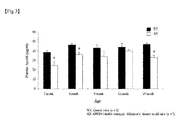
Fig. 3 is a view illustrating a numerical value of apolipoprotein M in plasma of model mice with Alzheimer's disease and of a normal control group mice; and -
Fig. 4 is a view illustrating a numerical value of apolipoprotein M in HDL fractionated from plasma of model mice with Alzheimer's disease and of a normal control group mice. - Hereinafter, the present invention will be explained in detail.
- The present invention provides a bio-marker composition for diagnosing Alzheimer's disease comprising apolipoprotein M.
- Also, the present invention provides a composition for diagnosing Alzheimer's disease comprising a formulation measuring a protein expression level of apolipoprotein M or an mRNA expression level of a gene coding apolipoprotein M.
- The term "diagnosis" used herein means confirmation of the presence or characteristics of pathological conditions. With regard to the purposes of the present invention, the diagnosis means confirmation on whether Alzheimer's disease occurs or whether Alzheimer's disease is likely to occur.
- The term "marker" used herein means a material capable of diagnosing Alzheimer's disease, and includes organic biomolecules, such as polypeptide, nucleic acids (e.g., mRNA, etc.), lipid, glycolipid, glycoprotein, sugar (monosaccharides, disaccharides, oligosaccharides, etc.) related with Alzheimer's disease. With regard to the purposes of the present invention, the marker is apolipoprotein M which is a protein whose expression is reduced in patients with Alzheimer's disease.
- The term "measurement on a protein expression level" used herein is a process of confirming the presence or expression level of apolipoprotein M, which is a protein related with Alzheimer's disease in a biological sample for diagnosing Alzheimer's disease, and is made by measuring an amount of protein. The analysis method includes western blot, enzyme linked immunosorbent assay (ELISA), radioimmunoassay (RIA), radioimmunodiffusion, Ouchterlony immunodiffusion, rocket immunoelectrophoresis, immunohistostaining, immunoprecipitation assay, complement fixation assay, fluorescence activated cell sorter (FACS), protein chip, etc., but is not limited thereto. A formulation measuring a protein expression level of the present invention is preferably an antibody.
- The term "antibody" used herein means a specific protein molecule instructed for an antigenic site. With regard to the purposes of the present invention, the antibody means an antibody which is specifically binds to apolipoprotein M, and includes all of a polyclonal antibody, a monoclonal antibody, and a recombinant antibody.
- The term "measurement on an mRNA expression level" used herein means measurement on the presence and expression level of mRNA of a gene coding apolipoprotein M, which is a protein related with Alzheimer's disease, in a biological sample for diagnosing Alzheimer's disease. The analysis method includes, for example, reverse transcription polymerase chain reaction (RT-PCR), competitive RT-PCR, realtime RT-PCR, RNase protection assay (RPA), Northern blotting, DNA chip, etc., but is not limited thereto. A formulation measuring an mRNA level of a gene according to the present invention is preferably an antisense oligonucleotide, a primer, or a probe.
- The term "antisense" used herein refers to an oligomer with a sequence of nucleotide bases and a backbone between sub-units, where an antisense oligomer is hybridized with a target sequence in RNA by the formation of Watson-Crick base pair, typically allowing the formation of mRNA and RNA: hetero-oligomer duplex. The oligomer may have an exact sequence complementarity to the target sequence or near complementarity. The antisense oligomer may block or inhibit the translation of mRNA, and change the processing procedure of mRNA to produce a splice variant of the mRNA.
- The term "primer" means a short nucleic acid sequence with short free 3' terminal hydroxyl group capable of forming a base pair with a complementary template and functioning as a starting point for template strand duplication. A primer may initiate DNA synthesis in the presence of a reagent for polymerization (i.e., DNA polymerase or reverse transcriptase) in a proper buffer solution at a proper temperature and 4 different nucleoside triphosphates.
- The term "probe" means a fragment of nucleic acid such as RNA or DNA, etc., which is ones to hundreds of bases pairs capable of specifically binding to mRNA. Since a probe is labeled, the presence of specific mRNA may be confirmed. A probe may be prepared in the form of an oligo nucleotide probe, a single-stranded DNA probe, a double stranded DNA probe, an RNA probe, etc. Selection of proper probes and hybridization conditions may be modified based on those disclosed in the related art.
- Since nucleic acid sequences of genes expressing apolipoprotein M, which is a protein related with Alzheimer's disease, are registered at a gene bank, a person skilled in the art may design an antisense oligonucleotide, a primer, or a probe which specifically amplifies a specific region of the genes based on the sequences.
- The antisense oligonucleotide, primer, or probe of the present invention may be chemically synthesized using a phosphoramidite solid substrate method, or other methods widely known in the art. These nucleic acid sequences may be modified using various means disclosed in the related field. As non-restrictive examples of the modification, there are methylation, capsulation, substitution into at least one homologue of natural nucleotide, and modification between nucleotides, for example, modification to uncharged linkages (e.g., methylphosphonate, phosphotriester, phosphoroamidate,carbamate, etc.) or charged linkages (e.g., phosphorothioate, phosphorodithioate, etc.).
- Since the expression of apolipoprotein M according to the present invention is significantly reduced in patients with Alzheimer's disease compared to normal people, apolipoprotein M may be useful for exact and rapid diagnosis on the incidence of Alzheimer's disease.
- Also, the present invention provides a kit for diagnosing Alzheimer's disease comprising the composition.
- The kit of the present invention may diagnose Alzheimer's disease by confirming a protein expression level of apolipoprotein M or an mRNA expression level of a gene coding apolipoprotein M. The kit of the present invention may further include one or more types of other component compositions, solutions or devices, as well as primers, probes, antibodies, etc. for diagnosing Alzheimer's disease. The kit may be preferably in the form of a RT-PCR kit, a microarray chip kit, a DNA chip kit, and a protein chip kit, but is not limited thereto.
- As a specific example, the kit for measuring the mRNA expression level of the gene coding apolipoprotein M may be a kit comprising essential elements necessary for performing RT-PCR. The RT-PCR kit may include test tubes or other suitable containers, reaction buffer solutions, deoxynucleotide (dNTPs), enzyme such as Taq-polymerase and reverse transcriptase, DNase and RNase inhibitors, DEPC-water, sterilized water, etc., other than each primer which is specific for marker genes.
- The kit of the present invention may also be a kit including essential elements necessary for performing a microarray. The microarray kit may include a substrate where a gene or cDNA, which is a fragment of the gene, is attached as a probe, and the substrate may include a gene of a quantitative control group or cDNA, which is a fragment of the gene. The microarray kit may be prepared using a marker of the present invention according to a manufacturing method commonly used in the related field. In order to prepare the microarray, it is preferable to use a micropipetting method using a piezoelectric manner in order to fix a DNA chip on the substrate using the searched marker as DNA molecule, or a method using a spotter in the shape of pin, etc., but is not limited thereto. The substrate of the microarray chip is preferably a chip coated with an active group selected from the group consisting of amino-silane, poly-L-lysine and aldehyde, but is not limited thereto. Also, the substrate is preferably selected from the group consisting of slide glass, plastic, metal, silicone, nylon membrane, and nitrocellulose membrane, but is not limited thereto.
- The kit of the present invention may also be a kit including essential elements necessary for performing a DNA chip. The DNA chip kit may include a substrate where a gene or cDNA, which is a fragment of the gene, or oligonucleotide is attached, a reagent, a formulation, an enzyme, etc. for preparing fluorescent probes. Also, the substrate may include a control group gene or cDNA, which is a fragment of the gene, or oligonucleotide.
- Also, the present invention provides a method for providing information for diagnosing Alzheimer's disease, which includes the following steps:
- (a) measuring a protein expression level of apolipoprotein M or an mRNA expression level of a gene coding apolipoprotein M from a biological sample;
- (b) comparing the protein expression level of apolipoprotein M or the mRNA expression level of the gene coding apolipoprotein M of the biological sample with the protein expression level of apolipoprotein M or the mRNA expression level of the gene coding apolipoprotein M of a normal sample; and
- (c) predicting or diagnosing that Alzheimer's disease occurs, when the protein expression level of apolipoprotein M or the mRNA expression level of the gene coding apolipoprotein M of the biological sample is more reduced than the protein expression level of apolipoprotein M or the mRNA expression level of the gene coding apolipoprotein M of the normal sample.
- The term "biological sample" used herein includes whole blood, serum, plasma, saliva, urine, sputum, lymph, cell, etc., which are separated from an individual, but is not limited thereto.
- A method for measuring a protein expression level according to the present invention includes western blot, enzyme linked immunosorbent assay (ELISA), radioimmunoassay (RIA), radioimmunodiffusion, Ouchterlony immunodiffusion, rocket immunoelectrophoresis, immunohistostaining, immunoprecipitation assay, complement fixation assay, fluorescence activated cell sorter (FACS), protein chip, etc., but is not limited thereto.
- A method for measuring an mRNA expression level according to the present invention includes reverse transcription polymerase chain reaction (RT-PCR), competitive RT-PCR, realtime RT-PCR, RNase protection assay (RPA), Northern blotting, DNA chip, etc., but is not limited thereto.
- Since the expression of apolipoprotein M is significantly reduced in patients with Alzheimer's disease compared to normal people, diagnosis on whether Alzheimer's disease occurs may be made exactly and rapidly.
- Hereinafter, the present invention will be explained in detail with reference to embodiments. The embodiments are simply to explain the present invention more specifically. Thus, according to the gist of invention, it would be obvious to a skilled person in the art in the related field that the scope of invention is not limited by the embodiments.
- Blood was collected from 24 patients diagnosed with Alzheimer's disease and a
normal control 10 people. Each blood sample was centrifuged at 3,000 rpm for 15 minutes to divide the blood sample into blood corpuscle and plasma, and the plasma of a supernatant was separated. A plasma sample before being used for analysis was kept at -80°C. - As model mice with Alzheimer's disease, transgenic mice overexpressing hAPP695swe (APPswe) and presenilin-1M146V (PS1) mutants were used. They are mouse lines produced by GlaxoSmithKline (Harlow, UK) with a standard technology for C57BL/6 background (Charles River, UK), and APPswe mice were backcrossed with purebred C57BL/6 background mice, and crossed with PS1 mice, to produce double heterozygote mutant mice (APP/PS1). The mice used in the experiment were 3-, 6-, 9-, 12- and 15-month-old mice. Blood was collected from model mice with Alzheimer's disease (AD) and normal control mice (WT). More specifically, mice were anesthetized, and 500 µl to 700 µl of blood was collected from the heart and was put in a heparin tube (BD Falcon). Then, each blood sample was centrifuged at 1,200 rpm for 5 minutes to separate plasma of the supernatant. A plasma sample before being used for analysis was kept at -80°C.
- 60 µl of plasma sample was put in a tube for ultracentrifugation, the same amount of PBS (Gibco) solution was added thereto to form a layer onto the plasma, and was centrifuged at 4°C, 70,000 rpm for 3 hours by using an ultracentrifuge (HITACHI cp100wx Centrifuge P70AT rotor). In the sample separated into two layers, 60 µl of the bottom layer was transferred to a new tube for ultracentrifugation, the same amount of NaBr (Sigma-Aldrich) solution (density = 1.12 g/ml) was added thereto, was mixed about five times using a pipette, and was centrifuged at 4 °C, 70,000 rpm for 18 hours by using the ultracentrifuge again. In the sample separated into two layers, HDL 60 µl of the bottom layer was transferred to a new tube, and the sample before being used for analysis was kept at -80°C.
- The amount of apolipoprotein M included in the plasma and fractionated HDL of human beings or mice and was quantified using a commercial ELISA kit (CUSABIO Human ApoM ELISA Kit and Mouse ApoM ELISA Kit). As a standard curve, a refined apolipoprotein M standard was used.
- In order to find out a correlation between apolipoprotein M in blood and Alzheimer's disease, an experiment was carried out for comparing a numerical value of apolipoprotein M in plasma and HDL fraction of patients with Alzheimer's disease obtained from Example 1 with a numerical value of a normal control group.
- Blood was collected from patients with Alzheimer's disease and from people of the normal control group, the plasma was separated by the method mentioned in Example 1-1, and then the numeral value of apolipoprotein M in the plasma was quantitatively analyzed by the method mentioned in Example 1-4. A result thereof is shown in
Fig. 1 . - As shown in
Fig. 1 , it can be confirmed that the content of apolipoprotein M in the plasma of patients with Alzheimer's disease is significantly reduced compared to that in the plasma of people of the normal control group (p < 0.05, normal control group n = 10, patients with Alzheimer's disease n = 24). - In the plasma separated from patients with Alzheimer's disease and people from a normal control group, HDL was fractionated and separated by the method mentioned in Example 1-3, and the numerical value of apolipoprotein M in the plasma was quantitatively analyzed by the method mentioned in Example 1-4. A result thereof is shown in
Fig. 2 . - As shown in
Fig. 2 , it can be confirmed that the numerical value of apolipoprotein M in HDL fraction of patients with Alzheimer's disease is significantly reduced compared to that in HDL of people of the normal control group (p = 0.052, n = 10). - In order to re-verify a correlation between apolipoprotein M in blood and Alzheimer's disease in model mice with Alzheimer's disease according to time, an experiment was carried out for comparing the numerical value of apolipoprotein M in the plasma and HDL fraction of model mice with Alzheimer's disease with that of mice of the normal control group.
- Blood was collected from 3-, 6-, 9-, 12- and 15-month-old model mice with Alzheimer's disease (AD) and mice from a normal control group (WT), plasma was separated by the method mentioned in Example 1-3, and then the numerical value of apolipoprotein M in plasma was quantitatively analyzed by the method mentioned in Example 1-4. A result thereof is shown in
Fig. 3 . - As shown in
Fig. 3 , it can be confirmed that the numerical value of apolipoprotein M in the plasma of model mice with Alzheimer's disease according to time is significantly reduced compared to that in the plasma of mice of the normal control group (* p < 0.05, n = 3). - In the plasma of 9-month-old model mice with Alzheimer's disease and mice of the normal control group, HDL was fractionated and separated by the method mentioned in Example 1-3, and the numerical value of apolipoprotein M in the plasma was quantitatively analyzed by the method mentioned in Example 1-4. A result thereof is shown in
Fig. 4 . - As shown in
Fig. 4 , it can be confirmed that the content of apolipoprotein M in HDL fraction of model mice with Alzheimer's disease is significantly reduced compared to that in HDL of mice of the normal control group (p < 0.05, mice of the normal control group n = 5, model mice with Alzheimer's disease n = 7).
Claims (11)
- A bio-marker composition for diagnosing Alzheimer's disease comprising apolipoprotein M.
- The composition of claim 1, wherein an expression level of the apolipoprotein M in a sample with Alzheimer's disease is more reduced than an expression levelof the apolipoprotein M in a normal sample.
- A composition for diagnosing Alzheimer's disease, comprising a formulation measuring a protein expression level of apolipoprotein M or an mRNA expression level of a gene coding apolipoprotein M.
- The composition of claim 3, wherein the formulation measuring the protein expression level is an antibody specific for apolipoprotein M.
- The composition of claim 3, wherein the formulation measuring the mRNA expression level is at least one selected from the group consisting of an antisense oligonucleotide, a primer, and a probe which specifically bind to a gene of apolipoprotein M.
- A kit for diagnosing Alzheimer's disease comprising the composition of any one of claims 3 to 5.
- The kit of claim 6, wherein the kit is at least one selected from the group consisting of a reverse transcription polymerase chain reaction (RT-PCR) kit, a microarray chip kit, a DNA kit, and a protein chip kit.
- A method for providing information for diagnosing Alzheimer's disease, the method comprising:(a) measuring a protein expression level of apolipoprotein M or an mRNA expression level of a gene coding apolipoprotein M from a biological sample;(b) comparing the protein expression level of apolipoprotein M or the mRNA expression level of the gene coding apolipoprotein M of the biological sample with the protein expression level of apolipoprotein M or the mRNA expression level of the gene coding apolipoprotein M of a normal sample; and(c) predicting or diagnosing that Alzheimer's disease occurs, when the protein expression level of apolipoprotein M or the mRNA expression level of the gene coding apolipoprotein M of the biological sample is more reduced than the protein expression level of apolipoprotein M or the mRNA expression level of the gene coding apolipoprotein M of the normal sample.
- The method of claim 8, wherein the biological sample in the step (a) is at least one selected from the group consisting of whole blood, serum, plasma, saliva, urine, sputum, lymph, and cell, which are separated from an individual.
- The method of claim 8, wherein the method for measuring the protein expression level in the step (a) is at least one selected from the group consisting of western blot, enzyme linked immunosorbent assay (ELISA), radioimmunoassay (RIA), radioimmunodiffusion, Ouchterlony immunodiffusion, rocket immunoelectrophoresis, immunohistostaining, immunoprecipitation assay, complement fixation assay, fluorescence activated cell sorter (FACS), and protein chip.
- The method of claim 8, wherein the method for measuring the mRNA expression level in the step (a) is at least one selected from the group consisting of reverse transcription polymerase chain reaction (RT-PCR), competitive RT-PCR, realtime RT-PCR, RNase protection assay (RPA), Northern blotting, and DNA chip.
Applications Claiming Priority (2)
| Application Number | Priority Date | Filing Date | Title |
|---|---|---|---|
| KR20130052019A KR101509641B1 (en) | 2013-05-08 | 2013-05-08 | Marker composition comprising apolipoprotein M for diagnosing Alzheimer's disease |
| PCT/KR2014/004058 WO2014182072A1 (en) | 2013-05-08 | 2014-05-08 | Diagnostic marker composition comprising apolipoprotein m for alzheimer's disease |
Publications (3)
| Publication Number | Publication Date |
|---|---|
| EP2995956A1 true EP2995956A1 (en) | 2016-03-16 |
| EP2995956A4 EP2995956A4 (en) | 2016-10-05 |
| EP2995956B1 EP2995956B1 (en) | 2017-11-15 |
Family
ID=51867483
Family Applications (1)
| Application Number | Title | Priority Date | Filing Date |
|---|---|---|---|
| EP14794106.6A Active EP2995956B1 (en) | 2013-05-08 | 2014-05-08 | Use of a diagnostic marker composition comprising apolipoprotein m for diagnosing alzheimer's disease |
Country Status (3)
| Country | Link |
|---|---|
| EP (1) | EP2995956B1 (en) |
| KR (1) | KR101509641B1 (en) |
| WO (1) | WO2014182072A1 (en) |
Cited By (1)
| Publication number | Priority date | Publication date | Assignee | Title |
|---|---|---|---|---|
| EP3981887A4 (en) * | 2019-06-10 | 2023-11-08 | Industry-Academic Cooperation Foundation, Yonsei University | BIOMARRKERS FOR DIAGNOSING DISEASES OF THE CEREBRAL NERVOUS SYSTEM |
Family Cites Families (4)
| Publication number | Priority date | Publication date | Assignee | Title |
|---|---|---|---|---|
| JP4153873B2 (en) * | 2001-10-04 | 2008-09-24 | 株式会社 免疫生物研究所 | Alzheimer risk factor detection reagent, detection kit, and Alzheimer risk factor detection method using the same |
| US20030113808A1 (en) | 2001-12-13 | 2003-06-19 | George Jackowski | Apolipoprotein biopolymer markers predictive of alzheimers disease |
| JP2009531712A (en) * | 2006-03-23 | 2009-09-03 | デ グスマン ブレイヤー、エメリタ | Apolipoprotein fingerprint technology |
| US20130023428A1 (en) | 2009-09-03 | 2013-01-24 | Claudius Mueller | Biomarkers for neurological conditions |
-
2013
- 2013-05-08 KR KR20130052019A patent/KR101509641B1/en active Active
-
2014
- 2014-05-08 EP EP14794106.6A patent/EP2995956B1/en active Active
- 2014-05-08 WO PCT/KR2014/004058 patent/WO2014182072A1/en not_active Ceased
Cited By (1)
| Publication number | Priority date | Publication date | Assignee | Title |
|---|---|---|---|---|
| EP3981887A4 (en) * | 2019-06-10 | 2023-11-08 | Industry-Academic Cooperation Foundation, Yonsei University | BIOMARRKERS FOR DIAGNOSING DISEASES OF THE CEREBRAL NERVOUS SYSTEM |
Also Published As
| Publication number | Publication date |
|---|---|
| EP2995956A4 (en) | 2016-10-05 |
| WO2014182072A1 (en) | 2014-11-13 |
| KR101509641B1 (en) | 2015-04-06 |
| KR20140132599A (en) | 2014-11-18 |
| EP2995956B1 (en) | 2017-11-15 |
Similar Documents
| Publication | Publication Date | Title |
|---|---|---|
| KR101538787B1 (en) | Biomarker composition for diagnosing pancreatitis | |
| KR100999261B1 (en) | Anti-aging Screening Method for Female Skin Caused by Female Hormone Deficiency | |
| US11591655B2 (en) | Diagnostic transcriptomic biomarkers in inflammatory cardiomyopathies | |
| KR101618950B1 (en) | Composition for screening skin irritant and method for screening skin irritant using the same | |
| JP7235508B2 (en) | Method for Predicting Cancer Susceptibility to Treatment with PD-1 Immune Checkpoint Inhibitors | |
| KR20200002241A (en) | Biomarker microRNA-26b or microRNA-4449 for diagnosing obesity and use thereof | |
| KR101657051B1 (en) | Marker composition for diagnosis of chronic obstructive pulmonary disease | |
| US20120108650A1 (en) | Micro rna markers and methods related thereto | |
| EP2995956B1 (en) | Use of a diagnostic marker composition comprising apolipoprotein m for diagnosing alzheimer's disease | |
| KR20230028619A (en) | Biomarker for diagnosing atopic dermatitis and use thereof | |
| KR101895767B1 (en) | A biomarker composition for diagnosis of atherosclerosis | |
| KR101587869B1 (en) | Biomarker for sensitive skin diagnosis and diagnostic kit using the same | |
| CN108034707B (en) | SPAG7 gene is preparing the application in diagnosis of dementia preparation | |
| KR102349630B1 (en) | Use of Eef1a1 for Diagnosis of Alzheimer's Disease | |
| KR102078500B1 (en) | Composition for diagnosing Alzheimer's disease | |
| KR102072772B1 (en) | Peripheral neuropathy biomarkers for subtype diagnosis | |
| CN107937515A (en) | A kind of diagnosis and treatment gene target of Alzheimer and its application | |
| CN109182513B (en) | Application of biomarker SCFD2 in Alzheimer's disease treatment | |
| KR20170087670A (en) | Use of SIGLEC5 as a marker for the diagnosis of Sjogren's syndrome | |
| KR102256859B1 (en) | Composition for diagnosing Alzheimer's disease | |
| KR101568731B1 (en) | Marker composition for diagnosis of chronic obstructive pulmonary disease | |
| KR101543186B1 (en) | Biomarker for prediction of sensitive skin and test kit using the same | |
| KR20150131556A (en) | MicroRNA-337 for the diagnosis and treatment of muscle aging | |
| KR102202120B1 (en) | Use of Ube2h for Diagnosis or Treatment of Alzheimer's Disease | |
| KR20180099123A (en) | Biomarker for predicting resistance to anticancer agent |
Legal Events
| Date | Code | Title | Description |
|---|---|---|---|
| PUAI | Public reference made under article 153(3) epc to a published international application that has entered the european phase |
Free format text: ORIGINAL CODE: 0009012 |
|
| 17P | Request for examination filed |
Effective date: 20151104 |
|
| AK | Designated contracting states |
Kind code of ref document: A1 Designated state(s): AL AT BE BG CH CY CZ DE DK EE ES FI FR GB GR HR HU IE IS IT LI LT LU LV MC MK MT NL NO PL PT RO RS SE SI SK SM TR |
|
| AX | Request for extension of the european patent |
Extension state: BA ME |
|
| DAX | Request for extension of the european patent (deleted) | ||
| A4 | Supplementary search report drawn up and despatched |
Effective date: 20160901 |
|
| RIC1 | Information provided on ipc code assigned before grant |
Ipc: G01N 33/92 20060101ALI20160826BHEP Ipc: C12Q 1/68 20060101ALI20160826BHEP Ipc: G01N 33/68 20060101AFI20160826BHEP |
|
| 17Q | First examination report despatched |
Effective date: 20170412 |
|
| GRAP | Despatch of communication of intention to grant a patent |
Free format text: ORIGINAL CODE: EPIDOSNIGR1 |
|
| INTG | Intention to grant announced |
Effective date: 20170814 |
|
| GRAS | Grant fee paid |
Free format text: ORIGINAL CODE: EPIDOSNIGR3 |
|
| GRAA | (expected) grant |
Free format text: ORIGINAL CODE: 0009210 |
|
| AK | Designated contracting states |
Kind code of ref document: B1 Designated state(s): AL AT BE BG CH CY CZ DE DK EE ES FI FR GB GR HR HU IE IS IT LI LT LU LV MC MK MT NL NO PL PT RO RS SE SI SK SM TR |
|
| REG | Reference to a national code |
Ref country code: CH Ref legal event code: EP Ref country code: GB Ref legal event code: FG4D Ref country code: AT Ref legal event code: REF Ref document number: 946795 Country of ref document: AT Kind code of ref document: T Effective date: 20171115 |
|
| REG | Reference to a national code |
Ref country code: IE Ref legal event code: FG4D |
|
| REG | Reference to a national code |
Ref country code: DE Ref legal event code: R096 Ref document number: 602014017346 Country of ref document: DE |
|
| REG | Reference to a national code |
Ref country code: CH Ref legal event code: NV Representative=s name: PHARMA CONCEPTS GMBH, CH |
|
| REG | Reference to a national code |
Ref country code: NL Ref legal event code: MP Effective date: 20171115 |
|
| REG | Reference to a national code |
Ref country code: LT Ref legal event code: MG4D |
|
| REG | Reference to a national code |
Ref country code: AT Ref legal event code: MK05 Ref document number: 946795 Country of ref document: AT Kind code of ref document: T Effective date: 20171115 |
|
| PG25 | Lapsed in a contracting state [announced via postgrant information from national office to epo] |
Ref country code: NL Free format text: LAPSE BECAUSE OF FAILURE TO SUBMIT A TRANSLATION OF THE DESCRIPTION OR TO PAY THE FEE WITHIN THE PRESCRIBED TIME-LIMIT Effective date: 20171115 Ref country code: FI Free format text: LAPSE BECAUSE OF FAILURE TO SUBMIT A TRANSLATION OF THE DESCRIPTION OR TO PAY THE FEE WITHIN THE PRESCRIBED TIME-LIMIT Effective date: 20171115 Ref country code: SE Free format text: LAPSE BECAUSE OF FAILURE TO SUBMIT A TRANSLATION OF THE DESCRIPTION OR TO PAY THE FEE WITHIN THE PRESCRIBED TIME-LIMIT Effective date: 20171115 Ref country code: ES Free format text: LAPSE BECAUSE OF FAILURE TO SUBMIT A TRANSLATION OF THE DESCRIPTION OR TO PAY THE FEE WITHIN THE PRESCRIBED TIME-LIMIT Effective date: 20171115 Ref country code: NO Free format text: LAPSE BECAUSE OF FAILURE TO SUBMIT A TRANSLATION OF THE DESCRIPTION OR TO PAY THE FEE WITHIN THE PRESCRIBED TIME-LIMIT Effective date: 20180215 Ref country code: LT Free format text: LAPSE BECAUSE OF FAILURE TO SUBMIT A TRANSLATION OF THE DESCRIPTION OR TO PAY THE FEE WITHIN THE PRESCRIBED TIME-LIMIT Effective date: 20171115 |
|
| REG | Reference to a national code |
Ref country code: FR Ref legal event code: PLFP Year of fee payment: 5 |
|
| PG25 | Lapsed in a contracting state [announced via postgrant information from national office to epo] |
Ref country code: LV Free format text: LAPSE BECAUSE OF FAILURE TO SUBMIT A TRANSLATION OF THE DESCRIPTION OR TO PAY THE FEE WITHIN THE PRESCRIBED TIME-LIMIT Effective date: 20171115 Ref country code: GR Free format text: LAPSE BECAUSE OF FAILURE TO SUBMIT A TRANSLATION OF THE DESCRIPTION OR TO PAY THE FEE WITHIN THE PRESCRIBED TIME-LIMIT Effective date: 20180216 Ref country code: BG Free format text: LAPSE BECAUSE OF FAILURE TO SUBMIT A TRANSLATION OF THE DESCRIPTION OR TO PAY THE FEE WITHIN THE PRESCRIBED TIME-LIMIT Effective date: 20180215 Ref country code: AT Free format text: LAPSE BECAUSE OF FAILURE TO SUBMIT A TRANSLATION OF THE DESCRIPTION OR TO PAY THE FEE WITHIN THE PRESCRIBED TIME-LIMIT Effective date: 20171115 Ref country code: RS Free format text: LAPSE BECAUSE OF FAILURE TO SUBMIT A TRANSLATION OF THE DESCRIPTION OR TO PAY THE FEE WITHIN THE PRESCRIBED TIME-LIMIT Effective date: 20171115 Ref country code: HR Free format text: LAPSE BECAUSE OF FAILURE TO SUBMIT A TRANSLATION OF THE DESCRIPTION OR TO PAY THE FEE WITHIN THE PRESCRIBED TIME-LIMIT Effective date: 20171115 |
|
| PG25 | Lapsed in a contracting state [announced via postgrant information from national office to epo] |
Ref country code: SK Free format text: LAPSE BECAUSE OF FAILURE TO SUBMIT A TRANSLATION OF THE DESCRIPTION OR TO PAY THE FEE WITHIN THE PRESCRIBED TIME-LIMIT Effective date: 20171115 Ref country code: DK Free format text: LAPSE BECAUSE OF FAILURE TO SUBMIT A TRANSLATION OF THE DESCRIPTION OR TO PAY THE FEE WITHIN THE PRESCRIBED TIME-LIMIT Effective date: 20171115 Ref country code: EE Free format text: LAPSE BECAUSE OF FAILURE TO SUBMIT A TRANSLATION OF THE DESCRIPTION OR TO PAY THE FEE WITHIN THE PRESCRIBED TIME-LIMIT Effective date: 20171115 Ref country code: CY Free format text: LAPSE BECAUSE OF FAILURE TO SUBMIT A TRANSLATION OF THE DESCRIPTION OR TO PAY THE FEE WITHIN THE PRESCRIBED TIME-LIMIT Effective date: 20171115 Ref country code: CZ Free format text: LAPSE BECAUSE OF FAILURE TO SUBMIT A TRANSLATION OF THE DESCRIPTION OR TO PAY THE FEE WITHIN THE PRESCRIBED TIME-LIMIT Effective date: 20171115 |
|
| REG | Reference to a national code |
Ref country code: DE Ref legal event code: R097 Ref document number: 602014017346 Country of ref document: DE |
|
| PG25 | Lapsed in a contracting state [announced via postgrant information from national office to epo] |
Ref country code: IT Free format text: LAPSE BECAUSE OF FAILURE TO SUBMIT A TRANSLATION OF THE DESCRIPTION OR TO PAY THE FEE WITHIN THE PRESCRIBED TIME-LIMIT Effective date: 20171115 Ref country code: SM Free format text: LAPSE BECAUSE OF FAILURE TO SUBMIT A TRANSLATION OF THE DESCRIPTION OR TO PAY THE FEE WITHIN THE PRESCRIBED TIME-LIMIT Effective date: 20171115 Ref country code: PL Free format text: LAPSE BECAUSE OF FAILURE TO SUBMIT A TRANSLATION OF THE DESCRIPTION OR TO PAY THE FEE WITHIN THE PRESCRIBED TIME-LIMIT Effective date: 20171115 Ref country code: RO Free format text: LAPSE BECAUSE OF FAILURE TO SUBMIT A TRANSLATION OF THE DESCRIPTION OR TO PAY THE FEE WITHIN THE PRESCRIBED TIME-LIMIT Effective date: 20171115 |
|
| PLBE | No opposition filed within time limit |
Free format text: ORIGINAL CODE: 0009261 |
|
| STAA | Information on the status of an ep patent application or granted ep patent |
Free format text: STATUS: NO OPPOSITION FILED WITHIN TIME LIMIT |
|
| 26N | No opposition filed |
Effective date: 20180817 |
|
| PG25 | Lapsed in a contracting state [announced via postgrant information from national office to epo] |
Ref country code: SI Free format text: LAPSE BECAUSE OF FAILURE TO SUBMIT A TRANSLATION OF THE DESCRIPTION OR TO PAY THE FEE WITHIN THE PRESCRIBED TIME-LIMIT Effective date: 20171115 |
|
| REG | Reference to a national code |
Ref country code: BE Ref legal event code: MM Effective date: 20180531 |
|
| PG25 | Lapsed in a contracting state [announced via postgrant information from national office to epo] |
Ref country code: MC Free format text: LAPSE BECAUSE OF FAILURE TO SUBMIT A TRANSLATION OF THE DESCRIPTION OR TO PAY THE FEE WITHIN THE PRESCRIBED TIME-LIMIT Effective date: 20171115 |
|
| REG | Reference to a national code |
Ref country code: CH Ref legal event code: PFA Owner name: KYUNGPOOK NATIONAL UNIVERSITY INDUSTRY-ACADEMI, KR Free format text: FORMER OWNER: KYUNGPOOK NATIONAL UNIVERSITY INDUSTRY-ACADEMIC COOPERATION FOUNDATION, KR |
|
| REG | Reference to a national code |
Ref country code: IE Ref legal event code: MM4A |
|
| PG25 | Lapsed in a contracting state [announced via postgrant information from national office to epo] |
Ref country code: LU Free format text: LAPSE BECAUSE OF NON-PAYMENT OF DUE FEES Effective date: 20180508 |
|
| PG25 | Lapsed in a contracting state [announced via postgrant information from national office to epo] |
Ref country code: IE Free format text: LAPSE BECAUSE OF NON-PAYMENT OF DUE FEES Effective date: 20180508 |
|
| PG25 | Lapsed in a contracting state [announced via postgrant information from national office to epo] |
Ref country code: BE Free format text: LAPSE BECAUSE OF NON-PAYMENT OF DUE FEES Effective date: 20180531 |
|
| PG25 | Lapsed in a contracting state [announced via postgrant information from national office to epo] |
Ref country code: MT Free format text: LAPSE BECAUSE OF NON-PAYMENT OF DUE FEES Effective date: 20180508 |
|
| PG25 | Lapsed in a contracting state [announced via postgrant information from national office to epo] |
Ref country code: TR Free format text: LAPSE BECAUSE OF FAILURE TO SUBMIT A TRANSLATION OF THE DESCRIPTION OR TO PAY THE FEE WITHIN THE PRESCRIBED TIME-LIMIT Effective date: 20171115 |
|
| PG25 | Lapsed in a contracting state [announced via postgrant information from national office to epo] |
Ref country code: PT Free format text: LAPSE BECAUSE OF FAILURE TO SUBMIT A TRANSLATION OF THE DESCRIPTION OR TO PAY THE FEE WITHIN THE PRESCRIBED TIME-LIMIT Effective date: 20171115 |
|
| PG25 | Lapsed in a contracting state [announced via postgrant information from national office to epo] |
Ref country code: MK Free format text: LAPSE BECAUSE OF NON-PAYMENT OF DUE FEES Effective date: 20171115 Ref country code: HU Free format text: LAPSE BECAUSE OF FAILURE TO SUBMIT A TRANSLATION OF THE DESCRIPTION OR TO PAY THE FEE WITHIN THE PRESCRIBED TIME-LIMIT; INVALID AB INITIO Effective date: 20140508 |
|
| PG25 | Lapsed in a contracting state [announced via postgrant information from national office to epo] |
Ref country code: AL Free format text: LAPSE BECAUSE OF FAILURE TO SUBMIT A TRANSLATION OF THE DESCRIPTION OR TO PAY THE FEE WITHIN THE PRESCRIBED TIME-LIMIT Effective date: 20171115 Ref country code: IS Free format text: LAPSE BECAUSE OF FAILURE TO SUBMIT A TRANSLATION OF THE DESCRIPTION OR TO PAY THE FEE WITHIN THE PRESCRIBED TIME-LIMIT Effective date: 20180315 |
|
| P01 | Opt-out of the competence of the unified patent court (upc) registered |
Effective date: 20230427 |
|
| PGFP | Annual fee paid to national office [announced via postgrant information from national office to epo] |
Ref country code: DE Payment date: 20250528 Year of fee payment: 12 |
|
| PGFP | Annual fee paid to national office [announced via postgrant information from national office to epo] |
Ref country code: CH Payment date: 20250601 Year of fee payment: 12 |
|
| PGFP | Annual fee paid to national office [announced via postgrant information from national office to epo] |
Ref country code: GB Payment date: 20260323 Year of fee payment: 13 |
|
| PGFP | Annual fee paid to national office [announced via postgrant information from national office to epo] |
Ref country code: FR Payment date: 20260323 Year of fee payment: 13 |