EP2994482B1 - Taste receptor internalization assay - Google Patents
Taste receptor internalization assay Download PDFInfo
- Publication number
- EP2994482B1 EP2994482B1 EP14794217.1A EP14794217A EP2994482B1 EP 2994482 B1 EP2994482 B1 EP 2994482B1 EP 14794217 A EP14794217 A EP 14794217A EP 2994482 B1 EP2994482 B1 EP 2994482B1
- Authority
- EP
- European Patent Office
- Prior art keywords
- nci
- taste receptor
- snu
- cells
- internalization
- Prior art date
- Legal status (The legal status is an assumption and is not a legal conclusion. Google has not performed a legal analysis and makes no representation as to the accuracy of the status listed.)
- Active
Links
Images




Classifications
-
- G—PHYSICS
- G01—MEASURING; TESTING
- G01N—INVESTIGATING OR ANALYSING MATERIALS BY DETERMINING THEIR CHEMICAL OR PHYSICAL PROPERTIES
- G01N33/00—Investigating or analysing materials by specific methods not covered by groups G01N1/00 - G01N31/00
- G01N33/48—Biological material, e.g. blood, urine; Haemocytometers
- G01N33/50—Chemical analysis of biological material, e.g. blood, urine; Testing involving biospecific ligand binding methods; Immunological testing
- G01N33/53—Immunoassay; Biospecific binding assay; Materials therefor
- G01N33/566—Immunoassay; Biospecific binding assay; Materials therefor using specific carrier or receptor proteins as ligand binding reagents where possible specific carrier or receptor proteins are classified with their target compounds
-
- C—CHEMISTRY; METALLURGY
- C07—ORGANIC CHEMISTRY
- C07K—PEPTIDES
- C07K14/00—Peptides having more than 20 amino acids; Gastrins; Somatostatins; Melanotropins; Derivatives thereof
- C07K14/435—Peptides having more than 20 amino acids; Gastrins; Somatostatins; Melanotropins; Derivatives thereof from animals; from humans
- C07K14/705—Receptors; Cell surface antigens; Cell surface determinants
-
- G—PHYSICS
- G01—MEASURING; TESTING
- G01N—INVESTIGATING OR ANALYSING MATERIALS BY DETERMINING THEIR CHEMICAL OR PHYSICAL PROPERTIES
- G01N33/00—Investigating or analysing materials by specific methods not covered by groups G01N1/00 - G01N31/00
- G01N33/15—Medicinal preparations ; Physical properties thereof, e.g. dissolubility
-
- G—PHYSICS
- G01—MEASURING; TESTING
- G01N—INVESTIGATING OR ANALYSING MATERIALS BY DETERMINING THEIR CHEMICAL OR PHYSICAL PROPERTIES
- G01N33/00—Investigating or analysing materials by specific methods not covered by groups G01N1/00 - G01N31/00
- G01N33/48—Biological material, e.g. blood, urine; Haemocytometers
- G01N33/50—Chemical analysis of biological material, e.g. blood, urine; Testing involving biospecific ligand binding methods; Immunological testing
- G01N33/53—Immunoassay; Biospecific binding assay; Materials therefor
-
- G—PHYSICS
- G01—MEASURING; TESTING
- G01N—INVESTIGATING OR ANALYSING MATERIALS BY DETERMINING THEIR CHEMICAL OR PHYSICAL PROPERTIES
- G01N2500/00—Screening for compounds of potential therapeutic value
- G01N2500/10—Screening for compounds of potential therapeutic value involving cells
Definitions
- This disclosure relates generally to assays useful for identifying taste receptor modulators.
- US 6759206 discloses systems, methods and screens to measure receptor internalization in a single step with appropriate automation and throughput.
- This disclosure provides an assay for measuring taste receptor internalization.
- This assay described in the specific examples, below, and shown schematically in FIG. 1 , is very robust and accurately quantifies both T2R14 (a bitter receptor) and T1R2 (sweet taste receptor) localization, the assay can be used to identify sweet molecules as well as bitter blockers, and is particularly well-suited to use in high-throughput assays.
- the internalization assay disclosed herein also called a "ring assay,” detects localization of receptors using antibodies specific for the receptors.
- a first detectable label specific for nucleic acid (e.g ., DAPI, Hoechst 33342, DRAQ5, DRAQ7, DRAQ9), is used to label cell nuclei; this labeling provides information such as the number of cells in a field and differentiates between the nuclear ( e.g ., DAPI-positive) and cytoplasmic (e.g ., DAPI-negative) compartments.
- Antibodies which specifically bind to a taste receptor are used in conjunction with secondary antibodies conjugated with a second detectable label which can be differentiated from the first detectable label (e.g ., FITC, TRITC, Cy3, Cy5, Alexa 350, 488, 546, 555, 568, 594, 633, 647). Diffuse circle staining is observed in the absence of a stimulus (e.g., in the presence of buffer alone). In the presence of a stimulus, however, a "ring" of internalized receptors is visualized. In some embodiments, ring-positive cells are calculated by correlation coefficient for pixel values of the nuclear and receptor signals. The extent of internalization can be expressed as percentage (mean ⁇ SD) of cells showing a continuous ring staining from multiple (e.g., quadruplicate) data points.
- the ring assay is used to detect internalization of e.g ., T1R2, T1R3, or GLUT4.
- Co-expression of T1R2 and T1R3 results in a taste receptor that responds to sweet taste stimuli, including naturally occurring and artificial sweeteners.
- Sweet ligands bind to the T1R2/T1R3 receptor and activate G-protein pathway transduction, which includes receptor internalization and intracellular calcium mobilization, as well as induction of down-stream targets such as the phosphorylation of ERK1/2.
- Sweet taste receptors are described, for example, in U.S. Patent 7,402,400 .
- Antibodies which specifically bind to sweet taste receptors are commercially available or can be generated using methods well known in the art.
- the ring assay is used to detect internalization of a bitter receptor, such as, e.g., T2R1, T2R3, T2R4, T2R5,T2R7, T2R8,T2R9, T2R10,T2R13, T2R14,T2R16, T2R38,T2R39, T2R40,T2R41, T2R42,T2R43, T2R44 (T2R31), T2R45, T2R46,T2R47 (T2R30), T2R48 (T2R19), T2R49 (T2R20), T2R50, and T2R60.
- a bitter receptor such as, e.g., T2R1, T2R3, T2R4, T2R5,T2R7, T2R8,T2R9, T2R10,T2R13, T2R14,T2R16, T2R38,T2R39, T2R40,T2R41, T2
- T2R14 and other bitter receptors results in a taste receptor that responds to bitter taste stimuli, including bitter aspects of naturally occurring and artificial sweeteners.
- Bitter ligands bind to bitter receptors and activate G-protein pathway transduction, which includes receptor internalization and intracellular calcium mobilization, as well as induction of down-stream targets.
- Bitter taste receptors are described, for example, in U.S. Patent 7,022,488 .
- Antibodies which specifically bind to bitter receptors are commercially available or can be generated using methods well known in the art.
- Test compounds can be naturally occurring or synthetically produced. Proteins, polypeptides, peptides, polysaccharides, and small molecules are examples of test compounds that can be screened using methods disclosed herein.
- NCI-H716 cells are used (ATCC catalog # CCL-251). These cells express the bitter receptors T2R1, T2R3, T2R4, T2R5,T2R7, T2R8,T2R9, T2R10,T2R13, T2R14,T2R16, T2R38,T2R39, T2R40,T2R41, T2R42,T2R43, T2R44 (T2R31), T2R45, T2R46,T2R47 (T2R30), T2R48 (T2R19), T2R49 (T2R20), T2R50, and T2R60, the sweet receptor T1R2/T1R3, ⁇ -gustducin, and the glucose transporter GLUT4.
- T2R14 T1R2/T1R3 ⁇ -gustducin
- GLUT4 is described, inter alia , in U.S. Patent 7,799,538 and references cited therein. See U.S. Patent 8,338,115 and references cited therein and Adler et al., Cell 100, 693-702, 2000 for descriptions of ⁇ -gustducin.
- cells that can be used in the disclosed assay include, but are not limited to, 1A2, ARH-77, RWPE-1, WI-38, EJM, NCI-H1155, L-1236, NCI-H526, JM1, SHP-77, SNU-878, NCI-H2196, C3A, CA46, SNU-466, KS-1, SNU-738, MOLP-2, HDLM-2, Pfeiffer, HCC-15, Alexander cells, L-540, KMS-12-BM, JK-1, NCI-H1092, SW 1990, NCI-H1184, SU-DHL-1, Hep 3B2.1-7, P3HR-1, NCI-H2029, SU-DHL-5, SNU-1, MOLP-8, SUP-M2, MONO-MAC-1, SNU-1040, KYM-1, HEC-59, HCC1569, OCI-LY3, Hs 819.T, DU4475, CI-1, S-117, OVCAR-8, SNU-626, HL-60
- NCI-H716 cells are used to detect cellular responses to potential bitter blockers.
- NCI-H716 cells are contacted with a test compound. Internalization of a bitter receptor in the presence of the test compound indicates the test compound is a potential bitter taste modulator.
- Bitter taste modulators can be included in various consumables, including foods, beverages, and pharmaceuticals.
- NCI-H716 cells are used to detect cellular responses to sweet tastants (e.g., molecules which themselves evoke a sweet taste or which enhance a sweet taste). NCI-H716 cells are contacted with a test compound. Internalization of T1R2 indicates the test compound is a sweet molecule. Sweet molecules can be included in various consumables, including foods, beverages, and pharmaceuticals.
- sweet tastants e.g., molecules which themselves evoke a sweet taste or which enhance a sweet taste.
- NCI-H716 cell were grown in RPMI1690 media supplemented with 10% fetal bovine serum. Cells were seeded at density of 20,000 cells/well on PDL-coated 384-well plates. Rabbit anti-T2R14 antibodies and rabbit anti-T1R2 antibodies were from ThermoFisher. Alexa 488-conjugated antibodies and Hoechst 33342 were from Life Technology.
- NCI-H716 cells were stimulated with RebA (Purecircle) at 10 mM for indicating time points at 37°C. The cells were then fixed and processed for indirect immunofluorescence with antibodies against bitter receptor T2R14. All images were acquired with a 20x objective using ImageXpress Micro automated microscope. Hoechst 33342 staining is pseudo-colored blue and antibody specific staining is pseudo-colored green. Overlaid images indicate diffuse circle staining upon treatment with buffer; treatment of NCI-H716 cells with Reb A resulted in "Ring"-staining. "Ring"-positive cells were calculated by correlation coefficient for pixel values of the Hoechst 33342 (nuclear) and FITC (T2R14) signals. The extent of internalization is expressed as the percentage (means ⁇ S.D.) of cells showing a continuous "Ring" staining from quadruplicate data points. Recycling of T2R14 receptor correlates with decreased number of "Ring"-positive cells.
- T1R2 internalization increased after stimulation with D-glucose, D-fructose, sucrose, sucralose, aspartame, and Ace-K, whereas T1R2 internalization process was not observed upon treatment with saccharine ( FIG. 3B ).
- T1R2 recycled back to the cell membrane very quickly upon treatment with monosaccharaides, D-glucose and D-fructose, whereas slow T1R2-recycling was observed with the disaccharide sucrose and its analog sucralose ( FIG. 3B ).
- glucose transporter GLUT4 Entrez Gene # 6517
- GLUT4 is expressed preferentially in T1R3-positive taste cells and GLUT4 internalization is a key mechanism for the regulation of glucose uptake in the absence of insulin.
- NCI-H716 cells express endogenous GLUT4 (Oncomine database), which may mediate the observed Ca (2+) response in these cell lines.
- GLUT4 is the common receptor for artificial sweeteners. Saccharin activates Ca (2+) response via GLUT4 only, whereas Ace-K and aspartame target both T1R2/T1R3 and GLUT4 pathways.
Landscapes
- Health & Medical Sciences (AREA)
- Life Sciences & Earth Sciences (AREA)
- Chemical & Material Sciences (AREA)
- Immunology (AREA)
- Engineering & Computer Science (AREA)
- Molecular Biology (AREA)
- Biochemistry (AREA)
- General Health & Medical Sciences (AREA)
- Medicinal Chemistry (AREA)
- Urology & Nephrology (AREA)
- Hematology (AREA)
- Biomedical Technology (AREA)
- Cell Biology (AREA)
- Organic Chemistry (AREA)
- General Physics & Mathematics (AREA)
- Food Science & Technology (AREA)
- Pathology (AREA)
- Analytical Chemistry (AREA)
- Physics & Mathematics (AREA)
- Biophysics (AREA)
- Microbiology (AREA)
- Biotechnology (AREA)
- Zoology (AREA)
- Proteomics, Peptides & Aminoacids (AREA)
- Genetics & Genomics (AREA)
- Gastroenterology & Hepatology (AREA)
- Toxicology (AREA)
- Bioinformatics & Cheminformatics (AREA)
- Pharmacology & Pharmacy (AREA)
- Measuring Or Testing Involving Enzymes Or Micro-Organisms (AREA)
- Peptides Or Proteins (AREA)
- Investigating Or Analysing Biological Materials (AREA)
Description
- This disclosure relates generally to assays useful for identifying taste receptor modulators.
-
US 6759206 discloses systems, methods and screens to measure receptor internalization in a single step with appropriate automation and throughput. -
-
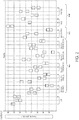
FIG. 1 . Reb A treatment induces T2R14 internalization ("Ring" assay) in NCI-H716 cells. Immunofluorescence staining of T2R14 (ThermoFisher) in NCI-H716 cells. -
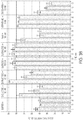
FIG. 2 . Percentage of "Ring"-positive cells upon treatment with RebA (means ± SD). -
FIGS. 3A-B . Ring-formation assay, T1R2 internalization.FIG. 3A , Immunofluorescence staining of T1R2 (ThermoFisher) in NCI-H716 cells.FIG. 3B , Percentage of "Ring"-positive cells (means ± SD). Recycling of T1R2 receptor correlates with decreased number of "Ring"-positive cells. -
FIGS. 4A-B . GLUT4 is a common receptor for artificial sweeteners.FIG. 4A , Immunofluorescence staining of GLUT4 (Sigma) in NCI-H716 cells.FIG. 4B , Percentage of "Ring"-positive cells (means ± SD). - This disclosure provides an assay for measuring taste receptor internalization. This assay, described in the specific examples, below, and shown schematically in
FIG. 1 , is very robust and accurately quantifies both T2R14 (a bitter receptor) and T1R2 (sweet taste receptor) localization, the assay can be used to identify sweet molecules as well as bitter blockers, and is particularly well-suited to use in high-throughput assays. - The internalization assay disclosed herein, also called a "ring assay," detects localization of receptors using antibodies specific for the receptors. A first detectable label, specific for nucleic acid (e.g., DAPI, Hoechst 33342, DRAQ5, DRAQ7, DRAQ9), is used to label cell nuclei; this labeling provides information such as the number of cells in a field and differentiates between the nuclear (e.g., DAPI-positive) and cytoplasmic (e.g., DAPI-negative) compartments. Antibodies which specifically bind to a taste receptor are used in conjunction with secondary antibodies conjugated with a second detectable label which can be differentiated from the first detectable label (e.g., FITC, TRITC, Cy3, Cy5, Alexa 350, 488, 546, 555, 568, 594, 633, 647). Diffuse circle staining is observed in the absence of a stimulus (e.g., in the presence of buffer alone). In the presence of a stimulus, however, a "ring" of internalized receptors is visualized. In some embodiments, ring-positive cells are calculated by correlation coefficient for pixel values of the nuclear and receptor signals. The extent of internalization can be expressed as percentage (mean ± SD) of cells showing a continuous ring staining from multiple (e.g., quadruplicate) data points.
- In some embodiments, the ring assay is used to detect internalization of e.g., T1R2, T1R3, or GLUT4. Co-expression of T1R2 and T1R3 results in a taste receptor that responds to sweet taste stimuli, including naturally occurring and artificial sweeteners. Sweet ligands bind to the T1R2/T1R3 receptor and activate G-protein pathway transduction, which includes receptor internalization and intracellular calcium mobilization, as well as induction of down-stream targets such as the phosphorylation of ERK1/2. Sweet taste receptors are described, for example, in
U.S. Patent 7,402,400 . Antibodies which specifically bind to sweet taste receptors are commercially available or can be generated using methods well known in the art. - In some embodiments, the ring assay is used to detect internalization of a bitter receptor, such as, e.g., T2R1, T2R3, T2R4, T2R5,T2R7, T2R8,T2R9, T2R10,T2R13, T2R14,T2R16, T2R38,T2R39, T2R40,T2R41, T2R42,T2R43, T2R44 (T2R31), T2R45, T2R46,T2R47 (T2R30), T2R48 (T2R19), T2R49 (T2R20), T2R50, and T2R60. Expression of T2R14 and other bitter receptors results in a taste receptor that responds to bitter taste stimuli, including bitter aspects of naturally occurring and artificial sweeteners. Bitter ligands bind to bitter receptors and activate G-protein pathway transduction, which includes receptor internalization and intracellular calcium mobilization, as well as induction of down-stream targets. Bitter taste receptors are described, for example, in
U.S. Patent 7,022,488 . Antibodies which specifically bind to bitter receptors are commercially available or can be generated using methods well known in the art. - Test compounds can be naturally occurring or synthetically produced. Proteins, polypeptides, peptides, polysaccharides, and small molecules are examples of test compounds that can be screened using methods disclosed herein.
- Any cell that comprises or can be engineered to comprise a functional taste receptor can be used in a ring assay. In some embodiments, NCI-H716 cells are used (ATCC catalog # CCL-251). These cells express the bitter receptors T2R1, T2R3, T2R4, T2R5,T2R7, T2R8,T2R9, T2R10,T2R13, T2R14,T2R16, T2R38,T2R39, T2R40,T2R41, T2R42,T2R43, T2R44 (T2R31), T2R45, T2R46,T2R47 (T2R30), T2R48 (T2R19), T2R49 (T2R20), T2R50, and T2R60, the sweet receptor T1R2/T1R3, α-gustducin, and the glucose transporter GLUT4. Other cells can be engineered to express T2R14, T1R2/T1R3 α-gustducin, and/or GLUT4 using methods well known in the art. GLUT4 is described, inter alia, in
U.S. Patent 7,799,538 and references cited therein. SeeU.S. Patent 8,338,115 and references cited therein and Adler et al., for descriptions of α-gustducin. - Other cells that can be used in the disclosed assay include, but are not limited to, 1A2, ARH-77, RWPE-1, WI-38, EJM, NCI-H1155, L-1236, NCI-H526, JM1, SHP-77, SNU-878, NCI-H2196, C3A, CA46, SNU-466, KS-1, SNU-738, MOLP-2, HDLM-2, Pfeiffer, HCC-15, Alexander cells, L-540, KMS-12-BM, JK-1, NCI-H1092, SW 1990, NCI-H1184, SU-DHL-1, Hep 3B2.1-7, P3HR-1, NCI-H2029, SU-DHL-5, SNU-1, MOLP-8, SUP-M2, MONO-MAC-1, SNU-1040, KYM-1, HEC-59, HCC1569, OCI-LY3, Hs 819.T, DU4475, CI-1, S-117, OVCAR-8, SNU-626, HL-60, SUIT-2, T3M-4, RKO, MOR/CPR, DK-MG, GA-10, OCUM-1, HCT-15, HT, MONO-MAC-6, G-402, Toledo, COV362, SU-DHL-8, Daoy, NCI-H1435, LS513, Hs 839.T, Hs 172.T, BT-483, KMS-21BM, AGS, NCI-H2172, LC-1/sq-SF, SNU-201, NUGC-4, SK-HEP-1, SUP-B15, SNU-5, HT-1197, SUP-T1, AMO-1, KU812, AN3 CA, AML-193, VMRC-RCW, HLE, HuH28, Hs 751.T, NCI-H2110, MEG-01, MV-4-11, Hep G2, KYSE-30, KALS-1, BICR 6, RMUG-S, JHH-6, Ki-JK, IST-MES1, HCC-95, HPB-ALL, HSC-3, 697, LOU-NH91, KARPAS-299, GI-1, COLO 792, SK-N-FI, D341 Med, HGC-27, SR-786, COLO-818, MHH-CALL-2, SF126, NCI-H322, A-253, NCI-H1623, MCF7, HCC-44, FU97, OCI-LY-19, Hs 766T, NCI-H522, RL, HCC1428, RPMI 6666, U-937, NCI-H460, SW 1088, NCI-H1792, NCI-H1693, UACC-257, JHUEM-2, HuT 78, UACC-893, NCI-H929, A-704, OV56, LN-229, OE19, SK-MEL-24, RD-ES, NCI-H211, KCI-MOH1, NCI-H1963, Hs 706.T, ChaGo-K-1, EPLC-272H, OPM-2, KHM-1B, A549, HuG1-N, NCI-H508, MHH-CALL-3, SNU-1076, A3/KAW, MEL-HO, TO 175.T, Caki-1, Hs 936.T, SK-LU-1, WM-983B, K-562, EFE-184, SNU-520, NCI-H2291, HCC-1195, ABC-1, KE-39, NH-6, HCC2218, CMK, RS4;11, KYSE-450, OV7, KYSE-510, SK-UT-1, SNU-C1, OE33, P12-ICHIKAWA, DLD-1, COV434, HuNS1, SNU-899, SW480, COLO-678, LU99, KOPN-8, NCI-H2227, SW1463, Hs 675.T, JHH-4, NCI-H1703, HEC-1-A, BDCM, MIA PaCa-2, PC-3, TE-15, PK-45H, MKN-45, HCC-366, CAL-29, HEC-50B, CPC-N, KMRC-20, SW1116, EOL-1, COLO 205, EHEB, YD-38, MC116, SK-N-BE(2), BV-173, NCI-H2347, LU65, RT4, U-87 MG, LK-2, KP-N-YN, HEC-251, NCI-H1651, GP2d, RERF-LC-MS, NB-4, NCI-H2286, SNU-61, T-47D, huH-1, KYSE-180, ST486, SW 1353, M-07e, KASUMI-1, YH-13, NCI-H28, GAMG, JeKo-1, GOS-3, SNU-324, PA-TU-8902, MFE-280, SNU-245, NALM-1, RERF-LC-Sq1, BICR 22, ZR-75-1, COR-L23, SW579, COR-L88, KM12, Hs 611.T, OUMS-23, RERF-LC-Ad1, NCI-H1385, SK-LMS-1, COLO-320, BL-70, GRANTA-519, MCAS, Panc 08.13, AM-38, KMS-11, SIG-M5, SNU-407, JHOS-2, OVCAR-4, Set-2, OV-90, MeWo, HEL, HT-29, MDA-MB-231, TOV-21G, NCI-H1355, KMS-27, NALM-6, KMS-26, Caov-4, KASUMI-2, UACC-62, U266B1, Hs 695T, HT55, BICR 31, TCC-PAN2, KMS-20, Hs 578T, RI-1, Hs 606.T, NCI-H1341, THP-1, BCP-1, Hs 737.T, SW1417, MOLT-4, Raji, ESS-1, MEL-JUSO, SH-10-TC, Hs 683, ME-1, EB2, PLC/PRF/5, NCI-H1339, A4/Fuk, SEM, HEC-265, IST-MES2, KE-97, NCI-H1437, COLO-704, NCI-H1915, TE-5, NCI-H2023, NCI-H82, T1-73, SNU-840, HuT 102, NCI-H1944, KYSE-520, Kasumi-6, 1321N1, Hs 742.T, IM95, PL45, CL-40, WM1799, KMM-1, SNU-449, JHUEM-1, KARPAS-620, Loucy, SNU-1079, Daudi, HCC-56, HSC-2, COR-L47, PA-TU-8988S, OAW28, COR-L311, L-363, Malme-3M, NOMO-1, Hs 870.T, SU-DHL-10, Hs 229.T, NCI-H810, KYSE-410, RPMI-8402, SNU-175, EBC-1, RVH-421, K029AX, PA-TU-8988T, LXF-289, OVSAHO, CAL-12T, Hs 940.T, MM1-S, SUP-HD1, LNCaP clone FGC, HSC-4, NU-DHL-1, NCI-H2228, BEN, CAL-78, Sq-1, NCI-H1793, SNU-C2A, MDA-MB-134-VI, COV318, KE-37, TYK-nu, MOTN-1, T98G, SW837, EB1, Becker, PE/CA-PJ34 (clone C12), Hs 616.T, NCI-H446, WM-88, CHP-126, Calu-1, SNU-283, NCI-H1573, SW 1271, SNU-16, JHOS-4, ACHN, Calu-3, KMRC-1, SW 1783, TE-11, TE-9, HuH-6, P31/FUJ, HT-1376, NCI-H520, 786-O, KNS-60, Caki-2, OVK18, PL-21, NCI-H2452, JURL-MK1, TEN, JHH-7, MDA-MB-157, Calu-6, RKN, NUGC-2, ONS-76, J82, OUMS-27, SNU-1196, Hs 739.T, RPMI-7951, NCI-H854, JHH-5, JVM-2, Hey-A8, 5637, KYSE-140, Capan-2, KYSE-150, HEC-1-B, BICR 16, HEL 92.1.7, MHH-NB-11, SNU-387, SK-OV-3, SK-MEL-28, IGROV1, ML-1, HLF-a, CHL-1, YKG1, A-204, OCI-M1, 8505C, JVM-3, NCI-H647, DB, COLO-800, PK-59, FaDu, HLF, OVMANA, EFO-27, PF-382, NCI-H747, LS123, SU-DHL-6, SJRH30, PANC-1, NCI-H2342, KM-H2, DND-41, HH, HuCCT1, F-36P, DMS 454, Hs 274.T, AU565, NCI-H1666, EN, RH-41, NCI-H1373, NCI-H838, SK-MEL-30, MOLM-6, DEL, NCI-H226, NCI-H1648, NCI-H661, 143B, Mino, C32, KMS-34, NCI-H1694, SK-ES-1, UACC-812, GDM-1, NCI-H23, Panc 02.03, CCF-STTG1, LOX IMVI, SJSA-1, MDST8, PK-1, NCI-H716, SU-DHL-4, MPP 89, MJ, COLO 829, PE/CA-PJ15, HD-MY-Z, BxPC-3, WM-793, COLO 668, T84, JHOM-1, PEER, LS411N, GMS-10, KMBC-2, RMG-I, KELLY, SNU-761, NALM-19, HEC-151, G-361, OVTOKO, A-498, SW 900, LCLC-103H, FTC-133, QGP-1, Reh, CMK-11-5, NU-DUL-1, BT-20, Hs 600.T, Hs 604.T, KATO III, SNU-410, NCI-H2126, SK-MEL-5, MDA-MB-468, AsPC-1, HUP-T3, KP-N-SI9s, L-428, SNU-1105, HUP-T4, 769-P, LMSU, NCI-H1869, NCO2, MOLM-16, CAL 27, HCC70, NCI-H1930, COV644, Hs 863.T, HCC-2279, D283 Med, Hs 944.T, HCC1599, MDA-MB-415, HCC2157, NCI-H1618, SNU-308, HCC1954, DMS 153, HPAF-II, T24, CJM, VM-CUB1, UM-UC-3, LAMA-84, NCI-H1734, JHH-2, VMRC-RCZ, MFE-319, MDA-MB-453, SNU-503, TOV-112D, B-CPAP, GSU, HCC-78, NCI-H2171, CAMA-1, HEC-108, HCC4006, CAL-85-1, NCI-H2122, COLO-699, NCI-H196, LUDLU-1, SW 780, RPMI 8226, LP-1, PC-14, HuTu 80, T.T, SW948, 22Rv1, HARA, NCI-H596, IPC-298, SCaBER, NCI-H1838, NB-1, Hs 934.T, Hs 895.T, DMS 114, KYSE-70, KP-3, KP4, DAN-G, NCI-H2009, OC 316, SCC-25, U-138 MG, RCC10RGB, MFE-296, NCI-H1755, RERF-LC-KJ, 8305C, WSU-DLCL2, ES-2, MSTO-211H, SCC-15, ZR-75-30, PSN1, SNU-423, NCI-H2106, TE-1, UT-7, KMS-28BM, NCI-H2081, SK-MM-2, COLO 741, OC 314, HCC1395, MOLT-13, LN-18, Panc 10.05, PE/CA-PJ41 (clone D2), Hs 746T, CW-2, SKM-1, NUGC-3, TE-10, NCI-H358, NCI-H69, BFTC-909, HOS, BICR 18, NCI-H1395, OVKATE, Hs 698.T, EFM-19, COLO-783, MHH-CALL-4, ACC-MESO-1, NCI-H1436, KP-N-RT-BM-1, SK-MEL-31, NCI-H1105, CAL-51, YD-15, NCI-H2085, NCI-H2444, HCC1187, Hs 939.T, CAL-120, SCC-9, TUHR14TKB, KMRC-2, KG-1-C, ECC10, CGTH-W-1, NCI-H841, C2BBe1, SUP-T11, RCH-ACV, CADO-ES1, JURKAT, 647-V, SK-MEL-2, MDA-MB-175-VII, MKN74, SNU-C4, LCLC-97TM1, SCC-4, BHY, IGR-37, KYO-1, Hs 281.T, TT, TUHR4TKB, HT-1080, NCI-H660, TE 441.T, LS1034, KNS-42, Panc 04.03, HCC1419, AZ-521, SNG-M, NCI-N87, G-292, clone A141B1, KPL-1, MDA-MB-361, CL-14, NCI-H2170, HuH-7, RD, NCI-H2066, IGR-1, TE-14, VCaP, BL-41, SNU-620, SK-MES-1, MEC-2, NCI-H1299, IGR-39, RT112/84, SF-295, DV-90, A2780, BICR 56, NCI-H510, NCI-H2141, YD-8, NCI-H2405, TF-1, MEC-1, CCK-81, NCI-H1048, Hs 822.T, NCI-H2052, KO52, CAL-54, Hs 840.T, SW620, SK-CO-1, BT-474, CL-11, KNS-62, NCI-H1650, G-401, MOLT-16, SNU-398, COLO-680N, EM-2, Hs 294T, CAL-62, KMRC-3, A101D, KG-1, BT-549, HT115, A-375, SW-1710, WM-115, KLE, JHUEM-3, MKN7, CHP-212, HCC202, BC-3C, NCI-H1568, KMS-18, PE/CA-PJ49, COLO-849, SIMA, OCI-AML3, GSS, EC-GI-10, EFO-21, RCM-1, DMS 273, KU-19-19, RERF-GC-1B, SH-4, SK-MEL-3, RERF-LC-Ad2, M059K, JHOM-2B, MDA PCa 2b, Hs 852.T, RL95-2, Panc 03.27, SNU-216, Panc 02.13, CFPAC-1, SK-N-SH, OCI-AML2, LoVo, SBC-5, NCI-H1876, NCI-H441, SK-N-AS, COR-L24, HCC38, NCI-H1781, DOHH-2, NCI-H1563, U-251 MG, HPAC, JIMT-1, U-2 OS, A-673, TC-71, NCI-H650, NIH:OVCAR-3, CAS-1, JL-1, SK-MEL-1, MDA-MB-435S, Ishikawa (Heraklio) 02 ER-, TE 617.T, SU.86.86, RERF-LC-AI, TT2609-C02, LS 180, YAPC, HDQ-P1, KNS-81, FU-OV-1, KP-2, DMS 53, SNU-1272, Detroit 562, 42-MG-BA, L3.3, COLO-679, NCI-H2087, NCI-H2030, GCT, NCI-H889, Caov-3, MDA-MB-436, NCI-H524, MKN1, KCL-22, Capan-1, CML-T1, H4, NCI-H727, Hs 343.T, MHH-ES-1, NMC-G1, HCC-1171, REC-1, Hs 618.T, A172, YD-10B, SW48, MUTZ-5, TE-6, JHH-1, HCT 116, TE-4, IA-LM, MG-63, NCI-H1975, TALL-1, HCC1806, HMCB, SCLC-21H, HCC1500, CL-34, Panc 05.04, SW403, TM-31, HCC1937, JMSU-1, DMS 79, SNB-19, NCI-H1836, Li-7, HCC827, 639-V, MOLM-13, SK-BR-3, IMR-32, TUHR10TKB, OAW42, SK-N-MC, TGBC11TKB, NCI-H1581, EFM-192A, YMB-1, HCC2935, ECC12, HCC-33, DU 145, NCI-H146, SNU-1214, SNU-1077, 23132/87, HT-144, SNU-182, Hs 888.T, SNU-475, GCIY, Hs 729, JHOC-5, SW 1573, HEC-6, OCI-AML5, Hs 688(A).T, Hs 821.T, PCM6, RT-112, SK-N-DZ, SNU-478, SNU-119, HCC1143, NCI-H209, 8-MG-BA, COR-L105, COR-L95, SNU-46, COV504, CAL-148, SNU-C5, DBTRG-05MG, BHT-101, WM-266-4, BFTC-905, KYSE-270, TE-8, SNU-213, U2-OS, and SH-SY5Y.
- In some embodiments, NCI-H716 cells are used to detect cellular responses to potential bitter blockers. NCI-H716 cells are contacted with a test compound. Internalization of a bitter receptor in the presence of the test compound indicates the test compound is a potential bitter taste modulator. Bitter taste modulators can be included in various consumables, including foods, beverages, and pharmaceuticals.
- In some embodiments, NCI-H716 cells are used to detect cellular responses to sweet tastants (e.g., molecules which themselves evoke a sweet taste or which enhance a sweet taste). NCI-H716 cells are contacted with a test compound. Internalization of T1R2 indicates the test compound is a sweet molecule. Sweet molecules can be included in various consumables, including foods, beverages, and pharmaceuticals.
- Cell culture, Materials. NCI-H716 cell were grown in RPMI1690 media supplemented with 10% fetal bovine serum. Cells were seeded at density of 20,000 cells/well on PDL-coated 384-well plates. Rabbit anti-T2R14 antibodies and rabbit anti-T1R2 antibodies were from ThermoFisher. Alexa 488-conjugated antibodies and Hoechst 33342 were from Life Technology.
- Compound Treatment. 20,000 cells in PBS+10%FBS were plated on clear-bottom, PDL-coated, black-wall 384-well plates suitable for HCA imaging. For T2R14 studies compounds were added to the cells. Stock solutions of all compounds were diluted in dimethyl sulfoxide (DMSO) and used at 10 mM. Control groups of cells also received DMSO (0.1 %) in medium.
- Ring Assays. NCI-H716 cells were stimulated with RebA (Purecircle) at 10 mM for indicating time points at 37°C. The cells were then fixed and processed for indirect immunofluorescence with antibodies against bitter receptor T2R14. All images were acquired with a 20x objective using ImageXpress Micro automated microscope. Hoechst 33342 staining is pseudo-colored blue and antibody specific staining is pseudo-colored green. Overlaid images indicate diffuse circle staining upon treatment with buffer; treatment of NCI-H716 cells with Reb A resulted in "Ring"-staining. "Ring"-positive cells were calculated by correlation coefficient for pixel values of the Hoechst 33342 (nuclear) and FITC (T2R14) signals. The extent of internalization is expressed as the percentage (means ± S.D.) of cells showing a continuous "Ring" staining from quadruplicate data points. Recycling of T2R14 receptor correlates with decreased number of "Ring"-positive cells.
- Statistical analyses and graphs were made with Tibco Spotfire or GraphPad Prism.
- In the ring assay assay, when T2R14 receptors are stained with specific antibodies, we observed the majority of T2R14 receptors at the cell surface, which resulted in a diffuse circle staining. When the cells were treated with RebA or RebC, receptor internalization and trafficking of T2R14 occurred, resulting in "Ring"-staining. Using Multiwaves Translocation scoring analysis algorithm (Molecular Devices), we demonstrated that T2R14 internalization increases after stimulation of NCI-H716 cells with RebA or RebC. In contrast, the internalization was not observed upon treatment with RebD. This example demonstrates a link between high-content imaging cell-based assays and sensory data, thereby providing an in vitro mechanism-based approach that can be used to discover novel bitter blockers. The results are shown in
FIG. 2 . - We investigated the effects of sweet compounds on the human enteroendocrine cell line NCI-H716 that endogenously expresses sweet receptor T1R2/T1R3 and α-gustducin. Untreated NCI-H716 cells expressed T1R2 receptors at the cell-surface. Treatment with D-glucose induced T1R2 receptor internalization, resulting in typical "Ring"-staining (
FIG. 3A ). Using Multiwaves Translocation Module, we quantitated internalization of endogenous T1R2 in NCI-H716 cells treated with sweet-tasting compounds. T1R2 internalization increased after stimulation with D-glucose, D-fructose, sucrose, sucralose, aspartame, and Ace-K, whereas T1R2 internalization process was not observed upon treatment with saccharine (FIG. 3B ). - A correlation was observed between the molecular structures of sugars and T1R2-recycling routes. Thus, T1R2 recycled back to the cell membrane very quickly upon treatment with monosaccharaides, D-glucose and D-fructose, whereas slow T1R2-recycling was observed with the disaccharide sucrose and its analog sucralose (
FIG. 3B ). - Recently, sensory and animal studies provided evidence that additional receptors to sweet taste may exist, especially responsive to artificial compounds, such as saccharine. We hypothesized that glucose transporter GLUT4 (Entrez Gene # 6517) might be an upstream molecule in saccharine signaling in NCI-H716 cells. GLUT4 is expressed preferentially in T1R3-positive taste cells and GLUT4 internalization is a key mechanism for the regulation of glucose uptake in the absence of insulin. NCI-H716 cells express endogenous GLUT4 (Oncomine database), which may mediate the observed Ca(2+) response in these cell lines.
- To explore further the role of GLUT4 in signaling by artificial sweeteners, we tested internalization of endogenous GLUT4 in NCI-H716 cells. Treatment with saccharine led to a rapid redistribution of GLUT4 within the cell, resulting in "Ring"-staining (
FIG. 4A ). Quantitation of GLUT4 internalization, measured as an increased number of "Ring"-positive cells, has demonstrated that GLUT4 internalization increased after stimulation with Ace-K, aspartame, and saccharine, whereas natural sugars were not able to activate GLUT4 internalization process (FIG. 4B ). - Taken together, these results suggest that GLUT4 is the common receptor for artificial sweeteners. Saccharin activates Ca(2+) response via GLUT4 only, whereas Ace-K and aspartame target both T1R2/T1R3 and GLUT4 pathways.
Claims (8)
- A method of identifying a taste modulator comprising:a) contacting a cell comprising a functional taste receptor with a test compound;b) contacting the cell with a first reagent comprising a detectable label specific for a cell nucleus and with a second reagent comprising a second detectable label specific for the taste receptor; andc) detecting internalization of the taste receptor,
wherein internalization of the taste receptor in the presence of the test compound indicates the test compound is a potential taste modulator; and
wherein the functional taste receptor is a functional endogenous taste receptor. - The method of claim 1, wherein the taste receptor is a sweet taste receptor.
- The method of claim 2, wherein the sweet taste receptor comprises T1R2.
- The method of claim 2, wherein the sweet taste receptor comprises T1R3.
- The method of claim 2, wherein the sweet taste receptor is GLUT4.
- The method of claim 1, wherein the taste receptor is a bitter taste receptor.
- The method of claim 6, wherein the bitter taste receptor is selected from the group consisting of T2R1, T2R3, T2R4, T2R5, T2R7, T2R8, T2R9, T2R10, T2R13, T2R14, T2R16, T2R38, T2R39, T2R40, T2R41, T2R42, T2R43, T2R44 (T2R31), T2R45, T2R46, T2R47 (T2R30), T2R48 (T2R19), T2R49 (T2R20), T2R50, T2R60, and combinations thereof.
- The method of any of claims 1-7, wherein the cell is an NCI-H716 cell.
Priority Applications (1)
| Application Number | Priority Date | Filing Date | Title |
|---|---|---|---|
| PL14794217T PL2994482T3 (en) | 2013-05-10 | 2014-05-09 | Taste receptor internalization assay |
Applications Claiming Priority (2)
| Application Number | Priority Date | Filing Date | Title |
|---|---|---|---|
| US201361821978P | 2013-05-10 | 2013-05-10 | |
| PCT/US2014/037507 WO2014183041A1 (en) | 2013-05-10 | 2014-05-09 | Taste receptor internalization assay |
Publications (3)
| Publication Number | Publication Date |
|---|---|
| EP2994482A1 EP2994482A1 (en) | 2016-03-16 |
| EP2994482A4 EP2994482A4 (en) | 2016-11-30 |
| EP2994482B1 true EP2994482B1 (en) | 2020-01-01 |
Family
ID=51867771
Family Applications (1)
| Application Number | Title | Priority Date | Filing Date |
|---|---|---|---|
| EP14794217.1A Active EP2994482B1 (en) | 2013-05-10 | 2014-05-09 | Taste receptor internalization assay |
Country Status (13)
| Country | Link |
|---|---|
| US (1) | US9766236B2 (en) |
| EP (1) | EP2994482B1 (en) |
| JP (1) | JP6211685B2 (en) |
| CN (1) | CN105377885B (en) |
| AU (1) | AU2014262540B2 (en) |
| BR (1) | BR112015028082A2 (en) |
| CA (1) | CA2911189A1 (en) |
| ES (1) | ES2776159T3 (en) |
| HK (1) | HK1218302A1 (en) |
| MX (1) | MX384586B (en) |
| PL (1) | PL2994482T3 (en) |
| RU (1) | RU2665812C2 (en) |
| WO (1) | WO2014183041A1 (en) |
Families Citing this family (4)
| Publication number | Priority date | Publication date | Assignee | Title |
|---|---|---|---|---|
| CN105339384A (en) | 2013-05-10 | 2016-02-17 | 百事可乐公司 | Cells as models for identifying potential taste modulators |
| JP7187445B2 (en) | 2016-09-16 | 2022-12-12 | ペプシコ・インク | Compositions and methods for improving the taste of non-nutritive sweeteners |
| BR112023021573A2 (en) * | 2021-05-07 | 2023-12-19 | Firmenich Incorporated | CELLS EXPRESSING BITTER TASTE RECEPTORS AND USES THEREOF |
| WO2025262048A1 (en) * | 2024-06-18 | 2025-12-26 | Firmenich Sa | Methods of determining susceptibility of olfactory receptor ligands to adaptation |
Family Cites Families (31)
| Publication number | Priority date | Publication date | Assignee | Title |
|---|---|---|---|---|
| DE4115038A1 (en) * | 1991-05-08 | 1992-11-12 | Genentech Inc | NEW CONJUGATES, COMPOSED OF A GLYCOPROTEIN AND A NUCLEIC ACID-BINDING SUBSTANCE |
| US6759206B1 (en) * | 1997-02-27 | 2004-07-06 | Cellomics, Inc. | System for cell-based screening |
| DE69905049T2 (en) | 1998-07-13 | 2003-11-20 | Cellomics, Inc. | CELL-BASED SCREENING SYSTEM |
| US7402400B2 (en) | 2001-07-03 | 2008-07-22 | Regents Of The University Of California | Mammalian sweet taste receptors |
| CA2384777A1 (en) * | 1999-09-10 | 2001-03-15 | Charles S. Zuker | T2r taste receptor family |
| US6955887B2 (en) | 2001-03-30 | 2005-10-18 | Senomyx, Inc. | Use of T1R hetero-oligomeric taste receptor to screen for compounds that modulate taste signaling |
| US7368285B2 (en) * | 2001-03-07 | 2008-05-06 | Senomyx, Inc. | Heteromeric umami T1R1/T1R3 taste receptors and isolated cells that express same |
| US7763431B1 (en) | 2001-03-07 | 2010-07-27 | Senomyx, Inc. | Binding assays that use the T1R2/T1R3 (sweet) taste receptor to identify compounds that elicit or modulate sweet taste |
| US20080244761A1 (en) * | 2001-03-07 | 2008-10-02 | Senomyx, Inc. | T1r hetero-oligomeric taste receptors and cell lines that express said receptors and use thereof for identification of taste compounds |
| WO2003025137A2 (en) | 2001-09-18 | 2003-03-27 | Irm, Llc | Sweet taste receptors |
| US7517972B2 (en) | 2002-07-29 | 2009-04-14 | Senomyx, Inc. | Nucleic acid sequences encoding a bitter taste receptor, T2R76 |
| JP4654038B2 (en) | 2002-12-18 | 2011-03-16 | ジボダン エス エー | Chimeric alpha Q-gustducin G protein |
| WO2004069191A2 (en) | 2003-02-03 | 2004-08-19 | Senomyx Inc. | Identification of t1r and t2r modulators |
| US20050244810A1 (en) * | 2003-09-29 | 2005-11-03 | Egan Josephine M | Taste signaling in gastrointestinal cells |
| US20050106571A1 (en) | 2003-10-02 | 2005-05-19 | The Regents Of The University Of California | Mammalian T1R3 sweet taste receptors |
| US20090117598A1 (en) * | 2004-10-13 | 2009-05-07 | Rainer Fischer | Method for identifying compounds that affect a transport of a protein through a membrane trafficking pathway |
| ATE517176T1 (en) * | 2004-10-15 | 2011-08-15 | Monell Chemical Senses Centre | METHOD FOR CULTIVATION OF MAMMAL TASTE CELLS |
| WO2006099005A1 (en) | 2005-03-09 | 2006-09-21 | Trustees Of Dartmouth College | Method for identifying agents which modulate gtpase activity involved in insulin-stimulated glut4 translocation |
| MX2007015931A (en) | 2005-10-20 | 2008-04-22 | Senomyx Inc | Chimeric human sweet-umami and umami-sweet taste receptors. |
| US20070218456A1 (en) | 2006-02-08 | 2007-09-20 | Invitrogen Corporation | Cellular assays for signaling receptors |
| KR101356914B1 (en) | 2006-04-20 | 2014-01-28 | 지보당 에스아 | Method relating to sweetness enhancement |
| US7964376B2 (en) | 2006-06-19 | 2011-06-21 | Givaudan Sa | Chimeric proteins and their use in methods to screen for sweet taste modulators |
| CN101495648A (en) * | 2006-07-26 | 2009-07-29 | 可口可乐公司 | Methods for identifying modulators of RGS21 activity, compositions comprising an RGS21 modulator, and methods of use thereof to modulate taste sensation |
| US8187822B2 (en) * | 2007-03-30 | 2012-05-29 | Givaudan S.A. | Methods to identify modulators |
| US20090117563A1 (en) | 2007-06-08 | 2009-05-07 | Bryan Moyer | Identification of TRPML3 (MCOLN3) as a Salty Taste Receptor and Use in Assays for Identifying Taste (Salty) Modulators and/or Therapeutics that Modulate Sodium Transport, Absorption or Excretion and/or Aldosterone and/or Vasopressin Production or Release |
| ES2545121T3 (en) | 2007-08-21 | 2015-09-08 | Senomyx, Inc. | Compounds that inhibit (block) the bitter taste in compositions, and use thereof |
| EP2391711B1 (en) | 2009-02-02 | 2015-04-08 | Chromocell Corporation | Novel cell lines and methods |
| US8795977B2 (en) * | 2009-12-02 | 2014-08-05 | Conopco, Inc. | Method for screening a potential modulator compound of a taste receptor |
| BR112013018374A2 (en) * | 2011-01-25 | 2016-10-11 | Monell Chemical Senses Centre | compositions and methods for providing or modulating sweet taste and methods for tracking them |
| EP2742350B1 (en) * | 2011-08-08 | 2019-10-30 | The Coca-Cola Company | Cell lines comprising endogenous taste receptors and their uses |
| CN105339384A (en) | 2013-05-10 | 2016-02-17 | 百事可乐公司 | Cells as models for identifying potential taste modulators |
-
2014
- 2014-05-09 RU RU2015152792A patent/RU2665812C2/en active
- 2014-05-09 WO PCT/US2014/037507 patent/WO2014183041A1/en not_active Ceased
- 2014-05-09 US US14/890,054 patent/US9766236B2/en active Active
- 2014-05-09 CA CA2911189A patent/CA2911189A1/en not_active Abandoned
- 2014-05-09 EP EP14794217.1A patent/EP2994482B1/en active Active
- 2014-05-09 BR BR112015028082A patent/BR112015028082A2/en not_active Application Discontinuation
- 2014-05-09 ES ES14794217T patent/ES2776159T3/en active Active
- 2014-05-09 HK HK16106346.0A patent/HK1218302A1/en unknown
- 2014-05-09 AU AU2014262540A patent/AU2014262540B2/en active Active
- 2014-05-09 JP JP2016513122A patent/JP6211685B2/en active Active
- 2014-05-09 MX MX2015015448A patent/MX384586B/en unknown
- 2014-05-09 CN CN201480026696.3A patent/CN105377885B/en active Active
- 2014-05-09 PL PL14794217T patent/PL2994482T3/en unknown
Non-Patent Citations (1)
| Title |
|---|
| None * |
Also Published As
| Publication number | Publication date |
|---|---|
| AU2014262540B2 (en) | 2016-10-27 |
| BR112015028082A2 (en) | 2017-07-25 |
| MX384586B (en) | 2025-03-14 |
| CN105377885A (en) | 2016-03-02 |
| EP2994482A1 (en) | 2016-03-16 |
| PL2994482T3 (en) | 2020-06-01 |
| JP2016519313A (en) | 2016-06-30 |
| US9766236B2 (en) | 2017-09-19 |
| US20160084834A1 (en) | 2016-03-24 |
| EP2994482A4 (en) | 2016-11-30 |
| JP6211685B2 (en) | 2017-10-11 |
| RU2665812C2 (en) | 2018-09-04 |
| HK1218302A1 (en) | 2017-02-10 |
| CN105377885B (en) | 2019-11-05 |
| WO2014183041A1 (en) | 2014-11-13 |
| CA2911189A1 (en) | 2014-11-13 |
| AU2014262540A1 (en) | 2015-11-12 |
| ES2776159T3 (en) | 2020-07-29 |
| RU2015152792A (en) | 2017-06-20 |
| MX2015015448A (en) | 2016-03-15 |
Similar Documents
| Publication | Publication Date | Title |
|---|---|---|
| US9766236B2 (en) | Taste receptor internalization assay | |
| JP6367315B2 (en) | Cells as models for identifying potential taste regulators | |
| Hamburger et al. | Crystal structure of invasin: a bacterial integrin-binding protein | |
| High et al. | Sec61p is adjacent to nascent type I and type II signal-anchor proteins during their membrane insertion. | |
| Brewer et al. | Structure and function of X-Pro dipeptide repeats in the TonB proteins of Salmonella typhimurium and Escherichia coli | |
| JP2007521332A (en) | Method for improving transport of semiconductor nanocrystals through biological membranes | |
| US9499584B2 (en) | GPCR with improved cell surface expression | |
| D’Ambrosio et al. | Differential peptidoglycan recognition assay using varied surface presentations | |
| Mao et al. | Immobilization and internalization of mutated IgE receptors in transfected cells | |
| Odell et al. | Heterologous expression of Dictyostelium discoideum NE81 in mouse embryo fibroblasts reveals conserved mechanoprotective roles of lamins | |
| Yates et al. | A comparison between high water and low water counts of shorebirds on the Wash, east England | |
| Herlitze et al. | Modulation of Ca2+ channels βγ G-protein py subunits | |
| ATGGTGCACGGGAGCTGT et al. | Somatic mutations of the histone H3K27 demethylase, UTX, in human cancer. van Haaften et al. Supplementary Information | |
| GCTATGTGGCTTGCTCTTAGGACAC | Forward AGTGGAACCCAGCCTCCTTG Reverse CTGCAATCTTCGGTAGTCCATCTG Probe FAM-CAAGTCCTCAGAGGACTCCTTTGCCC-TAMRA | |
| WO2025262048A1 (en) | Methods of determining susceptibility of olfactory receptor ligands to adaptation | |
| Bershadsky et al. | Cytoskeleton and internal organization of the cell | |
| Somoza | The structural characterization of the sweet-tasting protein single-chain monellin | |
| Smirnov et al. | A new gene of the f1 operon of Y. pestis involved in the capsule biogenesis. | |
| Marsh et al. | Membrane Cycling Through the Endocytotic and Exocytotic Pathways: An Overview | |
| Crane et al. | Quantum dot single molecule tracking reveals a wide range of diffusive motions of membrane transport proteins | |
| DEMPSEY | Department of Biochemistry and Centre for Molecular Recognition Bristol University | |
| Engelman et al. | Helix-helix interactions inside membranes | |
| MANSHA et al. | Identification of Endogenous “Bimbamˮ A novel GC-induced BH3-Domain containing Isoform through 2D Gel Electrophoresis | |
| Mellman | The General Features of Membrane Traffic During Endocytosis in Polarized and Non-Polarized Cells |
Legal Events
| Date | Code | Title | Description |
|---|---|---|---|
| PUAI | Public reference made under article 153(3) epc to a published international application that has entered the european phase |
Free format text: ORIGINAL CODE: 0009012 |
|
| 17P | Request for examination filed |
Effective date: 20151208 |
|
| AK | Designated contracting states |
Kind code of ref document: A1 Designated state(s): AL AT BE BG CH CY CZ DE DK EE ES FI FR GB GR HR HU IE IS IT LI LT LU LV MC MK MT NL NO PL PT RO RS SE SI SK SM TR |
|
| AX | Request for extension of the european patent |
Extension state: BA ME |
|
| DAX | Request for extension of the european patent (deleted) | ||
| A4 | Supplementary search report drawn up and despatched |
Effective date: 20161103 |
|
| RIC1 | Information provided on ipc code assigned before grant |
Ipc: C07K 14/705 20060101AFI20161027BHEP Ipc: G01N 33/566 20060101ALI20161027BHEP |
|
| STAA | Information on the status of an ep patent application or granted ep patent |
Free format text: STATUS: EXAMINATION IS IN PROGRESS |
|
| 17Q | First examination report despatched |
Effective date: 20180228 |
|
| GRAP | Despatch of communication of intention to grant a patent |
Free format text: ORIGINAL CODE: EPIDOSNIGR1 |
|
| STAA | Information on the status of an ep patent application or granted ep patent |
Free format text: STATUS: GRANT OF PATENT IS INTENDED |
|
| INTG | Intention to grant announced |
Effective date: 20190527 |
|
| GRAS | Grant fee paid |
Free format text: ORIGINAL CODE: EPIDOSNIGR3 |
|
| GRAA | (expected) grant |
Free format text: ORIGINAL CODE: 0009210 |
|
| STAA | Information on the status of an ep patent application or granted ep patent |
Free format text: STATUS: THE PATENT HAS BEEN GRANTED |
|
| AK | Designated contracting states |
Kind code of ref document: B1 Designated state(s): AL AT BE BG CH CY CZ DE DK EE ES FI FR GB GR HR HU IE IS IT LI LT LU LV MC MK MT NL NO PL PT RO RS SE SI SK SM TR |
|
| REG | Reference to a national code |
Ref country code: GB Ref legal event code: FG4D |
|
| REG | Reference to a national code |
Ref country code: CH Ref legal event code: EP Ref country code: AT Ref legal event code: REF Ref document number: 1219682 Country of ref document: AT Kind code of ref document: T Effective date: 20200115 |
|
| REG | Reference to a national code |
Ref country code: IE Ref legal event code: FG4D |
|
| REG | Reference to a national code |
Ref country code: DE Ref legal event code: R096 Ref document number: 602014059377 Country of ref document: DE |
|
| REG | Reference to a national code |
Ref country code: NL Ref legal event code: FP |
|
| REG | Reference to a national code |
Ref country code: LT Ref legal event code: MG4D |
|
| REG | Reference to a national code |
Ref country code: ES Ref legal event code: FG2A Ref document number: 2776159 Country of ref document: ES Kind code of ref document: T3 Effective date: 20200729 |
|
| PG25 | Lapsed in a contracting state [announced via postgrant information from national office to epo] |
Ref country code: RS Free format text: LAPSE BECAUSE OF FAILURE TO SUBMIT A TRANSLATION OF THE DESCRIPTION OR TO PAY THE FEE WITHIN THE PRESCRIBED TIME-LIMIT Effective date: 20200101 Ref country code: LT Free format text: LAPSE BECAUSE OF FAILURE TO SUBMIT A TRANSLATION OF THE DESCRIPTION OR TO PAY THE FEE WITHIN THE PRESCRIBED TIME-LIMIT Effective date: 20200101 Ref country code: NO Free format text: LAPSE BECAUSE OF FAILURE TO SUBMIT A TRANSLATION OF THE DESCRIPTION OR TO PAY THE FEE WITHIN THE PRESCRIBED TIME-LIMIT Effective date: 20200401 Ref country code: FI Free format text: LAPSE BECAUSE OF FAILURE TO SUBMIT A TRANSLATION OF THE DESCRIPTION OR TO PAY THE FEE WITHIN THE PRESCRIBED TIME-LIMIT Effective date: 20200101 Ref country code: PT Free format text: LAPSE BECAUSE OF FAILURE TO SUBMIT A TRANSLATION OF THE DESCRIPTION OR TO PAY THE FEE WITHIN THE PRESCRIBED TIME-LIMIT Effective date: 20200527 Ref country code: CZ Free format text: LAPSE BECAUSE OF FAILURE TO SUBMIT A TRANSLATION OF THE DESCRIPTION OR TO PAY THE FEE WITHIN THE PRESCRIBED TIME-LIMIT Effective date: 20200101 |
|
| PG25 | Lapsed in a contracting state [announced via postgrant information from national office to epo] |
Ref country code: SE Free format text: LAPSE BECAUSE OF FAILURE TO SUBMIT A TRANSLATION OF THE DESCRIPTION OR TO PAY THE FEE WITHIN THE PRESCRIBED TIME-LIMIT Effective date: 20200101 Ref country code: LV Free format text: LAPSE BECAUSE OF FAILURE TO SUBMIT A TRANSLATION OF THE DESCRIPTION OR TO PAY THE FEE WITHIN THE PRESCRIBED TIME-LIMIT Effective date: 20200101 Ref country code: GR Free format text: LAPSE BECAUSE OF FAILURE TO SUBMIT A TRANSLATION OF THE DESCRIPTION OR TO PAY THE FEE WITHIN THE PRESCRIBED TIME-LIMIT Effective date: 20200402 Ref country code: HR Free format text: LAPSE BECAUSE OF FAILURE TO SUBMIT A TRANSLATION OF THE DESCRIPTION OR TO PAY THE FEE WITHIN THE PRESCRIBED TIME-LIMIT Effective date: 20200101 Ref country code: BG Free format text: LAPSE BECAUSE OF FAILURE TO SUBMIT A TRANSLATION OF THE DESCRIPTION OR TO PAY THE FEE WITHIN THE PRESCRIBED TIME-LIMIT Effective date: 20200401 Ref country code: IS Free format text: LAPSE BECAUSE OF FAILURE TO SUBMIT A TRANSLATION OF THE DESCRIPTION OR TO PAY THE FEE WITHIN THE PRESCRIBED TIME-LIMIT Effective date: 20200501 |
|
| REG | Reference to a national code |
Ref country code: DE Ref legal event code: R097 Ref document number: 602014059377 Country of ref document: DE |
|
| PG25 | Lapsed in a contracting state [announced via postgrant information from national office to epo] |
Ref country code: SK Free format text: LAPSE BECAUSE OF FAILURE TO SUBMIT A TRANSLATION OF THE DESCRIPTION OR TO PAY THE FEE WITHIN THE PRESCRIBED TIME-LIMIT Effective date: 20200101 Ref country code: SM Free format text: LAPSE BECAUSE OF FAILURE TO SUBMIT A TRANSLATION OF THE DESCRIPTION OR TO PAY THE FEE WITHIN THE PRESCRIBED TIME-LIMIT Effective date: 20200101 Ref country code: EE Free format text: LAPSE BECAUSE OF FAILURE TO SUBMIT A TRANSLATION OF THE DESCRIPTION OR TO PAY THE FEE WITHIN THE PRESCRIBED TIME-LIMIT Effective date: 20200101 Ref country code: RO Free format text: LAPSE BECAUSE OF FAILURE TO SUBMIT A TRANSLATION OF THE DESCRIPTION OR TO PAY THE FEE WITHIN THE PRESCRIBED TIME-LIMIT Effective date: 20200101 Ref country code: DK Free format text: LAPSE BECAUSE OF FAILURE TO SUBMIT A TRANSLATION OF THE DESCRIPTION OR TO PAY THE FEE WITHIN THE PRESCRIBED TIME-LIMIT Effective date: 20200101 |
|
| PLBE | No opposition filed within time limit |
Free format text: ORIGINAL CODE: 0009261 |
|
| STAA | Information on the status of an ep patent application or granted ep patent |
Free format text: STATUS: NO OPPOSITION FILED WITHIN TIME LIMIT |
|
| REG | Reference to a national code |
Ref country code: AT Ref legal event code: MK05 Ref document number: 1219682 Country of ref document: AT Kind code of ref document: T Effective date: 20200101 |
|
| 26N | No opposition filed |
Effective date: 20201002 |
|
| PG25 | Lapsed in a contracting state [announced via postgrant information from national office to epo] |
Ref country code: AT Free format text: LAPSE BECAUSE OF FAILURE TO SUBMIT A TRANSLATION OF THE DESCRIPTION OR TO PAY THE FEE WITHIN THE PRESCRIBED TIME-LIMIT Effective date: 20200101 Ref country code: MC Free format text: LAPSE BECAUSE OF FAILURE TO SUBMIT A TRANSLATION OF THE DESCRIPTION OR TO PAY THE FEE WITHIN THE PRESCRIBED TIME-LIMIT Effective date: 20200101 Ref country code: CH Free format text: LAPSE BECAUSE OF NON-PAYMENT OF DUE FEES Effective date: 20200531 Ref country code: LI Free format text: LAPSE BECAUSE OF NON-PAYMENT OF DUE FEES Effective date: 20200531 |
|
| PG25 | Lapsed in a contracting state [announced via postgrant information from national office to epo] |
Ref country code: SI Free format text: LAPSE BECAUSE OF FAILURE TO SUBMIT A TRANSLATION OF THE DESCRIPTION OR TO PAY THE FEE WITHIN THE PRESCRIBED TIME-LIMIT Effective date: 20200101 |
|
| REG | Reference to a national code |
Ref country code: BE Ref legal event code: MM Effective date: 20200531 |
|
| PG25 | Lapsed in a contracting state [announced via postgrant information from national office to epo] |
Ref country code: LU Free format text: LAPSE BECAUSE OF NON-PAYMENT OF DUE FEES Effective date: 20200509 |
|
| PG25 | Lapsed in a contracting state [announced via postgrant information from national office to epo] |
Ref country code: BE Free format text: LAPSE BECAUSE OF NON-PAYMENT OF DUE FEES Effective date: 20200531 |
|
| PG25 | Lapsed in a contracting state [announced via postgrant information from national office to epo] |
Ref country code: MT Free format text: LAPSE BECAUSE OF FAILURE TO SUBMIT A TRANSLATION OF THE DESCRIPTION OR TO PAY THE FEE WITHIN THE PRESCRIBED TIME-LIMIT Effective date: 20200101 Ref country code: CY Free format text: LAPSE BECAUSE OF FAILURE TO SUBMIT A TRANSLATION OF THE DESCRIPTION OR TO PAY THE FEE WITHIN THE PRESCRIBED TIME-LIMIT Effective date: 20200101 |
|
| PG25 | Lapsed in a contracting state [announced via postgrant information from national office to epo] |
Ref country code: MK Free format text: LAPSE BECAUSE OF FAILURE TO SUBMIT A TRANSLATION OF THE DESCRIPTION OR TO PAY THE FEE WITHIN THE PRESCRIBED TIME-LIMIT Effective date: 20200101 Ref country code: AL Free format text: LAPSE BECAUSE OF FAILURE TO SUBMIT A TRANSLATION OF THE DESCRIPTION OR TO PAY THE FEE WITHIN THE PRESCRIBED TIME-LIMIT Effective date: 20200101 |
|
| P01 | Opt-out of the competence of the unified patent court (upc) registered |
Effective date: 20230508 |
|
| PGFP | Annual fee paid to national office [announced via postgrant information from national office to epo] |
Ref country code: NL Payment date: 20250526 Year of fee payment: 12 |
|
| PGFP | Annual fee paid to national office [announced via postgrant information from national office to epo] |
Ref country code: DE Payment date: 20250529 Year of fee payment: 12 Ref country code: PL Payment date: 20250424 Year of fee payment: 12 |
|
| PGFP | Annual fee paid to national office [announced via postgrant information from national office to epo] |
Ref country code: GB Payment date: 20250527 Year of fee payment: 12 Ref country code: ES Payment date: 20250602 Year of fee payment: 12 |
|
| PGFP | Annual fee paid to national office [announced via postgrant information from national office to epo] |
Ref country code: IT Payment date: 20250521 Year of fee payment: 12 |
|
| PGFP | Annual fee paid to national office [announced via postgrant information from national office to epo] |
Ref country code: FR Payment date: 20250526 Year of fee payment: 12 |
|
| PGFP | Annual fee paid to national office [announced via postgrant information from national office to epo] |
Ref country code: TR Payment date: 20250428 Year of fee payment: 12 |
|
| PGFP | Annual fee paid to national office [announced via postgrant information from national office to epo] |
Ref country code: IE Payment date: 20250527 Year of fee payment: 12 |