EP2989452B1 - Nuclear magnetic resonance based synthetic indole and indazole cannabinoid detection, identification, and quantification - Google Patents
Nuclear magnetic resonance based synthetic indole and indazole cannabinoid detection, identification, and quantification Download PDFInfo
- Publication number
- EP2989452B1 EP2989452B1 EP14787963.9A EP14787963A EP2989452B1 EP 2989452 B1 EP2989452 B1 EP 2989452B1 EP 14787963 A EP14787963 A EP 14787963A EP 2989452 B1 EP2989452 B1 EP 2989452B1
- Authority
- EP
- European Patent Office
- Prior art keywords
- nmr
- proton
- sample
- ppm
- indazole
- Prior art date
- Legal status (The legal status is an assumption and is not a legal conclusion. Google has not performed a legal analysis and makes no representation as to the accuracy of the status listed.)
- Not-in-force
Links
- SIKJAQJRHWYJAI-UHFFFAOYSA-O C1=C[NH2+]c2c1cccc2 Chemical compound C1=C[NH2+]c2c1cccc2 SIKJAQJRHWYJAI-UHFFFAOYSA-O 0.000 description 1
- 0 CC(C1=**(C*)c2ccccc12)=O Chemical compound CC(C1=**(C*)c2ccccc12)=O 0.000 description 1
- FWTARAXQGJRQKN-UHFFFAOYSA-N CCCCC[n]1nc(C(NC(C(C)(C)C)C(N)=O)=O)c2ccccc12 Chemical compound CCCCC[n]1nc(C(NC(C(C)(C)C)C(N)=O)=O)c2ccccc12 FWTARAXQGJRQKN-UHFFFAOYSA-N 0.000 description 1
Images






Classifications
-
- G—PHYSICS
- G01—MEASURING; TESTING
- G01N—INVESTIGATING OR ANALYSING MATERIALS BY DETERMINING THEIR CHEMICAL OR PHYSICAL PROPERTIES
- G01N24/00—Investigating or analyzing materials by the use of nuclear magnetic resonance, electron paramagnetic resonance or other spin effects
- G01N24/08—Investigating or analyzing materials by the use of nuclear magnetic resonance, electron paramagnetic resonance or other spin effects by using nuclear magnetic resonance
- G01N24/084—Detection of potentially hazardous samples, e.g. toxic samples, explosives, drugs, firearms, weapons
-
- G—PHYSICS
- G01—MEASURING; TESTING
- G01N—INVESTIGATING OR ANALYSING MATERIALS BY DETERMINING THEIR CHEMICAL OR PHYSICAL PROPERTIES
- G01N24/00—Investigating or analyzing materials by the use of nuclear magnetic resonance, electron paramagnetic resonance or other spin effects
- G01N24/08—Investigating or analyzing materials by the use of nuclear magnetic resonance, electron paramagnetic resonance or other spin effects by using nuclear magnetic resonance
Definitions
- Synthetic cannabinoids are popular because in many areas they can be purchased and smoked or otherwise used legally or because users believe the synthetic drug will bypass drug testing protocols. Moreover, because manufacturers are capable of easily synthesizing these chemicals to avoid detection, regulatory and law enforcement control has been made more difficult.
- spectroscopic and chromatographic separation methods involve a lengthy extraction process and multiple steps in order to prepare a sufficient sample for analysis, including: separation, isolation, purification, rinsing, evaporation, and crystallization. These multiple steps make analysis time consuming and impractical for purposes of law enforcement.
- MS mass spectrometry
- Lindotti et al. (Forensic Sci Int 2009, 191(1-3): 58-63 ) teaches a method of isolating an indole cannabinoid from commercially available herbal mixtures.
- Lindotti's method begins with a Soxhlet extraction starting with petroleum ether and followed by methanol. This step can take up to 3 hours.
- the resulting product is then concentrated and the indole cannabinoid derivative is isolated by silica-gel column chromatography. The fractions containing the indole cannabinoid are then collected and concentrated.
- the components of the gel chromatography are separated on a thin layer chromatography plate (TLC), and are re-dissolved in a suitable solvent.
- the TLC step can take up to 45 minutes.
- the resulting product is then subject to Nuclear Magnetic Resonance (NMR) for analysis.
- NMR Nuclear Magnetic Resonance
- Uchiyama et al. teach a similarly complex process of isolating synthetic indole cannabinoids.
- the commercially available herbal mixture suspected of containing a synthetic indole cannabinoid is crushed and extracted under ultrasonication.
- Uchiyama reports three one-hour extractions. The combined supernatant was evaporated to dryness. The extract was loaded on a TLC plate. The TLC step can take up to 45 minutes. The portion of the TLC plate suspected of containing the synthetic indole cannabinoid is isolated and extracted with an organic solvent. This extraction is repeated. The resulting product is then subject to NMR for analysis. This method can take up to 4 hours.
- Denooz et al. (J. Anal. Toxicol. 2013, 37(2), 56-63 ) are concerned with an identification and structural elucidation of four cannabimimetic compounds (RCS-4, AM-2201, JWH-203 and JWH-210) in seized products.
- the present invention provides a method for detecting synthetic indole and indazole cannabinoids selected from the group consisting of: said method comprising: providing a solid botanical sample suspected to contain a synthetic indole or indazole cannabinoid. A deuterated solvent is added to the solid botanical sample, creating a suspension. The suspension is mixed to release the synthetic indole or indazole cannabinoids from the solid botanical sample. The suspension is subject to a NMR spectroscopy process to produce a sample NMR spectrum.
- the synthetic indole or indazole cannabinoids are detected in the suspension by analysis of the sample NMR spectrum, wherein NMR comprises at least one of one-dimensional proton NMR, said analysis comprises detection of a first peak between 8.00 and 8.50 ppm, and a second peak between 4.00 and 4.40 ppm, and proton-proton two-dimensional Correlation Spectroscopy (COSY) NMR, said analysis comprises detection of a first spot between 6.50 and 9.00 ppm, and a second spot between 1.50 and 4.50 ppm; wherein said method is performed in the absence of chromatography prior to NMR analysis, and wherein the method optionally further comprises quantifying the amount of synthetic indole or indazole cannabinoids.
- NMR comprises at least one of one-dimensional proton NMR
- said analysis comprises detection of a first peak between 8.00 and 8.50 ppm, and a second peak between 4.00 and 4.40 ppm
- COSY proton-proton two-
- the present invention provides a method for detecting synthetic indole and indazole cannabinoids.
- the method can be conducted without the need for any pre-analysis processing or destruction of the solid botanical sample.
- the method first includes the step of providing a solid botanical sample suspected to contain at least one synthetic indole or indazole cannabinoid and adding a deuterated solvent to the solid botanical sample to create a suspension.
- the solid botanical sample can include any solid suspected of containing synthetic indole or indazole cannabinoids.
- suitable botanicals include tobacco, Canavalia maritima, Nymphaea caerulea, Scutellaria nana, Pedicularis densiflora, Leonotis leonurus, Zornia latifolia, Nelumbo nucifera, Turnera diffusa, Verascum thapsus and Leonurus sibiricus.
- Other botanicals include plants from the genus Artemisia, including Artemisia vulgaris and Artemisia argyi.
- Further botanicals include plants from the genus Mentha, including Mentha canadensis and Mentha piperita. Preferably, the botanical is dried.
- the solid botanical sample is a dried botanical commonly sold on the commercial market.
- the dried botanical may contain one or more plant species. These dried botanicals are commonly referred to as herbal incense, herbal smoking blends, or herbal potpourri; or collectively known as an herbal product. Examples include K2, Spice, AppleJacked, MrNiceGuy, Diablo, CloudNine, and Zohai.
- the solid botanical sample size is between 10 and 100 mg, preferably between 25 and 75 mg, and more preferably the sample size is 50 mg.
- the synthetic indole or indazole cannabinoids are not naturally present in the solid botanical sample and are added thereto in order to create a substance that mimics cannabis.
- Synthetic indole or indazole cannabinoids can include any chemical compound having an indole or indazole group, as shown in formula I and formula II respectively, with at least a CH attached to the nitrogen in position 1, denoted by ⁇ .
- a deuterated solvent is added to the solid botanical sample to create a suspension.
- Deuterated solvents are commonly known in the art. Any deuterated organic solvent compatible with NMR analysis of indole or indazole cannabinoids may be used. Examples of suitable deuterated solvents include: D 2 O, (CD 3 ) 2 CO, CD 3 OD, (CD 3 ) 2 SO, CDCl 3 , CD 3 CN, C 2 D 6 O, or C 3 D 7 OD.
- the solvent is (CD 3 ) 2 CO or CDCl 3 . These solvents may be used individually or in combination.
- the suspension is mixed.
- Methods to mix the suspension are commonly known in the art.
- the suspension may be mixed by hand or by use of a vortex mixer.
- the suspension is mixed for a time sufficient for the synthetic cannabinoid to be released from the solid botanical sample.
- the suspension is mixed for at least 1 minute, preferably for at least 2 minutes, and more preferably for at least 3 minutes.
- the mixing step may occur at room temperature.
- the suspension is subjected to a NMR spectroscopy process to produce a sample NMR spectrum.
- the relaxation delay is at least 3.5 seconds, preferably at least 10 seconds, and even more preferably at least 20 seconds.
- NMR nuclear magnetic resonance
- NMR nuclear magnetic resonance
- the sample is scanned a minimum of 32 times, more preferably, the sample is scanned a minimum of 64 times.
- two spots are used to determine the presence of an indole or indazole cannabinoid.
- the sample is scanned a minimum of 1 times, preferably a minimum of 8 times, and even more preferably a minimum of 16 times.
- COSY NMR Correlation Spectroscopy
- Pre-analysis processing to remove impurities and ensure that only a single compound or protein is present in a sample to be analyzed by NMR
- Pre-analysis processing methods include multiple rounds of extraction, concentration, chromatography, and crystallization to remove impurities from their compound or protein of interest. As discussed above, these methods can be cumbersome, as well as time consuming.
- the method of the invention can be conducted without the need for any pre-analysis processing. It has been unexpectedly discovered that the detection, identification, and optionally quantification of synthetic indole and indazole cannabinoid compounds in a solid botanical sample do not require the laborious and time consuming pre-analysis processing prior to NMR, as taught by the prior art.
- This pre-analysis processing includes extraction, chromatography, or crystallization.
- the prior art teaches repeated steps of extraction, followed by concentration.
- extraction and/or isolation is done with one solvent, and then the extract is dissolved in a second deuterated solvent for NMR analysis.
- the method of the present invention may be practiced without the need for any additional analytical methods.
- the present invention can be practiced without the need for mass spectrometry (MS) analysis in conjunction or prior to NMR analysis.
- MS mass spectrometry
- Extraction is a process involving the application of process conditions beyond simply adding solvent and mixing to induce separation of an analyte from a solid sample.
- Soxhlet-extraction the removal of an analyte from a permeable solid sample is accomplished by means of a solvent which is continually evaporated from a still-pot and condensed in such a manner that it falls into and permeates through the sample which itself is held in a permeable container in a siphonable chamber.
- the resulting solvent contains the analyte, free from the solid sample.
- Another example of extraction is the ultrasonication method.
- the removal and recovery of an analyte from a solid sample is accomplished by means of applying sound energy to a solid sample immersed in a solvent (a suspension).
- Energy may be introduced into the suspension by means of an ultrasonic probe which is inserted into the suspension or an ultrasonic bath containing the suspension.
- the ultrasonic energy may be strong enough to disrupt and pulverize the solid sample, thus increasing the extractability of the analyte.
- the solvent is separated from the solid sample as described above.
- Chromatography is a method for resolving, separating, isolating, and/or purifying a selected analyte from its surrounding medium.
- Chromatography is a physical method of separation, in which components to be separated are distributed between two phases, one of these phases constituting a stationary bed of large surface area, the other being a fluid that percolates through or along the stationary bed.
- the separation of the phases relies on the basis of the target analyte's binding or interaction with an adsorbent bound to a solid phase support, which support is suspended in or contacted with the surrounding medium and which may be reclaimed or separated from said medium by disrupting the interaction between the selected molecule and the chromatographic material.
- chromatography examples include thin layer chromatography (TLC) and column chromatography.
- TLC thin layer chromatography
- column chromatography employs a stationary phase that is spread in a thin layer on a carrier or substrate plate.
- a commonly-used stationary phase includes a silica-gel-based sorbent material.
- column chromatography the stationary phase is packed in the form of a cylindrical column.
- an analyte is ionized, for example by bombarding it with electrons. This may cause some of the analyte's molecules to break into charged fragments. These ions are then separated according to their mass-to-charge ratio. The molecules are destroyed during ionization and fragmentation.
- Crystallization is the process of formation of solid crystals precipitating from a solution. When two or more substances are dissolved in a solvent, either the desired compound or impurities can be coaxed out of solution. Crystallization methods to separate substances are commonly known in the art.
- the method of the current invention is capable of detecting and specifically identifying the identity of synthetic indole or indazole cannabinoid(s) when at least one synthetic cannabinoid is present in the solid botanical sample.
- L is NH, or C 1 -C 12 , straight-chain or branched alkyl, alkenyl, or alkynyl, n is 0 or 1, when n is 0, the adjacent carbons are directly linked, and not linked through L;
- R 1 is C 2 -C 8 (CONH 2 ), C 3 -C 12 alkyl, aryl, cycloalkyl, heterocyclyl, or heteroaryl, having a single cyclic ring or multiple condensed rings, wherein the ring may be substituted or unsubstituted;
- R 2 is CH, CH(CH 3 ), or N;
- R 3 is C 2 -C 12 straight-chain or branched alkyl, alkenyl, alkynyl, aryl, cycloalkyl, heterocyclyl, or heteroaryl, having a single cyclic ring or multiple condensed rings;
- R 4 is hydrogen or NO 2 .
- the indole or indazole cannabinoid is one or more of the synthetic cannabinoids shown in Scheme 1.
- the numbers in scheme 1 represent the position of hydrogen atoms referenced in Table 1 and Table 2, herein below.
- a third peak or set of peaks between 7.30 and 7.9 ppm provides the specific identity of the synthetic indole or indazole cannabinoids that may be present in the solid botanical sample.
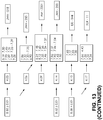
- Figure 13 depicts a flow chart detailing an example of the method used to detect and identify the specific identity of a synthetic indole or indazole cannabinoid using the one-dimensional NMR method.
- a third spot or set of spots between 1.50 and 4.50 ppm or between 6.50 and 9.00 ppm provides the specific identity of the synthetic indole or indazole cannabinoids that may be present in the solid botanical sample.
- Figure 14 depicts a flow chart detailing an example of the method used to detect and identify the specific identity of a synthetic indole or indazole cannabinoid using the two-dimensional COSY method.
- the amount of above-mentioned synthetic cannabinoid may be quantified by any method known in the art.
- One such method involves the use of an internal standard.
- suitable internal standards include maleic acid (MA), 3,5,-dinitrobenzoic acid, dimethylsulphone, and 1,2,4,5-tetramethylbenzyene.
- the amount of cannabinoid in a sample can be calculated by applying the following equation, wherein MA is maleic acid, FW is formula weight (g/mol), and integral is the integrated area under the NMR peak.
- mg of Cannabinoid mg of MA # of protons in MA FW of MA Integral of Cannabinoid Peak Integral of MA Peak # of protons represented by Cannabinoid Peak FW of Cannabinoid
- the terms “comprises,” “comprising,” “includes,” “including,” “has,” “having,” or any other variation thereof, are intended to cover a non-exclusive inclusion.
- a process, article, or apparatus that comprises a list of elements is not necessarily limited to only those elements but may include other elements not expressly listed or inherent to such process, article, or apparatus.
- a condition A or B is satisfied by any one of the following: A is true (or present) and B is false (or not present), A is false (or not present) and B is true (or present), and both A and B are true (or present).
- any examples or illustrations given herein are not to be regarded in any way as restrictions on, limits to, or express definitions of any term or terms with which they are utilized. Instead, these examples or illustrations are to be regarded as being described with respect to one particular embodiment and as being illustrative only. Those of ordinary skill in the art will appreciate that any term or terms with which these examples or illustrations are utilized will encompass other embodiments which may or may not be given therewith or elsewhere in the specification and all such embodiments are intended to be included within the scope of that term or terms. Language designating such nonlimiting examples and illustrations includes, but is not limited to: “for example,” “for instance,” “e.g.,” and “in one embodiment.”
- each member may be combined with any one or more of the other members to make additional sub-groups.
- additional sub-groups specifically contemplated include any one, two, three, or four of the members, e.g., a and c; a, d, and e; b, c, d, and e; etc.
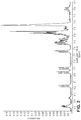
- AppleJacked An herbal product named AppleJacked was obtained. 0.5 mL of CDCl 3 was added to 50 mg of AppleJacked, and mixed for 3 minutes. The suspension was analyzed by 1H NMR in a 400 MHz NMR using a proton program run having a 4 second relaxation time and 32 scans. The range was set from 0-10 ppm, and the auto gain setting was on. The NMR spectrum is depicted in Figure 1-3 .
- AppleJacked An herbal product named AppleJacked was obtained. 0.5 mL of CDCl 3 was added to 50 mg of AppleJacked, and mixed for 3 minutes. The suspension was analyzed by COSY NMR in a 400 MHz NMR using a proton-proton correlation program run having a 1.5 second relaxation time and 1 scan. The range was set from 0-10 ppm, and the spin state setting was off. The annotated NMR spectrum is depicted in Figure 4 . Two synthetic cannabinoids were identified in this sample, AM-2201 and RCS-04.
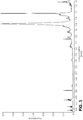
- CloudNine An herbal product named CloudNine was obtained. 0.5 mL of CDCl 3 was added to 50 mg of CloudNine, and mixed for 3 minutes. The suspension was analyzed by 1H NMR in a 400 MHz NMR using a proton program run having a 4 second relaxation time and 32 scans. The range was set from 0-10 ppm, and the auto gain setting was on. The NMR spectrum is depicted in Figure 5-7 .
- CloudNine An herbal product named CloudNine was obtained. 0.5 mL of CDCl 3 was added to 50 mg of CloudNine, and mixed for 3 minutes. The suspension was analyzed by COSY NMR in a 400 MHz NMR using a proton-proton correlation program run having a 1.5 second relaxation time and 1 scan. The range was set from 0-10 ppm, and the spin state setting was off. The annotated NMR spectrum is depicted in Figure 8 . Two synthetic cannabinoids were identified in this sample, XLR-11 and UR-144.
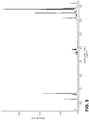
- Diablo An herbal product named Diablo was obtained. 0.5 mL of CDCl 3 was added to 50 mg of Diablo, and mixed for 3 minutes. The suspension was analyzed by 1H NMR in a 400 MHz NMR using a proton program run having a 4 second relaxation time and 32 scans. The range was set from 0-10 ppm, and the auto gain setting was on. The NMR spectrum is depicted in Figure 9 .
- Diablo An herbal product named Diablo was obtained. 0.5 mL of CDCl 3 was added to 50 mg of Diablo, and mixed for 3 minutes. The suspension was analyzed by COSY NMR in a 400 MHz NMR using a proton-proton correlation program run having a 1.5 second relaxation time and 1 scan. The range was set from 0-10 ppm, and the spin state setting was off. The annotated NMR spectrum is depicted in Figure 10 . Synthetic cannabinoid MAM-2201 was identified.
- MrNiceGuy An herbal product named MrNiceGuy was obtained. 0.5 mL of CDCl 3 was added to 50 mg of MrNiceGuy, and mixed for 3 minutes. The suspension was analyzed by 1H NMR in a 400 MHz NMR using a proton program run having a 4 second relaxation time and 32 scans. The range was set from 0-10 ppm, and the auto gain setting was on. The NMR spectrum is depicted in Figure 11 .
- MrNiceGuy An herbal product named MrNiceGuy was obtained. 0.5 mL of CDCl 3 was added to 50 mg of MrNiceGuy, and mixed for 3 minutes. The suspension was analyzed by COSY NMR in a 400 MHz NMR using a proton-proton correlation program run having a 1.5 second relaxation time and 1 scan. The range was set from 0-10 ppm, and the spin state setting was off. The annotated NMR spectrum is depicted in Figure 12 . Two synthetic cannabinoids were identified in this sample, AM-2201 and JWM-122.
- H-4 is the hydrogen responsible for the first signature peak/spot
- H-1' is the hydrogen responsible for the second signature peak/spot. Any other hydrogen within the herein identified range may be used as the third signature peak/spot.
- S is singlet
- D is doublet
- T is triplet
- Q is quartet
- M multiplet
- Dd is doublet of doublets
- Dt is doublet of triplets
- Td is triplet of doublets
- Br is broad signal. N/D is not detected.
Landscapes
- Physics & Mathematics (AREA)
- High Energy & Nuclear Physics (AREA)
- Health & Medical Sciences (AREA)
- Life Sciences & Earth Sciences (AREA)
- Chemical & Material Sciences (AREA)
- Analytical Chemistry (AREA)
- Biochemistry (AREA)
- General Health & Medical Sciences (AREA)
- General Physics & Mathematics (AREA)
- Immunology (AREA)
- Pathology (AREA)
- Engineering & Computer Science (AREA)
- Bioinformatics & Cheminformatics (AREA)
- Molecular Biology (AREA)
- Toxicology (AREA)
- Other Investigation Or Analysis Of Materials By Electrical Means (AREA)
Description
- Throughout the country there has been a surge in the use of synthetic cannabinoids, which can produce similar psychological and physiological effects as the illegal drug marijuana. Synthetic cannabinoids are popular because in many areas they can be purchased and smoked or otherwise used legally or because users believe the synthetic drug will bypass drug testing protocols. Moreover, because manufacturers are capable of easily synthesizing these chemicals to avoid detection, regulatory and law enforcement control has been made more difficult.
- Current analytical testing methods are not capable of practical, rapid and accurate detection and/or quantification of synthetic cannabinoids in botanical products or solids. For example, spectroscopic and chromatographic separation methods involve a lengthy extraction process and multiple steps in order to prepare a sufficient sample for analysis, including: separation, isolation, purification, rinsing, evaporation, and crystallization. These multiple steps make analysis time consuming and impractical for purposes of law enforcement.
- Furthermore, currently used identification techniques, such as mass spectrometry (MS) are not without limitation. For example, MS may not be able to discriminate between two isomers because MS analysis of two isomers may generate the same fragmentation pattern.
- Lindigkeit et al. (Forensic Sci Int 2009, 191(1-3): 58-63) teaches a method of isolating an indole cannabinoid from commercially available herbal mixtures. However, Lindigkeit's method begins with a Soxhlet extraction starting with petroleum ether and followed by methanol. This step can take up to 3 hours. The resulting product is then concentrated and the indole cannabinoid derivative is isolated by silica-gel column chromatography. The fractions containing the indole cannabinoid are then collected and concentrated. The components of the gel chromatography are separated on a thin layer chromatography plate (TLC), and are re-dissolved in a suitable solvent. The TLC step can take up to 45 minutes. The resulting product is then subject to Nuclear Magnetic Resonance (NMR) for analysis.
- Uchiyama et al. (Forensic Toxicol 2009, 27:61-66) teach a similarly complex process of isolating synthetic indole cannabinoids. In Uchiyama, the commercially available herbal mixture suspected of containing a synthetic indole cannabinoid is crushed and extracted under ultrasonication. Uchiyama reports three one-hour extractions. The combined supernatant was evaporated to dryness. The extract was loaded on a TLC plate. The TLC step can take up to 45 minutes. The portion of the TLC plate suspected of containing the synthetic indole cannabinoid is isolated and extracted with an organic solvent. This extraction is repeated. The resulting product is then subject to NMR for analysis. This method can take up to 4 hours.
- Denooz et al. (J. Anal. Toxicol. 2013, 37(2), 56-63) are concerned with an identification and structural elucidation of four cannabimimetic compounds (RCS-4, AM-2201, JWH-203 and JWH-210) in seized products.
- In the conference paper by Huang et al., "Rapid Screening of Synthetic Cannabinoids with NMR and DART-MS", 64th American Academy of Forensic Sciences Meeting, February 2013, "Spice" leaves are analyzed with NMR after preprocessing steps that include extraction and filtration.
- Accordingly, there is a need to provide for methods that are capable of accurate and rapid detection, identification, and quantification of synthetic cannabinoids.
- The present invention provides a method for detecting synthetic indole and indazole cannabinoids selected from the group consisting of:


-
-
Figure 1 depicts the one-dimensional proton NMR spectrum (9.0-0.5 ppm) of a botanical substance called AppleJacked. -
Figure 2 depicts the one-dimensional proton NMR spectrum (8.6-9.0 ppm) of a botanical substance called AppleJacked. -
Figure 3 depicts the one-dimensional proton NMR spectrum (4.5-0.7 ppm) of a botanical substance called AppleJacked. -
Figure 4 depicts the two-dimensional COSY NMR spectrum (9.0-0.5 ppm) of a botanical substance called AppleJacked. Signature spots as well as source hydrogens are also identified. -
Figure 5 depicts the one-dimensional proton NMR spectrum (9.0-0.5 ppm) of a botanical substance called CloudNine. -
Figure 6 depicts the one-dimensional proton NMR spectrum (8.6-7.0 ppm) of a botanical substance called CloudNine. -
Figure 7 depicts the one-dimensional proton NMR spectrum (4.6-0.7 ppm) of a botanical substance called CloudNine. -
Figure 8 depicts the two-dimensional COSY NMR spectrum (9.0-0.5 ppm) of a botanical substance called CloudNine. Signature spots as well as source hydrogens are also identified. -
Figure 9 depicts the one-dimensional proton NMR spectrum (9.0-0.5 ppm) of a botanical substance called Diablo. -
Figure 10 depicts the two-dimensional COSY NMR spectrum (9.0-0.5 ppm) of a botanical substance called Diablo. Signature spots as well as source hydrogens are also identified. -
Figure 11 depicts the one-dimensional proton NMR spectrum (9.0-0.5 ppm) of a botanical substance called MrNiceGuy. -
Figure 12 depicts the two-dimensional COSY NMR spectrum (9.0-0.5 ppm) of a botanical substance called MrNiceGuy. Signature spots as well as source hydrogens are also identified. -
Figure 13 depicts a flow chart detailing an example of the method used to detect and identify the specific synthetic indole or indazole cannabinoids using one-dimensional NMR. -
Figure 14 depicts a flow chart detailing an example of the method used to detect and identify the specific synthetic indole or indazole cannabinoids using two-dimensional COSY NMR - The present invention provides a method for detecting synthetic indole and indazole cannabinoids. The method can be conducted without the need for any pre-analysis processing or destruction of the solid botanical sample. The method first includes the step of providing a solid botanical sample suspected to contain at least one synthetic indole or indazole cannabinoid and adding a deuterated solvent to the solid botanical sample to create a suspension.
- The solid botanical sample can include any solid suspected of containing synthetic indole or indazole cannabinoids. Examples of suitable botanicals include tobacco, Canavalia maritima, Nymphaea caerulea, Scutellaria nana, Pedicularis densiflora, Leonotis leonurus, Zornia latifolia, Nelumbo nucifera, Turnera diffusa, Verascum thapsus and Leonurus sibiricus. Other botanicals include plants from the genus Artemisia, including Artemisia vulgaris and Artemisia argyi. Further botanicals include plants from the genus Mentha, including Mentha canadensis and Mentha piperita. Preferably, the botanical is dried.
- In one embodiment, the solid botanical sample is a dried botanical commonly sold on the commercial market. The dried botanical may contain one or more plant species. These dried botanicals are commonly referred to as herbal incense, herbal smoking blends, or herbal potpourri; or collectively known as an herbal product. Examples include K2, Spice, AppleJacked, MrNiceGuy, Diablo, CloudNine, and Zohai.
- In one embodiment, the solid botanical sample size is between 10 and 100 mg, preferably between 25 and 75 mg, and more preferably the sample size is 50 mg.
- The synthetic indole or indazole cannabinoids are not naturally present in the solid botanical sample and are added thereto in order to create a substance that mimics cannabis. Synthetic indole or indazole cannabinoids can include any chemical compound having an indole or indazole group, as shown in formula I and formula II respectively, with at least a CH attached to the nitrogen in
position 1, denoted by ∗.


- The specific compounds detected by the method according to the invention are defined in
claim 1. - A deuterated solvent is added to the solid botanical sample to create a suspension. Deuterated solvents are commonly known in the art. Any deuterated organic solvent compatible with NMR analysis of indole or indazole cannabinoids may be used. Examples of suitable deuterated solvents include: D2O, (CD3)2CO, CD3OD, (CD3)2SO, CDCl3, CD3CN, C2D6O, or C3D7OD. Preferably, the solvent is (CD3)2CO or CDCl3. These solvents may be used individually or in combination.
- After addition of the solvent to the solid botanical sample, the suspension is mixed. Methods to mix the suspension are commonly known in the art. For example, the suspension may be mixed by hand or by use of a vortex mixer. The suspension is mixed for a time sufficient for the synthetic cannabinoid to be released from the solid botanical sample. For example, the suspension is mixed for at least 1 minute, preferably for at least 2 minutes, and more preferably for at least 3 minutes. In another embodiment, the mixing step may occur at room temperature.
- After mixing, the suspension is subjected to a NMR spectroscopy process to produce a sample NMR spectrum. In one embodiment, the relaxation delay is at least 3.5 seconds, preferably at least 10 seconds, and even more preferably at least 20 seconds.
- NMR is a technique used to obtain structural data of chemical compounds and proteins. NMR, as used herein, refers to a spectroscopic technique that exploits the magnetic properties of certain atomic nuclei to determine physical and chemical properties of atoms or the molecules in which they are contained. The technology relies on the phenomenon of nuclear magnetic resonance (NMR) and can provide detailed information about the structure, dynamics, reaction state, and chemical environment of molecules.
- Typically, in NMR, a tube with a solution comprising the sample to be analyzed is placed in a magnet. Radio frequency radiation of appropriate energy is broadcast into the sample. A receiver coil surrounding the sample tube monitors the radio frequency absorbed. An NMR spectrum is acquired by varying or sweeping the magnetic field over a small range while observing the radio frequency signal from the sample, or by varying the frequency of the radio frequency radiation while holding the external field constant. In some embodiments, the whole frequency range of NMR, i.e., encompassing all (proton) chemical shifts is investigated. In nuclear magnetic resonance (NMR) spectroscopy, the chemical shift is the resonant frequency of a nucleus relative to a standard. The chemical shift in absolute terms is defined by the frequency of the resonance expressed with reference to a standard compound which is defined to be at 0 ppm.
- When using one-dimensional proton NMR, two peaks are used to determine the presence of an indole or indazole cannabinoid. In a preferred embodiment, the sample is scanned a minimum of 32 times, more preferably, the sample is scanned a minimum of 64 times.
- When hydrogen is in
position 4 of an indole or indazole cannabinoid, the presence in the spectrum of a first peak between 8.00 and 8.50 ppm and a second peak between 4.00 and 4.40 ppm indicates the presence of an indole or indazole cannabinoid. - When using two-dimensional COSY NMR, two spots are used to determine the presence of an indole or indazole cannabinoid. In a preferred embodiment, the sample is scanned a minimum of 1 times, preferably a minimum of 8 times, and even more preferably a minimum of 16 times.
- Correlation Spectroscopy (COSY) NMR shows the frequencies for a single isotope, along both axes. COSY NMR is used to identify spins which are coupled to each other. In particular, it consists of a single radio frequency (RF) pulse followed by the specific evolution time followed by a second pulse followed by a measurement period. The frequencies are shown as spots on the COSY NMR spectrum.
- The presence in the spectrum of a first spot between 6.5 and 9 ppm, representing aromatic proton-proton interactions; and a second spot between 1.5 and 4.5 ppm, representing aliphatic proton-proton interactions, indicates the presence of an indole or indazole cannabinoid.
- NMR analysis of samples containing multiple components result in overlapping resonances, which thus compromises the ability to measure or determine the contents of the mixture. Even a pure sample containing a single small molecule may often give rise to 20 or more peaks in the 1H NMR spectrum. Therefore, a solution with only a few compounds may lead to significant overlap of spectral signals, and identification of any one compound may be difficult with this technique.
- Therefore, the prior art teaches pre-analysis processing to remove impurities and ensure that only a single compound or protein is present in a sample to be analyzed by NMR Pre-analysis processing methods include multiple rounds of extraction, concentration, chromatography, and crystallization to remove impurities from their compound or protein of interest. As discussed above, these methods can be cumbersome, as well as time consuming.
- The method of the invention can be conducted without the need for any pre-analysis processing. It has been unexpectedly discovered that the detection, identification, and optionally quantification of synthetic indole and indazole cannabinoid compounds in a solid botanical sample do not require the laborious and time consuming pre-analysis processing prior to NMR, as taught by the prior art. This pre-analysis processing includes extraction, chromatography, or crystallization. Furthermore, the prior art teaches repeated steps of extraction, followed by concentration. The prior art also teaches that extraction and/or isolation is done with one solvent, and then the extract is dissolved in a second deuterated solvent for NMR analysis.
- Furthermore, the method of the present invention may be practiced without the need for any additional analytical methods. For example, the present invention can be practiced without the need for mass spectrometry (MS) analysis in conjunction or prior to NMR analysis.
- Extraction, as herein defined, is a process involving the application of process conditions beyond simply adding solvent and mixing to induce separation of an analyte from a solid sample.
- One example of extraction is Soxhlet-extraction. In a Soxhlet-extraction, the removal of an analyte from a permeable solid sample is accomplished by means of a solvent which is continually evaporated from a still-pot and condensed in such a manner that it falls into and permeates through the sample which itself is held in a permeable container in a siphonable chamber. The resulting solvent contains the analyte, free from the solid sample.
- Another example of extraction is the ultrasonication method. In this method, the removal and recovery of an analyte from a solid sample is accomplished by means of applying sound energy to a solid sample immersed in a solvent (a suspension). Energy may be introduced into the suspension by means of an ultrasonic probe which is inserted into the suspension or an ultrasonic bath containing the suspension. The ultrasonic energy may be strong enough to disrupt and pulverize the solid sample, thus increasing the extractability of the analyte. After application of sound energy to the suspension, the solvent is separated from the solid sample as described above.
- Chromatography, as defined herein, is a method for resolving, separating, isolating, and/or purifying a selected analyte from its surrounding medium. Chromatography is a physical method of separation, in which components to be separated are distributed between two phases, one of these phases constituting a stationary bed of large surface area, the other being a fluid that percolates through or along the stationary bed. The separation of the phases relies on the basis of the target analyte's binding or interaction with an adsorbent bound to a solid phase support, which support is suspended in or contacted with the surrounding medium and which may be reclaimed or separated from said medium by disrupting the interaction between the selected molecule and the chromatographic material.
- Examples of chromatography include thin layer chromatography (TLC) and column chromatography. Thin-layer chromatography ("TLC") employs a stationary phase that is spread in a thin layer on a carrier or substrate plate. A commonly-used stationary phase includes a silica-gel-based sorbent material. In column chromatography, the stationary phase is packed in the form of a cylindrical column.
- In a typical MS procedure, an analyte is ionized, for example by bombarding it with electrons. This may cause some of the analyte's molecules to break into charged fragments. These ions are then separated according to their mass-to-charge ratio. The molecules are destroyed during ionization and fragmentation.
- Crystallization is the process of formation of solid crystals precipitating from a solution. When two or more substances are dissolved in a solvent, either the desired compound or impurities can be coaxed out of solution. Crystallization methods to separate substances are commonly known in the art.
- The method of the current invention is capable of detecting and specifically identifying the identity of synthetic indole or indazole cannabinoid(s) when at least one synthetic cannabinoid is present in the solid botanical sample.
- Further described herein is a method of detecting synthetic indole or indazole cannabinoid having formula (III); the arrows identify the hydrogens that generate the signature NMR peaks and the arrows also identify the hydrogens contributing to the COSY spots.

- The indole or indazole cannabinoid is one or more of the synthetic cannabinoids shown in
Scheme 1.

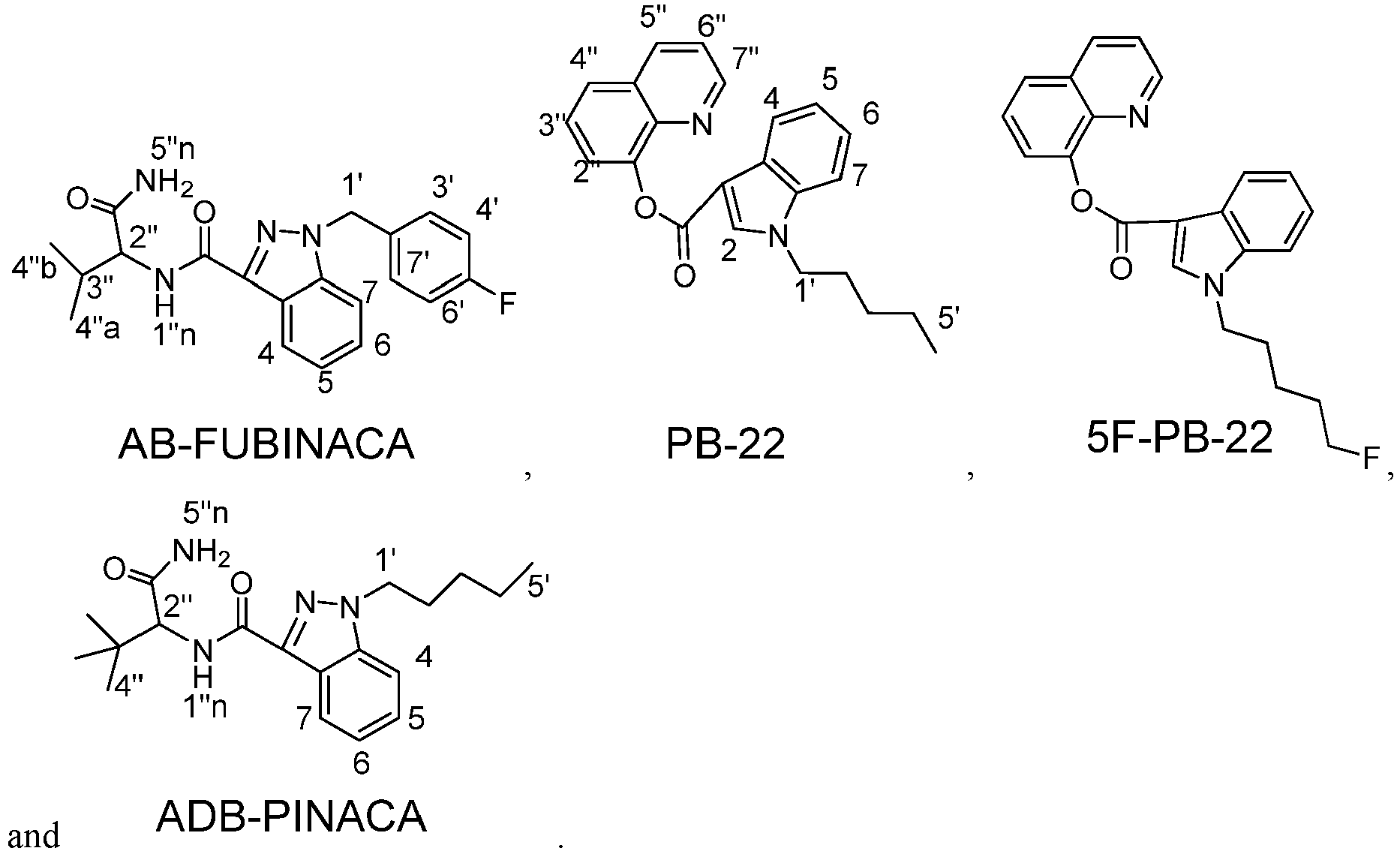
scheme 1 represent the position of hydrogen atoms referenced in Table 1 and Table 2, herein below. - When using one-dimensional proton NMR, a third peak or set of peaks between 7.30 and 7.9 ppm provides the specific identity of the synthetic indole or indazole cannabinoids that may be present in the solid botanical sample.
-
Figure 13 depicts a flow chart detailing an example of the method used to detect and identify the specific identity of a synthetic indole or indazole cannabinoid using the one-dimensional NMR method. - When using two-dimensional COSY NMR, a third spot or set of spots between 1.50 and 4.50 ppm or between 6.50 and 9.00 ppm provides the specific identity of the synthetic indole or indazole cannabinoids that may be present in the solid botanical sample.
-
Figure 14 depicts a flow chart detailing an example of the method used to detect and identify the specific identity of a synthetic indole or indazole cannabinoid using the two-dimensional COSY method. - The amount of above-mentioned synthetic cannabinoid may be quantified by any method known in the art. One such method involves the use of an internal standard. Examples of suitable internal standards include maleic acid (MA), 3,5,-dinitrobenzoic acid, dimethylsulphone, and 1,2,4,5-tetramethylbenzyene.
- Using maleic acid as an internal standard, the amount of cannabinoid in a sample can be calculated by applying the following equation, wherein MA is maleic acid, FW is formula weight (g/mol), and integral is the integrated area under the NMR peak.

- It should be understood and appreciated that additional external standardization processes, such as electronic quantitating methods may also be used in addition to and/or in conjunction with the selective NMR processes of the present disclosure. As such, the present teachings are not intended to be limiting in nature herein.
- While exemplary embodiments incorporating the principles of the present teachings have been disclosed hereinabove, the present invention is intended to cover all modifications which fall within the limits of the appended claims.
- Throughout this specification, quantities are defined by ranges, and by lower and upper boundaries of ranges. Each lower boundary can be combined with each upper boundary to define a range. The lower and upper boundaries should each be taken as a separate element.
- Reference throughout this specification to "one embodiment," "an embodiment," "one example," or "an example" means that a particular feature, structure or characteristic described in connection with the embodiment or example is included in at least one embodiment of the present embodiments. Thus, appearances of the phrases "in one embodiment," "in an embodiment," "one example," or "an example" in various places throughout this specification are not necessarily all referring to the same embodiment or example. Furthermore, the particular features, structures or characteristics may be combined in any suitable combinations and/or sub-combinations in one or more embodiments or examples. In addition, it is appreciated that the figures provided herewith are for explanation purposes to persons ordinarily skilled in the art and that the drawings are not necessarily drawn to scale.
- As used herein, the terms "comprises," "comprising," "includes," "including," "has," "having," or any other variation thereof, are intended to cover a non-exclusive inclusion. For example, a process, article, or apparatus that comprises a list of elements is not necessarily limited to only those elements but may include other elements not expressly listed or inherent to such process, article, or apparatus.
- Further, unless expressly stated to the contrary, "or" refers to an inclusive "or" and not to an exclusive "or". For example, a condition A or B is satisfied by any one of the following: A is true (or present) and B is false (or not present), A is false (or not present) and B is true (or present), and both A and B are true (or present).
- Additionally, any examples or illustrations given herein are not to be regarded in any way as restrictions on, limits to, or express definitions of any term or terms with which they are utilized. Instead, these examples or illustrations are to be regarded as being described with respect to one particular embodiment and as being illustrative only. Those of ordinary skill in the art will appreciate that any term or terms with which these examples or illustrations are utilized will encompass other embodiments which may or may not be given therewith or elsewhere in the specification and all such embodiments are intended to be included within the scope of that term or terms. Language designating such nonlimiting examples and illustrations includes, but is not limited to: "for example," "for instance," "e.g.," and "in one embodiment."
- In this specification, groups of various parameters containing multiple members are described. Within a group of parameters, each member may be combined with any one or more of the other members to make additional sub-groups. For example, if the members of a group are a, b, c, d, and e, additional sub-groups specifically contemplated include any one, two, three, or four of the members, e.g., a and c; a, d, and e; b, c, d, and e; etc.
- The present invention is illustrated in further details by the following non-limiting examples.
- An herbal product named AppleJacked was obtained. 0.5 mL of CDCl3 was added to 50 mg of AppleJacked, and mixed for 3 minutes. The suspension was analyzed by 1H NMR in a 400 MHz NMR using a proton program run having a 4 second relaxation time and 32 scans. The range was set from 0-10 ppm, and the auto gain setting was on. The NMR spectrum is depicted in
Figure 1-3 . - An herbal product named AppleJacked was obtained. 0.5 mL of CDCl3 was added to 50 mg of AppleJacked, and mixed for 3 minutes. The suspension was analyzed by COSY NMR in a 400 MHz NMR using a proton-proton correlation program run having a 1.5 second relaxation time and 1 scan. The range was set from 0-10 ppm, and the spin state setting was off. The annotated NMR spectrum is depicted in
Figure 4 . Two synthetic cannabinoids were identified in this sample, AM-2201 and RCS-04. - An herbal product named CloudNine was obtained. 0.5 mL of CDCl3 was added to 50 mg of CloudNine, and mixed for 3 minutes. The suspension was analyzed by 1H NMR in a 400 MHz NMR using a proton program run having a 4 second relaxation time and 32 scans. The range was set from 0-10 ppm, and the auto gain setting was on. The NMR spectrum is depicted in
Figure 5-7 . - An herbal product named CloudNine was obtained. 0.5 mL of CDCl3 was added to 50 mg of CloudNine, and mixed for 3 minutes. The suspension was analyzed by COSY NMR in a 400 MHz NMR using a proton-proton correlation program run having a 1.5 second relaxation time and 1 scan. The range was set from 0-10 ppm, and the spin state setting was off. The annotated NMR spectrum is depicted in
Figure 8 . Two synthetic cannabinoids were identified in this sample, XLR-11 and UR-144. - An herbal product named Diablo was obtained. 0.5 mL of CDCl3 was added to 50 mg of Diablo, and mixed for 3 minutes. The suspension was analyzed by 1H NMR in a 400 MHz NMR using a proton program run having a 4 second relaxation time and 32 scans. The range was set from 0-10 ppm, and the auto gain setting was on. The NMR spectrum is depicted in
Figure 9 . - An herbal product named Diablo was obtained. 0.5 mL of CDCl3 was added to 50 mg of Diablo, and mixed for 3 minutes. The suspension was analyzed by COSY NMR in a 400 MHz NMR using a proton-proton correlation program run having a 1.5 second relaxation time and 1 scan. The range was set from 0-10 ppm, and the spin state setting was off. The annotated NMR spectrum is depicted in
Figure 10 . Synthetic cannabinoid MAM-2201 was identified. - An herbal product named MrNiceGuy was obtained. 0.5 mL of CDCl3 was added to 50 mg of MrNiceGuy, and mixed for 3 minutes. The suspension was analyzed by 1H NMR in a 400 MHz NMR using a proton program run having a 4 second relaxation time and 32 scans. The range was set from 0-10 ppm, and the auto gain setting was on. The NMR spectrum is depicted in
Figure 11 . - An herbal product named MrNiceGuy was obtained. 0.5 mL of CDCl3 was added to 50 mg of MrNiceGuy, and mixed for 3 minutes. The suspension was analyzed by COSY NMR in a 400 MHz NMR using a proton-proton correlation program run having a 1.5 second relaxation time and 1 scan. The range was set from 0-10 ppm, and the spin state setting was off. The annotated NMR spectrum is depicted in
Figure 12 . Two synthetic cannabinoids were identified in this sample, AM-2201 and JWM-122. - 0.5 mL of CDCl3 was added to 50 mg of commercially available herbal mixtures, and mixed for 3 minutes. The suspension was analyzed by 1H NMR in a 400 MHz NMR using a proton program run having a 4 second relaxation time and 32 scans. The range was set from 0-10 ppm, and the auto gain setting was on. The NMR peaks are reported in TABLE 1.
- 0.5 mL of CDCl3 was added to 50 mg of commercially available herbal mixtures, and mixed for 3 minutes. The suspension was analyzed by COSY NMR in a 400 MHz NMR using a proton-proton correlation program run having a 1.5 second relaxation time and 1 scan. The range was set from 0-10 ppm, and the spin state setting was off. The annotated NMR spectrum is depicted in
Figure 12 .TABLE 1 CDCl3 Proton STANDARDS (Avg. Method) Label Actual Reference JWH-018 RCS-04 as labeled M.I. RCS-04 (in Acetone) Cayman "AM-1221" AM-2201 (Impurities) "AM-2201" JWH-019 JWH-081 as labeled "JWH-122" JWH-200 JWH-20 as labeled H-2 7.34 7.58 S 7.88 S 7.36 M 7.34 S 7.35 M 7.37 M 7.36 M H-4 8.49 8.36 M 8.32 D 8.48 M 8.48 M 8.46 M 8.52 M 8.47 M H-5 7.33-7.39 7.30 M 7.18-7.27 M 7.35 M 7.35 M 7.34 M 7.36 M 7.34-7.40 H-6 7.33-7.39 7.32 M 7.18-7.27 M 7.36 M 7.33 M 7.32-7.39 7.44-7.54 7.34-7.40 H-7 7.33-7.39 7.38 M 7.52 D 7.40 M 7.37 M 7.32-7.39 7.44-7.54 7.34-7.40 H-1" - - - - - - - - H-2" 7.64 7.84 D 7.80 D 7.64 M 7.65 Dd 7.64 D 7.65 D 7.64 M H-3" 7.51 6.98 D 6.99 D 7.52 M 7.50 M 6.82 D 7.51 M 7.52 M H-4" 7.95 - - 7.97 D 7.96 D - 7.96 D 7.96 D H-5" 7.89 6.98 D 6.99 D 7.91 D 7.90 D 8.29 M 7.90 D 7.90 D H-6" 7.5 7.84 D 7.80 D 7.50 M 7.51 M 7.50 M 7.49 M 7.52 M H-7" 7.45 - - 7.45 M 7.45 M 7.50 M 7.46 M 7.52 M H-8" 8.19 - - 8.17 D 8.18 D 8.34 M 8.16 D 8.17 D H-1' 4.03 4.15 T 4.29 T 4.09 T 4.06 T 4.07 T 4.14 M 4.06 T H-2' 1.78 1.87 M 1.86 M 1.84 M 1.79 M 1.80 M 2.69 S 1.79 M H-3' 1.22 1.32 M 1.29 M 1.38 M 1.23 M 1.26 M - 1.24 M H-4' 1.27 1.33 M 1.29 M 1.63 M 1.25 M 1.30 M - 1.24 M H-5' 0.84 0.88 T 0.81 T 4.36 Dt 1.23 M 0.84 M - 0.83 T H-6' - - - - 0.82 T - - 1.55 S H-7' - - - - - - - 1.55 S H-8' - - - - - - - - H-2C - - - - - - - - H-1"N - - - - - - - - H-2"C(a/b) - - - - - - - - H-3"C(a/b) - - - - - - - - H-2"O - - - - - - - - H-3"O - - - - - - - - H-4"a - - - - - - - - H-4"b - - - - - - - - H-4"O - 3.88 S 3.84 S - - 4.06 S - - H-4"C - - - - - - - - H-4"Ca - - - - - - - - H-4"Cb - - - - - - - - H-5"N - - - - - - - - H-3'N - - - - - - 2.38 T - H-6'N - - - - - - 2.38 T - H-4'O - - - - - - 3.54 M - H-5'0 - - - - - - 3.54 M - 2∗ - - - - - - - - MeOH - - - - - - - - Acetone - - 2.00 S - - - - - CDCI3 Proton STANDARDS Label Actual JWH-203 as labeled (Impurities) JWH-250 as labeled JWH-122 Cayman AM-2201 Cayman JWH-210 Cayman UR-144 Cayman RCS-08 as labeled RCS-08 Isomer (3-methoxy) H-2 7.87 S 7.86 S 7.35 M 7.34 S 7.36 M 7.65 S 7.87 S 7.76 S H-4 8.39 M 8.40 M 8.47 M 8.48 M 8.49 M 8.39 M 8.39 M 8.40 M H-5 7.28 M 7.25 M 7.34 M 7.34 M 7.34 M 7.27 M 7.23-7.34 7.23-7.34 H-6 7.33 M 7.25-7.32 7.37 M 7.37 M 7.40 M 7.33 M 7.23-7.34 7.23-7.34 H-7 7.36 M 7.25-7.32 7.40 M 7.40 M 7.32-7.41 7.38 M 7.23-7.34 7.23-7.34 H-1" - - - - - 1.94 S - - H-2" - - 7.55 T 7.65 D 7.58 D - - 6.88 S H-3" 7.38 M 6.87 D 7.35 D 7.50 M 7.38 M - 6.88 D - H-4" 7.19 M 7.21 M - 7.96 D - - 6.77 D H-5" 7.23 M 6.91 T 8.06 D 7.90 D 8.12 D - 6.91 T 6.90 T H-6" 7.29 M 7.29 M 7.55 M 7.48 M 7.54 Td - 7.29 M 7.28 M H-7" - - 7.46 T 7.44 M 7.45 Td - - - H-8" - - 8.23 D 8.18 D 8.23 D - - - H-1' 4.15 T 4.12 M 4.06 T 4.09 T 4.06 T 4.15 M 4.15 T 4.16 T H-2' 1.88 M 1.85 M 1.79 M 1.86 M 1.80 M 1.87 M - 1.60-1.79 H-3' 1.32 M 1.31 M 1.24 M 1.39 M 1.26 M 1.34 M - 1.60-1.79 H-4' 1.32 M 1.31 M 1.28 M 1.64 M 1.28 M 1.34 M - 1.60-1.79 H-5' 0.89 T 0.88 T 0.84 T 4.36 Dt 0.84 T 0.88 M - 1.13-1.30 H-6' - - - - - - - 0.90-1.04 H-7' - - - - - - - 1.13-1.30 H-8' - - - - - - - 1.60-1.79 H-2C - - - - - - - - H-1"N - - - - - - - - H-2"C(a/b) - - - - - 1.33/1.29 - - H-3"C(a/b) - - - - - 1.33/1.29 - - H-2"O - 3.81 S - - - - 3.82 S - H-3"O - - - - - - - 3.77 S H-4"a - - - - - - - - H-4"b - - - - - - - - H-4"O - - - - - - - - H-4"C - - 2.77 S - - - - - H-4"Ca - - - - 3.17 M - - - H-4"Cb - - - - 1.43 T - - - H-5"N - - - - - - - - H-3'N - - - - - - - - H-6'N - - - - - - - - H-4'O - - - - - - - - H-5'0 - - - - - - - - 2∗ 4.31 S 4.16 S - - - - 4.16 S 4.11 S MeOH - - - - - - - 3.48 Acetone - - - - - - - - Label Actual RCS-08 (4-methoxy) JWH-019 Cayman JWH-022 Cayman AM-1220 Cayman RCS-4 (C4 homolog) Cayman RCS-4 (2-methoxy) Cayman RCS-4 (3-methoxy) Cayman H-2 7.75 S 7.32-7.41 7.32-7.41 7.32-7.56 7.57 S 7.39-7.43 H-4 8.39 M 8.48 M 8.50 M 8.46 M 8.35 M 8.28 M 8.29 M H-5 7.20-7.34 7.33 M 7.35 M 7.35 M 7.29 M 7.27 M 7.25 M H-6 7.20-7.34 7.39 M 7.32-7.41 7.42 M 7.31 M 7.30-7.35 H-7 7.20-7.34 7.32-7.41 7.32-7.41 7.52 M 7.39 M 7.30-7.35 H-1" - - - - - - - H-2" 7.20-7.34 7.64 D 7.65 D 7.66 D 7.83 Dt - 7.53 S H-3" 6.85 D 7.50 M 7.51 M 7.52 M 6.98 Dt 6.98 T - H-4" - 7.96 D 7.96 D 7.97 D - 7.38 M H-5" 6.85 D 7.90 D 7.90 D 7.91 D 6.98 Dt 7.26 M H-6" 7.20-7.34 7.49 M 7.49 M 7.51 M 7.83 Dt 6.95 T H-7" - 7.44 M 7.46 M 7.47 M - - - H-8" - 8.17 D 8.17 D 8.19 D - - - H-1' 4.15 T 4.06 T 4.08 T 4.53 and 3.84 4.16 T 4.05 T 4.08 T H-2' 1.60-1.81 1.79 M 1.91 M 2.37 M 1.85 M 1.79 M 1.79 M H-3' 1.60-1.81 1.23 M 2.03 M - 1.35 M 1.26 M 1.25 M H-4' 1.60-1.81 1.28 M 5.71 M 2.11 and 2.85 0.94 T 1.26 M 1.24 M H-5' 1.12-1.34 1.22 M 4.96 M 1.61 and 1.58 - 0.82 T 0.80 T H-6' 0.80-1.04 0.82 T - 1.08 and 1.25 - - - H-7' 1.12-1.34 - - 1.08 and 1.50 - - - H-8' 1.60-1.81 - - - - - - H-2C - - - - - - - H-1"N - - - - - - - H-2"C(a/b) - - - - - - - H-3"C(a/b) - - - - - - - H-2"O - - - - - 3.74 S - H-3"O - - - - - - 3.79 S H-4"a - - - - - - - H-4"b - - - - - - - H-4"O 3.77 S - - - 3.88 S - - H-4"C - - - - - - - H-4"Ca - - - - - - - H-4"Cb - - - - - - - H-5"N - - - - - - - H-3'N - - - 2.41 S - - - H-6'N - - - - - - - H-4'O - - - - - - - H-5'0 - - - - - - - 2∗ 4.08 S - - - - - - MeOH - - - 3.48 - - - Acetone - - - - - - - CDCI3 Proton STANDARDS Label Actual AM-679 A Cayman B-Fubinaca Cayman A-834735 Cayman XLR-11 Cayman AB-Pinaca Cayman JWH-007 Cayman AKB-48 (A-Pinaca) Cayman H-2 7.29 S - 7.61 S 7.66 S - - - H-4 8.32 M 8.33 D 8.39 M 8.39 M 8.31 M 8.09 D 8.37 D H-5 7.33 M 7.27 M 7.25 M 7.26 M 7.27 M 7.42 T 7.23 M H-6 7.38 M 7.27-7.40 7.31 M 7.32 M 7.41 M 7.49 T 7.38 D H-7 7.40 M 7.27-7.40 7.34 M 7.34 M 7.44 M 7.55 D 7.38 D H-1" - - 1.93 S 1.93 S - - - H-2" - 4.50 M - - 4.49 M 7.96 D 2.20 M H-3" 7.92 Dd 2.36 M - - 2.38 M 7.49 T 2.13 M H-4" 7.15 Td - - - - 7.90 D 1.72 M H-5" 7.42 M - - - - 6.98 M - H-6" 7.37 M - - - - 7.13 M - H-7" - - - - - 7.16 M - H-8" - - - - - 7.30 D - H-1' 4.10 T 5.58 S 4.03 D 4.17 T 4.38 T 4.11 T 4.34 T H-2' 1.84 M - 2.14 M 1.95 M 1.94 M 1.78 M 1.92 M H-3' 1.30 M 6.98 M 1.41 and 1.43 1.50 M 1.32 M 1.36 M 1.30 M H-4' 1.31 M 7.18 Td - 1.73 M 1.36 M 1.36 M 1.35 M H-5' 0.87 T - - 4.43 Dt 0.88 T 0.90 T 0.88 T H-6' - 7.18 Td 1.41 and 1.43 - - - - H-7' - 6.98 M - - - - - H-8' - - - - - - - H-2C - - - - - 2.48 S - H-1"N - 7.48 D - - 7.46 M - - H-2"C(a/b) - - 1.30 and 1.33 1.29 and 1.34 - - - H-3"C(a/b) - - 1.30 and 1.33 1.29 and 1.34 - - - H-2"O - - - - - - - H-3"O - - - - - - - H-4"a - 1.07 D - - 1.07 Dd - - H-4"b - 1.07 D - - 1.07 Dd - - H-4"O - - - - - - - H-4"C - - - - - - - H-4"Ca - - - - - - - H-4"Cb - - - - - - - H-5"N - 5.74 D - - 5.77 D - - H-3'N - - - - - - - H-6'N - - - - - - - H-4'O - - 3.32 and 3.96 - - - - H-5'0 - - 3.32 and 3.96 - - - - 2∗ - - - - - - - MeOH - - - - - - - Acetone - - - - - - - CDCI Proton HERBS (Avg. Method) Label Name Moon Spice Nuclear Bomb Ion Source K-250 Extremely Legal XXX Possible ID RCS-04 JWH-018 JWH-122 JWH-203 RCS-080 JWH-250 JWH-122 JWH-210 H-2 7.36 M 7.36 M 7.34 M 7.31 M 7.31 M 7.27 M 7.36 M 7.36 M H-4 8.36 M 8.47 M 8.43 M 8.39 M 8.39 M 8.39 M 8.47 M 8.47 M H-5 7.25-7.38 7.33-7.38 7.32-7.35 7.23-7.39 7.23-7.39 7.20-7.33 7.33-7.40 7.33-7.40 H-6 7.25-7.38 7.33-7.38 7.32-7.35 7.23-7.39 7.23-7.39 7.20-7.33 7.33-7.40 7.33-7.40 H-7 7.25-7.38 7.33-7.38 7.32-7.35 7.23-7.39 7.23-7.39 7.20-7.33 7.33-7.40 7.33-7.40 H-1" - - - - - - - - H-2" 7.84 D 7.64 M N/D - 6.89 M - 7.56 M 7.56 M H-3" 6.98 D 7.52 M 7.53 M 7.31 M - 6.89 M 7.53 M 7.56 M H-4" - 7.96 D 8.04 M 7.31 M 6.89 M 7.27 M 8.06 D 8.12 D H-5" 6.98 D 7.90 D N/D 7.87 D 7.51 M 7.85 M 8.06 D 8.12 D H-6" 7.84 D 7.48 M 7.46 M 7.31 M 7.31 M - 7.47 M 7.47 M H-7" - 7.48 M 7.46 M - - - 7.47 M 7.47 M H-8" - 8.17 D 8.19 M - - - 8.23 D 8.23 D H-1' 4.15 T 4.05 T 4.04 M 4.13 M 4.13 M 4.13 M 4.05 T 4.05 T Label Name Sweet Leaf Melon Code Black Head Trip Rack City Possible ID JWH-210 JWH-122 JWH-250 JWH-122 JWH-203 JWH-210 XLR-11 H-2 7.33 M 7.33 M 7.87 S 7.35 M 7.35 M 7.34 M 7.65 S H-4 8.48 M 8.48 M 8.40 M 8.46 M 8.39 M 8.46 M 8.39 M H-5 7.35 M 7.35 M 7.26 M 7.31-7.39 7.19-7.30 7.29-7.39 7.26 M H-6 7.24-7.38 7.24-7.38 7.24-7.38 7.31-7.39 7.19-7.30 7.29-7.39 7.32 M H-7 7.24-7.38 7.24-7.38 7.24-7.38 7.31-7.39 7.19-7.30 7.29-7.39 7.34 M H-1" - - - - - - 1.93 S H-2" 7.58 D 7.55 M - 7.55 M - 7.54 M - H-3" 7.38 M 7.37 M 6.87 D 7.55 M 7.25 M 7.54 M - H-4" - - 7.33 M - 7.25 M 8.12 D (small) - H-5" 8.12 D 8.06 D 6.91 T 8.05 M 7.86 D 8.12 D (small) - H-6" 7.51 M 7.51 M - 7.46 M 7.35 M 7.46 T - H-7" 7.51 M 7.51 M - 7.46 M - 7.46 T - H-8" 8.23 M 8.23 M - 8.23 M - 8.22 D - H-1' 4.06 T 4.06 T 4.12 M 4.06 T 4.15 T 4.05 T 4.17 T CDCI Proton HERBS (Avg. Method) Label Name Zombie Matter Mr. Nice Guy Cloud Nine Possible ID AM-2201 JWH-210 AM-2201 JWH-122 XLR-11 UR-144 H-2 7.31-7.40M 7.31-7.40M 7.35 M 7.35 M 7.65 S 7.65 S H-4 8.48 M 8.48 M 8.48 M 8.48 M 8.39 M 8.39 M H-5 7.32-7.40 7.32-7.40 7.34-7.37 7.34-7.37 7.26 M 7.26 M H-6 7.32-7.40 7.32-7.40 7.34-7.37 7.34-7.37 7.33 M 7.33 M H-7 7.32-7.40 7.32-7.40 7.34-7.37 7.34-7.37 7.30-7.35 7.30-7.35 H-1" - - - - 1.93 S 1.93 S H-2" 7.65D 7.58 D 7.42-7.58 7.65 D - - H-3" 7.42-7.56 7.32-7.40 7.51 M 7.56 M - - H-4" 7.96 D - 7.97 D - - - H-5" 7.90 D 8.12 D 7.90 D 8.06 D - - H-6" 7.42-7.56 7.42-7.56 7.49 M 7.52 M - - H-7" 7.42-7.56 7.42-7.56 7.45 M 7.45 M - - H-8" 8.17 D 8.23 D 8.18 D 8.23 D - - H-1' 4.09-4.03 4.09-4.03 4.09 M 4.07 M 4.17 M 4.14 M TABLE 2 COSY Correlations ― Short Range Proton-Proton Interactions STANDARDS (CDCI3) Label Actual JWH-22 as labeled Cayman JWH-203 as labeled M.I. AM-1220 as labeled Cayman RCS-4 C4 homolog as labeled Cayman AM-2201 as labeled Cayman JWH-122 as labeled Cayman "AM-1221" AM-2201 (Impurities) H-4/H-5 8.48/7.35 8.39/7.28 8.46/7.35 8.35/7.29 8.47/7.34 8.47/7.34 8.48/7.35 H-5/H-6 N/D 7.28/7.33 7.35/7.42 7.29/7.31 7.33/7.38 7.35/7.37 7.34/7.36 H-6/H-7 N/D 7.33/7.36 N/D 7.30/7.39 7.37/7.40 7.36/7.40 7.37/7.40 H-2"/H-3" 7.64/7.51 - 7.66/7.51 7.83/6.98 7.63/7.50 7.55/7.36 7.64/7.52 H-3"/H-4" 7.51/7.95 7.38/7.20 7.52/7.97 - 7.51/7.95 - 7.51/7.96 H-4"/H-5" - 7.19/7.23 - - - - - H-5"/H-6" 7.89/7.49 7.24/7.28 7.90/7.51 6.98/7.83 7.89/7.48 8.06/7.54 7.90/7.50 H-6"/H-7" N/D - 7.52/7.45 - 7.49/7.45 7.55/7.46 7.49/7.45 H-7"/H-8" 7.46/8.16 - 7.47/8.19 - 7.44/8.16 7.46/8.23 7.45/8.17 H-1'/H-2' 4.06/1.91 4.14/1.88 N/D 4.16/1.85 4.07/1.84 4.05/1.79 4.07/1.84 H-2'/H-3' 1.90/2.02 1.87/1.33 - 1.84/1.36 1.84/1.39 1.79/1.24 1.84/1.38 H-3'/H-4' 2.01/4.96 1.34/1.29 - 1.35/0.94 1.39/1.64 1.23/1.27 1.38/1.63 H-4'/H-5' 4.95/5.71 1.33/0.88 N/D - 1.64/4.36 1.28/0.84 1.64/4.36 H-5'/H-6' - - 1.61/1.08 - - - - H-6'/H-7' - - 1.09/1.25 - - - - H-4"Ca/H-4"Cb - - - - - - - - H-1'a/H-1'b - - 4.53/3.84 - - - - H-4'a/H-4'b - - 2.85/2.11 - - - - H-3'N/H-4'O - - - - - - - H-5'O/H-6'N - - - - - - - H-1"N/H-2" - - - - - - - H-3"/H-4"a/b - - - - - - - Label Actual JWH-081 as labeled M.I. "JWH-122" JWH-200 M.I. JWH-250 as labeled M.I. JWH-210 Cayman UR-144 Cayman H-4/H-5 8.46/7.34 8.52/7.36 8.39/7.26 8.49/7.34 8.39/7.27 H-5/H-6 N/D 7.36/7.44 7.25/7.32 7.34/7.40 7.25/7.33 H-6/H-7 N/D N/D N/D N/D 7.32/7.38 H-2"/H-3" 7.64/6.82 7.64/7.51 - 7.58/7.38 - H-3"/H-4" - 7.52/7.96 6.87/7.21 - - H-4"/H-5" - - 7.22/6.92 - - H-5"/H-6" 8.29/7.50 7.90/7.50 6.90/7.28 8.12/7.53 - H-6"/H-7" 7.52/7.48 N/D - 7.54/7.46 - H-7"/H-8" 7.50/8.30 7.46/8.16 - 7.46/8.24 - H-1'/H-2' 4.06/1.81 4.14/2.69 4.11/1.85 4.05/1.80 4.15/1.87 H-2'/H-3' 1.81/1.26 - 1.85/1.28 1.80/1.26 1.89/1.34 H-3'/H-4' 1.26/1.28 - 1.27/1.32 1.24/1.28 N/D H-4'/H-5' 1.30/0.84 - 1.32/0.87 1.28/0.84 1.34/0.90 H-5'/H-6' - - - - - H-6'/H-7' - - - - - H-4"Ca/H-4"Cb - - - 3.18/1.43 - H-1'a/H-1'b - - - - - H-4'a/H-4'b - - - - - H-3'N/H-4'O - 2.38/3.54 - - - H-5'O/H-6'N - 3.54/2.38 - - - H-1"N/H-2" - - - - - H-3"/H-4"a/b - - - - - Label Actual JWH-019 Cayman RCS-4 (2-methoxy) Cayman RCS-4 (3-methoxy) Cayman AM-679 Cayman AB-Fubinaca Cayman H-4/H-5 8.46/7.33 8.28/7.27 8.29/7.25 8.32/7.33 8.33/7.27 H-5/H-6 7.33/7.39 N/D N/D 7.32/7.38 N/D H-6/H-7 N/D N/D N/D 7.37/7.40 N/D H-2"/H-3" 7.63/7.50 - - - 4.50/2.36 H-3"/H-4" 7.50/7.95 6.97/7.40 - 7.92/7.15 - H-4"/H-5" 7.95/7.90 N/D 7.02/7.28 7.15/7.42 - H-5"/H-6" 7.89/7.49 7.35/6.95 N/D 7.40/7.37 - H-6"/H-7" 7.49/7.44 - - - - H-7"/H-8" 7.44/8.16 - - - - H-1'/H-2' 4.06/1.80 4.05/1.79 4.08/1.78 4.10/1.84 - H-2'/H-3' 1.79/1.24 1.79/1.26 1.79/1.26 1.84/1.30 - H-3'/H-4' N/D N/D N/D 1.36/1.29 6.98/7.18 H-4'/H-5' 1.28/1.21 1.26/0.82 1.24/0.80 1.31/0.87 - H-5'/H-6' 1.23/0.81 - - - - H-6'/H-7' - - - - 7.18/6.98 H-4"Ca/H-4"Cb - - - - - H-1'a/H-1'b - - - - - H-4'a/H-4'b - - - - - H-3'N/H-4'O - - - - - H-5'O/H-6'N - - - - - H-1"N/H-2" - - - - 7.48/4.50 H-3"/H-4"a/b - - - - 2.36/1.07 Label Actual XLR-11 Cayman AB-Pinaca Cayman AKB-48 Cayman AKB-48-5Fluoro Cayman JWH-007 Cayman H-4/H-5 8.39/7.26 8.31/7.27 8.37/7.23 8.37/7.23 8.10/7.42 H-5/H-6 7.26/7.32 7.27/7.41 7.22/7.37 7.24/7.38 7.42/7.49 H-6/H-7 7.32/7.34 7.42/7.44 7.38/7.36 N/D 7.49/7.55 H-2"/H-3" - 4.49/2.38 - - 7.96/7.49 H-3"/H-4" - - 2.18/2.14 2.20/2.12 7.49/7.90 H-4"/H-5" - - 2.12/1.73 2.13/1.73 - H-5"/H-6" - - - - 6.98/7.13 H-6"/H-7" - - - - 7.12/7.17 H-7"/H-8" - - - - 7.16/7.30 H-1'/H-2' 4.17/1.95 4.37/1.94 4.34/1.91 4.37/1.98 4.11/1.78 H-2'/H-3' 1.94/1.50 1.94/1.32 1.91/1.30 1.98/1.45 1.78/1.36 H-3'/H-4' 1.49/1.73 N/D 1.30/1.35 1.42/1.73 N/D H-4'/H-5' 1.72/4.43 1.36/0.89 1.35/0.88 1.73/4.42 1.36/0.90 H-5'/H-6' - - - - - H-6'/H-7' - - - - - H-4"Ca/H-4"Cb - - - - - H-1'a/H-1'b - - - - - H-4'a/H-4b - - - - - H-3'N/H-4'0 - - - - - H-5'O/H-6'N - - - - - H-1"N/H-2" - 7.46/4.49 - - - H-3"/H-4"a/b - 2.38/1.06 - - - COSY Correlations ― Short Range Proton-Proton Interactions HERBS (CDCI3) Label Name Mr. Nice Guy Rack City Sweet Leaf Cloud Nine Melon Code Black Possible ID JWH-122 AM-2201 XLR-11 JWH-122 JWH-250 JWH-210 XLR-11 UR-144 JWH-122 JWH-203 H-4/H-5 8.48/735 8.48/7.35 8.40/7.25 8.49/7.35 8.40/7.26 8.49/7.35 8.39/7.26 8.39/7.26 8.46/7.34 8.38/7.27 H-5/H-6 N/D N/D 7.26/7.32 N/D N/D N/D 7.26/7.33 7.26/7.33 N/D 7.28/7.35 H-6/H-7 N/D N/D 7.32/7.34 N/D N/D N/D N/D N/D N/D N/D H-2"/H-3" 7.55/7.36 7.64/7.51 - 7.55/7.37 - 7.58/7.38 - - 7.54/7.36 - H-3"/H-4" - 7.52/7.96 - - N/D - - - - 7.38/7.20 H-4"/H-5" - - - - N/D - - - - N/D H-5"/H-6" 8.06/7.54 - - 8.07/7.55 N/D 8.12/7.54 - - 8.05/7.53 N/D H-6"/H-7" N/D N/D - 7.54/7.46 - 7.54/7.46 - - 7.54/7.46 - H-7"/H-8" 7.46/8.23 7.46/8.17 - 7.47/8.24 - 7.47/8.24 - - 7.46/8.22 - H-1'/H-2' 4.06/1.80 4.09/1.85 4.17/1.94 4.07/1.80 4.12/1.86 4.07/1.80 4.17/1.94 4.14/1.88 4.05/1.78 4.14/1.87 H-2'/H-3' 1.79/1.25 1.85/1.39 1.94/1.50 N/D N/D 1.80/1.26 1.94/1.48 1.88/1.34 1.78/1.24 1.87/1.32 H-3'/H-4' N/D 1.40/1.65 1.49/1.72 N/D N/D N/D 1.49/1.72 N/D N/D N/D H-4'/H-5' 1.26/0.84 1.64/4.37 1.73/4.43 1.28/0.85 N/D 1.28/0.85 1.73/4.43 1.34/0.89 1.26/0.83 1.33/0.88 H-4"Ca/H-4"Cb - - - - - 3.19/1.44 - - - - - H-4 is the hydrogen responsible for the first signature peak/spot, and H-1' is the hydrogen responsible for the second signature peak/spot. Any other hydrogen within the herein identified range may be used as the third signature peak/spot.
- S is singlet, D is doublet, T is triplet, Q is quartet, M is multiplet, Dd is doublet of doublets, Dt is doublet of triplets, Td is triplet of doublets, and Br is broad signal. N/D is not detected.
Claims (9)
- A method for detecting synthetic indole and indazole cannabinoids selected from the group consisting of:


 providing a solid botanical sample suspected to contain synthetic indole or indazole cannabinoids;adding a deuterated solvent to the solid botanical sample to create a suspension;mixing the suspension to release synthetic indole or indazole cannabinoids from the solid botanical sample;subjecting the suspension to a NMR spectroscopy process to produce a sample NMR spectrum;detecting the synthetic indole or indazole cannabinoids in the suspension by analysis of the sample NMR spectrum;wherein the NMR spectroscopy process comprises at least one ofone-dimensional proton NMR, said analysis in this case comprising detection of a first peak between 8.00 and 8.50 ppm, and a second peak between 4.00 and 4.40 ppm in a corresponding sample NMR spectrum, ppm, andproton-proton two-dimensional COSY NMR, said analysis in this case comprising detection of a first spot between 6.5 and 9 ppm, and a second spot between 1.50 and 4.50 ppm in a corresponding sample NMR spectrum;wherein said method is performed in the absence of chromatography prior to NMR analysis;and wherein the method optionally further comprises quantifying the amount of synthetic indole or indazole cannabinoids.
 - The method of claim 1, wherein said NMR spectroscopy process comprises one-dimensional proton NMR, said method further comprising detection of a third peak between 7.30 and 7. 90 ppm in a corresponding sample NMR spectrum.
- The method of claim 1 or 2, wherein said NMR spectroscopy process comprises proton-proton two-dimensional COSY NMR, said method further comprising detection of a third spot between 1.50 and 4.50 or between 6.50 and 9.00 ppm in a corresponding sample NMR spectrum.
- The method of any one of the preceding claims, wherein said method is performed in the absence of at least one of: mass spectrometry, or crystallization.
- The method of any one of the preceding claims, wherein said deuterated solvent is selected from the group consisting of: D2O, CD3OD, (CD3)2SO, CDCl3, (CD3)2CO, CD3CN, C2D6O, or C3D7OD, preferably (CD3)2CO or CDCl3.
- The method of claim 2, wherein said one dimensional NMR process comprises a proton program run for a minimum of 32 scans.
- The method of claim 3, wherein said two dimensional NMR process comprises a proton-proton correlation spectroscopy program run for one scan.
- The method of claim 1, wherein said solid botanical sample may comprise a synthetic indole or indazole cannabinoid concentration of less than 0.5 mg per mg of solid botanical sample.
- The method of claim 1, wherein said solid botanical sample is from 10 to 100 mg in mass.
Applications Claiming Priority (2)
| Application Number | Priority Date | Filing Date | Title |
|---|---|---|---|
| US201361816325P | 2013-04-26 | 2013-04-26 | |
| PCT/US2014/035522 WO2014176542A1 (en) | 2013-04-26 | 2014-04-25 | Nuclear magnetic resonance implemanted synthetic indole and indazole cannabinoid dentection, identification, and quantification |
Publications (3)
| Publication Number | Publication Date |
|---|---|
| EP2989452A1 EP2989452A1 (en) | 2016-03-02 |
| EP2989452A4 EP2989452A4 (en) | 2017-09-20 |
| EP2989452B1 true EP2989452B1 (en) | 2021-09-29 |
Family
ID=51792415
Family Applications (1)
| Application Number | Title | Priority Date | Filing Date |
|---|---|---|---|
| EP14787963.9A Not-in-force EP2989452B1 (en) | 2013-04-26 | 2014-04-25 | Nuclear magnetic resonance based synthetic indole and indazole cannabinoid detection, identification, and quantification |
Country Status (4)
| Country | Link |
|---|---|
| US (1) | US11085891B2 (en) |
| EP (1) | EP2989452B1 (en) |
| CA (2) | CA3116946A1 (en) |
| WO (1) | WO2014176542A1 (en) |
Families Citing this family (3)
| Publication number | Priority date | Publication date | Assignee | Title |
|---|---|---|---|---|
| US20220026380A1 (en) * | 2015-10-22 | 2022-01-27 | Hofstra University | Nuclear magnetic resonance implemented synthetic indole and indazole cannabinoid detection, identification, and quantification |
| CA3010615C (en) | 2016-01-14 | 2024-02-20 | Beth Israel Deaconess Medical Center, Inc. | Mast-cell modulators and uses thereof |
| WO2022115718A1 (en) * | 2020-11-29 | 2022-06-02 | Castor Trevor P | Extraction, separation and purification of cannabinoids from cannabis staiva and other marijuana biomass |
Family Cites Families (2)
| Publication number | Priority date | Publication date | Assignee | Title |
|---|---|---|---|---|
| US8563298B2 (en) * | 2010-10-22 | 2013-10-22 | T2 Biosystems, Inc. | NMR systems and methods for the rapid detection of analytes |
| US9434687B2 (en) * | 2011-02-14 | 2016-09-06 | Randox Laboratories Limited | Detection of synthetic cannabinoids |
-
2014
- 2014-04-25 WO PCT/US2014/035522 patent/WO2014176542A1/en not_active Ceased
- 2014-04-25 EP EP14787963.9A patent/EP2989452B1/en not_active Not-in-force
- 2014-04-25 CA CA3116946A patent/CA3116946A1/en not_active Abandoned
- 2014-04-25 CA CA2910473A patent/CA2910473C/en active Active
- 2014-04-25 US US14/786,524 patent/US11085891B2/en active Active
Also Published As
| Publication number | Publication date |
|---|---|
| EP2989452A4 (en) | 2017-09-20 |
| WO2014176542A1 (en) | 2014-10-30 |
| US11085891B2 (en) | 2021-08-10 |
| CA3116946A1 (en) | 2014-10-30 |
| CA2910473C (en) | 2021-06-22 |
| CA2910473A1 (en) | 2014-10-30 |
| EP2989452A1 (en) | 2016-03-02 |
| US20160084779A1 (en) | 2016-03-24 |
Similar Documents
| Publication | Publication Date | Title |
|---|---|---|
| Bueno et al. | Fast and easy extraction combined with high resolution-mass spectrometry for residue analysis of two anticonvulsants and their transformation products in marine mussels | |
| Goon et al. | A simultaneous screening and quantitative method for the multiresidue analysis of pesticides in spices using ultra-high performance liquid chromatography-high resolution (Orbitrap) mass spectrometry | |
| Suzuki et al. | Discovery of okadaic acid esters in the toxic dinoflagellate Dinophysis acuta from New Zealand using liquid chromatography/tandem mass spectrometry | |
| Hooi Poay et al. | Characterisation of galloylated cyanogenic glucosides and hydrolysable tannins from leaves of Phyllagathis rotundifolia by LC‐ESI‐MS/MS | |
| Bhatia et al. | UHPLC-QTOF-MS/MS-SPE-NMR: a solution to the metabolomics grand challenge of higher-throughput, confident metabolite identifications | |
| Xing et al. | Rapid screening for cyclo‐dopa and diketopiperazine alkaloids in crude extracts of Portulaca oleracea L. using liquid chromatography/tandem mass spectrometry | |
| Chai et al. | Simultaneous stereoselective detection of chiral fungicides in soil by LC–MS/MS with fast sample preparation | |
| Zhao et al. | Rapid determination of organonitrogen, organophosphorus and carbamate pesticides in tea by ultrahigh-performance liquid chromatography–tandem mass spectrometry (UPLC-MS/MS) | |
| Kuwayama et al. | Micro‐pulverized extraction pretreatment for highly sensitive analysis of 11‐nor‐9‐carboxy‐Δ9‐tetrahydrocannabinol in hair by liquid chromatography/tandem mass spectrometry | |
| Salam et al. | Methods in the extraction and chemical analysis of medicinal plants | |
| Davis et al. | GC–MS and GC–IRD analysis of 2-, 3-and 4-methylmethamphetamine and 2-, 3-and 4-methylamphetamine | |
| KR100927463B1 (en) | Multi-component Simultaneous Analysis of Amphetamine Derivatives and Ketamine Metabolites in Hair Using Gas Chromatography | |
| Halabalaki et al. | Sample preparation issues in NMR‐based plant metabolomics: Optimisation for Vitis wood samples | |
| US11085891B2 (en) | Nuclear magnetic resonance implemented synthetic indole and indazole cannabinoid detection, identification, and quantification | |
| Hu et al. | Development of sample preparation method for auxin analysis in plants by vacuum microwave-assisted extraction combined with molecularly imprinted clean-up procedure | |
| Diez‐Castellnou et al. | Nanoparticle‐assisted affinity NMR spectroscopy: high sensitivity detection and identification of organic molecules | |
| Stan | Application of capillary gas chromatography with mass selective detection to pesticide residue analysis | |
| CN109682897A (en) | A kind of method of a variety of incretion interferents in while determination of the environment water sample | |
| Xu et al. | Amantadine‐functionalized magnetic microspheres and stable isotope labeled internal standards for reducing matrix effect in determination of five opium alkaloids by liquid chromatography‐quadrupole linear ion trap mass spectrometry | |
| Sleno et al. | Structural study of spirolide marine toxins by mass spectrometry: Part II. Mass spectrometric characterization of unknown spirolides and related compounds in a cultured phytoplankton extract | |
| US20220026380A1 (en) | Nuclear magnetic resonance implemented synthetic indole and indazole cannabinoid detection, identification, and quantification | |
| Zheng et al. | Stereoselective determination of dufulin in watermelon under field conditions using chiral ultra high performance liquid chromatography with high‐resolution mass spectrometry | |
| Smirnov et al. | Determination of the products of the transformation of unsymmetrical dimethylhydrazine in soils using chromatography/mass spectrometry | |
| Voigt et al. | Identification of pharmaceuticals in the aquatic environment using HPLC-ESI-Q-TOF-MS and elimination of erythromycin through photo-induced degradation | |
| Wilga et al. | Comparison of extraction techniques of robenidine from poultry feed samples |
Legal Events
| Date | Code | Title | Description |
|---|---|---|---|
| PUAI | Public reference made under article 153(3) epc to a published international application that has entered the european phase |
Free format text: ORIGINAL CODE: 0009012 |
|
| 17P | Request for examination filed |
Effective date: 20151117 |
|
| AK | Designated contracting states |
Kind code of ref document: A1 Designated state(s): AL AT BE BG CH CY CZ DE DK EE ES FI FR GB GR HR HU IE IS IT LI LT LU LV MC MK MT NL NO PL PT RO RS SE SI SK SM TR |
|
| AX | Request for extension of the european patent |
Extension state: BA ME |
|
| DAX | Request for extension of the european patent (deleted) | ||
| RIN1 | Information on inventor provided before grant (corrected) |
Inventor name: MARINO, MICHAEL, ANTHONY Inventor name: HUANG, LING Inventor name: VOYER, BRANDY |
|
| A4 | Supplementary search report drawn up and despatched |
Effective date: 20170818 |
|
| RIC1 | Information provided on ipc code assigned before grant |
Ipc: G01N 24/08 20060101AFI20170811BHEP |
|
| STAA | Information on the status of an ep patent application or granted ep patent |
Free format text: STATUS: EXAMINATION IS IN PROGRESS |
|
| 17Q | First examination report despatched |
Effective date: 20200508 |
|
| GRAP | Despatch of communication of intention to grant a patent |
Free format text: ORIGINAL CODE: EPIDOSNIGR1 |
|
| STAA | Information on the status of an ep patent application or granted ep patent |
Free format text: STATUS: GRANT OF PATENT IS INTENDED |
|
| INTG | Intention to grant announced |
Effective date: 20210423 |
|
| GRAS | Grant fee paid |
Free format text: ORIGINAL CODE: EPIDOSNIGR3 |
|
| GRAA | (expected) grant |
Free format text: ORIGINAL CODE: 0009210 |
|
| STAA | Information on the status of an ep patent application or granted ep patent |
Free format text: STATUS: THE PATENT HAS BEEN GRANTED |
|
| AK | Designated contracting states |
Kind code of ref document: B1 Designated state(s): AL AT BE BG CH CY CZ DE DK EE ES FI FR GB GR HR HU IE IS IT LI LT LU LV MC MK MT NL NO PL PT RO RS SE SI SK SM TR |
|
| REG | Reference to a national code |
Ref country code: GB Ref legal event code: FG4D |
|
| REG | Reference to a national code |
Ref country code: DE Ref legal event code: R096 Ref document number: 602014080394 Country of ref document: DE |
|
| REG | Reference to a national code |
Ref country code: CH Ref legal event code: EP Ref country code: AT Ref legal event code: REF Ref document number: 1434615 Country of ref document: AT Kind code of ref document: T Effective date: 20211015 |
|
| REG | Reference to a national code |
Ref country code: IE Ref legal event code: FG4D |
|
| REG | Reference to a national code |
Ref country code: LT Ref legal event code: MG9D |
|
| PG25 | Lapsed in a contracting state [announced via postgrant information from national office to epo] |
Ref country code: LT Free format text: LAPSE BECAUSE OF FAILURE TO SUBMIT A TRANSLATION OF THE DESCRIPTION OR TO PAY THE FEE WITHIN THE PRESCRIBED TIME-LIMIT Effective date: 20210929 Ref country code: BG Free format text: LAPSE BECAUSE OF FAILURE TO SUBMIT A TRANSLATION OF THE DESCRIPTION OR TO PAY THE FEE WITHIN THE PRESCRIBED TIME-LIMIT Effective date: 20211229 Ref country code: FI Free format text: LAPSE BECAUSE OF FAILURE TO SUBMIT A TRANSLATION OF THE DESCRIPTION OR TO PAY THE FEE WITHIN THE PRESCRIBED TIME-LIMIT Effective date: 20210929 Ref country code: NO Free format text: LAPSE BECAUSE OF FAILURE TO SUBMIT A TRANSLATION OF THE DESCRIPTION OR TO PAY THE FEE WITHIN THE PRESCRIBED TIME-LIMIT Effective date: 20211229 Ref country code: HR Free format text: LAPSE BECAUSE OF FAILURE TO SUBMIT A TRANSLATION OF THE DESCRIPTION OR TO PAY THE FEE WITHIN THE PRESCRIBED TIME-LIMIT Effective date: 20210929 Ref country code: SE Free format text: LAPSE BECAUSE OF FAILURE TO SUBMIT A TRANSLATION OF THE DESCRIPTION OR TO PAY THE FEE WITHIN THE PRESCRIBED TIME-LIMIT Effective date: 20210929 Ref country code: RS Free format text: LAPSE BECAUSE OF FAILURE TO SUBMIT A TRANSLATION OF THE DESCRIPTION OR TO PAY THE FEE WITHIN THE PRESCRIBED TIME-LIMIT Effective date: 20210929 |
|
| REG | Reference to a national code |
Ref country code: NL Ref legal event code: MP Effective date: 20210929 |
|
| REG | Reference to a national code |
Ref country code: AT Ref legal event code: MK05 Ref document number: 1434615 Country of ref document: AT Kind code of ref document: T Effective date: 20210929 |
|
| PG25 | Lapsed in a contracting state [announced via postgrant information from national office to epo] |
Ref country code: LV Free format text: LAPSE BECAUSE OF FAILURE TO SUBMIT A TRANSLATION OF THE DESCRIPTION OR TO PAY THE FEE WITHIN THE PRESCRIBED TIME-LIMIT Effective date: 20210929 Ref country code: GR Free format text: LAPSE BECAUSE OF FAILURE TO SUBMIT A TRANSLATION OF THE DESCRIPTION OR TO PAY THE FEE WITHIN THE PRESCRIBED TIME-LIMIT Effective date: 20211230 |
|
| PG25 | Lapsed in a contracting state [announced via postgrant information from national office to epo] |
Ref country code: AT Free format text: LAPSE BECAUSE OF FAILURE TO SUBMIT A TRANSLATION OF THE DESCRIPTION OR TO PAY THE FEE WITHIN THE PRESCRIBED TIME-LIMIT Effective date: 20210929 |
|
| PG25 | Lapsed in a contracting state [announced via postgrant information from national office to epo] |
Ref country code: IS Free format text: LAPSE BECAUSE OF FAILURE TO SUBMIT A TRANSLATION OF THE DESCRIPTION OR TO PAY THE FEE WITHIN THE PRESCRIBED TIME-LIMIT Effective date: 20220129 Ref country code: SK Free format text: LAPSE BECAUSE OF FAILURE TO SUBMIT A TRANSLATION OF THE DESCRIPTION OR TO PAY THE FEE WITHIN THE PRESCRIBED TIME-LIMIT Effective date: 20210929 Ref country code: RO Free format text: LAPSE BECAUSE OF FAILURE TO SUBMIT A TRANSLATION OF THE DESCRIPTION OR TO PAY THE FEE WITHIN THE PRESCRIBED TIME-LIMIT Effective date: 20210929 Ref country code: PT Free format text: LAPSE BECAUSE OF FAILURE TO SUBMIT A TRANSLATION OF THE DESCRIPTION OR TO PAY THE FEE WITHIN THE PRESCRIBED TIME-LIMIT Effective date: 20220131 Ref country code: PL Free format text: LAPSE BECAUSE OF FAILURE TO SUBMIT A TRANSLATION OF THE DESCRIPTION OR TO PAY THE FEE WITHIN THE PRESCRIBED TIME-LIMIT Effective date: 20210929 Ref country code: NL Free format text: LAPSE BECAUSE OF FAILURE TO SUBMIT A TRANSLATION OF THE DESCRIPTION OR TO PAY THE FEE WITHIN THE PRESCRIBED TIME-LIMIT Effective date: 20210929 Ref country code: ES Free format text: LAPSE BECAUSE OF FAILURE TO SUBMIT A TRANSLATION OF THE DESCRIPTION OR TO PAY THE FEE WITHIN THE PRESCRIBED TIME-LIMIT Effective date: 20210929 Ref country code: EE Free format text: LAPSE BECAUSE OF FAILURE TO SUBMIT A TRANSLATION OF THE DESCRIPTION OR TO PAY THE FEE WITHIN THE PRESCRIBED TIME-LIMIT Effective date: 20210929 Ref country code: CZ Free format text: LAPSE BECAUSE OF FAILURE TO SUBMIT A TRANSLATION OF THE DESCRIPTION OR TO PAY THE FEE WITHIN THE PRESCRIBED TIME-LIMIT Effective date: 20210929 Ref country code: AL Free format text: LAPSE BECAUSE OF FAILURE TO SUBMIT A TRANSLATION OF THE DESCRIPTION OR TO PAY THE FEE WITHIN THE PRESCRIBED TIME-LIMIT Effective date: 20210929 |
|
| REG | Reference to a national code |
Ref country code: DE Ref legal event code: R097 Ref document number: 602014080394 Country of ref document: DE |
|
| PG25 | Lapsed in a contracting state [announced via postgrant information from national office to epo] |
Ref country code: DK Free format text: LAPSE BECAUSE OF FAILURE TO SUBMIT A TRANSLATION OF THE DESCRIPTION OR TO PAY THE FEE WITHIN THE PRESCRIBED TIME-LIMIT Effective date: 20210929 |
|
| PGFP | Annual fee paid to national office [announced via postgrant information from national office to epo] |
Ref country code: GB Payment date: 20220425 Year of fee payment: 9 Ref country code: DE Payment date: 20220420 Year of fee payment: 9 |
|
| PLBE | No opposition filed within time limit |
Free format text: ORIGINAL CODE: 0009261 |
|
| STAA | Information on the status of an ep patent application or granted ep patent |
Free format text: STATUS: NO OPPOSITION FILED WITHIN TIME LIMIT |
|
| 26N | No opposition filed |
Effective date: 20220630 |
|
| PG25 | Lapsed in a contracting state [announced via postgrant information from national office to epo] |
Ref country code: SI Free format text: LAPSE BECAUSE OF FAILURE TO SUBMIT A TRANSLATION OF THE DESCRIPTION OR TO PAY THE FEE WITHIN THE PRESCRIBED TIME-LIMIT Effective date: 20210929 |
|
| REG | Reference to a national code |
Ref country code: CH Ref legal event code: PL |
|
| REG | Reference to a national code |
Ref country code: BE Ref legal event code: MM Effective date: 20220430 |
|
| PG25 | Lapsed in a contracting state [announced via postgrant information from national office to epo] |
Ref country code: MC Free format text: LAPSE BECAUSE OF FAILURE TO SUBMIT A TRANSLATION OF THE DESCRIPTION OR TO PAY THE FEE WITHIN THE PRESCRIBED TIME-LIMIT Effective date: 20210929 Ref country code: LU Free format text: LAPSE BECAUSE OF NON-PAYMENT OF DUE FEES Effective date: 20220425 Ref country code: LI Free format text: LAPSE BECAUSE OF NON-PAYMENT OF DUE FEES Effective date: 20220430 Ref country code: IT Free format text: LAPSE BECAUSE OF FAILURE TO SUBMIT A TRANSLATION OF THE DESCRIPTION OR TO PAY THE FEE WITHIN THE PRESCRIBED TIME-LIMIT Effective date: 20210929 Ref country code: FR Free format text: LAPSE BECAUSE OF NON-PAYMENT OF DUE FEES Effective date: 20220430 Ref country code: CH Free format text: LAPSE BECAUSE OF NON-PAYMENT OF DUE FEES Effective date: 20220430 |
|
| PG25 | Lapsed in a contracting state [announced via postgrant information from national office to epo] |
Ref country code: BE Free format text: LAPSE BECAUSE OF NON-PAYMENT OF DUE FEES Effective date: 20220430 |
|
| PG25 | Lapsed in a contracting state [announced via postgrant information from national office to epo] |
Ref country code: IE Free format text: LAPSE BECAUSE OF NON-PAYMENT OF DUE FEES Effective date: 20220425 |
|
| REG | Reference to a national code |
Ref country code: DE Ref legal event code: R119 Ref document number: 602014080394 Country of ref document: DE |
|
| GBPC | Gb: european patent ceased through non-payment of renewal fee |
Effective date: 20230425 |
|
| PG25 | Lapsed in a contracting state [announced via postgrant information from national office to epo] |
Ref country code: GB Free format text: LAPSE BECAUSE OF NON-PAYMENT OF DUE FEES Effective date: 20230425 |
|
| PG25 | Lapsed in a contracting state [announced via postgrant information from national office to epo] |
Ref country code: GB Free format text: LAPSE BECAUSE OF NON-PAYMENT OF DUE FEES Effective date: 20230425 Ref country code: DE Free format text: LAPSE BECAUSE OF NON-PAYMENT OF DUE FEES Effective date: 20231103 |
|
| PG25 | Lapsed in a contracting state [announced via postgrant information from national office to epo] |
Ref country code: HU Free format text: LAPSE BECAUSE OF FAILURE TO SUBMIT A TRANSLATION OF THE DESCRIPTION OR TO PAY THE FEE WITHIN THE PRESCRIBED TIME-LIMIT; INVALID AB INITIO Effective date: 20140425 |
|
| PG25 | Lapsed in a contracting state [announced via postgrant information from national office to epo] |
Ref country code: SM Free format text: LAPSE BECAUSE OF FAILURE TO SUBMIT A TRANSLATION OF THE DESCRIPTION OR TO PAY THE FEE WITHIN THE PRESCRIBED TIME-LIMIT Effective date: 20210929 Ref country code: MK Free format text: LAPSE BECAUSE OF FAILURE TO SUBMIT A TRANSLATION OF THE DESCRIPTION OR TO PAY THE FEE WITHIN THE PRESCRIBED TIME-LIMIT Effective date: 20210929 Ref country code: CY Free format text: LAPSE BECAUSE OF FAILURE TO SUBMIT A TRANSLATION OF THE DESCRIPTION OR TO PAY THE FEE WITHIN THE PRESCRIBED TIME-LIMIT Effective date: 20210929 |
|
| PG25 | Lapsed in a contracting state [announced via postgrant information from national office to epo] |
Ref country code: TR Free format text: LAPSE BECAUSE OF FAILURE TO SUBMIT A TRANSLATION OF THE DESCRIPTION OR TO PAY THE FEE WITHIN THE PRESCRIBED TIME-LIMIT Effective date: 20210929 |
|
| PG25 | Lapsed in a contracting state [announced via postgrant information from national office to epo] |
Ref country code: MT Free format text: LAPSE BECAUSE OF FAILURE TO SUBMIT A TRANSLATION OF THE DESCRIPTION OR TO PAY THE FEE WITHIN THE PRESCRIBED TIME-LIMIT Effective date: 20210929 |