EP2979701A1 - Antitumor agent including irinotecan hydrochloride hydrate - Google Patents
Antitumor agent including irinotecan hydrochloride hydrate Download PDFInfo
- Publication number
- EP2979701A1 EP2979701A1 EP14773672.2A EP14773672A EP2979701A1 EP 2979701 A1 EP2979701 A1 EP 2979701A1 EP 14773672 A EP14773672 A EP 14773672A EP 2979701 A1 EP2979701 A1 EP 2979701A1
- Authority
- EP
- European Patent Office
- Prior art keywords
- day
- trifluridine
- administered
- dose
- days
- Prior art date
- Legal status (The legal status is an assumption and is not a legal conclusion. Google has not performed a legal analysis and makes no representation as to the accuracy of the status listed.)
- Granted
Links
Images

Classifications
-
- A—HUMAN NECESSITIES
- A61—MEDICAL OR VETERINARY SCIENCE; HYGIENE
- A61K—PREPARATIONS FOR MEDICAL, DENTAL OR TOILETRY PURPOSES
- A61K31/00—Medicinal preparations containing organic active ingredients
- A61K31/70—Carbohydrates; Sugars; Derivatives thereof
- A61K31/7042—Compounds having saccharide radicals and heterocyclic rings
- A61K31/7052—Compounds having saccharide radicals and heterocyclic rings having nitrogen as a ring hetero atom, e.g. nucleosides, nucleotides
- A61K31/706—Compounds having saccharide radicals and heterocyclic rings having nitrogen as a ring hetero atom, e.g. nucleosides, nucleotides containing six-membered rings with nitrogen as a ring hetero atom
- A61K31/7064—Compounds having saccharide radicals and heterocyclic rings having nitrogen as a ring hetero atom, e.g. nucleosides, nucleotides containing six-membered rings with nitrogen as a ring hetero atom containing condensed or non-condensed pyrimidines
- A61K31/7068—Compounds having saccharide radicals and heterocyclic rings having nitrogen as a ring hetero atom, e.g. nucleosides, nucleotides containing six-membered rings with nitrogen as a ring hetero atom containing condensed or non-condensed pyrimidines having oxo groups directly attached to the pyrimidine ring, e.g. cytidine, cytidylic acid
- A61K31/7072—Compounds having saccharide radicals and heterocyclic rings having nitrogen as a ring hetero atom, e.g. nucleosides, nucleotides containing six-membered rings with nitrogen as a ring hetero atom containing condensed or non-condensed pyrimidines having oxo groups directly attached to the pyrimidine ring, e.g. cytidine, cytidylic acid having two oxo groups directly attached to the pyrimidine ring, e.g. uridine, uridylic acid, thymidine, zidovudine
-
- A—HUMAN NECESSITIES
- A61—MEDICAL OR VETERINARY SCIENCE; HYGIENE
- A61K—PREPARATIONS FOR MEDICAL, DENTAL OR TOILETRY PURPOSES
- A61K31/00—Medicinal preparations containing organic active ingredients
- A61K31/33—Heterocyclic compounds
- A61K31/395—Heterocyclic compounds having nitrogen as a ring hetero atom, e.g. guanethidine or rifamycins
- A61K31/435—Heterocyclic compounds having nitrogen as a ring hetero atom, e.g. guanethidine or rifamycins having six-membered rings with one nitrogen as the only ring hetero atom
- A61K31/47—Quinolines; Isoquinolines
- A61K31/4738—Quinolines; Isoquinolines ortho- or peri-condensed with heterocyclic ring systems
- A61K31/4745—Quinolines; Isoquinolines ortho- or peri-condensed with heterocyclic ring systems condensed with ring systems having nitrogen as a ring hetero atom, e.g. phenantrolines
-
- A—HUMAN NECESSITIES
- A61—MEDICAL OR VETERINARY SCIENCE; HYGIENE
- A61K—PREPARATIONS FOR MEDICAL, DENTAL OR TOILETRY PURPOSES
- A61K31/00—Medicinal preparations containing organic active ingredients
- A61K31/33—Heterocyclic compounds
- A61K31/395—Heterocyclic compounds having nitrogen as a ring hetero atom, e.g. guanethidine or rifamycins
- A61K31/495—Heterocyclic compounds having nitrogen as a ring hetero atom, e.g. guanethidine or rifamycins having six-membered rings with two or more nitrogen atoms as the only ring heteroatoms, e.g. piperazine or tetrazines
- A61K31/505—Pyrimidines; Hydrogenated pyrimidines, e.g. trimethoprim
- A61K31/506—Pyrimidines; Hydrogenated pyrimidines, e.g. trimethoprim not condensed and containing further heterocyclic rings
-
- A—HUMAN NECESSITIES
- A61—MEDICAL OR VETERINARY SCIENCE; HYGIENE
- A61K—PREPARATIONS FOR MEDICAL, DENTAL OR TOILETRY PURPOSES
- A61K31/00—Medicinal preparations containing organic active ingredients
- A61K31/33—Heterocyclic compounds
- A61K31/395—Heterocyclic compounds having nitrogen as a ring hetero atom, e.g. guanethidine or rifamycins
- A61K31/495—Heterocyclic compounds having nitrogen as a ring hetero atom, e.g. guanethidine or rifamycins having six-membered rings with two or more nitrogen atoms as the only ring heteroatoms, e.g. piperazine or tetrazines
- A61K31/505—Pyrimidines; Hydrogenated pyrimidines, e.g. trimethoprim
- A61K31/513—Pyrimidines; Hydrogenated pyrimidines, e.g. trimethoprim having oxo groups directly attached to the heterocyclic ring, e.g. cytosine
-
- A—HUMAN NECESSITIES
- A61—MEDICAL OR VETERINARY SCIENCE; HYGIENE
- A61P—SPECIFIC THERAPEUTIC ACTIVITY OF CHEMICAL COMPOUNDS OR MEDICINAL PREPARATIONS
- A61P35/00—Antineoplastic agents
-
- A—HUMAN NECESSITIES
- A61—MEDICAL OR VETERINARY SCIENCE; HYGIENE
- A61P—SPECIFIC THERAPEUTIC ACTIVITY OF CHEMICAL COMPOUNDS OR MEDICINAL PREPARATIONS
- A61P43/00—Drugs for specific purposes, not provided for in groups A61P1/00-A61P41/00
-
- A—HUMAN NECESSITIES
- A61—MEDICAL OR VETERINARY SCIENCE; HYGIENE
- A61K—PREPARATIONS FOR MEDICAL, DENTAL OR TOILETRY PURPOSES
- A61K31/00—Medicinal preparations containing organic active ingredients
- A61K31/70—Carbohydrates; Sugars; Derivatives thereof
- A61K31/7042—Compounds having saccharide radicals and heterocyclic rings
- A61K31/7052—Compounds having saccharide radicals and heterocyclic rings having nitrogen as a ring hetero atom, e.g. nucleosides, nucleotides
- A61K31/706—Compounds having saccharide radicals and heterocyclic rings having nitrogen as a ring hetero atom, e.g. nucleosides, nucleotides containing six-membered rings with nitrogen as a ring hetero atom
-
- A—HUMAN NECESSITIES
- A61—MEDICAL OR VETERINARY SCIENCE; HYGIENE
- A61K—PREPARATIONS FOR MEDICAL, DENTAL OR TOILETRY PURPOSES
- A61K31/00—Medicinal preparations containing organic active ingredients
- A61K31/70—Carbohydrates; Sugars; Derivatives thereof
- A61K31/7042—Compounds having saccharide radicals and heterocyclic rings
- A61K31/7052—Compounds having saccharide radicals and heterocyclic rings having nitrogen as a ring hetero atom, e.g. nucleosides, nucleotides
- A61K31/706—Compounds having saccharide radicals and heterocyclic rings having nitrogen as a ring hetero atom, e.g. nucleosides, nucleotides containing six-membered rings with nitrogen as a ring hetero atom
- A61K31/7064—Compounds having saccharide radicals and heterocyclic rings having nitrogen as a ring hetero atom, e.g. nucleosides, nucleotides containing six-membered rings with nitrogen as a ring hetero atom containing condensed or non-condensed pyrimidines
-
- A—HUMAN NECESSITIES
- A61—MEDICAL OR VETERINARY SCIENCE; HYGIENE
- A61K—PREPARATIONS FOR MEDICAL, DENTAL OR TOILETRY PURPOSES
- A61K31/00—Medicinal preparations containing organic active ingredients
- A61K31/70—Carbohydrates; Sugars; Derivatives thereof
- A61K31/7042—Compounds having saccharide radicals and heterocyclic rings
- A61K31/7052—Compounds having saccharide radicals and heterocyclic rings having nitrogen as a ring hetero atom, e.g. nucleosides, nucleotides
- A61K31/706—Compounds having saccharide radicals and heterocyclic rings having nitrogen as a ring hetero atom, e.g. nucleosides, nucleotides containing six-membered rings with nitrogen as a ring hetero atom
- A61K31/7064—Compounds having saccharide radicals and heterocyclic rings having nitrogen as a ring hetero atom, e.g. nucleosides, nucleotides containing six-membered rings with nitrogen as a ring hetero atom containing condensed or non-condensed pyrimidines
- A61K31/7068—Compounds having saccharide radicals and heterocyclic rings having nitrogen as a ring hetero atom, e.g. nucleosides, nucleotides containing six-membered rings with nitrogen as a ring hetero atom containing condensed or non-condensed pyrimidines having oxo groups directly attached to the pyrimidine ring, e.g. cytidine, cytidylic acid
Definitions
- the present invention relates to an antitumour agent using a trifluridine/tipiracil hydrochloride combination drug in combination with irinotecan hydrochloride hydrate, and to an enhancer for the antitumor effect of irinotecan hydrochloride hydrate.
- Trifluridine also called: ⁇ , ⁇ , ⁇ -trifluorothymidine.
- FTD fluorine-containing thymidylate
- TPI tipiracil hydrochloride
- TPI has an action for inhibiting thymidine phosphorylase.
- Patent Literature 1 an antitumor agent containing FTD and TPI in amolar ratio of 1: 0.5 (hereinafter referred to as "FTD/TPI combination drug”) is under development as a therapeutic agent for solid cancers, for example, colorectal cancer (Non Patent Literatures 1 and 2).
- CPT-11 irinotecan hydrochloride hydrate
- CPT-11 is a camptothecin derivative whose active metabolite is SN-38 and which suppresses the synthesis and transcription of DNA by inhibiting topoisomerase I, thereby to exert an antitumor effect.
- CPT-11 is clinically used as a therapeutic agent for a wide range of cancer types including, for example, small cell lung cancer, non-small cell lung cancer, cervical cancer, ovarian cancer, gastric cancer, colorectal cancer, breast cancer, squamous cell carcinoma, and malignant lymphoma (Non Patent Literature 3).
- Patent Literature 1 WO 96/30346
- Non Patent Literature 1 Invest New Drugs 26 (5) : 445-54, 2008 .
- Non Patent Literature 2 Lancet Oncol. 13 (10) : 993-1001, 2012 .
- Non Patent Literature 3 Oncologist. 6(1): 66-80, 2001 .
- Non Patent Literature 4 Eur J Cancer. 43(1): 175-83, 2007 .
- the object of the present invention is to provide a novel combination therapy for solid cancers using an FTD/TPI combination drug which exhibits remarkable antitumor effects, and few side effects.
- a combination therapy comprising repeating one cycle administration schedule, in which, in a period of 14 days, an FTD/TPI combination drug is administered to a solid cancer patient (particularly colorectal cancer patient) for 5 days, followed by rest of the drug administration for 9 days, andCPT-11 is administered once in 2 weeks, can suppress the occurrence of side effects, for example, neutropenia, diarrhea and body weight loss, can administer a predetermined amount and exert an excellent antitumor effects.
- the present invention provides the following inventions [1] to [26].
- the antitumor agent of the present invention it is possible to perform cancer treatment exhibiting a high antitumor effect while suppressing the onset of side effects, thereby achieving long-term survival in patients.
- FTD and TPI of the present invention are both known compounds and can be synthesized, for example, according to the method described in WO 96/30346 .
- a combination drug of FTD and TPI in a molar ratio of 1: 0.5 is also known (Non Patent Literatures 1 and 2).
- CPT-11 of the present invention is a known compound and can be synthesized according to the method described in Japanese Patent No. 3,004,077 .
- the commercially available product for example, CAMPTO (registered trademark, Yakult Honsha Co., Ltd.), may be used.
- the antitumor agent of the present invention is characterized in that one cycle of an administration schedule, in which, in a period of 14 days, a combination drug comprising FTD and TPI in a molar ratio of 1:0.5 is administered on Days 1 to 5 and irinotecan hydrochloride hydrate is administered on Day 1, is repeated once or twice or more times.
- the dose of FTD on Days 1 to 5 is 20 to 80 mg/m 2 /day, and from the viewpoint of a balance between antitumor effects and side effects, the dose of FTD is more preferably 40 to 70 mg/m 2 /day, especially preferably 70 mg/m 2 /day.
- the dose of CPT-11 on Day 1 is 50 to 200 mg/m 2 /day using a reduced amount of irinotecan hydrochloride hydrate, and from the viewpoint of a balance between antitumor effects and side effects, the dose of CPT-11 is preferably 100 to 180 mg/m 2 /day, more preferably 150 to 180 mg/m 2 /day, especially preferably 180 mg/m 2 /day.
- the target of the antitumor agent of the present invention is directed to solid tumors, including specifically head and neck cancer, gastrointestinal cancer (esophageal cancer, gastric cancer, duodenal cancer, liver cancer, biliary tract cancer (gallbladder/bile duct cancer), pancreatic cancer , small intestinal cancer, large intestinal cancer (colorectal cancer, colon cancer, rectal cancer), etc.), lung cancer, breast cancer, ovarian cancer, uterine cancer (cervical cancer, endometrial cancer), renal cancer, bladder cancer, prostate cancer, etc.
- gastrointestinal cancer esophageal cancer, gastric cancer, duodenal cancer, liver cancer, biliary tract cancer (gallbladder/bile duct cancer), pancreatic cancer , small intestinal cancer, large intestinal cancer (colorectal cancer, colon cancer, rectal cancer), etc.
- lung cancer breast cancer, ovarian cancer, uterine cancer (cervical cancer, endometrial cancer), renal cancer, bladder cancer, prostate cancer, etc.
- the target of the antitumor agent of the present invention is preferably gastrointestinal cancer, lung cancer, or breast cancer, more preferably colorectal cancer, pancreatic cancer, gastric cancer, lung cancer, or breast cancer, more preferably colorectal cancer and gastric cancer, and especially preferably colorectal cancer.
- the solid cancer includes not only a primary tumor but also a tumor derived from a solid cancer that has metastasized to other organs (such as liver).
- the antitumor agent of the present invention may be one used for postoperative adjuvant chemotherapy that is performed for preventing the recurrence after having extracted the tumor surgically.
- the antitumor agent of the present invention is separately formulated into a plurality of dosage forms for each active ingredient. It is preferred that FTD and TPI are formulated as a combination drug and CPT-11 is formulated as a single agent.
- each preparation may be manufactured and sold together in a singlepackage suitable for combined administration, or each preparation may be manufactured and sold after being divided into a separate package.
- the dosage form of the antitumor agent of the present invention can be appropriately selected depending on the therapeutic purposes and includes specifically oral preparations (tablets, coated tablets, powders, granules, capsules, solutions, etc.), injections, suppositories, patches, ointments, etc.
- oral preparations tablettes, coated tablets, powders, granules, capsules, solutions, etc.
- injections suppositories, patches, ointments, etc.
- An oral preparation is preferable for the combination drug of FTD and TPI
- an injectable preparation is preferable for CPT-11.
- the antitumor agent of the present invention can be usually prepared by the known method using a pharmaceutically acceptable carrier.
- a pharmaceutically acceptable carrier includes various ones which are commonly used in conventional drugs, such as excipients, binders, disintegrators, lubricants, diluents, solubilizers, suspending agents, isotonic agents, pH adjusting agents, buffering agents, stabilizers, coloring agents, flavoring agents, and flavors.
- the present invention also relates to an antitumor effect enhancer comprising an FTD/TPI combination drug for enhancing the antitumor effect of CPT-11 in a solid cancer patient (especially colorectal cancer patient), wherein the FTD/TPI combination drug and CPT-11 are administered on the basis of the administration schedule described above.
- the antitumor effect enhancer has the dosage form of the above antitumor agent.
- the present invention relates to an antitumor agent comprising an FTD/TPI combination drug for treating a cancer patient (especially colorectal cancer patient) who has received CPT-11, wherein the FTD/TPI combination drug and CPT-11 are administered on the basis of the administration schedule described above.
- the antitumor agent has the above dosage form.
- the present invention relates to a kit preparation comprising an FTD/TPI combination drug and an instruction for use teaching that the FTD/TPI combination drug and CPT-11 are to be administered based on the administration schedule.
- instruction for use may be any one as long as it describes the administration schedule; however, an instruction for use, in which the administration schedule is recommended though legal binding force does not matter, is preferable.
- the instruction for use includes specifically a package insert, a pamphlet, etc.
- a kit preparation comprising an instruction for use may be one in which an instruction for use is printed on or attached to the package of the kit preparation, or may be one in which an antitumor agent together with an instruction for use is enclosed in a package of the kit preparation.
- An FTD/TPI combination drug (a mixture of FTD and TPI in a molar ratio of 1:0.5) was prepared so as to be 75, 100, 150, 300, and 450 mg/kg/day as FTD. Since a death case of irinotecan hydrochloride hydrate (CPT-11: CAMPTO (registered trademark) infusion, Yakult Honsha Co., Ltd.) at a dose of 111 mg/kg/day was reported ( Kiso to Rinsho, (1990), Vol. 24, No. 14, 7-17 ), irinotecan hydrochloride hydrate was prepared so as to be 80 and 100 mg/kg/day. Starting the dug administration from Day 3, a 5-days' daily oral administration of the FTD/TPI combination drug with 2-days' rest was performed for 6 weeks, and CPT-11 was administered once in a week from the tail vein for 6 weeks.
- CPT-11 CAMPTO (registered trademark) infusion, Yakult Honsha Co., Ltd.
- the recommended dose (RD) of CPT-11 in mice was 100 mg/kg/day.
- the dose of 100 mg/kg/day in mice is equivalent to RD of 150 to 180 mg/m 2 /day in humans.
- RD of the FTD/TPI combination drug in mice is 150 mg/kg/day using a reduced amount of FTD.
- the dose of 150 mg/kg/day (using a reduced amount of FTD) in mice is equivalent to RD of 70 mg/m 2 /day in humans.
- FTD/TPI combination drug (a mixture of FTD and TPI in a molar ratio of 1:0.5) was prepared so as to be 150 mg/kg/day as FTD.
- Irinotecan hydrochloride hydrate (CPT-11: CAMPTO (registered trademark) infusion, Yakult Honsha Co., Ltd.) was prepared so as to be 100 mg/kg/day as irinotecan hydrochloride hydrate.
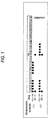
- the FTD/TPI combination drug was orally administered daily on Days 1-5 and on Days 8-12, and CPT-11 was administered via the tail vein on Days 1 and 15.
- the FTD/TPI combination drug was orally administered daily on Days 1-5 and on Days 15-19, and CPT-11 was administered via the tail vein on Days 1 and 15.
- the FTD/TPI combination drug and CPT-11 in the monotherapy group were respectively administered at the same dose as the corresponding drugs according to the administration schedule in the combined administration group ( Fig. 1 ).
- the body weight (BW) was measured as an index of toxicity over time
- the mean body weight change [BWC (%)] on Day n to the body weight on Day 0 was calculated by the following formula (n indicates the day when the body weight is measured twice in a week and the final measurement day corresponds to Day 29 that is the final evaluation day), and diarrhea was simultaneously observed in the individual mice during the test period.
- the results are shown in Figs. 3 and 5 .
- a combined administration test of an FTD/TPI combination drug and CPT-11 was performed in the same manner as in Example 1, except that the cell line was changed to human gastric cancer cell line (SC-2).
- the FTD/TPI combination drug (a mixture of FTD and TPI in a molar ratio of 1:0.5) was prepared so as to be 75 and 150 mg/kg/day (recommended dose) as FTD, and CPT-11 was prepared so as to be 100 mg/kg/day (recommended dose) as irinotecan hydrochloride hydrate.
- the results are shown in Table 2.
Landscapes
- Health & Medical Sciences (AREA)
- Life Sciences & Earth Sciences (AREA)
- General Health & Medical Sciences (AREA)
- Public Health (AREA)
- Medicinal Chemistry (AREA)
- Pharmacology & Pharmacy (AREA)
- Chemical & Material Sciences (AREA)
- Animal Behavior & Ethology (AREA)
- Veterinary Medicine (AREA)
- Epidemiology (AREA)
- Molecular Biology (AREA)
- Chemical Kinetics & Catalysis (AREA)
- General Chemical & Material Sciences (AREA)
- Nuclear Medicine, Radiotherapy & Molecular Imaging (AREA)
- Organic Chemistry (AREA)
- Engineering & Computer Science (AREA)
- Bioinformatics & Cheminformatics (AREA)
- Pharmaceuticals Containing Other Organic And Inorganic Compounds (AREA)
Abstract
Description
- The present invention relates to an antitumour agent using a trifluridine/tipiracil hydrochloride combination drug in combination with irinotecan hydrochloride hydrate, and to an enhancer for the antitumor effect of irinotecan hydrochloride hydrate.
- Trifluridine (also called: α,α,α-trifluorothymidine. Hereinafter, also referred to as "FTD") exerts an antitumor effect due to an action for inhibiting thymidylate formation and an action for inhibiting DNA synthesis by incorporation into DNA. On the other hand, tipiracil hydrochloride (chemicalname: 5-chloro-6-[(2-iminopyrrolidin-1-yl)methyl]-pyrimidine-2,4( 1H,3H)-dione hydrochloride. Hereinafter, also referred to as "TPI") has an action for inhibiting thymidine phosphorylase. It is known that the antitumor effect of FTD is enhanced by the TPI suppressing the degradation of FTD in vivo caused by thymidine phosphorylase (Patent Literature 1). Currently, an antitumor agent containing FTD and TPI in amolar ratio of 1: 0.5 (hereinafter referred to as "FTD/TPI combination drug") is under development as a therapeutic agent for solid cancers, for example, colorectal cancer (
Non Patent Literatures 1 and 2). - Further, irinotecan hydrochloride hydrate (hereinafter, also referred to as "CPT-11") is a camptothecin derivative whose active metabolite is SN-38 and which suppresses the synthesis and transcription of DNA by inhibiting topoisomerase I, thereby to exert an antitumor effect. CPT-11 is clinically used as a therapeutic agent for a wide range of cancer types including, for example, small cell lung cancer, non-small cell lung cancer, cervical cancer, ovarian cancer, gastric cancer, colorectal cancer, breast cancer, squamous cell carcinoma, and malignant lymphoma (Non Patent Literature 3).
- Further, when FTD and SN-38 were allowed to act on a colorectal cancer cell line, a synergistic cytotoxicity was observed and thus a combination therapy using an FTD/TPI combination drug and CPT-11 has been expected (Non Patent Literature 4).
- Patent Literature 1:
WO 96/30346 - Non Patent Literature 1: Invest New Drugs 26 (5) : 445-54, 2008. Non Patent Literature 2: Lancet Oncol. 13 (10) : 993-1001, 2012. Non Patent Literature 3: Oncologist. 6(1): 66-80, 2001. Non Patent Literature 4: Eur J Cancer. 43(1): 175-83, 2007.
- The object of the present invention is to provide a novel combination therapy for solid cancers using an FTD/TPI combination drug which exhibits remarkable antitumor effects, and few side effects.
- In view of this situation, when a combination therapy comprising repeating a 28-day cycle consisting of two times of 5-days' administration with 2-days' rest of an FTD/TPI combination drug, followed by rest of the drug administration for 2 weeks, and an administration of CPT-11 once in 2 weeks was performed in a colorectal cancer patient on the basis of an administration schedule in which effects of each drug have previously been reported as in Reference Example described later, only about 30% of the predetermined amount of CPT-11 could be administered because side effects appeared strongly. Since antitumor effect is generally proportional to the total dose, the present inventors have studied on administration schedule which can suppress the occurrence of side effects and in which a predetermined amount can be administered. As a result, the present inventors have found that a combination therapy comprising repeating one cycle administration schedule, in which, in a period of 14 days, an FTD/TPI combination drug is administered to a solid cancer patient (particularly colorectal cancer patient) for 5 days, followed by rest of the drug administration for 9 days, andCPT-11 is administered once in 2 weeks, can suppress the occurrence of side effects, for example, neutropenia, diarrhea and body weight loss, can administer a predetermined amount and exert an excellent antitumor effects.
- That is, the present invention provides the following inventions [1] to [26].
- [1] An antitumor agent for solid cancers, wherein one cycle of an administration schedule, in which, in a period of 14 days, a combination drug containing trifluridine and tipiracil hydrochloride in a molar ratio of 1:0.5 is administered at a dose of 20 to 80 mg/m2/day using a reduced amount of trifluridine on
Days 1 to 5 and irinotecan hydrochloride hydrate is administered at a dose of 50 to 200 mg/m2/day onDay 1, is repeated once or twice or more times. - [2] The antitumor agent according to [1], wherein the combination drug containing trifluridine and tipiracil hydrochloride in a molar ratio of 1:0.5 is administered at a dose of 40 to 70 mg/m2/day using a reduced amount of trifluridine.
- [3] The antitumor agent according to [1] or [2], wherein irinotecan hydrochloride hydrate is administered at a dose of 100 to 180 mg/m2/day.
- [4] The antitumor agent according to any one of [1] to [3], wherein the solid cancer is colorectal cancer, lung cancer, breast cancer, pancreatic cancer, or gastric cancer.
- [5] An antitumor effect enhancer comprising a combination drug containing trifluridine and tipiracil hydrochloride in a molar ratio of 1:0.5 for enhancing the antitumor effect of irinotecan hydrochloride hydrate in a solid cancer patient, wherein one cycle of an administration schedule, in which, in a period of 14 days, the combination drug containing trifluridine and tipiracil hydrochloride in a molar ratio of 1:0.5 is administered at a dose of 20 to 80 mg/m2/day using a reduced amount of trifluridine on
Days 1 to 5 and irinotecan hydrochloride hydrate is administered at a dose of 50 to 200 mg/m2/day onDay 1, is repeated once or twice or more times. - [6] An antitumor agent comprising a combination drug containing trifluridine and tipiracil hydrochloride in a molar ratio of 1:0.5 for treating a solid cancer patient who has received irinotecan hydrochloride hydrate, wherein one cycle of an administration schedule, in which, in a period of 14 days, the combination drug containing trifluridine and tipiracil hydrochloride in a molar ratio of 1:0.5 is administered at a dose of 20 to 80 mg/m2/day using a reduced amount of trifluridine on
Days 1 to 5 and irinotecan hydrochloride hydrate is administered at a dose of 50 to 200 mg/m2/day onDay 1, is repeated once or twice or more times. - [7] A kit preparation comprising an antitumor agent containing a combination drug of trifluridine and tipiracil hydrochloride in a molar ratio of 1:0.5 and an instruction for use, wherein the instruction for use describes one cycle of an administration schedule to a solid cancer patient, in which, in a period of 14 days, the combination drug containing trifluridine and tipiracil hydrochloride in a molar ratio of 1:0.5 is administered at a dose of 20 to 80 mg/m2/day using a reduced amount of trifluridine on
Days 1 to 5 and irinotecan hydrochloride hydrate is administered at a dose of 50 to 200 mg/m2/day onDay 1. - [8] A combination drug comprising trifluridine and tipiracil hydrochloride in a molar ratio of 1:0.5 for treating a solid cancer, wherein one cycle of an administration schedule, in which, in a period of 14 days, the combination drug comprising trifluridine and tipiracil hydrochloride in a molar ratio of 1:0.5 is administered at a dose of 20 to 80 mg/m2/day using a reduced amount of trifluridine on
Days 1 to 5 and irinotecan hydrochloride hydrate is administered at a dose of 50 to 200 mg/m2/day onDay 1, is repeated once or twice or more times. - [9] The combination drug according to [8], wherein the combination drug comprising trifluridine and tipiracil hydrochloride in a molar ratio of 1:0.5 is administered at a dose of 40 to 70 mg/m2/day using a reduced amount of trifluridine.
- [10] The combination drug according to [8] or [9], wherein irinotecan hydrochloride hydrate is administered at a dose of 100 to 180 mg/m2/day.
- [11] The combination drug according to any one of [8] to [10], wherein the solid cancer is colorectal cancer, lung cancer, breast cancer, pancreatic cancer, or gastric cancer.
- [12] A combination drug comprising trifluridine and tipiracil hydrochloride in a molar ratio of 1:0.5 for enhancing the antitumor effect of irinotecan hydrochloride hydrate in a solid cancer patient, wherein one cycle of an administration schedule, in which, in a period of 14 days, the combination drug comprising trifluridine and tipiracil hydrochloride in a molar ratio of 1:0.5 is administered at a dose of 20 to 80 mg/m2/day using a reduced amount of trifluridine on
Days 1 to 5 and irinotecan hydrochloride hydrate is administered at a dose of 50 to 200 mg/m2/day onDay 1, is repeated once or twice or more times. - [13] A combination drug comprising trifluridine and tipiracil hydrochloride in a molar ratio of 1:0.5 for treating a solid cancer patient who has received irinotecan hydrochloride hydrate, wherein one cycle of an administration schedule, in which, in a period of 14 days, the combination drug comprising trifluridine and tipiracil hydrochloride in a molar ratio of 1:0.5 is administered at a dose of 20 to 80 mg/m2/day using a reduced amount of trifluridine on
Days 1 to 5 and irinotecan hydrochloride hydrate is administered at a dose of 50 to 200 mg/m2/day onDay 1, is repeated once or twice or more times. - [14] Use of a combination drug comprising trifluridine and tipiracil hydrochloride in a molar ratio of 1:0.5 for manufacturing an antitumor agent against solid cancers, wherein one cycle of an administration schedule, in which, in a period of 14 days, the combination drug comprising trifluridine and tipiracil hydrochloride in a molar ratio of 1: 0.5 is administered at a dose of 20 to 80 mg/m2/day using a reduced amount of trifluridine on
Days 1 to 5 and irinotecan hydrochloride hydrate is administered at a dose of 50 to 200 mg/m2/day onDay 1, is repeated once or twice or more times. - [15] The use according to [14], wherein the combination drug comprising trifluridine and tipiracil hydrochloride in a molar ratio of 1 : 0 . 5 is administered at a dose of 40 to 70 mg/m2/day using a reduced amount of trifluridine.
- [16] The use according to [14] or [15], wherein irinotecan hydrochloride hydrate is administered at a dose of 100 to 180 mg/m2/day.
- [17] The use according to any one of [14] to [16], wherein the solid cancer is colorectal cancer, lung cancer, breast cancer, pancreatic cancer, or gastric cancer.
- [18] Use for manufacturing an antitumor effect enhancer comprising a combination drug containing trifluridine and tipiracil hydrochloride in a molar ratio of 1:0.5 to enhance the antitumor effect of irinotecan hydrochloride hydrate in a solid cancer patient, wherein one cycle of an administration schedule, in which, in a period of 14 days, the combination drug containing trifluridine and tipiracil hydrochloride in a molar ratio of 1:0.5 is administered at a dose of 20 to 80 mg/m2/day using a reduced amount of trifluridine on
Days 1 to 5 and irinotecan hydrochloride hydrate is administered at a dose of 50 to 200 mg/m2/day onDay 1, is repeated once or twice or more times. - [19] Use for manufacturing an antitumor agent comprising a combination drug containing trifluridine and tipiracil hydrochloride in a molar ratio of 1:0.5 to treat a solid cancer patient who has received irinotecan hydrochloride hydrate, wherein one cycle of an administration schedule, in which, in a period of 14 days, the combination drug containing trifluridine and tipiracil hydrochloride in a molar ratio of 1:0.5 is administered at a dose of 20 to 80 mg/m2/day using a reduced amount of trifluridine on
Days 1 to 5 and irinotecan hydrochloride hydrate is administered at a dose of 50 to 200 mg/m2/day onDay 1, is repeated once or twice or more times. - [20] A therapeutic method for solid cancers, comprising repeating one cycle of an administration schedule to a solid cancer patient once or twice or more times, wherein in a period of 14 days, a combination drug containing trifluridine and tipiracil hydrochloride in a molar ratio of 1: 0.5 is administered at a dose of 20 to 80 mg/m2/day using a reduced amount of trifluridine on
Days 1 to 5 and irinotecan hydrochloride hydrate is administered at a dose of 50 to 200 mg/m2/day onDay 1. - [21] The method according to [20], wherein the combination drug comprising trifluridine and tipiracil hydrochloride in a molar ratio of 1:0.5 is administered at a dose of 40 to 70 mg/m2/day using a reduced amount of trifluridine.
- [22] The method according to [20] or [21], wherein irinotecan hydrochloride hydrate is administered at a dose of 100 to 180 mg/m2/day.
- [23] Themethodaccordingtoanyoneof [20] to [22], wherein the solid cancer is colorectal cancer, lung cancer, breast cancer, pancreatic cancer, or gastric cancer.
- [24] A method for enhancing an antitumor effect of irinotecan hydrochloride hydrate in a solid cancer patient, comprising repeating one cycle of an administration schedule once or twice or more times, wherein in a period of 14 days, the combination drug containing trifluridine and tipiracil hydrochloride in a molar ratio of 1:0.5 is administered at a dose of 20 to 80 mg/m2/day using a reduced amount of trifluridine on
Days 1 to 5 and irinotecan hydrochloride hydrate is administered at a dose of 50 to 200 mg/m2/day onDay 1. - [25] A method for treating a solid cancer patient who has received irinotecan hydrochloride hydrate, comprising administering a combination drug containing trifluridine and tipiracil hydrochloride in a molar ratio of 1:0.5 at a dose of 20 to 80 mg/m2/day using a reduced amount of trifluridine on
Days 1 to 5 and repeating one cycle of an administration schedule once or twice or more times, in which, in a period of 14 days, irinotecan hydrochloride hydrate is administered at a dose of 50 to 200 mg/m2/day onDay 1. - [26] An antitumor agent for solid cancers, wherein one cycle of an administration schedule, in which, in a period of 14 days, a combination drug comprising trifluridine and tipiracil hydrochloride in a molar ratio of 1:0.5 is administered on
Days 1 to 5 at the recommended dose in the monotherapy for the combination drug comprising trifluridine and tipiracil hydrochloride in a molar ratio of 1:0.5 and irinotecan hydrochloride hydrate is administered onDay 1 at the recommended dose in the monotherapy for irinotecan hydrochloride hydrate, is repeated once or twice or more times. - According to the antitumor agent of the present invention, it is possible to perform cancer treatment exhibiting a high antitumor effect while suppressing the onset of side effects, thereby achieving long-term survival in patients.
-
-
Fig. 1 is a diagram illustrating administration schedules (1) and (2). The black circle indicates the day of administration. -
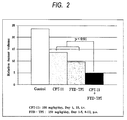
Fig. 2 is a graph illustrating an antitumor effect according to an administration schedule (1). -
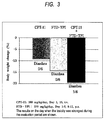
Fig. 3 is a graph illustrating a body weight change and an incidence of diarrhea according to an administration schedule (1). -
Fig. 4 is a graph illustrating an antitumor effect according to an administration schedule (2). -
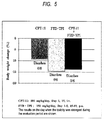
Fig. 5 is a graph illustrating a body weight change and an incidence of diarrhea according to an administration schedule (2). - FTD and TPI of the present invention are both known compounds and can be synthesized, for example, according to the method described in
WO 96/30346 Non Patent Literatures 1 and 2). - CPT-11 of the present invention is a known compound and can be synthesized according to the method described in
Japanese Patent No. 3,004,077 - The antitumor agent of the present invention is characterized in that one cycle of an administration schedule, in which, in a period of 14 days, a combination drug comprising FTD and TPI in a molar ratio of 1:0.5 is administered on
Days 1 to 5 and irinotecan hydrochloride hydrate is administered onDay 1, is repeated once or twice or more times. - As shown in Reference Example and Examples describedbelow, when the recommended dose of FTD/TPI combination drug in the monotherapy in mice and the recommended dose of CPT-11 in the monotherapy in mice were administered in combination to mice in accordance with the administration schedule, superior antitumor effects as well as suppression of side effects could be achieved. Thus, it is clear that the dose of FTD/TPI combination drug and CPT-11 in humans according to the administration schedule of the present invention is equivalent to the recommended dose of FTD/TPI combination drug and CPT-11 in humans in the monotherapy.
- In other words, the dose of FTD on
Days 1 to 5 is 20 to 80 mg/m2/day, and from the viewpoint of a balance between antitumor effects and side effects, the dose of FTD is more preferably 40 to 70 mg/m2/day, especially preferably 70 mg/m2/day. - The dose of CPT-11 on
Day 1 is 50 to 200 mg/m2/day using a reduced amount of irinotecan hydrochloride hydrate, and from the viewpoint of a balance between antitumor effects and side effects, the dose of CPT-11 is preferably 100 to 180 mg/m2/day, more preferably 150 to 180 mg/m2/day, especially preferably 180 mg/m2/day. - The target of the antitumor agent of the present invention is directed to solid tumors, including specifically head and neck cancer, gastrointestinal cancer (esophageal cancer, gastric cancer, duodenal cancer, liver cancer, biliary tract cancer (gallbladder/bile duct cancer), pancreatic cancer , small intestinal cancer, large intestinal cancer (colorectal cancer, colon cancer, rectal cancer), etc.), lung cancer, breast cancer, ovarian cancer, uterine cancer (cervical cancer, endometrial cancer), renal cancer, bladder cancer, prostate cancer, etc. Of these, from the viewpoint of antitumor effects and side effects, the target of the antitumor agent of the present invention is preferably gastrointestinal cancer, lung cancer, or breast cancer, more preferably colorectal cancer, pancreatic cancer, gastric cancer, lung cancer, or breast cancer, more preferably colorectal cancer and gastric cancer, and especially preferably colorectal cancer. Here, the solid cancer includes not only a primary tumor but also a tumor derived from a solid cancer that has metastasized to other organs (such as liver). Also, the antitumor agent of the present invention may be one used for postoperative adjuvant chemotherapy that is performed for preventing the recurrence after having extracted the tumor surgically.
- Since the administration schedule is different in each active ingredient, all the active ingredients cannot be formulated into one dosage form. Thus, the antitumor agent of the present invention is separately formulated into a plurality of dosage forms for each active ingredient. It is preferred that FTD and TPI are formulated as a combination drug and CPT-11 is formulated as a single agent.
- In addition, as long as each active ingredient is administered according to the administration schedule of the present invention, each preparation may be manufactured and sold together in a singlepackage suitable for combined administration, or each preparation may be manufactured and sold after being divided into a separate package.
- There is no particular limitation to the dosage form of the antitumor agent of the present invention, and it can be appropriately selected depending on the therapeutic purposes and includes specifically oral preparations (tablets, coated tablets, powders, granules, capsules, solutions, etc.), injections, suppositories, patches, ointments, etc. An oral preparation is preferable for the combination drug of FTD and TPI, and an injectable preparation is preferable for CPT-11.
- Depending on the dosage form, the antitumor agent of the present invention can be usually prepared by the known method using a pharmaceutically acceptable carrier. Such a carrier includes various ones which are commonly used in conventional drugs, such as excipients, binders, disintegrators, lubricants, diluents, solubilizers, suspending agents, isotonic agents, pH adjusting agents, buffering agents, stabilizers, coloring agents, flavoring agents, and flavors.
- The present invention also relates to an antitumor effect enhancer comprising an FTD/TPI combination drug for enhancing the antitumor effect of CPT-11 in a solid cancer patient (especially colorectal cancer patient), wherein the FTD/TPI combination drug and CPT-11 are administered on the basis of the administration schedule described above. The antitumor effect enhancer has the dosage form of the above antitumor agent.
- In addition, the present invention relates to an antitumor agent comprising an FTD/TPI combination drug for treating a cancer patient (especially colorectal cancer patient) who has received CPT-11, wherein the FTD/TPI combination drug and CPT-11 are administered on the basis of the administration schedule described above. The antitumor agent has the above dosage form.
- Further, the present invention relates to a kit preparation comprising an FTD/TPI combination drug and an instruction for use teaching that the FTD/TPI combination drug and CPT-11 are to be administered based on the administration schedule. Here, the term "instruction for use" may be any one as long as it describes the administration schedule; however, an instruction for use, in which the administration schedule is recommended though legal binding force does not matter, is preferable. The instruction for use includes specifically a package insert, a pamphlet, etc. Also, a kit preparation comprising an instruction for use may be one in which an instruction for use is printed on or attached to the package of the kit preparation, or may be one in which an antitumor agent together with an instruction for use is enclosed in a package of the kit preparation.
- Then, the present invention is explained in more detail by way of Examples.
- Cultured cells (1×10⁷ cells/mouse) of human colon cancer cell line (KM20C) were intraperitoneally transplanted into 5-6 weeks old BALB/cA Jcl-nu mice after birth, and the mice were assigned to each group so that the mean body weight of each group became equal. The date on which such grouping (n=10) was performed was taken as
Day 0. - An FTD/TPI combination drug (a mixture of FTD and TPI in a molar ratio of 1:0.5) was prepared so as to be 75, 100, 150, 300, and 450 mg/kg/day as FTD. Since a death case of irinotecan hydrochloride hydrate (CPT-11: CAMPTO (registered trademark) infusion, Yakult Honsha Co., Ltd.) at a dose of 111 mg/kg/day was reported (Kiso to Rinsho, (1990), Vol. 24, No. 14, 7-17), irinotecan hydrochloride hydrate was prepared so as to be 80 and 100 mg/kg/day. Starting the dug administration from
Day 3, a 5-days' daily oral administration of the FTD/TPI combination drug with 2-days' rest was performed for 6 weeks, and CPT-11 was administered once in a week from the tail vein for 6 weeks. - As an index of the antitumor effect, the number of survivors of each group of mice and the survival time of each group was compared. The results are shown in Table 1.
[Table 1] Drug Dose (mg/kg/day) Treatmenta) No. of animals Survival time (day) Meand±SD ILSb) (%) Control - - 10 40.0 ± 4.3 - FTD·TPI 75 5-days' oral administration with 2-days' rest (b.i.d) 10 50.0 ± 9.1 25.0 FTD·TPI 100 5-days' oral administration with 2-days' rest (b.i.d) 10 75.8 ± 42.6 89.5 FTD·TPI 150 5-days' oral administration with 2-days' rest (b.i.d) 10 125.7 ± 64.8 214.3 FTD·TPI 300 5-days' oral administration with 2-days' rest (b.i.d) 10 75.6 ± 17.5 89.0 FTD·TPI 450 5-days' oral administration with 2-days' rest (b.i.d) 10 54.1 ± 18.3 35.3 CTP-11 80 i.v., weekly 10 61.6 ± 12.6 54.0 CTP-11 100 i.v., weekly 10 72.5 ± 12.3 81.3 a): Drugs were given for 6 weeks from Day 3.
b): ILS means increase in life span.
ILS(%) = [(mean survival time of treatment group) / (mean survival time of control group)-1]× 100 - As described in Table 1, since the 100 mg/kg/day administration group of CPT-11 had a long life span in mice, the recommended dose (RD) of CPT-11 in mice was 100 mg/kg/day. Thus, the dose of 100 mg/kg/day in mice is equivalent to RD of 150 to 180 mg/m2/day in humans.
- Since life span is long in the administration group of 150 mg/kg/day of the FTD/TPI combination drug using a reduced amount of FTD, RD of the FTD/TPI combination drug in mice is 150 mg/kg/day using a reduced amount of FTD. Thus, the dose of 150 mg/kg/day (using a reduced amount of FTD) in mice is equivalent to RD of 70 mg/m2/day in humans.
- Human colon cancer cell lines (KM20C) were transplanted into the right chest of 5-6 weeks old BALB/cA Jcl-nu mice after birth. After tumor transplant, the major axis (mm) and minor axis (mm) of tumor were measured, and the tumor volume (TV) was calculated. Then, the animals were assigned to each group so that the mean TV of each group becomes equal and the day when grouping (n=6) was performed was taken as
Day 0. - An FTD/TPI combination drug (a mixture of FTD and TPI in a molar ratio of 1:0.5) was prepared so as to be 150 mg/kg/day as FTD. Irinotecan hydrochloride hydrate (CPT-11: CAMPTO (registered trademark) infusion, Yakult Honsha Co., Ltd.) was prepared so as to be 100 mg/kg/day as irinotecan hydrochloride hydrate. In the administration schedule (1), the FTD/TPI combination drug was orally administered daily on Days 1-5 and on Days 8-12, and CPT-11 was administered via the tail vein on
Days Days Fig. 1 ). - As an index of the antitumor effect, TV at
Day 29 in each group was calculated and the relative tumor volume (RTV) atDay 0 was determined by the following formula and compared to RTV of the untreated group (control). Evaluation judgment on the combination effects was made as effective in the case where the mean RTV values of the combined administration group were statistically significantly lower (Welch's IUT, over all maximum p <0.05) than the mean RTV values of the individual monotherapy group. The results are shown inFigs. 2 and4 . In the Figs, if the p-value is 0.05 or less, it shows that a statistically significant difference was observed in the monotherapy group.

- In addition, the body weight (BW) was measured as an index of toxicity over time, the mean body weight change [BWC (%)] on Day n to the body weight on
Day 0 was calculated by the following formula (n indicates the day when the body weight is measured twice in a week and the final measurement day corresponds toDay 29 that is the final evaluation day), and diarrhea was simultaneously observed in the individual mice during the test period. The results are shown inFigs. 3 and5 . - From the results of
Figs. 2 to 5 , it was revealed that the administration schedule (2) dramatically improved side effects such as body weight loss and diarrhea while maintaining the antitumor effects, in comparison with the administration schedule (1). - A combined administration test of an FTD/TPI combination drug and CPT-11 was performed in the same manner as in Example 1, except that the cell line was changed to human gastric cancer cell line (SC-2). The FTD/TPI combination drug (a mixture of FTD and TPI in a molar ratio of 1:0.5) was prepared so as to be 75 and 150 mg/kg/day (recommended dose) as FTD, and CPT-11 was prepared so as to be 100 mg/kg/day (recommended dose) as irinotecan hydrochloride hydrate. The results are shown in Table 2.
[Table 2] Drug Dose (mg/kg/day) Treatment RTV a) (mean ± SD) TGIb) (%) Control 12.41 ± 0.65 CPT-11 100 Day1,15, i.v., q.d. 2.70 ± 0.18 ** 78.2 FTD·TPI 75 Dayl∼5, 15∼19, p.o., b.id. 8.77 ± 0.38 ** 29.3 FTD·TPI 150 7.30 ± 0.33 ** 41.2 FTD·TPI+CPT-11 75+100 Dayl∼5, 15∼19, p.o., b.id. 1.66 ± 0.22 **## 86.6 FTD·TPI+CPT-11 150+100 Dayl,15, i.v.,q.d. 1.29 ± 0.12**## 89.6 **: p<0.01 with Aspin-Welch's t-test as compared with the control group.
## : overall maximal p<0.01 by closed testing procedure (Intersection-Union Test).
a) : Relative tumor volume (RTV) onDay 15 was calculated as the ratio of TV onDay 15 to that onDay 0 according to th RTV = (TV on Day 15) / (TV on Day 0)
b): Tumor growth inhibition rate (TGI) onDay 15 on the basis of RTV was calculated according to the following formula TGI (%) = [1 - (mean RTV of the treated group) / (mean RTV of the control group)] × 100 - As shown in Table 2, it was confirmed that the antitumor effect against gastric cancer was also significantly enhanced by the administration schedule (2). In addition, the body weight loss was within an acceptable range.
Claims (26)
- An antitumor agent for solid cancers, wherein one cycle of an administration schedule, in which, in a period of 14 days, a combination drug containing trifluridine and tipiracil hydrochloride in a molar ratio of 1:0.5 is administered at a dose of 20 to 80 mg/m2/day using a reduced amount of trifluridine on Days 1 to 5 and irinotecan hydrochloride hydrate is administered at a dose of 50 to 200 mg/m2/day on Day 1, is repeated once or twice or more times.
- The antitumor agent according to claim 1, wherein the combination drug containing trifluridine and tipiracil hydrochloride in a molar ratio of 1:0.5 is administered at a dose of 40 to 70 mg/m2/day using a reduced amountof trifluridine.
- The antitumor agent according to claim 1 or 2, wherein irinotecan hydrochloride hydrate is administered at a dose of 100 to 180 mg/m2/day.
- The antitumor agent according to any one of claims 1 to 3, wherein the solid cancer is colorectal cancer, lung cancer, breast cancer, pancreatic cancer, or gastric cancer.
- An antitumor effect enhancer comprising a combination drug containing trifluridine and tipiracil hydrochloride in a molar ratio of 1:0.5 for enhancing the antitumor effect of irinotecan hydrochloride hydrate in a solid cancer patient, wherein one cycle of an administration schedule, in which, in a period of 14 days, the combination drug containing trifluridine and tipiracil hydrochloride in a molar ratio of 1: 0.5 is administered at a dose of 20 to 80 mg/m2/day using a reduced amountof trifluridine on Days 1 to 5 and irinotecan hydrochloride hydrate is administered at a dose of 50 to 200 mg/m2/day on Day 1, is repeated once or twice or more times.
- An antitumor agent comprising a combination drug containing trifluridine and tipiracil hydrochloride in a molar ratio of 1:0.5 for treating a solid cancer patient who has received irinotecan hydrochloride hydrate, wherein one cycle of an administration schedule, in which, in a period of 14 days, the combination drug containing trifluridine and tipiracil hydrochloride in a molar ratio of 1:0.5 is administered at a dose of 20 to 80 mg/m2/day using a reduced amount of trifluridine on Days 1 to 5 and irinotecan hydrochloride hydrate is administered at a dose of 50 to 200 mg/m2/day on Day 1, is repeated once or twice or more times.
- A kit preparation comprising an antitumor agent containing a combination drug of trifluridine and tipiracil hydrochloride in a molar ratio of 1:0.5 and an instruction for use, wherein the instruction for use describes one cycle of an administration schedule to a solid cancer patient, in which, in a period of 14 days, the combination drug containing trifluridine and tipiracil hydrochloride in a molar ratio of 1: 0.5 is administered at a dose of 20 to 80 mg/m2/day using a reduced amount of trifluridine on Days 1 to 5 and irinotecan hydrochloride hydrate is administered at a dose of 50 to 200 mg/m2/day on Day 1.
- A combination drug comprising trifluridine and tipiracil hydrochloride in a molar ratio of 1:0.5 for treating a solid cancer, wherein one cycle of an administration schedule, in which, in a period of 14 days, the combination drug comprising trifluridine and tipiracil hydrochloride in a molar ratio of 1:0.5 is administered at a dose of 20 to 80 mg/m2/day using a reduced amount of trifluridine on Days 1 to 5 and irinotecan hydrochloride hydrate is administered at a dose of 50 to 200 mg/m2/day on Day 1, is repeated once or twice or more times.
- The combination drug according to claim 8, wherein the combination drug comprising trifluridine and tipiracil hydrochloride in a molar ratio of 1:0.5 is administered at a dose of 40 to 70 mg/m2/day using a reduced amount of trifluridine.
- The combination drug according to claim 8 or 9, wherein irinotecan hydrochloride hydrate is administered at a dose of 100 to 180 mg/m2/day.
- The combination drug according to any one of claims 8 to 10, wherein the solid cancer is colorectal cancer, lung cancer, breast cancer, pancreatic cancer, or gastric cancer.
- A combination drug comprising trifluridine and tipiracil hydrochloride in a molar ratio of 1:0.5 for enhancing the antitumor effect of irinotecan hydrochloride hydrate in a solid cancer patient, wherein one cycle of an administration schedule, in which, in a period of 14 days, the combination drug comprising trifluridine and tipiracil hydrochloride in a molar ratio of 1:0.5 is administered at a dose of 20 to 80 mg/m2/day using a reduced amount of trifluridine on Days 1 to 5 and irinotecan hydrochloride hydrate is administered at a dose of 50 to 200 mg/m2/day on Day 1, is repeated once or twice or more times.
- A combination drug comprising trifluridine and tipiracil hydrochloride in a molar ratio of 1:0.5 for treating a solid cancer patient who has received irinotecan hydrochloride hydrate, wherein one cycle of an administration schedule, in which, in a period of 14 days, the combination drug comprising trifluridine and tipiracil hydrochloride in a molar ratio of 1:0.5 is administered at a dose of 20 to 80 mg/m2/day using a reduced amount of trifluridine on Days 1 to 5 and irinotecan hydrochloride hydrate is administered at a dose of 50 to 200 mg/m2/day on Day 1, is repeated once or twice or more times.
- Use of a combination drug comprising trifluridine and tipiracil hydrochloride in a molar ratio of 1:0.5 for manufacturing an antitumor agent against solid cancers, wherein one cycle of an administration schedule, in which, in a period of 14 days, the combination drug comprising trifluridine and tipiracil hydrochloride in a molar ratio of 1: 0.5 is administered at a dose of 20 to 80 mg/m2/day using a reduced amount of trifluridine on Days 1 to 5 and irinotecan hydrochloride hydrate is administered at a dose of 50 to 200 mg/m2/day on Day 1, is repeated once or twice or more times.
- The use according to claim 14, wherein the combination drug comprising trifluridine and tipiracil hydrochloride in a molar ratio of 1:0.5 is administered at a dose of 40 to 70 mg/m2/day using a reduced amount of trifluridine.
- The use according to claim 14 or 15, wherein irinotecan hydrochloride hydrate is administered at a dose of 100 to 180 mg/m2/day.
- The use according to any one of claims 14 to 16, wherein the solid cancer is colorectal cancer, lung cancer, breast cancer, pancreatic cancer, or gastric cancer.
- Use for manufacturing an antitumor effect enhancer comprising a combination drug containing trifluridine and tipiracil hydrochloride in a molar ratio of 1:0.5 to enhance the antitumor effect of irinotecan hydrochloride hydrate in a solid cancer patient, wherein one cycle of an administration schedule, in which, in a period of 14 days, the combination drug containing trifluridine and tipiracil hydrochloride in a molar ratio of 1:0.5 is administered at a dose of 20 to 80 mg/m2/day using a reduced amount of trifluridine on Days 1 to 5 and irinotecan hydrochloride hydrate is administered at a dose of 50 to 200 mg/m2/day on Day 1, is repeated once or twice or more times.
- Use for manufacturing an antitumor agent comprising a combination drug containing trifluridine and tipiracil hydrochloride in a molar ratio of 1:0.5 to treat a solid cancer patient who has received irinotecan hydrochloride hydrate, wherein one cycle of an administration schedule, in which, in a period of 14 days, the combination drug containing trifluridine and tipiracil hydrochloride in a molar ratio of 1:0.5 is administered at a dose of 20 to 80 mg/m2/day using a reduced amount of trifluridine on Days 1 to 5 and irinotecan hydrochloride hydrate is administered at a dose of 50 to 200 mg/m2/day on Day 1, is repeated once or twice or more times.
- A therapeutic method for solid cancers, comprising repeating one cycle of an administration schedule to a solid cancer patient once or twice or more times, wherein in a period of 14 days, a combination drug containing trifluridine and tipiracil hydrochloride in a molar ratio of 1: 0.5 is administered at a dose of 20 to 80 mg/m2/day using a reduced amount of trifluridine on Days 1 to 5 and irinotecan hydrochloride hydrate is administered at a dose of 50 to 200 mg/m2/day on Day 1.
- The method according to claim 20, wherein the combination drug comprising trifluridine and tipiracil hydrochloride in a molar ratio of 1:0.5 is administered at a dose of 40 to 70 mg/m2/day using a reduced amount of trifluridine.
- The method according to claim 20 or 21, wherein irinotecan hydrochloride hydrate is administered at a dose of 100 to 180 mg/m2/day.
- The method according to any one of claims 20 to 22, wherein the solid cancer is colorectal cancer, lung cancer, breast cancer, pancreatic cancer, or gastric cancer.
- A method for enhancing an antitumor effect of irinotecan hydrochloride hydrate in a solid cancer patient, comprising repeating one cycle of an administration schedule once or twice or more times, wherein in a period of 14 days, the combination drug containing trifluridine and tipiracil hydrochloride in a molar ratio of 1: 0.5 is administered at a dose of 20 to 80 mg/m2/day using a reduced amount of trifluridine on Days 1 to 5 and irinotecan hydrochloride hydrate is administered at a dose of 50 to 200 mg/m2/day on Day 1.
- A method for treating a solid cancer patient who has received irinotecan hydrochloride hydrate, comprising repeating one cycle of an administration schedule once or twice or more times, wherein in a period of 14 days, the combination drug containing trifluridine and tipiracil hydrochloride in a molar ratio of 1: 0.5 is administered at a dose of 20 to 80 mg/m2/day using a reduced amount of trifluridine on Days 1 to 5 and irinotecan hydrochloride hydrate is administered at a dose of 50 to 200 mg/m2/day on Day 1.
- An antitumor agent for solid cancers, wherein one cycle of an administration schedule, in which, in a period of 14 days, a combination drug comprising trifluridine and tipiracil hydrochloride in a molar ratio of 1:0.5 is administered on Days 1 to 5 at the recommended dose in the monotherapy for the combination drug comprising trifluridine and tipiracil hydrochloride in a molar ratio of 1:0.5 and irinotecan hydrochloride hydrate is administered on Day 1 at the recommended dose in the monotherapy for irinotecan hydrochloride hydrate, is repeated once or twice or more times.
Priority Applications (5)
| Application Number | Priority Date | Filing Date | Title |
|---|---|---|---|
| HRP20201691TT HRP20201691T1 (en) | 2013-03-27 | 2014-03-27 | Antitumor agent including irinotecan hydrochloride hydrate |
| PL14773672T PL2979701T3 (en) | 2013-03-27 | 2014-03-27 | Antitumor agent including irinotecan hydrochloride hydrate |
| SI201431671T SI2979701T1 (en) | 2013-03-27 | 2014-03-27 | Antitumor agent including irinotecan hydrochloride hydrate |
| SM20200568T SMT202000568T1 (en) | 2013-03-27 | 2014-03-27 | Antitumor agent including irinotecan hydrochloride hydrate |
| RS20201272A RS60958B1 (en) | 2013-03-27 | 2014-03-27 | Antitumor agent including irinotecan hydrochloride hydrate |
Applications Claiming Priority (2)
| Application Number | Priority Date | Filing Date | Title |
|---|---|---|---|
| JP2013066073 | 2013-03-27 | ||
| PCT/JP2014/058732 WO2014157443A1 (en) | 2013-03-27 | 2014-03-27 | Antitumor agent including irinotecan hydrochloride hydrate |
Publications (3)
| Publication Number | Publication Date |
|---|---|
| EP2979701A1 true EP2979701A1 (en) | 2016-02-03 |
| EP2979701A4 EP2979701A4 (en) | 2016-11-30 |
| EP2979701B1 EP2979701B1 (en) | 2020-08-26 |
Family
ID=51624405
Family Applications (1)
| Application Number | Title | Priority Date | Filing Date |
|---|---|---|---|
| EP14773672.2A Active EP2979701B1 (en) | 2013-03-27 | 2014-03-27 | Antitumor agent including irinotecan hydrochloride hydrate |
Country Status (22)
| Country | Link |
|---|---|
| US (1) | US9616082B2 (en) |
| EP (1) | EP2979701B1 (en) |
| JP (1) | JP5976923B2 (en) |
| KR (1) | KR101847252B1 (en) |
| AU (1) | AU2014245146B2 (en) |
| CY (1) | CY1123539T1 (en) |
| DK (1) | DK2979701T3 (en) |
| ES (1) | ES2824400T3 (en) |
| HR (1) | HRP20201691T1 (en) |
| HU (1) | HUE051464T2 (en) |
| LT (1) | LT2979701T (en) |
| NZ (1) | NZ712584A (en) |
| PL (1) | PL2979701T3 (en) |
| PT (1) | PT2979701T (en) |
| RS (1) | RS60958B1 (en) |
| RU (1) | RU2657604C2 (en) |
| SI (1) | SI2979701T1 (en) |
| SM (1) | SMT202000568T1 (en) |
| TW (1) | TWI615145B (en) |
| UA (1) | UA114840C2 (en) |
| WO (1) | WO2014157443A1 (en) |
| ZA (1) | ZA201507442B (en) |
Cited By (1)
| Publication number | Priority date | Publication date | Assignee | Title |
|---|---|---|---|---|
| US9943537B2 (en) | 2013-09-06 | 2018-04-17 | Taiho Pharmaceutical Co., Ltd. | Antitumor agent and antitumor effect enhancer |
Families Citing this family (2)
| Publication number | Priority date | Publication date | Assignee | Title |
|---|---|---|---|---|
| CN106551946B (en) * | 2015-09-24 | 2020-02-14 | 江苏奥赛康药业有限公司 | Pharmaceutical composition containing trifluorothymidine and tipyrimidine hydrochloride and preparation method thereof |
| UA123403C2 (en) * | 2016-02-05 | 2021-03-31 | Тайхо Фармасьютікал Ко., Лтд. | METHOD OF TREATMENT OF CANCER PATIENTS WITH SEVERE KIDNEY FAILURE |
Family Cites Families (6)
| Publication number | Priority date | Publication date | Assignee | Title |
|---|---|---|---|---|
| JPS6019790A (en) | 1983-07-14 | 1985-01-31 | Yakult Honsha Co Ltd | Novel camptothecin derivative |
| DE69629156T2 (en) | 1995-03-29 | 2004-05-06 | Taiho Pharmaceutical Co. Ltd. | URACIL DERIVATIVES AND ANTITUM-EFFECT AMPLIFIERS CONTAINING THEM AND ANTITUARY AGENTS |
| EP1849470B2 (en) * | 2005-01-26 | 2024-03-20 | Taiho Pharmaceutical Co., Ltd. | Anticancer drug containing alpha, alpha, alpha-trifluorothymidine and thymidine phosphorylase inhibitor |
| US7799783B2 (en) | 2005-01-26 | 2010-09-21 | Taiho Pharmaceutical Co., Ltd. | Method of administrating an anticancer drug containing α, α, α-trifluorothymidine and thymidine phosphorylase inhibitor |
| RU2437692C2 (en) * | 2010-03-12 | 2011-12-27 | Сергей Юрьевич Лешков | Method of treating solid malignant growths and their metastases |
| AU2014245147B2 (en) | 2013-03-27 | 2017-08-31 | Les Laboratoires Servier | Antitumor agent including low-dose irinotecan hydrochloride hydrate |
-
2014
- 2014-03-27 TW TW103111510A patent/TWI615145B/en active
- 2014-03-27 AU AU2014245146A patent/AU2014245146B2/en active Active
- 2014-03-27 HR HRP20201691TT patent/HRP20201691T1/en unknown
- 2014-03-27 EP EP14773672.2A patent/EP2979701B1/en active Active
- 2014-03-27 DK DK14773672.2T patent/DK2979701T3/en active
- 2014-03-27 SM SM20200568T patent/SMT202000568T1/en unknown
- 2014-03-27 NZ NZ712584A patent/NZ712584A/en unknown
- 2014-03-27 PT PT147736722T patent/PT2979701T/en unknown
- 2014-03-27 RS RS20201272A patent/RS60958B1/en unknown
- 2014-03-27 KR KR1020157026551A patent/KR101847252B1/en active Active
- 2014-03-27 US US14/780,269 patent/US9616082B2/en active Active
- 2014-03-27 SI SI201431671T patent/SI2979701T1/en unknown
- 2014-03-27 PL PL14773672T patent/PL2979701T3/en unknown
- 2014-03-27 HU HUE14773672A patent/HUE051464T2/en unknown
- 2014-03-27 UA UAA201510464A patent/UA114840C2/en unknown
- 2014-03-27 JP JP2015508648A patent/JP5976923B2/en active Active
- 2014-03-27 RU RU2015145948A patent/RU2657604C2/en active
- 2014-03-27 LT LTEP14773672.2T patent/LT2979701T/en unknown
- 2014-03-27 ES ES14773672T patent/ES2824400T3/en active Active
- 2014-03-27 WO PCT/JP2014/058732 patent/WO2014157443A1/en not_active Ceased
-
2015
- 2015-10-07 ZA ZA2015/07442A patent/ZA201507442B/en unknown
-
2020
- 2020-10-13 CY CY20201100962T patent/CY1123539T1/en unknown
Cited By (1)
| Publication number | Priority date | Publication date | Assignee | Title |
|---|---|---|---|---|
| US9943537B2 (en) | 2013-09-06 | 2018-04-17 | Taiho Pharmaceutical Co., Ltd. | Antitumor agent and antitumor effect enhancer |
Also Published As
| Publication number | Publication date |
|---|---|
| JPWO2014157443A1 (en) | 2017-02-16 |
| US20160045530A1 (en) | 2016-02-18 |
| UA114840C2 (en) | 2017-08-10 |
| KR101847252B1 (en) | 2018-04-09 |
| JP5976923B2 (en) | 2016-08-24 |
| NZ712584A (en) | 2018-03-23 |
| ZA201507442B (en) | 2017-01-25 |
| HRP20201691T1 (en) | 2020-12-25 |
| EP2979701B1 (en) | 2020-08-26 |
| PL2979701T3 (en) | 2020-12-28 |
| HUE051464T2 (en) | 2021-03-01 |
| DK2979701T3 (en) | 2020-10-26 |
| ES2824400T3 (en) | 2021-05-12 |
| TW201513870A (en) | 2015-04-16 |
| SI2979701T1 (en) | 2021-02-26 |
| AU2014245146B2 (en) | 2017-08-31 |
| RS60958B1 (en) | 2020-11-30 |
| PT2979701T (en) | 2020-10-20 |
| EP2979701A4 (en) | 2016-11-30 |
| AU2014245146A1 (en) | 2015-10-15 |
| TWI615145B (en) | 2018-02-21 |
| SMT202000568T1 (en) | 2020-11-10 |
| RU2657604C2 (en) | 2018-06-14 |
| WO2014157443A1 (en) | 2014-10-02 |
| CY1123539T1 (en) | 2022-03-24 |
| KR20150136073A (en) | 2015-12-04 |
| RU2015145948A (en) | 2017-05-04 |
| US9616082B2 (en) | 2017-04-11 |
| LT2979701T (en) | 2020-11-10 |
Similar Documents
| Publication | Publication Date | Title |
|---|---|---|
| EP2979700B1 (en) | Antitumor agent including low dose irinotecan hydrochloride hydrate | |
| EP2799070B1 (en) | Effect potentiator for antitumor agents | |
| JP6557744B2 (en) | Antitumor agent and antitumor effect potentiator | |
| EP2979701B1 (en) | Antitumor agent including irinotecan hydrochloride hydrate | |
| JP6458007B2 (en) | Antitumor agent and antitumor effect potentiator containing antitumor platinum complex | |
| NZ740252B2 (en) | Antitumor agent including low-dose irinotecan hydrochloride hydrate | |
| NZ740252A (en) | Antitumor agent including low-dose irinotecan hydrochloride hydrate | |
| JP2015199678A (en) | Antitumor agent and antitumor effect potentiator containing lapatinib tosylate hydrate | |
| JP2015199677A (en) | Antitumor agent and antitumor effect potentiator containing nogitecan hydrochloride |
Legal Events
| Date | Code | Title | Description |
|---|---|---|---|
| PUAI | Public reference made under article 153(3) epc to a published international application that has entered the european phase |
Free format text: ORIGINAL CODE: 0009012 |
|
| 17P | Request for examination filed |
Effective date: 20151012 |
|
| AK | Designated contracting states |
Kind code of ref document: A1 Designated state(s): AL AT BE BG CH CY CZ DE DK EE ES FI FR GB GR HR HU IE IS IT LI LT LU LV MC MK MT NL NO PL PT RO RS SE SI SK SM TR |
|
| AX | Request for extension of the european patent |
Extension state: BA ME |
|
| RIC1 | Information provided on ipc code assigned before grant |
Ipc: A61K 31/7072 20060101AFI20161018BHEP Ipc: A61P 43/00 20060101ALI20161018BHEP Ipc: A61K 31/4745 20060101ALI20161018BHEP Ipc: A61K 31/506 20060101ALI20161018BHEP Ipc: A61P 35/00 20060101ALI20161018BHEP |
|
| A4 | Supplementary search report drawn up and despatched |
Effective date: 20161102 |
|
| RIC1 | Information provided on ipc code assigned before grant |
Ipc: A61P 35/00 20060101ALI20161025BHEP Ipc: A61K 31/506 20060101ALI20161025BHEP Ipc: A61P 43/00 20060101ALI20161025BHEP Ipc: A61K 31/7072 20060101AFI20161025BHEP Ipc: A61K 31/4745 20060101ALI20161025BHEP |
|
| STAA | Information on the status of an ep patent application or granted ep patent |
Free format text: STATUS: EXAMINATION IS IN PROGRESS |
|
| 17Q | First examination report despatched |
Effective date: 20180413 |
|
| GRAP | Despatch of communication of intention to grant a patent |
Free format text: ORIGINAL CODE: EPIDOSNIGR1 |
|
| STAA | Information on the status of an ep patent application or granted ep patent |
Free format text: STATUS: GRANT OF PATENT IS INTENDED |
|
| INTG | Intention to grant announced |
Effective date: 20191202 |
|
| GRAS | Grant fee paid |
Free format text: ORIGINAL CODE: EPIDOSNIGR3 |
|
| GRAJ | Information related to disapproval of communication of intention to grant by the applicant or resumption of examination proceedings by the epo deleted |
Free format text: ORIGINAL CODE: EPIDOSDIGR1 |
|
| GRAL | Information related to payment of fee for publishing/printing deleted |
Free format text: ORIGINAL CODE: EPIDOSDIGR3 |
|
| STAA | Information on the status of an ep patent application or granted ep patent |
Free format text: STATUS: EXAMINATION IS IN PROGRESS |
|
| INTC | Intention to grant announced (deleted) | ||
| RIN1 | Information on inventor provided before grant (corrected) |
Inventor name: OKABE, HIROYUKI |
|
| GRAR | Information related to intention to grant a patent recorded |
Free format text: ORIGINAL CODE: EPIDOSNIGR71 |
|
| STAA | Information on the status of an ep patent application or granted ep patent |
Free format text: STATUS: GRANT OF PATENT IS INTENDED |
|
| GRAA | (expected) grant |
Free format text: ORIGINAL CODE: 0009210 |
|
| STAA | Information on the status of an ep patent application or granted ep patent |
Free format text: STATUS: THE PATENT HAS BEEN GRANTED |
|
| INTG | Intention to grant announced |
Effective date: 20200716 |
|
| AK | Designated contracting states |
Kind code of ref document: B1 Designated state(s): AL AT BE BG CH CY CZ DE DK EE ES FI FR GB GR HR HU IE IS IT LI LT LU LV MC MK MT NL NO PL PT RO RS SE SI SK SM TR |
|
| AX | Request for extension of the european patent |
Extension state: BA ME |
|
| REG | Reference to a national code |
Ref country code: GB Ref legal event code: FG4D |
|
| REG | Reference to a national code |
Ref country code: CH Ref legal event code: EP |
|
| REG | Reference to a national code |
Ref country code: DE Ref legal event code: R096 Ref document number: 602014069426 Country of ref document: DE |
|
| REG | Reference to a national code |
Ref country code: AT Ref legal event code: REF Ref document number: 1305693 Country of ref document: AT Kind code of ref document: T Effective date: 20200915 |
|
| REG | Reference to a national code |
Ref country code: IE Ref legal event code: FG4D |
|
| REG | Reference to a national code |
Ref country code: CH Ref legal event code: NV Representative=s name: SERVOPATENT GMBH, CH |
|
| REG | Reference to a national code |
Ref country code: HR Ref legal event code: TUEP Ref document number: P20201691 Country of ref document: HR Ref country code: PT Ref legal event code: SC4A Ref document number: 2979701 Country of ref document: PT Date of ref document: 20201020 Kind code of ref document: T Free format text: AVAILABILITY OF NATIONAL TRANSLATION Effective date: 20201013 |
|
| REG | Reference to a national code |
Ref country code: DK Ref legal event code: T3 Effective date: 20201020 Ref country code: FI Ref legal event code: FGE |
|
| REG | Reference to a national code |
Ref country code: SE Ref legal event code: TRGR |
|
| REG | Reference to a national code |
Ref country code: NL Ref legal event code: FP |
|
| REG | Reference to a national code |
Ref country code: SK Ref legal event code: T3 Ref document number: E 35510 Country of ref document: SK |
|
| REG | Reference to a national code |
Ref country code: GR Ref legal event code: EP Ref document number: 20200402742 Country of ref document: GR Effective date: 20201116 |
|
| REG | Reference to a national code |
Ref country code: EE Ref legal event code: FG4A Ref document number: E019881 Country of ref document: EE Effective date: 20201009 |
|
| REG | Reference to a national code |
Ref country code: NO Ref legal event code: T2 Effective date: 20200826 |
|
| REG | Reference to a national code |
Ref country code: HR Ref legal event code: T1PR Ref document number: P20201691 Country of ref document: HR |
|
| REG | Reference to a national code |
Ref country code: HU Ref legal event code: AG4A Ref document number: E051464 Country of ref document: HU |
|
| REG | Reference to a national code |
Ref country code: HR Ref legal event code: ODRP Ref document number: P20201691 Country of ref document: HR Payment date: 20210324 Year of fee payment: 8 |
|
| REG | Reference to a national code |
Ref country code: ES Ref legal event code: FG2A Ref document number: 2824400 Country of ref document: ES Kind code of ref document: T3 Effective date: 20210512 |
|
| REG | Reference to a national code |
Ref country code: DE Ref legal event code: R097 Ref document number: 602014069426 Country of ref document: DE |
|
| PLBE | No opposition filed within time limit |
Free format text: ORIGINAL CODE: 0009261 |
|
| STAA | Information on the status of an ep patent application or granted ep patent |
Free format text: STATUS: NO OPPOSITION FILED WITHIN TIME LIMIT |
|
| 26N | No opposition filed |
Effective date: 20210527 |
|
| REG | Reference to a national code |
Ref country code: HR Ref legal event code: ODRP Ref document number: P20201691 Country of ref document: HR Payment date: 20220325 Year of fee payment: 9 |
|
| REG | Reference to a national code |
Ref country code: HR Ref legal event code: ODRP Ref document number: P20201691 Country of ref document: HR Payment date: 20230215 Year of fee payment: 10 |
|
| P01 | Opt-out of the competence of the unified patent court (upc) registered |
Effective date: 20230522 |
|
| REG | Reference to a national code |
Ref country code: HR Ref legal event code: ODRP Ref document number: P20201691 Country of ref document: HR Payment date: 20240208 Year of fee payment: 11 |
|
| REG | Reference to a national code |
Ref country code: HR Ref legal event code: ODRP Ref document number: P20201691 Country of ref document: HR Payment date: 20250207 Year of fee payment: 12 |
|
| PGFP | Annual fee paid to national office [announced via postgrant information from national office to epo] |
Ref country code: AL Payment date: 20250312 Year of fee payment: 12 |
|
| PGFP | Annual fee paid to national office [announced via postgrant information from national office to epo] |
Ref country code: ES Payment date: 20250403 Year of fee payment: 12 |
|
| PGFP | Annual fee paid to national office [announced via postgrant information from national office to epo] |
Ref country code: CH Payment date: 20250401 Year of fee payment: 12 |
|
| REG | Reference to a national code |
Ref country code: AT Ref legal event code: UEP Ref document number: 1305693 Country of ref document: AT Kind code of ref document: T Effective date: 20200826 |
|
| PGFP | Annual fee paid to national office [announced via postgrant information from national office to epo] |
Ref country code: NL Payment date: 20260213 Year of fee payment: 13 |
|
| REG | Reference to a national code |
Ref country code: CH Ref legal event code: U11 Free format text: ST27 STATUS EVENT CODE: U-0-0-U10-U11 (AS PROVIDED BY THE NATIONAL OFFICE) Effective date: 20260401 |
|
| PGFP | Annual fee paid to national office [announced via postgrant information from national office to epo] |
Ref country code: SM Payment date: 20260330 Year of fee payment: 13 |
|
| PGFP | Annual fee paid to national office [announced via postgrant information from national office to epo] |
Ref country code: SE Payment date: 20260211 Year of fee payment: 13 |
|
| PGFP | Annual fee paid to national office [announced via postgrant information from national office to epo] |
Ref country code: GB Payment date: 20260209 Year of fee payment: 13 Ref country code: LT Payment date: 20260226 Year of fee payment: 13 |
|
| PGFP | Annual fee paid to national office [announced via postgrant information from national office to epo] |
Ref country code: MC Payment date: 20260226 Year of fee payment: 13 |
|
| REG | Reference to a national code |
Ref country code: HR Ref legal event code: ODRP Ref document number: P20201691 Country of ref document: HR Payment date: 20260205 Year of fee payment: 13 |
|
| PGFP | Annual fee paid to national office [announced via postgrant information from national office to epo] |
Ref country code: DE Payment date: 20260128 Year of fee payment: 13 Ref country code: NO Payment date: 20260310 Year of fee payment: 13 Ref country code: DK Payment date: 20260313 Year of fee payment: 13 Ref country code: IE Payment date: 20260211 Year of fee payment: 13 |
|
| PGFP | Annual fee paid to national office [announced via postgrant information from national office to epo] |
Ref country code: AT Payment date: 20260225 Year of fee payment: 13 Ref country code: HR Payment date: 20260205 Year of fee payment: 13 |
|
| PGFP | Annual fee paid to national office [announced via postgrant information from national office to epo] |
Ref country code: RO Payment date: 20260226 Year of fee payment: 13 Ref country code: LU Payment date: 20260316 Year of fee payment: 13 Ref country code: BE Payment date: 20260217 Year of fee payment: 13 Ref country code: FI Payment date: 20260312 Year of fee payment: 13 Ref country code: IT Payment date: 20260220 Year of fee payment: 13 |
|
| PGFP | Annual fee paid to national office [announced via postgrant information from national office to epo] |
Ref country code: HU Payment date: 20260303 Year of fee payment: 13 |
|
| PGFP | Annual fee paid to national office [announced via postgrant information from national office to epo] |
Ref country code: RS Payment date: 20260302 Year of fee payment: 13 |
|
| PGFP | Annual fee paid to national office [announced via postgrant information from national office to epo] |
Ref country code: IS Payment date: 20260312 Year of fee payment: 13 Ref country code: FR Payment date: 20260209 Year of fee payment: 13 |
|
| PGFP | Annual fee paid to national office [announced via postgrant information from national office to epo] |
Ref country code: TR Payment date: 20260326 Year of fee payment: 13 |
|
| PGFP | Annual fee paid to national office [announced via postgrant information from national office to epo] |
Ref country code: CZ Payment date: 20260310 Year of fee payment: 13 Ref country code: PT Payment date: 20260324 Year of fee payment: 13 |
|
| PGFP | Annual fee paid to national office [announced via postgrant information from national office to epo] |
Ref country code: GR Payment date: 20260211 Year of fee payment: 13 Ref country code: PL Payment date: 20260213 Year of fee payment: 13 Ref country code: CY Payment date: 20260211 Year of fee payment: 13 Ref country code: MT Payment date: 20260325 Year of fee payment: 13 |
|
| PGFP | Annual fee paid to national office [announced via postgrant information from national office to epo] |
Ref country code: SK Payment date: 20260212 Year of fee payment: 13 Ref country code: EE Payment date: 20260213 Year of fee payment: 13 Ref country code: LV Payment date: 20260204 Year of fee payment: 13 |
|
| PGFP | Annual fee paid to national office [announced via postgrant information from national office to epo] |
Ref country code: SI Payment date: 20260213 Year of fee payment: 13 |
|
| PGFP | Annual fee paid to national office [announced via postgrant information from national office to epo] |
Ref country code: BG Payment date: 20260218 Year of fee payment: 13 |
|
| PGFP | Annual fee paid to national office [announced via postgrant information from national office to epo] |
Ref country code: MK Payment date: 20260209 Year of fee payment: 13 |