EP2978432B1 - A galactooligosaccharide composition for use in preventing or treating cognitive dysfunction and emotional disturbances in neuropsychiatric illnesses or ageing - Google Patents
A galactooligosaccharide composition for use in preventing or treating cognitive dysfunction and emotional disturbances in neuropsychiatric illnesses or ageing Download PDFInfo
- Publication number
- EP2978432B1 EP2978432B1 EP14712715.3A EP14712715A EP2978432B1 EP 2978432 B1 EP2978432 B1 EP 2978432B1 EP 14712715 A EP14712715 A EP 14712715A EP 2978432 B1 EP2978432 B1 EP 2978432B1
- Authority
- EP
- European Patent Office
- Prior art keywords
- gal
- gos
- lps
- composition
- animals
- Prior art date
- Legal status (The legal status is an assumption and is not a legal conclusion. Google has not performed a legal analysis and makes no representation as to the accuracy of the status listed.)
- Active
Links
Images




Classifications
-
- A—HUMAN NECESSITIES
- A61—MEDICAL OR VETERINARY SCIENCE; HYGIENE
- A61K—PREPARATIONS FOR MEDICAL, DENTAL OR TOILETRY PURPOSES
- A61K31/00—Medicinal preparations containing organic active ingredients
- A61K31/70—Carbohydrates; Sugars; Derivatives thereof
-
- A—HUMAN NECESSITIES
- A61—MEDICAL OR VETERINARY SCIENCE; HYGIENE
- A61K—PREPARATIONS FOR MEDICAL, DENTAL OR TOILETRY PURPOSES
- A61K31/00—Medicinal preparations containing organic active ingredients
- A61K31/70—Carbohydrates; Sugars; Derivatives thereof
- A61K31/7016—Disaccharides, e.g. lactose, lactulose
-
- A—HUMAN NECESSITIES
- A61—MEDICAL OR VETERINARY SCIENCE; HYGIENE
- A61K—PREPARATIONS FOR MEDICAL, DENTAL OR TOILETRY PURPOSES
- A61K31/00—Medicinal preparations containing organic active ingredients
- A61K31/70—Carbohydrates; Sugars; Derivatives thereof
- A61K31/702—Oligosaccharides, i.e. having three to five saccharide radicals attached to each other by glycosidic linkages
-
- A—HUMAN NECESSITIES
- A61—MEDICAL OR VETERINARY SCIENCE; HYGIENE
- A61K—PREPARATIONS FOR MEDICAL, DENTAL OR TOILETRY PURPOSES
- A61K9/00—Medicinal preparations characterised by special physical form
- A61K9/08—Solutions
-
- A—HUMAN NECESSITIES
- A61—MEDICAL OR VETERINARY SCIENCE; HYGIENE
- A61K—PREPARATIONS FOR MEDICAL, DENTAL OR TOILETRY PURPOSES
- A61K9/00—Medicinal preparations characterised by special physical form
- A61K9/20—Pills, tablets, discs, rods
-
- A—HUMAN NECESSITIES
- A61—MEDICAL OR VETERINARY SCIENCE; HYGIENE
- A61K—PREPARATIONS FOR MEDICAL, DENTAL OR TOILETRY PURPOSES
- A61K9/00—Medicinal preparations characterised by special physical form
- A61K9/48—Preparations in capsules, e.g. of gelatin, of chocolate
-
- A—HUMAN NECESSITIES
- A61—MEDICAL OR VETERINARY SCIENCE; HYGIENE
- A61P—SPECIFIC THERAPEUTIC ACTIVITY OF CHEMICAL COMPOUNDS OR MEDICINAL PREPARATIONS
- A61P25/00—Drugs for disorders of the nervous system
- A61P25/22—Anxiolytics
-
- A—HUMAN NECESSITIES
- A61—MEDICAL OR VETERINARY SCIENCE; HYGIENE
- A61P—SPECIFIC THERAPEUTIC ACTIVITY OF CHEMICAL COMPOUNDS OR MEDICINAL PREPARATIONS
- A61P25/00—Drugs for disorders of the nervous system
- A61P25/24—Antidepressants
Definitions
- the present invention relates to a composition comprising a mixture of galactooligosaccharides (GOS) for use in preventing or treating emotional disturbances occurring in neuropsychiatric illnesses such as depressive disorders or anxiety disorders, in a human.
- GOS galactooligosaccharides
- Preventing of a disease refers to the ability of a pharmaceutical composition or treatment to not only prevent the occurrence of disease, such as risk factor reduction, but also to arrest its progress and reduce its consequences once established (Ref: adapted from Glossary of Terms used in Health for All Series. WHO, Geneva, 1984).
- Primary prevention is directed towards preventing the initial occurrence of a disorder whereas secondary and tertiary prevention seeks to arrest or retard existing disease and reduce occurrence of relapses and establishment of chronic conditions.
- Neuropsychiatric illnesses or disorders refers to organic cerebral disorders or neurological disorders that cause psychiatric symptoms. They include anxiety disorders and depressive disorders that commonly occur in elderly patients.
- Probiotic bacteria are defined as live bacteria that may confer a health benefit on the host if ingested.
- Prebiotics are defined as non-digestible food ingredients that beneficially affect the host by selectively stimulating the growth and/or activity of one or a limited number of bacteria in the colon, thereby resulting in an improvement in the health of the host.
- Galactooligosaccharides (GOS) and fructooligosaccharides (FOS) are examples of prebiotics that are resistant to mammalian gastrointestinal digestive enzymes but are fermented by specific colonic bacteria.
- NMDARs N-methyl-D-aspartate receptors
- the mixture of galactooligosaccharides comprised disaccharides Gal ( ⁇ 1-3)-Glc; Gal ( ⁇ 1-3)-Gal; Gal ( ⁇ 1-6)-Gal; Gal ( ⁇ 1-6)-Gal; trisaccharides Gal ( ⁇ 1-6)-Gal ( ⁇ 1-4)-Glc; Gal ( ⁇ 1-3)-Gal ( ⁇ 1-4)-Glc; tetrasaccharide Gal ( ⁇ 1-6)-Gal ( ⁇ 1-6)-Gal ( ⁇ 1-4)-Glc and pentasaccharide Gal ( ⁇ 1-6)-Gal ( ⁇ 1-6)-Gal ( ⁇ 1-6)-Gal ( ⁇ 1-4)-Glc.
- WO2010/023422 describes the above mentioned mixture of galactooligosaccharides for use in the prevention or treatment of inflammation.
- This mixture of galactooligosaccharides is marketed commercially under the name of Bimuno R (registered trade mark) and is available from Clasado Ltd (Milton Keynes, UK).
- composition comprising a mixture of galactooligosaccharides as defined above for use in preventing or treating emotional disturbances occurring in depressive disorders, or anxiety disorders.
- the mixture of galactooligosaccharides as defined above may be used in the preparation of a medicament for preventing or treating emotional disturbances occurring in depressive disorders, or anxiety disorders.
- Cognitive dysfunction may be cognitive decline or impairment as a result of aging, dementia or schizophrenia.
- Neuropsychiatric illness may be depressive disorders or anxiety disorders.
- Anxiety disorders covers several different forms of a type of common psychiatric disorder characterised by excessive rumination, worrying, uneasiness, apprehension and fear about future uncertainties either based on real or imaged events which may effect both physical and psychological health.
- a method of preventing or treating emotional disturbances occurring in depressive disorders or anxiety disorders comprising administering to an individual, such as a human, an effective amount of a composition comprising a mixture of galactooligosaccharides as defined above.
- An effective amount of the galactooligosaccharide composition is preferably administered daily as a single dose or alternatively as two separate doses several hours apart, for example from 4 to 12 hours apart, preferably from 6 to 10 hours apart, most preferably 8 hours apart.
- the composition or mixture of galactooligosaccharides is administered orally on a daily basis in the form of a freeze-dried powder, a tablet, a capsule, a liquid formulation such as a syrup, or a soft pastille.
- Bimuno R comprises at least 49% of the dry matter as the mixture of galactooligosaccharides.
- the remainder of the composition may comprise non-active components such as glucose, galactose, lactose, acacia gum, maltodextrin and citric acid.
- the powder composition preferably comprises from 1.35g to 9.6g of galactooligosaccharide in 1.65g to 20g of the powdered composition, preferably from 1.96g to 4.9g of galactooligosaccharide in 2.5g to 10g of the powder, most preferably 2.7g to 2.75g of galactooligosaccharide in 3.0g to 5.5g of composition.
- the composition may be added to a drink, preferably a hot drink, or sprinkled on food, for example, on breakfast cereal.
- the composition may also be added as an ingredient to various foodstuffs and drinks such as fruit juice, fruit drinks, water, coffee, yoghurt, cereals, bread, cakes, biscuits and the like.
- the galactooligosaccharide may be presented as a syrup or pastille (dehydrated syrup) in which the non-active components may comprise glucose, galactose, lactose and citric acid.
- a daily dose of the syrup may comprise from 1.35g to 9.6g of the galactooligosaccharide mixture in 2.1g to 25.29g of the syrup composition, preferably from 1.96g to 4.9g of galactooligosaccharide in 3.0g to 12.9g of the syrup, most preferably 2.7g to 2.75g of galactooligosacchride in 4.1g to 7.25g of the syrup.
- the galactooligosaccharide composition of the invention has anxiolytic properties, reduces the activity of the hypothalamic-pituitary axis (stress hormone secretion) and reduces inflammatory responses in the brain.
- Bimuno R GOS may be beneficial in the treatment or prevention of anxiety disorders (e.g. worry, insomnia), depressive disorders, brain inflammation caused by bacterial meningitis, Herpes Simplex encephalitis or that occurs in Alzheimer's disease.
- Bimuno R GOS may also improve cognitive impairment in ageing, dementia and schizophrenia.
- the GOS composition may benefit the detrimental influence of maternal infection on the developing foetal brain.
- Cortex and hippocampus tissue from all groups were homogenized in RIPA (radio immunoprecipitation assay) buffer (1:10 w/v, Sigma Aldrich, UK) containing protease inhibitors ('Complete-Mini', Roche). Protein concentrations were determined using the Bradford reagent (Sigma, UK). Samples of protein extracts were diluted 1:5 v/v in deionised water, prior to their analysis with a commercial BDNF ELISA kit (BDNF Emax immunoassay system, Promega UK).
- RIPA radio immunoprecipitation assay
- Equal concentrations of protein extracts of cortex, hippocampus or cerebellum (20 ⁇ g) from prebiotic and control groups were mixed with loading buffer (50mM 1, 4-dithiothreitol and 0.025% bromophenol blue), and fractionated with a molecular weight marker (GE Healthcare, Buckinghamshire, UK) by electrophoresis on pre-cast 7.5% SDS/polyacrylamide gels (Biorad,UK), and trans-blotted onto polyvinyl difluoride (PVDF) membranes (Immobilon-P, Millipore, Watford, UK).
- loading buffer 50mM 1, 4-dithiothreitol and 0.025% bromophenol blue
- GE Healthcare 7.5% SDS/polyacrylamide gels
- PVDF polyvinyl difluoride
- the membranes were blocked with 5% (w/v) non-fat milk in PBS (phosphate buffered saline) containing 0.1% Tween (PBST) for 45min, and then incubated for 1 h at room temperature in incubation buffer (PBST with 2% [w/v] milk) containing a primary antibody (diluted 1:1000) against one of three NMDAR subunits: NR1 (AB9864, Millipore, UK), NR2A (AB1555, Millipore, UK) and NR2B (AB15362, Millipore, UK), and b-actin (Sigma-Aldrich, UK, diluted 1:50,000).
- the frozen rat brain hemispheres were coronally sectioned (14 ⁇ m) on a cryostat, thaw mounted on to Superfrost-plus slides (Fisher Scientific) and stored at -80°C. Sections containing frontal cortex were pre-treated as described ( Burnet et al; Mol. Cell. Neurosci.; 46; 167-75; (2011 )).
- oligodeoxyribonucleotides complementary to: BDNF (bases 883-927, NM001270630.1), NR1 (bases 746-780, NM008169.1), NR2A (bases 1642-1676, NM008170.2) or NR2B (bases 1758-1792, NM010350.2) were used in an establish ISHH method ( Eastwood et al.; J. Psychopharmacol.; 21; 635-644; (2007 )). Oligodeoxyribonucleotide probes were 3'-end labelled with [ 35 S]-dATP using terminal deoxynucleotidyl transferase (Promega, UK).
- Probes were diluted in hybridization buffer, pipetted onto the tissue sections (1x10° cpm/section), cover-slipped and then incubated for >16hrs at 34°C lidded Perspex trays lined with filter paper soaked with 4 x SSC (saline sodium citrate)/50% formamide.
- the numbers of bifidobacteria in faecal pellets (expressed as log10/g) from FOS-fed rats were significantly greater than controls (9.498 + 0.025 vs 9.354 ⁇ 0.055, p ⁇ 0.05), whereas the density of bifidobacteria from GOS-fed animals were significantly greater than both controls (9.624 + 0.05 vs 9.354 ⁇ 0.055, p ⁇ 0.01) and FOS-fed rats (9.624 ⁇ 0.05 vs 9.498 ⁇ 0.025, p ⁇ 0.05).
- BDNF protein in extracts of frontal cortex did not differ between groups ( FIG 1A ). However, BDNF in hippocampal extracts of FOS administered rats were significantly higher than those of control and GOS fed animals.
- Western blots revealed that GOS-fed rats contained significantly greater levels of NR1 immunoreactivity in the frontal cortex compared to control and FOS animals ( Fig 1B ).
- Analysis of the hippocampus, however, revealed that FOS rats contained significantly more NR1 subunits than the other groups, though an increased trend (p 0.055) was observed in GOS animals relative to controls.
- BDNF Fig 3A , C, E and Fig 4A
- NR1 Fig 3B , D, F
- Fig 3C Densitometry confirmed significantly greater BDNF and NR1 expression in the dentate gyrus of prebiotic rats
- Fig 4A, B The administration of GOS resulted in an elevation of NR2A ( Fig 4C ), but not NR2B ( Fig 4D ), mRNA in the dentate gyrus and CA1 subfield relative to controls and FOS-fed animals.
- FOS administration may have augmented the colonization of the B.breve, B.longum and/or similar psychotropic strains, within the moderate overall increase in bifidobacteria densities relative to GOS fed rats (see Results).
- GOS did not alter the levels of hippocampal BDNF protein and, moreover, by a greater magnitude than FOS.
- GOS feeding led to a reciprocal change in BDNF mRNA in the dentate gyrus and CA3 region of the hippocampus.
- An elevation of BDNF gene expression in the dentate gyrus has been associated with antidepressant action ( Kerman, I.A.; Am. J.
- GOS administration increases NR1 subunits in the rat cortex
- GOS administration to rats appeared to have a more profound effect on NMDAR subunits than FOS. That is, GOS elevated NR1 protein and/or mRNA in both the cortex and hippocampus, and NR2A in the hippocampus, whereas FOS only elevated NR1 in the hippocampus.
- the FOS treatment group did not perform differently to the placebo group in the dot-probe task. There were no significant effects of prebiotic treatment on the remaining tasks of the ETB.
- GOS cortisol secretion in healthy volunteers.
- GOS was shown to alter the processing of positive versus negative information as measured by attentional vigilance, which is believed to play a key role in anxiety and its modulation by anxiolytics (e.g. Browning et al; J. Psychopharmacol.; 21; 684-690 ; Murphy et al.; Int. J. Neuropsychopharmacol.; 12; 169-179; (2008 )).
- mice were fed with standard mouse chow ad libitum, and provided, (in a weight-match, pseudo-random fashion), with either a prebiotic solution of 1.3% w/v mixture of galactooligosaccharides marketed commercially as Bimuno R , available from Clasado Ltd. (UK), hereinafter referred to as BGOS, or water alone for drinking for 3 weeks. Pilot studies confirmed this BGOS dosing regimen optimally increased Bifidobacteria and Lactobacilli in the mouse gut (Clasado Ltd, UK). To avoid a potential cross-group contamination, the 2 diet groups were kept apart from each other.
- mice After 3 weeks, all animals received drinking water alone 24h prior to LPS injections and behavioural tests.
- Locomotor activity is reduced by LPS treatment ( Skelly et al., (2013) PLOS One8:e69123 )and thus, used as a measure of sickness behaviour.
- This test occurred 4h following LPS or saline injections.
- the set up was made of transparent plexiglas boxes (48x27x21cms, LxWxH, Photo Beam Activity Hardware and Software, Open Field San Diego Instruments) covered with a transparent plexiglas top (perforated for breathing) and containing a thin layer of sawdust bedding. Lighting of boxes was of about 60 lux. Each animal was gently placed at the corner of the boxes and allowed 2-h free exploration of the arena.
- Locomotor activity was recorded using photo-beams across the boxes and expressed as the number of break beams made by the animals over time. The number of fecal pellets was counted by the experimenter at the end of the test and animals were returned to their home cage to rest before the next behavioural testing.
- This test is used to screen anxiolytic and antidepressant drugs and assess anxiety and obsessive-compulsive behaviour, based on the innate behaviour of mice to bury objects in a stressful situation; it was conducted as previously described ( Deacon R.M.; Nat. Protoc.; (2006); 1(1); 122-124 ., Nicolas et al.; Eur.J. Pharmacol.; (2006); 547; 106-115 ). LPS treatment, and the related LPS-induced sickness behaviour, induce a reduction in the number of marbles buried by the mice ( Njung'e & Handley; Pharmacol. Biochem. Behav.; (1991); 38 (1); 63-67 ). Marble burying was conducted 7h following LPS/saline injection.
- the set up was made of 2 painted wood compartments, a small black one (21x16x16 cms, LxWxH, with a small opening for access to the light part, 3x2.7cms, WxH) and a bigger bright one (46.5x21x21cms, LxWxH). Testing occurred under a slightly dim light of 50 lux inside the bright compartment of the box and was conducted as previously described ( Strekalova T. et al.; Neuropsychopharmacology; (2004); 29; 2007-2017 ). Each animal was gently placed in the dark part of the light-dark box and let free to explore the whole box for 5min. The latency to leave the dark part, number of transitions between the dark and lights parts and the time spent in the light part were measured.
- Post-hoc test revealed that water-LPS animals travelled significantly less distance than their saline counterparts at 30 and 40-min time-points (both p ⁇ 0.05).
- BGOS did not induce any difference in locomotor activity in saline animals compared with water saline group.
- LPS induced significant changes in water, but not BGOS, animals ( Fig.10 ) for TNF- ⁇ , however there was no overall statistical difference between groups for IL-6 and IL-10 , as well as IL-1 ⁇ , although for this latter, LPS induced a non-significant 2-fold increase in water animals compared with saline.
- Figure 11 shows that rats given BGOS for 3 weeks showed improved performance in the extra-dimensional (ED) component of the ASST that is a measure of flexible learning. Execution of the ED element as effortlessly as the intra-dimensional phase (ID/ED-shift) is indicative of increased cognitive flexibility, a parameter which is impaired in the elderly.
- ID/ED-shift is indicative of increased cognitive flexibility, a parameter which is impaired in the elderly.
- Rats given BGOS show improved cognitive performance in a task dependent on the medial prefrontal cortex, which is often impaired in psychiatric disorder and ageing.
Landscapes
- Health & Medical Sciences (AREA)
- Life Sciences & Earth Sciences (AREA)
- Animal Behavior & Ethology (AREA)
- General Health & Medical Sciences (AREA)
- Public Health (AREA)
- Veterinary Medicine (AREA)
- Chemical & Material Sciences (AREA)
- Medicinal Chemistry (AREA)
- Pharmacology & Pharmacy (AREA)
- Epidemiology (AREA)
- Molecular Biology (AREA)
- Chemical Kinetics & Catalysis (AREA)
- Organic Chemistry (AREA)
- Engineering & Computer Science (AREA)
- Bioinformatics & Cheminformatics (AREA)
- Biomedical Technology (AREA)
- Neurology (AREA)
- Neurosurgery (AREA)
- Nuclear Medicine, Radiotherapy & Molecular Imaging (AREA)
- General Chemical & Material Sciences (AREA)
- Pain & Pain Management (AREA)
- Psychiatry (AREA)
- Pharmaceuticals Containing Other Organic And Inorganic Compounds (AREA)
- Medicinal Preparation (AREA)
- Coloring Foods And Improving Nutritive Qualities (AREA)
- Medicines Containing Plant Substances (AREA)
Description
- The present invention relates to a composition comprising a mixture of galactooligosaccharides (GOS) for use in preventing or treating emotional disturbances occurring in neuropsychiatric illnesses such as depressive disorders or anxiety disorders, in a human.
- Preventing of a disease refers to the ability of a pharmaceutical composition or treatment to not only prevent the occurrence of disease, such as risk factor reduction, but also to arrest its progress and reduce its consequences once established (Ref: adapted from Glossary of Terms used in Health for All Series. WHO, Geneva, 1984).
- Primary prevention is directed towards preventing the initial occurrence of a disorder whereas secondary and tertiary prevention seeks to arrest or retard existing disease and reduce occurrence of relapses and establishment of chronic conditions.
- Neuropsychiatric illnesses or disorders refers to organic cerebral disorders or neurological disorders that cause psychiatric symptoms. They include anxiety disorders and depressive disorders that commonly occur in elderly patients.
- A review by Gryan, J F and Dinan, T G in Nature Review/Neuroscience; 13; 701-712; (2012) describes how studies in germ-free animals and in animals exposed to pathogenic bacterial infections, probiotic bacteria or antibiotic drugs suggest a role for the gut microflora in the regulation of anxiety, mood, cognition and pain.
- Probiotic bacteria are defined as live bacteria that may confer a health benefit on the host if ingested.
- Bravo, J A et al demonstrated antidepressant and anxiolytic-like properties of the probiotic Lactobacillus rhamnosus when ingested by mice (see Proc Nath Acad Sci USA; 108; 16050-16055; (2011)).
- Burnet, P W J suggested that future studies using selective antimicrobials and prebiotics to increase strains of lactobacilli and bifidobacteria indigenous to the gut may have an effect on behaviours and neurophysiological outputs in animals and humans (see Proc. Natl. Acad. Sci. USA; E175; (2012)).
- Prebiotics are defined as non-digestible food ingredients that beneficially affect the host by selectively stimulating the growth and/or activity of one or a limited number of bacteria in the colon, thereby resulting in an improvement in the health of the host. Galactooligosaccharides (GOS) and fructooligosaccharides (FOS) are examples of prebiotics that are resistant to mammalian gastrointestinal digestive enzymes but are fermented by specific colonic bacteria.
- It has now been found that oral administration to a mammal, such as a human, of a composition comprising a mixture of galactooligosaccharides can result in a direct interaction with the neurons located in the gastrointestinal tract, that in turn may result in an unexpected increase in the levels of N-methyl-D-aspartate receptors (NMDARs). Specifically, elevated levels of the NMDAR NRI protein and/or mRNA in both the cortex and the hippocampus part of the brain were found, and also of the NMDAR NR2A protein in the hippocampus. This suggested that the compositions comprising such a mixture may be beneficial in preventing or treating emotional disturbances occurring in depressive disorders, or anxiety disorders.
- It has also been found that oral administration of a GOS composition lowers the secretion of cortisol. Since cortisol is released in response to stress this suggests that the composition may reduce the exaggerated cortisol secretion that is symptomatic of anxiety disorders and depressive disorders.
- The mixture of galactooligosaccharides comprised disaccharides Gal (β1-3)-Glc; Gal (β1-3)-Gal; Gal (β1-6)-Gal; Gal (α1-6)-Gal; trisaccharides Gal (β1-6)-Gal (β1-4)-Glc; Gal (β1-3)-Gal (β1-4)-Glc; tetrasaccharide Gal (β1-6)-Gal (β1-6)-Gal (β1-4)-Glc and pentasaccharide Gal (β1-6)-Gal (β1-6)-Gal (β1-6)-Gal (β1-4)-Glc.
-
WO2010/023422 describes the above mentioned mixture of galactooligosaccharides for use in the prevention or treatment of inflammation. - This mixture of galactooligosaccharides is disclosed in
EP 1 644 482 - This mixture of galactooligosaccharides is marketed commercially under the name of Bimuno R (registered trade mark) and is available from Clasado Ltd (Milton Keynes, UK).
- According to one aspect of the invention there is provided a composition comprising a mixture of galactooligosaccharides as defined above for use in preventing or treating emotional disturbances occurring in depressive disorders, or anxiety disorders.
- The mixture of galactooligosaccharides as defined above may be used in the preparation of a medicament for preventing or treating emotional disturbances occurring in depressive disorders, or anxiety disorders.
- Cognitive dysfunction may be cognitive decline or impairment as a result of aging, dementia or schizophrenia. Neuropsychiatric illness may be depressive disorders or anxiety disorders. Anxiety disorders covers several different forms of a type of common psychiatric disorder characterised by excessive rumination, worrying, uneasiness, apprehension and fear about future uncertainties either based on real or imaged events which may effect both physical and psychological health.
- There is also provided a method of preventing or treating emotional disturbances occurring in depressive disorders or anxiety disorders comprising administering to an individual, such as a human, an effective amount of a composition comprising a mixture of galactooligosaccharides as defined above. An effective amount of the galactooligosaccharide composition is preferably administered daily as a single dose or alternatively as two separate doses several hours apart, for example from 4 to 12 hours apart, preferably from 6 to 10 hours apart, most preferably 8 hours apart.
- Preferably, the composition or mixture of galactooligosaccharides is administered orally on a daily basis in the form of a freeze-dried powder, a tablet, a capsule, a liquid formulation such as a syrup, or a soft pastille.
- The product known as Bimuno R comprises at least 49% of the dry matter as the mixture of galactooligosaccharides. The remainder of the composition may comprise non-active components such as glucose, galactose, lactose, acacia gum, maltodextrin and citric acid.
- The powder composition preferably comprises from 1.35g to 9.6g of galactooligosaccharide in 1.65g to 20g of the powdered composition, preferably from 1.96g to 4.9g of galactooligosaccharide in 2.5g to 10g of the powder, most preferably 2.7g to 2.75g of galactooligosaccharide in 3.0g to 5.5g of composition. The composition may be added to a drink, preferably a hot drink, or sprinkled on food, for example, on breakfast cereal. The composition may also be added as an ingredient to various foodstuffs and drinks such as fruit juice, fruit drinks, water, coffee, yoghurt, cereals, bread, cakes, biscuits and the like.
- Alternatively, the galactooligosaccharide may be presented as a syrup or pastille (dehydrated syrup) in which the non-active components may comprise glucose, galactose, lactose and citric acid. A daily dose of the syrup may comprise from 1.35g to 9.6g of the galactooligosaccharide mixture in 2.1g to 25.29g of the syrup composition, preferably from 1.96g to 4.9g of galactooligosaccharide in 3.0g to 12.9g of the syrup, most preferably 2.7g to 2.75g of galactooligosacchride in 4.1g to 7.25g of the syrup.
- The galactooligosaccharide composition of the invention has anxiolytic properties, reduces the activity of the hypothalamic-pituitary axis (stress hormone secretion) and reduces inflammatory responses in the brain. Thus Bimuno R GOS may be beneficial in the treatment or prevention of anxiety disorders (e.g. worry, insomnia), depressive disorders, brain inflammation caused by bacterial meningitis, Herpes Simplex encephalitis or that occurs in Alzheimer's disease. Bimuno R GOS may also improve cognitive impairment in ageing, dementia and schizophrenia. Furthermore, the GOS composition may benefit the detrimental influence of maternal infection on the developing foetal brain.
- The invention will be further described by way of reference to the following examples and figures.
-
Figure 1A shows the effect of FOS and GOS on levels of BDNF protein in extracts of rat frontal cortex and hippocampus. -
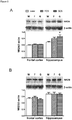
Figure 1B shows the effect of FOS and GOS on levels of NRI subunits in the rat frontal cortex and the hippocampus. Western blot images of NRI and β-actin immunoreactivity in protein extracts are shown. -
Figure 2A shows the effect of FOS and GOS on levels of NR2A subunits in the rat frontal cortex and the hippocampus. Western blot images of NR2A subunits and β-actin immunoreactivity are shown. -
Figure 2B shows the effect of FOS and GOS on levels of NR2B subunits in the rat frontal cortex and the hippocampus. Western blot images of NR2B and β-actin immunoreactivity are shown. -
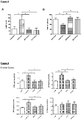
Figures 3A to 3F are representative auto-radiographs of BDNF (A, C, E) and NRI subunit (B, D, F) mRNA expression in rat hippocampus following oral administration of water (A, B), FOS (C, D) or GOS (E, F). Arrows delineate increased expression and arrow head indicates reduced expression. DG = dentate gyrus, CA1 and CA3 = Cornu Ammons subfields of the hippocampus. Scale bar = 200 µM. -
Figures 4A to 4D show the effect of FOS and GOS on levels of BDNF, NR1, NR2A and NR2B mRNAs in the dentate gyrus (DG) of and CA1 and CA3 (Cornu Ammons) subfields of the hippocampus. -
Figure 5 shows the effect on cortisol secretion in healthy adults following ingestion of FOS (Group A), GOS (Group C) and a placebo (Group B). -
Figure 6A shows the effect on locomotor activity in water-fed mice following lipopolysaccharide (LPS) injection. -
Figure 6B shows how GOS abolished the LPS effect on locomotor activity. -
Figure 7 shows the effect on natural digging and burying behaviour, as shown in the marble burying test, in mice following LPS treatment. -
Figure 8 shows the effect on anxiety behaviour in mice following LPS treatment. Latency (A) = time taken to move from dark (less stressful) to light (more stressful) areas. Greater latency = more stressed/reduced exploratory behaviour. Time in light (B) = time spent in light area. Greater time = less anxious. -
Figure 9 shows the effect on cytokine levels in the frontal cortex of mice 24 hours after LPS injection. -
Figure 10 shows the effect on cytokine levels in the plasma of mice 24 hours after LPS injection. -
Figure 11 shows the effect of BGOS on cognitive performance in healthy rats. - Freeze-dried powdered composition packaged in a 'stick-pack' and containing per 5.5g final product:-
Galactooligosaccharide (GOS) mixture 2.75g Lactose 1.40g Monosaccharides (glucose, galactose) 0.64g Drying aid 0.24g Ash 0.23g Moisture 0.19g Protein 0.05g - Syrup composition per 7.25g finished product:-
Galactooligosaccharide (GOS) mixture 2.75g Lactose 0.58g Monosaccharides (glucose, galactose) 1.69g Ash 0.23g Moisture 1.95g Protein 0.05g - All rat experiments were carried out in accordance with UK Home Office guide lines and under approved licences. Male Sprague Dawley rats (225-250g) were administered a daily oral administration (gavage) of either water, FOS (fructooligosaccharide) (4g/kg) or GOS (galactooligosaccharide [Bimuno R]) (4g/kg), for 5 weeks (n=8/group). This dosing regimen was based on previous studies (Anthony et al; Food Chem Toxicol.; 44 (6); 819-26 (2006)) and pilot data showing that these optimal prebiotic doses provides maximum microbiota growth (not shown). All animals were sacrificed, trunk blood collected and their brains removed, twenty-four hours after the last gavage. Blood was centrifuged to obtain plasma, and the frontal cortex and hippocampus were dissected out from half of the harvested brains. Whole brains and isolated regions were snap-frozen in isopentane on dry-ice and stored with plasmas at -80°C prior to use.
- Cortex and hippocampus tissue from all groups were homogenized in RIPA (radio immunoprecipitation assay) buffer (1:10 w/v, Sigma Aldrich, UK) containing protease inhibitors ('Complete-Mini', Roche). Protein concentrations were determined using the Bradford reagent (Sigma, UK). Samples of protein extracts were diluted 1:5 v/v in deionised water, prior to their analysis with a commercial BDNF ELISA kit (BDNF Emax immunoassay system, Promega UK).
- Equal concentrations of protein extracts of cortex, hippocampus or cerebellum (20µg) from prebiotic and control groups were mixed with loading buffer (
50mM 1, 4-dithiothreitol and 0.025% bromophenol blue), and fractionated with a molecular weight marker (GE Healthcare, Buckinghamshire, UK) by electrophoresis on pre-cast 7.5% SDS/polyacrylamide gels (Biorad,UK), and trans-blotted onto polyvinyl difluoride (PVDF) membranes (Immobilon-P, Millipore, Watford, UK). - The membranes were blocked with 5% (w/v) non-fat milk in PBS (phosphate buffered saline) containing 0.1% Tween (PBST) for 45min, and then incubated for 1 h at room temperature in incubation buffer (PBST with 2% [w/v] milk) containing a primary antibody (diluted 1:1000) against one of three NMDAR subunits: NR1 (AB9864, Millipore, UK), NR2A (AB1555, Millipore, UK) and NR2B (AB15362, Millipore, UK), and b-actin (Sigma-Aldrich, UK, diluted 1:50,000). Membranes were then washed three times for ten minutes in PBST and incubated for 30min in HRP (horseradish peroxidise)-linked secondary antibody in blocking buffer. Immunoreactive bands were visualized by chemiluminescence using the ECL-Plus kit (GE Healthcare, Buckinghamshire, UK), and apposing membranes to X-ray film (Kodak BioMax AR film). All antibodies produced a single band of expected molecular weight. The optical densities (OD) of bands were measured using the Alphalmager 3400, and the data expressed as OD ratios of phosphorylated: total NMDAR subunit, or total NMDAR subunit:b-actin.
- The frozen rat brain hemispheres were coronally sectioned (14µm) on a cryostat, thaw mounted on to Superfrost-plus slides (Fisher Scientific) and stored at -80°C. Sections containing frontal cortex were pre-treated as described (Burnet et al; Mol. Cell. Neurosci.; 46; 167-75; (2011)).
- Commercially synthesized (MWG, UK) oligodeoxyribonucleotides complementary to: BDNF (bases 883-927, NM001270630.1), NR1 (bases 746-780, NM008169.1), NR2A (bases 1642-1676, NM008170.2) or NR2B (bases 1758-1792, NM010350.2) were used in an establish ISHH method (Eastwood et al.; J. Psychopharmacol.; 21; 635-644; (2007)). Oligodeoxyribonucleotide probes were 3'-end labelled with [35S]-dATP using terminal deoxynucleotidyl transferase (Promega, UK). Probes were diluted in hybridization buffer, pipetted onto the tissue sections (1x10° cpm/section), cover-slipped and then incubated for >16hrs at 34°C lidded Perspex trays lined with filter paper soaked with 4 x SSC (saline sodium citrate)/50% formamide.
- Post-hybridization washes included: 2x SSC rinse at room temperature to remove cover-slips; 0.5x SSC, 20min (x3) at 55°C; 0.5x SSC 30min (x2) at room temperature. Slides were rinsed in ddH2O, dried and apposed to X-ray film (Kodak, Biomax MS) for 7-28 days with 14C-microscales. Average grey densities across the depth of the frontal cortex grey matter were measured for each of the mRNAs using computer-assisted image analysis, and converted to nCi/mg tissue using 14C-microscale standards.
- Small fragments of the cortical tissue (50mg) were individually homogenized in ice-cold methanol (1:10w/v) and microfuged at 13200 rpm for 10 minutes at 4°C. Supernatants (10µl) were injected onto a Hewlett-
Packard 1100 liquid chromatograph (Agilent Technologies, Palo Alto, CA) and subjected to online, pre-column, derivatization as previously described (Grant et al; J. Chromatogr. B Analyt. Technol. Biomed. Life Sci.; 844; 278-282 (2006)). Briefly, samples (10µl) were reacted with an equal volume of derivatizing reagent [o-phthaldialdehyde (2 mg) and Boc-L-cysteine (2 mg) in 0.2ml of methanol and 0.8ml of 0.4M of sodium borate buffer (pH=9)], for 5 min prior to column separation. Separation was achieved using an Agilent Zorbax Eclipse XDB-C18 column (4.6 x 150 mm, 5µm) maintained at 30°C and a separation protocol similar to that of (Morikawa et al; J. Chromatogr. B. Biomed. Sci. Appl.; 757; 119-25 (2001)). The mobile phases consisted of acetonitrile (phase A) and 100mM Sodium acetate buffer pH=6 (phase B) and were pumped through the column at 1.4 ml/min. The following gradient system was used (min/% B): 0/91, 35/84, 65/84. Detection of derivatized amino acids was by fluorescence detection (emission: 443 nm; excitation 344nm). Eight point calibration curves of the D-and L-amino acids (Sigma Aldrich, UK) were constructed using authentic standards (0.5 to 1000 pmol) and in each case were found to be linear with correlation coefficients of >0.995. - All data were expressed as mean ± standard error of the mean (SEM). Statistical comparisons between groups were performed with one-way ANOVA followed by post hoc analysis (Tukey HSD).
- The numbers of bifidobacteria in faecal pellets (expressed as log10/g) from FOS-fed rats were significantly greater than controls (9.498 + 0.025 vs 9.354 ± 0.055, p<0.05), whereas the density of bifidobacteria from GOS-fed animals were significantly greater than both controls (9.624 + 0.05 vs 9.354 ± 0.055, p<0.01) and FOS-fed rats (9.624 ± 0.05 vs 9.498 ± 0.025, p<0.05).
- The levels of BDNF protein in extracts of frontal cortex did not differ between groups (
Fig 1A ). However, BDNF in hippocampal extracts of FOS administered rats were significantly higher than those of control and GOS fed animals. Western blots revealed that GOS-fed rats contained significantly greater levels of NR1 immunoreactivity in the frontal cortex compared to control and FOS animals (Fig 1B ). Analysis of the hippocampus, however, revealed that FOS rats contained significantly more NR1 subunits than the other groups, though an increased trend (p=0.055) was observed in GOS animals relative to controls. - On western blots hippocampal, but not cortical, extracts from GOS-fed animals, contained significantly greater NR2A immunoreactivity compared to the other two groups (
Fig 2 ). The level of NR2B in the frontal cortex and hippocampus, was not affected by prebiotic feeding. - Prebiotic administration increased the abundance of BDNF (
Fig 3A , C, E andFig 4A ) and NR1 (Fig 3B , D, F) mRNAs in the dentate gyrus of the hippocampus, relative to controls. A reduction of BDNF mRNA in the CA3 subfield of GOS-fed rats was also observed (Fig 3C ). Densitometry confirmed significantly greater BDNF and NR1 expression in the dentate gyrus of prebiotic rats (Fig 4A, B ). The administration of GOS resulted in an elevation of NR2A (Fig 4C ), but not NR2B (Fig 4D ), mRNA in the dentate gyrus and CA1 subfield relative to controls and FOS-fed animals. - This study tested whether an elevation of gut bacteria increased central D-alanine concentrations by elevating the amounts of this D-amino acid in the gut and the circulation. The concentrations of free D-alanine in faecal pellets of GOS fed rats were significantly greater than control and FOS animals, with FOS administration resulting in intermediate levels of this D-amino acid (Table 1). Both prebiotics or GOS alone elevated other amino acids including D-serine and glutamate. In plasma D-alanine levels were significantly higher in GOS-fed rats compared to control animals (Table 1), and a slight, though not significant (p=0.086), increase was observed in FOS-fed rats. Prebiotic administration did not alter the concentrations of other circulating amino acids (Table 1). Rats fed with GOS had a significantly higher concentration of D-serine in the frontal cortex compared to controls (Table 2), though the levels of all other amino acids in both the cortex and hippocampus did not change after prebiotic feeding. There was an overall significant correlation between the levels of cortical D-serine and NR1 protein (Pearson's r= 0.684, p=0.01). Individual group analysis revealed that this association was only significant after GOS feeding (GOS: r = 0.96, p=0.04; FOS: r= 0.68, p=0.32; water: r= 0.01, p=0.989).
Table 1 Amino acid concentrations in rat faecal pellets and plasma following the repeated oral administration of water or prebiotic. *p<0.05 compared to water; +p<0.05 compared to FOS [Amino acid] (n nmol/g faeces) & (nm ol/ml plasma) Amino acid water FOS GOS Faecal pellets: L-alanine 7.8 ± 0.3 12.5 ± 0.8* 18.7 ± 1.8*+ D-alanine 4.2 ± 0.1 5.9 ± 0.2 9.0 ± 0.9*+ L/D-alanine 1.9 ± 0.1 2.1 ± 0.1 2.1 ± 0.1 Glutamate 13.1 ± 1.2 20.9 ± 1.2 32.4 ± 3.4*+ Glutamine 1.6 ± 0.1 2.8 ± 0.2* 4.2 ± 0.4*+ Glut/Gln 8.0 ± 0.2 7.4 ± 0.2 7.8 ± 0.1 L-serine 3.9 ± 0.2 7.0 ± 0.8 10.7 ± 1.1*+ D-serine 0.1 ± 0.01 0.2 ± 0.01* 0.2 ± 0.02* L/D-serine 39.0 ± 1.1 35.0 ± 2.5 53.5 ± 2.2* Plasma: L-alanine 299.9 ± 22.1 308.6 ± 21.8 310.0 ± 21.7 D-alanine 4.0 ± 0.5 5.2 + 0.4 6.1 ± 0.5* L/D-alanine 79.2 ± 8.8 61.7 ± 6.9 49.3 ± 1.7* Glutamate 82.6 ± 6.6 78.9 ± 7.3 68.7+ 1.6 Glutamine 419.0 ± 14.1 420.9 ± 18.7 411.2 ± 17.9 Glut/Gln 0.2 ± 0.02 0.2 ± 0.01 0.2 ± 0.01 L-serine 141.8 ± 7.8 142.9 ± 5.3 144.0 ± 6.8 D-serine 2.0 ± 0.1 1.9 ± 0.1 2.0 ± 0.1 L/D-serine 72.2 ± 2.4 74.5 ± 1.1 72.5 ± 1.6 Table 2 Amino acid concentrations in the rat cortex and hippocampus following the repeated oral administration of water or prebiotic.. *p<0.05 compared to water [Amino acid] (pmol/mg tissue) Amino acid water FOS GOS Frontal Cortex: L-alanine 90.5 ± 7.9 100.9 ± 8.4 108.6 ± 6.6 D-alanine 2.6 ± 0.4 2.4 ± 0.2 2.3 ± 0.3 L/D-alanine 37.7 ± 5.9 42.8 ± 3.2 42.2 ± 2.0 Glutamate 783.9 ± 75.6 837.3 ± 48.0 822.3 ± 47.9 Glutamine 618.9 ± 52.7 645.4 ± 44.7 700.5 ± 44.0 Glut/Gln 1.27 ± 0.06 1.32 ± 0.1 1.18 ± 0.03 L-serine 141.4 ± 13.6 152.8 ± 6.0 161.8 ± 10.9 D-serine 40.3 ± 2.9 48.7 ± 1.7 53.6 ± 3.4* L/D-serine 3.5 + 0.23 3.1 ± 0.07 3.0 ± 0.14 Hippocampus: L-alanine 99.7 ± 9.5 92.0 ± 6.2 97.5 ± 9.3 D-alanine 2.8 ± 0.4 2.6 ± 0.2 2.3 ± 0.2 L/D-alanine 36.9 ± 3.9 36.5 ± 3.7 42.0 ± 2.5 Glutamate 705 ± 79.8 649 ± 59.3 643.9 ± 68.1 Glutamine 545.1 ± 58.2 480.1 ± 52.6 504.6 ± 48.0 Glut/Gln 1.30 ± 0.04 1.38 ± 0.09 1.27 + 0.05 L-serine 121.4 ± 12.4 111.4 ± 7.8 111.9 ± 9.3 D-serine 37.4 ± 4.1 34.6 ± 2.1 35.3 ± 3.4 L/D-serine 3.3 ± 0.03 3.2 + 0.04 3.2 ± 0.08 - We observed 1) greater hippocampal BDNF levels in FOS fed rats compared to GOS fed rats and control animals, though BDNF mRNA was increased in the dentate gyrus of both FOS and GOS fed rats 2) elevated NR1 protein in the frontal cortex of GOS fed rats, and in the hippocampus of prebiotic-fed animals; 3) higher levels of NR2A protein and encoding mRNA in the hippocampus of GOS fed rats compared to the other groups. Based on the above pattern of effect it is clear that the effect of GOS is not based on its prebiotic properties but rather it is linked to the chemical structure of the saccharides in the GOS mixture.
- The elevated expression of BDNF and encoded protein in rats fed with FOS, is consistent with the effect of a bifidobacterium probiotic (Bercik et al; Neurogastroenterol Motil.; 23; 1132-9 (2011b); O'Sullivan et al; Benef Microbes; 2(3); 199-207 (2011)) and the selective proliferation of these species with antimicrobials (Bercik et al; Gastroenterology; 141; 599-609 (2011a)). Thus, FOS administration may have augmented the colonization of the B.breve, B.longum and/or similar psychotropic strains, within the moderate overall increase in bifidobacteria densities relative to GOS fed rats (see Results). In view of these observations therefore, it was surprising that GOS did not alter the levels of hippocampal BDNF protein and, moreover, by a greater magnitude than FOS. We have demonstrated that GOS feeding led to a reciprocal change in BDNF mRNA in the dentate gyrus and CA3 region of the hippocampus. An elevation of BDNF gene expression in the dentate gyrus has been associated with antidepressant action (Kerman, I.A.; Am. J. Psychiatry; 169; 1137-40 (2012)). A similar elevation of BDNF mRNA after GOS administration is, therefore, in keeping with a potential antidepressant/anxiolytic property of gut bacteria (Bercik et al, 2011a).
- The increased NR1 protein in GOS fed rats compared to control and FOS animals is consistent with or similar to an effect of the antidepressant, fluoxetine, a serotonin uptake inhibitor. Recent clinical studies suggest that blocking NMDARs has antidepressant effects (Autry et al; Nature; 475;91-5; (2011)). It is clear from the data that an elevation of cortical NR1 subunits requires a several-fold increase in bifidobacteria, which occurs without changes in the levels of NR2A and NR2B subunits.
- Overall, GOS administration to rats appeared to have a more profound effect on NMDAR subunits than FOS. That is, GOS elevated NR1 protein and/or mRNA in both the cortex and hippocampus, and NR2A in the hippocampus, whereas FOS only elevated NR1 in the hippocampus.
- Overall, our findings have some relevance to the prevention and/or treatment of cognitive dysfunction and emotional disturbances in neuropsychiatric illness and aging. For instance, patients suffering from schizophrenia show treatment-resistant deficits in executive function including working memory, in which NMDARs are integrally involved (Coyle. J.T.; Schizophr. Bull.; 38; 920-6; (2012)). The augmentation of the bifidobacteria and lactobacilli by GOS, therefore, is an important adjunctive strategy to assist contemporary pharmacological and psychological therapies. Furthermore, cognitive decline during normal aging maybe prevented or hindered by the 'prophylactic' intake of GOS, since NMDAR preconditioning has neuroprotective effects (Sorriano et al; J. Neurosci.; 26; 4509-18; (2006)).
- Forty-five healthy volunteers received either one of two prebiotics (fructooligosaccharides [FOS] (Group A) or galactooligosaccharides [GOS] (Group C) or a placebo (Group B) (maltodextrin) for 3 weeks. Awakening salivary cortisol was sampled before and after treatment. On the final day of treatment participants completed a computerised task battery assessing the processing of emotionally salient information (the Emotional Test Battery, ETB; Harmer et al; Am. J. Psychiatry; 161; 1256-1263; (2004)).
- Awakening Salivary cortisol responses did not differ significantly between groups at baseline but were significantly lower following GOS treatment compared with placebo and FOS (significant interaction between treatment group x day of sampling x sampling time point in a repeated measures ANOVA [F(8,164)=1.20,p=.05]). Analysis of the behavioural data revealed decreased attentional vigilance to negative vs positive information after GOS compared to placebo treatment (group x emotion x masking condition, [F(2,41)=3.14, p=.05). The FOS treatment group did not perform differently to the placebo group in the dot-probe task. There were no significant effects of prebiotic treatment on the remaining tasks of the ETB.
- Our study demonstrates that the intake of GOS lowers cortisol secretion in healthy volunteers. In addition, GOS was shown to alter the processing of positive versus negative information as measured by attentional vigilance, which is believed to play a key role in anxiety and its modulation by anxiolytics (e.g. Browning et al; J. Psychopharmacol.; 21; 684-690; Murphy et al.; Int. J. Neuropsychopharmacol.; 12; 169-179; (2008)).
- All experiments were carried out in accordance with UK Home Office Animals (Scientific Procedures) Act (1986) and under Home Office guide-lines. Male CD1 mice (25-30g, 6-8-week old, Harlan Orlac, UK), were housed 3 per cage (plexiglas cages 33x15x13 cms, LxWxH) and maintained under standard controlled laboratories conditions (12-h light-dark cycle, lights on at 7a.m., 21+/- 1°C,
humidity 50+/-5%). After 4-5 days habituation to the animal facility, mice were fed with standard mouse chow ad libitum, and provided, (in a weight-match, pseudo-random fashion), with either a prebiotic solution of 1.3% w/v mixture of galactooligosaccharides marketed commercially as Bimuno R, available from Clasado Ltd. (UK), hereinafter referred to as BGOS, or water alone for drinking for 3 weeks. Pilot studies confirmed this BGOS dosing regimen optimally increased Bifidobacteria and Lactobacilli in the mouse gut (Clasado Ltd, UK). To avoid a potential cross-group contamination, the 2 diet groups were kept apart from each other. After 3 weeks, all animals received drinking water alone 24h prior to LPS injections and behavioural tests. A single injection of LPS (0.75mg/Kg) in saline (0.9%), or saline alone, was administered to mice by intraperitoneal injection, 4h before behavioural tests. Four groups (n=15 mice/group, 5 different cages per treatment) were therefore tested: 1) water-fed/saline injected; 2) water-fed/LPS injected; 3) BGOS-fed/saline injected; and 4) BGOS-fed/LPS injected. This experiment was repeated to provide a total of 30 mice per test group for analysis. - Locomotor activity is reduced by LPS treatment (Skelly et al., (2013) PLOS One8:e69123)and thus, used as a measure of sickness behaviour. This test occurred 4h following LPS or saline injections. The set up was made of transparent plexiglas boxes (48x27x21cms, LxWxH, Photo Beam Activity Hardware and Software, Open Field San Diego Instruments) covered with a transparent plexiglas top (perforated for breathing) and containing a thin layer of sawdust bedding. Lighting of boxes was of about 60 lux. Each animal was gently placed at the corner of the boxes and allowed 2-h free exploration of the arena. Locomotor activity was recorded using photo-beams across the boxes and expressed as the number of break beams made by the animals over time. The number of fecal pellets was counted by the experimenter at the end of the test and animals were returned to their home cage to rest before the next behavioural testing.
- This test is used to screen anxiolytic and antidepressant drugs and assess anxiety and obsessive-compulsive behaviour, based on the innate behaviour of mice to bury objects in a stressful situation; it was conducted as previously described (Deacon R.M.; Nat. Protoc.; (2006); 1(1); 122-124., Nicolas et al.; Eur.J. Pharmacol.; (2006); 547; 106-115). LPS treatment, and the related LPS-induced sickness behaviour, induce a reduction in the number of marbles buried by the mice (Njung'e & Handley; Pharmacol. Biochem. Behav.; (1991); 38 (1); 63-67). Marble burying was conducted 7h following LPS/saline injection. Twenty marbles were placed on top of 5-cm sawdust bedding in transparent plastic cages (44x28x12 cms, LxWxH), in 5 lines of 4, 2cms away from each other and 2cms away from the edge of the cages. Testing occurred under normal room lighting, (∼100 lux at 1m above the floor) and as previously described (Jacobson, L. et al.; Pharmacol. Biochem. Behav.; (2007); 15 (4); 619-626) and using the recommendations from (Deacon, R., 2006). Each animal was gently placed in the cage with the marbles for 30min, after which the number of marbles buried to at least 2/3 of their surface was counted.
- This test is also used to assess anxiety behaviour and based on the conflict mice face between their attraction for novelty and their fear for bright open arenas (Bourin, M. and Hascoet, M.; Eur. J. Pharmacol. (2003); 463 (1-3); 55-65; O'Leary, T.P. et al; J. Neuroscience Methods; (2012); 203; 315-324. doi : S0165-0270 (11) 00594-21). Mice that are less anxious spend more time in fearful areas, i.e. the light part; mice that are more anxious spend more time in the safe dark part. LPS treatment has been shown to increase anxiety behaviour in this test (Bassi et al; Basic Clin. Pharmacol. Toxicol.; (2012); 110 (4); 359-369). This test was conducted 24h following LPS/saline injections.
- The set up was made of 2 painted wood compartments, a small black one (21x16x16 cms, LxWxH, with a small opening for access to the light part, 3x2.7cms, WxH) and a bigger bright one (46.5x21x21cms, LxWxH). Testing occurred under a slightly dim light of 50 lux inside the bright compartment of the box and was conducted as previously described (Strekalova T. et al.; Neuropsychopharmacology; (2004); 29; 2007-2017). Each animal was gently placed in the dark part of the light-dark box and let free to explore the whole box for 5min. The latency to leave the dark part, number of transitions between the dark and lights parts and the time spent in the light part were measured. The criterion to enter any compartment was 4 paws in. Mice were placed back to their home cage with cage mates at the end of the procedure. The box was cleaned with a tissue slightly impregnated with 10% alcohol between each animal in order to remove odour cues without creating overt alcohol odours. There was no background noise in the room and the experimenter stayed in the room for live scoring. Animals are deemed more anxious, and thus, affected by LPS injection, if they display a higher latency to enter the light part, a lower number of transitions between compartments and a lower time in the light area.
- Animals were sacrificed between12-1p.m., 3h following behavioural testing. Whole brain was immediately harvested and snap-frozen in cold isopentane on dry-ice (Sigma-Aldrich, UK) before storage at -80°C until further molecular analysis. Trunk blood was collected in potassium EDTA (Ethylene Diamine Tetra Acetic Acid) tubes and spun for 15min at 5000rpm. Plasma was isolated and stored at -80°C for further corticosterone analysis. Fecal pellets were collected from each cage throughout the study in 70% glycerol in PBS (phosphate buffered saline) and stored at -20°C for further bacterial count.
- Data were analysed using SPSS software (version 19). Data normality was tested using a Kolmogorov-Smirnov test. Locomotor activity was assessed with a 2-way ANOVA, and all other data with one-way ANOVA (or Kruskal-Wallis for non-parametric data) followed by Tukey post-hoc test. All data are expressed as mean + standard error of the mean (SEM) and the threshold for statistical significance was set at p<0.05.
- Water-fed animals displayed a lower locomotor activity following LPS injections, compared with saline (
Fig. 6A , time effect, F(5,260)=142.12, p<0.0001; LPS injection effect (F(1,52)=3.61, p=0.063; interaction time x LPS injection F(5,260)=5.12, p<0.001). Post-hoc test revealed that water-LPS animals travelled significantly less distance than their saline counterparts at 30 and 40-min time-points (both p<0.05). BGOS abolished LPS effect on locomotor activity (Fig.6B ) as there was still an effect of time (F(5,260)=113.01, p<0.0001), but no effect of LPS injection (F(1,52)=1.12, p=0.3) and no interaction time x LPS injection (F(5,260)=0.12, p=0.99). BGOS did not induce any difference in locomotor activity in saline animals compared with water saline group. - In the marble burying test (
Fig.7 ), LPS had a significant effect on mice behaviour (H(df=3)=13.79, p<0.01), which was not reversed by BGOS, as both water (p<0.05) and BGOS (p<0.05)-treated animals which received LPS buried less marbles than their saline counterparts. BGOS did not induce any difference in the number of marbles buried in saline animals, compared with water saline group. - LPS increased anxiety behaviour in water-fed animals (
Fig.8 ). This effect was abolished by BGOS, as assessed by the latency to light (Fig.8A , H(df=3)=12.17, p<0.01) and time in light (Fig.8B , F(3,106)=4.71, p<0.01). Indeed, post-hoc analysis revealed that water-LPS animals displayed a significantly 2-fold higher latency to light than their saline counterparts (p<0.01) but also than both saline- and BGOS-LPS animals (both p<0.05). Water-LPS animals also displayed significantly less time in the light part than all the other groups (p<0.05 water-LPS vs. all groups). However, there was no statistical difference between groups in the number of transitions between the dark and light parts (Fig.3C , F(3,110)=1.7, p=0.17). BGOS alone did not induce any difference in control mice, i.e. which received saline, in any of the parameters, compared with water-saline animals. - In the frontal cortex, LPS induced changes in water, but not BGOS, animals (
Fig.9 ) forTNF-α, IL-1β and IL-6, but not for IL-10. Post-hoc analysis showed that water LPS animals displayed higher TNF-α than all other groups (p<0.05), higher IL-1β (p<0.01 vs. water saline and vs. BGOS saline, p<0.05 vs. BGOS LPS) and higher IL-6 (p<0.05 vs. water saline). Thus, cytokines levels for animals fed with BGOS, receiving either saline or LPS injection, were both similar to those of their control water saline counterparts. - In the plasma, LPS induced significant changes in water, but not BGOS, animals (
Fig.10 ) for TNF-α, however there was no overall statistical difference between groups for IL-6 and IL-10 , as well as IL-1β, although for this latter, LPS induced a non-significant 2-fold increase in water animals compared with saline. - The current study tested the influence of prebiotic (BGOS) intake on LPS-induced sickness behaviour, anxiety and cytokine expression in mice, and was based on the supposition that BGOS (Bimuno) affects brain function via the immune system. Our two key findings were: 1) BGOS fed mice did not manifest locomotor activity (LMA) deficits and anxiety after a single injection of LPS, compared to controls; and 2) the LPS-induced expression of pro-inflammatory mediators in the plasma (Granulocyte colony-stimulating factor (G-CSF); chemokine (C-C motif) ligand 2 (CCL2); monokine induced by IFNγ, Chemokine (C-X-C motif) Ligand 9 (MIG)) and brain (TNFa) was suppressed by the ingestion of BGOS. Overall, our data support current notions that BGOS (Bimuno) plays an important role in the maintenance of brain health, and that a modification in the response to immune challenges, may underpin this action.
- Normal Sprague Dawley rats were given water or a prebiotic solution of 1.3% w/v mixture of BGOS for 3 weeks and then tested on the attentional set-shifting task (ASST) (see Bissonette, G.B. et al; Behavioural Brain Research; (2013); 250; 91-101) using standard protocols.
-
Figure 11 shows that rats given BGOS for 3 weeks showed improved performance in the extra-dimensional (ED) component of the ASST that is a measure of flexible learning. Execution of the ED element as effortlessly as the intra-dimensional phase (ID/ED-shift) is indicative of increased cognitive flexibility, a parameter which is impaired in the elderly. InFigure 11 #p<0.05 compared to control ID and *p<0.05 compared to control ED. - Rats given BGOS show improved cognitive performance in a task dependent on the medial prefrontal cortex, which is often impaired in psychiatric disorder and ageing.
Claims (4)
- A galactooligosaccharide composition comprising disaccharides Gal (β1-3)-Glc; Gal (β1-3)-Gal; Gal (β1-6)-Gal; Gal (α1-6)-Gal; trisaccharides Gal (β1-6)-Gal (β1-4)-Glc; Gal (β1-3)-Gal (β1-4)-Glc; tetrasaccharide Gal (β1-6)-Gal (β1-6)-Gal (β1-4)-Glc and pentasaccharide Gal (β1-6)-Gal (β1-6)-Gal (β1-6)-Gal (β1-4)-Glc for use in preventing or treating emotional disturbances in depressive disorders or anxiety disorders.
- The composition of claim 1 for use according to claim 1 which is in the form of a powder, a tablet, a capsule, a liquid formulation such as a syrup or a soft pastille.
- The composition of claim 2 for use according to claim 1 wherein when in powder form it comprises from 1.35 to 9.6g of galactooligosaccharides in 1.65g to 20g of the powdered composition, preferably from 1.96g to 4.9g of galactooligosaccharides in 2.5g to 10g of the powder, most preferably 2.7g to 2.75g galactooligosaccharides in 3.0g to 5.5g of the powder.
- The composition of claim 2 for use according to claim 1 wherein when in syrup form it comprises from 1.35g to 9.6g of galactooligosaccharides in 2.1g to 25.29g of the syrup composition, preferably from 1.96g to 4.9g of galactooligosaccharides in 3.0g to 12.9g of the syrup, most preferably 2.7g to 2.75g of galactooligosaccharides in 4.1g to 7.25g of the syrup.
Applications Claiming Priority (2)
| Application Number | Priority Date | Filing Date | Title |
|---|---|---|---|
| GBGB1305708.8A GB201305708D0 (en) | 2013-03-28 | 2013-03-28 | Novel use |
| PCT/GB2014/050829 WO2014155056A1 (en) | 2013-03-28 | 2014-03-17 | A galactooligosaccharide composition for use in preventing or treating cognitive dysfunction and emotional disturbances in neuropsychiatry illnesses or ageing |
Publications (2)
| Publication Number | Publication Date |
|---|---|
| EP2978432A1 EP2978432A1 (en) | 2016-02-03 |
| EP2978432B1 true EP2978432B1 (en) | 2019-02-20 |
Family
ID=48444941
Family Applications (1)
| Application Number | Title | Priority Date | Filing Date |
|---|---|---|---|
| EP14712715.3A Active EP2978432B1 (en) | 2013-03-28 | 2014-03-17 | A galactooligosaccharide composition for use in preventing or treating cognitive dysfunction and emotional disturbances in neuropsychiatric illnesses or ageing |
Country Status (18)
| Country | Link |
|---|---|
| US (2) | US11241449B2 (en) |
| EP (1) | EP2978432B1 (en) |
| JP (1) | JP6309612B2 (en) |
| KR (2) | KR20210038701A (en) |
| CN (1) | CN105073120A (en) |
| AR (1) | AR095738A1 (en) |
| AU (1) | AU2014242798B2 (en) |
| BR (1) | BR112015024625A2 (en) |
| CA (1) | CA2908230C (en) |
| ES (1) | ES2722852T3 (en) |
| GB (2) | GB201305708D0 (en) |
| IL (1) | IL241844B (en) |
| MX (1) | MX2015013699A (en) |
| MY (1) | MY175533A (en) |
| RU (1) | RU2663696C2 (en) |
| SG (2) | SG11201507668UA (en) |
| TW (1) | TWI507198B (en) |
| WO (1) | WO2014155056A1 (en) |
Families Citing this family (9)
| Publication number | Priority date | Publication date | Assignee | Title |
|---|---|---|---|---|
| GB2492559B (en) * | 2011-07-05 | 2018-07-25 | Clasado Inc | Composition and method for preventing or reducing the risk of developing a syndrome |
| EP2886140A1 (en) * | 2013-12-17 | 2015-06-24 | University of Limerick | An apparatus for the extracorporeal treatment of blood |
| WO2016029113A1 (en) * | 2014-08-22 | 2016-02-25 | Abbott Laboratories | Methods of increasing endogenous production of beta-hydroxy-beta-methylbutyrate |
| CA3012502A1 (en) * | 2016-02-08 | 2017-08-17 | Junaxo, Inc. | Use of trehalose for treatment of neurological diseases |
| EP3969009B1 (en) | 2019-05-15 | 2025-08-20 | N.V. Nutricia | Beta-1,3'-galactosyllactose for the treatment of gut barrier function diseases |
| CN115089596A (en) * | 2022-06-20 | 2022-09-23 | 自然资源部第三海洋研究所 | New application of new agaro-oligosaccharide in preparing product for treating depression |
| GB2623335A (en) * | 2022-10-12 | 2024-04-17 | Clasado Res Services Limited | Compositions and uses thereof |
| AU2024260161A1 (en) * | 2023-04-28 | 2025-10-16 | Société des Produits Nestlé S.A. | Compositions and methods for improving brain health |
| GB202308910D0 (en) * | 2023-06-14 | 2023-07-26 | Univ Surrey | Galacto-oligosaccharide |
Family Cites Families (14)
| Publication number | Priority date | Publication date | Assignee | Title |
|---|---|---|---|---|
| GB9923076D0 (en) * | 1999-09-29 | 1999-12-01 | Phytopharm Plc | Sapogenin derivatives and their use |
| DE19836339B4 (en) | 1998-08-11 | 2011-12-22 | N.V. Nutricia | carbohydrate mix |
| GB0229015D0 (en) * | 2002-12-12 | 2003-01-15 | Novartis Nutrition Ag | New Compound |
| US20040265279A1 (en) * | 2003-05-08 | 2004-12-30 | Timothy Dinan | Probiotics in the treatment of atypical depression and other disorders characterized by hypothalamic pitiuitary-adrenal axis over-activity |
| MXPA05010349A (en) | 2003-06-30 | 2006-03-08 | Clasado Inc | Novel galactooligosaccharide composition and the preparation thereof. |
| CN101095698B (en) * | 2006-06-26 | 2010-12-01 | 青岛东海药业有限公司 | Use of clostridium butyricum for preventing and treating related symptoms and diseases caused by fecal odor toxin |
| ITMI20071214A1 (en) | 2007-06-15 | 2008-12-16 | S I I T Srl Servizio Internazi | COMPOSITIONS BASED ON PREBIOTIC AND IMMUNOGENIC COMPONENTS FOR THE PREVENTION AND TREATMENT OF GASTROENTERIC DISORDERS FROM DISBIOSIS AND / OR ALTERATIONS OF THE NORMAL INTESTINAL FLORA |
| EP2266582B1 (en) * | 2008-03-18 | 2015-04-29 | Dikovskiy, Aleksander Vladimirovich | Pharmaceutical composition for preventing dysbiosis associated with enteral administration of antibiotics |
| EP2110028A1 (en) * | 2008-04-15 | 2009-10-21 | Nestec S.A. | Bifidobacterium longum and hippocampal BDNF expression |
| GB0809921D0 (en) | 2008-05-30 | 2008-07-09 | Clasado Inc | Product and process therefor |
| US8425930B2 (en) | 2009-03-13 | 2013-04-23 | The Regents Of The University Of California | Prebiotic oligosaccharides |
| KR20120101038A (en) * | 2009-10-30 | 2012-09-12 | 프로메테우스 레버러터리스 인코포레이티드 | Methods for diagnosing irritable bowel syndrome |
| JP6006117B2 (en) * | 2009-11-12 | 2016-10-12 | ネステク ソシエテ アノニム | Nutritional composition for promoting gut microbiota balance and health |
| US20120276208A1 (en) | 2011-04-27 | 2012-11-01 | University Of South Australia | Acute cognitive and mood effects of plant polysaccharides in adult human subjects |
-
2013
- 2013-03-28 GB GBGB1305708.8A patent/GB201305708D0/en not_active Ceased
-
2014
- 2014-03-17 JP JP2016504734A patent/JP6309612B2/en active Active
- 2014-03-17 US US14/780,461 patent/US11241449B2/en active Active
- 2014-03-17 AU AU2014242798A patent/AU2014242798B2/en active Active
- 2014-03-17 WO PCT/GB2014/050829 patent/WO2014155056A1/en not_active Ceased
- 2014-03-17 MY MYPI2015703283A patent/MY175533A/en unknown
- 2014-03-17 RU RU2015146305A patent/RU2663696C2/en not_active IP Right Cessation
- 2014-03-17 ES ES14712715T patent/ES2722852T3/en active Active
- 2014-03-17 KR KR1020217009283A patent/KR20210038701A/en not_active Ceased
- 2014-03-17 KR KR1020157030920A patent/KR102235730B1/en active Active
- 2014-03-17 SG SG11201507668UA patent/SG11201507668UA/en unknown
- 2014-03-17 CN CN201480018975.5A patent/CN105073120A/en active Pending
- 2014-03-17 SG SG10201707152TA patent/SG10201707152TA/en unknown
- 2014-03-17 CA CA2908230A patent/CA2908230C/en active Active
- 2014-03-17 MX MX2015013699A patent/MX2015013699A/en unknown
- 2014-03-17 EP EP14712715.3A patent/EP2978432B1/en active Active
- 2014-03-17 BR BR112015024625A patent/BR112015024625A2/en not_active Application Discontinuation
- 2014-03-26 TW TW103111198A patent/TWI507198B/en not_active IP Right Cessation
- 2014-03-26 AR ARP140101355A patent/AR095738A1/en unknown
- 2014-03-27 GB GB1405503.2A patent/GB2515865B/en active Active
-
2015
- 2015-09-24 IL IL241844A patent/IL241844B/en not_active IP Right Cessation
-
2022
- 2022-01-24 US US17/648,771 patent/US20220143054A1/en not_active Abandoned
Non-Patent Citations (1)
| Title |
|---|
| None * |
Also Published As
| Publication number | Publication date |
|---|---|
| GB201305708D0 (en) | 2013-05-15 |
| GB201405503D0 (en) | 2014-05-14 |
| KR102235730B1 (en) | 2021-04-02 |
| AU2014242798A1 (en) | 2015-10-08 |
| US11241449B2 (en) | 2022-02-08 |
| EP2978432A1 (en) | 2016-02-03 |
| KR20210038701A (en) | 2021-04-07 |
| JP2016516743A (en) | 2016-06-09 |
| US20160045524A1 (en) | 2016-02-18 |
| SG10201707152TA (en) | 2017-10-30 |
| CN105073120A (en) | 2015-11-18 |
| AR095738A1 (en) | 2015-11-04 |
| HK1204451A1 (en) | 2015-11-20 |
| CA2908230C (en) | 2021-04-13 |
| AU2014242798B2 (en) | 2018-07-05 |
| JP6309612B2 (en) | 2018-04-11 |
| SG11201507668UA (en) | 2015-10-29 |
| GB2515865B (en) | 2017-05-10 |
| RU2663696C2 (en) | 2018-08-08 |
| WO2014155056A1 (en) | 2014-10-02 |
| IL241844B (en) | 2018-06-28 |
| TW201444562A (en) | 2014-12-01 |
| MY175533A (en) | 2020-07-01 |
| GB2515865A (en) | 2015-01-07 |
| US20220143054A1 (en) | 2022-05-12 |
| TWI507198B (en) | 2015-11-11 |
| MX2015013699A (en) | 2016-05-31 |
| CA2908230A1 (en) | 2014-10-02 |
| ES2722852T3 (en) | 2019-08-19 |
| KR20150135504A (en) | 2015-12-02 |
| BR112015024625A2 (en) | 2017-07-18 |
| RU2015146305A (en) | 2017-05-04 |
Similar Documents
| Publication | Publication Date | Title |
|---|---|---|
| US20220143054A1 (en) | Galactooligosaccharide composition for use in preventing or treating cognitive dysfunction and emotional disturbances in neuropsychiatry illnesses or ageing | |
| Logan et al. | Major depressive disorder: probiotics may be an adjuvant therapy | |
| AU2023201538B2 (en) | Methods and compositions using Bifidobacterium longum to treat or prevent depressive symptoms | |
| JP7096652B2 (en) | Bifidobacterium longum and functional GI disorders | |
| JP7523493B2 (en) | Methods and compositions using Bifidobacterium longum for controlling emotional responses and for the treatment and prevention of potential dysthymia | |
| JP6667526B2 (en) | Anti-methanogenic composition and use thereof | |
| US20200061127A1 (en) | Methods and Compositions for Changing Metabolite Levels in a Subject | |
| CA2893990C (en) | Probiotic strains for the treatment and/or prevention of diarrhea | |
| BR112020019979A2 (en) | COMPOSITIONS AND METHODS FOR TREATING INTESTINAL INFLAMMATORY DISEASES | |
| Boyajian et al. | Probiotics, prebiotics, synbiotics and other microbiome-based innovative therapeutics to mitigate obesity and enhance longevity via the gut-brain axis | |
| JP2020520928A (en) | Composition comprising a bacterial strain | |
| Liang et al. | Palmitoleic acid on top of HFD ameliorates insulin resistance independent of diacylglycerols and alters gut microbiota in C57BL/6J mice | |
| JP2024525794A (en) | Use of Lactobacillus paracasei strains in the treatment of neonates | |
| KR20220097324A (en) | Growth suppression of gut microbiome using kestose | |
| US20240261344A1 (en) | Method of alleviating symptoms of depression and anxiety by use of a novel Bacillus coagulans strain | |
| Olejnik et al. | Involvement of gut microbiota in multiple sclerosis—review of a new pathophysiological hypothesis and potential treatment target | |
| EP1186295A1 (en) | Pharmaceutical preparations containing extracts of soy isoflavone and probiotic micro-organisms | |
| EP4225893A1 (en) | Bacterial strain belonging to the genus christensenella, and compositions | |
| CN106974940A (en) | Application of the heavy wall mushroom probiotics in fat and its relevant disease is treated and prevented | |
| CN106974939A (en) | Application of the heavy wall mushroom probiotics in fat and its relevant disease is treated and prevented | |
| Kelly | The gut microbiota in depression | |
| CN119488154A (en) | Application of Tremella polysaccharide in preparing products for preventing and treating anxiety caused by high-fat diet | |
| Navas-Carrillo et al. | Impact of gut microbiota on neurological diseases: Diet composition and novel treatments | |
| HK1239568B (en) | Application of thick-wall fungus probiotics in treatment and prevention of obesity and related diseases | |
| HK40015331B (en) | Brain function-improving agent, food, and medicine using lipopolysaccharide |
Legal Events
| Date | Code | Title | Description |
|---|---|---|---|
| PUAI | Public reference made under article 153(3) epc to a published international application that has entered the european phase |
Free format text: ORIGINAL CODE: 0009012 |
|
| 17P | Request for examination filed |
Effective date: 20150923 |
|
| AK | Designated contracting states |
Kind code of ref document: A1 Designated state(s): AL AT BE BG CH CY CZ DE DK EE ES FI FR GB GR HR HU IE IS IT LI LT LU LV MC MK MT NL NO PL PT RO RS SE SI SK SM TR |
|
| AX | Request for extension of the european patent |
Extension state: BA ME |
|
| DAX | Request for extension of the european patent (deleted) | ||
| STAA | Information on the status of an ep patent application or granted ep patent |
Free format text: STATUS: EXAMINATION IS IN PROGRESS |
|
| 17Q | First examination report despatched |
Effective date: 20170727 |
|
| REG | Reference to a national code |
Ref country code: DE Ref legal event code: R079 Ref document number: 602014041229 Country of ref document: DE Free format text: PREVIOUS MAIN CLASS: A61K0031701600 Ipc: A61K0031702000 |
|
| RIC1 | Information provided on ipc code assigned before grant |
Ipc: A61P 25/24 20060101ALI20180823BHEP Ipc: A61K 31/702 20060101AFI20180823BHEP Ipc: A61K 31/7016 20060101ALI20180823BHEP |
|
| GRAP | Despatch of communication of intention to grant a patent |
Free format text: ORIGINAL CODE: EPIDOSNIGR1 |
|
| STAA | Information on the status of an ep patent application or granted ep patent |
Free format text: STATUS: GRANT OF PATENT IS INTENDED |
|
| INTG | Intention to grant announced |
Effective date: 20180928 |
|
| RAP1 | Party data changed (applicant data changed or rights of an application transferred) |
Owner name: CLASADO INC. |
|
| RBV | Designated contracting states (corrected) |
Designated state(s): AL AT BE BG CH CY CZ DE DK EE ES FI FR GR HR HU IE IS IT LI LT LU LV MC MK MT NL NO PL PT RO RS SE SI SK SM TR |
|
| GRAS | Grant fee paid |
Free format text: ORIGINAL CODE: EPIDOSNIGR3 |
|
| GRAA | (expected) grant |
Free format text: ORIGINAL CODE: 0009210 |
|
| STAA | Information on the status of an ep patent application or granted ep patent |
Free format text: STATUS: THE PATENT HAS BEEN GRANTED |
|
| AK | Designated contracting states |
Kind code of ref document: B1 Designated state(s): AL AT BE BG CH CY CZ DE DK EE ES FI FR GR HR HU IE IS IT LI LT LU LV MC MK MT NL NO PL PT RO RS SE SI SK SM TR |
|
| REG | Reference to a national code |
Ref country code: CH Ref legal event code: EP |
|
| REG | Reference to a national code |
Ref country code: DE Ref legal event code: R096 Ref document number: 602014041229 Country of ref document: DE |
|
| REG | Reference to a national code |
Ref country code: AT Ref legal event code: REF Ref document number: 1097285 Country of ref document: AT Kind code of ref document: T Effective date: 20190315 |
|
| REG | Reference to a national code |
Ref country code: IE Ref legal event code: FG4D |
|
| REG | Reference to a national code |
Ref country code: NL Ref legal event code: MP Effective date: 20190220 |
|
| REG | Reference to a national code |
Ref country code: LT Ref legal event code: MG4D |
|
| PG25 | Lapsed in a contracting state [announced via postgrant information from national office to epo] |
Ref country code: LT Free format text: LAPSE BECAUSE OF FAILURE TO SUBMIT A TRANSLATION OF THE DESCRIPTION OR TO PAY THE FEE WITHIN THE PRESCRIBED TIME-LIMIT Effective date: 20190220 Ref country code: FI Free format text: LAPSE BECAUSE OF FAILURE TO SUBMIT A TRANSLATION OF THE DESCRIPTION OR TO PAY THE FEE WITHIN THE PRESCRIBED TIME-LIMIT Effective date: 20190220 Ref country code: NL Free format text: LAPSE BECAUSE OF FAILURE TO SUBMIT A TRANSLATION OF THE DESCRIPTION OR TO PAY THE FEE WITHIN THE PRESCRIBED TIME-LIMIT Effective date: 20190220 Ref country code: SE Free format text: LAPSE BECAUSE OF FAILURE TO SUBMIT A TRANSLATION OF THE DESCRIPTION OR TO PAY THE FEE WITHIN THE PRESCRIBED TIME-LIMIT Effective date: 20190220 Ref country code: NO Free format text: LAPSE BECAUSE OF FAILURE TO SUBMIT A TRANSLATION OF THE DESCRIPTION OR TO PAY THE FEE WITHIN THE PRESCRIBED TIME-LIMIT Effective date: 20190520 Ref country code: PT Free format text: LAPSE BECAUSE OF FAILURE TO SUBMIT A TRANSLATION OF THE DESCRIPTION OR TO PAY THE FEE WITHIN THE PRESCRIBED TIME-LIMIT Effective date: 20190620 |
|
| REG | Reference to a national code |
Ref country code: ES Ref legal event code: FG2A Ref document number: 2722852 Country of ref document: ES Kind code of ref document: T3 Effective date: 20190819 |
|
| PG25 | Lapsed in a contracting state [announced via postgrant information from national office to epo] |
Ref country code: IS Free format text: LAPSE BECAUSE OF FAILURE TO SUBMIT A TRANSLATION OF THE DESCRIPTION OR TO PAY THE FEE WITHIN THE PRESCRIBED TIME-LIMIT Effective date: 20190620 Ref country code: HR Free format text: LAPSE BECAUSE OF FAILURE TO SUBMIT A TRANSLATION OF THE DESCRIPTION OR TO PAY THE FEE WITHIN THE PRESCRIBED TIME-LIMIT Effective date: 20190220 Ref country code: LV Free format text: LAPSE BECAUSE OF FAILURE TO SUBMIT A TRANSLATION OF THE DESCRIPTION OR TO PAY THE FEE WITHIN THE PRESCRIBED TIME-LIMIT Effective date: 20190220 Ref country code: GR Free format text: LAPSE BECAUSE OF FAILURE TO SUBMIT A TRANSLATION OF THE DESCRIPTION OR TO PAY THE FEE WITHIN THE PRESCRIBED TIME-LIMIT Effective date: 20190521 Ref country code: RS Free format text: LAPSE BECAUSE OF FAILURE TO SUBMIT A TRANSLATION OF THE DESCRIPTION OR TO PAY THE FEE WITHIN THE PRESCRIBED TIME-LIMIT Effective date: 20190220 Ref country code: BG Free format text: LAPSE BECAUSE OF FAILURE TO SUBMIT A TRANSLATION OF THE DESCRIPTION OR TO PAY THE FEE WITHIN THE PRESCRIBED TIME-LIMIT Effective date: 20190520 |
|
| REG | Reference to a national code |
Ref country code: AT Ref legal event code: MK05 Ref document number: 1097285 Country of ref document: AT Kind code of ref document: T Effective date: 20190220 |
|
| PG25 | Lapsed in a contracting state [announced via postgrant information from national office to epo] |
Ref country code: AL Free format text: LAPSE BECAUSE OF FAILURE TO SUBMIT A TRANSLATION OF THE DESCRIPTION OR TO PAY THE FEE WITHIN THE PRESCRIBED TIME-LIMIT Effective date: 20190220 Ref country code: CZ Free format text: LAPSE BECAUSE OF FAILURE TO SUBMIT A TRANSLATION OF THE DESCRIPTION OR TO PAY THE FEE WITHIN THE PRESCRIBED TIME-LIMIT Effective date: 20190220 Ref country code: RO Free format text: LAPSE BECAUSE OF FAILURE TO SUBMIT A TRANSLATION OF THE DESCRIPTION OR TO PAY THE FEE WITHIN THE PRESCRIBED TIME-LIMIT Effective date: 20190220 Ref country code: SK Free format text: LAPSE BECAUSE OF FAILURE TO SUBMIT A TRANSLATION OF THE DESCRIPTION OR TO PAY THE FEE WITHIN THE PRESCRIBED TIME-LIMIT Effective date: 20190220 Ref country code: EE Free format text: LAPSE BECAUSE OF FAILURE TO SUBMIT A TRANSLATION OF THE DESCRIPTION OR TO PAY THE FEE WITHIN THE PRESCRIBED TIME-LIMIT Effective date: 20190220 Ref country code: DK Free format text: LAPSE BECAUSE OF FAILURE TO SUBMIT A TRANSLATION OF THE DESCRIPTION OR TO PAY THE FEE WITHIN THE PRESCRIBED TIME-LIMIT Effective date: 20190220 |
|
| REG | Reference to a national code |
Ref country code: CH Ref legal event code: PL |
|
| REG | Reference to a national code |
Ref country code: DE Ref legal event code: R097 Ref document number: 602014041229 Country of ref document: DE |
|
| PG25 | Lapsed in a contracting state [announced via postgrant information from national office to epo] |
Ref country code: PL Free format text: LAPSE BECAUSE OF FAILURE TO SUBMIT A TRANSLATION OF THE DESCRIPTION OR TO PAY THE FEE WITHIN THE PRESCRIBED TIME-LIMIT Effective date: 20190220 Ref country code: SM Free format text: LAPSE BECAUSE OF FAILURE TO SUBMIT A TRANSLATION OF THE DESCRIPTION OR TO PAY THE FEE WITHIN THE PRESCRIBED TIME-LIMIT Effective date: 20190220 Ref country code: LU Free format text: LAPSE BECAUSE OF NON-PAYMENT OF DUE FEES Effective date: 20190317 |
|
| REG | Reference to a national code |
Ref country code: BE Ref legal event code: MM Effective date: 20190331 |
|
| PLBE | No opposition filed within time limit |
Free format text: ORIGINAL CODE: 0009261 |
|
| STAA | Information on the status of an ep patent application or granted ep patent |
Free format text: STATUS: NO OPPOSITION FILED WITHIN TIME LIMIT |
|
| PG25 | Lapsed in a contracting state [announced via postgrant information from national office to epo] |
Ref country code: MC Free format text: LAPSE BECAUSE OF FAILURE TO SUBMIT A TRANSLATION OF THE DESCRIPTION OR TO PAY THE FEE WITHIN THE PRESCRIBED TIME-LIMIT Effective date: 20190220 Ref country code: AT Free format text: LAPSE BECAUSE OF FAILURE TO SUBMIT A TRANSLATION OF THE DESCRIPTION OR TO PAY THE FEE WITHIN THE PRESCRIBED TIME-LIMIT Effective date: 20190220 |
|
| 26N | No opposition filed |
Effective date: 20191121 |
|
| PG25 | Lapsed in a contracting state [announced via postgrant information from national office to epo] |
Ref country code: LI Free format text: LAPSE BECAUSE OF NON-PAYMENT OF DUE FEES Effective date: 20190331 Ref country code: CH Free format text: LAPSE BECAUSE OF NON-PAYMENT OF DUE FEES Effective date: 20190331 |
|
| PG25 | Lapsed in a contracting state [announced via postgrant information from national office to epo] |
Ref country code: SI Free format text: LAPSE BECAUSE OF FAILURE TO SUBMIT A TRANSLATION OF THE DESCRIPTION OR TO PAY THE FEE WITHIN THE PRESCRIBED TIME-LIMIT Effective date: 20190220 Ref country code: BE Free format text: LAPSE BECAUSE OF NON-PAYMENT OF DUE FEES Effective date: 20190331 |
|
| PG25 | Lapsed in a contracting state [announced via postgrant information from national office to epo] |
Ref country code: TR Free format text: LAPSE BECAUSE OF FAILURE TO SUBMIT A TRANSLATION OF THE DESCRIPTION OR TO PAY THE FEE WITHIN THE PRESCRIBED TIME-LIMIT Effective date: 20190220 |
|
| PG25 | Lapsed in a contracting state [announced via postgrant information from national office to epo] |
Ref country code: MT Free format text: LAPSE BECAUSE OF NON-PAYMENT OF DUE FEES Effective date: 20190317 |
|
| PGFP | Annual fee paid to national office [announced via postgrant information from national office to epo] |
Ref country code: ES Payment date: 20200522 Year of fee payment: 7 |
|
| REG | Reference to a national code |
Ref country code: DE Ref legal event code: R081 Ref document number: 602014041229 Country of ref document: DE Owner name: CLASADO LTD., READING, GB Free format text: FORMER OWNER: CLASADO INC., PANAMA, PA Ref country code: DE Ref legal event code: R082 Ref document number: 602014041229 Country of ref document: DE Representative=s name: DREISS PATENTANWAELTE PARTG MBB, DE Ref country code: DE Ref legal event code: R081 Ref document number: 602014041229 Country of ref document: DE Owner name: CLASADO RESEARCH SERVICES LTD., GB Free format text: FORMER OWNER: CLASADO INC., PANAMA, PA |
|
| PG25 | Lapsed in a contracting state [announced via postgrant information from national office to epo] |
Ref country code: CY Free format text: LAPSE BECAUSE OF FAILURE TO SUBMIT A TRANSLATION OF THE DESCRIPTION OR TO PAY THE FEE WITHIN THE PRESCRIBED TIME-LIMIT Effective date: 20190220 |
|
| PG25 | Lapsed in a contracting state [announced via postgrant information from national office to epo] |
Ref country code: HU Free format text: LAPSE BECAUSE OF FAILURE TO SUBMIT A TRANSLATION OF THE DESCRIPTION OR TO PAY THE FEE WITHIN THE PRESCRIBED TIME-LIMIT; INVALID AB INITIO Effective date: 20140317 |
|
| REG | Reference to a national code |
Ref country code: ES Ref legal event code: FD2A Effective date: 20220524 |
|
| PG25 | Lapsed in a contracting state [announced via postgrant information from national office to epo] |
Ref country code: MK Free format text: LAPSE BECAUSE OF FAILURE TO SUBMIT A TRANSLATION OF THE DESCRIPTION OR TO PAY THE FEE WITHIN THE PRESCRIBED TIME-LIMIT Effective date: 20190220 |
|
| PG25 | Lapsed in a contracting state [announced via postgrant information from national office to epo] |
Ref country code: ES Free format text: LAPSE BECAUSE OF NON-PAYMENT OF DUE FEES Effective date: 20210318 |
|
| P01 | Opt-out of the competence of the unified patent court (upc) registered |
Effective date: 20230509 |
|
| REG | Reference to a national code |
Ref country code: DE Ref legal event code: R081 Ref document number: 602014041229 Country of ref document: DE Owner name: CLASADO LTD., READING, GB Free format text: FORMER OWNER: CLASADO RESEARCH SERVICES LTD., READING, GB |
|
| PGFP | Annual fee paid to national office [announced via postgrant information from national office to epo] |
Ref country code: DE Payment date: 20260319 Year of fee payment: 13 Ref country code: IE Payment date: 20260319 Year of fee payment: 13 |
|
| PGFP | Annual fee paid to national office [announced via postgrant information from national office to epo] |
Ref country code: IT Payment date: 20260320 Year of fee payment: 13 |
|
| PGFP | Annual fee paid to national office [announced via postgrant information from national office to epo] |
Ref country code: FR Payment date: 20260320 Year of fee payment: 13 |