EP2977959A2 - Method and device for adjusting skin color - Google Patents
Method and device for adjusting skin color Download PDFInfo
- Publication number
- EP2977959A2 EP2977959A2 EP15169404.9A EP15169404A EP2977959A2 EP 2977959 A2 EP2977959 A2 EP 2977959A2 EP 15169404 A EP15169404 A EP 15169404A EP 2977959 A2 EP2977959 A2 EP 2977959A2
- Authority
- EP
- European Patent Office
- Prior art keywords
- preset
- skin color
- mean value
- original
- color model
- Prior art date
- Legal status (The legal status is an assumption and is not a legal conclusion. Google has not performed a legal analysis and makes no representation as to the accuracy of the status listed.)
- Granted
Links
Images

Classifications
-
- H—ELECTRICITY
- H04—ELECTRIC COMMUNICATION TECHNIQUE
- H04N—PICTORIAL COMMUNICATION, e.g. TELEVISION
- H04N1/00—Scanning, transmission or reproduction of documents or the like, e.g. facsimile transmission; Details thereof
- H04N1/46—Colour picture communication systems
- H04N1/56—Processing of colour picture signals
- H04N1/60—Colour correction or control
- H04N1/6027—Correction or control of colour gradation or colour contrast
-
- G—PHYSICS
- G06—COMPUTING OR CALCULATING; COUNTING
- G06T—IMAGE DATA PROCESSING OR GENERATION, IN GENERAL
- G06T11/00—Two-dimensional [2D] image generation
- G06T11/10—Texturing; Colouring; Generation of textures or colours
-
- G—PHYSICS
- G06—COMPUTING OR CALCULATING; COUNTING
- G06T—IMAGE DATA PROCESSING OR GENERATION, IN GENERAL
- G06T7/00—Image analysis
- G06T7/40—Analysis of texture
- G06T7/41—Analysis of texture based on statistical description of texture
-
- G—PHYSICS
- G06—COMPUTING OR CALCULATING; COUNTING
- G06T—IMAGE DATA PROCESSING OR GENERATION, IN GENERAL
- G06T7/00—Image analysis
- G06T7/90—Determination of colour characteristics
-
- H—ELECTRICITY
- H04—ELECTRIC COMMUNICATION TECHNIQUE
- H04N—PICTORIAL COMMUNICATION, e.g. TELEVISION
- H04N1/00—Scanning, transmission or reproduction of documents or the like, e.g. facsimile transmission; Details thereof
- H04N1/46—Colour picture communication systems
- H04N1/56—Processing of colour picture signals
- H04N1/60—Colour correction or control
- H04N1/6075—Corrections to the hue
-
- H—ELECTRICITY
- H04—ELECTRIC COMMUNICATION TECHNIQUE
- H04N—PICTORIAL COMMUNICATION, e.g. TELEVISION
- H04N1/00—Scanning, transmission or reproduction of documents or the like, e.g. facsimile transmission; Details thereof
- H04N1/46—Colour picture communication systems
- H04N1/56—Processing of colour picture signals
- H04N1/60—Colour correction or control
- H04N1/62—Retouching, i.e. modification of isolated colours only or in isolated picture areas only
- H04N1/628—Memory colours, e.g. skin or sky
-
- H—ELECTRICITY
- H04—ELECTRIC COMMUNICATION TECHNIQUE
- H04N—PICTORIAL COMMUNICATION, e.g. TELEVISION
- H04N9/00—Details of colour television systems
- H04N9/64—Circuits for processing colour signals
- H04N9/643—Hue control means, e.g. flesh tone control
-
- G—PHYSICS
- G06—COMPUTING OR CALCULATING; COUNTING
- G06T—IMAGE DATA PROCESSING OR GENERATION, IN GENERAL
- G06T2207/00—Indexing scheme for image analysis or image enhancement
- G06T2207/10—Image acquisition modality
- G06T2207/10024—Color image
-
- G—PHYSICS
- G06—COMPUTING OR CALCULATING; COUNTING
- G06T—IMAGE DATA PROCESSING OR GENERATION, IN GENERAL
- G06T2207/00—Indexing scheme for image analysis or image enhancement
- G06T2207/20—Special algorithmic details
- G06T2207/20172—Image enhancement details
-
- G—PHYSICS
- G06—COMPUTING OR CALCULATING; COUNTING
- G06T—IMAGE DATA PROCESSING OR GENERATION, IN GENERAL
- G06T2215/00—Indexing scheme for image rendering
- G06T2215/16—Using real world measurements to influence rendering
Definitions
- the present disclosure relates to the field of image processing, and more particularly, to a method and a device for adjusting skin color.
- the existing mobile terminal when performing beautification process on the image, may adjust skin color in the image, for example, the user selects a target color, and the mobile terminal converts the color in the skin color region of the image to the target color.
- the foregoing manner has, for example, the following defects: the identification ability of human eyes on the color is limited; if the target color is selected by the user merely, there is a great difference between the converted skin color and the actual skin color, thus the image is easy to be distorted and the beautification effect is poor.
- the present disclosure provides a method and a device for adjusting skin color.
- the technical solutions are as follows.
- the invention relates to a method for adjusting skin color, comprising:
- the step of selecting the designated skin color model most similar to the skin color region from the at least one preset skin color model according to the original mean value and the preset mean value of the at least one preset skin color model comprises:
- the step of selecting the designated skin color model most similar to the skin color region from the at least one preset skin color model according to the original mean value and the preset mean value of the at least one preset skin color model comprises:
- the color data is YUV data
- the step of determining the target color data according to the original color data, the original mean value, the original standard deviation, and the preset mean value and the preset standard deviation of the designated skin color model comprises:
- the step of adjusting the skin color region according to the target color data comprises:
- the at least one preset skin color model comprises a first preset skin color model, a second preset skin color model, a third preset skin color model, a fourth preset skin color model, a fifth preset skin color model and a sixth preset skin color model;
- the invention relates to a device for adjusting skin color, comprising:
- the skin color model designation module comprises:
- the skin color model designation module comprises:
- the device employs YUV data as the color data;
- the target color determination module is configured to, with respect to each pixel in the skin color region, determine the target color data of the pixel according to the original color data, the original mean value, and the original standard deviation of the pixel, and the preset mean value and the preset standard deviation of the designated skin color model by applying formulas as follows:
- Y * meanY iType + deltaY iType * Y - meanY deltaY ;
- U * meanU iType + deltaU iType * U - meanU deltaU ;
- V * meanV iType + deltaV iType * V - meanV deltaV ;
- ( Y,U,V ) is the original color data of the pixel, Y is a value of the original color data on a dimension Y in a YUV space, U is a value of the original color data on a dimension U in the YUV space, and V is a value of the original color data on a dimension V in
- the skin color adjustment module comprises:
- the device further comprises:
- the invention relates to a device for adjusting skin color, comprising:
- the steps of the method for adjusting a skin color are determined by computer program instructions.
- the invention is also directed to a computer program for executing the steps of a method for adjusting a skin color as described above when this program is executed by a computer.
- This program can use any programming language and take the form of source code, object code or a code intermediate between source code and object code, such as a partially compiled form, or any other desirable form.
- the invention is also directed to a computer-readable information medium containing instructions of a computer program as described above.
- the information medium can be any entity or device capable of storing the program.
- the support can include storage means such as a ROM, for example a CD ROM or a microelectronic circuit ROM, or magnetic storage means, for example a diskette (floppy disk) or a hard disk.
- the information medium can be an integrated circuit in which the program is incorporated, the circuit being adapted to execute the method in question or to be used in its execution.
- the designated skin color model most similar to the skin color region is selected after the original color data of the pixels in the skin color region is counted, the target color data is determined according to the original color data, the original mean value, the original standard deviation, and the preset mean value and the preset standard deviation of the designated skin color model, and the skin color region is adjusted according to the target color data.
- the skin color region is adjusted on the basis of the designated skin color model, the difference between the adjusted skin color and the actual skin color is decreased, image distortion is avoided, the beautification effect is improved, the user does not need to select a target color, and thus the operation is simple and convenient; moreover, the algorithm is simple and easy to implement.
- Embodiments of the present disclosure provide a method and a device for adjusting skin color, and the present disclosure will be further explained in details with reference to the accompanying drawings hereinafter.
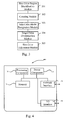
- Fig. 1 is a flow chart showing a method for adjusting skin color, according to an exemplary embodiment. Referring to Fig. 1 , the method includes the following steps.
- step 101 a skin color region of an image is identified.
- step 102 original color data of pixels in the skin color region is counted to obtain an original mean value and an original standard deviation of the pixels in the skin color region.
- a designated skin color model most similar to the skin color region is selected from at least one preset skin color model according to the original mean value and a preset mean value of the at least one preset skin color model, the preset skin color model representing skin color types.
- target color data is determined according to the original color data, the original mean value, the original standard deviation, and the preset mean value and a preset standard deviation of the designated skin color model.
- step 105 the skin color region is adjusted according to the target color data.
- the designated skin color model most similar to the skin color region is selected after the original color data of the pixels in the skin color region is counted, the target color data is determined according to the original color data, the original mean value, the original standard deviation, and the preset mean value and the preset standard deviation of the designated skin color model, and the skin color region is adjusted according to the target color data.
- the skin color region is adjusted on the basis of the designated skin color model, the difference between the adjusted skin color and the actual skin color is decreased, image distortion is avoided, the beautification effect is improved, the user does not need to select a target color, and thus the operation is simple and convenient; moreover, the algorithm is simple and easy to implement.
- the step of selecting the designated skin color model most similar to the skin color region from the at least one preset skin color model according to the original mean value and the preset mean value of the at least one preset skin color model includes:
- the step of selecting the designated skin color model most similar to the skin color region from the at least one preset skin color model according to the original mean value and the preset mean value of the at least one preset skin color model includes:
- the color data is YUV data
- the step of determining the target color data according to the original color data, the original mean value, the original standard deviation, and the preset mean value and the preset standard deviation of the designated skin color model includes:
- the step of adjusting the skin color region according to the target color data includes:
- the at least one preset skin color model includes a first preset skin color model, a second preset skin color model, a third preset skin color model, a fourth preset skin color model, a fifth preset skin color model and a sixth preset skin color model; a preset mean value and a preset standard deviation of the first preset skin color model are obtained by counting color data of sample images of light white people; a preset mean value and a preset standard deviation of the second preset skin color model are obtained by counting color data of sample images of dark white people; a preset mean value and a preset standard deviation of the third preset skin color model are obtained by counting color data of sample images of light yellow people; a preset mean value and a preset standard deviation of the fourth preset skin color model are obtained by counting color data of sample images of dark yellow people; a preset mean value and a preset standard deviation of the fifth preset skin color model are obtained by counting color data of sample images of light black people; and a preset mean value and a preset standard deviation of
- Fig. 2 is an exemplary flow chart showing a method for adjusting skin color.
- the method for adjusting skin color is used in a server, including the following steps.
- the server identifies a skin color region of an image, and counts original color data of pixels in the skin color region to obtain an original mean value and an original standard deviation of the pixels in the skin color region.
- the image may either be an image captured by a terminal and uploaded to the server, or an image transmitted by other servers to the server; and from the view of the image contents, the image includes the skin color region, and more particularly, may include a face region, or include an entire-body region and the like, which are not restricted in the embodiment.
- the terminal may automatically upload the image to the server, then the server adjusts the skin color of the image and transmits the adjusted image to the terminal, and then the terminal directly displays the adjusted image; or, the terminal displays the captured image, when the user triggers an instruction for adjusting the skin color of the image, the terminal uploads the image to the server, then the server adjusts the skin color of the image and transmits the adjusted image to the terminal, and then the terminal displays the adjusted image, which are not restricted in the embodiment as well.
- the server employs a skin color detection algorithm to identify the image, selects the sample pixels of the image according to a skin color detection operator, performs color modeling on the skin color by using a Gaussian mixture model, and using the established color model to classify the skin color region and non-skin color region in the image to obtain the skin color region of the image.
- the server may identify a plurality of skin color regions of the image, for example, a forehead skin color region, a cheek skin color region, a nosewing skin color region and the like in the face image, and the server respectively adjusts the skin color of each skin color region.
- only one skin color region of the image is taken as an example for explanation.
- the sever may select a plurality of sample pixels in the skin color region, acquire original color data of each sample pixel, and count the original color data of the plurality of sample pixels to obtain a mean value and a standard deviation of the original color data of the plurality of sample pixels as the original mean value and the original standard deviation of the pixels in the skin color region.
- the original mean value acquired by the server is ( meanY, meanU, meanV )
- the original standard deviation acquired by the server is ( deltaY, deltaU, deltaV ).
- a detection result of the skin color region is an ellipsoid
- the original mean value is the center of the ellipsoid
- the three elements in the original standard deviation are three spherical radiuses of the ellipsoid.
- the server calculates a similarity between the original mean value and the preset mean value of the at least one preset skin color model, selects a designated skin color model from the at least one preset skin color model, the similarity between the preset mean value of this designated skin color model and the original mean value being maximum, and determines the preset mean value and the preset standard deviation of the designated skin color model.
- the server in order to improve the accuracy of adjusting skin color, establishes the at least one preset skin color model in advance to obtain the preset mean value and the preset standard deviation of the at least one preset skin color model.
- Each preset skin color model represents one skin color type.
- the server may determine a designated skin color type most similar to the skin color region according to the similarity between the original mean value and the preset mean value of the at least one preset skin color model. When the skin color is adjusted on the basis of the designated skin color type, the difference between the adjusted skin color and the actual skin color may be decreased, and image distortion may be avoided.
- the method further includes: establishing the at least one preset skin color model by the server.
- the server selects sample images of different skin color types; with respect to each skin color type, the server performs training, counting and modeling on the color data of a plurality of sample images belonging to the skin color type to obtain a preset skin color model corresponding to the skin color type as well as a mean value and a standard deviation of the preset skin color model as a preset mean value and a preset standard deviation of the preset skin color model.
- the process of counting each sample image is similar to step 201, which will not be elaborated herein.
- the preset skin color model is an ellipsoid
- the preset mean value is the center of the ellipsoid
- the three elements in the preset standard deviation are three spherical radiuses of the ellipsoid.
- the server may perform offline counting on the color data of the plurality of sample images; that is, when the preset mean value and the preset standard deviation of the preset skin color model are acquired, the color data of the sample images is deleted so as to save storage space.
- the skin color region in the sample image is clear and beautiful so as to ensure that when the skin color of the skin color region is subsequently adjusted on the basis of the designated skin color model, the adjusted skin color region cannot distort, and can meet the beautification demand of the user.
- human skin color types is divided into light white people, dark white people, light yellow people, dark yellow people, light black people, and dark black people.
- the server respectively counts according to the sample images belonging to the foregoing six skin color types to establish six preset skin color models: a first preset skin color model, a second preset skin color model, a third preset skin color model, a fourth preset skin color model, a fifth preset skin color model and a sixth preset skin color model.
- a preset mean value and a preset standard deviation of the first preset skin color model are obtained by counting color data of sample images of light white people.
- a preset mean value and a preset standard deviation of the second preset skin color model are obtained by counting color data of sample images of dark white people.
- a preset mean value and a preset standard deviation of the third preset skin color model are obtained by counting color data of sample images of light yellow people.
- a preset mean value and a preset standard deviation of the fourth preset skin color model are obtained by counting color data of sample images of dark yellow people.
- a preset mean value and a preset standard deviation of the fifth preset skin color model are obtained by counting color data of sample images of light black people.
- a preset mean value and a preset standard deviation of the sixth preset skin color model are obtained by counting color data of sample images of dark black people.
- the server calculates a similarity between the original mean value and the at least one preset skin color model.
- the larger similarity indicates that the skin color region is more similar to the corresponding preset skin color model, then the server selects from the at least one preset skin color model, a preset skin color model having a preset mean value which has a largest similarity with the original mean value, as the designated skin color model, wherein the designated skin color model is namely the skin color model most similar to the skin color region.
- the server calculates the similarity between the original mean value and at least one preset mean value, and determines that the similarity between the preset mean value of the third preset skin color model and the original mean value is the largest, then the third preset skin color model is used as the designated skin color model, and the skin color of the skin color region is adjusted on the basis of the third preset skin color model.
- the server calculates an Euclidean distance between the original mean value and the at least one preset skin color model.
- the smaller Euclidean distance indicates that the skin color region is more similar to the corresponding preset skin color model, then a designated skin color model having a preset mean value which has a smallest Euclidean distance with the original mean value is selected from the at least one preset skin color model.
- the server calculates a cosine similarity between the original mean value and the at least one preset skin color model.
- the larger cosine similarity indicates that the skin color region is more similar to the corresponding preset skin color model.
- a designated skin color model having a preset mean value which has a maximum cosine similarity with the original mean value is selected from the at least one preset skin color model.
- the type of the similarity is not restricted in the embodiment.
- the server may also calculate a difference between the original mean value and the at least one preset skin color model. The smaller difference indicates that the skin color region is more similar to the corresponding preset skin color model. Then a designated skin color model having a preset mean value which has a minimum difference with the original mean value is selected from the at least one preset skin color model.
- step 203 the server determines target color data according to the original color data, the original mean value, the original standard deviation, and the preset mean value and the preset standard deviation of the designated skin color model, and adjusts the skin color region according to the target color data.
- the original color data is YUV data
- the server After determining the target color data of each pixel in the skin color region, the server adjusts the original color data of each pixel to be the corresponding target color data, thus implementing the skin color adjustment.
- the original color data of the pixels in the skin color region is counted, the designated skin color model most similar to the skin color region is intelligently selected from the at least one preset skin color model according to the similarity of the skin color model, and the skin color is adjusted on the basis of the designated skin color model; therefore, the difference between the adjusted skin color and the actual skin color is decreased, and image distortion is avoided; moreover, the algorithm is simple and is easy to implement.
- the embodiment is illustrated by taking the server as an executive body.
- the executive body may also be a terminal.
- the terminal downloads the preset mean value and the preset standard deviation of at least one preset skin color model established by the server.
- the terminal captures an image, the terminal applies the method provided by the embodiment to adjust the skin color of the skin color region of the image.
- the executive body is not restricted in the embodiment.
- the designated skin color model most similar to the skin color region is selected after the original color data of the pixels in the skin color region is counted, the target color data is determined according to the original color data, the original mean value, the original standard deviation, and the preset mean value and the preset standard deviation of the designated skin color model, and the skin color region is adjusted according to the target color data.
- the skin color region is adjusted on the basis of the designated skin color model, the difference between the adjusted skin color and the actual skin color is decreased, image distortion is avoided, the beautification effect is improved, the user does not need to select a target color, and the operation is simple and convenient; moreover, the algorithm is simple and easy to implement.
- Fig. 3 is a block diagram showing a device for adjusting skin color, according to an exemplary embodiment.
- the device includes a skin color region identification module 301, a counting module 302, a skin color model designation module 303, a target color determination module 304 and a skin color adjustment module 305.
- the skin color region identification module 301 is configured to identify a skin color region of an image.
- the counting module 302 is configured to count original color data of pixels in the skin color region to obtain an original mean value and an original standard deviation of the pixels in the skin color region.
- the skin color model designation module 303 is configured to select a designated skin color model most similar to the skin color region from at least one preset skin color model according to the original mean value and a preset mean value of the at least one preset skin color model, the preset skin color model representing skin color types.
- the target color determination module 304 is configured to determine target color data according to the original color data, the original mean value, the original standard deviation, and the preset mean value and a preset standard deviation of the designated skin color model.
- the skin color adjustment module 305 is configured to adjust the skin color region according to the target color data.
- the skin color model designation module 303 includes:
- the skin color model designation module 303 includes:
- the color data is YUV data
- the skin color adjustment module 305 includes:
- the device further includes:
- the devices for adjusting skin color provided in the above embodiments are adjusting the skin color, it is only illustrated by taking the division of each functional module as an example. During practical application, the foregoing function distribution may be finished by different functional modules according to requirements. That is, the interior of the server is divided into different functional modules so as to finish all or part of the functions described above. Moreover, the device for adjusting skin color provided by the foregoing embodiment and the embodiment of the method for adjusting skin color belong to the same conception, and the detailed implementation process is as shown in the embodiment of the method, which will not be elaborated herein.
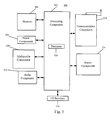
- Fig. 4 is a block diagram showing a device 400 for adjusting skin color, according to an exemplary embodiment.
- the device 400 may be provided as a server.
- the device 400 includes a processing component 422 that further includes one or more processors, and memory resources represented by a memory 432 for storing instructions executable by the processing component 422, such as application programs.
- the application programs stored in the memory 432 may include one or more modules each corresponding to a set of instructions.
- the processing component 422 is configured to execute the instructions to perform the above method for adjusting skin color.
- the device 400 may also include a power component 426 configured to perform power management of the device 400, wired or wireless network interface(s) 450 configured to connect the device 400 to a network, and an input/output (I/O) interface 458.
- the device 400 may operate based on an operating system stored in the memory 432, such as Windows ServerTM, Mac OS XTM, UnixTM, LinuxTM, FreeBSDTM, or the like.
- Fig. 5 is a block diagram showing another device 500 for adjusting skin color, according to an exemplary embodiment.
- the device 500 may be a mobile phone, a computer, a digital broadcast terminal, a messaging device, a gaming console, a tablet, a medical device, exercise equipment, a personal digital assistant, and the like.
- the device 500 may include one or more of the following components: a processing component 502, a memory 504, a power component 506, a multimedia component 508, an audio component 510, an input/output (I/O) interface 512, a sensor component 514, and a communication component 516.
- the processing component 502 typically controls overall operations of the device 500, such as the operations associated with display, telephone calls, data communications, camera operations, and recording operations.
- the processing component 502 may include one or more processors 520 to execute instructions to perform all or part of the steps in the above described methods.
- the processing component 502 may include one or more modules which facilitate the interaction between the processing component 502 and other components.
- the processing component 502 may include a multimedia module to facilitate the interaction between the multimedia component 508 and the processing component 502.
- the memory 504 is configured to store various types of data to support the operation of the device 500. Examples of such data include instructions for any applications or methods operated on the device 500, contact data, phonebook data, messages, pictures, video, etc.
- the memory 504 may be implemented using any type of volatile or non-volatile memory devices, or a combination thereof, such as a static random access memory (SRAM), an electrically erasable programmable read-only memory (EEPROM), an erasable programmable read-only memory (EPROM), a programmable read-only memory (PROM), a read-only memory (ROM), a magnetic memory, a flash memory, a magnetic or optical disk.
- SRAM static random access memory
- EEPROM electrically erasable programmable read-only memory
- EPROM erasable programmable read-only memory
- PROM programmable read-only memory
- ROM read-only memory
- magnetic memory a magnetic memory
- flash memory a flash memory
- magnetic or optical disk a magnetic or optical
- the power component 506 provides power to various components of the device 500.
- the power component 506 may include a power management system, one or more power sources, and any other components associated with the generation, management, and distribution of power in the device 500.
- the multimedia component 508 includes a screen providing an output interface between the device 500 and the user.
- the screen may include a liquid crystal display (LCD) and a touch panel (TP). If the screen includes the touch panel, the screen may be implemented as a touch screen to receive input signals from the user.
- the touch panel includes one or more touch sensors to sense touches, swipes, and gestures on the touch panel. The touch sensors may not only sense a boundary of a touch or swipe action, but also sense a period of time and a pressure associated with the touch or swipe action.
- the multimedia component 508 includes a front camera and/or a rear camera.
- the front camera and/or the rear camera may receive an external multimedia datum while the device 500 is in an operation mode, such as a photographing mode or a video mode.
- an operation mode such as a photographing mode or a video mode.
- Each of the front camera and the rear camera may be a fixed optical lens system or have focus and optical zoom capability.
- the audio component 510 is configured to output and/or input audio signals.
- the audio component 510 includes a microphone ("MIC") configured to receive an external audio signal when the device 500 is in an operation mode, such as a call mode, a recording mode, and a voice recognition mode.
- the received audio signal may be further stored in the memory 504 or transmitted via the communication component 516.
- the audio component 510 further includes a speaker to output audio signals.
- the I/O interface 512 provides an interface between the processing component 502 and peripheral interface modules, such as a keyboard, a click wheel, buttons, and the like.
- the buttons may include, but are not limited to, a home button, a volume button, a starting button, and a locking button.
- the sensor component 514 includes one or more sensors to provide status assessments of various aspects of the device 500. For instance, the sensor component 514 may detect an open/closed status of the device 500, relative positioning of components, e.g., the display and the keypad, of the device 500, a change in position of the device 500 or a component of the device 500, a presence or absence of user contact with the device 500, an orientation or an acceleration/deceleration of the device 500, and a change in temperature of the device 500.
- the sensor component 514 may include a proximity sensor configured to detect the presence of nearby objects without any physical contact.
- the sensor component 514 may also include a light sensor, such as a CMOS or CCD image sensor, for use in imaging applications.
- the sensor component 514 may also include an accelerometer sensor, a gyroscope sensor, a magnetic sensor, a pressure sensor, or a temperature sensor.
- the communication component 516 is configured to facilitate communication, wired or wirelessly, between the device 500 and other devices.
- the device 500 can access a wireless network based on a communication standard, such as WiFi, 2G, or 3G, or a combination thereof.
- the communication component 516 receives a broadcast signal or broadcast associated information from an external broadcast management system via a broadcast channel.
- the communication component 516 further includes a near field communication (NFC) module to facilitate short-range communications.
- the NFC module may be implemented based on a radio frequency identification (RFID) technology, an infrared data association (IrDA) technology, an ultra-wideband (UWB) technology, a Bluetooth (BT) technology, and other technologies.
- RFID radio frequency identification
- IrDA infrared data association
- UWB ultra-wideband
- BT Bluetooth
- the device 500 may be implemented with one or more application specific integrated circuits (ASICs), digital signal processors (DSPs), digital signal processing devices (DSPDs), programmable logic devices (PLDs), field programmable gate arrays (FPGAs), controllers, micro-controllers, microprocessors, or other electronic components, for performing the above described methods.
- ASICs application specific integrated circuits
- DSPs digital signal processors
- DSPDs digital signal processing devices
- PLDs programmable logic devices
- FPGAs field programmable gate arrays
- controllers micro-controllers, microprocessors, or other electronic components, for performing the above described methods.
- non-transitory computer-readable storage medium including instructions, such as included in the memory 504, executable by the processor 520 in the device 500, for performing the above-described methods.
- the non-transitory computer-readable storage medium may be a ROM, a RAM, a CD-ROM, a magnetic tape, a floppy disc, an optical data storage device, and the like.
- a non-transitory computer readable storage medium when an instruction in a storage medium is performed by a processor of a mobile terminal, enables the mobile terminal to perform a method for adjusting skin color, wherein the method includes:
- the step of selecting the designated skin color model most similar to the skin color region from the at least one preset skin color model according to the original mean value and the preset mean value of the at least one preset skin color model includes:
- the step of selecting the designated skin color model most similar to the skin color region from the at least one preset skin color model according to the original mean value and the preset mean value of the at least one preset skin color model includes:
- the color data is YUV data
- the step of determining the target color data according to the original color data, the original mean value, the original standard deviation, and the preset mean value and the preset standard deviation of the designated skin color model includes:
- the step of adjusting the skin color region according to the target color data includes:
- the at least one preset skin color model includes a first preset skin color model, a second preset skin color model, a third preset skin color model, a fourth preset skin color model, a fifth preset skin color model and a sixth preset skin color model; a preset mean value and a preset standard deviation of the first preset skin color model are obtained by counting color data of sample images of light white people; a preset mean value and a preset standard deviation of the second preset skin color model are obtained by counting color data of sample images of dark white people; a preset mean value and a preset standard deviation of the third preset skin color model are obtained by counting color data of sample images of light yellow people; a preset mean value and a preset standard deviation of the fourth preset skin color model are obtained by counting color data of sample images of dark yellow people; a preset mean value and a preset standard deviation of the fifth preset skin color model are obtained by counting color data of sample images of light black people; a preset mean value and a preset standard deviation of the
Landscapes
- Engineering & Computer Science (AREA)
- Physics & Mathematics (AREA)
- General Physics & Mathematics (AREA)
- Theoretical Computer Science (AREA)
- Multimedia (AREA)
- Signal Processing (AREA)
- Computer Vision & Pattern Recognition (AREA)
- Probability & Statistics with Applications (AREA)
- Image Processing (AREA)
- Facsimile Image Signal Circuits (AREA)
- Image Analysis (AREA)
- Processing Of Color Television Signals (AREA)
Abstract
Description
- The present disclosure relates to the field of image processing, and more particularly, to a method and a device for adjusting skin color.
- With the development of image processing technology and the increasing of user's requirements, beautification process on a captured image has become an indispensable function of a mobile terminal.
- The existing mobile terminal, when performing beautification process on the image, may adjust skin color in the image, for example, the user selects a target color, and the mobile terminal converts the color in the skin color region of the image to the target color.
- In the process of achieving the present disclosure, it is found that the foregoing manner has, for example, the following defects: the identification ability of human eyes on the color is limited; if the target color is selected by the user merely, there is a great difference between the converted skin color and the actual skin color, thus the image is easy to be distorted and the beautification effect is poor.
- In order to overcome the problems in the related art, the present disclosure provides a method and a device for adjusting skin color. The technical solutions are as follows.
- According to a first aspect, the invention relates to a method for adjusting skin color, comprising:
- identifying a skin color region of an image;
- counting original color data of pixels in the skin color region to obtain an original mean value and an original standard deviation of the pixels in the skin color region;
- selecting a designated skin color model most similar to the skin color region from at least one preset skin color model according to the original mean value and a preset mean value of the at least one preset skin color model, the preset skin color model representing skin color types;
- determining target color data according to the original color data, the original mean value, the original standard deviation, and the preset mean value and a preset standard deviation of the designated skin color model; and
- adjusting the skin color region according to the target color data.
- Optionally, the step of selecting the designated skin color model most similar to the skin color region from the at least one preset skin color model according to the original mean value and the preset mean value of the at least one preset skin color model comprises:
- calculating a difference between the original mean value and the preset mean value of the at least one preset skin color model; and
- selecting the designated skin color model from the at least one preset skin color model, the difference between the preset mean value of this designated skin color model and the original mean value being minimum.
- Optionally, the step of selecting the designated skin color model most similar to the skin color region from the at least one preset skin color model according to the original mean value and the preset mean value of the at least one preset skin color model comprises:
- calculating an Euclidean distance between the original mean value and at least one preset mean value; and
- selecting the designated skin color model from the at least one preset skin color model, the Euclidean distance between the preset mean value of this designated skin color model and the original mean value being minimum.
- Optionally, the color data is YUV data, and the step of determining the target color data according to the original color data, the original mean value, the original standard deviation, and the preset mean value and the preset standard deviation of the designated skin color model comprises:
- with respect to each pixel in the skin color region, determining the target color data of the pixel according to the original color data, the original mean value, and the original standard deviation of the pixel, and the preset mean value and the preset standard deviation of the designated skin color model by applying formulas as follows:



wherein(Y,U,V) is the original color data of the pixel, Y is a value of the original color data on a dimension Y in YUV space, U is a value of the original color data on a dimension U in the YUV space, and V is a value of the original color data on a dimension V in the YUV space;
(Y*,U*,V*) is the target color data of the pixel, Y* is a value of the target color data on the dimension Y in the YUV space, U* is a value of the target color data on the dimension U in the YUV space, and V* is a value of the target color data on the dimension V in the YUV space;
(meanY, meanU, meanV ) is the original mean value, meaY is a value of the original mean value on the dimension Y in the YUV space, meanU is a value of the original mean value on the dimension U in the YUV space, and meanV is a value of the original mean value on the dimension V in the YUV space;
(deltaY,deltaU,deltaV ) is the original standard deviation, deltaY is a value of the original standard deviation on the dimension Y in the YUV space, deltaU is a value of the original standard deviation on the dimension U in the YUV space, and deltaV is a value of the original standard deviation on the dimension V in the YUV space;
(meanYiType,meanUiType,meanViType ) is the preset mean value of the designated skin color model, meanYiType is a value of the preset mean value on the dimension Y in the YUV space, meanUiType is a value of the preset mean value on the dimension U in the YUV space, and meanViType is a value of the preset mean value on the dimension V in the YUV space; and
(delta"Y¡Type,deltaUiType,deltaV¡Type ) is the preset standard deviation of the designated skin color model, deltaY¡Type is a value of the preset standard deviation on the dimension Y in the YUV space, deltaUiType is a value of the preset standard deviation on the dimension U in the YUV space, and deltaV¡Type is a value of the preset standard deviation on the dimension V in the YUV space. - Optionally, the step of adjusting the skin color region according to the target color data comprises:
- adjusting the original color data of each pixel in the skin color region to be the target color data of each pixel.
- Optionally, the at least one preset skin color model comprises a first preset skin color model, a second preset skin color model, a third preset skin color model, a fourth preset skin color model, a fifth preset skin color model and a sixth preset skin color model;
- a preset mean value and a preset standard deviation of the first preset skin color model are obtained by counting color data of sample images of light white people;
- a preset mean value and a preset standard deviation of the second preset skin color model are obtained by counting color data of sample images of dark white people;
- a preset mean value and a preset standard deviation of the third preset skin color model are obtained by counting color data of sample images of light yellow people;
- a preset mean value and a preset standard deviation of the fourth preset skin color model are obtained by counting color data of sample images of dark yellow people;
- a preset mean value and a preset standard deviation of the fifth preset skin color model are obtained by counting color data of sample images of light black people; and
- a preset mean value and a preset standard deviation of the sixth preset skin color model are obtained by counting color data of sample images of dark black people.
- According to a second aspect, the invention relates to a device for adjusting skin color, comprising:
- a skin color region identification module configured to identify a skin color region of an image;
- a counting module configured to count original color data of pixels in the skin color region to obtain an original mean value and an original standard deviation of the pixels in the skin color region;
- a skin color model designation module configured to select a designated skin color model most similar to the skin color region from at least one preset skin color model according to the original mean value and a preset mean value of the at least one preset skin color model, the preset skin color model representing skin color types;
- a target color determination module configured to determine target color data according to the original color data, the original mean value, the original standard deviation, and the preset mean value and a preset standard deviation of the designated skin color model; and
- a skin color adjustment module configured to adjust the skin color region according to the target color data.
- Optionally, the skin color model designation module comprises:
- a similarity calculation unit configured to calculate a difference between the original mean value and a preset mean value of the at least one preset skin color model; and
- a skin color model selection unit configured to select the designated skin color model from the at least one preset skin color model, the difference between the preset mean value of this designated skin color model and the original mean value being minimum.
- Optionally, the skin color model designation module comprises:
- an Euclidean distance calculation unit configured to calculate an Euclidean distance between the original mean value and at least one preset mean value; and
- a skin color model selection unit configured to select the designated skin color model from the at least one preset skin color model, the Euclidean distance between the preset mean value of this designated skin color model and the original mean value being minimum.
- Optionally, the device employs YUV data as the color data;
the target color determination module is configured to, with respect to each pixel in the skin color region, determine the target color data of the pixel according to the original color data, the original mean value, and the original standard deviation of the pixel, and the preset mean value and the preset standard deviation of the designated skin color model by applying formulas as follows:


wherein(Y,U,V) is the original color data of the pixel, Y is a value of the original color data on a dimension Y in a YUV space, U is a value of the original color data on a dimension U in the YUV space, and V is a value of the original color data on a dimension V in the YUV space;
(Y*,U*,V*) is the target color data of the pixel, Y* is a value of the target color data on the dimension Y in the YUV space, U* is a value of the target color data on the dimension U in the YUV space, and V* is a value of the target color data on the dimension V in the YUV space;
(meanY,meanU,meanV ) is the original mean value, meanY is a value of the original mean value on the dimension Y in the YUV space, meanU is a value of the original mean value on the dimension U in the YUV space, and meanV is a value of the original mean value on the dimension V in the YUV space;
(deltaY,deltaU,deltaV ) is the original standard deviation, deltaY is a value of the original standard deviation on the dimension Y in the YUV space, deltaU is a value of the original standard deviation on the dimension U in the YUV space, and deltaV is a value of the original standard deviation on the dimension V in the YUV space;
(MeanYiType,meanUiType,meanViType ) is the preset mean value of the designated skin color model, meanYiType is a value of the preset mean value on the dimension Y in the YUV space, meanUiType is a value of the preset mean value on the dimension U in the YUV space, and meanViType is a value of the preset mean value on the dimension V in the YUV space; and
(deltaYiType,deltaUiType,deltaViType ) is the preset standard deviation of the designated skin color model, deltaYiType is a value of the preset standard deviation on the dimension Y in the YUV space, deltaUiType is a value of the preset standard deviation on the dimension U in the YUV space, and deltaViType is a value of the preset standard deviation on the dimension V in the YUV space. - Optionally, the skin color adjustment module comprises:
- a skin color adjustment unit configured to adjust the original color data of each pixel in the skin color region to be the target color data of each pixel.
- Optionally, the device further comprises:
- a skin color model preset module configured to set the at least one preset skin color model, the at least one preset skin color model comprising a first preset skin color model, a second preset skin color model, a third preset skin color model, a fourth preset skin color model, a fifth preset skin color model and a sixth preset skin color model;
- a preset mean value and a preset standard deviation of the first preset skin color model are obtained by counting color data of sample images of light white people;
- a preset mean value and a preset standard deviation of the second preset skin color model are obtained by counting color data of sample images of dark white people;
- a preset mean value and a preset standard deviation of the third preset skin color model are obtained by counting color data of sample images of light yellow people;
- a preset mean value and a preset standard deviation of the fourth preset skin color model are obtained by counting color data of sample images of dark yellow people;
- a preset mean value and a preset standard deviation of the fifth preset skin color model are obtained by counting color data of sample images of light black people; and
- a preset mean value and a preset standard deviation of the sixth preset skin color model are obtained by counting color data of sample images of dark black people.
- According to a third aspect, the invention relates to a device for adjusting skin color, comprising:
- a processor; and
- a memory for storing instructions executable by the processor;
- wherein the processor is configured to:
- identify a skin color region of an image;
- count original color data of pixels in the skin color region to obtain an original mean value and an original standard deviation of the pixels in the skin color region;
- select a designated skin color model most similar to the skin color region from at least one preset skin color model according to the original mean value and a preset mean value of the at least one preset skin color model, the preset skin color model representing skin color types;
- determining target color data according to the original color data, the original mean value, the original standard deviation, and the preset mean value and a preset standard deviation of the designated skin color model; and
- adjust the skin color region according to the target color data.
- In one particular embodiment, the steps of the method for adjusting a skin color are determined by computer program instructions.
- Consequently, according to a fourth aspect, the invention is also directed to a computer program for executing the steps of a method for adjusting a skin color as described above when this program is executed by a computer.
- This program can use any programming language and take the form of source code, object code or a code intermediate between source code and object code, such as a partially compiled form, or any other desirable form.
- The invention is also directed to a computer-readable information medium containing instructions of a computer program as described above.
- The information medium can be any entity or device capable of storing the program. For example, the support can include storage means such as a ROM, for example a CD ROM or a microelectronic circuit ROM, or magnetic storage means, for example a diskette (floppy disk) or a hard disk.
- Alternatively, the information medium can be an integrated circuit in which the program is incorporated, the circuit being adapted to execute the method in question or to be used in its execution.
- The technical solutions provided by the embodiments of the present disclosure may comprise the following advantageous effects:
- according to the method and the device provided by the embodiment, the designated skin color model most similar to the skin color region is selected after the original color data of the pixels in the skin color region is counted, the target color data is determined according to the original color data, the original mean value, the original standard deviation, and the preset mean value and the preset standard deviation of the designated skin color model, and the skin color region is adjusted according to the target color data. When the skin color region is adjusted on the basis of the designated skin color model, the difference between the adjusted skin color and the actual skin color is decreased, image distortion is avoided, the beautification effect is improved, the user does not need to select a target color, and thus the operation is simple and convenient; moreover, the algorithm is simple and easy to implement.
- It is to be understood that both the foregoing general description and the following detailed description are exemplary only and are not restrictive of the invention.
- The accompanying drawings, which are incorporated in and constitute a part of this specification, illustrate embodiments consistent with the invention and, together with the description, serve to explain the principles of the invention.
-
Fig. 1 is a flow chart showing a method for adjusting skin color, according to an exemplary embodiment; -
Fig. 2 is a flow chart showing a method for adjusting skin color, according to an exemplary embodiment; -
Fig. 3 is a block diagram showing a device for adjusting skin color, according to an exemplary embodiment; -
Fig. 4 is a block diagram showing a device for adjusting skin color, according to an exemplary embodiment; and -
Fig. 5 is a block diagram showing another device for adjusting skin color, according to an exemplary embodiment. - In order to make the objectives, technical solutions and advantages of the present disclosure more apparent, the embodiments of the present disclosure will be described in further detail with reference to the accompany drawings. Herein, the exemplary embodiments and explanations thereof in the present disclosure are only for interpreting the present disclosure, but are not for restricting the present disclosure.
- Embodiments of the present disclosure provide a method and a device for adjusting skin color, and the present disclosure will be further explained in details with reference to the accompanying drawings hereinafter.
-
Fig. 1 is a flow chart showing a method for adjusting skin color, according to an exemplary embodiment. Referring toFig. 1 , the method includes the following steps. - In
step 101, a skin color region of an image is identified. - In
step 102, original color data of pixels in the skin color region is counted to obtain an original mean value and an original standard deviation of the pixels in the skin color region. - In
step 103, a designated skin color model most similar to the skin color region is selected from at least one preset skin color model according to the original mean value and a preset mean value of the at least one preset skin color model, the preset skin color model representing skin color types. - In
step 104, target color data is determined according to the original color data, the original mean value, the original standard deviation, and the preset mean value and a preset standard deviation of the designated skin color model. - In
step 105, the skin color region is adjusted according to the target color data. - According to the method provided by the embodiment, the designated skin color model most similar to the skin color region is selected after the original color data of the pixels in the skin color region is counted, the target color data is determined according to the original color data, the original mean value, the original standard deviation, and the preset mean value and the preset standard deviation of the designated skin color model, and the skin color region is adjusted according to the target color data. When the skin color region is adjusted on the basis of the designated skin color model, the difference between the adjusted skin color and the actual skin color is decreased, image distortion is avoided, the beautification effect is improved, the user does not need to select a target color, and thus the operation is simple and convenient; moreover, the algorithm is simple and easy to implement.
- Optionally, the step of selecting the designated skin color model most similar to the skin color region from the at least one preset skin color model according to the original mean value and the preset mean value of the at least one preset skin color model includes:
- calculating a difference between the original mean value and the preset mean value of the at least one preset skin color model; and
- selecting the designated skin color model from the at least one preset skin color model, the difference between the preset mean value of this designated skin color model and the original mean value being minimum.
- Optionally, the step of selecting the designated skin color model most similar to the skin color region from the at least one preset skin color model according to the original mean value and the preset mean value of the at least one preset skin color model includes:
- calculating an Euclidean distance between the original mean value and the at least one preset mean value; and
- selecting the designated skin color model from the at least one preset skin color model, the Euclidean distance between the preset mean value of this designated skin color model and the original mean value being minimum.
- Optionally, the color data is YUV data, and the step of determining the target color data according to the original color data, the original mean value, the original standard deviation, and the preset mean value and the preset standard deviation of the designated skin color model includes:
- with respect to each pixel in the skin color region, determining the target color data of the pixel according to the original color data, the original mean value, and the original standard deviation of the pixel, and the preset mean value and the preset standard deviation of the designated skin color model by applying formulas as follows:


wherein(Y,U,V) is the original color data of the pixel, Y is a value of the original color data on a dimension Y in a YUV space, U is a value of the original color data on a dimension U in the YUV space, and V is a value of the original color data on a dimension V in the YUV space; -
(Y*,U*,V*) is the target color data of the pixel, Y* is a value of the target color data on the dimension Y in the YUV space, U* is a value of the target color data on the dimension U in the YUV space, and V* is a value of the target color data on the dimension V in the YUV space; -
(meanY,meanU,meanV) is the original mean value, meanY is a value of the original mean value on the dimension Y in the YUV space, meanU is a value of the original mean value on the dimension U in the YUV space, and meanV is a value of the original mean value on the dimension V in the YUV space; -
(deltaY, deltaU, deltaV) is the original standard deviation, deltaY is a value of the original standard deviation on the dimension Y in the YUV space, deltaU is a value of the original standard deviation on the dimension U in the YUV space, and deltaV is a value of the original standard deviation on the dimension V in the YUV space; -
(meanY¡Type,meanUïType,meanV¡Type ) is the preset mean value of the designated skin color model, meanYiType is a value of the preset mean value on the dimension Y in the YUV space, meanUiType is a value of the preset mean value on the dimension U in the YUV space, and meanViType is a value of the preset mean value on the dimension V in the YUV space; and - (
deltaYiType,deltaUiType,deltaViType ) is the preset standard deviation of the designated skin color model, deltaYiType is a value of the preset standard deviation on the dimension Y in the YUV space, deltaUiType is a value of the preset standard deviation on the dimension U in the YUV space, and deltaV¡Type is a value of the preset standard deviation on the dimension V in the YUV space. - Optionally, the step of adjusting the skin color region according to the target color data includes:
- adjusting the original color data of each pixel in the skin color region to be the target color data of each pixel.
- Optionally, the at least one preset skin color model includes a first preset skin color model, a second preset skin color model, a third preset skin color model, a fourth preset skin color model, a fifth preset skin color model and a sixth preset skin color model;
a preset mean value and a preset standard deviation of the first preset skin color model are obtained by counting color data of sample images of light white people;
a preset mean value and a preset standard deviation of the second preset skin color model are obtained by counting color data of sample images of dark white people;
a preset mean value and a preset standard deviation of the third preset skin color model are obtained by counting color data of sample images of light yellow people;
a preset mean value and a preset standard deviation of the fourth preset skin color model are obtained by counting color data of sample images of dark yellow people;
a preset mean value and a preset standard deviation of the fifth preset skin color model are obtained by counting color data of sample images of light black people; and
a preset mean value and a preset standard deviation of the sixth preset skin color model are obtained by counting color data of sample images of dark black people. - Any combination of all the above-mentioned optional technical solutions may be employed to form optional embodiments of the present invention, which will not be elaborated one by one herein.
- In an embodiment,
Fig. 2 is an exemplary flow chart showing a method for adjusting skin color. Referring toFig. 2 , the method for adjusting skin color is used in a server, including the following steps. - In
step 201, the server identifies a skin color region of an image, and counts original color data of pixels in the skin color region to obtain an original mean value and an original standard deviation of the pixels in the skin color region. - From the view of the image source, the image may either be an image captured by a terminal and uploaded to the server, or an image transmitted by other servers to the server; and from the view of the image contents, the image includes the skin color region, and more particularly, may include a face region, or include an entire-body region and the like, which are not restricted in the embodiment. When the terminal captures the image, the terminal may automatically upload the image to the server, then the server adjusts the skin color of the image and transmits the adjusted image to the terminal, and then the terminal directly displays the adjusted image; or, the terminal displays the captured image, when the user triggers an instruction for adjusting the skin color of the image, the terminal uploads the image to the server, then the server adjusts the skin color of the image and transmits the adjusted image to the terminal, and then the terminal displays the adjusted image, which are not restricted in the embodiment as well.
- Optionally, the server employs a skin color detection algorithm to identify the image, selects the sample pixels of the image according to a skin color detection operator, performs color modeling on the skin color by using a Gaussian mixture model, and using the established color model to classify the skin color region and non-skin color region in the image to obtain the skin color region of the image. The server may identify a plurality of skin color regions of the image, for example, a forehead skin color region, a cheek skin color region, a nosewing skin color region and the like in the face image, and the server respectively adjusts the skin color of each skin color region. In the embodiment, only one skin color region of the image is taken as an example for explanation.
- In the embodiment, the sever may select a plurality of sample pixels in the skin color region, acquire original color data of each sample pixel, and count the original color data of the plurality of sample pixels to obtain a mean value and a standard deviation of the original color data of the plurality of sample pixels as the original mean value and the original standard deviation of the pixels in the skin color region.
- Taking the original color data which is YUV data as an example, the original mean value acquired by the server is
(meanY, meanU, meanV) , and the original standard deviation acquired by the server is(deltaY, deltaU, deltaV). In the three dimensional spaces of the YUV, a detection result of the skin color region is an ellipsoid, the original mean value is the center of the ellipsoid, and the three elements in the original standard deviation are three spherical radiuses of the ellipsoid. - In
step 202, the server calculates a similarity between the original mean value and the preset mean value of the at least one preset skin color model, selects a designated skin color model from the at least one preset skin color model, the similarity between the preset mean value of this designated skin color model and the original mean value being maximum, and determines the preset mean value and the preset standard deviation of the designated skin color model. - In the embodiment, in order to improve the accuracy of adjusting skin color, the server establishes the at least one preset skin color model in advance to obtain the preset mean value and the preset standard deviation of the at least one preset skin color model. Each preset skin color model represents one skin color type. The server may determine a designated skin color type most similar to the skin color region according to the similarity between the original mean value and the preset mean value of the at least one preset skin color model. When the skin color is adjusted on the basis of the designated skin color type, the difference between the adjusted skin color and the actual skin color may be decreased, and image distortion may be avoided.
- Accordingly, before
step 202, the method further includes: establishing the at least one preset skin color model by the server. Particularly, the server selects sample images of different skin color types; with respect to each skin color type, the server performs training, counting and modeling on the color data of a plurality of sample images belonging to the skin color type to obtain a preset skin color model corresponding to the skin color type as well as a mean value and a standard deviation of the preset skin color model as a preset mean value and a preset standard deviation of the preset skin color model. The process of counting each sample image is similar to step 201, which will not be elaborated herein. In the three dimensional spaces of the YUV, the preset skin color model is an ellipsoid, the preset mean value is the center of the ellipsoid, and the three elements in the preset standard deviation are three spherical radiuses of the ellipsoid. - Further, the server may perform offline counting on the color data of the plurality of sample images; that is, when the preset mean value and the preset standard deviation of the preset skin color model are acquired, the color data of the sample images is deleted so as to save storage space.
- The requirements for selecting the sample images are as follows: the skin color region in the sample image is clear and beautiful so as to ensure that when the skin color of the skin color region is subsequently adjusted on the basis of the designated skin color model, the adjusted skin color region cannot distort, and can meet the beautification demand of the user.
- Optionally, human skin color types is divided into light white people, dark white people, light yellow people, dark yellow people, light black people, and dark black people. The server respectively counts according to the sample images belonging to the foregoing six skin color types to establish six preset skin color models: a first preset skin color model, a second preset skin color model, a third preset skin color model, a fourth preset skin color model, a fifth preset skin color model and a sixth preset skin color model. A preset mean value and a preset standard deviation of the first preset skin color model are obtained by counting color data of sample images of light white people. A preset mean value and a preset standard deviation of the second preset skin color model are obtained by counting color data of sample images of dark white people. A preset mean value and a preset standard deviation of the third preset skin color model are obtained by counting color data of sample images of light yellow people. A preset mean value and a preset standard deviation of the fourth preset skin color model are obtained by counting color data of sample images of dark yellow people. A preset mean value and a preset standard deviation of the fifth preset skin color model are obtained by counting color data of sample images of light black people. A preset mean value and a preset standard deviation of the sixth preset skin color model are obtained by counting color data of sample images of dark black people.
- In the embodiment, the server calculates a similarity between the original mean value and the at least one preset skin color model. The larger similarity indicates that the skin color region is more similar to the corresponding preset skin color model, then the server selects from the at least one preset skin color model, a preset skin color model having a preset mean value which has a largest similarity with the original mean value, as the designated skin color model, wherein the designated skin color model is namely the skin color model most similar to the skin color region. For example, when the skin color region is a skin color region of light yellow people, the server calculates the similarity between the original mean value and at least one preset mean value, and determines that the similarity between the preset mean value of the third preset skin color model and the original mean value is the largest, then the third preset skin color model is used as the designated skin color model, and the skin color of the skin color region is adjusted on the basis of the third preset skin color model.
- Optionally, the server calculates an Euclidean distance between the original mean value and the at least one preset skin color model. The smaller Euclidean distance indicates that the skin color region is more similar to the corresponding preset skin color model, then a designated skin color model having a preset mean value which has a smallest Euclidean distance with the original mean value is selected from the at least one preset skin color model. That is, the designated skin color model is determined by applying a formula as follows:

wherein(meanY, meanU, meanV) is the original mean value,(meanYi,meanUimeanVi ) is a preset mean value of an ith preset skin color model, i=1, 2...n, n is a number of the preset skin color models, dist(a ,b ) is the Euclidean distance between two vectorsa andb , iType is the designated skin color model, and the Euclidean distance between the preset mean value of the designated skin color model and the original mean value is minimum. - Alternatively, the server calculates a cosine similarity between the original mean value and the at least one preset skin color model. The larger cosine similarity indicates that the skin color region is more similar to the corresponding preset skin color model. Then a designated skin color model having a preset mean value which has a maximum cosine similarity with the original mean value is selected from the at least one preset skin color model. The type of the similarity is not restricted in the embodiment.
- In another embodiment provided by the embodiment, the server may also calculate a difference between the original mean value and the at least one preset skin color model. The smaller difference indicates that the skin color region is more similar to the corresponding preset skin color model. Then a designated skin color model having a preset mean value which has a minimum difference with the original mean value is selected from the at least one preset skin color model.
- In
step 203, the server determines target color data according to the original color data, the original mean value, the original standard deviation, and the preset mean value and the preset standard deviation of the designated skin color model, and adjusts the skin color region according to the target color data. - Optionally, the original color data is YUV data, and with respect to each pixel in the skin color region, the server determines the target color data of the pixel according to the original color data, the original mean value, and the original standard deviation of the pixel, and the preset mean value and the preset standard deviation of the designated skin color model by applying formulas as follows:
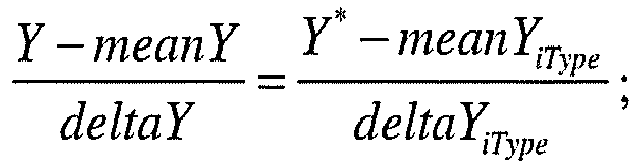


wherein(Y,U,V) is the original color data of the pixel, Y is a value of the original color data on a dimension Y in a YUV space, U is a value of the original color data on a dimension U in the YUV space, and V is a value of the original color data on a dimension V in the YUV space;(Y*,U*,V*) is the target color data of the pixel, Y* is a value of the target color data on the dimension Y in the YUV space, U* is a value of the target color data on the dimension U in the YUV space, and V* is a value of the target color data on the dimension V in the YUV space;(meanY, meanU, meanV) is the original mean value, meanY is a value of the original mean value on the dimension Y in the YUV space, meanU is a value of the original mean value on the dimension U in the YUV space, and meanV is a value of the original mean value on the dimension V in the YUV space;(deltaY,deltaU,deltaV) is the original standard deviation, deltaY is a value of the original standard deviation on the dimension Y in the YUV space, deltaU is a value of the original standard deviation on the dimension U in the YUV space, and deltaV is a value of the original standard deviation on the dimension V in the YUV space;(meanYiType,meanUiType,meanViType ) is the preset mean value of the designated skin color model, meanYiType is a value of the preset mean value on the dimension Y in the YUV space, meanUiType is a value of the preset mean value on the dimension U in the YUV space, and meanViType is a value of the preset mean value on the dimension V in the YUV space;(deltaYiType,deltaUiType,deltaViType ) is the preset standard deviation of the designated skin color model, deltaYiType is a value of the preset standard deviation on the dimension Y in the YUV space, deltaUiType is a value of the preset standard deviation on the dimension U in the YUV space, and deltaV¡Type is a value of the preset standard deviation on the dimension V in the YUV space. - Alternatively, the server may obtain the following formulas according to the foregoing formulas, and determines the target color data of the pixel by applying the following formulas:


- After determining the target color data of each pixel in the skin color region, the server adjusts the original color data of each pixel to be the corresponding target color data, thus implementing the skin color adjustment.
- According to the embodiment, the original color data of the pixels in the skin color region is counted, the designated skin color model most similar to the skin color region is intelligently selected from the at least one preset skin color model according to the similarity of the skin color model, and the skin color is adjusted on the basis of the designated skin color model; therefore, the difference between the adjusted skin color and the actual skin color is decreased, and image distortion is avoided; moreover, the algorithm is simple and is easy to implement.
- It should be noted that the embodiment is illustrated by taking the server as an executive body. In practice, the executive body may also be a terminal. The terminal downloads the preset mean value and the preset standard deviation of at least one preset skin color model established by the server. When the terminal captures an image, the terminal applies the method provided by the embodiment to adjust the skin color of the skin color region of the image. The executive body is not restricted in the embodiment.
- According to the method provided by the embodiment, the designated skin color model most similar to the skin color region is selected after the original color data of the pixels in the skin color region is counted, the target color data is determined according to the original color data, the original mean value, the original standard deviation, and the preset mean value and the preset standard deviation of the designated skin color model, and the skin color region is adjusted according to the target color data. When the skin color region is adjusted on the basis of the designated skin color model, the difference between the adjusted skin color and the actual skin color is decreased, image distortion is avoided, the beautification effect is improved, the user does not need to select a target color, and the operation is simple and convenient; moreover, the algorithm is simple and easy to implement.
-
Fig. 3 is a block diagram showing a device for adjusting skin color, according to an exemplary embodiment. Referring toFig. 3 , the device includes a skin colorregion identification module 301, acounting module 302, a skin colormodel designation module 303, a targetcolor determination module 304 and a skincolor adjustment module 305. - The skin color
region identification module 301 is configured to identify a skin color region of an image. - The
counting module 302 is configured to count original color data of pixels in the skin color region to obtain an original mean value and an original standard deviation of the pixels in the skin color region. - The skin color
model designation module 303 is configured to select a designated skin color model most similar to the skin color region from at least one preset skin color model according to the original mean value and a preset mean value of the at least one preset skin color model, the preset skin color model representing skin color types. - The target
color determination module 304 is configured to determine target color data according to the original color data, the original mean value, the original standard deviation, and the preset mean value and a preset standard deviation of the designated skin color model. - The skin
color adjustment module 305 is configured to adjust the skin color region according to the target color data. - Optionally, the skin color
model designation module 303 includes: - a similarity calculation unit configured to calculate a difference between the original mean value and a preset mean value of the at least one preset skin color model; and
- a skin color model selection unit configured to select the designated skin color model from the at least one preset skin color model, the difference between the preset mean value of this designated skin color model and the original mean value being minimum.
- Optionally, the skin color
model designation module 303 includes: - an Euclidean distance calculation unit configured to calculate an Euclidean distance between the original mean value and the at least one preset mean value; and
- the skin color model selection unit further configured to select the designated skin color model from the at least one preset skin color model, the Euclidean distance between the preset mean value of this designated skin color model and the original mean value being minimum.
- Optionally, the color data is YUV data, and the target
color determination module 304 is configured to, with respect to each pixel in the skin color region, determine the target color data of the pixel according to the original color data, the original mean value, and the original standard deviation of the pixel, and the preset mean value and the preset standard deviation of the designated skin color model by applying formulas as follows:


wherein(Y,U,V) is the original color data of the pixel, Y is a value of the original color data on a dimension Y in a YUV space, U is a value of the original color data on a dimension U in the YUV space, and V is a value of the original color data on a dimension V in the YUV space;
(Y*,U*,V*) is the target color data of the pixel, Y* is a value of the target color data on the dimension Y in the YUV space, U* is a value of the target color data on the dimension U in the YUV space, and V* is a value of the target color data on the dimension V in the YUV space;
(meanY,meanU,meanV) is the original mean value, meanY is a value of the original mean value on the dimension Y in the YUV space, meanU is a value of the original mean value on the dimension U in the YUV space, and meanV is a value of the original mean value on the dimension V in the YUV space;
(deltaY, deltaU, deltaV) is the original standard deviation, deltaY is a value of the original standard deviation on the dimension Y in the YUV space, deltaU is a value of the original standard deviation on the dimension U in the YUV space, and deltaV is a value of the original standard deviation on the dimension V in the YUV space;
(meanYiType,meanUiType,meanViType ) is the preset mean value of the designated skin color model, meanYiType is a value of the preset mean value on the dimension Y in the YUV space, meanUiType is a value of the preset mean value on the dimension U in the YUV space, and meanViType is a value of the preset mean value on the dimension V in the YUV space; and
(deltaYiType,deltaUiType,deltaViType ) is the preset standard deviation of the designated skin color model, deltaYiType is a value of the preset standard deviation on the dimension Y in the YUV space, deltaUiType is a value of the preset standard deviation on the dimension U in the YUV space, and deltaViType is a value of the preset standard deviation on the dimension V in the YUV space. - Optionally, the skin
color adjustment module 305 includes: - a skin color adjustment unit configured to adjust the original color data of each pixel in the skin color region to be the target color data of each pixel.
- Optionally, the device further includes:
- a skin color model preset module configured to set the at least one preset skin color model, the at least one preset skin color model including a first preset skin color model, a second preset skin color model, a third preset skin color model, a fourth preset skin color model, a fifth preset skin color model and a sixth preset skin color model;
- a preset mean value and a preset standard deviation of the first preset skin color model are obtained by counting color data of sample images of light white people;
- a preset mean value and a preset standard deviation of the second preset skin color model are obtained by counting color data of sample images of dark white people;
- a preset mean value and a preset standard deviation of the third preset skin color model are obtained by counting color data of sample images of light yellow people;
- a preset mean value and a preset standard deviation of the fourth preset skin color model are obtained by counting color data of sample images of dark yellow people;
- a preset mean value and a preset standard deviation of the fifth preset skin color model are obtained by counting color data of sample images of light black people; and
- a preset mean value and a preset standard deviation of the sixth preset skin color model are obtained by counting color data of sample images of dark black people.
- Any combination of all the above-mentioned optional technical solutions may be employed to form optional embodiments of the present invention, which will not be elaborated one by one herein.
- With respect to the devices in the above embodiments, the specific manners for performing operations for individual modules therein have been described in detail in the embodiments regarding the methods, which will not be elaborated herein.
- It should be noted that: when the devices for adjusting skin color provided in the above embodiments are adjusting the skin color, it is only illustrated by taking the division of each functional module as an example. During practical application, the foregoing function distribution may be finished by different functional modules according to requirements. That is, the interior of the server is divided into different functional modules so as to finish all or part of the functions described above. Moreover, the device for adjusting skin color provided by the foregoing embodiment and the embodiment of the method for adjusting skin color belong to the same conception, and the detailed implementation process is as shown in the embodiment of the method, which will not be elaborated herein.
-
Fig. 4 is a block diagram showing adevice 400 for adjusting skin color, according to an exemplary embodiment. For example, thedevice 400 may be provided as a server. Referring toFig. 4 , thedevice 400 includes aprocessing component 422 that further includes one or more processors, and memory resources represented by amemory 432 for storing instructions executable by theprocessing component 422, such as application programs. The application programs stored in thememory 432 may include one or more modules each corresponding to a set of instructions. Further, theprocessing component 422 is configured to execute the instructions to perform the above method for adjusting skin color. - The
device 400 may also include apower component 426 configured to perform power management of thedevice 400, wired or wireless network interface(s) 450 configured to connect thedevice 400 to a network, and an input/output (I/O)interface 458. Thedevice 400 may operate based on an operating system stored in thememory 432, such as Windows ServerTM, Mac OS XTM, UnixTM, LinuxTM, FreeBSDTM, or the like. -
Fig. 5 is a block diagram showing anotherdevice 500 for adjusting skin color, according to an exemplary embodiment. For example, thedevice 500 may be a mobile phone, a computer, a digital broadcast terminal, a messaging device, a gaming console, a tablet, a medical device, exercise equipment, a personal digital assistant, and the like. - Referring to
Fig. 5 , thedevice 500 may include one or more of the following components: aprocessing component 502, amemory 504, apower component 506, amultimedia component 508, anaudio component 510, an input/output (I/O)interface 512, asensor component 514, and acommunication component 516. - The
processing component 502 typically controls overall operations of thedevice 500, such as the operations associated with display, telephone calls, data communications, camera operations, and recording operations. Theprocessing component 502 may include one ormore processors 520 to execute instructions to perform all or part of the steps in the above described methods. Moreover, theprocessing component 502 may include one or more modules which facilitate the interaction between theprocessing component 502 and other components. For instance, theprocessing component 502 may include a multimedia module to facilitate the interaction between themultimedia component 508 and theprocessing component 502. - The
memory 504 is configured to store various types of data to support the operation of thedevice 500. Examples of such data include instructions for any applications or methods operated on thedevice 500, contact data, phonebook data, messages, pictures, video, etc. Thememory 504 may be implemented using any type of volatile or non-volatile memory devices, or a combination thereof, such as a static random access memory (SRAM), an electrically erasable programmable read-only memory (EEPROM), an erasable programmable read-only memory (EPROM), a programmable read-only memory (PROM), a read-only memory (ROM), a magnetic memory, a flash memory, a magnetic or optical disk. - The
power component 506 provides power to various components of thedevice 500. Thepower component 506 may include a power management system, one or more power sources, and any other components associated with the generation, management, and distribution of power in thedevice 500. - The
multimedia component 508 includes a screen providing an output interface between thedevice 500 and the user. In some embodiments, the screen may include a liquid crystal display (LCD) and a touch panel (TP). If the screen includes the touch panel, the screen may be implemented as a touch screen to receive input signals from the user. The touch panel includes one or more touch sensors to sense touches, swipes, and gestures on the touch panel. The touch sensors may not only sense a boundary of a touch or swipe action, but also sense a period of time and a pressure associated with the touch or swipe action. In some embodiments, themultimedia component 508 includes a front camera and/or a rear camera. The front camera and/or the rear camera may receive an external multimedia datum while thedevice 500 is in an operation mode, such as a photographing mode or a video mode. Each of the front camera and the rear camera may be a fixed optical lens system or have focus and optical zoom capability. - The
audio component 510 is configured to output and/or input audio signals. For example, theaudio component 510 includes a microphone ("MIC") configured to receive an external audio signal when thedevice 500 is in an operation mode, such as a call mode, a recording mode, and a voice recognition mode. The received audio signal may be further stored in thememory 504 or transmitted via thecommunication component 516. In some embodiments, theaudio component 510 further includes a speaker to output audio signals. - The I/
O interface 512 provides an interface between theprocessing component 502 and peripheral interface modules, such as a keyboard, a click wheel, buttons, and the like. The buttons may include, but are not limited to, a home button, a volume button, a starting button, and a locking button. - The
sensor component 514 includes one or more sensors to provide status assessments of various aspects of thedevice 500. For instance, thesensor component 514 may detect an open/closed status of thedevice 500, relative positioning of components, e.g., the display and the keypad, of thedevice 500, a change in position of thedevice 500 or a component of thedevice 500, a presence or absence of user contact with thedevice 500, an orientation or an acceleration/deceleration of thedevice 500, and a change in temperature of thedevice 500. Thesensor component 514 may include a proximity sensor configured to detect the presence of nearby objects without any physical contact. Thesensor component 514 may also include a light sensor, such as a CMOS or CCD image sensor, for use in imaging applications. In some embodiments, thesensor component 514 may also include an accelerometer sensor, a gyroscope sensor, a magnetic sensor, a pressure sensor, or a temperature sensor. - The
communication component 516 is configured to facilitate communication, wired or wirelessly, between thedevice 500 and other devices. Thedevice 500 can access a wireless network based on a communication standard, such as WiFi, 2G, or 3G, or a combination thereof. In one exemplary embodiment, thecommunication component 516 receives a broadcast signal or broadcast associated information from an external broadcast management system via a broadcast channel. In one exemplary embodiment, thecommunication component 516 further includes a near field communication (NFC) module to facilitate short-range communications. For example, the NFC module may be implemented based on a radio frequency identification (RFID) technology, an infrared data association (IrDA) technology, an ultra-wideband (UWB) technology, a Bluetooth (BT) technology, and other technologies. - In exemplary embodiments, the
device 500 may be implemented with one or more application specific integrated circuits (ASICs), digital signal processors (DSPs), digital signal processing devices (DSPDs), programmable logic devices (PLDs), field programmable gate arrays (FPGAs), controllers, micro-controllers, microprocessors, or other electronic components, for performing the above described methods. - In exemplary embodiments, there is also provided a non-transitory computer-readable storage medium including instructions, such as included in the
memory 504, executable by theprocessor 520 in thedevice 500, for performing the above-described methods. For example, the non-transitory computer-readable storage medium may be a ROM, a RAM, a CD-ROM, a magnetic tape, a floppy disc, an optical data storage device, and the like. - A non-transitory computer readable storage medium, when an instruction in a storage medium is performed by a processor of a mobile terminal, enables the mobile terminal to perform a method for adjusting skin color, wherein the method includes:
- identifying a skin color region of an image;
- counting original color data of pixels in the skin color region to obtain an original mean value and an original standard deviation of the pixels in the skin color region;
- selecting a designated skin color model most similar to the skin color region from at least one preset skin color model according to the original mean value and a preset mean value of the at least one preset skin color model, the preset skin color model representing skin color types;
- determining target color data according to the original color data, the original mean value, the original standard deviation, and the preset mean value and a preset standard deviation of the designated skin color model; and
- adjusting the skin color region according to the target color data.
- Optionally, the step of selecting the designated skin color model most similar to the skin color region from the at least one preset skin color model according to the original mean value and the preset mean value of the at least one preset skin color model includes:
- calculating a difference between the original mean value and the preset mean value of the at least one preset skin color model; and
- selecting the designated skin color model from the at least one preset skin color model, the difference between the preset mean value of this designated skin color model and the original mean value being minimum.
- Optionally, the step of selecting the designated skin color model most similar to the skin color region from the at least one preset skin color model according to the original mean value and the preset mean value of the at least one preset skin color model includes:
- calculating an Euclidean distance between the original mean value and the at least one preset mean value; and
- selecting the designated skin color model from the at least one preset skin color model, the Euclidean distance between the preset mean value of this designated skin color model and the original mean value being minimum.
- Optionally, the color data is YUV data, and the step of determining the target color data according to the original color data, the original mean value, the original standard deviation, and the preset mean value and the preset standard deviation of the designated skin color model includes:
- with respect to each pixel in the skin color region, determining the target color data of the pixel according to the original color data, the original mean value, and the original standard deviation of the pixel, and the preset mean value and the preset standard deviation of the designated skin color model by applying formulas as follows:


(Y,U,V) is the original color data of the pixel, Y is a value of the original color data on a dimension Y in a YUV space, U is a value of the original color data on a dimension U in the YUV space, and V is a value of the original color data on a dimension V in the YUV space; -
(Y*,U*,V*) is the target color data of the pixel, Y* is a value of the target color data on the dimension Y in the YUV space, U* is a value of the target color data on the dimension U in the YUV space, and V* is a value of the target color data on the dimension V in the YUV space; -
(meanY,meanU,meanV) is the original mean value, meanY is a value of the original mean value on the dimension Y in the YUV space, meanU is a value of the original mean value on the dimension U in the YUV space, and meanV is a value of the original mean value on the dimension V in the YUV space; -
(deltaY, deltaU, deltaV) is the original standard deviation, deltaY is a value of the original standard deviation on the dimension Y in the YUV space, deltaU is a value of the original standard deviation on the dimension U in the YUV space, and deltaV is a value of the original standard deviation on the dimension V in the YUV space; -
(meanYiType,meanUiType,meanViType ) is the preset mean value of the designated skin color model, meanYiType is a value of the preset mean value on the dimension Y in the YUV space, meanUiType is a value of the preset mean value on the dimension U in the YUV space, and meanViType is a value of the preset mean value on the dimension V in the YUV space; and -
(deltaYiType,deltaUiType,deltaViType ) is the preset standard deviation of the designated skin color model, deltaYiType is a value of the preset standard deviation on the dimension Y in the YUV space, deltaUiType is a value of the preset standard deviation on the dimension U in the YUV space, and deltaViType is a value of the preset standard deviation on the dimension V in the YUV space. - Optionally, the step of adjusting the skin color region according to the target color data includes:
- adjusting the original color data of each pixel in the skin color region to be the target color data of each pixel.
- Optionally, the at least one preset skin color model includes a first preset skin color model, a second preset skin color model, a third preset skin color model, a fourth preset skin color model, a fifth preset skin color model and a sixth preset skin color model;
a preset mean value and a preset standard deviation of the first preset skin color model are obtained by counting color data of sample images of light white people;
a preset mean value and a preset standard deviation of the second preset skin color model are obtained by counting color data of sample images of dark white people;
a preset mean value and a preset standard deviation of the third preset skin color model are obtained by counting color data of sample images of light yellow people;
a preset mean value and a preset standard deviation of the fourth preset skin color model are obtained by counting color data of sample images of dark yellow people;
a preset mean value and a preset standard deviation of the fifth preset skin color model are obtained by counting color data of sample images of light black people;
a preset mean value and a preset standard deviation of the sixth preset skin color model are obtained by counting color data of sample images of dark black people. - Any combination of all the above-mentioned optional technical solutions may be employed to form optional embodiments of the present invention, which will not be elaborated one by one herein.
- Other embodiments of the invention will be apparent to those skilled in the art from consideration of the specification and practice of the invention disclosed here. This application is intended to cover any variations, uses, or adaptations of the invention following the general principles thereof and including such departures from the present disclosure as come within known or customary practice in the art. It is intended that the specification and examples be considered as exemplary only, with a true scope and spirit of the invention being indicated by the following claims.
- It will be appreciated that the present invention is not limited to the exact construction that has been described above and illustrated in the accompanying drawings, and that various modifications and changes can be made without departing from the scope thereof. It is intended that the scope of the invention should only be limited by the appended claims.
Claims (15)
- A method for adjusting skin color, characterized in that, the method comprises:Identifying (101) a skin color region of an image;counting (102) original color data of pixels in the skin color region to obtain an original mean value and an original standard deviation of the pixels in the skin color region;selecting (103) a designated skin color model most similar to the skin color region from at least one preset skin color model according to the original mean value and a preset mean value of the at least one preset skin color model, the preset skin color model representing skin color types;determining (104) target color data according to the original color data, the original mean value, the original standard deviation, and the preset mean value and a preset standard deviation of the designated skin color model; andadjusting (105) the skin color region according to the target color data.
- The method according to claim 1, characterized in that, the step of selecting the designated skin color model most similar to the skin color region from the at least one preset skin color model according to the original mean value and the preset mean value of the at least one preset skin color model comprises:calculating a difference between the original mean value and the preset mean value of the at least one preset skin color model; andselecting the designated skin color model from the at least one preset skin color model, the difference between the preset mean value of this designated skin color model and the original mean value being minimum.
- The method according to claim 1, characterized in that, the step of selecting the designated skin color model most similar to the skin color region from the at least one preset skin color model according to the original mean value and the preset mean value of the at least one preset skin color model comprises:calculating an Euclidean distance between the original mean value and at least one preset mean value; andselecting the designated skin color model from the at least one preset skin color model, the Euclidean distance between the preset mean value of this designated skin color model and the original mean value being minimum.
- The method according to any one of claims 1 to 3, characterized in that, the color data is YUV data, and the step of determining the target color data according to the original color data, the original mean value, the original standard deviation, and the preset mean value and the preset standard deviation of the designated skin color model comprises:with respect to each pixel in the skin color region, determining the target color data of the pixel according to the original color data, the original mean value, and the original standard deviation of the pixel, and the preset mean value and the preset standard deviation of the designated skin color model by applying formulas as follows:


wherein(Y,U,V) is the original color data of the pixel, Y is a value of the original color data on a dimension Y in a YUV space, U is a value of the original color data on a dimension U in the YUV space, and V is a value of the original color data on a dimension V in the YUV space;(Y*,U*,V*) is the target color data of the pixel, Y* is a value of the target color data on the dimension Y in the YUV space, U* is a value of the target color data on the dimension U in the YUV space, and V* is a value of the target color data on the dimension V in the YUV space;(meanY,meanU,meanV) is the original mean value, meanY is a value of the original mean value on the dimension Y in the YUV space, meanU is a value of the original mean value on the dimension U in the YUV space, and meanV is a value of the original mean value on the dimension V in the YUV space;(deltaY,deltaU,deltaV) is the original standard deviation, delaY is a value of the original standard deviation on the dimension Y in the YUV space, deltaU is a value of the original standard deviation on the dimension U in the YUV space, and deltaV is a value of the original standard deviation on the dimension V in the YUV space;(meanYiType,meanUiType,meanViType ) is the preset mean value of the designated skin color model, meanYiType is a value of the preset mean value on the dimension Y in the YUV space, meanUiType is a value of the preset mean value on the dimension U in the YUV space, and meanViType is a value of the preset mean value on the dimension V in the YUV space; and(deltaYiType,deltaUiType,deltaViType ) is the preset standard deviation of the designated skin color model, deltaYiType is a value of the preset standard deviation on the dimension Y in the YUV space, deltaUiType is a value of the preset standard deviation on the dimension U in the YUV space, and deltaViType is a value of the preset standard deviation on the dimension V in the YUV space. - The method according to claim 4, characterized in that, the step of adjusting the skin color region according to the target color data comprises:adjusting the original color data of each pixel in the skin color region to be the target color data of each pixel.
- The method according to any one of claims 1 to 5, characterized in that, the at least one preset skin color model includes a first preset skin color model, a second preset skin color model, a third preset skin color model, a fourth preset skin color model, a fifth preset skin color model and a sixth preset skin color model;
a preset mean value and a preset standard deviation of the first preset skin color model are obtained by counting color data of sample images of light white people;
a preset mean value and a preset standard deviation of the second preset skin color model are obtained by counting color data of sample images of dark white people;
a preset mean value and a preset standard deviation of the third preset skin color model are obtained by counting color data of sample images of light yellow people;
a preset mean value and a preset standard deviation of the fourth preset skin color model are obtained by counting color data of sample images of dark yellow people;
a preset mean value and a preset standard deviation of the fifth preset skin color model are obtained by counting color data of sample images of light black people; and
a preset mean value and a preset standard deviation of the sixth preset skin color model are obtained by counting color data of sample images of dark black people. - A device for adjusting skin color, characterized in that, the device comprises:a skin color region identification module (301) configured to identify a skin color region of an image;a counting module (302) configured to count original color data of pixels in the skin color region to obtain an original mean value and an original standard deviation of the pixels in the skin color region;a skin color model designation module (303) configured to select a designated skin color model most similar to the skin color region from at least one preset skin color model according to the original mean value and a preset mean value of the at least one preset skin color model, the preset skin color model representing skin color types;a target color determination module (304) configured to determine target color data according to the original color data, the original mean value, the original standard deviation, and the preset mean value and a preset standard deviation of the designated skin color model; anda skin color adjustment module (305) configured to adjust the skin color region according to the target color data.
- The device according to claim 7, characterized in that, the skin color model designation module comprises:a similarity calculation unit configured to calculate a difference between the original mean value and a preset mean value of the at least one preset skin color model; anda skin color model selection unit configured to select the designated skin color model from the at least one preset skin color model, the difference between the preset mean value of this designated skin color model and the original mean value being minimum.
- The device according to claim 7, characterized in that, the skin color model designation module comprises:an Euclidean distance calculation unit configured to calculate an Euclidean distance between the original mean value and at least one preset mean value; anda skin color model selection unit configured to select the designated skin color model from the at least one preset skin color model, the Euclidean distance between the preset mean value of this designated skin color model and the original mean value being minimum.
- The device according to any one of claims 7 to 9, characterized in that, the device employs YUV data as the color data;
the target color determination module is configured to, with respect to each pixel in the skin color region, determine the target color data of the pixel according to the original color data, the original mean value, and the original standard deviation of the pixel, and the preset mean value and the preset standard deviation of the designated skin color model by applying formulas as follows:


wherein(Y,U,V) is the original color data of the pixel, Y is a value of the original color data on a dimension Y in a YUV space, U is a value of the original color data on a dimension U in the YUV space, and V is a value of the original color data on a dimension V in the YUV space;
(Y*,U*,V*) is the target color data of the pixel, Y* is a value of the target color data on the dimension Y in the YUV space, U* is a value of the target color data on the dimension U in the YUV space, and V* is a value of the target color data on the dimension V in the YUV space;
(meanY,meanU,meanV) is the original mean value, meanY is a value of the original mean value on the dimension Y in the YUV space, meanU is a value of the original mean value on the dimension U in the YUV space, and meanV is a value of the original mean value on the dimension V in the YUV space;
(deltaY,deltaU,deltaV) is the original standard deviation, deltaY is a value of the original standard deviation on the dimension Y in the YUV space, deltaU is a value of the original standard deviation on the dimension U in the YUV space, and deltaV is a value of the original standard deviation on the dimension V in the YUV space;
(meanYiType ,meanUiType ,meanViType ) is the preset mean value of the designated skin color model, meanYiType is a value of the preset mean value on the dimension Y in the YUV space, meanUiType is a value of the preset mean value on the dimension U in the YUV space, and meanViType is a value of the preset mean value on the dimension V in the YUV space; and
(deltaYiType,deltaUiTypedeltaViType ) is the preset standard deviation of the designated skin color model, deltaYiType is a value of the preset standard deviation on the dimension Y in the YUV space, deltaUiType is a value of the preset standard deviation on the dimension U in the YUV space, and deltaViType is a value of the preset standard deviation on the dimension V in the YUV space. - The device according to claim 10, characterized in that, the skin color adjustment module comprises:a skin color adjustment unit configured to adjust the original color data of each pixel in the skin color region to be the target color data of each pixel.
- The device according to any one of claims 7 to 11, characterized in that, the device further comprises:a skin color model preset module configured to set the at least one preset skin color model, the at least one preset skin color model comprising a first preset skin color model, a second preset skin color model, a third preset skin color model, a fourth preset skin color model, a fifth preset skin color model and a sixth preset skin color model;a preset mean value and a preset standard deviation of the first preset skin color model are obtained by counting color data of sample images of light white people;a preset mean value and a preset standard deviation of the second preset skin color model are obtained by counting color data of sample images of dark white people;a preset mean value and a preset standard deviation of the third preset skin color model are obtained by counting color data of sample images of light yellow people;a preset mean value and a preset standard deviation of the fourth preset skin color model are obtained by counting color data of sample images of dark yellow people;a preset mean value and a preset standard deviation of the fifth preset skin color model are obtained by counting color data of sample images of light black people; anda preset mean value and a preset standard deviation of the sixth preset skin color model are obtained by counting color data of sample images of dark black people.
- A device (400) for adjusting skin color, characterized in that, the device comprises:a processor (422); anda memory (432) for storing instructions executable by the processor;wherein the processor is configured to:identify a skin color region of an image;count original color data of pixels in the skin color region to obtain an original mean value and an original standard deviation of the pixels in the skin color region;select a designated skin color model most similar to the skin color region from at least one preset skin color model according to the original mean value and a preset mean value of the at least one preset skin color model, the preset skin color model representing skin color types;determine target color data according to the original color data, the original mean value, the original standard deviation, and the preset mean value and a preset standard deviation of the designated skin color model; andadjust the skin color region according to the target color data.
- A computer program including instructions for executing the steps of a method for adjusting a skin color according to any one of claims 1 to 6 when said program is executed by a computer.
- A recording medium readable by a computer and having recorded thereon a computer program including instructions for executing the steps of a method for adjusting a skin color according to any one of claims 1 to 6.
Applications Claiming Priority (1)
| Application Number | Priority Date | Filing Date | Title |
|---|---|---|---|
| CN201410351282.XA CN104156915A (en) | 2014-07-23 | 2014-07-23 | Skin color adjusting method and device |
Publications (3)
| Publication Number | Publication Date |
|---|---|
| EP2977959A2 true EP2977959A2 (en) | 2016-01-27 |
| EP2977959A3 EP2977959A3 (en) | 2016-08-03 |
| EP2977959B1 EP2977959B1 (en) | 2019-03-20 |
Family
ID=51882406
Family Applications (1)
| Application Number | Title | Priority Date | Filing Date |
|---|---|---|---|
| EP15169404.9A Active EP2977959B1 (en) | 2014-07-23 | 2015-05-27 | Method and device for adjusting skin color |
Country Status (9)
| Country | Link |
|---|---|
| US (1) | US20160027191A1 (en) |
| EP (1) | EP2977959B1 (en) |
| JP (1) | JP2016531362A (en) |
| KR (1) | KR101649596B1 (en) |
| CN (1) | CN104156915A (en) |
| BR (1) | BR112015003977A2 (en) |
| MX (1) | MX352362B (en) |
| RU (1) | RU2578210C1 (en) |
| WO (1) | WO2016011747A1 (en) |
Cited By (2)
| Publication number | Priority date | Publication date | Assignee | Title |
|---|---|---|---|---|
| CN111091106A (en) * | 2019-12-23 | 2020-05-01 | 浙江大华技术股份有限公司 | Image clustering method and device, storage medium and electronic device |
| US20240161454A1 (en) * | 2022-11-11 | 2024-05-16 | Black Sesame Technologies Co., Ltd. | Portrait imageskin retouching method, apparatus, electronic device, and storage medium |
Families Citing this family (34)
| Publication number | Priority date | Publication date | Assignee | Title |
|---|---|---|---|---|
| CN104408702B (en) * | 2014-12-03 | 2018-11-23 | 浩云星空信息技术(北京)有限公司 | A kind of image processing method and device |
| CN104881853B (en) * | 2015-05-28 | 2018-10-16 | 厦门美图之家科技有限公司 | A kind of colour of skin antidote and system based on color generalities |
| TW201705040A (en) * | 2015-07-17 | 2017-02-01 | Tair Jiuh Enterprise Co Ltd | Face skin color detection and database establishment method based on face image characterized by using a data clustering algorithm to classify human face skin colors into multiple clusters for establishing a database |
| JP6041957B1 (en) * | 2015-10-01 | 2016-12-14 | 株式会社日立製作所 | Ultrasonic diagnostic equipment |
| CN106611429B (en) * | 2015-10-26 | 2019-02-05 | 腾讯科技(深圳)有限公司 | Detect the method for skin area and the device of detection skin area |
| CN105872760A (en) * | 2015-12-02 | 2016-08-17 | 乐视网信息技术(北京)股份有限公司 | Video play monitoring method and device |
| US20170178287A1 (en) * | 2015-12-21 | 2017-06-22 | Glen J. Anderson | Identity obfuscation |
| CN105913373B (en) * | 2016-04-05 | 2019-06-04 | Oppo广东移动通信有限公司 | Image processing method and device |
| CN106060402A (en) * | 2016-07-06 | 2016-10-26 | 北京奇虎科技有限公司 | Image data processing method and device, and mobile terminal |
| CN107038715B (en) * | 2017-03-21 | 2022-03-08 | 腾讯科技(深圳)有限公司 | Image processing method and device |
| CN107231505B (en) * | 2017-07-18 | 2019-09-10 | 北京小米移动软件有限公司 | Image processing method and device |
| CN107633252B (en) * | 2017-09-19 | 2020-04-21 | 广州市百果园信息技术有限公司 | Skin color detection method, device and storage medium |
| CN107680096A (en) * | 2017-10-30 | 2018-02-09 | 北京小米移动软件有限公司 | Image processing method and device |
| CN107862657A (en) * | 2017-10-31 | 2018-03-30 | 广东欧珀移动通信有限公司 | Image processing method, device, computer equipment and computer-readable recording medium |
| WO2019100282A1 (en) * | 2017-11-23 | 2019-05-31 | 深圳和而泰智能控制股份有限公司 | Face skin color recognition method, device and intelligent terminal |
| CN108021881B (en) * | 2017-12-01 | 2023-09-01 | 腾讯数码(天津)有限公司 | Skin color segmentation method, device and storage medium |
| CN108053452B (en) * | 2017-12-08 | 2020-03-31 | 浙江理工大学 | Digital image color extraction method based on mixed model |
| CN112074843A (en) | 2018-03-30 | 2020-12-11 | 莫维迪乌斯有限公司 | Method, system, article of manufacture, and apparatus for generating a digital scene |
| CN108898169B (en) * | 2018-06-19 | 2021-06-01 | Oppo广东移动通信有限公司 | Picture processing method, picture processing device and terminal equipment |
| CN108961157B (en) * | 2018-06-19 | 2021-06-01 | Oppo广东移动通信有限公司 | Image processing method, image processing device and terminal device |
| CN108898587A (en) * | 2018-06-19 | 2018-11-27 | Oppo广东移动通信有限公司 | Picture processing method, picture processing device and terminal equipment |
| CN109377531A (en) * | 2018-09-29 | 2019-02-22 | 努比亚技术有限公司 | Image color cast method of adjustment, device, mobile terminal and readable storage medium storing program for executing |
| CN111047517B (en) * | 2018-10-11 | 2022-09-30 | 展讯通信(上海)有限公司 | Skin color adjusting method and device and readable storage medium |
| CN111476849B (en) * | 2020-04-03 | 2023-08-29 | 腾讯科技(深圳)有限公司 | Object color recognition method, device, electronic equipment and storage medium |
| CN111627076B (en) * | 2020-04-28 | 2023-09-19 | 广州方硅信息技术有限公司 | Face-changing methods, devices and electronic equipment |
| CN113822806B (en) * | 2020-06-19 | 2023-10-03 | 北京达佳互联信息技术有限公司 | Image processing method, device, electronic equipment and storage medium |
| CN111831193A (en) * | 2020-07-27 | 2020-10-27 | 北京思特奇信息技术股份有限公司 | Automatic skin changing method, device, electronic device and storage medium |
| CN113610804A (en) * | 2021-08-06 | 2021-11-05 | 云南白药集团上海健康产品有限公司 | Determination method of white degree, electronic device and readable storage medium |
| CN113837928A (en) * | 2021-09-17 | 2021-12-24 | 平安普惠企业管理有限公司 | Object color adjustment method, device, electronic device and storage medium |
| CN114445302A (en) * | 2022-01-30 | 2022-05-06 | 北京字跳网络技术有限公司 | Image processing method, image processing device, electronic equipment and storage medium |
| CN114937096B (en) * | 2022-06-15 | 2025-09-09 | 黑芝麻智能科技有限公司 | Portrait complexion adjusting method, device, electronic equipment and storage medium |
| JP2025533212A (en) * | 2022-10-11 | 2025-10-03 | フィットスキン インコーポレイテッド | Systems and methods for improved skin tone rendering in digital images |
| US20250080863A1 (en) * | 2023-09-05 | 2025-03-06 | Nvidia Corporation | Method of color correction |
| CN118015134A (en) * | 2023-12-12 | 2024-05-10 | 北京美摄网络科技有限公司 | Method, device, product and skin treatment method for generating skin color mask |
Family Cites Families (15)
| Publication number | Priority date | Publication date | Assignee | Title |
|---|---|---|---|---|
| JP2003299115A (en) | 2002-03-29 | 2003-10-17 | Fuji Photo Film Co Ltd | Image signal processor |
| KR100543698B1 (en) * | 2002-12-14 | 2006-01-20 | 삼성전자주식회사 | Apparatus and method for reproducing skin color of video signal |
| JP4277534B2 (en) | 2003-02-12 | 2009-06-10 | オムロン株式会社 | Image editing apparatus and image editing method |
| RU2358319C2 (en) * | 2003-08-29 | 2009-06-10 | Самсунг Электроникс Ко., Лтд. | Method and device for photorealistic three dimensional simulation of face based on image |
| JP4480676B2 (en) * | 2003-12-11 | 2010-06-16 | 富士通株式会社 | Image processing method, program, and apparatus |
| JP2006279460A (en) * | 2005-03-29 | 2006-10-12 | Seiko Epson Corp | Image processing apparatus, printing apparatus, image processing method, and image processing program |
| JP2007257087A (en) * | 2006-03-20 | 2007-10-04 | Univ Of Electro-Communications | Skin color region detection apparatus and skin color region detection method |
| US8175382B2 (en) * | 2007-05-10 | 2012-05-08 | Microsoft Corporation | Learning image enhancement |
| EP2350975A4 (en) * | 2008-11-25 | 2012-04-11 | Hewlett Packard Development Co | Modification of memory colors in digital images |
| TW201025191A (en) * | 2008-12-31 | 2010-07-01 | Altek Corp | Method of building skin color model |
| US8265410B1 (en) * | 2009-07-11 | 2012-09-11 | Luxand, Inc. | Automatic correction and enhancement of facial images |
| US8406519B1 (en) * | 2010-03-10 | 2013-03-26 | Hewlett-Packard Development Company, L.P. | Compositing head regions into target images |
| KR101743520B1 (en) * | 2011-04-09 | 2017-06-08 | 에스프린팅솔루션 주식회사 | Color conversion apparatus and method thereof |
| CN103325089B (en) * | 2012-03-21 | 2016-08-03 | 腾讯科技(深圳)有限公司 | Colour of skin processing method and processing device in image |
| CN103065290B (en) * | 2013-01-23 | 2016-05-18 | 广东欧珀移动通信有限公司 | In photo, carry out the apparatus and method of flesh correction |
-
2014
- 2014-07-23 CN CN201410351282.XA patent/CN104156915A/en active Pending
- 2014-11-19 RU RU2015105702/07A patent/RU2578210C1/en active
- 2014-11-19 WO PCT/CN2014/091652 patent/WO2016011747A1/en not_active Ceased
- 2014-11-19 MX MX2015002145A patent/MX352362B/en active IP Right Grant
- 2014-11-19 JP JP2016535338A patent/JP2016531362A/en active Pending
- 2014-11-19 BR BR112015003977A patent/BR112015003977A2/en not_active IP Right Cessation
- 2014-11-19 KR KR1020157001233A patent/KR101649596B1/en active Active
-
2015
- 2015-03-24 US US14/666,479 patent/US20160027191A1/en not_active Abandoned
- 2015-05-27 EP EP15169404.9A patent/EP2977959B1/en active Active
Non-Patent Citations (1)
| Title |
|---|
| None |
Cited By (3)
| Publication number | Priority date | Publication date | Assignee | Title |
|---|---|---|---|---|
| CN111091106A (en) * | 2019-12-23 | 2020-05-01 | 浙江大华技术股份有限公司 | Image clustering method and device, storage medium and electronic device |
| CN111091106B (en) * | 2019-12-23 | 2023-10-10 | 浙江大华技术股份有限公司 | Image clustering method and device, storage medium, electronic device |
| US20240161454A1 (en) * | 2022-11-11 | 2024-05-16 | Black Sesame Technologies Co., Ltd. | Portrait imageskin retouching method, apparatus, electronic device, and storage medium |
Also Published As
| Publication number | Publication date |
|---|---|
| CN104156915A (en) | 2014-11-19 |
| MX352362B (en) | 2017-11-22 |
| RU2578210C1 (en) | 2016-03-27 |
| MX2015002145A (en) | 2016-03-15 |
| US20160027191A1 (en) | 2016-01-28 |
| KR20160021738A (en) | 2016-02-26 |
| BR112015003977A2 (en) | 2017-07-04 |
| JP2016531362A (en) | 2016-10-06 |
| EP2977959B1 (en) | 2019-03-20 |
| WO2016011747A1 (en) | 2016-01-28 |
| KR101649596B1 (en) | 2016-08-19 |
| EP2977959A3 (en) | 2016-08-03 |
Similar Documents
| Publication | Publication Date | Title |
|---|---|---|
| EP2977959B1 (en) | Method and device for adjusting skin color | |
| EP2977956B1 (en) | Method, apparatus and device for segmenting an image | |
| US10375296B2 (en) | Methods apparatuses, and storage mediums for adjusting camera shooting angle | |
| US9491371B2 (en) | Method and device for configuring photographing parameters | |
| US20170034409A1 (en) | Method, device, and computer-readable medium for image photographing | |
| EP3133527A1 (en) | Human face recognition method, apparatus and terminal | |
| EP3173970A1 (en) | Image processing method and apparatus | |
| EP3113071B1 (en) | Method and device for acquiring iris image | |
| US10248855B2 (en) | Method and apparatus for identifying gesture | |
| EP3975046A1 (en) | Method and apparatus for detecting occluded image and medium | |
| CN107944367B (en) | Face key point detection method and device | |
| CN109840939B (en) | Three-dimensional reconstruction method, three-dimensional reconstruction device, electronic equipment and storage medium | |
| EP2975574B1 (en) | Method, apparatus and terminal for image retargeting | |
| EP3328062A1 (en) | Photo synthesizing method and device | |
| CN112202962A (en) | Screen brightness adjustment method, device and storage medium | |
| US9665925B2 (en) | Method and terminal device for retargeting images | |
| CN105528765A (en) | Method and device for processing image | |
| EP3249575A1 (en) | Pressure detection method and apparatus | |
| CN106469446B (en) | Depth image segmentation method and segmentation device | |
| EP3211879B1 (en) | Method and device for automatically capturing photograph, electronic device | |
| CN107239758B (en) | Method and device for positioning key points of human face | |
| CN115118950B (en) | Image processing method and device | |
| HK40067428A (en) | Image processing method, device, electronic equipment and storage medium | |
| CN116012661A (en) | Action recognition method, device, storage medium and terminal |
Legal Events
| Date | Code | Title | Description |
|---|---|---|---|
| PUAI | Public reference made under article 153(3) epc to a published international application that has entered the european phase |
Free format text: ORIGINAL CODE: 0009012 |
|
| AK | Designated contracting states |
Kind code of ref document: A2 Designated state(s): AL AT BE BG CH CY CZ DE DK EE ES FI FR GB GR HR HU IE IS IT LI LT LU LV MC MK MT NL NO PL PT RO RS SE SI SK SM TR |
|
| AX | Request for extension of the european patent |
Extension state: BA ME |
|
| PUAL | Search report despatched |
Free format text: ORIGINAL CODE: 0009013 |
|
| AK | Designated contracting states |
Kind code of ref document: A3 Designated state(s): AL AT BE BG CH CY CZ DE DK EE ES FI FR GB GR HR HU IE IS IT LI LT LU LV MC MK MT NL NO PL PT RO RS SE SI SK SM TR |
|
| AX | Request for extension of the european patent |
Extension state: BA ME |
|
| RIC1 | Information provided on ipc code assigned before grant |
Ipc: H04N 9/64 20060101ALI20160630BHEP Ipc: H04N 1/62 20060101ALI20160630BHEP Ipc: G06T 11/00 20060101AFI20160630BHEP |
|
| STAA | Information on the status of an ep patent application or granted ep patent |
Free format text: STATUS: REQUEST FOR EXAMINATION WAS MADE |
|
| 17P | Request for examination filed |
Effective date: 20161114 |
|
| RBV | Designated contracting states (corrected) |
Designated state(s): AL AT BE BG CH CY CZ DE DK EE ES FI FR GB GR HR HU IE IS IT LI LT LU LV MC MK MT NL NO PL PT RO RS SE SI SK SM TR |
|
| GRAP | Despatch of communication of intention to grant a patent |
Free format text: ORIGINAL CODE: EPIDOSNIGR1 |
|
| STAA | Information on the status of an ep patent application or granted ep patent |
Free format text: STATUS: GRANT OF PATENT IS INTENDED |
|
| RIC1 | Information provided on ipc code assigned before grant |
Ipc: H04N 9/64 20060101ALI20181109BHEP Ipc: G06T 7/90 20170101ALI20181109BHEP Ipc: G06T 11/00 20060101AFI20181109BHEP Ipc: H04N 1/62 20060101ALI20181109BHEP |
|
| INTG | Intention to grant announced |
Effective date: 20181205 |
|
| GRAS | Grant fee paid |
Free format text: ORIGINAL CODE: EPIDOSNIGR3 |
|
| RIC1 | Information provided on ipc code assigned before grant |
Ipc: H04N 1/62 20060101ALI20181109BHEP Ipc: G06T 11/00 20060101AFI20181109BHEP Ipc: G06T 7/90 20170101ALI20181109BHEP Ipc: H04N 9/64 20060101ALI20181109BHEP |
|
| GRAA | (expected) grant |
Free format text: ORIGINAL CODE: 0009210 |
|
| STAA | Information on the status of an ep patent application or granted ep patent |
Free format text: STATUS: THE PATENT HAS BEEN GRANTED |
|
| AK | Designated contracting states |
Kind code of ref document: B1 Designated state(s): AL AT BE BG CH CY CZ DE DK EE ES FI FR GB GR HR HU IE IS IT LI LT LU LV MC MK MT NL NO PL PT RO RS SE SI SK SM TR |
|
| REG | Reference to a national code |
Ref country code: GB Ref legal event code: FG4D |
|
| REG | Reference to a national code |
Ref country code: CH Ref legal event code: EP |
|
| REG | Reference to a national code |
Ref country code: DE Ref legal event code: R096 Ref document number: 602015026640 Country of ref document: DE |
|
| REG | Reference to a national code |
Ref country code: AT Ref legal event code: REF Ref document number: 1111293 Country of ref document: AT Kind code of ref document: T Effective date: 20190415 |
|
| REG | Reference to a national code |
Ref country code: IE Ref legal event code: FG4D |
|
| REG | Reference to a national code |
Ref country code: NL Ref legal event code: MP Effective date: 20190320 |
|
| PG25 | Lapsed in a contracting state [announced via postgrant information from national office to epo] |
Ref country code: SE Free format text: LAPSE BECAUSE OF FAILURE TO SUBMIT A TRANSLATION OF THE DESCRIPTION OR TO PAY THE FEE WITHIN THE PRESCRIBED TIME-LIMIT Effective date: 20190320 Ref country code: NO Free format text: LAPSE BECAUSE OF FAILURE TO SUBMIT A TRANSLATION OF THE DESCRIPTION OR TO PAY THE FEE WITHIN THE PRESCRIBED TIME-LIMIT Effective date: 20190620 Ref country code: FI Free format text: LAPSE BECAUSE OF FAILURE TO SUBMIT A TRANSLATION OF THE DESCRIPTION OR TO PAY THE FEE WITHIN THE PRESCRIBED TIME-LIMIT Effective date: 20190320 Ref country code: LT Free format text: LAPSE BECAUSE OF FAILURE TO SUBMIT A TRANSLATION OF THE DESCRIPTION OR TO PAY THE FEE WITHIN THE PRESCRIBED TIME-LIMIT Effective date: 20190320 |
|
| REG | Reference to a national code |
Ref country code: LT Ref legal event code: MG4D |
|
| PG25 | Lapsed in a contracting state [announced via postgrant information from national office to epo] |
Ref country code: GR Free format text: LAPSE BECAUSE OF FAILURE TO SUBMIT A TRANSLATION OF THE DESCRIPTION OR TO PAY THE FEE WITHIN THE PRESCRIBED TIME-LIMIT Effective date: 20190621 Ref country code: BG Free format text: LAPSE BECAUSE OF FAILURE TO SUBMIT A TRANSLATION OF THE DESCRIPTION OR TO PAY THE FEE WITHIN THE PRESCRIBED TIME-LIMIT Effective date: 20190620 Ref country code: HR Free format text: LAPSE BECAUSE OF FAILURE TO SUBMIT A TRANSLATION OF THE DESCRIPTION OR TO PAY THE FEE WITHIN THE PRESCRIBED TIME-LIMIT Effective date: 20190320 Ref country code: LV Free format text: LAPSE BECAUSE OF FAILURE TO SUBMIT A TRANSLATION OF THE DESCRIPTION OR TO PAY THE FEE WITHIN THE PRESCRIBED TIME-LIMIT Effective date: 20190320 Ref country code: NL Free format text: LAPSE BECAUSE OF FAILURE TO SUBMIT A TRANSLATION OF THE DESCRIPTION OR TO PAY THE FEE WITHIN THE PRESCRIBED TIME-LIMIT Effective date: 20190320 Ref country code: RS Free format text: LAPSE BECAUSE OF FAILURE TO SUBMIT A TRANSLATION OF THE DESCRIPTION OR TO PAY THE FEE WITHIN THE PRESCRIBED TIME-LIMIT Effective date: 20190320 |
|
| REG | Reference to a national code |
Ref country code: AT Ref legal event code: MK05 Ref document number: 1111293 Country of ref document: AT Kind code of ref document: T Effective date: 20190320 |
|
| PG25 | Lapsed in a contracting state [announced via postgrant information from national office to epo] |
Ref country code: SK Free format text: LAPSE BECAUSE OF FAILURE TO SUBMIT A TRANSLATION OF THE DESCRIPTION OR TO PAY THE FEE WITHIN THE PRESCRIBED TIME-LIMIT Effective date: 20190320 Ref country code: IT Free format text: LAPSE BECAUSE OF FAILURE TO SUBMIT A TRANSLATION OF THE DESCRIPTION OR TO PAY THE FEE WITHIN THE PRESCRIBED TIME-LIMIT Effective date: 20190320 Ref country code: EE Free format text: LAPSE BECAUSE OF FAILURE TO SUBMIT A TRANSLATION OF THE DESCRIPTION OR TO PAY THE FEE WITHIN THE PRESCRIBED TIME-LIMIT Effective date: 20190320 Ref country code: CZ Free format text: LAPSE BECAUSE OF FAILURE TO SUBMIT A TRANSLATION OF THE DESCRIPTION OR TO PAY THE FEE WITHIN THE PRESCRIBED TIME-LIMIT Effective date: 20190320 Ref country code: RO Free format text: LAPSE BECAUSE OF FAILURE TO SUBMIT A TRANSLATION OF THE DESCRIPTION OR TO PAY THE FEE WITHIN THE PRESCRIBED TIME-LIMIT Effective date: 20190320 Ref country code: ES Free format text: LAPSE BECAUSE OF FAILURE TO SUBMIT A TRANSLATION OF THE DESCRIPTION OR TO PAY THE FEE WITHIN THE PRESCRIBED TIME-LIMIT Effective date: 20190320 Ref country code: PT Free format text: LAPSE BECAUSE OF FAILURE TO SUBMIT A TRANSLATION OF THE DESCRIPTION OR TO PAY THE FEE WITHIN THE PRESCRIBED TIME-LIMIT Effective date: 20190720 Ref country code: AL Free format text: LAPSE BECAUSE OF FAILURE TO SUBMIT A TRANSLATION OF THE DESCRIPTION OR TO PAY THE FEE WITHIN THE PRESCRIBED TIME-LIMIT Effective date: 20190320 |
|
| PG25 | Lapsed in a contracting state [announced via postgrant information from national office to epo] |
Ref country code: PL Free format text: LAPSE BECAUSE OF FAILURE TO SUBMIT A TRANSLATION OF THE DESCRIPTION OR TO PAY THE FEE WITHIN THE PRESCRIBED TIME-LIMIT Effective date: 20190320 Ref country code: SM Free format text: LAPSE BECAUSE OF FAILURE TO SUBMIT A TRANSLATION OF THE DESCRIPTION OR TO PAY THE FEE WITHIN THE PRESCRIBED TIME-LIMIT Effective date: 20190320 |
|
| REG | Reference to a national code |
Ref country code: CH Ref legal event code: PL |
|
| PG25 | Lapsed in a contracting state [announced via postgrant information from national office to epo] |
Ref country code: AT Free format text: LAPSE BECAUSE OF FAILURE TO SUBMIT A TRANSLATION OF THE DESCRIPTION OR TO PAY THE FEE WITHIN THE PRESCRIBED TIME-LIMIT Effective date: 20190320 Ref country code: IS Free format text: LAPSE BECAUSE OF FAILURE TO SUBMIT A TRANSLATION OF THE DESCRIPTION OR TO PAY THE FEE WITHIN THE PRESCRIBED TIME-LIMIT Effective date: 20190720 |
|
| REG | Reference to a national code |
Ref country code: DE Ref legal event code: R097 Ref document number: 602015026640 Country of ref document: DE |
|
| PLBE | No opposition filed within time limit |
Free format text: ORIGINAL CODE: 0009261 |
|
| STAA | Information on the status of an ep patent application or granted ep patent |
Free format text: STATUS: NO OPPOSITION FILED WITHIN TIME LIMIT |
|
| PG25 | Lapsed in a contracting state [announced via postgrant information from national office to epo] |
Ref country code: MC Free format text: LAPSE BECAUSE OF FAILURE TO SUBMIT A TRANSLATION OF THE DESCRIPTION OR TO PAY THE FEE WITHIN THE PRESCRIBED TIME-LIMIT Effective date: 20190320 Ref country code: CH Free format text: LAPSE BECAUSE OF NON-PAYMENT OF DUE FEES Effective date: 20190531 Ref country code: LI Free format text: LAPSE BECAUSE OF NON-PAYMENT OF DUE FEES Effective date: 20190531 Ref country code: DK Free format text: LAPSE BECAUSE OF FAILURE TO SUBMIT A TRANSLATION OF THE DESCRIPTION OR TO PAY THE FEE WITHIN THE PRESCRIBED TIME-LIMIT Effective date: 20190320 |
|
| REG | Reference to a national code |
Ref country code: BE Ref legal event code: MM Effective date: 20190531 |
|
| 26N | No opposition filed |
Effective date: 20200102 |
|
| PG25 | Lapsed in a contracting state [announced via postgrant information from national office to epo] |
Ref country code: LU Free format text: LAPSE BECAUSE OF NON-PAYMENT OF DUE FEES Effective date: 20190527 Ref country code: SI Free format text: LAPSE BECAUSE OF FAILURE TO SUBMIT A TRANSLATION OF THE DESCRIPTION OR TO PAY THE FEE WITHIN THE PRESCRIBED TIME-LIMIT Effective date: 20190320 |
|
| PG25 | Lapsed in a contracting state [announced via postgrant information from national office to epo] |
Ref country code: TR Free format text: LAPSE BECAUSE OF FAILURE TO SUBMIT A TRANSLATION OF THE DESCRIPTION OR TO PAY THE FEE WITHIN THE PRESCRIBED TIME-LIMIT Effective date: 20190320 |
|
| PG25 | Lapsed in a contracting state [announced via postgrant information from national office to epo] |
Ref country code: IE Free format text: LAPSE BECAUSE OF NON-PAYMENT OF DUE FEES Effective date: 20190527 |
|
| PG25 | Lapsed in a contracting state [announced via postgrant information from national office to epo] |
Ref country code: BE Free format text: LAPSE BECAUSE OF NON-PAYMENT OF DUE FEES Effective date: 20190531 |
|
| PG25 | Lapsed in a contracting state [announced via postgrant information from national office to epo] |
Ref country code: CY Free format text: LAPSE BECAUSE OF FAILURE TO SUBMIT A TRANSLATION OF THE DESCRIPTION OR TO PAY THE FEE WITHIN THE PRESCRIBED TIME-LIMIT Effective date: 20190320 |
|
| PG25 | Lapsed in a contracting state [announced via postgrant information from national office to epo] |
Ref country code: HU Free format text: LAPSE BECAUSE OF FAILURE TO SUBMIT A TRANSLATION OF THE DESCRIPTION OR TO PAY THE FEE WITHIN THE PRESCRIBED TIME-LIMIT; INVALID AB INITIO Effective date: 20150527 Ref country code: MT Free format text: LAPSE BECAUSE OF FAILURE TO SUBMIT A TRANSLATION OF THE DESCRIPTION OR TO PAY THE FEE WITHIN THE PRESCRIBED TIME-LIMIT Effective date: 20190320 |
|
| PG25 | Lapsed in a contracting state [announced via postgrant information from national office to epo] |
Ref country code: MK Free format text: LAPSE BECAUSE OF FAILURE TO SUBMIT A TRANSLATION OF THE DESCRIPTION OR TO PAY THE FEE WITHIN THE PRESCRIBED TIME-LIMIT Effective date: 20190320 |
|
| REG | Reference to a national code |
Ref country code: DE Ref legal event code: R082 Ref document number: 602015026640 Country of ref document: DE Representative=s name: CBDL PATENTANWAELTE GBR, DE Ref country code: DE Ref legal event code: R082 Ref document number: 602015026640 Country of ref document: DE Representative=s name: CBDL PATENTANWAELTE EGBR, DE |
|
| P01 | Opt-out of the competence of the unified patent court (upc) registered |
Effective date: 20230523 |
|
| PGFP | Annual fee paid to national office [announced via postgrant information from national office to epo] |
Ref country code: DE Payment date: 20250521 Year of fee payment: 11 |
|
| PGFP | Annual fee paid to national office [announced via postgrant information from national office to epo] |
Ref country code: FR Payment date: 20250528 Year of fee payment: 11 |
|
| PGFP | Annual fee paid to national office [announced via postgrant information from national office to epo] |
Ref country code: GB Payment date: 20260331 Year of fee payment: 12 |