EP2970993B1 - Polynucleotide sequences from rhodosporidium and rhodotor ula and use thereof - Google Patents
Polynucleotide sequences from rhodosporidium and rhodotor ula and use thereof Download PDFInfo
- Publication number
- EP2970993B1 EP2970993B1 EP14765272.1A EP14765272A EP2970993B1 EP 2970993 B1 EP2970993 B1 EP 2970993B1 EP 14765272 A EP14765272 A EP 14765272A EP 2970993 B1 EP2970993 B1 EP 2970993B1
- Authority
- EP
- European Patent Office
- Prior art keywords
- promoter
- dna
- fungal
- sequence
- seq
- Prior art date
- Legal status (The legal status is an assumption and is not a legal conclusion. Google has not performed a legal analysis and makes no representation as to the accuracy of the status listed.)
- Active
Links
Images


Classifications
-
- C—CHEMISTRY; METALLURGY
- C12—BIOCHEMISTRY; BEER; SPIRITS; WINE; VINEGAR; MICROBIOLOGY; ENZYMOLOGY; MUTATION OR GENETIC ENGINEERING
- C12N—MICROORGANISMS OR ENZYMES; COMPOSITIONS THEREOF; PROPAGATING, PRESERVING, OR MAINTAINING MICROORGANISMS; MUTATION OR GENETIC ENGINEERING; CULTURE MEDIA
- C12N15/00—Mutation or genetic engineering; DNA or RNA concerning genetic engineering, vectors, e.g. plasmids, or their isolation, preparation or purification; Use of hosts therefor
- C12N15/09—Recombinant DNA-technology
- C12N15/63—Introduction of foreign genetic material using vectors; Vectors; Use of hosts therefor; Regulation of expression
- C12N15/79—Vectors or expression systems specially adapted for eukaryotic hosts
- C12N15/80—Vectors or expression systems specially adapted for eukaryotic hosts for fungi
-
- C—CHEMISTRY; METALLURGY
- C07—ORGANIC CHEMISTRY
- C07K—PEPTIDES
- C07K14/00—Peptides having more than 20 amino acids; Gastrins; Somatostatins; Melanotropins; Derivatives thereof
- C07K14/37—Peptides having more than 20 amino acids; Gastrins; Somatostatins; Melanotropins; Derivatives thereof from fungi
-
- C—CHEMISTRY; METALLURGY
- C12—BIOCHEMISTRY; BEER; SPIRITS; WINE; VINEGAR; MICROBIOLOGY; ENZYMOLOGY; MUTATION OR GENETIC ENGINEERING
- C12P—FERMENTATION OR ENZYME-USING PROCESSES TO SYNTHESISE A DESIRED CHEMICAL COMPOUND OR COMPOSITION OR TO SEPARATE OPTICAL ISOMERS FROM A RACEMIC MIXTURE
- C12P21/00—Preparation of peptides or proteins
- C12P21/02—Preparation of peptides or proteins having a known sequence of two or more amino acids, e.g. glutathione
Definitions
- the present invention relates to the field of fungal biotechnology, more particularly to strong gene expression systems in species in the Pucciniomycotina and Ustilaginomycotina subphyla.
- Rhodosporidium and Sporidiobolus genera such as Rhodosporidium toruloides (also known as Rhodotorula gracilis, Rhodosporidium glutinis, Rhodotorula glutinis, Torula koishikawensis and Torula rubescens) and Sporobolomyces salmonicolor, are oil-rich single-cell yeasts capable of high density fermentation (Hu et al., 2009; Meng et al., 2009).
- Ustilaginomycotina subphylum in particular, Ustilago and Pseudozyma genera, are known to produce glycolipids, which may function as a surfactant or fungicide (Hewald et al., 2005; Teichmann et al., 2010).
- Promoters that are able to drive strong gene expression are critical for the development of biotechnological applications of a microorganism.
- WO 2012/169969 describes several polynucleotide sequences derived from the upstream region of glyceraldehyde phosphate dehydrogenase gene ( GPD1 ), translation initiation factor gene (TEF1) , and putative stearoyl-CoA-delta 9-desaturase gene (FAD1) of selected fungal species that are able to function as a strong promoter of gene expression in Pucciniomycotina and Ustilaginomycotina subphyla.
- GPD1 glyceraldehyde phosphate dehydrogenase gene
- TEZ1 translation initiation factor gene
- FAD1 putative stearoyl-CoA-delta 9-desaturase gene
- Promoters are DNA sequences located in the 5' region adjacent to the transcriptional start site. It houses a combination of cis-acting DNA elements that act to interact with transcription factors by activating or repressing transcription of RNA polymerase.
- genome shotgun sequences have been published for Rhodotorula glutinis ATCC 204091(GenBank Accession: GL989638.1), Rhodosporidium toruloides MTCC 457 (GenBank Accession: PRJNA112573), Rhodosporidium toruloides NP11(GenBank: ALAU00000000.1) and draft genome sequences have been published for Rhodotorula graminis WP1 (http://genome.jgi-psf.org/Rhoba1_1/Rhoba1_1.home.html) and Sporobolomyces roseus (http://genome.jgi-psf.org/Sporo1/Sporo1.home.html).
- RNA-Seq, proteomic and genome shotgun data released for Rhodosporidium toruloides NP11 are not able to define the sequence of functional promoters because the activity of a promoter is influenced by several factors, such as the location of 5' and 3' ends, posttranscriptional silencing, influence of intron, etc. The activity of a promoter in a heterologous host species is even more unpredictable. Promoters from different organisms which enable expression of polypeptides of interest in a fungal species are known, for example, disclosed in WO 2005/049805 A2 ; WO 2005/003310 A2 ; CN 102 268 432 B ; Avis T.J. et al, 2008; Nevau B. et al, 2007; US 2006/057690 A1 , Liu Y. et al, 2013 and Abbott E.P. et al, 2013.
- the present invention relates to the field of fungal biotechnology, more particularly to strong gene expression systems in species in the Pucciniomycotina and Ustilaginomycotina subphyla.
- the present invention provides polynucleotide sequences that function as strong promoters of gene expression in Rhodosporidium, Rhodotorula, Sporobolomyces, Pseudozyma and Ustilago genera. These polynucleotide sequences are sometimes referred to herein as polynucleotide promoter sequences.
- the present invention provides an isolated promoter comprising the nucleotide sequence of SEQ ID NO:6 or 8, or promoter portion thereof.
- the polynucleotide promoter sequences comprises the sequence set forth in any one of SEQ ID NOs:6 or 8.
- the polynucleotide promoter sequences comprises the promoter sequence of any one of SEQ ID NOs:6 or 8, i.e., the sequence without the cloning sites.
- Each of the polynucleotide promoter sequences contains at least one GAGGAG sequence motif, which functions to enhance gene expression in said fungal species.
- Each of polynucleotide sequences is effective in performing strong gene expression in Rhodosporidium, Rhodotorula, Sporobolomyces, Pseudozyma and Ustilago genera.
- operable fragments of these polynucleotide promoter sequences can be isolated using convention promoter screening assays and can be screened for efficient selection of transformed fungal cells using the techniques described herein.
- an operable fragment also termed a promoter portion herein, is about 400 base pairs up to about 1100 base pairs in length starting from the -1 position from the ATG codon.
- up to refers to the length of the promoter portion of the promoters set forth in the disclosed SEQ ID NOs.
- up to refers to the maximal length of the promoter sequence if less than 1100 nucleotides of the promoters of the disclosed SEQ ID NOs.
- the present invention provides a DNA construct, as claimed in claim 1 below, comprising the polynucleotide promoter sequences described herein, an operably linked polypeptide encoding sequence and an operably linked RNA transcriptional terminator sequence. Any eukaryotic transcriptional terminator, well known to the skilled artisan, may be used.
- a DNA construct allows strong expression of the polypeptide in a fungal species in which the genome is biased in C and G.
- the DNA construct enables efficient expression of the polypeptide in a fungal species selected from the Pucciniomycotina and Ustilaginomycotina subphyla.
- the species of particular relevance are those in the Rhodosporidium, Rhodotorula, Sporobolomyces, Ustilago and Pseudozyma genera, in which reside a number of species with great potential for the bioconversion of renewable resources into high-value products, such as triglyceride, biodiesel, fatty alcohol, vitamins, lactone, terpenoids and biosurfactants.
- operably linked or “operatively linked” is defined herein as a configuration in which a regulatory or control sequence is appropriately placed at a position relative to the nucleotide sequence of the nucleic acid construct such that the control sequence directs the expression of a polynucleotide of the present invention.
- Regulatory or control sequences may be positioned on the 5' side of the nucleotide sequence or on the 3' side of the nucleotide sequence as is well known in the art.
- strong expression means expression of a marker protein or mRNA to a detectable level using detection methods known, for example, fluorescence for GFP, activity assay for GUS and lacZ genes.
- the present invention relates to the field of fungal biotechnology, more particularly to strong gene expression systems in species in the Pucciniomycotina and Ustilaginomycotina subphyla.
- the present invention provides polynucleotide sequences that function as strong promoters of gene expression in Rhodosporidium, Rhodotorula, Sporobolomyces, Pseudozyma and Ustilago genera. These polynucleotide sequences are sometimes referred to herein as polynucleotide promoter sequences.
- the polynucleotide promoter sequences comprises the sequence set forth in any one of SEQ ID NOs:6 or 8.
- the polynucleotide promoter sequences comprises the promoter sequence of any one of SEQ ID NOs:6 or 8, i.e., the sequence without the cloning sites.
- Each of the polynucleotide promoter sequences contains at least one GAGGAG sequence motif, which functions to enhance gene expression in said fungal species.
- Each of polynucleotide sequences is effective in performing strong gene expression in Rhodosporidium, Rhodotorula, Sporobolomyces, Pseudozyma and Ustilago genera.
- operable fragments of these polynucleotide promoter sequences can be isolated using convention promoter screening assays and can be screened for efficient selection of transformed fungal cells using the techniques described herein.
- an operable fragment also termed a promoter portion herein, is about 400 base pairs up to about 1100 base pairs in length starting from the -1 position from the ATG codon.
- up to refers to the length of the promoter portion of the promoters set forth in the disclosed SEQ ID NOs. Thus, “up to” refers to the maximal length of the promoter sequence if less than 1100 nucleotides of the promoters of the disclosed SEQ ID NOs.
- the present invention provides a DNA construct comprising the polynucleotide promoter sequences described herein, an operably linked polypeptide encoding sequence and an operably linked RNA transcriptional terminator sequence.
- Any eukaryotic transcriptional terminator well known to the skilled artisan, may be used.
- Such a DNA construct allows strong expression of the polypeptide in a fungal species in which the genome is biased in C and G. Of particular relevance are species selected from the Pucciniomycotina and Ustilaginomycotina subphyla.
- the species of particular relevance are those in the Rhodosporidium, Rhodotorula, Sporobolomyces, Ustilago and Pseudozyma genera, in which reside a number of species with great potential for the bioconversion of renewable resources into high-value products, such as triglyceride, biodiesel, fatty alcohol, vitamins, lactone, terpenoids and biosurfactants.
- Nucleic acid hybridization a technique well known to those of skill in the art of DNA manipulation, can be used to identify other suitable polynucleotides.
- other suitable promoters for use may be obtained by the identification of polynucleotides that selectively hybridize to the promoters described above by hybridization under low stringency conditions, moderate stringency conditions, or high stringency conditions.
- Selectively hybridizing sequences typically have at least 50% sequence identity, preferably at least 70%, 80% or 90% sequence identity, and most preferably 95%, 98% or 99% sequence identity with each other.
- polynucleotides for use may be obtained by the in silico identification of polynucleotides for regulatory sequences with at least 50% sequence identity, preferably at least 70%, 80% or 90% sequence identity, and most preferably 95%, 98% or 99% sequence identity with each other.
- the invention provides a polynucleotide promoter sequence selected from SEQ ID NOs:6 or 8, or the promoter sequence thereof, i.e., the sequence without the cloning sites.
- a polynucleotide promoter sequence is provided which has at least 60% identity with any one of these polynucleotide promoter sequences.
- a polynucleotide promoter sequence is provided which has at least 70% identity with any one of these polynucleotide promoter sequences.
- a polynucleotide promoter sequence is provided which has at least 80% identity with any one of these polynucleotide promoter sequences.
- a polynucleotide promoter sequence which has at least 90% identity with any one of these polynucleotide promoter sequences. In another embodiment, a polynucleotide promoter sequence is provided which has at least 95% identity with any one of these polynucleotide promoter sequences. In another embodiment, a polynucleotide promoter sequence is provided which has at least 98% identity with any one of these polynucleotide promoter sequences. In one embodiment, a promoter sequence herein, is about 400 base pairs up to about 1100 base pairs in length starting from the -1 position from the ATG codon.
- up to refers to the length of the promoter portion of the promoters set forth in the disclosed SEQ ID NOs. Thus, “up to” refers to the maximal length of the promoter sequence if less than 1100 nucleotides of the promoters of the disclosed SEQ ID NOs.
- the invention provides a polynucleotide construct comprising an isolated promoter described herein, such as one selected from SEQ ID NOs:6 or 8, or promoter portion thereof, operatively linked to a polypeptide-encoding sequence which is operatively linked to a transcriptional terminator.
- an operable fragment also termed a promoter portion herein, is about 400 base pairs up to about 1100 base pairs in length starting from the -1 position from the ATG codon.
- up to refers to the length of the promoter portion of the promoters set forth in the disclosed SEQ ID NOs.
- the polynucleotide construct enables efficient expression of a polypeptide in a fungal species selected from Pucciniomycotina and Ustilaginomycotina subphyla.
- the fungal species is preferably one selected from Rhodosporidium, Rhodoturula , Ustilago, Pseudozyma, or Sporobolomyces genus, the genome of which contains at least 50% C and G, preferably more than 60% C and G.
- the polynucleotide construct is inserted in a T-DNA vector, a shuttle vector, or in a fungal chromosome, wherein the polypeptide-encoding sequence contains at least 50% CG, preferably 60% CG and most preferably more than 80% CG.
- the polynucleotide promoter sequence contains at least one GAGGAG sequence, or it reverse complement sequence thereof.
- the isolated promoter is operatively linked to a gene encoding antibiotic resistance enzyme, herbicide resistance enzyme, GFP, GUS, lacZ, terpene synthase, fatty acid desaturase, P450 cytochrome oxidase, glucanase, xylanase, mannanase, mannosidase, glucosidase,glucomannanase, xyluglucanase, hydroxymethylglutaryl-CoA synthase, hydroxymethylglutaryl-CoA reductase, acetyl-CoA C-acetyltransferase, mevalonate kinase, phosphomevalonate kinase, diphosphomevalonate decarboxylase, isopentenyl-diphosphate delta-isomerase, farnesyl
- any transcriptional terminator operable in species of the fungi can be used.
- Terminators are typically located downstream (3') of the gene, after the stop codon (TGA, TAG or TAA). Terminators play an important role in the processing and stability of RNA as well as in translation. Most, but not all terminators, contain a polyadenylation sequence or cleavage site. Examples of specific polyadenylation sequences are AAUAAA or AAUAAU. These sequences are known as the near upstream elements (NUEs) (Nagaya et al., 2010).
- NUEs near upstream elements
- NUEs usually reside approximately 30 bp away from a GU-rich region (Mogen et al., 1990; Mogen et al., 1992; Rothnie et al. 1994), known as far upstream elements (FUEs).
- the FUEs enhance processing at the polyadenylation sequence or cleavage site, which usually is a CA or UA in a U-rich region (Bassett, 2007).
- elements exist that increase the stability of the transcribed RNA (Ohme-Takagi et al., 1993; Newman et al., 1993; Gutiérrez et atl., 1999) and may also control gene expression (Ingelbrecht, 1989; An et al., 1989).
- nucleic acid hybridization a technique well known to those of skill in the art of DNA manipulation, can be used to identify other suitable terminators.
- other suitable promoters for use may be obtained by the identification of terminators that selectively hybridize to the promoters described above by hybridization under low stringency conditions, moderate stringency conditions, or high stringency conditions.
- Selectively hybridizing sequences typically have at least 50% sequence identity, preferably at least 70%, 80% or 90% sequence identity, and most preferably 95%, 98% or 99% sequence identity with each other.
- terminators for use may be obtained by the in silico identification of terminators for regulatory sequences with at least 50% sequence identity, preferably at least 70%, 80% or 90% sequence identity, and most preferably 95%, 98% or 99% sequence identity with each other.
- a DNA of interest can be added to the polynucleotide construct.
- the DNA of interest is operatively linked to promoter and a terminator. Any promoter and terminator operable in species of the Pucciniomycotina and Ustilaginomycotina subphyla can be used.
- the DNA of interest may be used to insert or modify metabolic pathways, such as fatty acid biosynthesis, lipid biosynthesis, triglyceride biosynthesis, and the like.
- the DNA of interest may be inserted into the genome of the fungal cells to enhance the bioconversion of renewable resources into high-value products, such as triglycerides, biodiesel, fatty alcohol, vitamins, biosurfactants, lactone, terpenoid and the like.
- a polynucleotide construct may be introduced directly into the genomic DNA of the fungal cell using techniques such as electroporation and microinjection of plant cell protoplasts, or the polynucleotide constructs can be introduced directly to fungal tissue using ballistic methods, such as DNA particle bombardment.
- the polynucleotide constructs may be combined with suitable T-DNA flanking regions and introduced into a conventional Agrobacterium tumefaciens host vector.
- the virulence functions of the Agrobacterium tumefaciens host will direct the insertion of the construct into the fungal cell DNA when the cell is infected by the bacteria.
- any method, which provides for effective transformation/transfection may be employed. See, for example, U.S.
- the transformed fungi are transferred to standard growing media (e.g., solid or liquid nutrient media, grain, vermiculite, compost, peat, wood, wood sawdust, straw, etc.) and grown or cultivated in a manner known to the skilled artisan.
- standard growing media e.g., solid or liquid nutrient media, grain, vermiculite, compost, peat, wood, wood sawdust, straw, etc.
- the polynucleotide After the polynucleotide is stably incorporated into transformed fungi, it can be transferred to other fungi by sexual crossing. Any of a number of standard breeding techniques can be used, depending upon the species to be crossed.
- fungal lines that are homozygous for a particular gene if possible in the particular species. In some species this is accomplished by the use of monosporous cultures. By using these techniques, it is possible to produce a haploid line that carries the inserted gene and then to double the chromosome number either spontaneously or by the use of colchicine. This gives rise to a fungus that is homozygous for the inserted gene, which can be easily assayed for if the inserted gene carries with it a suitable selection marker gene for detection of fungi carrying that gene.
- fungi may be self-fertilized, leading to the production of a mixture of spores that consists of, in the simplest case, three types, homozygous (25%), heterozygous (50%) and null (25%) for the inserted gene.
- homozygous 25%
- heterozygous 50%)
- null 25%)
- Transgenic homozygous parental lines make possible the production of hybrid fungus and spores that will contain a modified protein component.
- Transgenic homozygous parental lines are maintained with each parent containing either the first or second recombinant DNA sequence operably linked to a promoter. Also incorporated in this scheme are the advantages of growing a hybrid crop, including the combining of more valuable traits and hybrid vigor.
- the practice of the present invention employs, unless otherwise indicated, conventional techniques of chemistry, molecular biology, microbiology, recombinant DNA, genetics, immunology, cell biology, cell culture and transgenic biology, which are within the skill of the art. See, e.g., Maniatis et al., 1982, Molecular Cloning (Cold Spring Harbor Laboratory Press, Cold Spring Harbor, New York ); Sambrook et al., 1989, Molecular Cloning, 2nd Ed. (Cold Spring Harbor Laboratory Press, Cold Spring Harbor, New York ); Sambrook and Russell, 2001, Molecular Cloning, 3rd Ed.
- RNA Interference RNA Interference
- RNAi The Nuts & Bolts of siRNA Technology, DNA Press, 2003 ; Gott, RNA Interference, Editing, and Modification: Methods and Protocols (Methods in Molecular Biology), Human Press, Totowa, NJ, 2004 ; Sohail, Gene Silencing by RNA Interference: Technology and Application, CRC, 2004 .
- Rhodosporidium toruloides strain ATCC10657 (referred to as Rt1)
- Rhdotorula glutinis strain ATCC204091 (referred to as Rg2)
- Pseudozyma aphidis ATCC32657 were sourced from the American Type Culture Collections (ATCC).
- Sporobolomyces roseus FGSC 10293 IAM13481
- Rhodotorula graminis WP1 referred to as Rg3 were obtained from Fungal Genetics Stock Center (University of Missouri, USA).
- Ustilago maydis strain and Agrobacterium tumefaciens strain AGL-1 have been described (Ji et al., 2010; Lazo et al., 1991).
- Escherichia coli strain XL1-Blue was used for routine plasmid manipulation and amplification.
- Fungal strains were cultured at 28°C in YPD broth (1% yeast extract, 2% peptone, 2% glucose) or on solid potato-dextrose agar (PDA).
- A. tumefaciens was cultured at 28°C in either liquid or solid 2YT medium (1.6% tryptone, 1% yeast extract, 0.5% NaCl).
- E. coli was grown in LB broth or on solid LB agar.
- Genomic DNA was extracted based on the method described for U. maydis (Ji et al., 2010) with some modifications. Briefly, the cell culture at exponential phase was collected and washed with 1 M sorbitol. The cells were resuspended in 0.1 ml of SCS buffer (1 M sorbitol, 20 mM sodium citrate, pH 5.8) and supplemented with glass beads (1 mm in diameter, Sigma-Aldrich, USA). Cells lysis made by vortexing and genomic DNA was isolated after phenol/chloroform extraction and ethanol precipitated. The extracted DNA was quantified with NanoDrop® ND-1000 Spectrophotometer (Nanodrop Technologies, USA) and DNA quality analyzed by agarose gel electrophoresis.
- Agrobacterium tumefaciens-Mediated Transformation ATMT
- ATMT was performed essentially as described previously for R. toruloides, S. roseus, U maydis and Pseudozyma aphidis (Ji, et al., 2010; Liu, et al, 2012).
- Co-culturing of fungal cells and Agrobacterium donors were done at pH5.6, 24°C for 2.5-3 days on nylon membranes and selection was done on YPD plates containing 300 ⁇ g/ml cefotaxime and 150-300 ⁇ g/ml (150 ⁇ g/ml for R . toruloides , R. glutinis, and 300 ⁇ g/ml for P . aphidis and S. roseus ) hygromycin B at 28°C for 3-5 days.
- Rhodosporidium and Rhodotorula are known sources of strong promoters for Rhodosporidium and Rhodotorula.
- Other candidate genes include those encoding proteins in the fatty acid biosynthesis in Rhodosporidium and Rhodotorula, eg, acetyl-CoA synthase ( ACC1 ) , acyl-CoA carrier protein ( ACP1 ), pyruvate decarboxylase ( PDC1 ) and nitrate regulated gene ( NAR1 ).
- Ustilago maydis CDS sequences were searched against the Rhodosporidium and Rhodotorula genome database.
- promoters were performed using BD SMARTerTM RACE cDNA Amplification Kit (Clontech, California, USA) according to the manufacturer's instruction.
- Promoter DNA fragments were obtained by PCR using a 3' end primer that is designed at the first ATG in the 5' untranslated regions, usually with an overlapping Nco I (CCATGG) or Bsp HI (TCATGA) site at the ATG codon. BamHI is used if the DNA sequence contains both NcoI and BspHI sites.
- 5' Primers were designed 1-2 kb from the ATG. The primers used are listed in Table 2.
- PCR fragments were digested with corresponding enzymes, cloned in pPN006 or pRH2031 ( Fig 1 ), which is a T-DNA vector containing the Rt GPD1:: Rt GFP : nos cassette (Liu et al, 2012).
- Table 2 Cloning of Selected Promoters SEQ ID NO: Promoter name Origin Length (bp) 5' PCR primers (SEQ ID NO:) 3' PCR primer (SEQ ID NO:) 1 Rg2 TEF1 R. glutinis ATCC 204091 translation elongation factor 1017 2 Rg3 TEF1 R. graminis strain WP1 translation elongation factor 946 3 Rg3 S27 R.
- the promoter GFP reporter constructs were transformed to Rhodosporidium toruloides ATCC 10657 by the ATMT method.
- the transformed colonies (>100) were pooled, cultured in YPD medium with 150 ⁇ g/ml hygromycin B and 300 ⁇ g/ml cefataxome and diluted to about 0.1 OD600 in lipid production medium [10 mM K2HPO4-KH2PO4, (pH6.13), 4 g/L yeast extract, 0.3 g/L urea, 0.1 g/L Na2SO4, 10 mg/L each of tyrosine, valine and vitamin B (B1+B6), 8% glucose] with no antibiotics added.
- lipid production medium 10 mM K2HPO4-KH2PO4, (pH6.13), 4 g/L yeast extract, 0.3 g/L urea, 0.1 g/L Na2SO4, 10 mg/L each of tyrosine, valine and vitamin B (B
- Transformants of the Rg2 ACC1 reporter in Rhodosporidium glutinis ATCC 90781 showed no GFP florescence was cultured a nitrogen-limited medium (glucose 70g/l, yeast extract 0.75g/l, (NH4)2SO4 0.1g/l, KH2PO4 1.0g/l, MgSO4 ⁇ 7H2O 1.5g/l, pH 5.6) for 24hr either (not shown).
- Promoter RtGPD1 is set forth in SEQ ID N:38.
- a selected set of promoter GFP reporter constructs were transformed by the ATMT method to Rhodosporidium toruloides ATCC 10657, Ustilago maydis L8, Pseudozyma aphidis ATCC32657 and Sporobotomyces roseus FGSC 10293.
- the transformed colonies (>100) were pooled, cultured in YPD medium with 150 ⁇ g/ml (or 300 ⁇ g/ml for Pseudozyma aphidis) hygromycin B and 300 ⁇ g/ml cefataxome for 2 days at 28°C and diluted to about 0.1 OD600 in YNB Medium and also in YNB N- Medium (both medium with 5% gluocose.) and continued culture for 1-3 days with shaking.
- OD600 and GFP fluorescence were measured with Tecan infinite200.
- the GFP fluorescence intensity (normalized against the OD600) is listed in Tables 4-11.
- Promoters Umgpdl, RtGPD1, Rg3GPD1, Rg2FAD1 and SrGPD1 are set forth in SEQ IN NOs:37, 38, 39, 40 and 41, respectively. The isolation of these promoters is described in WO 2012/169969 . TABLE 4 Fluoresence Intensity in R.
- aphidis YNB N-free Medium Rg2TEF1 Rg3TEF1 Rg3S27 Rg2ACP1 Rg2NAR1 Rg2ENO1 Rg2PDC1 Rg3ENO1 Rg3PDC1 Umgpd1 RtGPD1 Rg3GPD1 Rg2FAD1 StGPD1 Day1 4030.5 ⁇ 455.2 17201.3 ⁇ 1145.5 4757.5 ⁇ 367.8 14666.9 ⁇ 322.0 5485.1 ⁇ 490.5 13203.8 ⁇ 466.0 10218.7 ⁇ 271.8 12705.6 ⁇ 831.7 11338.6 ⁇ 338.7 9034.5 ⁇ 257.7 11511.6 ⁇ 396.1 9322.7 ⁇ 208.6 13410.0 ⁇ 383.1 21144.1 ⁇ 936.9 Day2 5247.5 ⁇ 214.5 14281.5 ⁇ 290.0 7093.2 ⁇ 322.7 7835.6 ⁇ 503.6 6845.8 ⁇ 549.0 6734.8 ⁇ 245.0 5801.6 ⁇ 476.7 3302.7 ⁇ 415.2 9382.1 ⁇ 193.6 13731.3
- Rg2 ENO1 and Rg2 FAD1 stearoyl-CoA delta-9 desaturase gene
- promoter GFP reporter constructs in pRH2031 were modified to have serially shortened promoters. This was done replacing the promoter with PCR fragments about 300, 500, 1000 and 1500 bp version of the promoter. All 5' primers included a Spe I cutting site while the 3' primer contains a Nco I cutting site. Constructs were transformed by the ATMT method to Rhodosporidium toruloides ATCC 10657.
- the transformed colonies (>500) were pooled, cultured in YNB medium with 150 ⁇ g/ml hygromycin B and 300 ⁇ g/ml cefataxome for 2 days at 28°C and diluted to about 0.1 OD 600 in YNB Medium and also in YNB N - Medium (both medium with 5% glucose.) and continued culture for 24 hours with shaking. The cultures reached OD 600 0.2 units in YNB N+ and YNB N - media. GFP florescence were measured with Tecan infinite M200. Gain parameter is consistently set at 85; Excitation and Emission wavelength are 476, 509. The GFP fluorescence intensity (normalized against the OD600) is listed in Fig. 3 , which shows that minimal length of the ENO1 promoter for the optimal expression of reporter gene is approximately 320 to 520 bp, whereas the FAD1 promoter requires approximately 570 to 1120 bp.
- Primers were designed at various locations in the 519 bp Rg2 ENO1 promoter sequence, which were used for PCR in combination with the reverse primer targeting the 3' end of the promoter ( Fig. 4A ). All 5' primers included a Spe I cutting site while the 3' primer contains a Nco I cutting site. The lengths of the PCR products (excluding the extra linker sequence at 5' end and the ATG codon at the 3' site) are summarized in Fig. 4B . The PCR fragments were individually digested with Spe I and Nco I and cloned in pRH2031-Rg2ENO1-RtGFP at the same sites, replacing the full-length ENO1 promoter.
- Constructs were transformed by the ATMT method to Rhodotorula glutinis ATCC 90781, which is the diploid parent of Rhodosporidium toruloides ATCC 10657 and ATCC 10788.
- the transformed colonies (>500) were pooled, cultured in YNB medium with 150 ⁇ g/ml hygromycin B and 300 ⁇ g/ml cefataxome for 2 days at 28°C and diluted to about 0.1 OD 600 in YNB Medium and also in YNB N - Medium (both medium with 5% glucose.) and continued culture for 12 hours with shaking.
- the cultures reached OD 600 0.5 ⁇ 0.7 in YNB and YNB N - meda.
- GFP florescence was measured with Tecan infinite M200.
- Gain parameter is consistently set at 85; Excitation and Emission wavelength are 476, 509.
- the GFP fluorescence intensity (normalized against the OD600) is listed in Fig. 5A and 5B .
- the promoter showed similar trends in the two media tested. The biggest drop in activity was seen promoter M6 and M7. Another significant drop was observed between M3 and M6, where several GAGGAG -related motifs can be found ( Fig. 4A ).
- efficient expression refers to expression of a reporter protein to a level that is detectable for fluorometry, photomicrospy or phenotypic selection of transformants by antibiotics, such as hygromycin.
Landscapes
- Life Sciences & Earth Sciences (AREA)
- Health & Medical Sciences (AREA)
- Chemical & Material Sciences (AREA)
- Organic Chemistry (AREA)
- Genetics & Genomics (AREA)
- Engineering & Computer Science (AREA)
- Zoology (AREA)
- Wood Science & Technology (AREA)
- Bioinformatics & Cheminformatics (AREA)
- Biotechnology (AREA)
- General Engineering & Computer Science (AREA)
- General Health & Medical Sciences (AREA)
- Molecular Biology (AREA)
- Biochemistry (AREA)
- Biomedical Technology (AREA)
- Mycology (AREA)
- Microbiology (AREA)
- Biophysics (AREA)
- Proteomics, Peptides & Aminoacids (AREA)
- Physics & Mathematics (AREA)
- Plant Pathology (AREA)
- Gastroenterology & Hepatology (AREA)
- Medicinal Chemistry (AREA)
- Chemical Kinetics & Catalysis (AREA)
- General Chemical & Material Sciences (AREA)
- Micro-Organisms Or Cultivation Processes Thereof (AREA)
- Measuring Or Testing Involving Enzymes Or Micro-Organisms (AREA)
Description
- The present invention relates to the field of fungal biotechnology, more particularly to strong gene expression systems in species in the Pucciniomycotina and Ustilaginomycotina subphyla.
- The publications and other materials used herein to illuminate the background of the invention, and in particular, cases to provide additional details respecting the practice, for convenience are referenced in the following text by author and date and are listed alphabetically by author in the appended bibliography.
- The Pucciniomycotina is a subphylum of fungi in the phylum of Basidiomycota (Kirk et al., 2008). It holds many species that have important industrial applications. For example, a number of species in the Rhodosporidium and Sporidiobolus genera, such as Rhodosporidium toruloides (also known as Rhodotorula gracilis, Rhodosporidium glutinis, Rhodotorula glutinis, Torula koishikawensis and Torula rubescens) and Sporobolomyces salmonicolor, are oil-rich single-cell yeasts capable of high density fermentation (Hu et al., 2009; Meng et al., 2009). These species hold great potential as a host for the production of long chain hydrocarbons, such as triacylglycerol (TAG, or fat), fatty acid esters (biodiesel), fatty alcohols, alcohols, lactones, terpenoids and vitamins (Wu et al., 2010a; Wu et al., 2010b; Zhao et al., 2010a; Zhao et al., 2010b). In another example, species in Ustilaginomycotina subphylum, in particular, Ustilago and Pseudozyma genera, are known to produce glycolipids, which may function as a surfactant or fungicide (Hewald et al., 2005; Teichmann et al., 2010).
- Promoters that are able to drive strong gene expression, either constitutively or inducibly, are critical for the development of biotechnological applications of a microorganism.
WO 2012/169969 , describes several polynucleotide sequences derived from the upstream region of glyceraldehyde phosphate dehydrogenase gene (GPD1), translation initiation factor gene (TEF1), and putative stearoyl-CoA-delta 9-desaturase gene (FAD1) of selected fungal species that are able to function as a strong promoter of gene expression in Pucciniomycotina and Ustilaginomycotina subphyla. As repeated use of the identical or highly homologous promoter risks genome instability, epigenetic and genetic modification of chromatin resulted from repeat induced point mutation (RIP) or RNA silencing (Horns et al, 2012), an enlarged promoter pool is highly desirable for Pucciniomycotina and Ustilaginomycotina subphyla, wherein functionally verified promoters are scarce. - Promoters are DNA sequences located in the 5' region adjacent to the transcriptional start site. It houses a combination of cis-acting DNA elements that act to interact with transcription factors by activating or repressing transcription of RNA polymerase. To date, genome shotgun sequences have been published for Rhodotorula glutinis ATCC 204091(GenBank Accession: GL989638.1), Rhodosporidium toruloides MTCC 457 (GenBank Accession: PRJNA112573), Rhodosporidium toruloides NP11(GenBank: ALAU00000000.1) and draft genome sequences have been published for Rhodotorula graminis WP1 (http://genome.jgi-psf.org/Rhoba1_1/Rhoba1_1.home.html) and Sporobolomyces roseus (http://genome.jgi-psf.org/Sporo1/Sporo1.home.html). RNA-Seq, proteomic and genome shotgun data released for Rhodosporidium toruloides NP11 (Zhu, Z., et al, 2012) are not able to define the sequence of functional promoters because the activity of a promoter is influenced by several factors, such as the location of 5' and 3' ends, posttranscriptional silencing, influence of intron, etc. The activity of a promoter in a heterologous host species is even more unpredictable. Promoters from different organisms which enable expression of polypeptides of interest in a fungal species are known, for example, disclosed in
WO 2005/049805 A2 ;WO 2005/003310 A2 ;CN 102 268 432 B ; Avis T.J. et al, 2008; Nevau B. et al, 2007;US 2006/057690 A1 , Liu Y. et al, 2013 and Abbott E.P. et al, 2013. - The present invention relates to the field of fungal biotechnology, more particularly to strong gene expression systems in species in the Pucciniomycotina and Ustilaginomycotina subphyla.
- In a first aspect, the present invention provides polynucleotide sequences that function as strong promoters of gene expression in Rhodosporidium, Rhodotorula, Sporobolomyces, Pseudozyma and Ustilago genera. These polynucleotide sequences are sometimes referred to herein as polynucleotide promoter sequences. As claimed in claim 9 below, the present invention provides an isolated promoter comprising the nucleotide sequence of SEQ ID NO:6 or 8, or promoter portion thereof. In one embodiment, the polynucleotide promoter sequences comprises the sequence set forth in any one of SEQ ID NOs:6 or 8. In another embodiment, the polynucleotide promoter sequences comprises the promoter sequence of any one of SEQ ID NOs:6 or 8, i.e., the sequence without the cloning sites. Each of the polynucleotide promoter sequences contains at least one GAGGAG sequence motif, which functions to enhance gene expression in said fungal species. Each of polynucleotide sequences is effective in performing strong gene expression in Rhodosporidium, Rhodotorula, Sporobolomyces, Pseudozyma and Ustilago genera. In addition, operable fragments of these polynucleotide promoter sequences can be isolated using convention promoter screening assays and can be screened for efficient selection of transformed fungal cells using the techniques described herein. In one embodiment, an operable fragment, also termed a promoter portion herein, is about 400 base pairs up to about 1100 base pairs in length starting from the -1 position from the ATG codon. As used herein "up to" refers to the length of the promoter portion of the promoters set forth in the disclosed SEQ ID NOs. Thus, "up to" refers to the maximal length of the promoter sequence if less than 1100 nucleotides of the promoters of the disclosed SEQ ID NOs.
- In a second aspect, the present invention provides a DNA construct, as claimed in
claim 1 below, comprising the polynucleotide promoter sequences described herein, an operably linked polypeptide encoding sequence and an operably linked RNA transcriptional terminator sequence. Any eukaryotic transcriptional terminator, well known to the skilled artisan, may be used. Such a DNA construct allows strong expression of the polypeptide in a fungal species in which the genome is biased in C and G. The DNA construct enables efficient expression of the polypeptide in a fungal species selected from the Pucciniomycotina and Ustilaginomycotina subphyla. The species of particular relevance are those in the Rhodosporidium, Rhodotorula, Sporobolomyces, Ustilago and Pseudozyma genera, in which reside a number of species with great potential for the bioconversion of renewable resources into high-value products, such as triglyceride, biodiesel, fatty alcohol, vitamins, lactone, terpenoids and biosurfactants. -
-
Fig. 1 shows cloning and transformation vectors for promoters. Both pPN007 and pRH2031 are based on pPZP200 and contain the Urngpd1::hpt-3 hygromycin selection marker. RtGFP is a codon optimized GFP gene optimized for GC-rich genome. -
Fig. 2 shows the location of GAGGAG motifs. Vertical lines with * indicate GAGGAG motifs in sense orientation the remaining lines are in the antisense orientation. -
Fig. 3 shows the relative florescence of RtGFP driven by ENO1 and FAD1 promoters of various lengths, which is defined as the nucleotide number starting from the first nucleotide from the putative translation initiation codon (ATG) up to the point of 5' end, excluding the restriction sites added. The promoters showed similar trend in YNB and YNB nitrogen-free (N-) media. 35S-Ω is a basic promoter containing the cauliflower mosaic virus 35S gene promoter starting from the TATA box down to the -1 position of 5' UTR and the omega translation enhancer sequence of Tobacco mosaic virus (TMV) inserted immediate upstream of RtGFP. Background florescence of non-transformed strain (R. toruloides ATCC 10657) has been subtracted in all values. -
Fig. 4A shows details of the 519 bp Rg2ENO1 promoter sequence. Arrows indicate the positions of 5' ends of various deletions. -
Fig. 4B shows the code and length of each truncated Rg2ENO1 promoters. -
Fig. 5A and Fig. 5B show the relative florescence of RtGFP driven by ENO1 promoters of various lengths, which is defined as the nucleotide number starting from the first nucleotide from the putative translation initiation codon (ATG) up to the point of 5' end, excluding the restriction sites added. The promoters showed similar trend in YNB (Fig. 5A ) and YNB nitrogen-free (N-) (Fig. 5B ) media. Rg1 Wt refers to the background florescence of R. glutinis ATCC 90781. - Unless defined otherwise, all technical and scientific terms used herein have the same meaning as is commonly understood by one of skill in the art to which the invention belongs.
- The term "operably linked" or "operatively linked" is defined herein as a configuration in which a regulatory or control sequence is appropriately placed at a position relative to the nucleotide sequence of the nucleic acid construct such that the control sequence directs the expression of a polynucleotide of the present invention. Regulatory or control sequences may be positioned on the 5' side of the nucleotide sequence or on the 3' side of the nucleotide sequence as is well known in the art.
- The term "strong expression" as used herein means expression of a marker protein or mRNA to a detectable level using detection methods known, for example, fluorescence for GFP, activity assay for GUS and lacZ genes.
- The present invention relates to the field of fungal biotechnology, more particularly to strong gene expression systems in species in the Pucciniomycotina and Ustilaginomycotina subphyla.
- In a first aspect, the present invention provides polynucleotide sequences that function as strong promoters of gene expression in Rhodosporidium, Rhodotorula, Sporobolomyces, Pseudozyma and Ustilago genera. These polynucleotide sequences are sometimes referred to herein as polynucleotide promoter sequences. In one embodiment, the polynucleotide promoter sequences comprises the sequence set forth in any one of SEQ ID NOs:6 or 8. In another embodiment, the polynucleotide promoter sequences comprises the promoter sequence of any one of SEQ ID NOs:6 or 8, i.e., the sequence without the cloning sites. Each of the polynucleotide promoter sequences contains at least one GAGGAG sequence motif, which functions to enhance gene expression in said fungal species. Each of polynucleotide sequences is effective in performing strong gene expression in Rhodosporidium, Rhodotorula, Sporobolomyces, Pseudozyma and Ustilago genera. In addition, operable fragments of these polynucleotide promoter sequences can be isolated using convention promoter screening assays and can be screened for efficient selection of transformed fungal cells using the techniques described herein. In one embodiment, an operable fragment, also termed a promoter portion herein, is about 400 base pairs up to about 1100 base pairs in length starting from the -1 position from the ATG codon. As used herein "up to" refers to the length of the promoter portion of the promoters set forth in the disclosed SEQ ID NOs. Thus, "up to" refers to the maximal length of the promoter sequence if less than 1100 nucleotides of the promoters of the disclosed SEQ ID NOs.
- In a second aspect, the present invention provides a DNA construct comprising the polynucleotide promoter sequences described herein, an operably linked polypeptide encoding sequence and an operably linked RNA transcriptional terminator sequence. Any eukaryotic transcriptional terminator, well known to the skilled artisan, may be used. Such a DNA construct allows strong expression of the polypeptide in a fungal species in which the genome is biased in C and G. Of particular relevance are species selected from the Pucciniomycotina and Ustilaginomycotina subphyla. The species of particular relevance are those in the Rhodosporidium, Rhodotorula, Sporobolomyces, Ustilago and Pseudozyma genera, in which reside a number of species with great potential for the bioconversion of renewable resources into high-value products, such as triglyceride, biodiesel, fatty alcohol, vitamins, lactone, terpenoids and biosurfactants.
- Nucleic acid hybridization, a technique well known to those of skill in the art of DNA manipulation, can be used to identify other suitable polynucleotides. In accordance with the invention other suitable promoters for use may be obtained by the identification of polynucleotides that selectively hybridize to the promoters described above by hybridization under low stringency conditions, moderate stringency conditions, or high stringency conditions. Selectively hybridizing sequences typically have at least 50% sequence identity, preferably at least 70%, 80% or 90% sequence identity, and most preferably 95%, 98% or 99% sequence identity with each other.
- Database searches and homology searches of genome and nucleotide databases identify similar DNA or RNA molecules based on the alignment of nucleotides using algorithms or computer programs and these techniques well known to those of skill in the art. In accordance with the invention other suitable polynucleotides for use may be obtained by the in silico identification of polynucleotides for regulatory sequences with at least 50% sequence identity, preferably at least 70%, 80% or 90% sequence identity, and most preferably 95%, 98% or 99% sequence identity with each other.
- The invention provides a polynucleotide promoter sequence selected from SEQ ID NOs:6 or 8, or the promoter sequence thereof, i.e., the sequence without the cloning sites. In one disclosure, a polynucleotide promoter sequence is provided which has at least 60% identity with any one of these polynucleotide promoter sequences. In another disclosure, a polynucleotide promoter sequence is provided which has at least 70% identity with any one of these polynucleotide promoter sequences. In an additional disclosure, a polynucleotide promoter sequence is provided which has at least 80% identity with any one of these polynucleotide promoter sequences. In a further disclosure, a polynucleotide promoter sequence is provided which has at least 90% identity with any one of these polynucleotide promoter sequences. In another embodiment, a polynucleotide promoter sequence is provided which has at least 95% identity with any one of these polynucleotide promoter sequences. In another embodiment, a polynucleotide promoter sequence is provided which has at least 98% identity with any one of these polynucleotide promoter sequences. In one embodiment, a promoter sequence herein, is about 400 base pairs up to about 1100 base pairs in length starting from the -1 position from the ATG codon. As used herein "up to" refers to the length of the promoter portion of the promoters set forth in the disclosed SEQ ID NOs. Thus, "up to" refers to the maximal length of the promoter sequence if less than 1100 nucleotides of the promoters of the disclosed SEQ ID NOs.
- The invention provides a polynucleotide construct comprising an isolated promoter described herein, such as one selected from SEQ ID NOs:6 or 8, or promoter portion thereof, operatively linked to a polypeptide-encoding sequence which is operatively linked to a transcriptional terminator. In one embodiment, an operable fragment, also termed a promoter portion herein, is about 400 base pairs up to about 1100 base pairs in length starting from the -1 position from the ATG codon. As used herein "up to" refers to the length of the promoter portion of the promoters set forth in the disclosed SEQ ID NOs. Thus, "up to" refers to the maximal length of the promoter sequence if less than 1100 nucleotides of the promoters of the disclosed SEQ ID NOs. In one embodiment, the polynucleotide construct enables efficient expression of a polypeptide in a fungal species selected from Pucciniomycotina and Ustilaginomycotina subphyla. The fungal species is preferably one selected from Rhodosporidium, Rhodoturula, Ustilago, Pseudozyma, or Sporobolomyces genus, the genome of which contains at least 50% C and G, preferably more than 60% C and G.
- In one embodiment, the polynucleotide construct is inserted in a T-DNA vector, a shuttle vector, or in a fungal chromosome, wherein the polypeptide-encoding sequence contains at least 50% CG, preferably 60% CG and most preferably more than 80% CG.
- In another embodiment, the polynucleotide promoter sequence contains at least one GAGGAG sequence, or it reverse complement sequence thereof. In another embodiment, the isolated promoter is operatively linked to a gene encoding antibiotic resistance enzyme, herbicide resistance enzyme, GFP, GUS, lacZ, terpene synthase, fatty acid desaturase, P450 cytochrome oxidase, glucanase, xylanase, mannanase, mannosidase, glucosidase,glucomannanase, xyluglucanase, hydroxymethylglutaryl-CoA synthase, hydroxymethylglutaryl-CoA reductase, acetyl-CoA C-acetyltransferase, mevalonate kinase, phosphomevalonate kinase, diphosphomevalonate decarboxylase, isopentenyl-diphosphate delta-isomerase, farnesyl diphosphate synthase, geranylgeranyl diphosphate synthase, methyl transferase, or glucosyl transferease, beta-carotenoid hydroxylase, beta-carotenoid oxidase.
- In one embodiment, any transcriptional terminator operable in species of the fungi can be used. Terminators are typically located downstream (3') of the gene, after the stop codon (TGA, TAG or TAA). Terminators play an important role in the processing and stability of RNA as well as in translation. Most, but not all terminators, contain a polyadenylation sequence or cleavage site. Examples of specific polyadenylation sequences are AAUAAA or AAUAAU. These sequences are known as the near upstream elements (NUEs) (Nagaya et al., 2010). NUEs usually reside approximately 30 bp away from a GU-rich region (Mogen et al., 1990; Mogen et al., 1992; Rothnie et al. 1994), known as far upstream elements (FUEs). The FUEs enhance processing at the polyadenylation sequence or cleavage site, which usually is a CA or UA in a U-rich region (Bassett, 2007). Within the terminator, elements exist that increase the stability of the transcribed RNA (Ohme-Takagi et al., 1993; Newman et al., 1993; Gutiérrez et atl., 1999) and may also control gene expression (Ingelbrecht, 1989; An et al., 1989).
- Nucleic acid hybridization, a technique well known to those of skill in the art of DNA manipulation, can be used to identify other suitable terminators. In accordance with the invention other suitable promoters for use may be obtained by the identification of terminators that selectively hybridize to the promoters described above by hybridization under low stringency conditions, moderate stringency conditions, or high stringency conditions. Selectively hybridizing sequences typically have at least 50% sequence identity, preferably at least 70%, 80% or 90% sequence identity, and most preferably 95%, 98% or 99% sequence identity with each other.
- Database searches and homology searches of genome and nucleotide databases identify similar DNA or RNA molecules based on the alignment of nucleotides using algorithms or computer programs and these techniques well known to those of skill in the art. In accordance with the invention other suitable terminators for use may be obtained by the in silico identification of terminators for regulatory sequences with at least 50% sequence identity, preferably at least 70%, 80% or 90% sequence identity, and most preferably 95%, 98% or 99% sequence identity with each other.
- A DNA of interest can be added to the polynucleotide construct. The DNA of interest is operatively linked to promoter and a terminator. Any promoter and terminator operable in species of the Pucciniomycotina and Ustilaginomycotina subphyla can be used. In some embodiments, the DNA of interest may be used to insert or modify metabolic pathways, such as fatty acid biosynthesis, lipid biosynthesis, triglyceride biosynthesis, and the like. The DNA of interest may be inserted into the genome of the fungal cells to enhance the bioconversion of renewable resources into high-value products, such as triglycerides, biodiesel, fatty alcohol, vitamins, biosurfactants, lactone, terpenoid and the like.
- A polynucleotide construct may be introduced directly into the genomic DNA of the fungal cell using techniques such as electroporation and microinjection of plant cell protoplasts, or the polynucleotide constructs can be introduced directly to fungal tissue using ballistic methods, such as DNA particle bombardment. Alternatively, the polynucleotide constructs may be combined with suitable T-DNA flanking regions and introduced into a conventional Agrobacterium tumefaciens host vector. The virulence functions of the Agrobacterium tumefaciens host will direct the insertion of the construct into the fungal cell DNA when the cell is infected by the bacteria. Thus, any method, which provides for effective transformation/transfection may be employed. See, for example,
U.S. Patent Nos. 7,241,937 ,7,273,966 and7,291,765 andU.S. Patent Application Publication Nos. 2007/0231905 and2008/0010704 and references cited therein. See also, International Published Application Nos.WO 2005/103271 andWO 2008/094127 and references cited therein. - The transformed fungi are transferred to standard growing media (e.g., solid or liquid nutrient media, grain, vermiculite, compost, peat, wood, wood sawdust, straw, etc.) and grown or cultivated in a manner known to the skilled artisan.
- After the polynucleotide is stably incorporated into transformed fungi, it can be transferred to other fungi by sexual crossing. Any of a number of standard breeding techniques can be used, depending upon the species to be crossed.
- It may be useful to generate a number of individual transformed fungi with any recombinant construct in order to recover fungi free from any positional effects. It may also be preferable to select fungi that contain more than one copy of the introduced polynucleotide construct such that high levels of expression of the recombinant molecule are obtained.
- It may be desirable to produce fungal lines that are homozygous for a particular gene if possible in the particular species. In some species this is accomplished by the use of monosporous cultures. By using these techniques, it is possible to produce a haploid line that carries the inserted gene and then to double the chromosome number either spontaneously or by the use of colchicine. This gives rise to a fungus that is homozygous for the inserted gene, which can be easily assayed for if the inserted gene carries with it a suitable selection marker gene for detection of fungi carrying that gene. Alternatively, fungi may be self-fertilized, leading to the production of a mixture of spores that consists of, in the simplest case, three types, homozygous (25%), heterozygous (50%) and null (25%) for the inserted gene. Although it is relatively easy to score null fungi from those that contain the gene, it is possible in practice to score the homozygous from heterozygous fungi by Southern blot analysis in which careful attention is paid to the loading of exactly equivalent amounts of DNA from the mixed population, and scoring heterozygotes by the intensity of the signal from a probe specific for the inserted gene. It is advisable to verify the results of the Southern blot analysis by allowing each independent transformant to self-fertilize, since additional evidence for homozygosity can be obtained by the simple fact that if the fungi was homozygous for the inserted gene, all of the subsequent fungal lines from the selfed individual will contain the gene, while if the fungus was heterozygous for the gene, the generation grown from the selfed seed will contain null fungal lines. Therefore, with simple selfing one can select homozygous fungal lines that can also be confirmed by Southern blot analysis.
- Creation of homozygous parental lines makes possible the production of hybrid fungus and spores that will contain a modified protein component. Transgenic homozygous parental lines are maintained with each parent containing either the first or second recombinant DNA sequence operably linked to a promoter. Also incorporated in this scheme are the advantages of growing a hybrid crop, including the combining of more valuable traits and hybrid vigor.
- The practice of the present invention employs, unless otherwise indicated, conventional techniques of chemistry, molecular biology, microbiology, recombinant DNA, genetics, immunology, cell biology, cell culture and transgenic biology, which are within the skill of the art. See, e.g., Maniatis et al., 1982, Molecular Cloning (Cold Spring Harbor Laboratory Press, Cold Spring Harbor, New York); Sambrook et al., 1989, Molecular Cloning, 2nd Ed. (Cold Spring Harbor Laboratory Press, Cold Spring Harbor, New York); Sambrook and Russell, 2001, Molecular Cloning, 3rd Ed. (Cold Spring Harbor Laboratory Press, Cold Spring Harbor, New York); Ausubel et al., 1992), Current Protocols in Molecular Biology (John Wiley & Sons, including periodic updates); Glover, 1985, DNA Cloning (IRL Press, Oxford); Russell, 1984, Molecular biology of plants: a laboratory course manual (Cold Spring Harbor Laboratory Press, Cold Spring Harbor, N.Y.); Anand, Techniques for the Analysis of Complex Genomes, (Academic Press, New York, 1992); Guthrie and Fink, Guide to Yeast Genetics and Molecular Biology (Academic Press, New York, 1991); Harlow and Lane, 1988, Antibodies, (Cold Spring Harbor Laboratory Press, Cold Spring Harbor, New York); Nucleic Acid Hybridization (B. D. Hames & S. J. Higgins eds. 1984); Transcription And Translation (B. D. Hames & S. J. Higgins eds. 1984); Culture Of Animal Cells (R. I. Freshney, Alan R. Liss, Inc., 1987); Immobilized Cells And Enzymes (IRL Press, 1986); B. Perbal, A Practical Guide To Molecular Cloning (1984); the treatise, Methods In Enzymology (Academic Press, Inc., N.Y.); Methods In Enzymology, Vols. 154 and 155 (Wu et al. eds.), Immunochemical Methods In Cell And Molecular Biology (Mayer and Walker, eds., Academic Press, London, 1987); Handbook Of Experimental Immunology, Volumes I-IV (D. M. Weir and C. C. Blackwell, eds., 1986); Riott, Essential Immunology, 6th Edition, Blackwell Scientific Publications, Oxford, 1988; Fire et al., RNA Interference Technology: From Basic Science to Drug Development, Cambridge University Press, Cambridge, 2005; Schepers, RNA Interference in Practice, Wiley-VCH, 2005; Engelke, RNA Interference (RNAi): The Nuts & Bolts of siRNA Technology, DNA Press, 2003; Gott, RNA Interference, Editing, and Modification: Methods and Protocols (Methods in Molecular Biology), Human Press, Totowa, NJ, 2004; Sohail, Gene Silencing by RNA Interference: Technology and Application, CRC, 2004.
- The present invention is described by reference to the following Examples, which are offered by way of illustration and are not intended to limit the invention in any manner. Standard techniques well known in the art or the techniques specifically described below were utilized.
- Rhodosporidium toruloides strain ATCC10657 (referred to as Rt1), and Rhdotorula glutinis strain ATCC204091 (referred to as Rg2), Pseudozyma aphidis ATCC32657, were sourced from the American Type Culture Collections (ATCC). Sporobolomyces roseus FGSC 10293 (IAM13481) and Rhodotorula graminis WP1 (FGSC WP1) (referred to as Rg3) were obtained from Fungal Genetics Stock Center (University of Missouri, USA). Ustilago maydis strain and Agrobacterium tumefaciens strain AGL-1 have been described (Ji et al., 2010; Lazo et al., 1991). Escherichia coli strain XL1-Blue was used for routine plasmid manipulation and amplification. Fungal strains were cultured at 28°C in YPD broth (1% yeast extract, 2% peptone, 2% glucose) or on solid potato-dextrose agar (PDA). A. tumefaciens was cultured at 28°C in either liquid or solid 2YT medium (1.6% tryptone, 1% yeast extract, 0.5% NaCl). E. coli was grown in LB broth or on solid LB agar.
- Genomic DNA was extracted based on the method described for U. maydis (Ji et al., 2010) with some modifications. Briefly, the cell culture at exponential phase was collected and washed with 1 M sorbitol. The cells were resuspended in 0.1 ml of SCS buffer (1 M sorbitol, 20 mM sodium citrate, pH 5.8) and supplemented with glass beads (1 mm in diameter, Sigma-Aldrich, USA). Cells lysis made by vortexing and genomic DNA was isolated after phenol/chloroform extraction and ethanol precipitated. The extracted DNA was quantified with NanoDrop® ND-1000 Spectrophotometer (Nanodrop Technologies, USA) and DNA quality analyzed by agarose gel electrophoresis.
- ATMT was performed essentially as described previously for R. toruloides, S. roseus, U maydis and Pseudozyma aphidis (Ji, et al., 2010; Liu, et al, 2012). Co-culturing of fungal cells and Agrobacterium donors were done at pH5.6, 24°C for 2.5-3 days on nylon membranes and selection was done on YPD plates containing 300 µg/ml cefotaxime and 150-300 µg/ml (150 µg/ml for R. toruloides, R. glutinis, and 300 µg/ml for P. aphidis and S. roseus) hygromycin B at 28°C for 3-5 days.
- Based on the published EST sequence abundance in various media (Ho et al, 2007), we selected a number of genes (Table 1) as potential source of strong promoters for Rhodosporidium and Rhodotorula. Other candidate genes include those encoding proteins in the fatty acid biosynthesis in Rhodosporidium and Rhodotorula, eg, acetyl-CoA synthase (ACC1), acyl-CoA carrier protein (ACP1), pyruvate decarboxylase (PDC1) and nitrate regulated gene (NAR1). Ustilago maydis CDS sequences were searched against the Rhodosporidium and Rhodotorula genome database.
TABLE 1 Candidate Genes with Strong Promoter Complete Medium* carbon starvation media* Nitrogen starvation media* dormant teliospore* Description MUMDB ID 7 18 22 3 glyceraldehyde 3-phosphate dehydrogenase um02491 35 54 22 11 probable TAL1 - transaldolase um04138 8 12 6 0 probable Actin um11232 107 79 65 32 probable ubiquitin/ribosomal protein S27a fusion protein um04588 146 54 16 8 probable FPR1 - peptidyl-prolyl cis-trans isomerase, FK506-binding protein um11054 35 37 14 17 probable CPR1 - cyclophilin (peptidylprolyl isomerase) um03726 48 13 29 4 probable translation elongation factor eEF-1 alpha chain um00924 0 0 0 2 probable PDC1 - pyruvate decarboxylase, isozyme 1um03994 17 6 11 1 probable ENO1 - enolase I (2-phosphoglycerate dehydratase) um03356 Note: * Numbers indicate total hits in the EST library of the respective medium. - To define the 3' end of the promoters, 5' RACE were performed using BD SMARTerTM RACE cDNA Amplification Kit (Clontech, California, USA) according to the manufacturer's instruction. Promoter DNA fragments were obtained by PCR using a 3' end primer that is designed at the first ATG in the 5' untranslated regions, usually with an overlapping NcoI (CCATGG) or BspHI (TCATGA) site at the ATG codon. BamHI is used if the DNA sequence contains both NcoI and BspHI sites. 5' Primers were designed 1-2 kb from the ATG. The primers used are listed in Table 2. The PCR fragments were digested with corresponding enzymes, cloned in pPN006 or pRH2031 (
Fig 1 ), which is a T-DNA vector containing the RtGPD1::RtGFP:nos cassette (Liu et al, 2012).Table 2 Cloning of Selected Promoters SEQ ID NO: Promoter name Origin Length (bp) 5' PCR primers (SEQ ID NO:) 3' PCR primer (SEQ ID NO:) 1 Rg2TEF1 R. glutinis ATCC 204091 translation elongation factor 1017 

2 Rg3TEF1 R. graminis strain WP1 translation elongation factor 946 

3 Rg3S27 R. graminis strain WP1 ribosomal protein S27 1464 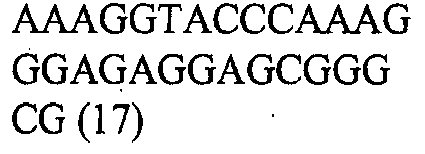

4 Rg2ACP1 R glutinis ATCC 204091 acyl-CoA carrier protein 1321 

5 Rg2NAR1 R.glutinis ATCC 204091 nitrate reductase 1499 

6 Rg2ENO1 R. ATCC 204091 enolase(phosphopyruva te hydratase) 1596 

7 Rg2PDC1 R. glutinis ATCC 204091 pyruvate decarboxylase 1391 

8 Rg3ENO1 R. graminis strain WP1 enolase(phosphopyruva te hydratase) 1500 

9 Rg3PDC1 R.graminis strain WP1 pyruvate decarboxylase 1500 

10 Rg3PP1 R. graminis strain WP1 peptidylprolyl isomerase 1222 

11 Rg3TAL1 R. graminis strain WP1 transaldolase 1507 

12 Rg2ACC1 R. glutinis ATCC 204091 acetyl-CoA synthase 1646 

- The promoter GFP reporter constructs were transformed to Rhodosporidium toruloides ATCC 10657 by the ATMT method. The transformed colonies (>100) were pooled, cultured in YPD medium with 150 µg/ml hygromycin B and 300 µg/ml cefataxome and diluted to about 0.1 OD600 in lipid production medium [10 mM K2HPO4-KH2PO4, (pH6.13), 4 g/L yeast extract, 0.3 g/L urea, 0.1 g/L Na2SO4, 10 mg/L each of tyrosine, valine and vitamin B (B1+B6), 8% glucose] with no antibiotics added. Strains were cultured at 28°C with shaking (280rpm) 2days and then diluted to about 0.1 OD600 for 24 hours and the cultures were adjusted to 0.6 OD600 units before subjecting to florescence measurement in a Tecan M200 reader using 476 nM as excitation wavelength, and 509 nM as emission wavelength; gain value 100. The fluorescence intensity were normalized to OD600 and subtracted against non-transformed cell cultures under the same conditions. Rg3TAL1 is weak while Rg2ACC1 showed no obvious activity (Table 3). Transformants of the Rg2ACC1 reporter in Rhodosporidium glutinis ATCC 90781 showed no GFP florescence was cultured a nitrogen-limited medium (glucose 70g/l, yeast extract 0.75g/l, (NH4)2SO4 0.1g/l, KH2PO4 1.0g/l, MgSO4·7H2O 1.5g/l, pH 5.6) for 24hr either (not shown). Promoter RtGPD1 is set forth in SEQ ID N:38.
TABLE 3 Relative GFP Fluorescence of Selected Promoters in Rhodosporidium toruloides Promoter Rg2TEF1 Rg3TEF1 Rg3TAL1 Rg3S27 Rg3PPI Rg2ENO1 Rg2ACC1 RtGPD1 Fluorescence reading 183 616 83 316 566 383 0 1100 - A selected set of promoter GFP reporter constructs were transformed by the ATMT method to Rhodosporidium toruloides ATCC 10657, Ustilago maydis L8, Pseudozyma aphidis ATCC32657 and Sporobotomyces roseus FGSC 10293. The transformed colonies (>100) were pooled, cultured in YPD medium with 150 µg/ml (or 300 µg/ml for Pseudozyma aphidis) hygromycin B and 300 µg/ml cefataxome for 2 days at 28°C and diluted to about 0.1 OD600 in YNB Medium and also in YNB N- Medium (both medium with 5% gluocose.) and continued culture for 1-3 days with shaking. OD600 and GFP fluorescence were measured with Tecan infinite200. The GFP fluorescence intensity (normalized against the OD600) is listed in Tables 4-11. Promoters Umgpdl, RtGPD1, Rg3GPD1, Rg2FAD1 and SrGPD1 are set forth in SEQ IN NOs:37, 38, 39, 40 and 41, respectively. The isolation of these promoters is described in
WO 2012/169969 .TABLE 4 Fluoresence Intensity in R. toruloides ATCC 10657 in YNB Medium Rg2TEF1 Rg3TEF1 Rg3S27 Rg2ACP1 Rg2NAR1 Rg2ENO1 Rg2PDC1 Rg3ENO1 Rg3PDC1 Umgpd1 RtGPD1 Rg3GPD1 R2FAD1 SrGPD1 Day1 67098.1±4810.2 493314.2±17949.6 315280.7±13486.8 822714.3±29975.4 76162.8±5196.2 1229511.5±38057.0 439906.8±20026.2 310853.1±11379.8 524990.1±19316.2 185894.4±5956.8 647267.9±17825.0 482273.0±17080.6 790204.6±26581.6 94929.5±3664.8 Day2 90051.8±5580.0 324001.3±15528.4 138885.1±5578.8 328422.2±13168.4 77194.7±5304.6 960118.3±35167.0 195357.6±14536.8 49159.7±2473.8 318157.8±13705.8 23430.4±11392.6 470829.4±19049.2 302113.7±27780.8 622505.2±24257.0 57888.5±3134.6 Day3 125629.1±5884.6 109829.4±5871.2 71034.5±3793.6 391254.0±15650.6 72916.9±5191.4 1080769.4±37277.4 186096.4±15397.2 69658.8±2717.4 179610.3±7379.4 52504.2±2197.4 417595.6±16078.8 294063.5±16996.2 678405.8±25364.6 72393.3±3358.4 TABLE 5 Fluoresence Intensity in R. toruloides ATCC 10657 in YNB N-free Medium Rg2TEF Rg3TEF1 Rg3S27 Rg2ACP1 Rg2NAR1 Rg2ENO1 Rg2PDC1 Rg3ENO Rg3PDC1 Umgpd1 RtGPD 1 Rg3GPD1 R2FAD1 SrGPD1 Day1 70881.8±5110.9 380951.5±18050.3 365547.6±13587.5 815919.4±30076.1 272301.0±5296.9 1424622.6±38157.7 446260.0±20126.9 146494.1±11480.5 521271.4±19416.9 179467.0±6057.5 798469.1±17925.7 543617.9±17181.3 1046580.2±26682.3 208402.0±3765.5 Day2 85225.0±5880.7 154658.6±15629.1 229116.8±5979.5 194767.0±13269.1 96375.2±5405.3 1023479.6±35267.7 189373.9±14637.5 87625.2±2574.5 229565.0±13806.5 70298.9±11493.3 559941.0±19149.9 325267.7±27881.5 729764.3±24357.7 74769.4±3235.3 Day3 101884.6±6085.3 75616.7±5971.9 131082.7±3894.3 274152.1±15751.3 49724.9±5292.1 1045808.5±37378.1 175901.0±15497.9 41721.8±2818.1 116966.8±7480.1 42892.0±2298.1 240704.2±16179.5 143840.6±17096.9 495414.9±25564.6 27930.9±3459.1 TABLE 6 Fluoresence Intensity in P. aphidis in YNB Medium Rg2TEF 1 Rg3TEF1 Rg3S27 Rg2ACP1 Rg2NAR1 Rg2ENO1 Rg2PDC1 Rg3ENO1 Rg3PDC1 Umgpd1 RtGPD1 Rg3GPD1 Rg2FAD1 SrGPD1 Day1 20710.7±535.5 24954.1±1347.7 17864.7±903.2 25694.5±1084.7 11741.6±577.1 15870.6±783.5 21807.7±790.4 19768.3±978.4 27733.8±986.7 22180.7±1009.0 29319.0±465.9 37495.4±1774.8 16309.0±215.5 23103.0±1455.1 Day2 5617.3±268.1 7829.7±612.5 4804.2±403.4 7541.3±629.4 3854.7±311.2 4634.5+306.2 6430.8±595.9 5748.1±519.0 8123.9±617.0 6537.3±584.8 9876.9±803.1 9713.0±709.4 4859.7±615.0 7830.9±752.6 Day3 3738.0±173.8 3980.9±298.1 3106.8±240.7 3793.1±699.3 1679.0±137.9 2504.6±301.5 3504.2±410.4 3165.2±396.5 4602.1±780.2 3260.7+324.1 4542.3±154.2 5781.1±478.1 2671.1±167.1 3900.5±290.0 TABLE 7 Fluoresence Intensity in P. aphidis YNB N-free Medium Rg2TEF1 Rg3TEF1 Rg3S27 Rg2ACP1 Rg2NAR1 Rg2ENO1 Rg2PDC1 Rg3ENO1 Rg3PDC1 Umgpd1 RtGPD1 Rg3GPD1 Rg2FAD1 StGPD1 Day1 4030.5±455.2 17201.3±1145.5 4757.5±367.8 14666.9±322.0 5485.1±490.5 13203.8±466.0 10218.7±271.8 12705.6±831.7 11338.6±338.7 9034.5±257.7 11511.6±396.1 9322.7±208.6 13410.0±383.1 21144.1±936.9 Day2 5247.5±214.5 14281.5±290.0 7093.2±322.7 7835.6±503.6 6845.8±549.0 6734.8±245.0 5801.6±476.7 3302.7±415.2 9382.1±193.6 13731.3±467.8 10564.5±142.5 10390.4±567.5 16069.0±492.0 16013.3±202.1 Day3 5762.8±530.3 12371.9±223.6 1983.5±180.5 2564.9±224.5 2014.3±203.4 2791.4±226.1 2013.8±187.8 5876.3±297.4 5874.1±585.2 5004.3±243.1 7856.3±215.7 9851.7±233.6 12774.0±225.3 14045.7±317.5 TABLE 8 Fluoresence Intensity in U. maydis L8 in YNB Medium Rg2TPF1 Rg3TEF1 Rg3S27 Rg2ACP1 Rg2NAR1 Rg2ENO1 Rg2PDC1 Rg3ENO1 Rg3PDC1 Umgpd1 RtGPD1 Rg3GPD1 Rg2FAD1 SrGPD1 Day1 4497.4±405.1 31255.7±1974.8 8744.3±743.4 16705.1+987.7 5663.0±598.1 10351.3±608.5 17224.0±813.1 18699.4±689.9 30749.5±1658.1 12977.4±978.4 38101.5±1012.5 16539.8±540.3 35361.2±1290.8 20121.3±932.4 Day2 2237.4±190.0 20291.8±1064.2 12961.1±789.4 7046.8±584.2 1899.9±252.3 3508.0±183.5 1948.5±268.4 4185.3±236.9 10692.2±452.9 14498.0±1096.3 33043.3±924.6 5729.0±290.4 13483.6±728.5 13639.8±567.3 Day3 728.7±142.3 29221.7±1935.6 2132.4±196.8 1651.0±125.3 6453.6±295.7 1885.2±138.7 1610.0±198.6 10261.0±858.7 13449.8±689.7 10667.8±108.7 37663.7±839.4 4328.0±498.1 19667.2±1282.3 7559.5±219.2 TABLE 9 Fluoresence Intensity in U. maydis L8 in YNB N-free Medium Rg2TEF1 Rg3TEF1 Rg3S27 Rg2ACP1 Rg2NAR1 Rg2ENO1 Rg2PDC1 Rg3ENO1 Rg3PDC1 Umgpd1 RtGPD1 Rg3GPD1 Rg2FAD1 SrGPD2 Day1 2736.3±195.3 23444.3±1674.3 4848.0±743.4 14420.4±785.7 4965.9±291.7 3393.2±258.4 5099.7±363.5 13592.6±907.9 20887.7±1043.2 8457.1±275.2 36784.6±909.4 5161.0±204.5 27948.4±1073.6 19682.9±1136.5 Day2 4635.9±200.5 22335.2±984.7 11189.0±628.3 12643.8±784.1 8929.3±332.9 8782.8±384.2 6278.8±435.4 16443.4±1023.5 18643.1±853.6 15615.6±1001.7 31362.0±931.9 9944.7±300.1 19059.7±839.1 10507.5±509.5 Day3 4778.9±242.3 21945.0±1531.6 5243.9±171.1 3563.5±105.6 1052.9±99.3 402.1±138.7 2136.7±108.1 3832.4±251.7 10741.0±619.2 5416.3±157.7 22029.0±791.3 5116.4±332.8 14070.9±812.8 5509.8±293.1 TABLE 10 Fluoresence Intensity in S.roseus for in YNB Medium Rg2TEF 1 Rg3TEF1 Rg3S27 Rg2ACP1 Rg2NAR1 Rg2ENO1 Pg2PDC1 Rg3ENO1 Rg3PDC1 Umgpd1 RtGPD1 Rg3GPD1 Rg2FAD1 SrGPD2 Day1 34433.7±2961.3 62781.0±5013.6 49396.6±3965.7 35726.2±3012.6 44850.3±7639.8 54393.9±2013.6 45625.4±3968.1 75257.5±3086.3 75080.8±3015.7 61607.3±2345.1 115602.4±4598.7 36185.9±2845.2 55143.4±5423.9 76783.0±1946.3 Day2 7223.1±1025.8 7997.9±1169.4 5486.4±1032.6 11336.9±698.1 7453.9±854.1 16829.3±852.3 7401.2±897.5 7108.0±1087.6 7110.1±521.7 13471.3±369.3 7832.5±496.8 6434.0±963.4 10613.7±1015.8 24326.0±876.5 Day3 9874.2±1356.9 6212.6±1598.7 7978.3±1648.1 6425.8±963.7 8653.9±1587.5 9632.8±897.6 9013.8±1258.4 9898.4±1698.7 9985.6±765.1 8013.7±965.4 11231.1±1065.8 4931.2±1259.8 7469.8±13459 16036.7±1897.4 TABLE 11 Fluoresence Intensity in S. roseus in YNB N-free Medium Rg2TEF1 Rg3TEF1 Rg3S27 Rg2ACP1 Rg2NAR1 Rg2ENO1 Rg2PDC1 Rg3ENO1 Rg3PDC1 Umgpd1 PtGPD1 Pg3GPD1 Rg2FAD1 SrGPD2 Day1 30415.8±2111.3 38195.6±2163.4 34075.9±3115.7 37998.4±2162.6 39594.0±4678.3 38138.8±1163.6 25733.8±3118.1 43722.6±2236.3 42986.2±2165.7 53744.0±1495.1 60102.2±2365.9 49641.6±1995.2 45162.3±4573.9 47127.7±1096.3 Day2 6135.6±905.8 9358.5±1049.4 10507.2±912.6 13226.8±578.1 9190.2±734.1 11034.9±732.3 5662.3±777.5 11550.1±967.6 11959.0±401.7 7691.8±249.3 12012.4±376.8 10303.5±843.4 10948.1±895.8 14795.5±756.5 Day3 2698.7±1206.9 5401.2±1448.7 3012.9±1498.1 6968.6±813.7 2165.8±1437.5 2857.4±747.6 3541.9±1108.4 4986.2±1548.4 4879.3±615.1 5897.1±815.4 7854.3±915.8 4013.7±1109.8 3946.5±1195.9 9154.6±1747.4 - Promoter sequences of Rg3TEF1, Rg3S27, Rg2ACP1, Rg2ENO1, Rg2PDC1, Rg3PDC1 and Rg2FAD1(stearoyl-CoA delta-9 desaturase) were subjected to promoter motif scanning using the Gibbs Motif Sampler at http://ccmbweb.ccv.brown.edu/cgi-bin/gibbs.12.pl?data_type=DNA&layout=advancedprgm&restore=/var/www/cgi-bin/euk.def.txt.
- A conserved motif sharing the GAGGAG core sequence were found in each promoter. Noticeably, Rg2FAD1 promoter, which is among the strongest promoters contains the largest number of the motif. (
Fig 2 ). - The full length Rg2ENO1 and Rg2FAD1 (stearoyl-CoA delta-9 desaturase gene) promoter GFP reporter constructs in pRH2031 were modified to have serially shortened promoters. This was done replacing the promoter with PCR fragments about 300, 500, 1000 and 1500 bp version of the promoter. All 5' primers included a SpeI cutting site while the 3' primer contains a NcoI cutting site. Constructs were transformed by the ATMT method to Rhodosporidium toruloides ATCC 10657. The transformed colonies (>500) were pooled, cultured in YNB medium with 150 µg/ml hygromycin B and 300 µg/ml cefataxome for 2 days at 28°C and diluted to about 0.1 OD600 in YNB Medium and also in YNB N- Medium (both medium with 5% glucose.) and continued culture for 24 hours with shaking. The cultures reached OD600 0.2 units in YNB N+ and YNB N- media. GFP florescence were measured with Tecan infinite M200. Gain parameter is consistently set at 85; Excitation and Emission wavelength are 476, 509. The GFP fluorescence intensity (normalized against the OD600) is listed in
Fig. 3 , which shows that minimal length of the ENO1 promoter for the optimal expression of reporter gene is approximately 320 to 520 bp, whereas the FAD1 promoter requires approximately 570 to 1120 bp. - Primers were designed at various locations in the 519 bp Rg2ENO1 promoter sequence, which were used for PCR in combination with the reverse primer targeting the 3' end of the promoter (
Fig. 4A ). All 5' primers included a SpeI cutting site while the 3' primer contains a NcoI cutting site. The lengths of the PCR products (excluding the extra linker sequence at 5' end and the ATG codon at the 3' site) are summarized inFig. 4B . The PCR fragments were individually digested with SpeI and NcoI and cloned in pRH2031-Rg2ENO1-RtGFP at the same sites, replacing the full-length ENO1 promoter. Constructs were transformed by the ATMT method to Rhodotorula glutinis ATCC 90781, which is the diploid parent of Rhodosporidium toruloides ATCC 10657 and ATCC 10788. The transformed colonies (>500) were pooled, cultured in YNB medium with 150 µg/ml hygromycin B and 300 µg/ml cefataxome for 2 days at 28°C and diluted to about 0.1 OD600 in YNB Medium and also in YNB N- Medium (both medium with 5% glucose.) and continued culture for 12 hours with shaking. The cultures reached OD600 0.5∼0.7 in YNB and YNB N- meda. GFP florescence was measured with Tecan infinite M200. Gain parameter is consistently set at 85; Excitation and Emission wavelength are 476, 509. The GFP fluorescence intensity (normalized against the OD600) is listed inFig. 5A and 5B . The promoter showed similar trends in the two media tested. The biggest drop in activity was seen promoter M6 and M7. Another significant drop was observed between M3 and M6, where several GAGGAG -related motifs can be found (Fig. 4A ). - The use of the terms "a" and "an" and "the" and similar referents in the context of describing the invention (especially in the context of the following claims) are to be construed to cover both the singular and the plural, unless otherwise indicated herein or clearly contradicted by context. The terms "comprising," "having," "including," and "containing" are to be construed as open-ended terms (i.e., meaning "including, but not limited to,") unless otherwise noted. Recitation of ranges of values herein are merely intended to serve as a shorthand method of referring individually to each separate value falling within the range, unless otherwise indicated herein, and each separate value is incorporated into the specification as if it were individually recited herein. All methods described herein can be performed in any suitable order unless otherwise indicated herein or otherwise clearly contradicted by context. The use of any and all examples, or exemplary language (e.g., "such as") provided herein, is intended merely to better illuminate the invention and does not pose a limitation on the scope of the invention unless otherwise claimed. No language in the specification should be construed as indicating any non-claimed element as essential to the practice of the invention.
- Embodiments of this invention are described herein, including the best mode known to the inventors for carrying out the invention.
- The term "efficient expression" refers to expression of a reporter protein to a level that is detectable for fluorometry, photomicrospy or phenotypic selection of transformants by antibiotics, such as hygromycin.
-
- Abbott, E.P. et al., 2013. Overcoming recalcitrant transformation and gene manipulation in yeasts. Applied microbiology and biotechnology, vol. 97, 283-295.
- An, G., et al., 1989. Functional analysis of the 3' control region of the potato wound-inducible proteinase inhibitor II gene. Plant Cell, 1: 115-122.
- Avis, T.J. , 2008. Usefulness of heterologous promoters in the Pseudozyma flocculosa gene expression system. Bioscience, biotechnology and biochemistry, .
- Bassett, C.L., 2007. Regulation of Gene Expression in Plants: The Role of Transcript Structure and Processing. New York: Springer Press.
- Bölker, M., et al., 1995. Tagging pathogenicity genes in Ustilago maydis by restriction enzyme-mediated integration (REMI). Mol Gen Genet. 248, 547-52.
- Boulton, S., et al., 1999. Interactive effects of inhibitors of poly(ADP-ribose) polymerase and DNA-dependent protein kinase on cellular responses to DNA damage. Carcinogenesis. 20, 199-203.
- Boulton, S., et al., 1996. Wortmannin is a potent inhibitor of DNA double strand break but not single strand break repair in Chinese hamster ovary cells. Carcinogenesis. 17, 2285-90.
- Bundock, P., et al., 1995. Trans-kingdom T-DNA transfer from Agrobacterium tumefaciens to Saccharomyces cerevisiae. EMBO J. 14, 3206-14.
- Choi, J., et al., 2007. Genome wide analysis of T DNA integration into the chromosomes of Magnaporthe oryzae. Molecular Microbiology. 66, 371-382.
- Comai, L., et al., 1983. An altered aroA gene product confers resistance to the herbicide glyphosate. Science. 221, 370.
- De Groot, M. J. A., et al., 1998. Agrobacterium tumefaciens-mediated transformation of filamentous fungi. Nature Biotechnology. 16, 839-842.
- de Oliveira, M. L. P., et al., 2009. High-efficiency Agrobacterium-mediated transformation of citrus via sonication and vacuum infiltration. Plant Cell Reports. 28, 387-395.
- Durant, S., Karran, P., 2003. Vanillins--a novel family of DNA-PK inhibitors. Nucleic Acids Res. 31, 5501-12.
- Gietz, R.D. and Woods, R. A., 2002. Transformation of yeast by lithium acetate/single-stranded carrier DNA/polyethylene glycol method. Methods Enzymol. 350, 87-96.
- Goldstein, A. L. and McCusker, J. H., 1999. Three new dominant drug resistance cassettes for gene disruption in Saccharomyces cerevisiae. Yeast. 15, 1541-1553.
- Gutiérrez, R.A., et al., 1999. Current perspectives on mRNA stability in plants: multiple levels and mechanisms of control. Trends Plant Sci, 4: 429-438.
- Hajdukiewicz, P., et al., 1994. The small, versatilepPZP family ofAgrobacterium binary vectors for plant transformation. Plant Molecular Biology. 25, 989-994.
- Haughn, G. W., et al., 1988. Transformation with a mutant Arabidopsis acetolactate synthase gene renders tobacco resistant to sulfonylurea herbicides. Molecular and General Genetics. 211, 266-271.
- Heiser, W. C., 2000. Optimizing electroporation conditions for the transformation of mammalian cells. Methods in Molecular Biology. 130, 117-34.
- Hentges, P., et al., 2005. Three novel antibiotic marker cassettes for gene disruption and marker switching in Schizosaccharomyces pombe. Yeast. 22, 1013-9.
- Hewald, S., et al., 2005. Genetic analysis of biosurfactant production in Ustilago maydis. Applied and Environmental Microbiology. 71, 3033.
- Hill, J., et al., 1991. DMSO-enhanced whole cell yeast transformation. Nucleic Acids Research. 19, 5791.
- Ho, Eric CH, et al (2007). Gene discovery and transcript analyses in the corn smut pathogen Ustilago maydis: expressed sequence tag and genome sequence comparison. BMC genomics 8:334.
- Horns, F.,et al. 2012. Patterns of repeat-induced point mutation in transposable elements of basidiomycete fungi. Genome biology and evolution, 4, 240-247.
- Hu, C., et al., 2009. Effects of biomass hydrolysis by-products on oleaginous yeast Rhodosporidium toruloides. Bioresour Technol. 100, 4843-7.
- Ianiri, G., et al., 2011. Development of resources for the analysis of gene function in Pucciniomycotina red yeasts. Fungal Genetics and Biology. 48, 685-695.
- Ingelbrecht, I.L., et al., 1989. Different 3' end regions strongly influence the level of gene expression in plant cells. Plant Cell, 1: 671-680.
- Ito, H., et al., 1983. Transformation of intact yeast cells treated with alkali cations. Journal of bacteriology. 153, 163-8.
- Ji, L., et al., 2010. A Simplified and efficient method for transformation and gene tagging of Ustilago maydis using frozen cells. Fungal Genet Biol. 47, 279-87.
- Kämper, J., 2004. A PCR-based system for highly efficient generation of gene replacement mutants in Ustilago maydis. Mol Genet Genomics. 271, 103-10.
- Khanna, H. K., et al., 2007. Inhibition of Agrobacterium-induced cell death by antiapoptotic gene expression leads to very high transformation efficiency of banana. Molecular Plant-Microbe Interactions. 20, 1048-1054.
- Kirk, M. P., et al. Dictionary of the Fungi. CABI, Wallingford, 2008, pp. 716.
- Krugel, H., et al., 1988. Analysis of the nourseothricin-resistance gene (nat) of Streptomyces noursei. Gene. 62, 209-217.
- Kück, U. and Hoff, B., 2010. New tools for the genetic manipulation of filamentous fungi. Appl Microbiol Biotechnol. 86, 51-62.
- Kuo, C. Y., et al., 2004. Cloning of glyceraldehyde-3-phosphate dehydrogenase gene and use of the gpd promoter for transformation in Flammulina velutipes. Appl Microbiol Biotechnol. 65, 593-9.
- Lazo, G. R., et al., 1991. A DNA transformation-competent Arabidopsis genomic library in Agrobacterium. Biotechnology (N Y). 9, 963-7.
- Liu, Y. G., Chen, Y., 2007. High-efficiency thermal asymmetric interlaced PCR for amplification of unknown flanking sequences. BioTechniques. 43, 649-50, 652, 654 passim.
- Liu et al, 2012, Characterization of glyceraldehyde-3-phosphate dehydrogenase gene RtGPD1 and development of genetic transformation method by dominant selection in oleaginous yeast Rhodosporidium toruloides. Applied Microbiology and Biotechnology. 10.1007/s00253-012-4223-9.
- Liu, Y. G., Whittier, R. F., 1995. Thermal asymmetric interlaced PCR: automatable amplification and sequencing of insert end fragments from P1 and YAC clones for chromosome walking. Genomics. 25, 674-81.
- Maehara, T., et al., 2010. Improvement of the Transformation Efficiency of Flammulina velutipes Fv-1 Using the Glyceraldehyde-3-phosphate Dehydrogenase Gene Promoter. Bioscience, Biotechnology, and Biochemistry. 74, 2523-2525.
- Maier, F. J., Schafer, W., 1999. Mutagenesis via insertional- or restriction enzyme-mediated-integration (REMI) as a tool to tag pathogenicity related genes in plant pathogenic fungi. Biol Chem. 380, 855-64.
- Meng, X., et al., 2009. Biodiesel production from oleaginous microorganisms. Renewable Energy. 34, 1-5.
- Meyer, V., 2008. Genetic engineering of filamentous fungi--Progress, obstacles and future trends. Biotechnology Advances. 26, 177-185.
- Meyer, V., et al., 2003. Comparison of different transformation methods for Aspergillus giganteus. Curr Genet. 43, 371-7.
- Mogen, B.D., et al., 1990. Upstream sequences other than AAUAAA are required for efficient messenger RNA 3'-end formation in plants. Plant Cell, 2: 1261-1272.
- Mogen, B.D., et al., 1992. Several distinct types of sequence elements are required for efficient mRNA 3' end formation in a pea rbcS gene. Molecular and Cellular Biology, 12: 5406-5414.
- Nagaya, S., et al., 2010. The HSP terminator of Arabidopsis thaliana Increases Gene Expression in Plant Cells. Plant Cell Physiol, 51: 328-332.
- Neveu, B. et al,. 2007. Cloning of the glyceraldehyde-3-phosphate dehydrogenase gene from Pseudozyma flocculosa and functionality of its promoter in two Pseudozyma species. Antonie van Leeuwenhoek, Kluwer Academic Publishers, vol. 92, no. 2, 245-255.
- Neveu, B. et al,. 2007. The Pseudozyma flocculosa actin promoter allows the strong expression of a recombinant protein in the Pseudozyma species. Applied microbiology and biotechnology, vol. 74, no. 6, 1300-1307.
- Newman, T.C., et al., 1993. DST sequences, highly conserved among plant SAUR genes, target reporter transcripts for rapid decay in tobacco. Plant Cell, 5: 701-14.
- Ochman, H., et al., 1988. Genetic applications of an inverse polymerase chain reaction. Genetics. 120, 621-3.
- Ohme-Takagi, M., et al., 1993. The effect of sequences with high AU content on mRNA stability in tobacco. Proc Natl Acad Sci USA, 90: 11811-5.
- Pfeifer, T. A., et al., 1997. Baculovirus immediate-early promoter-mediated expression of the Zeocin (TM) resistance gene for use as a dominant selectable marker in Dipteran and Lepidopteran insect cell lines. Gene. 188, 183-190.
- Punt, P. J., et al., 1987. Transformation of Aspergillus based on the hygromycin B resistance marker from Escherichia coli. Gene. 56, 117-124.
- Rosenzweig, K. E., et al., 1997. Radiosensitization of human tumor cells by the phosphatidylinositol3-kinase inhibitors wortmannin and LY294002 correlates with inhibition of DNA-dependent protein kinase and prolonged G2-M delay. Clin Cancer Res. 3, 1149-56.
- Rothnie, H.M., et al., 1994. The contribution of AAUAAA and the upstream element UUUGUA to the efficiency of mRNA 3'-end formation in plants. EMBO (Eur Mol Biol Organ) J, 13: 2200-2210.
- Schulz, B., et al., 1990. The b alleles of U. maydis, whose combinations program pathogenic development, code for polypeptides containing a homeodomain-related motif. Cell. 60, 295-306.
- Scorer, C. A., et al., 1994. Rapid Selection Using G418 of High Copy Number Transformants of Pichia pastoris for High level Foreign Gene Expression. Nature Biotechnology. 12, 181-184.
- Skalitzky, D. J., et al., 2003. Tricyclic benzimidazoles as potent poly(ADP-ribose) polymerase-1 inhibitors. J Med Chem. 46, 210-3.
- Smith, G. and Jackson, S., 1999. The DNA-dependent protein kinase. Genes & development. 13, 916.
- Smith, T. L. and Leong, S. A., 1990. Isolation and characterization of a Ustilago maydis glyceraldehyde-3-phosphate dehydrogenase-encoding gene. Gene. 93, 111-7.
- Soltani, J., et al., Agrobacterium-mediated transformation of non-plant organisms. In: T. Tzfira, V. Citovsky, Eds.), Agrobacterium: from biology to biotechnology. Springer press, New York, USA, 2008, pp. 649-675.
- Spellig, T., et al., 1996. Green fluorescent protein (GFP) as a new vital marker in the phytopathogenic fungus Ustilago maydis. Mol Gen Genet. 252, 503-9.
- Steiner, S. and Phillippsen P, 1994. Sequence and promoter analysis of the highly expressed TEF gene of the filamentous fungus Ashbya gossypii. Mol Gen Genet 242, 263-271.
- Sweigard, J. A., et al., 1998. Magnaporthe grisea pathogenicity genes obtained through insertional mutagenesis. Mol Plant Microbe Interact. 11, 404-12.
- Takeno, S., et al., 2005. Transformation of oil-producing fungus, Mortierella alpina 1S-4, using Zeocin, and application to arachidonic acid production. Journal of bioscience and bioengineering. 100, 617-622.
- Teichmann, B., et al., 2010. Molecular characterization of the biocontrol activity of Pseudozyma flocculosa. Phytopathology. 100.
- Tentori, L., et al., 2002. Potential clinical applications of poly(ADP-ribose) polymerase (PARP) inhibitors. Pharmacol Res. 45, 73-85.
- Tully, M. and Gilbert, H. J., 1985. Transformation of Rhodosporidium toruloides. Gene. 36, 235-40.
- Turgeon, B. G., et al., 2010. Protoplast transformation of filamentous fungi. Methods in molecular biology. 638, 3-19.
- van Attikum, H., et al., 2001. Non-homologous end-joining proteins are required for Agrobacterium T-DNA integration. Embo J. 20, 6550-8.
- van Attikum, H., et al., 2003. The Arabidopsis AtLIG4 gene is required for the repair of DNA damage, but not for the integration of Agrobacterium T-DNA. Nucleic Acids Res. 31, 4247-55.
- Vega, J. M., et al., 2008. Improvement of Agrobacterium-mediated transformation in Hi-II maize (Zea mays) using standard binary vectors. Plant cell reports. 27, 297-305.
- Veuger, S. J., et al., 2003. Radiosensitization and DNA repair inhibition by the combined use of novel inhibitors of DNA-dependent protein kinase and poly(ADP-ribose) polymerase-1. Cancer Res. 63, 6008-15.
- Willmore, E., et al., 2004. A novel DNA-dependent protein kinase inhibitor, NU7026, potentiates the cytotoxicity of topoisomerase II poisons used in the treatment of leukemia. Blood. 103,4659-65.
- Wu, S. and Letchworth, G. J., 2004. High efficiency transformation by electroporation of Pichia pastoris pretreated with lithium acetate and dithiothreitol. BioTechniques. 36, 152-155.
- Wu, S., et al., 2010a. Phosphate-limitation mediated lipid production by Rhodosporidium toruloides. Bioresour Technol. 101, 6124-9.
- Wu, S., et al., 2010b. Microbial lipid production by Rhodosporidium toruloides under sulfate-limited conditions. Bioresour Technol.
- Ye, X. and Gilbertson, L., use of multiple transformation enhancer sequences to improve plant transformation efficiency.
EP Patent 2,038,420, 2009 . - Zhao, X., et al., 2010a. Lipid production by Rhodosporidium toruloides Y4 using different substrate feeding strategies. J Ind Microbiol Biotechnol.
- Zhao, X., et al., 2010b. Lipid production from Jerusalem artichoke by Rhodosporidium toruloides Y4. J Ind Microbiol Biotechnol. 37, 581-5.
- Zhu, Z., et al, 2012, A multi-omic map of the lipid-producing yeast Rhodosporidium toruloides, Nature Communications, 3, 1112.
-
- <110> Temasek Life sciences Laboratory Limited
- <120> Polynucleotide sequences from Rhodosporidium and Rhodotorula and
use Thereof - <130> 2577-230
- <150>
US 61/782,832
<151> 2013-03-14 - <160> 41
- <170> PatentIn version 3.5
- <210> 1
<211> 1027
<212> DNA
<213> Rhodotorula glutinis ATCC 204091 - <220>
<221> misc_feature
<222> (1)..(6)
<223> KpnI cloning site - <220>
<221> misc_feature
<222> (1022)..(1027)
<223> Ncol cloning site - <400> 1

- <210> 2
<211> 956
<212> DNA
<213> Rhodotorula glutinis ATCC 204091 - <220>
<221> misc_feature
<222> (1)..(6)
<223> KpnI cloning site - <220>
<221> misc_feature
<222> (951)..(956)
<223> Ncol cloning site - <400> 2

- <210> 3
<211> 1474
<212> DNA
<213> Rhodotorula graminis strain WP1 - <220>
<221> misc_feature
<222> (1)..(6)
<223> KpnI cloning site - <220>
<221> misc_feature
<222> (1469)..(1474)
<223> NcoI cloning site - <400> 3


- <210> 4
<211> 1327
<212> DNA
<213> Rhodotorula glutinis ATCC 204091 - <220>
<221> misc_feature
<222> (1)..(6)
<223> KpnI cloning site - <220>
<221> misc_feature
<222> (1322)..(1327)
<223> BspHI cloning site - <400> 4


- <210> 5
<211> 1509
<212> DNA
<213> Rhodotorula glutinis ATCC 204091 - <220>
<221> misc_feature
<222> (1)..(6)
<223> KpnI cloning site - <220>
<221> misc_feature
<222> (1504)..(1509)
<223> Ncol cloning site - <400> 5


- <210> 6
<211> 1606
<212> DNA
<213> Rhodotorula glutinis ATCC 204091 - <220>
<221> misc_feature
<222> (1)..(6)
<223> SpeI cloning site - <220>
<221> misc_feature
<222> (1601)..(1606)
<223> NcoI cloning site - <400> 6


- <210> 7
<211> 1408
<212> DNA
<213> Rhodotorula glutinis ATCC 204091 - <220>
<221> misc_feature
<222> (1)..(6)
<223> speI cloning site - <220>
<221> misc_feature
<222> (1403)..(1408)
<223> BamHI cloning site - <400> 7

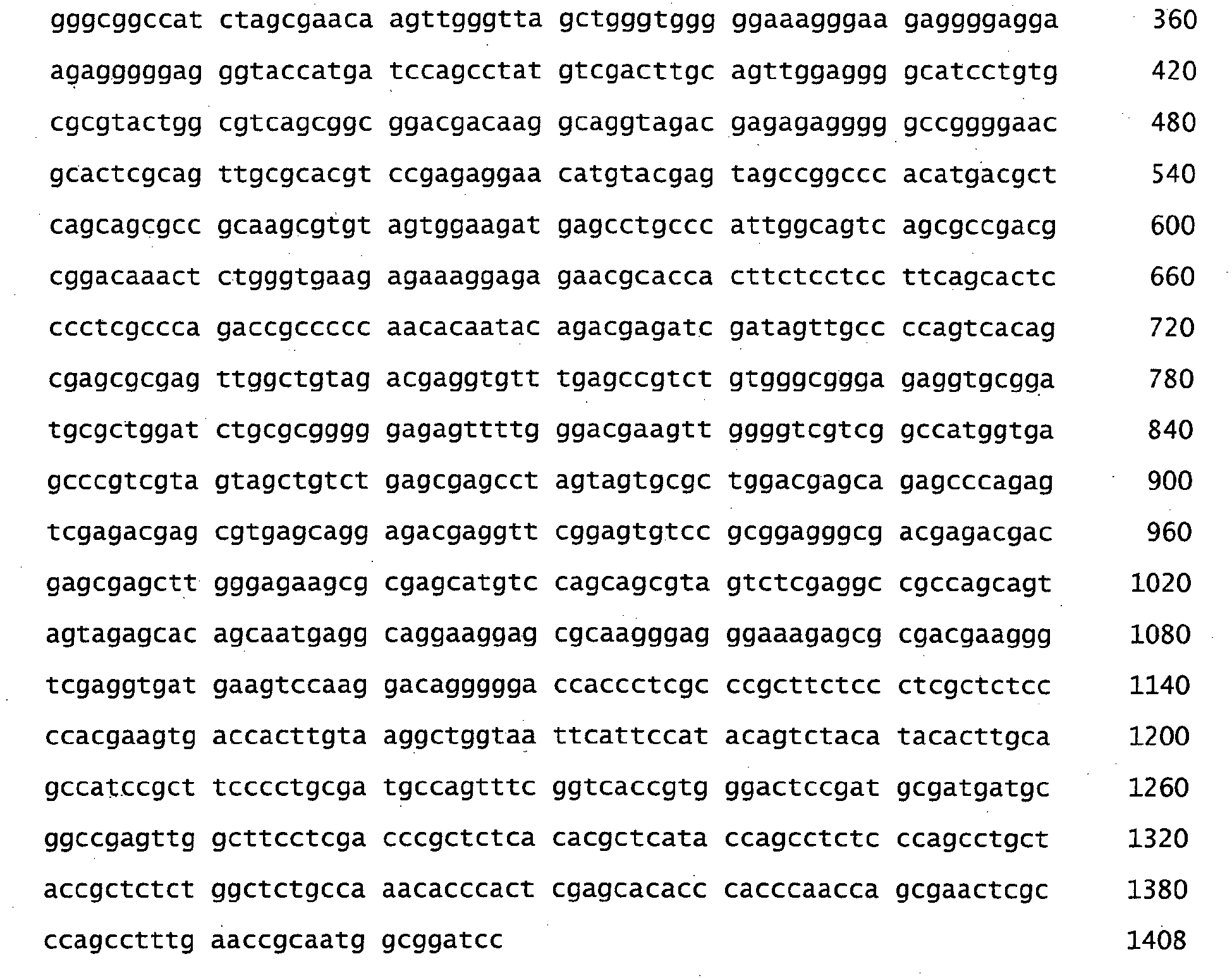
- <210> 8
<211> 1480
<212> DNA
<213> Rhodotorula graminis strain WP1 - <220>
<221> misc_feature
<222> (1)..(6)
<223> SpeI cloning site - <220>
<221> misc_feature
<222> (1475)..(1480)
<223> NcoI cloning site - <400> 8


- <210> 9
<211> 1532
<212> DNA
<213> Rhodotorula graminis strain WP1 - <220>
<221> misc_feature
<222> (1)..(6)
<223> SpeI cloning site - <220>
<221> misc_feature
<222> (1527)..(1532)
<223> NcoI cloning site - <400> 9


- <210> 10
<211> 1222
<212> DNA
<213> Rhodotorula graminis strain WP1 - <220>
<221> misc_feature
<222> (1)..(6)
<223> KpnI cloning site - <220>
<221> misc_feature
<222> (1217)..(1222)
<223> Ncol cloning site - <400> 10


- <210> 11
<211> 1507
<212> DNA
<213> Rhodotorula graminis strain WP1 - <220>
<221> misc_feature
<222> (1)..(6)
<223> KpnI cloning site - <220>
<221> misc_feature
<222> (1522)..(1527)
<223> NcoI cloning site - <400> 11


- <210> 12
<211> 1646
<212> DNA
<213> Rhodotorula glutinis ATCC 204091 - <220>
<221> misc_feature
<222> (1)..(6)
<223> ASCI cloning site - <220>
<221> misc_feature
<222> (1641)..(1646)
<223> NcoI cloning site - <400> 12


- <210> 13
<211> 28
<212> DNA
<213> Artificial Sequence - <220>
<223> PCR primer - <400> 13
aaaggtaccg tgcgagaaga agcgaggc 28 - <210> 14
<211> 34
<212> DNA
<213> Artificial sequence - <220>
<223> PCR primer - <400> 14
aaaccatggt tcccccccag tacacagtac agta 34 - <210> 15
<211> 29
<212> DNA
<213> Artificial Sequence - <220>
<223> PCR primer - <400> 15
aaaggtaccc atgctgctgc tgcccctca 29 - <210> 16
<211> 31
<212> DNA
<213> Artificial Sequence - <220>
<223> PCR primer - <400> 16
ataccatggt ggatgaagtg agattcgagt g 31 - <210> 17
<211> 29
<212> DNA
<213> Artificial Sequence - <220>
<223> PCR primer - <400> 17
aaaggtaccc aaagggagag gagcgggcg 29 - <210> 18
<211> 33
<212> DNA
<213> Artificial Sequence - <220>
<223> PCR primer - <400> 18
aaaccatggt gacctacgcc tacacaaggg tgc 33 - <210> 19
<211> 28
<212> DNA
<213> Artificial Sequence - <220>
<223> PCR primer - <400> 19
aaaggtacct gagcgggcga gccgcgag 28 - <210> 20
<211> 33
<212> DNA
<213> Artificial Sequence - <220>
<223> PCR primer - <400> 20
aaatcatgac tgaacaaagt tttcctgcgg cgc 33 - <210> 21
<211> 31
<212> DNA
<213> Artificial Sequence - <220>
<223> PCR primer - <400> 21
aaaggtaccg ctcatcatcg agcgagggca g 31 - <210> 22
<211> 32
<212> DNA
<213> Artificial Sequence - <220>
<223> PCR primer - <400> 22
aaaccatggc ggcgggtgat tcttcttggt tc 32 - <210> 23
<211> 28
<212> DNA
<213> Artificial sequence - <220>
<223> PCR primer - <400> 23
gactagtcgc cagggaacgc agagaagg 28 - <210> 24
<211> 29
<212> DNA
<213> Artificial sequence - <220>
<223> PCR primer - <400> 24
aaaccatggc tgtgagagga gtatcgcag 29 - <210> 25
<211> 30
<212> DNA
<213> Artificial sequence - <220>
<223> PCR primer - <400> 25
gactagtcgg cgaagaggag gggtgttagg 30 - <210> 26
<211> 34
<212> DNA
<213> Artificial Sequence - <220>
<223> PCR primer - <400> 26
aaaggatccg ccattgcggt tcaaaggctg ggcg 34 - <210> 27
<211> 29
<212> DNA
<213> Artificial Sequence - <220>
<223> PCR primer - <400> 27
gactagtcgt gcagaaggaa cccgaggag 29 - <210> 28
<211> 28
<212> DNA
<213> Artificial sequence - <220>
<223> PCR primer - <400> 28
aaaccatggc gaggcgagag gggttgag 28 - <210> 29
<211> 31
<212> DNA
<213> Artificial Sequence - <220>
<223> PCR primer - <400> 29
gactagtcgg gaggattgat gatcgggttg c 31 - <210> 30
<211> 26
<212> DNA
<213> Artificial Sequence - <220>
<223> PCR primer - <400> 30
aaaccatggt ggtcgagctt gtgagg 26 - <210> 31
<211> 33
<212> DNA
<213> Artificial Sequence - <220>
<223> PCR primer - <400> 31
aaaggtaccg cgaggggaag ggcaggagag tcg 33 - <210> 32
<211> 32
<212> DNA
<213> Artificial Sequence - <220>
<223> PCR primer - <400> 32
aaaccatggt cggacggtgg gaaggggggg ga 32 - <210> 33
<211> 33
<212> DNA
<213> Artificial Sequence - <220>
<223> PCR primer - <400> 33
aaaggtacca ctacctcgtc acgacccagg gtg 33 - <210> 34
<211> 29
<212> DNA
<213> Artificial sequence - <220>
<223> PCR primer - <400> 34
aaaccatggt gtaggtagct gcggcgggt 29 - <210> 35
<211> 34
<212> DNA
<213> Artificial Sequence - <220>
<223> PCR primer - <400> 35
aaaggcgcgc ctgaagctgt acatcgaggt ggac 34 - <210> 36
<211> 37
<212> DNA
<213> Artificial sequence - <220>
<223> PCR primer - <400> 36
aaaccatggt cccacaatca gtagttgtcc tcggaag 37 - <210> 37
<211> 672
<212> DNA
<213> ustilago maydis - <220>
<221> misc_feature
<222> (1)..(6)
<223> KpnI cloning site - <220>
<221> misc_feature
<222> (667)..(672)
<223> NcoI cloning site - <400> 37


- <210> 38
<211> 1450
<212> DNA
<213> Rhodosporidium toruloides - <220>
<221> misc_feature
<222> (1)..(6)
<223> KpnI cloning site - <220>
<221> misc_feature
<222> (1445)..(1450)
<223> NcoI cloning site - <400> 38


- <210> 39
<211> 963
<212> DNA
<213> Rhodotorula graminis strain WP1 - <220>
<221> misc_feature
<222> (1)..(6)
<223> AscI cloning site - <220>
<221> misc_feature
<222> (958)..(963)
<223> NcoI cloning site - <400> 39

- <210> 40
<211> 2148
<212> DNA
<213> Rhodotorula glutinis ATCC 204091 - <220>
<221> misc_feature
<222> (1)..(6)
<223> AscI cloning site - <220>
<221> misc_feature
<222> (2143)..(2148)
<223> NcoI cloning site - <400> 40


- <210> 41
<211> 1009
<212> DNA
<213> Sporobolomyces roseus - <220>
<221> misc_feature
<222> (1)..(6)
<223> AscI cloning site - <220>
<221> misc_feature
<222> (1004)..(1009)
<223> Ncol cloning site - <400> 41

Claims (14)
- A DNA construct comprising an isolated nucleotide sequence selected from SEQ ID NO: 6 or 8, or promoter portion thereof, operatively linked to a polypeptide-encoding sequence operatively linked to a transcriptional terminator, wherein the DNA construct enables efficient expression of the polypeptide in a fungal species selected from Pucciniomycotina and Ustilaginomycotina subphyla.
- The DNA construct of claim 1, wherein the promoter portion is about 400 base pairs up to about 1100 base pairs in length starting from the -1 position from the ATG codon.
- The DNA construct of claim 1 or 2, wherein the fungal species is selected from Rhodosporidium, Rhodoturula, Pseudozyma, Ustilago or Sporobolomyces genus, wherein the genome contains at least 50% C and G.
- The DNA construct of claim 1, 2 or 3, wherein the polypeptide-encoding sequence contains at least 50% CG, preferably 60% CG and most preferably more than 70% CG.
- A fungal cell containing at least one DNA construct of any one of claims 1 to 4, with the proviso that, the fungal cell is not Rhodotorula glutinis ATCC 204091 or Rhodotorula graminis WP1.
- The fungal cell of claim 5, wherein the cell preferably contains no more than 3 identical copies of a nucleotide sequence set forth in SEQ ID NO:6 or 8, or promoter portion thereof, preferably not more than 2 identical copies of a nucleotide sequence set forth in SEQ ID NO:6 or 8, or promoter portion thereof.
- The fungal cell of claim 6, wherein the promoter portion is about 400 base pairs up to about 1100 base pairs in length starting from the -1 position from the ATG codon.
- The fungal cell of claim 5, 6 or 7, wherein the fungal cell is species selected from Pucciniomycotina and Ustilaginomycotina subphyla, preferably selected from Rhodosporidium, Rhodoturula, Pseudozyma, Ustilago or Sporobolomyces genus.
- An isolated promoter selected from the group consisting of:(i) a promoter comprising the nucleotide sequence of SEQ ID NO: 6 or 8, or promoter portion thereof;(ii) a promoter comprising a nucleotide sequence having at least 95% identity with the nucleotide sequence of SEQ ID NO: 6 or 8, or promoter portion thereof; and(iii) a promoter comprising a nucleotide sequence having at least 98% identity with the nucleotide sequence of SEQ ID NO: 6 or 8, or promoter portion thereof,wherein the promoter enables efficient expression of a polypeptide-encoding sequence operatively linked to the promoter in a fungal species selected from Pucciniomycotina and Ustilaginomycotina subphyla.
- The isolated promoter of claim 9, wherein the promoter portion is about 400 base pairs up to about 1100 base pairs in length starting from the -1 position from the ATG codon.
- The isolated promoter of claim 9 or 10, wherein the isolated promoter is inserted in a T-DNA vector, a shuttle vector, or in a fungal chromosome.
- The isolated promoter of claim 9, 10 or 11, wherein the fungal species is selected from Rhodosporidium, Rhodoturula, Pseudozyma, Ustilago or Sporobolomyces genus, wherein the genome contains at least 50% C and G.
- A T-DNA vector or a shuttle vector comprising the DNA construct of any one of claims 1-4.
- A fungal chromosome comprising the DNA construct of any one of claims 1-4, with the proviso that, the fungal chromosome is not Rhodotorula glutinis ATCC 204091 or Rhodotorula graminis WP1.
Applications Claiming Priority (2)
| Application Number | Priority Date | Filing Date | Title |
|---|---|---|---|
| US201361782832P | 2013-03-14 | 2013-03-14 | |
| PCT/SG2014/000114 WO2014142747A1 (en) | 2013-03-14 | 2014-03-10 | Polynucleotide sequences from rhodosporidium and rhodotor ula and use thereof |
Publications (3)
| Publication Number | Publication Date |
|---|---|
| EP2970993A1 EP2970993A1 (en) | 2016-01-20 |
| EP2970993A4 EP2970993A4 (en) | 2017-04-12 |
| EP2970993B1 true EP2970993B1 (en) | 2019-02-27 |
Family
ID=51537207
Family Applications (1)
| Application Number | Title | Priority Date | Filing Date |
|---|---|---|---|
| EP14765272.1A Active EP2970993B1 (en) | 2013-03-14 | 2014-03-10 | Polynucleotide sequences from rhodosporidium and rhodotor ula and use thereof |
Country Status (7)
| Country | Link |
|---|---|
| US (1) | US10106802B2 (en) |
| EP (1) | EP2970993B1 (en) |
| CN (1) | CN105408484B (en) |
| ES (1) | ES2719106T3 (en) |
| MY (1) | MY186606A (en) |
| SG (1) | SG11201507399QA (en) |
| WO (1) | WO2014142747A1 (en) |
Families Citing this family (5)
| Publication number | Priority date | Publication date | Assignee | Title |
|---|---|---|---|---|
| JP6265020B2 (en) * | 2014-04-16 | 2018-01-24 | Jnc株式会社 | Evil luciferase catalytic protein mutant gene and its usage |
| EP3234105B1 (en) | 2014-12-15 | 2020-04-15 | Temasek Life Sciences Laboratory Limited | Methods for tuning carotenoid production levels and compositions in rhodosporidium and rhodotorula genera |
| WO2017135895A1 (en) | 2016-02-05 | 2017-08-10 | Temasek Life Sciences Laboratory Limited | Intron-containing promoters and uses thereof |
| CN110066802B (en) * | 2019-04-30 | 2021-03-02 | 西南大学 | Promoter with enhanced metabolite of Aureobasidium pullulans and its application |
| CN115895922B (en) * | 2022-12-19 | 2024-04-02 | 云南大学 | A high-yielding carotenoid-producing red yeast strain and its application |
Family Cites Families (5)
| Publication number | Priority date | Publication date | Assignee | Title |
|---|---|---|---|---|
| US7259255B2 (en) | 2003-06-25 | 2007-08-21 | E. I. Du Pont De Nemours And Company | Glyceraldehyde-3-phosphate dehydrogenase and phosphoglycerate mutase promoters for gene expression in oleaginous yeast |
| WO2005049805A2 (en) * | 2003-11-14 | 2005-06-02 | E.I. Dupont De Nemours And Company | Fructose-bisphosphate aldolase regulatory sequences for gene expression in oleaginous yeast |
| US7264949B2 (en) | 2004-09-15 | 2007-09-04 | E.I. Du Pont De Nemours And Company | Glycerol-3-phosphate o-acyltransferase promoter for gene expression in oleaginous yeast |
| CN102268432B (en) * | 2010-06-02 | 2013-03-13 | 中国科学院大连化学物理研究所 | Orotate phosphoribosyltransferase promoter, application, construct and vector |
| EP2718442B1 (en) * | 2011-06-10 | 2017-07-12 | Temasek Life Sciences Laboratory Limited | Genetic manipulation and expression systems for pucciniomycotina and ustilaginomycotina subphyla |
-
2014
- 2014-03-10 WO PCT/SG2014/000114 patent/WO2014142747A1/en not_active Ceased
- 2014-03-10 ES ES14765272T patent/ES2719106T3/en active Active
- 2014-03-10 EP EP14765272.1A patent/EP2970993B1/en active Active
- 2014-03-10 CN CN201480024515.3A patent/CN105408484B/en active Active
- 2014-03-10 US US14/773,836 patent/US10106802B2/en active Active
- 2014-03-10 SG SG11201507399QA patent/SG11201507399QA/en unknown
- 2014-03-10 MY MYPI2015002329A patent/MY186606A/en unknown
Non-Patent Citations (1)
| Title |
|---|
| None * |
Also Published As
| Publication number | Publication date |
|---|---|
| WO2014142747A1 (en) | 2014-09-18 |
| US10106802B2 (en) | 2018-10-23 |
| ES2719106T3 (en) | 2019-07-08 |
| SG11201507399QA (en) | 2015-10-29 |
| CN105408484A (en) | 2016-03-16 |
| WO2014142747A8 (en) | 2014-10-23 |
| CN105408484B (en) | 2020-05-19 |
| EP2970993A4 (en) | 2017-04-12 |
| US20160032296A1 (en) | 2016-02-04 |
| MY186606A (en) | 2021-07-30 |
| EP2970993A1 (en) | 2016-01-20 |
Similar Documents
| Publication | Publication Date | Title |
|---|---|---|
| EP2718442B1 (en) | Genetic manipulation and expression systems for pucciniomycotina and ustilaginomycotina subphyla | |
| EP2504421B1 (en) | Methods and compositions for producing squalene using yeast | |
| CN110268057B (en) | Systems and methods for identifying and expressing gene clusters | |
| Tsai et al. | Development of a sufficient and effective procedure for transformation of an oleaginous yeast, Rhodosporidium toruloides DMKU3-TK16 | |
| EP3191577B1 (en) | Methods for efficient production of polyunsaturated fatty acids (pufa) in rhodosporidium and rhodotorula species | |
| US10106802B2 (en) | Polynucleotide sequences from rhodosporidium and rhodotorula and use thereof | |
| US11795464B2 (en) | Inducible production-phase promoters for coordinated heterologous expression in yeast | |
| Liu et al. | Identification of novel genes in the carotenogenic and oleaginous yeast Rhodotorula toruloides through genome-wide insertional mutagenesis | |
| US20230357728A1 (en) | Methods and compositions involving promoters derived from yarrowia lipolytica | |
| Jeennor et al. | Novel pentose-regulated promoter of Aspergillus oryzae with application in controlling heterologous gene expression | |
| US20150225733A1 (en) | Yeast cell having enhanced genetic manipulation efficiency and use thereof | |
| JP6392208B2 (en) | Promoter with high expression activity in Mortierella spp. | |
| KR101568401B1 (en) | Manufacturing method of recombinant Saccharomyces cerevisiae increasing the production of long-chain Fatty Acids and expression vector modified | |
| WO2015134547A1 (en) | Molecules associated with fatty acid biosynthetic pathways and uses thereof | |
| Pereira | Metabolic Engineering of Acetyl-Coa Carboxylase in Saccharomyces Cerevisiae | |
| Cui et al. | Homology‐independent genome integration enables rapid library construction for enzyme expression and pathway |
Legal Events
| Date | Code | Title | Description |
|---|---|---|---|
| PUAI | Public reference made under article 153(3) epc to a published international application that has entered the european phase |
Free format text: ORIGINAL CODE: 0009012 |
|
| 17P | Request for examination filed |
Effective date: 20151006 |
|
| AK | Designated contracting states |
Kind code of ref document: A1 Designated state(s): AL AT BE BG CH CY CZ DE DK EE ES FI FR GB GR HR HU IE IS IT LI LT LU LV MC MK MT NL NO PL PT RO RS SE SI SK SM TR |
|
| AX | Request for extension of the european patent |
Extension state: BA ME |
|
| DAX | Request for extension of the european patent (deleted) | ||
| RIC1 | Information provided on ipc code assigned before grant |
Ipc: C12N 15/113 20100101ALI20161024BHEP Ipc: C12N 15/80 20060101AFI20161024BHEP |
|
| A4 | Supplementary search report drawn up and despatched |
Effective date: 20170314 |
|
| RIC1 | Information provided on ipc code assigned before grant |
Ipc: C12N 15/113 20100101ALI20170308BHEP Ipc: C12N 15/80 20060101AFI20170308BHEP |
|
| STAA | Information on the status of an ep patent application or granted ep patent |
Free format text: STATUS: EXAMINATION IS IN PROGRESS |
|
| 17Q | First examination report despatched |
Effective date: 20180206 |
|
| GRAP | Despatch of communication of intention to grant a patent |
Free format text: ORIGINAL CODE: EPIDOSNIGR1 |
|
| STAA | Information on the status of an ep patent application or granted ep patent |
Free format text: STATUS: GRANT OF PATENT IS INTENDED |
|
| INTG | Intention to grant announced |
Effective date: 20181009 |
|
| RAP1 | Party data changed (applicant data changed or rights of an application transferred) |
Owner name: TEMASEK LIFE SCIENCES LABORATORY LIMITED |
|
| RIN1 | Information on inventor provided before grant (corrected) |
Inventor name: CHENG, HSIN I. Inventor name: PENG, NI Inventor name: JI, LIANGHUI |
|
| GRAS | Grant fee paid |
Free format text: ORIGINAL CODE: EPIDOSNIGR3 |
|
| GRAA | (expected) grant |
Free format text: ORIGINAL CODE: 0009210 |
|
| STAA | Information on the status of an ep patent application or granted ep patent |
Free format text: STATUS: THE PATENT HAS BEEN GRANTED |
|
| AK | Designated contracting states |
Kind code of ref document: B1 Designated state(s): AL AT BE BG CH CY CZ DE DK EE ES FI FR GB GR HR HU IE IS IT LI LT LU LV MC MK MT NL NO PL PT RO RS SE SI SK SM TR |
|
| REG | Reference to a national code |
Ref country code: GB Ref legal event code: FG4D |
|
| REG | Reference to a national code |
Ref country code: CH Ref legal event code: EP |
|
| REG | Reference to a national code |
Ref country code: AT Ref legal event code: REF Ref document number: 1101382 Country of ref document: AT Kind code of ref document: T Effective date: 20190315 |
|
| REG | Reference to a national code |
Ref country code: IE Ref legal event code: FG4D |
|
| REG | Reference to a national code |
Ref country code: DE Ref legal event code: R096 Ref document number: 602014041859 Country of ref document: DE |
|
| REG | Reference to a national code |
Ref country code: NL Ref legal event code: FP |
|
| REG | Reference to a national code |
Ref country code: ES Ref legal event code: FG2A Ref document number: 2719106 Country of ref document: ES Kind code of ref document: T3 Effective date: 20190708 |
|
| REG | Reference to a national code |
Ref country code: LT Ref legal event code: MG4D |
|
| PG25 | Lapsed in a contracting state [announced via postgrant information from national office to epo] |
Ref country code: NO Free format text: LAPSE BECAUSE OF FAILURE TO SUBMIT A TRANSLATION OF THE DESCRIPTION OR TO PAY THE FEE WITHIN THE PRESCRIBED TIME-LIMIT Effective date: 20190527 Ref country code: PT Free format text: LAPSE BECAUSE OF FAILURE TO SUBMIT A TRANSLATION OF THE DESCRIPTION OR TO PAY THE FEE WITHIN THE PRESCRIBED TIME-LIMIT Effective date: 20190627 Ref country code: FI Free format text: LAPSE BECAUSE OF FAILURE TO SUBMIT A TRANSLATION OF THE DESCRIPTION OR TO PAY THE FEE WITHIN THE PRESCRIBED TIME-LIMIT Effective date: 20190227 Ref country code: SE Free format text: LAPSE BECAUSE OF FAILURE TO SUBMIT A TRANSLATION OF THE DESCRIPTION OR TO PAY THE FEE WITHIN THE PRESCRIBED TIME-LIMIT Effective date: 20190227 Ref country code: LT Free format text: LAPSE BECAUSE OF FAILURE TO SUBMIT A TRANSLATION OF THE DESCRIPTION OR TO PAY THE FEE WITHIN THE PRESCRIBED TIME-LIMIT Effective date: 20190227 |
|
| PG25 | Lapsed in a contracting state [announced via postgrant information from national office to epo] |
Ref country code: LV Free format text: LAPSE BECAUSE OF FAILURE TO SUBMIT A TRANSLATION OF THE DESCRIPTION OR TO PAY THE FEE WITHIN THE PRESCRIBED TIME-LIMIT Effective date: 20190227 Ref country code: HR Free format text: LAPSE BECAUSE OF FAILURE TO SUBMIT A TRANSLATION OF THE DESCRIPTION OR TO PAY THE FEE WITHIN THE PRESCRIBED TIME-LIMIT Effective date: 20190227 Ref country code: IS Free format text: LAPSE BECAUSE OF FAILURE TO SUBMIT A TRANSLATION OF THE DESCRIPTION OR TO PAY THE FEE WITHIN THE PRESCRIBED TIME-LIMIT Effective date: 20190627 Ref country code: GR Free format text: LAPSE BECAUSE OF FAILURE TO SUBMIT A TRANSLATION OF THE DESCRIPTION OR TO PAY THE FEE WITHIN THE PRESCRIBED TIME-LIMIT Effective date: 20190528 Ref country code: BG Free format text: LAPSE BECAUSE OF FAILURE TO SUBMIT A TRANSLATION OF THE DESCRIPTION OR TO PAY THE FEE WITHIN THE PRESCRIBED TIME-LIMIT Effective date: 20190527 Ref country code: RS Free format text: LAPSE BECAUSE OF FAILURE TO SUBMIT A TRANSLATION OF THE DESCRIPTION OR TO PAY THE FEE WITHIN THE PRESCRIBED TIME-LIMIT Effective date: 20190227 |
|
| REG | Reference to a national code |
Ref country code: AT Ref legal event code: MK05 Ref document number: 1101382 Country of ref document: AT Kind code of ref document: T Effective date: 20190227 |
|
| REG | Reference to a national code |
Ref country code: DE Ref legal event code: R119 Ref document number: 602014041859 Country of ref document: DE |
|
| PG25 | Lapsed in a contracting state [announced via postgrant information from national office to epo] |
Ref country code: DK Free format text: LAPSE BECAUSE OF FAILURE TO SUBMIT A TRANSLATION OF THE DESCRIPTION OR TO PAY THE FEE WITHIN THE PRESCRIBED TIME-LIMIT Effective date: 20190227 Ref country code: IT Free format text: LAPSE BECAUSE OF FAILURE TO SUBMIT A TRANSLATION OF THE DESCRIPTION OR TO PAY THE FEE WITHIN THE PRESCRIBED TIME-LIMIT Effective date: 20190227 Ref country code: EE Free format text: LAPSE BECAUSE OF FAILURE TO SUBMIT A TRANSLATION OF THE DESCRIPTION OR TO PAY THE FEE WITHIN THE PRESCRIBED TIME-LIMIT Effective date: 20190227 Ref country code: RO Free format text: LAPSE BECAUSE OF FAILURE TO SUBMIT A TRANSLATION OF THE DESCRIPTION OR TO PAY THE FEE WITHIN THE PRESCRIBED TIME-LIMIT Effective date: 20190227 Ref country code: AL Free format text: LAPSE BECAUSE OF FAILURE TO SUBMIT A TRANSLATION OF THE DESCRIPTION OR TO PAY THE FEE WITHIN THE PRESCRIBED TIME-LIMIT Effective date: 20190227 Ref country code: CZ Free format text: LAPSE BECAUSE OF FAILURE TO SUBMIT A TRANSLATION OF THE DESCRIPTION OR TO PAY THE FEE WITHIN THE PRESCRIBED TIME-LIMIT Effective date: 20190227 Ref country code: SK Free format text: LAPSE BECAUSE OF FAILURE TO SUBMIT A TRANSLATION OF THE DESCRIPTION OR TO PAY THE FEE WITHIN THE PRESCRIBED TIME-LIMIT Effective date: 20190227 |
|
| REG | Reference to a national code |
Ref country code: CH Ref legal event code: PL |
|
| PG25 | Lapsed in a contracting state [announced via postgrant information from national office to epo] |
Ref country code: PL Free format text: LAPSE BECAUSE OF FAILURE TO SUBMIT A TRANSLATION OF THE DESCRIPTION OR TO PAY THE FEE WITHIN THE PRESCRIBED TIME-LIMIT Effective date: 20190227 Ref country code: LU Free format text: LAPSE BECAUSE OF NON-PAYMENT OF DUE FEES Effective date: 20190310 Ref country code: SM Free format text: LAPSE BECAUSE OF FAILURE TO SUBMIT A TRANSLATION OF THE DESCRIPTION OR TO PAY THE FEE WITHIN THE PRESCRIBED TIME-LIMIT Effective date: 20190227 |
|
| REG | Reference to a national code |
Ref country code: BE Ref legal event code: MM Effective date: 20190331 |
|
| PG25 | Lapsed in a contracting state [announced via postgrant information from national office to epo] |
Ref country code: AT Free format text: LAPSE BECAUSE OF FAILURE TO SUBMIT A TRANSLATION OF THE DESCRIPTION OR TO PAY THE FEE WITHIN THE PRESCRIBED TIME-LIMIT Effective date: 20190227 Ref country code: MC Free format text: LAPSE BECAUSE OF FAILURE TO SUBMIT A TRANSLATION OF THE DESCRIPTION OR TO PAY THE FEE WITHIN THE PRESCRIBED TIME-LIMIT Effective date: 20190227 |
|
| PLBE | No opposition filed within time limit |
Free format text: ORIGINAL CODE: 0009261 |
|
| STAA | Information on the status of an ep patent application or granted ep patent |
Free format text: STATUS: NO OPPOSITION FILED WITHIN TIME LIMIT |
|
| PG25 | Lapsed in a contracting state [announced via postgrant information from national office to epo] |
Ref country code: IE Free format text: LAPSE BECAUSE OF NON-PAYMENT OF DUE FEES Effective date: 20190310 Ref country code: CH Free format text: LAPSE BECAUSE OF NON-PAYMENT OF DUE FEES Effective date: 20190331 Ref country code: LI Free format text: LAPSE BECAUSE OF NON-PAYMENT OF DUE FEES Effective date: 20190331 Ref country code: DE Free format text: LAPSE BECAUSE OF NON-PAYMENT OF DUE FEES Effective date: 20191001 |
|
| 26N | No opposition filed |
Effective date: 20191128 |
|
| PG25 | Lapsed in a contracting state [announced via postgrant information from national office to epo] |
Ref country code: FR Free format text: LAPSE BECAUSE OF NON-PAYMENT OF DUE FEES Effective date: 20190427 Ref country code: SI Free format text: LAPSE BECAUSE OF FAILURE TO SUBMIT A TRANSLATION OF THE DESCRIPTION OR TO PAY THE FEE WITHIN THE PRESCRIBED TIME-LIMIT Effective date: 20190227 Ref country code: BE Free format text: LAPSE BECAUSE OF NON-PAYMENT OF DUE FEES Effective date: 20190331 |
|
| PG25 | Lapsed in a contracting state [announced via postgrant information from national office to epo] |
Ref country code: TR Free format text: LAPSE BECAUSE OF FAILURE TO SUBMIT A TRANSLATION OF THE DESCRIPTION OR TO PAY THE FEE WITHIN THE PRESCRIBED TIME-LIMIT Effective date: 20190227 |
|
| PG25 | Lapsed in a contracting state [announced via postgrant information from national office to epo] |
Ref country code: MT Free format text: LAPSE BECAUSE OF NON-PAYMENT OF DUE FEES Effective date: 20190310 |
|
| PG25 | Lapsed in a contracting state [announced via postgrant information from national office to epo] |
Ref country code: CY Free format text: LAPSE BECAUSE OF FAILURE TO SUBMIT A TRANSLATION OF THE DESCRIPTION OR TO PAY THE FEE WITHIN THE PRESCRIBED TIME-LIMIT Effective date: 20190227 |
|
| PG25 | Lapsed in a contracting state [announced via postgrant information from national office to epo] |
Ref country code: HU Free format text: LAPSE BECAUSE OF FAILURE TO SUBMIT A TRANSLATION OF THE DESCRIPTION OR TO PAY THE FEE WITHIN THE PRESCRIBED TIME-LIMIT; INVALID AB INITIO Effective date: 20140310 |
|
| PG25 | Lapsed in a contracting state [announced via postgrant information from national office to epo] |
Ref country code: MK Free format text: LAPSE BECAUSE OF FAILURE TO SUBMIT A TRANSLATION OF THE DESCRIPTION OR TO PAY THE FEE WITHIN THE PRESCRIBED TIME-LIMIT Effective date: 20190227 |
|
| P01 | Opt-out of the competence of the unified patent court (upc) registered |
Effective date: 20230321 |
|
| PGFP | Annual fee paid to national office [announced via postgrant information from national office to epo] |
Ref country code: ES Payment date: 20250404 Year of fee payment: 12 |
|
| PGFP | Annual fee paid to national office [announced via postgrant information from national office to epo] |
Ref country code: GB Payment date: 20260312 Year of fee payment: 13 |
|
| PGFP | Annual fee paid to national office [announced via postgrant information from national office to epo] |
Ref country code: NL Payment date: 20260317 Year of fee payment: 13 |