EP2970918B1 - Therapeutic cancer vaccine targeted to haah (aspartyl-[asparaginyl]-beta-hydroxylase) - Google Patents
Therapeutic cancer vaccine targeted to haah (aspartyl-[asparaginyl]-beta-hydroxylase) Download PDFInfo
- Publication number
- EP2970918B1 EP2970918B1 EP14763577.5A EP14763577A EP2970918B1 EP 2970918 B1 EP2970918 B1 EP 2970918B1 EP 14763577 A EP14763577 A EP 14763577A EP 2970918 B1 EP2970918 B1 EP 2970918B1
- Authority
- EP
- European Patent Office
- Prior art keywords
- haah
- phage
- lambda
- construct
- amino acid
- Prior art date
- Legal status (The legal status is an assumption and is not a legal conclusion. Google has not performed a legal analysis and makes no representation as to the accuracy of the status listed.)
- Not-in-force
Links
- 125000000613 asparagine group Chemical group N[C@@H](CC(N)=O)C(=O)* 0.000 title claims description 6
- 229940022511 therapeutic cancer vaccine Drugs 0.000 title 1
- 206010028980 Neoplasm Diseases 0.000 claims description 44
- 241000701959 Escherichia virus Lambda Species 0.000 claims description 30
- 201000011510 cancer Diseases 0.000 claims description 26
- 238000000034 method Methods 0.000 claims description 21
- 125000003275 alpha amino acid group Chemical group 0.000 claims description 20
- 239000002105 nanoparticle Substances 0.000 claims description 13
- 239000000203 mixture Substances 0.000 claims description 10
- 210000000987 immune system Anatomy 0.000 claims description 9
- 230000004936 stimulating effect Effects 0.000 claims description 7
- 210000004443 dendritic cell Anatomy 0.000 claims description 2
- 239000002773 nucleotide Substances 0.000 claims description 2
- 125000003729 nucleotide group Chemical group 0.000 claims description 2
- 229960005486 vaccine Drugs 0.000 description 24
- 241001465754 Metazoa Species 0.000 description 22
- 241000699670 Mus sp. Species 0.000 description 20
- 239000000427 antigen Substances 0.000 description 17
- 210000004027 cell Anatomy 0.000 description 17
- 108091007433 antigens Proteins 0.000 description 16
- 102000036639 antigens Human genes 0.000 description 16
- 239000012528 membrane Substances 0.000 description 16
- 108090000765 processed proteins & peptides Proteins 0.000 description 15
- 241001515965 unidentified phage Species 0.000 description 14
- 102000004196 processed proteins & peptides Human genes 0.000 description 13
- 238000000746 purification Methods 0.000 description 10
- 108090000623 proteins and genes Proteins 0.000 description 9
- 238000002474 experimental method Methods 0.000 description 8
- 108020004414 DNA Proteins 0.000 description 7
- 241000588724 Escherichia coli Species 0.000 description 7
- 230000005847 immunogenicity Effects 0.000 description 7
- 238000011282 treatment Methods 0.000 description 7
- FAPWRFPIFSIZLT-UHFFFAOYSA-M Sodium chloride Chemical compound [Na+].[Cl-] FAPWRFPIFSIZLT-UHFFFAOYSA-M 0.000 description 6
- 239000012634 fragment Substances 0.000 description 6
- 238000004519 manufacturing process Methods 0.000 description 6
- 235000018102 proteins Nutrition 0.000 description 6
- 102000004169 proteins and genes Human genes 0.000 description 6
- 230000004614 tumor growth Effects 0.000 description 6
- 229920001817 Agar Polymers 0.000 description 5
- 238000002965 ELISA Methods 0.000 description 5
- 239000008272 agar Substances 0.000 description 5
- 238000009169 immunotherapy Methods 0.000 description 5
- 239000013612 plasmid Substances 0.000 description 5
- 230000008569 process Effects 0.000 description 5
- 238000001262 western blot Methods 0.000 description 5
- 108700018351 Major Histocompatibility Complex Proteins 0.000 description 4
- 241000699666 Mus <mouse, genus> Species 0.000 description 4
- 241000699660 Mus musculus Species 0.000 description 4
- 241000283973 Oryctolagus cuniculus Species 0.000 description 4
- 239000002671 adjuvant Substances 0.000 description 4
- 238000003556 assay Methods 0.000 description 4
- 229940022399 cancer vaccine Drugs 0.000 description 4
- 238000004440 column chromatography Methods 0.000 description 4
- 238000003119 immunoblot Methods 0.000 description 4
- 239000006166 lysate Substances 0.000 description 4
- 238000011580 nude mouse model Methods 0.000 description 4
- 239000002245 particle Substances 0.000 description 4
- 238000002823 phage display Methods 0.000 description 4
- 239000011780 sodium chloride Substances 0.000 description 4
- 239000000243 solution Substances 0.000 description 4
- 230000020382 suppression by virus of host antigen processing and presentation of peptide antigen via MHC class I Effects 0.000 description 4
- 230000008685 targeting Effects 0.000 description 4
- 238000012360 testing method Methods 0.000 description 4
- 230000001225 therapeutic effect Effects 0.000 description 4
- 238000002560 therapeutic procedure Methods 0.000 description 4
- 102000002260 Alkaline Phosphatase Human genes 0.000 description 3
- 108020004774 Alkaline Phosphatase Proteins 0.000 description 3
- 206010024264 Lethargy Diseases 0.000 description 3
- 206010027476 Metastases Diseases 0.000 description 3
- HEMHJVSKTPXQMS-UHFFFAOYSA-M Sodium hydroxide Chemical compound [OH-].[Na+] HEMHJVSKTPXQMS-UHFFFAOYSA-M 0.000 description 3
- 239000007983 Tris buffer Substances 0.000 description 3
- AVKUERGKIZMTKX-NJBDSQKTSA-N ampicillin Chemical compound C1([C@@H](N)C(=O)N[C@H]2[C@H]3SC([C@@H](N3C2=O)C(O)=O)(C)C)=CC=CC=C1 AVKUERGKIZMTKX-NJBDSQKTSA-N 0.000 description 3
- 229960000723 ampicillin Drugs 0.000 description 3
- 230000001580 bacterial effect Effects 0.000 description 3
- 238000009566 cancer vaccine Methods 0.000 description 3
- 230000001413 cellular effect Effects 0.000 description 3
- 238000004587 chromatography analysis Methods 0.000 description 3
- 239000012153 distilled water Substances 0.000 description 3
- 230000012010 growth Effects 0.000 description 3
- 230000036541 health Effects 0.000 description 3
- 230000028993 immune response Effects 0.000 description 3
- 230000002163 immunogen Effects 0.000 description 3
- 238000000338 in vitro Methods 0.000 description 3
- 208000015181 infectious disease Diseases 0.000 description 3
- 230000002458 infectious effect Effects 0.000 description 3
- 238000011081 inoculation Methods 0.000 description 3
- 201000007270 liver cancer Diseases 0.000 description 3
- 150000007523 nucleic acids Chemical class 0.000 description 3
- 238000012545 processing Methods 0.000 description 3
- 230000004044 response Effects 0.000 description 3
- LENZDBCJOHFCAS-UHFFFAOYSA-N tris Chemical compound OCC(N)(CO)CO LENZDBCJOHFCAS-UHFFFAOYSA-N 0.000 description 3
- XLYOFNOQVPJJNP-UHFFFAOYSA-N water Chemical compound O XLYOFNOQVPJJNP-UHFFFAOYSA-N 0.000 description 3
- KJCVRFUGPWSIIH-UHFFFAOYSA-N 1-naphthol Chemical compound C1=CC=C2C(O)=CC=CC2=C1 KJCVRFUGPWSIIH-UHFFFAOYSA-N 0.000 description 2
- 102100022108 Aspartyl/asparaginyl beta-hydroxylase Human genes 0.000 description 2
- 238000011725 BALB/c mouse Methods 0.000 description 2
- 108090000790 Enzymes Proteins 0.000 description 2
- 102000004190 Enzymes Human genes 0.000 description 2
- 101000901030 Homo sapiens Aspartyl/asparaginyl beta-hydroxylase Proteins 0.000 description 2
- 239000006142 Luria-Bertani Agar Substances 0.000 description 2
- 108091028043 Nucleic acid sequence Proteins 0.000 description 2
- 102000007056 Recombinant Fusion Proteins Human genes 0.000 description 2
- 108010008281 Recombinant Fusion Proteins Proteins 0.000 description 2
- 241000700605 Viruses Species 0.000 description 2
- WLDHEUZGFKACJH-UHFFFAOYSA-K amaranth Chemical compound [Na+].[Na+].[Na+].C12=CC=C(S([O-])(=O)=O)C=C2C=C(S([O-])(=O)=O)C(O)=C1N=NC1=CC=C(S([O-])(=O)=O)C2=CC=CC=C12 WLDHEUZGFKACJH-UHFFFAOYSA-K 0.000 description 2
- 238000005349 anion exchange Methods 0.000 description 2
- 230000005875 antibody response Effects 0.000 description 2
- 230000008901 benefit Effects 0.000 description 2
- 239000000872 buffer Substances 0.000 description 2
- 239000012830 cancer therapeutic Substances 0.000 description 2
- 239000005018 casein Substances 0.000 description 2
- BECPQYXYKAMYBN-UHFFFAOYSA-N casein, tech. Chemical compound NCCCCC(C(O)=O)N=C(O)C(CC(O)=O)N=C(O)C(CCC(O)=N)N=C(O)C(CC(C)C)N=C(O)C(CCC(O)=O)N=C(O)C(CC(O)=O)N=C(O)C(CCC(O)=O)N=C(O)C(C(C)O)N=C(O)C(CCC(O)=N)N=C(O)C(CCC(O)=N)N=C(O)C(CCC(O)=N)N=C(O)C(CCC(O)=O)N=C(O)C(CCC(O)=O)N=C(O)C(COP(O)(O)=O)N=C(O)C(CCC(O)=N)N=C(O)C(N)CC1=CC=CC=C1 BECPQYXYKAMYBN-UHFFFAOYSA-N 0.000 description 2
- 235000021240 caseins Nutrition 0.000 description 2
- 230000036755 cellular response Effects 0.000 description 2
- 238000006243 chemical reaction Methods 0.000 description 2
- 238000002512 chemotherapy Methods 0.000 description 2
- 238000010586 diagram Methods 0.000 description 2
- 201000010099 disease Diseases 0.000 description 2
- 208000037265 diseases, disorders, signs and symptoms Diseases 0.000 description 2
- 231100000673 dose–response relationship Toxicity 0.000 description 2
- 230000000694 effects Effects 0.000 description 2
- 239000002158 endotoxin Substances 0.000 description 2
- 238000011156 evaluation Methods 0.000 description 2
- 230000004927 fusion Effects 0.000 description 2
- 108020001507 fusion proteins Proteins 0.000 description 2
- 102000037865 fusion proteins Human genes 0.000 description 2
- 206010073071 hepatocellular carcinoma Diseases 0.000 description 2
- 238000001727 in vivo Methods 0.000 description 2
- 238000011534 incubation Methods 0.000 description 2
- 230000001524 infective effect Effects 0.000 description 2
- 239000007788 liquid Substances 0.000 description 2
- 210000004185 liver Anatomy 0.000 description 2
- 208000014018 liver neoplasm Diseases 0.000 description 2
- 210000004072 lung Anatomy 0.000 description 2
- 230000009401 metastasis Effects 0.000 description 2
- 108020004707 nucleic acids Proteins 0.000 description 2
- 102000039446 nucleic acids Human genes 0.000 description 2
- 230000037361 pathway Effects 0.000 description 2
- 239000011148 porous material Substances 0.000 description 2
- 238000005215 recombination Methods 0.000 description 2
- 230000006798 recombination Effects 0.000 description 2
- AJPJDKMHJJGVTQ-UHFFFAOYSA-M sodium dihydrogen phosphate Chemical compound [Na+].OP(O)([O-])=O AJPJDKMHJJGVTQ-UHFFFAOYSA-M 0.000 description 2
- 229910000162 sodium phosphate Inorganic materials 0.000 description 2
- 238000007920 subcutaneous administration Methods 0.000 description 2
- 239000000126 substance Substances 0.000 description 2
- 239000000758 substrate Substances 0.000 description 2
- 239000006228 supernatant Substances 0.000 description 2
- 238000005406 washing Methods 0.000 description 2
- NHBKXEKEPDILRR-UHFFFAOYSA-N 2,3-bis(butanoylsulfanyl)propyl butanoate Chemical compound CCCC(=O)OCC(SC(=O)CCC)CSC(=O)CCC NHBKXEKEPDILRR-UHFFFAOYSA-N 0.000 description 1
- 241000894006 Bacteria Species 0.000 description 1
- 210000001266 CD8-positive T-lymphocyte Anatomy 0.000 description 1
- 241000283707 Capra Species 0.000 description 1
- 108020004705 Codon Proteins 0.000 description 1
- 108091027551 Cointegrate Proteins 0.000 description 1
- 206010009944 Colon cancer Diseases 0.000 description 1
- 102100037840 Dehydrogenase/reductase SDR family member 2, mitochondrial Human genes 0.000 description 1
- 238000012413 Fluorescence activated cell sorting analysis Methods 0.000 description 1
- 230000005526 G1 to G0 transition Effects 0.000 description 1
- 101710174944 Head decoration protein Proteins 0.000 description 1
- 241000282412 Homo Species 0.000 description 1
- 206010058467 Lung neoplasm malignant Diseases 0.000 description 1
- 241001625930 Luria Species 0.000 description 1
- 102000043131 MHC class II family Human genes 0.000 description 1
- 108091054438 MHC class II family Proteins 0.000 description 1
- 238000012408 PCR amplification Methods 0.000 description 1
- 239000002033 PVDF binder Substances 0.000 description 1
- 102000007079 Peptide Fragments Human genes 0.000 description 1
- 108010033276 Peptide Fragments Proteins 0.000 description 1
- 206010060862 Prostate cancer Diseases 0.000 description 1
- 208000000236 Prostatic Neoplasms Diseases 0.000 description 1
- 241000220010 Rhode Species 0.000 description 1
- 108020004459 Small interfering RNA Proteins 0.000 description 1
- 206010042566 Superinfection Diseases 0.000 description 1
- 210000001744 T-lymphocyte Anatomy 0.000 description 1
- 229920004890 Triton X-100 Polymers 0.000 description 1
- 239000013504 Triton X-100 Substances 0.000 description 1
- QPMSXSBEVQLBIL-CZRHPSIPSA-N ac1mix0p Chemical compound C1=CC=C2N(C[C@H](C)CN(C)C)C3=CC(OC)=CC=C3SC2=C1.O([C@H]1[C@]2(OC)C=CC34C[C@@H]2[C@](C)(O)CCC)C2=C5[C@]41CCN(C)[C@@H]3CC5=CC=C2O QPMSXSBEVQLBIL-CZRHPSIPSA-N 0.000 description 1
- 230000003213 activating effect Effects 0.000 description 1
- 230000004913 activation Effects 0.000 description 1
- 230000002411 adverse Effects 0.000 description 1
- 238000004458 analytical method Methods 0.000 description 1
- 230000003466 anti-cipated effect Effects 0.000 description 1
- 230000030741 antigen processing and presentation Effects 0.000 description 1
- 230000014102 antigen processing and presentation of exogenous peptide antigen via MHC class I Effects 0.000 description 1
- 230000000890 antigenic effect Effects 0.000 description 1
- 108010025220 aspartic acid 2-oxoglutarate-dependent dioxygenase Proteins 0.000 description 1
- 230000006472 autoimmune response Effects 0.000 description 1
- 238000001815 biotherapy Methods 0.000 description 1
- 230000000740 bleeding effect Effects 0.000 description 1
- 230000000903 blocking effect Effects 0.000 description 1
- 210000000481 breast Anatomy 0.000 description 1
- 210000004899 c-terminal region Anatomy 0.000 description 1
- 210000000234 capsid Anatomy 0.000 description 1
- 238000012754 cardiac puncture Methods 0.000 description 1
- 239000000969 carrier Substances 0.000 description 1
- 230000009087 cell motility Effects 0.000 description 1
- 230000004663 cell proliferation Effects 0.000 description 1
- 238000005119 centrifugation Methods 0.000 description 1
- 238000010367 cloning Methods 0.000 description 1
- 210000001072 colon Anatomy 0.000 description 1
- 208000029742 colonic neoplasm Diseases 0.000 description 1
- 230000021615 conjugation Effects 0.000 description 1
- 238000010276 construction Methods 0.000 description 1
- 239000000356 contaminant Substances 0.000 description 1
- 230000008878 coupling Effects 0.000 description 1
- 238000010168 coupling process Methods 0.000 description 1
- 238000005859 coupling reaction Methods 0.000 description 1
- 238000009295 crossflow filtration Methods 0.000 description 1
- 230000009089 cytolysis Effects 0.000 description 1
- 239000000824 cytostatic agent Substances 0.000 description 1
- 230000001085 cytostatic effect Effects 0.000 description 1
- 230000009849 deactivation Effects 0.000 description 1
- 230000001419 dependent effect Effects 0.000 description 1
- 238000000502 dialysis Methods 0.000 description 1
- 230000029087 digestion Effects 0.000 description 1
- 238000012444 downstream purification process Methods 0.000 description 1
- 239000012149 elution buffer Substances 0.000 description 1
- 230000002349 favourable effect Effects 0.000 description 1
- 239000000499 gel Substances 0.000 description 1
- 239000001963 growth medium Substances 0.000 description 1
- 210000002443 helper t lymphocyte Anatomy 0.000 description 1
- 231100000844 hepatocellular carcinoma Toxicity 0.000 description 1
- 238000004128 high performance liquid chromatography Methods 0.000 description 1
- 230000006801 homologous recombination Effects 0.000 description 1
- 238000002744 homologous recombination Methods 0.000 description 1
- 230000004727 humoral immunity Effects 0.000 description 1
- 230000033444 hydroxylation Effects 0.000 description 1
- 238000005805 hydroxylation reaction Methods 0.000 description 1
- 230000006058 immune tolerance Effects 0.000 description 1
- 238000002649 immunization Methods 0.000 description 1
- 230000003053 immunization Effects 0.000 description 1
- 229960001438 immunostimulant agent Drugs 0.000 description 1
- 239000003022 immunostimulating agent Substances 0.000 description 1
- 230000003308 immunostimulating effect Effects 0.000 description 1
- 238000002347 injection Methods 0.000 description 1
- 239000007924 injection Substances 0.000 description 1
- 230000015788 innate immune response Effects 0.000 description 1
- 238000004255 ion exchange chromatography Methods 0.000 description 1
- 101150066555 lacZ gene Proteins 0.000 description 1
- 238000011031 large-scale manufacturing process Methods 0.000 description 1
- 239000012160 loading buffer Substances 0.000 description 1
- 238000011068 loading method Methods 0.000 description 1
- 201000005296 lung carcinoma Diseases 0.000 description 1
- 230000003211 malignant effect Effects 0.000 description 1
- 230000007246 mechanism Effects 0.000 description 1
- 230000001404 mediated effect Effects 0.000 description 1
- 238000007479 molecular analysis Methods 0.000 description 1
- 229940126619 mouse monoclonal antibody Drugs 0.000 description 1
- 229940039328 nanoparticle-based vaccine Drugs 0.000 description 1
- 230000003472 neutralizing effect Effects 0.000 description 1
- 238000011275 oncology therapy Methods 0.000 description 1
- 210000000056 organ Anatomy 0.000 description 1
- 235000020030 perry Nutrition 0.000 description 1
- 230000035479 physiological effects, processes and functions Effects 0.000 description 1
- 210000002826 placenta Anatomy 0.000 description 1
- 239000013600 plasmid vector Substances 0.000 description 1
- 229920002401 polyacrylamide Polymers 0.000 description 1
- 229920001223 polyethylene glycol Polymers 0.000 description 1
- 229920002981 polyvinylidene fluoride Polymers 0.000 description 1
- 238000001556 precipitation Methods 0.000 description 1
- 230000002265 prevention Effects 0.000 description 1
- 125000002924 primary amino group Chemical group [H]N([H])* 0.000 description 1
- 239000000047 product Substances 0.000 description 1
- 230000000069 prophylactic effect Effects 0.000 description 1
- 210000002307 prostate Anatomy 0.000 description 1
- 230000005855 radiation Effects 0.000 description 1
- 238000011160 research Methods 0.000 description 1
- 239000000523 sample Substances 0.000 description 1
- 238000011012 sanitization Methods 0.000 description 1
- 238000010963 scalable process Methods 0.000 description 1
- 238000012216 screening Methods 0.000 description 1
- 238000000926 separation method Methods 0.000 description 1
- 210000002966 serum Anatomy 0.000 description 1
- 239000007787 solid Substances 0.000 description 1
- 230000007480 spreading Effects 0.000 description 1
- 238000010561 standard procedure Methods 0.000 description 1
- 230000000638 stimulation Effects 0.000 description 1
- 229940021747 therapeutic vaccine Drugs 0.000 description 1
- 239000000107 tumor biomarker Substances 0.000 description 1
- 230000005740 tumor formation Effects 0.000 description 1
- 231100000588 tumorigenic Toxicity 0.000 description 1
- 230000000381 tumorigenic effect Effects 0.000 description 1
- 238000000108 ultra-filtration Methods 0.000 description 1
- 241000701447 unidentified baculovirus Species 0.000 description 1
- 238000002255 vaccination Methods 0.000 description 1
- 229940125575 vaccine candidate Drugs 0.000 description 1
- 239000013598 vector Substances 0.000 description 1
- 230000003442 weekly effect Effects 0.000 description 1
Images










Classifications
-
- A—HUMAN NECESSITIES
- A61—MEDICAL OR VETERINARY SCIENCE; HYGIENE
- A61K—PREPARATIONS FOR MEDICAL, DENTAL OR TOILETRY PURPOSES
- A61K39/00—Medicinal preparations containing antigens or antibodies
- A61K39/0005—Vertebrate antigens
- A61K39/0011—Cancer antigens
- A61K39/001154—Enzymes
-
- A—HUMAN NECESSITIES
- A61—MEDICAL OR VETERINARY SCIENCE; HYGIENE
- A61P—SPECIFIC THERAPEUTIC ACTIVITY OF CHEMICAL COMPOUNDS OR MEDICINAL PREPARATIONS
- A61P35/00—Antineoplastic agents
-
- A—HUMAN NECESSITIES
- A61—MEDICAL OR VETERINARY SCIENCE; HYGIENE
- A61P—SPECIFIC THERAPEUTIC ACTIVITY OF CHEMICAL COMPOUNDS OR MEDICINAL PREPARATIONS
- A61P37/00—Drugs for immunological or allergic disorders
- A61P37/02—Immunomodulators
- A61P37/04—Immunostimulants
-
- C—CHEMISTRY; METALLURGY
- C07—ORGANIC CHEMISTRY
- C07K—PEPTIDES
- C07K14/00—Peptides having more than 20 amino acids; Gastrins; Somatostatins; Melanotropins; Derivatives thereof
- C07K14/435—Peptides having more than 20 amino acids; Gastrins; Somatostatins; Melanotropins; Derivatives thereof from animals; from humans
- C07K14/46—Peptides having more than 20 amino acids; Gastrins; Somatostatins; Melanotropins; Derivatives thereof from animals; from humans from vertebrates
- C07K14/47—Peptides having more than 20 amino acids; Gastrins; Somatostatins; Melanotropins; Derivatives thereof from animals; from humans from vertebrates from mammals
- C07K14/4701—Peptides having more than 20 amino acids; Gastrins; Somatostatins; Melanotropins; Derivatives thereof from animals; from humans from vertebrates from mammals not used
- C07K14/4748—Tumour specific antigens; Tumour rejection antigen precursors [TRAP], e.g. MAGE
-
- C—CHEMISTRY; METALLURGY
- C12—BIOCHEMISTRY; BEER; SPIRITS; WINE; VINEGAR; MICROBIOLOGY; ENZYMOLOGY; MUTATION OR GENETIC ENGINEERING
- C12N—MICROORGANISMS OR ENZYMES; COMPOSITIONS THEREOF; PROPAGATING, PRESERVING, OR MAINTAINING MICROORGANISMS; MUTATION OR GENETIC ENGINEERING; CULTURE MEDIA
- C12N9/00—Enzymes; Proenzymes; Compositions thereof; Processes for preparing, activating, inhibiting, separating or purifying enzymes
- C12N9/0004—Oxidoreductases (1.)
- C12N9/0071—Oxidoreductases (1.) acting on paired donors with incorporation of molecular oxygen (1.14)
-
- A—HUMAN NECESSITIES
- A61—MEDICAL OR VETERINARY SCIENCE; HYGIENE
- A61K—PREPARATIONS FOR MEDICAL, DENTAL OR TOILETRY PURPOSES
- A61K39/00—Medicinal preparations containing antigens or antibodies
- A61K2039/51—Medicinal preparations containing antigens or antibodies comprising whole cells, viruses or DNA/RNA
- A61K2039/525—Virus
- A61K2039/5256—Virus expressing foreign proteins
-
- A—HUMAN NECESSITIES
- A61—MEDICAL OR VETERINARY SCIENCE; HYGIENE
- A61K—PREPARATIONS FOR MEDICAL, DENTAL OR TOILETRY PURPOSES
- A61K39/00—Medicinal preparations containing antigens or antibodies
- A61K2039/51—Medicinal preparations containing antigens or antibodies comprising whole cells, viruses or DNA/RNA
- A61K2039/53—DNA (RNA) vaccination
-
- A—HUMAN NECESSITIES
- A61—MEDICAL OR VETERINARY SCIENCE; HYGIENE
- A61K—PREPARATIONS FOR MEDICAL, DENTAL OR TOILETRY PURPOSES
- A61K39/00—Medicinal preparations containing antigens or antibodies
- A61K2039/60—Medicinal preparations containing antigens or antibodies characteristics by the carrier linked to the antigen
- A61K2039/6031—Proteins
- A61K2039/6075—Viral proteins
-
- C—CHEMISTRY; METALLURGY
- C07—ORGANIC CHEMISTRY
- C07K—PEPTIDES
- C07K2319/00—Fusion polypeptide
- C07K2319/70—Fusion polypeptide containing domain for protein-protein interaction
- C07K2319/735—Fusion polypeptide containing domain for protein-protein interaction containing a domain for self-assembly, e.g. a viral coat protein (includes phage display)
-
- C—CHEMISTRY; METALLURGY
- C12—BIOCHEMISTRY; BEER; SPIRITS; WINE; VINEGAR; MICROBIOLOGY; ENZYMOLOGY; MUTATION OR GENETIC ENGINEERING
- C12N—MICROORGANISMS OR ENZYMES; COMPOSITIONS THEREOF; PROPAGATING, PRESERVING, OR MAINTAINING MICROORGANISMS; MUTATION OR GENETIC ENGINEERING; CULTURE MEDIA
- C12N2795/00—Bacteriophages
- C12N2795/00011—Details
- C12N2795/10011—Details dsDNA Bacteriophages
- C12N2795/10311—Siphoviridae
- C12N2795/10341—Use of virus, viral particle or viral elements as a vector
- C12N2795/10342—Use of virus, viral particle or viral elements as a vector virus or viral particle as vehicle, e.g. encapsulating small organic molecule
-
- C—CHEMISTRY; METALLURGY
- C12—BIOCHEMISTRY; BEER; SPIRITS; WINE; VINEGAR; MICROBIOLOGY; ENZYMOLOGY; MUTATION OR GENETIC ENGINEERING
- C12N—MICROORGANISMS OR ENZYMES; COMPOSITIONS THEREOF; PROPAGATING, PRESERVING, OR MAINTAINING MICROORGANISMS; MUTATION OR GENETIC ENGINEERING; CULTURE MEDIA
- C12N2795/00—Bacteriophages
- C12N2795/00011—Details
- C12N2795/10011—Details dsDNA Bacteriophages
- C12N2795/10311—Siphoviridae
- C12N2795/10341—Use of virus, viral particle or viral elements as a vector
- C12N2795/10343—Use of virus, viral particle or viral elements as a vector viral genome or elements thereof as genetic vector
-
- C—CHEMISTRY; METALLURGY
- C12—BIOCHEMISTRY; BEER; SPIRITS; WINE; VINEGAR; MICROBIOLOGY; ENZYMOLOGY; MUTATION OR GENETIC ENGINEERING
- C12Y—ENZYMES
- C12Y114/00—Oxidoreductases acting on paired donors, with incorporation or reduction of molecular oxygen (1.14)
- C12Y114/11—Oxidoreductases acting on paired donors, with incorporation or reduction of molecular oxygen (1.14) with 2-oxoglutarate as one donor, and incorporation of one atom each of oxygen into both donors (1.14.11)
- C12Y114/11016—Peptide-aspartate beta-dioxygenase (1.14.11.16), i.e. aspartyl (asparaginyl) beta-hydroxylase
Definitions
- Cancer is one of the most devastating diseases both in terms of human life opportunity loss and health care cost. It also presents unmet clinical needs.
- chemotherapies have limited efficacy and limited target patient population. Even the successful immunotherapies have shortcomings similar to chemotherapies. Moreover, essentially all cancer therapeutics have significant adverse side effects.
- HAAH Aspartyl-(Asparaginyl) ⁇ -hydroxylase
- HAAH is over expressed in various malignant neoplasms, including hepatocellular and lung carcinomas.
- HAAH is a tumor specific antigen, which is specifically expressed on the surface of certain malignant cells.
- HAAH is a hydroxylation enzyme that modifies factors such as Notch that contribute to cancer etiology by causing cell proliferation, motility, and invasiveness. Neutralizing the enzyme or reducing its expression leads to normal phenotype(s) in cancer cells.
- Anti-HAAH antibodies (as well as siRNA) have been shown to be cytostatic.
- An all-human sequence anti-HAAH (PAN- 622) has shown to inhibit tumor growth by more than 90% in animal studies by passive immunotherapy.
- PAN- 6222 has shown to inhibit tumor growth by more than 90% in animal studies by passive immunotherapy.
- HAAH is well conserved and is also over expressed in placenta hence it is not
- Biswas Biswajit et al discloses a dentritic cell-based cancer therapeutic vaccine targeting HAAH using nano-particles to overcome tolerance and avoid auto-immune response ( Journal Of Immunotherapy, & 25th Annual Scientific Meeting Of The International Society For Biological Therapy Of Cancer; Washington, DC, USA; vol. 33, no. 8, pages 874-875 ).
- a vaccine therapy targeted to a pan-cancer-specific antigen such as HAAH that has proven relevance to cancer etiology is very desirable. Its economic impact will be enormous both in terms of job creation and increased productivity as well as in savings in health care and extending productive lives.
- the vaccine therapy of the present invention is novel both in terms of its target and the vaccine entity.
- the present invention encompasses a cancer vaccine therapy targeting human Aspartyl-[Asparaginyl]- ⁇ -hydroxylase (HAAH).
- HAAH human Aspartyl-[Asparaginyl]- ⁇ -hydroxylase
- Certain embodiments of the present invention contemplate bacteriophage expressing HAAH peptide fragments, wherein the bacteriophage is Lambda.
- the present invention further contemplates bacteriophage expressing HAAH fragments for use in methods of treating cancer comprising stimulating the immune system of a patient with bacteriophage expressing HAAH fragments.
- the present invention also contemplates nano-particles comprising at least one amino acid sequence native to HAAH.
- the present invention also encompasses a Lambda phage for use in methods for treating cancer comprising the step of providing an immune system stimulating amount of a Lambda phage to a patient, wherein the Lambda phage comprises amino acid sequences native to HAAH expressed on its surface.
- the present invention also encompasses a nano-particle for use in methods for treating cancer comprising the step of providing an immune system-stimulating amount of a nano-particle to a patient, wherein the nano-particle comprises amino acid sequences native to HAAH.
- the present invention contemplates bacteriophage comprising an amino acid sequence native to HAAH, wherein the amino acid sequence native to HAAH is the amino acid sequence of Construct II.
- the present invention also contemplates a Lambda phage expressing the amino acid sequence of Construct II on its surface.
- Embodiments of the present invention also contemplate nucleic acid construct comprising at least one nucleotide sequence encoding an amino acid sequence native to HAAH and a nucleic acid sequence encoding bacteriophage lambda head decoration protein D (hereinafter "gpD").
- gpD bacteriophage lambda head decoration protein D
- nucleic acid constructs comprising nucleotide sequences encoding the amino acid sequence of Construct II.
- the present invention is based on the discovery that bacteriophage surface-expressed HAAH is highly immunogenic and could overcome tolerance of self antigen because of altered presentation and the adjuvant function of bacteriophage itself.
- the present invention provides a cancer vaccine therapy targeting HAAH using bacteriophage-expressed HAAH fragments. It has been shown that passive immunotherapy using an all-human anti-HAAH is effective in cellular and animals models of cancer (in nude mice model, Figure 1 ).
- the present invention demonstrates that bacteriophage delivery of HAAH fragments as vaccine can overcome the problem of self antigen tolerance by providing novel antigen presentation and inherent phage adjuvant properties.
- phage-displayed peptides can access both the major histocompatibility complex (MHC) I and MHC II pathway suggesting lambda phage display vaccines can stimulate both cellular and humoral arms of the immune system, although as extra cellular antigens, it is to be expected that the majority of the responses will be antibody (MHC class II) biased.
- MHC major histocompatibility complex
- particulate antigens and phage in particular, can access the MHC I pathway through cross priming, and it is likely that it is this process which is responsible for stimulating a cellular response.
- This added cellular response mediated by CD8+ T cells helps to eliminate the cancer cells.
- the role of Innate immunity in cancer is well established fact.
- Lambda phage can also act as nonspecific immune stimulators. It is likely that a combination of the foreign DNA (possibly due to the presence of CpG motifs) and the repeating peptide motif of the phage coat are responsible for the nonspecific immune stimulation.
- whole lambda phage particles possess numerous intrinsic characteristics which make them ideal as vaccine delivery vehicles.
- the particulate nature of phage means they should be far easier and cheaper to purify than soluble recombinant proteins since a simple centrifugation/ultra-filtration and column chromatography step should be sufficient to remove the majority of soluble contaminants. Additionally, the peptide antigen comes already covalently conjugated to an insoluble immunogenic carrier with natural adjuvant properties, without the need for complex chemical conjugation and downstream purification processes which must be repeated with each vaccine batch.
- the present invention provides a prophylactic and therapeutic "phage vaccine" for both cancer prevention and treatment.
- fragmented HAAH peptides are successfully displayed on the surface of lambda head and large scale production and purification is carried out to perform animal experiments. The detail of these procedures is depicted below.
- HAAH bacteriophage lambda system to display HAAH peptides fused at the C terminus of the head protein gpD of phage lambda.
- Molecular analysis of HAAH reveals a partial amino terminal homology of this protein with other two proteins called Junctin and Humbug. The role of these other two proteins in human physiology is not known completely. To avoid any complication such as activating immune system against these homologous proteins, we specifically eliminated these sequences from our phage display constructs.
- the rest of the HAAH sequence is segmented in three sections.
- HAAH construct 1 HAAH construct 2 and HAAH construct 3 (see Figure 7 ).
- HAAH specific oligo primers these segments are amplified from the HAAH gene which was previously cloned in our laboratory for expression in baculovirus system.
- the oligo sequence of each PCR primer is modified slightly to produce Nhe I and Bssh II restriction sites in each end of amplified HAAH segments. After restriction digestion, these segments are inserted separately at the NheI-BsshII site of the 3' end of a DNA segment encoding gpD under the control of the lac promoter.
- the constructs are created in a plasmid vector (donor plasmid pAN-A), which also carries loxPwt and loxP511 sequences.
- Cre-expressing cells E. coli
- Cre-expressing cells E. coli
- a recipient lambda phage that carries a stuffer DNA segment flanked by loxPwt and loxP511 sites.
- Recombination occurs in vivo at the lox sites and Ampr cointegrates are formed ( Figure 2 ), which are spontaneously lyse the E. coli and released in culture media.
- the cointegrates produce recombinant phages that display HAAH peptides fused at the C terminus of gpD. Approximately 200 copies of these peptides are displayed on a single phage head.
- Lambda cointegrates are selected on Luria Bartani (LB) ampicillin agar (100ug/ml amp, 15% agar) plates. Briefly, spontaneously lysed E. coli culture is used to infect Cre-ve E. coli cells and spread on LB ampicillin agar plates. Plates are incubated at 32°C for 48 hours to obtain Ampr colonies. These Ampr colonies are immune to super infection and carry the phages as plasmid cointegrates. The Ampr colonies containing the lambda cointegrate are grown separately at LB Ampicillin (100ug/ml) at 37 ° C for four hours. Lambda phages are spontaneously induced in these cultures and result in complete lysis.
- LB Luria Bartani
- Lambda phages are spontaneously induced in these cultures and result in complete lysis.
- This cell free supernatant is used to infect E. coli cells and plated on solid LB agar (15%) plate to obtain phage plaques.
- the resulting phage plaques are harvested from the plate and single plaques are purified three times on E. coli by the standard procedures described by Sambrook et al.
- the steps are designated as plate lysate method and large scale liquid lysate method. The detail of these procedures are described in Sambrook et al. The lysed culture is chilled at room temperature for further purification by liquid column chromatography technique.
- CIM® monolithic columns are an ideal chromatographic support for purifying large biomolecules and nanoparticles, bacterial viruses and plasmid DNA.
- the pore size of these monolithic columns are adjusted to accommodate even the largest molecules and optimized for very high binding capacities at the highest flow rates.
- In order to obtain infective virus during purification process we investigated chemical conditions that provided the maximal yield of phage and which also preserved high infectivity. This information is necessary to adjust chromatographic methods accordingly to avoid undesired phage deactivation during processing.
- HPLC equipment All experiment is preformed on a gradient AKTA purifier FPLC chromatography system (GE Healthcare) equipped with Unicorn 5.1 chromatography software, P-900 FPLC pumps, UPC-900 variable wavelength detector, and FRAC-920 fraction collector. CIM ion exchange chromatography is monitored for UV at 280 nm as well as for conductivity and the gradient profile, associated with marks for point of injection and fraction number.
- Stationary phase A strong anion exchange (quaternary amine-QA) methacrylate- based CIM disk monolithic column (BIA Separations, Ljubljana, Slovenia) is used for this purification procedure.
- Phage lysates (10 mL) are centrifuged at 12000 x g for 10 minutes at 4°C and the phage containing supernatant is filtered through a 0.22 micron filter prior to loading the phage on the column for chromatography. Collected fractions of 1 mL are analyzed via plaque assay to determine presence of infective phage. Plaque assay data is analyzed to optimize specific conditions for column chromatography purification of display phages. When larger amounts of highly concentrated phage will be required, the linear gradient will be changed into a stepwise gradient where narrower peaks will be achieved and fraction collection will be easier. Based on data from the linear gradient, we will introduce conditions for the stepwise gradient for large scale purification of display phages.
- each phage constructs are separately plated on LB agar plate to obtain 100 to 150 plaques in each plate.
- the plates are incubated at 37°C for 18 hours, until the plaques are about one mm in size.
- a 137 mm colony/plaque screen membrane (NEN® Research products, Boston, MA) is soaked in distilled water and blotted dry on a filter paper. This membrane is carefully placed on the top agar and incubation was continued at 37 ° C for another 15 minutes. The membrane is peeled from the agar, and washed three times with Tris saline to remove the debris and bacteria.
- the plates are then stored at 4°C and the washed NEN membranes are blocked with 2% casein solution for 1 hour. After blocking, the membranes are incubated in a casein solution containing 1.25 ug/ml of diluted FB 50 monoclonal antibody. This FB50 HAAH specific monoclonal antibody was previously generated in our laboratory for diagnostic application of prostate cancer. After incubation at room temperature for two hours the membranes are washed twice in Tris saline with 0.05% Triton X-100, and once in Tris saline for 15 minutes each.
- the monoclonal treated membranes are incubated with 2.0 ⁇ g/ml of alkaline phosphatase labeled rabbit antimouse IgG (Kirkegaard and Perry) for one hour at room temperature.
- the membranes are consecutively washed three times in the same way described earlier in this procedure, followed by a final wash with 0.9% NaCl.
- Finally the membranes are treated with Fast Red and naphthol substrate solution for about 10 minutes and the reaction was stopped by washing the membrane in distilled water.
- the pink immunoreactive spots corresponds the recombinants expressing HAAH specific peptides on lambda head.
- the rabbit antisera treated membranes are incubated with 2.0 ⁇ g/ml of alkaline phosphatase labeled goat anti-rabbit IgG and mouse monoclonal treated membranes are incubated with 2.0 ⁇ g/ml of alkaline phosphatase labeled rabbit antimouse IgG for one hour at room temperature.
- the membranes are consecutively washed three times in the same way described earlier in plaque lift assay.
- the membranes are treated with Fast Red and naphthol substrate solution for about 10 minutes and the reaction is stopped by washing the membrane in distilled water.
- immunoreactive lines correspond to the gpD specific recombinant proteins.
- HAAH-phage vaccine to elicit antibody response in BALB/c female mice.
- Previously three separate HAAH-lambda phage constructs were prepared where fragmented HAAH antigens are displayed on surface of lambda phage head as fusion of lambda capsid protein gpD. Such three constructs were designated as HAAH construct 1, HAAH construct 2, and HAAH construct 3.
- Four separate groups of mice (Group A, Group B, Group C, 5 mice in each group and Group D, 40 mice) will be injected subcutaneously (s/c) with various HAAH phage constructs as described in chart below (Chart 1).
- group A mice will receive 5 ⁇ 10 8 pfu of HAAH construct 1 phage particles suspended in 500 ⁇ l of sterile PBS.
- group B and group C mice will receive same quantity of HAAH construct 2 and HAAH construct 3 phage particles respectively.
- Group D mice will receive equi-molar mixture of all 3 phage constructs.
- a fifth group of mice (group E, 40 mice) will receive recombinant HAAH antigen (50 ⁇ g/mice) suspended in sterile PBS.
- group F 40 mice
- group F 40 mice
- mice After primary inoculation, mice will receive 1st and 2nd booster (dose will be the same as primary inoculation) of corresponding antigens at 2 weeks interval. All animals will be bled prior primary inoculation. Serum samples will be collected before every booster to monitor progression of immune response against HAAH antigens. After 21 days animal will be euthanized for final bleeding through cardiac puncture. Finally animals will be sacrificed by spinal dislocations. Sera from group D, group E and group F animals will be saved at -70oC freezer for second animal experiment. During experiment, all animals will be monitored for their health conditions. The immune response against various HAAH-phage vaccines will be monitored by western immunoblot and ELISA.
- mice 4 groups of nude mice (Group A, Group B and Group C, and group D, 5 mice in each group) will be injected subcutaneously with a primary human liver cancer in their left flank.
- Group A, Group B and Group C nude mice will be treated by intraperitonial (i/p) route with 300 ul of sera previously collected from Group D, Group E and Group F mice of 1st animal experiment respectively.
- i/p intraperitonial
- Group D nude mice will be receive 300 ul of PBS.
- the treatment will continue every 48 hours for an additional 4 weeks. After that, the animal will be monitored for another 2 weeks without any intervention.
- the progression of the tumor will be monitored in treated and control groups every 48 hours to evaluate the result.
- animals will be sacrificed by spinal dislocations and their organ will be examined by a pathologist for metastasis.
- HAAH human (Asparaginyl)- ⁇ -hydroxylase
- the bacteriophage vaccines have been successfully isolated and purified using tangential flow filtration, a highly scalable process, as well as by PEG precipitation followed by exhaustive dialysis. Both of these processes have reduced bacterial endotoxins to levels within FDA guidelines for formulated human doses. The ease and yield of the manufacturing process allow production of approximately 100 human doses (based on anticipated dose requirements for immunogenicity in human subjects) per liter of culture.
- the bacteriophage can be rendered non-infectious by ultraviolet radiation; hence it is referred to as nano-particle based vaccine.
- Table 1 Growth and Purification Data for HAAH Lambda Phage Constructs HAAH Construct HAAH-1 ⁇ HAAH-2 ⁇ HAAH-3 ⁇ Amount Phage in Culture (pfu/L) 3.5 x 10 12 2.7 x 10 12 5.7 x 10 12 Purified Phage (pfu/L) and Yield 2.1 x 10 12 (58%) 19 x 10 12 (71%) 4.0 x 10 12 (70%) UV-treated Phage (pfu/L) 0 --- 0 Nanoparticles/L (infectious +non-infectious phage) 4.6 x 10 13 9.1 x 10 13 8.6 x 10 12 Endotoxin (EU/10 8 phage) 156 140 4
- the animal received the first of three weekly subcutaneous doses (at 0, 7, and 14 days) of nanoparticle vaccine as monovalent vaccines of each of the three bacteriophage constructs (10E10 pfu/dose) or a buffer control.
- the mice were then observed for tumor growth and tumor volume was determined.
- 3 of 5 mice in the control group had measurable tumor growth, while in the HAAH N-terminus, middle portion, and C-terminus construct vaccine groups, 0/5, 2/5, and 0/5 animals, respectively, had measureable tumor growth.
- the mean tumor volumes of the 5 animals in each of the two groups with tumor growth were 85.8 mm 3 for the control group and 24.9 mm 3 (29% of the control tumor volume) for the HAAH middle portion group.
- Overall, the vaccinated groups had 2/15 animals and mean tumor growth of 8.3 mm 3 (>10% of the control group tumor size).
- Immunocompetent mice were used to test immunogenicity of three phage-based vaccine candidates, encompassing the N-terminal, mid, and C-terminal protions of the HAAH extracellular domain. All three entities display highly significant, dose-dependent immunogenicity. Animals were injected with 5x10⁷-5x10⁹ pfus on days 0, 7, and 14. Animals were bled on day 21 and immunogenicity was screened using recombinant HAAH in an ELISA format. Cell-based ELISAs using liver (FOCUS) and lung (H460) cancer cell lines as well as FACS analysis on these lines were performed. The immunized mice sera had clear anti-HAAH (or anti-cance cell) activity in all tests. Immunogenicity was dose and construct dependent. This work demonstrates that a nano-particle, phage-based vaccine can break immune tolerance to the native HAAH protein and elicit a specific antibody response; incicating that such vaccines may have significant therapeutic value.
Landscapes
- Health & Medical Sciences (AREA)
- Life Sciences & Earth Sciences (AREA)
- Chemical & Material Sciences (AREA)
- Organic Chemistry (AREA)
- General Health & Medical Sciences (AREA)
- Medicinal Chemistry (AREA)
- Immunology (AREA)
- Genetics & Genomics (AREA)
- Zoology (AREA)
- Bioinformatics & Cheminformatics (AREA)
- Engineering & Computer Science (AREA)
- Microbiology (AREA)
- Molecular Biology (AREA)
- Biochemistry (AREA)
- Wood Science & Technology (AREA)
- Animal Behavior & Ethology (AREA)
- Public Health (AREA)
- Veterinary Medicine (AREA)
- Pharmacology & Pharmacy (AREA)
- Oncology (AREA)
- Mycology (AREA)
- Epidemiology (AREA)
- Biotechnology (AREA)
- Biomedical Technology (AREA)
- General Engineering & Computer Science (AREA)
- Toxicology (AREA)
- Gastroenterology & Hepatology (AREA)
- Biophysics (AREA)
- Proteomics, Peptides & Aminoacids (AREA)
- Chemical Kinetics & Catalysis (AREA)
- General Chemical & Material Sciences (AREA)
- Nuclear Medicine, Radiotherapy & Molecular Imaging (AREA)
- Medicines Containing Antibodies Or Antigens For Use As Internal Diagnostic Agents (AREA)
- Micro-Organisms Or Cultivation Processes Thereof (AREA)
- Peptides Or Proteins (AREA)
- Medicines Containing Material From Animals Or Micro-Organisms (AREA)
- Medicines That Contain Protein Lipid Enzymes And Other Medicines (AREA)
- Medicinal Preparation (AREA)
- Preparation Of Compounds By Using Micro-Organisms (AREA)
Description
- This application is a continuation-in-part of
U.S. Patent Application Serial No. 13/386,487 filed March 15, 2013 - Cancer is one of the most devastating diseases both in terms of human life opportunity loss and health care cost. It also presents unmet clinical needs. Currently available chemotherapies have limited efficacy and limited target patient population. Even the successful immunotherapies have shortcomings similar to chemotherapies. Moreover, essentially all cancer therapeutics have significant adverse side effects.
- Aspartyl-(Asparaginyl) β-hydroxylase (HAAH) is over expressed in various malignant neoplasms, including hepatocellular and lung carcinomas. HAAH is a tumor specific antigen, which is specifically expressed on the surface of certain malignant cells. HAAH is a hydroxylation enzyme that modifies factors such as Notch that contribute to cancer etiology by causing cell proliferation, motility, and invasiveness. Neutralizing the enzyme or reducing its expression leads to normal phenotype(s) in cancer cells. Anti-HAAH antibodies (as well as siRNA) have been shown to be cytostatic. An all-human sequence anti-HAAH (PAN- 622) has shown to inhibit tumor growth by more than 90% in animal studies by passive immunotherapy. However, HAAH is well conserved and is also over expressed in placenta hence it is not sufficiently immunogenic in animals and it is certainly a self antigen in humans.
- Biswas Biswajit et al discloses a dentritic cell-based cancer therapeutic vaccine targeting HAAH using nano-particles to overcome tolerance and avoid auto-immune response (Journal Of Immunotherapy, & 25th Annual Scientific Meeting Of The International Society For Biological Therapy Of Cancer; Washington, DC, USA; vol. 33, no. 8, pages 874-875).
- A vaccine therapy targeted to a pan-cancer-specific antigen such as HAAH that has proven relevance to cancer etiology is very desirable. Its economic impact will be enormous both in terms of job creation and increased productivity as well as in savings in health care and extending productive lives. The vaccine therapy of the present invention is novel both in terms of its target and the vaccine entity.
- The invention is set out in the claims attached hereto.
- The present invention encompasses a cancer vaccine therapy targeting human Aspartyl-[Asparaginyl]-β-hydroxylase (HAAH).
- Certain embodiments of the present invention contemplate bacteriophage expressing HAAH peptide fragments, wherein the bacteriophage is Lambda.
- The present invention further contemplates bacteriophage expressing HAAH fragments for use in methods of treating cancer comprising stimulating the immune system of a patient with bacteriophage expressing HAAH fragments.
- The present invention also contemplates nano-particles comprising at least one amino acid sequence native to HAAH.
- The present invention also encompasses a Lambda phage for use in methods for treating cancer comprising the step of providing an immune system stimulating amount of a Lambda phage to a patient, wherein the Lambda phage comprises amino acid sequences native to HAAH expressed on its surface.
- The present invention also encompasses a nano-particle for use in methods for treating cancer comprising the step of providing an immune system-stimulating amount of a nano-particle to a patient, wherein the nano-particle comprises amino acid sequences native to HAAH.
- The present invention contemplates bacteriophage comprising an amino acid sequence native to HAAH, wherein the amino acid sequence native to HAAH is the amino acid sequence of Construct II.
- The present invention also contemplates a Lambda phage expressing the amino acid sequence of Construct II on its surface.
- Embodiments of the present invention also contemplate nucleic acid construct comprising at least one nucleotide sequence encoding an amino acid sequence native to HAAH and a nucleic acid sequence encoding bacteriophage lambda head decoration protein D (hereinafter "gpD").
- Another embodiment of the present invention includes nucleic acid constructs comprising nucleotide sequences encoding the amino acid sequence of Construct II.
-
-
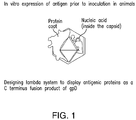
Figure 1 is a representation of the in vitro expression of an antigen. -
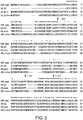
Figure 2 provides a comparison of AAH amino acid sequences. -
Figure 3 is a graph that demonstrates the efficacy of an antibody against HAAH in liver cancer cells. -
Figure 4 shows the mechanism of immunization in accordance with the present invention. -
Figure 5 shows the immune response. -
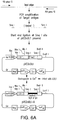
Figure 6A-B Homologous recombination of donor plasmid pAN-A- with recipient phage vector. Only some of the lambda genes are shown. The unique Nhe I and Bssh II site in the lambda genome used for cloning is shown as is lacZa, a DNA cassette comprised of lacPO, RBS and the first 58 codons of lacZ. Generated recombinant phages are designated as HAAH construct I, II and III which contains an insert of HAAH fragment. Only diagram of construct I is shown here. The insert is fused with gpD head protein gene of lambda to produce gpD-HAAH construct I fusion on lambda capsid. The maps are not to scale. -
Figure 7 diagrams one method of growing and purifying constructs in accordance with the present invention. -
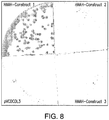
Figure 8 is an example of a Western blot HAAH- vaccine screening for a cancer vaccine candidate. -
Figure 9 shows FB50 MAb blotted to HAAH constructs in accordance with the present invention. -
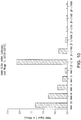
Figure 10 shows ELISA results. -
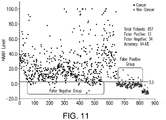
Figure 11 This scatter chart shows the result of HAAH test as a cancer biomarker on a group of 857 individuals composed of 211 individuals known not to have cancer and 646 patients who are diagnosed with cancer. The cancer group is composed of a mix of individuals with different types of cancer (Breast, Prostate, Lung, Colon) in various stages from one to four. Combining the 12 false positive and 34 false negative results, the test has less than 5.4% error even in such a large group of patients. Horizontal axis is the patient index. -
Figure 12 shows tumor challenge data regarding tumor volume. -
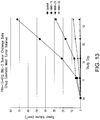
Figure 13 shows tumor challenge data regarding tumor volume. -
Figure 14 shows tumor challenge data regarding tumor volume. -
Figure 15 provides mouse sera data in relation to one embodiment of the present invention. -
Figure 16 provides mouse sera data in relation to one embodiment of the present invention. -
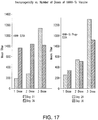
Figure 17 provides data regarding immunogenicity relative to dose. -
Figure 18 shows a Western Blot of FB50 and HAAH Sera. -
Figure 19 shows amino acid sequences in accordance with an embodiment of the present invention. - For simplicity and illustrative purposes, the principles of the present invention are described by referring to various exemplary embodiments thereof.
- The present invention is based on the discovery that bacteriophage surface-expressed HAAH is highly immunogenic and could overcome tolerance of self antigen because of altered presentation and the adjuvant function of bacteriophage itself. The present invention provides a cancer vaccine therapy targeting HAAH using bacteriophage-expressed HAAH fragments. It has been shown that passive immunotherapy using an all-human anti-HAAH is effective in cellular and animals models of cancer (in nude mice model,
Figure 1 ). The present invention demonstrates that bacteriophage delivery of HAAH fragments as vaccine can overcome the problem of self antigen tolerance by providing novel antigen presentation and inherent phage adjuvant properties. - In vitro activation of dendritic cells by tumor antigens, prior to administration to patient body shows promising results for cancer therapy. Unfortunately the process is cumbersome, expensive and time consuming for mass scale immune therapy against various cancers. Bacteriophage display is a simple way of achieving favorable presentation of peptides to the immune system. Previous findings revealed that recombinant bacteriophage can prime strong CD8+ T lymphocytes (CTLs) responses both in vitro and in vivo against epitopes displayed in multiple copies on their surface, activate T-helper cells and elicit the production of specific antibodies all normally without adjuvant.
- As proposed herein, vaccination with lambda phage-displaying cancer specific antigen such as HAAH has a number of potential advantages. One of the advantages is display of multiple copies of peptides on the same lambda phage, and once the initial phage display has been made, subsequent production should be far easier and cheaper than the ongoing process of coupling peptides to carriers. There is also good evidence that due to particulate nature, phage-displayed peptides can access both the major histocompatibility complex (MHC) I and MHC II pathway suggesting lambda phage display vaccines can stimulate both cellular and humoral arms of the immune system, although as extra cellular antigens, it is to be expected that the majority of the responses will be antibody (MHC class II) biased. It has been shown that particulate antigens, and phage in particular, can access the MHC I pathway through cross priming, and it is likely that it is this process which is responsible for stimulating a cellular response. This added cellular response mediated by CD8+ T cells helps to eliminate the cancer cells. Also, the role of Innate immunity in cancer is well established fact. Lambda phage can also act as nonspecific immune stimulators. It is likely that a combination of the foreign DNA (possibly due to the presence of CpG motifs) and the repeating peptide motif of the phage coat are responsible for the nonspecific immune stimulation. As a summary: whole lambda phage particles possess numerous intrinsic characteristics which make them ideal as vaccine delivery vehicles. For use as phage display vaccines, the particulate nature of phage means they should be far easier and cheaper to purify than soluble recombinant proteins since a simple centrifugation/ultra-filtration and column chromatography step should be sufficient to remove the majority of soluble contaminants. Additionally, the peptide antigen comes already covalently conjugated to an insoluble immunogenic carrier with natural adjuvant properties, without the need for complex chemical conjugation and downstream purification processes which must be repeated with each vaccine batch.
- The present invention provides a prophylactic and therapeutic "phage vaccine" for both cancer prevention and treatment. In the present invention, fragmented HAAH peptides are successfully displayed on the surface of lambda head and large scale production and purification is carried out to perform animal experiments. The detail of these procedures is depicted below.
- We designed a bacteriophage lambda system to display HAAH peptides fused at the C terminus of the head protein gpD of phage lambda. Molecular analysis of HAAH reveals a partial amino terminal homology of this protein with other two proteins called Junctin and Humbug. The role of these other two proteins in human physiology is not known completely. To avoid any complication such as activating immune system against these homologous proteins, we specifically eliminated these sequences from our phage display constructs. For proper display of HAAH peptides on lambda head, the rest of the HAAH sequence is segmented in three sections.
- They are designated as HAAH construct 1, HAAH construct 2 and HAAH construct 3 (see
Figure 7 ). Using HAAH specific oligo primers these segments are amplified from the HAAH gene which was previously cloned in our laboratory for expression in baculovirus system. The oligo sequence of each PCR primer is modified slightly to produce Nhe I and Bssh II restriction sites in each end of amplified HAAH segments. After restriction digestion, these segments are inserted separately at the NheI-BsshII site of the 3' end of a DNA segment encoding gpD under the control of the lac promoter. The constructs are created in a plasmid vector (donor plasmid pAN-A), which also carries loxPwt and loxP511 sequences. Cre-expressing cells (E. coli) are transformed with these recombinant plasmids and subsequently infected with a recipient lambda phage that carries a stuffer DNA segment flanked by loxPwt and loxP511 sites. Recombination occurs in vivo at the lox sites and Ampr cointegrates are formed (Figure 2 ), which are spontaneously lyse the E. coli and released in culture media. The cointegrates produce recombinant phages that display HAAH peptides fused at the C terminus of gpD. Approximately 200 copies of these peptides are displayed on a single phage head. - Lambda cointegrates are selected on Luria Bartani (LB) ampicillin agar (100ug/ml amp, 15% agar) plates. Briefly, spontaneously lysed E. coli culture is used to infect Cre-ve E. coli cells and spread on LB ampicillin agar plates. Plates are incubated at 32°C for 48 hours to obtain Ampr colonies. These Ampr colonies are immune to super infection and carry the phages as plasmid cointegrates. The Ampr colonies containing the lambda cointegrate are grown separately at LB Ampicillin (100ug/ml) at 37 ° C for four hours. Lambda phages are spontaneously induced in these cultures and result in complete lysis. This cell free supernatant is used to infect E. coli cells and plated on solid LB agar (15%) plate to obtain phage plaques. The resulting phage plaques are harvested from the plate and single plaques are purified three times on E. coli by the standard procedures described by Sambrook et al.
- All bacterial colonies, containing lambda cointegrates, which are used for HAAH phage vaccine production are verified by PCR. In this process the presence of each cloned inserts in bacterial colonies are confirmed by PCR amplification of HAAH specific insert DNA by XbaI-5/(TTGGTTAGCAAGTTAATACC) and XbaI-3/ (TAGATTTGAATGACTTCCCC) primer set. These two specific primers flank the unique Xba I site of lambda genome and used for PCR the complete insert presence in between Lox recombination sites of lambda DNA.
- Growth of the plaque purified phages is performed in two steps. The steps are designated as plate lysate method and large scale liquid lysate method. The detail of these procedures are described in Sambrook et al. The lysed culture is chilled at room temperature for further purification by liquid column chromatography technique.
- CIM® monolithic columns are an ideal chromatographic support for purifying large biomolecules and nanoparticles, bacterial viruses and plasmid DNA. The pore size of these monolithic columns are adjusted to accommodate even the largest molecules and optimized for very high binding capacities at the highest flow rates. We adopted these monolithic columns for large scale purification of lambda phages displaying HAAH-peptides. In order to obtain infective virus during purification process we investigated chemical conditions that provided the maximal yield of phage and which also preserved high infectivity. This information is necessary to adjust chromatographic methods accordingly to avoid undesired phage deactivation during processing.
- HPLC equipment: All experiment is preformed on a gradient AKTA purifier FPLC chromatography system (GE Healthcare) equipped with Unicorn 5.1 chromatography software, P-900 FPLC pumps, UPC-900 variable wavelength detector, and FRAC-920 fraction collector. CIM ion exchange chromatography is monitored for UV at 280 nm as well as for conductivity and the gradient profile, associated with marks for point of injection and fraction number. Stationary phase: A strong anion exchange (quaternary amine-QA) methacrylate- based CIM disk monolithic column (BIA Separations, Ljubljana, Slovenia) is used for this purification procedure. Mobile phase: 125 mM NaH2PO4, pH 7.0 (loading buffer) and 125 mM NaH2PO4, 1.5 M NaCl, pH 7.0 (elution buffer) of different pH values is used. All buffers is filtered through 0.22 micron pore size filters before use. These strong anion exchange (quaternary amine-QA) methacrylate- based CIM disk monolithic columns is periodically sanitized after processing, by a 2 hour procedure using 1 M NaOH. Processing of phage lysate for QA column analysis: Phage lysates (10 mL) are centrifuged at 12000 x g for 10 minutes at 4°C and the phage containing supernatant is filtered through a 0.22 micron filter prior to loading the phage on the column for chromatography. Collected fractions of 1 mL are analyzed via plaque assay to determine presence of infective phage. Plaque assay data is analyzed to optimize specific conditions for column chromatography purification of display phages. When larger amounts of highly concentrated phage will be required, the linear gradient will be changed into a stepwise gradient where narrower peaks will be achieved and fraction collection will be easier. Based on data from the linear gradient, we will introduce conditions for the stepwise gradient for large scale purification of display phages.
- To verify the expression of fusion-peptides on lambda head, immunoblot and Western blot analysis are carried out.
- For immunoblot assay each phage constructs are separately plated on LB agar plate to obtain 100 to 150 plaques in each plate. The plates are incubated at 37°C for 18 hours, until the plaques are about one mm in size. Next, a 137 mm colony/plaque screen membrane (NEN® Research products, Boston, MA) is soaked in distilled water and blotted dry on a filter paper. This membrane is carefully placed on the top agar and incubation was continued at 37 ° C for another 15 minutes. The membrane is peeled from the agar, and washed three times with Tris saline to remove the debris and bacteria. The plates are then stored at 4°C and the washed NEN membranes are blocked with 2% casein solution for 1 hour. After blocking, the membranes are incubated in a casein solution containing 1.25 ug/ml of diluted
FB 50 monoclonal antibody. This FB50 HAAH specific monoclonal antibody was previously generated in our laboratory for diagnostic application of prostate cancer. After incubation at room temperature for two hours the membranes are washed twice in Tris saline with 0.05% Triton X-100, and once in Tris saline for 15 minutes each. The monoclonal treated membranes are incubated with 2.0 µg/ml of alkaline phosphatase labeled rabbit antimouse IgG (Kirkegaard and Perry) for one hour at room temperature. The membranes are consecutively washed three times in the same way described earlier in this procedure, followed by a final wash with 0.9% NaCl. Finally the membranes are treated with Fast Red and naphthol substrate solution for about 10 minutes and the reaction was stopped by washing the membrane in distilled water. The pink immunoreactive spots corresponds the recombinants expressing HAAH specific peptides on lambda head. For Western blots, purified lambda phage particles were electrophoresed under reducing conditions on 0.1% (w/v) SDS/10% polyacrylamide gel followed by electrobloting onto PVDF membrane (Immobilon, Millipore, Bedford, MA). Fusion proteins are detected either 2.5 ug/ml diluted rabbit polyclonal sera raised against recombinant expressed lambda GpD or HAAH specific E6 mouse monoclonal antibody (final concentration 1.25 ug/ml). The rabbit antisera treated membranes are incubated with 2.0 µg/ml of alkaline phosphatase labeled goat anti-rabbit IgG and mouse monoclonal treated membranes are incubated with 2.0 µg/ml of alkaline phosphatase labeled rabbit antimouse IgG for one hour at room temperature. The membranes are consecutively washed three times in the same way described earlier in plaque lift assay. Finally the membranes are treated with Fast Red and naphthol substrate solution for about 10 minutes and the reaction is stopped by washing the membrane in distilled water. immunoreactive lines correspond to the gpD specific recombinant proteins. - The purpose of this experiment is to determine the efficacy of HAAH-phage vaccine to elicit antibody response in BALB/c female mice. Previously three separate HAAH-lambda phage constructs were prepared where fragmented HAAH antigens are displayed on surface of lambda phage head as fusion of lambda capsid protein gpD. Such three constructs were designated as HAAH construct 1, HAAH construct 2, and HAAH construct 3. Four separate groups of mice (Group A, Group B, Group C, 5 mice in each group and Group D, 40 mice) will be injected subcutaneously (s/c) with various HAAH phage constructs as described in chart below (Chart 1). Briefly, group A mice will receive 5 × 10⁸ pfu of HAAH construct 1 phage particles suspended in 500 µl of sterile PBS. Similarly group B and group C mice will receive same quantity of HAAH construct 2 and HAAH construct 3 phage particles respectively. Group D mice will receive equi-molar mixture of all 3 phage constructs. A fifth group of mice (group E, 40 mice) will receive recombinant HAAH antigen (50 µg/mice) suspended in sterile PBS. As a control (group F, 40 mice) will be injected with wild type phage pAN-A-λ. After primary inoculation, mice will receive 1st and 2nd booster (dose will be the same as primary inoculation) of corresponding antigens at 2 weeks interval. All animals will be bled prior primary inoculation. Serum samples will be collected before every booster to monitor progression of immune response against HAAH antigens. After 21 days animal will be euthanized for final bleeding through cardiac puncture. Finally animals will be sacrificed by spinal dislocations. Sera from group D, group E and group F animals will be saved at -70oC freezer for second animal experiment. During experiment, all animals will be monitored for their health conditions. The immune response against various HAAH-phage vaccines will be monitored by western immunoblot and ELISA.
Groups Days A B C D E F Scoring 0 HAAH construct 1 5 × 10⁸ pfu HAAH construct 2 5 × 10⁸ pfuHAAH construct 3 5 × 10⁸ pfuMixture of 3 HAAH constructs 5 × 10⁸ pfu Recombinant HAAH 50 µgpAN- A-λ 5 × 108 pfu* 7 HAAH construct 1 5 × 10⁸ pfu HAAH construct 2 5 × 10⁸ pfuHAAH construct 3 5 × 10⁸ pfuMixture of 3 HAAH constructs 5 × 10⁸ pfu Recombinant HAAH 50 µgpAN- A-λ 5 × 10⁸ pfu14 HAAH construct 1 5 × 10⁸ pfu HAAH construct 2 5 × 10⁸ pfuHAAH construct 3 5 × 10⁸ pfuMixture of 3 HAAH constructs 5 × 10⁸ pfu Recombinant HAAH 50 µgpAN- A-λ 5 × 10⁸pfu 21 Final Bleed Final Bleed Final Bleed Final Bleed Final Bleed Final Bleed * For 21 days Scoring: 0-normal, 1-lethargy and ruffled fur, 2-lethargy, ruffled fur and hunchback, 3-lethargy, ruffled fur, hunchback, and partially closed eyes, 4-moribund, 5-dead. - Previously in xenograft models of human primary liver cancer, the initial target disease, treatment with anti-HAAH antibodies reduced cancer tumor size in all animals, and in 75% of cases after four weeks of treatment tumors were kept to a non-detectable size. In a model of tumor metastasis using human colon cancer cells spreading to the liver, treatment with anti-HAAH antibodies greatly reduced the number and size of metastases. These results are highly significant and clearly indicate the utility of anti-HAAH in the treatment of human cancer. It is noteworthy that in both these instances animals were treated with antibody alone, not in conjunction with any other treatment. In this experiment, 4 groups of nude mice (Group A, Group B and Group C, and group D, 5 mice in each group) will be injected subcutaneously with a primary human liver cancer in their left flank. After 72 hours Group A, Group B and Group C nude mice will be treated by intraperitonial (i/p) route with 300 ul of sera previously collected from Group D, Group E and Group F mice of 1st animal experiment respectively. As a control Group D nude mice will be receive 300 ul of PBS. The treatment will continue every 48 hours for an additional 4 weeks. After that, the animal will be monitored for another 2 weeks without any intervention. The progression of the tumor will be monitored in treated and control groups every 48 hours to evaluate the result. Finally animals will be sacrificed by spinal dislocations and their organ will be examined by a pathologist for metastasis.
- Presently, we have designed, developed and produced and lambda-phage based therapeutic anticancer vaccine (nanoparticle) targeting human (Asparaginyl)-β-hydroxylase (HAAH). To overcome the self-antigen tolerance of the molecule, we have designed a vaccine entity that contains an immunostimulant and present the HAAH in a manner that is unfamiliar to the body. We have expressed three portions of the HAAH protein, sequences from the N-terminus, middle portion, and C-terminus as fusion proteins (with the gpD bacteriophage antigen) on the surface of bacteriophage lambda, generating 200-300 copies per phage. These vaccine entities were characterized and are readily and routinely produced at a level of 1012 plaque forming units (pfu) per liter of E. coli culture. The bacteriophage vaccines have been successfully isolated and purified using tangential flow filtration, a highly scalable process, as well as by PEG precipitation followed by exhaustive dialysis. Both of these processes have reduced bacterial endotoxins to levels within FDA guidelines for formulated human doses. The ease and yield of the manufacturing process allow production of approximately 100 human doses (based on anticipated dose requirements for immunogenicity in human subjects) per liter of culture. The bacteriophage can be rendered non-infectious by ultraviolet radiation; hence it is referred to as nano-particle based vaccine.
Table 1: Growth and Purification Data for HAAH Lambda Phage Constructs HAAH Construct HAAH-1λ HAAH-2λ HAAH-3λ Amount Phage in Culture (pfu/L) 3.5 x 10¹² 2.7 x 10¹² 5.7 x 10¹² Purified Phage (pfu/L) and Yield 2.1 x 10¹² (58%) 19 x 1012 (71%) 4.0 x 10¹² (70%) UV-treated Phage (pfu/L) 0 --- 0 Nanoparticles/L (infectious +non-infectious phage) 4.6 x 10¹³ 9.1 x 10¹³ 8.6 x 10¹² Endotoxin (EU/108 phage) 156 140 4 - All three entities display highly significant, dose dependent immunogenicity as assessed by antibody ELISAs. To evaluation the therapeutic effect of the nanoparticle vaccine, we initiated tumor formation in BALB/c mice using a mouse hepatocellular carcinoma line BNLT3. This cell line, a highly tumorigenic subclone of the ATCC cell line, BNL 1ME A.7R.1, was developed by J. Wands at the Liver Research Center, Rhode Island Hospital by 3 serial subcutaneous passages of the parental cell dine. On
Day 0 of the tumor challenge study, 4 groups of 5 mice each were administered 5 E03 BNLT3 cells subcutaneously. On the same day, the animal received the first of three weekly subcutaneous doses (at 0, 7, and 14 days) of nanoparticle vaccine as monovalent vaccines of each of the three bacteriophage constructs (10E10 pfu/dose) or a buffer control. The mice were then observed for tumor growth and tumor volume was determined. After 4 weeks (Study Day 28), 3 of 5 mice in the control group had measurable tumor growth, while in the HAAH N-terminus, middle portion, and C-terminus construct vaccine groups, 0/5, 2/5, and 0/5 animals, respectively, had measureable tumor growth. The mean tumor volumes of the 5 animals in each of the two groups with tumor growth were 85.8 mm3 for the control group and 24.9 mm3 (29% of the control tumor volume) for the HAAH middle portion group. Overall, the vaccinated groups had 2/15 animals and mean tumor growth of 8.3 mm3 (>10% of the control group tumor size). - Immunocompetent mice were used to test immunogenicity of three phage-based vaccine candidates, encompassing the N-terminal, mid, and C-terminal protions of the HAAH extracellular domain. All three entities display highly significant, dose-dependent immunogenicity. Animals were injected with 5x10⁷-5x10⁹ pfus on
days day 21 and immunogenicity was screened using recombinant HAAH in an ELISA format. Cell-based ELISAs using liver (FOCUS) and lung (H460) cancer cell lines as well as FACS analysis on these lines were performed. The immunized mice sera had clear anti-HAAH (or anti-cance cell) activity in all tests. Immunogenicity was dose and construct dependent. This work demonstrates that a nano-particle, phage-based vaccine can break immune tolerance to the native HAAH protein and elicit a specific antibody response; incicating that such vaccines may have significant therapeutic value.
Claims (8)
- A bacteriophage Lambda comprising an amino acid sequence native to Aspartyl-[Asparaginyl]-β-hydroxylase which consists of the amino acid sequence of Construct II:

- The bacteriophage Lambda of claim 1 wherein the amino acid sequences native to Aspartyl-[Asparaginyl]-β-hydroxylase consist of the amino acid sequence of Construct I, the amino acid sequence of Construct II and the amino acid sequence of Construct III,
wherein the amino acid sequence of Construct I is: wherein the amino acid sequence of Construct II is:
 wherein the amino acid sequence of Construct III is:

- The bacteriophage Lambda of claim 1 or 2 for use in a method for treating cancer, the use comprising the step of providing a patient with an immune system stimulating amount of the bacteriophage Lambda of claim 1 or 2.
- The bacteriophage Lambda of claim 1, comprising a recombinant Lambda phage and further comprising a nucleotide sequence encoding gpD.
- A composition comprising nano-particles, wherein the nano-particles comprise the bacteriophage Lambda of any one of claims 1 to 4.
- The composition of claim 5 for use in a method for treating cancer, the use comprising the step of providing a patient with an immune system stimulating amount of the composition of claim 5.
- The composition of claim 5 for use in a method for treating cancer, the use comprising the step of contacting dendritic cells of a patient with an immune system stimulating amount of the composition of claim 5.
- The Lambda phage of any one of claims 1 to 4 for use in a method for treating cancer, the use comprising the step of providing an immune system stimulating amount of the Lambda phage to a patient, wherein the amino acid sequences native to Aspartyl-[Asparaginyl]-β-hydroxylase are expressed on the surface of the Lambda phage.
Priority Applications (1)
| Application Number | Priority Date | Filing Date | Title |
|---|---|---|---|
| EP18172909.6A EP3395362A1 (en) | 2013-03-15 | 2014-03-17 | Therapeutic cancer vaccine targeted to haah (aspartyl-[asparaginyl]-beta-hydroxylase) |
Applications Claiming Priority (3)
| Application Number | Priority Date | Filing Date | Title |
|---|---|---|---|
| US13/836,487 US20140271689A1 (en) | 2013-03-15 | 2013-03-15 | Therapeutic Cancer Vaccine Targeted to HAAH (Aspartyl-[Asparaginyl]-beta-Hydroxylase) |
| US14/073,210 US9744223B2 (en) | 2013-03-15 | 2013-11-06 | Therapeutic cancer vaccine targeted to HAAH (aspartyl-[asparaginyl]-β-hydroxylase) |
| PCT/US2014/030551 WO2014145740A1 (en) | 2013-03-15 | 2014-03-17 | Therapeutic cancer vaccine targeted to haah (aspartyl-[asparaginyl]-beta-hydroxylase) |
Related Child Applications (1)
| Application Number | Title | Priority Date | Filing Date |
|---|---|---|---|
| EP18172909.6A Division EP3395362A1 (en) | 2013-03-15 | 2014-03-17 | Therapeutic cancer vaccine targeted to haah (aspartyl-[asparaginyl]-beta-hydroxylase) |
Publications (3)
| Publication Number | Publication Date |
|---|---|
| EP2970918A1 EP2970918A1 (en) | 2016-01-20 |
| EP2970918A4 EP2970918A4 (en) | 2016-11-02 |
| EP2970918B1 true EP2970918B1 (en) | 2018-05-30 |
Family
ID=51527986
Family Applications (2)
| Application Number | Title | Priority Date | Filing Date |
|---|---|---|---|
| EP18172909.6A Withdrawn EP3395362A1 (en) | 2013-03-15 | 2014-03-17 | Therapeutic cancer vaccine targeted to haah (aspartyl-[asparaginyl]-beta-hydroxylase) |
| EP14763577.5A Not-in-force EP2970918B1 (en) | 2013-03-15 | 2014-03-17 | Therapeutic cancer vaccine targeted to haah (aspartyl-[asparaginyl]-beta-hydroxylase) |
Family Applications Before (1)
| Application Number | Title | Priority Date | Filing Date |
|---|---|---|---|
| EP18172909.6A Withdrawn EP3395362A1 (en) | 2013-03-15 | 2014-03-17 | Therapeutic cancer vaccine targeted to haah (aspartyl-[asparaginyl]-beta-hydroxylase) |
Country Status (5)
| Country | Link |
|---|---|
| US (2) | US9744223B2 (en) |
| EP (2) | EP3395362A1 (en) |
| JP (3) | JP2016520292A (en) |
| CA (1) | CA2905511A1 (en) |
| WO (1) | WO2014145740A1 (en) |
Families Citing this family (6)
| Publication number | Priority date | Publication date | Assignee | Title |
|---|---|---|---|---|
| US9744223B2 (en) * | 2013-03-15 | 2017-08-29 | Panacea Pharmaceuticals, Inc. | Therapeutic cancer vaccine targeted to HAAH (aspartyl-[asparaginyl]-β-hydroxylase) |
| JP7025119B2 (en) * | 2014-04-24 | 2022-02-24 | ロード アイランド ホスピタル | Aspartic acid-β-hydroxylase induces an epitope-specific T cell response in tumors |
| WO2016197102A1 (en) | 2015-06-05 | 2016-12-08 | Panacea Pharmaceuticals Inc. | Radio-imaging and radio-therapy of cancer using antibodies to haah |
| US20200121773A1 (en) | 2018-10-19 | 2020-04-23 | Sensei Biotherapeutics, Inc. | Compositions and methods for manufacturing bacteriophage cancer vaccines and uses thereof |
| US20200345820A1 (en) | 2019-05-01 | 2020-11-05 | Sensei Biotherapeutics, Inc. | Combination therapies for cancer |
| EP4038183B1 (en) * | 2019-10-01 | 2025-03-26 | Adaptive Phage Therapeutics, LLC | Method for purification of bacteriophage particles |
Family Cites Families (12)
| Publication number | Priority date | Publication date | Assignee | Title |
|---|---|---|---|---|
| US20050123545A1 (en) | 1999-11-08 | 2005-06-09 | Wands Jack R. | Diagnosis and treatment of malignant neoplasms |
| US6835370B2 (en) * | 1999-11-08 | 2004-12-28 | Rhode Island Hospital | Diagnosis and treatment of malignant neoplasms |
| US20040142325A1 (en) | 2001-09-14 | 2004-07-22 | Liat Mintz | Methods and systems for annotating biomolecular sequences |
| US8685694B2 (en) | 2003-12-17 | 2014-04-01 | The Catholic University Of America | Methods and compositions comprising bacteriophage nanoparticles |
| CA2585267A1 (en) | 2004-10-29 | 2007-02-08 | University Of Rochester | Modified bacteriophage vectors and uses thereof |
| WO2007076101A2 (en) | 2005-12-23 | 2007-07-05 | Hygea Biopharma, Inc. | Immunologically enhanced recombinant vaccines |
| CA2677179C (en) * | 2007-01-31 | 2016-02-16 | Dow Global Technologies Inc. | Bacterial leader sequences for increased expression |
| ES2711504T3 (en) * | 2009-07-24 | 2019-05-06 | Rhode Island Hospital | Dendritic cell vaccines for tumors that express asparaginyl-beta-hydroxylase |
| US20170072034A1 (en) | 2013-03-15 | 2017-03-16 | Panacea Pharmaceuticals Inc. | Therapeutic cancer vaccine targeted to haah (aspartyl-[asparaginyl]-beta-hydroxylase) |
| US9744223B2 (en) * | 2013-03-15 | 2017-08-29 | Panacea Pharmaceuticals, Inc. | Therapeutic cancer vaccine targeted to HAAH (aspartyl-[asparaginyl]-β-hydroxylase) |
| US20140271689A1 (en) * | 2013-03-15 | 2014-09-18 | Panacea Pharmaceuticals | Therapeutic Cancer Vaccine Targeted to HAAH (Aspartyl-[Asparaginyl]-beta-Hydroxylase) |
| US20140356930A1 (en) * | 2013-06-03 | 2014-12-04 | Panacea Pharmaceuticals | Immune system enhancing immunotherapy for the treatment of cancer |
-
2013
- 2013-11-06 US US14/073,210 patent/US9744223B2/en not_active Expired - Fee Related
-
2014
- 2014-03-17 CA CA2905511A patent/CA2905511A1/en not_active Abandoned
- 2014-03-17 EP EP18172909.6A patent/EP3395362A1/en not_active Withdrawn
- 2014-03-17 WO PCT/US2014/030551 patent/WO2014145740A1/en not_active Ceased
- 2014-03-17 EP EP14763577.5A patent/EP2970918B1/en not_active Not-in-force
- 2014-03-17 JP JP2016503419A patent/JP2016520292A/en active Pending
-
2017
- 2017-08-02 US US15/666,947 patent/US10702591B2/en not_active Expired - Fee Related
-
2018
- 2018-07-02 JP JP2018126096A patent/JP2018143256A/en active Pending
-
2020
- 2020-04-28 JP JP2020079231A patent/JP2020120681A/en active Pending
Non-Patent Citations (1)
| Title |
|---|
| None * |
Also Published As
| Publication number | Publication date |
|---|---|
| CA2905511A1 (en) | 2014-09-18 |
| JP2016520292A (en) | 2016-07-14 |
| EP3395362A1 (en) | 2018-10-31 |
| JP2018143256A (en) | 2018-09-20 |
| US20180092969A1 (en) | 2018-04-05 |
| JP2020120681A (en) | 2020-08-13 |
| EP2970918A1 (en) | 2016-01-20 |
| US20140271691A1 (en) | 2014-09-18 |
| US10702591B2 (en) | 2020-07-07 |
| EP2970918A4 (en) | 2016-11-02 |
| US9744223B2 (en) | 2017-08-29 |
| WO2014145740A1 (en) | 2014-09-18 |
Similar Documents
| Publication | Publication Date | Title |
|---|---|---|
| US10702591B2 (en) | Therapeutic cancer vaccine targeted to HAAH (aspartyl-[asparaginyl]-beta-hydroxylase | |
| JP7535489B2 (en) | Therapeutic anti-cancer neoepitope vaccines | |
| US10293037B2 (en) | DNA vaccine for use in pancreatic cancer patients | |
| US20200246443A1 (en) | Therapeutic cancer vaccine targeted to haah (aspartyl-[asparaginyl]-beta-hydroxylase) | |
| EA018456B1 (en) | NEW IMMUNOGENIC EPITOPES FOR IMMUNOTHERAPY | |
| Zhao et al. | mRNA‐based vaccines targeting the T‐cell epitope‐rich domain of Epstein Barr virus latent proteins elicit robust anti‐tumor immunity in mice | |
| CA2361009A1 (en) | Her-2/neu fusion proteins | |
| ES2373055T3 (en) | ANTIQUE PENCIL OF CANCER REJECTION DERIVED FROM GLIPICAN-3 (GPC3) FOR USE IN PATIENTS POSITIVE TO HLA-A2 AND PHARMACEUTICAL PRODUCT THAT INCLUDES THE ANTIGEN. | |
| KR20090101313A (en) | vaccine | |
| CN109575142B (en) | CD4 helper T cell epitope fusion peptide and vaccine thereof | |
| US20140271689A1 (en) | Therapeutic Cancer Vaccine Targeted to HAAH (Aspartyl-[Asparaginyl]-beta-Hydroxylase) | |
| CN108484776B (en) | A kind of fusion protein, preparation method and applications | |
| CN116970058A (en) | Tumor neoantigen polypeptide aiming at TP53 gene R249S mutation and application thereof | |
| EP4234029A1 (en) | Chimeric antigen comprising the extracellular domain of pd-l1 | |
| WO2010117071A1 (en) | Ubiquitin fusion gene, and dna vaccine using same | |
| CN117986388B (en) | A recombinant protein, monkeypox vaccine and preparation method and application thereof | |
| HK1262073A1 (en) | Therapeutic cancer vaccine targeted to haah (aspartyl-[asparaginyl]-beta-hydroxylase) | |
| CN111349645B (en) | Method for improving safety of non-integrated attenuated listeria vaccine | |
| CN110168086B (en) | malaria vaccine | |
| CN117903264B (en) | SARS-CoV-2 HLA-A2 Restricted Epitope Peptide and Its Application | |
| CN121668290A (en) | MRNA vaccine based on tumor-retina antigen and application thereof | |
| CN118791626A (en) | Neoantigen peptide targeting KIF5B-ALK fusion gene and its application | |
| CN120241989A (en) | Preparation and delivery strategy of a dendritic cell-targeted vaccine | |
| CN120789242A (en) | EGFR L858R mutation specific long peptide vaccine and application thereof | |
| CN116948005A (en) | Novel cytokine delivered by virus and application thereof in tumor treatment |
Legal Events
| Date | Code | Title | Description |
|---|---|---|---|
| PUAI | Public reference made under article 153(3) epc to a published international application that has entered the european phase |
Free format text: ORIGINAL CODE: 0009012 |
|
| 17P | Request for examination filed |
Effective date: 20150915 |
|
| AK | Designated contracting states |
Kind code of ref document: A1 Designated state(s): AL AT BE BG CH CY CZ DE DK EE ES FI FR GB GR HR HU IE IS IT LI LT LU LV MC MK MT NL NO PL PT RO RS SE SI SK SM TR |
|
| AX | Request for extension of the european patent |
Extension state: BA ME |
|
| DAX | Request for extension of the european patent (deleted) | ||
| REG | Reference to a national code |
Ref country code: DE Ref legal event code: R079 Ref document number: 602014026287 Country of ref document: DE Free format text: PREVIOUS MAIN CLASS: C12N0007000000 Ipc: A61K0039000000 |
|
| A4 | Supplementary search report drawn up and despatched |
Effective date: 20160930 |
|
| RIC1 | Information provided on ipc code assigned before grant |
Ipc: C12N 7/00 20060101ALI20160926BHEP Ipc: A01N 63/00 20060101ALI20160926BHEP Ipc: C12N 7/01 20060101ALI20160926BHEP Ipc: A61K 39/00 20060101AFI20160926BHEP |
|
| STAA | Information on the status of an ep patent application or granted ep patent |
Free format text: STATUS: EXAMINATION IS IN PROGRESS |
|
| 17Q | First examination report despatched |
Effective date: 20170601 |
|
| GRAP | Despatch of communication of intention to grant a patent |
Free format text: ORIGINAL CODE: EPIDOSNIGR1 |
|
| STAA | Information on the status of an ep patent application or granted ep patent |
Free format text: STATUS: GRANT OF PATENT IS INTENDED |
|
| INTG | Intention to grant announced |
Effective date: 20171215 |
|
| GRAS | Grant fee paid |
Free format text: ORIGINAL CODE: EPIDOSNIGR3 |
|
| GRAA | (expected) grant |
Free format text: ORIGINAL CODE: 0009210 |
|
| STAA | Information on the status of an ep patent application or granted ep patent |
Free format text: STATUS: THE PATENT HAS BEEN GRANTED |
|
| AK | Designated contracting states |
Kind code of ref document: B1 Designated state(s): AL AT BE BG CH CY CZ DE DK EE ES FI FR GB GR HR HU IE IS IT LI LT LU LV MC MK MT NL NO PL PT RO RS SE SI SK SM TR |
|
| REG | Reference to a national code |
Ref country code: GB Ref legal event code: FG4D |
|
| REG | Reference to a national code |
Ref country code: CH Ref legal event code: EP |
|
| REG | Reference to a national code |
Ref country code: AT Ref legal event code: REF Ref document number: 1002906 Country of ref document: AT Kind code of ref document: T Effective date: 20180615 |
|
| REG | Reference to a national code |
Ref country code: DE Ref legal event code: R096 Ref document number: 602014026287 Country of ref document: DE |
|
| REG | Reference to a national code |
Ref country code: IE Ref legal event code: FG4D |
|
| REG | Reference to a national code |
Ref country code: NL Ref legal event code: MP Effective date: 20180530 |
|
| REG | Reference to a national code |
Ref country code: LT Ref legal event code: MG4D |
|
| PG25 | Lapsed in a contracting state [announced via postgrant information from national office to epo] |
Ref country code: SE Free format text: LAPSE BECAUSE OF FAILURE TO SUBMIT A TRANSLATION OF THE DESCRIPTION OR TO PAY THE FEE WITHIN THE PRESCRIBED TIME-LIMIT Effective date: 20180530 Ref country code: CY Free format text: LAPSE BECAUSE OF FAILURE TO SUBMIT A TRANSLATION OF THE DESCRIPTION OR TO PAY THE FEE WITHIN THE PRESCRIBED TIME-LIMIT Effective date: 20180530 Ref country code: NO Free format text: LAPSE BECAUSE OF FAILURE TO SUBMIT A TRANSLATION OF THE DESCRIPTION OR TO PAY THE FEE WITHIN THE PRESCRIBED TIME-LIMIT Effective date: 20180830 Ref country code: FI Free format text: LAPSE BECAUSE OF FAILURE TO SUBMIT A TRANSLATION OF THE DESCRIPTION OR TO PAY THE FEE WITHIN THE PRESCRIBED TIME-LIMIT Effective date: 20180530 Ref country code: BG Free format text: LAPSE BECAUSE OF FAILURE TO SUBMIT A TRANSLATION OF THE DESCRIPTION OR TO PAY THE FEE WITHIN THE PRESCRIBED TIME-LIMIT Effective date: 20180830 Ref country code: ES Free format text: LAPSE BECAUSE OF FAILURE TO SUBMIT A TRANSLATION OF THE DESCRIPTION OR TO PAY THE FEE WITHIN THE PRESCRIBED TIME-LIMIT Effective date: 20180530 Ref country code: LT Free format text: LAPSE BECAUSE OF FAILURE TO SUBMIT A TRANSLATION OF THE DESCRIPTION OR TO PAY THE FEE WITHIN THE PRESCRIBED TIME-LIMIT Effective date: 20180530 |
|
| PG25 | Lapsed in a contracting state [announced via postgrant information from national office to epo] |
Ref country code: GR Free format text: LAPSE BECAUSE OF FAILURE TO SUBMIT A TRANSLATION OF THE DESCRIPTION OR TO PAY THE FEE WITHIN THE PRESCRIBED TIME-LIMIT Effective date: 20180831 Ref country code: HR Free format text: LAPSE BECAUSE OF FAILURE TO SUBMIT A TRANSLATION OF THE DESCRIPTION OR TO PAY THE FEE WITHIN THE PRESCRIBED TIME-LIMIT Effective date: 20180530 Ref country code: LV Free format text: LAPSE BECAUSE OF FAILURE TO SUBMIT A TRANSLATION OF THE DESCRIPTION OR TO PAY THE FEE WITHIN THE PRESCRIBED TIME-LIMIT Effective date: 20180530 Ref country code: RS Free format text: LAPSE BECAUSE OF FAILURE TO SUBMIT A TRANSLATION OF THE DESCRIPTION OR TO PAY THE FEE WITHIN THE PRESCRIBED TIME-LIMIT Effective date: 20180530 |
|
| REG | Reference to a national code |
Ref country code: AT Ref legal event code: MK05 Ref document number: 1002906 Country of ref document: AT Kind code of ref document: T Effective date: 20180530 |
|
| PG25 | Lapsed in a contracting state [announced via postgrant information from national office to epo] |
Ref country code: NL Free format text: LAPSE BECAUSE OF FAILURE TO SUBMIT A TRANSLATION OF THE DESCRIPTION OR TO PAY THE FEE WITHIN THE PRESCRIBED TIME-LIMIT Effective date: 20180530 |
|
| PG25 | Lapsed in a contracting state [announced via postgrant information from national office to epo] |
Ref country code: DK Free format text: LAPSE BECAUSE OF FAILURE TO SUBMIT A TRANSLATION OF THE DESCRIPTION OR TO PAY THE FEE WITHIN THE PRESCRIBED TIME-LIMIT Effective date: 20180530 Ref country code: AT Free format text: LAPSE BECAUSE OF FAILURE TO SUBMIT A TRANSLATION OF THE DESCRIPTION OR TO PAY THE FEE WITHIN THE PRESCRIBED TIME-LIMIT Effective date: 20180530 Ref country code: EE Free format text: LAPSE BECAUSE OF FAILURE TO SUBMIT A TRANSLATION OF THE DESCRIPTION OR TO PAY THE FEE WITHIN THE PRESCRIBED TIME-LIMIT Effective date: 20180530 Ref country code: CZ Free format text: LAPSE BECAUSE OF FAILURE TO SUBMIT A TRANSLATION OF THE DESCRIPTION OR TO PAY THE FEE WITHIN THE PRESCRIBED TIME-LIMIT Effective date: 20180530 Ref country code: RO Free format text: LAPSE BECAUSE OF FAILURE TO SUBMIT A TRANSLATION OF THE DESCRIPTION OR TO PAY THE FEE WITHIN THE PRESCRIBED TIME-LIMIT Effective date: 20180530 Ref country code: SK Free format text: LAPSE BECAUSE OF FAILURE TO SUBMIT A TRANSLATION OF THE DESCRIPTION OR TO PAY THE FEE WITHIN THE PRESCRIBED TIME-LIMIT Effective date: 20180530 Ref country code: PL Free format text: LAPSE BECAUSE OF FAILURE TO SUBMIT A TRANSLATION OF THE DESCRIPTION OR TO PAY THE FEE WITHIN THE PRESCRIBED TIME-LIMIT Effective date: 20180530 |
|
| PG25 | Lapsed in a contracting state [announced via postgrant information from national office to epo] |
Ref country code: SM Free format text: LAPSE BECAUSE OF FAILURE TO SUBMIT A TRANSLATION OF THE DESCRIPTION OR TO PAY THE FEE WITHIN THE PRESCRIBED TIME-LIMIT Effective date: 20180530 Ref country code: IT Free format text: LAPSE BECAUSE OF FAILURE TO SUBMIT A TRANSLATION OF THE DESCRIPTION OR TO PAY THE FEE WITHIN THE PRESCRIBED TIME-LIMIT Effective date: 20180530 |
|
| REG | Reference to a national code |
Ref country code: DE Ref legal event code: R097 Ref document number: 602014026287 Country of ref document: DE |
|
| PLBE | No opposition filed within time limit |
Free format text: ORIGINAL CODE: 0009261 |
|
| STAA | Information on the status of an ep patent application or granted ep patent |
Free format text: STATUS: NO OPPOSITION FILED WITHIN TIME LIMIT |
|
| 26N | No opposition filed |
Effective date: 20190301 |
|
| PG25 | Lapsed in a contracting state [announced via postgrant information from national office to epo] |
Ref country code: SI Free format text: LAPSE BECAUSE OF FAILURE TO SUBMIT A TRANSLATION OF THE DESCRIPTION OR TO PAY THE FEE WITHIN THE PRESCRIBED TIME-LIMIT Effective date: 20180530 |
|
| PG25 | Lapsed in a contracting state [announced via postgrant information from national office to epo] |
Ref country code: MC Free format text: LAPSE BECAUSE OF FAILURE TO SUBMIT A TRANSLATION OF THE DESCRIPTION OR TO PAY THE FEE WITHIN THE PRESCRIBED TIME-LIMIT Effective date: 20180530 |
|
| REG | Reference to a national code |
Ref country code: CH Ref legal event code: PL |
|
| PG25 | Lapsed in a contracting state [announced via postgrant information from national office to epo] |
Ref country code: LU Free format text: LAPSE BECAUSE OF NON-PAYMENT OF DUE FEES Effective date: 20190317 Ref country code: AL Free format text: LAPSE BECAUSE OF FAILURE TO SUBMIT A TRANSLATION OF THE DESCRIPTION OR TO PAY THE FEE WITHIN THE PRESCRIBED TIME-LIMIT Effective date: 20180530 |
|
| REG | Reference to a national code |
Ref country code: BE Ref legal event code: MM Effective date: 20190331 |
|
| PG25 | Lapsed in a contracting state [announced via postgrant information from national office to epo] |
Ref country code: LI Free format text: LAPSE BECAUSE OF NON-PAYMENT OF DUE FEES Effective date: 20190331 Ref country code: IE Free format text: LAPSE BECAUSE OF NON-PAYMENT OF DUE FEES Effective date: 20190317 Ref country code: CH Free format text: LAPSE BECAUSE OF NON-PAYMENT OF DUE FEES Effective date: 20190331 |
|
| PG25 | Lapsed in a contracting state [announced via postgrant information from national office to epo] |
Ref country code: BE Free format text: LAPSE BECAUSE OF NON-PAYMENT OF DUE FEES Effective date: 20190331 |
|
| PG25 | Lapsed in a contracting state [announced via postgrant information from national office to epo] |
Ref country code: TR Free format text: LAPSE BECAUSE OF FAILURE TO SUBMIT A TRANSLATION OF THE DESCRIPTION OR TO PAY THE FEE WITHIN THE PRESCRIBED TIME-LIMIT Effective date: 20180530 |
|
| PG25 | Lapsed in a contracting state [announced via postgrant information from national office to epo] |
Ref country code: MT Free format text: LAPSE BECAUSE OF NON-PAYMENT OF DUE FEES Effective date: 20190317 Ref country code: PT Free format text: LAPSE BECAUSE OF FAILURE TO SUBMIT A TRANSLATION OF THE DESCRIPTION OR TO PAY THE FEE WITHIN THE PRESCRIBED TIME-LIMIT Effective date: 20181001 |
|
| PG25 | Lapsed in a contracting state [announced via postgrant information from national office to epo] |
Ref country code: IS Free format text: LAPSE BECAUSE OF FAILURE TO SUBMIT A TRANSLATION OF THE DESCRIPTION OR TO PAY THE FEE WITHIN THE PRESCRIBED TIME-LIMIT Effective date: 20180930 |
|
| PG25 | Lapsed in a contracting state [announced via postgrant information from national office to epo] |
Ref country code: HU Free format text: LAPSE BECAUSE OF FAILURE TO SUBMIT A TRANSLATION OF THE DESCRIPTION OR TO PAY THE FEE WITHIN THE PRESCRIBED TIME-LIMIT; INVALID AB INITIO Effective date: 20140317 |
|
| PGFP | Annual fee paid to national office [announced via postgrant information from national office to epo] |
Ref country code: GB Payment date: 20220203 Year of fee payment: 9 Ref country code: DE Payment date: 20220203 Year of fee payment: 9 |
|
| PGFP | Annual fee paid to national office [announced via postgrant information from national office to epo] |
Ref country code: FR Payment date: 20220208 Year of fee payment: 9 |
|
| PG25 | Lapsed in a contracting state [announced via postgrant information from national office to epo] |
Ref country code: MK Free format text: LAPSE BECAUSE OF FAILURE TO SUBMIT A TRANSLATION OF THE DESCRIPTION OR TO PAY THE FEE WITHIN THE PRESCRIBED TIME-LIMIT Effective date: 20180530 |
|
| P01 | Opt-out of the competence of the unified patent court (upc) registered |
Effective date: 20230425 |
|
| REG | Reference to a national code |
Ref country code: DE Ref legal event code: R119 Ref document number: 602014026287 Country of ref document: DE |
|
| GBPC | Gb: european patent ceased through non-payment of renewal fee |
Effective date: 20230317 |
|
| PG25 | Lapsed in a contracting state [announced via postgrant information from national office to epo] |
Ref country code: GB Free format text: LAPSE BECAUSE OF NON-PAYMENT OF DUE FEES Effective date: 20230317 |
|
| PG25 | Lapsed in a contracting state [announced via postgrant information from national office to epo] |
Ref country code: GB Free format text: LAPSE BECAUSE OF NON-PAYMENT OF DUE FEES Effective date: 20230317 Ref country code: FR Free format text: LAPSE BECAUSE OF NON-PAYMENT OF DUE FEES Effective date: 20230331 Ref country code: DE Free format text: LAPSE BECAUSE OF NON-PAYMENT OF DUE FEES Effective date: 20231003 |