EP2970120B1 - Novel pyrimidine and pyridine compounds and their usage - Google Patents
Novel pyrimidine and pyridine compounds and their usage Download PDFInfo
- Publication number
- EP2970120B1 EP2970120B1 EP14764299.5A EP14764299A EP2970120B1 EP 2970120 B1 EP2970120 B1 EP 2970120B1 EP 14764299 A EP14764299 A EP 14764299A EP 2970120 B1 EP2970120 B1 EP 2970120B1
- Authority
- EP
- European Patent Office
- Prior art keywords
- alkyl
- optionally substituted
- nmr
- mhz
- compound
- Prior art date
- Legal status (The legal status is an assumption and is not a legal conclusion. Google has not performed a legal analysis and makes no representation as to the accuracy of the status listed.)
- Active
Links
- 0 C*c1ccc(CCN2)c2c1 Chemical compound C*c1ccc(CCN2)c2c1 0.000 description 14
- QAWNEXYXZJNVGB-UHFFFAOYSA-N Brc1ccc(CN2CCOCC2)cn1 Chemical compound Brc1ccc(CN2CCOCC2)cn1 QAWNEXYXZJNVGB-UHFFFAOYSA-N 0.000 description 1
- LPAGFVYQRIESJQ-UHFFFAOYSA-N C1c2ccccc2NC1 Chemical compound C1c2ccccc2NC1 LPAGFVYQRIESJQ-UHFFFAOYSA-N 0.000 description 1
- JJQCYCSZKHGHQP-UHFFFAOYSA-N CC(C)(C1)NCCN1c(cc1)ccc1Nc(nc1)ncc1OCc(cc(cc1OC)C(NC)=O)c1F Chemical compound CC(C)(C1)NCCN1c(cc1)ccc1Nc(nc1)ncc1OCc(cc(cc1OC)C(NC)=O)c1F JJQCYCSZKHGHQP-UHFFFAOYSA-N 0.000 description 1
- LCWWPOXZPVHNTB-UHFFFAOYSA-N CC(C)(CNc(cc1)ccc1Nc1ncc(CCc2cc(C(NC)=O)cc(OC)c2Cl)cn1)N Chemical compound CC(C)(CNc(cc1)ccc1Nc1ncc(CCc2cc(C(NC)=O)cc(OC)c2Cl)cn1)N LCWWPOXZPVHNTB-UHFFFAOYSA-N 0.000 description 1
- YOBUXMBNFKCXON-UHFFFAOYSA-N CC(C)CN(CC(C)C)C(C=C1)=C(C)CC1NC1N=CC(CCc2cc(C(NOC)=O)cc(OC)c2)=CN1 Chemical compound CC(C)CN(CC(C)C)C(C=C1)=C(C)CC1NC1N=CC(CCc2cc(C(NOC)=O)cc(OC)c2)=CN1 YOBUXMBNFKCXON-UHFFFAOYSA-N 0.000 description 1
- RBBQMMCCRQKMLM-UHFFFAOYSA-N CC(C)CN(CC(C)C)c(ccc(Nc1ncc(CCc2cc(C(NOC)=O)cc(OC)c2)cn1)c1)c1F Chemical compound CC(C)CN(CC(C)C)c(ccc(Nc1ncc(CCc2cc(C(NOC)=O)cc(OC)c2)cn1)c1)c1F RBBQMMCCRQKMLM-UHFFFAOYSA-N 0.000 description 1
- JDJQNPMJMDFXKM-FNORWQNLSA-N CC/C=C(\C(F)=C)/OC Chemical compound CC/C=C(\C(F)=C)/OC JDJQNPMJMDFXKM-FNORWQNLSA-N 0.000 description 1
- DCAMYZOCJRKXHZ-UHFFFAOYSA-N CCN(CC1)CCN1c(c(OC)c1)ccc1Nc(nc1)ncc1C#Cc1cc(C(NC)=O)cc(OC)c1F Chemical compound CCN(CC1)CCN1c(c(OC)c1)ccc1Nc(nc1)ncc1C#Cc1cc(C(NC)=O)cc(OC)c1F DCAMYZOCJRKXHZ-UHFFFAOYSA-N 0.000 description 1
- KEJSXWJPCNDJIC-UHFFFAOYSA-N CCN(CC1)CCN1c(c(OC)c1)ccc1Nc(nc1)ncc1OCc(cc(cc1OC)C(NC)=O)c1F Chemical compound CCN(CC1)CCN1c(c(OC)c1)ccc1Nc(nc1)ncc1OCc(cc(cc1OC)C(NC)=O)c1F KEJSXWJPCNDJIC-UHFFFAOYSA-N 0.000 description 1
- HNITZWFEBYSUPE-UHFFFAOYSA-N CCN(CC1)CCN1c(cc1)ccc1NC1=NCC(CCc2cc(C(NC)=O)cc(OC)c2Cl)C=N1 Chemical compound CCN(CC1)CCN1c(cc1)ccc1NC1=NCC(CCc2cc(C(NC)=O)cc(OC)c2Cl)C=N1 HNITZWFEBYSUPE-UHFFFAOYSA-N 0.000 description 1
- ADVRBTAVGCQPRQ-UHFFFAOYSA-N CCN(CC1)CCN1c(cc1)ccc1Nc(nc1)ccc1Br Chemical compound CCN(CC1)CCN1c(cc1)ccc1Nc(nc1)ccc1Br ADVRBTAVGCQPRQ-UHFFFAOYSA-N 0.000 description 1
- XFIGPGDHZFOHPG-UHFFFAOYSA-N CCN(CC1)CCN1c(cc1)ccc1Nc1ncc(CCc2cc(C(NC)=O)cc(OC)c2Cl)cn1 Chemical compound CCN(CC1)CCN1c(cc1)ccc1Nc1ncc(CCc2cc(C(NC)=O)cc(OC)c2Cl)cn1 XFIGPGDHZFOHPG-UHFFFAOYSA-N 0.000 description 1
- WWWUZLMSDVELJG-UHFFFAOYSA-N CCN(CC1)CCN1c(cc1)ccc1Nc1ncc(CCc2cc(C(NOC)=O)cc(OC)c2Cl)cn1 Chemical compound CCN(CC1)CCN1c(cc1)ccc1Nc1ncc(CCc2cc(C(NOC)=O)cc(OC)c2Cl)cn1 WWWUZLMSDVELJG-UHFFFAOYSA-N 0.000 description 1
- LZPTZRCDQUAJMI-UHFFFAOYSA-N CCN(CC1)CCN1c(cc1)ccc1Nc1ncc(CCc2cc(C(NOC)=O)cc(OC)c2F)cn1 Chemical compound CCN(CC1)CCN1c(cc1)ccc1Nc1ncc(CCc2cc(C(NOC)=O)cc(OC)c2F)cn1 LZPTZRCDQUAJMI-UHFFFAOYSA-N 0.000 description 1
- RXLGGYGYCFEUTD-UHFFFAOYSA-N CC[n]1ncc(Nc(nc2)ccc2OCc(cc(cc2OC)C(NC)=O)c2F)c1 Chemical compound CC[n]1ncc(Nc(nc2)ccc2OCc(cc(cc2OC)C(NC)=O)c2F)c1 RXLGGYGYCFEUTD-UHFFFAOYSA-N 0.000 description 1
- QCWUIVBDTQIPAS-UHFFFAOYSA-N CC[n]1ncc(Nc(nc2)ncc2O)c1 Chemical compound CC[n]1ncc(Nc(nc2)ncc2O)c1 QCWUIVBDTQIPAS-UHFFFAOYSA-N 0.000 description 1
- RNFLBNKZINDESI-UHFFFAOYSA-N CC[n]1ncc(Nc(nc2)ncc2OCc(cc(cc2OC)C(NC)=O)c2F)c1 Chemical compound CC[n]1ncc(Nc(nc2)ncc2OCc(cc(cc2OC)C(NC)=O)c2F)c1 RNFLBNKZINDESI-UHFFFAOYSA-N 0.000 description 1
- ACZOWYPPTVVXFC-UHFFFAOYSA-N CCc1c(Nc2c[n](CCN(CC)CC)nc2)ncc(CCc2cc(C(NC)=O)cc(OC)c2F)c1 Chemical compound CCc1c(Nc2c[n](CCN(CC)CC)nc2)ncc(CCc2cc(C(NC)=O)cc(OC)c2F)c1 ACZOWYPPTVVXFC-UHFFFAOYSA-N 0.000 description 1
- GQLRMANJBGQQGX-MAGAANLGSA-N CNC(c(cc1CCc2cnc(N/C(/C=N)=C/NCC(N3CCN(C)CC3)=O)nc2)cc(OC)c1F)=O Chemical compound CNC(c(cc1CCc2cnc(N/C(/C=N)=C/NCC(N3CCN(C)CC3)=O)nc2)cc(OC)c1F)=O GQLRMANJBGQQGX-MAGAANLGSA-N 0.000 description 1
- PHJBAJJZCLQECG-UHFFFAOYSA-N CNC(c(cc1CCc2cnc(Nc3c[nH]nc3)nc2)cc(OC)c1F)=O Chemical compound CNC(c(cc1CCc2cnc(Nc3c[nH]nc3)nc2)cc(OC)c1F)=O PHJBAJJZCLQECG-UHFFFAOYSA-N 0.000 description 1
- IXKZHPOEJQENEO-UHFFFAOYSA-N CNC(c(cc1CCc2cnc(Nc3c[n](C4CCC4)nc3)nc2)cc(OC)c1F)=O Chemical compound CNC(c(cc1CCc2cnc(Nc3c[n](C4CCC4)nc3)nc2)cc(OC)c1F)=O IXKZHPOEJQENEO-UHFFFAOYSA-N 0.000 description 1
- BINUBRBZGYDBQM-UHFFFAOYSA-N CNC(c(cc1CCc2cnc(Nc3c[n](C4CCN(C)CC4)nc3)nc2)cc(OC)c1Cl)=O Chemical compound CNC(c(cc1CCc2cnc(Nc3c[n](C4CCN(C)CC4)nc3)nc2)cc(OC)c1Cl)=O BINUBRBZGYDBQM-UHFFFAOYSA-N 0.000 description 1
- YDERSLFMUWHHKW-UHFFFAOYSA-N CNC(c(cc1CCc2cnc(Nc3c[n](CC(N4CCCC4)=O)nc3)nc2)cc(OC)c1F)=O Chemical compound CNC(c(cc1CCc2cnc(Nc3c[n](CC(N4CCCC4)=O)nc3)nc2)cc(OC)c1F)=O YDERSLFMUWHHKW-UHFFFAOYSA-N 0.000 description 1
- NJIHXYWZDWJACU-UHFFFAOYSA-N CNC(c(cc1CCc2cnc(Nc3c[n](CC4CC4)nc3)nc2)cc(OC)c1F)=O Chemical compound CNC(c(cc1CCc2cnc(Nc3c[n](CC4CC4)nc3)nc2)cc(OC)c1F)=O NJIHXYWZDWJACU-UHFFFAOYSA-N 0.000 description 1
- PKELQDHBPOAGHB-UHFFFAOYSA-N CNC(c(cc1CCc2cnc(Nc3c[n](CCOC)nc3)nc2)cc(OC)c1F)=O Chemical compound CNC(c(cc1CCc2cnc(Nc3c[n](CCOC)nc3)nc2)cc(OC)c1F)=O PKELQDHBPOAGHB-UHFFFAOYSA-N 0.000 description 1
- HDLSUXCWXMOFKC-UHFFFAOYSA-N CNC(c(cc1CCc2cnc(Nc3ccnc(OC)c3)nc2)cc(OC)c1F)=O Chemical compound CNC(c(cc1CCc2cnc(Nc3ccnc(OC)c3)nc2)cc(OC)c1F)=O HDLSUXCWXMOFKC-UHFFFAOYSA-N 0.000 description 1
- WMXOJTWBPHUOBA-UHFFFAOYSA-N CNC(c(cc1OC)cc(CCc2cnc(Nc(cc3)cc(OC)c3N3CCN(C)CC3)nc2)c1Cl)=O Chemical compound CNC(c(cc1OC)cc(CCc2cnc(Nc(cc3)cc(OC)c3N3CCN(C)CC3)nc2)c1Cl)=O WMXOJTWBPHUOBA-UHFFFAOYSA-N 0.000 description 1
- XURIGRPONPIPFD-UHFFFAOYSA-N CNC(c(cc1OC)cc(CCc2cnc(Nc3ccc(CN4CCOCC4)cn3)nc2)c1F)=O Chemical compound CNC(c(cc1OC)cc(CCc2cnc(Nc3ccc(CN4CCOCC4)cn3)nc2)c1F)=O XURIGRPONPIPFD-UHFFFAOYSA-N 0.000 description 1
- MVBDVIVPCDFYQX-UHFFFAOYSA-N CNC(c(cc1OC)cc(CCc2cnc(Nc3nc(C4CC4)c[s]3)nc2)c1Cl)=O Chemical compound CNC(c(cc1OC)cc(CCc2cnc(Nc3nc(C4CC4)c[s]3)nc2)c1Cl)=O MVBDVIVPCDFYQX-UHFFFAOYSA-N 0.000 description 1
- SVNAVALMHHXDOV-UHFFFAOYSA-N CNC(c(cc1OC)cc(COc2cnc(NC(C=C3)=CN(C4CCCC4)C3=O)nc2)c1F)=O Chemical compound CNC(c(cc1OC)cc(COc2cnc(NC(C=C3)=CN(C4CCCC4)C3=O)nc2)c1F)=O SVNAVALMHHXDOV-UHFFFAOYSA-N 0.000 description 1
- POUNVHSDQFBVKW-UHFFFAOYSA-N CNC(c(cc1OC)cc(COc2cnc(Nc(cc3)ccc3-[n]3nccn3)nc2)c1Cl)=O Chemical compound CNC(c(cc1OC)cc(COc2cnc(Nc(cc3)ccc3-[n]3nccn3)nc2)c1Cl)=O POUNVHSDQFBVKW-UHFFFAOYSA-N 0.000 description 1
- TVIGIBCKHOVSER-UHFFFAOYSA-N CNC(c(cc1OC)cc(COc2cnc(Nc(cc3)ccc3-c3c[n](C)nc3)nc2)c1F)=O Chemical compound CNC(c(cc1OC)cc(COc2cnc(Nc(cc3)ccc3-c3c[n](C)nc3)nc2)c1F)=O TVIGIBCKHOVSER-UHFFFAOYSA-N 0.000 description 1
- LJOWKWNBQIJMSU-UHFFFAOYSA-N CNC(c(cc1OC)cc(COc2cnc(Nc3c[n](CCCO)nc3)nc2)c1F)=O Chemical compound CNC(c(cc1OC)cc(COc2cnc(Nc3c[n](CCCO)nc3)nc2)c1F)=O LJOWKWNBQIJMSU-UHFFFAOYSA-N 0.000 description 1
- VOHDLBAVIQWYBN-UHFFFAOYSA-N CNC(c(cc1OC)cc(COc2cnc(Nc3ccc(CC(O)=O)cc3)nc2)c1F)=O Chemical compound CNC(c(cc1OC)cc(COc2cnc(Nc3ccc(CC(O)=O)cc3)nc2)c1F)=O VOHDLBAVIQWYBN-UHFFFAOYSA-N 0.000 description 1
- XFVSTYFARMZHKN-UHFFFAOYSA-N CNC(c(cc1OC)cc(COc2cnc(Nc3ccc(CCN4)c4c3)nc2)c1F)=O Chemical compound CNC(c(cc1OC)cc(COc2cnc(Nc3ccc(CCN4)c4c3)nc2)c1F)=O XFVSTYFARMZHKN-UHFFFAOYSA-N 0.000 description 1
- RPPRTJSKVOKHPM-UHFFFAOYSA-N CNC(c(cc1OC)cc(COc2cnc(Nc3cccc(S(C)(=O)=O)c3)nc2)c1F)=O Chemical compound CNC(c(cc1OC)cc(COc2cnc(Nc3cccc(S(C)(=O)=O)c3)nc2)c1F)=O RPPRTJSKVOKHPM-UHFFFAOYSA-N 0.000 description 1
- GNYSYHFOKWDGEX-UHFFFAOYSA-N CO/N=C(/Nc1ccc(CN2CCOCC2)cn1)\N=C Chemical compound CO/N=C(/Nc1ccc(CN2CCOCC2)cn1)\N=C GNYSYHFOKWDGEX-UHFFFAOYSA-N 0.000 description 1
- NFSUJNMWWCTTLB-ONEGZZNKSA-N COC(c(cc1/C=C/c2cnc(N)nc2)cc(OC)c1F)=O Chemical compound COC(c(cc1/C=C/c2cnc(N)nc2)cc(OC)c1F)=O NFSUJNMWWCTTLB-ONEGZZNKSA-N 0.000 description 1
- HSDWBXFCPLNNDR-UHFFFAOYSA-N COC(c(cc1CCc2cnc(N)nc2)cc(OC)c1F)=O Chemical compound COC(c(cc1CCc2cnc(N)nc2)cc(OC)c1F)=O HSDWBXFCPLNNDR-UHFFFAOYSA-N 0.000 description 1
- VMZFZLDESGKOOB-UHFFFAOYSA-N COc(cc(cc1CCc2cnc(Nc3ncc(CN4CCOCC4)cc3)nc2)C(O)=O)c1F Chemical compound COc(cc(cc1CCc2cnc(Nc3ncc(CN4CCOCC4)cc3)nc2)C(O)=O)c1F VMZFZLDESGKOOB-UHFFFAOYSA-N 0.000 description 1
- GRUCEGHEOLDJRV-UHFFFAOYSA-N COc1cc(CCc2cnc(Nc(cc3)ccc3F)nc2)cc(C(NOC)=O)c1 Chemical compound COc1cc(CCc2cnc(Nc(cc3)ccc3F)nc2)cc(C(NOC)=O)c1 GRUCEGHEOLDJRV-UHFFFAOYSA-N 0.000 description 1
- XBQYRNPSJMMHSZ-UHFFFAOYSA-N COc1cc(CCc2cnc(Nc(cc3)ccc3OCCN3CCCC3)nc2)cc(C(NOC)=O)c1 Chemical compound COc1cc(CCc2cnc(Nc(cc3)ccc3OCCN3CCCC3)nc2)cc(C(NOC)=O)c1 XBQYRNPSJMMHSZ-UHFFFAOYSA-N 0.000 description 1
- KJTRNMPMRDHQRB-UHFFFAOYSA-N COc1cc(CCc2cnc(Nc3c[n](CCO)nc3)nc2)cc(C(NOC)=O)c1 Chemical compound COc1cc(CCc2cnc(Nc3c[n](CCO)nc3)nc2)cc(C(NOC)=O)c1 KJTRNMPMRDHQRB-UHFFFAOYSA-N 0.000 description 1
- VTLIKKKTPDESCU-TZHYSIJRSA-N C[C@H](C1)NC(C)CN1c(c(OC)c1)ccc1Nc(nc1)ncc1OCc(cc(cc1OC)C(NC)=O)c1Cl Chemical compound C[C@H](C1)NC(C)CN1c(c(OC)c1)ccc1Nc(nc1)ncc1OCc(cc(cc1OC)C(NC)=O)c1Cl VTLIKKKTPDESCU-TZHYSIJRSA-N 0.000 description 1
- LVQABCJAWBLTAO-QNSVNVJESA-N C[C@H](C1)NC(C)CN1c(cc1)ccc1Nc1ncc(CCc2cc(C(NC)=O)cc(OC)c2Cl)cn1 Chemical compound C[C@H](C1)NC(C)CN1c(cc1)ccc1Nc1ncc(CCc2cc(C(NC)=O)cc(OC)c2Cl)cn1 LVQABCJAWBLTAO-QNSVNVJESA-N 0.000 description 1
- OURXTDFOJYLPFT-RTBURBONSA-N C[C@H](C1)N[C@@H](C)SCN1c1cccc(Nc2ncc(CCc3cc(C(NC)=O)cc(OC)c3)cn2)c1 Chemical compound C[C@H](C1)N[C@@H](C)SCN1c1cccc(Nc2ncc(CCc3cc(C(NC)=O)cc(OC)c3)cn2)c1 OURXTDFOJYLPFT-RTBURBONSA-N 0.000 description 1
- OCCYYVYXZKKIIM-OAHLLOKOSA-N C[C@H](CNc(cc1)ccc1Nc1ncc(CCc2cc(C(NC)=O)cc(OC)c2Cl)cn1)N Chemical compound C[C@H](CNc(cc1)ccc1Nc1ncc(CCc2cc(C(NC)=O)cc(OC)c2Cl)cn1)N OCCYYVYXZKKIIM-OAHLLOKOSA-N 0.000 description 1
- AKYNZJUJAIPTNT-UHFFFAOYSA-N C[n]1ncc(Nc2ncc(CCc3cc(C(N=C4CC4)=O)cc(OC)c3Cl)cn2)c1 Chemical compound C[n]1ncc(Nc2ncc(CCc3cc(C(N=C4CC4)=O)cc(OC)c3Cl)cn2)c1 AKYNZJUJAIPTNT-UHFFFAOYSA-N 0.000 description 1
- WWFZRULNIVEMPM-UHFFFAOYSA-N C[n]1ncc(Nc2ncc(CCc3cc(C(NOC)=O)cc(OC)c3)cn2)c1 Chemical compound C[n]1ncc(Nc2ncc(CCc3cc(C(NOC)=O)cc(OC)c3)cn2)c1 WWFZRULNIVEMPM-UHFFFAOYSA-N 0.000 description 1
- WMTWGMVDGGLESD-UHFFFAOYSA-N C[n]1ncc(Nc2ncc(CCc3cc(C(NOC)=O)cc(OC)c3Cl)cn2)c1 Chemical compound C[n]1ncc(Nc2ncc(CCc3cc(C(NOC)=O)cc(OC)c3Cl)cn2)c1 WMTWGMVDGGLESD-UHFFFAOYSA-N 0.000 description 1
- SVDOZCUZKGULHG-UHFFFAOYSA-N Cc([n](C)nc1)c1Nc1ncc(CCc2cc(C(NC)=O)cc(OC)c2F)cn1 Chemical compound Cc([n](C)nc1)c1Nc1ncc(CCc2cc(C(NC)=O)cc(OC)c2F)cn1 SVDOZCUZKGULHG-UHFFFAOYSA-N 0.000 description 1
Classifications
-
- C—CHEMISTRY; METALLURGY
- C07—ORGANIC CHEMISTRY
- C07D—HETEROCYCLIC COMPOUNDS
- C07D487/00—Heterocyclic compounds containing nitrogen atoms as the only ring hetero atoms in the condensed system, not provided for by groups C07D451/00 - C07D477/00
- C07D487/02—Heterocyclic compounds containing nitrogen atoms as the only ring hetero atoms in the condensed system, not provided for by groups C07D451/00 - C07D477/00 in which the condensed system contains two hetero rings
- C07D487/04—Ortho-condensed systems
-
- A—HUMAN NECESSITIES
- A61—MEDICAL OR VETERINARY SCIENCE; HYGIENE
- A61P—SPECIFIC THERAPEUTIC ACTIVITY OF CHEMICAL COMPOUNDS OR MEDICINAL PREPARATIONS
- A61P35/00—Antineoplastic agents
-
- A—HUMAN NECESSITIES
- A61—MEDICAL OR VETERINARY SCIENCE; HYGIENE
- A61P—SPECIFIC THERAPEUTIC ACTIVITY OF CHEMICAL COMPOUNDS OR MEDICINAL PREPARATIONS
- A61P43/00—Drugs for specific purposes, not provided for in groups A61P1/00-A61P41/00
-
- A—HUMAN NECESSITIES
- A61—MEDICAL OR VETERINARY SCIENCE; HYGIENE
- A61P—SPECIFIC THERAPEUTIC ACTIVITY OF CHEMICAL COMPOUNDS OR MEDICINAL PREPARATIONS
- A61P5/00—Drugs for disorders of the endocrine system
-
- C—CHEMISTRY; METALLURGY
- C07—ORGANIC CHEMISTRY
- C07D—HETEROCYCLIC COMPOUNDS
- C07D239/00—Heterocyclic compounds containing 1,3-diazine or hydrogenated 1,3-diazine rings
- C07D239/02—Heterocyclic compounds containing 1,3-diazine or hydrogenated 1,3-diazine rings not condensed with other rings
- C07D239/24—Heterocyclic compounds containing 1,3-diazine or hydrogenated 1,3-diazine rings not condensed with other rings having three or more double bonds between ring members or between ring members and non-ring members
- C07D239/28—Heterocyclic compounds containing 1,3-diazine or hydrogenated 1,3-diazine rings not condensed with other rings having three or more double bonds between ring members or between ring members and non-ring members with hetero atoms or with carbon atoms having three bonds to hetero atoms with at the most one bond to halogen, directly attached to ring carbon atoms
- C07D239/32—One oxygen, sulfur or nitrogen atom
- C07D239/42—One nitrogen atom
-
- C—CHEMISTRY; METALLURGY
- C07—ORGANIC CHEMISTRY
- C07D—HETEROCYCLIC COMPOUNDS
- C07D401/00—Heterocyclic compounds containing two or more hetero rings, having nitrogen atoms as the only ring hetero atoms, at least one ring being a six-membered ring with only one nitrogen atom
- C07D401/02—Heterocyclic compounds containing two or more hetero rings, having nitrogen atoms as the only ring hetero atoms, at least one ring being a six-membered ring with only one nitrogen atom containing two hetero rings
- C07D401/12—Heterocyclic compounds containing two or more hetero rings, having nitrogen atoms as the only ring hetero atoms, at least one ring being a six-membered ring with only one nitrogen atom containing two hetero rings linked by a chain containing hetero atoms as chain links
-
- C—CHEMISTRY; METALLURGY
- C07—ORGANIC CHEMISTRY
- C07D—HETEROCYCLIC COMPOUNDS
- C07D401/00—Heterocyclic compounds containing two or more hetero rings, having nitrogen atoms as the only ring hetero atoms, at least one ring being a six-membered ring with only one nitrogen atom
- C07D401/14—Heterocyclic compounds containing two or more hetero rings, having nitrogen atoms as the only ring hetero atoms, at least one ring being a six-membered ring with only one nitrogen atom containing three or more hetero rings
-
- C—CHEMISTRY; METALLURGY
- C07—ORGANIC CHEMISTRY
- C07D—HETEROCYCLIC COMPOUNDS
- C07D403/00—Heterocyclic compounds containing two or more hetero rings, having nitrogen atoms as the only ring hetero atoms, not provided for by group C07D401/00
- C07D403/02—Heterocyclic compounds containing two or more hetero rings, having nitrogen atoms as the only ring hetero atoms, not provided for by group C07D401/00 containing two hetero rings
- C07D403/12—Heterocyclic compounds containing two or more hetero rings, having nitrogen atoms as the only ring hetero atoms, not provided for by group C07D401/00 containing two hetero rings linked by a chain containing hetero atoms as chain links
-
- C—CHEMISTRY; METALLURGY
- C07—ORGANIC CHEMISTRY
- C07D—HETEROCYCLIC COMPOUNDS
- C07D403/00—Heterocyclic compounds containing two or more hetero rings, having nitrogen atoms as the only ring hetero atoms, not provided for by group C07D401/00
- C07D403/14—Heterocyclic compounds containing two or more hetero rings, having nitrogen atoms as the only ring hetero atoms, not provided for by group C07D401/00 containing three or more hetero rings
-
- C—CHEMISTRY; METALLURGY
- C07—ORGANIC CHEMISTRY
- C07D—HETEROCYCLIC COMPOUNDS
- C07D405/00—Heterocyclic compounds containing both one or more hetero rings having oxygen atoms as the only ring hetero atoms, and one or more rings having nitrogen as the only ring hetero atom
- C07D405/02—Heterocyclic compounds containing both one or more hetero rings having oxygen atoms as the only ring hetero atoms, and one or more rings having nitrogen as the only ring hetero atom containing two hetero rings
- C07D405/06—Heterocyclic compounds containing both one or more hetero rings having oxygen atoms as the only ring hetero atoms, and one or more rings having nitrogen as the only ring hetero atom containing two hetero rings linked by a carbon chain containing only aliphatic carbon atoms
-
- C—CHEMISTRY; METALLURGY
- C07—ORGANIC CHEMISTRY
- C07D—HETEROCYCLIC COMPOUNDS
- C07D405/00—Heterocyclic compounds containing both one or more hetero rings having oxygen atoms as the only ring hetero atoms, and one or more rings having nitrogen as the only ring hetero atom
- C07D405/02—Heterocyclic compounds containing both one or more hetero rings having oxygen atoms as the only ring hetero atoms, and one or more rings having nitrogen as the only ring hetero atom containing two hetero rings
- C07D405/10—Heterocyclic compounds containing both one or more hetero rings having oxygen atoms as the only ring hetero atoms, and one or more rings having nitrogen as the only ring hetero atom containing two hetero rings linked by a carbon chain containing aromatic rings
-
- C—CHEMISTRY; METALLURGY
- C07—ORGANIC CHEMISTRY
- C07D—HETEROCYCLIC COMPOUNDS
- C07D405/00—Heterocyclic compounds containing both one or more hetero rings having oxygen atoms as the only ring hetero atoms, and one or more rings having nitrogen as the only ring hetero atom
- C07D405/02—Heterocyclic compounds containing both one or more hetero rings having oxygen atoms as the only ring hetero atoms, and one or more rings having nitrogen as the only ring hetero atom containing two hetero rings
- C07D405/12—Heterocyclic compounds containing both one or more hetero rings having oxygen atoms as the only ring hetero atoms, and one or more rings having nitrogen as the only ring hetero atom containing two hetero rings linked by a chain containing hetero atoms as chain links
-
- C—CHEMISTRY; METALLURGY
- C07—ORGANIC CHEMISTRY
- C07D—HETEROCYCLIC COMPOUNDS
- C07D405/00—Heterocyclic compounds containing both one or more hetero rings having oxygen atoms as the only ring hetero atoms, and one or more rings having nitrogen as the only ring hetero atom
- C07D405/14—Heterocyclic compounds containing both one or more hetero rings having oxygen atoms as the only ring hetero atoms, and one or more rings having nitrogen as the only ring hetero atom containing three or more hetero rings
-
- C—CHEMISTRY; METALLURGY
- C07—ORGANIC CHEMISTRY
- C07D—HETEROCYCLIC COMPOUNDS
- C07D413/00—Heterocyclic compounds containing two or more hetero rings, at least one ring having nitrogen and oxygen atoms as the only ring hetero atoms
- C07D413/02—Heterocyclic compounds containing two or more hetero rings, at least one ring having nitrogen and oxygen atoms as the only ring hetero atoms containing two hetero rings
- C07D413/12—Heterocyclic compounds containing two or more hetero rings, at least one ring having nitrogen and oxygen atoms as the only ring hetero atoms containing two hetero rings linked by a chain containing hetero atoms as chain links
-
- C—CHEMISTRY; METALLURGY
- C07—ORGANIC CHEMISTRY
- C07D—HETEROCYCLIC COMPOUNDS
- C07D417/00—Heterocyclic compounds containing two or more hetero rings, at least one ring having nitrogen and sulfur atoms as the only ring hetero atoms, not provided for by group C07D415/00
- C07D417/02—Heterocyclic compounds containing two or more hetero rings, at least one ring having nitrogen and sulfur atoms as the only ring hetero atoms, not provided for by group C07D415/00 containing two hetero rings
- C07D417/12—Heterocyclic compounds containing two or more hetero rings, at least one ring having nitrogen and sulfur atoms as the only ring hetero atoms, not provided for by group C07D415/00 containing two hetero rings linked by a chain containing hetero atoms as chain links
-
- C—CHEMISTRY; METALLURGY
- C07—ORGANIC CHEMISTRY
- C07D—HETEROCYCLIC COMPOUNDS
- C07D471/00—Heterocyclic compounds containing nitrogen atoms as the only ring hetero atoms in the condensed system, at least one ring being a six-membered ring with one nitrogen atom, not provided for by groups C07D451/00 - C07D463/00
- C07D471/02—Heterocyclic compounds containing nitrogen atoms as the only ring hetero atoms in the condensed system, at least one ring being a six-membered ring with one nitrogen atom, not provided for by groups C07D451/00 - C07D463/00 in which the condensed system contains two hetero rings
- C07D471/04—Ortho-condensed systems
Definitions
- the present invention relates to novel pyrimidine and pyridine compounds, pharmaceutical compositions containing them, a process for preparing them, and these compounds for use in therapy.
- Fibroblast growth factor has been recognized as an important mediator in many physiological processes.
- the fibroblast growth factor receptor family of receptor tyrosine kinases consists of four members (FGFR1, FGFR2, FGFR3, and FGFR4).
- Fibroblast growth factors (FGF) and their receptors (FGFR) play important roles in cell proliferation, cell differentiation, cell migration, cell survival, protein synthesis, and angiogenesis. There are many evidences directly linking FGF signaling to cancer.
- FGFR1 squamous non-small cell lung cancer
- SCLC small cell lung cancer
- gastric liver, breast, ovarian, endometrial, and bladder carcinomas
- FGFR1 has been be found to be amplified in 22% squamous NSCLC
- FGFR2 amplifications have been reported in up to 10% gastric cancers
- FGFR3 mutation have been found in approximately 50-60% nonmuscle invasion and 17% of high-grade bladder cancers, fueling significant interest in FGFRs as targets for therapeutic intervention.
- new compounds and methods for modulating FGFR genes and treating proliferation disorders, including cancer are needed. The present invention, addresses these needs.
- the present invention provides a compound of formula (I): or a pharmaceutically acceptable salt thereof; wherein
- Also disclosed is a method of in vivo or in vitro inhibiting the activity of FGFR comprising contacting FGFR with an effective amount of at least one compound of formual (I) and/or at least one pharmaceutically acceptable salt thereof described herein.
- Also disclosed is a method of treating a disease responsive to inhibition of FGFR comprising administering to a subject in need thereof an effective amount to treat said disease of at least one compound of formula (I) and/or at least one pharmaceutically acceptable salt thereof described herein.
- alkyl refers to a straight or branched saturated hydrocarbon radical, containing 1-18, preferably 1-12, more preferably 1-6, further preferably 1-4, especailly 1-3 carbon atoms.
- alkyl groups include, but are not limited to, methyl, ethyl, n -propyl, i -propyl, n -butyl, i -butyl, s -butyl and t -butyl.
- alkoxy refers to the group -O-alkyl, wherein the alkyl is as defined above.
- alkoxy groups include, but are not limited to, methoxy, ethoxy, n -propyloxy, i -propyloxy, n -butyloxy, i -butyloxy, t -butyloxy, pentyloxy, hexyloxy, including their isomers.
- alkynyl refers to a straight or branched hydrocarbon radical, containing one or more C ⁇ C triple bonds and 2-10, preferably 2-6, more preferably 2-4 carbon atoms.
- alkynyl groups include, but are not limited to, ethynyl, 2-propynyl, and 2-butynyl.
- cycloalkyl refers to saturated and partially unsaturated cyclic hydrocarbon radical having 3 to 12, preferably 3 to 8, more preferably 3 to 6 carbon atoms.
- cycloalkyl groups include, but are not limited to, cyclopropyl, cyclobutyl, cyclopentyl, cyclopentenyl, cyclohexyl, cyclohexenyl, cycloheptyl, and cyclooctyl.
- the ring of the cycloalkyl group may be saturated or has one or more, for example, one or two double bonds (i.e. partially unsaturated), but not fully conjugated, and not aryl as defined herein.
- aryl refers to 5- and 6-membered monocyclic carbocyclic aromatic hydrocarbon radical and 8- to 12-membered bicyclic carbocyclic hydrocarbon radical wherein at least one ring is aromatic, for example, phenyl, naphthalenyl, 1,2,3,4-tetrahydronaphthalenyl, indenyl, indanyl, azulenyl.
- halo as used herein includes fluoro, chloro, bromo, and iodo
- halogen as used herein includes fluorine, chlorine, bromine, and iodine.
- heteroaryl refers to aryl
- the total number of S and O atoms in the heteroaryl group exceeds 1, those heteroatoms are not adjacent to one another. In some embodiments, the total number of S and O atoms in the heteroaryl group is not more than 2. In some embodiments, the total number of S and O atoms in the heteroaryl group is not more than 1.
- the heteroaryl group also includes those wherein the N heteroatom occurs as N-oxide, such as pyridinyl N-oxides.
- heteroaryl group examples include, but are not limited to, pyridyl, pyridyl N-oxide, such as pyrid-2-yl, pyrid-3-yl, pyrid-4-yl or N-oxide thereof; pyrazinyl, such as pyrazin-2-yl, pyrazin-3-yl; pyrimidinyl, such as pyrimidin-2-yl, pyrimidin-4-yl; pyrazolyl, such as pyrazol-1-yl, pyrazol-3-yl, pyrazol-4-yl, pyrazol-5-yl; imidazolyl, imidazol-2-yl, imidazolin-4-yl; oxazolyl; isoxazolyl; thiazolyl; isothiazolyl; thiadiazolyl; tetrazolyl; triazolyl, such as 1H-1,2,4-triazolyl, 4H-1
- heterocyclyl refers to 3- to 14-membered, preferably 4- to 12-membered, monocyclic, bicyclic or tricyclic saturated or partially unsaturated hydrocarbon radical containing at least 2 carbon atoms and 1, 2 or 3 heteroatoms independently selected from oxygen, sulfur, and nitrogen. More preferably, “heterocyclyl” refers to 4- to 8-membered, especially 4-, 5- or 6-membered monocyclic heterocyclyl group containing 1 or 2 heteroatoms independently selected from N, O, and S. "Heterocyclyl” also refers to an aliphatic spirocyclic ring containing one or more heteroatoms independently selected from N, O, and S.
- the rings may be saturated or have one or more double bonds (i.e. partially unsaturated).
- the point of the attachment may be carbon or heteroatom in the heterocyclyl group.
- any of the rings in the heterocylyl group is not aromatic so that the heterocylyl group is not a heteroaryl as defined herein.
- the heterocyclyl group also includes those wherein the N or S heteroatom occurs as oxide thereof.
- heterocyclyl examples include, but are not limited to, oxetanyl, such as oxetan-2-yl or oxetan-3-yl; azetidinyl, such as azetidin-2-yl or azetidin-3-yl; pyrrolidinyl, such as pyrrolidin-1-yl, pyrrolidin-2-yl, pyrrolidin-3-yl; tetrahydrofuranyl, such as tetrahydrofuran-2-yl, tetrahydrofuran-3-yl; tetrahydropyranyl, such as tetrahydropyran-2-yl, tetrahydropyran-3-yl, tetrahydropyran-4-yl; dioxolanyl, such as 1,3-dioxolanyl; dioxanyl, sush as 1,4-dioxanyl, 1,3-di
- 5- or 6-membered oxy-containing heterocyclic ring refers to a 5- or 6-membered unsaturated ring optionally containing one or two heteroatoms independently seleceted from N, O or S, in addition to the oxy heteratom linking the phenyl ring and the group R 5 in formula (I), with the remaining ring atoms bening carbon.
- “5- or 6-membered oxy-containing heterocyclic ring” is preferablly furan, dihydrofruan, pyran or dihydropyran.
- Hydroxyl refers to the -OH radical.
- Niro refers to the -NO 2 radical.
- Carboxyl refers to the -C(O)-OH radical.
- substituted means that one or more hydrogens on the designated atom or group are replaced with one or more selections from the indicated group of substituents, provided that the designated atom's normal valence is not exceeded.
- 2 hydrogens on a single atom are replaced.
- Combinations of substituents and/or variables are permissible only if such combinations result in a chemically correct and stable compound.
- a chemically correct and stable compound is meant to imply a compound that is sufficiently robust to survive isolation from a reaction mixture, and subsequent formulation as an agent having at least practical utility.
- substituents are named into the core structure. For example, it is to be understood that when (cycloalkyl)alkyl is listed as a possible substituent, the point of attachment of this substituent to the core structure is in the alkyl portion.
- substituted with one or more substitutents means that one or more hydrogens on the designated atom or group are independently replaced with one or more selections from the indicated group of substituents.
- substituted with one or more substitutents means that the designated atom or group is substituted with two substitutents independently selected from the indicated group of substituents.
- substituted with one or more substitutents means that the designated atom or group is substituted with three substitutents independently selected from the indicated group of substituents.
- substituted with one or more substitutents means that the designated atom or group is substituted with four substitutents independently selected from the indicated group of substituents.
- the compounds of formula (I) may contain one or more chiral centers and therefore exist in two or more stereoisomeric forms.
- the racemates of these isomers, the individual isomers and mixtures enriched in one enantiomer, as well as diastereomers when there are two chiral centers, and mixtures partially enriched with specific diastereomers are within the scope of the present invention.
- the present invention includes all the individual stereoisomers (e.g. enantiomers), racemic mixtures or partially resolved mixtures of the compounds of formula (I) and, where appropriate, the individual tautomeric forms thereof.
- racemates can be used as such or can be resolved into their individual isomers.
- the resolution can afford stereochemically pure compounds or mixtures enriched in one or more isomers.
- Methods for separation of isomers are well known ( cf. Allinger N. L. and Eliel E. L. in "Topics in Stereochemistry", Vol. 6, Wiley Interscience, 1971 ) and include physical methods such as chromatography using a chiral adsorbent.
- Individual isomers can be prepared in chiral form from chiral precursors.
- individual isomers can be separated chemically from a mixture by forming diastereomeric salts with a chiral acid, such as the individual enantiomers of 10-camphorsulfonic acid, camphoric acid, alpha-bromocamphoric acid, tartaric acid, diacetyltartaric acid, malic acid, pyrrolidone-5-carboxylic acid, and the like, fractionally crystallizing the salts, and then freeing one or both of the resolved bases, optionally repeating the process, so as obtain either or both substantially free of the other; i.e., in a form having an optical purity of >95%.
- a chiral acid such as the individual enantiomers of 10-camphorsulfonic acid, camphoric acid, alpha-bromocamphoric acid, tartaric acid, diacetyltartaric acid, malic acid, pyrrolidone-5-carboxylic acid, and the like, fractionally crystallizing the salts, and then free
- racemates can be covalently linked to a chiral compound (auxiliary) to produce diastereomers which can be separated by chromatography or by fractional crystallization after which time the chiral auxiliary is chemically removed to afford the pure enantiomers.
- auxiliary chiral compound
- “Pharmaceutically acceptable salt” include, but are not limited to, acid addition salts formed by the compound of formula (I) with an inorganic acid, such as hydrochloride, hydrobromide, carbonate, bicarbonate, phosphate, sulfate, sulfite, nitrate and the like; as well as with an organic acid, such as formate, acetate, malate, maleate, fumarate, tartrate, succinate, citrate, lactate, methanesulfonate, p-toluenesulfonate, 2-hydroxyethylsulfonate, benzoate, salicylate, stearate, and salts with alkane-dicarboxylic acid of formula HOOC-(CH 2 ) n -COOH where n is 0-4, and the like.
- pharmaceutically acceptable salt includes base addition salts formed by the compound of formula (I) carring an acidic moiety with pharmaceutically acceptable cations, for example, sodium, potassium,
- the free base can be obtained by basifying a solution of the acid addition salt.
- an acid addition salt particularly a pharmaceutically acceptable acid addition salt, may be produced by dissolving the free base in a suitable solvent and treating the solution with an acid, in accordance with conventional procedures for preparing acid addition salts from base compounds.
- solvates means solvent addition forms that contain either stoichiometric or non stoichiometric amounts of solvent. Some compounds have a tendency to trap a fixed molar ratio of solvent molecules in the solid state, thus forming a solvate. If the solvent is water the solvate formed is a hydrate, when the solvent is alcohol, the solvate formed is an alcoholate. Hydrates are formed by the combination of one or more molecules of water with one of the substances in which the water retains its molecular state as H 2 O, such combination being able to form one or more hydrates, for example, hemihydrates, monohydrate and dihydrate.
- a “prodrug” is a compound which is converted to a therapeutically active compound after administration, and the term should be interpreted as broadly herein as is generally understood in the art. While not intending to limit the scope of the invention, conversion may occur by hydrolysis of an ester group or some other biologically labile group. Generally, but not necessarily, a prodrug is inactive or less active than the therapeutically active compound to which it is converted.
- an ester may be derived from a carboxylic acid of C1 (i.e. the terminal carboxylic acid of a natural prostaglandin), or an ester may be derived from a carboxylic acid functional group on another part of the molecule, such as on a phenyl ring. While not intending to be limiting, an ester may be an alkyl ester, an aryl ester, or a heteroaryl ester.
- group As used herein, the terms "group”, “radical” and “moiety” are synonymous and are intended to indicate functional groups or fragments of molecules attachable to other fragments of molecules.
- treating refers to administering one or more pharmaceutical substances, especially at least one compound of formula (I) and/or at least one pharmaceutically acceptable salt thereof described herein to a subject that has the disease or disorder, or has a symptom of a disease or disorder, or has a predisposition toward a disease or disorder, with the purpose to cure, heal, alleviate, relieve, alter, remedy, ameliorate, improve, or affect a disease or disorder, the symptoms of the disease or disorder, or the predisposition toward the disease or disorder.
- the disease or disorder is cancer.
- treating when referring to a chemical reaction mean adding or mixing two or more reagents under appropriate conditions to produce the indicated and/or the desired product. It should be appreciated that the reaction which produces the indicated and/or the desired product may not necessarily result directly from the combination of two reagents which were initially added, i.e., there may be one or more intermediates which are produced in the mixture which ultimately lead to the formation of the indicated and/or the desired product.
- effective amount refers to an amount of at least one compound of formula (I) and/or at least one pharmaceutically acceptable salt thereof described herein effective to "treat", as defined above, a disease or disorder in a subject responsive to the inhibition of FGFR.
- the effective amount may cause any of the changes observable or measurable in a subject as described in the definition of “treating” "treat” or “treatment” above.
- the effective amount can reduce the number of cancer or tumor cells; reduce the tumor size; inhibit or stop tumor cell infiltration into peripheral organs including, for example, the spread of tumor into soft tissue and bone; inhibit and stop tumor metastasis; inhibit and stop tumor growth; relieve to some extent one or more of the symptoms associated with the cancer, reduce morbidity and mortality; improve quality of life; or a combination of such effects.
- An effective amount may be an amount sufficient to decrease the symptoms of a disease responsive to inhibition of FGFR.
- the term "effective amount" may also refer to an amount of at least one compound of formula (I) and/or at least one pharmaceutically acceptable salt described herein effective to inhibit the activity of FGFR in a subject responsive to the inhibition of FGFR.
- inhibitors indicates a decrease in the baseline activity of a biological activity or process.
- Inhibition of FGFR refers to a decrease in the activity of FGFR as a direct or indirect response to the presence of at least one compound of formula (I) and/or at least one pharmaceutically acceptable salt thereof described herein, relative to the activity of FGFR in the absence of the at least one compound of formula (I) and/or the at least one pharmaceutically acceptable salt thereof.
- the decrease in activity may be due to the direct interaction of the at least one compound of formula (I) and/or at least one pharmaceutically acceptable salt thereof described herein with the FGFR, or due to the interaction of the at least one compound of formula (I) and/or at least one pharmaceutically acceptable salt thereof described herein, with one or more other factors that in turn affect the FGFR activity.
- the presence of at least one compound of formula (I) and/or at least one pharmaceutically acceptable salt thereof described herein may decrease the FGFR activity by directly binding to the FGFR, by causing (directly or indirectly) another factor to decrease the FGFR activity, or by (directly or indirectly) decreasing the amount of FGFR present in the cell or organism.
- subject means mammals and non-mammals.
- Mammals means any member of the mammalia class including, but not limited to, humans; non-human primates such as chimpanzees and other apes and monkey species; farm animals such as cattle, horses, sheep, goats, and swine; domestic animals such as rabbits, dogs, and cats; laboratory animals including rodents, such as rats, mice, and guinea pigs; and the like.
- non-mammals include, but are not limited to, birds, and the like.
- the term "subject” does not denote a particular age or sex.
- pharmaceutically acceptable means that the substance following this term is useful in preparing a pharmaceutical composition and is generally safe, non-toxic, and neither biologically nor otherwise undesirable, especially for human pharmaceutical use.
- the present invention provides a compound of formula (I): or a pharmaceutically acceptable salt thereof; wherein
- each optionally substituted group above can be unsubstituted or independently substituted with one or more substituents independently chosen from hydroxyl, mercapto, halo, C 1 -C 6 alkyl, C 2 -C 6 alkenyl, C 2 -C 6 alkynyl, -OC 1 -C 6 alkyl, -NH 2 , -N(C 1 -C 6 alkyl) 2 , -NH(C 1 -C 6 alkyl), cyano, nitro, oxo, -S(O) 2 -C 1 -C 6 alkyl, -S(O)-C 1 -C 6 alkyl, -S(O) 2 -C 1 -C 6 haloalkyl, -C(O)-OH, -C 1 -C 6 alkyl-OH, -C 1 -C 6 alkyl-SH, heterocyclyl.
- substituents independently chosen from hydroxyl, mercapto,
- R 1 is aryl or heteroaryl, each of which is optionally substituted by one or more substituents independently selected from halo, oxo, optionally substituted alkyl, -(CH 2 ) m -optionally substituted heterocyclyl, -(CH 2 ) p -optionally substituted cycloalkyl, -(CH 2 ) q -optionally substituted heteroaryl, -S(O) n R 9 , -(CH 2 ) r -C(O)R 10 , optionally substituted alkenyl, optionally substituted alkynyl, -OR 8 , wherein n is 1 or 2; m, p, q and r are independently chosen from 0, 1, 2, 3, 4, 5, 6; R 8 , R 9 and R 10 are independently selected from hydrogen, alkyl, heterocyclyl, each of which except for hydrogen, is optionally substituted with one or more substituents independently selected from alkyl
- R 1 is aryl or heteroaryl, each of which is optionally substituted with one or more substituents independently selected from: (1) halo; (2) oxo; (3) alkyl optionally substituted with one or more substitutents independently selected from hydroxyl, mercapto, halo, -OC 1 -C 6 alkyl, -NH 2 , -N(C 1 -C 6 alkyl) 2 , -NH(C 1 -C 6 alkyl), cyano, nitro, -S(O) 2 -C 1 -C 6 alkyl, -S(O)-C 1 -C 6 alkyl, -C(O)-OH; (4) -(CH 2 ) m -heterocyclyl optionally substituted with one or more substitutents independently selected from C 1 -C 6 alkyl, -C 1 -C 6 alkyl-OH, -C 1 -C 6 alkyl-
- R 1 is aryl or heteroaryl, each of which is optionally substituted with one or more substituents independently selected from:
- R 1 is a radical of the ring or ring system chosen from each of which is optionally substituted as defined above.
- R 1 is chosen from each of which is optionally substituted as defined above.
- R 8 is hydrogen or C 1 -C 6 alkyl optionally substituted with heterocyclyl.
- R 10 is heterocyclyl optionally substituted with one or more susbtituents independently selected from C 1 -C 6 alkyl and oxo.
- R 1 is phenyl optionally substituted by one or more substitutents indenpendently selected from: (1) halo; (2) alkyl optionally substituted with -C(O)-OH; (3) -(CH 2 ) m -heterocyclyl optionally substituted with one or more substitutents independently selected from C 1 -C 6 alkyl, -C 1 -C 6 alkyl-OH, -C 1 -C 6 alkyl-SH and oxo, wherein m is 0, 1, 2, 3, 4, 5 or 6; (4) -(CH 2 ) q -heteroaryl optionally substituted with one or more substituents independently selected from C 1 -C 6 alkyl, wherein q is 0; (5) -(CH 2 ) r -C(O)R 10 , wherein R 10 is heterocyclyl optionally substituted with one or more substitutents independently selected from C 1 -C 6 alkyl
- R 1 is phenyl substituted by piperazinyl, which piperizinyl is optionally substituted by one or more C 1 -C 6 alkyl or C 3 -C 8 cycloalkyl, preferably C 1 -C 6 alkyl, more preferably, R 1 is phenyl substituted by piperazinyl, which is optionally substituted by one or more methyl or ethyl.
- R 1 is phenyl substituted by piperazinyl, which piperizinyl is optionally substituted by one or more C 1 -C 6 alkyl.
- R 1 is phenyl substituted by piperazinyl, which is optionally substituted by one or more methyl or ethyl.
- R 1 is pyrazolyl, which is optionally substituted with one or more substituents selected from: (1) alkyl optionally substituted with one or more substitutents independently selected from hydroxyl, mercapto, halo, -OC 1 -C 6 alkyl, -NH 2 , -N(C 1 -C 6 alkyl) 2 , -NH(C 1 -C 6 alkyl), -S(O) 2 -C 1 -C 6 alkyl, -S(O)-C 1 -C 6 alkyl; (2) -(CH 2 ) m -heterocyclyl optionally substituted with one or more substitutents independently selected from C 1 -C 6 alkyl, wherein m is 0, 1, 2, 3, 4, 5 or 6; (3) -(CH 2 ) p -unsubstituted cycloalkyl, wherein p is 0, 1, 2, 3, 4, 5 or 6; (4) -(CH(CH 2 ) m -he
- R 2 is chosen from C 1 -C 6 alkyl, C 1 -C 6 alkoxy optionally substituted with hydroxyl, or C 3 -C 8 cycloalkyl (preferably C 3 -C 6 cycloalkyl).
- R 2 is methyl, ethyl, methoxy, ethoxy substituted with hydroxyl, isopropoxy or cyclopropyl.
- R 2 is methyl.
- R 3 , R 4 are independently chosen from hydrogen, halogen, -CN, or unsubstituted C 1 -C 6 alkyl (preferably unsubstituted C 1 -C 3 alkyl), R 5 is C 1 -C 6 alkyl, preferably C 1 -C 3 alkyl, or R 3 and R 5 together with the O atom to which R 5 is attached and the bond there-between form a 5- or 6-membered oxy-containing heterocyclic ring.
- R 3 is hydrogen, F, Cl, Br, -CN, methyl
- R 4 is hydrogen or F
- R 5 is methyl or ethyl.
- R 4 is hydrogen
- R 3 and R 5 together with the O atom to which R 5 is attached and the bond there-between form furan or dihydrofuran ring.
- the compound of formula (I) is selected from Compounds 1-309 prepared in the Examples.
- the present invention provided a pharmaceutical composition, comprising at least one compounds of formula (I) and/or at least one pharmaceutically acceptable salt thereof described herein and optionally at least one pharmaceutically acceptable carrier.
- the present invention discloses a method of in vivo or in vitro inhibiting the activity of FGFR, comprising contacting FGFR with an effective amount of at least one compound of formual (I) and/or at least one pharmaceutically acceptable salt thereof described herein.
- the present invention discloses a method of treating a disease responsive to inhibition of FGFR, comprising administering to a subject in need thereof an effective amount to treat said disease of at least one compound of formula (I) and/or at least one pharmaceutically acceptable salt thereof described herein.
- the present invention discloses use of at least one compound of formula (I) and/or at least one pharmaceutically acceptable salt thereof described herein for treating a disease responsive to inhibition of FGFR.
- the present invention provides use of at least one compound of formula (I) and/or at least one pharmaceutically acceptable salt thereof described herein in the manufacture of a medicament for treating a disease responsive to inhibition of FGFR.
- said disease responsive to inhibition of FGFR is cancer, for example, lung cancer, stomach cancer, liver cancer, breast cancer, ovarian cancer, endometrial carcinoma, or bladder carcinoma.
- the compound of formula (I) described herein and/or a pharmaceutically acceptable salt thereof described herein can be synthesized from commercially available starting materials by methods well known in the art, taken together with the disclosure in this patent application.
- the following schemes illustrate methods for preparation of some of the compounds disclosed herein.
- compounds of formula ( I ) can be obtained from the reduction of compounds of formula ( V ).
- the reduction could be conducted with hydrogen in the precence of a catalyst such as palladium or platinum etc, or conducted with other reductants such as 4-methylbenzenesulfonohydrazide etc.
- Compounds of formula ( V ) can be obtained from compounds of formula ( IV ) with the aminolysis reaction without or with other reagent such as trimethylaluminum.
- compounds of formula ( I ) can be obtained from compounds of formula ( III ), which can be obtained from the reduction of compounds of formula ( IV ), with the method of hydrolysis reaction and then the coupling reaction or with other suitable methods that could be recognized by one skilled in the art.
- R 1 , R 2 and R 3 are as defined hereinbefore.
- compounds of formula ( VIII ) can be obtained from the compounds of formula ( VI ) under the conditions described in Scheme I.
- R 1 , R 2 , R 3 and Y are as defined hereinbefore.
- the compounds thus obtained can be further modified at their peripheral positions to provide the desired compounds.
- Synthetic chemistry transformations are described, for example, in R. Larock, Comprehensive Organic Transformations, VCH Publishers (1989 ); T.W. Greene and P.G.M. Wuts, Protective Groups in Organic Synthesis, 3rd Ed., John Wiley and Sons (1999 ); L. Fieser and M. Fieser, Fieser and Fieser's Reagents for Organic Synthesis, John Wiley and Sons (1994 ); and L.
- the compound of formula (I) and/or a pharmaceutically acceptable salt thereof described herein can be purified by column chromatography, high performance liquid chromatography, crystallization or other suitable methods.
- a composition comprising at least one compounds of formula (I) and/or at least one pharmaceutically acceptable salt thereof described herein can be administered in various known manners, such as orally, parenterally, by inhalation spray, or via an implanted reservoir.
- parenteral as used herein includes subcutaneous, intracutaneous, intravenous, intramuscular, intraarticular, intraarterial, intrasynovial, intrasternal, intrathecal, intralesional and intracranial injection or infusion techniques.
- An oral composition can be any orally acceptable dosage form including, but not limited to, tablets, capsules, emulsions, and aqueous suspensions, dispersions and solutions.
- Commonly used carriers for tablets include lactose and corn starch.
- Lubricating agents, such as magnesium stearate, are also typically added to tablets.
- useful diluents include lactose and dried corn starch.
- a sterile injectable composition e.g., aqueous or oleaginous suspension
- a sterile injectable composition can be formulated according to techniques known in the art using suitable dispersing or wetting agents (such as, for example, Tween 80) and suspending agents.
- the sterile injectable Intermediate can also be a sterile injectable solution or suspension in a non-toxic parenterally acceptable diluent or solvent, for example, as a solution in 1,3-butanediol.
- suitable dispersing or wetting agents such as, for example, Tween 80
- the sterile injectable Intermediate can also be a sterile injectable solution or suspension in a non-toxic parenterally acceptable diluent or solvent, for example, as a solution in 1,3-butanediol.
- the pharmaceutically acceptable vehicles and solvents that can be employed are mannitol, water, Ringer's solution and isotonic sodium chloride solution.
- sterile, fixed oils are conventionally employed as a solvent or suspending medium (e.g., synthetic mono- or di-glycerides).
- Fatty acids such as oleic acid and its glyceride derivatives are useful in the Intermediate of injectables, as are natural pharmaceutically-acceptable oils, such as olive oil or castor oil, especially in their polyoxyethylated versions.
- These oil solutions or suspensions can also contain a long-chain alcohol diluent or dispersant, or carboxymethyl cellulose or similar dispersing agents.
- An inhalation composition can be prepared according to techniques well known in the art of pharmaceutical formulation and can be prepared as solutions in saline, employing benzyl alcohol or other suitable preservatives, absorption promoters to enhance bioavailability, fluorocarbons, and/or other solubilizing or dispersing agents known in the art.
- a topical composition can be formulated in form of oil, cream, lotion, ointment, and the like.
- suitable carriers for the composition include vegetable or mineral oils, white petrolatum (white soft paraffin), branched chain fats or oils, animal fats and high molecular weight alcohols (greater than C12).
- the pharmaceutically acceptable carrier is one in which the active ingredient is soluble.
- Emulsifiers, stabilizers, humectants and antioxidants may also be included as well as agents imparting color or fragrance, if desired.
- transdermal penetration enhancers may be employed in those topical formulations. Examples of such enhancers can be found in U.S. Patents 3,989,816 and 4,444,762 .
- Creams may be formulated from a mixture of mineral oil, self-emulsifying beeswax and water in which mixture the active ingredient, dissolved in a small amount of an oil, such as almond oil, is admixed.
- An example of such a cream is one which includes, by weight, about 40 parts water, about 20 parts beeswax, about 40 parts mineral oil and about 1 part almond oil.
- Ointments may be formulated by mixing a solution of the active ingredient in a vegetable oil, such as almond oil, with warm soft paraffin and allowing the mixture to cool.
- An example of such an ointment is one which includes about 30% by weight almond oil and about 70% by weight white soft paraffin.
- a pharmaceutically acceptable carrier refers to a carrier that is compatible with active ingredients of the composition (and in some embodiments, capable of stabilizing the active ingredients) and not deleterious to the subject to be treated.
- solubilizing agents such as cyclodextrins (which form specific, more soluble complexes with the the compound of formula (I) and/or a pharmaceutically acceptable salt thereof described herein), can be utilized as pharmaceutical excipients for delivery of the active ingredients.
- examples of other carriers include colloidal silicon dioxide, magnesium stearate, cellulose, sodium lauryl sulfate, and pigments such as D&C Yellow # 10.
- Suitable in vitro assays can be used to preliminarily evaluate the efficacy of the compound of formula (I) and/or a pharmaceutically acceptable salt thereof described herein, in inhibiting the activity of FGFR kinase.
- the compound of formula (I) and/or a pharmaceutically acceptable salt thereof described herein can further be examined for efficacy in treating inflammatory disease by in vivo assays.
- the compound of formula (I) and/or a pharmaceutically acceptable salt thereof described herein can be administered to an animal (e.g., a mouse model) having inflammatory disease and its therapeutic effects can be accessed. Based on the results, an appropriate dosage range and administration route for animals, such as humans, can also be determined.
- the compound of formula (I) and/or a pharmaceutically acceptable salt thereof described herein can be used to achieve a beneficial therapeutic or prophylactic effect, for example, in subjects with cancer.
- cancer refers to a cellular disorder characterized by uncontrolled or disregulated cell proliferation, decreased cellular differentiation, inappropriate ability to invade surrounding tissue, and/or ability to establish new growth at ectopic sites.
- cancer includes, but is not limited to, solid tumors and bloodborne tumors.
- the term “cancer” encompasses diseases of skin, tissues, organs, bone, cartilage, blood, and vessels.
- the term “cancer” further encompasses primary and metastatic cancers.
- Non-limiting examples of solid tumors include pancreatic cancer; bladder cancer; colorectal cancer; breast cancer, including metastatic breast cancer; prostate cancer, including androgen-dependent and androgen-independent prostate cancer; renal cancer, including, e.g., metastatic renal cell carcinoma; hepatocellular cancer; lung cancer, including, e.g., non-small cell lung cancer (NSCLC), bronchioloalveolar carcinoma (BAC), and adenocarcinoma of the lung; ovarian cancer, including, e.g., progressive epithelial or primary peritoneal cancer; cervical cancer; gastric cancer; esophageal cancer; head and neck cancer, including, e.g., squamous cell carcinoma of the head and neck; skin cancer, including e.g., malignant melanoma; neuroendocrine cancer, including metastatic neuroendocrine tumors; brain tumors, including, e.g., glioma, anaplastic oligodendroglioma, adult
- Non-limiting examples of hematologic malignancies include acute myeloid leukemia (AML); chronic myelogenous leukemia (CML), including accelerated CML and CML blast phase (CML-BP); acute lymphoblastic leukemia (ALL); chronic lymphocytic leukemia (CLL); Hodgkin's disease (HD); non-Hodgkin's lymphoma (NHL), including follicular lymphoma and mantle cell lymphoma; B-cell lymphoma; T-cell lymphoma; multiple myeloma (MM); Waldenstrom's macroglobulinemia; myelodysplastic syndromes (MDS), including refractory anemia (RA), refractory anemia with ringed siderblasts (RARS), (refractory anemia with excess blasts (RAEB), and RAEB in transformation (RAEB-T); and myeloproliferative syndromes.
- AML acute myeloid leukemia
- CML chronic my
- the examples of the cancer to be treated include, but are not limited to lung cancer (such as squamous non-small cell lung cancer (NSCLC), small cell lung cancer (SCLC)), stomach cancer, liver cancer, breast cancer, ovarian cancer, endometrial carcinoma, and bladder carcinomas.
- lung cancer such as squamous non-small cell lung cancer (NSCLC), small cell lung cancer (SCLC)
- SCLC small cell lung cancer
- the compound of formula (I) and/or a pharmaceutically acceptable salt thereof described herein is administered in conjunction with another therapeutic agent.
- the other therapeutic agent is one that is normally administered to patients with the disease or condition being treated.
- the compound of formula (I) and/or a pharmaceutically acceptable salt thereof described herein may be administered with the other therapeutic agent in a single dosage form or as a separate dosage form.
- the other therapeutic agent may be administered prior to, at the same time as, or following administration of the compound of formula (I) and/or a pharmaceutically acceptable salt thereof described herein.
- the compound of formula (I) and/or a pharmaceutically acceptable salt thereof described herein is administered in conjunction with an anti-neoplastic agent.
- an anti-neoplastic agent refers to any agent that is administered to a subject with cancer for purposes of treating the cancer.
- Nonlimiting examples anti-neoplastic agents include: radiotherapy; immunotherapy; DNA damaging chemotherapeutic agents; and chemotherapeutic agents that disrupt cell replication.
- Non-limiting examples of DNA damaging chemotherapeutic agents include topoisomerase I inhibitors (e.g., irinotecan, topotecan, camptothecin and analogs or metabolites thereof, and doxorubicin); topoisomerase II inhibitors (e.g., etoposide, teniposide, and daunorubicin); alkylating agents (e.g., melphalan, chlorambucil, busulfan, thiotepa, ifosfamide, carmustine, lomustine, semustine, streptozocin, decarbazine, methotrexate, mitomycin C, and cyclophosphamide); DNA intercalators (e.g., cisplatin, oxaliplatin, and carboplatin); DNA intercalators and free radical generators such as bleomycin; and nucleoside mimetics (e.g., 5-fluorouracil, capecitibine
- Chemotherapeutic agents that disrupt cell replication include: paclitaxel, docetaxel, and related analogs; vincristine, vinblastin, and related analogs; thalidomide and related analogs (e.g., CC-5013 and CC-4047); protein tyrosine kinase inhibitors (e.g., imatinib mesylate and gefitinib); proteasome inhibitors (e.g., bortezomib); NF-kappa B inhibitors, including inhibitors of I kappa B kinase; antibodies which bind to proteins overexpressed in cancers and thereby downregulate cell replication (e.g., trastuzumab, rituximab, cetuximab, and bevacizumab); and other inhibitors of proteins or enzymes known to be upregulated, over-expressed or activated in cancers, the inhibition of which downregulates cell replication.
- Compound 16 is depicted by the formula in Example 3 below, wherein one hydrogen atom bonding to the nitrogen atom between the pyrimidine ring and the phenyl ring has been omitted.
- this formula represents the same compound as the formula
- Test compounds were solved in DMSO and were diluted with assay buffer to 5 folds of final concentration keeping the DMSO concentration at 5%. Further dilution are needed to make final concentrations are at 1, 0.33, 0.11, 0.037, 0.012, 0.004, 0.0014, 0.0005 ⁇ M; (the final concentration of DMSO is 1%).
- Enzyme/Substrate stock Preparation Recombinant human FGFR1 and Poly E4Y are both diluted in assay buffer. The final concentration is 0.4 ng/ ⁇ L for FGFR1 and 62.5 ng/ ⁇ L for Poly E4Y.
- Inhibition % 100 ⁇ ADP in Compound well ADP in Positive control well ⁇ 100
- IC 50 determined with add-in software for Microsoft Excel, XLfitTM (version 2.0) from ID Business Solutions (Guildford,UK).
- Test compounds were solved in DMSO and were diluted with assay buffer to 5 folds of final concentration keeping the DMSO concentration at 5%. Further dilution are needed to make final concentrations are at 1, 0.33, 0.11, 0.037, 0.012, 0.004, 0.0014, 0.0005 ⁇ M; (the final concentration of DMSO is 1%).
- Enzyme/Substrate stock Preparation Recombinant human FGFR2 and Poly E4Y are both diluted in assay buffer. The final concentration is 0.3 ng/ ⁇ L for FGFR2 and 62.5 ng/ ⁇ L for Poly E4Y.
- Inhibition % 100 ⁇ ADP in Compound well ADP in Positive control well ⁇ 100
- IC 50 determined with add-in software for Microsoft Excel, XLfitTM (version 2.0) from ID Business Solutions (Guildford,UK).
- IC 50 Value determined with add-in software for Microsoft Excel, XLfitTM (version 2.0) from ID Business Solutions (Guildford,UK)
- FGFR related cancer cell proliferation is measured in 96-well plates using Cell Counting Kit-8 (Dojindo CK04-13).
- Inhibition % 100 ⁇ OD compound well ⁇ OD control well OD cell well ⁇ OD control well ⁇ 100
- IC 50 determined with add-in software for Microsoft Excel, XLfitTM (version 2.0) from ID Business Solutions (Guildford,UK). Bioassay results: Example No. FGFR1 (FP) FGFR2 (FP) FGFR3 (Z-lyte) KG1 SNU-16 RT-112 IC50(uM) IC50(uM) IC50(uM) IC50(uM) IC50(uM) IC50(uM) 1 0.024 0.019 0.028 0.049 0.095 0.612 2 0.017 0.010 0.017 0.017 0.031 0.019 3 0.028 0.028 0.188 0.072 0.134 0.370 4 0.201 0.233 0.795 5 0.013 0.012 0.047 0.024 0.056 7 0.143 0.169 0.590 8 0.006 0.005 0.014 0.011 0.014 0.019 9 0.038 0.028 0.064 0.098 0.044 10 0.025 0.005 0.008 0.0
Landscapes
- Chemical & Material Sciences (AREA)
- Organic Chemistry (AREA)
- Health & Medical Sciences (AREA)
- Life Sciences & Earth Sciences (AREA)
- Veterinary Medicine (AREA)
- Public Health (AREA)
- General Health & Medical Sciences (AREA)
- Medicinal Chemistry (AREA)
- Animal Behavior & Ethology (AREA)
- Pharmacology & Pharmacy (AREA)
- General Chemical & Material Sciences (AREA)
- Nuclear Medicine, Radiotherapy & Molecular Imaging (AREA)
- Chemical Kinetics & Catalysis (AREA)
- Engineering & Computer Science (AREA)
- Bioinformatics & Cheminformatics (AREA)
- Diabetes (AREA)
- Endocrinology (AREA)
- Pharmaceuticals Containing Other Organic And Inorganic Compounds (AREA)
- Nitrogen Condensed Heterocyclic Rings (AREA)
- Epidemiology (AREA)
- Plural Heterocyclic Compounds (AREA)
Description
- The present invention relates to novel pyrimidine and pyridine compounds, pharmaceutical compositions containing them, a process for preparing them, and these compounds for use in therapy.
- Fibroblast growth factor (FGF) has been recognized as an important mediator in many physiological processes. The fibroblast growth factor receptor family of receptor tyrosine kinases consists of four members (FGFR1, FGFR2, FGFR3, and FGFR4). Fibroblast growth factors (FGF) and their receptors (FGFR) play important roles in cell proliferation, cell differentiation, cell migration, cell survival, protein synthesis, and angiogenesis. There are many evidences directly linking FGF signaling to cancer. Dysregulation of FGFR signaling has been implicated in a number of cancers, including squamous non-small cell lung cancer (NSCLC), small cell lung cancer (SCLC), gastric, liver, breast, ovarian, endometrial, and bladder carcinomas, such as FGFR1 has been be found to be amplified in 22% squamous NSCLC, FGFR2 amplifications have been reported in up to 10% gastric cancers, and FGFR3 mutation have been found in approximately 50-60% nonmuscle invasion and 17% of high-grade bladder cancers, fueling significant interest in FGFRs as targets for therapeutic intervention. Accordingly, new compounds and methods for modulating FGFR genes and treating proliferation disorders, including cancer, are needed. The present invention, addresses these needs.
- The present invention provides a compound of formula (I):

- X is CH2, Y is selected from CH2, O or S(O)2; or X and Y together with the bond there-between form -CH=CH- or -C≡C-;
- G is N or CH;
- R1 is aryl or heteroaryl, which is optionally substituted with one or more substituents independently selected from halo, -NR6R7, -OR8, -S(O)nR9, -(CH2)r-C(O)R10, -CN, -C(O)NR6R7, -NR6C(O)R10, -NR6S(O)nR9, -NR6S(O)nNR11R12, -NR6C(O)OR8, -NR6C(O)NR11R12, -NO2, -S(O)nNR6R7, oxo, optionally substituted alkyl, -(CH2)p-optionally substituted cycloalkyl, -(CH2)m-optionally substituted heterocyclyl, -(CH2)q-optionally substituted heteroaryl, optionally substituted alkenyl, and optionally substituted alkynyl;
- R2 is independently chosen from optionally substituted C1-C6 alkyl, optionally substituted C1-C6 alkoxy, or optionally substituted C3-C8 cycloalkyl;
- R3, R4 are independently chosen from hydrogen, halogen, -CN, or optionally substituted C1-C6 alkyl,
- R5 is C1-C6 alkyl,
- or R3 and R5 together with the O atom to which R5 is attached and the bond there-between form a 5- or 6-membered oxy-containing heterocyclic ring;
- n is 1 or 2;
- m, p, q and r are independently chosen from 0, 1, 2, 3, 4, 5, 6;
- R6, R7, R8, R9, R10, R11 and R12 are independently selected from hydrogen, alkyl, cycloalkyl, aryl, heteroaryl, heterocyclyl, each of which except for hydrogen, is optionally substituted with one or more substituents independently selected from halo, hydroxyl, mercapto, oxo, alkyl, cycloalkyl, heterocyclyl, optionally substituted amino, and optionally substituted amide,
- wherein each optionally substituted group above for which the substituent(s) is (are) not specifically designated, can be unsubstituted or independently substituted with one or more, such as one, two or three, substituents independently chosen from C1-C6 alkyl, C2-C6 alkenyl, C2-C6 alkynyl, cycloalkyl, aryl, heterocyclyl, heteroaryl, aryl-C1-C6 alkyl-, heteroaryl-C1-C6 alkyl-, C1-C6 haloalkyl-, -OC1-C6 alkyl, -OC2-C6 alkenyl, -OC1-C6 alkylphenyl, -C1-C6 alkyl-OH, -C1-C6 alkyl-SH, -C1-C6 alkyl-O-C1-C6 alkyl, -OC1-C6 haloalkyl, halo, -OH, mercapto, -NH2, -C1-C6 alkyl-NH2, -N(C1-C6 alkyl)2, -NH(C1-C6 alkyl), -N(C1-C6 alkyl)(C1-C6 alkylphenyl), -NH(C1-C6 alkylphenyl), cyano, nitro, oxo, -C(O)-OH, -C(O)OC1-C6 alkyl, -CON(C1-C6 alkyl)2, -CONH(C1-C6 alkyl), -CONH2, -NHC(O)(C1-C6 alkyl), -NHC(O)(phenyl), -N(C1-C6 alkyl)C(O)(C1-C6 alkyl), -N(C1-C6 alkyl)C(O)(phenyl), -C(O)C1-C6 alkyl, -C(O)C1-C6 alkylphenyl, -C(O)C1-C6 haloalkyl, -OC(O)C1-C6 alkyl, -S(O)2-C1-C6 alkyl, -S(O)-C1-C6 alkyl, -S(O)2-phenyl, -S(O)2-C1-C6 haloalkyl, -S(O)2NH2, -S(O)2NH(C1-C6 alkyl), -S(O)2NH(phenyl), -NHS(O)2(C1-C6 alkyl), -NHS(O)2(phenyl), and -NHS(O)2(C1-C6 haloalkyl), in which each of phenyl, aryl, heterocyclyl, and heteroaryl is optionally substituted by one or more substituents chosen from halo, cycloalkyl, heterocyclyl, C1-C4 alkyl, C1-C6 haloalkyl-, -OC1-C6 alkyl, C1-C6 alkyl-OH, -C1-C6 alkyl-O-C1-C6 alkyl, -OC1-C6 haloalkyl, cyano, nitro, -NH2, -C(O)-OH, -C(O)OC1-C6 alkyl, -CON(C1-C6 alkyl)2, -CONH(C1-C6 alkyl), -CONH2, -NHC(O)(C1-C6 alkyl), -NH(C1-C6 alkyl)C(O)(C1-C6 alkyl), -SO2(C1-C6 alkyl), -SO2(phenyl), -SO2(C1-C6 haloalkyl), -SO2NH2, -SO2NH(C1-C6 alkyl), -SO2NH(phenyl), -NHSO2(C1-C6 alkyl), -NHSO2(phenyl), and -NHSO2(C1-C6 haloalkyl).
- Also disclosed is a method of in vivo or in vitro inhibiting the activity of FGFR comprising contacting FGFR with an effective amount of at least one compound of formual (I) and/or at least one pharmaceutically acceptable salt thereof described herein.
- Also disclosed is a method of treating a disease responsive to inhibition of FGFR comprising administering to a subject in need thereof an effective amount to treat said disease of at least one compound of formula (I) and/or at least one pharmaceutically acceptable salt thereof described herein.
- Also disclosed is use of at least one compound of formula (I) and/or at least one pharmaceutically acceptable salt thereof described herein for treating a disease responsive to inhibition of FGFR.
Also provided is use of at least one compound of formula (I) and/or at least one pharmaceutically acceptable salt thereof described herein in the manufacture of a medicament for treating a disease responsive to inhibition of FGFR. - As used in the present application, the following words, phrases and symbols are generally intended to have the meanings as set forth below, except to the extent that the context in which they are used indicates otherwise.
A dash ("-") that is not between two letters or symbols is used to indicate a point of attachment for a substituent. For example, -C(O)NH2 is attached through the carbon atom.
The term "alkyl" as used herein refers to a straight or branched saturated hydrocarbon radical, containing 1-18, preferably 1-12, more preferably 1-6, further preferably 1-4, especailly 1-3 carbon atoms. Examples of alkyl groups include, but are not limited to, methyl, ethyl, n-propyl, i-propyl, n-butyl, i-butyl, s-butyl and t-butyl.
The term "alkoxy" as used herein refers to the group -O-alkyl, wherein the alkyl is as defined above. Examples of alkoxy groups include, but are not limited to, methoxy, ethoxy, n-propyloxy, i-propyloxy, n-butyloxy, i-butyloxy, t-butyloxy, pentyloxy, hexyloxy, including their isomers.
The term "alkenyl" as used herein refers to a straight or branched hydrocarbon radical, containing one or more C=C double bonds and 2-10, preferably 2-6, more preferably 2-4 carbon atoms. Examples of alkenyl groups include, but are not limited to, vinyl, 2-propenyl, and 2-butenyl. - The term "alkynyl" as used herein refers to a straight or branched hydrocarbon radical, containing one or more C≡C triple bonds and 2-10, preferably 2-6, more preferably 2-4 carbon atoms. Examples of alkynyl groups include, but are not limited to, ethynyl, 2-propynyl, and 2-butynyl.
- The term "cycloalkyl" as used herein refers to saturated and partially unsaturated cyclic hydrocarbon radical having 3 to 12, preferably 3 to 8, more preferably 3 to 6 carbon atoms. Examples of cycloalkyl groups include, but are not limited to, cyclopropyl, cyclobutyl, cyclopentyl, cyclopentenyl, cyclohexyl, cyclohexenyl, cycloheptyl, and cyclooctyl. The ring of the cycloalkyl group may be saturated or has one or more, for example, one or two double bonds (i.e. partially unsaturated), but not fully conjugated, and not aryl as defined herein.
- The term "aryl" as used herein refers to 5- and 6-membered monocyclic carbocyclic aromatic hydrocarbon radical and 8- to 12-membered bicyclic carbocyclic hydrocarbon radical wherein at least one ring is aromatic, for example, phenyl, naphthalenyl, 1,2,3,4-tetrahydronaphthalenyl, indenyl, indanyl, azulenyl.
- The term "halo" as used herein includes fluoro, chloro, bromo, and iodo, and the term "halogen" as used herein includes fluorine, chlorine, bromine, and iodine.
- The term "heteroaryl" as used herein refers to
- 5- to 6-membered monocyclic aromatic hydrocarbon radical containing one or more, for example, from 1 to 4, or, in some embodiments, from 1 to 3, in some embodiments, 1 or 2 heteroatoms independently selected from N, O, and S, with the remaining ring atoms being carbon; and
- 8- to 12-membered bicyclic hydrocarbon radical containing one or more, for example, from 1 to 4, or, in some embodiments, from 1 to 3, in some embodiments, 1 or 2 heteroatoms independently selected from N, O, and S, with the remaining ring atoms being carbon, wherein at least one of the rings is aromatic. For example, the bicyclic heteroaryl includes a 5- to 6-membered heterocyclic aromatic ring fused to a 5- to 6-membered cycloalkyl ring.
- When the total number of S and O atoms in the heteroaryl group exceeds 1, those heteroatoms are not adjacent to one another. In some embodiments, the total number of S and O atoms in the heteroaryl group is not more than 2. In some embodiments, the total number of S and O atoms in the heteroaryl group is not more than 1.
- The heteroaryl group also includes those wherein the N heteroatom occurs as N-oxide, such as pyridinyl N-oxides.
- Examples of the heteroaryl group include, but are not limited to, pyridyl, pyridyl N-oxide, such as pyrid-2-yl, pyrid-3-yl, pyrid-4-yl or N-oxide thereof; pyrazinyl, such as pyrazin-2-yl, pyrazin-3-yl; pyrimidinyl, such as pyrimidin-2-yl, pyrimidin-4-yl; pyrazolyl, such as pyrazol-1-yl, pyrazol-3-yl, pyrazol-4-yl, pyrazol-5-yl; imidazolyl, imidazol-2-yl, imidazolin-4-yl; oxazolyl; isoxazolyl; thiazolyl; isothiazolyl; thiadiazolyl; tetrazolyl; triazolyl, such as 1H-1,2,4-triazolyl, 4H-1,2,4-triazolyl, 1H-1,2,3-triazolyl, 2H-1,2,3-triazolyl; thienyl; furyl; pyranyl; pyrrolyl; pyridazinyl; bezodioxolyl, such as benzo[d][1,3]dioxolyl; benzoxazolyl, such as benzo[d]oxazolyl; imidazopyridinyl, such as imidazo[1,2-a]pyridinyl; triazolopyridinyl, such as [1,2,4]triazolo[4,3-a]pyridinyl and [1,2,4]triazolo[1,5-a]pyridinyl; indazolyl, 2H- indazolyl; pyrazolopyrimidinyl, such as pyrazolo[1,5-a]pyrimidinyl; tetrazolopyridinyl, such as tetrazolo[1,5-a]pyridinyl; benzothienyl; benzofuryl; benzoimidazolinyl; indolyl; indolinyl; quinolinyl, isoquinolinyl, 1,2,3,4-tetrahydroquinolinyl and 5,6,7,8-tetrahydroisoquinolinyl.
- The term "heterocyclyl" as used herein refers to 3- to 14-membered, preferably 4- to 12-membered, monocyclic, bicyclic or tricyclic saturated or partially unsaturated hydrocarbon radical containing at least 2 carbon atoms and 1, 2 or 3 heteroatoms independently selected from oxygen, sulfur, and nitrogen. More preferably, "heterocyclyl" refers to 4- to 8-membered, especially 4-, 5- or 6-membered monocyclic heterocyclyl group containing 1 or 2 heteroatoms independently selected from N, O, and S. "Heterocyclyl" also refers to an aliphatic spirocyclic ring containing one or more heteroatoms independently selected from N, O, and S. The rings may be saturated or have one or more double bonds (i.e. partially unsaturated). The point of the attachment may be carbon or heteroatom in the heterocyclyl group. However, any of the rings in the heterocylyl group is not aromatic so that the heterocylyl group is not a heteroaryl as defined herein. The heterocyclyl group also includes those wherein the N or S heteroatom occurs as oxide thereof. Examples of heterocyclyl include, but are not limited to, oxetanyl, such as oxetan-2-yl or oxetan-3-yl; azetidinyl, such as azetidin-2-yl or azetidin-3-yl; pyrrolidinyl, such as pyrrolidin-1-yl, pyrrolidin-2-yl, pyrrolidin-3-yl; tetrahydrofuranyl, such as tetrahydrofuran-2-yl, tetrahydrofuran-3-yl; tetrahydropyranyl, such as tetrahydropyran-2-yl, tetrahydropyran-3-yl, tetrahydropyran-4-yl; dioxolanyl, such as 1,3-dioxolanyl; dioxanyl, sush as 1,4-dioxanyl, 1,3-dioxanyl; morpholinyl, morpholinyl-N-oxide, such as morpholin-2-yl, morpholin-3-yl, morpholin-4-yl (morpholino) (numbered wherein the oxygen is assigned priority 1); thiomorpholinyl, 1-oxo-thiomorpholin-4-yl, 1,1-dioxo-thiomorpholin-4-yl; imidazolinyl, such as imidazolidin-2-yl, imidazolidin-4-yl; pyrazolidinyl, such as pyrazolidin-2-yl, pyrazolidin-3-yl; piperidinyl or piperidinyl N-oxide, such as piperidin-1-yl and piperidin-2-yl, piperidin-3-yl, piperidin-4-yl or N-oxide thereof; and piperazinyl, such as piperazin-1-yl, piperazin-2-yl, piperazin-3-yl; octahydropyrrolo[3,4-b]pyrrolyl.
- The term "5- or 6-membered oxy-containing heterocyclic ring" as used herein refers to a 5- or 6-membered unsaturated ring optionally containing one or two heteroatoms independently seleceted from N, O or S, in addition to the oxy heteratom linking the phenyl ring and the group R5 in formula (I), with the remaining ring atoms bening carbon. "5- or 6-membered oxy-containing heterocyclic ring" is preferablly furan, dihydrofruan, pyran or dihydropyran.
- "Hydroxyl" refers to the -OH radical.
- "Nitro" refers to the -NO2 radical.
- "Mercapto" refers to the -SH radical.
- "Cyano" refers to the -CN radical.
- "Oxo" refers to the =O radical.
- "Carboxyl" refers to the -C(O)-OH radical.
- The term "optional" or "optionally" means that the subsequently described event or circumstance may or may not occur, and that the description includes instances where the event or circumstance occurs and instances in which it does not. For example, "optionally substituted alkyl" encompasses both "unsubstituted alkyl" and "substituted alkyl" as defined herein. It will be understood by those skilled in the art, with respect to any group containing one or more substituents, that such groups are not intended to introduce any substitution or substitution patterns that are sterically impractical, chemically incorrect, synthetically non-feasible and/or inherently unstable.
- The term "substituted", as used herein, means that one or more hydrogens on the designated atom or group are replaced with one or more selections from the indicated group of substituents, provided that the designated atom's normal valence is not exceeded. When a substituent is oxo (i.e., =O), then 2 hydrogens on a single atom are replaced. Combinations of substituents and/or variables are permissible only if such combinations result in a chemically correct and stable compound. A chemically correct and stable compound is meant to imply a compound that is sufficiently robust to survive isolation from a reaction mixture, and subsequent formulation as an agent having at least practical utility. Unless otherwise specified, substituents are named into the core structure. For example, it is to be understood that when (cycloalkyl)alkyl is listed as a possible substituent, the point of attachment of this substituent to the core structure is in the alkyl portion.
- The term "substituted with one or more substitutents" as used herein means that one or more hydrogens on the designated atom or group are independently replaced with one or more selections from the indicated group of substituents. In some embodiments, "substituted with one or more substitutents" means that the designated atom or group is substituted with two substitutents independently selected from the indicated group of substituents. In some embodiments, "substituted with one or more substitutents" means that the designated atom or group is substituted with three substitutents independently selected from the indicated group of substituents. In some embodiments, "substituted with one or more substitutents" means that the designated atom or group is substituted with four substitutents independently selected from the indicated group of substituents.
- It will be appreciated by those skilled in the art that some of the compounds of formula (I) may contain one or more chiral centers and therefore exist in two or more stereoisomeric forms. The racemates of these isomers, the individual isomers and mixtures enriched in one enantiomer, as well as diastereomers when there are two chiral centers, and mixtures partially enriched with specific diastereomers are within the scope of the present invention. It will be further appreciated by those skilled in the art that the present invention includes all the individual stereoisomers (e.g. enantiomers), racemic mixtures or partially resolved mixtures of the compounds of formula (I) and, where appropriate, the individual tautomeric forms thereof.
- The racemates can be used as such or can be resolved into their individual isomers.
The resolution can afford stereochemically pure compounds or mixtures enriched in one or more isomers. Methods for separation of isomers are well known (cf. Allinger N. L. and Eliel E. L. in "Topics in Stereochemistry", Vol. 6, Wiley Interscience, 1971) and include physical methods such as chromatography using a chiral adsorbent. Individual isomers can be prepared in chiral form from chiral precursors. Alternatively individual isomers can be separated chemically from a mixture by forming diastereomeric salts with a chiral acid, such as the individual enantiomers of 10-camphorsulfonic acid, camphoric acid, alpha-bromocamphoric acid, tartaric acid, diacetyltartaric acid, malic acid, pyrrolidone-5-carboxylic acid, and the like, fractionally crystallizing the salts, and then freeing one or both of the resolved bases, optionally repeating the process, so as obtain either or both substantially free of the other; i.e., in a form having an optical purity of >95%. Alternatively the racemates can be covalently linked to a chiral compound (auxiliary) to produce diastereomers which can be separated by chromatography or by fractional crystallization after which time the chiral auxiliary is chemically removed to afford the pure enantiomers. - "Pharmaceutically acceptable salt" include, but are not limited to, acid addition salts formed by the compound of formula (I) with an inorganic acid, such as hydrochloride, hydrobromide, carbonate, bicarbonate, phosphate, sulfate, sulfite, nitrate and the like; as well as with an organic acid, such as formate, acetate, malate, maleate, fumarate, tartrate, succinate, citrate, lactate, methanesulfonate, p-toluenesulfonate, 2-hydroxyethylsulfonate, benzoate, salicylate, stearate, and salts with alkane-dicarboxylic acid of formula HOOC-(CH2)n-COOH where n is 0-4, and the like. Also, "pharmaceutically acceptable salt" includes base addition salts formed by the compound of formula (I) carring an acidic moiety with pharmaceutically acceptable cations, for example, sodium, potassium, calcium, aluminum, lithium, and ammonium.
- In addition, if a compound described herein is obtained as an acid addition salt, the free base can be obtained by basifying a solution of the acid addition salt. Conversely, if the product is a free base, an acid addition salt, particularly a pharmaceutically acceptable acid addition salt, may be produced by dissolving the free base in a suitable solvent and treating the solution with an acid, in accordance with conventional procedures for preparing acid addition salts from base compounds. Those skilled in the art will recognize various synthetic methodologies that may be used without undue experimentation to prepare non-toxic pharmaceutically acceptable acid addition salts.
- The term "solvates" means solvent addition forms that contain either stoichiometric or non stoichiometric amounts of solvent. Some compounds have a tendency to trap a fixed molar ratio of solvent molecules in the solid state, thus forming a solvate. If the solvent is water the solvate formed is a hydrate, when the solvent is alcohol, the solvate formed is an alcoholate. Hydrates are formed by the combination of one or more molecules of water with one of the substances in which the water retains its molecular state as H2O, such combination being able to form one or more hydrates, for example, hemihydrates, monohydrate and dihydrate.
- A "prodrug" is a compound which is converted to a therapeutically active compound after administration, and the term should be interpreted as broadly herein as is generally understood in the art. While not intending to limit the scope of the invention, conversion may occur by hydrolysis of an ester group or some other biologically labile group. Generally, but not necessarily, a prodrug is inactive or less active than the therapeutically active compound to which it is converted. For example, an ester may be derived from a carboxylic acid of C1 (i.e. the terminal carboxylic acid of a natural prostaglandin), or an ester may be derived from a carboxylic acid functional group on another part of the molecule, such as on a phenyl ring. While not intending to be limiting, an ester may be an alkyl ester, an aryl ester, or a heteroaryl ester.
- As used herein, the terms "group", "radical" and "moiety" are synonymous and are intended to indicate functional groups or fragments of molecules attachable to other fragments of molecules.
- The terms "treating", "treat" or "treatment" of a disease or disorder refers to administering one or more pharmaceutical substances, especially at least one compound of formula (I) and/or at least one pharmaceutically acceptable salt thereof described herein to a subject that has the disease or disorder, or has a symptom of a disease or disorder, or has a predisposition toward a disease or disorder, with the purpose to cure, heal, alleviate, relieve, alter, remedy, ameliorate, improve, or affect a disease or disorder, the symptoms of the disease or disorder, or the predisposition toward the disease or disorder. In some embodiments, the disease or disorder is cancer.
- The terms "treating", "contacting" and "reacting" when referring to a chemical reaction mean adding or mixing two or more reagents under appropriate conditions to produce the indicated and/or the desired product. It should be appreciated that the reaction which produces the indicated and/or the desired product may not necessarily result directly from the combination of two reagents which were initially added, i.e., there may be one or more intermediates which are produced in the mixture which ultimately lead to the formation of the indicated and/or the desired product.
- The term "effective amount" as used herein refers to an amount of at least one compound of formula (I) and/or at least one pharmaceutically acceptable salt thereof described herein effective to "treat", as defined above, a disease or disorder in a subject responsive to the inhibition of FGFR. The effective amount may cause any of the changes observable or measurable in a subject as described in the definition of "treating" "treat" or "treatment" above. For example, in the case of cancer, the effective amount can reduce the number of cancer or tumor cells; reduce the tumor size; inhibit or stop tumor cell infiltration into peripheral organs including, for example, the spread of tumor into soft tissue and bone; inhibit and stop tumor metastasis; inhibit and stop tumor growth; relieve to some extent one or more of the symptoms associated with the cancer, reduce morbidity and mortality; improve quality of life; or a combination of such effects. An effective amount may be an amount sufficient to decrease the symptoms of a disease responsive to inhibition of FGFR. The term "effective amount" may also refer to an amount of at least one compound of formula (I) and/or at least one pharmaceutically acceptable salt described herein effective to inhibit the activity of FGFR in a subject responsive to the inhibition of FGFR.
- The term "inhibition" or "inhibiting" indicates a decrease in the baseline activity of a biological activity or process. "Inhibition of FGFR" refers to a decrease in the activity of FGFR as a direct or indirect response to the presence of at least one compound of formula (I) and/or at least one pharmaceutically acceptable salt thereof described herein, relative to the activity of FGFR in the absence of the at least one compound of formula (I) and/or the at least one pharmaceutically acceptable salt thereof. The decrease in activity may be due to the direct interaction of the at least one compound of formula (I) and/or at least one pharmaceutically acceptable salt thereof described herein with the FGFR, or due to the interaction of the at least one compound of formula (I) and/or at least one pharmaceutically acceptable salt thereof described herein, with one or more other factors that in turn affect the FGFR activity. For example, the presence of at least one compound of formula (I) and/or at least one pharmaceutically acceptable salt thereof described herein, may decrease the FGFR activity by directly binding to the FGFR, by causing (directly or indirectly) another factor to decrease the FGFR activity, or by (directly or indirectly) decreasing the amount of FGFR present in the cell or organism.
- The term "subject" as used herein means mammals and non-mammals. Mammals means any member of the mammalia class including, but not limited to, humans; non-human primates such as chimpanzees and other apes and monkey species; farm animals such as cattle, horses, sheep, goats, and swine; domestic animals such as rabbits, dogs, and cats; laboratory animals including rodents, such as rats, mice, and guinea pigs; and the like. Examples of non-mammals include, but are not limited to, birds, and the like. The term "subject" does not denote a particular age or sex.
- The term "pharmaceutically acceptable" means that the substance following this term is useful in preparing a pharmaceutical composition and is generally safe, non-toxic, and neither biologically nor otherwise undesirable, especially for human pharmaceutical use.
- The term "about" is used herein to mean approximately, in the region of, roughly, or around. When the term "about" is used in conjunction with a numerical range, it modifies that range by extending the boundaries above and below the numerical values set forth. In general, the term "about" is used herein to modify a numerical value above and below the stated value by a variance of 20%.
- Technical and scientific terms used herein and not specifically defined have the meaning commonly understood by those skilled in the art to which the present invention pertains.
- In one aspect, the present invention provides a compound of formula (I):

wherein - X is CH2, Y is selected from CH2, O or S(O)2; or X and Y together with the bond there-between form -CH=CH- or -C≡C-;
- G is N or CH;
- R1 is aryl or heteroaryl, each of which is optionally substituted with one or more substituents independently selected from halo, -NR6R7, -OR8, -S(O)nR9, -(CH2)r-C(O)R10, -CN, -C(O)NR6R7, -NR6C(O)R10, -NR6S(O)nR9, -NR6S(O)nNR11R12, -NR6C(O)OR8, -NR6C(O)NR11R12, -NO2, -S(O)nNR6R7, oxo, optionally substituted alkyl, -(CH2)p-optionally substituted cycloalkyl, -(CH2)m-optionally substituted heterocyclyl, -(CH2)q-optionally substituted heteroaryl, optionally substituted alkenyl, and optionally substituted alkynyl;
- R2 is independently chosen from optionally substituted C1-C6 alkyl, optionally substituted C1-C6 alkoxy, or optionally substituted C3-C8 cycloalkyl;
- R3, R4 are independently chosen from hydrogen, halogen, -CN, or optionally substituted C1-C6 alkyl,
- R5 is C1-C6 alkyl,
- or R3 and R5 together with the O atom to which R5 is attached and the bond there-between form a 5- or 6-membered oxy-containing heterocyclic ring;
- n is 1 or 2;
- m, p, q and r are independently chosen from 0, 1, 2, 3, 4, 5, 6;
- R6, R7, R8, R9, R10, R11 and R12 are independently selected from hydrogen, alkyl, cycloalkyl, aryl, heteroaryl, heterocyclyl, each of which except for hydrogen, is optionally substituted with one or more substituents independently selected from halo, hydroxyl, mercapto, oxo, alkyl, cycloalkyl, heterocyclyl, optionally substituted amino, and optionally substituted amide,
- wherein each optionally substituted group above for which the substituent(s) is (are) not specifically designated, can be unsubstituted or independently substituted with one or more, such as one, two or three, substituents independently chosen from C1-C6 alkyl, C2-C6 alkenyl, C2-C6 alkynyl, cycloalkyl, aryl, heterocyclyl, heteroaryl, aryl-C1-C6 alkyl-, heteroaryl-C1-C6 alkyl-, C1-C6 haloalkyl-, -OC1-C6 alkyl, -OC2-C6 alkenyl, -OC1-C6 alkylphenyl, -C1-C6 alkyl-OH, -C1-C6 alkyl-SH, -C1-C6 alkyl-O-C1-C6 alkyl, -OC1-C6 haloalkyl, halo, -OH, mercapto, -NH2, -C1-C6 alkyl-NH2, -N(C1-C6 alkyl)2, -NH(C1-C6 alkyl), -N(C1-C6 alkyl)(C1-C6 alkylphenyl), -NH(C1-C6 alkylphenyl), cyano, nitro, oxo, -C(O)-OH, -C(O)OC1-C6 alkyl, -CON(C1-C6 alkyl)2, -CONH(C1-C6 alkyl), -CONH2, -NHC(O)(C1-C6 alkyl), -NHC(O)(phenyl), -N(C1-C6 alkyl)C(O)(C1-C6 alkyl), -N(C1-C6 alkyl)C(O)(phenyl), -C(O)C1-C6 alkyl, -C(O)C1-C6 alkylphenyl, -C(O)C1-C6 haloalkyl, -OC(O)C1-C6 alkyl, -S(O)2-C1-C6 alkyl, -S(O)-C1-C6 alkyl, -S(O)2-phenyl, -S(O)2-C1-C6 haloalkyl, -S(O)2NH2, -S(O)2NH(C1-C6 alkyl), -S(O)2NH(phenyl), -NHS(O)2(C1-C6 alkyl), -NHS(O)2(phenyl), and -NHS(O)2(C1-C6 haloalkyl).
- In an embodiment of the compound of formula (I), each optionally substituted group above can be unsubstituted or independently substituted with one or more substituents independently chosen from hydroxyl, mercapto, halo, C1-C6 alkyl, C2-C6 alkenyl, C2-C6 alkynyl, -OC1-C6 alkyl, -NH2, -N(C1-C6 alkyl)2, -NH(C1-C6 alkyl), cyano, nitro, oxo, -S(O)2-C1-C6 alkyl, -S(O)-C1-C6 alkyl, -S(O)2-C1-C6 haloalkyl, -C(O)-OH, -C1-C6 alkyl-OH, -C1-C6 alkyl-SH, heterocyclyl.
- In an embodiment of the compound of formula (I), R1 is aryl or heteroaryl, each of which is optionally substituted by one or more substituents independently selected from halo, oxo, optionally substituted alkyl, -(CH2)m-optionally substituted heterocyclyl, -(CH2)p-optionally substituted cycloalkyl, -(CH2)q-optionally substituted heteroaryl, -S(O)nR9, -(CH2)r-C(O)R10, optionally substituted alkenyl, optionally substituted alkynyl, -OR8, wherein n is 1 or 2; m, p, q and r are independently chosen from 0, 1, 2, 3, 4, 5, 6; R8, R9 and R10 are independently selected from hydrogen, alkyl, heterocyclyl, each of which except for hydrogen, is optionally substituted with one or more substituents independently selected from alkyl, oxo, heterocyclyl;
wherein "optionally substituted alkyl", "optionally substituted heterocyclyl", "optionally substituted cycloalkyl", "optionally substituted heteroaryl", "optionally substituted alkenyl" and "optionally substituted alkynyl" in R1 above can be unsubstituted or independently substituted with one or more substituents independently chosen from hydroxyl, mercapto, halo, C1-C6 alkyl, C2-C6 alkenyl, C2-C6 alkynyl, -OC1-C6 alkyl, -NH2, -N(C1-C6 alkyl)2, -NH(C1-C6 alkyl), cyano, nitro, oxo, -S(O)2-C1-C6 alkyl, -S(O)-C1-C6 alkyl, -S(O)2-C1-C6 haloalkyl, -C(O)-OH, -C1-C6 alkyl-OH, -C1-C6 alkyl-SH, heterocyclyl. - In an embodiment of the compound of formula (I), R1 is aryl or heteroaryl, each of which is optionally substituted with one or more substituents independently selected from: (1) halo; (2) oxo; (3) alkyl optionally substituted with one or more substitutents independently selected from hydroxyl, mercapto, halo, -OC1-C6 alkyl, -NH2, -N(C1-C6 alkyl)2, -NH(C1-C6 alkyl), cyano, nitro, -S(O)2-C1-C6 alkyl, -S(O)-C1-C6 alkyl, -C(O)-OH; (4) -(CH2)m-heterocyclyl optionally substituted with one or more substitutents independently selected from C1-C6 alkyl, -C1-C6 alkyl-OH, -C1-C6 alkyl-SH and oxo, wherein m is 0, 1, 2, 3, 4, 5 or 6; (5) -(CH2)p-unsubstituted cycloalkyl, wherein p is 0, 1, 2, 3, 4, 5 or 6; (6) -(CH2)q-heteroaryl optionally substituted with one or more substituents independently selected from C1-C6 alkyl, wherein q is 0, 1, 2, 3, 4, 5 or 6; (7) -S(O)nR9, wherein R9 is C1-C6 alkyl, and n is 1 or 2; (8) -(CH2)r-C(O)R10, wherein R10 is heterocyclyl optionally substituted with one or more substitutents independently selected from C1-C6 alkyl and oxo, wherein r is 0, 1, 2, 3, 4, 5 or 6; (9) unsubstituted C2-C6 alkenyl; (10) unsubstituted C2-C6 alkynyl; (11) -OR8, wherein R8 is selected from hydrogen, alkyl optionally substituted with one or more substituents independently selected from heterocyclyl.
- In an embodiment of the compound of formula (I), R1 is aryl or heteroaryl, each of which is optionally substituted with one or more substituents independently selected from:
- (1) halo;
- (2) -NR6R7, wherein R6 and R7 are independently selected from hydrogen and C1-C6 alkyl optionally substituted with amino which is optionally subsituted with C1-C6 alkyl;
- (3) -OR8, wherein R8 is selected from hydrogen and C1-C6 alkyl optionally substituted with one or more substituents independently selected from: heterocyclyl optionally substituted with -OH or mercapto, and amino optionally substituted with C1-C6 alkyl,
- (4) -S(O)nR9, wherein R9 is C1-C6 alkyl, and n is 1 or 2;
- (5) -(CH2)r-C(O)R10, wherein R10 is C1-C6 alkyl, or heterocyclyl optionally substituted with one or more substitutents independently selected from C1-C6 alkyl and oxo, wherein r is 0, 1, 2, 3, 4, 5 or 6;
- (6) -CN;
- (7) -C(O)NR6R7, wherein R6 and R7 are independently selected from hydrogen and C1-C6 alkyl optionally substituted with amino which is optionally subsituted with C1-C6 alkyl;
- (8) -NR6C(O)R10, wherein R6 is H, and R10 is C1-C6 alkyl;
- (9) oxo;
- (10) alkyl optionally substituted with one or more substitutents independently selected from hydroxyl, mercapto, halo, -OC1-C6 alkyl, -NH2, -N(C1-C6 alkyl)2, -NH(C1-C6 alkyl), cyano, nitro, -S(O)2-C1-C6 alkyl, -S(O)-C1-C6 alkyl, -C(O)-OH;
- (11) -(CH2)p-unsubstituted cycloalkyl, wherein p is 0, 1, 2, 3, 4, 5 or 6;
- (12) -(CH2)m-heterocyclyl optionally substituted with one or more substitutents independently selected from C1-C6 alkyl, C3-C8 cycloalkyl, -C1-C6 alkyl-OH, -C1-C6 alkyl-SH, -C1-C6 alkyl-O-C1-C6 alkyl, -NH2, -N(C1-C6alkyl)2, -NH(C1-C6alkyl), oxo, -C(O)C1-C6 alkyl, wherein m is 0, 1, 2, 3, 4, 5 or 6;
- (13) -(CH2)q-heteroaryl optionally substituted with one or more substituents independently selected from C1-C6 alkyl, wherein q is 0, 1, 2, 3, 4, 5 or 6;
- (14) unsubstituted C2-C6 alkenyl;
- (15) unsubstituted C2-C6 alkynyl.
- In any one of the preceding embodiments, R1 is a radical of the ring or ring system chosen from


- In any one of the preceding embodiments, R1 is chosen from




- In an embodiment of the compound of formula (I), R8 is hydrogen or C1-C6 alkyl optionally substituted with heterocyclyl.
- In an embodiment of the compound of formula (I), R10 is heterocyclyl optionally substituted with one or more susbtituents independently selected from C1-C6 alkyl and oxo.
- In an embodiment of the compound of formula (I), R1 is phenyl optionally substituted by one or more substitutents indenpendently selected from: (1) halo; (2) alkyl optionally substituted with -C(O)-OH; (3) -(CH2)m-heterocyclyl optionally substituted with one or more substitutents independently selected from C1-C6 alkyl, -C1-C6 alkyl-OH, -C1-C6 alkyl-SH and oxo, wherein m is 0, 1, 2, 3, 4, 5 or 6; (4) -(CH2)q-heteroaryl optionally substituted with one or more substituents independently selected from C1-C6 alkyl, wherein q is 0; (5) -(CH2)r-C(O)R10, wherein R10 is heterocyclyl optionally substituted with one or more substitutents independently selected from C1-C6 alkyl and oxo, wherein r is 0; (6) unsubstituted C2-C6 alkenyl; (7) unsubstituted C2-C6 alkynyl; (8) -OR8, wherein R8 is selected from hydrogen, alkyl optionally substituted with one or more substituents independently selected from heterocyclyl.
- In an embodiment of the compound of formula (I), R1 is phenyl substituted by piperazinyl, which piperizinyl is optionally substituted by one or more C1-C6 alkyl or C3-C8 cycloalkyl, preferably C1-C6 alkyl, more preferably, R1 is phenyl substituted by piperazinyl, which is optionally substituted by one or more methyl or ethyl. In a specific embodiment, R1 is phenyl substituted by piperazinyl, which piperizinyl is optionally substituted by one or more C1-C6 alkyl. In a more specific embodiment, R1 is phenyl substituted by piperazinyl, which is optionally substituted by one or more methyl or ethyl.
- In an embodiment of the compound of formula (I), R1 is pyrazolyl, which is optionally substituted with one or more substituents selected from: (1) alkyl optionally substituted with one or more substitutents independently selected from hydroxyl, mercapto, halo, -OC1-C6 alkyl, -NH2, -N(C1-C6 alkyl)2, -NH(C1-C6 alkyl), -S(O)2-C1-C6 alkyl, -S(O)-C1-C6 alkyl; (2) -(CH2)m-heterocyclyl optionally substituted with one or more substitutents independently selected from C1-C6 alkyl, wherein m is 0, 1, 2, 3, 4, 5 or 6; (3) -(CH2)p-unsubstituted cycloalkyl, wherein p is 0, 1, 2, 3, 4, 5 or 6; (4) -(CH2)q-heteroaryl optionally substituted with one or more substituents independently selected from C1-C6 alkyl, wherein q is 0, 1, 2, 3, 4, 5 or 6; (5) -S(O)nR9, wherein R9 is C1-C6 alkyl, and n is 1 or 2; (6) -(CH2)r-C(O)R10, wherein R10 is heterocyclyl optionally substituted with one or more substitutents independently selected from C1-C6 alkyl and oxo, wherein r is 0, 1, 2, 3, 4, 5 or 6.
In any one of the preceding embodiments, R2 is chosen from C1-C6 alkyl, C1-C6 alkoxy optionally substituted with hydroxyl, or C3-C8 cycloalkyl (preferably C3-C6 cycloalkyl). In a specific embodiment, R2 is methyl, ethyl, methoxy, ethoxy substituted with hydroxyl, isopropoxy or cyclopropyl. In a specific embodiment, R2 is methyl.
In any one of the preceding embodiments, R3, R4 are independently chosen from hydrogen, halogen, -CN, or unsubstituted C1-C6 alkyl (preferably unsubstituted C1-C3 alkyl), R5 is C1-C6 alkyl, preferably C1-C3 alkyl, or R3 and R5 together with the O atom to which R5 is attached and the bond there-between form a 5- or 6-membered oxy-containing heterocyclic ring. In a specific embodiment, R3 is hydrogen, F, Cl, Br, -CN, methyl, R4 is hydrogen or F, R5 is methyl or ethyl. In another specific embodiment, R4 is hydrogen, and R3 and R5 together with the O atom to which R5 is attached and the bond there-between form furan or dihydrofuran ring.
In a specific embodiment, the compound of formula (I) is selected from Compounds 1-309 prepared in the Examples.
In another aspect, the present invention provided a pharmaceutical composition, comprising at least one compounds of formula (I) and/or at least one pharmaceutically acceptable salt thereof described herein and optionally at least one pharmaceutically acceptable carrier. - In another aspect, the present invention discloses a method of in vivo or in vitro inhibiting the activity of FGFR, comprising contacting FGFR with an effective amount of at least one compound of formual (I) and/or at least one pharmaceutically acceptable salt thereof described herein.
- In another aspect, the present invention discloses a method of treating a disease responsive to inhibition of FGFR, comprising administering to a subject in need thereof an effective amount to treat said disease of at least one compound of formula (I) and/or at least one pharmaceutically acceptable salt thereof described herein.
- In another aspect, the present invention discloses use of at least one compound of formula (I) and/or at least one pharmaceutically acceptable salt thereof described herein for treating a disease responsive to inhibition of FGFR.
In another aspect, the present invention provides use of at least one compound of formula (I) and/or at least one pharmaceutically acceptable salt thereof described herein in the manufacture of a medicament for treating a disease responsive to inhibition of FGFR.
In some embodiments, said disease responsive to inhibition of FGFR is cancer, for example, lung cancer, stomach cancer, liver cancer, breast cancer, ovarian cancer, endometrial carcinoma, or bladder carcinoma.
The compound of formula (I) described herein and/or a pharmaceutically acceptable salt thereof described herein can be synthesized from commercially available starting materials by methods well known in the art, taken together with the disclosure in this patent application. The following schemes illustrate methods for preparation of some of the compounds disclosed herein.

- As shown in Scheme II, compounds of formula (VIII) can be obtained from the compounds of formula (VI) under the conditions described in Scheme I. And R1, R2, R3 and Y are as defined hereinbefore. The compounds thus obtained can be further modified at their peripheral positions to provide the desired compounds. Synthetic chemistry transformations are described, for example, in R. Larock, Comprehensive Organic Transformations, VCH Publishers (1989); T.W. Greene and P.G.M. Wuts, Protective Groups in Organic Synthesis, 3rd Ed., John Wiley and Sons (1999); L. Fieser and M. Fieser, Fieser and Fieser's Reagents for Organic Synthesis, John Wiley and Sons (1994); and L. Paquette, ed., Encyclopedia of Reagents for Organic Synthesis, John Wiley and Sons (1995) and subsequent editions thereof.
Before use, the compound of formula (I) and/or a pharmaceutically acceptable salt thereof described herein can be purified by column chromatography, high performance liquid chromatography, crystallization or other suitable methods. - A composition comprising at least one compounds of formula (I) and/or at least one pharmaceutically acceptable salt thereof described herein can be administered in various known manners, such as orally, parenterally, by inhalation spray, or via an implanted reservoir. The term "parenteral" as used herein includes subcutaneous, intracutaneous, intravenous, intramuscular, intraarticular, intraarterial, intrasynovial, intrasternal, intrathecal, intralesional and intracranial injection or infusion techniques.
- An oral composition can be any orally acceptable dosage form including, but not limited to, tablets, capsules, emulsions, and aqueous suspensions, dispersions and solutions. Commonly used carriers for tablets include lactose and corn starch. Lubricating agents, such as magnesium stearate, are also typically added to tablets.
For oral administration in a capsule form, useful diluents include lactose and dried corn starch. When aqueous suspensions or emulsions are administered orally, the active ingredient can be suspended or dissolved in an oily phase combined with emulsifying or suspending agents. If desired, certain sweetening, flavoring, or coloring agents can be added. - A sterile injectable composition (e.g., aqueous or oleaginous suspension) can be formulated according to techniques known in the art using suitable dispersing or wetting agents (such as, for example, Tween 80) and suspending agents. The sterile injectable Intermediate can also be a sterile injectable solution or suspension in a non-toxic parenterally acceptable diluent or solvent, for example, as a solution in 1,3-butanediol. Among the pharmaceutically acceptable vehicles and solvents that can be employed are mannitol, water, Ringer's solution and isotonic sodium chloride solution. In addition, sterile, fixed oils are conventionally employed as a solvent or suspending medium (e.g., synthetic mono- or di-glycerides). Fatty acids, such as oleic acid and its glyceride derivatives are useful in the Intermediate of injectables, as are natural pharmaceutically-acceptable oils, such as olive oil or castor oil, especially in their polyoxyethylated versions. These oil solutions or suspensions can also contain a long-chain alcohol diluent or dispersant, or carboxymethyl cellulose or similar dispersing agents.
- An inhalation composition can be prepared according to techniques well known in the art of pharmaceutical formulation and can be prepared as solutions in saline, employing benzyl alcohol or other suitable preservatives, absorption promoters to enhance bioavailability, fluorocarbons, and/or other solubilizing or dispersing agents known in the art.
- A topical composition can be formulated in form of oil, cream, lotion, ointment, and the like. Suitable carriers for the composition include vegetable or mineral oils, white petrolatum (white soft paraffin), branched chain fats or oils, animal fats and high molecular weight alcohols (greater than C12). In some embodiments, the pharmaceutically acceptable carrier is one in which the active ingredient is soluble. Emulsifiers, stabilizers, humectants and antioxidants may also be included as well as agents imparting color or fragrance, if desired. Additionally, transdermal penetration enhancers may be employed in those topical formulations. Examples of such enhancers can be found in
U.S. Patents 3,989,816 and4,444,762 . - Creams may be formulated from a mixture of mineral oil, self-emulsifying beeswax and water in which mixture the active ingredient, dissolved in a small amount of an oil, such as almond oil, is admixed. An example of such a cream is one which includes, by weight, about 40 parts water, about 20 parts beeswax, about 40 parts mineral oil and about 1 part almond oil. Ointments may be formulated by mixing a solution of the active ingredient in a vegetable oil, such as almond oil, with warm soft paraffin and allowing the mixture to cool. An example of such an ointment is one which includes about 30% by weight almond oil and about 70% by weight white soft paraffin.
- A pharmaceutically acceptable carrier refers to a carrier that is compatible with active ingredients of the composition (and in some embodiments, capable of stabilizing the active ingredients) and not deleterious to the subject to be treated. For example, solubilizing agents, such as cyclodextrins (which form specific, more soluble complexes with the the compound of formula (I) and/or a pharmaceutically acceptable salt thereof described herein), can be utilized as pharmaceutical excipients for delivery of the active ingredients. Examples of other carriers include colloidal silicon dioxide, magnesium stearate, cellulose, sodium lauryl sulfate, and pigments such as D&C Yellow # 10.
- Suitable in vitro assays can be used to preliminarily evaluate the efficacy of the compound of formula (I) and/or a pharmaceutically acceptable salt thereof described herein, in inhibiting the activity of FGFR kinase. The compound of formula (I) and/or a pharmaceutically acceptable salt thereof described herein can further be examined for efficacy in treating inflammatory disease by in vivo assays. For example, the compound of formula (I) and/or a pharmaceutically acceptable salt thereof described herein can be administered to an animal (e.g., a mouse model) having inflammatory disease and its therapeutic effects can be accessed. Based on the results, an appropriate dosage range and administration route for animals, such as humans, can also be determined.
- The compound of formula (I) and/or a pharmaceutically acceptable salt thereof described herein can be used to achieve a beneficial therapeutic or prophylactic effect, for example, in subjects with cancer. As used herein, the term "cancer" refers to a cellular disorder characterized by uncontrolled or disregulated cell proliferation, decreased cellular differentiation, inappropriate ability to invade surrounding tissue, and/or ability to establish new growth at ectopic sites. The term "cancer" includes, but is not limited to, solid tumors and bloodborne tumors. The term "cancer" encompasses diseases of skin, tissues, organs, bone, cartilage, blood, and vessels. The term "cancer" further encompasses primary and metastatic cancers.
- Non-limiting examples of solid tumors include pancreatic cancer; bladder cancer; colorectal cancer; breast cancer, including metastatic breast cancer; prostate cancer, including androgen-dependent and androgen-independent prostate cancer; renal cancer, including, e.g., metastatic renal cell carcinoma; hepatocellular cancer; lung cancer, including, e.g., non-small cell lung cancer (NSCLC), bronchioloalveolar carcinoma (BAC), and adenocarcinoma of the lung; ovarian cancer, including, e.g., progressive epithelial or primary peritoneal cancer; cervical cancer; gastric cancer; esophageal cancer; head and neck cancer, including, e.g., squamous cell carcinoma of the head and neck; skin cancer, including e.g., malignant melanoma; neuroendocrine cancer, including metastatic neuroendocrine tumors; brain tumors, including, e.g., glioma, anaplastic oligodendroglioma, adult glioblastoma multiforme, and adult anaplastic astrocytoma; bone cancer; soft tissue sarcoma; and thyroid carcinoma.
- Non-limiting examples of hematologic malignancies include acute myeloid leukemia (AML); chronic myelogenous leukemia (CML), including accelerated CML and CML blast phase (CML-BP); acute lymphoblastic leukemia (ALL); chronic lymphocytic leukemia (CLL); Hodgkin's disease (HD); non-Hodgkin's lymphoma (NHL), including follicular lymphoma and mantle cell lymphoma; B-cell lymphoma; T-cell lymphoma; multiple myeloma (MM); Waldenstrom's macroglobulinemia; myelodysplastic syndromes (MDS), including refractory anemia (RA), refractory anemia with ringed siderblasts (RARS), (refractory anemia with excess blasts (RAEB), and RAEB in transformation (RAEB-T); and myeloproliferative syndromes.
In some embodiments, the examples of the cancer to be treated include, but are not limited to lung cancer (such as squamous non-small cell lung cancer (NSCLC), small cell lung cancer (SCLC)), stomach cancer, liver cancer, breast cancer, ovarian cancer, endometrial carcinoma, and bladder carcinomas. - In some embodiments, the compound of formula (I) and/or a pharmaceutically acceptable salt thereof described herein is administered in conjunction with another therapeutic agent. In some embodiments, the other therapeutic agent is one that is normally administered to patients with the disease or condition being treated. The compound of formula (I) and/or a pharmaceutically acceptable salt thereof described herein may be administered with the other therapeutic agent in a single dosage form or as a separate dosage form. When administered as a separate dosage form, the other therapeutic agent may be administered prior to, at the same time as, or following administration of the compound of formula (I) and/or a pharmaceutically acceptable salt thereof described herein.
- In some embodiments, the compound of formula (I) and/or a pharmaceutically acceptable salt thereof described herein is administered in conjunction with an anti-neoplastic agent. As used herein, the term "anti-neoplastic agent" refers to any agent that is administered to a subject with cancer for purposes of treating the cancer. Nonlimiting examples anti-neoplastic agents include: radiotherapy; immunotherapy; DNA damaging chemotherapeutic agents; and chemotherapeutic agents that disrupt cell replication.
- Non-limiting examples of DNA damaging chemotherapeutic agents include topoisomerase I inhibitors (e.g., irinotecan, topotecan, camptothecin and analogs or metabolites thereof, and doxorubicin); topoisomerase II inhibitors (e.g., etoposide, teniposide, and daunorubicin); alkylating agents (e.g., melphalan, chlorambucil, busulfan, thiotepa, ifosfamide, carmustine, lomustine, semustine, streptozocin, decarbazine, methotrexate, mitomycin C, and cyclophosphamide); DNA intercalators (e.g., cisplatin, oxaliplatin, and carboplatin); DNA intercalators and free radical generators such as bleomycin; and nucleoside mimetics (e.g., 5-fluorouracil, capecitibine, gemcitabine, fludarabine, cytarabine, mercaptopurine, thioguanine, pentostatin, and hydroxyurea).
Chemotherapeutic agents that disrupt cell replication include: paclitaxel, docetaxel, and related analogs; vincristine, vinblastin, and related analogs; thalidomide and related analogs (e.g., CC-5013 and CC-4047); protein tyrosine kinase inhibitors (e.g., imatinib mesylate and gefitinib); proteasome inhibitors (e.g., bortezomib); NF-kappa B inhibitors, including inhibitors of I kappa B kinase; antibodies which bind to proteins overexpressed in cancers and thereby downregulate cell replication (e.g., trastuzumab, rituximab, cetuximab, and bevacizumab); and other inhibitors of proteins or enzymes known to be upregulated, over-expressed or activated in cancers, the inhibition of which downregulates cell replication. - The examples below are intended to be purely exemplary. Efforts have been made to ensure accuracy with respect to numbers used (for example, amounts, temperature, etc.) but some experimental errors and deviations should be accounted for. Unless indicated otherwise, parts are parts by weight, temperature is in degrees Centigrade, and pressure is at or near atmospheric. All MS data were checked by agilent 6120 and/or agilent 1100. 1H-NMR spectra were recorded on an instrument operating at 400 MHz. NMR spectra were obtained as CDCl3 solutions (reported in ppm), using chloroform as the reference standard (7.26 ppm), or internally tetramethylsilane (0.00 ppm) when appropriate. Other NMR solvents were used as needed. When peak multiplicities are reported, the following abbreviations are used: s (singlet), d (doublet), t (triplet), m (multiplet), q (quarter), br (broadened), dd (doublet of doublets) dt (doublet of triplets). Coupling constants, when given, are reported in Herz (Hz). All reagents, except intermediates, used in this invention are commercially available. All compound names except the reagents were generated by Chemdraw.
In addition, for convenience and as clearly understood by those skilled in the art, not all hydrogen atoms have been expressly indicated as bonding to each carbon and/or nitrogen atom. For example, Compound 16 is depicted by the formula

- In the following examples, the abbreviations below are used:
- AIBN
- a,a'-azo-isobutyronnitrile
- CCl4
- perchloromethane
- DCM
- dichloromethane
- DEAD
- Diethyl azodicarboxylate
- DIPEA
- N,N-diisopropylethylamine
- DMF
- N,N-dimethylformamide
- EA
- ethyl acetate
- h
- hour(s)
- HATU
- O-(7-azabenzotriazol-1-yl)-N,N,N',N'-tetra-methyluronium hexafluorophosphate
- ISCO
- combiflash chromatograph
- KHMDS
- potassium bis(trimethylsilyl)amide
- mL
- milliliter(s)
- min
- minute(s)
- MeOH
- methanol
- NBS
- N-bromosuccinimide
- NIS
- N-iodosuccinimide
- PE
- petroleum ether
- Pd(dppf)Cl2·CH2Cl2
- 1,1'-Bis(diphenylphosphino)ferrocene-palladium(II)dichloride dichloromethane complex
- Pd(PPh3)4
- tetrakis(triphenylphosphine)palladium(0)
- PdCl2(PPh3)2
- bis(triphenylphosphine)palladium(II)dichloride
- PPh3
- triphenylphosphine
- PTLC
- preparative thin-layer chromatography
- THF
- tetrahydrofuran
- TFA
- trifluoroacetic acid
- Xantphos
- 4,5-Bis(diphenylphosphino)-9,9-dimethylxanthene
-

- To a mixture of 3-bromo-4-fluorobenzoic acid (45 g, 0.21 mol) in H2SO4 (96%, 150mL) was added NIS (50 g, 0.22 mol) in portions at 0°C in 30 min. The mixture was stirred at room temperature for 2 h. Then the mixture was diluted by ice water, filtered. The filter cake was washed by ice water, dried to afford the title compound as a yellow solid (60 g, 84.7% yield). MS (m/z): 342.7, 344.7 (M-H)-.
- A mixture of 3-bromo-4-fluoro-5-iodobenzoic acid (60 g, 0.17 mol), Cu2O (3.0 g, 0.021 mol) and NaOH (35 g, 0.88 mol) in water (600 mL) was heated at 100°C for 16 h. The reaction mixture was then cooled to room temperature and filtered. The filtrate was acidified with aq. HCl (5N) and extracted with EA. The organic layer was separated, concentrated and dried to afford the title compound as a yellow solid (35 g, 85.6% yield).
- To a mixture of 3-bromo-4-fluoro-5-hydroxybenzoic acid (35 g, 0.15 mol) and K2CO3 (45 g, 0.32 mol) in DMF (150 mL) was added iodomethane (45 g, 0.32 mol) at room temperature. The mixture was stirred at 80°C for 4 h. The mixture was then diluted by water, extracted by EA. The organic layer was separated and concentrated, and the residue was then purified via silica gel chromatography (PE/EA) to afford the title compound as a white solid (15 g, 38.3 % yield). MS (m/z): 263.2, 265.2 (M+H)+.
- The following intermediates were prepared according to the procedures of intermediate 1 using the corresponding intermediates and reagents under appropriate conditions that could be recognized by one skilled in the art.
Intermediate Structure MS (m/z) (M+H)+ 2 
199.1 3 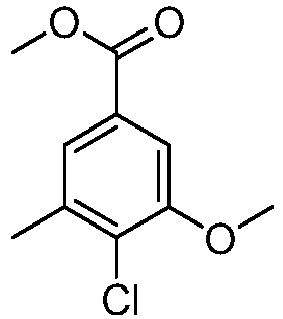
215.0 4 
245.0/247.0 5 
259.0/261.0 6 
262.8/264.8 7 
278.9/280.9 8 
297.0/299.0 -

- To a mixture of 4-bromobenzoic acid (2.7 g, 13 mmol) in H2SO4 (96%, 50 mL) was added NIS (7.5 g, 33 mmol) in portions at 0°C in 15 min and the resulting mixture was stirred at room temperature for 2 h. Then the mixture was diluted by ice water, followed by Na2SO3 aqueous solution. Then the mixture was filtered. The filter cake was washed by ice water, dried to afford the title compound as a slight pink solid (5.8 g, 95.4% yield). MS (m/z): 450.5, 452.5 (M-H)-.
- A mixture of 4-bromo-3,5-diiodobenzoic acid (3.0 g, 6.6 mmol), Cu2O (0.10 g, 0.70 mmol) and NaOH (1.4 g; 35 mmol) in water (30 mL) was heated at 80°C for 3 h. The reaction mixture was then diluted by water, acidified by aq. (10 N), then filtered. The filter cake was washed by ice water and dried to afford the title compound as a yellow solid (1.8 g, 79.2% yield). MS (m/z): 340.6, 342.6 (M-H)-.
- To a mixture of 4-bromo-3-hydroxy-5-iodobenzoic acid (1.8 g, 5.3 mmol) and K2CO3 (1.8 g, 13 mmol) in DMF (30mL) was added iodomethane (1.7 g, 12 mmol) at room temperature and then the mixture was stirred at 80°C for 4 h. The mixture was then diluted by water, extracted by EA. The organic layer was separated and concentrated to afford the title compound as a grey solid (1.9 g, 97.6% yield). MS (m/z): 370.7, 372.7 (M+H)+.
-

- To a solution of 3-bromo-5-iodobenzoic acid (5.0 g, 15 mmol) and methoxylamine hydrochloride (1.3 g, 16 mmol) in DCM (70 mL) was added HATU (7.0 g, 18mmol) and DIPEA (4.0 g, 31 mmol). The resulting mixture was stirred at room temperature for 16 h, diluted by water and extracted by DCM. The combined organic layers were concentrated and the residue was purified via silica gel chromatography (DCM/MeOH) to afford the title compound as a white solid (4.2 g, 77.1% yield). MS (m/z): 356.2, 358.2 (M+H)+.
- A mixture of 3-bromo-5-iodo-N-methoxybenzamide (3.6 g, 10 mmol), CuI (0.20 g, 1.1 mmol), 1, 10-phenanthroline (0.38 g, 2.1 mmol) and Cs2CO3 (4.6 g, 14 mmol) in MeOH (20 mL) was heated at 100°C for 1 h under microwave. The mixture was then filtered and the filter cake was washed by MeOH (20 mL). The filtrate was concentrated and the residue was purified via silica gel chromatography (PE/EA) to afford the title compound as a coffee solid (1.1 g, 41.8% yield). MS (m/z): 262.0, 260.0 (M+H)+.
-

- To a solution of methyl 4-fluoro-3-methoxy-5-methylbenzoate (5.0 g, 25.23 mmol) and 1-(chloromethyl)-4-fluoro-1 ,4-diazabicyclo[2.2.2]octane-1 ,4-diium tetrafluoroborate (9.8 g, 27.66 mmol) in acetonitrile (150 mL) was added acetic acid (30 mL) and the resulting mixture was srirred at 70 °C for 18 h under nitrogen atmosphere. The volatiles were removed under reduced pressure and the residue was purified via silica gel column chromatography (eluted with EA in PE 0∼100%) to afford the title compound as a white solid (1.50 g, 27.5% yield). MS (m/z): 217.0 (M+H)+.
-

- To a solution of methyl 4-chloro-3-methoxy-5-methylbenzoate (2.00 g, 9.32 mmol) in CCl4 (40 mL) were added NBS (1.99g, 11.18 mmol) and AIBN (153 mg, 0.93 mmol). Then the mixture was stirred at 70 °C for overnight. After cooled to room temperature, the mixture was partitioned between DCM and water. The aqueous layer was extracted with DCM. The combined organic layers was washed with water and brine, dried over anhydrous sodium sulfate and concentrated. The residue was suspended in PE (5 mL) and stirred for 1 h at room temperature. After filtration, the filter cake was washed with PE (2*2 mL), dried under reduced pressure at 60 °C for 1 h to give a yellow solid (2.66 g, 97.3% yield). MS (m/z): 293.0/295.0 (M+H)+.
- The following intermediate was prepared according to the procedures of intermediate 12 using the corresponding intermediates and reagents under appropriate conditions that could be recognized by one skilled in the art.
Intermediate Structure MS (m/z) (M+H)+ 13 
277.0/279.0 14 
295.3/297.3 -

- To a solution of 4-nitro-1H-pyrazole (500 mg, 4.42 mmol) in anhydrous THF (20 mL) was added NaH (60% dispersion in mineral oil, 353 mg, 8.84 mmol) in portions at 0 °C. The resulting mixture was stirred at 0 °C for 10 min. Then 1-bromoethane (723 mg, 6.64 mmol) in anhydrous THF (2 mL) was added dropwise at 0 °C. The mixture was stirred at ambient temperature for 16 h. Then reaction was quenched with H2O (20 mL) and the volatiles were removed under reduced pressure. The resulting aqueous layer was extracted with EA (2*30 mL). The combined extracts were concentrated under reduced pressure. The residue was dissolved in MeOH (30 mL) and then Pd/C (10%, 100 mg) was added. The mixture was stirred at ambient temperature under hydrogen atmosphere for 16 h. The catalyst was filtered off. The filtrate was concentrated and the residue was purified via ISCO (eluted with MeOH in H2O 0∼100%) to afford the title compound as brown oil (260 mg, 52.9% yield, 2 steps). MS (m/z): 112.1 (M+H)+.
-

- To a solution of 4-nitro-1H-pyrazole (1, 2.0 g, 17.7 mmol), (S)-tert-butyl 3-hydroxypiperidine-1-carboxylate (4.2 g, 21.2 mmol) and PPh3 (6.9 g, 26.6 mmol) in THF (35 mL) was added DEAD (4.6 g, 26.6 mmol) dropwise with ice-water bath cooling. After addition, the mixture was stirred at room temperature for further 12 h. The resulting mixture was concentrated in vacuo. The residue was purified via silica gel chromatography (eluted with EA in PE 0 - 60%) to give a yellow oil (2.5 g, 47.7% yield). MS (m/z): 197.0 (M+H-100)+.
- A mixture of (R)-tert-butyl 3-(4-nitro-1H-pyrazol-1-yl)piperidine-1-carboxylate (1.0 g, 3.37 mmol) and Pd/C (5%, 200 mg) in MeOH (20 mL) was stirred under 1 atm of H2 at room temperature for 12 h. The resulting mixture was filtered and the filtrate was concentrated in vacuo to give a brown oil (920 mg, quantative yield). MS (m/z): 267.0 (M+H)+.
- The following intermediates were prepared according to the procedures of intermediate 16 using the corresponding intermediates and reagents under appropriate conditions that could be recognized by one skilled in the art.
Intermediate Structure MS (m/z) (M+H)+ 17 
140.0 18 
154.0 19 
154.1 20 
168.0 21 
182.9(M+H-56)+ 22 
153.0(M+H-100)+ 23 
153.1(M+H-100)+ 24 
167.0(M+H-100)+ 25 
267.1 -

- To a solution of 4-nitro-1H-pyrazole (500 mg, 4.42 mmol) in DMF (5 mL) was added (R)-2-methyloxirane (282 mg, 4.86 mmol) and K2CO3 (1.2 g, 8.84 mmol). The resulting mixture was stirred at 60 °C in a sealed tube for 16 h. The reaction mixture was partitioned between H2O (30 mL) and EA (30 mL). The organic layer was concentrated and purified via ISCO (PE/ EA) to afford the title compound as a colorless oil (360 mg, 47.6% yield). MS (m/z): 171.9 (M+H)+
- To a solution of (R)-1-(4-nitro-1H-pyrazol-1-yl) propan-2-ol (140 mg, 0.82 mmol) in MeOH (30 mL) was added Pd/C (10%, 50 mg). The mixture was stirred at ambient temperature under hydrogen atmosphere for 16 h. The catalyst was filtered off and the filtrate was concentrated to afford the title compound as a brown oil (115 mg, 0.82 mmol, quantative yield). MS (m/z): 142.1 (M+H)+.
- The following intermediate was prepared according to the procedures of intermediate 26 using the corresponding intermediates and reagents under appropriate conditions that could be recognized by one skilled in the art.
Intermediate Structure MS (m/z) (M+H)+ 27 
142.0 -

- A mixture of 1-ethylpiperazine (3.23 g, 0.0283 mol) and 1-fluoro-3-nitrobenzene (2.0 g, 0.0142 mol) was heated at reflux for 2 days. The resulting mixture was cooled and concentrated in vacuo. The residue was poured into water (50 mL), extracted with EA (2*50 mL). The combined extracts were washed with brine, concentrated in vacuo. The residue was purified via ISCO (eluted with EA in PE 0 - 70%) to give a yellow solid (1.80 g, 54.0% yield). MS (m/z): 236.1 (M+H)+.
- A mixture of 1-ethyl-4-(3-nitrophenyl)piperazine (1.8 g, 0.00765 mol) and Rany-Ni (1.0 g) in MeOH (20 mL) was stirred under 1 atm of H2 at room temperature for 6 h. The resulting mixture was filtered and the filtrate was concentrated in vacuo to give a grey slurry (1.5 g, 95.5% yield). MS (m/z): 206.2 (M+H)+.
- The following intermediates were prepared according to the procedures of intermediate 28 using the corresponding intermediates and reagents under appropriate conditions that could be recognized by one skilled in the art.
Intermediate Structure MS (m/z) (M+H)+ 29 
178.1 30 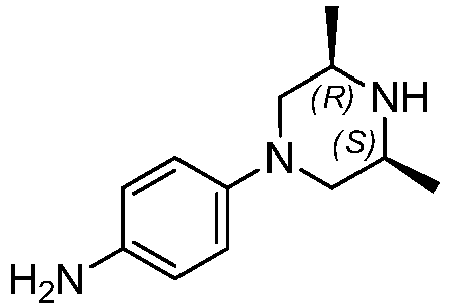
206.1 -

- A mixture of 5-bromo-2-chloropyrimidine (392 mg, 2.03 mmol), 4-((3R,5S)-3,5-dimethylpiperazin-1-yl)aniline (416 mg, 1.968 mmol) and TFA (0.5 mL, 6.09 mmol) in propan-2-ol (5 mL) was stirred at 150 °C for 80 min under microwave. The resulting mixture was concentrated, basified with ammonia water, purified via ISCO (DCM/MeOH) to afford the title compound as a yellow solid (550 mg, 74.9% yield). MS (m/z): 362.0(M+H)+.
- The following intermediates were prepared according to the procedures of intermediate 31 using the corresponding intermediates and reagents under appropriate conditions that could be recognized by one skilled in the art.
Intermediate Structure MS (m/z) (M+H)+ 32 
206.1 33 
267.9/269.9 34 
361.1/363.1 35 
362.1/364.1 36 
362.1/364.1 -

- To a solution of 6-bromonicotinaldehyde (1.0 g, 5.4 mmol) and morpholine (0.50 g, 5.7 mmol) in 1,2-dichloroethane (30 mL) was added sodium triacetoxyborohydride (1.8 g, 8.5 mmol) and the resulting mixture was stirred at room temperature for 2 h. The mixture was concentrated and purified via ISCO (eluted with MeOH in H2O 0∼100%) to afford the title compound as a yellow solid (0.80 g, 57.9% yield). MS (m/z): 256.9/258.9 (M+H)+.
-

- A mixture of pyridin-2-ol (2.00 g, 21.0 mmol), 4-iodoaniline (4.61 g, 21.0 mmol), 8-quinolinol (0.61 g, 4.2 mmol), CuI (0.80 g, 4.2 mmol) and Cs2CO3 (10.26 g, 31.5 mmol) in DMSO (50 mL) was stirred at 120°C for overnight. After filtration, the filtrate was partitioned between EA and water and the aqueous layer was further extracted with EA. The combined organic layers was washed with water and brine, dried over anhydrous sodium sulfate and concentrated to afford the title compound as a green solid (1.56 g, 39.8 % yield). MS (m/z): 186.9 (M+H)+.
-
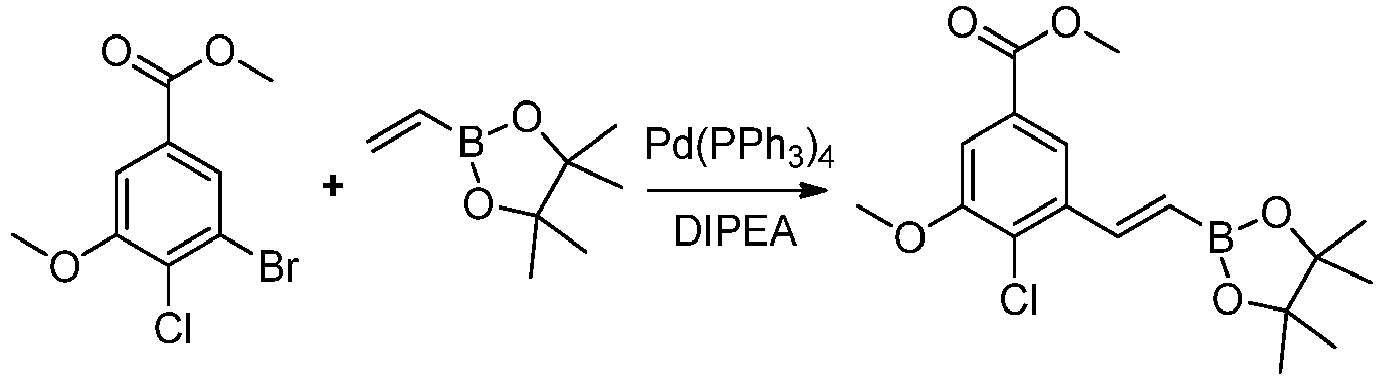
- A mixture of methyl 3-bromo-4-chloro-5-methoxybenzoate (24 g, 86 mmol), 4,4,5,5-tetramethyl-2-vinyl-1,3,2-dioxaborolane (26.5 g, 172 mmol), Pd(PPh3)4 (6 g, 5.16 mmol) and DIPEA (27.7 g, 215 mmol) in anisole (450 mL) was stirred at 140°C under nitrogen atmosphere for 16 h. The volatiles were removed under reduced pressure and the residue was purified via silica gel chromatography (eluted with PE/ EA=10:1). The crude product after the purification was washed with PE again to afford the title compound as a yellow solid (14.5 g, 47.9% yield). MS (m/z): 353.1 (M+H)+.
- The following intermediates were prepared according to the procedures of intermediate 39 using the corresponding intermediates and reagents under appropriate conditions that could be recognized by one skilled in the art.
Intermediate Structure MS (m/z) (M+H)+ 40 
319.2 41 
333.2 42 
334.5 43 
337.0 44 
337.4 45 
347.2 46 
342.1 47 
436.3 -

- A mixture of (E)-methyl 4-chloro-3-methoxy-5-(2-(4,4,5,5-tetramethyl-1,3,2 -dioxaborolan-2-yl)vinyl)benzoate (8.0 g, 23 mmol), 5-bromo-2-chloropyrimidine (5.5 g, 28 mmol), K2CO3 (7.8 g, 56 mmol) and Pd(dppf)Cl2·CH2Cl2 (0.80 g, 1.1 mmol) in dioxane (100 mL) and water (20 mL) was heated at 80°C for 30 min. Then the mixture was concentrated and the residue was partitioned between water (400 mL) and DCM (300 mL). The aqueous layer was extracted with DCM (2*150 mL). The combined organic layers were concentrated. Then the residue was dispersed in ethanol (50 mL) and filtered. The filter cake was washed by ethanol (3*20 mL) and then dried to afford the title compound as a yellow solid (5.5 g, 71.5% yield). MS (m/z): 338.9 (M+H)+.
- The following intermediates were prepared according to the procedures of intermediate 48 using the corresponding intermediates and reagents under appropriate conditions that could be recognized by one skilled in the art.
Intermediate Structure MS (m/z) (M+H)+ 49 
304.0 50 
305.0 51 
323.0 52 
348.0/350.0 53 
365.8/367.8 -

- A mixture of (E)-N-(4-(4-ethylpiperazin-1-yl)phenyl)-5-(2-(4,4,5,5-tetramethyl-1,3,2-dioxaborolan-2-yl)vinyl)pyrimidin-2-amine (170 mg, 0.39 mmol), methyl 3-bromo-5-methoxybenzoate (96 mg, 0.39 mmol), Pd(dppf)Cl2·CH2Cl2 (16 mg, 0.020 mmol) and Na2CO3 (103 mg, 0.975 mmol) in 1,4-dioxane (4 mL) and water (1 mL) was stirred at 120 °C for 30 min under microwave. The resulting mixture was partitioned between 2N (20 mL) and EA (30 mL). Then the aqueous layer was based with 2N NaOH to pH=8 and extracted with EA (2*30 mL). The combined extracts were concentrated to afford the title compound as an orange solid (100 mg, 54.1% yield). MS (m/z): 474.0 (M+H)+.
- A mixture of (E)-methyl 3-(2-(2-(4-(4-ethylpiperazin-1-yl)phenylamino)pyrimidin-5-yl)vinyl)-5-methoxybenzoate (100mg, 0.211 mmol) and methylamine (5 mL, 35% solution in ethanol) was stirred at 120 °C for 50 min under microwave. The resulting mixture was partitioned between water (20 mL) and EA (20 mL). The aqueous layer was extracted with EA (2*20mL). The combined organic layer was concentrated to afford the title compound as a yellow solid (60 mg, 60.1% yield). MS (m/z): 472.9(M+H)+.
- To a mixture of (E)-3-(2-(2-(4-(4-ethylpiperazin-1-yl)phenylamino)pyrimidin-5-yl)vinyl)-5-methoxy-N-methylbenzamide (60 mg, 0.127 mmol) in MeOH (20 mL) was added Pd/C(10%, 20 mg). The resulting mixture was stirred at ambient temperature under hydrogen atmosphere for overnight. The resulting mixture was filtered through celite, the filtrate was concentrated, purified via PTLC (DCM/MeOH=15:1) to afford the title compound as a yellow solid (19 mg, 31.5% yield). MS (m/z): 474.9(M+H)+. 1H NMR (400 MHz, CD3OD) δ 8.11 (s, 2H), 7.44 (d, J = 9.0 Hz, 2H), 7.21 (s, 1H), 7.19 (s, 1H), 6.95 (d, J= 9.0 Hz, 2H), 6.88 (s, 1H), 3.79 (s, 3H), 3.18 - 3.12 (m, 4H), 2.94 (t, J = 7.4 Hz, 2H), 2.92 (s, 3H), 2.82 (t, J = 7.4 Hz, 2H), 2.67 - 2.62 (m, 4H), 2.49 (q, J = 7.2 Hz, 2H), 1.14 (t, J = 7.2 Hz, 3H).
- The following compounds were prepared according to the procedures of Compound 1 using the corresponding intermediates and reagents under appropriate conditions that could be recognized by one skilled in the art.
Comp ound Structure LC-MS (m/z) (M+H)+ 1H NMR 2 
431.2 1H NMR (400 MHz, CDCl3) δ 8.58 (s, 2H), 7.91 (s, 1H), 7.58 (d, J = 6.6 Hz, 1H), 7.53 (s, 1H), 7.12 (s, 2H), 6.96 (s, 1H), 6.78 (d, J = 9.3 Hz, 1H), 4.18 (q, J = 7.3 Hz, 2H), 3.96 (s, 3H), 3.06 (d, J = 4.8 Hz, 3H), 1.52 (t, J = 7.4 Hz, 3H). 3 
457.1/45 9.1 1H NMR (400 MHz, CD3OD) δ 8.59 (s, 2H), 7.94 (s, 1H), 7.71 (d, J = 1.8 Hz, 1H), 7.57 (s, 1H), 7.44 (d, J = 16.3 Hz, 1H), 7.32 (d, J = 1.6 Hz, 1H), 7.00 (d, J = 16.3 Hz, 1H), 4.17 (q, J = 7.3 Hz, 2H), 3.98 (s, 3H), 2.99 (s, 3H), 1.51 (t, J = 7.3 Hz, 3H). 4 
485.2 1H NMR (400 MHz, CD3OD) δ 8.06 (s, 2H), 7.85 - 7.82 (m, 2H), 7.55 - 7.52 (m, 1H), 7.46 (d, J = 9.0 Hz, 2H), 6.97 (d, J = 9.0 Hz, 2H), 6.91 - 6.89 (m, 1H), 3.40 - 3.32 (m, 4H), 3.27 - 3.23 (m, 4H), 3.19 (t, J = 7.6 Hz, 2H), 3.07 (q, J = 7.6 Hz, 2H), 2.95 - 2.90 (m, 5H), 1.33 (t, J = 7.6 Hz, 3H). 5 
501.2 1H NMR (400 MHz, CD3OD) δ 8.05 (s, 2H), 7.86 (s, 1H), 7.78 (s, 1H), 7.50 - 7.39 (m, 3H), 6.98 - 6.88 (m, 3H), 3.80 (s, 3H), 3.21 - 3.08 (m, 6H), 2.90 (t, J = 7.2 Hz, 2H), 272 - 2.61 (m, 4H), 2.51 (q, J = 7.1 Hz, 2H), 1.14 (t, J = 7.1 Hz, 3H). 6 
503.1 1H NMR (400 MHz, CD3OD) δ 8.00 (s, 2H), 7.35 (d, J = 9.0 Hz, 2H), 7.00 (d, J = 2.4 Hz, 1H), 6.89-6.84 (m, 3H), 4.42 (t, J = 8.7 Hz, 2H), 3.68 (s, 3H), 3.08 - 3.06 (m, 4H), 2.96 (t, J = 8.7 Hz, 2H), 2.79 - 2.69 (m, 4H), 2.59 - 2.56 (m, 4H), 2.42 (q, J = 7.2 Hz, 2H), 1.06 (t, J = 7.2 Hz, 3H). 7 
511.2 1H NMR (400 MHz, CD3OD) δ 8.05 (s, 2H), 7.85 - 7.83 (m, 2H), 7.53 - 7.50 (m, 1H), 7.42 (d, J = 7.2 Hz, 2H), 6.94 (d, J = 7.2 Hz, 2H), 6.91 - 6.89 (m, 1H), 3.18 - 3.14 (m, 6H), 2.90 (t, J = 7.5 Hz, 2H), 2.88 - 2.83 (m, 1H), 2.66 - 2.64 (m, 4H), 2.50 (q, J = 7.2 Hz, 2H), 1.14 (t, J = 7.2 Hz, 3H), 0.81 - 0.78 (m, 2H), 0.65 - 0.63 (m, 2H). 8 
525.3 1H NMR (400 MHz, CDCl3) δ 8.56 (s, 2H), 7.57 (d, J = 6.5 Hz, 1H), 7.47 (d, J = 8.8 Hz, 2H), 7.13 (s, 1H), 7.11 (s, 2H), 6.94 (d, J = 8.8 Hz, 2H), 6.78 (d, J = 7.8 Hz, 1H), 3.96 (s, 3H), 3.51 - 3.44 (m, 2H), 3.12 - 3.07 (m, 2H), 3.06 (d, J = 4.7 Hz, 3H), 2.31 (t, J = 11.0 Hz, 2H), 1.16 (d, J = 6.3 Hz, 6H). -
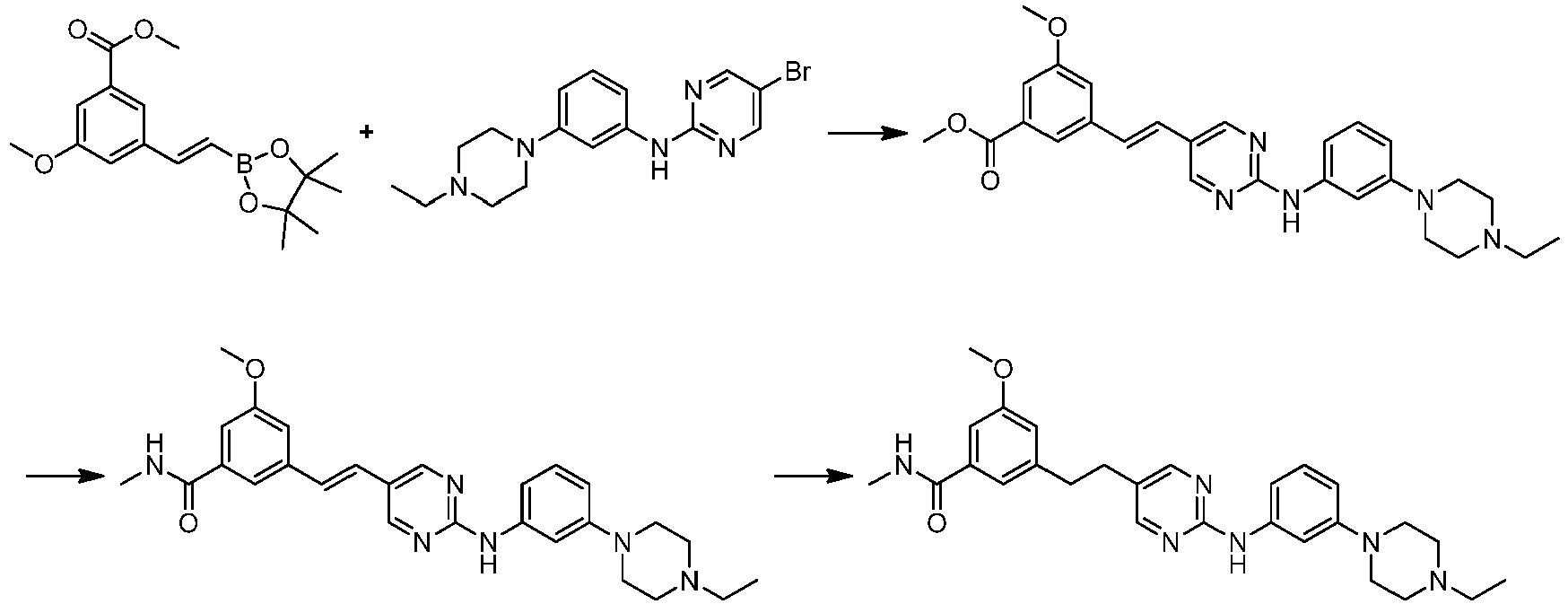
- A mixture of 5-bromo-N-(3-(4-ethylpiperazin-1-yl)phenyl)pyrimidin-2-amine (113 mg, 0.31 mmol), (E)-methyl 3-methoxy-4-(2-(4,4,5,5-tetramethyl-1,3,2-dioxaborolan-2-yl)vinyl)benzoate (100 mg, 0.31 mmol), K2CO3 (87 mg, 0.63 mmol), Pd(dffp)2Cl2·CH2Cl2 (20 mg, 0.022 mmol) and water (1 mL) in dioxane (5 mL) was heated at 100 °C for 1 h under microwave. The resulting mixture was cooled and concentrated in vacuo. The residue was dissolved in DCM (10 mL) and washed with water and brine. The organic layer was concentrated, purified via ISCO (eluted with MeOH in DCM 0 - 10%) to give a yellow solid (70 mg, 47.4% yield). MS (m/z): 462.2 (M+H)+.
- A mixture of (E)-methyl 3-(2-(2-((3-(4-ethylpiperazin-1-yl)phenyl)amino)pyrimidin-5-yl)vinyl)-5-methoxybenzoate (70 mg, 0.15 mmol) in methylamine (5 mL, 35% solution in ethanol) was heated at 120 °C for 30 min under microwave. The resulting mixture was cooled and concentrated in vacuo to give a yellow solid (70 mg, quantative yield). MS (m/z): 473.2 (M+H)+.
- A mixture of (E)-3-(2-(2-((3-(4-ethylpiperazin-1-yl)phenyl)amino)pyrimidin-5-yl)vinyl)-5- methoxy-N-methylbenzamide (70 mg, 0.15 mmol) and Pd/C (5%, 25 mg) in MeOH (15 mL) was stirred under 1 atm of H2 at 40 °C for 12 h. The resulting mixture was filtered and the filtrate was concentrated in vacuo. The residue was purified via PTLC (DCM/MeOH=10:1) to give the title compound as a white solid (23.0 mg, 32.8% yield). MS (m/z): 475.2 (M+H)+. 1H NMR (400 MHz, CD3OD) δ 8.18 (s, 2H), 7.37 (s, 1H), 7.24 - 7.21 (m, 2H), 7.18 - 7.11 (m, 2H), 6.89 (s, 1H), 6.65 (d, J = 8.1 Hz) 3.83 (s, 3H), 3.31 - 3.26 (m, 4H), 2.95 - 2.82 (m, 1H), 2.75 - 2.67 (m, 2H), 1.23 (t, J = 7.2 Hz, 3H).
- The following compounds were prepared according to the procedures of Compound 9 using the corresponding intermediates and reagents under appropriate conditions that could be recognized by one skilled in the art.
Comp ound Structure LC-MS (m/z) (M+H)+ 1H NMR 10 
425.0 1H NMR (400 MHz, CDCl3) δ 8.15 (s, 2H), 7.91 (s, 1H), 7.44 (s, 1H), 7.32 (d, J = 6.0 Hz, 1H), 7.21 (s, 1H), 7.00 (d, J = 4.3 Hz, 1H), 4.77 - 4.69 (m, 1H), 3.90 (s, 3H), 2.97 (d, J = 4.6 Hz, 3H), 2.91 (t, J = 7.4 Hz, 2H), 2.79 (t, J = 7.3 Hz, 2H), 2.62 - 2.41 (m, 4H), 1.92 - 1.83 (m, 2H). 11 
465.9 1H NMR (400 MHz, DMSO-d6) δ 9.20 (s, 1H), 8.38 (d, J = 4.6 Hz, 1H), 8.20 (s, 2H), 7.53 (d, J = 9.1 Hz, 2H), 7.42 (d, J = 7.8 Hz, 1H), 7.37 (d, J = 4.3 Hz, 1H), 6.85 (d, J = 9.1 Hz, 2H), 3.83 (s, 3H), 3.75 - 3.67 (m, 4H), 3.03 - 2.96 (m, 4H), 2.88 (t, J = 7.3 Hz, 2H), 2.76 - 2.72 (m, 5H). 12 
475.1 1H NMR (400 MHz, CD3OD) δ 8.17 (s, 2H), 7.29 (s, 1H), 7.22 (s, 1H), 7.20 (s, 1H), 7.15 - 7.08 (m, 2H), 6.88 (s, 1H), 6.62 (d, J = 7.7 Hz, 1H), 3.79 (s, 3H), 3.56 - 3.50 (m, 2H), 3.02 - 2.96 (m, 2H), 2.93 - 2.90 (m, 2H), 2.89 (s, 3H), 2.87 - 2.82 (m, 2H), 2.27 (t, J = 11.2 Hz, 2H), 1.14 (d, J = 6.4 Hz, 6H). 13 
483.9 1H NMR (400 MHz, CD3OD) δ 8.14 (s, 2H), 7.95 (s, 1H), 7.53 (s, 1H), 7.41 (dd, J = 7.8 Hz, 2.1 Hz, 1H), 7.27 (dd, J = 6.0 Hz, 2.1 Hz, 1H), 4.15 - 4.09 (m, 2H), 3.88 (s, 3H), 2.94 (t, J = 7.6 Hz, 2H), 2.89 (s, 3H), 2.81 (t, J = 7.6 Hz, 2H), 2.55 (q, J = 7.2 Hz, 4H), 2.50 - 2.43 (m, 2H), 2.02 - 1.99 (m, 2H), 1.01 (t, J = 7.2 Hz, 6H). -

- A mixture of (E)-N,3-dimethoxy-5-(2-(4,4,5,5-tetramethyl-1,3,2-dioxaborolan -2-yl)vinyl)benzamide (0.10 g, 0.30 mmol), 5-bromo-N-(3-(4-ethylpiperazin-1-yl) phenyl)pyrimidin-2-amine (0.11 g, 0.30 mmol), Na2CO3 (0.07 g, 0.66 mmol) and Pd(dffp)2Cl2·CH2Cl2 (0.025 g, 0.034 mmol) in dioxane (5 mL) and water (1 mL) was heated at 100°C for 30 min under microwave. Then the mixture was filtered and the filtrate was purified via ISCO (eluted with MeOH in H2O 0∼100%) directly to afford the title compound as a yellow solid (0.036 g, 24.6% yield). MS (m/z): 489.7 (M+H)+.
- A solution of (E)-3-(2-(2-((3-(4-ethylpiperazin-1-yl)phenyl)amino)pyrimidin-5-yl) vinyl)-N,5-dimethoxybenzamide (0.036 g, 0.078 mmol) in MeOH (15 mL) was added Pd/C (10%, 0.04 g) and the mixture was stirred at 35°C for 40 h under hydrogen atmosphere. The mixture was filtered and the filtrate was concentrated. The residue was purified via PTLC (DCM/MeOH) to afford the title compound as a yellow solid (0.020 g, 55.3% yield). MS (m/z): 491.7 (M+H)+. 1H NMR (400 MHz, CD3OD) δ 8.19 (s, 2H), 7.34 (s, 1H), 7.22 (s, 1H), 7.19 - 7.08 (m, 3H), 6.68 - 6.59 (m, 2H), 3.76 (s, 3H), 3.71 (s, 3H), 3.23 - 3.17 (m, 4H), 2.89 - 2.79 (m, 4H), 2.68 - 2.61 (m, 4H), 2.49 (q, J = 7.3 Hz, 2H), 1.14 (t, J = 7.2 Hz, 3H).
- The following compounds were prepared according to the procedures of Compound 14 using the corresponding intermediates and reagents under appropriate conditions that could be recognized by one skilled in the art.
Comp ound Structure LC-MS (m/z) (M+H)+ 1H NMR 15 
489.2 1H NMR (400 MHz, CD3OD) δ 8.58 (s, 2H), 7.55 - 7.51 (m, 3H), 7.24 (s, 1H), 7.09 - 6.96 (m, 5H), 3.83 (s, 3H), 3.72 (s, 3H), 3.18 - 3.17 (m, 4H), 2.67 - 2.64 (m, 4H), 2.50 (q, J = 7.1 Hz, 2H), 1.14 (t, J = 7.1 Hz, 3H). 16 
491.2 1H NMR (400 MHz, CD3OD) δ 8.12 (s, 2H), 7.49 (d, J = 9.0 Hz, 2H), 7.13 - 7.12 (m, 2H), 6.97 (d, J = 9.0 Hz, 2H), 6.90 (s, 1H), 3.78 (s, 3H), 3.77 (s, 3H), 3.36 - 3.31 (m, 4H), 3.12 (q, J = 7.3 Hz, 3H), 2.90 (t, J = 7.3 Hz, 2H), 2.81 (t, J = 7.3 Hz, 2H), 1.33 (t, J= 7.3 Hz, 3H). 17 
491.4 1H NMR (400 MHz, CD3OD) δ 8.17 (s, 2H), 7.29 (s, 1H), 7.24 - 7.06 (m, 4H), 6.75 (s, 1H), 6.61 (s, 1H), 3.76 (s, 3H), 3.73 (s, 3H), 3.57 - 3.48 (m, 2H), 3.03 - 2.92 (m, 2H), 2.92 - 2.76 (m, 4H), 2.25 (t, J = 10.6 Hz, 2H), 1.13 (d, J = 6.0 Hz, 6H). -

- A mixture of 4-(piperazin-1-yl)aniline (348 mg, 1.968 mmol), (E)-methyl 3-(2-(2-chloropyrimidin-5-yl)vinyl)-5-methoxybenzoate (600 mg, 1.968 mmol) and TFA (672 mg, 5.904 mmol) in propan-2-ol (30 mL) was stirred at 150 °C for 40 min under microwave. The resulting mixture was concentrated, basified with ammonia water, purified via ISCO (DCM/MeOH) to afford the title compound as a yellow solid (320 mg, 36.6% yield). MS (m/z): 446.3(M+H)+.
- A mixture of (E)-methyl 3-methoxy-5-(2-(2-(4-(piperazin-1-yl)phenylamino)pyrimidin -5-yl)vinyl)benzoate (260 mg, 0.584 mmol), 2-bromoethanol (146 mg, 1.167 mmol) and K2CO3 (242 mg, 1.752 mmol) in DMF (5 mL) was stirred at 65 °C for overnight. The resulting mixture was partitioned between water (30 mL) and EA (30 mL). The organic phase was concentrated to afford the title compound as a brown oil (200 mg, 70.0% yield). MS (m/z): 490.2 (M+H)+.
- To a mixture of (E)-methyl 3-(2-(2-(4-(4-(2-hydroxyethyl)piperazin-1-yl)phenylamino) pyrimidin-5-yl)vinyl)-5-methoxybenzoate (200 mg, 0.409 mmol) in MeOH (8 mL) and THF (2 mL) was added Pd/C (10%, 100mg). The resulting mixture was stirred at ambient temperature for 20 h and 50 °C for 6 h under hydrogen atmosphere. The resulting mixture was filtered through celite. The filtrate was concentrated and the residue was purified via ISCO (eluted with MeOH in H2O 0∼100%) to afford the title compound as a yellow solid (85 mg, 42.3% yield). MS (m/z): 492.2(M+H)+.
- A mixture of methyl 3-(2-(2-(4-(4-(2-hydroxyethyl)piperazin-1-yl)phenylamino) pyrimidin-5-yl)ethyl)-5-methoxybenzoate (85 mg, 0.173 mmol) and a solution of 30% sodium hydroxide (0.8 mL, 6.00 mmol) in MeOH (10 mL) was stirred at 40 °C for 3 h. The resulting mixture was concentrated, adjusted to pH=7 with 2N HCl, concentrated, purified via ISCO (eluted with MeOH in H2O 0∼100%) to afford the title compound as a brown oil (70 mg, 84.8% yield). MS (m/z): 478.2(M+H)+.
- A mixture of 3-(2-(2-(4-(4-(2-hydroxyethyl)piperazin-1-yl)phenylamino)pyrimidin -5-yl)ethyl)-5-methoxybenzoic acid (70 mg, 0.173 mmol), O-methylhydroxylamine (18 mg, 0.220 mmol), HATU (168 mg, 0.441 mmol) and DIPEA (57 mg, 0.441 mmol) in DMF (3 mL) was stirred at ambient temperature for 20 min. The resulting mixture was concentrated, purified via ISCO (eluted with MeOH in H2O 0∼100%) to afford the title compound as a yellow solid (60 mg, 80.8% yield). MS (m/z): 507.2(M+H)+. 1H NMR (400 MHz, CD3OD) δ 8.11 (s, 2H),7.47 (d, J = 9.0 Hz, 2H), 7.12 - 7.11 (m, 2H), 6.96 (d, J = 9.0 Hz, 2H), 6.90 (s, 1H), 3.85 (t, J = 5.6 Hz, 2H), 3.78 (s, 3H), 3.76 (s, 3H), 3.32 - 3.30 (m, 2H), 3.11 (t, J = 5.6 Hz, 2H), 2.89 (t, J = 7.3 Hz, 2H), 2.81 (t, J = 7.3 Hz, 2H).
-

- To a solution of (E)-methyl 3-(2-(2-((4-(4-ethylpiperazin-1-yl)phenyl)amino) pyrimidin-5-yl)vinyl)-5-methoxybenzoate (0.91 g, 1.9 mmol) in THF (30 mL) was added Pd/C (10%, 0.5 g) and the mixture was stirred at 40°C for 24 h under hydrogen (1atm). The mixture was filtered and the filtrate was concentrated to afford the title compound as a yellow solid (0.68 g, 74.4% yield). MS (m/z): 476.3 (M+H)+.
- To a solution of methyl 3-(2-(2-((4-(4-ethylpiperazin-1-yl)phenyl)amino)pyrimidin-5-yl)ethyl)-5-methoxybenzoate (0.68 g, 1.4 mmol) in THF (20 mL) was added aqueous LiOH solution (0.20 g LiOH in 5 mL H2O). The mixture was stirred at 40°C for 2 h, then purified via ISCO (eluted with MeOH in H2O 0∼100%) directly to afford the title compound as a yellow solid (0.503 g, 76.2% yield). MS (m/z): 462.2 (M+H)+.
- A mixture of 3-(2-(2-(4-(4-ethylpiperazin-1-yl)phenylamino)pyrimidin-5-yl)ethyl) -5-methoxybenzoic acid (100 mg, 0.210 mmol), O-(2-(vinyloxy)ethyl)hydroxylamine (32 mg, 0.315 mmol), HATU (240 mg, 0.630 mmol) and DIPEA (81 mg, 0.630 mmol) in DMF (3 mL) was stirred at ambient temperature for 30 min. The resulting mixture was partitioned between water (30 mL) and EA (30 mL). The organic phase was concentrated and the residue was purified via ISCO (eluted with MeOH in H2O 0∼100%) to afford the title compound as a yellow solid (70 mg, 59.1% yield). MS (m/z): 547.3(M+H)+.
- To a mixture of 3-(2-(2-(4-(4-ethylpiperazin-1-yl)phenylamino)pyrimidin-5-yl) ethyl)-5-methoxy-N-(2-(vinyloxy)ethoxy)benzamide (70 mg, 0.128 mmol) in MeOH (4 mL) was added 2N HCl (1 mL, 2.0 mmol). The mixture was stirred at ambient temperature for 1 h. The resulting mixture was concentrated, basified with ammonia water, concentrated, purified via ISCO (eluted with MeOH in H2O 0∼100%) to afford the title compound as a yellow solid (35 mg, 52.5% yield). MS (m/z): 521.2(M+H)+. 1H NMR (400 MHz, CD3OD) δ 8.11 (s, 2H), 7.48 (d, J = 9.0 Hz, 2H), 7.14 (s, 1H), 7.13 (s, 1H), 6.96 (d, J = 9.0 Hz, 2H), 6.91 (s, 1H), 4.00 (t, J = 4.5 Hz, 2H), 3.78 (s, 3H), 3.73 (t, J = 4.5 Hz, 2H), 3.33 - 3.31 (m, 4H), 3.25 - 3.22 (m, 4H), 3.10 (q, J = 7.3 Hz, 2H), 2.90 (t, J = 7.3 Hz, 2H), 2.81 (t, J = 7.3 Hz, 2H), 1.32 (t, J = 7.3 Hz, 3H).
-

- A mixture of (E)-methyl 4-fluoro-3-methoxy-5-(2-(4,4,5,5-tetramethyl-1,3,2 -dioxaborolan-2-yl)vinyl)benzoate (278 mg,0.828 mmol), 5-bromo-N-(4-((3R,5S)-3,5-dimethylpiperazin-1-yl)phenyl)pyrimidin-2-amine (300 mg, 0.828 mmol), Pd(dffp)2Cl2·CH2Cl2 (34 mg, 0.041 mmol) and Na2CO3 (220 mg, 2.07 mmol) in 1,4-dioxane (4 mL) and water (1 mL) was stirred at 110 °C for 25 min under microwave. The resulting mixture was concentrated, purified via ISCO (eluted with MeOH in H2O 0∼100%) to afford the title compound as a yellow solid (170 mg, 41.8% yield). MS (m/z): 492.2 (M+H)+.
- To a mixture of methyl 3-((E)-2-(2-(4-((3R,5S)-3,5-dimethylpiperazin-1-yl) phenylamino)pyrimidin-5-yl)vinyl)-4-fluoro-5-methoxybenzoate (170 mg, 0.346 mmol) in MeOH (10 mL) and THF (4 mL) was added Pd/C (10%, 50mg). The mixture was stirred at 50 °C for 4 h under hydrogen atmosphere. The resulting mixture was filtered through celite. The filtrate was concentrated to afford the title compound as a yellow oil (150 mg, 87.9% yield). MS (m/z): 494.2(M+H)+.
- A mixture of methyl 3-(2-(2-(4-((3R,5S)-3,5-dimethylpiperazin-1-yl)phenylamino) pyrimidin-5-yl)ethyl)-4-fluoro-5-methoxybenzoate (150 mg, 0.304 mmol) and a solution of 30% sodium hydroxide (1 mL, 7.50 mmol) in MeOH (10 mL) was stirred at 40 °C for 3 h. The resulting mixture was cooled to ambient temperature, adjusted to pH=7 with 2N HCl, concentrated, purified via ISCO (eluted with MeOH in H2O 0∼100%) to afford the title compound as a brown oil (60 mg, 41.2% yield). MS (m/z): 480.2(M+H)+.
- A mixture of 3-(2-(2-(4-((3R,5S)-3,5-dimethylpiperazin-1-yl)phenylamino) pyrimidin-5-yl)ethyl)-4-fluoro-5-methoxybenzoic acid (40 mg, 0.083 mmol), methylamine hydrochloride (8.4 mg, 0.125 mmol), HATU (95 mg, 0.250 mmol) and DIPEA (32 mg, 0.250 mmol) in DMF (3 mL) was stirred at ambient temperature for 30 min. The resulting mixture was purified via ISCO (eluted with MeOH in H2O 0∼100%) and then PTLC (DCM/MeOH=15:1) to afford the title compound as a yellow solid (29 mg, 70.6% yield). MS (m/z): 493.2(M+H)+. 1H NMR (400 MHz, CD3OD) δ 8.11 (s, 2H), 7.42 (d, J = 9.0 Hz, 2H), 7.41 (dd, J = 6.0 Hz, 2.0 Hz, 1H), 7.28 (dd, J = 6.0 Hz, 2.0 Hz, 1H), 6.95 (d, J = 9.0 Hz, 2H), 3.90 (s, 3H), 3.48 - 3.43 (m, 2H), 3.05 - 2.98 (m, 2H), 2.95 (t, J = 7.3 Hz, 2H), 2.90 (s, 3H), 2.82 (t, J = 7.3 Hz, 2H), 2.28 - 2.22 (m, 2H), 1.15 (t, J = 6.4 Hz, 3H).
- The following compounds were prepared according to the procedures of Compound 20 using the corresponding intermediates and reagents under appropriate conditions that could be recognized by one skilled in the art.
Comp ound Structure LC-MS (m/z) (M+H)+ 1H NMR 21 
379.1 1H NMR (400 MHz, CD3OD) δ 8.18 (s, 2H), 7.58 (dd, J = 8.6 Hz, 1.0 Hz, 2H), 7.27 - 7.21 (m, 2H), 7.20 (s, 1H), 7.15 (dd, J = 2.2 Hz, 1.4 Hz, 1H), 6.97 - 6.91 (m, 1H), 6.72 - 6.69 (m, 1H), 3.75 (s, 3H), 3.71 (s, 3H), 2.87 - 2.82 (m, 4H). 22 
383.1 1H NMR (400 MHz, CD3OD) δ 8.16 (s, 2H), 7.42 (d, J = 2.0 Hz, 1H), 7.15 (s, 1H), 7.12 (s, 1H), 6.90 (s, 1H), 6.48 (d, J = 2.1 Hz, 1H), 3.81 - 3.76 (m, 9H), 2.89 (t, J = 6.9 Hz, 2H), 2.83 (t, J = 6.8 Hz, 2H). 23 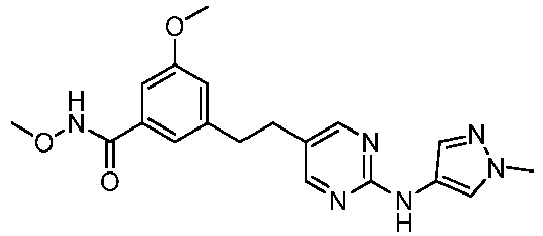
383.5 1H NMR (400 MHz, CD3OD) δ 8.16 (s, 2H), 7.89 (s, 1H), 7.51 (s, 1H), 7.14 (d, J = 7.8 Hz, 2H), 6.90 (s, 1H), 3.84 (s, 3H), 3.79 (s, 6H), 2.90 (t, J = 6.8 Hz, 2H), 2.82 (t, J = 6.8 Hz, 2H). 24 
385.1 1H NMR (400 MHz, CD3OD) δ 8.13 (s, 2H), 7.87 (s, 1H), 7.50 (s, 1H), 7.40 (dd, J = 7.8 Hz, 2.1 Hz, 1H), 7.27 (dd, J = 5.9 Hz, 2.1 Hz, 1H), 3.88 (s, 3H), 3.84 (s, 3H), 2.93 (t, J = 7.3 Hz, 2H), 2.89 (s, 3H), 2.81 (t, J = 7.4 Hz, 2H). 25 
396.0 1H NMR (400 MHz, CD3OD) δ 8.67 (d, J = 2.1 Hz, 1H), 8.19 (s, 2H), 8.07 (dd, J = 8.5 Hz, 2.7 Hz, 1H), 7.40 (dd, J = 7.8 Hz, 2.1 Hz, 1H), 7.26 (dd, J = 6.0 Hz, 2.2 Hz, 1H), 7.19 (d, J = 8.5 Hz, 1H), 3.87 (s, 3H), 2.95 (t, J = 7.5 Hz, 2H), 2.87 (s, 3H), 2.83 (t, J = 7.5 Hz, 2H), 2.45 (s, 3H). 26 
398.9 1H NMR (400 MHz, CD3OD) δ 8.14 (s, 2H), 7.91 (s, 1H), 7.52 (s, 1H), 7.06 (s, 1H), 6.85 (s, 1H), 4.12 (q, J = 6.7 Hz, 2H), 3.74 (s, 3H), 2.99 - 2.91 (m, 2H), 2.87 (s, 3H), 2.84 - 2.75 (m, 2H), 1.43 (t, J = 6.6 Hz, 3H). 27 
399.2 1H NMR (400 MHz, CD3OD) δ 8.17 (s, 2H), 7.46 - 7.38 (m, 2H), 7.33 - 7.22 (m, 2H), 4.02 (q, J = 6.9 Hz, 2H), 3.88 (s, 3H), 2.96 - 2.92 (m, 2H), 2.89 (s, 3H), 2.86 - 2.80 (m, 2H), 1.44 (t, J = 7.2 Hz, 3H). 28 
401.4 1H NMR (400 MHz, CD3OD) δ 8.13 (s, 2H), 7.87 (s, 1H), 7.50 (s, 1H), 7.35 (dd, J = 7.8 Hz, 2.0 Hz, 1H), 7.21 (dd, J = 6.0 Hz, 2.0 Hz, 1H), 3.89 (s, 3H), 3.84 (s, 3H), 3.78 (s, 3H), 2.94 (t, J = 7.3 Hz, 2H), 2.81 (t, J = 7.4 Hz, 2H). 29 
411.9 1H NMR (400 MHz, CD3OD) δ 8.33 (d, J = 2.8 Hz, 1H), 8.16 (s, 2H), 7.94 (dd, J = 8.9 Hz, 2.8 Hz, 1H), 7.42 (dd, J = 7.8 Hz, 2.1 Hz, 1H), 7.29 (dd, J = 6.0 Hz, 2.1 Hz, 1H), 6.77 (d, J = 8.9 Hz, 1H), 3.91 (s, 3H), 3.90 (s, 3H), 2.96 (t, J = 7.4 Hz, 2H), 2.92 (s, 3H), 2.84 (t, J = 7.4 Hz, 2H). 30 
425.1 1H NMR (400 MHz, CD3OD) δ 8.11 (s, 2H), 7.41 (dd, J = 7.6 Hz, 2.0 Hz, 1H), 7.27 (dd, J = 7.6 Hz, 2.0 Hz, 1H), 7.23 (d, J = 2.1 Hz, 1H), 6.89 (dd, J = 8.3 Hz, 2.0 Hz, 1H), 6.72 (d, J = 8.3 Hz, 1H), 5.90 (s, 2H), 3.89 (s, 3H), 2.95 (t, J = 7.5 Hz, 2H), 2.89 (s, 3H), 2.81 (t, J = 7.5 Hz, 2H). 31 
429.2 1H NMR (400 MHz, CD3OD) δ 8.12 (s, 2H), 7.91 (s, 1H), 7.53 (s, 1H), 7.40 (dd, J = 7.8 Hz, 2.1 Hz, 1H), 7.26 (dd, J = 5.9 Hz, 2.1 Hz, 1H), 4.12 - 4.08 (m, 1H), 4.05 - 3.95 (m, 2H), 3.88 (s, 3H), 2.94 (t, J = 7.4 Hz, 2H), 2.88 (s, 3H), 2.81 (t, J = 7.3 Hz, 2H), 1.15 (d, J = 6.2 Hz, 3H). 32 
429.2 1H NMR (400 MHz, CD3OD) δ 8.12 (s, 2H), 7.90 (s, 1H), 7.53 (s, 1H), 7.40 (d, J = 7.6 Hz, 1H), 7.26 (d, J = 5.0 Hz, 1H), 4.15 - 4.06 (m, 1H), 4.05 - 3.94 (m, 2H), 3.88 (s, 3H), 2.93 (t, J = 7.0 Hz, 2H), 2.88 (s, 3H), 2.80 (t, J = 7.1 Hz, 2H), 1.15 (d, J = 6.0 Hz, 3H). 33 
436.1 1H NMR (400 MHz, CD3OD) δ 8.22 (d, J = 2.1 Hz, 1H), 8.20 (s, 2H), 7.45 (d, J = 8.6 Hz, 1H), 7.40 (dd, J = 7.6 Hz, 2.1 Hz, 1H), 7.35 (dd, J = 8.6 Hz, 2.1 Hz, 1H), 7.27 (dd, J = 6.0 Hz, 2.1 Hz, 1H), 3.88 (s, 2H), 2.96 (t, J = 7.2 Hz, 2H), 2.87 (s, 3H), 2.84 (t, J = 7.2 Hz, 2H), 2.59 (s, 3H). 34 
447.0 1H NMR (400 MHz, CD3OD) δ 8.19 (s, 2H), 8.11 (d, J = 2.5 Hz, 1H), 7.77 (d, J = 9.2 Hz, 2H), 7.67 - 7.65 (m, 1H), 7.59 (d, J = 9.2 Hz, 2H), 7.40 (dd, J = 7.8 Hz, 2.1 Hz, 1H), 7.27 (dd, J = 6.0 Hz, 2.1 Hz, 1H), 6.49 - 6.48 (m, 1H), 3.88 (s, 3H), 2.96 (t, J = 7.3 Hz, 2H), 2.88 (s, 3H), 2.84 (t, J = 7.3 Hz, 2H). 35 
453.0 1H NMR (400 MHz, CD3OD) δ 8.16 (s, 2H), 8.08 (s, 1H), 7.62 (s, 1H), 7.39 (s, 1H), 7.26 (s, 1H), 4.82 - 4.80 (m, 2H), 3.86 (s, 3H), 2.96 - 2.90 (m, 2H), 2.87 (s, 3H), 2.83 - 2.77 (m, 2H). 36 
464.2 1H NMR (400 MHz, CD3OD) δ 8.09 (s, 2H), 7.45 - 7.41 (m, 2H), 7.15 (s, 1H), 7.12 (s, 1H), 6.93 - 6.89 (m, 2H), 6.87 (s, 1H), 3.82 - 3.79 (m, 4H), 3.77 (s, 3H), 3.76 (s, 3H), 3.07 - 3.03 (m, 4H), 2.87 (t, J = 6.8 Hz, 3H), 2.78 (t, J = 6.8 Hz, 2H). 37 
466.2 1H NMR (400 MHz, CD3OD) δ 8.19 (s, 2H), 7.44 (dd, J = 7.8 Hz, 2.1 Hz, 1H), 7.35 (t, J = 2.1 Hz, 1H), 7.31 (dd, J = 6.0 Hz, 2.1 Hz, 1H), 7.21 - 7.17 (m, 1H), 7.17 - 7.14 (m, 1H), 6.67 - 6.65 (m, 1H), 3.92 (s, 2H), 3.88 - 3.85 (m, 4H), 3.17 - 3.15 (m, 4H), 2.98 (t, J = 7.5 Hz, 2H), 2.92 (s, 3H), 2.85 (t, J = 7.5 Hz, 2H). 38 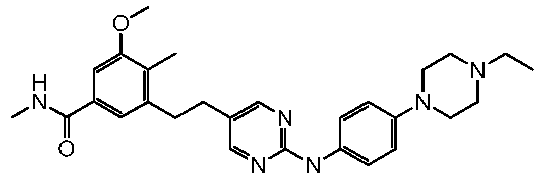
489.3 1H NMR (400 MHz, CD3OD) δ 8.09 (s, 2H), 7.44 (d, J = 8.7 Hz, 2H), 7.24 (s, 1H), 7.20 (s, 1H), 6.95 (d, J = 8.9 Hz, 2H), 3.86 (s, 3H), 3.20 - 3.11 (m, 4H), 2.97 - 2.91 (m, 2H), 2.89 (s, 3H), 2.78 - 2.74 (m, 2H), 2.69 - 2.61 (m, 4H), 2.53 - 2.45 (m, 2H), 2.14 (s, 3H), 1.14 (t, J = 7.1 Hz, 3H). 39 
491.2 1H NMR (400 MHz, CD3OD) δ 8.12 (s, 2H), 7.45 (d, J = 9.0 Hz, 2H), 7.16 - 7.13 (m, 2H), 6.97 - 6.90 (m, 3H), 3.78 (s, 3H), 3.78 (s, 3H), 3.53 - 3.46 (m, 2H), 3.14 - 3.04 (m, 1H), 2.93 - 2.84 (m, 3H), 2.84 - 2.78 (m, 2H), 2.68 - 2.59 (m, 1H), 2.59 - 2.50 (m, 2H), 2.48 (s, 3H), 1.22 (d, J = 6.0 Hz, 3H). 40 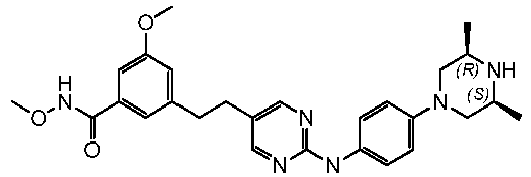
491.2 1H NMR (400 MHz, CD3OD) δ 8.13 (s, 2H), 7.50 (d, J = 8.9 Hz, 2H), 7.15 (s, 1H), 7.13 (s, 1H), 6.98 (d, J = 9.0 Hz, 2H), 6.92 (s, 1H), 3.80 (s, 3H), 3.78 (s, 3H), 3.76 - 3.71 (m, 2H), 3.53 - 3.44 (m, 2H), 2.91 (t, J = 7.0 Hz, 2H), 2.85 - 2.79 (m, 2H), 2.68 - 2.58 (m, 2H), 1.37 (d, J = 6.6 Hz, 6H). 41 
492.3 1H NMR (400 MHz, CD3OD) δ 8.48 (s, 1H), 8.24 (s, 2H), 8.01 (d, J = 7.0 Hz, 1H), 7.25 (s, 1H), 7.23 (s, 1H), 7.10 - 6.89 (m, 2H), 3.91 - 3.87 (m, 4H), 3.79 (s, 3H), 3.40 (s, 3H), 3.37 - 3.24 (m, 4H), 3.17 (q, J = 7.0 Hz, 2H), 3.05 - 2.97 (m, 2H), 2.97 - 2.87 (m, 2H), 1.43 (t, J = 7.0 Hz, 3H). 42 
492.5 1H NMR (400 MHz, CD3OD) δ 8.13 (s, 2H), 7.51 (d, J = 9.0 Hz, 2H), 7.17 - 7.11 (m, 2H), 6.96 (d, J = 9.0 Hz, 2H), 6.93 - 6.90 (m, 1H), 4.29 (t, J = 8.0 Hz, 2H), 3.79 (s, 3H), 3.74 (s, 3H), 3.61 (t, J = 8.0 Hz, 2H), 3.49 - 3.39 (m, 4H), 2.91 (t, J = 7.0 Hz, 2H), 2.83 (t, J = 7.0 Hz, 2H), 2.13 - 2.09 (m, 4H). 43 
493.3 1H NMR (400 MHz, CD3OD) δ 8.08 (s, 2H), 7.53 - 7.33 (m, 3H), 7.25 (d, J = 4.3 Hz, 1H), 6.93 (d, J = 8.9 Hz, 2H), 3.87 (s, 3H), 3.18 - 3.09 (m, 4H), 2.91 (t, J = 7.0 Hz, 2H), 2.87 (s, 3H), 2.78 (t, J = 7.3 Hz, 2H), 2.69 - 2.59 (m, 4H), 2.48 (q, J = 7.1 Hz, 2H), 1.12 (t, J = 7.2 Hz, 3H). 44 
497.3 1H NMR (400 MHz, CD3OD) δ 8.13 (s, 2H), 7.96 (s, 1H), 7.52 (s, 1H), 7.40 (d, J = 7.7 Hz, 1H), 7.27 (d, J = 5.8 Hz, 1H), 4.21 (t, J = 6.5 Hz, 2H), 3.88 (s, 3H), 2.93 (t, J = 7.2 Hz, 2H), 2.88 (s, 3H), 2.82 - 2.78 (m, 4H), 2.62 - 2.35 (m, 8H), 2.25 (s, 3H). 45 
501.2 1H NMR (400 MHz, CD3OD) δ 8.12 (s, 2H), 7.49 (d, J = 8.8 Hz, 2H), 7.19 (s, 1H), 7.18 (s, 1H), 6.97 (d, J = 8.8 Hz, 2H), 6.87 (s, 1H), 3.78 (s, 3H), 3.37 - 3.31 (m, 4H), 3.27 - 3.18 (m, 4H), 3.08 (q, J = 7.1 Hz, 2H), 2.94 - 2.85 (m, 2H), 2.86 - 2.80 (m, 2H), 2.80 - 2.70 (m, 1H), 1.32 (t, J = 7.3 Hz, 3H), 0.86 - 0.71 (m, 2H), 0.69 - 0.54 (m, 2H). 46 
504.3 1H NMR (400 MHz, CD3OD) δ 7.74 (s, 1H), 7.29 (d, J = 8.3 Hz, 1H), 7.24 (d, J = 8.0 Hz, 2H), 7.15 (s, 1H), 7.13 (s, 1H), 6.93 (d, J = 8.1 Hz, 2H), 6.65 (d, J = 8.1 Hz, 1H), 3.83 (s, 3H), 3.77 (s, 3H), 3.20 - 3.08 (m, 4H), 2.94 - 2.83 (m, 2H), 2.76 - 2.68 (m, 2H), 2.68 - 2.56 (m, 4H), 2.48 (q, J = 6.5 Hz, 2H), 2.12 (s, 3H), 1.13 (t, J = 6.6 Hz, 3H). 47 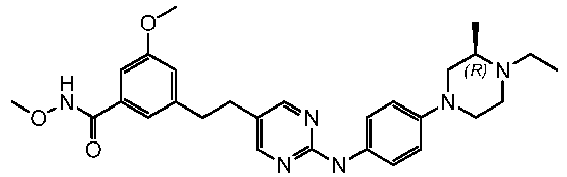
505.2 1H NMR (400 MHz, CD3OD) δ 8.12 (s, 2H), 7.45 (d, J = 8.8 Hz, 2H), 7.16 (s, 1H), 7.15 (s, 1H), 6.94 (d, J = 8.8 Hz, 2H), 6.91 (s, 1H), 3.80 (s, 3H), 3.79 (s, 3H), 3.46 - 3.38 (m, 2H), 3.04 - 2.98 (m, 1H), 2.98 - 2.87 (m, 4H), 2.86 - 2.77 (m, 2H), 2.64 - 2.55 (m, 2H), 2.53 - 2.43 (m, 2H), 1.16 (d, J = 6.0 Hz, 3H), 1.11 (t, J = 7.2 Hz, 3H). 48 
505.3 1H NMR (400 MHz, CD3OD) δ 8.14 (s, 2H), 7.37 - 7.35 (m, 2H), 7.17 (s, H), 7.15 (s, 1H), 6.97 (d, J = 9.2 Hz, 1H), 6.91 (s, 1H), 3.80 (s, 3H), 3.79 (s, 3H), 3.08 - 2.99 (m, 2H), 2.96 - 2.87 (m, 4H), 2.86 - 2.80 (m, 2H), 2.34 - 2.25 (m, 5H), 1.12 (d, J = 6.4 Hz, 6H). 49 
505.3 1H NMR (400 MHz, CD3OD) δ 8.10 (s, 2H), 7.44 (d, J = 8.8 Hz, 2H), 7.15 (s, 1H), 7.14 - 7.08 (m, 1H), 6.93 (d, J = 8.9 Hz, 2H), 6.89 (s, 1H), 3.98 (q, J = 7.0 Hz, 2H), 3.78 (s, 3H), 3.19 - 3.08 (m, 4H), 2.91 - 2.84 (m, 2H), 2.82 - 2.75 (m, 2H), 2.68 - 2.58 (m, 4H), 2.48 (q, J = 7.1 Hz, 2H), 1.28 (t, J = 7.0 Hz, 3H), 1.13 (t, J = 7.2 Hz, 3H). 50 
505.3 1H NMR (400 MHz, CD3OD) δ 8.10 (s, 2H), 7.47 (d, J = 8.8 Hz, 2H), 7.12 (s, 1H), 7.09 (s, 1H), 6.94 (d, J= 8.8 Hz, 2H), 6.86 (s, 1H), 4.00 (q, J = 7.0 Hz, 2H), 3.77 (s, 3H), 3.45 - 3.29 (m, 6H), 3.25 - 3.08 (m, 3H), 3.00 - 2.73 (m, 5H), 1.36 - 1.34 (m, 3H), 1.33 - 1.32 (m, 3H). 51 
505.4 1H NMR (400 MHz, CD3OD) δ 8.08 (s, 2H), 7.44 (d, J = 6.1 Hz, 2H), 7.18 (s, 1H), 7.13 (s, 1H), 6.94 (d, J = 5.5 Hz, 2H), 3.85 (s, 3H), 3.77 (s, 3H), 3.24 - 3.08 (m, 4H), 2.99 - 2.86 (m, 2H), 2.82 - 2.71 (m, 2H), 2.71 - 2.56 (m, 4H), 2.56 - 2.42 (m, 2H), 2.14 (s, 3H), 1.13 (t, J = 9.8 Hz, 3H). 52 
507.2 1H NMR (400 MHz, CD3OD) δ 8.09 (s, 2H), 7.43 (d, J = 8.8 Hz, 2H), 7.39 (s, 1H), 7.26 (d, J = 4.6 Hz, 1H), 6.93 (d, J = 8.8 Hz, 2H), 3.88 (s, 3H), 3.48 - 3.36 (m, 2H), 3.06 - 2.91 (m, 4H), 2.88 (s, 3H), 2.86 - 2.73 (m, 3H), 2.67 - 2.38 (m, 4H), 1.15 (d, J = 5.4 Hz, 3H), 1.10 (t, J = 6.8 Hz, 3H). 53 
509.2 1H NMR (400 MHz, CD3OD) δ 8.16 (s, 2H), 7.58 (dd, J = 15.0 Hz, 2.5 Hz, 1H), 7.22 - 7.18 (m, 1H), 7.16 - 7.15 (m, 1H), 7.13 - 7.12 (m, 1H), 6.97 - 6.91 (t, J = 8.0 Hz, 1H), 6.89 (s, 1H), 3.78 (s, 3H), 3.77 (s, 3H), 3.24 - 3.16 (m, 2H), 3.07 - 2.98 (m, 2H), 2.92 - 2.86 (m, 2H), 2.86 - 2.78 (m, 2H), 2.28 (t, J = 11.0 Hz, 2H), 1.10 (d, J = 6.5 Hz, 6H). 54 
509.3 1H NMR (400 MHz, CD3OD) δ 8.09 (s, 2H), 7.42 (d, J = 8.5 Hz, 2H), 7.33 (d, J = 7.2 Hz, 1H), 7.20 (d, J = 4.5 Hz, 1H), 6.92 (d, J = 8.5 Hz, 2H), 3.86 (s, 3H), 3.76 (s, 3H), 3.18 - 3.08 (m, 4H), 2.90 (t, J = 6.9 Hz, 2H), 2.78 (t, J = 7.2 Hz, 2H), 2.68 - 2.59 (m, 4H), 2.48 (q, J = 6.9 Hz, 2H), 1.12 (t, J = 7.1 Hz, 3H). 55 
509.2 1H NMR (400 MHz, CD3OD) δ 8.09 (s, 2H), 7.58 - 7.20 (m, 4H), 6.93 (d, J = 8.5 Hz, 2H), 3.90 (s, 3H), 3.20 - 3.09 (m, 4H), 3.02 (t, J = 7.3 Hz, 2H), 2.88 (s, 3H), 2.80 (t, J = 7.3 Hz, 2H), 2.69 - 2.59 (m, 4H), 2.48 (q, J = 7.1 Hz, 2H), 1.13 (t, J = 7.0 Hz, 3H). 56 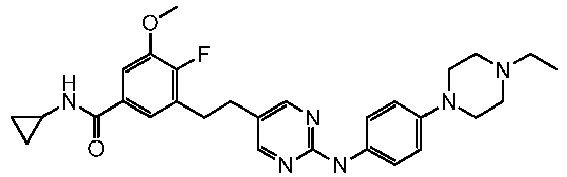
519.3 1H NMR (400 MHz, CD3OD) δ 8.08 (s, 2H), 7.42 (d, J = 8.9 Hz, 2H), 7.38 (d, J = 7.8 Hz, 1H), 7.24 (d, J = 4.1 Hz, 1H), 6.93 (d, J = 8.9 Hz, 2H), 3.86 (s, 3H), 3.18 - 3.09 (m, 4H), 3.06 - 2.98 (m, 1H), 2.91 (t, J = 7.0 Hz, 2H), 2.80 - 2.75 (m, 2H), 2.67 - 2.59 (m, 4H), 2.47 (q, J = 7.2 Hz, 2H), 1.12 (t, J = 7.2 Hz, 3H), 0.81 - 0.72 (m, 2H), 0.64 - 0.57 (m, 2H). 57 
519.3 1H NMR (400 MHz, CD3OD) δ 8.10 (s, 2H), 7.44 (d, J = 6.5 Hz, 2H), 7.13 (s, 2H), 7.05 - 6.73 (m, 3H), 4.26 - 4.08 (m, 1H), 3.78 (s, 3H), 3.23 - 3.04 (m, 4H), 2.95 - 2.75 (m, 4H), 2.74 - 2.57 (m, 4H), 2.57 - 2.42 (m, 2H), 1.25 (d, J = 4.1 Hz, 6H), 1.13 (t, J = 12.3 Hz, 3H). 58 
523.0 1H NMR (400 MHz, CD3OD) δ 8.22 (s, 2H), 7.81 - 7.71 (m, 4H), 7.40 (dd, J = 7.5 Hz, 1.6 Hz, 1H), 7.27 (dd, J = 5.8 Hz, 1.6 Hz, 1H), 3.88 (s, 3H), 3.49 (t, J = 7.4 Hz, 2H), 2.97 (t, J = 7.4 Hz, 2H), 2.88 (s, 3H), 2.85 (t, J= 7.2 Hz, 2H), 2.72 (t, J = 7.2 Hz, 2H), 2.65 (q, J = 7.1 Hz, 4H), 1.09 (t, J = 7.1 Hz, 6H). 59 
525.2 1H NMR (400 MHz, CD3OD) δ 8.10 (s, 2H), 7.43 (d, J = 8.1 Hz, 2H), 7.30 (s, 1H), 7.22 (s, 1H), 6.93 (d, J = 8.1 Hz, 2H), 3.90 (s, 3H), 3.76 (s, 3H), 3.20 - 3.09 (m, 4H), 3.09 - 2.96 (m, 2H), 2.86 - 2.73 (m, 2H), 2.71 - 2.58 (m, 4H), 2.48 (q, J = 6.8 Hz, 2H), 1.13 (t, J = 6.7 Hz, 3H). -
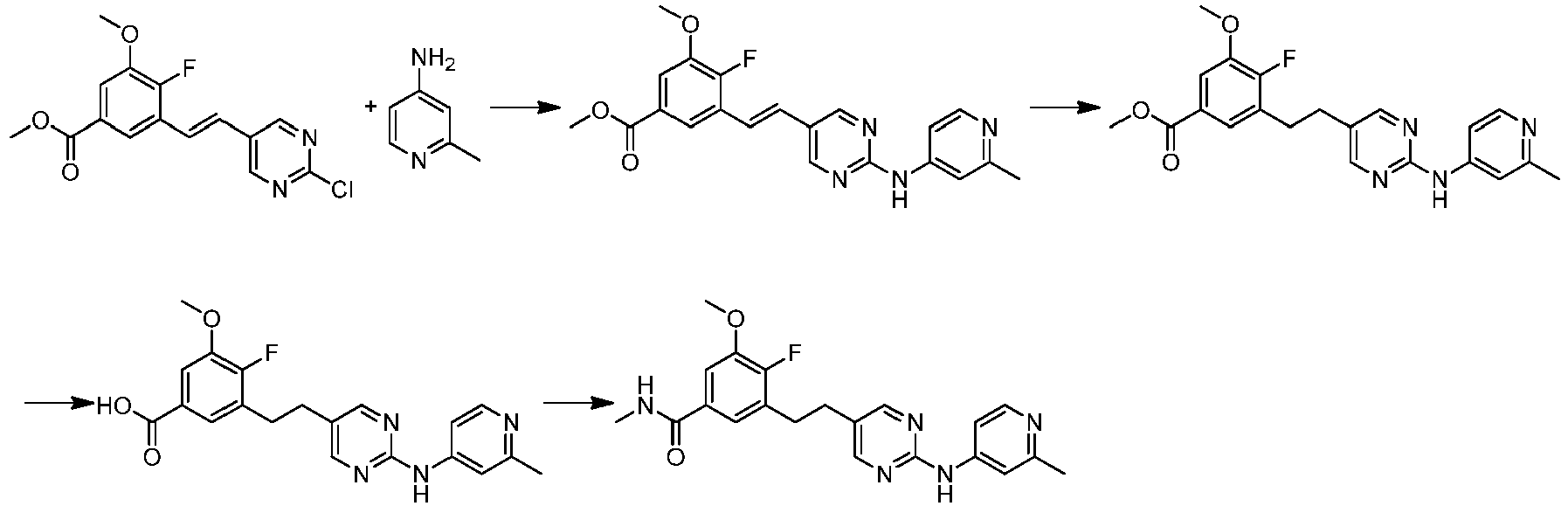
- To a solution of (E)-methyl 3-(2-(2-chloropyrimidin-5-yl)vinyl)-4-fluoro-5-methoxybenzoate (232 mg, 0.72 mmol) in 1,4-dioxane (12 mL) were added 2-methylpyridin-4-amine (93 mg, 0.86 mmol), palladium(II)acetate (16 mg, 0.072 mmol), Xantphos (83 mg, 0.14 mmol) and Cs2CO3 (703 mg, 2.16 mmol). Then the mixture was stirred under microwave at 150°C for 20 min. The mixture was then concentrated and purified via ISCO (eluted with MeOH in DCM 0%∼15%) directly to give a yellow solid (143 mg, 50.4% yield). MS (m/z): 395.1 (M+H)+.
- To a solution of (E)-methyl 4-fluoro-3-methoxy-5-(2-(2-((2-methylpyridin-4-yl)amino) pyrimidin-5-yl)vinyl)benzoate (143 mg, 0.36 mmol) in a mixed solvent of MeOH/THF (10 mL/10mL) was added Pd/C (10%, 50 mg). Then the mixture was purged with hydrogen and stirred overnight at 35°C under hydrogen atmosphere. After filtration, the filtrate was concentrated and the residue (119 mg, 82.8% yield) was used directly in the next step without further purification. MS (m/z): 397.1 (M+H)+.
- To a solution of methyl 4-fluoro-3-methoxy-5-(2-(2-((2-methylpyridin-4-yl)amino) pyrimidin-5-yl)ethyl)benzoate (119 mg, 0.30 mmol) in MeOH (10 mL) was added aqueous NaOH (2 N, 4 mL, 8 mmol). Then the mixture was stirred overnight at room temperature. After concentration, the residue was purified via ISCO (eluted with MeOH in H2O 0%∼100%) to give a yellow solid (110 mg, 95.8% yield). MS (m/z): 383.1 (M+H)+.
- To a solution of 4-fluoro-3-methoxy-5-(2-(2-((2-methylpyridin-4-yl)amino) pyrimidin-5-yl)ethyl)benzoic acid (55 mg, 0.14mmol) in DMF (5 mL) were added methanamine hydrochloride (19 mg, 0.29 mmol), HATU (164 mg, 0.43 mmol) and DIPEA (74 mg, 0.58 mmol). The mixture was stirred for 2h at room temperature. Then the mixture was purified with ISCO (eluted with MeOH in H2O 0∼100%) directly to afford the title compound as a yellow solid (17.5 mg, 30.8% yield). MS (m/z): 396.1 (M+H)+. 1H NMR (400 MHz, CD3OD) δ 8.29 (s, 2H), 8.13 (d, J = 5.9 Hz, 1H), 7.61 (d, J = 2.1 Hz, 1H), 7.59 (dd, J = 5.8 Hz, 2.3 Hz, 1H), 7.41 (dd, J = 7.8 Hz, 2.1 Hz, 1H), 7.28 (dd, J = 6.0 Hz, 2.1 Hz, 1H), 3.88 (s, 3H), 2.98 (t, J = 7.5 Hz, 3H), 2.91 - 2.86 (m, 5H), 2.45 (s, 3H).
- The following compounds were prepared according to the procedures of Compound 60 using the corresponding intermediates and reagents under appropriate conditions that could be recognized by one skilled in the art.
Comp ound Structure LC-MS (m/z) (M+H)+ 1H NMR 61 
383.1 1H NMR (400 MHz, CD3OD) δ 9.51 (s, 1H), 9.05 - 8.90 (m, 1H), 8.56 (s, 2H), 8.52 - 8.45 (m, 1H), 7.60 (dd, J = 7.8 Hz, 2.1 Hz, 1H), 7.48 (dd, J = 6.0 Hz, 2.1 Hz, 1H), 4.08 (s, 3H), 3.19 (t, J = 7.4 Hz, 2H), 3.11 (t, J = 7.4 Hz, 2H), 3.08 (s, 3H). 62 
411.9 1H NMR (400 MHz, CD3OD) δ 8.63 (dd, J = 7.8 Hz, 1.6 Hz, 1H), 8.24 (s, 2H), 7.71 (dd, J = 5.0 Hz, 1.7 Hz, 1H), 7.40 (dd, J = 7.8 Hz, 2.0 Hz, 1H), 7.27 (dd, J = 6.0 Hz, 2.0 Hz, 1H), 6.92 (dd, J = 7.8 Hz, 5.0 Hz, 1H), 4.01 (s, 3H), 3.88 (s, 3H), 2.97 (t, J = 7.4 Hz, 2H), 2.88 (s, 3H), 2.86 (t, J = 7.4 Hz, 2H). 63 
412.0 1H NMR (400 MHz, CD3OD) δ 8.28 (s, 2H), 7.86 (d, J = 5.9 Hz, 1H), 7.40 (dd, J = 7.7 Hz, 2.1 Hz, 1H), 7.38 (d, J = 1.9 Hz, 1H), 7.27 (dd, J = 5.9 Hz, 2.1 Hz, 1H), 7.15 (dd, J = 5.9 Hz, 2.1 Hz, 1H), 3.88 (s, 3H), 3.86 (s, 3H), 2.97 (t, J = 7.5 Hz, 2H), 2.99 - 2.85 (m, 5H). 64 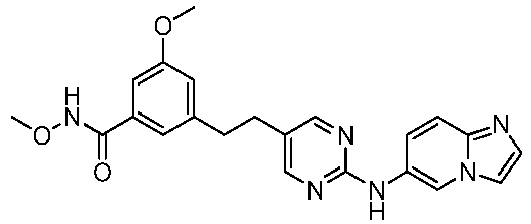
419.1 1H NMR (400 MHz, CD3OD) δ 9.19 (s, 1H), 8.16 (s, 2H), 7.70 (s, 1H), 7.40 (s, 1H), 7.36 (d, J = 9.6 Hz, 1H), 7.22 (dd, J= 9.6 Hz, 2.0 Hz, 1H), 7.11 (s, 1H), 7.07 (dd, J = 2.4 Hz, 1.4 Hz, 1H), 6.68 (dd, J = 2.2 Hz, 1.4 Hz, 1H), 3.68 (s, 3H), 3.64 (s, 3H), 2.83 - 2.76 (m, 4H). 65 
421.1 1H NMR (400 MHz, CD3OD) δ 8.73 - 8.62 (m, 1H), 8.53 - 8.43 (m, 1H), 8.36 (s, 2H), 7.94 - 7.80 (m, 1H), 7.75 - 7.59 (m, 1H), 7.41 (dd, J = 7.8 Hz, 2.1Hz, 1H), 7.33 (d, J = 7.2 Hz, 1H), 7.29 (dd, J= 5.9 Hz, 2.0 Hz, 1H), 3.88 (s, 3H), 3.01 (t, J = 6.7 Hz, 2H), 2.95 - 2.90 (t, J = 6.7 Hz, 2H), 2.89 (s, 3H). 66 
422 1H NMR (400 MHz, CD3OD) δ 9.72 (dd, J = 1.9 Hz, 0.8 Hz, 1H), 8.29 (s, 1H), 8.28 (s, 2H), 7.70 (dd, J= 9.5 Hz, 2.0 Hz, 1H), 7.66 (dd, J = 9.5 Hz, 0.7 Hz, 1H), 7.40 (dd, J = 7.8 Hz, 2.1 Hz, 1H), 7.28 (dd, J = 6.0 Hz, 2.1 Hz, 1H), 3.87 (s, 3H), 2.97 (t, J = 7.4 Hz, 2H), 2.89 - 2.85 (m, 5H). 67 
422.1 1H NMR (400 MHz, CD3OD) δ 8.93 (d, J = 0.7 Hz, 1H), 8.51 - 8.47 (m, 1H), 8.32 (s, 2H), 8.30 - 8.28 (m, 1H), 7.40 (dd, J = 7.7 Hz, 2.0 Hz, 1H), 7.28 (dd, J = 6.0 Hz, 2.0 Hz, 1H), 7.08 (dd, J = 7.5 Hz, 2.0 Hz, 1H), 3.87 (s, 3H), 2.98 (t, J = 7.3 Hz, 2H), 2.91 - 2.86 (m, 5H). 68 
436.1 1H NMR (400 MHz, CD3OD) δ 9.59 (dd, J = 2.0 Hz, 0.7 Hz, 1H), 8.26 (s, 2H), 7.65 (dd, J = 9.5 Hz, 2.1 Hz, 1H), 7.54 (dd, J = 9.5 Hz, 0.6 Hz, 1H), 7.40 (dd, J = 7.8 Hz, 2.1 Hz, 1H), 7.27 (dd, J = 6.0 Hz, 2.1 Hz, 1H), 3.87 (s, 3H), 2.97 (t, J = 7.1 Hz, 2H), 2.89 - 2.84 (m, 5H), 2.49 (s, 3H). 69 
436.1 1H NMR (400 MHz, CD3OD) δ 8.37 - 8.34 (m, 1H), 8.24 (s, 2H), 8.03 (d, J = 7.5 Hz, 1H), 7.32 (dd, J = 7.8 Hz, 2.0 Hz, 1H), 7.20 (dd, J = 5.9 Hz, 2.0 Hz, 1H), 7.01 (dd, J = 7.5 Hz, 2.0 Hz, 1H), 3.79 (s, 3H), 2.90 (t, J= 7.3 Hz, 2H), 2.83 - 2.79 (m, 5H), 2.59 (s, 3H). 70 
444.2 1H NMR (400 MHz, DMSO-d6) δ 11.39 (br s, 1H), 8.45 (br s, 1H), 8.42 (s, 2H), 7.44 (s, 1H), 7.42 (s, 1H), 6.62 (s, 1H), 3.89 (s, 3H), 3.03 (t, J = 7.5 Hz, 2H), 2.85 (t, J = 7.6 Hz, 2H), 2.79 (d, J = 3.4 Hz, 3H), 2.01 - 1.89 (m, 1H), 0.86 - 0.73 (m, 4H). 71 
466.1 1H NMR (400 MHz, CDCl3) δ 9.68 (d, J = 1.3 Hz, 1H), 8.22 (s, 2H), 7.61 (d, J = 9.4 Hz, 1H), 7.36 (dd, J = 9.5 Hz, 2.1 Hz, 1H), 7.33 (dd, J = 7.7 Hz, 1.9 Hz, 1H), 7.08 (dd, J = 5.8 Hz, 1.9 Hz, 1H), 4.74 (s, 2H), 3.91 (s, 3H), 3.54 (s, 3H), 2.98 (s, 3H), 2.97 - 2.93 (t, J = 7.3 Hz, 2H), 2.87 - 2.82 (t, J = 7.3 Hz, 2H). 72 
466.1 1H NMR (400 MHz, CD3OD) δ 8.44 (dd, J = 2.0 Hz, 0.8 Hz, 1H), 8.25 (s, 2H), 8.18 (dd, J = 7.5 Hz, 0.8 Hz, 1H), 7.33 (dd, J = 7.8 Hz, 2.1 Hz, 1H), 7.20 (dd, J = 6.0 Hz, 2.2 Hz, 1H), 7.05 (dd, J = 7.5 Hz, 2.1 Hz, 1H), 4.84 (s, 2H), 3.80 (s, 3H), 3.31 (s, 3H), 2.94 - 2.89 (t, J = 7.0 Hz, 2H), 2.83 (t, J= 7.0 Hz, 2H), 2.80 (s, 3H). 73 
490.3 1H NMR (400 MHz, CD3OD) δ 7.74 (s, 1H), 7.31 (dd, J = 8.5 Hz, 2.0 Hz, 1H), 7.25 (d, J = 8.7 Hz, 2H), 7.16 - 7.09 (m, 2H), 6.92 (d, J = 8.2 Hz, 2H), 6.86 (s, 1H), 6.65 (d, J = 8.5 Hz, 1H), 3.77 (s, 3H), 3.76 (s, 3H), 3.19 - 3.08 (m, 4H), 2.90 - 2.83 (m, 2H), 2.82 - 2.74 (m, 2H), 2.69 - 2.60 (m, 4H), 2.50 (q, J = 7.2 Hz, 2H), 1.13 (t, J = 7.2 Hz, 3H). 74 
491.3 1H NMR (400 MHz, CD3OD) δ 8.27 (s, 1H), 7.86 - 7.68 (m, 2H), 7.38 (d, J = 8.4 Hz, 1H), 7.13 (s, 1H), 7.10 (s, 1H), 6.92 - 6.83 (m, 2H), 6.76 - 6.59 (m, 1H), 3.77 (s, 3H), 3.76 (s, 3H), 3.76 - 3.64 (m, 4H), 3.38 - 3.29 (m, 4H), 3.20 (q, J = 7.1 Hz, 2H), 2.89 - 2.76 (m, 4H), 1.34 (t, J = 7.0 Hz, 3H). 75 
492.3 1H NMR (400 MHz, CD3OD) δ 8.28 (s, 2H), 7.86 (d, J = 5.9 Hz, 1H), 7.35 (d, J = 1.7 Hz, 1H), 7.20 (t, J = 1.4 Hz, 1H), 7.15 (dd, J = 2.5 Hz, 1.3 Hz, 1H), 7.01 (dd, J = 5.9 Hz, 1.8 Hz, 1H), 6.62 (dd, J = 2.4 Hz, 1.6 Hz, 1H), 3.74 (s, 3H), 3.69 (s, 3H), 3.50 - 3.46 (m, 4H), 2.86 (m, 4H), 2.61 - 2.57 (m, 4H), 2.48 (q, J = 7.3 Hz, 2H), 1.14 (t, J = 7.2 Hz, 3H). 76 
509.2 1H NMR (400 MHz, CD3OD) δ 8.20 (s, 2H), 7.19 (s, 1H), 7.16 - 7.09 (m, 2H), 6.96 (s, 1H), 6.70 (s, 1H), 6.29 (dt, J = 11.9 Hz, 2.0 Hz, 1H), 3.75 (s, 3H), 3.71 (s, 3H), 3.22 - 3.17 (t, J = 4.9 Hz, 4H), 2.84 (m, 4H), 2.62 - 2.58 (t, J = 4.9 Hz, 4H), 2.47 (q, J = 7.2 Hz, 2H), 1.12 (t, J = 7.2 Hz, 3H). -

- To a solution of 4-fluoro-3-methoxy-N-methyl-5-(2-(2-((2-methylpyridin-4-yl)amino) pyrimidin-5-yl)ethyl)benzamide (18 mg, 0.046 mmol) in DCM (6 mL) was added 3-chlorobenzoperoxoic acid (8 mg, 0.046 mmol) in one portion. The resulting mixture was stirred for 2h at 0°C. Then the reaction mixture was diluted with DCM and washed with10% aqueous K2CO3 solution. After removal of the solvent, the residue was purified via PTLC (DCM/MeOH=20:1) to afford the title compound as a yellow solid (6.7 mg, 35.8% yield). MS (m/z): 412.1 (M+H)+. 1H NMR (400 MHz, CD3OD) δ 8.30 (s, 2H), 8.12 (d, J = 7.3 Hz, 1H), 7.89 (d, J = 3.1 Hz, 1H), 7.80 (dd, J = 7.3 Hz, 3.1 Hz, 1H), 7.40 (dd, J = 7.8 Hz, 2.1 Hz, 1H), 7.27 (dd, J = 6.0 Hz, 2.1 Hz, 1H), 3.87 (s, 3H), 2.97 (t, J = 7.3 Hz, 2H), 2.91 - 2.85 (m, 5H), 2.49 (s, 3H).
-

- A mixture of (E)-methyl 4-chloro-3-(2-(2-chloropyrimidin-5-yl)vinyl)-5-methoxy benzoate (150mg, 0.442 mmol), 4-((3S,5R)-3,5-dimethylpiperazin-1-yl)aniline (109 mg, 0.531 mmol) and TFA (0.1 mL, 1.326 mmol) in propan-2-ol (5 mL) was stirred at 150 °C for 1 h under microwave. The resulting mixture was concentrated, basified with ammonia water, purified via ISCO (DCM/MeOH) to afford the title compound as a yellow solid (130 mg, 57.9% yield). MS (m/z): 508.2(M+H)+.
- A mixture of methyl 4-chloro-3-((E)-2-(2-(4-((3S,5R)-3,5-dimethylpiperazin-1-yl) phenylamino)pyrimidin-5-yl)vinyl)-5-methoxybenzoate (250 mg, 0.492 mmol) and methylamine (6 mL, 35% solution in ethanol) was stirred at 145 °C for 22 min under microwave. The resulting mixture was concentrated, purified via ISCO (DCM/MeOH) to afford the title compound as a yellow solid (145 mg, 58.1% yield). MS (m/z): 506.9(M+H)+.
- A mixture of 4-chloro-3-((E)-2-(2-(4-((3S,5R)-3,5-dimethylpiperazin-1-yl) phenylamino)pyrimidin-5-yl)vinyl)-5-methoxy-N-methylbenzamide (120 mg, 0.237 mmol), 4-methylbenzenesulfonohydrazide (528 mg, 2.84 mmol) and sodium acetate (233 mg, 2.84 mmol) in THF (6mL) and water (6mL) was stirred overnight at 100 °C under nitrogen atmosphere. The resulting mixture was concentrated. The residue was partitioned between 2N HCl (15 mL) and EA (15 mL). The aqueous layer was then adjusted to pH=8 with 30% NaOH and extracted with DCM (2*15 mL). The combined extracts were concentrated and the residue was purified via ISCO (eluted with MeOH in H2O 0∼100%) to afford the title compound as a yellow solid (50 mg, 41.5% yield). MS (m/z): 509.0(M+H)+. 1H NMR (400 MHz, CD3OD) δ 8.11 (s, 2H), 7.44 (d, J = 9.1 Hz, 2H), 7.37 (d, J = 2.0 Hz, 1H), 7.30 (d, J = 2.0 Hz, 1H), 6.95 (d, J = 9.1 Hz, 2H), 3.93 (s, 3H), 3.53 - 3.44 (m, 2H), 3.10 - 2.99 (m, 4H), 2.90 (s, 3H), 2.82 (t, J = 7.6 Hz, 2H), 2.25 (t, J = 7.5 Hz, 2H), 1.16 (d, J = 6.4 Hz, 6H).
- The following compounds were prepared according to the procedures of Compound 78 using the corresponding intermediates and reagents under appropriate conditions that could be recognized by one skilled in the art.
Comp ound Structure LC-MS (m/z) (M+H)+ 1H NMR 79 
401.1 1H NMR (400 MHz, CD3OD) δ 8.17 (s, 2H), 7.87 (s, 1H), 7.52 (s, 1H), 7.37 (s, 1H), 7.31 (s, 1H), 3.94 (s, 3H), 3.86 (s, 3H), 3.09 - 3.02 (m, 2H), 2.92 (s, 3H), 2.86 - 2.80 (m, 2H). 80 
411.8 1H NMR (400 MHz, DMSO-d6) δ 8.89 (s, 1H), 8.45 (br, 1H), 8.19 (s, 2H), 7.45 (d, J = 1.9 Hz, 1H), 7.43 (d, J = 1.9 Hz, 1H), 7.29 (d, J = 8.7 Hz, 2H), 6.51 (d, J = 8.7 Hz, 2H), 4.68 (s, 2H), 3.91 (s, 3H), 3.02 - 2.96 (m, 2H), 2.80 (d, J = 4.5 Hz, 3H), 2.78 - 2.73 (m, 2H). 81 
412.8 1H NMR (400 MHz, DMSO-d6) δ 9.07 (s, 1H), 8.44 (br, 1H), 8.21 (s, 2H), 7.46 - 7.43 (m, 2H), 7.43 - 7.40 (m, 2H), 6.67 (d, J = 8.8 Hz, 2H), 3.89 (s, 3H), 3.01 - 2.96 (m, 2H), 2.78 (d, J = 4.4 Hz, 3H), 2.78 - 2.73 (m, 2H). 82 
414.9 1H NMR (400 MHz, CD3OD) δ 8.15 (s, 2H), 7.88 (s, 1H), 7.50 (s, 1H), 7.37 (s, 1H), 7.30 (s, 1H), 3.93 (s, 3H), 3.84 (s, 3H), 3.38 (q, J = 6.5 Hz, 2H), 3.10 - 3.01 (m, 2H), 2.87 - 2.77 (m, 2H), 1.20 (t, J = 6.8 Hz, 3H). 83 
431.0 1H NMR (400 MHz, CD3OD) δ 8.13 (s, 2H), 7.93 (s, 1H), 7.54 (s, 1H), 7.36 (d, J = 1.8 Hz, 1H), 7.29 (d, J = 1.9 Hz, 1H), 4.16 (t, J = 5.4 Hz, 2H), 3.91 (s, 3H), 3.86 (t, J = 5.2 Hz, 2H), 3.04 (t, J = 7.6 Hz, 2H), 2.89 (s, 3H), 2.81 (t, J = 7.6 Hz, 2H). 84 
433.2 1H NMR (400 MHz, CD3OD) δ 8.13 (s, 2H), 7.90 (s, 1H), 7.52 (s, 1H), 7.26 (d, J = 5.5 Hz, 1H), 4.13 (q, J = 7.2 Hz, 2H), 3.88 (s, 3H), 3.10 (t, J = 6.9 Hz, 2H), 2.90 (s, 3H), 2.79 (t, J = 7.0 Hz, 2H), 1.43 (t, J = 7.3 Hz, 3H). 85 
436.9 1H NMR (400 MHz, CD3OD) δ 8.33 (s, 1H), 8.22 (s, 2H), 7.76 (s, 1H), 7.38 (t, J = 59.8 Hz, 1H), 7.37 (d, J = 2.0 Hz, 1H), 7.31 (d, J = 1.6 Hz, 1H), 3.93 (s, 3H), 3.07 (t, J = 7.6 Hz, 2H), 2.89 (s, 3H), 2.85 (t, J = 7.6 Hz, 2H). 86 
441.0 1H NMR (400 MHz, CDCl3) δ 8.16 (s, 2H), 7.91 (s, 1H), 7.43 (s, 1H), 7.28 (s, 1H), 7.23 (s, 1H), 7.03 (s, 1H), 4.77 - 4.69 (m, 1H), 3.95 (s, 3H), 3.01 (t, J = 7.6 Hz, 2H), 2.97 (d, J = 4.7 Hz, 3H), 2.79 (t, J = 7.6 Hz, 2H), 2.62 - 2.40 (m, 4H), 1.92 - 1.83 (m, 2H). 87 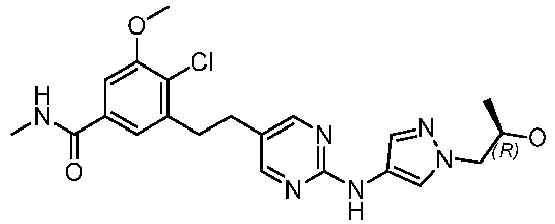
445.2 1H NMR (400 MHz, CD3OD) δ 8.13 (s, 2H), 7.93 (s, 1H), 7.54 (s, 1H), 7.36 (s, 1H), 7.30 (s, 1H), 4.19 - 3.97 (m, 3H), 3.91 (s, 3H), 3.04 (t, J = 7.0 Hz, 2H), 2.89 (s, 3H), 2.81 (d, J = 7.0 Hz, 2H), 1.15 (d, J = 5.2 Hz, 3H). 88 
445.3 1H NMR (400 MHz, CD3OD) δ 8.13 (s, 2H), 7.91 (s, 1H), 7.54 (s, 1H), 7.36 (d, J = 1.9 Hz, 1H), 7.30 (d, J = 1.9 Hz, 1H), 4.14 - 4.06 (m, 1H), 4.05 - 3.96 (m, 2H), 3.92 (s, 3H), 3.05 (t, J = 7.6 Hz, 2H), 2.89 (s, 3H), 2.82 (t, J= 7.6 Hz, 2H), 1.15 (d, J = 6.2 Hz, 3H). 89 
458.9 460.9 1H NMR (400 MHz, CD3OD) δ 8.15 (s, 2H), 7.91 (s, 1H), 7.52 (s, 1H), 7.30 (s, 1H), 7.29 (s, 1H), 4.12 (q, J = 6.8 Hz, 2H), 3.91 (s, 3H), 3.12 - 3.02 (m, 2H), 2.89 (s, 3H), 2.81 (t, J = 9.1 Hz, 2H), 1.43 (t, J = 6.9 Hz, 3H). 90 
463.9 1H NMR (400 MHz, CD3OD) δ 8.86 (s, 1H), 8.38 (s, 1H), 8.21 (s, 2H), 7.93 - 7.80 (m, 3H), 7.33 (s, 1H), 7.29 (s, 1H), 7.23 - 7.16 (m, 1H), 3.91 (s, 3H), 3.09 - 2.98 (m, 2H), 2.89 (s, 3H), 2.87 - 2.77 (m, 2H). 91 
464.9 1H NMR (400 MHz, CD3OD) δ 8.22 (s, 2H), 8.09 (s, 1H), 7.51 (d, J = 9.0 Hz, 1H), 7.38 (d, J = 1.9 Hz, 1H), 7.32 (d, J = 1.9 Hz, 1H), 7.06 (dd, J = 9.0 Hz, 1.8 Hz, 1H), 4.02 (s, 3H), 3.93 (s, 3H), 3.08 (t, J = 7.2 Hz, 2H), 2.89 (s, 3H), 2.86 (t, J = 7.2 Hz, 2H), 2.59 (s, 3H). 92 
468.9 1H NMR (400 MHz, DMSO-d6) δ 8.91 (s, 1H), 8.45 (br, 1H), 8.18 (s, 2H), 7.44 (d, J = 1.9 Hz, 1H), 7.42 (d, J = 1.9 Hz, 1H), 7.33 (d, J = 8.8 Hz, 2H), 6.52 (d, J = 8.8 Hz, 2H), 5.20 (t, J = 5.9 Hz, 1H), 3.89 (s, 3H), 3.02 - 2.93 (m, 3H), 2.91 - 2.84 (m, 1H), 2.79 (d, J = 4.5 Hz, 3H), 2.76 - 2.71 (m, 3H), 1.01 (d, J = 6.3 Hz, 3H). 93 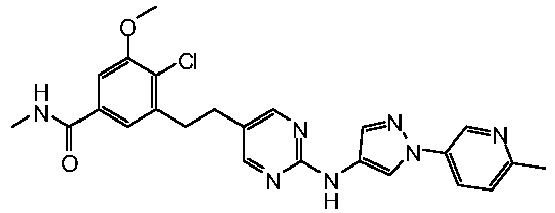
477.9 1H NMR (400 MHz, CD3OD) δ 8.82 (s, 1H), 8.55 (s, 1H), 8.24 (s, 2H), 8.05 (d, J = 6.9 Hz, 1H), 7.85 (s, 1H), 7.40 (d, J = 7.2 Hz, 1H), 7.38 (s, 1H), 7.33 (s, 1H), 3.94 (s, 3H), 3.08 (t, J = 7.8 Hz, 2H), 2.92 (s, 3H), 2.89 - 2.83 (m, 2H), 2.58 (s, 3H). 94 
481.8 1H NMR (400 MHz, CDCl3) δ 8.09 (s, 2H), 7.39 (d, J = 7.5 Hz, 2H), 7.22 (d, J = 1.8 Hz, 1H), 6.99 (s, 1H), 6.93 (d, J = 1.8 Hz, 1H), 6.85 (s, 2H), 5.95 (s, 1H), 3.89 (s, 3H), 3.82 - 3.78 (m, 4H), 3.07 - 3.03 (m, 4H), 2.97 - 2.92 (m, 2H), 2.90 (d, J = 4.8 Hz, 3H), 2.78 - 2.72 (m, 2H). 95 
485.9 1H NMR (400 MHz, CD3OD) δ 8.15 (s, 2H), 7.97 (s, 1H), 7.54 (s, 1H), 7.37 (d, J = 1.8 Hz, 1H), 7.31 (d, J = 1.8 Hz, 1H), 4.19 (t, J = 7.0 Hz, 2H), 3.92 (s, 3H), 3.06 (t, J = 7.6 Hz, 2H), 2.93 - 2.87 (m, 5H), 2.83 (t, J = 7.5 Hz, 2H), 2.58 (q, J = 7.1 Hz, 4H), 1.04 (t, J = 7.1 Hz, 6H). 96 
491.2 1H NMR (400 MHz, CDCl3) δ 8.55 (s, 2H), 7.47 (d, J = 8.9 Hz, 2H), 7.34 (dd, J = 7.9 Hz, 1.9 Hz, 1H), 7.14 (d, J = 16.6 Hz, 1H), 7.08 (s, 1H), 7.02 (d, J = 16.5 Hz, 1H), 6.95 (d, J = 8.7 Hz, 2H), 6.14 (s, 1H), 3.95 (s, 3H), 3.24 - 3.16 (m, 4H), 3.04 (d, J = 4.9 Hz, 3H), 2.66 - 2.59 (m, 4H), 2.49 (q, J = 7.1 Hz, 2H), 1.14 (t, J = 7.2 Hz, 3H). 97 
492.9 1H NMR (400 MHz, DMSO-d6) δ 9.33 (s, 1H), 8.47 (s, 1H), 8.23 (s, 2H), 7.97 (s, 1H), 7.51 (s, 1H), 7.42 (s, 1H), 7.40 (s, 1H), 4.47 (t, J = 6.9 Hz, 2H), 3.87 (s, 3H), 3.64 (t, J = 6.5 Hz, 2H), 2.97 (t, J = 7.4 Hz, 2H), 2.83 (s, 3H), 2.78 - 2.71 (m, 5H). 98 
498.0 1H NMR (400 MHz, CD3OD) δ 8.15 (s, 2H), 7.98 (s, 1H), 7.55 (s, 1H), 7.37 (d, J = 1.9 Hz, 1H), 7.30 (d, J = 1.9 Hz, 1H), 4.07 (d, J = 6.9 Hz, 2H), 3.93 (s, 3H), 3.06 (t, J = 7.5 Hz, 2H), 2.90 (s, 3H), 2.84 (t, J = 7.5 Hz, 2H), 2.79 (s, 3H), 2.20 - 2.16 (m, 2H), 2.08 - 1.99 (m, 1H), 1.86 - 1.82 (m, 2H), 1.60 - 1.46 (m, 4H). 99 
500.0 1H NMR (400 MHz, CD3OD) δ 8.15 (s, 2H), 7.95 (s, 1H), 7.53 (s, 1H), 7.37 (d, J = 1.9 Hz, 1H), 7.31 (d, J = 1.9 Hz, 1H), 4.12 (t, J = 6.7 Hz, 2H), 3.92 (s, 3H), 3.05 (t, J = 7.6 Hz, 2H), 2.90 (s, 3H), 2.82 (t, J = 7.6 Hz, 2H), 2.55 (q, J = 7.2 Hz, 4H), 2.51 - 2.42 (m, 2H), 2.06 - 1.93 (m, 2H), 1.01 (t, J = 7.2 Hz, 6H). 100 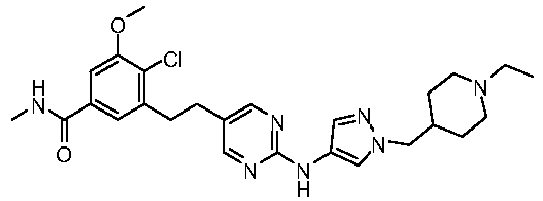
511.9 1H NMR (400 MHz, CD3OD) δ 8.16 (s, 2H), 7.92 (s, 1H), 7.54 (s, 1H), 7.37 (d, J = 1.9 Hz, 1H), 7.31 (d, J = 1.9 Hz, 1H), 3.98 (d, J = 7.2 Hz, 2H), 3.93 (s, 3H), 3.06 (t, J = 7.6 Hz, 2H), 2.98 - 2.92 (m, 2H), 2.90 (s, 3H), 2.83 (t, J = 7.6 Hz, 2H), 2.42 (q, J = 7.4 Hz, 2H), 2.02 - 1.90 (m, 3H), 1.64 - 1.56 (m, 2H), 1.37 - 1.34 (m, 2H), 1.08 (t, J = 7.4 Hz, 3H). 101 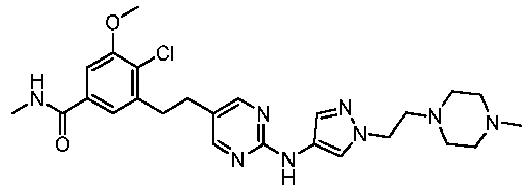
513.0 1H NMR (400 MHz, CD3OD) δ 8.15 (s, 2H), 7.97 (s, 1H), 7.53 (s, 1H), 7.36 (s, 1H), 7.30 (s, 1H), 4.21 (t, J = 6.6 Hz, 2H), 3.92 (s, 3H), 3.05 (t, J = 7.6 Hz, 2H), 2.89 (s, 3H), 2.89 - 2.78 (m, 4H), 2.62 - 2.40 (m, 8H), 2.26 (s, 3H). 102 
523.3 1H NMR (400 MHz, CD3OD) δ 8.23 (s, 2H), 7.77 (d, J = 8.8 Hz, 2H), 7.38 - 7.35 (m, 3H), 7.31 (d, J = 2.0 Hz, 1H), 3.93 (s, 3H), 3.79 - 3.54 (m, 4H), 3.08 (t, J = 7.6 Hz, 2H), 2.89 - 2.85 (m, 5H), 2.53 - 2.41 (m, 4H), 2.32 (s, 3H). 103 
527.3 1H NMR (400 MHz, CD3OD) δ 8.01 (s, 2H), 7.34 (d, J = 8.5 Hz, 2H), 7.18 (d, J = 6.2 Hz, 1H), 6.85 (d, J = 8.6 Hz, 2H), 3.80 (s, 3H), 3.43 - 3.32 (m, 2H), 3.02 (t, J = 7.2 Hz, 2H), 2.96 - 2.87 (m, 2H), 2.81 (s, 3H), 2.70 (t, J = 7.4 Hz, 2H), 2.15 (t, J = 11.0 Hz, 2H), 1.05 (d, J = 6.4 Hz, 6H). -

- To a solution of (E)-methyl 3-(2-(2-aminopyrimidin-5-yl)vinyl)-4-fluoro-5-methoxybenzoate (0.26 g, 0.86 mmol) in THF (40 mL) was added Pd/C (10%, 0.14 g). The mixture was stirred at 35°C for 48 h under hydrogen (1atm). The mixture was filtered and the filtrate was concentrated. The residue was then purified via ISCO (eluted with MeOH in H2O 0∼100%) to afford the title compound as a yellow solid (0.11 g, 42.0% yield). MS (m/z): 306.1 (M+H)+.
- A mixture of methyl 3-(2-(2-aminopyrimidin-5-yl)ethyl)-4-fluoro-5-methoxybenzoate (0.09 g, 0.30 mmol), 4-((6-bromopyridin-3-yl)methyl)morpholine (0.12 g, 0.47 mmol), Cs2CO3 (0.20 g, 0.62 mmol), palladium(II)acetate (0.02 g, 0.089 mmol) and Xantphos (0.02 g, 0.035 mmol) in dioxane (6 mL) was heated at 130°C under microwave for 15 min. Then the mixture was concentrated and the residue was purified via ISCO (eluted with MeOH in H2O 0∼100%) to afford the title compound as a yellow solid (0.06 g, 42.3% yield). MS (m/z): 482.3 (M+H)+.
- A mixture of methyl 4-fluoro-3-methoxy-5-(2-(2-((5-(morpholinomethyl)pyridin-2-yl) amino)pyrimidin-5-yl)ethyl)benzoate (0.06 g, 0.12 mmol) in THF (4 mL) and aqueous LiOH solution (0.02 g in 1 mL H2O) was stirred at 40°C for 2 h. Then the reaction mixture was purified via ISCO (eluted with MeOH in H2O 0∼100%) directly to afford the title compound as a yellow solid (0.042 g, 72.1% yield). MS (m/z): 468.2 (M+H)+.
- A mixture of 4-fluoro-3-methoxy-5-(2-(2-((5-(morpholinomethyl)pyridin-2-yl) amino)pyrimidin-5-yl)ethyl)benzoic acid (0.042 g, 0.090 mmol), methylamine hydrochloride (0.010 g, 0.15 mmol), DIPEA (0.032 g, 0.25 mmol) and HATU (0.070 g, 0.18 mmol) in DMF (8 mL) was stirred at room temperature for 0.5 h. Then the reaction mixture was purified via ISCO (eluted with MeOH in H2O 0∼100%) directly to afford the title compound as a yellow solid (0.015 g, 34.7% yield). MS (m/z): 481.2 (M+H)+. 1H NMR (400 MHz, CD3OD) δ 8.30 (s, 2H), 8.17 (s, 1H), 7.73 (s, 1H), 7.72 (s, 1H), 7.42 (d, J = 7.2 Hz, 1H), 7.30 (d, J = 7.1 Hz, 1H), 3.91 (s, 3H), 3.80 - 3.66 (m, 4H), 3.54 - 3.47 (m, 2H), 3.00 (t, J = 9.1 Hz, 2H), 2.92 (s, 3H), 2.91 - 2.82 (m, 2H), 2.57 - 2.40 (m, 4H).
- The following compounds were prepared according to the procedures of Compound 104 using the corresponding intermediates and reagents under appropriate conditions that could be recognized by one skilled in the art.
Comp ound Structure LC-MS (m/z) (M+H)+ 1H NMR 105 
412.0 1H NMR (400 MHz, CD3OD) δ 8.29 (s, 2H), 7.46 (d, J = 7.5 Hz, 1H), 7.40 (dd, J = 7.8 Hz, 2.0 Hz, 1H), 7.30 (d, J = 2.4 Hz, 1H), 7.27 (dd, J = 5.9 Hz, 2.0 Hz, 1H), 6.64 (dd, J = 7.5 Hz, 2.4 Hz, 1H), 3.88 (s, 3H), 3.48 (s, 3H), 2.97 (t, J = 7.2 Hz, 2H), 2.88 (s, 3H), 2.87 (t, J = 7.2 Hz, 2H). 106 
421.9 1H NMR (400 MHz, CDCl3) δ 9.72 (s, 1H), 8.30 (s, 1H), 8.25 (s, 2H), 7.69 (d, J = 9.4 Hz, 1H), 7.36 (dd, J = 9.4 Hz, 2.0 Hz, 1H), 7.32 (dd, J = 7.7 Hz, 2.0 Hz, 1H), 7.16 (s, 1H), 7.06 (dd, J= 5.9 Hz, 2.0 Hz, 1H), 6.06 (s, 1H), 3.92 (s, 3H), 2.98 (d, J = 4.8 Hz, 3H), 2.96 - 2.93 (m, 2H), 2.86 (t, J = 7.4 Hz, 2H). 107 
422.0 1H NMR (400 MHz, CD3OD) δ 9.74 (s, 1H), 8.60 (s, 1H), 8.27 (s, 2H), 8.03 (s, 1H), 7.41 (d, J = 7.7 Hz, 1H), 7.29 (d, J = 4.3 Hz, 1H), 6.63 (s, 1H), 3.89 (s, 3H), 2.98 (t, J = 7.3 Hz, 2H), 2.92 - 2.84 (m, 5H). 108 
422.9 1H NMR (400 MHz, DMSO-d6) δ 10.24 (s, 1H), 9.91 (s, 1H), 8.45 (s, 2H), 8.38 (d, J = 4.4 Hz, 1H), 8.13 (d, J = 9.6 Hz, 1H), 7.89 (dd, J = 9.6 Hz, 1.8 Hz, 1H), 7.42 (dd, J = 7.9 Hz, 2.0 Hz, 1H), 7.38 (dd, J = 7.9 Hz, 2.0 Hz, 1H), 3.82 (s, 3H), 2.93 (t, J = 7.4 Hz, 2H), 2.84 (t, J = 7.5 Hz, 2H), 2.74 (d, J = 4.5 Hz, 3H). 109 
480.0 1H NMR (400 MHz, CD3OD) δ 8.17 (s, 2H), 7.58 (d, J = 8.6 Hz, 2H), 7.42 (dd, J = 7.7 Hz, 2.2 Hz, 1H), 7.28 (dd, J = 5.9 Hz, 2.2 Hz, 1H), 7.25 (d, J = 8.6 Hz, 2H), 3.90 (s, 3H), 3.69 (t, J = 4.5 Hz, 4H), 3.48 (s, 2H), 2.97 (t, J = 7.4 Hz, 2H), 2.90 (s, 3H), 2.84 (t, J = 7.4 Hz, 2H), 2.46 (t, J = 4.5 Hz, 4H). 110 
481.0 1H NMR (400 MHz, CD3OD) δ 8.80 (d, J = 2.6 Hz, 1H), 8.23 - 8.21 (m, 3H), 7.43 - 7.39 (m, 2H),7.27 (dd, J = 6.0 Hz, 2.1Hz, 1H), 3.88 (s, 3H), 3.77 (s, 2H), 3.75 - 3.72 (m, 4H), 2.97 (t, J = 7.3 Hz, 2H), 2.88 (s, 3H), 2.85 (t, J = 7.3 Hz, 2H), 2.70 - 2.65 (m, 4H). 111 
493.0 1H NMR (400 MHz, CD3OD) δ 8.18 (s, 2H), 7.63 (d, J = 8.3 Hz, 2H), 7.43 - 7.41 (m, 1H), 7.30 - 7.26 (m, 3H), 3.89 (s, 3H), 3.69 (s, 2H), 3.14 - 3.06 (m, 4H), 2.97 (t, J = 7.8 Hz, 2H), 2.90 (s, 3H), 2.86 - 2.78 (m, 6H), 2.73 (s, 3H). -

- A mixture of (E)-methyl 3-(2-(2-chloropyrimidin-5-yl)vinyl)-4-fluoro-5-methoxybenzoate (150 mg, 0.46 mmol), 1-Ethyl-1H-pyrazol-4-amine (103 mg, 0.93 mmol) and p-toluenesulfonic acid (79 mg, 0.46 mmol) in propan-2-ol (20 mL) was stirred at 150°C under microwave for 40 min. The volatiles were removed under reduced pressure and the residue was partitioned between saturated aqueous NaHCO3 (20 mL) and DCM (60 mL). The organic layer was concentrated and purified via ISCO (DCM/ MeOH) to afford the title compound as a yellow solid (130 mg, 70.4% yield).
- To a solution of (E)-methyl 3-(2-(2-((1-ethyl-1H-pyrazol-4-yl)amino)pyrimidin-5-yl) vinyl)-4-fluoro-5-methoxybenzoate (130 mg, 0.33 mmol) in THF (30 mL) and MeOH (20 mL) was added Pd/C (10%, 100 mg). The mixture was stirred at 40°C under hydrogen atmosphere for 16 h. The catalyst was filtered off and the filtrate was concentrated to afford the title compound as a yellow solid (130 mg, quantative yield). MS (m/z): 400.0 (M+H)+.
- To a solution of Methyl 3-(2-(2-((1-ethyl-1H-pyrazol-4-yl)amino)pyrimidin-5-yl)ethyl)-4-fluoro-5-methoxybenzoate (130 mg, 0.33 mmol) in MeOH (10 mL) was added aq NaOH (66 mg, 1.65 mmol in 4 mL H2O). The reaction was stirred at 40°C for 3 h. The volatiles were removed under reduced pressure and the residue was purified via ISCO (eluted with MeOH in H2O 0∼100%) to afford the title compound as a white solid (100 mg, 79.7% yield). MS (m/z): 386.0 (M+H)+.
- To a solution of 3-(2-(2-((1-ethyl-1H-pyrazol-4-yl)amino)pyrimidin-5-yl)ethyl)-4-fluoro-5-methoxybenzoic acid (100 mg, 0.26 mmol) in dry DMF (4 mL) was added DIPEA (10 drops), HATU (296 mg, 0.78 mmol) and methylamine hydrochloride (52 mg, 0.78 mmol). The reaction was stirred at ambient temperature for 30 min and then purified via ISCO (eluted with MeOH in H2O 0∼100%) directly to afford the title compound as a white solid (78 mg, 75.4% yield). MS (m/z): 399.1 (M+H)+. 1H NMR (400 MHz, CD3OD) δ 8.12 (s, 2H), 7.89 (s, 1H), 7.50 (s, 1H), 7.39 (dd, J = 7.7 Hz, 1.9 Hz, 1H), 7.25 (dd, J = 5.9 Hz, 2.0 Hz, 1H), 4.11 (q, J = 7.3 Hz, 2H), 3.87 (s, 3H), 2.92 (t, J = 7.4 Hz, 2H), 2.87 (s, 3H), 2.79 (t, J = 7.5 Hz, 2H), 1.42 (t, J = 7.3 Hz, 3H).
- The following compounds were prepared according to the procedures of Compound 112 using the corresponding intermediates and reagents under appropriate conditions that could be recognized by one skilled in the art.
Comp ound Structure LC-MS (m/z) (M+H)+ 1H NMR 113 
369.1 1H NMR (400 MHz, CD3OD) δ 8.14 (s, 2H), 7.77 (s, 2H), 7.16 - 7.13 (m, 2H), 6.91 (s, 1H), 3.79 - 3.78 (m, 6H), 2.89 - 2.88 (m, 2H), 2.83 - 2.82 (m, 2H). 114 
371.1 1H NMR (400 MHz, CD3OD) δ 8.13 (s, 2H), 7.75 (s, 2H), 7.40 (dd, J = 7.7 Hz, 2.0 Hz, 1H), 7.26 (dd, J = 5.9 Hz, 2.0 Hz, 1H), 3.87 (s, 3H), 2.93 (t, J = 7.4 Hz, 2H), 2.88 (s, 3H), 2.80 (t, J = 7.4 Hz, 2H). 115 
384.1 1H NMR (400 MHz, CD3OD) δ 7.76 (d, J = 3.1 Hz, 2H), 7.39 (d, J = 0.7 Hz, 1H), 7.37 (dd, J = 7.8 Hz, 2.2 Hz, 1H), 7.30 (dd, J = 8.6 Hz, 2.4 Hz, 1H), 7.24 (dd, J = 6.0 Hz, 2.1 Hz, 1H), 6.56 (dd, J = 8.5 Hz, 0.6 Hz, 1H), 3.87 (s, 3H), 3.83 (s, 3H), 2.93 - 2.88 (t, J = 7.5 Hz, 2H), 2.87 (s, 3H), 2.78 (t, J = 7.5 Hz, 2H). 116 
397.2 1H NMR (400 MHz, CD3OD) δ 8.16 (s, 2H), 7.58 (dd, J = 9.0 Hz, 4.8 Hz, 2H), 7.16 (s, 1H), 7.13 (s, 1H), 7.05 - 6.95 (m, 2H), 6.91 (s, 1H), 3.79 (s, 3H), 3.78 (s, 3H), 2.94 - 2.87 (m, 2H), 2.86 - 2.79 (m, 2H). 117 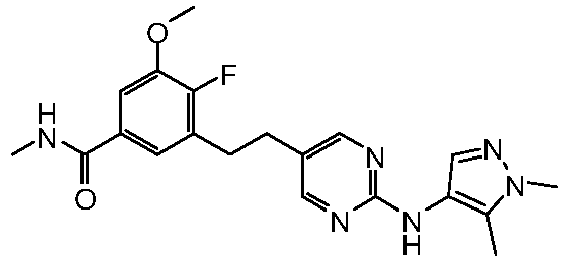
399.1 1H NMR (400 MHz, CD3OD) δ 8.02 (s, 2H), 7.40 (s, 1H), 7.38 (d, J = 2.0 Hz, 1H), 7.24 (dd, J = 5.9 Hz, 2.0 Hz, 1H), 3.86 (s, 3H), 3.75 (s, 3H), 2.91 (t, J = 7.4 Hz, 2H), 2.88 (s, 3H), 2.77 (t, J = 7.3 Hz, 2H), 2.11 (s, 3H). 118 
409.2 1H NMR (400 MHz, CD3OD) δ 8.06 (s, 2H), 7.38 (d, J = 7.8 Hz, 2H), 7.11 (s, 1H), 7.09 (s, 1H), 6.86 (s, 1H), 6.81 (d, J = 7.9 Hz, 2H), 3.84 - 3.62 (m, 9H), 2.84 (t, J = 6.2 Hz, 2H), 2.77 (t, J = 6.2 Hz, 2H). 119 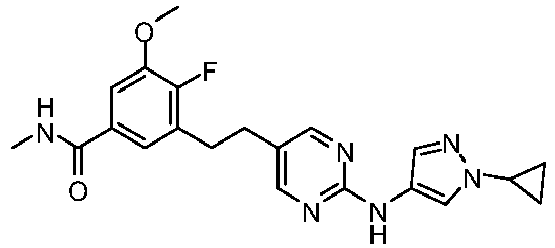
411.0 1H NMR (400 MHz, CD3OD) δ 8.13 (s, 2H), 7.92 (s, 1H), 7.49 (s, 1H), 7.40 (dd, J = 7.7 Hz, 2.1 Hz, 1H), 7.26 (dd, J = 6.0 Hz, 2.1 Hz, 1H), 3.88 (s, 3H), 3.57 - 3.54 (m, 1H), 2.94 (t, J = 7.3 Hz, 2H), 2.88 (s, 3H), 2.81 (t, J = 7.3 Hz, 2H), 1.07 - 0.97 (m, 4H). 120 
413.1 1H NMR (400 MHz, CD3OD) δ 8.13 (s, 2H), 8.13 (s, 2H), 7.93 (s, 1H), 7.93 (s, 1H), 7.54 (s, 1H), 7.54 (s, 1H), 7.15 - 7.13(m, 2H), 6.89 (s, 1H), 4.17 (t, J = 5.4 Hz, 2H), 3.86 (t, J = 5.3 Hz, 2H), 3.78 (s, 6H), 2.89 - 2.87 (m, 2H), 2.83 - 2.81 (m, 2H). 121 
413.0 1H NMR (400 MHz, CD3OD) δ 8.03 (s, 2H), 7.44 (s, 1H), 7.40 (dd, J = 7.8 Hz, 1.9 Hz, 1H), 7.26 (dd, J = 5.9 Hz, 1.9 Hz, 1H), 4.10 (q, J = 7.2 Hz, 2H), 3.88 (s, 3H), 2.93 (t, J = 7.4 Hz, 2H), 2.89 (s, 3H), 2.79 (t, J = 7.3 Hz, 2H), 2.14 (s, 3H), 1.38 (t, J = 7.2 Hz, 3H). 122 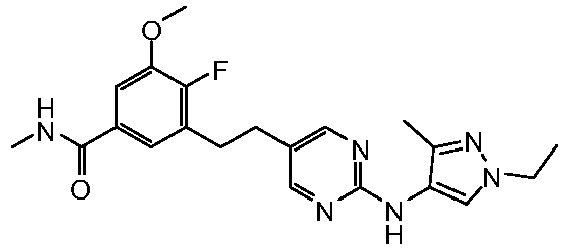
413.0 1H NMR (400 MHz, CD3OD) δ 8.07 (s, 2H), 7.72 (s, 1H), 7.40 (dd, J = 7.8 Hz, 2.0 Hz, 1H), 7.26 (dd, J = 5.9 Hz, 2.1 Hz, 1H), 4.07 (q, J = 7.3 Hz, 2H), 3.88 (s, 3H), 2.94 (t, J = 7.2 Hz, 2H), 2.89 (s, 3H), 2.80 (t, J = 7.4 Hz, 2H), 2.12 (s, 3H), 1.42 (t, J = 7.3 Hz, 3H). 123 
413.0 1H NMR (400 MHz, CD3OD) δ 8.11 (s, 2H), 7.89 (s, 1H), 7.51 (s, 1H), 7.39 (d, J = 7.2 Hz, 1H), 7.25 (d, J = 4.7 Hz, 1H), 4.50 - 4.36 (m, 1H), 3.86 (s, 3H), 2.92 (t, J = 7.2 Hz, 2H), 2.87 (s, 3H), 2.78 (t, J = 7.1 Hz, 2H), 1.45 (d, J = 6.5 Hz, 6H). 124 
413.1 1H NMR (400 MHz, CD3OD) δ 7.99 (s, 2H), 7.39 (dd, J = 7.8 Hz, 2.0 Hz, 1H), 7.23 (dd, J = 5.9 Hz, 2.0 Hz, 1H), 3.87 (s, 3H), 3.69 (s, 3H), 2.91 (t, J = 7.4 Hz, 2H), 2.88 (s, 3H), 2.78 (t, J = 7.3 Hz, 2H), 2.06 (s, 3H), 2.00 (s, 3H). 125 
413.2 1H NMR (400 MHz, CD3OD) δ 8.15 (s, 2H), 7.56 (d, J = 8.9 Hz, 2H), 7.21 (d, J = 8.9 Hz, 2H), 7.16 (s, 1H), 7.13 (s, 1H), 6.81 (s, 1H), 3.79 (s, 3H), 3.77 (s, 3H), 2.92 - 2.85 (m, 2H), 2.85 - 2.78 (m, 2H). 126 
415.1 1H NMR (400 MHz, CD3OD) δ 8.15 (s, 2H), 7.95 (s, 1H), 7.58 (s, 1H), 7.43 (d, J = 7.4 Hz, 1H), 7.30 (d, J = 4.4 Hz, 1H), 4.20 (t, J = 5.2 Hz, 2H), 3.91 (s, 3H), 3.90 - 3.88 (m, 2H), 2.97- 2.95 (m, 2H), 2.92 (s, 3H), 2.84 (t, J = 7.2 Hz, 2H). 127 
414.9 1H NMR (400 MHz, CD3OD) δ 8.15 (s, 2H), 7.89 (s, 1H), 7.53 (s, 1H), 7.36 (s, 1H), 7.30 (s, 1H), 4.13 (q, J = 7.2 Hz, 2H), 3.92 (s, 3H), 3.04 (t, J = 7.4 Hz, 2H), 2.90 (s, 3H), 2.81 (t, J = 7.6 Hz, 2H), 1.45 (t, J = 7.2 Hz, 3H). 128 
421.3 1H NMR (400 MHz, CD3OD) δ 8.33 (s, 1H), 8.21 (s, 2H), 7.76 (s, 1H), 7.41 (dd, J = 7.6 Hz, 2.0 Hz, 1H), 7.38 (t, J = 60.0 Hz, 1H), 7.28 (dd, J = 6.0 Hz, 2.0 Hz, 1H), 3.89 (s, 3H), 2.96 (t, J = 7.3 Hz, 2H), 2.90 (s, 3H), 2.84 (t, J = 7.3 Hz, 2H). 129 
426.9 1H NMR (400 MHz, CD3OD) δ 8.14 (s, 2H), 8.09 (s, 1H), 7.63 (s, 1H), 7.40 (dd, J = 7.7 Hz, 2.1 Hz, 1H), 7.26 (dd, J = 6.0 Hz, 2.0 Hz, 1H), 5.53 - 5.44 (m, 1H), 5.05 - 4.98 (m, 4H), 3.88 (s, 3H), 2.94 (t, J = 7.4 Hz, 2H), 2.88 (s, 3H), 2.80 (d, J = 7.3 Hz, 2H). 130 
427.0 1H NMR (400 MHz, CD3OD) δ 8.13 (s, 2H), 7.88 (s, 1H), 7.52 (s, 1H), 7.39 (dd, J = 7.8 Hz, 2.1 Hz, 1H), 7.26 (dd, J = 6.0 Hz, 2.0 Hz, 1H), 3.87 (s, 3H), 3.87 (d, J = 7.2 Hz, 2H), 2.93 (t, J = 7.4 Hz, 2H), 2.88 (s, 3H), 2.80 (t, J = 7.4 Hz, 2H), 2.19 - 2.09 (m, 1H), 0.89 (d, J = 6.8 Hz, 6H). 131 
426.9 1H NMR (400 MHz, CD3OD) δ 8.14 (s, 2H), 7.92 (s, 1H), 7.50 (s, 1H), 7.36 (d, J = 1.9 Hz, 1H), 7.29 (d, J = 1.9 Hz, 1H), 3.91 (s, 3H), 3.57 - 3.55 (m, 1H), 3.04 (t, J = 7.6 Hz, 2H), 2.89 (s, 3H), 2.81 (t, J = 7.6 Hz, 2H), 1.07 - 0.97 (m, 4H). 132 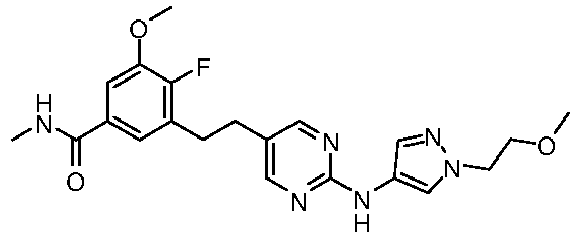
429.0 1H NMR (400 MHz, CD3OD) δ 8.12 (s, 2H), 7.91 (s, 1H), 7.53 (s, 1H), 7.39 (dd, J = 7.8 Hz, 1.9 Hz, 1H), 7.25 (dd, J = 5.9 Hz, 1.9 Hz, 1H), 4.22 (t, J = 5.3 Hz, 2H), 3.87 (s, 3H), 3.70 (t, J = 5.3 Hz, 2H), 2.92 (t, J = 7.3 Hz, 2H), 2.87 (s, 3H), 2.79 (t, J= 7.4 Hz, 2H). 133 
429.1 1H NMR (400 MHz, CD3OD) δ 8.14 (s, 2H), 7.90 (s, 1H), 7.52 (s, 1H), 7.36 (s, 1H), 7.29 (s, 1H), 4.49 - 4.41 (m, 1H), 3.91 (s, 3H), 3.05 (t, J = 7.6 Hz, 2H), 2.89 (s, 3H), 2.81 (t, J = 7.7 Hz, 2H), 1.47 (d, J = 6.7 Hz, 6H). 134 
439.2 1H NMR (400 MHz, DMSO-d6) δ 9.34 (s, 1H), 8.38 - 8.32 (m, 1H), 8.23 (s, 2H), 7.58 (d, J = 8.4 Hz, 2H), 7.41 (d, J = 6.6 Hz, 1H), 7.37 (d, J = 6.0 Hz, 1H), 7.09 (d, J = 8.4 Hz, 2H), 3.82 (s, 3H), 3.36 (s, 2H), 2.88 (t, J = 7.5 Hz, 2H), 2.78 - 2.72 (m, 5H). 135 
439.0 1H NMR (400 MHz, CD3OD) δ 8.12 (s, 2H), 7.90 (s, 1H), 7.52 (s, 1H), 7.39 (d, J = 7.8 Hz, 1H), 7.26 (d, J = 4.0 Hz, 1H), 4.67 - 4.60 (m, 1H), 3.88 (s, 3H), 2.93 (t, J = 7.4 Hz, 2H), 2.88 (s, 3H), 2.80 (t, J = 7.3 Hz, 2H), 2.21 - 2.09 (m, 2H), 2.02 - 1.80 (m, 4H), 1.73- 1.70 (m, 2H). 136 
440.9 1H NMR (400 MHz, CD3OD) δ 8.13 (s, 2H), 7.96 (s, 1H), 7.54 (s, 1H), 7.40 (dd, J = 7.8 Hz, 2.1 Hz, 1H), 7.26 (dd, J = 5.9 Hz, 2.1 Hz, 1H), 5.02 - 4.94 (m, 1H), 4.15 - 4.07 (m, 1H), 4.00 (d, J = 4.8 Hz, 2H), 3.94 - 3.84 (m, 4H), 2.94 (t, J = 7.3 Hz, 2H), 2.88 (s, 3H), 2.81 (t, J= 7.4 Hz, 2H), 2.50 - 2.41 (m, 1H), 2.35 - 2.26 (m, 1H). 137 
441.0 1H NMR (400 MHz, CD3OD) δ 8.13 (s, 2H), 7.96 (s, 1H), 7.54 (s, 1H), 7.40 (dd, J = 7.8 Hz, 2.1 Hz, 1H), 7.26 (dd, J = 6.0 Hz, 2.1 Hz, 1H), 5.00 - 4.93 (m, 1H), 4.14 - 4.05 (m, 1H), 4.00 (d, J = 4.8 Hz, 2H), 3.92 - 3.85 (m, 4H), 2.94 (t, J = 7.3 Hz, 2H), 2.88 (s, 3H), 2.81 (t, J = 7.4 Hz, 2H), 2.51 - 2.40 (m, 1H), 2.35 - 2.23 (m, 1H). 138 
442.0 1H NMR (400 MHz, CD3OD) δ 8.13 (s, 2H), 7.96 (s, 1H), 7.54 (s, 1H), 7.40 (dd, J = 7.8 Hz, 2.1 Hz, 1H), 7.26 (dd, J = 6.0 Hz, 2.1 Hz, 1H), 4.24 (t, J = 6.8 Hz, 2H), 3.87 (s, 3H), 2.93 (t, J = 7.4 Hz, 2H), 2.90 - 2.85 (m, 5H), 2.81 (t, J = 7.4 Hz, 2H), 2.34 (s, 6H). 139 
443.1 1H NMR (400 MHz, CD3OD) δ 8.12 (s, 2H), 7.89 (s, 1H), 7.51 (s, 1H), 7.39 (s, 1H), 7.26 (s, 1H), 4.18- 4.12 (m, 2H), 3.86 (s, 3H), 3.33- 3.31 (m, 5H), 2.92- 2.90 (m, 2H), 2.87 (s, 3H), 2.82 - 2.74 (m, 2H), 2.07- 2.01 (m, 2H). 140 
444.9 1H NMR (400 MHz, CD3OD) δ 8.15 (s, 2H), 7.93 (s, 1H), 7.54 (s, 1H), 7.36 (d, J = 1.8 Hz, 1H), 7.30 (d, J = 1.8 Hz, 1H), 4.23 (t, J = 5.3 Hz, 2H), 3.92 (s, 3H), 3.71 (t, J = 5.2 Hz, 2H), 3.31 (s, 3H), 3.05 (t, J = 7.6 Hz, 2H), 2.89 (s, 3H), 2.82 (t, J = 7.7 Hz, 2H). 141 
448.1 1H NMR (400 MHz, CD3OD) δ 8.95 (s, 1H), 8.56 (s, 1H), 8.42 (d, J = 4.3 Hz, 1H), 8.21 (s, 2H), 8.13 (d, J = 7.1 Hz, 1H), 7.84 (s, 1H), 7.51 (dd, J = 8.3 Hz, 4.8 Hz, 1H), 7.38 (dd, J = 7.7 Hz, 1.9 Hz, 1H), 7.27 (dd, J = 5.9 Hz, 2.0 Hz, 1H), 3.88 (s, 3H), 2.98 - 2.91 (m, 2H), 2.89 (s, 3H), 2.83 (t, J = 7.4 Hz, 2H). 142 
448.9 1H NMR (400 MHz, CD3OD) δ 8.81 (d, J = 2.4 Hz, 1H), 8.28 (dd, J = 8.6 Hz, 2.7 Hz, 1H), 8.24 (s, 2H), 7.51 (d, J = 8.8 Hz, 1H), 7.42 (dd, J = 7.9 Hz, 1.9 Hz, 1H), 7.28 (dd, J = 6.0 Hz, 1.9 Hz, 1H), 3.89 (s, 3H), 3.01 - 2.95 (m, 2H), 2.89 (s, 3H), 2.89 - 2.84 (m, 2H), 1.74 (s, 6H). 143 
448.9 1H NMR (400 MHz, CD3OD) δ 8.20 (s, 2H), 8.09 (s, 1H), 7.51 (d, J = 8.9 Hz, 1H), 7.41 (dd, J = 7.6 Hz, 2.0 Hz, 1H), 7.28 (dd, J = 6.0 Hz, 2.0 Hz, 1H), 7.05 (dd, J = 9.0 Hz, 1.7 Hz, 1H), 4.02 (s, 3H), 3.89 (s, 3H), 2.97 (t, J = 7.1 Hz, 2H), 2.89 (s, 3H), 2.85 (t, J = 7.1 Hz, 3H), 2.59 (s, 3H). 144 
454.9 1H NMR (400 MHz, CD3OD) δ 8.15 (s, 2H), 7.98 (s, 1H), 7.56 (s, 1H), 7.41 (dd, J = 7.8 Hz, 2.1 Hz, 1H), 7.28 (dd, J = 6.0 Hz, 2.1 Hz, 1H), 4.40 - 4.30 (m, 1H), 4.12 - 4.02 (m, 2H), 3.89 (s, 3H), 3.62 - 3.52 (m, 2H), 2.95 (t, J = 7.5 Hz, 2H), 2.90 (s, 3H), 2.82 (t, J = 7.4 Hz, 3H), 2.08 - 1.98 (m, 4H). 145 
455.0 1H NMR (400 MHz, CD3OD) δ 8.13 (s, 2H), 7.94 (s, 1H), 7.54 (s, 1H), 7.40 (dd, J = 7.7 Hz, 2.0 Hz, 1H), 7.26 (dd, J = 5.9 Hz, 2.0 Hz, 1H), 4.70 (d, J = 6.1 Hz, 2H), 4.34 (d, J = 6.1 Hz, 2H), 4.29 (s, 2H), 3.88 (s, 3H), 2.94 (t, J = 7.4 Hz, 2H), 2.88 (s, 3H), 2.81 (t, J = 7.4 Hz, 2H), 1.23 (s, 3H). 146 
456.0 1H NMR (400 MHz, CD3OD) δ 8.13 (s, 2H), 7.99 (s, 1H), 7.56 (s, 1H), 7.40 (dd, J = 7.8 Hz, 2.1 Hz, 1H), 7.27 (dd, J = 6.0 Hz, 2.1 Hz, 1H), 4.23 (t, J= 6.4 Hz, 2H), 3.88 (s, 3H), 3.13 - 3.06 (m, 2H), 2.94 (t, J = 7.2 Hz, 2H), 2.88 (s, 3H), 2.85 - 2.83 (m, 6H), 2.82 - 2.79 (m, 2H), 2.28 - 2.20 (m, 2H). 147 
462.4 1H NMR (400 MHz, CD3OD) δ 8.82 (s, 1H), 8.55 (s, 1H), 8.21 (s, 2H), 8.06 (s, J = 7.2 Hz, 1H), 7.83 (s, 1H), 7.42 (s, 1H), 7.40 (s, 1H), 7.28 (s, 1H), 3.89 (s, 3H), 3.01 - 2.94 (m, 2H), 2.89 (s, 3H), 2.87 - 2.79 (m, 2H), 2.57 (s, 3H). 148 
468.0 1H NMR (400 MHz, CD3OD) δ 8.12 (s, 2H), 7.95 (s, 1H), 7.53 (s, 1H), 7.39 (d, J = 7.2 Hz, 1H), 7.26 (d, J = 4.8 Hz, 1H), 4.23 (t, J = 6.9 Hz, 2H), 3.87 (s, 3H), 2.98 - 2.88 (m, 4H), 2.87 (s, 3H), 2.80 (t, J = 7.1 Hz, 2H), 2.60 - 2.50 (m, 4H), 1.84 - 1.72 (m, 4H). 149 
469.9 1H NMR (400 MHz, CD3OD) δ 8.14 (s, 2H), 7.96 (s, 1H), 7.54 (s, 1H), 7.41 (dd, J = 7.8 Hz, 2.1 Hz, 1H), 7.27 (dd, J = 5.9 Hz, 2.1 Hz, 1H), 4.24 - 4.13 (m, 2H), 3.89 (s, 3H), 2.97 - 2.89 (m, 4H), 2.89 (s, 3H), 2.82 (t, J = 7.4 Hz, 2H), 2.58 (q, J = 7.2 Hz, 4H), 1.04 (t, J = 7.2 Hz, 6H). 150 
482.0 1H NMR (400 MHz, CD3OD) δ 8.14 (s, 2H), 7.92 (s, 1H), 7.53 (s, 1H), 7.41 (dd, J = 7.8 Hz, 2.1 Hz, 1H), 7.27 (dd, J = 5.9 Hz, 2.1 Hz, 1H), 3.98 (d, J = 7.2 Hz, 2H), 3.89 (s, 3H), 2.95 (t, J = 7.5 Hz, 2H), 2.89 (s, 3H), 2.81 (t, J = 7.5 Hz, 2H), 2.25 (s, 3H), 2.02 - 1.93 (m, 2H), 1.93 - 1.82 (m, 1H), 1.60 - 1.53 (m, 2H), 1.37 - 1.28 (m, 4H). 151 
482.1 1H NMR (400 MHz, CD3OD) δ 8.05 (s, 2H), 7.86 (s, 1H), 7.44 (s, 1H), 7.31 (d, J = 7.7 Hz, 1H), 7.18 (d, J = 4.1 Hz, 1H), 4.07 (t, J = 6.7 Hz, 2H), 3.79 (s, 3H), 2.86 (t, J = 7.5 Hz, 2H), 2.80 (s, 3H), 2.73 (t, J = 7.2 Hz, 2H), 2.66 - 2.54 (m, 4H), 2.54 - 2.45 (m, 2H), 2.05 - 1.95 (m, 2H), 1.83 - 1.69 (m, 4H). 152 
484.0 1H NMR (400 MHz, CD3OD) δ 8.11 (s, 2H), 7.96 (s, 1H), 7.51 (s, 1H), 7.39 (dd, J = 7.8 Hz, 2.1 Hz, 1H), 7.26 (dd, J = 6.0 Hz, 2.1 Hz, 1H), 4.21 (t, J = 6.6 Hz, 2H), 3.87 (s, 3H), 3.68 - 3.58 (m, 4H), 2.93 (t, J = 7.4 Hz, 2H), 2.87 (s, 3H), 2.82 - 2.78 (m, 2H), 2.77 - 2.75 (m, 2H), 2.49 - 2.43 (m, 4H). 153 
494.0 1H NMR (400 MHz, CD3OD) δ 8.30 (d, J = 2.7 Hz, 1H), 8.10 (s, 2H), 7.82 (dd, J = 9.1 Hz, 2.7 Hz, 1H), 7.40 (dd, J = 7.8 Hz, 2.1 Hz, 1H), 7.26 (dd, J = 5.9 Hz, 2.0 Hz, 1H), 6.82 (d, J = 9.1 Hz, 1H), 4.12 - 4.02 (m, 2H), 3.88 (s, 3H), 3.02 - 2.95 (m, 2H), 2.93 (t, J = 7.4 Hz, 2H), 2.88 (s, 3H), 2.80 (t, J = 7.4 Hz, 2H), 2.43 (dd, J = 12.6 Hz, 11.0 Hz, 2H), 1.18 (d, J = 6.4 Hz, 6H). 154 
506.9 1H NMR (400 MHz,CD3OD) δ 8.11 (s, 2H), 7.40 (dd, J = 7.7 Hz, 2.1 Hz, 1H), 7.37 - 7.32 (m, 2H), 7.26 (dd, J = 6.0 Hz, 2.0 Hz, 1H), 6.95 (d, J = 9.3 Hz, H), 3.88 (s, 3H), 3.07 - 2.98 (m, 2H), 2.97 - 2.89 (m, 4H), 2.88 (s, 3H), 2.81 (t, J = 7.4 Hz, 2H), 2.28 (t, J = 11.0 Hz, 2H), 2.26 (s, 3H), 1.10 (d, J = 6.4 Hz, 6H). 155 
510.9 1H NMR (400 MHz, CD3OD) δ 8.15 (s, 2H), 7.57 (dd, J = 15.0 Hz, 2.4 Hz, 1H), 7.40 (dd, J = 7.7 Hz, 2.0 Hz, 1H), 7.26 (dd, J = 5.9 Hz, 2.0 Hz, 1H), 7.20 (dd, J = 8.7 Hz, 2.4 Hz, 1H), 6.93 (t, J = 9.2 Hz, 1H), 3.87 (s, 3H), 3.24 - 3.16 (m, 2H), 3.08 - 2.98 (m, 2H), 2.94 (t, J = 7.3 Hz, 2H), 2.88 (s, 3H), 2.81 (t, J = 7.4 Hz, 2H), 2.29 (t, J = 10.9 Hz, 2H), 1.10 (d, J = 6.4 Hz, 6H). 156 
523.2 1H NMR (400 MHz, CD3OD) δ 8.13 (s, 2H), 7.39 (dd, J = 7.8 Hz, 2.1 Hz, 1H), 7.33 (d, J = 2.3 Hz, 1H), 7.26 (dd, J = 5.9 Hz, 2.1 Hz, 1H), 7.09 (dd, J = 8.6 Hz, 2.3 Hz, 1H), 6.87 (d, J = 8.6 Hz, 1H), 3.87 (s, 3H), 3.84 (s, 3H), 3.25 - 3.18 (m, 2H), 3.08 - 3.00 (m, 2H), 2.93 (t, J = 7.5 Hz, 2H), 2.87 (s, 3H), 2.80 (t, J = 7.5 Hz, 2H), 2.21 - 2.15 (m, 2H), 1.08 (d, J = 6.4 Hz, 6H). 157 
523.4 1H NMR (400 MHz, CD3OD) δ 8.13 (s, 2H), 7.39 (dd, J = 7.4 Hz, 1.5 Hz, 1H), 7.33 (d, J = 2.2 Hz, 1H), 7.25 (dd, J = 5.9 Hz, 1.9 Hz, 1H), 7.08 (dd, J = 8.6 Hz, 2.1 Hz, 1H), 6.90 (d, J = 8.6 Hz, 1H), 3.87 (s, 3H), 3.84 (s, 3H), 3.09 - 2.99 (m, 4H), 2.94 (t, J = 7.4 Hz, 2H), 2.87 (s, 3H), 2.80 (t, J = 7.4 Hz, 2H), 2.69 - 2.57 (m, 4H), 2.48 (q, J = 7.2 Hz, 2H), 1.12 (t, J = 7.2 Hz, 3H). 158 
524.3 1H NMR (400 MHz, CD3OD) δ 8.30 (dd, J = 2.8 Hz, 0.5 Hz, 1H), 8.12 (s, 2H), 7.82 (dd, J = 9.1 Hz, 2.8 Hz, 1H), 7.37 (d, J = 2.0 Hz, 1H), 7.30 (d, J = 2.0 Hz, 1H), 6.81 (dd, J = 9.1 Hz, 0.5 Hz, 1H), 4.02 - 3.96 (m, 2H), 3.92 (s, 3H), 3.07 - 3.03 (m, 2H), 2.90 (s, 3H), 2.83 (t, J = 7.6 Hz, 2H), 2.65 - 2.59 (m, 2H), 2.40 - 2.33 (m, 2H), 2.33 (s, 3H), 1.19 (d, J = 6.3 Hz, 6H). 159 
538.3 1H NMR (400 MHz, CD3OD) δ 8.29 (d, J = 2.6 Hz, 1H), 8.12 (s, 2H), 7.81 (dd, J = 9.1 Hz, 2.6 Hz, 1H), 7.37 (d, J = 1.9 Hz, 1H), 7.30 (d, J = 1.9 Hz, 1H), 6.80 (d, J = 9.1 Hz, 1H), 3.95 - 4.01 (m, 2H), 3.05 (t, J = 7.5 Hz, 2H), 2.99 (q, J = 7.2 Hz, 2H), 2.89 (s, 3H), 2.82 (t, J = 7.5 Hz, 2H), 2.79 - 2.71 (m, 2H), 2.63 - 2.54 (m, 2H), 1.17 (d, J = 6.3 Hz, 6H), 0.96 (t, J = 7.2 Hz, 3H). 160 
539.6 1H NMR (400 MHz, CD3OD) δ 8.13 (s, 2H), 7.36 - 7.31 (m, 2H), 7.28 (s, 1H), 7.09 (dd, J = 8.5 Hz, 2.0 Hz, 1H), 6.87 (dd, J = 8.5 Hz, 1.1 Hz, 1H), 3.90 (s, 3H), 3.83 (s, 3H), 3.23 - 3.19 (m, 2H), 3.07 - 2.98 (m, 4H), 2.87 (s, 3H), 2.79 (t, J = 7.5 Hz, 2H), 2.19 - 2.15 (m, 2H), 1.07 (d, J = 7.3 Hz, 6H). 161 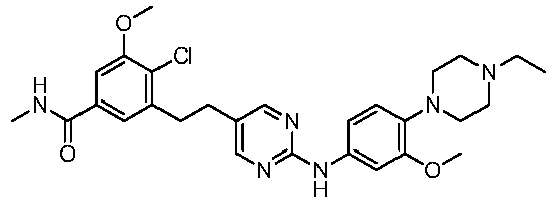
539.6 1H NMR (400 MHz, CD3OD) δ 8.15 (s, 2H), 7.36 - 7.35 (m, 2H), 7.29 (d, J = 1.8 Hz, 1H), 7.10 (dd, J = 8.5 Hz, 2.1 Hz, 1H), 6.91 (d, J = 8.6 Hz, 1H), 3.89 (s, 3H), 3.85 (s, 3H), 3.07 - 3.03 (m, 6H), 2.88 (s, 3H), 2.82 (t, J = 7.6 Hz, 2H), 2.72 - 2.68 (m, 4H), 2.54 (q, J = 7.0 Hz, 2H), 1.14 (t, J = 7.2 Hz, 3H). -

- To a solution of 3-(2-(2-((1H-pyrazol-4-yl)amino)pyrimidin-5-yl)ethyl)-4-fluoro-5-methoxy-N-methylbenzamide (80.0 mg, 0.22 mmol) in THF/DMF (1 mL, 1:1 vol.) was added KHMDS (0.43 mL, 0.22 mmol, 0.5 M in Toluene) dropwise with ice-water bath cooling. After the addition, the mixture was stirred for further 2 min. Then, to the mixture was added ethanesulfonyl chloride (28 mg, 0.22 mmol) dropwise at the same temperature. After the addition, the mixture was stirred for further 2 min and then quenched with water (0.5 mL). The resulting mixture was extracted with DCM (5 mL). The organic layer was concentrated in vacuo and the residue was purified via ISCO (eluted with MeOH in H2O 0 - 100%) to give the tilted compound as a white solid (7.8 mg, 7.8% yield). MS (m/z): 426.9 (M+H)+. 1H NMR (400 MHz, CD3OD) δ 8.47 (s, 1H), 8.23 (s, 2H), 7.95 (s, 1H), 7.41 (dd, J = 7.8 Hz, 2.1 Hz, 1H), 7.28 (dd, J = 6.0 Hz, 2.1 Hz, 1H), 3.89 (s, 3H), 3.51 (q, J= 7.4 Hz, 2H), 2.97 (t, J= 7.4 Hz, 2H), 2.89 (s, 3H), 2.85 (t, J = 7.4 Hz, 2H), 1.20 (t, J = 7.4 Hz, 3H).
-

- To a solution of 3-(2-(2-((1H-pyrazol-4-yl)amino)pyrimidin-5-yl)ethyl)-4-fluoro-5-methoxy-N-methylbenzamide (106 mg, 0.29 mmol) and (bromomethyl)cyclopropane (77 mg, 0.57 mmol) in DMF (10 mL) was added Cs2CO3 (280 mg, 0.86 mmol). The mixture was stirred at 80°C for overnight. The mixture was then partitioned between EA and water. The organic layer was washed with water and brine, dried over anhydrous sodium sulfate and concentrated. The residue was purified via ISCO (eluted with MeOH in DCM 0∼10%) to afford the title compound as an off-white solid (34 mg, 28.0% yield). MS (m/z): 425.1 (M+H)+. 1H NMR (400 MHz, CD3OD) δ 8.13 (s, 2H), 7.95 (s, 1H), 7.52 (s, 1H), 7.40 (dd, J = 7.8 Hz, 2.1 Hz, 1H), 7.26 (dd, J = 5.9 Hz, 2.0 Hz, 1H), 3.93 (d, J = 7.1 Hz, 2H), 3.88 (s, 3H), 2.94 (t, J = 7.4 Hz, 2H), 2.88 (s, 3H), 2.80 (t, J = 7.4 Hz, 2H), 1.28 - 1.26 (m, 1H), 0.62 - 0.56 (m, 2H), 0.41 - 0.34 (m, 2H).
- The following compounds were prepared according to the procedures of Compound 163 using the corresponding intermediates and reagents under appropriate conditions that could be recognized by one skilled in the art.
Comp ound Structure LC-MS (m/z) (M+H)+ 1H NMR 164 
462.1 1H NMR (400 MHz, CD3OD) δ 8.50 (d, J = 4.9 Hz, 1H), 8.13 (s, 2H), 8.07 (s, 1H), 7.77 (td, J = 7.8 Hz, 1.7 Hz, 1H), 7.61 (s, 1H), 7.39 (dd, J = 7.8 Hz, 2.1 Hz, 1H), 7.32 (dd, J = 6.9 Hz, 5.3 Hz, 1H), 7.26 (dd, J = 5.9 Hz, 2.1 Hz, 1H), 7.05 (d, J = 7.9 Hz, 1H), 5.39 (s, 2H), 3.87 (s, 3H), 2.93 (t, J = 7.4 Hz, 2H), 2.87 (s, 3H), 2.80 (t, J = 7.4 Hz, 2H). 165 
482.2 1H NMR (400 MHz, CDCl3) δ 8.15 (s, 2H), 7.60 (s, 1H), 7.34 (d, J = 7.5 Hz, 1H), 6.98 (s, 1H), 6.22 (s, 1H), 4.86 (s, 2H), 3.91 (s, 3H), 3.58 - 3.43 (m, 4H), 2.95 (s, 3H), 2.93 - 2.87 (m, 2H), 2.85 - 2.77 (m, 2H), 2.04 - 1.98 (m, 2H), 1.90 - 1.84 (m, 2H). 166 
511.2 1H NMR (400 MHz, CDCl3) δ 8.29 - 7.95 (m, 2H), 7.66 - 7.45 (m, 1H), 7.33 (d, J = 6.8 Hz, 1H), 7.04 - 6.96 (m, 1H), 6.32 - 6.09 (m, 1H), 5.30 (s, 2H), 3.92 (s, 3H), 3.70 - 3.63 (m, 2H), 3.61 - 3.55 (m, 2H), 2.97 (d, J = 3.7 Hz, 3H), 2.92 (t, J = 7.0 Hz, 2H), 2.85 - 2.75 (t, J = 7.0 Hz, 2H), 2.48 - 2.37 (m, 4H), 2.35 - 2.29 (m, 3H). -

- A mixture of 1-(4-aminophenyl)pyridin-2(1H)-one (138 mg, 0.74 mmol), (E)-methyl 3-(2-(2-chloropyrimidin-5-yl)vinyl)-4-fluoro-5-methoxybenzoate (120 mg, 0.37 mmol) and 4-methylbenzenesulfonic acid hydrate (71 mg, 0.37 mmol) in propan-2-ol (4 mL) was stirred at 140°C for 1h under microwave. The mixture was filtered and the filter cake was washed with propan-2-ol (3*10 mL). The solid was dried under reduced pressure at 50 °C for 20 min to give the desired compound as a grey solid (150 mg, 85.4% yield). MS (m/z): 473.1 (M+H)+.
- To a solution of (E)-methyl 4-fluoro-3-methoxy-5-(2-(2-((4-(2-oxopyridin-1(2H)-yl) phenyl) amino)pyrimidin-5-yl)vinyl)benzoate (150 mg, 0.32 mmol) in a mixed solvent of THF/MeOH (20 mL/ 20 mL) was added Pd/C (10%, 100 mg). The mixture was purged with hydrogen and stirred overnight at room temperature under hydrogen atmosphere. The catalyst was fitered off through celite and the filtrate was concentrated to give a light yellow oil (152 mg, quantative yield). MS (m/z): 479.1 (M+H)+.
- To a solution of methyl 4-fluoro-3-methoxy-5-(2-(2-((4-(2-oxopiperidin-1-yl)phenyl)amino) pyrimidin-5-yl)ethyl)benzoate (152 mg, 0.32 mmol) in MeOH (20 mL) was added aqueous NaOH (2 N, 3 mL, 6 mmol). Then the mixture was stirred overnight at room temperature. After concentration, the residue was adjusted to pH<2 with conc HCl. Then the mixture was concentrated to give a brown solid which was suspended in DMF (10 mL) and then methanamine hydrochloride (43 mg, 0.64 mmol), HATU (183 mg, 0.48 mmol) and DIPEA (165 mg, 1.28 mmol) were added. The resulting mixture was stirred for 2h at room temperature and then partitioned between EA and water. The organic layer was washed with water and brine, dried over anhydrous sodium sulfate and concentrated. The residue was purified via ISCO (eluted with MeOH in H2O 0∼100%) to give the title compound as a slight yellow solid (29.1 mg, 19.2%yield). MS (m/z): 478.2 (M+H)+. 1H NMR (400 MHz, CD3OD) δ 8.17 (s, 2H), 7.68 (d, J = 8.5 Hz, 2H), 7.42 - 7.37 (m, 1H), 7.29 - 7.24 (m, 1H), 7.14 (d, J = 8.7 Hz, 2H), 3.87 (s, 3H), 3.65 - 3.62 (m, 2H), 2.97 - 2.93 (m, 2H), 2.88 (s, 3H), 2.85 - 2.80 (m, 2H), 2.51 - 2.46 (m, 2H), 1.97 - 1.92 (m, 4H).
-

- A mixture of (E)-methyl 4-chloro-3-methoxy-5-(2-(2-((1-methyl-1H-pyrazol -4-yl)amino)pyrimidin-5-yl)vinyl)benzoate (0.25 g, 0.63 mmol), 4-methylbenzenesulfonohydrazide (1.2 g, 6.4 mmol) and sodium acetate (0.53 g, 6.5 mmol) in THF (15 mL) and H2O (10 mL) was heated at 100°C for 20 h under nitrogen. Then the volatiles were removed under reduced pressure and the residue was purified via ISCO (eluted with MeOH in H2O 0∼100%) to afford the title compound as a yellow solid (0.12 g, 47.8% yield). MS (m/z): 402.3 (M+H)+.
- A solution of methyl 4-chloro-3-methoxy-5-(2-(2-((1-methyl-1H-pyrazol -4-yl) amino)pyrimidin-5-yl)ethyl)benzoate (0.12 g, 0.30 mmol) in THF (3 mL) and MeOH (2 mL) was mixed with aqueous NaOH solution (0.20 g NaOH in 1mL H2O). The resulting mixture was stirred at room temperature for 2 h, and then purified via ISCO (eluted with MeOH in H2O 0∼100%) directly to afford the title compound as a white solid (0.075 g, 64.8% yield). MS (m/z): 388.3 (M+H)+.
- A mixture of 4-chloro-3-methoxy-5-(2-(2-((1-methyl-1H-pyrazol-4-yl)amino) pyrimidin-5-yl)ethyl)benzoic acid (0.025 g, 0.065 mmol), methoxylamine hydrochloride (0.012 g, 0.14 mmol), DIPEA (0.030 g, 0.23 mmol) and HATU (0.035 g, 0.092 mmol) in DMF (4 mL) was stirred at room temperature for 30 min. Then the reaction mixture was purified via ISCO (eluted with MeOH in H2O 0∼100%) directly to afford the title compound as a yellow solid (0.022 g, 81.9% yield). MS (m/z): 417.4 (M+H)+. 1H NMR (400 MHz, CD3OD) δ 8.17 (s, 2H), 7.87 (s, 1H), 7.53 (s, 1H), 7.31 (d, J = 1.6 Hz, 1H), 7.26 (d, J = 1.6 Hz, 1H), 3.95 (s, 3H), 3.87 (s, 3H), 3.82 (s, 3H), 3.06 (t, J = 7.7 Hz, 2H), 2.83 (t, J = 7.7 Hz, 2H).
- The following compound was prepared according to the procedures of Compound 168 using the corresponding intermediates and reagents under appropriate conditions that could be recognized by one skilled in the art.
Comp ound Structure LC-MS (m/z) (M+H)+ 1H NMR 169 
427.0 1H NMR (400 MHz, CD3OD) δ 8.13 (s, 2H), 7.87 (s, 1H), 7.50 (s, 1H), 7.35 (s, 1H), 7.28 (s, 1H), 3.91 (s, 3H), 3.84 (s, 3H), 3.03 (t, J = 9.4 Hz, 2H), 2.91 - 2.83 (m, 1H), 2.83 - 2.75 (m, 2H), 0.86 - 0.70 (m, 2H), 0.70 - 0.51 (m, 2H). 170 
480.8 1H NMR (400 MHz, CD3OD) δ 8.10 (s, 2H), 7.43 (d, J = 7.3 Hz, 2H), 7.37 - 7.34 (m, 1H), 7.30 - 7.26 (m, 1H), 6.93 (d, J = 7.3 Hz, 2H), 3.91 (s, 3H), 3.09-3.01 (m, 6H), 3.00 - 2.94 (m, 4H), 2.88 (s, 3H), 2.81 (t, J = 7.4 Hz, 2H). 171 
506.9 1H NMR (400 MHz, CD3OD) δ 8.09 (s, 2H), 7.45 - 7.37 (m, 3H), 7.26 (dd, J = 5.9 Hz, 2.0 Hz, 1H), 6.95 - 6.88 (m, 2H), 3.88 (s, 3H), 3.44 (d, J = 10.3 Hz, 2H), 2.93 (t, J = 7.4 Hz, 2H), 2.88 (s, 3H), 2.80 (t, J = 7.4 Hz, 2H), 2.52 - 2.41 (m, 4H), 2.33 (s, 3H), 1.17 (d, J = 5.8 Hz, 6H). 172 
509.2 1H NMR (400 MHz, CD3OD) δ 8.12 (s, 2H), 7.44 - 7.36 (m, 1H), 7.33 (d, J = 2.0 Hz, 1H), 7.25 (d, J = 4.1 Hz, 1H), 7.08 (dd, J = 8.5 Hz, 2.1 Hz, 1H), 6.88 (d, J = 8.6 Hz, 1H), 3.86 (s, 3H), 3.83 (s, 3H), 3.03 - 2.99 (m, 4H), 2.93 (t, J = 7.3 Hz, 2H), 2.87 (s, 3H), 2.80 (t, J = 7.3 Hz, 2H), 2.65 - 2.61 (m, 4H), 2.32 (s, 3H). 173 
508.8 1H NMR (400 MHz, CD3OD) δ 8.09 (s, 2H), 7.39 (d, J = 8.8 Hz, 2H), 7.35 (s, 1H), 7.28 (s, 1H), 6.87 (d, J = 8.8 Hz, 2H), 3.91 (s, 3H), 3.06 - 2.95 (m, 6H), 2.88 (s, 3H), 2.84 - 2.76 (m, 4H), 1.21 (s, 6H). 174 
510.3 1H NMR (400 MHz, CD3OD) δ 8.38 (d, J = 2.6 Hz, 1H), 8.13 (s, 2H), 7.91 (dd, J = 9.0 Hz, 2.7 Hz, 1H), 7.36 (d, J = 1.8 Hz, 1H), 7.29 (d, J = 1.9 Hz, 1H), 6.92 (d, J = 9.1 Hz, 1H), 4.36 (dd, J = 14.0 Hz, 2.4 Hz, 2H), 3.92 (s, 3H), 3.45 - 3.36 (m, 2H), 3.05 (t, J = 7.6 Hz, 2H), 2.89 (s, 3H), 2.83 (t, J = 7.6 Hz, 2H), 2.75 (dd, J = 13.9 Hz, 11.4 Hz, 2H), 1.37 (d, J = 6.6 Hz, 6H). 175 
522.9 1H NMR (400 MHz,CD3OD) δ 8.10 (s, 2H), 7.45 - 7.40 (m, 2H), 7.36 (d, J = 2.0 Hz, 1H), 7.28 (d, J = 2.0 Hz, 1H), 6.94 - 6.88 (m, 2H), 3.91 (s, 3H), 3.46 - 3.40 (m, 2H), 3.03 (t, J = 7.6 Hz, 2H), 2.88 (s, 3H), 2.80 (t, J = 7.6 Hz, 2H), 2.51 - 2.40 (m, 4H), 2.32 (s, 3H), 1.17 (d, J = 5.9 Hz, 6H). 176 
523.3 1H NMR (400 MHz,CD3OD) δ 8.12 (s, 2H), 7.37 - 7.32 (m, 3H), 7.30 - 7.28 (m, 1H), 6.95 (d, J = 9.3 Hz, 1H), 3.91 (s, 3H), 3.07 - 3.01 (m, 4H), 2.94 - 2.89 (m, 2H), 2.88 (s, 3H), 2.81 (t, J = 7.6 Hz, 2H), 2.28 (t, J = 10.9 Hz, 2H), 2.26 (s, 3H), 1.09 (d, J = 6.5 Hz, 6H). 177 
525.2 1H NMR (400 MHz, CD3OD) δ 8.14 (s, 2H), 7.39 - 7.31 (m, 2H), 7.29 (s, 1H), 7.08 (d, J = 8.6 Hz, 1H), 6.89 (d, J = 8.5 Hz, 1H), 3.91 (s, 3H), 3.84 (s, 3H), 3.10 - 2.98 (m, 6H), 2.88 (s, 3H), 2.82 (t, J = 7.5 Hz, 2H), 2.63 - 2.59 (m, 4H), 2.32 (s, 3H). 178 
527.3 1H NMR (400 MHz, CD3OD) δ 8.16 (s, 2H), 7.57 (d, J = 14.2 Hz, 1H), 7.36 (s, 1H), 7.29 (s, 1H), 7.19 (d, J = 8.3 Hz, 1H), 6.93 (t, J = 9.1 Hz, 1H), 3.91 (s, 3H), 3.20 (d, J = 11.0 Hz, 2H), 3.09 - 2.95 (m, 4H), 2.88 (s, 3H), 2.82 (t, J = 7.1 Hz, 2H), 2.28 (t, J = 10.7 Hz, 2H), 1.10 (d, J = 6.1 Hz, 6H). -

- The title compound was prepared according to the procedures of Example 9 using the corresponding intermediates and reagents.
- A mixture of tert-butyl 4-(4-((5-(2-chloro-3-methoxy-5-(methylcarbamoyl)-phenethyl)-pyrimidin-2-yl)amino)-1H-pyrazol-1-yl)piperidine-1-carboxylate (80 mg, 0.15 mmol) in MeOH (2 mL) was treated with 5 drops of conc. hydrochloric acid. The mixture was concentrated in vacuo (45 °C water bath) and the residue was taken in aq. NaHCO3 (5 mL) and extracted with DCM (2*10 mL). The organic layers were combined and concentrated in vacuo. The residue was purified via ISCO (eluted with MeOH in H2O 0 - 100%) to afford the title compound (46 mg, 69.7% yield). MS (m/z): 470.0 (M+H)+. 1H NMR (400 MHz, CD3OD) δ 8.14 (s, 2H), 8.01 (s, 1H), 7.57 (s, 1H), 7.36 (d, J = 1.9 Hz, 1H), 7.30 (d, J = 1.9 Hz, 1H), 4.52 - 4.43 (m, 1H), 3.92 (s, 3H), 3.59 - 3.50 (m, 2H), 3.23 - 3.13 (m, 2H), 3.05 (t, J = 7.6 Hz, 2H), 2.89 (s, 3H), 2.83 (t, J = 7.6 Hz, 2H), 2.33 - 2.17 (m, 4H).
-

- The title compound was prepared according to the procedures of Example 11 using the corresponding intermediates and reagents.
- A mixture of (R)-tert-butyl 3-(4-((5-(2-fluoro-3-methoxy-5- (methylcarbamoyl) phenethyl)py-rimidin-2-yl)amino)-1H-pyrazol-1-yl)piperidine-1-carboxylate (160 mg, 0.29 mmol) in MeOH (2 mL) was treated with 6 drops of conc. hydrochloric acid. The mixture was concentrated in vacuo (40 °C water bath) and the residue was taken in aq. NaHCO3 (5 mL) and extracted with DCM (2*10 mL). The organic layers were combined and concentrated in vacuo. The residue was purified via ISCO (eluted with MeOH in H2O 0 - 100%) to afford the title compound (87.0 mg, 66.4% yield). MS (m/z): 454.0 (M+H)+. 1H NMR (400 MHz, CD3OD) δ 8.12 (s, 2H), 7.93 (s, 1H), 7.52 (s, 1H), 7.39 (dd, J = 7.8 Hz, 2.2 Hz, 1H), 7.26 (dd, J = 6.0 Hz, 2.1 Hz, 1H), 4.17 - 4.10 (m, 1H), 3.87 (s, 3H), 3.25 - 3.18 (m, 1H), 2.95 - 2.90 (m, 3H), 2.87 (s, 3H), 2.83 - 2.78 (m, 3H), 2.62 - 2.57 (m, 1H), 2.17 - 2.16 (m, 1H), 1.95 - 1.88 (m, 1H), 1.84 - 1.79 (m, 1H), 1.64 - 1.59 (m, 1H).
- The following compounds were prepared according to the procedures of Compound 180 using the corresponding intermediates and reagents under appropriate conditions that could be recognized by one skilled in the art.
Comp ound Structure LC-MS (m/z) (M+H)+ 1H NMR 181 
426.1 1H NMR (400 MHz, CD3OD) δ 8.13 (s, 2H), 8.06 (s, 1H), 7.58 (s, 1H), 7.39 (dd, J = 7.7 Hz, 2.1 Hz, 1H), 7.26 (dd, J = 5.9 Hz, 2.0 Hz, 1H), 5.28 - 5.08 (m, 1H), 4.10 - 3.99 (m, 2H), 3.92 - 3.87 (m, 2H), 3.87 (s, 3H), 2.93 (t, J = 7.4 Hz, 2H), 2.87 (s, 3H), 2.80 (t, J = 7.4 Hz, 2H). 182 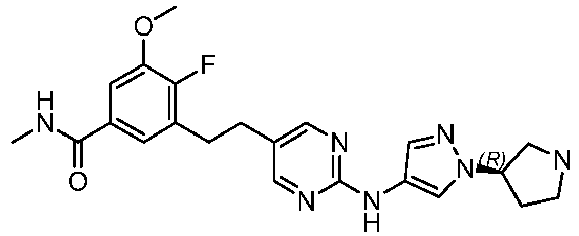
439.9 1H NMR (400 MHz, CD3OD) δ 8.13 (s, 2H), 7.96 (s, 1H), 7.54 (s, 1H), 7.40 (dd, J = 7.8 Hz, 2.1 Hz, 1H), 7.27 (dd, J = 6.0 Hz, 2.1 Hz, 1H), 3.88 (s, 3H), 3.24 - 3.09 (m, 4H), 2.99 - 2.95 (m, 1H), 2.95 (t, J = 7.4 Hz, 2H) 2.89 (s, 3H), 2.81 (t, J = 7.4 Hz, 2H), 2.36 - 2.26 (m, 1H), 2.22 - 2.11 (m, 1H). 183 
439.9 1H NMR (400 MHz, CD3OD) δ 8.12 (s, 2H), 7.95 (s, 1H), 7.53 (s, 1H), 7.39 (dd, J = 7.8 Hz, 2.1 Hz, 1H), 7.26 (dd, J = 6.0 Hz, 2.1 Hz, 1H), 3.87 (s, 3H), 3.25 - 3.11 (m, 4H), 3.00 - 2.95 (m, 1H), 2.93 (t, J = 7.4 Hz, 2H), 2.88 (s, 3H), 2.80 (t, J = 7.4 Hz, 2H), 2.35 - 2.25 (m, 1H), 2.21 - 2.10 (m, 1H). 184 
454.0 1H NMR (400 MHz, CD3OD) δ 8.12 (s, 2H), 7.93 (s, 1H), 7.52 (s, 1H), 7.39 (dd, J = 7.6 Hz, 2.0 Hz, 1H), 7.26 (dd, J = 7.6 Hz, 2.0 Hz, 1H), 4.19 - 4.12 (m, 1H), 3.87 (s, 3H), 3.25 - 3.20 (m, 1H), 2.93 - 2.91 (m, 3H), 2.87 (s, 3H), 2.82 - 2.80 (m, 3H), 2.61 - 2.58 (m, 1H), 2.18 - 2.16 (m, 1H), 2.00 - 1.90 (m, 1H), 1.90 - 1.79 (m, 1H), 1.65 - 1.59 (m, 1H). 185 
454.0 1H NMR (400 MHz, CD3OD) δ 8.12 (s, 2H), 7.93 (s, 1H), 7.52 (s, 1H), 7.39 (d, J = 6.4 Hz, 1H), 7.26 (d, J = 4.1 Hz, 1H), 4.26 - 4.12 (m, 1H), 3.87 (s, 3H), 3.18 - 3.09 (m, 2H), 2.92 (t, J = 7.2 Hz, 2H), 2.87 (s, 3H), 2.79 (t, J = 7.4 Hz, 2H), 2.75 - 2.64 (m, 2H), 2.11 - 1.99 (m, 2H), 1.94 - 1.80 (m, 2H). -

- To a mixture of (R)-4-fluoro-3-methoxy-N-methyl-5-(2-(2-((1-(piperidin-3-yl)-1H-pyrazol-4-yl)amino)pyrimidin-5-yl)ethyl)benzamide (37.0 mg, 0.082 mmol) and formaldehyde (37%, 0.01 mL) in THF (5 mL) was added sodium triacetoxyborohydride (52 mg, 0.25 mmol) in portions under ice-water bath cooling. The mixture was then stirred at room temperature for 2 h. The resulting mixture was concentrated in vacuo. The residue was taken in aq. Na2CO3 (10 mL) and extracted with DCM (2*10 mL). The organic layers were combined and concentrated in vacuo. The residue was purified via PTLC (DCM/MeOH=7: 1) to afford the title compound as a yellow solid (31.2 mg, 81.8% yield). MS (m/z): 468.0 (M+H)+. 1H NMR (400 MHz, CD3OD) δ 8.13 (s, 2H), 8.00 (s, 1H), 7.55 (s, 1H), 7.40 (dd, J = 7.8 Hz, 2.2 Hz, 1H), 7.27 (dd, J = 5.9 Hz, 2.1 Hz, 1H), 4.47 - 4.36 (m, 1H), 3.87 (s, 3H), 3.36 - 3.33 (m, 1H), 3.25 - 3.20 (m, 1H), 3.20 - 3.10 (m, 1H), 3.07 - 3.00 (m, 1H), 2.94 (t, J = 7.3 Hz, 2H), 2.88 (s, 3H), 2.81 (t, J = 7.3 Hz, 2H), 2.55 (s, 3H), 2.17 - 2.06 (m, 1H), 2.00 - 1.87 (m, 2H), 1.83 - 1.74 (m, 1H).
- The following compounds were prepared according to the procedures of Compound 186 using the corresponding intermediates and reagents under appropriate conditions that could be recognized by one skilled in the art.
Comp ound Structure LC-MS (m/z) (M+H)+ 1H NMR 187 
440.1 1H NMR (400 MHz, CD3OD) δ 8.13 (s, 2H), 8.03 (s, 1H), 7.58 (s, 1H), 7.39 (dd, J = 7.8 Hz, 2.0 Hz, 1H), 7.26 (dd, J = 5.9 Hz, 2.0 Hz, 1H), 4.95 - 4.89 (m, 1H), 3.87 (s, 3H), 3.84 - 3.78 (m, 2H), 3.59 - 3.50 (m, 2H), 2.92 (t, J = 7.3 Hz, 2H), 2.87 (s, 3H), 2.80 (t, J = 7.4 Hz, 2H), 2.43 (s, 3H). 188 
454.0 1H NMR (400 MHz, CD3OD) δ 8.14 (s, 2H), 8.01 (s, 1H), 7.55 (s, 1H), 7.41 (dd, J = 7.8 Hz, 2.1 Hz, 1H), 7.28 (dd, J = 6.0 Hz, 2.1 Hz, 1H), 4.90 - 4.89 (m, 1H), 3.89 (s, 3H), 3.11 - 3.04 (m, 1H), 2.95 (t, J = 7.4 Hz, 2H), 2.92 - 2.86 (m, 5H), 2.82 (t, J = 7.3 Hz, 2H), 2.77 - 2.71 (m, 1H), 2.52 - 2.45 (m, 1H), 2.44 (s, 3H), 2.27 - 2.16 (m, 1H). 189 
454.0 1H NMR (400 MHz, CD3OD) δ 8.14 (s, 2H), 8.01 (s, 1H), 7.54 (s, 1H), 7.41 (dd, J = 7.8 Hz, 2.2 Hz, 1H), 7.27 (dd, J = 6.0 Hz, 2.1 Hz, 1H), 4.90 - 4.87 (m, 1H), 3.89 (s, 3H), 3.09 - 3.03 (m, 1H), 2.95 (t, J = 7.4 Hz, 2H), 2.92 - 2.85 (m, 5H), 2.82 (t, J = 7.4 Hz, 2H), 2.76 - 2.69 (m, 1H), 2.52 - 2.44 (m, 1H), 2.43 (s, 3H), 2.25 - 2.15 (m, 1H). 190 
454.2 1H NMR (400 MHz, CD3OD) δ 8.13 (s, 2H), 8.03 (s, 1H), 7.58 (s, 1H), 7.39 (dd, J = 7.8 Hz, 2.1 Hz, 1H), 7.26 (dd, J = 5.9 Hz, 2.1 Hz, 1H), 4.98 - 4.90 (m, 1H), 3.86 (s, 3H), 3.82 - 3.75 (m, 2H), 3.52 - 3.45 (m, 2H), 2.92 (t, J = 7.4 Hz, 2H), 2.87 (s, 3H), 2.79 (t, J = 7.4 Hz, 2H), 2.63 (q, J = 7.2 Hz, 2H), 1.01 (t, J = 7.2 Hz, 3H). 191 
468.0 1H NMR (400 MHz, CD3OD) δ 8.15 (s, 2H), 8.04 (s, 1H), 7.57 (s, 1H), 7.42 (dd, J = 7.8 Hz, 2.1 Hz, 1H), 7.29 (dd, J = 7.8 Hz, 2.1 Hz, 1H), 5.01 - 4.98 (m, 1H), 3.89 (s, 3H), 3.49-3.48 (m, 2H), 3.36 - 3.35 (m, 2H), 3.15 - 3.12 (m, 2H), 2.96 (t, J = 7.2 Hz, 2H), 2.90 (s, 3H), 2.83 (t, J = 7.2 Hz, 2H), 2.54 - 2.45 (m, 1H), 2.31 - 2.19 (m, 1H), 1.23 (t, J = 7.0 Hz, 3H). 192 
468.0 1H NMR (400 MHz, CD3OD) δ 8.15 (s, 2H), 8.06 (s, 1H), 7.60 (s, 1H), 7.42 (dd, J = 7.7 Hz, 2.1 Hz, 1H), 7.30 (dd, J = 7.7 Hz, 2.1 Hz, 1H), 5.15 - 5.08 (m, 1H), 3.89 (s, 3H), 3.56 - 3.42 (m, 2H), 3.40 - 3.33 (m, 2H), 3.12 - 3.04 (m, 2H), 2.96 (t, J = 7.3 Hz, 2H), 2.90 (s, 3H), 2.84 (d, J = 7.5 Hz, 2H), 2.64 - 2.54 (m, 1H), 2.36 - 2.27 (m, 1H), 1.30 (t, J = 7.4 Hz, 3H). 193 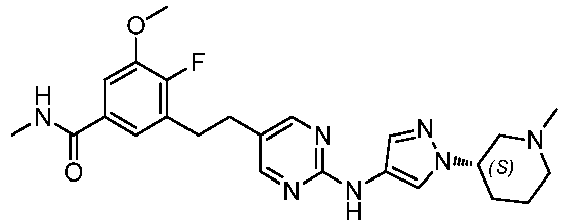
468.0 1H NMR (400 MHz, CD3OD) δ 8.13 (s, 2H), 8.02 (s, 1H), 7.57 (s, 1H), 7.40 (dd, J = 7.8 Hz, 2.1 Hz, 1H), 7.27 (dd, J = 6.0 Hz, 2.2 Hz, 1H), 4.54 - 4.48 (m, 1H), 3.87 (s, 3H), 3.48 - 3.42 (m, 1H), 3.35 - 3.33 (m, 2H), 3.21 - 3.16 (m, 1H), 2.94 (t, J = 7.4 Hz, 2H), 2.88 (s, 3H), 2.81 (t, J = 7.4 Hz, 2H), 2.74 (s, 3H), 2.16 - 2.06 (m, 1H), 2.04 - 1.92 (m, 2H), 1.87 - 1.75 (m, 1H). 194 
468.1 1H NMR (400 MHz, CD3OD) δ 8.12 (s, 2H), 7.93 (s, 1H), 7.52 (s, 1H), 7.39 (d, J = 6.9 Hz, 1H), 7.26 (d, J = 4.3 Hz, 1H), 4.15 - 4.03 (m, 1H), 3.87 (s, 3H), 3.01 - 2.90 (m, 4H), 2.87 (s, 3H), 2.83 - 2.72 (m, 2H), 2.30 (s, 3H), 2.25 - 2.15 (m, 2H), 2.12 - 1.98 (m, 4H). 195 
482.0 1H NMR (400 MHz, CD3OD) δ 8.13 (s, 2H), 8.02 (s, 1H), 7.56 (s, 1H), 7.40 (dd, J = 7.7 Hz, 2.1 Hz, 1H), 7.26 (dd, J = 6.0 Hz, 2.1 Hz, 1H), 4.55 - 4.51 (m, 1H), 3.87 (s, 3H), 3.47 - 3.36 (m, 2H), 3.35 - 3.32 (m, 2H), 3.25 - 3.20 (m, 1H), 3.20 - 3.12 (m, 1H), 2.94 (t, J = 7.4 Hz, 2H), 2.88 (s, 3H), 2.81 (t, J = 7.4 Hz, 2H), 2.21 - 2.08 (m, 1H), 2.07 - 1.93 (m, 2H), 1.89 - 1.80 (m, 1H), 1.33 - 1.21 (m, 3H). 196 
482.0 1H NMR (400 MHz, CD3OD) δ 8.13 (s, 2H), 8.03 (s, 1H), 7.57 (s, 1H), 7.40 (dd, J = 7.8 Hz, 2.1 Hz, 1H), 7.27 (dd, J = 5.9 Hz, 2.1 Hz, 1H), 4.53 - 4.52 (m, 1H), 3.87 (s, 3H), 3.48 - 3.43 (m, 1H), 3.35 - 3.33 (m, 2H), 3.23 - 3.20 (m, 1H), 3.05 - 2.94 (m, 4H), 2.88 (s, 3H), 2.81 (t, J = 7.4 Hz, 2H), 2.17 - 2.10 (m, 1H), 2.06 - 1.90 (m, 2H), 1.89 - 1.80 (m, 1H), 1.27 (t, J = 8.0 Hz, 3H). 197 
482.2 1H NMR (400 MHz, CD3OD) δ 8.12 (s, 2H), 7.93 (s, 1H), 7.52 (s, 1H), 7.39 (dd, J = 7.7 Hz, 1.7 Hz, 1H), 7.26 (dd, J = 5.8 Hz, 1.7 Hz, 1H), 4.18 - 4.04 (m, 1H), 3.87 (s, 3H), 3.12 - 3.01 (m, 2H), 2.93 (t, J = 7.2 Hz, 2H), 2.87 (s, 3H), 2.80 (t, J = 7.4 Hz, 2H), 2.47 (q, J = 7.2 Hz, 2H), 2.20 - 1.97 (m, 6H), 1.11 (t, J = 7.2 Hz, 3H). 198 
484.0 1H NMR (400 MHz, CD3OD) δ 8.14 (s, 2H), 7.95 (s, 1H), 7.53 (s, 1H), 7.36 (d, J = 2.0 Hz, 1H), 7.30 (d, J = 2.0 Hz, 1H), 4.15 - 4.06 (m, 1H), 3.92 (s, 3H), 3.05 (t, J = 7.6 Hz, 2H), 3.01 - 2.95 (m, 2H), 2.89 (s, 3H), 2.82 (t, J = 7.6 Hz, 2H), 2.31 (s, 3H), 2.26 - 2.17 (m, 2H), 2.11 - 2.01 (m, 4H). 199 
498.0 1H NMR (400 MHz, CD3OD) δ 8.15 (s, 2H), 8.01 (s, 1H), 7.57 (s, 1H), 7.37 (s, 1H), 7.30 (s, 1H), 4.51 - 4.39 (m, 1H), 3.92 (s, 3H), 3.67 - 3.57 (m, 2H), 3.23 - 3.08 (m, 4H), 3.05 (t, J = 7.5 Hz, 2H), 2.89 (s, 3H), 2.83 (t, J = 7.6 Hz, 2H), 2.37 - 2.26 (m, 4H), 1.35 (t, J = 7.3 Hz, 3H). -

- A mixture of (E)-4-bromo-3-(2-(2-((1-ethyl-1H-pyrazol-4-yl)amino)pyrimidin-5-yl) vinyl)-5-methoxy-N-methylbenzamide (0.060 g, 0.13 mmol), zinc cyanide (0.030 g, 0.26 mmol) and Pd(PPh3)4 (0.015 g, 0.013 mmol) in DMF (5 mL) was heated at 100°C for 30 min under microwave. Then the mixture was purified via ISCO (eluted with MeOH in H2O 0∼100%) directly to afford the title compound as a white solid (0.045 g, 85.0% yield). MS (m/z): 404.1 (M+H)+.
- To a solution of (E)-4-cyano-3-(2-(2-((1-ethyl-1H-pyrazol-4-yl)amino)pyrimidin-5-yl) vinyl)-5-methoxy-N-methylbenzamide (0.045 g, 0.11 mmol) in MeOH (10 mL) was added Pd/C (10%, 0.012 g) and the resulting mixture was stirred at 40°C for 16 h under hydrogen atmosphere. The catalyst was filtered off through celite and the filtrate was concentrated. The residue was purified via PTLC (DCM/MeOH) to afford the title compound as a yellow solid (0.023 g, 50.9% yield). MS (m/z): 406.1 (M+H)+. 1H NMR (400 MHz, CD3OD) δ 8.15 (s, 2H), 7.91 (s, 1H), 7.51 (s, 1H), 7.40 (s, 1H), 7.37 (s, 1H), 4.12 (q, J = 6.6 Hz, 2H), 3.97 (s, 3H), 3.08 (t, J = 7.1 Hz, 2H), 2.91 (s, 3H), 2.89 - 2.83 (m, 2H), 1.43 (t, J = 6.6 Hz, 3H).
-

- To a solution of 2-((1-ethyl-1H-pyrazol-4-yl)amino)pyrimidin-5-ol (150 mg, 0.73 mmol) and methyl 3-(bromomethyl)-4-fluoro-5-methoxybenzoate (203 mg, 0.73 mmol) in DMF (10 mL) were added K2CO3 (203 mg, 1.47 mmol) and Bu4NI (54 mg, 0.15 mmol). Then the mixture was stirred overnight at 60 °C. After cooled to room temperature, the mixture was partitioned between EA and water and the organic layer was washed with water and brine, dried over anhydrous sodium sulfate and concentrated. The residue was purified via ISCO (eluted with EA in PE 0∼100%) to afford the title compound as a yellow solid (160 mg, 54.5% of yield). MS (m/z): 402.1 (M+H)+.
- To a solution of methyl 3-(((2-((1-ethyl-1H-pyrazol-4-yl)amino)pyrimidin-5-yl)oxy) methyl)-4-fluoro-5-methoxybenzoate (160 mg, 0.40 mmol) in MeOH (20 mL) was added aqueous NaOH solution (2 N, 5 mL, 10 mmol). Then the mixture was stirred at room temperature for overnight. The volatiles were removed under reduced pressure and the residue was adjusted to pH<2 with conc HCl and concentrated to give a brown solid which was suspended in DMF (10 mL). Then methanamine hydrochloride (32 mg, 0.48 mmol), HATU (228 mg, 0.60 mmol) and DIPEA (155 mg, 1.20 mmol) were added. The resulting mixture was stirred for 2h at room temperature and then partitioned between EA and water. The organic layer was washed with water and brine, dried over anhydrous sodium sulfate and concentrated. The residue was purified via ISCO (eluted with MeOH in DCM 0∼10%) to afford the title compound as a yellow solid (94.3 mg, 59.1% of yield). MS (m/z): 401.1 (M+H)+. 1H NMR (400 MHz, CD3OD) δ 8.22 (s, 2H), 7.92 (s, 1H), 7.58 (s, 1H), 7.56 (s, 1H), 7.51 (s, 1H), 5.16 (s, 2H), 4.12 (q, J = 7.3 Hz, 2H), 3.94 (s, 3H), 2.91 (s, 3H), 1.43 (t, J = 7.3 Hz, 3H).
- The following compounds were prepared according to the procedures of Compound 201 using the corresponding intermediates and reagents under appropriate conditions that could be recognized by one skilled in the art.
Comp ound Structure LC-MS (m/z) (M+H)+ 1H NMR 202 
387.1 1H NMR (400 MHz, CD3OD) δ 8.22 (s, 2H), 7.89 (s, 1H), 7.57 (s, 1H), 7.56 (s, 1H), 7.50 (s, 1H), 5.16 (s, 2H), 3.94 (s, 3H), 3.84 (s, 3H), 2.91 (s, 3H). 203 
403.1 1H NMR (400 MHz, CD3OD) δ 8.23 (s, 2H), 7.89 (s, 1H), 7.64 (d, J = 1.8 Hz, 1H), 7.51 (d, J = 1.9 Hz, 1H), 7.50 (s, 1H), 5.20 (s, 2H), 3.97 (s, 3H), 3.84 (s, 3H), 2.92 (s, 3H). 204 
416.9 1H NMR (400 MHz, CD3OD) δ 8.22 (s, 2H), 7.92 (s, 1H), 7.64 (s, 1H), 7.51 (s, 2H), 5.20 (s, 2H), 4.11 (q, J = 7.2 Hz, 2H), 3.96 (s, 3H), 2.91 (s, 3H), 1.42 (t, J = 7.3 Hz, 3H). 205 
419.1 1H NMR (400 MHz, DMSO-d6) δ 11.99 (s, 1H), 9.27 (s, 1H), 8.37 (s, 2H), 7.90 (s, 1H), 7.67 (d, J = 1.6 Hz, 1H), 7.55 (d, J = 1.6 Hz, 1H), 7.49 (s, 1H), 5.27 (s, 2H), 4.00 (s, 3H), 3.85 (s, 3H), 3.79 (s, 3H). -

- A mixture of 3-(bromomethyl)-4-chloro-5-methoxybenzoate (600 mg, 2.04 mmol), 2-chloropyrimidin-5-ol (320 mg, 2.45 mmol), Bu4NI (151 mg, 0.408 mmol) and K2CO3 (564 mg, 4.08 mmol) in DMF (15 mL) was stirred at 60 °C for 2 h. The resulting mixture was partitioned between water (100 mL) and DCM (100 mL). Then the organic layer was concentrated to afford the title compound as a yellow solid (700 mg, quantative yield). MS (m/z): 343.0 (M+H)+.
- A mixture of methyl 4-chloro-3-(((2-chloropyrimidin-5-yl)oxy)methyl)-5-methoxybenzoate (500 mg, 1.460 mmol), 4-((3S,5R)-3,5-dimethylpiperazin-1-yl) aniline (359 mg, 1.750 mmol), Palladium(II) acetate (33 mg, 0.146 mmol), Xantphos (169 mg, 0.292 mmol) and Cs2CO3 (1.43 g, 4.38 mmol) in 1,4-dioxane (10 mL) was stirred at 80 °C for overnight. The resulting mixture was concentrated and the residue was partitioned between water (50 mL) and EA (50 mL). The aqueous layer was extracted with EA (2*50 mL). The combined organic layers were concentrated and the residue was purified via ISCO (eluted with MeOH in H2O 0∼100%) to afford the title compound as a brown solid (480 mg, 64.3% yield). MS (m/z): 511.9 (M+H)+.
- A mixture of methyl 4-chloro-3-(((2-((4-((3S,5R)-3,5-dimethylpiperazin-1-yl) phenyl)amino)pyrimidin-5-yl)oxy)methyl)-5-methoxybenzoate (288 mg, 0.562 mmol) and a solution of 30% sodium hydroxide (3 mL, 22.5 mmol) in MeOH (10 mL) was stirred at 50 °C for 2 h. The resulting mixture was cooled to ambient temperature, adjusted to pH=7 with 2N HCl, concentrated to afford the title compound as a white solid (280 mg, quantitative yield). MS (m/z): 497.9 (M+H)+.
- A mixture of 4-chloro-3-(((2-((4-((3S,5R)-3,5-dimethylpiperazin-1-yl) phenyl)amino)pyrimidin-5-yl)oxy)methyl)-5-methoxybenzoic acid (280 mg, 0.562 mmol), methylamine hydrochloride (75 mg, 1.124 mmol), HATU (641 mg, 1.686 mmol) and DIPEA (217 mg, 1.686 mmol) in DMF (10 mL) was stirred at ambient temperature for 1 h. The resulting mixture was concentrated, purified via ISCO (eluted with MeOH in H2O 0∼100%) to afford the title compound as a yellow solid (184 mg, 64.0% yield). MS (m/z): 510.9 (M+H)+. 1H NMR (400 MHz, CD3OD) δ 8.21 (s, 2H), 7.65 (d, J = 1.9 Hz, 1H), 7.52 (d, J = 1.9 Hz, 1H), 7.47 (d, J = 9.0 Hz, 2H), 6.94 (d, J = 9.0 Hz, 2H), 5.22 (s, 2H), 3.97 (s, 3H), 3.48 - 3.45 (m, 2H), 3.06 - 2.99 (m, 2H), 2.92 (s, 3H), 2.28 - 2.23 (m, 2H), 1.16 (d, J = 6.4 Hz, 6H).
- The following compounds were prepared according to the procedures of Compound 206 using the corresponding intermediates and reagents under appropriate conditions that could be recognized by one skilled in the art.
Comp ound Structure LC-MS (m/z) (M+H)+ 1H NMR 207 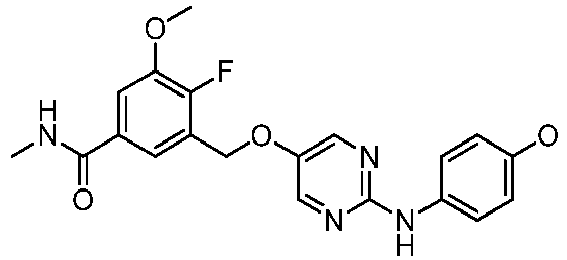
398.9 1H NMR (400 MHz, DMSO-d6) δ 9.00 (s, 1H), 8.89 (s, 1H), 8.45 (s, 1H), 8.24 (s, 2H), 7.64 - 7.52 (m, 2H), 7.39 (d, J = 8.5 Hz, 2H), 6.63 (d, J = 8.6 Hz, 2H), 5.15 (s, 2H), 3.87 (s, 3H), 2.75 (d, J = 3.9 Hz, 3H). 208 
400.2 1H NMR (400 MHz, CD3OD) δ 7.93 - 7.74 (m, 2H), 7.65 - 7.50 (m, 2H), 7.42 (s, 1H), 7.33 - 7.20 (m, 1H), 6.68 - 6.54 (m, 1H), 5.09 (s, 2H), 4.22 - 4.04 (m, 2H), 3.92 (s, 3H), 2.90 (s, 3H), 1.58 - 1.29 (m, 3H). 209 
406.9 1H NMR (400 MHz, DMSO-d6) δ 9.66 (s, 1H), 8.46 (s, 1H), 8.37 (s, 2H), 7.71 (d, J = 8.7 Hz, 2H), 7.62 - 7.56 (m, 2H), 7.33 (d, J = 8.6 Hz, 2H), 5.20 (s, 2H), 3.92 (s, 1H), 3.88 (s, 3H), 2.76 (d, J = 4.5 Hz, 3H). 210 
406.9 1H NMR (400 MHz, DMSO-d6) δ 9.55 (s, 1H), 8.46 (d, J = 4.1 Hz, 1H), 8.41 (s, 2H), 7.92 (s, 1H), 7.71 (d, J = 7.8 Hz, 1H), 7.63 (s, 1H), 7.61 (s, 1H), 7.25 (t, J = 7.9 Hz, 1H), 7.00 (d, J = 7.7 Hz, 1H), 5.23 (s, 2H), 4.07 (s, 1H), 3.91 (s, 3H), 2.79 (d, J = 4.5 Hz, 3H). 211 
408.1 1H NMR (400 MHz, CDCl3) δ 8.66 (s, 1H), 8.29 (d, J = 5.9 Hz, 1H), 8.23 (s, 2H), 7.51 - 7.44 (m, 3H), 7.38 (s, 1H), 6.28 (s, 1H), 5.15 (s, 2H), 3.94 (s, 3H), 3.13 (s, 1H), 3.00 (d, J = 4.6 Hz, 3H). 212 
413.3 1H NMR (400 MHz, CD3OD) δ 8.25 (s, 2H), 7.56 - 7.54 (m, 2H), 7.36 (d, J = 2.4 Hz, 1H), 7.15 - 7.07 (m, 2H), 6.52 - 6.49 (m, 1H), 5.17 (s, 2H), 3.93 (s, 3H), 3.76 (s, 3H), 2.89 (s, 3H). 213 
419.4 1H NMR (400 MHz, CD3OD) δ 8.19 (s, 2H), 7.90 (s, 1H), 7.51 (s, 1H), 7.47 (dd, J = 9.4 Hz, 6.8 Hz, 1H), 5.17 (s, 2H), 4.11 (q, J = 7.3 Hz, 2H), 3.89 (s, 3H), 2.91 (s, 3H), 1.42 (t, J = 7.3 Hz, 3H). 214 
424.1 1H NMR (400 MHz, CD3OD) δ 8.20 (s, 2H), 7.58 - 7.53 (m, 2H), 7.13 - 7.08 (m, 1H), 7.00 - 6.93 (m, 1H), 6.83 (dd, J = 7.9 Hz, 2.0 Hz, 1H), 5.17 (s, 2H), 3.93 (s, 3H), 3.46 (t, J = 8.3 Hz, 2H), 2.95 - 2.90 (m, 5H). 215 
425.1 1H NMR (400 MHz, CD3OD) δ 8.34 (s, 2H), 7.92 (d, J = 8.8 Hz, 2H), 7.81 (d, J = 8.7 Hz, 2H), 7.59 (s, 1H), 7.58 (s, 1H), 5.23 (s, 2H), 3.94 (s, 3H), 2.91 (s, 3H), 2.54 (s, 3H). 216 
439.1 1H NMR (400 MHz, DMSO-d6) δ 9.77 (s, 1H), 9.34 (s, 1H), 8.48 - 8.40 (m, 1H), 8.31 (s, 2H), 7.84 (s, 1H), 7.59 (s, 1H), 7.58 (s, 1H), 7.30 (d, J = 8.0 Hz, 1H), 7.17 (d, J = 8.0 Hz, 1H), 7.10 (t, J = 8.0 Hz, 1H), 5.19 (s, 2H), 3.88 (s, 3H), 2.76 (d, J = 4.5 Hz, 3H), 1.99 (s, 3H). 217 
441.2 1H NMR (400 MHz, DMSO-d6) δ 9.31 (s, 1H), 8.51 - 8.45 (m, 1H), 8.34 (s, 2H), 7.64 - 7.60 (m, 2H), 7.58 (d, J = 8.4 Hz, 2H), 7.11 (d, J = 8.4 Hz, 2H), 5.20 (s, 2H), 3.91 (s, 3H), 3.34 (s, 2H), 2.76 (d, J = 4.3 Hz, 3H). 218 
443.3 1H NMR (400 MHz, CD3OD) δ 8.20 (s, 2H), 7.56 - 7.54 (m, 2H), 7.32 (d, J = 2.5 Hz, 1H), 7.08 (dd, J = 8.7 Hz, 2.5 Hz, 1H), 6.85 (d, J = 8.7 Hz, 1H), 5.16 (s, 2H), 3.92 (s, 3H), 3.80 (s, 3H), 3.78 (s, 3H), 2.89 (s, 3H). 219 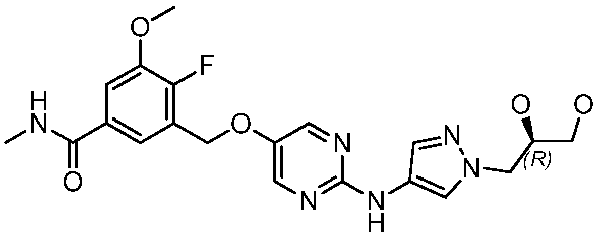
447.1 1H NMR (400 MHz, CD3OD) δ 8.22 (s, 2H), 7.96 (s, 1H), 7.58 (s, 1H), 7.57 - 7.56 (m, 2H), 5.18 (s, 2H), 4.27 - 4.23 (m, 1H), 4.10 - 4.06 (m, 1H), 4.01 - 3.96 (m, 1H), 3.95 (s, 3H), 3.52 - 3.50 (m, 2H), 2.92 (s, 3H). 220 
447.1 1H NMR (400 MHz, CD3OD) δ 8.19 (s, 2H), 7.93 (s, 1H), 7.56 (s, 1H), 7.54 - 7.53 (m, 2H), 5.15 (s, 2H), 4.24 - 4.21 (m, 1H), 4.06 - 4.04 (m, 1H), 3.96 - 3.94 (m, 1H), 3.92 (s, 3H), 3.49 - 3.47 (m, 2H), 2.89 (s, 3H). 221 
449.8 1H NMR (400 MHz, DMSO-d6) δ 9.66 (s, 1H), 9.09 (s, 1H), 8.45 (s, 1H), 8.39 (s, 2H), 8.14 (s, 1H), 7.86 (d, J = 8.6 Hz, 2H), 7.69 (d, J = 8.5 Hz, 2H), 7.61 (d, J = 6.6 Hz, 2H), 5.21 (s, 2H), 3.89 (s, 3H), 2.77 (s, 3H). 222 
449.9 1H NMR (400 MHz, DMSO-d6) δ 9.72 (s, 1H), 8.64 (s, 1H), 8.44 (s, 1H), 8.40 (s, 2H), 7.92 - 7.90 (m, 1H), 7.90 - 7.87 (m, 2H), 7.76 - 7.70 (m, 2H), 7.60 (d, J = 7.0 Hz, 2H), 5.22 (s, 2H), 3.89 (s, 3H), 2.77 (d, J = 4.5 Hz, 3H). 223 
450.2 1H NMR (400 MHz, DMSO-d6) δ 9.69 (s, 1H), 8.98 (s, 2H), 8.47 (s, 1H), 8.41 (s, 2H), 7.91 - 7.84 (m, 2H), 7.63 (d, J = 6.9 Hz, 2H), 7.59 - 7.52 (m, 2H), 5.24 (s, 2H), 3.91 (s, 3H), 2.79 (d, J = 4.5 Hz, 3H). 224 
452.1 1H NMR (400 MHz, CD3OD) δ 8.15 (s, 2H), 7.56 (d, J = 6.9 Hz, 2H), 7.28 (s, 1H), 7.18-7.10 (m, 1H), 6.54 - 6.46 (m, 1H), 5.15 (s, 2H), 3.93 (s, 3H), 3.28 - 3.19 (m, 2H), 3.15 - 3.04 (m, 2H), 2.93 - 2.87 (m, 5H), 1.18 (t, J = 7.2 Hz, 3H). 225 
454.2 1H NMR (400 MHz, CD3OD) δ 8.29 (s, 2H), 7.64 - 7.60 (m, 2H), 7.60 - 7.58 (m, 2H), 7.19 - 7.17 (m, 2H), 5.24 (s, 2H), 4.00 (s, 3H), 2.98 (s, 3H), 2.83 - 2.81 (m, 2H), 2.64 - 2.60 (m, 2H), 2.37 (s, 6H). 226 
461.2 1H NMR (400 MHz, CDCl3) δ 8.28 (s, 2H), 7.87 (d, J = 8.9 Hz, 2H), 7.79 (d, J = 9.0 Hz, 2H), 7.50 (dd, J = 8.0 Hz, 2.0 Hz, 1H), 7.38 (dd, J = 5.5 Hz, 2.0 Hz, 1H), 7.32 (s, 1H), 6.16 - 6.03 (m, 1H), 5.18 (s, 2H), 3.96 (s, 3H), 3.04 (s, 3H), 3.02 (d, J = 4.9 Hz, 3H). 227 
461.2 1H NMR (400 MHz, DMSO-d6) δ 9.86 (s, 1H), 8.46 (d, J = 4.0 Hz, 1H), 8.44 (s, 2H), 8.40 (t, J = 1.8 Hz, 1H), 8.04 - 7.93 (m, 1H), 7.64 (s, 1H), 7.62 (s, 1H), 7.53 (t, J = 8.0 Hz, 1H), 7.48 - 7.40 (m, 1H), 5.25 (s, 2H), 3.91 (s, 3H), 3.17 (s, 3H), 2.79 (d, J = 4.4 Hz, 3H). 228 
463.2 1H NMR (400 MHz, DMSO-d6) δ 9.37 (s, 1H), 8.44 (d, J = 4.2 Hz, 1H), 8.34 (s, 2H), 7.96 (s, 1H), 7.72 (s, 1H), 7.66 (d, J = 8.7 Hz, 2H), 7.60 (d, J = 6.9 Hz, 2H), 7.40 (d, J = 8.7 Hz, 2H), 5.19 (s, 2H), 3.88 (s, 3H), 3.82 (s, 3H), 2.77 (d, J = 4.5 Hz, 3H). 230 
466.1 1H NMR (400 MHz, DMSO-d6) δ 10.16 (s, 1H), 9.34 (s, 1H), 8.42 (br, 1H), 8.31 (s, 2H), 7.59 (d, J = 6.9 Hz, 2H), 7.39 (d, J = 1.9 Hz, 1H), 7.16 (dd, J = 8.1 Hz, 1.9 Hz, 1H), 7.06 (d, J = 8.1 Hz, 1H), 5.19 (s, 2H), 3.87 (s, 3H), 2.76 (d, J = 4.5 Hz, 3H), 1.18 (s, 6H). 231 
466.1 1H NMR (400 MHz, CD3OD) δ 8.13 (s, 2H), 7.51 - 7.45 (m, 2H), 7.45 - 7.38 (m, 2H), 7.07 - 7.02 (m, 2H), 5.08 (s, 2H), 3.84 (s, 3H), 3.08 - 3.02 (m, 2H), 2.82 (s, 3H), 2.68 - 2.61 (m, 2H), 2.57 - 2.48 (m, 1H), 1.75 - 1.69 (m, 2H), 1.61 - 1.50 (m, 2H). 232 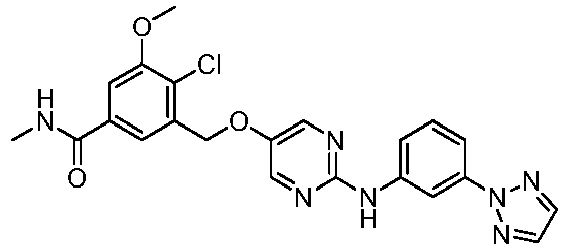
465.8 1H NMR (400 MHz, DMSO-d6) δ 9.74 (s, 1H), 8.60 - 8.58 (m, 1H), 8.52 (d, J = 4.3 Hz, 1H), 8.42 (s, 2H), 8.06 (s, 2H), 7.68 - 7.65 (m, 2H), 7.55 (d, J = 1.8 Hz, 1H), 7.53 - 7.51 (m, 1H), 7.41 - 7.37 (m, 1H), 5.24 (s, 2H), 3.92 (s, 3H), 2.77 (d, J = 4.5 Hz, 3H). 233 
466.1 1H NMR (400 MHz, DMSO-d6) δ 9.70 (s, 1H), 8.52 (d, J = 4.1 Hz, 1H), 8.39 (s, 2H), 8.00 (s, 2H), 7.88 - 7.86 (m, 4H), 7.66 (s, 1H), 7.55 (s, 1H), 5.24 (s, 2H), 3.92 (s, 3H), 2.77 (d, J = 4.4 Hz, 3H). 234 
466.1 1H NMR (400 MHz, DMSO-d6) δ 9.75 (s, 1H), 8.67 (s, 1H), 8.52 (d, J = 4.5 Hz, 1H), 8.42 - 8.38 (m, 3H), 7.92 (s, 1H), 7.74 - 7.70 (m, 1H), 7.65 (d, J = 1.9 Hz, 1H), 7.54 (d, J = 1.8 Hz, 1H), 7.43 (t, J = 8.1 Hz, 1H), 7.35 - 7.29 (m, 1H), 5.23 (s, 2H), 3.91 (s, 3H), 2.77 (d, J = 4.5 Hz, 3H). 235 
466.9 1H NMR (400 MHz, CD3OD) δ 8.19 (s, 2H), 7.58 - 7.54 (m, 2H), 7.46 (d, J = 8.2 Hz, 2H), 6.93 (d, J = 8.3 Hz, 2H), 5.16 (s, 2H), 3.93 (s, 3H), 3.09 - 3.03 (m, 4H), 3.01 - 2.94 (m, 4H), 2.90 (s, 3H). 236 
467.2 1H NMR (400 MHz, CD3OD) δ 8.74 - 8.70 (m, 1H), 8.28 (s, 2H), 8.16 - 8.11 (m, 1H), 7.59 - 7.55 (m, 2H), 7.22 (d, J = 8.7 Hz, 1H), 5.20 (s, 2H), 3.94 (s, 3H), 3.19 - 3.11 (m, 2H), 2.91 (s, 3H), 2.84 - 2.69 (m, 3H), 1.92 - 1.85 (m, 2H), 1.76 - 1.64 (m, 2H). 237 
468.2 1H NMR (400 MHz, DMSO-d6) δ 8.94 (s, 1H), 8.49 - 8.41 (m, 1H), 8.27 (s, 2H), 8.06 (d, J = 2.5 Hz, 1H), 7.61 - 7.56 (m, 2H), 7.50 (dd, J = 9.6 Hz, 2.7 Hz, 1H), 6.33 (d, J = 9.6 Hz, 1H), 5.16 (s, 2H), 5.10 (m, 1H), 3.87 (s, 3H), 2.76 (d, J = 4.4 Hz, 3H), 2.07 - 1.93 (m, 2H), 1.87 - 1.74 (m, 2H), 1.67 - 1.56 (m, 4H). 238 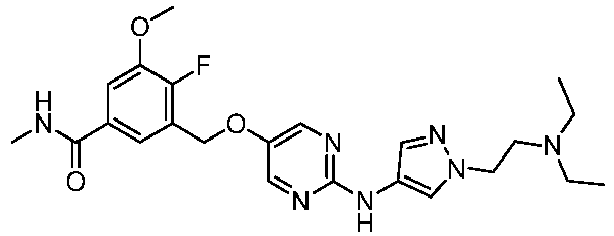
472.0 1H NMR (400 MHz, CD3OD) δ 8.22 (s, 2H), 7.96 (s, 1H), 7.57 - 7.55 (m, 2H), 7.53 (s, 1H), 5.16 (s, 2H), 4.17 (t, J = 7.0 Hz, 2H), 3.94 (s, 3H), 2.94 - 2.86 (m, 5H), 2.57 (q, J = 7.2 Hz, 4H), 1.03 (t, J = 7.2 Hz, 6H). 239 
473.2 1H NMR (400 MHz, CD3OD) δ 8.25 (s, 2H), 7.59 - 7.52 (m, 2H), 7.04 (s, 2H), 5.18 (s, 2H), 3.93 (s, 3H), 3.81 (s, 6H), 3.70 (s, 3H), 2.90 (s, 3H). 240 
480.1 1H NMR (400 MHz, DMSO-d6) δ 7.91 (s, 2H), 7.67 (dd, J = 8.4 Hz, 1.9 Hz, 1H), 7.60 (dd, J = 6.3 Hz, 1.9 Hz, 1H), 7.36 (d, J = 8.5 Hz, 2H), 6.97 (d, J = 8.5 Hz, 2H), 4.97 (s, 2H), 3.85 (s, 3H), 3.55 (t, J = 7.3 Hz, 2H), 3.45 - 3.20 (m, 1H), 2.92 (t, J = 7.2 Hz, 2H), 2.72 (s, 3H), 2.35 (t, J = 7.2 Hz, 2H), 1.40 - 1.20 (m, 2H), 0.87 (t, J = 7.4 Hz, 3H). 241 
481.1 1H NMR (400 MHz, CD3OD) δ 8.76 (d, J = 2.6 Hz, 1H), 8.29 (s, 2H), 8.16 (dd, J = 8.6 Hz, 2.6 Hz, 1H), 7.58 - 7.55 (m, 2H), 7.27 (d, J = 8.6 Hz, 1H), 5.20 (s, 2H), 3.94 (s, 3H), 3.84 (s, 1H), 3.78 - 3.75 (m, 1H), 3.75 - 3.71 (m, 1H), 3.34 - 3.31 (m, 2H), 2.91 (s, 3H), 2.50 (t, J = 7.6 Hz, 2H), 1.45 - 1.38 (m, 2H), 0.92 (t, J = 7.5 Hz, 3H). 242 
481.9 1H NMR (400 MHz, DMSO-d6) δ 9.33 (s, 1H), 8.44 (d, J = 4.6 Hz, 1H), 8.32 (s, 2H), 7.62 - 7.57 (m, 4H), 7.15 (s, 1H), 7.13 (s, 1H), 5.18 (s, 2H), 3.88 (s, 3H), 3.55 - 3.50 (m, 4H), 3.35 (s, 2H), 2.76 (d, J = 4.5 Hz, 3H), 2.31 - 2.28 (m, 4H). 243 
482.3 1H NMR (400 MHz, CDCl3) δ 8.19 (s, 2H), 7.49 (dd, J = 7.9 Hz, 2.0 Hz, 1H), 7.41 (d, J = 6.7 Hz, 2H), 7.35 (dd, J = 5.5 Hz, 2.0 Hz, 1H), 7.21 (dd, J = 8.7 Hz, 7.6 Hz, 1H), 6.99 (s, 1H), 6.84 (d, J = 7.6 Hz, 1H), 6.23 - 6.12 (m, 1H), 5.12 (s, 2H), 3.93 (s, 3H), 2.99 (d, J = 4.8 Hz, 3H), 2.76 - 2.62 (m, 8H), 1.10 (t, J = 7.2 Hz, 6H). 244 
482.8 1H NMR (400 MHz, CD3OD) δ 8.71 (d, J = 2.6 Hz, 1H), 8.29 (s, 2H), 8.12 (dd, J = 8.6 Hz, 2.7 Hz, 1H), 7.64 (d, J = 2.0 Hz, 1H), 7.51 (d, J = 2.0 Hz, 1H), 7.20 (d, J = 8.6 Hz, 1H), 5.24 (s, 2H), 3.96 (s, 3H), 3.16 - 3.11 (m, 1H), 3.07 - 3.01 (m, 1H), 2.91 (s, 3H), 2.85 - 2.81 (m, 1H), 2.80 - 2.71 (m, 1H), 2.66 - 2.60 (m, 1H), 2.02 - 1.99 (m, 1H), 1.83 - 1.59 (m, 3H). 245 
482.8 1H NMR (400 MHz, CD3OD) δ 8.69 (d, J = 2.6 Hz, 1H), 8.27 (s, 2H), 8.10 (dd, J = 8.4 Hz, 2.6 Hz, 1H), 7.62 (d, J = 1.9 Hz, 1H), 7.50 (d, J = 1.9 Hz, 1H), 7.19 (d, J = 8.4 Hz, 1H), 5.23 (s, 2H), 3.95 (s, 3H), 3.11 - 3.09 (m, 1H), 3.02 - 2.99 (m, 1H), 2.89 (s, 3H), 2.81 - 2.76 (m, 1H), 2.72 - 2.66 (m, 1H), 2.61 - 2.56 (m, 1H), 2.02 - 1.97 (m, 2H), 1.78 - 1.71 (m, 1H), 1.62 - 1.55 (m, 1H). 246 
483.9 1H NMR (400 MHz, CD3OD) δ 8.20 (s, 2H), 8.00 (s, 1H), 7.57 - 7.53 (m, 3H), 5.16 (s, 2H), 3.93 (s, 3H), 3.91 - 3.85 (m, 1H), 3.64 - 3.56 (m, 1H), 3.39 - 3.36 (m, 1H), 2.90 (s, 3H), 2.32 - 2.22 (m, 2H), 2.21 - 2.09 (m, 2H), 1.48 (d, J = 7.2 Hz, 3H), 1.34 (d, J = 6.8 Hz, 3H). 247 
484.8 1H NMR (400 MHz, DMSO-d6) δ 9.14 (s, 1H), 8.56 - 8.53 (m, 1H), 8.41 (d, J = 2.7 Hz, 1H), 8.31 (s, 2H), 7.87 (dd, J = 9.1 Hz, 2.8 Hz, 1H), 7.68 (d, J = 1.9 Hz, 1H), 7.58 (d, J= 1.9 Hz, 1H), 6.80 (d, J = 9.1 Hz, 1H), 5.21 (s, 2H), 3.94 (s, 3H), 3.72 - 3.68 (m, 4H), 3.40 - 3.21 (m, 4H), 2.80 (d, J = 4.6 Hz, 3H). 248 
487.2 1H NMR (400 MHz, CD3OD) δ 8.28 (s, 2H), 8.04 (s, 1H), 7.64 (s, 1H), 7.62 (s, 1H), 7.61 (s, 1H), 5.23 (s, 2H), 4.50 - 4.47 (m, 1H), 4.28 (t, J = 5.2 Hz, 2H), 4.13 - 4.08 (m, 1H), 4.00 (s, 3H), 3.83 - 3.75 (m, 1H), 2.97 (s, 3H), 1.42 (s, 3H), 1.37 (s, 3H). 249 
487.2 1H NMR (400 MHz, CD3OD) δ 8.21 (s, 2H), 7.97 (s, 1H), 7.56 (s, 1H), 7.54 (s, 1H), 7.53 (s, 1H), 5.15 (s, 2H), 4.44 - 4.37 (m, 1H), 4.20 (t, J = 5.3 Hz, 2H), 4.05 - 4.01 (m, 1H), 3.92 (s, 3H), 3.73 - 3.69 (m, 1H), 2.89 (s, 3H), 1.34 (s, 3H), 1.30 (s, 3H). 250 
487.9 1H NMR (400 MHz, CD3OD) δ 8.22 (s, 2H), 7.96 (s, 1H), 7.63 (s, 1H), 7.53 (s, 1H), 7.50 (s, 1H), 5.19 (s, 2H), 4.17 (t, J = 7.0 Hz, 2H), 3.94 (s, 3H), 2.93 - 2.84 (m, 5H), 2.57 (q, J = 7.2 Hz, 4H), 1.03 (t, J = 7.2 Hz, 6H). 251 
490.3 1H NMR (400 MHz, CD3OD) δ 8.19 (s, 2H), 7.95 (d, J = 0.6 Hz, 1H), 7.53 (d, J = 0.6 Hz, 1H), 7.47 (dd, J = 9.4 Hz, 6.8 Hz, 1H), 5.17 (s, 2H), 4.21 - 4.15 (m, 2H), 3.89 (s, 3H), 2.94 - 2.88 (m, 2H), 2.91 (s, 3H), 2.59 (q, J = 7.2 Hz, 4H), 1.03 (t, J = 7.2 Hz, 6H). 252 
494.1 1H NMR (400 MHz, CDCl3) δ 8.18 (s, 2H), 7.52 - 7.45 (m, 3H), 7.35 (dd, J = 5.4 Hz, 1.8 Hz, 1H), 7.22 - 7.15 (m, 2H), 5.12 (s, 2H), 3.94 (s, 3H), 3.11 - 3.03 (m, 2H), 2.99 (s, 3H), 2.51 - 2.41 (m, 3H), 2.04 - 1.98 (m, 2H), 1.84 - 1.75 (m, 4H), 1.12 (t, J = 7.2 Hz, 3H). 253 
494.3 1H NMR (400 MHz, CD3OD) δ 7.81 (d, J = 2.9 Hz, 1H), 7.61 - 7.51 (m, 2H), 7.38 - 7.20 (m, 3H), 6.93 (d, J = 8.7 Hz, 2H), 6.73 (d, J = 9.0 Hz, 1H), 5.11 (s, 2H), 3.93 (s, 3H), 3.47 - 3.39 (m, 2H), 3.05 - 2.96 (m, 2H), 2.90 (s, 3H), 2.23 (t, J = 11.0 Hz, 2H), 1.13 (d, J = 6.4 Hz, 6H). 254 
494.9 1H NMR (400 MHz, CD3OD) δ 8.20 (s, 2H), 7.59 - 7.55 (m, 2H), 7.47 (d, J = 8.9 Hz, 2H), 6.94 (d, J = 8.9 Hz, 2H), 5.17 (s, 2H), 3.94 (s, 3H), 3.44 - 3.42 (m, 2H), 3.00 - 2.98 (m, 2H), 2.91 (s, 3H), 2.26 - 2.20 (m, 2H), 1.14 (d, J = 6.4 Hz, 6H). 255 
495.0 1H NMR (400 MHz, CD3OD) δ 8.18 (s, 2H), 7.58 - 7.54 (m, 2H), 7.43 (d, J = 8.1 Hz, 2H), 6.88 (d, J = 8.3 Hz, 2H), 5.16 (s, 2H), 3.93 (s, 3H), 3.01 - 2.97 (m, 4H), 2.90 (s, 3H), 2.83 - 2.81 (m, 2H), 1.22 (s, 6H). 256 
495.2 1H NMR (400 MHz, CD3OD) δ 8.72 (d, J = 2.6 Hz, 1H), 8.28 (s, 2H), 8.14 (dd, J = 8.6 Hz, 2.6 Hz, 1H), 7.60 - 7.54 (m, 2H), 7.23 (d, J = 8.6 Hz, 1H), 5.20 (s, 2H), 3.94 (s, 3H), 3.14 - 3.06 (m, 2H), 2.91 (s, 3H), 2.73 - 2.64 (m, 1H), 2.48 (q, J = 7.2 Hz, 2H), 2.15 - 2.08 (m, 2H), 1.97 - 1.91 (m, 2H), 1.86 - 1.76 (m, 2H), 1.13 (t, J = 7.2 Hz, 3H). 257 
495.9 1H NMR (400 MHz, CD3OD) δ 8.24 (d, J = 2.6 Hz, 1H), 8.12 (s, 2H), 7.76 (dd, J = 9.1 Hz, 2.7 Hz, 1H), 7.51 - 7.46 (m, 2H), 6.72 (d, J = 9.0 Hz, 1H), 5.09 (s, 2H), 3.92 (dd, J = 12.5 Hz, 2.4 Hz, 2H), 3.85 (s, 3H), 2.86 - 2.78 (m, 2H), 2.83 (s, 3H), 2.31 - 2.20 (m, 2H), 1.06 (d, J = 6.4 Hz, 6H). 258 
496.2 1H NMR (400 MHz, CDCl3) δ 8.18 (s, 2H), 7.48 (d, J = 7.4 Hz, 1H), 7.34 (d, J = 4.6 Hz, 1H), 7.10 - 7.06 (m, 1H), 7.01 - 6.99 (m, 1H), 6.95 (s, 1H), 6.13 (s, 1H), 5.13 (s, 2H), 3.93 (s, 3H), 3.84 (s, 3H), 3.75 - 3.73 (m, 2H), 3.17 - 3.14 (m, 1H), 3.01 - 2.98 (m, 4H), 2.78 - 2.72 (m, 1H), 2.25 (s, 1H), 1.84 - 1.81 (m, 2H), 1.79 - 1.69 (m, 2H). 259 
496.3 1H NMR (400 MHz, CD3OD) δ 8.33 (s, 2H), 7.85 (d, J = 5.9 Hz, 1H), 7.58 - 7.54 (m, 2H), 7.24 (d, J = 1.3 Hz, 1H), 7.00 (dd, J = 5.9 Hz, 1.8 Hz, 1H), 5.21 (s, 2H), 4.05 - 3.97 (m, 2H), 3.93 (s, 3H), 2.92 - 2.84 (m, 5H), 2.43 - 2.33 (m, 2H), 1.14 (d, J = 6.4 Hz, 6H). 260 
497.2 1H NMR (400 MHz, CD3OD) δ 8.22 (s, 2H), 7.62 - 7.49 (m, 2H), 7.37 (d, J = 2.4 Hz, 1H), 7.11 (dd, J = 8.6 Hz, 2.4 Hz, 1H), 6.88 (d, J = 8.6 Hz, 1H), 5.16 (s, 2H), 3.92 (s, 3H), 3.85 (s, 3H), 3.00 - 2.92 (m, 8H), 2.89 (s, 3H). 261 
498.2 1H NMR (400 MHz, CD3OD) δ 8.22 (s, 2H), 7.58 - 7.51 (m, 2H), 7.37 (d, J = 2.2 Hz, 1H), 7.11 (dd, J = 8.6 Hz, 2.2 Hz, 1H), 6.88 (d, J = 8.6 Hz, 1H), 5.17 (s, 2H), 3.92 (s, 3H), 3.85 (s, 3H), 3.82 - 3.78 (m, 4H), 2.99 - 2.95 (m, 4H), 2.89 (s, 3H). 262 
498.2 1H NMR (400 MHz, CD3OD) δ 8.13 (s, 2H), 7.51 (s, 1H), 7.49 (s, 1H), 7.39 (d, J = 8.8 Hz, 2H), 6.80 (d, J = 8.8 Hz, 2H), 5.10 (s, 2H), 4.00 (t, J = 5.7 Hz, 2H), 3.87 (s, 3H), 2.84 (s, 3H), 2.81 (t, J = 5.8 Hz, 2H), 2.60 (q, J = 7.1 Hz, 4H), 1.02 (t, J = 7.2 Hz, 6H). 263 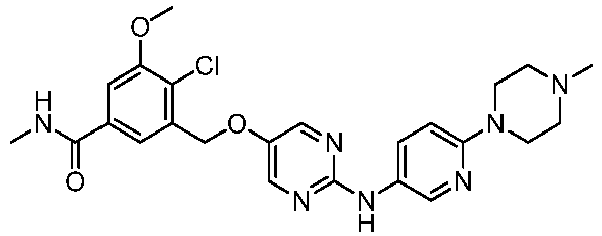
497.8 1H NMR (400 MHz, DMSO-d6) δ 9.09 (s, 1H), 8.54 (s, 1H), 8.37 (d, J = 2.8 Hz, 1H), 8.30 (s, 2H), 7.83 (dd, J = 9.1 Hz, 2.8 Hz, 1H), 7.67 (d, J = 1.9 Hz, 1H), 7.57 (d, J = 1.8 Hz, 1H), 6.78 (d, J = 9.2 Hz, 1H), 5.21 (s, 2H), 3.94 (s, 3H), 3.39 - 3.36 (m, 4H), 2.80 (d, J = 4.5 Hz, 3H), 2.42 - 2.37 (m, 4H), 2.21 (s, 3H). 264 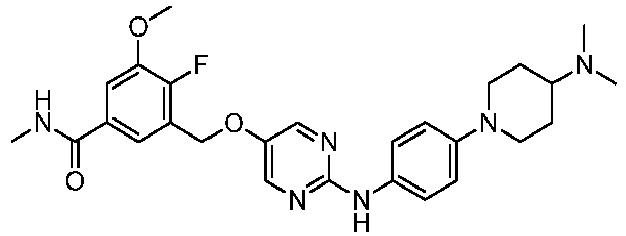
509.2 1H NMR (400 MHz, CD3OD) δ 8.18 (s, 2H), 7.56 - 7.54 (m, 2H), 7.45 - 7.43 (m, 2H), 6.95 - 6.92 (m, 2H), 5.15 (s, 2H), 3.92 (s, 3H), 3.64 - 3.60 (m, 2H), 2.90 (s, 3H), 2.67 - 2.61 (m, 2H), 2.32 - 228(m, 7H), 1.97 - 1.94 (m, 2H), 1.64 - 1.62 (m, 2H). 265 
509.3 1H NMR (400 MHz, CD3OD) δ 8.20 (s, 2H), 7.56 (s, 1H), 7.55 - 7.53 (m, 1H), 7.44 (dd, J = 8.6 Hz, 2.5 Hz, 1H), 7.41 (d, J = 1.7 Hz, 1H), 6.99 (d, J = 8.6 Hz, 1H), 5.16 (s, 2H), 3.92 (s, 3H), 3.51 - 3.41 (m, 2H), 3.17 - 3.10 (m, 2H), 2.89 (s, 3H), 2.63 (t, J = 11.8 Hz, 2H), 2.27 (s, 3H), 1.31 (d, J = 6.8 Hz, 6H). 266 
509.3 1H NMR (400 MHz, CD3OD) δ 8.18 (s, 2H), 7.59 - 7.53 (m, 2H), 7.45 (d, J = 9.0 Hz, 2H), 6.91 (d, J = 9.0 Hz, 2H), 5.14 (s, 2H), 3.92 (s, 3H), 3.46 (dd, J = 12.1 Hz, 2.3 Hz, 2H), 3.39 (q, J = 7.3 Hz, 2H), 3.04 - 2.94 (m, 2H), 2.22 (t, J = 11.1 Hz, 2H), 1.20 (t, J = 7.3 Hz, 3H), 1.13 (d, J = 6.4 Hz, 6H). 267 
509.3 1H NMR (400 MHz, CD3OD) δ 8.18 (s, 2H), 7.56 (s, 1H), 7.54 (s, 1H), 7.49 - 7.40 (m, 2H), 6.94 - 6.87 (m, 2H), 5.15 (s, 2H), 3.92 (s, 3H), 3.41 (d, J = 10.5 Hz, 2H), 2.90 (s, 3H), 2.51 - 2.37 (m, 4H), 2.32 (s, 3H), 1.17 (d, J = 5.8 Hz, 6H). 268 
510.1 1H NMR (400 MHz, CD3OD) δ 8.53 - 8.32 (m, 2H), 8.21 (s, 2H), 7.92 (dd, J = 8.7 Hz, 2.1 Hz, 1H), 7.62 - 7.47 (m, 2H), 6.88 (d, J = 8.7 Hz, 1H), 5.17 (s, 2H), 4.28 - 4.18 (m, 2H), 3.93 (s, 3H), 3.14 (m, 2H), 2.94 - 2.83 (m, 5H), 2.76 (s, 3H), 1.39 (d, J = 6.3 Hz, 6H). 269 
511.2 1H NMR (400 MHz, CD3OD) δ 8.22 (s, 2H), 7.56 (s, 1H), 7.54 (s, 1H), 7.37 (d, J = 2.2 Hz, 1H), 7.11 (dd, J = 8.6 Hz, 1.4 Hz, 1H), 6.88 (d, J = 8.6 Hz, 1H), 5.16 (s, 2H), 3.92 (s, 3H), 3.84 (s, 3H), 3.02 - 3.00 (m, 4H), 2.90 (s, Hz, 3H), 2.62 - 2.60 (m, 4H), 2.32 (s, 3H). 270 
511.3 1H NMR (400 MHz, CD3OD) δ 8.17 (s, 2H), 7.58 - 7.49 (m, 2H), 7.27 - 7.18 (m, 2H), 6.87 - 6.79 (m, 1H), 5.13 (s, 2H), 3.91 (s, 3H), 3.80 (s, 3H), 3.15 - 2.96 (m, 4H), 2.89 (s, 3H), 2.68 - 2.51 (m, 4H), 2.32 (s, 3H). 271 
511.9 1H NMR (400 MHz, CD3OD) δ 8.32 (d, J = 2.7 Hz, 1H), 8.20 (s, 2H), 7.84 (dd, J = 9.0 Hz, 2.8 Hz, 1H), 7.63 (d, J = 1.9 Hz, 1H), 7.50 (d, J = 1.8 Hz, 1H), 6.80 (d, J = 9.1 Hz, 1H), 5.20 (s, 2H), 4.01 (dd, J = 12.7 Hz, 2.4 Hz, 2H), 3.95 (s, 3H), 2.96 - 2.91 (m, 2H), 2.90 (s, 3H), 2.40 - 2.32 (m, 2H), 1.15 (d, J = 6.4 Hz, 6H). 272 
511.9 1H NMR (400 MHz, CD3OD) δ 8.33 (d, J = 2.4 Hz, 1H), 8.21 (s, 2H), 7.85 (dd, J = 9.1 Hz, 2.8 Hz, 1H), 7.63 (d, J = 2.0 Hz, 1H), 7.50 (d, J = 2.0 Hz, 1H), 6.81 (d, J = 9.1 Hz, 1H), 5.21 (s, 2H), 3.96 (s, 3H), 3.48-3.43 (m, 4H), 2.91 (s, 3H), 2.65-2.50 (m, 4H), 2.48 (q, J = 7.2 Hz, 2H), 1.13 (t, J = 7.2 Hz, 3H). 273 
513.3 1H NMR (400 MHz, CD3OD) δ 8.25 (s, 2H), 7.70 - 7.65 (m, 1H), 7.58 - 7.53 (m, 2H), 7.26 (dd, J = 8.6Hz, 1.4 Hz, 1H), 7.00 (t, J = 9.1 Hz, 1H), 5.18 (s, 2H), 3.93 (s, 3H), 3.58 - 3.51 (m, 2H), 3.46 (dd, J = 12.6 Hz, 1.4 Hz, 2H), 2.90 (s, 3H), 2.73 (t, J = 11.9 Hz, 2H), 1.35 (d, J = 6.8 Hz, 6H). 274 
513.3 1H NMR (400 MHz, CD3OD) δ 8.17 (s, 2H), 7.53 - 7.47 (m, 1H), 7.45 (d, J = 8.9 Hz, 2H), 6.92 (d, J = 8.8 Hz, 2H), 5.17 (s, 2H), 3.89 (s, 3H), 3.49-3.41 (m, 2H), 3.06 - 2.96 (m, 2H), 2.91 (s, 3H), 2.24 (t, J = 11.1 Hz, 2H), 1.14 (d, J = 6.4 Hz, 6H). 275 
513.3 1H NMR (400 MHz, CD3OD) δ 8.23 (s, 2H), 7.48 (dd, J = 9.4 Hz, 6.9 Hz, 1H), 7.34 - 7.29 (m, 1H), 7.17 - 7.09 (m, 2H), 6.64 - 6.57 (m, 1H), 5.20 (s, 2H), 3.90 (s, 3H), 3.64 - 3.55 (m, 2H), 3.16 - 3.07 (m, 2H), 2.92 (s, 3H), 2.43 - 2.34 (m, 2H), 1.20 (d, J = 6.5 Hz, 6H). 276 
513.4 1H NMR (400 MHz, CD3OD) δ 8.55 (s, 2H), 8.20 (s, 2H), 7.62 (d, J = 2.0 Hz, 1H), 7.50 (d, J = 2.0 Hz, 1H), 5.20 (s, 2H), 4.54 - 4.49 (m, 2H), 3.95 (s, 3H), 2.91 (s, 3H), 2.85 - 2.76 (m, 2H), 2.47 - 2.39 (m, 2H), 1.12 (d, J = 6.4 Hz, 6H). 277 
513.9 1H NMR (400 MHz, CD3OD) δ 8.25 (s, 2H), 8.16 (d, J = 2.2 Hz, 1H), 7.99 (dd, J = 14.8 Hz, 2.2 Hz, 1H), 7.61 - 7.48 (m, 2H), 5.18 (s, 2H), 3.93 (s, 3H), 3.71 - 3.63 (m, 2H), 3.04 - 2.94 (m, 2H), 2.90 (s, 3H), 2.48 - 2.40 (m, 2H), 1.11 (d, J = 6.4 Hz, 6H). 278 
514.2 1H NMR (400 MHz, CD3OD) δ 8.30 (d, J = 2.7 Hz, 1H), 8.18 (s, 2H), 7.82 (dd, J = 9.1 Hz, 2.8 Hz, 1H), 7.48 (dd, J = 9.4 Hz, 6.8 Hz, 1H), 6.80 (d, J = 9.1 Hz, 1H), 5.18 (s, 2H), 4.02 - 3.96 (m, 2H), 3.90 (s, 3H), 2.92 (s, 3H), 2.91 - 2.84 (m, 2H), 2.39 - 2.30 (m, 2H), 1.14 (d, J = 6.4 Hz, 6H). 279 
514.2 1H NMR (400 MHz, CD3OD) δ 8.40 (s, 2H), 7.90 (d, J = 6.3 Hz, 1H), 7.54 (s, 1H), 7.49 (dd, J = 9.3 Hz, 6.8 Hz, 1H), 7.18 (dd, J = 6.2 Hz, 1.2 Hz, 1H), 5.27 (s, 2H), 4.29 (dd, J = 14.0 Hz, 1.9 Hz, 2H), 3.91 (s, 3H), 3.49 - 3.40 (m, 2H), 2.99 (dd, J = 13.6 Hz, 11.7 Hz, 2H), 2.92 (s, 3H), 1.42 (d, J = 6.6 Hz, 6H). 280 
524.2 1H NMR (400 MHz, CDCl3) δ 8.18 (s,2H), 7.48 (d, J = 6.9 Hz, 1H), 7.33 (s, 1H), 7.12 (d, J = 7.2 Hz, 1H), 7.00 (d, J = 8.0 Hz, 1H), 6.93 - 6.92 (m, 1H), 6.08 (s, 1H), 5.11 (s, 2H), 3.93 (s, 3H), 3.82 (s, 3H), 3.05 - 3.03 (m, 2H), 2.99 (s, 3H), 2.89 - 2.87 (m, 1H), 2.45 - 2.42 (m, 2H), 2.05 - 2.00 (m, 2H), 1.74 - 1.72 (m, 4H), 1.09 (t, J = 6.9 Hz, 3H). 281 
524.2 1H NMR (400 MHz, CD3OD) δ 8.32 (d, J = 2.8 Hz, 1H), 8.20 (s, 2H), 7.85 (dd, J = 9.2 Hz, 2.8 Hz, 1H), 7.58 - 7.54 (m, 2H), 6.80 (d, J = 9.2 Hz, 1H), 5.16 (s, 2H), 3.99 - 3.94 (m, (q, J = 7.2 Hz, 2H), 2.90 (s, 3H), 2.82 - 2.74 (m, 2H), 2.62 - 2.54 (m, 2H), 1.17 (d, J = 6.3 Hz, 6H), 0.96 (t, J = 7.2 Hz, 3H). 282 
525.3 1H NMR (400 MHz, CD3OD) δ 8.22 (s, 2H), 7.58 - 7.55 (m, 1H), 7.54 (dd, J = 4.7 Hz, 2.2 Hz, 1H), 7.41 (d, J = 2.3 Hz, 1H), 7.14 (dd, J = 8.6 Hz, 2.3 Hz, 1H), 6.89 (d, J = 8.6 Hz, 1H), 5.16 (s, 2H), 3.92 (s, 3H), 3.85 (s, 3H), 3.53 - 3.45 (m, 2H), 3.45 - 3.39 (m, 2H), 2.90 (s, 3H), 2.72 - 2.61 (m, 2H), 1.33 (d, J = 6.5 Hz, 6H). 283 
525.3 1H NMR (400 MHz, CDCl3) δ 8.17 (s, 2H), 7.48 (dd, J = 7.9 Hz, 2.1 Hz, 1H), 7.33 (dd, J = 5.5 Hz, 2.1 Hz, 1H), 7.23 (d, J = 2.4 Hz, 1H), 7.00 (dd, J = 8.5 Hz, 2.4 Hz, 1H), 6.91 - 6.85 (m, 2H), 6.10 (s, 1H), 5.11 (s, 2H), 3.93 (s, 3H), 3.86 (s, 3H), 3.18 - 3.05 (m, 4H), 2.99 (d, J = 4.9 Hz, 3H), 2.82 - 2.66 (m, 4H), 2.58 (q, J = 7.1 Hz, 2H), 1.18 (t, J = 7.1 Hz, 3H). 284 
524.8 1H NMR (400 MHz, CD3OD) δ 8.75 (dd, J = 8.0 Hz, 2.6 Hz, 1H), 8.30 (s, 2H), 8.16 (dd, J = 8.8 Hz, 2.6 Hz, 1H), 7.65 (d, J = 1.7 Hz, 1H), 7.52 (d, J = 1.7 Hz, 1H), 7.30 - 7.24 (m, 1H), 5.25 (s, 2H), 4.02 - 3.96 (m, 1H), 3.97 (s, 3H), 3.38 - 3.30(m, 1H), 3.27 - 3.16 (m, 1H), 2.92 (s, 3H), 2.89 - 2.65 (m, 2H), 2.13 (s, 3H), 2.13 - 2.00 (m, 1H), 1.90 - 1.79 (m, 2H), 168 - 1.50 (m, 1H). 285 
524.9 1H NMR (400 MHz, CD3OD) δ 8.21 (s, 2H), 7.63 (d, J = 2.0 Hz, 1H), 7.50 (d, J = 1.9 Hz, 1H), 7.39 - 7.35 (m, 2H), 6.94 (d, J = 8.6 Hz, 1H), 5.20 (s, 2H), 3.95 (s, 3H), 3.07 - 2.96 (m, 2H), 2.93 - 2.88 (m, 2H), 2.90 (s, 3H), 2.30 - 2.23 (m, 2H), 2.25 (s, 3H), 1.09 (d, J = 6.5 Hz, 6H). 286 
524.9 1H NMR (400 MHz, CD3OD) δ 8.20 (s, 2H), 7.63 (d, J = 2.0 Hz, 1H), 7.50 (d, J = 2.0Hz, 1H), 7.48 - 7.43 (m, 2H), 6.94 - 6.89 (m, 2H), 5.20 (s, 2H), 3.96 (s, 3H), 3.45 - 3.40 (m, 2H), 2.91 (s, 3H), 2.51 - 2.42 (m, 4H), 2.33 (s, 3H), 1.17 (d, J = 5.9 Hz, 6H). 287 
526.3 1H NMR (400 MHz, CD3OD) δ 8.35 (d, J = 2.7 Hz, 1H), 8.23 (s, 2H), 7.84 (d, J = 2.7 Hz, 1H), 7.63 (d, J = 1.8 Hz, 1H), 7.49 (d, J = 1.8 Hz, 1H), 5.20 (s, 2H), 3.95 (s, 3H), 3.20-3.13 (m, 2H), 3.04 - 2.97 (m, 2H), 2.91 (s, 3H), 2.44 - 2.38 (m, 2H), 2.26 (s, 3H), 1.10 (d, J = 6.4 Hz, 6H). 288 
527.4 1H NMR (400 MHz, CD3OD) δ 8.22 (s, 2H), 7.63 (d, J = 1.9 Hz, 1H), 7.49 (d, J = 1.9 Hz, 1H), 7.37 (d, J = 2.3 Hz, 1H), 7.10 (dd, J = 8.6 Hz, 2.3 Hz, 1H), 6.88 (d, J = 8.6 Hz, 1H), 5.20 (s, 2H), 3.93 (s, 3H), 3.84 (s, 3H), 3.03 - 2.99 (m, 4H), 2.90 (s, 3H), 2.66 - 2.62 (m, 4H), 2.32 (s, 3H). 289 
528.9 1H NMR (400 MHz, CD3OD) δ 8.25 (s, 2H), 7.64 (d, J = 1.7 Hz, 1H), 7.60 (dd, J = 15.1 Hz, 2.4 Hz, 1H), 7.51 (d, J = 1.7 Hz, 1H), 7.21 (dd, J = 8.7 Hz, 1.6 Hz, 1H), 6.93 (t, J = 9.2 Hz, 1H), 5.22 (s, 2H), 3.96 (s, 3H), 3.22 - 3.16 (m, 2H), 3.05 - 2.98 (m, 2H), 2.91 (s, 3H), 2.27 (t, J = 10.9 Hz, 2H), 1.10 (d, J = 6.4 Hz, 6H). 290 
529.3 1H NMR (400 MHz, CD3OD) δ 8.18 (s, 2H), 7.47 - 7.43 (m, 2H), 7.43 - 7.41 (m, 1H), 6.95 - 6.89 (m, 2H), 5.25 (d, J = 2.3 Hz, 2H), 3.92 (s, 3H), 3.46 - 3.40 (m, 2H), 3.02 - 2.95 (m, 2H), 2.92 (s, 3H), 2.25 - 2.18 (m, 2H), 1.12 (d, J = 6.4 Hz, 6H). 291 
530.2 1H NMR (400 MHz, CD3OD) δ 8.30 (d, J = 2.5 Hz, 1H), 8.19 (s, 2H), 7.82 (dd, J = 9.1 Hz, 2.7 Hz, 1H), 7.43 (d, J = 6.3 Hz, 1H), 6.80 (d, J = 9.2 Hz, 1H), 5.26 (d, J = 2.2 Hz, 2H), 3.99 (dd, J = 12.6 Hz, 2.3 Hz, 2H), 3.92 (s, 3H), 2.92 (s, 3H), 2.92 - 2.85 (m, 2H), 2.38 - 2.32 (m, 2H), 1.14 (d, J = 6.4 Hz, 6H). 292 
530.4 1H NMR (400 MHz, CD3OD) δ 8.26 (s, 2H), 8.19 - 8.14 (m, 1H), 8.03 - 7.94 (m, 1H), 7.63 (d, J = 1.4 Hz, 1H), 7.50 (d, J = 1.7 Hz, 1H), 5.22 (s, 2H), 3.95 (s, 3H), 3.73 - 3.64 (m, 2H), 3.03 - 2.94 (m, 2H), 2.91 (s, 3H), 2.47 - 2.41 (m, 2H), 1.11 (d, J = 6.4 Hz, 6H). 293 
537.0 1H NMR (400 MHz, CD3OD) δ 8.18 (s, 2H), 7.57 - 7.51 (m, 2H), 7.27 (d, J = 2.3 Hz, 1H), 7.04 (dd, J = 8.5 Hz, 2.3 Hz, 1H), 6.72 (d, J = 8.5 Hz, 1H), 5.13 (s, 2H), 3.91 (s, 3H), 3.81 (s, 3H), 3.33 - 3.29 (m, 1H), 3.08 - 2.73 (m, 6H), 2.90 (s, 3H), 2.45 - 2.28 (m, 1H), 2.34 (s, 3H), 2.14 - 2.03 (m, 1H), 1.82 - 1.62 (m, 1H). 294 
537.2 1H NMR (400 MHz, CDCl3) δ 8.15 (s, 2H), 7.49 - 7.44 (m, 1H), 7.35 - 7.29 (m, 1H), 7.19 (d, J = 2.2 Hz, 1H), 6.99 (dd, J = 8.5 Hz, 1.8 Hz, 1H), 6.86 (d, J = 8.5 Hz, 1H), 5.08 (s, 2H), 3.91 (s, 3H), 3.85 (s, 3H), 3.11 - 2.87 (m, 8H), 2.79 (s, 3H), 1.70 - 1.63 (m, 1H), 0.47 - 0.39 (m, 4H). 295 
540.9 1H NMR (400 MHz, CD3OD) δ 8.31 (s, 2H), 7.75 (s, 4H), 7.65 (s, 1H), 7.51 (s, 1H), 5.25 (s, 2H), 3.96 (s, 3H), 3.47 (t, J = 7.2 Hz, 2H), 2.91 (s, 3H), 2.69 (t, J = 7.2 Hz, 2H), 2.63 (q, J = 7.2 Hz, 4H), 1.08 (t, J = 7.1 Hz, 6H). 296 
541.3 1H NMR (400 MHz, DMSO-d6) δ 9.17 (s, 1H), 8.54 (d, J = 4.4 Hz, 1H), 8.30 (s, 2H), 7.64 (d, J = 1.8 Hz, 1H), 7.54 (d, J = 1.9 Hz, 1H), 7.30 (d, J = 2.3 Hz, 1H), 7.20 (dd, J = 8.6 Hz, 2.3 Hz, 1H), 6.72 (d, J = 8.6 Hz, 1H), 5.19 (s, 2H), 3.90 (s, 3H), 3.71 (s, 3H), 3.07 - 3.05 (m, 2H), 2.84 - 2.82 (m, 2H), 2.76 (d, J = 4.6 Hz, 3H), 2.02 - 1.97 (m, 2H), 0.92 (d, J = 6.4 Hz, 3H). 297 
541.3 1H NMR (400 MHz, CD3OD) δ 8.23 (s, 2H), 7.63 (d, J = 2.0 Hz, 1H), 7.50 (d, J = 1.9 Hz, 1H), 7.38 (d, J = 2.4 Hz, 1H), 7.11 (dd, J = 8.6 Hz, 2.4 Hz, 1H), 6.89 (d, J = 8.6 Hz, 1H), 5.20 (s, 2H), 3.95 (s, 3H), 3.84 (s, 3H), 3.07 - 3.03 (m, 4H), 2.90 (s, 3H), 2.70 - 2.66 (m, 4H), 2.49 (q, J = 7.2 Hz, 2H), 1.12 (t, J = 7.2 Hz, 3H). 298 
543.3 1H NMR (400 MHz, CD3OD) δ 8.12 (s, 2H), 7.35 (d, J = 6.3 Hz, 1H), 7.33 - 7.24 (m, 2H), 6.87 (d, J = 8.6 Hz, 1H), 5.18 (d, J = 1.8 Hz, 2H), 3.84 (s, 3H), 2.97 - 2.88 (m, 2H), 2.84 (s, 3H), 2.83 - 2.78 (m, 2H), 2.22 - 2.18 (m, 2H), 2.18 (s, 3H), 1.01 (d, J = 6.4 Hz, 6H). 299 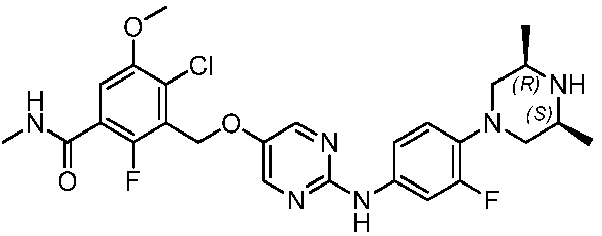
547.2 1H NMR (400 MHz, CD3OD) δ 8.24 (s, 2H), 7.66 - 7.52 (m, 1H), 7.43 (d, J = 6.2 Hz, 1H), 7.26 - 7.15 (m, 1H), 7.00-6.89 (m, 1H), 5.28 (s, 2H), 3.92 (s, 3H), 3.22 - 3.16 (m, 2H), 3.07 - 2.98 (m, 2H), 2.92 (s, 3H), 2.34 - 2.22 (m, 2H), 1.10 (d, J = 6.4 Hz, 6H). 301 
553.3 1H NMR (400 MHz, CD3OD) δ 8.24 (s, 2H), 7.58 - 7.54 (m, 2H), 7.51 (t, J = 1.7 Hz, 1H), 7.48 - 7.42 (m, 1H), 7.17 (t, J = 7.8 Hz, 1H), 6.84 - 6.80 (m, 1H), 5.17 (s, 2H), 3.93 (s, 3H), 3.55 (t, J = 5.5 Hz, 2H), 3.33 (s, 3H), 2.90 (s, 3H), 2.83 - 2.77 (m, 2H), 2.74 - 2.65 (m, 12H). 302 
565.1 1H NMR (400 MHz, CDCl3) δ 8.17 (s, 2H), 7.48 (dd, J = 7.9 Hz, 1.9 Hz, 1H), 7.33 (dd, J = 5.5 Hz, 1.7 Hz, 1H), 7.21 - 7.17 (m, 1H), 7.01 (dd, J = 8.5 Hz, 2.3 Hz, 1H), 6.91 - 6.86 (m, 2H), 6.12 (s, 1H), 5.11 (s, 2H), 3.93 (s, 3H), 3.86 (s, 3H), 3.13 - 3.02 (m, 4H), 2.99 (d, J = 4.7 Hz, 3H), 2.75 - 2.62 (m, 4H), 2.59 - 2.47 (m, 1H), 1.93 - 1.83 (m, 2H), 1.71 - 1.39 (m, 6H). 303 
577.2 1H NMR (400 MHz, DMSO-d6) δ 9.24 (s, 1H), 8.56 (d, J = 4.4 Hz, 1H), 8.32 (s, 2H), 7.67 (d, J = 1.7 Hz, 1H), 7.58 (d, J = 9.3 Hz, 2H), 7.57 (s, 1H), 6.96 (d, J = 9.1 Hz, 2H), 5.22 (s, 2H), 4.74 (d, J = 7.4 Hz, 1H), 3.94 (s, 3H), 3.73 - 3.68 (m, 1H), 3.28 - 3.12 (m, 5H), 2.80 (d, J = 4.5 Hz, 3H). -

- A mixture of methyl 3-bromo-4-chloro-5-methoxybenzoate (0.81 g, 2.90 mmol), ethynyltriisopropylsilane (0.6 g, 3.29 mmol), CuI (0.055 g, 0.29 mmol), PdCl2(PPh3)2 (0.202 g, 0.29 mmol) and triethylamine (0.6 g, 5.93 mmol) in THF (20 mL) was stirred at 60 °C for 16 h under nitrogen atmosphere. The resulting mixture was partitioned between water (100 mL) and EA (100 mL). The organic layer was then dried over anhydrous Na2SO4 and concentrated under reduced pressure. The residue was dissolved in tetrabutylammonium fluoride THF solution (1 M, 10 mL) and the resulting mixture was stirred at ambient temperature for 4 h. The volatiles were removed under reduced pressure and the residue was purified via ISCO (eluted with MeOH in H2O 0∼100%) to afford the title compound as a yellow solid (0.25 g, 38.4% yield). MS (m/z): 225.0 (M+H)+.
- A mixture of methyl 4-chloro-3-ethynyl-5-methoxybenzoate (0.052 g, 0.231 mmol), 5-bromo-N-(4-((3R,5S)-3,5-dimethylpiperazin-1-yl)phenyl)pyrimidin-2-amine (0.160 g, 0.442 mmol), CuI (0.005 g, 0.026 mmol) and PdCl2(PPh3)2 (0.018 g, 0.026 mmol) in THF (8 mL) was stirred at 60 °C for 3 h under nitrogen atmosphere. The volatiles were removed under reduced pressure and the residue was purified via ISCO (eluted with MeOH in H2O 0∼100%) to afford the title compound as a yellow solid (0.045 g, 38.4% yield). MS (m/z): 506.3 (M+H)+.
- A mixture of methyl 4-chloro-3-((2-((4-((3S,5R)-3,5-dimethylpiperazin-1-yl)phenyl)amino)pyrimidin-5-yl)et hynyl)-5-methoxybenzoate (0.045 g, 0.089 mmol) and a solution of sodium hydroxide (0.043 g in 1 mL water, 1.075 mmol) in MeOH (2 mL) and THF (3 mL) was stirred at ambient temperature for 2 h. Then the reaction mixture was purified via ISCO (eluted with MeOH in H2O 0∼100%) directly to afford the acid as a white solid (0.031 g, 70.9% yield). MS (m/z): 492.3 (M+H)+. A mixture of the intermediate acid (0.031 g, 0.063 mmol), methylamine hydrochloride (0.012 g, 0.179 mmol), HATU (0.080 g, 0.210 mmol) and DIPEA (0.040 g, 0.310 mmol) in DMF (5 mL) was stirred at ambient temperature for 30 min. Then the reaction mixture was purified via ISCO (eluted with MeOH in H2O 0∼100%) directly to afford the title compound as a yellow solid (0.011 g, 34.6% yield). MS (m/z): 505.3 (M+H)+. 1H NMR (400 MHz, CDCl3) δ 8.53 (s, 2H), 7.53 - 7.38 (m, 4H), 7.16 (s, 1H), 6.93 (d, J = 8.4 Hz, 2H), 6.15 (s, 1H), 3.97 (s, 3H), 3.55 - 3.38 (m, 2H), 3.13 - 3.03 (m, 2H), 3.02 (d, J = 4.6 Hz, 3H), 2.37 - 2.20 (m, 2H), 1.14 (d, J = 5.8 Hz, 6H).
- The following compounds were prepared according to the procedures of Compound 304 using the corresponding intermediates and reagents under appropriate conditions that could be recognized by one skilled in the art.
Comp ound Structure LC-MS (m/z) (M+H)+ 1H NMR 305 
411.2 1H NMR (400 MHz, CD3OD) δ 8.55 (s, 2H), 8.00 (s, 1H), 7.63 (d, J = 1.7 Hz, 1H), 7.60 (s, 1H), 7.50 (d, J = 1.7 Hz, 1H), 4.16 (q, J = 7.2 Hz, 2H), 3.97 (s, 3H), 2.93 (s, 3H), 1.47 (t, J = 7.2 Hz, 3H). 306 
519.2 1H NMR (400 MHz, CD3OD) δ 8.53 (s, 2H), 7.55 (d, J = 6.6 Hz, 2H), 7.41 (d, J = 2.3 Hz, 1H), 7.19 (dd, J = 8.6 Hz, 2.3 Hz, 1H), 6.90 (d, J = 8.6 Hz, 1H), 3.93 (s, 3H), 3.86 (s, 3H), 3.27 - 3.22 (m, 2H), 3.11 - 3.01 (m, 2H), 2.90 (s, 3H), 2.25 - 2.17 (m, 2H), 1.10 (d, J = 6.4 Hz, 6H). 307 
519.4 1H NMR (400 MHz, CD3OD) δ 8.51 (s, 2H), 7.54 (d, J = 6.6 Hz, 2H), 7.40 (d, J = 2.4 Hz, 1H), 7.17 (dd, J = 8.6 Hz, 2.4 Hz, 1H), 6.92 (d, J = 8.6 Hz, 1H), 3.93 (s, 3H), 3.86 (s, 3H), 3.10 - 2.99 (m, 4H), 2.90 (s, 3H), 2.72 - 2.58 (m, 4H), 2.49 (q, J = 7.2 Hz, 2H), 1.12 (t, J = 7.2 Hz, 3H). 308 
535.2 1H NMR (400 MHz, CD3OD) δ 8.51 (s, 2H), 7.59 (d, J = 1.9 Hz, 1H), 7.46 (d, J = 1.9 Hz, 1H), 7.40 (d, J = 2.3 Hz, 1H), 7.18 (dd, J = 8.6 Hz, 2.3 Hz, 1H), 6.89 (d, J = 8.6 Hz, 1H), 3.94 (s, 3H), 3.86 (s, 3H), 3.26 - 3.21 (m, 2H), 3.09 - 2.98 (m, 2H), 2.90 (s, 3H), 2.20 - 2.16 (m, 2H), 1.08 (d, J = 6.4 Hz, 6H). 309 
535.6 1H NMR (400 MHz, CD3OD) δ 8.54 (s, 2H), 7.62 (d, J = 1.9 Hz, 1H), 7.49 (d, J = 1.9 Hz, 1H), 7.43 (d, J = 2.3 Hz, 1H), 7.19 (dd, J = 8.6 Hz, 2.4 Hz, 1H), 6.94 (d, J = 8.6 Hz, 1H), 3.96 (s, 3H), 3.87 (s, 3H), 3.10 - 3.06 (m, 4H), 2.91 (s, 3H), 2.70 - 2.66 (m, 4H), 2.51 (q, J = 7.4 Hz, 2H), 1.14 (t, J = 7.3 Hz, 3H). -
- Transcreenen™ KINASE Assay kit: Bellbrook Labs., 3003-10K;
- Recombinant human FGFR1: Invitrogen, PV3146;
- Poly E4Y (substrate): Sigma, P0275; 5mg/mL, dissolved in MilliQ water;
- Assay buffer: 67mM HEPES, 0.013% Triton X-100, 27mM MgCl2, 0.67mM MnCl2, 1.25mM DTT, pH 7.4;
- 10mM ATP: Invitrogen, PV3227;
- 500mM EDTA: Invitrogen, 15575-038;
- 96 well black Greiner plate: Greiner, 675076.
-
• Test compounds were solved in DMSO and were diluted with assay buffer to 5 folds of final concentration keeping the DMSO concentration at 5%. Further dilution are needed to make final concentrations are at 1, 0.33, 0.11, 0.037, 0.012, 0.004, 0.0014, 0.0005 µM; (the final concentration of DMSO is 1%).
• Enzyme/Substrate stock Preparation: Recombinant human FGFR1 and Poly E4Y are both diluted in assay buffer. The final concentration is 0.4 ng/µL for FGFR1 and 62.5 ng/µL for Poly E4Y. The mixture is being kept in ice before use;
• ATP Diluents Preparation: 10 mM ATP is diluted in assay buffer, the final concentration is 25 µM;
• ADP Diluents Preparation: dilute ADP (500 µM) in assay buffer, the final concentration is 25 µM;
• Prepare ATP standard curve stock as following:Column ADP diluents (µL) ATP diluents (µL) 1 50 0 2 25 25 3 10 40 4 5 45 5 5 95 6 5 195 7 5 495 8 4 496 9 3 497 10 2 498 11 1 499 12 1 999 -
- In a 96-well plate, add 5 µL of diluted solution of test compound or control solution. (positive control: 5 µL of 5%DMSO; negative control: 5 µL of 500mM EDTA) into desired wells respectively;
- Add 10 µL of Enzyme/Substrate stock into each well;
- Add 10 µL of ATP Diluents to initiate the enzyme reaction and vortex the plate immediately on a plate shaker;
- For the wells to make standard curve, add 5 µL of 5%DMSO, 10 µL of assay buffer and 10 µL of ATP standard curve stock.
- Incubate the plate for 45min at 28°C on a plate shaker in a low speed.
-
- Detection Mix Preparation: The mixture is made by dilution with MilliQ water; as following: ADP Alexa633 tracer (1: 100), ADP antibody (1: 158), and stop & detect buffer (1: 10);
- Tracer Only control Preparation: The mixture is made by dilution with MilliQ water; as following: ADP Alexa633 tracer (1: 100), and stop & detect buffer (1: 10)
- No Tracer control Preparation: stop & detect buffer is diluted with MilliQ water; by 10 fold.
- Add 25 µL of detection mix, Tracer Only control and No Tracer control into corresponding wells, respectively;
- Incubate at 28°C for 1h, on a plate shaker in a low speed;
- Measure florescence polarization (mP) on TECAN F500. Excitation wavelength: 610nm, Emission wavelength: 670nm.
-

-
- [ADP] in Compound well represents the ADP concentration in test compound well.
- [ADP] in Positive control well represents the ADP concentration in 5% DMSO well
- Conversion of mP value to ADP concentration is calculated based on the formula which determined by standard curve. And mP value is measured by following the instruction provided by BellBrook Labs. (www.bellbrooklabs.com).
-
- Transcreenen™ KINASE Assay kit: Bellbrook Labs., 3003-10K;
- Recombinant human FGFR2: Invitrogen, PV3368;
- Poly E4Y (substrate): Sigma, P0275; 5mg/mL, dissolved in MilliQ water;
- Assay buffer: 67mM HEPES, 0.013% Triton X-100, 27mM MgCl2, 0.67mM MnCl2, 1.25mM DTT, PH 7.4;
- 10mM ATP: Invitrogen, PV3227;
- 500mM EDTA: Invitrogen, 15575-038;
- 96 well black Greiner plate: Greiner, 675076.
-
• Test compounds were solved in DMSO and were diluted with assay buffer to 5 folds of final concentration keeping the DMSO concentration at 5%. Further dilution are needed to make final concentrations are at 1, 0.33, 0.11, 0.037, 0.012, 0.004, 0.0014, 0.0005 µM; (the final concentration of DMSO is 1%).
• Enzyme/Substrate stock Preparation: Recombinant human FGFR2 and Poly E4Y are both diluted in assay buffer. The final concentration is 0.3 ng/µL for FGFR2 and 62.5 ng/µL for Poly E4Y. The mixture is being kept in ice before use;
• Prepare ATP Diluents, 10nM ATP is diluted in assay buffer, the final concentration is 25 µM;
• Prepare ADP Diluents: diluted ADP (500 µM) in assay buffer, the final concentration is 25 µM;
• Prepare ATP standard curve stock as following:Column ADP diluents (µL) ATP diluents (µL) 1 50 0 2 25 25 3 10 40 4 5 45 5 5 95 6 5 195 7 5 495 8 4 496 9 3 497 10 2 498 11 1 499 12 1 999 -
- In a 96-well plate, add 5 µL of deluted solution of test compound or control solution. (positive control: 5 µL of 5%DMSO; negative control: 5 µL of 500mM EDTA) into desired wells respectively;
- Add 10 µL of Enzyme/Substrate stock into each well;
- Add 10 µL of ATP Diluents to initiate the enzyme reaction and vortex the plate immediately on a plate shaker;
- For the wells to make standard curve, add 5 µL of 5%DMSO, 10 µL of assay buffer and 10 µL of ATP standard curve stock.
- Incubate the plate for 45min at 28°C on a plate shaker in a low speed.
-
- Detection Mix Preparation: The mixture is made by dilution with MilliQ water; as following: ADP Alexa633 tracer (1: 100), ADP antibody (1: 158), and stop & detect buffer (1: 10);
- Tracer Only control Preparation: The mixture is made by dilution with MilliQ water; as following: ADP Alexa633 tracer (1: 100), and stop & detect buffer (1: 10)
- No Tracer control Preparation: stop & detect buffer is diluted with MilliQ water; by 10 fold.
- Add 25 µL of detection mix, Tracer Only control and No Tracer control into corresponding wells, respectively;
- Incubate at 28°C for 1h, on a plate shaker in a low speed;
- Measure florescence polarization (mP) on TECAN F500. Excitation wavelength: 610nm, Emission wavelength: 670nm.
-

-
- [ADP] in Compound well represents the ADP concentration in test compound well.
- [ADP] in Positive control well represents the ADP concentration in 5% DMSO well
- Conversion of mP value to ADP concentration is calculated based on the formula which determined by standard curve. And mP value is measured by following the instruction provided by BellBrook Labs. (www.bellbrooklabs.com).
-
Vender Cat Number Z-lyte assay kit-TYR4 Invitrogen PV3193 Z-LYTE Tyr 4 Peptide Invitrogen PV3279 Z-LYTE Tyr 4 Phospho-peptide Invitrogen PV3280 5X Kinase Buffer Invitrogen PV3189 10 mM ATP Invitrogen PV3227 Development Reagent B Invitrogen PV3298 Development Buffer Invitrogen P3127 Stop Reagent Invitrogen P3094 FGFR3 kinase Invitrogen PV3145 384-well plate(black) Corning 3575 Victor3 PerkinElmer™ -
1 Ref cpd Cons (µM) Cpd 1 Cons (µM) Cpd 2 Cons (µM) ........ Cpd N Cons (µM) C1 1.00E+00 1.00E+00 1.00E+00 1.00E+00 1.00E+00 1.00E+00 1.00E+00 1.00E+00 3.33E-01 3.33E-01 3.33E-01 3.33E-01 3.33E-01 3.33E-01 3.33E-01 3.33E-01 C2 1.11E-01 1.11E-01 1.11E-01 1.11E-01 1.11E-01 1.11E-01 1.11E-01 1.11E-01 3.70E-02 3.70E-02 3.70E-02 3.70E-02 3.70E-02 3.70E-02 3.70E-02 3.70E-02 C3 1.23E-02 1.23E-02 1.23E-02 1.23E-02 1.23E-02 1.23E-02 1.23E-02 1.23E-02 4.12E-03 4.12E-03 4.12E-03 4.12E-03 4.12E-03 4.12E-03 4.12E-03 4.12E-03 1.37E-03 1.37E-03 1.37E-03 1.37E-03 1.37E-03 1.37E-03 1.37E-03 1.37E-03 4.57E-04 4.57E-04 4.57E-04 4.57E-04 4.57E-04 4.57E-04 4.57E-04 4.57E-04 -
- 1) 1.33X Kinase Buffer: Dilute 5X Kinase Buffer to 1.33X with ddH2O.
- 2) 4X Test Compounds: Serially dilute the test compounds to 4 folds of the concentrations desired, keeping the DMSO concentration at 8%. The final concentrations are 1, 0.33, 0.11, 0.037, 0.012, 0.004, 0.0014, 0.00046µM, and the final concentration of DMSO is 2%.
- 3) Kinase/Peptide Mixture (P/K solution): Prepare Kinase/Peptide Mixture by diluting the kinase to 0.7 µg/ml and the Z-LYTE™ Tyr 4 peptide to 4 µM in 1.33X Kinase Buffer. Mix gently by pipetting.
- 4) Phospho-peptide Solution (PP solution): Add 0.4 µl of Z-LYTE™ Tyr 4 Phospho-peptide to 99.6 µl of 1.33X Kinase Buffer.
- 5) ATP Solution: Prepare ATP Solution by diluting the 10 mM of ATP in 1.33X Kinase Buffer to 300uM.
- 6) Development Solution: Dilute Development Reagent B with Development Buffer as 1:128.
-
- In a 384-well plate, add 2.5 µl of 4X test Cpds to each well except C1, C2, C3 wells.
- Add 2.5 µl of 8% DMSO to C1, C2, C3 wells.
- Put the plate on ice.
- Add 5 µl of P/K mixture to each test Cpd wells and C1,C2 wells.
- Add 5 µl of PP Solution to C3 well.
- Add 2.5 µl of 1.33X kinase buffer to C1 and C3 wells.
- Add 2.5 µl of 4X ATP Solution to each test Cpd wells and C2 well, respectively. Shake the plate for 30 Sec and centrifuge (1500 rpm,1 min).
- Seal the plate to protect from the light and incubate the plate for 1 hour at RT (25-30°C).
-
- Add 5 µl of the Development solution to all wells.
- Shake the plate for 30 Sec and centrifuge (1500 rpm,1min).
- Seal the plate to protect from the light and incubate the plate for 1 hour at RT (25-30 °C).
-
- Add 5 µl of the Stop reagent to all wells.
- Shake the plate for 30 Sec and centrifuge (1500 rpm,1min).
- Measure the value of Coumarin (Ex400 nm, Em445 nm) and fluorescein (Ex400 nm, Em520 nm), respectively.
-


-
- KG-1 (ATCC Accession No. CCL-246),
- SNU-16 (ATCC Accession No. CRL-5974),
- RT-112 (ECACC Accession No. 85061106)
- FGFR related cancer cell proliferation is measured in 96-well plates using Cell Counting Kit-8 (Dojindo CK04-13).
- Seed 30000 cells/well of KG1, 5000 cells/well of SNU16, and 1000 cells/well of RT112 in a volume of 100 µL/well in growth media.
- After 24 hours, dilute the test compound to 10, 3.3, 1.1, 0.37, 0.12, 0.04, 0.013, 0.004 µM, keeping the DMSO concentration at 5%.
- Add 10µL of 8-point compound series to the wells of culturing cells.
- Incubate at 37°C and 5% CO2 for 72 hours
- Add 10µL/well of CCkit8 and incubate at 37°C and 5% CO2 for an hour
- Detect the optical density of each well at 450nm on Labsystems Multiskan K3.
-

-
- ODcompound well represents the optical density of cells treated with compound.
- ODcell well represents the optical density of cells without compounds treatment.(only 0.5%DMSO)
- ODcontrol well represents the optical density of culture media background
- IC50 : determined with add-in software for Microsoft Excel, XLfit™ (version 2.0) from ID Business Solutions (Guildford,UK).
Bioassay results: Example No. FGFR1 (FP) FGFR2 (FP) FGFR3 (Z-lyte) KG1 SNU-16 RT-112 IC50(uM) IC50(uM) IC50(uM) IC50(uM) IC50(uM) IC50(uM) 1 0.024 0.019 0.028 0.049 0.095 0.612 2 0.017 0.010 0.017 0.017 0.031 0.019 3 0.028 0.028 0.188 0.072 0.134 0.370 4 0.201 0.233 0.795 5 0.013 0.012 0.047 0.024 0.056 7 0.143 0.169 0.590 8 0.006 0.005 0.014 0.011 0.014 0.019 9 0.038 0.028 0.064 0.098 0.044 10 0.025 0.005 0.008 0.018 0.022 0.029 11 0.018 0.009 0.007 0.040 0.028 0.034 12 0.098 0.025 0.128 0.266 13 0.029 0.010 0.007 0.021 0.059 14 0.003 0.004 0.004 0.009 0.007 15 0.012 0.008 0.016 0.013 0.017 16 0.004 0.006 0.009 0.009 0.012 17 0.012 0.006 0.008 0.077 0.003 18 0.005 0.005 0.011 0.019 0.022 19 0.043 0.034 0.128 20 0.009 0.006 0.014 0.040 0.016 0.052 21 0.009 0.005 0.020 0.028 0.026 0.084 22 0.047 0.027 0.094 0.122 0.151 23 0.009 0.006 0.013 0.029 0.018 24 0.015 0.008 0.030 0.039 0.023 0.218 25 0.020 0.012 0.027 0.048 0.029 0.093 26 0.256 0.042 0.021 0.340 0.293 0.402 27 0.360 0.245 0.347 28 0.003 0.002 0.007 0.005 0.005 29 0.029 0.010 0.040 0.055 0.068 0.241 30 0.042 0.023 0.287 0.178 0.236 0.491 31 0.018 0.006 0.005 0.057 0.030 0.104 32 0.022 0.007 0.017 0.047 0.019 0.135 33 0.033 0.013 0.046 0.132 0.058 0.308 34 0.030 0.009 0.083 0.189 0.157 0.455 35 0.021 0.010 0.031 0.052 0.029 0.160 36 0.010 0.007 0.016 0.046 0.044 37 0.008 0.003 0.020 0.028 0.030 0.086 38 0.043 0.041 0.043 0.049 0.071 0.342 39 0.012 0.010 0.039 0.031 0.048 40 0.004 0.006 0.009 0.038 0.024 41 0.002 0.004 0.008 0.011 0.015 42 0.016 0.010 0.048 0.069 0.033 43 0.005 0.004 0.009 0.009 0.015 0.051 44 0.014 0.007 0.010 0.388 0.034 45 0.132 0.034 0.061 0.059 0.113 46 0.006 0.006 0.008 0.063 0.074 47 0.005 0.005 0.015 0.011 0.016 48 0.006 0.005 0.008 0.075 0.018 0.062 49 0.014 0.015 0.029 0.045 0.132 0.352 50 0.103 0.113 0.175 0.387 0.581 51 0.001 0.002 0.005 0.004 0.005 52 0.005 0.004 0.008 0.014 0.019 0.049 53 0.006 0.003 0.006 0.018 0.010 0.031 54 0.002 0.003 0.002 0.003 0.004 0.016 55 0.004 0.004 0.009 0.007 0.017 56 0.008 0.009 0.014 0.016 0.032 57 0.325 0.123 0.509 58 0.019 0.008 0.011 0.805 0.070 0.560 59 0.003 0.002 0.002 0.002 0.004 60 0.016 0.007 0.023 0.051 0.046 0.137 61 0.054 0.017 0.062 0.400 0.158 62 0.195 0.027 0.243 0.427 0.419 0.895 63 0.020 0.009 0.033 0.046 0.049 0.152 64 0.048 0.028 0.112 0.203 0.055 0.296 65 0.018 0.007 0.025 0.194 0.055 0.201 66 0.037 0.027 0.044 0.089 0.071 0.263 67 0.031 0.013 0.025 68 0.042 0.020 0.042 0.268 0.085 0.337 69 0.027 0.016 0.022 70 0.126 0.053 0.591 0.398 0.708 0.101 71 0.058 0.024 0.038 0.195 0.094 0.554 72 0.034 0.011 0.040 73 0.009 0.008 0.025 0.070 0.065 0.493 74 0.041 0.033 0.061 0.123 0.094 75 0.005 0.004 0.008 0.043 0.016 0.067 76 0.005 0.003 0.004 0.011 0.012 77 0.044 0.018 0.031 78 0.006 0.006 0.006 0.013 0.014 0.034 79 0.012 0.010 0.014 0.009 0.019 0.142 80 0.010 0.011 0.013 0.013 0.018 0.044 81 0.017 0.013 0.026 0.026 0.059 0.133 82 0.019 0.010 0.022 0.048 0.046 0.334 83 0.009 0.005 0.014 0.024 0.059 0.495 84 0.024 0.016 0.019 0.033 0.039 0.024 85 0.015 0.008 0.033 0.067 0.017 0.021 86 0.008 0.005 0.011 0.016 0.025 0.010 87 0.015 0.006 0.006 0.031 0.033 0.062 88 0.012 0.005 0.003 0.030 0.024 0.050 89 0.015 0.009 0.035 0.053 0.055 0.201 90 0.015 0.016 0.152 0.071 0.149 0.626 91 0.019 0.007 0.016 0.248 0.239 0.122 92 0.008 0.008 0.010 0.090 0.032 0.087 93 0.019 0.012 0.038 0.056 0.029 0.088 94 0.015 0.009 0.017 0.030 0.093 0.026 95 0.017 0.010 0.010 0.042 0.016 0.012 96 0.010 0.010 0.036 0.025 0.050 0.084 97 0.015 0.007 0.016 0.177 0.059 0.240 98 0.012 0.005 0.009 0.370 0.016 0.021 99 0.015 0.006 0.009 0.214 0.013 0.027 100 0.010 0.004 0.004 0.461 0.018 0.012 101 0.012 0.008 0.008 0.130 0.029 0.046 102 0.011 0.005 0.007 0.031 0.009 0.026 103 0.020 0.016 0.017 0.032 0.019 0.064 104 0.164 0.040 0.198 0.255 0.238 0.831 105 0.018 0.009 0.011 106 0.034 0.012 0.033 0.044 0.033 0.072 107 0.161 0.053 0.213 0.344 0.170 0.287 108 0.063 0.044 0.119 109 0.011 0.006 0.012 0.026 0.022 0.159 110 0.032 0.015 0.026 0.048 0.024 0.225 111 0.014 0.007 0.012 0.030 0.017 0.110 112 0.012 0.005 0.013 0.021 0.024 0.094 113 0.008 0.004 0.015 0.022 0.042 0.257 114 0.012 0.007 0.018 0.033 0.055 0.461 115 0.032 0.021 0.047 0.138 0.139 0.659 116 0.015 0.009 0.044 0.053 0.038 0.142 117 0.031 0.011 0.030 0.201 0.048 0.428 118 0.010 0.007 0.035 0.040 0.033 119 0.010 0.007 0.014 0.028 0.026 0.090 120 0.005 0.003 0.010 0.110 0.112 0.562 121 0.068 0.014 0.024 0.095 0.046 0.197 122 0.107 0.033 0.061 0.162 0.127 0.570 123 0.009 0.007 0.008 0.018 0.017 0.036 124 0.379 0.275 0.311 125 0.048 0.018 0.146 126 0.012 0.005 0.014 0.071 0.088 0.591 127 0.014 0.006 0.011 0.012 0.019 0.053 128 0.027 0.010 0.028 0.020 0.045 0.019 129 0.028 0.005 0.013 0.031 0.026 0.188 130 0.023 0.012 0.034 0.026 0.029 0.220 131 0.011 0.006 0.019 0.022 0.027 0.124 132 0.015 0.007 0.017 0.032 0.031 0.165 133 0.009 0.006 0.015 0.007 0.018 0.065 134 0.038 0.013 0.021 135 0.014 0.006 0.009 0.020 0.013 0.067 136 0.010 0.007 0.013 0.029 0.018 0.166 137 0.009 0.005 0.013 0.026 0.018 0.135 138 0.028 0.019 0.020 0.030 0.029 0.750 139 0.015 0.008 0.017 0.045 0.018 0.112 140 0.009 0.005 0.009 0.022 0.020 0.066 141 0.020 0.010 0.014 0.047 0.015 0.112 142 0.031 0.012 0.049 0.064 0.043 0.127 143 0.008 0.005 0.010 0.028 0.032 0.048 144 0.012 0.006 0.006 0.020 0.010 0.059 145 0.019 0.008 0.011 0.037 0.013 0.131 146 0.020 0.008 0.016 0.345 0.051 0.713 147 0.071 0.008 0.024 0.033 0.034 0.084 148 0.022 0.019 0.022 0.368 0.046 0.230 149 0.023 0.011 0.018 0.092 0.025 0.037 150 0.012 0.006 0.007 0.319 0.029 0.086 151 0.009 0.007 0.008 0.617 0.032 0.202 152 0.012 0.006 0.008 0.064 0.022 0.146 156 0.014 0.006 0.006 0.218 0.009 0.013 157 0.007 0.005 0.006 158 0.014 0.007 0.006 0.016 0.007 0.029 159 0.023 0.011 0.010 0.026 0.006 0.021 162 0.038 0.016 0.060 0.152 0.062 0.438 163 0.011 0.005 0.017 0.015 0.017 0.112 164 0.020 0.011 0.028 0.060 0.028 0.208 165 0.041 0.007 0.203 0.803 0.100 0.991 166 0.013 0.006 0.016 167 0.037 0.013 0.032 0.154 0.052 0.260 168 0.006 0.002 0.004 0.002 0.004 0.004 169 0.020 0.010 0.019 0.048 0.048 0.254 170 0.006 0.005 0.009 0.051 0.014 0.020 171 0.012 0.008 0.011 0.008 0.016 0.043 172 0.007 0.006 0.006 0.013 0.004 0.012 173 0.009 0.006 0.006 0.091 0.020 0.034 174 0.010 0.011 0.017 175 0.012 0.008 0.006 0.011 0.012 0.030 176 0.010 0.005 0.009 0.060 0.017 0.021 177 0.006 0.005 0.006 0.011 0.002 0.011 178 0.009 0.005 0.008 0.018 0.007 0.015 179 0.008 0.008 0.006 180 0.008 0.006 0.008 0.290 0.075 0.759 181 0.015 0.010 0.016 182 0.017 0.009 0.012 183 0.017 0.010 0.014 184 0.007 0.006 0.008 0.201 0.060 0.584 185 0.008 0.008 0.008 186 0.011 0.007 0.007 0.056 0.023 0.106 187 0.020 0.013 0.015 0.069 0.057 0.592 188 0.016 0.011 0.015 0.032 0.016 0.414 189 0.015 0.014 0.015 0.017 0.018 0.539 190 0.018 0.010 0.015 0.062 0.048 0.382 191 0.099 0.087 0.132 192 0.043 0.041 0.050 0.128 0.048 0.655 193 0.009 0.006 0.006 0.022 0.014 0.064 194 0.008 0.007 0.028 0.041 0.020 0.135 195 0.010 0.006 0.005 0.040 0.017 0.065 196 0.009 0.006 0.008 0.023 0.014 0.057 197 0.007 0.007 0.008 0.066 0.017 0.100 198 0.006 0.005 0.009 0.025 0.019 0.086 199 0.014 0.015 0.018 0.072 0.027 0.186 200 0.069 0.056 0.091 0.284 0.202 0.952 201 0.019 0.005 0.009 0.026 0.008 0.035 202 0.027 0.009 0.010 203 0.007 0.005 0.007 0.009 0.008 0.014 204 0.009 0.007 0.009 0.005 0.010 0.053 205 0.005 0.003 0.004 0.002 0.002 0.005 206 0.005 0.004 0.005 0.010 0.007 0.007 207 0.018 0.009 0.021 0.084 0.053 0.163 208 0.271 0.132 0.227 209 0.119 0.027 0.690 210 0.024 0.013 0.177 0.166 0.115 0.305 211 0.040 0.016 0.042 0.103 0.155 0.078 212 0.026 0.016 0.080 0.059 0.014 0.057 213 0.011 0.008 0.014 0.011 0.023 0.037 214 0.067 0.025 0.019 0.006 0.027 0.090 215 0.044 0.020 0.065 0.026 0.072 0.127 216 0.010 0.007 0.011 0.024 0.020 0.132 217 0.045 0.016 0.029 218 0.025 0.012 0.021 0.027 0.007 0.044 219 0.014 0.010 0.008 220 0.017 0.010 0.008 221 0.034 0.011 0.037 0.035 0.027 0.072 222 0.039 0.012 0.040 0.052 0.034 0.083 223 0.029 0.018 0.020 0.102 0.051 0.729 224 0.065 0.027 0.056 0.063 0.056 0.234 225 0.026 0.015 0.011 0.007 0.014 0.021 226 0.030 0.010 0.027 0.035 0.032 0.285 227 0.023 0.008 0.025 0.035 0.020 0.085 228 0.029 0.018 0.120 0.094 0.097 0.270 230 0.101 0.032 0.045 0.076 0.014 0.026 231 0.016 0.016 0.011 0.058 0.008 0.009 232 0.017 0.009 0.228 0.070 0.060 0.107 233 0.098 0.031 0.310 0.058 0.063 0.121 234 0.006 0.004 0.030 0.014 0.015 0.035 235 0.008 0.005 0.010 0.020 0.006 0.012 236 0.028 0.014 0.009 237 0.066 0.027 0.029 0.079 0.042 0.134 238 0.023 0.020 0.013 0.038 0.028 0.023 240 0.034 0.023 0.023 0.023 0.039 0.056 241 0.031 0.021 0.019 0.162 0.031 0.112 242 0.018 0.010 0.013 0.010 0.014 0.032 243 0.020 0.009 0.009 0.069 0.006 0.015 244 0.010 0.010 0.013 0.362 0.115 0.585 245 0.016 0.017 0.018 0.533 0.136 0.581 246 0.015 0.006 0.007 247 0.034 0.016 0.023 0.042 0.028 0.057 248 0.016 0.011 0.014 0.006 0.009 0.021 249 0.038 0.014 0.015 0.027 0.010 0.030 250 0.012 0.009 0.007 0.037 0.016 0.017 251 0.025 0.023 0.024 0.031 0.041 0.087 252 0.021 0.022 0.016 0.028 0.008 0.006 253 0.181 0.068 0.334 254 0.012 0.006 0.008 0.008 0.002 0.014 255 0.008 0.005 0.011 0.062 0.017 0.021 256 0.100 0.040 0.039 0.202 0.022 0.057 257 0.029 0.012 0.019 0.103 0.019 0.066 258 0.028 0.015 0.017 259 0.024 0.014 0.013 0.220 0.039 0.141 261 0.026 0.013 0.018 0.019 0.007 0.013 262 0.043 0.020 0.021 0.037 0.029 0.133 263 0.005 0.005 0.006 0.007 0.014 0.028 264 0.010 0.005 0.006 0.007 0.008 0.008 265 0.014 0.014 0.020 0.060 0.031 0.027 266 0.036 0.025 0.028 0.068 0.037 0.097 267 0.006 0.006 0.008 0.028 0.017 0.033 268 0.021 0.016 0.020 0.017 0.018 0.047 269 0.010 0.007 0.005 0.006 0.006 0.005 270 0.018 0.009 0.008 0.052 0.010 0.023 271 0.008 0.007 0.009 0.026 0.008 0.025 272 0.010 0.009 0.008 0.018 0.015 0.031 273 0.012 0.006 0.012 0.025 0.016 0.025 274 0.013 0.007 0.008 0.020 0.018 0.041 275 0.014 0.009 0.014 0.046 0.018 0.062 276 0.020 0.023 0.021 0.083 0.021 0.140 277 0.020 0.014 0.018 0.057 0.036 0.109 278 0.023 0.014 0.020 0.034 0.027 0.065 279 0.044 0.023 0.034 0.134 0.037 0.080 280 0.027 0.018 0.016 0.191 0.007 0.029 281 0.019 0.014 0.019 0.009 0.014 0.037 282 0.018 0.009 0.007 0.046 0.005 0.005 283 0.012 0.005 0.004 0.008 0.003 0.008 284 0.039 0.024 0.043 0.071 0.033 0.072 285 0.007 0.006 0.007 0.013 0.008 0.016 286 0.007 0.006 0.009 0.008 0.016 0.043 287 0.011 0.008 0.008 0.054 0.014 0.035 288 0.006 0.004 0.004 0.002 0.002 0.003 289 0.010 0.004 0.010 290 0.010 0.007 0.011 0.006 0.011 0.012 291 0.017 0.018 0.017 0.015 0.017 0.027 292 0.013 0.011 0.014 0.046 0.017 0.070 293 0.018 0.008 0.011 294 0.014 0.006 0.005 295 0.013 0.013 0.019 0.040 0.104 0.337 298 0.009 0.008 0.013 0.008 0.014 0.015 299 0.006 0.006 0.008 0.007 0.011 0.015 301 0.009 0.006 0.010 0.024 0.011 0.037 302 0.012 0.007 0.009 303 0.011 0.007 0.007 0.040 0.023 0.064 304 0.022 0.008 0.027 306 0.029 0.012 0.026 0.100 0.023 0.016 307 0.019 0.017 0.021 0.005 0.0010 0.005
Claims (22)
- A compound of formula (I):
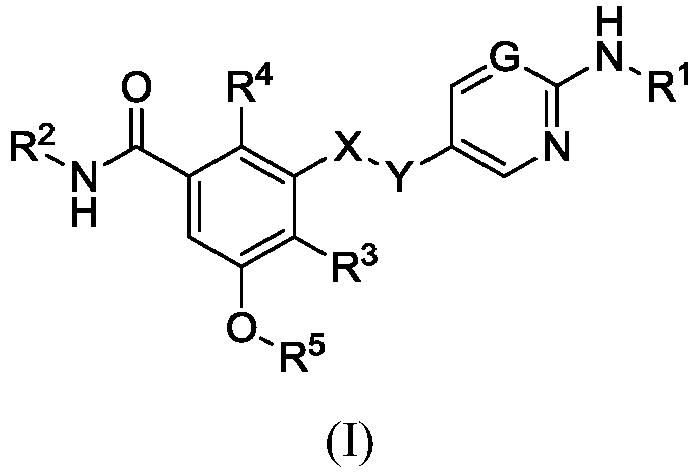
whereinX is CH2, Y is selected from CH2, O or S(O)2; or X and Y together with the bond there-between form -CH=CH- or -C≡C-;G is N or CH;R1 is aryl or heteroaryl, each of which is optionally substituted with one or more substituents independently selected from halo, -NR6R7, -OR8, -S(O)nR9, -(CH2)r-C(O)R10, -CN, -C(O)NR6R7, -NR6C(O)R10, -NR6S(O)nR9, -NR6S(O)nNR11R12, -NR6C(O)OR8, -NR6C(O)NR11R12, -NO2, -S(O)nNR6R7, oxo, optionally substituted alkyl, -(CH2)p-optionally substituted cycloalkyl, -(CH2)m-optionally substituted heterocyclyl, -(CH2)q-optionally substituted heteroaryl, optionally substituted alkenyl, and optionally substituted alkynyl;R2 is independently chosen from optionally substituted C1-C6 alkyl, optionally substituted C1-C6 alkoxy, or optionally substituted C3-C8 cycloalkyl;R3, R4 are independently chosen from hydrogen, halogen, -CN, or optionally substituted C1-C6 alkyl,R5 is C1-C6 alkyl,or R3 and R5 together with the O atom to which R5 is attached and the bond there-between form a 5- or 6-membered oxy-containing heterocyclic ring;n is 1 or 2;m, p, q and r are independently chosen from 0, 1, 2, 3, 4, 5, 6;R6, R7, R8, R9, R10, R11 and R12 are independently selected from hydrogen, alkyl, cycloalkyl, aryl, heteroaryl, heterocyclyl, each of which except for hydrogen, is optionally substituted with one or more substituents independently selected from halo, hydroxyl, mercapto, oxo, alkyl, cycloalkyl, heterocyclyl, optionally substituted amino, and optionally substituted amide,wherein each optionally substituted group above for which the substituent(s) is (are) not specifically designated, can be unsubstituted or independently substituted with one or more, such as one, two or three, substituents independently chosen from C1-C6 alkyl, C2-C6 alkenyl, C2-C6 alkynyl, cycloalkyl, aryl, heterocyclyl, heteroaryl, aryl-C1-C6 alkyl-, heteroaryl-C1-C6 alkyl-, C1-C6 haloalkyl-, -OC1-C6 alkyl, -OC2-C6 alkenyl, -OC1-C6 alkylphenyl, -C1-C6 alkyl-OH, -C1-C6 alkyl-SH, -C1-C6 alkyl-O-C1-C6 alkyl, -OC1-C6 haloalkyl, halo, -OH, mercapto, -NH2, -C1-C6 alkyl-NH2, -N(C1-C6 alkyl)2, -NH(C1-C6 alkyl), -N(C1-C6 alkyl)(C1-C6 alkylphenyl), -NH(C1-C6 alkylphenyl), cyano, nitro, oxo, -C(O)-OH, -C(O)OC1-C6 alkyl, -CON(C1-C6 alkyl)2, -CONH(C1-C6 alkyl), -CONH2, -NHC(O)(C1-C6 alkyl), -NHC(O)(phenyl), -N(C1-C6 alkyl)C(O)(C1-C6 alkyl), -N(C1-C6 alkyl)C(O)(phenyl), -C(O)C1-C6 alkyl, -C(O)C1-C6 alkylphenyl, -C(O)C1-C6 haloalkyl, -OC(O)C1-C6 alkyl, -S(O)2-C1-C6 alkyl, -S(O)-C1-C6 alkyl, -S(O)2-phenyl, -S(O)2-C1-C6 haloalkyl, -S(O)2NH2, -S(O)2NH(C1-C6 alkyl), -S(O)2NH(phenyl), -NHS(O)2(C1-C6 alkyl), -NHS(O)2(phenyl), and -NHS(O)2(C1-C6 haloalkyl). - The compound of formula (I) according to claim 1, wherein each optionally substituted group for which the substituent(s) is (are) not specifically designated can be unsubstituted or independently substituted with one or more substituents independently chosen from hydroxyl, mercapto, halo, C1-C6 alkyl, C2-C6 alkenyl, C2-C6 alkynyl, -OC1-C6 alkyl, -NH2, -N(C1-C6 alkyl)2, -NH(C1-C6 alkyl), cyano, nitro, oxo, -S(O)2-C1-C6 alkyl, -S(O)-C1-C6 alkyl, -S(O)2-C1-C6 haloalkyl, -C(O)-OH, -C1-C6 alkyl-OH, -C1-C6 alkyl-SH, heterocyclyl, or a pharmaceutical acceptable salt thereof.
- The compound of formula (I) according to claim 1 or 2, wherein R1 is aryl or heteroaryl, each of which is optionally substituted by one or more substituents independently selected from:(1) halo;(2) oxo;(3) optionally substituted alkyl;(4) -(CH2)m-optionally substituted heterocyclyl;(5) -(CH2)p-optionally substituted cycloalkyl;(6) -(CH2)q-optionally substituted heteroaryl;(7) -S(O)nR9;(8) -(CH2)r-C(O)R10;(9) optionally substituted alkenyl;(10) optionally substituted alkynyl;(11) -OR8;wherein n is 1 or 2; m, p, q and r are independently chosen from 0, 1, 2, 3, 4, 5, 6; R8, R9 and R10 are independently selected from hydrogen, alkyl, heterocyclyl, each of which except for hydrogen, is optionally substituted with one or more substituents independently selected from alkyl, oxo, heterocyclyl;
wherein "optionally substituted alkyl", "optionally substituted heterocyclyl", "optionally substituted cycloalkyl", "optionally substituted heteroaryl", "optionally substituted alkenyl" and "optionally substituted alkynyl" in R1 above can be unsubstituted or independently substituted with one or more substituents independently chosen from hydroxyl, mercapto, halo, C1-C6 alkyl, C2-C6 alkenyl, C2-C6 alkynyl, -OC1-C6 alkyl, -NH2, -N(C1-C6 alkyl)2, -NH(C1-C6 alkyl), cyano, nitro, oxo, -S(O)2-C1-C6 alkyl, -S(O)-C1-C6 alkyl, -S(O)2-C1-C6 haloalkyl, -C(O)-OH, -C1-C6 alkyl-OH, -C1-C6 alkyl-SH, heterocyclyl,
or a pharmaceutical acceptable salt thereof. - The compound of formula (I) according to claim 3, wherein R1 is aryl or heteroaryl, each of which is optionally substituted with one or more substituents independently selected from:(1) halo;(2) oxo;(3) alkyl optionally substituted with one or more substitutents independently selected from hydroxyl, mercapto, halo, -OC1-C6 alkyl, -NH2, -N(C1-C6 alkyl)2, -NH(C1-C6 alkyl), cyano, nitro, -S(O)2-C1-C6 alkyl, -S(O)-C1-C6 alkyl, -C(O)-OH;(4) -(CH2)m-heterocyclyl optionally substituted with one or more substitutents independently selected from C1-C6 alkyl, -C1-C6 alkyl-OH, -C1-C6 alkyl-SH and oxo, wherein m is 0, 1, 2, 3, 4, 5 or 6;(5) -(CH2)p-unsubstituted cycloalkyl, wherein p is 0, 1, 2, 3, 4, 5 or 6;(6) -(CH2)q-heteroaryl optionally substituted with one or more substituents independently selected from C1-C6 alkyl, wherein q is 0, 1, 2, 3, 4, 5 or 6;(7) -S(O)nR9, wherein R9 is C1-C6 alkyl, and n is 1 or 2;(8) -(CH2)r-C(O)R10, wherein R10 is heterocyclyl optionally substituted with one or more substitutents independently selected from C1-C6 alkyl and oxo, wherein r is 0, 1, 2, 3, 4, 5 or 6;(9) unsubstituted C2-C6 alkenyl;(10) unsubstituted C2-C6 alkynyl;(11) -OR8, wherein R8 is selected from hydrogen, alkyl optionally substituted with one or more substituents independently selected from heterocyclyl,or a pharmaceutical acceptable salt thereof.
- The compound of formula (I) according to claim 1, wherein R1 is aryl or heteroaryl, each of which is optionally substituted with one or more substituents independently selected from:(1) halo;(2) -NR6R7, wherein R6 and R7 are independently selected from hydrogen and C1-C6 alkyl optionally substituted with amino which is optionally subsituted with C1-C6 alkyl;(3) -OR8, wherein R8 is selected from hydrogen and C1-C6 alkyl optionally substituted with one or more substituents independently selected from: heterocyclyl optionally substituted with -OH or mercapto, and amino optionally substituted with C1-C6 alkyl,(4) -S(O)nR9, wherein R9 is C1-C6 alkyl, and n is 1 or 2;(5) -(CH2)r-C(O)R10, wherein R10 is C1-C6 alkyl, or heterocyclyl optionally substituted with one or more substitutents independently selected from C1-C6 alkyl and oxo, wherein r is 0, 1, 2, 3, 4, 5 or 6;(6) -CN;(7) -C(O)NR6R7, wherein R6 and R7 are independently selected from hydrogen and C1-C6 alkyl optionally substituted with amino which is optionally subsituted with C1-C6 alkyl;(8) -NR6C(O)R10, wherein R6 is H, and R10 is C1-C6 alkyl;(9) oxo;(10) alkyl optionally substituted with one or more substitutents independently selected from hydroxyl, mercapto, halo, -OC1-C6 alkyl, -NH2, -N(C1-C6 alkyl)2, -NH(C1-C6 alkyl), cyano, nitro, -S(O)2-C1-C6 alkyl, -S(O)-C1-C6 alkyl, -C(O)-OH;(11) -(CH2)p-unsubstituted cycloalkyl, wherein p is 0, 1, 2, 3, 4, 5 or 6;(12) -(CH2)m-heterocyclyl optionally substituted with one or more substitutents independently selected from C1-C6 alkyl, C3-C8 cycloalkyl, -C1-C6 alkyl-OH, -C1-C6 alkyl-SH, -C1-C6 alkyl-O-C1-C6 alkyl, -NH2, -N(C1-C6alkyl)2, -NH(C1-C6alkyl), oxo, -C(O)C1-C6 alkyl, wherein m is 0, 1, 2, 3, 4, 5 or 6;(13) -(CH2)q-heteroaryl optionally substituted with one or more substituents independently selected from C1-C6 alkyl, wherein q is 0, 1, 2, 3, 4, 5 or 6;(14) unsubstituted C2-C6 alkenyl;(15) unsubstituted C2-C6 alkynyl;or a pharmaceutical acceptable salt thereof.
- The compound of formula (I) according to claim 4 or 5, wherein R1 is a radical of the ring or ring system chosen from



or a pharmaceutical acceptable salt thereof. - The compound of formula (I) according to claim 4 or 5, wherein R1 is chosen from


or a pharmaceutical acceptable salt thereof. - The compound of formula (I) according to claim 1, wherein R8 is hydrogen, or C1-C6 alkyl optionally substituted with heterocyclyl, or a pharmaceutical acceptable salt thereof.
- The compound of formula (I) according to claim 1, wherein R10 is heterocyclyl optionally substituted with one or more susbtituents independently selected from C1-C6 alkyl and oxo, or a pharmaceutical acceptable salt thereof.
- The compound of formula (I) according to claim 1, wherein R1 is aryl optionally substituted by one or more substitutents indenpendently selected from: (1) halo; (2) alkyl optionally substituted with -C(O)-OH; (3) -(CH2)m-heterocyclyl optionally substituted with one or more substitutents independently selected from C1-C6 alkyl, -C1-C6 alkyl-OH, -C1-C6 alkyl-SH and oxo, wherein m is 0, 1, 2, 3, 4, 5 or 6; (4) -(CH2)q-heteroaryl optionally substituted with one or more substituents independently selected from C1-C6 alkyl, wherein q is 0; (5) -(CH2)r-C(O)R10, wherein R10 is heterocyclyl optionally substituted with one or more substitutents independently selected from C1-C6 alkyl and oxo, wherein r is 0; (6) unsubstituted C2-C6 alkenyl; (7) unsubstituted C2-C6 alkynyl; (8) -OR8, wherein R8 is selected from hydrogen, alkyl optionally substituted with one or more substituents independently selected from heterocyclyl,
or a pharmaceutical acceptable salt thereof. - The compound of formula (I) according to any one of claims 1 to 10, wherein R1 is phenyl substituted by piperazinyl, which piperazinyl is optionally substituted by one or more C1-C6 alkyl or C3-C8 cycloalkyl, preferably C1-C6 alkyl, more preferably, R1 is phenyl substituted by piperazinyl, which is optionally substituted by one or more methyl or ethyl, or a pharmaceutical acceptable salt thereof.
- The compound of formula (I) according to claim 11 wherein R1 is phenyl substituted by piperazinyl, which piperazinyl is optionally substituted by one or more C1-C6 alkyl, preferably, R1 is phenyl substituted by piperazinyl, which is optionally substituted by one or more methyl or ethyl, or a pharmaceutical acceptable salt thereof.
- The compound of formula (I) according to claim 1, wherein R1 is pyrazolyl, which is optionally substituted with one or more substituents selected from:(1) alkyl optionally substituted with one or more substitutents independently selected from hydroxyl, mercapto, halo, -OC1-C6 alkyl, -NH2, -N(C1-C6 alkyl)2, -NH(C1-C6 alkyl), -S(O)2-C1-C6 alkyl, -S(O)-C1-C6 alkyl;(2) -(CH2)m-heterocyclyl optionally substituted with one or more substitutents independently selected from C1-C6 alkyl, wherein m is 0, 1, 2, 3, 4, 5 or 6;(3) -(CH2)p-unsubstituted cycloalkyl, wherein p is 0, 1, 2, 3, 4, 5 or 6;(4) -(CH2)q-heteroaryl optionally substituted with one or more substituents independently selected from C1-C6 alkyl, wherein q is 0, 1, 2, 3, 4, 5 or 6;(5) -S(O)nR9, wherein R9 is C1-C6 alkyl, and n is 1 or 2;(6) -(CH2)r-C(O)R10, wherein R10 is heterocyclyl optionally substituted with one or more substitutents independently selected from C1-C6 alkyl and oxo, wherein r is 0, 1, 2, 3, 4, 5 or 6,or a pharmaceutical acceptable salt thereof.
- The compound of formula (I) according to any one of claims 1 to 13, wherein R2 is chosen from C1-C6 alkyl, C1-C6 alkoxy optionally substituted with hydroxyl, or C3-C8 cycloalkyl, or a pharmaceutical acceptable salt thereof.
- The compound of formula (I) according to claim 14, wherein R2 is methyl, ethyl, methoxy, ethoxy substituted with hydroxyl, isopropoxy or cyclopropyl, or a pharmaceutical acceptable salt thereof.
- The compound of formula (I) according to any one of claims 1 to 13, wherein R3, R4 are independently chosen from hydrogen, halogen, -CN, or unsubstituted C1-C6 alkyl, R5 is C1-C6 alkyl, or R3 and R5 together with the O atom to which R5 is attached and the bond there-between form a 5- or 6-membered oxy-containing heterocyclic ring, or a pharmaceutical acceptable salt thereof.
- The compound of formula (I) according to any one of claims 1 to 13, wherein R4 is hydrogen, and R3 and R5 together with the O atom to which R5 is attached and the bond there-between form furan or dihydrofuran ring, or a pharmaceutical acceptable salt thereof.
- The compound of formula (I) according to claim 1, wherein said compound is selected from Compounds 1-228, 230-299, 301-309:
1 
155 
2 
156 
3 
157 
4 
158 
5 
159 
6 
160 
7 
161 
8 
162 
9 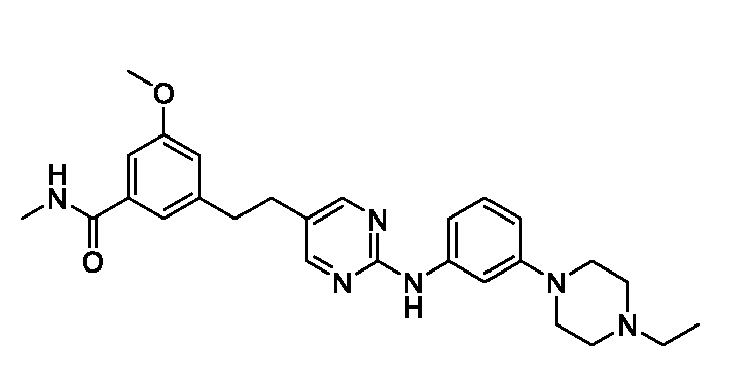
163 
10 
164 
11 
165 
12 
166 
13 
167 
14 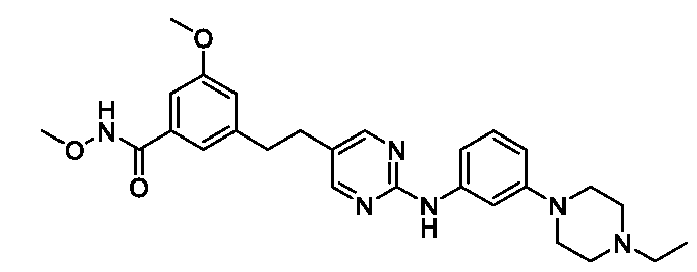
168 
15 
169 
16 
170 
17 
171 
18 
172 
19 
173 
20 
174 
21 
175 
22 
176 
23 
177 
24 
178 
25 
179 
26 
180 
27 
181 
28 
182 
29 
183 
30 
184 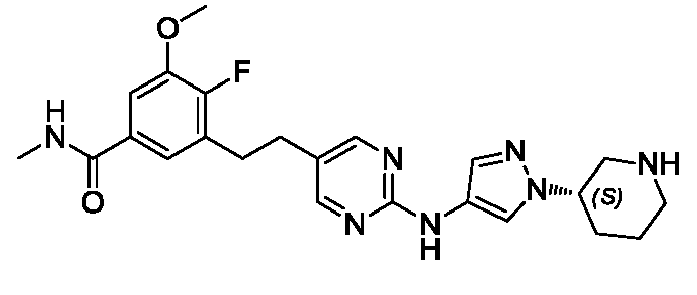
31 
185 
32 
186 
33 
187 
34 
188 
35 
189 
36 
190 
37 
191 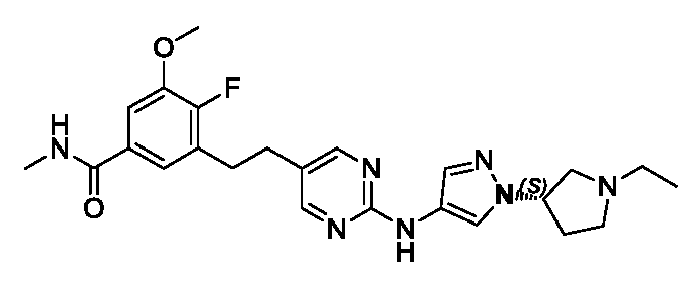
38 
192 
39 
193 
40 
194 
41 
195 
42 
196 
43 
197 
44 
198 
45 
199 
46 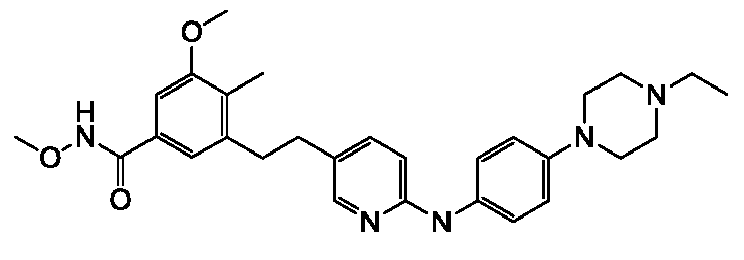
200 
47 
201 
48 
202 
49 
203 
50 
204 
51 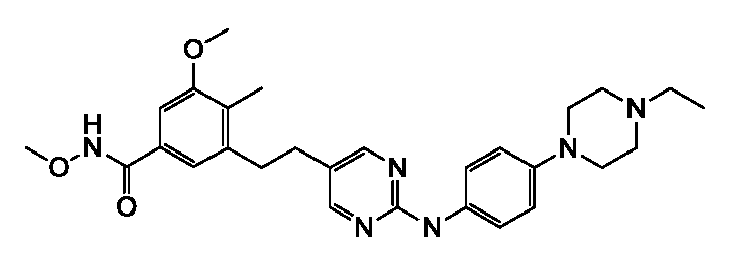
205 
52 
206 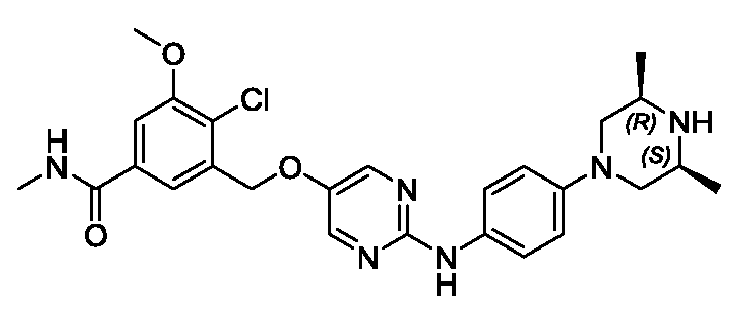
53 
207 
54 
208 
55 
209 
56 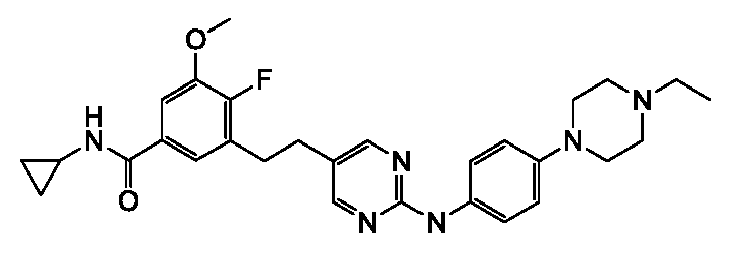
210 
57 
211 
58 
212 
59 
213 
60 
214 
61 
215 
62 
216 
63 
217 
64 
218 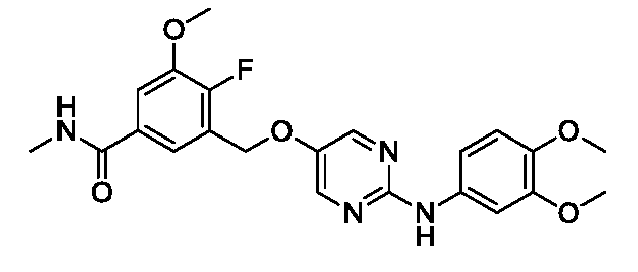
65 
219 
66 
220 
67 
221 
68 
222 
69 
223 
70 
224 
71 
225 
72 
226 
73 
227 
74 
228 
75 
230 
76 
231 
77 
232 
78 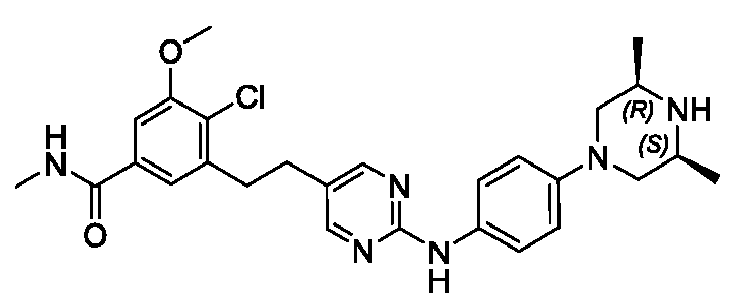
233 
79 
234 
80 
235 
81 
236 
82 
237 
83 
238 
84 
239 
85 
240 
86 
241 
87 
242 
88 
243 
89 
244 
90 
245 
91 
246 
92 
247 
93 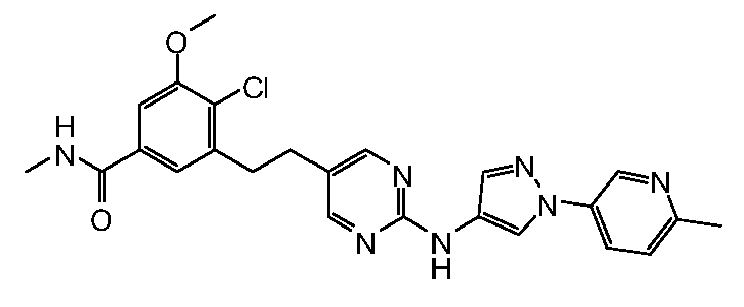
248 
94 
249 
95 
250 
96 
251 
97 
252 
98 
253 
99 
254 
100 
255 
101 
256 
102 
257 
103 
258 
104 
259 
105 
260 
106 
261 
107 
262 
108 
263 
109 
264 
110 
265 
111 
266 
112 
267 
113 
268 
114 
269 
115 
270 
116 
271 
117 
272 
118 
273 
119 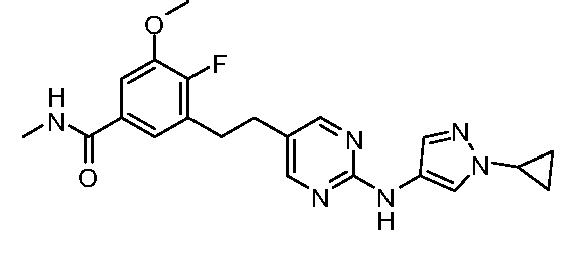
274 
120 
275 
121 
276 
122 
277 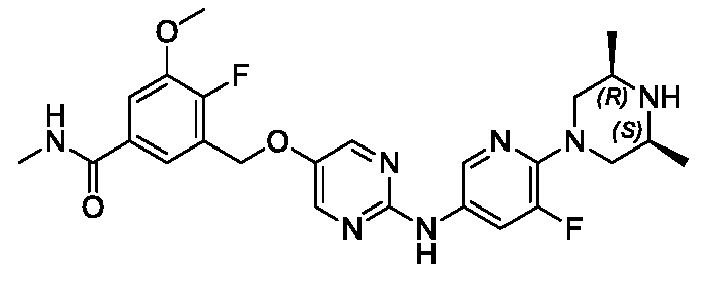
123 
278 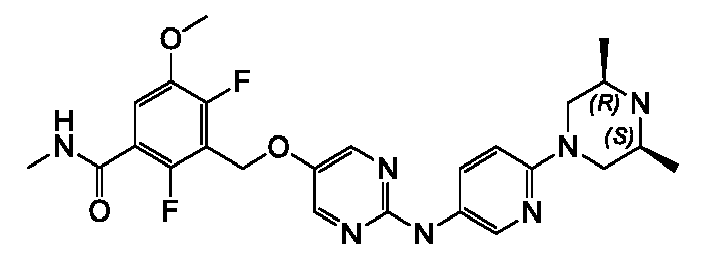
124 
279 
125 
280 
126 
281 
127 
282 
128 
283 
129 
284 
130 
285 
131 
286 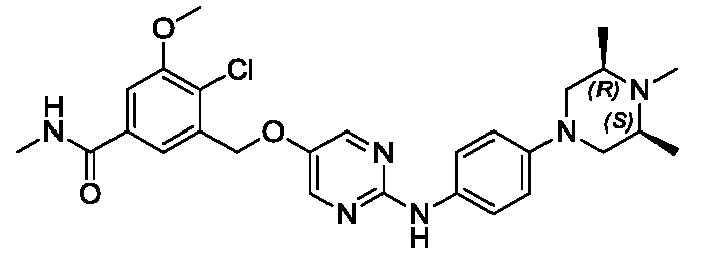
132 
287 
133 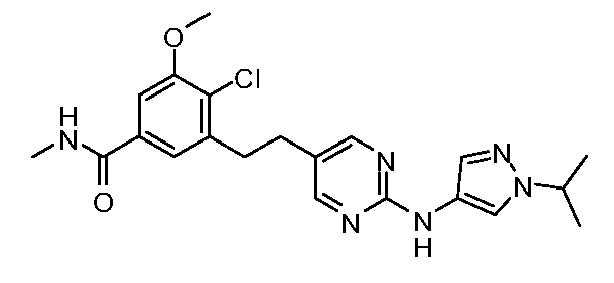
288 
134 
289 
135 
290 
136 
291 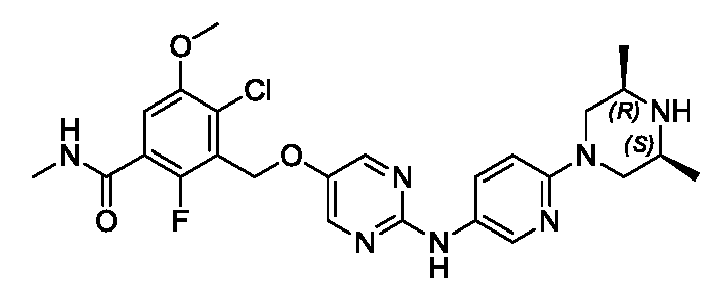
137 
292 
138 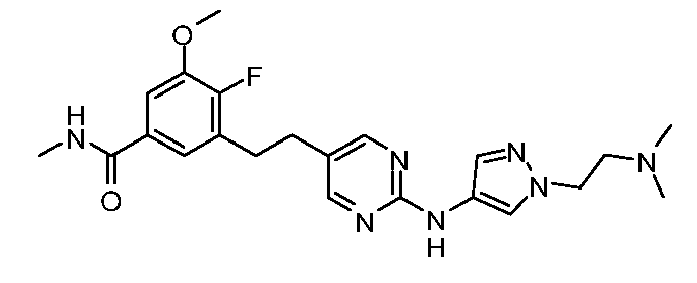
293 
139 
294 
140 
295 
141 
296 
142 
297 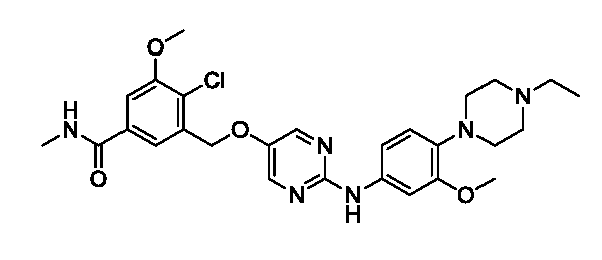
143 
298 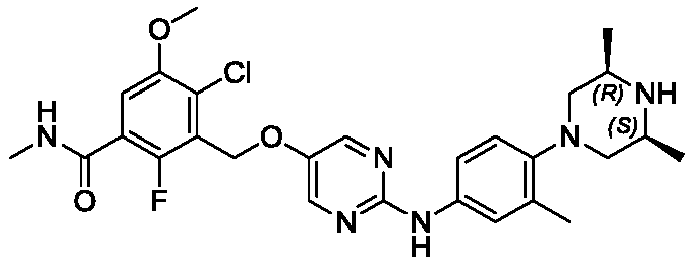
144 
299 
145 
301 
146 
302 
147 
303 
148 
304 
149 
305 
150 
306 
151 
307 
152 
308 
153 
309 
154 
- The compound of formula (I) according to any one of claims 1-18 and/or a pharmaceutical acceptable salt thereof for use as a medicament.
- A pharmaceutical composition comprising at least one compound of formula (I) according to any one of claims 1-18 and/or at least one pharmaceutically acceptable salt thereof and optionally at least one pharmaceutically acceptable carrier.
- The compound of formula (I) according to any one of claims 1-18 and/or a pharmaceutical acceptable salt thereof, for use in treating a disease responsive to inhibition of FGFR, wherein the disease responsive to inhibition of FGFR is cancer.
- The compound of formula (I) for use according to claim 21, wherein the cancer is lung cancer, stomach cancer, liver cancer, breast cancer, ovarian cancer, endometrial carcinoma, or bladder carcinoma.
Priority Applications (5)
| Application Number | Priority Date | Filing Date | Title |
|---|---|---|---|
| PL14764299T PL2970120T3 (en) | 2013-03-15 | 2014-03-14 | Novel pyrimidine and pyridine compounds and their usage |
| RS20181394A RS58136B1 (en) | 2013-03-15 | 2014-03-14 | Novel pyrimidine and pyridine compounds and their usage |
| HRP20181906TT HRP20181906T1 (en) | 2013-03-15 | 2014-03-14 | NEW COMPOUNDS OF PYRIMIDINE AND PYRIDINE AND THEIR USE |
| SM20180596T SMT201800596T1 (en) | 2013-03-15 | 2014-03-14 | Novel pyrimidine and pyridine compounds and their usage |
| SI201430969T SI2970120T1 (en) | 2013-03-15 | 2014-03-14 | Novel pyrimidine and pyridine compounds and their usage |
Applications Claiming Priority (2)
| Application Number | Priority Date | Filing Date | Title |
|---|---|---|---|
| PCT/CN2013/072690 WO2014139145A1 (en) | 2013-03-15 | 2013-03-15 | Novel pyrimidine and pyridine compounds and usage thereof |
| PCT/CN2014/073444 WO2014139465A1 (en) | 2013-03-15 | 2014-03-14 | Novel pyrimidine and pyridine compounds and their usage |
Publications (3)
| Publication Number | Publication Date |
|---|---|
| EP2970120A1 EP2970120A1 (en) | 2016-01-20 |
| EP2970120A4 EP2970120A4 (en) | 2016-08-31 |
| EP2970120B1 true EP2970120B1 (en) | 2018-09-12 |
Family
ID=51535826
Family Applications (1)
| Application Number | Title | Priority Date | Filing Date |
|---|---|---|---|
| EP14764299.5A Active EP2970120B1 (en) | 2013-03-15 | 2014-03-14 | Novel pyrimidine and pyridine compounds and their usage |
Country Status (32)
| Country | Link |
|---|---|
| US (2) | US20160052926A1 (en) |
| EP (1) | EP2970120B1 (en) |
| JP (1) | JP6109969B2 (en) |
| KR (1) | KR101697982B1 (en) |
| CN (1) | CN105143185B (en) |
| AR (1) | AR095430A1 (en) |
| AU (1) | AU2014231437B2 (en) |
| BR (1) | BR112015020772B1 (en) |
| CA (1) | CA2900748C (en) |
| CL (1) | CL2015002520A1 (en) |
| CY (1) | CY1121804T1 (en) |
| DK (1) | DK2970120T3 (en) |
| EA (1) | EA028654B1 (en) |
| ES (1) | ES2697697T3 (en) |
| HR (1) | HRP20181906T1 (en) |
| IL (1) | IL240790B (en) |
| LT (1) | LT2970120T (en) |
| MX (1) | MX363397B (en) |
| MY (1) | MY192641A (en) |
| NZ (1) | NZ711460A (en) |
| PE (1) | PE20151601A1 (en) |
| PH (1) | PH12015502047B1 (en) |
| PL (1) | PL2970120T3 (en) |
| PT (1) | PT2970120T (en) |
| RS (1) | RS58136B1 (en) |
| SG (1) | SG11201506280SA (en) |
| SI (1) | SI2970120T1 (en) |
| SM (1) | SMT201800596T1 (en) |
| TW (1) | TWI618698B (en) |
| UA (1) | UA113470C2 (en) |
| WO (2) | WO2014139145A1 (en) |
| ZA (1) | ZA201505999B (en) |
Families Citing this family (19)
| Publication number | Priority date | Publication date | Assignee | Title |
|---|---|---|---|---|
| IN2015DN03235A (en) | 2012-11-07 | 2015-10-02 | Karus Therapeutics Ltd | |
| EP2943485B1 (en) | 2013-01-14 | 2017-09-20 | Incyte Holdings Corporation | Bicyclic aromatic carboxamide compounds useful as pim kinase inhibitors |
| ME03780B (en) | 2013-01-15 | 2021-04-20 | Incyte Holdings Corp | THIAZOLE CARBOXAMIDE DERIVATIVES AND PYRIDINE CARBOXAMIDE DERIVATIVES USED AS PIM KINASE INHIBITORS |
| ES2688815T3 (en) | 2013-05-10 | 2018-11-07 | Karus Therapeutics Limited | Novel histone deacetylase inhibitors |
| TW201605866A (en) | 2013-08-23 | 2016-02-16 | 英塞特公司 | Furo- and thieno-pyridine carboxamide compounds useful as PIM kinase inhibitors |
| WO2016010897A1 (en) | 2014-07-14 | 2016-01-21 | Incyte Corporation | Bicyclic heteroaromatic carboxamide compounds useful as pim kinase inhibitors |
| US9580418B2 (en) | 2014-07-14 | 2017-02-28 | Incyte Corporation | Bicyclic aromatic carboxamide compounds useful as Pim kinase inhibitors |
| GB201419264D0 (en) | 2014-10-29 | 2014-12-10 | Karus Therapeutics Ltd | Compounds |
| GB201419228D0 (en) | 2014-10-29 | 2014-12-10 | Karus Therapeutics Ltd | Compounds |
| WO2016196244A1 (en) | 2015-05-29 | 2016-12-08 | Incyte Corporation | Pyridineamine compounds useful as pim kinase inhibitors |
| AR105967A1 (en) | 2015-09-09 | 2017-11-29 | Incyte Corp | SALTS OF A PIM QUINASA INHIBITOR |
| WO2017059251A1 (en) | 2015-10-02 | 2017-04-06 | Incyte Corporation | Heterocyclic compounds useful as pim kinase inhibitors |
| WO2018072707A1 (en) * | 2016-10-18 | 2018-04-26 | 保诺科技(北京)有限公司 | Aromatic ether derivative, preparation method therefor, and medical applications thereof |
| KR102249632B1 (en) * | 2016-11-17 | 2021-05-10 | 광동 쫑성 파마세티컬 컴패니, 리미티드 | FGFR4 inhibitor, preparation method and application thereof |
| CN108503593B (en) * | 2017-02-28 | 2021-04-27 | 暨南大学 | 2-Aminopyrimidine compounds and their applications |
| CN108570032B (en) * | 2017-03-09 | 2021-04-02 | 华东理工大学 | Novel Rhodamine Dyes and Their Application in Antipathogenic Bacteria |
| CN107382836A (en) * | 2017-08-04 | 2017-11-24 | 吴赣药业(苏州)有限公司 | A kind of preparation method of the ketone of 1 (4 aminophenyl) 1H pyridines 2 |
| US10596161B2 (en) | 2017-12-08 | 2020-03-24 | Incyte Corporation | Low dose combination therapy for treatment of myeloproliferative neoplasms |
| BR112022007035A2 (en) * | 2019-10-14 | 2022-06-28 | Hutchison Medipharma Ltd | SALTS OF A COMPOUND AND CRYSTALLINE FORMS THEREOF |
Family Cites Families (12)
| Publication number | Priority date | Publication date | Assignee | Title |
|---|---|---|---|---|
| MXPA05007503A (en) * | 2003-01-17 | 2005-09-21 | Warner Lambert Co | 2-aminopyridine substituted heterocycles as inhibitors of cellular proliferation. |
| WO2005002673A1 (en) * | 2003-07-03 | 2005-01-13 | Astex Therapeutics Limited | Raf kinase inhibitors |
| US7776869B2 (en) * | 2004-10-18 | 2010-08-17 | Amgen Inc. | Heteroaryl-substituted alkyne compounds and method of use |
| US20060247250A1 (en) * | 2005-03-16 | 2006-11-02 | Targegen, Inc. | Pyrimidine inhibitors of kinases |
| US20070161645A1 (en) * | 2005-11-02 | 2007-07-12 | Targegen, Inc. | Thiazole inhibitors targeting resistant kinase mutations |
| US8030487B2 (en) * | 2006-07-07 | 2011-10-04 | Targegen, Inc. | 2-amino—5-substituted pyrimidine inhibitors |
| US8148361B2 (en) * | 2006-11-10 | 2012-04-03 | Bristol-Myers Squibb Company | Kinase inhibitors |
| EP2022785A1 (en) * | 2007-06-20 | 2009-02-11 | Bayer Schering Pharma Aktiengesellschaft | Alkynylpyrimidines as Tie2 kinase inhibitors |
| WO2009153592A1 (en) * | 2008-06-19 | 2009-12-23 | Astrazeneca Ab | Pyrazole compounds 436 |
| CN105669540A (en) * | 2009-01-28 | 2016-06-15 | 卡鲁斯治疗有限公司 | Scriptaid isosteres and their use in therapy |
| UA114501C2 (en) | 2012-02-28 | 2017-06-26 | Астеллас Фарма Інк. | Nitrogen-containing aromatic heterocyclic compound |
| BR112014021897B1 (en) | 2012-03-08 | 2022-06-14 | Astellas Pharma Inc | METHOD, KIT, PRIMER SET AND PROBE SETS TO DETECT A FUSION GENE COMPOSED OF AN FGFR3 GENE AND A TACC3 GENE |
-
2013
- 2013-03-15 US US14/775,649 patent/US20160052926A1/en not_active Abandoned
- 2013-03-15 WO PCT/CN2013/072690 patent/WO2014139145A1/en not_active Ceased
-
2014
- 2014-03-12 TW TW103108613A patent/TWI618698B/en active
- 2014-03-13 AR ARP140100975A patent/AR095430A1/en active IP Right Grant
- 2014-03-14 SM SM20180596T patent/SMT201800596T1/en unknown
- 2014-03-14 JP JP2015561928A patent/JP6109969B2/en active Active
- 2014-03-14 KR KR1020157027380A patent/KR101697982B1/en active Active
- 2014-03-14 EA EA201591301A patent/EA028654B1/en unknown
- 2014-03-14 NZ NZ711460A patent/NZ711460A/en unknown
- 2014-03-14 LT LTEP14764299.5T patent/LT2970120T/en unknown
- 2014-03-14 PL PL14764299T patent/PL2970120T3/en unknown
- 2014-03-14 SG SG11201506280SA patent/SG11201506280SA/en unknown
- 2014-03-14 MY MYPI2015703158A patent/MY192641A/en unknown
- 2014-03-14 RS RS20181394A patent/RS58136B1/en unknown
- 2014-03-14 PE PE2015001855A patent/PE20151601A1/en active IP Right Grant
- 2014-03-14 UA UAA201509752A patent/UA113470C2/en unknown
- 2014-03-14 PT PT14764299T patent/PT2970120T/en unknown
- 2014-03-14 CA CA2900748A patent/CA2900748C/en active Active
- 2014-03-14 AU AU2014231437A patent/AU2014231437B2/en active Active
- 2014-03-14 CN CN201480015314.7A patent/CN105143185B/en active Active
- 2014-03-14 SI SI201430969T patent/SI2970120T1/en unknown
- 2014-03-14 MX MX2015012363A patent/MX363397B/en unknown
- 2014-03-14 EP EP14764299.5A patent/EP2970120B1/en active Active
- 2014-03-14 HR HRP20181906TT patent/HRP20181906T1/en unknown
- 2014-03-14 WO PCT/CN2014/073444 patent/WO2014139465A1/en not_active Ceased
- 2014-03-14 ES ES14764299T patent/ES2697697T3/en active Active
- 2014-03-14 BR BR112015020772-3A patent/BR112015020772B1/en active IP Right Grant
- 2014-03-14 DK DK14764299.5T patent/DK2970120T3/en active
- 2014-03-14 US US14/775,653 patent/US9701680B2/en active Active
-
2015
- 2015-08-19 ZA ZA2015/05999A patent/ZA201505999B/en unknown
- 2015-08-24 IL IL24079015A patent/IL240790B/en active IP Right Grant
- 2015-09-08 CL CL2015002520A patent/CL2015002520A1/en unknown
- 2015-09-10 PH PH12015502047A patent/PH12015502047B1/en unknown
-
2018
- 2018-11-15 CY CY20181101211T patent/CY1121804T1/en unknown
Non-Patent Citations (1)
| Title |
|---|
| None * |
Also Published As
Similar Documents
| Publication | Publication Date | Title |
|---|---|---|
| US9701680B2 (en) | Pyrimidine and pyridine compounds and their usage | |
| EP2552905B1 (en) | B-Raf kinase inhibitors | |
| US10414769B2 (en) | 5,8-dimethyl-9-phenyl-5,8-dihydro-6H-pyrazolo[3,4-h]quinazolin-2-yl)-(1H-pyrazol-3-yl)-amines as IGF-1R/IR inhibitors | |
| CN113348170A (en) | Biphenyl derivative inhibitor, preparation method and application thereof | |
| TWI891753B (en) | Amide compounds and uses thereof | |
| JP2021536436A (en) | A novel inhibitor prepared from quinoline derivatives | |
| TW201307344A (en) | Heteroaryl-pyrimidine derivatives, preparation process and pharmaceutical use thereof | |
| CN105884695B (en) | Heterocyclic Derivative Tyrosine Kinase Inhibitors | |
| AU2021410926A1 (en) | Tetrahydrothienopyrimidinesulfonamide compounds | |
| CN119384420A (en) | New PAR-2 inhibitors | |
| CN112689636A (en) | Novel heteroatom aromatic amide derivative and drug containing the same | |
| KR20250002409A (en) | Pyrido[3,2-D]pyrimidine as an HPK1 inhibitor | |
| US12258328B2 (en) | 6-membered heteroaryl-containing aminopyridine compounds as EGFR inhibitors | |
| KR20250149786A (en) | Macrocyclic aminopyridine compounds as EGFR inhibitors | |
| HK40049641A (en) | Biphenyl derivative inhibitor, preparation method therefor and use | |
| KR20230107542A (en) | Heteroaromatic compounds and their uses | |
| HK1212687B (en) | Pyrimidine and pyridine compounds and their usage | |
| HK40046970A (en) | Novel heteroaromatic amide derivative and medicine containing same | |
| HK1190143B (en) | Substituted pyridopyrazines as novel syk inhibitors | |
| HK1190143A1 (en) | Substituted pyridopyrazines as novel syk inhibitors |
Legal Events
| Date | Code | Title | Description |
|---|---|---|---|
| PUAI | Public reference made under article 153(3) epc to a published international application that has entered the european phase |
Free format text: ORIGINAL CODE: 0009012 |
|
| 17P | Request for examination filed |
Effective date: 20151014 |
|
| AK | Designated contracting states |
Kind code of ref document: A1 Designated state(s): AL AT BE BG CH CY CZ DE DK EE ES FI FR GB GR HR HU IE IS IT LI LT LU LV MC MK MT NL NO PL PT RO RS SE SI SK SM TR |
|
| AX | Request for extension of the european patent |
Extension state: BA ME |
|
| DAX | Request for extension of the european patent (deleted) | ||
| A4 | Supplementary search report drawn up and despatched |
Effective date: 20160802 |
|
| RIC1 | Information provided on ipc code assigned before grant |
Ipc: C07D 413/12 20060101ALI20160727BHEP Ipc: C07D 405/10 20060101ALI20160727BHEP Ipc: C07D 405/12 20060101ALI20160727BHEP Ipc: C07D 239/42 20060101ALI20160727BHEP Ipc: C07D 471/04 20060101ALI20160727BHEP Ipc: C07D 487/04 20060101ALI20160727BHEP Ipc: C07D 403/14 20060101ALI20160727BHEP Ipc: A61P 35/00 20060101ALI20160727BHEP Ipc: A61K 31/505 20060101ALI20160727BHEP Ipc: C07D 405/14 20060101ALI20160727BHEP Ipc: C07D 405/06 20060101ALI20160727BHEP Ipc: C07D 401/12 20060101ALI20160727BHEP Ipc: A61K 31/44 20060101ALI20160727BHEP Ipc: C07D 213/04 20060101AFI20160727BHEP Ipc: C07D 403/12 20060101ALI20160727BHEP Ipc: C07D 401/14 20060101ALI20160727BHEP Ipc: C07D 417/12 20060101ALI20160727BHEP Ipc: C07D 239/24 20060101ALI20160727BHEP |
|
| STAA | Information on the status of an ep patent application or granted ep patent |
Free format text: STATUS: EXAMINATION IS IN PROGRESS |
|
| 17Q | First examination report despatched |
Effective date: 20170703 |
|
| GRAP | Despatch of communication of intention to grant a patent |
Free format text: ORIGINAL CODE: EPIDOSNIGR1 |
|
| STAA | Information on the status of an ep patent application or granted ep patent |
Free format text: STATUS: GRANT OF PATENT IS INTENDED |
|
| INTG | Intention to grant announced |
Effective date: 20180322 |
|
| GRAS | Grant fee paid |
Free format text: ORIGINAL CODE: EPIDOSNIGR3 |
|
| GRAA | (expected) grant |
Free format text: ORIGINAL CODE: 0009210 |
|
| STAA | Information on the status of an ep patent application or granted ep patent |
Free format text: STATUS: THE PATENT HAS BEEN GRANTED |
|
| AK | Designated contracting states |
Kind code of ref document: B1 Designated state(s): AL AT BE BG CH CY CZ DE DK EE ES FI FR GB GR HR HU IE IS IT LI LT LU LV MC MK MT NL NO PL PT RO RS SE SI SK SM TR |
|
| REG | Reference to a national code |
Ref country code: GB Ref legal event code: FG4D |
|
| REG | Reference to a national code |
Ref country code: CH Ref legal event code: EP |
|
| REG | Reference to a national code |
Ref country code: IE Ref legal event code: FG4D |
|
| REG | Reference to a national code |
Ref country code: DE Ref legal event code: R096 Ref document number: 602014032291 Country of ref document: DE |
|
| REG | Reference to a national code |
Ref country code: AT Ref legal event code: REF Ref document number: 1040419 Country of ref document: AT Kind code of ref document: T Effective date: 20181015 |
|
| REG | Reference to a national code |
Ref country code: HR Ref legal event code: TUEP Ref document number: P20181906 Country of ref document: HR Ref country code: RO Ref legal event code: EPE |
|
| REG | Reference to a national code |
Ref country code: PT Ref legal event code: SC4A Ref document number: 2970120 Country of ref document: PT Date of ref document: 20181127 Kind code of ref document: T Free format text: AVAILABILITY OF NATIONAL TRANSLATION Effective date: 20181114 |
|
| REG | Reference to a national code |
Ref country code: SE Ref legal event code: TRGR |
|
| REG | Reference to a national code |
Ref country code: NL Ref legal event code: FP |
|
| REG | Reference to a national code |
Ref country code: DK Ref legal event code: T3 Effective date: 20181203 |
|
| REG | Reference to a national code |
Ref country code: NO Ref legal event code: T2 Effective date: 20180912 |
|
| REG | Reference to a national code |
Ref country code: ES Ref legal event code: FG2A Ref document number: 2697697 Country of ref document: ES Kind code of ref document: T3 Effective date: 20190125 |
|
| REG | Reference to a national code |
Ref country code: EE Ref legal event code: FG4A Ref document number: E016609 Country of ref document: EE Effective date: 20181115 |
|
| REG | Reference to a national code |
Ref country code: HR Ref legal event code: T1PR Ref document number: P20181906 Country of ref document: HR |
|
| REG | Reference to a national code |
Ref country code: HR Ref legal event code: ODRP Ref document number: P20181906 Country of ref document: HR Payment date: 20190222 Year of fee payment: 6 |
|
| REG | Reference to a national code |
Ref country code: SK Ref legal event code: T3 Ref document number: E 29250 Country of ref document: SK |
|
| REG | Reference to a national code |
Ref country code: GR Ref legal event code: EP Ref document number: 20180403330 Country of ref document: GR Effective date: 20190320 |
|
| REG | Reference to a national code |
Ref country code: DE Ref legal event code: R097 Ref document number: 602014032291 Country of ref document: DE |
|
| PLBE | No opposition filed within time limit |
Free format text: ORIGINAL CODE: 0009261 |
|
| STAA | Information on the status of an ep patent application or granted ep patent |
Free format text: STATUS: NO OPPOSITION FILED WITHIN TIME LIMIT |
|
| 26N | No opposition filed |
Effective date: 20190613 |
|
| REG | Reference to a national code |
Ref country code: AT Ref legal event code: UEP Ref document number: 1040419 Country of ref document: AT Kind code of ref document: T Effective date: 20180912 |
|
| REG | Reference to a national code |
Ref country code: HR Ref legal event code: ODRP Ref document number: P20181906 Country of ref document: HR Payment date: 20200226 Year of fee payment: 7 |
|
| REG | Reference to a national code |
Ref country code: HR Ref legal event code: ODRP Ref document number: P20181906 Country of ref document: HR Payment date: 20210223 Year of fee payment: 8 |
|
| REG | Reference to a national code |
Ref country code: HR Ref legal event code: ODRP Ref document number: P20181906 Country of ref document: HR Payment date: 20220221 Year of fee payment: 9 |
|
| REG | Reference to a national code |
Ref country code: HR Ref legal event code: ODRP Ref document number: P20181906 Country of ref document: HR Payment date: 20230221 Year of fee payment: 10 |
|
| PGFP | Annual fee paid to national office [announced via postgrant information from national office to epo] |
Ref country code: SM Payment date: 20230223 Year of fee payment: 10 Ref country code: MC Payment date: 20230222 Year of fee payment: 10 |
|
| P01 | Opt-out of the competence of the unified patent court (upc) registered |
Effective date: 20230518 |
|
| REG | Reference to a national code |
Ref country code: EE Ref legal event code: HC1A Ref document number: E016609 Country of ref document: EE |
|
| REG | Reference to a national code |
Ref country code: HR Ref legal event code: ODRP Ref document number: P20181906 Country of ref document: HR Payment date: 20240221 Year of fee payment: 11 |
|
| PG25 | Lapsed in a contracting state [announced via postgrant information from national office to epo] |
Ref country code: MC Free format text: LAPSE BECAUSE OF NON-PAYMENT OF DUE FEES Effective date: 20240402 |
|
| PG25 | Lapsed in a contracting state [announced via postgrant information from national office to epo] |
Ref country code: MC Free format text: LAPSE BECAUSE OF NON-PAYMENT OF DUE FEES Effective date: 20240402 |
|
| PG25 | Lapsed in a contracting state [announced via postgrant information from national office to epo] |
Ref country code: SM Free format text: LAPSE BECAUSE OF NON-PAYMENT OF DUE FEES Effective date: 20241004 |
|
| PG25 | Lapsed in a contracting state [announced via postgrant information from national office to epo] |
Ref country code: SM Free format text: LAPSE BECAUSE OF NON-PAYMENT OF DUE FEES Effective date: 20241004 |
|
| REG | Reference to a national code |
Ref country code: HR Ref legal event code: ODRP Ref document number: P20181906 Country of ref document: HR Payment date: 20250220 Year of fee payment: 12 |
|
| PGFP | Annual fee paid to national office [announced via postgrant information from national office to epo] |
Ref country code: AL Payment date: 20250317 Year of fee payment: 12 |
|
| PGFP | Annual fee paid to national office [announced via postgrant information from national office to epo] |
Ref country code: ES Payment date: 20250401 Year of fee payment: 12 |
|
| PGFP | Annual fee paid to national office [announced via postgrant information from national office to epo] |
Ref country code: CH Payment date: 20250401 Year of fee payment: 12 |
|
| PGFP | Annual fee paid to national office [announced via postgrant information from national office to epo] |
Ref country code: CY Payment date: 20250224 Year of fee payment: 12 |
|
| REG | Reference to a national code |
Ref country code: HR Ref legal event code: ODRP Ref document number: P20181906 Country of ref document: HR Payment date: 20260304 Year of fee payment: 13 |
|
| REG | Reference to a national code |
Ref country code: CH Ref legal event code: U11 Free format text: ST27 STATUS EVENT CODE: U-0-0-U10-U11 (AS PROVIDED BY THE NATIONAL OFFICE) Effective date: 20260401 |
|
| PGFP | Annual fee paid to national office [announced via postgrant information from national office to epo] |
Ref country code: SE Payment date: 20260327 Year of fee payment: 13 |
|
| PGFP | Annual fee paid to national office [announced via postgrant information from national office to epo] |
Ref country code: LT Payment date: 20260218 Year of fee payment: 13 Ref country code: GB Payment date: 20260327 Year of fee payment: 13 |
|
| PGFP | Annual fee paid to national office [announced via postgrant information from national office to epo] |
Ref country code: DE Payment date: 20260327 Year of fee payment: 13 Ref country code: NO Payment date: 20260327 Year of fee payment: 13 Ref country code: DK Payment date: 20260325 Year of fee payment: 13 Ref country code: IE Payment date: 20260327 Year of fee payment: 13 |
|
| PGFP | Annual fee paid to national office [announced via postgrant information from national office to epo] |
Ref country code: AT Payment date: 20260327 Year of fee payment: 13 Ref country code: HR Payment date: 20260304 Year of fee payment: 13 |
|
| PGFP | Annual fee paid to national office [announced via postgrant information from national office to epo] |
Ref country code: RO Payment date: 20260225 Year of fee payment: 13 Ref country code: LU Payment date: 20260327 Year of fee payment: 13 Ref country code: FI Payment date: 20260325 Year of fee payment: 13 Ref country code: BE Payment date: 20260327 Year of fee payment: 13 Ref country code: IT Payment date: 20260319 Year of fee payment: 13 |
|
| PGFP | Annual fee paid to national office [announced via postgrant information from national office to epo] |
Ref country code: HU Payment date: 20260225 Year of fee payment: 13 Ref country code: NL Payment date: 20260326 Year of fee payment: 13 |
|
| PGFP | Annual fee paid to national office [announced via postgrant information from national office to epo] |
Ref country code: RS Payment date: 20260220 Year of fee payment: 13 |
|
| PGFP | Annual fee paid to national office [announced via postgrant information from national office to epo] |
Ref country code: FR Payment date: 20260325 Year of fee payment: 13 Ref country code: IS Payment date: 20260312 Year of fee payment: 13 |
|
| PGFP | Annual fee paid to national office [announced via postgrant information from national office to epo] |
Ref country code: TR Payment date: 20260220 Year of fee payment: 13 |
|
| PGFP | Annual fee paid to national office [announced via postgrant information from national office to epo] |
Ref country code: CZ Payment date: 20260225 Year of fee payment: 13 Ref country code: PT Payment date: 20260224 Year of fee payment: 13 |
|
| PGFP | Annual fee paid to national office [announced via postgrant information from national office to epo] |
Ref country code: GR Payment date: 20260326 Year of fee payment: 13 Ref country code: PL Payment date: 20260220 Year of fee payment: 13 Ref country code: MT Payment date: 20260220 Year of fee payment: 13 |
|
| PGFP | Annual fee paid to national office [announced via postgrant information from national office to epo] |
Ref country code: EE Payment date: 20260219 Year of fee payment: 13 Ref country code: LV Payment date: 20260218 Year of fee payment: 13 Ref country code: SK Payment date: 20260218 Year of fee payment: 13 |
|
| PGFP | Annual fee paid to national office [announced via postgrant information from national office to epo] |
Ref country code: SI Payment date: 20260217 Year of fee payment: 13 |
|
| PGFP | Annual fee paid to national office [announced via postgrant information from national office to epo] |
Ref country code: BG Payment date: 20260225 Year of fee payment: 13 |
|
| PGFP | Annual fee paid to national office [announced via postgrant information from national office to epo] |
Ref country code: MK Payment date: 20260219 Year of fee payment: 13 |