EP2968693B1 - Materials for gastrointestinal obstruction prevention - Google Patents
Materials for gastrointestinal obstruction prevention Download PDFInfo
- Publication number
- EP2968693B1 EP2968693B1 EP14714796.1A EP14714796A EP2968693B1 EP 2968693 B1 EP2968693 B1 EP 2968693B1 EP 14714796 A EP14714796 A EP 14714796A EP 2968693 B1 EP2968693 B1 EP 2968693B1
- Authority
- EP
- European Patent Office
- Prior art keywords
- peptide
- artificial sequence
- solution
- note
- prt
- Prior art date
- Legal status (The legal status is an assumption and is not a legal conclusion. Google has not performed a legal analysis and makes no representation as to the accuracy of the status listed.)
- Active
Links
Images


Classifications
-
- A—HUMAN NECESSITIES
- A61—MEDICAL OR VETERINARY SCIENCE; HYGIENE
- A61L—METHODS OR APPARATUS FOR STERILISING MATERIALS OR OBJECTS IN GENERAL; DISINFECTION, STERILISATION OR DEODORISATION OF AIR; CHEMICAL ASPECTS OF BANDAGES, DRESSINGS, ABSORBENT PADS OR SURGICAL ARTICLES; MATERIALS FOR BANDAGES, DRESSINGS, ABSORBENT PADS OR SURGICAL ARTICLES
- A61L27/00—Materials for grafts or prostheses or for coating grafts or prostheses
- A61L27/14—Macromolecular materials
- A61L27/22—Polypeptides or derivatives thereof, e.g. degradation products
- A61L27/227—Other specific proteins or polypeptides not covered by A61L27/222, A61L27/225 or A61L27/24
-
- A—HUMAN NECESSITIES
- A61—MEDICAL OR VETERINARY SCIENCE; HYGIENE
- A61L—METHODS OR APPARATUS FOR STERILISING MATERIALS OR OBJECTS IN GENERAL; DISINFECTION, STERILISATION OR DEODORISATION OF AIR; CHEMICAL ASPECTS OF BANDAGES, DRESSINGS, ABSORBENT PADS OR SURGICAL ARTICLES; MATERIALS FOR BANDAGES, DRESSINGS, ABSORBENT PADS OR SURGICAL ARTICLES
- A61L31/00—Materials for other surgical articles, e.g. stents, stent-grafts, shunts, surgical drapes, guide wires, materials for adhesion prevention, occluding devices, surgical gloves, tissue fixation devices
- A61L31/04—Macromolecular materials
- A61L31/043—Proteins; Polypeptides; Degradation products thereof
- A61L31/047—Other specific proteins or polypeptides not covered by A61L31/044 - A61L31/046
-
- A—HUMAN NECESSITIES
- A61—MEDICAL OR VETERINARY SCIENCE; HYGIENE
- A61L—METHODS OR APPARATUS FOR STERILISING MATERIALS OR OBJECTS IN GENERAL; DISINFECTION, STERILISATION OR DEODORISATION OF AIR; CHEMICAL ASPECTS OF BANDAGES, DRESSINGS, ABSORBENT PADS OR SURGICAL ARTICLES; MATERIALS FOR BANDAGES, DRESSINGS, ABSORBENT PADS OR SURGICAL ARTICLES
- A61L27/00—Materials for grafts or prostheses or for coating grafts or prostheses
- A61L27/50—Materials characterised by their function or physical properties, e.g. injectable or lubricating compositions, shape-memory materials, surface modified materials
-
- A—HUMAN NECESSITIES
- A61—MEDICAL OR VETERINARY SCIENCE; HYGIENE
- A61L—METHODS OR APPARATUS FOR STERILISING MATERIALS OR OBJECTS IN GENERAL; DISINFECTION, STERILISATION OR DEODORISATION OF AIR; CHEMICAL ASPECTS OF BANDAGES, DRESSINGS, ABSORBENT PADS OR SURGICAL ARTICLES; MATERIALS FOR BANDAGES, DRESSINGS, ABSORBENT PADS OR SURGICAL ARTICLES
- A61L27/00—Materials for grafts or prostheses or for coating grafts or prostheses
- A61L27/50—Materials characterised by their function or physical properties, e.g. injectable or lubricating compositions, shape-memory materials, surface modified materials
- A61L27/52—Hydrogels or hydrocolloids
-
- A—HUMAN NECESSITIES
- A61—MEDICAL OR VETERINARY SCIENCE; HYGIENE
- A61L—METHODS OR APPARATUS FOR STERILISING MATERIALS OR OBJECTS IN GENERAL; DISINFECTION, STERILISATION OR DEODORISATION OF AIR; CHEMICAL ASPECTS OF BANDAGES, DRESSINGS, ABSORBENT PADS OR SURGICAL ARTICLES; MATERIALS FOR BANDAGES, DRESSINGS, ABSORBENT PADS OR SURGICAL ARTICLES
- A61L27/00—Materials for grafts or prostheses or for coating grafts or prostheses
- A61L27/50—Materials characterised by their function or physical properties, e.g. injectable or lubricating compositions, shape-memory materials, surface modified materials
- A61L27/54—Biologically active materials, e.g. therapeutic substances
-
- A—HUMAN NECESSITIES
- A61—MEDICAL OR VETERINARY SCIENCE; HYGIENE
- A61P—SPECIFIC THERAPEUTIC ACTIVITY OF CHEMICAL COMPOUNDS OR MEDICINAL PREPARATIONS
- A61P1/00—Drugs for disorders of the alimentary tract or the digestive system
-
- A—HUMAN NECESSITIES
- A61—MEDICAL OR VETERINARY SCIENCE; HYGIENE
- A61L—METHODS OR APPARATUS FOR STERILISING MATERIALS OR OBJECTS IN GENERAL; DISINFECTION, STERILISATION OR DEODORISATION OF AIR; CHEMICAL ASPECTS OF BANDAGES, DRESSINGS, ABSORBENT PADS OR SURGICAL ARTICLES; MATERIALS FOR BANDAGES, DRESSINGS, ABSORBENT PADS OR SURGICAL ARTICLES
- A61L2400/00—Materials characterised by their function or physical properties
- A61L2400/06—Flowable or injectable implant compositions
-
- A—HUMAN NECESSITIES
- A61—MEDICAL OR VETERINARY SCIENCE; HYGIENE
- A61L—METHODS OR APPARATUS FOR STERILISING MATERIALS OR OBJECTS IN GENERAL; DISINFECTION, STERILISATION OR DEODORISATION OF AIR; CHEMICAL ASPECTS OF BANDAGES, DRESSINGS, ABSORBENT PADS OR SURGICAL ARTICLES; MATERIALS FOR BANDAGES, DRESSINGS, ABSORBENT PADS OR SURGICAL ARTICLES
- A61L2430/00—Materials or treatment for tissue regeneration
- A61L2430/22—Materials or treatment for tissue regeneration for reconstruction of hollow organs, e.g. bladder, esophagus, urether, uterus
Definitions
- This disclosure relates to materials and compositions that are for use in gastrointestinal obstruction prevention, which are solutions that may be used to treat gastric ESD-induced ulcers.
- EP 2 345 433 A1 describes a bioabsorbable tissue occluding agent comprising a self-assembling peptide hydrogel that can be applied to large mammals including humans.
- compositions including peptides which self-assemble under physiological conditions, formulated for application to tissues for prevention of adhesions or other barrier applications.
- WO 2008/039483 A2 describes modified self-assembling peptides.
- a composition for use in the prevention or reduction of stenosis in the gastrointestinal tract of a human subject subsequent to endoscopic mucosal resection (EMR) or endoscopic submucosal dissection (ESD), is provided.
- the composition includes a solution comprising a self-assembling peptide, the peptide in the solution consisting essentially of (RADA) 4 (SEQ ID NO:10) in an effective amount and in an effective concentration to form a hydrogel under physiological conditions to prevent or reduce stenosis in the gastrointestinal tract of the human subject.
- the peptide in the solution has a concentration of 2.5 weight per volume (w/v) percent.
- At least one of the effective amount and the effective concentration can be based in part on a dimension of a target area of the EMR or ESD in the gastrointestinal tract of the human subject.
- the effective amount can be approximately 1 mL per 1 cm 2 of target area.
- the effective amount can include a volume in a range of 0.1 mL to 5 mL.
- the solution can be substantially free of cells.
- the solution can be substantially free of drugs.
- the solution can be provided in a single dose, or the solution can be provided in at least two doses.
- the solution can further include at least one biologically active agent.
- Materials of the present disclosure prevent gastrointestinal obstruction.
- Endoscopic mucosal resection (EMR) and endoscopic submucosal dissection (ESD) are primary surgical options for resection of lesion sites such as polyps and cancerous tumors in a digestive system or gastrointestinal tract.
- EMR and ESD are both minimally invasive surgeries. ESD can generally dissect wider areas of a lesion site than EMR. ESD therefore may cause obstructions due to scar contraction/shrinking during the healing process more often than EMR.
- both EMR and ESD procedures may cause lesions that induce post-surgical gastrointestinal obstruction during the course of healing.
- One form of gastrointestinal obstruction may be a stenosis in the gastrointestinal tract during the course of healing.
- stenosis it is meant a narrowing in a tubular organ or structure, such as the gastrointestinal tract, which may lead to a partial or full obstruction in the gastrointestinal tract.
- EMD and ESD may require reducing relatively high post-procedure bleeding rates. These rates may be approximately 1 percent for the esophagus, approximately 5 percent for the stomach, and approximately 2 percent for the colorectum.
- Present treatments for gastric ESD-induced ulcers may include being treated with a proton pump inhibitor for at least 8 weeks after the ESD procedure.
- Subjects may typically need to undergo several treatments of balloon dilatation and local steroid injection leading to a significant drop in quality of life. There are currently no options for preventing obstructions, or stenosis, due to scar contraction during its healing process.
- the present disclosure provides for materials for preventing or reducing an obstruction, such as a stenosis, in the gastrointestinal tract.
- the gastrointestinal tract may include any one or more of mouth, throat, esophagus, stomach, small intestine, large intestine or colon, rectum, or colorectum, referred to as the distal portion of the colon and rectum.
- the present disclosure also provides for materials for preventing or reducing an obstruction in the gastrointestinal tract.
- Preventing may include complete prevention of a gastrointestinal tract in that a wound, lesion, or target area, may return to a pre-operative state, or in which the wound, lesion, or target area may return to a state prior to the development of a polyp, tumor, or other tissue that may require removal, which may be referred to as a "normal" state.
- Preventing may include at least partially preventing or at least partially reducing, which may include returning to a state that allows at least some relief of an obstruction of the gastrointestinal tract that returns the wound, lesion, or target area to a lesser than normal state.
- the prevention or reduction of obstruction may be partial or complete.
- the materials and methods may include administration, application, or injection of a solution comprising a self-assembling peptide to a predetermined or desired target area.
- self-assembling peptide refers to a peptide that exhibits a beta-sheet structure in aqueous solution in the presence of specific conditions to induce the beta-sheet structure.
- specific conditions may include increasing the pH of a self-assembling peptide solution.
- the increase in pH may be an increase in pH to a physiological pH.
- the specific conditions may also include adding a cation, such as a monovalent cation, to a self-assembling peptide solution.
- the specific conditions may include conditions related to a gastrointestinal tract.
- the self-assembling peptide is an amphiphilic self-assembling peptide.
- amphiphilic it is meant that the peptide comprises hydrophobic portions and hydrophilic portions.
- An amphiphilic peptide may comprise, consist essentially of, or consist of alternating hydrophobic amino acids and hydrophilic amino acids. By alternating, it is meant to include a series of three or more amino acids that alternate between a hydrophobic amino acid and a hydrophilic amino acid, and it need not include each and every amino acid in the peptide sequence alternating between a hydrophobic and a hydrophilic amino acid.
- the self-assembling peptide also referred to herein as "peptide”
- the pre-determined or desired target area may be at or near the location of an ESD or EMR, or other resection or surgical removal of tissue in the gastrointestinal tract.
- the pre-determined or desired target area may be established based on the site of a polyp, tumor, such as a cancerous tumor, or other area that may have undergone a surgical procedure, or an unintentional or intentional trauma.
- the self-assembling peptide solution may be an aqueous self-assembling peptide solution.
- the self-assembling peptide may be administered, applied, or injected in a solution that is substantially cell-free, or free of cells.
- the self-assembling peptide may be administered, applied, or injected in a solution that is cell-free or free of cells.
- the self-assembling peptide may also be administered, applied, or injected in a solution that is substantially drug-free or free of drugs.
- the self-assembling peptide may be administered, applied, or injected in a solution that is drug-free or free of drugs.
- the self-assembling peptide may be administered, applied, or injected in a solution that is substantially cell-free and substantially drug-free.
- the self-assembling peptide may be administered, applied, or injected in a solution that is cell-free and drug free.
- the peptide forms hydrogel upon administration.
- a hydrogel is a term that may refer to a colloidal gel that is dispersed in water.
- the hydrogel may also be referred to as a membrane or scaffold throughout this disclosure.
- the self-assembling peptide is administered to a predetermined or desired target as a solution such as an aqueous peptide solution.
- administering is intended to include, but is not limited to, applying, introducing or injecting the self-assembling peptide, by itself, by way of solution, such as an aqueous solution, with or without additional components.
- solution such as an aqueous solution
- the method may comprise introducing a delivery device at or near a predetermined or desired target area of a subject.
- the method may comprise introducing a delivery device comprising at least one of a syringe, pipette, tube, catheter, syringe catheter, or other needle-based device to the predetermined or desired target area of a subject.
- the self-assembling peptide may be administered by way of a syringe, pipette, tube, catheter, syringe catheter, or other needle-based device to the predetermined or desired target area of a subject.
- the gauge of the syringe needle may be selected to provide an adequate flow of the composition from the syringe to the target area.
- the delivery device may be a conventional device or designed to accomplish at least one of to reach a specific target area, achieve a specific dosing regime, deliver a specific target volume, amount, or concentration, and deliver accurately to a target area.
- the method of preventing or reducing a gastrointestinal obstruction may comprise introducing a catheter into the subject and positioning an end of the catheter in a predetermined or target area, such as a portion of the gastrointestinal tract.
- the self-assembling peptide may be administered by way of a catheter to the target area in which at least a partial prevention or reduction in obstruction of the gastrointestinal tract is desired.
- the use of a catheter may provide a more selective administration of the peptide to provide for a more accurate delivery to the target area.
- Selective administration of the peptide may allow for enhanced and more targeted delivery of the peptide solution such that prevention or reduction in a gastrointestinal obstruction or stenosis is successful and positioned in the desired location in an accurate manner.
- the selective administration may provide enhanced, targeted delivery that markedly improves the positioning and effectiveness of the treatment over use of a syringe or other delivery device.
- Delivery devices that may be used in the systems, methods, and kits of the disclosure may include a syringe, pipette, tube, catheter, syringe catheter, other needle-based device, tube or catheter.
- Use of the catheter may include use of accompanying devices, such as a guidewire used to guide the catheter into position, or an endoscope that may allow proper placement of the catheter and visualization of the target area, and/or the path to the target area.
- the endoscope may be a tube that may comprise at least one of a light and a camera or other visualization device to allow images of the subject's body to be viewed.
- the guidewire or endoscope may be introduced into the subject by way of the gastrointestinal tract. For example, by way of the mouth, throat, esophagus, stomach, small intestine, large intestine or colon, or rectum.
- the endoscope may be introduced to the gastrointestinal tract prior to the introducing the catheter to the tract.
- the use of the delivery device such as a syringe, pipette, tube, catheter, syringe catheter, other needle-based device, catheter, or endoscope may require determining the diameter or size of the opening or tract in which there is a target area, such that at least a portion of the syringe, pipette, tube, syringe catheter, other needle-type device, catheter, or endoscope may enter the opening or tract to administer the peptide solution
- the hydrogel may be formed in vivo.
- a solution comprising the self-assembling peptide such as an aqueous solution, may be inserted to an in vivo location or area of a subject to prevent or reduce an obstruction or prevent or reduce a stenosis at that location.
- the hydrogel may be formed in vivo at one location, and allowed to migrate to the area in which it is desired to prevent or reduce an obstruction or prevent or reduce a stenosis. Since the self-assembling peptide gels in response to changes in solution pH and salt concentration, it can be distributed as a liquid that gels upon contact with a subject during application or administration.
- the peptide solution may be a weak hydrogel and, as a result, it may be administered by way of a delivery device as described herein.
- self-assembling peptides may prevent gastrointestinal obstruction.
- self-assembling peptides may facilitate mucosal epithelium formation to prevent or reduce post-operative scar formation.
- the prevention or reduction in post-operative scar formation provides, at least in part, for the prevention or reduction in gastrointestinal obstruction or stenosis. In certain embodiments, this may be because the hydrogel, once in place, provides a scaffold to allow for an infiltration of cells that promote healing of the target area.
- a subject may be evaluated to determine a need for preventing gastrointestinal obstruction or stenosis. Once the evaluation has been completed, a peptide solution to administer to the subject may be prepared.
- a biologically active agent may be used with the materials and methods of the present disclosure.
- a biologically active agent may comprise a compound, including a peptide, DNA sequence, chemical compound, or inorganic or organic compound that may impart some activity, regulation, modulation, or adjustment of a condition or other activity in a subject or in a laboratory setting.
- the biologically active agent may interact with another component to provide such activity.
- the biologically active agent may be referred to as a drug in accordance with some embodiments herein.
- one or more biologically active agents may be gradually released to the outside of the peptide system.
- the one or more biologically active agents may be gradually released from the hydrogel. Both in vitro and in vivo testing has demonstrated this gradual release of a biologically active agent.
- the biologically active agent may be added to the peptide solution prior to administering to a subject, or may be administered separately from the solution to the subject.
- the peptides may be generally stable in aqueous solutions and self-assemble into large, macroscopic structures, scaffolds, or matrices when exposed to physiological conditions, neutral pH, or physiological levels of salt. Once the hydrogel is formed it may not decompose, or may decompose or biodegrade after a period of time.
- the rate of decomposition may be based at least in part on at least one of the amino acid sequence and conditions of its surroundings..
- a macroscopic structure is visible to the naked eye.
- a macroscopic structure may be transparent and may be two-dimensional, or three-dimensional. Typically each dimension is at least 10 ⁇ m, in size. In certain embodiments, at least two dimensions are at least 100 ⁇ m, or at least 1000 ⁇ m in size. Frequently at least two dimensions are at least 1-10 mm in size, 10-100 mm in size, or more.
- the size of the filaments may be about 10 nanometers (nm) to about 20 nm.
- the interfilament distance may be about 50 nm to about 80 nm.
- physiological conditions may occur in nature for a particular organism, cell system, or subject which may be in contrast to artificial laboratory conditions.
- the conditions may comprise one or more properties such as one or more particular properties or one or more ranges of properties.
- the physiological conditions may include a temperature or range of temperatures, a pH or range of pH's, a pressure or range of pressures, and one or more concentrations of particular compounds, salts, and other components.
- the physiological conditions may include a temperature in a range of about 20 to about 40 degrees Celsius.
- the atmospheric pressure may be about 1 atm.
- the pH may be in the range of a neutral pH.
- the pH may be in a range of about 6 to about 8.
- the physiological conditions may include cations such as monovalent metal cations that may induce membrane or hydrogel formation. These may include sodium chloride (NaCl).
- the physiological conditions may also include a glucose concentration, sucrose concentration, or other sugar concentration, of between about 1 mM and about 20 mM.
- the physiological conditions may include the local conditions of the mouth, throat, esophagus, stomach, small intestine, large intestine, and rectum.
- the hydrogels formed by the composition for use of the present invention may be digested and metabolized in a subject.
- the hydrogels may be biodegraded in 30 days or less. They have a simple composition, are permeable, and are easy and relatively inexpensive to produce in large quantities.
- the membranes and filaments, hydrogels or scaffolds may also be produced and stored in a sterile condition.
- the optimal lengths for membrane formation may vary with at least one of the amino acid composition, solution conditions, and conditions at the target site.
- a method of preventing gastrointestinal obstruction in a subject may comprise introducing a catheter in a target area of the gastrointestinal tract in which at least a partial prevention of gastrointestinal obstruction is desired.
- the method may further comprise administering through the catheter a solution comprising a self-assembling peptide comprising between about 7 amino acids and about 32 amino acids in an effective amount and in an effective concentration to form a hydrogel under conditions of the gastrointestinal tract to provide a least partial prevention of gastrointestinal obstruction.
- the method may further comprise removing the catheter from the gastrointestinal tract.
- the method may further comprise visualizing a region or target area comprising at least a portion of the gastrointestinal tract.
- Visualizing the region or target area may comprise visualizing the region or target area during at least one of identifying the target area of the gastrointestinal tract, introducing the catheter, positioning the end of the catheter in the target area, administering the solution, removing the catheter, and monitoring the gastrointestinal tract after removing the catheter.
- Visualizing the region or target area may provide for selective administration of the solution to the gastrointestinal tract. Visualizing may occur at any time before, during, and after the administration of the solution. Visualization may occur, for example, at a time period of at least one of about one week subsequent to administration, about four weeks subsequent to administration and about eight weeks subsequent to administration.
- a 1 weight per volume (w/v) percent aqueous (water) solution and a 2.5 w/v percent of (RADA) 4 (SEQ ID NO: 10) is available from 3-D Matrix, Ltd.
- RAD-based peptides may be of particular interest because the similarity of this sequence to RGD.
- the RAD sequence is a high affinity ligand present in the extracellular matrix protein tenascin and is recognized by integrin receptors.
- the self-assembly of the peptides may be attributable to hydrogen bonding and hydrophobic bonding between the peptide molecules by the amino acids composing the peptides.
- the dosage, for example, volume , administered (for example, applied or injected) may vary depending upon the route of administration utilized.
- the exact formulation, route of administration and volume can be chosen in view of the subject's condition and in view of the particular target area or location that the peptide solution will be administered. Lower or higher doses than those recited herein may be used or required.
- Specific dosage and treatment regimens for any particular subject may depend upon a variety of factors, which may include the dimension of the area that is being treated, the desired thickness of the resulting hydrogel that may be positioned in the desired target area, and the length of time of treatment.
- the peptide solution may be administered in a single dose. In other embodiments, the peptide solution may be administered in more than one dose, or multiple doses. The peptide solution may be administered in at least two doses.
- An effective amount of the peptide solution may be selected to at least partially prevent or reduce a gastrointestinal obstruction.
- the effective amount may be based in part on a dimension or diameter of the target area.
- the effective amount is based in part on the flow rate of one or more fluids at or near the target area.
- the effective amount may be based in part on a dimension or diameter of a material being removed from the gastrointestinal tract, such as tissue, or a tumor.
- the effective amount may be based in part on at least one of a dimension or diameter of the target area, the flow rate of one or more fluids at or near the target area, and on a dimension or diameter of a material being removed from the gastrointestinal tract, such as tissue, or a tumor.
- the effective amount may be, as described herein, an amount that may provide for an at least partial prevention or reduction in a gastrointestinal obstruction.
- Various properties of the gastrointestinal tract may contribute to the selection or determination of the effective amount including at least one of the dimension or diameter of the target area, the flow rate of one or more fluids at or near the target area, the pH at or near the target area, and the concentration of various salts at or near the target area. Additional properties that may determine the effective amount include various properties list above, at various locations along a pathway in which the peptide solution is delivered. For example, if the target area is located in the stomach, one or more properties of the stomach and/or one or more properties of the pathway to the stomach, for example, the esophagus, may at least partially influence or effect the selection or determination of the effective amount.
- the effective amount may include volumes of from about 0.1 milliliters (mL) to about 100 mL of a peptide solution.
- the effective amount may include volumes of from about 0.1 mL to about 10 mL of a peptide solution.
- the effective amount may be about 0.5 mL.
- the effective amount may be about 1.0 mL.
- the effective amount may be about 1.5 mL.
- the effective amount may be about 2.0 mL.
- the effective amount may be about 3.0 mL.
- the effective amount may be approximately 0.1 mL to about 5 mL per 1 cm 2 of target area.
- the effective amount may be approximately 1 mL per 1 cm 2 of target area. This effective amount may be used related to the concentration, which is a 2.5 weight per volume percent of a peptide solution of the present disclosure.
- a more effective prevention or reduction in gastrointestinal obstruction may be achieved with a greater volume of peptide solution administered. This may allow a longer or thicker hydrogel to form within the target area, allowing a more secure position of the hydrogel in the target area. It is possible that if a high enough volume is not selected, the hydrogel may not be effective in preventing or reducing a gastrointestinal obstruction in the target area for the desired period of time.
- Methods , non claimed, of the disclosure contemplate single as well as multiple administrations of a therapeutically effective amount of the peptides, compositions, peptide solutions, membranes, filaments, and hydrogels as described herein.
- Peptides as described herein may be administered at regular intervals, depending on the nature, severity and extent of the subject's condition.
- a peptide solution may be administered in a single administration.
- a peptide solution described herein is administered in multiple administrations.
- a therapeutically effective amount of a peptide solution may be administered periodically at regular intervals. The regular intervals selected may be based on any one or more of the amount administered, and the degradation rate of the hydrogel formed.
- a follow-on administration may occur after, for example, one week, two weeks, four weeks, six weeks, or eight weeks.
- the follow-on administration may comprise administration of a solution having the same concentration of peptide and volume as the initial administration, or may comprise administration of a solution of lesser or great concentration of peptide and volume.
- the selection of the appropriate follow-on administration of peptide solution may be based on imaging the target area and the area surrounding the target area and ascertaining the needs based on the condition of the subject.
- the pre-determined intervals may be the same for each follow-on administration, or they may be different.
- a peptide solution may be administered chronically at pre-determined intervals to maintain at least a partial prevention or reduction in gastrointestinal obstruction in a subject over the life of the subject.
- the pre-determined intervals may be the same for each follow-on administration, or they may be different. This may be dependent on whether the hydrogel formed from the previous administration is partially or totally disrupted or degraded.
- the follow-on administration may comprise administration of a solution having the same concentration of peptide and volume as the initial administration, or may comprise administration of a solution of lesser or great concentration of peptide and volume.
- the selection of the appropriate follow-on administration of peptide solution may be based on imaging the target area and the area surrounding the target area and ascertaining the needs based on the condition of the subject.
- the peptides can be chemically synthesized or they can be purified from natural and recombinant sources. Using chemically synthesized peptides may allow the peptide solutions to be deficient in unidentified components such as unidentified components derived from the extracellular matrix of another animal. This property therefore may eliminate concerns of infection, including risk of viral infection compared to conventional tissue-derived biomaterials. This may eliminate concerns of infection including infections such as bovine spongiform encephalopathy (BSE), making the peptide highly safe for medical use.
- BSE bovine spongiform encephalopathy
- Formation of the, membranes, hydrogels, or scaffolds may be very fast, on the order of a few minutes.
- the formation of the membranes or hydrogels may be irreversible. In certain embodiments, the formation may be reversible, and in other embodiments, the formation may be irreversible.
- the hydrogel may form instantaneously upon administration to a target area. The formation of the hydrogel may occur within about one to two minutes of administration. In other examples, the formation of the hydrogel may occur within about three to four minutes of administration.
- the time it takes to form the hydrogel may be based at least in part on one or more of the volume of peptide solution applied, and the conditions at the area of application or injection (for example, the concentration of monovalent metal cations at the area of application, the pH of the area, and the presence of one or more fluids at or near the area).
- the process may be unaffected by pH of less than or equal to 12, and by temperature.
- the membranes or hydrogels may form at temperatures in the range of about 1 to 99 degrees Celsius.
- the hydrogels may remain in position at the target area for a period of time sufficient to provide a desired effect using the methods and kits of the present disclosure.
- the desired effect may be to at least partially prevent or reduce a gastrointestinal obstruction.
- the desired effect using the kits of the present disclosure may be to treat areas or to assist in healing of areas in which a surgical procedure in the gastrointestinal tract was performed.
- the desired effect using the methods and kits of the present disclosure may be to treat areas or to assist in healing of areas in which resection of lesion sites such as polyps and cancerous tumors in the gastrointestinal tract.
- Surgical procedures include endoscopic mucosal resection (EMR) or endoscopic submucosal dissection (ESD).
- the period of time that the membranes or hydrogels may remain at the desired area may be for one or more days, up to one or more weeks. In other examples, it may remain at the desired area for up to 30 days, or more. It may remain at the desired area indefinitely. In other examples, it may remain at the desired area for a longer period of time, until it is naturally degraded or intentionally removed. If the hydrogel naturally degrades over a period of time, subsequent application or injection of the hydrogel to the same or different location may be performed.
- the self-assembling peptide may be prepared with one or more components that may provide for enhanced effectiveness of the self-assembling peptide or may provide another action, treatment, therapy, or otherwise interact with one or more components of the subject.
- additional peptides comprising one or more biologically or physiologically active amino acid sequences or motifs may be included as one of the components along with the self-assembling peptide.
- Other components may include biologically active compounds such as a drug or other treatment that may provide some benefit to the subject.
- a cancer treating drug or anticancer drug may be administered with the self-assembling peptide, or may be administered separately.
- the peptide solution may comprise small molecular drugs to treat the subject or to prevent hemolysis, inflammation, and infection.
- the small molecular drugs may be selected from the group consisting of glucose, saccharose, purified saccharose, lactose, maltose, trehalose, destran, iodine, lysozyme chloride, dimethylisoprpylazulene, tretinoin tocoferil, povidone iodine, alprostadil alfadex, anise alcohol, isoamyl salicylate, ⁇ , ⁇ -dimethylphenylethyl alcohol, bacdanol, helional, sulfazin silver, bucladesine sodium, alprostadil alfadex, gentamycin sulfate, tetracycline hydrochloride, sodium fusidate, mupirocin calcium hydrate and isoamyl benzoate.
- Other small molecular drugs may be contemplate
- a component may be included to protect the peptide solution against rapid or immediate formation into a hydrogel.
- This may include an encapsulated delivery system that may degrade over time to allow a controlled time release of the peptide solution into the target area to form the hydrogel over a desired, predetermined period of time.
- Biodegradable, biocompatible polymers may be used, such as ethylene vinyl acetate, polyanhydrides, polyglycolic acid, collagen, polyorthoesters, and polylactic acid.
- any of the components described herein may be included in the peptide solution or may be administered separate from the peptide solution.
- a peptide solution of the disclosure may be provided in a kit. Instructions for administering the solution to a target area of the gastrointestinal tract of a subject may also be provided in the kit.
- the instructions for administering the solution may comprise methods for administering the peptide, peptide solution, or hydrogel provided herein, for example, by a route of administration described herein, at a dose, volume or administration schedule.
- the kit may also comprise informational material.
- the informational material may be descriptive, instructional, marketing or other material that relates to the methods described herein.
- the informational material may include information about production of the peptide, peptide solution, or hydrogel disclosed herein, physical properties of the peptide, composition, peptide solution or hydrogel, concentration, volume, size, dimensions, date of expiration, and batch or production site.
- the kit may also optionally include a device or materials to allow for administration of the peptide or peptide solution to the desired area.
- a device or materials to allow for administration of the peptide or peptide solution to the desired area.
- a syringe, pipette, tube, catheter, syringe catheter, or other needle-based device may be included in the kit.
- the kit may include a guidewire, endoscope, or other accompanying equipment to provide selective administration of the peptide solution to the target area.
- the kit may comprise additional components or ingredients, such as components that may aid in positioning of the peptide solution.
- kits may be included in the same or different compositions or containers than the peptide solution.
- the one or more components that may include components that may provide for enhanced effectiveness of the self-assembling peptide or may provide another action, treatment, therapy, or otherwise interact with one or more components of the subject.
- additional peptides comprising one or more biologically or physiologically active sequences or motifs may be included as one of the components along with the self-assembling peptide.
- Other components may include biologically active compounds such as a drug or other treatment that may provide some benefit to the subject.
- a cancer treating drug or anticancer drug may be administered with the self-assembling peptide, or may be administered separately.
- the peptide solution may comprise small molecular drugs to treat the subject or to prevent hemolysis, inflammation, and infection, as disclosed herein.
- a sugar solution such as a sucrose solution may be provided with the kit.
- the sucrose solution may be a 20% sucrose solution.
- a component of the kit is stored in a sealed vial, for example, with a rubber or silicone closure (for example, a polybutadiene or polyisoprene closure).
- a component of the kit is stored under inert conditions (for example, under nitrogen or another inert gas such as argon).
- a component of the kit is stored under anhydrous conditions (for example, with a desiccant).
- a component of the kit is stored in a light blocking container such as an amber vial.
- syringes or pipettes may be pre-filled with a peptide, peptide solution, or hydrogel as disclosed herein.
- Methods to instruct a user to supply a self-assembling peptide solution to a syringe or pipette, with or without the use of other devices, and administering it to the target area through the syringe or pipette, with or without the use of other devices, is provided.
- Other devices may include, for example, a catheter with or without a guidewire.
- the self-assembling peptides may be used as a coating on a device or an instrument such as a stent or catheter, to suppress body fluid leakage.
- the self-assembling peptides may also be incorporated or secured to a support, such as gauze or a bandage, or a lining, that may provide a therapeutic effect to a subject, or that may be applied within a target area.
- the self-assembling peptides may also be soaked into a sponge for use.
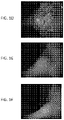
- FIG. 1C shows an area soon after ESD.
- 1 mL of self-assembling peptide RADA16 in the form of PuraMatrix TM peptide hydrogel by 3-D Matrix, LTD. (2.5 w/v percent) was applied to the ESD-induced ulcer using a catheter immediately after the procedure.
- a single dose proton pump inhibitor was administered in gastric ESD cases for 8 weeks beginning the morning of the procedure. Gastric ulcer stages were evaluated by endoscopy as active, healing or scarring at 1, 4, and 8 weeks after ESDs, and application of the self-assembling peptide.
- the primary endpoint was the rate of post-ESD bleeding.
- the secondary endpoints include the transitional rate to healing and scarring stages of gastric ESD-induced ulcers.
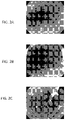
- FIG. 2A an early-stage esophageal cancer with a 3 ⁇ 4 circumferential spread is shown, in that the cancer site covers 3 ⁇ 4 of a circular area. Endoscopic submucosal dissection was performed, which created an ulcer.
- Figure 2B shows an artificial ulcer with a 4/5 circumferential spread, in that the resected lesion covers 4/5 of a circular area, after the lesion is resected using ESD.
- a 4/5 circumferential spread may cause stenosis in the absence of applying a peptide solution to form a hydrogel.
- a catheter was passed through an endoscope, and a peptide solution such as PuraMatrix TM peptide hydrogel by 3-D Matrix, LTD. (2.5%, suitable dose (1 mL per 1 cm 2 )) in a syringe was coated evenly over the ulcer surface.
- Figure 2C shows a coating of the peptide solution.
- FIG. 2D shows the treated area 4 weeks after surgery.
- the ulcer shows scarring, and the endoscope passage is possible in the stenosis direction.
- Figure 2E shows the treated area 8 weeks after surgery. The endoscope passage is possible in stenosis direction.
- This Example demonstrates the ability of the peptide solution to form a hydrogel on an ulcer surface to promote healing of the area and reduce stenosis.
Landscapes
- Health & Medical Sciences (AREA)
- Life Sciences & Earth Sciences (AREA)
- Chemical & Material Sciences (AREA)
- Public Health (AREA)
- Animal Behavior & Ethology (AREA)
- General Health & Medical Sciences (AREA)
- Veterinary Medicine (AREA)
- Epidemiology (AREA)
- Medicinal Chemistry (AREA)
- Transplantation (AREA)
- Dermatology (AREA)
- Oral & Maxillofacial Surgery (AREA)
- Engineering & Computer Science (AREA)
- Heart & Thoracic Surgery (AREA)
- Surgery (AREA)
- Vascular Medicine (AREA)
- Bioinformatics & Cheminformatics (AREA)
- Pharmacology & Pharmacy (AREA)
- Dispersion Chemistry (AREA)
- Biomedical Technology (AREA)
- Molecular Biology (AREA)
- Nuclear Medicine, Radiotherapy & Molecular Imaging (AREA)
- General Chemical & Material Sciences (AREA)
- Chemical Kinetics & Catalysis (AREA)
- Organic Chemistry (AREA)
- Peptides Or Proteins (AREA)
- Medicines That Contain Protein Lipid Enzymes And Other Medicines (AREA)
- Medicinal Preparation (AREA)
- Materials For Medical Uses (AREA)
- Gastroenterology & Hepatology (AREA)
- Immunology (AREA)
- Proteomics, Peptides & Aminoacids (AREA)
- Infusion, Injection, And Reservoir Apparatuses (AREA)
- Acyclic And Carbocyclic Compounds In Medicinal Compositions (AREA)
Description
- This disclosure relates to materials and compositions that are for use in gastrointestinal obstruction prevention, which are solutions that may be used to treat gastric ESD-induced ulcers.
-
EP 2 345 433 A1 describes a bioabsorbable tissue occluding agent comprising a self-assembling peptide hydrogel that can be applied to large mammals including humans. -
US 2008/0032934 A1 describes compositions including peptides, which self-assemble under physiological conditions, formulated for application to tissues for prevention of adhesions or other barrier applications. -
WO 2008/039483 A2 describes modified self-assembling peptides. - The present invention is defined by independent claim 1. The dependent claims depict additional embodiments of the invention.
- In accordance with one or more aspects, a composition for use in the prevention or reduction of stenosis in the gastrointestinal tract of a human subject subsequent to endoscopic mucosal resection (EMR) or endoscopic submucosal dissection (ESD), is provided. The composition includes a solution comprising a self-assembling peptide, the peptide in the solution consisting essentially of (RADA)4 (SEQ ID NO:10) in an effective amount and in an effective concentration to form a hydrogel under physiological conditions to prevent or reduce stenosis in the gastrointestinal tract of the human subject. The peptide in the solution has a concentration of 2.5 weight per volume (w/v) percent.
- In some embodiments, at least one of the effective amount and the effective concentration can be based in part on a dimension of a target area of the EMR or ESD in the gastrointestinal tract of the human subject.
- In some embodiments, the effective amount can be approximately 1 mL per 1 cm2 of target area.
- In some embodiments, the effective amount can include a volume in a range of 0.1 mL to 5 mL.
- In some embodiments, the solution can be substantially free of cells.
- In some embodiments, the solution can be substantially free of drugs.
- In some embodiments, the solution can be provided in a single dose, or the solution can be provided in at least two doses.
- In some embodiments, the solution can further include at least one biologically active agent.
- The accompanying drawings are not intended to be drawn to scale. For purposes of clarity, not every component may be labeled.
- In the drawings:
-
FIG. 1A is an image of an ulcer prior to endoscopic submucosal dissection (ESD), in accordance with some embodiments; -
FIG. 1B is an image of an ulcer prior to ESD, in accordance with some embodiments; -
FIG. 1C is an image showing an area soon after ESD, in accordance with some embodiments; - FIG. ID is an image showing the area 1 week after ESD and peptide solution application, in accordance with some embodiments;
- FIG. IE is an image showing the area 4 weeks after ESD and peptide application, in accordance with some embodiments;
- FIG. IF is an image showing the area 8 weeks after ESD and peptide application, in accordance with some embodiments;
-
FIG. 2A is an image showing an early-stage esophageal cancer with a ¾ circumferential spread , in accordance with some embodiments; -
FIG. 2B is an image showing an artificial ulcer with a 4/5 circumferential spread after the lesion is resected using ESD, in accordance with some embodiments; -
FIG. 2C is an image showing a coating of a peptide solution, in accordance with some embodiments; -
FIG. 2D is an image showing a treated area 4 weeks after surgery, in accordance with some embodiments; and -
FIG. 2E is an image of the treated area 8 weeks after surgery, in accordance with some embodiments. - Materials of the present disclosure prevent gastrointestinal obstruction.
- Endoscopic mucosal resection (EMR) and endoscopic submucosal dissection (ESD) are primary surgical options for resection of lesion sites such as polyps and cancerous tumors in a digestive system or gastrointestinal tract. EMR and ESD are both minimally invasive surgeries. ESD can generally dissect wider areas of a lesion site than EMR. ESD therefore may cause obstructions due to scar contraction/shrinking during the healing process more often than EMR. However, both EMR and ESD procedures may cause lesions that induce post-surgical gastrointestinal obstruction during the course of healing. One form of gastrointestinal obstruction may be a stenosis in the gastrointestinal tract during the course of healing. By stenosis it is meant a narrowing in a tubular organ or structure, such as the gastrointestinal tract, which may lead to a partial or full obstruction in the gastrointestinal tract.
- Success of EMD and ESD may require reducing relatively high post-procedure bleeding rates. These rates may be approximately 1 percent for the esophagus, approximately 5 percent for the stomach, and approximately 2 percent for the colorectum. Present treatments for gastric ESD-induced ulcers may include being treated with a proton pump inhibitor for at least 8 weeks after the ESD procedure.
- Subjects may typically need to undergo several treatments of balloon dilatation and local steroid injection leading to a significant drop in quality of life. There are currently no options for preventing obstructions, or stenosis, due to scar contraction during its healing process.
- The present disclosure provides for materials for preventing or reducing an obstruction, such as a stenosis, in the gastrointestinal tract. The gastrointestinal tract may include any one or more of mouth, throat, esophagus, stomach, small intestine, large intestine or colon, rectum, or colorectum, referred to as the distal portion of the colon and rectum.
- The present disclosure also provides for materials for preventing or reducing an obstruction in the gastrointestinal tract. "Preventing" may include complete prevention of a gastrointestinal tract in that a wound, lesion, or target area, may return to a pre-operative state, or in which the wound, lesion, or target area may return to a state prior to the development of a polyp, tumor, or other tissue that may require removal, which may be referred to as a "normal" state. Preventing may include at least partially preventing or at least partially reducing, which may include returning to a state that allows at least some relief of an obstruction of the gastrointestinal tract that returns the wound, lesion, or target area to a lesser than normal state.
- The prevention or reduction of obstruction may be partial or complete. The materials and methods may include administration, application, or injection of a solution comprising a self-assembling peptide to a predetermined or desired target area.
- The term "self-assembling peptide" refers to a peptide that exhibits a beta-sheet structure in aqueous solution in the presence of specific conditions to induce the beta-sheet structure. These specific conditions may include increasing the pH of a self-assembling peptide solution. The increase in pH may be an increase in pH to a physiological pH. The specific conditions may also include adding a cation, such as a monovalent cation, to a self-assembling peptide solution. The specific conditions may include conditions related to a gastrointestinal tract.
- The self-assembling peptide is an amphiphilic self-assembling peptide. By "amphiphilic" it is meant that the peptide comprises hydrophobic portions and hydrophilic portions. An amphiphilic peptide may comprise, consist essentially of, or consist of alternating hydrophobic amino acids and hydrophilic amino acids. By alternating, it is meant to include a series of three or more amino acids that alternate between a hydrophobic amino acid and a hydrophilic amino acid, and it need not include each and every amino acid in the peptide sequence alternating between a hydrophobic and a hydrophilic amino acid. The self-assembling peptide, also referred to herein as "peptide" , is (RADA)4 and it is administered to the pre-determined or desired target area in the form of a self-assembling peptide solution. The pre-determined or desired target area may be at or near the location of an ESD or EMR, or other resection or surgical removal of tissue in the gastrointestinal tract. The pre-determined or desired target area may be established based on the site of a polyp, tumor, such as a cancerous tumor, or other area that may have undergone a surgical procedure, or an unintentional or intentional trauma.
- The self-assembling peptide solution may be an aqueous self-assembling peptide solution. The self-assembling peptide may be administered, applied, or injected in a solution that is substantially cell-free, or free of cells. In certain embodiments, the self-assembling peptide may be administered, applied, or injected in a solution that is cell-free or free of cells.
- The self-assembling peptide may also be administered, applied, or injected in a solution that is substantially drug-free or free of drugs. In certain embodiments, the self-assembling peptide may be administered, applied, or injected in a solution that is drug-free or free of drugs. In certain other embodiments, the self-assembling peptide may be administered, applied, or injected in a solution that is substantially cell-free and substantially drug-free. In still further certain other embodiments, the self-assembling peptide may be administered, applied, or injected in a solution that is cell-free and drug free.
- The peptide forms hydrogel upon administration. A hydrogel is a term that may refer to a colloidal gel that is dispersed in water. The hydrogel may also be referred to as a membrane or scaffold throughout this disclosure. The self-assembling peptide is administered to a predetermined or desired target as a solution such as an aqueous peptide solution.
- The term "administering," is intended to include, but is not limited to, applying, introducing or injecting the self-assembling peptide, by itself, by way of solution, such as an aqueous solution, with or without additional components. Methods of using the composition claimed are not part of the claims.
- The method may comprise introducing a delivery device at or near a predetermined or desired target area of a subject. The method may comprise introducing a delivery device comprising at least one of a syringe, pipette, tube, catheter, syringe catheter, or other needle-based device to the predetermined or desired target area of a subject. The self-assembling peptide may be administered by way of a syringe, pipette, tube, catheter, syringe catheter, or other needle-based device to the predetermined or desired target area of a subject. The gauge of the syringe needle may be selected to provide an adequate flow of the composition from the syringe to the target area. This may be based in some examples on the viscosity of the peptide solution. The delivery device may be a conventional device or designed to accomplish at least one of to reach a specific target area, achieve a specific dosing regime, deliver a specific target volume, amount, or concentration, and deliver accurately to a target area.
- The method of preventing or reducing a gastrointestinal obstruction may comprise introducing a catheter into the subject and positioning an end of the catheter in a predetermined or target area, such as a portion of the gastrointestinal tract. The self-assembling peptide may be administered by way of a catheter to the target area in which at least a partial prevention or reduction in obstruction of the gastrointestinal tract is desired. The use of a catheter may provide a more selective administration of the peptide to provide for a more accurate delivery to the target area. Selective administration of the peptide may allow for enhanced and more targeted delivery of the peptide solution such that prevention or reduction in a gastrointestinal obstruction or stenosis is successful and positioned in the desired location in an accurate manner. The selective administration may provide enhanced, targeted delivery that markedly improves the positioning and effectiveness of the treatment over use of a syringe or other delivery device. Delivery devices that may be used in the systems, methods, and kits of the disclosure may include a syringe, pipette, tube, catheter, syringe catheter, other needle-based device, tube or catheter.
- Use of the catheter may include use of accompanying devices, such as a guidewire used to guide the catheter into position, or an endoscope that may allow proper placement of the catheter and visualization of the target area, and/or the path to the target area. The endoscope may be a tube that may comprise at least one of a light and a camera or other visualization device to allow images of the subject's body to be viewed. The guidewire or endoscope may be introduced into the subject by way of the gastrointestinal tract. For example, by way of the mouth, throat, esophagus, stomach, small intestine, large intestine or colon, or rectum. The endoscope may be introduced to the gastrointestinal tract prior to the introducing the catheter to the tract.
- The use of the delivery device, such as a syringe, pipette, tube, catheter, syringe catheter, other needle-based device, catheter, or endoscope may require determining the diameter or size of the opening or tract in which there is a target area, such that at least a portion of the syringe, pipette, tube, syringe catheter, other needle-type device, catheter, or endoscope may enter the opening or tract to administer the peptide solution
- In certain aspects of the disclosure, the hydrogel may be formed in vivo. A solution comprising the self-assembling peptide, such as an aqueous solution, may be inserted to an in vivo location or area of a subject to prevent or reduce an obstruction or prevent or reduce a stenosis at that location. In certain examples, the hydrogel may be formed in vivo at one location, and allowed to migrate to the area in which it is desired to prevent or reduce an obstruction or prevent or reduce a stenosis. Since the self-assembling peptide gels in response to changes in solution pH and salt concentration, it can be distributed as a liquid that gels upon contact with a subject during application or administration.
- In certain environments, the peptide solution may be a weak hydrogel and, as a result, it may be administered by way of a delivery device as described herein.
- In accordance with one or more embodiments, self-assembling peptides may prevent gastrointestinal obstruction. In at least some embodiments, self-assembling peptides may facilitate mucosal epithelium formation to prevent or reduce post-operative scar formation. The prevention or reduction in post-operative scar formation provides, at least in part, for the prevention or reduction in gastrointestinal obstruction or stenosis. In certain embodiments, this may be because the hydrogel, once in place, provides a scaffold to allow for an infiltration of cells that promote healing of the target area.
- Administration of the self-assembling peptides into the mucous membrane subcutaneous layer may cause a lesion to float up away from the fixed muscle layer, and to then be detached by use of high frequency. A hemostatic effect may also be obtained at the time of lesion resection, enabling reducing of the degree of surgery difficulty and risk. . In accordance with one or more non claimed embodiments, a subject may be evaluated to determine a need for preventing gastrointestinal obstruction or stenosis. Once the evaluation has been completed, a peptide solution to administer to the subject may be prepared.
- In some embodiments, a biologically active agent may be used with the materials and methods of the present disclosure. A biologically active agent may comprise a compound, including a peptide, DNA sequence, chemical compound, or inorganic or organic compound that may impart some activity, regulation, modulation, or adjustment of a condition or other activity in a subject or in a laboratory setting. The biologically active agent may interact with another component to provide such activity. The biologically active agent may be referred to as a drug in accordance with some embodiments herein. In certain embodiments, one or more biologically active agents may be gradually released to the outside of the peptide system. For example, the one or more biologically active agents may be gradually released from the hydrogel. Both in vitro and in vivo testing has demonstrated this gradual release of a biologically active agent. The biologically active agent may be added to the peptide solution prior to administering to a subject, or may be administered separately from the solution to the subject.
- The peptides may be generally stable in aqueous solutions and self-assemble into large, macroscopic structures, scaffolds, or matrices when exposed to physiological conditions, neutral pH, or physiological levels of salt. Once the hydrogel is formed it may not decompose, or may decompose or biodegrade after a period of time. The rate of decomposition may be based at least in part on at least one of the amino acid sequence and conditions of its surroundings..
- By "macroscopic" it is meant as having dimensions large enough to be visible under magnification of 10-fold or less. In preferred embodiments, a macroscopic structure is visible to the naked eye. A macroscopic structure may be transparent and may be two-dimensional, or three-dimensional. Typically each dimension is at least 10 µm, in size. In certain embodiments, at least two dimensions are at least 100 µm, or at least 1000 µm in size. Frequently at least two dimensions are at least 1-10 mm in size, 10-100 mm in size, or more.
- In certain embodiments, the size of the filaments may be about 10 nanometers (nm) to about 20 nm. The interfilament distance may be about 50 nm to about 80 nm.
- "Physiological conditions" may occur in nature for a particular organism, cell system, or subject which may be in contrast to artificial laboratory conditions. The conditions may comprise one or more properties such as one or more particular properties or one or more ranges of properties. For example, the physiological conditions may include a temperature or range of temperatures, a pH or range of pH's, a pressure or range of pressures, and one or more concentrations of particular compounds, salts, and other components. For example, in some examples, the physiological conditions may include a temperature in a range of about 20 to about 40 degrees Celsius. In some examples, the atmospheric pressure may be about 1 atm. The pH may be in the range of a neutral pH. For example, the pH may be in a range of about 6 to about 8. The physiological conditions may include cations such as monovalent metal cations that may induce membrane or hydrogel formation. These may include sodium chloride (NaCl). The physiological conditions may also include a glucose concentration, sucrose concentration, or other sugar concentration, of between about 1 mM and about 20 mM. The physiological conditions may include the local conditions of the mouth, throat, esophagus, stomach, small intestine, large intestine, and rectum.
- The hydrogels formed by the composition for use of the present invention may be digested and metabolized in a subject. The hydrogels may be biodegraded in 30 days or less. They have a simple composition, are permeable, and are easy and relatively inexpensive to produce in large quantities. The membranes and filaments, hydrogels or scaffolds may also be produced and stored in a sterile condition. The optimal lengths for membrane formation may vary with at least one of the amino acid composition, solution conditions, and conditions at the target site.
- In certain non claimed examples, a method of preventing gastrointestinal obstruction in a subject is provided. The method may comprise introducing a catheter in a target area of the gastrointestinal tract in which at least a partial prevention of gastrointestinal obstruction is desired. The method may further comprise administering through the catheter a solution comprising a self-assembling peptide comprising between about 7 amino acids and about 32 amino acids in an effective amount and in an effective concentration to form a hydrogel under conditions of the gastrointestinal tract to provide a least partial prevention of gastrointestinal obstruction. The method may further comprise removing the catheter from the gastrointestinal tract.
- The method may further comprise visualizing a region or target area comprising at least a portion of the gastrointestinal tract. Visualizing the region or target area may comprise visualizing the region or target area during at least one of identifying the target area of the gastrointestinal tract, introducing the catheter, positioning the end of the catheter in the target area, administering the solution, removing the catheter, and monitoring the gastrointestinal tract after removing the catheter. Visualizing the region or target area may provide for selective administration of the solution to the gastrointestinal tract. Visualizing may occur at any time before, during, and after the administration of the solution. Visualization may occur, for example, at a time period of at least one of about one week subsequent to administration, about four weeks subsequent to administration and about eight weeks subsequent to administration.
- A 1 weight per volume (w/v) percent aqueous (water) solution and a 2.5 w/v percent of (RADA)4 (SEQ ID NO: 10) is available from 3-D Matrix, Ltd. RAD-based peptides may be of particular interest because the similarity of this sequence to RGD. The RAD sequence is a high affinity ligand present in the extracellular matrix protein tenascin and is recognized by integrin receptors.
- The self-assembly of the peptides may be attributable to hydrogen bonding and hydrophobic bonding between the peptide molecules by the amino acids composing the peptides.
- The dosage, for example, volume , administered (for example, applied or injected) may vary depending upon the route of administration utilized. The exact formulation, route of administration and volume can be chosen in view of the subject's condition and in view of the particular target area or location that the peptide solution will be administered. Lower or higher doses than those recited herein may be used or required. Specific dosage and treatment regimens for any particular subject may depend upon a variety of factors, which may include the dimension of the area that is being treated, the desired thickness of the resulting hydrogel that may be positioned in the desired target area, and the length of time of treatment. Other factors that may affect the specific dosage and treatment regimens include age, body weight, general health status, sex, time of administration, rate of degradation, the severity and course of the disease, condition or symptoms, and the judgment of the treating physician. In certain embodiments, the peptide solution may be administered in a single dose. In other embodiments, the peptide solution may be administered in more than one dose, or multiple doses. The peptide solution may be administered in at least two doses.
- An effective amount of the peptide solution may be selected to at least partially prevent or reduce a gastrointestinal obstruction. In some embodiments, the effective amount may be based in part on a dimension or diameter of the target area. In other embodiments, the effective amount is based in part on the flow rate of one or more fluids at or near the target area. In still other embodiments, the effective amount may be based in part on a dimension or diameter of a material being removed from the gastrointestinal tract, such as tissue, or a tumor.
- In yet other embodiments, the effective amount may be based in part on at least one of a dimension or diameter of the target area, the flow rate of one or more fluids at or near the target area, and on a dimension or diameter of a material being removed from the gastrointestinal tract, such as tissue, or a tumor.
- The effective amount may be, as described herein, an amount that may provide for an at least partial prevention or reduction in a gastrointestinal obstruction. Various properties of the gastrointestinal tract may contribute to the selection or determination of the effective amount including at least one of the dimension or diameter of the target area, the flow rate of one or more fluids at or near the target area, the pH at or near the target area, and the concentration of various salts at or near the target area. Additional properties that may determine the effective amount include various properties list above, at various locations along a pathway in which the peptide solution is delivered. For example, if the target area is located in the stomach, one or more properties of the stomach and/or one or more properties of the pathway to the stomach, for example, the esophagus, may at least partially influence or effect the selection or determination of the effective amount.
- The effective amount may include volumes of from about 0.1 milliliters (mL) to about 100 mL of a peptide solution. The effective amount may include volumes of from about 0.1 mL to about 10 mL of a peptide solution. In certain embodiments, the effective amount may be about 0.5 mL. In other embodiments, the effective amount may be about 1.0 mL. In yet other embodiments, the effective amount may be about 1.5 mL. In still yet other embodiments, the effective amount may be about 2.0 mL. In some other embodiments, the effective amount may be about 3.0 mL. In certain embodiments, the effective amount may be approximately 0.1 mL to about 5 mL per 1 cm2 of target area. In certain embodiments, the effective amount may be approximately 1 mL per 1 cm2 of target area. This effective amount may be used related to the concentration, which is a 2.5 weight per volume percent of a peptide solution of the present disclosure.
- In some embodiments, a more effective prevention or reduction in gastrointestinal obstruction may be achieved with a greater volume of peptide solution administered. This may allow a longer or thicker hydrogel to form within the target area, allowing a more secure position of the hydrogel in the target area. It is possible that if a high enough volume is not selected, the hydrogel may not be effective in preventing or reducing a gastrointestinal obstruction in the target area for the desired period of time.
- Methods , non claimed, of the disclosure contemplate single as well as multiple administrations of a therapeutically effective amount of the peptides, compositions, peptide solutions, membranes, filaments, and hydrogels as described herein. Peptides as described herein may be administered at regular intervals, depending on the nature, severity and extent of the subject's condition. In some embodiments, a peptide solution may be administered in a single administration. In some embodiments. a peptide solution described herein is administered in multiple administrations. In some embodiments, a therapeutically effective amount of a peptide solution may be administered periodically at regular intervals. The regular intervals selected may be based on any one or more of the amount administered, and the degradation rate of the hydrogel formed. For example, after an initial administration, a follow-on administration may occur after, for example, one week, two weeks, four weeks, six weeks, or eight weeks. The follow-on administration may comprise administration of a solution having the same concentration of peptide and volume as the initial administration, or may comprise administration of a solution of lesser or great concentration of peptide and volume. The selection of the appropriate follow-on administration of peptide solution may be based on imaging the target area and the area surrounding the target area and ascertaining the needs based on the condition of the subject. The pre-determined intervals may be the same for each follow-on administration, or they may be different. In some embodiments, a peptide solution may be administered chronically at pre-determined intervals to maintain at least a partial prevention or reduction in gastrointestinal obstruction in a subject over the life of the subject. The pre-determined intervals may be the same for each follow-on administration, or they may be different. This may be dependent on whether the hydrogel formed from the previous administration is partially or totally disrupted or degraded. The follow-on administration may comprise administration of a solution having the same concentration of peptide and volume as the initial administration, or may comprise administration of a solution of lesser or great concentration of peptide and volume. The selection of the appropriate follow-on administration of peptide solution may be based on imaging the target area and the area surrounding the target area and ascertaining the needs based on the condition of the subject.
- The peptides can be chemically synthesized or they can be purified from natural and recombinant sources. Using chemically synthesized peptides may allow the peptide solutions to be deficient in unidentified components such as unidentified components derived from the extracellular matrix of another animal. This property therefore may eliminate concerns of infection, including risk of viral infection compared to conventional tissue-derived biomaterials. This may eliminate concerns of infection including infections such as bovine spongiform encephalopathy (BSE), making the peptide highly safe for medical use.
- Formation of the, membranes, hydrogels, or scaffolds may be very fast, on the order of a few minutes. The formation of the membranes or hydrogels may be irreversible. In certain embodiments, the formation may be reversible, and in other embodiments, the formation may be irreversible. The hydrogel may form instantaneously upon administration to a target area. The formation of the hydrogel may occur within about one to two minutes of administration. In other examples, the formation of the hydrogel may occur within about three to four minutes of administration. In certain embodiments the time it takes to form the hydrogel may be based at least in part on one or more of the volume of peptide solution applied, and the conditions at the area of application or injection (for example, the concentration of monovalent metal cations at the area of application, the pH of the area, and the presence of one or more fluids at or near the area). The process may be unaffected by pH of less than or equal to 12, and by temperature. The membranes or hydrogels may form at temperatures in the range of about 1 to 99 degrees Celsius.
- The hydrogels may remain in position at the target area for a period of time sufficient to provide a desired effect using the methods and kits of the present disclosure. The desired effect may be to at least partially prevent or reduce a gastrointestinal obstruction.
- The desired effect using the kits of the present disclosure may be to treat areas or to assist in healing of areas in which a surgical procedure in the gastrointestinal tract was performed. For example, the desired effect using the methods and kits of the present disclosure may be to treat areas or to assist in healing of areas in which resection of lesion sites such as polyps and cancerous tumors in the gastrointestinal tract. Surgical procedures include endoscopic mucosal resection (EMR) or endoscopic submucosal dissection (ESD).
- The period of time that the membranes or hydrogels may remain at the desired area may be for one or more days, up to one or more weeks. In other examples, it may remain at the desired area for up to 30 days, or more. It may remain at the desired area indefinitely. In other examples, it may remain at the desired area for a longer period of time, until it is naturally degraded or intentionally removed. If the hydrogel naturally degrades over a period of time, subsequent application or injection of the hydrogel to the same or different location may be performed.
- In certain embodiments, the self-assembling peptide may be prepared with one or more components that may provide for enhanced effectiveness of the self-assembling peptide or may provide another action, treatment, therapy, or otherwise interact with one or more components of the subject. For example, additional peptides comprising one or more biologically or physiologically active amino acid sequences or motifs may be included as one of the components along with the self-assembling peptide. Other components may include biologically active compounds such as a drug or other treatment that may provide some benefit to the subject. For example, a cancer treating drug or anticancer drug may be administered with the self-assembling peptide, or may be administered separately.
- The peptide solution may comprise small molecular drugs to treat the subject or to prevent hemolysis, inflammation, and infection. The small molecular drugs may be selected from the group consisting of glucose, saccharose, purified saccharose, lactose, maltose, trehalose, destran, iodine, lysozyme chloride, dimethylisoprpylazulene, tretinoin tocoferil, povidone iodine, alprostadil alfadex, anise alcohol, isoamyl salicylate, α,α-dimethylphenylethyl alcohol, bacdanol, helional, sulfazin silver, bucladesine sodium, alprostadil alfadex, gentamycin sulfate, tetracycline hydrochloride, sodium fusidate, mupirocin calcium hydrate and isoamyl benzoate. Other small molecular drugs may be contemplated. Protein-based drugs may be included as a component to be administered, and may include erythropoietin, tissue type plasminogen activator, synthetic hemoglobin and insulin.
- A component may be included to protect the peptide solution against rapid or immediate formation into a hydrogel. This may include an encapsulated delivery system that may degrade over time to allow a controlled time release of the peptide solution into the target area to form the hydrogel over a desired, predetermined period of time. Biodegradable, biocompatible polymers may be used, such as ethylene vinyl acetate, polyanhydrides, polyglycolic acid, collagen, polyorthoesters, and polylactic acid.
- Any of the components described herein may be included in the peptide solution or may be administered separate from the peptide solution.
- A peptide solution of the disclosure may be provided in a kit. Instructions for administering the solution to a target area of the gastrointestinal tract of a subject may also be provided in the kit. The instructions for administering the solution may comprise methods for administering the peptide, peptide solution, or hydrogel provided herein, for example, by a route of administration described herein, at a dose, volume or administration schedule.
- The kit may also comprise informational material. The informational material may be descriptive, instructional, marketing or other material that relates to the methods described herein. In one embodiment, the informational material may include information about production of the peptide, peptide solution, or hydrogel disclosed herein, physical properties of the peptide, composition, peptide solution or hydrogel, concentration, volume, size, dimensions, date of expiration, and batch or production site.
- The kit may also optionally include a device or materials to allow for administration of the peptide or peptide solution to the desired area. For example, a syringe, pipette, tube, catheter, syringe catheter, or other needle-based device may be included in the kit. Additionally, or alternatively, the kit may include a guidewire, endoscope, or other accompanying equipment to provide selective administration of the peptide solution to the target area.
- The kit may comprise additional components or ingredients, such as components that may aid in positioning of the peptide solution.
- Other components or ingredients may be included in the kit, in the same or different compositions or containers than the peptide solution. The one or more components that may include components that may provide for enhanced effectiveness of the self-assembling peptide or may provide another action, treatment, therapy, or otherwise interact with one or more components of the subject. For example, additional peptides comprising one or more biologically or physiologically active sequences or motifs may be included as one of the components along with the self-assembling peptide. Other components may include biologically active compounds such as a drug or other treatment that may provide some benefit to the subject. For example, a cancer treating drug or anticancer drug may be administered with the self-assembling peptide, or may be administered separately. The peptide solution may comprise small molecular drugs to treat the subject or to prevent hemolysis, inflammation, and infection, as disclosed herein. A sugar solution such as a sucrose solution may be provided with the kit. The sucrose solution may be a 20% sucrose solution.
- Other components which are disclosed herein may also be included in the kit.
- In some examples, a component of the kit is stored in a sealed vial, for example, with a rubber or silicone closure (for example, a polybutadiene or polyisoprene closure). In some examples, a component of the kit is stored under inert conditions (for example, under nitrogen or another inert gas such as argon). In some examples, a component of the kit is stored under anhydrous conditions (for example, with a desiccant). In some examples, a component of the kit is stored in a light blocking container such as an amber vial.
- As part of the kit or separate from a kit, syringes or pipettes may be pre-filled with a peptide, peptide solution, or hydrogel as disclosed herein. Methods to instruct a user to supply a self-assembling peptide solution to a syringe or pipette, with or without the use of other devices, and administering it to the target area through the syringe or pipette, with or without the use of other devices, is provided. Other devices may include, for example, a catheter with or without a guidewire.
- In some examples of the disclosure, the self-assembling peptides may be used as a coating on a device or an instrument such as a stent or catheter, to suppress body fluid leakage. The self-assembling peptides may also be incorporated or secured to a support, such as gauze or a bandage, or a lining, that may provide a therapeutic effect to a subject, or that may be applied within a target area. The self-assembling peptides may also be soaked into a sponge for use.
- The function and advantage of these and other embodiments of the compositions for use provided herein will be more fully understood from the example below. The following example is intended to illustrate the benefits of the disclosed treatment approach, but do not exemplify the full scope thereof.
- Testing was performed in human subjects in order to determine the ability of disclosed peptides to prevent gastrointestinal obstruction. Subjects who underwent esophageal, gastric, and colorectal endoscopic submucosal dissection (ESD) by nine endoscopists participated in the testing. Subjects receiving antithrombotic therapy were included in the study, but such medications were no longer being administered prior to the procedures. Cases with perforation and coagulopathy (international normalized ratio (INR) >3) despite anticoaculation management after heparin bridge therapy (HBT) were excluded.
Figures 1A and 1B shows an ulcer prior to ESD. - After the ESD procedure, a self-assembling peptide was administered to a target area in the subject.
Figure 1C shows an area soon after ESD. For every 1 cm2 of tumor, 1 mL of self-assembling peptide RADA16, in the form of PuraMatrix™ peptide hydrogel by 3-D Matrix, LTD. (2.5 w/v percent) was applied to the ESD-induced ulcer using a catheter immediately after the procedure. A single dose proton pump inhibitor was administered in gastric ESD cases for 8 weeks beginning the morning of the procedure. Gastric ulcer stages were evaluated by endoscopy as active, healing or scarring at 1, 4, and 8 weeks after ESDs, and application of the self-assembling peptide. The primary endpoint was the rate of post-ESD bleeding. The secondary endpoints include the transitional rate to healing and scarring stages of gastric ESD-induced ulcers. - Of the 117 subjects recruited, 114 patients with 124 lesions (esophagus 18; stomach 42; colorectum 64) were enrolled for outcome analysis and 3 subjects were excluded due to perforations and 1 with coagulopathy.
- Of the 114 subjects, 22 (19%) were previously on antithrombotic therapy including 6 (5%) requiring HBTs. The mean size of resected specimen was 40±16 mm (esophagus 41± 20 mm; stomach 36±12 mm; colorectum 43±16 mm). The rate of post-ESD bleeding was 1.6% (2/124) (esophagus 0%; stomach 2.4% (1/43' 95% confidence interval, 0.04% to 12.3%); colorectum 1.6% (1/64' 95%CI, 0.02% to 1.6%). All post-ESD bleedings was successfully managed endoscopically without needed blood transfusion. Transitional rate to healing stage at 1 week was 98%. Figure ID shows the area 1 week after ESD and peptide application. Follow up endoscopies demonstrated scarring stage in 21% and 97% at 4 and 8 weeks respectively. Figure IE shows the area 4 weeks after ESD and peptide application. Figure IF shows the area 8 weeks after ESD and peptide application.
- This testing demonstrated the usefulness and effectiveness of applying a self-assembling peptide to the site of a post-ESD lesion. There were no adverse effects related with the use of the self-assembling peptide. The self-assembling peptide helped reduce post-ESD bleeding rate. The self-assembling peptide also promoted ulcer healing. The self-assembling peptides of the present disclosure provided enhanced treatment and recovery of the subjects tested, indicating the effectiveness of the use of this peptide for treating ESD-induced ulcers.
- Testing was performed on a subject having an ulcer (lesion) after an endoscopic resection of esophageal cancer. As shown in
Figure 2A , an early-stage esophageal cancer with a ¾ circumferential spread is shown, in that the cancer site covers ¾ of a circular area. Endoscopic submucosal dissection was performed, which created an ulcer.Figure 2B shows an artificial ulcer with a 4/5 circumferential spread, in that the resected lesion covers 4/5 of a circular area, after the lesion is resected using ESD. A 4/5 circumferential spread may cause stenosis in the absence of applying a peptide solution to form a hydrogel. - After confirming that there was no hemorrhaging in the artificial ulcer surface after an endoscopic resection, a catheter was passed through an endoscope, and a peptide solution such as PuraMatrix™ peptide hydrogel by 3-D Matrix, LTD. (2.5%, suitable dose (1 mL per 1 cm2)) in a syringe was coated evenly over the ulcer surface.
Figure 2C shows a coating of the peptide solution. - On the first week after surgery, an endoscope is used to review the area. At this time, as with the initial round, the peptide solution is coated evenly over the ulcer surface. For past cases, an endoscope was used to perform a third and fourth review of the area, in the fourth and eighth weeks, respectively, after surgery that induced stenosis, to judge the effectiveness of the peptide solution coating.
Figure 2D shows the treated area 4 weeks after surgery. The ulcer shows scarring, and the endoscope passage is possible in the stenosis direction.Figure 2E shows the treated area 8 weeks after surgery. The endoscope passage is possible in stenosis direction. - The effectiveness of the peptide solution as a stenosis preventive was demonstrated. In addition, no delayed hemorrhaging or perforations were seen as side effects of the endoscopic resection.
- This Example demonstrates the ability of the peptide solution to form a hydrogel on an ulcer surface to promote healing of the area and reduce stenosis.
-
- <110> 3-D MATRIX, LTD.
- <120> MATERIALS FOR GASTROINTESTINAL OBSTRUCTION PREVENTION
- <130> T2071-7008WO
- <140>
<141> - <150>
61/785,582 - <160> 69
- <170> PatentIn version 3.5
- <210> 1
<211> 4
<212> PRT
<213> Artificial Sequence - <220>
<221> source
<223> /note="Description of Artificial Sequence: Synthetic peptide" - <400> 1

- <210> 2
<211> 200
<212> PRT
<213> Artificial Sequence - <220>
<221> source
<223> /note="Description of Artificial Sequence: Synthetic polypeptide" - <220>
<221> VARIANT
<222> (9)..(200)
<223> /replace=" " - <220>
<221> misc_feature
<222> (1)..(200)
<223> /note="This sequence many encompass 2-50 'Arg Ala Asp Ala' repeating units" - <220>
<221> misc_feature
<222> (1)..(200)
<223> /note="Variant residues given in the sequence have no preference with respect to those in the annotations for variant positions" - <400> 2

- <210> 3
<211> 4
<212> PRT
<213> Artificial Sequence - <220>
<221> source
<223> /note="Description of Artificial Sequence: Synthetic peptide" - <400> 3

- <210> 4
<211> 200
<212> PRT
<213> Artificial Sequence - <220>
<221> source
<223> /note="Description of Artificial Sequence: Synthetic polypeptide" - <220>
<221> VARIANT
<222> (9)..(200)
<223> /replace=" " - <220>
<221> misc_feature
<222> (1)..(200)
<223> /note="This sequence many encompass 2-50 'Ile Glu Ile Lys' repeating units" - <220>
<221> misc_feature
<222> (1)..(200)
<223> /note="Variant residues given in the sequence have no preference with respect to those in the annotations for variant positions" - <400> 4


- <210> 5
<211> 201
<212> PRT
<213> Artificial Sequence - <220>
<221> source
<223> /note="Description of Artificial Sequence: Synthetic polypeptide" - <220>
<221> VARIANT
<222> (9)..(200)
<223> /replace=" " - <220>
<221> misc_feature
<222> (1)..(201)
<223> /note="This sequence many encompass 2-50 'Ile Glu Ile Lys' repeating units" - <220>
<221> misc_feature
<222> (1)..(201)
<223> /note="Variant residues given in the sequence have no preference with respect to those in the annotations for variant positions" - <400> 5

- <210> 6
<211> 4
<212> PRT
<213> Artificial Sequence - <220>
<221> source
<223> /note="Description of Artificial Sequence: Synthetic peptide" - <400> 6

- <210> 7
<211> 200
<212> PRT
<213> Artificial Sequence - <220>
<221> source
<223> /note="Description of Artificial Sequence: Synthetic polypeptide" - <220>
<221> VARIANT
<222> (9)..(200)
<223> /replace=" " - <220>
<221> misc_feature
<222> (1)..(200)
<223> /note="This sequence many encompass 2-50 'Lys Leu Asp Leu' repeating units" - <220>
<221> misc_feature
<222> (1)..(200)
<223> /note="Variant residues given in the sequence have no preference with respect to those in the annotations for variant positions" - <400> 7


- <210> 8
<211> 3
<212> PRT
<213> Artificial Sequence - <220>
<221> source
<223> /note="Description of Artificial Sequence: Synthetic peptide" - <400> 8

- <210> 9
<211> 150
<212> PRT
<213> Artificial Sequence - <220>
<221> source
<223> /note="Description of Artificial Sequence: Synthetic polypeptide" - <220>
<221> VARIANT
<222> (7)..(150)
<223> /replace=" " - <220>
<221> misc_feature
<222> (1)..(150)
<223> /note="This sequence many encompass 2-50 'Lys Leu Asp' repeating units" - <220>
<221> misc_feature
<222> (1)..(150)
<223> /note="Variant residues given in the sequence have no preference with respect to those in the annotations for variant positions" - <400> 9


- <210> 10
<211> 16
<212> PRT
<213> Artificial Sequence - <220>
<221> source
<223> /note="Description of Artificial Sequence: Synthetic peptide" - <400> 10

- <210> 11
<211> 13
<212> PRT
<213> Artificial Sequence - <220>
<221> source
<223> /note="Description of Artificial Sequence: Synthetic peptide" - <400> 11

- <210> 12
<211> 17
<212> PRT
<213> Artificial Sequence - <220>
<221> source
<223> /note="Description of Artificial Sequence: Synthetic peptide" - <400> 12

- <210> 13
<211> 12
<212> PRT
<213> Artificial Sequence - <220>
<221> source
<223> /note="Description of Artificial Sequence: Synthetic peptide" - <400> 13

- <210> 14
<211> 16
<212> PRT
<213> Artificial Sequence - <220>
<221> source
<223> /note="Description of Artificial Sequence: Synthetic peptide" - <400> 14

- <210> 15
<211> 16
<212> PRT
<213> Artificial Sequence - <220>
<221> source
<223> /note="Description of Artificial Sequence: Synthetic peptide" - <400> 15


- <210> 16
<211> 5
<212> PRT
<213> Artificial Sequence - <220>
<221> source
<223> /note="Description of Artificial Sequence: Synthetic peptide" - <400> 16

- <210> 17
<211> 16
<212> PRT
<213> Artificial Sequence - <220>
<221> source
<223> /note="Description of Artificial Sequence: Synthetic peptide" - <400> 17

- <210> 18
<211> 16
<212> PRT
<213> Artificial Sequence - <220>
<221> source
<223> /note="Description of Artificial Sequence: Synthetic peptide" - <400> 18

- <210> 19
<211> 16
<212> PRT
<213> Artificial Sequence - <220>
<221> source
<223> /note="Description of Artificial Sequence: Synthetic peptide" - <400> 19

- <210> 20
<211> 8
<212> PRT
<213> Artificial Sequence - <220>
<221> source
<223> /note="Description of Artificial Sequence: Synthetic peptide" - <400> 20

- <210> 21
<211> 12
<212> PRT
<213> Artificial Sequence - <220>
<221> source
<223> /note="Description of Artificial Sequence: Synthetic peptide" - <400> 21

- <210> 22
<211> 16
<212> PRT
<213> Artificial Sequence - <220>
<221> source
<223> /note="Description of Artificial Sequence: Synthetic peptide" - <400> 22

- <210> 23
<211> 16
<212> PRT
<213> Artificial Sequence - <220>
<221> source
<223> /note="Description of Artificial Sequence: Synthetic peptide" - <400> 23

- <210> 24
<211> 8
<212> PRT
<213> Artificial Sequence - <220>
<221> source
<223> /note="Description of Artificial Sequence: Synthetic peptide" - <400> 24

- <210> 25
<211> 16
<212> PRT
<213> Artificial Sequence - <220>
<221> source
<223> /note="Description of Artificial Sequence: Synthetic peptide" - <400> 25

- <210> 26
<211> 16
<212> PRT
<213> Artificial Sequence - <220>
<221> source
<223> /note="Description of Artificial Sequence: Synthetic peptide" - <400> 26

- <210> 27
<211> 16
<212> PRT
<213> Artificial Sequence - <220>
<221> source
<223> /note="Description of Artificial Sequence: Synthetic peptide" - <400> 27

- <210> 28
<211> 16
<212> PRT
<213> Artificial Sequence - <220>
<221> source
<223> /note="Description of Artificial Sequence: Synthetic peptide" - <400> 28

- <210> 29
<211> 16
<212> PRT
<213> Artificial Sequence - <220>
<221> source
<223> /note="Description of Artificial Sequence: Synthetic peptide" - <400> 29

- <210> 30
<211> 16
<212> PRT
<213> Artificial Sequence - <220>
<221> source
<223> /note="Description of Artificial Sequence: Synthetic peptide" - <400> 30

- <210> 31
<211> 16
<212> PRT
<213> Artificial Sequence - <220>
<221> source
<223> /note="Description of Artificial Sequence: Synthetic peptide" - <400> 31

- <210> 32
<211> 16
<212> PRT
<213> Artificial Sequence - <220>
<221> source
<223> /note="Description of Artificial Sequence: Synthetic peptide" - <400> 32

- <210> 33
<211> 16
<212> PRT
<213> Artificial Sequence - <220>
<221> source
<223> /note="Description of Artificial Sequence: Synthetic peptide" - <400> 33

- <210> 34
<211> 16
<212> PRT
<213> Artificial Sequence - <220>
<221> source
<223> /note="Description of Artificial Sequence: Synthetic peptide" - <400> 34

- <210> 35
<211> 16
<212> PRT
<213> Artificial Sequence - <220>
<221> source
<223> /note="Description of Artificial Sequence: Synthetic peptide" - <400> 35

- <210> 36
<211> 16
<212> PRT
<213> Artificial Sequence - <220>
<221> source
<223> /note="Description of Artificial Sequence: Synthetic peptide" - <400> 36


- <210> 37
<211> 16
<212> PRT
<213> Artificial Sequence - <220>
<221> source
<223> /note="Description of Artificial Sequence: Synthetic peptide" - <400> 37

- <210> 38
<211> 16
<212> PRT
<213> Artificial Sequence - <220>
<221> source
<223> /note="Description of Artificial Sequence: Synthetic peptide" - <400> 38

- <210> 39
<211> 16
<212> PRT
<213> Artificial Sequence - <220>
<221> source
<223> /note="Description of Artificial Sequence: Synthetic peptide" - <400> 39

- <210> 40
<211> 16
<212> PRT
<213> Artificial Sequence - <220>
<221> source
<223> /note="Description of Artificial Sequence: Synthetic peptide" - <400> 40

- <210> 41
<211> 16
<212> PRT
<213> Artificial Sequence - <220>
<221> source
<223> /note="Description of Artificial Sequence: Synthetic peptide" - <400> 41

- <210> 42
<211> 16
<212> PRT
<213> Artificial Sequence - <220>
<221> source
<223> /note="Description of Artificial Sequence: Synthetic peptide" - <400> 42

- <210> 43
<211> 16
<212> PRT
<213> Artificial Sequence - <220>
<221> source
<223> /note="Description of Artificial Sequence: Synthetic peptide" - <400> 43

- <210> 44
<211> 16
<212> PRT
<213> Artificial Sequence - <220>
<221> source
<223> /note="Description of Artificial Sequence: Synthetic peptide" - <400> 44

- <210> 45
<211> 16
<212> PRT
<213> Artificial Sequence - <220>
<221> source
<223> /note="Description of Artificial Sequence: Synthetic peptide" - <400> 45

- <210> 46
<211> 16
<212> PRT
<213> Artificial Sequence - <220>
<221> source
<223> /note="Description of Artificial Sequence: Synthetic peptide" - <400> 46

- <210> 47
<211> 16
<212> PRT
<213> Artificial Sequence - <220>
<221> source
<223> /note="Description of Artificial Sequence: Synthetic peptide" - <400> 47

- <210> 48
<211> 16
<212> PRT
<213> Artificial Sequence - <220>
<221> source
<223> /note="Description of Artificial Sequence: Synthetic peptide" - <400> 48

- <210> 49
<211> 16
<212> PRT
<213> Artificial Sequence - <220>
<221> source
<223> /note="Description of Artificial Sequence: Synthetic peptide" - <400> 49

- <210> 50
<211> 18
<212> PRT
<213> Artificial Sequence - <220>
<221> source
<223> /note="Description of Artificial Sequence: Synthetic peptide" - <400> 50

- <210> 51
<211> 18
<212> PRT
<213> Artificial Sequence - <220>
<221> source
<223> /note="Description of Artificial Sequence: Synthetic peptide" - <400> 51

- <210> 52
<211> 18
<212> PRT
<213> Artificial Sequence - <220>
<221> source
<223> /note="Description of Artificial Sequence: Synthetic peptide" - <400> 52

- <210> 53
<211> 18
<212> PRT
<213> Artificial Sequence - <220>
<221> source
<223> /note="Description of Artificial Sequence: Synthetic peptide" - <400> 53

- <210> 54
<211> 4
<212> PRT
<213> Artificial Sequence - <220>
<221> source
<223> /note="Description of Artificial Sequence: Synthetic peptide" - <400> 54

- <210> 55
<211> 4
<212> PRT
<213> Artificial Sequence - <220>
<221> source
<223> /note="Description of Artificial Sequence: Synthetic peptide" - <400> 55

- <210> 56
<211> 4
<212> PRT
<213> Artificial Sequence - <220>
<221> source
<223> /note="Description of Artificial Sequence: Synthetic peptide" - <400> 56

- <210> 57
<211> 4
<212> PRT
<213> Artificial Sequence - <220>
<221> source
<223> /note="Description of Artificial Sequence: Synthetic peptide" - <400> 57

- <210> 58
<211> 7
<212> PRT
<213> Artificial Sequence - <220>
<221> source
<223> /note="Description of Artificial Sequence: Synthetic peptide" - <400> 58

- <210> 59
<211> 3
<212> PRT
<213> Artificial Sequence - <220>
<221> source
<223> /note="Description of Artificial Sequence: Synthetic peptide" - <400> 59

- <210> 60
<211> 7
<212> PRT
<213> Artificial Sequence - <220>
<221> source
<223> /note="Description of Artificial Sequence: Synthetic peptide" - <400> 60

- <210> 61
<211> 7
<212> PRT
<213> Artificial Sequence - <220>
<221> source
<223> /note="Description of Artificial Sequence: Synthetic peptide" - <400> 61

- <210> 62
<211> 8
<212> PRT
<213> Artificial Sequence - <220>
<221> source
<223> /note="Description of Artificial Sequence: Synthetic peptide" - <400> 62

- <210> 63
<211> 8
<212> PRT
<213> Artificial Sequence - <220>
<221> source
<223> /note="Description of Artificial Sequence: Synthetic peptide" - <400> 63

- <210> 64
<211> 8
<212> PRT
<213> Artificial Sequence - <220>
<221> source
<223> /note="Description of Artificial Sequence: Synthetic peptide" - <400> 64

- <210> 65
<211> 7
<212> PRT
<213> Artificial Sequence - <220>
<221> source
<223> /note="Description of Artificial Sequence: Synthetic peptide" - <400> 65

- <210> 66
<211> 16
<212> PRT
<213> Artificial Sequence - <220>
<221> source
<223> /note="Description of Artificial Sequence: Synthetic peptide" - <400> 66

- <210> 67
<211> 16
<212> PRT
<213> Artificial Sequence - <220>
<221> source
<223> /note="Description of Artificial Sequence: Synthetic peptide" - <400> 67

- <210> 68
<211> 16
<212> PRT
<213> Artificial Sequence - <220>
<221> source
<223> /note="Description of Artificial Sequence: Synthetic peptide" - <400> 68

- <210> 69
<211> 16
<212> PRT
<213> Artificial Sequence - <220>
<221> source
<223> /note="Description of Artificial Sequence: Synthetic peptide" - <400> 69

Claims (8)
- A composition for use in the prevention or reduction of stenosis in a gastrointestinal tract of a human subject subsequent to endoscopic mucosal resection (EMR) or endoscopic submucosal dissection (ESD), the composition comprising:a solution comprising a self-assembling peptide, the peptide in the solution consisting essentially of (RADA)4 (SEQ ID NO: 10) in an effective amount and in an effective concentration to form a hydrogel under physiological conditions to prevent or reduce stenosis in the gastrointestinal tract of the human subject,wherein the peptide in the solution has a concentration of 2.5 weight per volume (w/v) percent.
- The composition for use of claim 1, wherein at least one of the effective amount and the effective concentration is based in part on a dimension of a target area of the endoscopic mucosal resection (EMR) or endoscopic submucosal dissection (ESD) in the gastrointestinal tract of the human subject.
- The composition for use of claim 1, wherein the effective amount is approximately 1 mL per 1 cm2 of target area.
- The composition for use of claim 1, wherein the effective amount comprises a volume in a range of 0.1 mL to 5 mL.
- The composition for use of claim 1, wherein the solution is substantially free of cells.
- The composition for use of claim 1, wherein the solution is substantially free of drugs.
- The composition for use of claim 1, wherein the solution is provided in a single dose; or wherein the solution is provided in at least two doses.
- The composition for use of claim 1, wherein the solution further comprises at least one biologically active agent.
Applications Claiming Priority (2)
| Application Number | Priority Date | Filing Date | Title |
|---|---|---|---|
| US201361785582P | 2013-03-14 | 2013-03-14 | |
| PCT/IB2014/059748 WO2014141143A1 (en) | 2013-03-14 | 2014-03-13 | Materials for gastrointestinal obstruction prevention |
Publications (2)
| Publication Number | Publication Date |
|---|---|
| EP2968693A1 EP2968693A1 (en) | 2016-01-20 |
| EP2968693B1 true EP2968693B1 (en) | 2022-06-01 |
Family
ID=50424678
Family Applications (1)
| Application Number | Title | Priority Date | Filing Date |
|---|---|---|---|
| EP14714796.1A Active EP2968693B1 (en) | 2013-03-14 | 2014-03-13 | Materials for gastrointestinal obstruction prevention |
Country Status (10)
| Country | Link |
|---|---|
| US (1) | US9724448B2 (en) |
| EP (1) | EP2968693B1 (en) |
| JP (2) | JP6478927B2 (en) |
| KR (1) | KR20160003651A (en) |
| CN (1) | CN105339020B (en) |
| AU (1) | AU2014229273B2 (en) |
| BR (1) | BR112015022747B1 (en) |
| CA (1) | CA2905182A1 (en) |
| HK (1) | HK1220413A1 (en) |
| WO (1) | WO2014141143A1 (en) |
Families Citing this family (14)
| Publication number | Priority date | Publication date | Assignee | Title |
|---|---|---|---|---|
| EP3238749B2 (en) | 2008-10-06 | 2025-06-04 | 3-D Matrix, Ltd. | Tissue plug |
| EP3466964A1 (en) | 2012-07-06 | 2019-04-10 | 3-D Matrix Ltd. | Fill-finish process for peptide solutions |
| CN117138022A (en) | 2014-03-10 | 2023-12-01 | 三维矩阵有限责任公司 | Self-assembling peptide composition |
| EP3628337B1 (en) | 2014-03-10 | 2025-05-28 | 3-D Matrix, Ltd. | Sterilization and filtration of peptide compositions |
| WO2015138478A1 (en) | 2014-03-10 | 2015-09-17 | 3-D Matrix, Ltd. | Autoassembling peptides for the treatment of pulmonary bulla |
| US10814038B2 (en) | 2016-01-06 | 2020-10-27 | 3-D Matrix, Ltd. | Combination compositions |
| US20190358290A1 (en) * | 2016-06-27 | 2019-11-28 | 3-D Matrix, Ltd. | Self Assembling Peptide Matrix for the Prevention of Esophageal Stricture After Endoscopic Dissection |
| JP7012950B2 (en) * | 2016-11-17 | 2022-01-31 | 地方独立行政法人東京都立産業技術研究センター | Sol for closing biological tissue holes, protecting ulcers and treating vascular embolism |
| EP3818071A2 (en) | 2018-07-03 | 2021-05-12 | 3-D Matrix, Ltd. | Ionic self-assembling peptides |
| JP7437315B2 (en) * | 2018-10-05 | 2024-02-22 | 学校法人 久留米大学 | Pharmaceutical composition for the treatment or prevention of ulcers or fistulas in the intestinal tract |
| WO2020252003A1 (en) | 2019-06-13 | 2020-12-17 | Hollister Incorporated | Reusable urinary catheter products |
| US12440644B2 (en) | 2019-06-25 | 2025-10-14 | Hollister Incorporated | Reusable urinary catheter products |
| WO2021202577A1 (en) | 2020-03-31 | 2021-10-07 | 3-D Matrix, Ltd. | Sterilization of self-assembling peptides by irradiation |
| WO2022173926A1 (en) * | 2021-02-10 | 2022-08-18 | 3-D Matrix, Ltd. | Pharmaceutical composition containing specific self-assembling peptide rada16 for treating or preventing lower gastrointestinal diseases such as inflammatory bowel disease |
Family Cites Families (5)
| Publication number | Priority date | Publication date | Assignee | Title |
|---|---|---|---|---|
| GB0500643D0 (en) * | 2005-01-13 | 2005-02-23 | Renovo Ltd | Medicaments |
| US9162005B2 (en) | 2005-04-25 | 2015-10-20 | Arch Biosurgery, Inc. | Compositions for prevention of adhesions and other barrier applications |
| JP5496671B2 (en) * | 2006-09-26 | 2014-05-21 | マサチューセッツ インスティテュート オブ テクノロジー | Modified self-assembling peptide |
| ES2534770T3 (en) * | 2007-12-05 | 2015-04-28 | 3-D Matrix, Ltd. | Material for wound healing and skin reconstruction |
| EP3238749B2 (en) | 2008-10-06 | 2025-06-04 | 3-D Matrix, Ltd. | Tissue plug |
-
2014
- 2014-03-13 US US14/775,904 patent/US9724448B2/en active Active
- 2014-03-13 WO PCT/IB2014/059748 patent/WO2014141143A1/en not_active Ceased
- 2014-03-13 BR BR112015022747-3A patent/BR112015022747B1/en not_active IP Right Cessation
- 2014-03-13 CN CN201480027122.8A patent/CN105339020B/en active Active
- 2014-03-13 EP EP14714796.1A patent/EP2968693B1/en active Active
- 2014-03-13 CA CA2905182A patent/CA2905182A1/en not_active Abandoned
- 2014-03-13 AU AU2014229273A patent/AU2014229273B2/en not_active Ceased
- 2014-03-13 HK HK16108480.2A patent/HK1220413A1/en unknown
- 2014-03-13 JP JP2015562511A patent/JP6478927B2/en active Active
- 2014-03-13 KR KR1020157029204A patent/KR20160003651A/en not_active Ceased
-
2018
- 2018-04-17 JP JP2018079119A patent/JP2018115208A/en active Pending
Also Published As
| Publication number | Publication date |
|---|---|
| US20160000966A1 (en) | 2016-01-07 |
| CN105339020B (en) | 2020-06-16 |
| KR20160003651A (en) | 2016-01-11 |
| EP2968693A1 (en) | 2016-01-20 |
| JP2016515113A (en) | 2016-05-26 |
| JP6478927B2 (en) | 2019-03-06 |
| JP2018115208A (en) | 2018-07-26 |
| BR112015022747A2 (en) | 2017-07-18 |
| AU2014229273A1 (en) | 2015-10-08 |
| BR112015022747A8 (en) | 2019-12-03 |
| CA2905182A1 (en) | 2014-09-18 |
| HK1220413A1 (en) | 2017-05-05 |
| AU2014229273B2 (en) | 2016-12-01 |
| BR112015022747B1 (en) | 2020-10-13 |
| CN105339020A (en) | 2016-02-17 |
| WO2014141143A1 (en) | 2014-09-18 |
| US9724448B2 (en) | 2017-08-08 |
Similar Documents
| Publication | Publication Date | Title |
|---|---|---|
| US9724448B2 (en) | Materials for gastrointestinal obstruction prevention | |
| JP6545727B2 (en) | Spontaneous organization peptides for treating lung air vesicles | |
| US20220160939A1 (en) | Self-assembling peptides as bronchial obstruction agents | |
| JP2020011125A (en) | Spontaneous self-assembling peptides for treating lung leakage | |
| US20160030628A1 (en) | Treatment for bile leakage | |
| Manabe et al. | Double-balloon enteroscopy in patients with GI bleeding of obscure origin | |
| CN109152861A (en) | The blocking of pancreas fistula | |
| US20190358290A1 (en) | Self Assembling Peptide Matrix for the Prevention of Esophageal Stricture After Endoscopic Dissection | |
| WO2017158435A1 (en) | Cerebrospinal fluid leakage occlusion | |
| EP3389734B1 (en) | Self-assembling peptides comprising non-ionic polar amino acids for anti-adhesion |
Legal Events
| Date | Code | Title | Description |
|---|---|---|---|
| PUAI | Public reference made under article 153(3) epc to a published international application that has entered the european phase |
Free format text: ORIGINAL CODE: 0009012 |
|
| 17P | Request for examination filed |
Effective date: 20151014 |
|
| AK | Designated contracting states |
Kind code of ref document: A1 Designated state(s): AL AT BE BG CH CY CZ DE DK EE ES FI FR GB GR HR HU IE IS IT LI LT LU LV MC MK MT NL NO PL PT RO RS SE SI SK SM TR |
|
| AX | Request for extension of the european patent |
Extension state: BA ME |
|
| DAX | Request for extension of the european patent (deleted) | ||
| REG | Reference to a national code |
Ref country code: HK Ref legal event code: DE Ref document number: 1220413 Country of ref document: HK |
|
| STAA | Information on the status of an ep patent application or granted ep patent |
Free format text: STATUS: EXAMINATION IS IN PROGRESS |
|
| 17Q | First examination report despatched |
Effective date: 20180222 |
|
| GRAP | Despatch of communication of intention to grant a patent |
Free format text: ORIGINAL CODE: EPIDOSNIGR1 |
|
| STAA | Information on the status of an ep patent application or granted ep patent |
Free format text: STATUS: GRANT OF PATENT IS INTENDED |
|
| RIC1 | Information provided on ipc code assigned before grant |
Ipc: A61P 1/00 20060101ALI20211130BHEP Ipc: A61L 31/04 20060101AFI20211130BHEP |
|
| INTG | Intention to grant announced |
Effective date: 20211217 |
|
| GRAJ | Information related to disapproval of communication of intention to grant by the applicant or resumption of examination proceedings by the epo deleted |
Free format text: ORIGINAL CODE: EPIDOSDIGR1 |
|
| STAA | Information on the status of an ep patent application or granted ep patent |
Free format text: STATUS: EXAMINATION IS IN PROGRESS |
|
| GRAP | Despatch of communication of intention to grant a patent |
Free format text: ORIGINAL CODE: EPIDOSNIGR1 |
|
| STAA | Information on the status of an ep patent application or granted ep patent |
Free format text: STATUS: GRANT OF PATENT IS INTENDED |
|
| INTC | Intention to grant announced (deleted) | ||
| GRAA | (expected) grant |
Free format text: ORIGINAL CODE: 0009210 |
|
| GRAS | Grant fee paid |
Free format text: ORIGINAL CODE: EPIDOSNIGR3 |
|
| STAA | Information on the status of an ep patent application or granted ep patent |
Free format text: STATUS: THE PATENT HAS BEEN GRANTED |
|
| INTG | Intention to grant announced |
Effective date: 20220420 |
|
| AK | Designated contracting states |
Kind code of ref document: B1 Designated state(s): AL AT BE BG CH CY CZ DE DK EE ES FI FR GB GR HR HU IE IS IT LI LT LU LV MC MK MT NL NO PL PT RO RS SE SI SK SM TR |
|
| REG | Reference to a national code |
Ref country code: GB Ref legal event code: FG4D |
|
| REG | Reference to a national code |
Ref country code: AT Ref legal event code: REF Ref document number: 1494946 Country of ref document: AT Kind code of ref document: T Effective date: 20220615 Ref country code: CH Ref legal event code: EP |
|
| REG | Reference to a national code |
Ref country code: IE Ref legal event code: FG4D |
|
| REG | Reference to a national code |
Ref country code: DE Ref legal event code: R096 Ref document number: 602014083889 Country of ref document: DE |
|
| REG | Reference to a national code |
Ref country code: LT Ref legal event code: MG9D |
|
| REG | Reference to a national code |
Ref country code: NL Ref legal event code: MP Effective date: 20220601 |
|
| PG25 | Lapsed in a contracting state [announced via postgrant information from national office to epo] |
Ref country code: SE Free format text: LAPSE BECAUSE OF FAILURE TO SUBMIT A TRANSLATION OF THE DESCRIPTION OR TO PAY THE FEE WITHIN THE PRESCRIBED TIME-LIMIT Effective date: 20220601 Ref country code: NO Free format text: LAPSE BECAUSE OF FAILURE TO SUBMIT A TRANSLATION OF THE DESCRIPTION OR TO PAY THE FEE WITHIN THE PRESCRIBED TIME-LIMIT Effective date: 20220901 Ref country code: LT Free format text: LAPSE BECAUSE OF FAILURE TO SUBMIT A TRANSLATION OF THE DESCRIPTION OR TO PAY THE FEE WITHIN THE PRESCRIBED TIME-LIMIT Effective date: 20220601 Ref country code: HR Free format text: LAPSE BECAUSE OF FAILURE TO SUBMIT A TRANSLATION OF THE DESCRIPTION OR TO PAY THE FEE WITHIN THE PRESCRIBED TIME-LIMIT Effective date: 20220601 Ref country code: GR Free format text: LAPSE BECAUSE OF FAILURE TO SUBMIT A TRANSLATION OF THE DESCRIPTION OR TO PAY THE FEE WITHIN THE PRESCRIBED TIME-LIMIT Effective date: 20220902 Ref country code: FI Free format text: LAPSE BECAUSE OF FAILURE TO SUBMIT A TRANSLATION OF THE DESCRIPTION OR TO PAY THE FEE WITHIN THE PRESCRIBED TIME-LIMIT Effective date: 20220601 Ref country code: ES Free format text: LAPSE BECAUSE OF FAILURE TO SUBMIT A TRANSLATION OF THE DESCRIPTION OR TO PAY THE FEE WITHIN THE PRESCRIBED TIME-LIMIT Effective date: 20220601 Ref country code: BG Free format text: LAPSE BECAUSE OF FAILURE TO SUBMIT A TRANSLATION OF THE DESCRIPTION OR TO PAY THE FEE WITHIN THE PRESCRIBED TIME-LIMIT Effective date: 20220901 |
|
| REG | Reference to a national code |
Ref country code: AT Ref legal event code: MK05 Ref document number: 1494946 Country of ref document: AT Kind code of ref document: T Effective date: 20220601 |
|
| PG25 | Lapsed in a contracting state [announced via postgrant information from national office to epo] |
Ref country code: RS Free format text: LAPSE BECAUSE OF FAILURE TO SUBMIT A TRANSLATION OF THE DESCRIPTION OR TO PAY THE FEE WITHIN THE PRESCRIBED TIME-LIMIT Effective date: 20220601 Ref country code: PL Free format text: LAPSE BECAUSE OF FAILURE TO SUBMIT A TRANSLATION OF THE DESCRIPTION OR TO PAY THE FEE WITHIN THE PRESCRIBED TIME-LIMIT Effective date: 20220601 Ref country code: LV Free format text: LAPSE BECAUSE OF FAILURE TO SUBMIT A TRANSLATION OF THE DESCRIPTION OR TO PAY THE FEE WITHIN THE PRESCRIBED TIME-LIMIT Effective date: 20220601 |
|
| PG25 | Lapsed in a contracting state [announced via postgrant information from national office to epo] |
Ref country code: NL Free format text: LAPSE BECAUSE OF FAILURE TO SUBMIT A TRANSLATION OF THE DESCRIPTION OR TO PAY THE FEE WITHIN THE PRESCRIBED TIME-LIMIT Effective date: 20220601 |
|
| PG25 | Lapsed in a contracting state [announced via postgrant information from national office to epo] |
Ref country code: SM Free format text: LAPSE BECAUSE OF FAILURE TO SUBMIT A TRANSLATION OF THE DESCRIPTION OR TO PAY THE FEE WITHIN THE PRESCRIBED TIME-LIMIT Effective date: 20220601 Ref country code: SK Free format text: LAPSE BECAUSE OF FAILURE TO SUBMIT A TRANSLATION OF THE DESCRIPTION OR TO PAY THE FEE WITHIN THE PRESCRIBED TIME-LIMIT Effective date: 20220601 Ref country code: RO Free format text: LAPSE BECAUSE OF FAILURE TO SUBMIT A TRANSLATION OF THE DESCRIPTION OR TO PAY THE FEE WITHIN THE PRESCRIBED TIME-LIMIT Effective date: 20220601 Ref country code: PT Free format text: LAPSE BECAUSE OF FAILURE TO SUBMIT A TRANSLATION OF THE DESCRIPTION OR TO PAY THE FEE WITHIN THE PRESCRIBED TIME-LIMIT Effective date: 20221003 Ref country code: EE Free format text: LAPSE BECAUSE OF FAILURE TO SUBMIT A TRANSLATION OF THE DESCRIPTION OR TO PAY THE FEE WITHIN THE PRESCRIBED TIME-LIMIT Effective date: 20220601 Ref country code: CZ Free format text: LAPSE BECAUSE OF FAILURE TO SUBMIT A TRANSLATION OF THE DESCRIPTION OR TO PAY THE FEE WITHIN THE PRESCRIBED TIME-LIMIT Effective date: 20220601 Ref country code: AT Free format text: LAPSE BECAUSE OF FAILURE TO SUBMIT A TRANSLATION OF THE DESCRIPTION OR TO PAY THE FEE WITHIN THE PRESCRIBED TIME-LIMIT Effective date: 20220601 |
|
| PG25 | Lapsed in a contracting state [announced via postgrant information from national office to epo] |
Ref country code: IS Free format text: LAPSE BECAUSE OF FAILURE TO SUBMIT A TRANSLATION OF THE DESCRIPTION OR TO PAY THE FEE WITHIN THE PRESCRIBED TIME-LIMIT Effective date: 20221001 |
|
| REG | Reference to a national code |
Ref country code: DE Ref legal event code: R097 Ref document number: 602014083889 Country of ref document: DE |
|
| REG | Reference to a national code |
Ref country code: FR Ref legal event code: PLFP Year of fee payment: 10 |
|
| PG25 | Lapsed in a contracting state [announced via postgrant information from national office to epo] |
Ref country code: AL Free format text: LAPSE BECAUSE OF FAILURE TO SUBMIT A TRANSLATION OF THE DESCRIPTION OR TO PAY THE FEE WITHIN THE PRESCRIBED TIME-LIMIT Effective date: 20220601 |
|
| PLBE | No opposition filed within time limit |
Free format text: ORIGINAL CODE: 0009261 |
|
| STAA | Information on the status of an ep patent application or granted ep patent |
Free format text: STATUS: NO OPPOSITION FILED WITHIN TIME LIMIT |
|
| PG25 | Lapsed in a contracting state [announced via postgrant information from national office to epo] |
Ref country code: DK Free format text: LAPSE BECAUSE OF FAILURE TO SUBMIT A TRANSLATION OF THE DESCRIPTION OR TO PAY THE FEE WITHIN THE PRESCRIBED TIME-LIMIT Effective date: 20220601 |
|
| 26N | No opposition filed |
Effective date: 20230302 |
|
| PG25 | Lapsed in a contracting state [announced via postgrant information from national office to epo] |
Ref country code: SI Free format text: LAPSE BECAUSE OF FAILURE TO SUBMIT A TRANSLATION OF THE DESCRIPTION OR TO PAY THE FEE WITHIN THE PRESCRIBED TIME-LIMIT Effective date: 20220601 |
|
| P01 | Opt-out of the competence of the unified patent court (upc) registered |
Effective date: 20230602 |
|
| REG | Reference to a national code |
Ref country code: HK Ref legal event code: WD Ref document number: 1220413 Country of ref document: HK |
|
| PG25 | Lapsed in a contracting state [announced via postgrant information from national office to epo] |
Ref country code: MC Free format text: LAPSE BECAUSE OF FAILURE TO SUBMIT A TRANSLATION OF THE DESCRIPTION OR TO PAY THE FEE WITHIN THE PRESCRIBED TIME-LIMIT Effective date: 20220601 |
|
| REG | Reference to a national code |
Ref country code: CH Ref legal event code: PL |
|
| REG | Reference to a national code |
Ref country code: BE Ref legal event code: MM Effective date: 20230331 |
|
| PG25 | Lapsed in a contracting state [announced via postgrant information from national office to epo] |
Ref country code: LU Free format text: LAPSE BECAUSE OF NON-PAYMENT OF DUE FEES Effective date: 20230313 |
|
| REG | Reference to a national code |
Ref country code: IE Ref legal event code: MM4A |
|
| PG25 | Lapsed in a contracting state [announced via postgrant information from national office to epo] |
Ref country code: LI Free format text: LAPSE BECAUSE OF NON-PAYMENT OF DUE FEES Effective date: 20230331 Ref country code: IT Free format text: LAPSE BECAUSE OF FAILURE TO SUBMIT A TRANSLATION OF THE DESCRIPTION OR TO PAY THE FEE WITHIN THE PRESCRIBED TIME-LIMIT Effective date: 20220601 Ref country code: IE Free format text: LAPSE BECAUSE OF NON-PAYMENT OF DUE FEES Effective date: 20230313 Ref country code: CH Free format text: LAPSE BECAUSE OF NON-PAYMENT OF DUE FEES Effective date: 20230331 |
|
| PG25 | Lapsed in a contracting state [announced via postgrant information from national office to epo] |
Ref country code: BE Free format text: LAPSE BECAUSE OF NON-PAYMENT OF DUE FEES Effective date: 20230331 |
|
| PG25 | Lapsed in a contracting state [announced via postgrant information from national office to epo] |
Ref country code: BG Free format text: LAPSE BECAUSE OF FAILURE TO SUBMIT A TRANSLATION OF THE DESCRIPTION OR TO PAY THE FEE WITHIN THE PRESCRIBED TIME-LIMIT Effective date: 20220601 |
|
| PG25 | Lapsed in a contracting state [announced via postgrant information from national office to epo] |
Ref country code: BG Free format text: LAPSE BECAUSE OF FAILURE TO SUBMIT A TRANSLATION OF THE DESCRIPTION OR TO PAY THE FEE WITHIN THE PRESCRIBED TIME-LIMIT Effective date: 20220601 |
|
| PG25 | Lapsed in a contracting state [announced via postgrant information from national office to epo] |
Ref country code: CY Free format text: LAPSE BECAUSE OF FAILURE TO SUBMIT A TRANSLATION OF THE DESCRIPTION OR TO PAY THE FEE WITHIN THE PRESCRIBED TIME-LIMIT; INVALID AB INITIO Effective date: 20140313 |
|
| PG25 | Lapsed in a contracting state [announced via postgrant information from national office to epo] |
Ref country code: HU Free format text: LAPSE BECAUSE OF FAILURE TO SUBMIT A TRANSLATION OF THE DESCRIPTION OR TO PAY THE FEE WITHIN THE PRESCRIBED TIME-LIMIT; INVALID AB INITIO Effective date: 20140313 |
|
| PG25 | Lapsed in a contracting state [announced via postgrant information from national office to epo] |
Ref country code: TR Free format text: LAPSE BECAUSE OF FAILURE TO SUBMIT A TRANSLATION OF THE DESCRIPTION OR TO PAY THE FEE WITHIN THE PRESCRIBED TIME-LIMIT Effective date: 20220601 |
|
| PGFP | Annual fee paid to national office [announced via postgrant information from national office to epo] |
Ref country code: GB Payment date: 20260327 Year of fee payment: 13 |
|
| PGFP | Annual fee paid to national office [announced via postgrant information from national office to epo] |
Ref country code: DE Payment date: 20260327 Year of fee payment: 13 |
|
| PGFP | Annual fee paid to national office [announced via postgrant information from national office to epo] |
Ref country code: FR Payment date: 20260325 Year of fee payment: 13 |