EP2968360B1 - Quinolinone derivatives for the inhibition of bromodomain-containing proteins - Google Patents
Quinolinone derivatives for the inhibition of bromodomain-containing proteins Download PDFInfo
- Publication number
- EP2968360B1 EP2968360B1 EP14776141.5A EP14776141A EP2968360B1 EP 2968360 B1 EP2968360 B1 EP 2968360B1 EP 14776141 A EP14776141 A EP 14776141A EP 2968360 B1 EP2968360 B1 EP 2968360B1
- Authority
- EP
- European Patent Office
- Prior art keywords
- compound
- chloro
- substituted
- quinolin
- alkyl
- Prior art date
- Legal status (The legal status is an assumption and is not a legal conclusion. Google has not performed a legal analysis and makes no representation as to the accuracy of the status listed.)
- Not-in-force
Links
- 0 CS(N(*)*)(=O)=O Chemical compound CS(N(*)*)(=O)=O 0.000 description 18
- MGHKWBQZEBMFOH-UHFFFAOYSA-N Cc1c(C)[o]nc1C Chemical compound Cc1c(C)[o]nc1C MGHKWBQZEBMFOH-UHFFFAOYSA-N 0.000 description 15
- JPDPRXXLFYTTRV-UHFFFAOYSA-N CC(C)c1c(C)[o]nc1C Chemical compound CC(C)c1c(C)[o]nc1C JPDPRXXLFYTTRV-UHFFFAOYSA-N 0.000 description 5
- GBNAEYAGUSHDMW-UHFFFAOYSA-N CC(C(C)(C)C)c1ccccn1 Chemical compound CC(C(C)(C)C)c1ccccn1 GBNAEYAGUSHDMW-UHFFFAOYSA-N 0.000 description 1
- UQGXHNDRCRTZAC-UHFFFAOYSA-N CC(C)(C)CNC Chemical compound CC(C)(C)CNC UQGXHNDRCRTZAC-UHFFFAOYSA-N 0.000 description 1
- WUDCWVMQWJXOAG-UHFFFAOYSA-N CC(C)(C)c(cccc1)c1OC(F)(F)F Chemical compound CC(C)(C)c(cccc1)c1OC(F)(F)F WUDCWVMQWJXOAG-UHFFFAOYSA-N 0.000 description 1
- GHBMUBIHOWBFIQ-UHFFFAOYSA-N CC(C)NC(OCc1ccccc1)=O Chemical compound CC(C)NC(OCc1ccccc1)=O GHBMUBIHOWBFIQ-UHFFFAOYSA-N 0.000 description 1
- GNUWNVNXXOHZNM-UHFFFAOYSA-N CC(C)c(cccc1)c1OC(F)(F)F Chemical compound CC(C)c(cccc1)c1OC(F)(F)F GNUWNVNXXOHZNM-UHFFFAOYSA-N 0.000 description 1
- PFYPDUUXDADWKC-UHFFFAOYSA-N CC(C)c1ncccc1 Chemical compound CC(C)c1ncccc1 PFYPDUUXDADWKC-UHFFFAOYSA-N 0.000 description 1
- LMTBNRUIJQWZRE-UHFFFAOYSA-N CC(c1ncccc1)[IH]C Chemical compound CC(c1ncccc1)[IH]C LMTBNRUIJQWZRE-UHFFFAOYSA-N 0.000 description 1
- NFXAYTJEIQYCHJ-UHFFFAOYSA-N CC1=C(C2=CC=CCC2)c(cccc2)c2NC1=O Chemical compound CC1=C(C2=CC=CCC2)c(cccc2)c2NC1=O NFXAYTJEIQYCHJ-UHFFFAOYSA-N 0.000 description 1
- IICANPRHAXIZFP-UHFFFAOYSA-N CC1=C=COC(C)=C1c1cc(C(c2cccnc2)=C(C(C(C2)=C)=O)S(N3CCOCC3)=O)c2cc1 Chemical compound CC1=C=COC(C)=C1c1cc(C(c2cccnc2)=C(C(C(C2)=C)=O)S(N3CCOCC3)=O)c2cc1 IICANPRHAXIZFP-UHFFFAOYSA-N 0.000 description 1
- PWEHUFRVJCZJPJ-UHFFFAOYSA-N CC1OCC(C(C(N(Cc(cc2)ccc2[U]C)c(cc2)c3cc2Cl)=O)=C3OS(c(cc2)ccc2Cl)(=O)=O)N1 Chemical compound CC1OCC(C(C(N(Cc(cc2)ccc2[U]C)c(cc2)c3cc2Cl)=O)=C3OS(c(cc2)ccc2Cl)(=O)=O)N1 PWEHUFRVJCZJPJ-UHFFFAOYSA-N 0.000 description 1
- KKWNADDVIBLENW-UHFFFAOYSA-N CCCC(NC(C)C)=O Chemical compound CCCC(NC(C)C)=O KKWNADDVIBLENW-UHFFFAOYSA-N 0.000 description 1
- WUCWOFSWAPVLIU-UHFFFAOYSA-N CCOC(NI)=O Chemical compound CCOC(NI)=O WUCWOFSWAPVLIU-UHFFFAOYSA-N 0.000 description 1
- ASEGAJUSUVEFQI-UHFFFAOYSA-N CCc1n[o]c(CC)c1C(C)C Chemical compound CCc1n[o]c(CC)c1C(C)C ASEGAJUSUVEFQI-UHFFFAOYSA-N 0.000 description 1
- TZOZVMYUZBADKW-APSNUPSMSA-N Cc1n[o]c(C)c1-c(cc1)cc(/C2=C/Cc3cccnc3)c1NC2=O Chemical compound Cc1n[o]c(C)c1-c(cc1)cc(/C2=C/Cc3cccnc3)c1NC2=O TZOZVMYUZBADKW-APSNUPSMSA-N 0.000 description 1
- KSTKNRUUNFUBEF-UHFFFAOYSA-N Cc1n[o]c(C)c1C(C(Nc(cc1)c2cc1Cl)=O)=C2N1CCOCC1 Chemical compound Cc1n[o]c(C)c1C(C(Nc(cc1)c2cc1Cl)=O)=C2N1CCOCC1 KSTKNRUUNFUBEF-UHFFFAOYSA-N 0.000 description 1
- JAFPOEYCMLQXMA-UHFFFAOYSA-N Cc1n[o]c(C)c1C1=C(C2CCCCC2)c(cc(cc2)Cl)c2NC1=O Chemical compound Cc1n[o]c(C)c1C1=C(C2CCCCC2)c(cc(cc2)Cl)c2NC1=O JAFPOEYCMLQXMA-UHFFFAOYSA-N 0.000 description 1
- FGQZOTAHRJJRFD-UHFFFAOYSA-N Cc1nc(C(C(Nc(cc2)c3cc2Cl)=O)=C3N2CCCCC2)c[o]1 Chemical compound Cc1nc(C(C(Nc(cc2)c3cc2Cl)=O)=C3N2CCCCC2)c[o]1 FGQZOTAHRJJRFD-UHFFFAOYSA-N 0.000 description 1
- TXFFRRVCZIJCCK-UHFFFAOYSA-N O=C(C(S(N1CCOCC1)(=O)=O)=C(c1cnccc1)c1c2)Nc1ccc2-c1cc(Cl)n[o]1 Chemical compound O=C(C(S(N1CCOCC1)(=O)=O)=C(c1cnccc1)c1c2)Nc1ccc2-c1cc(Cl)n[o]1 TXFFRRVCZIJCCK-UHFFFAOYSA-N 0.000 description 1
Classifications
-
- C—CHEMISTRY; METALLURGY
- C07—ORGANIC CHEMISTRY
- C07D—HETEROCYCLIC COMPOUNDS
- C07D487/00—Heterocyclic compounds containing nitrogen atoms as the only ring hetero atoms in the condensed system, not provided for by groups C07D451/00 - C07D477/00
- C07D487/02—Heterocyclic compounds containing nitrogen atoms as the only ring hetero atoms in the condensed system, not provided for by groups C07D451/00 - C07D477/00 in which the condensed system contains two hetero rings
- C07D487/04—Ortho-condensed systems
-
- A—HUMAN NECESSITIES
- A61—MEDICAL OR VETERINARY SCIENCE; HYGIENE
- A61P—SPECIFIC THERAPEUTIC ACTIVITY OF CHEMICAL COMPOUNDS OR MEDICINAL PREPARATIONS
- A61P1/00—Drugs for disorders of the alimentary tract or the digestive system
- A61P1/04—Drugs for disorders of the alimentary tract or the digestive system for ulcers, gastritis or reflux esophagitis, e.g. antacids, inhibitors of acid secretion, mucosal protectants
-
- A—HUMAN NECESSITIES
- A61—MEDICAL OR VETERINARY SCIENCE; HYGIENE
- A61P—SPECIFIC THERAPEUTIC ACTIVITY OF CHEMICAL COMPOUNDS OR MEDICINAL PREPARATIONS
- A61P1/00—Drugs for disorders of the alimentary tract or the digestive system
- A61P1/16—Drugs for disorders of the alimentary tract or the digestive system for liver or gallbladder disorders, e.g. hepatoprotective agents, cholagogues, litholytics
-
- A—HUMAN NECESSITIES
- A61—MEDICAL OR VETERINARY SCIENCE; HYGIENE
- A61P—SPECIFIC THERAPEUTIC ACTIVITY OF CHEMICAL COMPOUNDS OR MEDICINAL PREPARATIONS
- A61P1/00—Drugs for disorders of the alimentary tract or the digestive system
- A61P1/18—Drugs for disorders of the alimentary tract or the digestive system for pancreatic disorders, e.g. pancreatic enzymes
-
- A—HUMAN NECESSITIES
- A61—MEDICAL OR VETERINARY SCIENCE; HYGIENE
- A61P—SPECIFIC THERAPEUTIC ACTIVITY OF CHEMICAL COMPOUNDS OR MEDICINAL PREPARATIONS
- A61P11/00—Drugs for disorders of the respiratory system
-
- A—HUMAN NECESSITIES
- A61—MEDICAL OR VETERINARY SCIENCE; HYGIENE
- A61P—SPECIFIC THERAPEUTIC ACTIVITY OF CHEMICAL COMPOUNDS OR MEDICINAL PREPARATIONS
- A61P13/00—Drugs for disorders of the urinary system
- A61P13/08—Drugs for disorders of the urinary system of the prostate
-
- A—HUMAN NECESSITIES
- A61—MEDICAL OR VETERINARY SCIENCE; HYGIENE
- A61P—SPECIFIC THERAPEUTIC ACTIVITY OF CHEMICAL COMPOUNDS OR MEDICINAL PREPARATIONS
- A61P15/00—Drugs for genital or sexual disorders; Contraceptives
-
- A—HUMAN NECESSITIES
- A61—MEDICAL OR VETERINARY SCIENCE; HYGIENE
- A61P—SPECIFIC THERAPEUTIC ACTIVITY OF CHEMICAL COMPOUNDS OR MEDICINAL PREPARATIONS
- A61P19/00—Drugs for skeletal disorders
- A61P19/02—Drugs for skeletal disorders for joint disorders, e.g. arthritis, arthrosis
-
- A—HUMAN NECESSITIES
- A61—MEDICAL OR VETERINARY SCIENCE; HYGIENE
- A61P—SPECIFIC THERAPEUTIC ACTIVITY OF CHEMICAL COMPOUNDS OR MEDICINAL PREPARATIONS
- A61P25/00—Drugs for disorders of the nervous system
-
- A—HUMAN NECESSITIES
- A61—MEDICAL OR VETERINARY SCIENCE; HYGIENE
- A61P—SPECIFIC THERAPEUTIC ACTIVITY OF CHEMICAL COMPOUNDS OR MEDICINAL PREPARATIONS
- A61P25/00—Drugs for disorders of the nervous system
- A61P25/28—Drugs for disorders of the nervous system for treating neurodegenerative disorders of the central nervous system, e.g. nootropic agents, cognition enhancers, drugs for treating Alzheimer's disease or other forms of dementia
-
- A—HUMAN NECESSITIES
- A61—MEDICAL OR VETERINARY SCIENCE; HYGIENE
- A61P—SPECIFIC THERAPEUTIC ACTIVITY OF CHEMICAL COMPOUNDS OR MEDICINAL PREPARATIONS
- A61P29/00—Non-central analgesic, antipyretic or antiinflammatory agents, e.g. antirheumatic agents; Non-steroidal antiinflammatory drugs [NSAID]
-
- A—HUMAN NECESSITIES
- A61—MEDICAL OR VETERINARY SCIENCE; HYGIENE
- A61P—SPECIFIC THERAPEUTIC ACTIVITY OF CHEMICAL COMPOUNDS OR MEDICINAL PREPARATIONS
- A61P31/00—Antiinfectives, i.e. antibiotics, antiseptics, chemotherapeutics
- A61P31/12—Antivirals
- A61P31/14—Antivirals for RNA viruses
- A61P31/18—Antivirals for RNA viruses for HIV
-
- A—HUMAN NECESSITIES
- A61—MEDICAL OR VETERINARY SCIENCE; HYGIENE
- A61P—SPECIFIC THERAPEUTIC ACTIVITY OF CHEMICAL COMPOUNDS OR MEDICINAL PREPARATIONS
- A61P35/00—Antineoplastic agents
-
- A—HUMAN NECESSITIES
- A61—MEDICAL OR VETERINARY SCIENCE; HYGIENE
- A61P—SPECIFIC THERAPEUTIC ACTIVITY OF CHEMICAL COMPOUNDS OR MEDICINAL PREPARATIONS
- A61P35/00—Antineoplastic agents
- A61P35/02—Antineoplastic agents specific for leukemia
-
- A—HUMAN NECESSITIES
- A61—MEDICAL OR VETERINARY SCIENCE; HYGIENE
- A61P—SPECIFIC THERAPEUTIC ACTIVITY OF CHEMICAL COMPOUNDS OR MEDICINAL PREPARATIONS
- A61P43/00—Drugs for specific purposes, not provided for in groups A61P1/00-A61P41/00
-
- A—HUMAN NECESSITIES
- A61—MEDICAL OR VETERINARY SCIENCE; HYGIENE
- A61P—SPECIFIC THERAPEUTIC ACTIVITY OF CHEMICAL COMPOUNDS OR MEDICINAL PREPARATIONS
- A61P7/00—Drugs for disorders of the blood or the extracellular fluid
-
- C—CHEMISTRY; METALLURGY
- C07—ORGANIC CHEMISTRY
- C07C—ACYCLIC OR CARBOCYCLIC COMPOUNDS
- C07C217/00—Compounds containing amino and etherified hydroxy groups bound to the same carbon skeleton
- C07C217/78—Compounds containing amino and etherified hydroxy groups bound to the same carbon skeleton having amino groups and etherified hydroxy groups bound to carbon atoms of six-membered aromatic rings of the same carbon skeleton
- C07C217/80—Compounds containing amino and etherified hydroxy groups bound to the same carbon skeleton having amino groups and etherified hydroxy groups bound to carbon atoms of six-membered aromatic rings of the same carbon skeleton having amino groups and etherified hydroxy groups bound to carbon atoms of non-condensed six-membered aromatic rings
- C07C217/82—Compounds containing amino and etherified hydroxy groups bound to the same carbon skeleton having amino groups and etherified hydroxy groups bound to carbon atoms of six-membered aromatic rings of the same carbon skeleton having amino groups and etherified hydroxy groups bound to carbon atoms of non-condensed six-membered aromatic rings of the same non-condensed six-membered aromatic ring
- C07C217/84—Compounds containing amino and etherified hydroxy groups bound to the same carbon skeleton having amino groups and etherified hydroxy groups bound to carbon atoms of six-membered aromatic rings of the same carbon skeleton having amino groups and etherified hydroxy groups bound to carbon atoms of non-condensed six-membered aromatic rings of the same non-condensed six-membered aromatic ring the oxygen atom of at least one of the etherified hydroxy groups being further bound to an acyclic carbon atom
-
- C—CHEMISTRY; METALLURGY
- C07—ORGANIC CHEMISTRY
- C07D—HETEROCYCLIC COMPOUNDS
- C07D215/00—Heterocyclic compounds containing quinoline or hydrogenated quinoline ring systems
- C07D215/02—Heterocyclic compounds containing quinoline or hydrogenated quinoline ring systems having no bond between the ring nitrogen atom and a non-ring member or having only hydrogen atoms or carbon atoms directly attached to the ring nitrogen atom
- C07D215/16—Heterocyclic compounds containing quinoline or hydrogenated quinoline ring systems having no bond between the ring nitrogen atom and a non-ring member or having only hydrogen atoms or carbon atoms directly attached to the ring nitrogen atom with hetero atoms or with carbon atoms having three bonds to hetero atoms with at the most one bond to halogen, e.g. ester or nitrile radicals, directly attached to ring carbon atoms
- C07D215/20—Oxygen atoms
- C07D215/22—Oxygen atoms attached in position 2 or 4
-
- C—CHEMISTRY; METALLURGY
- C07—ORGANIC CHEMISTRY
- C07D—HETEROCYCLIC COMPOUNDS
- C07D215/00—Heterocyclic compounds containing quinoline or hydrogenated quinoline ring systems
- C07D215/02—Heterocyclic compounds containing quinoline or hydrogenated quinoline ring systems having no bond between the ring nitrogen atom and a non-ring member or having only hydrogen atoms or carbon atoms directly attached to the ring nitrogen atom
- C07D215/16—Heterocyclic compounds containing quinoline or hydrogenated quinoline ring systems having no bond between the ring nitrogen atom and a non-ring member or having only hydrogen atoms or carbon atoms directly attached to the ring nitrogen atom with hetero atoms or with carbon atoms having three bonds to hetero atoms with at the most one bond to halogen, e.g. ester or nitrile radicals, directly attached to ring carbon atoms
- C07D215/20—Oxygen atoms
- C07D215/22—Oxygen atoms attached in position 2 or 4
- C07D215/227—Oxygen atoms attached in position 2 or 4 only one oxygen atom which is attached in position 2
-
- C—CHEMISTRY; METALLURGY
- C07—ORGANIC CHEMISTRY
- C07D—HETEROCYCLIC COMPOUNDS
- C07D215/00—Heterocyclic compounds containing quinoline or hydrogenated quinoline ring systems
- C07D215/02—Heterocyclic compounds containing quinoline or hydrogenated quinoline ring systems having no bond between the ring nitrogen atom and a non-ring member or having only hydrogen atoms or carbon atoms directly attached to the ring nitrogen atom
- C07D215/16—Heterocyclic compounds containing quinoline or hydrogenated quinoline ring systems having no bond between the ring nitrogen atom and a non-ring member or having only hydrogen atoms or carbon atoms directly attached to the ring nitrogen atom with hetero atoms or with carbon atoms having three bonds to hetero atoms with at the most one bond to halogen, e.g. ester or nitrile radicals, directly attached to ring carbon atoms
- C07D215/38—Nitrogen atoms
-
- C—CHEMISTRY; METALLURGY
- C07—ORGANIC CHEMISTRY
- C07D—HETEROCYCLIC COMPOUNDS
- C07D261/00—Heterocyclic compounds containing 1,2-oxazole or hydrogenated 1,2-oxazole rings
- C07D261/02—Heterocyclic compounds containing 1,2-oxazole or hydrogenated 1,2-oxazole rings not condensed with other rings
- C07D261/06—Heterocyclic compounds containing 1,2-oxazole or hydrogenated 1,2-oxazole rings not condensed with other rings having two or more double bonds between ring members or between ring members and non-ring members
- C07D261/08—Heterocyclic compounds containing 1,2-oxazole or hydrogenated 1,2-oxazole rings not condensed with other rings having two or more double bonds between ring members or between ring members and non-ring members with only hydrogen atoms, hydrocarbon or substituted hydrocarbon radicals, directly attached to ring carbon atoms
-
- C—CHEMISTRY; METALLURGY
- C07—ORGANIC CHEMISTRY
- C07D—HETEROCYCLIC COMPOUNDS
- C07D265/00—Heterocyclic compounds containing six-membered rings having one nitrogen atom and one oxygen atom as the only ring hetero atoms
- C07D265/04—1,3-Oxazines; Hydrogenated 1,3-oxazines
- C07D265/12—1,3-Oxazines; Hydrogenated 1,3-oxazines condensed with carbocyclic rings or ring systems
- C07D265/14—1,3-Oxazines; Hydrogenated 1,3-oxazines condensed with carbocyclic rings or ring systems condensed with one six-membered ring
- C07D265/20—1,3-Oxazines; Hydrogenated 1,3-oxazines condensed with carbocyclic rings or ring systems condensed with one six-membered ring with hetero atoms directly attached in position 4
- C07D265/22—Oxygen atoms
-
- C—CHEMISTRY; METALLURGY
- C07—ORGANIC CHEMISTRY
- C07D—HETEROCYCLIC COMPOUNDS
- C07D265/00—Heterocyclic compounds containing six-membered rings having one nitrogen atom and one oxygen atom as the only ring hetero atoms
- C07D265/04—1,3-Oxazines; Hydrogenated 1,3-oxazines
- C07D265/12—1,3-Oxazines; Hydrogenated 1,3-oxazines condensed with carbocyclic rings or ring systems
- C07D265/14—1,3-Oxazines; Hydrogenated 1,3-oxazines condensed with carbocyclic rings or ring systems condensed with one six-membered ring
- C07D265/24—1,3-Oxazines; Hydrogenated 1,3-oxazines condensed with carbocyclic rings or ring systems condensed with one six-membered ring with hetero atoms directly attached in positions 2 and 4
- C07D265/26—Two oxygen atoms, e.g. isatoic anhydride
-
- C—CHEMISTRY; METALLURGY
- C07—ORGANIC CHEMISTRY
- C07D—HETEROCYCLIC COMPOUNDS
- C07D401/00—Heterocyclic compounds containing two or more hetero rings, having nitrogen atoms as the only ring hetero atoms, at least one ring being a six-membered ring with only one nitrogen atom
- C07D401/02—Heterocyclic compounds containing two or more hetero rings, having nitrogen atoms as the only ring hetero atoms, at least one ring being a six-membered ring with only one nitrogen atom containing two hetero rings
- C07D401/04—Heterocyclic compounds containing two or more hetero rings, having nitrogen atoms as the only ring hetero atoms, at least one ring being a six-membered ring with only one nitrogen atom containing two hetero rings directly linked by a ring-member-to-ring-member bond
-
- C—CHEMISTRY; METALLURGY
- C07—ORGANIC CHEMISTRY
- C07D—HETEROCYCLIC COMPOUNDS
- C07D401/00—Heterocyclic compounds containing two or more hetero rings, having nitrogen atoms as the only ring hetero atoms, at least one ring being a six-membered ring with only one nitrogen atom
- C07D401/02—Heterocyclic compounds containing two or more hetero rings, having nitrogen atoms as the only ring hetero atoms, at least one ring being a six-membered ring with only one nitrogen atom containing two hetero rings
- C07D401/12—Heterocyclic compounds containing two or more hetero rings, having nitrogen atoms as the only ring hetero atoms, at least one ring being a six-membered ring with only one nitrogen atom containing two hetero rings linked by a chain containing hetero atoms as chain links
-
- C—CHEMISTRY; METALLURGY
- C07—ORGANIC CHEMISTRY
- C07D—HETEROCYCLIC COMPOUNDS
- C07D401/00—Heterocyclic compounds containing two or more hetero rings, having nitrogen atoms as the only ring hetero atoms, at least one ring being a six-membered ring with only one nitrogen atom
- C07D401/14—Heterocyclic compounds containing two or more hetero rings, having nitrogen atoms as the only ring hetero atoms, at least one ring being a six-membered ring with only one nitrogen atom containing three or more hetero rings
-
- C—CHEMISTRY; METALLURGY
- C07—ORGANIC CHEMISTRY
- C07D—HETEROCYCLIC COMPOUNDS
- C07D405/00—Heterocyclic compounds containing both one or more hetero rings having oxygen atoms as the only ring hetero atoms, and one or more rings having nitrogen as the only ring hetero atom
- C07D405/02—Heterocyclic compounds containing both one or more hetero rings having oxygen atoms as the only ring hetero atoms, and one or more rings having nitrogen as the only ring hetero atom containing two hetero rings
- C07D405/04—Heterocyclic compounds containing both one or more hetero rings having oxygen atoms as the only ring hetero atoms, and one or more rings having nitrogen as the only ring hetero atom containing two hetero rings directly linked by a ring-member-to-ring-member bond
-
- C—CHEMISTRY; METALLURGY
- C07—ORGANIC CHEMISTRY
- C07D—HETEROCYCLIC COMPOUNDS
- C07D405/00—Heterocyclic compounds containing both one or more hetero rings having oxygen atoms as the only ring hetero atoms, and one or more rings having nitrogen as the only ring hetero atom
- C07D405/02—Heterocyclic compounds containing both one or more hetero rings having oxygen atoms as the only ring hetero atoms, and one or more rings having nitrogen as the only ring hetero atom containing two hetero rings
- C07D405/06—Heterocyclic compounds containing both one or more hetero rings having oxygen atoms as the only ring hetero atoms, and one or more rings having nitrogen as the only ring hetero atom containing two hetero rings linked by a carbon chain containing only aliphatic carbon atoms
-
- C—CHEMISTRY; METALLURGY
- C07—ORGANIC CHEMISTRY
- C07D—HETEROCYCLIC COMPOUNDS
- C07D409/00—Heterocyclic compounds containing two or more hetero rings, at least one ring having sulfur atoms as the only ring hetero atoms
- C07D409/02—Heterocyclic compounds containing two or more hetero rings, at least one ring having sulfur atoms as the only ring hetero atoms containing two hetero rings
- C07D409/06—Heterocyclic compounds containing two or more hetero rings, at least one ring having sulfur atoms as the only ring hetero atoms containing two hetero rings linked by a carbon chain containing only aliphatic carbon atoms
-
- C—CHEMISTRY; METALLURGY
- C07—ORGANIC CHEMISTRY
- C07D—HETEROCYCLIC COMPOUNDS
- C07D409/00—Heterocyclic compounds containing two or more hetero rings, at least one ring having sulfur atoms as the only ring hetero atoms
- C07D409/14—Heterocyclic compounds containing two or more hetero rings, at least one ring having sulfur atoms as the only ring hetero atoms containing three or more hetero rings
-
- C—CHEMISTRY; METALLURGY
- C07—ORGANIC CHEMISTRY
- C07D—HETEROCYCLIC COMPOUNDS
- C07D413/00—Heterocyclic compounds containing two or more hetero rings, at least one ring having nitrogen and oxygen atoms as the only ring hetero atoms
- C07D413/02—Heterocyclic compounds containing two or more hetero rings, at least one ring having nitrogen and oxygen atoms as the only ring hetero atoms containing two hetero rings
- C07D413/04—Heterocyclic compounds containing two or more hetero rings, at least one ring having nitrogen and oxygen atoms as the only ring hetero atoms containing two hetero rings directly linked by a ring-member-to-ring-member bond
-
- C—CHEMISTRY; METALLURGY
- C07—ORGANIC CHEMISTRY
- C07D—HETEROCYCLIC COMPOUNDS
- C07D413/00—Heterocyclic compounds containing two or more hetero rings, at least one ring having nitrogen and oxygen atoms as the only ring hetero atoms
- C07D413/14—Heterocyclic compounds containing two or more hetero rings, at least one ring having nitrogen and oxygen atoms as the only ring hetero atoms containing three or more hetero rings
-
- C—CHEMISTRY; METALLURGY
- C07—ORGANIC CHEMISTRY
- C07D—HETEROCYCLIC COMPOUNDS
- C07D471/00—Heterocyclic compounds containing nitrogen atoms as the only ring hetero atoms in the condensed system, at least one ring being a six-membered ring with one nitrogen atom, not provided for by groups C07D451/00 - C07D463/00
- C07D471/02—Heterocyclic compounds containing nitrogen atoms as the only ring hetero atoms in the condensed system, at least one ring being a six-membered ring with one nitrogen atom, not provided for by groups C07D451/00 - C07D463/00 in which the condensed system contains two hetero rings
- C07D471/04—Ortho-condensed systems
Definitions
- the present invention relates to compounds that inhibit bromodomain-containing proteins from binding acetylated proteins. Further are described herein processes for preparing these compounds. The present invention also relates to pharmaceutical compositions containing these compounds and to said compounds for use in the treatment or prevention of a disease or condition mediated by inhibiting bromodomain-containing proteins from binding acetylated proteins.
- Epigenetic chromatin remodeling is a central mechanism for the regulation of gene expression. Pharmacological modulation of epigenetic change represents a new mode of therapeutic interventions for cancer and inflammation. Emerging evidence suggests that such epigenetic modulations may also provide therapeutic means for obesity, as well as metabolic, cardiovascular, neurodegenerative, psychiatric and infectious diseases.
- nucleosome The eukaryotic genome is organized into a basic packaging unit called a nucleosome, which is comprised of approximately 147 base pairs of double-stranded DNA helix wound around a histone octamer, which, in turn, consists of two subunits each of H2A, H2B, H3, and H4 proteins. Nucleosomes are further packaged into chromatin structures, which can exist in a relatively loose state of euchromatin or in a tightly packed heterochromatin structure. Transition from heterochromatin to euchromatin allows transcription of genes, although not all of the genes in euchromatin structure are transcribed.
- HATs histone acetyltransferases
- HDACs histone deacetylases
- Inhibition of histone deacetylases is a mode of cancer treatment and vorinostat (Zolinza®), a histone deacetylase inhibitor, has been shown to be an effective drug for cutaneous T-cell lymphoma in humans.
- Bromodomains are approximately 110 amino acid-long evolutionary conserved modules that bind to acetyllysine residues of acetylated proteins and are present in a number of chromatin-associated proteins including HATs. Bromodomains were first identified as a motif in Drosophila Brahma from which the name was derived but are also found in proteins in humans and yeast either as single-copy or contiguously repeated domains, and are thought to confer specificity for the complex pattern of epigenetic modifications known as the histone code ( Cell. 1992 Feb 7; 68(3):561-72 ; J Biomol Screen. 2011 Dec; 16(10):1170-85 ).
- the human genome encodes approximately 50 bromodomain-containing proteins ( Bioinformatics. 2004 Jun 12; 20(9):1416-27 ), some of which may be involved in etiology of cancer, inflammation, obesity, metabolic, cardiovascular, neurodegenerative, psychiatric and infectious diseases ( Med Chem Commun. 2012 Jan 4, 3(2):123-134 ; Curr Opin Drug Discov Devel. 2009 Sep; 12(5):659-65 ; Discov Med. 2010 Dec; 10(55):489-99 ; FEBS Lett. 2010 Aug 4; 584(15):3260-8 ; J Virol. 2006 Sep; 80(18):8909-19 ; J Virol. 2005 Jul; 79(14):8920-32 ; Curr Opin Pharmacol.
- bromodomain-containing proteins may present a new mode of pharmacological intervention for such diseases.
- inhibition of bromodomain and extra-terminal domain (BET) family of proteins which play a key role in controlling cell fate and cell cycle progression by recruiting transcriptional regulators to specific genomic locations ( Front Biosci. 2001 Aug 1; 6:D1008-18 ; J Biol Chem. 2007 May 4; 282(18):13141-5 ), is of particular interest as a treatment for cancer.
- BET proteins represent a small protein family that includes BRD2, BRD3, BRD4 and BRDT and contains two tandem bromodomains and an extraterminal domain ( J Biol Chem. 2007 May 4; 282(18):13141-5 ). BET proteins bind to acetylated nucleosomes and are thought to function by opening chromatin structure and/ or by facilitating transcriptional initiation ( Front Biosci. 2001 Aug 1; 6:D1008-18 ).
- MYC and homologous genes are some of the most overexpressed genes in human cancers; however, there has not been a pharmaceutical compound that directly antagonizes the activity of proteins encoded by the genes to date partly due to the lack of effective drug binding sites.
- Patent application WO 2011/054848 describes tetrahydroquinoline compounds, pharmaceutical compositions containing such compounds and their use in therapy, in particular in the treatment of diseases or conditions for which a bromodomain inhibitor is indicated.
- the present invention includes compounds which bind to and otherwise modulate acetylated protein binding to bromodomain-containing proteins.
- the present invention also relates to pharmaceutically acceptable salts prepared from these compounds.
- R 8 is wherein R 10 and R 11 are independently -H; alkyl; aryl; or a five-membered or six-membered heterocycle, heterocyclyl, or heteroaryl having one to three heteroatoms independently selected from the group consisting of oxygen, nitrogen and sulfur, wherein the aryl, five-membered or six-membered heterocycle, heterocyclyl, or heteroaryl are optionally substituted with alkyl, halo, alkoxy, or -N(CH 3 ) 2 .
- R 8 is wherein R 10 and R 11 are independently -H; alkyl; aryl; or a five-membered or six-membered heterocycle, heterocyclyl, or heteroaryl having one to three heteroatoms independently selected from the group consisting of oxygen, nitrogen and sulfur, wherein the aryl, five-membered or six-membered heterocycle, heterocyclyl, or heteroaryl are optionally substituted with alkyl, halo, alkoxy, or -N(CH 3 ) 2 , and wherein R 12 is H or alkyl.
- R 1 and R 2 form a six-membered aryl ring, the six-membered aryl ring substituted with one or more hydroxyl, sulfhydryl, CN, CF 3 , NO 2 , halo, alkyl, aryl, alkoxy, carboxyamido, sulfamido, or mono or dialkylsubstituted amine, and wherein R 3 and R 4 form a ring (i).
- R 9 may be -O-SO 2 -R 13 .
- R 8 may be -S-R 18 .
- R 8 may be -S-C(O)-N(R 15 R 16 ).
- R 11 is phenyl optionally substituted with one or more alkyl, halo, -OCH 3 , or -N(CH 3 ) 2 .
- R 9 is -SO 2 -NH-Z, -NH-Z, or -O-SO 2 -R 13 .
- R 1 and R 2 form an optionally substituted six-membered aryl ring.
- R 1A is selected from alkyl, substituted or unsubstituted aryl, substituted or unsubstituted heteroaryl, substituted or unsubstituted cycloalkyl, and substituted or unsubstituted heterocycloalkyl including nitrogen, oxygen or sulfur as a heteroatom of the heterocycloalkyl, wherein said substitutions are selected from hydrogen, hydroxyl, sulfhydryl, alkoxy, thioalkoxy, alkyl, halogen, CN, CF 3 , NO 2 , COOR 7A , NC(O)OR 7A , CONR 7A R 8A , NR 7A COR 8A , NR 7A SO 2 R 8A , NR 9A CONR 7A R 8A , and NR 7A R 8A , wherein NR 7A R 8A
- R 1A is selected from substituted or unsubstituted aryl, or substituted or unsubstituted heteroaryl.
- R 3A may be hydrogen.
- R 4A is selected from substituted or unsubstituted aryl, or substituted or unsubstituted heteroaryl.
- R 6A and R 5A are independently selected from hydrogen, substituted or unsubstituted aryl, and substituted or unsubstituted heteroaryl.
- R 10A and R 11A are independently selected from hydrogen and methyl and n is 1 or 2.
- L 2A is selected from the group consisting of alkyl, - CONR 7A R 8A , and -SO 2 NR 7A R 8A .
- R 2A is NC(O)OR 7A . It is described herein that R 3A is hydrogen. It is described herein that R 4A is selected from substituted or unsubstituted aryl, or substituted or unsubstituted heteroaryl. It is described herein that R 5A and R 6A are independently selected from substituted or unsubstituted aryl, or substituted or unsubstituted heteroaryl. It is described herein that L 1A is -(C-R 10A R 11A ) nA - wherein R 10A and R 11A are independently selected from hydrogen and methyl and nA is 1 or 2.
- L 2A is selected from alkyl, CONR 7A R 8A , and SO 2 NR 7A R 8A .
- R 1A is selected from substituted or unsubstituted aryl and substituted or unsubstituted heteroaryl
- R 2A and R 3A are hydrogen
- R 4A is selected from substituted or unsubstituted aryl and substituted or unsubstituted heteroaryl
- R 6A and R 5A is selected from substituted or unsubstituted aryl and substituted or unsubstituted heteroaryl
- L 1A is -(C-R 10A R 11A ) nA - wherein R 10A and R 11A are independently selected from hydrogen and methyl and nA is 1 or 2
- L 2A is selected from the group consisting of alkyl, - CONR 7 R 8A , and -SO 2 NR 7 R 8A .
- R 6A and R 5A are independently selected from hydrogen wherein R 12A and R 13A are independently selected from hydrogen, hydroxyl, sulfhydryl, alkoxy, thioalkoxy, alkyl and halogen.
- R 1B is selected from substituted or unsubstituted aryl, or substituted or unsubstituted heteroaryl.
- R 2B is selected from hydrogen, substituted or unsubstituted alkyl group and substituted or unsubstituted heterocycloalkyl, wherein the heterocycloalkyl includes nitrogen, oxygen or sulfur as a heteroatom.
- R 1B is selected from substituted or unsubstituted aryl, or substituted or unsubstituted heteroaryl
- R 2B is selected from hydrogen, substituted or unsubstituted alkyl group, or substituted or unsubstituted heterocycloalkyl, wherein the heterocycloalkyl or heteroaryl includes nitrogen, oxygen or sulfur as a heteroatom.
- R 1C is selected from substituted or unsubstituted aryl, or substituted or unsubstituted heteroaryl. It is described herein that according to such an embodiment, R 3C is hydrogen. It is described herein that according to one embodiment, R 4C is selected from substituted or unsubstituted aryl, or substituted or unsubstituted heteroaryl. It is further described herein that R 6C and R 5C are independently selected from hydrogen, substituted or unsubstituted aryl, and substituted or unsubstituted heteroaryl.
- L 1C is -(C-R 10C R 11C ) nC -wherein R 10C and R 11C are independently selected from hydrogen and methyl and nC is 1 or 2. It is further described herein that L 2C is selected from alkyl, CONR 7C R 8C , and SO 2 NR 7C R 8C .
- R 2C is hydrogen. It is described herein that according to one embodiment, R 3C is hydrogen. It is described herein that according to one embodiment, R 4C is selected from substituted or unsubstituted aryl, or substituted or unsubstituted heteroaryl. It is further described herein that R 5C and R 6C are independently selected from substituted or unsubstituted aryl, or substituted or unsubstituted heteroaryl. It is described herein that according to one embodiment, L 1C is -(C-R 10C R 11C ) n -wherein R 10C and R 11C are independently selected from hydrogen and methyl and n is 1 or 2.
- L 2C is selected from the group consisting of alkyl, -CONR 7C R 8C , and SO 2 NR 7C R 8C .
- R 3C is hydrogen.
- R 1C is selected from substituted or unsubstituted aryl, or substituted or unsubstituted heteroaryl;
- R 2C and R 3C are hydrogen;
- R 4C is selected from substituted or unsubstituted aryl, or substituted or unsubstituted heteroaryl;
- L 1C is -(C-R 10C R 11C ) nC - wherein R 10C and R 11C are independently selected from hydrogen and methyl and nC is 1 or 2; and it is further described herein that L 2C is selected from the group consisting of alkyl, -CONR 7C R 8C , and -SO 2 NR 7C R 8C .
- R 5C is independently selected from hydrogen wherein R 12C and R 13C are independently selected from hydrogen, hydroxyl, sulfhydryl, alkoxy, thioalkoxy, alkyl and halogen.
- R 1D is selected from substituted or unsubstituted aryl, or substituted or unsubstituted heteroaryl. It is described herein that R 2D is -COR 7D . It is described herein that R 3D is substituted or unsubstituted alkyl. It is described herein that R 4D is substituted or unsubstituted heteroaryl. It is described herein that R 6D and R 5D are hydrogen.
- R 2D is selected from -COR 7D , -CONR 7D R 8D , and -SO 2 R 7D . It is described herein that R 3D is substituted or unsubstituted alkyl group, or substituted or unsubstituted heteroalkyl. It is described herein that according to one embodiment, R 4D is selected from substituted or unsubstituted aryl, or substituted or unsubstituted heteroaryl. It is described herein that R 5D and R 6D are independently selected from hydrogen, and alkyl.
- X D is selected from -C(O)N(R 7D )-, -O and - N-R 7D .
- R 1D is selected from substituted or unsubstituted aryl, or substituted or unsubstituted heteroaryl
- R 2D is -COR 7D
- R 3D is substituted or unsubstituted alkyl
- R 4D is selected from substituted or unsubstituted aryl, or substituted or unsubstituted heteroaryl
- R 6D and R 5D are hydrogen. It is described herein that R 4D is selected from wherein R 12D and R 13D are independently selected from hydrogen, hydroxyl, sulfhydryl, alkoxy, thioalkoxy, alkyl and halogen.
- the present invention provides a compound, which is 4-(benzylamino)-6-(3,5-dimethylisoxazol-4-yl)quinolin-2(1 H)-one, or a pharmaceutically acceptable salt thereof.
- the present invention also provides a compound, which is 4-(benzylamino)-6-(3,5-dimethylisoxazol-4-yl)-1-methylquinolin-2(1 H)-one, or a pharmaceutically acceptable salt thereof.
- the present invention includes pharmaceutical compositions comprising a compound of the present invention or a pharmaceutically acceptable salt thereof, and a pharmaceutically acceptable carrier.
- the compounds of the present invention can be for use in the treatment or prevention of a disease or condition mediated by inhibiting bromodomain-containing proteins from binding an acetylated protein.
- the methods involve administering to a subject a therapeutically effective amount of a compound as provided herein, including a salt thereof, or a pharmaceutical composition that includes such compounds.
- C x- C y alkyl refers to an alkyl group, as herein defined, containing the specified number of carbon atoms. Similar terminology will apply for other preferred terms and ranges as well.
- C 1-6 alkyl represents a straight or branched chain hydrocarbon containing one to six carbon atoms.
- alkyl refers to a straight or branched chain hydrocarbon, which may be optionally substituted, with multiple degrees of substitution being allowed.
- Examples of “alkyl” as used herein include methyl, ethyl, propyl, isopropyl, isobutyl, n-butyl, tert-butyl, isopentyl, and n-pentyl.
- alkene refers to an unsaturated hydrocarbon that includes one or more carbon-carbon double bonds.
- lower alkene refers to an alkene that includes from five to twenty carbon atoms, such as from two to ten carbon atoms
- upper alkene refers to an alkene that includes more than twenty carbon atoms, such as from twenty-one to one hundred carbon atoms.
- substituted alkene refers to an alkene that has one or more of its hydrogen atoms replaced by one or more substituent groups, such as halogen.
- alkyne refers to an unsaturated hydrocarbon that includes one or more carbon-carbon triple bonds.
- lower alkyne refers to an alkyne that includes from five to twenty carbon atoms, such as from two to ten carbon atoms, while the term “upper alkyne” refers to an alkyne that includes more than twenty carbon atoms, such as from twenty-one to one hundred carbon atoms.
- substituted alkyne refers to an alkyne that has one or more of its hydrogen atoms replaced by one or more substituent groups, such as halogen.
- cycloalkyl refers to a fully saturated optionally substituted monocyclic, bicyclic, or bridged hydrocarbon ring, with multiple degrees of substitution being allowed.
- the ring is three to twelve-membered, more preferably, from five- to six-membered.
- exemplary "cycloalkyl” groups as used herein include cyclopropyl, cyclobutyl, cyclopentyl, cyclohexyl, and cycloheptyl.
- alkoxy refers to a group -OR a , where R a is “alkyl” as defined herein.
- heterocycloalkyl or “heterocycle” or “heterocyclyl” refers to an optionally substituted mono- or polycyclic ring system, optionally containing one or more degrees of unsaturation, and also containing one or more heteroatoms, which may be optionally substituted, with multiple degrees of substitution being allowed.
- exemplary heteroatoms include nitrogen, oxygen, or sulfur atoms, including N-oxides, sulfur oxides, and dioxides.
- the ring is three to twelve-membered, preferably five or six-membered and is either fully saturated or has one or more degrees of unsaturation.
- Such rings may be optionally fused to one or more of another heterocyclic ring(s) or cycloalkyl ring(s).
- heterocyclic groups as used herein include tetrahydrofuran, pyran, tetrahydropyran, 1,4-dioxane, 1,3-dioxane, piperidine, pyrrolidine, morpholine, tetrahydrothiopyran, and tetrahydrothiophene.
- aryl refers to a single benzene ring or fused benzene ring system which may be optionally substituted, with multiple degrees of substitution being allowed.
- aryl groups as used include phenyl, 2-naphthyl, 1-naphthyl, anthracene, and phenanthrene.
- Preferably aryl rings have five- to ten-members.
- aryl also includes a fused benzene ring system, namely where a cyclic hydrocarbon or heterocycle (e.g., a cyclohexane or dioxane ring) or heteroaryl (e.g. pyridine) is fused with an aromatic ring (aryl, such as a benzene ring).
- heteroaryl refers to a monocyclic five to seven membered aromatic ring, a fused bicyclic aromatic ring system comprising two of such aromatic rings, which may be optionally substituted, with multiple degrees of substitution being allowed, or to a fused bicyclic ring system, namely where a cycloalkyl or heterocycle (e.g., a cyclohexane or dioxane ring) is fused with a heteroaryl ring.
- a cycloalkyl or heterocycle e.g., a cyclohexane or dioxane ring
- heteroaryl rings contain five- to ten-members. These heteroaryl rings contain one or more nitrogen, sulfur, and/or oxygen atoms.
- the heteroaryl rings contain one to three nitrogen, one to three oxygen, and one or two sulfur atoms. N-oxides, sulfur oxides, and dioxides are permissible heteroatom substitutions.
- heteroaryl groups as used herein include furan, thiophene, pyrrole, imidazole, pyrazole, triazole, tetrazole, thiazole, oxazole, isoxazole, oxadiazole, thiadiazole, isothiazole, pyridine, pyridazine, pyrazine, pyrimidine, quinoline, isoquinoline, quinoxaline, benzofuran, benzoxazole, benzothiophene, indole, indazole, benzimidazole, imidazopyridine, pyrazolopyridine, and pyrazolopyrimidine.
- halogen refers to fluorine, chlorine, bromine, or iodine.
- haloalkyl refers to an alkyl group, as defined herein, that is substituted with at least one halogen.
- branched or straight chained “haloalkyl” groups as used herein include methyl, ethyl, propyl, isopropyl, n-butyl, and t-butyl substituted independently with one or more halogens, for example, fluoro, chloro, bromo, and iodo.
- haloalkyl should be interpreted to include such substituents as perfluoroalkyl groups such as -CF 3 .
- sulfhydryl refers to a -SH group.
- carboxyamido refers to -NH-C(O)-W, wherein W is hydrogen or an unsubstituted or substituted alkyl, alkene, alkyne, cycloalkyl, aryl, or heterocycle group.
- amine is given its ordinary meaning and includes primary, secondary and tertiary amines.
- the term “amido” refers to a group of the formula -C(O)NR 15 R 16 , wherein R 15 and R 16 are alkyl, cycloalkyl or heterocycle, or R 15 and R 16 can form cycloalkyl or heterocycle.
- the term “sulfamido” refers to the group -SO 2 -NR 15 R 16 .
- the term "pharmaceutically acceptable” refers to carrier(s), diluent(s), excipient(s) or salt forms of the compounds of the present invention that are compatible with the other ingredients of the formulation and not deleterious to the recipient of the pharmaceutical composition.
- composition refers to a compound of the present invention optionally admixed with one or more pharmaceutically acceptable carriers, diluents, or excipients.
- Pharmaceutical compositions preferably exhibit a degree of stability to environmental conditions so as to make them suitable for manufacturing and commercialization purposes.
- the terms "effective amount”, “therapeutic amount”, and “effective dose” refer to an amount of the compound of the present invention sufficient to elicit the desired pharmacological or therapeutic effects, thus resulting in an effective treatment of a disorder.
- Treatment of a disorder may be manifested by delaying or preventing the onset or progression of the disorder, as well as the onset or progression of symptoms associated with the disorder.
- Treatment of a disorder may also be manifested by a decrease or elimination of symptoms, reversal of the progression of the disorder, as well as any other contribution to the well-being of the patient.
- the effective dose can vary, depending upon factors such as the condition of the patient, the severity of the symptoms of the disorder, and the manner in which the pharmaceutical composition is administered. Effective doses may be administered as a single dose, or as one or more doses that may be administered over a 24 hours period.
- the compound is a compound from Formula 1C as provided herein, including those compounds set forth in Tables 1, 4, 5 and 10.
- the compound is at least one compound selected from:
- the compounds of the present invention may crystallize in more than one form, a characteristic known as polymorphism.
- Polymorphism generally can occur as a response to changes in temperature, pressure, or both. Polymorphism can also result from variations in the crystallization process. Polymorphs can be distinguished by various physical characteristics known in the art such as x-ray diffraction patterns, solubility, and melting point.
- Certain of the compounds described herein contain one or more chiral centers, or may otherwise be capable of existing as multiple stereoisomers.
- the present invention includes a salt or solvate of the compounds herein described, including combinations thereof such as a solvate of a salt.
- the compounds of the present invention may exist in solvated, for example hydrated, as well as unsolvated forms, and the present invention encompasses all such forms.
- the salts of the present invention can be pharmaceutically acceptable salts, which includes non-toxic salts of the compounds set forth herein.
- Suitable pharmaceutically acceptable salts include inorganic acid addition salts such as chloride, bromide, sulfate, phosphate, and nitrate; organic acid addition salts such as acetate, galactarate, propionate, succinate, lactate, glycolate, malate, tartrate, citrate, maleate, fumarate, methanesulfonate, p-toluenesulfonate, and ascorbate; salts with acidic amino acid such as aspartate and glutamate; alkali metal salts such as sodium salt and potassium salt; alkaline earth metal salts such as magnesium salt and calcium salt; ammonium salt; organic basic salts such as trimethylamine salt, triethylamine salt, pyridine salt, picoline salt, dicyclohexylamine salt, and N,N'-dibenzylethylenediamine salt; and salts with basic amino acid such as lysine salt and arginine salt.
- the salts may be in some cases hydrate
- the compounds can be administered orally.
- Preferred pharmaceutical compositions may be formulated for oral administration in the form of tablets, capsules, caplets, syrups, solutions, and suspensions. Such oral formulations can be provided in a modified release dosage form such as time-release tablet and capsule formulations.
- Pharmaceutical compositions can also be administered via injection, namely, intravenously, intramuscularly, subcutaneously, intraperitoneally, intraarterially, intrathecally, and intracerebroventricularly. Intravenous administration is a preferred method of injection. Suitable carriers for injection are well known to those of skill in the art and include 5% dextrose solutions, saline, and phosphate buffered saline.
- compositions may also be administered using other means, for example, rectal administration.
- Formulations useful for rectal administration such as suppositories, are well known to those of skill in the art.
- the compounds can also be administered by inhalation, for example, in the form of an aerosol; topically, such as, in lotion form; transdermally, such as, using a transdermal patch (for example, by using technology that is commercially available from Novartis and Alza Corporation); by powder injection; or by buccal, sublingual, or intranasal absorption.
- Pharmaceutical compositions may be formulated in unit dose form, or in multiple or subunit doses.
- the administration of the pharmaceutical compositions described herein can be intermittent, or at a gradual, continuous, constant or controlled rate.
- the pharmaceutical compositions may be administered to a warm-blooded animal, for example, a mammal such as a human being.
- the time of day and the number of times per day that the pharmaceutical composition is administered can vary.
- the compounds as described herein may also be used for the preparation of a medicament for the treatment or prevention of a disease or condition mediated by inhibiting bromodomain-containing proteins from binding acetylated proteins.
- Described herein are methods that involve administering to a subject a therapeutically effective amount of a compound as provided herein, including a salt thereof, or a pharmaceutical composition that includes such compounds.
- the methods include the administration of at least one compound provided in Tables 1 -6 and 10. It is described herein that the methods include the administration of at least one of the following compounds:
- the compounds as provided herein may be for use in the treatment of a variety of disorders and conditions and, as such, may be used in combination with a variety of other suitable therapeutic agents for use in treatment or prophylaxis of those disorders or conditions. Described herein is the administration of the compound of the present invention in combination with other therapeutic compounds. Such a combination of pharmaceutically active agents may be administered together or separately and, when administered separately, administration may occur simultaneously or sequentially, in any order. The amounts of the compounds or agents and the relative timings of administration will be selected in order to achieve the desired therapeutic effect.
- the administration in combination of a compound of the present invention with other treatment agents may be in combination by administration concomitantly in: (1) a unitary pharmaceutical composition including both compounds; or (2) separate pharmaceutical compositions each including one of the compounds. Alternatively, the combination may be administered separately in a sequential manner wherein one treatment agent is administered first and the other second. Such sequential administration may be close in time or remote in time.
- combination therapy comprising administering to the subject a therapeutically or prophylactically effective amount of the compound of the present invention and one or more other therapy including chemotherapy, radiation therapy, gene therapy, or immunotherapy.
- the compounds of the present invention can be for use in the prevention or treatment of various conditions or disorders mediated by inhibiting bromodomain-containing proteins from binding acetylated proteins. It is described herein that the compounds and their pharmaceutical compositions are particularly for use in the treatment or prevention of various types of cancer, inflammation, obesity, metabolic, cardiovascular, neurodegenerative, psychiatric and infectious diseases. It is described herein that the compounds and their pharmaceutical compositions are particularly for use in the treatment or prevention of systemic or tissue inflammation, inflammatory responses to infection or hypoxia, cellular activation and proliferation, lipid metabolism, fibrosis and viral infections.
- the compounds and their pharmaceutical compositions are particularly for use in the treatment or prevention of a variety of chronic autoimmune and inflammatory conditions such as rheumatoid arthritis, osteoarthritis, acute gout, psoriasis, systemic lupus erythematosus, multiple sclerosis, inflammatory bowel disease (Crohn's disease and Ulcerative colitis), asthma, chronic obstructive airways disease, pneumonitis, myocarditis, pericarditis, myositis, eczema, dermatitis, alopecia, vitiligo, bullous skin diseases, nephritis, vasculitis, atherosclerosis, depression, retinitis, uveitis, scleritis, hepatitis, pancreatitis, primary biliary cirrhosis, sclerosing cholangitis, Addison's disease, hypophysitis, thyroiditis, type
- the compounds and their pharmaceutical compositions are particularly for use in the treatment or prevention of a wide variety of acute inflammatory conditions such as acute gout, giant cell arteritis, nephritis including lupus nephritis, vasculitis with organ involvement such as glomerulonephritis, vasculitis including giant cell arteritis, Wegener's granulomatosis, Polyarteritis nodosa, Behcet's disease, Kawasaki disease, Takayasu's Arteritis, vasculitis with organ involvement and acute rejection of transplanted organs.
- acute inflammatory conditions such as acute gout, giant cell arteritis, nephritis including lupus nephritis, vasculitis with organ involvement such as glomerulonephritis, vasculitis including giant cell arteritis, Wegener's granulomatosis, Polyarteritis nodosa, Behcet's disease, Kawas
- the compounds and their pharmaceutical compositions are particularly for use in the treatment or prevention of diseases or conditions which involve inflammatory responses to infections with bacteria, viruses, fungi, parasites or their toxins, such as sepsis, sepsis syndrome, septic shock, endotoxaemia, systemic inflammatory response syndrome (SIRS), multi-organ dysfunction syndrome, toxic shock syndrome, acute lung injury, ARDS (adult respiratory distress syndrome), acute renal failure, fulminant hepatitis, burns, acute pancreatitis, post-surgical syndromes, sarcoidosis, Herxheimer reactions, encephalitis, myelitis, meningitis, malaria and SIRS associated with viral infections such as influenza, herpes zoster, herpes simplex and coronavirus.
- diseases or conditions which involve inflammatory responses to infections with bacteria, viruses, fungi, parasites or their toxins, such as sepsis, sepsis syndrome, septic shock, endotoxaemia, systemic inflammatory response syndrome (SIR
- the compounds and their pharmaceutical compositions are particularly for use in the treatment or prevention of conditions associated with ischaemia-reperfusion injury such as myocardial infarction, cerebro- vascular ischaemia (stroke), acute coronary syndromes, renal reperfusion injury, organ transplantation, coronary artery bypass grafting, cardio-pulmonary bypass procedures, pulmonary, renal, hepatic, gastro-intestinal or peripheral limb embolism.
- the compounds and their pharmaceutical compositions are particularly for use in the treatment or prevention of disorders of lipid metabolism via the regulation of APO-A1 such as hypercholesterolemia, atherosclerosis and Alzheimer's disease.
- the compounds and their pharmaceutical compositions are particularly for use in the treatment or prevention of fibrotic conditions such as idiopathic pulmonary fibrosis, renal fibrosis, post-operative stricture, keloid formation, scleroderma and cardiac fibrosis. It is described herein that the compounds and their pharmaceutical compositions are particularly for use in the treatment or prevention of viral infections such as herpes virus, human papilloma virus, adenovirus and poxvirus and other DNA viruses. It is described herein that the compounds and their pharmaceutical compositions are particularly for use in the treatment or prevention of diseases associated with systemic inflammatory response syndrome including sepsis, burns, pancreatitis, major trauma, haemorrhage and ischaemia.
- fibrotic conditions such as idiopathic pulmonary fibrosis, renal fibrosis, post-operative stricture, keloid formation, scleroderma and cardiac fibrosis. It is described herein that the compounds and their pharmaceutical compositions are particularly for use in the treatment or prevention of
- the compounds and their pharmaceutical compositions are particularly for use in the treatment or prevention of SIRS, the onset of shock, multi-organ dysfunction syndrome, which includes the onset of acute lung injury, ARDS, acute renal, hepatic, cardiac and gastro-intestinal injury and mortality.
- the compounds and their pharmaceutical compositions are particularly for use in the treatment or prevention of sepsis, sepsis syndrome, septic shock and endotoxaemia, acute or chronic pancreatitis, herpes simplex infections and reactivations, cold sores, herpes zoster infections and reactivations, chickenpox, shingles, human papilloma virus, cervical neoplasia, adenovirus infections, including acute respiratory disease, poxvirus infections such as cowpox and smallpox and African swine fever virus and for the treatment of human papilloma virus infections of skin or cervical epithelia.
- the compounds and their pharmaceutical compositions are particularly for use in the treatment or prevention of various forms of cancer, leukemias and lymphomas including acute myeloid leukemia, Burkitt's lymphoma, multiple leukemia, T-cell lymphoblastic leukemia; solid tumors such as hepatocellular carcinoma, glioblastoma, neuroblastoma, sarcoma, breast, colorectal, lung, pancreatic and prostate cancer; osteoarthritis and rheumatoid arthritis; Alzheimer's disease; and HIV infection.
- leukemias and lymphomas including acute myeloid leukemia, Burkitt's lymphoma, multiple leukemia, T-cell lymphoblastic leukemia; solid tumors such as hepatocellular carcinoma, glioblastoma, neuroblastoma, sarcoma, breast, colorectal, lung, pancreatic and prostate cancer; osteoarthritis and rheumatoid arthritis; Alzheimer's disease; and HIV infection.
- Compounds of Formula 1A may be prepared according to the synthetic scheme set forth below.
- Benzotriazole 1 can be reacted with 2-oxoacetic acid and Cbz-NH2 to get compound 2 which can be coupled with an aniline derivative 3 in presence of a coupling reagent to obtain compound 4.
- Compound 5 can be obtained by treatment of compound 4 with ammonia or ammonia equivalent.
- An alkylation of compound 5 will provide compound 6 and subsequent treatment of compound 6 with Lawesson reagent can provide compound 7.
- Reaction of compound 7 with hydrazine can provide the hydrazine derivative 8 which can be treated with desired carboxylic acid to get the compound 9.
- Deprotection of the Cbz group followed by appropriate derivatization will provide the targeted compound of the Formula 1A.
- the targeted compound of Formula 1A can be prepared by reacting compounds 1, 3, 5, 7 with appropriate side chains having a reacting group as shown below.
- the compound 1 can be prepared according to the scheme of Example 2.
- the treatment of compound 1 with 1,1,1-triethoxyethane will give compound 2 which can be further reacted with carbon monoxide using the palladium catalyst to obtain a carboxylic acid ester derivative 3.
- the coupling of compound 4 with 2-aminoethanol will provide desired compound 5 of Formula 1A.
- Benzotriazole 1 can be reacted with 2-oxoacetic acid and Cbz-NH2 to get compound 2 which can be coupled with an aniline derivative 3 in presence of a coupling reagent 1-Ethyl-3-(3-dimethylaminopropyl)carbodiimide to obtain compound 4.
- Compound 5 can be obtained by treatment of compound 4 with ammonia in methanol or ammonia acetate.
- Treatment of compound 4 with Lawesson reagent can provide compound 5 and subsequent reaction of compound 7 with hydrazine can provide the hydrazine derivative 6 which can be treated with 2-(3,5-dimethylisoxazol-4-yl)acetic acid to get the compound 7.
- the cyclization of compound 7 in presence of mixture of acetic acid and acetic anhydride will provide compound 8 of Formula 1A.
- compound 2 also can be reacted with the (2-bromoethoxy)(tert-butyl)dimethylsilane in presence of triethylamine to get compound 5.
- the deprotection of the silyl protecting group will provide the desired compound 6 of Formula 1A.
- the substituted isoxazole boronic acid can be reacted with 3-iodo or 3-bromo aniline derivatives 2 using Suzuki coupling conditions to give the corresponding amino compounds.
- Compound 2 may be reacted with diethyl ethoxymethylenemalonate at appropriate temperature with heating conditions to get compound 4.
- Hydrolysis of compound 4 will provide compound 5 and subsequent decaboxylation will yield compound 6.
- the nitration of compound 6 will provide corresponding nitro derivative 7 that can be treated with POCI3 to get the chloro compound 8.
- the chloro compound then can be treated with appropriate amine to produce compound 9 and subsequent protection of the amine will provide compound 10.
- the alkylation of compound 10 with halide or reductive alkylation using aldehyde will provide compound 11.
- the deprotection of the protecting group on compound 10 and then cyclization using di-tert-butyl dicarbonate will produce desired compounds of Formula 1B.
- Compounds of Formula 1C may be prepared according to the synthetic scheme set forth below.
- Compounds of Formula 1D may be prepared according to the synthetic scheme set forth below.
- 2-lodo-4-nitrophenol can be reacted with p-methoxybenzoyl chloride to produce PMB protected derivative 2 which than can be treated with (3,5-dimethylisoxazol-4-yl)boronic acid under Suzuki reaction conditions to yield compound 3.
- PMB protected derivative 2 After reduction of nitro compound 3 to amino derivative 4, it can be treated with diethyl ethoxymethylenemalonate at appropriate temperature with heating conditions to get compound 5.
- Hydrolysis of the ester derivative 5 will provide compound 6 and subsequent decaboxylation will yield compound 7.
- the compound 7 can be treated with POCI3 to get the chloro compound 8.
- the chloro compound then can be treated with pyridin-2-ylmethanamine to produce compound 9 and subsequent acylation with acetyl chloride of the amine will provide compound 10.
- the deprotection of the protecting group of phenol of compound 10 will provide the phenolic compound 11 which can be further derivatized using appropriate alkyl halides to produce corresponding compounds 12 and 13 of
- Example 13 6-chloro-3-(3-(2-methoxyphenyl)acryloyl)-4-phenylquinolin-2(1H)-one (Compound 5 - Table 1, not according to the invention)
- Example 14 6-chloro-3-(3-(3,4-dimethoxyphenyl)acryloyl)-4-phenylquinolin-2(1H)-one (Compound 6 - Table 1, not according to the invention)
- Example 15 6-chloro-4-phenyl-3-(3-(thiophen-2-yl)acryloyl)quinolin-2(1H)-one (Compound 7 - Table 1, not according to the invention)
- Example 16 6-chloro-3-(3-(4-(dimethylamino)phenyl)acryloyl)-4-phenylquinolin-2(1H)-one (Compound 8 - Table 1, not according to the invention)
- Example 17 6-bromo-3-(3-(2,3-dihydrobenzo[ b ][1,4]dioxin-6-yl)acryloyl)-4-phenylquinolin-2(1H)-one (Compound 9 - Table 1, not according to the invention)
- (2-aminophenyl)(phenyl)methanone 500 mg was reacted with KBr, ammonium molbedate, and sodium per borate in AcOH at 0°C for 16 hours to yield (2-amino-5-bromophenyl)(phenyl)methanone (80 mg).
- a portion of the (2-amino-5-bromophenyl)(phenyl)methanone 200 mg was treated with EAA at 180°C in a sealed tube for 10 hours and subsequently washed to yield 3-acetyl-6-bromo-4-phenylquinolin-2(1H)-one (80 mg).
- Example 18 6-bromo-3-(3-(2,5-dimethoxyphenyl)acryloyl)-4-phenylquinolin-2(1H)-one (Compound 10 - Table 1, not according to the invention)
- Example 20 6-chloro-4-(pyridin-3-yl)-3-(3-o-tolylacryloyl)quinolin-2(1H)-one (Compound 12 - Table 1, not according to the invention)
- 6-chloro-2-oxo-4-phenyl-1,2-dihydroquinoline-3-carboxylic acid 200 mg
- the obtained 6-chloro-2-oxo-4-phenyl-1,2-dihydroquinoline-3-carboxylic acid 200 mg
- Example 22 6-chloro-3-cinnamoyl-4-phenyl-1,8-naphthyridin-2(1H)-one (Compound 14 - Table 1, not according to the invention)
- N-(5-chloropyridin-2-amine (20 g) was treated with pivaloyl chloride/TEA in DCM at 0°C for two hours to yield N-(5-chloropyridin-2-yl)pivalamide (15 g).
- a portion of the obtained N-(5-chloropyridin-2-yl)pivalamide (10 g) was treated with t-butyl lithium, N-methoxy-N-methylbenzamide in THF at -78°C for three hours.
- the reaction mixture was allowed to warm up to room temperature, stirred for three hours and crystallized to yield N-(3-benzoyl-5-chloropyridin-2-yl)pivalamide (4.5 g).
- N-(3-benzoyl-5-chloropyridin-2-yl)pivalamide (4.5 g) was reacted with 3N HCI in 1, 4 dioxane at reflux temperature for five hours to yield (2-amino-5-chloropyridin-3-yl)(phenyl)methanone (2.5 g).
- a portion of the (2-amino-5-chloropyridin-3-yl)(phenyl)methanone (2.0 g) was treated with EAA at 170°C overnight to yield 3-acetyl-6-chloro-4-phenyl-1,8-naphthyridin-2(1H)-one (400 mg).
- Example 24 6-chloro-3-(3-(3-fluoro-5-methylpyridin-4-yl)acryloyl)-4-(pyridin-3-yl)quinolin-2(1H)-one (Compound 16 - Table 1, not according to the invention)
- 3-fluoro-5-methylpyridine (1.6 g) was treated with freshly prepared LDA and methyl formate at -78°C for five hours to yield 3-fluoro-5-methylisonicotinaldehyde (700 mg).
- Example 25 6-chloro-3-(3-(2-chloro-6-fluorophenyl)but-2-enoyl)-4-phenylquinolin-2(1H)-one (Compound 19 - Table 1, not according to the invention)
- N1,N3-bis(4-bromophenyl)malonamide (0.50 mmol) and isoxazole boronic acid (1.08mmol) were dissolved in toluene/EtOH (8 mL/ 8:2).
- 2M Na 2 CO 3 (735 ⁇ L) and palladium tetrakis (113 mg) were added and heated to 90°C for 5 hr. Reaction was cooled, partitioned between EtOAc and H 2 O. The organic potion was washed with H 2 O, sat. NaCl and dried over Na 2 SO 4 . Column chromatography gave the desired product as a yellow solid (117 mg).
- N1,N3-bis(4-(3,5-dimethylisoxazol-4-yl)phenyl)malonamide (117 mg) was treated with polyphosphoric acid (5 eq. by weight) and heated to 140°C for 5 hr. Reaction was cooled, diluted with H 2 O and filtered to give the desired product as a white solid (65 mg).
- 6-(3,5-dimethylisoxazol-4-yl)-4-hydroxyquinolin-2(1 H)-one (40mg) was treated with NEt 3 (65 ⁇ L), POCl 3 (0.5 mL) and heated to 65°C for 3 hr. Reaction was cooled, partitioned between EtOAc and H 2 O. The organic potion was washed with H 2 O, sat. NaCl and dried over Na 2 SO 4 . Column chromatography gave the desired intermediate as a brown solid. The solid was dissolved in dioxane (2mL) and 6M HCl (2mL) was added and refluxed for 4hr.
- MV4-11 acute myeloid leukemia cells (American Type Culture Collection, Manassas, VA) were added to 96-well clear bottom assay plates containing RPMI-1640 medium supplemented with 10% fetal bovine serum (FBS) at approximately 30,000 cells/well and incubated for 24 hours at 37°C with 5% CO 2 and 95% humidity. Control wells containing no cells were included to measure background fluorescence signal. Test compounds were dissolved at 10 - 20 ⁇ M and diluted two-fold in DMSO to produce a working stock of compound solutions.
- FBS fetal bovine serum
- Quantitative polymerase chain reaction was performed on MX3000 7500 Real-Time PCR system (Agilent Technologies, Santa Clara, CA) using cDNA derived from approximately 50 ng of total RNA and PerfeCTa® SYBR® Green FastMix® (Quanta BioSciences) with a thermal profile consisting of denaturation at 95°C for 10 min followed by 40 cycles of denaturation at 95°C for 10 seconds and annealing/elongation at 60°C for 30 seconds.
- MYC gene expression fold changes were calculated for both MYC and GAPDH genes compared to vehicle control assuming that 1 CT value change corresponds to two-fold difference in gene expressions. MYC gene expression fold changes were then divided by the values for GAPDH gene in order to account for sample-to-sample loading differences.
- Example 37 Amplified Luminescent Proximity Homogeneous Assay (ALPHA)
- test compounds and BRD4 protein containing both bromodomain 1 and bromodomain 2 were measured with human BRD4 protein with N-terminal His tag (BPS Bioscience, San Diego, CA) using AlphaScreen® assay at room temperature.
- a 9 ⁇ l reaction mixture in BRD Assay Buffer (BPS Bioscience) containing 25 nM BRD4 and test compounds at various concentrations were incubated for 30 minutes followed by additional 30-minute incubation with 1 ⁇ l of 20 ⁇ M histone H4 peptide (residue 1 - 21) in the presence of 5% DMSO.
- Test compounds were assayed at 10 ⁇ M or 31.6 ⁇ M for screening purpose, while 8 different concentrations (10 nM - 10 ⁇ M) were used for IC 50 measurements. After the incubation, 20 ⁇ l of BRD Detection Buffer (BPS Bioscience) containing 10 ⁇ g/ml Glutathione Acceptor beads and 10 ⁇ g/ml Streptavidin Donor beads (PerkinElmer, Waltham, MA) was added and the mixture was incubated for 50 minutes in darkroom. Binding measurements were taken in duplicate at each concentration using EnSpire® Alpha Multimode Plate Reader Model 2390 (PerkinElmer). The AlphaScreen data were analyzed using Graphpad Prism (La Jolla, CA).
- the AlphaScreen signal (A t ) in each data set was defined as 100% activity.
- the AlphaScreen signal (A b ) in each data set was defined as 0% activity.
- Example 38 Amplified Luminescent Proximity Homogeneous Assay (ALPHA)
- Assays were performed by AlphaScreening technology using a recombinant BRD4-BD1-BD2 and BET Ligand.
- the AlphaScreening signal from the assay was correlated with the amount of BET Ligand binding to the bromodomain.
- the compounds were diluted in 50 % DMSO and 1 ⁇ l of the dilution was added to a 10 ⁇ l reaction so that the final concentration of DMSO is 5 % in all of reactions. All reactions were conducted at room temperature.
- the 9 ⁇ l reaction mixture in BRD Assay Buffer contains 2.5 nM BRD4-BD1-BD2 and the indicated amount of the inhibitor, and the reaction mixture were incubated for 30 min followed by additional 30 min incubation after the addition of 1 ⁇ l of BET Ligand (Table 2.3.1).
- BET Ligand Table 2.3.1
- 1 ⁇ l of the assay buffer was added instead of the BET Ligand.
- 20 ⁇ l of BRD Detection buffer containing 10 ⁇ g/ml Glutathione acceptor beads and 10 ⁇ g/ml Streptavidin Donor beads was added and the final 30 ⁇ l mixture was incubated for 50 min in a dark room.
- AlphaScreening signal was measured using EnSpire Alpha 2390 Multilabel reader (Perkin Elmer). Binding experiments were performed in duplicate at each concentration. The AlphaScreening data were analyzed using the computer software, Graphpad Prism. In the absence of the compound, the AlphaScreening signal (A t ) in each data set was defined as 100% activity. In the absence of the BET Ligand, the AlphaScreening signal (A b ) in each data set was defined as 0% activity.
Landscapes
- Chemical & Material Sciences (AREA)
- Organic Chemistry (AREA)
- Health & Medical Sciences (AREA)
- Life Sciences & Earth Sciences (AREA)
- General Health & Medical Sciences (AREA)
- Veterinary Medicine (AREA)
- Public Health (AREA)
- Medicinal Chemistry (AREA)
- Pharmacology & Pharmacy (AREA)
- Animal Behavior & Ethology (AREA)
- Nuclear Medicine, Radiotherapy & Molecular Imaging (AREA)
- General Chemical & Material Sciences (AREA)
- Chemical Kinetics & Catalysis (AREA)
- Engineering & Computer Science (AREA)
- Bioinformatics & Cheminformatics (AREA)
- Neurosurgery (AREA)
- Neurology (AREA)
- Biomedical Technology (AREA)
- Hematology (AREA)
- Oncology (AREA)
- Rheumatology (AREA)
- Virology (AREA)
- Communicable Diseases (AREA)
- Immunology (AREA)
- Hospice & Palliative Care (AREA)
- Tropical Medicine & Parasitology (AREA)
- AIDS & HIV (AREA)
- Psychiatry (AREA)
- Pain & Pain Management (AREA)
- Diabetes (AREA)
- Urology & Nephrology (AREA)
- Pulmonology (AREA)
- Gastroenterology & Hepatology (AREA)
- Molecular Biology (AREA)
- Orthopedic Medicine & Surgery (AREA)
- Physical Education & Sports Medicine (AREA)
- Endocrinology (AREA)
- Reproductive Health (AREA)
- Pharmaceuticals Containing Other Organic And Inorganic Compounds (AREA)
- Nitrogen Condensed Heterocyclic Rings (AREA)
Description
- The present invention relates to compounds that inhibit bromodomain-containing proteins from binding acetylated proteins. Further are described herein processes for preparing these compounds. The present invention also relates to pharmaceutical compositions containing these compounds and to said compounds for use in the treatment or prevention of a disease or condition mediated by inhibiting bromodomain-containing proteins from binding acetylated proteins.
- Epigenetic chromatin remodeling is a central mechanism for the regulation of gene expression. Pharmacological modulation of epigenetic change represents a new mode of therapeutic interventions for cancer and inflammation. Emerging evidence suggests that such epigenetic modulations may also provide therapeutic means for obesity, as well as metabolic, cardiovascular, neurodegenerative, psychiatric and infectious diseases.
- The eukaryotic genome is organized into a basic packaging unit called a nucleosome, which is comprised of approximately 147 base pairs of double-stranded DNA helix wound around a histone octamer, which, in turn, consists of two subunits each of H2A, H2B, H3, and H4 proteins. Nucleosomes are further packaged into chromatin structures, which can exist in a relatively loose state of euchromatin or in a tightly packed heterochromatin structure. Transition from heterochromatin to euchromatin allows transcription of genes, although not all of the genes in euchromatin structure are transcribed. This transition from heterochromatin to euchromatin is controlled by post-translational modifications of histone proteins, including acetylation of lysine residues in H3/H4 proteins. Histone acetylation is catalyzed by histone acetyltransferases (HATs), resulting in open euchromatin structures that allow transcription of genes including tumor suppressor genes. Conversely, histone deacetylation leads to suppression of such genes and this activity is catalyzed by histone deacetylases (HDACs). Inhibition of histone deacetylases is a mode of cancer treatment and vorinostat (Zolinza®), a histone deacetylase inhibitor, has been shown to be an effective drug for cutaneous T-cell lymphoma in humans.
- Histone acetylation also is monitored by bromodomain-containing proteins. Bromodomains are approximately 110 amino acid-long evolutionary conserved modules that bind to acetyllysine residues of acetylated proteins and are present in a number of chromatin-associated proteins including HATs. Bromodomains were first identified as a motif in Drosophila Brahma from which the name was derived but are also found in proteins in humans and yeast either as single-copy or contiguously repeated domains, and are thought to confer specificity for the complex pattern of epigenetic modifications known as the histone code (Cell. 1992 Feb 7; 68(3):561-72; J Biomol Screen. 2011 Dec; 16(10):1170-85). The human genome encodes approximately 50 bromodomain-containing proteins (Bioinformatics. 2004 Jun 12; 20(9):1416-27), some of which may be involved in etiology of cancer, inflammation, obesity, metabolic, cardiovascular, neurodegenerative, psychiatric and infectious diseases (Med Chem Commun. 2012 Jan 4, 3(2):123-134 ; Curr Opin Drug Discov Devel. 2009 Sep; 12(5):659-65; Discov Med. 2010 Dec; 10(55):489-99 ; FEBS Lett. 2010 Aug 4; 584(15):3260-8; J Virol. 2006 Sep; 80(18):8909-19; J Virol. 2005 Jul; 79(14):8920-32; Curr Opin Pharmacol. 2008 Feb; 8(1):57-64). Thus, inhibition and/ or modulation of bromodomain-containing proteins may present a new mode of pharmacological intervention for such diseases. For example, inhibition of bromodomain and extra-terminal domain (BET) family of proteins, which play a key role in controlling cell fate and cell cycle progression by recruiting transcriptional regulators to specific genomic locations (Front Biosci. 2001 Aug 1; 6:D1008-18; J Biol Chem. 2007 May 4; 282(18):13141-5), is of particular interest as a treatment for cancer. Inhibition of the BET family of proteins was shown to be effective in rodent models for human NUT midline carcinoma, multiple myeloma, Burkitt's lymphoma and acute myeloid leukemia by indirectly reducing the expression of a proto-oncogene MYC (Nature. 2010 Dec 23; 468(7327):1067-73; Cell. 2011 Sep 16; 146(6):904-1; Proc Natl Acad Sci U S A. 2011 Oct 4; 108(40): 16669-74). Bromodomain-containing proteins bind to acetyllysine residues of proteins including acetylated histones as well as acetylated non-histone proteins, such as transcription factors and the HIV-1 Tat protein.
- Of approximately 50 bromodomain-containing proteins encoded by human genome, BET proteins represent a small protein family that includes BRD2, BRD3, BRD4 and BRDT and contains two tandem bromodomains and an extraterminal domain (J Biol Chem. 2007 May 4; 282(18):13141-5). BET proteins bind to acetylated nucleosomes and are thought to function by opening chromatin structure and/ or by facilitating transcriptional initiation (Front Biosci. 2001 Aug 1; 6:D1008-18). Inhibition of BET proteins was shown to be an effective mode of intervention in rodent models of human NUT midline carcinoma, multiple myeloma, Burkitt's lymphoma and acute myeloid leukemia by suppressing the expression of MYC gene (Nature. 2010 Dec 23; 468(7327):1067-73; Cell. 2011 Sep 16; 146(6):904-1; Proc Natl Acad Sci U S A. 2011 Oct 4; 108(40):16669-74), as well as MYCN gene (Cancer Discov. 2013 Mar: 3(3) 308-23). MYC and homologous genes are some of the most overexpressed genes in human cancers; however, there has not been a pharmaceutical compound that directly antagonizes the activity of proteins encoded by the genes to date partly due to the lack of effective drug binding sites.
- Patent application
WO 2011/054848 describes tetrahydroquinoline compounds, pharmaceutical compositions containing such compounds and their use in therapy, in particular in the treatment of diseases or conditions for which a bromodomain inhibitor is indicated. - However, there exists a need for a means of indirect suppression of the expression of the MYC and homologous genes by inhibiting bromodomains of BET proteins which provide an effective mode of treatment for various diseases and conditions, including various cancers.
- The present invention includes compounds which bind to and otherwise modulate acetylated protein binding to bromodomain-containing proteins. The present invention also relates to pharmaceutically acceptable salts prepared from these compounds.
- Described herein is a compound as represented by Formula I:

- R1 and R2 are independently -H, C1-C6 alkyl optionally substituted with halo or alkoxy, or C2-C6 alkene optionally substituted with halo or alkoxy; or
- R1 and R2 form a six-membered aryl or heteroaryl ring optionally substituted with halo, alkyl, alkoxy, aryl, -S(O)2-R6, -NH-(R5)-(R6), S(O)2-NR5-R6, C(O)2-NR5-R6, heterocycle, or heteroaryl ring, the heterocycle and heteroaryl having one to three heteroatoms independently selected from the group consisting of oxygen, nitrogen and sulfur,
- wherein the heterocycle and heteroaryl are optionally substituted with one or more hydroxyl, alkyl, alkoxy, amido, sulfamido, halo, or -C(O)2-alkyl,
- wherein R5 is -C(O)- or -S(O)2-, and
- wherein R6 is one or more -H, alkyl, C2-C6 alkene, cycloalkyl, aryl, heterocycle, or heteroaryl ring, the heterocycle or heteroaryl having one to three heteroatoms independently selected from the group consisting of oxygen, nitrogen and sulfur, and wherein each C2-C6 alkene, cycloalkyl, aryl, heterocycle, or heteroaryl is optionally substituted with hydroxyl, sulfhydryl, CN, CF3, NO2, halo, alkyl, aryl, alkoxy, carboxyamido, sulfamido, or mono or dialkylsubstituted amine;
- R3 and R4 are independently
- C1-C7 alkyl optionally substituted with hydroxyl, heterocycle, or heteroaryl, the heterocycle and heteroaryl having one to three heteroatoms independently selected from the group consisting of oxygen, nitrogen and sulfur, wherein the heterocycle and heteroaryl are optionally substituted with one or more substituents selected from hydroxyl, sulfhydryl, CN, CF3, NO2, halo, alkyl, aryl, alkoxy, carboxyamido, sulfamido, or mono or dialkylsubstituted amine;
- C2-C7 alkene optionally substituted with hydroxyl, heterocycle, or heteroaryl, the heterocycle and heteroaryl having one to three heteroatoms independently selected from the group consisting of oxygen, nitrogen and sulfur, wherein the heterocycle and heteroaryl are optionally substituted with one or more substituents selected from hydroxyl, sulfhydryl, CN, CF3, NO2, halo, alkyl, aryl, alkoxy, carboxyamido, sulfamido, or mono or dialkylsubstituted amine;
- -NC(O)R7, wherein R7 is C1-C7 alkyl or C2-C7 alkene; or
- R3 and R4 form a ring (i), (ii), (iii), (iv), (v), or (vi)
- A is N or CH;
- X is O, S or NH;
- R8 is halo;
- C1-C6 alkyl optionally substituted with aryl, heterocycle, or heteroaryl, the heterocycle and heteroaryl having one to three heteroatoms independently selected from the group consisting of oxygen, nitrogen and sulfur, wherein the heterocycle and heteroaryl are optionally substituted with one or more substituents selected from hydroxyl, sulfhydryl, CN, CF3, NO2, halo, alkyl, aryl, alkoxy, carboxyamido, sulfamido, or mono or dialkylsubstituted amine;
- C2-C6 alkene optionally substituted with aryl, heterocycle, or heteroaryl, the heterocycle and heteroaryl having one to three heteroatoms independently selected from the group consisting of oxygen, nitrogen and sulfur, wherein the heterocycle and heteroaryl are optionally substituted with one or more substituents selected from hydroxyl, sulfhydryl, CN, CF3, NO2, halo, alkyl, aryl, alkoxy, carboxyamido, sulfamido, or mono or dialkylsubstituted amine;
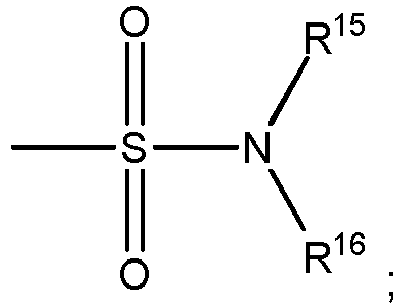
- wherein R15 and R16 are alkyl or cycloalkyl or heterocycle, or R15 and R16 can form a heterocycle;
- -C(O)-R17, wherein R17 is alkyl, cycloalkyl or heterocycle;
- -S-R18, wherein R18 is alkyl, aryl, or cycloalkyl;
- -S-C(O)-N(R15R16);
- a five-membered heterocycle or heteroaryl having one to three heteroatoms independently selected from the group consisting of oxygen, nitrogen and sulfur, wherein the five-membered heterocycle and heteroaryl are optionally substituted with one or more halo, alkyl, alkoxy, sulfur, heterocycle or heteroaryl ring, or one or more of R1, R2, R3 or R4 groups;
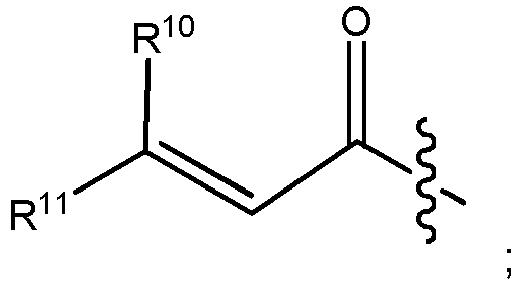


- wherein B is O, S, or NH,
- wherein R10 and R11 are independently -H; alkyl; aryl; heterocycle; heterocyclyl; or heteroaryl, the heterocycle, heterocyclyl, and heteroaryl having one to three heteroatoms independently selected from the group consisting of oxygen, nitrogen and sulfur, wherein the aryl, heterocycle, heterocyclyl, and heteroaryl are optionally substituted with one or more hydroxyl, sulfhydryl, CN, CF3, NO2, halo, alkyl, aryl, alkoxy, carboxyamido, sulfamido, or mono or dialkylsubstituted amine, and
- wherein R12 is -H or alkyl;
- R9 is H; OH; aryl; heterocycle; heteroaryl; -SO2-NH-Z; -NH-Z; or -O-SO2-R13,
- wherein the heterocycle and heteroaryl have one to three heteroatoms independently selected from the group consisting of oxygen, nitrogen and sulfur, and wherein the heterocycle and heteroaryl are optionally substituted with one or more hydroxyl, sulfhydryl, CN, CF3, NO2, halo, alkyl, aryl, alkoxy, carboxyamido, sulfamido, mono or dialkylsubstituted amine,
- wherein R13 is heterocycle or heteroaryl, the heterocycle and heteroaryl optionally substituted with one or more hydroxyl, sulfhydryl, CN, CF3, NO2, halo, alkyl, aryl, alkoxy, carboxyamido, sulfamido, mono or dialkylsubstituted amine, or R8, and
- wherein Z is alkyl, heteroaryl, or aryl, wherein the alkyl, heteroaryl, or aryl is optionally substituted with one or more hydroxyl, sulfhydryl, CN, CF3, NO2, halo, alkyl, aryl, alkoxy, carboxyamido, sulfamido, or mono or dialkylsubstituted amine; and
- R14 is -H or C1-C6 alkyl optionally substituted with aryl, wherein the aryl is optionally substituted with one or more hydroxyl, sulfhydryl, CN, CF3, NO2, halo, alkyl, aryl, alkoxy, carboxyamido, sulfamido, or mono or dialkylsubstituted amine.
- It is described herein that X is O. It is described herein that R8 is

- It is described herein that R8 is

- It is described herein that R1 and R2 form a six-membered aryl ring, the six-membered aryl ring substituted with one or more hydroxyl, sulfhydryl, CN, CF3, NO2, halo, alkyl, aryl, alkoxy, carboxyamido, sulfamido, or mono or dialkylsubstituted amine, and wherein R3 and R4 form a ring (i). It is described herein that R9 may be -O-SO2-R13. It is described herein that R8 may be -S-R18. It is described herein that R8 may be -S-C(O)-N(R15R16).
- It is described herein that R11 is phenyl optionally substituted with one or more alkyl, halo, -OCH3, or -N(CH3)2.
- It is described herein that R9 is -SO2-NH-Z, -NH-Z, or -O-SO2-R13.
- It is described herein that R1 and R2 form an optionally substituted six-membered aryl ring.
- Further are described herein compounds of Formula 1A, IB, IC and ID,

- wherein R7A, R8A and R9A are each independently selected from hydrogen, alkyl, heteroalkyl, substituted or unsubstituted aryl, substituted or unsubstituted arylalkyl, substituted or unsubstituted heteroaryl, substituted or unsubstituted heteroarylalkyl, substituted or unsubstituted cycloalkyl, and substituted or unsubstituted heterocycloalkyl, wherein said substitutions are selected from hydrogen, hydroxyl, sulfhydryl, alkoxy, thioalkoxy, alkyl and halogen; or
- R7A and R8A optionally form a 4, 5, 6 or 7-member ring;
- wherein R7B, R8B and R9B are each independently selected from hydrogen, alkyl, heteroalkyl, substituted or unsubstituted aryl, substituted or unsubstituted arylalkyl, substituted or unsubstituted heteroaryl, substituted or unsubstituted heteroarylalkyl, substituted or unsubstituted cycloalkyl, and substituted or unsubstituted heterocycloalkyl;
- wherein NR7BR8B optionally form a substituted or unsubstituted mono or bicyclic ring including one to four heteroatoms selected from N, O and S; and
- wherein R7B and R8B may form a 4, 5, 6 or 7-member ring;
- wherein said substitutions are selected from hydrogen, hydroxyl, sulfhydryl, alkoxy, thioalkoxy, alkyl and halogen;
- wherein R7C, R8C and R9C are each independently selected from hydrogen, alkyl, heteroalkyl, substituted or unsubstituted aryl, substituted or unsubstituted arylalkyl, substituted or unsubstituted heteroaryl, substituted or unsubstituted heteroarylalkyl, substituted or unsubstituted cycloalkyl, and substituted or unsubstituted heterocycloalkyl;
- wherein NR7CR8C optionally forms a substituted or unsubstituted mono or bicyclic ring having one to four heteroatoms selected from N, O and S; or R7C and R8C may form a 4, 5, 6 or 7-membered cyclic ring system;
- wherein said substitutions are selected from hydrogen, hydroxyl, sulfhydryl, alkoxy, thioalkoxy, alkyl and halogen;
- wherein said substitutions are selected from hydrogen, hydroxyl, sulfhydryl, alkoxy, thioalkoxy, alkyl, halogen, CN, CF3, NO2, COOR7C, NC(O)OR7CC, CONR7CR8C, NR7CR8C, NR7CCOR8C, NR7CSO2R8C, NR7CCONR8CR9C; and
- wherein R7C, R8C and R9C are as defined above;
- wherein R12C and R13C are independently selected from hydrogen, hydroxyl, sulfhydryl, alkoxy, thioalkoxy, alkyl, and halogen;
- L1C is -(C-R10CR11C)nC- wherein R10C and R11C are independently selected from hydrogen and alkyl and nC is 0,1, 2, or 3;
- L2C is selected from the group consisting of -(C-R10CR11C)n-, -CON(R7C)-, -SO2N(R7C)-, -NR7CCON(R8C)-, and -OCON(R7C), and n is 0, 1, 2, or 3; or
- R1C and R2C are connected to make a substituted or unsubstituted heterocycloalkyl, wherein the heteroatom is nitrogen, oxygen or sulfur;
wherein said substitutions are selected from hydrogen, hydroxyl, sulfhydryl, alkoxy, thioalkoxy, alkyl, halogen, CN, CF3, NO2, COOR7, NC(O)OR7, CONR7R8, NR7R8, NR7COR8, NR7SO2R8, NR7CONR8R9; it is further described, that provided R2C cannot be hydrogen when L1C=0 and R1C is a phenyl ring substituted with hydrogen and methyl group, L2c-R4c is hydrogen; - R1D is selected from substituted or unsubstituted aryl, substituted or unsubstituted heteroaryl, substituted or unsubstituted cycloalkyl and substituted or unsubstituted heterocycloalkyl, wherein the heterocycloalkyl and heteroaryl include nitrogen, oxygen or sulfur as a heteroatom;
- wherein said substitutions are selected from hydrogen, hydroxyl, sulfhydryl, alkoxy, thioalkoxy, alkyl, halogen, CN, CF3, NO2, COOR7D, NC(O)OR7D, CONR7DR8D, NR7DR8D, NR7DCOR8D, NR7DSO2R8D, NR9DCONR7DR8D;
- wherein R7D, R8D and R9D are as each independently selected from hydrogen, alkyl, heteroalkyl, substituted or unsubstituted aryl, substituted or unsubstituted arylalkyl, substituted or unsubstituted heteroaryl, substituted or unsubstituted heteroarylalkyl, substituted or unsubstituted cycloalkyl, and substituted or unsubstituted heterocycloalkyl;
- wherein NR7DR8D optionally form a substituted or unsubstituted mono or bicyclic ring having one to four heteroatoms selected from N, O and S; and
- wherein R7D and R8D may form a 4, 5, 6 or 7-membered cyclic ring;
- wherein said substitutions are selected from hydrogen, hydroxyl, sulfhydryl, alkoxy, thioalkoxy, alkyl and halogen;
- R2D is selected from hydrogen and substituted or unsubstituted alkyl group, COR7D, CONR7DR8D, SO2R7D; provided R2D cannot be hydrogen when R1D is a phenyl ring.
- R3D is selected from hydrogen and alkyl group, heteroalkyl; substituted or unsubstituted aryl and substituted or unsubstituted heteroaryl,
- wherein said substitutions are selected from hydrogen, hydroxyl, sulfhydryl, alkoxy, thioalkoxy, alkyl, halogen, CN, CF3, NO2, COOR7D, NC(O)OR7D, CONR7DR8D, NR7DR8D, NR7DCOR8D, NR7DSO2R8D, NR7DCONR8DR9D; and
- wherein R7D, R8D and R9D are as defined above;
- R4D is selected from alkyl, substituted or unsubstituted aryl, substituted or unsubstituted heteroaryl, substituted or unsubstituted cycloalkyl and substituted or unsubstituted heterocycloalkyl, wherein the heterocycloalkyl and heteroaryl include nitrogen, oxygen or sulfur as a heteroatom;
- wherein said substitutions are selected from hydrogen, hydroxyl, sulfhydryl, alkoxy, thioalkoxy, alkyl, halogen, CN, CF3, NO2, COOR7D, NC(O)OR7D, CONR7DR8D, NR7DR8D, NR7DCOR8D, NR7DSO2R8D, NR7DCONR8DR9D; and
- wherein R7D, R8D and R9D are as defined above;
- R5D and R6D are selected from hydrogen, alkyl, substituted or unsubstituted aryl, substituted or unsubstituted heteroaryl, substituted or unsubstituted cycloalkyl and substituted or unsubstituted heterocycloalkyl, wherein the heterocycloalkyl and heteroaryl include nitrogen, oxygen or sulfur as a heteroatom;
- wherein said substitutions are selected from hydrogen, hydroxyl, sulfhydryl, alkoxy, thioalkoxy, alkyl, halogen, CN, CF3, NO2, COOR7D, NC(O)OR7D, CONR7DR8D, NR7DR8D, NR7DCOR8D, NR7DSO2R8D, NR7DCONR8DR9D; and
- wherein R7D, R8D and R9D are as defined above; and
- XD is selected from the group consisting of CH2, C(O)N(R7D)-, O, N-R7D, and S, wherein R7D is defined as above.
- Described herein are compounds of Formula 1A

- It is described herein that R2A is NC(O)OR7A. It is described herein that R3A is hydrogen. It is described herein that R4A is selected from substituted or unsubstituted aryl, or substituted or unsubstituted heteroaryl. It is described herein that R5A and R6A are independently selected from substituted or unsubstituted aryl, or substituted or unsubstituted heteroaryl. It is described herein that L1A is -(C-R10AR11A)nA- wherein R10A and R11A are independently selected from hydrogen and methyl and nA is 1 or 2. It is described herein that L2A is selected from alkyl, CONR7AR8A, and SO2NR7AR8A. It is described herein that R1A is selected from substituted or unsubstituted aryl and substituted or unsubstituted heteroaryl; R2A and R3A are hydrogen; R4A is selected from substituted or unsubstituted aryl and substituted or unsubstituted heteroaryl; R6A and R5A is selected from substituted or unsubstituted aryl and substituted or unsubstituted heteroaryl; L1A is -(C-R10AR11A)nA- wherein R10A and R11A are independently selected from hydrogen and methyl and nA is 1 or 2; and L2A is selected from the group consisting of alkyl, - CONR7R8A, and
-SO2NR7R8A. It is described herein that R6A and R5A are independently selected from hydrogen
- Described herein are compounds having the structure of Formula 1B

- Described herein are also compounds having the structure of Formula 1C or pharmaceutically acceptable salts thereof

- It is described herein that according to an alternative embodiment, R2C is hydrogen. It is described herein that according to one embodiment, R3C is hydrogen. It is described herein that according to one embodiment, R4C is selected from substituted or unsubstituted aryl, or substituted or unsubstituted heteroaryl. It is further described herein that R5C and R6C are independently selected from substituted or unsubstituted aryl, or substituted or unsubstituted heteroaryl. It is described herein that according to one embodiment, L1C is -(C-R10CR11C)n-wherein R10C and R11C are independently selected from hydrogen and methyl and n is 1 or 2. It is further described herein that L2C is selected from the group consisting of alkyl, -CONR7CR8C, and SO2NR7CR8C. It is described herein that according to one embodiment, R3C is hydrogen. It is described herein that according to one embodiment, R1C is selected from substituted or unsubstituted aryl, or substituted or unsubstituted heteroaryl; R2C and R3C are hydrogen; R4C is selected from substituted or unsubstituted aryl, or substituted or unsubstituted heteroaryl; L1C is -(C-R10CR11C)nC- wherein R10C and R11C are independently selected from hydrogen and methyl and nC is 1 or 2; and it is further described herein that L2C is selected from the group consisting of alkyl, -CONR7CR8C, and -SO2NR7CR8C. It is described herein that according to the present invention, R5C is independently selected from hydrogen

- Further described herein are compounds of Formula 1D

- It is described herein that R2D is selected from -COR7D, -CONR7DR8D, and -SO2R7D. It is described herein that R3D is substituted or unsubstituted alkyl group, or substituted or unsubstituted heteroalkyl. It is described herein that according to one embodiment, R4D is selected from substituted or unsubstituted aryl, or substituted or unsubstituted heteroaryl. It is described herein that R5D and R6D are independently selected from hydrogen, and alkyl. It is described herein that according to one embodiment, XD is selected from -C(O)N(R7D)-, -O and - N-R7D. It is described herein that R1D is selected from substituted or unsubstituted aryl, or substituted or unsubstituted heteroaryl, R2D is -COR7D, R3D is substituted or unsubstituted alkyl, R4D is selected from substituted or unsubstituted aryl, or substituted or unsubstituted heteroaryl, R6D and R5D are hydrogen. It is described herein that R4D is selected from

- The present invention provides a compound, which is 4-(benzylamino)-6-(3,5-dimethylisoxazol-4-yl)quinolin-2(1 H)-one, or a pharmaceutically acceptable salt thereof. The present invention also provides a compound, which is 4-(benzylamino)-6-(3,5-dimethylisoxazol-4-yl)-1-methylquinolin-2(1 H)-one, or a pharmaceutically acceptable salt thereof. According to another aspect, the present invention includes pharmaceutical compositions comprising a compound of the present invention or a pharmaceutically acceptable salt thereof, and a pharmaceutically acceptable carrier. The compounds of the present invention can be for use in the treatment or prevention of a disease or condition mediated by inhibiting bromodomain-containing proteins from binding an acetylated protein.
- Further are described herein methods for treating, preventing, delaying the onset of, or slowing the progression of disorders mediated by acetylated proteins involved in the regulation of gene expression, in mammals in need of such treatment. The methods involve administering to a subject a therapeutically effective amount of a compound as provided herein, including a salt thereof, or a pharmaceutical composition that includes such compounds.
- The following definitions are meant to clarify the terms defined. Rather, terms are used within their accepted meanings.
- As used throughout this specification, the preferred number of atoms, such as carbon atoms, will be represented by, for example, the phrase "Cx-Cy alkyl", which refers to an alkyl group, as herein defined, containing the specified number of carbon atoms. Similar terminology will apply for other preferred terms and ranges as well. Thus, for example, C1-6 alkyl represents a straight or branched chain hydrocarbon containing one to six carbon atoms.
- As used herein the term "alkyl" refers to a straight or branched chain hydrocarbon, which may be optionally substituted, with multiple degrees of substitution being allowed. Examples of "alkyl" as used herein include methyl, ethyl, propyl, isopropyl, isobutyl, n-butyl, tert-butyl, isopentyl, and n-pentyl.
- As used herein, the term "alkene" refers to an unsaturated hydrocarbon that includes one or more carbon-carbon double bonds. The term "lower alkene" refers to an alkene that includes from five to twenty carbon atoms, such as from two to ten carbon atoms, while the term "upper alkene" refers to an alkene that includes more than twenty carbon atoms, such as from twenty-one to one hundred carbon atoms. The term "substituted alkene" refers to an alkene that has one or more of its hydrogen atoms replaced by one or more substituent groups, such as halogen.
- As used herein, the term "alkyne" refers to an unsaturated hydrocarbon that includes one or more carbon-carbon triple bonds. The term "lower alkyne" refers to an alkyne that includes from five to twenty carbon atoms, such as from two to ten carbon atoms, while the term "upper alkyne" refers to an alkyne that includes more than twenty carbon atoms, such as from twenty-one to one hundred carbon atoms. The term "substituted alkyne" refers to an alkyne that has one or more of its hydrogen atoms replaced by one or more substituent groups, such as halogen.
- As used herein, the term "cycloalkyl" refers to a fully saturated optionally substituted monocyclic, bicyclic, or bridged hydrocarbon ring, with multiple degrees of substitution being allowed. Preferably, the ring is three to twelve-membered, more preferably, from five- to six-membered. Exemplary "cycloalkyl" groups as used herein include cyclopropyl, cyclobutyl, cyclopentyl, cyclohexyl, and cycloheptyl.
- As used herein, the term "alkoxy" refers to a group -ORa, where Ra is "alkyl" as defined herein.
- As used herein, the term "heterocycloalkyl" or "heterocycle" or "heterocyclyl" refers to an optionally substituted mono- or polycyclic ring system, optionally containing one or more degrees of unsaturation, and also containing one or more heteroatoms, which may be optionally substituted, with multiple degrees of substitution being allowed. Exemplary heteroatoms include nitrogen, oxygen, or sulfur atoms, including N-oxides, sulfur oxides, and dioxides. Preferably, the ring is three to twelve-membered, preferably five or six-membered and is either fully saturated or has one or more degrees of unsaturation. Such rings may be optionally fused to one or more of another heterocyclic ring(s) or cycloalkyl ring(s). Examples of "heterocyclic" groups as used herein include tetrahydrofuran, pyran, tetrahydropyran, 1,4-dioxane, 1,3-dioxane, piperidine, pyrrolidine, morpholine, tetrahydrothiopyran, and tetrahydrothiophene.
- As used herein, the term "aryl" refers to a single benzene ring or fused benzene ring system which may be optionally substituted, with multiple degrees of substitution being allowed. Examples of "aryl" groups as used include phenyl, 2-naphthyl, 1-naphthyl, anthracene, and phenanthrene. Preferably aryl rings have five- to ten-members. The term "aryl" also includes a fused benzene ring system, namely where a cyclic hydrocarbon or heterocycle (e.g., a cyclohexane or dioxane ring) or heteroaryl (e.g. pyridine) is fused with an aromatic ring (aryl, such as a benzene ring).
- As used herein, the term "heteroaryl" refers to a monocyclic five to seven membered aromatic ring, a fused bicyclic aromatic ring system comprising two of such aromatic rings, which may be optionally substituted, with multiple degrees of substitution being allowed, or to a fused bicyclic ring system, namely where a cycloalkyl or heterocycle (e.g., a cyclohexane or dioxane ring) is fused with a heteroaryl ring. Preferably, heteroaryl rings contain five- to ten-members. These heteroaryl rings contain one or more nitrogen, sulfur, and/or oxygen atoms. In certain embodiments, the heteroaryl rings contain one to three nitrogen, one to three oxygen, and one or two sulfur atoms. N-oxides, sulfur oxides, and dioxides are permissible heteroatom substitutions. Examples of "heteroaryl" groups as used herein include furan, thiophene, pyrrole, imidazole, pyrazole, triazole, tetrazole, thiazole, oxazole, isoxazole, oxadiazole, thiadiazole, isothiazole, pyridine, pyridazine, pyrazine, pyrimidine, quinoline, isoquinoline, quinoxaline, benzofuran, benzoxazole, benzothiophene, indole, indazole, benzimidazole, imidazopyridine, pyrazolopyridine, and pyrazolopyrimidine.
- As used herein the term "halogen" refers to fluorine, chlorine, bromine, or iodine.
- As used herein the term "haloalkyl" refers to an alkyl group, as defined herein, that is substituted with at least one halogen. Examples of branched or straight chained "haloalkyl" groups as used herein include methyl, ethyl, propyl, isopropyl, n-butyl, and t-butyl substituted independently with one or more halogens, for example, fluoro, chloro, bromo, and iodo. The term "haloalkyl" should be interpreted to include such substituents as perfluoroalkyl groups such as -CF3.
- As used herein, the term "sulfhydryl" refers to a -SH group.
- As used herein, the term "carboxyamido" refers to -NH-C(O)-W, wherein W is hydrogen or an unsubstituted or substituted alkyl, alkene, alkyne, cycloalkyl, aryl, or heterocycle group.
- As used herein, the term "amine" is given its ordinary meaning and includes primary, secondary and tertiary amines.
- As used herein, the term "amido" refers to a group of the formula -C(O)NR15R16, wherein R15 and R16 are alkyl, cycloalkyl or heterocycle, or R15 and R16 can form cycloalkyl or heterocycle. As used herein, the term "sulfamido" refers to the group -SO2-NR15R16.
- As used herein, the term "pharmaceutically acceptable" refers to carrier(s), diluent(s), excipient(s) or salt forms of the compounds of the present invention that are compatible with the other ingredients of the formulation and not deleterious to the recipient of the pharmaceutical composition.
- As used herein, the term "pharmaceutical composition" refers to a compound of the present invention optionally admixed with one or more pharmaceutically acceptable carriers, diluents, or excipients. Pharmaceutical compositions preferably exhibit a degree of stability to environmental conditions so as to make them suitable for manufacturing and commercialization purposes.
- As used herein, the terms "effective amount", "therapeutic amount", and "effective dose" refer to an amount of the compound of the present invention sufficient to elicit the desired pharmacological or therapeutic effects, thus resulting in an effective treatment of a disorder. Treatment of a disorder may be manifested by delaying or preventing the onset or progression of the disorder, as well as the onset or progression of symptoms associated with the disorder. Treatment of a disorder may also be manifested by a decrease or elimination of symptoms, reversal of the progression of the disorder, as well as any other contribution to the well-being of the patient. The effective dose can vary, depending upon factors such as the condition of the patient, the severity of the symptoms of the disorder, and the manner in which the pharmaceutical composition is administered. Effective doses may be administered as a single dose, or as one or more doses that may be administered over a 24 hours period.
- Described herein is that the compound is a compound from Formula 1C as provided herein, including those compounds set forth in Tables 1, 4, 5 and 10.
- Described herein is further that the compound is at least one compound selected from:
- 6-chloro-3-cinnamoyl-4-phenylquinolin-2(1H)-one;
- 6-chloro-3-(3-(2-chloro-6-fluorophenyl)acryloyl)-4-phenylquinolin-2(1H)-one;
- 6-chloro-3-(3-(2,4-dichlorophenyl)acryloyl)-4-phenylquinolin-2(1H)-one;
- 6-chloro-4-phenyl-3-(3-o-tolylacryloyl)quinolin-2(1H)-one;
- 6-chloro-3-(3-(2-methoxyphenyl)acryloyl)-4-phenylquinolin-2(1H)-one;
- 6-chloro-3-(3-(3,4-dimethoxyphenyl)acryloyl)-4-phenylquinolin-2(1H)-one;
- 6-chloro-4-phenyl-3-(3-(thiophen-2-yl)acryloyl)quinolin-2(1H)-one;
- 6-chloro-3-(3-(4-(dimethylamino)phenyl)acryloyl)-4-phenylquinolin-2(1H)-one;
- 6-bromo-3-(3-(2,3-dihydrobenzo[b][1,4]dioxin-6-yl)acryloyl)-4-phenylquinolin-2(1H)-one;
- 6-bromo-3-(3-(2,5-dimethoxyphenyl)acryloyl)-4-phenylquinolin-2(1H)-one;
- 6-chloro-3-cinnamoyl-4-(pyridin-4-yl)quinolin-2(1H)-one;
- 6-chloro-4-(pyridin-3-yl)-3-(3-o-tolylacryloyl)quinolin-2(1H)-one;
- 6-chloro-N-(2-methylbenzyl)-2-oxo-4-phenyl-1,2-dihydroquinoline-3-carboxamide;
- 6-chloro-3-cinnamoyl-4-phenyl-1,8-naphthyridin-2(1H)-one;
- 6-chloro-3-(3-(2-chloro-6-fluorophenyl)acryloyl)-4-(pyridin-4-yl)quinolin-2(1H)-one;
- 6-chloro-3-(3-(3-fluoro-5-methylpyridin-4-yl)acryloyl)-4-(pyridin-3-yl)quinolin-2(1H)-one;
- 6-chloro-3-cinnamoyl-N-(3-methoxyphenyl)-2-oxo-1,2-dihydroquinoline-4-sulfonamide;
- 6-chloro-3-cinnamoyl-2-oxo-N-(pyridin-3-yl)-1,2-dihydroquinoline-4-sulfonamide;
- 6-chloro-3-(3-(2-chloro-6-fluorophenyl)but-2-enoyl)-4-phenylquinolin-2(1H)-one;
- 3-cinnamoyl-6-(3,5-dimethylisoxazol-4-yl)-4-(pyridin-3-yl)quinolin-2(1H)-one;
- 6-chloro-3-(2-methyloxazol-4-yl)-4-(piperidin-1-yl)quinolin-2(1H)-one;
- 6-chloro-3-(2-methyloxazol-4-yl)-4-(pyrrolidin-1-yl)quinolin-2(1H)-one;
- 6-chloro-3-(2-methyloxazol-4-yl)-4-morpholinoquinolin-2(1H)-one;
- 5-(2-chlorovinyl)-4-(4-ethylpiperazin-1-yl)-3-(2-methyloxazol-4-yl)-6-vinylpyridin-2(1H)-one;
- 6-chloro-3-(2-methyloxazol-4-yl)-4-(1H-pyrrol-1-yl)quinolin-2(1H)-one;
- 6-chloro-3-(2-methyloxazol-4-yl)-4-(1H-pyrazol-1-yl)quinolin-2(1H)-one;
- 6-chloro-3-(3,5-dimethylisoxazol-4-yl)-4-(pyrrolidin-1-yl)quinolin-2(1H)-one;
- 6-chloro-3-(3,5-dimethylisoxazol-4-yl)-4-(piperidin-1-yl)quinolin-2(1H)-one;
- 6-chloro-3-(3,5-dimethylisoxazol-4-yl)-4-morpholinoquinolin-2(1H)-one;
- 6-chloro-3-(3,5-dimethylisoxazol-4-yl)-4-(4-methylpiperazin-1-yl)quinolin-2(1H)-one;
- 6-chloro-3-(3,5-dimethylisoxazol-4-yl)-4-(pyridin-4-yl)quinolin-2(1H)-one;
- 6-chloro-3-(3,5-dimethylisoxazol-4-yl)-4-(pyridin-3-yl)quinolin-2(1H)-one;
- 6-chloro-3-(3,5-dimethylisoxazol-4-yl)-4-(pyridin-2-yl)quinolin-2(1H)-one;
- 6-chloro-3-(3,5-dimethylisoxazol-4-yl)-4-(1H-pyrrol-1-yl)quinolin-2(1H)-one;
- 6-chloro-3-(3,5-dimethylisoxazol-4-yl)-4-(furan-3-yl)quinolin-2(1H)-one;
- 6-chloro-3-(3,5-dimethylisoxazol-4-yl)-4-(isoxazol-4-yl)quinolin-2(1H)-one;
- 6-chloro-3-(isoxazol-4-yl)-4-(pyridin-4-yl)quinolin-2(1H)-one;
- 6-chloro-3-(1H-pyrazol-4-yl)-4-(pyridin-4-yl)quinolin-2(1H)-one;
- 6-chloro-3-(furan-3-yl)-4-(pyridin-4-yl)quinolin-2(1H)-one;
- 6-chloro-4-(pyridin-4-yl)-3-(thiophen-3-yl)quinolin-2(1H)-one;
- 6-chloro-3-(1H-imidazol-4-yl)-4-(pyridin-4-yl)quinolin-2(1H)-one;
- 6-(3,5-dimethylisoxazol-4-yl)-3-(morpholinosulfonyl)-4-(pyridin-3-yl)quinolin-2(1H)-one;
- 6-(3,5-dimethylisoxazol-4-yl)-3-(4-methylpiperazin-1-ylsulfonyl)-4-(pyridin-3-yl)quinolin-2(1H)-one;
- N-(3-cinnamoyl-2-oxo-4-(pyridin-3-yl)-1,2-dihydroquinolin-6-yl)-5-methylisoxazole-3-carboxamide;
- 6-(3,5-dimethylisoxazol-4-yl)-3-(morpholinosulfonyl)quinolin-2(1H)-one;
- 6-(3,5-dimethylisoxazol-4-yl)-3-(4-methylpiperazin-1-ylsulfonyl)quinolin-2(1H)-one;
- 4-(6-(3,5-dimethylisoxazol-4-yl)-2-oxo-1,2-dihydroquinolin-3-yl)-N-ethyl-N-methylbenzamide;
- 6-(3,5-dimethylisoxazol-4-yl)-3-(2-fluoro-5-(morpholine-4-carbonyl)phenyl)quinolin-2(1H)-one;
- N-cyclopentyl-3-(6-(3,5-dimethylisoxazol-4-yl)-2-oxo-1,2-dihydroquinolin-3-yl)benzenesulfonamide;
- 3-(6-(3,5-dimethylisoxazol-4-yl)-2-oxo-1,2-dihydroquinolin-3-yl)-N,N-dimethylbenzenesulfonamide;
- 3-(6-(3,5-dimethylisoxazol-4-yl)-2-oxo-1,2-dihydroquinolin-3-yl)-N-(1-methylpyrrolidin-3-yl)benzenesulfonamide;
- 3-(1H-benzo[d]imidazole-2-carbonyl)-6-(3,5-dimethylisoxazol-4-yl)quinolin-2(1H)-one;
- 5-(3,5-dimethylisoxazol-4-yl)-3-(2-(pyridin-3-yl)ethylidene)indolin-2-one;
- 6-(3,5-dimethylisoxazol-4-yl)-1-(pyridin-3-ylmethyl)-1H-benzo[d]imidazol-2(3H)-one;
- 6-(3-chloroisoxazol-5-yl)-3-(morpholinosulfonyl)-4-(pyridin-3-yl)quinolin-2(1H)-one;
- 3-(3,5-dimethylisoxazol-4-yl)-6-(morpholinosulfonyl)-4-(pyridin-3-yl)quinolin-2(1H)-one;
- 6-(3-chloroisoxazol-5-yl)-3-cinnamoyl-4-phenylquinolin-2(1H)-one;
- (E)-methyl 5-(3-cinnamoyl-2-oxo-4-(pyridin-3-yl)-1,2-dihydroquinolin-6-yl)-2-methyloxazole-4-carboxylate;
- 6-(3-chloroisoxazol-5-yl)-3-cinnamoyl-4-(pyridin-3-yl)quinolin-2(1H)-one;
- 3-cinnamoyl-6-(3,5-dimethylisoxazol-4-yl)-4-(phenylamino)quinolin-2(1H)-one;
- 3-cinnamoyl-6-(3,5-dimethylisoxazol-4-yl)-4-(pyridin-3-ylamino)quinolin-2(1H)-one;
- N-(3-benzoyl-2-oxo-1,2-dihydroquinolin-5-yl)-2-methoxybenzenesulfonamide;
- N-(3-cinnamoyl-2-oxo-1,2-dihydroquinolin-5-yl)pyridine-3-sulfonamide;
- N-(3-benzoyl-2-oxo-1,2-dihydroquinolin-5-yl)pyridine-3-sulfonamide;
- N-(3-cinnamoyl-2-oxo-1,2-dihydroquinolin-5-yl)-2-methoxybenzenesulfonamide;
- 6-(3,5-dimethylisoxazol-4-yl)-3-(morpholine-4-carbonyl)-4-(pyridin-3-yl)quinolin-2(1H)-one;
- 6-chloro-3-(3-chloroisoxazol-5-yl)quinolin-2(1H)-one;
- N-(6-chloro-2-oxo-1,2-dihydroquinolin-3-yl)-5-methylisoxazole-3-carboxamide;
- 6-(3,5-dimethylisoxazol-4-yl)-3-(morpholine-4-carbonyl)quinolin-2(1H)-one;
- 6-chloro-4-(4-(2-fluorophenyl)piperazin-1-yl)-3-(2-methyloxazol-4-yl)quinolin-2(1H)-one;
- 6-chloro-4-(4-(3-fluorophenyl)piperazin-1-yl)-3-(2-methyloxazol-4-yl)quinolin-2(1H)-one;
- 6-chloro-3-(2-methyloxazol-4-yl)-4-(4-(pyridin-2-yl)piperazin-1-yl)quinolin-2(1H)-one;
- 6-chloro-3-(2-methyloxazol-4-yl)-4-(4-phenethylpiperazin-1-yl)quinolin-2(1H)-one;
- 3-bromo-6-chloro-4-hydroxy-1-(4-methoxybenzyl)quinolin-2(1H)-one;
- 6-chloro-1H-benzo[d][1,3]oxazine-2,4-dione;
- 1-benzyl-6-chloro-1H-benzo[d][1,3]oxazine-2,4-dione;
- 6-chloro-1-(4-methoxybenzyl)-1H-benzo[d][1,3]oxazine-2,4-dione;
- 1-benzyl-6-chloro-3-(3,5-dimethylisoxazol-4-yl)-2-oxo-1,2-dihydroquinolin-4-yl trifluoromethanesulfonate;
- 3-acetyl-6-bromo-4-phenylquinolin-2(1H)-one;
- 6-bromo-3-cinnamoyl-4-phenylquinolin-2(1H)-one;
- 6-chloro-4-hydroxy-1-(4-methoxybenzyl)-3-(2-methyloxazol-4-yl)quinolin-2(1H)-one;
- 6-chloro-1-(4-methoxybenzyl)-3-(2-methyloxazol-4-yl)-2-oxo-1,2-dihydroquinolin-4-yl 4-methylbenzenesulfonate;
- -chloro-1-(4-methoxybenzyl)-3-(2-methyloxazol-4-yl)-2-oxo-1,2-dihydroquinolin-4-yl benzenesulfonate;
- 6-chloro-1-(4-methoxybenzyl)-3-(2-methyloxazol-4-yl)-2-oxo-1,2-dihydroquinolin-4-yl 4-fluorobenzenesulfonate;
- 6-chloro-1-(4-methoxybenzyl)-3-(2-methyloxazol-4-yl)-2-oxo-1,2-dihydroquinolin-4-yl 4-chlorobenzenesulfonate;
- 6-chloro-1-(4-methoxybenzyl)-3-(2-methyloxazol-4-yl)-2-oxo-1,2-dihydroquinolin-4-yl naphthalene-2-sulfonate;
- 6-chloro-1-(4-methoxybenzyl)-3-(2-methyloxazol-4-yl)-2-oxo-1,2-dihydroquinolin-4-yl quinoline-8-sulfonate;
- 6-chloro-1-(4-methoxybenzyl)-3-(2-methyloxazol-4-yl)-2-oxo-1,2-dihydroquinolin-4-yl biphenyl-4-sulfonate;
- N-(4-(2-chlorovinyl)-6-(3,5-dimethylisoxazol-4-yl)-5-hydroxyhexa-1,5-dien-3-yl)-N-(hepta-2,4,6-trienyl)formamide;
- N1,N3-bis(4-bromophenyl)malonamide;
- N1,N3-bis(4-(3,5-dimethylisoxazol-4-yl)phenyl)malonamide;
- 6-(3,5-dimethylisoxazol-4-yl)-4-hydroxyquinolin-2(1H)-one;
- 4-chloro-6-(3,5-dimethylisoxazol-4-yl)quinolin-2(1H)-one;
- 4-(2-chlorobenzylamino)-6-(3,5-dimethylisoxazol-4-yl)quinolin-2(1H)-one;
- 6-(3,5-dimethylisoxazol-4-yl)-4-morpholinoquinolin-2(1H)-one;
- 6-(3,5-dimethylisoxazol-4-yl)-4-(piperidin-1-yl)quinolin-2(1H)-one;
- 4-(benzylamino)-1-(benzylsulfonyl)-6-(3,5-dimethylisoxazol-4-yl)quinolin-2(1H)-one;
- and salts thereof. The present invention provides a compound, which is 4-(benzylamino)-6-(3,5-dimethylisoxazol-4-yl)quinolin-2(1H)-one, or a pharmaceutically acceptable salt thereof. The present invention also provides a compound, which is 4-(benzylamino)-6-(3,5-dimethylisoxazol-4-yl)-1-methylquinolin-2(1H)-one, or a pharmaceutically acceptable salt thereof.
- The compounds of the present invention may crystallize in more than one form, a characteristic known as polymorphism. Polymorphism generally can occur as a response to changes in temperature, pressure, or both. Polymorphism can also result from variations in the crystallization process. Polymorphs can be distinguished by various physical characteristics known in the art such as x-ray diffraction patterns, solubility, and melting point.
- Certain of the compounds described herein contain one or more chiral centers, or may otherwise be capable of existing as multiple stereoisomers.
- The present invention includes a salt or solvate of the compounds herein described, including combinations thereof such as a solvate of a salt. The compounds of the present invention may exist in solvated, for example hydrated, as well as unsolvated forms, and the present invention encompasses all such forms. The salts of the present invention can be pharmaceutically acceptable salts, which includes non-toxic salts of the compounds set forth herein.
- Examples of suitable pharmaceutically acceptable salts include inorganic acid addition salts such as chloride, bromide, sulfate, phosphate, and nitrate; organic acid addition salts such as acetate, galactarate, propionate, succinate, lactate, glycolate, malate, tartrate, citrate, maleate, fumarate, methanesulfonate, p-toluenesulfonate, and ascorbate; salts with acidic amino acid such as aspartate and glutamate; alkali metal salts such as sodium salt and potassium salt; alkaline earth metal salts such as magnesium salt and calcium salt; ammonium salt; organic basic salts such as trimethylamine salt, triethylamine salt, pyridine salt, picoline salt, dicyclohexylamine salt, and N,N'-dibenzylethylenediamine salt; and salts with basic amino acid such as lysine salt and arginine salt. The salts may be in some cases hydrates or ethanol solvates.
- Although it is possible to administer the compound of the present invention in the form of a bulk active chemical, it is preferred to administer the compound in the form of a pharmaceutical composition or formulation. Further is described herein a process for the preparation of a pharmaceutical composition including admixing one or more compounds of Formula I and/or pharmaceutically acceptable salts thereof with one or more pharmaceutically acceptable carriers, diluents or excipients.
- The manner in which the compounds set forth herein may be administered can vary. According to one embodiment, the compounds can be administered orally. Preferred pharmaceutical compositions may be formulated for oral administration in the form of tablets, capsules, caplets, syrups, solutions, and suspensions. Such oral formulations can be provided in a modified release dosage form such as time-release tablet and capsule formulations. Pharmaceutical compositions can also be administered via injection, namely, intravenously, intramuscularly, subcutaneously, intraperitoneally, intraarterially, intrathecally, and intracerebroventricularly. Intravenous administration is a preferred method of injection. Suitable carriers for injection are well known to those of skill in the art and include 5% dextrose solutions, saline, and phosphate buffered saline.
- Pharmaceutical compositions may also be administered using other means, for example, rectal administration. Formulations useful for rectal administration, such as suppositories, are well known to those of skill in the art. The compounds can also be administered by inhalation, for example, in the form of an aerosol; topically, such as, in lotion form; transdermally, such as, using a transdermal patch (for example, by using technology that is commercially available from Novartis and Alza Corporation); by powder injection; or by buccal, sublingual, or intranasal absorption. Pharmaceutical compositions may be formulated in unit dose form, or in multiple or subunit doses.
- The administration of the pharmaceutical compositions described herein can be intermittent, or at a gradual, continuous, constant or controlled rate. The pharmaceutical compositions may be administered to a warm-blooded animal, for example, a mammal such as a human being. In addition, the time of day and the number of times per day that the pharmaceutical composition is administered can vary.
- The compounds as described herein may also be used for the preparation of a medicament for the treatment or prevention of a disease or condition mediated by inhibiting bromodomain-containing proteins from binding acetylated proteins.
- Methods for treating, preventing, delaying the onset of, or slowing the progression of disorders mediated by acetylated proteins involved in the regulation of gene expression, in mammals in need of such treatment are also described herein. Described herein are methods that involve administering to a subject a therapeutically effective amount of a compound as provided herein, including a salt thereof, or a pharmaceutical composition that includes such compounds.
- It is described herein that the methods include the administration of at least one compound provided in Tables 1 -6 and 10. It is described herein that the methods include the administration of at least one of the following compounds:
- 6-bromo-4-phenyl-3-(6-phenyl-2-thioxo-1,2-dihydropyrimidin-4-yl)quinolin-2(1H)-one;
- 6-chloro-4-phenyl-3-(6-phenyl-2-thioxo-1,2-dihydropyrimidin-4-yl)quinolin-2(1H)-one;
- 6-chloro-3-(6-(pyridin-4-yl)-2-thioxo-1,2-dihydropyrimidin-4-yl)quinolin-2(1H)-one;
- 6-chloro-3-(6-phenyl-2-thioxo-1,2-dihydropyrimidin-4-yl)-4-(pyridin-3-yl)quinolin-2(1H)-one;
- 6-chloro-3,4-di(pyridin-4-yl)quinolin-2(1H)-one;
- 6-chloro-3-(pyridin-3-yl)-4-(pyridin-4-yl)quinolin-2(1H)-one;
- 6-chloro-3-(pyridin-2-yl)-4-(pyridin-4-yl)quinolin-2(1H)-one;
- 6-chloro-3-(5-(4,4-dimethyl-4,5-dihydrooxazol-2-yl)pyridin-3-yl)quinolin-2(1H)-one;
- 2,5-dimethoxy-N-((2-methoxynaphthalen-1-yl)methyl)aniline;
- N-(6-bromo-2-oxo-4-phenyl-1,2-dihydroquinolin-3-yl)propionamide;
- N-(6-bromo-2-oxo-4-phenyl-1,2-dihydroquinolin-3-yl)acetamide;
- N-(6-bromo-2-oxo-4-phenyl-1,2-dihydroquinolin-3-yl)benzamide;
- 3-(1H-benzo[d]imidazol-2-ylthio)-6-chloro-4-phenylquinolin-2(1H)-one;
- 3-(4H-1,2,4-triazol-3-ylthio)-6-chloro-4-phenylquinolin-2(1H)-one;
- 6-chloro-4-phenyl-3-(tosylmethyl)quinolin-2(1H)-one;
- 3-(4-allyl-5-(thiophen-2-yl)-4H-1,2,4-triazol-3-ylthio)-6-chloro-4-phenylquinolin-2(1H)-one;
- 6-chloro-3-(4-(4-methoxyphenyl)-6-oxo-1,6-dihydropyrimidin-2-ylthio)-4-phenylquinolin-2(1H)-one;
- 4-phenyl-3-(pyridin-2-ylthio)quinolin-2(1H)-one;
- 3-(4-amino-6-oxo-1,6-dihydropyrimidin-2-ylthio)-6-chloro-4-phenylquinolin-2(1H)-one;
- 4-(2-oxo-4-phenyl-1,2-dihydroquinolin-3-yl)-2H-benzo[b][1,4]oxazin-3(4H)-one;
- 3-(4-ethyl-5-(morpholinomethyl)-4H-1,2,4-triazol-3-ylthio)-4-phenylquinolin-2(1H)-one;
- 6-chloro-4-phenylquinolin-2(1H)-one;
- 6-bromo-3-(5-(4-methoxyphenyl)-4,5-dihydroisoxazol-3-yl)-4-phenylquinolin-2(1H)-one;
- 6-chloro-3-(5-methoxy-1H-benzo[d]imidazol-2-ylthio)-4-phenylquinolin-2(1H)-one;
- N-(6-bromo-2-oxo-4-phenyl-1,2-dihydroquinolin-3-yl)-2-chlorobenzamide;
- N-(6-bromo-2-oxo-4-phenyl-1,2-dihydroquinolin-3-yl)-3-chlorobenzamide;
- N-(6-bromo-2-oxo-4-phenyl-1,2-dihydroquinolin-3-yl)benzenesulfonamide;
- N-(6-bromo-2-oxo-4-phenyl-1,2-dihydroquinolin-3-yl)-4-methylbenzenesulfonamide;
- N-(6-bromo-2-oxo-4-phenyl-1,2-dihydroquinolin-3-yl)-3-methoxypropanamide;
- 4-methyl-N-(6-methyl-2-oxo-4-phenyl-1,2-dihydroquinolin-3-yl)benzenesulfonamide;
- N-((6-bromo-2-oxo-4-phenyl-1,2-dihydroquinolin-3-yl)methyl)-4-methylbenzenesulfonamide;
- 6-chloro-3-(1-(methylsulfonyl)-5-phenyl-4,5-dihydro-1H-pyrazol-3-yl)-4-phenylquinolin-2(1H)-one;
- 6-chloro-3-(6-oxo-4-propyl-1,6-dihydropyrimidin-2-ylthio)-4-phenylquinolin-2(1H)-one;
- 6-chloro-3-(5-methoxy-1H-benzo[d]imidazol-2-ylthio)-4-phenylquinolin-2(1H)-one;
- 3-(5-benzyl-6-methyl-4-oxo-4,5-dihydropyrimidin-2-ylthio)-6-chloro-4-phenylquinolin-2(1H)-one; ethyl 2-(6-bromo-2-oxo-4-phenyl-1,2-dihydroquinolin-3-yl)acetate;
- 4-methyl-N-((6-methyl-2-oxo-4-phenyl-1,2-dihydroquinolin-3-yl)methyl)benzenesulfonamide;
- 6-chloro-4-phenyl-3-(phenylsulfonyl)quinolin-2(1H)-one;
- N-(6-bromo-2-oxo-4-phenyl-1,2-dihydroquinolin-3-yl)-2-(diethylamino)acetamide;
- 2-(6-methyl-2-oxo-4-phenyl-1,2-dihydroquinolin-3-yl)acetic acid;
- 6-chloro-2-oxo-4-phenyl-1,2-dihydroquinolin-3-yl morpholine-4-carbodithioate;
- 6-chloro-2-oxo-4-phenyl-1,2-dihydroquinolin-3-yl diethylcarbamodithioate;
- 6-chloro-3-(1-methyl-1H-imidazol-2-ylthio)-4-phenylquinolin-2(1H)-one;
- 3-(benzo[d]thiazol-2-ylthio)-7-chloro-4-phenylquinolin-2(1H)-one;
- 3-(5-amino-1,3,4-thiadiazol-2-ylthio)-7-chloro-4-phenylquinolin-2(1H)-one;
- 7-chloro-3-(3-(methylthio)-1,2,4-thiadiazol-5-ylthio)-4-phenylquinolin-2(1H)-one;
- 1-(6-chloro-2-oxo-4-phenyl-1,2-dihydroquinolin-3-yl)-N-(3-(diethylamino)propyl)piperidine-3-carboxamide;
- 3-(6-chloro-2-oxo-4-phenyl-1,2-dihydroquinolin-3-yl)-N-methyl-5-phenyl-4,5-dihydro-1H-pyrazole-1-carbothioamide;
- 3-acetyl-6-bromo-4-phenylquinolin-2(1H)-one;
- 6-chloro-3-(5-methyl-1,3,4-thiadiazol-2-ylthio)-4-phenylquinolin-2(1H)-one;
- 6-chloro-4-phenyl-3-(4-propoxypyrimidin-2-ylthio)quinolin-2(1H)-one;
- 3-(4-amino-5-p-tolyl-4H-1,2,4-triazol-3-ylthio)-6-chloro-4-phenylquinolin-2(1H)-one;
- 3-(4-amino-6-oxo-1,6-dihydropyrimidin-2-ylthio)-6-chloro-4-phenylquinolin-2(1H)-one;
- 6-chloro-3-(1-methyl-1H-tetrazol-5-ylthio)-4-phenylquinolin-2(1H)-one;
- 1-(6-chloro-2-oxo-4-phenyl-1,2-dihydroquinolin-3-yl)quinoxalin-2(1H)-one;
- 3-(4-amino-6-oxo-1,6-dihydropyrimidin-2-ylthio)-4-phenylquinolin-2(1H)-one;
- 5-(2-methoxybenzyl)-5-methyl-3-(2-oxo-4-phenyl-1,2-dihydroquinolin-3-yl)imidazolidine-2,4-dione;
- 6-bromo-4-phenyl-3-(2,2,2-trifluoroacetyl)quinolin-2(1H)-one;
- 4-phenyl-3-(quinazolin-4-yloxy)quinolin-2(1H)-one;
- 3-(4-methyl-5-(trifluoromethyl)-4H-1,2,4-triazol-3-ylthio)-4-phenylquinolin-2(1H)-one;
- 3-(3-fluorophenoxy)-4-phenylquinolin-2(1H)-one;
- 3-(5-(4-fluorophenyl)-2H-tetrazol-2-yl)-4-phenylquinolin-2(1H)-one;
- 2-(6-(4-chlorophenyl)-8-methoxy-1-methyl-4H-benzo[f][1,2,4]triazolo[4,3-a][1,4]diazepin-4-yl)-N-ethylacetamide;
- tert-butyl 2-(4-(4-chlorophenyl)-2,3,9-trimethyl-6H-thieno[3,2-f][1,2,4]triazolo[4,3-a][1,4]diazepin-6-yl)acetate;
- 2-methoxy-N-(3-methyl-2-oxo-1,2,3,4-tetrahydroquinazolin-6-yl)benzenesulfonamide;
- N1,N3-bis(4-bromophenyl)malonamide;
- N1,N3-bis(4-(3,5-dimethylisoxazol-4-yl)phenyl)malonamide;
- 6-(3,5-dimethylisoxazol-4-yl)-4-hydroxyquinolin-2(1H)-one;
- 4-chloro-6-(3,5-dimethylisoxazol-4-yl)quinolin-2(1H)-one;
- 4-(benzylamino)-6-(3,5-dimethylisoxazol-4-yl)quinolin-2(1H)-one;
- 4-(benzylamino)-6-(3,5-dimethylisoxazol-4-yl)-1-methylquinolin-2(1H)-one;
- 4-(2-chlorobenzylamino)-6-(3,5-dimethylisoxazol-4-yl)quinolin-2(1H)-one;
- 6-(3,5-dimethylisoxazol-4-yl)-4-morpholinoquinolin-2(1H)-one;
- 6-(3,5-dimethylisoxazol-4-yl)-4-(piperidin-1-yl)quinolin-2(1H)-one; or
- 4-(benzylamino)-1-(benzylsulfonyl)-6-(3,5-dimethylisoxazol-4-yl)quinolin-2(1H)-one.
- The compounds as provided herein may be for use in the treatment of a variety of disorders and conditions and, as such, may be used in combination with a variety of other suitable therapeutic agents for use in treatment or prophylaxis of those disorders or conditions. Described herein is the administration of the compound of the present invention in combination with other therapeutic compounds. Such a combination of pharmaceutically active agents may be administered together or separately and, when administered separately, administration may occur simultaneously or sequentially, in any order. The amounts of the compounds or agents and the relative timings of administration will be selected in order to achieve the desired therapeutic effect. The administration in combination of a compound of the present invention with other treatment agents may be in combination by administration concomitantly in: (1) a unitary pharmaceutical composition including both compounds; or (2) separate pharmaceutical compositions each including one of the compounds. Alternatively, the combination may be administered separately in a sequential manner wherein one treatment agent is administered first and the other second. Such sequential administration may be close in time or remote in time.
- Further described herein is a combination therapy comprising administering to the subject a therapeutically or prophylactically effective amount of the compound of the present invention and one or more other therapy including chemotherapy, radiation therapy, gene therapy, or immunotherapy.
- The compounds of the present invention can be for use in the prevention or treatment of various conditions or disorders mediated by inhibiting bromodomain-containing proteins from binding acetylated proteins. It is described herein that the compounds and their pharmaceutical compositions are particularly for use in the treatment or prevention of various types of cancer, inflammation, obesity, metabolic, cardiovascular, neurodegenerative, psychiatric and infectious diseases. It is described herein that the compounds and their pharmaceutical compositions are particularly for use in the treatment or prevention of systemic or tissue inflammation, inflammatory responses to infection or hypoxia, cellular activation and proliferation, lipid metabolism, fibrosis and viral infections. It is described herein that the compounds and their pharmaceutical compositions are particularly for use in the treatment or prevention of a variety of chronic autoimmune and inflammatory conditions such as rheumatoid arthritis, osteoarthritis, acute gout, psoriasis, systemic lupus erythematosus, multiple sclerosis, inflammatory bowel disease (Crohn's disease and Ulcerative colitis), asthma, chronic obstructive airways disease, pneumonitis, myocarditis, pericarditis, myositis, eczema, dermatitis, alopecia, vitiligo, bullous skin diseases, nephritis, vasculitis, atherosclerosis, depression, retinitis, uveitis, scleritis, hepatitis, pancreatitis, primary biliary cirrhosis, sclerosing cholangitis, Addison's disease, hypophysitis, thyroiditis, type I diabetes and acute rejection of transplanted organs. It is described herein that the compounds and their pharmaceutical compositions are particularly for use in the treatment or prevention of a wide variety of acute inflammatory conditions such as acute gout, giant cell arteritis, nephritis including lupus nephritis, vasculitis with organ involvement such as glomerulonephritis, vasculitis including giant cell arteritis, Wegener's granulomatosis, Polyarteritis nodosa, Behcet's disease, Kawasaki disease, Takayasu's Arteritis, vasculitis with organ involvement and acute rejection of transplanted organs. It is described herein that the compounds and their pharmaceutical compositions are particularly for use in the treatment or prevention of diseases or conditions which involve inflammatory responses to infections with bacteria, viruses, fungi, parasites or their toxins, such as sepsis, sepsis syndrome, septic shock, endotoxaemia, systemic inflammatory response syndrome (SIRS), multi-organ dysfunction syndrome, toxic shock syndrome, acute lung injury, ARDS (adult respiratory distress syndrome), acute renal failure, fulminant hepatitis, burns, acute pancreatitis, post-surgical syndromes, sarcoidosis, Herxheimer reactions, encephalitis, myelitis, meningitis, malaria and SIRS associated with viral infections such as influenza, herpes zoster, herpes simplex and coronavirus. It is described herein that the compounds and their pharmaceutical compositions are particularly for use in the treatment or prevention of conditions associated with ischaemia-reperfusion injury such as myocardial infarction, cerebro- vascular ischaemia (stroke), acute coronary syndromes, renal reperfusion injury, organ transplantation, coronary artery bypass grafting, cardio-pulmonary bypass procedures, pulmonary, renal, hepatic, gastro-intestinal or peripheral limb embolism. According to one embodiment, the compounds and their pharmaceutical compositions are particularly for use in the treatment or prevention of disorders of lipid metabolism via the regulation of APO-A1 such as hypercholesterolemia, atherosclerosis and Alzheimer's disease. It is described herein that the compounds and their pharmaceutical compositions are particularly for use in the treatment or prevention of fibrotic conditions such as idiopathic pulmonary fibrosis, renal fibrosis, post-operative stricture, keloid formation, scleroderma and cardiac fibrosis. It is described herein that the compounds and their pharmaceutical compositions are particularly for use in the treatment or prevention of viral infections such as herpes virus, human papilloma virus, adenovirus and poxvirus and other DNA viruses. It is described herein that the compounds and their pharmaceutical compositions are particularly for use in the treatment or prevention of diseases associated with systemic inflammatory response syndrome including sepsis, burns, pancreatitis, major trauma, haemorrhage and ischaemia. It is described herein that the compounds and their pharmaceutical compositions are particularly for use in the treatment or prevention of SIRS, the onset of shock, multi-organ dysfunction syndrome, which includes the onset of acute lung injury, ARDS, acute renal, hepatic, cardiac and gastro-intestinal injury and mortality. It is further described herein that the compounds and their pharmaceutical compositions are particularly for use in the treatment or prevention of sepsis, sepsis syndrome, septic shock and endotoxaemia, acute or chronic pancreatitis, herpes simplex infections and reactivations, cold sores, herpes zoster infections and reactivations, chickenpox, shingles, human papilloma virus, cervical neoplasia, adenovirus infections, including acute respiratory disease, poxvirus infections such as cowpox and smallpox and African swine fever virus and for the treatment of human papilloma virus infections of skin or cervical epithelia. According to one embodiment, the compounds and their pharmaceutical compositions are particularly for use in the treatment or prevention of various forms of cancer, leukemias and lymphomas including acute myeloid leukemia, Burkitt's lymphoma, multiple leukemia, T-cell lymphoblastic leukemia; solid tumors such as hepatocellular carcinoma, glioblastoma, neuroblastoma, sarcoma, breast, colorectal, lung, pancreatic and prostate cancer; osteoarthritis and rheumatoid arthritis; Alzheimer's disease; and HIV infection.
- Further described herein is a method for the synthesis of compounds useful as intermediates in the preparation of compounds of the present invention along with methods for their preparation. The compounds can be prepared according to the methods described below using readily available starting materials and reagents. In these reactions, variants may be employed which are themselves known to those of ordinary skill in this art but are not described in detail here. Illustrative synthetic methods, including those directed to specific, selected compounds noted in Tables 1 (not according to the invention), 2 (not according to the invention), 3 (not according to the invention), 4 (not according to the invention), 5 (not according to the invention), and 6 (not according to the invention) are set forth herein.
TABLE 1 Compound Structure Compound Structure 1. 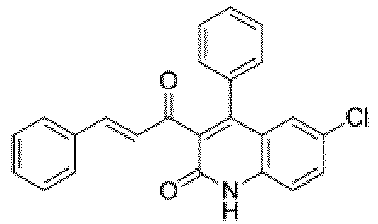
75. not according to the invention 
not according to the invention 2. 
76. not according to the invention 
not according to the invention 3. 
77. not according to the invention 
not according to the invention 4. 
78. not according to the invention 
not according to the invention 5. 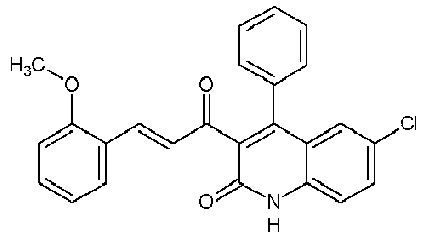
79. not according to the invention 
not according to the invention 6. 
80. not according to the invention 
not according to the invention 7. 
81. not according to the invention 
not according to the invention 8. 
82. not according to the invention 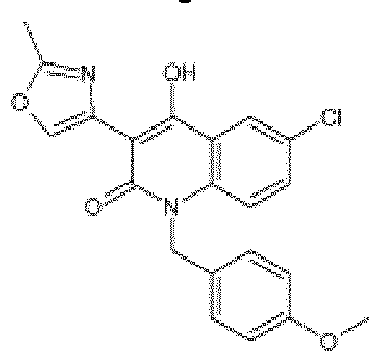
not according to the invention 9. 
83. not according to the invention 
not according to the invention 10. 
84. not according to the invention 
not according to the invention 11. 
85. not according to the invention 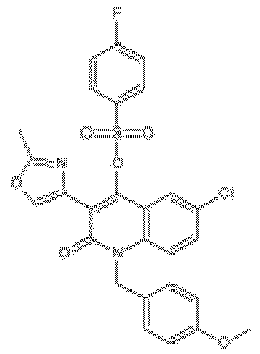
not according to the invention 12. 
86. not according to the invention 
not according to the invention 13. 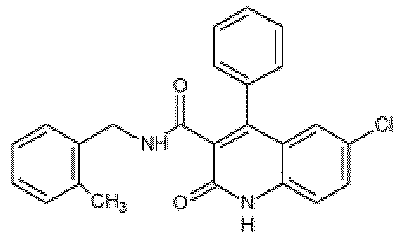
87. not according to the invention 
not according to the invention 14. 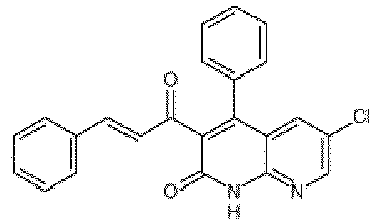
88. not according to the invention 
not according to the invention 15. 
89. not according to the invention 
not according to the invention 16. 
90. 
not according to the invention not according to the invention 17. 
91. not according to the invention 
not according to the invention 18. 
92. not according to the invention 
not according to the invention 19. 
93. not according to the invention 
not according to the invention 20. 
94. not according to the invention 
not according to the invention 21. 
95. not according to the invention 
(not according to the invention) 22. 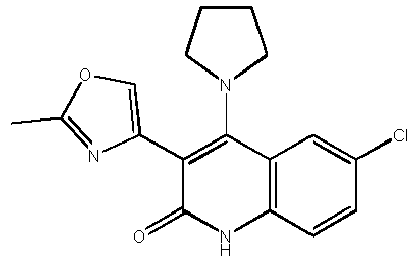
96. not according to the invention 
(not according to the invention) 23. 
97. not according to the invention 
not according to the invention 24. 
98. not according to the invention 
not according to the invention 25. 
99. not according to the invention 
not according to the invention 26. 
100. not according to the invention 
not according to the invention 27. 
101. not according to the invention 
not according to the invention 28. 
102. not according to the invention 
not according to the invention 29. 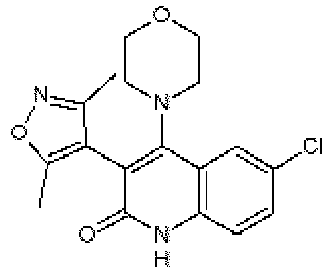
103. not according to the invention 
not according to the invention 30. 
104. not according to the invention 
not according to the invention 31. 
105. not according to the invention 
not according to the invention 32. 
106. not according to the invention 
not according to the invention 33. 
107. not according to the invention 
not according to the invention 34. 
108. not according to the invention 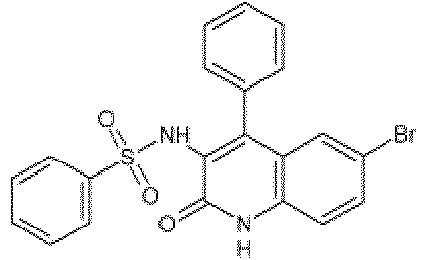
not according to the invention 35. 
109. not according to the invention 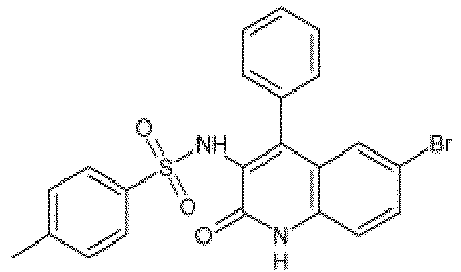
not according to the invention 36. 
110. not according to the invention 
not according to the invention 37. 
111. not according to the invention 
not according to the invention 38. 
112. not according to the invention 
not according to the invention 39. 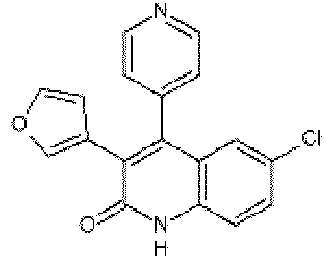
113. not according to the invention 
not according to the invention 40. 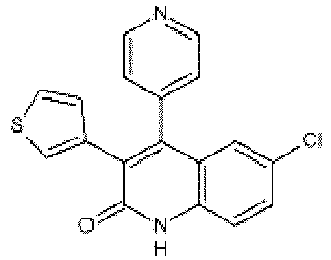
114. not according to the invention 
not according to the invention 41. 
115. not according to the invention 
not according to the invention 42. 
116. not according to the invention 
not according to the invention 43. 
117. not according to the invention 
not according to the invention 44. 
118. not according to the invention 
not according to the invention 45. 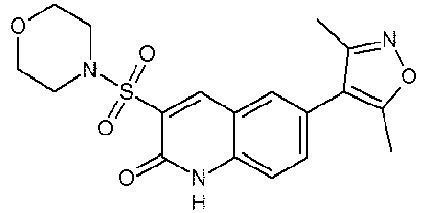
119. not according to the invention 
not according to the invention 46. 
120. not according to the invention 
not according to the invention 47. 
121. not according to the invention 
not according to the invention 48. 
122. not according to the invention 
not according to the invention 49. 
123. not according to the invention 
not according to the invention 50. 
124. not according to the invention 
not according to the invention 51. 
125. not according to the invention 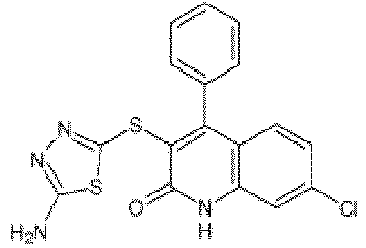
not according to the invention 52. 
126. not according to the invention 
not according to the invention 53. 
127. not according to the invention 
not according to the invention 54. 
128. not according to the invention 
not according to the invention 55. 
129. not according to the invention 
not according to the invention 56. 
130. not according to the invention 
not according to the invention 57. 
131. not according to the invention 
not according to the invention 58. 
132. not according to the invention 
not according to the invention 59. 
133. not according to the invention 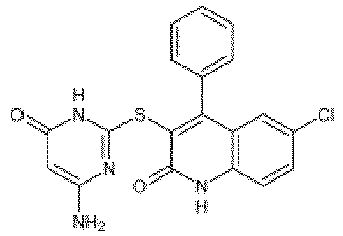
not according to the invention 60. 
134. not according to the invention 
not according to the invention 61. 
135. not according to the invention 
not according to the invention 62. 
136. not according to the invention 
not according to the invention 63. 
137. not according to the invention 
not according to the invention 64. 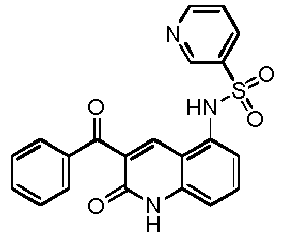
138. not according to the invention 
not according to the invention 65. 
139. not according to the invention 
not according to the invention 66. 
140. not according to the invention 
not according to the invention 67. 
141. not according to the invention 
not according to the invention 68. 
142. not according to the invention 
not according to the invention 69. 
143. 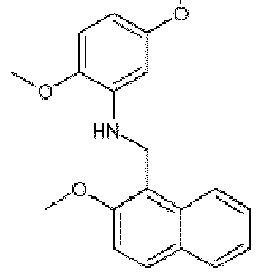
not according to the invention not according to the invention 70. not according to the invention 144. 

not according to the invention 71. 
145. 
not according to the invention not according to the invention 72. not according to the invention 
73. not according to the invention 
74. not according to the invention 
Table 2 - Compounds of Formula 1A (not according to the invention) 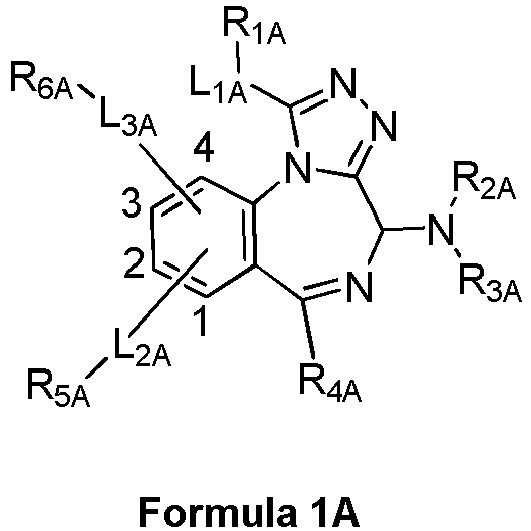
R1A R2A R3A R4A R5A R6 A L1A Position, L2A L3A 
H 
Ph -OH H -CH2- 3, -CH2CH2- - 
H 
Ph -OMe H -CH2- 3, -CH2CH2- - 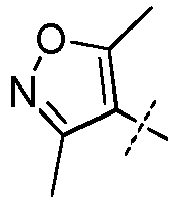
H 
Ph -OH H -CH2CH2- 3, -CH2CH2- - 
H 
Ph -OMe H -CH2CH2- 3, -CH2CH2- - 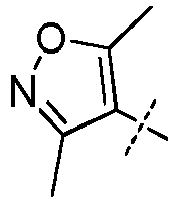
H 
Ph -OH H -CH2- 3, -CH2CH2- - 
H 
Ph -OMe H -CH2- 3, -CH2CH2- - 
H 
Ph -OH H -CH2CH2- 3, -CH2CH2- - 
H 
Ph -OMe H -CH2CH2- 3, -CH2CH2- - 
H 
Ph -OH H -CH2- 3, -CH2CH2- - 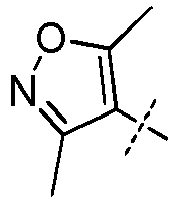
H 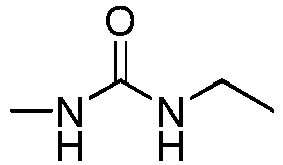
Ph -OMe H -CH2- 3, -CH2CH2- - 
H 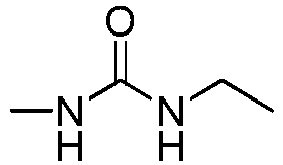
Ph -OH H -CH2CH2- 3, -CH2CH2- - 
H 
Ph -OMe H -CH2CH2- 3, -CH2CH2- - 
H 
Ph -OH H -CH2- 3, -CH2CH2- - 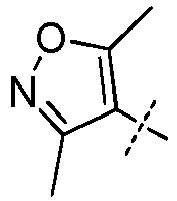
H 
Ph -OMe H -CH2- 3, -CH2CH2- - 
H 
Ph -OH H -CH2CH2- 3, -CH2CH2- - 
H 
Ph -OMe H -CH2CH2- 3, -CH2CH2- - 
H 
Ph -OH H -CH2- 3, -CH2CH2- - 
H 
Ph -OMe H -CH2- 3, -CH2CH2- - 
H 
Ph -OH H -CH2CH2- 3, -CH2CH2- - 
H 
Ph -OMe H -CH2CH2- 3, -CH2CH2- - 
H 
Ph -OH H -CH2- 3, -CH2CH2- - 
H 
Ph -OMe H -CH2- 3, -CH2CH2- - 
H 
Ph -OH H -CH2CH2- 3, -CH2CH2- - 
H 
Ph -OMe H -CH2CH2- 3, -CH2CH2- - 
H 
Ph -NHCOCH3 H -CH2- 3, -CH2CH2- CH2 
H 
Ph -NHCOCH3 H -CH2- 3, -CH2CH2- CH2 
H 
Ph -NHCOCH3 H -CH2CH2- 3, -CH2CH2- CH2 
H 
Ph -NHCOCH3 H -CH2CH2- 3, -CH2CH2- CH2 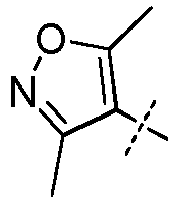
H 
Ph -NHCOCH3 H -CH2- 3, -CH2CH2- CH2 
H 
Ph -NHCOCH3 H -CH2- 3, -CH2CH2- CH2 
H 
Ph -NHCOCH3 H -CH2CH2- 3, -CH2CH2- CH2 
H 
Ph -NHCOCH3 H -CH2CH2- 3, -CH2CH2- CH2 Ph H 
Ph -NHCOCH3 H -CH2- 3, -CH2CH2- CH2 Ph H 
Ph -NHCOCH3 H -CH2- 3, -CH2CH2- CH2 Ph H 
Ph -NHCOCH3 H -CH2CH2- 3, -CH2CH2- CH2 Ph H 
Ph -NHCOCH3 H -CH2CH2- 3, -CH2CH2- CH2 Table 3 (not according to the invention) 
R1B R2B R3B R4B R5B XB YB LB H 
-CH3 -CH3 -OH =O -O- -CH2CH2- H 
-CH3 -CH3 -CONH2 =O -O- -CH2- H 
-CH3 -CH3 -OH =O -N(CH)3- -CH2CH2- H 
-CH3 -CH3 -CONH2 =O -N(CH)3- -CH2- H 
-CH3 -CH3 -OH =O -N(CH3)CO- -CH2CH2- H 
-CH3 -CH3 -CONH2 =O -N(CH3)CO- -CH2- H 
-CH3 -CH3 -OCH3 =O -N(CH3)CO- -CH2CH2- H 
-CH3 -CH3 -CON(CH3)- =O -N(CH3)CO- -CH2- -CH2CH2OH 
-CH3 -CH3 -OH =O -O- -CH2CH2- -CH2CH2OCH3 
-CH3 -CH3 -CONH2 =O -O- -CH2- -CH2CONH2 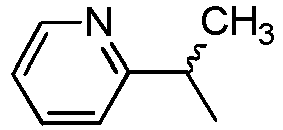
-CH3 -CH3 -OH =O -N(CH)3- -CH2CH2- -CH2CH2OH 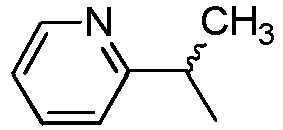
-CH3 -CH3 -CONH2 =O -N(CH)3- -CH2- -CH2CH2OCH3 
-CH3 -CH3 -OH =O -N(CH3)CO- -CH2CH2- -CH2CONH2 
-CH3 -CH3 -CONH2 =O -N(CH3)CO- -CH2- -CH2CH2OH 
-CH3 -CH3 -OCH3 =O -N(CH3)CO- -CH2CH2- -CH2CONH2 
-CH3 -CH3 -CON(CH3)- =O -N(CH3)CO- -CH2- H 
-CH3 -CH3 -OH =O -O- -CH2CH2- H 
-CH3 -CH3 -CONH2 =O -O- -CH2- H 
-CH3 -CH3 -OH =O -N(CH)3- -CH2CH2- H 
-CH3 -CH3 -CONH2 =O -N(CH)3- -CH2- H 
-CH3 -CH3 -OH =O -N(CH3)CO- -CH2CH2- H 
-CH3 -CH3 -CONH2 =O -N(CH3)CO- -CH2- H 
-CH3 -CH3 -OCH3 =O -N(CH3)CO- -CH2CH2- H 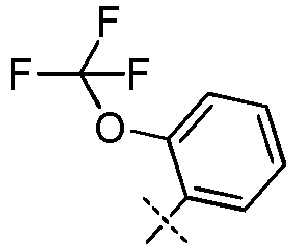
-CH3 -CH3 -CON(CH3)- =O -N(CH3)CO- -CH2- -CH2CH2OH 
-CH3 -CH3 -OH =O -O- -CH2CH2- Table 4 (not according to the invention) 
R1C R2C R3C R4C Position, Rsc Position, R6C L1C L2C H H H H 3, -CH2- bond 

CH3 H H H 3, -CH2- bond 

H H H 2, CH3 3, -CH2- bond 

CH3 H H 2, CH3 3, -CH2- bond 

H H H H 3, -CH2- -CH2- 

CH3 H H H 3, -CH2- -CH2- 

H H H 2, CH3 3, -CH2- -CH2- 
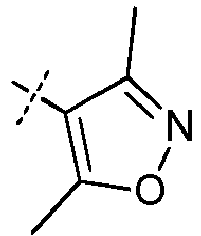
CH3 H H 2, CH3 3, -CH2- -CH2- 

H H H H 3, -CH2- bond 

CH3 H H H 3, -CH2- bond 

H H H 2, CH3 3, -CH2- bond 

CH3 H H 2, CH3 3, -CH2- bond 

H H H H 3, -CH2- -CH2- 

CH3 H H H 3, -CH2- -CH2- 

H H H 2, CH3 3, -CH2- -CH2- 

CH3 H H 2, CH3 3, -CH2- -CH2- 

H H H H 3, -CH2- bond 

CH3 CH3 H H 3, -CH2- bond 

H CH3 H 2, CH3 3, -CH2- bond 

CH3 CH3 H 2, CH3 3, -CH2- bond 

H CH3 H H 3, -CH2- -CH2- 

CH3 CH3 H H 3, -CH2- -CH2- 

H CH3 H 2, CH3 3, -CH2- -CH2- 

CH3 CH3 H 2, CH3 3, -CH2- -CH2- 

H CH3 H H 3, -CH2- bond 

CH3 CH3 H H 3, -CH2- bond 

H CH3 H 2, CH3 3, -CH2- bond 

CH3 CH3 H 2, CH3 3, -CH2- bond 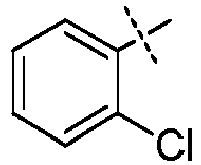

H CH3 H H 3. -CH2- -CH2- 

CH3 CH3 H H 3, -CH2- -CH2- 

H CH3 H 2, CH3 3, -CH2- -CH2- 

CH3 CH3 H 2, CH3 3, -CH2- -CH2- 

H H H 2, 3, -CH2- bond 


CH3 H H 2, 3, -CH2- bond 


H H H 2, Ph 3, -CH2- bond 

CH3 H H 2, Ph 3, -CH2- bond 

H H H 2, 3, -CH2- -CH2- 


CH3 H H 2, 3, -CH2- -CH2- 


H H H 2, Ph 3, -CH2- -CH2- 

CH3 H H 2, Ph 3, -CH2- -CH2- 

H H H 2, 3, -CH2- bond 


CH3 H H 2, 3, -CH2- bond 


H H H 2, Ph 3, -CH2- bond 

CH3 H H 2, Ph 3, -CH2- bond 

H H H 2, 3, -CH2- -CH2- 


CH3 H H 2, 3, -CH2- -CH2- 


H H H 2, Ph 3, -CH2- -CH2- 

CH3 H H 2, Ph 3, -CH2- -CH2- 

H H H 2, 3, -CH2- bond 


CH3 CH3 H 2, 3, -CH2- bond 


H CH3 H 2, Ph 3, -CH2- bond 

CH3 CH3 H 2, Ph 3, -CH2- bond 

H CH3 H 2, 3, -CH2- -CH2- 


CH3 CH3 H 2, 3, -CH2- -CH2- 


H CH3 H 2, Ph 3, -CH2- -CH2- 

CH3 CH3 H 2, Ph 3, -CH2- -CH2- 

H CH3 H 2, 3, -CH2- bond 


CH3 CH3 H 2, 3, -CH2- bond 


H CH3 H 2, Ph 3, -CH2- bond 

CH3 CH3 H 2, Ph 3, -CH2- bond 

H CH3 H 2, 3, -CH2- -CH2- 


CH3 CH3 H 2, 3, -CH2- -CH2- 


H CH3 H 2, Ph 3, -CH2- -CH2- 

CH3 CH3 H 2, Ph 3, -CH2- -CH2- 

H H Ph H 3, -CH2- -CH2- 

CH3 H Ph H 3, -CH2- -CH2- 

H H Ph 2, CH3 3, -CH2- -CH2- 

CH3 H Ph 2, CH3 3, -CH2- -CH2- 

H H Ph H 3, -CH2- -CH2- 

CH3 H Ph H 3, -CH2- -CH2- 

H H Ph 2, CH3 3, -CH2- -CH2- 

CH3 H Ph 2, CH3 3, -CH2- -CH2- 

H H Ph H 3, -CH2- -CH2- 

CH3 H Ph H 3, -CH2- -CH2- 

H H Ph 2, CH3 3, -CH2- -CH2- 

CH3 H Ph 2, CH3 3, -CH2- -CH2- 

H H Ph H 3, -CH2- -CH2- 

CH3 H Ph H 3, -CH2- -CH2- 

H H Ph 2, CH3 3, -CH2- -CH2- 

CH3 H Ph 2, CH3 3, -CH2- -CH2- 

H H Ph H 3, -CH2- -CH2- 

CH3 CH3 Ph H 3, -CH2- -CH2- 

H CH3 Ph 2, CH3 3, -CH2- -CH2- 

CH3 CH3 Ph 2, CH3 3, -CH2- -CH2- 

H CH3 Ph H 3, -CH2- -CH2- 

CH3 CH3 Ph H 3, -CH2- -CH2- 

H CH3 Ph 2, CH3 3, -CH2- -CH2- 

CH3 CH3 Ph 2, CH3 3, -CH2- -CH2- 

H CH3 Ph H 3, -CH2- -CH2- 

CH3 CH3 Ph H 3, -CH2- -CH2- 

H CH3 Ph 2, CH3 3, -CH2- -CH2- 

CH3 CH3 Ph 2, CH3 3, -CH2- -CH2- 

H CH3 Ph H 3, -CH2- -CH2- 

CH3 CH3 Ph H 3, -CH2- -CH2- 

H CH3 Ph 2, CH3 3, -CH2- -CH2- 

CH3 CH3 Ph 2, CH3 3, -CH2- -CH2- 

H H Ph 2, CH3 3, -CH2- -CH2- 

CH3 H Ph 2, CH3 3, -CH2- -CH2- 

H H H H 3, -CH2- -CH2- 

CH3 H H H 3, -CH2- -CH2- 

H H H H 3, -CH2- bond 

H H H H 3, -CH2- bond 

H H H H 3, -CH2- bond 

H H H H 3, -CH2- bond 

Table 5 (not according to the invention 
R1C-L1C-N-R2C R3C -L2C-R4C Position, R5C Position, R6C 
H H H 3, 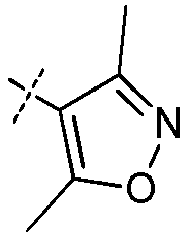
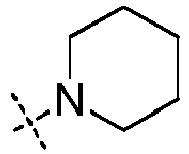
H H H 3, 

H H H 3, 
Table 6 (not according to the invention) 
R1D R2D R3D R4D R5D R6D XD 
-COCH3 -CH2CH2OH 
H H -O- 
-COCH3 -CH2CH2OCH3 
H H -O- 
-COCH3 -CH2CONH2 
H H -O- 
-COCH3 -CH2CONH2 
H H -O- 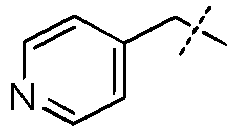
-COCH3 -CH2CH2OH 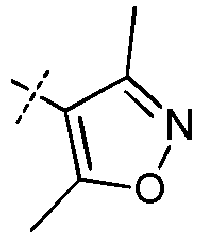
H H -O- 
-COCH3 -CH2CH2OCH3 
H H -O- 
-COCH3 -CH2CONH2 
H H -O- 
-COCH3 -CH2CONH2 
H H -O- 
-COCH3 -CH2CH2OH 
H H -O- 
-COCH3 -CH2CH2OCH3 
H H -O- 
-COCH3 -CH2CONH2 
H H -O- 
-COCH3 -CH2CONH2 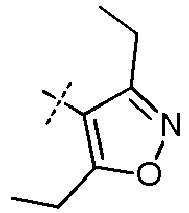
H H -O- 
-COCH3 -CH2CH2OH 
H H -O- 
-COCH3 -CH2CH2OCH3 
H H -O- 
-COCH3 -CH2CONH2 
H H -O- 
-COCH3 -CH2CONH2 
H H -O- 
-COCH3 -CH2CH2OH 
H H -CH2- 
-COCH3 -CH2CH2OCH3 
H H -CH2- 
-COCH3 -CH2CONH2 
H H -CH2- 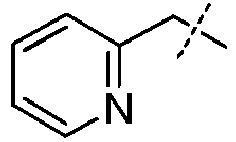
-COCH3 -CH2CONH2 
H H -CH2- 
-COCH3 -CH2CH2OH 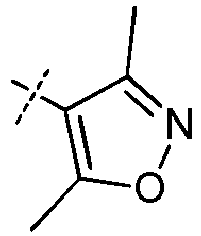
H H -NH- 
-COCH3 -CH2CH2OCH3 
H H -NH- 
-COCH3 -CH2CONH2 
H H -NH- 
-COCH3 -CH2CONH2 
H H -NH- 
-COCH3 -CH2CH2OH 
H H -NH- 
-COCH3 -CH2CH2OCH3 
H H -O- 
-COCH3 -CH2CONH2 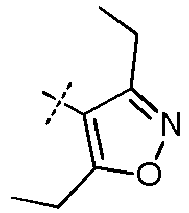
H H -O- 
-COCH3 -CH2CONH2 
H H -O- 
-COCH3 -CH2CH2OH 
H H -O- 
-COCH3 -CH2CH2OCH3 
H H -O- 
-COCH3 -CH2CONH2 
H H -O- 
-COCH3 -CH2CONH2 
H H -O- 
-COCH3 -CH2CH2OH 
H H -O- 
-COCH3 -CH2CH2OCH3 
H H -O- 
-COCH3 -CH2CONH2 
H H -O- 
-COCH3 -CH2CONH2 
H H -O- 
-COCH3 -CH2CH2OH 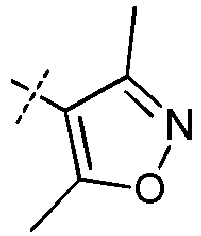
H H -O- 
-COCH3 -CH2CH2OCH3 
H H -O- 
-COCH3 -CH2CONH2 
H H -O- 
-COCH3 -CH2CONH2 
H H -O- 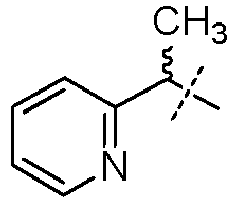
-COCH3 -CH2CH2OH 
H H -O- 
-COCH3 -CH2CH2OCH3 
H H -O- 
-COCH3 -CH2CONH2 
H H -O- 
-COCH3 -CH2CONH2 
H H -O- 
-COCH3 -CH2CH2OH 
H H -O- 
-COCH3 -CH2CH2OCH3 
H H -O- 
-COCH3 -CH2CONH2 
H H -O- 
-COCH3 -CH2CONH2 
H H -O- 
-COCH3 -CH2CH2OH 
H H -CH2- 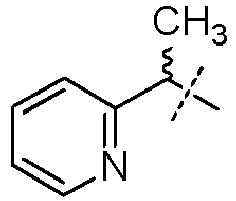
-COCH3 -CH2CH2OCH3 
H H -CH2- 
-COCH3 -CH2CONH2 
H H -CH2- 
-COCH3 -CH2CONH2 
H H -CH2- 
-COCH3 -CH2CH2OH 
H H -NH- 
-COCH3 -CH2CH2OCH3 
H H -NH- 
-COCH3 -CH2CONH2 
H H -NH- 
-COCH3 -CH2CONH2 
H H -NH- 
-COCH3 -CH2CH2OH 
H H -NH- 
-COCH3 -CH2CH2OCH3 
H H -O- 
-COCH3 -CH2CONH2 
H H -O- 
-COCH3 -CH2CONH2 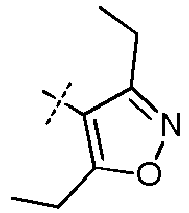
H H -O- 
-COCH3 -CH2CH2OH 
H H -O- 
-COCH3 -CH2CH2OCH3 
H H -O- 
-COCH3 -CH2CONH2 
H H -O- 
-COCH3 -CH2CONH2 
H H -O- - Compounds 21-41 set forth in Table 1 may be prepared according the synthetic scheme set forth below. Those skilled in the art of organic synthesis will recognize that other substituents may be introduced to the three position (e.g., (-NH-R-R)) and four position according to the scheme.

- Compounds of Formula 1A may be prepared according to the synthetic scheme set forth below.

- The targeted compound of Formula 1A can be prepared by reacting compounds 1, 3, 5, 7 with appropriate side chains having a reacting group as shown below.

- The compound 1 can be prepared according to the scheme of Example 2. The treatment of compound 1 with 1,1,1-triethoxyethane will give compound 2 which can be further reacted with carbon monoxide using the palladium catalyst to obtain a carboxylic acid ester derivative 3. The coupling of compound 4 with 2-aminoethanol will provide desired compound 5 of Formula 1A.

- Benzotriazole 1 can be reacted with 2-oxoacetic acid and Cbz-NH2 to get compound 2 which can be coupled with an aniline derivative 3 in presence of a coupling reagent 1-Ethyl-3-(3-dimethylaminopropyl)carbodiimide to obtain compound 4. Compound 5 can be obtained by treatment of compound 4 with ammonia in methanol or ammonia acetate. Treatment of compound 4 with Lawesson reagent can provide compound 5 and subsequent reaction of compound 7 with hydrazine can provide the hydrazine derivative 6 which can be treated with 2-(3,5-dimethylisoxazol-4-yl)acetic acid to get the compound 7. The cyclization of compound 7 in presence of mixture of acetic acid and acetic anhydride will provide compound 8 of Formula 1A.

- The deprotection of the silyl protecting group using TBAF will provide the free phenolic derivative which then can be treated with 2-chloroacetamide in presence of triethylamine to provide compound 3 of the Formula 1A.
- Additionally compound 2 also can be reacted with the (2-bromoethoxy)(tert-butyl)dimethylsilane in presence of triethylamine to get compound 5. The deprotection of the silyl protecting group will provide the desired compound 6 of Formula 1A.
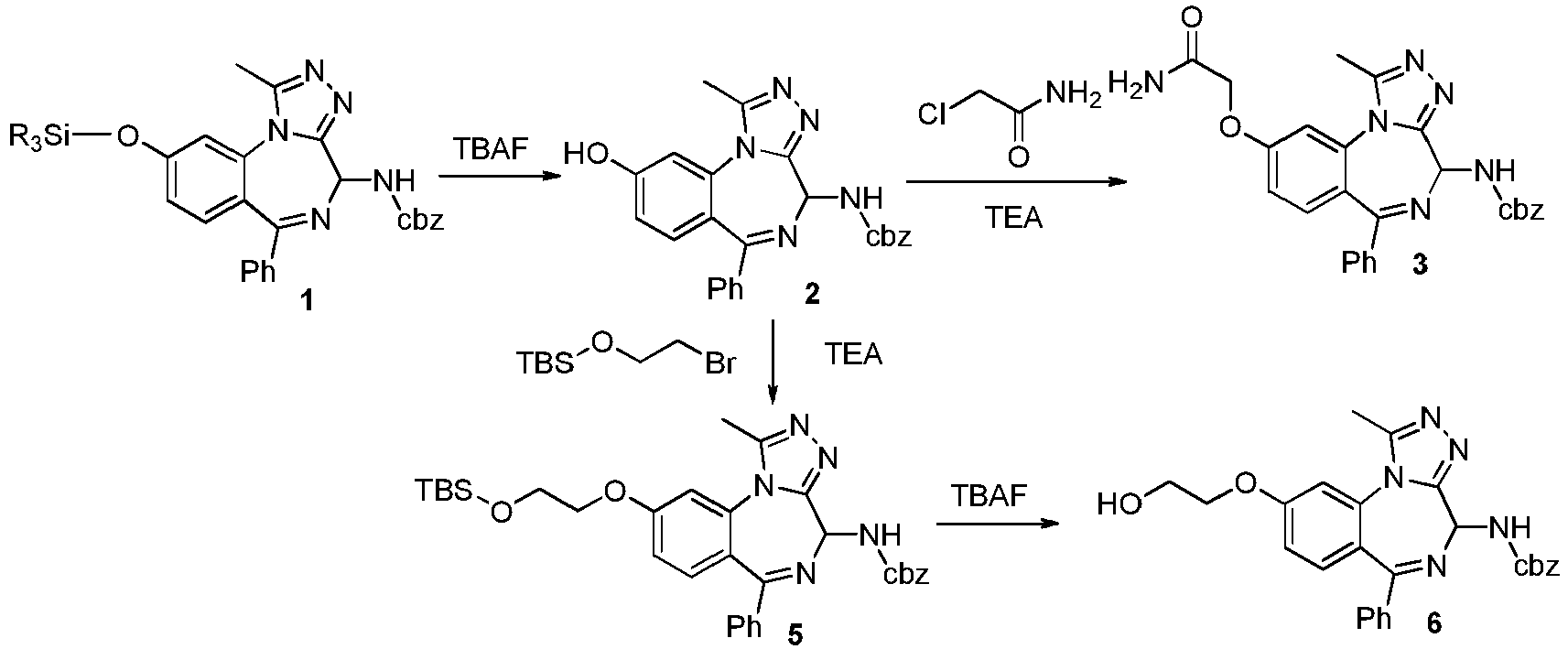
- Compounds of Formula 1B may be prepared according to the synthetic scheme set forth below.
- The substituted isoxazole boronic acid can be reacted with 3-iodo or 3-bromo aniline derivatives 2 using Suzuki coupling conditions to give the corresponding amino compounds. Compound 2 may be reacted with diethyl ethoxymethylenemalonate at appropriate temperature with heating conditions to get compound 4. Hydrolysis of compound 4 will provide compound 5 and subsequent decaboxylation will yield compound 6. The nitration of compound 6 will provide corresponding nitro derivative 7 that can be treated with POCI3 to get the chloro compound 8. The chloro compound then can be treated with appropriate amine to produce compound 9 and subsequent protection of the amine will provide compound 10. The alkylation of compound 10 with halide or reductive alkylation using aldehyde will provide compound 11. The deprotection of the protecting group on compound 10 and then cyclization using di-tert-butyl dicarbonate will produce desired compounds of Formula 1B.

- The deprotection of compound 1 will provide compound 2 which can be then reacted with an appropriate side chain with to yield desired compound 3 of Formula 1B.

- Compounds of Formula 1C may be prepared according to the synthetic scheme set forth below.
- The reaction of 4-hydroxyquinolin-2(1H)-one derivative 1 with POCl3 will produce the corresponding dichloro compound 2 and subsequent treatment of compound 2 with aqueous HCI generate compound 3. The alkylation of compound 3 with an appropriate amine will produce the corresponding amino derivative 4 which can be further derivatized to yield compounds of Formula 1C.

- The reaction of 4-bromoaniline with diethyl malonate under heating conditions will produce compound 3 which can be then treated with (3,5-dimethylisoxazol-4-yl)boronic acid under Suzuki reaction conditions to yield compound 4. The compound 4 can be cyclized to produce 6-(3,5-dimethylisoxazol-4-yl)-4-hydroxyquinolin-2(1H)-one by heating with polyphosphoric acid. Further reaction of 5 with POCI3 will yield the dichloro compound 6 and treatment of 6 with aqueous HCI will give compound 7. The reaction of compound 7 with benzylamine will provide the desired compound 8 of the Formula 1C.

- Compounds of Formula 1D may be prepared according to the synthetic scheme set forth below.
- The reduction of a substituted nitrobenzene derivative may give the corresponding amino compounds. Compound 2 may be then reacted with diethyl ethoxymethylenemalonate at appropriate temperature with heating conditions to get compound 3. Hydrolysis of compound 3 will provide compound 4 and subsequent decaboxylation will yield compound 5. The reaction of compound 7 with POCI3 may yield the chloro compound 6. The chloro compound then can be treated with appropriate amine to produce compound 7 and subsequent derivatization of 7 can produce compound 8. Deprotection of the compound 8 followed by an appropriate derivatization will provide compound 10 of Formula 1D.

- 2-lodo-4-nitrophenol can be reacted with p-methoxybenzoyl chloride to produce PMB protected derivative 2 which than can be treated with (3,5-dimethylisoxazol-4-yl)boronic acid under Suzuki reaction conditions to yield compound 3. After reduction of nitro compound 3 to amino derivative 4, it can be treated with diethyl ethoxymethylenemalonate at appropriate temperature with heating conditions to get compound 5. Hydrolysis of the ester derivative 5 will provide compound 6 and subsequent decaboxylation will yield compound 7. The compound 7 can be treated with POCI3 to get the chloro compound 8. The chloro compound then can be treated with pyridin-2-ylmethanamine to produce compound 9 and subsequent acylation with acetyl chloride of the amine will provide compound 10. The deprotection of the protecting group of phenol of compound 10 will provide the phenolic compound 11 which can be further derivatized using appropriate alkyl halides to produce corresponding compounds 12 and 13 of Formula 1D.

- (2-amino-5-chlorophenyl)(phenyl)methanone (10 g) was treated with EAA at 180°C in a sealed tube for five hours to yield 3-acetyl-6-chloro-4-phenylquinolin-2(1H)-one (4.5 g). A portion of the 3-acetyl-6-chloro-4-phenylquinolin-2(1H)-one (200 mg) was subsequently treated with 2-methoxybenzaldehyde and NaOH (25 equiv) in water and ethanol at room temperature for 16 hours to yield 6-chloro-3-(3-(2-methoxyphenyl)acryloyl)-4-phenylquinolin-2(1H)-one (60 mg)(LCMS (m/z) = 415.10).
- 3-acetyl-6-chloro-4-phenylquinolin-2(1H)-one (200 mg) (see Example 1) was treated with 3,4-dimethoxybenzaldehyde and NaOH in water and ethanol at room temperature for 16 hours to yield 6-chloro-3-(3-(3,4-dimethoxyphenyl)acryloyl)-4-phenylquinolin-2(1H)-one (55 mg) (LCMS (m/z) = 445.11).
- 3-acetyl-6-chloro-4-phenylquinolin-2(1H)-one (200 mg) (see Example 1) was treated with thiophene-2-carbaldehyde and NaOH in water and ethanol at room temperature for 16 hours to yield 6-chloro-4-phenyl-3-(3-(thiophen-2-yl)acryloyl)quinolin-2(1H)-one (55 mg) (LCMS (m/z) = 391.04).
- 3-acetyl-6-chloro-4-phenylquinolin-2(1H)-one (200 mg) was treated with 4-(dimethylamino) benzaldehyde and NaOH in water and ethanol at room temperature for 16 hours to yield 6-chloro-3-(3-(4-(dimethylamino)phenyl)acryloyl)-4-phenylquinolin-2(1H)-one (40 mg) (LCMS (m/z) = 428.13).
- (2-aminophenyl)(phenyl)methanone (500 mg) was reacted with KBr, ammonium molbedate, and sodium per borate in AcOH at 0°C for 16 hours to yield (2-amino-5-bromophenyl)(phenyl)methanone (80 mg). A portion of the (2-amino-5-bromophenyl)(phenyl)methanone (200 mg) was treated with EAA at 180°C in a sealed tube for 10 hours and subsequently washed to yield 3-acetyl-6-bromo-4-phenylquinolin-2(1H)-one (80 mg). A portion of the 3-acetyl-6-bromo-4-phenylquinolin-2(1H)-one (300 mg) was treated with 2,3-dihydrobenzo[b][1,4]dioxine-6-carbaldehyde and NaOH in water and ethanol at room temperature for 16 hours to yield 6-bromo-3-(3-(2,3-dihydrobenzo[b][1,4]dioxin-6-yl)acryloyl)-4-phenylquinolin-2(1H)-one (120 mg).
- 3-acetyl-6-bromo-4-phenylquinolin-2(1H)-one (200 mg)(see Example 5) was treated with 2,5-dimethoxybenzaldehyde and NaOH in water and ethanol at room temperature for 16 hours to yield 6-bromo-3-(3-(2,5-dimethoxyphenyl)acryloyl)-4-phenylquinolin-2(1H)-one (55 mg) (LCMS (m/z) = 489.06).
- 4-chloroaniline (2 g) was treated with isonicotinonitrile in the presence of BCl3 and AlCl3 in DCM at 0°C to 45°C for 16 hours to yield (2-amino-5-chlorophenyl)(pyridin-4-yl)methanone (300 mg). A portion of the (2-amino-5-chlorophenyl)(pyridin-4-yl)methanone (200 mg) was treated with EAA at 180°C in a sealed tube for 6 hours to yield 3-acetyl-6-chloro-4-(pyridin-4-yl)quinolin-2(1H)-one (60 mg). A portion of the 3-acetyl-6-chloro-4-(pyridin-4-yl)quinolin-2(1H)-one (200 mg) was treated with benzaldehyde and NaOH in water and ethanol at room temperature for 16 hours to yield 6-chloro-3-cinnamoyl-4-(pyridin-4-yl)quinolin-2(1H)-one (55 mg) (LCMS (m/z) = 386.08).
- 3-acetyl-6-chloro-4-(pyridin-4-yl)quinolin-2(1H)-one (200 mg) (see Example 7) was treated with 2-methylbenzaldehyde and NaOH in water and ethanol at room temperature for 16 hours to yield 6-chloro-4-(pyridin-3-yl)-3-(3-o-tolylacryloyl)quinolin-2(1H)-one (100 mg).
- (2-amino-5-chlorophenyl)(phenyl)methanone (1 g) was treated with diethyl malonate and piperidine at 180°C in a sealed tube for six hours to yield ethyl 6-chloro-2-oxo-4-phenyl-1,2-dihydroquinoline-3-carboxylate (400 mg). A portion of the obtained ethyl 6-chloro-2-oxo-4-phenyl-1,2-dihydroquinoline-3-carboxylate (380 mg) was treated with aqueous NaOH at room temperature for four hours. The resulting mixture was then heated to 100°C for twelve hours to yield 6-chloro-2-oxo-4-phenyl-1,2-dihydroquinoline-3-carboxylic acid (200 mg). The obtained 6-chloro-2-oxo-4-phenyl-1,2-dihydroquinoline-3-carboxylic acid (200 mg) was reacted with COCl2 in a CCl4 reflux for three hours. The reaction mixture was concentrated and dissolved in acetone and added to a solution of o-tolylmethanamine and TEA in acetone at 0°C and stirred at room temperature for three hours to yield 6-chloro-N-(2-methylbenzyl)-2-oxo-4-phenyl-1,2-dihydroquinoline-3-carboxamide (60 mg) (LCMS (m/z) = 402.11).
- 5-chloropyridin-2-amine (20 g) was treated with pivaloyl chloride/TEA in DCM at 0°C for two hours to yield N-(5-chloropyridin-2-yl)pivalamide (15 g). A portion of the obtained N-(5-chloropyridin-2-yl)pivalamide (10 g) was treated with t-butyl lithium, N-methoxy-N-methylbenzamide in THF at -78°C for three hours. The reaction mixture was allowed to warm up to room temperature, stirred for three hours and crystallized to yield N-(3-benzoyl-5-chloropyridin-2-yl)pivalamide (4.5 g). The obtained N-(3-benzoyl-5-chloropyridin-2-yl)pivalamide (4.5 g) was reacted with 3N HCI in 1, 4 dioxane at reflux temperature for five hours to yield (2-amino-5-chloropyridin-3-yl)(phenyl)methanone (2.5 g). A portion of the (2-amino-5-chloropyridin-3-yl)(phenyl)methanone (2.0 g) was treated with EAA at 170°C overnight to yield 3-acetyl-6-chloro-4-phenyl-1,8-naphthyridin-2(1H)-one (400 mg). A portion of the obtained 3-acetyl-6-chloro-4-phenyl-1,8-naphthyridin-2(1H)-one (350 mg) was reacted with benzaldehyde and aqueous NaOH in ethanol at room temperature for eight hours to yield 6-chloro-3-cinnamoyl-4-phenyl-1,8-naphthyridin-2(1H)-one (100 mg).
- 3-acetyl-6-chloro-4-(pyridin-4-yl)quinolin-2(1H)-one (200 mg) (see Example 7) was treated with 3,4-dimethoxybenzaldehyde and NaOH in water and ethanol at room temperature for 16 hours to yield 6-chloro-3-(3-(2-chloro-6-fluorophenyl)acryloyl)-4-(pyridin-4-yl)quinolin-2(1H)-one (100 mg) (LCMS (m/z) = 439.3).
- 3-fluoro-5-methylpyridine (1.6 g) was treated with freshly prepared LDA and methyl formate at -78°C for five hours to yield 3-fluoro-5-methylisonicotinaldehyde (700 mg). 3-acetyl-6-chloro-4-(pyridin-3-yl)quinolin-2(1H)-one (250 mg) was reacted with 3-fluoro-5-methylisonicotinaldehyde (3 equivalents) in aqueous NaOH and ethanol at room temperature for 14 hours to yield 6-chloro-3-(3-(3-fluoro-5-methylpyridin-4-yl)acryloyl)-4-(pyridin-3-yl)quinolin-2(1H)-one (50 mg) (LCMS (m/z) = 420.1).
- (2-amino-5-chlorophenyl)(phenyl)methanone (2 g) was converted to 3-acetyl-6-chloro-4-phenylquinolin-2(1H)-one (800 mg) which, in turn, was converted to 6-chloro-3-(3-(2-chloro-6-fluorophenyl)but-2-enoyl)-4-phenylquinolin-2(1H)-one (225 mg).
- 4-bromoaniline (40 mg) was treated with isonicotinonitrile in the presence of BCl3/AlCl3 in DCM at 0°C to 45°C for 16 hours to yield (2-amino-5-bromophenyl)(pyridin-3-yl)methanone (7 g). A portion of the obtained (2-amino-5-bromophenyl)(pyridin-3-yl)methanone (100 mg) was reacted with EAA in ethanol at 180°C in a sealed tube for 12 hours to yield 3-acetyl-6-bromo-4-(pyridin-3-yl)quinolin-2(1H)-one (20 mg). The aforementioned reaction was repeated to yield additional 3-acetyl-6-bromo-4-(pyridin-3-yl)quinolin-2(1H)-one. A portion of the obtained 3-acetyl-6-bromo-4-(pyridin-3-yl)quinolin-2(1H)-one (400 mg) was treated with benzaldehyde and NaOH (aqueous) in ethanol at room temperature for 16 hours to yield 6-bromo-3-cinnamoyl-4-(pyridin-3-yl)quinolin-2(1H)-one (130 mg). A portion of the 6-bromo-3-cinnamoyl-4-(pyridin-3-yl)quinolin-2(1H)-one 940 mg) was treated with 3,5-dimethylisoxazol-4-ylboronic acid, Pd(dppf)2Cl2, N-methyldicyclohexyl amine, NaOH, in THF at 70°C for 16 hours to yield 3-cinnamoyl-6-(3,5-dimethylisoxazol-4-yl)-4-(pyridin-3-yl)quinolin-2(1H)-one (6 mg) (LCMS (m/z) = 448.04).
-
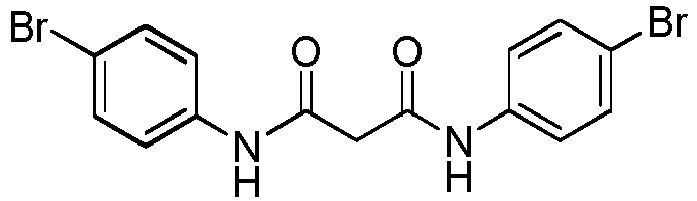
- 4-Bromoaniline (20mmol) and diethylmalonate (10mmol) was heated to 150°C for 20 hr. Reaction was cooled and diluted with ethanol and filtered to give the desired product as a grey solid (1.10 g). δH (DMSO-d6 , 400 MHz) 10.32 (s, 2 H, 2 x NH2), 7.58 (d, 4 H, J= 9.6, Ar), 7.51 (d, 4 H, J= 9.6, Ar), 3.48 (s, 2 H, CH2); δc(DMSO-d6 , 100 MHz) 165.9, 138.7, 132.0, 121.4, 115.4, 46.4.
-

- N1,N3-bis(4-bromophenyl)malonamide (0.50 mmol) and isoxazole boronic acid (1.08mmol) were dissolved in toluene/EtOH (8 mL/ 8:2). 2M Na2CO3 (735 µL) and palladium tetrakis (113 mg) were added and heated to 90°C for 5 hr. Reaction was cooled, partitioned between EtOAc and H2O. The organic potion was washed with H2O, sat. NaCl and dried over Na2SO4. Column chromatography gave the desired product as a yellow solid (117 mg). δH (CDCl3, 400 MHz) 9.25 (s, 2 H, 2 x NH2), 7.66 (d, 4 H, J = 8.6, Ar), 7.23 (d, 4 H, J = 8.6, Ar), 3.61 (s, 2 H, CH2), 2.39 (s, 3 H, Me), 2.56 (s, 3 H, Me).
-

- N1,N3-bis(4-(3,5-dimethylisoxazol-4-yl)phenyl)malonamide (117 mg) was treated with polyphosphoric acid (5 eq. by weight) and heated to 140°C for 5 hr. Reaction was cooled, diluted with H2O and filtered to give the desired product as a white solid (65 mg). δH (DMSO-d6 , 400 MHz) 11.43 (br s, 1 H, OH), 11.30 (s, 1 H, NH), 7.70 (s, 1 H, Ar), 7.51 (dd, 1 H, J = 8.4, 1.6, Ar), 7.35 (d, 1 H, J = 8.4, Ar), 5.77 (s, 1 H, CH), 2.40 (s, 3 H, Me), 2.22 (s, 3 H, Me).
-

- 6-(3,5-dimethylisoxazol-4-yl)-4-hydroxyquinolin-2(1 H)-one (40mg) was treated with NEt3 (65 µL), POCl3 (0.5 mL) and heated to 65°C for 3 hr. Reaction was cooled, partitioned between EtOAc and H2O. The organic potion was washed with H2O, sat. NaCl and dried over Na2SO4. Column chromatography gave the desired intermediate as a brown solid. The solid was dissolved in dioxane (2mL) and 6M HCl (2mL) was added and refluxed for 4hr. Reaction was cooled, diluted with H2O, neutralized to pH 9 with solid K2CO3 and filtered to give the desired product as a cream solid (34mg). δH (DMSO-d6 , 400 MHz) 12.15 (s, 1 H, NH), 7.78 (s, 1 H, Ar), 7.67 (d, 1 H, J = 8.4, Ar), 7.48 (d, 1 H, J = 8.4, Ar), 6.89 (s, 1 H, CH), 2.42 (s, 3 H, Me), 2.24 (s, 3 H, Me).
-

- 4-chloro-6-(3,5-dimethylisoxazol-4-yl)quinolin-2(1H)-one was heated to 120°C in a 1:1 mixture of DMSO and benzylamine. Reaction was cooled, partitioned between EtOAc and H2O. The organic potion was washed with H2O, sat. NaCl and dried over Na2SO4. Column chromatography gave the desired product as a cream solid (10 mg) after lyophilization. δH (DMSO-d6 , 400 MHz) 10.86 (s, 1 H, NH), 7.99 (s, 1 H, Ar), 7.71 (t, 1 H, J = 5.2, NH), 7.56 (d, 1 H, J = 8.8, Ar), 7.40-7.21 (m, 6 H, Ar), 5.16 (s, 1 H, CH), 4.46 (d, 2 H, J = 5.2, CH2), 2.42 (s, 3 H, Me), 2.26 (s, 3 H, Me).
-

- A similar procedure as set forth in Example 16 gave the desired product as a cream solid (15 mg). δH (DMSO-d6 , 400 MHz) 10.94 (s, 1 H, NH), 8.01 (s, 1 H, Ar), 7.18 (t, 1 H, J = 5.6, NH), 7.53-7.47 (m, 2 H, Ar), 7.39-7.30 (m, 4 H, Ar), 5.06 (s, 1 H, CH), 4.52 (d, 2 H, J = 5.6, CH2), 2.44 (s, 3 H, Me), 2.28 (s, 3 H, Me).
-

- A similar procedure as set forth in Example 16 gave the desired product as a white solid (12 mg). δH (DMSO-d6 , 400 MHz) 11.51 (s, 1 H, NH), 7.60 (s, 1 H, Ar), 7.54 (d, 1 H, J = 8.8, Ar), 7.40 (d, 1 H, J = 8.8, Ar), 5.94 (s, 1 H, CH), 3.88-3.80 (m, 4 H, Ar), 3.12-3.05 (m, 4 H, Ar), 2.43 (s, 3 H, Me), 2.25 (s, 3 H, Me).
-

- A similar procedure as set forth in Example 16 gave the desired product as a cream solid (6mg). δH (DMSO-d6 , 400 MHz) δH (DMSO-d6 , 400 MHz) 11.43 (s, 1 H, NH), 7.55-7.50 (m, 2 H, Ar), 7.38 (d, 1 H, J = 8.4, CH2), 5.87 (s, 1 H, CH), 3.20-3.01 (m, 4 H, Ar), 2.44 (s, 3 H, Me), 2.26 (s, 3 H, Me), 1.79-1.70 (m, 4 H, Ar), 1.67-1.58 (m, 2 H, Ar).
- MV4-11 acute myeloid leukemia cells (American Type Culture Collection, Manassas, VA) were added to 96-well clear bottom assay plates containing RPMI-1640 medium supplemented with 10% fetal bovine serum (FBS) at approximately 30,000 cells/well and incubated for 24 hours at 37°C with 5% CO2 and 95% humidity. Control wells containing no cells were included to measure background fluorescence signal. Test compounds were dissolved at 10 - 20 µM and diluted two-fold in DMSO to produce a working stock of compound solutions. Aliquots of the working stock solutions were subsequently diluted 100-fold in basal RPMI-1640 medium which was then further diluted 10-fold to the assay plate containing the cells to provide 10 test concentrations ranging from 0.04 µM - 20 µM. Following a 72-hour incubation period, viability of the cells was determined by the alamarBlue® assay (Life Technologies, Carlsbad, CA) following the manufacturer's protocol. Prior to generation of dose response curves, the data were background subtracted using the no cell control values (mean +/- standard deviation) and fluorescence values versus Log10 concentration of test compounds were plotted using GraphPad Prism. The resulting sigmoidal curve was then fit to the graph and IC50 values were calculated using a 4 parameter (4PL) algorithm using the following equation: 4(PL) F(x) = (A-D)/ (1 + (x/c)B + D, where A = lower asymptote (baseline response), D = upper asymptote (maximum response), C = drug concentration that provokes a response halfway between A and D, B = slope of the curve. The results for selected compounds are set forth in Table 7.
TABLE 7 Compound (Table 1) In Vitro Cell Viability (IC50) MV4-11 Cells (AML) MM1.S Cells (Multiple Myeloma) 1 0.11 µM 5 1.49 µM 2.53 µM 6 3.57 µM 31.9 µM 7 2.3 µM 8 10.31 µM 9 5.52 µM 10 1.75 µM 3 µM 11 0.97 µM 4.21 µM 12 1.04 µM 2.44 µM 13 4.73 µM 3.1 µM 14 0.71 µM 14.1 µM 15 1.18 µM 16 0.4 µM 21 8.6 µM 22 1.8 µM 81 3 µM 127 5.45 µM 147 0.22 µM 148 0.25 µM - Approximately 1 X 10⁶ MV4-11 were exposed to either DMSO as vehicle control or test compounds at 10 µM for one hour in RPMI medium supplemented with 10% FBS. Total RNA was prepared from the exposed cells using RNeasy® Mini Kit (Qiagen, Venlo, Netherlands) and reverse transcription was performed with qScript™ cDNA SuperMix (Quanta BioSciences, Gaithersburg, MD) following manufacturers' protocols to yield complementary DNA (cDNA). Quantitative polymerase chain reaction was performed on MX3000 7500 Real-Time PCR system (Agilent Technologies, Santa Clara, CA) using cDNA derived from approximately 50 ng of total RNA and PerfeCTa® SYBR® Green FastMix® (Quanta BioSciences) with a thermal profile consisting of denaturation at 95°C for 10 min followed by 40 cycles of denaturation at 95°C for 10 seconds and annealing/elongation at 60°C for 30 seconds. The expression of MYC gene was detected by using the forward primer 5'- CTG GTG CTC CAT GAG GAG A -3' and reverse primer 5'- CCT GCC TCT TTT CCA CAG AA -3' while the expression of GAPDH gene was measured with GAPDH PerfeCTa® Reference Gene Assay primers (Quanta BioSciences). Critical threshold (CT) values were obtained with MX Pro software (Agilent Technologies) and the gene expression fold changes were calculated for both MYC and GAPDH genes compared to vehicle control assuming that 1 CT value change corresponds to two-fold difference in gene expressions. MYC gene expression fold changes were then divided by the values for GAPDH gene in order to account for sample-to-sample loading differences. The results for selected compounds are set forth in Table 8.
TABLE 8 Compound (Table 1) Gene Expression Change of MYC Oncogene (in vitro) MV4-11 Cells (AML) - Fold Change 1 -1.4/-1.3 2 -1.4 3 -1.4 4 -1.4 5 -1.6 6 -1.7 7 -1.3 8 -1.3 10 -1.3 11 -3.0 12 -2.8 13 -1.3 14 -3.0 15 -2.3 21 -1.2 22 -1.1 23 -1.0 24 -1.2 70 -1.2 71 -1.1 72 -1.3 73 -1.5 74 -1.0 75 -1.5 76 -1.3 77 -1.2 78 -1.5 79 -1.1 80 -1.3 81 -1.9 82 -1.2 90 -3.0 91 -1.3 92 -1.5 93 -1.6 94 -1.2 95 -1.4 96 -1.3 97 -1.5 98 -1.5 99 -1.4 100 -1.0 101 -1.5 102 -1.1 143 -1.2 144 -1.6/-1.7 145 -1.6/-1.6 - The interactions between test compounds and BRD4 protein containing both bromodomain 1 and bromodomain 2 were measured with human BRD4 protein with N-terminal His tag (BPS Bioscience, San Diego, CA) using AlphaScreen® assay at room temperature. A 9 µl reaction mixture in BRD Assay Buffer (BPS Bioscience) containing 25 nM BRD4 and test compounds at various concentrations were incubated for 30 minutes followed by additional 30-minute incubation with 1 µl of 20 µM histone H4 peptide (residue 1 - 21) in the presence of 5% DMSO. Test compounds (see Table 4) were assayed at 10 µM or 31.6 µM for screening purpose, while 8 different concentrations (10 nM - 10 µM) were used for IC50 measurements. After the incubation, 20 µl of BRD Detection Buffer (BPS Bioscience) containing 10 µg/ml Glutathione Acceptor beads and 10 µg/ml Streptavidin Donor beads (PerkinElmer, Waltham, MA) was added and the mixture was incubated for 50 minutes in darkroom. Binding measurements were taken in duplicate at each concentration using EnSpire® Alpha Multimode Plate Reader Model 2390 (PerkinElmer). The AlphaScreen data were analyzed using Graphpad Prism (La Jolla, CA). In the absence of the compound, the AlphaScreen signal (At) in each data set was defined as 100% activity. In the absence of the histone H4 peptide ligand, the AlphaScreen signal (Ab) in each data set was defined as 0% activity. The percent activity in the presence of each compound was calculated according to the following equation: % activity = [(A- Ab)/(At - Ab)]×100, where A = the AlphaScreen signal in the presence of compound; Ab = the AlphaScreen signal in the absence of the histone peptide ligand; and At = the AlphaScreen signal in the absence of the compound. The percent inhibition was calculated according to the following equation: % inhibition = 100 - % activity.
- The inhibitory effects of select compounds from Table 1 are shown in Table 9.
TABLE 9 Compound (Table 1) BRD4-BD1-BD2 IC50 % Inhibition 1 2.43 µM 87% 83 442 nM 99% 84 372 nM 98% 85 876 nM 99% 86 670 nM 99% 87 139 nM 99% 88 864 nM 98% 89 586 nM 99% 90 11.2 µM 62% 97 5.8 µM 59% 98 6.7 µM 64% 121 7.3 µM 68% 122 26.8 µM 65% 124 17.3 µM 50% 126 23.6 µM 50% 128 16.3 µM 64% 132 3.7 µM 92% 143 99% 144 0.049 µM >90% 145 1.44 µM 72% - Assays were performed by AlphaScreening technology using a recombinant BRD4-BD1-BD2 and BET Ligand. The AlphaScreening signal from the assay was correlated with the amount of BET Ligand binding to the bromodomain. The compounds were diluted in 50 % DMSO and 1 µl of the dilution was added to a 10 µl reaction so that the final concentration of DMSO is 5 % in all of reactions. All reactions were conducted at room temperature. The 9 µl reaction mixture in BRD Assay Buffer contains 2.5 nM BRD4-BD1-BD2 and the indicated amount of the inhibitor, and the reaction mixture were incubated for 30 min followed by additional 30 min incubation after the addition of 1 µl of BET Ligand (Table 2.3.1). For the negative control (blank), 1 µl of the assay buffer was added instead of the BET Ligand. After the 30 min incubation with the BET Ligand, 20 µl of BRD Detection buffer containing 10 µg/ml Glutathione acceptor beads and 10 µg/ml Streptavidin Donor beads was added and the final 30 µl mixture was incubated for 50 min in a dark room.
- AlphaScreening signal was measured using EnSpire Alpha 2390 Multilabel reader (Perkin Elmer). Binding experiments were performed in duplicate at each concentration. The AlphaScreening data were analyzed using the computer software, Graphpad Prism. In the absence of the compound, the AlphaScreening signal (At) in each data set was defined as 100% activity. In the absence of the BET Ligand, the AlphaScreening signal (Ab) in each data set was defined as 0% activity. The percent activity in the presence of each compound was calculated according to the following equation: % activity = [(A- Ab)/(At - Ab)]× 100, where A= the AlphaScreening signal in the presence of the compound, Ab = the AlphaScreening signal in the absence of the BET Ligand, and At = the AlphaScreening signal in the absence of the compound. The percent inhibition was calculated for certain compounds according to the following equation: % inhibition = 100 - % activity.
- The inhibitory effects of select compounds are shown in Table 10.
TABLE 10 Compound Structure % inhibition at 10 µM 
50 not according to the invention 
51 not according to the invention 
62 not according to the invention 
65 not according to the invention 
70 not according to the invention 
71 not according to the invention 
74 not according to the invention 
82 not according to the invention 
85 not according to the invention 
98 not according to the invention 
98 not according to the invention 
99 not according to the invention 
99 not according to the invention 
99 not according to the invention 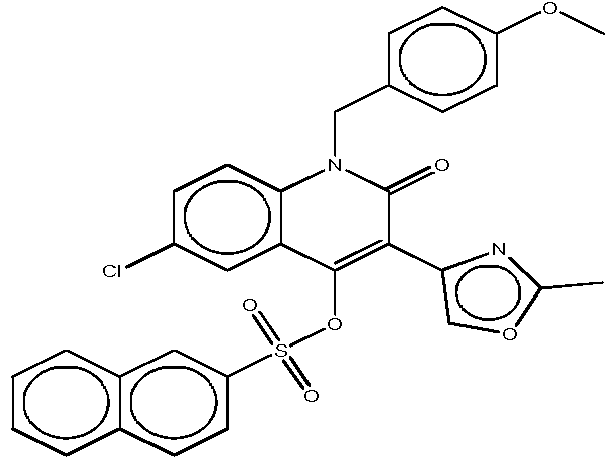
99 not according to the invention 
99 not according to the invention 
99 - The specific pharmacological responses observed may vary according to and depending on the particular active compound selected or whether there are present pharmaceutical carriers, as well as the type of formulation and mode of administration employed, and such expected variations or differences in the results are contemplated in accordance with practice of the present invention.


R3A is hydrogen or alkyl;
R4A is alkyl, substituted or unsubstituted aryl, substituted or unsubstituted heteroaryl, substituted or unsubstituted cycloalkyl, or substituted or unsubstituted heterocycloalkyl, wherein the heterocycloalkyl includes nitrogen, oxygen or sulfur as a heteroatom, wherein said substitutions are selected from hydrogen, hydroxyl, sulfhydryl, alkoxy, thioalkoxy, alkyl, halogen, CN, CF3, NO2, COOR7A, NC(O)OR7A, CONR7AR8A, NR7AR8A, NR7ACOR8A, NR7ASO2R8A, and NR7ACONR8AR9A; and wherein R7A, R8A and R9A are as defined above;
R5A and R6A are independently selected from hydrogen, alkyl, substituted or unsubstituted aryl, substituted or unsubstituted heteroaryl, substituted or unsubstituted cycloalkyl and substituted or unsubstituted heterocycloalkyl wherein the heteroatom is nitrogen, oxygen or sulfur, wherein said substitutions are selected from hydrogen, hydroxyl, sulfhydryl, alkoxy, thioalkoxy, alkyl, halogen, CN, CF3, NO2, COOR7A, NC(O)OR7A, CONR7AR8A, NR7AR8A, NR7ACOR8A, NR7ASO2R8A, NR7ACONR8AR9A; and wherein R7A, R8A and R9A are as defined above;
L1A is -(C-R10AR11A)nA-, wherein R10A and R11A are independently selected from hydrogen and alkyl and nA is 1, 2, or 3;
L2A and L3A are independently selected from -(C-R10AR11A)n-, -CON(R7A)-, -SO2N(R7A)-, -R7ACON(R8A)- and -OCON(R7A); wherein n is 1, 2, or 3; provided when L1A=0, and L2A=0, R1A is a phenyl ring substituted with at least one methyl group, and R2A cannot be hydrogen.
R1B is selected from substituted or unsubstituted aryl, substituted or unsubstituted heteroaryl, substituted or unsubstituted cycloalkyl, and substituted or unsubstituted heterocycloalkyl, wherein the heterocycloalkyl includes nitrogen, oxygen or sulfur as a heteroatom, wherein said substitutions are selected from hydrogen, hydroxyl, sulfhydryl, alkoxy, thioalkoxy, alkyl, halogen, CN, CF3, NO2, COOR7B, NC(O)OR7B, CONR7BR8B, NR7BR8B, NR7BCOR8B, NR7BSO2R8B, and NR9BCONR7BR8B;
wherein said substitutions are selected from hydrogen, hydroxyl, sulfhydryl, alkoxy, thioalkoxy, COOR7B, CONR7BR8B, NR7BR8B, NR7BCOR8B, and NR7BSO2R8B;
R3B and R4B are independently selected from hydrogen and substituted or unsubstituted alkyl; R5B is selected from hydrogen and substituted or unsubstituted alkyl;
LB is -(C-R10BR11B)nB- wherein R10B and R11B are independently selected from hydrogen and alkyl; and nB is 0,1, 2, or 3;
X is selected from O, S and NR12B wherein R12B is selected from hydrogen or alkyl;
Y is selected from -(C-R10BR11B)mB-, O, - NR7BR8B, - N(R7B)CO-, -SO2N(R7B)- and -NR7BCON(R8B)-, provided that when Y is O, nB=0, mB=0 and R5B is methyl, R3B and R4B cannot be methyl;
R1c is selected from alkyl, substituted or unsubstituted aryl, substituted or unsubstituted heteroaryl, substituted or unsubstituted cycloalkyl and substituted or unsubstituted heterocycloalkyl wherein the heteroaryl and heterocycloalkyl include nitrogen, oxygen or sulfur as a heteroatom, and wherein said substitutions are selected from hydrogen, hydroxyl, sulfhydryl, alkoxy, thioalkoxy, alkyl, halogen, CN, CF3, NO2, COOR7C, NC(O)OR7C, CONR7CR8C, NR7CR8C, NR7CCOR8C, NR7CSO2R8C, NR9CCONR7CR8C;
R3C is hydrogen or alkyl;
R4C is selected from alkyl, substituted or unsubstituted aryl, substituted or unsubstituted heteroaryl, substituted or unsubstituted cycloalkyl and substituted or unsubstituted heterocycloalkyl, wherein the heterocycloalkyl and heteroaryl include nitrogen, oxygen or sulfur as a heteroatom;
wherein said substitutions are selected from hydrogen, hydroxyl, sulfhydryl, alkoxy, thioalkoxy, alkyl, halogen, CN, CF3, NO2, COOR7C, NC(O)OR7C, CONR7CR8C, NR7CR8C, NR7CCOR8C, NR7CSO2R8C, NR7CCONR8CR9C;
Further is described that R5C and R6C are independently selected from hydrogen, alkyl, substituted or unsubstituted aryl, substituted or unsubstituted heteroaryl, substituted or unsubstituted cycloalkyl and substituted or unsubstituted heterocycloalkyl, wherein the heterocycloalkyl and heteroaryl include nitrogen, oxygen or sulfur as a heteroatom;


Claims (6)
- A compound, which is 4-(benzylamino)-6-(3,5-dimethylisoxazol-4-yl)quinolin-2(1H)-one, or a pharmaceutically acceptable salt thereof.
- A compound, which is 4-(benzylamino)-6-(3,5-dimethylisoxazol-4-yl)-1-methylquinolin-2(1H)-one, or a pharmaceutically acceptable salt thereof.
- A pharmaceutical composition comprising a compound of claim 1 or 2, or a pharmaceutically acceptable salt thereof, and a pharmaceutically acceptable carrier.
- A compound according to claim 1 or 2, or a pharmaceutically acceptable salt thereof, for use in the treatment or prevention of a disease or condition mediated by inhibiting bromodomain-containing proteins from binding an acetylated protein.
- The compound for use according to claim 4, wherein the acetylated protein is an acetylated histone involved in the regulation of gene expression.
- The compound for use according to claim 4, wherein the disease or condition is selected from the group consisting of human NUT midline carcinoma, multiple myeloma, Burkitt's lymphoma, myeloid leukemia, T-cell lymphoblastic leukemia, hepatocellular carcinoma, glioblastoma, neuroblastoma, sarcoma, breast cancer, colorectal cancer, lung cancer, pancreatic cancer, prostate cancer, osteoarthritis, rheumatoid arthritis, Alzheimer's disease, and HIV infection.
Applications Claiming Priority (2)
| Application Number | Priority Date | Filing Date | Title |
|---|---|---|---|
| US201361781988P | 2013-03-14 | 2013-03-14 | |
| PCT/US2014/025289 WO2014159837A1 (en) | 2013-03-14 | 2014-03-13 | Methods and compositions for inhibition of bromodomain-containing proteins |
Publications (3)
| Publication Number | Publication Date |
|---|---|
| EP2968360A1 EP2968360A1 (en) | 2016-01-20 |
| EP2968360A4 EP2968360A4 (en) | 2017-03-08 |
| EP2968360B1 true EP2968360B1 (en) | 2021-01-20 |
Family
ID=51625268
Family Applications (1)
| Application Number | Title | Priority Date | Filing Date |
|---|---|---|---|
| EP14776141.5A Not-in-force EP2968360B1 (en) | 2013-03-14 | 2014-03-13 | Quinolinone derivatives for the inhibition of bromodomain-containing proteins |
Country Status (12)
| Country | Link |
|---|---|
| US (3) | US9695179B2 (en) |
| EP (1) | EP2968360B1 (en) |
| JP (1) | JP6464139B2 (en) |
| KR (1) | KR20150135359A (en) |
| CN (1) | CN105407894A (en) |
| AU (1) | AU2014244426B2 (en) |
| BR (1) | BR112015022417A2 (en) |
| CA (1) | CA2905451A1 (en) |
| EA (1) | EA201591746A1 (en) |
| HK (1) | HK1222793A1 (en) |
| MX (1) | MX367420B (en) |
| WO (1) | WO2014159837A1 (en) |
Families Citing this family (101)
| Publication number | Priority date | Publication date | Assignee | Title |
|---|---|---|---|---|
| DK2118074T3 (en) | 2007-02-01 | 2014-03-10 | Resverlogix Corp | Compounds for the prevention and treatment of cardiovascular diseases |
| KR101709492B1 (en) | 2009-03-18 | 2017-02-23 | 리스버로직스 코퍼레이션 | Novel anti-inflammatory agents |
| RU2640115C2 (en) | 2011-11-01 | 2017-12-26 | Ресверлоджикс Корп. | Pharmaceutical compositions of substituted quinazolinones |
| WO2014080291A2 (en) | 2012-11-21 | 2014-05-30 | Rvx Therapeutics Inc. | Biaryl derivatives as bromodomain inhibitors |
| US9073878B2 (en) | 2012-11-21 | 2015-07-07 | Zenith Epigenetics Corp. | Cyclic amines as bromodomain inhibitors |
| US9271978B2 (en) | 2012-12-21 | 2016-03-01 | Zenith Epigenetics Corp. | Heterocyclic compounds as bromodomain inhibitors |
| CA2900652C (en) | 2013-02-15 | 2021-05-04 | Kala Pharmaceuticals, Inc. | Therapeutic compounds and uses thereof |
| CN107915751A (en) | 2013-02-20 | 2018-04-17 | 卡拉制药公司 | Therapeutic compound and its purposes |
| US9688688B2 (en) | 2013-02-20 | 2017-06-27 | Kala Pharmaceuticals, Inc. | Crystalline forms of 4-((4-((4-fluoro-2-methyl-1H-indol-5-yl)oxy)-6-methoxyquinazolin-7-yl)oxy)-1-(2-oxa-7-azaspiro[3.5]nonan-7-yl)butan-1-one and uses thereof |
| WO2014159837A1 (en) | 2013-03-14 | 2014-10-02 | Convergene Llc | Methods and compositions for inhibition of bromodomain-containing proteins |
| US9227978B2 (en) | 2013-03-15 | 2016-01-05 | Araxes Pharma Llc | Covalent inhibitors of Kras G12C |
| US9745319B2 (en) | 2013-03-15 | 2017-08-29 | Araxes Pharma Llc | Irreversible covalent inhibitors of the GTPase K-Ras G12C |
| US9227985B2 (en) | 2013-03-15 | 2016-01-05 | Incyte Corporation | Tricyclic heterocycles as bet protein inhibitors |
| CN105102452B (en) * | 2013-04-26 | 2018-01-26 | 百济神州有限公司 | The ketones derivant of 5 (base of 3,5 dimethyl isoxazole 4) indoline 2 of substitution |
| WO2014173241A1 (en) | 2013-04-26 | 2014-10-30 | Beigene, Ltd. | Substituted5-(3,5-dimethylisoxazol-4-yl)indoline-2-ones |
| SG11201510409QA (en) | 2013-06-21 | 2016-01-28 | Zenith Epigenetics Corp | Novel bicyclic bromodomain inhibitors |
| WO2015004533A2 (en) | 2013-06-21 | 2015-01-15 | Zenith Epigenetics Corp. | Novel substituted bicyclic compounds as bromodomain inhibitors |
| EP3019502B1 (en) | 2013-07-08 | 2017-05-17 | Incyte Holdings Corporation | Tricyclic heterocycles as bet protein inhibitors |
| AU2014298051B2 (en) | 2013-07-31 | 2018-11-15 | Zenith Epigenetics Ltd. | Novel quinazolinones as bromodomain inhibitors |
| JO3805B1 (en) | 2013-10-10 | 2021-01-31 | Araxes Pharma Llc | Inhibitors of kras g12c |
| US9890173B2 (en) | 2013-11-01 | 2018-02-13 | Kala Pharmaceuticals, Inc. | Crystalline forms of therapeutic compounds and uses thereof |
| WO2015066482A1 (en) | 2013-11-01 | 2015-05-07 | Kala Pharmaceuticals, Inc. | Crystalline forms of therapeutic compounds and uses thereof |
| AU2013406206B2 (en) * | 2013-11-26 | 2017-07-20 | Gilead Sciences, Inc. | Quinoline derivatives as bromodomain inhibitors |
| US9399640B2 (en) | 2013-11-26 | 2016-07-26 | Incyte Corporation | Substituted pyrrolo[2,3-c]pyridines and pyrazolo[3,4-c]pyridines as BET protein inhibitors |
| WO2015081189A1 (en) | 2013-11-26 | 2015-06-04 | Incyte Corporation | Bicyclic heterocycles as bet protein inhibitors |
| US9309246B2 (en) | 2013-12-19 | 2016-04-12 | Incyte Corporation | Tricyclic heterocycles as BET protein inhibitors |
| JP6480944B2 (en) * | 2014-01-09 | 2019-03-13 | オリオン コーポレーション | Bicyclic heterocyclic derivatives as bromodomain inhibitors |
| MY180775A (en) | 2014-04-23 | 2020-12-09 | Incyte Corp | 1h-pyrrolo[2,3-c]pyridin-7(6h)-ones and pyrazolo[3,4-c]pyridin-7(6h)-ones as inhibitors of bet proteins |
| US9527864B2 (en) | 2014-09-15 | 2016-12-27 | Incyte Corporation | Tricyclic heterocycles as BET protein inhibitors |
| JO3556B1 (en) | 2014-09-18 | 2020-07-05 | Araxes Pharma Llc | Combination therapies for treatment of cancer |
| WO2016049568A1 (en) | 2014-09-25 | 2016-03-31 | Araxes Pharma Llc | Methods and compositions for inhibition of ras |
| JP2017528498A (en) | 2014-09-25 | 2017-09-28 | アラクセス ファーマ エルエルシー | Inhibitors of KRAS G12C mutant protein |
| WO2016077656A2 (en) * | 2014-11-13 | 2016-05-19 | Convergene Llc | Methods and compositions for inhibition of bromodomain and extraterminal proteins |
| WO2016087936A1 (en) | 2014-12-01 | 2016-06-09 | Zenith Epigenetics Corp. | Substituted pyridinones as bromodomain inhibitors |
| WO2016087942A1 (en) | 2014-12-01 | 2016-06-09 | Zenith Epigenetics Corp. | Substituted pyridines as bromodomain inhibitors |
| CA2968884A1 (en) * | 2014-12-10 | 2016-06-16 | Massachusetts Institute Of Technology | Fused 1,3-azole derivatives useful for the treatment of proliferative diseases |
| CN107207474B (en) | 2014-12-11 | 2021-05-07 | 恒翼生物医药科技(上海)有限公司 | Substituted heterocycles as bromodomain inhibitors |
| CA2966450A1 (en) | 2014-12-17 | 2016-06-23 | Olesya KHARENKO | Inhibitors of bromodomains |
| US10577349B2 (en) | 2015-03-02 | 2020-03-03 | Sanford Burnham Prebys Medical Discovery Institute | Quinolinones as inhibitors of translation initiation complex |
| US10111885B2 (en) | 2015-03-13 | 2018-10-30 | Resverlogix Corp. | Compositions and therapeutic methods for the treatment of complement-associated diseases |
| GB201504694D0 (en) | 2015-03-19 | 2015-05-06 | Glaxosmithkline Ip Dev Ltd | Covalent conjugates |
| MX382355B (en) | 2015-04-10 | 2025-03-13 | Araxes Pharma Llc | SUBSTITUTED QUINAZOLINE COMPOUNDS AND METHODS OF USING SAME. |
| EP3283462B1 (en) | 2015-04-15 | 2020-12-02 | Araxes Pharma LLC | Fused-tricyclic inhibitors of kras and methods of use thereof |
| CA2989265A1 (en) * | 2015-07-02 | 2017-01-05 | Orion Corporation | Bicyclic heterocycle derivatives as bromodomain inhibitors |
| US10696637B2 (en) | 2015-07-17 | 2020-06-30 | Fujifilm Corporation | Nitrogen-containing heterocyclic compound |
| CN108026046B (en) * | 2015-07-22 | 2021-12-21 | 亚瑞克西斯制药公司 | Substituted quinazoline compounds and their use as inhibitors of G12C mutant KRAS, HRAS and/or NRAS proteins |
| US10144724B2 (en) | 2015-07-22 | 2018-12-04 | Araxes Pharma Llc | Substituted quinazoline compounds and methods of use thereof |
| WO2017015562A1 (en) * | 2015-07-22 | 2017-01-26 | Araxes Pharma Llc | Substituted quinazoline compounds and their use as inhibitors of g12c mutant kras, hras and/or nras proteins |
| TW201718536A (en) * | 2015-08-03 | 2017-06-01 | 必治妥美雅史谷比公司 | Heterocyclic compound which can be used as a TNFα modulator |
| EP3334717B1 (en) | 2015-08-11 | 2020-07-01 | Neomed Institute | Aryl-substituted dihydroquinolinones, their preparation and their use as pharmaceuticals |
| WO2017024406A1 (en) | 2015-08-11 | 2017-02-16 | Neomed Institute | N-substituted bicyclic lactams, their preparation and their use as pharmaceuticals |
| CA2994478C (en) | 2015-08-12 | 2023-10-03 | Neomed Institute | Substituted benzimidazoles, their preparation and their use as pharmaceuticals |
| WO2017058728A1 (en) | 2015-09-28 | 2017-04-06 | Araxes Pharma Llc | Inhibitors of kras g12c mutant proteins |
| EP3356347A1 (en) | 2015-09-28 | 2018-08-08 | Araxes Pharma LLC | Inhibitors of kras g12c mutant proteins |
| EP3356351A1 (en) | 2015-09-28 | 2018-08-08 | Araxes Pharma LLC | Inhibitors of kras g12c mutant proteins |
| WO2017058792A1 (en) | 2015-09-28 | 2017-04-06 | Araxes Pharma Llc | Inhibitors of kras g12c mutant proteins |
| EP3356354A1 (en) | 2015-09-28 | 2018-08-08 | Araxes Pharma LLC | Inhibitors of kras g12c mutant proteins |
| US10689356B2 (en) | 2015-09-28 | 2020-06-23 | Araxes Pharma Llc | Inhibitors of KRAS G12C mutant proteins |
| EP3356349A1 (en) | 2015-09-28 | 2018-08-08 | Araxes Pharma LLC | Inhibitors of kras g12c mutant proteins |
| WO2017070256A2 (en) | 2015-10-19 | 2017-04-27 | Araxes Pharma Llc | Method for screening inhibitors of ras |
| WO2017066876A1 (en) | 2015-10-21 | 2017-04-27 | Neomed Institute | Substituted imidazopyridines, their preparation and their use as pharmaceuticals |
| WO2017075377A1 (en) | 2015-10-29 | 2017-05-04 | Incyte Corporation | Amorphous solid form of a bet protein inhibitor |
| EP3377481A1 (en) | 2015-11-16 | 2018-09-26 | Araxes Pharma LLC | 2-substituted quinazoline compounds comprising a substituted heterocyclic group and methods of use thereof |
| WO2017091661A1 (en) * | 2015-11-25 | 2017-06-01 | Strovel Jeffrey William | Bicyclic bet bromodomain inhibitors and uses thereof |
| WO2017100546A1 (en) | 2015-12-09 | 2017-06-15 | Araxes Pharma Llc | Methods for preparation of quinazoline derivatives |
| WO2017127930A1 (en) | 2016-01-28 | 2017-08-03 | Neomed Institute | Substituted [1,2,4]triazolo[4,3-a]pyridines, their preparation and their use as pharmaceuticals |
| MX2018009913A (en) | 2016-02-16 | 2018-11-29 | Massachusetts Inst Technology | Max binders as myc modulators and uses thereof. |
| US10822312B2 (en) | 2016-03-30 | 2020-11-03 | Araxes Pharma Llc | Substituted quinazoline compounds and methods of use |
| KR102643344B1 (en) | 2016-06-20 | 2024-03-07 | 인사이트 코포레이션 | Crystalline solid forms of a bet inhibitor |
| US10646488B2 (en) | 2016-07-13 | 2020-05-12 | Araxes Pharma Llc | Conjugates of cereblon binding compounds and G12C mutant KRAS, HRAS or NRAS protein modulating compounds and methods of use thereof |
| MX2019002629A (en) | 2016-09-08 | 2019-10-07 | Kala Pharmaceuticals Inc | Crystalline forms of therapeutic compounds and uses thereof. |
| AU2017324713B2 (en) | 2016-09-08 | 2020-08-13 | KALA BIO, Inc. | Crystalline forms of therapeutic compounds and uses thereof |
| AU2017324716B2 (en) | 2016-09-08 | 2020-08-13 | KALA BIO, Inc. | Crystalline forms of therapeutic compounds and uses thereof |
| EP3519402A1 (en) | 2016-09-29 | 2019-08-07 | Araxes Pharma LLC | Inhibitors of kras g12c mutant proteins |
| US10377743B2 (en) | 2016-10-07 | 2019-08-13 | Araxes Pharma Llc | Inhibitors of RAS and methods of use thereof |
| CN110267660A (en) | 2016-12-16 | 2019-09-20 | 德克萨斯大学系统董事会 | Inhibitors of Bromodomain-containing protein 4 (BRD4) |
| CA3048602A1 (en) * | 2016-12-27 | 2018-07-05 | Fujifilm Corporation | Antitumor agent and bromodomain inhibitor |
| CN108314680A (en) * | 2017-01-16 | 2018-07-24 | 凯惠科技发展(上海)有限公司 | One kind containing aromatic compound, preparation method, pharmaceutical composition and application |
| US11358959B2 (en) | 2017-01-26 | 2022-06-14 | Araxes Pharma Llc | Benzothiophene and benzothiazole compounds and methods of use thereof |
| US11136308B2 (en) | 2017-01-26 | 2021-10-05 | Araxes Pharma Llc | Substituted quinazoline and quinazolinone compounds and methods of use thereof |
| WO2018140513A1 (en) | 2017-01-26 | 2018-08-02 | Araxes Pharma Llc | 1-(3-(6-(3-hydroxynaphthalen-1-yl)benzofuran-2-yl)azetidin-1yl)prop-2-en-1-one derivatives and similar compounds as kras g12c modulators for treating cancer |
| EP3573954A1 (en) | 2017-01-26 | 2019-12-04 | Araxes Pharma LLC | Fused bicyclic benzoheteroaromatic compounds and methods of use thereof |
| CN110382482A (en) | 2017-01-26 | 2019-10-25 | 亚瑞克西斯制药公司 | Condensed miscellaneous-Heterobicyclic compounds and its application method |
| CN108658972A (en) * | 2017-03-28 | 2018-10-16 | 中国海洋大学 | A kind of substituted lactams compounds and its preparation method and application |
| CN108658855A (en) * | 2017-03-28 | 2018-10-16 | 中国海洋大学 | A kind of nitrogenous dicyclic compound and its preparation method and application |
| CN110869358A (en) | 2017-05-25 | 2020-03-06 | 亚瑞克西斯制药公司 | Covalent inhibitors of KRAS |
| JP2020521741A (en) | 2017-05-25 | 2020-07-27 | アラクセス ファーマ エルエルシー | Compounds for the treatment of cancer and methods of their use |
| CN110831933A (en) | 2017-05-25 | 2020-02-21 | 亚瑞克西斯制药公司 | Quinazoline derivatives as modulators of mutated KRAS, HRAS or NRAS |
| US11389433B2 (en) | 2018-06-18 | 2022-07-19 | Board Of Regents, The University Of Texas System | BRD4 inhibitor treatment of IgE-mediated diseases |
| BR112021001709A2 (en) | 2018-08-01 | 2021-05-04 | Araxes Pharma Llc | heterocyclic spiro compounds and methods of using them for the treatment of cancer |
| MX2021006841A (en) | 2018-12-10 | 2021-07-02 | Ideaya Biosciences Inc | 2-OXOQUINAZOLINE DERIVATIVES AS INHIBITORS OF METHIONINE ADENOSYLTRANSFERASE 2?. |
| EP3958867B1 (en) | 2019-04-24 | 2024-06-26 | Convergene Llc | Small molecule bromodomain inhibitors and uses thereof |
| US11535621B2 (en) | 2019-07-31 | 2022-12-27 | Ribon Therapeutics, Inc. | Heterobicyclic amides as inhibitors of CD38 |
| ES3013568T3 (en) * | 2019-12-23 | 2025-04-14 | Bristol Myers Squibb Co | Substituted heteroaryl compounds useful as t cell activators |
| BR112022012220A2 (en) * | 2019-12-23 | 2022-09-13 | Bristol Myers Squibb Co | SUBSTITUTED PIPERAZINE QUINOLINONYL COMPOUNDS USEFUL AS T-CELL ACTIVATORS |
| EP4087843A1 (en) * | 2020-01-10 | 2022-11-16 | Incyte Corporation | Tricyclic compounds as inhibitors of kras |
| CN113549010B (en) * | 2020-04-26 | 2023-10-20 | 中国科学院上海药物研究所 | Preparation and application of a compound with AMPK agonistic activity and its prodrug |
| US11833155B2 (en) | 2020-06-03 | 2023-12-05 | Incyte Corporation | Combination therapy for treatment of myeloproliferative neoplasms |
| US20230227409A1 (en) * | 2020-06-10 | 2023-07-20 | Ideaya Biosciences, Inc. | Quinolinone derivatives as methionine adenosyltransferase 2a inhibitors |
| JP2023539931A (en) * | 2020-09-09 | 2023-09-20 | オーリジーン オンコロジー リミテッド | Heterocyclic compounds as CBP/EP300 bromodomain inhibitors |
| TW202241418A (en) * | 2021-01-29 | 2022-11-01 | 美商律幫治療股份有限公司 | Quinolines and azaquinolines as inhibitors of cd38 |
Family Cites Families (39)
| Publication number | Priority date | Publication date | Assignee | Title |
|---|---|---|---|---|
| BE636867A (en) | 1963-08-30 | |||
| US3755332A (en) | 1971-07-01 | 1973-08-28 | Ciba Geigy Corp | Substituted 4 indazolaminoquinolines |
| GB8908229D0 (en) | 1989-04-12 | 1989-05-24 | Smithkline Beckman Intercredit | Compounds |
| DE69231679T2 (en) | 1991-04-03 | 2001-10-31 | Korea Research Institute Of Chemical Technology, Daejeon | 2-CHINOLINONE DERIVATIVES, METHOD FOR THE PRODUCTION THEREOF AND FUNGICIDES AND INSECTICIDES CONTAINING THEM |
| JPH06504294A (en) | 1991-08-02 | 1994-05-19 | ファイザー・インコーポレーテッド | Quinoline derivatives as immunostimulants |
| US6262069B1 (en) | 1997-08-29 | 2001-07-17 | Protherics Molecular Design Limited | 1-amino-7-isoquinoline derivatives as serine protease inhibitors |
| SE0102858D0 (en) | 2001-08-27 | 2001-08-27 | Astrazeneca Ab | N-type calcium channel antagonists for the treatment of pain |
| AU2003243497A1 (en) * | 2002-06-12 | 2003-12-31 | Millennium Pharmaceuticals, Inc. | Antagonists of melanin concentrating hormone receptor |
| AU2005214373B2 (en) | 2004-02-19 | 2011-07-28 | Rexahn Corporation | Quinazoline derivatives and therapeutic use thereof |
| CN101163684B (en) | 2005-02-23 | 2012-08-29 | 盐野义制药株式会社 | Quinazoline derivatives with tyrosine kinase inhibitory activity |
| CR9465A (en) | 2005-03-25 | 2008-06-19 | Surface Logix Inc | PHARMACOCINETICALLY IMPROVED COMPOUNDS |
| WO2006121767A2 (en) | 2005-05-06 | 2006-11-16 | Apath, Llc | 4-aminoquinoline compounds for treating virus-related conditions |
| GB0605689D0 (en) * | 2006-03-21 | 2006-05-03 | Novartis Ag | Organic compounds |
| CA2700988A1 (en) | 2006-09-27 | 2008-05-08 | Surface Logix, Inc. | Rho kinase inhibitors |
| GB0705915D0 (en) | 2007-03-28 | 2007-05-09 | Helperby Therapeutics Ltd | New use |
| WO2008141843A1 (en) | 2007-05-24 | 2008-11-27 | Bayer Schering Pharma Aktiengesellschaft | Novel sulphoximine-substituted quinazoline and quinazoline derivatives as kinase inhibitors |
| AU2008321959B2 (en) | 2007-11-12 | 2014-02-13 | Msd K.K. | Heteroaryloxy quinazoline derivative |
| EP2072502A1 (en) | 2007-12-20 | 2009-06-24 | Bayer Schering Pharma Aktiengesellschaft | Sulfoximide substituted chinolin and chinazolin derivatives as kinase inhibitors |
| US8476260B2 (en) | 2007-12-28 | 2013-07-02 | Mitsubishi Tanabe Pharma Corporation | Antitumor agent |
| EP2496580B1 (en) * | 2009-11-05 | 2013-12-11 | GlaxoSmithKline LLC | Benzodiazepine bromodomain inhibitor |
| GB0919434D0 (en) | 2009-11-05 | 2009-12-23 | Glaxosmithkline Llc | Novel compounds |
| SI2496582T1 (en) * | 2009-11-05 | 2016-04-29 | Glaxosmithkline Llc Corporation Service Company | Benzodiazepine bromodomain inhibitor |
| GB0919432D0 (en) | 2009-11-05 | 2009-12-23 | Glaxosmithkline Llc | Use |
| GB0919423D0 (en) * | 2009-11-05 | 2009-12-23 | Glaxosmithkline Llc | Novel compounds |
| GB0919426D0 (en) * | 2009-11-05 | 2009-12-23 | Glaxosmithkline Llc | Novel compounds |
| AR079814A1 (en) | 2009-12-31 | 2012-02-22 | Otsuka Pharma Co Ltd | HETEROCICLICAL COMPOUNDS, PHARMACEUTICAL COMPOSITIONS THAT CONTAIN THEM AND THEIR USES |
| ES2552977T3 (en) | 2010-05-07 | 2015-12-03 | Glaxosmithkline Intellectual Property Development Limited | Amino-quinolines as kinase inhibitors |
| JP5913292B2 (en) | 2010-05-14 | 2016-04-27 | ダナ−ファーバー キャンサー インスティテュート, インコーポレイテッド | Compositions and methods for modulating metabolism |
| WO2012040499A2 (en) | 2010-09-22 | 2012-03-29 | Surface Logix, Inc. | Metabolic inhibitors |
| AR084070A1 (en) * | 2010-12-02 | 2013-04-17 | Constellation Pharmaceuticals Inc | BROMODOMINIUM INHIBITORS AND USES OF THE SAME |
| EP2685980B1 (en) | 2011-03-17 | 2017-12-06 | The Trustees Of The University Of Pennsylvania | Methods and use of bifunctional enzyme-building clamp-shaped molecules |
| GB201106799D0 (en) | 2011-04-21 | 2011-06-01 | Glaxosmithkline Llc | Novel compounds |
| EA201490177A1 (en) | 2011-06-29 | 2014-08-29 | Оцука Фармасьютикал Ко., Лтд. | QUINAZOLINS AS A THERAPEUTIC CONNECTION AND RELATED METHODS |
| WO2013027168A1 (en) | 2011-08-22 | 2013-02-28 | Pfizer Inc. | Novel heterocyclic compounds as bromodomain inhibitors |
| US9977024B2 (en) | 2012-12-09 | 2018-05-22 | The Scripps Research Institute | Targeted covalent probes and inhibitors of proteins containing redox-sensitive cysteines |
| WO2014159837A1 (en) | 2013-03-14 | 2014-10-02 | Convergene Llc | Methods and compositions for inhibition of bromodomain-containing proteins |
| AU2014298051B2 (en) | 2013-07-31 | 2018-11-15 | Zenith Epigenetics Ltd. | Novel quinazolinones as bromodomain inhibitors |
| WO2016077656A2 (en) | 2014-11-13 | 2016-05-19 | Convergene Llc | Methods and compositions for inhibition of bromodomain and extraterminal proteins |
| WO2016120808A1 (en) | 2015-01-28 | 2016-08-04 | Minoryx Therapeutics S.L. | Heteroarylaminoisoquinolines, methods for their preparation and therapeutic uses thereof |
-
2014
- 2014-03-13 WO PCT/US2014/025289 patent/WO2014159837A1/en not_active Ceased
- 2014-03-13 JP JP2016501811A patent/JP6464139B2/en not_active Expired - Fee Related
- 2014-03-13 HK HK16110964.3A patent/HK1222793A1/en unknown
- 2014-03-13 MX MX2015012478A patent/MX367420B/en active IP Right Grant
- 2014-03-13 EA EA201591746A patent/EA201591746A1/en unknown
- 2014-03-13 BR BR112015022417A patent/BR112015022417A2/en not_active IP Right Cessation
- 2014-03-13 KR KR1020157029249A patent/KR20150135359A/en not_active Abandoned
- 2014-03-13 EP EP14776141.5A patent/EP2968360B1/en not_active Not-in-force
- 2014-03-13 CA CA2905451A patent/CA2905451A1/en not_active Abandoned
- 2014-03-13 AU AU2014244426A patent/AU2014244426B2/en not_active Ceased
- 2014-03-13 US US14/774,387 patent/US9695179B2/en not_active Expired - Fee Related
- 2014-03-13 CN CN201480028551.7A patent/CN105407894A/en active Pending
-
2017
- 2017-06-27 US US15/634,768 patent/US10266536B2/en not_active Expired - Fee Related
-
2019
- 2019-04-16 US US16/385,606 patent/US10717739B2/en not_active Expired - Fee Related
Non-Patent Citations (1)
| Title |
|---|
| None * |
Also Published As
| Publication number | Publication date |
|---|---|
| WO2014159837A1 (en) | 2014-10-02 |
| US20160024096A1 (en) | 2016-01-28 |
| MX2015012478A (en) | 2016-08-08 |
| US10717739B2 (en) | 2020-07-21 |
| US9695179B2 (en) | 2017-07-04 |
| MX367420B (en) | 2019-08-21 |
| US20190345162A1 (en) | 2019-11-14 |
| EP2968360A4 (en) | 2017-03-08 |
| EP2968360A1 (en) | 2016-01-20 |
| CA2905451A1 (en) | 2014-10-02 |
| JP6464139B2 (en) | 2019-02-06 |
| KR20150135359A (en) | 2015-12-02 |
| JP2016514147A (en) | 2016-05-19 |
| BR112015022417A2 (en) | 2017-07-18 |
| US20180134715A1 (en) | 2018-05-17 |
| HK1222793A1 (en) | 2017-07-14 |
| AU2014244426A1 (en) | 2015-10-22 |
| CN105407894A (en) | 2016-03-16 |
| AU2014244426B2 (en) | 2019-02-28 |
| US10266536B2 (en) | 2019-04-23 |
| EA201591746A1 (en) | 2016-08-31 |
Similar Documents
| Publication | Publication Date | Title |
|---|---|---|
| US10717739B2 (en) | Methods and compositions for inhibition of bromodomain-containing proteins | |
| KR20230137368A (en) | Pharmaceutical combinations of SOS1 inhibitors for treating and/or preventing cancer | |
| AU2014272776B2 (en) | Pyrazolopyrrolidine derivatives and their use in the treatment of disease | |
| JP2024514844A (en) | Combination therapy including MYT1 inhibitors | |
| AU2018328768A1 (en) | Inhibitors of WDR5 protein-protein binding | |
| AU2018226922B2 (en) | Urea-substituted aromatic ring-linked dioxane-quinazoline and -linked dioxane-quinoline compounds, preparation method therefor and use thereof | |
| JP2014520860A (en) | 4-oxo-3,5,7,8-tetrahydro-4H-pyrano {4,3-d} pyrminidinyl compounds for use as tankyrase inhibitors | |
| AU2026201065A1 (en) | Small molecule bromodomain inhibitors and uses thereof | |
| EP3302486B1 (en) | Dihydropyrazolopyrimidinone compounds as pde2 inhibitors | |
| WO2018157730A1 (en) | Urea-substituted aromatic ring-linked dioxane-quinazoline and -linked dioxane-quinoline compounds, preparation method therefor and use thereof | |
| JP7776418B2 (en) | Isocitrate dehydrogenase (IDH) inhibitors | |
| HK40066904B (en) | Small molecule bromodomain inhibitors and uses thereof | |
| HK40066904A (en) | Small molecule bromodomain inhibitors and uses thereof | |
| WO2024223907A1 (en) | 1,2,4-triazole-3-thione inhibitors of trex2 for use in the treatment of psoriasis, atopic dermatitis or ichthyosis | |
| HK40065851A (en) | Iso-citrate dehydrogenase (idh) inhibitor | |
| HK40065851B (en) | Iso-citrate dehydrogenase (idh) inhibitor |
Legal Events
| Date | Code | Title | Description |
|---|---|---|---|
| PUAI | Public reference made under article 153(3) epc to a published international application that has entered the european phase |
Free format text: ORIGINAL CODE: 0009012 |
|
| 17P | Request for examination filed |
Effective date: 20151014 |
|
| AK | Designated contracting states |
Kind code of ref document: A1 Designated state(s): AL AT BE BG CH CY CZ DE DK EE ES FI FR GB GR HR HU IE IS IT LI LT LU LV MC MK MT NL NO PL PT RO RS SE SI SK SM TR |
|
| AX | Request for extension of the european patent |
Extension state: BA ME |
|
| RAP1 | Party data changed (applicant data changed or rights of an application transferred) |
Owner name: CONVERGENE LLC |
|
| DAX | Request for extension of the european patent (deleted) | ||
| RIC1 | Information provided on ipc code assigned before grant |
Ipc: A61K 31/5517 20060101ALI20160621BHEP Ipc: A61P 35/00 20060101ALI20160621BHEP Ipc: C07D 413/04 20060101AFI20160621BHEP Ipc: C07D 487/04 20060101ALI20160621BHEP Ipc: C07D 413/14 20060101ALI20160621BHEP Ipc: A61K 31/4745 20060101ALI20160621BHEP Ipc: C07D 261/08 20060101ALI20160621BHEP Ipc: A61P 31/18 20060101ALI20160621BHEP Ipc: A61K 31/4709 20060101ALI20160621BHEP Ipc: C07D 471/04 20060101ALI20160621BHEP Ipc: A61P 25/28 20060101ALI20160621BHEP Ipc: C07C 233/15 20060101ALI20160621BHEP Ipc: A61P 19/02 20060101ALI20160621BHEP |
|
| REG | Reference to a national code |
Ref country code: DE Ref legal event code: R079 Ref document number: 602014074392 Country of ref document: DE Free format text: PREVIOUS MAIN CLASS: A61K0031551700 Ipc: C07D0413040000 |
|
| RIC1 | Information provided on ipc code assigned before grant |
Ipc: C07D 471/04 20060101ALI20161222BHEP Ipc: C07D 413/04 20060101AFI20161222BHEP Ipc: A61P 35/00 20060101ALI20161222BHEP Ipc: A61K 31/5517 20060101ALI20161222BHEP Ipc: C07D 261/08 20060101ALI20161222BHEP Ipc: C07D 487/04 20060101ALI20161222BHEP Ipc: C07C 233/15 20060101ALI20161222BHEP Ipc: A61P 19/02 20060101ALI20161222BHEP Ipc: A61K 31/4709 20060101ALI20161222BHEP Ipc: A61P 25/28 20060101ALI20161222BHEP Ipc: A61K 31/4745 20060101ALI20161222BHEP Ipc: C07D 413/14 20060101ALI20161222BHEP Ipc: A61P 31/18 20060101ALI20161222BHEP |
|
| A4 | Supplementary search report drawn up and despatched |
Effective date: 20170206 |
|
| STAA | Information on the status of an ep patent application or granted ep patent |
Free format text: STATUS: EXAMINATION IS IN PROGRESS |
|
| 17Q | First examination report despatched |
Effective date: 20180202 |
|
| GRAP | Despatch of communication of intention to grant a patent |
Free format text: ORIGINAL CODE: EPIDOSNIGR1 |
|
| STAA | Information on the status of an ep patent application or granted ep patent |
Free format text: STATUS: GRANT OF PATENT IS INTENDED |
|
| INTG | Intention to grant announced |
Effective date: 20200727 |
|
| GRAS | Grant fee paid |
Free format text: ORIGINAL CODE: EPIDOSNIGR3 |
|
| GRAA | (expected) grant |
Free format text: ORIGINAL CODE: 0009210 |
|
| STAA | Information on the status of an ep patent application or granted ep patent |
Free format text: STATUS: THE PATENT HAS BEEN GRANTED |
|
| AK | Designated contracting states |
Kind code of ref document: B1 Designated state(s): AL AT BE BG CH CY CZ DE DK EE ES FI FR GB GR HR HU IE IS IT LI LT LU LV MC MK MT NL NO PL PT RO RS SE SI SK SM TR |
|
| REG | Reference to a national code |
Ref country code: GB Ref legal event code: FG4D |
|
| REG | Reference to a national code |
Ref country code: CH Ref legal event code: EP |
|
| REG | Reference to a national code |
Ref country code: DE Ref legal event code: R096 Ref document number: 602014074392 Country of ref document: DE |
|
| REG | Reference to a national code |
Ref country code: AT Ref legal event code: REF Ref document number: 1356294 Country of ref document: AT Kind code of ref document: T Effective date: 20210215 |
|
| REG | Reference to a national code |
Ref country code: IE Ref legal event code: FG4D |
|
| REG | Reference to a national code |
Ref country code: NL Ref legal event code: MP Effective date: 20210120 |
|
| REG | Reference to a national code |
Ref country code: LT Ref legal event code: MG9D |
|
| REG | Reference to a national code |
Ref country code: AT Ref legal event code: MK05 Ref document number: 1356294 Country of ref document: AT Kind code of ref document: T Effective date: 20210120 |
|
| PG25 | Lapsed in a contracting state [announced via postgrant information from national office to epo] |
Ref country code: FI Free format text: LAPSE BECAUSE OF FAILURE TO SUBMIT A TRANSLATION OF THE DESCRIPTION OR TO PAY THE FEE WITHIN THE PRESCRIBED TIME-LIMIT Effective date: 20210120 Ref country code: HR Free format text: LAPSE BECAUSE OF FAILURE TO SUBMIT A TRANSLATION OF THE DESCRIPTION OR TO PAY THE FEE WITHIN THE PRESCRIBED TIME-LIMIT Effective date: 20210120 Ref country code: GR Free format text: LAPSE BECAUSE OF FAILURE TO SUBMIT A TRANSLATION OF THE DESCRIPTION OR TO PAY THE FEE WITHIN THE PRESCRIBED TIME-LIMIT Effective date: 20210421 Ref country code: PT Free format text: LAPSE BECAUSE OF FAILURE TO SUBMIT A TRANSLATION OF THE DESCRIPTION OR TO PAY THE FEE WITHIN THE PRESCRIBED TIME-LIMIT Effective date: 20210520 Ref country code: LT Free format text: LAPSE BECAUSE OF FAILURE TO SUBMIT A TRANSLATION OF THE DESCRIPTION OR TO PAY THE FEE WITHIN THE PRESCRIBED TIME-LIMIT Effective date: 20210120 Ref country code: BG Free format text: LAPSE BECAUSE OF FAILURE TO SUBMIT A TRANSLATION OF THE DESCRIPTION OR TO PAY THE FEE WITHIN THE PRESCRIBED TIME-LIMIT Effective date: 20210420 Ref country code: NO Free format text: LAPSE BECAUSE OF FAILURE TO SUBMIT A TRANSLATION OF THE DESCRIPTION OR TO PAY THE FEE WITHIN THE PRESCRIBED TIME-LIMIT Effective date: 20210420 Ref country code: NL Free format text: LAPSE BECAUSE OF FAILURE TO SUBMIT A TRANSLATION OF THE DESCRIPTION OR TO PAY THE FEE WITHIN THE PRESCRIBED TIME-LIMIT Effective date: 20210120 |
|
| PG25 | Lapsed in a contracting state [announced via postgrant information from national office to epo] |
Ref country code: PL Free format text: LAPSE BECAUSE OF FAILURE TO SUBMIT A TRANSLATION OF THE DESCRIPTION OR TO PAY THE FEE WITHIN THE PRESCRIBED TIME-LIMIT Effective date: 20210120 Ref country code: RS Free format text: LAPSE BECAUSE OF FAILURE TO SUBMIT A TRANSLATION OF THE DESCRIPTION OR TO PAY THE FEE WITHIN THE PRESCRIBED TIME-LIMIT Effective date: 20210120 Ref country code: LV Free format text: LAPSE BECAUSE OF FAILURE TO SUBMIT A TRANSLATION OF THE DESCRIPTION OR TO PAY THE FEE WITHIN THE PRESCRIBED TIME-LIMIT Effective date: 20210120 Ref country code: AT Free format text: LAPSE BECAUSE OF FAILURE TO SUBMIT A TRANSLATION OF THE DESCRIPTION OR TO PAY THE FEE WITHIN THE PRESCRIBED TIME-LIMIT Effective date: 20210120 Ref country code: SE Free format text: LAPSE BECAUSE OF FAILURE TO SUBMIT A TRANSLATION OF THE DESCRIPTION OR TO PAY THE FEE WITHIN THE PRESCRIBED TIME-LIMIT Effective date: 20210120 |
|
| PG25 | Lapsed in a contracting state [announced via postgrant information from national office to epo] |
Ref country code: IS Free format text: LAPSE BECAUSE OF FAILURE TO SUBMIT A TRANSLATION OF THE DESCRIPTION OR TO PAY THE FEE WITHIN THE PRESCRIBED TIME-LIMIT Effective date: 20210520 |
|
| REG | Reference to a national code |
Ref country code: DE Ref legal event code: R119 Ref document number: 602014074392 Country of ref document: DE |
|
| PG25 | Lapsed in a contracting state [announced via postgrant information from national office to epo] |
Ref country code: SM Free format text: LAPSE BECAUSE OF FAILURE TO SUBMIT A TRANSLATION OF THE DESCRIPTION OR TO PAY THE FEE WITHIN THE PRESCRIBED TIME-LIMIT Effective date: 20210120 Ref country code: CZ Free format text: LAPSE BECAUSE OF FAILURE TO SUBMIT A TRANSLATION OF THE DESCRIPTION OR TO PAY THE FEE WITHIN THE PRESCRIBED TIME-LIMIT Effective date: 20210120 Ref country code: EE Free format text: LAPSE BECAUSE OF FAILURE TO SUBMIT A TRANSLATION OF THE DESCRIPTION OR TO PAY THE FEE WITHIN THE PRESCRIBED TIME-LIMIT Effective date: 20210120 Ref country code: MC Free format text: LAPSE BECAUSE OF FAILURE TO SUBMIT A TRANSLATION OF THE DESCRIPTION OR TO PAY THE FEE WITHIN THE PRESCRIBED TIME-LIMIT Effective date: 20210120 |
|
| REG | Reference to a national code |
Ref country code: CH Ref legal event code: PL |
|
| PLBE | No opposition filed within time limit |
Free format text: ORIGINAL CODE: 0009261 |
|
| STAA | Information on the status of an ep patent application or granted ep patent |
Free format text: STATUS: NO OPPOSITION FILED WITHIN TIME LIMIT |
|
| PG25 | Lapsed in a contracting state [announced via postgrant information from national office to epo] |
Ref country code: SK Free format text: LAPSE BECAUSE OF FAILURE TO SUBMIT A TRANSLATION OF THE DESCRIPTION OR TO PAY THE FEE WITHIN THE PRESCRIBED TIME-LIMIT Effective date: 20210120 Ref country code: RO Free format text: LAPSE BECAUSE OF FAILURE TO SUBMIT A TRANSLATION OF THE DESCRIPTION OR TO PAY THE FEE WITHIN THE PRESCRIBED TIME-LIMIT Effective date: 20210120 Ref country code: DK Free format text: LAPSE BECAUSE OF FAILURE TO SUBMIT A TRANSLATION OF THE DESCRIPTION OR TO PAY THE FEE WITHIN THE PRESCRIBED TIME-LIMIT Effective date: 20210120 Ref country code: ES Free format text: LAPSE BECAUSE OF FAILURE TO SUBMIT A TRANSLATION OF THE DESCRIPTION OR TO PAY THE FEE WITHIN THE PRESCRIBED TIME-LIMIT Effective date: 20210120 |
|
| REG | Reference to a national code |
Ref country code: BE Ref legal event code: MM Effective date: 20210331 |
|
| 26N | No opposition filed |
Effective date: 20211021 |
|
| GBPC | Gb: european patent ceased through non-payment of renewal fee |
Effective date: 20210420 |
|
| PG25 | Lapsed in a contracting state [announced via postgrant information from national office to epo] |
Ref country code: LU Free format text: LAPSE BECAUSE OF NON-PAYMENT OF DUE FEES Effective date: 20210313 Ref country code: LI Free format text: LAPSE BECAUSE OF NON-PAYMENT OF DUE FEES Effective date: 20210331 Ref country code: AL Free format text: LAPSE BECAUSE OF FAILURE TO SUBMIT A TRANSLATION OF THE DESCRIPTION OR TO PAY THE FEE WITHIN THE PRESCRIBED TIME-LIMIT Effective date: 20210120 Ref country code: CH Free format text: LAPSE BECAUSE OF NON-PAYMENT OF DUE FEES Effective date: 20210331 Ref country code: GB Free format text: LAPSE BECAUSE OF NON-PAYMENT OF DUE FEES Effective date: 20210420 Ref country code: FR Free format text: LAPSE BECAUSE OF NON-PAYMENT OF DUE FEES Effective date: 20210320 Ref country code: IE Free format text: LAPSE BECAUSE OF NON-PAYMENT OF DUE FEES Effective date: 20210313 Ref country code: DE Free format text: LAPSE BECAUSE OF NON-PAYMENT OF DUE FEES Effective date: 20211001 |
|
| PG25 | Lapsed in a contracting state [announced via postgrant information from national office to epo] |
Ref country code: SI Free format text: LAPSE BECAUSE OF FAILURE TO SUBMIT A TRANSLATION OF THE DESCRIPTION OR TO PAY THE FEE WITHIN THE PRESCRIBED TIME-LIMIT Effective date: 20210120 |
|
| PG25 | Lapsed in a contracting state [announced via postgrant information from national office to epo] |
Ref country code: IT Free format text: LAPSE BECAUSE OF FAILURE TO SUBMIT A TRANSLATION OF THE DESCRIPTION OR TO PAY THE FEE WITHIN THE PRESCRIBED TIME-LIMIT Effective date: 20210120 |
|
| PG25 | Lapsed in a contracting state [announced via postgrant information from national office to epo] |
Ref country code: IS Free format text: LAPSE BECAUSE OF FAILURE TO SUBMIT A TRANSLATION OF THE DESCRIPTION OR TO PAY THE FEE WITHIN THE PRESCRIBED TIME-LIMIT Effective date: 20210520 |
|
| PG25 | Lapsed in a contracting state [announced via postgrant information from national office to epo] |
Ref country code: BE Free format text: LAPSE BECAUSE OF NON-PAYMENT OF DUE FEES Effective date: 20210331 |
|
| PG25 | Lapsed in a contracting state [announced via postgrant information from national office to epo] |
Ref country code: HU Free format text: LAPSE BECAUSE OF FAILURE TO SUBMIT A TRANSLATION OF THE DESCRIPTION OR TO PAY THE FEE WITHIN THE PRESCRIBED TIME-LIMIT; INVALID AB INITIO Effective date: 20140313 |
|
| PG25 | Lapsed in a contracting state [announced via postgrant information from national office to epo] |
Ref country code: CY Free format text: LAPSE BECAUSE OF FAILURE TO SUBMIT A TRANSLATION OF THE DESCRIPTION OR TO PAY THE FEE WITHIN THE PRESCRIBED TIME-LIMIT Effective date: 20210120 |
|
| PG25 | Lapsed in a contracting state [announced via postgrant information from national office to epo] |
Ref country code: MK Free format text: LAPSE BECAUSE OF FAILURE TO SUBMIT A TRANSLATION OF THE DESCRIPTION OR TO PAY THE FEE WITHIN THE PRESCRIBED TIME-LIMIT Effective date: 20210120 |
|
| PG25 | Lapsed in a contracting state [announced via postgrant information from national office to epo] |
Ref country code: MT Free format text: LAPSE BECAUSE OF FAILURE TO SUBMIT A TRANSLATION OF THE DESCRIPTION OR TO PAY THE FEE WITHIN THE PRESCRIBED TIME-LIMIT Effective date: 20210120 |
|
| PG25 | Lapsed in a contracting state [announced via postgrant information from national office to epo] |
Ref country code: TR Free format text: LAPSE BECAUSE OF FAILURE TO SUBMIT A TRANSLATION OF THE DESCRIPTION OR TO PAY THE FEE WITHIN THE PRESCRIBED TIME-LIMIT Effective date: 20210120 |