EP2965760A1 - Combination of antiretroviral agents for use in the prevention or treatment of chronic inflammatory diseases - Google Patents
Combination of antiretroviral agents for use in the prevention or treatment of chronic inflammatory diseases Download PDFInfo
- Publication number
- EP2965760A1 EP2965760A1 EP14306121.6A EP14306121A EP2965760A1 EP 2965760 A1 EP2965760 A1 EP 2965760A1 EP 14306121 A EP14306121 A EP 14306121A EP 2965760 A1 EP2965760 A1 EP 2965760A1
- Authority
- EP
- European Patent Office
- Prior art keywords
- antiretroviral agent
- effective amount
- prodrug
- solvate
- salt
- Prior art date
- Legal status (The legal status is an assumption and is not a legal conclusion. Google has not performed a legal analysis and makes no representation as to the accuracy of the status listed.)
- Withdrawn
Links
- 238000011282 treatment Methods 0.000 title claims abstract description 27
- 230000002265 prevention Effects 0.000 title claims abstract description 7
- 229940124522 antiretrovirals Drugs 0.000 title claims description 88
- 239000003903 antiretrovirus agent Substances 0.000 title claims description 88
- 208000037976 chronic inflammation Diseases 0.000 title claims description 10
- 208000037893 chronic inflammatory disorder Diseases 0.000 title claims description 10
- VCMJCVGFSROFHV-WZGZYPNHSA-N tenofovir disoproxil fumarate Chemical compound OC(=O)\C=C\C(O)=O.N1=CN=C2N(C[C@@H](C)OCP(=O)(OCOC(=O)OC(C)C)OCOC(=O)OC(C)C)C=NC2=C1N VCMJCVGFSROFHV-WZGZYPNHSA-N 0.000 claims abstract description 56
- 229960004556 tenofovir Drugs 0.000 claims abstract description 54
- 239000000203 mixture Substances 0.000 claims abstract description 32
- 230000007170 pathology Effects 0.000 claims abstract description 9
- 206010061218 Inflammation Diseases 0.000 claims abstract description 7
- YIBOMRUWOWDFLG-ONEGZZNKSA-N rilpivirine Chemical compound CC1=CC(\C=C\C#N)=CC(C)=C1NC1=CC=NC(NC=2C=CC(=CC=2)C#N)=N1 YIBOMRUWOWDFLG-ONEGZZNKSA-N 0.000 claims description 64
- 229960002814 rilpivirine Drugs 0.000 claims description 62
- 229960001627 lamivudine Drugs 0.000 claims description 54
- JTEGQNOMFQHVDC-NKWVEPMBSA-N lamivudine Chemical compound O=C1N=C(N)C=CN1[C@H]1O[C@@H](CO)SC1 JTEGQNOMFQHVDC-NKWVEPMBSA-N 0.000 claims description 54
- XPOQHMRABVBWPR-ZDUSSCGKSA-N efavirenz Chemical compound C([C@]1(C2=CC(Cl)=CC=C2NC(=O)O1)C(F)(F)F)#CC1CC1 XPOQHMRABVBWPR-ZDUSSCGKSA-N 0.000 claims description 48
- 229960003804 efavirenz Drugs 0.000 claims description 47
- XPOQHMRABVBWPR-UHFFFAOYSA-N Efavirenz Natural products O1C(=O)NC2=CC=C(Cl)C=C2C1(C(F)(F)F)C#CC1CC1 XPOQHMRABVBWPR-UHFFFAOYSA-N 0.000 claims description 46
- 229940002612 prodrug Drugs 0.000 claims description 45
- 239000000651 prodrug Substances 0.000 claims description 45
- 150000003839 salts Chemical class 0.000 claims description 37
- 239000012453 solvate Substances 0.000 claims description 37
- CZFFBEXEKNGXKS-UHFFFAOYSA-N raltegravir Chemical compound O1C(C)=NN=C1C(=O)NC(C)(C)C1=NC(C(=O)NCC=2C=CC(F)=CC=2)=C(O)C(=O)N1C CZFFBEXEKNGXKS-UHFFFAOYSA-N 0.000 claims description 30
- 229960004742 raltegravir Drugs 0.000 claims description 29
- 201000004681 Psoriasis Diseases 0.000 claims description 23
- 229940124524 integrase inhibitor Drugs 0.000 claims description 9
- 239000002850 integrase inhibitor Substances 0.000 claims description 9
- 208000022993 cryopyrin-associated periodic syndrome Diseases 0.000 claims description 8
- 201000003274 CINCA syndrome Diseases 0.000 claims description 6
- 230000004054 inflammatory process Effects 0.000 claims description 6
- 230000002757 inflammatory effect Effects 0.000 claims description 5
- 208000022559 Inflammatory bowel disease Diseases 0.000 claims description 4
- 230000001684 chronic effect Effects 0.000 claims description 4
- 210000000056 organ Anatomy 0.000 claims description 4
- 208000011580 syndromic disease Diseases 0.000 claims description 4
- 208000011594 Autoinflammatory disease Diseases 0.000 claims description 3
- PMATZTZNYRCHOR-CGLBZJNRSA-N Cyclosporin A Chemical compound CC[C@@H]1NC(=O)[C@H]([C@H](O)[C@H](C)C\C=C\C)N(C)C(=O)[C@H](C(C)C)N(C)C(=O)[C@H](CC(C)C)N(C)C(=O)[C@H](CC(C)C)N(C)C(=O)[C@@H](C)NC(=O)[C@H](C)NC(=O)[C@H](CC(C)C)N(C)C(=O)[C@H](C(C)C)NC(=O)[C@H](CC(C)C)N(C)C(=O)CN(C)C1=O PMATZTZNYRCHOR-CGLBZJNRSA-N 0.000 claims description 3
- 108010036949 Cyclosporine Proteins 0.000 claims description 3
- FBOZXECLQNJBKD-ZDUSSCGKSA-N L-methotrexate Chemical compound C=1N=C2N=C(N)N=C(N)C2=NC=1CN(C)C1=CC=C(C(=O)N[C@@H](CCC(O)=O)C(O)=O)C=C1 FBOZXECLQNJBKD-ZDUSSCGKSA-N 0.000 claims description 3
- 230000003092 anti-cytokine Effects 0.000 claims description 3
- 239000003795 chemical substances by application Substances 0.000 claims description 3
- 229960001265 ciclosporin Drugs 0.000 claims description 3
- 229960000485 methotrexate Drugs 0.000 claims description 3
- -1 retinoid compound Chemical class 0.000 claims description 3
- 201000000596 systemic lupus erythematosus Diseases 0.000 claims description 3
- 150000003710 vitamin D derivatives Chemical class 0.000 claims description 3
- 208000033237 Aicardi-Goutières syndrome Diseases 0.000 claims description 2
- 208000024827 Alzheimer disease Diseases 0.000 claims description 2
- 201000001320 Atherosclerosis Diseases 0.000 claims description 2
- 206010003805 Autism Diseases 0.000 claims description 2
- 208000020706 Autistic disease Diseases 0.000 claims description 2
- 206010003827 Autoimmune hepatitis Diseases 0.000 claims description 2
- 208000008439 Biliary Liver Cirrhosis Diseases 0.000 claims description 2
- 208000033222 Biliary cirrhosis primary Diseases 0.000 claims description 2
- 206010051288 Central nervous system inflammation Diseases 0.000 claims description 2
- 208000006545 Chronic Obstructive Pulmonary Disease Diseases 0.000 claims description 2
- 206010064568 Chronic infantile neurological cutaneous and articular syndrome Diseases 0.000 claims description 2
- 208000015943 Coeliac disease Diseases 0.000 claims description 2
- 206010009900 Colitis ulcerative Diseases 0.000 claims description 2
- 208000011231 Crohn disease Diseases 0.000 claims description 2
- 206010012289 Dementia Diseases 0.000 claims description 2
- 206010014561 Emphysema Diseases 0.000 claims description 2
- 208000001204 Hashimoto Disease Diseases 0.000 claims description 2
- 208000030836 Hashimoto thyroiditis Diseases 0.000 claims description 2
- 201000009794 Idiopathic Pulmonary Fibrosis Diseases 0.000 claims description 2
- 208000003456 Juvenile Arthritis Diseases 0.000 claims description 2
- 206010059176 Juvenile idiopathic arthritis Diseases 0.000 claims description 2
- 208000019693 Lung disease Diseases 0.000 claims description 2
- 208000009525 Myocarditis Diseases 0.000 claims description 2
- 208000008589 Obesity Diseases 0.000 claims description 2
- 208000018737 Parkinson disease Diseases 0.000 claims description 2
- 208000012654 Primary biliary cholangitis Diseases 0.000 claims description 2
- QJJXYPPXXYFBGM-LFZNUXCKSA-N Tacrolimus Chemical compound C1C[C@@H](O)[C@H](OC)C[C@@H]1\C=C(/C)[C@@H]1[C@H](C)[C@@H](O)CC(=O)[C@H](CC=C)/C=C(C)/C[C@H](C)C[C@H](OC)[C@H]([C@H](C[C@H]2C)OC)O[C@@]2(O)C(=O)C(=O)N2CCCC[C@H]2C(=O)O1 QJJXYPPXXYFBGM-LFZNUXCKSA-N 0.000 claims description 2
- 201000006704 Ulcerative Colitis Diseases 0.000 claims description 2
- 239000003470 adrenal cortex hormone Substances 0.000 claims description 2
- 150000001454 anthracenes Chemical class 0.000 claims description 2
- 208000006673 asthma Diseases 0.000 claims description 2
- 206010009887 colitis Diseases 0.000 claims description 2
- RKHQGWMMUURILY-UHRZLXHJSA-N cortivazol Chemical compound C([C@H]1[C@@H]2C[C@H]([C@]([C@@]2(C)C[C@H](O)[C@@H]1[C@@]1(C)C2)(O)C(=O)COC(C)=O)C)=C(C)C1=CC1=C2C=NN1C1=CC=CC=C1 RKHQGWMMUURILY-UHRZLXHJSA-N 0.000 claims description 2
- 208000004921 cutaneous lupus erythematosus Diseases 0.000 claims description 2
- 102000003675 cytokine receptors Human genes 0.000 claims description 2
- 108010057085 cytokine receptors Proteins 0.000 claims description 2
- 206010012601 diabetes mellitus Diseases 0.000 claims description 2
- 201000002491 encephalomyelitis Diseases 0.000 claims description 2
- 150000002237 fumaric acid derivatives Chemical class 0.000 claims description 2
- 230000001506 immunosuppresive effect Effects 0.000 claims description 2
- 208000036971 interstitial lung disease 2 Diseases 0.000 claims description 2
- 201000002215 juvenile rheumatoid arthritis Diseases 0.000 claims description 2
- 201000006417 multiple sclerosis Diseases 0.000 claims description 2
- 201000008383 nephritis Diseases 0.000 claims description 2
- 235000020824 obesity Nutrition 0.000 claims description 2
- 201000008482 osteoarthritis Diseases 0.000 claims description 2
- ZAHRKKWIAAJSAO-UHFFFAOYSA-N rapamycin Natural products COCC(O)C(=C/C(C)C(=O)CC(OC(=O)C1CCCCN1C(=O)C(=O)C2(O)OC(CC(OC)C(=CC=CC=CC(C)CC(C)C(=O)C)C)CCC2C)C(C)CC3CCC(O)C(C3)OC)C ZAHRKKWIAAJSAO-UHFFFAOYSA-N 0.000 claims description 2
- 206010039073 rheumatoid arthritis Diseases 0.000 claims description 2
- 201000000980 schizophrenia Diseases 0.000 claims description 2
- 229960002930 sirolimus Drugs 0.000 claims description 2
- QFJCIRLUMZQUOT-HPLJOQBZSA-N sirolimus Chemical compound C1C[C@@H](O)[C@H](OC)C[C@@H]1C[C@@H](C)[C@H]1OC(=O)[C@@H]2CCCCN2C(=O)C(=O)[C@](O)(O2)[C@H](C)CC[C@H]2C[C@H](OC)/C(C)=C/C=C/C=C/[C@@H](C)C[C@@H](C)C(=O)[C@H](OC)[C@H](O)/C(C)=C/[C@@H](C)C(=O)C1 QFJCIRLUMZQUOT-HPLJOQBZSA-N 0.000 claims description 2
- 229960001967 tacrolimus Drugs 0.000 claims description 2
- QJJXYPPXXYFBGM-SHYZHZOCSA-N tacrolimus Natural products CO[C@H]1C[C@H](CC[C@@H]1O)C=C(C)[C@H]2OC(=O)[C@H]3CCCCN3C(=O)C(=O)[C@@]4(O)O[C@@H]([C@H](C[C@H]4C)OC)[C@@H](C[C@H](C)CC(=C[C@@H](CC=C)C(=O)C[C@H](O)[C@H]2C)C)OC QJJXYPPXXYFBGM-SHYZHZOCSA-N 0.000 claims description 2
- 150000001875 compounds Chemical class 0.000 abstract description 3
- 230000000840 anti-viral effect Effects 0.000 abstract 1
- 238000010839 reverse transcription Methods 0.000 description 49
- 230000000694 effects Effects 0.000 description 41
- 210000004027 cell Anatomy 0.000 description 26
- 230000014509 gene expression Effects 0.000 description 26
- 210000003491 skin Anatomy 0.000 description 24
- 210000002510 keratinocyte Anatomy 0.000 description 22
- 229960002555 zidovudine Drugs 0.000 description 19
- HBOMLICNUCNMMY-XLPZGREQSA-N zidovudine Chemical compound O=C1NC(=O)C(C)=CN1[C@@H]1O[C@H](CO)[C@@H](N=[N+]=[N-])C1 HBOMLICNUCNMMY-XLPZGREQSA-N 0.000 description 19
- 238000000034 method Methods 0.000 description 14
- 230000003902 lesion Effects 0.000 description 12
- 108090000623 proteins and genes Proteins 0.000 description 12
- 229940079593 drug Drugs 0.000 description 11
- 239000003814 drug Substances 0.000 description 11
- 230000001185 psoriatic effect Effects 0.000 description 10
- 239000003112 inhibitor Substances 0.000 description 9
- DQEFVRYFVZNIMK-FEDPJRJMSA-N 4-amino-5-fluoro-1-[(2r,5s)-2-(hydroxymethyl)-1,3-oxathiolan-5-yl]pyrimidin-2-one;[[(2r)-1-(6-aminopurin-9-yl)propan-2-yl]oxymethyl-(propan-2-yloxycarbonyloxymethoxy)phosphoryl]oxymethyl propan-2-yl carbonate;(e)-but-2-enedioic acid;4-[[4-[4-[(e)-2-cyanoe Chemical compound OC(=O)\C=C\C(O)=O.C1=C(F)C(N)=NC(=O)N1[C@H]1O[C@@H](CO)SC1.CC1=CC(\C=C\C#N)=CC(C)=C1NC1=CC=NC(NC=2C=CC(=CC=2)C#N)=N1.N1=CN=C2N(C[C@@H](C)OCP(=O)(OCOC(=O)OC(C)C)OCOC(=O)OC(C)C)C=NC2=C1N DQEFVRYFVZNIMK-FEDPJRJMSA-N 0.000 description 8
- 102000004169 proteins and genes Human genes 0.000 description 8
- 102000004127 Cytokines Human genes 0.000 description 7
- 108090000695 Cytokines Proteins 0.000 description 7
- 241000725303 Human immunodeficiency virus Species 0.000 description 7
- 102000004889 Interleukin-6 Human genes 0.000 description 7
- 108090001005 Interleukin-6 Proteins 0.000 description 7
- 102100023970 Keratin, type I cytoskeletal 10 Human genes 0.000 description 7
- 101710183404 Keratin, type I cytoskeletal 10 Proteins 0.000 description 7
- 210000002615 epidermis Anatomy 0.000 description 7
- XQSPYNMVSIKCOC-NTSWFWBYSA-N Emtricitabine Chemical compound C1=C(F)C(N)=NC(=O)N1[C@H]1O[C@@H](CO)SC1 XQSPYNMVSIKCOC-NTSWFWBYSA-N 0.000 description 6
- 206010057190 Respiratory tract infections Diseases 0.000 description 6
- 239000012649 demethylating agent Substances 0.000 description 6
- 230000001419 dependent effect Effects 0.000 description 6
- 230000004069 differentiation Effects 0.000 description 6
- 239000000284 extract Substances 0.000 description 6
- 239000003419 rna directed dna polymerase inhibitor Substances 0.000 description 6
- 241001213909 Human endogenous retroviruses Species 0.000 description 5
- 102100034353 Integrase Human genes 0.000 description 5
- 230000024245 cell differentiation Effects 0.000 description 5
- 201000010099 disease Diseases 0.000 description 5
- 208000037265 diseases, disorders, signs and symptoms Diseases 0.000 description 5
- 229960000366 emtricitabine Drugs 0.000 description 5
- MXHRCPNRJAMMIM-SHYZEUOFSA-N 2'-deoxyuridine Chemical compound C1[C@H](O)[C@@H](CO)O[C@H]1N1C(=O)NC(=O)C=C1 MXHRCPNRJAMMIM-SHYZEUOFSA-N 0.000 description 4
- IJGRMHOSHXDMSA-UHFFFAOYSA-N Atomic nitrogen Chemical compound N#N IJGRMHOSHXDMSA-UHFFFAOYSA-N 0.000 description 4
- 108020004414 DNA Proteins 0.000 description 4
- 101710145242 Minor capsid protein P3-RTD Proteins 0.000 description 4
- 108700026244 Open Reading Frames Proteins 0.000 description 4
- 108010092799 RNA-directed DNA polymerase Proteins 0.000 description 4
- 230000015572 biosynthetic process Effects 0.000 description 4
- 230000001413 cellular effect Effects 0.000 description 4
- MXHRCPNRJAMMIM-UHFFFAOYSA-N desoxyuridine Natural products C1C(O)C(CO)OC1N1C(=O)NC(=O)C=C1 MXHRCPNRJAMMIM-UHFFFAOYSA-N 0.000 description 4
- 230000003463 hyperproliferative effect Effects 0.000 description 4
- 230000005764 inhibitory process Effects 0.000 description 4
- 230000000977 initiatory effect Effects 0.000 description 4
- 230000008569 process Effects 0.000 description 4
- 239000000523 sample Substances 0.000 description 4
- 238000003786 synthesis reaction Methods 0.000 description 4
- 230000001225 therapeutic effect Effects 0.000 description 4
- 210000001519 tissue Anatomy 0.000 description 4
- MZOFCQQQCNRIBI-VMXHOPILSA-N (3s)-4-[[(2s)-1-[[(2s)-1-[[(1s)-1-carboxy-2-hydroxyethyl]amino]-4-methyl-1-oxopentan-2-yl]amino]-5-(diaminomethylideneamino)-1-oxopentan-2-yl]amino]-3-[[2-[[(2s)-2,6-diaminohexanoyl]amino]acetyl]amino]-4-oxobutanoic acid Chemical compound OC[C@@H](C(O)=O)NC(=O)[C@H](CC(C)C)NC(=O)[C@H](CCCN=C(N)N)NC(=O)[C@H](CC(O)=O)NC(=O)CNC(=O)[C@@H](N)CCCCN MZOFCQQQCNRIBI-VMXHOPILSA-N 0.000 description 3
- PEDCQBHIVMGVHV-UHFFFAOYSA-N Glycerine Chemical compound OCC(O)CO PEDCQBHIVMGVHV-UHFFFAOYSA-N 0.000 description 3
- 241000192019 Human endogenous retrovirus K Species 0.000 description 3
- OKKJLVBELUTLKV-UHFFFAOYSA-N Methanol Chemical compound OC OKKJLVBELUTLKV-UHFFFAOYSA-N 0.000 description 3
- 241000699670 Mus sp. Species 0.000 description 3
- 206010028980 Neoplasm Diseases 0.000 description 3
- 229940122313 Nucleoside reverse transcriptase inhibitor Drugs 0.000 description 3
- 101710159752 Poly(3-hydroxyalkanoate) polymerase subunit PhaE Proteins 0.000 description 3
- 101710130262 Probable Vpr-like protein Proteins 0.000 description 3
- 108060008682 Tumor Necrosis Factor Proteins 0.000 description 3
- 102000000852 Tumor Necrosis Factor-alpha Human genes 0.000 description 3
- 230000003915 cell function Effects 0.000 description 3
- 230000016396 cytokine production Effects 0.000 description 3
- 230000001086 cytosolic effect Effects 0.000 description 3
- 239000010432 diamond Substances 0.000 description 3
- 238000002474 experimental method Methods 0.000 description 3
- 230000006870 function Effects 0.000 description 3
- 230000006698 induction Effects 0.000 description 3
- 208000015181 infectious disease Diseases 0.000 description 3
- 230000002458 infectious effect Effects 0.000 description 3
- 239000007788 liquid Substances 0.000 description 3
- 230000037311 normal skin Effects 0.000 description 3
- 238000010186 staining Methods 0.000 description 3
- 238000002560 therapeutic procedure Methods 0.000 description 3
- 241001430294 unidentified retrovirus Species 0.000 description 3
- 230000003612 virological effect Effects 0.000 description 3
- VERWQPYQDXWOGT-LVJNJWHOSA-N 4-amino-5-fluoro-1-[(2r,5s)-2-(hydroxymethyl)-1,3-oxathiolan-5-yl]pyrimidin-2-one;[[(2r)-1-(6-aminopurin-9-yl)propan-2-yl]oxymethyl-(propan-2-yloxycarbonyloxymethoxy)phosphoryl]oxymethyl propan-2-yl carbonate;(e)-but-2-enedioic acid Chemical compound OC(=O)\C=C\C(O)=O.C1=C(F)C(N)=NC(=O)N1[C@H]1O[C@@H](CO)SC1.N1=CN=C2N(C[C@@H](C)OCP(=O)(OCOC(=O)OC(C)C)OCOC(=O)OC(C)C)C=NC2=C1N VERWQPYQDXWOGT-LVJNJWHOSA-N 0.000 description 2
- CSCPPACGZOOCGX-UHFFFAOYSA-N Acetone Chemical compound CC(C)=O CSCPPACGZOOCGX-UHFFFAOYSA-N 0.000 description 2
- 206010006187 Breast cancer Diseases 0.000 description 2
- 208000026310 Breast neoplasm Diseases 0.000 description 2
- 208000031886 HIV Infections Diseases 0.000 description 2
- 208000037357 HIV infectious disease Diseases 0.000 description 2
- RPTUSVTUFVMDQK-UHFFFAOYSA-N Hidralazin Chemical compound C1=CC=C2C(NN)=NN=CC2=C1 RPTUSVTUFVMDQK-UHFFFAOYSA-N 0.000 description 2
- 101000998146 Homo sapiens Interleukin-17A Proteins 0.000 description 2
- 102000013691 Interleukin-17 Human genes 0.000 description 2
- 108050003558 Interleukin-17 Proteins 0.000 description 2
- 102100033461 Interleukin-17A Human genes 0.000 description 2
- OFFWOVJBSQMVPI-RMLGOCCBSA-N Kaletra Chemical compound N1([C@@H](C(C)C)C(=O)N[C@H](C[C@H](O)[C@H](CC=2C=CC=CC=2)NC(=O)COC=2C(=CC=CC=2C)C)CC=2C=CC=CC=2)CCCNC1=O.N([C@@H](C(C)C)C(=O)N[C@H](C[C@H](O)[C@H](CC=1C=CC=CC=1)NC(=O)OCC=1SC=NC=1)CC=1C=CC=CC=1)C(=O)N(C)CC1=CSC(C(C)C)=N1 OFFWOVJBSQMVPI-RMLGOCCBSA-N 0.000 description 2
- 102100022905 Keratin, type II cytoskeletal 1 Human genes 0.000 description 2
- 101710194922 Keratin, type II cytoskeletal 1 Proteins 0.000 description 2
- TWRXJAOTZQYOKJ-UHFFFAOYSA-L Magnesium chloride Chemical compound [Mg+2].[Cl-].[Cl-] TWRXJAOTZQYOKJ-UHFFFAOYSA-L 0.000 description 2
- 241000713869 Moloney murine leukemia virus Species 0.000 description 2
- 241000713333 Mouse mammary tumor virus Species 0.000 description 2
- 108020003564 Retroelements Proteins 0.000 description 2
- 108010017842 Telomerase Proteins 0.000 description 2
- 102000002689 Toll-like receptor Human genes 0.000 description 2
- 108020000411 Toll-like receptor Proteins 0.000 description 2
- 230000002159 abnormal effect Effects 0.000 description 2
- 230000004913 activation Effects 0.000 description 2
- 230000002411 adverse Effects 0.000 description 2
- 238000004458 analytical method Methods 0.000 description 2
- 238000010171 animal model Methods 0.000 description 2
- 238000013459 approach Methods 0.000 description 2
- 201000011510 cancer Diseases 0.000 description 2
- 238000004113 cell culture Methods 0.000 description 2
- 230000004663 cell proliferation Effects 0.000 description 2
- 238000006243 chemical reaction Methods 0.000 description 2
- 230000003247 decreasing effect Effects 0.000 description 2
- 230000001335 demethylating effect Effects 0.000 description 2
- 238000001514 detection method Methods 0.000 description 2
- 230000002900 effect on cell Effects 0.000 description 2
- 230000002500 effect on skin Effects 0.000 description 2
- PYGWGZALEOIKDF-UHFFFAOYSA-N etravirine Chemical compound CC1=CC(C#N)=CC(C)=C1OC1=NC(NC=2C=CC(=CC=2)C#N)=NC(N)=C1Br PYGWGZALEOIKDF-UHFFFAOYSA-N 0.000 description 2
- 229960002049 etravirine Drugs 0.000 description 2
- 238000011156 evaluation Methods 0.000 description 2
- 208000033519 human immunodeficiency virus infectious disease Diseases 0.000 description 2
- JYGXADMDTFJGBT-VWUMJDOOSA-N hydrocortisone Chemical compound O=C1CC[C@]2(C)[C@H]3[C@@H](O)C[C@](C)([C@@](CC4)(O)C(=O)CO)[C@@H]4[C@@H]3CCC2=C1 JYGXADMDTFJGBT-VWUMJDOOSA-N 0.000 description 2
- 238000010166 immunofluorescence Methods 0.000 description 2
- 230000001771 impaired effect Effects 0.000 description 2
- 238000000338 in vitro Methods 0.000 description 2
- 208000027866 inflammatory disease Diseases 0.000 description 2
- 230000002401 inhibitory effect Effects 0.000 description 2
- NOESYZHRGYRDHS-UHFFFAOYSA-N insulin Chemical compound N1C(=O)C(NC(=O)C(CCC(N)=O)NC(=O)C(CCC(O)=O)NC(=O)C(C(C)C)NC(=O)C(NC(=O)CN)C(C)CC)CSSCC(C(NC(CO)C(=O)NC(CC(C)C)C(=O)NC(CC=2C=CC(O)=CC=2)C(=O)NC(CCC(N)=O)C(=O)NC(CC(C)C)C(=O)NC(CCC(O)=O)C(=O)NC(CC(N)=O)C(=O)NC(CC=2C=CC(O)=CC=2)C(=O)NC(CSSCC(NC(=O)C(C(C)C)NC(=O)C(CC(C)C)NC(=O)C(CC=2C=CC(O)=CC=2)NC(=O)C(CC(C)C)NC(=O)C(C)NC(=O)C(CCC(O)=O)NC(=O)C(C(C)C)NC(=O)C(CC(C)C)NC(=O)C(CC=2NC=NC=2)NC(=O)C(CO)NC(=O)CNC2=O)C(=O)NCC(=O)NC(CCC(O)=O)C(=O)NC(CCCNC(N)=N)C(=O)NCC(=O)NC(CC=3C=CC=CC=3)C(=O)NC(CC=3C=CC=CC=3)C(=O)NC(CC=3C=CC(O)=CC=3)C(=O)NC(C(C)O)C(=O)N3C(CCC3)C(=O)NC(CCCCN)C(=O)NC(C)C(O)=O)C(=O)NC(CC(N)=O)C(O)=O)=O)NC(=O)C(C(C)CC)NC(=O)C(CO)NC(=O)C(C(C)O)NC(=O)C1CSSCC2NC(=O)C(CC(C)C)NC(=O)C(NC(=O)C(CCC(N)=O)NC(=O)C(CC(N)=O)NC(=O)C(NC(=O)C(N)CC=1C=CC=CC=1)C(C)C)CC1=CN=CN1 NOESYZHRGYRDHS-UHFFFAOYSA-N 0.000 description 2
- 230000017306 interleukin-6 production Effects 0.000 description 2
- 210000004698 lymphocyte Anatomy 0.000 description 2
- 238000004519 manufacturing process Methods 0.000 description 2
- 229910052757 nitrogen Inorganic materials 0.000 description 2
- 229940042402 non-nucleoside reverse transcriptase inhibitor Drugs 0.000 description 2
- 239000002726 nonnucleoside reverse transcriptase inhibitor Substances 0.000 description 2
- 230000001575 pathological effect Effects 0.000 description 2
- YBYRMVIVWMBXKQ-UHFFFAOYSA-N phenylmethanesulfonyl fluoride Chemical compound FS(=O)(=O)CC1=CC=CC=C1 YBYRMVIVWMBXKQ-UHFFFAOYSA-N 0.000 description 2
- 230000003389 potentiating effect Effects 0.000 description 2
- ZCCUUQDIBDJBTK-UHFFFAOYSA-N psoralen Chemical compound C1=C2OC(=O)C=CC2=CC2=C1OC=C2 ZCCUUQDIBDJBTK-UHFFFAOYSA-N 0.000 description 2
- 206010040882 skin lesion Diseases 0.000 description 2
- 231100000444 skin lesion Toxicity 0.000 description 2
- 210000000130 stem cell Anatomy 0.000 description 2
- 210000000434 stratum corneum Anatomy 0.000 description 2
- UCSJYZPVAKXKNQ-HZYVHMACSA-N streptomycin Chemical compound CN[C@H]1[C@H](O)[C@@H](O)[C@H](CO)O[C@H]1O[C@@H]1[C@](C=O)(O)[C@H](C)O[C@H]1O[C@@H]1[C@@H](NC(N)=N)[C@H](O)[C@@H](NC(N)=N)[C@H](O)[C@H]1O UCSJYZPVAKXKNQ-HZYVHMACSA-N 0.000 description 2
- 230000008685 targeting Effects 0.000 description 2
- 238000012360 testing method Methods 0.000 description 2
- FLCQLSRLQIPNLM-UHFFFAOYSA-N (2,5-dioxopyrrolidin-1-yl) 2-acetylsulfanylacetate Chemical compound CC(=O)SCC(=O)ON1C(=O)CCC1=O FLCQLSRLQIPNLM-UHFFFAOYSA-N 0.000 description 1
- FPIPGXGPPPQFEQ-UHFFFAOYSA-N 13-cis retinol Natural products OCC=C(C)C=CC=C(C)C=CC1=C(C)CCCC1(C)C FPIPGXGPPPQFEQ-UHFFFAOYSA-N 0.000 description 1
- QKNYBSVHEMOAJP-UHFFFAOYSA-N 2-amino-2-(hydroxymethyl)propane-1,3-diol;hydron;chloride Chemical compound Cl.OCC(N)(CO)CO QKNYBSVHEMOAJP-UHFFFAOYSA-N 0.000 description 1
- UMCMPZBLKLEWAF-BCTGSCMUSA-N 3-[(3-cholamidopropyl)dimethylammonio]propane-1-sulfonate Chemical compound C([C@H]1C[C@H]2O)[C@H](O)CC[C@]1(C)[C@@H]1[C@@H]2[C@@H]2CC[C@H]([C@@H](CCC(=O)NCCC[N+](C)(C)CCCS([O-])(=O)=O)C)[C@@]2(C)[C@@H](O)C1 UMCMPZBLKLEWAF-BCTGSCMUSA-N 0.000 description 1
- VXGRJERITKFWPL-UHFFFAOYSA-N 4',5'-Dihydropsoralen Natural products C1=C2OC(=O)C=CC2=CC2=C1OCC2 VXGRJERITKFWPL-UHFFFAOYSA-N 0.000 description 1
- JTEGQNOMFQHVDC-RQJHMYQMSA-N 4-amino-1-[(2s,5r)-2-(hydroxymethyl)-1,3-oxathiolan-5-yl]pyrimidin-2-one Chemical compound O=C1N=C(N)C=CN1[C@@H]1O[C@H](CO)SC1 JTEGQNOMFQHVDC-RQJHMYQMSA-N 0.000 description 1
- 102000002260 Alkaline Phosphatase Human genes 0.000 description 1
- 108020004774 Alkaline Phosphatase Proteins 0.000 description 1
- 108091093088 Amplicon Proteins 0.000 description 1
- 108091003079 Bovine Serum Albumin Proteins 0.000 description 1
- 102000000905 Cadherin Human genes 0.000 description 1
- 108050007957 Cadherin Proteins 0.000 description 1
- 102000009016 Cholera Toxin Human genes 0.000 description 1
- 108010049048 Cholera Toxin Proteins 0.000 description 1
- 108010048623 Collagen Receptors Proteins 0.000 description 1
- 201000004624 Dermatitis Diseases 0.000 description 1
- 239000006144 Dulbecco’s modified Eagle's medium Substances 0.000 description 1
- KCXVZYZYPLLWCC-UHFFFAOYSA-N EDTA Chemical compound OC(=O)CN(CC(O)=O)CCN(CC(O)=O)CC(O)=O KCXVZYZYPLLWCC-UHFFFAOYSA-N 0.000 description 1
- 108020004437 Endogenous Retroviruses Proteins 0.000 description 1
- 102000004190 Enzymes Human genes 0.000 description 1
- 108090000790 Enzymes Proteins 0.000 description 1
- 229940126656 GS-4224 Drugs 0.000 description 1
- 101710177291 Gag polyprotein Proteins 0.000 description 1
- 108010010803 Gelatin Proteins 0.000 description 1
- 206010020649 Hyperkeratosis Diseases 0.000 description 1
- 230000005353 IP-10 production Effects 0.000 description 1
- 102000004877 Insulin Human genes 0.000 description 1
- 108090001061 Insulin Proteins 0.000 description 1
- 102000000507 Integrin alpha2 Human genes 0.000 description 1
- 102100037850 Interferon gamma Human genes 0.000 description 1
- 102000006992 Interferon-alpha Human genes 0.000 description 1
- 108010047761 Interferon-alpha Proteins 0.000 description 1
- 108010074328 Interferon-gamma Proteins 0.000 description 1
- 108010002352 Interleukin-1 Proteins 0.000 description 1
- 102000013462 Interleukin-12 Human genes 0.000 description 1
- 108010065805 Interleukin-12 Proteins 0.000 description 1
- 108010065637 Interleukin-23 Proteins 0.000 description 1
- 102100040445 Keratin, type I cytoskeletal 14 Human genes 0.000 description 1
- 102100040441 Keratin, type I cytoskeletal 16 Human genes 0.000 description 1
- 102100033421 Keratin, type I cytoskeletal 18 Human genes 0.000 description 1
- 102100033420 Keratin, type I cytoskeletal 19 Human genes 0.000 description 1
- 102100025756 Keratin, type II cytoskeletal 5 Human genes 0.000 description 1
- 102100023972 Keratin, type II cytoskeletal 8 Human genes 0.000 description 1
- 108010066321 Keratin-14 Proteins 0.000 description 1
- 108010066364 Keratin-16 Proteins 0.000 description 1
- 108010066327 Keratin-18 Proteins 0.000 description 1
- 108010066302 Keratin-19 Proteins 0.000 description 1
- 108010070553 Keratin-5 Proteins 0.000 description 1
- 102000005706 Keratin-6 Human genes 0.000 description 1
- 108010070557 Keratin-6 Proteins 0.000 description 1
- 108010070511 Keratin-8 Proteins 0.000 description 1
- 102000011782 Keratins Human genes 0.000 description 1
- 108010076876 Keratins Proteins 0.000 description 1
- 101710125418 Major capsid protein Proteins 0.000 description 1
- 241001465754 Metazoa Species 0.000 description 1
- 229940124821 NNRTIs Drugs 0.000 description 1
- 238000009193 PUVA therapy Methods 0.000 description 1
- 208000005775 Parakeratosis Diseases 0.000 description 1
- 229930182555 Penicillin Natural products 0.000 description 1
- JGSARLDLIJGVTE-MBNYWOFBSA-N Penicillin G Chemical compound N([C@H]1[C@H]2SC([C@@H](N2C1=O)C(O)=O)(C)C)C(=O)CC1=CC=CC=C1 JGSARLDLIJGVTE-MBNYWOFBSA-N 0.000 description 1
- 206010036030 Polyarthritis Diseases 0.000 description 1
- 102100034180 Protein AATF Human genes 0.000 description 1
- 238000011529 RT qPCR Methods 0.000 description 1
- PPTYJKAXVCCBDU-UHFFFAOYSA-N Rohypnol Chemical compound N=1CC(=O)N(C)C2=CC=C([N+]([O-])=O)C=C2C=1C1=CC=CC=C1F PPTYJKAXVCCBDU-UHFFFAOYSA-N 0.000 description 1
- XUIMIQQOPSSXEZ-UHFFFAOYSA-N Silicon Chemical group [Si] XUIMIQQOPSSXEZ-UHFFFAOYSA-N 0.000 description 1
- 201000009594 Systemic Scleroderma Diseases 0.000 description 1
- 206010042953 Systemic sclerosis Diseases 0.000 description 1
- 210000001744 T-lymphocyte Anatomy 0.000 description 1
- 108020005202 Viral DNA Proteins 0.000 description 1
- 241000700605 Viruses Species 0.000 description 1
- FPIPGXGPPPQFEQ-BOOMUCAASA-N Vitamin A Natural products OC/C=C(/C)\C=C\C=C(\C)/C=C/C1=C(C)CCCC1(C)C FPIPGXGPPPQFEQ-BOOMUCAASA-N 0.000 description 1
- 229930003316 Vitamin D Natural products 0.000 description 1
- QYSXJUFSXHHAJI-XFEUOLMDSA-N Vitamin D3 Natural products C1(/[C@@H]2CC[C@@H]([C@]2(CCC1)C)[C@H](C)CCCC(C)C)=C/C=C1\C[C@@H](O)CCC1=C QYSXJUFSXHHAJI-XFEUOLMDSA-N 0.000 description 1
- FPIPGXGPPPQFEQ-OVSJKPMPSA-N all-trans-retinol Chemical compound OC\C=C(/C)\C=C\C=C(/C)\C=C\C1=C(C)CCCC1(C)C FPIPGXGPPPQFEQ-OVSJKPMPSA-N 0.000 description 1
- 230000002927 anti-mitotic effect Effects 0.000 description 1
- 230000000798 anti-retroviral effect Effects 0.000 description 1
- 238000011225 antiretroviral therapy Methods 0.000 description 1
- 206010003246 arthritis Diseases 0.000 description 1
- 229940068561 atripla Drugs 0.000 description 1
- 210000000270 basal cell Anatomy 0.000 description 1
- 230000008901 benefit Effects 0.000 description 1
- 238000001815 biotherapy Methods 0.000 description 1
- 230000000903 blocking effect Effects 0.000 description 1
- 210000002798 bone marrow cell Anatomy 0.000 description 1
- 210000000481 breast Anatomy 0.000 description 1
- GEHJBWKLJVFKPS-UHFFFAOYSA-N bromochloroacetic acid Chemical compound OC(=O)C(Cl)Br GEHJBWKLJVFKPS-UHFFFAOYSA-N 0.000 description 1
- 230000000981 bystander Effects 0.000 description 1
- 230000011712 cell development Effects 0.000 description 1
- 238000005119 centrifugation Methods 0.000 description 1
- 229940000425 combination drug Drugs 0.000 description 1
- 229930182912 cyclosporin Natural products 0.000 description 1
- UHDGCWIWMRVCDJ-ZAKLUEHWSA-N cytidine Chemical class O=C1N=C(N)C=CN1[C@H]1[C@H](O)[C@@H](O)[C@H](CO)O1 UHDGCWIWMRVCDJ-ZAKLUEHWSA-N 0.000 description 1
- 231100000433 cytotoxic Toxicity 0.000 description 1
- 230000001472 cytotoxic effect Effects 0.000 description 1
- 230000002950 deficient Effects 0.000 description 1
- 238000012217 deletion Methods 0.000 description 1
- 230000037430 deletion Effects 0.000 description 1
- 230000017858 demethylation Effects 0.000 description 1
- 238000010520 demethylation reaction Methods 0.000 description 1
- 210000004207 dermis Anatomy 0.000 description 1
- 229910003460 diamond Inorganic materials 0.000 description 1
- KAKKHKRHCKCAGH-UHFFFAOYSA-L disodium;(4-nitrophenyl) phosphate;hexahydrate Chemical compound O.O.O.O.O.O.[Na+].[Na+].[O-][N+](=O)C1=CC=C(OP([O-])([O-])=O)C=C1 KAKKHKRHCKCAGH-UHFFFAOYSA-L 0.000 description 1
- 230000004064 dysfunction Effects 0.000 description 1
- 229940084014 edurant Drugs 0.000 description 1
- 210000002257 embryonic structure Anatomy 0.000 description 1
- 108010078428 env Gene Products Proteins 0.000 description 1
- 230000002327 eosinophilic effect Effects 0.000 description 1
- 150000002148 esters Chemical group 0.000 description 1
- 230000005713 exacerbation Effects 0.000 description 1
- 239000012894 fetal calf serum Substances 0.000 description 1
- MHMNJMPURVTYEJ-UHFFFAOYSA-N fluorescein-5-isothiocyanate Chemical compound O1C(=O)C2=CC(N=C=S)=CC=C2C21C1=CC=C(O)C=C1OC1=CC(O)=CC=C21 MHMNJMPURVTYEJ-UHFFFAOYSA-N 0.000 description 1
- 230000005714 functional activity Effects 0.000 description 1
- 210000001035 gastrointestinal tract Anatomy 0.000 description 1
- 229920000159 gelatin Polymers 0.000 description 1
- 239000008273 gelatin Substances 0.000 description 1
- 235000019322 gelatine Nutrition 0.000 description 1
- 235000011852 gelatine desserts Nutrition 0.000 description 1
- 239000001963 growth medium Substances 0.000 description 1
- 108700008505 human L1 ORF1 Proteins 0.000 description 1
- 102000051879 human L1 ORF1 Human genes 0.000 description 1
- 108700008506 human L1 ORF2 Proteins 0.000 description 1
- 229960002474 hydralazine Drugs 0.000 description 1
- 229960000890 hydrocortisone Drugs 0.000 description 1
- 230000007062 hydrolysis Effects 0.000 description 1
- 238000006460 hydrolysis reaction Methods 0.000 description 1
- 206010020718 hyperplasia Diseases 0.000 description 1
- QWPPOHNGKGFGJK-UHFFFAOYSA-N hypochlorous acid Chemical compound ClO QWPPOHNGKGFGJK-UHFFFAOYSA-N 0.000 description 1
- 229960002751 imiquimod Drugs 0.000 description 1
- DOUYETYNHWVLEO-UHFFFAOYSA-N imiquimod Chemical compound C1=CC=CC2=C3N(CC(C)C)C=NC3=C(N)N=C21 DOUYETYNHWVLEO-UHFFFAOYSA-N 0.000 description 1
- 238000003364 immunohistochemistry Methods 0.000 description 1
- 238000011534 incubation Methods 0.000 description 1
- 230000037456 inflammatory mechanism Effects 0.000 description 1
- 238000002347 injection Methods 0.000 description 1
- 239000007924 injection Substances 0.000 description 1
- 238000003780 insertion Methods 0.000 description 1
- 230000037431 insertion Effects 0.000 description 1
- 229940125396 insulin Drugs 0.000 description 1
- 230000002452 interceptive effect Effects 0.000 description 1
- 230000011488 interferon-alpha production Effects 0.000 description 1
- 108040003610 interleukin-12 receptor activity proteins Proteins 0.000 description 1
- 230000005651 interleukin-17A production Effects 0.000 description 1
- 102000007236 involucrin Human genes 0.000 description 1
- 108010033564 involucrin Proteins 0.000 description 1
- 229940111682 isentress Drugs 0.000 description 1
- 229960003350 isoniazid Drugs 0.000 description 1
- QRXWMOHMRWLFEY-UHFFFAOYSA-N isoniazide Chemical compound NNC(=O)C1=CC=NC=C1 QRXWMOHMRWLFEY-UHFFFAOYSA-N 0.000 description 1
- 230000007774 longterm Effects 0.000 description 1
- 239000012139 lysis buffer Substances 0.000 description 1
- 229910001629 magnesium chloride Inorganic materials 0.000 description 1
- 238000012423 maintenance Methods 0.000 description 1
- 230000008531 maintenance mechanism Effects 0.000 description 1
- 239000000463 material Substances 0.000 description 1
- 230000007246 mechanism Effects 0.000 description 1
- 230000001404 mediated effect Effects 0.000 description 1
- 239000002609 medium Substances 0.000 description 1
- 230000004060 metabolic process Effects 0.000 description 1
- 230000004048 modification Effects 0.000 description 1
- 238000012986 modification Methods 0.000 description 1
- 210000000663 muscle cell Anatomy 0.000 description 1
- 230000035772 mutation Effects 0.000 description 1
- OHDXDNUPVVYWOV-UHFFFAOYSA-N n-methyl-1-(2-naphthalen-1-ylsulfanylphenyl)methanamine Chemical compound CNCC1=CC=CC=C1SC1=CC=CC2=CC=CC=C12 OHDXDNUPVVYWOV-UHFFFAOYSA-N 0.000 description 1
- 239000013642 negative control Substances 0.000 description 1
- 238000007474 nonparametric Mann- Whitney U test Methods 0.000 description 1
- 108020004707 nucleic acids Proteins 0.000 description 1
- 102000039446 nucleic acids Human genes 0.000 description 1
- 150000007523 nucleic acids Chemical class 0.000 description 1
- 230000003287 optical effect Effects 0.000 description 1
- 230000008506 pathogenesis Effects 0.000 description 1
- 230000007310 pathophysiology Effects 0.000 description 1
- 230000037361 pathway Effects 0.000 description 1
- 229940049954 penicillin Drugs 0.000 description 1
- 210000002826 placenta Anatomy 0.000 description 1
- 108010089520 pol Gene Products Proteins 0.000 description 1
- 208000030428 polyarticular arthritis Diseases 0.000 description 1
- 239000000047 product Substances 0.000 description 1
- 230000002062 proliferating effect Effects 0.000 description 1
- 230000035755 proliferation Effects 0.000 description 1
- 238000011002 quantification Methods 0.000 description 1
- 230000005855 radiation Effects 0.000 description 1
- 239000011535 reaction buffer Substances 0.000 description 1
- 230000002829 reductive effect Effects 0.000 description 1
- 230000024833 regulation of cytokine production Effects 0.000 description 1
- 230000001105 regulatory effect Effects 0.000 description 1
- 230000003252 repetitive effect Effects 0.000 description 1
- 230000010076 replication Effects 0.000 description 1
- 230000001850 reproductive effect Effects 0.000 description 1
- 238000011160 research Methods 0.000 description 1
- 238000002976 reverse transcriptase assay Methods 0.000 description 1
- 230000002441 reversible effect Effects 0.000 description 1
- 230000003248 secreting effect Effects 0.000 description 1
- 230000028327 secretion Effects 0.000 description 1
- 208000017520 skin disease Diseases 0.000 description 1
- OGPIIGMUPMPMNT-UHFFFAOYSA-M sodium meclofenamate (anhydrous) Chemical compound [Na+].CC1=CC=C(Cl)C(NC=2C(=CC=CC=2)C([O-])=O)=C1Cl OGPIIGMUPMPMNT-UHFFFAOYSA-M 0.000 description 1
- 239000000243 solution Substances 0.000 description 1
- 241000894007 species Species 0.000 description 1
- 238000001228 spectrum Methods 0.000 description 1
- 230000007480 spreading Effects 0.000 description 1
- 229910001220 stainless steel Inorganic materials 0.000 description 1
- 239000010935 stainless steel Substances 0.000 description 1
- 239000007858 starting material Substances 0.000 description 1
- 230000000638 stimulation Effects 0.000 description 1
- 229960005322 streptomycin Drugs 0.000 description 1
- 239000006228 supernatant Substances 0.000 description 1
- 229940054565 sustiva Drugs 0.000 description 1
- SGOIRFVFHAKUTI-ZCFIWIBFSA-N tenofovir (anhydrous) Chemical compound N1=CN=C2N(C[C@@H](C)OCP(O)(O)=O)C=NC2=C1N SGOIRFVFHAKUTI-ZCFIWIBFSA-N 0.000 description 1
- 229960001355 tenofovir disoproxil Drugs 0.000 description 1
- 229960004693 tenofovir disoproxil fumarate Drugs 0.000 description 1
- 210000001685 thyroid gland Anatomy 0.000 description 1
- 230000018412 transposition, RNA-mediated Effects 0.000 description 1
- 229940008349 truvada Drugs 0.000 description 1
- 230000006433 tumor necrosis factor production Effects 0.000 description 1
- 230000001173 tumoral effect Effects 0.000 description 1
- 230000007306 turnover Effects 0.000 description 1
- 235000019155 vitamin A Nutrition 0.000 description 1
- 239000011719 vitamin A Substances 0.000 description 1
- 235000019166 vitamin D Nutrition 0.000 description 1
- 239000011710 vitamin D Substances 0.000 description 1
- 229940045997 vitamin a Drugs 0.000 description 1
- 229940046008 vitamin d Drugs 0.000 description 1
- DGVVWUTYPXICAM-UHFFFAOYSA-N β‐Mercaptoethanol Chemical compound OCCS DGVVWUTYPXICAM-UHFFFAOYSA-N 0.000 description 1
Images


Classifications
-
- A—HUMAN NECESSITIES
- A61—MEDICAL OR VETERINARY SCIENCE; HYGIENE
- A61K—PREPARATIONS FOR MEDICAL, DENTAL OR TOILETRY PURPOSES
- A61K45/00—Medicinal preparations containing active ingredients not provided for in groups A61K31/00 - A61K41/00
- A61K45/06—Mixtures of active ingredients without chemical characterisation, e.g. antiphlogistics and cardiaca
-
- A—HUMAN NECESSITIES
- A61—MEDICAL OR VETERINARY SCIENCE; HYGIENE
- A61K—PREPARATIONS FOR MEDICAL, DENTAL OR TOILETRY PURPOSES
- A61K31/00—Medicinal preparations containing organic active ingredients
- A61K31/33—Heterocyclic compounds
- A61K31/395—Heterocyclic compounds having nitrogen as a ring hetero atom, e.g. guanethidine or rifamycins
- A61K31/41—Heterocyclic compounds having nitrogen as a ring hetero atom, e.g. guanethidine or rifamycins having five-membered rings with two or more ring hetero atoms, at least one of which being nitrogen, e.g. tetrazole
- A61K31/425—Thiazoles
- A61K31/427—Thiazoles not condensed and containing further heterocyclic rings
-
- A—HUMAN NECESSITIES
- A61—MEDICAL OR VETERINARY SCIENCE; HYGIENE
- A61K—PREPARATIONS FOR MEDICAL, DENTAL OR TOILETRY PURPOSES
- A61K31/00—Medicinal preparations containing organic active ingredients
- A61K31/33—Heterocyclic compounds
- A61K31/395—Heterocyclic compounds having nitrogen as a ring hetero atom, e.g. guanethidine or rifamycins
- A61K31/495—Heterocyclic compounds having nitrogen as a ring hetero atom, e.g. guanethidine or rifamycins having six-membered rings with two or more nitrogen atoms as the only ring heteroatoms, e.g. piperazine or tetrazines
- A61K31/505—Pyrimidines; Hydrogenated pyrimidines, e.g. trimethoprim
-
- A—HUMAN NECESSITIES
- A61—MEDICAL OR VETERINARY SCIENCE; HYGIENE
- A61K—PREPARATIONS FOR MEDICAL, DENTAL OR TOILETRY PURPOSES
- A61K31/00—Medicinal preparations containing organic active ingredients
- A61K31/33—Heterocyclic compounds
- A61K31/395—Heterocyclic compounds having nitrogen as a ring hetero atom, e.g. guanethidine or rifamycins
- A61K31/495—Heterocyclic compounds having nitrogen as a ring hetero atom, e.g. guanethidine or rifamycins having six-membered rings with two or more nitrogen atoms as the only ring heteroatoms, e.g. piperazine or tetrazines
- A61K31/505—Pyrimidines; Hydrogenated pyrimidines, e.g. trimethoprim
- A61K31/513—Pyrimidines; Hydrogenated pyrimidines, e.g. trimethoprim having oxo groups directly attached to the heterocyclic ring, e.g. cytosine
-
- A—HUMAN NECESSITIES
- A61—MEDICAL OR VETERINARY SCIENCE; HYGIENE
- A61K—PREPARATIONS FOR MEDICAL, DENTAL OR TOILETRY PURPOSES
- A61K31/00—Medicinal preparations containing organic active ingredients
- A61K31/33—Heterocyclic compounds
- A61K31/395—Heterocyclic compounds having nitrogen as a ring hetero atom, e.g. guanethidine or rifamycins
- A61K31/535—Heterocyclic compounds having nitrogen as a ring hetero atom, e.g. guanethidine or rifamycins having six-membered rings with at least one nitrogen and one oxygen as the ring hetero atoms, e.g. 1,2-oxazines
- A61K31/536—Heterocyclic compounds having nitrogen as a ring hetero atom, e.g. guanethidine or rifamycins having six-membered rings with at least one nitrogen and one oxygen as the ring hetero atoms, e.g. 1,2-oxazines ortho- or peri-condensed with carbocyclic ring systems
-
- A—HUMAN NECESSITIES
- A61—MEDICAL OR VETERINARY SCIENCE; HYGIENE
- A61K—PREPARATIONS FOR MEDICAL, DENTAL OR TOILETRY PURPOSES
- A61K31/00—Medicinal preparations containing organic active ingredients
- A61K31/66—Phosphorus compounds
- A61K31/675—Phosphorus compounds having nitrogen as a ring hetero atom, e.g. pyridoxal phosphate
-
- A—HUMAN NECESSITIES
- A61—MEDICAL OR VETERINARY SCIENCE; HYGIENE
- A61P—SPECIFIC THERAPEUTIC ACTIVITY OF CHEMICAL COMPOUNDS OR MEDICINAL PREPARATIONS
- A61P17/00—Drugs for dermatological disorders
- A61P17/06—Antipsoriatics
Definitions
- the present invention relates to the use of antiretroviral agents for treating pathologies.
- RT Reverse transcription
- Retroelements encompass about 40% of our genome and are divided into LTR and non-LTR elements. The former ones are present in extremely high copy numbers and are identified as short interspersed nuclear elements (SINE) and long interspersed nuclear elements (LINE). If SINE is a non-autonomous element with no protein coding capacity, LINE is of interest since the ORF2 encodes for a RT-like proteins.
- the LTR elements include the endogenous retroviruses (HERV, 8% of our genome) that are again subdivided into subfamilies named by their initiating t-RNA. Most of them are largely defective since they accumulated point mutations, insertions/deletions.
- each locus possess open reading frames (ORFs) that can potentially encode for complete gag, pol or env proteins, and regulatory regions (LTRs) that kept their functional activities. Therefore, out of all known endogenous retrovirus family, the HERV-K family which integrated our genoma the most recently, is the most likely to encode for complete ORFs, and HERV-K113 and -K115 were described as the first examples of retrovirus that were endogenized and contains fully complete ORFs. Even if they got all the characters to be infectious, many others loci got individual ORF that could generate functional RT proteins that would not be involved in a classical viral cycle, but rather in an undefined cellular function or as an innocent bystander.
- ORFs open reading frames
- LTRs regulatory regions
- RT-encoding repetitive elements When analysed i.e. when not filtered through repbase listing, the expression of these RT-encoding repetitive elements is ubiquitous but differs substantially among species and among strains. Strong variations are also reported between pathological versus physiological organs and the strongest levels of expression were found in hyperproliferative pathological states such as in human cancer. For example, HERV-K expression was significantly higher in breast cancer tissues and breast cancer cell lines than in normal breast tissues and RT encoding gene were shown to be active in these cells. In addition, it turns out that RT negative tumours were of better prognostic than the RT positive tumours. Expression has also been reported in normal tissues including again variations. Seifarth et al.
- HERVs skin, thyroid gland, placenta, and tissues of reproductive organs have significantly higher levels of expression of HERV than muscle cells for example. It is also noteworthy that embryos contain also high level of RT encoding transcripts.
- antimitotic compounds were used to treat psoriasis, such as methotrexate or tar. Further, knowledges about the differentiation dysfunctions have motivated the use of pro-differentiating agents such as vitamin A or D. Moreover, highlighting of the inflammatory mechanisms has motivated the use of compounds such as cyclosporine and therapy against cytokines.
- one aim of the invention is to provide an efficient treatment for inflammatory diseases.
- the invention relates to a composition
- a composition comprising:
- the invention also relates to the use of a composition
- a composition comprising:
- the invention is based on the unexpected observation made by the inventors that only specific combinations of RT inhibitors are able to efficiently and rapidly treat chronic inflammatory diseases. Indeed, the inventors have made the unexpected observation that an endogenous RT activity is increased chronic inflammatory diseases, in particular in psoriatic lesions, and consequently, inhibiting such an activity could reverse said pathologies.
- the invention also relates to a method for preventing or treating chronic inflammatory diseases by administering to a patient in a need thereof a composition comprising :
- NtNRTI nucleotidic RT inhibitors
- NRTI nucleosidic RT inhibitors
- nNRTI non-nucleosidic RT inhibitors
- integrase inhibitors are powerful and efficient combination for treating chronic inflammatory diseases.
- composition for its use, or the method, according to the invention comprises: an effective amount of tenofovir, in association with an effective amount of at least one of the following RT inhibitors: lamivudine, rilpivirine, efavirenz, raltegravir.
- composition therefore encompasses the following combinations:
- the invention also encompasses the following combinations :
- Tenofovir disoproxil fumarate is a prodrug form of tenofovir, a nucleotidic RT inhibitor. It is also marketed under the brand name Viread by Gilead Sciences. Tenofovir is also available in a fixed-dose combination with emtricitabine (the prodrug of lamivudine) in a product with the brand name Truvada for once-a-day dosing. Atripla, a fixed-dose triple combination of tenofovir, emtricitabine and efavirenz, was approved by the FDA on 12 July 2006 and is now available, providing a single daily dose for the treatment of HIV.
- Rilpivirine (TMC278, trade name Edurant) is a pharmaceutical drug, developed by Tibotec and now marketed by Johnson & Johnson, for the treatment of HIV infection. It is a second-generation non-nucleoside reverse transcriptase inhibitor (NNRTI) with higher potency, longer half-life and reduced side-effect profile compared with older NNRTIs, such as efavirenz.
- NNRTI non-nucleoside reverse transcriptase inhibitor
- Efavirenz (EFV, brand names Sustiva, Stocrin, Efavir etc.) is a non-nucleoside reverse transcriptase inhibitor (NNRTI) discovered at Merck Research Laboratories. It is used as part of highly active antiretroviral therapy (HAART) for the treatment of a human immunodeficiency virus (HIV) type 1.
- NRTI non-nucleoside reverse transcriptase inhibitor
- Raltegravir (RAL, Isentress, formerly MK-0518) is an antiretroviral drug produced by Merck & Co., used to treat HIV infection. It received approval by the U.S. Food and Drug Administration (FDA) on 12 October 2007, the first of a new class of HIV drugs, the integrase inhibitors, to receive such approval.
- FDA U.S. Food and Drug Administration
- Emtricitabine is an analogue of cytidine.
- the drug works by inhibiting reverse transcriptase, the enzyme that copies HIV RNA into new viral DNA. By interfering with this process, which is central to the replication of HIV, emtricitabine can help to lower the amount of HIV, or "viral load”.
- Emtricitabine is the prodrug of Lamivudine (2',3'-dideoxy-3'-thiacytidine, commonly called 3TC), a potent nucleosidic analog reverse transcriptase inhibitor (NRTI).
- RT encoding genes have been detected in skin, as mentioned above, and increased expression were found in hyperproliferative but benign skin lesion of patient affected by psoriasis.
- psoriatic epidermis is also characterised by an abnormal differentiation program, cells were not capable to generate a mature stratum corneum.
- a prodrug is a medication that is administered in an inactive or less than fully active form, and then it becomes converted to its active form through a normal metabolic process, such as hydrolysis of an ester form of the drug.
- a prodrug might be used instead to improve how a medicine is absorbed, distributed, metabolized, and excreted (ADME).
- Prodrugs are often designed to improve bioavailability when a drug itself is poorly absorbed from the gastrointestinal tract.
- a prodrug may be used to improve how selectively the drug interacts with cells or processes that are not its intended target. This reduces adverse or unintended effects of a drug, in particular in order to overcome severe unintended and unexpected side effects.
- Emtracitabine is a prodrug of the lamivudine.
- the invention relates to a composition for its use as defined above, or a method as defined above, wherein said chronic-inflammatory diseases is chosen among the group consisting of: psoriasis, sclerodermia, schizophrenia, autism, Alzheimer's disease, central nervous system inflammation, Parkinson's Disease, dementia (various forms), multiple sclerosis, Sjrögren syndrome, obesity, Hashimoto's disease, diabetes (Type 1 and Type 2), atherosclerosis, neonatal onset multisystem inflammatory disease, (also known as NOMID), Chronic Neurologic Cutaneous and Articular Syndrome (or CINCA), rheumatoid arthritis, juvenile idiopathic arthritis, osteoarthritis, systemic lupus erythematosus, cutaneous lupus erythematosus, organ inflammation (e.g.
- said chronic-inflammatory diseases is chosen among the group consisting of: psoriasis, sclerodermia, schizophrenia, autism, Alzheimer's disease, central nervous system inflammation
- myocarditis myocarditis, asthma, nephritis, colitis), inflammatory bowel disease (IBD), inflammatory bowel syndrome (IBS), Crohn's disease, primary biliary cirrhosis, Chronic Ulcerative Colitis, celiac disease, inflammatory lung disease, chronic obstructive pulmonary disease, idiopathic emphysema and idiopathic pulmonary fibrosis, Aicardi-Goutines syndrome, idiopathic autoimmune chronic active hepatitis (IACAH).
- IBD inflammatory bowel disease
- IBS inflammatory bowel syndrome
- Crohn's disease primary biliary cirrhosis
- Chronic Ulcerative Colitis celiac disease
- inflammatory lung disease chronic obstructive pulmonary disease
- idiopathic emphysema and idiopathic pulmonary fibrosis Aicardi-Goutines syndrome
- IACAH idiopathic autoimmune chronic active
- the invention relates to a composition for its use as defined above, or a method as defined above, wherein said auto-inflammatory disease is psoriasis.
- the invention relates to a composition for its use as defined above, or a method as defined above, wherein said first antiretroviral agent and said second medical agent are combined for a simultaneous, separate or sequential use.
- composition mentioned above is used for treating the above mentioned pathologies, by providing tenofovir or rilpivirine
- the invention relates to a composition for its use according to the above definition, comprising :
- composition for its use according to the invention encompasses advantageously the following combinations:
- the invention relates to a composition for its use as defined above, comprising:
- the invention relates to the method as defined above, wherein the composition comprises:
- Eviplera® when the above mentioned first second and third antiretroviral agent are provided in a specific concentration or dosage.
- the invention relates to a composition for its use according to the above definition, or the composition as defined above, wherein the effective amount of the first antiretroviral agent is from 1 ⁇ M to 10 mM.
- advantageous amounts are from 1 ⁇ M to 1mM, advantageously from 10 ⁇ M to 100 ⁇ M.
- the most advantageous amount is 10 ⁇ M.
- the advantageous amount is about 100 ⁇ M.
- advantageous amounts are from 1 ⁇ M to 250 ⁇ M, advantageously from 10 ⁇ M to 100 ⁇ M.
- the most advantageous amount is 10 ⁇ M.
- the advantageous amount is about 100 ⁇ M.
- the invention also relates to a composition for its use as defined above, or the method as defined above, wherein the effective amount of the second antiretroviral agent, and possibly the third antiretroviral agent, is from 1 ⁇ M to 100 ⁇ M.
- the invention relates to a composition for its use as defined above, comprising
- the invention also relates to the method as defined above for the prevention or the treatment of psoriasis, comprising the administration of an effective mount of a composition comprising :
- Another advantageous embodiment of the invention relates to a composition for its use according to the above definition, or the composition within the context of the method as defined above, in association with a vitamin D derivative, or a retinoid compound, or corticoid, tar and anthracene derivative, methotrexate, ciclosporin, fumaric acid derivatives, immunosuppressive treatment (such as tacrolimus or sirolimus) and any anti-cytokine/ cytokine receptor antibody (TNF- ⁇ , IL-12, IL-17, IL-12R, IL-23), wherein said pathology is psoriasis.
- immunosuppressive treatment such as tacrolimus or sirolimus
- TNF- ⁇ , IL-12, IL-17, IL-12R, IL-23 anti-cytokine/ cytokine receptor antibody
- Psoriasis is a T-lymphocyte mediated auto-inflammatory chronic skin disease, characterized by cutaneous erythemateous inflammatory lesions associating dermal infiltrate, epidermic hyperplasia and hyper and parakeratosis, evolving by periods of exacerbation and remission and affecting 1 to 3 % of the world population. Both lesion initiation and maintenance mechanisms remain to be identified. Over time therapeutic strategies of psoriasis have reflected its pathogenesis understanding, but with a poor benefits/risks balance overall.
- Human epidermis and more precisely the keratincoyte, is a unique model that includes stem cell populations and the various commitments towards the terminal differentiation stage. All these steps are advantageously recreated in vitro either in 2D culture model or in 3D culture model.
- RT encoding genes have been detected in skin and increased expressions were found in hyperproliferative but benign skin lesion of patient affected by psoriasis.
- psoriatic epidermis is also characterised by an abnormal differentiation program, cells being not capable to generate a mature stratum corneum.
- Example 1 Cell differentiation is impaired in the psoriatic lesion.
- DED were obtained from abdominoplasty and prepared as previously described [ Mils V, et al.. Differentiation, 1994 Nov;58(1):77-86 ].). Keratinocytes were allowed to adhere to dermal equivalents for 2 h. The cultures were then submerged for 2 days in a culture medium consisting of Ham's F12/DMEM (1/3; vol./vol.) supplemented with 10% fetal calf serum (BioMedia, Boussens, France), 1% penicillin/streptomycin (Invitrogen, Cergy Pontoise, France), 0.4 ⁇ g.mL -1 hydrocortisone, 5 ⁇ g.mL -1 insulin, 10 -10 M cholera toxin, and 10 ng.mL -1 EGF (Sigma-Aldrich, Saint-Quentin-Fallavier, France).
- ARV were supplemented to the medium at the concentration of 10 and 100 ⁇ M. Treatments were applied both at the initiation of the culture and at day 11 and maintained until the end of the experiment. Finally, the cultures were placed on the stainless-steel grid at the air-liquid interface and cultured over a period of 21 days.
- Sections of DEDs (6 ⁇ m) were obtained using a cryomicrotome (Leica, Wetzlar, Germany), fixed in acetone:methanol (1:1, vol./vol.) at 4°C for 20 min, rehydrated in PBS and incubated with a blocking solution (PBS containing 0.1% gelatin) for 2 h in a humidified chamber. Sections were then incubated overnight at 4°C with the primary antibodies. After several washes and incubation with an appropriate FITC conjugated secondary antibody for 1 h, sections were counterstained with Hoescht 33258 for nuclear detection. Negative controls consisted of omitting the primary antibody. Sections were then examined under a TE300 microscope fitted with a DMX1200 digital camera (Nikon, Tokyo, Japan).
- cytokeratin 1 5, 6, 8, 10, 14, 16, 18 and 19, integrin ⁇ 2, ⁇ 3, ⁇ 1, E-cadherin, involucrin, fillagrin.
- AZT had no effect on cell differentiation whereas Efavirenz (NNRTI) reverses the "tumoral" phenotype of SCC12B2 cell line.
- Eosinophilic cells appear in the top layers and basal cells were organised in "palissade”.
- the specific expression of cytokeratin 1 and 10 was noted in SCC12B2 skin culture. These keratins are restrictively expressed in differentiated cells i.e. in cells that withdraw from cell proliferation.
- AZT AZT
- lamivudine has effect on cell differentiation.
- Endogenous RT activities are increased in the psoriatic lesion when compared to non lesional psoriatic skin or normal skin extracts. They are both Mg ++ dependent and Mn ++ dependent RT activities which suggest that more than one type of RT are activated in the lesion. The origin and the nature of these proteins are unknown but considering that the disease is not transmissible horizontally they should be attributed to endogenous proteins. In fact several cellular proteins including telomerase, LINE ORF2 and RT from human endogenous retroviruses (HERV) harbour a reverse transcriptase activity. LINE ORF2 is a Mg 2+ -dependent RT, like RTs of the HERVs belonging to the MMTV-like group.
- the MLV-like HERV group harbours a Mn 2+ -dependent RT. Effects of ARV on these activities was assessed in 3D culture models: Various reconstructed skin were assessed for RT inhibition through RTI treatment. They were generated from SSC12F2 and SCC12B2 cell lines and from normal primary keratinocytes (KN).
- Reverse transcriptase assay Protein extracts were prepared by crushing the cryostat skin sections (100 ⁇ m) in liquid nitrogen, incubating in ice-cold lysis buffer (10 mM Tris-HCl pH 7.5, 1 mM MgCl 2 , 1 mM EDTA, 0.1 mM PMSF, 5 mM ⁇ -mercaptoethanol, 0.5 % CHAPS, 10 % glycerol, 1 % NP40) and then subjected to three freeze/thaw cycles (LN 2 /4°C). After 30 min centrifugation at 14,000 rpm at 4°C, supernatants were stored at -80°C until used.
- ice-cold lysis buffer 10 mM Tris-HCl pH 7.5, 1 mM MgCl 2 , 1 mM EDTA, 0.1 mM PMSF, 5 mM ⁇ -mercaptoethanol, 0.5 % CHAPS, 10 % glycerol, 1 %
- RT activities were quantified with colorimetric highly sensitive Mn 2+ and Mg 2+ RT kit (Cavidi, Uppsala, Sweden) according to the manufacturer's instructions. Briefly, 10 ⁇ l of extract were incubated overnight at 33°C with 140 ⁇ l of reaction buffer. After intensive washes, incorporated BrDU was revealed using alkaline phosphatase-conjugate antibody followed by alkaline phosphatase substrate reaction and optical reading at 405 nm (Spectra, SLT Labinstruments, Austria). Standardised MMLV or MMTV RT reaction was done in parallel in separated well. RT values of all extracts were then expressed in MMLV or MMTV RT units per ⁇ g of proteins.
- efavirenz decreased endogenous RT activities of both type i.e. Mn 2+ and Mg 2+ dependent, of 3 out of 4 reconstructed epidermis ( Figure 4 ). Inhibition could represent 65% of the initial value. AZT, in the other hand, appeared less effective.
- ARVs previously designed to inhibit RT from infectious viruses are also inhibitor for the endogenous RT.
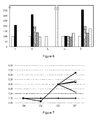
- the inventors set up the experimental model depicted in figure 5 .
- the inventors aim at generating RT activities and in the second part at evaluating the consequence in term of cytokine production.
- Results are shown in figure 6 .
- IL17A IL17A
- IFN- ⁇ IFN- ⁇
- IP10 IP10
- Eviplera ® rilpivirine
- efavirenz were efficient at reducing the level of production of the former set of cytokine.
- IL17A expression was undetectable when the two other cytokine expression were decreased by more than 50%.
- efavirenz treatment induced a potent induction of TNF- ⁇ production.
- Used ARVs can restore a basal level of cytokine expression in keratinocytes after treatment with demethylating agent.
- Eviplera ® or rilpivirine may prevent skin inflammation.
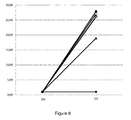
- cells received concomitantly a treatment that stimulated RT activity and a dose of different classes of ARVs. Again, IL-6 production was assessed and results are shown in figure 8 .
- AZT lamivudine or a combination of said RTI have no effect on the synthesis of IL-6 whereas Eviplera ® reduces the synthesis of IL-6 by 30% under this condition.
- the chronic auto-inflammatory human diseases that are eligible for such concept fulfill two criteria: (i) have an increase endogenous RT activity and (ii) have an increase cytosolic DNA content.
- Cytosolic DNA content was performed by Taqman-based quantitative real-time PCR according to Coufal et al. (2009) with minor modifications (100 or 500 pg DNA as starting material and single amplicon analysis. Primers are listed below. Quantification was performed in triplicate. A non-parametric Mann-Whitney U test was employed for two group comparison and p ⁇ 0.05 was considered significant.
- a second approach consists to use animal models to assess the efficacy of an ARV, in particular RTI treatment.
- Systemic lupus erythematosus can be reproduced by treating mice with hydralazine or isoniazid for 6 months.
- Systemic Sclerosis model is derived from BALB-C mice treated with daily injection of hydroxyl radicals, hypochlorous acid, peroxynitrites or superoxide anions for 6 weeks.
Landscapes
- Health & Medical Sciences (AREA)
- Veterinary Medicine (AREA)
- Chemical & Material Sciences (AREA)
- Medicinal Chemistry (AREA)
- Pharmacology & Pharmacy (AREA)
- Life Sciences & Earth Sciences (AREA)
- Animal Behavior & Ethology (AREA)
- General Health & Medical Sciences (AREA)
- Public Health (AREA)
- Epidemiology (AREA)
- Engineering & Computer Science (AREA)
- Bioinformatics & Cheminformatics (AREA)
- Dermatology (AREA)
- Chemical Kinetics & Catalysis (AREA)
- General Chemical & Material Sciences (AREA)
- Nuclear Medicine, Radiotherapy & Molecular Imaging (AREA)
- Organic Chemistry (AREA)
- Pharmaceuticals Containing Other Organic And Inorganic Compounds (AREA)
Abstract
Description
- The present invention relates to the use of antiretroviral agents for treating pathologies.
- Reverse transcription (RT) is the key step for the spreading of infectious retroviruses. Aside of this virological function, additional RT activity are found associated with cellular proteins with either a defined function as well-illustrated by the telomerase activity or a function that remains to be explained as for the retrotransposition of endogenous retroelements.
- Retroelements encompass about 40% of our genome and are divided into LTR and non-LTR elements. The former ones are present in extremely high copy numbers and are identified as short interspersed nuclear elements (SINE) and long interspersed nuclear elements (LINE). If SINE is a non-autonomous element with no protein coding capacity, LINE is of interest since the ORF2 encodes for a RT-like proteins. The LTR elements include the endogenous retroviruses (HERV, 8% of our genome) that are again subdivided into subfamilies named by their initiating t-RNA. Most of them are largely defective since they accumulated point mutations, insertions/deletions. Nevertheless, taken individually each locus possess open reading frames (ORFs) that can potentially encode for complete gag, pol or env proteins, and regulatory regions (LTRs) that kept their functional activities. Therefore, out of all known endogenous retrovirus family, the HERV-K family which integrated our genoma the most recently, is the most likely to encode for complete ORFs, and HERV-K113 and -K115 were described as the first examples of retrovirus that were endogenized and contains fully complete ORFs. Even if they got all the characters to be infectious, many others loci got individual ORF that could generate functional RT proteins that would not be involved in a classical viral cycle, but rather in an undefined cellular function or as an innocent bystander.
- When analysed i.e. when not filtered through repbase listing, the expression of these RT-encoding repetitive elements is ubiquitous but differs substantially among species and among strains. Strong variations are also reported between pathological versus physiological organs and the strongest levels of expression were found in hyperproliferative pathological states such as in human cancer. For example, HERV-K expression was significantly higher in breast cancer tissues and breast cancer cell lines than in normal breast tissues and RT encoding gene were shown to be active in these cells. In addition, it turns out that RT negative tumours were of better prognostic than the RT positive tumours. Expression has also been reported in normal tissues including again variations. Seifarth et al. demonstrated that skin, thyroid gland, placenta, and tissues of reproductive organs have significantly higher levels of expression of HERV than muscle cells for example. It is also noteworthy that embryos contain also high level of RT encoding transcripts. Various reports now described the HERVs has part of a stem cell signature and their expression is tightly controlled through nucleic acid sensor, namely Toll-like receptors. RT protein and RT activity has not been, however, investigated deeply in the previous situations. This fact results from the too rare tools available for such analysis. An RT from the HERV-K family with a low activity was detected in human bone marrow cells or in spermatozoids. As an overall line, RT encoding genes are transcriptionally active in undifferentiated cells and cells with high proliferative potential while being barely detectable in differentiated cells.
- However, the need of an efficient therapy for treating inflammatory diseases remains.
- Initially considered as a hyperproliferative disease, antimitotic compounds were used to treat psoriasis, such as methotrexate or tar. Further, knowledges about the differentiation dysfunctions have motivated the use of pro-differentiating agents such as vitamin A or D. Moreover, highlighting of the inflammatory mechanisms has motivated the use of compounds such as cyclosporine and therapy against cytokines.
- However, these treatments show numerous side effects and remain not long-term completely satisfying since some therapeutic escape are observed.
- So, one aim of the invention is to provide an efficient treatment for inflammatory diseases.
- For this purpose, the invention relates to a composition comprising:
- an effective amount of a first antiretroviral agent, said first antiretroviral agent being tenofovir, or a salt or a solvate, or a prodrug thereof, and
- an effective amount of at least a second antiretroviral agent, said second antiretroviral agent been chosen among the group consisting of: lamivudine, rilpivirine, efavirenz, raltegravir, or a combination thereof, or a salt or a solvate or a prodrug of the above
- The invention also relates to the use of a composition comprising:
- an effective amount of a first antiretroviral agent, said first antiretroviral agent being rilpivirine, or a salt or a solvate or a prodrug thereof, and
- an effective amount of at least a second antiretroviral agent, said second antiretroviral agent been chosen among the group consisting of: lamivudine, tenofovir, efavirenz, raltegravir, or a combination thereof, or a salt or a solvate or a prodrug of the above.
- The invention is based on the unexpected observation made by the inventors that only specific combinations of RT inhibitors are able to efficiently and rapidly treat chronic inflammatory diseases. Indeed, the inventors have made the unexpected observation that an endogenous RT activity is increased chronic inflammatory diseases, in particular in psoriatic lesions, and consequently, inhibiting such an activity could reverse said pathologies.
- The invention also relates to a method for preventing or treating chronic inflammatory diseases by administering to a patient in a need thereof a composition comprising :
- an effective amount of a first antiretroviral agent, said first antiretroviral agent being tenofovir, or a salt or a solvate, or a prodrug thereof, and
- an effective amount of at least a second antiretroviral agent, said second antiretroviral agent been chosen among the group consisting of: lamivudine, rilpivirine, efavirenz, raltegravir, or a combination thereof, or a salt or a solvate or a prodrug of the above,
- an effective amount of a first antiretroviral agent, said first antiretroviral agent being rilpivirine, or a salt or a solvate or a prodrug thereof, and
- an effective amount of at least a second antiretroviral agent, said second antiretroviral agent been chosen among the group consisting of: lamivudine, tenofovir, efavirenz, raltegravir, or a combination thereof, or a salt or a solvate or a prodrug of the above.
- The inventors have demonstrated that only specific association of nucleotidic RT inhibitors (NtNRTI) with specific nucleosidic RT inhibitors (NRTI), non-nucleosidic RT inhibitors (nNRTI), integrase inhibitors are powerful and efficient combination for treating chronic inflammatory diseases.
- The composition for its use, or the method, according to the invention comprises: an effective amount of tenofovir, in association with an effective amount of at least one of the following RT inhibitors: lamivudine, rilpivirine, efavirenz, raltegravir.
- The composition therefore encompasses the following combinations:
- tenofovir + lamivudine,
- tenofovir + rilpivirine,
- tenofovir + efavirenz,
- tenofovir + raltegravir,
- tenofovir + lamivudine + rilpivirine,
- tenofovir + lamivudine + efavirenz,
- tenofovir + lamivudine + raltegravir,
- tenofovir + rilpivirine + efavirenz,
- tenofovir + rilpivirine + raltegravir,
- tenofovir + efavirenz + raltegravir,
- tenofovir + lamivudine + rilpivirine + efavirenz,
- tenofovir + lamivudine + rilpivirine + raltegravir,
- tenofovir + lamivudine + efavirenz + raltegravir,
- tenofovir + rilpivirine + efavirenz + raltegravir, and
- tenofovir + lamivudine + rilpivirine + efavirenz + raltegravir.
- The invention also encompasses the following combinations :
- rilpivirine + lamivudine,
- rilpivirine +tenofovir,
- rilpivirine + efavirenz,
- rilpivirine + raltegravir,
- tenofovir + lamivudine + rilpivirine,
- rilpivirine + lamivudine + efavirenz,
- rilpivirine + lamivudine + raltegravir,
- tenofovir + rilpivirine + efavirenz,
- tenofovir + rilpivirine + raltegravir,
- rilpivirine + efavirenz + raltegravir,
- tenofovir + lamivudine + rilpivirine + efavirenz,
- tenofovir + lamivudine + rilpivirine + raltegravir,
- rilpivirine + lamivudine + efavirenz + raltegravir,
- tenofovir + rilpivirine + efavirenz + raltegravir, and
- tenofovir + lamivudine + rilpivirine + efavirenz + raltegravir.
- Tenofovir disoproxil fumarate is a prodrug form of tenofovir, a nucleotidic RT inhibitor. It is also marketed under the brand name Viread by Gilead Sciences. Tenofovir is also available in a fixed-dose combination with emtricitabine (the prodrug of lamivudine) in a product with the brand name Truvada for once-a-day dosing. Atripla, a fixed-dose triple combination of tenofovir, emtricitabine and efavirenz, was approved by the FDA on 12 July 2006 and is now available, providing a single daily dose for the treatment of HIV.
- Rilpivirine (TMC278, trade name Edurant) is a pharmaceutical drug, developed by Tibotec and now marketed by Johnson & Johnson, for the treatment of HIV infection. It is a second-generation non-nucleoside reverse transcriptase inhibitor (NNRTI) with higher potency, longer half-life and reduced side-effect profile compared with older NNRTIs, such as efavirenz.
- Efavirenz (EFV, brand names Sustiva, Stocrin, Efavir etc.) is a non-nucleoside reverse transcriptase inhibitor (NNRTI) discovered at Merck Research Laboratories. It is used as part of highly active antiretroviral therapy (HAART) for the treatment of a human immunodeficiency virus (HIV)
type 1. - Raltegravir (RAL, Isentress, formerly MK-0518) is an antiretroviral drug produced by Merck & Co., used to treat HIV infection. It received approval by the U.S. Food and Drug Administration (FDA) on 12 October 2007, the first of a new class of HIV drugs, the integrase inhibitors, to receive such approval.
- Emtricitabine is an analogue of cytidine. The drug works by inhibiting reverse transcriptase, the enzyme that copies HIV RNA into new viral DNA. By interfering with this process, which is central to the replication of HIV, emtricitabine can help to lower the amount of HIV, or "viral load". Emtricitabine is the prodrug of Lamivudine (2',3'-dideoxy-3'-thiacytidine, commonly called 3TC), a potent nucleosidic analog reverse transcriptase inhibitor (NRTI).
- RT encoding genes have been detected in skin, as mentioned above, and increased expression were found in hyperproliferative but benign skin lesion of patient affected by psoriasis. Interestingly, psoriatic epidermis is also characterised by an abnormal differentiation program, cells were not capable to generate a mature stratum corneum. Moreover, we showed that these RT were functional and a baseline activity was detectable in normal skin extracts. The previous increase expression was followed by an increase RT activity. These observations prompted the inventors to investigate the cellular functions of RT proteins by testing various classes of RT inhibitors on different primary cell culture conditions and keratinocyte cell lines.
- In the invention, it is meant that a prodrug is a medication that is administered in an inactive or less than fully active form, and then it becomes converted to its active form through a normal metabolic process, such as hydrolysis of an ester form of the drug.
- Instead of administering a drug, a prodrug might be used instead to improve how a medicine is absorbed, distributed, metabolized, and excreted (ADME). Prodrugs are often designed to improve bioavailability when a drug itself is poorly absorbed from the gastrointestinal tract. A prodrug may be used to improve how selectively the drug interacts with cells or processes that are not its intended target. This reduces adverse or unintended effects of a drug, in particular in order to overcome severe unintended and unexpected side effects.
- For instance in the invention, Emtracitabine is a prodrug of the lamivudine.
- Advantageously, the invention relates to a composition for its use as defined above, or a method as defined above, wherein said chronic-inflammatory diseases is chosen among the group consisting of: psoriasis, sclerodermia, schizophrenia, autism, Alzheimer's disease, central nervous system inflammation, Parkinson's Disease, dementia (various forms), multiple sclerosis, Sjrögren syndrome, obesity, Hashimoto's disease, diabetes (
Type 1 and Type 2), atherosclerosis, neonatal onset multisystem inflammatory disease, (also known as NOMID), Chronic Neurologic Cutaneous and Articular Syndrome (or CINCA), rheumatoid arthritis, juvenile idiopathic arthritis, osteoarthritis, systemic lupus erythematosus, cutaneous lupus erythematosus, organ inflammation (e.g. myocarditis, asthma, nephritis, colitis), inflammatory bowel disease (IBD), inflammatory bowel syndrome (IBS), Crohn's disease, primary biliary cirrhosis, Chronic Ulcerative Colitis, celiac disease, inflammatory lung disease, chronic obstructive pulmonary disease, idiopathic emphysema and idiopathic pulmonary fibrosis, Aicardi-Goutières syndrome, idiopathic autoimmune chronic active hepatitis (IACAH). - Advantageously, the invention relates to a composition for its use as defined above, or a method as defined above, wherein said auto-inflammatory disease is psoriasis.
- In one advantageous embodiment, the invention relates to a composition for its use as defined above, or a method as defined above, wherein said first antiretroviral agent and said second medical agent are combined for a simultaneous, separate or sequential use.
- In the context of the invention, the composition mentioned above is used for treating the above mentioned pathologies, by providing tenofovir or rilpivirine
- either by providing tenofovir or rilpivirine simultaneously with a second antiretroviral agent, said second antiretroviral agent, been chosen among the group consisting of: lamivudine, rilpivirine, efavirenz, integrase inhibitors, or a combination thereof, or a salt or a solvate or a prodrug of the above,
- or by providing tenofovir or rilpivirine and in the same time, but in another route, a second antiretroviral agent, said second antiretroviral agent, been chosen among the group consisting of: lamivudine, rilpivirine, efavirenz, integrase inhibitors, or a combination thereof, or a salt or a solvate or a prodrug of the above,
- or by providing tenofovir or rilpivirine at a determined time, and before or after, but not at the same time, a second antiretroviral agent, said second antiretroviral agent, been chosen among the group consisting of: lamivudine, rilpivirine, efavirenz, integrase inhibitors, or a combination thereof, or a salt or a solvate or a prodrug of the above.
- In one another advantageous embodiment, the invention relates to a composition for its use according to the above definition, comprising :
- an effective amount of a first antiretroviral agent, said first antiretroviral agent being tenofovir or rilpivirine, or a salt or a solvate or a prodrug thereof,
- an effective amount of a second antiretroviral agent, said second antiretroviral agent, been chosen among the group consisting of: lamivudine, rilpivirine, efavirenz, integrase inhibitors, or a combination thereof, or a salt or a solvate or a prodrug of the above, and possibly :
- an effective amount of a third antiretroviral agent, said third antiretroviral agent been chosen among the group consisting of: lamivudine, rilpivirine, efavirenz, integrase inhibitors, or a combination thereof, or a salt or a solvate or a prodrug of the above,
- As mentioned above, the composition for its use according to the invention encompasses advantageously the following combinations:
- tenofovir + lamivudine + rilpivirine,
- tenofovir + lamivudine + efavirenz,
- tenofovir + lamivudine + raltegravir,
- tenofovir + rilpivirine + efavirenz,
- tenofovir + rilpivirine + raltegravir,
- tenofovir + efavirenz + raltegravir,
- rilpivirine + lamivudine + efavirenz,
- rilpivirine + lamivudine + raltegravir, and
- rilpivirine + efavirenz + raltegravir.
- In one another advantageous embodiment, the invention relates to a composition for its use as defined above, comprising:
- an effective amount of a first antiretroviral agent, said first antiretroviral agent being tenofovir, or a salt or a solvate or a prodrug thereof,
- an effective amount of a second antiretroviral agent, said second antiretroviral agent being lamivudine, or a salt or a solvate or a prodrug thereof, and possibly
- an effective amount of a third antiretroviral agent, said third antiretroviral agent being rilpivirine, or a salt or a solvate or a prodrug thereof.
- Advantageously, the invention relates to the method as defined above, wherein the composition comprises:
- an effective amount of a first antiretroviral agent, said first antiretroviral agent being tenofovir, or a salt or a solvate or a prodrug thereof,
- an effective amount of a second antiretroviral agent, said second antiretroviral agent being lamivudine, or a salt or a solvate or a prodrug thereof, and possibly
- an effective amount of a third antiretroviral agent, said third antiretroviral agent being rilpivirine, or a salt or a solvate or a prodrug thereof.
- The above combination is known as Eviplera® when the above mentioned first second and third antiretroviral agent are provided in a specific concentration or dosage.
- Advantageously, the invention relates to a composition for its use according to the above definition, or the composition as defined above, wherein the effective amount of the first antiretroviral agent is from 1 µM to 10 mM.
- When the first antiretroviral agent is tenofovir, advantageous amounts are from 1 µM to 1mM, advantageously from 10 µM to 100 µM. For the prevention of the above pathologies, in particular psoriasis, the most advantageous amount is 10 µM. By contrast, for a curative application, the advantageous amount is about 100 µM.
- When the first antiretroviral agent is rilpivirine, advantageous amounts are from 1 µM to 250 µM, advantageously from 10 µM to 100 µM. For the prevention of the above pathologies, in particular psoriasis, the most advantageous amount is 10 µM. By contrast, for a curative application, the advantageous amount is about 100 µM.
- Advantageously, the invention also relates to a composition for its use as defined above, or the method as defined above, wherein the effective amount of the second antiretroviral agent, and possibly the third antiretroviral agent, is from 1 µM to 100 µM.
- In still another advantageous embodiment, the invention relates to a composition for its use as defined above, comprising
- an effective amount of a first antiretroviral agent, said first antiretroviral agent being tenofovir, or a salt or a solvate or a prodrug thereof,
- an effective amount of a second antiretroviral agent, said second antiretroviral agent being lamivudine, or a salt or a solvate or a prodrug thereof, and
- an effective amount of a third antiretroviral agent, said third antiretroviral agent being rilpivirine, or a salt or a solvate or a prodrug thereof,
- The invention also relates to the method as defined above for the prevention or the treatment of psoriasis, comprising the administration of an effective mount of a composition comprising :
- an effective amount of a first antiretroviral agent, said first antiretroviral agent being tenofovir, or a salt or a solvate or a prodrug thereof,
- an effective amount of a second antiretroviral agent, said second antiretroviral agent being lamivudine, or a salt or a solvate or a prodrug thereof, and
- an effective amount of a third antiretroviral agent, said third antiretroviral agent being rilpivirine, or a salt or a solvate or a prodrug thereof,
- Another advantageous embodiment of the invention relates to a composition for its use according to the above definition, or the composition within the context of the method as defined above, in association with a vitamin D derivative, or a retinoid compound, or corticoid, tar and anthracene derivative, methotrexate, ciclosporin, fumaric acid derivatives, immunosuppressive treatment (such as tacrolimus or sirolimus) and any anti-cytokine/ cytokine receptor antibody (TNF-α, IL-12, IL-17, IL-12R, IL-23), wherein said pathology is psoriasis.
- It is also possible to combine the above mentioned association with a PUVA therapy (a psoralen + UVA treatment) or an UVB therapy.
- The invention will be better understood from the following examples and figures.
-
-
Figures 1A-C represent the expression of cytokeratin 10 on SCC12B2-derived 3D reconstructed skin detected by immunohistochemistry. -
Figure 1A represents untreated SCC12B2-derived 3D reconstructed skin. -
Figure 1B represents SCC12B2-derived 3D reconstructed skin treated by AZT (100 µM) for 21 days: -
Figure 1C : represents SCC12B2-derived 3D reconstructed skin treated by efavirenz (100 µM) for 21 days.
Arrow indicates cytokeratin 10 expression. -
Figures 2A-D represent the expression of psoriasine on SCC12B2-derived 3D reconstructed skin detected by immunofluorescence. -
Figure 2A represents untreated SCC12B2-derived 3D reconstructed skin. -
Figure 2B represents SCC12B2-derived 3D reconstructed skin treated by AZT (100 µM) for 21 days: -
Figure 2C represents SCC12B2-derived 3D reconstructed skin treated by Lamivudine (100 µM) for 21 days. -
Figure 2D represents SCC12B2-derived 3D reconstructed skin treated by AZT (100 µM) and Lamivudine (100 µM) for 21 days. -
Figures 3A-D represent the expression of cytokeratin 10 on SCC12B2-derived 3D reconstructed skin detected by immunofluorescence. -
Figure 3A . represents untreated SCC12B2-derived 3D reconstructed skin. -
Figure 3B represents SCC12B2-derived 3D reconstructed skin treated by AZT (100 µM) for 21 days: -
Figure 3C represents SCC12B2-derived 3D reconstructed skin treated by lamividune (100 µM) for 21 days; -
Figure 3D represents SCC12B2-derived 3D reconstructed skin treated with a combination of AZT (100 µM) and lamivudine (100 µM).
White staining denoted cytokeratin 10 expression. -
Figure 4 represents a histogram showing the level of endogenous RT activity in 3D reconstructed skin from various cell lines: PC F2 (A), PC B2 (B) or PC KN (C). PC F2 were obtained from the SCC12F2 cell line; PC B2 from the SCC12B2 cell line and PC KN from primary cultured human keratinocytes. Treatment were either azidothymidine (AZT; 2.) or efavirenz (3.) compared to the control (untreated; 1.). -
Figure 5 represents a fow chart of the different treatments that aim at mimicking the initiating events of the psoriatic lesions -
Figure 6 represents a histogram showing the level of the indicated cytokine production by keratinocytes at Day 7 of the protocol described infigure 5 . Data were normalized versus control condition (fold increase in arbitrary unit). 1: IL-17 A; 2: IFN-γ; 3: TNF-α, 4: IL-1 RA and 5: IP-10. White columns represent the expression level in control cells. Black columns represent the expression level in cells treated with deoxyuridine, Grey columns represent the expression level in cells treated with desoxyuridine and Eviplera®. Hatched columns represent the expression level in cells treated with desoxyuridine and rilpivirine. Columns with dots represent the expression level in cells treated with desoxyuridine and efavirenz. -
Figure 7 represents a graph showing time course (D0:Day 0; D2:Day 2; D5:Day 5; D7: Day 7) of the level of IL-6 production (fold increase) by keratinocytes according to the protocol described infigure 5 . The expression is normalized to control at the corresponding time point. Diamond shape = untreated cells; Filled square = demethylating treated cells; Open square = treated with AZT; Filled circle = treated with lamivudine; Open circle = treated with Eviplera®. -
Figure 8 represents a graph showing effects of ARVs upon simultaneous stimulation of RT activities on the production of IL-6 by keratinocytes. Values are normalized versus control. Filled diamond shape = control; Filled square = treated with demethylating agent; Triangle = treated with demethylating agent + Eviplera®; open diamond shape = treated with demethylating agent + lamivudine; Open circle = treated with demethylating agent + AZT; Filled circle = treated with demethylating agent + AZT + Lamivudine. - Psoriasis is a T-lymphocyte mediated auto-inflammatory chronic skin disease, characterized by cutaneous erythemateous inflammatory lesions associating dermal infiltrate, epidermic hyperplasia and hyper and parakeratosis, evolving by periods of exacerbation and remission and affecting 1 to 3 % of the world population. Both lesion initiation and maintenance mechanisms remain to be identified. Over time therapeutic strategies of psoriasis have reflected its pathogenesis understanding, but with a poor benefits/risks balance overall.
- The current knowledge of psoriasis pathophysiology highlights the prominent role of polarized Th17 lymphocytes. Secreted cytokines stimulate keratinocytes proliferation, secreting in return another cytokines set that stimulates lymphocyte activation. Once this cross-talk is initiated, lesions are generated. Targeting this auto-inflammatory maintenance loop, anti-cytokine biotherapies have shown encouraging results. But their incomplete efficiency in space and/or time in psoriasis, mainly due to frequent therapeutic escape, and their important adverse effects, questioning on their mid-term safety mandatory ask, new and more secure therapeutic options, targeting not only inflammation but factors triggering inflammation.
- The question of psoriasis primum movens is still unanswered. Recently, increased amount of cytosolic DNA have been shown to promote cutaneous inflammation through TLR pathways activation. In the same way, the inventors found that endogenous reverse transcriptase activities were significantly higher in psoriasis lesional skin versus non lesional skin. These activities were issued of both the Mg2+ and the Mn2+ dependent reverse transcriptases.
- Human epidermis, and more precisely the keratincoyte, is a unique model that includes stem cell populations and the various commitments towards the terminal differentiation stage. All these steps are advantageously recreated in vitro either in 2D culture model or in 3D culture model.
- RT encoding genes have been detected in skin and increased expressions were found in hyperproliferative but benign skin lesion of patient affected by psoriasis. Interestingly, psoriatic epidermis is also characterised by an abnormal differentiation program, cells being not capable to generate a mature stratum corneum.
- Moreover, the inventors showed that these RT were functional and a baseline activity was detectable in normal skin extracts. The previous increase expression was followed by an increase RT activity. These observations prompted the inventors to investigate the cellular functions of RT proteins by testing various classes of RT inhibitors on different primary cell culture conditions and keratinocyte cell lines.
- The evaluation of RTI on psoriatic characteristics is based on three independent molecular and cellular models:
- i) inhibition of the endogenous RT activity isolated from normal keratinocytes or keratinocyte cell lines,
- ii) cell differentiation of normal keratinocytes or keratinocyte cell lines and
- iii) regulation of cytokine production by normal keratinocytes or keratinocyte cell lines under RTI treatment.
- These models represent discrete characteristics of the psoriatic lesion and allows to study, in vitro or ex vivo psoriasis mechanisms, since no animal models are available to date.
- Cell hyperproliferation is a well-known characteristic of psoriasis. It is clearly accepted that keratinocytes divide 10 to 12 times more than in a normal epidermis which represent a turn-over even higher than in a cutaneous malignant tumors. At the dose tested below, the inventors demonstrated that ARVs were not cytotoxic and did not impaired cell proliferation. Therefore, effects described below should be regarded as direct effect on the mentioned cell process.
- Effects of the composition according to the invention on cell differentiation was assessed via two cellular models:
- Briefly, various keratinocyte cell lines (SCC12B2, SCC12F2 [Weichselbaum, R. R., et al. Int. J. Radiation .Oncol. Biol. Phys., 14: 907-912, 1988] and primary cultures of keratinocytes were seeded onto a De-epidermized Dermis (DED) using a silicon ring (4-mm diameter).
- DED were obtained from abdominoplasty and prepared as previously described [ Mils V, et al.. Differentiation, 1994 Nov;58(1):77-86].). Keratinocytes were allowed to adhere to dermal equivalents for 2 h. The cultures were then submerged for 2 days in a culture medium consisting of Ham's F12/DMEM (1/3; vol./vol.) supplemented with 10% fetal calf serum (BioMedia, Boussens, France), 1% penicillin/streptomycin (Invitrogen, Cergy Pontoise, France), 0.4 µg.mL-1 hydrocortisone, 5 µg.mL-1 insulin, 10-10 M cholera toxin, and 10 ng.mL-1 EGF (Sigma-Aldrich, Saint-Quentin-Fallavier, France). ARV were supplemented to the medium at the concentration of 10 and 100 µM. Treatments were applied both at the initiation of the culture and at day 11 and maintained until the end of the experiment. Finally, the cultures were placed on the stainless-steel grid at the air-liquid interface and cultured over a period of 21 days.
- For detection of markers, whole 3D cultures were embedded in OCT (Miles, Zoeterwoude, The Netherlands) and snap-frozen in liquid nitrogen vapor. Sections of DEDs (6 µm) were obtained using a cryomicrotome (Leica, Wetzlar, Germany), fixed in acetone:methanol (1:1, vol./vol.) at 4°C for 20 min, rehydrated in PBS and incubated with a blocking solution (PBS containing 0.1% gelatin) for 2 h in a humidified chamber. Sections were then incubated overnight at 4°C with the primary antibodies. After several washes and incubation with an appropriate FITC conjugated secondary antibody for 1 h, sections were counterstained with Hoescht 33258 for nuclear detection. Negative controls consisted of omitting the primary antibody. Sections were then examined under a TE300 microscope fitted with a DMX1200 digital camera (Nikon, Tokyo, Japan).
- Various markers have tested to characterize the reconstructed epidermis. This includes
cytokeratin - The following ARV or combinations of ARV were tested: Zidovudine (AZT), Lamivudine, Efavirenz, Etravirine, Lopinavir + Ritonavir, Tenofovir, Rilpivirine, Emtricitabine +Tenofovir, Emtricitabine + Tenofovir + Rilpivirine.
- As shown in
figures 1A-C , AZT had no effect on cell differentiation whereas Efavirenz (NNRTI) reverses the "tumoral" phenotype of SCC12B2 cell line. Eosinophilic cells appear in the top layers and basal cells were organised in "palissade". The specific expression ofcytokeratin 1 and 10 was noted in SCC12B2 skin culture. These keratins are restrictively expressed in differentiated cells i.e. in cells that withdraw from cell proliferation. - Based on this approach, others ARVs, or combinations of ARVs have been tested. Observed effects are listed in the following table:

- These results show that AZT, etravirine, lopinavir + ritonavir and rilpivirine have no or minor effects, whereas efavirenz, tenofovir, or combinations of said ARV impact cell differentiation.
- To confim that AZT and lamivudine have no effects on cell differentiation, specific staining for psoriasine and cytokeratin 10 have been tested. The results are shown in
figures 2 and 3 . - Neither AZT, nor lamivudine has effect on cell differentiation.
- These data confirm that only specific ARV, and combination thereof are efficient in psoriasis model. This applies also for chronic inflammatory diseases.
- Endogenous RT activities are increased in the psoriatic lesion when compared to non lesional psoriatic skin or normal skin extracts. They are both Mg++ dependent and Mn++ dependent RT activities which suggest that more than one type of RT are activated in the lesion. The origin and the nature of these proteins are unknown but considering that the disease is not transmissible horizontally they should be attributed to endogenous proteins. In fact several cellular proteins including telomerase, LINE ORF2 and RT from human endogenous retroviruses (HERV) harbour a reverse transcriptase activity. LINE ORF2 is a Mg2+-dependent RT, like RTs of the HERVs belonging to the MMTV-like group. The MLV-like HERV group harbours a Mn2+-dependent RT. Effects of ARV on these activities was assessed in 3D culture models: Various reconstructed skin were assessed for RT inhibition through RTI treatment. They were generated from SSC12F2 and SCC12B2 cell lines and from normal primary keratinocytes (KN).
- Reverse transcriptase assay : Protein extracts were prepared by crushing the cryostat skin sections (100 µm) in liquid nitrogen, incubating in ice-cold lysis buffer (10 mM Tris-HCl pH 7.5, 1 mM MgCl2, 1 mM EDTA, 0.1 mM PMSF, 5 mM β-mercaptoethanol, 0.5 % CHAPS, 10 % glycerol, 1 % NP40) and then subjected to three freeze/thaw cycles (LN2/4°C). After 30 min centrifugation at 14,000 rpm at 4°C, supernatants were stored at -80°C until used. RT activities were quantified with colorimetric highly sensitive Mn2+ and Mg2+ RT kit (Cavidi, Uppsala, Sweden) according to the manufacturer's instructions. Briefly, 10 µl of extract were incubated overnight at 33°C with 140 µl of reaction buffer. After intensive washes, incorporated BrDU was revealed using alkaline phosphatase-conjugate antibody followed by alkaline phosphatase substrate reaction and optical reading at 405 nm (Spectra, SLT Labinstruments, Austria). Standardised MMLV or MMTV RT reaction was done in parallel in separated well. RT values of all extracts were then expressed in MMLV or MMTV RT units per µg of proteins.
- Within the conditions tested, efavirenz decreased endogenous RT activities of both type i.e. Mn2+ and Mg2+ dependent, of 3 out of 4 reconstructed epidermis (
Figure 4 ). Inhibition could represent 65% of the initial value. AZT, in the other hand, appeared less effective. - As an overall conclusion, ARVs previously designed to inhibit RT from infectious viruses, are also inhibitor for the endogenous RT.
- In order to recreate the series of events that lead to the generation of the psoriatic lesion, the inventors set up the experimental model depicted in
figure 5 . In the first part, the inventors aim at generating RT activities and in the second part at evaluating the consequence in term of cytokine production. - Results are shown in
figure 6 . - Amongst the tested cytokine, IL17A, IFN-α and IP10 production were increased after the demethylation process. TNF-α and IL-1RA did not increased in this condition. After such treatment, Eviplera®, rilpivirine and efavirenz were efficient at reducing the level of production of the former set of cytokine. IL17A expression was undetectable when the two other cytokine expression were decreased by more than 50%. Of note, efavirenz treatment induced a potent induction of TNF-α production.
- Used ARVs (i.e ARV according to the invention) can restore a basal level of cytokine expression in keratinocytes after treatment with demethylating agent. Eviplera® or rilpivirine may prevent skin inflammation.
- In order to confirm the effects of the ARV treatment, secretion of IL-6 was assessed upon RT induction during the time course of the experiments (
figure 5 ). Results are shown infigure 7 . - These results show that: (i) IL-6 is induced after demethylating treatment, (ii) neither AZT nor lamivudine have effect on the synthesis of IL-6 upon this condition and (iii) Eviplera® reduces the synthesis of IL-6 by 66%.
- In another set of experiments, cells received concomitantly a treatment that stimulated RT activity and a dose of different classes of ARVs. Again, IL-6 production was assessed and results are shown in
figure 8 . - AZT, lamivudine or a combination of said RTI have no effect on the synthesis of IL-6 whereas Eviplera® reduces the synthesis of IL-6 by 30% under this condition.
- The chronic auto-inflammatory human diseases that are eligible for such concept fulfill two criteria: (i) have an increase endogenous RT activity and (ii) have an increase cytosolic DNA content.
- A series of various human diseases as listed above, including polyarthritis rhumatoid, sclerodermia, were assessed for endogenous RT activity as described in example 2.
- Cytosolic DNA content was performed by Taqman-based quantitative real-time PCR according to Coufal et al. (2009) with minor modifications (100 or 500 pg DNA as starting material and single amplicon analysis. Primers are listed below. Quantification was performed in triplicate. A non-parametric Mann-Whitney U test was employed for two group comparison and p < 0.05 was considered significant.
-
- PCR primer_F TGCGGAGAAATAGGAACACTTTT (SEQ ID NO: 1)
- PCR primer_R TGAGGAATCGCCACACTGACT (SEQID NO: 2)
- Taqman probe CTGTAAACTAGTTCAACCATT (SEQID NO: 3)
-
- PCR primer_F CAAACACCGCATATTCTCACTCA (SEQID NO: 4)
- PCR primer_R CTTCCTGTGTCCATGTGATCTCA (SEQID NO: 5)
- Taqman probe AGGTGGGAATTGAAC (SEQID NO: 6)
-
- PCR primer_F GGTCAATGGCAGAAAAGGAAAT (SEQID NO: 7)
- PCR primer_R CGCAGTTTGTGGGAATGATTC (SEQID NO: 8)
- Taqman probe TCTTCGTTTCAAAACTAG (SEQID NO: 9)
-
- PCR primer_F AATGGCCCCACCCCTATCT (SEQID NO: 10)
- PCR primer_R GCGGGCTGAGTCCGAAA (SEQID NO: 11)
- Taqman probe CCCTTCGCTGACTCTC (SEQID NO: 12)
- A second approach consists to use animal models to assess the efficacy of an ARV, in particular RTI treatment.
- For psoriasis, imiquimod-treated BALB-C mice are used.
- Systemic lupus erythematosus can be reproduced by treating mice with hydralazine or isoniazid for 6 months. Systemic Sclerosis model is derived from BALB-C mice treated with daily injection of hydroxyl radicals, hypochlorous acid, peroxynitrites or superoxide anions for 6 weeks.
- These animals received an ARV, in particular, a RTI, treatment either during the induction of the lesions or once the lesions are acquired. Evaluation of the efficacy of the treatment is studied according to the characteristics of the said disease.


Claims (9)
- Composition comprising :- an effective amount of a first antiretroviral agent, said first antiretroviral agent being tenofovir, or a salt or a solvate or a prodrug thereof, and- an effective amount of at least a second antiretroviral agent, said second antiretroviral agent been chosen among the group consisting of: lamivudine, rilpivirine, efavirenz, raltegravir, or a combination thereof, or a salt or a solvate or a prodrug of the above,for its use for the prevention or the treatment of chronic inflammatory diseases.
- Composition for its use according to claim 1, wherein said auto-inflammatory diseases is chosen among the group consisting of: psoriasis, sclerodermia, schizophrenia, autism, Alzheimer's disease, central nervous system inflammation, Parkinson's Disease, dementia (various forms), multiple sclerosis, Sjrögren syndrome, obesity, Hashimoto's disease, diabetes (Type 1 and Type 2), atherosclerosis, neonatal onset multisystem inflammatory disease, (also known as NOMID), Chronic Neurologic Cutaneous and Articular Syndrome (or CINCA), rheumatoid arthritis, juvenile idiopathic arthritis, osteoarthritis, systemic lupus erythematosus, cutaneous lupus erythematosus, organ inflammation (eg. myocarditis, asthma, nephritis, colitis), inflammatory bowel disease (IBD), inflammatory bowel syndrome (IBS), Crohn's disease, primary biliary cirrhosis, Chronic Ulcerative Colitis, celiac disease, inflammatory lung disease, chronic obstructive pulmonary disease, idiopathic emphysema and idiopathic pulmonary fibrosis, Aicardi-Goutières syndrome, idiopathic autoimmune chronic active hepatitis (IACAH).
- Composition for its use according to claim 1 or 2, wherein said first antiretroviral agent and said second medical agent are combined for a simultaneous, separate or sequential use.
- Composition for its use according to anyone of claims 1 to 3, comprising :- an effective amount of a first antiretroviral agent, said first antiretroviral agent being tenofovir or rilpivirine, or a salt or a solvate or a prodrug thereof,- an effective amount of a second antiretroviral agent, said second antiretroviral agent, been chosen among the group consisting of: lamivudine, rilpivirine, efavirenz, integrase inhibitors, or a combination thereof, or a salt or a solvate or a prodrug of the above, and possibly- an effective amount of a third antiretroviral agent, said third antiretroviral agent been chosen among the group consisting of: lamivudine, rilpivirine, efavirenz, integrase inhibitors, or a combination thereof, or a salt or a solvate or a prodrug of the above,said second and third antiretroviral agent being different.
- Composition for its use according to anyone of claims 1 to 4, comprising :- an effective amount of a first antiretroviral agent, said first antiretroviral agent being tenofovir, or a salt or a solvate or a prodrug thereof,- an effective amount of a second antiretroviral agent, said second antiretroviral agent being lamivudine, or a salt or a solvate or a prodrug thereof, and possibly- an effective amount of a third antiretroviral agent, said third antiretroviral agent being rilpivirine, or a salt or a solvate or a prodrug thereof.
- Composition for its use according to anyone of claims 1 to 5, wherein the effective amount of the first antiretroviral agent is from 1 µM to 10 mM.
- Composition for its use according to anyone of claims 1 to 6, wherein the effective amount of the second antiretroviral agent is from 1 µM to 100 µM.
- Composition for its use according to anyone of claims 1 to 7, comprising- an effective amount of a first antiretroviral agent, said first antiretroviral agent being tenofovir, or a salt or a solvate or a prodrug thereof,- an effective amount of a second antiretroviral agent, said second antiretroviral agent being lamivudine, or a salt or a solvate or a prodrug thereof, and- an effective amount of a third antiretroviral agent, said third antiretroviral agent being rilpivirine, or a salt or a solvate or a prodrug thereof,wherein said auto-inflammatory disease is psoriasis.
- Composition for its use according to anyone of claims 1 to 8, in association with a vitamin D derivative, or a retinoid compound, or corticoid, tar and anthracene derivative, methotrexate, ciclosporin, fumaric acid derivatives, immunosuppressive treatment (such as tacrolimus or sirolimus) and any anti cytokine/cytokine receptor antibody, and wherein said pathology is psoriasis.
Priority Applications (2)
| Application Number | Priority Date | Filing Date | Title |
|---|---|---|---|
| EP14306121.6A EP2965760A1 (en) | 2014-07-09 | 2014-07-09 | Combination of antiretroviral agents for use in the prevention or treatment of chronic inflammatory diseases |
| PCT/EP2015/065361 WO2016005327A1 (en) | 2014-07-09 | 2015-07-06 | Combination of antiretroviral agents for use in the prevention or treatment of chronic inflammatory diseases |
Applications Claiming Priority (1)
| Application Number | Priority Date | Filing Date | Title |
|---|---|---|---|
| EP14306121.6A EP2965760A1 (en) | 2014-07-09 | 2014-07-09 | Combination of antiretroviral agents for use in the prevention or treatment of chronic inflammatory diseases |
Publications (1)
| Publication Number | Publication Date |
|---|---|
| EP2965760A1 true EP2965760A1 (en) | 2016-01-13 |
Family
ID=51224886
Family Applications (1)
| Application Number | Title | Priority Date | Filing Date |
|---|---|---|---|
| EP14306121.6A Withdrawn EP2965760A1 (en) | 2014-07-09 | 2014-07-09 | Combination of antiretroviral agents for use in the prevention or treatment of chronic inflammatory diseases |
Country Status (2)
| Country | Link |
|---|---|
| EP (1) | EP2965760A1 (en) |
| WO (1) | WO2016005327A1 (en) |
Cited By (4)
| Publication number | Priority date | Publication date | Assignee | Title |
|---|---|---|---|---|
| CN105796563A (en) * | 2016-05-03 | 2016-07-27 | 滨州医学院 | New application of lopinavir to medicines |
| CN105853432A (en) * | 2016-05-03 | 2016-08-17 | 滨州医学院 | Novel medical application of indinavir |
| CN105902544A (en) * | 2016-05-03 | 2016-08-31 | 滨州医学院 | Novel medical application of atazanavir |
| US12521398B2 (en) | 2019-12-19 | 2026-01-13 | Standigm Inc. | Composition for treating synucleinopathies |
Families Citing this family (5)
| Publication number | Priority date | Publication date | Assignee | Title |
|---|---|---|---|---|
| RU2662160C9 (en) | 2017-07-03 | 2018-10-22 | Александрович Иващенко Андрей | Combined drug for viral infection therapy |
| WO2019217973A1 (en) | 2018-05-11 | 2019-11-14 | Rhode Island Hospital | Compositions and methods for treating articulating joint disorders with nucleoside reverse transcriptase inhibitors |
| EP3810142A4 (en) | 2018-06-20 | 2022-03-30 | Sanford Burnham Prebys Medical Discovery Institute | ANTI-RETROVIRAL THERAPIES AND REVERSE TRANSCRIPTASE INHIBITORS FOR THE TREATMENT OF ALZHEIMER'S DISEASE |
| MX2021008751A (en) | 2019-01-25 | 2021-11-12 | Univ Brown | Compositions and methods for treating, preventing or reversing age-associated inflammation and disorders. |
| BR112023018714A2 (en) * | 2021-03-15 | 2023-10-24 | Transposon Therapeutics Inc | USE OF A LINE-1 INHIBITOR TO TREAT OR PREVENT ATAXIA-TELANGIECTASIA, AGE-RELATED MACULAR DEGENERATION, SYSTEMIC LUPUS ERYTHEMATOSUS, IFN-ASSOCIATED AUTOIMMUNE DISEASE, FANCONI ANEMIA, IDIOPATHIC PULMONARY FIBROSIS, OR CARDIOVASCULAR DISEASE AND KIT COMPRISING A LINE INHIBITOR -1 |
Citations (1)
| Publication number | Priority date | Publication date | Assignee | Title |
|---|---|---|---|---|
| US20110097303A1 (en) * | 2009-10-27 | 2011-04-28 | Michael Zasloff | Methods and compositions for treating and preventing viral infections |
-
2014
- 2014-07-09 EP EP14306121.6A patent/EP2965760A1/en not_active Withdrawn
-
2015
- 2015-07-06 WO PCT/EP2015/065361 patent/WO2016005327A1/en not_active Ceased
Patent Citations (1)
| Publication number | Priority date | Publication date | Assignee | Title |
|---|---|---|---|---|
| US20110097303A1 (en) * | 2009-10-27 | 2011-04-28 | Michael Zasloff | Methods and compositions for treating and preventing viral infections |
Non-Patent Citations (8)
| Title |
|---|
| CHIRICOZZI ANDREA ET AL: "Complete resolution of erythrodermic psoriasis in an HIV and HCV patient unresponsive to antipsoriatic treatments after highly active antiretroviral therapy (Ritonavir, Atazanavir, Emtricitabine, Tenofovir).", DERMATOLOGY (BASEL, SWITZERLAND) 2012, vol. 225, no. 4, 2012, pages 333 - 337, XP002730115, ISSN: 1421-9832 * |
| LAKE J E ET AL: "Metabolic disease in HIV infection", THE LANCET INFECTIOUS DISEASES 2013 LANCET PUBLISHING GROUP GBR, vol. 13, no. 11, November 2013 (2013-11-01), pages 964 - 975, XP002730116, ISSN: 1473-3099 * |
| MCCOMSEY, G.A. ET AL.: "Similar reductions in markers of inflammation and endothelial activation after initiation of abacavir/lamivudine or tenofovir/emtricitabine in the HEAT Study", 8 February 2009 (2009-02-08), XP002730117, Retrieved from the Internet <URL:http://www.hivandhepatitis.com/2009icr/croi/pdf/3McComsey.pdf> [retrieved on 20140923] * |
| MILS V ET AL., DIFFERENTIATION, vol. 58, no. 1, November 1994 (1994-11-01), pages 77 - 86 |
| MOLÃS JEAN-PIERRE ET AL: "Reverse transcriptase activity in psoriatic lesions: effects of reverse transcriptase inhibitors on keratinocyte proliferation and differentiation", RETROVIROLOGY, BIOMED CENTRAL LTD., LONDON, GB, vol. 6, no. Suppl 2, 24 September 2009 (2009-09-24), pages P60, XP021059522, ISSN: 1742-4690, DOI: 10.1186/1742-4690-6-S2-P60 * |
| MOLÈS J-P ET AL: "A new endogenous retroviral sequence is expressed in skin of patients with psoriasis.", THE BRITISH JOURNAL OF DERMATOLOGY JUL 2005, vol. 153, no. 1, July 2005 (2005-07-01), pages 83 - 89, XP002730118, ISSN: 0007-0963 * |
| MOLÈS J-P ET AL: "Reverse transcriptase activity in human normal and psoriatic skin samples", BRITISH JOURNAL OF DERMATOLOGY, OXFORD : WILEY-BLACKWELL, UK, vol. 157, no. 3, 1 September 2007 (2007-09-01), pages 482 - 486, XP002474653, ISSN: 0007-0963, DOI: 10.1111/J.1365-2133.2007.08022.X * |
| WEICHSELBAUM, R. R. ET AL., INT. J. RADIATION .ONCOL. BIOL. PHYS., vol. 14, 1988, pages 907 - 912 |
Cited By (4)
| Publication number | Priority date | Publication date | Assignee | Title |
|---|---|---|---|---|
| CN105796563A (en) * | 2016-05-03 | 2016-07-27 | 滨州医学院 | New application of lopinavir to medicines |
| CN105853432A (en) * | 2016-05-03 | 2016-08-17 | 滨州医学院 | Novel medical application of indinavir |
| CN105902544A (en) * | 2016-05-03 | 2016-08-31 | 滨州医学院 | Novel medical application of atazanavir |
| US12521398B2 (en) | 2019-12-19 | 2026-01-13 | Standigm Inc. | Composition for treating synucleinopathies |
Also Published As
| Publication number | Publication date |
|---|---|
| WO2016005327A1 (en) | 2016-01-14 |
Similar Documents
| Publication | Publication Date | Title |
|---|---|---|
| WO2016005327A1 (en) | Combination of antiretroviral agents for use in the prevention or treatment of chronic inflammatory diseases | |
| Andrews et al. | A long-acting integrase inhibitor protects female macaques from repeated high-dose intravaginal SHIV challenge | |
| Wang et al. | The in vitro and in vivo antiviral effects of salidroside from Rhodiola rosea L. against coxsackievirus B3 | |
| Zhang et al. | Cyclosporin A inhibits the production of IL-17 by memory Th17 cells from healthy individuals and patients with rheumatoid arthritis | |
| Daniel et al. | FTY720 ameliorates Th1-mediated colitis in mice by directly affecting the functional activity of CD4+ CD25+ regulatory T cells | |
| Schloesser et al. | Suppression of adult neurogenesis leads to an increased hypothalamo-pituitary-adrenal axis response | |
| US20210038691A1 (en) | Use of low dose il-2 for treating autoimmune-related or inflammatory | |
| JP2022521454A (en) | Compositions and Methods for Treating, Preventing or Reversing Age-Related Inflammation and Disorders | |
| AU2012228418A1 (en) | Use of low dose IL-2 for treating autoimmune - related or inflammatory disorders | |
| Bobardt et al. | The inhibitor apoptosis protein antagonist Debio 1143 Is an attractive HIV-1 latency reversal candidate | |
| Gurram et al. | Caerulomycin A enhances transforming growth factor-β (TGF-β)-Smad3 protein signaling by suppressing interferon-γ (IFN-γ)-signal transducer and activator of transcription 1 (STAT1) protein signaling to expand regulatory T cells (Tregs) | |
| US20220090085A1 (en) | Compositions and methods for reactivating latent immunodeficiency virus | |
| ES2554765T3 (en) | miRNA-9 or miRNA-9 * for use in the treatment of ALS | |
| EP2753931A1 (en) | Autoimmune and inflammatory disorder therapy | |
| US20240287136A1 (en) | Pharmaceutical composition and the use thereof in the treatment of autoimmune diseases | |
| CN104826113B (en) | Inhibit application of the mescenchymal stem cell autophagy in autoimmune disease | |
| P. Dias et al. | Animal models used for the evaluation of antiretroviral therapies | |
| WO2012082771A1 (en) | Cardiac glycosides for treating autoimmune disease | |
| US20080118494A1 (en) | Compositions For Detection Of Latent Hiv Reactivation And Methods Of Using The Same | |
| Babina et al. | Tamoxifen counteracts the allergic immune response and improves allergen‐induced dermatitis in mice | |
| JP2020525459A (en) | Treatment to eliminate HIV reservoir and reduce viral load | |
| Yan et al. | Polyinosinic‐polycytidylic acid induces innate immune responses via Toll‐like receptor 3 in human ovarian granulosa cells | |
| Shen et al. | Immunosuppressive activity of a new pteridine derivative (4AZA1378) alleviates severity of TNBS-induced colitis in mice | |
| Kohyama et al. | IL‐4‐mediated development of TGF‐β1‐producing cells from naïve CD4+ T cells through a STAT6‐independent mechanism | |
| Paximadis et al. | Hepatitis B and HIV-1 2019 IAS Cure Forum: lessons and benefits from interdisciplinary research |
Legal Events
| Date | Code | Title | Description |
|---|---|---|---|
| PUAI | Public reference made under article 153(3) epc to a published international application that has entered the european phase |
Free format text: ORIGINAL CODE: 0009012 |
|
| AK | Designated contracting states |
Kind code of ref document: A1 Designated state(s): AL AT BE BG CH CY CZ DE DK EE ES FI FR GB GR HR HU IE IS IT LI LT LU LV MC MK MT NL NO PL PT RO RS SE SI SK SM TR |
|
| AX | Request for extension of the european patent |
Extension state: BA ME |
|
| 17P | Request for examination filed |
Effective date: 20160707 |
|
| RBV | Designated contracting states (corrected) |
Designated state(s): AL AT BE BG CH CY CZ DE DK EE ES FI FR GB GR HR HU IE IS IT LI LT LU LV MC MK MT NL NO PL PT RO RS SE SI SK SM TR |
|
| 17Q | First examination report despatched |
Effective date: 20161025 |
|
| STAA | Information on the status of an ep patent application or granted ep patent |
Free format text: STATUS: THE APPLICATION IS DEEMED TO BE WITHDRAWN |
|
| 18D | Application deemed to be withdrawn |
Effective date: 20170307 |