EP2963270A1 - Systems and methods for engine control incorporating fuel properties - Google Patents
Systems and methods for engine control incorporating fuel properties Download PDFInfo
- Publication number
- EP2963270A1 EP2963270A1 EP15173909.1A EP15173909A EP2963270A1 EP 2963270 A1 EP2963270 A1 EP 2963270A1 EP 15173909 A EP15173909 A EP 15173909A EP 2963270 A1 EP2963270 A1 EP 2963270A1
- Authority
- EP
- European Patent Office
- Prior art keywords
- fuel
- gas engine
- adjustment
- index
- engine
- Prior art date
- Legal status (The legal status is an assumption and is not a legal conclusion. Google has not performed a legal analysis and makes no representation as to the accuracy of the status listed.)
- Withdrawn
Links
- 239000000446 fuel Substances 0.000 title claims abstract description 229
- 238000000034 method Methods 0.000 title claims abstract description 30
- 239000000203 mixture Substances 0.000 claims abstract description 75
- 238000004458 analytical method Methods 0.000 claims abstract description 41
- 239000007789 gas Substances 0.000 claims description 77
- VNWKTOKETHGBQD-UHFFFAOYSA-N methane Chemical compound C VNWKTOKETHGBQD-UHFFFAOYSA-N 0.000 claims description 30
- 239000000470 constituent Substances 0.000 claims description 20
- 239000000126 substance Substances 0.000 claims description 18
- 239000001257 hydrogen Substances 0.000 claims description 10
- 229910052739 hydrogen Inorganic materials 0.000 claims description 10
- 238000010248 power generation Methods 0.000 description 25
- 230000015654 memory Effects 0.000 description 10
- 230000008569 process Effects 0.000 description 8
- IJGRMHOSHXDMSA-UHFFFAOYSA-N Atomic nitrogen Chemical compound N#N IJGRMHOSHXDMSA-UHFFFAOYSA-N 0.000 description 6
- CURLTUGMZLYLDI-UHFFFAOYSA-N Carbon dioxide Chemical compound O=C=O CURLTUGMZLYLDI-UHFFFAOYSA-N 0.000 description 6
- 239000004215 Carbon black (E152) Substances 0.000 description 5
- 229930195733 hydrocarbon Natural products 0.000 description 5
- 150000002430 hydrocarbons Chemical class 0.000 description 5
- OFBQJSOFQDEBGM-UHFFFAOYSA-N Pentane Chemical compound CCCCC OFBQJSOFQDEBGM-UHFFFAOYSA-N 0.000 description 4
- ATUOYWHBWRKTHZ-UHFFFAOYSA-N Propane Chemical compound CCC ATUOYWHBWRKTHZ-UHFFFAOYSA-N 0.000 description 4
- 238000013459 approach Methods 0.000 description 4
- 239000000567 combustion gas Substances 0.000 description 4
- 238000010586 diagram Methods 0.000 description 4
- NNPPMTNAJDCUHE-UHFFFAOYSA-N isobutane Chemical compound CC(C)C NNPPMTNAJDCUHE-UHFFFAOYSA-N 0.000 description 4
- QWTDNUCVQCZILF-UHFFFAOYSA-N isopentane Chemical compound CCC(C)C QWTDNUCVQCZILF-UHFFFAOYSA-N 0.000 description 4
- IJDNQMDRQITEOD-UHFFFAOYSA-N sec-butylidene Natural products CCCC IJDNQMDRQITEOD-UHFFFAOYSA-N 0.000 description 4
- 239000001569 carbon dioxide Substances 0.000 description 3
- 229910002092 carbon dioxide Inorganic materials 0.000 description 3
- 238000004519 manufacturing process Methods 0.000 description 3
- VLKZOEOYAKHREP-UHFFFAOYSA-N n-Hexane Chemical compound CCCCCC VLKZOEOYAKHREP-UHFFFAOYSA-N 0.000 description 3
- 229910052757 nitrogen Inorganic materials 0.000 description 3
- 238000012545 processing Methods 0.000 description 3
- IMNFDUFMRHMDMM-UHFFFAOYSA-N N-Heptane Chemical compound CCCCCCC IMNFDUFMRHMDMM-UHFFFAOYSA-N 0.000 description 2
- 230000008901 benefit Effects 0.000 description 2
- 230000008859 change Effects 0.000 description 2
- 238000009795 derivation Methods 0.000 description 2
- 238000013461 design Methods 0.000 description 2
- 238000011161 development Methods 0.000 description 2
- AFABGHUZZDYHJO-UHFFFAOYSA-N dimethyl butane Natural products CCCC(C)C AFABGHUZZDYHJO-UHFFFAOYSA-N 0.000 description 2
- 230000000694 effects Effects 0.000 description 2
- 150000002431 hydrogen Chemical class 0.000 description 2
- 239000001282 iso-butane Substances 0.000 description 2
- 235000013847 iso-butane Nutrition 0.000 description 2
- 239000001294 propane Substances 0.000 description 2
- 238000004065 wastewater treatment Methods 0.000 description 2
- NZZMNINUUFWWNR-UHFFFAOYSA-N CCCCC.CCC(C)C Chemical class CCCCC.CCC(C)C NZZMNINUUFWWNR-UHFFFAOYSA-N 0.000 description 1
- UGFAIRIUMAVXCW-UHFFFAOYSA-N Carbon monoxide Chemical compound [O+]#[C-] UGFAIRIUMAVXCW-UHFFFAOYSA-N 0.000 description 1
- RWSOTUBLDIXVET-UHFFFAOYSA-N Dihydrogen sulfide Chemical compound S RWSOTUBLDIXVET-UHFFFAOYSA-N 0.000 description 1
- OTMSDBZUPAUEDD-UHFFFAOYSA-N Ethane Chemical compound CC OTMSDBZUPAUEDD-UHFFFAOYSA-N 0.000 description 1
- QVGXLLKOCUKJST-UHFFFAOYSA-N atomic oxygen Chemical compound [O] QVGXLLKOCUKJST-UHFFFAOYSA-N 0.000 description 1
- 230000009286 beneficial effect Effects 0.000 description 1
- SUAICDWVYXQSNC-UHFFFAOYSA-N butane;2-methylpropane Chemical class CCCC.CC(C)C SUAICDWVYXQSNC-UHFFFAOYSA-N 0.000 description 1
- 238000011088 calibration curve Methods 0.000 description 1
- 229910002091 carbon monoxide Inorganic materials 0.000 description 1
- 239000012159 carrier gas Substances 0.000 description 1
- 239000003054 catalyst Substances 0.000 description 1
- 238000007084 catalytic combustion reaction Methods 0.000 description 1
- 230000003197 catalytic effect Effects 0.000 description 1
- 230000001413 cellular effect Effects 0.000 description 1
- 238000012993 chemical processing Methods 0.000 description 1
- 238000002485 combustion reaction Methods 0.000 description 1
- 238000004868 gas analysis Methods 0.000 description 1
- 239000011521 glass Substances 0.000 description 1
- 229910000037 hydrogen sulfide Inorganic materials 0.000 description 1
- 230000003993 interaction Effects 0.000 description 1
- 239000000463 material Substances 0.000 description 1
- 239000011159 matrix material Substances 0.000 description 1
- 239000001301 oxygen Substances 0.000 description 1
- 229910052760 oxygen Inorganic materials 0.000 description 1
- 230000000704 physical effect Effects 0.000 description 1
- 238000012360 testing method Methods 0.000 description 1
Images

Classifications
-
- F—MECHANICAL ENGINEERING; LIGHTING; HEATING; WEAPONS; BLASTING
- F02—COMBUSTION ENGINES; HOT-GAS OR COMBUSTION-PRODUCT ENGINE PLANTS
- F02D—CONTROLLING COMBUSTION ENGINES
- F02D41/00—Electrical control of supply of combustible mixture or its constituents
- F02D41/0025—Controlling engines characterised by use of non-liquid fuels, pluralities of fuels, or non-fuel substances added to the combustible mixtures
-
- F—MECHANICAL ENGINEERING; LIGHTING; HEATING; WEAPONS; BLASTING
- F02—COMBUSTION ENGINES; HOT-GAS OR COMBUSTION-PRODUCT ENGINE PLANTS
- F02D—CONTROLLING COMBUSTION ENGINES
- F02D41/00—Electrical control of supply of combustible mixture or its constituents
- F02D41/02—Circuit arrangements for generating control signals
- F02D41/04—Introducing corrections for particular operating conditions
-
- F—MECHANICAL ENGINEERING; LIGHTING; HEATING; WEAPONS; BLASTING
- F02—COMBUSTION ENGINES; HOT-GAS OR COMBUSTION-PRODUCT ENGINE PLANTS
- F02D—CONTROLLING COMBUSTION ENGINES
- F02D19/00—Controlling engines characterised by their use of non-liquid fuels, pluralities of fuels, or non-fuel substances added to the combustible mixtures
- F02D19/02—Controlling engines characterised by their use of non-liquid fuels, pluralities of fuels, or non-fuel substances added to the combustible mixtures peculiar to engines working with gaseous fuels
- F02D19/026—Measuring or estimating parameters related to the fuel supply system
- F02D19/029—Determining density, viscosity, concentration or composition
-
- F—MECHANICAL ENGINEERING; LIGHTING; HEATING; WEAPONS; BLASTING
- F02—COMBUSTION ENGINES; HOT-GAS OR COMBUSTION-PRODUCT ENGINE PLANTS
- F02D—CONTROLLING COMBUSTION ENGINES
- F02D19/00—Controlling engines characterised by their use of non-liquid fuels, pluralities of fuels, or non-fuel substances added to the combustible mixtures
- F02D19/06—Controlling engines characterised by their use of non-liquid fuels, pluralities of fuels, or non-fuel substances added to the combustible mixtures peculiar to engines working with pluralities of fuels, e.g. alternatively with light and heavy fuel oil, other than engines indifferent to the fuel consumed
- F02D19/08—Controlling engines characterised by their use of non-liquid fuels, pluralities of fuels, or non-fuel substances added to the combustible mixtures peculiar to engines working with pluralities of fuels, e.g. alternatively with light and heavy fuel oil, other than engines indifferent to the fuel consumed simultaneously using pluralities of fuels
- F02D19/082—Premixed fuels, i.e. emulsions or blends
- F02D19/085—Control based on the fuel type or composition
- F02D19/087—Control based on the fuel type or composition with determination of densities, viscosities, composition, concentration or mixture ratios of fuels
-
- F—MECHANICAL ENGINEERING; LIGHTING; HEATING; WEAPONS; BLASTING
- F02—COMBUSTION ENGINES; HOT-GAS OR COMBUSTION-PRODUCT ENGINE PLANTS
- F02D—CONTROLLING COMBUSTION ENGINES
- F02D41/00—Electrical control of supply of combustible mixture or its constituents
- F02D41/0025—Controlling engines characterised by use of non-liquid fuels, pluralities of fuels, or non-fuel substances added to the combustible mixtures
- F02D41/0027—Controlling engines characterised by use of non-liquid fuels, pluralities of fuels, or non-fuel substances added to the combustible mixtures the fuel being gaseous
-
- F—MECHANICAL ENGINEERING; LIGHTING; HEATING; WEAPONS; BLASTING
- F02—COMBUSTION ENGINES; HOT-GAS OR COMBUSTION-PRODUCT ENGINE PLANTS
- F02M—SUPPLYING COMBUSTION ENGINES IN GENERAL WITH COMBUSTIBLE MIXTURES OR CONSTITUENTS THEREOF
- F02M21/00—Apparatus for supplying engines with non-liquid fuels, e.g. gaseous fuels stored in liquid form
- F02M21/02—Apparatus for supplying engines with non-liquid fuels, e.g. gaseous fuels stored in liquid form for gaseous fuels
- F02M21/0203—Apparatus for supplying engines with non-liquid fuels, e.g. gaseous fuels stored in liquid form for gaseous fuels characterised by the type of gaseous fuel
- F02M21/0215—Mixtures of gaseous fuels; Natural gas; Biogas; Mine gas; Landfill gas
-
- F—MECHANICAL ENGINEERING; LIGHTING; HEATING; WEAPONS; BLASTING
- F02—COMBUSTION ENGINES; HOT-GAS OR COMBUSTION-PRODUCT ENGINE PLANTS
- F02P—IGNITION, OTHER THAN COMPRESSION IGNITION, FOR INTERNAL-COMBUSTION ENGINES; TESTING OF IGNITION TIMING IN COMPRESSION-IGNITION ENGINES
- F02P5/00—Advancing or retarding ignition; Control therefor
- F02P5/04—Advancing or retarding ignition; Control therefor automatically, as a function of the working conditions of the engine or vehicle or of the atmospheric conditions
- F02P5/145—Advancing or retarding ignition; Control therefor automatically, as a function of the working conditions of the engine or vehicle or of the atmospheric conditions using electrical means
-
- F—MECHANICAL ENGINEERING; LIGHTING; HEATING; WEAPONS; BLASTING
- F02—COMBUSTION ENGINES; HOT-GAS OR COMBUSTION-PRODUCT ENGINE PLANTS
- F02D—CONTROLLING COMBUSTION ENGINES
- F02D2200/00—Input parameters for engine control
- F02D2200/02—Input parameters for engine control the parameters being related to the engine
- F02D2200/06—Fuel or fuel supply system parameters
- F02D2200/0611—Fuel type, fuel composition or fuel quality
-
- Y—GENERAL TAGGING OF NEW TECHNOLOGICAL DEVELOPMENTS; GENERAL TAGGING OF CROSS-SECTIONAL TECHNOLOGIES SPANNING OVER SEVERAL SECTIONS OF THE IPC; TECHNICAL SUBJECTS COVERED BY FORMER USPC CROSS-REFERENCE ART COLLECTIONS [XRACs] AND DIGESTS
- Y02—TECHNOLOGIES OR APPLICATIONS FOR MITIGATION OR ADAPTATION AGAINST CLIMATE CHANGE
- Y02T—CLIMATE CHANGE MITIGATION TECHNOLOGIES RELATED TO TRANSPORTATION
- Y02T10/00—Road transport of goods or passengers
- Y02T10/10—Internal combustion engine [ICE] based vehicles
- Y02T10/30—Use of alternative fuels, e.g. biofuels
Definitions
- the subject matter disclosed herein relates to power generation systems such as engines. Specifically, the subject matter described below relates to systems and methods for adjusting a combustion engine in a power generation system based on certain fuel properties.
- Power generation systems can be used for a variety of applications, such as agricultural and food processing systems, onsite power generation for commercial and industrial buildings, and landfills and wastewater treatment.
- a power generation system may include a combustion gas engine and an engine control system that oversees the operation of the combustion gas engine.
- the engine control system generally monitors and adjusts certain parameters of the gas engine. It would be beneficial to improve control of gas engine systems.
- a method includes receiving a fuel composition analysis, deriving a fuel index based on the fuel composition analysis, deriving a control adjustment for a gas engine based on the fuel index, and applying the control adjustment to an actuator of the gas engine.
- a system in a second aspect, includes a fuel repository that provides fuel, a gas engine fluidly coupled to the fuel repository and configured to receive the fuel and provide power, and a fuel composition analyzer fluidly coupled to the fuel repository.
- the fuel composition analyzer is configured to receive a sample of fuel from the fuel repository, analyze the sample of fuel, and generate a fuel composition analysis.
- the system also includes a fuel index calculator communicatively coupled to the fuel composition analyzer.
- the fuel index calculator has a processor configured to receive the fuel composition analysis and derive a fuel index based on the fuel composition analysis.
- the system further includes an engine control system communicatively coupled to the fuel index calculator.
- the engine control system includes a processor configured to receive the fuel index, derive a control adjustment to the gas engine based on the fuel index, and apply the control adjustment to an actuator of the gas engine.
- a tangible, non-transitory computer readable medium includes instructions.
- the instructions are configured to receive a fuel composition analysis, derive a fuel index based on the fuel composition analysis, derive a control adjustment for a gas engine based on the fuel index, and apply the control adjustment to an actuator of the gas engine.
- Present embodiments relate to systems and methods for controlling an engine based on fuel composition.
- an operator performs a gas analysis on a sample of fuel to create a fuel composition analysis detailing the chemical constituents of the fuel.
- the operator may have entered the resulting data into a spreadsheet or database such as Excel, to calculate an index or rating that indicates fuel quality and composition.
- the systems and methods described herein relate to automating the creation of a fuel index that represents fuel composition or fuel quality and deriving control adjustments to an engine based on the fuel index.
- the fuel index may be calculated in substantially real-time, allowing a control system associated with the engine to derive control adjustments based on the fuel index in substantially real-time.
- the fuel index may be a single number or ratio; accordingly, the latency and complexity of transmitting the fuel index between systems may be reduced compared to the latency and complexity of transmitting a complete fuel composition analysis. Additionally, the fuel index may be calculated by a separate device that may be installed on existing engine systems, or by software installed in the control system in existing engine systems.
- the power generation system 10 includes a fuel repository 12 that provides fuel to an engine system 14.
- the fuel repository 12 may be any suitable reservoir for storing and providing fuel, such as a wellhead or a tank.
- the engine system 14 is a combustion gas engine system and includes a gas engine such as a WaukeshaTM gas engine available from the General Electric Company, of Schenectady, New York.
- a gas engine such as a WaukeshaTM gas engine available from the General Electric Company, of Schenectady, New York.
- the power generation system 10 is described as having a combustion gas engine, it should be noted that other types of engines and engine systems may be employed by the power generation system 10.
- an exhaust system 16 receives the exhaust gases from the engine system 14.
- the exhaust system 16 then performs various types of chemical processing on the exhaust gases before the exhaust gases are released outside of the power generation system 10.
- the exhaust system 16 may include a catalytic converter system, such as a three-way catalyst, suitable for removing certain emissions before release of the exhaust gases to ambient.
- the power generation system 10 further includes an engine control system 18, which oversees the operation of the power generation system 10.
- the engine control system 18 includes a processor 20; a memory 22; a display 24; a user input device 26; a communicative link 28 to other systems, components, and devices; and a hardware interface 30 suitable for interfacing with sensors 32 and actuators 34.
- the sensors 32 may provide various data to the engine control system 18.
- the sensors 32 may include oxygen sensors, rotational speed sensors, temperature sensors, pressure sensors, flow sensors, and the like, disposed at different locations in the engine system 14 and the power generation system 10.
- the actuators 34 may include valves, pumps, positioners, inlet guide vanes, switches, and the like, useful in performing control actions and disposed at different locations in the engine system 14 and the power generation system 10.
- the engine control system 18 may monitor fuel properties or fuel composition (e.g., chemical composition, such as a hydrocarbon composition).
- fuel composition e.g., chemical composition, such as a hydrocarbon composition.
- the engine control system 18 can use the fuel composition to determine a variety of useful derivations including ignition timing, emissions timing, the power and fuel performance of the engine system 14, the engine torque, and the air-to-fuel ratio (AFR).
- the power generation system 10 may include a gas chromatograph 36, as depicted in FIG. 1 .
- the depicted gas chromatograph 36 is a device that determines fuel composition and the relative or actual amounts of each chemical constituent of the fuel.
- the gas chromatograph 36 is described as a stand-alone device, in certain embodiments, the functionality of the gas chromatograph 36 may be part of the engine control system 18 (e.g., as part of a add-on card or other circuitry).
- the power generation system 10 is described as having a gas chromatograph, it should be appreciated that other types of fuel composition analyzers may be used (e.g., mass spectrometers).
- the gas chromatograph 36 determines fuel composition and the relative or actual amounts of the chemical constituents of the fuel in substantially real-time.
- the fuel composition itself may not necessarily indicate the fuel quality.
- the engine control system 18 may only use a portion of the fuel composition data relating to certain chemical constituents when determining control adjustments. For example, for certain control adjustments, the engine control system 18 may only use the carbon-hydrogen ratio of the fuel as input for certain derivations.
- the power generation system 10 may include a fuel index calculator 38, further described below.
- the processor 20 may include, for example, general-purpose single- or multi-chip processors.
- the processor 20 may be any conventional special-purpose processor, such as an application-specific processor or circuitry.
- the processor 22 and/or other data processing circuitry may be operably coupled to the memory 24 to execute instructions for running the engine control system 18. These instructions may be encoded in programs or executable instructions that are stored in the memory 22, which may be an example of a tangible, non-transitory computer-readable medium, and may be accessed and executed by the processor 20.
- the instructions may include instructions to apply certain chemical analysis of fuel, as described herein, to derive one or more actions suitable for controlling the engine system 14.
- the memory 22 may be a mass storage device, a FLASH memory device, removable memory, or any other non-transitory computer-readable medium. Additionally or alternatively, the instructions may be stored in an additional suitable article of manufacture that includes at least one tangible, non-transitory computer-readable medium that at least collectively stores these instructions or routines in a manner similar to the memory 22 as described above.
- the display 24 enables a user to view various data regarding the engine system 14 and, to a certain extent, the power generation system 10.
- the user input device 26 allows the user (e.g., engine operator) to interact with the engine control system 16.
- the communicative link 28 may be a wired (e.g., a wired telecommunication infrastructure or a local area network employing Ethernet) or wireless (e.g., a cellular network or an 802.11x Wi-Fi network) connection between the engine control system 18 and other systems (e.g., the gas chromatograph 36), components, and devices.
- wired e.g., a wired telecommunication infrastructure or a local area network employing Ethernet
- wireless e.g., a cellular network or an 802.11x Wi-Fi network
- the power generation system 10 may include a fuel index calculator 38, as mentioned above.
- the fuel index calculator 38 may derive one or more fuel indices based on a fuel composition analysis produced by the gas chromatograph 36.
- the fuel indices may be any single number or ratio that represents the fuel quality or the fuel composition.
- the fuel index may be the methane number (MN) or the carbon-hydrogen ratio of the fuel.
- the fuel index may include a knock resistance rating, which may be determined by models that estimate the "knock" (e.g., fuel self-ignition) characteristics of fuel having various fuel compositions.
- the fuel index may be a knock resistance rating determined by algorithms that use models but include alternative methods to determine the knock resistance rating if the fuel composition falls outside of the ranges predicted by the models.
- the models and algorithms used to calculate the knock resistance rating may be based on other fuel indices, such as the methane number or the carbon-hydrogen ratio.
- the fuel indices may include a Waukesha Knock Index (WKI), which may be calculated via software such as Waukesha's WindowsTM based WKI software available from General Electric Company, of Schenectady, New York, using, for example, a nine-gas mix matrix as input. Additionally or alternatively, the fuel indices may include a knock resistance rating derived via models or calibration curves as described in U.S. Patent No. 6,061,637 by Sorge et al. , incorporated by reference in its entirety herein.
- WKI Waukesha Knock Index
- an algorithm may consider concentrations of the following molar constituents: methane (60%-100%); ethane (0%-20%); propane (0%-40%);normal-butane (0%-10%); normal-pentane (0%-3%); mixture of hexane and heptane (0%-2%); nitrogen (0%-15%);and carbon dioxide (0%-10%).
- methane 60%-100%
- ethane 0%-20%)
- propane 0%-40%)
- normal-butane 0%-10%
- normal-pentane 0%-3%
- mixture of hexane and heptane 0%-2%
- nitrogen 0%-15%)
- carbon dioxide carbon dioxide
- concentrations of non-hydrocarbon combustibles such as hydrogen, carbon monoxide, hydrogen sulfide, etc.
- concentration values of the above listed modeled constituents e.g., .gaseous hydrocarbon combustibles, carbon dioxide and nitrogen
- isomers of butane (iso-butane) and pentane (iso-pentane) affect knock resistance differently than normal-pentane and normal butane.
- the fuel index calculator 38 includes a processor 40, memory 42, and a communicative link 44.
- the processor 40, memory 42, and the communicative link 44 may be similar to the processor 20, the memory 22, and the communicative link 28 respectively.
- the fuel index calculator 38 may be coupled to the gas chromatograph 36 and the engine control system 18, such that the fuel index calculator 38 receives data (i.e., a fuel composition analysis) from the gas chromatograph 36 and sends data (i.e., one or more fuel indices) to the engine control system 18.
- the fuel index calculator 38 may be included in the engine control system 18.
- the fuel index calculator 38 may be included in the gas chromatograph 36
- FIG. 4 depicts an embodiment of a process 50 suitable for operations of the gas chromatograph 36, the fuel index calculator 38, and the engine control system 18.
- the process 50 may include other steps not shown in FIG. 4 . Additionally, the steps illustrated may be performed concurrently or in a different order. Further, while the steps are described below as being performed by a particular device or system, it should be appreciated that the steps may be performed by another device or system equipped with the necessary functionality.
- the process 50 may be implemented as executable code stored in memories 22, 42 and executable by processors 20, 40.
- the process 50 may direct the gas chromatograph 36 to analyze the fuel and to generate a fuel composition analysis 54.
- the gas chromatograph 36 may take one or more samples of fuel from the fuel repository 12 for analysis. For example, an average sample may be taken every 1 to 1000 milliseconds, 1 second to 1 minute, 1 minute to 10 minutes, three to five minutes, and so on.
- the process 50 may then direct for the fuel sample to be injected into a carrier gas stream that passes through a narrow tube (e.g., called the "column"). Different chemical constituents of the fuel sample pass through the column at different rates based on their various chemical and physical properties and their interactions with the specific column material (e.g., glass, plastic).
- a detector e.g., flame ionization detector, thermal conductive detector, catalytic combustion detector, etc. detects the type and amount of the chemical constituents.
- the gas chromatograph 38 then generates the fuel composition analysis 54 which includes a listing of each chemical constituent in the fuel as well as the relative or actual amount of each chemical constituent, as mentioned above.
- process 50 may direct the fuel index calculator 38 to derive one or more fuel indices 58 based on the fuel composition analysis 54.
- the process 50 may then direct the fuel index calculator 38 to send the fuel index 58 to the engine control system 18, which may derive control adjustments for the engine system 14 based on the fuel index 58 at block 60.
- the engine control system 18 may determine ignition timing, emissions timing, the power and fuel performance of the engine system 14, the engine torque, and the air-to-fuel ratio based in part on the fuel composition.
- the engine control system 18 may detect an increase in the methane number of the fuel, which may prompt the engine control system 18 to change emissions timing.
- the engine control system 18 applies the control adjustment to the engine system 14. For example, to adjust the engine torque, the engine control system 18 may adjust the inlet guide vanes (i.e., actuators 32) of a torque converter within the engine system 14 that provides power to the gas engine. In another instance, the engine control system 18 may adjust a throttle within the engine system 14 to change the amount of air or fuel provided to the gas engine, thereby adjusting the air-to-fuel ratio.
- the inlet guide vanes i.e., actuators 32
- the engine control system 18 may adjust a throttle within the engine system 14 to change the amount of air or fuel provided to the gas engine, thereby adjusting the air-to-fuel ratio.
- the gas chromatograph 36 takes and analyzes samples of fuel every three to five minutes on average. That is, the fuel composition analysis 54 may be generated in substantially real-time. As a result, the fuel index 58 may be calculated in substantially real-time. As such, the engine control system 18 may optimize certain parameters in real-time based on the fuel index 58. This may prove especially advantageous for applications in which the power generation system 10 uses multiple types of fuel that vary in quality or composition. Further, since the fuel index 58 may be a single number or ratio, the latency and complexity of transmitting the fuel index 58 between systems may be reduced compared to the latency and complexity of transmitting the complete fuel composition analysis 54.
- the fuel index calculator 38 may be a separate device or software installed in the engine control system 18 or the gas chromatograph 36. Accordingly, the fuel index calculator 38, as a device or a software component, may be easily installed in existing power generation systems.
- the technical effects and technical problems described above in the specification are exemplary and not limiting. It should be noted that the embodiments described in the specification may have other technical effects and can solve other technical problems.
Landscapes
- Engineering & Computer Science (AREA)
- Chemical & Material Sciences (AREA)
- Combustion & Propulsion (AREA)
- Mechanical Engineering (AREA)
- General Engineering & Computer Science (AREA)
- Oil, Petroleum & Natural Gas (AREA)
- Chemical Kinetics & Catalysis (AREA)
- General Chemical & Material Sciences (AREA)
- Combined Controls Of Internal Combustion Engines (AREA)
- Electrical Control Of Air Or Fuel Supplied To Internal-Combustion Engine (AREA)
- Life Sciences & Earth Sciences (AREA)
- Analytical Chemistry (AREA)
- Biochemistry (AREA)
- General Health & Medical Sciences (AREA)
- General Physics & Mathematics (AREA)
- Immunology (AREA)
- Pathology (AREA)
- Health & Medical Sciences (AREA)
- Exhaust Gas After Treatment (AREA)
- Physics & Mathematics (AREA)
Abstract
Description
- The subject matter disclosed herein relates to power generation systems such as engines. Specifically, the subject matter described below relates to systems and methods for adjusting a combustion engine in a power generation system based on certain fuel properties.
- Power generation systems can be used for a variety of applications, such as agricultural and food processing systems, onsite power generation for commercial and industrial buildings, and landfills and wastewater treatment. A power generation system may include a combustion gas engine and an engine control system that oversees the operation of the combustion gas engine. The engine control system generally monitors and adjusts certain parameters of the gas engine. It would be beneficial to improve control of gas engine systems.
- Certain aspects commensurate in scope with the originally claimed invention are summarized below. These aspects are not intended to limit the scope of the claimed invention, but rather these aspects are intended only to provide a brief summary of possible forms of the invention. Indeed, the invention may encompass a variety of forms that may be similar to or different from the aspects set forth below.
- In a first aspect, a method includes receiving a fuel composition analysis, deriving a fuel index based on the fuel composition analysis, deriving a control adjustment for a gas engine based on the fuel index, and applying the control adjustment to an actuator of the gas engine.
- In a second aspect, a system includes a fuel repository that provides fuel, a gas engine fluidly coupled to the fuel repository and configured to receive the fuel and provide power, and a fuel composition analyzer fluidly coupled to the fuel repository. The fuel composition analyzer is configured to receive a sample of fuel from the fuel repository, analyze the sample of fuel, and generate a fuel composition analysis. The system also includes a fuel index calculator communicatively coupled to the fuel composition analyzer. The fuel index calculator has a processor configured to receive the fuel composition analysis and derive a fuel index based on the fuel composition analysis. The system further includes an engine control system communicatively coupled to the fuel index calculator. The engine control system includes a processor configured to receive the fuel index, derive a control adjustment to the gas engine based on the fuel index, and apply the control adjustment to an actuator of the gas engine.
- In a third aspect, a tangible, non-transitory computer readable medium includes instructions. The instructions are configured to receive a fuel composition analysis, derive a fuel index based on the fuel composition analysis, derive a control adjustment for a gas engine based on the fuel index, and apply the control adjustment to an actuator of the gas engine.
- These and other features, aspects, and advantages of the present invention will become better understood when the following detailed description is read with reference to the accompanying drawings in which like characters represent like parts throughout the drawings, wherein:
-
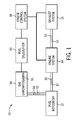
FIG. 1 is a block diagram illustrating a power generation system including a gas engine system, in accordance with an embodiment of the present approach; -
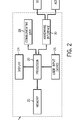
FIG. 2 is a block diagram illustrating an engine control system controlling the gas engine system ofFIG. 1 , in accordance with an embodiment of the present approach; -
FIG. 3 is a block diagram illustrating a fuel index calculator within the power generation system ofFIG. 1 , in accordance with an embodiment of the present approach; and -
FIG. 4 is a flow chart depicting a method of operation for the gas chromatograph, the fuel index calculator, and the engine control system within the power generation system ofFIG. 1 , in accordance with an embodiment of the present approach. - One or more specific embodiments of the present invention will be described below. In an effort to provide a concise description of these embodiments, all features of an actual implementation may not be described in the specification. It should be appreciated that in the development of any such actual implementation, as in any engineering or design project, numerous implementation-specific decisions must be made to achieve the developers' specific goals, such as compliance with system-related and business-related constraints, which may vary from one implementation to another. Moreover, it should be appreciated that such a development effort might be complex and time consuming, but would nevertheless be a routine undertaking of design, fabrication, and manufacture for those of ordinary skill having the benefit of this disclosure.
- When introducing elements of various embodiments of the present invention, the articles "a," "an," "the," and "said" are intended to mean that there are one or more of the elements. The terms "comprising," "including," and "having" are intended to be inclusive and mean that there may be additional elements other than the listed elements.
- Present embodiments relate to systems and methods for controlling an engine based on fuel composition. To determine the fuel composition, an operator performs a gas analysis on a sample of fuel to create a fuel composition analysis detailing the chemical constituents of the fuel. Before the techniques described hering, the operator may have entered the resulting data into a spreadsheet or database such as Excel, to calculate an index or rating that indicates fuel quality and composition. The systems and methods described herein relate to automating the creation of a fuel index that represents fuel composition or fuel quality and deriving control adjustments to an engine based on the fuel index. The fuel index may be calculated in substantially real-time, allowing a control system associated with the engine to derive control adjustments based on the fuel index in substantially real-time. Further, the fuel index may be a single number or ratio; accordingly, the latency and complexity of transmitting the fuel index between systems may be reduced compared to the latency and complexity of transmitting a complete fuel composition analysis. Additionally, the fuel index may be calculated by a separate device that may be installed on existing engine systems, or by software installed in the control system in existing engine systems.
- Turning now to
FIG. 1 , an embodiment of apower generation system 10 that may provide power for a variety of applications, such as agricultural and food processing systems and wastewater treatment, is illustrated. Thepower generation system 10 includes afuel repository 12 that provides fuel to anengine system 14. Thefuel repository 12 may be any suitable reservoir for storing and providing fuel, such as a wellhead or a tank. Theengine system 14 is a combustion gas engine system and includes a gas engine such as a Waukesha™ gas engine available from the General Electric Company, of Schenectady, New York. Although thepower generation system 10 is described as having a combustion gas engine, it should be noted that other types of engines and engine systems may be employed by thepower generation system 10. - After the
engine system 14 bums the fuel, anexhaust system 16 receives the exhaust gases from theengine system 14. Theexhaust system 16 then performs various types of chemical processing on the exhaust gases before the exhaust gases are released outside of thepower generation system 10. For example, theexhaust system 16 may include a catalytic converter system, such as a three-way catalyst, suitable for removing certain emissions before release of the exhaust gases to ambient. - The
power generation system 10 further includes anengine control system 18, which oversees the operation of thepower generation system 10. Theengine control system 18 includes aprocessor 20; amemory 22; adisplay 24; auser input device 26; acommunicative link 28 to other systems, components, and devices; and ahardware interface 30 suitable for interfacing withsensors 32 andactuators 34. - The
sensors 32 may provide various data to theengine control system 18. For example, thesensors 32 may include oxygen sensors, rotational speed sensors, temperature sensors, pressure sensors, flow sensors, and the like, disposed at different locations in theengine system 14 and thepower generation system 10. Theactuators 34 may include valves, pumps, positioners, inlet guide vanes, switches, and the like, useful in performing control actions and disposed at different locations in theengine system 14 and thepower generation system 10. - In one embodiment of the
power generation system 10, theengine control system 18 may monitor fuel properties or fuel composition (e.g., chemical composition, such as a hydrocarbon composition). Theengine control system 18 can use the fuel composition to determine a variety of useful derivations including ignition timing, emissions timing, the power and fuel performance of theengine system 14, the engine torque, and the air-to-fuel ratio (AFR). - To that end, the
power generation system 10 may include agas chromatograph 36, as depicted inFIG. 1 . The depictedgas chromatograph 36 is a device that determines fuel composition and the relative or actual amounts of each chemical constituent of the fuel. Although thegas chromatograph 36 is described as a stand-alone device, in certain embodiments, the functionality of thegas chromatograph 36 may be part of the engine control system 18 (e.g., as part of a add-on card or other circuitry). Further, although thepower generation system 10 is described as having a gas chromatograph, it should be appreciated that other types of fuel composition analyzers may be used (e.g., mass spectrometers). - The
gas chromatograph 36 determines fuel composition and the relative or actual amounts of the chemical constituents of the fuel in substantially real-time. However, the fuel composition itself may not necessarily indicate the fuel quality. Further, in certain situations, theengine control system 18 may only use a portion of the fuel composition data relating to certain chemical constituents when determining control adjustments. For example, for certain control adjustments, theengine control system 18 may only use the carbon-hydrogen ratio of the fuel as input for certain derivations. To determine a representation of fuel quality or composition, thepower generation system 10 may include afuel index calculator 38, further described below. - Turning now to
FIG. 2 , the figure is a block diagram for an embodiment of theengine control system 14 showing interconnections between various components or subsystems. Theprocessor 20 may include, for example, general-purpose single- or multi-chip processors. In addition, theprocessor 20 may be any conventional special-purpose processor, such as an application-specific processor or circuitry. Theprocessor 22 and/or other data processing circuitry may be operably coupled to thememory 24 to execute instructions for running theengine control system 18. These instructions may be encoded in programs or executable instructions that are stored in thememory 22, which may be an example of a tangible, non-transitory computer-readable medium, and may be accessed and executed by theprocessor 20. The instructions may include instructions to apply certain chemical analysis of fuel, as described herein, to derive one or more actions suitable for controlling theengine system 14. - The
memory 22 may be a mass storage device, a FLASH memory device, removable memory, or any other non-transitory computer-readable medium. Additionally or alternatively, the instructions may be stored in an additional suitable article of manufacture that includes at least one tangible, non-transitory computer-readable medium that at least collectively stores these instructions or routines in a manner similar to thememory 22 as described above. Thedisplay 24 enables a user to view various data regarding theengine system 14 and, to a certain extent, thepower generation system 10. Theuser input device 26 allows the user (e.g., engine operator) to interact with theengine control system 16. Thecommunicative link 28 may be a wired (e.g., a wired telecommunication infrastructure or a local area network employing Ethernet) or wireless (e.g., a cellular network or an 802.11x Wi-Fi network) connection between theengine control system 18 and other systems (e.g., the gas chromatograph 36), components, and devices. - Turning now to
FIG. 3 , thepower generation system 10 may include afuel index calculator 38, as mentioned above. Thefuel index calculator 38 may derive one or more fuel indices based on a fuel composition analysis produced by thegas chromatograph 36. The fuel indices may be any single number or ratio that represents the fuel quality or the fuel composition. For example, the fuel index may be the methane number (MN) or the carbon-hydrogen ratio of the fuel. Alternately or additionally, the fuel index may include a knock resistance rating, which may be determined by models that estimate the "knock" (e.g., fuel self-ignition) characteristics of fuel having various fuel compositions. In other embodiments, the fuel index may be a knock resistance rating determined by algorithms that use models but include alternative methods to determine the knock resistance rating if the fuel composition falls outside of the ranges predicted by the models. In such embodiments, the models and algorithms used to calculate the knock resistance rating may be based on other fuel indices, such as the methane number or the carbon-hydrogen ratio. - The fuel indices may include a Waukesha Knock Index (WKI), which may be calculated via software such as Waukesha's Windows™ based WKI software available from General Electric Company, of Schenectady, New York, using, for example, a nine-gas mix matrix as input. Additionally or alternatively, the fuel indices may include a knock resistance rating derived via models or calibration curves as described in
U.S. Patent No. 6,061,637 by Sorge et al. , incorporated by reference in its entirety herein. For example, an algorithm may consider concentrations of the following molar constituents: methane (60%-100%); ethane (0%-20%); propane (0%-40%);normal-butane (0%-10%); normal-pentane (0%-3%); mixture of hexane and heptane (0%-2%); nitrogen (0%-15%);and carbon dioxide (0%-10%). For samples having gas constituent concentrations lying within expected limits, the algorithm is implemented in the following manner. First, concentrations of non-hydrocarbon combustibles such as hydrogen, carbon monoxide, hydrogen sulfide, etc., are temporarily removed from the analysis, and the concentration values of the above listed modeled constituents (e.g., .gaseous hydrocarbon combustibles, carbon dioxide and nitrogen) are normalized. It has been found that isomers of butane (iso-butane) and pentane (iso-pentane) affect knock resistance differently than normal-pentane and normal butane. Therefore, it is desirable to account for these isomer constituents by: 1) assigning approximately 58% of the iso-butane concentration to the propane concentration and approximately 42% of the iso-butane concentration to the n-butane concentration; and 2) assigning approximately 68% of the iso-pentane concentration to the n-butane concentration and approximately 32% of the iso-pentane concentration to the n-pentane concentration. The adjusted and normalized concentration values for the modeled constituents of the sample (e.g. the gaseous hydrocarbon combustibles, carbon dioxide, and nitrogen) are processed through empirical models to determine a preliminary knock resistance rating. The preliminary knock resistance rating is then adjusted for non-hydrocarbon combustibles, such as hydrogen, in a manner consistent with the conventional methane number (MN) test. - As illustrated in
FIG. 3 , thefuel index calculator 38 includes aprocessor 40,memory 42, and acommunicative link 44. Theprocessor 40,memory 42, and thecommunicative link 44 may be similar to theprocessor 20, thememory 22, and thecommunicative link 28 respectively. As mentioned earlier, thefuel index calculator 38 may be coupled to thegas chromatograph 36 and theengine control system 18, such that thefuel index calculator 38 receives data (i.e., a fuel composition analysis) from thegas chromatograph 36 and sends data (i.e., one or more fuel indices) to theengine control system 18. However, in other embodiments, thefuel index calculator 38 may be included in theengine control system 18. In still other embodiments, thefuel index calculator 38 may be included in thegas chromatograph 36 -
FIG. 4 depicts an embodiment of aprocess 50 suitable for operations of thegas chromatograph 36, thefuel index calculator 38, and theengine control system 18. Although theprocess 50 is described below in detail, theprocess 50 may include other steps not shown inFIG. 4 . Additionally, the steps illustrated may be performed concurrently or in a different order. Further, while the steps are described below as being performed by a particular device or system, it should be appreciated that the steps may be performed by another device or system equipped with the necessary functionality. Theprocess 50 may be implemented as executable code stored inmemories processors - Beginning at
block 52, theprocess 50 may direct thegas chromatograph 36 to analyze the fuel and to generate afuel composition analysis 54. Thegas chromatograph 36 may take one or more samples of fuel from thefuel repository 12 for analysis. For example, an average sample may be taken every 1 to 1000 milliseconds, 1 second to 1 minute, 1 minute to 10 minutes, three to five minutes, and so on. Theprocess 50 may then direct for the fuel sample to be injected into a carrier gas stream that passes through a narrow tube (e.g., called the "column"). Different chemical constituents of the fuel sample pass through the column at different rates based on their various chemical and physical properties and their interactions with the specific column material (e.g., glass, plastic). As the different chemical constituents exit the column, a detector (e.g., flame ionization detector, thermal conductive detector, catalytic combustion detector, etc.) detects the type and amount of the chemical constituents. Thegas chromatograph 38 then generates thefuel composition analysis 54 which includes a listing of each chemical constituent in the fuel as well as the relative or actual amount of each chemical constituent, as mentioned above. - Next, at
block 56,process 50 may direct thefuel index calculator 38 to derive one ormore fuel indices 58 based on thefuel composition analysis 54. Theprocess 50 may then direct thefuel index calculator 38 to send thefuel index 58 to theengine control system 18, which may derive control adjustments for theengine system 14 based on thefuel index 58 atblock 60. For example, as mentioned above, theengine control system 18 may determine ignition timing, emissions timing, the power and fuel performance of theengine system 14, the engine torque, and the air-to-fuel ratio based in part on the fuel composition. For instance, using thefuel index 58, theengine control system 18 may detect an increase in the methane number of the fuel, which may prompt theengine control system 18 to change emissions timing. Finally, atblock 62, theengine control system 18 applies the control adjustment to theengine system 14. For example, to adjust the engine torque, theengine control system 18 may adjust the inlet guide vanes (i.e., actuators 32) of a torque converter within theengine system 14 that provides power to the gas engine. In another instance, theengine control system 18 may adjust a throttle within theengine system 14 to change the amount of air or fuel provided to the gas engine, thereby adjusting the air-to-fuel ratio. - As noted above, the
gas chromatograph 36 takes and analyzes samples of fuel every three to five minutes on average. That is, thefuel composition analysis 54 may be generated in substantially real-time. As a result, thefuel index 58 may be calculated in substantially real-time. As such, theengine control system 18 may optimize certain parameters in real-time based on thefuel index 58. This may prove especially advantageous for applications in which thepower generation system 10 uses multiple types of fuel that vary in quality or composition. Further, since thefuel index 58 may be a single number or ratio, the latency and complexity of transmitting thefuel index 58 between systems may be reduced compared to the latency and complexity of transmitting the completefuel composition analysis 54. - Additionally, as mentioned above, the
fuel index calculator 38 may be a separate device or software installed in theengine control system 18 or thegas chromatograph 36. Accordingly, thefuel index calculator 38, as a device or a software component, may be easily installed in existing power generation systems. As will be appreciated, the technical effects and technical problems described above in the specification are exemplary and not limiting. It should be noted that the embodiments described in the specification may have other technical effects and can solve other technical problems. - This written description uses examples to disclose the invention, including the best mode, and also to enable any person skilled in the art to practice the invention, including making and using any devices or systems and performing any incorporated methods. The patentable scope of the invention is defined by the claims, and may include other examples that occur to those skilled in the art. Such other examples are intended to be within the scope of the claims if they have structural elements that do not differ from the literal language of the claims, or if they include equivalent structural elements with insubstantial differences from the literal language of the claims.
- Various aspects and embodiments of the present invention are defined by the following numbered clauses:
- 1. A method, comprising:
- receiving a fuel composition analysis;
- deriving a fuel index based on the fuel composition analysis;
- deriving a control adjustment for a gas engine based on the fuel index; and
- applying the control adjustment to an actuator of the gas engine.
- 2. The method of clause 1, wherein the fuel index is a knock resistance rating, a Waukesha Knock Index, a methane number, or a carbon-hydrogen ratio.
- 3. The method of any preceding clause, wherein deriving the knock resistance rating comprises using a model based on a plurality of methane numbers (MNs) associated with a plurality of fuel compositions, an algorithm incorporating the model, or a combination thereof.
- 4. The method of any preceding clause, wherein the control adjustment comprises an adjustment to ignition timing of the gas engine, an adjustment to an air-to-fuel ratio of the gas engine, an adjustment to a torque of the gas engine, an adjustment to a power performance of the gas engine, or an adjustment to a fuel performance of the gas engine.
- 5. The method of any preceding clause, further comprising receiving a sample of fuel and analyzing the sample of fuel to generate the fuel composition analysis.
- 6. The method of any preceding clause, wherein the fuel composition analysis comprises a listing of each chemical constituent of the sample of fuel and a relative amount of each chemical constituent of the sample of fuel.
- 7. A system, comprising:
- a fuel repository that provides fuel;
- a gas engine fluidly coupled to the fuel repository and configured to receive the fuel and provide power;
- a fuel composition analyzer fluidly coupled to the fuel repository and configured to:
- receive a sample of fuel from the fuel repository;
- analyze the sample of fuel; and
- generate a fuel composition analysis;
- a fuel index calculator communicatively coupled to the fuel composition analyzer and having a processor configured to:
- receive the fuel composition analysis; and
- derive a fuel index based on the fuel composition analysis; and
- an engine control system communicatively coupled to the fuel index calculator and comprising a processor configured to:
- receive the fuel index;
- derive a control adjustment to the gas engine based on the fuel index; and
- apply the control adjustment to an actuator of the gas engine.
- 8. The system of any preceding clause, wherein the fuel index is a knock resistance rating, a methane number, or a carbon-hydrogen ratio.
- 9. The system of any preceding clause, wherein the fuel index calculator derives the knock resistance rating using a model based on a plurality of methane numbers for a plurality of fuel compositions, an algorithm incorporating the model, or a combination thereof.
- 10. The system of any preceding clause, wherein the control adjustment comprises an adjustment to ignition timing of the gas engine, an adjustment to an air-to-fuel ratio of the gas engine, an adjustment to a torque of the gas engine, an adjustment to a power performance of the gas engine, or an adjustment to a fuel performance of the gas engine.
- 11. The system of any preceding clause, wherein the fuel composition analyzer is a gas chromatograph.
- 12. The system of any preceding clause, wherein the engine control system comprises the fuel index calculator.
- 13. The system of any preceding clause, wherein the fuel composition analyzer comprises the fuel index calculator.
- 14. The system of any preceding clause, further comprising an exhaust system fluidly coupled to the gas engine.
- 15. The system of any preceding clause, wherein the control adjustment is an adjustment to emissions timing.
- 16. The system of any preceding clause, wherein the fuel composition analysis comprises a listing of each chemical constituent of the sample of fuel and a relative amount of each chemical constituent of the sample of fuel.
- 17. A tangible, non-transitory computer readable medium, comprising instructions configured to:
- receive a fuel composition analysis;
- derive a fuel index based on the fuel composition analysis;
- derive a control adjustment for a gas engine based on the fuel index; and
- apply the control adjustment to an actuator of the gas engine.
- 18. The tangible, non-transitory computer-readable medium of any preceding clause, wherein the fuel index is a knock resistance rating, a methane number, or a carbon-hydrogen ratio.
- 19. The tangible, non-transitory computer-readable medium of any preceding clause, wherein deriving the knock resistance rating comprises using a model based on methane numbers for a range of fuel compositions, an algorithm incorporating the model, or a combination thereof.
- 20. The tangible, non-transitory computer-readable medium of any preceding clause, further comprising instructions configured to receive a sample of fuel, analyze the sample of fuel, and generate the fuel composition analysis.
Claims (15)
- A method (50), comprising:receiving (54) a fuel composition analysis;deriving (56) a fuel index based on the fuel composition analysis;deriving (60) a control adjustment for a gas engine based on the fuel index; andapplying (62) the control adjustment to an actuator of the gas engine.
- The method (50) of claim 1, wherein the fuel index (56) is a knock resistance rating, a Waukesha Knock Index, a methane number, or a carbon-hydrogen ratio.
- The method (50) of claim 2, wherein deriving the knock resistance rating comprises using a model based on a plurality of methane numbers (MNs) associated with a plurality of fuel compositions, an algorithm incorporating the model, or a combination thereof.
- The method (50) of any preceding claim, wherein the control adjustment (62) comprises an adjustment to ignition timing of the gas engine, an adjustment to an air-to-fuel ratio of the gas engine, an adjustment to a torque of the gas engine, an adjustment to a power performance of the gas engine, or an adjustment to a fuel performance of the gas engine.
- The method (50) of any preceding claim, further comprising receiving a sample of fuel and analyzing (52) the sample of fuel to generate the fuel composition analysis.
- The method (50) of claim 5, wherein the fuel composition analysis comprises a listing of each chemical constituent of the sample of fuel and a relative amount of each chemical constituent of the sample of fuel.
- A system (10), comprising:a fuel repository (12) that provides fuel;a gas engine (14) fluidly coupled to the fuel repository and configured to receive the fuel and provide power;a fuel composition analyzer (36) fluidly coupled to the fuel repository and configured to:receive a sample of fuel from the fuel repository (12);analyze the sample of fuel; andgenerate a fuel composition analysis;a fuel index calculator (38) communicatively coupled to the fuel composition analyzer (36) and having a processor configured to:receive the fuel composition analysis; andderive a fuel index based on the fuel composition analysis; andan engine control system (18) communicatively coupled to the fuel index calculator (38) and comprising a processor configured to:receive the fuel index;derive a control adjustment to the gas engine based on the fuel index; andapply the control adjustment to an actuator of the gas engine.
- The system (10) of claim 7, wherein the fuel index is a knock resistance rating, a methane number, or a carbon-hydrogen ratio.
- The system (10) of claim 8, wherein the fuel index calculator (38) derives the knock resistance rating using a model based on a plurality of methane numbers for a plurality of fuel compositions, an algorithm incorporating the model, or a combination thereof.
- The system (10) of any of claims 7 to 9, wherein the control adjustment comprises an adjustment to ignition timing of the gas engine, an adjustment to an air-to-fuel ratio of the gas engine, an adjustment to a torque of the gas engine, an adjustment to a power performance of the gas engine, or an adjustment to a fuel performance of the gas engine.
- The system (10) of any of claims 7 to 10, wherein the fuel composition analyzer (36) is a gas chromatograph.
- The system (10) of any of claims 7 to 11, wherein the engine control system (18) comprises the fuel index calculator.
- The system (10) of any of claims 7 to 12, wherein the fuel composition analyzer (36) comprises the fuel index calculator.
- The system (10) of any of claims 7 to 13, further comprising an exhaust system (16) fluidly coupled to the gas engine (14).
- A tangible, non-transitory computer readable medium, comprising instructions configured to:receive a fuel composition analysis;derive a fuel index based on the fuel composition analysis;derive a control adjustment for a gas engine based on the fuel index; andapply the control adjustment to an actuator of the gas engine.
Applications Claiming Priority (1)
| Application Number | Priority Date | Filing Date | Title |
|---|---|---|---|
| US14/320,101 US20150377161A1 (en) | 2014-06-30 | 2014-06-30 | Systems and methods for engine control incorporating fuel properties |
Publications (1)
| Publication Number | Publication Date |
|---|---|
| EP2963270A1 true EP2963270A1 (en) | 2016-01-06 |
Family
ID=53785405
Family Applications (1)
| Application Number | Title | Priority Date | Filing Date |
|---|---|---|---|
| EP15173909.1A Withdrawn EP2963270A1 (en) | 2014-06-30 | 2015-06-25 | Systems and methods for engine control incorporating fuel properties |
Country Status (6)
| Country | Link |
|---|---|
| US (1) | US20150377161A1 (en) |
| EP (1) | EP2963270A1 (en) |
| JP (1) | JP2016014388A (en) |
| KR (1) | KR20160002396A (en) |
| CN (1) | CN105221280A (en) |
| BR (1) | BR102015015754A2 (en) |
Families Citing this family (8)
| Publication number | Priority date | Publication date | Assignee | Title |
|---|---|---|---|---|
| DE102017207665A1 (en) * | 2017-05-08 | 2018-11-08 | Robert Bosch Gmbh | Method and control device for operating a gas engine |
| US10976295B2 (en) | 2017-06-26 | 2021-04-13 | Mustang Sampling Llc | System and methods for methane number generation |
| CA3170473A1 (en) | 2020-03-02 | 2021-09-10 | Timothy J. BARTON | Natural gas engines with fuel quality determination |
| US12025063B2 (en) | 2020-03-02 | 2024-07-02 | Inpro/Seal Llc | Natural gas engines with fuel quality determination |
| EP4348022A1 (en) | 2021-06-04 | 2024-04-10 | Cummins, Inc. | Adjusting an internal combustion engine |
| US12104546B2 (en) | 2022-08-25 | 2024-10-01 | Caterpillar Inc. | Gaseous fuel engine operating strategy for improved derating performance using varied ratio fuel blend |
| US12492624B2 (en) | 2022-11-04 | 2025-12-09 | Caterpillar Inc. | Closed-loop control of a plurality of pump systems of a hydraulic fracturing system |
| GB2625124A (en) * | 2022-12-07 | 2024-06-12 | Airbus Operations Ltd | Aircraft refuelling system |
Citations (5)
| Publication number | Priority date | Publication date | Assignee | Title |
|---|---|---|---|---|
| US5697346A (en) * | 1993-05-28 | 1997-12-16 | Servojet Products International | Method for using sonic gas-fueled internal combustion engine control system |
| US6061637A (en) | 1997-09-17 | 2000-05-09 | Dresser Industries, Inc. | Method of determining knock resistance rating for non-commercial grade natural gas |
| WO2000065215A1 (en) * | 1999-04-21 | 2000-11-02 | Institut Français Du Petrole | Method for correcting ignition advance of an internal combustion engine |
| FR2827961A1 (en) * | 2001-07-30 | 2003-01-31 | Dalkia | METHOD OF DETERMINING AT LEAST ONE ENERGY PROPERTY OF A GAS FUEL MIXTURE BY MEASURING THE PHYSICAL PROPERTIES OF THE GAS MIXTURE |
| FR2930598A1 (en) * | 2008-04-24 | 2009-10-30 | Sp3H Soc Par Actions Simplifie | METHOD FOR OPTIMIZING THE OPERATION OF A THERMAL ENGINE BY DETERMINING THE PROPORTION OF OXYGEN COMPOUNDS IN THE FUEL |
Family Cites Families (3)
| Publication number | Priority date | Publication date | Assignee | Title |
|---|---|---|---|---|
| AU2001264108A1 (en) * | 2000-06-22 | 2002-01-02 | Michael Joseph Ashe | System and method for abating a gas flow containing volatile organic compounds |
| US8968429B2 (en) * | 2011-09-23 | 2015-03-03 | Butamax Advanced Biofuels Llc | Butanol compositions for fuel blending and methods for the production thereof |
| US8897991B2 (en) * | 2012-08-06 | 2014-11-25 | GM Global Technology Operations LLC | Fuel quality monitoring system |
-
2014
- 2014-06-30 US US14/320,101 patent/US20150377161A1/en not_active Abandoned
-
2015
- 2015-06-24 JP JP2015126099A patent/JP2016014388A/en active Pending
- 2015-06-25 EP EP15173909.1A patent/EP2963270A1/en not_active Withdrawn
- 2015-06-29 BR BR102015015754-1A patent/BR102015015754A2/en not_active Application Discontinuation
- 2015-06-29 KR KR1020150092116A patent/KR20160002396A/en not_active Withdrawn
- 2015-06-30 CN CN201510369600.XA patent/CN105221280A/en active Pending
Patent Citations (5)
| Publication number | Priority date | Publication date | Assignee | Title |
|---|---|---|---|---|
| US5697346A (en) * | 1993-05-28 | 1997-12-16 | Servojet Products International | Method for using sonic gas-fueled internal combustion engine control system |
| US6061637A (en) | 1997-09-17 | 2000-05-09 | Dresser Industries, Inc. | Method of determining knock resistance rating for non-commercial grade natural gas |
| WO2000065215A1 (en) * | 1999-04-21 | 2000-11-02 | Institut Français Du Petrole | Method for correcting ignition advance of an internal combustion engine |
| FR2827961A1 (en) * | 2001-07-30 | 2003-01-31 | Dalkia | METHOD OF DETERMINING AT LEAST ONE ENERGY PROPERTY OF A GAS FUEL MIXTURE BY MEASURING THE PHYSICAL PROPERTIES OF THE GAS MIXTURE |
| FR2930598A1 (en) * | 2008-04-24 | 2009-10-30 | Sp3H Soc Par Actions Simplifie | METHOD FOR OPTIMIZING THE OPERATION OF A THERMAL ENGINE BY DETERMINING THE PROPORTION OF OXYGEN COMPOUNDS IN THE FUEL |
Also Published As
| Publication number | Publication date |
|---|---|
| US20150377161A1 (en) | 2015-12-31 |
| KR20160002396A (en) | 2016-01-07 |
| BR102015015754A2 (en) | 2018-03-06 |
| JP2016014388A (en) | 2016-01-28 |
| CN105221280A (en) | 2016-01-06 |
Similar Documents
| Publication | Publication Date | Title |
|---|---|---|
| EP2963270A1 (en) | Systems and methods for engine control incorporating fuel properties | |
| US20120102914A1 (en) | Systems, methods, and apparatus for compensating fuel composition variations in a gas turbine | |
| JP6739927B2 (en) | System and method for model-based control of a catalytic converter system | |
| EP2557297B1 (en) | Method for operating a gas turbine and gas turbine unit for carrying out said method | |
| EP4158250B1 (en) | Emission monitoring of flare systems | |
| US20110162343A1 (en) | Systems and methods for controlling fuel flow within a machine | |
| JP6759206B2 (en) | Methane value calculation method and methane value measuring device | |
| EP2518466A1 (en) | Gas analysis device | |
| US10920682B2 (en) | Intake air assessment for industrial engines | |
| JP2017198095A5 (en) | ||
| WO2012033678A3 (en) | Method and apparatus for adaptive feedback control of an excess air ratio in a compression ignition natural gas engine | |
| Liu et al. | Experimental and chemical kinetic study for the combustion of ammonia-hydrogen mixtures | |
| RU2015104785A (en) | METHOD (OPTIONS) AND SYSTEM | |
| Ruwe et al. | The C5 chemistry preceding the formation of polycyclic aromatic hydrocarbons in a premixed 1-pentene flame | |
| CN109596803B (en) | Principal Component Multiple Regression Analysis Method of the Influence Index of Methane Explosion Minimal Oxygen Concentration | |
| Kula et al. | FineCarb-the flexible system for low pressure carburizing. New options and performance | |
| Song et al. | Auto-ignition characteristics and chemical reaction mechanism of ammonia/n-heptane mixtures with low n-heptane content | |
| EP2993334A1 (en) | Gas engine | |
| Puduppakkam et al. | Validation studies of a detailed kinetics mechanism for diesel and gasoline surrogate fuels | |
| US6061637A (en) | Method of determining knock resistance rating for non-commercial grade natural gas | |
| Quintino et al. | Analytical correlation to model diluent concentration repercussions on the burning velocity of biogas lean flames: Effect of CO2 and N2 | |
| Ito et al. | Development of a gas composition soft sensor for distillation columns: A simplified model based and robust approach | |
| Rotavera et al. | Chemical kinetics modeling of n-nonane oxidation in oxygen/argon using excited-state species time histories | |
| JP5780374B1 (en) | Crude oil composition estimation method, absorption liquefaction facility absorption process simulation method, and recovery facility process simulation method | |
| Liszka et al. | Variable high‐pressure and concentration study of cyclohexane pyrolysis at high temperatures |
Legal Events
| Date | Code | Title | Description |
|---|---|---|---|
| PUAI | Public reference made under article 153(3) epc to a published international application that has entered the european phase |
Free format text: ORIGINAL CODE: 0009012 |
|
| AK | Designated contracting states |
Kind code of ref document: A1 Designated state(s): AL AT BE BG CH CY CZ DE DK EE ES FI FR GB GR HR HU IE IS IT LI LT LU LV MC MK MT NL NO PL PT RO RS SE SI SK SM TR |
|
| AX | Request for extension of the european patent |
Extension state: BA ME |
|
| 17P | Request for examination filed |
Effective date: 20160706 |
|
| RBV | Designated contracting states (corrected) |
Designated state(s): AL AT BE BG CH CY CZ DE DK EE ES FI FR GB GR HR HU IE IS IT LI LT LU LV MC MK MT NL NO PL PT RO RS SE SI SK SM TR |
|
| STAA | Information on the status of an ep patent application or granted ep patent |
Free format text: STATUS: THE APPLICATION IS DEEMED TO BE WITHDRAWN |
|
| 18D | Application deemed to be withdrawn |
Effective date: 20180103 |