EP2963122A1 - Method for preparing rebaudioside a from stevioside - Google Patents
Method for preparing rebaudioside a from stevioside Download PDFInfo
- Publication number
- EP2963122A1 EP2963122A1 EP13876125.9A EP13876125A EP2963122A1 EP 2963122 A1 EP2963122 A1 EP 2963122A1 EP 13876125 A EP13876125 A EP 13876125A EP 2963122 A1 EP2963122 A1 EP 2963122A1
- Authority
- EP
- European Patent Office
- Prior art keywords
- rebaudioside
- stevioside
- glycosyltransferase
- sucrose synthase
- reaction
- Prior art date
- Legal status (The legal status is an assumption and is not a legal conclusion. Google has not performed a legal analysis and makes no representation as to the accuracy of the status listed.)
- Granted
Links
Images


Classifications
-
- C—CHEMISTRY; METALLURGY
- C12—BIOCHEMISTRY; BEER; SPIRITS; WINE; VINEGAR; MICROBIOLOGY; ENZYMOLOGY; MUTATION OR GENETIC ENGINEERING
- C12P—FERMENTATION OR ENZYME-USING PROCESSES TO SYNTHESISE A DESIRED CHEMICAL COMPOUND OR COMPOSITION OR TO SEPARATE OPTICAL ISOMERS FROM A RACEMIC MIXTURE
- C12P19/00—Preparation of compounds containing saccharide radicals
- C12P19/44—Preparation of O-glycosides, e.g. glucosides
- C12P19/56—Preparation of O-glycosides, e.g. glucosides having an oxygen atom of the saccharide radical directly bound to a condensed ring system having three or more carbocyclic rings, e.g. daunomycin, adriamycin
-
- C—CHEMISTRY; METALLURGY
- C07—ORGANIC CHEMISTRY
- C07H—SUGARS; DERIVATIVES THEREOF; NUCLEOSIDES; NUCLEOTIDES; NUCLEIC ACIDS
- C07H15/00—Compounds containing hydrocarbon or substituted hydrocarbon radicals directly attached to hetero atoms of saccharide radicals
- C07H15/20—Carbocyclic rings
- C07H15/24—Condensed ring systems having three or more rings
-
- C—CHEMISTRY; METALLURGY
- C12—BIOCHEMISTRY; BEER; SPIRITS; WINE; VINEGAR; MICROBIOLOGY; ENZYMOLOGY; MUTATION OR GENETIC ENGINEERING
- C12N—MICROORGANISMS OR ENZYMES; COMPOSITIONS THEREOF; PROPAGATING, PRESERVING, OR MAINTAINING MICROORGANISMS; MUTATION OR GENETIC ENGINEERING; CULTURE MEDIA
- C12N9/00—Enzymes; Proenzymes; Compositions thereof; Processes for preparing, activating, inhibiting, separating or purifying enzymes
-
- C—CHEMISTRY; METALLURGY
- C12—BIOCHEMISTRY; BEER; SPIRITS; WINE; VINEGAR; MICROBIOLOGY; ENZYMOLOGY; MUTATION OR GENETIC ENGINEERING
- C12N—MICROORGANISMS OR ENZYMES; COMPOSITIONS THEREOF; PROPAGATING, PRESERVING, OR MAINTAINING MICROORGANISMS; MUTATION OR GENETIC ENGINEERING; CULTURE MEDIA
- C12N9/00—Enzymes; Proenzymes; Compositions thereof; Processes for preparing, activating, inhibiting, separating or purifying enzymes
- C12N9/10—Transferases (2.)
-
- C—CHEMISTRY; METALLURGY
- C12—BIOCHEMISTRY; BEER; SPIRITS; WINE; VINEGAR; MICROBIOLOGY; ENZYMOLOGY; MUTATION OR GENETIC ENGINEERING
- C12N—MICROORGANISMS OR ENZYMES; COMPOSITIONS THEREOF; PROPAGATING, PRESERVING, OR MAINTAINING MICROORGANISMS; MUTATION OR GENETIC ENGINEERING; CULTURE MEDIA
- C12N9/00—Enzymes; Proenzymes; Compositions thereof; Processes for preparing, activating, inhibiting, separating or purifying enzymes
- C12N9/10—Transferases (2.)
- C12N9/1048—Glycosyltransferases (2.4)
- C12N9/1051—Hexosyltransferases (2.4.1)
-
- C—CHEMISTRY; METALLURGY
- C12—BIOCHEMISTRY; BEER; SPIRITS; WINE; VINEGAR; MICROBIOLOGY; ENZYMOLOGY; MUTATION OR GENETIC ENGINEERING
- C12N—MICROORGANISMS OR ENZYMES; COMPOSITIONS THEREOF; PROPAGATING, PRESERVING, OR MAINTAINING MICROORGANISMS; MUTATION OR GENETIC ENGINEERING; CULTURE MEDIA
- C12N9/00—Enzymes; Proenzymes; Compositions thereof; Processes for preparing, activating, inhibiting, separating or purifying enzymes
- C12N9/10—Transferases (2.)
- C12N9/1048—Glycosyltransferases (2.4)
- C12N9/1051—Hexosyltransferases (2.4.1)
- C12N9/1062—Sucrose synthase (2.4.1.13)
-
- C—CHEMISTRY; METALLURGY
- C12—BIOCHEMISTRY; BEER; SPIRITS; WINE; VINEGAR; MICROBIOLOGY; ENZYMOLOGY; MUTATION OR GENETIC ENGINEERING
- C12Y—ENZYMES
- C12Y204/00—Glycosyltransferases (2.4)
- C12Y204/01—Hexosyltransferases (2.4.1)
- C12Y204/01013—Sucrose synthase (2.4.1.13)
Definitions
- the present invention relates to a method for preparing rebaudioside A from sucrose and stevioside as raw materials by sucrose synthase and glycosyltransferase.
- Stevia is a high potency sweetener more than 200 times as sweet as sugar and is obtained by hot water extraction of Stevia rebaudiana Bertoni which belongs to family Compositae.
- Rebaudioside A is known to have less bitter taste and the most similar sweetening quality to sugar among the sweetening ingredients of stevia extracts and is 400 times sweeter than sugar, and occupies about 20% or so in the extracts in the case of non-modified plants.
- the most predominant ingredient in the extracts is stevioside which is a precursor to rebaudioside A. In order to produce high purity rebaudioside A, it is necessary to perform improvement of seeds with high content of rebaudioside A, cultivation, harvest, breed management, and the like, which entail economic problems in terms of time and cost.
- Typical examples include a method for converting stevioside into rebaudioside A by binding a glucose molecule to stevioside through enzymatic conversion using beta-1,3-glucanase derived from soil microorganisms ( Korean Patent Publication 2004-0026747A and US Patent No. 6,469,947 ).
- Typical examples of sugar donor substrates employed in enzymatic conversion may include curdlan (beta-1,3-glucan). Curdlan is a high cost material with low solubility and has a drawback in that industrial application thereof is difficult.
- An object of the present invention is to provide a method for preparing rebaudioside A with high production efficiency by overcoming restriction of low production rate for rebaudioside A in microorganism-derived enzymatic conversion.
- Another object of the present invention is to provide a method for preparing rebaudioside A with high industrial applicability since the preparation procedure is simple, cost saving and less time consuming.
- a method for preparing rebaudioside A including:
- an in-situ method for preparing rebaudioside A from stevioside including: reacting sucrose, nucleotide diphosphate, stevioside, sucrose synthase and glycosyltransferase to prepare rebaudioside A.
- rebaudioside A prepared by the method for preparing rebaudioside A according to the present invention.
- the method for preparing rebaudioside A according to the present invention provides rebaudioside A with high purity having almost no side-products, and high yield.
- the method for preparing rebaudioside A according to the present invention is suitable for mass production since it is economical due to the use of inexpensive raw materials, and the procedure is simple and less time consuming.
- One embodiment of the present invention relates to a method for preparing rebaudioside A, including:
- Another embodiment of the present invention relates to a method for preparing rebaudioside A from stevioside, including: reacting sucrose, nucleotide diphosphate, stevioside, sucrose synthase and glycosyltransferase to prepare rebaudioside A.
- the reaction of sucrose, nucleotide diphosphate, stevioside, sucrose synthase and glycosyltransferase may be performed in-situ.
- in-situ means that a reaction is consecutively performed in a single reaction system.
- sucrose synthase plays a role in the production of sucrose by reversibly transferring glucose, which is bonded to nucleotide diphosphate, to fructose in plant sugar catabolism.
- sucrose synthase demonstrates activity to separate nucleotide diphosphate to which glucose is bonded and fructose by reacting sucrose and nucleotide diphosphate in the range of pH 5 to pH 10.
- Nucleotide diphosphate to which glucose is bonded can be reacted with stevioside by means of glycosyltransferase to produce rebaudioside A.
- Chemical Reactions 1 and 2 in the present invention may be performed sequentially in separate reactors, but are preferably performed consecutively in one reactor.
- the present invention provides a consecutive reaction system, wherein one glucose is specifically bonded to the C-3' position of stevioside 13-O-glucose to synthesize rebaudioside A with high yield in accordance with Chemical Reaction 3 above.
- sucrose synthase may be derived from rice, corn, wheat, bamboo, Arabidopsis thaliana, grass, barley, sorghum or potato.
- sucrose synthase is derived from rice, corn, wheat, or barley, particular preferably from rice, especially Oryza sativa.
- Sucrose synthase may be produced from recombinant Escherichia coli, Bacillus, yeast, Corynebacterium or Agnobactenium transformed with a vector containing a sucrose synthase gene.
- Sucrose synthase may be further purified after it is produced from Escherichia coli and the like.
- Sucrose synthase is well known in the art. Although it is not particularly limited, sucrose synthase may include a base sequence shown in SEQ ID NO: 3.
- sucrose is not particularly limited so long as it can serve as a substrate for sucrose synthase to provide glucose to nucleotide diphosphate.
- sucrose may include raw sugar or sugar.
- purine or pyrimidine may be used as the nucleotide diphosphate.
- uridine diphosphate is used as the nucleotide diphosphate.
- the reaction temperature in step (1) or Chemical Reaction 1 may be 20°C to 60°C, and the reaction pH may be in the range of pH 5 to pH 10.
- the reaction temperature is 30°C to 55°C and the reaction pH is in the range of pH 6 to pH 9, particular preferably the reaction temperature is 35°C to 50°C and the reaction pH is in the range of pH 7 to pH 8.
- the reaction time in step (1) or Chemical Reaction 1 is 30 minutes to 48 hours, preferably 1 hour to 36 hours, particular preferably 1 hour to 24 hours, without being limited thereto.
- glycosyltransferase may be derived from Oryza sativa, Stevia rebaudiana Bertoni , Bambusa oldhamii, Brachypodium distachyon, Hordeum vulgare, Sorghum bicolor, Zea mays, or Arabidopsis thaliana.
- glycosyltransferase is derived from Oryza sativa, Stevia rebaudiana Bentoni, or Bambusa oldhamii.
- glycosyltransferase is derived from Stevia rebaudiana Bertoni.
- Glycosyltransferase may be produced from recombinant Escherichia coli, Bacillus, yeast, Corynebacterium or Agrobacterium transformed with a vector containing a glycosyltransferase gene. Glycosyltransferase may be further purified after it is produced from Escherichia coli and the like. Glycosyltransferase is well known in the art. Although it is not particularly limited, glycosyltransferase may include a base sequence shown in SEQ ID NO: 4.
- stevioside is hot water or aqueous ethanol solution extract from Stevia rebaudiana, or purified material thereof, or a by-product after the production of rebaudioside A from the extract.
- Stevioside may be used in an amount of 10 wt% or more, preferably 50 wt% or more, particularly preferably 70 wt% or more, more particular preferably 80 wt% or more, based on total weight of steviol glycoside.
- the reaction temperature in step (2) or Chemical Reaction 2 may be 20°C to 60°C, and the reaction pH may be in the range of pH 5 to pH 10.
- the reaction temperature is 30°C to 55°C
- the reaction pH is in the range of pH 6 to pH 9.
- the reaction temperature is 35°C to 50°C
- the reaction pH is in the range of pH 7 to pH 8.
- the reaction time in step (2) or Chemical Reaction 2 may be 30 minutes to 48 hours, preferably 1 hour to 36 hours, particular preferably 1 hour to 24 hours, without being limited thereto.
- the reaction temperature for the step of preparing rebaudioside A by reacting sucrose, nucleotide diphosphate, stevioside, sucrose synthase and glycosyltransferase in-situ may be 20°C to 60°C, and the reaction pH may be in the range of pH 5 to pH 10.
- the reaction temperature is 30°C to 55°C, and the reaction pH is in the range of pH 6 to pH 9.
- the reaction temperature is 35°C to 50°C, and the reaction pH is in the range of pH 7 to pH 8.
- purine or pyrimidine may be used as the nucleotide diphosphate.
- uridine diphosphate is used as the nucleotide diphosphate.
- Another embodiment of the present invention provides rebaudioside A prepared by a method described herein.
- Rebaudioside A according to the present invention is characterized in that it is produced by using entire amount of stevioside residing in steviol glycoside. Such characteristics can allow stevioside content in the glycoside to be 5 wt% or less, preferably 3 wt% or less, particularly preferably 1 wt% or less, thereby capable of omitting a step of separating stevioside from rebaudioside A in a purification process, which leads to cost-savings.
- the preparation method has a merit that a high purity product wherein rebaudioside A content in steviol glycoside through enzymatic conversion is 99% or more.
- sucrose that is used as a sugar donor in the present invention can be purchased at 50 times lower cost than curdlan used as a raw material in the prior inventions.
- the present invention is capable of producing rebaudioside A with high purity at low cost/high efficiency as compared to the prior art.
- Example 1 Gene collection and recombinant protein production
- Primers used in PCR had restriction enzyme recognition sequences for NdeI and HindIII that react respectively with a partial base sequence of both ends of sucrose synthase.
- FORWARD 5'- CATATG GCTGCCAAGCTAGCTCG-3'
- BACKWARD 5'- AAGCTT TTACTTGGATGTGCTCTCTC-3'
- the isothermal amplification procedure repeated 30 cycles consisting of denaturing at 94°C for 30 seconds, annealing at 60°C for 30 seconds, and extension at 72°C for 2 minutes, thereby obtaining about 2.5 kb of PCR product.
- the obtained cDNA fragment was inserted into a pET-28a(+) vector and transformed into Escherichia coli BL21(DE3).
- the transformed Escherichia coli were streaked onto plate media containing kanamycin to initially select kanamycin resistant strains.
- the selected strains were subjected to liquid cultivation, followed by purification of DNAs.
- DNAs were doubly cleaved with NdeI and HindIII, a strain confirmed to have about 2.5 kb of DNA fragment was selected.
- the base sequence (SEQ ID NO: 1) of sucrose synthase gene obtained in the present invention was identical to that of the reported sucrose synthase gene below:
- Primers used in PCR had restriction enzyme recognition sequences for NdeI and HindIII that react respectively with a partial base sequence of both ends of glycosyltransferase gene derived from Stevia rebaudiana.
- FORWARD 5'- CATATG GAAAATAAAACGGA-3'
- BACKWARD 5'- AAGCTT TTACAACGATGAAATGT -3'
- the isothermal amplification procedure was repeated for 30 cycles consisting of denaturing at 94°C for 30 seconds, annealing at 60°C for 30 seconds, and extension at 72°C for 2 minutes, thereby obtaining about 1.4 kb of PCR product.
- the obtained cDNA fragment was inserted into a pET-28a(+) vector and transformed into Escherichia coli BL21(DE3).
- the transformed Escherichia coli were streaked onto plate media containing kanamycin to initially select kanamycin resistant strains. The initially selected strains were subjected to liquid cultivation, followed by purification of DNAs.
- a test tube containing 5 ml of LB medium was inoculated with lyophilized recombinant Escherichia coli BL21 (DE3), followed by seed culturing in an incubator at 37°C until the absorbance at 600 nm became 2.0.
- the seed cultured solution was added to a 2000 ml flask containing 500 ml of LB medium and then cultured. Further, 0.1 mM IPTG (isopropyl ⁇ -D-1-thiogalacthiopyranoside) was added until the absorbance at 600 nm became 0.4, thereby inducing mass expression of sucrose synthase and glycosyltransferase, respectively.
- the culture conditions were adjusted so that the stirring speed was 180 rpm and the culture temperature was 37°C during the procedure, while the stirring speed was 120 rpm and the culture temperature was 16°C after the addition of IPTG.
- the culture solution of the transformed strain was centrifuged at 6,000 g at 4°C for 20 minutes, followed by washing twice with 50 mM Tris-hydrochloric acid buffer, then adding 50 mM Tris-hydrochloric acid buffer, pH 7.5 in order to lyse the cell solution with a sonicator.
- the cell lysate was centrifuged again at 13,000 g at 4°C for 20 minutes to separate a cell supernatant as an enzyme solution.
- sucrose synthase derived from rice Oryza sativa
- UDP-glycosyltransferase glycosyltransferase
- sucrose synthase derived from rice was measured by means of HPLC. Analysis conditions for HPLC to measure the activity of sucrose synthase derived from rice ( Oryza sativa ) were as follows:
- the total analysis time was set to 30 minutes, wherein the analysis started the gradient with 100% solvent A, at run time of 15 minutes the gradient of solvent B was increased to 20%, and then at run time of 17 minutes the gradient returned to 100% solvent A.
- sucrose synthase derived from rice (Oryza sativa) was confirmed by enzymatic reaction to see if raw sugar or sugar (sucrose) and uridine diphosphate were reacted to produce uridine diphosphate to which glucose was bonded.
- the conditions for enzyme reactions were as follows:
- glycosyltransferase (UDP-glycosyltransferase) derived from stevia ( Stevia rebaudiana ) was confirmed by enzymatic conversion to see if bonding one molecule of glucose to stevioside leads to conversion to rebaudioside A.
- the conditions for enzymatic reaction were as follows: 2 mM stevioside (> 96%), 10 mM uridine diphosphate glucose, and 0.l1mg/ml glycosyltransferase derived from stevia prepared in Example 1-3) in 50 mM phosphate buffer (pH 7.0) were subjected to enzymatic reaction at 37°C for one hour.
- Stevioside used as a substrate for enzymatic reaction was pure stevioside with purity of 96% or more.
- a mixed specimen containing about 3% of rebaudioside A was used as a standard material before and after reaction at the time of HPLC analysis.
- the enzyme reaction was stopped by heating to 100°C for 5 minutes, followed by performing HPLC to measure the produced amount of rebaudioside A.
- Fig. 2 shows HPLC analysis results, demonstrating that stevioside is converted into rebaudioside A by glycosyltransferase.
- Fig. 2 shows HPLC analysis results, demonstrating that stevioside is converted into rebaudioside A by glycosyltransferase.
- Example 3 Measurement of conversion rate from stevioside to rebaudioside A
- the conversion rate from stevioside to rebaudioside A was confirmed by in-situ reaction of sucrose synthase and glycosyltransferase (UDP-glycosyltransferase).
- the conditions for enzymatic reactions were as follows:
- Fig. 3 shows HPLC analysis results, demonstrating that rebaudioside A (2) is produced from stevioside (1) by sucrose synthase and glycosyltransferase.
- Fig. 3 shows the presence of stevioside (1) only at reaction time of 0 hours when the substrate concentration is 100 mM
- (b) shows the presence of rebaudioside A (2) only after a reaction time of 24 hours when the substrate concentration is 100 mM
- (c) shows the presence of both stevioside (1) and rebaudioside A (2) after a reaction time of 24 hours when the substrate concentration is 250 mM.
- Uridine diphosphate to which glucose was bonded produced by sucrose synthase derived from rice ( Oryza sativa ) was converted into rebaudioside A by reacting with stevioside by glycosyltransferase, dissociating uridine diphosphate.
- rebaudioside A When the two sorts of enzymes were present in a single reactor and rebaudioside A was produced, the optimum pH was checked.
- the conditions for HPLC analysis for measuring the optimum pH are as follows:
- the optimum pH was confirmed through complex reaction of sucrose synthase and glycosyltransferase (UDP-glycosyltransferase).
- Conditions for enzymatic reactions were as follows: Enzymatic reactions were performed by using 50 mM phosphate buffer (pH 6.5) containing 1M sucrose, 200 mM uridine diphosphate, 40 mM stevioside and 0.1 mg/ml of sucrose synthase prepared in Example 1-3) and 0.1 mg/ml of glycosyltransferase prepared in Example 1-3) at a temperature of 45°C for 24 hours. As a pH 2.5 to pH 12.0 buffer, Universal buffer was used. The reactions were stopped by heating to 100°C for 5 minutes.
- Uridine diphosphate to which glucose was bonded produced by sucrose synthase derived from rice ( Oryza sativa ) was converted into rebaudioside A by reacting with stevioside by glycosyltransferase, dissociating uridine diphosphate.
- rebaudioside A When the two sorts of enzymes were present in a single reactor and rebaudioside A was produced, the optimum temperature was checked.
- the conditions for HPLC analysis for measuring the optimum temperature were as follows:
- the optimum temperature was confirmed through a complex reaction of sucrose synthase and glycosyltransferase (UDP-glycosyltransferase).
- the conditions for enzymatic reactions were as follows: Enzymatic reactions were performed by using 50 mM phosphate buffer (pH 6.5) containing 1M sucrose, 200 mM uridine diphosphate, 40 mM stevioside and 0.1 mg/ml of sucrose synthase and 0.1 mg/ml of glycosyltransferase at temperatures of 4°C, 20°C, 30°C, 37°C, 45°C, 60°C, 70°C, and 80°C. The reactions were stopped by heating to 100°C for 5 minutes.
Landscapes
- Chemical & Material Sciences (AREA)
- Organic Chemistry (AREA)
- Life Sciences & Earth Sciences (AREA)
- Health & Medical Sciences (AREA)
- Engineering & Computer Science (AREA)
- Zoology (AREA)
- Wood Science & Technology (AREA)
- Genetics & Genomics (AREA)
- Bioinformatics & Cheminformatics (AREA)
- Biochemistry (AREA)
- General Health & Medical Sciences (AREA)
- General Engineering & Computer Science (AREA)
- Biotechnology (AREA)
- Microbiology (AREA)
- Molecular Biology (AREA)
- Medicinal Chemistry (AREA)
- Biomedical Technology (AREA)
- Chemical Kinetics & Catalysis (AREA)
- General Chemical & Material Sciences (AREA)
- Preparation Of Compounds By Using Micro-Organisms (AREA)
- Enzymes And Modification Thereof (AREA)
- Saccharide Compounds (AREA)
Abstract
Description
- The present invention relates to a method for preparing rebaudioside A from sucrose and stevioside as raw materials by sucrose synthase and glycosyltransferase.
- Stevia is a high potency sweetener more than 200 times as sweet as sugar and is obtained by hot water extraction of Stevia rebaudiana Bertoni which belongs to family Compositae. Rebaudioside A is known to have less bitter taste and the most similar sweetening quality to sugar among the sweetening ingredients of stevia extracts and is 400 times sweeter than sugar, and occupies about 20% or so in the extracts in the case of non-modified plants. The most predominant ingredient in the extracts is stevioside which is a precursor to rebaudioside A. In order to produce high purity rebaudioside A, it is necessary to perform improvement of seeds with high content of rebaudioside A, cultivation, harvest, breed management, and the like, which entail economic problems in terms of time and cost.
- In order to solve these problems, research has been carried out to convert stevioside into rebaudioside A. Typical examples include a method for converting stevioside into rebaudioside A by binding a glucose molecule to stevioside through enzymatic conversion using beta-1,3-glucanase derived from soil microorganisms (
Korean Patent Publication 2004-0026747A US Patent No. 6,469,947 ). Typical examples of sugar donor substrates employed in enzymatic conversion may include curdlan (beta-1,3-glucan). Curdlan is a high cost material with low solubility and has a drawback in that industrial application thereof is difficult. Furthermore, although a report says that curdlan converts stevioside into rebaudioside glycoside through fungal fermentation, the cultivation of the microorganisms takes about 15 days and also produces other steviol glycosides, such as rebaudioside B and the like, which make the conversion rate to final rebaudioside A only around 40%. - An object of the present invention is to provide a method for preparing rebaudioside A with high production efficiency by overcoming restriction of low production rate for rebaudioside A in microorganism-derived enzymatic conversion.
- Another object of the present invention is to provide a method for preparing rebaudioside A with high industrial applicability since the preparation procedure is simple, cost saving and less time consuming.
- In accordance with one aspect of the present invention, there is provided a method for preparing rebaudioside A, including:
- (1) reacting sucrose and nucleotide diphosphate in the presence of sucrose synthase to prepare nucleotide diphosphate to which glucose is bonded; and
- (2) reacting the nucleotide diphosphate to which glucose is bonded with stevioside in the presence of glycosyltransferase to prepare rebaudioside A.
- In accordance with another aspect of the present invention, there is provided an in-situ method for preparing rebaudioside A from stevioside, including: reacting sucrose, nucleotide diphosphate, stevioside, sucrose synthase and glycosyltransferase to prepare rebaudioside A.
- In accordance with a further aspect of the present invention, there is provided rebaudioside A prepared by the method for preparing rebaudioside A according to the present invention.
- The method for preparing rebaudioside A according to the present invention provides rebaudioside A with high purity having almost no side-products, and high yield.
- The method for preparing rebaudioside A according to the present invention is suitable for mass production since it is economical due to the use of inexpensive raw materials, and the procedure is simple and less time consuming.
-
-
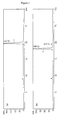
Fig. 1 shows HPLC analysis results, demonstrating that fructose and uridine diphosphate to which glucose is bonded are produced by sucrose synthase. InFig. 1 , (a) shows the presence of stevioside (1) only at reaction time of 0 hours, (b) shows that uridine diphosphate (2) to which glucose is bonded is produced by sucrose synthase after the completion of reaction time of 1 hour. -
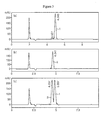
Fig. 2 shows HPLC analysis results, demonstrating that stevioside is converted into rebaudioside A by glycosyltransferase. InFig. 2 , (a) shows the presence of stevioside (1) only at reaction time of 0 hours, (b) shows that both stevioside (1) and rebaudioside A (2) are present after a reaction time of 0.5 hour, and (c) shows that all stevioside (1) is converted into rebaudioside A (2) after a reaction time of 1 hour. -
Fig. 3 shows HPLC analysis results, demonstrating that rebaudioside A (2) is produced from stevioside (1) by sucrose synthase and glycosyltransferase. InFig. 3 , (a) shows the presence of stevioside (1) only at reaction time of 0 hours when stevioside substrate concentration is 100 mM, (b) shows the presence of rebaudioside A (2) only after a reaction time of 24 hours when stevioside substrate concentration is 100 mM, and (c) shows the presence of both stevioside (1) and rebaudioside A (2) after a reaction time of 24 hours when stevioside substrate concentration is 250 mM. -
Fig. 4 shows a graph demonstrating the results of appropriate pH evaluation for sucrose synthase and glycosyltransferase. -
Fig. 5 shows a graph demonstrating the results of appropriate temperature evaluation for sucrose synthase and glycosyltransferase. - One embodiment of the present invention relates to a method for preparing rebaudioside A, including:
- (1) reacting sucrose and nucleotide diphosphate in the presence of sucrose synthase to prepare nucleotide diphosphate to which glucose is bonded; and
- (2) reacting the nucleotide diphosphate to which glucose is bonded with stevioside in the presence of glycosyltransferase to prepare rebaudioside A. The steps (1) and (2) are performed in-situ sequentially or consecutively, preferably in-situ consecutively.
- Another embodiment of the present invention relates to a method for preparing rebaudioside A from stevioside, including: reacting sucrose, nucleotide diphosphate, stevioside, sucrose synthase and glycosyltransferase to prepare rebaudioside A. The reaction of sucrose, nucleotide diphosphate, stevioside, sucrose synthase and glycosyltransferase may be performed in-situ.
- The term "in-situ" used herein means that a reaction is consecutively performed in a single reaction system.
- Sucrose synthase plays a role in the production of sucrose by reversibly transferring glucose, which is bonded to nucleotide diphosphate, to fructose in plant sugar catabolism. In the present invention, sucrose synthase demonstrates activity to separate nucleotide diphosphate to which glucose is bonded and fructose by reacting sucrose and nucleotide diphosphate in the range of
pH 5 topH 10.
- Nucleotide diphosphate to which glucose is bonded can be reacted with stevioside by means of glycosyltransferase to produce rebaudioside A.

-
Chemical Reactions - In the present invention,
Chemical Reactions 
- The present invention provides a consecutive reaction system, wherein one glucose is specifically bonded to the C-3' position of stevioside 13-O-glucose to synthesize rebaudioside A with high yield in accordance with Chemical Reaction 3 above.
- In the present invention, sucrose synthase may be derived from rice, corn, wheat, bamboo, Arabidopsis thaliana, grass, barley, sorghum or potato. Preferably, sucrose synthase is derived from rice, corn, wheat, or barley, particular preferably from rice, especially Oryza sativa. Sucrose synthase may be produced from recombinant Escherichia coli, Bacillus, yeast, Corynebacterium or Agnobactenium transformed with a vector containing a sucrose synthase gene. Sucrose synthase may be further purified after it is produced from Escherichia coli and the like. Sucrose synthase is well known in the art. Although it is not particularly limited, sucrose synthase may include a base sequence shown in SEQ ID NO: 3.
- In the present invention, sucrose is not particularly limited so long as it can serve as a substrate for sucrose synthase to provide glucose to nucleotide diphosphate. Examples of sucrose may include raw sugar or sugar.
- In the present invention, purine or pyrimidine may be used as the nucleotide diphosphate. Preferably, uridine diphosphate is used as the nucleotide diphosphate.
- In the present invention, the reaction temperature in step (1) or
Chemical Reaction 1 may be 20°C to 60°C, and the reaction pH may be in the range ofpH 5 topH 10. Preferably, the reaction temperature is 30°C to 55°C and the reaction pH is in the range ofpH 6 topH 9, particular preferably the reaction temperature is 35°C to 50°C and the reaction pH is in the range of pH 7 topH 8. In the present invention, the reaction time in step (1) orChemical Reaction 1 is 30 minutes to 48 hours, preferably 1 hour to 36 hours, particular preferably 1 hour to 24 hours, without being limited thereto. - In the present invention, glycosyltransferase may be derived from Oryza sativa, Stevia rebaudiana Bertoni, Bambusa oldhamii, Brachypodium distachyon, Hordeum vulgare, Sorghum bicolor, Zea mays, or Arabidopsis thaliana. Preferably, glycosyltransferase is derived from Oryza sativa, Stevia rebaudiana Bentoni, or Bambusa oldhamii. Particular preferably, glycosyltransferase is derived from Stevia rebaudiana Bertoni. Glycosyltransferase may be produced from recombinant Escherichia coli, Bacillus, yeast, Corynebacterium or Agrobacterium transformed with a vector containing a glycosyltransferase gene. Glycosyltransferase may be further purified after it is produced from Escherichia coli and the like. Glycosyltransferase is well known in the art. Although it is not particularly limited, glycosyltransferase may include a base sequence shown in SEQ ID NO: 4.
- In the present invention, stevioside is hot water or aqueous ethanol solution extract from Stevia rebaudiana, or purified material thereof, or a by-product after the production of rebaudioside A from the extract. Stevioside may be used in an amount of 10 wt% or more, preferably 50 wt% or more, particularly preferably 70 wt% or more, more particular preferably 80 wt% or more, based on total weight of steviol glycoside.
- In the present invention, the reaction temperature in step (2) or
Chemical Reaction 2 may be 20°C to 60°C, and the reaction pH may be in the range ofpH 5 topH 10. Preferably, the reaction temperature is 30°C to 55°C, and the reaction pH is in the range ofpH 6 topH 9. Particular preferably, the reaction temperature is 35°C to 50°C, and the reaction pH is in the range of pH 7 topH 8. In the present invention, the reaction time in step (2) orChemical Reaction 2 may be 30 minutes to 48 hours, preferably 1 hour to 36 hours, particular preferably 1 hour to 24 hours, without being limited thereto. - In the present invention, the reaction temperature for the step of preparing rebaudioside A by reacting sucrose, nucleotide diphosphate, stevioside, sucrose synthase and glycosyltransferase in-situ may be 20°C to 60°C, and the reaction pH may be in the range of
pH 5 topH 10. Preferably, the reaction temperature is 30°C to 55°C, and the reaction pH is in the range ofpH 6 topH 9. Particular preferably, the reaction temperature is 35°C to 50°C, and the reaction pH is in the range of pH 7 topH 8. - In the present invention, purine or pyrimidine may be used as the nucleotide diphosphate. Preferably, uridine diphosphate is used as the nucleotide diphosphate.
- Another embodiment of the present invention provides rebaudioside A prepared by a method described herein.
- Rebaudioside A according to the present invention is characterized in that it is produced by using entire amount of stevioside residing in steviol glycoside. Such characteristics can allow stevioside content in the glycoside to be 5 wt% or less, preferably 3 wt% or less, particularly preferably 1 wt% or less, thereby capable of omitting a step of separating stevioside from rebaudioside A in a purification process, which leads to cost-savings. In addition, in case that only a small amount of rebaudioside A is present as glycoside besides stevioside in the raw materials as in the present invention, the preparation method has a merit that a high purity product wherein rebaudioside A content in steviol glycoside through enzymatic conversion is 99% or more. Furthermore, sucrose that is used as a sugar donor in the present invention can be purchased at 50 times lower cost than curdlan used as a raw material in the prior inventions. As a result, the present invention is capable of producing rebaudioside A with high purity at low cost/high efficiency as compared to the prior art.
- Hereinafter, the present invention will be described in more detail with reference to the following examples. It should be understood that these examples are provided for illustration only and are not to be construed in any way as limiting the present invention.
- Primers used in PCR (Polymerase Chain Reaction) had restriction enzyme recognition sequences for NdeI and HindIII that react respectively with a partial base sequence of both ends of sucrose synthase.
(FORWARD) 5'-CATATGGCTGCCAAGCTAGCTCG-3'
(BACKWARD) 5'-AAGCTTTTACTTGGATGTGCTCTCTC-3' - For gene amplification, the isothermal amplification procedure repeated 30 cycles consisting of denaturing at 94°C for 30 seconds, annealing at 60°C for 30 seconds, and extension at 72°C for 2 minutes, thereby obtaining about 2.5 kb of PCR product.
- The obtained cDNA fragment was inserted into a pET-28a(+) vector and transformed into Escherichia coli BL21(DE3). The transformed Escherichia coli were streaked onto plate media containing kanamycin to initially select kanamycin resistant strains. The selected strains were subjected to liquid cultivation, followed by purification of DNAs. Finally, when DNAs were doubly cleaved with NdeI and HindIII, a strain confirmed to have about 2.5 kb of DNA fragment was selected. As a result of base sequence analysis using an automated DNA Sequencer, the base sequence (SEQ ID NO: 1) of sucrose synthase gene obtained in the present invention was identical to that of the reported sucrose synthase gene below:

- Primers used in PCR had restriction enzyme recognition sequences for NdeI and HindIII that react respectively with a partial base sequence of both ends of glycosyltransferase gene derived from Stevia rebaudiana.
(FORWARD) 5'-CATATGGAAAATAAAACGGA-3'
(BACKWARD) 5'-AAGCTTTTACAACGATGAAATGT -3' - For gene amplification, the isothermal amplification procedure was repeated for 30 cycles consisting of denaturing at 94°C for 30 seconds, annealing at 60°C for 30 seconds, and extension at 72°C for 2 minutes, thereby obtaining about 1.4 kb of PCR product. The obtained cDNA fragment was inserted into a pET-28a(+) vector and transformed into Escherichia coli BL21(DE3). The transformed Escherichia coli were streaked onto plate media containing kanamycin to initially select kanamycin resistant strains. The initially selected strains were subjected to liquid cultivation, followed by purification of DNAs. Finally, when DNAs were doubly cleaved with NdeI and HindIII, a strain confirmed to have about 1.4 kb of DNA fragment was selected. As the result of base sequence analysis using an automated DNA Sequencer, the base sequence (SEQ ID NO: 2) of glycosyltransferase gene obtained in the present invention was identical to that of the reported glycosyltransferase gene below:

- A test tube containing 5 ml of LB medium was inoculated with lyophilized recombinant Escherichia coli BL21 (DE3), followed by seed culturing in an incubator at 37°C until the absorbance at 600 nm became 2.0. The seed cultured solution was added to a 2000 ml flask containing 500 ml of LB medium and then cultured. Further, 0.1 mM IPTG (isopropyl β-D-1-thiogalacthiopyranoside) was added until the absorbance at 600 nm became 0.4, thereby inducing mass expression of sucrose synthase and glycosyltransferase, respectively. The culture conditions were adjusted so that the stirring speed was 180 rpm and the culture temperature was 37°C during the procedure, while the stirring speed was 120 rpm and the culture temperature was 16°C after the addition of IPTG. The culture solution of the transformed strain was centrifuged at 6,000 g at 4°C for 20 minutes, followed by washing twice with 50 mM Tris-hydrochloric acid buffer, then adding 50 mM Tris-hydrochloric acid buffer, pH 7.5 in order to lyse the cell solution with a sonicator. The cell lysate was centrifuged again at 13,000 g at 4°C for 20 minutes to separate a cell supernatant as an enzyme solution. In order to exactly identify properties of enzymes, the enzyme solution was purified using a Ni-NTA superflow column. The molecular weight of the purified enzyme was measured by SDS-PAGE. As a result, it was confirmed that sucrose synthase derived from rice (Oryza sativa) had a length of 92 kDa (SEQ ID NO: 3) and glycosyltransferase (UDP-glycosyltransferase) derived from stevia (Stevia rebaudiana) had a length of 57 kDa (SEQ ID NO: 4).
- The activity of sucrose synthase derived from rice (Oryza sativa) was measured by means of HPLC. Analysis conditions for HPLC to measure the activity of sucrose synthase derived from rice (Oryza sativa) were as follows:
-
- Detector Wavelength: 260 nm
- Flow rate: 1 mℓ/min
- Sample injection vol. : 10 µℓ
- Column: C18 4.6 × 250 mM (5 µm pore size)
- Solvent: A: 8mM Tetrabutylammonium persulfate in 100 mM potassium phosphate [pH 5.3]
- The total analysis time was set to 30 minutes, wherein the analysis started the gradient with 100% solvent A, at run time of 15 minutes the gradient of solvent B was increased to 20%, and then at run time of 17 minutes the gradient returned to 100% solvent A.
- The activity of sucrose synthase derived from rice (Oryza sativa) was confirmed by enzymatic reaction to see if raw sugar or sugar (sucrose) and uridine diphosphate were reacted to produce uridine diphosphate to which glucose was bonded. The conditions for enzyme reactions were as follows:
- 100 mM sucrose, 10 mM uridine diphosphate and 0.1 mg/ml sucrose synthase prepared in Example 1-3) in 50 mM phosphate buffer (pH 6.5) were subjected to enzymatic reaction at 37°C for 1 hour. After heating to 100°C for 5 minutes to stop the reaction, HPLC analysis was performed to measure the produced amount of uridine diphosphate to which glucose was bonded. As a result, it was confirmed that uridine diphosphate was converted into uridine diphosphate to which glucose was bonded, indicating 90% conversion as compared to initial molar concentration (
Fig. 1 ). InFig. 1 , (a) shows that only uridine diphosphate (1) is present at reaction time of 0 hours, (b) shows that uridine diphosphate to which glucose is bonded (2) is produced by means of sucrose synthase after the completion of reaction time of 1 hour. - The conditions for HPLC analysis to measure glycosyltransferase (UDP-glycosyltransferase) derived from stevia (Stevia rebaudiana) were as follows:
-
- Detector Wavelength: 210 nm
- Flow rate: 1 mℓ/min
- Sample injection vol. : 10 µℓ
- Column: C18 4.6 × 250 mM (5 µm pore size)
- Solvent: Acetonitrile : 10 mM sodium phosphate [pH 2.6] = 32 : 68
- The activity of glycosyltransferase (UDP-glycosyltransferase) derived from stevia (Stevia rebaudiana) was confirmed by enzymatic conversion to see if bonding one molecule of glucose to stevioside leads to conversion to rebaudioside A. The conditions for enzymatic reaction were as follows: 2 mM stevioside (> 96%), 10 mM uridine diphosphate glucose, and 0.l1mg/ml glycosyltransferase derived from stevia prepared in Example 1-3) in 50 mM phosphate buffer (pH 7.0) were subjected to enzymatic reaction at 37°C for one hour. Stevioside used as a substrate for enzymatic reaction was pure stevioside with purity of 96% or more. A mixed specimen containing about 3% of rebaudioside A was used as a standard material before and after reaction at the time of HPLC analysis. The enzyme reaction was stopped by heating to 100°C for 5 minutes, followed by performing HPLC to measure the produced amount of rebaudioside A. As an analysis result, it was confirmed that stevioside was converted into rebaudioside A with 100% conversion as compared to molar concentration (
Fig. 2). Fig. 2 shows HPLC analysis results, demonstrating that stevioside is converted into rebaudioside A by glycosyltransferase. InFig. 2 , (a) shows the presence of stevioside (1) only at reaction time of 0 hours, (b) shows that both stevioside (1) and rebaudioside A (2) are present after a reaction time of 0.5 hours, and (c) shows that all stevioside (1) is converted into rebaudioside A (2) after a reaction time of 1 hour. - The conversion rate from stevioside to rebaudioside A was confirmed by in-situ reaction of sucrose synthase and glycosyltransferase (UDP-glycosyltransferase). The conditions for enzymatic reactions were as follows:
- Enzymatic reactions were performed using 50 mM phosphate buffer (pH 6.5) containing 1M sucrose, 200 mM uridine diphosphate, 100∼250 mM stevioside and 0.l1mg/ml of sucrose synthase prepared in Example 1-3) and 0.l1mg/ml of glycosyltransferase prepared in Example 1-3) at a temperature of 45°C for 24 hours. The substrate used in the present invention was the stevioside mixture specified in Example 2. After completion of the reactions, the reactions were stopped by heating to 100°C for 5 minutes. After that, HPLC analysis was performed to measure the concentration of produced rebaudioside A depending on the concentration of stevioside. The conversion rate from stevioside to rebaudioside A was calculated from the molar concentration of rebaudioside A produced as compared to molar concentration of stevioside used (
Fig. 3 and Table 1 (Conversion rate after reaction for 24 hours)). -
Fig. 3 shows HPLC analysis results, demonstrating that rebaudioside A (2) is produced from stevioside (1) by sucrose synthase and glycosyltransferase. InFig. 3 , (a) shows the presence of stevioside (1) only at reaction time of 0 hours when the substrate concentration is 100 mM, (b) shows the presence of rebaudioside A (2) only after a reaction time of 24 hours when the substrate concentration is 100 mM, and (c) shows the presence of both stevioside (1) and rebaudioside A (2) after a reaction time of 24 hours when the substrate concentration is 250 mM. - Uridine diphosphate to which glucose was bonded produced by sucrose synthase derived from rice (Oryza sativa) was converted into rebaudioside A by reacting with stevioside by glycosyltransferase, dissociating uridine diphosphate. When the two sorts of enzymes were present in a single reactor and rebaudioside A was produced, the optimum pH was checked. The conditions for HPLC analysis for measuring the optimum pH are as follows:
-
- Detector Wavelength: 210 nm
- Flow rate: 1 mℓ/min
- Sample injection vol. : 10 µℓ
- Column: C18 4.6 × 250 mM (5 µm pore size)
- Solvent: Acetonitrile : 10 mM sodium phosphate [pH 2.6] = 32 : 68
- The optimum pH was confirmed through complex reaction of sucrose synthase and glycosyltransferase (UDP-glycosyltransferase). Conditions for enzymatic reactions were as follows: Enzymatic reactions were performed by using 50 mM phosphate buffer (pH 6.5) containing 1M sucrose, 200 mM uridine diphosphate, 40 mM stevioside and 0.1 mg/ml of sucrose synthase prepared in Example 1-3) and 0.1 mg/ml of glycosyltransferase prepared in Example 1-3) at a temperature of 45°C for 24 hours. As a pH 2.5 to pH 12.0 buffer, Universal buffer was used. The reactions were stopped by heating to 100°C for 5 minutes. After that, HPLC analysis was performed to measure the production rate of rebaudioside A. By comparing the produced amount of rebaudioside A, the reaction pH for the reaction system showing maximum value was deemed to be an optimum pH for the complex reaction. The optimum pH for the complex reaction of sucrose synthase and glycosyltransferase was confirmed to be approximately pH 7.5 in a reaction carried out at a temperature of 45°C for 60 minutes (
Fig. 4 and Table 2).TABLE 2 pH Enzyme relative activity (%) 2.5 2.99 3.0 2.85 4.0 2.66 5.0 38.55 5.5 78.66 6.0 84.54 6.5 85.45 7.0 93.24 7.5 100 8.0 93.04 8.5 86.42 9.0 85.12 10.0 84.01 11.0 80.47 12.0 52.34 - Uridine diphosphate to which glucose was bonded produced by sucrose synthase derived from rice (Oryza sativa) was converted into rebaudioside A by reacting with stevioside by glycosyltransferase, dissociating uridine diphosphate. When the two sorts of enzymes were present in a single reactor and rebaudioside A was produced, the optimum temperature was checked. The conditions for HPLC analysis for measuring the optimum temperature were as follows:
-
- Detector Wavelength: 210 nm
- Flow rate: 1 mℓ/min
- Sample injection vol. : 10 µℓ
- Column: C18 4.6 × 250 mM (5 µm pore size)
- Solvent: Acetonitrile : 10 mM sodium phosphate [pH 2.6] = 32 : 68
- The optimum temperature was confirmed through a complex reaction of sucrose synthase and glycosyltransferase (UDP-glycosyltransferase). The conditions for enzymatic reactions were as follows: Enzymatic reactions were performed by using 50 mM phosphate buffer (pH 6.5) containing 1M sucrose, 200 mM uridine diphosphate, 40 mM stevioside and 0.1 mg/ml of sucrose synthase and 0.1 mg/ml of glycosyltransferase at temperatures of 4°C, 20°C, 30°C, 37°C, 45°C, 60°C, 70°C, and 80°C. The reactions were stopped by heating to 100°C for 5 minutes. After that, HPLC analysis was performed to measure the production rate of rebaudioside A. By comparing the produced amount of rebaudioside A, the reaction temperature for the reaction system showing maximum value was deemed to be an optimum temperature for the complex reaction. The optimum temperature for the complex reaction of sucrose synthase and glycosyltransferase was confirmed to be approximately 45°C in a reaction carried out at pH 6.5 for 60 minutes. Relative enzyme activity is summarized in
Fig. 5 and Table 3.TABLE 3 Temperature (°C) Relative enzyme activity (%) 4 10.19 20 17.20 30 31.21 37 80.48 45 100 60 39.24 70 9.71 80 10.40 


| Concentration of stevioside (mM) | Conversion rate (%) |
| 100 | 100 |
| 150 | 63.90 |
| 200 | 56.72 |
| 250 | 39.96 |
Claims (14)
- A method for preparing rebaudioside A, comprising:(1) reacting sucrose and nucleotide diphosphate in the presence of sucrose synthase to prepare nucleotide diphosphate to which glucose is bonded; and(2) reacting the nucleotide diphosphate to which glucose is bonded with stevioside in the presence of glycosyltransferase to prepare rebaudioside A.
- The method for preparing rebaudioside A according to claim 1, wherein sucrose synthase is derived from rice, corn, wheat, bamboo, Arabidopsis thaliana, grass, barley, sorghum or potato.
- The method for preparing rebaudioside A according to claim 1 or 2, wherein sucrose synthase is produced from recombinant Escherichia coli, Bacillus, yeast, Corynebacterium or Agrobacterium transformed with a vector containing a sucrose synthase gene.
- The method for preparing rebaudioside A according to claim 3, wherein sucrose synthase has a base sequence shown in SEQ ID NO: 3.
- The method for preparing rebaudioside A according to any one of claims 1 to 4, wherein glycosyltransferase is derived from Oryza sativa, Stevia rebaudiana Bertoni, Bambusa oldhamii, Brachypodium distachyon, Hordeum vulgare, Sorghum bicolor, Zea mays, or Arabidopsis thaliana.
- The method for preparing rebaudioside A according to any one of claims 1 to 5, wherein glycosyltransferase is derived from recombinant Escherichia coli, Bacillus, yeast, Corynebacterium or Agrobacterium, transformed with a vector containing a glycosyltransferase gene.
- The method for preparing rebaudioside A according to any one of claims 1 to 6, wherein glycosyltransferase has a base sequence shown in SEQ ID NO: 4.
- The method for preparing rebaudioside A according to any one of claims 1 to 7, wherein steps (1) and (2) are performed consecutively in-situ.
- The method for preparing rebaudioside A according to claim 8, wherein an in-situ reaction temperature is 20°C to 60°C and a reaction pH is in the range of pH 5 to pH 10.
- A method for preparing rebaudioside A from stevioside, comprising:reacting sucrose, nucleotide diphosphate, stevioside, sucrose synthase and glycosyltransferase in-situ to prepare rebaudioside A.
- The method for preparing rebaudioside A from stevioside according to claim 10, the reaction temperature is 20°C to 60°C, and the reaction pH is in the range of pH 5 to pH 10.
- The method for preparing rebaudioside A from stevioside according to claim 10 or 11, wherein sucrose synthase is derived from rice, corn, wheat, bamboo, Arabidopsis thaliana, grass, barley, sorghum or potato.
- The method for preparing rebaudioside A from stevioside according to any one of claims 10 to 12, wherein glycosyltransferase is derived from Oryza sativa, Stevia rebaudiana Bertoni, Bambusa oldhamii, Brachypodium distachyon, Hordeum vulgare, Sorghum bicolor, Zea mays, or Arabidopsis thaliana.
- Rebaudioside A prepared by the method according to any one of claims 1 to 13.
Applications Claiming Priority (2)
| Application Number | Priority Date | Filing Date | Title |
|---|---|---|---|
| KR1020130022176A KR101404728B1 (en) | 2013-02-28 | 2013-02-28 | A method for preparation of Rebaudioside A from stevioside |
| PCT/KR2013/011330 WO2014133248A1 (en) | 2013-02-28 | 2013-12-09 | Method for preparing rebaudioside a from stevioside |
Publications (3)
| Publication Number | Publication Date |
|---|---|
| EP2963122A1 true EP2963122A1 (en) | 2016-01-06 |
| EP2963122A4 EP2963122A4 (en) | 2016-10-12 |
| EP2963122B1 EP2963122B1 (en) | 2018-05-30 |
Family
ID=51132132
Family Applications (1)
| Application Number | Title | Priority Date | Filing Date |
|---|---|---|---|
| EP13876125.9A Active EP2963122B1 (en) | 2013-02-28 | 2013-12-09 | Method for preparing rebaudioside a from stevioside |
Country Status (7)
| Country | Link |
|---|---|
| US (1) | US10472660B2 (en) |
| EP (1) | EP2963122B1 (en) |
| JP (2) | JP6147370B2 (en) |
| KR (1) | KR101404728B1 (en) |
| CN (1) | CN105164270B8 (en) |
| ES (1) | ES2674480T3 (en) |
| WO (1) | WO2014133248A1 (en) |
Families Citing this family (19)
| Publication number | Priority date | Publication date | Assignee | Title |
|---|---|---|---|---|
| US9522929B2 (en) | 2014-05-05 | 2016-12-20 | Conagen Inc. | Non-caloric sweetener |
| EP3271457B1 (en) | 2015-03-16 | 2021-01-20 | DSM IP Assets B.V. | Udp-glycosyltransferases |
| JP6793957B2 (en) * | 2015-04-14 | 2020-12-02 | コナゲン インコーポレイテッド | Production of non-caloric sweeteners using modified whole cell catalysts |
| US20170266524A1 (en) * | 2016-03-18 | 2017-09-21 | James C. Van Loon, III | Method of using lacrosse mesh |
| WO2017207484A1 (en) | 2016-05-31 | 2017-12-07 | Universiteit Gent | Mutant sucrose synthases and their uses |
| EP3472308A4 (en) * | 2016-06-15 | 2020-07-29 | Codexis, Inc. | ENZYMATIC GLYCOSYLATION OF STEVIOL GLYCOSIDES AND OTHER COMPOUNDS WITH GLUCOSE-1-PHOSPHATE |
| US11299723B2 (en) | 2016-06-15 | 2022-04-12 | Codexis, Inc. | Engineered beta-glucosidases and glucosylation methods |
| WO2018031955A2 (en) | 2016-08-12 | 2018-02-15 | Amyris, Inc. | Udp-dependent glycosyltransferase for high efficiency production of rebaudiosides |
| EP3878967A3 (en) | 2017-02-03 | 2021-12-08 | Codexis, Inc. | Engineered glycosyltransferases and steviol glycoside glucosylation methods |
| CN108315394A (en) * | 2018-04-23 | 2018-07-24 | 沈阳师范大学 | The detection of expression method and amplimer of sugar grass sucrose synthase gene |
| CN109196110A (en) * | 2018-07-19 | 2019-01-11 | 邦泰生物工程(深圳)有限公司 | Preparation method, rebandioside A alternation enzyme and the application of rebandioside A |
| CA3108268A1 (en) | 2018-07-30 | 2020-02-06 | Codexis, Inc. | Engineered glycosyltransferases and steviol glycoside glucosylation methods |
| EP3877519B1 (en) | 2018-11-09 | 2026-03-11 | Ginkgo Bioworks, Inc. | Biosynthesis of mogrosides |
| WO2020097922A1 (en) * | 2018-11-16 | 2020-05-22 | 邦泰生物工程(深圳)有限公司 | Udp-glucosyltransferase mutant, use thereof and method for preparing rebaudioside d |
| KR102303415B1 (en) * | 2019-06-14 | 2021-09-23 | 씨제이제일제당 (주) | Sweetening material composition and preparation method thereof |
| CN111593062A (en) * | 2020-05-25 | 2020-08-28 | 安徽金禾实业股份有限公司 | Method for preparing rebaudioside A by utilizing fermentation catalysis of bacillus subtilis |
| CN111621456A (en) * | 2020-05-25 | 2020-09-04 | 安徽金禾实业股份有限公司 | A kind of method for preparing rebaudioside A by liquid fermentation |
| KR102628374B1 (en) | 2021-10-19 | 2024-01-24 | 씨제이제일제당 주식회사 | A novel glycosyltransferase and use thereof |
| EP4417699A4 (en) | 2021-10-19 | 2025-12-24 | Cj Cheiljedang Corp | METHOD FOR THE PREPARATION OF REBAUDIOSIDE D AND REBAUDIOSIDE M |
Family Cites Families (15)
| Publication number | Priority date | Publication date | Assignee | Title |
|---|---|---|---|---|
| US4219571A (en) * | 1978-06-15 | 1980-08-26 | Kabushiki Kaisha Hayashibara Seibutsu Kagaku Kenkyujo | Process for producing a sweetener |
| JPS58149697A (en) * | 1982-02-27 | 1983-09-06 | Dainippon Ink & Chem Inc | Preparation of beta-1,3-glycosyl stevioside |
| JPH11290075A (en) * | 1998-02-26 | 1999-10-26 | Univ Kyoto | Synthesis of cellulose from sucrose by recombinant mutant sucrose synthase |
| JP2000245279A (en) * | 1999-03-01 | 2000-09-12 | Mitsui Chemicals Inc | How to increase the cold resistance of plants |
| US6469947B2 (en) | 1999-06-29 | 2002-10-22 | Hyundai Electronics Co., Ltd. | Semiconductor memory device having regions with independent word lines alternately selected for refresh operation |
| KR20040026747A (en) | 2002-09-26 | 2004-04-01 | 바이오스펙트럼 주식회사 | Method for preparation of rebaudioside A using microorganism. |
| RU2409937C2 (en) | 2005-03-04 | 2011-01-27 | Морита Кагаку Когио Со., Лтд. | Plant with high content of rebaudioside a |
| FR2887253A1 (en) | 2005-06-20 | 2006-12-22 | Phosphoenix Sarl | New optically active organo phosphorus compound useful to prepare phosphine-metal catalysts useful to carry out asymmetrical syntheses in organic chemistry |
| JP2007330112A (en) * | 2006-06-12 | 2007-12-27 | Sanei Gen Ffi Inc | Method for producing glucose glycoside of phenolic compound |
| MX2009007834A (en) * | 2007-01-22 | 2009-09-10 | Cargill Inc | Method of producing purified rebaudioside a compositions using solvent/antisolvent crystallization. |
| US9005444B2 (en) | 2008-05-13 | 2015-04-14 | Cargill, Incorporated | Separation of rebaudioside A from stevia glycosides using chromatography |
| KR101598935B1 (en) | 2010-04-16 | 2016-03-03 | 씨제이제일제당(주) | Manufacturing method of a high yield of Rebaudioside A using by-products obtained from procedures for preparation of Rebaudioside A |
| EP2575432B1 (en) | 2010-06-02 | 2019-08-14 | Evolva, Inc. | Recombinant production of steviol glycosides |
| AU2012294452C1 (en) * | 2011-08-08 | 2017-11-30 | Danstar Ferment Ag | Recombinant production of steviol glycosides |
| CN102766667B (en) * | 2012-08-14 | 2014-06-11 | 成都南诺格生物科技有限责任公司 | Method for transforming stevioside into rebaudioside E |
-
2013
- 2013-02-28 KR KR1020130022176A patent/KR101404728B1/en active Active
- 2013-12-09 CN CN201380073982.0A patent/CN105164270B8/en active Active
- 2013-12-09 ES ES13876125.9T patent/ES2674480T3/en active Active
- 2013-12-09 US US14/770,962 patent/US10472660B2/en active Active
- 2013-12-09 WO PCT/KR2013/011330 patent/WO2014133248A1/en not_active Ceased
- 2013-12-09 JP JP2015560087A patent/JP6147370B2/en active Active
- 2013-12-09 EP EP13876125.9A patent/EP2963122B1/en active Active
-
2017
- 2017-03-10 JP JP2017046085A patent/JP2017148050A/en active Pending
Also Published As
| Publication number | Publication date |
|---|---|
| ES2674480T3 (en) | 2018-07-02 |
| US20160010133A1 (en) | 2016-01-14 |
| WO2014133248A1 (en) | 2014-09-04 |
| EP2963122B1 (en) | 2018-05-30 |
| CN105164270A (en) | 2015-12-16 |
| EP2963122A4 (en) | 2016-10-12 |
| JP2016508378A (en) | 2016-03-22 |
| US10472660B2 (en) | 2019-11-12 |
| CN105164270B8 (en) | 2019-12-06 |
| KR101404728B1 (en) | 2014-06-09 |
| JP2017148050A (en) | 2017-08-31 |
| JP6147370B2 (en) | 2017-06-21 |
| CN105164270B (en) | 2019-07-09 |
Similar Documents
| Publication | Publication Date | Title |
|---|---|---|
| EP2963122B1 (en) | Method for preparing rebaudioside a from stevioside | |
| RU2201963C2 (en) | DNA SEQUENCE (VARIANTS, RECOMBINANT DNA, PROTEIN, METHOD OF PROTEIN PREPARING, METHOD OF MICROORGANISM PREPARING, METHOD OF FUNGUS CELL PREPARING, METHOD OF PREPARING LINEAR α-1,4-GLUCANES AND/OR FRUCTOSE AND METHOD OF PREPARING LINEAR α-1,4-GLUCANES AND/OR FRUCTOSE IN VITRO | |
| CN114164191B (en) | A method for efficient biosynthesis of rebaudioside D using glycosyltransferase | |
| CN110699373B (en) | Uridine diphosphate glucose high-yield strain and its application | |
| AU2016427130B2 (en) | Method for preparing rebaudioside N using enzymatic method | |
| CN115449514B (en) | A β-1,2-glycosyltransferase and its application | |
| KR20210153670A (en) | Biosynthetic production of steviol glycoside rebaudioside I via mutant enzymes | |
| KR20190125330A (en) | Biosynthesis Preparation of Steviol Glycoside Rebaudioside D4 from Rebaudioside E | |
| US20240263152A1 (en) | Glycosyltransferase and application thereof | |
| CN121465227A (en) | A steviol glycoside composition containing rebaudioside M | |
| US20230022453A1 (en) | Enzymatic method for preparing rebaudioside j | |
| CN113862319A (en) | Application of ginseng glycosyltransferase in the synthesis of stevia | |
| US11976312B2 (en) | Enzymatic method for preparing Rebaudioside C | |
| CN116064454B (en) | A glycosyltransferase mutant with improved thermostability and activity | |
| US20250320470A1 (en) | Glycosyltransferase and steviol glucoside preparation method using same | |
| CN120758477A (en) | A glycosyltransferase mutant and its application in the synthesis of rebaudioside M | |
| CN116355874B (en) | Glycosyltransferase mutant and application thereof in preparation of quercetin-3-O-rhamnoside | |
| CN118979025B (en) | Glucosyltransferase for catalyzing rebaudioside A to produce rebaudioside M and application thereof | |
| CN114292826B (en) | Application of peanut glycosyltransferase AhUGT4 in glycosylation of resveratrol | |
| CN119506240B (en) | A cyclodextrin glucosyltransferase mutant with improved dismutation activity and its application | |
| JP7210626B2 (en) | Method for preparing rebaudioside J using enzymatic methods | |
| CN119570759A (en) | Glycosyltransferase and its application | |
| CN120989030A (en) | A mogroside glycosyltransferase mutant and its application | |
| CN120796226A (en) | Glycosyltransferase UGTSL mutant and application thereof | |
| WO2022131130A1 (en) | Prenylflavonoid glucosidase, polynucleotide encoding same, and method for producing prenylflavonoid glycoside |
Legal Events
| Date | Code | Title | Description |
|---|---|---|---|
| PUAI | Public reference made under article 153(3) epc to a published international application that has entered the european phase |
Free format text: ORIGINAL CODE: 0009012 |
|
| 17P | Request for examination filed |
Effective date: 20150928 |
|
| AK | Designated contracting states |
Kind code of ref document: A1 Designated state(s): AL AT BE BG CH CY CZ DE DK EE ES FI FR GB GR HR HU IE IS IT LI LT LU LV MC MK MT NL NO PL PT RO RS SE SI SK SM TR |
|
| AX | Request for extension of the european patent |
Extension state: BA ME |
|
| RIN1 | Information on inventor provided before grant (corrected) |
Inventor name: YOON, RAN YOUNG Inventor name: PARK, SEUNG WON Inventor name: KIM, JUNG EUN Inventor name: HONG, YOUNG HO Inventor name: PARK, SUNG HEE Inventor name: KIM, SEONG BO |
|
| DAX | Request for extension of the european patent (deleted) | ||
| A4 | Supplementary search report drawn up and despatched |
Effective date: 20160912 |
|
| RIC1 | Information provided on ipc code assigned before grant |
Ipc: C12P 19/56 20060101AFI20160906BHEP Ipc: C12N 9/10 20060101ALI20160906BHEP Ipc: C12N 9/00 20060101ALI20160906BHEP |
|
| GRAP | Despatch of communication of intention to grant a patent |
Free format text: ORIGINAL CODE: EPIDOSNIGR1 |
|
| INTG | Intention to grant announced |
Effective date: 20180129 |
|
| GRAS | Grant fee paid |
Free format text: ORIGINAL CODE: EPIDOSNIGR3 |
|
| GRAA | (expected) grant |
Free format text: ORIGINAL CODE: 0009210 |
|
| AK | Designated contracting states |
Kind code of ref document: B1 Designated state(s): AL AT BE BG CH CY CZ DE DK EE ES FI FR GB GR HR HU IE IS IT LI LT LU LV MC MK MT NL NO PL PT RO RS SE SI SK SM TR |
|
| REG | Reference to a national code |
Ref country code: GB Ref legal event code: FG4D |
|
| REG | Reference to a national code |
Ref country code: CH Ref legal event code: EP |
|
| REG | Reference to a national code |
Ref country code: AT Ref legal event code: REF Ref document number: 1003651 Country of ref document: AT Kind code of ref document: T Effective date: 20180615 |
|
| REG | Reference to a national code |
Ref country code: IE Ref legal event code: FG4D |
|
| REG | Reference to a national code |
Ref country code: DE Ref legal event code: R096 Ref document number: 602013038431 Country of ref document: DE |
|
| REG | Reference to a national code |
Ref country code: ES Ref legal event code: FG2A Ref document number: 2674480 Country of ref document: ES Kind code of ref document: T3 Effective date: 20180702 |
|
| REG | Reference to a national code |
Ref country code: FR Ref legal event code: PLFP Year of fee payment: 6 |
|
| REG | Reference to a national code |
Ref country code: NL Ref legal event code: MP Effective date: 20180530 |
|
| REG | Reference to a national code |
Ref country code: LT Ref legal event code: MG4D |
|
| PG25 | Lapsed in a contracting state [announced via postgrant information from national office to epo] |
Ref country code: SE Free format text: LAPSE BECAUSE OF FAILURE TO SUBMIT A TRANSLATION OF THE DESCRIPTION OR TO PAY THE FEE WITHIN THE PRESCRIBED TIME-LIMIT Effective date: 20180530 Ref country code: FI Free format text: LAPSE BECAUSE OF FAILURE TO SUBMIT A TRANSLATION OF THE DESCRIPTION OR TO PAY THE FEE WITHIN THE PRESCRIBED TIME-LIMIT Effective date: 20180530 Ref country code: NO Free format text: LAPSE BECAUSE OF FAILURE TO SUBMIT A TRANSLATION OF THE DESCRIPTION OR TO PAY THE FEE WITHIN THE PRESCRIBED TIME-LIMIT Effective date: 20180830 Ref country code: BG Free format text: LAPSE BECAUSE OF FAILURE TO SUBMIT A TRANSLATION OF THE DESCRIPTION OR TO PAY THE FEE WITHIN THE PRESCRIBED TIME-LIMIT Effective date: 20180830 Ref country code: CY Free format text: LAPSE BECAUSE OF FAILURE TO SUBMIT A TRANSLATION OF THE DESCRIPTION OR TO PAY THE FEE WITHIN THE PRESCRIBED TIME-LIMIT Effective date: 20180530 Ref country code: LT Free format text: LAPSE BECAUSE OF FAILURE TO SUBMIT A TRANSLATION OF THE DESCRIPTION OR TO PAY THE FEE WITHIN THE PRESCRIBED TIME-LIMIT Effective date: 20180530 |
|
| PG25 | Lapsed in a contracting state [announced via postgrant information from national office to epo] |
Ref country code: LV Free format text: LAPSE BECAUSE OF FAILURE TO SUBMIT A TRANSLATION OF THE DESCRIPTION OR TO PAY THE FEE WITHIN THE PRESCRIBED TIME-LIMIT Effective date: 20180530 Ref country code: RS Free format text: LAPSE BECAUSE OF FAILURE TO SUBMIT A TRANSLATION OF THE DESCRIPTION OR TO PAY THE FEE WITHIN THE PRESCRIBED TIME-LIMIT Effective date: 20180530 Ref country code: HR Free format text: LAPSE BECAUSE OF FAILURE TO SUBMIT A TRANSLATION OF THE DESCRIPTION OR TO PAY THE FEE WITHIN THE PRESCRIBED TIME-LIMIT Effective date: 20180530 Ref country code: GR Free format text: LAPSE BECAUSE OF FAILURE TO SUBMIT A TRANSLATION OF THE DESCRIPTION OR TO PAY THE FEE WITHIN THE PRESCRIBED TIME-LIMIT Effective date: 20180831 |
|
| PG25 | Lapsed in a contracting state [announced via postgrant information from national office to epo] |
Ref country code: NL Free format text: LAPSE BECAUSE OF FAILURE TO SUBMIT A TRANSLATION OF THE DESCRIPTION OR TO PAY THE FEE WITHIN THE PRESCRIBED TIME-LIMIT Effective date: 20180530 |
|
| PG25 | Lapsed in a contracting state [announced via postgrant information from national office to epo] |
Ref country code: CZ Free format text: LAPSE BECAUSE OF FAILURE TO SUBMIT A TRANSLATION OF THE DESCRIPTION OR TO PAY THE FEE WITHIN THE PRESCRIBED TIME-LIMIT Effective date: 20180530 Ref country code: RO Free format text: LAPSE BECAUSE OF FAILURE TO SUBMIT A TRANSLATION OF THE DESCRIPTION OR TO PAY THE FEE WITHIN THE PRESCRIBED TIME-LIMIT Effective date: 20180530 Ref country code: DK Free format text: LAPSE BECAUSE OF FAILURE TO SUBMIT A TRANSLATION OF THE DESCRIPTION OR TO PAY THE FEE WITHIN THE PRESCRIBED TIME-LIMIT Effective date: 20180530 Ref country code: EE Free format text: LAPSE BECAUSE OF FAILURE TO SUBMIT A TRANSLATION OF THE DESCRIPTION OR TO PAY THE FEE WITHIN THE PRESCRIBED TIME-LIMIT Effective date: 20180530 Ref country code: SK Free format text: LAPSE BECAUSE OF FAILURE TO SUBMIT A TRANSLATION OF THE DESCRIPTION OR TO PAY THE FEE WITHIN THE PRESCRIBED TIME-LIMIT Effective date: 20180530 Ref country code: PL Free format text: LAPSE BECAUSE OF FAILURE TO SUBMIT A TRANSLATION OF THE DESCRIPTION OR TO PAY THE FEE WITHIN THE PRESCRIBED TIME-LIMIT Effective date: 20180530 |
|
| PG25 | Lapsed in a contracting state [announced via postgrant information from national office to epo] |
Ref country code: SM Free format text: LAPSE BECAUSE OF FAILURE TO SUBMIT A TRANSLATION OF THE DESCRIPTION OR TO PAY THE FEE WITHIN THE PRESCRIBED TIME-LIMIT Effective date: 20180530 |
|
| REG | Reference to a national code |
Ref country code: DE Ref legal event code: R097 Ref document number: 602013038431 Country of ref document: DE |
|
| PLBE | No opposition filed within time limit |
Free format text: ORIGINAL CODE: 0009261 |
|
| STAA | Information on the status of an ep patent application or granted ep patent |
Free format text: STATUS: NO OPPOSITION FILED WITHIN TIME LIMIT |
|
| 26N | No opposition filed |
Effective date: 20190301 |
|
| PG25 | Lapsed in a contracting state [announced via postgrant information from national office to epo] |
Ref country code: SI Free format text: LAPSE BECAUSE OF FAILURE TO SUBMIT A TRANSLATION OF THE DESCRIPTION OR TO PAY THE FEE WITHIN THE PRESCRIBED TIME-LIMIT Effective date: 20180530 |
|
| PG25 | Lapsed in a contracting state [announced via postgrant information from national office to epo] |
Ref country code: LU Free format text: LAPSE BECAUSE OF NON-PAYMENT OF DUE FEES Effective date: 20181209 Ref country code: MC Free format text: LAPSE BECAUSE OF FAILURE TO SUBMIT A TRANSLATION OF THE DESCRIPTION OR TO PAY THE FEE WITHIN THE PRESCRIBED TIME-LIMIT Effective date: 20180530 |
|
| REG | Reference to a national code |
Ref country code: IE Ref legal event code: MM4A |
|
| REG | Reference to a national code |
Ref country code: BE Ref legal event code: MM Effective date: 20181231 |
|
| PG25 | Lapsed in a contracting state [announced via postgrant information from national office to epo] |
Ref country code: IE Free format text: LAPSE BECAUSE OF NON-PAYMENT OF DUE FEES Effective date: 20181209 |
|
| PG25 | Lapsed in a contracting state [announced via postgrant information from national office to epo] |
Ref country code: BE Free format text: LAPSE BECAUSE OF NON-PAYMENT OF DUE FEES Effective date: 20181231 Ref country code: AL Free format text: LAPSE BECAUSE OF FAILURE TO SUBMIT A TRANSLATION OF THE DESCRIPTION OR TO PAY THE FEE WITHIN THE PRESCRIBED TIME-LIMIT Effective date: 20180530 |
|
| PG25 | Lapsed in a contracting state [announced via postgrant information from national office to epo] |
Ref country code: MT Free format text: LAPSE BECAUSE OF NON-PAYMENT OF DUE FEES Effective date: 20181209 |
|
| PG25 | Lapsed in a contracting state [announced via postgrant information from national office to epo] |
Ref country code: TR Free format text: LAPSE BECAUSE OF FAILURE TO SUBMIT A TRANSLATION OF THE DESCRIPTION OR TO PAY THE FEE WITHIN THE PRESCRIBED TIME-LIMIT Effective date: 20180530 |
|
| PG25 | Lapsed in a contracting state [announced via postgrant information from national office to epo] |
Ref country code: PT Free format text: LAPSE BECAUSE OF FAILURE TO SUBMIT A TRANSLATION OF THE DESCRIPTION OR TO PAY THE FEE WITHIN THE PRESCRIBED TIME-LIMIT Effective date: 20180530 |
|
| PG25 | Lapsed in a contracting state [announced via postgrant information from national office to epo] |
Ref country code: HU Free format text: LAPSE BECAUSE OF FAILURE TO SUBMIT A TRANSLATION OF THE DESCRIPTION OR TO PAY THE FEE WITHIN THE PRESCRIBED TIME-LIMIT; INVALID AB INITIO Effective date: 20131209 Ref country code: MK Free format text: LAPSE BECAUSE OF NON-PAYMENT OF DUE FEES Effective date: 20180530 |
|
| PG25 | Lapsed in a contracting state [announced via postgrant information from national office to epo] |
Ref country code: IS Free format text: LAPSE BECAUSE OF FAILURE TO SUBMIT A TRANSLATION OF THE DESCRIPTION OR TO PAY THE FEE WITHIN THE PRESCRIBED TIME-LIMIT Effective date: 20180930 |
|
| REG | Reference to a national code |
Ref country code: AT Ref legal event code: UEP Ref document number: 1003651 Country of ref document: AT Kind code of ref document: T Effective date: 20180530 |
|
| REG | Reference to a national code |
Ref country code: DE Ref legal event code: R082 Ref document number: 602013038431 Country of ref document: DE Representative=s name: CBDL PATENTANWAELTE GBR, DE Ref country code: DE Ref legal event code: R082 Ref document number: 602013038431 Country of ref document: DE Representative=s name: CBDL PATENTANWAELTE EGBR, DE |
|
| P01 | Opt-out of the competence of the unified patent court (upc) registered |
Effective date: 20230606 |
|
| PGFP | Annual fee paid to national office [announced via postgrant information from national office to epo] |
Ref country code: IT Payment date: 20250822 Year of fee payment: 13 |
|
| PGFP | Annual fee paid to national office [announced via postgrant information from national office to epo] |
Ref country code: FR Payment date: 20250821 Year of fee payment: 13 |
|
| REG | Reference to a national code |
Ref country code: CH Ref legal event code: U11 Free format text: ST27 STATUS EVENT CODE: U-0-0-U10-U11 (AS PROVIDED BY THE NATIONAL OFFICE) Effective date: 20260101 |
|
| PGFP | Annual fee paid to national office [announced via postgrant information from national office to epo] |
Ref country code: DE Payment date: 20250820 Year of fee payment: 13 |
|
| PGFP | Annual fee paid to national office [announced via postgrant information from national office to epo] |
Ref country code: GB Payment date: 20251001 Year of fee payment: 13 |
|
| PGFP | Annual fee paid to national office [announced via postgrant information from national office to epo] |
Ref country code: AT Payment date: 20251001 Year of fee payment: 13 |
|
| PGFP | Annual fee paid to national office [announced via postgrant information from national office to epo] |
Ref country code: ES Payment date: 20260122 Year of fee payment: 13 |
|
| PGFP | Annual fee paid to national office [announced via postgrant information from national office to epo] |
Ref country code: CH Payment date: 20260101 Year of fee payment: 13 |