EP2957634A1 - Compounds for prevention and/or treatment of fibrotic diseases - Google Patents
Compounds for prevention and/or treatment of fibrotic diseases Download PDFInfo
- Publication number
- EP2957634A1 EP2957634A1 EP14382239.3A EP14382239A EP2957634A1 EP 2957634 A1 EP2957634 A1 EP 2957634A1 EP 14382239 A EP14382239 A EP 14382239A EP 2957634 A1 EP2957634 A1 EP 2957634A1
- Authority
- EP
- European Patent Office
- Prior art keywords
- mir
- expression
- fibrosis
- subject
- agent
- Prior art date
- Legal status (The legal status is an assumption and is not a legal conclusion. Google has not performed a legal analysis and makes no representation as to the accuracy of the status listed.)
- Withdrawn
Links
- 208000037265 diseases, disorders, signs and symptoms Diseases 0.000 title claims abstract description 68
- 201000010099 disease Diseases 0.000 title claims abstract description 61
- 230000003176 fibrotic effect Effects 0.000 title claims abstract description 49
- 238000011282 treatment Methods 0.000 title claims abstract description 32
- 230000002265 prevention Effects 0.000 title claims abstract description 18
- 150000001875 compounds Chemical class 0.000 title abstract description 21
- 108091080995 Mir-9/mir-79 microRNA precursor family Proteins 0.000 claims abstract description 268
- 108091047084 miR-9 stem-loop Proteins 0.000 claims abstract description 268
- 230000014509 gene expression Effects 0.000 claims abstract description 155
- 230000001939 inductive effect Effects 0.000 claims abstract description 30
- 239000013598 vector Substances 0.000 claims description 70
- 239000003795 chemical substances by application Substances 0.000 claims description 59
- 102000040430 polynucleotide Human genes 0.000 claims description 58
- 108091033319 polynucleotide Proteins 0.000 claims description 58
- 239000002157 polynucleotide Substances 0.000 claims description 58
- 238000000034 method Methods 0.000 claims description 55
- 210000004072 lung Anatomy 0.000 claims description 53
- 208000036971 interstitial lung disease 2 Diseases 0.000 claims description 41
- 201000009794 Idiopathic Pulmonary Fibrosis Diseases 0.000 claims description 40
- 230000001965 increasing effect Effects 0.000 claims description 38
- 241000282414 Homo sapiens Species 0.000 claims description 37
- 108091030146 MiRBase Proteins 0.000 claims description 15
- 206010034665 Peritoneal fibrosis Diseases 0.000 claims description 14
- 108091069003 Homo sapiens miR-9-1 stem-loop Proteins 0.000 claims description 12
- 108091069001 Homo sapiens miR-9-3 stem-loop Proteins 0.000 claims description 12
- 108091068996 Homo sapiens miR-9-2 stem-loop Proteins 0.000 claims description 11
- 206010050207 Skin fibrosis Diseases 0.000 claims description 11
- 238000002405 diagnostic procedure Methods 0.000 abstract description 7
- 239000002679 microRNA Substances 0.000 description 56
- 108090000623 proteins and genes Proteins 0.000 description 54
- 239000000523 sample Substances 0.000 description 51
- 108091032973 (ribonucleotides)n+m Proteins 0.000 description 47
- 210000004027 cell Anatomy 0.000 description 46
- 108091070501 miRNA Proteins 0.000 description 46
- 210000002950 fibroblast Anatomy 0.000 description 44
- 102000046299 Transforming Growth Factor beta1 Human genes 0.000 description 38
- 101800002279 Transforming growth factor beta-1 Proteins 0.000 description 38
- 108010006654 Bleomycin Proteins 0.000 description 33
- 229960001561 bleomycin Drugs 0.000 description 33
- OYVAGSVQBOHSSS-UAPAGMARSA-O bleomycin A2 Chemical compound N([C@H](C(=O)N[C@H](C)[C@@H](O)[C@H](C)C(=O)N[C@@H]([C@H](O)C)C(=O)NCCC=1SC=C(N=1)C=1SC=C(N=1)C(=O)NCCC[S+](C)C)[C@@H](O[C@H]1[C@H]([C@@H](O)[C@H](O)[C@H](CO)O1)O[C@@H]1[C@H]([C@@H](OC(N)=O)[C@H](O)[C@@H](CO)O1)O)C=1N=CNC=1)C(=O)C1=NC([C@H](CC(N)=O)NC[C@H](N)C(N)=O)=NC(N)=C1C OYVAGSVQBOHSSS-UAPAGMARSA-O 0.000 description 33
- 241000699670 Mus sp. Species 0.000 description 28
- 150000007523 nucleic acids Chemical class 0.000 description 25
- 108020004999 messenger RNA Proteins 0.000 description 24
- 210000001519 tissue Anatomy 0.000 description 23
- 102000004169 proteins and genes Human genes 0.000 description 20
- 206010016654 Fibrosis Diseases 0.000 description 19
- 230000004761 fibrosis Effects 0.000 description 19
- 230000001105 regulatory effect Effects 0.000 description 19
- 102000016359 Fibronectins Human genes 0.000 description 18
- 108010067306 Fibronectins Proteins 0.000 description 18
- 210000000651 myofibroblast Anatomy 0.000 description 18
- 108091028043 Nucleic acid sequence Proteins 0.000 description 17
- 230000009466 transformation Effects 0.000 description 17
- 108020004414 DNA Proteins 0.000 description 16
- 235000018102 proteins Nutrition 0.000 description 16
- 208000005069 pulmonary fibrosis Diseases 0.000 description 16
- 230000001404 mediated effect Effects 0.000 description 15
- 238000013518 transcription Methods 0.000 description 15
- 230000035897 transcription Effects 0.000 description 15
- 230000002500 effect on skin Effects 0.000 description 14
- 230000000694 effects Effects 0.000 description 14
- 239000013612 plasmid Substances 0.000 description 14
- 239000013604 expression vector Substances 0.000 description 13
- 102000039446 nucleic acids Human genes 0.000 description 13
- 108020004707 nucleic acids Proteins 0.000 description 13
- 239000002243 precursor Substances 0.000 description 13
- 230000002685 pulmonary effect Effects 0.000 description 13
- 241000701022 Cytomegalovirus Species 0.000 description 11
- -1 RNA or mRNA Chemical class 0.000 description 11
- 108700011259 MicroRNAs Proteins 0.000 description 10
- 108010082699 NADPH Oxidase 4 Proteins 0.000 description 10
- 102000004070 NADPH Oxidase 4 Human genes 0.000 description 10
- 230000003247 decreasing effect Effects 0.000 description 10
- 230000003352 fibrogenic effect Effects 0.000 description 10
- 230000003434 inspiratory effect Effects 0.000 description 10
- 230000003612 virological effect Effects 0.000 description 10
- 102000008186 Collagen Human genes 0.000 description 9
- 108010035532 Collagen Proteins 0.000 description 9
- 208000029523 Interstitial Lung disease Diseases 0.000 description 9
- 229920001436 collagen Polymers 0.000 description 9
- 230000007423 decrease Effects 0.000 description 9
- 238000004519 manufacturing process Methods 0.000 description 9
- 239000002773 nucleotide Substances 0.000 description 9
- 210000000056 organ Anatomy 0.000 description 9
- 230000002829 reductive effect Effects 0.000 description 9
- 230000002103 transcriptional effect Effects 0.000 description 9
- 125000003729 nucleotide group Chemical group 0.000 description 8
- 102000007469 Actins Human genes 0.000 description 7
- 108010085238 Actins Proteins 0.000 description 7
- 241000713666 Lentivirus Species 0.000 description 7
- 241001465754 Metazoa Species 0.000 description 7
- 208000035475 disorder Diseases 0.000 description 7
- 239000003814 drug Substances 0.000 description 7
- 238000001727 in vivo Methods 0.000 description 7
- 239000003550 marker Substances 0.000 description 7
- 230000004044 response Effects 0.000 description 7
- 210000002966 serum Anatomy 0.000 description 7
- 230000011664 signaling Effects 0.000 description 7
- 230000003827 upregulation Effects 0.000 description 7
- 239000013603 viral vector Substances 0.000 description 7
- 102100025751 Mothers against decapentaplegic homolog 2 Human genes 0.000 description 6
- 101710143123 Mothers against decapentaplegic homolog 2 Proteins 0.000 description 6
- ISWSIDIOOBJBQZ-UHFFFAOYSA-N Phenol Chemical compound OC1=CC=CC=C1 ISWSIDIOOBJBQZ-UHFFFAOYSA-N 0.000 description 6
- VYPSYNLAJGMNEJ-UHFFFAOYSA-N Silicium dioxide Chemical compound O=[Si]=O VYPSYNLAJGMNEJ-UHFFFAOYSA-N 0.000 description 6
- 102000004887 Transforming Growth Factor beta Human genes 0.000 description 6
- 108090001012 Transforming Growth Factor beta Proteins 0.000 description 6
- 230000001419 dependent effect Effects 0.000 description 6
- 238000003745 diagnosis Methods 0.000 description 6
- 229940079593 drug Drugs 0.000 description 6
- 239000000203 mixture Substances 0.000 description 6
- 230000002018 overexpression Effects 0.000 description 6
- RXWNCPJZOCPEPQ-NVWDDTSBSA-N puromycin Chemical compound C1=CC(OC)=CC=C1C[C@H](N)C(=O)N[C@H]1[C@@H](O)[C@H](N2C3=NC=NC(=C3N=C2)N(C)C)O[C@@H]1CO RXWNCPJZOCPEPQ-NVWDDTSBSA-N 0.000 description 6
- 238000003753 real-time PCR Methods 0.000 description 6
- 230000022532 regulation of transcription, DNA-dependent Effects 0.000 description 6
- 238000010186 staining Methods 0.000 description 6
- ZRKFYGHZFMAOKI-QMGMOQQFSA-N tgfbeta Chemical compound C([C@H](NC(=O)[C@H](C(C)C)NC(=O)CNC(=O)[C@H](CCC(O)=O)NC(=O)[C@H](CCCNC(N)=N)NC(=O)[C@H](CC(N)=O)NC(=O)[C@H](CC(C)C)NC(=O)[C@H]([C@@H](C)O)NC(=O)[C@H](CCC(O)=O)NC(=O)[C@H]([C@@H](C)O)NC(=O)[C@H](CC(C)C)NC(=O)CNC(=O)[C@H](C)NC(=O)[C@H](CO)NC(=O)[C@H](CCC(N)=O)NC(=O)[C@@H](NC(=O)[C@H](C)NC(=O)[C@H](C)NC(=O)[C@@H](NC(=O)[C@H](CC(C)C)NC(=O)[C@@H](N)CCSC)C(C)C)[C@@H](C)CC)C(=O)N[C@@H]([C@@H](C)O)C(=O)N[C@@H](C(C)C)C(=O)N[C@@H](CC=1C=CC=CC=1)C(=O)N[C@@H](C)C(=O)N1[C@@H](CCC1)C(=O)N[C@@H]([C@@H](C)O)C(=O)N[C@@H](CC(N)=O)C(=O)N[C@@H](CCC(O)=O)C(=O)N[C@@H](C)C(=O)N[C@@H](CC=1C=CC=CC=1)C(=O)N[C@@H](CCCNC(N)=N)C(=O)N[C@@H](C)C(=O)N[C@@H](CC(C)C)C(=O)N1[C@@H](CCC1)C(=O)N1[C@@H](CCC1)C(=O)N[C@@H](CCCNC(N)=N)C(=O)N[C@@H](CCC(O)=O)C(=O)N[C@@H](CCCNC(N)=N)C(=O)N[C@@H](CO)C(=O)N[C@@H](CCCNC(N)=N)C(=O)N[C@@H](CC(C)C)C(=O)N[C@@H](CC(C)C)C(O)=O)C1=CC=C(O)C=C1 ZRKFYGHZFMAOKI-QMGMOQQFSA-N 0.000 description 6
- LFQSCWFLJHTTHZ-UHFFFAOYSA-N Ethanol Chemical compound CCO LFQSCWFLJHTTHZ-UHFFFAOYSA-N 0.000 description 5
- 102000010834 Extracellular Matrix Proteins Human genes 0.000 description 5
- 108010037362 Extracellular Matrix Proteins Proteins 0.000 description 5
- 208000031886 HIV Infections Diseases 0.000 description 5
- MHAJPDPJQMAIIY-UHFFFAOYSA-N Hydrogen peroxide Chemical compound OO MHAJPDPJQMAIIY-UHFFFAOYSA-N 0.000 description 5
- FAPWRFPIFSIZLT-UHFFFAOYSA-M Sodium chloride Chemical compound [Na+].[Cl-] FAPWRFPIFSIZLT-UHFFFAOYSA-M 0.000 description 5
- 238000004458 analytical method Methods 0.000 description 5
- 230000002238 attenuated effect Effects 0.000 description 5
- 238000000502 dialysis Methods 0.000 description 5
- 238000005516 engineering process Methods 0.000 description 5
- 230000007705 epithelial mesenchymal transition Effects 0.000 description 5
- 238000007901 in situ hybridization Methods 0.000 description 5
- 230000000977 initiatory effect Effects 0.000 description 5
- 210000003205 muscle Anatomy 0.000 description 5
- 239000000546 pharmaceutical excipient Substances 0.000 description 5
- 229920001184 polypeptide Polymers 0.000 description 5
- 102000004196 processed proteins & peptides Human genes 0.000 description 5
- 108090000765 processed proteins & peptides Proteins 0.000 description 5
- 230000010076 replication Effects 0.000 description 5
- 239000012730 sustained-release form Substances 0.000 description 5
- 241001430294 unidentified retrovirus Species 0.000 description 5
- 241000713800 Feline immunodeficiency virus Species 0.000 description 4
- WZUVPPKBWHMQCE-UHFFFAOYSA-N Haematoxylin Chemical compound C12=CC(O)=C(O)C=C2CC2(O)C1C1=CC=C(O)C(O)=C1OC2 WZUVPPKBWHMQCE-UHFFFAOYSA-N 0.000 description 4
- 241000725303 Human immunodeficiency virus Species 0.000 description 4
- 241000713772 Human immunodeficiency virus 1 Species 0.000 description 4
- 108060001084 Luciferase Proteins 0.000 description 4
- 239000005089 Luciferase Substances 0.000 description 4
- 208000019693 Lung disease Diseases 0.000 description 4
- 241000699666 Mus <mouse, genus> Species 0.000 description 4
- 238000011529 RT qPCR Methods 0.000 description 4
- 102000004060 Transforming Growth Factor-beta Type II Receptor Human genes 0.000 description 4
- 108010082684 Transforming Growth Factor-beta Type II Receptor Proteins 0.000 description 4
- 241000700605 Viruses Species 0.000 description 4
- 238000013459 approach Methods 0.000 description 4
- 230000033228 biological regulation Effects 0.000 description 4
- 239000012472 biological sample Substances 0.000 description 4
- 238000000576 coating method Methods 0.000 description 4
- 230000000875 corresponding effect Effects 0.000 description 4
- 239000003623 enhancer Substances 0.000 description 4
- 210000002744 extracellular matrix Anatomy 0.000 description 4
- 230000006870 function Effects 0.000 description 4
- 239000000411 inducer Substances 0.000 description 4
- 238000002955 isolation Methods 0.000 description 4
- 239000002502 liposome Substances 0.000 description 4
- HQKMJHAJHXVSDF-UHFFFAOYSA-L magnesium stearate Chemical compound [Mg+2].CCCCCCCCCCCCCCCCCC([O-])=O.CCCCCCCCCCCCCCCCCC([O-])=O HQKMJHAJHXVSDF-UHFFFAOYSA-L 0.000 description 4
- 239000000463 material Substances 0.000 description 4
- 239000011159 matrix material Substances 0.000 description 4
- 210000002747 omentum Anatomy 0.000 description 4
- 230000036542 oxidative stress Effects 0.000 description 4
- 230000026731 phosphorylation Effects 0.000 description 4
- 238000006366 phosphorylation reaction Methods 0.000 description 4
- 238000002360 preparation method Methods 0.000 description 4
- 230000008569 process Effects 0.000 description 4
- 230000001681 protective effect Effects 0.000 description 4
- 238000003196 serial analysis of gene expression Methods 0.000 description 4
- 210000003491 skin Anatomy 0.000 description 4
- 239000011780 sodium chloride Substances 0.000 description 4
- 239000000243 solution Substances 0.000 description 4
- 230000000638 stimulation Effects 0.000 description 4
- 239000000725 suspension Substances 0.000 description 4
- 239000003826 tablet Substances 0.000 description 4
- 230000008685 targeting Effects 0.000 description 4
- 238000012360 testing method Methods 0.000 description 4
- 238000001890 transfection Methods 0.000 description 4
- 102000040650 (ribonucleotides)n+m Human genes 0.000 description 3
- 108020005345 3' Untranslated Regions Proteins 0.000 description 3
- 102100033647 Activity-regulated cytoskeleton-associated protein Human genes 0.000 description 3
- 241000713704 Bovine immunodeficiency virus Species 0.000 description 3
- 241000713756 Caprine arthritis encephalitis virus Species 0.000 description 3
- 102000053602 DNA Human genes 0.000 description 3
- 241000713340 Human immunodeficiency virus 2 Species 0.000 description 3
- 206010061218 Inflammation Diseases 0.000 description 3
- 241000124008 Mammalia Species 0.000 description 3
- OKKJLVBELUTLKV-UHFFFAOYSA-N Methanol Chemical compound OC OKKJLVBELUTLKV-UHFFFAOYSA-N 0.000 description 3
- 206010028980 Neoplasm Diseases 0.000 description 3
- 101710149951 Protein Tat Proteins 0.000 description 3
- 102000009572 RNA Polymerase II Human genes 0.000 description 3
- 108010009460 RNA Polymerase II Proteins 0.000 description 3
- 241000700159 Rattus Species 0.000 description 3
- 241000713311 Simian immunodeficiency virus Species 0.000 description 3
- 108700019146 Transgenes Proteins 0.000 description 3
- 230000002159 abnormal effect Effects 0.000 description 3
- 230000004913 activation Effects 0.000 description 3
- 238000001574 biopsy Methods 0.000 description 3
- 230000015572 biosynthetic process Effects 0.000 description 3
- 239000002775 capsule Substances 0.000 description 3
- 239000011248 coating agent Substances 0.000 description 3
- 238000007796 conventional method Methods 0.000 description 3
- 230000002596 correlated effect Effects 0.000 description 3
- 230000003111 delayed effect Effects 0.000 description 3
- 238000012217 deletion Methods 0.000 description 3
- 230000037430 deletion Effects 0.000 description 3
- 238000011161 development Methods 0.000 description 3
- 238000012377 drug delivery Methods 0.000 description 3
- 239000000839 emulsion Substances 0.000 description 3
- 210000003527 eukaryotic cell Anatomy 0.000 description 3
- 238000000605 extraction Methods 0.000 description 3
- 238000001415 gene therapy Methods 0.000 description 3
- 210000003917 human chromosome Anatomy 0.000 description 3
- 238000009396 hybridization Methods 0.000 description 3
- 238000012405 in silico analysis Methods 0.000 description 3
- 238000000338 in vitro Methods 0.000 description 3
- 208000015181 infectious disease Diseases 0.000 description 3
- 230000004054 inflammatory process Effects 0.000 description 3
- 230000010354 integration Effects 0.000 description 3
- 210000003734 kidney Anatomy 0.000 description 3
- 210000004185 liver Anatomy 0.000 description 3
- 210000004962 mammalian cell Anatomy 0.000 description 3
- 238000002493 microarray Methods 0.000 description 3
- 238000004806 packaging method and process Methods 0.000 description 3
- 239000006187 pill Substances 0.000 description 3
- 230000001124 posttranscriptional effect Effects 0.000 description 3
- 238000012545 processing Methods 0.000 description 3
- 230000009325 pulmonary function Effects 0.000 description 3
- 229950010131 puromycin Drugs 0.000 description 3
- 108020003175 receptors Proteins 0.000 description 3
- 102000005962 receptors Human genes 0.000 description 3
- 230000001177 retroviral effect Effects 0.000 description 3
- 230000037390 scarring Effects 0.000 description 3
- 239000000377 silicon dioxide Substances 0.000 description 3
- 230000004083 survival effect Effects 0.000 description 3
- 238000013268 sustained release Methods 0.000 description 3
- 208000024891 symptom Diseases 0.000 description 3
- 108091006107 transcriptional repressors Proteins 0.000 description 3
- 238000013519 translation Methods 0.000 description 3
- 241000701161 unidentified adenovirus Species 0.000 description 3
- XLYOFNOQVPJJNP-UHFFFAOYSA-N water Substances O XLYOFNOQVPJJNP-UHFFFAOYSA-N 0.000 description 3
- IAKHMKGGTNLKSZ-INIZCTEOSA-N (S)-colchicine Chemical compound C1([C@@H](NC(C)=O)CC2)=CC(=O)C(OC)=CC=C1C1=C2C=C(OC)C(OC)=C1OC IAKHMKGGTNLKSZ-INIZCTEOSA-N 0.000 description 2
- 102100023635 Alpha-fetoprotein Human genes 0.000 description 2
- IJGRMHOSHXDMSA-UHFFFAOYSA-N Atomic nitrogen Chemical compound N#N IJGRMHOSHXDMSA-UHFFFAOYSA-N 0.000 description 2
- 108091032955 Bacterial small RNA Proteins 0.000 description 2
- 241000283690 Bos taurus Species 0.000 description 2
- 108020004635 Complementary DNA Proteins 0.000 description 2
- 108020003264 Cotransporters Proteins 0.000 description 2
- CMSMOCZEIVJLDB-UHFFFAOYSA-N Cyclophosphamide Chemical compound ClCCN(CCCl)P1(=O)NCCCO1 CMSMOCZEIVJLDB-UHFFFAOYSA-N 0.000 description 2
- 201000003883 Cystic fibrosis Diseases 0.000 description 2
- 102000004163 DNA-directed RNA polymerases Human genes 0.000 description 2
- 108090000626 DNA-directed RNA polymerases Proteins 0.000 description 2
- 241000702421 Dependoparvovirus Species 0.000 description 2
- 241000588724 Escherichia coli Species 0.000 description 2
- 108700039887 Essential Genes Proteins 0.000 description 2
- 102100031181 Glyceraldehyde-3-phosphate dehydrogenase Human genes 0.000 description 2
- 108020004996 Heterogeneous Nuclear RNA Proteins 0.000 description 2
- 241000282412 Homo Species 0.000 description 2
- 101000599449 Homo sapiens Importin-8 Proteins 0.000 description 2
- 101000592466 Homo sapiens Proteasome subunit beta type-4 Proteins 0.000 description 2
- 108010091358 Hypoxanthine Phosphoribosyltransferase Proteins 0.000 description 2
- 102100029098 Hypoxanthine-guanine phosphoribosyltransferase Human genes 0.000 description 2
- 102100037966 Importin-8 Human genes 0.000 description 2
- FBOZXECLQNJBKD-ZDUSSCGKSA-N L-methotrexate Chemical compound C=1N=C2N=C(N)N=C(N)C2=NC=1CN(C)C1=CC=C(C(=O)N[C@@H](CCC(O)=O)C(O)=O)C=C1 FBOZXECLQNJBKD-ZDUSSCGKSA-N 0.000 description 2
- GUBGYTABKSRVRQ-QKKXKWKRSA-N Lactose Natural products OC[C@H]1O[C@@H](O[C@H]2[C@H](O)[C@@H](O)C(O)O[C@@H]2CO)[C@H](O)[C@@H](O)[C@H]1O GUBGYTABKSRVRQ-QKKXKWKRSA-N 0.000 description 2
- 102100030608 Mothers against decapentaplegic homolog 7 Human genes 0.000 description 2
- 108091065186 Mus musculus miR-9-1 stem-loop Proteins 0.000 description 2
- 238000000636 Northern blotting Methods 0.000 description 2
- 241001494479 Pecora Species 0.000 description 2
- 102000012288 Phosphopyruvate Hydratase Human genes 0.000 description 2
- 108010022181 Phosphopyruvate Hydratase Proteins 0.000 description 2
- 102100033190 Proteasome subunit beta type-4 Human genes 0.000 description 2
- 102000014450 RNA Polymerase III Human genes 0.000 description 2
- 108010078067 RNA Polymerase III Proteins 0.000 description 2
- 241000700157 Rattus norvegicus Species 0.000 description 2
- 101700026522 SMAD7 Proteins 0.000 description 2
- 206010039710 Scleroderma Diseases 0.000 description 2
- 201000009594 Systemic Scleroderma Diseases 0.000 description 2
- 206010042953 Systemic sclerosis Diseases 0.000 description 2
- 102000040945 Transcription factor Human genes 0.000 description 2
- 108091023040 Transcription factor Proteins 0.000 description 2
- 241000713325 Visna/maedi virus Species 0.000 description 2
- 241001492404 Woodchuck hepatitis virus Species 0.000 description 2
- 238000009825 accumulation Methods 0.000 description 2
- 108010026331 alpha-Fetoproteins Proteins 0.000 description 2
- 230000000434 anti-fibrogenic effect Effects 0.000 description 2
- 238000003556 assay Methods 0.000 description 2
- 230000001580 bacterial effect Effects 0.000 description 2
- 239000012620 biological material Substances 0.000 description 2
- 230000037396 body weight Effects 0.000 description 2
- 210000000988 bone and bone Anatomy 0.000 description 2
- 238000010804 cDNA synthesis Methods 0.000 description 2
- 238000004422 calculation algorithm Methods 0.000 description 2
- 230000001413 cellular effect Effects 0.000 description 2
- 230000008859 change Effects 0.000 description 2
- 238000006243 chemical reaction Methods 0.000 description 2
- 238000010367 cloning Methods 0.000 description 2
- 230000000295 complement effect Effects 0.000 description 2
- 239000002299 complementary DNA Substances 0.000 description 2
- 239000000385 dialysis solution Substances 0.000 description 2
- 235000014113 dietary fatty acids Nutrition 0.000 description 2
- 230000004069 differentiation Effects 0.000 description 2
- 238000010790 dilution Methods 0.000 description 2
- 239000012895 dilution Substances 0.000 description 2
- 239000002552 dosage form Substances 0.000 description 2
- 239000007938 effervescent tablet Substances 0.000 description 2
- 239000003995 emulsifying agent Substances 0.000 description 2
- 108010048367 enhanced green fluorescent protein Proteins 0.000 description 2
- 230000002708 enhancing effect Effects 0.000 description 2
- 239000002702 enteric coating Substances 0.000 description 2
- 238000009505 enteric coating Methods 0.000 description 2
- YQGOJNYOYNNSMM-UHFFFAOYSA-N eosin Chemical compound [Na+].OC(=O)C1=CC=CC=C1C1=C2C=C(Br)C(=O)C(Br)=C2OC2=C(Br)C(O)=C(Br)C=C21 YQGOJNYOYNNSMM-UHFFFAOYSA-N 0.000 description 2
- 238000011156 evaluation Methods 0.000 description 2
- 239000000194 fatty acid Substances 0.000 description 2
- 229930195729 fatty acid Natural products 0.000 description 2
- 238000000684 flow cytometry Methods 0.000 description 2
- 238000009472 formulation Methods 0.000 description 2
- 239000012634 fragment Substances 0.000 description 2
- 208000021302 gastroesophageal reflux disease Diseases 0.000 description 2
- 239000000499 gel Substances 0.000 description 2
- 108020004445 glyceraldehyde-3-phosphate dehydrogenase Proteins 0.000 description 2
- 210000002216 heart Anatomy 0.000 description 2
- 238000010874 in vitro model Methods 0.000 description 2
- 108700016226 indium-bleomycin Proteins 0.000 description 2
- 230000006698 induction Effects 0.000 description 2
- 239000003701 inert diluent Substances 0.000 description 2
- 230000002458 infectious effect Effects 0.000 description 2
- 230000002401 inhibitory effect Effects 0.000 description 2
- 238000003780 insertion Methods 0.000 description 2
- 230000037431 insertion Effects 0.000 description 2
- 230000003993 interaction Effects 0.000 description 2
- 238000001990 intravenous administration Methods 0.000 description 2
- 239000008101 lactose Substances 0.000 description 2
- 239000003446 ligand Substances 0.000 description 2
- 239000007788 liquid Substances 0.000 description 2
- 235000019359 magnesium stearate Nutrition 0.000 description 2
- 238000005259 measurement Methods 0.000 description 2
- 229960000485 methotrexate Drugs 0.000 description 2
- 108091027532 miR-79 stem-loop Proteins 0.000 description 2
- 108091048460 miR-79-1 stem-loop Proteins 0.000 description 2
- 108091031723 miR-79-2 stem-loop Proteins 0.000 description 2
- 108091007426 microRNA precursor Proteins 0.000 description 2
- 230000003278 mimic effect Effects 0.000 description 2
- 239000001788 mono and diglycerides of fatty acids Substances 0.000 description 2
- 239000000178 monomer Substances 0.000 description 2
- 238000010172 mouse model Methods 0.000 description 2
- 210000002569 neuron Anatomy 0.000 description 2
- 108091027963 non-coding RNA Proteins 0.000 description 2
- 102000042567 non-coding RNA Human genes 0.000 description 2
- 230000030147 nuclear export Effects 0.000 description 2
- 239000003921 oil Substances 0.000 description 2
- 235000019198 oils Nutrition 0.000 description 2
- 239000012188 paraffin wax Substances 0.000 description 2
- 230000008506 pathogenesis Effects 0.000 description 2
- 239000002304 perfume Substances 0.000 description 2
- 206010034674 peritonitis Diseases 0.000 description 2
- 108010079892 phosphoglycerol kinase Proteins 0.000 description 2
- 229960003073 pirfenidone Drugs 0.000 description 2
- ISWRGOKTTBVCFA-UHFFFAOYSA-N pirfenidone Chemical compound C1=C(C)C=CC(=O)N1C1=CC=CC=C1 ISWRGOKTTBVCFA-UHFFFAOYSA-N 0.000 description 2
- 230000008488 polyadenylation Effects 0.000 description 2
- 108091007428 primary miRNA Proteins 0.000 description 2
- 238000004393 prognosis Methods 0.000 description 2
- 230000000750 progressive effect Effects 0.000 description 2
- AQHHHDLHHXJYJD-UHFFFAOYSA-N propranolol Chemical compound C1=CC=C2C(OCC(O)CNC(C)C)=CC=CC2=C1 AQHHHDLHHXJYJD-UHFFFAOYSA-N 0.000 description 2
- 238000003762 quantitative reverse transcription PCR Methods 0.000 description 2
- 230000019491 signal transduction Effects 0.000 description 2
- BNRNXUUZRGQAQC-UHFFFAOYSA-N sildenafil Chemical compound CCCC1=NN(C)C(C(N2)=O)=C1N=C2C(C(=CC=1)OCC)=CC=1S(=O)(=O)N1CCN(C)CC1 BNRNXUUZRGQAQC-UHFFFAOYSA-N 0.000 description 2
- 239000007787 solid Substances 0.000 description 2
- 239000007909 solid dosage form Substances 0.000 description 2
- 239000002904 solvent Substances 0.000 description 2
- 241000894007 species Species 0.000 description 2
- 239000007921 spray Substances 0.000 description 2
- 238000007920 subcutaneous administration Methods 0.000 description 2
- 239000004094 surface-active agent Substances 0.000 description 2
- 239000000375 suspending agent Substances 0.000 description 2
- 230000001225 therapeutic effect Effects 0.000 description 2
- 238000011200 topical administration Methods 0.000 description 2
- 238000010361 transduction Methods 0.000 description 2
- 230000026683 transduction Effects 0.000 description 2
- 238000012546 transfer Methods 0.000 description 2
- 238000011144 upstream manufacturing Methods 0.000 description 2
- 210000002700 urine Anatomy 0.000 description 2
- 239000003981 vehicle Substances 0.000 description 2
- 238000009423 ventilation Methods 0.000 description 2
- 230000002747 voluntary effect Effects 0.000 description 2
- 239000000080 wetting agent Substances 0.000 description 2
- 230000037303 wrinkles Effects 0.000 description 2
- LJRDOKAZOAKLDU-UDXJMMFXSA-N (2s,3s,4r,5r,6r)-5-amino-2-(aminomethyl)-6-[(2r,3s,4r,5s)-5-[(1r,2r,3s,5r,6s)-3,5-diamino-2-[(2s,3r,4r,5s,6r)-3-amino-4,5-dihydroxy-6-(hydroxymethyl)oxan-2-yl]oxy-6-hydroxycyclohexyl]oxy-4-hydroxy-2-(hydroxymethyl)oxolan-3-yl]oxyoxane-3,4-diol;sulfuric ac Chemical compound OS(O)(=O)=O.N[C@@H]1[C@@H](O)[C@H](O)[C@H](CN)O[C@@H]1O[C@H]1[C@@H](O)[C@H](O[C@H]2[C@@H]([C@@H](N)C[C@@H](N)[C@@H]2O)O[C@@H]2[C@@H]([C@@H](O)[C@H](O)[C@@H](CO)O2)N)O[C@@H]1CO LJRDOKAZOAKLDU-UDXJMMFXSA-N 0.000 description 1
- 102100040685 14-3-3 protein zeta/delta Human genes 0.000 description 1
- 108020004565 5.8S Ribosomal RNA Proteins 0.000 description 1
- 108020005075 5S Ribosomal RNA Proteins 0.000 description 1
- 206010001052 Acute respiratory distress syndrome Diseases 0.000 description 1
- 101100068321 Aequorea victoria GFP gene Proteins 0.000 description 1
- 108010088751 Albumins Proteins 0.000 description 1
- 102000009027 Albumins Human genes 0.000 description 1
- GUBGYTABKSRVRQ-XLOQQCSPSA-N Alpha-Lactose Chemical compound O[C@@H]1[C@@H](O)[C@@H](O)[C@@H](CO)O[C@H]1O[C@@H]1[C@@H](CO)O[C@H](O)[C@H](O)[C@H]1O GUBGYTABKSRVRQ-XLOQQCSPSA-N 0.000 description 1
- ITPDYQOUSLNIHG-UHFFFAOYSA-N Amiodarone hydrochloride Chemical compound [Cl-].CCCCC=1OC2=CC=CC=C2C=1C(=O)C1=CC(I)=C(OCC[NH+](CC)CC)C(I)=C1 ITPDYQOUSLNIHG-UHFFFAOYSA-N 0.000 description 1
- 229920000856 Amylose Polymers 0.000 description 1
- 101100428022 Arabidopsis thaliana UTR3 gene Proteins 0.000 description 1
- 206010058029 Arthrofibrosis Diseases 0.000 description 1
- 108091026821 Artificial microRNA Proteins 0.000 description 1
- 208000033116 Asbestos intoxication Diseases 0.000 description 1
- 241000894006 Bacteria Species 0.000 description 1
- 241000701822 Bovine papillomavirus Species 0.000 description 1
- 108010008629 CA-125 Antigen Proteins 0.000 description 1
- 102000007269 CA-125 Antigen Human genes 0.000 description 1
- 101710196874 Cadherin-16 Proteins 0.000 description 1
- 241000282472 Canis lupus familiaris Species 0.000 description 1
- 108090000994 Catalytic RNA Proteins 0.000 description 1
- 102000053642 Catalytic RNA Human genes 0.000 description 1
- 241000700198 Cavia Species 0.000 description 1
- 208000017667 Chronic Disease Diseases 0.000 description 1
- 208000006545 Chronic Obstructive Pulmonary Disease Diseases 0.000 description 1
- 208000029147 Collagen-vascular disease Diseases 0.000 description 1
- 108091035707 Consensus sequence Proteins 0.000 description 1
- 241000239250 Copepoda Species 0.000 description 1
- 208000011231 Crohn disease Diseases 0.000 description 1
- 102000001493 Cyclophilins Human genes 0.000 description 1
- 108010068682 Cyclophilins Proteins 0.000 description 1
- PMATZTZNYRCHOR-CGLBZJNRSA-N Cyclosporin A Chemical compound CC[C@@H]1NC(=O)[C@H]([C@H](O)[C@H](C)C\C=C\C)N(C)C(=O)[C@H](C(C)C)N(C)C(=O)[C@H](CC(C)C)N(C)C(=O)[C@H](CC(C)C)N(C)C(=O)[C@@H](C)NC(=O)[C@H](C)NC(=O)[C@H](CC(C)C)N(C)C(=O)[C@H](C(C)C)NC(=O)[C@H](CC(C)C)N(C)C(=O)CN(C)C1=O PMATZTZNYRCHOR-CGLBZJNRSA-N 0.000 description 1
- 108010036949 Cyclosporine Proteins 0.000 description 1
- 206010061818 Disease progression Diseases 0.000 description 1
- 206010013786 Dry skin Diseases 0.000 description 1
- 208000001708 Dupuytren contracture Diseases 0.000 description 1
- 108010069091 Dystrophin Proteins 0.000 description 1
- 102000001039 Dystrophin Human genes 0.000 description 1
- UPEZCKBFRMILAV-JNEQICEOSA-N Ecdysone Natural products O=C1[C@H]2[C@@](C)([C@@H]3C([C@@]4(O)[C@@](C)([C@H]([C@H]([C@@H](O)CCC(O)(C)C)C)CC4)CC3)=C1)C[C@H](O)[C@H](O)C2 UPEZCKBFRMILAV-JNEQICEOSA-N 0.000 description 1
- 101710091045 Envelope protein Proteins 0.000 description 1
- 241000283086 Equidae Species 0.000 description 1
- 241000283073 Equus caballus Species 0.000 description 1
- 108010008165 Etanercept Proteins 0.000 description 1
- 241000282326 Felis catus Species 0.000 description 1
- 101710107035 Gamma-glutamyltranspeptidase Proteins 0.000 description 1
- 108010010803 Gelatin Proteins 0.000 description 1
- 108700028146 Genetic Enhancer Elements Proteins 0.000 description 1
- WQZGKKKJIJFFOK-GASJEMHNSA-N Glucose Natural products OC[C@H]1OC(O)[C@H](O)[C@@H](O)[C@@H]1O WQZGKKKJIJFFOK-GASJEMHNSA-N 0.000 description 1
- 108010024636 Glutathione Proteins 0.000 description 1
- 101710173228 Glutathione hydrolase proenzyme Proteins 0.000 description 1
- 241000700721 Hepatitis B virus Species 0.000 description 1
- 241000238631 Hexapoda Species 0.000 description 1
- 101000964898 Homo sapiens 14-3-3 protein zeta/delta Proteins 0.000 description 1
- 101000979333 Homo sapiens Neurofilament light polypeptide Proteins 0.000 description 1
- 101001086862 Homo sapiens Pulmonary surfactant-associated protein B Proteins 0.000 description 1
- 101000612671 Homo sapiens Pulmonary surfactant-associated protein C Proteins 0.000 description 1
- 208000024934 IgG4-related mediastinitis Diseases 0.000 description 1
- 208000014919 IgG4-related retroperitoneal fibrosis Diseases 0.000 description 1
- 102000006496 Immunoglobulin Heavy Chains Human genes 0.000 description 1
- 108010019476 Immunoglobulin Heavy Chains Proteins 0.000 description 1
- 102100034349 Integrase Human genes 0.000 description 1
- 102000016921 Integrin-Binding Sialoprotein Human genes 0.000 description 1
- 108010028750 Integrin-Binding Sialoprotein Proteins 0.000 description 1
- UETNIIAIRMUTSM-UHFFFAOYSA-N Jacareubin Natural products CC1(C)OC2=CC3Oc4c(O)c(O)ccc4C(=O)C3C(=C2C=C1)O UETNIIAIRMUTSM-UHFFFAOYSA-N 0.000 description 1
- 208000002260 Keloid Diseases 0.000 description 1
- 206010023330 Keloid scar Diseases 0.000 description 1
- PWKSKIMOESPYIA-BYPYZUCNSA-N L-N-acetyl-Cysteine Chemical compound CC(=O)N[C@@H](CS)C(O)=O PWKSKIMOESPYIA-BYPYZUCNSA-N 0.000 description 1
- 239000005517 L01XE01 - Imatinib Substances 0.000 description 1
- 108010059343 MM Form Creatine Kinase Proteins 0.000 description 1
- 241000712079 Measles morbillivirus Species 0.000 description 1
- 208000002805 Mediastinal fibrosis Diseases 0.000 description 1
- 241000713333 Mouse mammary tumor virus Species 0.000 description 1
- 102100026057 Myosin regulatory light chain 2, atrial isoform Human genes 0.000 description 1
- 101710098224 Myosin regulatory light chain 2, atrial isoform Proteins 0.000 description 1
- LRHPLDYGYMQRHN-UHFFFAOYSA-N N-Butanol Chemical class CCCCO LRHPLDYGYMQRHN-UHFFFAOYSA-N 0.000 description 1
- 108091061960 Naked DNA Proteins 0.000 description 1
- 208000003510 Nephrogenic Fibrosing Dermopathy Diseases 0.000 description 1
- 206010067467 Nephrogenic systemic fibrosis Diseases 0.000 description 1
- CTQNGGLPUBDAKN-UHFFFAOYSA-N O-Xylene Chemical compound CC1=CC=CC=C1C CTQNGGLPUBDAKN-UHFFFAOYSA-N 0.000 description 1
- 206010073310 Occupational exposures Diseases 0.000 description 1
- 206010067472 Organising pneumonia Diseases 0.000 description 1
- 241000283973 Oryctolagus cuniculus Species 0.000 description 1
- 102000004067 Osteocalcin Human genes 0.000 description 1
- 108090000573 Osteocalcin Proteins 0.000 description 1
- 208000004362 Penile Induration Diseases 0.000 description 1
- 206010034464 Periarthritis Diseases 0.000 description 1
- 208000037581 Persistent Infection Diseases 0.000 description 1
- 208000020758 Peyronie disease Diseases 0.000 description 1
- 102100036037 Podocin Human genes 0.000 description 1
- 101710162479 Podocin Proteins 0.000 description 1
- 241000702327 Pontellina Species 0.000 description 1
- 206010036805 Progressive massive fibrosis Diseases 0.000 description 1
- 101710188315 Protein X Proteins 0.000 description 1
- 102000007615 Pulmonary Surfactant-Associated Protein A Human genes 0.000 description 1
- 108010007100 Pulmonary Surfactant-Associated Protein A Proteins 0.000 description 1
- 102100032617 Pulmonary surfactant-associated protein B Human genes 0.000 description 1
- 102100040971 Pulmonary surfactant-associated protein C Human genes 0.000 description 1
- 102000017143 RNA Polymerase I Human genes 0.000 description 1
- 108010013845 RNA Polymerase I Proteins 0.000 description 1
- 108091030071 RNAI Proteins 0.000 description 1
- 108020004511 Recombinant DNA Proteins 0.000 description 1
- 108700008625 Reporter Genes Proteins 0.000 description 1
- 208000013616 Respiratory Distress Syndrome Diseases 0.000 description 1
- 108091027981 Response element Proteins 0.000 description 1
- 206010038748 Restrictive cardiomyopathy Diseases 0.000 description 1
- 206010038979 Retroperitoneal fibrosis Diseases 0.000 description 1
- 108010057163 Ribonuclease III Proteins 0.000 description 1
- 102000003661 Ribonuclease III Human genes 0.000 description 1
- 102000002278 Ribosomal Proteins Human genes 0.000 description 1
- 108010000605 Ribosomal Proteins Proteins 0.000 description 1
- 241000714474 Rous sarcoma virus Species 0.000 description 1
- 101100453133 Saccharomyces cerevisiae (strain ATCC 204508 / S288c) ISY1 gene Proteins 0.000 description 1
- 201000010001 Silicosis Diseases 0.000 description 1
- 108020004682 Single-Stranded DNA Proteins 0.000 description 1
- 108020004459 Small interfering RNA Proteins 0.000 description 1
- 229920002472 Starch Polymers 0.000 description 1
- 238000000692 Student's t-test Methods 0.000 description 1
- CZMRCDWAGMRECN-UGDNZRGBSA-N Sucrose Chemical compound O[C@H]1[C@H](O)[C@@H](CO)O[C@@]1(CO)O[C@@H]1[C@H](O)[C@@H](O)[C@H](O)[C@@H](CO)O1 CZMRCDWAGMRECN-UGDNZRGBSA-N 0.000 description 1
- 229930006000 Sucrose Natural products 0.000 description 1
- 108091008874 T cell receptors Proteins 0.000 description 1
- 102000016266 T-Cell Antigen Receptors Human genes 0.000 description 1
- 108091036066 Three prime untranslated region Proteins 0.000 description 1
- 108010022394 Threonine synthase Proteins 0.000 description 1
- 108700029229 Transcriptional Regulatory Elements Proteins 0.000 description 1
- 102000007238 Transferrin Receptors Human genes 0.000 description 1
- 108010033576 Transferrin Receptors Proteins 0.000 description 1
- 102000004271 Tryptophan 5-monooxygenases Human genes 0.000 description 1
- 108090000885 Tryptophan 5-monooxygenases Proteins 0.000 description 1
- 102000004243 Tubulin Human genes 0.000 description 1
- 108090000704 Tubulin Proteins 0.000 description 1
- 108091000117 Tyrosine 3-Monooxygenase Proteins 0.000 description 1
- 102000048218 Tyrosine 3-monooxygenases Human genes 0.000 description 1
- 108091026838 U1 spliceosomal RNA Proteins 0.000 description 1
- 101150007199 UTR5 gene Proteins 0.000 description 1
- 108090000848 Ubiquitin Proteins 0.000 description 1
- 102000044159 Ubiquitin Human genes 0.000 description 1
- 101150004676 VGF gene Proteins 0.000 description 1
- 241000700618 Vaccinia virus Species 0.000 description 1
- 108020005202 Viral DNA Proteins 0.000 description 1
- 108700005077 Viral Genes Proteins 0.000 description 1
- 208000036142 Viral infection Diseases 0.000 description 1
- 229960004308 acetylcysteine Drugs 0.000 description 1
- 239000012190 activator Substances 0.000 description 1
- 239000013543 active substance Substances 0.000 description 1
- 230000001154 acute effect Effects 0.000 description 1
- 239000002671 adjuvant Substances 0.000 description 1
- 230000002411 adverse Effects 0.000 description 1
- 239000000443 aerosol Substances 0.000 description 1
- 230000004931 aggregating effect Effects 0.000 description 1
- 210000004712 air sac Anatomy 0.000 description 1
- 230000001476 alcoholic effect Effects 0.000 description 1
- 150000001298 alcohols Chemical class 0.000 description 1
- UPEZCKBFRMILAV-UHFFFAOYSA-N alpha-Ecdysone Natural products C1C(O)C(O)CC2(C)C(CCC3(C(C(C(O)CCC(C)(C)O)C)CCC33O)C)C3=CC(=O)C21 UPEZCKBFRMILAV-UHFFFAOYSA-N 0.000 description 1
- 230000004075 alteration Effects 0.000 description 1
- 229960005260 amiodarone Drugs 0.000 description 1
- 229960000723 ampicillin Drugs 0.000 description 1
- AVKUERGKIZMTKX-NJBDSQKTSA-N ampicillin Chemical compound C1([C@@H](N)C(=O)N[C@H]2[C@H]3SC([C@@H](N3C2=O)C(O)=O)(C)C)=CC=CC=C1 AVKUERGKIZMTKX-NJBDSQKTSA-N 0.000 description 1
- 230000003321 amplification Effects 0.000 description 1
- 208000007502 anemia Diseases 0.000 description 1
- 235000021120 animal protein Nutrition 0.000 description 1
- 230000000692 anti-sense effect Effects 0.000 description 1
- 239000007864 aqueous solution Substances 0.000 description 1
- 206010003441 asbestosis Diseases 0.000 description 1
- 208000006673 asthma Diseases 0.000 description 1
- QVGXLLKOCUKJST-UHFFFAOYSA-N atomic oxygen Chemical compound [O] QVGXLLKOCUKJST-UHFFFAOYSA-N 0.000 description 1
- 230000001746 atrial effect Effects 0.000 description 1
- 230000001363 autoimmune Effects 0.000 description 1
- 229960002170 azathioprine Drugs 0.000 description 1
- LMEKQMALGUDUQG-UHFFFAOYSA-N azathioprine Chemical compound CN1C=NC([N+]([O-])=O)=C1SC1=NC=NC2=C1NC=N2 LMEKQMALGUDUQG-UHFFFAOYSA-N 0.000 description 1
- OGBUMNBNEWYMNJ-UHFFFAOYSA-N batilol Chemical class CCCCCCCCCCCCCCCCCCOCC(O)CO OGBUMNBNEWYMNJ-UHFFFAOYSA-N 0.000 description 1
- 230000009286 beneficial effect Effects 0.000 description 1
- 230000008901 benefit Effects 0.000 description 1
- 102000015736 beta 2-Microglobulin Human genes 0.000 description 1
- 108010081355 beta 2-Microglobulin Proteins 0.000 description 1
- 230000004071 biological effect Effects 0.000 description 1
- 239000013060 biological fluid Substances 0.000 description 1
- 230000008827 biological function Effects 0.000 description 1
- 210000004369 blood Anatomy 0.000 description 1
- 239000008280 blood Substances 0.000 description 1
- 229960003065 bosentan Drugs 0.000 description 1
- GJPICJJJRGTNOD-UHFFFAOYSA-N bosentan Chemical compound COC1=CC=CC=C1OC(C(=NC(=N1)C=2N=CC=CN=2)OCCO)=C1NS(=O)(=O)C1=CC=C(C(C)(C)C)C=C1 GJPICJJJRGTNOD-UHFFFAOYSA-N 0.000 description 1
- 239000006172 buffering agent Substances 0.000 description 1
- 201000011510 cancer Diseases 0.000 description 1
- 125000002091 cationic group Chemical group 0.000 description 1
- 230000003915 cell function Effects 0.000 description 1
- 238000003320 cell separation method Methods 0.000 description 1
- 230000003833 cell viability Effects 0.000 description 1
- 239000003153 chemical reaction reagent Substances 0.000 description 1
- 239000007910 chewable tablet Substances 0.000 description 1
- 230000001684 chronic effect Effects 0.000 description 1
- 230000006020 chronic inflammation Effects 0.000 description 1
- 208000037976 chronic inflammation Diseases 0.000 description 1
- 229960001265 ciclosporin Drugs 0.000 description 1
- 235000019504 cigarettes Nutrition 0.000 description 1
- 208000019425 cirrhosis of liver Diseases 0.000 description 1
- 229960001338 colchicine Drugs 0.000 description 1
- 239000003086 colorant Substances 0.000 description 1
- 230000000052 comparative effect Effects 0.000 description 1
- 210000002808 connective tissue Anatomy 0.000 description 1
- 239000000470 constituent Substances 0.000 description 1
- 239000000356 contaminant Substances 0.000 description 1
- 238000013270 controlled release Methods 0.000 description 1
- 229940072645 coumadin Drugs 0.000 description 1
- 230000008878 coupling Effects 0.000 description 1
- 238000010168 coupling process Methods 0.000 description 1
- 238000005859 coupling reaction Methods 0.000 description 1
- 239000006071 cream Substances 0.000 description 1
- 201000009805 cryptogenic organizing pneumonia Diseases 0.000 description 1
- 229960004397 cyclophosphamide Drugs 0.000 description 1
- 229930182912 cyclosporin Natural products 0.000 description 1
- 230000006378 damage Effects 0.000 description 1
- 230000002950 deficient Effects 0.000 description 1
- 230000006735 deficit Effects 0.000 description 1
- 230000001934 delay Effects 0.000 description 1
- 239000003398 denaturant Substances 0.000 description 1
- 230000008021 deposition Effects 0.000 description 1
- 238000001514 detection method Methods 0.000 description 1
- UREBDLICKHMUKA-CXSFZGCWSA-N dexamethasone Chemical compound C1CC2=CC(=O)C=C[C@]2(C)[C@]2(F)[C@@H]1[C@@H]1C[C@@H](C)[C@@](C(=O)CO)(O)[C@@]1(C)C[C@@H]2O UREBDLICKHMUKA-CXSFZGCWSA-N 0.000 description 1
- 229960003957 dexamethasone Drugs 0.000 description 1
- 235000005911 diet Nutrition 0.000 description 1
- 230000037213 diet Effects 0.000 description 1
- 235000019961 diglycerides of fatty acid Nutrition 0.000 description 1
- 102000004419 dihydrofolate reductase Human genes 0.000 description 1
- 230000005750 disease progression Effects 0.000 description 1
- 239000002270 dispersing agent Substances 0.000 description 1
- 239000006185 dispersion Substances 0.000 description 1
- 239000003937 drug carrier Substances 0.000 description 1
- UPEZCKBFRMILAV-JMZLNJERSA-N ecdysone Chemical compound C1[C@@H](O)[C@@H](O)C[C@]2(C)[C@@H](CC[C@@]3([C@@H]([C@@H]([C@H](O)CCC(C)(C)O)C)CC[C@]33O)C)C3=CC(=O)[C@@H]21 UPEZCKBFRMILAV-JMZLNJERSA-N 0.000 description 1
- 230000001804 emulsifying effect Effects 0.000 description 1
- 238000005538 encapsulation Methods 0.000 description 1
- 201000010048 endomyocardial fibrosis Diseases 0.000 description 1
- 210000002919 epithelial cell Anatomy 0.000 description 1
- 229960000403 etanercept Drugs 0.000 description 1
- 239000003925 fat Substances 0.000 description 1
- 150000004665 fatty acids Chemical class 0.000 description 1
- 150000002191 fatty alcohols Chemical class 0.000 description 1
- 210000003608 fece Anatomy 0.000 description 1
- 239000000796 flavoring agent Substances 0.000 description 1
- 235000003599 food sweetener Nutrition 0.000 description 1
- 238000013467 fragmentation Methods 0.000 description 1
- 238000006062 fragmentation reaction Methods 0.000 description 1
- 239000003517 fume Substances 0.000 description 1
- 230000004927 fusion Effects 0.000 description 1
- 102000006640 gamma-Glutamyltransferase Human genes 0.000 description 1
- 239000007789 gas Substances 0.000 description 1
- 229920000159 gelatin Polymers 0.000 description 1
- 239000008273 gelatin Substances 0.000 description 1
- 235000019322 gelatine Nutrition 0.000 description 1
- 235000011852 gelatine desserts Nutrition 0.000 description 1
- 230000030279 gene silencing Effects 0.000 description 1
- 230000009368 gene silencing by RNA Effects 0.000 description 1
- 230000002068 genetic effect Effects 0.000 description 1
- 239000003365 glass fiber Substances 0.000 description 1
- 239000008103 glucose Substances 0.000 description 1
- RWSXRVCMGQZWBV-WDSKDSINSA-N glutathione Chemical compound OC(=O)[C@@H](N)CCC(=O)N[C@@H](CS)C(=O)NCC(O)=O RWSXRVCMGQZWBV-WDSKDSINSA-N 0.000 description 1
- 239000008187 granular material Substances 0.000 description 1
- 239000003102 growth factor Substances 0.000 description 1
- 230000036541 health Effects 0.000 description 1
- 239000001307 helium Substances 0.000 description 1
- 229910052734 helium Inorganic materials 0.000 description 1
- SWQJXJOGLNCZEY-UHFFFAOYSA-N helium atom Chemical compound [He] SWQJXJOGLNCZEY-UHFFFAOYSA-N 0.000 description 1
- 238000007490 hematoxylin and eosin (H&E) staining Methods 0.000 description 1
- 230000006801 homologous recombination Effects 0.000 description 1
- 238000002744 homologous recombination Methods 0.000 description 1
- 210000005260 human cell Anatomy 0.000 description 1
- 229920003063 hydroxymethyl cellulose Polymers 0.000 description 1
- 229940031574 hydroxymethyl cellulose Drugs 0.000 description 1
- 238000003384 imaging method Methods 0.000 description 1
- 229960002411 imatinib Drugs 0.000 description 1
- KTUFNOKKBVMGRW-UHFFFAOYSA-N imatinib Chemical compound C1CN(C)CCN1CC1=CC=C(C(=O)NC=2C=C(NC=3N=C(C=CN=3)C=3C=NC=CC=3)C(C)=CC=2)C=C1 KTUFNOKKBVMGRW-UHFFFAOYSA-N 0.000 description 1
- 238000007654 immersion Methods 0.000 description 1
- 230000028993 immune response Effects 0.000 description 1
- 230000028709 inflammatory response Effects 0.000 description 1
- 238000002347 injection Methods 0.000 description 1
- 239000007924 injection Substances 0.000 description 1
- 239000012212 insulator Substances 0.000 description 1
- 229940028862 interferon gamma-1b Drugs 0.000 description 1
- 108010042414 interferon gamma-1b Proteins 0.000 description 1
- 230000003834 intracellular effect Effects 0.000 description 1
- 238000007918 intramuscular administration Methods 0.000 description 1
- 238000007912 intraperitoneal administration Methods 0.000 description 1
- 210000001503 joint Anatomy 0.000 description 1
- 210000001117 keloid Anatomy 0.000 description 1
- 238000002372 labelling Methods 0.000 description 1
- 230000000670 limiting effect Effects 0.000 description 1
- 239000008297 liquid dosage form Substances 0.000 description 1
- 230000004807 localization Effects 0.000 description 1
- 239000006210 lotion Substances 0.000 description 1
- 239000000314 lubricant Substances 0.000 description 1
- 210000005265 lung cell Anatomy 0.000 description 1
- 230000004199 lung function Effects 0.000 description 1
- 210000004698 lymphocyte Anatomy 0.000 description 1
- 238000012423 maintenance Methods 0.000 description 1
- 238000013160 medical therapy Methods 0.000 description 1
- 238000002483 medication Methods 0.000 description 1
- 210000004379 membrane Anatomy 0.000 description 1
- 239000012528 membrane Substances 0.000 description 1
- 229910052751 metal Inorganic materials 0.000 description 1
- 239000002184 metal Substances 0.000 description 1
- 108091062762 miR-21 stem-loop Proteins 0.000 description 1
- 108091041631 miR-21-1 stem-loop Proteins 0.000 description 1
- 108091044442 miR-21-2 stem-loop Proteins 0.000 description 1
- 238000001531 micro-dissection Methods 0.000 description 1
- 239000004530 micro-emulsion Substances 0.000 description 1
- 238000012775 microarray technology Methods 0.000 description 1
- 239000003094 microcapsule Substances 0.000 description 1
- 239000011859 microparticle Substances 0.000 description 1
- 238000012544 monitoring process Methods 0.000 description 1
- 235000019960 monoglycerides of fatty acid Nutrition 0.000 description 1
- 230000035772 mutation Effects 0.000 description 1
- 206010028537 myelofibrosis Diseases 0.000 description 1
- 229920005615 natural polymer Polymers 0.000 description 1
- 230000001537 neural effect Effects 0.000 description 1
- NXFQHRVNIOXGAQ-YCRREMRBSA-N nitrofurantoin Chemical compound O1C([N+](=O)[O-])=CC=C1\C=N\N1C(=O)NC(=O)C1 NXFQHRVNIOXGAQ-YCRREMRBSA-N 0.000 description 1
- 229960000564 nitrofurantoin Drugs 0.000 description 1
- 229910052757 nitrogen Inorganic materials 0.000 description 1
- 231100000252 nontoxic Toxicity 0.000 description 1
- 230000003000 nontoxic effect Effects 0.000 description 1
- 230000012223 nuclear import Effects 0.000 description 1
- 238000003199 nucleic acid amplification method Methods 0.000 description 1
- 231100000675 occupational exposure Toxicity 0.000 description 1
- 239000003960 organic solvent Substances 0.000 description 1
- 239000001301 oxygen Substances 0.000 description 1
- 229910052760 oxygen Inorganic materials 0.000 description 1
- 238000007911 parenteral administration Methods 0.000 description 1
- 230000036961 partial effect Effects 0.000 description 1
- 230000001575 pathological effect Effects 0.000 description 1
- 230000007170 pathology Effects 0.000 description 1
- 230000000149 penetrating effect Effects 0.000 description 1
- 229960001639 penicillamine Drugs 0.000 description 1
- 210000003245 peritoneal mesothelial cell Anatomy 0.000 description 1
- 210000004303 peritoneum Anatomy 0.000 description 1
- 239000008194 pharmaceutical composition Substances 0.000 description 1
- 230000000144 pharmacologic effect Effects 0.000 description 1
- 230000035479 physiological effects, processes and functions Effects 0.000 description 1
- 230000035790 physiological processes and functions Effects 0.000 description 1
- 210000002381 plasma Anatomy 0.000 description 1
- 239000004014 plasticizer Substances 0.000 description 1
- 229920001223 polyethylene glycol Polymers 0.000 description 1
- 229920000642 polymer Polymers 0.000 description 1
- 229920000036 polyvinylpyrrolidone Polymers 0.000 description 1
- 239000001267 polyvinylpyrrolidone Substances 0.000 description 1
- 235000013855 polyvinylpyrrolidone Nutrition 0.000 description 1
- 230000023603 positive regulation of transcription initiation, DNA-dependent Effects 0.000 description 1
- 239000000843 powder Substances 0.000 description 1
- XOFYZVNMUHMLCC-ZPOLXVRWSA-N prednisone Chemical compound O=C1C=C[C@]2(C)[C@H]3C(=O)C[C@](C)([C@@](CC4)(O)C(=O)CO)[C@@H]4[C@@H]3CCC2=C1 XOFYZVNMUHMLCC-ZPOLXVRWSA-N 0.000 description 1
- 229960004618 prednisone Drugs 0.000 description 1
- 230000007425 progressive decline Effects 0.000 description 1
- BDERNNFJNOPAEC-UHFFFAOYSA-N propan-1-ol Chemical class CCCO BDERNNFJNOPAEC-UHFFFAOYSA-N 0.000 description 1
- 230000000069 prophylactic effect Effects 0.000 description 1
- 229960003712 propranolol Drugs 0.000 description 1
- 230000005892 protein maturation Effects 0.000 description 1
- 238000000746 purification Methods 0.000 description 1
- 238000011002 quantification Methods 0.000 description 1
- 238000007634 remodeling Methods 0.000 description 1
- 201000002793 renal fibrosis Diseases 0.000 description 1
- 230000008521 reorganization Effects 0.000 description 1
- 230000008439 repair process Effects 0.000 description 1
- 230000003252 repetitive effect Effects 0.000 description 1
- 230000003362 replicative effect Effects 0.000 description 1
- 238000011160 research Methods 0.000 description 1
- 230000000241 respiratory effect Effects 0.000 description 1
- 230000029058 respiratory gaseous exchange Effects 0.000 description 1
- 108091008146 restriction endonucleases Proteins 0.000 description 1
- 238000003757 reverse transcription PCR Methods 0.000 description 1
- 238000012552 review Methods 0.000 description 1
- 239000003161 ribonuclease inhibitor Substances 0.000 description 1
- 108091092562 ribozyme Proteins 0.000 description 1
- 210000003296 saliva Anatomy 0.000 description 1
- 239000012266 salt solution Substances 0.000 description 1
- 231100000241 scar Toxicity 0.000 description 1
- 238000000926 separation method Methods 0.000 description 1
- 229960003310 sildenafil Drugs 0.000 description 1
- RMAQACBXLXPBSY-UHFFFAOYSA-N silicic acid Chemical compound O[Si](O)(O)O RMAQACBXLXPBSY-UHFFFAOYSA-N 0.000 description 1
- 235000012239 silicon dioxide Nutrition 0.000 description 1
- 210000002027 skeletal muscle Anatomy 0.000 description 1
- 210000004927 skin cell Anatomy 0.000 description 1
- 230000000391 smoking effect Effects 0.000 description 1
- 210000000952 spleen Anatomy 0.000 description 1
- 230000006641 stabilisation Effects 0.000 description 1
- 238000011105 stabilization Methods 0.000 description 1
- 238000012289 standard assay Methods 0.000 description 1
- 239000008107 starch Substances 0.000 description 1
- 235000019698 starch Nutrition 0.000 description 1
- 239000006190 sub-lingual tablet Substances 0.000 description 1
- 239000000126 substance Substances 0.000 description 1
- 238000006467 substitution reaction Methods 0.000 description 1
- 239000000758 substrate Substances 0.000 description 1
- 239000005720 sucrose Substances 0.000 description 1
- NCEXYHBECQHGNR-QZQOTICOSA-N sulfasalazine Chemical compound C1=C(O)C(C(=O)O)=CC(\N=N\C=2C=CC(=CC=2)S(=O)(=O)NC=2N=CC=CC=2)=C1 NCEXYHBECQHGNR-QZQOTICOSA-N 0.000 description 1
- 229960001940 sulfasalazine Drugs 0.000 description 1
- NCEXYHBECQHGNR-UHFFFAOYSA-N sulfasalazine Natural products C1=C(O)C(C(=O)O)=CC(N=NC=2C=CC(=CC=2)S(=O)(=O)NC=2N=CC=CC=2)=C1 NCEXYHBECQHGNR-UHFFFAOYSA-N 0.000 description 1
- 230000002459 sustained effect Effects 0.000 description 1
- 239000007939 sustained release tablet Substances 0.000 description 1
- 239000003765 sweetening agent Substances 0.000 description 1
- 238000003786 synthesis reaction Methods 0.000 description 1
- 239000006188 syrup Substances 0.000 description 1
- 235000020357 syrup Nutrition 0.000 description 1
- 230000009885 systemic effect Effects 0.000 description 1
- 238000009492 tablet coating Methods 0.000 description 1
- 239000002700 tablet coating Substances 0.000 description 1
- 239000000454 talc Substances 0.000 description 1
- 229910052623 talc Inorganic materials 0.000 description 1
- 238000002560 therapeutic procedure Methods 0.000 description 1
- 239000002562 thickening agent Substances 0.000 description 1
- 230000008467 tissue growth Effects 0.000 description 1
- 208000037816 tissue injury Diseases 0.000 description 1
- 230000000699 topical effect Effects 0.000 description 1
- 231100000027 toxicology Toxicity 0.000 description 1
- 230000005026 transcription initiation Effects 0.000 description 1
- 230000002463 transducing effect Effects 0.000 description 1
- 230000007704 transition Effects 0.000 description 1
- 230000032258 transport Effects 0.000 description 1
- 241001529453 unidentified herpesvirus Species 0.000 description 1
- 210000003932 urinary bladder Anatomy 0.000 description 1
- 235000015112 vegetable and seed oil Nutrition 0.000 description 1
- 239000008158 vegetable oil Substances 0.000 description 1
- 230000009385 viral infection Effects 0.000 description 1
- PJVWKTKQMONHTI-UHFFFAOYSA-N warfarin Chemical compound OC=1C2=CC=CC=C2OC(=O)C=1C(CC(=O)C)C1=CC=CC=C1 PJVWKTKQMONHTI-UHFFFAOYSA-N 0.000 description 1
- 238000005406 washing Methods 0.000 description 1
- 239000001993 wax Substances 0.000 description 1
- 238000001262 western blot Methods 0.000 description 1
- 239000002023 wood Substances 0.000 description 1
- 230000029663 wound healing Effects 0.000 description 1
- 239000008096 xylene Substances 0.000 description 1
Images







Classifications
-
- C—CHEMISTRY; METALLURGY
- C12—BIOCHEMISTRY; BEER; SPIRITS; WINE; VINEGAR; MICROBIOLOGY; ENZYMOLOGY; MUTATION OR GENETIC ENGINEERING
- C12N—MICROORGANISMS OR ENZYMES; COMPOSITIONS THEREOF; PROPAGATING, PRESERVING, OR MAINTAINING MICROORGANISMS; MUTATION OR GENETIC ENGINEERING; CULTURE MEDIA
- C12N15/00—Mutation or genetic engineering; DNA or RNA concerning genetic engineering, vectors, e.g. plasmids, or their isolation, preparation or purification; Use of hosts therefor
- C12N15/09—Recombinant DNA-technology
- C12N15/11—DNA or RNA fragments; Modified forms thereof; Non-coding nucleic acids having a biological activity
- C12N15/113—Non-coding nucleic acids modulating the expression of genes, e.g. antisense oligonucleotides; Antisense DNA or RNA; Triplex- forming oligonucleotides; Catalytic nucleic acids, e.g. ribozymes; Nucleic acids used in co-suppression or gene silencing
-
- A—HUMAN NECESSITIES
- A61—MEDICAL OR VETERINARY SCIENCE; HYGIENE
- A61K—PREPARATIONS FOR MEDICAL, DENTAL OR TOILETRY PURPOSES
- A61K31/00—Medicinal preparations containing organic active ingredients
- A61K31/70—Carbohydrates; Sugars; Derivatives thereof
- A61K31/7088—Compounds having three or more nucleosides or nucleotides
- A61K31/7105—Natural ribonucleic acids, i.e. containing only riboses attached to adenine, guanine, cytosine or uracil and having 3'-5' phosphodiester links
-
- A—HUMAN NECESSITIES
- A61—MEDICAL OR VETERINARY SCIENCE; HYGIENE
- A61K—PREPARATIONS FOR MEDICAL, DENTAL OR TOILETRY PURPOSES
- A61K31/00—Medicinal preparations containing organic active ingredients
- A61K31/70—Carbohydrates; Sugars; Derivatives thereof
- A61K31/7088—Compounds having three or more nucleosides or nucleotides
- A61K31/713—Double-stranded nucleic acids or oligonucleotides
-
- A—HUMAN NECESSITIES
- A61—MEDICAL OR VETERINARY SCIENCE; HYGIENE
- A61P—SPECIFIC THERAPEUTIC ACTIVITY OF CHEMICAL COMPOUNDS OR MEDICINAL PREPARATIONS
- A61P11/00—Drugs for disorders of the respiratory system
-
- A—HUMAN NECESSITIES
- A61—MEDICAL OR VETERINARY SCIENCE; HYGIENE
- A61P—SPECIFIC THERAPEUTIC ACTIVITY OF CHEMICAL COMPOUNDS OR MEDICINAL PREPARATIONS
- A61P43/00—Drugs for specific purposes, not provided for in groups A61P1/00-A61P41/00
-
- C—CHEMISTRY; METALLURGY
- C12—BIOCHEMISTRY; BEER; SPIRITS; WINE; VINEGAR; MICROBIOLOGY; ENZYMOLOGY; MUTATION OR GENETIC ENGINEERING
- C12Q—MEASURING OR TESTING PROCESSES INVOLVING ENZYMES, NUCLEIC ACIDS OR MICROORGANISMS; COMPOSITIONS OR TEST PAPERS THEREFOR; PROCESSES OF PREPARING SUCH COMPOSITIONS; CONDITION-RESPONSIVE CONTROL IN MICROBIOLOGICAL OR ENZYMOLOGICAL PROCESSES
- C12Q1/00—Measuring or testing processes involving enzymes, nucleic acids or microorganisms; Compositions therefor; Processes of preparing such compositions
- C12Q1/68—Measuring or testing processes involving enzymes, nucleic acids or microorganisms; Compositions therefor; Processes of preparing such compositions involving nucleic acids
- C12Q1/6876—Nucleic acid products used in the analysis of nucleic acids, e.g. primers or probes
- C12Q1/6883—Nucleic acid products used in the analysis of nucleic acids, e.g. primers or probes for diseases caused by alterations of genetic material
-
- C—CHEMISTRY; METALLURGY
- C12—BIOCHEMISTRY; BEER; SPIRITS; WINE; VINEGAR; MICROBIOLOGY; ENZYMOLOGY; MUTATION OR GENETIC ENGINEERING
- C12N—MICROORGANISMS OR ENZYMES; COMPOSITIONS THEREOF; PROPAGATING, PRESERVING, OR MAINTAINING MICROORGANISMS; MUTATION OR GENETIC ENGINEERING; CULTURE MEDIA
- C12N2310/00—Structure or type of the nucleic acid
- C12N2310/10—Type of nucleic acid
- C12N2310/14—Type of nucleic acid interfering nucleic acids [NA]
- C12N2310/141—MicroRNAs, miRNAs
-
- C—CHEMISTRY; METALLURGY
- C12—BIOCHEMISTRY; BEER; SPIRITS; WINE; VINEGAR; MICROBIOLOGY; ENZYMOLOGY; MUTATION OR GENETIC ENGINEERING
- C12N—MICROORGANISMS OR ENZYMES; COMPOSITIONS THEREOF; PROPAGATING, PRESERVING, OR MAINTAINING MICROORGANISMS; MUTATION OR GENETIC ENGINEERING; CULTURE MEDIA
- C12N2330/00—Production
- C12N2330/10—Production naturally occurring
-
- C—CHEMISTRY; METALLURGY
- C12—BIOCHEMISTRY; BEER; SPIRITS; WINE; VINEGAR; MICROBIOLOGY; ENZYMOLOGY; MUTATION OR GENETIC ENGINEERING
- C12N—MICROORGANISMS OR ENZYMES; COMPOSITIONS THEREOF; PROPAGATING, PRESERVING, OR MAINTAINING MICROORGANISMS; MUTATION OR GENETIC ENGINEERING; CULTURE MEDIA
- C12N2330/00—Production
- C12N2330/50—Biochemical production, i.e. in a transformed host cell
- C12N2330/51—Specially adapted vectors
-
- C—CHEMISTRY; METALLURGY
- C12—BIOCHEMISTRY; BEER; SPIRITS; WINE; VINEGAR; MICROBIOLOGY; ENZYMOLOGY; MUTATION OR GENETIC ENGINEERING
- C12Q—MEASURING OR TESTING PROCESSES INVOLVING ENZYMES, NUCLEIC ACIDS OR MICROORGANISMS; COMPOSITIONS OR TEST PAPERS THEREFOR; PROCESSES OF PREPARING SUCH COMPOSITIONS; CONDITION-RESPONSIVE CONTROL IN MICROBIOLOGICAL OR ENZYMOLOGICAL PROCESSES
- C12Q2600/00—Oligonucleotides characterized by their use
- C12Q2600/158—Expression markers
-
- C—CHEMISTRY; METALLURGY
- C12—BIOCHEMISTRY; BEER; SPIRITS; WINE; VINEGAR; MICROBIOLOGY; ENZYMOLOGY; MUTATION OR GENETIC ENGINEERING
- C12Q—MEASURING OR TESTING PROCESSES INVOLVING ENZYMES, NUCLEIC ACIDS OR MICROORGANISMS; COMPOSITIONS OR TEST PAPERS THEREFOR; PROCESSES OF PREPARING SUCH COMPOSITIONS; CONDITION-RESPONSIVE CONTROL IN MICROBIOLOGICAL OR ENZYMOLOGICAL PROCESSES
- C12Q2600/00—Oligonucleotides characterized by their use
- C12Q2600/178—Oligonucleotides characterized by their use miRNA, siRNA or ncRNA
Definitions
- the present invention relates to compounds for their use in the prevention and/or treatment of a fibrotic disease in a subject, in particular to agents selected from the group consisting of miR-9 and an agent inducing the expression of miR-9, as well as to a diagnostic method of a fibrotic disease in a subject that comprises determining the miR-9 expression level in a sample from said subject.
- Idiopathic pulmonary disease is a chronic disease causing inflammation and fibrosis (scarring) of tissue in the lungs.
- IPF Idiopathic pulmonary disease
- scarring surrounds the thin walled air sacs in the lungs, making the tissue thicker and stiffer. As a result, breathing becomes difficult and the lungs gradually lose their ability to pass oxygen to the rest of the body.
- IPF risk factors include age (over 50); cigarette smoking; viral infection; occupational exposures to dusts containing wood, metal, silica, bacteria, and animal proteins or to aerosol sprays, gases and fumes; medications such as nitrofurantoin, sulfasalazine, amiodarone, propranolol, methotrexate, cyclophosphamide or bleomycin; gastroesophageal reflux disease (GERD), and other family members with IPF.
- age over 50
- cigarette smoking includes occupational exposures to dusts containing wood, metal, silica, bacteria, and animal proteins or to aerosol sprays, gases and fumes; medications such as nitrofurantoin, sulfasalazine, amiodarone, propranolol, methotrexate, cyclophosphamide or bleomycin; gastroesophageal reflux disease (GERD), and other family members with IPF.
- GFD gastroesophageal
- IPF idiopathic pulmonary fibrosis
- anti-CTGF antibody anti-connective tissue growth factor
- IPF idiopathic pulmonary fibrosis
- ILD progressive fibrotic interstitial lung disease
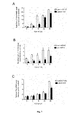
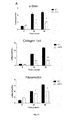
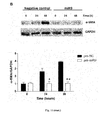
- miR-9 plays a significant role in the TGF- ⁇ 1 mediated transformation of mesenchymal cells into fibrogenic myofibroblasts, indicating a protective role for miR-9 in the initiation and progression of peritoneal fibrosis (see Example 4). Similarly, they have confirmed TGF- ⁇ 1-induced miR-9 expression also in human dermal fibroblasts, as well as that miR-9 plays a significant role in the TGF- ⁇ 1 mediated transformation of fibroblasts into fibrogenic myofibroblasts in skin fibrosis (see Example 5).
- the invention relates to an agent selected from the group consisting of miR-9, a miR-9 variant, an agent inducing the expression of miR-9 and an agent inducing the expression of a variant of miR-9 for use in the prevention and/or treatment of a fibrotic disease in a subject.
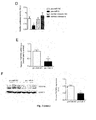
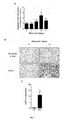
- lung samples from patients suffering from idiopathic pulmonary fibrosis showed increased miR-9 expression levels in comparison to control subjects, suggesting a role for miR-9 expression levels in the diagnosis of a fibrotic disease (see Example 3).
- the invention relates to a method for diagnosing a fibrotic disease in a subject comprising
- administration relates to the delivery of a pharmaceutical drug to a patient.
- suitable routes of administration include, without limitation, injection (e.g. intradermal, subcutaneous, intravenous, parenterally, intraperitoneally, intrathecally), intravesically (e.g. urinary bladder), intraprostatically, oral, inhalation, rectal and transdermal.
- the agent for use according to the invention is administered oropharingeally.
- agent inducing expression refers to any molecule that is capable of causing an increase in the transcription of a gene.
- the gene the transcription of which is induced in response to said inducer agent is under the operative control of a transcription regulatory region which, in turn, has binding sites for a transcription activator the activity of which increases in the presence of said inducer agent.
- the inducer agent is a compound that is easy to administer and easily distributed in the body, and innocuous at the doses used to activate the system. Moreover, it must be capable of penetrating into the desired tissue or organ, and have a suitable half-life (usually of several hours).
- diagnose or "diagnosis”, as used herein, relates to the evaluation of the probability according to which a subject suffers a specific pathology (in this case, a fibrotic disease, preferably an fibrotic disease selected from the group consisting of idiopathic pulmonary fibrosis, peritoneal fibrosis and skin fibrosis).
- a fibrotic disease preferably an fibrotic disease selected from the group consisting of idiopathic pulmonary fibrosis, peritoneal fibrosis and skin fibrosis.
- a fibrotic disease preferably an fibrotic disease selected from the group consisting of idiopathic pulmonary fibrosis, peritoneal fibrosis and skin fibrosis.
- fibrotic disease relates to a disease involving fibrosis, which may be due to e. g. chronic inflammation or repair and reorganization of tissues. Fibrosis is the formation or development of excess fibrous connective tissue in an organ or tissue as a reparative or reactive process, as opposed to formation of fibrous tissue as a normal constituent of an organ or tissue, including the kidneys, heart, lungs, liver, skin and joints.
- Fibrotic diseases include, without limitation, pulmonary fibrosis (including idiopathic pulmonary fibrosis and cystic fibrosis), renal fibrosis, hepatic cirrhosis, endomyocardial fibrosis, atrial fibrosis, mediastinal fibrosis, myelofibrosis, retroperitoneal fibrosis, progressive massive fibrosis of the lungs, nephrogenic systemic fibrosis, Crohn's disease, keloid, Scleroderma/systemic sclerosis of the skin or the lungs, arthrofibrosis, Peyronie's disease, Dupuytren's contracture, some forms of adhesive capsulitis, peritoneal fibrosis, and skin fibrosis.
- pulmonary fibrosis including idiopathic pulmonary fibrosis and cystic fibrosis
- renal fibrosis hepatic cirrhosis
- endomyocardial fibrosis endomy
- the fibrotic disease is selected from the group consisting of idiopathic pulmonary fibrosis, peritoneal fibrosis and skin fibrosis.
- the fibrotic disease is a pulmonary disease, in particular pulmonary fibrosis.
- pulmonary disease encompasses lung (pulmonary) fibrosis and pulmonary diseases with a fibrotic component selected from idiopathic pulmonary fibrosis, other interstitial pneumonias (IP) such as giant cell interstitial pneumonia, non-specific IP, cryptogenic organizing pneumonia, collagen vascular disease-associated IP, and drug-induced IP, also sarcodosis, cystic fibrosis, respiratory distress syndrome, granulomatosis, silicosis, asbestosis, systemic scleroderma involving the lung, as well as fibrosis and remodeling in asthma or chronic obstructive pulmonary disease (COPD).
- IP interstitial pneumonias
- COPD chronic obstructive pulmonary disease
- the fibrotic disease is generalized fibrosis, which is a scleroderma-like fibrosis that manifests itself in several target organs, including, without limitation, besides lung and/or skin, the spleen, heart, kidney and/or liver.
- the fibrotic disease is idiopathic pulmonary fibrosis.
- idiopathic pulmonary fibrosis or "IPF”, as used herein, also known as “cryptogenic fibrosing alveolitis” (CFA) or "idiopathic fibrosing interstitial pneumonia", relates to a chronic, progressive and ultimately fatal disease characterized by a progressive decline in lung function. It is characterized by fibrosis of the supporting framework (interstitium) of the lungs. The term “idiopathic” is used only when the cause of the pulmonary fibrosis is unknown.
- increased expression level as used herein in relation to the expression level of a miRNA, particularly miR-9, relates to a situation where the level of expression of miR-9 is increased at least 5%, at least 10%, at least 20%, at least 30%, at least 40%, at least 50%, at least 60%, at least 70%, at least 80%, at least 90% or at least 100% when compared to the corresponding reference value.
- level of expression relates to the measurement of the amount of a nucleic acid, e.g. RNA or mRNA, or of a protein.
- the level of expression relates to the measurement of the amount of a nucleic acid, particularly RNA, more particularly miRNA, even more particularly miR-9.
- miRNA or "microRNA”, used interchangeably herein, are endogenous RNAs, some of which are known to regulate the expression of protein-coding genes at the post-transcriptional level.
- miRNA refers to any type of micro-interfering RNA, including but not limited to, endogenous microRNA and artificial microRNA.
- endogenous miRNAs are small RNAs encoded in the genome which are capable of modulating the productive utilization of mRNA.
- a mature miRNA is a single-stranded RNA molecule of about 21-23 nucleotides in length which is complementary to a target sequence, and hybridizes to the target RNA sequence to inhibit its translation.
- miRNAs themselves are encoded by genes that are transcribed from DNA but not translated into protein (non-coding RNA); instead they are processed from primary transcripts known as pri-miRNA to short stem-loop structures called pre-miRNA and finally to functional miRNA. Mature miRNA molecules are partially complementary to one or more messenger RNA (mRNA) molecules, and their main function is to down-regulate gene expression.
- mRNA messenger RNA
- Pre-miRNAs are referred to as “mir”, whereas mature miRNAs are referred to as “miR”. This prefix is followed by a dash and a number, the latter often indicating order of naming. miRNAs with nearly identical sequences except for one or two nucleotides are annotated with an additional lower case letter. Pre-miRNAs that lead to 100% identical mature miRNAs but that are located at different places in the genome are indicated with an additional dash-number suffix. Species of origin is designated with a three-letter prefix. Nomenclature conventions used to describe miRNA sequences are described further in Ambros V et al., RNA, 2003, 9:277-279 , the entire contents of which are incorporated herein by reference.
- miR-9 refers to the human miRNA as defined in the miRBase database of the University of Manchester (http://www.mirbase.org/index.shtml) (release 20 as of June 2013) under accession number MIMAT0000441 (hsa-miR-9-5p, previously known as has-miR-9) and with sequence UCUUUGGUUAUCUAGCUGUAUGA (SEQ ID NO:1).
- pre-miR-9 refers to pre-miRNAs which are processed to provide miR-9.
- the sequences of these molecules are also available in the miRBase of the University of Manchester (release 20 as of June 2013) under accession numbers MI0000466 (hsa-mir-9-1, Homo sapiens miR-9-1 stem-loop), MI0000467 (hsa-mir-9-2, Homo sapiens miR-9-2 stem-loop) and MI0000468 (hsa-mir-9-3, Homo sapiens miR-9-3 stem-loop).
- peritoneal fibrosis relates to the substitution of the peritoneum by fibrous tissue secondary to peritonitis. It is characteristic in patients undergoing peritoneal dialysis programs having recurrent peritonitis and suffering from loss of efficacy of the peritoneal dialysate.
- Epithelial-mesenchymal transition (EMT) of peritoneal mesothelial cells plays a crucial role in peritoneal fibrosis. EMT is a process whereby fully differentiated epithelial cells undergo transition to a mesenchymal phenotype giving rise to fibroblasts and myofibroblasts.
- polynucleotide refers to a single-stranded or doublestranded DNA or RNA molecule comprising a number of nucleotide monomers covalently bonded.
- the polynucleotide has 8 or more nucleotide monomers.
- the polynucleotide is at least 8, at least 9, at least 10, at least 11, at least 12, at least 13, at least 14, at least 15, at least 16, at least 18, at least 20, at least 25, at least 30, at least 35, at least 40, at least 50, at least 60, at least 70, at least 80, at least 90, at least 100 or more nucleotides long.
- prevention relates to the capacity of a compound of the invention to prevent, minimize or hinder the onset or development of a disease or condition before its onset, wherein the disease according to the invention is a fibrotic disease.
- reference value or "reference level”, as used herein in the context of the method of the invention, relates to a laboratory value used as a reference for the expression level values/data obtained from samples of subjects to be diagnosed with a disease, in particular a fibrotic disease.
- sample refers to biological material isolated from a subject.
- the biological sample contains any biological material suitable for detecting RNA, particularly miRNA, and is a material comprising genetic material from the subject.
- the biological sample can comprise cell and/or non-cell material of the subject.
- the sample comprises genetic material, e.g., DNA, genomic DNA (gDNA), complementary DNA (cDNA), RNA, heterogeneous nuclear RNA (hnRNA), mRNA, etc., from the subject under study.
- the genetic material is RNA.
- the RNA is miRNA.
- the sample can be isolated from any suitable tissue or biological fluid such as, for example blood, saliva, plasma, serum, urine, cerebrospinal liquid (CSF), feces, a buccal or buccal-pharyngeal swab, a surgical specimen, a specimen obtained from a biopsy, and a tissue sample embedded in paraffin.
- tissue or biological fluid such as, for example blood, saliva, plasma, serum, urine, cerebrospinal liquid (CSF), feces, a buccal or buccal-pharyngeal swab, a surgical specimen, a specimen obtained from a biopsy, and a tissue sample embedded in paraffin.
- these can be formalin-fixed and paraffin-embedded or first frozen and then embedded in a cryosolidifiable medium, such as OCT-Compound, through immersion in a highly cryogenic medium that allows rapid freeze.
- a cryosolidifiable medium such as OCT-Compound
- skin fibrosis relates to fibrosis with excessive accumulation of extracellular matrix proteins in skin cells. It is induced by stimuli including persistent infections, autoimmune reactions or tissue injury that lead to an "excessive" wound healing. It is dependent on the activation of extracellular matrix synthesis in interstitial fibroblasts that evolve into ⁇ -smooth muscle actin-positive myofibroblasts.
- subject or “individual” or “animal” or “patient” or “mammal,” is meant any subject, particularly a mammalian subject, for whom diagnosis, prognosis, or therapy is desired.
- Mammalian subjects include humans, domestic animals, farm animals, and zoo, sports, or pet animals such as dogs, cats, guinea pigs, rabbits, rats, mice, horses, cattle, cows, and so on.
- the subject is a mammal.
- the subject is a human.
- treatment refers to both therapeutic measures and prophylactic or preventative measures, wherein the object is to prevent or slow down (lessen) an undesired physiological change or disorder, such as a fibrotic disease.
- beneficial or desired clinical results include, but are not limited to, alleviation of symptoms, diminishment of extent of disease, stabilized (i.e., not worsening) state of disease, delay or slowing of disease progression, amelioration or palliation of the disease state, and remission (whether partial or total), whether detectable or undetectable.
- Treatment can also mean prolonging survival as compared to expected survival if not receiving treatment.
- Those in need of treatment include those already with the condition or disorder as well as those prone to have the condition or disorder or those in which the condition or disorder is to be prevented.
- vector refers to a construct capable of delivering, and preferably additionally expressing, one or more polynucleotides of interest into a host cell.
- vectors include, but are not limited to, viral vectors, naked DNA or RNA expression vectors, plasmid, cosmid or phage vectors, DNA or RNA expression vectors associated with cationic condensing agents, DNA or RNA expression vectors encapsulated in liposomes, and certain eukaryotic cells, such as producer cells.
- This term also relates to targeting constructs which allow for random or site-directed integration of the targeting construct into genomic DNA.
- targeting constructs preferably, comprise DNA of sufficient length for either homologous recombination or heterologous integration.
- the polynucleotide encoding miR-9 for use according to the invention or the polynucleotide encoding pre-miR-9 for use according to the invention is provided within a lentiviral vector.
- lentiviral vector as used herein, relates to a nucleic acid sequence comprising the necessary sequences so that after transcribing and translating said sequences in a cell with expression of lentiviral genes a sequence of interest, corresponding to miR-9 or to pre-miR-9 according to the invention, is generated.
- the authors of the present invention have found that both oxidative stress and TGF- ⁇ 1 induce miR-9 expression in pulmonary fibroblasts. Increasing miR-9 levels significantly reduced TGFBRII and TGF- ⁇ 1-NOX4 induced expression in pulmonary fibroblasts. This effect correlated with a decrease in TGF- ⁇ 1-mediated signaling. Up-regulation of miR-9 levels attenuated TGF- ⁇ -induced transformation of lung fibroblasts into myofibroblasts (see Example 1). These contractile fibroblasts are believed to be the main source of abnormal extracellular matrix production in organ fibrosis. Thus, the authors concluded that miR-9 down-regulates the profibrogenic activities of TGF- ⁇ 1 in vitro.
- TGF- ⁇ 1-induced miR-9 expression also in human dermal fibroblasts, as well as that miR-9 plays a significant role in the TGF- ⁇ 1 mediated transformation of fibroblasts into fibrogenic myofibroblasts in skin fibrosis (see Example 5).
- the invention relates to an agent selected from the group consisting of miR-9 (accession number MIMAT0000441 according to miRBase database, SEQ ID NO:1), a miR-9 variant, an agent inducing the expression of miR-9 and an agent inducing the expression of a variant of miR-9, for use in the prevention and/or treatment of a fibrotic disease in a subject.
- miR-9 accession number MIMAT0000441 according to miRBase database, SEQ ID NO:1
- a miR-9 variant an agent inducing the expression of miR-9
- an agent inducing the expression of a variant of miR-9 for use in the prevention and/or treatment of a fibrotic disease in a subject.
- the invention relates to the use of an agent selected from the group consisting of miR-9 (accession number MIMAT0000441 according to miRBase database, SEQ ID NO:1), a miR-9 variant, an agent inducing the expression of miR-9 and an agent inducing the expression of a variant of miR-9 for the manufacture of a medicament for the treatment and/or prevention of a fibrotic disease in a subject in need thereof.
- miR-9 accession number MIMAT0000441 according to miRBase database, SEQ ID NO:1
- a miR-9 variant an agent inducing the expression of miR-9
- an agent inducing the expression of a variant of miR-9 for the manufacture of a medicament for the treatment and/or prevention of a fibrotic disease in a subject in need thereof.
- the invention relates to a method for the prevention and/or treatment of a fibrotic disease in a subject that comprises the administration to said subject of an agent selected from the group consisting of miR-9 (accession number MIMAT0000441 according to miRBase database, SEQ ID NO:1), a miR-9 variant, an agent inducing the expression of miR-9 and an agent inducing the expression of a variant of miR-9.
- an agent selected from the group consisting of miR-9 (accession number MIMAT0000441 according to miRBase database, SEQ ID NO:1)
- a miR-9 variant an agent inducing the expression of miR-9
- an agent inducing the expression of a variant of miR-9 an agent inducing the expression of a variant of miR-9.
- the agent for use according to the invention in the prevention and/or treatment of a fibrotic disease in a subject is selected from the group consisting of miR-9 (accession number MIMAT0000441 according to miRBase database, SEQ ID NO:1), a miR-9 variant, an agent inducing the expression of miR-9 and an agent inducing the expression of a variant of miR-9.
- miR-9 accession number MIMAT0000441 according to miRBase database, SEQ ID NO:1
- agents inducing expression of miR-9 for use according to the invention are selected from the group consisting of a pre-miR-9, a polynucleotide encoding miR-9 and a polynucleotide encoding pre-miR-9.
- the miR-9 microRNA for use according to the invention is the human miR-9, with accession number MIMAT0000441 (SEQ ID NO:1) according to the miRBase database of the University of Manchester.
- the miR-9 microRNA (homologous to miR-79), is a short non-coding RNA gene involved in gene regulation.
- the mature ⁇ 21nt miRNAs are processed from hairpin precursor sequences by the Dicer enzyme.
- the dominant mature miRNA sequence is processed from the 5' arm of the mir-9 precursor, and from the 3' arm of the mir-79 precursor.
- variants of said miR-9 can also be used in the context of the present invention.
- Said variants have a nucleic acid sequence which is at least 70 percent, at least 80 percent, at least 90 percent, at least 95 percent, at least 97, at least 98 percent or at least 99 percent identical to the sequence the miR-9, provided that these variant sequences also encode a functional miR-9.
- Suitable methods for determining whether a given variant of the miR-9 can be used in the context of the present invention include, for instance, an in vivo method wherein the variant is administered to mice which have developed pulmonary fibrosis as a consequence of the treatment with bleomycin according to Example 2 of the present invention.
- Suitable variants for use according to the present invention include, without limitation, variants which substantially preserve the capacity of the miR-9 for preventing fibrogenic transformation of pulmonary fibroblasts, wherein said capacity is measured by determining the levels of different mRNAs which are increased in the presence of fibrosis, e.g. ⁇ -SMA, Col 1 ⁇ 1 and FN.
- miR-9 variants for use according to the present invention include those which are capable of attenuating TGF- ⁇ 1-dependent transformation of fibroblasts into myofibroblasts as shown in Example 1 of the present invention.
- Suitable variants for use according to the present invention include, variants which show at least 99%, 98%, 97%, 96%, 95%, 94%, 93%, 92%, 91%, 90%, 80%, 70%, 60% or 50% of the capacity of the miR-9 for inhibiting fibrosis in the above mentioned in vivo or the capacity of attenuating TGF- ⁇ 1-dependent transformation of fibroblasts into myofibroblasts in the above mentioned in vitro model.
- variants which can be used in the method according to the present invention include polynucleotides which hybridize to the above polynucleotides, preferably, under stringent hybridization conditions provided that the variants retain the properties of a miR-9 as set forth above.
- the invention relates to an agent inducing the expression of miR-9 or to an agent inducing the expression of a variant of miR-9 for use in the prevention and/or treatment of a fibrotic disease in a subject.
- Variants of miR-9 according to the invention have been previously described.
- Agents inducing the expression of miR-9 for use according to the invention comprise any molecule capable of increasing the expression of miR-9.
- Suitable methods for determining whether an agent is capable of increasing or up-regulating the levels of a miRNA include, without limitation, standard assays for determining mRNA expression levels such as qPCR, RT-PCR, RNA protection analysis, Northern blot, RNA dot blot, in situ hybridization, microarray technology, tag based methods such as serial analysis of gene expression (SAGE) including variants such as LongSAGE and SuperSAGE, microarrays, fluorescence in situ hybridization (FISH), including variants such as Flow-FISH, qFiSH and double fusion FISH (D-FISH), and the like.
- SAGE serial analysis of gene expression
- FISH fluorescence in situ hybridization
- D-FISH double fusion FISH
- agents inducing expression of miR-9 for use according to the invention are selected from the group consisting of a pre-miR-9, a polynucleotide encoding miR-9 and a polynucleotide encoding pre-miR-9.
- the agent inducing expression of miR-9 for use according to the invention is a pre-miR-9, preferably a human pre-miR-9, or a variant thereof.
- the pre-miR-9 for use according to the invention is selected from the group consisting of hsa-mir-9-1, hsa-mir-9-2 and hsa-mir-9-3.
- hsa-mir-9-1 Homo sapiens miR-9-1 stem-loop, accession number MI0000466 according to miRBase database, release 20 as of June 2013; HGNC:31641 according to HUGO Gene Nomenclature Commitee is located at human chromosome 1q22. Homologs of hsa-mir-9-1 include, without limitation, Rattus norvegicus Mir3597-1, RGD:4888599 according to Rat Genome Database).
- hsa-mir-9-1 is the following (SEQ ID NO:2): hsa-mir-9-2 ( Homo sapiens miR-9-2 stem-loop, accession number MI0000467 according to miRBase database, release 20 as of June 2013; HGNC:31642 according to HUGO Gene Nomenclature Commitee) is located at human chromosome 5q14.3.
- hsa-mir-9-2 is the following (SEQ ID NO:3): hsa-mir-9-3 ( Homo sapiens miR-9-3 stem-loop, accession number MI0000468 according to miRBase database, release 20 as of June 2013; HGNC:31646 according to HUGO Gene Nomenclature Commitee) is located at human chromosome 15q26.1. Homologs of hsa-mir-9-3 include, without limitation, Rattus norvegicus Mir3597-3, RGD:4888559 according to Rat Genome Database). The sequence of hsa-mir-9-3 is the following (SEQ ID NO:4):
- Synthetic exemplary pre-miR-9 include, without limitation, the Pre-miRTM miRNA precursors that are synthesized on demand by Ambion.
- variants of said pre-miR-9 can also be used in the context of the present invention.
- Said variants have a nucleic acid sequence which is at least 70 percent, at least 80 percent, at least 90 percent, at least 95 percent, at least 97, at least 98 percent or at least 99 percent identical to the sequence the miR-9, provided that these variant sequences are processed to a functional miR-9 or a variant thereof.
- Suitable variants for use according to the present invention include, variants which encode miR-9 variants which show at least 99%, 98%, 97%, 96%, 95%, 94%, 93%, 92%, 91%, 90%, 80%, 70%, 60% or 50% of the capacity of the miR-9 for inhibiting fibrosis in the above mentioned in vivo or the capacity of attenuating TGF- ⁇ 1-dependent transformation of fibroblasts into myofibroblasts in the above mentioned in vitro model.
- variants which can be used in the method according to the present invention include polynucleotides which hybridize to the above polynucleotides, preferably, under stringent hybridization conditions provided that the variants retain the properties of a miR-9 as set forth above.
- variants include polynucleotides which are identical to hsa-mir-9-1, hsa-mir-9-2 or hsa-mir-9-3 in the region which corresponds to the mature miR-9 but which differ in the region that forms in the 5' and 3' region which form the stem-loop and which is removed during processing to provide the mature miR-9.
- the agent inducing expression of miR-9 for use according to the invention is a polynucleotide encoding miR-9, preferably human miR-9 or a polynucleotide encoding pre-miR-9, preferably human miR-9.
- the polynucleotide encoding miR-9 or the polynucleotide encoding pre-miR-9 is provided within a vector, preferably within a lentiviral vector.
- the polynucleotide encoding miR-9 encodes the miR-9 as defined under accession number MIMAT0000441 according to the miRBase database.
- the polynucleotide encoding pre-miR-9 encodes the human miR-9 according to accession numbers MI0000466 (hsa-mir-9-1, Homo sapiens miR-9-1 stem-loop), MI0000467 (hsa-mir-9-2, Homo sapiens miR-9-2 stem-loop) or MI0000468 (hsa-mir-9-3, Homo sapiens miR-9-3 stem-loop).
- variants of said polynucleotide encoding pre-miR-are can also be used in the context of the present invention.
- Said variants have a nucleic acid sequence which is at least 70 percent, at least 80 percent, at least 90 percent, at least 95 percent, at least 97, at least 98 percent or at least 99 percent identical to the sequence of the polynucleotides encoding the miR-9 according to accession numbers MI0000466, MI0000467 or MI0000468, provided that these variant sequences also encode a pre-miR-9 which can be processed into a functional miR-9.
- variants which can be used in the method according to the present invention include polynucleotides which hybridize to the above polynucleotides, preferably, under stringent hybridization conditions provided that the variants retain the properties of a miR-9 as set forth above.
- the polynucleotide encoding miR-9 and/or the polynucleotide encoding pre-miR-9 further comprises from 200 to 400 base pairs upstream and/or downstream flanking the genomic sequence of said miR-9 or pre-miR-9, ensuring that the microRNA expressed from the polynucleotide for use according to the invention will be correctly processed in the cell into mature miR-9.
- the polynucleotide encoding miR-9 and/or the polynucleotide encoding pre-miR-9 for use according to the invention comprise(s) a transcriptional regulatory sequence.
- transcriptional regulatory sequence refers to a nucleic acid sequence which is capable of governing the expression of another nucleic acid sequence operatively linked thereto, such as a nucleotide sequence encoding miR-9 or a nucleotide sequence encoding pre-miR-9.
- the transcription control sequence preferably, is a DNA sequence.
- the transcriptional control sequence comprises a first promoter and, optionally, a binding site for a transcriptional repressor wherein said first promoter and said binding site for a transcriptional repressor are arranged so that the binding of the transcriptional repressor to said binding site inhibits the transcriptional activity of the promoter.
- promoter refers to a DNA sequence that determines the site of transcription initiation for an RNA polymerase.
- Promoter sequences comprise motifs which are recognized and bound by polypeptides, i.e. transcription factors.
- the said transcription factors shall upon binding recruit RNA polymerases II, preferably, RNA polymerase I, II or III, more preferably, RNA polymerase II or III, and most preferably, RNA polymerase II. Thereby will be initiated the expression of a nucleic acid operatively linked to the transcription control sequence.
- expression as meant herein may comprise transcription of DNA sequences into RNA polynucleotides (as suitable for, e.g., anti-sense approaches, RNAi approaches or ribozyme approaches) or may comprise transcription of DNA sequences into RNA polynucleotides followed by translation of the said RNA polynucleotides into polypeptides (as suitable for, e.g., gene expression and recombinant polypeptide production approaches).
- the transcription control sequence may be located immediately adjacent to the nucleic acid to be expressed, i.e. physically linked to the said nucleic acid at its 5' end. Alternatively, it may be located in physical proximity. In the latter case, however, the sequence must be located so as to allow functional interaction with the nucleic acid to be expressed.
- Suitable promoters for use as first promoters include any promoter known in the art.
- the first promoter is a promoter functional in mammalian cells. High-level constitutive promoters are preferred for use in the vectors according to the present invention.
- promoters include, without limitation, the retroviral Rous sarcoma virus (RSN) LTR promoter (optionally with the RSV enhancer), the cytomegalovirus (CMV) promoter (optionally with the CMV enhancer), the SN40 promoter, the dihydrofolate reductase promoter, the beta-actin promoter, the beta-actine promoter linked to the enhancer derived from the cytomegalovirus immediate early (IE) promoter, the phosphoglycerol kinase (PGK) promoter, and the EFla promoter.
- RSN Rous sarcoma virus
- CMV cytomegalovirus
- SN40 promoter the dihydrofolate reductase promoter
- beta-actin promoter the beta-actine promoter linked to the enhancer derived from the cytomegalovirus immediate early (IE) promoter
- IE cytomegalovirus immediate early
- PGK phosphoglycerol kinase
- Inducible promoters are regulated by exogenously supplied compounds, including, the zinc-inducible sheep metallothionine (MT) promoter, the dexamethasone (Dex)-inducible mouse mammary tumor virus (MMTV) promoter, the T7 polymerase promoter system; the ecdysone insect promoter, the tetracycline-repressible system, the tetracycline-inducible system, the RU486-inducible system and the rapamycin-inducible system.
- Other types of inducible promoters which may be useful in this invention are those which are regulated by a specific physiological state, e.g., temperature, acute phase, a particular differentiation state of the cell, or in replicating cells only.
- the native promoter for the genomic sequence encoding miR-9 or encoding pre-miR-9 will be used.
- the native promoter may be preferred when it is desired that expression of said genomic sequence encoding miR-9 or pre-miR-9 should mimic the native expression.
- the native promoter may be used when expression of said genomic sequence encoding miR-9 or pre-miR-9 must be regulated temporally or developmentally, or in a tissue-specific manner, or in response to specific transcriptional stimuli.
- other native expression control elements such as enhancer elements, polyadenylation sites or Kozak consensus sequences may also be used to mimic the native expression.
- the genomic sequence encoding miR-9 or pre-miR-9 or other desirable product to be expressed is operably linked to a tissue-specific promoter.
- a tissue-specific promoter For instance, if expression in skeletal muscle is desired, a promoter active in muscle should be used. These include the promoters from genes encoding skeletal ⁇ -actin, myosin light chain 2A, dystrophin, muscle creatine kinase, as well as synthetic muscle promoters with activities higher than naturally-occurring promoters. Examples of promoters that are tissue-specific are known for liver [ albumin, Miyatake et al.
- lymphocytes [ CD2, Hansal et al., J Immunol, 161:1063-8 (1998 ); immunoglobulin heavy chain; T cell receptor a chain], neuronal [ neuron-specific enolase (NSE) promoter, Andersen et al. Cell. Mol. Neurobiol, 13:503-15 (1993 ); neurofilament light-chain gene, Piccioli et al., 1991, Proc. Natl. Acad. Sci.
- NSE neuron-specific enolase
- a promoter referred to herein can be derived from the cytomegalovirus (CMV) minimal promoter and, more preferably, from human CMV (hCMV) such as the hCMV immediate early promoter derived minimal promoter as described in, e.g., Gossen and Bujard (Proc. Natl. Acad. Sci. USA, 1992, 89: 5547-5551 ).
- CMV cytomegalovirus
- hCMV human CMV
- Modified promoters also may be used, including insertion and deletion mutation of native promoters and combinations or permutations thereof.
- the polynucleotide encoding miR-9 or the polynucleotide encoding pre-miR-9 for use according to the invention may further comprise a polynucleotide of interest under operative control of the transcriptional regulatory region.
- a polynucleotide of interest under operative control of the transcriptional regulatory region.
- Particularly preferred polynucleotides include reporter genes, when the polynucleotides of the invention are used as research tools or for imaging purposes, polynuclotides encoding polypeptides when the polynucleotides are used for gene therapy in diseases characterised by a lack of function of said polypeptide and polynucleotides which are capable of silencing the expression of target genes, adequate in those cases wherein the polynucleotides according to the invention are used for the treatment of diseases associated with an excessive expression of a given gene, either endogenous to the organism being treated or heterologous.
- the polynucleotide encoding miR-9 or the polynucleotide encoding pre-miR-9 for use according to the invention, as previously described, is provided within a vector.
- the vector comprising the polynucleotide encoding miR-9 or the polynucleotide encoding pre-miR-9 for use according to the present invention further comprises selectable markers for propagation and/or selection in a host.
- a vector may be characterized by one or a small number of restriction endonuclease sites at which such DNA sequences may be cut in a determinable fashion without the loss of an essential biological function of the vector, and into which a DNA fragment may be spliced in order to bring about its replication and cloning.
- a vector may further contain a marker suitable for use in the identification of cells transformed with the vector.
- the vector for use according to the present invention usually comprises regions adequate for inserting a polynucleotide of interest (e.g. the polynucleotide encoding miR-9 or pre-miR-9), so that said polynucleotide is under operative control of the transcriptional regulatory region.
- a polynucleotide of interest e.g. the polynucleotide encoding miR-9 or pre-miR-9
- the polynucleotide encoding miR-9 for use according to the invention comprises a polylinker downstream of the transcriptional regulatory region.
- polylinker and “multiple cloning site” are used herein interchangeably to refer to refer to a region of DNA that contains one or more commonly used restriction sites allowing the insertion of a DNA fragment (e.g., gene of interest) into the expression construct.
- vector refers to a circular double stranded DNA loop into which additional DNA segments can be ligated.
- viral vector Another type of vector is a viral vector, wherein additional DNA segments can be ligated into the viral genome.
- Certain vectors are capable of autonomous replication in a host cell into which they are introduced (e. g., bacterial vectors having a bacterial origin of replication and episomal mammalian vectors).
- Other vectors e. g., non-episomal mammalian vectors
- certain vectors are capable of directing the expression of genes to which they are operatively linked.
- expression vectors are referred to herein as "expression vectors".
- expression vectors of utility in recombinant DNA techniques are often in the form of plasmids.
- plasmid and vector can be used interchangeably as the plasmid is the most commonly used form of vector.
- the invention is intended to include such other forms of expression vectors, such as viral vectors (e. g., replication defective retroviruses, adenoviruses and adeno-associated viruses), which serve equivalent functions.
- said vector is an expression vector. More preferably, in the vector of the invention, the transcription control sequence is operatively linked to a nucleic acid sequence to be expressed. Such operative linkage, preferably, allows expression of the said nucleic acid sequence in eukaryotic cells or isolated fractions thereof.
- regulatory elements ensuring expression in eukaryotic cells are well known in the art. They, preferably, comprise regulatory sequences ensuring initiation of transcription as comprised by the transcription control sequence of the present invention as well as poly-A signals ensuring termination of transcription and stabilization of the transcript. Additional regulatory elements may be included into the vector such as transcriptional as well as translational enhancers.
- suitable expression vectors are known in the art such as vectors derived from retroviruses including lentiviruses, adenovirus, cytomegalovirus, adeno-associated viruses, measles virus, vaccinia virus, herpes viruses, or bovine papilloma virus, may be used for delivery of the vector of the invention into targeted cell population. Methods which are well known to those skilled in the art can be used to construct recombinant viral vectors.
- lentiviral vectors are preferred because they are one of the most promising vectors for gene transfer in primary human cells, they are highly efficient and do not express any viral gene that could alter normal cellular physiology.
- lentivirus refers to a group (or scientific genus) of retroviruses that in nature give rise to slowly developing disease due to their ability to incorporate into a host genome. Modified lentiviral genomes are useful as viral vectors for the delivery of a nucleic acid sequence to a cell. An advantage of lentiviruses for infection of cells is the ability for sustained transgene expression.
- viruses include in particular Human Immunodeficiency Virus type 1 (HIV-1), Human Immunodeficiency Virus type 2 (HIV-2), Simian Immunodeficiency Virus (SIV), Feline Immunodeficiency Virus (FIV), Equine Infectious Anaemia Virus (EIAV), Bovine Immunodeficiency Virus (BIV), Visna Virus of sheep (VISNA) and Caprine Arthritis-Encephalitis Virus (CAEV).
- Lentiviral vectors are well known in the art (see, for example, U.S. Pat. Nos. 6,013,516 and 5,994,136 ).
- Lentiviral vectors are well known in the art (see, for example, U.S. Pat. Nos. 6,013,516 and 5,994,136 ).
- Recombinant lentiviral vectors are capable of infecting non-dividing cells and can be used for both in vivo and ex vivo gene transfer and expression of nucleic acid sequences.
- recombinant lentiviruses capable of infecting a non-dividing cell wherein a suitable host cell is transfected with two or more vectors carrying the packaging functions, namely gag, pol and env, as well as rev and tat is described in U.S. Pat. No. 5,994,136 .
- a sequence (including a regulatory region) of interest into the viral vector, particularly a polynucleotide encoding miR-9 or a polynucleotide encoding pre-miR-9, along with another gene which encodes the ligand for a receptor on a specific target cell, for example, the vector is now target-specific.
- the recombinant lentiviruses according to the invention may be genetically modified in such a way that certain genes constituting the native infectious virus are eliminated and replaced with a nucleic acid sequence of interest to be introduced into the target cells.
- the lentiviral vector can integrate into the genome of the host cell.
- the genetic material thus transferred is then transcribed and possibly translated into proteins inside the host cell.
- the lentiviral vector is a non-integrative lentiviral vector, the vector is present in episomal forms.
- the lentiviral vector according to the present invention in addition to the polynucleotide encoding miR-9, the polynycleotide encoding pre-miR-9, and/or the transcriptional regulatory sequence as described above, may further comprise additional elements which help to improve expression of the nucleotide sequence, particularly miRNA sequence, encoded within the vector. Additional elements include:
- the lentiviral vector is another form of self-inactivating (SIN) vector as a result of a deletion in the 3' long terminal repeat region (LTR).
- the vector contains a deletion within the viral promoter.
- the LTR of lentiviruses such as the HIV LTR contains a viral promoter.
- this promoter is relatively inefficient, when transactivated by e.g. tat, the promoter is efficient because tat-mediated transactivation increases the rate of transcription about 100 fold.
- the presence of the viral promoter can interfere with heterologous promoters operably linked to a transgene. To minimize such interference and better regulate the expression of transgenes, the lentiviral promoter may be deleted.
- the lentiviral vector comprises, in the 5' to 3' orientation:
- miRNA expression vectors are commercially allowable and include, without limitation, miRNA expression vectors pmR-ZsGreenl (catalog No. 632541) and pmR-mCherry Vector (catalog No. 632542) from Clontech, pMIR-REPORTTM miRNA Expression Reporter Vector System (catalog No. AM5795) from Life Technologies, HIV-based or FIV-based lentivectors from System Biosciences, and miRNA mammalian expression vectors (catalog Nos. MIR-EXP-GP-C and MIR-EXP-C) from Cell Biolabs.
- miRNA expression vectors pmR-ZsGreenl (catalog No. 632541) and pmR-mCherry Vector (catalog No. 632542) from Clontech, pMIR-REPORTTM miRNA Expression Reporter Vector System (catalog No. AM5795) from Life Technologies, HIV-based or FIV-based lentivectors from System Biosciences, and
- Lentiviral vectors carrying miRNA libraries such as the pLemiR plasmid have been described (Open Biosystems) wherein the sequence encoding the miRNA is under the control of a CMV promoter. Since these plasmids encode for the precursor form of the miRNA (the pri-miRNA), activation by the cellular machinery is required before the miRNA can exert its biological effects.
- Lentiviral expression vectors for human pre-miR-9 expression are also commercially available and include, without limitation, the human pre-microRNA Expression Construct Lenti-miR-9-1 (Catalog No. PMIRH9-1PA-1, for human precursor under accession number MI0000466) and human pre-microRNA Expression Construct Lenti-miR-9-2 (Catalog No. PMIRH9-2PA-1, for human precursor accession number MI0000467) from System Biosciences.
- Fibrotic diseases to be presented and / or treated by the agents for use according to the invention
- the fibrotic disease is selected from the group consisting of idiopathic pulmonary fibrosis, peritoneal fibrosis and skin fibrosis.
- the fibrotic disease is idiopathic pulmonary fibrosis.
- the subject is a human.
- Prevention and/or treatment of peritoneal fibrosis in a subject in need thereof may be followed by methods known by the skilled person including, without limitation, determination of one or more parameters used to monitor the functional status of the peritoneal membrane, including dialysate cancer antigen CA125 concentration and transport parameters.
- Profilometric analysis comprises skin roughness criteria including RA (average roughness), RZ (average depth of furrows), RS (residual length), RN (number of wrinkles) and AR (space between wrinkles).
- the elasticity test is performed using a LPG® tester, connected to a flexible coupling and linked to an aspiration system.
- Pulmonary function parameters are known by the skilled person and include, without limitation, vital capacity (VC), residual volume (RV), forced expiratory volume (FEV), forced vital capacity (FVC), forced vital capacity percent (FVC%), forced inspiratory flow (FIF), peak expiratory flow rate (PEFR), inspiratory reserve volume (IRV), functional residual capacity (FRC), inspiratory capacity (IC), total lung capacity (TLC), expiratory reserve volume (ERV), tidal volume (TV), maximum voluntary ventilation (MVV), forced vital capacity (FVC), as follows:
- Residual volume can be obtained through indirect methods such as radiographic planimetry, body plethysmography, closed circuit dilution (including the helium dilution technique), and nitrogen washout.
- the administration of the agent for use of the invention can be performed by different routes, for instance, intravenous, intraperitoneal, subcutaneous, intramuscular, topical, intradermal, intranasal or intrabronchial, and it can be administered locally or systemically or directly to the target site.
- routes for instance, intravenous, intraperitoneal, subcutaneous, intramuscular, topical, intradermal, intranasal or intrabronchial, and it can be administered locally or systemically or directly to the target site.
- the dosage regimen will be established by the physician and the clinical factors. As it is well known in medicine, the dosages depend on many factors, including the physical characteristics of the patient (age, size, sex), the administration route used, the severity of the disease, the particular compound used and the pharmacokinetic properties of the subject.
- the effective quantity of the compounds of the invention can vary within a wide range and, in general, will vary depending on the particular circumstances of application, duration of the exposure and other considerations.
- Solid dosage forms for oral administration may include conventional capsules, sustained release capsules, conventional tablets, sustained-release tablets, chewable tablets, sublingual tablets, effervescent tablets, pills, suspensions, powders, granules and gels.
- the active compounds can be mixed with at least one inert excipient such as sucrose, lactose or starch.
- Such dosage forms can also comprise, as in normal practice, additional substances other than inert diluents, e.g. lubricating agents such as magnesium stearate.
- the dosage forms may also comprise buffering agents. Tablets and pills can be prepared with enteric coatings.
- Liquid dosage forms for oral administration may include emulsions, solutions, suspensions, syrups and elixirs pharmaceutically acceptable containing inert diluents commonly used in the technique, such as water. Those compositions may also comprise adjuvants such as wetting agents, emulsifying and suspending agents, and sweetening agents, flavoring and perfuming agents.
- Injectable preparations for example, aqueous or oleaginous suspensions
- sterile injectable may be formulated according with the technique known using suitable dispersing agents, wetting agents and/or suspending agents.
- suitable dispersing agents wetting agents and/or suspending agents.
- suitable vehicles and solvents water, Ringer's solution and isotonic sodium chloride solution.
- Sterile oils are also conventionally used as solvents or suspending media.
- compounds of the invention can be formulated as creams, gels, lotions, liquids, pomades, spray solutions, dispersions, solid bars, emulsions, microemulsions and similars which may be formulated according to conventional methods that use suitable excipients, such as, for example, emulsifiers, surfactants, thickening agents, coloring agents and combinations of two or more thereof.
- suitable excipients such as, for example, emulsifiers, surfactants, thickening agents, coloring agents and combinations of two or more thereof.
- the compounds of the invention may be administered in the form of transdermal patches or iontophoresis devices.
- the compounds of the invention are administered as a transdermal patch, for example, in the form of sustained-release transdermal patch.
- Suitable transdermal patches are described in more detail in, for example, US5262165 , US5948433 , US6010715 and US6071531 .
- compositions comprising the compounds of the invention can additionally include conventional excipients, i.e. pharmaceutically acceptable carriers suitable for parenteral application which do not react damaging with the active compounds.
- suitable pharmaceutically acceptable vehicles include, for example, water, salt solutions, alcohol, vegetable oils, polyethylene glycols, gelatin, lactose, amylose, magnesium stearate, talc, surfactants, silicic acid, viscous paraffin, perfume oil, monoglycerides and diglycerides of fatty acids, fatty acid esters petroetrals, hydroxymethyl cellulose, polyvinylpyrrolidone and similars.
- Several drug delivery systems are known and can be used to administer the compounds or compositions of the invention, including, for example, encapsulation in liposomes, microbubbles, emulsions, microparticles, microcapsules and similars.
- the required dosage can be administered as a single unit or in a sustained release form.
- the orally administrable form of a compound according to the invention is in a sustained release form further comprises at least one coating or matrix.
- the coating or sustained release matrix include, without limitation, natural polymers, semisynthetic or synthetic water-insoluble, modified, waxes, fats, fatty alcohols, fatty acids, natural semisynthetic or synthetic plasticizers, or a combination of two or more of them.
- Enteric coatings may be applied using conventional processes known to experts in the art, as described in, for example, Johnson, J. L., "Pharmaceutical tablet coating", Coatings Technology Handbook (Second Edition), Satas, D. and Tracton, A. A. (eds), Marcel Dekker, Inc. New York, (2001 ), Carstensen, T., “Coating Tablets in Advanced Pharmaceutical Solids", Swarbrick, J. (ed.), Marcel Dekker, Inc. New York (2001), 455-468 .
- the dosage needed to provide an effective amount of such compound which can be adjusted by one expert in the art will vary depending on age, health, fitness, sex, diet, weight, degree of alteration of the receptor, frequency of treatment and the nature and extent of impairment or illness, medical condition of the patient, route of administration, pharmacological considerations such as activity, efficacy, pharmacokinetic and toxicology profile of the particular compound used, if using a system drug delivery, and if the compound is administered as part of a combination of drugs.
- the amount of the compound according to the invention that is effective in the treatment of a particular disorder or condition will depend on the nature of the disorder or condition, in particular a fibrotic disease, and can be determined by conventional clinical techniques, including reference to Goodman and Gilman, supra; The Physician's Desk Reference, Medical Economics Company, Inc., Oradell, NJ, 1995 , and Drug Facts and Comparisons, Inc., St. Louis, MO, 1993 .
- the precise dose to use in the formulation will also depend on the route of administration, and severity of the disease or disorder, and should be decided in the physician's opinion and the patient's circumstances.
- the agent for use according to the invention is miR-9 or pre-miR-9
- it is formulated in a composition intended for use in gene therapy.
- the agent for use according to the invention is selected from the group consisting of a polynucleotide encoding miR-9 or a polynucleotide encoding pre-miR-9, by way of illustration and not limitation, it may be formulated in a pharmaceutical composition containing a viral or non-viral vector.
- said vectors may be viral, for example, based on retrovirus, adenovirus, etc., or nonviral such as ADN-liposome, ADN-polymer, ADN-polymer-liposome complexes, etc. [see “ Nonviral Vectors for Gene Therapy", edited by Huang, Hung and Wagner, Academic Press (1999 )].
- Said vectors, which contain a polynucleotide according to the invention may be administered directly to humans or animals by conventional methods.
- said vectors may be used to transform, or transfect or infect cells, for example, mammal cells, including human, ex vivo, which subsequently will be implanted into a human body or an animal to obtain the desired therapeutic effect.
- said cells will be formulated in a suitable medium that will have no adverse influence on cell viability.
- the agent for use according to the invention in the prevention and/or treatment of a fibrotic disease in a subject is administered oropharingeally to said subject.
- the invention relates to a method for diagnosing a fibrotic disease in a subject, hereinafter referred to as " diagnostic method of the invention ", that comprises:
- the diagnostic method of the invention comprises determining the level of expression of miR-9 in a sample from a subject whose diagnosis is to be determined.
- RNA molecule to be determined
- these sample preparation operations include manipulations such as concentration, suspension, extraction of intracellular material, e.g., nucleic acids from tissue/whole cell samples and the like, amplification of nucleic acids, fragmentation, transcription, labeling and/or extension reactions.
- Nucleic acids, especially RNA can be isolated using any techniques known in the art. There are two main methods for isolating RNA: (i) phenol-based extraction and (ii) silica matrix or glass fiber filter (GFF)-based binding.
- GFF silica matrix or glass fiber filter
- Phenol-based reagents contain a combination of denaturants and RNase inhibitors for cell and tissue disruption and subsequent separation of RNA from contaminants. Phenol-based isolation procedures can recover RNA species in the 10-200-nucleotide range e.g., miRNAs, 5S rRNA, 5.8S rRNA, and U1 snRNA. If a sample of "total" RNA was purified by the popular silica matrix column or GFF procedure, it may be depleted in small RNAs. Extraction procedures such as those using Trizol or TriReagent, however will purify all RNAs, large and small, and are the recommended methods for isolating total RNA from biological samples that will contain miRNAs/siRNAs.
- miRNA isolation kits from Life Technologies, mirPremier microRNA isolation kit from Sigma-Aldrich and High Pure miRNA isolation kit from Roche.
- the level of expression of miR-9 is determined in a sample from a subject, wherein said sample is any sample comprising nucleic acids comprising, without limitation, a cell sample (i.e. a lung cell sample), a tissue sample (i.e. a lung tissue sample), a bronchoalveolar lavage sample, a serum sample and a urine sample.
- a cell sample i.e. a lung cell sample
- tissue sample i.e. a lung tissue sample
- a bronchoalveolar lavage sample i.e. a serum sample and a urine sample.
- the sample can be obtained by any conventional method depending on the sample to be analyzed. Methods for obtaining said samples are routinary and known by the skilled person.
- the sample is a lung tissue sample.
- RNA obtained from a formalin-fixed, paraffin-embedded tissue sample.
- RNA may be isolated from an archival pathological sample or biopsy sample which is first deparaffinized.
- An exemplary deparaffinization method involves washing the paraffinized sample with an organic solvent, such as xylene.
- Deparaffinized samples can be rehydrated with an aqueous solution of a lower alcohol. Suitable lower alcohols, for example, include methanol, ethanol, propanols and butanols.
- Deparaffinized samples may be rehydrated with successive washes with lower alcoholic solutions of decreasing concentration, for example. Alternatively, the sample is simultaneously deparaffinized and rehydrated. The sample is then lysed and RNA is extracted from the sample. Samples can be also obtained from fresh tumor tissue such as a resected tumor.
- RNA in particular the levels of miRNA
- Determination of the levels of RNA can be carried out by any method known in the art such as qPCR, northern blot, RNA dot blot, TaqMan, tag based methods such as serial analysis of gene expression (SAGE) including variants such as LongSAGE and SuperSAGE, microarrays.
- Determination of the mRNA levels can also be carried out by fluorescence in situ hybridization (FISH). The detection can be carried out in individual samples or in tissue microarrays.
- FISH fluorescence in situ hybridization
- the detection can be carried out in individual samples or in tissue microarrays.
- the expression levels of miR-9 in a sample from a subject to be diagnosed with a fibrotic disease are determined by real-time PCR.
- the expression levels of miR-9 in a sample have been previously described in the context of the agent for use according to the present invention.
- the expression levels of miR-9 in a sample from a subject to be diagnosed with a fibrotic disease are determined by real-time PCR.
- control RNA refers to RNA whose expression level does not change or changes only in limited amounts in samples under analysis with respect to control samples.
- control RNA is mRNA derived from housekeeping genes and which code for proteins which are constitutively expressed and carry out essential cellular functions.
- Preferred housekeeping genes for use in the present invention include ⁇ -2-microglobulin, ubiquitin, ribosomal protein 18S, cyclophilin, IPO8, HPRT, GAPDH, PSMB4, tubulin, transferrin receptor, tyrosine 3-monooxygenase/tryptophan 5-monooxygenase activation protein (YWHAZ) and ⁇ -actin.
- relative miRNA expression quantification is calculated according to the comparative threshold cycle (Ct) method using GAPDH, IPO8, HPRT, ⁇ -actin or PSMB4 as an endogenous control and commercial RNA controls as calibrators.
- Ct comparative threshold cycle
- Final results are determined according to the formula 2-( ⁇ Ct sample- ⁇ Ct calibrator), where ⁇ CT values of the calibrator and sample are determined by subtracting the Ct value of the target gene from the value of the control gene.
- the level of expression of miR-9 in a sample from a subject to be diagnosed is compared to a reference value, wherein if the expression level of miR-9 is increased with respect to the reference value, then the subject is diagnosed with a fibrotic disease.
- the reference value or reference level according to the method of the invention can be an absolute value; a relative value; a value that has an upper and/or lower limit; a range of values; an average value; a median value, a mean value, or a value as compared to a particular control or baseline value.
- a reference value can be based on an individual sample value, such as for example, a value obtained from a sample from the subject being tested, but at an earlier point in time.
- the reference value can be based on a large number of samples, such as from a population of subjects of the chronological age matched group, or based on a pool of samples including or excluding the sample to be tested. Various considerations are taken into account when determining the reference value of the marker.
- Among such considerations are the age, weight, sex, general physical condition of the patient and the like.
- the reference value is the expression level of the miR-9 determined in a sample from a healthy subject or in a sample from a subject who has not been diagnosed with a fibrotic disease, preferably in a sample from a healthy subject.
- the reference value is the expression level of the miR-9 is an average value determined in a pool of healthy subjects or in a pool of healthy subjects who have not been diagnosed with a fibrotic disease, preferably in a pool of healthy subjects.
- Said reference value sample is typically obtained by combining equal amounts of samples from a subject population.
- the expression levels of miR-9 expressed in a sample from a subject to be diagnosed can be compared with this reference value, and thus be assigned a level of "increased” or “decreased”. For example, an increase in expression levels above the reference value of at least 1.1-fold, 1.5-fold, 5-fold, 10-fold, 20-fold, 30-fold, 40-fold, 50-fold, 60-fold, 70-fold, 80-fold, 90-fold, 100-fold or even more compared with the reference value is considered as "increased" expression level.
- a decrease in expression levels below the reference value of at least 0.9-fold, 0.75-fold, 0.2-fold, 0.1-fold, 0.05-fold, 0.025-fold, 0.02-fold, 0.01-fold, 0.005-fold or even less compared with reference value is considered as "decreased" expression level.
- the diagnostic method of the invention if there is an increase in the expression level of miR-9 in a sample of a subject to be diagnosed with respect to the reference value, then said subject is diagnosed with a fibrotic disease.
- the prediction may not be correct for 100% of patients under study.
- the expression requires that the prediction method provides correct results for a statistically significant portion of patients. Determination whether the method of the invention provides statistically significant predictions can be carried out by using standard statistical techniques such as the determination of confidence intervals, determination of p value, Student's t-test, Mann-Whitney test. Suitable confidence intervals are at least 50%, at least 60%, at least 70%, at least 80%, at least 90%, at least 95%. p values are, preferably, 0.05, 0.01, 0.005.
- EXAMPLE 1 miR-9 modulates fibrogenic transformation of pulmonary fibroblasts in vitro
- H 2 O 2 induced miR-9 expression in human lung fibroblasts (HFL-1) (see Figure 1A ). Additionally, TGF- ⁇ 1 induced ROS production, measured by flow cytometry using DCHF-DA probe (DCF) ( Figure 1B ) and upregulated miR-9 expression in HFL-1 ( Figure 1C ).
- DCF DCHF-DA probe
- miR-9 directly binds to the NOX4 and TGFBRII 3'UTRs and regulates their expression
- Targetscan predicted that NOX4 and TGFBRII, implicated both in the pathogenesis of organ fibrosis, are miR-9 targets.
- miR-9 binds directly to the human 3'UTR of NOX4 and TGFBRII genes, detected by a decrease in the luminiscence of a luciferase reporter plasmid ( Figure 2 , A and D).
- Increasing miR-9 levels by transfection of miR-9 precursors decreased TGFBRII- and TGF- ⁇ 1-NOX4-induced expression, at the mRNA ( Figure 2 , B and E) and protein levels ( Figure 2 , C and F).
- miR-9 overexpression attenuates TGF- ⁇ 1-dependent transformation of fibroblasts into myofibroblasts
- miR-9 plays a significant abrogatory role in the TGF- ⁇ 1 mediated transformation of fibroblasts into fibrogenic myofibroblasts.
- miR-9 overexpression regulates the profibrogenic activities of TGF - ⁇
- the inventors analyzed whether the miR-9 antifibrogenic effect could be mediated through the regulation of TGF- ⁇ 1-mediated signaling pathway.
- miR-9 downregulates the profibrogenic activities of TGF- ⁇ 1 in vitro.
- the lentiviral expression vector used by the inventors was the mouse pre-microRNA-9-1 from System Biosciences (Catalog No. MMIR-9-1-PA-1, for mouse miRNA precursor under accession number MI0000720, with sequence CGGGGUUGGUUGUUAUCUUUGGUUAUCUAGCUGUAUGAGUGGUGUGGAG UCUUCAUAAAGCUAGAUAACCGAAAGUAAAAAUAACCCCA (SEQ ID NO:5).
- the mmu-miR-9-1 pre-microRNA construct is cloned into a human immunodeficiency virus (HIV) lentiviral vector that has the miRNA precursor under the control of a CMV promoter, this robust strong viral promoter ensures a high level of expression from a single copy of integrated miRNA construct.
- the vector contains copGFP and a puromycin resistant gene driven by the human EF1 ⁇ promoter.
- the copGFP marker is a novel natural green monomeric GFP-like protein from copepod ( Pontellina sp.).
- the copGFP protein is a non-toxic, non-aggregating protein with fast protein maturation, high stability at a wide range of pH (pH 4-12), and does not require any additional cofactors or substrates.
- copGFP protein has very bright fluorescence that exceeds at least 1.3 times the brightness of EGFP, the widely used Aequorea victoria GFP mutant. Due to its exceptional properties, copGFP is an excellent fluorescent marker which can be used instead of EGFP for monitoring delivery of lentivector constructs into cells.
- the construct consists of a stem loop structure with approximately 100-300 base pairs of upstream and downstream flanking genomic sequence. The native structure ensures interaction with endogenous RNA processing machinery and regulatory partners, leading to the properly cleaved microRNAs.
- the lentivector was used to express mmu-miR-9-1 by transduction following viral packaging using pSAPAX2 and pMD2A plasmids.
- mice received lentimiR scramble (lenti-SC) or lentimiR-9 (1x10 6 IFU in 40 ⁇ l saline serum) by oropharyngeal administration 4 days before bleomycin instillation (1.5 U/kg body weight in 40 ⁇ l saline serum) or saline serum. After 14 days of bleomycin administration, mice were sacrificed and total RNA from lungs was isolated.
- lentimiR scramble lenti-SC
- lentimiR-9 (1x10 6 IFU in 40 ⁇ l saline serum
- mice were sacrificed and total RNA from lungs was isolated.
- Pulmonary fibrosis as assessed on day 0 and 14 after bleomycin administration, was determined in mice given lentimiR-SC or lentimiR-9. Hematoxylin and eosin (H&E) staining and Masson's trichrome blue staining was performed for collagen. ⁇ -SMA expression was determined by inmunohistochemistry using anti- ⁇ -SMA antibody.
- mice were sacrificed and total RNA from lungs was isolated, and real-time PCR was performed to determine mRNA levels of ⁇ -SMA, Col 1 ⁇ 1 and FN in each group ( Figure 5A ).
- Increasing miR-9 levels in the lungs reduced the elevated expression of ECM proteins, such as Col 1 ⁇ 1 and FN at the mRNA level that occur in the lungs after bleomycin administration.
- the lenti-SC had no effects on bleomycin-induced lung fibrosis.
- ⁇ -SMA expression was not increased in bleomycin-treated lungs from mice given lentimiR-9, suggesting not only that overexpression of miR-9 decreased experimental pulmonary fibrosis but also that miR-9 played a significant abrogatory role in the induction of myofibroblasts differentiation.
- miR-9 targets NOX4 bleomycin-induced and TGFBR2 in vivo
- mice After 14 days of bleomycin administration, mice were sacrificed and total RNA from lungs was isolated. Real-time PCR was performed to determine mRNA levels of NOX4 in each group ( Figure 6A ). Increasing miR-9 levels in the lungs reduced the elevated expression of NOX4 at the mRNA level that occurs in the lungs after bleomycin administration. The lenti-SC had no effects on bleomycin-induced lung fibrosis.
- mice After 4 days of lentivirus administration, mice were sacrificed and total RNA from lungs was isolated, and real-time PCR was performed to determine mRNA levels of TFBR2 in each group, showing that increasing miR-9 levels in the lungs reduced the expression of TGFBR2 at the mRNA level ( Figure 6B ).
- EXAMPLE 3 miR-9 is up-regulated in lungs from bleomycin-treated mice and from patients with idiopathic pulmonary fibrosis (IPF)
- Lung sections were prepared from mouse lungs harvested at day 0 and 14 after bleomycin instillation. In situ hybridization was performed to determine the localization of miR-9.
- EXAMPLE 4 Increased miR-9 expression prevents epithelial-mesenchymal transition (EMT) of mesenchymal cells in the peritoneal fibrosis
- TGF- ⁇ 1 induced miR-9 expression in omentum derived mesenchymal cells (MCs).
- miR-9 was upregulated in non-epithelioid MCs derived from patients undergoing peritoneal dialysis compared to epithelioid MCs ( Figure 8A ). Additionally, MCs isolated from effluents in dialysis fluid of patients undergoing continuous peritoneal dialysis show increased expression of miR-9 compared with MCs from omentum ( Figure 8B ). Overexpression of miR-9 in MCs delayed TGF- ⁇ 1-induced transcription of ⁇ -SMA, collagen 1 ⁇ 1 (Col 1 ⁇ 1) and fibronectin (FN) ( Figure 8C ). Similarly, up-regulation of miR-9 decreased ⁇ -SMA protein levels ( Figure 8D ).
- miR-9 plays a significant role in the TGF- ⁇ 1 mediated transformation of MCs into fibrogenic myofibroblasts, indicating a protective role for miR-9 in the initiation and progression of peritoneal fibrosis (PF).
- EXAMPLE 5 Increased miR-9 expression regulates the profibrogenic activity of TGF- ⁇ in human dermal fibroblasts
- miR-9 expression in human dermal fibroblasts was measured by RT-qPCR.
- In silico analysis of miR-9 targets was performed using the computational algorithm Targetscan.
- TGF- ⁇ 1 induced miR-9 expression in human dermal fibroblasts
- the inventors confirmed that TGF- ⁇ 1 induced miR-9 expression also in human dermal fibroblasts ( Figure 9 ).
- miR-9 plays a significant role in the TGF- ⁇ 1 mediated transformation of fibroblasts into fibrogenic myofibroblasts, pointing out a protective role of miR-9 in the initiation and progression of skin fibrosis.
Landscapes
- Health & Medical Sciences (AREA)
- Life Sciences & Earth Sciences (AREA)
- Chemical & Material Sciences (AREA)
- Engineering & Computer Science (AREA)
- Organic Chemistry (AREA)
- Genetics & Genomics (AREA)
- General Health & Medical Sciences (AREA)
- Bioinformatics & Cheminformatics (AREA)
- Molecular Biology (AREA)
- Biochemistry (AREA)
- Wood Science & Technology (AREA)
- Animal Behavior & Ethology (AREA)
- Zoology (AREA)
- Public Health (AREA)
- Veterinary Medicine (AREA)
- Pharmacology & Pharmacy (AREA)
- Medicinal Chemistry (AREA)
- Proteomics, Peptides & Aminoacids (AREA)
- Biomedical Technology (AREA)
- General Engineering & Computer Science (AREA)
- Biotechnology (AREA)
- Analytical Chemistry (AREA)
- Nuclear Medicine, Radiotherapy & Molecular Imaging (AREA)
- Physics & Mathematics (AREA)
- Biophysics (AREA)
- General Chemical & Material Sciences (AREA)
- Epidemiology (AREA)
- Microbiology (AREA)
- Chemical Kinetics & Catalysis (AREA)
- Pathology (AREA)
- Pulmonology (AREA)
- Immunology (AREA)
- Plant Pathology (AREA)
- Pharmaceuticals Containing Other Organic And Inorganic Compounds (AREA)
- Medicines That Contain Protein Lipid Enzymes And Other Medicines (AREA)
Abstract
The present invention relates to compounds for their use in the prevention and/or treatment of a fibrotic disease in a subject, in particular to agents selected from the group consisting of miR-9, a variant thereof, an agent inducing the expression of miR-9 and an agent inducing the expression of a variant of miR-9, as well as to a diagnostic method of a fibrotic disease in a subject based on the miR-9 expression level in a sample from said subject.
Description
- The present invention relates to compounds for their use in the prevention and/or treatment of a fibrotic disease in a subject, in particular to agents selected from the group consisting of miR-9 and an agent inducing the expression of miR-9, as well as to a diagnostic method of a fibrotic disease in a subject that comprises determining the miR-9 expression level in a sample from said subject.
- Idiopathic pulmonary disease (IPF) is a chronic disease causing inflammation and fibrosis (scarring) of tissue in the lungs. There are various types with similar symptoms, but different response to treatment and outcomes. Although its cause is unknown, researchers believed that IPF is an exaggerated and uncontrolled inflammatory response producing the scar tissue. Over time, scarring surrounds the thin walled air sacs in the lungs, making the tissue thicker and stiffer. As a result, breathing becomes difficult and the lungs gradually lose their ability to pass oxygen to the rest of the body. IPF risk factors include age (over 50); cigarette smoking; viral infection; occupational exposures to dusts containing wood, metal, silica, bacteria, and animal proteins or to aerosol sprays, gases and fumes; medications such as nitrofurantoin, sulfasalazine, amiodarone, propranolol, methotrexate, cyclophosphamide or bleomycin; gastroesophageal reflux disease (GERD), and other family members with IPF.
- Although the efforts made to date, there is still no cure for IPF. Current treatments are aimed at improving symptoms and slowing the disease process by reducing inflammation and scarring. However, the tissue that is already scarred cannot be returned to normal. Current treatments include the following
- combination of prednisone to reduce inflammation and cytoxan or azathioprine to reduce the body's immune response, and
- agents slowing the progression of the fibrosis: high dose n-acetylcysteine, pirfenidone, interferon-gamma 1b, coumadin, etanercept, bosentan, imatinib, sildenafil, pirfenidone, colchicine, methotrexate, penicillamine and cyclosporine.
- Methods for the treatment of idiopathic pulmonary fibrosis (IPF) based on an antibody anti-connective tissue growth factor (anti-CTGF) have been described in
WO 2013165590 A1 . Methods for the treatment of IPF based on a liposomally formulated reduced glutathione have been described inUS 20140023696 A1 . - Methods for the prognosis, diagnosis and treatment of IPF based on the expression levels of a set of genes have been described in
WO 2013148232 A1 . Similarly, methods for the diagnosis of idiopathic pulmonary fibrosis based on serum marker levels have been described inUS 20120035067 A1 . - However, idiopathic pulmonary fibrosis (IPF), a progressive fibrotic interstitial lung disease (ILD) with median survival of 2.5-3 years, is still largely unaffected by currently available medical therapies. Therefore, in view of the state of the art, there is still a need to develop strategies to reduce and/or to prevent damages caused by IPF, as well as fibrosis occurring in organs others than lungs.
- The authors of the present invention have found that both oxidative stress and TGF-β1 induce miR-9 expression in pulmonary fibroblasts. Increasing miR-9 levels significantly reduced TGFBRII and TGF-β1-NOX4 induced expression in pulmonary fibroblasts. This effect correlated with a decrease in TGF-β1-mediated signaling. Up-regulation of miR-9 levels attenuated TGF-β-induced transformation of lung fibroblasts into myofibroblasts (see Example 1). These contractile fibroblasts are believed to be the main source of abnormal extracellular matrix production in organ fibrosis. Thus, the authors concluded that miR-9 down-regulates the profibrogenic activities of TGF-β1. Assays performed in a murine model of lung fibrosis confirmed that the increase of miR-9 expression levels prevented bleomycin-induced lung fibrosis, as well as that miR-9 targets NOX4 and TGFBR2 (see Example 2).
- The inventors have also found that miR-9 plays a significant role in the TGF-β1 mediated transformation of mesenchymal cells into fibrogenic myofibroblasts, indicating a protective role for miR-9 in the initiation and progression of peritoneal fibrosis (see Example 4). Similarly, they have confirmed TGF-β1-induced miR-9 expression also in human dermal fibroblasts, as well as that miR-9 plays a significant role in the TGF-β1 mediated transformation of fibroblasts into fibrogenic myofibroblasts in skin fibrosis (see Example 5).
- Therefore, the invention relates to an agent selected from the group consisting of miR-9, a miR-9 variant, an agent inducing the expression of miR-9 and an agent inducing the expression of a variant of miR-9 for use in the prevention and/or treatment of a fibrotic disease in a subject.
- Additionally, the inventors have found that lung samples from patients suffering from idiopathic pulmonary fibrosis showed increased miR-9 expression levels in comparison to control subjects, suggesting a role for miR-9 expression levels in the diagnosis of a fibrotic disease (see Example 3).
- Thus, in a further aspect, the invention relates to a method for diagnosing a fibrotic disease in a subject comprising
- (i) determining the level of expression of miR-9 in a sample from said subject, and
- (ii) comparing the level of expression in (i) to a reference value,
-
-
Figure 1 . (A) H2O2 induces miR-9 expression in human lung fibroblasts (HFL-1). (B) TGF-β1 induces ROS production, measured by flow cytometry using DCHF-DA probe (DCF), and (C) up-regulates miR-9 expression in HFL-1. -
Figure 2 . miR-9 binds directly to the human 3'-UTR of (A) NOX4 and (B) TGFBRII genes, detected by a decrease in the luminiscence of a luciferase reporter plasmid. Increasing miR-9 levels by transfection of miR-9 precursors decreased TGFBRII- and TGF-β1-NOX4-induced expression, at the mRNA (B and E, respectively) and protein levels (C and F, respectively). -
Figure 3 . Increasing miR-9 levels in pulmonary fibroblasts delays TGF-β1-induced transcription of (A) α-smooth muscle actin (α-SMA), (B) collagen 1α1 (Col 1α1) and (C) fibronectin (FN). Similarly, up-regulation of miR-9 decreases (D) α-SMA and (E) FN protein level. -
Figure 4 . Increasing miR-9 levels reduced Smad2/3 signaling, reflected in (A) the decrease in the luminiscence of the CAGAluc luciferase reporter plasmid, (B) increased Smad7 expression, and (C) attenuated Smad2 phosphorylation in response to TGF-β1 stimulation in pulmonary fibroblasts. -
Figure 5 . (A) mRNA levels of α-SMA, Col 1α1 and FN in mice receiving lentimiR scramble (lenti-SC), mice receiving lentimiR-9 (lenti-miR-9), mice receiving lentimiR scramble and administered with bleomycin (lenti-SC + bleomycin) and mice receiving lentimiR-9 and administered with bleomycin (lenti-miR-9 + bleomycin) (n=4 in each group). Data represent the mean±SEM, *p<0.05 compared with bleomycin-treated mice with lenti-SC. (B) Pulmonary fibrosis was assessed by hematoxylin/eosin staining and Masson's trichrome blue staining for collagen, and by inmunohistochemistry using an anti-α-SMA antibody for α-SMA. (C) Collagen cuantification. (D) Myofibriblast cuantification. -
Figure 6 . (A) mRNA levels of NOX4 in mice receiving lentimiR scramble (lenti-SC), mice receiving lentimiR-9 (lenti-miR-9), mice receiving lentimiR scramble and administered with bleomycin (lenti-SC + bleomycin) and mice receiving lentimiR-9 and administered with bleomycin (lenti-miR-9 + bleomycin) (n=4 in each group). Data represent the mean±SEM, *p<0.05 compared with bleomycin-treated mice given lenti-SC. (B) mRNA levels of TFBR2 in groups as above. Data represent the mean±SEM, *p<0.05 compared with mice given lenti-SC. -
Figure 7 . (A) mRNA levels of miR-9 in mice being administered with bleomycin oropharingeally. n=4 in each group, data represent the mean±SEM, *p<0.05 compared today 0. (B) In situ hybridization to localize miR-21 performed in lung sections prepared from mouse lungs harvested atday 0 andday 14 after bleomycin instillation. (C) miR-9 levels in histologically normal lungs and in lungs from patients with IPF. Data represent the mean ± SEM, *p<0.05 compared with control normal lungs. -
Figure 8 . (A) miR-9 relative expression induced by TGF-β1 in omentum derived mesenchymal cells (MCs). (B) miR-9 relative expression in non epithelioid MCs derived from patients undergoing peritoneal dialysis compared to epithelioid MCs, and miR-9 relative expression in MCs isolated from effluents in dialysis fluid of patients undergoing continuous peritoneal dialysis compared to MCs from omentum. (C) Relative α-SMA, Col 1α1 and FN expression in MCs by TGF-β1-induced miR-9 overexpression. (D) α-SMA protein levels when miR-9 is upregulated. -
Figure 9 . miR-9 expression in human dermal fibroblasts by RT-qPCR. -
Figure 10 . TGFBRII mRNA (A) and protein (B) levels in human dermal fibroblasts transfected with miR-9 precursors. -
Figure 11 . (A) mRNA levels of α-SMA, Col 1α1 and FN in human dermal fibroblasts when miR-9 expression is induced. (B) α-SMA and FN protein levels in human dermal fibroblasts upon induction of miR-9 expression. -
Figure 12 . Westernblot showing Smad 2 signaling upon miR-9 increased expression.Smad 2 phosphorylation attenuation in response to TGF-β1 stimulation in dermal fibroblasts. - The term "administration", as used herein, relates to the delivery of a pharmaceutical drug to a patient. The skilled person knows suitable routes of administration according to a particular drug and include, without limitation, injection (e.g. intradermal, subcutaneous, intravenous, parenterally, intraperitoneally, intrathecally), intravesically (e.g. urinary bladder), intraprostatically, oral, inhalation, rectal and transdermal. In a particular embodiment, the agent for use according to the invention is administered oropharingeally.
- The term "agent inducing expression" or "inducer agent", as used in this invention, refers to any molecule that is capable of causing an increase in the transcription of a gene. Usually, the gene the transcription of which is induced in response to said inducer agent is under the operative control of a transcription regulatory region which, in turn, has binding sites for a transcription activator the activity of which increases in the presence of said inducer agent. Preferably, the inducer agent is a compound that is easy to administer and easily distributed in the body, and innocuous at the doses used to activate the system. Moreover, it must be capable of penetrating into the desired tissue or organ, and have a suitable half-life (usually of several hours).
- The term "diagnose" or "diagnosis", as used herein, relates to the evaluation of the probability according to which a subject suffers a specific pathology (in this case, a fibrotic disease, preferably an fibrotic disease selected from the group consisting of idiopathic pulmonary fibrosis, peritoneal fibrosis and skin fibrosis). As the skilled in the art will understand, such evaluation may not be correct for 100% of the subjects to be diagnosed, although it preferably is. The term, however, requires being able to identify a statistically significant part of the subjects.
- The term "fibrotic disease", as used herein, relates to a disease involving fibrosis, which may be due to e. g. chronic inflammation or repair and reorganization of tissues. Fibrosis is the formation or development of excess fibrous connective tissue in an organ or tissue as a reparative or reactive process, as opposed to formation of fibrous tissue as a normal constituent of an organ or tissue, including the kidneys, heart, lungs, liver, skin and joints. Fibrotic diseases include, without limitation, pulmonary fibrosis (including idiopathic pulmonary fibrosis and cystic fibrosis), renal fibrosis, hepatic cirrhosis, endomyocardial fibrosis, atrial fibrosis, mediastinal fibrosis, myelofibrosis, retroperitoneal fibrosis, progressive massive fibrosis of the lungs, nephrogenic systemic fibrosis, Crohn's disease, keloid, Scleroderma/systemic sclerosis of the skin or the lungs, arthrofibrosis, Peyronie's disease, Dupuytren's contracture, some forms of adhesive capsulitis, peritoneal fibrosis, and skin fibrosis. In a particular embodiment, the fibrotic disease is selected from the group consisting of idiopathic pulmonary fibrosis, peritoneal fibrosis and skin fibrosis. In a preferred embodiment, the fibrotic disease is a pulmonary disease, in particular pulmonary fibrosis. The term "pulmonary disease" encompasses lung (pulmonary) fibrosis and pulmonary diseases with a fibrotic component selected from idiopathic pulmonary fibrosis, other interstitial pneumonias (IP) such as giant cell interstitial pneumonia, non-specific IP, cryptogenic organizing pneumonia, collagen vascular disease-associated IP, and drug-induced IP, also sarcodosis, cystic fibrosis, respiratory distress syndrome, granulomatosis, silicosis, asbestosis, systemic scleroderma involving the lung, as well as fibrosis and remodeling in asthma or chronic obstructive pulmonary disease (COPD). In a further embodiment, the fibrotic disease is generalized fibrosis, which is a scleroderma-like fibrosis that manifests itself in several target organs, including, without limitation, besides lung and/or skin, the spleen, heart, kidney and/or liver. In a particular embodiment, the fibrotic disease is idiopathic pulmonary fibrosis.
- The term "idiopathic pulmonary fibrosis" or "IPF", as used herein, also known as "cryptogenic fibrosing alveolitis" (CFA) or "idiopathic fibrosing interstitial pneumonia", relates to a chronic, progressive and ultimately fatal disease characterized by a progressive decline in lung function. It is characterized by fibrosis of the supporting framework (interstitium) of the lungs. The term "idiopathic" is used only when the cause of the pulmonary fibrosis is unknown.
- The term "increased expression level", as used herein in relation to the expression level of a miRNA, particularly miR-9, relates to a situation where the level of expression of miR-9 is increased at least 5%, at least 10%, at least 20%, at least 30%, at least 40%, at least 50%, at least 60%, at least 70%, at least 80%, at least 90% or at least 100% when compared to the corresponding reference value.
- The term "level of expression" relates to the measurement of the amount of a nucleic acid, e.g. RNA or mRNA, or of a protein. In the context of the invention, the level of expression relates to the measurement of the amount of a nucleic acid, particularly RNA, more particularly miRNA, even more particularly miR-9.
- The terms "miRNA" or "microRNA", used interchangeably herein, are endogenous RNAs, some of which are known to regulate the expression of protein-coding genes at the post-transcriptional level. As used herein, the term "miRNA" refers to any type of micro-interfering RNA, including but not limited to, endogenous microRNA and artificial microRNA. Typically, endogenous miRNAs are small RNAs encoded in the genome which are capable of modulating the productive utilization of mRNA. A mature miRNA is a single-stranded RNA molecule of about 21-23 nucleotides in length which is complementary to a target sequence, and hybridizes to the target RNA sequence to inhibit its translation. miRNAs themselves are encoded by genes that are transcribed from DNA but not translated into protein (non-coding RNA); instead they are processed from primary transcripts known as pri-miRNA to short stem-loop structures called pre-miRNA and finally to functional miRNA. Mature miRNA molecules are partially complementary to one or more messenger RNA (mRNA) molecules, and their main function is to down-regulate gene expression.
- Pre-miRNAs are referred to as "mir", whereas mature miRNAs are referred to as "miR". This prefix is followed by a dash and a number, the latter often indicating order of naming. miRNAs with nearly identical sequences except for one or two nucleotides are annotated with an additional lower case letter. Pre-miRNAs that lead to 100% identical mature miRNAs but that are located at different places in the genome are indicated with an additional dash-number suffix. Species of origin is designated with a three-letter prefix. Nomenclature conventions used to describe miRNA sequences are described further in Ambros V et al., RNA, 2003, 9:277-279, the entire contents of which are incorporated herein by reference.
- The term "miR-9", as used herein, refers to the human miRNA as defined in the miRBase database of the University of Manchester (http://www.mirbase.org/index.shtml) (
release 20 as of June 2013) under accession number MIMAT0000441 (hsa-miR-9-5p, previously known as has-miR-9) and with sequence UCUUUGGUUAUCUAGCUGUAUGA (SEQ ID NO:1). - The term pre-miR-9, as used herein, refers to pre-miRNAs which are processed to provide miR-9. The sequences of these molecules are also available in the miRBase of the University of Manchester (
release 20 as of June 2013) under accession numbers MI0000466 (hsa-mir-9-1, Homo sapiens miR-9-1 stem-loop), MI0000467 (hsa-mir-9-2, Homo sapiens miR-9-2 stem-loop) and MI0000468 (hsa-mir-9-3, Homo sapiens miR-9-3 stem-loop). - The term "peritoneal fibrosis", as used herein, relates to the substitution of the peritoneum by fibrous tissue secondary to peritonitis. It is characteristic in patients undergoing peritoneal dialysis programs having recurrent peritonitis and suffering from loss of efficacy of the peritoneal dialysate. Epithelial-mesenchymal transition (EMT) of peritoneal mesothelial cells plays a crucial role in peritoneal fibrosis. EMT is a process whereby fully differentiated epithelial cells undergo transition to a mesenchymal phenotype giving rise to fibroblasts and myofibroblasts.
- The term "polynucleotide", as used herein, refers to a single-stranded or doublestranded DNA or RNA molecule comprising a number of nucleotide monomers covalently bonded. Preferably, the polynucleotide has 8 or more nucleotide monomers. In a preferred embodiment the polynucleotide is at least 8, at least 9, at least 10, at least 11, at least 12, at least 13, at least 14, at least 15, at least 16, at least 18, at least 20, at least 25, at least 30, at least 35, at least 40, at least 50, at least 60, at least 70, at least 80, at least 90, at least 100 or more nucleotides long.
- The term "prevention", as used herein, relates to the capacity of a compound of the invention to prevent, minimize or hinder the onset or development of a disease or condition before its onset, wherein the disease according to the invention is a fibrotic disease.
- The term "reference value" or "reference level", as used herein in the context of the method of the invention, relates to a laboratory value used as a reference for the expression level values/data obtained from samples of subjects to be diagnosed with a disease, in particular a fibrotic disease.
- The term "sample" or "biological sample", as used herein, refers to biological material isolated from a subject. The biological sample contains any biological material suitable for detecting RNA, particularly miRNA, and is a material comprising genetic material from the subject. The biological sample can comprise cell and/or non-cell material of the subject. In the present invention, the sample comprises genetic material, e.g., DNA, genomic DNA (gDNA), complementary DNA (cDNA), RNA, heterogeneous nuclear RNA (hnRNA), mRNA, etc., from the subject under study. In a particular embodiment, the genetic material is RNA. In a preferred embodiment the RNA is miRNA. The sample can be isolated from any suitable tissue or biological fluid such as, for example blood, saliva, plasma, serum, urine, cerebrospinal liquid (CSF), feces, a buccal or buccal-pharyngeal swab, a surgical specimen, a specimen obtained from a biopsy, and a tissue sample embedded in paraffin. Methods for isolating samples are well known to those skilled in the art. In particular, methods for obtaining a sample from a biopsy include gross apportioning of a mass, or micro-dissection or other art-known cell-separation methods. In order to simplify conservation and handling of the samples, these can be formalin-fixed and paraffin-embedded or first frozen and then embedded in a cryosolidifiable medium, such as OCT-Compound, through immersion in a highly cryogenic medium that allows rapid freeze.
- The term "skin fibrosis", as used herein, relates to fibrosis with excessive accumulation of extracellular matrix proteins in skin cells. It is induced by stimuli including persistent infections, autoimmune reactions or tissue injury that lead to an "excessive" wound healing. It is dependent on the activation of extracellular matrix synthesis in interstitial fibroblasts that evolve into α-smooth muscle actin-positive myofibroblasts.
- The term "subject" or "individual" or "animal" or "patient" or "mammal," is meant any subject, particularly a mammalian subject, for whom diagnosis, prognosis, or therapy is desired. Mammalian subjects include humans, domestic animals, farm animals, and zoo, sports, or pet animals such as dogs, cats, guinea pigs, rabbits, rats, mice, horses, cattle, cows, and so on. In a preferred embodiment of the invention, the subject is a mammal. In a more preferred embodiment of the invention, the subject is a human.
- The term "treatment", as used herein, refers to both therapeutic measures and prophylactic or preventative measures, wherein the object is to prevent or slow down (lessen) an undesired physiological change or disorder, such as a fibrotic disease. Beneficial or desired clinical results include, but are not limited to, alleviation of symptoms, diminishment of extent of disease, stabilized (i.e., not worsening) state of disease, delay or slowing of disease progression, amelioration or palliation of the disease state, and remission (whether partial or total), whether detectable or undetectable. "Treatment" can also mean prolonging survival as compared to expected survival if not receiving treatment. Those in need of treatment include those already with the condition or disorder as well as those prone to have the condition or disorder or those in which the condition or disorder is to be prevented.
- The term "vector", as used herein, refers to a construct capable of delivering, and preferably additionally expressing, one or more polynucleotides of interest into a host cell. Examples of vectors include, but are not limited to, viral vectors, naked DNA or RNA expression vectors, plasmid, cosmid or phage vectors, DNA or RNA expression vectors associated with cationic condensing agents, DNA or RNA expression vectors encapsulated in liposomes, and certain eukaryotic cells, such as producer cells. This term also relates to targeting constructs which allow for random or site-directed integration of the targeting construct into genomic DNA. Such targeting constructs, preferably, comprise DNA of sufficient length for either homologous recombination or heterologous integration. In a particular embodiment, the polynucleotide encoding miR-9 for use according to the invention or the polynucleotide encoding pre-miR-9 for use according to the invention is provided within a lentiviral vector. The term "lentiviral vector" as used herein, relates to a nucleic acid sequence comprising the necessary sequences so that after transcribing and translating said sequences in a cell with expression of lentiviral genes a sequence of interest, corresponding to miR-9 or to pre-miR-9 according to the invention, is generated.
- The authors of the present invention have found that both oxidative stress and TGF-β1 induce miR-9 expression in pulmonary fibroblasts. Increasing miR-9 levels significantly reduced TGFBRII and TGF-β1-NOX4 induced expression in pulmonary fibroblasts. This effect correlated with a decrease in TGF-β1-mediated signaling. Up-regulation of miR-9 levels attenuated TGF-β-induced transformation of lung fibroblasts into myofibroblasts (see Example 1). These contractile fibroblasts are believed to be the main source of abnormal extracellular matrix production in organ fibrosis. Thus, the authors concluded that miR-9 down-regulates the profibrogenic activities of TGF-β1 in vitro. Assays performed in a murine model of lung fibrosis confirmed that the increase of miR-9 expression levels prevented bleomycin-induced lung fibrosis, as well as that miR-9 targets NOX4 and TGFBR2 (see Example 2). The inventors have also found that miR-9 plays a significant role in the TGF-β1 mediated transformation of mesenchymal cells into fibrogenic myofibroblasts, indicating a protective role for miR-9 in the initiation and progression of peritoneal fibrosis (see Example 4). Similarly, they have confirmed TGF-β1-induced miR-9 expression also in human dermal fibroblasts, as well as that miR-9 plays a significant role in the TGF-β1 mediated transformation of fibroblasts into fibrogenic myofibroblasts in skin fibrosis (see Example 5).
- Thus, in a first aspect, the invention relates to an agent selected from the group consisting of miR-9 (accession number MIMAT0000441 according to miRBase database, SEQ ID NO:1), a miR-9 variant, an agent inducing the expression of miR-9 and an agent inducing the expression of a variant of miR-9, for use in the prevention and/or treatment of a fibrotic disease in a subject. Alternatively, the invention relates to the use of an agent selected from the group consisting of miR-9 (accession number MIMAT0000441 according to miRBase database, SEQ ID NO:1), a miR-9 variant, an agent inducing the expression of miR-9 and an agent inducing the expression of a variant of miR-9 for the manufacture of a medicament for the treatment and/or prevention of a fibrotic disease in a subject in need thereof. Alternatively, the invention relates to a method for the prevention and/or treatment of a fibrotic disease in a subject that comprises the administration to said subject of an agent selected from the group consisting of miR-9 (accession number MIMAT0000441 according to miRBase database, SEQ ID NO:1), a miR-9 variant, an agent inducing the expression of miR-9 and an agent inducing the expression of a variant of miR-9.
- Thus, the agent for use according to the invention in the prevention and/or treatment of a fibrotic disease in a subject is selected from the group consisting of miR-9 (accession number MIMAT0000441 according to miRBase database, SEQ ID NO:1), a miR-9 variant, an agent inducing the expression of miR-9 and an agent inducing the expression of a variant of miR-9. Particularly, agents inducing expression of miR-9 for use according to the invention are selected from the group consisting of a pre-miR-9, a polynucleotide encoding miR-9 and a polynucleotide encoding pre-miR-9.
- In an embodiment, the miR-9 microRNA for use according to the invention is the human miR-9, with accession number MIMAT0000441 (SEQ ID NO:1) according to the miRBase database of the University of Manchester. The miR-9 microRNA (homologous to miR-79), is a short non-coding RNA gene involved in gene regulation. The mature ∼21nt miRNAs are processed from hairpin precursor sequences by the Dicer enzyme. The dominant mature miRNA sequence is processed from the 5' arm of the mir-9 precursor, and from the 3' arm of the mir-79 precursor.
- It will, of course, be understood that variants of said miR-9 can also be used in the context of the present invention. Said variants have a nucleic acid sequence which is at least 70 percent, at least 80 percent, at least 90 percent, at least 95 percent, at least 97, at least 98 percent or at least 99 percent identical to the sequence the miR-9, provided that these variant sequences also encode a functional miR-9.
- Suitable methods for determining whether a given variant of the miR-9 can be used in the context of the present invention include, for instance, an in vivo method wherein the variant is administered to mice which have developed pulmonary fibrosis as a consequence of the treatment with bleomycin according to Example 2 of the present invention. Suitable variants for use according to the present invention include, without limitation, variants which substantially preserve the capacity of the miR-9 for preventing fibrogenic transformation of pulmonary fibroblasts, wherein said capacity is measured by determining the levels of different mRNAs which are increased in the presence of fibrosis, e.g. α-SMA, Col 1α1 and FN. Alternatively, miR-9 variants for use according to the present invention include those which are capable of attenuating TGF-β1-dependent transformation of fibroblasts into myofibroblasts as shown in Example 1 of the present invention. Suitable variants for use according to the present invention include, variants which show at least 99%, 98%, 97%, 96%, 95%, 94%, 93%, 92%, 91%, 90%, 80%, 70%, 60% or 50% of the capacity of the miR-9 for inhibiting fibrosis in the above mentioned in vivo or the capacity of attenuating TGF-β1-dependent transformation of fibroblasts into myofibroblasts in the above mentioned in vitro model.
- Other variants which can be used in the method according to the present invention include polynucleotides which hybridize to the above polynucleotides, preferably, under stringent hybridization conditions provided that the variants retain the properties of a miR-9 as set forth above.
- In an embodiment, the invention relates to an agent inducing the expression of miR-9 or to an agent inducing the expression of a variant of miR-9 for use in the prevention and/or treatment of a fibrotic disease in a subject. Variants of miR-9 according to the invention have been previously described.
- Agents inducing the expression of miR-9 for use according to the invention comprise any molecule capable of increasing the expression of miR-9. Suitable methods for determining whether an agent is capable of increasing or up-regulating the levels of a miRNA (particularly of miR-9 or a variant thereof) include, without limitation, standard assays for determining mRNA expression levels such as qPCR, RT-PCR, RNA protection analysis, Northern blot, RNA dot blot, in situ hybridization, microarray technology, tag based methods such as serial analysis of gene expression (SAGE) including variants such as LongSAGE and SuperSAGE, microarrays, fluorescence in situ hybridization (FISH), including variants such as Flow-FISH, qFiSH and double fusion FISH (D-FISH), and the like.
- In an embodiment of the invention, agents inducing expression of miR-9 for use according to the invention are selected from the group consisting of a pre-miR-9, a polynucleotide encoding miR-9 and a polynucleotide encoding pre-miR-9.
- In an embodiment, the agent inducing expression of miR-9 for use according to the invention is a pre-miR-9, preferably a human pre-miR-9, or a variant thereof. In a particular embodiment, the pre-miR-9 for use according to the invention is selected from the group consisting of hsa-mir-9-1, hsa-mir-9-2 and hsa-mir-9-3.
- hsa-mir-9-1 (Homo sapiens miR-9-1 stem-loop, accession number MI0000466 according to miRBase database,
release 20 as of June 2013; HGNC:31641 according to HUGO Gene Nomenclature Commitee) is located at human chromosome 1q22. Homologs of hsa-mir-9-1 include, without limitation, Rattus norvegicus Mir3597-1, RGD:4888599 according to Rat Genome Database). The sequence of hsa-mir-9-1 is the following (SEQ ID NO:2):hsa-mir-9-2 (Homo sapiens miR-9-2 stem-loop, accession number MI0000467 according to miRBase database,
release 20 as of June 2013; HGNC:31642 according to HUGO Gene Nomenclature Commitee) is located at human chromosome 5q14.3. The sequence of hsa-mir-9-2 is the following (SEQ ID NO:3):hsa-mir-9-3 (Homo sapiens miR-9-3 stem-loop, accession number MI0000468 according to miRBase database,
release 20 as of June 2013; HGNC:31646 according to HUGO Gene Nomenclature Commitee) is located at human chromosome 15q26.1. Homologs of hsa-mir-9-3 include, without limitation, Rattus norvegicus Mir3597-3, RGD:4888559 according to Rat Genome Database). The sequence of hsa-mir-9-3 is the following (SEQ ID NO:4):
- Synthetic exemplary pre-miR-9 include, without limitation, the Pre-miR™ miRNA precursors that are synthesized on demand by Ambion.
- It will, of course, be understood that variants of said pre-miR-9 can also be used in the context of the present invention. Said variants have a nucleic acid sequence which is at least 70 percent, at least 80 percent, at least 90 percent, at least 95 percent, at least 97, at least 98 percent or at least 99 percent identical to the sequence the miR-9, provided that these variant sequences are processed to a functional miR-9 or a variant thereof. Suitable variants for use according to the present invention include, variants which encode miR-9 variants which show at least 99%, 98%, 97%, 96%, 95%, 94%, 93%, 92%, 91%, 90%, 80%, 70%, 60% or 50% of the capacity of the miR-9 for inhibiting fibrosis in the above mentioned in vivo or the capacity of attenuating TGF-β1-dependent transformation of fibroblasts into myofibroblasts in the above mentioned in vitro model.
- Other variants which can be used in the method according to the present invention include polynucleotides which hybridize to the above polynucleotides, preferably, under stringent hybridization conditions provided that the variants retain the properties of a miR-9 as set forth above.
- Other variants include polynucleotides which are identical to hsa-mir-9-1, hsa-mir-9-2 or hsa-mir-9-3 in the region which corresponds to the mature miR-9 but which differ in the region that forms in the 5' and 3' region which form the stem-loop and which is removed during processing to provide the mature miR-9.
- In another embodiment, the agent inducing expression of miR-9 for use according to the invention is a polynucleotide encoding miR-9, preferably human miR-9 or a polynucleotide encoding pre-miR-9, preferably human miR-9. In a particular embodiment, the polynucleotide encoding miR-9 or the polynucleotide encoding pre-miR-9 is provided within a vector, preferably within a lentiviral vector.
- In a particular embodiment, the polynucleotide encoding miR-9 encodes the miR-9 as defined under accession number MIMAT0000441 according to the miRBase database.
- In a particular embodiment, the polynucleotide encoding pre-miR-9 encodes the human miR-9 according to accession numbers MI0000466 (hsa-mir-9-1, Homo sapiens miR-9-1 stem-loop), MI0000467 (hsa-mir-9-2, Homo sapiens miR-9-2 stem-loop) or MI0000468 (hsa-mir-9-3, Homo sapiens miR-9-3 stem-loop).
- It will, of course, be understood that variants of said polynucleotide encoding pre-miR-are can also be used in the context of the present invention. Said variants have a nucleic acid sequence which is at least 70 percent, at least 80 percent, at least 90 percent, at least 95 percent, at least 97, at least 98 percent or at least 99 percent identical to the sequence of the polynucleotides encoding the miR-9 according to accession numbers MI0000466, MI0000467 or MI0000468, provided that these variant sequences also encode a pre-miR-9 which can be processed into a functional miR-9. Other variants which can be used in the method according to the present invention include polynucleotides which hybridize to the above polynucleotides, preferably, under stringent hybridization conditions provided that the variants retain the properties of a miR-9 as set forth above.
- Preferably, the polynucleotide encoding miR-9 and/or the polynucleotide encoding pre-miR-9 further comprises from 200 to 400 base pairs upstream and/or downstream flanking the genomic sequence of said miR-9 or pre-miR-9, ensuring that the microRNA expressed from the polynucleotide for use according to the invention will be correctly processed in the cell into mature miR-9.
- In a particular embodiment, the polynucleotide encoding miR-9 and/or the polynucleotide encoding pre-miR-9 for use according to the invention comprise(s) a transcriptional regulatory sequence. The term "transcriptional regulatory sequence", as used herein, refers to a nucleic acid sequence which is capable of governing the expression of another nucleic acid sequence operatively linked thereto, such as a nucleotide sequence encoding miR-9 or a nucleotide sequence encoding pre-miR-9. The transcription control sequence, preferably, is a DNA sequence. The transcriptional control sequence comprises a first promoter and, optionally, a binding site for a transcriptional repressor wherein said first promoter and said binding site for a transcriptional repressor are arranged so that the binding of the transcriptional repressor to said binding site inhibits the transcriptional activity of the promoter.
- The term "promoter", as used herein, refers to a DNA sequence that determines the site of transcription initiation for an RNA polymerase. Promoter sequences comprise motifs which are recognized and bound by polypeptides, i.e. transcription factors. The said transcription factors shall upon binding recruit RNA polymerases II, preferably, RNA polymerase I, II or III, more preferably, RNA polymerase II or III, and most preferably, RNA polymerase II. Thereby will be initiated the expression of a nucleic acid operatively linked to the transcription control sequence. It is to be understood that dependent on the type of nucleic acid to be expressed, expression as meant herein may comprise transcription of DNA sequences into RNA polynucleotides (as suitable for, e.g., anti-sense approaches, RNAi approaches or ribozyme approaches) or may comprise transcription of DNA sequences into RNA polynucleotides followed by translation of the said RNA polynucleotides into polypeptides (as suitable for, e.g., gene expression and recombinant polypeptide production approaches). In order to govern expression of a nucleic acid sequence, the transcription control sequence may be located immediately adjacent to the nucleic acid to be expressed, i.e. physically linked to the said nucleic acid at its 5' end. Alternatively, it may be located in physical proximity. In the latter case, however, the sequence must be located so as to allow functional interaction with the nucleic acid to be expressed.
- Suitable promoters for use as first promoters include any promoter known in the art. In a preferred embodiment, the first promoter is a promoter functional in mammalian cells. High-level constitutive promoters are preferred for use in the vectors according to the present invention. Examples of such promoters include, without limitation, the retroviral Rous sarcoma virus (RSN) LTR promoter (optionally with the RSV enhancer), the cytomegalovirus (CMV) promoter (optionally with the CMV enhancer), the SN40 promoter, the dihydrofolate reductase promoter, the beta-actin promoter, the beta-actine promoter linked to the enhancer derived from the cytomegalovirus immediate early (IE) promoter, the phosphoglycerol kinase (PGK) promoter, and the EFla promoter. Inducible promoters are regulated by exogenously supplied compounds, including, the zinc-inducible sheep metallothionine (MT) promoter, the dexamethasone (Dex)-inducible mouse mammary tumor virus (MMTV) promoter, the T7 polymerase promoter system; the ecdysone insect promoter, the tetracycline-repressible system, the tetracycline-inducible system, the RU486-inducible system and the rapamycin-inducible system. Other types of inducible promoters which may be useful in this invention are those which are regulated by a specific physiological state, e.g., temperature, acute phase, a particular differentiation state of the cell, or in replicating cells only.
- In another embodiment, the native promoter for the genomic sequence encoding miR-9 or encoding pre-miR-9 will be used. The native promoter may be preferred when it is desired that expression of said genomic sequence encoding miR-9 or pre-miR-9 should mimic the native expression. The native promoter may be used when expression of said genomic sequence encoding miR-9 or pre-miR-9 must be regulated temporally or developmentally, or in a tissue-specific manner, or in response to specific transcriptional stimuli. In a further embodiment, other native expression control elements, such as enhancer elements, polyadenylation sites or Kozak consensus sequences may also be used to mimic the native expression. In another embodiment, the genomic sequence encoding miR-9 or pre-miR-9 or other desirable product to be expressed is operably linked to a tissue-specific promoter. For instance, if expression in skeletal muscle is desired, a promoter active in muscle should be used. These include the promoters from genes encoding skeletal α-actin, myosin light chain 2A, dystrophin, muscle creatine kinase, as well as synthetic muscle promoters with activities higher than naturally-occurring promoters. Examples of promoters that are tissue-specific are known for liver [albumin, Miyatake et al. J Virol, 71:5124-32 (1997); hepatitis B virus core promoter, Sandig et al, Gene Ther., 3:1002-9 (1996); and alpha-fetoprotein (AFP), Arbuthnot et al, Hum. Gene Ther, 7:1503-14 (1996)], bone [osteocalcin, Stein et al, Mol. Biol. Rep., 24:185-96 (1997); and bone sialoprotein, Chen et al, J Bone Miner. Res., 11:654-64 (1996)], lymphocytes [CD2, Hansal et al., J Immunol, 161:1063-8 (1998); immunoglobulin heavy chain; T cell receptor a chain], neuronal [neuron-specific enolase (NSE) promoter, Andersen et al. Cell. Mol. Neurobiol, 13:503-15 (1993); neurofilament light-chain gene, Piccioli et al., 1991, Proc. Natl. Acad. Sci. USA, 88:5611-5 (1991); the neuron-specific vgf gene, Piccioli et al, Neuron 15:373-84 (1995)], lung [surfactant protein A, Bruno et al, J Biol Chem, 270, 6531-6536 (1996); surfactant protein B, Margana and Boggaram, J Biol Chem, 272, 3083-3090 (1997); surfactant protein C, Glasser et al, Am J Physiol, 261, L349-356 (1991)], skin [keratin K14, Staggers et al, Gene, 153, 297-298 (1995)], kidney [Na+/glucose cotransporter gene, Kanai et al, J Clin Invest, 93(1), 397-404 (1994); Ksp-cadherin gene, Igarashi et al, Am J Physiol, 277(4 Pt 2), F599-610 (1999); Na+/K+/Cl cotransporter gene, Igarashi et al, J Biol Chem, 271(16):9666-74 (1996); Podocin, Buchholz et al, Nucleic Acids Res, 24(21):4256-62 (1996); γ-glutamyl transpeptidase, Indra et al, Nucleic Acids Res, 27(22), 4324-7 (1999)]; among others.
- Preferably, a promoter referred to herein can be derived from the cytomegalovirus (CMV) minimal promoter and, more preferably, from human CMV (hCMV) such as the hCMV immediate early promoter derived minimal promoter as described in, e.g., Gossen and Bujard (Proc. Natl. Acad. Sci. USA, 1992, 89: 5547-5551). Modified promoters also may be used, including insertion and deletion mutation of native promoters and combinations or permutations thereof.
- Alternatively, the polynucleotide encoding miR-9 or the polynucleotide encoding pre-miR-9 for use according to the invention may further comprise a polynucleotide of interest under operative control of the transcriptional regulatory region. The skilled person will appreciate that the polynucleotides of interest for use in the polynucleotides according to the present invention will depend on the intended use of the vector. Particularly preferred polynucleotides include reporter genes, when the polynucleotides of the invention are used as research tools or for imaging purposes, polynuclotides encoding polypeptides when the polynucleotides are used for gene therapy in diseases characterised by a lack of function of said polypeptide and polynucleotides which are capable of silencing the expression of target genes, adequate in those cases wherein the polynucleotides according to the invention are used for the treatment of diseases associated with an excessive expression of a given gene, either endogenous to the organism being treated or heterologous.
- In a particular embodiment, the polynucleotide encoding miR-9 or the polynucleotide encoding pre-miR-9 for use according to the invention, as previously described, is provided within a vector.
- Preferably, the vector comprising the polynucleotide encoding miR-9 or the polynucleotide encoding pre-miR-9 for use according to the present invention further comprises selectable markers for propagation and/or selection in a host.
- A vector may be characterized by one or a small number of restriction endonuclease sites at which such DNA sequences may be cut in a determinable fashion without the loss of an essential biological function of the vector, and into which a DNA fragment may be spliced in order to bring about its replication and cloning. A vector may further contain a marker suitable for use in the identification of cells transformed with the vector.
- The vector for use according to the present invention usually comprises regions adequate for inserting a polynucleotide of interest (e.g. the polynucleotide encoding miR-9 or pre-miR-9), so that said polynucleotide is under operative control of the transcriptional regulatory region. In a preferred embodiment, the polynucleotide encoding miR-9 for use according to the invention comprises a polylinker downstream of the transcriptional regulatory region. The terms "polylinker" and "multiple cloning site" are used herein interchangeably to refer to refer to a region of DNA that contains one or more commonly used restriction sites allowing the insertion of a DNA fragment (e.g., gene of interest) into the expression construct.
- One type of vector is a "plasmid", which refers to a circular double stranded DNA loop into which additional DNA segments can be ligated. Another type of vector is a viral vector, wherein additional DNA segments can be ligated into the viral genome. Certain vectors are capable of autonomous replication in a host cell into which they are introduced (e. g., bacterial vectors having a bacterial origin of replication and episomal mammalian vectors). Other vectors (e. g., non-episomal mammalian vectors) are integrated into the genome of a host cell upon introduction into the host cell, and thereby are replicated along with the host genome. Moreover, certain vectors are capable of directing the expression of genes to which they are operatively linked. Such vectors are referred to herein as "expression vectors". In general, expression vectors of utility in recombinant DNA techniques are often in the form of plasmids. In the present specification, "plasmid" and "vector" can be used interchangeably as the plasmid is the most commonly used form of vector. However, the invention is intended to include such other forms of expression vectors, such as viral vectors (e. g., replication defective retroviruses, adenoviruses and adeno-associated viruses), which serve equivalent functions.
- In a preferred embodiment of the vector of the present invention, said vector is an expression vector. More preferably, in the vector of the invention, the transcription control sequence is operatively linked to a nucleic acid sequence to be expressed. Such operative linkage, preferably, allows expression of the said nucleic acid sequence in eukaryotic cells or isolated fractions thereof. In principle, regulatory elements ensuring expression in eukaryotic cells, preferably mammalian cells, are well known in the art. They, preferably, comprise regulatory sequences ensuring initiation of transcription as comprised by the transcription control sequence of the present invention as well as poly-A signals ensuring termination of transcription and stabilization of the transcript. Additional regulatory elements may be included into the vector such as transcriptional as well as translational enhancers. In this context, suitable expression vectors are known in the art such as vectors derived from retroviruses including lentiviruses, adenovirus, cytomegalovirus, adeno-associated viruses, measles virus, vaccinia virus, herpes viruses, or bovine papilloma virus, may be used for delivery of the vector of the invention into targeted cell population. Methods which are well known to those skilled in the art can be used to construct recombinant viral vectors.
- Among the different vectors that may be used as all-in-one vectors in the context of the invention, lentiviral vectors are preferred because they are one of the most promising vectors for gene transfer in primary human cells, they are highly efficient and do not express any viral gene that could alter normal cellular physiology.
- As used herein, the term "lentivirus" refers to a group (or scientific genus) of retroviruses that in nature give rise to slowly developing disease due to their ability to incorporate into a host genome. Modified lentiviral genomes are useful as viral vectors for the delivery of a nucleic acid sequence to a cell. An advantage of lentiviruses for infection of cells is the ability for sustained transgene expression. These viruses include in particular Human Immunodeficiency Virus type 1 (HIV-1), Human Immunodeficiency Virus type 2 (HIV-2), Simian Immunodeficiency Virus (SIV), Feline Immunodeficiency Virus (FIV), Equine Infectious Anaemia Virus (EIAV), Bovine Immunodeficiency Virus (BIV), Visna Virus of sheep (VISNA) and Caprine Arthritis-Encephalitis Virus (CAEV). Lentiviral vectors are well known in the art (see, for example,
U.S. Pat. Nos. 6,013,516 and5,994,136 ). - Lentiviral vectors are well known in the art (see, for example,
U.S. Pat. Nos. 6,013,516 and5,994,136 ). Recombinant lentiviral vectors are capable of infecting non-dividing cells and can be used for both in vivo and ex vivo gene transfer and expression of nucleic acid sequences. For example, recombinant lentiviruses capable of infecting a non-dividing cell wherein a suitable host cell is transfected with two or more vectors carrying the packaging functions, namely gag, pol and env, as well as rev and tat is described inU.S. Pat. No. 5,994,136 . One may target the recombinant virus by linkage of the envelope protein with an antibody or a particular ligand for targeting to a receptor of a particular cell-type. By inserting a sequence (including a regulatory region) of interest into the viral vector, particularly a polynucleotide encoding miR-9 or a polynucleotide encoding pre-miR-9, along with another gene which encodes the ligand for a receptor on a specific target cell, for example, the vector is now target-specific. The recombinant lentiviruses according to the invention may be genetically modified in such a way that certain genes constituting the native infectious virus are eliminated and replaced with a nucleic acid sequence of interest to be introduced into the target cells. - The lentiviral vector can integrate into the genome of the host cell. The genetic material thus transferred is then transcribed and possibly translated into proteins inside the host cell. When the lentiviral vector is a non-integrative lentiviral vector, the vector is present in episomal forms. The lentiviral vector according to the present invention, in addition to the polynucleotide encoding miR-9, the polynycleotide encoding pre-miR-9, and/or the transcriptional regulatory sequence as described above, may further comprise additional elements which help to improve expression of the nucleotide sequence, particularly miRNA sequence, encoded within the vector. Additional elements include:
- Regions required for the integration of the vector into the genome of the target cell such as the Long-terminal repeats (LTRs) which flank the all-in-one vector defined herein. Thus, a lentiviral vector for use according to the invention preferably comprises a 5' LTR and a 3' LTR. "5' LTR" refers to a 5' retroviral or lentiviral long terminal repeat, which may or may not be modified from its corresponding native 5' LTR by deleting and/or mutating endogenous sequences and/or adding heterologous sequences. The 5' LTR may be natural or synthetic. "3' LTR" refers to a 3' retroviral or lentiviral long terminal repeat, which may or may not be modified from its corresponding native (i.e., that existing in the wild-type retrovirus) 3' LTR by deleting and/or mutating endogenous sequences and/or adding heterologous sequences. The 3' LTR may be natural or synthetic.
- An encapsidation sequence such as the lentiviral Psi (ψ) sequence,
- Sequences enhancing the RNA nuclear export, advantageous during the production, such as the sequence comprising the HIV-1 REV response element (RRE) sequence. Another sequence, usable in the context of the present invention, which enhances the RNA nuclear export, is the CTE sequence (Oh et al, 2007, Retrovirology. 2007 .). These sequences are also useful for determining the copy number of the integrated lentiviral vectors.
- Sequences enhancing the nuclear import of the retrotranscribed viral DNA, such as the the lentiviral cPPT CTS (flap) sequence from, without limitation, HIV-1, HIV-2, SIV, FIV, EIAV, BIV, VISNA and CAEV.
- Posttranscriptional regulation elements may be selected from Woodchuck hepatitis virus responsive element (WPRE), APP UTR5' region and TAU UTR3'.
- One or more insulator sequences selected from the group consisting of, for example, MAR, SAR, S/MAR, scs and scs' sequences.
- Additional transcriptional regulatory elements: These are regions which help to improve expression of the genes encoded within the vector. In particular, the vector may incorporate the wood-chuck hepatitis virus post-transcriptional regulatory element (WPRE) at the 3' untranslated region (Paterna et al., 2000, Gene Ther. 7: 1304-1311).
- In another embodiment, the lentiviral vector is another form of self-inactivating (SIN) vector as a result of a deletion in the 3' long terminal repeat region (LTR). Preferably, the vector contains a deletion within the viral promoter. The LTR of lentiviruses such as the HIV LTR contains a viral promoter. Although this promoter is relatively inefficient, when transactivated by e.g. tat, the promoter is efficient because tat-mediated transactivation increases the rate of transcription about 100 fold. However, the presence of the viral promoter can interfere with heterologous promoters operably linked to a transgene. To minimize such interference and better regulate the expression of transgenes, the lentiviral promoter may be deleted.
- In a particular embodiment, the lentiviral vector comprises, in the 5' to 3' orientation:
- a WPRE element, that enhances stability and translation of the CMV-driven transcripts,
- a SV40 polyadenylation signal, that enables efficient termination of transcription and processing of recombinant transcripts,
- a hybrid RSV-5'LTR promoter, that provides a high level of expression of the full-length viral transcript in producer cells, such as 293 cells,
- some genetic elements (cPPT, GAG, LTRs), which are necessary for packaging, transducing, and stably integrating the viral expression construct into genomic DNA,
- a SV40 origin, for stable propagation of the plasmid in mammalian cells,
- a pUC origin, for high copy replication and maintenance of the plasmid in E. coli cells,
- an ampicillin resistance gene, for selection in E. coli cells,
- a fluorescent marker such as GFP, to monitor cells positive for transfection and transduction, and
- a resistance gene, such as a a puromycin resistant gene for puromycin selection marker, to enrich transduced cells and establish stable cell lines.
- miRNA expression vectors are commercially allowable and include, without limitation, miRNA expression vectors pmR-ZsGreenl (catalog No. 632541) and pmR-mCherry Vector (catalog No. 632542) from Clontech, pMIR-REPORT™ miRNA Expression Reporter Vector System (catalog No. AM5795) from Life Technologies, HIV-based or FIV-based lentivectors from System Biosciences, and miRNA mammalian expression vectors (catalog Nos. MIR-EXP-GP-C and MIR-EXP-C) from Cell Biolabs. Lentiviral vectors carrying miRNA libraries such as the pLemiR plasmid have been described (Open Biosystems) wherein the sequence encoding the miRNA is under the control of a CMV promoter. Since these plasmids encode for the precursor form of the miRNA (the pri-miRNA), activation by the cellular machinery is required before the miRNA can exert its biological effects.
- Lentiviral expression vectors for human pre-miR-9 expression are also commercially available and include, without limitation, the human pre-microRNA Expression Construct Lenti-miR-9-1 (Catalog No. PMIRH9-1PA-1, for human precursor under accession number MI0000466) and human pre-microRNA Expression Construct Lenti-miR-9-2 (Catalog No. PMIRH9-2PA-1, for human precursor accession number MI0000467) from System Biosciences.
- Agents according to the invention as described above are used in the prevention and/or treatment of a fibrotic disease in a subject. In a particular embodiment, the fibrotic disease is selected from the group consisting of idiopathic pulmonary fibrosis, peritoneal fibrosis and skin fibrosis. In a more particular embodiment, the fibrotic disease is idiopathic pulmonary fibrosis. In a particular embodiment, the subject is a human.
- Prevention and/or treatment of peritoneal fibrosis in a subject in need thereof may be followed by methods known by the skilled person including, without limitation, determination of one or more parameters used to monitor the functional status of the peritoneal membrane, including dialysate cancer antigen CA125 concentration and transport parameters.
- Prevention and/or treatment of skin fibrosis in a subject in need thereof may be followed by methods known by the skilled person including, without limitation, profilometric analysis and elasticity tests. Profilometric analysis comprises skin roughness criteria including RA (average roughness), RZ (average depth of furrows), RS (residual length), RN (number of wrinkles) and AR (space between wrinkles). The elasticity test is performed using a LPG® tester, connected to a flexible coupling and linked to an aspiration system.
- Prevention and/or treatment of an idiopathic pulmonary fibrosis in a subject in need thereof may be followed by determining one or more pulmonary function parameters. Pulmonary function parameters are known by the skilled person and include, without limitation, vital capacity (VC), residual volume (RV), forced expiratory volume (FEV), forced vital capacity (FVC), forced vital capacity percent (FVC%), forced inspiratory flow (FIF), peak expiratory flow rate (PEFR), inspiratory reserve volume (IRV), functional residual capacity (FRC), inspiratory capacity (IC), total lung capacity (TLC), expiratory reserve volume (ERV), tidal volume (TV), maximum voluntary ventilation (MVV), forced vital capacity (FVC), as follows:
- vital capacity (VC) is the total volume of air that can be moved in and out of the lungs. VC is equal to the combined inspiratory reserve volume, tidal volume, and expiratory reserve volume,
- residual volume (RV) is the volume of air remaining in the lungs after a maximal exhalation,
- forced expiratory volume (FEV) is the expiratory volume of air from a maximally forced expiratory effort, usually measured over a set period of time, e.g., 1 second, FEV1; 6 seconds, FEV6; etc.
- forced inspiratory flow (FIF) is the inspiratory volume of air from a maximally forced inspiratory effort, usually measured over a set period of time, e.g., 1 second,
FIF 1 ; 6 seconds, FIF6; etc. - peak expiratory flow rate (PEFR) is the highest forced expiration flow rate,
- inspiratory reserve volume (IRV) is the maximal volume that can be inhaled after a normal inspiration, measured from the end-inspiratory level,
- functional residual capacity (FRC) is the sum of the expiratory reserve volume and the residual volume. Typically, FRC represents the volume of air in the lungs at the end of a normal expiration,
- inspiratory capacity (IC) is the sum of the inspiratory reserve volume and the tidal volume,
- total lung capacity (TLC) is the sum of the vital capacity arid residual volume that represents the total volume of air that can be contained in the lung,
- expiratory reserve volume (ERV) is the maximal volume of air that can be exhaled after a normal expiration, measured from the end-expiratory position.
- tidal volume (TV) is the volume of air inhaled or exhaled during one respiratory cycle, typically measured at rest,
- maximum voluntary ventilation (MVV) is the volume of air expired in a specified time period during repetitive maximal effort,
- forced vital capacity (FVC) is the vital capacity from a maximally forced expiratory effort; FVC% is a subject's measured FVC expressed as the percentage of the predicted FVC for the subject. As used herein, all FVC% predicted values are absolute values and not relative values, and
- FEV1/FVG ratio means the ratio between forced expiratory volume in one second and forced vital capacity.
- Many of these pulmonary function parameters are readily obtainable through the use of a spirometer as is well-known in the art. Residual volume can be obtained through indirect methods such as radiographic planimetry, body plethysmography, closed circuit dilution (including the helium dilution technique), and nitrogen washout.
- The administration of the agent for use of the invention can be performed by different routes, for instance, intravenous, intraperitoneal, subcutaneous, intramuscular, topical, intradermal, intranasal or intrabronchial, and it can be administered locally or systemically or directly to the target site. A review of the different administration routes of active substances, of the excipients to be used and the manufacturing procedures can be found in Tratado de Farmacia Galénica, C. Faulli i Trillo, and in Remington's Pharmaceutical Sciences (A.R. Gennaro, Ed.), 20th edition, Williams & Wilkins PA, USA (2000). The agent for use of the invention can occur at any pharmaceutical form of administration considered appropriate for the selected administration route, for example, by systemic, oral, parenteral or topical administration, for which it will include the pharmaceutically acceptable excipients necessary for formulation of the desired method of administration.
- The dosage regimen will be established by the physician and the clinical factors. As it is well known in medicine, the dosages depend on many factors, including the physical characteristics of the patient (age, size, sex), the administration route used, the severity of the disease, the particular compound used and the pharmacokinetic properties of the subject.
- The effective quantity of the compounds of the invention can vary within a wide range and, in general, will vary depending on the particular circumstances of application, duration of the exposure and other considerations.
- Solid dosage forms for oral administration may include conventional capsules, sustained release capsules, conventional tablets, sustained-release tablets, chewable tablets, sublingual tablets, effervescent tablets, pills, suspensions, powders, granules and gels. At these solid dosage forms, the active compounds can be mixed with at least one inert excipient such as sucrose, lactose or starch. Such dosage forms can also comprise, as in normal practice, additional substances other than inert diluents, e.g. lubricating agents such as magnesium stearate. In the case of capsules, tablets, effervescent tablets and pills, the dosage forms may also comprise buffering agents. Tablets and pills can be prepared with enteric coatings.
- Liquid dosage forms for oral administration may include emulsions, solutions, suspensions, syrups and elixirs pharmaceutically acceptable containing inert diluents commonly used in the technique, such as water. Those compositions may also comprise adjuvants such as wetting agents, emulsifying and suspending agents, and sweetening agents, flavoring and perfuming agents.
- Injectable preparations, for example, aqueous or oleaginous suspensions, sterile injectable may be formulated according with the technique known using suitable dispersing agents, wetting agents and/or suspending agents. Among the acceptable vehicles and solvents that can be used are water, Ringer's solution and isotonic sodium chloride solution. Sterile oils are also conventionally used as solvents or suspending media.
- For topical administration, compounds of the invention can be formulated as creams, gels, lotions, liquids, pomades, spray solutions, dispersions, solid bars, emulsions, microemulsions and similars which may be formulated according to conventional methods that use suitable excipients, such as, for example, emulsifiers, surfactants, thickening agents, coloring agents and combinations of two or more thereof.
- Additionally, the compounds of the invention may be administered in the form of transdermal patches or iontophoresis devices. In one embodiment, the compounds of the invention are administered as a transdermal patch, for example, in the form of sustained-release transdermal patch. Suitable transdermal patches are described in more detail in, for example,
US5262165 ,US5948433 ,US6010715 andUS6071531 . - The compositions comprising the compounds of the invention can additionally include conventional excipients, i.e. pharmaceutically acceptable carriers suitable for parenteral application which do not react damaging with the active compounds. Suitable pharmaceutically acceptable vehicles include, for example, water, salt solutions, alcohol, vegetable oils, polyethylene glycols, gelatin, lactose, amylose, magnesium stearate, talc, surfactants, silicic acid, viscous paraffin, perfume oil, monoglycerides and diglycerides of fatty acids, fatty acid esters petroetrals, hydroxymethyl cellulose, polyvinylpyrrolidone and similars.
- Several drug delivery systems are known and can be used to administer the compounds or compositions of the invention, including, for example, encapsulation in liposomes, microbubbles, emulsions, microparticles, microcapsules and similars. The required dosage can be administered as a single unit or in a sustained release form.
- Sustainable-release forms and appropriate materials and methods for their preparation are described in, for example, "Modified-Release Drug Delivery Technology", Rathbone, M. J. Hadgraft, J. and Roberts, M. S. (eds.), Marcel Dekker, Inc., New York (2002), "Handbook of Pharmaceutical Controlled Release Technology", Wise, D. L. (ed.), Marcel Dekker, Inc. New York, (2000). In one embodiment of the invention, the orally administrable form of a compound according to the invention is in a sustained release form further comprises at least one coating or matrix. The coating or sustained release matrix include, without limitation, natural polymers, semisynthetic or synthetic water-insoluble, modified, waxes, fats, fatty alcohols, fatty acids, natural semisynthetic or synthetic plasticizers, or a combination of two or more of them.
- Enteric coatings may be applied using conventional processes known to experts in the art, as described in, for example, Johnson, J. L., "Pharmaceutical tablet coating", Coatings Technology Handbook (Second Edition), Satas, D. and Tracton, A. A. (eds), Marcel Dekker, Inc. New York, (2001), Carstensen, T., "Coating Tablets in Advanced Pharmaceutical Solids", Swarbrick, J. (ed.), Marcel Dekker, Inc. New York (2001), 455-468.
- Even though individual needs vary, determination of optimal ranges for effective amounts of the compound of the invention belongs to the common experience of those experts in the art. In general, the dosage needed to provide an effective amount of such compound, which can be adjusted by one expert in the art will vary depending on age, health, fitness, sex, diet, weight, degree of alteration of the receptor, frequency of treatment and the nature and extent of impairment or illness, medical condition of the patient, route of administration, pharmacological considerations such as activity, efficacy, pharmacokinetic and toxicology profile of the particular compound used, if using a system drug delivery, and if the compound is administered as part of a combination of drugs.
- The amount of the compound according to the invention that is effective in the treatment of a particular disorder or condition will depend on the nature of the disorder or condition, in particular a fibrotic disease, and can be determined by conventional clinical techniques, including reference to Goodman and Gilman, supra; The Physician's Desk Reference, Medical Economics Company, Inc., Oradell, NJ, 1995, and Drug Facts and Comparisons, Inc., St. Louis, MO, 1993. The precise dose to use in the formulation will also depend on the route of administration, and severity of the disease or disorder, and should be decided in the physician's opinion and the patient's circumstances.
- In the particular case that the agent for use according to the invention is miR-9 or pre-miR-9, it is formulated in a composition intended for use in gene therapy. In the particular case that the agent for use according to the invention is selected from the group consisting of a polynucleotide encoding miR-9 or a polynucleotide encoding pre-miR-9, by way of illustration and not limitation, it may be formulated in a pharmaceutical composition containing a viral or non-viral vector. By way of illustration and not limitation, said vectors, may be viral, for example, based on retrovirus, adenovirus, etc., or nonviral such as ADN-liposome, ADN-polymer, ADN-polymer-liposome complexes, etc. [see "Nonviral Vectors for Gene Therapy", edited by Huang, Hung and Wagner, Academic Press (1999)]. Said vectors, which contain a polynucleotide according to the invention, may be administered directly to humans or animals by conventional methods. Alternatively, said vectors may be used to transform, or transfect or infect cells, for example, mammal cells, including human, ex vivo, which subsequently will be implanted into a human body or an animal to obtain the desired therapeutic effect. For administration to a human body or an animal, said cells will be formulated in a suitable medium that will have no adverse influence on cell viability.
- In a particular embodiment, the agent for use according to the invention in the prevention and/or treatment of a fibrotic disease in a subject is administered oropharingeally to said subject.
- The inventors have found that miR-9 expression levels in lung samples were increased in patients suffering from idiopathic pulmonary fibrosis (IPF, n=7) when compared to healthy subjets (n=3) (see Example 3 and
Figure 7 ). - Thus, in a further aspect, the invention relates to a method for diagnosing a fibrotic disease in a subject, hereinafter referred to as "diagnostic method of the invention", that comprises:
- (i) determining the level of expression of miR-9 in a sample from said subject, and
- (ii) comparing the level of expression in (i) to a reference value,
- Thus, in a first step, the diagnostic method of the invention comprises determining the level of expression of miR-9 in a sample from a subject whose diagnosis is to be determined.
- Before analyzing the sample, it will often be desirable to perform one or more preparation operations upon said sample aimed at separating the molecule to be determined (RNA, in particular miRNA) from other molecules found in the sample. Typically, these sample preparation operations include manipulations such as concentration, suspension, extraction of intracellular material, e.g., nucleic acids from tissue/whole cell samples and the like, amplification of nucleic acids, fragmentation, transcription, labeling and/or extension reactions. Nucleic acids, especially RNA can be isolated using any techniques known in the art. There are two main methods for isolating RNA: (i) phenol-based extraction and (ii) silica matrix or glass fiber filter (GFF)-based binding. Phenol-based reagents contain a combination of denaturants and RNase inhibitors for cell and tissue disruption and subsequent separation of RNA from contaminants. Phenol-based isolation procedures can recover RNA species in the 10-200-nucleotide range e.g., miRNAs, 5S rRNA, 5.8S rRNA, and U1 snRNA. If a sample of "total" RNA was purified by the popular silica matrix column or GFF procedure, it may be depleted in small RNAs. Extraction procedures such as those using Trizol or TriReagent, however will purify all RNAs, large and small, and are the recommended methods for isolating total RNA from biological samples that will contain miRNAs/siRNAs. These methods are typically well known by a person skilled in the art. There are also commercial kits available for miRNA purification including, without limitation, miRNeasy Mini kit from Qiagen, miRNA isolation kits from Life Technologies, mirPremier microRNA isolation kit from Sigma-Aldrich and High Pure miRNA isolation kit from Roche.
- The level of expression of miR-9 is determined in a sample from a subject, wherein said sample is any sample comprising nucleic acids comprising, without limitation, a cell sample (i.e. a lung cell sample), a tissue sample (i.e. a lung tissue sample), a bronchoalveolar lavage sample, a serum sample and a urine sample. The sample can be obtained by any conventional method depending on the sample to be analyzed. Methods for obtaining said samples are routinary and known by the skilled person. In a particular embodiment, the sample is a lung tissue sample.
- The expression level can be determined using RNA obtained from a formalin-fixed, paraffin-embedded tissue sample. RNA may be isolated from an archival pathological sample or biopsy sample which is first deparaffinized. An exemplary deparaffinization method involves washing the paraffinized sample with an organic solvent, such as xylene. Deparaffinized samples can be rehydrated with an aqueous solution of a lower alcohol. Suitable lower alcohols, for example, include methanol, ethanol, propanols and butanols. Deparaffinized samples may be rehydrated with successive washes with lower alcoholic solutions of decreasing concentration, for example. Alternatively, the sample is simultaneously deparaffinized and rehydrated. The sample is then lysed and RNA is extracted from the sample. Samples can be also obtained from fresh tumor tissue such as a resected tumor.
- Determination of the levels of RNA, in particular the levels of miRNA, can be carried out by any method known in the art such as qPCR, northern blot, RNA dot blot, TaqMan, tag based methods such as serial analysis of gene expression (SAGE) including variants such as LongSAGE and SuperSAGE, microarrays. Determination of the mRNA levels can also be carried out by fluorescence in situ hybridization (FISH). The detection can be carried out in individual samples or in tissue microarrays. In a particular embodiment, the expression levels of miR-9 in a sample from a subject to be diagnosed with a fibrotic disease are determined by real-time PCR. Methods to determine the expression levels of miR-9 in a sample have been previously described in the context of the agent for use according to the present invention. In a particular embodiment, the expression levels of miR-9 in a sample from a subject to be diagnosed with a fibrotic disease are determined by real-time PCR.
- In order to normalize the values of expression of miRNA among the different samples, it is possible to compare the expression levels of the miRNA of interest in the test samples with the expression of a control RNA. Thus, in the context of the invention, the term "normalized" expression level refers to the expression level of a miRNA, particularly miR-9, relative to the expression level of a single reference gene or control RNA, or a particular set of reference or control RNAs. A "control RNA" as used herein, relates to RNA whose expression level does not change or changes only in limited amounts in samples under analysis with respect to control samples. Preferably, the control RNA is mRNA derived from housekeeping genes and which code for proteins which are constitutively expressed and carry out essential cellular functions. Preferred housekeeping genes for use in the present invention include β-2-microglobulin, ubiquitin, ribosomal protein 18S, cyclophilin, IPO8, HPRT, GAPDH, PSMB4, tubulin, transferrin receptor, tyrosine 3-monooxygenase/tryptophan 5-monooxygenase activation protein (YWHAZ) and β-actin.
- In one embodiment, relative miRNA expression quantification is calculated according to the comparative threshold cycle (Ct) method using GAPDH, IPO8, HPRT, β-actin or PSMB4 as an endogenous control and commercial RNA controls as calibrators. Final results are determined according to the formula 2-(ΔCt sample-ΔCt calibrator), where ΔCT values of the calibrator and sample are determined by subtracting the Ct value of the target gene from the value of the control gene.
- In a second step of the diagnostic method of the invention, the level of expression of miR-9 in a sample from a subject to be diagnosed is compared to a reference value, wherein if the expression level of miR-9 is increased with respect to the reference value, then the subject is diagnosed with a fibrotic disease.
- The reference value or reference level according to the method of the invention can be an absolute value; a relative value; a value that has an upper and/or lower limit; a range of values; an average value; a median value, a mean value, or a value as compared to a particular control or baseline value. A reference value can be based on an individual sample value, such as for example, a value obtained from a sample from the subject being tested, but at an earlier point in time. The reference value can be based on a large number of samples, such as from a population of subjects of the chronological age matched group, or based on a pool of samples including or excluding the sample to be tested. Various considerations are taken into account when determining the reference value of the marker. Among such considerations are the age, weight, sex, general physical condition of the patient and the like. For example, equal amounts of a group of at least 2, at least 10, at least 100 to preferably more than 1000 subjects, preferably classified according to the foregoing considerations, for example according to various age categories, are taken as the reference group.
- In a particular embodiment of the diagnostic method of the invention, the reference value is the expression level of the miR-9 determined in a sample from a healthy subject or in a sample from a subject who has not been diagnosed with a fibrotic disease, preferably in a sample from a healthy subject. In another embodiment, the reference value is the expression level of the miR-9 is an average value determined in a pool of healthy subjects or in a pool of healthy subjects who have not been diagnosed with a fibrotic disease, preferably in a pool of healthy subjects. Said reference value sample is typically obtained by combining equal amounts of samples from a subject population.
- Once the reference value of miR-9 expression is established, the expression levels of miR-9 expressed in a sample from a subject to be diagnosed can be compared with this reference value, and thus be assigned a level of "increased" or "decreased". For example, an increase in expression levels above the reference value of at least 1.1-fold, 1.5-fold, 5-fold, 10-fold, 20-fold, 30-fold, 40-fold, 50-fold, 60-fold, 70-fold, 80-fold, 90-fold, 100-fold or even more compared with the reference value is considered as "increased" expression level. On the other hand, a decrease in expression levels below the reference value of at least 0.9-fold, 0.75-fold, 0.2-fold, 0.1-fold, 0.05-fold, 0.025-fold, 0.02-fold, 0.01-fold, 0.005-fold or even less compared with reference value is considered as "decreased" expression level.
- Thus, according to the diagnostic method of the invention, if there is an increase in the expression level of miR-9 in a sample of a subject to be diagnosed with respect to the reference value, then said subject is diagnosed with a fibrotic disease.
- The person skilled in the art will understand that the prediction may not be correct for 100% of patients under study. However, the expression requires that the prediction method provides correct results for a statistically significant portion of patients. Determination whether the method of the invention provides statistically significant predictions can be carried out by using standard statistical techniques such as the determination of confidence intervals, determination of p value, Student's t-test, Mann-Whitney test. Suitable confidence intervals are at least 50%, at least 60%, at least 70%, at least 80%, at least 90%, at least 95%. p values are, preferably, 0.05, 0.01, 0.005.
- The invention is detailed below by means of the following examples which are merely illustrative and by no means limiting the scope of the invention.
- The inventors showed that H2O2 induced miR-9 expression in human lung fibroblasts (HFL-1) (see
Figure 1A ). Additionally, TGF-β1 induced ROS production, measured by flow cytometry using DCHF-DA probe (DCF) (Figure 1B ) and upregulated miR-9 expression in HFL-1 (Figure 1C ). - In silico analysis of miR-9 targets using the computational algorithm Targetscan, predicted that NOX4 and TGFBRII, implicated both in the pathogenesis of organ fibrosis, are miR-9 targets.
- The inventors showed that miR-9 binds directly to the human 3'UTR of NOX4 and TGFBRII genes, detected by a decrease in the luminiscence of a luciferase reporter plasmid (
Figure 2 , A and D). Increasing miR-9 levels by transfection of miR-9 precursors decreased TGFBRII- and TGF-β1-NOX4-induced expression, at the mRNA (Figure 2 , B and E) and protein levels (Figure 2 , C and F). - Increasing miR-9 levels in pulmonary fibroblasts delayed TGF-β1-induced transcription of α-smooth muscle actin (α-SMA), collagen 1α1 (Col 1α1) and fibronectin (FN) (
Figure 3 , A-C). Similarly, up-regulation of miR-9 decreased α-SMA and FN protein levels (Figure 3 , D, E, and data not shown). - These data suggest that miR-9 plays a significant abrogatory role in the TGF-β1 mediated transformation of fibroblasts into fibrogenic myofibroblasts.
- The inventors analyzed whether the miR-9 antifibrogenic effect could be mediated through the regulation of TGF-β1-mediated signaling pathway.
- Consistent with this hypothesis, increasing miR-9 levels reduced Smad2/3 signaling, reflected in the decrease in the luminiscence of the CAGAluc luciferase reporter plasmid (
Figure 4A ), increased Smad7 expression (Figure 4B ) and attenuated Smad2 phosphorylation (Figure 4C ) in response to TGF-β1 stimulation in pulmonary fibroblasts. - The inventors analysed then the role of oxidative stress in the development and progression of human idiopathic pulmonary fibrosis (IPF). They found that both treatments, oxidative stress and TGF- β1, induced miR-9 expression in pulmonary fibroblasts. Increasing miR-9 levels significantly reduced TGFBRII and TGF- β1-NOX4 induced expression. This effect correlated with a decrease in TGF-β1-mediated signaling. Up-regulation of miR-9 levels attenuated TGF-β-induced transformation of lung fibroblasts into myofibroblasts. These contractile fibroblasts are believed to be the main source of abnormal extracellular matrix production in organ fibrosis. Thus, the inventors concluded that miR-9 downregulates the profibrogenic activities of TGF- β1 in vitro. Thus, the inventors analysed next the role of miR-9 in the pathogenesis and prevention of lung fibrosis in vivo, in order to establish its potential utility for the treatment of IPF.
- The lentiviral expression vector used by the inventors was the mouse pre-microRNA-9-1 from System Biosciences (Catalog No. MMIR-9-1-PA-1, for mouse miRNA precursor under accession number MI0000720, with sequence CGGGGUUGGUUGUUAUCUUUGGUUAUCUAGCUGUAUGAGUGGUGUGGAG UCUUCAUAAAGCUAGAUAACCGAAAGUAAAAAUAACCCCA (SEQ ID NO:5). The mmu-miR-9-1 pre-microRNA construct is cloned into a human immunodeficiency virus (HIV) lentiviral vector that has the miRNA precursor under the control of a CMV promoter, this robust strong viral promoter ensures a high level of expression from a single copy of integrated miRNA construct. The vector contains copGFP and a puromycin resistant gene driven by the human EF1α promoter. The copGFP marker is a novel natural green monomeric GFP-like protein from copepod (Pontellina sp.). The copGFP protein is a non-toxic, non-aggregating protein with fast protein maturation, high stability at a wide range of pH (pH 4-12), and does not require any additional cofactors or substrates. copGFP protein has very bright fluorescence that exceeds at least 1.3 times the brightness of EGFP, the widely used Aequorea victoria GFP mutant. Due to its exceptional properties, copGFP is an excellent fluorescent marker which can be used instead of EGFP for monitoring delivery of lentivector constructs into cells. The construct consists of a stem loop structure with approximately 100-300 base pairs of upstream and downstream flanking genomic sequence. The native structure ensures interaction with endogenous RNA processing machinery and regulatory partners, leading to the properly cleaved microRNAs. The lentivector was used to express mmu-miR-9-1 by transduction following viral packaging using pSAPAX2 and pMD2A plasmids.
- Mice (n=4 in each group) received lentimiR scramble (lenti-SC) or lentimiR-9 (1x10⁶ IFU in 40 µl saline serum) by
oropharyngeal administration 4 days before bleomycin instillation (1.5 U/kg body weight in 40 µl saline serum) or saline serum. After 14 days of bleomycin administration, mice were sacrificed and total RNA from lungs was isolated. - Pulmonary fibrosis, as assessed on
day - After 14 days of bleomycin administration, mice were sacrificed and total RNA from lungs was isolated, and real-time PCR was performed to determine mRNA levels of α-SMA, Col 1α1 and FN in each group (
Figure 5A ). Increasing miR-9 levels in the lungs reduced the elevated expression of ECM proteins, such as Col 1α1 and FN at the mRNA level that occur in the lungs after bleomycin administration. The lenti-SC had no effects on bleomycin-induced lung fibrosis. Even more, α-SMA expression was not increased in bleomycin-treated lungs from mice given lentimiR-9, suggesting not only that overexpression of miR-9 decreased experimental pulmonary fibrosis but also that miR-9 played a significant abrogatory role in the induction of myofibroblasts differentiation. - Hematoxylin/eosin staining shoed a dramatic attenuation of bleomycin-induced lung fibrosis in mice pretreated with lentimiR-9 (
Figure 5B , first line). This finding was confirmed by Masson's trichrome staining, which highlighted collagen deposition (Figure 5B , second line). Likewise, pretreatment with lentimiR-9 prevented the accumulation of myofibroblasts in bleomycin-treated lungs, as demonstrated by inmunohistochemistry staining with α-SMA antibody (Figure 5B , third line). Collagen (Figure 5C ) and myofibriblasts (Figure 5D ) were quantified in mice treated with lenti-miR-9 and control mice. - After 14 days of bleomycin administration, mice were sacrificed and total RNA from lungs was isolated. Real-time PCR was performed to determine mRNA levels of NOX4 in each group (
Figure 6A ). Increasing miR-9 levels in the lungs reduced the elevated expression of NOX4 at the mRNA level that occurs in the lungs after bleomycin administration. The lenti-SC had no effects on bleomycin-induced lung fibrosis. - After 4 days of lentivirus administration, mice were sacrificed and total RNA from lungs was isolated, and real-time PCR was performed to determine mRNA levels of TFBR2 in each group, showing that increasing miR-9 levels in the lungs reduced the expression of TGFBR2 at the mRNA level (
Figure 6B ). - Total RNA was isolated from lungs harvested at the indicated time points after oropharingeal bleomycin administration (1.5U/kg body weight in 40 µl saline serum). Real-time PCR was performed to determine the levels of miR-9.
- Lung sections were prepared from mouse lungs harvested at
day - miR-9 levels were determined in histologically normal lungs (n=3) and in lungs from patients with IPF (n=7). Bleomycin administration resulted in increased miR-9 expression over time (
Figure 7A ). miR-9 expression was higher in lungs from mice treated with bleomycin than in lungs from control mice (Figure 7B ). - Additinally, lung samples from IPF patients showed increased miR-9 expression when compared to control subjects (
Figure 7C ). - The inventors found that TGF-β1 induced miR-9 expression in omentum derived mesenchymal cells (MCs).
- miR-9 was upregulated in non-epithelioid MCs derived from patients undergoing peritoneal dialysis compared to epithelioid MCs (
Figure 8A ). Additionally, MCs isolated from effluents in dialysis fluid of patients undergoing continuous peritoneal dialysis show increased expression of miR-9 compared with MCs from omentum (Figure 8B ). Overexpression of miR-9 in MCs delayed TGF-β1-induced transcription of α-SMA, collagen 1α1 (Col 1α1) and fibronectin (FN) (Figure 8C ). Similarly, up-regulation of miR-9 decreased α-SMA protein levels (Figure 8D ). - These data suggested that miR-9 plays a significant role in the TGF-β1 mediated transformation of MCs into fibrogenic myofibroblasts, indicating a protective role for miR-9 in the initiation and progression of peritoneal fibrosis (PF).
- miR-9 expression in human dermal fibroblasts was measured by RT-qPCR. In silico analysis of miR-9 targets was performed using the computational algorithm Targetscan.
- The inventors confirmed that TGF-β1 induced miR-9 expression also in human dermal fibroblasts (
Figure 9 ). - The in silico analysis of miR-9 targets predicted TGFBRII as a potential target of miR-9. Confirming this analysis, the inventors found that when miR-9 levels were increased by cell transfection of miR-9 precursors, TGFBRII was decreased at the mRNA (
Figure 10A ) and protein levels (Figure 10B ). - Similarly, increasing miR-9 levels in human dermal fibroblasts delayed TGF-β1-induced transcription of α-SMA, collagen 1α1 (Col 1α1) and fibronectin (FN) (
Figure 11A ). Up-regulation of miR-9 decreased α-SMA and FN protein levels as well (Figure 11B ). - Thus, these data indicated that miR-9 plays a significant role in the TGF-β1 mediated transformation of fibroblasts into fibrogenic myofibroblasts, pointing out a protective role of miR-9 in the initiation and progression of skin fibrosis.
- The inventors analysed whether the miR-9 antifibrogenic effect could be mediated through the regulation of TGF-β1-mediated signaling pathway. Consistent with this hypothesis, increasing miR-9 levels reduced Smad2 signaling, reflected in the attenuation of Smad2 phosphorylation in response to TGF-β1 stimulation in dermal fibroblasts (
Figure 12 ).

Claims (15)
- An agent selected from the group consisting of miR-9 (accession number MIMAT0000441 according to miRBase database, SEQ ID NO:1), a miR-9 variant, an agent inducing the expression of miR-9 and an agent inducing the expression of a variant of miR-9, for use in the prevention and/or treatment of a fibrotic disease in a subject.
- The agent for use according to claim 1, wherein the agent inducing the expression of miR-9 is selected from the group consisting of a pre-miR-9, a polynucleotide encoding miR-9 and a polynucleotide encoding pre-miR-9.
- The agent for use according to claim 2 wherein the polynucleotide is provided within a vector.
- The agent for use according to claim 2 wherein the vector is a lentiviral vector.
- The agent for use according to any of claims 2 to 4, wherein the pre-miR-9 is selected from the group consisting of hsa-mir-9-1 (accession number MI0000466 according to miRBase database, SEQ ID NO:2), hsa-mir-9-2 (accession number MI0000467 according to miRBase database, SEQ ID NO:3) and hsa-mir-9-3 (accession number MI0000468 according to miRBase database, SEQ ID NO:4).
- The agent for use according to any claims 1 to 5, wherein the fibrotic disease is selected from the group consisting of idiopathic pulmonary fibrosis, peritoneal fibrosis and skin fibrosis.
- The agent for use according to claim 6, wherein the fibrotic disease is idiopathic pulmonary fibrosis.
- The agent for use according to the any of claims 1 to 7, wherein the subject is a human.
- The agent for use according to any of claims 1 to 8 wherein the agent is administered oropharingeally.
- A method for diagnosing a fibrotic disease in a subject comprising(i) determining the level of expression of miR-9 in a sample from said subject, and(ii) comparing the level of expression in (i) to a reference value,
wherein if the expression level of miR-9 is increased with respect to the reference value, then the subject is diagnosed with a fibrotic disease. - A method according to claim 10, wherein the reference value is the level of expression of miR-9 determined in a sample from a healthy subject.
- The method according to claims 10 or 11, wherein the sample is a lung tissue sample.
- The method according to any claims 10 to 12, wherein the fibrotic disease is selected from the group consisting of idiopathic pulmonary fibrosis, peritoneal fibrosis and skin fibrosis.
- The method according to claim 13, wherein the fibrotic disease is idiopathic pulmonary fibrosis.
- The method according to any of claims 10 to 14, wherein the subject is a human.
Priority Applications (1)
| Application Number | Priority Date | Filing Date | Title |
|---|---|---|---|
| EP14382239.3A EP2957634A1 (en) | 2014-06-20 | 2014-06-20 | Compounds for prevention and/or treatment of fibrotic diseases |
Applications Claiming Priority (1)
| Application Number | Priority Date | Filing Date | Title |
|---|---|---|---|
| EP14382239.3A EP2957634A1 (en) | 2014-06-20 | 2014-06-20 | Compounds for prevention and/or treatment of fibrotic diseases |
Publications (1)
| Publication Number | Publication Date |
|---|---|
| EP2957634A1 true EP2957634A1 (en) | 2015-12-23 |
Family
ID=51162661
Family Applications (1)
| Application Number | Title | Priority Date | Filing Date |
|---|---|---|---|
| EP14382239.3A Withdrawn EP2957634A1 (en) | 2014-06-20 | 2014-06-20 | Compounds for prevention and/or treatment of fibrotic diseases |
Country Status (1)
| Country | Link |
|---|---|
| EP (1) | EP2957634A1 (en) |
Citations (14)
| Publication number | Priority date | Publication date | Assignee | Title |
|---|---|---|---|---|
| WO1990000900A1 (en) * | 1988-07-20 | 1990-02-08 | Amgen Inc. | Method of treating inflammatory disorders by reducing phagocyte activation |
| US5262165A (en) | 1992-02-04 | 1993-11-16 | Schering Corporation | Transdermal nitroglycerin patch with penetration enhancers |
| US5948433A (en) | 1997-08-21 | 1999-09-07 | Bertek, Inc. | Transdermal patch |
| US5994136A (en) | 1997-12-12 | 1999-11-30 | Cell Genesys, Inc. | Method and means for producing high titer, safe, recombinant lentivirus vectors |
| US6010715A (en) | 1992-04-01 | 2000-01-04 | Bertek, Inc. | Transdermal patch incorporating a polymer film incorporated with an active agent |
| US6013516A (en) | 1995-10-06 | 2000-01-11 | The Salk Institute For Biological Studies | Vector and method of use for nucleic acid delivery to non-dividing cells |
| US6071531A (en) | 1995-06-07 | 2000-06-06 | Ortho-Mcneil Pharmaceutical, Inc. | Transdermal patch and method for administering 17-deacetyl norgestimate alone or in combination with an estrogen |
| US20040156917A1 (en) * | 2001-05-15 | 2004-08-12 | Conner Gregory E. | Novel methods and devices for treating lung dysfunction |
| WO2010039502A2 (en) * | 2008-09-23 | 2010-04-08 | University Of Pittsburgh - Of The Commonwealth System Of Higher Education | Micrornas in idiopathic pulmonary fibrosis |
| US20120035067A1 (en) | 2008-09-05 | 2012-02-09 | Naftali Kaminski | Marker Panels For Idiopathic Pulmonary Fibrosis Diagnosis And Evaluation |
| WO2013078283A1 (en) * | 2011-11-22 | 2013-05-30 | Intermune, Inc. | Methods of diagnosing and treating idiopathic pulmonary fibrosis |
| WO2013148232A1 (en) | 2012-03-27 | 2013-10-03 | Genentech, Inc. | Methods of prognosing, diagnosing and treating idiopathic pulmonary fibrosis |
| WO2013165590A1 (en) | 2012-05-03 | 2013-11-07 | Fibrogen, Inc. | Methods for treating idiopathic pulmonary fibrosis |
| US20140023696A1 (en) | 2012-07-20 | 2014-01-23 | Frederick Timothy Guilford | Treatment for idiopathic pulmonary fibrosis |
-
2014
- 2014-06-20 EP EP14382239.3A patent/EP2957634A1/en not_active Withdrawn
Patent Citations (14)
| Publication number | Priority date | Publication date | Assignee | Title |
|---|---|---|---|---|
| WO1990000900A1 (en) * | 1988-07-20 | 1990-02-08 | Amgen Inc. | Method of treating inflammatory disorders by reducing phagocyte activation |
| US5262165A (en) | 1992-02-04 | 1993-11-16 | Schering Corporation | Transdermal nitroglycerin patch with penetration enhancers |
| US6010715A (en) | 1992-04-01 | 2000-01-04 | Bertek, Inc. | Transdermal patch incorporating a polymer film incorporated with an active agent |
| US6071531A (en) | 1995-06-07 | 2000-06-06 | Ortho-Mcneil Pharmaceutical, Inc. | Transdermal patch and method for administering 17-deacetyl norgestimate alone or in combination with an estrogen |
| US6013516A (en) | 1995-10-06 | 2000-01-11 | The Salk Institute For Biological Studies | Vector and method of use for nucleic acid delivery to non-dividing cells |
| US5948433A (en) | 1997-08-21 | 1999-09-07 | Bertek, Inc. | Transdermal patch |
| US5994136A (en) | 1997-12-12 | 1999-11-30 | Cell Genesys, Inc. | Method and means for producing high titer, safe, recombinant lentivirus vectors |
| US20040156917A1 (en) * | 2001-05-15 | 2004-08-12 | Conner Gregory E. | Novel methods and devices for treating lung dysfunction |
| US20120035067A1 (en) | 2008-09-05 | 2012-02-09 | Naftali Kaminski | Marker Panels For Idiopathic Pulmonary Fibrosis Diagnosis And Evaluation |
| WO2010039502A2 (en) * | 2008-09-23 | 2010-04-08 | University Of Pittsburgh - Of The Commonwealth System Of Higher Education | Micrornas in idiopathic pulmonary fibrosis |
| WO2013078283A1 (en) * | 2011-11-22 | 2013-05-30 | Intermune, Inc. | Methods of diagnosing and treating idiopathic pulmonary fibrosis |
| WO2013148232A1 (en) | 2012-03-27 | 2013-10-03 | Genentech, Inc. | Methods of prognosing, diagnosing and treating idiopathic pulmonary fibrosis |
| WO2013165590A1 (en) | 2012-05-03 | 2013-11-07 | Fibrogen, Inc. | Methods for treating idiopathic pulmonary fibrosis |
| US20140023696A1 (en) | 2012-07-20 | 2014-01-23 | Frederick Timothy Guilford | Treatment for idiopathic pulmonary fibrosis |
Non-Patent Citations (34)
| Title |
|---|
| "Handbook of Pharmaceutical Controlled Release Technology", 2000, MARCEL DEKKER, INC. |
| "Modified-Release Drug Delivery Technology", 2002, MARCEL DEKKER, INC. |
| "Nonviral Vectors for Gene Therapy", 1999, ACADEMIC PRESS |
| "Remington's Pharmaceutical Sciences", 2000, WILLIAMS & WILKINS |
| "The Physician's Desk Reference", 1995, MEDICAL ECONOMICS COMPANY, INC. |
| AMBROS V ET AL., RNA, vol. 9, 2003, pages 277 - 279 |
| ANDERSEN ET AL., CELL. MOL. NEUROBIOL, vol. 13, 1993, pages 503 - 15 |
| ANDREA NOETEL ET AL: "Next generation sequencing of the Ago2 interacting transcriptome identified chemokine family members as novel targets of neuronal microRNAs in hepatic stellate cells", JOURNAL OF HEPATOLOGY, vol. 58, no. 2, 4 October 2012 (2012-10-04), pages 335 - 341, XP055154199, ISSN: 0168-8278, DOI: 10.1016/j.jhep.2012.09.024 * |
| ARBUTHNOT ET AL., HUM. GENE THER, vol. 7, 1996, pages 1503 - 14 |
| BRUNO ET AL., J BIOL CHEM, vol. 270, 1996, pages 6531 - 6536 |
| BUCHHOLZ ET AL., NUCLEIC ACIDS RES, vol. 24, no. 21, 1996, pages 4256 - 62 |
| C. FAULLI I TRILLO: "Tratado de Farmacia Galenica", 1993 |
| CARSTENSEN, T.: "Coating Tablets in Advanced Pharmaceutical Solids", 2001, MARCEL DEKKER, INC., pages: 455 - 468 |
| CHEN ET AL., J BONE MINER. RES., vol. 11, 1996, pages 654 - 64 |
| D. MACCONI ET AL: "MicroRNA-324-3p Promotes Renal Fibrosis and Is a Target of ACE Inhibition", JOURNAL OF THE AMERICAN SOCIETY OF NEPHROLOGY, vol. 23, no. 9, 19 July 2012 (2012-07-19), pages 1496 - 1505, XP055153456, ISSN: 1046-6673, DOI: 10.1681/ASN.2011121144 * |
| GLASSER ET AL., AM J PHYSIOL, vol. 261, 1991, pages L349 - 356 |
| GOSSEN; BUJARD, PROC. NATL. ACAD. SCI. USA, vol. 89, 1992, pages 5547 - 5551 |
| HANSAL ET AL., J IMMUNOL, vol. 161, 1998, pages 1063 - 8 |
| IGARASHI ET AL., AM J PHYSIOL, vol. 277, 1999, pages F599 - 610 |
| IGARASHI ET AL., J BIOL CHEM, vol. 271, no. 16, 1996, pages 9666 - 74 |
| INDRA ET AL., NUCLEIC ACIDS RES, vol. 27, no. 22, 1999, pages 4324 - 7 |
| JOHNSON, J. L.: "Pharmaceutical tablet coating'', Coatings Technology Handbook", 2001, MARCEL DEKKER, INC. |
| KANAI ET AL., J CLIN INVEST, vol. 93, no. 1, 1994, pages 397 - 404 |
| KUSUM V PANDIT ET AL: "MicroRNAs in idiopathic pulmonary fibrosis", TRANSLATIONAL RESEARCH, ELSEVIER, AMSTERDAM, NL, vol. 157, no. 4, 18 January 2011 (2011-01-18), pages 191 - 199, XP028368080, ISSN: 1931-5244, [retrieved on 20110125], DOI: 10.1016/J.TRSL.2011.01.012 * |
| MARGANA; BOGGARAM, J BIOL CHEM, vol. 272, 1997, pages 3083 - 3090 |
| MIYATAKE ET AL., J VIROL, vol. 71, 1997, pages 5124 - 32 |
| N. HONDA ET AL: "TGF- -Mediated Downregulation of MicroRNA-196a Contributes to the Constitutive Upregulated Type I Collagen Expression in Scleroderma Dermal Fibroblasts", THE JOURNAL OF IMMUNOLOGY, vol. 188, no. 7, 29 February 2012 (2012-02-29), pages 3323 - 3331, XP055154198, ISSN: 0022-1767, DOI: 10.4049/jimmunol.1100876 * |
| OH ET AL., RETROVIROLOGY, vol. 4, 5 June 2007 (2007-06-05), pages 38 |
| PATERNA ET AL., GENE THER., vol. 7, 2000, pages 1304 - 1311 |
| PICCIOLI ET AL., 1991, PROC. NATL. ACAD. SCI. USA, vol. 88, 1991, pages 5611 - 5 |
| PICCIOLI ET AL., NEURON, vol. 15, 1995, pages 373 - 84 |
| SANDIG ET AL., GENE THER., vol. 3, 1996, pages 1002 - 9 |
| STAGGERS ET AL., GENE, vol. 153, 1995, pages 297 - 298 |
| STEIN ET AL., MOL. BIOL. REP., vol. 24, 1997, pages 185 - 96 |
Similar Documents
| Publication | Publication Date | Title |
|---|---|---|
| Liang et al. | LncRNA PFL contributes to cardiac fibrosis by acting as a competing endogenous RNA of let-7d | |
| Hao et al. | LncRNA-Safe contributes to cardiac fibrosis through Safe-Sfrp2-HuR complex in mouse myocardial infarction | |
| DK3134526T3 (en) | LNC RNAs for therapy and diagnosis of cardiac hypertrophy | |
| EP3063276B1 (en) | Micrornas modulating the effect of glucocorticoid signaling | |
| CN110484615B (en) | Application of lncRNA in the regulation of macrophage polarization in viral myocarditis | |
| Zhou et al. | The long noncoding RNA THBS1-AS1 promotes cardiac fibroblast activation in cardiac fibrosis by regulating TGFBR1 | |
| EP2757157A1 (en) | Modulation of mitophagy and use thereof | |
| CN104548134A (en) | Application of miR-144 and inhibitor thereof | |
| WO2018220038A1 (en) | lncRNAs GADLOR 1 AND 2 FOR USE IN TREATING AND PREVENTING CARDIAC REMODELLING | |
| US20120225076A1 (en) | Fra-1 target genes as drug targets for treating cancer | |
| CN110295227B (en) | Preparation method of diabetes early warning and/or diagnosis kit based on hsa-miR-320a | |
| WO2017087828A1 (en) | Method to modulate smooth muscle cell differentiation | |
| KR20240042363A (en) | Methods and compositions for treating epilepsy | |
| Liu et al. | ZEB1-AS1 AS a TRPML1 inhibitor to cause lysosome dysfunction and cardiac damage in aged mice | |
| US20220265863A1 (en) | Compositions and methods for the treatment of dba using gata1 gene therapy | |
| Lin et al. | Down-regulation of miR-200b-targeting Slug axis by cyclosporine A in human gingival fibroblasts | |
| CN102433383A (en) | Use of human STIM1 gene and related medicines | |
| WO2015067710A2 (en) | Tyrp1, a natural mirna sponge, and its use in managing human melanoma aggressiveness | |
| EP2977463A1 (en) | Methods and agents related to lung diseases | |
| EP3984541A1 (en) | Preparation method for diabetes early warning and/or diagnostic reagent kit based on hsa-mir-320a, medicament for preventing diabetes, screening method for medicament, and preparation method therefor | |
| CN113913506A (en) | Application of miR-144-3p in preparation of reagent or medicine for diagnosing or treating myocardial injury | |
| Hu et al. | Aerobic exercise stabilizes atherosclerotic plaques by suppressing miR-15a-5p-mediated repression of Semaphorin-3 A in vascular smooth muscle cells | |
| JP2022515211A (en) | Synthetic microRNA mimic | |
| US20160122762A1 (en) | Methods of treating atherosclerosis | |
| CN111263811A (en) | Compositions and methods for detecting and treating insulin resistance |
Legal Events
| Date | Code | Title | Description |
|---|---|---|---|
| PUAI | Public reference made under article 153(3) epc to a published international application that has entered the european phase |
Free format text: ORIGINAL CODE: 0009012 |
|
| AK | Designated contracting states |
Kind code of ref document: A1 Designated state(s): AL AT BE BG CH CY CZ DE DK EE ES FI FR GB GR HR HU IE IS IT LI LT LU LV MC MK MT NL NO PL PT RO RS SE SI SK SM TR |
|
| AX | Request for extension of the european patent |
Extension state: BA ME |
|
| STAA | Information on the status of an ep patent application or granted ep patent |
Free format text: STATUS: THE APPLICATION IS DEEMED TO BE WITHDRAWN |
|
| 18D | Application deemed to be withdrawn |
Effective date: 20160624 |