EP2955191B1 - Compound, composition and method for treating and/or ameoliorating kidney disease - Google Patents
Compound, composition and method for treating and/or ameoliorating kidney disease Download PDFInfo
- Publication number
- EP2955191B1 EP2955191B1 EP14171682.9A EP14171682A EP2955191B1 EP 2955191 B1 EP2955191 B1 EP 2955191B1 EP 14171682 A EP14171682 A EP 14171682A EP 2955191 B1 EP2955191 B1 EP 2955191B1
- Authority
- EP
- European Patent Office
- Prior art keywords
- pharmaceutical composition
- compound
- composition
- formula
- weight
- Prior art date
- Legal status (The legal status is an assumption and is not a legal conclusion. Google has not performed a legal analysis and makes no representation as to the accuracy of the status listed.)
- Active
Links
- 208000017169 kidney disease Diseases 0.000 title claims description 33
- 239000000203 mixture Substances 0.000 title description 68
- 150000001875 compounds Chemical class 0.000 title description 65
- 238000000034 method Methods 0.000 title description 18
- 239000008194 pharmaceutical composition Substances 0.000 claims description 66
- XBZYWSMVVKYHQN-MYPRUECHSA-N (4as,6as,6br,8ar,9r,10s,12ar,12br,14bs)-10-hydroxy-2,2,6a,6b,9,12a-hexamethyl-9-[(sulfooxy)methyl]-1,2,3,4,4a,5,6,6a,6b,7,8,8a,9,10,11,12,12a,12b,13,14b-icosahydropicene-4a-carboxylic acid Chemical compound C1C[C@H](O)[C@@](C)(COS(O)(=O)=O)[C@@H]2CC[C@@]3(C)[C@]4(C)CC[C@@]5(C(O)=O)CCC(C)(C)C[C@H]5C4=CC[C@@H]3[C@]21C XBZYWSMVVKYHQN-MYPRUECHSA-N 0.000 claims description 35
- 208000009304 Acute Kidney Injury Diseases 0.000 claims description 33
- 208000033626 Renal failure acute Diseases 0.000 claims description 33
- 201000011040 acute kidney failure Diseases 0.000 claims description 33
- 238000011282 treatment Methods 0.000 claims description 28
- 208000020832 chronic kidney disease Diseases 0.000 claims description 26
- YBGBNHHXOJXFNM-UHFFFAOYSA-N 3beta,7beta-dihydroxy-4,4,14alpha-trimethyl-11,15-dioxo-5alpha-chol-8-en-24-oic acid Natural products CC12CCC(O)C(C)(C)C1CC(O)C1=C2C(=O)CC2(C)C(C(CCC(O)=O)C)CC(=O)C21C YBGBNHHXOJXFNM-UHFFFAOYSA-N 0.000 claims description 20
- XIMQDJNNBMWDIH-UHFFFAOYSA-N Lucidenic acid C Natural products CC12CCC(O)C(C)(C)C1CC(O)C1=C2C(=O)C(O)C2(C)C(C(CCC(O)=O)C)CC(=O)C21C XIMQDJNNBMWDIH-UHFFFAOYSA-N 0.000 claims description 20
- XIMQDJNNBMWDIH-YAQOJFSYSA-N Lucidenic acid C Chemical compound C([C@@]12C)C[C@H](O)C(C)(C)[C@@H]1C[C@H](O)C1=C2C(=O)[C@@H](O)[C@]2(C)[C@@H]([C@@H](CCC(O)=O)C)CC(=O)[C@]21C XIMQDJNNBMWDIH-YAQOJFSYSA-N 0.000 claims description 20
- LTJSBYAKDOGXLX-JTJCPSTFSA-N Lucidenic acid D2 Chemical compound C([C@@]12C)CC(=O)C(C)(C)[C@@H]1CC(=O)C1=C2C(=O)[C@@H](OC(C)=O)[C@]2(C)[C@@H]([C@@H](CCC(O)=O)C)CC(=O)[C@]21C LTJSBYAKDOGXLX-JTJCPSTFSA-N 0.000 claims description 20
- ASPCIAWQVXVATP-VWXYMJEFSA-N Lucidenic acid E2 Chemical compound C([C@@]12C)C[C@H](O)C(C)(C)[C@@H]1CC(=O)C1=C2C(=O)[C@@H](OC(C)=O)[C@]2(C)[C@@H]([C@@H](CCC(O)=O)C)CC(=O)[C@]21C ASPCIAWQVXVATP-VWXYMJEFSA-N 0.000 claims description 20
- NFHHCMZNOCPXHX-GENVUCNQSA-N Lucidenic acid N Natural products C[C@H](CCC(=O)O)[C@H]1CC[C@@]2(C)C3=C(C(=O)C[C@]12C)[C@@]4(C)CC[C@H](O)C(C)(C)[C@@H]4C[C@@H]3O NFHHCMZNOCPXHX-GENVUCNQSA-N 0.000 claims description 20
- VZYPWBVGOUSGOD-KEUIGMMSSA-N lucidenic acid A Natural products COC(=O)CC[C@@H](C)[C@H]1CC[C@@]2(C)C3=C(C(=O)C[C@]12C)[C@@]4(C)CCC(=O)C(C)(C)[C@@H]4C[C@@H]3O VZYPWBVGOUSGOD-KEUIGMMSSA-N 0.000 claims description 20
- YBGBNHHXOJXFNM-UQCMLMITSA-N lucidenic acid N Chemical compound C([C@@]12C)C[C@H](O)C(C)(C)[C@@H]1C[C@H](O)C1=C2C(=O)C[C@]2(C)[C@@H]([C@@H](CCC(O)=O)C)CC(=O)[C@]21C YBGBNHHXOJXFNM-UQCMLMITSA-N 0.000 claims description 20
- INIPQDKLXQHEAJ-RGGGUVNYSA-N lucidenic acid a Chemical compound C([C@@]12C)CC(=O)C(C)(C)[C@H]1C[C@H](O)C1=C2C(=O)C[C@]2(C)[C@@H]([C@@H](CCC(O)=O)C)CC(=O)[C@]21C INIPQDKLXQHEAJ-RGGGUVNYSA-N 0.000 claims description 20
- GYRDSOABOBCYST-UHFFFAOYSA-N Lucidenic acid B Natural products CC12CCC(=O)C(C)(C)C1CC(O)C1=C2C(=O)C(O)C2(C)C(C(CCC(O)=O)C)CC(=O)C21C GYRDSOABOBCYST-UHFFFAOYSA-N 0.000 claims description 19
- GYRDSOABOBCYST-HFAARYGVSA-N Lucidenic acid B Chemical compound O=C(O)CC[C@@H](C)[C@@H]1[C@@]2(C)[C@H](O)C(=O)C=3[C@]4(C)[C@H](C(C)(C)C(=O)CC4)C[C@H](O)C=3[C@]2(C)C(=O)C1 GYRDSOABOBCYST-HFAARYGVSA-N 0.000 claims description 19
- 238000011321 prophylaxis Methods 0.000 claims description 18
- 239000000546 pharmaceutical excipient Substances 0.000 claims description 9
- -1 triterpenoid compound Chemical class 0.000 claims description 9
- DDRJAANPRJIHGJ-UHFFFAOYSA-N creatinine Chemical compound CN1CC(=O)NC1=N DDRJAANPRJIHGJ-UHFFFAOYSA-N 0.000 description 36
- 241001465754 Metazoa Species 0.000 description 22
- 150000003648 triterpenes Chemical class 0.000 description 22
- BBFQZRXNYIEMAW-UHFFFAOYSA-N aristolochic acid I Chemical compound C1=C([N+]([O-])=O)C2=C(C(O)=O)C=C3OCOC3=C2C2=C1C(OC)=CC=C2 BBFQZRXNYIEMAW-UHFFFAOYSA-N 0.000 description 19
- DQLATGHUWYMOKM-UHFFFAOYSA-L cisplatin Chemical compound N[Pt](N)(Cl)Cl DQLATGHUWYMOKM-UHFFFAOYSA-L 0.000 description 19
- 229960004316 cisplatin Drugs 0.000 description 19
- LFQSCWFLJHTTHZ-UHFFFAOYSA-N Ethanol Chemical compound CCO LFQSCWFLJHTTHZ-UHFFFAOYSA-N 0.000 description 18
- 229940109239 creatinine Drugs 0.000 description 18
- XEKOWRVHYACXOJ-UHFFFAOYSA-N Ethyl acetate Chemical compound CCOC(C)=O XEKOWRVHYACXOJ-UHFFFAOYSA-N 0.000 description 15
- 201000008383 nephritis Diseases 0.000 description 15
- 208000037265 diseases, disorders, signs and symptoms Diseases 0.000 description 14
- 239000003814 drug Substances 0.000 description 13
- 238000012360 testing method Methods 0.000 description 13
- 241000699670 Mus sp. Species 0.000 description 12
- 210000004027 cell Anatomy 0.000 description 12
- 240000008397 Ganoderma lucidum Species 0.000 description 11
- 230000006907 apoptotic process Effects 0.000 description 11
- 210000003292 kidney cell Anatomy 0.000 description 11
- 239000002158 endotoxin Substances 0.000 description 10
- 229920006008 lipopolysaccharide Polymers 0.000 description 10
- XLYOFNOQVPJJNP-UHFFFAOYSA-N water Substances O XLYOFNOQVPJJNP-UHFFFAOYSA-N 0.000 description 10
- 210000004369 blood Anatomy 0.000 description 9
- 239000008280 blood Substances 0.000 description 9
- 230000003907 kidney function Effects 0.000 description 9
- IJGRMHOSHXDMSA-UHFFFAOYSA-N Atomic nitrogen Chemical compound N#N IJGRMHOSHXDMSA-UHFFFAOYSA-N 0.000 description 8
- 210000003734 kidney Anatomy 0.000 description 8
- 210000002966 serum Anatomy 0.000 description 8
- 208000024891 symptom Diseases 0.000 description 8
- 241000700159 Rattus Species 0.000 description 7
- 201000010099 disease Diseases 0.000 description 7
- 208000035475 disorder Diseases 0.000 description 7
- 235000001637 Ganoderma lucidum Nutrition 0.000 description 6
- 239000000284 extract Substances 0.000 description 6
- 230000024924 glomerular filtration Effects 0.000 description 6
- 238000001727 in vivo Methods 0.000 description 6
- 230000000694 effects Effects 0.000 description 5
- 150000002148 esters Chemical class 0.000 description 5
- 238000002474 experimental method Methods 0.000 description 5
- 230000001965 increasing effect Effects 0.000 description 5
- 230000002401 inhibitory effect Effects 0.000 description 5
- 238000004519 manufacturing process Methods 0.000 description 5
- 150000003839 salts Chemical class 0.000 description 5
- 210000002700 urine Anatomy 0.000 description 5
- XSQUKJJJFZCRTK-UHFFFAOYSA-N Urea Chemical compound NC(N)=O XSQUKJJJFZCRTK-UHFFFAOYSA-N 0.000 description 4
- 230000001154 acute effect Effects 0.000 description 4
- 230000001684 chronic effect Effects 0.000 description 4
- 239000000287 crude extract Substances 0.000 description 4
- 230000006378 damage Effects 0.000 description 4
- 239000003937 drug carrier Substances 0.000 description 4
- 235000013399 edible fruits Nutrition 0.000 description 4
- 238000009472 formulation Methods 0.000 description 4
- 239000000463 material Substances 0.000 description 4
- 210000004379 membrane Anatomy 0.000 description 4
- 239000012528 membrane Substances 0.000 description 4
- 229910052757 nitrogen Inorganic materials 0.000 description 4
- 230000001681 protective effect Effects 0.000 description 4
- 239000012453 solvate Substances 0.000 description 4
- 239000002904 solvent Substances 0.000 description 4
- 239000000725 suspension Substances 0.000 description 4
- QTBSBXVTEAMEQO-UHFFFAOYSA-N Acetic acid Chemical compound CC(O)=O QTBSBXVTEAMEQO-UHFFFAOYSA-N 0.000 description 3
- GUBGYTABKSRVRQ-QKKXKWKRSA-N Lactose Natural products OC[C@H]1O[C@@H](O[C@H]2[C@H](O)[C@@H](O)C(O)O[C@@H]2CO)[C@H](O)[C@@H](O)[C@H]1O GUBGYTABKSRVRQ-QKKXKWKRSA-N 0.000 description 3
- 241000124008 Mammalia Species 0.000 description 3
- OKKJLVBELUTLKV-UHFFFAOYSA-N Methanol Chemical compound OC OKKJLVBELUTLKV-UHFFFAOYSA-N 0.000 description 3
- DNIAPMSPPWPWGF-UHFFFAOYSA-N Propylene glycol Chemical compound CC(O)CO DNIAPMSPPWPWGF-UHFFFAOYSA-N 0.000 description 3
- PNNCWTXUWKENPE-UHFFFAOYSA-N [N].NC(N)=O Chemical compound [N].NC(N)=O PNNCWTXUWKENPE-UHFFFAOYSA-N 0.000 description 3
- 230000037396 body weight Effects 0.000 description 3
- 230000003247 decreasing effect Effects 0.000 description 3
- 235000005911 diet Nutrition 0.000 description 3
- 239000003085 diluting agent Substances 0.000 description 3
- XVLXYDXJEKLXHN-UHFFFAOYSA-M dioc6 Chemical compound [I-].O1C2=CC=CC=C2[N+](CCCCCC)=C1C=CC=C1N(CCCCCC)C2=CC=CC=C2O1 XVLXYDXJEKLXHN-UHFFFAOYSA-M 0.000 description 3
- 229940079593 drug Drugs 0.000 description 3
- 238000007918 intramuscular administration Methods 0.000 description 3
- 238000001990 intravenous administration Methods 0.000 description 3
- 238000007911 parenteral administration Methods 0.000 description 3
- 230000000069 prophylactic effect Effects 0.000 description 3
- 108090000623 proteins and genes Proteins 0.000 description 3
- 102000004169 proteins and genes Human genes 0.000 description 3
- 239000000243 solution Substances 0.000 description 3
- 238000007920 subcutaneous administration Methods 0.000 description 3
- 238000001356 surgical procedure Methods 0.000 description 3
- 230000001225 therapeutic effect Effects 0.000 description 3
- 231100000167 toxic agent Toxicity 0.000 description 3
- 239000003440 toxic substance Substances 0.000 description 3
- PUPZLCDOIYMWBV-UHFFFAOYSA-N (+/-)-1,3-Butanediol Chemical compound CC(O)CCO PUPZLCDOIYMWBV-UHFFFAOYSA-N 0.000 description 2
- WEVYAHXRMPXWCK-UHFFFAOYSA-N Acetonitrile Chemical compound CC#N WEVYAHXRMPXWCK-UHFFFAOYSA-N 0.000 description 2
- 108091003079 Bovine Serum Albumin Proteins 0.000 description 2
- VTYYLEPIZMXCLO-UHFFFAOYSA-L Calcium carbonate Chemical compound [Ca+2].[O-]C([O-])=O VTYYLEPIZMXCLO-UHFFFAOYSA-L 0.000 description 2
- 239000006144 Dulbecco’s modified Eagle's medium Substances 0.000 description 2
- PEDCQBHIVMGVHV-UHFFFAOYSA-N Glycerine Chemical compound OCC(O)CO PEDCQBHIVMGVHV-UHFFFAOYSA-N 0.000 description 2
- 229920001202 Inulin Polymers 0.000 description 2
- 206010061481 Renal injury Diseases 0.000 description 2
- 229920002472 Starch Polymers 0.000 description 2
- 238000010521 absorption reaction Methods 0.000 description 2
- 239000002253 acid Substances 0.000 description 2
- 239000004480 active ingredient Substances 0.000 description 2
- 238000004458 analytical method Methods 0.000 description 2
- 238000010171 animal model Methods 0.000 description 2
- 230000008901 benefit Effects 0.000 description 2
- 239000004202 carbamide Substances 0.000 description 2
- 230000007423 decrease Effects 0.000 description 2
- 230000037213 diet Effects 0.000 description 2
- 239000012153 distilled water Substances 0.000 description 2
- 239000002552 dosage form Substances 0.000 description 2
- 239000000975 dye Substances 0.000 description 2
- 239000003995 emulsifying agent Substances 0.000 description 2
- 238000000605 extraction Methods 0.000 description 2
- 239000012091 fetal bovine serum Substances 0.000 description 2
- 230000006870 function Effects 0.000 description 2
- 238000004128 high performance liquid chromatography Methods 0.000 description 2
- 238000000338 in vitro Methods 0.000 description 2
- 239000007924 injection Substances 0.000 description 2
- 238000002347 injection Methods 0.000 description 2
- 230000003993 interaction Effects 0.000 description 2
- 239000007928 intraperitoneal injection Substances 0.000 description 2
- JYJIGFIDKWBXDU-MNNPPOADSA-N inulin Chemical compound O[C@H]1[C@H](O)[C@@H](CO)O[C@@]1(CO)OC[C@]1(OC[C@]2(OC[C@]3(OC[C@]4(OC[C@]5(OC[C@]6(OC[C@]7(OC[C@]8(OC[C@]9(OC[C@]%10(OC[C@]%11(OC[C@]%12(OC[C@]%13(OC[C@]%14(OC[C@]%15(OC[C@]%16(OC[C@]%17(OC[C@]%18(OC[C@]%19(OC[C@]%20(OC[C@]%21(OC[C@]%22(OC[C@]%23(OC[C@]%24(OC[C@]%25(OC[C@]%26(OC[C@]%27(OC[C@]%28(OC[C@]%29(OC[C@]%30(OC[C@]%31(OC[C@]%32(OC[C@]%33(OC[C@]%34(OC[C@]%35(OC[C@]%36(O[C@@H]%37[C@@H]([C@@H](O)[C@H](O)[C@@H](CO)O%37)O)[C@H]([C@H](O)[C@@H](CO)O%36)O)[C@H]([C@H](O)[C@@H](CO)O%35)O)[C@H]([C@H](O)[C@@H](CO)O%34)O)[C@H]([C@H](O)[C@@H](CO)O%33)O)[C@H]([C@H](O)[C@@H](CO)O%32)O)[C@H]([C@H](O)[C@@H](CO)O%31)O)[C@H]([C@H](O)[C@@H](CO)O%30)O)[C@H]([C@H](O)[C@@H](CO)O%29)O)[C@H]([C@H](O)[C@@H](CO)O%28)O)[C@H]([C@H](O)[C@@H](CO)O%27)O)[C@H]([C@H](O)[C@@H](CO)O%26)O)[C@H]([C@H](O)[C@@H](CO)O%25)O)[C@H]([C@H](O)[C@@H](CO)O%24)O)[C@H]([C@H](O)[C@@H](CO)O%23)O)[C@H]([C@H](O)[C@@H](CO)O%22)O)[C@H]([C@H](O)[C@@H](CO)O%21)O)[C@H]([C@H](O)[C@@H](CO)O%20)O)[C@H]([C@H](O)[C@@H](CO)O%19)O)[C@H]([C@H](O)[C@@H](CO)O%18)O)[C@H]([C@H](O)[C@@H](CO)O%17)O)[C@H]([C@H](O)[C@@H](CO)O%16)O)[C@H]([C@H](O)[C@@H](CO)O%15)O)[C@H]([C@H](O)[C@@H](CO)O%14)O)[C@H]([C@H](O)[C@@H](CO)O%13)O)[C@H]([C@H](O)[C@@H](CO)O%12)O)[C@H]([C@H](O)[C@@H](CO)O%11)O)[C@H]([C@H](O)[C@@H](CO)O%10)O)[C@H]([C@H](O)[C@@H](CO)O9)O)[C@H]([C@H](O)[C@@H](CO)O8)O)[C@H]([C@H](O)[C@@H](CO)O7)O)[C@H]([C@H](O)[C@@H](CO)O6)O)[C@H]([C@H](O)[C@@H](CO)O5)O)[C@H]([C@H](O)[C@@H](CO)O4)O)[C@H]([C@H](O)[C@@H](CO)O3)O)[C@H]([C@H](O)[C@@H](CO)O2)O)[C@@H](O)[C@H](O)[C@@H](CO)O1 JYJIGFIDKWBXDU-MNNPPOADSA-N 0.000 description 2
- 229940029339 inulin Drugs 0.000 description 2
- 208000037806 kidney injury Diseases 0.000 description 2
- 150000002611 lead compounds Chemical class 0.000 description 2
- HQKMJHAJHXVSDF-UHFFFAOYSA-L magnesium stearate Chemical compound [Mg+2].CCCCCCCCCCCCCCCCCC([O-])=O.CCCCCCCCCCCCCCCCCC([O-])=O HQKMJHAJHXVSDF-UHFFFAOYSA-L 0.000 description 2
- 230000003278 mimic effect Effects 0.000 description 2
- 239000003921 oil Substances 0.000 description 2
- 235000019198 oils Nutrition 0.000 description 2
- 230000001766 physiological effect Effects 0.000 description 2
- 229920000036 polyvinylpyrrolidone Polymers 0.000 description 2
- 239000001267 polyvinylpyrrolidone Substances 0.000 description 2
- 235000013855 polyvinylpyrrolidone Nutrition 0.000 description 2
- 239000000843 powder Substances 0.000 description 2
- 238000002360 preparation method Methods 0.000 description 2
- 238000011084 recovery Methods 0.000 description 2
- 230000009467 reduction Effects 0.000 description 2
- 239000013557 residual solvent Substances 0.000 description 2
- DAEPDZWVDSPTHF-UHFFFAOYSA-M sodium pyruvate Chemical compound [Na+].CC(=O)C([O-])=O DAEPDZWVDSPTHF-UHFFFAOYSA-M 0.000 description 2
- 238000001228 spectrum Methods 0.000 description 2
- 235000019698 starch Nutrition 0.000 description 2
- UCSJYZPVAKXKNQ-HZYVHMACSA-N streptomycin Chemical compound CN[C@H]1[C@H](O)[C@@H](O)[C@H](CO)O[C@H]1O[C@@H]1[C@](C=O)(O)[C@H](C)O[C@H]1O[C@@H]1[C@@H](NC(N)=N)[C@H](O)[C@@H](NC(N)=N)[C@H](O)[C@H]1O UCSJYZPVAKXKNQ-HZYVHMACSA-N 0.000 description 2
- 239000007929 subcutaneous injection Substances 0.000 description 2
- 239000003826 tablet Substances 0.000 description 2
- 125000004169 (C1-C6) alkyl group Chemical group 0.000 description 1
- WRIDQFICGBMAFQ-UHFFFAOYSA-N (E)-8-Octadecenoic acid Natural products CCCCCCCCCC=CCCCCCCC(O)=O WRIDQFICGBMAFQ-UHFFFAOYSA-N 0.000 description 1
- 238000001644 13C nuclear magnetic resonance spectroscopy Methods 0.000 description 1
- 238000005160 1H NMR spectroscopy Methods 0.000 description 1
- LQJBNNIYVWPHFW-UHFFFAOYSA-N 20:1omega9c fatty acid Natural products CCCCCCCCCCC=CCCCCCCCC(O)=O LQJBNNIYVWPHFW-UHFFFAOYSA-N 0.000 description 1
- QSBYPNXLFMSGKH-UHFFFAOYSA-N 9-Heptadecensaeure Natural products CCCCCCCC=CCCCCCCCC(O)=O QSBYPNXLFMSGKH-UHFFFAOYSA-N 0.000 description 1
- 229920002126 Acrylic acid copolymer Polymers 0.000 description 1
- GUBGYTABKSRVRQ-XLOQQCSPSA-N Alpha-Lactose Chemical compound O[C@@H]1[C@@H](O)[C@@H](O)[C@@H](CO)O[C@H]1O[C@@H]1[C@@H](CO)O[C@H](O)[C@H](O)[C@H]1O GUBGYTABKSRVRQ-XLOQQCSPSA-N 0.000 description 1
- QGZKDVFQNNGYKY-UHFFFAOYSA-O Ammonium Chemical compound [NH4+] QGZKDVFQNNGYKY-UHFFFAOYSA-O 0.000 description 1
- 241000283690 Bos taurus Species 0.000 description 1
- 241000282465 Canis Species 0.000 description 1
- 229920002134 Carboxymethyl cellulose Polymers 0.000 description 1
- 208000028399 Critical Illness Diseases 0.000 description 1
- FBPFZTCFMRRESA-KVTDHHQDSA-N D-Mannitol Chemical compound OC[C@@H](O)[C@@H](O)[C@H](O)[C@H](O)CO FBPFZTCFMRRESA-KVTDHHQDSA-N 0.000 description 1
- 229920002307 Dextran Polymers 0.000 description 1
- 235000019739 Dicalciumphosphate Nutrition 0.000 description 1
- 241000196324 Embryophyta Species 0.000 description 1
- 241000283073 Equus caballus Species 0.000 description 1
- 241000282326 Felis catus Species 0.000 description 1
- 108010010803 Gelatin Proteins 0.000 description 1
- DHMQDGOQFOQNFH-UHFFFAOYSA-N Glycine Chemical compound NCC(O)=O DHMQDGOQFOQNFH-UHFFFAOYSA-N 0.000 description 1
- 229920002907 Guar gum Polymers 0.000 description 1
- 239000004705 High-molecular-weight polyethylene Substances 0.000 description 1
- 206010020772 Hypertension Diseases 0.000 description 1
- ZDXPYRJPNDTMRX-VKHMYHEASA-N L-glutamine Chemical compound OC(=O)[C@@H](N)CCC(N)=O ZDXPYRJPNDTMRX-VKHMYHEASA-N 0.000 description 1
- 229930182816 L-glutamine Natural products 0.000 description 1
- 240000007472 Leucaena leucocephala Species 0.000 description 1
- 235000010643 Leucaena leucocephala Nutrition 0.000 description 1
- 229930195725 Mannitol Natural products 0.000 description 1
- 229920000168 Microcrystalline cellulose Polymers 0.000 description 1
- 239000005642 Oleic acid Substances 0.000 description 1
- ZQPPMHVWECSIRJ-UHFFFAOYSA-N Oleic acid Natural products CCCCCCCCC=CCCCCCCCC(O)=O ZQPPMHVWECSIRJ-UHFFFAOYSA-N 0.000 description 1
- 241001494479 Pecora Species 0.000 description 1
- 229930182555 Penicillin Natural products 0.000 description 1
- JGSARLDLIJGVTE-MBNYWOFBSA-N Penicillin G Chemical compound N([C@H]1[C@H]2SC([C@@H](N2C1=O)C(O)=O)(C)C)C(=O)CC1=CC=CC=C1 JGSARLDLIJGVTE-MBNYWOFBSA-N 0.000 description 1
- 241000009328 Perro Species 0.000 description 1
- 229920003171 Poly (ethylene oxide) Polymers 0.000 description 1
- 239000004372 Polyvinyl alcohol Substances 0.000 description 1
- 241000283984 Rodentia Species 0.000 description 1
- FAPWRFPIFSIZLT-UHFFFAOYSA-M Sodium chloride Chemical compound [Na+].[Cl-] FAPWRFPIFSIZLT-UHFFFAOYSA-M 0.000 description 1
- DBMJMQXJHONAFJ-UHFFFAOYSA-M Sodium laurylsulphate Chemical compound [Na+].CCCCCCCCCCCCOS([O-])(=O)=O DBMJMQXJHONAFJ-UHFFFAOYSA-M 0.000 description 1
- 229920002125 Sokalan® Polymers 0.000 description 1
- 238000000692 Student's t-test Methods 0.000 description 1
- 229930006000 Sucrose Natural products 0.000 description 1
- CZMRCDWAGMRECN-UGDNZRGBSA-N Sucrose Chemical compound O[C@H]1[C@H](O)[C@@H](CO)O[C@@]1(CO)O[C@@H]1[C@H](O)[C@@H](O)[C@H](O)[C@@H](CO)O1 CZMRCDWAGMRECN-UGDNZRGBSA-N 0.000 description 1
- 241000282898 Sus scrofa Species 0.000 description 1
- 238000009825 accumulation Methods 0.000 description 1
- 230000009471 action Effects 0.000 description 1
- 239000013543 active substance Substances 0.000 description 1
- 208000012998 acute renal failure Diseases 0.000 description 1
- 230000001476 alcoholic effect Effects 0.000 description 1
- 239000000783 alginic acid Substances 0.000 description 1
- 235000010443 alginic acid Nutrition 0.000 description 1
- 229920000615 alginic acid Polymers 0.000 description 1
- 229960001126 alginic acid Drugs 0.000 description 1
- 150000004781 alginic acids Chemical class 0.000 description 1
- 239000007900 aqueous suspension Substances 0.000 description 1
- 230000009286 beneficial effect Effects 0.000 description 1
- 239000011230 binding agent Substances 0.000 description 1
- 244000309464 bull Species 0.000 description 1
- 229910000019 calcium carbonate Inorganic materials 0.000 description 1
- 229960003563 calcium carbonate Drugs 0.000 description 1
- 235000010216 calcium carbonate Nutrition 0.000 description 1
- 239000001506 calcium phosphate Substances 0.000 description 1
- 239000002775 capsule Substances 0.000 description 1
- 238000001460 carbon-13 nuclear magnetic resonance spectrum Methods 0.000 description 1
- 125000003178 carboxy group Chemical group [H]OC(*)=O 0.000 description 1
- 239000001768 carboxy methyl cellulose Substances 0.000 description 1
- 235000010948 carboxy methyl cellulose Nutrition 0.000 description 1
- 239000008112 carboxymethyl-cellulose Substances 0.000 description 1
- 239000004359 castor oil Substances 0.000 description 1
- 235000019438 castor oil Nutrition 0.000 description 1
- 238000004113 cell culture Methods 0.000 description 1
- 238000012512 characterization method Methods 0.000 description 1
- 239000007795 chemical reaction product Substances 0.000 description 1
- 239000003795 chemical substances by application Substances 0.000 description 1
- 238000004587 chromatography analysis Methods 0.000 description 1
- 238000004040 coloring Methods 0.000 description 1
- 238000004440 column chromatography Methods 0.000 description 1
- 229940124301 concurrent medication Drugs 0.000 description 1
- 238000009109 curative therapy Methods 0.000 description 1
- 230000001627 detrimental effect Effects 0.000 description 1
- 206010012601 diabetes mellitus Diseases 0.000 description 1
- 238000000502 dialysis Methods 0.000 description 1
- NEFBYIFKOOEVPA-UHFFFAOYSA-K dicalcium phosphate Chemical compound [Ca+2].[Ca+2].[O-]P([O-])([O-])=O NEFBYIFKOOEVPA-UHFFFAOYSA-K 0.000 description 1
- 229940038472 dicalcium phosphate Drugs 0.000 description 1
- 229910000390 dicalcium phosphate Inorganic materials 0.000 description 1
- 230000000378 dietary effect Effects 0.000 description 1
- 235000014113 dietary fatty acids Nutrition 0.000 description 1
- 239000007884 disintegrant Substances 0.000 description 1
- 239000002270 dispersing agent Substances 0.000 description 1
- 231100000673 dose–response relationship Toxicity 0.000 description 1
- 238000012377 drug delivery Methods 0.000 description 1
- 238000001035 drying Methods 0.000 description 1
- 230000001804 emulsifying effect Effects 0.000 description 1
- 239000003623 enhancer Substances 0.000 description 1
- 230000002708 enhancing effect Effects 0.000 description 1
- 239000003797 essential amino acid Substances 0.000 description 1
- 235000020776 essential amino acid Nutrition 0.000 description 1
- 239000000194 fatty acid Substances 0.000 description 1
- 229930195729 fatty acid Natural products 0.000 description 1
- 150000004665 fatty acids Chemical class 0.000 description 1
- 239000000945 filler Substances 0.000 description 1
- 238000001914 filtration Methods 0.000 description 1
- 239000000796 flavoring agent Substances 0.000 description 1
- 239000007850 fluorescent dye Substances 0.000 description 1
- 235000013305 food Nutrition 0.000 description 1
- 235000013355 food flavoring agent Nutrition 0.000 description 1
- 235000003599 food sweetener Nutrition 0.000 description 1
- 239000008273 gelatin Substances 0.000 description 1
- 229920000159 gelatin Polymers 0.000 description 1
- 239000007903 gelatin capsule Substances 0.000 description 1
- 235000019322 gelatine Nutrition 0.000 description 1
- 235000011852 gelatine desserts Nutrition 0.000 description 1
- 125000005456 glyceride group Chemical group 0.000 description 1
- 235000011187 glycerol Nutrition 0.000 description 1
- ZEMPKEQAKRGZGQ-XOQCFJPHSA-N glycerol triricinoleate Natural products CCCCCC[C@@H](O)CC=CCCCCCCCC(=O)OC[C@@H](COC(=O)CCCCCCCC=CC[C@@H](O)CCCCCC)OC(=O)CCCCCCCC=CC[C@H](O)CCCCCC ZEMPKEQAKRGZGQ-XOQCFJPHSA-N 0.000 description 1
- 238000005469 granulation Methods 0.000 description 1
- 230000003179 granulation Effects 0.000 description 1
- 239000000665 guar gum Substances 0.000 description 1
- 235000010417 guar gum Nutrition 0.000 description 1
- 229960002154 guar gum Drugs 0.000 description 1
- 229920001477 hydrophilic polymer Polymers 0.000 description 1
- 125000002887 hydroxy group Chemical group [H]O* 0.000 description 1
- 238000002329 infrared spectrum Methods 0.000 description 1
- 239000004615 ingredient Substances 0.000 description 1
- 229940102223 injectable solution Drugs 0.000 description 1
- 229940102213 injectable suspension Drugs 0.000 description 1
- 208000014674 injury Diseases 0.000 description 1
- 239000007927 intramuscular injection Substances 0.000 description 1
- 150000002500 ions Chemical class 0.000 description 1
- 208000028867 ischemia Diseases 0.000 description 1
- 238000002955 isolation Methods 0.000 description 1
- QXJSBBXBKPUZAA-UHFFFAOYSA-N isooleic acid Natural products CCCCCCCC=CCCCCCCCCC(O)=O QXJSBBXBKPUZAA-UHFFFAOYSA-N 0.000 description 1
- 239000008101 lactose Substances 0.000 description 1
- 239000007788 liquid Substances 0.000 description 1
- 239000000314 lubricant Substances 0.000 description 1
- 235000019359 magnesium stearate Nutrition 0.000 description 1
- 239000000594 mannitol Substances 0.000 description 1
- 235000010355 mannitol Nutrition 0.000 description 1
- 239000003550 marker Substances 0.000 description 1
- 238000005259 measurement Methods 0.000 description 1
- 238000002844 melting Methods 0.000 description 1
- 230000008018 melting Effects 0.000 description 1
- 230000004060 metabolic process Effects 0.000 description 1
- 229910052751 metal Inorganic materials 0.000 description 1
- 239000002184 metal Substances 0.000 description 1
- 239000008108 microcrystalline cellulose Substances 0.000 description 1
- 229940016286 microcrystalline cellulose Drugs 0.000 description 1
- 235000019813 microcrystalline cellulose Nutrition 0.000 description 1
- 238000000386 microscopy Methods 0.000 description 1
- 210000003470 mitochondria Anatomy 0.000 description 1
- 238000002156 mixing Methods 0.000 description 1
- 238000012544 monitoring process Methods 0.000 description 1
- 210000002200 mouth mucosa Anatomy 0.000 description 1
- 235000016709 nutrition Nutrition 0.000 description 1
- 230000035764 nutrition Effects 0.000 description 1
- 239000002674 ointment Substances 0.000 description 1
- ZQPPMHVWECSIRJ-KTKRTIGZSA-N oleic acid Chemical compound CCCCCCCC\C=C/CCCCCCCC(O)=O ZQPPMHVWECSIRJ-KTKRTIGZSA-N 0.000 description 1
- 239000004006 olive oil Substances 0.000 description 1
- 235000008390 olive oil Nutrition 0.000 description 1
- 229940054534 ophthalmic solution Drugs 0.000 description 1
- 239000002997 ophthalmic solution Substances 0.000 description 1
- 150000007524 organic acids Chemical class 0.000 description 1
- 238000002638 palliative care Methods 0.000 description 1
- 230000001575 pathological effect Effects 0.000 description 1
- 230000007170 pathology Effects 0.000 description 1
- 239000001814 pectin Substances 0.000 description 1
- 235000010987 pectin Nutrition 0.000 description 1
- 229920001277 pectin Polymers 0.000 description 1
- 229940049954 penicillin Drugs 0.000 description 1
- 230000004526 pharmaceutical effect Effects 0.000 description 1
- 230000000144 pharmacologic effect Effects 0.000 description 1
- 239000008055 phosphate buffer solution Substances 0.000 description 1
- 229920000058 polyacrylate Polymers 0.000 description 1
- 229920001223 polyethylene glycol Polymers 0.000 description 1
- 229920000642 polymer Polymers 0.000 description 1
- 229920000136 polysorbate Polymers 0.000 description 1
- 229920002451 polyvinyl alcohol Polymers 0.000 description 1
- 235000019422 polyvinyl alcohol Nutrition 0.000 description 1
- 230000002265 prevention Effects 0.000 description 1
- 229940002612 prodrug Drugs 0.000 description 1
- 239000000651 prodrug Substances 0.000 description 1
- 238000000425 proton nuclear magnetic resonance spectrum Methods 0.000 description 1
- 230000002685 pulmonary effect Effects 0.000 description 1
- 239000002994 raw material Substances 0.000 description 1
- 230000002829 reductive effect Effects 0.000 description 1
- 230000010410 reperfusion Effects 0.000 description 1
- 230000004044 response Effects 0.000 description 1
- 238000004366 reverse phase liquid chromatography Methods 0.000 description 1
- 238000000926 separation method Methods 0.000 description 1
- 150000004760 silicates Chemical class 0.000 description 1
- 239000001509 sodium citrate Substances 0.000 description 1
- NLJMYIDDQXHKNR-UHFFFAOYSA-K sodium citrate Chemical compound O.O.[Na+].[Na+].[Na+].[O-]C(=O)CC(O)(CC([O-])=O)C([O-])=O NLJMYIDDQXHKNR-UHFFFAOYSA-K 0.000 description 1
- 229960001790 sodium citrate Drugs 0.000 description 1
- 235000011083 sodium citrates Nutrition 0.000 description 1
- 235000019333 sodium laurylsulphate Nutrition 0.000 description 1
- 229940054269 sodium pyruvate Drugs 0.000 description 1
- 239000008247 solid mixture Substances 0.000 description 1
- 238000010186 staining Methods 0.000 description 1
- 239000008107 starch Substances 0.000 description 1
- 239000008174 sterile solution Substances 0.000 description 1
- 229960005322 streptomycin Drugs 0.000 description 1
- 239000005720 sucrose Substances 0.000 description 1
- 230000003319 supportive effect Effects 0.000 description 1
- 239000004094 surface-active agent Substances 0.000 description 1
- 239000000375 suspending agent Substances 0.000 description 1
- 239000003765 sweetening agent Substances 0.000 description 1
- 208000011580 syndromic disease Diseases 0.000 description 1
- 238000007910 systemic administration Methods 0.000 description 1
- 230000009885 systemic effect Effects 0.000 description 1
- 239000000454 talc Substances 0.000 description 1
- 229910052623 talc Inorganic materials 0.000 description 1
- 235000012222 talc Nutrition 0.000 description 1
- 238000002560 therapeutic procedure Methods 0.000 description 1
- 230000004797 therapeutic response Effects 0.000 description 1
- 238000003325 tomography Methods 0.000 description 1
- 231100000331 toxic Toxicity 0.000 description 1
- 230000002588 toxic effect Effects 0.000 description 1
- 238000002054 transplantation Methods 0.000 description 1
- 230000032258 transport Effects 0.000 description 1
- 230000008733 trauma Effects 0.000 description 1
- 238000002211 ultraviolet spectrum Methods 0.000 description 1
- 229920006163 vinyl copolymer Polymers 0.000 description 1
- 229920002554 vinyl polymer Polymers 0.000 description 1
Images


Classifications
-
- C—CHEMISTRY; METALLURGY
- C07—ORGANIC CHEMISTRY
- C07J—STEROIDS
- C07J9/00—Normal steroids containing carbon, hydrogen, halogen or oxygen substituted in position 17 beta by a chain of more than two carbon atoms, e.g. cholane, cholestane, coprostane
- C07J9/005—Normal steroids containing carbon, hydrogen, halogen or oxygen substituted in position 17 beta by a chain of more than two carbon atoms, e.g. cholane, cholestane, coprostane containing a carboxylic function directly attached or attached by a chain containing only carbon atoms to the cyclopenta[a]hydrophenanthrene skeleton
-
- A—HUMAN NECESSITIES
- A61—MEDICAL OR VETERINARY SCIENCE; HYGIENE
- A61P—SPECIFIC THERAPEUTIC ACTIVITY OF CHEMICAL COMPOUNDS OR MEDICINAL PREPARATIONS
- A61P13/00—Drugs for disorders of the urinary system
- A61P13/12—Drugs for disorders of the urinary system of the kidneys
Definitions
- the present disclosure relates to methods and compositions for the treatment or prophylaxis of kidney diseases, including acute kidney injury (AKI) and chronic kidney disease (CKD).
- kidney diseases including acute kidney injury (AKI) and chronic kidney disease (CKD).
- AKI acute kidney injury
- CKD chronic kidney disease
- Acute kidney injury (AKI) or acute renal failure is a syndrome characterized by the rapid loss of the kidney's excretory function and is typically diagnosed by the accumulation of end products of nitrogen metabolism (urea and creatinine) or decreased urine output, or both. It is the clinical manifestation of disorders such as high blood pressure and diabetes that affect the kidney acutely.
- AKI is common in hospital patients and very common in critically ill patients.
- Causes of AKI can include, but are not limited to, ischemia/reperfusion, trauma, kidney disease, and kidney transplantation. No specific therapies have emerged that can attenuate AKI or expedite its recovery; thus, most treatment is purely supportive. If patients survive their illness and do not have premorbid chronic kidney disease (CKD), they typically recover to dialysis independence. However, evidence suggests that patients who have had acute kidney injury are at increased risk of subsequent chronic kidney disease.
- CKD premorbid chronic kidney disease
- GFR glomerular filtration rate
- the present disclosure is based, at least in part, the unexpected discovery that a triterpenoid isolated from Ganoderma lucidum, and a composition comprising the same, are capable of suppressing BUN and serum creatinine levels, as well as increasing GFR; thus compositions comprising this triterpenoid as defined herein are provided for the treatment or prophylaxis of kidney disease, including AKI and CKD. Accordingly, there is provided triterpenoid isolated from Ganoderma lucidum having the structure of formula (I),
- the present invention provides a pharmaceutical composition for the treatment or prophylaxis of a kidney disease.
- the pharmaceutical composition includes a therapeutically effective amount of the compound of formula (I); and at least another triterpenoid that is any of lucidenic acid C (LAC), lucidenic acid N (LAN), lucidenic acid E 2 (LAE 2 ), lucidenic acid A (LAA), lucidenic acid B (LAB), or lucidenic acid D 2 (LAD 2 ); and a pharmaceutically acceptable excipient.
- LAC lucidenic acid C
- LAN lucidenic acid N
- LAE 2 lucidenic acid E 2
- LAA lucidenic acid A
- LAB lucidenic acid B
- LAD 2 lucidenic acid D 2
- the pharmaceutical composition for use in the treatment or prophylaxis of a kidney disease comprises the compound of formula (I), LAC, LAA, LAD 2 , LAB, LAN, and LAE 2 ; and a pharmaceutically acceptable excipient; wherein the triterpenoid compound of formula (I) and LAC are present in about 5-15% by weight of the total triterpenoid in the pharmaceutical composition, LAB and LAN are respectively present in about 5-12% by weight of the total triterpenoid in the pharmaceutical composition, LAA and LAD 2 are respectively present in about 15-30% by weight of the total triterpenoid in the pharmaceutical composition, and LAE 2 is present in about 8-15% by weight of the total triterpenoid in the pharmaceutical composition.
- the triterpenoid compound of formula (I) and LAC are present in about 5-15% by weight of the total triterpenoid in the pharmaceutical composition
- LAB and LAN are respectively present in about 5-12% by weight of the total triterpenoid in the pharmaceutical composition
- kidney disease treatable or preventable by the pharmaceutical composition of this disclosure is acute kidney injury (AKI) or chronic kidney disease (CKD).
- the kidney disease is AKI, particularly, acute kidney inflammation.
- the kidney disease is CKD, such as chronic kidney inflammation.
- the combination of triterpenoids of this disclosure is present at a level of about 0.1 % to 99% by weight, based on the total weight of the pharmaceutical composition. In some embodiments, the combination of the triterpenoids of this disclosure is present at a level of at least 1% by weight, based on the total weight of the pharmaceutical composition. In certain embodiments, the combination of the triterpenoids of this disclosure is present at a level of at least 5% by weight, based on the total weight of the pharmaceutical composition.
- the combination of the triterpenoids of this disclosure is present at a level of at least 10% by weight, based on the total weight of the pharmaceutical composition. In still yet other embodiments, the combination of the triterpenoids is present at a level of at least 25% by weight, based on the total weight of the pharmaceutical composition.
- compositions for use according to the present invention are used in a method which includes the step of administering to the subject a therapeutically effective amount of the composition defined above to improve or ameliorate the symptoms of the kidney disease.
- the r compositions are for use in a method which includes the step of administering the composition of the present invention to the subject to improve or ameliorate the symptoms of the kidney disease.
- the composition comprises the compound of formula (I), LAC, LAA, LAD 2 , LAB, LAN, and LAE 2 , and a pharmaceutically acceptable carrier, wherein the amount of the compound of formula (I), LAC, LAA, LAD 2 , LAB, LAN, and LAE 2 are respectively about 10%, 10%, 10%, 8.5%, 15%, 25% and 25% by weight of the total triterpenoid in the pharmaceutical composition.
- Kidney diseases that may be treated or prevented from occurring include, but is not limited to, AKI and CKD.
- the kidney disease is AKI, particularly, acute kidney inflammation.
- the kidney disease is CKD, such as chronic kidney inflammation.
- the subject may be a mammal, preferably a human.
- treatment and “treating” are used herein to include preventative (e.g., prophylactic), curative, or palliative treatment that results in a desired pharmaceutical and/or physiological effect.
- the effect is therapeutic in terms of partially or completely curing or preventing the apotosis of kidney cells.
- treating refers to application or administration of the compound or the composition of the present disclosure to a subject, who has a medical condition, a symptom of the condition, a disease or disorder secondary to the condition, or a predisposition toward the condition, with the purpose to partially or completely alleviate, ameliorate, relieve, delay onset of, inhibit progression of, reduce severity of, and/or reduce incidence of one or more symptoms or features of a particular disease, disorder, and/or condition.
- Treatment may be administered to a subject who does not exhibit signs of a disease, disorder, and/or condition and/or to a subject who exhibits only early signs of a disease, disorder, and/or condition for the purpose of decreasing the risk of developing pathology associated with the disease, disorder, and/or condition.
- the symptom, disease, disorder or condition may be acute kidney injury (AKI) or chronic kidney disease (CKD).
- Treatment is generally "effective" if one or more symptoms or clinical markers are reduced as that term is defined herein.
- prophylaxis means prevention against a future event.
- the prophylactic administration can occur before, contemporaneous with, and/or after the subject being exposed under the toxic compound or medicament.
- the compound of formula (I) or a composition comprising the same is prophylactically administered to the subject before the subject is exposed to a toxic compound such as cisplatin, lipopolysaccharide (LPS) or aristolochic acid (AAI), that results in kidney inflammation and/or damage.
- a toxic compound such as cisplatin, lipopolysaccharide (LPS) or aristolochic acid (AAI)
- compositions refer to a compound or a composition of which, when administered to a subject such as a human or an animal induces a desired pharmacological and/or physiological effect by local and/or systemic action.
- administered means either directly administering a compound or a composition of the present invention, or administering a prodrug, derivative or analog which will form an equivalent amount of the active compound of formula (I) within the body.
- subject refers to an animal including the human species that is treatable with the compositions and/or methods of the present invention.
- subject and patient are used interchangeably in the present disclosure.
- an effective amount refers to an amount effective, at dosages, and for periods of time necessary, to achieve the desired therapeutically result with respect to the treatment of a kidney disease.
- the effective amount of the compound of formula (I), its salt, ester or solvate may be ranged from about 0.1 mg/Kg/day to about 100 mg/Kg/day; preferably from about 1 mg/Kg/day to about 50 mg/Kg/day; more preferably from about 5 mg/Kg/day to about 10 mg/Kg/day.
- the effective amount may vary depends on the route of administration, and/or other the combinational use of other medicaments.
- triterpenoid herein means to encompass the triterpenoid, as well as its pharmaceutically acceptable salts, esters or solvates.
- the triterpenoid compound of formula (I) of the present disclosure is meant to encompass the triterpenoid compound of formula (I), and its pharmaceutically acceptable salts, esters or solvates.
- salt refers herein as a salt which is formed by the interaction of a base including organic or inorganic types of bases, including bases formed from a metal of the IA or IIA group, ammonium and/or N(alkyl) 4 + with an acid (such as the compound of formula (I) in this disclosure).
- ester herein refers to an ester of the compound of formula (I), in which the ester bond may be formed between the acid group of the compound of formula (I) and an alcohol, such as straight or branched C 1-6 alcohol; or between the hydroxyl group of the compound of formula (I) and an organic acid, such as R-COOH, wherein R is a straight or branched C 1-6 alkyl.
- solvate herein refers to a complex formed by the interaction of a compound (such as the compound of formula (I) in this disclosure) with surrounding solvent molecules, such as water, ethanol and etc.
- the present disclosure is based, at least in part, unexpected discovery that a triterpenoid isolated from the fruit bodies or mycelia of Ganoderma lucidum may suppress or inhibit apoptosis of kidney cells, and thereby results in a decrease in BUN and serum creatinine levels, and an increase in glomerular filtration rate (GFR).
- GFR glomerular filtration rate
- the compound of formula (I) is effective in suppressing cisplatin or aristolochic acid (AAI) induced kidney inflammation and/or damage manefesting in the increase in blood ura nitrogen and serum creatinine levels; as well as in ameloirating cisplatin or AAI induced kidney cell apoptosis; thus the compound of formula (I) may be used as a lead compound for the manufacture of a medicament for the treatment or prophylaxis of a kidney disease, such as AKI or CKD.
- AKI aristolochic acid
- Inventors of the present disclosure provide as the present invention a combination of triterpenoids, in which each triterpenoid may be isolated from the fruit bodies or mycelia of Ganoderma lucidum, this composition being as defined above, for use in the treatment or prophylaxis of a kidney disease.
- This novel combination of triterpenoids is also effective in suppressing cisplatin induced kidney cell apoptosis, ameliorating LPS or AAI induced kidney inflammation and/or damage; thus may also be used for the manufacture of a medicament for the treatment or prophylaxis of a kidney disease, such as AKI or CKD.
- the pharmaceutical composition includes a therapeutically effective amount of the compound of formula (I), LAC, LAN, LAE 2 , LAA, LAB, and LAD 2 ; and a pharmaceutically acceptable carrier.
- the amounts of the compound of formula (I) and LAC are respectively about 5-15% by weight of the total triterpenoid in the pharmaceutical composition, such as 5, 5.5, 6, 6.5, 7, 7.5, 8, 8.5, 9, 9.5, 10, 10.5, 11, 11.5, 12, 12.5, 13, 13.5, 14, 14.5 and 15% by weight of the total triterpenoid in the pharmaceutical composition.
- the amounts of the compound of formula (I) and LAC are respectively about 10% by weight of the total triterpenoid in the pharmaceutical composition.
- the amounts of LAA and LAD 2 are respectively about 15-30% by weight of the total triterpenoid in the pharmaceutical composition, such as 15, 15.5, 16, 16.5, 17, 17.5, 18, 18.5, 19, 19.5, 20, 20.5, 21, 21.5, 22, 22.5, 23, 23.5, 24, 24.5, 25, 25.5, 26, 26.5, 27, 27.5, 28, 28.5, 29, 29.5 and 30% by weight of the total triterpenoid in the pharmaceutical composition.
- the amount of LAA and LAD 2 are respectively about 25% by weight of the total triterpenoid in the pharmaceutical composition.
- the amount of LAE 2 is about 8-15% by weight of the total triterpenoid in the pharmaceutical composition, such as 8, 8.5, 9, 9.5, 10, 10.5, 11, 11.5, 12, 12.5, 13, 13.5, 14, 14.5 and 15% by weight of the total triterpenoid in the pharmaceutical composition. In a preferred embodiment, the amount of LAE 2 is about 12% by weight of the total triterpenoid in the pharmaceutical composition.
- the amounts of LAN and LAB are respectively about 5-12% by weight of the total triterpenoid in the pharmaceutical composition, such as 5, 5.5, 6, 6.5, 7, 7.5, 8, 8.5, 9, 9.5, 10, 10.5, 11, 11.5, and 12% by weight of the total triterpenoid in the pharmaceutical composition.
- the amounts of LAN and LAB are respectively about 8.5% by weight of the total triterpenoid in the pharmaceutical composition.
- the pharmaceutical composition comprises the compound of formula (I), LAC, LAN, LAE 2 , LAA, LAB, and LAD 2 ; and a pharmaceutically acceptable carrier; and wherein the amounts of the compound of formula (I), LAC, LAN, LAE 2 , LAA, and LAD 2 are respectively about 10%, 10%, 8.5%, 15%, 25% and 25% by weight of the total triterpenoid in the pharmaceutical composition.
- the respective triterpenoids in the pharmaceutical composition of the present disclosure may be purified from the fruit bodies or mycelia of Ganoderma lucidum by methods well known in the art or by similar methods set forth in example 1 of the present disclosure.
- a solvent preferably an alcoholic solution
- such method in general involves extracting the plant with a solvent, preferably an alcoholic solution, at a temperature above room temperature; followed by subjecting the extract with column chromatography, which includes but is not limited to, high performance liquid chromatography (HPLC), reverse phase liquid chromatography and etc.; and concentrating and drying, until a dried powder is obtained.
- HPLC high performance liquid chromatography
- the triterpenoids of the present disclosure is present at a level of about 0.1 % to 99% by weight, based on the total weight of the pharmaceutical composition.
- the combination of the triterpenoids of the present disclosure is present at a level of at least 1% by weight, based on the total weight of the pharmaceutical composition.
- the combination of the triterpenoids of the present disclosure is present at a level of at least 5% by weight, based on the total weight of the pharmaceutical composition.
- the combination of the triterpenoids of the present disclosure is present at a level of at least 10% by weight, based on the total weight of the pharmaceutical composition. In still yet other embodiments, the combination of the triterpenoids is present at a level of at least 25% by weight, based on the total weight of the pharmaceutical composition.
- Kidney disease that may be treated by the compound of formula (I) or by the pharmaceutical composition of this disclosure include, but are not limited to, acute kidney injury and chronic kidney disease.
- the compound of formula (I) is used to treat AKI, such as cisplatin or AAI-induced kidney inflammation.
- the pharmaceutical composition of this disclosure, or the pharmaceutical composition comprising the compound of formula (I) is employed to treat AKI.
- the medicament or said pharmaceutical composition is prepared in accordance with acceptable pharmaceutical procedures, such as described in Remington's Pharmaceutical Sciences, 17th edition, ed. Alfonoso R. Gennaro, Mack Publishing Company, Easton, Pa (1985 ).
- Pharmaceutically acceptable excipients are those that are compatible with other ingredients in the formulation and biologically acceptable.
- the pharmaceutical composition of the present disclosure may be administered by any suitable route, for example, orally in capsules, suspensions or tablets or by parenteral administration.
- Parenteral administration can include, for example, systemic administration such as intramuscular, intravenous, subcutaneous, or intraperitoneal injection.
- the pharmaceutical composition can also be administered transdermally either topically or by inhalation (e.g., intrabronichial, intranasal, oral inhalation or intranasal drops), or rectally, alone or in combination with conventional pharmaceutically acceptable excipients.
- the pharmaceutical composition of the present disclosure are administered orally (e.g., dietary) to the subject.
- the pharmaceutical composition of the present disclosure may be formulated into tablets containing various excipients such as microcrystalline cellulose, sodium citrate, calcium carbonate, dicalcium phosphate, and glycine; along with various disintegrants such as starch, alginic acid and certain silicates; together with granulation binders like polyvinylpyrrolidone, sucrose, gelatin and acacia. Additionally, lubricating agents such as magnesium stearate, sodium lauryl sulfate and talc may be added. Solid composition may also be employed as fillers in gelatin capsules; preferred materials in this connection also include lactose or milk sugar as well as high molecular weight polyethylene glycols.
- excipients such as microcrystalline cellulose, sodium citrate, calcium carbonate, dicalcium phosphate, and glycine
- disintegrants such as starch, alginic acid and certain silicates
- granulation binders like polyvinylpyrrolidone, sucrose, gelatin and
- the active ingredient may be combined with various sweetening or flavoring agents, coloring matter or dyes, and if so desired, emulsifying and/or suspending agents as well, together with diluents such as water, ethanol, propylene glycol, glycerin and a combination thereof.
- liquid pharmaceutical compositions which are sterile solutions, or suspensions that can be administered by, for example, intravenous, intramuscular, subcutaneous, or intraperitoneal injection.
- Suitable diluents or solvent for manufacturing sterile injectable solution or suspension include, but are not limited to, 1,3-butanediol, mannitol, water, Ringer's solution, and isotonic sodium chloride solution.
- Fatty acids, such as oleic acid and its glyceride derivatives are also useful for preparing injectables, as are natural pharmaceutically-acceptable oils, such as olive oil or castor oil.
- oil solutions or suspensions may also contain alcohol diluent or carboxymethyl cellulose or similar dispersing agents.
- Other commonly used surfactants such as Tweens or Spans or other similar emulsifying agents or bioavailability enhancers that are commonly used in manufacturing pharmaceutically acceptable dosage forms can also be used for the purpose of formulation.
- the medicament or said pharmaceutical compositions of the present disclosure may also be formulated in a variety of dosage forms for mucosal application, such as buccal and/or sublingual drug dosage units for drug delivery through oral mucosal membranes.
- dosage forms for mucosal application such as buccal and/or sublingual drug dosage units for drug delivery through oral mucosal membranes.
- a wide variety of biodegradable polymeric excipients may be used that are pharmaceutically acceptable, provide both a suitable degree of adhesion and the desired drug release profile, and are compatible with the active agents to be administered and any other components that may be present in the buccal and/or sublingual drug dosage units.
- the polymeric excipient comprises hydrophilic polymers that adhere to the wet surface of the oral mucosa.
- polymeric excipients include, but are not limited to, acrylic acid polymers and copolymers; hydrolyzed polyvinylalcohol; polyethylene oxides; polyacrylates; vinyl polymers and copolymers; polyvinylpyrrolidone; dextran; guar gum; pectins; starches; and cellulosic polymers.
- the dosage of the pharmaceutical composition of the present disclosure will vary from patient to patient not only for the particular route of administration, and the ability of the composition to elicit a desired response in the patient, but also factors such as disease state or severity of the condition to be alleviated, age, sex, weight of the patient, the state of being of the patient, and the severity of the pathological condition being treated, concurrent medication or special diets then being followed by the patient, and other factors which those skilled in the art will recognize, with the appropriate dosage ultimately being at the discretion of the attendant physician. Dosage regimens may be adjusted to provide the improved therapeutic response. A therapeutically effective amount is also one in which any toxic or detrimental effects of the composition are outweighed by the therapeutically beneficial effects.
- the compositions of the present disclosure are administered at a dosage and for a time such that the number and/or severity of the symptoms are decreased.
- the pharmaceutical composition of the present disclosure may be administered to a subject in a dose from about 0.1 mg to about 100 mg per kilogram of body weight per day, such as 0.1, 0.5, 1, 2, 5, 7, 9, 10, 12, 15, 17, 19, 20, 22, 25, 27, 29, 30, 32, 35, 37, 39, 40, 42, 45, 47, 49, 50, 52, 55, 57, 59, 60, 62, 65, 67, 69, 70, 72, 75, 77, 79, 80, 82, 85, 87, 89, 90, 92, 95, 97, 99 and 100 mg/Kg/day; preferably from about 1 to 50 mg per kilogram of body weight per day, such as 1, 2, 5, 7, 9, 10, 12, 15, 17, 19, 20, 22, 25, 27, 29, 30, 32, 35, 37, 39, 40, 42, 45, 47, 49, and 50 mg/Kg/day; more preferably from about 5 to 10 mg per kilogram of body weight per day, such as 5, 7, 8, 9, and 10 mg/Kg/day.
- the dose may be administered once a day or be at
- the present disclosure also provides the compositions according to the present invention for use in the treatment or prophylaxis of a kidney disease, wherein this achieved by a method which includes the step of administering to the subject an effective amount of the compound of formula (I) or the composition of the present disclosure to the subject to improve or ameliorate the symptoms of the kidney disease, such as protecting the kidney cells from apoptosis or improving glomerular filtration rate (GFR).
- a method which includes the step of administering to the subject an effective amount of the compound of formula (I) or the composition of the present disclosure to the subject to improve or ameliorate the symptoms of the kidney disease, such as protecting the kidney cells from apoptosis or improving glomerular filtration rate (GFR).
- GFR glomerular filtration rate
- the method includes the step of administering to the subject a therapeutically amount of the composition of the present disclosure to improve GFR of the subject for at least 4 folds, as compared to the GFR of the subject before treatment.
- the composition comprises the compound of formula (I), LAC, LAA, LAD 2 , LAB, LAN, and LAE 2 , and a pharmaceutically acceptable carrier, wherein the amount of the compound of formula (I), LAC, LAA, LAD 2 , LAB, LAN, and LAE 2 are respectively about 10%, 10%, 10%, 8.5%, 15%, 25% and 25% by weight of the total triterpenoid in the pharmaceutical composition.
- composition is administered to a mammal, preferably human, by any route that may effectively transports the active ingredient(s) of the composition to the appropriate or desired site of action, such as oral, nasal, pulmonary, transdermal, such as passive or iontophoretic delivery, or parenteral, e.g., rectal, depot, subcutaneous, intravenous, intramuscular, intranasal, ophthalmic solution or an ointment.
- a mammal preferably human
- any route that may effectively transports the active ingredient(s) of the composition to the appropriate or desired site of action such as oral, nasal, pulmonary, transdermal, such as passive or iontophoretic delivery, or parenteral, e.g., rectal, depot, subcutaneous, intravenous, intramuscular, intranasal, ophthalmic solution or an ointment.
- MDCK cells (1.5 x 10 5 cells/mL) were cultured and maintained in Dulbecco's modified Eagle medium (DMEM) supplemented with 10% fetal bovine serum (FBS), 100 units/mL penicillin, 100 ng/mL streptomycin, 2mM L-glutamine, non-essential amino acids and sodium pyruvate, and maintained in 5% CO 2 at 37 °C until reached 80% confluence, then were subject to cell passages.
- DMEM Dulbecco's modified Eagle medium
- FBS fetal bovine serum
- Blb/c mice were kept in pathogen-free environment under 12:12 light-dark cycle with food (laboratory rodent diet 5001 purchased from PMI Nutrition International Inc. MO, USA) and water (i.e., distilled water) provided ad libitum, ambient temperature and relative humidity were respectively set at 22 ⁇ 3 °C and 50 ⁇ 20%. All procedures involving animal studies of the present disclosure comply with the "Guideline for the Care and Use of Laboratory Animals" issued by The Chinese-Taipei Society of Laboratory Animal Sciences.
- the EA extract of G. lucidum was dissolved in ethanol and subjected to semi-preparative high pressure liquid chromatography, in which the column was eluted with cyanomethane and 2% acetic acid, and the compound of formula (I) was identified therein with a yield of about 0.4% (8 mg).
- the MS of formula (I) showed fragmented ions at m / z (rel. int.): 460 [M+] (53.56), 442 (22.56), 339 (16.46), 322 (100), 304 (46.41); and its IR spectra showed absorption bands at 3445, 1736, 1707, 1661 cm -1 ; and UV spectra showed maximum absorption (MeOH, ⁇ max ) at 252 nm; with a melting point between 124 - 126 °C.
- the pharmaceutical composition of the present disclosure (or YKII-10 composition) for treating kidney disease is prepared by mixing the compound of formula (I) of example 1.1 with other triterpenoids in accordance with the formulation listed in Table 2.
- the triterpenoids of Table 2 may be obtained by extracting the fruting bodies and/or mycelia of Grandoderma spp. with any solvent(s), followed by separation with suitable chromatography.
- Table 2 The YKII-10 formulation Name of Compound % of Total Triterpenoids LAA 24.2 % LAB 8.3 % LAC 10.7 % LAD 2 25.9 % LAE 2 12.3 % LAN 8.6 %
- in vitro kidney cell apoptosis and in vivo kidney inflammation were respectively used as indicators for assessing the protective effect rendered by the compound of formula (I) and the YKII-10 composition of example 1.2.
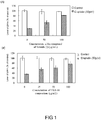
- MDCK cells were cultured in according to procedures described in the "Materials and Methods" section. To start the experiment, MDCK cells were first incubated with 50 ⁇ M cisplatin for 4 hrs, then various concentrations of the compound of formula (I) (50 ⁇ g/mL or 100 ⁇ g/mL) or the YKII-10 composition of example 1.2 (25 to 100 ⁇ g/mL) were given to cisplatin-treated cells and further incubated for another 24 hrs. Mitochondria membrane potentials were then measured by staining the live cells with fluorescent dyes (e.g., 50 nM DiOC6), in which 50 nM DiOC6 were added to cells and incubated at 37 °C for 30 min.
- fluorescent dyes e.g., 50 nM DiOC6
- the cells were then washed twice with phosphate buffer solution before subjecting to microscopy analysis using the inverted fluorescent microscope. Since only live cells are capable of taking up the DiOC6 dye, hence the test is useful for evaluating any effect of a candidate compound (e.g., the compound of formula (I) or the YKII-10 composition of example 1.2) on the progression of apotosis. Results are illustrated in FIGs 1 A and 1 B .
- a candidate compound e.g., the compound of formula (I) or the YKII-10 composition of example 1.2
- the compound of formula (I) (50 ⁇ g/mL or 100 ⁇ g/mL) is capable of reversing cisplatin-induced apoptosis of MDCK cell, with about 80% recovery on the membrane potential at the dose of 100 ⁇ g/mL. Similar results were also observed when the YKII-10 composition of example 1.2 was employed, in whcih the membrane potentail of MDCK cells increased in a dose dependent manner from 25 to 100 ⁇ g/mL.
- the results from this example indicate that both the compound of formula (I) and the YKII-10 composition comprising the compound of formula (I) are both effective in reversing cisplatin induced apoptosis, thus the compound of formula (I) and the composition of example 1.2 may be used to treat or ameoliorate kidney disease (e.g., kidney inflammation).
- kidney disease e.g., kidney inflammation
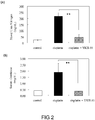
- mice (6 weeks old) were randomly assigned to two groups, with the mice in the test group being orally given the YKII-10 composition of example 1.2 (10 mL/Kg) for 5 days, and the mice in the control group were given just the distilled water. All animals were injected intraperitonealy with cisplatin (15 mg/Kg) on the second day, and blood samples were collected on the fifth day, then analyzed for blood urine nitrogen (BUN), and creatinine (CRE), which were used as indicators for assessing the kidney function. Results are illustrated in FIG 2 .
- LPS lipopolysaccharide
- mice (6 weeks old) were randomly assigned to two groups, and injected intraperitoneally with lipopolysaccharide (LPS, 2.5 mg/Kg/day) for 5 consecutive days so as to induce kidney inflammation.
- LPS lipopolysaccharide
- mice in the test group were orally fed with either the compound of formula (I) (at a dosage of 100 mg/Kg) or the YKII-10 composition of example 1.2 (at a dosage of 250 mg/Kg), while the animals in the control group were given just the water.
- Unine sampls were respectively collected on the fifth and the tenth day after the experiment started, and analyzed for the level of urine protein therein. The results are depicted in FIG 3 .
- both the compound of formula (I) and the YKII-10 composition are effective in reducing the urine protein level in the test animals, which support the hypothesis that the compound of formula (I) or the composition comprising the compound of formula (I) may be used for the treatment or prophylaxis of kidney disease.
- Blb/c mice (6 weeks old) were randomly assigned to two groups, and orally fed with AAI (2.5 mg/Kg/day) for 5 consecutive days, so as to induce AKI.
- Mice in the test group were orally fed with the YKII-10 composition of example 1.2 (at a dosage of 300 mg/Kg) for 12 consecutive days, while the animals in the control group were given just the water.
- Blood samples were respectively collected on the 12th day after the experiment started, and analyzed for the level of BUN and CRE. The results are depicted in FIGs 4A and 4B .
- the YKII-10 composition (i.e., the composition of example 1.2) is effective in reducing both the AAI-induced increase in BUN and CRE in the test animals, which support the hypothesis that the composition comprising the compound of formula (I) may be used for the treatment or prophylaxis of kidney disease, including AKI.
- GFR is the most relevant metric for determining the extent of AKI and progression of chronic kidney disease (CKD). Reduction of GFR secondary to kidney injury, either acute or chronic, are accompanied by increases in blood urine nitrogen (BUN) and serum creatinine (CRE) level. In this example, GFR was measured by monitoring the dissipiation of the fluorescence signal of a sugar, i.e., inulin labeled with a fluorescent marker, which can only be metabolized through glomercular filtration.
- mice (6 weeks old) were randomly assigned to two groups, in which mice in the test group were orally fed with the YKII-10 composition (300 mg/Kg/day) for 8 days, and AAI (2.5 mg/Kg/day) was injected intraperitoneally on the fourth day, and continued the injection for 5 days.
- mice in the control group received only water as their treatment.
- fluorescent inulin GFR-Vivo 680, 2 x 10 -8 mol
- FMT 4000 Fluorescence Tomography System
- AAI treatment knocked down the GFR from its normal value of about 250 ⁇ L/min to about 25 ⁇ L/min, about 10 folds decreases; however, if the mice were pre-treated with YKII-10 composition of this disclosure, it may have a protective effect on GFR, though GFR value still did not return to its normal value, yet damage to GFR was less significant (about 100 ⁇ L/min).
- animals were subjected to surgery to remove part of their kidneys and thereby resulted in a drop in their respective kidney funcitons to a level that was about 1/6 of a normal value, so as to mimic the kidney function of a subject suffering from chronic kidney disease (CKD).
- the animals were then treated with the YKII-10 composition of example 1.2 and its effect on enhancing the kidney function was evulated.
- eGFR of each ratl in the test group is about 44% of that of a normal rat. 6 weeks after the surgery, the kidney function of each rats in the test group has slowly gone up to about 59% of that of a normal rat, indicating about 15% increases in the kidney function; whereas the kidney function of each rat in the control group stayed relatively the same, that is, without any sign of improving. Student T-test analysis indicated that the 15% increase in kidney funciton as illustrated in FIG 6 is statistically significant, as compared with that of the control.
- composition comprising the compound of formula (I), may be used for the treatment or prophylaxis of kidney disease, including AKI and CKD.
Landscapes
- Health & Medical Sciences (AREA)
- Chemical & Material Sciences (AREA)
- Organic Chemistry (AREA)
- General Health & Medical Sciences (AREA)
- Nuclear Medicine, Radiotherapy & Molecular Imaging (AREA)
- Life Sciences & Earth Sciences (AREA)
- General Chemical & Material Sciences (AREA)
- Medicinal Chemistry (AREA)
- Urology & Nephrology (AREA)
- Bioinformatics & Cheminformatics (AREA)
- Pharmacology & Pharmacy (AREA)
- Chemical Kinetics & Catalysis (AREA)
- Animal Behavior & Ethology (AREA)
- Engineering & Computer Science (AREA)
- Public Health (AREA)
- Veterinary Medicine (AREA)
- Pharmaceuticals Containing Other Organic And Inorganic Compounds (AREA)
- Acyclic And Carbocyclic Compounds In Medicinal Compositions (AREA)
Description
- The present disclosure relates to methods and compositions for the treatment or prophylaxis of kidney diseases, including acute kidney injury (AKI) and chronic kidney disease (CKD).
- Acute kidney injury (AKI) or acute renal failure is a syndrome characterized by the rapid loss of the kidney's excretory function and is typically diagnosed by the accumulation of end products of nitrogen metabolism (urea and creatinine) or decreased urine output, or both. It is the clinical manifestation of disorders such as high blood pressure and diabetes that affect the kidney acutely. AKI is common in hospital patients and very common in critically ill patients. Causes of AKI can include, but are not limited to, ischemia/reperfusion, trauma, kidney disease, and kidney transplantation. No specific therapies have emerged that can attenuate AKI or expedite its recovery; thus, most treatment is purely supportive. If patients survive their illness and do not have premorbid chronic kidney disease (CKD), they typically recover to dialysis independence. However, evidence suggests that patients who have had acute kidney injury are at increased risk of subsequent chronic kidney disease.
- Exp. Toxicol. Pathol. Vol 63, pp 157-160 (2011) and Amala Res. Bull. Vol 26, pp 152-158 (2006) both disclose the use of a triterpene fraction from Ganoderma lucidum in the treatment of kidney disease.
- It is believed that glomerular filtration rate (GFR) is the most relevant metric for determining the extent of AKI and progression of CKD. Reduction in the GFR secondary to kidney injury, either acute or chronic, are accompanied by increases in blood urea nitrogen (BUN) and serum creatinine levels. Thus, if a compound or a composition capable of increasing GFR while reducing or suppressing BUN and serum creatinine levels, such compound or composition would be a potential lead compound or composition for the manufacture of a medicament for the treatment or prophylaxis of kidney disease, including AKI and CKD.
- The present disclosure is based, at least in part, the unexpected discovery that a triterpenoid isolated from Ganoderma lucidum, and a composition comprising the same, are capable of suppressing BUN and serum creatinine levels, as well as increasing GFR; thus compositions comprising this triterpenoid as defined herein are provided for the treatment or prophylaxis of kidney disease, including AKI and CKD.
Accordingly, there is provided triterpenoid isolated from Ganoderma lucidum having the structure of formula (I),
- The present invention provides a pharmaceutical
composition for the treatment or prophylaxis of a kidney disease. The pharmaceutical composition includes a therapeutically effective amount of the compound of formula (I); and at least another triterpenoid that is any of lucidenic acid C (LAC), lucidenic acid N (LAN), lucidenic acid E2 (LAE2), lucidenic acid A (LAA), lucidenic acid B (LAB), or lucidenic acid D2 (LAD2); and a pharmaceutically acceptable excipient. - According to the invention the pharmaceutical composition for use in the treatment or prophylaxis of a kidney disease comprises the compound of formula (I), LAC, LAA, LAD2, LAB, LAN, and LAE2; and a pharmaceutically acceptable excipient; wherein the triterpenoid compound of formula (I) and LAC are present in about 5-15% by weight of the total triterpenoid in the pharmaceutical composition, LAB and LAN are respectively present in about 5-12% by weight of the total triterpenoid in the pharmaceutical composition, LAA and LAD2 are respectively present in about 15-30% by weight of the total triterpenoid in the pharmaceutical composition, and LAE2 is present in about 8-15% by weight of the total triterpenoid in the pharmaceutical composition.
- The kidney disease treatable or preventable by the pharmaceutical composition of this disclosure is acute kidney injury (AKI) or chronic kidney disease (CKD). In one example, the kidney disease is AKI, particularly, acute kidney inflammation. In another example, the kidney disease is CKD, such as chronic kidney inflammation.
- The combination of triterpenoids of this disclosure, specifically the combination of the compound of formula (I), LAC, LAA, LAD2, LAB, LAN, and LAE2, is present at a level of about 0.1 % to 99% by weight, based on the total weight of the pharmaceutical composition. In some embodiments, the combination of the triterpenoids of this disclosure is present at a level of at least 1% by weight, based on the total weight of the pharmaceutical composition. In certain embodiments, the combination of the triterpenoids of this disclosure is present at a level of at least 5% by weight, based on the total weight of the pharmaceutical composition. In still other embodiments, the combination of the triterpenoids of this disclosure is present at a level of at least 10% by weight, based on the total weight of the pharmaceutical composition. In still yet other embodiments, the combination of the triterpenoids is present at a level of at least 25% by weight, based on the total weight of the pharmaceutical composition.
- The the compositions for use according to the present invention are used in a method which includes the step of administering to the subject a therapeutically effective amount of the composition defined above to improve or ameliorate the symptoms of the kidney disease.
- According to an example, the r compositions are for use in a method which includes the step of administering the composition of the present invention to the subject to improve or ameliorate the symptoms of the kidney disease. The composition comprises the compound of formula (I), LAC, LAA, LAD2, LAB, LAN, and LAE2, and a pharmaceutically acceptable carrier, wherein the amount of the compound of formula (I), LAC, LAA, LAD2, LAB, LAN, and LAE2 are respectively about 10%, 10%, 10%, 8.5%, 15%, 25% and 25% by weight of the total triterpenoid in the pharmaceutical composition. Kidney diseases that may be treated or prevented from occurring include, but is not limited to, AKI and CKD. In one example, the kidney disease is AKI, particularly, acute kidney inflammation. In another example, the kidney disease is CKD, such as chronic kidney inflammation. The subject may be a mammal, preferably a human.
- The details of one or more embodiments of this disclosure are set forth in the accompanying description below. Other features and advantages of the invention will be apparent from the detail descriptions, and from claims.
- It is to be understood that both the foregoing general description and the following detailed description are by examples, and are intended to provide further explanation of the invention as claimed.
- The accompanying drawings, which are incorporated in and constitute a part of the specification, illustrate various example systems, methods and other exemplified embodiments of various aspects of the invention. The present description will be better understood from the following detailed description read in light of the accompanying drawings, where,
-
FIG 1A illustrates the protective effect of the compound of formula (I) on cisplatin induced kidney cell apoptosis in accordance with one embodiment of the present disclosure; -
FIG 1B illustrates the protective effect of the composition YKII-10 of example 1.2 on cisplatin induced kidney cell apoptosis in accordance with one embodiment of the present disclosure; -
FIG 2A illustrates the inhibitory effect of the composition YKII-10 of example 1.2 on cisplatin induced increase in blood urea nitrogen in accordance with one embodiment of the present disclosure; -
FIG 2B illustrates the inhibitory effect of the composition YKII-10 of example 1.2 on cisplatin induced increase in serum creatinine level in accordance with one embodiment of the present disclosure; -
FIG 3 illustrates the respective inhibitory effects of the compound of formula (I) and the composition YKII-10 of example 1.2 on lipopolysaccharide (LPS) induced increase in urea protein in accordance with one embodiment of the present disclosure; -
FIG 4A illustrates the inhibitory effect of the composition YKII-10 of example 1.2 on aristolochic acid (AAI) induced increase in blood urea nitrogen in accordance with one embodiment of the present disclosure; -
FIG 4B illustrates the inhibitory effect of the composition YKII-10 of example 1.2 on aristolochic acid (AAI) induced increase in serum creatinine level in accordance with one embodiment of the present disclosure; -
FIG 5 illustrates the effect of the composition YKII-10 of example 1.2 on glomerular filtration rate (GFR) in accordance with one embodiment of the present disclosure; and -
FIG 6 illustrates the effect of the composition YKII-10 of example 1.2 on relative estimated glomerular filtration rate (eGFR) in accordance with one embodiment of the present disclosure. - The detailed description provided below in connection with the appended drawings is intended as a description of the present disclosure and is not intended to represent the only forms in which the present disclosure may be constructed or utilized.
- In the context of this disclosure, a number of terms shall be used.
- The terms "treatment" and "treating" are used herein to include preventative (e.g., prophylactic), curative, or palliative treatment that results in a desired pharmaceutical and/or physiological effect. Preferably, the effect is therapeutic in terms of partially or completely curing or preventing the apotosis of kidney cells. Also, the term "treating" as used herein refers to application or administration of the compound or the composition of the present disclosure to a subject, who has a medical condition, a symptom of the condition, a disease or disorder secondary to the condition, or a predisposition toward the condition, with the purpose to partially or completely alleviate, ameliorate, relieve, delay onset of, inhibit progression of, reduce severity of, and/or reduce incidence of one or more symptoms or features of a particular disease, disorder, and/or condition. Treatment may be administered to a subject who does not exhibit signs of a disease, disorder, and/or condition and/or to a subject who exhibits only early signs of a disease, disorder, and/or condition for the purpose of decreasing the risk of developing pathology associated with the disease, disorder, and/or condition. As used herein, the symptom, disease, disorder or condition may be acute kidney injury (AKI) or chronic kidney disease (CKD). Treatment is generally "effective" if one or more symptoms or clinical markers are reduced as that term is defined herein.
- The term "prophylaxis" as used herein means prevention against a future event. In the context of prophylaxis against kidney cells apoptosis that may potentially occur as a consequence of kidney cells being exposed under a toxic compound or a medicament, the prophylactic administration can occur before, contemporaneous with, and/or after the subject being exposed under the toxic compound or medicament. According to some embodiments of the present disclosure, the compound of formula (I) or a composition comprising the same is prophylactically administered to the subject before the subject is exposed to a toxic compound such as cisplatin, lipopolysaccharide (LPS) or aristolochic acid (AAI), that results in kidney inflammation and/or damage.
- The terms "compounds," "compositions," "agent" and "medicament" are used interchangeably herein to refer to a compound or a composition of which, when administered to a subject such as a human or an animal induces a desired pharmacological and/or physiological effect by local and/or systemic action.
- The terms "administered," "administering" and "administration" are used interchangeably herein to refer means either directly administering a compound or a composition of the present invention, or administering a prodrug, derivative or analog which will form an equivalent amount of the active compound of formula (I) within the body.
- The term "subject" or "patient" refers to an animal including the human species that is treatable with the compositions and/or methods of the present invention. The term "subject" or "patient" intended to refer to both the male and female gender unless one gender is specifically indicated. Accordingly, the term "subject" or "patient" includes, but is not limited to, human, non-human primate such as any mammal, dog, cat, horse, sheep, pig, cow and etc., preferably a human, which may benefit from treatment by the compound of this disclosure. The terms "subject" and "patient" are used interchangeably in the present disclosure.
- The term "an effective amount" as used herein refers to an amount effective, at dosages, and for periods of time necessary, to achieve the desired therapeutically result with respect to the treatment of a kidney disease. The effective amount of the compound of formula (I), its salt, ester or solvate may be ranged from about 0.1 mg/Kg/day to about 100 mg/Kg/day; preferably from about 1 mg/Kg/day to about 50 mg/Kg/day; more preferably from about 5 mg/Kg/day to about 10 mg/Kg/day. The effective amount may vary depends on the route of administration, and/or other the combinational use of other medicaments.
- Throughout the specification, unless otherwise indicated to the contrary, the term "triterpenoid" herein means to encompass the triterpenoid, as well as its pharmaceutically acceptable salts, esters or solvates. For example, the triterpenoid compound of formula (I) of the present disclosure is meant to encompass the triterpenoid compound of formula (I), and its pharmaceutically acceptable salts, esters or solvates. The term "salt" refers herein as a salt which is formed by the interaction of a base including organic or inorganic types of bases, including bases formed from a metal of the IA or IIA group, ammonium and/or N(alkyl)4 + with an acid (such as the compound of formula (I) in this disclosure). The term "ester" herein refers to an ester of the compound of formula (I), in which the ester bond may be formed between the acid group of the compound of formula (I) and an alcohol, such as straight or branched C1-6 alcohol; or between the hydroxyl group of the compound of formula (I) and an organic acid, such as R-COOH, wherein R is a straight or branched C1-6 alkyl. The term "solvate" herein refers to a complex formed by the interaction of a compound (such as the compound of formula (I) in this disclosure) with surrounding solvent molecules, such as water, ethanol and etc.
- Notwithstanding that the numerical ranges and parameters setting forth the broad scope of the invention are approximations, the numerical values set forth in the specific examples are reported as precisely as possible. Any numerical value, however, inherently contains certain errors necessarily resulting from the standard deviation found in the respective testing measurements. Also, as used herein, the term "about" generally means within 10%, 5%, 1 %, or 0.5% of a given value or range. Alternatively, the term "about" means within an acceptable standard error of the mean when considered by one of ordinary skill in the art. Other than in the operating/working examples, or unless otherwise expressly specified, all of the numerical ranges, amounts, values and percentages such as those for quantities of materials, durations of times, temperatures, operating conditions, ratios of amounts, and the likes thereof disclosed herein should be understood as modified in all instances by the term "about." Accordingly, unless indicated to the contrary, the numerical parameters set forth in the present disclosure and attached claims are approximations that can vary as desired. At the very least, each numerical parameter should at least be construed in light of the number of reported significant digits and by applying ordinary rounding techniques.
- The present disclosure is based, at least in part, unexpected discovery that a triterpenoid isolated from the fruit bodies or mycelia of Ganoderma lucidum may suppress or inhibit apoptosis of kidney cells, and thereby results in a decrease in BUN and serum creatinine levels, and an increase in glomerular filtration rate (GFR). The results suggest that the triterpenoid of the present disclosure is useful as a therapeutic medicament for the treatment or prophylaxis of kidney disease, such as AKI and CKD.
- Accordingly, there is provided triterpenoid compound of formula (I),

- The compound of formula (I) is effective in suppressing cisplatin or aristolochic acid (AAI) induced kidney inflammation and/or damage manefesting in the increase in blood ura nitrogen and serum creatinine levels; as well as in ameloirating cisplatin or AAI induced kidney cell apoptosis; thus the compound of formula (I) may be used as a lead compound for the manufacture of a medicament for the treatment or prophylaxis of a kidney disease, such as AKI or CKD.
- Inventors of the present disclosure provide as the present invention a combination
of triterpenoids, in which each triterpenoid may be isolated from the fruit bodies or mycelia of Ganoderma lucidum, this composition being as defined above, for use in the treatment or prophylaxis of a kidney disease. This novel combination of triterpenoids is
also effective in suppressing cisplatin induced kidney cell apoptosis, ameliorating LPS or AAI induced kidney inflammation and/or damage; thus may also be used for the manufacture of a medicament for the treatment or prophylaxis of a kidney disease, such as AKI or CKD. - It is therefore the objective of this disclosure to provide a pharmaceutical composition, which comprises the novel combination of triterpenoids described above, for the treatment or prophylaxis of a kidney disease. The pharmaceutical composition includes a therapeutically effective amount of the compound of formula (I), LAC, LAN, LAE2, LAA, LAB, and LAD2; and a pharmaceutically acceptable carrier.
- According to the invention, the amounts of the compound of formula (I) and LAC are respectively about 5-15% by weight of the total triterpenoid in the pharmaceutical composition, such as 5, 5.5, 6, 6.5, 7, 7.5, 8, 8.5, 9, 9.5, 10, 10.5, 11, 11.5, 12, 12.5, 13, 13.5, 14, 14.5 and 15% by weight of the total triterpenoid in the pharmaceutical composition. In a preferred embodiment, the amounts of the compound of formula (I) and LAC are respectively about 10% by weight of the total triterpenoid in the pharmaceutical composition.
- According to the invention, the amounts of LAA and LAD2 are respectively about 15-30% by weight of the total triterpenoid in the pharmaceutical composition, such as 15, 15.5, 16, 16.5, 17, 17.5, 18, 18.5, 19, 19.5, 20, 20.5, 21, 21.5, 22, 22.5, 23, 23.5, 24, 24.5, 25, 25.5, 26, 26.5, 27, 27.5, 28, 28.5, 29, 29.5 and 30% by weight of the total triterpenoid in the pharmaceutical composition. In a preferred embodiment, the amount of LAA and LAD2 are respectively about 25% by weight of the total triterpenoid in the pharmaceutical composition.
- According to the invention, the amount of LAE2 is about 8-15% by weight of the total triterpenoid in the pharmaceutical composition, such as 8, 8.5, 9, 9.5, 10, 10.5, 11, 11.5, 12, 12.5, 13, 13.5, 14, 14.5 and 15% by weight of the total triterpenoid in the pharmaceutical composition. In a preferred embodiment, the amount of LAE2 is about 12% by weight of the total triterpenoid in the pharmaceutical composition.
- According to the invention, the amounts of LAN and LAB are respectively about 5-12% by weight of the total triterpenoid in the pharmaceutical composition, such as 5, 5.5, 6, 6.5, 7, 7.5, 8, 8.5, 9, 9.5, 10, 10.5, 11, 11.5, and 12% by weight of the total triterpenoid in the pharmaceutical composition. In a preferred embodiment, the amounts of LAN and LAB are respectively about 8.5% by weight of the total triterpenoid in the pharmaceutical composition.
- In one preferred embodiment, the pharmaceutical composition comprises the compound of formula (I), LAC, LAN, LAE2, LAA, LAB, and LAD2; and a pharmaceutically acceptable carrier; and wherein the amounts of the compound of formula (I), LAC, LAN, LAE2, LAA, and LAD2 are respectively about 10%, 10%, 8.5%, 15%, 25% and 25% by weight of the total triterpenoid in the pharmaceutical composition.
- The respective triterpenoids in the pharmaceutical composition of the present disclosure may be purified from the fruit bodies or mycelia of Ganoderma lucidum by methods well known in the art or by similar methods set forth in example 1 of the present disclosure. Whether the raw material used for isolating triterpenoids is the fruit bodies or the mycelia, such method in general involves extracting the plant with a solvent, preferably an alcoholic solution, at a temperature above room temperature; followed by subjecting the extract with column chromatography, which includes but is not limited to, high performance liquid chromatography (HPLC), reverse phase liquid chromatography and etc.; and concentrating and drying, until a dried powder is obtained.
- Generally, the triterpenoids of the present disclosure, specifically the combination of the compound of formula (I), LAC, LAN, LAE2, LAA, LAB, and LAD2, is present at a level of about 0.1 % to 99% by weight, based on the total weight of the pharmaceutical composition. In some embodiments, the combination of the triterpenoids of the present disclosure is present at a level of at least 1% by weight, based on the total weight of the pharmaceutical composition. In certain embodiments, the combination of the triterpenoids of the present disclosure is present at a level of at least 5% by weight, based on the total weight of the pharmaceutical composition. In still other embodiments, the combination of the triterpenoids of the present disclosure is present at a level of at least 10% by weight, based on the total weight of the pharmaceutical composition. In still yet other embodiments, the combination of the triterpenoids is present at a level of at least 25% by weight, based on the total weight of the pharmaceutical composition.
- Kidney disease that may be treated by the compound of formula (I) or by the pharmaceutical composition of this disclosure include, but are not limited to, acute kidney injury and chronic kidney disease. In one example, the compound of formula (I) is used to treat AKI, such as cisplatin or AAI-induced kidney inflammation. In another example, the pharmaceutical composition of this disclosure, or the pharmaceutical composition comprising the compound of formula (I), is employed to treat AKI.
- The medicament or said pharmaceutical composition is prepared in accordance with acceptable pharmaceutical procedures, such as described in Remington's Pharmaceutical Sciences, 17th edition, ed. Alfonoso R. Gennaro, Mack Publishing Company, Easton, Pa (1985). Pharmaceutically acceptable excipients are those that are compatible with other ingredients in the formulation and biologically acceptable.
- The pharmaceutical composition of the present disclosure may be administered by any suitable route, for example, orally in capsules, suspensions or tablets or by parenteral administration. Parenteral administration can include, for example, systemic administration such as intramuscular, intravenous, subcutaneous, or intraperitoneal injection. The pharmaceutical composition can also be administered transdermally either topically or by inhalation (e.g., intrabronichial, intranasal, oral inhalation or intranasal drops), or rectally, alone or in combination with conventional pharmaceutically acceptable excipients. In preferred embodiments, the pharmaceutical composition of the present disclosure are administered orally (e.g., dietary) to the subject.
- For oral administration, the pharmaceutical composition of the present disclosure may be formulated into tablets containing various excipients such as microcrystalline cellulose, sodium citrate, calcium carbonate, dicalcium phosphate, and glycine; along with various disintegrants such as starch, alginic acid and certain silicates; together with granulation binders like polyvinylpyrrolidone, sucrose, gelatin and acacia. Additionally, lubricating agents such as magnesium stearate, sodium lauryl sulfate and talc may be added. Solid composition may also be employed as fillers in gelatin capsules; preferred materials in this connection also include lactose or milk sugar as well as high molecular weight polyethylene glycols. When aqueous suspensions and/or elixirs are desired for oral administration, the active ingredient may be combined with various sweetening or flavoring agents, coloring matter or dyes, and if so desired, emulsifying and/or suspending agents as well, together with diluents such as water, ethanol, propylene glycol, glycerin and a combination thereof.
- For parenteral administration, the novel combination of triterpenoids of the present disclosure may be formulated into liquid pharmaceutical compositions, which are sterile solutions, or suspensions that can be administered by, for example, intravenous, intramuscular, subcutaneous, or intraperitoneal injection. Suitable diluents or solvent for manufacturing sterile injectable solution or suspension include, but are not limited to, 1,3-butanediol, mannitol, water, Ringer's solution, and isotonic sodium chloride solution. Fatty acids, such as oleic acid and its glyceride derivatives are also useful for preparing injectables, as are natural pharmaceutically-acceptable oils, such as olive oil or castor oil. These oil solutions or suspensions may also contain alcohol diluent or carboxymethyl cellulose or similar dispersing agents. Other commonly used surfactants such as Tweens or Spans or other similar emulsifying agents or bioavailability enhancers that are commonly used in manufacturing pharmaceutically acceptable dosage forms can also be used for the purpose of formulation.
- For transmucosal administration, the medicament or said pharmaceutical compositions of the present disclosure may also be formulated in a variety of dosage forms for mucosal application, such as buccal and/or sublingual drug dosage units for drug delivery through oral mucosal membranes. A wide variety of biodegradable polymeric excipients may be used that are pharmaceutically acceptable, provide both a suitable degree of adhesion and the desired drug release profile, and are compatible with the active agents to be administered and any other components that may be present in the buccal and/or sublingual drug dosage units. Generally, the polymeric excipient comprises hydrophilic polymers that adhere to the wet surface of the oral mucosa. Examples of polymeric excipients include, but are not limited to, acrylic acid polymers and copolymers; hydrolyzed polyvinylalcohol; polyethylene oxides; polyacrylates; vinyl polymers and copolymers; polyvinylpyrrolidone; dextran; guar gum; pectins; starches; and cellulosic polymers.
- It will be appreciated that the dosage of the pharmaceutical composition of the present disclosure will vary from patient to patient not only for the particular route of administration, and the ability of the composition to elicit a desired response in the patient, but also factors such as disease state or severity of the condition to be alleviated, age, sex, weight of the patient, the state of being of the patient, and the severity of the pathological condition being treated, concurrent medication or special diets then being followed by the patient, and other factors which those skilled in the art will recognize, with the appropriate dosage ultimately being at the discretion of the attendant physician. Dosage regimens may be adjusted to provide the improved therapeutic response. A therapeutically effective amount is also one in which any toxic or detrimental effects of the composition are outweighed by the therapeutically beneficial effects. Preferably, the compositions of the present disclosure are administered at a dosage and for a time such that the number and/or severity of the symptoms are decreased.
- The pharmaceutical composition of the present disclosure may be administered to a subject in a dose from about 0.1 mg to about 100 mg per kilogram of body weight per day, such as 0.1, 0.5, 1, 2, 5, 7, 9, 10, 12, 15, 17, 19, 20, 22, 25, 27, 29, 30, 32, 35, 37, 39, 40, 42, 45, 47, 49, 50, 52, 55, 57, 59, 60, 62, 65, 67, 69, 70, 72, 75, 77, 79, 80, 82, 85, 87, 89, 90, 92, 95, 97, 99 and 100 mg/Kg/day; preferably from about 1 to 50 mg per kilogram of body weight per day, such as 1, 2, 5, 7, 9, 10, 12, 15, 17, 19, 20, 22, 25, 27, 29, 30, 32, 35, 37, 39, 40, 42, 45, 47, 49, and 50 mg/Kg/day; more preferably from about 5 to 10 mg per kilogram of body weight per day, such as 5, 7, 8, 9, and 10 mg/Kg/day. The dose may be administered once a day or be at least two, three, four, or five times a day.
- The present disclosure also provides the compositions according to the present invention for use in the treatment or prophylaxis of a kidney disease, wherein this achieved by a method which includes the step of administering to the subject an effective amount of the compound of formula (I) or the composition of the present disclosure to the subject to improve or ameliorate the symptoms of the kidney disease, such as protecting the kidney cells from apoptosis or improving glomerular filtration rate (GFR).
- According to another example, the method includes the step of administering to the subject a therapeutically amount of the composition of the present disclosure to improve GFR of the subject for at least 4 folds, as compared to the GFR of the subject before treatment. Preferably, the composition comprises the compound of formula (I), LAC, LAA, LAD2, LAB, LAN, and LAE2, and a pharmaceutically acceptable carrier, wherein the amount of the compound of formula (I), LAC, LAA, LAD2, LAB, LAN, and LAE2 are respectively about 10%, 10%, 10%, 8.5%, 15%, 25% and 25% by weight of the total triterpenoid in the pharmaceutical composition. The composition is administered to a mammal, preferably human, by any route that may effectively transports the active ingredient(s) of the composition to the appropriate or desired site of action, such as oral, nasal, pulmonary, transdermal, such as passive or iontophoretic delivery, or parenteral, e.g., rectal, depot, subcutaneous, intravenous, intramuscular, intranasal, ophthalmic solution or an ointment.
- The present invention will now be described more specifically with reference to the following embodiments, which are provided for the purpose of demonstration rather than limitation.
- Madin-Darby canine kidney (MDCK) cells (1.5 x 10⁵ cells/mL) were cultured and maintained in Dulbecco's modified Eagle medium (DMEM) supplemented with 10% fetal bovine serum (FBS), 100 units/mL penicillin, 100 ng/mL streptomycin, 2mM L-glutamine, non-essential amino acids and sodium pyruvate, and maintained in 5% CO2 at 37 °C until reached 80% confluence, then were subject to cell passages.
- Blb/c mice were kept in pathogen-free environment under 12:12 light-dark cycle with food (laboratory rodent diet 5001 purchased from PMI Nutrition International Inc. MO, USA) and water (i.e., distilled water) provided ad libitum, ambient temperature and relative humidity were respectively set at 22±3 °C and 50±20%. All procedures involving animal studies of the present disclosure comply with the "Guideline for the Care and Use of Laboratory Animals" issued by The Chinese-Taipei Society of Laboratory Animal Sciences.
-

- The fruiting bodies of Granoderma lucidum (50 g) were grounded to powders, and extracted with ethanol in a ratio of G. lucidum (weight) to ethanol (volume) = 1:24 at 37 °C for a day, the extract was then subject to concentration. The extraction and concentration steps were repeated several times, and the respective extracts were filterted, combined and dried with a yield crude extract of about 10% (i.e., 5 g of crude extract). The resultant crude extract of G. lucidum was then vacuumed dried at about 40 °C to remove any residual solvent.
- 5 g of the crude extract of G. lucidum prepared above was subsequently subject to extraction with ethyl acetate (EA), the EA extract was then concentrated, and vacuumed dried at about 40 °C to remove residual solvent. The yield of the EA extract of G. lucidum was about 40% (or 2.0 g).
- The EA extract of G. lucidum was dissolved in ethanol and subjected to semi-preparative high pressure liquid chromatography, in which the column was eluted with cyanomethane and 2% acetic acid, and the compound of formula (I) was identified therein with a yield of about 0.4% (8 mg).
- The 13C and 1H NMR spectra, as well as heteronuclear multiple bond correlation (HMBC) spectra of the compound of formula (I) are summarized in Table 1.
Table 1 The spectra data of the compound of formula (I) C No. δC δH HMBC (H to C) 1 35.5 1.46 (α, µ), 2.85 (β, ddd, 6.6, 7.0, 13.6) 2, 3, 5, 10, 19 2 34.3 2.49 (2H, dd, 7.0, 8.4). 1, 3, 4, 10 3 217.0 4 46.8 5 48.8 1.68 (m) 1, 4, 10, 19, 26, 27 6 28.9 2.04 (α, dd, 3.6, 11.3), 1.66 (β) 4, 8, 10 7 68.9 4.63 (dd, 6.9, 9.5) 8, 9, 25 8 159.1 9 140.4 10 38.0 11 199.8 12 51.8 2.75 (α, d, 15.9), 2.52, (β, d, 15.9) 9, 11, 13, 14, 18 13 46.7 14 53.9 15 72.6 4.80 (dd, 6.9, 9.6) 8, 14, 25 16 36.4 1.84 (α, m), 1.88 (β, m) 25 17 48.5 1.78 (m) 21 18 17.2 0.96 (s) 12, 13, 14, 17 19 19.4 1.29 (s) 1, 5, 9, 10, 27 20 35.7 1.47 (m) 21 21 18.1 0.89 (d, 6.5) 17, 20, 22 22 30.9 1.81 (m) 21 23 30.9 2.41 (m), 2.31 (ddd, 8.0, 8.1, 16.0) 21 24 177.9 25 19.4 1.26 (s) 8, 13, 14, 15 26 27.3 1.12 (s) 3, 4, 5, 27 27 20.7 1.11 (s) 3, 4, 5, 26 - The molecular of formila (I) was determined as C27H40O6 from its HRMS m/z=460.2834 as well as from the 13C and 1H NMR.
- The MS of formula (I) showed fragmented ions at m/z (rel. int.): 460 [M+] (53.56), 442 (22.56), 339 (16.46), 322 (100), 304 (46.41); and its IR spectra showed absorption bands at 3445, 1736, 1707, 1661 cm-1 ; and UV spectra showed maximum absorption (MeOH, λmax) at 252 nm; with a melting point between 124 - 126 °C.
- The pharmaceutical composition of the present disclosure (or YKII-10 composition) for treating kidney disease is prepared by mixing the compound of formula (I) of example 1.1 with other triterpenoids in accordance with the formulation listed in Table 2. The triterpenoids of Table 2 may be obtained by extracting the fruting bodies and/or mycelia of Grandoderma spp. with any solvent(s), followed by separation with suitable chromatography.
Table 2 The YKII-10 formulation Name of Compound % of Total Triterpenoids LAA 24.2 % LAB 8.3 % LAC 10.7 % LAD2 25.9 % LAE2 12.3 % LAN 8.6 % The compound of formula (I) 10 % Total Triterpenoids 100 % - In the present example, in vitro kidney cell apoptosis and in vivo kidney inflammation were respectively used as indicators for assessing the protective effect rendered by the compound of formula (I) and the YKII-10 composition of example 1.2.
- MDCK cells were cultured in according to procedures described in the "Materials and Methods" section. To start the experiment, MDCK cells were first incubated with 50 µM cisplatin for 4 hrs, then various concentrations of the compound of formula (I) (50µg/mL or 100 µg/mL) or the YKII-10 composition of example 1.2 (25 to 100 µg/mL) were given to cisplatin-treated cells and further incubated for another 24 hrs. Mitochondria membrane potentials were then measured by staining the live cells with fluorescent dyes (e.g., 50 nM DiOC6), in which 50 nM DiOC6 were added to cells and incubated at 37 °C for 30 min. The cells were then washed twice with phosphate buffer solution before subjecting to microscopy analysis using the inverted fluorescent microscope. Since only live cells are capable of taking up the DiOC6 dye, hence the test is useful for evaluating any effect of a candidate compound (e.g., the compound of formula (I) or the YKII-10 composition of example 1.2) on the progression of apotosis. Results are illustrated in
FIGs 1 A and 1 B . - As the bar graph of
FIG 1 A illustrated, the compound of formula (I) (50µg/mL or 100 µg/mL) is capable of reversing cisplatin-induced apoptosis of MDCK cell, with about 80% recovery on the membrane potential at the dose of 100 µg/mL. Similar results were also observed when the YKII-10 composition of example 1.2 was employed, in whcih the membrane potentail of MDCK cells increased in a dose dependent manner from 25 to 100 µg/mL. Taken together, the results from this example indicate that both the compound of formula (I) and the YKII-10 composition comprising the compound of formula (I) are both effective in reversing cisplatin induced apoptosis, thus the compound of formula (I) and the composition of example 1.2 may be used to treat or ameoliorate kidney disease (e.g., kidney inflammation). - On the first day of this experiment, Blb/c mice (6 weeks old) were randomly assigned to two groups, with the mice in the test group being orally given the YKII-10 composition of example 1.2 (10 mL/Kg) for 5 days, and the mice in the control group were given just the distilled water. All animals were injected intraperitonealy with cisplatin (15 mg/Kg) on the second day, and blood samples were collected on the fifth day, then analyzed for blood urine nitrogen (BUN), and creatinine (CRE), which were used as indicators for assessing the kidney function. Results are illustrated in
FIG 2 . - As depicted in
FIGs 2A and FIG 2B , both the levels of BUN and CRE increased after the injection of cisplatin, and this cisplatin induced increases in BUN and CRE were both suppressed in the presence of the YKII-10 composition of example 1.2, in which the compound of formula (I) is included. Thus, the data supports the proposition that the composition comprising the compound of formula (I) of the present invention may be used for the treatment or prophylaxis of kidney disease. - In this example, to evaluate the therapeutic or prophylactic function of the compositon of example 1.2, animals were first injected intraperitoneally with lipopolysaccharide (LPS) to induce in vivo kidney inflammation before being subect to the treatment of the compositon of example 1.2.
- Blb/c mice (6 weeks old) were randomly assigned to two groups, and injected intraperitoneally with lipopolysaccharide (LPS, 2.5 mg/Kg/day) for 5 consecutive days so as to induce kidney inflammation. In the mean time, mice in the test group were orally fed with either the compound of formula (I) (at a dosage of 100 mg/Kg) or the YKII-10 composition of example 1.2 (at a dosage of 250 mg/Kg), while the animals in the control group were given just the water. Unine sampls were respectively collected on the fifth and the tenth day after the experiment started, and analyzed for the level of urine protein therein. The results are depicted in
FIG 3 . - As depicted in
FIG 3 , both the compound of formula (I) and the YKII-10 composition (i.e., the composition of example 1.2) are effective in reducing the urine protein level in the test animals, which support the hypothesis that the the compound of formula (I) or the composition comprising the compound of formula (I) may be used for the treatment or prophylaxis of kidney disease. - Blb/c mice (6 weeks old) were randomly assigned to two groups, and orally fed with AAI (2.5 mg/Kg/day) for 5 consecutive days, so as to induce AKI. Mice in the test group were orally fed with the YKII-10 composition of example 1.2 (at a dosage of 300 mg/Kg) for 12 consecutive days, while the animals in the control group were given just the water. Blood samples were respectively collected on the 12th day after the experiment started, and analyzed for the level of BUN and CRE. The results are depicted in
FIGs 4A and 4B . - As depicted in
FIGs 4A and 4B , the YKII-10 composition (i.e., the composition of example 1.2) is effective in reducing both the AAI-induced increase in BUN and CRE in the test animals, which support the hypothesis that the composition comprising the compound of formula (I) may be used for the treatment or prophylaxis of kidney disease, including AKI. - GFR is the most relevant metric for determining the extent of AKI and progression of chronic kidney disease (CKD). Reduction of GFR secondary to kidney injury, either acute or chronic, are accompanied by increases in blood urine nitrogen (BUN) and serum creatinine (CRE) level. In this example, GFR was measured by monitoring the dissipiation of the fluorescence signal of a sugar, i.e., inulin labeled with a fluorescent marker, which can only be metabolized through glomercular filtration.
- Blb/c mice (6 weeks old) were randomly assigned to two groups, in which mice in the test group were orally fed with the YKII-10 composition (300 mg/Kg/day) for 8 days, and AAI (2.5 mg/Kg/day) was injected intraperitoneally on the fourth day, and continued the injection for 5 days. By contrast, mice in the control group received only water as their treatment. On the eighth day of the experiment, fluorescent inulin (GFR-Vivo 680, 2 x 10⁻⁸ mol) was injected into the test animals, and the animals were monitored with a Fluorescence Tomography System (FMT 4000) with images taken at 1, 5, 15, 30 and 45 minutes, respectively. Respective GFR at various time points are calculated and the results are depicted in
FIG 5 . - As depicted in
FIG 5 , AAI treatment knocked down the GFR from its normal value of about 250 µL/min to about 25 µL/min, about 10 folds decreases; however, if the mice were pre-treated with YKII-10 composition of this disclosure, it may have a protective effect on GFR, though GFR value still did not return to its normal value, yet damage to GFR was less significant (about 100µL/min). - In this example, animals were subjected to surgery to remove part of their kidneys and thereby resulted in a drop in their respective kidney funcitons to a level that was about 1/6 of a normal value, so as to mimic the kidney function of a subject suffering from chronic kidney disease (CKD). The animals were then treated with the YKII-10 composition of example 1.2 and its effect on enhancing the kidney function was evulated.
- Adult male rats were randomly assigned to two groups (3 rats/group), and 2/3 of the left hand side kidney of each rat in both groups was surgically removed. The animals were left to recover for about a week, then their right hand side kindeys were completedly removed by sugery. Such procedure would render the kidney function of the test animal dropped to a level that is about 1/6 of that of a normal animal, thus may mimic the kidney function of a CKD subject. Two weeks after the surgery, animals in the test groups were orally fed with 300 mg/Kg of the YKII-10 composition of example 1.2 on a daily basis, whereas the control animals were merely given water as their treatments. Blod samples were collected every two weeks from the tail of each animals, and estimated GFR (eGFR) of each sample was then claculated by use of the following equation based on blood creatinine level obtained from each sample, and results are illustrated in
FIG 6 .
- As depicted in
FIG 6 , eGFR of each ratl in the test group is about 44% of that of a normal rat. 6 weeks after the surgery, the kidney function of each rats in the test group has slowly gone up to about 59% of that of a normal rat, indicating about 15% increases in the kidney function; whereas the kidney function of each rat in the control group stayed relatively the same, that is, without any sign of improving. Student T-test analysis indicated that the 15% increase in kidney funciton as illustrated inFIG 6 is statistically significant, as compared with that of the control. - Taken together, results in this example validate the findings in other examples, and support the hypothesis that the composition comprising the compound of formula (I), may be used for the treatment or prophylaxis of kidney disease, including AKI and CKD.
Claims (7)
- A pharmaceutical composition for the treatment or prophylaxis of a kidney disease comprising a triterpenoid compound of formula (I),

wherein:the triterpenoid compound of formula (I) and LAC are respectively present in about 5-15% by weight of the total triterpenoid in the pharmaceutical composition, LAB and LAN are respectively present in about 5-12% by weight of the total triterpenoid in the pharmaceutical composition, LAA and LAD2 are respectively present in about 15-30% by weight of the total triterpenoid in the pharmaceutical composition, and LAE2 is present in about 8-15% by weight of the total triterpenoid in the pharmaceutical composition. - The pharmaceutical composition for use according to claim 1, wherein the triterpenoid compound of formula (I) and LAC are respectively present in about 10% by weight of the total triterpenoid in the pharmaceutical composition.
- The pharmaceutical composition for use according to claim 1, wherein the LAB and LAN are respectively present in about 8.5% by weight of the total triterpenoid in the pharmaceutical composition.
- The pharmaceutical composition for use according to claim 1, wherein the LAA and LAD2 are respectively present in about 25% by weight of the total triterpenoid in the pharmaceutical composition.
- The pharmaceutical composition for use according to claim 1, wherein the LAE2 is present in about 12% by weight of the total triterpenoid in the pharmaceutical composition.
- The pharmaceutical composition for use according to claim 1, wherein the subject is a human.
- The pharmaceutical composition for use according to claim 1, wherein the kidney disease is acute kidney injury or chronic kidney disease.
Priority Applications (2)
| Application Number | Priority Date | Filing Date | Title |
|---|---|---|---|
| EP14171682.9A EP2955191B1 (en) | 2014-06-09 | 2014-06-09 | Compound, composition and method for treating and/or ameoliorating kidney disease |
| SG10201403858RA SG10201403858RA (en) | 2014-06-09 | 2014-07-04 | Compound, composition and method for treating and/or ameliorating kidney disease |
Applications Claiming Priority (1)
| Application Number | Priority Date | Filing Date | Title |
|---|---|---|---|
| EP14171682.9A EP2955191B1 (en) | 2014-06-09 | 2014-06-09 | Compound, composition and method for treating and/or ameoliorating kidney disease |
Publications (2)
| Publication Number | Publication Date |
|---|---|
| EP2955191A1 EP2955191A1 (en) | 2015-12-16 |
| EP2955191B1 true EP2955191B1 (en) | 2017-02-22 |
Family
ID=50896189
Family Applications (1)
| Application Number | Title | Priority Date | Filing Date |
|---|---|---|---|
| EP14171682.9A Active EP2955191B1 (en) | 2014-06-09 | 2014-06-09 | Compound, composition and method for treating and/or ameoliorating kidney disease |
Country Status (2)
| Country | Link |
|---|---|
| EP (1) | EP2955191B1 (en) |
| SG (1) | SG10201403858RA (en) |
-
2014
- 2014-06-09 EP EP14171682.9A patent/EP2955191B1/en active Active
- 2014-07-04 SG SG10201403858RA patent/SG10201403858RA/en unknown
Non-Patent Citations (1)
| Title |
|---|
| None * |
Also Published As
| Publication number | Publication date |
|---|---|
| EP2955191A1 (en) | 2015-12-16 |
| SG10201403858RA (en) | 2016-01-28 |
Similar Documents
| Publication | Publication Date | Title |
|---|---|---|
| US12576065B2 (en) | Enhancing autophagy or increasing longevity by administration of urolithins | |
| JP5917413B2 (en) | How to treat neurological conditions with cardiac glycosides | |
| EP3238707B1 (en) | Compositions and methods for treating intestinal hyperpermeability | |
| HK1224206A1 (en) | Compositions containing berberine or analogs thereof for treating rosacea or red face related skin disorders | |
| US10383886B2 (en) | Method of treating neurological conditions with oleandrin | |
| CN113614070A (en) | Use of neutrophil elastase inhibitors in liver diseases | |
| US10959963B2 (en) | Method for the treatment of fatty liver disease | |
| EP2821068B1 (en) | Pharmaceutical composition for preventing or treating hepatic fibrosis and cirrhosis containing ramalin | |
| US9512168B2 (en) | Compound, composition and method for treating and/or ameoliorating kidney disease | |
| EP2955191A1 (en) | Compound, composition and method for treating and/or ameoliorating kidney disease | |
| EP2830640B1 (en) | Methods and compositions for treating arteriosclerotic vascular diseases | |
| KR20210004133A (en) | Compositions for preventing or treating fatty liver disease comprising Allomyrina dichotoma larva extract | |
| US20250064888A1 (en) | Compositions and methods for treating cytokine storm | |
| CN105273031B (en) | Novel triterpenes and uses thereof | |
| US20250032571A1 (en) | Oncidium plant extract and the use for the manufacture of a drug for treating diabetes mellitus, liver protection, preventing acute respiratory distress syndrome (ARDS) thereof | |
| KR20260060207A (en) | Pharmaceutical composition for preventing or treating idiopathic pulmonary fibrosis comprising pentadecanoic acidor a pharmaceutically acceptable salt thereof as an active ingredient | |
| HK1217954B (en) | A novel triterpenoid and uses thereof | |
| HK40034649A (en) | Method and improved neuroprotective composition for treating neurological conditions | |
| KR20080110949A (en) | Golden extract useful for inhibiting epidermal growth | |
| WO2008060982A1 (en) | Methods for treating inflammatory conditions |
Legal Events
| Date | Code | Title | Description |
|---|---|---|---|
| PUAI | Public reference made under article 153(3) epc to a published international application that has entered the european phase |
Free format text: ORIGINAL CODE: 0009012 |
|
| 17P | Request for examination filed |
Effective date: 20141002 |
|
| AK | Designated contracting states |
Kind code of ref document: A1 Designated state(s): AL AT BE BG CH CY CZ DE DK EE ES FI FR GB GR HR HU IE IS IT LI LT LU LV MC MK MT NL NO PL PT RO RS SE SI SK SM TR |
|
| AX | Request for extension of the european patent |
Extension state: BA ME |
|
| RBV | Designated contracting states (corrected) |
Designated state(s): AL AT BE BG CH CY CZ DE DK EE ES FI FR GB GR HR HU IE IS IT LI LT LU LV MC MK MT NL NO PL PT RO RS SE SI SK SM TR |
|
| GRAP | Despatch of communication of intention to grant a patent |
Free format text: ORIGINAL CODE: EPIDOSNIGR1 |
|
| INTG | Intention to grant announced |
Effective date: 20160831 |
|
| GRAS | Grant fee paid |
Free format text: ORIGINAL CODE: EPIDOSNIGR3 |
|
| GRAA | (expected) grant |
Free format text: ORIGINAL CODE: 0009210 |
|
| AK | Designated contracting states |
Kind code of ref document: B1 Designated state(s): AL AT BE BG CH CY CZ DE DK EE ES FI FR GB GR HR HU IE IS IT LI LT LU LV MC MK MT NL NO PL PT RO RS SE SI SK SM TR |
|
| REG | Reference to a national code |
Ref country code: GB Ref legal event code: FG4D |
|
| REG | Reference to a national code |
Ref country code: CH Ref legal event code: EP |
|
| REG | Reference to a national code |
Ref country code: AT Ref legal event code: REF Ref document number: 869180 Country of ref document: AT Kind code of ref document: T Effective date: 20170315 |
|
| REG | Reference to a national code |
Ref country code: IE Ref legal event code: FG4D |
|
| REG | Reference to a national code |
Ref country code: CH Ref legal event code: NV Representative=s name: LANGPATENT ANWALTSKANZLEI IP LAW FIRM, CH |
|
| REG | Reference to a national code |
Ref country code: DE Ref legal event code: R096 Ref document number: 602014006859 Country of ref document: DE |
|
| REG | Reference to a national code |
Ref country code: FR Ref legal event code: PLFP Year of fee payment: 4 |
|
| REG | Reference to a national code |
Ref country code: LT Ref legal event code: MG4D |
|
| REG | Reference to a national code |
Ref country code: NL Ref legal event code: MP Effective date: 20170222 |
|
| PG25 | Lapsed in a contracting state [announced via postgrant information from national office to epo] |
Ref country code: FI Free format text: LAPSE BECAUSE OF FAILURE TO SUBMIT A TRANSLATION OF THE DESCRIPTION OR TO PAY THE FEE WITHIN THE PRESCRIBED TIME-LIMIT Effective date: 20170222 Ref country code: GR Free format text: LAPSE BECAUSE OF FAILURE TO SUBMIT A TRANSLATION OF THE DESCRIPTION OR TO PAY THE FEE WITHIN THE PRESCRIBED TIME-LIMIT Effective date: 20170523 Ref country code: NO Free format text: LAPSE BECAUSE OF FAILURE TO SUBMIT A TRANSLATION OF THE DESCRIPTION OR TO PAY THE FEE WITHIN THE PRESCRIBED TIME-LIMIT Effective date: 20170522 Ref country code: LT Free format text: LAPSE BECAUSE OF FAILURE TO SUBMIT A TRANSLATION OF THE DESCRIPTION OR TO PAY THE FEE WITHIN THE PRESCRIBED TIME-LIMIT Effective date: 20170222 Ref country code: HR Free format text: LAPSE BECAUSE OF FAILURE TO SUBMIT A TRANSLATION OF THE DESCRIPTION OR TO PAY THE FEE WITHIN THE PRESCRIBED TIME-LIMIT Effective date: 20170222 |
|
| PG25 | Lapsed in a contracting state [announced via postgrant information from national office to epo] |
Ref country code: PT Free format text: LAPSE BECAUSE OF FAILURE TO SUBMIT A TRANSLATION OF THE DESCRIPTION OR TO PAY THE FEE WITHIN THE PRESCRIBED TIME-LIMIT Effective date: 20170622 Ref country code: LV Free format text: LAPSE BECAUSE OF FAILURE TO SUBMIT A TRANSLATION OF THE DESCRIPTION OR TO PAY THE FEE WITHIN THE PRESCRIBED TIME-LIMIT Effective date: 20170222 Ref country code: BG Free format text: LAPSE BECAUSE OF FAILURE TO SUBMIT A TRANSLATION OF THE DESCRIPTION OR TO PAY THE FEE WITHIN THE PRESCRIBED TIME-LIMIT Effective date: 20170522 Ref country code: NL Free format text: LAPSE BECAUSE OF NON-PAYMENT OF DUE FEES Effective date: 20170222 Ref country code: ES Free format text: LAPSE BECAUSE OF FAILURE TO SUBMIT A TRANSLATION OF THE DESCRIPTION OR TO PAY THE FEE WITHIN THE PRESCRIBED TIME-LIMIT Effective date: 20170222 Ref country code: RS Free format text: LAPSE BECAUSE OF FAILURE TO SUBMIT A TRANSLATION OF THE DESCRIPTION OR TO PAY THE FEE WITHIN THE PRESCRIBED TIME-LIMIT Effective date: 20170222 Ref country code: SE Free format text: LAPSE BECAUSE OF FAILURE TO SUBMIT A TRANSLATION OF THE DESCRIPTION OR TO PAY THE FEE WITHIN THE PRESCRIBED TIME-LIMIT Effective date: 20170222 |
|
| PG25 | Lapsed in a contracting state [announced via postgrant information from national office to epo] |
Ref country code: EE Free format text: LAPSE BECAUSE OF FAILURE TO SUBMIT A TRANSLATION OF THE DESCRIPTION OR TO PAY THE FEE WITHIN THE PRESCRIBED TIME-LIMIT Effective date: 20170222 Ref country code: RO Free format text: LAPSE BECAUSE OF FAILURE TO SUBMIT A TRANSLATION OF THE DESCRIPTION OR TO PAY THE FEE WITHIN THE PRESCRIBED TIME-LIMIT Effective date: 20170222 Ref country code: SK Free format text: LAPSE BECAUSE OF FAILURE TO SUBMIT A TRANSLATION OF THE DESCRIPTION OR TO PAY THE FEE WITHIN THE PRESCRIBED TIME-LIMIT Effective date: 20170222 Ref country code: IT Free format text: LAPSE BECAUSE OF FAILURE TO SUBMIT A TRANSLATION OF THE DESCRIPTION OR TO PAY THE FEE WITHIN THE PRESCRIBED TIME-LIMIT Effective date: 20170222 Ref country code: CZ Free format text: LAPSE BECAUSE OF FAILURE TO SUBMIT A TRANSLATION OF THE DESCRIPTION OR TO PAY THE FEE WITHIN THE PRESCRIBED TIME-LIMIT Effective date: 20170222 |
|
| REG | Reference to a national code |
Ref country code: DE Ref legal event code: R097 Ref document number: 602014006859 Country of ref document: DE |
|
| PG25 | Lapsed in a contracting state [announced via postgrant information from national office to epo] |
Ref country code: PL Free format text: LAPSE BECAUSE OF FAILURE TO SUBMIT A TRANSLATION OF THE DESCRIPTION OR TO PAY THE FEE WITHIN THE PRESCRIBED TIME-LIMIT Effective date: 20170222 Ref country code: SM Free format text: LAPSE BECAUSE OF FAILURE TO SUBMIT A TRANSLATION OF THE DESCRIPTION OR TO PAY THE FEE WITHIN THE PRESCRIBED TIME-LIMIT Effective date: 20170222 Ref country code: DK Free format text: LAPSE BECAUSE OF FAILURE TO SUBMIT A TRANSLATION OF THE DESCRIPTION OR TO PAY THE FEE WITHIN THE PRESCRIBED TIME-LIMIT Effective date: 20170222 |
|
| PLBE | No opposition filed within time limit |
Free format text: ORIGINAL CODE: 0009261 |
|
| STAA | Information on the status of an ep patent application or granted ep patent |
Free format text: STATUS: NO OPPOSITION FILED WITHIN TIME LIMIT |
|
| 26N | No opposition filed |
Effective date: 20171123 |
|
| PG25 | Lapsed in a contracting state [announced via postgrant information from national office to epo] |
Ref country code: MC Free format text: LAPSE BECAUSE OF FAILURE TO SUBMIT A TRANSLATION OF THE DESCRIPTION OR TO PAY THE FEE WITHIN THE PRESCRIBED TIME-LIMIT Effective date: 20170222 |
|
| PG25 | Lapsed in a contracting state [announced via postgrant information from national office to epo] |
Ref country code: SI Free format text: LAPSE BECAUSE OF FAILURE TO SUBMIT A TRANSLATION OF THE DESCRIPTION OR TO PAY THE FEE WITHIN THE PRESCRIBED TIME-LIMIT Effective date: 20170222 |
|
| REG | Reference to a national code |
Ref country code: FR Ref legal event code: PLFP Year of fee payment: 5 |
|
| REG | Reference to a national code |
Ref country code: IE Ref legal event code: MM4A |
|
| PG25 | Lapsed in a contracting state [announced via postgrant information from national office to epo] |
Ref country code: LU Free format text: LAPSE BECAUSE OF NON-PAYMENT OF DUE FEES Effective date: 20170609 Ref country code: IE Free format text: LAPSE BECAUSE OF NON-PAYMENT OF DUE FEES Effective date: 20170609 |
|
| REG | Reference to a national code |
Ref country code: BE Ref legal event code: MM Effective date: 20170630 |
|
| PG25 | Lapsed in a contracting state [announced via postgrant information from national office to epo] |
Ref country code: BE Free format text: LAPSE BECAUSE OF NON-PAYMENT OF DUE FEES Effective date: 20170630 |
|
| PG25 | Lapsed in a contracting state [announced via postgrant information from national office to epo] |
Ref country code: MT Free format text: LAPSE BECAUSE OF NON-PAYMENT OF DUE FEES Effective date: 20170609 |
|
| PG25 | Lapsed in a contracting state [announced via postgrant information from national office to epo] |
Ref country code: HU Free format text: LAPSE BECAUSE OF FAILURE TO SUBMIT A TRANSLATION OF THE DESCRIPTION OR TO PAY THE FEE WITHIN THE PRESCRIBED TIME-LIMIT; INVALID AB INITIO Effective date: 20140609 |
|
| PG25 | Lapsed in a contracting state [announced via postgrant information from national office to epo] |
Ref country code: CY Free format text: LAPSE BECAUSE OF FAILURE TO SUBMIT A TRANSLATION OF THE DESCRIPTION OR TO PAY THE FEE WITHIN THE PRESCRIBED TIME-LIMIT Effective date: 20170222 |
|
| PG25 | Lapsed in a contracting state [announced via postgrant information from national office to epo] |
Ref country code: MK Free format text: LAPSE BECAUSE OF FAILURE TO SUBMIT A TRANSLATION OF THE DESCRIPTION OR TO PAY THE FEE WITHIN THE PRESCRIBED TIME-LIMIT Effective date: 20170222 |
|
| PG25 | Lapsed in a contracting state [announced via postgrant information from national office to epo] |
Ref country code: TR Free format text: LAPSE BECAUSE OF FAILURE TO SUBMIT A TRANSLATION OF THE DESCRIPTION OR TO PAY THE FEE WITHIN THE PRESCRIBED TIME-LIMIT Effective date: 20170222 |
|
| PGFP | Annual fee paid to national office [announced via postgrant information from national office to epo] |
Ref country code: FR Payment date: 20200325 Year of fee payment: 7 |
|
| PG25 | Lapsed in a contracting state [announced via postgrant information from national office to epo] |
Ref country code: AL Free format text: LAPSE BECAUSE OF FAILURE TO SUBMIT A TRANSLATION OF THE DESCRIPTION OR TO PAY THE FEE WITHIN THE PRESCRIBED TIME-LIMIT Effective date: 20170222 Ref country code: IS Free format text: LAPSE BECAUSE OF FAILURE TO SUBMIT A TRANSLATION OF THE DESCRIPTION OR TO PAY THE FEE WITHIN THE PRESCRIBED TIME-LIMIT Effective date: 20170622 |
|
| PGFP | Annual fee paid to national office [announced via postgrant information from national office to epo] |
Ref country code: GB Payment date: 20200401 Year of fee payment: 7 |
|
| REG | Reference to a national code |
Ref country code: AT Ref legal event code: UEP Ref document number: 869180 Country of ref document: AT Kind code of ref document: T Effective date: 20170222 |
|
| PGFP | Annual fee paid to national office [announced via postgrant information from national office to epo] |
Ref country code: AT Payment date: 20200622 Year of fee payment: 7 |
|
| REG | Reference to a national code |
Ref country code: AT Ref legal event code: MM01 Ref document number: 869180 Country of ref document: AT Kind code of ref document: T Effective date: 20210609 |
|
| GBPC | Gb: european patent ceased through non-payment of renewal fee |
Effective date: 20210609 |
|
| PG25 | Lapsed in a contracting state [announced via postgrant information from national office to epo] |
Ref country code: GB Free format text: LAPSE BECAUSE OF NON-PAYMENT OF DUE FEES Effective date: 20210609 Ref country code: AT Free format text: LAPSE BECAUSE OF NON-PAYMENT OF DUE FEES Effective date: 20210609 |
|
| PG25 | Lapsed in a contracting state [announced via postgrant information from national office to epo] |
Ref country code: FR Free format text: LAPSE BECAUSE OF NON-PAYMENT OF DUE FEES Effective date: 20210630 |
|
| PGFP | Annual fee paid to national office [announced via postgrant information from national office to epo] |
Ref country code: DE Payment date: 20220325 Year of fee payment: 9 |
|
| PGFP | Annual fee paid to national office [announced via postgrant information from national office to epo] |
Ref country code: CH Payment date: 20220628 Year of fee payment: 9 |
|
| REG | Reference to a national code |
Ref country code: DE Ref legal event code: R119 Ref document number: 602014006859 Country of ref document: DE |
|
| REG | Reference to a national code |
Ref country code: CH Ref legal event code: PL |
|
| PG25 | Lapsed in a contracting state [announced via postgrant information from national office to epo] |
Ref country code: DE Free format text: LAPSE BECAUSE OF NON-PAYMENT OF DUE FEES Effective date: 20240103 Ref country code: CH Free format text: LAPSE BECAUSE OF NON-PAYMENT OF DUE FEES Effective date: 20230630 |