EP2954095B1 - Solution for forming insulation coating and grain-oriented electrical steel sheet - Google Patents
Solution for forming insulation coating and grain-oriented electrical steel sheet Download PDFInfo
- Publication number
- EP2954095B1 EP2954095B1 EP13725945.3A EP13725945A EP2954095B1 EP 2954095 B1 EP2954095 B1 EP 2954095B1 EP 13725945 A EP13725945 A EP 13725945A EP 2954095 B1 EP2954095 B1 EP 2954095B1
- Authority
- EP
- European Patent Office
- Prior art keywords
- solution
- insulation coating
- steel sheet
- grain
- oriented electrical
- Prior art date
- Legal status (The legal status is an assumption and is not a legal conclusion. Google has not performed a legal analysis and makes no representation as to the accuracy of the status listed.)
- Active
Links
Images



Classifications
-
- C—CHEMISTRY; METALLURGY
- C04—CEMENTS; CONCRETE; ARTIFICIAL STONE; CERAMICS; REFRACTORIES
- C04B—LIME, MAGNESIA; SLAG; CEMENTS; COMPOSITIONS THEREOF, e.g. MORTARS, CONCRETE OR LIKE BUILDING MATERIALS; ARTIFICIAL STONE; CERAMICS; REFRACTORIES; TREATMENT OF NATURAL STONE
- C04B28/00—Compositions of mortars, concrete or artificial stone, containing inorganic binders or the reaction product of an inorganic and an organic binder, e.g. polycarboxylate cements
- C04B28/34—Compositions of mortars, concrete or artificial stone, containing inorganic binders or the reaction product of an inorganic and an organic binder, e.g. polycarboxylate cements containing cold phosphate binders
-
- C—CHEMISTRY; METALLURGY
- C23—COATING METALLIC MATERIAL; COATING MATERIAL WITH METALLIC MATERIAL; CHEMICAL SURFACE TREATMENT; DIFFUSION TREATMENT OF METALLIC MATERIAL; COATING BY VACUUM EVAPORATION, BY SPUTTERING, BY ION IMPLANTATION OR BY CHEMICAL VAPOUR DEPOSITION, IN GENERAL; INHIBITING CORROSION OF METALLIC MATERIAL OR INCRUSTATION IN GENERAL
- C23C—COATING METALLIC MATERIAL; COATING MATERIAL WITH METALLIC MATERIAL; SURFACE TREATMENT OF METALLIC MATERIAL BY DIFFUSION INTO THE SURFACE, BY CHEMICAL CONVERSION OR SUBSTITUTION; COATING BY VACUUM EVAPORATION, BY SPUTTERING, BY ION IMPLANTATION OR BY CHEMICAL VAPOUR DEPOSITION, IN GENERAL
- C23C22/00—Chemical surface treatment of metallic material by reaction of the surface with a reactive liquid, leaving reaction products of surface material in the coating, e.g. conversion coatings, passivation of metals
- C23C22/05—Chemical surface treatment of metallic material by reaction of the surface with a reactive liquid, leaving reaction products of surface material in the coating, e.g. conversion coatings, passivation of metals using aqueous solutions
- C23C22/06—Chemical surface treatment of metallic material by reaction of the surface with a reactive liquid, leaving reaction products of surface material in the coating, e.g. conversion coatings, passivation of metals using aqueous solutions using aqueous acidic solutions with pH less than 6
- C23C22/07—Chemical surface treatment of metallic material by reaction of the surface with a reactive liquid, leaving reaction products of surface material in the coating, e.g. conversion coatings, passivation of metals using aqueous solutions using aqueous acidic solutions with pH less than 6 containing phosphates
- C23C22/08—Orthophosphates
-
- C—CHEMISTRY; METALLURGY
- C04—CEMENTS; CONCRETE; ARTIFICIAL STONE; CERAMICS; REFRACTORIES
- C04B—LIME, MAGNESIA; SLAG; CEMENTS; COMPOSITIONS THEREOF, e.g. MORTARS, CONCRETE OR LIKE BUILDING MATERIALS; ARTIFICIAL STONE; CERAMICS; REFRACTORIES; TREATMENT OF NATURAL STONE
- C04B14/00—Use of inorganic materials as fillers, e.g. pigments, for mortars, concrete or artificial stone; Treatment of inorganic materials specially adapted to enhance their filling properties in mortars, concrete or artificial stone
- C04B14/02—Granular materials, e.g. microballoons
- C04B14/04—Silica-rich materials; Silicates
- C04B14/06—Quartz; Sand
- C04B14/062—Microsilica, e.g. colloïdal silica
-
- C—CHEMISTRY; METALLURGY
- C21—METALLURGY OF IRON
- C21D—MODIFYING THE PHYSICAL STRUCTURE OF FERROUS METALS; GENERAL DEVICES FOR HEAT TREATMENT OF FERROUS OR NON-FERROUS METALS OR ALLOYS; MAKING METAL MALLEABLE, e.g. BY DECARBURISATION OR TEMPERING
- C21D8/00—Modifying the physical properties of ferrous metals or ferrous alloys by deformation combined with, or followed by, heat treatment
- C21D8/12—Modifying the physical properties of ferrous metals or ferrous alloys by deformation combined with, or followed by, heat treatment during manufacturing of articles with special electromagnetic properties
- C21D8/1277—Modifying the physical properties of ferrous metals or ferrous alloys by deformation combined with, or followed by, heat treatment during manufacturing of articles with special electromagnetic properties involving a particular surface treatment
- C21D8/1283—Application of a separating or insulating coating
-
- C—CHEMISTRY; METALLURGY
- C23—COATING METALLIC MATERIAL; COATING MATERIAL WITH METALLIC MATERIAL; CHEMICAL SURFACE TREATMENT; DIFFUSION TREATMENT OF METALLIC MATERIAL; COATING BY VACUUM EVAPORATION, BY SPUTTERING, BY ION IMPLANTATION OR BY CHEMICAL VAPOUR DEPOSITION, IN GENERAL; INHIBITING CORROSION OF METALLIC MATERIAL OR INCRUSTATION IN GENERAL
- C23C—COATING METALLIC MATERIAL; COATING MATERIAL WITH METALLIC MATERIAL; SURFACE TREATMENT OF METALLIC MATERIAL BY DIFFUSION INTO THE SURFACE, BY CHEMICAL CONVERSION OR SUBSTITUTION; COATING BY VACUUM EVAPORATION, BY SPUTTERING, BY ION IMPLANTATION OR BY CHEMICAL VAPOUR DEPOSITION, IN GENERAL
- C23C22/00—Chemical surface treatment of metallic material by reaction of the surface with a reactive liquid, leaving reaction products of surface material in the coating, e.g. conversion coatings, passivation of metals
- C23C22/05—Chemical surface treatment of metallic material by reaction of the surface with a reactive liquid, leaving reaction products of surface material in the coating, e.g. conversion coatings, passivation of metals using aqueous solutions
- C23C22/06—Chemical surface treatment of metallic material by reaction of the surface with a reactive liquid, leaving reaction products of surface material in the coating, e.g. conversion coatings, passivation of metals using aqueous solutions using aqueous acidic solutions with pH less than 6
- C23C22/07—Chemical surface treatment of metallic material by reaction of the surface with a reactive liquid, leaving reaction products of surface material in the coating, e.g. conversion coatings, passivation of metals using aqueous solutions using aqueous acidic solutions with pH less than 6 containing phosphates
- C23C22/08—Orthophosphates
- C23C22/18—Orthophosphates containing manganese cations
-
- C—CHEMISTRY; METALLURGY
- C23—COATING METALLIC MATERIAL; COATING MATERIAL WITH METALLIC MATERIAL; CHEMICAL SURFACE TREATMENT; DIFFUSION TREATMENT OF METALLIC MATERIAL; COATING BY VACUUM EVAPORATION, BY SPUTTERING, BY ION IMPLANTATION OR BY CHEMICAL VAPOUR DEPOSITION, IN GENERAL; INHIBITING CORROSION OF METALLIC MATERIAL OR INCRUSTATION IN GENERAL
- C23C—COATING METALLIC MATERIAL; COATING MATERIAL WITH METALLIC MATERIAL; SURFACE TREATMENT OF METALLIC MATERIAL BY DIFFUSION INTO THE SURFACE, BY CHEMICAL CONVERSION OR SUBSTITUTION; COATING BY VACUUM EVAPORATION, BY SPUTTERING, BY ION IMPLANTATION OR BY CHEMICAL VAPOUR DEPOSITION, IN GENERAL
- C23C22/00—Chemical surface treatment of metallic material by reaction of the surface with a reactive liquid, leaving reaction products of surface material in the coating, e.g. conversion coatings, passivation of metals
- C23C22/05—Chemical surface treatment of metallic material by reaction of the surface with a reactive liquid, leaving reaction products of surface material in the coating, e.g. conversion coatings, passivation of metals using aqueous solutions
- C23C22/06—Chemical surface treatment of metallic material by reaction of the surface with a reactive liquid, leaving reaction products of surface material in the coating, e.g. conversion coatings, passivation of metals using aqueous solutions using aqueous acidic solutions with pH less than 6
- C23C22/07—Chemical surface treatment of metallic material by reaction of the surface with a reactive liquid, leaving reaction products of surface material in the coating, e.g. conversion coatings, passivation of metals using aqueous solutions using aqueous acidic solutions with pH less than 6 containing phosphates
- C23C22/08—Orthophosphates
- C23C22/20—Orthophosphates containing aluminium cations
-
- C—CHEMISTRY; METALLURGY
- C23—COATING METALLIC MATERIAL; COATING MATERIAL WITH METALLIC MATERIAL; CHEMICAL SURFACE TREATMENT; DIFFUSION TREATMENT OF METALLIC MATERIAL; COATING BY VACUUM EVAPORATION, BY SPUTTERING, BY ION IMPLANTATION OR BY CHEMICAL VAPOUR DEPOSITION, IN GENERAL; INHIBITING CORROSION OF METALLIC MATERIAL OR INCRUSTATION IN GENERAL
- C23C—COATING METALLIC MATERIAL; COATING MATERIAL WITH METALLIC MATERIAL; SURFACE TREATMENT OF METALLIC MATERIAL BY DIFFUSION INTO THE SURFACE, BY CHEMICAL CONVERSION OR SUBSTITUTION; COATING BY VACUUM EVAPORATION, BY SPUTTERING, BY ION IMPLANTATION OR BY CHEMICAL VAPOUR DEPOSITION, IN GENERAL
- C23C22/00—Chemical surface treatment of metallic material by reaction of the surface with a reactive liquid, leaving reaction products of surface material in the coating, e.g. conversion coatings, passivation of metals
- C23C22/05—Chemical surface treatment of metallic material by reaction of the surface with a reactive liquid, leaving reaction products of surface material in the coating, e.g. conversion coatings, passivation of metals using aqueous solutions
- C23C22/06—Chemical surface treatment of metallic material by reaction of the surface with a reactive liquid, leaving reaction products of surface material in the coating, e.g. conversion coatings, passivation of metals using aqueous solutions using aqueous acidic solutions with pH less than 6
- C23C22/07—Chemical surface treatment of metallic material by reaction of the surface with a reactive liquid, leaving reaction products of surface material in the coating, e.g. conversion coatings, passivation of metals using aqueous solutions using aqueous acidic solutions with pH less than 6 containing phosphates
- C23C22/08—Orthophosphates
- C23C22/22—Orthophosphates containing alkaline earth metal cations
-
- C—CHEMISTRY; METALLURGY
- C23—COATING METALLIC MATERIAL; COATING MATERIAL WITH METALLIC MATERIAL; CHEMICAL SURFACE TREATMENT; DIFFUSION TREATMENT OF METALLIC MATERIAL; COATING BY VACUUM EVAPORATION, BY SPUTTERING, BY ION IMPLANTATION OR BY CHEMICAL VAPOUR DEPOSITION, IN GENERAL; INHIBITING CORROSION OF METALLIC MATERIAL OR INCRUSTATION IN GENERAL
- C23C—COATING METALLIC MATERIAL; COATING MATERIAL WITH METALLIC MATERIAL; SURFACE TREATMENT OF METALLIC MATERIAL BY DIFFUSION INTO THE SURFACE, BY CHEMICAL CONVERSION OR SUBSTITUTION; COATING BY VACUUM EVAPORATION, BY SPUTTERING, BY ION IMPLANTATION OR BY CHEMICAL VAPOUR DEPOSITION, IN GENERAL
- C23C22/00—Chemical surface treatment of metallic material by reaction of the surface with a reactive liquid, leaving reaction products of surface material in the coating, e.g. conversion coatings, passivation of metals
- C23C22/73—Chemical surface treatment of metallic material by reaction of the surface with a reactive liquid, leaving reaction products of surface material in the coating, e.g. conversion coatings, passivation of metals characterised by the process
- C23C22/74—Chemical surface treatment of metallic material by reaction of the surface with a reactive liquid, leaving reaction products of surface material in the coating, e.g. conversion coatings, passivation of metals characterised by the process for obtaining burned-in conversion coatings
-
- H—ELECTRICITY
- H01—ELECTRIC ELEMENTS
- H01F—MAGNETS; INDUCTANCES; TRANSFORMERS; SELECTION OF MATERIALS FOR THEIR MAGNETIC PROPERTIES
- H01F1/00—Magnets or magnetic bodies characterised by the magnetic materials therefor; Selection of materials for their magnetic properties
- H01F1/01—Magnets or magnetic bodies characterised by the magnetic materials therefor; Selection of materials for their magnetic properties of inorganic materials
- H01F1/03—Magnets or magnetic bodies characterised by the magnetic materials therefor; Selection of materials for their magnetic properties of inorganic materials characterised by their coercivity
- H01F1/12—Magnets or magnetic bodies characterised by the magnetic materials therefor; Selection of materials for their magnetic properties of inorganic materials characterised by their coercivity of soft-magnetic materials
- H01F1/14—Magnets or magnetic bodies characterised by the magnetic materials therefor; Selection of materials for their magnetic properties of inorganic materials characterised by their coercivity of soft-magnetic materials metals or alloys
- H01F1/16—Magnets or magnetic bodies characterised by the magnetic materials therefor; Selection of materials for their magnetic properties of inorganic materials characterised by their coercivity of soft-magnetic materials metals or alloys in the form of sheets
- H01F1/18—Magnets or magnetic bodies characterised by the magnetic materials therefor; Selection of materials for their magnetic properties of inorganic materials characterised by their coercivity of soft-magnetic materials metals or alloys in the form of sheets with insulating coating
-
- C—CHEMISTRY; METALLURGY
- C04—CEMENTS; CONCRETE; ARTIFICIAL STONE; CERAMICS; REFRACTORIES
- C04B—LIME, MAGNESIA; SLAG; CEMENTS; COMPOSITIONS THEREOF, e.g. MORTARS, CONCRETE OR LIKE BUILDING MATERIALS; ARTIFICIAL STONE; CERAMICS; REFRACTORIES; TREATMENT OF NATURAL STONE
- C04B2111/00—Mortars, concrete or artificial stone or mixtures to prepare them, characterised by specific function, property or use
- C04B2111/00474—Uses not provided for elsewhere in C04B2111/00
- C04B2111/00482—Coating or impregnation materials
- C04B2111/00525—Coating or impregnation materials for metallic surfaces
-
- Y—GENERAL TAGGING OF NEW TECHNOLOGICAL DEVELOPMENTS; GENERAL TAGGING OF CROSS-SECTIONAL TECHNOLOGIES SPANNING OVER SEVERAL SECTIONS OF THE IPC; TECHNICAL SUBJECTS COVERED BY FORMER USPC CROSS-REFERENCE ART COLLECTIONS [XRACs] AND DIGESTS
- Y10—TECHNICAL SUBJECTS COVERED BY FORMER USPC
- Y10T—TECHNICAL SUBJECTS COVERED BY FORMER US CLASSIFICATION
- Y10T428/00—Stock material or miscellaneous articles
- Y10T428/249921—Web or sheet containing structurally defined element or component
- Y10T428/249953—Composite having voids in a component [e.g., porous, cellular, etc.]
- Y10T428/249967—Inorganic matrix in void-containing component
- Y10T428/249969—Of silicon-containing material [e.g., glass, etc.]
Definitions
- the formed insulation film has the following three functions: (1) electric insulation of the steel sheet, (2) imparting a tensile stress (tension) to the steel sheet, and (3) leading to chemical and thermal resistivity.
- the grain-oriented electrical steel sheet according to the aspect of the present invention has excellent magnetic properties due to a high tension imparted to a steel sheet as well as excellent electric insulation, thermal resistivity, chemical resistivity, and chemical safety because the grain-oriented electrical steel sheet has a dense insulation coating which is formed by using the solution for forming the insulation coating according to the above aspect of the present invention.
- the conventional colloidal silica is stabilized by an aqueous solution including Na + , and Si-O' is arranged at the surface of the conventional colloidal silica.
- colloidal silica including silica surface-modified by an aluminate according to the invention is more stable than the conventional colloidal silica because Al-OH - is arranged at the surface of the silica particles.
- the mechanism of stabilization is described in R. K. Iler, "The Effect of Surface Aluminosilicate Ions on the Properties of Colloidal Silica," Journal of Colloidal and Interface Science, vol. 55, No. 1, p25-34 .
- US Patent No. 2,892,797 discloses a process for modifying the properties of a silica sol using a surface modification.
- the formed insulation coating has a dense structure when colloidal silica including silica surface-modified by an aluminate is used in the solution for forming the insulation coating. Even when an aluminate is added to colloidal silica, the colloidal silica including the aluminate produces a similar effect to colloidal silica including the surface-modified silica.
- the amount of the aluminate is not limited in the colloidal silica, and may be 0.1-10 mass% of the total amount of the colloidal silica (the solution of colloidal silica), for example.
- the solution for forming the insulation coating according to the embodiment has a composition of 25 to 75 mass% of phosphate and 75 to 25 mass% of colloidal silica when the amounts of the phosphate and the colloidal silica are calculated in solid (anhydrous) form.
- phosphate phosphate
- One selected from aluminum phosphate, magnesium phosphate, nickel phosphate, and manganese phosphate, or mixture of two or more selected from the above-mentioned phosphates can be used as the phosphate.
- the thickness of the base material 11 is generally 0.15-0.50 mm.
- the chromium-free insulation coating 13 can be formed by using a solution to which chromium is not added substantially. Specifically, it is preferable that the amount of chromium is limited within the range in which chromium is not identified by a chemical analysis or GDOES (Glow Discharge Optical Emission Spectroscopy) in the insulation coating 13 and the solution for forming the insulation coating (for example, 0.1 mass% or less).
- GDOES Low Discharge Optical Emission Spectroscopy
- a dense insulation coating 13 can be formed by applying and baking the solution on the glass film 11.
- the grain-oriented electrical steel sheet 10 has an insulation coating 13 formed by the solution for forming the insulation coating according to the embodiment, the grain-oriented electrical steel sheet 10 has excellent electric insulation, thermal resistivity, and chemical resistivity, and the insulation coating 13 can impart a high tension to the base material 11. Accordingly, the grain-oriented electrical steel sheet 10 has excellent magnetic properties and is preferably used as a material of a core of a transformer or the like.
Landscapes
- Chemical & Material Sciences (AREA)
- Engineering & Computer Science (AREA)
- Organic Chemistry (AREA)
- Materials Engineering (AREA)
- Chemical Kinetics & Catalysis (AREA)
- Mechanical Engineering (AREA)
- Metallurgy (AREA)
- General Chemical & Material Sciences (AREA)
- Ceramic Engineering (AREA)
- Structural Engineering (AREA)
- Civil Engineering (AREA)
- Power Engineering (AREA)
- Dispersion Chemistry (AREA)
- Physics & Mathematics (AREA)
- Inorganic Chemistry (AREA)
- Manufacturing & Machinery (AREA)
- Electromagnetism (AREA)
- Thermal Sciences (AREA)
- Crystallography & Structural Chemistry (AREA)
- Chemical Treatment Of Metals (AREA)
- Soft Magnetic Materials (AREA)
- Manufacturing Of Steel Electrode Plates (AREA)
- Life Sciences & Earth Sciences (AREA)
- General Life Sciences & Earth Sciences (AREA)
Description
- The present invention relates to a solution for forming an insulation coating of grain-oriented electrical steel sheet and a grain-oriented electrical steel sheet having an insulation coating which is formed using the solution.
- The grain-oriented electrical steel sheet is a ferromagnetic iron material in the shape of strip with a usual thickness of 0.15 to 0.50 mm. At the surface of the grain-oriented electrical steel sheet, an insulation coating is formed. The grain-oriented electrical steel sheet is used as a core material in electrical apparatus such as a transformer and a motor.
- The magnetic properties of the grain-oriented electrical steel sheet are achieved by forming a special texture, called Goss texture, so that the direction of easy magnetization is substantially the rolling direction. The texture is obtained by cold rolling and annealing steps.
- Besides the texture, the domain structure has an influence on the magnetic properties. That is, the magnetic properties are improved by physical effects in such a way that the energy loss (core loss) caused by reversal of magnetization is minimized. Therefore, in a domain control method, a focused laser beam is scanned on the insulation coating substantially in the width direction of the grain-oriented electrical steel sheet in order to refine the domain structure.
- Furthermore, as disclosed in
Non-Patent Document 1, for example, a high tension imparted to the base material of the grain-oriented electrical steel sheet leads to improved core loss and magnetostriction. The insulation coating imparts the tension to the base material (steel sheet) by forming the insulation coating at the surface at a high temperature using a material having a smaller coefficient of thermal expansion than that of the steel sheet, and thereby the core loss is improved. - The formed insulation film has the following three functions: (1) electric insulation of the steel sheet, (2) imparting a tensile stress (tension) to the steel sheet, and (3) leading to chemical and thermal resistivity.
- For example,
Patent Document 1 discloses a solution including a phosphate, colloidal silica, water, and chromium trioxide or chromic acid as a solution for forming the insulation coating. The solution is applied to the surface of a steel sheet and the solution is baked in a temperature range of, for example, 840 to 920°C, and thereby an insulation coating (phosphate/silica layer) is formed at the surface. - Cr(VI) compounds such as chromium trioxide and chromic acid have the following advantages with respect to the formed insulation coating: (i) improvement of the corrosion resistivity, (ii) increase of the chemical resistivity against water, and (iii) avoidance of gas bubbles during the formation of the insulation coating. Therefore, Cr(VI) compounds improve the properties of the insulation coating.
- However, recently, use of Cr(VI) compounds has been restricted more strictly because Cr(VI) compounds are toxic and cancerogen. On the other hand, if the Cr(VI) compounds are simply omitted from the solution, many voids are formed in the formed insulation coating, and thereby the insulation coating having sufficient properties cannot be obtained.
- [Patent Document1]
US Patent No. 3,856,568 - [Non-Patent Document 1] P. Anderson, "Measurement of the stress sensitivity of magnetostriction in electrical steels under distorted waveform conditions," Journal of Magnetism and Magnetic Materials, 320(2008), e583-e588.
- Accordingly, a solution which allows a dense insulation coating to be formed without adding Cr(VI) compounds to the solution has been needed.
- The inventors have found that a dense insulation coating is obtained by using colloidal silica including silica particles surface-modified by aluminate or colloidal silica to which an aluminate is added, instead of conventional colloidal silica, as a result of studying based on experiments. The present invention is based on this finding.
- (1) A solution for forming an insulation coating of grain-oriented electrical steel sheet according to an aspect of the present invention includes an aqueous solution prepared by mixing a phosphate solution and colloidal silica, wherein silica particles of the colloidal silica are surface-modified by aluminate or a solution of the colloidal silica includes aluminate, and the aqueous solution is free of chromium.
- (2) In the solution for forming the insulation coating according to (1), the phosphate solution may include one or more selected from aluminum phosphate, magnesium phosphate, nickel phosphate, and manganese phosphate.
- (3) In the solution for forming the insulation coating according to (1) or (2), the amount of the phosphate solution may be 25-75 mass% and the amount of the colloidal silica may be 75-25 mass% of the total solid mass when the amounts of the phosphate solution and the colloidal silica are calculated in anhydrous form.
- (4) A grain-oriented electrical steel sheet according to an aspect of the present invention includes an insulation coating which is formed by using the solution for forming the insulation coating according to any one of (1)-(3).
- (5) In the grain-oriented electrical steel sheet according to (4), the area fraction of voids in a cross section of the insulation coating may be less than 10%.
- (6) In the grain-oriented electrical steel sheet according to (4), the insulation coating may include a chemical structure of phosphorus so that the 31P nuclear magnetic resonance spectrum of the insulation coating shows a 31P chemical shift around -35 ppm when the 31P chemical shift is referenced to an 85 mass% H3PO4 solution.
- (7) In the grain-oriented electrical steel sheet according to (6), the peak area of the 31P chemical shift around -35 ppm may be more than 30% of the total peak area when the peak area of the 31P chemical shift around -35 ppm and the total peak area are calculated with a Gaussian fitting in which a peak position is determined in a range of 0 to -60 ppm.
- According to the solution for forming the insulation coating according to the aspect of the present invention, even if a Cr(VI) compound is not added to the solution, a dense insulation coating can be formed because the solution includes colloidal silica including silica particles surface-modified by an aluminate or colloidal silica to which an aluminate is added.
- The grain-oriented electrical steel sheet according to the aspect of the present invention has excellent magnetic properties due to a high tension imparted to a steel sheet as well as excellent electric insulation, thermal resistivity, chemical resistivity, and chemical safety because the grain-oriented electrical steel sheet has a dense insulation coating which is formed by using the solution for forming the insulation coating according to the above aspect of the present invention.
-
-
FIG. 1 is a schematic illustration of conventional colloidal silica. -
FIG. 2 is a schematic illustration of colloidal silica in a solution for forming an insulation coating according to an embodiment of the present invention. -
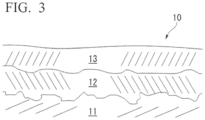
FIG. 3 is a cross-sectional illustration of a grain-oriented electrical steel sheet according to an embodiment of the present invention. -
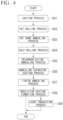
FIG. 4 is a flowchart of a method for producing the grain-oriented electrical steel sheet according to the embodiment. -
FIG. 5 is a graph showing the evaluation results of stability of solutions for forming insulation coatings. -
FIG. 6 is a flowchart showing the evaluation procedure of the porosity. -
FIG. 7 is a cross-sectional image of an insulation coating of Example No. 22 (comparative example). -
FIG. 8 is a cross-sectional image of an insulation coating of Example No. 42 (inventive example). -
FIG. 9 is 31P magic angle spinning nuclear magnetic resonance spectra of insulation coatings of grain-oriented electrical steel sheets. - Hereinafter, embodiments of the present invention will be described with reference to the accompanying drawings.
- A solution for forming an insulation coating according to an embodiment of the present invention includes a mixture of colloidal silica, a phosphate such as metal phosphate, and water. Chromium is not added to the solution. In addition, colloidal silica including silica (silica particles) surface-modified by an aluminate or colloidal silica to which an aluminate is added is used as the colloidal silica.
-
FIG. 1 shows a schematic illustration of conventional common colloidal silica andFIG. 2 shows a schematic illustration of colloidal silica including silica surface-modified by an aluminate. - The conventional colloidal silica is stabilized by an aqueous solution including Na+, and Si-O' is arranged at the surface of the conventional colloidal silica. On the other hand, colloidal silica including silica surface-modified by an aluminate according to the invention is more stable than the conventional colloidal silica because Al-OH- is arranged at the surface of the silica particles. For example, the mechanism of stabilization is described in R. K. Iler, "The Effect of Surface Aluminosilicate Ions on the Properties of Colloidal Silica," Journal of Colloidal and Interface Science, vol. 55, No. 1, p25-34. In addition, for example,
US Patent No. 2,892,797 discloses a process for modifying the properties of a silica sol using a surface modification. - The inventors have found by experiment that the formed insulation coating has a dense structure when colloidal silica including silica surface-modified by an aluminate is used in the solution for forming the insulation coating. Even when an aluminate is added to colloidal silica, the colloidal silica including the aluminate produces a similar effect to colloidal silica including the surface-modified silica. The amount of the aluminate is not limited in the colloidal silica, and may be 0.1-10 mass% of the total amount of the colloidal silica (the solution of colloidal silica), for example.
- Therefore, in the solution for forming the insulation coating according to the embodiment, colloidal silica including silica surface-modified by an aluminate or colloidal silica to which an aluminate is added is used.
- The solution for forming the insulation coating according to the embodiment has a composition of 25 to 75 mass% of phosphate and 75 to 25 mass% of colloidal silica when the amounts of the phosphate and the colloidal silica are calculated in solid (anhydrous) form. One selected from aluminum phosphate, magnesium phosphate, nickel phosphate, and manganese phosphate, or mixture of two or more selected from the above-mentioned phosphates can be used as the phosphate.
- Furthermore, a grain-oriented electrical steel sheet according to an embodiment of the present invention will be described in reference to
FIG. 3 . The grain-orientedelectrical steel sheet 10 shown inFIG. 3 includes abase material 11, aglass film 12 formed on the surface of thebase material 11, and aninsulation coating 13 formed on the surface of theglass film 12. When theglass film 12 is not formed, theinsulation coating 13 is formed on the surface of thebase material 11. - The thickness of the
base material 11 is generally 0.15-0.50 mm. - The
glass film 12 includes a composite oxide such as forsterite (Mg2SiO4), spinel (MgAl2O4), and cordierite (Mg2Al4Si5O16). - The
insulation coating 13 is formed by applying and baking the solution for forming the insulation coating according to the above-mentioned embodiment. For example, in the embodiment, the thickness of the insulation coating may be 0.5 to 5 µm. - The
insulation coating 13 has a dense structure, and, for example, the area fraction of voids may be 0.1 or less (10% or less) in a cross section of theinsulation coating 13. - The
insulation coating 13 may show a characteristic peak or shoulder between -30 and -40 ppm of a chemical shift relative to a H3PO4 solution in a 31P nuclear magnetic resonance (NMR) spectrum. For example, theinsulation coating 13 is free from chromium and may include a chemical structure of phosphorous so that the 31P NMR spectrum of theinsulation coating 13 shows a 31P chemical shift around -35 ppm when the 31P chemical shift is referenced to an 85 mass% H3PO4 solution. The peak area of the 31P chemical shift around -35 ppm is more than 30% of the total peak area when the peak area of the 31P chemical shift around -35 ppm and the total peak area are calculated with a Gaussian fitting in which each peak position is determined in a range of 0 to -60 ppm. - These features in the chromium-
free insulation coating 13 are derived from forming by the solution for forming the insulation coating according to the embodiment. The chromium-free insulation coating 13 can be formed by using a solution to which chromium is not added substantially. Specifically, it is preferable that the amount of chromium is limited within the range in which chromium is not identified by a chemical analysis or GDOES (Glow Discharge Optical Emission Spectroscopy) in theinsulation coating 13 and the solution for forming the insulation coating (for example, 0.1 mass% or less). - An example of method for producing the grain-oriented
electrical steel sheet 10 according to the embodiment will be described. - As shown in the flowchart of
FIG. 4 , the method for the grain-orientedelectrical steel sheet 10 according to the embodiment includes a casting process S01, a hot-rolling process S02, a hot-band annealing process S03, a cold-rolling process S04, a decarburization annealing process S05, an annealing separator coating process S06, a finish annealing process S07, an insulation coating formation process S08, and optionally a laser irradiation process S09. - In the embodiment, for example, the iron alloy (starting material) has a composition of Si: 2.5-4.0 mass%, C: 0.02-0.10 mass%, Mn: 0.05-0.30 mass%, acid-soluble Al: 0.020-0.040 mass%, N: 0.002-0.012 mass%, S: 0.001-0.040 mass%, and the balance of Fe and inevitable impurities. In the casting process S01, a slab is continuously manufactured by supplying molten steel prepared so as to have the above-mentioned composition to a continuous casting machine.
- In the hot-rolling process S02, the obtained slab is heated at a predetermined temperature (for example, 1150-1400°C), and then hot rolling is performed. As a result, a hot-rolled sheet having a thickness of, for example, 1.8-3.5 mm is manufactured.
- In the hot-band annealing process S03, the hot-rolled sheet is subjected to a heat treatment under a condition of 750-1200°C for 30 seconds to 10 minutes for example.
- In the cold-rolling process S04, after the hot-band annealing process S03, the surface of the hot-rolled sheet is pickled, and then cold rolling is performed. As a result, a cold-rolled sheet having a thickness of, for example, 0.15-0.50 mm is manufactured.
- In the decarburization annealing process S05, the cold-rolled sheet is subjected to a heat treatment under a condition of 700-900°C for 1-3 minutes for example. As a result, a decarburization annealed sheet is manufactured. At the surface of the decarburization annealed sheet, an oxide layer mainly including silica (SiO2) is formed by the decarburization annealing process S05. In the heat treatment (during decarburization or after decarburization), the cold-rolled sheet may be nitride according to the necessity.
- In the annealing separator coating process S06, an annealing separator is applied to the oxide layer. The annealing separator may mainly include magnesia (MgO).
- In the finish annealing process S07, the decarburization annealed sheet coated with the annealing separator is coiled, and the obtained coil is put in a furnace such as a butch-type furnace, and then a heat treatment is performed. As a result, a
base material 11 is manufactured. For example, the heat treatment condition in the finish annealing process S07 may be in 1100-1300°C for 20-24 hours. In the finish annealing process S07, the oxide layer mainly including silica reacts with the annealing separator mainly including magnesia, and thereby aglass film 12 mainly including forsterite (Mg2SiO4) is formed on the surface ofbase material 11. - In the insulation coating formation process S08, the solution for forming the insulation coating according to the embodiment is applied to the
glass film 12 formed on the surface of thebase material 11, then baking is performed, and thereby aninsulation coating 13 is formed. - In the insulation coating formation process S08, the amount of the formed insulation coating may be in a range of 1-10 g/m2. The baking temperature may be in a range of 750-1000°C.
- When the amount of the insulation coating is 1 g/m2 or more, the obtained insulation coating can impart a sufficient tension to the
base material 11. On the other hand, when the amount of the insulation coating is 10 g/m2 or less, the sufficient occupation ratio of iron is secured so as to obtain sufficient magnetic properties. Therefore, in the embodiment, the amount of the insulation coating may be in a range of 1-10 g/m2. - When the baking temperature is 750°C or higher, the sufficient difference in coefficient of thermal expansion is secured between the
base material 11 and theinsulation coating 13, and thereby the formedinsulation coating 13 can impart a sufficient tension to thebase material 11. On the other hand, when the baking temperature is 1000°C or higher, the imparted tension is not further improved and the manufacturing cost increases. Therefore, in the embodiment, the baking temperature may be in a range of 750-1000°C. - The laser irradiation process S09 is performed in order to reduce the core loss of a grain-oriented
electrical steel sheet 10, if necessary. In the laser irradiation process S09, a laser beam is scanned substantially in the width direction of the grain-oriented electrical steel sheet while focusing and irradiating the laser beam on theinsulation coating 13. By the laser scanning, linear strains substantially perpendicular to the rolling direction are applied to the surface of thebase material 11 at a predetermined interval in respect to the rolling direction. The light source and type of the laser are not limited as long as the laser irradiation is performed using a laser light source used for typical domain control. In the laser irradiation process S09 of the embodiment, YAG laser is used. - As described above, a grain-oriented
electrical steel sheet 10 can be produced in which theglass film 12 andinsulation coating 13 are formed on thebase material 11 and the domain is controlled by the laser irradiation. - In the solution for forming the insulation coating according the embodiment having the above-mentioned configuration, since the solution includes an aqueous solution prepared by mixing a phosphate solution and colloidal silica, and silica particles of the colloidal silica are surface-modified by an aluminate or a solution of the colloidal silica includes aluminate, the
dense insulation coating 13 can be obtained, and a chromium (VI) compound does not have to be added to the solution. - In addition, in the embodiment, when one or more selected from aluminum phosphate, magnesium phosphate, nickel phosphate, and manganese phosphate is used as a phosphate, a
dense insulation coating 13 can be formed more reliably. - Furthermore, in the embodiment, when the solution includes 25 to 75 mass% of phosphate and 75 to 25 mass% of colloidal silica on the anhydrous basis, a
dense insulation coating 13 can be formed by applying and baking the solution on theglass film 11. - Because the grain-oriented
electrical steel sheet 10 according to the embodiment has aninsulation coating 13 formed by the solution for forming the insulation coating according to the embodiment, the grain-orientedelectrical steel sheet 10 has excellent electric insulation, thermal resistivity, and chemical resistivity, and theinsulation coating 13 can impart a high tension to thebase material 11. Accordingly, the grain-orientedelectrical steel sheet 10 has excellent magnetic properties and is preferably used as a material of a core of a transformer or the like. - In the embodiment, when the area fraction of voids is less than 10% in a cross section of the
insulation coating 13, a dense structure is secured in theinsulation coating 13, and thereby the grain-orientedelectrical steel sheet 10 has excellent electric insulation, thermal resistivity, and chemical resistivity. - In the embodiment, the
insulation coating 13 may include a chemical structure of phosphorous so that the 31P NMR spectrum of the insulation coating shows a 31P chemical shift around -35 ppm when the 31P chemical shift is referenced to an 85 mass% H3PO4 solution. For example, the 31P chemical shift around -35 ppm may be easily identified by a characteristic peak having a peak position between -30 and -40 ppm (in a narrower range, between -32 and -38 ppm or between -33 and -37 ppm) or shoulder between -30 and -40 ppm. More specifically, the 31P chemical shift around -35 ppm can be identified by a Gaussian curve having a peak position around -35 ppm (for example, between -30 and -40 ppm, between -32 and -38 ppm, or between -33 and -37 ppm) when the Gaussian curve is obtained by Gaussian fitting with a single Gaussian curve or peak deconvolution (Gaussian fitting) with a plurality of Gaussian curves, each having a different peak position (for example, by 1 ppm or more). Thus, a 31P chemical shift having another peak position may be obtained by the peak deconvolution. Furthermore, the peak area of the 31P chemical shift around -35 ppm may be more than 30% of the total peak area when the peak area of the 31P chemical shift around -35 ppm and the total peak area are calculated with the above-mentioned Gaussian fitting in which each peak position is determined in a range of 0 to -60 ppm. That is, the peak area of each 31P chemical shift is determined by the area of the corresponding Gaussian curve. - With these features, when the
insulation coating 13 does not include chromium, theinsulation coating 13 can be identified as a coating formed by the solution for forming the insulation coating according to the embodiment. - In the insulation coating formation process S08 of the embodiment, the amount of the insulation coating may be in a range of 1-10 g/m2, and the baking temperature may be in a range of 750-1000°C. As a result, the obtained
insulation coating 13 can impart a sufficient tension to thebase material 11 while securing an occupation ratio of iron, and a grain-orientedelectrical steel sheet 10 having excellent magnetic properties can be provided. - As described above, the preferred embodiments of the present invention are described. However, the present invention is not limited to the embodiments.
- For example, the compositions of the base material 11 (steel sheet) and
glass film 12 are not limited to those in the embodiment, and the insulation coating may be formed using another compositions of base material (steel sheet) and glass film. - Tests which were performed in order to confirm the effects of the present invention will be described below.
- As shown in Table 1, various compositions of solutions for forming insulation coatings (Solution Nos. 1 to 19) were prepared using metal phosphate solutions having a concentration of 50 mass% and colloidal silica having a concentration of 30 mass%. In the Solution No. 17, an aluminate was added to conventional colloidal silica so as to obtain a mixture (colloidal silica) including 3 mass% of aluminate. In addition, two products (A and B) provided from two different suppliers were used as colloidal silica including silica surface-modified by an aluminate.
-
Table 1 Solution No. Metal Phosphate(s) (Concentration of 50%) Colloidal Silica (Concentration of 30%) CrO3 Phosphate (s) : Silica (Anhydrous Basis) Type of Example 1 40% Al(H2PO4)3 53% Conventional Silica 7% 51: 49 Conv. 2 43% Al(H2PO4)3 57% Conventional Silica - 51:49 Comp. 3 40% Al(H2PO4)3 53% Surface-modified Silica B 7% 51:49 Comp. 4 43% Al(H2PO4)3 57% Surface-modified Silica A - 51:49 Inv. 5 43% Al(H2PO4)3 57% Surface-modified Silica B - 51:49 Inv. 6 30% Al(H2PO4)3 70% Surface-modified Silica A - 37:63 Inv. 7 30% Al(H2PO4)3 70% Surface-modified Silica B - 37:63 Inv. 8 50% Al(H2PO4)3 50% Surface-modified Silica A - 58:42 Inv. 9 50% Al(H2PO4)3 50% Surface-modified Silica B - 58:42 Inv. 10 40% Al(H2PO4)3 53% Surface-modified Silica A 7% 51:49 Comp. 11 22% Al(H2PO4)3 + 21% Mg(H2PO4)2 57% Surface-modified Silica A - 51:49 Inv. 12 22% Al (H2PO4)3 + 21 % Ni(H2PO4)2 57% Surface-modified Silica A - 51:49 Inv. 13 22% Al(H2PO4)3 + 21% Mn(H2PO4)2 57% Surface-modified Silica A - 51:49 Inv. 14 43% Mg(H2PO4)2 57% Surface-modified Silica A - 51:49 Inv. 15 43% Ni (H2PO4)2 57% Surface-modified Silica A - 52:48 Inv. 16 43% Mn(H2PO4)2 57% Surface-modified Silica A - 52:48 Inv. 17 43% Al(H2PO4)3 57% Conventional Silica (incl. 3% aluminate added) - 51:49 Inv. 18 16% Al (H2PO4)3 84% Surface-modified Silica A - 21:79 Inv. 19 71% Al(H2PO4)3 29% Surface-modified Silica A - 78:22 Inv. Inv.: Inventive Example, Comp. : Comparative Example, Conv. : Conventional Example - Solution No. 1 including a chromic acid, Solution No. 2 in which conventional colloidal silica was used without a chromic acid, Solution No. 4 in which colloidal silica including silica (silica particles) surface-modified by an aluminate was used without a chromic acid were prepared, then these solutions were held at 50°C, and thereby the relationship between the holding time and viscosity was evaluated. The results obtained by the evaluations were shown in
FIG. 5 . The viscosities were measured by the rotational viscometer of Brookfield DV-II+ (spindle: LV1, drive: 50 rpm). - In the Solution No. 2 in which the conventional colloidal silica was used without a chromic acid, the viscosity was changed abruptly after 20 hours. On the other hand, in the Solution No. 4 in which colloidal silica including the silica surface-modified by the aluminate was used without a chromic acid, the viscosity change over time was similar to that in Solution No. 1 including the chromic acid. The results show that a solution including the silica surface-modified by an aluminate has an excellent stability even if a chromic acid is not added to the solution.
- The Solution Nos. 1 to 19 were applied to steel sheets, and then were baked. Thereby, insulation coatings of Example Nos. 11 to 191 were formed as shown in Table 2. In these cases, the amounts of the applied solution were all 4.5 g/m2. The baking temperatures were in the range of 830-930°C, as shown in Tables 2 and 3.
- Porosity (area fraction of voids) F in a cross section of an insulation coating was evaluated as follows. As shown in
FIG. 6 , a cross-sectional image of the insulation coating was obtained by back-scattered electron. - The image was binarized, and the cross-sectional area except void area Ac was obtained from the binary image (Ac = 197 µm2 in the example of
FIG. 6 ). - Then, the cross-sectional area including void area A was obtained from the void-filling binary image (A = 260 µm2 in the example of
FIG. 6 ). - Accordingly, the porosity F was calculated from F = 1 - Ac / A (F = 1 - 197 /260 = 24.1% in the example of
FIG. 6 ). - In each insulation coating of the examples, 5 images were obtained by the observation at a magnification of 5000, and then the average value of the obtained porosities was calculated.
- The tension imparted by the insulation coating was evaluated. The curvature of a sample was measured before and after a one-side coating, and then the imparted tension was calculated from the difference between the curvatures. The imparted tensions of the insulation coatings of Example Nos. 11-191 are shown in Tables 2 and 3.
-
Table 2 Example No. Solution No. Baking Temp. Porosity, F Peak Area Ratio AI-O-P:Si-O-P Imparted Tension (MPa) Type of Example 11 1 830°C 0% 25:75 7.1 Conv. 12 1 850°C 2% 18:82 7.3 Conv. 13 1 930°C 2% 20:80 7.3 Conv. 21 2 830°C 15% 78:22 3.3 Comp. 22 2 850°C 21% 75:25 3.0 Comp. 23 2 930°C 32% 77:23 2.8 Comp. 31 3 830°C 0% 25:75 7.4 Comp. 32 3 850°C 1% 23:77 7.3 Comp. 33 3 930°C 2% 25:75 7.1 Comp. 41 4 830°C 1 % 16:84 7.6 Inv. 42 4 850°C 2% 15:85 7.7 Inv. 43 4 930°C 3% 20:80 7.3 Inv. 51 5 830°C 2% 15:85 7.5 Inv. 52 5 850°C 1 % 15:85 7.7 Inv. 53 5 930°C 2% 17:83 7.4 I nv. 61 6 830°C 4% 37:63 7.1 Inv. 62 6 850°C 4% 45:55 6.9 Inv. 63 6 930°C 4% 33:67 7.0 Inv. 71 7 830°C 3% 30:70 7.2 Inv. 72 7 850°C 4% 42:58 6.8 Inv. 73 7 930°C 4% 35:65 7.0 Inv. 81 8 830°C 3% 27:73 7.1 Inv. 82 8 850°C 4% 30:70 7.3 Inv. 83 8 930°C 4% 26:74 7.0 Inv. 91 9 830°C 3% 40:60 6.9 Inv. 92 9 850°C 3% 28:72 7.3 Inv. 93 9 930°C 3% 30:70 7.2 Inv. Inv.: Inventive Example, Comp.: Comparative Example, Conv.: Conventional Example -
Table 3 Example No. Solution No. Baking Temp. Porosity, F Peak Area Ratio Al-O-P:Si-O-P Imparted Tension (MPa) Type of Example 101 10 $30° C 2% 17:83 7.5 Comp. 102 10 850°C 3% 22:78 7.2 Comp. 103 10 930° C 2% 25:75 7.2 Comp. 111 11 830° C 1% 20:80 7. 5 Inv. 112 11 850° C 2% 18:82 7.3 Inv. 113 11 930° C 2% 22:78 7. 3 Inv. 121 12 830°C 3% 20:80 7.4 Inv. 122 12 850° C 1 % 15:85 7. 7 Inv. 123 12 930° C 1% 18:82 7. 6 Inv. 131 13 830° C 2% 21:79 7.4 Inv. 132 13 850° C 1% 18:82 7. 6 Inv. 133 13 930°C 0% 16:84 7. 6 Inv. 141 14 830° C 2% 24:76 7. 3 Inv. 142 14 850°C 3% 15:85 7.3 Inv. 143 14 930° C 2% 19:81 7. 3 Inv. 151 15 830° C 2% 22:78 7. 4 Inv. 152 15 850° C 1% 18:88 7.7 Inv. 153 15 930°C 0% 20:80 7. 8 Inv. 161 16 830° C 1% 22:78 7. 4 Inv. 162 16 850°C 0% 17:83 7. 7 Inv. 163 16 930°C 0% 15:85 7. 9 Inv. 171 17 830° C 4% 25:75 7.0 Inv. 172 17 850°C 3% 22:78 7.2 Inv. 173 17 930°C 3% 23:77 7. 2 Inv. 181 18 850°C 8% 65:35 5.8 Inv. 191 19 850°C 6% 60:40 6.0 Inv. Inv. : Inventive Example, Comp. : Comparative Example, Conv.: Conventional Example - As shown in Tables 2 and 3, in the Example Nos. 21 to 23, because insulation coatings were formed by the solutions in which conventional colloidal silica was used without a chromic acid, the porosities were very high (15% or higher).
- On the other hand, in the Example Nos. 41 to 93, 111 to 163, 181, and 191, because insulation coatings were formed by the solutions in which colloidal silica including silica surface-modified by an aluminate was used, the porosities were less than 10%, and the Example Nos. had denser structure than those of the above-mentioned Example Nos. in which insulation coatings were formed by the solutions including the conventional colloidal silica without a chromic acid or an aluminate. In addition, in the Example Nos. 171 to 173, because insulation coatings were formed by the solutions in which an aluminate was added to the conventional colloidal silica, the porosities were less than 10%.
- Here,
FIG. 7 shows a cross-sectional image of the insulation coating which was formed by the solution including a chromic acid in the Example No. 22, andFIG. 8 shows a cross-sectional image of the insulation coating which was formed by the solution in which colloidal silica including silica surface-modified by an aluminate was used in the Example 42. - Many voids were observed in the insulation coating of Example No. 22, but few voids were observed and the dense structure was obtained in the insulation coating of Example No. 42.
- Tables 2 and 3 show the relationship between the porosity and the imparted tension. As shown in Tables 2 and 3, as the porosity decreased, the imparted tension increased.
- As a result of the evaluation of the tension, in the Example Nos. 11 to 13, 31 to 33, and 101 to 103 in which a chromic acid was used, the insulation coatings imparted high tension to the steel sheets. In the Example Nos. 41 to 93, 111 to 163, 181, and 191 in which colloidal silica including silica surface-modified by an aluminate was used, and the Example Nos. 171 to 173 in which an aluminate was added to the conventional colloidal silica, imparted tensions are similarly high, whereas in Examples Nos. 21 to 23 where conventional silica without chromic acid was used, imparted tensions are clearly lower.
- The chemical structures of insulation coatings were evaluated by 31P nuclear magnetic resonance (NMR) spectroscopy in the Example No. 12 in which a chromic acid and conventional colloidal silica were used, the Example No. 22 in which conventional colloidal silica was used without a chromic acid, and the Example No. 42 in which colloidal silica including silica surface-modified by an aluminate was used.
- The insulation coatings were sampled by using 10% Br-methanol solution, and 31P NMR spectra were obtained for the three sampled insulation coatings. The chemical shifts of 31P NMR spectra were referenced to an 85 mass% H3PO4 solution.
- In
FIG. 9 , 31P magic angle spinning NMR spectra of the insulation coatings of Example Nos. 12 and 42 showed two signals at -30 ppm with a relatively sharp peak and at -35 ppm with a very broad peak. The signal at -30 ppm was assigned to phosphorus with Al-O-P linkages. The signal at -35 ppm which is shifted to lower frequency relative to -30 ppm was assigned to phosphorus with Si-O-P linkages. The previous reports (for example, S. - P. Szu, L. C. Klein, M. Greenblatt, J. Non-Cryst. Solids, 143 (1992) 21-30.) support these assignments. Since the peak at -35 ppm is very broad, Si-O-P linkages might have a glassy structure. - The phosphorus with Al-O-P and Si-O-P linkages can be quantified by peak deconvolution with two Gaussian curves having different peak positions (around 30 and 35 ppm) in the insulation coatings of Example Nos. 12 and 42. The peak area ratios of Al-O-P linkages to Si-O-P linkages in the insulation coatings of Example Nos. 12 and 42 were calculated to be 18 to 82 and 15 to 85, respectively. The phosphorus with Si-O-P bonds was found to be dominant species in the insulation coatings of Example Nos. 12 and 42.
- On the other hand, a 31P NMR spectrum of the insulation coating of Example No. 22 showed a main signal at -30 ppm due to Al-O-P linkages and a small amount of the signal due to Si-O-P signal. The peak area ratio of Al-O-P linkages to Si-O-P linkages was calculated to be 75 to 25 by fitting two Gaussian curves. Thus, the main structure of phosphorus was Al-O-P bonds in the insulation coating of Example No. 22.
- From these results, tension should deteriorate in the insulation coating of Example No. 22 because glassy Si-O-P linkages are difficult to form.
- According to the present invention, even if chromium is not added to a coating solution, a dense insulation coating can be formed by using colloidal silica including silica surface-modified by an aluminate or colloidal silica to which an aluminate is added.
-
- 10: grain-oriented electrical steel sheet
- 11: base material (steel sheet)
- 12: glass film
- 13: insulation coating
Claims (7)
- A solution for forming an insulation coating of grain-oriented electrical steel sheet, the solution comprising an aqueous solution prepared by mixing a phosphate solution and colloidal silica,wherein silica particles of the colloidal silica are surface-modified by aluminate such tha1 Al-OH- is arranged at the surface of the silica particles or a solution of the colloidal silica includes aluminate, andthe aqueous solution is free of chromium.
- The solution for forming the insulation coating of grain-oriented electrical steel sheet according to claim 1,
wherein the phosphate solution includes one or more selected from aluminum phosphate, magnesium phosphate, nickel phosphate, and manganese phosphate. - The solution for forming the insulation coating of grain-oriented electrical steel sheet according to claim 1 or 2,
wherein the amount of the phosphate solution is 25-75 mass% and the amount of the colloidal silica is 75-25 mass% of a total solid mass when the amounts of the phosphate solution and the colloidal silica are calculated in anhydrous form. - A grain-oriented electrical steel sheet comprising an insulation coating, wherein the insulation coating is formed by using the solution for forming the insulation coating of grain-oriented electrical steel sheet according to any one of claims 1-3.
- The grain-oriented electrical steel sheet according to claim 4, wherein an area fraction of voids in a cross section of the insulation coating is less than 10%.
- The grain-oriented electrical steel sheet according to claim 4, wherein the insulation coating includes a chemical structure of phosphorus so that a 31P nuclear magnetic resonance spectrum of the insulation coating shows a 31P chemical shift around -35 ppm when the 31P chemical shift is referenced to an 85 mass% H3PO4 solution.
- The grain-oriented electrical steel sheet according to claim 6, wherein a peak area of the 31P chemical shift around -35 ppm is more than 30% of a total peak area when the peak area of the 31P chemical shift around -35 ppm and the total peak area are calculated with a Gaussian fitting in which a peak position is determined in a range of 0 to -60 ppm.
Priority Applications (1)
| Application Number | Priority Date | Filing Date | Title |
|---|---|---|---|
| EP13725945.3A EP2954095B1 (en) | 2013-02-08 | 2013-05-27 | Solution for forming insulation coating and grain-oriented electrical steel sheet |
Applications Claiming Priority (3)
| Application Number | Priority Date | Filing Date | Title |
|---|---|---|---|
| EP13154543 | 2013-02-08 | ||
| PCT/EP2013/060874 WO2014121853A1 (en) | 2013-02-08 | 2013-05-27 | Solution for forming insulation coating and grain-oriented electrical steel sheet |
| EP13725945.3A EP2954095B1 (en) | 2013-02-08 | 2013-05-27 | Solution for forming insulation coating and grain-oriented electrical steel sheet |
Publications (2)
| Publication Number | Publication Date |
|---|---|
| EP2954095A1 EP2954095A1 (en) | 2015-12-16 |
| EP2954095B1 true EP2954095B1 (en) | 2023-05-24 |
Family
ID=48537957
Family Applications (1)
| Application Number | Title | Priority Date | Filing Date |
|---|---|---|---|
| EP13725945.3A Active EP2954095B1 (en) | 2013-02-08 | 2013-05-27 | Solution for forming insulation coating and grain-oriented electrical steel sheet |
Country Status (10)
| Country | Link |
|---|---|
| US (1) | US11440846B2 (en) |
| EP (1) | EP2954095B1 (en) |
| JP (2) | JP6157647B2 (en) |
| KR (2) | KR20150114495A (en) |
| CN (1) | CN105051255B (en) |
| AU (1) | AU2013377442B2 (en) |
| BR (1) | BR112015014463A2 (en) |
| PL (1) | PL2954095T3 (en) |
| RU (1) | RU2639905C2 (en) |
| WO (1) | WO2014121853A1 (en) |
Families Citing this family (23)
| Publication number | Priority date | Publication date | Assignee | Title |
|---|---|---|---|---|
| US11440846B2 (en) * | 2013-02-08 | 2022-09-13 | Nippon Steel Corporation | Solution for forming insulation coating and grain-oriented electrical steel sheet |
| JP6451748B2 (en) * | 2014-12-26 | 2019-01-16 | 新日鐵住金株式会社 | Electrical steel sheet |
| US20180251899A1 (en) * | 2015-09-02 | 2018-09-06 | Jfe Steel Corporation | Insulative coating processing liquid and method for manufacturing metal having insulative coating |
| CN105567019A (en) * | 2015-12-25 | 2016-05-11 | 国网智能电网研究院 | Non-chromium environmentally-friendly oriented silicon steel insulation coating and preparation method thereof |
| EP3533902B1 (en) * | 2016-12-21 | 2021-02-17 | JFE Steel Corporation | Grain-oriented electrical steel sheet and production method for grain-oriented electrical steel sheet |
| DE102017204522A1 (en) * | 2017-03-17 | 2018-09-20 | Voestalpine Stahl Gmbh | Process for the production of lacquer-coated electrical steel strips and lacquer-coated electrical steel strip |
| JP6894759B2 (en) * | 2017-05-17 | 2021-06-30 | 株式会社松風 | Dental Phosphate-based investment material |
| WO2019013347A1 (en) * | 2017-07-13 | 2019-01-17 | 新日鐵住金株式会社 | Oriented electromagnetic steel sheet, and manufacturing method of oriented electromagnetic steel sheet |
| JP7018169B2 (en) * | 2018-03-28 | 2022-02-10 | 日本製鉄株式会社 | Manufacturing method of grain-oriented electrical steel sheet and grain-oriented electrical steel sheet |
| JP7045917B2 (en) * | 2018-04-23 | 2022-04-01 | 日本パーカライジング株式会社 | Insulating inorganic powder and its manufacturing method and powder treatment agent |
| MX2020012796A (en) | 2018-05-30 | 2021-02-15 | Jfe Steel Corp | ELECTRICAL STEEL SHEET THAT HAS AN INSULATING COATING, METHOD FOR THE PRODUCTION OF THE SAME, TRANSFORMER CORE AND TRANSFORMER THAT USE ELECTRICAL STEEL SHEET, AND METHOD FOR THE REDUCTION OF DIELECTRIC LOSS IN TRANSFORMER. |
| KR102133909B1 (en) * | 2018-12-19 | 2020-07-14 | 주식회사 포스코 | Grain oriented electrical steel sheet and method for manufacturing the same |
| KR102149826B1 (en) | 2018-12-19 | 2020-08-31 | 주식회사 포스코 | Grain oriented electrical steel sheet and method for manufacturing the same |
| KR102133910B1 (en) | 2018-12-19 | 2020-07-14 | 주식회사 포스코 | Grain oriented electrical steel sheet and method for manufacturing the same |
| CN113227454B (en) * | 2018-12-28 | 2023-04-04 | 日本制铁株式会社 | Grain-oriented electromagnetic steel sheet and method for producing same |
| JP7200687B2 (en) * | 2019-01-16 | 2023-01-10 | 日本製鉄株式会社 | Grain-oriented electrical steel sheet and manufacturing method thereof |
| EP4365319A1 (en) | 2022-11-03 | 2024-05-08 | Thyssenkrupp Electrical Steel Gmbh | Grain-oriented electrical steel strip and method for its production |
| EP4570926A1 (en) | 2023-12-13 | 2025-06-18 | Thyssenkrupp Electrical Steel Gmbh | Grain-oriented flat steel product and method for the production thereof |
| EP4589026A1 (en) | 2024-01-18 | 2025-07-23 | Thyssenkrupp Electrical Steel Gmbh | Grain-oriented electrical steel sheet and method for its production |
| EP4589027A1 (en) | 2024-01-18 | 2025-07-23 | Thyssenkrupp Electrical Steel Gmbh | Grain-oriented electrical steel sheet and method for its production |
| EP4589028A1 (en) | 2024-01-18 | 2025-07-23 | Thyssenkrupp Electrical Steel Gmbh | Grain-oriented electrical steel sheet coated with a resin and used for stacking |
| WO2025164715A1 (en) * | 2024-01-30 | 2025-08-07 | 日本製鉄株式会社 | Grain-oriented electrical steel sheet |
| JP7755225B1 (en) * | 2024-01-30 | 2025-10-16 | 日本製鉄株式会社 | grain-oriented electrical steel sheet |
Citations (6)
| Publication number | Priority date | Publication date | Assignee | Title |
|---|---|---|---|---|
| US20030136470A1 (en) * | 2001-04-05 | 2003-07-24 | Minoru Takashima | Grain oriented electromagnetic steel sheet exhibiting extremely small watt loss and method for producing the same |
| US20030152763A1 (en) * | 2002-02-12 | 2003-08-14 | Canon Kabushiki Kaisha | Anti-fogging coating material, anti-fogging coating, and anti-fogging optical member |
| JP2007023329A (en) * | 2005-07-14 | 2007-02-01 | Nippon Steel Corp | Insulating coating agent for electrical steel sheet containing no chromium |
| US20090208764A1 (en) * | 2005-07-14 | 2009-08-20 | Osamu Tanaka | Grain-Oriented Electrical Steel Sheet Having Insulating Film Not Containing Chromium and Insulating Film Agent of Same |
| CN101535182B (en) * | 2006-11-08 | 2012-02-08 | 日产化学工业株式会社 | Silica-alumina composite sol and process for production thereof |
| US20150368158A1 (en) * | 2013-02-08 | 2015-12-24 | Thyssenkrupp Electrical Steel Gmbh | Solution for Forming Insulation Coating and Grain-Oriented Electrical Steel Sheet |
Family Cites Families (19)
| Publication number | Priority date | Publication date | Assignee | Title |
|---|---|---|---|---|
| US2892797A (en) | 1956-02-17 | 1959-06-30 | Du Pont | Process for modifying the properties of a silica sol and product thereof |
| BE789262A (en) * | 1971-09-27 | 1973-01-15 | Nippon Steel Corp | PROCESS FOR FORMING AN INSULATING FILM ON A SILICON ORIENTED STEEL STRIP |
| JPS5652117B2 (en) * | 1973-11-17 | 1981-12-10 | ||
| US4036721A (en) * | 1974-07-09 | 1977-07-19 | Nippon Paint Co., Ltd. | Method for coating a conductive material |
| US3948786A (en) * | 1974-10-11 | 1976-04-06 | Armco Steel Corporation | Insulative coating for electrical steels |
| US5118727A (en) | 1991-03-13 | 1992-06-02 | E. I. Du Pont De Nemours And Company | Stable mixtures of colloidal silica and a film-forming polymer |
| JP2000026980A (en) | 1998-04-22 | 2000-01-25 | Toyobo Co Ltd | Metal surface treating agent, surface-treated metallic material and resin coated metallic material |
| JP2000034580A (en) | 1998-04-22 | 2000-02-02 | Toyobo Co Ltd | Surface treated metal material |
| TWI221861B (en) * | 1998-04-22 | 2004-10-11 | Toyo Boseki | Agent for treating metallic surface, surface-treated metal material and coated metal material |
| JP2000034579A (en) | 1998-04-22 | 2000-02-02 | Toyobo Co Ltd | Surface treated metallic material |
| JP2000309878A (en) * | 1999-04-22 | 2000-11-07 | Toyobo Co Ltd | Metallic surface treating agent, surface treated metallic material and resin coated metallic material |
| JP4500005B2 (en) | 2003-05-20 | 2010-07-14 | 新日本製鐵株式会社 | Method for producing grain-oriented electrical steel sheet having insulating coating with excellent tension imparting characteristics and grain-oriented electrical steel sheet produced by the method |
| JP5063902B2 (en) | 2006-02-17 | 2012-10-31 | 新日本製鐵株式会社 | Oriented electrical steel sheet and method for treating insulating film |
| JP5181571B2 (en) * | 2007-08-09 | 2013-04-10 | Jfeスチール株式会社 | Chromium-free insulating coating solution for grain-oriented electrical steel sheet and method for producing grain-oriented electrical steel sheet with insulation film |
| JP5104128B2 (en) | 2007-08-30 | 2012-12-19 | Jfeスチール株式会社 | Chromium-free insulating coating solution for grain-oriented electrical steel sheet and method for producing grain-oriented electrical steel sheet with insulation film |
| DE102008008781A1 (en) * | 2008-02-12 | 2009-08-20 | Thyssenkrupp Electrical Steel Gmbh | Method for producing a grain-oriented electrical strip |
| JP5422937B2 (en) * | 2008-08-05 | 2014-02-19 | 新日鐵住金株式会社 | Insulating film coating solution and method for forming insulating film for grain-oriented electrical steel sheet |
| RU2433953C1 (en) * | 2010-06-04 | 2011-11-20 | Открытое акционерное общество "Казанский химический научно-исследовательский институт" | Method of producing silicon oxide sol modified with sodium aluminate |
| JP2013249528A (en) | 2012-06-04 | 2013-12-12 | Dipsol Chemicals Co Ltd | Trivalent chromium-conversion processing solution containing aluminum-modified colloidal silica |
-
2013
- 2013-05-27 US US14/766,560 patent/US11440846B2/en active Active
- 2013-05-27 JP JP2015556406A patent/JP6157647B2/en active Active
- 2013-05-27 KR KR1020157021432A patent/KR20150114495A/en not_active Ceased
- 2013-05-27 CN CN201380069093.7A patent/CN105051255B/en active Active
- 2013-05-27 BR BR112015014463A patent/BR112015014463A2/en not_active Application Discontinuation
- 2013-05-27 WO PCT/EP2013/060874 patent/WO2014121853A1/en not_active Ceased
- 2013-05-27 KR KR1020207016086A patent/KR102240346B1/en active Active
- 2013-05-27 RU RU2015138145A patent/RU2639905C2/en active
- 2013-05-27 AU AU2013377442A patent/AU2013377442B2/en not_active Ceased
- 2013-05-27 PL PL13725945.3T patent/PL2954095T3/en unknown
- 2013-05-27 EP EP13725945.3A patent/EP2954095B1/en active Active
-
2017
- 2017-03-03 JP JP2017041163A patent/JP6667466B2/en active Active
Patent Citations (6)
| Publication number | Priority date | Publication date | Assignee | Title |
|---|---|---|---|---|
| US20030136470A1 (en) * | 2001-04-05 | 2003-07-24 | Minoru Takashima | Grain oriented electromagnetic steel sheet exhibiting extremely small watt loss and method for producing the same |
| US20030152763A1 (en) * | 2002-02-12 | 2003-08-14 | Canon Kabushiki Kaisha | Anti-fogging coating material, anti-fogging coating, and anti-fogging optical member |
| JP2007023329A (en) * | 2005-07-14 | 2007-02-01 | Nippon Steel Corp | Insulating coating agent for electrical steel sheet containing no chromium |
| US20090208764A1 (en) * | 2005-07-14 | 2009-08-20 | Osamu Tanaka | Grain-Oriented Electrical Steel Sheet Having Insulating Film Not Containing Chromium and Insulating Film Agent of Same |
| CN101535182B (en) * | 2006-11-08 | 2012-02-08 | 日产化学工业株式会社 | Silica-alumina composite sol and process for production thereof |
| US20150368158A1 (en) * | 2013-02-08 | 2015-12-24 | Thyssenkrupp Electrical Steel Gmbh | Solution for Forming Insulation Coating and Grain-Oriented Electrical Steel Sheet |
Non-Patent Citations (1)
| Title |
|---|
| R. K. ILER: "The Effect of Surface Aluminosilicate Ions on the Properties of Colloidal Silica", JOURNAL OF COLLOIDAL AND INTERFACE SCIENCE, vol. 55, no. 1, 30 April 1976 (1976-04-30), pages 25 - 34, DOI: https://doi.org/10.1016/0021-9797(76)90005-9 * |
Also Published As
| Publication number | Publication date |
|---|---|
| US20150368158A1 (en) | 2015-12-24 |
| KR20200067943A (en) | 2020-06-12 |
| PL2954095T3 (en) | 2023-09-25 |
| CN105051255A (en) | 2015-11-11 |
| KR102240346B1 (en) | 2021-04-14 |
| AU2013377442A1 (en) | 2015-07-02 |
| EP2954095A1 (en) | 2015-12-16 |
| AU2013377442A8 (en) | 2015-08-13 |
| JP6667466B2 (en) | 2020-03-18 |
| CN105051255B (en) | 2019-10-11 |
| RU2015138145A (en) | 2017-03-15 |
| AU2013377442B2 (en) | 2018-05-10 |
| US11440846B2 (en) | 2022-09-13 |
| WO2014121853A1 (en) | 2014-08-14 |
| RU2639905C2 (en) | 2017-12-25 |
| BR112015014463A2 (en) | 2017-07-11 |
| KR20150114495A (en) | 2015-10-12 |
| JP6157647B2 (en) | 2017-07-05 |
| JP2017145506A (en) | 2017-08-24 |
| JP2016507006A (en) | 2016-03-07 |
Similar Documents
| Publication | Publication Date | Title |
|---|---|---|
| US11440846B2 (en) | Solution for forming insulation coating and grain-oriented electrical steel sheet | |
| KR101570017B1 (en) | Grain-oriented electrical steel sheet and method for manufacturing the same | |
| US8535455B2 (en) | Treatment solution for insulation coating for grain oriented electrical steel sheet and method for producing grain oriented electrical steel sheet having insulation coating | |
| JP5858052B2 (en) | Coated grain-oriented electrical steel sheet and manufacturing method thereof | |
| KR101421387B1 (en) | Grain oriented electrical steel sheet and method for manufacturing the same | |
| EP2799566B1 (en) | Grain-oriented electrical steel sheet and method for improving iron loss properties thereof | |
| KR101530450B1 (en) | Grain oriented electrical steel sheet | |
| KR101850133B1 (en) | Annealing separating agent composition for grain oriented electrical steel sheet, grain oriented electrical steel sheet, and method for manufacturing grain oriented electrical steel sheet | |
| KR102407899B1 (en) | grain-oriented electrical steel sheet | |
| KR101423008B1 (en) | Grain oriented electrical steel sheet and method for manufacturing the same | |
| KR102070129B1 (en) | Grain-oriented electrical steel sheet and manufacturing method therefor | |
| KR20210111281A (en) | Grain-oriented electrical steel sheet and its manufacturing method | |
| WO2020149347A1 (en) | Method for producing grain-oriented electromagnetic steel sheet | |
| KR101141280B1 (en) | A composition for insulated coating having a good tension property and the method for making a insulated coating on the grain oriented electrical steel sheet | |
| EP4592411A1 (en) | Grain-oriented electrical steel sheet | |
| KR102360459B1 (en) | grain-oriented electrical steel sheet | |
| KR20210109603A (en) | Grain-oriented electrical steel sheet and its manufacturing method | |
| JPWO2020138069A1 (en) | Directional electrical steel sheet and its manufacturing method | |
| EP3778987A1 (en) | Coating liquid for forming insulating coating film for grain-oriented electromagnetic steel sheets, method for producing grain-oriented electromagnetic steel sheet, and grain-oriented electromagnetic steel sheet | |
| EP4317468A1 (en) | Grain-oriented electromagnetic steel sheet and method for producing same | |
| JP7207436B2 (en) | Oriented electrical steel sheet | |
| KR20200076715A (en) | Coating liquid for forming insulating film for grain-oriented electrical steel sheet, and method for manufacturing grain-oriented electrical steel sheet | |
| RU2850885C2 (en) | Electrical steel sheet with oriented grain structure | |
| RU2778541C1 (en) | Sheet of anisotropic electrical steel and method for its manufacture | |
| JP2012126995A (en) | Method for manufacturing grain-oriented electromagnetic steel sheet |
Legal Events
| Date | Code | Title | Description |
|---|---|---|---|
| PUAI | Public reference made under article 153(3) epc to a published international application that has entered the european phase |
Free format text: ORIGINAL CODE: 0009012 |
|
| 17P | Request for examination filed |
Effective date: 20150612 |
|
| AK | Designated contracting states |
Kind code of ref document: A1 Designated state(s): AL AT BE BG CH CY CZ DE DK EE ES FI FR GB GR HR HU IE IS IT LI LT LU LV MC MK MT NL NO PL PT RO RS SE SI SK SM TR |
|
| AX | Request for extension of the european patent |
Extension state: BA ME |
|
| DAX | Request for extension of the european patent (deleted) | ||
| STAA | Information on the status of an ep patent application or granted ep patent |
Free format text: STATUS: EXAMINATION IS IN PROGRESS |
|
| 17Q | First examination report despatched |
Effective date: 20170327 |
|
| RAP1 | Party data changed (applicant data changed or rights of an application transferred) |
Owner name: THYSSENKRUPP ELECTRICAL STEEL GMBH Owner name: NIPPON STEEL CORPORATION |
|
| REG | Reference to a national code |
Ref country code: DE Ref legal event code: R079 Ref document number: 602013083835 Country of ref document: DE Free format text: PREVIOUS MAIN CLASS: C23C0022070000 Ipc: C04B0014060000 |
|
| GRAP | Despatch of communication of intention to grant a patent |
Free format text: ORIGINAL CODE: EPIDOSNIGR1 |
|
| STAA | Information on the status of an ep patent application or granted ep patent |
Free format text: STATUS: GRANT OF PATENT IS INTENDED |
|
| RIC1 | Information provided on ipc code assigned before grant |
Ipc: H01F 1/18 20060101ALI20220317BHEP Ipc: C23C 22/74 20060101ALI20220317BHEP Ipc: C23C 22/22 20060101ALI20220317BHEP Ipc: C23C 22/20 20060101ALI20220317BHEP Ipc: C23C 22/18 20060101ALI20220317BHEP Ipc: C23C 22/08 20060101ALI20220317BHEP Ipc: C21D 8/12 20060101ALI20220317BHEP Ipc: C04B 28/34 20060101ALI20220317BHEP Ipc: C04B 111/00 20060101ALI20220317BHEP Ipc: C04B 14/06 20060101AFI20220317BHEP |
|
| INTG | Intention to grant announced |
Effective date: 20220401 |
|
| GRAJ | Information related to disapproval of communication of intention to grant by the applicant or resumption of examination proceedings by the epo deleted |
Free format text: ORIGINAL CODE: EPIDOSDIGR1 |
|
| STAA | Information on the status of an ep patent application or granted ep patent |
Free format text: STATUS: EXAMINATION IS IN PROGRESS |
|
| INTC | Intention to grant announced (deleted) | ||
| GRAS | Grant fee paid |
Free format text: ORIGINAL CODE: EPIDOSNIGR3 |
|
| STAA | Information on the status of an ep patent application or granted ep patent |
Free format text: STATUS: GRANT OF PATENT IS INTENDED |
|
| GRAP | Despatch of communication of intention to grant a patent |
Free format text: ORIGINAL CODE: EPIDOSNIGR1 |
|
| GRAJ | Information related to disapproval of communication of intention to grant by the applicant or resumption of examination proceedings by the epo deleted |
Free format text: ORIGINAL CODE: EPIDOSDIGR1 |
|
| GRAL | Information related to payment of fee for publishing/printing deleted |
Free format text: ORIGINAL CODE: EPIDOSDIGR3 |
|
| STAA | Information on the status of an ep patent application or granted ep patent |
Free format text: STATUS: EXAMINATION IS IN PROGRESS |
|
| INTG | Intention to grant announced |
Effective date: 20221026 |
|
| GRAP | Despatch of communication of intention to grant a patent |
Free format text: ORIGINAL CODE: EPIDOSNIGR1 |
|
| STAA | Information on the status of an ep patent application or granted ep patent |
Free format text: STATUS: GRANT OF PATENT IS INTENDED |
|
| INTC | Intention to grant announced (deleted) | ||
| INTG | Intention to grant announced |
Effective date: 20221129 |
|
| GRAA | (expected) grant |
Free format text: ORIGINAL CODE: 0009210 |
|
| STAA | Information on the status of an ep patent application or granted ep patent |
Free format text: STATUS: THE PATENT HAS BEEN GRANTED |
|
| AK | Designated contracting states |
Kind code of ref document: B1 Designated state(s): AL AT BE BG CH CY CZ DE DK EE ES FI FR GB GR HR HU IE IS IT LI LT LU LV MC MK MT NL NO PL PT RO RS SE SI SK SM TR |
|
| REG | Reference to a national code |
Ref country code: GB Ref legal event code: FG4D |
|
| REG | Reference to a national code |
Ref country code: CH Ref legal event code: EP |
|
| REG | Reference to a national code |
Ref country code: DE Ref legal event code: R096 Ref document number: 602013083835 Country of ref document: DE |
|
| REG | Reference to a national code |
Ref country code: AT Ref legal event code: REF Ref document number: 1569417 Country of ref document: AT Kind code of ref document: T Effective date: 20230615 |
|
| REG | Reference to a national code |
Ref country code: IE Ref legal event code: FG4D |
|
| P01 | Opt-out of the competence of the unified patent court (upc) registered |
Effective date: 20230519 |
|
| REG | Reference to a national code |
Ref country code: LT Ref legal event code: MG9D |
|
| REG | Reference to a national code |
Ref country code: NL Ref legal event code: MP Effective date: 20230524 |
|
| PG25 | Lapsed in a contracting state [announced via postgrant information from national office to epo] |
Ref country code: SE Free format text: LAPSE BECAUSE OF FAILURE TO SUBMIT A TRANSLATION OF THE DESCRIPTION OR TO PAY THE FEE WITHIN THE PRESCRIBED TIME-LIMIT Effective date: 20230524 Ref country code: PT Free format text: LAPSE BECAUSE OF FAILURE TO SUBMIT A TRANSLATION OF THE DESCRIPTION OR TO PAY THE FEE WITHIN THE PRESCRIBED TIME-LIMIT Effective date: 20230925 Ref country code: NO Free format text: LAPSE BECAUSE OF FAILURE TO SUBMIT A TRANSLATION OF THE DESCRIPTION OR TO PAY THE FEE WITHIN THE PRESCRIBED TIME-LIMIT Effective date: 20230824 Ref country code: NL Free format text: LAPSE BECAUSE OF FAILURE TO SUBMIT A TRANSLATION OF THE DESCRIPTION OR TO PAY THE FEE WITHIN THE PRESCRIBED TIME-LIMIT Effective date: 20230524 Ref country code: ES Free format text: LAPSE BECAUSE OF FAILURE TO SUBMIT A TRANSLATION OF THE DESCRIPTION OR TO PAY THE FEE WITHIN THE PRESCRIBED TIME-LIMIT Effective date: 20230524 |
|
| PG25 | Lapsed in a contracting state [announced via postgrant information from national office to epo] |
Ref country code: RS Free format text: LAPSE BECAUSE OF FAILURE TO SUBMIT A TRANSLATION OF THE DESCRIPTION OR TO PAY THE FEE WITHIN THE PRESCRIBED TIME-LIMIT Effective date: 20230524 Ref country code: LV Free format text: LAPSE BECAUSE OF FAILURE TO SUBMIT A TRANSLATION OF THE DESCRIPTION OR TO PAY THE FEE WITHIN THE PRESCRIBED TIME-LIMIT Effective date: 20230524 Ref country code: LT Free format text: LAPSE BECAUSE OF FAILURE TO SUBMIT A TRANSLATION OF THE DESCRIPTION OR TO PAY THE FEE WITHIN THE PRESCRIBED TIME-LIMIT Effective date: 20230524 Ref country code: IS Free format text: LAPSE BECAUSE OF FAILURE TO SUBMIT A TRANSLATION OF THE DESCRIPTION OR TO PAY THE FEE WITHIN THE PRESCRIBED TIME-LIMIT Effective date: 20230924 Ref country code: HR Free format text: LAPSE BECAUSE OF FAILURE TO SUBMIT A TRANSLATION OF THE DESCRIPTION OR TO PAY THE FEE WITHIN THE PRESCRIBED TIME-LIMIT Effective date: 20230524 Ref country code: GR Free format text: LAPSE BECAUSE OF FAILURE TO SUBMIT A TRANSLATION OF THE DESCRIPTION OR TO PAY THE FEE WITHIN THE PRESCRIBED TIME-LIMIT Effective date: 20230825 |
|
| PG25 | Lapsed in a contracting state [announced via postgrant information from national office to epo] |
Ref country code: FI Free format text: LAPSE BECAUSE OF FAILURE TO SUBMIT A TRANSLATION OF THE DESCRIPTION OR TO PAY THE FEE WITHIN THE PRESCRIBED TIME-LIMIT Effective date: 20230524 |
|
| REG | Reference to a national code |
Ref country code: CH Ref legal event code: PL |
|
| PG25 | Lapsed in a contracting state [announced via postgrant information from national office to epo] |
Ref country code: SK Free format text: LAPSE BECAUSE OF FAILURE TO SUBMIT A TRANSLATION OF THE DESCRIPTION OR TO PAY THE FEE WITHIN THE PRESCRIBED TIME-LIMIT Effective date: 20230524 |
|
| REG | Reference to a national code |
Ref country code: BE Ref legal event code: MM Effective date: 20230531 |
|
| PG25 | Lapsed in a contracting state [announced via postgrant information from national office to epo] |
Ref country code: SM Free format text: LAPSE BECAUSE OF FAILURE TO SUBMIT A TRANSLATION OF THE DESCRIPTION OR TO PAY THE FEE WITHIN THE PRESCRIBED TIME-LIMIT Effective date: 20230524 Ref country code: SK Free format text: LAPSE BECAUSE OF FAILURE TO SUBMIT A TRANSLATION OF THE DESCRIPTION OR TO PAY THE FEE WITHIN THE PRESCRIBED TIME-LIMIT Effective date: 20230524 Ref country code: RO Free format text: LAPSE BECAUSE OF FAILURE TO SUBMIT A TRANSLATION OF THE DESCRIPTION OR TO PAY THE FEE WITHIN THE PRESCRIBED TIME-LIMIT Effective date: 20230524 Ref country code: LU Free format text: LAPSE BECAUSE OF NON-PAYMENT OF DUE FEES Effective date: 20230527 Ref country code: LI Free format text: LAPSE BECAUSE OF NON-PAYMENT OF DUE FEES Effective date: 20230531 Ref country code: EE Free format text: LAPSE BECAUSE OF FAILURE TO SUBMIT A TRANSLATION OF THE DESCRIPTION OR TO PAY THE FEE WITHIN THE PRESCRIBED TIME-LIMIT Effective date: 20230524 Ref country code: DK Free format text: LAPSE BECAUSE OF FAILURE TO SUBMIT A TRANSLATION OF THE DESCRIPTION OR TO PAY THE FEE WITHIN THE PRESCRIBED TIME-LIMIT Effective date: 20230524 Ref country code: CH Free format text: LAPSE BECAUSE OF NON-PAYMENT OF DUE FEES Effective date: 20230531 |
|
| REG | Reference to a national code |
Ref country code: DE Ref legal event code: R097 Ref document number: 602013083835 Country of ref document: DE |
|
| PG25 | Lapsed in a contracting state [announced via postgrant information from national office to epo] |
Ref country code: MC Free format text: LAPSE BECAUSE OF FAILURE TO SUBMIT A TRANSLATION OF THE DESCRIPTION OR TO PAY THE FEE WITHIN THE PRESCRIBED TIME-LIMIT Effective date: 20230524 |
|
| REG | Reference to a national code |
Ref country code: IE Ref legal event code: MM4A |
|
| PG25 | Lapsed in a contracting state [announced via postgrant information from national office to epo] |
Ref country code: MC Free format text: LAPSE BECAUSE OF FAILURE TO SUBMIT A TRANSLATION OF THE DESCRIPTION OR TO PAY THE FEE WITHIN THE PRESCRIBED TIME-LIMIT Effective date: 20230524 |
|
| PLBE | No opposition filed within time limit |
Free format text: ORIGINAL CODE: 0009261 |
|
| STAA | Information on the status of an ep patent application or granted ep patent |
Free format text: STATUS: NO OPPOSITION FILED WITHIN TIME LIMIT |
|
| PG25 | Lapsed in a contracting state [announced via postgrant information from national office to epo] |
Ref country code: IE Free format text: LAPSE BECAUSE OF NON-PAYMENT OF DUE FEES Effective date: 20230527 |
|
| PG25 | Lapsed in a contracting state [announced via postgrant information from national office to epo] |
Ref country code: IE Free format text: LAPSE BECAUSE OF NON-PAYMENT OF DUE FEES Effective date: 20230527 |
|
| 26N | No opposition filed |
Effective date: 20240227 |
|
| PG25 | Lapsed in a contracting state [announced via postgrant information from national office to epo] |
Ref country code: SI Free format text: LAPSE BECAUSE OF FAILURE TO SUBMIT A TRANSLATION OF THE DESCRIPTION OR TO PAY THE FEE WITHIN THE PRESCRIBED TIME-LIMIT Effective date: 20230524 |
|
| PG25 | Lapsed in a contracting state [announced via postgrant information from national office to epo] |
Ref country code: SI Free format text: LAPSE BECAUSE OF FAILURE TO SUBMIT A TRANSLATION OF THE DESCRIPTION OR TO PAY THE FEE WITHIN THE PRESCRIBED TIME-LIMIT Effective date: 20230524 Ref country code: BE Free format text: LAPSE BECAUSE OF NON-PAYMENT OF DUE FEES Effective date: 20230531 |
|
| PG25 | Lapsed in a contracting state [announced via postgrant information from national office to epo] |
Ref country code: BG Free format text: LAPSE BECAUSE OF FAILURE TO SUBMIT A TRANSLATION OF THE DESCRIPTION OR TO PAY THE FEE WITHIN THE PRESCRIBED TIME-LIMIT Effective date: 20230524 |
|
| PG25 | Lapsed in a contracting state [announced via postgrant information from national office to epo] |
Ref country code: BG Free format text: LAPSE BECAUSE OF FAILURE TO SUBMIT A TRANSLATION OF THE DESCRIPTION OR TO PAY THE FEE WITHIN THE PRESCRIBED TIME-LIMIT Effective date: 20230524 |
|
| PG25 | Lapsed in a contracting state [announced via postgrant information from national office to epo] |
Ref country code: CY Free format text: LAPSE BECAUSE OF FAILURE TO SUBMIT A TRANSLATION OF THE DESCRIPTION OR TO PAY THE FEE WITHIN THE PRESCRIBED TIME-LIMIT; INVALID AB INITIO Effective date: 20130527 |
|
| PG25 | Lapsed in a contracting state [announced via postgrant information from national office to epo] |
Ref country code: HU Free format text: LAPSE BECAUSE OF FAILURE TO SUBMIT A TRANSLATION OF THE DESCRIPTION OR TO PAY THE FEE WITHIN THE PRESCRIBED TIME-LIMIT; INVALID AB INITIO Effective date: 20130527 |
|
| REG | Reference to a national code |
Ref country code: AT Ref legal event code: UEP Ref document number: 1569417 Country of ref document: AT Kind code of ref document: T Effective date: 20230524 |
|
| PG25 | Lapsed in a contracting state [announced via postgrant information from national office to epo] |
Ref country code: TR Free format text: LAPSE BECAUSE OF FAILURE TO SUBMIT A TRANSLATION OF THE DESCRIPTION OR TO PAY THE FEE WITHIN THE PRESCRIBED TIME-LIMIT Effective date: 20230524 |
|
| PGFP | Annual fee paid to national office [announced via postgrant information from national office to epo] |
Ref country code: GB Payment date: 20260526 Year of fee payment: 14 Ref country code: PL Payment date: 20260521 Year of fee payment: 14 |
|
| PGFP | Annual fee paid to national office [announced via postgrant information from national office to epo] |
Ref country code: IT Payment date: 20260527 Year of fee payment: 14 |
|
| PGFP | Annual fee paid to national office [announced via postgrant information from national office to epo] |
Ref country code: DE Payment date: 20260526 Year of fee payment: 14 |
|
| PGFP | Annual fee paid to national office [announced via postgrant information from national office to epo] |
Ref country code: AT Payment date: 20260527 Year of fee payment: 14 |
|
| PGFP | Annual fee paid to national office [announced via postgrant information from national office to epo] |
Ref country code: CZ Payment date: 20260417 Year of fee payment: 14 |
|
| PGFP | Annual fee paid to national office [announced via postgrant information from national office to epo] |
Ref country code: FR Payment date: 20260526 Year of fee payment: 14 |