EP2943200B9 - Stable parenteral dnj compositions - Google Patents
Stable parenteral dnj compositions Download PDFInfo
- Publication number
- EP2943200B9 EP2943200B9 EP14738292.3A EP14738292A EP2943200B9 EP 2943200 B9 EP2943200 B9 EP 2943200B9 EP 14738292 A EP14738292 A EP 14738292A EP 2943200 B9 EP2943200 B9 EP 2943200B9
- Authority
- EP
- European Patent Office
- Prior art keywords
- dnj
- deoxynojirimycin
- concentration
- formulation
- hcl
- Prior art date
- Legal status (The legal status is an assumption and is not a legal conclusion. Google has not performed a legal analysis and makes no representation as to the accuracy of the status listed.)
- Active
Links
Images



Classifications
-
- A—HUMAN NECESSITIES
- A61—MEDICAL OR VETERINARY SCIENCE; HYGIENE
- A61K—PREPARATIONS FOR MEDICAL, DENTAL OR TOILETRY PURPOSES
- A61K31/00—Medicinal preparations containing organic active ingredients
- A61K31/33—Heterocyclic compounds
- A61K31/395—Heterocyclic compounds having nitrogen as a ring hetero atom, e.g. guanethidine or rifamycins
- A61K31/435—Heterocyclic compounds having nitrogen as a ring hetero atom, e.g. guanethidine or rifamycins having six-membered rings with one nitrogen as the only ring hetero atom
- A61K31/44—Non condensed pyridines; Hydrogenated derivatives thereof
- A61K31/445—Non condensed piperidines, e.g. piperocaine
-
- A—HUMAN NECESSITIES
- A61—MEDICAL OR VETERINARY SCIENCE; HYGIENE
- A61K—PREPARATIONS FOR MEDICAL, DENTAL OR TOILETRY PURPOSES
- A61K31/00—Medicinal preparations containing organic active ingredients
- A61K31/33—Heterocyclic compounds
- A61K31/395—Heterocyclic compounds having nitrogen as a ring hetero atom, e.g. guanethidine or rifamycins
- A61K31/435—Heterocyclic compounds having nitrogen as a ring hetero atom, e.g. guanethidine or rifamycins having six-membered rings with one nitrogen as the only ring hetero atom
- A61K31/44—Non condensed pyridines; Hydrogenated derivatives thereof
- A61K31/445—Non condensed piperidines, e.g. piperocaine
- A61K31/45—Non condensed piperidines, e.g. piperocaine having oxo groups directly attached to the heterocyclic ring, e.g. cycloheximide
-
- A—HUMAN NECESSITIES
- A61—MEDICAL OR VETERINARY SCIENCE; HYGIENE
- A61K—PREPARATIONS FOR MEDICAL, DENTAL OR TOILETRY PURPOSES
- A61K47/00—Medicinal preparations characterised by the non-active ingredients used, e.g. carriers or inert additives; Targeting or modifying agents chemically bound to the active ingredient
- A61K47/02—Inorganic compounds
-
- A—HUMAN NECESSITIES
- A61—MEDICAL OR VETERINARY SCIENCE; HYGIENE
- A61K—PREPARATIONS FOR MEDICAL, DENTAL OR TOILETRY PURPOSES
- A61K47/00—Medicinal preparations characterised by the non-active ingredients used, e.g. carriers or inert additives; Targeting or modifying agents chemically bound to the active ingredient
- A61K47/06—Organic compounds, e.g. natural or synthetic hydrocarbons, polyolefins, mineral oil, petrolatum or ozokerite
- A61K47/08—Organic compounds, e.g. natural or synthetic hydrocarbons, polyolefins, mineral oil, petrolatum or ozokerite containing oxygen, e.g. ethers, acetals, ketones, quinones, aldehydes, peroxides
- A61K47/12—Carboxylic acids; Salts or anhydrides thereof
-
- A—HUMAN NECESSITIES
- A61—MEDICAL OR VETERINARY SCIENCE; HYGIENE
- A61K—PREPARATIONS FOR MEDICAL, DENTAL OR TOILETRY PURPOSES
- A61K47/00—Medicinal preparations characterised by the non-active ingredients used, e.g. carriers or inert additives; Targeting or modifying agents chemically bound to the active ingredient
- A61K47/06—Organic compounds, e.g. natural or synthetic hydrocarbons, polyolefins, mineral oil, petrolatum or ozokerite
- A61K47/16—Organic compounds, e.g. natural or synthetic hydrocarbons, polyolefins, mineral oil, petrolatum or ozokerite containing nitrogen, e.g. nitro-, nitroso-, azo-compounds, nitriles, cyanates
- A61K47/18—Amines; Amides; Ureas; Quaternary ammonium compounds; Amino acids; Oligopeptides having up to five amino acids
- A61K47/183—Amino acids, e.g. glycine, EDTA or aspartame
-
- A—HUMAN NECESSITIES
- A61—MEDICAL OR VETERINARY SCIENCE; HYGIENE
- A61K—PREPARATIONS FOR MEDICAL, DENTAL OR TOILETRY PURPOSES
- A61K9/00—Medicinal preparations characterised by special physical form
- A61K9/0012—Galenical forms characterised by the site of application
- A61K9/0019—Injectable compositions; Intramuscular, intravenous, arterial, subcutaneous administration; Compositions to be administered through the skin in an invasive manner
-
- A—HUMAN NECESSITIES
- A61—MEDICAL OR VETERINARY SCIENCE; HYGIENE
- A61P—SPECIFIC THERAPEUTIC ACTIVITY OF CHEMICAL COMPOUNDS OR MEDICINAL PREPARATIONS
- A61P21/00—Drugs for disorders of the muscular or neuromuscular system
-
- A—HUMAN NECESSITIES
- A61—MEDICAL OR VETERINARY SCIENCE; HYGIENE
- A61P—SPECIFIC THERAPEUTIC ACTIVITY OF CHEMICAL COMPOUNDS OR MEDICINAL PREPARATIONS
- A61P25/00—Drugs for disorders of the nervous system
-
- A—HUMAN NECESSITIES
- A61—MEDICAL OR VETERINARY SCIENCE; HYGIENE
- A61P—SPECIFIC THERAPEUTIC ACTIVITY OF CHEMICAL COMPOUNDS OR MEDICINAL PREPARATIONS
- A61P43/00—Drugs for specific purposes, not provided for in groups A61P1/00-A61P41/00
-
- A—HUMAN NECESSITIES
- A61—MEDICAL OR VETERINARY SCIENCE; HYGIENE
- A61P—SPECIFIC THERAPEUTIC ACTIVITY OF CHEMICAL COMPOUNDS OR MEDICINAL PREPARATIONS
- A61P9/00—Drugs for disorders of the cardiovascular system
Definitions
- Pompe disease is an example of a lysosomal storage disorder.
- Pompe disease is caused by a deficiency in the enzyme acid alpha-glucosidase (GAA).
- GAA acid alpha-glucosidase
- GAA metabolizes glycogen, a storage form of sugar used for energy, into glucose.
- the accumulation of glycogen is thought to lead to progressive muscle myopathy throughout the body which affects various body tissues, particularly the heart, skeletal muscles, liver, and nervous system.
- GAA acid alpha-glucosidase
- Pompe disease is estimated to occur in about 1 in 40,000 births.
- Pompe disease--infantile There are three recognized types of Pompe disease--infantile, juvenile, and adult onset. Infantile is the most severe, and presents with symptoms that include severe lack of muscle tone, weakness, enlarged liver and heart, and cardiomyopathy. Swallowing may become difficult and the tongue may protrude and become enlarged. Most children die from respiratory or cardiac complications before the age of two. Juvenile onset Pompe disease first presents in early to late childhood and includes progressive weakness of the respiratory muscles in the trunk, diaphragm, and lower limbs, as well as exercise intolerance. Most juvenile onset Pompe patients do not live beyond the second or third decade of life. Adult onset symptoms involve generalized muscle weakness and wasting of respiratory muscles in the trunk, lower limbs, and diaphragm. Some adult patients are devoid of major symptoms or motor limitations.
- Enzyme replacement therapy is one approach to treating Pompe Disease.
- One of the main complications with ERT is the attainment and maintenance of therapeutically effective amounts of enzyme due to rapid degradation of the infused enzyme.
- ERT requires numerous, high-dose infusions and is costly and time consuming.
- a newer approach to treating Pompe Disease a specific chaperone strategy, rescues mutated proteins from degradation presumably in the endoplasmic reticulum (ER) or in other cellular protein degradation/disposal systems.
- This strategy employs small molecule reversible inhibitors which specifically bind to a defective lysosomal enzyme associated with a particular lysosomal disorder.
- the chaperone strategy involves the use of a small molecule that facilitates the correct folding of a mutated protein, to prevent undue or abnormal degradation from the ER quality control system.
- These specific chaperones are designated as active site-specific chaperones. See, e.g., U.S. Patent Nos.
- U.S. 6,583,158 discloses 1-deoxynojirimycin (DNJ) and other active site-specific chaperones for treating Pompe Disease.
- DNJ 1-deoxynojirimycin
- 1-DNJ can be provided in a solid form for oral administration.
- DNJ is to be administered as part of a combination therapy along with ERT
- parenterally administered DNJ as a parenteral formulation allows for greater dosage control and administration access.
- patients, expecially infants may have difficulty swallowing oral dosage forms, regardless of whether monotherapy or combination therapy is elected as a form of treatment.
- 1-DNJ is soluble and generally stable in aqueous formulations, such formulations are not suited for parenteral administration because of the need for pH control over a practical shelf-life of the formulation and to provide a suitable osmolality for parenteral administration such that the formulation does not cause deleterious health effects.
- US 2006/264467 describes a method for increasing the activity of a mutant or wild-type alpha-glucosidase enzyme in vitro and in vivo by contacting the enzyme with a specific pharmacological chaperone which is a derivative of 1-deoxynojirimycin.
- the invention also provides a method for the treatment of Pompe disease.
- US 5786368 discloses N-alkyl derivatives of deoxygalactonojirimycin in which said alkyl contains from 3-6 carbon atoms. These compounds are said to be useful for selectively inhibiting glycolipid synthesis.
- WO 2011/103114 describes preservation solutions for preserving biologies comprising at least one membrane penetrable sugar, at least one membrane impenetrable sugar, at least one anti-microbial agent, at least one anti-oxidant, adenosine, albumin, a salt, a buffer, and a chelating agent, and methods of using such preservation solutions to preserve biologies.
- WO 2011/131926 describes a combination comprising N-DNJ and a compound of formula (I) wherein R1 is selected from H; linear or branched, substituted or unsubstituted alkyl, alkenyl, alkynyl and araikyl and wherein the optional substitution may be with one or more groups independently selected from: -OH; -F; -Cl; -Br; -I; -NH2; alkylamino; dialkylamino; linear or branched alkyl, alkenyl, alkynyl and araikyl; aryl; heteroaryl; linear or branched alkoxy; aryloxy; aralkoxy; -(alkylene)oxy(alkyl); -CN; -NO2; -COOH; -COO(alkyl); -COO(aryl); -C(0)NH(alkyl);-C(0)NH(aryl); sulfonyl; alkyls
- WO 2013/134530 provides for compositions comprising high concentrations of acid a-glucosidase in combination with an active site-specific chaperone for the acid alpha-glucosidase, and methods for treating Pompe disease in a subject in need thereof, that includes a method of administering to the subject such compositions. It also provides methods for increasing the in vitro and in vivo stability of an acid alpha-glucosidase enzyme formulation.
- composition comprising:
- the active agent may be 1-deoxynojirimycin hydrochloride.
- the active agent may be N-butyl-deoxynojirimycin, or a pharmaceutically acceptable salt thereof.
- the pharmaceutical composition is at a pH of from 4.6 to 5.5, preferably of about 5.
- the active agent is present at a concentration of from 1 mg/ml to 100 mg/mL, preferably of from 1 mg/ml to 60 mg/mL, more preferably of from 25 mg/mL to 30 mg/mL.
- the buffer is present at a concentration of about 50 mM.
- the total amount of active agent is about 300 mg and the total volume of the composition is about 10.5 mL.
- the stable pharmaceutical composition further comprises a chelating agent.
- the chelating agent is EDTA.
- the active agent is present at a concentration of 30mg/mL or 25 mg/ml
- the buffer is present at a concentration of about 50 mM
- EDTA is present at a concentration of about 0.05% weight by volume.
- a method for increasing the stability of an active agent selected from 1-deoxynojirimycin or N-butyl-deoxynojirimycin, or a pharmaceutically acceptable salt thereof, in a formulation for a parenteral administration to a human comprising introducing a sodium citrate buffer to the active agent to prepare the formulation and storing the formulation under an atmosphere selected from nitrogen, air or a combination thereof, preferably a nitrogen atmosphere, and at a temperature of from 2°C to 42°C, wherein the buffer is present at a concentration of 20 mM to 75 mM.
- the 1-deoxynojirimycin derivative formulation is shelf-stable for at least about one year.
- the 1-deoxynojirimycin derivative formulation is shelf-stable at a temperature of from 2°C to 8°C or from 23°C to 27°C or from 38°C to 42°C.
- kits for parenteral administration preferably for intravenous or subcutaneous administration, to a human of a stable pharmaceutical composition, comprising:
- the presently disclosed parenteral formulations include 1-DNJ (also referred to as DNJ), or a salt or derivative thereof.
- the parenteral formulation includes 1-DNJ-HCl.
- the formulation includes a derivative of 1-DNJ, such as N-butyl deoxynojirimycin.
- the derivative of 1-DNJ e.g., N-butyl deoxynojirimycin
- the active agent is selected from 1-deoxynojirimycin, a pharmaceutically acceptable salt thereof, or a derivative thereof.
- concentration of the active agent in the formulation can, in certain non-limiting embodiments, range from about 10 mg/ml to about 100 mg/ml, or from about 20 mg/mgl to about 50 mg/ml, or from about 20 mg/ml to about 35 mg/ml.
- the concentration of the active agent in the formulation can be 20 mg/ml, 21 mg/ml, 22 mg/ml, 23 mg/ml, 24 mg/ml, 25 mg/ml, 26 mg/ml, 27 mg/ml, 28 mg/ml, 29 mg/ml, 30 mg/ml, 31 mg/ml, 32 mg/ml, 33 mg/ml, 34 mg/ml or 35 mg/ml. In some embodiments the concentration of the active agent in the formulation can be about 30 mg/ml. In some embodiments concentration of 1-deoxynojirimycin as a free base in the formulation can be about 25mg/ml.
- the pH of the formulation is from about 3 to about 9 or to about 10, or from about 3 to about 6, or from about 3.0 to about 5.5. In one embodiment, the pH of the formulation is below 6.0, or below 5.5. It has been found that discoloration may occur in 1-DNJ/buffer formulations with a pH in the range of about 6.0 -7.5.
- the pH of the formulation can be 3.0, 3.1, 3.2, 3.3, 3.4, 3.5, 3.6, 3.7, 3.8, 3.9, 4.0, 4.1, 4.2, 4.3, 4.4, 4.5, 4.6, 4.7, 4.8, 4.9, 5.0, 5.1, 5.2, 5.3, 5.4, 5.5, 5.6, 5.7, 5.8, 5.9 or 6.0.
- the pH of the formulation can be about 5.0.
- the formulation contains a buffer.
- the buffer is sodium citrate.
- the concentration of the buffer is 20 mM to 75 mM.
- the formulation includes a chelating agent, such as EDTA or EGTA.
- EDTA is present in the formulation at a concentration from 0.005% to 0.25% (w/v), or from 0.01% to 0.1% (w/v). In one embodiment, EDTA is present in the formulation at a concentration of about 0.05 % (w/v).
- the presently disclosed parenteral formulation is stored under a nitrogen atmosphere. In one embodiment, the presently disclosed parenteral formulation is stored under an air atmosphere. In one embodiment, the presently disclosed parenteral formulation are stored under a combination of nitrogen and air atmosphere. In one embodiment, the presently disclosed parenteral formulation are stored at below 45°C, or below 25°C, or below 15°C, or below 10°C.
- the osmolality of the presently disclosed parenteral formulation ranges from about 280 to about 320 mOsm/kg. In an alternative embodiment, the osmolality of the presently disclosed is below about 500 mOsm/kg, or below about 450 mOsm/kg.
- the concentration of 1-DNJ-HCl is about 30 mg/mL
- the concentration of the buffer is 40 mM and osmolality of about 374 mOsm/kg.
- the concentration of 1-DNJ as a free base is about 25 mg/mL
- the concentration of the buffer is 40 mM and osmolality of about 374 mOsm/kg.
- the concentration of 1-DNJ-HCl is about 30 mg/mL, the concentration of the buffer is 50 mM and osmolality of about 400 mOsm/kg. In another embodiment, the concentration of 1-DNJ as a free base is about 25 mg/mL, the concentration of the buffer is 50 mM and osmolality of about 400 mOsm/kg. In other embodiments 1-DNJ-HCl concentration will be from about 30 mg/mL to about 60 mg/mL.
- the formulation is suitable for subcutaneous administration. In one embodiment the formulation is suitable for intravenous (IV) administration.
- IV intravenous
- the 1-DNJ-HCl is present at a concentration of about 30 mg/mL and the buffer is present at a concentration of about 50 mM at pH of about 5. In one embodiment, the 1-DNJ, as a free base is present at a concentration of about 25 mg/mL and the buffer is present at a concentration of about 50 mM at pH of about 5. In one embodiment, the formulation is stored under the nitrogen atmosphere and at a temperature of from about 2°C to about 8°C. In one embodiment, the formulation is stored under the nitrogen atmosphere and at a temperature of from about 23°C to about 27°C. In one embodiment, the formulation is stored under the nitrogen atmosphere and at a temperature of from about 38°C to about 42°C.
- the pharmaceutical composition contains 30 mg/mL of 1-DNJ-HCL at pH 5 and a 40 mM sodium citrate buffer. In one embodiment, the pharmaceutical composition contains 25 mg/mL of 1-DNJ, as a free base at pH 5 and a 40 mM sodium citrate buffer. In one embodiment, the pharmaceutical composition contains 30 mg/mL of 1-DNJ-HCL at pH 5, 40 nM sodium citrate buffer and 0.05% w/v EDTA. In one embodiment, the pharmaceutical composition contains 25 mg/mL of 1-DNJ, as a free base at pH 5, 40 nM sodium citrate buffer and 0.05% w/v EDTA.
- the pharmaceutical composition contains 30 mg/mL of 1-DNJ-HCL at pH5 and a 50 mM sodium citrate buffer. In one embodiment, the pharmaceutical composition contains 30 mg/mL of 1-DNJ-HCL at pH 5, 50 nM sodium citrate buffer and 0.05% w/v EDTA.
- the pharmaceutical composition contains 25 mg/mL of 1-DNJ, as a free base, at pH 5 and a 50 mM sodium citrate buffer. In one embodiment, the pharmaceutical composition contains 25 mg/mL of 1-DNJ, as a free base, at pH 5, 50 nM sodium citrate buffer and 0.05% w/v EDTA.
- buffers include bicarbonate buffer, amino acids, urea, alcohols, ascorbic acid, phospholipids; proteins, such as serum albumin, collagen, and gelatin; salts such as EDTA or EGTA, and sodium chloride; liposomes; polyvinylpyrollidone; sugars, such as dextran, mannitol, sorbitol, and glycerol; propylene glycol and polyethylene glycol (e.g., PEG-4000, PEG-6000); glycerol; glycine or other amino acids; and lipids.
- a non-exclusive list of acceptable excipients is listed in the Table 1. Table 1.
- Deionized and/or distilled water can be used in place of water.
- Comparative Example 2 Stability and integrity of 1-deoxynojirimycin chloride in 100mM sodium phosphate buffer solution.
- 1-DNJ-HCl was dissolved in sodium phosphate buffer.
- 1-DNJ-HCl concentration was 60 mg/mL; sodium phosphate buffer concentration was 100 mM at pH 4.89.
- the formulation was stored at 60°C for 4 days.
- 1-DNJ-HCl solution in water was used as a control.
- Reaction rate for small molecules such as 1-DNJ-HCl generally follows Arrhenius equation where reaction rate nearly doubles for every 10°C increase in the temperature. Thus, under this model, the reaction rate at 60°C would be 2 5 or 32 times the reaction rate at 10°C. Therefore during 4 days at 60°C 1-DNJ-HCl would degrade by approximately the same percentage as during 128 days (4 ⁇ 32) at 10°C.
- 1-DNJ-HCl was measured by normal phase high performance liquid chromatography (NP-HPLC).
- 1-DNJ-HCl was recorded by UV chromatograms and by Charged Aerosol Detector (CAD) chromatograms.
- Mobile phase consisted of ACN/30mM Ammonium Acetate (90/10, v/v). The flow rate was 1.0ml/min with 5 ⁇ l injection at 400°C. UV absorbance was measured at 220nm.
- CAD detector settings were 35.0 psi, Gain: 100pA.
- Comparative Example 3 Stability and integrity of 1-deoxynojirimycin chloride in 50mM sodium acetate buffer solution.
- 1-DNJ-HCl was dissolved in sodium acetate buffer.
- the 1-DNJ-HCl concentration was 60 mg/mL; sodium acetate buffer concentration was 50 mM at pH 5.5.
- the formulation was stored at 60°C for 4 days.
- 1-DNJ-HCl solution in water was used as control.
- Reaction rate for small molecules such as 1-DNJ-HCl generally follows the Arrhenius equation, in which the reaction rate nearly doubles for every 10°K increase in the temperature.
- the reaction rate, under this model, at 60°C would be 2 5 or 32 times the reaction rate at 10°C. Therefore during 4 days at 60°C 1-DNJ-HCl would degrade by approximately same percentage as during 128 days at at 10°C.
- 1-DNJ-HCl The stability of 1-DNJ-HCl was measured by NP-HPLC. Presence of 1-DNJ-HCl was recorded by UV absorbance detector and by Charged Aerosol Detector. Mobile phase consisted of ACN/30mM Ammonium Acetate (90/10, v/v). The flow rate was 1.0ml/min with 5 ⁇ l injection at 400C. UV absorbance was measured at 220nm. CAD detector settings were 35.0 psi, Gain: 100pA.
- Example 4 Stability and integrity of 1-deoxynojirimycin chloride in 50mM sodium citrate buffer solution with EDTA under nitrogen atmosphere.
- 1-DNJ-HCl was dissolved in sodium citrate buffer that further includes EDTA.
- 1-DNJ-HCl concentration was 60 mg/mL; sodium citrate buffer concentration was 50 mM at pH 4.6.
- the EDTA concentration was 0.05% w/v.
- Some samples were stored under the nitrogen atmosphere (essentially 100% nitrogen) while others were stored under air. The formulation was stored at 60°C for 8 days.
- Example 5 Stability and integrity of 1-deoxynojirimycin chloride in 50mM sodium citrate buffer solution.
- 1-DNJ-HCl was dissolved in sodium citrate buffer.
- 1-DNJ-HCl concentration was 60 mg/mL; sodium citrate buffer concentration was 50 mM at pH 4.7.
- the formulation was stored at 60°C for 8 days.
- 1-DNJ-HCl solution in water was used as control.
- Example 6 Stability and integrity of 1-deoxynojirimycin chloride in 50mM sodium citrate buffer solution under nitrogen atmosphere.
- 1-DNJ-HCl was dissolved in sodium citrate buffer.
- 1-DNJ-HCl concentration was 60 mg/mL; sodium citrate buffer concentration was 50 mM at pH 5.0.
- the formulation was stored at 60°C for 17 days.
- the samples were stored under the nitrogen atmosphere (essentially 100% nitrogen).
- 1-DNJ-HCl solution in water was used as control.
- Reaction rate for small molecules such as 1-DNJ-HCl generally follows Arrhenius equation where reaction rate nearly doubles for every 10°K increase in the temperature.
- reaction rate at 60°C would be 2 5 or 32 times the reaction rate at 10°C. Therefore during 17 days at 60°C AT2220 would degrade, under this model, by approximately same percentage as during 17 multiplied by 32 days or about 17 months.
- 1-DNJ-HCl formulations in sodium phoshpate and sodium acetate buffers resulted in discoloration.
- 1-DNJ-HCl formulation in sodium citrate buffer showed little to no discoloration and little to no presence of additional compounds. Based on the results of these Examples, 1-DNJ-HCl formulation is most stable in sodium citrate buffer.
- Example 7 Measurement of 1-deoxynojirimycin chloride osmolality in sodium citrate buffer.
- 1-deoxynojirimycin chloride (1-DNJ-HCl) was determined by freezing point depreciation.
- 1-deoxynojirimycin chloride concentration ranged from 30 mg/mL to 60 mg/mL.
- Sodium citrate concentration ranged from 20 to 50 mM.
- osmolality of the formulation for parenteral formulation would be 280-320 mOsm/kg so that the formulation would be isotonic with the target tissue or blood.
- Osmolality of about 500 mOsm/kg or below is generally regarded as acceptable for clinical trials as it does not cause deleterious health effects when administered to a human, such as irritation.
- Example 8 Stability of 1-DNJ-HCl Formulation at Different Temperatures (Appearance and Color).
- 1-DNJ-HCl was dissolved in sodium citrate buffer.
- 1-DNJ-HCl concentration was 30 mg/mL (resulting free 1-DNJ concentration was 25 mg/mL); sodium citrate buffer concentration was 50 mM at pH 5.0.
- Two batches were made each containing about a thousand samples.
- L-12-026 batch was stored for 6 months and E-13-014 batch was stored for 3 months.
- the samples were stored under the nitrogen atmosphere (essentially 100% nitrogen).
- 1-DNJ-HCl solution in water was used as control.
- the samples were stored at three different temperatures: 5°C ⁇ 3°C, 25°C ⁇ 2°C or 40°C ⁇ 2°C.
- Appearance and color was measured in APHA units. Appearance of below 100 APHA units is generally regarded as acceptable for clinical trials as an indication of stability.
- Results show that 1-DNJ-HCl formulation remains surprisingly stable. No discoloration is observed during 6 months storage at temperatures ranging from about 2°C to about 42°C.
- 1-DNJ-HCl was dissolved in sodium citrate buffer, under conditions described in Example 8.
- the samples were stored at two different temperatures: 5°C ⁇ 3°C or 25°C ⁇ 2°C. At 1, 3 and 6 months samples from each batch were collected and osmomolality was measured.
- Initial Osmomolality of the sample was about 405 mOsm/kg.
- Osmolality of about 300- 500 mOsm/kg is generally regarded as acceptable for clinical trials.
- Results show that the formulation demonstrates a remarkable stability. Osmolality remains unchanged after storage for 3 and 6 months at temperatures ranging from about 2°C to about 27°C. Furthermore, no trend to decrease osmolality is observed. Without being bound by a particular theory, the data indicates that osmolality is not going to significantly change during storage periods of about a year or longer.
- Example 10 Stability of 1-DNJ-HCl Formulation at Different Temperatures (Particulate matter).
- 1-DNJ-HCl was dissolved in sodium citrate buffer, under conditions described in Example 8. The samples were stored at two different temperatures: 5°C ⁇ 3°C or 25°C ⁇ 2°C. At 1, 3 and 6 months samples from each batch were collected and presense of particulate matter was measured as number of particles per container. Particles of two sizes were considered separately: particles greater or equal to 10 ⁇ m and particles greater or equal to 25 ⁇ m. Presense of particules greater or equal to 10 ⁇ m in the amount of less or equal to about 6000 per 10 mL containter is generally regarded as acceptable for clinical trials. Presense of particules greater or equal to 25 ⁇ m in the amount of less or equal to about 600 per 10 mL container is generally regarded as acceptable for clinical trials.
- Results show that the formulation demonstrates a remarkable stability. There is no increase of particular matter of any kind after storage for 3 and 6 months at temperatures ranging from about 2°C to about 27°C. Furthermore, increase in particulate matter greater or equal to 25 ⁇ m. It indicates that particles do not aggregate to form larger particles. Without being bound by a particular theory the data indicates that amount of particles is not going to increase during storage periods of about a year or longer.
- 1-DNJ-HCl was dissolved in sodium citrate buffer, under conditions described in Example 8.
- the samples were stored at three different temperatures: 5°C ⁇ 3°C, 25°C ⁇ 2°C or 40°C ⁇ 2°C.
- pH was measured.
- Initial pH of the solution was 5.0. Maintaining pH in the range of about 4.8 to about 5.4 is considered as acceptable indication of stability.
- Results show that the formulation demonstrates remarkable stability. There is no change of any kind in pH after storage for 3 and 6 months at temperatures ranging from about 2°C to about 42°C. Without being bound by a particular theory the data indicates that pH of the formulation is not going to increase during storage periods of about a year or longer.
- 1-DNJ-HCl was dissolved in sodium citrate buffer, under conditions described in Example 8. The samples were stored at three different temperatures: 5°C ⁇ 3°C, 25°C ⁇ 2°C or 40°C ⁇ 2°C. At 1, 3 and 6 months samples from each batch were collected and concentration of 1-DNJ as a free base was measured. Initial concentration of 1-DNJ as a free base in the solution was about 25 mg/mL (corresponding to 30 mg/mL of 1-DNJ HCl). Maintaining concentration of 1-DNJ as a free base in the range of about 22 to about 27 mg/mL (90-110%) is considered as acceptable indication of stability.
- Results show that the formulation demonstrates a remarkable stability. There is no significant change of in concentration after storage for 3 and 6 months at temperatures ranging from about 2°C to about 42°C. High concentration value at initial time point was caused by variability of reference standard injections and was not determined to be formulation or stability related. There is no visible pattern for increase or descrease in concentration. Without being bound by a particular theory the data indicates that concentration of the formulation is not going to increase during storage periods of about a year or longer.
- 1-DNJ-HCl was dissolved in sodium citrate buffer.
- 1-DNJ-HCl concentration was 30 mg/mL (resulting free 1-DNJ concentration was 25 mg/mL); sodium citrate buffer concentration was 50 mM at pH 5.0.
- 1-DNJ-HCl formulation was added to whole blood samples of male human, rat, and cynomolgus monkey. 500 ⁇ M of 1-DNJ-HCl formulation was mixed with 500 ⁇ M of blood sample. Buffer served as a negative control, while Triton-X 100 (Lysing agent) served as a positive control. Additionally blood sample without any additions was used as a negative control.
- the samples were stored at 4°C. Blood samples were incubated at 37 °C for 30 minutes with the 1-DNJ-HCl formulation, after which the samples were centrifuged. The amount of hemoglobin in the supernatant from each centrifuged sample was measured using a commercially available hemoglobin assay kit (BioAssay Systems, QuantiChromTM Hemoglobin Assay Kit) and the Tecan microplate reader.
- Results show that the formulation demonstrates a surprising lack of hemolytic potential. No hemolysis of erythrocytes in human, Sprague Dawley rat, or Cynomolgus monkey whole blood was detected with the vehicle or undiluted 1-DNJ-HCl formulation mixtures. The 1-DNJ-HCl formulation and its vehicle did not result in any detectable hemolysis in whole blood from any of the three species tested in this assay. Without being bound by a particular theory the data indicates that the formulation is not going to cause deleterious health effects such as pain or irritation when administered to the subject. The 1-DNJ-HCl formulation demonstrates a remarkable safety as it does not cause vascular irritation.
- any particular embodiment of the present invention that falls within the prior art may be explicitly excluded from any one or more of the claims. Since such embodiments are deemed to be known to one of ordinary skill in the art, they may be excluded even if the exclusion is not set forth explicitly herein.
- Any particular embodiment of the compositions of the invention e.g., any targeting moiety, any disease, disorder, and/or condition, any linking agent, any method of administration, any therapeutic application, etc .
Landscapes
- Health & Medical Sciences (AREA)
- Chemical & Material Sciences (AREA)
- Life Sciences & Earth Sciences (AREA)
- Medicinal Chemistry (AREA)
- Veterinary Medicine (AREA)
- Pharmacology & Pharmacy (AREA)
- Animal Behavior & Ethology (AREA)
- General Health & Medical Sciences (AREA)
- Public Health (AREA)
- Epidemiology (AREA)
- Chemical Kinetics & Catalysis (AREA)
- General Chemical & Material Sciences (AREA)
- Engineering & Computer Science (AREA)
- Oil, Petroleum & Natural Gas (AREA)
- Nuclear Medicine, Radiotherapy & Molecular Imaging (AREA)
- Bioinformatics & Cheminformatics (AREA)
- Organic Chemistry (AREA)
- Inorganic Chemistry (AREA)
- Proteomics, Peptides & Aminoacids (AREA)
- Dermatology (AREA)
- Neurology (AREA)
- Physical Education & Sports Medicine (AREA)
- Orthopedic Medicine & Surgery (AREA)
- Neurosurgery (AREA)
- Cardiology (AREA)
- Biomedical Technology (AREA)
- Heart & Thoracic Surgery (AREA)
- Pharmaceuticals Containing Other Organic And Inorganic Compounds (AREA)
- Hydrogenated Pyridines (AREA)
- Medicinal Preparation (AREA)
Description
- Pompe disease is an example of a lysosomal storage disorder. Pompe disease is caused by a deficiency in the enzyme acid alpha-glucosidase (GAA). GAA metabolizes glycogen, a storage form of sugar used for energy, into glucose. The accumulation of glycogen is thought to lead to progressive muscle myopathy throughout the body which affects various body tissues, particularly the heart, skeletal muscles, liver, and nervous system. According to the National Institute of Neurological Disorders and Stroke, Pompe disease is estimated to occur in about 1 in 40,000 births.
- There are three recognized types of Pompe disease--infantile, juvenile, and adult onset. Infantile is the most severe, and presents with symptoms that include severe lack of muscle tone, weakness, enlarged liver and heart, and cardiomyopathy. Swallowing may become difficult and the tongue may protrude and become enlarged. Most children die from respiratory or cardiac complications before the age of two. Juvenile onset Pompe disease first presents in early to late childhood and includes progressive weakness of the respiratory muscles in the trunk, diaphragm, and lower limbs, as well as exercise intolerance. Most juvenile onset Pompe patients do not live beyond the second or third decade of life. Adult onset symptoms involve generalized muscle weakness and wasting of respiratory muscles in the trunk, lower limbs, and diaphragm. Some adult patients are devoid of major symptoms or motor limitations.
- Enzyme replacement therapy (ERT) is one approach to treating Pompe Disease. One of the main complications with ERT is the attainment and maintenance of therapeutically effective amounts of enzyme due to rapid degradation of the infused enzyme. As a result, ERT requires numerous, high-dose infusions and is costly and time consuming.
- A newer approach to treating Pompe Disease, a specific chaperone strategy, rescues mutated proteins from degradation presumably in the endoplasmic reticulum (ER) or in other cellular protein degradation/disposal systems. This strategy employs small molecule reversible inhibitors which specifically bind to a defective lysosomal enzyme associated with a particular lysosomal disorder. The chaperone strategy involves the use of a small molecule that facilitates the correct folding of a mutated protein, to prevent undue or abnormal degradation from the ER quality control system. These specific chaperones are designated as active site-specific chaperones. See, e.g.,
U.S. Patent Nos. 6,274,597 ,6,583,158 ,6,589,964 , and6,599,919 .U.S. 6,583,158 discloses 1-deoxynojirimycin (DNJ) and other active site-specific chaperones for treating Pompe Disease. - 1-DNJ can be provided in a solid form for oral administration. However, if DNJ is to be administered as part of a combination therapy along with ERT, there is a desire for parenterally administered DNJ, as a parenteral formulation allows for greater dosage control and administration access. Also, patients, expecially infants, may have difficulty swallowing oral dosage forms, regardless of whether monotherapy or combination therapy is elected as a form of treatment. Although 1-DNJ is soluble and generally stable in aqueous formulations, such formulations are not suited for parenteral administration because of the need for pH control over a practical shelf-life of the formulation and to provide a suitable osmolality for parenteral administration such that the formulation does not cause deleterious health effects.
-
US 2006/264467 describes a method for increasing the activity of a mutant or wild-type alpha-glucosidase enzyme in vitro and in vivo by contacting the enzyme with a specific pharmacological chaperone which is a derivative of 1-deoxynojirimycin. The invention also provides a method for the treatment of Pompe disease. -
US 5786368 discloses N-alkyl derivatives of deoxygalactonojirimycin in which said alkyl contains from 3-6 carbon atoms. These compounds are said to be useful for selectively inhibiting glycolipid synthesis. -
WO 2011/103114 describes preservation solutions for preserving biologies comprising at least one membrane penetrable sugar, at least one membrane impenetrable sugar, at least one anti-microbial agent, at least one anti-oxidant, adenosine, albumin, a salt, a buffer, and a chelating agent, and methods of using such preservation solutions to preserve biologies. -
WO 2011/131926 describes a combination comprising N-DNJ and a compound of formula (I) wherein R1 is selected from H; linear or branched, substituted or unsubstituted alkyl, alkenyl, alkynyl and araikyl and wherein the optional substitution may be with one or more groups independently selected from: -OH; -F; -Cl; -Br; -I; -NH2; alkylamino; dialkylamino; linear or branched alkyl, alkenyl, alkynyl and araikyl; aryl; heteroaryl; linear or branched alkoxy; aryloxy; aralkoxy; -(alkylene)oxy(alkyl); -CN; -NO2; -COOH; -COO(alkyl); -COO(aryl); -C(0)NH(alkyl);-C(0)NH(aryl); sulfonyl; alkylsulfonyl; arylsulfonyl; sulfamoyl; alkylsulfamoyl; alkylthio; alkylsulfonamide; arylsulfonamide; -NHNH2; and -NHOH; or a bioisostere, pharmaceutically acceptable salt or derivative thereof. The combination is said to find application in the treatment of cystic fibrosis. -
WO 2013/134530 provides for compositions comprising high concentrations of acid a-glucosidase in combination with an active site-specific chaperone for the acid alpha-glucosidase, and methods for treating Pompe disease in a subject in need thereof, that includes a method of administering to the subject such compositions. It also provides methods for increasing the in vitro and in vivo stability of an acid alpha-glucosidase enzyme formulation. - One aspect of the presently disclosed subject matter provides a stable pharmaceutical composition comprising:
- a) an active agent selected from 1-deoxynojirimycin or N-butyl-deoxynojirimycin, or a pharmaceutically acceptable salt thereof, and
- b) a sodium citrate buffer,
wherein the buffer is present at a concentration of 20 mM to 75 mM, and
wherein the stable pharmaceutical composition is shelf-stable for at least about one year under an atmosphere selected from nitrogen, air or a combination thereof, and a temperature of from about 2°C to about 42°C and is capable of being parenterally administered, preferably capable of being one or more of subcutaneously and intravenously administered, to a human without deleterious health effects. - The active agent may be 1-deoxynojirimycin hydrochloride.
- The active agent may be N-butyl-deoxynojirimycin, or a pharmaceutically acceptable salt thereof.
- Preferably, the pharmaceutical composition is at a pH of from 4.6 to 5.5, preferably of about 5.
- Preferably, the active agent is present at a concentration of from 1 mg/ml to 100 mg/mL, preferably of from 1 mg/ml to 60 mg/mL, more preferably of from 25 mg/mL to 30 mg/mL.
- Preferably, the buffer is present at a concentration of about 50 mM.
- Preferably, the total amount of active agent is about 300 mg and the total volume of the composition is about 10.5 mL.
- Preferably, the stable pharmaceutical composition further comprises a chelating agent.
- Preferably, the chelating agent is EDTA.
- Preferably, the active agent is present at a concentration of 30mg/mL or 25 mg/ml, the buffer is present at a concentration of about 50 mM, and EDTA is present at a concentration of about 0.05% weight by volume.
- According to another aspect of the invention, there is provided a method for increasing the stability of an active agent selected from 1-deoxynojirimycin or N-butyl-deoxynojirimycin, or a pharmaceutically acceptable salt thereof, in a formulation for a parenteral administration to a human, comprising introducing a sodium citrate buffer to the active agent to prepare the formulation and storing the formulation under an atmosphere selected from nitrogen, air or a combination thereof, preferably a nitrogen atmosphere, and at a temperature of from 2°C to 42°C, wherein the buffer is present at a concentration of 20 mM to 75 mM.
- Preferably, the 1-deoxynojirimycin derivative formulation is shelf-stable for at least about one year.
- Preferably, the 1-deoxynojirimycin derivative formulation is shelf-stable at a temperature of from 2°C to 8°C or from 23°C to 27°C or from 38°C to 42°C.
- According to another aspect of the present invention, there is provided a kit for parenteral administration, preferably for intravenous or subcutaneous administration, to a human of a stable pharmaceutical composition, comprising:
- a) an active agent selected from 1-deoxynojirimycin or N-butyl-deoxynojirimycin, or a pharmaceutically acceptable salt thereof, and
- b) a sodium citrate buffer,
wherein the buffer is present at a concentration of 20 mM to 75 mM, and
wherein the composition is shelf-stable for at least about one year under an atmosphere selected from nitrogen, air or a combination thereof, preferably a nitrogen atmosphere, and a temperature of from 2°C to 42°C. -
-
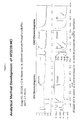
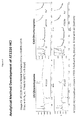
Figure 1 shows stability of 1-deoxynojirimycin hydrochloride (1-DNJ-HCl or AT2220) in sodium phospahate buffer solution compared to stability in water as described in Example 2. The stability was measured by normal phase high performance liquid chromatography (NP-HPLC). The left spectra shows 1-deoxynojirimycin as detected by UV detector, while the right spectra show 1-deoxynojirimycin as detected by Charged Aerosol Detector (CAD). -
Figure 2 shows stability of 1-deoxynojirimycin chloride in sodium acetate buffer solution compared to stability in water as described in Example 3. The stability was measured by normal phase high performance liquid chromatography (NP-HPLC). The left spectra shows 1-deoxynojirimycin as detected by UV detector, while the right spectra show 1-deoxynojirimycin as detected by Charged Aerosol Detector (CAD). -
Figure 3 shows stability of 1-deoxynojirimycin chloride in sodium citrate buffer solution with an addition of EDTA under the nitrogen atmosphere as described in Example 4. The stability was measured by normal phase high performance liquid chromatography (NP-HPLC). The left spectra shows 1-deoxynojirimycin as detected by UV detector, while the right spectra show 1-deoxynojirimycin as detected by Charged Aerosol Detector (CAD). -
Figure 4 shows stability of 1-deoxynojirimycin chloride in sodium citrate buffer solution compared to stability in water as described in Example 5. The stability was measured by normal phase high performance liquid chromatography (NP-HPLC). The left spectra shows 1-deoxynojirimycin as detected by UV detector, while the right spectra show 1-deoxynojirimycin as detected by Charged Aerosol Detector (CAD). -
Figure 5 shows stability of 1-deoxynojirimycin chloride in sodium citrate buffer solution compared to stability in water as described in Example 6. The stability was measured by normal phase high performance liquid chromatography (NP-HPLC). The left spectra shows 1-deoxynojirimycin as detected by UV detector, while the right spectra show 1-deoxynojirimycin as detected by Charged Aerosol Detector (CAD). - The presently disclosed parenteral formulations include 1-DNJ (also referred to as DNJ), or a salt or derivative thereof. In one embodiment, the parenteral formulation includes 1-DNJ-HCl. In another embodiment, the formulation includes a derivative of 1-DNJ, such as N-butyl deoxynojirimycin. The derivative of 1-DNJ (e.g., N-butyl deoxynojirimycin) may be found in addition to, or in place of, 1-DNJ or 1-DNJ-HCl.
- As noted above, the active agent is selected from 1-deoxynojirimycin, a pharmaceutically acceptable salt thereof, or a derivative thereof. The concentration of the active agent in the formulation can, in certain non-limiting embodiments, range from about 10 mg/ml to about 100 mg/ml, or from about 20 mg/mgl to about 50 mg/ml, or from about 20 mg/ml to about 35 mg/ml. In some embodiments the concentration of the active agent in the formulation can be 20 mg/ml, 21 mg/ml, 22 mg/ml, 23 mg/ml, 24 mg/ml, 25 mg/ml, 26 mg/ml, 27 mg/ml, 28 mg/ml, 29 mg/ml, 30 mg/ml, 31 mg/ml, 32 mg/ml, 33 mg/ml, 34 mg/ml or 35 mg/ml. In some embodiments the concentration of the active agent in the formulation can be about 30 mg/ml. In some embodiments concentration of 1-deoxynojirimycin as a free base in the formulation can be about 25mg/ml.
- In certain embodiments, the pH of the formulation is from about 3 to about 9 or to about 10, or from about 3 to about 6, or from about 3.0 to about 5.5. In one embodiment, the pH of the formulation is below 6.0, or below 5.5. It has been found that discoloration may occur in 1-DNJ/buffer formulations with a pH in the range of about 6.0 -7.5. In some embodiments the pH of the formulation can be 3.0, 3.1, 3.2, 3.3, 3.4, 3.5, 3.6, 3.7, 3.8, 3.9, 4.0, 4.1, 4.2, 4.3, 4.4, 4.5, 4.6, 4.7, 4.8, 4.9, 5.0, 5.1, 5.2, 5.3, 5.4, 5.5, 5.6, 5.7, 5.8, 5.9 or 6.0. In some embodiments the pH of the formulation can be about 5.0.
- The formulation contains a buffer. The buffer is sodium citrate. The concentration of the buffer is 20 mM to 75 mM.
- In some embodiments the formulation includes a chelating agent, such as EDTA or EGTA. In some embodiments, EDTA is present in the formulation at a concentration from 0.005% to 0.25% (w/v), or from 0.01% to 0.1% (w/v). In one embodiment, EDTA is present in the formulation at a concentration of about 0.05 % (w/v).
- In one embodiment, the presently disclosed parenteral formulation is stored under a nitrogen atmosphere. In one embodiment, the presently disclosed parenteral formulation is stored under an air atmosphere. In one embodiment, the presently disclosed parenteral formulation are stored under a combination of nitrogen and air atmosphere. In one embodiment, the presently disclosed parenteral formulation are stored at below 45°C, or below 25°C, or below 15°C, or below 10°C.
- In one embodiment, the osmolality of the presently disclosed parenteral formulation ranges from about 280 to about 320 mOsm/kg. In an alternative embodiment, the osmolality of the presently disclosed is below about 500 mOsm/kg, or below about 450 mOsm/kg. In one embodiment, the concentration of 1-DNJ-HCl is about 30 mg/mL, the concentration of the buffer is 40 mM and osmolality of about 374 mOsm/kg. In another embodiment, the concentration of 1-DNJ as a free base is about 25 mg/mL, the concentration of the buffer is 40 mM and osmolality of about 374 mOsm/kg. In another embodiment, the concentration of 1-DNJ-HCl is about 30 mg/mL, the concentration of the buffer is 50 mM and osmolality of about 400 mOsm/kg. In another embodiment, the concentration of 1-DNJ as a free base is about 25 mg/mL, the concentration of the buffer is 50 mM and osmolality of about 400 mOsm/kg. In other embodiments 1-DNJ-HCl concentration will be from about 30 mg/mL to about 60 mg/mL.
- In one embodiment the formulation is suitable for subcutaneous administration. In one embodiment the formulation is suitable for intravenous (IV) administration.
- In one embodiment, the 1-DNJ-HCl is present at a concentration of about 30 mg/mL and the buffer is present at a concentration of about 50 mM at pH of about 5. In one embodiment, the 1-DNJ, as a free base is present at a concentration of about 25 mg/mL and the buffer is present at a concentration of about 50 mM at pH of about 5. In one embodiment, the formulation is stored under the nitrogen atmosphere and at a temperature of from about 2°C to about 8°C. In one embodiment, the formulation is stored under the nitrogen atmosphere and at a temperature of from about 23°C to about 27°C. In one embodiment, the formulation is stored under the nitrogen atmosphere and at a temperature of from about 38°C to about 42°C.
- In one embodiment, the pharmaceutical composition contains 30 mg/mL of 1-DNJ-HCL at pH 5 and a 40 mM sodium citrate buffer. In one embodiment, the pharmaceutical composition contains 25 mg/mL of 1-DNJ, as a free base at pH 5 and a 40 mM sodium citrate buffer. In one embodiment, the pharmaceutical composition contains 30 mg/mL of 1-DNJ-HCL at
pH 5, 40 nM sodium citrate buffer and 0.05% w/v EDTA. In one embodiment, the pharmaceutical composition contains 25 mg/mL of 1-DNJ, as a free base atpH 5, 40 nM sodium citrate buffer and 0.05% w/v EDTA. - In one embodiment,the pharmaceutical composition contains 30 mg/mL of 1-DNJ-HCL at pH5 and a 50 mM sodium citrate buffer. In one embodiment, the pharmaceutical composition contains 30 mg/mL of 1-DNJ-HCL at pH 5, 50 nM sodium citrate buffer and 0.05% w/v EDTA.
- In one embodiment, the pharmaceutical composition contains 25 mg/mL of 1-DNJ, as a free base, at pH 5 and a 50 mM sodium citrate buffer. In one embodiment, the pharmaceutical composition contains 25 mg/mL of 1-DNJ, as a free base, at pH 5, 50 nM sodium citrate buffer and 0.05% w/v EDTA.
- Other pharmaceutically acceptable excipients which may be included in the formulation as buffers include bicarbonate buffer, amino acids, urea, alcohols, ascorbic acid, phospholipids; proteins, such as serum albumin, collagen, and gelatin; salts such as EDTA or EGTA, and sodium chloride; liposomes; polyvinylpyrollidone; sugars, such as dextran, mannitol, sorbitol, and glycerol; propylene glycol and polyethylene glycol (e.g., PEG-4000, PEG-6000); glycerol; glycine or other amino acids; and lipids. A non-exclusive list of acceptable excipients is listed in the Table 1.
Table 1. List of excipients Excipient pH Range Acetate Sodium 2.5 - 7.0 Acetic acid 2.5 - 7.2 Glacial acetic acid 3.5 - 7.0 Ammonium 6.8 - 7.8 Ammonium sulfate - Ammonium hydroxide - Arginine 7.0 - 7.4 Aspartic acid 5.0 - 5.6 Benzene sulfonic acid 3.25 - 3.65 Benzoate sodium/acid 3.5 - 6.9 Bicarbonate, sodium 5.5 - 11.0 Boric acid/sodium - Carbonate, sodium 4.0 - 11.0 Citrate Acid 2.5 - 9.0 Sodium 3.0 - 8.5 Disodium 6.1 Trisodium 6.1 Diethanolamine 9.5 - 10.5 Glucono delta lactone 5.5 - 7.0 Glycine/glycine HCl 2.5 - 10.8 Histidine/histidine HCl 5.0 - 6.5 Hydrochloric acid Broad range Hydrobromic acid 3.5 - 6.5 Lactate sodium/acid 2.7 - 5.8 Lysine (L) - Maleic acid 3.0 - 5.0 Megulmine 6.5 - 11.0 Methanesulfonic acid 3.2 - 4.0 Monoethanolamine 8.0 - 9.0 Phosphate Acid 6.5 - 8.5 Monobasic potassium 6.7 - 7.3 Dibasic potassium 6.7 - 7.3 Monobasic sodium 2.5 - 8.0 Dibasic sodium 2.5 - 8.3 Tribasic sodium - Sodium hydroxide Broad range Succinate sodium/disodium 5.0 - 6.0 Sulfuric acid 3.0 - 7.0 Tartrate sodium/acid 2.5 - 6.2 Tromethamine (Tris) 6.5 - 9.0 Adapted from: Nema, S et. al. (2011). Excipients and their role in approved injectable products: current usage and future directions. PDA J Pharm Sci and Tech, 65, 287-332. - The following representative buffer compositions were prepared by admixing the ingredients set forth below. The buffers used in Comparative Examples 2 & 3 and Examples 4-6 below were prepared in a similar fashion, amounts of acidic and basic components modified, if necessary, to obtain the pH parameters specified therein.
Table 2. Components of 50 mM sodium citrate buffer, pH 5 Component Amount per ml Sodium Citrate Dihydrate 9.32 mg Citric Acid Monohydrate 3.85 mg Water q.s. to 1.0 mL Table 3. Components of 50 mM sodium acetate buffer, pH 5.5 Component Amount per ml Sodium Acetate Trihydrate 5.92 mg Glacial Acetic Acid 0.384 mg Water q.s. to 1.0 mL Table 4. Components of 100 mM sodium phosphate buffer, pH 7 Component Amount per ml Sodium Phosphate Monobasic Monohydrate 4.79 mg Sodium Phosphate Dibasic, Anhydrous 9.26 mg Water q.s. to 1.0 mL - Deionized and/or distilled water can be used in place of water.
- 1-DNJ-HCl was dissolved in sodium phosphate buffer. 1-DNJ-HCl concentration was 60 mg/mL; sodium phosphate buffer concentration was 100 mM at pH 4.89. The formulation was stored at 60°C for 4 days. 1-DNJ-HCl solution in water was used as a control. Reaction rate for small molecules such as 1-DNJ-HCl generally follows Arrhenius equation where reaction rate nearly doubles for every 10°C increase in the temperature. Thus, under this model, the reaction rate at 60°C would be 25 or 32 times the reaction rate at 10°C. Therefore during 4 days at 60°C 1-DNJ-HCl would degrade by approximately the same percentage as during 128 days (4∗32) at 10°C.
- The stability of 1-DNJ-HCl was measured by normal phase high performance liquid chromatography (NP-HPLC). 1-DNJ-HCl was recorded by UV chromatograms and by Charged Aerosol Detector (CAD) chromatograms. Mobile phase consisted of ACN/30mM Ammonium Acetate (90/10, v/v). The flow rate was 1.0ml/min with 5 µl injection at 400°C. UV absorbance was measured at 220nm. CAD detector settings were 35.0 psi, Gain: 100pA.
- The results are shown in the
Figure 1 . 1-DNJ-HCl was still present in the sodium phosphate buffer solution after 4 days at 60°C. Additionally, both UV and CAD chromatograms detected presence of new compounds in the phosphate buffer solution. The peaks, corresponding to the new compounds are highlighted by the red arrows on theFigure 1 . Additionally a discoloration of the phosphate buffer solution was observed. No new compounds were detected in the control 1-DNJ-HCl aqueous solution. The aqueous solution remainded clear after 4 days at 60°C. - Inclusion of 1-DNJ-HCl in a sodium phosphate buffer in this Example resulted in discoloration of 1-DNJ-HCl. Furthermore, High Performace Liquid Chromatography (HPLC) indicated presence of additional compounds in 1-DNJ-HCl formulation in the sodium phosphate buffer. The presence of additional compounds indicated that 1-DNJ-HCl is not stable in the sodium phosphate buffer under the conditions of this Example.
- 1-DNJ-HCl was dissolved in sodium acetate buffer. The 1-DNJ-HCl concentration was 60 mg/mL; sodium acetate buffer concentration was 50 mM at pH 5.5. The formulation was stored at 60°C for 4 days. 1-DNJ-HCl solution in water was used as control. Reaction rate for small molecules such as 1-DNJ-HCl generally follows the Arrhenius equation, in which the reaction rate nearly doubles for every 10°K increase in the temperature. Thus the reaction rate, under this model, at 60°C would be 25 or 32 times the reaction rate at 10°C. Therefore during 4 days at 60°C 1-DNJ-HCl would degrade by approximately same percentage as during 128 days at at 10°C.
- The stability of 1-DNJ-HCl was measured by NP-HPLC. Presence of 1-DNJ-HCl was recorded by UV absorbance detector and by Charged Aerosol Detector. Mobile phase consisted of ACN/30mM Ammonium Acetate (90/10, v/v). The flow rate was 1.0ml/min with 5 µl injection at 400C. UV absorbance was measured at 220nm. CAD detector settings were 35.0 psi, Gain: 100pA.
- The results are shown in the
Figure 2 . 1-DNJ-HCl was still present in the sodium acetate buffer solution after 4 days at 60°C. Additionally, both UV and CAD chromatograms detected presence of new compounds in the acetate buffer solution. The peaks, corresponding to the new compounds are highlighted by the red arrows inFigure 2 . Additionally a discoloration of the acetate buffer solution was observed. No new compounds were detected in the control 1-DNJ-HCl aqueous solution. The aqueous solution remainded clear after 4 days at 60°C. - 1-DNJ-HCl was dissolved in sodium citrate buffer that further includes EDTA. 1-DNJ-HCl concentration was 60 mg/mL; sodium citrate buffer concentration was 50 mM at pH 4.6. The EDTA concentration was 0.05% w/v. Some samples were stored under the nitrogen atmosphere (essentially 100% nitrogen) while others were stored under air. The formulation was stored at 60°C for 8 days.
- Stability of 1-DNJ-HCl was measured by NP-HPLC. Presence of 1-DNJ-HCl was recorded by UV absorbance detector and by Charged Aerosol Detector. Mobile phase consisted of ACN/30mM Ammonium Acetate (90/10, v/v). The flow rate was 1.0ml/min with 5 µl injection at 400C. UV absorbance was measured at 220nm. CAD detector settings were 35.0 psi, Gain: 100pA.
- The results are shown in the
Figure 3 . 1-DNJ-HCl was still present in the sodium citrate buffer solution after 8 days at 60°C. No new compounds were detected in the samples stored under nitrogen atmosphere. The solution remained clear with no visible discoloration. A combination of nitrogen atmosphere and EDTA preserved stability and integrity of AT2220. The samples stored under air showed presence of new compounds in the acetate buffer solution. The amount of these compounds was lower than in Examples 1 and 2, based on number and size of the additional peaks. The peaks corresponding to the new compounds are highlighted by the red arrows inFigure 3 . Additionally slight discoloration of the citrate buffer formulation, stored under air was observed. - 1-DNJ-HCl was dissolved in sodium citrate buffer. 1-DNJ-HCl concentration was 60 mg/mL; sodium citrate buffer concentration was 50 mM at pH 4.7. The formulation was stored at 60°C for 8 days. 1-DNJ-HCl solution in water was used as control.
- Stability of 1-DNJ-HCl was measured by NP-HPLC. Presence of 1-DNJ-HCl was recorded by UV absorbance detector and by Charged Aerosol Detector. Mobile phase consisted of ACN/30mM Ammonium Acetate (90/10, v/v). The flow rate was 1.0ml/min with 5 µl injection at 400C. UV absorbance was measured at 220nm. CAD detector settings were 35.0 psi, Gain: 100pA.
- The results are shown in the
Figure 4 . 1-DNJ-HCl was still present in the sodium citrate buffer solution after 8 days at 60°C. Based on these results, EDTA does not appear required for 1-DNJ-HCl formulation stability. No new compounds were detected in the control 1-DNJ-HCl aqueous solution. No discoloration was observed in the aqueous solution after 8 days at 60°C. - 1-DNJ-HCl was dissolved in sodium citrate buffer. 1-DNJ-HCl concentration was 60 mg/mL; sodium citrate buffer concentration was 50 mM at pH 5.0. The formulation was stored at 60°C for 17 days. The samples were stored under the nitrogen atmosphere (essentially 100% nitrogen). 1-DNJ-HCl solution in water was used as control. Reaction rate for small molecules such as 1-DNJ-HCl generally follows Arrhenius equation where reaction rate nearly doubles for every 10°K increase in the temperature. Thus reaction rate at 60°C would be 25 or 32 times the reaction rate at 10°C. Therefore during 17 days at 60°C AT2220 would degrade, under this model, by approximately same percentage as during 17 multiplied by 32 days or about 17 months.
- Stability of 1-DNJ-HCl was measured by NP-HPLC. Presence of 1-DNJ-HCl was recorded by UV absorbance detector and by Charged Aerosol Detector. Mobile phase consisted of ACN/30mM Ammonium Acetate (90/10, v/v). The flow rate was 1.0ml/min with 5 µl injection at 400°C. UV absorbance was measured at 220nm. CAD detector settings were 35.0 psi, Gain: 100pA.
- The results are shown in
Figure 4 . 1-DNJ-HCl was still present in the sodium citrate buffer solution after 17 days at 60°C under nitrogen atmosphere. No new compounds were detected in the control 1-DNJ-HCl aqueous solution. No discoloration was observed in the aqueous solution after 17 days at 60°C. - In summary, 1-DNJ-HCl formulations in sodium phoshpate and sodium acetate buffers resulted in discoloration. Furthermore, HPLC indicated presence of additional compounds in 1-DNJ-HCl formulation in the sodium phosphate and sodium acetate buffer. In contrast, 1-DNJ-HCl formulation in sodium citrate buffer showed little to no discoloration and little to no presence of additional compounds. Based on the results of these Examples, 1-DNJ-HCl formulation is most stable in sodium citrate buffer.
- Storage of samples under nitrogen atmosphere (essentially 100%) nitrogen preserves stability and integrity of 1-deoxynojirimycin chloride formulation greater than storage under air. (See examples 3 and 5).
- Based on the results of these Examples, the presence of EDTA is not necessary for preserving stability and integrity of 1-deoxynojirimycin chloride formulations. (See examples 4 and 5).
- The molallity of 1-deoxynojirimycin chloride (1-DNJ-HCl) was determined by freezing point depreciation. 1-deoxynojirimycin chloride concentration ranged from 30 mg/mL to 60 mg/mL. Sodium citrate concentration ranged from 20 to 50 mM.
- The results are presented below in Table 5.
Table 5. 1-deoxynojirimycin chloride osmolality Osmolality (mOsm/kg) Sodium Citrate Buffer Concentration 1-DNJ-HCl (mg/mL) 50 mM 45 mM 40 mM 35 mM 30 mM 25 mM 20 mM 60 654 638 623 607 592 576 560 55 613 597 581 566 550 535 519 50 571 555 540 524 509 493 477 45 530 514 498 483 467 452 436 40 488 472 457 441 426 410 394 35 447 431 415 400 384 369 353 30 405 389 374 358 343 327 311 - The results show that 1-DNJ-HCl concentration of 30 mg/mL (resulting in free 1-DNJ concentration of 25 mg/mL) in 50 mM Sodium Citrate buffer will result in osmolality of 405 mOsm/kg. Ideally osmolality of the formulation for parenteral formulation would be 280-320 mOsm/kg so that the formulation would be isotonic with the target tissue or blood. Osmolality of about 500 mOsm/kg or below is generally regarded as acceptable for clinical trials as it does not cause deleterious health effects when administered to a human, such as irritation.
- 1-DNJ-HCl was dissolved in sodium citrate buffer. 1-DNJ-HCl concentration was 30 mg/mL (resulting free 1-DNJ concentration was 25 mg/mL); sodium citrate buffer concentration was 50 mM at pH 5.0. Two batches were made each containing about a thousand samples. L-12-026 batch was stored for 6 months and E-13-014 batch was stored for 3 months. The samples were stored under the nitrogen atmosphere (essentially 100% nitrogen). 1-DNJ-HCl solution in water was used as control. The samples were stored at three different temperatures: 5°C ± 3°C, 25°C ± 2°C or 40°C ± 2°C. At 1, 3 and 6 months samples from each batch were collected and product stability was measured. Appearance and color was measured in APHA units. Appearance of below 100 APHA units is generally regarded as acceptable for clinical trials as an indication of stability.
- Results are presented below in Tables 6.1 -6.3. All samples appear as clear colorless solutions.
Table 6.1 Drug Product Stability Data for Appearance and Color at 5°C ± 3°C Storage Conditions. Batch Time (Months) 0 1 3 6 L-12-026 Conforms Conforms Conforms Conforms 0 0 0 0 E-13-014 Conforms Conforms Conforms - 0 0 0 Table 6.2 Drug Product Stability Data for Appearance and Color at 25°C ± 2°C Storage Conditions. Batch Time (Months) 0 1 3 6 L-12-026 Conforms Conforms Conforms Conforms 0 0 <10 0 E-13-014 Conforms Conforms Conforms - 0 0 0 Table 6.3 Drug Product Stability Data for Appearance and Color at 40°C ± 2°C Storage Conditions. Batch Time (Months) 0 1 3 6 L-12-026 Conforms Conforms Conforms Conforms 0 0 <10 10 E-13-014 Conforms Conforms Conforms - 0 0 0 - Results show that 1-DNJ-HCl formulation remains surprisingly stable. No discoloration is observed during 6 months storage at temperatures ranging from about 2°C to about 42°C.
- 1-DNJ-HCl was dissolved in sodium citrate buffer, under conditions described in Example 8. The samples were stored at two different temperatures: 5°C ± 3°C or 25°C ± 2°C. At 1, 3 and 6 months samples from each batch were collected and osmomolality was measured. Initial Osmomolality of the sample was about 405 mOsm/kg. Osmolality of about 300- 500 mOsm/kg is generally regarded as acceptable for clinical trials.
- Results are presented below in Tables 7.1 - 7.2.
Table 7.1 Drug Product Stability Data for Osmolality at 5°C ± 3°C Storage Conditions. Batch Time (Months) 0 1 3 6 L-12-026 403 403 403 404 E-13-014 403 405 405 - Table 7.2 Drug Product Stability Data for Osmolality at 25°C ± 2°C Storage Conditions. Batch Time (Months) 0 1 3 6 E-13-014 403 407 407 - Results show that the formulation demonstrates a remarkable stability. Osmolality remains unchanged after storage for 3 and 6 months at temperatures ranging from about 2°C to about 27°C. Furthermore, no trend to decrease osmolality is observed. Without being bound by a particular theory, the data indicates that osmolality is not going to significantly change during storage periods of about a year or longer.
- 1-DNJ-HCl was dissolved in sodium citrate buffer, under conditions described in Example 8. The samples were stored at two different temperatures: 5°C ± 3°C or 25°C ± 2°C. At 1, 3 and 6 months samples from each batch were collected and presense of particulate matter was measured as number of particles per container. Particles of two sizes were considered separately: particles greater or equal to 10µm and particles greater or equal to 25 µm. Presense of particules greater or equal to 10µm in the amount of less or equal to about 6000 per 10 mL containter is generally regarded as acceptable for clinical trials. Presense of particules greater or equal to 25 µm in the amount of less or equal to about 600 per 10 mL container is generally regarded as acceptable for clinical trials.
- Results are presented below in Tables 8.1 - 8.2. Number of particles in each sample is shown,
Table 8.1 Drug Product Stability Data for Particulate Matter at 5°C ± 3°C Storage Conditions. Batch Time (Months) 0 1 3 6 L-12-026 ≥ 10µm: 5 7 12 181 L-12-026 ≥ 25µm: <1 3 0 9 E-13-014 ≥ 10µm: 181 5 7 - E-13-014 ≥ 25µm: 9 1 1 Table 8.2 Drug Product Stability Data for Particulate Matter at 25°C ± 2°C Storage Conditions. Batch Time (Months) 0 1 3 6 E-13-014 ≥ 10µm: 181 1 3 - E-13-014 ≥ 25µm: 9 0 1 - - Results show that the formulation demonstrates a remarkable stability. There is no increase of particular matter of any kind after storage for 3 and 6 months at temperatures ranging from about 2°C to about 27°C. Furthermore, increase in particulate matter greater or equal to 25 µm. It indicates that particles do not aggregate to form larger particles. Without being bound by a particular theory the data indicates that amount of particles is not going to increase during storage periods of about a year or longer.
- 1-DNJ-HCl was dissolved in sodium citrate buffer, under conditions described in Example 8. The samples were stored at three different temperatures: 5°C ± 3°C, 25°C ± 2°C or 40°C ± 2°C. At 1, 3 and 6 months samples from each batch were collected and pH was measured. Initial pH of the solution was 5.0. Maintaining pH in the range of about 4.8 to about 5.4 is considered as acceptable indication of stability.
- Results are presented below in Tables 9.1-9.3.
Table 9.1 Drug Product Stability Data for pH at 5°C ± 3°C Storage Conditions. Batch Time (Months) 0 1 3 6 L-12-026 5.1 5.0 5.0 5.0 E-13-014 4.9 4.9 5.0 - Table 9.2 Drug Product Stability Data for pH at 25°C ± 2°C Storage Conditions. Batch Time (Months) 0 1 3 6 L-12-026 5.1 5.0 5.0 5.0 E-13-014 4.9 5.0 5.0 - Table 9.3 Drug Product Stability Data for Appearance and Color at 40°C ± 2°C Storage Conditions. Batch Time (Months) 0 1 3 6 L-12-026 5.1 5.0 5.0 5.0 E-13-014 4.9 4.9 5.0 - - Results show that the formulation demonstrates remarkable stability. There is no change of any kind in pH after storage for 3 and 6 months at temperatures ranging from about 2°C to about 42°C. Without being bound by a particular theory the data indicates that pH of the formulation is not going to increase during storage periods of about a year or longer.
- 1-DNJ-HCl was dissolved in sodium citrate buffer, under conditions described in Example 8. The samples were stored at three different temperatures: 5°C ± 3°C, 25°C ± 2°C or 40°C ± 2°C. At 1, 3 and 6 months samples from each batch were collected and concentration of 1-DNJ as a free base was measured. Initial concentration of 1-DNJ as a free base in the solution was about 25 mg/mL (corresponding to 30 mg/mL of 1-DNJ HCl). Maintaining concentration of 1-DNJ as a free base in the range of about 22 to about 27 mg/mL (90-110%) is considered as acceptable indication of stability.
- Results are presented below in Tables 10.1-10.3.
Table 10.1 Drug Product Stability Data for pH at 5°C ± 3°C Storage Conditions. Batch Time (Months) 0 1 3 6 L-12-026 26.9(110%) 25.5 (104%) 25.6 (104%) 26.0 (106%) E-13-014 25.7(103%) 26.1 (104%) 27.0 (108%) - Table 10.2 Drug Product Stability Data for pH at 25°C ± 2°C Storage Conditions. Batch Time (Months) 0 1 3 6 L-12-026 26.9(110%) 25.7 (105%) 25.6 (104%) 25.9 (106%) E-13-014 25.7(103%) 25.2 (101%) 25.7 (103%) - Table 10.3 Drug Product Stability Data for Appearance and Color at 40°C ± 2°C Storage Conditions. Batch Time (Months) 0 1 3 6 L-12-026 26.9(110%) 25.5 (104%) 24.4 (99%) 26.2 (107%) E-13-014 25.7(103%) 25.6 (102%) 25.1 (100%) - - Results show that the formulation demonstrates a remarkable stability. There is no significant change of in concentration after storage for 3 and 6 months at temperatures ranging from about 2°C to about 42°C. High concentration value at initial time point was caused by variability of reference standard injections and was not determined to be formulation or stability related. There is no visible pattern for increase or descrease in concentration. Without being bound by a particular theory the data indicates that concentration of the formulation is not going to increase during storage periods of about a year or longer.
- 1-DNJ-HCl was dissolved in sodium citrate buffer. 1-DNJ-HCl concentration was 30 mg/mL (resulting free 1-DNJ concentration was 25 mg/mL); sodium citrate buffer concentration was 50 mM at pH 5.0. 1-DNJ-HCl formulation was added to whole blood samples of male human, rat, and cynomolgus monkey. 500 µM of 1-DNJ-HCl formulation was mixed with 500 µM of blood sample. Buffer served as a negative control, while Triton-X 100 (Lysing agent) served as a positive control. Additionally blood sample without any additions was used as a negative control.
- The samples were stored at 4°C. Blood samples were incubated at 37 °C for 30 minutes with the 1-DNJ-HCl formulation, after which the samples were centrifuged. The amount of hemoglobin in the supernatant from each centrifuged sample was measured using a commercially available hemoglobin assay kit (BioAssay Systems, QuantiChromTM Hemoglobin Assay Kit) and the Tecan microplate reader.
- Results are presented below in Table 11.
Table 11. Hemolytic Potential of 1-DNJ-HCl in Whole Blood Species Samples: 500 µL blood volume was mixed with 500 µL of the following: Dilution Avg OD (n=4) Std Dev (mg/dL) Hemoglobin (mg/dL) % RBC lysis Human 30 mg/ mL AT2220 1 0.0755 0.005 19 0.0 % Vehicle 1 0.0706 0.005 18 0.0% - 1 0.2568 0.030 64 0.7% 0.1% Triton X-100 100 0.2768 0.002 6899 100.0% Monkey 30 mg/ mL AT2220 1 0.0649 0.004 16 0.1 % Vehicle 1 0.0488 0.001 12 0.0% - 1 0.2989 0.036 74 1.3% 0.1% Triton X-100 100 0.2000 0.004 4984 100.0% Rat 30 mg/ mL AT2220 1 0.3535 0.078 88 -0.3 % Vehicle 1 0.4304 0.041 107 0.0% - 1 0.5634 0.021 140 0.5% 0.1% Triton X-100 100 0.2567 0.007 6398 100.0% - Results show that the formulation demonstrates a surprising lack of hemolytic potential. No hemolysis of erythrocytes in human, Sprague Dawley rat, or Cynomolgus monkey whole blood was detected with the vehicle or undiluted 1-DNJ-HCl formulation mixtures. The 1-DNJ-HCl formulation and its vehicle did not result in any detectable hemolysis in whole blood from any of the three species tested in this assay. Without being bound by a particular theory the data indicates that the formulation is not going to cause deleterious health effects such as pain or irritation when administered to the subject. The 1-DNJ-HCl formulation demonstrates a remarkable safety as it does not cause vascular irritation.
- Those skilled in the art will recognize, or be able to ascertain using no more than routine experimentation, that while the invention herein has been described with reference to particular embodiments, it is to be understood that these embodiments are merely illustrative of the principles and applications of the present invention. It is therefore to be understood that numerous modifications may be made to the illustrative embodiments and that other arrangements may be devised without departing from the scope of the present invention as defined by the appended claims.
- In the claims articles such as "a," "an," and "the" may mean one or more than one unless indicated to the contrary or otherwise evident from the context. Claims or descriptions that include "or" between one or more members of a group are considered satisfied if one, more than one, or all of the group members are present in, employed in, or otherwise relevant to a given product or process unless indicated to the contrary or otherwise evident from the context. The invention includes embodiments in which exactly one member of the group is present in, employed in, or otherwise relevant to a given product or process. The invention includes embodiments in which more than one, or all of the group members are present in, employed in, or otherwise relevant to a given product or process. Furthermore, it is to be understood that the invention encompasses all variations, combinations, and permutations in which one or more limitations, elements, clauses, descriptive terms, etc., from one or more of the listed claims is introduced into another claim. For example, any claim that is dependent on another claim can be modified to include one or more limitations found in any other claim that is dependent on the same base claim.
- Where elements are presented as lists, e.g., in Markush group format, it is to be understood that each subgroup of the elements is also disclosed, and any element(s) can be removed from the group. It should it be understood that, in general, where the invention, or aspects of the invention, is/are referred to as comprising particular elements, features, etc., certain embodiments of the invention or aspects of the invention consist, or consist essentially of, such elements, features, etc. For purposes of simplicity those embodiments have not been specifically set forth in haec verba herein. It is noted that the term "comprising" is intended to be open and permits the inclusion of additional elements or steps.
- Where ranges are given, endpoints are included. Furthermore, it is to be understood that unless otherwise indicated or otherwise evident from the context and understanding of one of ordinary skill in the art, values that are expressed as ranges can assume any specific value or subrange within the stated ranges in different embodiments of the invention, to the tenth of the unit of the lower limit of the range, unless the context clearly dictates otherwise.
- In addition, it is to be understood that any particular embodiment of the present invention that falls within the prior art may be explicitly excluded from any one or more of the claims. Since such embodiments are deemed to be known to one of ordinary skill in the art, they may be excluded even if the exclusion is not set forth explicitly herein. Any particular embodiment of the compositions of the invention (e.g., any targeting moiety, any disease, disorder, and/or condition, any linking agent, any method of administration, any therapeutic application, etc.) can be excluded from any one or more claims, for any reason, whether or not related to the existence of prior art.
- Publications discussed above and throughout the text are provided solely for their disclosure prior to the filing date of the present application. Nothing herein is to be construed as an admission that the inventors are not entitled to antedate such disclosure by virtue of prior disclosure.
Claims (14)
- A stable pharmaceutical composition comprising:a) an active agent selected from 1-deoxynojirimycin or N-butyl-deoxynojirimycin, or a pharmaceutically acceptable salt thereof, andb) a sodium citrate buffer,
wherein the buffer is present at a concentration of 20 mM to 75 mM, and
wherein the stable pharmaceutical composition is shelf-stable for at least about one year under an atmosphere selected from nitrogen, air or a combination thereof, and a temperature of from about 2°C to about 42°C and is capable of being parenterally administered, preferably capable of being one or more of subcutaneously and intravenously administered, to a human without deleterious health effects. - The stable pharmaceutical composition of claim 1, wherein the active agent is 1-deoxynojirimycin hydrochloride.
- The stable pharmaceutical composition of claim 1, wherein the active agent is N-butyl-deoxynojirimycin, or a pharmaceutically acceptable salt thereof.
- The stable pharmaceutical composition of any one of the preceding claims, wherein the pharmaceutical composition is at a pH of from 4.6 to 5.5, preferably of about 5.
- The stable pharmaceutical composition of claim 4, wherein the active agent is present at a concentration of from 1 mg/ml to 100 mg/mL, preferably of from 1 mg/ml to 60 mg/mL, more preferably of from 25 mg/mL to 30 mg/mL.
- The stable pharmaceutical composition of claim 5, wherein the buffer is present at a concentration of about 50 mM.
- The stable pharmaceutical composition of any one of the preceding claims, wherein the total amount of active agent is about 300 mg and the total volume of the composition is about 10.5 mL.
- The stable pharmaceutical composition of claim 1, further comprising a chelating agent.
- The stable pharmaceutical composition of claim 8, wherein the chelating agent is EDTA.
- The stable pharmaceutical composition of claim 9, wherein the active agent is present at a concentration of 30mg/mL or 25 mg/ml, the buffer is present at a concentration of about 50 mM, and EDTA is present at a concentration of about 0.05% weight by volume.
- A method for increasing the stability of an active agent selected from 1-deoxynojirimycin or N-butyl-deoxynojirimycin, or a pharmaceutically acceptable salt thereof, in a formulation for a parenteral administration to a human, comprising introducing a sodium citrate buffer to the active agent to prepare the formulation and storing the formulation under an atmosphere selected from nitrogen, air or a combination thereof, preferably a nitrogen atmosphere, and at a temperature of from 2°C to 42°C, wherein the buffer is present at a concentration of 20 mM to 75 mM.
- The method of claim 11, wherein the 1-deoxynojirimycin or N-butyl-deoxynojirimycin formulation is shelf-stable for at least about one year.
- The method of claim 12, wherein the 1-deoxynojirimycin or N-butyl-deoxynojirimycin formulation is shelf-stable at a temperature of from 2°C to 8°C or from 23°C to 27°C or from 38°C to 42°C.
- A kit for parenteral administration, preferably for intravenous or subcutaneous administration, to a human of a stable pharmaceutical composition, comprising:a) an active agent selected from 1-deoxynojirimycin or N-butyl-deoxynojirimycin, or a pharmaceutically acceptable salt thereof, andb) a sodium citrate buffer,
wherein the buffer is present at a concentration of 20 mM to 75 mM, and
wherein the composition is shelf-stable for at least about one year under an atmosphere selected from nitrogen, air or a combination thereof, preferably a nitrogen atmosphere, and a temperature of from 2°C to 42°C.
Applications Claiming Priority (3)
| Application Number | Priority Date | Filing Date | Title |
|---|---|---|---|
| US201361750677P | 2013-01-09 | 2013-01-09 | |
| US201361914839P | 2013-12-11 | 2013-12-11 | |
| PCT/US2014/010891 WO2014110270A1 (en) | 2013-01-09 | 2014-01-09 | Stable parenteral dnj compositions |
Publications (4)
| Publication Number | Publication Date |
|---|---|
| EP2943200A1 EP2943200A1 (en) | 2015-11-18 |
| EP2943200A4 EP2943200A4 (en) | 2016-05-18 |
| EP2943200B1 EP2943200B1 (en) | 2019-12-18 |
| EP2943200B9 true EP2943200B9 (en) | 2020-07-22 |
Family
ID=51167373
Family Applications (1)
| Application Number | Title | Priority Date | Filing Date |
|---|---|---|---|
| EP14738292.3A Active EP2943200B9 (en) | 2013-01-09 | 2014-01-09 | Stable parenteral dnj compositions |
Country Status (8)
| Country | Link |
|---|---|
| US (2) | US9827189B2 (en) |
| EP (1) | EP2943200B9 (en) |
| CN (1) | CN104918619B (en) |
| AU (2) | AU2014205378B2 (en) |
| CA (1) | CA2897432A1 (en) |
| ES (1) | ES2779006T3 (en) |
| MX (1) | MX2015008837A (en) |
| WO (1) | WO2014110270A1 (en) |
Families Citing this family (9)
| Publication number | Priority date | Publication date | Assignee | Title |
|---|---|---|---|---|
| WO2014110270A1 (en) * | 2013-01-09 | 2014-07-17 | Amicus Therapeutics, Inc. | Stable parenteral dnj compositions |
| KR102747683B1 (en) | 2015-12-30 | 2024-12-31 | 아미쿠스 세라퓨틱스, 인코포레이티드 | Augmented acid alpha-glucosidase for the treatment of pompe disease |
| SG11201808455VA (en) | 2016-03-30 | 2018-10-30 | Amicus Therapeutics Inc | Formulations comprising recombinant acid alpha-glucosidase |
| NZ748599A (en) | 2016-04-21 | 2022-08-26 | Baylor College Medicine | Compositions and methods for the treatment of lysosomal storage disorders and disorders characterized by lysosomal dysfunction |
| ES2950808T3 (en) * | 2017-05-15 | 2023-10-13 | Amicus Therapeutics Inc | Recombinant human acid alpha-glucosidase |
| JP7771045B2 (en) | 2019-07-09 | 2025-11-17 | ジェネトン | Treatment of glycogen storage disease (GSD) |
| CN111965278A (en) * | 2020-08-07 | 2020-11-20 | 广西壮族自治区蚕业技术推广站 | Kit and method for detecting content of 1-deoxynojirimycin in mulberry twigs |
| WO2022227287A1 (en) * | 2021-04-25 | 2022-11-03 | 中南大学 | Use of dnj and derivative thereof in preparation of drug for preventing and/or treating pulmonary arterial hypertension |
| ES3031740T3 (en) | 2022-10-07 | 2025-07-10 | Theranexus | Palatable liquid solution containing high concentration of miglustat |
Family Cites Families (9)
| Publication number | Priority date | Publication date | Assignee | Title |
|---|---|---|---|---|
| US6291657B1 (en) * | 1993-05-13 | 2001-09-18 | Monsanto Company | Deoxygalactonojirimycin derivatives |
| US6274597B1 (en) | 1998-06-01 | 2001-08-14 | Mount Sinai School Of Medicine Of New York University | Method of enhancing lysosomal α-Galactosidase A |
| CN101355971A (en) * | 2005-05-17 | 2009-01-28 | 阿米库斯治疗学公司 | Method of treating Pompe disease using 1-deoxynojirimycin derivatives |
| AU2006247065B8 (en) | 2005-05-17 | 2012-07-12 | Amicus Therapeutics, Inc. | A method for the treatment of Pompe disease using 1-deoxynojirimycin derivatives |
| WO2010056746A1 (en) * | 2008-11-11 | 2010-05-20 | Amicus Therapeutics, Inc. | Therapy regimens, dosing regimens and stable medicaments for the treatment of pompe disease |
| WO2011103114A1 (en) * | 2010-02-17 | 2011-08-25 | Hememics Biotechnologies, Inc. | Preservation solutions for biologics and methods related thereto |
| GB201006434D0 (en) * | 2010-04-19 | 2010-06-02 | Summit Corp Plc | Novel iminosugar combinations |
| KR20230066482A (en) * | 2012-03-07 | 2023-05-15 | 아미쿠스 세라퓨틱스, 인코포레이티드 | High concentration alpha-glucosidase compositions for the treatment of pompe disease |
| WO2014110270A1 (en) * | 2013-01-09 | 2014-07-17 | Amicus Therapeutics, Inc. | Stable parenteral dnj compositions |
-
2014
- 2014-01-09 WO PCT/US2014/010891 patent/WO2014110270A1/en not_active Ceased
- 2014-01-09 MX MX2015008837A patent/MX2015008837A/en unknown
- 2014-01-09 EP EP14738292.3A patent/EP2943200B9/en active Active
- 2014-01-09 CA CA2897432A patent/CA2897432A1/en not_active Abandoned
- 2014-01-09 CN CN201480004374.9A patent/CN104918619B/en active Active
- 2014-01-09 ES ES14738292T patent/ES2779006T3/en active Active
- 2014-01-09 AU AU2014205378A patent/AU2014205378B2/en active Active
- 2014-01-09 US US14/759,770 patent/US9827189B2/en active Active
-
2017
- 2017-11-27 US US15/822,655 patent/US10117830B2/en active Active
-
2018
- 2018-08-15 AU AU2018217271A patent/AU2018217271A1/en not_active Abandoned
Also Published As
| Publication number | Publication date |
|---|---|
| AU2014205378B2 (en) | 2018-08-30 |
| AU2014205378A1 (en) | 2015-07-23 |
| EP2943200A4 (en) | 2016-05-18 |
| US10117830B2 (en) | 2018-11-06 |
| CN104918619A (en) | 2015-09-16 |
| US9827189B2 (en) | 2017-11-28 |
| EP2943200B1 (en) | 2019-12-18 |
| CN104918619B (en) | 2019-04-02 |
| ES2779006T3 (en) | 2020-08-13 |
| HK1214956A1 (en) | 2016-08-12 |
| CA2897432A1 (en) | 2014-07-17 |
| US20180078497A1 (en) | 2018-03-22 |
| US20150352042A1 (en) | 2015-12-10 |
| EP2943200A1 (en) | 2015-11-18 |
| WO2014110270A1 (en) | 2014-07-17 |
| MX2015008837A (en) | 2015-10-14 |
| AU2018217271A1 (en) | 2018-09-06 |
Similar Documents
| Publication | Publication Date | Title |
|---|---|---|
| EP2943200B1 (en) | Stable parenteral dnj compositions | |
| JP2024105244A (en) | High concentration alpha-glucosidase compositions for the treatment of pompe disease - Patents.com | |
| US9572887B2 (en) | Formulations of bendamustine | |
| EP3871688B1 (en) | Dosing regimens for the treatment of pompe disease | |
| EP3124023B1 (en) | Durable preparation of an injectable of melatonin exhibiting long-term stability | |
| TWI763632B (en) | Methods of sedation and parenteral formulation for use during critical care treatment | |
| US20210008089A1 (en) | Compositions and methods for treating an aggregation disease or disorder | |
| US11931362B2 (en) | Stable pharmaceutical formulations of pemetrexed | |
| EP3675819B1 (en) | Stable liquid compositions of pemetrexed | |
| KR100514009B1 (en) | 1,2,4-benzotriazine oxides formulations | |
| US20240180935A1 (en) | Solution formulation of cyclophosphamide | |
| HK40112795A (en) | Dosing regimens for the treatment of pompe disease | |
| US20230241218A1 (en) | Formulations of bendamustine | |
| HK40058710A (en) | Dosing regimens for the treatment of pompe disease | |
| HK1214956B (en) | Stable parenteral dnj compositions |
Legal Events
| Date | Code | Title | Description |
|---|---|---|---|
| PUAI | Public reference made under article 153(3) epc to a published international application that has entered the european phase |
Free format text: ORIGINAL CODE: 0009012 |
|
| 17P | Request for examination filed |
Effective date: 20150810 |
|
| AK | Designated contracting states |
Kind code of ref document: A1 Designated state(s): AL AT BE BG CH CY CZ DE DK EE ES FI FR GB GR HR HU IE IS IT LI LT LU LV MC MK MT NL NO PL PT RO RS SE SI SK SM TR |
|
| AX | Request for extension of the european patent |
Extension state: BA ME |
|
| DAX | Request for extension of the european patent (deleted) | ||
| A4 | Supplementary search report drawn up and despatched |
Effective date: 20160420 |
|
| RIC1 | Information provided on ipc code assigned before grant |
Ipc: A61K 47/18 20060101ALI20160414BHEP Ipc: A61K 31/45 20060101ALI20160414BHEP Ipc: A61P 43/00 20060101ALI20160414BHEP Ipc: A61P 21/00 20060101ALI20160414BHEP Ipc: A61K 47/02 20060101ALI20160414BHEP Ipc: A61K 47/12 20060101ALI20160414BHEP Ipc: A61P 9/00 20060101ALI20160414BHEP Ipc: A61P 25/00 20060101ALI20160414BHEP Ipc: A61K 9/00 20060101ALI20160414BHEP Ipc: A61K 31/445 20060101AFI20160414BHEP |
|
| STAA | Information on the status of an ep patent application or granted ep patent |
Free format text: STATUS: EXAMINATION IS IN PROGRESS |
|
| 17Q | First examination report despatched |
Effective date: 20171024 |
|
| GRAP | Despatch of communication of intention to grant a patent |
Free format text: ORIGINAL CODE: EPIDOSNIGR1 |
|
| STAA | Information on the status of an ep patent application or granted ep patent |
Free format text: STATUS: GRANT OF PATENT IS INTENDED |
|
| INTG | Intention to grant announced |
Effective date: 20190613 |
|
| GRAJ | Information related to disapproval of communication of intention to grant by the applicant or resumption of examination proceedings by the epo deleted |
Free format text: ORIGINAL CODE: EPIDOSDIGR1 |
|
| STAA | Information on the status of an ep patent application or granted ep patent |
Free format text: STATUS: EXAMINATION IS IN PROGRESS |
|
| GRAR | Information related to intention to grant a patent recorded |
Free format text: ORIGINAL CODE: EPIDOSNIGR71 |
|
| GRAS | Grant fee paid |
Free format text: ORIGINAL CODE: EPIDOSNIGR3 |
|
| STAA | Information on the status of an ep patent application or granted ep patent |
Free format text: STATUS: GRANT OF PATENT IS INTENDED |
|
| GRAA | (expected) grant |
Free format text: ORIGINAL CODE: 0009210 |
|
| STAA | Information on the status of an ep patent application or granted ep patent |
Free format text: STATUS: THE PATENT HAS BEEN GRANTED |
|
| INTC | Intention to grant announced (deleted) | ||
| INTG | Intention to grant announced |
Effective date: 20191107 |
|
| AK | Designated contracting states |
Kind code of ref document: B1 Designated state(s): AL AT BE BG CH CY CZ DE DK EE ES FI FR GB GR HR HU IE IS IT LI LT LU LV MC MK MT NL NO PL PT RO RS SE SI SK SM TR |
|
| REG | Reference to a national code |
Ref country code: CH Ref legal event code: EP |
|
| REG | Reference to a national code |
Ref country code: IE Ref legal event code: FG4D |
|
| REG | Reference to a national code |
Ref country code: DE Ref legal event code: R096 Ref document number: 602014058563 Country of ref document: DE |
|
| REG | Reference to a national code |
Ref country code: AT Ref legal event code: REF Ref document number: 1213818 Country of ref document: AT Kind code of ref document: T Effective date: 20200115 |
|
| REG | Reference to a national code |
Ref country code: NL Ref legal event code: MP Effective date: 20191218 |
|
| PG25 | Lapsed in a contracting state [announced via postgrant information from national office to epo] |
Ref country code: GR Free format text: LAPSE BECAUSE OF FAILURE TO SUBMIT A TRANSLATION OF THE DESCRIPTION OR TO PAY THE FEE WITHIN THE PRESCRIBED TIME-LIMIT Effective date: 20200319 Ref country code: NO Free format text: LAPSE BECAUSE OF FAILURE TO SUBMIT A TRANSLATION OF THE DESCRIPTION OR TO PAY THE FEE WITHIN THE PRESCRIBED TIME-LIMIT Effective date: 20200318 Ref country code: FI Free format text: LAPSE BECAUSE OF FAILURE TO SUBMIT A TRANSLATION OF THE DESCRIPTION OR TO PAY THE FEE WITHIN THE PRESCRIBED TIME-LIMIT Effective date: 20191218 Ref country code: BG Free format text: LAPSE BECAUSE OF FAILURE TO SUBMIT A TRANSLATION OF THE DESCRIPTION OR TO PAY THE FEE WITHIN THE PRESCRIBED TIME-LIMIT Effective date: 20200318 Ref country code: LT Free format text: LAPSE BECAUSE OF FAILURE TO SUBMIT A TRANSLATION OF THE DESCRIPTION OR TO PAY THE FEE WITHIN THE PRESCRIBED TIME-LIMIT Effective date: 20191218 Ref country code: SE Free format text: LAPSE BECAUSE OF FAILURE TO SUBMIT A TRANSLATION OF THE DESCRIPTION OR TO PAY THE FEE WITHIN THE PRESCRIBED TIME-LIMIT Effective date: 20191218 Ref country code: LV Free format text: LAPSE BECAUSE OF FAILURE TO SUBMIT A TRANSLATION OF THE DESCRIPTION OR TO PAY THE FEE WITHIN THE PRESCRIBED TIME-LIMIT Effective date: 20191218 |
|
| REG | Reference to a national code |
Ref country code: LT Ref legal event code: MG4D |
|
| PG25 | Lapsed in a contracting state [announced via postgrant information from national office to epo] |
Ref country code: HR Free format text: LAPSE BECAUSE OF FAILURE TO SUBMIT A TRANSLATION OF THE DESCRIPTION OR TO PAY THE FEE WITHIN THE PRESCRIBED TIME-LIMIT Effective date: 20191218 Ref country code: RS Free format text: LAPSE BECAUSE OF FAILURE TO SUBMIT A TRANSLATION OF THE DESCRIPTION OR TO PAY THE FEE WITHIN THE PRESCRIBED TIME-LIMIT Effective date: 20191218 |
|
| PG25 | Lapsed in a contracting state [announced via postgrant information from national office to epo] |
Ref country code: AL Free format text: LAPSE BECAUSE OF FAILURE TO SUBMIT A TRANSLATION OF THE DESCRIPTION OR TO PAY THE FEE WITHIN THE PRESCRIBED TIME-LIMIT Effective date: 20191218 |
|
| REG | Reference to a national code |
Ref country code: CH Ref legal event code: PK Free format text: BERICHTIGUNG B9 |
|
| PG25 | Lapsed in a contracting state [announced via postgrant information from national office to epo] |
Ref country code: RO Free format text: LAPSE BECAUSE OF FAILURE TO SUBMIT A TRANSLATION OF THE DESCRIPTION OR TO PAY THE FEE WITHIN THE PRESCRIBED TIME-LIMIT Effective date: 20191218 Ref country code: CZ Free format text: LAPSE BECAUSE OF FAILURE TO SUBMIT A TRANSLATION OF THE DESCRIPTION OR TO PAY THE FEE WITHIN THE PRESCRIBED TIME-LIMIT Effective date: 20191218 Ref country code: NL Free format text: LAPSE BECAUSE OF FAILURE TO SUBMIT A TRANSLATION OF THE DESCRIPTION OR TO PAY THE FEE WITHIN THE PRESCRIBED TIME-LIMIT Effective date: 20191218 Ref country code: PT Free format text: LAPSE BECAUSE OF FAILURE TO SUBMIT A TRANSLATION OF THE DESCRIPTION OR TO PAY THE FEE WITHIN THE PRESCRIBED TIME-LIMIT Effective date: 20200513 Ref country code: EE Free format text: LAPSE BECAUSE OF FAILURE TO SUBMIT A TRANSLATION OF THE DESCRIPTION OR TO PAY THE FEE WITHIN THE PRESCRIBED TIME-LIMIT Effective date: 20191218 |
|
| REG | Reference to a national code |
Ref country code: ES Ref legal event code: FG2A Ref document number: 2779006 Country of ref document: ES Kind code of ref document: T3 Effective date: 20200813 |
|
| PG25 | Lapsed in a contracting state [announced via postgrant information from national office to epo] |
Ref country code: SM Free format text: LAPSE BECAUSE OF FAILURE TO SUBMIT A TRANSLATION OF THE DESCRIPTION OR TO PAY THE FEE WITHIN THE PRESCRIBED TIME-LIMIT Effective date: 20191218 Ref country code: IS Free format text: LAPSE BECAUSE OF FAILURE TO SUBMIT A TRANSLATION OF THE DESCRIPTION OR TO PAY THE FEE WITHIN THE PRESCRIBED TIME-LIMIT Effective date: 20200418 Ref country code: SK Free format text: LAPSE BECAUSE OF FAILURE TO SUBMIT A TRANSLATION OF THE DESCRIPTION OR TO PAY THE FEE WITHIN THE PRESCRIBED TIME-LIMIT Effective date: 20191218 |
|
| REG | Reference to a national code |
Ref country code: CH Ref legal event code: PL |
|
| REG | Reference to a national code |
Ref country code: DE Ref legal event code: R097 Ref document number: 602014058563 Country of ref document: DE |
|
| PG25 | Lapsed in a contracting state [announced via postgrant information from national office to epo] |
Ref country code: MC Free format text: LAPSE BECAUSE OF FAILURE TO SUBMIT A TRANSLATION OF THE DESCRIPTION OR TO PAY THE FEE WITHIN THE PRESCRIBED TIME-LIMIT Effective date: 20191218 |
|
| REG | Reference to a national code |
Ref country code: AT Ref legal event code: MK05 Ref document number: 1213818 Country of ref document: AT Kind code of ref document: T Effective date: 20191218 Ref country code: BE Ref legal event code: MM Effective date: 20200131 |
|
| PLBE | No opposition filed within time limit |
Free format text: ORIGINAL CODE: 0009261 |
|
| STAA | Information on the status of an ep patent application or granted ep patent |
Free format text: STATUS: NO OPPOSITION FILED WITHIN TIME LIMIT |
|
| PG25 | Lapsed in a contracting state [announced via postgrant information from national office to epo] |
Ref country code: LU Free format text: LAPSE BECAUSE OF NON-PAYMENT OF DUE FEES Effective date: 20200109 Ref country code: DK Free format text: LAPSE BECAUSE OF FAILURE TO SUBMIT A TRANSLATION OF THE DESCRIPTION OR TO PAY THE FEE WITHIN THE PRESCRIBED TIME-LIMIT Effective date: 20191218 |
|
| 26N | No opposition filed |
Effective date: 20200921 |
|
| PG25 | Lapsed in a contracting state [announced via postgrant information from national office to epo] |
Ref country code: SI Free format text: LAPSE BECAUSE OF FAILURE TO SUBMIT A TRANSLATION OF THE DESCRIPTION OR TO PAY THE FEE WITHIN THE PRESCRIBED TIME-LIMIT Effective date: 20191218 Ref country code: BE Free format text: LAPSE BECAUSE OF NON-PAYMENT OF DUE FEES Effective date: 20200131 Ref country code: AT Free format text: LAPSE BECAUSE OF FAILURE TO SUBMIT A TRANSLATION OF THE DESCRIPTION OR TO PAY THE FEE WITHIN THE PRESCRIBED TIME-LIMIT Effective date: 20191218 Ref country code: LI Free format text: LAPSE BECAUSE OF NON-PAYMENT OF DUE FEES Effective date: 20200131 Ref country code: CH Free format text: LAPSE BECAUSE OF NON-PAYMENT OF DUE FEES Effective date: 20200131 |
|
| PG25 | Lapsed in a contracting state [announced via postgrant information from national office to epo] |
Ref country code: IE Free format text: LAPSE BECAUSE OF NON-PAYMENT OF DUE FEES Effective date: 20200109 |
|
| PG25 | Lapsed in a contracting state [announced via postgrant information from national office to epo] |
Ref country code: PL Free format text: LAPSE BECAUSE OF FAILURE TO SUBMIT A TRANSLATION OF THE DESCRIPTION OR TO PAY THE FEE WITHIN THE PRESCRIBED TIME-LIMIT Effective date: 20191218 |
|
| PG25 | Lapsed in a contracting state [announced via postgrant information from national office to epo] |
Ref country code: TR Free format text: LAPSE BECAUSE OF FAILURE TO SUBMIT A TRANSLATION OF THE DESCRIPTION OR TO PAY THE FEE WITHIN THE PRESCRIBED TIME-LIMIT Effective date: 20191218 Ref country code: MT Free format text: LAPSE BECAUSE OF FAILURE TO SUBMIT A TRANSLATION OF THE DESCRIPTION OR TO PAY THE FEE WITHIN THE PRESCRIBED TIME-LIMIT Effective date: 20191218 Ref country code: CY Free format text: LAPSE BECAUSE OF FAILURE TO SUBMIT A TRANSLATION OF THE DESCRIPTION OR TO PAY THE FEE WITHIN THE PRESCRIBED TIME-LIMIT Effective date: 20191218 |
|
| PG25 | Lapsed in a contracting state [announced via postgrant information from national office to epo] |
Ref country code: MK Free format text: LAPSE BECAUSE OF FAILURE TO SUBMIT A TRANSLATION OF THE DESCRIPTION OR TO PAY THE FEE WITHIN THE PRESCRIBED TIME-LIMIT Effective date: 20191218 |
|
| P01 | Opt-out of the competence of the unified patent court (upc) registered |
Effective date: 20230525 |
|
| PGFP | Annual fee paid to national office [announced via postgrant information from national office to epo] |
Ref country code: GB Payment date: 20251204 Year of fee payment: 13 |
|
| PGFP | Annual fee paid to national office [announced via postgrant information from national office to epo] |
Ref country code: FR Payment date: 20251208 Year of fee payment: 13 |
|
| PGFP | Annual fee paid to national office [announced via postgrant information from national office to epo] |
Ref country code: ES Payment date: 20260212 Year of fee payment: 13 |
|
| PGFP | Annual fee paid to national office [announced via postgrant information from national office to epo] |
Ref country code: DE Payment date: 20251203 Year of fee payment: 13 |
|
| PGFP | Annual fee paid to national office [announced via postgrant information from national office to epo] |
Ref country code: IT Payment date: 20251219 Year of fee payment: 13 |