EP2941073A1 - Method and device for sending and receiving acknowledgement feedback information - Google Patents
Method and device for sending and receiving acknowledgement feedback information Download PDFInfo
- Publication number
- EP2941073A1 EP2941073A1 EP13868681.1A EP13868681A EP2941073A1 EP 2941073 A1 EP2941073 A1 EP 2941073A1 EP 13868681 A EP13868681 A EP 13868681A EP 2941073 A1 EP2941073 A1 EP 2941073A1
- Authority
- EP
- European Patent Office
- Prior art keywords
- group
- carrier
- downlink
- feedback information
- uplink
- Prior art date
- Legal status (The legal status is an assumption and is not a legal conclusion. Google has not performed a legal analysis and makes no representation as to the accuracy of the status listed.)
- Granted
Links
Images

Classifications
-
- H—ELECTRICITY
- H04—ELECTRIC COMMUNICATION TECHNIQUE
- H04L—TRANSMISSION OF DIGITAL INFORMATION, e.g. TELEGRAPHIC COMMUNICATION
- H04L1/00—Arrangements for detecting or preventing errors in the information received
- H04L1/12—Arrangements for detecting or preventing errors in the information received by using return channel
- H04L1/16—Arrangements for detecting or preventing errors in the information received by using return channel in which the return channel carries supervisory signals, e.g. repetition request signals
-
- H—ELECTRICITY
- H04—ELECTRIC COMMUNICATION TECHNIQUE
- H04L—TRANSMISSION OF DIGITAL INFORMATION, e.g. TELEGRAPHIC COMMUNICATION
- H04L1/00—Arrangements for detecting or preventing errors in the information received
- H04L1/12—Arrangements for detecting or preventing errors in the information received by using return channel
- H04L1/16—Arrangements for detecting or preventing errors in the information received by using return channel in which the return channel carries supervisory signals, e.g. repetition request signals
- H04L1/18—Automatic repetition systems, e.g. Van Duuren systems
- H04L1/1829—Arrangements specially adapted for the receiver end
- H04L1/1861—Physical mapping arrangements
-
- H—ELECTRICITY
- H04—ELECTRIC COMMUNICATION TECHNIQUE
- H04J—MULTIPLEX COMMUNICATION
- H04J4/00—Combined time-division and frequency-division multiplex systems
-
- H—ELECTRICITY
- H04—ELECTRIC COMMUNICATION TECHNIQUE
- H04L—TRANSMISSION OF DIGITAL INFORMATION, e.g. TELEGRAPHIC COMMUNICATION
- H04L1/00—Arrangements for detecting or preventing errors in the information received
- H04L1/12—Arrangements for detecting or preventing errors in the information received by using return channel
- H04L1/16—Arrangements for detecting or preventing errors in the information received by using return channel in which the return channel carries supervisory signals, e.g. repetition request signals
- H04L1/18—Automatic repetition systems, e.g. Van Duuren systems
- H04L1/1829—Arrangements specially adapted for the receiver end
- H04L1/1854—Scheduling and prioritising arrangements
-
- H—ELECTRICITY
- H04—ELECTRIC COMMUNICATION TECHNIQUE
- H04L—TRANSMISSION OF DIGITAL INFORMATION, e.g. TELEGRAPHIC COMMUNICATION
- H04L5/00—Arrangements affording multiple use of the transmission path
- H04L5/0001—Arrangements for dividing the transmission path
- H04L5/0003—Two-dimensional division
- H04L5/0005—Time-frequency
- H04L5/0007—Time-frequency the frequencies being orthogonal, e.g. OFDM(A) or DMT
- H04L5/001—Time-frequency the frequencies being orthogonal, e.g. OFDM(A) or DMT the frequencies being arranged in component carriers
-
- H—ELECTRICITY
- H04—ELECTRIC COMMUNICATION TECHNIQUE
- H04L—TRANSMISSION OF DIGITAL INFORMATION, e.g. TELEGRAPHIC COMMUNICATION
- H04L5/00—Arrangements affording multiple use of the transmission path
- H04L5/003—Arrangements for allocating sub-channels of the transmission path
- H04L5/0053—Allocation of signalling, i.e. of overhead other than pilot signals
- H04L5/0055—Physical resource allocation for ACK/NACK
-
- H—ELECTRICITY
- H04—ELECTRIC COMMUNICATION TECHNIQUE
- H04L—TRANSMISSION OF DIGITAL INFORMATION, e.g. TELEGRAPHIC COMMUNICATION
- H04L5/00—Arrangements affording multiple use of the transmission path
- H04L5/14—Two-way operation using the same type of signal, i.e. duplex
-
- H—ELECTRICITY
- H04—ELECTRIC COMMUNICATION TECHNIQUE
- H04L—TRANSMISSION OF DIGITAL INFORMATION, e.g. TELEGRAPHIC COMMUNICATION
- H04L5/00—Arrangements affording multiple use of the transmission path
- H04L5/14—Two-way operation using the same type of signal, i.e. duplex
- H04L5/1469—Two-way operation using the same type of signal, i.e. duplex using time-sharing
-
- H—ELECTRICITY
- H04—ELECTRIC COMMUNICATION TECHNIQUE
- H04W—WIRELESS COMMUNICATION NETWORKS
- H04W72/00—Local resource management
- H04W72/20—Control channels or signalling for resource management
- H04W72/23—Control channels or signalling for resource management in the downlink direction of a wireless link, i.e. towards a terminal
-
- H—ELECTRICITY
- H04—ELECTRIC COMMUNICATION TECHNIQUE
- H04W—WIRELESS COMMUNICATION NETWORKS
- H04W72/00—Local resource management
- H04W72/04—Wireless resource allocation
- H04W72/044—Wireless resource allocation based on the type of the allocated resource
- H04W72/0453—Resources in frequency domain, e.g. a carrier in FDMA
-
- H—ELECTRICITY
- H04—ELECTRIC COMMUNICATION TECHNIQUE
- H04W—WIRELESS COMMUNICATION NETWORKS
- H04W84/00—Network topologies
- H04W84/02—Hierarchically pre-organised networks, e.g. paging networks, cellular networks, WLAN [Wireless Local Area Network] or WLL [Wireless Local Loop]
- H04W84/04—Large scale networks; Deep hierarchical networks
- H04W84/042—Public Land Mobile systems, e.g. cellular systems
Definitions
- the present invention relates to the field of wireless communications and particularly to a method and device for transmitting and receiving feedback information.
- LTE Long Term Evolution
- FDD Frequency Division Duplex
- H-FDD Half-Frequency Division Duplex
- TDD Time Division Duplex
- the FDD refers to uplink transmission and downlink transmission in different carrier frequency bands to allow simultaneous reception and transmission by an evolved Node B (eNB) and a User Equipment (UE).
- eNB evolved Node B
- UE User Equipment
- the H-FDD differs from the FDD in that the UE does support simultaneous reception and transmission, that is, the eNB in the H-FDD is the same as the eNB in the FDD, but the UE in the H-FDD can be simplified relative to the UE in the FDD by maintaining only one of the sets of transceivers and saving a cost of the duplex filters.
- the TDD refers to uplink transmission and downlink transmission in the same carrier frequency band to allow transmission (reception) or reception (transmission) of a channel by the eNB (UE) respectively in different periods of time.
- LTE-A Long Term Evolution-Advanced
- CA Carrier Aggregation
- Each cell can be a component carrier, and cells (component carriers) served by different eNBs can not be aggregated.
- cells (component carriers) served by different eNBs can not be aggregated.
- Fig.3 illustrates the CA technology in the LTE-A.
- eNB served by the eNB in the LTE-A system illustrated in Fig.3 , which can be aggregated, and over which the eNB can transmit data concurrently with the UE to thereby improve the throughput of the system.
- an FDD carrier can only be aggregated with an FDD carrier
- a TDD carrier can only be aggregated with a TDD carrier.
- a radio frame is of 10ms and a subframe is of 1ms in both the FDD mode and the TDD mode.
- Seven TDD uplink/downlink configurations are defined for one TDD radio frame, as depicted in Table 1 below, where D represents a downlink (DL) subframe, U represents an uplink (UL) subframe, and S represents a special subframe of the TDD system.
- the UE receives downlink data in a subframe (n-4), then feeds back signaling of whether data received in the downlink subframe (n-4) needs to be retransmitted, that is, feeds back Acknowledgement/Negative Acknowledgement (ACK/NACK) information, in an uplink subframe n.
- ACK/NACK Acknowledgement/Negative Acknowledgement
- the UE may feed back, ACK/NACK information corresponding to multiple downlink subframes, in one uplink subframe, that is, the UE detects transmission of a Physical Downlink Shared Channel (PDSCH), or a Physical Downlink Control Channel (PDCCH) indicating downlink semi-persistent scheduling release, in a downlink subframe (n-k) and feeds back corresponding ACK/NACK information in an uplink subframe n, where k ⁇ K, and values in the set K depend upon the TDD uplink/downlink configuration of the system, and the particular subframe number, as depicted in Table 2.
- PDSCH Physical Downlink Shared Channel
- PDCCH Physical Downlink Control Channel
- a plurality of radio frames are arranged in order, that is, if the last subframe in the radio frame a is k, then the first subframe in the radio frame a +1 is k +1, and Table 2 depicts K corresponding to respective uplink subframes taking only one radio frame as an example, where n-k ⁇ 0 indicates a downlink subframe in a preceding radio frame.
- Embodiments of the invention provide a method and device for transmitting and receiving feedback information so as to address the problem of how to transmit feedback information for downlink data in the case of carrier aggregation with at least one TDD carrier and at least one FDD carrier.
- a method for transmitting feedback information, applicable to carrier aggregation with at least one TDD carrier and at least one FDD carrier includes:
- the UE receives configuration signaling transmitted by the network side, where the configuration signaling indicates information about grouping of M downlink carriers aggregated in the carrier aggregation into N groups, where each group includes at least one downlink carrier among the M downlink carriers, and the same duplex mode is applied to downlink carriers belonging to a group; and the configuration signaling further configures each group with an uplink carrier, where the same duplex mode as a downlink carrier in a group is applied to the uplink carrier configured for the group; and M represents a positive integer, and N represents a positive integer no more than M; the UE determines at least one uplink carrier for transmitting feedback information corresponding to downlink data, according to the configuration signaling; and the UE transmits the feedback information corresponding to the downlink data to the network side according to a result of determination upon reception of the downlink data.
- the configuration signaling indicates information about grouping of M downlink carriers aggregated in the carrier aggregation into N groups, where each group includes at least one downlink carrier among the M downlink carriers, and the
- this method enables a solution to transmitting by the UE feedback information corresponding to downlink data, applicable to carrier aggregation with at least one TDD carrier and at least one FDD carrier, so as to address the problem of how to transmit feedback information in the case of carrier aggregation with at least one TDD carrier and at least one FDD carrier.
- the same TDD uplink/downlink configuration is applied to all the downlink carriers in the group.
- determining the at least one uplink carrier for transmitting the feedback information corresponding to the downlink data, according to the configuration signaling is performed by determining that the feedback information corresponding to the downlink data transmitted in a group is to be transmitted over the uplink carrier configured for the group.
- determining the at least one uplink carrier for transmitting the feedback information corresponding to the downlink data is performed by determining that the feedback information corresponding to all the downlink data transmitted in first category of groups is to be transmitted over an uplink carrier C' in an uplink subframe n, wherein the first category consists of any group for which feedback information is to be transmitted in the uplink subframe n; and the uplink carrier C' is an uplink carrier configured for a group with the highest priority in the first category.
- the configuration signaling further indicates priority information of each group; and the UE determines the priority of the at least one group of the first category according to the configuration signaling; or the UE determines the priority of the at least one group of the first category as the UE prescribes with the network side.
- a method for receiving feedback information, applicable to carrier aggregation with at least one TDD carrier and at least one FDD carrier includes:
- the network side transmits the configuration signaling to the UE and determines at least one uplink carrier for transmitting by the UE feedback information corresponding to downlink data, according to the configuration signaling; and the eNB receives the feedback information, corresponding to the downlink data, transmitted by the UE according to a result of determination after transmitting the downlink data to the UE.
- this method enables a solution to receiving by the network side feedback information, corresponding to downlink data, fed back by the UE, applicable to carrier aggregation with at least one TDD carrier and at least one FDD carrier, so as to address the problem of how to receive feedback information in the case of carrier aggregation with at least one TDD carrier and at least one FDD carrier.
- the same TDD uplink/downlink configuration is applied to all the downlink carriers in the group.
- determining, by the network side, the at least one uplink carrier for transmitting by the UE the feedback information corresponding to the downlink data, according to the configuration signaling is performed by determining that the feedback information corresponding to the downlink data transmitted in a group is to be transmitted over the uplink carrier configured for the group.
- determining, by the network side, the at least one uplink carrier for transmitting by the UE the feedback information corresponding to the downlink data, according to the configuration signaling is performed by determining that the feedback information corresponding to all the downlink data transmitted in first category of groups is to be transmitted over an uplink carrier C' in an uplink sub frame n by the UE, wherein the first category consists of any group for which feedback information is to be transmitted in the uplink subframe n; and the uplink carrier C' is an uplink carrier configured for a group with the highest priority in the first category.
- the configuration signaling further indicates priority information of each group; and the network side determines the priority of the at least one group of the first category according to the configuration signaling; or the network side determines the priority of the at least one group of the first category as the eNB prescribes with the UE.
- a UE includes:
- the UE receives configuration signaling transmitted by the network side, where the configuration signaling indicates information about grouping of M downlink carriers aggregated in the carrier aggregation into N groups, where each group includes at least one downlink carrier among the M downlink carriers, and the same duplex mode is applied to downlink carriers belonging to a group; and the configuration signaling further configures each group with an uplink carrier, where the same duplex mode as a downlink carrier in a group is applied to the uplink carrier configured for the group; and M represents a positive integer, and N represents a positive integer no more than M; the UE determines at least one uplink carrier for transmitting feedback information corresponding to downlink data, according to the configuration signaling; and the UE transmits the feedback information corresponding to the downlink data to the network side according to a result of determination upon reception of the downlink data.
- this UE enables a solution to transmitting by the UE feedback information corresponding to downlink data, applicable to carrier aggregation with at least one TDD carrier and at least one FDD carrier, so as to address the problem of how to transmit feedback information in the case of carrier aggregation with at least one TDD carrier and at least one FDD carrier.
- the same TDD uplink/downlink configuration is applied to all the downlink carriers in the group.
- the determining unit is configured to determine that the feedback information corresponding to the downlink data transmitted in a group is to be transmitted over the uplink carrier configured for the group.
- the determining unit is configured to determine that the feedback information corresponding to all the downlink data transmitted in the first category of groups is to be transmitted over an uplink carrier C' in an uplink sub frame n, wherein the first category consists of any group for which feedback information is to be transmitted in the uplink subframe n; and the uplink carrier C' is an uplink carrier configured for a group with the highest priority in the first category.
- the configuration signaling received by the receiving unit 70 further indicates priority information of each group; and the determining unit is further configured to determine the priority of the at least one group of the first category according to the configuration signaling; or the determining unit is further configured to determine the priority of the at least one group of the first category as the UE prescribes with the network side.
- an embodiment of the invention further provides a UE including a radio frequency unit and a processor, wherein:
- the radio frequency unit is configured to receive configuration signaling transmitted by the network side, where the configuration signaling indicates information about grouping of M downlink carriers aggregated in the carrier aggregation into N groups, where each group includes at least one downlink carrier among the M downlink carriers, and the same duplex mode is applied to downlink carriers belonging to a group; and the configuration signaling further configures each group with an uplink carrier, where the same duplex mode as a downlink carrier in a group is applied to the uplink carrier configured for the group; and M represents a positive integer, and N represents a positive integer no more than M; the processor is configured to determine at least one uplink carrier for transmitting feedback information corresponding to downlink data, according to the configuration signaling; and the radio frequency unit is further configured to receive the downlink data and to transmit the feedback information corresponding to the downlink data to the network side according to a result of determination.
- this UE enables a solution to transmitting by the UE feedback information corresponding to downlink data, applicable to carrier aggregation with at least one TDD carrier and at least one FDD carrier, so as to address the problem of how to transmit feedback information in the case of carrier aggregation with at least one TDD carrier and at least one FDD carrier.
- An eNB includes:
- the eNB transmits configuration signaling to the UE and determines at least one uplink carrier for transmitting by the UE feedback information corresponding to downlink data, according to the configuration signaling; and the eNB receives the feedback information, corresponding to the downlink data, transmitted by the UE according to a result of determination after transmitting the downlink data to the UE.
- this eNB enables a solution to receiving by the network side feedback information, corresponding to downlink data, fed back by the UE, applicable to carrier aggregation with at least one TDD carrier and at least one FDD carrier, so as to address the problem of how to receive feedback information in the case of carrier aggregation with at least one TDD carrier and at least one FDD carrier.
- the same TDD uplink/downlink configuration is applied to all the downlink carriers in the group.
- the determining unit is configured to determine that the feedback information corresponding to the downlink data transmitted in a group is to be transmitted over the uplink carrier configured for the group.
- the determining unit is configured to determine that the feedback information corresponding to all the downlink data transmitted in the first category of groups is to be transmitted over an uplink carrier C' in an uplink subframe n by the UE, wherein the first category consists of any group for which feedback information is to be transmitted in the uplink subframe n; and the uplink carrier C' is an uplink carrier configured for a group with the highest priority in the first category.
- the configuration signaling transmitted by the transmitting unit further indicates priority information of each group; and the determining unit is further configured to determine the priority of each group in the first category according to the configuration signaling; or the determining unit is further configured to determine the priority of each group in the first category as the eNB prescribes with the UE.
- an embodiment of the invention further provides an eNB including a radio frequency unit and a processor.
- the radio frequency unit is configured to transmit configuration signaling to a UE, where the configuration signaling indicates information about grouping of M downlink carriers aggregated in the carrier aggregation into N groups, where each group includes at least one downlink carrier among the M downlink carriers, and the same duplex mode is applied to downlink carriers belonging to a group; and the configuration signaling further configures each group with an uplink carrier, where the same duplex mode as a downlink carrier in a group is applied to the uplink carrier configured for the group; and M represents a positive integer, and N represents a positive integer no more than M; the processor is configured to determine at least one uplink carrier for transmitting by the UE feedback information corresponding to downlink data, according to the configuration signaling; and the radio frequency unit is further configured to receive the feedback information, corresponding to the downlink data, transmitted by the UE according to a result of determination after transmitting the downlink data to the UE.
- the eNB transmits configuration signaling to the UE and determines at least one uplink carrier for transmitting by the UE feedback information corresponding to downlink data, according to the configuration signaling; and the eNB receives the feedback information, corresponding to the downlink data, transmitted by the UE according to a result of determination after transmitting the downlink data to the UE.
- this eNB enables a solution to receiving by the network side feedback information, corresponding to downlink data, fed back by the UE, applicable to carrier aggregation with at least one TDD carrier and at least one FDD carrier, so as to address the problem of how to receive feedback information in the case of carrier aggregation with at least one TDD carrier and at least one FDD carrier.
- embodiments of the invention provide a method for transmitting feedback information, applicable to carrier aggregation with at least one TDD carrier and at least one FDD carrier.
- a method for transmitting feedback information, applicable to carrier aggregation with at least one TDD carrier and at least one FDD carrier, includes the following steps:
- Step 40 AUE receives configuration signaling transmitted by the network side, where the configuration signaling indicates information about grouping of M downlink carriers aggregated in the carrier aggregation into N groups, where each group includes at least one downlink carrier among the M downlink carriers, and the same duplex mode is applied to downlink carriers belonging to a group; and the configuration signaling further configures each group with an uplink carrier, where the same duplex mode as a downlink carrier in a group is applied to the uplink carrier configured for the group; and M represents a positive integer, and N represents a positive integer no more than M;
- a downlink carrier and an uplink carrier are the same carrier; and for an FDD carrier, a downlink carrier and an uplink carrier are different carriers;
- the same TDD uplink/downlink configuration is applied to all the downlink carriers in the group. Every two groups do not include any duplicate downlink carrier.
- the UE can determine the at least one uplink carrier for transmitting the feedback information corresponding to the downlink data, according to the configuration signaling in the step 41 particularly in the following two approaches:
- the UE transmits the feedback information corresponding to the downlink data over the uplink carrier configured for the group to which a downlink carrier, over which the downlink data is received, belongs, upon reception of the downlink data.
- the feedback information corresponding to all the downlink data transmitted in the first category of groups is to be transmitted over an uplink carrier C' in an uplink subframe n; and here the first category consists of any group for which feedback information is to be transmitted in the uplink subframe n; and the uplink carrier C' is an uplink carrier configured for a group with the highest priority in the first category.
- the group for which feedback information is to be transmitted in the uplink subframe n refers to a group including downlink carriers for which feedback information is to be transmitted in the uplink subframe n, and it is determined as follows whether feedback information is to be transmitted in the uplink subframe n for a downlink carrier: for an FDD carrier, feedback information is to be transmitted in all the uplink subframes; for a TDD carrier, as can be apparent from Table 2 and the relevant description in the Background section:
- the TDD uplink/downlink configuration In the TDD uplink/downlink configuration 0, feedback information is to be transmitted in the uplink subframes 2/4/7/9; In the TDD uplink/downlink configuration 1, feedback information is to be transmitted in the uplink subframes 2/3/7/8; In the TDD uplink/downlink configuration 2, feedback information is to be transmitted in the uplink subframes 2/7; In the TDD uplink/downlink configuration 3, feedback information is to be transmitted in the uplink subframes 2/3/4; In the TDD uplink/downlink configuration 4, feedback
- the configuration signaling further indicates priority information of each group, and the UE determines the priority of each group in the first category according to the configuration signaling; or The UE determines the priority of each group in the first category as the UE prescribes with the network side.
- an embodiment of the invention provides a method for receiving feedback information, applicable to carrier aggregation with at least one TDD carrier and at least one FDD carrier, and the method includes the following steps:
- the same TDD uplink/downlink configuration is applied to all the downlink carriers in the group. Every two groups do not include any duplicate downlink carrier.
- the network side can determine the at least one uplink carrier for transmitting by the UE the feedback information corresponding to the downlink data, according to the configuration signaling in the step 51 particularly in the following two approaches:
- the network side receives the feedback information corresponding to the downlink data over the uplink carrier configured for the group to which a downlink carrier, over which the downlink data is transmitted, belongs, upon transmitting the downlink data.
- the feedback information corresponding to all the downlink data transmitted in the first category of groups is to be transmitted over an uplink carrier C' in an uplink sub frame n by the UE; and here the first category consists of any group for which feedback information is to be transmitted in the uplink subframe n; and the uplink carrier C' is an uplink carrier configured for a group with the highest priority in the first category.
- the network side determines the uplink subframe for transmitting by the UE the feedback information corresponding to the downlink data, according to the downlink carrier over which the downlink data is transmitted; and then receives the feedback information, corresponding to the downlink data, fed back by the UE, over the uplink carrier corresponding to the group with the highest priority among all the groups for transmitting the feedback information in the uplink subframe.
- configuration signaling further indicates priority information of each group, and the network side determines the priority of each group in the first category according to the configuration signaling;
- the network side determines the priority of each group in the first category as the network side prescribes with the UE.
- the feedback information in the invention can include ACK/NACK information.
- the UE receives the configuration signaling of the eNB and determines N groups S i into which M downlink carriers are grouped, and uplink carriers C UL,i corresponding to the respective groups;
- the UE transmits the ACK/NACK information corresponding to the downlink data received in the downlink carriers in the group S i , over the uplink carrier C UL,i .
- the ACK/NACK can be fed back particularly as in the LTE Rel-11 carrier aggregation system so that the ACK/NACK information corresponding to the plurality of downlink carriers over the uplink carrier C UL,i , although a repeated description thereof will be omitted here.
- C1 and C2 are FDD carriers (which are pairs of carriers, that is, C1 corresponds to a downlink carrier and an uplink carrier), and C3 to C5 are TDD carriers.
- the eNB determines an uplink carrier corresponding to the group S1 as C1, and an uplink carrier corresponding to S2 as C3.
- the UE receives downlink data over the downlink carriers C1 and C2, obtains corresponding ACK/NACK information, and transmits the ACK/NACK information over the uplink carrier C1.
- the UE receives downlink data over the downlink carriers C3, C4 and C5, obtains corresponding ACK/NACK information, and transmits the ACK/NACK information over the uplink carrier C3.
- C1 and C2 are FDD carriers (which are pairs of carriers, that is, C1 corresponds to a downlink carrier and an uplink carrier), and C3 to C5 are TDD carriers; and the TDD uplink/downlink configuration 2 is applied to C3, and the TDD uplink/downlink configuration 1 is applied to C4 and C5.
- the eNB determines an uplink carrier corresponding to the group S1 as C1, an uplink carrier corresponding to S2 as C3, and an uplink carrier corresponding to S3 as C4.
- Processing at the UE is similar to the first embodiment, so a repeated description thereof will be omitted here.
- the UE receives the configuration signaling of the eNB and determines N groups S i into which M downlink carriers are grouped, and uplink carriers C UL,i corresponding to the respective groups;
- the UE transmits ACK/NACK information corresponding to all downlink data transmitted in the first category of groups, over an uplink carrier C' UL in an uplink subframe n; and the first category consists of any group for which ACK/NACK information is transmitted in the uplink subframe n; and the uplink carrier C' UL is an uplink carrier configured for a group with the highest priority in the first category.
- the ACK/NACK can be fed back particularly as in the LTE Rel-11 carrier aggregation system so that the ACK/NACK information corresponding to the plurality of downlink carriers over the uplink carrier C' UL , although a repeated description thereof will be omitted here.
- the priorities of the groups are ranked in the order of S2 (corresponding to the uplink carrier C3) > S3 (corresponding to the uplink carrier C4) > S1 (corresponding to the uplink carrier C1). If ACK/NACK information for the group S1 is transmitted in the uplink subframes 0 to 9, ACK/NACK information for the group S2 is transmitted in the uplink subframes 2 and 7, and ACK/NACK information for the group S3 is transmitted in the uplink subframes 2, 3, 7 and 8, then:
- the UE When ACK/NACK information is transmitted in the uplink subframe n for all of a number a of groups at the priority P, where a ⁇ N-P+1, and there is no ACK/NACK information transmitted in the uplink subframe n for any group at a higher priority, the UE transmits the ACK/NACK information of the respective groups respectively a number a of uplink carriers corresponding to the number a of groups.
- the priorities of the groups are ranked in the order of S2 (corresponding to the uplink carrier C3) > S3 (corresponding to the uplink carrier C4) > S1 (corresponding to the uplink carrier C1). If ACK/NACK information for the group S1 is transmitted in the uplink subframes 0 to 9, ACK/NACK information for the group S2 is transmitted in the uplink subframes 2 and 7, and ACK/NACK information for the group S3 is transmitted in the uplink subframes 2, 3, 7 and 8, then:
- an embodiment of the invention further provides a UE including:
- the same TDD uplink/downlink configuration is applied to all the downlink carriers in the group.
- determining unit 71 is configured:
- determining unit 71 is configured:
- the configuration signaling received by the receiving unit 70 further indicates priority information of each group; and the determining unit 71 is further configured to determine the priority of each group in the first category according to the configuration signaling; or
- the determining unit 71 is further configured to determine the priority of each group in the first category as the UE prescribes with the network side.
- an embodiment of the invention provides a UE including a radio frequency unit and a processor.
- the radio frequency unit is configured to receive configuration signaling transmitted by the network side, where the configuration signaling indicates information about grouping of M downlink carriers aggregated in the carrier aggregation into N groups, where each group includes at least one downlink carrier among the M downlink carriers, and the same duplex mode is applied to downlink carriers belonging to a group; and the configuration signaling further configures each group with an uplink carrier, where the same duplex mode as a downlink carrier in a group is applied to the uplink carrier configured for the group; and M represents a positive integer, and N represents a positive integer no more than M;
- the processor is configured to determine at least one uplink carrier for transmitting feedback information corresponding to downlink data, according to the configuration signaling; and
- the radio frequency unit is further configured to receive the downlink data and to transmit the feedback information corresponding to the downlink data to the network side according to a result of determination.
- this UE enables a solution to transmitting by the UE feedback information corresponding to downlink data, applicable to carrier aggregation with at least one TDD carrier and at least one FDD carrier, so as to address the problem of how to transmit feedback information in the case of carrier aggregation with at least one TDD carrier and at least one FDD carrier.
- an embodiment of the invention further provides an eNB including:
- the same TDD uplink/downlink configuration is applied to all the downlink carriers in the group.
- determining unit 81 is configured:
- determining unit 81 is configured:
- the configuration signaling transmitted by the transmitting unit 80 further indicates priority information of each group; and the determining unit 81 is further configured to determine the priority of each group in the first category according to the configuration signaling; or The determining unit 81 is further configured to determine the priority of each group in the first category as the eNB prescribes with the UE.
- an embodiment of the invention further provides an eNB including a radio frequency unit and a processor.
- the radio frequency unit is configured to transmit configuration signaling to a UE, where the configuration signaling indicates information about grouping of M downlink carriers aggregated in the carrier aggregation into N groups, where each group includes at least one downlink carrier among the M downlink carriers, and the same duplex mode is applied to downlink carriers belonging to a group; and the configuration signaling further configures each group with an uplink carrier, where the same duplex mode as a downlink carrier in a group is applied to the uplink carrier configured for the group; and M represents a positive integer, and N represents a positive integer no more than M;
- the processor is configured to determine at least one uplink carrier for transmitting by the UE feedback information corresponding to downlink data, according to the configuration signaling;
- the radio frequency unit is further configured to receive the feedback information, corresponding to the downlink data, transmitted by the UE according to a result of determination after transmitting the downlink data to the UE.
- the eNB transmits configuration signaling to the UE and determines at least one uplink carrier for transmitting by the UE feedback information corresponding to downlink data, according to the configuration signaling; and the eNB receives the feedback information, corresponding to the downlink data, transmitted by the UE according to a result of determination after transmitting the downlink data to the UE.
- this eNB enables a solution to receiving by the network side feedback information, corresponding to downlink data, fed back by the UE, applicable to carrier aggregation with at least one TDD carrier and at least one FDD carrier, so as to address the problem of how to receive feedback information in the case of carrier aggregation with at least one TDD carrier and at least one FDD carrier.
- the network side transmits the configuration signaling to the UE and determines at least one uplink carrier for transmitting by the UE feedback information corresponding to downlink data, according to the configuration signaling; and the eNB receives the feedback information, corresponding to the downlink data, transmitted by the UE according to a result of determination after transmitting the downlink data to the UE.
- this method enables a solution to receiving by the network side feedback information, corresponding to downlink data, fed back by the UE, applicable to carrier aggregation with at least one TDD carrier and at least one FDD carrier, so as to address the problem of how to receive feedback information in the case of carrier aggregation with at least one TDD carrier and at least one FDD carrier.
- These computer program instructions can also be stored into a computer readable memory capable of directing the computer or the other programmable data processing device to operate in a specific manner so that the instructions stored in the computer readable memory create an article of manufacture including instruction means which perform the functions specified in the flow(s) of the flow chart and/or the block(s) of the block diagram.
- These computer program instructions can also be loaded onto the computer or the other programmable data processing device so that a series of operational steps are performed on the computer or the other programmable data processing device to create a computer implemented process so that the instructions executed on the computer or the other programmable device provide steps for performing the functions specified in the flow(s) of the flow chart and/or the block(s) of the block diagram.
Landscapes
- Engineering & Computer Science (AREA)
- Signal Processing (AREA)
- Computer Networks & Wireless Communication (AREA)
- Mobile Radio Communication Systems (AREA)
Abstract
Description
- This application claims the benefit of Chinese Patent Application No.
201210587672.8 - The present invention relates to the field of wireless communications and particularly to a method and device for transmitting and receiving feedback information.
- Three duplex modes are currently supported by a Long Term Evolution (LTE) system: the Frequency Division Duplex (FDD) mode as illustrated in
Fig.1A , the Half-Frequency Division Duplex (H-FDD) mode as illustrated inFig.1B , and the Time Division Duplex (TDD) mode as illustrated inFig.1C . - Here the FDD refers to uplink transmission and downlink transmission in different carrier frequency bands to allow simultaneous reception and transmission by an evolved Node B (eNB) and a User Equipment (UE). To support simultaneous reception and transmission, the FDD devices need to be provided with two sets of transceivers and duplex filters. The H-FDD differs from the FDD in that the UE does support simultaneous reception and transmission, that is, the eNB in the H-FDD is the same as the eNB in the FDD, but the UE in the H-FDD can be simplified relative to the UE in the FDD by maintaining only one of the sets of transceivers and saving a cost of the duplex filters. The TDD refers to uplink transmission and downlink transmission in the same carrier frequency band to allow transmission (reception) or reception (transmission) of a channel by the eNB (UE) respectively in different periods of time.
- There is only one carrier in a cell in the LTE and earlier wireless communication systems, and there is a bandwidth up to 20MHz in the LTE system, as illustrated in
Fig.2 . - In a Long Term Evolution-Advanced (LTE-A) system, there are required peak rates of the system, up to 1Gbps in the downlink and 500Mbps in the uplink, as improved significantly over the LTE system. The required peak rates can not be available with only one carrier with a bandwidth up to 20MHz. It is thus necessary in the LTE-A system to extend a bandwidth available to the UE, and in view of this, the technology of Carrier Aggregation (CA) has been introduced where a plurality of contiguous or non-contiguous carriers served by the same eNB (eNB) are aggregated together to serve the UE concurrently with a desirable rate. These carriers aggregated together are also referred to as Component Carriers (CCs). Each cell can be a component carrier, and cells (component carriers) served by different eNBs can not be aggregated. In order to ensure the UE in the LTE to be able to operate over each of the aggregated carriers, there is a bandwidth of no more than 20MHz for each of the carriers.
Fig.3 illustrates the CA technology in the LTE-A. - There are four carriers, served by the eNB in the LTE-A system illustrated in
Fig.3 , which can be aggregated, and over which the eNB can transmit data concurrently with the UE to thereby improve the throughput of the system. - At present, no carrier aggregation across the systems can be supported in the LTE, that is, an FDD carrier can only be aggregated with an FDD carrier, and a TDD carrier can only be aggregated with a TDD carrier.
- In the LTE system, a radio frame is of 10ms and a subframe is of 1ms in both the FDD mode and the TDD mode. Seven TDD uplink/downlink configurations are defined for one TDD radio frame, as depicted in Table 1 below, where D represents a downlink (DL) subframe, U represents an uplink (UL) subframe, and S represents a special subframe of the TDD system.
Table 1 Uplink/downlink configuration Subframe number 0 1 2 3 4 5 6 7 8 9 0 D S U U U D S U U U 1 D S U U D D S U U D 2 D S U D D D S U D D 3 D S U U U D D D D D 4 D S U U D D D D D D 5 D S U D D D D D D D 6 D S U U U D S U U D - In the LTE FDD system, the UE receives downlink data in a subframe (n-4), then feeds back signaling of whether data received in the downlink subframe (n-4) needs to be retransmitted, that is, feeds back Acknowledgement/Negative Acknowledgement (ACK/NACK) information, in an uplink subframe n. When carriers are aggregated, ACK/NACK information corresponding to a plurality of downlink carriers in the subframe n-4 will be fed back concurrently in the uplink subframe n.
- In the LTE TDD system, the UE may feed back, ACK/NACK information corresponding to multiple downlink subframes, in one uplink subframe, that is, the UE detects transmission of a Physical Downlink Shared Channel (PDSCH), or a Physical Downlink Control Channel (PDCCH) indicating downlink semi-persistent scheduling release, in a downlink subframe (n-k) and feeds back corresponding ACK/NACK information in an uplink subframe n, where k□K, and values in the set K depend upon the TDD uplink/downlink configuration of the system, and the particular subframe number, as depicted in Table 2. Especially, there is no ACK/NACK feedback for the special subframe when the special subframe configuration 0 and 5 are used for normal Cyclic Prefix (CP) and the
special subframe configuration 0 and 4 are used for extended CP, that is, the UE will not feed back ACK/NACK for special subframe.Table 2 Uplink/downlink Configuration Subframe number 0 1 2 3 4 5 6 7 8 9 0 - - 6 - 4 - - 6 - 4 1 - - 7, 6 4 - - - 7, 6 4 - 2 - - 8, 7, 4, 6 - - - - 8, 7, 4, 6 - - 3 - - 7, 6, 11 6, 5 5, 4 - - - - - 4 - - 12, 8, 7, 11 6, 5, 4, 7 - - - - - - 5 - - 13, 12, 9, 8, 7, 5, 4, 11, 6 - - - - - - - 6 - - 7 7 5 - - 7 7 - - In Table 2, a plurality of radio frames are arranged in order, that is, if the last subframe in the radio frame a is k, then the first subframe in the radio frame a+1 is k+1, and Table 2 depicts K corresponding to respective uplink subframes taking only one radio frame as an example, where n-k<0 indicates a downlink subframe in a preceding radio frame.
- In summary, there has been absent so far a solution to feeding back ACK/NACK information for downlink data, applicable to carrier aggregation with carriers in the TDD system and carriers the FDD system.
- Embodiments of the invention provide a method and device for transmitting and receiving feedback information so as to address the problem of how to transmit feedback information for downlink data in the case of carrier aggregation with at least one TDD carrier and at least one FDD carrier.
- A method for transmitting feedback information, applicable to carrier aggregation with at least one TDD carrier and at least one FDD carrier, includes:
- receiving, by a UE, configuration signaling transmitted by the network side, wherein the configuration signaling indicates information about grouping of M downlink carriers aggregated in the carrier aggregation into N groups, wherein each group includes at least one downlink carrier among the M downlink carriers, and the same duplex mode is applied to downlink carriers belonging to a group; and the configuration signaling further configures each group with an uplink carrier, wherein the same duplex mode as a downlink carrier in a group is applied to the uplink carrier configured for the group; and M represents a positive integer, and N represents a positive integer no more than M;
- determining, by the UE, at least one uplink carrier for transmitting feedback information corresponding to downlink data, according to the configuration signaling; and
- receiving, by the UE, the downlink data and transmitting the feedback information corresponding to the downlink data to the network side according to a result of determination.
- In the solution according to the embodiment of the invention, at the UE side, the UE receives configuration signaling transmitted by the network side, where the configuration signaling indicates information about grouping of M downlink carriers aggregated in the carrier aggregation into N groups, where each group includes at least one downlink carrier among the M downlink carriers, and the same duplex mode is applied to downlink carriers belonging to a group; and the configuration signaling further configures each group with an uplink carrier, where the same duplex mode as a downlink carrier in a group is applied to the uplink carrier configured for the group; and M represents a positive integer, and N represents a positive integer no more than M; the UE determines at least one uplink carrier for transmitting feedback information corresponding to downlink data, according to the configuration signaling; and the UE transmits the feedback information corresponding to the downlink data to the network side according to a result of determination upon reception of the downlink data. As can be apparent, this method enables a solution to transmitting by the UE feedback information corresponding to downlink data, applicable to carrier aggregation with at least one TDD carrier and at least one FDD carrier, so as to address the problem of how to transmit feedback information in the case of carrier aggregation with at least one TDD carrier and at least one FDD carrier.
- Preferably when the TDD duplex mode is applied to downlink carriers in a group, the same TDD uplink/downlink configuration is applied to all the downlink carriers in the group.
- Preferably determining the at least one uplink carrier for transmitting the feedback information corresponding to the downlink data, according to the configuration signaling is performed by determining that the feedback information corresponding to the downlink data transmitted in a group is to be transmitted over the uplink carrier configured for the group.
- Preferably determining the at least one uplink carrier for transmitting the feedback information corresponding to the downlink data, according to the configuration signaling is performed by determining that the feedback information corresponding to all the downlink data transmitted in first category of groups is to be transmitted over an uplink carrier C' in an uplink subframe n, wherein the first category consists of any group for which feedback information is to be transmitted in the uplink subframe n; and the uplink carrier C' is an uplink carrier configured for a group with the highest priority in the first category.
- Furthermore the configuration signaling further indicates priority information of each group; and the UE determines the priority of the at least one group of the first category according to the configuration signaling; or the UE determines the priority of the at least one group of the first category as the UE prescribes with the network side.
- A method for receiving feedback information, applicable to carrier aggregation with at least one TDD carrier and at least one FDD carrier, includes:
- transmitting, by the network side, configuration signaling to a UE, wherein the configuration signaling indicates information about grouping of M downlink carriers aggregated in the carrier aggregation into N groups, wherein each group includes at least one downlink carrier among the M downlink carriers, and the same duplex mode is applied to downlink carriers belonging to a group; and the configuration signaling further configures each group with an uplink carrier, wherein the same duplex mode as a downlink carrier in a group is applied to the uplink carrier configured for the group; and M represents a positive integer, and N represents a positive integer no more than M;
- determining, by the network side, at least one uplink carrier for transmitting by the UE feedback information corresponding to downlink data, according to the configuration signaling; and
- receiving, by the network side, the feedback information, corresponding to the downlink data, transmitted by the UE according to a result of determination after transmitting the downlink data to the UE.
- In the solution according to the embodiment of the invention, at the network side, the network side transmits the configuration signaling to the UE and determines at least one uplink carrier for transmitting by the UE feedback information corresponding to downlink data, according to the configuration signaling; and the eNB receives the feedback information, corresponding to the downlink data, transmitted by the UE according to a result of determination after transmitting the downlink data to the UE. As can be apparent, this method enables a solution to receiving by the network side feedback information, corresponding to downlink data, fed back by the UE, applicable to carrier aggregation with at least one TDD carrier and at least one FDD carrier, so as to address the problem of how to receive feedback information in the case of carrier aggregation with at least one TDD carrier and at least one FDD carrier.
- Preferably when the TDD duplex mode is applied to downlink carriers in a group, the same TDD uplink/downlink configuration is applied to all the downlink carriers in the group.
- Preferably determining, by the network side, the at least one uplink carrier for transmitting by the UE the feedback information corresponding to the downlink data, according to the configuration signaling is performed by determining that the feedback information corresponding to the downlink data transmitted in a group is to be transmitted over the uplink carrier configured for the group.
- Preferably determining, by the network side, the at least one uplink carrier for transmitting by the UE the feedback information corresponding to the downlink data, according to the configuration signaling is performed by determining that the feedback information corresponding to all the downlink data transmitted in first category of groups is to be transmitted over an uplink carrier C' in an uplink sub frame n by the UE, wherein the first category consists of any group for which feedback information is to be transmitted in the uplink subframe n; and the uplink carrier C' is an uplink carrier configured for a group with the highest priority in the first category.
- Furthermore the configuration signaling further indicates priority information of each group; and the network side determines the priority of the at least one group of the first category according to the configuration signaling; or the network side determines the priority of the at least one group of the first category as the eNB prescribes with the UE.
- A UE includes:
- a receiving unit configured to receive configuration signaling transmitted by the network side, wherein the configuration signaling indicates information about grouping of M downlink carriers aggregated in the carrier aggregation into N groups, wherein each group includes at least one downlink carrier among the M downlink carriers, and the same duplex mode is applied to downlink carriers belonging to a group; and the configuration signaling further configures each group with an uplink carrier, wherein the same duplex mode as a downlink carrier in a group is applied to the uplink carrier configured for the group; and M represents a positive integer, and N represents a positive integer no more than M;
- a determining unit configured to determine at least one uplink carrier for transmitting feedback information corresponding to downlink data, according to the configuration signaling; and
- a transmitting unit configured to receive the downlink data and to transmit the feedback information corresponding to the downlink data to the network side according to a result of determination.
- The UE according to the embodiment of the invention receives configuration signaling transmitted by the network side, where the configuration signaling indicates information about grouping of M downlink carriers aggregated in the carrier aggregation into N groups, where each group includes at least one downlink carrier among the M downlink carriers, and the same duplex mode is applied to downlink carriers belonging to a group; and the configuration signaling further configures each group with an uplink carrier, where the same duplex mode as a downlink carrier in a group is applied to the uplink carrier configured for the group; and M represents a positive integer, and N represents a positive integer no more than M; the UE determines at least one uplink carrier for transmitting feedback information corresponding to downlink data, according to the configuration signaling; and the UE transmits the feedback information corresponding to the downlink data to the network side according to a result of determination upon reception of the downlink data. As can be apparent, this UE enables a solution to transmitting by the UE feedback information corresponding to downlink data, applicable to carrier aggregation with at least one TDD carrier and at least one FDD carrier, so as to address the problem of how to transmit feedback information in the case of carrier aggregation with at least one TDD carrier and at least one FDD carrier.
- Preferably when the TDD duplex mode is applied to downlink carriers in a group indicated by the configuration signaling received by the receiving unit, the same TDD uplink/downlink configuration is applied to all the downlink carriers in the group.
- Preferably the determining unit is configured to determine that the feedback information corresponding to the downlink data transmitted in a group is to be transmitted over the uplink carrier configured for the group.
- Preferably the determining unit is configured to determine that the feedback information corresponding to all the downlink data transmitted in the first category of groups is to be transmitted over an uplink carrier C' in an uplink sub frame n, wherein the first category consists of any group for which feedback information is to be transmitted in the uplink subframe n; and the uplink carrier C' is an uplink carrier configured for a group with the highest priority in the first category.
- Furthermore the configuration signaling received by the receiving
unit 70 further indicates priority information of each group; and the determining unit is further configured to determine the priority of the at least one group of the first category according to the configuration signaling; or the determining unit is further configured to determine the priority of the at least one group of the first category as the UE prescribes with the network side. - Based upon the same inventive idea as the method, an embodiment of the invention further provides a UE including a radio frequency unit and a processor, wherein:
- The radio frequency unit is configured to receive configuration signaling transmitted by the network side, where the configuration signaling indicates information about grouping of M downlink carriers aggregated in the carrier aggregation into N groups, where each group includes at least one downlink carrier among the M downlink carriers, and the same duplex mode is applied to downlink carriers belonging to a group; and the configuration signaling further configures each group with an uplink carrier, where the same duplex mode as a downlink carrier in a group is applied to the uplink carrier configured for the group; and M represents a positive integer, and N represents a positive integer no more than M;
the processor is configured to determine at least one uplink carrier for transmitting feedback information corresponding to downlink data, according to the configuration signaling; and
the radio frequency unit is further configured to receive the downlink data and to transmit the feedback information corresponding to the downlink data to the network side according to a result of determination. - As can be apparent, this UE enables a solution to transmitting by the UE feedback information corresponding to downlink data, applicable to carrier aggregation with at least one TDD carrier and at least one FDD carrier, so as to address the problem of how to transmit feedback information in the case of carrier aggregation with at least one TDD carrier and at least one FDD carrier.
- An eNB includes:
- a transmitting unit configured to transmit configuration signaling to a UE, wherein the configuration signaling indicates information about grouping of M downlink carriers aggregated in the carrier aggregation into N groups, wherein each group includes at least one downlink carrier among the M downlink carriers, and the same duplex mode is applied to downlink carriers belonging to a group; and the configuration signaling further configures each group with an uplink carrier, wherein the same duplex mode as a downlink carrier in a group is applied to the uplink carrier configured for the group; and M represents a positive integer, and N represents a positive integer no more than M;
- a determining unit configured to determine at least one uplink carrier for transmitting by the UE feedback information corresponding to downlink data, according to the configuration signaling; and
- a receiving unit configured to receive the feedback information, corresponding to the downlink data, transmitted by the UE according to a result of determination after transmitting the downlink data to the UE.
- The eNB according to the embodiment of the invention transmits configuration signaling to the UE and determines at least one uplink carrier for transmitting by the UE feedback information corresponding to downlink data, according to the configuration signaling; and the eNB receives the feedback information, corresponding to the downlink data, transmitted by the UE according to a result of determination after transmitting the downlink data to the UE. As can be apparent, this eNB enables a solution to receiving by the network side feedback information, corresponding to downlink data, fed back by the UE, applicable to carrier aggregation with at least one TDD carrier and at least one FDD carrier, so as to address the problem of how to receive feedback information in the case of carrier aggregation with at least one TDD carrier and at least one FDD carrier.
- Preferably when the TDD duplex mode is applied to downlink carriers in a group indicated in the configuration signaling transmitted by the transmitting unit, the same TDD uplink/downlink configuration is applied to all the downlink carriers in the group.
- Preferably the determining unit is configured to determine that the feedback information corresponding to the downlink data transmitted in a group is to be transmitted over the uplink carrier configured for the group.
- Preferably the determining unit is configured to determine that the feedback information corresponding to all the downlink data transmitted in the first category of groups is to be transmitted over an uplink carrier C' in an uplink subframe n by the UE, wherein the first category consists of any group for which feedback information is to be transmitted in the uplink subframe n; and the uplink carrier C' is an uplink carrier configured for a group with the highest priority in the first category.
- Furthermore the configuration signaling transmitted by the transmitting unit further indicates priority information of each group; and the determining unit is further configured to determine the priority of each group in the first category according to the configuration signaling; or the determining unit is further configured to determine the priority of each group in the first category as the eNB prescribes with the UE.
- Based upon the same inventive idea as the method, an embodiment of the invention further provides an eNB including a radio frequency unit and a processor.
- The radio frequency unit is configured to transmit configuration signaling to a UE, where the configuration signaling indicates information about grouping of M downlink carriers aggregated in the carrier aggregation into N groups, where each group includes at least one downlink carrier among the M downlink carriers, and the same duplex mode is applied to downlink carriers belonging to a group; and the configuration signaling further configures each group with an uplink carrier, where the same duplex mode as a downlink carrier in a group is applied to the uplink carrier configured for the group; and M represents a positive integer, and N represents a positive integer no more than M;
the processor is configured to determine at least one uplink carrier for transmitting by the UE feedback information corresponding to downlink data, according to the configuration signaling; and
the radio frequency unit is further configured to receive the feedback information, corresponding to the downlink data, transmitted by the UE according to a result of determination after transmitting the downlink data to the UE. - The eNB according to the embodiment of the invention transmits configuration signaling to the UE and determines at least one uplink carrier for transmitting by the UE feedback information corresponding to downlink data, according to the configuration signaling; and the eNB receives the feedback information, corresponding to the downlink data, transmitted by the UE according to a result of determination after transmitting the downlink data to the UE. As can be apparent, this eNB enables a solution to receiving by the network side feedback information, corresponding to downlink data, fed back by the UE, applicable to carrier aggregation with at least one TDD carrier and at least one FDD carrier, so as to address the problem of how to receive feedback information in the case of carrier aggregation with at least one TDD carrier and at least one FDD carrier.
-
-
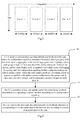
Fig.1A illustrates a schematic diagram of the FDD in the prior art; -
Fig.1B illustrates a schematic diagram of the H-FDD in the prior art; -
Fig.1C illustrates a schematic diagram of the TDD in the prior art; -
Fig.2 illustrates a schematic diagram of carrier distribution of the LTE cell in the prior art; -
Fig.3 illustrates a schematic diagram of carrier aggregation in the prior art; -
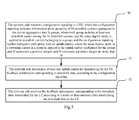
Fig.4 illustrates a schematic flow chart of a method according to an embodiment of the invention; -
Fig.5 illustrates a schematic flow chart of another method according to an embodiment of the invention; -
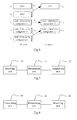
Fig.6 illustrates a schematic diagram of grouped downlink carriers according to an embodiment of the invention; -
Fig.7 illustrates a schematic diagram of a UE according to an embodiment of the invention; and -
Fig.8 illustrates a schematic diagram of an eNB according to an embodiment of the invention. - In order to address the problem of how to transmit feedback information for downlink data when a Time Division Duplex (TDD) carrier is aggregated with a Frequency Division Duplex (FDD) carrier, embodiments of the invention provide a method for transmitting feedback information, applicable to carrier aggregation with at least one TDD carrier and at least one FDD carrier.
- Referring to
Fig.4 , a method for transmitting feedback information, applicable to carrier aggregation with at least one TDD carrier and at least one FDD carrier, according to an embodiment of the invention includes the following steps: -
Step 40. AUE receives configuration signaling transmitted by the network side, where the configuration signaling indicates information about grouping of M downlink carriers aggregated in the carrier aggregation into N groups, where each group includes at least one downlink carrier among the M downlink carriers, and the same duplex mode is applied to downlink carriers belonging to a group; and the configuration signaling further configures each group with an uplink carrier, where the same duplex mode as a downlink carrier in a group is applied to the uplink carrier configured for the group; and M represents a positive integer, and N represents a positive integer no more than M; - It shall be noted that for a TDD carrier, a downlink carrier and an uplink carrier are the same carrier; and for an FDD carrier, a downlink carrier and an uplink carrier are different carriers;
-
Step 41. The UE determines at least one uplink carrier for transmitting feedback information corresponding to downlink data, according to the configuration signaling; and -
Step 42. The UE receives the downlink data and transmits the feedback information corresponding to the downlink data to the network side according to a result of determination in thestep 41. - Furthermore when the TDD duplex mode is applied to downlink carriers in a group, the same TDD uplink/downlink configuration is applied to all the downlink carriers in the group. Every two groups do not include any duplicate downlink carrier.
- Here the UE can determine the at least one uplink carrier for transmitting the feedback information corresponding to the downlink data, according to the configuration signaling in the
step 41 particularly in the following two approaches: - In a first approach, it is determined that the feedback information corresponding to the downlink data transmitted in a group is to be transmitted over the uplink carrier configured for the group; and accordingly in the
step 42, the UE transmits the feedback information corresponding to the downlink data over the uplink carrier configured for the group to which a downlink carrier, over which the downlink data is received, belongs, upon reception of the downlink data. - In a second approach, it is determined that the feedback information corresponding to all the downlink data transmitted in the first category of groups is to be transmitted over an uplink carrier C' in an uplink subframe n; and here the first category consists of any group for which feedback information is to be transmitted in the uplink subframe n; and the uplink carrier C' is an uplink carrier configured for a group with the highest priority in the first category. Here the group for which feedback information is to be transmitted in the uplink subframe n refers to a group including downlink carriers for which feedback information is to be transmitted in the uplink subframe n, and it is determined as follows whether feedback information is to be transmitted in the uplink subframe n for a downlink carrier: for an FDD carrier, feedback information is to be transmitted in all the uplink subframes; for a TDD carrier, as can be apparent from Table 2 and the relevant description in the Background section:
In the TDD uplink/downlink configuration 0, feedback information is to be transmitted in theuplink subframes 2/4/7/9;
In the TDD uplink/downlink configuration 1, feedback information is to be transmitted in theuplink subframes 2/3/7/8;
In the TDD uplink/downlink configuration 2, feedback information is to be transmitted in theuplink subframes 2/7;
In the TDD uplink/downlink configuration 3, feedback information is to be transmitted in theuplink subframes 2/3/4;
In the TDD uplink/downlink configuration 4, feedback information is to be transmitted in theuplink subframes 2/3;
In the TDD uplink/downlink configuration 5, feedback information is to be transmitted in theuplink subframe 2; and
In the TDD uplink/downlink configuration 6, feedback information is to be transmitted in theuplink subframes 2/4/7/8/9; and
Accordingly in thestep 42, the UE determines the uplink subframe for transmitting the feedback information corresponding to the downlink data, according to the downlink carrier in which the downlink data is received, upon reception of the downlink data; and then transmits the feedback information corresponding to the received downlink data over the uplink carrier corresponding to the group with the highest priority among all the groups over which the feedback information is transmitted in the uplink subframe. - Furthermore the configuration signaling further indicates priority information of each group, and the UE determines the priority of each group in the first category according to the configuration signaling; or
The UE determines the priority of each group in the first category as the UE prescribes with the network side. - Referring to
Fig.5 , an embodiment of the invention provides a method for receiving feedback information, applicable to carrier aggregation with at least one TDD carrier and at least one FDD carrier, and the method includes the following steps: -
Step 50. The network side transmits configuration signaling to a UE, where the configuration signaling indicates information about grouping of M downlink carriers aggregated in the carrier aggregation into N groups, where each group includes at least one downlink carrier among the M downlink carriers, and the same duplex mode is applied to downlink carriers belonging to a group; and the configuration signaling further configures each group with an uplink carrier, where the same duplex mode as a downlink carrier in a group is applied to the uplink carrier configured for the group; and M represents a positive integer, and N represents a positive integer no more than M; -
Step 51. The network side determines at least one uplink carrier for transmitting by the UE feedback information corresponding to downlink data, according to the configuration signaling; and -
Step 52. The network side receives the feedback information, corresponding to the downlink data, transmitted by the UE according to a result of determination after transmitting the downlink data to the UE. - Furthermore when the TDD duplex mode is applied to downlink carriers in a group, the same TDD uplink/downlink configuration is applied to all the downlink carriers in the group. Every two groups do not include any duplicate downlink carrier.
- Here the network side can determine the at least one uplink carrier for transmitting by the UE the feedback information corresponding to the downlink data, according to the configuration signaling in the
step 51 particularly in the following two approaches: - In a first approach, it is determined that the feedback information corresponding to the downlink data transmitted in a group is to be transmitted over the uplink carrier configured for the group; and accordingly in the
step 52, the network side receives the feedback information corresponding to the downlink data over the uplink carrier configured for the group to which a downlink carrier, over which the downlink data is transmitted, belongs, upon transmitting the downlink data. - In a second approach, it is determined that the feedback information corresponding to all the downlink data transmitted in the first category of groups is to be transmitted over an uplink carrier C' in an uplink sub frame n by the UE; and here the first category consists of any group for which feedback information is to be transmitted in the uplink subframe n; and the uplink carrier C' is an uplink carrier configured for a group with the highest priority in the first category. Accordingly in the
step 52, after the downlink data is transmitted, the network side determines the uplink subframe for transmitting by the UE the feedback information corresponding to the downlink data, according to the downlink carrier over which the downlink data is transmitted; and then receives the feedback information, corresponding to the downlink data, fed back by the UE, over the uplink carrier corresponding to the group with the highest priority among all the groups for transmitting the feedback information in the uplink subframe. - Furthermore the configuration signaling further indicates priority information of each group, and the network side determines the priority of each group in the first category according to the configuration signaling; or
- The network side determines the priority of each group in the first category as the network side prescribes with the UE.
- The feedback information in the invention can include ACK/NACK information.
- The invention will be described below in details.
- The eNB groups M downlink carriers aggregated in the carrier aggregation into N groups Si, where M represents a positive integer more than 1, 1<N≤M, i=1, ..., N, and a downlink carrier belongs to only one group, and the same duplex mode is applied to all the downlink carriers in a group, that is, all the downlink carriers in a group are FDD carriers or TDD carriers. Furthermore the same TDD uplink/downlink configuration is applied to all the TDD carriers in a group.
- The eNB configures the group Si with an uplink carrier CUL,i, where i=1, ..., N, a duplex mode applied to the uplink carrier CUL,i is the same as the duplex mode applied to the corresponding group Si, and the uplink carriers applied to the different groups are different from each other, as illustrated in
Fig.6 . Furthermore the TDD uplink/downlink configuration applied to the uplink carrier is the same as the TDD uplink/downlink configuration applied to the corresponding group. - The UE receives the configuration signaling of the eNB and determines N groups Si into which M downlink carriers are grouped, and uplink carriers CUL,i corresponding to the respective groups;
The UE receives downlink data over the downlink carriers in the group Si, where i=1, ..., N, decodes the downlink data, and obtains corresponding ACK/NACK information; and
The UE transmits the ACK/NACK information corresponding to the downlink data received in the downlink carriers in the group Si, over the uplink carrier CUL,i. - The ACK/NACK can be fed back particularly as in the LTE Rel-11 carrier aggregation system so that the ACK/NACK information corresponding to the plurality of downlink carriers over the uplink carrier CUL,i, although a repeated description thereof will be omitted here.
- There are five carriers C1, C2, C3, C4 and C5 aggregated in the system, where C1 and C2 are FDD carriers (which are pairs of carriers, that is, C1 corresponds to a downlink carrier and an uplink carrier), and C3 to C5 are TDD carriers. The eNB groups the five carriers into two groups, where S1={C1, C2}, and S2={C3 C4, C5}. The eNB determines an uplink carrier corresponding to the group S1 as C1, and an uplink carrier corresponding to S2 as C3.
- The UE receives downlink data over the downlink carriers C1 and C2, obtains corresponding ACK/NACK information, and transmits the ACK/NACK information over the uplink carrier C1. The UE receives downlink data over the downlink carriers C3, C4 and C5, obtains corresponding ACK/NACK information, and transmits the ACK/NACK information over the uplink carrier C3.
- There are five carriers C1, C2, C3, C4 and C5 aggregated in the system, where C1 and C2 are FDD carriers (which are pairs of carriers, that is, C1 corresponds to a downlink carrier and an uplink carrier), and C3 to C5 are TDD carriers; and the TDD uplink/
downlink configuration 2 is applied to C3, and the TDD uplink/downlink configuration 1 is applied to C4 and C5. The eNB groups the five carriers into three groups, where S1={C1, C2}, S2={C3}, and S3={C4, C5}. The eNB determines an uplink carrier corresponding to the group S1 as C1, an uplink carrier corresponding to S2 as C3, and an uplink carrier corresponding to S3 as C4. - Processing at the UE is similar to the first embodiment, so a repeated description thereof will be omitted here.
- The UE receives the configuration signaling of the eNB and determines N groups Si into which M downlink carriers are grouped, and uplink carriers CUL,i corresponding to the respective groups;
The UE determines a priority of the group Si, where i=1, ..., N, and the priority can be notified by the eNB or can be predefined in the standard; and
The UE transmits ACK/NACK information corresponding to all downlink data transmitted in the first category of groups, over an uplink carrier C'UL in an uplink subframe n; and the first category consists of any group for which ACK/NACK information is transmitted in the uplink subframe n; and the uplink carrier C'UL is an uplink carrier configured for a group with the highest priority in the first category. - The ACK/NACK can be fed back particularly as in the LTE Rel-11 carrier aggregation system so that the ACK/NACK information corresponding to the plurality of downlink carriers over the uplink carrier C'UL, although a repeated description thereof will be omitted here.
- Like the second embodiment, the priorities of the groups are ranked in the order of S2 (corresponding to the uplink carrier C3) > S3 (corresponding to the uplink carrier C4) > S1 (corresponding to the uplink carrier C1). If ACK/NACK information for the group S1 is transmitted in the uplink subframes 0 to 9, ACK/NACK information for the group S2 is transmitted in the
uplink subframes 2 and 7, and ACK/NACK information for the group S3 is transmitted in theuplink subframes - The UE transmits the ACK/NACK information corresponding to the groups S1, S2 and S3 over the uplink carrier C3 in the
uplink subframes 2 and 7; - The UE transmits the ACK/NACK information corresponding to the groups S1 and S3 over the uplink carrier C4 in the
uplink subframes 3 and 8; - The UE transmits the ACK/NACK information corresponding to the group S1 over the uplink carrier C1 in the
uplink subframes - Furthermore if the UE sets the priority of the group Si at the priority P, where 1≤P≤N, then each of the
priorities 1 to P-1 corresponds to only one of the groups, and the priority P corresponds to the (N-P+1)-th group. - When ACK/NACK information is transmitted in the uplink subframe n for all of a number a of groups at the priority P, where a≤N-P+1, and there is no ACK/NACK information transmitted in the uplink subframe n for any group at a higher priority, the UE transmits the ACK/NACK information of the respective groups respectively a number a of uplink carriers corresponding to the number a of groups.
- Like the second embodiment, the priorities of the groups are ranked in the order of S2 (corresponding to the uplink carrier C3) > S3 (corresponding to the uplink carrier C4) > S1 (corresponding to the uplink carrier C1). If ACK/NACK information for the group S1 is transmitted in the uplink subframes 0 to 9, ACK/NACK information for the group S2 is transmitted in the
uplink subframes 2 and 7, and ACK/NACK information for the group S3 is transmitted in theuplink subframes - The UE transmits the ACK/NACK information corresponding to the groups S1, S2 and S3 over the uplink carrier C3 in the
uplink subframes 2 and 7; - The UE transmits the ACK/NACK information corresponding to the groups S1 and S3 over the uplink carrier C4 in the
uplink subframes 3 and 8; - The UE transmits the ACK/NACK information corresponding to the group S1 over the uplink carrier C1 in the
uplink subframes - Referring to
Fig.7 , an embodiment of the invention further provides a UE including: - A receiving
unit 70 is configured to receive configuration signaling transmitted by the network side, where the configuration signaling indicates information about grouping of M downlink carriers aggregated in the carrier aggregation into N groups, where each group includes at least one downlink carrier among the M downlink carriers, and the same duplex mode is applied to downlink carriers belonging to a group; and the configuration signaling further configures each group with an uplink carrier, where the same duplex mode as a downlink carrier in a group is applied to the uplink carrier configured for the group; and M represents a positive integer, and N represents a positive integer no more than M; - A determining
unit 71 is configured to determine at least one uplink carrier for transmitting feedback information corresponding to downlink data, according to the configuration signaling; and - A transmitting
unit 72 is configured to receive the downlink data and to transmit the feedback information corresponding to the downlink data to the network side according to a result of determination. - Furthermore when the TDD duplex mode is applied to downlink carriers in a group indicated by the configuration signaling received by the receiving
unit 70, the same TDD uplink/downlink configuration is applied to all the downlink carriers in the group. - Furthermore the determining
unit 71 is configured: - To determine that the feedback information corresponding to the downlink data transmitted in a group is to be transmitted over the uplink carrier configured for the group.
- Furthermore the determining
unit 71 is configured: - To determine that the feedback information corresponding to all the downlink data transmitted in the first category of groups is to be transmitted over an uplink carrier C' in an uplink subframe n, where the first category consists of any group for which feedback information is to be transmitted in the uplink subframe n; and the uplink carrier C' is an uplink carrier configured for a group with the highest priority in the first category.
- Furthermore the configuration signaling received by the receiving
unit 70 further indicates priority information of each group; and the determiningunit 71 is further configured to determine the priority of each group in the first category according to the configuration signaling; or - The determining
unit 71 is further configured to determine the priority of each group in the first category as the UE prescribes with the network side. - Based upon the same inventive idea as the method, an embodiment of the invention provides a UE including a radio frequency unit and a processor.
- The radio frequency unit is configured to receive configuration signaling transmitted by the network side, where the configuration signaling indicates information about grouping of M downlink carriers aggregated in the carrier aggregation into N groups, where each group includes at least one downlink carrier among the M downlink carriers, and the same duplex mode is applied to downlink carriers belonging to a group; and the configuration signaling further configures each group with an uplink carrier, where the same duplex mode as a downlink carrier in a group is applied to the uplink carrier configured for the group; and M represents a positive integer, and N represents a positive integer no more than M;
The processor is configured to determine at least one uplink carrier for transmitting feedback information corresponding to downlink data, according to the configuration signaling; and
The radio frequency unit is further configured to receive the downlink data and to transmit the feedback information corresponding to the downlink data to the network side according to a result of determination. - As can be apparent, this UE enables a solution to transmitting by the UE feedback information corresponding to downlink data, applicable to carrier aggregation with at least one TDD carrier and at least one FDD carrier, so as to address the problem of how to transmit feedback information in the case of carrier aggregation with at least one TDD carrier and at least one FDD carrier.
- Referring to
Fig.8 , an embodiment of the invention further provides an eNB including: - A transmitting
unit 80 is configured to transmit configuration signaling to a UE, where the configuration signaling indicates information about grouping of M downlink carriers aggregated in the carrier aggregation into N groups, where each group includes at least one downlink carrier among the M downlink carriers, and the same duplex mode is applied to downlink carriers belonging to a group; and the configuration signaling further configures each group with an uplink carrier, where the same duplex mode as a downlink carrier in a group is applied to the uplink carrier configured for the group; and M represents a positive integer, and N represents a positive integer no more than M; - A determining
unit 81 is configured to determine at least one uplink carrier for transmitting by the UE feedback information corresponding to downlink data, according to the configuration signaling; and - A receiving
unit 82 is configured to receive the feedback information, corresponding to the downlink data, transmitted by the UE according to a result of determination after transmitting the downlink data to the UE. - Furthermore when the TDD duplex mode is applied to downlink carriers in a group indicated in the configuration signaling transmitted by the transmitting
unit 80, the same TDD uplink/downlink configuration is applied to all the downlink carriers in the group. - Furthermore the determining
unit 81 is configured: - To determine that the feedback information corresponding to the downlink data transmitted in a group is to be transmitted over the uplink carrier configured for the group by the UE.
- Furthermore the determining
unit 81 is configured: - To determine that the feedback information corresponding to all the downlink data transmitted in the first category of groups is to be transmitted over an uplink carrier C' in an uplink subframe n, where the first category consists of any group for which feedback information is to be transmitted in the uplink subframe n; and the uplink carrier C' is an uplink carrier configured for a group with the highest priority in the first category.
- Furthermore the configuration signaling transmitted by the transmitting
unit 80 further indicates priority information of each group; and the determiningunit 81 is further configured to determine the priority of each group in the first category according to the configuration signaling; or
The determiningunit 81 is further configured to determine the priority of each group in the first category as the eNB prescribes with the UE. - Based upon the same inventive idea as the invention, an embodiment of the invention further provides an eNB including a radio frequency unit and a processor.
- The radio frequency unit is configured to transmit configuration signaling to a UE, where the configuration signaling indicates information about grouping of M downlink carriers aggregated in the carrier aggregation into N groups, where each group includes at least one downlink carrier among the M downlink carriers, and the same duplex mode is applied to downlink carriers belonging to a group; and the configuration signaling further configures each group with an uplink carrier, where the same duplex mode as a downlink carrier in a group is applied to the uplink carrier configured for the group; and M represents a positive integer, and N represents a positive integer no more than M;
- The processor is configured to determine at least one uplink carrier for transmitting by the UE feedback information corresponding to downlink data, according to the configuration signaling; and
- The radio frequency unit is further configured to receive the feedback information, corresponding to the downlink data, transmitted by the UE according to a result of determination after transmitting the downlink data to the UE.
- The eNB according to the embodiment of the invention transmits configuration signaling to the UE and determines at least one uplink carrier for transmitting by the UE feedback information corresponding to downlink data, according to the configuration signaling; and the eNB receives the feedback information, corresponding to the downlink data, transmitted by the UE according to a result of determination after transmitting the downlink data to the UE. As can be apparent, this eNB enables a solution to receiving by the network side feedback information, corresponding to downlink data, fed back by the UE, applicable to carrier aggregation with at least one TDD carrier and at least one FDD carrier, so as to address the problem of how to receive feedback information in the case of carrier aggregation with at least one TDD carrier and at least one FDD carrier.
- In summary, advantageous effects of the invention include:
- In the solution according to the embodiment of the invention, at the UE side, the UE receives configuration signaling transmitted by the network side, where the configuration signaling indicates information about grouping of M downlink carriers aggregated in the carrier aggregation into N groups, where each group includes at least one downlink carrier among the M downlink carriers, and the same duplex mode is applied to downlink carriers belonging to a group; and the configuration signaling further configures each group with an uplink carrier, where the same duplex mode as a downlink carrier in a group is applied to the uplink carrier configured for the group; and M represents a positive integer, and N represents a positive integer no more than M; the UE determines at least one uplink carrier for transmitting feedback information corresponding to downlink data, according to the configuration signaling; and the UE transmits the feedback information corresponding to the downlink data to the network side according to a result of determination upon reception of the downlink data. As can be apparent, this method enables a solution to transmitting by the UE feedback information corresponding to downlink data, applicable to carrier aggregation with at least one TDD carrier and at least one FDD carrier, so as to address the problem of how to transmit feedback information in the case of carrier aggregation with at least one TDD carrier and at least one FDD carrier.
- At the network side, the network side transmits the configuration signaling to the UE and determines at least one uplink carrier for transmitting by the UE feedback information corresponding to downlink data, according to the configuration signaling; and the eNB receives the feedback information, corresponding to the downlink data, transmitted by the UE according to a result of determination after transmitting the downlink data to the UE. As can be apparent, this method enables a solution to receiving by the network side feedback information, corresponding to downlink data, fed back by the UE, applicable to carrier aggregation with at least one TDD carrier and at least one FDD carrier, so as to address the problem of how to receive feedback information in the case of carrier aggregation with at least one TDD carrier and at least one FDD carrier.
- The invention has been described in a flow chart and/or a block diagram of the method, the device (system) and the computer program product according to the embodiments of the invention. It shall be appreciated that respective flows and/or blocks in the flow chart and/or the block diagram and combinations of the flows and/or the blocks in the flow chart and/or the block diagram can be embodied in computer program instructions. These computer program instructions can be loaded onto a general-purpose computer, a specific-purpose computer, an embedded processor or a processor of another programmable data processing device to produce a machine so that the instructions executed on the computer or the processor of the other programmable data processing device create means for performing the functions specified in the flow(s) of the flow chart and/or the block(s) of the block diagram.
- These computer program instructions can also be stored into a computer readable memory capable of directing the computer or the other programmable data processing device to operate in a specific manner so that the instructions stored in the computer readable memory create an article of manufacture including instruction means which perform the functions specified in the flow(s) of the flow chart and/or the block(s) of the block diagram.
- These computer program instructions can also be loaded onto the computer or the other programmable data processing device so that a series of operational steps are performed on the computer or the other programmable data processing device to create a computer implemented process so that the instructions executed on the computer or the other programmable device provide steps for performing the functions specified in the flow(s) of the flow chart and/or the block(s) of the block diagram.
- Although the preferred embodiments of the invention have been described, those skilled in the art benefiting from the underlying inventive concept can make additional modifications and variations to these embodiments. Therefore the appended claims are intended to be construed as encompassing the preferred embodiments and all the modifications and variations coming into the scope of the invention.
- Evidently those skilled in the art can make various modifications and variations to the invention without departing from the spirit and scope of the invention. Thus the invention is also intended to encompass these modifications and variations thereto so long as the modifications and variations come into the scope of the claims appended to the invention and their equivalents.
Claims (20)
- A method for transmitting feedback information, applicable to carrier aggregation with at least one Time Division Duplex (TDD) carrier and at least one Frequency Division Duplex (FDD) carrier, the method comprising:receiving, by a UE, configuration signaling transmitted by the network side, wherein the configuration signaling indicates information about grouping of M downlink carriers aggregated in the carrier aggregation into N groups, wherein each group comprises at least one downlink carrier among the M downlink carriers, and the same duplex mode is applied to downlink carriers belonging to a group; and the configuration signaling further configures each group with an uplink carrier, wherein the same duplex mode as a downlink carrier in a group is applied to the uplink carrier configured for the group; and M represents a positive integer, and N represents a positive integer no more than M;determining, by the UE, at least one uplink carrier for transmitting feedback information corresponding to downlink data, according to the configuration signaling; andreceiving, by the UE, the downlink data and transmitting the feedback information corresponding to the downlink data to the network side according to a result of determination.
- The method according to claim 1, wherein when the TDD duplex mode is applied to downlink carriers in a group, the same TDD uplink/downlink configuration is applied to all the downlink carriers in the group.
- The method according to claim 1, wherein determining the at least one uplink carrier for transmitting the feedback information corresponding to the downlink data, according to the configuration signaling comprises:determining that the feedback information corresponding to the downlink data transmitted in a group is to be transmitted over the uplink carrier configured for the group.
- The method according to claim 1, wherein determining the at least one uplink carrier for transmitting the feedback information corresponding to the downlink data, according to the configuration signaling comprises:determining that the feedback information corresponding to all the downlink data transmitted in first category of groups is to be transmitted over an uplink carrier C' in an uplink subframe n, wherein the first category consists of any group for which feedback information is to be transmitted in the uplink subframe n; and the uplink carrier C' is an uplink carrier configured for a group with the highest priority in the first category.
- The method according to claim 4, wherein the configuration signaling further indicates priority information of each group; and the UE determines the priority of each group in the first category according to the configuration signaling; or
the UE determines the priority of each group in the first category as the UE prescribes with the network side. - A method for receiving feedback information, applicable to carrier aggregation with at least one Time Division Duplex (TDD) carrier and at least one Frequency Division Duplex (FDD) carrier, the method comprising:transmitting, by the network side, configuration signaling to a UE, wherein the configuration signaling indicates information about grouping of M downlink carriers aggregated in the carrier aggregation into N groups, wherein each group comprises at least one downlink carrier among the M downlink carriers, and the same duplex mode is applied to downlink carriers belonging to a group; and the configuration signaling further configures each group with an uplink carrier, wherein the same duplex mode as a downlink carrier in a group is applied to the uplink carrier configured for the group; and M represents a positive integer, and N represents a positive integer no more than M;determining, by the network side, at least one uplink carrier for transmitting by the UE feedback information corresponding to downlink data, according to the configuration signaling; andreceiving, by the network side, the feedback information, corresponding to the downlink data, transmitted by the UE according to a result of determination after transmitting the downlink data to the UE.
- The method according to claim 6, wherein when the TDD duplex mode is applied to downlink carriers in a group, the same TDD uplink/downlink configuration is applied to all the downlink carriers in the group.
- The method according to claim 6, wherein determining, by the network side, the at least one uplink carrier for transmitting by the UE the feedback information corresponding to the downlink data, according to the configuration signaling comprises:determining that the feedback information corresponding to the downlink data transmitted in a group is to be transmitted over the uplink carrier configured for the group.
- The method according to claim 6, wherein determining, by the network side, the at least one uplink carrier for transmitting by the UE the feedback information corresponding to the downlink data, according to the configuration signaling comprises:determining that the feedback information corresponding to all the downlink data transmitted in first category of groups is to be transmitted over an uplink carrier C' in an uplink subframe n by the UE, wherein the first category consists of any group for which feedback information is to be transmitted in the uplink subframe n; and the uplink carrier C' is an uplink carrier configured for a group with the highest priority in the first category.
- The method according to claim 9, wherein the configuration signaling further indicates priority information of each group; and the network side determines the priority of each group in the first category according to the configuration signaling; or
the network side determines the priority of each group in the first category as the eNB prescribes with the UE. - A UE, comprising:a receiving unit configured to receive configuration signaling transmitted by the network side, wherein the configuration signaling indicates information about grouping of M downlink carriers aggregated in the carrier aggregation into N groups, wherein each group comprises at least one downlink carrier among the M downlink carriers, and the same duplex mode is applied to downlink carriers belonging to a group; and the configuration signaling further configures each group with an uplink carrier, wherein the same duplex mode as a downlink carrier in a group is applied to the uplink carrier configured for the group; and M represents a positive integer, and N represents a positive integer no more than M;a determining unit configured to determine at least one uplink carrier for transmitting feedback information corresponding to downlink data, according to the configuration signaling; anda transmitting unit configured to receive the downlink data and to transmit the feedback information corresponding to the downlink data to the network side according to a result of determination.
- The UE according to claim 11, wherein when the TDD duplex mode is applied to downlink carriers in a group indicated by the configuration signaling received by the receiving unit, the same TDD uplink/downlink configuration is applied to all the downlink carriers in the group.
- The UE according to claim 11, wherein the determining unit is configured:to determine that the feedback information corresponding to the downlink data transmitted in a group is to be transmitted over the uplink carrier configured for the group.
- The UE according to claim 11, wherein the determining unit is configured:to determine that the feedback information corresponding to all the downlink data transmitted in first category of groups is to be transmitted over an uplink carrier C' in an uplink subframe n, wherein the first category consists of any group for which feedback information is to be transmitted in the uplink subframe n; and the uplink carrier C' is an uplink carrier configured for a group with the highest priority in the first category.
- The UE according to claim 14, wherein the configuration signaling received by the receiving unit 70 further indicates priority information of each group; and the determining unit is further configured to determine the priority of each group in the first category according to the configuration signaling; or
the determining unit is further configured to determine the priority of each group in the first category as the UE prescribes with the network side. - An eNB, comprising:a transmitting unit configured to transmit configuration signaling to a UE, wherein the configuration signaling indicates information about grouping of M downlink carriers aggregated in the carrier aggregation into N groups, wherein each group comprises at least one downlink carrier among the M downlink carriers, and the same duplex mode is applied to downlink carriers belonging to a group; and the configuration signaling further configures each group with an uplink carrier, wherein the same duplex mode as a downlink carrier in a group is applied to the uplink carrier configured for the group; and M represents a positive integer, and N represents a positive integer no more than M;a determining unit configured to determine at least one uplink carrier for transmitting by the UE feedback information corresponding to downlink data, according to the configuration signaling; anda receiving unit configured to receive the feedback information, corresponding to the downlink data, transmitted by the UE according to a result of determination after transmitting the downlink data to the UE.
- The eNB according to claim 16, wherein when the TDD duplex mode is applied to downlink carriers in a group indicated in the configuration signaling transmitted by the transmitting unit, the same TDD uplink/downlink configuration is applied to all the downlink carriers in the group.
- The eNB according to claim 16, wherein the determining unit is configured:to determine that the feedback information corresponding to the downlink data transmitted in a group is to be transmitted over the uplink carrier configured for the group.
- The eNB according to claim 16, wherein the determining unit is configured:to determine that the feedback information corresponding to all the downlink data transmitted in first category of groups is to be transmitted over an uplink carrier C' in an uplink subframe n by the UE, wherein the first category consists of any group for which feedback information is to be transmitted in the uplink subframe n; and the uplink carrier C' is an uplink carrier configured for a group with the highest priority in the first category.
- The eNB according to claim 19, wherein the configuration signaling transmitted by the transmitting unit further indicates priority information of each group; and the determining unit is further configured to determine the priority of each group in the first category according to the configuration signaling; or
the determining unit is further configured to determine the priority of each group in the first category as the eNB prescribes with the UE.
Applications Claiming Priority (2)
| Application Number | Priority Date | Filing Date | Title |
|---|---|---|---|
| CN201210587672.8A CN103905165B (en) | 2012-12-28 | 2012-12-28 | The method of sending and receiving and equipment of response feedback information |
| PCT/CN2013/090568 WO2014101796A1 (en) | 2012-12-28 | 2013-12-26 | Method and device for sending and receiving acknowledgement feedback information |
Publications (3)
| Publication Number | Publication Date |
|---|---|
| EP2941073A1 true EP2941073A1 (en) | 2015-11-04 |
| EP2941073A4 EP2941073A4 (en) | 2015-12-23 |
| EP2941073B1 EP2941073B1 (en) | 2017-11-08 |
Family
ID=50996328
Family Applications (1)
| Application Number | Title | Priority Date | Filing Date |
|---|---|---|---|
| EP13868681.1A Active EP2941073B1 (en) | 2012-12-28 | 2013-12-26 | Method and device for sending and receiving acknowledgement feedback information |
Country Status (5)
| Country | Link |
|---|---|
| US (1) | US9819450B2 (en) |
| EP (1) | EP2941073B1 (en) |
| KR (1) | KR101778638B1 (en) |
| CN (1) | CN103905165B (en) |
| WO (1) | WO2014101796A1 (en) |
Cited By (1)
| Publication number | Priority date | Publication date | Assignee | Title |
|---|---|---|---|---|
| EP3567962A4 (en) * | 2017-06-16 | 2020-03-18 | Huawei Technologies Co., Ltd. | CARRIER WAVE GROUPING METHOD AND DEVICE |
Families Citing this family (7)
| Publication number | Priority date | Publication date | Assignee | Title |
|---|---|---|---|---|
| CN108023718B (en) * | 2016-11-04 | 2022-04-19 | 中兴通讯股份有限公司 | Retransmission indication transmission method and device |
| WO2018233694A1 (en) * | 2017-06-22 | 2018-12-27 | 华为技术有限公司 | Method and device for signal transmission and reception |
| WO2018233691A1 (en) * | 2017-06-22 | 2018-12-27 | 华为技术有限公司 | Method and device for signal transmission and reception |
| CN109120381B (en) | 2017-06-22 | 2022-09-02 | 华为技术有限公司 | Signal transmitting and receiving method and device |
| CN116156660B (en) | 2017-11-16 | 2026-01-20 | 华为技术有限公司 | Multi-carrier frequency selection method and related equipment |
| US12627398B2 (en) | 2021-09-23 | 2026-05-12 | Qualcomm Incorporated | Full-duplex cell indication for full-duplex operation |
| US12549324B2 (en) * | 2021-09-23 | 2026-02-10 | Qualcomm Incorporated | Configuration common signaling for full duplex operation |
Family Cites Families (13)
| Publication number | Priority date | Publication date | Assignee | Title |
|---|---|---|---|---|
| CN101868028B (en) * | 2009-04-14 | 2016-10-12 | 中国移动通信集团公司 | A kind of uplink signal sending method, mobile terminal, base station and wireless communication system |
| CN102082625B (en) * | 2010-01-11 | 2014-10-22 | 电信科学技术研究院 | Method and device for back feeding multi-carrier channel information |
| KR101803015B1 (en) * | 2010-02-10 | 2017-12-01 | 주식회사 골드피크이노베이션즈 | Method and apparatus for configuring uplink synchronization in component carrier aggregation |
| WO2011115463A2 (en) * | 2010-03-19 | 2011-09-22 | 엘지전자 주식회사 | Apparatus and method for transmitting/receiving control information in a wireless communication system that supports carrier aggregation |
| US20110235534A1 (en) * | 2010-03-23 | 2011-09-29 | Motorola, Inc. | Uplink ack/nack signaling for aggregated carriers in a communication network |
| US9762372B2 (en) * | 2010-06-15 | 2017-09-12 | Texas Instruments Incorporated | CSI reporting on PUSCH for carrier aggregation |
| CN102469599B (en) * | 2010-11-01 | 2015-07-15 | 大唐移动通信设备有限公司 | Channel resource determination method of ACK/NACK feedback information and equipment |
| KR102032101B1 (en) * | 2010-12-06 | 2019-10-14 | 인터디지탈 패튼 홀딩스, 인크 | Method to enable wireless operation in license exempt spectrum |
| WO2012091443A2 (en) * | 2010-12-28 | 2012-07-05 | 엘지전자 주식회사 | Method and device for transmitting/receiving signal in tdd-based wireless communication system |
| US9391743B2 (en) * | 2011-04-14 | 2016-07-12 | Broadcom Corporation | Method and apparatus for defining HARQ functionality for cells having different time division duplex subframe configurations |
| CN102752085B (en) * | 2011-04-21 | 2014-09-17 | 华为技术有限公司 | Method and equipment for sending acknowledgement or non-acknowledgement indication information in time division duplexing (TDD) system |
| WO2012161510A2 (en) * | 2011-05-23 | 2012-11-29 | 엘지전자 주식회사 | Method and apparatus for transmitting control information in a wireless communication system |
| US9491781B2 (en) * | 2012-02-01 | 2016-11-08 | Broadcom Corporation | Random access channel enhancement for carrier aggregation with different uplink/downlink configuration |
-
2012
- 2012-12-28 CN CN201210587672.8A patent/CN103905165B/en active Active
-
2013
- 2013-12-26 KR KR1020157020380A patent/KR101778638B1/en active Active
- 2013-12-26 US US14/652,390 patent/US9819450B2/en active Active
- 2013-12-26 WO PCT/CN2013/090568 patent/WO2014101796A1/en not_active Ceased
- 2013-12-26 EP EP13868681.1A patent/EP2941073B1/en active Active
Cited By (2)
| Publication number | Priority date | Publication date | Assignee | Title |
|---|---|---|---|---|
| EP3567962A4 (en) * | 2017-06-16 | 2020-03-18 | Huawei Technologies Co., Ltd. | CARRIER WAVE GROUPING METHOD AND DEVICE |
| US11109240B2 (en) | 2017-06-16 | 2021-08-31 | Huawei Technologies Co., Ltd. | Component carrier grouping method and device |
Also Published As
| Publication number | Publication date |
|---|---|
| EP2941073B1 (en) | 2017-11-08 |
| KR101778638B1 (en) | 2017-09-26 |
| WO2014101796A1 (en) | 2014-07-03 |
| EP2941073A4 (en) | 2015-12-23 |
| KR20150100912A (en) | 2015-09-02 |
| US9819450B2 (en) | 2017-11-14 |
| US20150333871A1 (en) | 2015-11-19 |
| CN103905165A (en) | 2014-07-02 |
| CN103905165B (en) | 2017-10-31 |
Similar Documents
| Publication | Publication Date | Title |
|---|---|---|
| EP2824860B1 (en) | Harq feedback implementation method and device | |
| EP2733883B1 (en) | Data transmission method and device in carrier aggregation system | |
| EP2744139B1 (en) | Uplink feedback method and apparatus | |
| EP2833686B1 (en) | Method, system and device for pucch transmission on a secondary cell with priority over the primary cell | |
| EP3281334B1 (en) | Method and apparatus for transmitting harq-ack feedback information in an enhanced carrier aggregation system | |
| US9819450B2 (en) | Method and device for sending and receiving acknowledgement feedback information | |
| EP2844003B1 (en) | Downlink control signalling transmission method and device | |
| EP3155749B1 (en) | Harq procedure and frame structure for lte cells on unlicensed spectrum | |
| EP2658303B1 (en) | Method and device for data transmission based on carrier aggregation (ca) technology | |
| EP3047592B1 (en) | Method and system for harq operation and scheduling in joint tdd and fdd carrier aggregation | |
| KR102120701B1 (en) | Method and apparatus for transmitting harq-ack feedback information by a user equipment in a wireless communication system | |
| EP2838301B1 (en) | Method and apparatus for transmitting hybrid automatic repeat request acknowledge information | |
| EP2863574B1 (en) | Ack/nack feedback bit number determination method and device | |
| EP2728781B1 (en) | Method, system and apparatus for sending and receiving feedback information | |
| EP2833571B1 (en) | Method for implementing harq feedback, and method and device for allocating uplink subframe | |
| EP2775767A1 (en) | Method, system and device for transmitting feedback information | |
| EP3108705B1 (en) | Tdd and fdd joint carrier aggregation in lte-advanced | |
| CN103516501B (en) | Method, system and device for sending and receiving feedback information | |
| EP3468085B1 (en) | Subframe type notification and determination methods and device | |
| CN103313403B (en) | The method for mapping resource and device of ascending control channel | |
| JP2015516718A (en) | Physical downlink shared channel transmission method |
Legal Events
| Date | Code | Title | Description |
|---|---|---|---|
| PUAI | Public reference made under article 153(3) epc to a published international application that has entered the european phase |
Free format text: ORIGINAL CODE: 0009012 |
|
| 17P | Request for examination filed |
Effective date: 20150727 |
|
| AK | Designated contracting states |
Kind code of ref document: A1 Designated state(s): AL AT BE BG CH CY CZ DE DK EE ES FI FR GB GR HR HU IE IS IT LI LT LU LV MC MK MT NL NO PL PT RO RS SE SI SK SM TR |
|
| AX | Request for extension of the european patent |
Extension state: BA ME |
|
| A4 | Supplementary search report drawn up and despatched |
Effective date: 20151120 |
|
| RIC1 | Information provided on ipc code assigned before grant |
Ipc: H04W 72/04 20090101AFI20151116BHEP Ipc: H04L 1/18 20060101ALI20151116BHEP Ipc: H04L 5/00 20060101ALI20151116BHEP Ipc: H04L 5/14 20060101ALI20151116BHEP |
|
| DAX | Request for extension of the european patent (deleted) | ||
| STAA | Information on the status of an ep patent application or granted ep patent |
Free format text: STATUS: EXAMINATION IS IN PROGRESS |
|
| 17Q | First examination report despatched |
Effective date: 20161104 |
|
| GRAP | Despatch of communication of intention to grant a patent |
Free format text: ORIGINAL CODE: EPIDOSNIGR1 |
|
| STAA | Information on the status of an ep patent application or granted ep patent |
Free format text: STATUS: GRANT OF PATENT IS INTENDED |
|
| RIC1 | Information provided on ipc code assigned before grant |
Ipc: H04L 5/00 20060101ALI20170602BHEP Ipc: H04L 1/18 20060101ALI20170602BHEP Ipc: H04L 5/14 20060101ALI20170602BHEP Ipc: H04W 72/04 20090101AFI20170602BHEP |
|
| INTG | Intention to grant announced |
Effective date: 20170621 |
|
| GRAS | Grant fee paid |
Free format text: ORIGINAL CODE: EPIDOSNIGR3 |
|
| GRAA | (expected) grant |
Free format text: ORIGINAL CODE: 0009210 |
|
| STAA | Information on the status of an ep patent application or granted ep patent |
Free format text: STATUS: THE PATENT HAS BEEN GRANTED |
|
| AK | Designated contracting states |
Kind code of ref document: B1 Designated state(s): AL AT BE BG CH CY CZ DE DK EE ES FI FR GB GR HR HU IE IS IT LI LT LU LV MC MK MT NL NO PL PT RO RS SE SI SK SM TR |
|
| REG | Reference to a national code |
Ref country code: GB Ref legal event code: FG4D |
|
| REG | Reference to a national code |
Ref country code: AT Ref legal event code: REF Ref document number: 945286 Country of ref document: AT Kind code of ref document: T Effective date: 20171115 Ref country code: CH Ref legal event code: EP |
|
| REG | Reference to a national code |
Ref country code: IE Ref legal event code: FG4D |
|
| REG | Reference to a national code |
Ref country code: DE Ref legal event code: R096 Ref document number: 602013029309 Country of ref document: DE |
|
| REG | Reference to a national code |
Ref country code: FR Ref legal event code: PLFP Year of fee payment: 5 |
|
| REG | Reference to a national code |
Ref country code: NL Ref legal event code: MP Effective date: 20171108 |
|
| REG | Reference to a national code |
Ref country code: LT Ref legal event code: MG4D |
|
| REG | Reference to a national code |
Ref country code: AT Ref legal event code: MK05 Ref document number: 945286 Country of ref document: AT Kind code of ref document: T Effective date: 20171108 |
|
| PG25 | Lapsed in a contracting state [announced via postgrant information from national office to epo] |
Ref country code: NO Free format text: LAPSE BECAUSE OF FAILURE TO SUBMIT A TRANSLATION OF THE DESCRIPTION OR TO PAY THE FEE WITHIN THE PRESCRIBED TIME-LIMIT Effective date: 20180208 Ref country code: SE Free format text: LAPSE BECAUSE OF FAILURE TO SUBMIT A TRANSLATION OF THE DESCRIPTION OR TO PAY THE FEE WITHIN THE PRESCRIBED TIME-LIMIT Effective date: 20171108 Ref country code: NL Free format text: LAPSE BECAUSE OF FAILURE TO SUBMIT A TRANSLATION OF THE DESCRIPTION OR TO PAY THE FEE WITHIN THE PRESCRIBED TIME-LIMIT Effective date: 20171108 Ref country code: LT Free format text: LAPSE BECAUSE OF FAILURE TO SUBMIT A TRANSLATION OF THE DESCRIPTION OR TO PAY THE FEE WITHIN THE PRESCRIBED TIME-LIMIT Effective date: 20171108 Ref country code: FI Free format text: LAPSE BECAUSE OF FAILURE TO SUBMIT A TRANSLATION OF THE DESCRIPTION OR TO PAY THE FEE WITHIN THE PRESCRIBED TIME-LIMIT Effective date: 20171108 Ref country code: ES Free format text: LAPSE BECAUSE OF FAILURE TO SUBMIT A TRANSLATION OF THE DESCRIPTION OR TO PAY THE FEE WITHIN THE PRESCRIBED TIME-LIMIT Effective date: 20171108 |
|
| PG25 | Lapsed in a contracting state [announced via postgrant information from national office to epo] |
Ref country code: LV Free format text: LAPSE BECAUSE OF FAILURE TO SUBMIT A TRANSLATION OF THE DESCRIPTION OR TO PAY THE FEE WITHIN THE PRESCRIBED TIME-LIMIT Effective date: 20171108 Ref country code: IS Free format text: LAPSE BECAUSE OF FAILURE TO SUBMIT A TRANSLATION OF THE DESCRIPTION OR TO PAY THE FEE WITHIN THE PRESCRIBED TIME-LIMIT Effective date: 20180308 Ref country code: HR Free format text: LAPSE BECAUSE OF FAILURE TO SUBMIT A TRANSLATION OF THE DESCRIPTION OR TO PAY THE FEE WITHIN THE PRESCRIBED TIME-LIMIT Effective date: 20171108 Ref country code: GR Free format text: LAPSE BECAUSE OF FAILURE TO SUBMIT A TRANSLATION OF THE DESCRIPTION OR TO PAY THE FEE WITHIN THE PRESCRIBED TIME-LIMIT Effective date: 20180209 Ref country code: RS Free format text: LAPSE BECAUSE OF FAILURE TO SUBMIT A TRANSLATION OF THE DESCRIPTION OR TO PAY THE FEE WITHIN THE PRESCRIBED TIME-LIMIT Effective date: 20171108 Ref country code: BG Free format text: LAPSE BECAUSE OF FAILURE TO SUBMIT A TRANSLATION OF THE DESCRIPTION OR TO PAY THE FEE WITHIN THE PRESCRIBED TIME-LIMIT Effective date: 20180208 Ref country code: AT Free format text: LAPSE BECAUSE OF FAILURE TO SUBMIT A TRANSLATION OF THE DESCRIPTION OR TO PAY THE FEE WITHIN THE PRESCRIBED TIME-LIMIT Effective date: 20171108 |
|
| PG25 | Lapsed in a contracting state [announced via postgrant information from national office to epo] |
Ref country code: DK Free format text: LAPSE BECAUSE OF FAILURE TO SUBMIT A TRANSLATION OF THE DESCRIPTION OR TO PAY THE FEE WITHIN THE PRESCRIBED TIME-LIMIT Effective date: 20171108 Ref country code: CZ Free format text: LAPSE BECAUSE OF FAILURE TO SUBMIT A TRANSLATION OF THE DESCRIPTION OR TO PAY THE FEE WITHIN THE PRESCRIBED TIME-LIMIT Effective date: 20171108 Ref country code: CY Free format text: LAPSE BECAUSE OF FAILURE TO SUBMIT A TRANSLATION OF THE DESCRIPTION OR TO PAY THE FEE WITHIN THE PRESCRIBED TIME-LIMIT Effective date: 20171108 Ref country code: SK Free format text: LAPSE BECAUSE OF FAILURE TO SUBMIT A TRANSLATION OF THE DESCRIPTION OR TO PAY THE FEE WITHIN THE PRESCRIBED TIME-LIMIT Effective date: 20171108 Ref country code: EE Free format text: LAPSE BECAUSE OF FAILURE TO SUBMIT A TRANSLATION OF THE DESCRIPTION OR TO PAY THE FEE WITHIN THE PRESCRIBED TIME-LIMIT Effective date: 20171108 |
|
| REG | Reference to a national code |
Ref country code: CH Ref legal event code: PL |
|
| REG | Reference to a national code |
Ref country code: DE Ref legal event code: R097 Ref document number: 602013029309 Country of ref document: DE |
|
| PG25 | Lapsed in a contracting state [announced via postgrant information from national office to epo] |
Ref country code: IT Free format text: LAPSE BECAUSE OF FAILURE TO SUBMIT A TRANSLATION OF THE DESCRIPTION OR TO PAY THE FEE WITHIN THE PRESCRIBED TIME-LIMIT Effective date: 20171108 Ref country code: RO Free format text: LAPSE BECAUSE OF FAILURE TO SUBMIT A TRANSLATION OF THE DESCRIPTION OR TO PAY THE FEE WITHIN THE PRESCRIBED TIME-LIMIT Effective date: 20171108 Ref country code: SM Free format text: LAPSE BECAUSE OF FAILURE TO SUBMIT A TRANSLATION OF THE DESCRIPTION OR TO PAY THE FEE WITHIN THE PRESCRIBED TIME-LIMIT Effective date: 20171108 Ref country code: PL Free format text: LAPSE BECAUSE OF FAILURE TO SUBMIT A TRANSLATION OF THE DESCRIPTION OR TO PAY THE FEE WITHIN THE PRESCRIBED TIME-LIMIT Effective date: 20171108 |
|
| PLBE | No opposition filed within time limit |
Free format text: ORIGINAL CODE: 0009261 |
|
| STAA | Information on the status of an ep patent application or granted ep patent |
Free format text: STATUS: NO OPPOSITION FILED WITHIN TIME LIMIT |
|
| REG | Reference to a national code |
Ref country code: IE Ref legal event code: MM4A |
|
| PG25 | Lapsed in a contracting state [announced via postgrant information from national office to epo] |
Ref country code: LU Free format text: LAPSE BECAUSE OF NON-PAYMENT OF DUE FEES Effective date: 20171226 Ref country code: MT Free format text: LAPSE BECAUSE OF NON-PAYMENT OF DUE FEES Effective date: 20171226 |
|
| 26N | No opposition filed |
Effective date: 20180809 |
|
| REG | Reference to a national code |
Ref country code: BE Ref legal event code: MM Effective date: 20171231 |
|
| PG25 | Lapsed in a contracting state [announced via postgrant information from national office to epo] |
Ref country code: IE Free format text: LAPSE BECAUSE OF NON-PAYMENT OF DUE FEES Effective date: 20171226 |
|
| PG25 | Lapsed in a contracting state [announced via postgrant information from national office to epo] |
Ref country code: BE Free format text: LAPSE BECAUSE OF NON-PAYMENT OF DUE FEES Effective date: 20171231 Ref country code: LI Free format text: LAPSE BECAUSE OF NON-PAYMENT OF DUE FEES Effective date: 20171231 Ref country code: CH Free format text: LAPSE BECAUSE OF NON-PAYMENT OF DUE FEES Effective date: 20171231 Ref country code: SI Free format text: LAPSE BECAUSE OF FAILURE TO SUBMIT A TRANSLATION OF THE DESCRIPTION OR TO PAY THE FEE WITHIN THE PRESCRIBED TIME-LIMIT Effective date: 20171108 |
|
| PG25 | Lapsed in a contracting state [announced via postgrant information from national office to epo] |
Ref country code: HU Free format text: LAPSE BECAUSE OF FAILURE TO SUBMIT A TRANSLATION OF THE DESCRIPTION OR TO PAY THE FEE WITHIN THE PRESCRIBED TIME-LIMIT; INVALID AB INITIO Effective date: 20131226 Ref country code: MC Free format text: LAPSE BECAUSE OF FAILURE TO SUBMIT A TRANSLATION OF THE DESCRIPTION OR TO PAY THE FEE WITHIN THE PRESCRIBED TIME-LIMIT Effective date: 20171108 |
|
| PG25 | Lapsed in a contracting state [announced via postgrant information from national office to epo] |
Ref country code: MK Free format text: LAPSE BECAUSE OF FAILURE TO SUBMIT A TRANSLATION OF THE DESCRIPTION OR TO PAY THE FEE WITHIN THE PRESCRIBED TIME-LIMIT Effective date: 20171108 |
|
| PG25 | Lapsed in a contracting state [announced via postgrant information from national office to epo] |
Ref country code: TR Free format text: LAPSE BECAUSE OF FAILURE TO SUBMIT A TRANSLATION OF THE DESCRIPTION OR TO PAY THE FEE WITHIN THE PRESCRIBED TIME-LIMIT Effective date: 20171108 |
|
| PG25 | Lapsed in a contracting state [announced via postgrant information from national office to epo] |
Ref country code: PT Free format text: LAPSE BECAUSE OF FAILURE TO SUBMIT A TRANSLATION OF THE DESCRIPTION OR TO PAY THE FEE WITHIN THE PRESCRIBED TIME-LIMIT Effective date: 20171108 |
|
| PG25 | Lapsed in a contracting state [announced via postgrant information from national office to epo] |
Ref country code: AL Free format text: LAPSE BECAUSE OF FAILURE TO SUBMIT A TRANSLATION OF THE DESCRIPTION OR TO PAY THE FEE WITHIN THE PRESCRIBED TIME-LIMIT Effective date: 20171108 |
|
| REG | Reference to a national code |
Ref country code: DE Ref legal event code: R081 Ref document number: 602013029309 Country of ref document: DE Owner name: DATANG MOBILE COMMUNICATIONS EQUIPMENT CO., LT, CN Free format text: FORMER OWNER: CHINA ACADEMY OF TELECOMMUNICATIONS TECHNOLOGY, BEIJING, CN |
|
| REG | Reference to a national code |
Ref country code: GB Ref legal event code: 732E Free format text: REGISTERED BETWEEN 20211007 AND 20211013 |
|
| PGFP | Annual fee paid to national office [announced via postgrant information from national office to epo] |
Ref country code: DE Payment date: 20251211 Year of fee payment: 13 |
|
| PGFP | Annual fee paid to national office [announced via postgrant information from national office to epo] |
Ref country code: GB Payment date: 20251219 Year of fee payment: 13 |
|
| PGFP | Annual fee paid to national office [announced via postgrant information from national office to epo] |
Ref country code: FR Payment date: 20251223 Year of fee payment: 13 |