EP2933724A2 - Method and apparatus for account intercommunication among APPs - Google Patents
Method and apparatus for account intercommunication among APPs Download PDFInfo
- Publication number
- EP2933724A2 EP2933724A2 EP14200738.4A EP14200738A EP2933724A2 EP 2933724 A2 EP2933724 A2 EP 2933724A2 EP 14200738 A EP14200738 A EP 14200738A EP 2933724 A2 EP2933724 A2 EP 2933724A2
- Authority
- EP
- European Patent Office
- Prior art keywords
- app
- account information
- intercommunication
- login
- account
- Prior art date
- Legal status (The legal status is an assumption and is not a legal conclusion. Google has not performed a legal analysis and makes no representation as to the accuracy of the status listed.)
- Granted
Links
Images




Classifications
-
- G—PHYSICS
- G06—COMPUTING OR CALCULATING; COUNTING
- G06F—ELECTRIC DIGITAL DATA PROCESSING
- G06F21/00—Security arrangements for protecting computers, components thereof, programs or data against unauthorised activity
- G06F21/30—Authentication, i.e. establishing the identity or authorisation of security principals
-
- G—PHYSICS
- G06—COMPUTING OR CALCULATING; COUNTING
- G06F—ELECTRIC DIGITAL DATA PROCESSING
- G06F21/00—Security arrangements for protecting computers, components thereof, programs or data against unauthorised activity
- G06F21/10—Protecting distributed programs or content, e.g. vending or licensing of copyrighted material ; Digital rights management [DRM]
- G06F21/12—Protecting executable software
- G06F21/121—Restricting unauthorised execution of programs
- G06F21/125—Restricting unauthorised execution of programs by manipulating the program code, e.g. source code, compiled code, interpreted code, machine code
- G06F21/126—Interacting with the operating system
-
- G—PHYSICS
- G06—COMPUTING OR CALCULATING; COUNTING
- G06F—ELECTRIC DIGITAL DATA PROCESSING
- G06F21/00—Security arrangements for protecting computers, components thereof, programs or data against unauthorised activity
- G06F21/30—Authentication, i.e. establishing the identity or authorisation of security principals
- G06F21/31—User authentication
- G06F21/41—User authentication where a single sign-on provides access to a plurality of computers
-
- G—PHYSICS
- G06—COMPUTING OR CALCULATING; COUNTING
- G06F—ELECTRIC DIGITAL DATA PROCESSING
- G06F9/00—Arrangements for program control, e.g. control units
- G06F9/06—Arrangements for program control, e.g. control units using stored programs, i.e. using an internal store of processing equipment to receive or retain programs
- G06F9/46—Multiprogramming arrangements
- G06F9/468—Specific access rights for resources, e.g. using capability register
-
- G—PHYSICS
- G06—COMPUTING OR CALCULATING; COUNTING
- G06F—ELECTRIC DIGITAL DATA PROCESSING
- G06F9/00—Arrangements for program control, e.g. control units
- G06F9/06—Arrangements for program control, e.g. control units using stored programs, i.e. using an internal store of processing equipment to receive or retain programs
- G06F9/46—Multiprogramming arrangements
- G06F9/54—Interprogram communication
Definitions
- the present invention relates to the technical field of computer applications, and in particular to a method and apparatus for account intercommunication among APPs.
- intelligent terminals such as smartphones and tablet computers are more and more widely used, and are gradually becoming important tools for people in communication, entertainment, learning and even office working.
- the existing intelligent terminals may load various APPs (Applications) to realize corresponding functions, and most APPs require a user to register an account to log in, such as the QQ (an APP in the instant communication tool class) login interface shown in Fig. 1 ; when opening the APP of QQ, the user needs to enter account information such as an account and a password in the QQ login interface first.
- QQ an APP in the instant communication tool class
- Baidu provides APPs such as Baidu Map, Baidu Assistant, Baidu Music and Baidu Library, and various APPs of the same service provider generally use the same account system. Therefore, the question of how to perform account intercommunication among APPs so as to simplify the operation of a user entering account information has become a new research target.
- the existing method in the Android system is to realize the account management of various APPs through an Account Manager coming with the android system.
- APPs with the same account information access the Account Manager in advance; when needing to log into these APPs, a user opens the Account Manager, enters account information about an APP that he/she wants to log into in the Account Manager interface, and then simultaneous login of various APPs with the same account information may be realized.
- this method has the following defects: the implementation thereof is rigid and complicated; APPs with the same account information need to access the Account Manager in advance; and a user has to jump out of the APP and then open the Account Manager interface to enter the account information so as to log into the APP.
- provided in the present invention are a method and apparatus for account intercommunication among APPs, so as to improve the flexibility of APPs when logging in and reduce the complexity of operation.
- the step of providing the account information to other APPs having intercommunication permissions with the current APP comprises:
- the method further comprises:
- the step of the current APP providing, by means of system broadcast, the account information to other APPs having intercommunication permissions with the current APP comprises:
- the method further comprises:
- the public account pool is a Keychain.
- the step of the current APP storing the account information in a public account pool for other APPs having intercommunication permissions with the current APP to acquire comprises:
- the method further comprises:
- the method further comprises:
- the account information when the login policy is silent intercommunication login, the account information is an account and a password; and when the login policy is selective intercommunication login, the account information is an account, and login is realized by acquiring a password entered by the user.
- an apparatus for account intercommunication among APPs comprises:
- the account intercommunication unit comprises: a broadcast processing subunit or an account pool processing subunit; wherein the broadcast processing subunit is used for providing, by means of system broadcast, the account information to other APPs having intercommunication permissions with the APP where the apparatus is located; and the account pool processing subunit is used for storing the account information in a public account pool for other APPs having intercommunication permissions with the APP where the apparatus is located to acquire.
- the apparatus further comprises:
- the apparatus further comprises: the account storage unit; wherein the broadcast processing subunit is specifically used for sending the system broadcast containing the account information or the account information after encryption; after the system broadcast is received, if it is determined, according to permissions information carried in the system broadcast, that the APP where the apparatus is located has the same intercommunication permissions as an APP that sent the system broadcast, acquiring the account information or the account information after encryption from the received system broadcast and providing same to the account storage unit; and the account storage unit is used for storing the account information or the account information after encryption which is provided by the broadcast processing subunit in the private storage space of the APP where the apparatus is located for login.
- the broadcast processing subunit is also used for querying, by sending a system broadcast, account information about other APPs having intercommunication permissions with the APP where the apparatus is located if the APP where the apparatus is located runs for the first time, and providing the account information obtained through query or the account information obtained through query after encryption to the account storage unit.
- the public account pool is a Keychain.
- the apparatus further comprises: the account storage unit; wherein the account pool processing subunit is specifically used for storing the account information or the account information after encryption in a Keychain corresponding to the intercommunication permissions of the APP where the apparatus is located; and when the APP where the apparatus is located is opened, acquiring the account information from the Keychain corresponding to the intercommunication permissions of the APP where the apparatus is located and providing same to the account storage unit; and the account storage unit is used for storing the account information provided by the account pool processing subunit in the private storage space of the APP where the apparatus is located.
- the account pool processing subunit is also used for acquiring, if the APP where the apparatus is located runs for the first time, the account information from the Keychain corresponding to the intercommunication permissions of the APP where the apparatus is located and storing same in the private storage space of the APP where the apparatus is located.
- the apparatus further comprises:
- the account information is an account and a password
- the login processing unit needs to acquire a password entered by the user to log in.
- account information entered in any APP may be shared among APPs having intercommunication permissions with the APP, so that other APPs may be logged into using the intercommunicated account after being opened, without managing the account information about various APPs through a unified entrance; the APP need not access the entrance in advance, and it is not required that the login may be realized only when the entrance is opened after exiting the APP; obviously, the flexibility and independence of APP login is improved, and the complexity of operation is reduced.
- the core idea of the present invention is: if account information entered by a user in a currently running APP is acquired, then after using the account information to log in successfully, providing the account information to other APPs having intercommunication permissions with the APP for the other APPs to log in.
- the methods for providing account information among APPs may be, but are not limited to, the following two: one is the method of system broadcast; and the other one is the method of storing the account information in a public account pool for other APPs to acquire.
- the methods for account intercommunication using these two methods are respectively described further below by means of different embodiments.
- This embodiment is applied to the following usage scenario: a user logs into an APP in an active manner, that is, when a login interface of a certain running APP is opened, the user logs in by manually entering the account information.
- This active login method may be adopted when an APP runs for the first time and may also be adopted when the APP is not running for the first time; it may be adopted when the APP does not store any account information locally and may also be adopted when the APP stores available account information locally.
- This active login method is actively initiated by a user, and as long as the user actively initiates active login for a certain APP, the APP merely passively acquires the account information entered by the user in the login interface, and executes the procedure in this embodiment.
- the method mainly comprises the following procedure:
- This step is a preferred step executed in order to improve the security of the account information, and APPs having intercommunication permissions may share one encryption mechanism, so as to ensure that only APPs having intercommunication permissions may acquire the account information.
- APPs having intercommunication permissions may share one encryption mechanism, so as to ensure that only APPs having intercommunication permissions may acquire the account information.
- the absence of encryption does not affect the implementation of the objective of the present invention.
- the intercommunication permissions of various APPs are introduced simply herein; generally, the APPs have certain permissions, for example, in various APPs of the Android system, permissions information about the APPs is provided in a manifest file, and for example, a Baidu service provider may declare the intercommunication permissions of the APPs provided thereby through a BaiduSharePermission parameter.
- the encrypted account information is stored in a private storage space of the APP.
- private storage spaces in various APPs for storing available account information about the APPs, and when the login is successful in an active login mode, the account information for the active login mode may be stored in the private storage space.
- the private storage space may also store account information acquired in other manners, which will be dealt with in subsequent embodiments.
- the encrypted account information is included in the system broadcast and sent to other APPs having intercommunication permissions with the APP.
- the permissions information about the APP sending the broadcast may be contained in the system broadcast.
- the encrypted account information may be encrypted again and then sent through system broadcast.
- the procedure executed thereby may be as shown in Fig. 3 , and mainly comprises the steps as follows:
- the APP receiving the system broadcast compares the permissions information thereof with the permissions information contained in the system broadcast, so as to determine whether it has intercommunication permissions with the APP.
- Account information is acquired from the system broadcast.
- the account information is further encrypted when the system broadcast is sent, then in this step, the account information is acquired from the system broadcast by decryption, and the acquired account information is actually the encrypted account information.
- the acquired account information is stored in a private storage space of the APP for login.
- the login policies here may comprise but are not limited to: silent intercommunication login and selective intercommunication login.
- Silent intercommunication login refers to a "logging into one, logging into all" login mode, which means that as long as one of the APPs having intercommunication permissions logs in successfully, other APPs also use the account information acquired through system broadcast to log in.
- the APP receiving the system broadcast may be directly logged into using the acquired account information (that is the account information in the private storage space thereof) when being opened.
- Selective intercommunication login means that the successful login of one of the APPs having intercommunication permissions does not affect the login of other APPs, and the account information thereof will be provided to other APPs to store; and when the user opens other APPs to log in, the stored account information will be provided to the user for the user to perform selective login.
- this login policy in 304 above, after the APP receiving the system broadcast stores the acquired account information in the private storage space of the APP, if the APP is opened by the user, the account information in the private storage space of the APP may be displayed to the user in the login interface, and the user may select one piece of account information therefrom to log in.
- the account information involved in the embodiments of the present invention at least comprises an account, and may further comprise a password.
- the account information generally comprises an account and a password.
- the account information may only comprise an account, and when selecting one account in the account information displayed in the APP to log in, the user needs to enter a correct password manually to log in successfully. This content will also be dealt with in detail later.
- the procedure executed is completely described from the time when a user opens a certain APP; as shown in Fig. 4 , the procedure comprises the steps as follows:
- the kind of operation specifically executed in 403 is related to a configured login policy of the APP, and in this flow, the login policy is configured as selective intercommunication login; if it is assumed that the private storage space of the APP has stored pieces of account information, these pieces of account information are all pieces of account information that may be used by the APP, and may be displayed to the user; and if the user selects one of these pieces of account information, the account information is utilized to log into the APP.
- the account information in this case only contains accounts, that is, more than one account is provided to the user in the form of a list, and after selecting one account therefrom, the user manually enters a password to log in. Taking Baidu Library for example, as shown in Fig.
- the account information in the private storage space of the APP will be displayed in a login interface of the APP, and is assumed to be account 1, account 2 and account 3 and may be displayed to the user in the form of a text box; assuming that the user selects account 1 and manually enters a password, then Baidu Library may be logged into.
- the APP queries the account information about other APPs having intercommunication permissions therewith by sending a system broadcast.
- the APP may query available account information from other APPs having intercommunication permissions therewith by sending a system broadcast. If having intercommunication permissions with the APP sending the system broadcast, the APP receiving the system broadcast replies with the account information in the private storage space thereof to the APP by means of system broadcast, and the system broadcast of the reply may also contain login state information. In this way, if the APP containing the account information is received, and if the login policy is configured to be silent intercommunication login, account information used by a logged-in APP in the received system broadcast may be directly used to log in.
- the account information obtained through query is stored in the private storage space of the APP after encryption.
- the account information used by the logged-in APP amongst other APPs having intercommunication permissions with the APP is used to directly log in, and if the login is successful, the current procedure is ended.
- the user may use the active login mode to log into the APP, and in this case, the execution procedure is as shown in Fig. 2 .
- a Keychain of the IOS system is used for account intercommunication; herein, the Keychain is equivalent to a public account pool, and the Keychain may differentiate APPs with different permissions through domains, that is, the APPs having intercommunication permissions may correspond to the same Keychain, and may all perform "read-write" operations on the Keychain; in this embodiment, that is to store account information in the Keychain and acquire the account information from the Keychain.
- this embodiment is applied to the following usage scenario: a user logs into an APP in an active manner, that is, when a login interface of a certain running APP is opened, the user logs in by manually entering the account information.
- This active login mode may be adopted when an APP runs for the first time and may also be adopted when the APP is not running for the first time; it may be adopted when the APP does not store any account information locally and may also be adopted when the APP stores available account information locally.
- This active login mode is actively initiated by a user, and as long as the user actively initiates active login to a certain APP, the APP merely passively acquires the account information entered by the user in the login interface, and executes the procedures in this embodiment.
- the method mainly comprises the following procedure:
- the intercommunication permissions of the APP may be declared through a KeychainSharing parameter in a capabilities file of the APP, and if the intercommunication permissions are consistent with the intercommunication permissions declared in the domains of the Keychain, the APP may access the Keychain.
- the above-mentioned 604 and 605 are not executed in a fixed order, may be executed in any order, and may also be executed simultaneously.
- the other case is that when an APP is opened, if the APP is configured with the selective intercommunication login policy, then an interface of selective intercommunication login needs to be invoked; at this moment, the APP acquires the account information from the Keychain corresponding thereto and stores same in the private storage space of the APP, that is, information synchronization is performed on the Keychain and the private storage space once. Then, pieces of account information in the private storage space are displayed to the user for the user to select one of them for login. In this case, the account information may only contain an account, and the user needs to manually enter a password to login successfully.
- the executed procedure is completely described from the time when a user opens a certain app; as shown in Fig. 7 , the procedure comprises the steps as follows:
- the APP will be triggered to perform account information synchronization, that is, account information synchronization between the Keychain and the private storage space of the APP, and in this step, the specific representation may be to store the account information that is in a Keychain corresponding to the APP in the private storage space of the APP.
- the Keychain corresponding to the APP performs account information synchronization with the private storage space.
- the specific representation may also be to store the account information that is in a Keychain corresponding to the APP in the private storage space of the APP.
- the user may use the active login mode to log into the APP, and in this case, the execution procedure is as shown in Fig. 6 .
- Fig. 8 is a structural diagram of an apparatus provided in embodiment V of the present invention, and the apparatus provided in the embodiment of the present invention is generally arranged in an APP; as shown in Fig. 8 , the apparatus comprises: an active acquisition unit 00 and an account intercommunication unit 10, and may further comprise an account storage unit 20.
- the active acquisition unit 00 is responsible for acquiring account information entered by a user at the APP where the apparatus is located, that is, acquiring the account information entered in the currently opened APP by the user when in an active login mode.
- the account intercommunication unit 10 is responsible for providing, after the APP where the apparatus is located uses the account information to log in successfully, the account information to other APPs having intercommunication permissions with the APP where the apparatus is located for the other APPs to log in.
- the account storage unit 20 stores, after the APP where the apparatus is located uses the account information to log in successfully, the account information or the account information after encryption in a private storage space of the APP where the apparatus is located.
- the account intercommunication unit 10 may use the following two methods but is not limited thereto: one is the method of system broadcast; and the other one is the method of storing the account information in a public account pool for other APPs to acquire.
- the apparatus structures corresponding to these two methods are respectively described in detail below.
- the account intercommunication unit 10 may comprise: a broadcast processing subunit 11, which provides the account information to other APPs having intercommunication permissions with the APP where the apparatus is located through system broadcast.
- This method may be applied to the Android system and uses the system broadcast coming with the Android system.
- the various APPs are equal and may all initiate broadcast and receive broadcast.
- the APP where the apparatus is located may serve as a sender of the system broadcast, that is, the broadcast processing subunit 11 sends the system broadcast containing the account information or the account information after encryption.
- it may also serve as a receiver of the system broadcast, that is, after the broadcast processing subunit 11 receives the system broadcast, if it is determined, according to permissions information carried in the system broadcast, that the APP where the apparatus is located has the same intercommunication permissions as the APP sending the system broadcast, the account information or the account information after encryption is acquired from the received system broadcast and is provided to the account storage unit 20.
- the account storage unit 20 stores the account information or the account information after encryption which is provided by the broadcast processing subunit 11 in the private storage space of the APP where the apparatus is located for login.
- the broadcast processing subunit 11 discards the system broadcast and continues to monitor system broadcast.
- Making the account information after encryption included in the system broadcast is a method which is adopted in order to improve the security of the account information, and APPs having intercommunication permissions may share one encryption mechanism, so as to ensure that only the APPs having intercommunication permissions may acquire the account information.
- the broadcast processing subunit 11 may first query account information about other APPs having intercommunication permissions with the APP where the apparatus is located by sending system broadcast, and provide the account information obtained through query or the account information obtained through query after encryption to the account storage unit 20.
- the above-mentioned system broadcast may further contain login state information, so that the APPs acquiring these pieces of information, if the login policy is configured to be silent intercommunication login, can directly use the account information used by the logged-in APP to log in.
- the account intercommunication unit 10 may comprise: an account pool processing subunit 12 for storing the account information in the public account pool for other APPs having intercommunication permissions with the APP where the apparatus is located to acquire.
- This method may be applied to the IOS system, and the corresponding public account pool is a Keychain.
- the Keychain may differentiate APPs with different permissions through domains, that is, the APPs having intercommunication permissions may correspond to the same Keychain, and may all perform "read-write" operations on the Keychain; in this embodiment, that is to store account information in the Keychain and acquire the account information from the Keychain.
- the APP where the apparatus is located may be taken as a "writer" of the Keychain, that is, the account pool processing subunit 12 stores the account information or the account information after encryption in a Keychain corresponding to the intercommunication permissions of the APP where the apparatus is located.
- it may also be taken as a "reader" of the Keychain, that is, when the APP where the apparatus is located is opened, the account pool processing subunit 12 acquires the account information from the Keychain corresponding to the intercommunication permissions of the APP where the apparatus is located and provides same to the account storage unit 20.
- the account storage unit 20 stores the account information provided by the account pool processing subunit 12 in the private storage space of the APP where the apparatus is located.
- the account pool processing subunit 12 may first acquire the account information from the Keychain corresponding to the intercommunication permissions of the APP where the apparatus is located and store same in the private storage space of the APP where the apparatus is located.
- the apparatus may further comprise: a login processing unit 30, which is responsible for the login processing of the APP where the apparatus is located; in addition to the active login mode, if the private storage space of the current APP stores the account information, then according to the configured login policy of the current APP, one of the following methods may be adopted to log in:
- the login policy is selective intercommunication login
- pieces of account information stored in the private storage space are displayed to a user for the user to select one of them to log in.
- the so-called selective intercommunication login means that the successful login of one of the APPs having intercommunication permissions does not affect the login of other APPs, and the account information thereof will be provided to other APPs to store; and when the user opens other APPs to log in, the stored account information (an available account information list) will be provided to the user for the user to perform selective login.
- the account information is an account
- the login processing unit 30 needs to acquire a password entered by the user to log in.
- Baidu Map As one example, after the above-mentioned method and apparatus provided in the present invention are adopted, if it is assumed that Baidu Map, Baidu Library and Baidu Assistant are installed in the smartphone with the Android system of the user, and if the user enters the account and password in Baidu Map, then:
- Baidu Map stores the account after encryption in the private storage space thereof and includes same in the system broadcast to send. Since it is configured in advance that Baidu Map, Baidu Library and Baidu Assistant have intercommunication permissions theretween in the permissions thereof, after receiving the system broadcast, Baidu Library and Baidu Assistant determine that they have intercommunication permissions with Baidu Map which sent the system broadcast, and then store the account after encryption therein in the private storage space thereof. After Baidu Library or Baidu Assistant is opened subsequently, the account in the private storage space is displayed to the user in the login interface, and the user may directly select the account to log in after entering the password; this method also saves the entering cost of the user to some extent.
- Baidu Library or Baidu Assistant have been logged into using other accounts previously, there must be other accounts in the private storage space thereof; when Baidu Library or Baidu Assistant is opened, other accounts previously used will also be provided to the user together for the user to select, and the user may also select the accounts used by Baidu Library or Baidu Assistant previously to log in.
- Baidu Map As another example, after the above-mentioned method and apparatus provided in the present invention are adopted, if it is assumed that Baidu Map, Baidu Library and Baidu Assistant are installed in a smartphone with an IOS system of the user, and if the user enters an account and a password in Baidu Map, then:
- Baidu Map stores the account after encryption in the private storage space thereof and stores same in the corresponding Keychain. Since it is configured in advance that Baidu Map, Baidu Library and Baidu Assistant have intercommunication permissions therebetween in the permissions thereof, these APPs correspond to the same Keychain, and after being opened, Baidu Library and Baidu Assistant will be triggered to perform synchronization with the Keychain once, that is, acquire the account after encryption from the corresponding Keychain and store same in the private storage space thereof.
- Baidu Library or Baidu Assistant After Baidu Library or Baidu Assistant is opened subsequently, the account in the private storage space is decrypted and the account is displayed to the user in the login interface, and the user may directly select the account to log in after entering the password; this method also saves the entering costs of the user to some extent.
- Baidu Library or Baidu Assistant have been logged into using other accounts previously, there must be other accounts in the private storage space thereof; when Baidu Library or Baidu Assistant is opened, other accounts previously used will also be provided to the user together for the user to select, and the user may also select the accounts used by Baidu Library or Baidu Assistant previously to log in.
- the Android system and the IOS system are taken as examples for description, but the method and apparatus provided in the present invention are not limited to the above-mentioned two systems, and are also applicable to other systems adopted by intelligent terminals.
- the intelligent terminals to which the present invention is applicable comprise but are not limited to: smartphones, PDAs and tablet computers, and may also be intelligent televisions, conference terminals, etc. capable of running various APPs.
- various functional units in various embodiments of the present invention may be integrated into one processing unit, or each of the units may also exist alone physically, or two or more units may be integrated into one unit.
- the integrated unit above implemented in the form of software functional units may be stored in a computer readable storage medium.
- the software functional units are stored in a storage medium and include several instructions for making a computer device (which may be a personal computer, a server, or a network device and so on) or a processor execute some steps of the method described in the embodiments of the present invention.
- the foregoing storage medium comprises: various media that may store program codes, such as a USB flash drive, a removable hard disk, a read-only memory (ROM), a random access memory (RAM), a magnetic disk, or an optical disk.
- the embodiments of the present invention may be implemented by means of computer apparatus executable programs, thereby being able to store same in a storage apparatus to be executed by a processor.
- the programs may be stored in a computer readable storage medium.
- the storage medium mentioned above may be a read-only memory, a magnetic disk or an optical disc, etc.; or they are made into various integrated circuit modules respectively, or a plurality of modules or steps thereof are made into a single integrated circuit module. In this way, the present invention is not limited to any particular combination of hardware and software.
Landscapes
- Engineering & Computer Science (AREA)
- Theoretical Computer Science (AREA)
- Software Systems (AREA)
- Computer Security & Cryptography (AREA)
- General Physics & Mathematics (AREA)
- General Engineering & Computer Science (AREA)
- Physics & Mathematics (AREA)
- Computer Hardware Design (AREA)
- Multimedia (AREA)
- Technology Law (AREA)
- Storage Device Security (AREA)
- Telephone Function (AREA)
- Telephonic Communication Services (AREA)
- Debugging And Monitoring (AREA)
Abstract
Description
- The present invention relates to the technical field of computer applications, and in particular to a method and apparatus for account intercommunication among APPs.
- With the rapid development of today's science and technology, intelligent terminals such as smartphones and tablet computers are more and more widely used, and are gradually becoming important tools for people in communication, entertainment, learning and even office working. Generally, the existing intelligent terminals may load various APPs (Applications) to realize corresponding functions, and most APPs require a user to register an account to log in, such as the QQ (an APP in the instant communication tool class) login interface shown in
Fig. 1 ; when opening the APP of QQ, the user needs to enter account information such as an account and a password in the QQ login interface first. - However, due to the limitations of the screen size of an intelligent terminal, input methods, etc., it is inconvenient to enter the account information through an intelligent terminal. In addition, in many cases, the same service provider will provide multiple APPs, for example, Baidu provides APPs such as Baidu Map, Baidu Assistant, Baidu Music and Baidu Library, and various APPs of the same service provider generally use the same account system. Therefore, the question of how to perform account intercommunication among APPs so as to simplify the operation of a user entering account information has become a new research target.
- At present, the existing method in the Android system is to realize the account management of various APPs through an Account Manager coming with the android system. Specifically, APPs with the same account information access the Account Manager in advance; when needing to log into these APPs, a user opens the Account Manager, enters account information about an APP that he/she wants to log into in the Account Manager interface, and then simultaneous login of various APPs with the same account information may be realized. However, this method has the following defects: the implementation thereof is rigid and complicated; APPs with the same account information need to access the Account Manager in advance; and a user has to jump out of the APP and then open the Account Manager interface to enter the account information so as to log into the APP.
- In view of this, provided in the present invention are a method and apparatus for account intercommunication among APPs, so as to improve the flexibility of APPs when logging in and reduce the complexity of operation.
- The specific technical solutions are as follows:
- provided in the present invention is a method for account intercommunication among applications (APPs), and the method comprises:
- acquiring account information entered by a user in a current APP; and
- after using the account information to log in successfully, providing the account information to other APPs having intercommunication permissions with the current APP for the other APPs to log in.
- According to a preferred embodiment of the present invention, the step of providing the account information to other APPs having intercommunication permissions with the current APP comprises:
- the current APP providing, by means of system broadcast, the account information to other APPs having intercommunication permissions with the current APP; or
- the current APP storing the account information in a public account pool for other APPs having intercommunication permissions with the current APP to acquire.
- According to a preferred embodiment of the present invention, after using the account information to log in successfully, the method further comprises:
- storing the account information or the account information after encryption in a private storage space of the current APP.
- According to a preferred embodiment of the present invention, the step of the current APP providing, by means of system broadcast, the account information to other APPs having intercommunication permissions with the current APP comprises:
- the current APP making the account information or the account information after encryption included in a system broadcast; and
- according to permissions information carried in the system broadcast, if it is determined that an APP receiving the system broadcast has intercommunication permissions with an APP sending the system broadcast, acquiring the account information or the account information after encryption from the system broadcast and storing same in the private storage space for login.
- According to a preferred embodiment of the present invention, the method further comprises:
- if the current APP runs for the first time, the current APP querying, by sending a system broadcast, account information about other APPs having intercommunication permissions with the current APP; and
- storing the account information obtained through query or the account information obtained through query after encryption in the private storage space of the current APP.
- According to a preferred embodiment of the present invention, the public account pool is a Keychain.
- According to a preferred embodiment of the present invention, the step of the current APP storing the account information in a public account pool for other APPs having intercommunication permissions with the current APP to acquire comprises:
- the current APP storing the account information or the account information after encryption in a Keychain corresponding to the intercommunication permissions of the current APP; and
- when other APPs having intercommunication permissions with the current APP are opened, acquiring the account information from the Keychain and storing same in the private storage space thereof.
- According to a preferred embodiment of the present invention, the method further comprises:
- if the current APP runs for the first time, acquiring the account information from the Keychain corresponding to the intercommunication permissions of the current APP and storing same in the private storage space thereof.
- According to a preferred embodiment of the present invention, the method further comprises:
- if the private storage space of the current APP stores the account information, then according to a configured login policy of the current APP, using one of the following methods to log in:
- when the login policy is silent intercommunication login, using the account information stored in the private storage space directly to log in; and
- when the login policy is selective intercommunication login, displaying pieces of account information stored in the private storage space to a user for the user to select one of them to log in.
- According to a preferred embodiment of the present invention, when the login policy is silent intercommunication login, the account information is an account and a password; and
when the login policy is selective intercommunication login, the account information is an account, and login is realized by acquiring a password entered by the user. - Further provided in the present invention is an apparatus for account intercommunication among APPs; the apparatus comprises:
- an active acquisition unit for acquiring account information entered by a user in an APP where the apparatus is located; and
- an account intercommunication unit for providing, after the APP where the apparatus is located uses the account information to log in successfully, the account information to other APPs having intercommunication permissions with the APP where the apparatus is located for the other APPs to log in.
- According to a preferred embodiment of the present invention, the account intercommunication unit comprises: a broadcast processing subunit or an account pool processing subunit;
wherein the broadcast processing subunit is used for providing, by means of system broadcast, the account information to other APPs having intercommunication permissions with the APP where the apparatus is located; and
the account pool processing subunit is used for storing the account information in a public account pool for other APPs having intercommunication permissions with the APP where the apparatus is located to acquire. - According to a preferred embodiment of the present invention, the apparatus further comprises:
- an account storage unit for storing, after the APP where the apparatus is located uses the account information to log in successfully, the account information or the account information after encryption in a private storage space of the APP where the apparatus is located.
- According to a preferred embodiment of the present invention, the apparatus further comprises: the account storage unit;
wherein the broadcast processing subunit is specifically used for sending the system broadcast containing the account information or the account information after encryption; after the system broadcast is received, if it is determined, according to permissions information carried in the system broadcast, that the APP where the apparatus is located has the same intercommunication permissions as an APP that sent the system broadcast, acquiring the account information or the account information after encryption from the received system broadcast and providing same to the account storage unit; and
the account storage unit is used for storing the account information or the account information after encryption which is provided by the broadcast processing subunit in the private storage space of the APP where the apparatus is located for login. - According to a preferred embodiment of the present invention, the broadcast processing subunit is also used for querying, by sending a system broadcast, account information about other APPs having intercommunication permissions with the APP where the apparatus is located if the APP where the apparatus is located runs for the first time, and providing the account information obtained through query or the account information obtained through query after encryption to the account storage unit.
- According to a preferred embodiment of the present invention, the public account pool is a Keychain.
- According to a preferred embodiment of the present invention, the apparatus further comprises: the account storage unit;
wherein the account pool processing subunit is specifically used for storing the account information or the account information after encryption in a Keychain corresponding to the intercommunication permissions of the APP where the apparatus is located; and when the APP where the apparatus is located is opened, acquiring the account information from the Keychain corresponding to the intercommunication permissions of the APP where the apparatus is located and providing same to the account storage unit; and
the account storage unit is used for storing the account information provided by the account pool processing subunit in the private storage space of the APP where the apparatus is located. - According to a preferred embodiment of the present invention, the account pool processing subunit is also used for acquiring, if the APP where the apparatus is located runs for the first time, the account information from the Keychain corresponding to the intercommunication permissions of the APP where the apparatus is located and storing same in the private storage space of the APP where the apparatus is located.
- According to a preferred embodiment of the present invention, the apparatus further comprises:
- a login processing unit for using, if the private storage space of the current APP stores the account information, one of the following methods to log in according to a configured login policy of the current APP:
- when the login policy is silent intercommunication login, using the account information stored in the private storage space directly to log in; and
- when the login policy is selective intercommunication login, displaying pieces of account information stored in the private storage space to a user for the user to select one of them to log in.
- According to a preferred embodiment of the present invention, when the login policy is silent intercommunication login, the account information is an account and a password; and
when the login policy is selective intercommunication login, the account information is an account, and the login processing unit needs to acquire a password entered by the user to log in. - It can be seen from the above technical solution that, by means of the method of the present invention, account information entered in any APP may be shared among APPs having intercommunication permissions with the APP, so that other APPs may be logged into using the intercommunicated account after being opened, without managing the account information about various APPs through a unified entrance; the APP need not access the entrance in advance, and it is not required that the login may be realized only when the entrance is opened after exiting the APP; obviously, the flexibility and independence of APP login is improved, and the complexity of operation is reduced.
-
-
Fig. 1 is an instance diagram of an APP login interface in an intelligent terminal; -
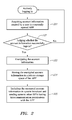
Fig. 2 is a flowchart of a method for account intercommunication in an active login mode provided in embodiment I of the present invention; -
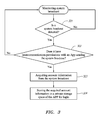
Fig. 3 is a flowchart executed by an APP receiving a system broadcast provided in embodiment I of the present invention; -
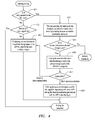
Fig. 4 is a flowchart executed after an APP is opened, provided in embodiment II of the present invention; -
Fig. 5 is an instance diagram of a login interface in a selective intercommunication login category provided in embodiment II of the present invention; -
Fig. 6 is a flowchart of a method for account intercommunication in an active login mode provided in embodiment III of the present invention; -
Fig. 7 is a flowchart executed after an APP is opened, provided in embodiment IV of the present invention; -
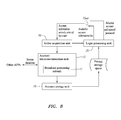
Fig. 8 is a structural diagram of an apparatus provided in embodiment V of the present invention; and -
Fig. 9 is another structural diagram of an apparatus provided in embodiment V of the present invention. - In order to make the objectives, technical solutions and advantages of the present invention more apparent, the present invention is described in detail hereinbelow in conjunction with the accompanying drawings and specific embodiments.
- The core idea of the present invention is: if account information entered by a user in a currently running APP is acquired, then after using the account information to log in successfully, providing the account information to other APPs having intercommunication permissions with the APP for the other APPs to log in.
- The methods for providing account information among APPs may be, but are not limited to, the following two: one is the method of system broadcast; and the other one is the method of storing the account information in a public account pool for other APPs to acquire. The methods for account intercommunication using these two methods are respectively described further below by means of different embodiments.
- In this embodiment, taking the Android system for example, account intercommunication among various APPs having intercommunication permissions is realized through a system broadcast function coming with the Android system. With regard to the broadcast method, the various APPs are equal and may all initiate broadcast and receive broadcast.
- This embodiment is applied to the following usage scenario: a user logs into an APP in an active manner, that is, when a login interface of a certain running APP is opened, the user logs in by manually entering the account information. This active login method may be adopted when an APP runs for the first time and may also be adopted when the APP is not running for the first time; it may be adopted when the APP does not store any account information locally and may also be adopted when the APP stores available account information locally. This active login method is actively initiated by a user, and as long as the user actively initiates active login for a certain APP, the APP merely passively acquires the account information entered by the user in the login interface, and executes the procedure in this embodiment. As shown in
Fig. 2 , the method mainly comprises the following procedure: - 201: account information entered by a user in a currently opened APP is acquired.
- 202: It is judged whether the account information logs in successfully, and if not, login failure is prompted to the user, and the user may re-enter the account information; and if yes, 203 is executed.
- 203: The account information is encrypted.
- This step is a preferred step executed in order to improve the security of the account information, and APPs having intercommunication permissions may share one encryption mechanism, so as to ensure that only APPs having intercommunication permissions may acquire the account information. Certainly, the absence of encryption does not affect the implementation of the objective of the present invention.
- The intercommunication permissions of various APPs are introduced simply herein; generally, the APPs have certain permissions, for example, in various APPs of the Android system, permissions information about the APPs is provided in a manifest file, and for example, a Baidu service provider may declare the intercommunication permissions of the APPs provided thereby through a BaiduSharePermission parameter.
- 204: The encrypted account information is stored in a private storage space of the APP.
- There are private storage spaces in various APPs for storing available account information about the APPs, and when the login is successful in an active login mode, the account information for the active login mode may be stored in the private storage space. The private storage space may also store account information acquired in other manners, which will be dealt with in subsequent embodiments.
- 205: The encrypted account information is included in the system broadcast and sent to other APPs having intercommunication permissions with the APP.
- In the system broadcast, in order to be able to help other APPs to recognize whether they have intercommunication permissions with an APP sending the broadcast, the permissions information about the APP sending the broadcast may be contained in the system broadcast. In addition, in order to further improve the security of the account information, the encrypted account information may be encrypted again and then sent through system broadcast.
- It needs to be noted that the above-mentioned 204 and 205 are not executed in a fixed order, may be executed in any order, and may also be executed simultaneously.
- For an APP receiving the system broadcast, the procedure executed thereby may be as shown in
Fig. 3 , and mainly comprises the steps as follows: - 301: whether the APP detects a system broadcast, and if yes, 302 is executed; otherwise, continue to monitor system broadcast.
- 302: The APP judges whether it has intercommunication permissions with an APP sending the system broadcast, and if yes, 303 is executed; otherwise, it discards the system broadcast, and continues to monitor system broadcast.
- The APP receiving the system broadcast compares the permissions information thereof with the permissions information contained in the system broadcast, so as to determine whether it has intercommunication permissions with the APP.
- 303: Account information is acquired from the system broadcast.
- If the account information is further encrypted when the system broadcast is sent, then in this step, the account information is acquired from the system broadcast by decryption, and the acquired account information is actually the encrypted account information.
- 304: The acquired account information is stored in a private storage space of the APP for login.
- After the APP acquires the account information, when the APP is opened subsequently, different login modes may be selected according to login policies herein. The login policies here may comprise but are not limited to: silent intercommunication login and selective intercommunication login.
- Silent intercommunication login refers to a "logging into one, logging into all" login mode, which means that as long as one of the APPs having intercommunication permissions logs in successfully, other APPs also use the account information acquired through system broadcast to log in. With this login policy, in 304 above, the APP receiving the system broadcast may be directly logged into using the acquired account information (that is the account information in the private storage space thereof) when being opened.
- Selective intercommunication login means that the successful login of one of the APPs having intercommunication permissions does not affect the login of other APPs, and the account information thereof will be provided to other APPs to store; and when the user opens other APPs to log in, the stored account information will be provided to the user for the user to perform selective login. With this login policy, in 304 above, after the APP receiving the system broadcast stores the acquired account information in the private storage space of the APP, if the APP is opened by the user, the account information in the private storage space of the APP may be displayed to the user in the login interface, and the user may select one piece of account information therefrom to log in.
- It needs to be noted that the account information involved in the embodiments of the present invention at least comprises an account, and may further comprise a password. With the silent intercommunication login policy, the account information generally comprises an account and a password. With the selective intercommunication login policy, the account information may only comprise an account, and when selecting one account in the account information displayed in the APP to log in, the user needs to enter a correct password manually to log in successfully. This content will also be dealt with in detail later.
- In this embodiment, taking the android system for example, the procedure executed is completely described from the time when a user opens a certain APP; as shown in
Fig. 4 , the procedure comprises the steps as follows: - 401: it is judged whether the APP is opened for the first time, and if not, 402 is executed; and if yes, 404 is executed.
That is, it is judged whether the APP runs for the first time after being installed, and if yes, then it is considered as being opened for the first time. - 402: It is judged whether the APP has been logged into, and if yes, the current procedure is ended; otherwise,
step 403 is executed. - 403: Account information in a private storage space of the APP is displayed to the user for the user to select to log in, and if the login is successful, the current procedure is ended.
- Actually, the kind of operation specifically executed in 403 is related to a configured login policy of the APP, and in this flow, the login policy is configured as selective intercommunication login; if it is assumed that the private storage space of the APP has stored pieces of account information, these pieces of account information are all pieces of account information that may be used by the APP, and may be displayed to the user; and if the user selects one of these pieces of account information, the account information is utilized to log into the APP. Generally, the account information in this case only contains accounts, that is, more than one account is provided to the user in the form of a list, and after selecting one account therefrom, the user manually enters a password to log in. Taking Baidu Library for example, as shown in
Fig. 5 , assuming that the user has opened the APP of Baidu Library in a smartphone, when this step is to be executed, the account information in the private storage space of the APP will be displayed in a login interface of the APP, and is assumed to be account 1,account 2 andaccount 3 and may be displayed to the user in the form of a text box; assuming that the user selects account 1 and manually enters a password, then Baidu Library may be logged into. - If the APP is configured with the silent intercommunication login policy, then 403 is replaced with using the account information in the private storage space to directly log in.
- 404: The APP queries the account information about other APPs having intercommunication permissions therewith by sending a system broadcast.
- If the APP runs for the first time, then the APP may query available account information from other APPs having intercommunication permissions therewith by sending a system broadcast. If having intercommunication permissions with the APP sending the system broadcast, the APP receiving the system broadcast replies with the account information in the private storage space thereof to the APP by means of system broadcast, and the system broadcast of the reply may also contain login state information. In this way, if the APP containing the account information is received, and if the login policy is configured to be silent intercommunication login, account information used by a logged-in APP in the received system broadcast may be directly used to log in.
- 405: Is the account information obtained through query, and if so, 406 is executed; otherwise, the procedure of active login is executed.
- 406: The account information obtained through query is stored in the private storage space of the APP after encryption.
- 407: According to the login policy configured by the APP, corresponding login processing is executed, and if it is selective intercommunication login, 403 is executed; and if it is silent intercommunication login, 408 is executed.
- 408: The account information used by the logged-in APP amongst other APPs having intercommunication permissions with the APP is used to directly log in, and if the login is successful, the current procedure is ended.
- If the APP which runs for the first time does not obtain the account information through query by means of system broadcast, the user may use the active login mode to log into the APP, and in this case, the execution procedure is as shown in
Fig. 2 . - In this embodiment, taking an IOS system for example, a Keychain of the IOS system is used for account intercommunication; herein, the Keychain is equivalent to a public account pool, and the Keychain may differentiate APPs with different permissions through domains, that is, the APPs having intercommunication permissions may correspond to the same Keychain, and may all perform "read-write" operations on the Keychain; in this embodiment, that is to store account information in the Keychain and acquire the account information from the Keychain.
- Similarly to embodiment I, this embodiment is applied to the following usage scenario: a user logs into an APP in an active manner, that is, when a login interface of a certain running APP is opened, the user logs in by manually entering the account information. This active login mode may be adopted when an APP runs for the first time and may also be adopted when the APP is not running for the first time; it may be adopted when the APP does not store any account information locally and may also be adopted when the APP stores available account information locally. This active login mode is actively initiated by a user, and as long as the user actively initiates active login to a certain APP, the APP merely passively acquires the account information entered by the user in the login interface, and executes the procedures in this embodiment. As shown in
Fig. 6 , the method mainly comprises the following procedure: - 601-604 are the same as 201-204 in
Fig. 2 and will not be described again in detail. - 605: The encrypted account information is stored a Keychain corresponding to the intercommunication permissions of the APP, for other APPs having intercommunication permissions with the APP to acquire account information from the Keychain.
- For example, in the IOS system, the intercommunication permissions of the APP may be declared through a KeychainSharing parameter in a capabilities file of the APP, and if the intercommunication permissions are consistent with the intercommunication permissions declared in the domains of the Keychain, the APP may access the Keychain.
- Similarly, the above-mentioned 604 and 605, are not executed in a fixed order, may be executed in any order, and may also be executed simultaneously.
- For an APP, there are mainly two cases regarding when to acquire the account information from the Keychain in this embodiment:
- one case is that when an APP is opened, if the APP is configured with the silent intercommunication login policy, then an interface of silent intercommunication login needs to be invoked; at this moment, the APP acquires the account information from the Keychain corresponding thereto and stores same in the private storage space of the APP; actually, information synchronization is performed on the Keychain and the private storage space once. Then, the account information in the private storage space is utilized to directly log in, and in this case, the account information contains not only the account but also the password.
- The other case is that when an APP is opened, if the APP is configured with the selective intercommunication login policy, then an interface of selective intercommunication login needs to be invoked; at this moment, the APP acquires the account information from the Keychain corresponding thereto and stores same in the private storage space of the APP, that is, information synchronization is performed on the Keychain and the private storage space once. Then, pieces of account information in the private storage space are displayed to the user for the user to select one of them for login. In this case, the account information may only contain an account, and the user needs to manually enter a password to login successfully.
- In this embodiment, taking the android system for example, the executed procedure is completely described from the time when a user opens a certain app; as shown in
Fig. 7 , the procedure comprises the steps as follows: - 701: it is judged whether an APP runs for the first time, and if not, 702 is executed; and if yes, 705 is executed.
- 702 is the same as 402 in
Fig. 4 . - 703: The Keychain corresponding to the APP performs account information synchronization with the private storage space.
- In this step, no matter whether the login policy of the APP is configured to be silent intercommunication login or selective intercommunication login, the APP will be triggered to perform account information synchronization, that is, account information synchronization between the Keychain and the private storage space of the APP, and in this step, the specific representation may be to store the account information that is in a Keychain corresponding to the APP in the private storage space of the APP.
- 704 is the same as 403 in
Fig. 4 . - 705: The Keychain corresponding to the APP performs account information synchronization with the private storage space.
- In this step, the specific representation may also be to store the account information that is in a Keychain corresponding to the APP in the private storage space of the APP.
- 706: Is the account information obtained synchronously, and if so, 707 is executed; otherwise, the procedure of active login is executed.
- If the APP which runs for the first time does not obtain the account information from the corresponding Keychain by synchronization, the user may use the active login mode to log into the APP, and in this case, the execution procedure is as shown in
Fig. 6 . - 707: According to the login policy configured by the APP, corresponding login processing is executed, and if it is selective intercommunication login, 704 is executed; and if it is silent intercommunication login, 708 is executed.
- 708 is the same as 408 in
Fig. 4 . - The above is a detailed description of the method provided in the present invention, and the apparatus provided in the present invention is described in detail below through embodiment V.
-
Fig. 8 is a structural diagram of an apparatus provided in embodiment V of the present invention, and the apparatus provided in the embodiment of the present invention is generally arranged in an APP; as shown inFig. 8 , the apparatus comprises: anactive acquisition unit 00 and anaccount intercommunication unit 10, and may further comprise anaccount storage unit 20. - The
active acquisition unit 00 is responsible for acquiring account information entered by a user at the APP where the apparatus is located, that is, acquiring the account information entered in the currently opened APP by the user when in an active login mode. - The
account intercommunication unit 10 is responsible for providing, after the APP where the apparatus is located uses the account information to log in successfully, the account information to other APPs having intercommunication permissions with the APP where the apparatus is located for the other APPs to log in. - The
account storage unit 20 stores, after the APP where the apparatus is located uses the account information to log in successfully, the account information or the account information after encryption in a private storage space of the APP where the apparatus is located. - When providing the account information to the other APPs, the
account intercommunication unit 10 may use the following two methods but is not limited thereto: one is the method of system broadcast; and the other one is the method of storing the account information in a public account pool for other APPs to acquire. The apparatus structures corresponding to these two methods are respectively described in detail below. - As shown in
Fig. 8 , when the system broadcast method is adopted, theaccount intercommunication unit 10 may comprise: abroadcast processing subunit 11, which provides the account information to other APPs having intercommunication permissions with the APP where the apparatus is located through system broadcast. This method may be applied to the Android system and uses the system broadcast coming with the Android system. For a broadcast method, the various APPs are equal and may all initiate broadcast and receive broadcast. - Specifically, on one hand, the APP where the apparatus is located may serve as a sender of the system broadcast, that is, the
broadcast processing subunit 11 sends the system broadcast containing the account information or the account information after encryption. On the other hand, it may also serve as a receiver of the system broadcast, that is, after thebroadcast processing subunit 11 receives the system broadcast, if it is determined, according to permissions information carried in the system broadcast, that the APP where the apparatus is located has the same intercommunication permissions as the APP sending the system broadcast, the account information or the account information after encryption is acquired from the received system broadcast and is provided to theaccount storage unit 20. Theaccount storage unit 20 stores the account information or the account information after encryption which is provided by thebroadcast processing subunit 11 in the private storage space of the APP where the apparatus is located for login. - If it is determined, according to the permissions information carried in the system broadcast, that the APP where the apparatus is located does not have the same intercommunication permissions as the APP sending the system broadcast, the
broadcast processing subunit 11 discards the system broadcast and continues to monitor system broadcast. - Making the account information after encryption included in the system broadcast is a method which is adopted in order to improve the security of the account information, and APPs having intercommunication permissions may share one encryption mechanism, so as to ensure that only the APPs having intercommunication permissions may acquire the account information.
- In addition, if the APP where the apparatus is located runs for the first time, then after the APP is opened, the
broadcast processing subunit 11 may first query account information about other APPs having intercommunication permissions with the APP where the apparatus is located by sending system broadcast, and provide the account information obtained through query or the account information obtained through query after encryption to theaccount storage unit 20. - In addition to containing the account information, the above-mentioned system broadcast may further contain login state information, so that the APPs acquiring these pieces of information, if the login policy is configured to be silent intercommunication login, can directly use the account information used by the logged-in APP to log in.
- As shown in
Fig. 9 , if the method of storing the account information in a public account pool for other APPs to acquire is adopted, theaccount intercommunication unit 10 may comprise: an accountpool processing subunit 12 for storing the account information in the public account pool for other APPs having intercommunication permissions with the APP where the apparatus is located to acquire. This method may be applied to the IOS system, and the corresponding public account pool is a Keychain. The Keychain may differentiate APPs with different permissions through domains, that is, the APPs having intercommunication permissions may correspond to the same Keychain, and may all perform "read-write" operations on the Keychain; in this embodiment, that is to store account information in the Keychain and acquire the account information from the Keychain. - Specifically, on one hand, the APP where the apparatus is located may be taken as a "writer" of the Keychain, that is, the account
pool processing subunit 12 stores the account information or the account information after encryption in a Keychain corresponding to the intercommunication permissions of the APP where the apparatus is located. On the other hand, it may also be taken as a "reader" of the Keychain, that is, when the APP where the apparatus is located is opened, the accountpool processing subunit 12 acquires the account information from the Keychain corresponding to the intercommunication permissions of the APP where the apparatus is located and provides same to theaccount storage unit 20. Theaccount storage unit 20 stores the account information provided by the accountpool processing subunit 12 in the private storage space of the APP where the apparatus is located. - In addition, if the APP where the apparatus is located runs for the first time, the account
pool processing subunit 12 may first acquire the account information from the Keychain corresponding to the intercommunication permissions of the APP where the apparatus is located and store same in the private storage space of the APP where the apparatus is located. - No matter which method of
Fig. 8 or9 is adopted, the apparatus may further comprise: alogin processing unit 30, which is responsible for the login processing of the APP where the apparatus is located; in addition to the active login mode, if the private storage space of the current APP stores the account information, then according to the configured login policy of the current APP, one of the following methods may be adopted to log in: - When the login policy is silent intercommunication login, the account information stored in the private storage space is directly used to log in. The so-called silent intercommunication login refers to a "logging into one, logging into all" login mode, that is, as long as one of the APPs having intercommunication permissions logs in successfully, other APPs may also utilize the account information used by the logged-in APP to directly log in, and in this case, the account information comprises an account and a password.
- When the login policy is selective intercommunication login, pieces of account information stored in the private storage space are displayed to a user for the user to select one of them to log in. The so-called selective intercommunication login means that the successful login of one of the APPs having intercommunication permissions does not affect the login of other APPs, and the account information thereof will be provided to other APPs to store; and when the user opens other APPs to log in, the stored account information (an available account information list) will be provided to the user for the user to perform selective login. In this case, the account information is an account, and the
login processing unit 30 needs to acquire a password entered by the user to log in. - As one example, after the above-mentioned method and apparatus provided in the present invention are adopted, if it is assumed that Baidu Map, Baidu Library and Baidu Assistant are installed in the smartphone with the Android system of the user, and if the user enters the account and password in Baidu Map, then:
- if the login policy configured in advance in these APPs provided by Baidu is silent intercommunication login, the account and password after encryption are stored in the private storage space thereof and are contained in the system broadcast to send. Since it is configured in advance that Baidu Map, Baidu Library and Baidu Assistant have intercommunication permissions therebetween in the permissions thereof, after receiving the system broadcast, Baidu Library and Baidu Assistant determine that they have intercommunication permissions with Baidu Map which sent the system broadcast, and then store the account and password after encryption therein in the private storage space thereof. After being opened subsequently, Baidu Library or Baidu Assistant may be logged into directly using the account and password after the account and password in the private storage space are decrypted, and at this moment, the user may log in without entering any account and password, and obviously, the entering cost is saved.
- If the login policy configured in advance in these APPs provided by Baidu is selective intercommunication login, Baidu Map stores the account after encryption in the private storage space thereof and includes same in the system broadcast to send. Since it is configured in advance that Baidu Map, Baidu Library and Baidu Assistant have intercommunication permissions theretween in the permissions thereof, after receiving the system broadcast, Baidu Library and Baidu Assistant determine that they have intercommunication permissions with Baidu Map which sent the system broadcast, and then store the account after encryption therein in the private storage space thereof. After Baidu Library or Baidu Assistant is opened subsequently, the account in the private storage space is displayed to the user in the login interface, and the user may directly select the account to log in after entering the password; this method also saves the entering cost of the user to some extent. Certainly, if Baidu Library or Baidu Assistant have been logged into using other accounts previously, there must be other accounts in the private storage space thereof; when Baidu Library or Baidu Assistant is opened, other accounts previously used will also be provided to the user together for the user to select, and the user may also select the accounts used by Baidu Library or Baidu Assistant previously to log in.
- As another example, after the above-mentioned method and apparatus provided in the present invention are adopted, if it is assumed that Baidu Map, Baidu Library and Baidu Assistant are installed in a smartphone with an IOS system of the user, and if the user enters an account and a password in Baidu Map, then:
- if the login policy configured in advance in these APPs provided by Baidu is silent intercommunication login, the account and password after encryption are stored in the private storage space thereof and are stored in the corresponding Keychain. Since it is configured in advance that Baidu Map, Baidu Library and Baidu Assistant have intercommunication permissions therebetween in the permissions thereof, these APPs correspond to the same Keychain, and after being opened, Baidu Library and Baidu Assistant will be triggered to perform synchronization with the Keychain once, that is, acquire the account and password after encryption from the corresponding Keychain and store same in the private storage space thereof. After being opened subsequently, Baidu Library or Baidu Assistant may be logged into directly using the account and password after the account and password in the private storage space are decrypted, and at this moment, the user may log in without entering any account and password, and obviously, the entering cost is saved.
- If the login policy configured in advance in these APPs provided by Baidu is selective intercommunication login, Baidu Map stores the account after encryption in the private storage space thereof and stores same in the corresponding Keychain. Since it is configured in advance that Baidu Map, Baidu Library and Baidu Assistant have intercommunication permissions therebetween in the permissions thereof, these APPs correspond to the same Keychain, and after being opened, Baidu Library and Baidu Assistant will be triggered to perform synchronization with the Keychain once, that is, acquire the account after encryption from the corresponding Keychain and store same in the private storage space thereof. After Baidu Library or Baidu Assistant is opened subsequently, the account in the private storage space is decrypted and the account is displayed to the user in the login interface, and the user may directly select the account to log in after entering the password; this method also saves the entering costs of the user to some extent. Certainly, if Baidu Library or Baidu Assistant have been logged into using other accounts previously, there must be other accounts in the private storage space thereof; when Baidu Library or Baidu Assistant is opened, other accounts previously used will also be provided to the user together for the user to select, and the user may also select the accounts used by Baidu Library or Baidu Assistant previously to log in.
- It needs to be noted that in the above-mentioned embodiments provided in the present invention, the Android system and the IOS system are taken as examples for description, but the method and apparatus provided in the present invention are not limited to the above-mentioned two systems, and are also applicable to other systems adopted by intelligent terminals. The intelligent terminals to which the present invention is applicable comprise but are not limited to: smartphones, PDAs and tablet computers, and may also be intelligent televisions, conference terminals, etc. capable of running various APPs.
- It can be seen from the above description that the method and apparatus provided in the present invention has the advantages as follows:
- 1) by means of the method of the present invention, account information entered in any APP may be shared among APPs having intercommunication permissions with the APP, so that other APPs may be logged into using the intercommunicated account after being opened, without managing the account information about various APPs through a unified entrance, and thus the APP need not access the entrance in advance, and it is not required that the login may be realized only when the entrance is opened after exiting the APP; obviously, the flexibility and independence of APP login is improved, and the complexity of operation is reduced.
- 2) In the present invention, since there is no limitation of a unified entrance, various APPs may all adopt their own login interfaces, and the customization of skins and functions by APPs is not affected.
- 3) The present invention may either customize a silent intercommunication login mode, or may customize a selective intercommunication login mode, the implementation thereof is flexible, the user need not input the account information repeatedly, and the entering cost of the user is saved.
- In certain embodiments provided in the present invention, it should be understood that the disclosed apparatus and method may be implemented in other forms. For example, the apparatus embodiment described above is merely illustrative, for example, the division of the units is merely a logical function division, and there may be other division methods in actual implementation.
- In addition, various functional units in various embodiments of the present invention may be integrated into one processing unit, or each of the units may also exist alone physically, or two or more units may be integrated into one unit.
- The integrated unit above implemented in the form of software functional units may be stored in a computer readable storage medium. The software functional units are stored in a storage medium and include several instructions for making a computer device (which may be a personal computer, a server, or a network device and so on) or a processor execute some steps of the method described in the embodiments of the present invention. The foregoing storage medium comprises: various media that may store program codes, such as a USB flash drive, a removable hard disk, a read-only memory (ROM), a random access memory (RAM), a magnetic disk, or an optical disk.
- Detailed above are merely preferred embodiments of the present invention, and are not intended to limit the present invention. Any modifications, equivalent replacements, improvements and so on made within the spirit and principle of the present invention should be contained in the scope of protection of the present invention.
- Obviously, those of skill in the art should understand that the embodiments of the present invention may be implemented by means of computer apparatus executable programs, thereby being able to store same in a storage apparatus to be executed by a processor. The programs may be stored in a computer readable storage medium. The storage medium mentioned above may be a read-only memory, a magnetic disk or an optical disc, etc.; or they are made into various integrated circuit modules respectively, or a plurality of modules or steps thereof are made into a single integrated circuit module. In this way, the present invention is not limited to any particular combination of hardware and software.
- The following numbered paragraphs are also disclosed:
- 1. A method for account intercommunication among applications (APPs), characterized in that the method comprises:
- acquiring account information entered by a user in a current APP; and
- after using said account information to log in successfully, providing said account information to other APPs having intercommunication permissions with said current APP for the other APPs to log in.
- 2. The method according to paragraph 1, characterized in that said step of providing said account information to other APPs having intercommunication permissions with said current APP comprises:
- said current APP providing, by means of system broadcast, said account information to other APPs having intercommunication permissions with said current APP; or
- said current APP storing said account information in a public account pool for other APPs having intercommunication permissions with said current APP to acquire.
- 3. The method according to paragraph 1, characterized in that after using said account information to log in successfully, the method further comprises:
- storing said account information or said account information after encryption in a private storage space of said current APP.
- 4. The method according to
paragraph 2, characterized in that the step of said current APP providing, by means of system broadcast, said account information to other APPs having intercommunication permissions with said current APP comprises:- said current APP makes said account information or said account information after encryption included in a system broadcast; and
- according to permissions information carried in said system broadcast, if it is determined that an APP receiving said system broadcast has intercommunication permissions with an APP sending said system broadcast, acquiring the account information or the account information after encryption from said system broadcast and storing same in a private storage space for login.
- 5. The method according to paragraph 4, characterized in that the method further comprises:
- if said current APP runs for the first time, said current APP querying, by sending a system broadcast, account information about other APPs having intercommunication permissions with said current APP; and
- storing the account information obtained through query or the account information obtained through query after encryption in the private storage space of said current APP.
- 6. The method according to
paragraph 2, characterized in that said public account pool is a Keychain. - 7. The method according to paragraph 6, characterized in that the step of said current APP storing said account information in a public account pool for other APPs having intercommunication permissions with said current APP to acquire comprises:
- said current APP storing said account information or said account information after encryption in a Keychain corresponding to the intercommunication permissions of said current APP; and
- when other APPs having intercommunication permissions with said current APP are opened, acquiring the account information from said Keychain and storing same in the private storage space thereof.
- 8. The method according to paragraph 7, characterized in that the method further comprises:
- if the current APP runs for the first time, acquiring the account information from the Keychain corresponding to the intercommunication permissions of said current APP and storing same in the private storage space thereof.
- 9. The method according to
paragraph 3, 4, 5, 7 or 8, characterized in that the method further comprises:- if the private storage space of said current APP stores the account information, according to a configured login policy of said current APP, using one of the following methods to log in:
- when said login policy is silent intercommunication login, directly using the account information stored in the private storage space to log in; and
- when said login policy is selective intercommunication login, displaying pieces of account information stored in the private storage space to a user for the user to select one of them to log in.
- if the private storage space of said current APP stores the account information, according to a configured login policy of said current APP, using one of the following methods to log in:
- 10. The method according to paragraph 9, characterized in that when said login policy is silent intercommunication login, said account information is an account and a password; and
when said login policy is selective intercommunication login, said account information is an account, and login is realized by acquiring a password entered by the user. - 11. An apparatus for account intercommunication among APPs, characterized in that the apparatus comprises:
- an active acquisition unit for acquiring account information entered by a user in an APP where the apparatus is located; and
- an account intercommunication unit for providing, after the APP where the apparatus is located uses said account information to log in successfully, said account information to other APPs having intercommunication permissions with the APP where the apparatus is located for the other APPs to log in.
- 12. The apparatus according to
paragraph 11, characterized in that said account intercommunication unit comprises: a broadcast processing subunit or an account pool processing subunit;
wherein said broadcast processing subunit is used for providing, by means of system broadcast, said account information to other APPs having intercommunication permissions with the APP where the apparatus is located; and
said account pool processing subunit is used for storing said account information in a public account pool for other APPs having intercommunication permissions with the APP where the apparatus is located to acquire. - 13. The apparatus according to
paragraph 11, characterized in that the apparatus further comprises:- an account storage unit for storing, after the APP where the apparatus is located uses said account information to log in successfully, said account information or said account information after encryption in a private storage space of the APP where the apparatus is located.
- 14. The apparatus according to
paragraph 12, characterized in that the apparatus further comprises: an account storage unit;
wherein said broadcast processing subunit is specifically used for sending the system broadcast containing said account information or said account information after encryption; after the system broadcast is received, if it is determined, according to permissions information carried in the system broadcast, that the APP where the apparatus is located has the same intercommunication permissions as an APP sending the system broadcast, acquiring account information or account information after encryption from the received system broadcast and providing same to said account storage unit; and
said account storage unit is used for storing the account information or the account information after encryption which is provided by said broadcast processing subunit in the private storage space of the APP where the apparatus is located for login. - 15. The apparatus according to paragraph 14, characterized in that said broadcast processing subunit is also used for querying, by sending a system broadcast, account information about other APPs having intercommunication permissions with the APP where the apparatus is located if the APP where the apparatus is located runs for the first time, and providing the account information obtained through query or the account information obtained through query after encryption to said account storage unit.
- 16. The device according to
paragraph 12, characterized in that said public account pool is a Keychain. - 17. The apparatus according to paragraph 16, characterized in that the apparatus further comprises: an account storage unit;
wherein said account pool processing subunit is specifically used for storing said account information or said account information after encryption in a Keychain corresponding to the intercommunication permissions of the APP where the apparatus is located; and when the APP where the apparatus is located is opened, acquiring account information from the Keychain corresponding to the intercommunication permissions of the APP where the apparatus is located and providing same to said account storage unit; and
said account storage unit is used for storing the account information provided by said account pool processing subunit in the private storage space of the APP where the apparatus is located. - 18. The apparatus according to paragraph 17, characterized in that said account pool processing subunit is also used for acquiring, if the APP where the apparatus is located runs for the first time, the account information from the Keychain corresponding to the intercommunication permissions of the APP where the apparatus is located and storing same in the private storage space of the APP where the apparatus is located.
- 19. The apparatus according to paragraph 13, 14, 15, 17 or 18, characterized in that the apparatus further comprises:
- a login processing unit for using, if the private storage space of said current APP stores the account information, one of the following methods to log in according to a configured login policy of said current APP:
- when said login policy is silent intercommunication login, directly using the account information stored in the private storage space to log in; and
- when said login policy is selective intercommunication login, displaying pieces of account information stored in the private storage space to a user for the user to select one of them to log in.
- a login processing unit for using, if the private storage space of said current APP stores the account information, one of the following methods to log in according to a configured login policy of said current APP:
- 20. The apparatus according to paragraph 19, characterized in that, when said login policy is silent intercommunication login, said account information is an account and a password; and
when said login policy is selective intercommunication login, said account information is an account, and said login processing unit needs to acquire a password entered by the user to log in. - 21. A method for providing communication among applications (APPs),
comprising:- acquiring user account information for a first APP; and
- applying the user account information to access a second APP after the first APP is accessed via the user account information,
- wherein the second APP has intercommunication permissions with the first APP.
- 22. The method of paragraph 21, wherein said applying the user account
information includes at least one of:- providing the user account information to the second APP from the first APP via a system broadcast; and
- storing the user account information in a public account pool for acquisition by the second APP.
- 23. The method of paragraph 22, wherein said providing the user account information to the second APP includes:
- including permissions information in the system broadcast;
- confirming whether the second APP has the intercommunication permissions based upon the permissions information in the system broadcast; and
- enabling the second APP to acquire and store the user account information from the system broadcast based upon said confirming.
- 24. The method of paragraph 23, further comprising:
- determining whether the first APP is being run for a first time;
- enabling the first APP to query account information about the second APP based upon said determining; and
- enabling the first APP to encrypt the account information obtained via said query and to store the encrypted account information.
- 25. The method of paragraph 22, wherein said storing the user account information in the public account pool comprises storing the user account information in a Keychain.
- 26. The method of paragraph 25, wherein said storing the user account information in the public account pool includes:
- storing the user account information in a selected Keychain;
- enabling the second APP to acquire the user account information stored in the selected Keychain when the second APP is opened; and
- enabling the second APP to store the acquired user account information in a private storage space of the second APP.
- 27. The method of paragraph 26, further comprising:
- determining whether the first APP is being run for a first time;
- enabling the first APP to acquire the user account information from the selected Keychain corresponding to the intercommunication permissions of said first APP based upon said determining; and
- storing the acquitted user account information in a private storage space of the first APP.
- 28. The method of paragraph 27, further comprising at least one of:
- confirming that a configured login policy of the first APP is silent intercommunication login and using the stored user account information to log into the first APP based upon said confirming that the configured login policy is the silent intercommunication login; and
- confirming that the configured login policy of the first APP is selective intercommunication login and enabling selection of presented predetermined portions of the stored user account information to log into the first APP based upon said confirming that the configured login policy is the selective intercommunication login.
- 29. The method of paragraph 28,
wherein said using the stored user account information to log into the first APP includes using stored account and password information to log into the first APP; and
wherein said enabling the selection of the presented predetermined portions of the stored user account information to log into the first APP includes using stored account information and a user-entered password to log into the first APP. - 30. The method of paragraph 21, further comprising
encrypting the user account information; and
storing the encrypted user account information in a private storage space of the first APP. - 31. An apparatus for providing communication among applications (APPs), comprising:
- an active acquisition system for acquiring user account information for a first APP; and
- an account intercommunication system for applying the user account information to access a second APP after the first APP is accessed via the user account information,
- wherein the second APP has intercommunication permissions with the first APP.
- 32. The apparatus of paragraph 31, wherein said account intercommunication system includes at least one of a broadcast processing subsystem and an account pool processing subsystem, and
wherein said broadcast processing subsystem is configured to provide the user account information to the second APP via a system broadcast, and
wherein said account pool processing subsystem is configured to store the user account information in a public account pool for acquisition by the second APP. - 33. The apparatus of paragraph 32,
wherein said broadcast processing subsystem is capable of transmitting the system broadcast with the user account information, and
wherein the first APP determines that the first APP and the second APP have matching intercommunication permissions and, based upon the matching intercommunication permissions, acquires the transmitted user account information and provides the transmitted user account information to an account storage unit for storing the transmitted user account information in a private storage space of the first APP. - 34. The apparatus of paragraph 33, wherein said broadcast processing subsystem is adapted to query selected account information from the second APP via the system broadcast based upon a determination that the first APP is being run for a first time and to provide the selected account information to said account storage unit for encryption and storage.
- 35. The apparatus of paragraph 32, wherein said public account pool is a Keychain.
- 36. The apparatus of paragraph 35,
wherein said account pool processing subsystem is configured for storing the user account information in a selected Keychain,
wherein the first APP acquires the user account information from the selected Keychain and, based upon a determination that the first APP has been opened, provides the acquired user account information to said account storage unit; and
wherein said account storage unit stores the acquired user account information in the private storage space of the first APP. - 37. The apparatus of paragraph 36, wherein said account pool processing subsystem is configured for acquiring the user account information from the selected Keychain and storing the acquired the user account information in the private storage space of the first APP based upon a determination that the first APP is being run for the first time.
- 38. The apparatus of paragraph 37, further comprising a login processing unit for logging into the first APP according to a configured login policy and based upon a determination that the private storage space of said first APP stores the account information:
- using the account information stored in the private storage space to log into the first APP based upon a determination that the login policy is silent intercommunication login; and
- displaying selected portions of the user account information stored in the private storage space for selection to log into the first APP based upon a determination that the login policy is selective intercommunication login.
- 39. The apparatus of paragraph 38,
wherein the user account information is an account and a password based upon the determination that the login policy is silent intercommunication login; and
wherein the user account information is an account and said login processing unit uses a user-entered password to log in based upon the determination that the login policy is selective intercommunication login. - 40. The apparatus of paragraph 31, further comprising an account storage system for storing the user account information in a private storage space of the first APP after the first APP successfully applies the user account information to log into the second APP.
Claims (11)
- A method for providing communication among applications (APPs), comprising:acquiring user account information for a first APP; andapplying the user account information to access a second APP after the first APP is accessed via the user account information,wherein the second APP has intercommunication permissions with the first APP.
- The method of claim 1, wherein said applying the user account information includes at least one of:providing the user account information to the second APP from the first APP via a system broadcast; andstoring the user account information in a public account pool for acquisition by the second APP.
- The method of claim 2, wherein said providing the user account information to the second APP includes:including permissions information in the system broadcast;confirming whether the second APP has the intercommunication permissions based upon the permissions information in the system broadcast; andenabling the second APP to acquire and store the user account information from the system broadcast based upon said confirming.
- The method of claim 3, further comprising:determining whether the first APP is being run for a first time;enabling the first APP to query account information about the second APP based upon said determining; andenabling the first APP to encrypt the account information obtained via said query and to store the encrypted account information.
- The method of claim 2, wherein said storing the user account information in the public account pool comprises storing the user account information in a Keychain.
- The method of claim 5, wherein said storing the user account information in the public account pool includes:storing the user account information in a selected Keychain;enabling the second APP to acquire the user account information stored in the selected Keychain when the second APP is opened; andenabling the second APP to store the acquired user account information in a private storage space of the second APP.
- The method of claim 6, further comprising:determining whether the first APP is being run for a first time;enabling the first APP to acquire the user account information from the selected Keychain corresponding to the intercommunication permissions of said first APP based upon said determining; andstoring the acquitted user account information in a private storage space of the first APP.
- The method of claim 7, further comprising at least one of:confirming that a configured login policy of the first APP is silent intercommunication login and using the stored user account information to log into the first APP based upon said confirming that the configured login policy is the silent intercommunication login; andconfirming that the configured login policy of the first APP is selective intercommunication login and enabling selection of presented predetermined portions of the stored user account information to log into the first APP based upon said confirming that the configured login policy is the selective intercommunication login.
- The method of claim 8,
wherein said using the stored user account information to log into the first APP includes using stored account and password information to log into the first APP; and
wherein said enabling the selection of the presented predetermined portions of the stored user account information to log into the first APP includes using stored account information and a user-entered password to log into the first APP. - The method of claim 1, further comprising
encrypting the user account information; and
storing the encrypted user account information in a private storage space of the first APP. - An apparatus or system for providing communication among applications (APPs), configured to perform the method of any preceding method claim.
Applications Claiming Priority (1)
| Application Number | Priority Date | Filing Date | Title |
|---|---|---|---|
| CN201410153657.1A CN105099984B (en) | 2014-04-16 | 2014-04-16 | The method and apparatus of account intercommunication between a kind of APP |
Publications (3)
| Publication Number | Publication Date |
|---|---|
| EP2933724A2 true EP2933724A2 (en) | 2015-10-21 |
| EP2933724A3 EP2933724A3 (en) | 2016-05-11 |
| EP2933724B1 EP2933724B1 (en) | 2020-05-06 |
Family
ID=52338928
Family Applications (1)
| Application Number | Title | Priority Date | Filing Date |
|---|---|---|---|
| EP14200738.4A Active EP2933724B1 (en) | 2014-04-16 | 2014-12-31 | Method and apparatus for account intercommunication among APPs |
Country Status (4)
| Country | Link |
|---|---|
| US (1) | US9727711B2 (en) |
| EP (1) | EP2933724B1 (en) |
| JP (1) | JP6568355B2 (en) |
| CN (1) | CN105099984B (en) |
Cited By (1)
| Publication number | Priority date | Publication date | Assignee | Title |
|---|---|---|---|---|
| CN109922023A (en) * | 2017-12-12 | 2019-06-21 | 上海博泰悦臻网络技术服务有限公司 | Navigation terminal, navigation system, navigation terminal more account login methods |
Families Citing this family (17)
| Publication number | Priority date | Publication date | Assignee | Title |
|---|---|---|---|---|
| CN105099985B (en) * | 2014-04-21 | 2018-09-07 | 百度在线网络技术(北京)有限公司 | Multiple utility program logs in implementation method and device |
| CN105610802A (en) * | 2015-12-22 | 2016-05-25 | 北京奇虎科技有限公司 | Method and system for logging in by borrowing accounts of other people |
| CN105610801A (en) * | 2015-12-22 | 2016-05-25 | 北京奇虎科技有限公司 | Method and system for logging in by borrowing accounts of other people |
| CN106534202A (en) * | 2016-12-26 | 2017-03-22 | 北京恒华伟业科技股份有限公司 | Permission processing method and device |
| CN106843980A (en) * | 2017-01-22 | 2017-06-13 | 王恩惠 | A kind of method that management is realized by third-party application and website is opened |
| CN107294967A (en) * | 2017-06-21 | 2017-10-24 | 浙江唯见科技有限公司 | One kind shares unrestricted login system and method |
| CN110598085B (en) | 2018-05-24 | 2023-11-10 | 华为技术有限公司 | An information query method and terminal for terminal |
| CN112215594A (en) * | 2018-10-29 | 2021-01-12 | 创新先进技术有限公司 | Data transmission method, device, computing device and storage medium |
| CN109741123A (en) * | 2018-11-23 | 2019-05-10 | 上海豆为教育科技有限公司 | Family's account management method and system |
| CN109639433B (en) * | 2018-12-05 | 2020-06-30 | 珠海格力电器股份有限公司 | Method, storage medium and processor for mutual authorization between multiple system accounts |
| US11290439B1 (en) | 2019-04-03 | 2022-03-29 | Snap Inc. | Multiple application list prioritization |
| CN112714144B (en) * | 2019-10-25 | 2022-06-21 | 拉扎斯网络科技(上海)有限公司 | List information processing method and device, electronic equipment and computer storage medium |
| CN111267774B (en) * | 2020-01-22 | 2021-09-17 | 东风小康汽车有限公司重庆分公司 | Virtual key authorization method and device |
| CN114124873B (en) * | 2020-08-26 | 2023-07-18 | 腾讯科技(深圳)有限公司 | Account exception handling method, device, computer equipment and storage medium |
| CN111741033B (en) * | 2020-08-27 | 2020-11-17 | 腾讯科技(深圳)有限公司 | A method, device, device and medium for account cross-device login management |
| CN115268710A (en) * | 2021-04-13 | 2022-11-01 | 华为技术有限公司 | Login method of application program, related device and system |
| CN116800449A (en) * | 2022-08-05 | 2023-09-22 | 青岛聚看云科技有限公司 | Display device and account switching linkage method |
Family Cites Families (24)
| Publication number | Priority date | Publication date | Assignee | Title |
|---|---|---|---|---|
| US8327427B2 (en) * | 2006-09-25 | 2012-12-04 | Rockstar Consortium Us Lp | System and method for transparent single sign-on |
| WO2011028139A1 (en) | 2009-09-07 | 2011-03-10 | Kiwibank Limited | Information exchange system |
| CN201878190U (en) * | 2010-09-19 | 2011-06-22 | 密之云(北京)呼叫产业基地有限公司 | Account filling-out-based single point login platform |
| US8839395B2 (en) * | 2011-05-13 | 2014-09-16 | Cch Incorporated | Single sign-on between applications |
| US20130086669A1 (en) * | 2011-09-29 | 2013-04-04 | Oracle International Corporation | Mobile application, single sign-on management |
| US9197623B2 (en) * | 2011-09-29 | 2015-11-24 | Oracle International Corporation | Multiple resource servers interacting with single OAuth server |
| US8887152B1 (en) * | 2011-11-04 | 2014-11-11 | Trend Micro, Inc. | Android application virtual environment |
| WO2013075661A1 (en) * | 2011-11-23 | 2013-05-30 | 腾讯科技(深圳)有限公司 | Login and open platform identifying method, open platform and system |
| CN103188207B (en) * | 2011-12-27 | 2016-07-13 | 北大方正集团有限公司 | A cross-domain single sign-on implementation method and system |
| US8689310B2 (en) * | 2011-12-29 | 2014-04-01 | Ebay Inc. | Applications login using a mechanism relating sub-tokens to the quality of a master token |
| EP2898427A2 (en) * | 2012-04-09 | 2015-07-29 | Justin Brock Gerber | Method and apparatus for browser interface, account management, and profile management |
| JP5456834B2 (en) * | 2012-04-19 | 2014-04-02 | ヤフー株式会社 | Mobile terminal, information processing method, application, and browser |
| US9027108B2 (en) * | 2012-05-23 | 2015-05-05 | Box, Inc. | Systems and methods for secure file portability between mobile applications on a mobile device |
| KR101874081B1 (en) * | 2012-06-07 | 2018-07-03 | 에스케이테크엑스 주식회사 | Cloud Service Supporting Method And System based on a Enhanced Security |
| US9117087B2 (en) * | 2012-09-06 | 2015-08-25 | Box, Inc. | System and method for creating a secure channel for inter-application communication based on intents |
| US8769651B2 (en) * | 2012-09-19 | 2014-07-01 | Secureauth Corporation | Mobile multifactor single-sign-on authentication |
| EP2936406A1 (en) * | 2012-12-19 | 2015-10-28 | Deutsche Telekom AG | Method and system for terminal device-based communication between third-party applications and an electronic wallet |
| US9009806B2 (en) * | 2013-04-12 | 2015-04-14 | Globoforce Limited | System and method for mobile single sign-on integration |
| US9767490B2 (en) * | 2013-06-03 | 2017-09-19 | Tangome, Inc. | Communication facilitator |
| CN103595809A (en) * | 2013-11-22 | 2014-02-19 | 乐视致新电子科技(天津)有限公司 | Account information management method and device in intelligent television |
| CN103607601A (en) * | 2013-11-22 | 2014-02-26 | 乐视致新电子科技(天津)有限公司 | Method and apparatus for assisting third-party application in account registration |
| US9124575B2 (en) * | 2013-11-27 | 2015-09-01 | Sap Se | Self-single sign-on |
| CN103618612A (en) * | 2013-12-04 | 2014-03-05 | 中国联合网络通信集团有限公司 | Method and device for achieving single sign on of applications in terminal |
| US9065819B1 (en) * | 2013-12-23 | 2015-06-23 | Cellco Partnership | Single sign on (SSO) authorization and authentication for mobile communication devices |
-
2014
- 2014-04-16 CN CN201410153657.1A patent/CN105099984B/en active Active
- 2014-12-26 JP JP2014264845A patent/JP6568355B2/en not_active Expired - Fee Related
- 2014-12-30 US US14/586,796 patent/US9727711B2/en not_active Expired - Fee Related
- 2014-12-31 EP EP14200738.4A patent/EP2933724B1/en active Active
Non-Patent Citations (1)
| Title |
|---|
| None |
Cited By (1)
| Publication number | Priority date | Publication date | Assignee | Title |
|---|---|---|---|---|
| CN109922023A (en) * | 2017-12-12 | 2019-06-21 | 上海博泰悦臻网络技术服务有限公司 | Navigation terminal, navigation system, navigation terminal more account login methods |
Also Published As
| Publication number | Publication date |
|---|---|
| EP2933724B1 (en) | 2020-05-06 |
| CN105099984B (en) | 2019-07-02 |
| US9727711B2 (en) | 2017-08-08 |
| CN105099984A (en) | 2015-11-25 |
| JP6568355B2 (en) | 2019-08-28 |
| EP2933724A3 (en) | 2016-05-11 |
| JP2015204104A (en) | 2015-11-16 |
| US20150302185A1 (en) | 2015-10-22 |
Similar Documents
| Publication | Publication Date | Title |
|---|---|---|
| EP2933724B1 (en) | Method and apparatus for account intercommunication among APPs | |
| US9992676B2 (en) | Method for unlocking administration authority and device for authentication | |
| EP3308565B1 (en) | Pairing of nearby devices using a synchronized cue signal | |
| US10194266B2 (en) | Enforcement of proximity based policies | |
| US10194318B2 (en) | Systems and methods for NFC access control in a secure element centric NFC architecture | |
| US9549316B2 (en) | Host device coupled to a mobile phone and method of operating the same | |
| RU2622876C2 (en) | Method, device and electronic device for connection control | |
| US20170289170A1 (en) | Remote processsing of mobile applications | |
| US20180123994A1 (en) | Systems and methods for controlling email access | |
| CN104580406B (en) | A kind of method and apparatus of synchronous logging state | |
| US20140282983A1 (en) | Single certificate service system and operational method thereof | |
| US9380516B2 (en) | Local wireless data communication system, and method and apparatus for automatically setting information in the system | |
| US10637805B2 (en) | Instant messaging method, server, and storage medium | |
| US9913315B2 (en) | Method and device for connection management | |
| US10848972B2 (en) | Mobile device wireless restricted peripheral sessions | |
| US20180034799A1 (en) | Method of pushing passwords, pushing system and terminal device | |
| CN109800576B (en) | Monitoring method, device, and electronic device for abnormal request of unknown program | |
| CN107766743B (en) | File access authority setting method and device, terminal device, and storage medium | |
| US20150248548A1 (en) | Increasing access security with time since last access | |
| US9819712B2 (en) | Cloud-based conferencing system | |
| US10623956B2 (en) | Request for network credential | |
| US10182084B2 (en) | Cloud-based conferencing system | |
| CN107682911A (en) | Wireless network connecting method, device, equipment and system | |
| US20220277084A1 (en) | Risk assessment of account access | |
| US11824919B2 (en) | System and method for force running of remote support, and client for executing the same |
Legal Events
| Date | Code | Title | Description |
|---|---|---|---|
| PUAI | Public reference made under article 153(3) epc to a published international application that has entered the european phase |
Free format text: ORIGINAL CODE: 0009012 |
|
| AK | Designated contracting states |
Kind code of ref document: A2 Designated state(s): AL AT BE BG CH CY CZ DE DK EE ES FI FR GB GR HR HU IE IS IT LI LT LU LV MC MK MT NL NO PL PT RO RS SE SI SK SM TR |
|
| AX | Request for extension of the european patent |
Extension state: BA ME |
|
| PUAL | Search report despatched |
Free format text: ORIGINAL CODE: 0009013 |
|
| AK | Designated contracting states |
Kind code of ref document: A3 Designated state(s): AL AT BE BG CH CY CZ DE DK EE ES FI FR GB GR HR HU IE IS IT LI LT LU LV MC MK MT NL NO PL PT RO RS SE SI SK SM TR |
|
| AX | Request for extension of the european patent |
Extension state: BA ME |
|
| RIC1 | Information provided on ipc code assigned before grant |
Ipc: G06F 9/54 20060101AFI20160405BHEP Ipc: G06F 21/12 20130101ALI20160405BHEP Ipc: G06F 21/41 20130101ALI20160405BHEP Ipc: G06F 9/46 20060101ALI20160405BHEP |
|
| 17P | Request for examination filed |
Effective date: 20160728 |
|
| RBV | Designated contracting states (corrected) |
Designated state(s): AL AT BE BG CH CY CZ DE DK EE ES FI FR GB GR HR HU IE IS IT LI LT LU LV MC MK MT NL NO PL PT RO RS SE SI SK SM TR |
|
| STAA | Information on the status of an ep patent application or granted ep patent |
Free format text: STATUS: EXAMINATION IS IN PROGRESS |
|
| 17Q | First examination report despatched |
Effective date: 20180607 |
|
| GRAP | Despatch of communication of intention to grant a patent |
Free format text: ORIGINAL CODE: EPIDOSNIGR1 |
|
| STAA | Information on the status of an ep patent application or granted ep patent |
Free format text: STATUS: GRANT OF PATENT IS INTENDED |
|
| INTG | Intention to grant announced |
Effective date: 20191029 |
|
| GRAJ | Information related to disapproval of communication of intention to grant by the applicant or resumption of examination proceedings by the epo deleted |
Free format text: ORIGINAL CODE: EPIDOSDIGR1 |
|
| STAA | Information on the status of an ep patent application or granted ep patent |
Free format text: STATUS: EXAMINATION IS IN PROGRESS |
|
| GRAP | Despatch of communication of intention to grant a patent |
Free format text: ORIGINAL CODE: EPIDOSNIGR1 |
|
| STAA | Information on the status of an ep patent application or granted ep patent |
Free format text: STATUS: GRANT OF PATENT IS INTENDED |
|
| INTC | Intention to grant announced (deleted) | ||
| INTG | Intention to grant announced |
Effective date: 20200203 |
|
| GRAS | Grant fee paid |
Free format text: ORIGINAL CODE: EPIDOSNIGR3 |
|
| GRAA | (expected) grant |
Free format text: ORIGINAL CODE: 0009210 |
|
| STAA | Information on the status of an ep patent application or granted ep patent |
Free format text: STATUS: THE PATENT HAS BEEN GRANTED |
|
| AK | Designated contracting states |
Kind code of ref document: B1 Designated state(s): AL AT BE BG CH CY CZ DE DK EE ES FI FR GB GR HR HU IE IS IT LI LT LU LV MC MK MT NL NO PL PT RO RS SE SI SK SM TR |
|
| REG | Reference to a national code |
Ref country code: GB Ref legal event code: FG4D |
|
| REG | Reference to a national code |
Ref country code: AT Ref legal event code: REF Ref document number: 1267888 Country of ref document: AT Kind code of ref document: T Effective date: 20200515 Ref country code: CH Ref legal event code: EP |
|
| REG | Reference to a national code |
Ref country code: IE Ref legal event code: FG4D |
|
| REG | Reference to a national code |
Ref country code: DE Ref legal event code: R096 Ref document number: 602014064866 Country of ref document: DE |
|
| REG | Reference to a national code |
Ref country code: LT Ref legal event code: MG4D |
|
| REG | Reference to a national code |
Ref country code: NL Ref legal event code: MP Effective date: 20200506 |
|
| PG25 | Lapsed in a contracting state [announced via postgrant information from national office to epo] |
Ref country code: NO Free format text: LAPSE BECAUSE OF FAILURE TO SUBMIT A TRANSLATION OF THE DESCRIPTION OR TO PAY THE FEE WITHIN THE PRESCRIBED TIME-LIMIT Effective date: 20200806 Ref country code: IS Free format text: LAPSE BECAUSE OF FAILURE TO SUBMIT A TRANSLATION OF THE DESCRIPTION OR TO PAY THE FEE WITHIN THE PRESCRIBED TIME-LIMIT Effective date: 20200906 Ref country code: FI Free format text: LAPSE BECAUSE OF FAILURE TO SUBMIT A TRANSLATION OF THE DESCRIPTION OR TO PAY THE FEE WITHIN THE PRESCRIBED TIME-LIMIT Effective date: 20200506 Ref country code: PT Free format text: LAPSE BECAUSE OF FAILURE TO SUBMIT A TRANSLATION OF THE DESCRIPTION OR TO PAY THE FEE WITHIN THE PRESCRIBED TIME-LIMIT Effective date: 20200907 Ref country code: SE Free format text: LAPSE BECAUSE OF FAILURE TO SUBMIT A TRANSLATION OF THE DESCRIPTION OR TO PAY THE FEE WITHIN THE PRESCRIBED TIME-LIMIT Effective date: 20200506 Ref country code: LT Free format text: LAPSE BECAUSE OF FAILURE TO SUBMIT A TRANSLATION OF THE DESCRIPTION OR TO PAY THE FEE WITHIN THE PRESCRIBED TIME-LIMIT Effective date: 20200506 Ref country code: GR Free format text: LAPSE BECAUSE OF FAILURE TO SUBMIT A TRANSLATION OF THE DESCRIPTION OR TO PAY THE FEE WITHIN THE PRESCRIBED TIME-LIMIT Effective date: 20200807 |
|
| PG25 | Lapsed in a contracting state [announced via postgrant information from national office to epo] |
Ref country code: HR Free format text: LAPSE BECAUSE OF FAILURE TO SUBMIT A TRANSLATION OF THE DESCRIPTION OR TO PAY THE FEE WITHIN THE PRESCRIBED TIME-LIMIT Effective date: 20200506 Ref country code: RS Free format text: LAPSE BECAUSE OF FAILURE TO SUBMIT A TRANSLATION OF THE DESCRIPTION OR TO PAY THE FEE WITHIN THE PRESCRIBED TIME-LIMIT Effective date: 20200506 Ref country code: BG Free format text: LAPSE BECAUSE OF FAILURE TO SUBMIT A TRANSLATION OF THE DESCRIPTION OR TO PAY THE FEE WITHIN THE PRESCRIBED TIME-LIMIT Effective date: 20200806 Ref country code: LV Free format text: LAPSE BECAUSE OF FAILURE TO SUBMIT A TRANSLATION OF THE DESCRIPTION OR TO PAY THE FEE WITHIN THE PRESCRIBED TIME-LIMIT Effective date: 20200506 |
|
| REG | Reference to a national code |
Ref country code: AT Ref legal event code: MK05 Ref document number: 1267888 Country of ref document: AT Kind code of ref document: T Effective date: 20200506 |
|
| PG25 | Lapsed in a contracting state [announced via postgrant information from national office to epo] |
Ref country code: AL Free format text: LAPSE BECAUSE OF FAILURE TO SUBMIT A TRANSLATION OF THE DESCRIPTION OR TO PAY THE FEE WITHIN THE PRESCRIBED TIME-LIMIT Effective date: 20200506 Ref country code: NL Free format text: LAPSE BECAUSE OF FAILURE TO SUBMIT A TRANSLATION OF THE DESCRIPTION OR TO PAY THE FEE WITHIN THE PRESCRIBED TIME-LIMIT Effective date: 20200506 |
|
| PG25 | Lapsed in a contracting state [announced via postgrant information from national office to epo] |
Ref country code: CZ Free format text: LAPSE BECAUSE OF FAILURE TO SUBMIT A TRANSLATION OF THE DESCRIPTION OR TO PAY THE FEE WITHIN THE PRESCRIBED TIME-LIMIT Effective date: 20200506 Ref country code: AT Free format text: LAPSE BECAUSE OF FAILURE TO SUBMIT A TRANSLATION OF THE DESCRIPTION OR TO PAY THE FEE WITHIN THE PRESCRIBED TIME-LIMIT Effective date: 20200506 Ref country code: ES Free format text: LAPSE BECAUSE OF FAILURE TO SUBMIT A TRANSLATION OF THE DESCRIPTION OR TO PAY THE FEE WITHIN THE PRESCRIBED TIME-LIMIT Effective date: 20200506 Ref country code: DK Free format text: LAPSE BECAUSE OF FAILURE TO SUBMIT A TRANSLATION OF THE DESCRIPTION OR TO PAY THE FEE WITHIN THE PRESCRIBED TIME-LIMIT Effective date: 20200506 Ref country code: IT Free format text: LAPSE BECAUSE OF FAILURE TO SUBMIT A TRANSLATION OF THE DESCRIPTION OR TO PAY THE FEE WITHIN THE PRESCRIBED TIME-LIMIT Effective date: 20200506 Ref country code: EE Free format text: LAPSE BECAUSE OF FAILURE TO SUBMIT A TRANSLATION OF THE DESCRIPTION OR TO PAY THE FEE WITHIN THE PRESCRIBED TIME-LIMIT Effective date: 20200506 Ref country code: SM Free format text: LAPSE BECAUSE OF FAILURE TO SUBMIT A TRANSLATION OF THE DESCRIPTION OR TO PAY THE FEE WITHIN THE PRESCRIBED TIME-LIMIT Effective date: 20200506 Ref country code: RO Free format text: LAPSE BECAUSE OF FAILURE TO SUBMIT A TRANSLATION OF THE DESCRIPTION OR TO PAY THE FEE WITHIN THE PRESCRIBED TIME-LIMIT Effective date: 20200506 |
|
| REG | Reference to a national code |
Ref country code: DE Ref legal event code: R097 Ref document number: 602014064866 Country of ref document: DE |
|
| PG25 | Lapsed in a contracting state [announced via postgrant information from national office to epo] |
Ref country code: PL Free format text: LAPSE BECAUSE OF FAILURE TO SUBMIT A TRANSLATION OF THE DESCRIPTION OR TO PAY THE FEE WITHIN THE PRESCRIBED TIME-LIMIT Effective date: 20200506 Ref country code: SK Free format text: LAPSE BECAUSE OF FAILURE TO SUBMIT A TRANSLATION OF THE DESCRIPTION OR TO PAY THE FEE WITHIN THE PRESCRIBED TIME-LIMIT Effective date: 20200506 |
|
| PLBE | No opposition filed within time limit |
Free format text: ORIGINAL CODE: 0009261 |
|
| STAA | Information on the status of an ep patent application or granted ep patent |
Free format text: STATUS: NO OPPOSITION FILED WITHIN TIME LIMIT |
|
| 26N | No opposition filed |
Effective date: 20210209 |
|
| PG25 | Lapsed in a contracting state [announced via postgrant information from national office to epo] |
Ref country code: SI Free format text: LAPSE BECAUSE OF FAILURE TO SUBMIT A TRANSLATION OF THE DESCRIPTION OR TO PAY THE FEE WITHIN THE PRESCRIBED TIME-LIMIT Effective date: 20200506 |
|
| REG | Reference to a national code |
Ref country code: CH Ref legal event code: PL |
|
| PG25 | Lapsed in a contracting state [announced via postgrant information from national office to epo] |
Ref country code: MC Free format text: LAPSE BECAUSE OF FAILURE TO SUBMIT A TRANSLATION OF THE DESCRIPTION OR TO PAY THE FEE WITHIN THE PRESCRIBED TIME-LIMIT Effective date: 20200506 |
|
| REG | Reference to a national code |
Ref country code: BE Ref legal event code: MM Effective date: 20201231 |
|
| PG25 | Lapsed in a contracting state [announced via postgrant information from national office to epo] |
Ref country code: IE Free format text: LAPSE BECAUSE OF NON-PAYMENT OF DUE FEES Effective date: 20201231 Ref country code: LU Free format text: LAPSE BECAUSE OF NON-PAYMENT OF DUE FEES Effective date: 20201231 |
|
| PG25 | Lapsed in a contracting state [announced via postgrant information from national office to epo] |
Ref country code: LI Free format text: LAPSE BECAUSE OF NON-PAYMENT OF DUE FEES Effective date: 20201231 Ref country code: CH Free format text: LAPSE BECAUSE OF NON-PAYMENT OF DUE FEES Effective date: 20201231 |
|
| PG25 | Lapsed in a contracting state [announced via postgrant information from national office to epo] |
Ref country code: TR Free format text: LAPSE BECAUSE OF FAILURE TO SUBMIT A TRANSLATION OF THE DESCRIPTION OR TO PAY THE FEE WITHIN THE PRESCRIBED TIME-LIMIT Effective date: 20200506 Ref country code: MT Free format text: LAPSE BECAUSE OF FAILURE TO SUBMIT A TRANSLATION OF THE DESCRIPTION OR TO PAY THE FEE WITHIN THE PRESCRIBED TIME-LIMIT Effective date: 20200506 Ref country code: CY Free format text: LAPSE BECAUSE OF FAILURE TO SUBMIT A TRANSLATION OF THE DESCRIPTION OR TO PAY THE FEE WITHIN THE PRESCRIBED TIME-LIMIT Effective date: 20200506 |
|
| PG25 | Lapsed in a contracting state [announced via postgrant information from national office to epo] |
Ref country code: MK Free format text: LAPSE BECAUSE OF FAILURE TO SUBMIT A TRANSLATION OF THE DESCRIPTION OR TO PAY THE FEE WITHIN THE PRESCRIBED TIME-LIMIT Effective date: 20200506 |
|
| PG25 | Lapsed in a contracting state [announced via postgrant information from national office to epo] |
Ref country code: BE Free format text: LAPSE BECAUSE OF NON-PAYMENT OF DUE FEES Effective date: 20201231 |
|
| P01 | Opt-out of the competence of the unified patent court (upc) registered |
Effective date: 20230526 |
|
| PGFP | Annual fee paid to national office [announced via postgrant information from national office to epo] |
Ref country code: GB Payment date: 20231221 Year of fee payment: 10 |
|
| PGFP | Annual fee paid to national office [announced via postgrant information from national office to epo] |
Ref country code: DE Payment date: 20231208 Year of fee payment: 10 |
|
| REG | Reference to a national code |
Ref country code: DE Ref legal event code: R119 Ref document number: 602014064866 Country of ref document: DE |
|
| GBPC | Gb: european patent ceased through non-payment of renewal fee |
Effective date: 20241231 |
|
| PG25 | Lapsed in a contracting state [announced via postgrant information from national office to epo] |
Ref country code: DE Free format text: LAPSE BECAUSE OF NON-PAYMENT OF DUE FEES Effective date: 20250701 |
|
| PG25 | Lapsed in a contracting state [announced via postgrant information from national office to epo] |
Ref country code: GB Free format text: LAPSE BECAUSE OF NON-PAYMENT OF DUE FEES Effective date: 20241231 |
|
| PGFP | Annual fee paid to national office [announced via postgrant information from national office to epo] |
Ref country code: FR Payment date: 20251117 Year of fee payment: 12 |