EP2932989B1 - Tissue sealant in which collagen and fibrin are mixed, and method for preparing same - Google Patents
Tissue sealant in which collagen and fibrin are mixed, and method for preparing same Download PDFInfo
- Publication number
- EP2932989B1 EP2932989B1 EP13862143.8A EP13862143A EP2932989B1 EP 2932989 B1 EP2932989 B1 EP 2932989B1 EP 13862143 A EP13862143 A EP 13862143A EP 2932989 B1 EP2932989 B1 EP 2932989B1
- Authority
- EP
- European Patent Office
- Prior art keywords
- collagen
- fibrin
- present
- thrombin
- concentration
- Prior art date
- Legal status (The legal status is an assumption and is not a legal conclusion. Google has not performed a legal analysis and makes no representation as to the accuracy of the status listed.)
- Active
Links
Images




Classifications
-
- A—HUMAN NECESSITIES
- A61—MEDICAL OR VETERINARY SCIENCE; HYGIENE
- A61K—PREPARATIONS FOR MEDICAL, DENTAL OR TOILETRY PURPOSES
- A61K38/00—Medicinal preparations containing peptides
- A61K38/16—Peptides having more than 20 amino acids; Gastrins; Somatostatins; Melanotropins; Derivatives thereof
- A61K38/17—Peptides having more than 20 amino acids; Gastrins; Somatostatins; Melanotropins; Derivatives thereof from animals; from humans
- A61K38/36—Blood coagulation or fibrinolysis factors
-
- A—HUMAN NECESSITIES
- A61—MEDICAL OR VETERINARY SCIENCE; HYGIENE
- A61L—METHODS OR APPARATUS FOR STERILISING MATERIALS OR OBJECTS IN GENERAL; DISINFECTION, STERILISATION OR DEODORISATION OF AIR; CHEMICAL ASPECTS OF BANDAGES, DRESSINGS, ABSORBENT PADS OR SURGICAL ARTICLES; MATERIALS FOR BANDAGES, DRESSINGS, ABSORBENT PADS OR SURGICAL ARTICLES
- A61L26/00—Chemical aspects of, or use of materials for, wound dressings or bandages in liquid, gel or powder form
- A61L26/0009—Chemical aspects of, or use of materials for, wound dressings or bandages in liquid, gel or powder form containing macromolecular materials
- A61L26/0052—Mixtures of macromolecular compounds
-
- A—HUMAN NECESSITIES
- A61—MEDICAL OR VETERINARY SCIENCE; HYGIENE
- A61B—DIAGNOSIS; SURGERY; IDENTIFICATION
- A61B17/00—Surgical instruments, devices or methods
- A61B17/00491—Surgical glue applicators
-
- A—HUMAN NECESSITIES
- A61—MEDICAL OR VETERINARY SCIENCE; HYGIENE
- A61K—PREPARATIONS FOR MEDICAL, DENTAL OR TOILETRY PURPOSES
- A61K38/00—Medicinal preparations containing peptides
- A61K38/16—Peptides having more than 20 amino acids; Gastrins; Somatostatins; Melanotropins; Derivatives thereof
- A61K38/17—Peptides having more than 20 amino acids; Gastrins; Somatostatins; Melanotropins; Derivatives thereof from animals; from humans
- A61K38/36—Blood coagulation or fibrinolysis factors
- A61K38/363—Fibrinogen
-
- A—HUMAN NECESSITIES
- A61—MEDICAL OR VETERINARY SCIENCE; HYGIENE
- A61K—PREPARATIONS FOR MEDICAL, DENTAL OR TOILETRY PURPOSES
- A61K38/00—Medicinal preparations containing peptides
- A61K38/16—Peptides having more than 20 amino acids; Gastrins; Somatostatins; Melanotropins; Derivatives thereof
- A61K38/17—Peptides having more than 20 amino acids; Gastrins; Somatostatins; Melanotropins; Derivatives thereof from animals; from humans
- A61K38/39—Connective tissue peptides, e.g. collagen, elastin, laminin, fibronectin, vitronectin, cold insoluble globulin [CIG]
-
- A—HUMAN NECESSITIES
- A61—MEDICAL OR VETERINARY SCIENCE; HYGIENE
- A61L—METHODS OR APPARATUS FOR STERILISING MATERIALS OR OBJECTS IN GENERAL; DISINFECTION, STERILISATION OR DEODORISATION OF AIR; CHEMICAL ASPECTS OF BANDAGES, DRESSINGS, ABSORBENT PADS OR SURGICAL ARTICLES; MATERIALS FOR BANDAGES, DRESSINGS, ABSORBENT PADS OR SURGICAL ARTICLES
- A61L26/00—Chemical aspects of, or use of materials for, wound dressings or bandages in liquid, gel or powder form
- A61L26/0009—Chemical aspects of, or use of materials for, wound dressings or bandages in liquid, gel or powder form containing macromolecular materials
- A61L26/0028—Polypeptides; Proteins; Degradation products thereof
- A61L26/0033—Collagen
-
- A—HUMAN NECESSITIES
- A61—MEDICAL OR VETERINARY SCIENCE; HYGIENE
- A61L—METHODS OR APPARATUS FOR STERILISING MATERIALS OR OBJECTS IN GENERAL; DISINFECTION, STERILISATION OR DEODORISATION OF AIR; CHEMICAL ASPECTS OF BANDAGES, DRESSINGS, ABSORBENT PADS OR SURGICAL ARTICLES; MATERIALS FOR BANDAGES, DRESSINGS, ABSORBENT PADS OR SURGICAL ARTICLES
- A61L26/00—Chemical aspects of, or use of materials for, wound dressings or bandages in liquid, gel or powder form
- A61L26/0009—Chemical aspects of, or use of materials for, wound dressings or bandages in liquid, gel or powder form containing macromolecular materials
- A61L26/0028—Polypeptides; Proteins; Degradation products thereof
- A61L26/0042—Fibrin; Fibrinogen
-
- A—HUMAN NECESSITIES
- A61—MEDICAL OR VETERINARY SCIENCE; HYGIENE
- A61L—METHODS OR APPARATUS FOR STERILISING MATERIALS OR OBJECTS IN GENERAL; DISINFECTION, STERILISATION OR DEODORISATION OF AIR; CHEMICAL ASPECTS OF BANDAGES, DRESSINGS, ABSORBENT PADS OR SURGICAL ARTICLES; MATERIALS FOR BANDAGES, DRESSINGS, ABSORBENT PADS OR SURGICAL ARTICLES
- A61L33/00—Antithrombogenic treatment of surgical articles, e.g. sutures, catheters, prostheses, or of articles for the manipulation or conditioning of blood; Materials for such treatment
- A61L33/06—Use of macromolecular materials
- A61L33/12—Polypeptides, proteins or derivatives thereof, e.g. degradation products thereof
-
- A—HUMAN NECESSITIES
- A61—MEDICAL OR VETERINARY SCIENCE; HYGIENE
- A61M—DEVICES FOR INTRODUCING MEDIA INTO, OR ONTO, THE BODY; DEVICES FOR TRANSDUCING BODY MEDIA OR FOR TAKING MEDIA FROM THE BODY; DEVICES FOR PRODUCING OR ENDING SLEEP OR STUPOR
- A61M5/00—Devices for bringing media into the body in a subcutaneous, intra-vascular or intramuscular way; Accessories therefor, e.g. filling or cleaning devices, arm-rests
- A61M5/178—Syringes
- A61M5/19—Syringes having more than one chamber, e.g. including a manifold coupling two parallelly aligned syringes through separate channels to a common discharge assembly
-
- A—HUMAN NECESSITIES
- A61—MEDICAL OR VETERINARY SCIENCE; HYGIENE
- A61B—DIAGNOSIS; SURGERY; IDENTIFICATION
- A61B17/00—Surgical instruments, devices or methods
- A61B17/00491—Surgical glue applicators
- A61B2017/00495—Surgical glue applicators for two-component glue
-
- A—HUMAN NECESSITIES
- A61—MEDICAL OR VETERINARY SCIENCE; HYGIENE
- A61L—METHODS OR APPARATUS FOR STERILISING MATERIALS OR OBJECTS IN GENERAL; DISINFECTION, STERILISATION OR DEODORISATION OF AIR; CHEMICAL ASPECTS OF BANDAGES, DRESSINGS, ABSORBENT PADS OR SURGICAL ARTICLES; MATERIALS FOR BANDAGES, DRESSINGS, ABSORBENT PADS OR SURGICAL ARTICLES
- A61L2400/00—Materials characterised by their function or physical properties
- A61L2400/04—Materials for stopping bleeding
Definitions
- the present invention relates to a composition in which collagen and fibrin are mixed, for use as a tissue sealant, and a method for preparing the same, and more specifically, the present invention is to supplement strength and degradability, which are indicated as weaknesses of a fibrin sealant in the market. That is, the present invention relates to a tissue sealant which, while having an affinity with cells, activates platelets contained in the blood to induce tissue regeneration, and thus, quality and reliability of products can be significantly improved to satisfy various needs of consumers who are users.
- medical sealants have been applied to various fields ranging from surgical adhesion and attachment to hemostasis, and have a long history. Since a medical sealant material is directly applied to human tissues, a biocompatible material needs to be used. Since the medical sealant material may substantially flow into the body fluid or blood, the medical sealant material needs to be strictly biocompatible and biodegradable, can be sterilized, and should not exhibit toxicity and harm. In addition, it is important to select a sealant material that has a high affinity with biological tissues even after being applied into the tissues and thus does not interfere with the regeneration into original tissues.
- cyanoacrylate, polyurethane, gelatin, fibrin, or the like as a medical sealant material
- Medical sealants have generally been used in several fields, such as skin, blood vessels, digestive organs, brain nerves, plastic surgery, orthopedics, and the like. Such sealants are required to have prompt adhesive strength in a moisture environment, be sterilizable and untoxic, and not interfere with sufficient mechanical properties, biodegradability, effective hemostasis, and body healing in view of the wound.
- Cyanoacrylate is mainly used for industrial purposes, and is used in no more than 5% for a medical purpose.
- cyanoacrylate has the possibility of substituting for a suture, studies thereof are actively conducting in, especially, developed countries.
- cyanoacrylate is vulnerable to impact, has deteriorations in heat resistance and water resistance after being applied, and retains toxicity and vulnerability to some tissues, and thus, cyanoacrylate is currently used restrictively.
- Polyurethane is a material that keeps the flexibility of an attachment region, and has advantages in that polyurethane is fast hardened due to good reactivity with water, and the hardened material maintains its elasticity.
- polyurethane has a disadvantage in that aromatic diisocyanate, which is a synthetic raw material, is biologically toxic.
- a glue using gelatin is a bio-derived sealant, and examples thereof are a product in which gelatin and resorcinol cross-link by formalin and a product using gelatin, polyglutamic acid, and carbodiimide. These products may exhibit toxicity using a chemical cross-linking agent of formalin and carbodiimide. Products that employ formalin as a cross-linking agent have been used in some countries, but the licensing thereof is under way and the effectiveness thereof are being tested in Japan and the like.
- Fibrin glue is a product that is obtained by applying the principle of fibrin formation using fibrinogen, thrombin, calcium chloride, and the like as materials. Fibrin glue has rapid adhesion, requires no heat or pressure, is not significantly affected by the environment of a glued region, and retains biological advantages of being biocompatible and biodegradable.
- fibrin glue has disadvantages in that it lacks physical properties and has a relatively higher biodegradation rate when compared with a sealant using a synthetic material.
- researches on the inhibition on fibrinolytic enzymes through the addition of aprotinin in order to slow down the degradation rate of a fibrin polymer and retain a shape are being conducted.
- the use of collagen as an additive to supplement such disadvantages will make a significant contribution to complementing a fibrin glue formulation.
- Fibrin used for a fibrin glue is applied and commercialized as a natural adhesive or hemostat, and has biocompatibility and biodegradability. Fibrin is known to be generally absorbed in the procedure of wound healing within several weeks and to have no side effects, such as inflammation, immune responses, tissue necrosis, or fiber hypertrophy. In addition, fibrin is a natural support for fibroblasts, and plays an important role in wound healing. The concept of a fibrin product has been established in the 1970s. The first product has been commercialized in Europe in 1982, and then has been used up to now. Recently, fibrin has been verified as a support for biological tissue engineering in many studies, and has been applied in various fields, such as orthopedics, dentistry, and neurosurgery.
- Collagen that can be used as an additive to supplement the disadvantages of the fibrin glue is a structural protein component.
- Collagen constitutes soft tissues, such as dermis, tendon/ligament, and blood vessel, and hard tissues, such as bone and cartilage, and accounts for approximately 1/3 of the whole-body protein content in mammals. More than twenty types of collagen have been known, and type I collagen constituting skin, tendon/ligament, bone, and the like accounts for approximately 90% of the collagen in the body.
- Collagen is the protein that is made up of three strands and has a molecular weight of 300,000 daltons (about 100,000 daltons for each strand).
- glycine which is the smallest amino acid unit (having the smallest molecular weight), is repeatedly connected (-G X Y-; glycine is continuously repeated, and X and Y vary). Therefore, glycine accounts for about 1/3 of amino acids constituting collagen.
- Collagen has been currently used for the medical purpose in fields of hemostat, a wound covering agent, artificial blood vessels, wrinkle improvement, and the like.
- Aviten which is a collagen powdered product extracted from the calf skin, was first developed in 1974, and has been used up to now.
- collagen is a material that is biologically compatible in the human tissue to exhibit an affinity with cells, and thus is important in the adhesion and growth of cells and the maintenance of viability.
- collagen stimulates platelets contained in the blood to induce growth factors contained in the platelets, thereby regenerating damaged tissues.
- collagen has a triple helix structure and its degradability can be relatively maintained compared with a single structure of protein, and thus collagen may serve as a scaffold in the body.
- tissue sealant can fundamentally retain biodegradable characteristics that the tissue sealant needs to have and maintain characteristics of not interfering with regeneration.
- material binding can complement physical properties that the fibrin glue lacks, and slow down the degradation rate, thereby providing degradable regeneration bones.
- the tissue sealant will promote the tissue generation and accelerate the regeneration procedure to shorten the therapy process, in addition to a role as a simple sealant.
- the tissue sealant may be a formulation that is mounted in a prefilled type and freeze-stored.
- the tissue sealant is a product that reduces the burden of a patient on the surgical procedure and maximizes the satisfaction in cases where a wounding is sutured and coated, such as having a lower risk of pain and infection compared with the conventional methods and shortening the operation time. Therefore, the tissue sealant will be highly favored in this field, and the market scale will be gradually expanded. Further, such a product helps the generation of tissues, and is used for a drug delivery system and a scaffold for regeneration, and thus contributing to a regenerative medical field.
- US 2012/0207736 A1 discloses a composition for cartilaginous tissue repair produced by dissolving freeze-dried fibrinogen in an aprotinin solution, dissolving freeze-dried thrombin in a stabilizing solution, mixing an enriched collagen solution with thrombin and the stabilizing solution and installing the fibrinogen solution to one side of a dual kit and the solution containing the collagen to the other side, subsequently mixing the two compositions and injecting into damaged cartilaginous tissue.
- US 2005/0118156 A1 discloses a ready-to-use, instantly available fibrin sealant composition prepared from a storage stable, aqueous fibrinogen solution component and an activated thrombin or thrombin-like component.
- EP 099311 A2 discloses a hemostatic composition comprising thrombin and microfibrillar collagen in an aqueous medium.
- Patent document 1 Korean patent publication No. 2012-0125465 (patent application No. 2012-7018109 , title: dry powder fibrin sealant) has been filed.
- a first purpose of the present invention is to include the steps of: mixing a first material using fibrinogen and aprotinin; mixing a second material using thrombin, calcium chloride, and collagen; and mixing the first material and the second material with each other to prepare a third material; according to a second purpose of the present invention, it was verified that, as a result of comparison of physical strength, a sealant containing collagen showed high strength; according to a third purpose of the present invention, it was verified that, as a result of long-term/short-term degradability testing, a sealant containing collagen showed low degradability; according to a fourth purpose of the present invention, it was verified that, through electron microscopic observation, collagen and fibrinogen are combined to show a stable structure; according to a fifth purpose of the present invention, it was verified that,
- tissue sealant as defined in claim 1.
- a preferred embodiment of the present invention is reflected in claim 3.
- the present invention includes the steps of: mixing a first material using fibrinogen and aprotinin; mixing a second material using thrombin, calcium chloride, and collagen; and mixing the first material and the second material with each other to prepare a third material.
- the present invention is to activate platelets included in the blood to induce the tissue regeneration.
- the present invention can significantly improve quality and reliability of products through the foregoing effects, thereby satisfying various needs of consumers as users thereof, thus giving a good impression, and thus the present invention is very useful.
- FIGS. 1 to 10 A tissue sealant in which collagen and fibrin are mixed and a method for preparing the same according to the present invention are as shown in FIGS. 1 to 10 .
- the present invention includes a step of mixing a first material using fibrinogen and aprotinin.
- the present invention includes a step of mixing a second material using thrombin, calcium chloride, and collagen.
- the present invention includes a step of mixing the first material and the second material with each other to prepare a third material, and thus a tissue sealant in which collagen and fibrinogen are mixed is prepared.
- the fibrinogen has a concentration of 65-130 mg/mL and the aprotinin has a concentration of 1,000-3,000 KIU/mL.
- the thrombin has a concentration of 40-600 U/ml, the calcium chloride has a concentration of 4-140 mmol/L.
- fibrinogen weakens physical strength, and more than 130 mg/mL of fibrinogen leads to the densification of the physical structure, resulting in reducing the pore sizes, thereby inhibiting cellular activity, and thus the concentration of fibrinogen is 65-130 mg/mL.
- the concentration of the aprotinin is 1,000-3,000 KIU/mL. Less than 1,000 KIU/mL of aprotinin accelerates the degradation of a composition, and more than 3,000 KIU/mL of aprotinin increases the risk of causing anaphylaxis, and thus the concentration of aprotinin is 1,000-3,000 KIU/mL.
- the concentration of the thrombin is 40-600 KIU/mL. Less than 40 U/ml of thrombin weakens the physical strength of a composition, and more than 60 U/ml of thrombin leads to the densification of the structure of the composition, which therefore has no affinity with cells and rapidly increases the gelation rate, failing to serve as a sealant in an applied region, and thus, the concentration of the thrombin is 40-60 U/ml.
- the concentration of calcium chloride is 4-140 mmol/L. Less than 4 mmol/L of calcium chloride too slows down the gelation rate, and more than 140 mmol/L of calcium chloride may have a bad influence on cells due to a high osmotic pressure, and thus the concentration of calcium chloride is 4-140 mmol/L.
- the concentration of the collagen is 10-30 mg/mL.
- a step of preparing a first material including fibrinogen and aprotinin is conducted.
- a step of preparing a second material including thrombin, calcium chloride, and collagen is conducted.
- a step of putting the first material in one side of a two-way syringe and the second material in the other side of the two-way syringe and then mixing the first and second materials with each other is conducted, and thus, a tissue sealant in which collagen and fibrin are mixed is prepared.
- aprotinin and calcium solutions are injected into the fibrinogen and the thrombin, respectively, and the thrombin is mixed with a collagen solution, and then the resultant solutions are loaded in the two-way syringe, thereby preparing a tissue sealant in which collagen and fibrin are mixed.
- a tissue sealant in which collagen and fibrin are mixed can be prepared by going through the respective steps for preparing a tissue sealant in which collagen and fibrin are mixed.
- tissue sealant in which collagen and fibrin are mixed and the method for preparing the same according to the present invention will be described by giving examples.
- the maximum stress, the gel strength, and the tensile strength were checked using a physical property meter.
- the degradability of the fibrin glue product and the material for a predetermined period was checked.
- composition of the present invention was observed by an electron microscope.
- CCK-8 assay In order to verify proliferation and viability of chondrocytes in the composition of the present invention, CCK-8 assay and Calcein-AM & EthD-1 staining were used.
- CCK-8 assay and Calcein-AM & EthD-1 staining were used.
- CCK-8 assay In order to verify proliferation and viability of adipose-derived cells in the composition of the present invention, CCK-8 assay and Calcein-AM & EthD-1 staining were used.
Landscapes
- Health & Medical Sciences (AREA)
- Life Sciences & Earth Sciences (AREA)
- Engineering & Computer Science (AREA)
- Public Health (AREA)
- Veterinary Medicine (AREA)
- Animal Behavior & Ethology (AREA)
- General Health & Medical Sciences (AREA)
- Epidemiology (AREA)
- Chemical & Material Sciences (AREA)
- Materials Engineering (AREA)
- Hematology (AREA)
- Gastroenterology & Hepatology (AREA)
- Bioinformatics & Cheminformatics (AREA)
- Proteomics, Peptides & Aminoacids (AREA)
- Pharmacology & Pharmacy (AREA)
- Medicinal Chemistry (AREA)
- Immunology (AREA)
- Zoology (AREA)
- Biomedical Technology (AREA)
- Surgery (AREA)
- Heart & Thoracic Surgery (AREA)
- Nuclear Medicine, Radiotherapy & Molecular Imaging (AREA)
- Molecular Biology (AREA)
- Medical Informatics (AREA)
- Vascular Medicine (AREA)
- Anesthesiology (AREA)
- Materials For Medical Uses (AREA)
Description
- The present invention relates to a composition in which collagen and fibrin are mixed, for use as a tissue sealant, and a method for preparing the same, and more specifically, the present invention is to supplement strength and degradability, which are indicated as weaknesses of a fibrin sealant in the market. That is, the present invention relates to a tissue sealant which, while having an affinity with cells, activates platelets contained in the blood to induce tissue regeneration, and thus, quality and reliability of products can be significantly improved to satisfy various needs of consumers who are users.
- As is generally known, medical sealants have been applied to various fields ranging from surgical adhesion and attachment to hemostasis, and have a long history. Since a medical sealant material is directly applied to human tissues, a biocompatible material needs to be used. Since the medical sealant material may substantially flow into the body fluid or blood, the medical sealant material needs to be strictly biocompatible and biodegradable, can be sterilized, and should not exhibit toxicity and harm. In addition, it is important to select a sealant material that has a high affinity with biological tissues even after being applied into the tissues and thus does not interfere with the regeneration into original tissues.
- Currently, cyanoacrylate, polyurethane, gelatin, fibrin, or the like, as a medical sealant material, is applied to products. Medical sealants have generally been used in several fields, such as skin, blood vessels, digestive organs, brain nerves, plastic surgery, orthopedics, and the like. Such sealants are required to have prompt adhesive strength in a moisture environment, be sterilizable and untoxic, and not interfere with sufficient mechanical properties, biodegradability, effective hemostasis, and body healing in view of the wound.
- Cyanoacrylate is mainly used for industrial purposes, and is used in no more than 5% for a medical purpose. However, since cyanoacrylate has the possibility of substituting for a suture, studies thereof are actively conducting in, especially, developed countries. However, cyanoacrylate is vulnerable to impact, has deteriorations in heat resistance and water resistance after being applied, and retains toxicity and vulnerability to some tissues, and thus, cyanoacrylate is currently used restrictively.
- Polyurethane is a material that keeps the flexibility of an attachment region, and has advantages in that polyurethane is fast hardened due to good reactivity with water, and the hardened material maintains its elasticity. On the other hand, polyurethane has a disadvantage in that aromatic diisocyanate, which is a synthetic raw material, is biologically toxic.
- A glue using gelatin is a bio-derived sealant, and examples thereof are a product in which gelatin and resorcinol cross-link by formalin and a product using gelatin, polyglutamic acid, and carbodiimide. These products may exhibit toxicity using a chemical cross-linking agent of formalin and carbodiimide. Products that employ formalin as a cross-linking agent have been used in some countries, but the licensing thereof is under way and the effectiveness thereof are being tested in Japan and the like.
- Fibrin glue is a product that is obtained by applying the principle of fibrin formation using fibrinogen, thrombin, calcium chloride, and the like as materials. Fibrin glue has rapid adhesion, requires no heat or pressure, is not significantly affected by the environment of a glued region, and retains biological advantages of being biocompatible and biodegradable. However, fibrin glue has disadvantages in that it lacks physical properties and has a relatively higher biodegradation rate when compared with a sealant using a synthetic material. In order to overcome such disadvantages, researches on the inhibition on fibrinolytic enzymes through the addition of aprotinin in order to slow down the degradation rate of a fibrin polymer and retain a shape are being conducted. The use of collagen as an additive to supplement such disadvantages will make a significant contribution to complementing a fibrin glue formulation.
- Fibrin used for a fibrin glue is applied and commercialized as a natural adhesive or hemostat, and has biocompatibility and biodegradability. Fibrin is known to be generally absorbed in the procedure of wound healing within several weeks and to have no side effects, such as inflammation, immune responses, tissue necrosis, or fiber hypertrophy. In addition, fibrin is a natural support for fibroblasts, and plays an important role in wound healing. The concept of a fibrin product has been established in the 1970s. The first product has been commercialized in Europe in 1982, and then has been used up to now. Recently, fibrin has been verified as a support for biological tissue engineering in many studies, and has been applied in various fields, such as orthopedics, dentistry, and neurosurgery.
- Collagen that can be used as an additive to supplement the disadvantages of the fibrin glue is a structural protein component. Collagen constitutes soft tissues, such as dermis, tendon/ligament, and blood vessel, and hard tissues, such as bone and cartilage, and accounts for approximately 1/3 of the whole-body protein content in mammals. More than twenty types of collagen have been known, and type I collagen constituting skin, tendon/ligament, bone, and the like accounts for approximately 90% of the collagen in the body. Collagen is the protein that is made up of three strands and has a molecular weight of 300,000 daltons (about 100,000 daltons for each strand). In collage, glycine, which is the smallest amino acid unit (having the smallest molecular weight), is repeatedly connected (-G X Y-; glycine is continuously repeated, and X and Y vary). Therefore, glycine accounts for about 1/3 of amino acids constituting collagen. Collagen has been currently used for the medical purpose in fields of hemostat, a wound covering agent, artificial blood vessels, wrinkle improvement, and the like. In cases of the hemostat, Aviten, which is a collagen powdered product extracted from the calf skin, was first developed in 1974, and has been used up to now.
- Most of all, the most important characteristic of collagen used in the medical regeneration field is that collagen is a material that is biologically compatible in the human tissue to exhibit an affinity with cells, and thus is important in the adhesion and growth of cells and the maintenance of viability. In addition, collagen stimulates platelets contained in the blood to induce growth factors contained in the platelets, thereby regenerating damaged tissues. Also, collagen has a triple helix structure and its degradability can be relatively maintained compared with a single structure of protein, and thus collagen may serve as a scaffold in the body.
- Such material binding can fundamentally retain biodegradable characteristics that the tissue sealant needs to have and maintain characteristics of not interfering with regeneration. In addition, such material binding can complement physical properties that the fibrin glue lacks, and slow down the degradation rate, thereby providing degradable regeneration bones. Thus, the tissue sealant will promote the tissue generation and accelerate the regeneration procedure to shorten the therapy process, in addition to a role as a simple sealant. In addition, in order to use the tissue sealant promptly, the tissue sealant may be a formulation that is mounted in a prefilled type and freeze-stored.
- The tissue sealant is a product that reduces the burden of a patient on the surgical procedure and maximizes the satisfaction in cases where a wounding is sutured and coated, such as having a lower risk of pain and infection compared with the conventional methods and shortening the operation time. Therefore, the tissue sealant will be highly favored in this field, and the market scale will be gradually expanded. Further, such a product helps the generation of tissues, and is used for a drug delivery system and a scaffold for regeneration, and thus contributing to a regenerative medical field.
-
US 2012/0207736 A1 discloses a composition for cartilaginous tissue repair produced by dissolving freeze-dried fibrinogen in an aprotinin solution, dissolving freeze-dried thrombin in a stabilizing solution, mixing an enriched collagen solution with thrombin and the stabilizing solution and installing the fibrinogen solution to one side of a dual kit and the solution containing the collagen to the other side, subsequently mixing the two compositions and injecting into damaged cartilaginous tissue. -
US 2005/0118156 A1 discloses a ready-to-use, instantly available fibrin sealant composition prepared from a storage stable, aqueous fibrinogen solution component and an activated thrombin or thrombin-like component. -
EP 099311 A2 - (Patent document 1) Korean patent publication No.
2012-0125465 2012-7018109 - Therefore, the present invention has been made in view of the above-mentioned problems, and the present invention provides a tissue sealant which collagen and fibrin are mixed and a method for preparing the same, wherein a first purpose of the present invention is to include the steps of: mixing a first material using fibrinogen and aprotinin; mixing a second material using thrombin, calcium chloride, and collagen; and mixing the first material and the second material with each other to prepare a third material; according to a second purpose of the present invention, it was verified that, as a result of comparison of physical strength, a sealant containing collagen showed high strength; according to a third purpose of the present invention, it was verified that, as a result of long-term/short-term degradability testing, a sealant containing collagen showed low degradability; according to a fourth purpose of the present invention, it was verified that, through electron microscopic observation, collagen and fibrinogen are combined to show a stable structure; according to a fifth purpose of the present invention, it was verified that, as a result of comparison of growth and viability using chondrocytes, osteoblasts, and adipose-derived cells, a structure containing collagen showed a good growth rate and high viability; according to a sixth purpose of the present invention, it was verified that the inclusion of collagen maintains high strength and a stable structure and supplies a material having affinities with cells/blood, thereby greatly helping the regeneration of deleted/damaged region; a seventh purpose of the present invention is to activate platelets included in the blood to induce the tissue regeneration; and an eighth purpose of the present invention is to significantly improve quality and reliability of products, thereby satisfying various needs of consumers who are users, thus giving a good impression.
- In accordance with an aspect of the present invention, there is provided a method for preparing a tissue sealant as defined in
claim 2. - In accordance with another aspect of the present invention, there is provided a tissue sealant as defined in
claim 1. - A preferred embodiment of the present invention is reflected in
claim 3. - The scope of the invention is defined by the claims. Any references in the description to methods of treatment refer to the products of the present invention for use in a method for treatment.
- As set forth above, the present invention includes the steps of: mixing a first material using fibrinogen and aprotinin; mixing a second material using thrombin, calcium chloride, and collagen; and mixing the first material and the second material with each other to prepare a third material.
- According to the present invention having the foregoing technical feature, it was verified that, as a result of comparison of physical strength, a sealant containing collagen showed high strength.
- In addition, according to the present invention, it was verified that, as a result of long-term/short-term degradability testing, a sealant containing collagen showed low degradability.
- In addition, according to the present invention, it was verified that, through electron microscopic observation, collagen and fibrinogen are combined to show a stable structure.
- In addition, according to the present invention, it was verified that, as a result of comparison of growth and viability using chondrocytes, osteoblasts, and adipose-derived cells, a structure containing collagen showed a good growth rate and high viability.
- In addition, according to the present invention, it was verified that the inclusion of collagen maintains high strength and a stable structure and supplies a material having affinities with cells/blood, thereby greatly helping the generation of deleted/damaged region.
- In addition, the present invention is to activate platelets included in the blood to induce the tissue regeneration.
- The present invention can significantly improve quality and reliability of products through the foregoing effects, thereby satisfying various needs of consumers as users thereof, thus giving a good impression, and thus the present invention is very useful.
- Hereinafter, preferred embodiments of the present invention for attaining the above effects will be described in detail with reference to the accompanying drawings.
-
-
FIG. 1 is an electron micrographic image of a tissue sealant in which collage and fibrin are mixed according to the present invention (20,000 X, critical point drying). -
FIG. 2 is a conceptual diagram showing the binding of collagen and a cell. -
FIG. 3 is a conceptual diagram showing the activation of platelets in collagen. -
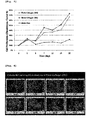
FIG. 4 is a comparison graph showing the degradation rates of tissue sealants in which collagen and fibrin are mixed. -
FIG. 5 is a graph showing the proliferation rates of chondrocytes in tissue sealants in which collagen and fibrin are mixed -
FIG. 6 illustrates images confirming the proliferation and viability of chondrocytes in tissue sealants in which collagen and fibrin are mixed according to the present invention. -
FIG. 7 is a graph showing the proliferation rates of osteoblasts in tissue sealants in which collagen and fibrin are mixed -
FIG. 8 illustrates images confirming the proliferation and viability of osteoblasts in tissue sealants in which collagen and fibrin are mixed according to the present invention. -
FIG. 9 illustrates images confirming the proliferation and viability of adipose-derived cells in tissue sealants in which collagen and fibrin are mixed according to the present invention. -
FIG. 10 is a diagram of a state in which a tissue sealant in which collagen and fibrin are mixed according to the present invention is loaded in a two-way syringe. - A tissue sealant in which collagen and fibrin are mixed and a method for preparing the same according to the present invention are as shown in
FIGS. 1 to 10 . - In the following descriptions, when it is determined that detailed descriptions of known functions or constitutions associated with the present invention obscure the gist of the present invention, detailed descriptions thereof will be omitted.
- In addition, the terms to be later described are defined in consideration of functions in the present invention, and thus the definitions of the terms are to be interpreted throughout the present specification since the terms may be interpreted by the intention of the producer or custom.
- First, the present invention includes a step of mixing a first material using fibrinogen and aprotinin.
- In addition, the present invention includes a step of mixing a second material using thrombin, calcium chloride, and collagen.
- In addition, the present invention includes a step of mixing the first material and the second material with each other to prepare a third material, and thus a tissue sealant in which collagen and fibrinogen are mixed is prepared.
- According to the present invention, the fibrinogen has a concentration of 65-130 mg/mL and the aprotinin has a concentration of 1,000-3,000 KIU/mL.
- The thrombin has a concentration of 40-600 U/ml, the calcium chloride has a concentration of 4-140 mmol/L.
- Less than 65 mg/mL of fibrinogen weakens physical strength, and more than 130 mg/mL of fibrinogen leads to the densification of the physical structure, resulting in reducing the pore sizes, thereby inhibiting cellular activity, and thus the concentration of fibrinogen is 65-130 mg/mL.
- In addition, the concentration of the aprotinin is 1,000-3,000 KIU/mL. Less than 1,000 KIU/mL of aprotinin accelerates the degradation of a composition, and more than 3,000 KIU/mL of aprotinin increases the risk of causing anaphylaxis, and thus the concentration of aprotinin is 1,000-3,000 KIU/mL.
- In addition, the concentration of the thrombin is 40-600 KIU/mL. Less than 40 U/ml of thrombin weakens the physical strength of a composition, and more than 60 U/ml of thrombin leads to the densification of the structure of the composition, which therefore has no affinity with cells and rapidly increases the gelation rate, failing to serve as a sealant in an applied region, and thus, the concentration of the thrombin is 40-60 U/ml.
- In addition, the concentration of calcium chloride is 4-140 mmol/L. Less than 4 mmol/L of calcium chloride too slows down the gelation rate, and more than 140 mmol/L of calcium chloride may have a bad influence on cells due to a high osmotic pressure, and thus the concentration of calcium chloride is 4-140 mmol/L.
- The concentration of the collagen is 10-30 mg/mL.
- That is, less than 10 mg/mL of collagen weakens physical strength, and more than 30 mg/mL has a bad influence on degradability and a stable structure and has no affinity with cells and blood, and thus the concentration of the collagen is 10-30 mg/mL.
- Meanwhile, the method for preparing a tissue sealant in which collagen and fibrin are mixed according to the present invention will be specifically described as follows.
- First, a step of preparing a first material including fibrinogen and aprotinin is conducted.
- After that, a step of preparing a second material including thrombin, calcium chloride, and collagen is conducted.
- Then, a step of putting the first material in one side of a two-way syringe and the second material in the other side of the two-way syringe and then mixing the first and second materials with each other is conducted, and thus, a tissue sealant in which collagen and fibrin are mixed is prepared.
- According to the present invention, aprotinin and calcium solutions are injected into the fibrinogen and the thrombin, respectively, and the thrombin is mixed with a collagen solution, and then the resultant solutions are loaded in the two-way syringe, thereby preparing a tissue sealant in which collagen and fibrin are mixed.
- According to the present invention, a tissue sealant in which collagen and fibrin are mixed can be prepared by going through the respective steps for preparing a tissue sealant in which collagen and fibrin are mixed.
- The tissue sealant in which collagen and fibrin are mixed and the method for preparing the same according to the present invention will be described by giving examples.
- Comparison of physical properties between present invention and prior art
- In order to verify physical properties of the present invention, the maximum stress, the gel strength, and the tensile strength were checked using a physical property meter.
-
- 1) In the prior art, the Greenplast product was used (comparative example).
- 2) For components of the present invention, dried fibrinogen and thrombin of Greenplast were dissolved in an aprotinin solution and a calcium solution added thereto, respectively. Here, the thrombin solution was mixed with a 3% collagen solution. The resultant solutions were loaded in a two-way syringe.
- 3) For the measurement of physical properties, each sample was put in a cylindrical-shaped mold (
Φ12 X 15 mm) to manufacture a form. -
- 1) Physical property meter: Rheometer (CR-500DX, Sun scienctific rheometer)
- 2) Test items: maximum stress (N), gel strength (g-cm), tensile strength (g/cm2)
- 3) Test conditions: entry distance (7.5 mm), table speed (50 mm/min), maximum stress (10 kg), adapter (No.1 Φ20mm)
-
[Table 1] Classification Maximum stress N Gel strength g-cm Tensile strength g/cm2 Present invention 19.3 1212.9 2493.7 Prior art 13.4 831.7 1692.2 - In order to verify degradability of the composition of the present invention, the degradability of the fibrin glue product and the material for a predetermined period was checked.
-
- In the prior art, the Greenplast product was used (comparative example).
- For components of the present invention, dried fibrinogen and thrombin of Greenplast were dissolved in an aprotinin solution and a calcium solution added thereto, respectively. Here, the thrombin solution was mixed with a 3% collagen solution. The resultant solutions were loaded in a two-way syringe.
- For the measurement of physical properties, each sample was put in a cylindrical-shaped mold (
Φ8 X 5 mm) to manufacture a form. -
- Two conditions were confirmed for the solvent. A condition of using only a DEME medium and a condition of using a DMEM medium containing Liberase TM were confirmed (the concentration of Liberase TM was set to 10 ug/mL).
- The sample was put in a 12-well plate, and the degradation aspect was checked as a residue weight of the composition in the 2-hour unit for 12 hours.
-
- It was verified that, in the condition of degradation through the enzyme treatment, over 90% of the formulation of the prior art was degraded within 12 hours, and about 80% of the composition of the present invention remained for 12 hours. In the DMED condition, the degradation was not verified for 12 hours.
-
- In the prior art, the Greenplast product was used (comparative example).
- For components of the present invention, dried fibrinogen and thrombin of Greenplast were dissolved in an aprotinin solution and a calcium solution added thereto, respectively. Here, the thrombin solution was mixed with a 3% collagen solution. The resultant solutions were loaded in a two-way syringe.
- For the measurement of physical properties, each sample was put in a cylindrical-shaped mold (
Φ12 X 15 mm) to manufacture a form. -
- DMEM was used for the solvent, and the naked eye observation was conducted at 37°C for one month.
-
- The composition of the present invention was observed for one month or longer, but the formulation of the prior art was degraded within three weeks. It was verified that the degradation period of the composition of the present invention was longer than that of the formulation of the prior art.
- The structure of the composition of the present invention was observed by an electron microscope.
-
- For the preparation of the composition, a fibrinogen solution of Greenplast and a collagen-containing thrombin solution/calcium solution were prepared. The concentration of the collagen solution was 3% (w/v).
- Each of the prepared solutions was applied to a two-way syringe to be dispensed on trays for electron microscopic observation, and then gelated.
-
- The composition of the present invention was dried at the critical point, and then observed by an electron microscope.
- The critical point drying of the composition was conducted through alcohol treatment in a critical point drier (Hitachi, HCP-2).
- The sample for electron microscopic observation was cut and gold-coated, and then observed using SEM (Hitachi, S3500).
- The electron microscopic analysis was conducted at the magnification of 20,000.
- As a result of observing in the electron microscope at the magnification of 20,000, it was verified that collagen and fibrin cross-linked with each other. The fibrous structure of collagen was also observed. It can be anticipated that such a material cross-linkage enhances physical properties.
- In order to verify proliferation and viability of chondrocytes in the composition of the present invention, CCK-8 assay and Calcein-AM & EthD-1 staining were used.
-
- Chondrocytes of animals excluding human were used. The number of cells was 12,000,000 in the composition mixture liquid.
- For the composition, Greenplast, which is the fibrin glue product, was mixed with 3% (according to the invention) and 6% (comparative example) of collagen, respectively.
- The composition was prepared by dissolving dried fibrinogen of Greenplast in 1 mL of a solution containing chondrocytes and mixing the thrombin/calcium solution with 1 mL of a collagen solution with each concentration.
- The fibrinogen solution containing chondrocytes and the thrombin solution containing collagen were used to prepare a total of 2 mL of collagen-fibrin solution.
- For culture, the prepared collagen-fibrin component was dispensed in a 24-well plate at 0.2 mL for each well, and observation was conducted for 20 days while the DMEM medium was exchanged every 2-3 days.
-
- The medium was removed from each well (24-well plate) containing a cultured material.
- 1 mL of a new medium was put in each well.
- A CCK-8 (Dojindo, CK04-11) reagent was added in 100 uL for each well, which corresponds to 10% of the volume of the medium, followed by a reaction in 5% CO2 incubator at 37°C for 3 hours.
- Upon completion of the reaction, the absorbance (450 nm) of the reaction liquid was read using a microplate reader.
- The cell proliferation for each culture period was verified using the measured OD value.
-
- A working solution was prepared by mixing a buffer solution with 2 µM and 4 µM of Calcein AM and EthD-1 of the LIVE/DEADViability/Cytotoxicity Assay Kit (Invitrogen, L3224), respectively.
- The cultured material was transferred to a new 24-well plate, and then 1 mL of the working solution was put therein, followed by a reaction in the condition where the light is blocked for 20 minutes. After that, live cells and dead cells were observed using a fluorescent microscope. The live cells were observed as green and the dead cells were observed as red.
-
- A. CCK-8 assay (
FIG. 5 in which Fibrin and Fibrin-Collagen 6% are comparative examples and Fibrin-Collagen 3% is an example according to the present invention) - B. Calcein-AM & EthD-1 staining (
FIG. 6 ) - In order to verify proliferation and viability of osteoblasts in the composition of the present invention, CCK-8 assay and Calcein-AM & EthD-1 staining were used.
-
- Osteoblasts of animals excluding human were used. The number of cells was 12,000,000 in the composition mixture liquid.
- The composition was configured by mixing Greenplast, which is the fibrin glue product, with 3% (according to the invention) and 6% (comparative example) of collagen, respectively.
- The composition was prepared by dissolving dried fibrinogen of Greenplast in 1 mL of a solution containing chondrocytes and mixing the thrombin/calcium solution with 1 mL of a collagen solution with each concentration.
- The fibrinogen solution containing osteoblasts and the thrombin solution containing collagen were use to prepare a total of 2 mL of collagen-fibrin solution.
- For culture, the prepared collagen-fibrin component was dispensed in a 24-well plate at 0.2 mL for each well, and observation was conducted for 20 days while the α-DMEM medium was exchanged every 2-3 days.
-
- The medium containing cultured material was removed from each well (24-well plate).
- 1 mL of a new medium was put in each well.
- A CCK-8 (Dojindo, CK04-11) reagent was added in 100 uL for each well, which corresponds to 10% of the volume of the medium, followed by a reaction in 5% CO2 incubator at 37°C for 3 hours.
- Upon completion of the reaction, the absorbance (450 nm) of the reaction liquid was read using a microplate reader.
- The cell proliferation for each culture period was verified using the measured OD value.
-
- A working solution was prepared by mixing a buffer solution with 2 µM and 4 µM of Calcein AM and EthD-1 of the LIVE/DEADViability/Cytotoxicity Assay Kit (Invitrogen, L3224), respectively.
- The cultured material was transferred to a new 24-well plate, and then 1 mL of the working solution was put therein, followed by a reaction in the condition where the light is blocked for 20 minutes. After that, live cells and dead cells were observed using a fluorescent microscope.
-
- A. CCK-8 assay (
FIG. 7 in which Fibrin and Fibrin-Collagen 6% are comparative examples and Fibrin-Collagen 3% is an example according to the present invention) - B. Calcein-AM & EthD-1 staining (
FIG. 8 ) - In order to verify proliferation and viability of adipose-derived cells in the composition of the present invention, CCK-8 assay and Calcein-AM & EthD-1 staining were used.
-
- Adipose-derived cells were used. The number of cells was 12,000,000 in the composition mixture liquid.
- The composition was configured by mixing Greenplast, which is the fibrin glue product, with 3% of collagen, respectively.
- The composition was prepared by dissolving dried fibrinogen of Greenplast in 1 mL of a solution containing adipose-derived cells and mixing the thrombin/calcium solution with 1 mL of a collagen solution with each concentration.
- The fibrinogen solution containing adipose-derived cells and the thrombin solution containing collagen were used to prepare a total of 2 mL of collagen-fibrin solution.
- For culture, the prepared collagen-fibrin component was dispensed in a 24-well plate at 0.2 mL for each well, and observation was conducted for 20 days while the DMEM medium was exchanged every 2-3 days.
-
- A working solution was prepared by mixing PBS with 2 µM and 4 µM of Calcein AM and EthD-1 of the LIVE/DEADViability/Cytotoxicity Assay Kit (Invitrogen, L3224), respectively.
- The cultured material was transferred to a new 24-well plate, and then 1 mL of the working solution was put therein, followed by a reaction in the condition where the light is blocked for 20 minutes. After that, live cells and dead cells were observed using a fluorescent microscope.
-
- Calcein-AM & EthD-1 staining (
FIG. 9 )
Claims (3)
- A composition, in which collagen and fibrin are mixed, for use as a tissue sealant, wherein the composition is prepared by
mixing fibrinogen and aprotinin to prepare a first material;
mixing thrombin, calcium chloride, and collagen to prepare a second material; and
mixing the first material and the second material with each other to prepare a third material, and
wherein the fibrinogen has a concentration of 65-130 mg/mL, the aprotinin has a concentration of 1,000-3,000 KIU/mL,
the thrombin has a concentration of 40-600 U/ml,
the calcium chloride has a concentration of 4-140 mmol/L,
and the collagen has a concentration of 10-30 mg/mL. - A method for preparing a composition for use as a tissue sealant, in which collagen and fibrin are mixed, wherein the method comprises:preparing a first material including fibrinogen and aprotinin;preparing a second material including thrombin, calcium chloride, and collagen; andputting the first material in one side of a two-way syringe and the second material in the other side of the two-way syringe, and then mixing the first and second materials with each other, andwherein the fibrinogen has a concentration of 65-130 mg/mL, the aprotinin has a concentration of 1,000-3,000 KIU/mL, the thrombin has a concentration of 40-600 U/ml, the calcium chloride has a concentration of 4-140 mmol/L, and the collagen has a concentration of 10-30 mg/mL.
- A method according to claim 2, wherein aprotinin and calcium solutions are injected into the fibrinogen and the thrombin, respectively, and the thrombin is mixed with a collagen solution, and then the resultant solutions were loaded in the two-way syringe.
Priority Applications (4)
| Application Number | Priority Date | Filing Date | Title |
|---|---|---|---|
| SI201331516T SI2932989T1 (en) | 2012-12-11 | 2013-01-09 | Tissue sealant in which collagen and fibrin are mixed, and method for preparing same |
| SM20190426T SMT201900426T1 (en) | 2012-12-11 | 2013-01-09 | Tissue sealant in which collagen and fibrin are mixed, and method for preparing same |
| PL13862143T PL2932989T3 (en) | 2012-12-11 | 2013-01-09 | Tissue sealant in which collagen and fibrin are mixed, and method for preparing same |
| HRP20191347TT HRP20191347T1 (en) | 2012-12-11 | 2013-01-09 | SURGICAL ADHESIVE IN WHICH COLLAGEN AND FIBRIN ARE MIXED AND A METHOD FOR PREPARING IT |
Applications Claiming Priority (2)
| Application Number | Priority Date | Filing Date | Title |
|---|---|---|---|
| KR1020120143519A KR101401944B1 (en) | 2012-12-11 | 2012-12-11 | Tissue sealant of collagen and fibrin mixed and method of manufacturing the same |
| PCT/KR2013/000143 WO2014092239A1 (en) | 2012-12-11 | 2013-01-09 | Tissue sealant in which collagen and fibrin are mixed, and method for preparing same |
Publications (3)
| Publication Number | Publication Date |
|---|---|
| EP2932989A1 EP2932989A1 (en) | 2015-10-21 |
| EP2932989A4 EP2932989A4 (en) | 2016-05-11 |
| EP2932989B1 true EP2932989B1 (en) | 2019-06-05 |
Family
ID=50895882
Family Applications (1)
| Application Number | Title | Priority Date | Filing Date |
|---|---|---|---|
| EP13862143.8A Active EP2932989B1 (en) | 2012-12-11 | 2013-01-09 | Tissue sealant in which collagen and fibrin are mixed, and method for preparing same |
Country Status (20)
| Country | Link |
|---|---|
| US (1) | US20150320904A1 (en) |
| EP (1) | EP2932989B1 (en) |
| JP (1) | JP2016502448A (en) |
| KR (1) | KR101401944B1 (en) |
| CN (1) | CN104902937A (en) |
| AU (1) | AU2013357988B2 (en) |
| BR (1) | BR112015013755B1 (en) |
| CA (1) | CA2894815C (en) |
| CY (1) | CY1121846T1 (en) |
| DK (1) | DK2932989T3 (en) |
| ES (1) | ES2739656T3 (en) |
| HR (1) | HRP20191347T1 (en) |
| HU (1) | HUE045504T2 (en) |
| LT (1) | LT2932989T (en) |
| PL (1) | PL2932989T3 (en) |
| PT (1) | PT2932989T (en) |
| SI (1) | SI2932989T1 (en) |
| SM (1) | SMT201900426T1 (en) |
| TR (1) | TR201911079T4 (en) |
| WO (1) | WO2014092239A1 (en) |
Families Citing this family (12)
| Publication number | Priority date | Publication date | Assignee | Title |
|---|---|---|---|---|
| US20170182208A1 (en) * | 2014-03-28 | 2017-06-29 | Vita Threads,Llc | Absorbable fibrin microthread sutures for reduced inflammation and scarring in tissue ligation |
| US10596069B2 (en) * | 2015-12-22 | 2020-03-24 | Ethicon, Inc. | Syringes with mixing chamber in a removable cap |
| CN107432955B (en) * | 2016-09-14 | 2020-09-04 | 四川蓝光英诺生物科技股份有限公司 | Methods and kits for making biological constructs |
| CN106389393A (en) * | 2016-11-23 | 2017-02-15 | 中国人民解放军第三军医大学第附属医院 | Biological protein glue-triamcinolone acetonide slow release agent as well as preparation method and application of slow release agent |
| KR101989054B1 (en) | 2017-11-28 | 2019-06-13 | (주)다림티센 | Hemostatic agent and container containing the same |
| US20200353122A1 (en) * | 2017-11-29 | 2020-11-12 | 3M Innovative Properties Company | Collagen-fibrin composition, method and wound articles |
| WO2019211874A2 (en) * | 2018-05-02 | 2019-11-07 | Pandorum Technologies Private Limited | A liquid cornea hydrogel composition |
| MX2021011881A (en) | 2019-03-29 | 2021-10-26 | Innovative Orthopedics Llc | COMPOSITIONS AND METHODS OF CARTILAGE REPLACEMENT. |
| KR20220003400A (en) | 2020-07-01 | 2022-01-10 | (주) 코웰메디 | Protective sheet for treating wound |
| US20220241152A1 (en) * | 2021-02-02 | 2022-08-04 | Freedom Corp. | Fibrin biopolymer formation and application device |
| JP2024534444A (en) * | 2021-09-16 | 2024-09-20 | エシコン・インコーポレイテッド | Kits for tissue passage sealing compositions |
| CN116899017A (en) * | 2023-06-20 | 2023-10-20 | 上海利康瑞生物工程有限公司 | Injectable fibrin gel for plastic surgery and preparation method thereof |
Family Cites Families (10)
| Publication number | Priority date | Publication date | Assignee | Title |
|---|---|---|---|---|
| JPH05208042A (en) * | 1992-01-30 | 1993-08-20 | Ajinomoto Co Inc | Adhesive agent |
| JP2002514960A (en) * | 1997-06-18 | 2002-05-21 | コヘージョン テクノロジーズ,インコーポレイテッド | Compositions comprising thrombin and microfibril collagen and methods for their preparation and use |
| US20050186283A1 (en) * | 1997-10-10 | 2005-08-25 | Ed. Geistlich Soehne Ag Fuer Chemistrie Industrie | Collagen carrier of therapeutic genetic material, and method |
| AR032517A1 (en) | 2001-01-25 | 2003-11-12 | Nycomed Pharma As | A METHOD FOR PREPARING A COLLAGEN SPONGE, A DEVICE FOR REMOVING A PART OF A COLLAGEN FOAM, AND AN ALARGATED COLLAGEN SPONGE |
| CA2473727A1 (en) * | 2001-12-04 | 2003-06-12 | Christopher J. Woolverton | Storage-stable fibrin sealant |
| PT2097116E (en) * | 2006-12-22 | 2012-12-06 | Medidom Lab | In situ system for intra-articular chondral and osseous tissue repair |
| US9155118B2 (en) * | 2007-01-22 | 2015-10-06 | Qualcomm Incorporated | Multi-link support for network based mobility management systems |
| JP5292025B2 (en) * | 2008-09-09 | 2013-09-18 | 一般財団法人化学及血清療法研究所 | Carboxylic acid-containing biological tissue adhesive and preparation method thereof |
| KR101114773B1 (en) * | 2009-10-23 | 2012-03-05 | 세원셀론텍(주) | A cartilage repair constituent manufacturing method thereof |
| BR112012016633A2 (en) * | 2010-01-08 | 2016-04-19 | Profibrix Bv | dry powder pharmaceutical composition and wound treatment method. |
-
2012
- 2012-12-11 KR KR1020120143519A patent/KR101401944B1/en active Active
-
2013
- 2013-01-09 TR TR2019/11079T patent/TR201911079T4/en unknown
- 2013-01-09 CA CA2894815A patent/CA2894815C/en not_active Expired - Fee Related
- 2013-01-09 WO PCT/KR2013/000143 patent/WO2014092239A1/en not_active Ceased
- 2013-01-09 AU AU2013357988A patent/AU2013357988B2/en not_active Ceased
- 2013-01-09 HR HRP20191347TT patent/HRP20191347T1/en unknown
- 2013-01-09 SI SI201331516T patent/SI2932989T1/en unknown
- 2013-01-09 CN CN201380064818.3A patent/CN104902937A/en active Pending
- 2013-01-09 SM SM20190426T patent/SMT201900426T1/en unknown
- 2013-01-09 EP EP13862143.8A patent/EP2932989B1/en active Active
- 2013-01-09 JP JP2015546724A patent/JP2016502448A/en active Pending
- 2013-01-09 PT PT13862143T patent/PT2932989T/en unknown
- 2013-01-09 HU HUE13862143A patent/HUE045504T2/en unknown
- 2013-01-09 BR BR112015013755-5A patent/BR112015013755B1/en not_active IP Right Cessation
- 2013-01-09 DK DK13862143.8T patent/DK2932989T3/en active
- 2013-01-09 LT LTEP13862143.8T patent/LT2932989T/en unknown
- 2013-01-09 US US14/651,427 patent/US20150320904A1/en not_active Abandoned
- 2013-01-09 ES ES13862143T patent/ES2739656T3/en active Active
- 2013-01-09 PL PL13862143T patent/PL2932989T3/en unknown
-
2019
- 2019-07-25 CY CY20191100790T patent/CY1121846T1/en unknown
Non-Patent Citations (1)
| Title |
|---|
| None * |
Also Published As
| Publication number | Publication date |
|---|---|
| DK2932989T3 (en) | 2019-08-05 |
| US20150320904A1 (en) | 2015-11-12 |
| CN104902937A (en) | 2015-09-09 |
| AU2013357988A1 (en) | 2015-07-23 |
| WO2014092239A1 (en) | 2014-06-19 |
| CA2894815C (en) | 2020-03-24 |
| LT2932989T (en) | 2019-10-10 |
| HRP20191347T1 (en) | 2019-10-18 |
| EP2932989A4 (en) | 2016-05-11 |
| BR112015013755B1 (en) | 2019-05-14 |
| AU2013357988B2 (en) | 2017-08-24 |
| ES2739656T3 (en) | 2020-02-03 |
| EP2932989A1 (en) | 2015-10-21 |
| PL2932989T3 (en) | 2019-12-31 |
| PT2932989T (en) | 2019-07-25 |
| CY1121846T1 (en) | 2020-07-31 |
| SI2932989T1 (en) | 2019-10-30 |
| CA2894815A1 (en) | 2014-06-19 |
| HUE045504T2 (en) | 2019-12-30 |
| JP2016502448A (en) | 2016-01-28 |
| KR101401944B1 (en) | 2014-05-30 |
| SMT201900426T1 (en) | 2019-11-13 |
| TR201911079T4 (en) | 2019-08-21 |
Similar Documents
| Publication | Publication Date | Title |
|---|---|---|
| CA2894815C (en) | Tissue sealant in which collagen and fibrin are mixed, and method for preparing same | |
| Chen et al. | Injectable wound dressing based on carboxymethyl chitosan triple-network hydrogel for effective wound antibacterial and hemostasis | |
| Ma et al. | A novel chitosan–collagen-based hydrogel for use as a dermal filler: initial in vitro and in vivo investigations | |
| EP2814511B1 (en) | Formulations and kits for forming bioadhesive matrices | |
| Liu et al. | Biomimetic sealant based on gelatin and microbial transglutaminase: an initial in vivo investigation | |
| Shen et al. | Light emitting CMC-CHO based self-healing hydrogel with injectability for in vivo wound repairing applications | |
| KR102661885B1 (en) | Powder composition and method of using the same for producing cross-linked protein foam | |
| Zhu et al. | A Dual‐Bioinspired Tissue Adhesive Based on Peptide Dendrimer with Fast and Strong Wet Adhesion | |
| KR20190103559A (en) | Biodegradable polymer hydrogel complex improved in biostability and mechanical properties and method for producing the same | |
| CA3141308A1 (en) | Hydrogel for in-vivo release of medication | |
| US20070286884A1 (en) | Implantable microbial cellulose materials for hard tissue repair and regeneration | |
| EP3270985B1 (en) | Polypeptide compositions and methods of using the same | |
| Han et al. | Polypyrrole-modified gelatin-based hydrogel: A dressing for intestinal perforation treatment with enhanced wound healing and anti-adhesion properties | |
| Lee et al. | Mesh-shaped absorbable hemostatic hydrogel patch fabricated with marine organism-derived protein biomaterials with contact-activated blood coagulation for application in visceral surgery | |
| KR20230057168A (en) | Haemostatic composition comprising keratin conjugated fibrinogen hydrogel | |
| KR102615766B1 (en) | Adhesive composition for in-body absorbable reinforcement materials comprising chitosan and gelatin and manufacturing method thereof | |
| WO2007146946A2 (en) | Implantable microbial cellulose materials for hard tissue repair and regeneration | |
| CN107592814B (en) | Hemostatic compositions | |
| WO2022048126A1 (en) | Orthopedic non-invasive implantation high-viscosity adhesive material, preparation method therefor, and application | |
| CN110711264B (en) | Composite material, medical adhesive, and preparation method and application thereof | |
| EP2070557A1 (en) | Implantable microbial cellulose materials for hard tissue repair and regeneration | |
| JP7863314B2 (en) | Composition and adhesive | |
| KR102817601B1 (en) | Preparation method of zinc ion-generating gelatin based bioactive tissue adhesive hydrogels and biomedical use thereof | |
| Ueda et al. | Click Chemistry-based Injectable Smart Hydrogels | |
| Bibire et al. | Biopolymers for Surgical Applications. Coatings. 2022; 12, 211 |
Legal Events
| Date | Code | Title | Description |
|---|---|---|---|
| PUAI | Public reference made under article 153(3) epc to a published international application that has entered the european phase |
Free format text: ORIGINAL CODE: 0009012 |
|
| 17P | Request for examination filed |
Effective date: 20150610 |
|
| AK | Designated contracting states |
Kind code of ref document: A1 Designated state(s): AL AT BE BG CH CY CZ DE DK EE ES FI FR GB GR HR HU IE IS IT LI LT LU LV MC MK MT NL NO PL PT RO RS SE SI SK SM TR |
|
| AX | Request for extension of the european patent |
Extension state: BA ME |
|
| DAX | Request for extension of the european patent (deleted) | ||
| A4 | Supplementary search report drawn up and despatched |
Effective date: 20160407 |
|
| RIC1 | Information provided on ipc code assigned before grant |
Ipc: A61K 38/36 20060101ALI20160401BHEP Ipc: A61L 33/12 20060101AFI20160401BHEP |
|
| STAA | Information on the status of an ep patent application or granted ep patent |
Free format text: STATUS: EXAMINATION IS IN PROGRESS |
|
| 17Q | First examination report despatched |
Effective date: 20170920 |
|
| GRAP | Despatch of communication of intention to grant a patent |
Free format text: ORIGINAL CODE: EPIDOSNIGR1 |
|
| STAA | Information on the status of an ep patent application or granted ep patent |
Free format text: STATUS: GRANT OF PATENT IS INTENDED |
|
| RAP1 | Party data changed (applicant data changed or rights of an application transferred) |
Owner name: SEWONCELLONTEC CO., LTD. |
|
| INTG | Intention to grant announced |
Effective date: 20181219 |
|
| GRAS | Grant fee paid |
Free format text: ORIGINAL CODE: EPIDOSNIGR3 |
|
| GRAA | (expected) grant |
Free format text: ORIGINAL CODE: 0009210 |
|
| STAA | Information on the status of an ep patent application or granted ep patent |
Free format text: STATUS: THE PATENT HAS BEEN GRANTED |
|
| AK | Designated contracting states |
Kind code of ref document: B1 Designated state(s): AL AT BE BG CH CY CZ DE DK EE ES FI FR GB GR HR HU IE IS IT LI LT LU LV MC MK MT NL NO PL PT RO RS SE SI SK SM TR |
|
| REG | Reference to a national code |
Ref country code: GB Ref legal event code: FG4D |
|
| REG | Reference to a national code |
Ref country code: CH Ref legal event code: EP |
|
| REG | Reference to a national code |
Ref country code: AT Ref legal event code: REF Ref document number: 1139345 Country of ref document: AT Kind code of ref document: T Effective date: 20190615 |
|
| REG | Reference to a national code |
Ref country code: IE Ref legal event code: FG4D |
|
| REG | Reference to a national code |
Ref country code: DE Ref legal event code: R096 Ref document number: 602013056340 Country of ref document: DE |
|
| REG | Reference to a national code |
Ref country code: RO Ref legal event code: EPE |
|
| REG | Reference to a national code |
Ref country code: PT Ref legal event code: SC4A Ref document number: 2932989 Country of ref document: PT Date of ref document: 20190725 Kind code of ref document: T Free format text: AVAILABILITY OF NATIONAL TRANSLATION Effective date: 20190718 Ref country code: HR Ref legal event code: TUEP Ref document number: P20191347 Country of ref document: HR |
|
| REG | Reference to a national code |
Ref country code: CH Ref legal event code: NV Representative=s name: PATENTANWAELTE SCHAAD, BALASS, MENZL AND PARTN, CH |
|
| REG | Reference to a national code |
Ref country code: DK Ref legal event code: T3 Effective date: 20190731 |
|
| REG | Reference to a national code |
Ref country code: NL Ref legal event code: FP |
|
| REG | Reference to a national code |
Ref country code: SE Ref legal event code: TRGR |
|
| REG | Reference to a national code |
Ref country code: EE Ref legal event code: FG4A Ref document number: E017761 Country of ref document: EE Effective date: 20190724 |
|
| REG | Reference to a national code |
Ref country code: NO Ref legal event code: T2 Effective date: 20190605 |
|
| REG | Reference to a national code |
Ref country code: HR Ref legal event code: T1PR Ref document number: P20191347 Country of ref document: HR |
|
| PG25 | Lapsed in a contracting state [announced via postgrant information from national office to epo] |
Ref country code: AL Free format text: LAPSE BECAUSE OF FAILURE TO SUBMIT A TRANSLATION OF THE DESCRIPTION OR TO PAY THE FEE WITHIN THE PRESCRIBED TIME-LIMIT Effective date: 20190605 |
|
| PG25 | Lapsed in a contracting state [announced via postgrant information from national office to epo] |
Ref country code: RS Free format text: LAPSE BECAUSE OF FAILURE TO SUBMIT A TRANSLATION OF THE DESCRIPTION OR TO PAY THE FEE WITHIN THE PRESCRIBED TIME-LIMIT Effective date: 20190605 |
|
| REG | Reference to a national code |
Ref country code: SK Ref legal event code: T3 Ref document number: E 32046 Country of ref document: SK |
|
| REG | Reference to a national code |
Ref country code: HU Ref legal event code: AG4A Ref document number: E045504 Country of ref document: HU |
|
| REG | Reference to a national code |
Ref country code: HR Ref legal event code: ODRP Ref document number: P20191347 Country of ref document: HR Payment date: 20191224 Year of fee payment: 8 |
|
| REG | Reference to a national code |
Ref country code: GR Ref legal event code: EP Ref document number: 20190402433 Country of ref document: GR Effective date: 20191128 |
|
| REG | Reference to a national code |
Ref country code: ES Ref legal event code: FG2A Ref document number: 2739656 Country of ref document: ES Kind code of ref document: T3 Effective date: 20200203 |
|
| REG | Reference to a national code |
Ref country code: DE Ref legal event code: R097 Ref document number: 602013056340 Country of ref document: DE |
|
| PLBE | No opposition filed within time limit |
Free format text: ORIGINAL CODE: 0009261 |
|
| STAA | Information on the status of an ep patent application or granted ep patent |
Free format text: STATUS: NO OPPOSITION FILED WITHIN TIME LIMIT |
|
| 26N | No opposition filed |
Effective date: 20200306 |
|
| REG | Reference to a national code |
Ref country code: HR Ref legal event code: ODRP Ref document number: P20191347 Country of ref document: HR Payment date: 20210108 Year of fee payment: 9 |
|
| PGFP | Annual fee paid to national office [announced via postgrant information from national office to epo] |
Ref country code: LT Payment date: 20201227 Year of fee payment: 9 Ref country code: CZ Payment date: 20201229 Year of fee payment: 9 Ref country code: RO Payment date: 20201228 Year of fee payment: 9 |
|
| PGFP | Annual fee paid to national office [announced via postgrant information from national office to epo] |
Ref country code: PL Payment date: 20201230 Year of fee payment: 9 |
|
| PGFP | Annual fee paid to national office [announced via postgrant information from national office to epo] |
Ref country code: LU Payment date: 20210120 Year of fee payment: 9 |
|
| PGFP | Annual fee paid to national office [announced via postgrant information from national office to epo] |
Ref country code: NL Payment date: 20210120 Year of fee payment: 9 Ref country code: NO Payment date: 20210120 Year of fee payment: 9 Ref country code: SM Payment date: 20210120 Year of fee payment: 9 Ref country code: PT Payment date: 20210106 Year of fee payment: 9 Ref country code: MC Payment date: 20210120 Year of fee payment: 9 Ref country code: GR Payment date: 20210119 Year of fee payment: 9 Ref country code: IE Payment date: 20210120 Year of fee payment: 9 Ref country code: FI Payment date: 20210119 Year of fee payment: 9 Ref country code: CY Payment date: 20210108 Year of fee payment: 9 Ref country code: EE Payment date: 20210119 Year of fee payment: 9 Ref country code: CH Payment date: 20210122 Year of fee payment: 9 |
|
| PGFP | Annual fee paid to national office [announced via postgrant information from national office to epo] |
Ref country code: IS Payment date: 20210119 Year of fee payment: 9 Ref country code: LV Payment date: 20210121 Year of fee payment: 9 Ref country code: HU Payment date: 20201227 Year of fee payment: 9 Ref country code: AT Payment date: 20210119 Year of fee payment: 9 Ref country code: BE Payment date: 20210120 Year of fee payment: 9 Ref country code: BG Payment date: 20210121 Year of fee payment: 9 Ref country code: DK Payment date: 20210120 Year of fee payment: 9 Ref country code: TR Payment date: 20210105 Year of fee payment: 9 Ref country code: SI Payment date: 20210105 Year of fee payment: 9 Ref country code: SE Payment date: 20210122 Year of fee payment: 9 |
|
| PGFP | Annual fee paid to national office [announced via postgrant information from national office to epo] |
Ref country code: SK Payment date: 20210104 Year of fee payment: 9 Ref country code: MT Payment date: 20210128 Year of fee payment: 9 Ref country code: HR Payment date: 20210108 Year of fee payment: 9 |
|
| PGFP | Annual fee paid to national office [announced via postgrant information from national office to epo] |
Ref country code: IT Payment date: 20220124 Year of fee payment: 10 Ref country code: ES Payment date: 20220216 Year of fee payment: 10 |
|
| REG | Reference to a national code |
Ref country code: HR Ref legal event code: PBON Ref document number: P20191347 Country of ref document: HR Effective date: 20220109 |
|
| REG | Reference to a national code |
Ref country code: FI Ref legal event code: MAE |
|
| REG | Reference to a national code |
Ref country code: LT Ref legal event code: MM4D Effective date: 20220109 |
|
| REG | Reference to a national code |
Ref country code: NO Ref legal event code: MMEP Ref country code: DK Ref legal event code: EBP Effective date: 20220131 |
|
| REG | Reference to a national code |
Ref country code: SK Ref legal event code: MM4A Ref document number: E 32046 Country of ref document: SK Effective date: 20220109 |
|
| REG | Reference to a national code |
Ref country code: SE Ref legal event code: EUG |
|
| PG25 | Lapsed in a contracting state [announced via postgrant information from national office to epo] |
Ref country code: MC Free format text: LAPSE BECAUSE OF NON-PAYMENT OF DUE FEES Effective date: 20220131 |
|
| REG | Reference to a national code |
Ref country code: CH Ref legal event code: PL |
|
| REG | Reference to a national code |
Ref country code: NL Ref legal event code: MM Effective date: 20220201 |
|
| REG | Reference to a national code |
Ref country code: EE Ref legal event code: MM4A Ref document number: E017761 Country of ref document: EE Effective date: 20220131 Ref country code: AT Ref legal event code: MM01 Ref document number: 1139345 Country of ref document: AT Kind code of ref document: T Effective date: 20220109 |
|
| REG | Reference to a national code |
Ref country code: BE Ref legal event code: MM Effective date: 20220131 |
|
| PG25 | Lapsed in a contracting state [announced via postgrant information from national office to epo] |
Ref country code: SM Free format text: LAPSE BECAUSE OF NON-PAYMENT OF DUE FEES Effective date: 20220822 Ref country code: SK Free format text: LAPSE BECAUSE OF NON-PAYMENT OF DUE FEES Effective date: 20220109 Ref country code: SE Free format text: LAPSE BECAUSE OF NON-PAYMENT OF DUE FEES Effective date: 20220110 Ref country code: RO Free format text: LAPSE BECAUSE OF NON-PAYMENT OF DUE FEES Effective date: 20220109 Ref country code: PT Free format text: LAPSE BECAUSE OF NON-PAYMENT OF DUE FEES Effective date: 20220711 Ref country code: NO Free format text: LAPSE BECAUSE OF NON-PAYMENT OF DUE FEES Effective date: 20220131 Ref country code: NL Free format text: LAPSE BECAUSE OF NON-PAYMENT OF DUE FEES Effective date: 20220201 Ref country code: LU Free format text: LAPSE BECAUSE OF NON-PAYMENT OF DUE FEES Effective date: 20220109 Ref country code: LT Free format text: LAPSE BECAUSE OF NON-PAYMENT OF DUE FEES Effective date: 20220109 Ref country code: HR Free format text: LAPSE BECAUSE OF NON-PAYMENT OF DUE FEES Effective date: 20220109 Ref country code: GR Free format text: LAPSE BECAUSE OF NON-PAYMENT OF DUE FEES Effective date: 20220805 Ref country code: FI Free format text: LAPSE BECAUSE OF NON-PAYMENT OF DUE FEES Effective date: 20220109 Ref country code: EE Free format text: LAPSE BECAUSE OF NON-PAYMENT OF DUE FEES Effective date: 20220131 Ref country code: CZ Free format text: LAPSE BECAUSE OF NON-PAYMENT OF DUE FEES Effective date: 20220109 Ref country code: CY Free format text: LAPSE BECAUSE OF NON-PAYMENT OF DUE FEES Effective date: 20220109 Ref country code: BG Free format text: LAPSE BECAUSE OF NON-PAYMENT OF DUE FEES Effective date: 20220731 Ref country code: AT Free format text: LAPSE BECAUSE OF NON-PAYMENT OF DUE FEES Effective date: 20220109 |
|
| PG25 | Lapsed in a contracting state [announced via postgrant information from national office to epo] |
Ref country code: SI Free format text: LAPSE BECAUSE OF NON-PAYMENT OF DUE FEES Effective date: 20220110 Ref country code: LV Free format text: LAPSE BECAUSE OF NON-PAYMENT OF DUE FEES Effective date: 20220109 Ref country code: HU Free format text: LAPSE BECAUSE OF NON-PAYMENT OF DUE FEES Effective date: 20220110 Ref country code: BE Free format text: LAPSE BECAUSE OF NON-PAYMENT OF DUE FEES Effective date: 20220131 |
|
| REG | Reference to a national code |
Ref country code: SI Ref legal event code: KO00 Effective date: 20221003 |
|
| PG25 | Lapsed in a contracting state [announced via postgrant information from national office to epo] |
Ref country code: LI Free format text: LAPSE BECAUSE OF NON-PAYMENT OF DUE FEES Effective date: 20220131 Ref country code: CH Free format text: LAPSE BECAUSE OF NON-PAYMENT OF DUE FEES Effective date: 20220131 |
|
| PG25 | Lapsed in a contracting state [announced via postgrant information from national office to epo] |
Ref country code: IE Free format text: LAPSE BECAUSE OF NON-PAYMENT OF DUE FEES Effective date: 20220109 Ref country code: DK Free format text: LAPSE BECAUSE OF NON-PAYMENT OF DUE FEES Effective date: 20220131 |
|
| REG | Reference to a national code |
Ref country code: DE Ref legal event code: R081 Ref document number: 602013056340 Country of ref document: DE Owner name: CELLONTECH CO., LTD., KR Free format text: FORMER OWNER: SEWONCELLONTEC CO., LTD., SEOUL, KR |
|
| REG | Reference to a national code |
Ref country code: DE Ref legal event code: R081 Ref document number: 602013056340 Country of ref document: DE Owner name: CELLONTECH CO., LTD., KR Free format text: FORMER OWNER: SEWON E&C CO., LTD., CHANGWON-SI, GYEONGSANGNAM-DO, KR Ref country code: DE Ref legal event code: R082 Ref document number: 602013056340 Country of ref document: DE Representative=s name: TER MEER STEINMEISTER & PARTNER PATENTANWAELTE, DE Ref country code: GB Ref legal event code: 732E Free format text: REGISTERED BETWEEN 20230209 AND 20230215 |
|
| PG25 | Lapsed in a contracting state [announced via postgrant information from national office to epo] |
Ref country code: PL Free format text: LAPSE BECAUSE OF NON-PAYMENT OF DUE FEES Effective date: 20220109 |
|
| P01 | Opt-out of the competence of the unified patent court (upc) registered |
Effective date: 20230512 |
|
| PG25 | Lapsed in a contracting state [announced via postgrant information from national office to epo] |
Ref country code: IT Free format text: LAPSE BECAUSE OF NON-PAYMENT OF DUE FEES Effective date: 20230109 |
|
| REG | Reference to a national code |
Ref country code: ES Ref legal event code: FD2A Effective date: 20240326 |
|
| PG25 | Lapsed in a contracting state [announced via postgrant information from national office to epo] |
Ref country code: ES Free format text: LAPSE BECAUSE OF NON-PAYMENT OF DUE FEES Effective date: 20230110 |
|
| PG25 | Lapsed in a contracting state [announced via postgrant information from national office to epo] |
Ref country code: ES Free format text: LAPSE BECAUSE OF NON-PAYMENT OF DUE FEES Effective date: 20230110 |
|
| PGFP | Annual fee paid to national office [announced via postgrant information from national office to epo] |
Ref country code: DE Payment date: 20231110 Year of fee payment: 12 Ref country code: GB Payment date: 20240124 Year of fee payment: 12 |
|
| PGFP | Annual fee paid to national office [announced via postgrant information from national office to epo] |
Ref country code: FR Payment date: 20240123 Year of fee payment: 12 |
|
| PG25 | Lapsed in a contracting state [announced via postgrant information from national office to epo] |
Ref country code: MT Free format text: LAPSE BECAUSE OF NON-PAYMENT OF DUE FEES Effective date: 20220901 |
|
| PG25 | Lapsed in a contracting state [announced via postgrant information from national office to epo] |
Ref country code: BG Free format text: LAPSE BECAUSE OF NON-PAYMENT OF DUE FEES Effective date: 20220109 |
|
| PG25 | Lapsed in a contracting state [announced via postgrant information from national office to epo] |
Ref country code: BG Free format text: LAPSE BECAUSE OF NON-PAYMENT OF DUE FEES Effective date: 20220109 |
|
| REG | Reference to a national code |
Ref country code: DE Ref legal event code: R119 Ref document number: 602013056340 Country of ref document: DE |
|
| GBPC | Gb: european patent ceased through non-payment of renewal fee |
Effective date: 20250109 |
|
| PG25 | Lapsed in a contracting state [announced via postgrant information from national office to epo] |
Ref country code: DE Free format text: LAPSE BECAUSE OF NON-PAYMENT OF DUE FEES Effective date: 20250801 |
|
| PG25 | Lapsed in a contracting state [announced via postgrant information from national office to epo] |
Ref country code: GB Free format text: LAPSE BECAUSE OF NON-PAYMENT OF DUE FEES Effective date: 20250109 Ref country code: IS Free format text: LAPSE BECAUSE OF NON-PAYMENT OF DUE FEES Effective date: 20220805 |
|
| PG25 | Lapsed in a contracting state [announced via postgrant information from national office to epo] |
Ref country code: FR Free format text: LAPSE BECAUSE OF NON-PAYMENT OF DUE FEES Effective date: 20250131 |