EP2925774B1 - Engineering the production of a conformational variant of occidiofungin that has enhanced inhibitory activity against fungal species - Google Patents
Engineering the production of a conformational variant of occidiofungin that has enhanced inhibitory activity against fungal species Download PDFInfo
- Publication number
- EP2925774B1 EP2925774B1 EP13858051.9A EP13858051A EP2925774B1 EP 2925774 B1 EP2925774 B1 EP 2925774B1 EP 13858051 A EP13858051 A EP 13858051A EP 2925774 B1 EP2925774 B1 EP 2925774B1
- Authority
- EP
- European Patent Office
- Prior art keywords
- occidiofungin
- ocfn
- conformers
- diastereomers
- activity
- Prior art date
- Legal status (The legal status is an assumption and is not a legal conclusion. Google has not performed a legal analysis and makes no representation as to the accuracy of the status listed.)
- Active
Links
Images









Classifications
-
- A—HUMAN NECESSITIES
- A01—AGRICULTURE; FORESTRY; ANIMAL HUSBANDRY; HUNTING; TRAPPING; FISHING
- A01N—PRESERVATION OF BODIES OF HUMANS OR ANIMALS OR PLANTS OR PARTS THEREOF; BIOCIDES, e.g. AS DISINFECTANTS, AS PESTICIDES OR AS HERBICIDES; PEST REPELLANTS OR ATTRACTANTS; PLANT GROWTH REGULATORS
- A01N63/00—Biocides, pest repellants or attractants, or plant growth regulators containing microorganisms, viruses, microbial fungi, animals or substances produced by, or obtained from, microorganisms, viruses, microbial fungi or animals, e.g. enzymes or fermentates
- A01N63/50—Isolated enzymes; Isolated proteins
-
- A—HUMAN NECESSITIES
- A01—AGRICULTURE; FORESTRY; ANIMAL HUSBANDRY; HUNTING; TRAPPING; FISHING
- A01N—PRESERVATION OF BODIES OF HUMANS OR ANIMALS OR PLANTS OR PARTS THEREOF; BIOCIDES, e.g. AS DISINFECTANTS, AS PESTICIDES OR AS HERBICIDES; PEST REPELLANTS OR ATTRACTANTS; PLANT GROWTH REGULATORS
- A01N43/00—Biocides, pest repellants or attractants, or plant growth regulators containing heterocyclic compounds
- A01N43/713—Biocides, pest repellants or attractants, or plant growth regulators containing heterocyclic compounds having rings with four or more nitrogen atoms as the only ring hetero atoms
-
- A—HUMAN NECESSITIES
- A61—MEDICAL OR VETERINARY SCIENCE; HYGIENE
- A61K—PREPARATIONS FOR MEDICAL, DENTAL OR TOILETRY PURPOSES
- A61K38/00—Medicinal preparations containing peptides
- A61K38/04—Peptides having up to 20 amino acids in a fully defined sequence; Derivatives thereof
- A61K38/12—Cyclic peptides, e.g. bacitracins; Polymyxins; Gramicidins S, C; Tyrocidins A, B or C
-
- A—HUMAN NECESSITIES
- A61—MEDICAL OR VETERINARY SCIENCE; HYGIENE
- A61P—SPECIFIC THERAPEUTIC ACTIVITY OF CHEMICAL COMPOUNDS OR MEDICINAL PREPARATIONS
- A61P31/00—Antiinfectives, i.e. antibiotics, antiseptics, chemotherapeutics
- A61P31/04—Antibacterial agents
-
- C—CHEMISTRY; METALLURGY
- C07—ORGANIC CHEMISTRY
- C07K—PEPTIDES
- C07K7/00—Peptides having 5 to 20 amino acids in a fully defined sequence; Derivatives thereof
- C07K7/50—Cyclic peptides containing at least one abnormal peptide link
- C07K7/54—Cyclic peptides containing at least one abnormal peptide link with at least one abnormal peptide link in the ring
-
- C—CHEMISTRY; METALLURGY
- C07—ORGANIC CHEMISTRY
- C07K—PEPTIDES
- C07K7/00—Peptides having 5 to 20 amino acids in a fully defined sequence; Derivatives thereof
- C07K7/50—Cyclic peptides containing at least one abnormal peptide link
- C07K7/54—Cyclic peptides containing at least one abnormal peptide link with at least one abnormal peptide link in the ring
- C07K7/56—Cyclic peptides containing at least one abnormal peptide link with at least one abnormal peptide link in the ring the cyclisation not occurring through 2,4-diamino-butanoic acid
-
- C—CHEMISTRY; METALLURGY
- C12—BIOCHEMISTRY; BEER; SPIRITS; WINE; VINEGAR; MICROBIOLOGY; ENZYMOLOGY; MUTATION OR GENETIC ENGINEERING
- C12N—MICROORGANISMS OR ENZYMES; COMPOSITIONS THEREOF; PROPAGATING, PRESERVING, OR MAINTAINING MICROORGANISMS; MUTATION OR GENETIC ENGINEERING; CULTURE MEDIA
- C12N9/00—Enzymes; Proenzymes; Compositions thereof; Processes for preparing, activating, inhibiting, separating or purifying enzymes
- C12N9/14—Hydrolases (3)
- C12N9/16—Hydrolases (3) acting on ester bonds (3.1)
-
- C—CHEMISTRY; METALLURGY
- C12—BIOCHEMISTRY; BEER; SPIRITS; WINE; VINEGAR; MICROBIOLOGY; ENZYMOLOGY; MUTATION OR GENETIC ENGINEERING
- C12Y—ENZYMES
- C12Y301/00—Hydrolases acting on ester bonds (3.1)
- C12Y301/02—Thioester hydrolases (3.1.2)
-
- Y—GENERAL TAGGING OF NEW TECHNOLOGICAL DEVELOPMENTS; GENERAL TAGGING OF CROSS-SECTIONAL TECHNOLOGIES SPANNING OVER SEVERAL SECTIONS OF THE IPC; TECHNICAL SUBJECTS COVERED BY FORMER USPC CROSS-REFERENCE ART COLLECTIONS [XRACs] AND DIGESTS
- Y02—TECHNOLOGIES OR APPLICATIONS FOR MITIGATION OR ADAPTATION AGAINST CLIMATE CHANGE
- Y02A—TECHNOLOGIES FOR ADAPTATION TO CLIMATE CHANGE
- Y02A50/00—TECHNOLOGIES FOR ADAPTATION TO CLIMATE CHANGE in human health protection, e.g. against extreme weather
- Y02A50/30—Against vector-borne diseases, e.g. mosquito-borne, fly-borne, tick-borne or waterborne diseases whose impact is exacerbated by climate change
Definitions
- Nonribosomal peptide synthetases produce a wide array of small and structurally complex peptides that have therapeutic potential.
- the system enables the incorporation of nonproteinogenic amino acids into the polypeptide.
- Polyketide synthetases are a family of enzymes or enzyme complexes that produce polyketides. Integration of PKSs into the NRPSs system further increases the variety of polypeptides that can be produced by these systems. Recent studies are aimed at exploiting NRPSs for producing peptide libraries that can be screened for therapeutic applications. 1-9
- cyclic peptides are restrained to fewer conformations that facilitate their interaction with their molecular target. 10-18 These structural constraints provide resistance to proteases, extreme pH, and temperature. 10, 19 These attributes make them one of the most promising scaffolds for pharmacophores. Synthetic design of cyclic peptides is hindered by regioselectivity.
- the TE domain can hydrolyze the bound peptide as a linear peptide or it can catalyze an intramolecular reaction resulting in the formation of a cyclic peptide.
- the crystal structure of the surfactin peptide cyclase provided the first basic understanding of its mechanism of action. 20, 21
- the peptidyl chain bound to 4-phosphopantetheine cofactor (ppan) that is attached to the thiolation (T)-domain is transferred to a serine in the adjacent TE domain.
- Ser80 is part of a catalytic triad of residues (His 207 and Asp107) in the surfactin cyclase.
- the cyclase binding pocket enables proper orientation and cyclization of the peptide substrate.
- the enzyme was found to share structural homology to ⁇ , ⁇ -hydrolase family. The lack of water in the binding cleft of the cyclase, which prevents hydrolysis, is the significant alteration from the hydrolase family that gives the cyclase thioesterase its ability to form cyclic peptides.
- Occidiofungin is a broad spectrum nonribosomally synthesized cyclic antifungal peptide that has submicro/nanomolar activity and low toxicity. 19, 22-26
- An interesting feature in occidiofungin's biosynthetic pathway is the presence of two putative thioesterases. One is present as an independently expressed thioesterase, OcfN, and the other is a C-terminal TE domain of OcfD. There remains a need for the production of anti-fungal agents that have increased cidal activity against various fungi.
- This invention relates to antifungal compounds and their therapeutic use in the prevention or treatment of fungal infections and diseases.
- various aspects of the invention provide compositions enriched for occidiofungin diastereomers/conformers that have higher activity against fungal infections or diseases (in mammals or plants).
- the invention relates to an isolated composition enriched for occidiofungin diastereomers/conformers corresponding to the diastereomers/conformers having the total correlation spectroscopy fingerprint identified in Figure 5C as the green NH correlations.
- said composition can be for use in the treatment of a fungal infection
- compositions that contain a composition enriched for diastereomers/conformers having the TOCSY fingerprint identified in Figure 5C (the green NH correlations) are provided.
- this application relates to the disclosure of a composition enriched for occidiofungin diastereomers/conformers having increased antifungal activity as compared to occidiofungin compositions produced by Burkholderia contaminans MS14 (disclosed in U.S. Patent Application Publication 2011/0136729 ). Diastereomers/conformers have been characterized by a number of techniques, including COSY, TOCSY, NOESY, ROESY, and HSQC 2D NMR spectroscopy experiments.
- the antifungal activity of the disclosed occidiofungin diastereomers/conformers provides for compositions having greater antifungal activity as compared to as compared to occidiofungin compositions produced by Burkholderia contaminans MS 14 when cultured under the same conditions.
- enriched for the disclosed occidiofungin diastereomers/conformers is intended to convey that the a composition contains the disclosed occidiofungin diastereomers/conformers (diastereomers/conformers having the TOCSY fingerprint identified in Figure 5C (the green NH correlations)) in an amount higher/greater than that produced by Burkholderia contaminans MS14 as disclosed in the examples provided herein (in which approximately 36% of total amount of occidiofungin corresponds to occidiofungin diastereomers/conformers having the TOCSY fingerprint identified in Figure 5C (the green NH correlations).
- the phrase indicates that at least 37% of the total amount of occidiofungin diastereomers/conformers present within an enriched composition are the disclosed diastereomers/conformers having the TOCSY fingerprint identified in Figure 5C (the green NH correlations)).
- compositions "enriched for the disclosed occidiofungin diastereomers/conformers” contain at least 40%, 41%, 42%, 43%, 44%, 45%, 46%, 47%, 48%, 49%, 50%, 51, 52%, 53%, 54%, 55%, 56%, 57%, 58%, 59%, 60%, 61%, 62%, 63%, 64%, 65%, 66%, 67%, 68%, 69%, 70%, 71%, 72%, 73%, 74%, 75%, 76%, 77%, 78%, 79%, 80%, 81%, 82%, 83%, 84%, 85%, 86%, 87%, 88%, 89%, 90%, 91%, 92%, 93%, 94%, 95%, 96%, 97%, 98% or 99% of the disclosed diastereomers/conformers in relation to the total amount of occidiofungin diastereomers/conformers in the composition.
- This invention relates to antifungal compounds and their therapeutic use in the prevention or treatment of fungal infections and diseases.
- various aspects of the invention provide for an isolated composition enriched for occidiofungin diastereomers/conformers corresponding to the diastereomers/conformers having the total correlation spectroscopy fingerprint identified in Figure 5C as the green NH correlations which may be used as fungicides for animals and plants.
- compositions enriched for occidiofungin diastereomers/conformers in particular the occidiofungin diastereomers/conformers corresponding to the diastereomers/conformers having the TOCSY fingerprint identified in Figure 5C (the green NH correlations observed under the following conditions: 2 mM samples of occidofungin diasteromers in dimethylsulfoxide (DMSO-d6, Cambridge Isotopes) subjected to 2-D TOCSY, spectra collected at 323 K with a mixing time of 60 milliseconds and data processing using NMRPipe with 45 degree sinebell squared shifts in both dimensions).
- DMSO-d6 dimethylsulfoxide
- 2-D TOCSY 2-D TOCSY
- compositions comprising occidiofungin diasteromers/conformers as disclosed herein may be formulated prior to administration in an agriculturally acceptable carrier, for example in an aqueous carrier, medium or suitable diluent, such as saline or other buffer.
- the formulated compositions may also be in the form of a dust or granular material, or a suspension in oil (vegetable or mineral), water or oil/water emulsions, a wettable powder, or in combination with any other carrier material suitable for agricultural application.
- Suitable agricultural carriers can be solid or liquid and are well known in the art.
- the term "agriculturally-acceptable carrier” covers all adjuvants, e.g. inert components, dispersants, surfactants, tackifiers, binders, etc. that are ordinarily used in the formulation of agricultural compositions; these are well known to those skilled in formulation of agricultural compositions.
- a pharmaceutical composition contains a desired amount of an occidofungin diastereomers/conformers as disclosed herein.
- the pharmaceutical composition can comprise occidofungin diasteromers/ conformers having the total correlation spectroscopy (TOCSY) fingerprint identified in Figure 5C as the green NH correlations.
- the pharmaceutical compositions can be in the form of, for example, a tablet, a caplet, a pill, a hard or soft capsule, a lozenge, a cachet, a dispensable powder, granules, a suspension, an elixir, a dispersion, a liquid, or any other form reasonably adapted for administration.
- oral dosage forms that are discrete dose units each containing a predetermined amount of the disclosed occidiofungin diastereomers/conformers.
- compositions include, but are not limited to, ion exchangers, alumina, aluminum stearate, lecithin, serum proteins, such as human serum albumin, buffer substances such as phosphates, glycine, sorbic acid, potassium sorbate, partial glyceride mixtures of saturated vegetable fatty acids, water, salts or electrolytes, such as protamine sulfate, disodium hydrogen phosphate, potassium hydrogen phosphate, sodium chloride, zinc salts, colloidal silica, magnesium trisilicate, polyvinyl pyrrolidone, cellulose-based substances, polyethylene glycol, sodium carboxymethylcellulose, polyacrylates, waxes, polyethylene-polyoxypropylene-block polymers, polyethylene glycol and wool fat.
- ion exchangers alumina, aluminum stearate, lecithin
- serum proteins such as human serum albumin
- buffer substances such as phosphates, glycine, sorbic acid, potassium sorbate, partial g
- compositions of the present invention may be administered orally, parenterally, by inhalation spray, topically, rectally, nasally, buccally, vaginally or via an implanted reservoir.
- parenteral as used herein includes subcutaneous, intravenous, intramuscular, intra-articular, intra-synovial, intrasternal, intrathecal, intrahepatic, intralesional and intracranial injection or infusion techniques.
- the compositions are administered orally, intraperitoneally or intravenously.
- Sterile injectable forms of the compositions of this invention may be aqueous or an oleaginous suspension. These suspensions may be formulated according to techniques known in the art using suitable dispersing or wetting agents and suspending agents.
- the sterile injectable preparation may also be a sterile injectable solution or suspension in a non-toxic parenterally acceptable diluent or solvent, for example as a solution in 1,3-butanediol.
- the acceptable vehicles and solvents that may be employed are water, Ringer's solution and isotonic sodium chloride solution.
- sterile, fixed oils are conventionally employed as a solvent or suspending medium. For this purpose, any bland fixed oil may be employed including synthetic mono- or diglycerides.
- Fatty acids such as oleic acid and its glyceride derivatives are useful in the preparation of injectables, as are natural pharmaceutically-acceptable oils, such as olive oil or castor oil, especially in their polyoxyethylated versions.
- These oil solutions or suspensions may also contain a long-chain alcohol diluent or dispersant, such as carboxymethyl cellulose or similar dispersing agents that are commonly used in the formulation of pharmaceutically acceptable dosage forms including emulsions and suspensions.
- Other commonly used surfactants such as Tweens, Spans and other emulsifying agents or bioavailability enhancers which are commonly used in the manufacture of pharmaceutically acceptable solid, liquid, or other dosage forms may also be used for the purposes of formulation.
- compositions of this invention may be orally administered in any orally acceptable dosage form including, but not limited to, capsules, tablets, aqueous suspensions or solutions.
- carriers commonly used include lactose and com starch.
- Lubricating agents such as magnesium stearate, are also typically added.
- useful diluents include lactose and dried cornstarch.
- aqueous suspensions are required for oral use, the active ingredient is combined with emulsifying and suspending agents. If desired, certain sweetening, flavoring or coloring agents may also be added.
- compositions of this invention may be administered in the form of suppositories for rectal administration.
- suppositories for rectal administration.
- a suitable non-irritating excipient that is solid at room temperature but liquid at rectal temperature and therefore will melt in the rectum to release the drug.
- suitable non-irritating excipient include cocoa butter, beeswax and polyethylene glycols.
- the compositions of this invention may also be administered topically, ophthalmically, by nasal aerosol or inhalation. Such compositions are prepared according to techniques well-known in the art of pharmaceutical formulation.
- compositions disclosed herein can be used to treat fungal infections in immunocompromised patients or patients having fungal infections.
- Compositions enriched for occidiofungin diastereomers/conformers e.g., those corresponding to the diastereomers/conformers having the TOCSY fingerprint identified in Figure 5C (the green NH correlations) having increased antifungal activity as compared to occidiofungin compositions produced by Burkholderia contaminans MS14 (disclosed in U.S. Patent Application Publication 2011/0136729 ) can be administered to a subject.
- These diastereomers/conformers have been characterized by a number of techniques, including COSY, TOCSY, NOESY, ROESY, and HSQC 2D NMR spectroscopy experiments.
- the antifungal activity of the disclosed occidiofungin diastereomers/conformers provides for compositions having greater antifungal activity as compared to as compared to occidiofungin compositions produced by Burkholderia contaminans MS 14 when cultured under the same conditions.
- the phrase "enriched for the disclosed occidiofungin diastereomers/conformers" is intended to convey that the composition contains disclosed occidiofungin diastereomers/conformers (diastereomers/conformers having the TOCSY fingerprint identified in Figure 5C (the green NH correlations)) in amounts higher than that produced by a reference strain (e.g., Burkholderia contaminans MS14 as disclosed in the examples provided herein).
- a reference strain e.g., Burkholderia contaminans MS14 as disclosed in the examples provided herein.
- the phrase indicates that at least 37% of the total amount of occidiofungin diastereomers/conformers present within an enriched composition are the disclosed diastereomers/conformers having the TOCSY fingerprint identified in Figure 5C (the green NH correlations)).
- compositions "enriched for the disclosed occidiofungin diastereomers/conformers” contain at least 40%, 41%, 42%, 43%, 44%, 45%, 46%, 47%, 48%, 49%, 50%, 51, 52%, 53%, 54%, 55%, 56%, 57%, 58%, 59%, 60%, 61%, 62%, 63%, 64%, 65%, 66%, 67%, 68%, 69%, 70%, 71%, 72%, 73%, 74%, 75%, 76%, 77%, 78%, 79%, 80%, 81%, 82%, 83%, 84%, 85%, 86%, 87%, 88%, 89%, 90%, 91%, 92%, 93%, 94%, 95%, 96%, 97%, 98% or 99% of the disclosed diastereomers/conformers in relation to the total amount of occidiofungin diastereomers/conformers in a composition.
- compositions which are enriched for occidiofungin diastereomers/conformers corresponding to the diastereomers/conformers having the TOCSY fingerprint identified in Figure 5C may be produced by certain microorganismsThese microorganisms are transformed with the genes associated with the biosynthesis of occidiofungin. These genes and open reading frames (ORFs) are disclosed in U.S. Patent Application Publication 2011/0136729 ; Gu et al., Appl. Environ. Microbiol., 2011, 77:(17):6189-6198 and GenBank Accession No. EU938698.5, which is also provided on pages 29-72 (SEQ ID NOs: 5-23).
- These transformed microorganisms are further manipulated genetically such that the microorganisms exhibit an increase in the level of OcfN thioesterase (SEQ ID NO: 3) activity.
- An increase in the level of OcfN thioesterase activity can be achieved by means of expressing the ocfN gene in a multicopy plasmid with a native promoter or any other promoter sequence.
- Another way to increase the expression of the ocfN gene within the cell is to chromosomally integrate additional copies of the ocfN gene using transposons.
- a further means to increase ocfN thioesterase activity is to substitute the native promoter associated with the ocfN gene with a promoter that increases expression of the gene (relative to the native promoter).
- the thioesterase activity of OcfD can be decreased or eliminated by a point mutation of the catalytic serine at position 2954 of SEQ ID NO: 4, insertional mutation or point mutation of amino acids within the thioesterase motif (in addition to the substitution of the serine residue) found in ocfD to reduce or eliminate its activity, deletion of the catalytic serine or other portions of SEQ ID NO: 4 (e.g., portions or the entirety of the thioesterase motif in SEQ ID NO: 4) or truncation SEQ ID NO: 4 such that thioesterase activity is reduced or eliminated (in addition to increasing the level of OcfN thioesterase activity) within the genetically modified microorganisms.
- Transformed microorganisms may be manipulated genetically such that the microorganisms exhibit an increase in the level of OcfN thioesterase (SEQ ID NO: 4) activity.
- An increase in the level of OcfD thioesterase activity can be achieved by means of expressing the ocfD gene in a multicopy plasmid with a native promoter or any other promoter sequence.
- Another way to increase the expression of the ocfD gene within the cell is to chromosomally integrate additional copies of the ocfD gene using transposons.
- a further means to increase ocfN thioesterase activity is to substitute the native promoter associated with the ocfD gene with a promoter that increases expression of the gene (relative to the native promoter).
- the thioesterase activity of OcfN can be decreased or eliminated by a point mutation of the catalytic serine at position 73 of SEQ ID NO: 3, insertional mutation or point mutations of other amino acids within the thioesterase motif (in addition to the substitution of the serine residue) of the thioesterase to reduce or eliminate its activity, deletion of the catalytic serine or other portions of SEQ ID NO: 3 (e.g., portions or the entirety of the thioesterase motif in SEQ ID NO: 3), truncation SEQ ID NO: 3 such that thioesterase activity is reduced or eliminated or deletion of ocfN in its entirety (in addition to increasing the level of OcfN thioesterase activity) within the genetically modified microorganisms.
- microorganisms such as bacterial cells, fungal cells and yeast can be transformed with genes encoding the occidiofungin biosynthetic pathway and genetically manipulated, as discussed above, such that the cells have increased OcfN activity and/or decreased OcfN activity as compared to reference bacterial, fungal or yeast cells.
- microorganisms such as bacterial cells, fungal cells and yeast can be transformed with genes encoding the occidiofungin biosynthetic pathway and genetically manipulated, as discussed above, such that the cells have increased OcfN activity and/or decreased OcfN activity as compared to reference bacterial, fungal or yeast cells.
- Such cells can then be used to produce compositions enriched for occidiofungin diastereomers/conformers corresponding to the diastereomers/conformers having the TOCSY fingerprint identified in Figure 5C (the green NH correlations).
- the phrase "reference bacterial, fungal or yeast cells” refers to bacterial, fungal or yeast cells containing the genes associated with the biosynthetic pathway for the production of occidiofungin and where the function/activity of OcfN and/or OcfD has not been altered as disclosed herein.
- reference bacterial, fungal or yeast cells refers to cells containing, for example, polynucleotide (SEQ ID NO: 23 encoding the open reading frames (ORFs; SEQ ID NOs: 5-22)) disclosed in GenBank Accession No. EU938698.5.
- compositions containing the diastereomers/conformers can be obtained from cells genetically manipulated to have increased ocfN activity and/or decreased OcfD activity (or increased OcfD activity and/or decreased ocfN activity) and compared to compositions containing occidiofungin produced by reference bacterial, fungal or yeast cells cultured under similar or the same conditions (e.g., the same temperature and medium).
- Bacterial cells can be Gram negative bacteria or Gram positive bacteria.
- the Gram-negative bacterial cell can be selected from the group consisting of Escherichia, Zymomonas, Acinetobacter, Gluconobacter, Geobacter, Shewanella, Salmonella, Enterobacter and Klebsiella.
- Gram-positive bacteria can be selected from the group consisting of Bacillus, Clostridium, Corynebacterial, Lactobacillus, Lactococcus, Oenococcus, Streptococcus and Eubacterial cells.
- thermophilic bacterial cells such as Thermoanaerobes (e.g., Thermoanaerobacterium saccharolyticum ), Bacillus spp., e.g., Bacillus coagulans strains, Bacillus licheniformis strains, Bacillus subtilis strains, Bacillus amyloliquifaciens strains, Bacillus megaterium strains, Bacillus macerans strains, Paenibacillus spp. strains or Geobacillus spp. such as Geobacillus stearothermophilus.
- Thermoanaerobes e.g., Thermoanaerobacterium saccharolyticum
- Bacillus spp. e.g., Bacillus coagulans strains, Bacillus licheniformis strains, Bacillus subtilis strains, Bacillus amyloliquifaciens strains, Bacillus megaterium strains, Bacillus macer
- Yeast cells suitable for use may be a Candida, Hansenula, Kluyveromyces, Pichia, Saccharomyces, Schizosaccharomyces, or Yarrowia cell such as a Kluyveromyces lactis, Saccharomyces carlsbergensis, Saccharomyces cerevisiae, Saccharomyces diastaticus, Saccharomyces douglasii, Saccharomyces kluyveri, Saccharomyces norbensis, Saccharomyces oviformis, or Yarrowia lipolytica cell.
- the yeast cell must be resistant to the effects of occidiofungin to be a viable production system for compositions enriched for occidiofungin diastereomers/conformers corresponding to the diastereomers/conformers having the TOCSY fingerprint identified in Figure 5C (the green NH correlations).
- Fungal cells can be manipulated to produce compositions enriched for occidiofungin diastereomers/conformers corresponding to the diastereomers/conformers having the TOCSY fingerprint identified in Figure 5C (the green NH correlations).
- "Fungi” as used herein includes the phyla Ascomycota, Basidiomycota, Chytridiomycota, and Zygomycota, Oomycota and all mitosporic fungi.
- a fungal cell may be a yeast cell.
- yeast as used herein includes ascosporogenous yeast ( Endomycetales ), basidiosporogenous yeast, and yeast belonging to the Fungi Imperfecti ( Blastomycetes ).
- the fungal host cell may be a filamentous fungal cell.
- "Filamentous fungi” include all filamentous forms of the subdivision Eumycota and Oomycota (as defined by Hawksworth et al., 1995, supra).
- the filamentous fungi are generally characterized by a mycelial wall composed of chitin, cellulose, glucan, chitosan, mannan, and other complex polysaccharides. Vegetative growth is by hyphal elongation and carbon catabolism is obligately aerobic. In contrast, vegetative growth by yeasts such as Saccharomyces cerevisiae is by budding of a unicellular thallus and carbon catabolism may be fermentative.
- the filamentous fungal host cell may be an Acremonium, Aspergillus, Aureobasidium, Bjerkandera, Ceriporiopsis, Chrysosporium, Coprinus, Coriolus, Cryptococcus, Filibasidium, Fusarium, Humicola, Magnaporthe, Mucor, Myceliophthora, Neocallimastix, Neurospora, Paecilomyces, Penicillium, Phanerochaete, Phlebia, Piromyces, Pleurotus, Schizophyllum, Talaromyces, Thermoascus, Thielavia, Tolypocladium, Trametes, or Trichoderma cell.
- the filamentous fungal host cell may be an Aspergillus awamori, Aspergillus foetidus, Aspergillus fumigatus, Aspergillus japonicus, Aspergillus nidulans, Aspergillus niger, Aspergillus oryzae, Bjerkandera adusta, Ceriporiopsis aneirina, Ceriporiopsis caregiea, Ceriporiopsis gilvescens, Ceriporiopsis pannocinta, Ceriporiopsis rivulosa, Ceriporiopsis subrufa, Ceriporiopsis subvermispora, Chrysosporium inops, Chrysosporium keratinophilum, Chrysosporium lucknowense, Chrysosporium merdarium, Chrysosporium pannicola, Chrysosporium queenslandicum, Chrysosporium tropicum, Chrysosporium zona
- Fungal cells may be transformed by a process involving protoplast formation, transformation of the protoplasts, and regeneration of the cell wall in a manner known per se. Suitable procedures for transformation of Aspergillus and Trichoderma host cells are described in EP 238023 , Yelton et al., 1984, Proc. Natl. Acad. Sci. USA 81: 1470-1474 , and Christensen et al., 1988, Bio/Technology 6: 1419-1422 . Suitable methods for transforming Fusarium species are described by Malardier et al., 1989, Gene 78: 147-156 , and WO 96/00787 . Yeast may be transformed using the procedures described by Becker and Guarente, In Abelson, J.
- Burkholderia contaminans MS14 can be replaced by promoter elements known to enhance the level of gene expression, thereby increasing OcfN thioesterase activity within Burkholderia contaminans MS14.
- Burkholderia contaminans MS14 can also be genetically modified by other techniques to produce compositions enriched for occidiofungin diastereomers/conformers corresponding to the diastereomers/conformers having the TOCSY fingerprint identified in Figure 5C (the green NH correlations).
- ocfN thioesterase activity include the introduction of multicopy plasmids comprising a native promoter or any other promoter sequence operably liked to an ocfN gene into Burkholderia contaminans MS14, integration of additional copies of the ocfN gene operably linked to a promoter into the chromosome of Burkholderia contaminans MS14 using transposon mutagenesis or by replacement of the native ocfN promoter in Burkholderia contaminans MS14 with a promoter that increases the expression of ocfN transcripts relative to the native promoter sequence.
- a point mutation may be introduced into the nucleotide sequence encoding OcfD, the truncation of ocfD (or introduction of a frameshift mutation) such that the thioesterase activity is reduced or eliminated or the deletion of the segment of the ocfD gene encoding the catalytic serine in order to increase the amounts of occidiofungin diastereomers/conformers corresponding to the diastereomers/conformers having the TOCSY fingerprint identified in Figure 5C (the green NH correlations) produced by Burkholderia contaminans MS14 or by microorganisms genetically modified to produce occidiofungin (e.g., microorganisms into which the biosynthetic pathway for occidiofungin production have been introduced).
- the point mutation is introduced into the catalytic serine in the thioesterase domain of ocfD in order to reduce its activity.
- This amino acid is found at position 2954 of SEQ ID NO: 4.
- the serine can be mutated into an alanine, glycine or proline residue (with glycine or alanine being preferred in this context).
- the microorganisms can be genetically modified such that ocfN activity is increased as well (e.g., the level of OcfN thioesterase activity can be increased by means of expressing the ocfN gene in a multicopy plasmid with a native promoter or any other promoter sequence, chromosomal integration of additional copies of the ocfN gene using transposons or other means or substitution of the native promoter associated with the ocfN gene with a promoter that increases expression of the gene (relative to the native promoter)).
- the level of OcfN thioesterase activity can be increased by means of expressing the ocfN gene in a multicopy plasmid with a native promoter or any other promoter sequence, chromosomal integration of additional copies of the ocfN gene using transposons or other means or substitution of the native promoter associated with the ocfN gene with a promoter that increases expression of the gene (relative to the native promoter)).
- a point mutation may be introduced into the nucleotide sequence encoding OcfN, the truncation of ocfN (or introduction of a frameshift mutation) such that the thioesterase activity is reduced or eliminated, the deletion of the segment of the ocfN gene encoding the catalytic serine or chromosomal deletion of ocfN within a microorganism (e.g., Burkholderia contaminans MS14) in order to increase the amounts a particular occidiofungin diastereomer/conformer produced by a microorganism.
- a microorganism e.g., Burkholderia contaminans MS14
- a similar effect can be obtained by transforming a microorganism with the genes encoding the occidiofungin biosynthetic pathway, with the exception of ocfN gene.
- a point mutation is introduced into the catalytic serine in the thioesterase domain of OcfN in order to reduce its activity. This amino acid is found at position 73 of SEQ ID NO: 3.
- the serine can be mutated into an alanine, glycine or proline residue (with glycine or alanine being preferred in this context).
- the microorganisms may be genetically modified such that OcfD activity is increased as well (e.g., the level of OcfD thioesterase activity can be increased by means of expressing the ocfD gene in a multicopy plasmid with a native promoter or any other promoter sequence, chromosomal integration of additional copies of the ocfD gene using transposons or other means or substitution of the native promoter associated with the ocfD gene with a promoter that increases expression of the gene (relative to the native promoter)).
- the level of OcfD thioesterase activity can be increased by means of expressing the ocfD gene in a multicopy plasmid with a native promoter or any other promoter sequence, chromosomal integration of additional copies of the ocfD gene using transposons or other means or substitution of the native promoter associated with the ocfD gene with a promoter that increases expression of the gene (relative to the native promoter)).
- the final RP-HPLC step in the purification process reveals the presence of three peaks.
- Occidiofungin samples elute as a doublet peak before the third peak.
- Both the wild type strain MS14 and the ocfN mutant MS 14GG88 have the same chromatographic profile as observed in the last purification step.
- Occidiofungin peaks were confirmed by MALDI-TOF and bioassays. It is important to note that the presence of the doublet peak is not associated with the presence of Asn1 or BHN1. Each peak of the doublet contains both the Asn1 and BHN1 variants.
- the relative proportion of the Asn1 and BHN1 variants could not be directly compared, because direct measurement of the Asn1 peak intensities could not be done due to the peaks overlapping with Asn7.
- the relative proportion of the Asn1 and BHN1 variants in the wild-type fraction was determined by measuring the 13 C-HSQC Ha-Ca cross peak intensities of each BHY4 peak in the data set, 27, 28 given that each of the BHY4 peaks could be attributed to either the Asn1 or BHN1 variant.
- the Asn1 and BHN1 variants was determined by measuring the 13 C-HSQC Ha-Ca cross peak intensities of each BHY4 peak in the data set 27, 28 , and was determined to be approximately 36% and 64% of the total amount of occidiofungin, respectively ( Fig. 3 ).
- the peaks in red and green represent the BHY4 peaks associated with BHN1 and Asn1 variants, respectively.
- a similar ratio was also observed in the relative abundance of each peak in the ESI-MS spectrum ( Fig. 4A ).
- the 13 C-HSQC Ha-Ca cross peak intensities for the BHN1 peaks in the spectra were determined to be 90.50 and 38.65, which support the intensities measured for BHY4 peaks corresponding to the BHN1 conformational variants.
- Mutagenesis of the ocfN gene was conducted via a marker exchange procedure as described previously 22 , to generate the mutant MS14GG88.
- the percentage of Asn1 to BHN1 variants in the ocfN mutant MS14GG88 fraction could be determined by measuring the proportion of each BHN1 variant using the HSQC data set and by the integration of the HN of Asn1 and BHN1 in the 1 H NMR spectra.
- Asn1 and BHN1 variants are approximately 20% and 80% of the total amount of occidiofungin, respectively.
- the ESI-MS spectrum also shows a lower relative abundance for the Asn1 variant (1200.39 Da) compared to the BHN1 variant (1216.41 Da) ( Fig. 4B ).
- Occidiofungin has a complex spectrum for a peptide of only eight amino acids ( Fig. 5A and Table 1).
- the NMR spectrum represents an average of the conformers on the NMR time scale. Conformers in slow exchange on the NMR time scale may result in multiple spin systems for each amino acid. In some situations, multiple conformers are known to arise for cyclic peptides due to slow interconverting conformational families. 29, 30 Despite the conformation restrictions brought about by the ring closure, occidiofungin still has a significant amount of conformational freedom.
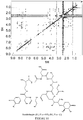
- Both Asn1 and BHN1 variants are visibly present in the wild-type fraction, which are colored red in Fig. 5A .
- the TOCSY fingerprint region (NH correlations) is not as complex for the OcfN thioesterase MS14GG88 mutant spectra ( Fig. 5B ).
- a significant number of spin systems found in the wild-type spectra are absent in the OcfN thioesterase mutant spectra.
- Our experiments show that the TE domain on the C-terminal region of OcfD is able to perform the peptide macrocyclization of both the Asn1 and BHN1 variants.
- the loss of OcfN results in the disappearance of the other three Asn1 amide spin systems.
- Both thioesterases contain the GXSXG motif, which is important for the catalytic transfer of the peptide from the T domain to the cyclase. This suggests that substrate recognition occurs prior to the catalytic transfer of the peptide to the cyclase.
- OcfN cyclase has a higher affinity or better access for the Asn1 peptide product given that the proportion of the Asn1 cyclic peptide product produced by OcfD compared to the BHN1 product is reduced in the wild-type fraction. Therefore the biosynthesis of occidiofungin utilizes the structural differences between Asn and BHN to increase the conformational biodiversity of occidiofungin. The increase in conformational diversity is accomplished by the regiospecific activity of each cyclase, presumably by differences in their binding clefts that helps orientate the peptide before cyclization.
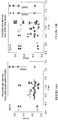
- Colony forming units were determined for the MIC wells of wild-type product for each Candida species and compared to the corresponding well containing the same concentration of the ocfN mutant product ( Fig. 7B ). Following exposure to the same concentration of wild-type and ocfN mutant products, these results show a 5 to 7-log decrease in cell density of the Candida species treated with wild-type product. The differences in activity are also visualized by the rate of cell death. Time-kill experiments were performed against Candida glabrata ATCC66032.
- the findings from this study include experiments showing the following: the relative proportion of the Asn1 and BHN1 variants in the purified fraction; distinct differences in spin systems for the wild-type and ocfN mutant products; proposed model for the coordinated function of two cyclase thioesterases; and demonstrated differences in biological activity of wild-type and ocfN mutant products against therapeutically relevant Candida species. Expanding the conformational repertoire of cyclic peptide natural products can be beneficial to microorganisms. These data suggest that the bacterium Burkholderia contaminans MS 14 is benefited by maintaining two distinct cyclase thioesterases that improves the spectrum of activity of occidiofungin.
- the presence of the hydroxyl group on the beta carbon and the bound orientation of the peptide to the T domain may prevent the interaction of the OcfN cyclase, while enabling the continued substrate recognition by OcfD TE domain.
- Conformational diversity of the T domain has been shown to be important for the directed movement of the peptide substrate bound to the ppan cofactor and its interaction with externally acting enzymes.
- the active site serine of the cyclase thioesterase needs to attack the linear peptide attached by a thioester linkage to the ppan forming an acyl-O-TE intermediate.
- the position of the peptide bound to the ppan in the T domain will be important for bringing the peptide substrate in proximity of the appropriate cyclase thioesterase.
- cyclase thioesterases are capable of transacylation of the peptide to the active site serine, when the peptide is bound to a biomimetic prosthetic group. 4, 16
- cyclase thioesterases that will not function when the product is bound to a biomimetic group.
- ocfN was integrated into the occidiofungin biosynthetic gene cluster to improve its spectrum of activity against fungi.
- the molecular target is likely to be highly conserved.
- Increasing the conformational repertoire must be a selective advantage to the bacterium for it to maintain the two functional cyclase thioesterases.
- the microbial environment is considerably different than how we intend to apply the natural products produced by microorganisms.
- the bacterium Sireptomyces roseosporus is a soil saprotroph responsible for the production of daptomycin.
- Creating novel diastereomers of other cyclic peptide drugs using new or engineered cyclase thioesterases may lead to improvements in their therapeutic activity against clinically relevant pathogens. This is true for occidiofungin produced by the bacterium Burkholderia contaminans MS14, which accomplishes this goal by the evolutionary integration of an additional cyclase thioesterase into the occidiofungin biosynthetic gene cluster.
- Occidiofungin produced by both the wild type strain MS 14 and the ocfN mutant MS14GG88 were purified as previously described for the wild-type sample. 23 Chemicals were purchased from Sigma-Aldrich (St. Louis, Missouri) and were the highest grade, unless otherwise stated. Media were purchased from Fisher Scientific, enzymes were purchased from New England BioLabs, and primers were purchased from Integrated DNA Technologies (IDT) unless otherwise stated. Candida strains used were purchased from the ATCC biological resource center and were a gift from Thomas Edlind (Drexel University College of Medicine).
- a nonpolar mutation was constructed in the open reading frame of wild-type ocfN by the insertion of a kanamycin resistance gene, nptII. 33 To mutate ocfN, a 1-kb fragment containing ocfN was obtained by PCR using primers MocfNF (5'-CGCCACCCGTTACGAGGATTC, SEQ ID NO: 1) and MocfNR (5'-ACGCGTCCCCTCTTCCTACG, SEQ ID NO: 2). The 1-kb PCR product was cloned into the pGEM-T Easy Vector System I (Promega Corporation, Madison, WI) resulting in plasmid pGG30.
- nptII gene was inserted into the cloned ocfN at SmaI, generating plasmid pGG31.
- the ⁇ 2-kb EcoRI fragment of pGG31 harboring the ocfN gene disrupted by insertion of nptII was cloned into pBR325 34 at the EcoRI site to generate pGG32.
- Mutagenesis of the ocfN gene was conducted via a marker exchange procedure as described previously 35 , to generate the mutant MS14GG88. PCR analysis and sequencing were used to verify the double crossover mutants. Production and purification of the antifungal were done as previously described. 23
- NMR spectroscopy A 2 mM sample of ocfN thioesterase mutant fraction of occidiofungin was prepared in dimethyl sulfoxide (DMSO-d6, Cambridge Isotopes) and data were collected as previously described for the wild-type fraction. 22 The NMR data were collected on a Bruker Advance DRX spectrometer, equipped with a CryoProbe, operating at a proton frequency of 600 MHz. The 1 H resonances were assigned according to standard methods 36 using COSY (correlation spectroscopy), TOCSY (total correlation spectroscopy), NOESY (nuclear overhauser effect spectroscopy) and 13 C-HSQC (heteronuclear single quantum coherence) experiments.
- NMR experiments were collected at 25°C.
- the carrier frequency was centered on the residual water resonance (3.333 ppm), which was suppressed minimally using standard presaturation methods.
- a 2.0 s relaxation delay was used between scans.
- the TOCSY experiment was acquired with a 60 ms mixing time using the Bruker DIPSI-2 spinlock sequence.
- the NOESY experiment was acquired with 400 ms mixing time.
- the parameters for collecting the HSQC spectrum were optimized to observe aliphatic and aromatic CH groups.
- the spectral sweep width for the TOCSY and NOESY was 11.35 ppm in both dimensions.
- the spectral sweep widths for HSQC were 11.35 ppm in the proton dimensions and 0 and 85 ppm for the carbon dimension.
- Microdilution broth susceptibility testing was performed in triplicate according to the CLSI M27-A3 method in RPMI (Roswell Park Memorial Institute) 1640 [buffered to a pH of 7.0 with MOPS (morpholinepropanesulfonic acid)] growth medium.
- 100X stock solutions of occidiofungin were prepared in dimethyl sulfoxide (DMSO).
- DMSO dimethyl sulfoxide
- MIC endpoints for occidiofungin were determined by visual inspection and were based on the wells that had no visible growth (an optically clear well) after 24 hours of incubation.
- D:MSO containing no antifungal agent was used as a negative control.
- Colony forming units were determined in triplicate by plating 100 ⁇ l from the MIC wells onto a Yeast Peptone Dextrose (YPD) plate as well as plating 100 ⁇ l from 10-fold serial dilutions of the cell suspension in Yeast Peptone Dextrose (YPD) Broth. Colony counts were performed and reported as CFUs/ml. Time-kill experiments were performed as previously reported. 19 Candida glabrata (ATCC 66032) colonies on 24-h-old YPD plates were suspended in 9 ml of sterile water.
- YPD Yeast Peptone Dextrose
- the density was adjusted to a 0.5 McFarland standard and was diluted 10-fold with RPMI 1640 medium to a final volume of 10 ml containing a final concentration of 2, 1, 0.5 and 0 ⁇ g/ml of occidiofungin from wild type strain MS14 and the ocfN mutant MS14GG88.
- the cultures were incubated at 35°C with agitation. Samples were drawn, serially diluted, and plated on YPD medium for colony counts.
Landscapes
- Life Sciences & Earth Sciences (AREA)
- Health & Medical Sciences (AREA)
- Chemical & Material Sciences (AREA)
- General Health & Medical Sciences (AREA)
- Organic Chemistry (AREA)
- Engineering & Computer Science (AREA)
- Zoology (AREA)
- Wood Science & Technology (AREA)
- Genetics & Genomics (AREA)
- Medicinal Chemistry (AREA)
- Bioinformatics & Cheminformatics (AREA)
- Biochemistry (AREA)
- Proteomics, Peptides & Aminoacids (AREA)
- Molecular Biology (AREA)
- Plant Pathology (AREA)
- Environmental Sciences (AREA)
- Dentistry (AREA)
- Pest Control & Pesticides (AREA)
- Agronomy & Crop Science (AREA)
- Microbiology (AREA)
- Biotechnology (AREA)
- General Engineering & Computer Science (AREA)
- Biophysics (AREA)
- Pharmacology & Pharmacy (AREA)
- Veterinary Medicine (AREA)
- Animal Behavior & Ethology (AREA)
- Public Health (AREA)
- Virology (AREA)
- Epidemiology (AREA)
- Gastroenterology & Hepatology (AREA)
- Immunology (AREA)
- Biomedical Technology (AREA)
- General Chemical & Material Sciences (AREA)
- Communicable Diseases (AREA)
- Oncology (AREA)
- Chemical Kinetics & Catalysis (AREA)
- Nuclear Medicine, Radiotherapy & Molecular Imaging (AREA)
- Micro-Organisms Or Cultivation Processes Thereof (AREA)
- Peptides Or Proteins (AREA)
Description
- Nonribosomal peptide synthetases (NRPSs) produce a wide array of small and structurally complex peptides that have therapeutic potential. The system enables the incorporation of nonproteinogenic amino acids into the polypeptide. Polyketide synthetases (PKSs) are a family of enzymes or enzyme complexes that produce polyketides. Integration of PKSs into the NRPSs system further increases the variety of polypeptides that can be produced by these systems. Recent studies are aimed at exploiting NRPSs for producing peptide libraries that can be screened for therapeutic applications.1-9
- Unlike linear peptides, cyclic peptides are restrained to fewer conformations that facilitate their interaction with their molecular target.10-18 These structural constraints provide resistance to proteases, extreme pH, and temperature.10, 19 These attributes make them one of the most promising scaffolds for pharmacophores. Synthetic design of cyclic peptides is hindered by regioselectivity.
- Classical total synthesis of peptides by solid phase or solution phase peptide synthesis followed by subsequent cyclization reactions requires the addition and removal of protecting groups at the right stages to drive the cyclization among the correct residues.8 Even with these considerations, proper cyclization is hindered by intermolecular interactions and entropically disfavoured pre-cyclization conformations resulting in a vast mixture of compounds or low yields. Microorganisms ensure the formation of a functional cyclic peptide conformation by enzymatically catalyzing the cyclization and release of the peptide with regioselectivity using a cyclase thioestemse.1, 7 The cyclase thioesterase is often located at the C-terminal end of the last NRPS involved in the synthesis of the peptide and is referred to as the TE (Thioesterase) domain.
- The TE domain can hydrolyze the bound peptide as a linear peptide or it can catalyze an intramolecular reaction resulting in the formation of a cyclic peptide. At present, very little is known about the cyclization mechanism of peptides. The crystal structure of the surfactin peptide cyclase provided the first basic understanding of its mechanism of action.20, 21 The peptidyl chain bound to 4-phosphopantetheine cofactor (ppan) that is attached to the thiolation (T)-domain is transferred to a serine in the adjacent TE domain. Ser80 is part of a catalytic triad of residues (His 207 and Asp107) in the surfactin cyclase. His207 and Asp107 activate the Ser80, facilitating the transfer of the peptidyl chain to the TE domain. Once the peptide is transferred to the TE domain, the cyclase binding pocket enables proper orientation and cyclization of the peptide substrate. The enzyme was found to share structural homology to α,β-hydrolase family. The lack of water in the binding cleft of the cyclase, which prevents hydrolysis, is the significant alteration from the hydrolase family that gives the cyclase thioesterase its ability to form cyclic peptides.
- Occidiofungin is a broad spectrum nonribosomally synthesized cyclic antifungal peptide that has submicro/nanomolar activity and low toxicity.19, 22-26 An interesting feature in occidiofungin's biosynthetic pathway is the presence of two putative thioesterases. One is present as an independently expressed thioesterase, OcfN, and the other is a C-terminal TE domain of OcfD. There remains a need for the production of anti-fungal agents that have increased cidal activity against various fungi.
- This invention relates to antifungal compounds and their therapeutic use in the prevention or treatment of fungal infections and diseases. Particularly, various aspects of the invention provide compositions enriched for occidiofungin diastereomers/conformers that have higher activity against fungal infections or diseases (in mammals or plants).
- Other aspects of the invention provide for compositions enriched for particular diasteromers/conformers produced by genetic modification of occidofungin producing microorgansisms such that the production of a particular occidiofungin diasteromer/conformer is favored. Thus, the invention relates to an isolated composition enriched for occidiofungin diastereomers/conformers corresponding to the diastereomers/conformers having the total correlation spectroscopy fingerprint identified in
Figure 5C as the green NH correlations. Also, said composition can be for use in the treatment of a fungal infection - In certain embodiments of this aspect of the invention, pharmaceutical and agricultural compositions that contain a composition enriched for diastereomers/conformers having the TOCSY fingerprint identified in
Figure 5C (the green NH correlations) are provided. - Novel antifungals are needed because of the importance of fungal infections in immunocompromised patients, and the limitations of currently-available antifungal agents regarding their spectra of activity and toxicities. In addition, new antifungals are crucial for food preservation and production of a sufficient and affordable food supply. In this context, this application relates to the disclosure of a composition enriched for occidiofungin diastereomers/conformers having increased antifungal activity as compared to occidiofungin compositions produced by Burkholderia contaminans MS14 (disclosed in
U.S. Patent Application Publication 2011/0136729 ). Diastereomers/conformers have been characterized by a number of techniques, including COSY, TOCSY, NOESY, ROESY, and HSQC 2D NMR spectroscopy experiments. - The antifungal activity of the disclosed occidiofungin diastereomers/conformers (diastereomers/conformers having the TOCSY fingerprint identified in
Figure 5C (the green NH correlations)) provides for compositions having greater antifungal activity as compared to as compared to occidiofungin compositions produced by Burkholderia contaminans MS 14 when cultured under the same conditions. - The phrase "enriched for the disclosed occidiofungin diastereomers/conformers" is intended to convey that the a composition contains the disclosed occidiofungin diastereomers/conformers (diastereomers/conformers having the TOCSY fingerprint identified in
Figure 5C (the green NH correlations)) in an amount higher/greater than that produced by Burkholderia contaminans MS14 as disclosed in the examples provided herein (in which approximately 36% of total amount of occidiofungin corresponds to occidiofungin diastereomers/conformers having the TOCSY fingerprint identified inFigure 5C (the green NH correlations). Thus, the phrase indicates that at least 37% of the total amount of occidiofungin diastereomers/conformers present within an enriched composition are the disclosed diastereomers/conformers having the TOCSY fingerprint identified inFigure 5C (the green NH correlations)). In various embodiments, compositions "enriched for the disclosed occidiofungin diastereomers/conformers" contain at least 40%, 41%, 42%, 43%, 44%, 45%, 46%, 47%, 48%, 49%, 50%, 51, 52%, 53%, 54%, 55%, 56%, 57%, 58%, 59%, 60%, 61%, 62%, 63%, 64%, 65%, 66%, 67%, 68%, 69%, 70%, 71%, 72%, 73%, 74%, 75%, 76%, 77%, 78%, 79%, 80%, 81%, 82%, 83%, 84%, 85%, 86%, 87%, 88%, 89%, 90%, 91%, 92%, 93%, 94%, 95%, 96%, 97%, 98% or 99% of the disclosed diastereomers/conformers in relation to the total amount of occidiofungin diastereomers/conformers in the composition. - The patent or application file contains at least one drawing executed in color. Copies of this patent or patent application publication, with color drawing(s), will be provided by the Office upon request and payment of the necessary fee.
-
Figure 1 . Covalent structure of occidiofungin. R1 and R2 represent the locations where a hydroxyl or chlorine is added, respectively (Rl, -H or -OH; R2, -H or -Cl). -
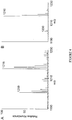
Figures 2A-2C . RP-HPLC Chromatograms. A. Chromatogram of the final purification step of the wild-type occidiofungin fraction at 220 nm using a 4.6 x 250 mm C18 column. B. Chromatogram of the final purification step of ocfN mutant occidiofungin fraction at 220 nm using a 4.6 x 250 mm C18 column. C. Overlay of the wild-type (black) and the mutant (grey) fractions of occidiofungin. -
Figure 3 . TOCSY (left panel) and HSQC (right panel) spectra of BHY4 in the wild-type sample. The proportions of Asn1 and BHN1 variants were determined by the measurement of the 13C-HSQC Ha-Ca cross peak intensities of BHY4 in the HSQC spectra. These values are listed next to their corresponding peaks in the right panel. The peaks in red and green represent the BHY4 peaks associated with BHN1 and Asn1 variants, respectively. Based on the calculation of their relative proportions, i.e. (34.81 + 87.97 for the BHY4 peaks found in the BHN1 conformational variants) and (32.79 + 37.61 for the BHY4 peaks found in the Asn1 conformational variants), the approximate proportion of the Asn1 variants could be calculated as (32.79 + 37.61)/(34.81 + 87.97) + (32.79 + 37.61). -
Figures 4A-4B . ESI mass spectrometry. A. ESI mass spectrometry data of purified wild-type occidiofungin fraction. B. ESI mass spectrometry data of purified ocfN mutant occidiofungin fraction. -
Figures 5A-5C . TOCSY fingerprint region (NH correlations). A. NH correlations in the wild-type sample. The two BHN1 and four Asn1 spin systems present in the wild-type sample are colored red. B. NH correlations in the ocfN mutant sample. C. Overlay of the NH correlations found in the wild-type and ocfN mutant samples. NH correlations that are not present in the ocfN mutant sample are colored green. -
Figure 6 . Schematic of occidiofungin ring closure. The completely synthesized eight amino acid linear peptide is bound by a 4-phosphopantetheine cofactor (ppan) linker to the thiolation (T) domain. The peptide varies by the presence or absence of a hydroxyl group on the beta carbon of Asn1. The TE domain of OcfD is capable of forming the cyclic peptide of both variants in the absence of a functional OcfN cyclase thioesterase. However, it is not as efficient at producing the Asn1 cyclic peptide variant as OcfN. In the presence of a functional OcfN cyclase thioesterase, a novel diastereomers of occidiofungin is formed by the selective ring closure of the Asn1 cyclic peptide. R1 and R2 areBHN 1 and Asn1, respectively. -
Figures 7A-7B . Comparison of the bioactivity from the wild-type and ocfN mutant occidiofungin fractions. A. MICs of wild-type and ocfN mutant fraction determined by CLSI M27-A3 method in RPMI 1640. B. Comparison of the CFUs in the MIC wells of wild-type fraction to the corresponding well having the same concentration of the ocfN mutant occidiofungin fraction. Asterisks represent no detectable colonies in the MIC wells of the wild-type occidiofungin fraction. Black and grey bars are ocfN mutant and wild-type fractions, respectively. Standard deviations for the CFU measurements are presented. -
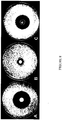
Figure 8 . Potato dextrose agar plates were inoculated with each of the strains and incubated for 3 days at 28°C. The plates were oversprayed with the indicator fungus Geotrichum candidum and incubated overnight. A: The wild-type strain MS 14; B: Negative control MS14GG78 (ocfJ::nptII); C: MS14GG88 (ocfN::nptII). -
Figure 9 . COSY60 NMR Spectrum of Occidiofungin from ocfN mutant MS14GG88 recorded at 600 MHz in DMSO-d6. -
Figure 10 . TOCSY60 NMR Spectrum of Occidiofungin from ocfN mutant MS14GG88 recorded at 600 MHz in DMSO-d6. -
Figure 11 . NOESY400 NMR Spectrum of Occidiofungin from ocfN mutant MS14GG88 recorded at 600 MHz in DMSO-d6. -
Figure 12 . 13C-HSQC NMR Spectrum of Occidiofungin from ocfN mutant MS14GG88 recorded at 600 MHz in DMSO-d6. -
Figures 13A-13B . One-dimensional NMR temperature titration curves for occidiofungin derived from ocfN mutant MS14GG88 (Figure 13A ) and wild-type strain MS14 (Figure 13B ). -
Figures 14A-14B . TOCSY fingerprint region (NH correlations) for occidiofungin derived from ocfN mutant MS 14GG88 (Figure 14A ) and wild-type strain MS 14 (Figure 14B ) at 50°C. -
Figure 15 . Time-kill experiments performed against Candida glabrata ATCC66032. Solid black lines and dashed grey lines correspond to samples treated with occidiofungin derived from wild-type strain MS14 and ocfN mutant MS14GG88, respectively. Circles, squares, and triangles represent samples treated with 0.5, 1.0, and 2.0 µg/mL of occidiofungin, respectively. The diamond represents the sample treated with the blank control. -
- SEQ ID NOs: 1-2: PCR primer sequences
- SEQ ID NO: 3: amino acid sequence for OcfN (thioesterase; thioesterase motif of-G-X-S-X-G- underlined (X is any amino acid))


- SEQ ID NO: 4: amino acid sequence for OcfD (thioesterase motif of -G-X-S-X-G-underlined (X is any amino acid))


- SEQ ID NOs: 5-23: polynucleotide and polypeptides associated with GenBank Accession No. EU938698.5.
- This invention relates to antifungal compounds and their therapeutic use in the prevention or treatment of fungal infections and diseases. Particularly, various aspects of the invention provide for an isolated composition enriched for occidiofungin diastereomers/conformers corresponding to the diastereomers/conformers having the total correlation spectroscopy fingerprint identified in
Figure 5C as the green NH correlations which may be used as fungicides for animals and plants. - As discussed above, one aspect of the invention provides compositions enriched for occidiofungin diastereomers/conformers, in particular the occidiofungin diastereomers/conformers corresponding to the diastereomers/conformers having the TOCSY fingerprint identified in
Figure 5C (the green NH correlations observed under the following conditions: 2 mM samples of occidofungin diasteromers in dimethylsulfoxide (DMSO-d6, Cambridge Isotopes) subjected to 2-D TOCSY, spectra collected at 323 K with a mixing time of 60 milliseconds and data processing using NMRPipe with 45 degree sinebell squared shifts in both dimensions). Thus, the invention provides compositions enriched for such antifungal diastereomers/conformers which may be used in treating fungal infection. - Compositions comprising occidiofungin diasteromers/conformers as disclosed herein may be formulated prior to administration in an agriculturally acceptable carrier, for example in an aqueous carrier, medium or suitable diluent, such as saline or other buffer. The formulated compositions may also be in the form of a dust or granular material, or a suspension in oil (vegetable or mineral), water or oil/water emulsions, a wettable powder, or in combination with any other carrier material suitable for agricultural application. Suitable agricultural carriers can be solid or liquid and are well known in the art. The term "agriculturally-acceptable carrier" covers all adjuvants, e.g. inert components, dispersants, surfactants, tackifiers, binders, etc. that are ordinarily used in the formulation of agricultural compositions; these are well known to those skilled in formulation of agricultural compositions.
- A pharmaceutical composition contains a desired amount of an occidofungin diastereomers/conformers as disclosed herein. Thus, the pharmaceutical composition can comprise occidofungin diasteromers/ conformers having the total correlation spectroscopy (TOCSY) fingerprint identified in
Figure 5C as the green NH correlations. The pharmaceutical compositions can be in the form of, for example, a tablet, a caplet, a pill, a hard or soft capsule, a lozenge, a cachet, a dispensable powder, granules, a suspension, an elixir, a dispersion, a liquid, or any other form reasonably adapted for administration. If intended for parenteral administration, it can be in the form, for example, of a suspension or transdermal patch. Presently preferred are oral dosage forms that are discrete dose units each containing a predetermined amount of the disclosed occidiofungin diastereomers/conformers. - Pharmaceutically acceptable carriers that may be used in these compositions include, but are not limited to, ion exchangers, alumina, aluminum stearate, lecithin, serum proteins, such as human serum albumin, buffer substances such as phosphates, glycine, sorbic acid, potassium sorbate, partial glyceride mixtures of saturated vegetable fatty acids, water, salts or electrolytes, such as protamine sulfate, disodium hydrogen phosphate, potassium hydrogen phosphate, sodium chloride, zinc salts, colloidal silica, magnesium trisilicate, polyvinyl pyrrolidone, cellulose-based substances, polyethylene glycol, sodium carboxymethylcellulose, polyacrylates, waxes, polyethylene-polyoxypropylene-block polymers, polyethylene glycol and wool fat.
- The compositions of the present invention may be administered orally, parenterally, by inhalation spray, topically, rectally, nasally, buccally, vaginally or via an implanted reservoir. The term "parenteral" as used herein includes subcutaneous, intravenous, intramuscular, intra-articular, intra-synovial, intrasternal, intrathecal, intrahepatic, intralesional and intracranial injection or infusion techniques. Preferably, the compositions are administered orally, intraperitoneally or intravenously.
- Sterile injectable forms of the compositions of this invention may be aqueous or an oleaginous suspension. These suspensions may be formulated according to techniques known in the art using suitable dispersing or wetting agents and suspending agents. The sterile injectable preparation may also be a sterile injectable solution or suspension in a non-toxic parenterally acceptable diluent or solvent, for example as a solution in 1,3-butanediol. Among the acceptable vehicles and solvents that may be employed are water, Ringer's solution and isotonic sodium chloride solution. In addition, sterile, fixed oils are conventionally employed as a solvent or suspending medium. For this purpose, any bland fixed oil may be employed including synthetic mono- or diglycerides. Fatty acids, such as oleic acid and its glyceride derivatives are useful in the preparation of injectables, as are natural pharmaceutically-acceptable oils, such as olive oil or castor oil, especially in their polyoxyethylated versions. These oil solutions or suspensions may also contain a long-chain alcohol diluent or dispersant, such as carboxymethyl cellulose or similar dispersing agents that are commonly used in the formulation of pharmaceutically acceptable dosage forms including emulsions and suspensions. Other commonly used surfactants, such as Tweens, Spans and other emulsifying agents or bioavailability enhancers which are commonly used in the manufacture of pharmaceutically acceptable solid, liquid, or other dosage forms may also be used for the purposes of formulation.
- The compositions of this invention may be orally administered in any orally acceptable dosage form including, but not limited to, capsules, tablets, aqueous suspensions or solutions. In the case of tablets for oral use, carriers commonly used include lactose and com starch. Lubricating agents, such as magnesium stearate, are also typically added. For oral administration in a capsule form, useful diluents include lactose and dried cornstarch. When aqueous suspensions are required for oral use, the active ingredient is combined with emulsifying and suspending agents. If desired, certain sweetening, flavoring or coloring agents may also be added.
- Alternatively, the compositions of this invention may be administered in the form of suppositories for rectal administration. These can be prepared by mixing the agent with a suitable non-irritating excipient that is solid at room temperature but liquid at rectal temperature and therefore will melt in the rectum to release the drug. Such materials include cocoa butter, beeswax and polyethylene glycols. The compositions of this invention may also be administered topically, ophthalmically, by nasal aerosol or inhalation. Such compositions are prepared according to techniques well-known in the art of pharmaceutical formulation.
- Compositions disclosed herein can be used to treat fungal infections in immunocompromised patients or patients having fungal infections. Compositions enriched for occidiofungin diastereomers/conformers (e.g., those corresponding to the diastereomers/conformers having the TOCSY fingerprint identified in
Figure 5C (the green NH correlations) having increased antifungal activity as compared to occidiofungin compositions produced by Burkholderia contaminans MS14 (disclosed inU.S. Patent Application Publication 2011/0136729 ) can be administered to a subject. These diastereomers/conformers have been characterized by a number of techniques, including COSY, TOCSY, NOESY, ROESY, and HSQC 2D NMR spectroscopy experiments. - The antifungal activity of the disclosed occidiofungin diastereomers/conformers (diastereomers/conformers having the TOCSY fingerprint identified in
Figure 5C (the green NH correlations)) provides for compositions having greater antifungal activity as compared to as compared to occidiofungin compositions produced by Burkholderia contaminans MS 14 when cultured under the same conditions. The phrase "enriched for the disclosed occidiofungin diastereomers/conformers" is intended to convey that the composition contains disclosed occidiofungin diastereomers/conformers (diastereomers/conformers having the TOCSY fingerprint identified inFigure 5C (the green NH correlations)) in amounts higher than that produced by a reference strain (e.g., Burkholderia contaminans MS14 as disclosed in the examples provided herein). Thus, the phrase indicates that at least 37% of the total amount of occidiofungin diastereomers/conformers present within an enriched composition are the disclosed diastereomers/conformers having the TOCSY fingerprint identified inFigure 5C (the green NH correlations)). In various embodiments, compositions "enriched for the disclosed occidiofungin diastereomers/conformers" contain at least 40%, 41%, 42%, 43%, 44%, 45%, 46%, 47%, 48%, 49%, 50%, 51, 52%, 53%, 54%, 55%, 56%, 57%, 58%, 59%, 60%, 61%, 62%, 63%, 64%, 65%, 66%, 67%, 68%, 69%, 70%, 71%, 72%, 73%, 74%, 75%, 76%, 77%, 78%, 79%, 80%, 81%, 82%, 83%, 84%, 85%, 86%, 87%, 88%, 89%, 90%, 91%, 92%, 93%, 94%, 95%, 96%, 97%, 98% or 99% of the disclosed diastereomers/conformers in relation to the total amount of occidiofungin diastereomers/conformers in a composition. - The compositions which are enriched for occidiofungin diastereomers/conformers corresponding to the diastereomers/conformers having the TOCSY fingerprint identified in
Figure 5C (the green NH correlations) may be produced by certain microorganismsThese microorganisms are transformed with the genes associated with the biosynthesis of occidiofungin. These genes and open reading frames (ORFs) are disclosed inU.S. Patent Application Publication 2011/0136729 ; Gu et al., Appl. Environ. Microbiol., 2011, 77:(17):6189-6198 and GenBank Accession No. EU938698.5, which is also provided on pages 29-72 (SEQ ID NOs: 5-23). These transformed microorganisms are further manipulated genetically such that the microorganisms exhibit an increase in the level of OcfN thioesterase (SEQ ID NO: 3) activity. An increase in the level of OcfN thioesterase activity can be achieved by means of expressing the ocfN gene in a multicopy plasmid with a native promoter or any other promoter sequence. Another way to increase the expression of the ocfN gene within the cell is to chromosomally integrate additional copies of the ocfN gene using transposons. Yet a further means to increase ocfN thioesterase activity is to substitute the native promoter associated with the ocfN gene with a promoter that increases expression of the gene (relative to the native promoter). The thioesterase activity of OcfD can be decreased or eliminated by a point mutation of the catalytic serine at position 2954 of SEQ ID NO: 4, insertional mutation or point mutation of amino acids within the thioesterase motif (in addition to the substitution of the serine residue) found in ocfD to reduce or eliminate its activity, deletion of the catalytic serine or other portions of SEQ ID NO: 4 (e.g., portions or the entirety of the thioesterase motif in SEQ ID NO: 4) or truncation SEQ ID NO: 4 such that thioesterase activity is reduced or eliminated (in addition to increasing the level of OcfN thioesterase activity) within the genetically modified microorganisms. - Transformed microorganisms may be manipulated genetically such that the microorganisms exhibit an increase in the level of OcfN thioesterase (SEQ ID NO: 4) activity. An increase in the level of OcfD thioesterase activity can be achieved by means of expressing the ocfD gene in a multicopy plasmid with a native promoter or any other promoter sequence. Another way to increase the expression of the ocfD gene within the cell is to chromosomally integrate additional copies of the ocfD gene using transposons. Yet a further means to increase ocfN thioesterase activity is to substitute the native promoter associated with the ocfD gene with a promoter that increases expression of the gene (relative to the native promoter). The thioesterase activity of OcfN can be decreased or eliminated by a point mutation of the catalytic serine at position 73 of SEQ ID NO: 3, insertional mutation or point mutations of other amino acids within the thioesterase motif (in addition to the substitution of the serine residue) of the thioesterase to reduce or eliminate its activity, deletion of the catalytic serine or other portions of SEQ ID NO: 3 (e.g., portions or the entirety of the thioesterase motif in SEQ ID NO: 3), truncation SEQ ID NO: 3 such that thioesterase activity is reduced or eliminated or deletion of ocfN in its entirety (in addition to increasing the level of OcfN thioesterase activity) within the genetically modified microorganisms. Where the biosynthetic pathway for occidiofungin biosynthesis is engineered into a microorgansims, one can, of course, omit ocfN to achieve the same effect as the mutation or deletion of ocfN as discussed above.
- Thus, microorganisms such as bacterial cells, fungal cells and yeast can be transformed with genes encoding the occidiofungin biosynthetic pathway and genetically manipulated, as discussed above, such that the cells have increased OcfN activity and/or decreased OcfN activity as compared to reference bacterial, fungal or yeast cells. Alternatively, microorganisms such as bacterial cells, fungal cells and yeast can be transformed with genes encoding the occidiofungin biosynthetic pathway and genetically manipulated, as discussed above, such that the cells have increased OcfN activity and/or decreased OcfN activity as compared to reference bacterial, fungal or yeast cells. Such cells can then be used to produce compositions enriched for occidiofungin diastereomers/conformers corresponding to the diastereomers/conformers having the TOCSY fingerprint identified in
Figure 5C (the green NH correlations). The phrase "reference bacterial, fungal or yeast cells" refers to bacterial, fungal or yeast cells containing the genes associated with the biosynthetic pathway for the production of occidiofungin and where the function/activity of OcfN and/or OcfD has not been altered as disclosed herein. Thus, the phrase "reference bacterial, fungal or yeast cells" refers to cells containing, for example, polynucleotide (SEQ ID NO: 23 encoding the open reading frames (ORFs; SEQ ID NOs: 5-22)) disclosed in GenBank Accession No. EU938698.5. For the comparison of compositions enriched for occidiofungin diastereomers/conformers corresponding to the diastereomers/conformers having the TOCSY fingerprint identified inFigure 5C (the green NH correlations)), compositions containing the diastereomers/conformers can be obtained from cells genetically manipulated to have increased ocfN activity and/or decreased OcfD activity (or increased OcfD activity and/or decreased ocfN activity) and compared to compositions containing occidiofungin produced by reference bacterial, fungal or yeast cells cultured under similar or the same conditions (e.g., the same temperature and medium). - Bacterial cells can be Gram negative bacteria or Gram positive bacteria. In this aspect of the invention, the Gram-negative bacterial cell can be selected from the group consisting of Escherichia, Zymomonas, Acinetobacter, Gluconobacter, Geobacter, Shewanella, Salmonella, Enterobacter and Klebsiella. Gram-positive bacteria can be selected from the group consisting of Bacillus, Clostridium, Corynebacterial, Lactobacillus, Lactococcus, Oenococcus, Streptococcus and Eubacterial cells. Various thermophilic bacterial cells, such as Thermoanaerobes (e.g., Thermoanaerobacterium saccharolyticum), Bacillus spp., e.g., Bacillus coagulans strains, Bacillus licheniformis strains, Bacillus subtilis strains, Bacillus amyloliquifaciens strains, Bacillus megaterium strains, Bacillus macerans strains, Paenibacillus spp. strains or Geobacillus spp. such as Geobacillus stearothermophilus.
- Yeast cells suitable for use may be a Candida, Hansenula, Kluyveromyces, Pichia, Saccharomyces, Schizosaccharomyces, or Yarrowia cell such as a Kluyveromyces lactis, Saccharomyces carlsbergensis, Saccharomyces cerevisiae, Saccharomyces diastaticus, Saccharomyces douglasii, Saccharomyces kluyveri, Saccharomyces norbensis, Saccharomyces oviformis, or Yarrowia lipolytica cell. The yeast cell must be resistant to the effects of occidiofungin to be a viable production system for compositions enriched for occidiofungin diastereomers/conformers corresponding to the diastereomers/conformers having the TOCSY fingerprint identified in
Figure 5C (the green NH correlations). - Fungal cells can be manipulated to produce compositions enriched for occidiofungin diastereomers/conformers corresponding to the diastereomers/conformers having the TOCSY fingerprint identified in
Figure 5C (the green NH correlations). "Fungi" as used herein includes the phyla Ascomycota, Basidiomycota, Chytridiomycota, and Zygomycota, Oomycota and all mitosporic fungi. A fungal cell may be a yeast cell. "Yeast" as used herein includes ascosporogenous yeast (Endomycetales), basidiosporogenous yeast, and yeast belonging to the Fungi Imperfecti (Blastomycetes). The fungal host cell may be a filamentous fungal cell. "Filamentous fungi" include all filamentous forms of the subdivision Eumycota and Oomycota (as defined by Hawksworth et al., 1995, supra). The filamentous fungi are generally characterized by a mycelial wall composed of chitin, cellulose, glucan, chitosan, mannan, and other complex polysaccharides. Vegetative growth is by hyphal elongation and carbon catabolism is obligately aerobic. In contrast, vegetative growth by yeasts such as Saccharomyces cerevisiae is by budding of a unicellular thallus and carbon catabolism may be fermentative. The filamentous fungal host cell may be an Acremonium, Aspergillus, Aureobasidium, Bjerkandera, Ceriporiopsis, Chrysosporium, Coprinus, Coriolus, Cryptococcus, Filibasidium, Fusarium, Humicola, Magnaporthe, Mucor, Myceliophthora, Neocallimastix, Neurospora, Paecilomyces, Penicillium, Phanerochaete, Phlebia, Piromyces, Pleurotus, Schizophyllum, Talaromyces, Thermoascus, Thielavia, Tolypocladium, Trametes, or Trichoderma cell. For example, the filamentous fungal host cell may be an Aspergillus awamori, Aspergillus foetidus, Aspergillus fumigatus, Aspergillus japonicus, Aspergillus nidulans, Aspergillus niger, Aspergillus oryzae, Bjerkandera adusta, Ceriporiopsis aneirina, Ceriporiopsis caregiea, Ceriporiopsis gilvescens, Ceriporiopsis pannocinta, Ceriporiopsis rivulosa, Ceriporiopsis subrufa, Ceriporiopsis subvermispora, Chrysosporium inops, Chrysosporium keratinophilum, Chrysosporium lucknowense, Chrysosporium merdarium, Chrysosporium pannicola, Chrysosporium queenslandicum, Chrysosporium tropicum, Chrysosporium zonatum, Coprinus cinereus, Coriolus hirsutus, Fusarium bactridioides, Fusarium cerealis, Fusarium crookwellense, Fusarium culmorum, Fusarium graminearum, Fusarium graminum, Fusarium heterosporum, Fusarium negundi, Fusarium oxysporum, Fusarium reticulatum, Fusarium roseum, Fusarium sambucinum, Fusarium sarcochroum, Fusarium sporotrichioides, Fusarium sulphureum, Fusarium torulosum, Fusarium trichothecioides, Fusarium venenatum, Humicola insolens, Humicola lanuginosa, Mucor miehei, Myceliophthora thermophila, Neurospora crassa, Penicillium purpurogenum, Phanerochaete chrysosporium, Phlebia radiata, Pleurotus eryngii, Thielavia terrestris, Trametes villosa, Trametes versicolor, Trichoderma harzianum, Trichoderma koningii, Trichoderma longibrachiatum, Trichoderma reesei, or Trichoderma viride cell. - Fungal cells may be transformed by a process involving protoplast formation, transformation of the protoplasts, and regeneration of the cell wall in a manner known per se. Suitable procedures for transformation of Aspergillus and Trichoderma host cells are described in
EP 238023 WO 96/00787 - The native promoter of the ocfN gene within Burkholderia contaminans MS14 can be replaced by promoter elements known to enhance the level of gene expression, thereby increasing OcfN thioesterase activity within Burkholderia contaminans MS14. Burkholderia contaminans MS14 can also be genetically modified by other techniques to produce compositions enriched for occidiofungin diastereomers/conformers corresponding to the diastereomers/conformers having the TOCSY fingerprint identified in
Figure 5C (the green NH correlations). Genetic modifications that ocfN thioesterase activity include the introduction of multicopy plasmids comprising a native promoter or any other promoter sequence operably liked to an ocfN gene into Burkholderia contaminans MS14, integration of additional copies of the ocfN gene operably linked to a promoter into the chromosome of Burkholderia contaminans MS14 using transposon mutagenesis or by replacement of the native ocfN promoter in Burkholderia contaminans MS14 with a promoter that increases the expression of ocfN transcripts relative to the native promoter sequence. - A point mutation may be introduced into the nucleotide sequence encoding OcfD, the truncation of ocfD (or introduction of a frameshift mutation) such that the thioesterase activity is reduced or eliminated or the deletion of the segment of the ocfD gene encoding the catalytic serine in order to increase the amounts of occidiofungin diastereomers/conformers corresponding to the diastereomers/conformers having the TOCSY fingerprint identified in
Figure 5C (the green NH correlations) produced by Burkholderia contaminans MS14 or by microorganisms genetically modified to produce occidiofungin (e.g., microorganisms into which the biosynthetic pathway for occidiofungin production have been introduced). The point mutation is introduced into the catalytic serine in the thioesterase domain of ocfD in order to reduce its activity. This amino acid is found at position 2954 of SEQ ID NO: 4. For example, the serine can be mutated into an alanine, glycine or proline residue (with glycine or alanine being preferred in this context). The microorganisms can be genetically modified such that ocfN activity is increased as well (e.g., the level of OcfN thioesterase activity can be increased by means of expressing the ocfN gene in a multicopy plasmid with a native promoter or any other promoter sequence, chromosomal integration of additional copies of the ocfN gene using transposons or other means or substitution of the native promoter associated with the ocfN gene with a promoter that increases expression of the gene (relative to the native promoter)). - A point mutation may be introduced into the nucleotide sequence encoding OcfN, the truncation of ocfN (or introduction of a frameshift mutation) such that the thioesterase activity is reduced or eliminated, the deletion of the segment of the ocfN gene encoding the catalytic serine or chromosomal deletion of ocfN within a microorganism (e.g., Burkholderia contaminans MS14) in order to increase the amounts a particular occidiofungin diastereomer/conformer produced by a microorganism. As would be apparent to one skilled in the art, a similar effect can be obtained by transforming a microorganism with the genes encoding the occidiofungin biosynthetic pathway, with the exception of ocfN gene. A point mutation is introduced into the catalytic serine in the thioesterase domain of OcfN in order to reduce its activity. This amino acid is found at position 73 of SEQ ID NO: 3. For example, the serine can be mutated into an alanine, glycine or proline residue (with glycine or alanine being preferred in this context). The microorganisms may be genetically modified such that OcfD activity is increased as well (e.g., the level of OcfD thioesterase activity can be increased by means of expressing the ocfD gene in a multicopy plasmid with a native promoter or any other promoter sequence, chromosomal integration of additional copies of the ocfD gene using transposons or other means or substitution of the native promoter associated with the ocfD gene with a promoter that increases expression of the gene (relative to the native promoter)).
- Proportion of Occidiofungin Variants in the Sample. The C-terminal TE domain of OcfD and the OcfN cyclase thioesterase in the occidiofungin biosynthetic gene cluster are both predicted to be involved in the termination of synthesis and formation of the cyclic peptide. Given that the N-terminal end of the linear peptide is an Asn or BHN, we hypothesized that each thioesterase was required for cyclization of the Asn1 and BHN1 variants. The Asn1 and BHN1 variants of occidiofungin are not separable by RP-HPLC (reverse phase high performance liquid phase chromatography), thus, both variants are present in the purified fraction (
Fig. 2 ). The final RP-HPLC step in the purification process reveals the presence of three peaks. Occidiofungin samples elute as a doublet peak before the third peak. Both the wild type strain MS14 and the ocfN mutant MS 14GG88 have the same chromatographic profile as observed in the last purification step. Occidiofungin peaks were confirmed by MALDI-TOF and bioassays. It is important to note that the presence of the doublet peak is not associated with the presence of Asn1 or BHN1. Each peak of the doublet contains both the Asn1 and BHN1 variants. - The relative proportion of the Asn1 and BHN1 variants could not be directly compared, because direct measurement of the Asn1 peak intensities could not be done due to the peaks overlapping with Asn7. The relative proportion of the Asn1 and BHN1 variants in the wild-type fraction was determined by measuring the 13C-HSQC Ha-Ca cross peak intensities of each BHY4 peak in the data set,27, 28 given that each of the BHY4 peaks could be attributed to either the Asn1 or BHN1 variant. Based on the Ha-Ca cross peak intensities for BHY4 in HSQC spectrum, the Asn1 and BHN1 variants was determined by measuring the 13C-HSQC Ha-Ca cross peak intensities of each BHY4 peak in the data set27, 28, and was determined to be approximately 36% and 64% of the total amount of occidiofungin, respectively (
Fig. 3 ). The peaks in red and green represent the BHY4 peaks associated with BHN1 and Asn1 variants, respectively. A similar ratio was also observed in the relative abundance of each peak in the ESI-MS spectrum (Fig. 4A ). Furthermore, the 13C-HSQC Ha-Ca cross peak intensities for the BHN1 peaks in the spectra were determined to be 90.50 and 38.65, which support the intensities measured for BHY4 peaks corresponding to the BHN1 conformational variants. - Mutagenesis of the ocfN gene was conducted via a marker exchange procedure as described previously22, to generate the mutant MS14GG88. The percentage of Asn1 to BHN1 variants in the ocfN mutant MS14GG88 fraction could be determined by measuring the proportion of each BHN1 variant using the HSQC data set and by the integration of the HN of Asn1 and BHN1 in the 1H NMR spectra. Asn1 and BHN1 variants are approximately 20% and 80% of the total amount of occidiofungin, respectively. The ESI-MS spectrum also shows a lower relative abundance for the Asn1 variant (1200.39 Da) compared to the BHN1 variant (1216.41 Da) (
Fig. 4B ). - Comparison of Wild-type and ocfN Mutant NMR Spectra. Occidiofungin has a complex spectrum for a peptide of only eight amino acids (
Fig. 5A and Table 1). The NMR spectrum represents an average of the conformers on the NMR time scale. Conformers in slow exchange on the NMR time scale may result in multiple spin systems for each amino acid. In some situations, multiple conformers are known to arise for cyclic peptides due to slow interconverting conformational families.29, 30 Despite the conformation restrictions brought about by the ring closure, occidiofungin still has a significant amount of conformational freedom. Both Asn1 and BHN1 variants are visibly present in the wild-type fraction, which are colored red inFig. 5A . The TOCSY fingerprint region (NH correlations) is not as complex for the OcfN thioesterase MS14GG88 mutant spectra (Fig. 5B ). A significant number of spin systems found in the wild-type spectra are absent in the OcfN thioesterase mutant spectra. Our experiments show that the TE domain on the C-terminal region of OcfD is able to perform the peptide macrocyclization of both the Asn1 and BHN1 variants. Although, there is only one amide spin system for Asn1 produced by OcfD. Whereas, the loss of OcfN results in the disappearance of the other three Asn1 amide spin systems. - An overlay of the wild-type and ocfN mutant NMR spectra shows the amino acid spin systems in green that are absent in the mutant spectra (
Fig. 5C ). These spin systems are for Asn7, Ser8, Asn1, Novel Amino Acid 2 (NAA2), Ser3, BHY4, and Gly6. The loss of these spin systems suggests that the complex spin system observed for the wild-type occidiofungin fraction is not only due to interconverting conformational families, but is the result of distinct diastereomers formed by the regiospecific activity of the OcfN, cyclase and OcfD TE domain. Dramatic chemical shifts observed, such as the 2 ppm shift for HN of the NAA2, support the formation of a structurally unique conformer of occidiofungin. A unique conformer is further supported by the subsequent loss of a NAA2 spin system in the ocfN mutant NMR spectra. Furthermore, the presence of both Asn1 and BHN1 spin systems in the mutant spectra along with the absence of the amide spin systems shown in green indicate that the additional spin systems are not due to the presence of the β-hydroxyl on Asn1. The additional spin systems are due to the formation of unique diastereomer produced by OcfN cyclase thioesterase. To further test for the formation of a configurational isomer versus an interchangeable conformational isomer, one dimensional NMR temperature titrations were performed. Amide and aromatic regions revealed little change in the complexity of peaks present with the occidiofungin derived from ocfN mutant MS14GG88 or wild-type strain MS14 (Figs. 13A-13B ). Given that NAA2 spin systems are a good indicator for the presence of both diastereomers in the wild-type spectrum, we collected TOCSY spectra for occidiofungin derived from ocfN mutant MS14GG88 or wild-type strain at 50°C (Figs. 14A-14B ). There was no loss or addition of a spin system for NAA2 in the mutant spectrum. Furthermore, both spin systems for NAA2 remained in the wild-type spectrum. This data supports that the stereoisomers are non-interchangeable isomers, supporting their classification as a diastereomers (configurational isomers) rather than a conformational isomer. - Model for the Coordinated Function of Two Cyclase Thioesterases. There was no loss of an amide spin system for a BHN1 in the ocfN mutant NMR spectra. This suggests that OcfN thioesterase has a substrate requirement for the peptide containing Asn1, since there is no concomitant loss of a BHN1 spin system with the observed loss of the Asn1 spin systems. The C-terminal TE domain of OcfD has a preference for the peptide containing the BHN1, but is capable, albeit at a lower efficiency of cyclizing the Asn1 variant. This provides an interesting scenario for the activity of the two thioesterases (
Fig. 6 ). Both thioesterases contain the GXSXG motif, which is important for the catalytic transfer of the peptide from the T domain to the cyclase. This suggests that substrate recognition occurs prior to the catalytic transfer of the peptide to the cyclase. Presumably, OcfN cyclase has a higher affinity or better access for the Asn1 peptide product given that the proportion of the Asn1 cyclic peptide product produced by OcfD compared to the BHN1 product is reduced in the wild-type fraction. Therefore the biosynthesis of occidiofungin utilizes the structural differences between Asn and BHN to increase the conformational biodiversity of occidiofungin. The increase in conformational diversity is accomplished by the regiospecific activity of each cyclase, presumably by differences in their binding clefts that helps orientate the peptide before cyclization. - Comparison of the Bioactivity of the Wild-type and ocfN Mutant Product. To determine whether the increase in conformational diversity is important for bioactivity, minimum inhibitory concentrations were determined against medically relevant Candida species (
Fig. 7A ). There was a 2-fold decrease in the minimum inhibitory concentration (MIC) with the purified ocfN mutant product with respect to the wild-type product against Candida albicans LL, Candida albicans TE, Candida glabrata ATCC66032, Candida parapsilosis ATCC90018, and Candida tropicalis ATCC66029. There was no difference in the MIC for Candida albicans ATCC66027. Colony forming units (CFUs/mL) were determined for the MIC wells of wild-type product for each Candida species and compared to the corresponding well containing the same concentration of the ocfN mutant product (Fig. 7B ). Following exposure to the same concentration of wild-type and ocfN mutant products, these results show a 5 to 7-log decrease in cell density of the Candida species treated with wild-type product. The differences in activity are also visualized by the rate of cell death. Time-kill experiments were performed against Candida glabrata ATCC66032. There was a ten-fold difference in yeast present at 4 and 8 hours when cells were treated with 0.5 µg/mL of occidiofungin derived from ocfN mutant MS14GG88 or wild-type strain (Fig. 15 ). Furthermore, a slower rate of cell death was also observed for yeast treated with occidiofungin derived from ocfN mutant MS14GG88 at 1.0 and 2.0 µg/mL. Given that the cyclic occidiofungin variants produced by OcfN constitute less than half of the total structural variants, a 2-fold loss in activity suggests that the configurational isomer made by OcfN are 4-fold more active than the stereoisomer produced by OcfD against five of the Candida species tested. Another possible explanation for the observed differences in activity could be attributed to possible synergism between the configurational isomers produced by each cyclase thioesterase. Furthermore, the antifungal activity of the ocfN mutant (MS14GG88: 8.79 ± 0.38 mm) was also significantly reduced (P < 0.05) compared to wild-type activity (inhibitory zone radius ± SEM: 13.00 ± 0.58 mm) in an overlay assay against Geotrichum candidum (Fig. 8 ). - General Discussion. The findings from this study include experiments showing the following: the relative proportion of the Asn1 and BHN1 variants in the purified fraction; distinct differences in spin systems for the wild-type and ocfN mutant products; proposed model for the coordinated function of two cyclase thioesterases; and demonstrated differences in biological activity of wild-type and ocfN mutant products against therapeutically relevant Candida species. Expanding the conformational repertoire of cyclic peptide natural products can be beneficial to microorganisms. These data suggest that the bacterium Burkholderia contaminans MS 14 is benefited by maintaining two distinct cyclase thioesterases that improves the spectrum of activity of occidiofungin.
- Our data support the observation that cyclase thioesterase substrate recognition occurs prior to the catalytic transfer of the peptide. The presence or absence of a hydroxyl group on the beta carbon of the N-terminal amino acid (Asn1) appears to be important for the substrate recognition by the two cyclase thioesterases. It has also been shown that the N-terminal amino acid is important for substrate recognition for other thioesterases.4, 8 It is possible that the presence of the hydroxyl group promotes a hydrogen bond with the ocfD cyclase thioesterase domain or more likely promotes an interaction within the T domain of the NRPS. Different bound orientations of the peptide to the T domain would establish a basis for the coordinated function of two cyclase thioesterases. It is also possible that the enzymatic conversion of one of the residues between L- and D-isomers is not completed by one of the epimerization domains. A combination of differences in the N-terminal amino acid and a possible difference in amino acid configuration (L or D), may contribute to the selective differences by the cyclase thioesterases that result in the formation of the observed configurational isomers.
- The presence of the hydroxyl group on the beta carbon and the bound orientation of the peptide to the T domain may prevent the interaction of the OcfN cyclase, while enabling the continued substrate recognition by OcfD TE domain. There is evidence for the need of a bound orientation of the peptide to the T domain for the successful function of the cyclase thioesterase. Conformational diversity of the T domain has been shown to be important for the directed movement of the peptide substrate bound to the ppan cofactor and its interaction with externally acting enzymes.3 More specifically, the active site serine of the cyclase thioesterase needs to attack the linear peptide attached by a thioester linkage to the ppan forming an acyl-O-TE intermediate. The position of the peptide bound to the ppan in the T domain will be important for bringing the peptide substrate in proximity of the appropriate cyclase thioesterase.
- Furthermore, some cyclase thioesterases are capable of transacylation of the peptide to the active site serine, when the peptide is bound to a biomimetic prosthetic group.4, 16 However, there are several cyclase thioesterases that will not function when the product is bound to a biomimetic group. These data suggest that the interaction of the peptide with the T domain is important for the enzymatic activity of some thioesterases and this interaction cannot be mimicked using a prosthetic group. It is conceivable that the coordinated function of the two cyclase thioesterases, involved in the synthesis of occidiofungin, utilize differences in the interaction of the ppan bound peptide within the T domain.
- Presumably, ocfN was integrated into the occidiofungin biosynthetic gene cluster to improve its spectrum of activity against fungi. Given the broad spectrum of antifungal activity associated with occidiofungin, the molecular target is likely to be highly conserved. However, there must be some variation among fungal species to account for the differences in biological activity. Increasing the conformational repertoire must be a selective advantage to the bacterium for it to maintain the two functional cyclase thioesterases. The microbial environment is considerably different than how we intend to apply the natural products produced by microorganisms. For instance, the bacterium Sireptomyces roseosporus is a soil saprotroph responsible for the production of daptomycin.31, 32 The microbial community that this bacterium encounters is far more diverse than the group of bacteria that cause human infection. Thus, evolutionary pressures that selected for the current conformers of daptomycin may not necessarily be the best conformers for treating a Staphylococcus aureus infection. It is very likely that the therapeutic application of daptomycin or other cyclic peptide drugs could be improved by engineering novel conformational or configurational isomers.
- Creating novel diastereomers of other cyclic peptide drugs using new or engineered cyclase thioesterases may lead to improvements in their therapeutic activity against clinically relevant pathogens. This is true for occidiofungin produced by the bacterium Burkholderia contaminans MS14, which accomplishes this goal by the evolutionary integration of an additional cyclase thioesterase into the occidiofungin biosynthetic gene cluster.
- Following are examples which illustrate procedures for practicing the invention. These examples should not be construed as limiting. All percentages are by weight and all solvent mixture proportions are by volume unless otherwise noted.
- Materials. Occidiofungin produced by both the wild type strain MS 14 and the ocfN mutant MS14GG88 were purified as previously described for the wild-type sample.23 Chemicals were purchased from Sigma-Aldrich (St. Louis, Missouri) and were the highest grade, unless otherwise stated. Media were purchased from Fisher Scientific, enzymes were purchased from New England BioLabs, and primers were purchased from Integrated DNA Technologies (IDT) unless otherwise stated. Candida strains used were purchased from the ATCC biological resource center and were a gift from Thomas Edlind (Drexel University College of Medicine).
- Site Directed Mutagenesis. A nonpolar mutation was constructed in the open reading frame of wild-type ocfN by the insertion of a kanamycin resistance gene, nptII. 33 To mutate ocfN, a 1-kb fragment containing ocfN was obtained by PCR using primers MocfNF (5'-CGCCACCCGTTACGAGGATTC, SEQ ID NO: 1) and MocfNR (5'-ACGCGTCCCCTCTTCCTACG, SEQ ID NO: 2). The 1-kb PCR product was cloned into the pGEM-T Easy Vector System I (Promega Corporation, Madison, WI) resulting in plasmid pGG30. The nptII gene was inserted into the cloned ocfN at SmaI, generating plasmid pGG31. The ∼2-kb EcoRI fragment of pGG31 harboring the ocfN gene disrupted by insertion of nptII was cloned into pBR32534 at the EcoRI site to generate pGG32. Mutagenesis of the ocfN gene was conducted via a marker exchange procedure as described previously35, to generate the mutant MS14GG88. PCR analysis and sequencing were used to verify the double crossover mutants. Production and purification of the antifungal were done as previously described.23
- NMR spectroscopy. A 2 mM sample of ocfN thioesterase mutant fraction of occidiofungin was prepared in dimethyl sulfoxide (DMSO-d6, Cambridge Isotopes) and data were collected as previously described for the wild-type fraction.22 The NMR data were collected on a Bruker Advance DRX spectrometer, equipped with a CryoProbe, operating at a proton frequency of 600 MHz. The 1H resonances were assigned according to standard methods36 using COSY (correlation spectroscopy), TOCSY (total correlation spectroscopy), NOESY (nuclear overhauser effect spectroscopy) and 13C-HSQC (heteronuclear single quantum coherence) experiments. NMR experiments were collected at 25°C. The carrier frequency was centered on the residual water resonance (3.333 ppm), which was suppressed minimally using standard presaturation methods. A 2.0 s relaxation delay was used between scans. The TOCSY experiment was acquired with a 60 ms mixing time using the Bruker DIPSI-2 spinlock sequence. The NOESY experiment was acquired with 400 ms mixing time. The parameters for collecting the HSQC spectrum were optimized to observe aliphatic and aromatic CH groups. The spectral sweep width for the TOCSY and NOESY was 11.35 ppm in both dimensions. The spectral sweep widths for HSQC were 11.35 ppm in the proton dimensions and 0 and 85 ppm for the carbon dimension. All 2D data were collected with 2048 complex points in the acquisition dimension and 256 complex points for the indirect dimensions, except for the HSQC which was collected with 2048 and 128 complex points in the direct and indirect dimension, respectively. Phase sensitive indirect detection for NOESY, TOCSY, and COSY experiments was achieved using the standard Bruker pulse sequences. 1H chemical shifts were referenced to the residual water peak (3.33 ppm). Data were processed with nmrPipe37 by first removing the residual water signal by deconvolution, multiplying the data in both dimensions by a squared sinebell function with 45 or 60 degree shifts (for the 1H dimension of HSQC), zerofilling once, Fourier transformation, and baseline correction. Data were analyzed with the interactive computer program NMRView.38 One-dimensional NMR temperature titrations were collected on the wild type and mutant peptides, using a Bruker
AVANCE III HD 600 MHz spectrometer equipped with a cryoprobe. Eight scans were collected in each 1-D experiment, using 32K points, at a temperature of 298 K. The experiments were repeated using higher temperatures for both samples in 5 degrees K increments, up to a temperature of 323 K. 2-D TOCSY spectra were collected at a temperature of 323 K, using a mixing time of 60 milliseconds. Eight scans and 256 indirect points were used for both the wild type and mutant peptides. The 2-D spectra were processed using NMRPipe, with 45 degree sinebell squared shifts in both dimensions. - Mass Spectrometry. The wild-type occidiofungin and the ocfN mutant sample (10 µg) were evaporated to dryness in a Speed Vac Concentrator (ThermoScientific, San Jose, CA) and the residue was taken up in 50 µl methanol and analyzed by direct infusion at 3 µl/minutes into an LCQ DecaXP (ThermoScientific, San Jose, CA). Data were acquired over a mass range of m/z 200 to 2000.
- In Vitro Susceptibility Testing. Microdilution broth susceptibility testing was performed in triplicate according to the CLSI M27-A3 method in RPMI (Roswell Park Memorial Institute) 1640 [buffered to a pH of 7.0 with MOPS (morpholinepropanesulfonic acid)] growth medium. 100X stock solutions of occidiofungin were prepared in dimethyl sulfoxide (DMSO). MIC endpoints for occidiofungin were determined by visual inspection and were based on the wells that had no visible growth (an optically clear well) after 24 hours of incubation. D:MSO containing no antifungal agent was used as a negative control. Colony forming units (CFUs) were determined in triplicate by plating 100 µl from the MIC wells onto a Yeast Peptone Dextrose (YPD) plate as well as plating 100 µl from 10-fold serial dilutions of the cell suspension in Yeast Peptone Dextrose (YPD) Broth. Colony counts were performed and reported as CFUs/ml. Time-kill experiments were performed as previously reported.19 Candida glabrata (ATCC 66032) colonies on 24-h-old YPD plates were suspended in 9 ml of sterile water. The density was adjusted to a 0.5 McFarland standard and was diluted 10-fold with RPMI 1640 medium to a final volume of 10 ml containing a final concentration of 2, 1, 0.5 and 0 µg/ml of occidiofungin from wild type strain MS14 and the ocfN mutant MS14GG88. The cultures were incubated at 35°C with agitation. Samples were drawn, serially diluted, and plated on YPD medium for colony counts.
- It should be understood that the examples and embodiments described herein are for illustrative purposes only and that various modifications or changes in light thereof will be suggested to persons skilled in the art and are to be included within the scope of the appended claims. Any elements or limitations of any invention or embodiment thereof disclosed herein can be combined with any and/or all other elements or limitations (individually or in any combination) or any other invention or embodiment thereof disclosed herein, and all such combinations are contemplated with the scope of the claims without limitation thereto.
aProton chemical shift values are from a TOCSY and NOESY experiments. Chemical shifts in brackets are 13C values from the HSQC experiment. Table 1. Chemical Shift Values for Occidiofungin derived from the ocfN mutant MS14GG88a Unit No. δC δH 2 52.71, CH 4.59 Asn1 2-NH 7.75 3 39.91, CH2 2.62, 2.41 4 - 4-NH2 7.39, 6.93 2 58.47, CH 4.66, 4.61 BHN1 2-NH 7.81, 7.9 3 75.01, C 3.98, 4.02 3-OH 4.66 4 - 4-NH2 7.24 2 43.88, CH2 2.34, 2.36 NAA2 3 47.25, CH 4.23 3-NH 7.31, 7.34 4 41.57, CH2 1.39, 1.76 5 66.36, CH 3.50 6 76.07, CH 3.08 7 79.61, CH 3.72 8 33.19, CH2 1.54 9-17 25.14-28.02, CH2 1.27 18 16.94, CH3 0.86 2 58.59, CH 4.07, 4.15 Ser3 2-NH 8.11, 8.14 3 70.23, 64.29 3.49, 3.45 3-OH 4.95 2 58.71,CH 4.06, 4.15 BHY4 2-NH 7.83, 7.94 3 73.75,CH 4.98, 5.08 3-OH 5.66, 5.73 4 - 5,6 - 7.15 8,9 - 6.67 2 53.49, CH 4.43 DABA5 2-NH2 7.66 3 32.68, CH2 1.88, 2.11 4 39.17, CH2 2.92 4, NH 7.71 Gly6 2 44.76, CH2 3.87, 3.58, 3.84, 3.70 2-NH 7.68, 7.85 2 53.25, CH 4.51, 4.58 Asn7 2-NH 8.35, 8.41 3 40.03, CH2 2.61,2.38 4 - 4-NH2 7.39,6.93 2 58.11, CH 4.33,4.32 Ser8 2-NH 7.76, 7.78 3 64.59 3.61, 3.62 3-OH 4.79 


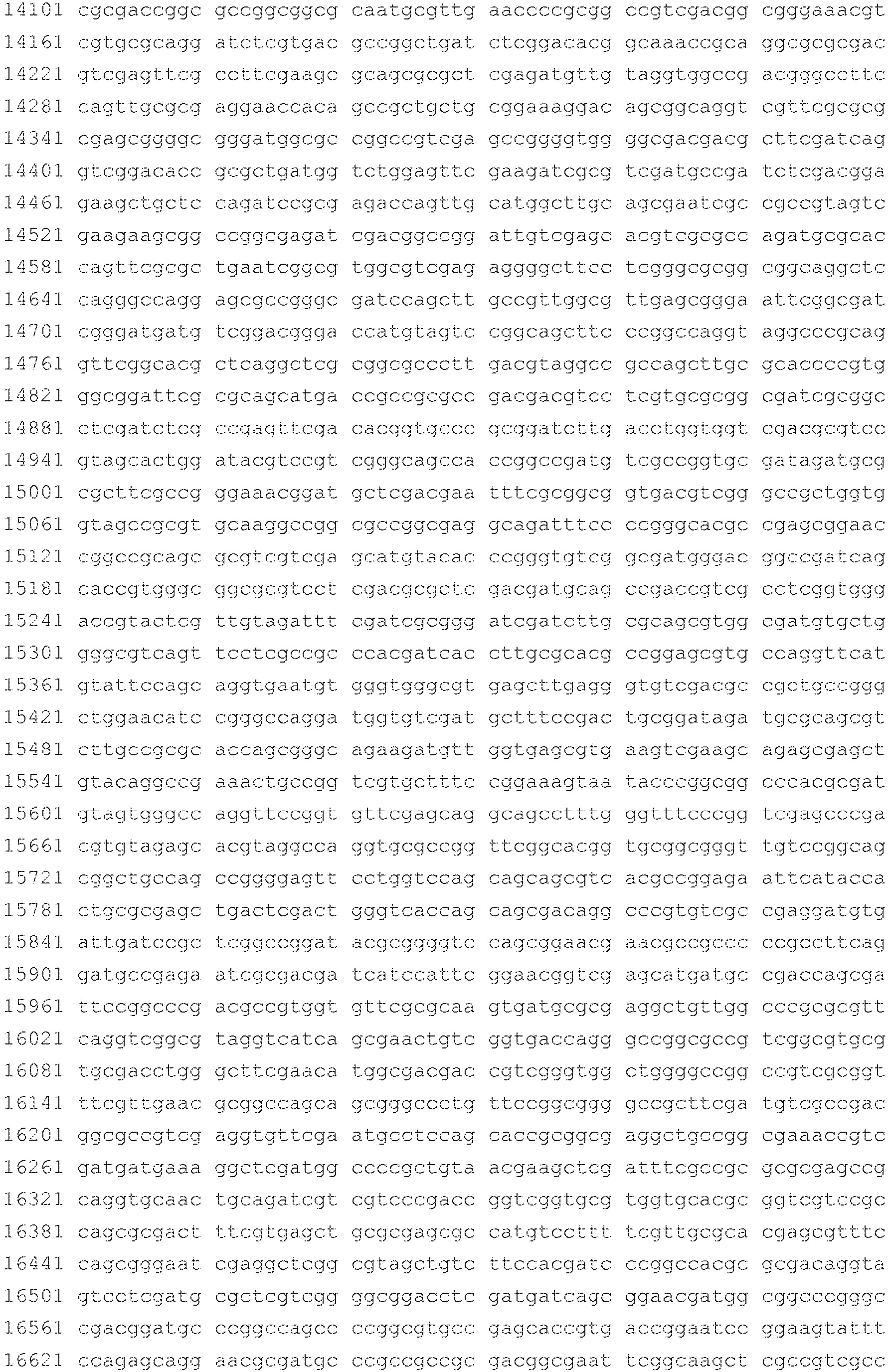


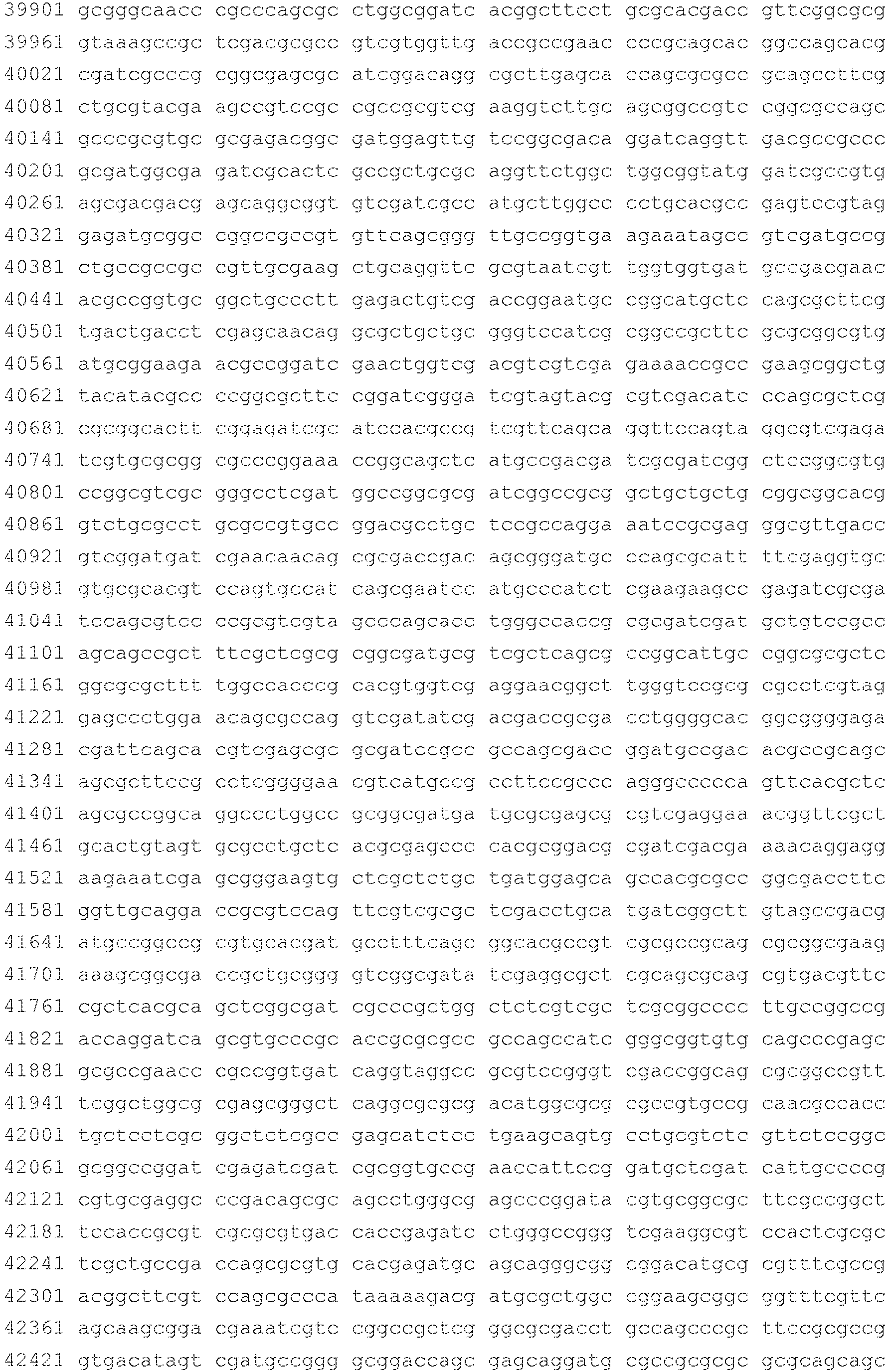


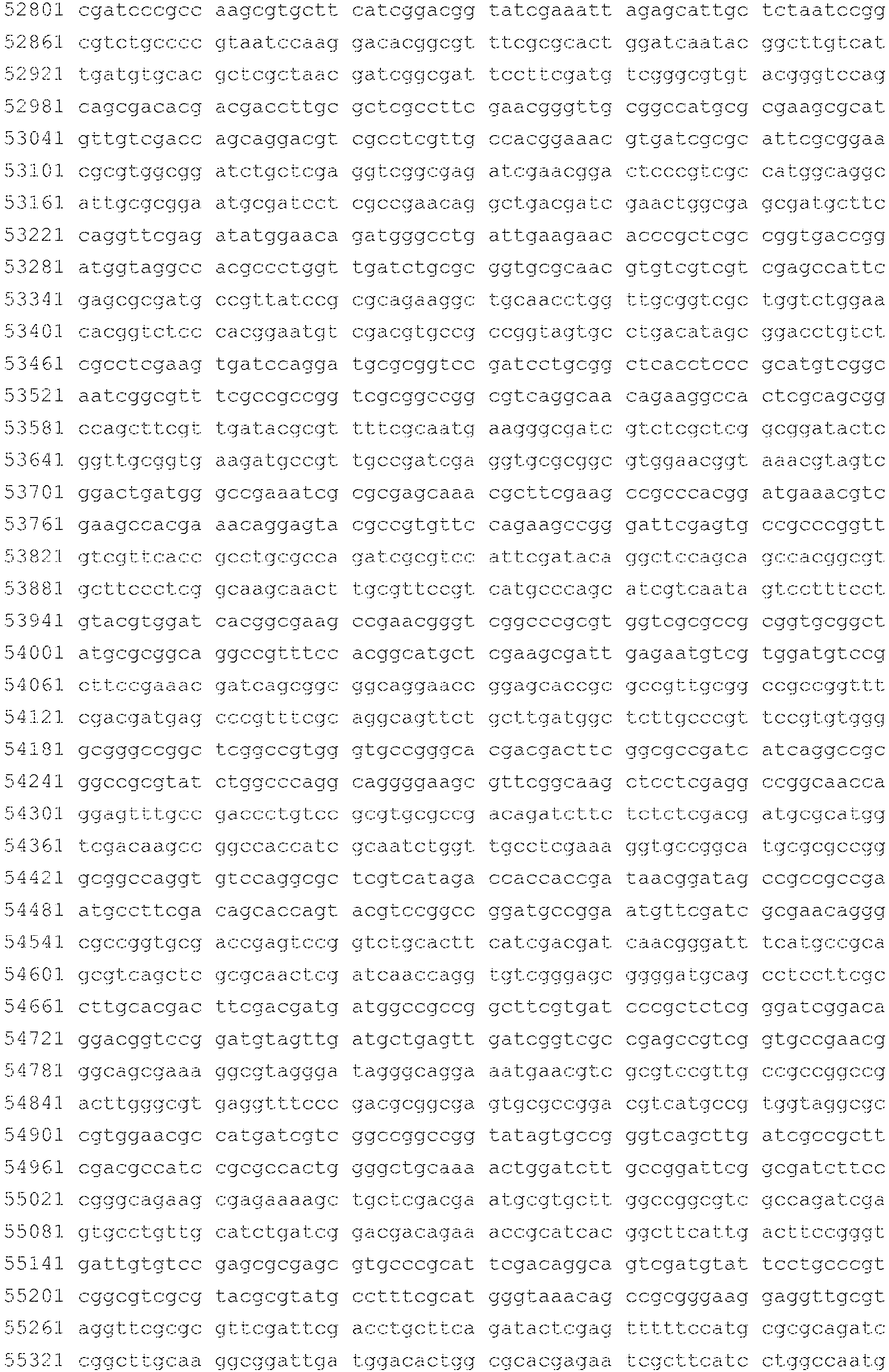


-
- (1) Fischbach, M. A.; Walsh, C. T. Chem. Rev. 2006, 106, 3468-3496.
- (2) Koglin, A.; Löhr, F.; Bernhard, F.; Rogov, V. V.; Frueh, D. P.; Strieter, E. R.; Mofid, M. R.; Güntert, P.; Wagner, G.; Walsh, C. T.; Marahiel, M. A.; Dötsch, V. Nature 2008, 454, 907-911.
- (3) Koglin, A.; Mofid, M. R.; Löhr, F.; Schäfer, B.; Rogov, V. V.; Blum, M.-M.; Mittag, T.; Marahiel, M. A.; Bernhard, F.; Dötsch, V. Science 2006, 312, 273-276.
- (4) Kohli, R. M.; Takagi, J.; Walsh, C. T. PNAS 2002, 99, 1247-1252.
- (5) Lautru, S.; Challis, G. L. Microbiology 2004, 150, 1629-1636.
- (6) Samel, S. A.; Wagner, B.; Marahiel, M. A.; Essen, L.-O. J. Mol. Biol. 2006, 359, 876-889.
- (7) Walsh, C. T. .
- (8) White, C. J.; Yudin, A. K. Nat. Chem. 2011, 3, 509-524.
- (9) Yeh, E.; Kohli, R. M.; Bruner, S. D.; Walsh, C. T. .
- (10) Boddy, C. N. Chem. Biol. 2004, 11, 1599-1600.
- (11) Boguslavsky, V.; Hruby, V. J.; O'Brien, D. F.; Misicka, A.; Lipkowski, A. W. J. Pept. Res. 2003, 61, 287-297.
- (12) Fernandez-Lopez, S.; Kim, H. S.; Choi, E. C.; Delgado, M.; Granja, J. R.; Khasanov, A.; Kraehenbuehl, K.; Long, G.; Weinberger, D. A.; Wilcoxen, K. M.; Ghadiri, M. R. Nature 2001, 412, 452-455.
- (13) Fridkin, G.; Gilon, C. J. Pept. Res. 2002, 60, 104-111.
- (14) Jelokhani-Niaraki, M.; Hodges, R. S.; Meissner, J. E.; Hassenstein, U. E.; Wheaton, L. Biophys. J. 2008, 95, 3306-3321.
- (15) Jelokhani-Niaraki, M.; Prenner, E. J.; Kondejewski, L. H.; Kay, C. M.; McElhaney, R. N.; Hodges, R. S. J. Pept. Res. 2001, 58, 293-306.
- (16) Kohli, R. M.; Walsh, C. T.; Burkart, M. D. Nature 2002, 418, 658-661.
- (17) Rayan, A.; Senderowitz, H.; Goldblum, A. J. Mol. Graph. Model. 2004, 22, 319-333.
- (18) Schwarzer, D.; Mootz, H. D.; Marahiel, M. A., Chem. Biol. 2001, 8, 997-1010.
- (19) Ellis, D.; Gosai, J.; Emrick, C.; Heintz, R.; Romans, L.; Gordon, D.; Lu, S.-E.; Austin, F.; Smith, L. Antimicrob. Agents Ch. 2012, 56, 765-769.
- (20) Sieber, S. A.; Marahiel, M. A. J. Bacteriol. 2003, 185, 7036-7043.
- (21) Tseng, C. C.; Bruner, S. D.; Kohli, R. M.; Marahiel, M. A.; Walsh, C. T.; Sieber, S. A. Biochemistry 2002, 41, 13350-13359.
- (22) Gu, G.; Smith, L.; Liu, A.; Lu, S.-E. Appl. Environ. Microbiol. 2011, 77, 6189-6198.
- (23) Gu, G.; Smith, L.; Wang, N.; Wang, H.; Lu, S.-E. Biochem. Bioph. Res. Co. 2009, 380, 328-332.
- (24) Gu, G.; Wang, N.; Chaney, N.; Smith, L.; Lu, S.-E. FEMS Microbiol. Lett. 2009, 297, 54-60.
- (25) Lu, S.-E.; Novak, J.; Austin, F. W.; Gu, G.; Ellis, D.; Kirk, M.; Wilson-Stanford, S.; Tonelli, M.; Smith, L. Biochemistry 2009, 48, 8312-8321.
- (26) Tan, W.; Cooley, J.; Austin, F.; Lu, S.-E.; Smith, L.; Pruett, S. Int. J. Toxicol. 2012, 31, 326-336.
- (27) Heikkinen, S.; Toikka, M. M.; Karhunen, P. T.; Kilpeläinen, I. A. JACS 2003, 125, 4362-4367.
- (28) Rai, R. K.; Tripathi, P.; Sinha, N. Anal. Chem. 2009, 81, 10232-10238.
- (29) Baysal, C.; Meirovitch, .
- (30) Bonmatin, J.-M.; Laprévote, O.; Peypoux, F. Com. Chem. High T. Scr. 2003, 6, 541-556.
- (31) Liao, G.; Shi, T.; Xie, J. J. Cell. Biochem. 2012, 113, 735-741.
- (32) Vilhena, C.; Bettencourt, A. Mini Rev. Med. Chem. 2012, 12, 202-209.
- (33) Alexeyev, M. F. Biotechniques 1995, 18, 52.
- (34) Prentki, P.; Karch, F.; Iida, S.; Meyer, J. Gene 1981, 14, 289-299.
- (35) Lu, S.-E.; Scholz-Schroeder, B. K.; Gross, D. C. MPMI 2002, 15, 43-53.
- (36) Wüthrich, K., NMR of Proteins and Nucleic Acids; Wiley, New York, 1986.
- (37) Delaglio, F.; Grzesiek, S.; Vuister, G. W.; Zhu, G.; Pfeifer, J.; Bax, A. J. Biomol. .
- (38) Johnson, B. A.; Blevins, R. A. J. Biomol. .
-
- <110> University of Tennessee Research Foundation
- <120> Engineering the Production of a Conformational Variant of Occidiofungin that has Enhanced Inhibitory Activity Against Fungal Species
- <130> TAM.108XPCT
- <150>
US 61/731,105
<151> 2012-11-29 - <160> 23
- <170> PatentIn version 3.5
- <210> 1
<211> 21
<212> DNA
<213> Artificial sequence - <220>
<223> primer - <400> 1
cgccacccgt tacgaggatt c 21 - <210> 2
<211> 20
<212> DNA
<213> Artificial sequence - <220>
<223> primer - <400> 2
acgcgtcccc tcttcctacg 20 - <210> 3
<211> 239
<212> PRT
<213> Burkholderia contaminans MS14 - <400> 3


- <210> 4
<211> 3154
<212> PRT
<213> Burkholderia contaminans MS14 - <400> 4


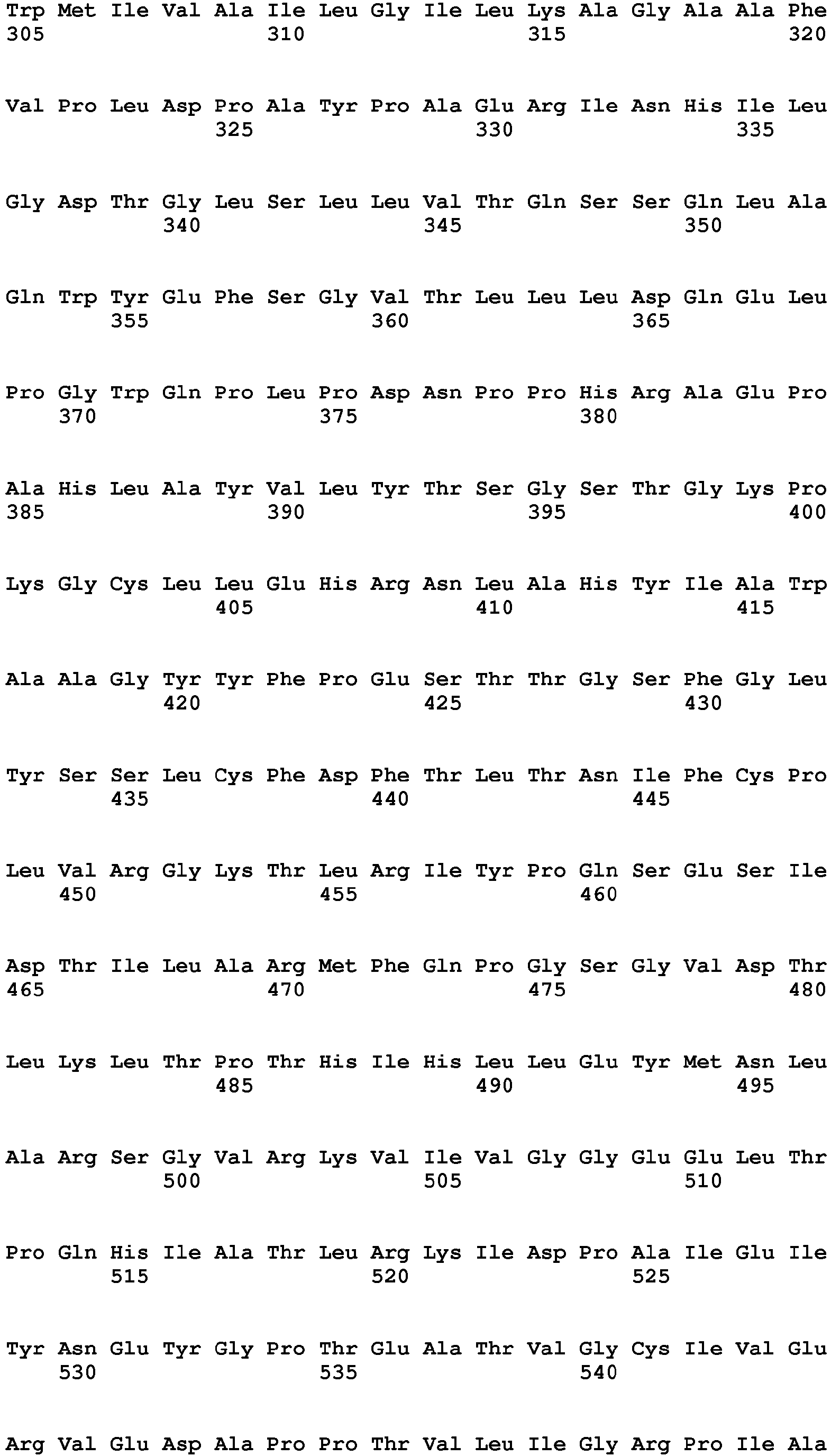


- <210> 5
<211> 391
<212> PRT
<213> Burkholderia contaminans - <220>
<221> MISC_FEATURE
<222> (1)..(391)
<223> putative FAD linked oxidase domain protein - <400> 5


- <210> 6
<211> 273
<212> PRT
<213> Burkholderia contaminans - <220>
<221> MISC_FEATURE
<222> (1)..(273)
<223> putative LuxR-type regulator - <400> 6


- <210> 7
<211> 296
<212> PRT
<213> Burkholderia contaminans - <220>
<221> MISC_FEATURE
<222> (1)..(296)
<223> putative LuxR-type regulator - <400> 7


- <210> 8
<211> 567
<212> PRT
<213> Burkholderia contaminans - <220>
<221> MISC_FEATURE
<222> (1)..(567)
<223> putative cyclic peptide transporter - <400> 8


- <210> 9
<211> 160
<212> PRT
<213> Burkholderia contaminans - <220>
<221> MISC_FEATURE
<222> (1)..(160)
<223> hypothetical protein - <400> 9

- <210> 10
<211> 218
<212> PRT
<213> Burkholderia contaminans - <220>
<221> MISC_FEATURE
<222> (1)..(218)
<223> putative glycosyl transferase - <400> 10

- <210> 11
<211> 3164
<212> PRT
<213> Burkholderia contaminans - <220>
<221> MISC_FEATURE
<222> (1)..(3164)
<223> putative nonribosomal peptide synthetase - <400> 11


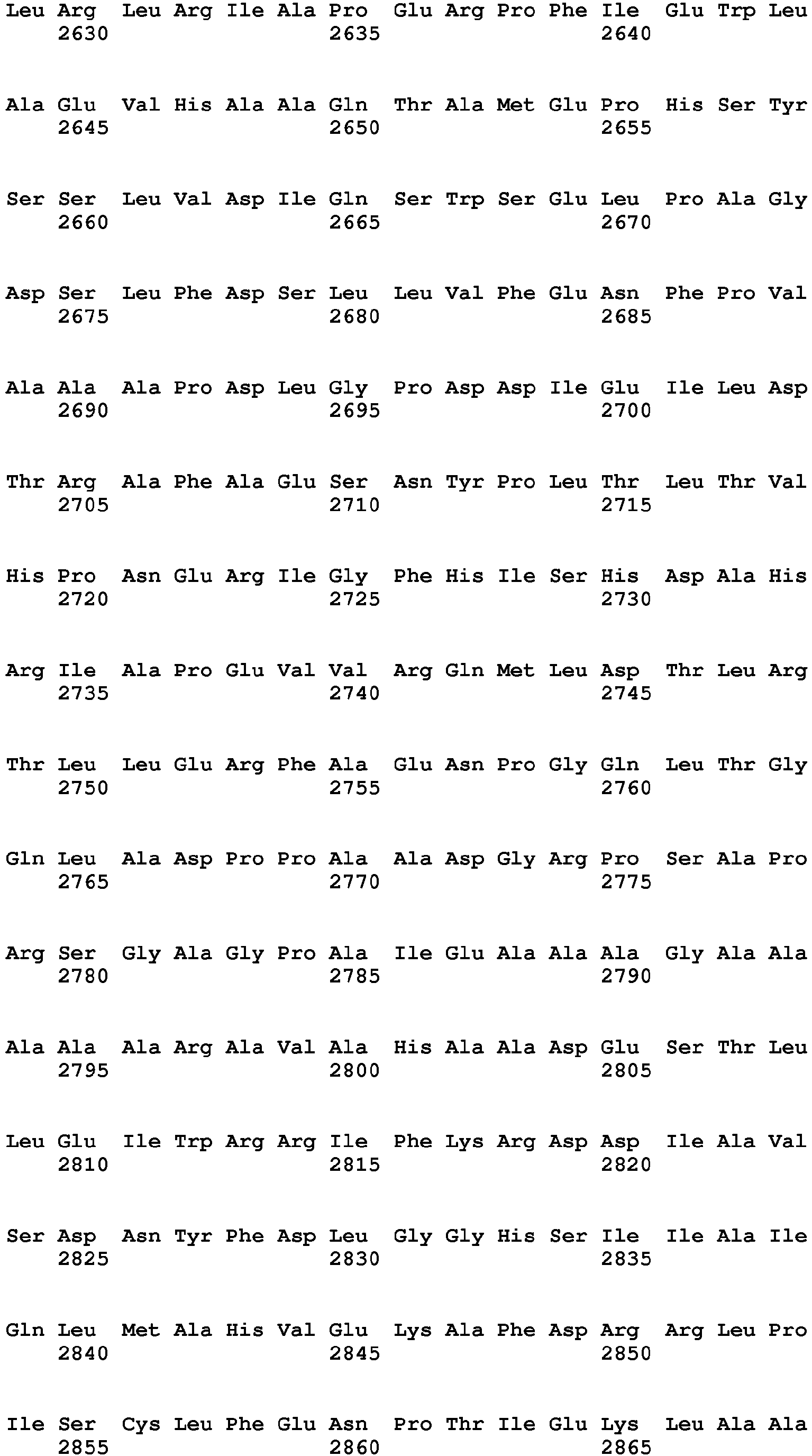


- <210> 12
<211> 3021
<212> PRT
<213> Burkholderia contaminans - <220>
<221> MISC_FEATURE
<222> (1)..(3021)
<223> putative nonribosomal peptide synthetase - <400> 12


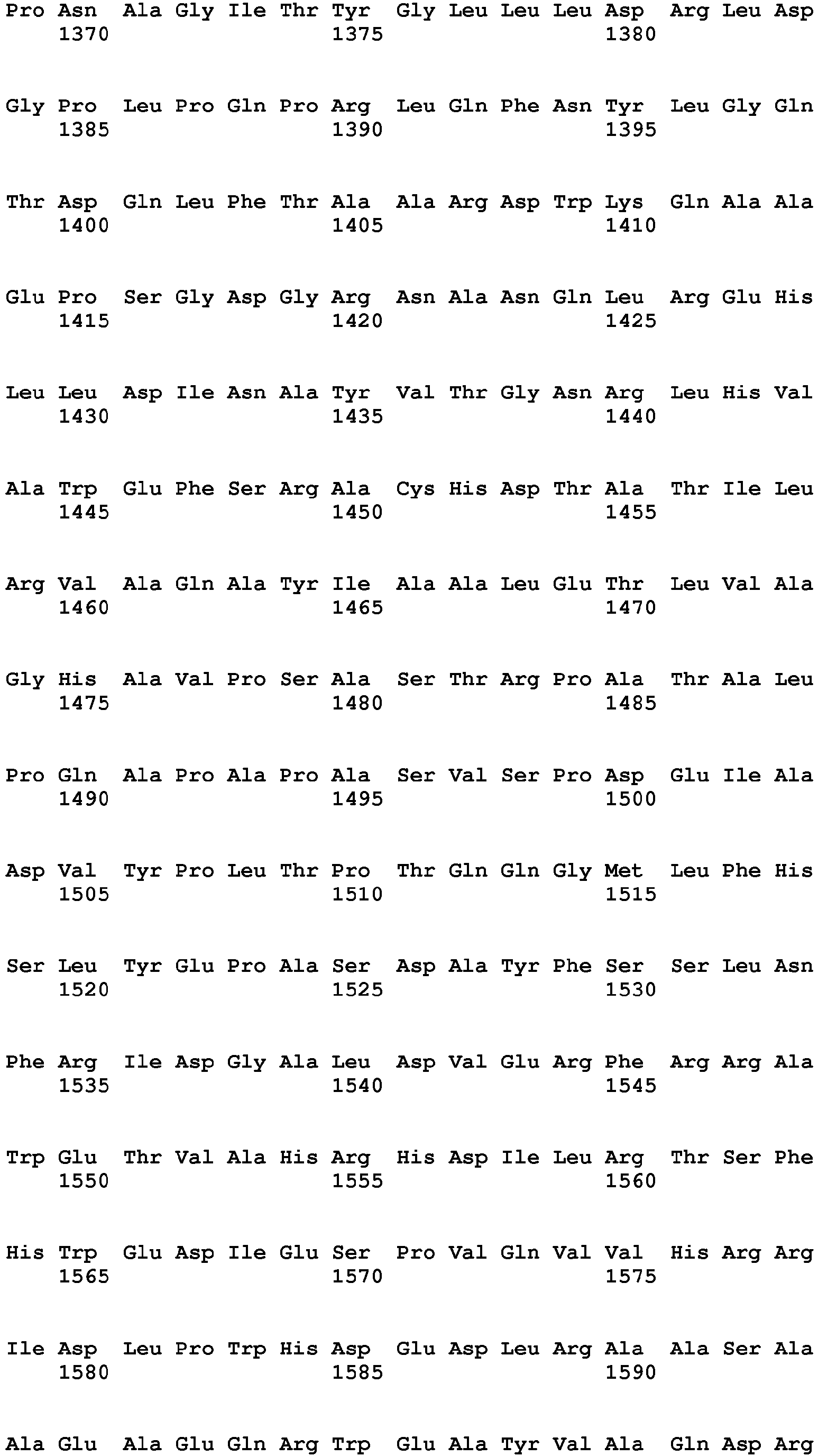



- <210> 13
<211> 1306
<212> PRT
<213> Burkholderia contaminans - <220>
<221> MISC_FEATURE
<222> (1)..(1306)
<223> putative nonribosomal peptide synthetase - <400> 13


- <210> 14
<211> 538
<212> PRT
<213> Burkholderia contaminans - <220>
<221> MISC_FEATURE
<222> (1)..(538)
<223> putative beta-lactamase domain protein - <400> 14

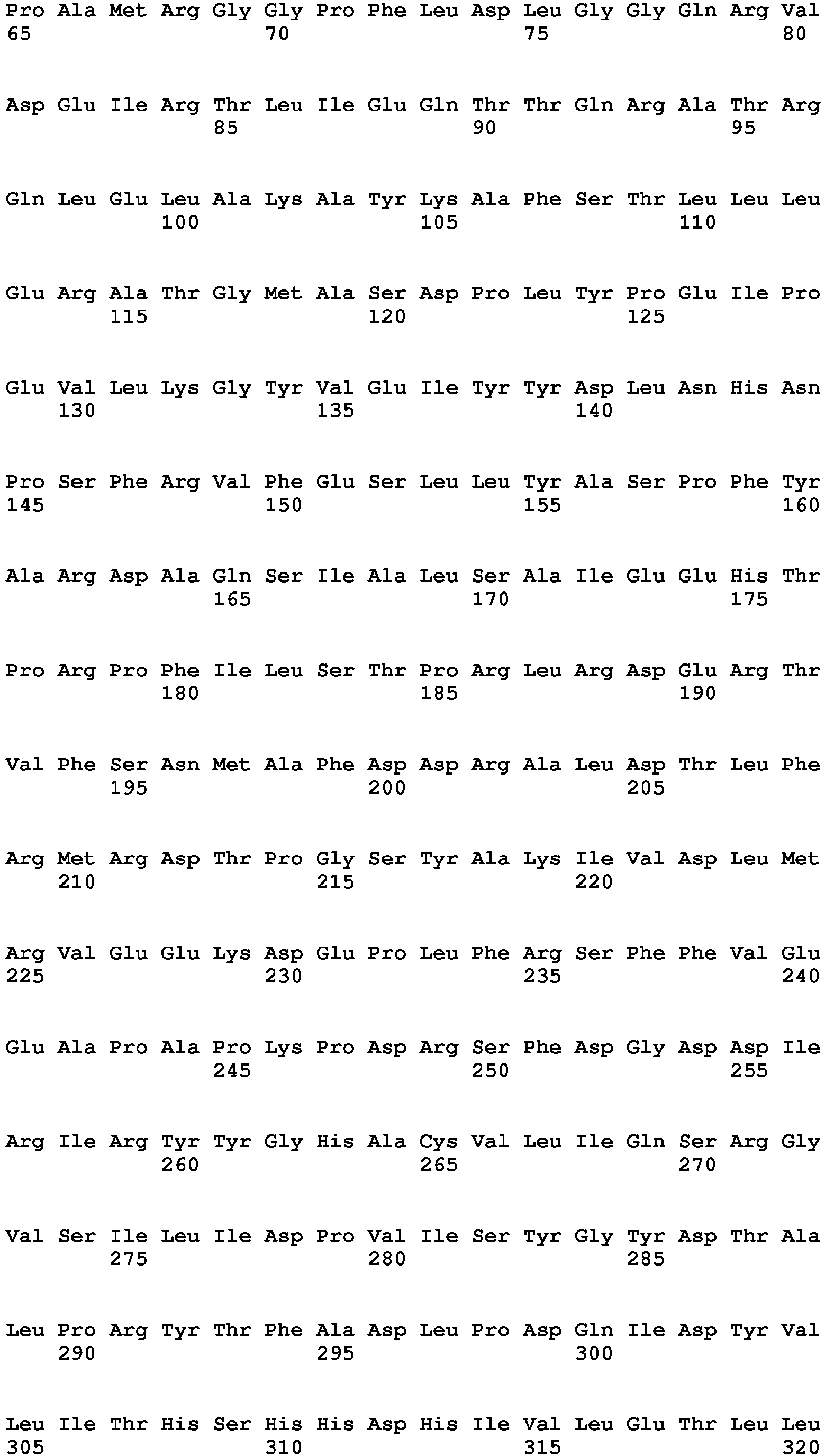

- <210> 15
<211> 4469
<212> PRT
<213> Burkholderia contaminans - <220>
<221> MISC_FEATURE
<222> (1)..(4469)
<223> putative beta-ketoacyl synthase nonribosomal peptide synthetase - <400> 15

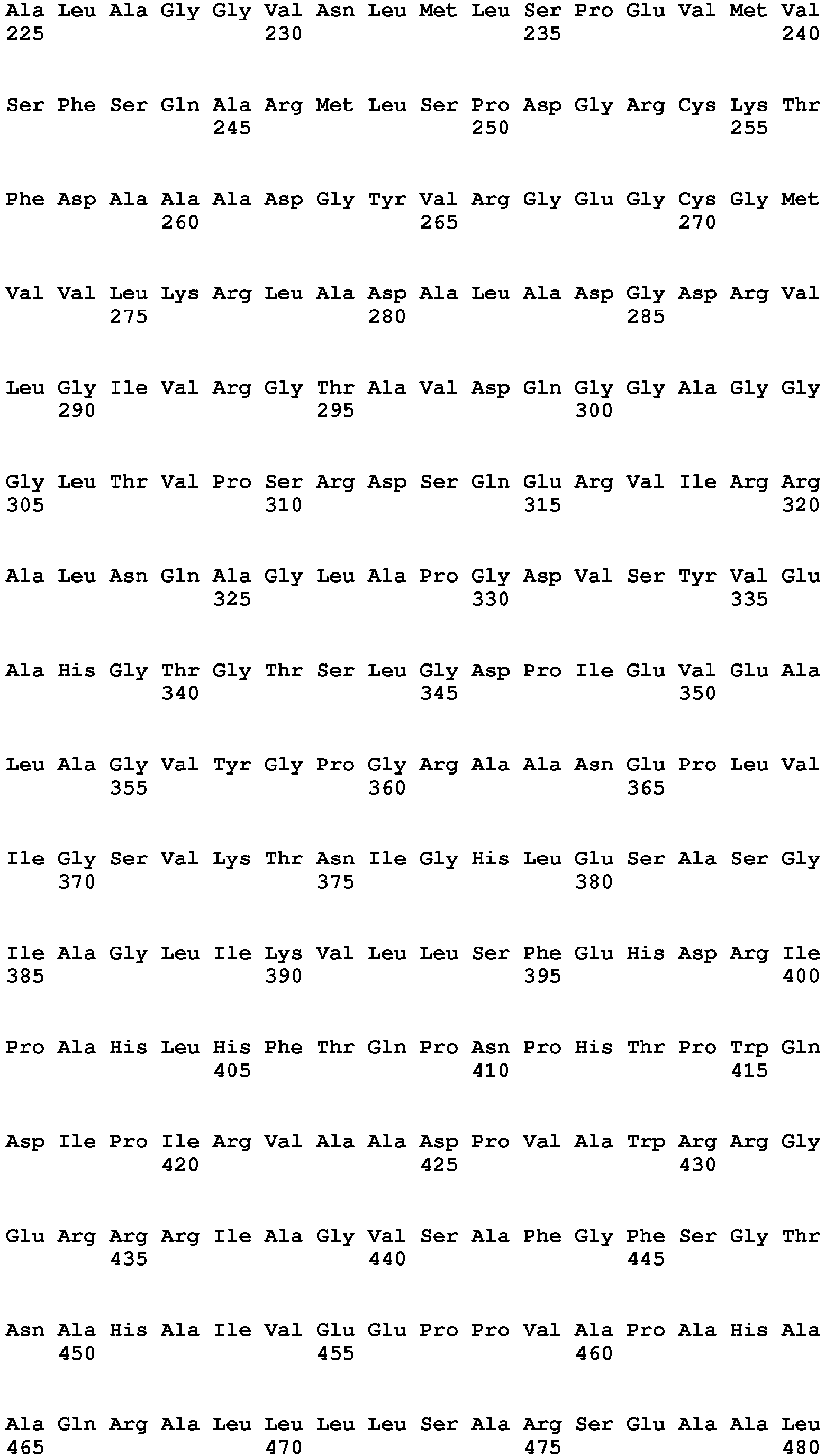


- <210> 16
<211> 1107
<212> PRT
<213> Burkholderia contaminans - <220>
<221> MISC_FEATURE
<222> (1)..(1107)
<223> putative short chain dehydrogenase/reductase SDR - <400> 16

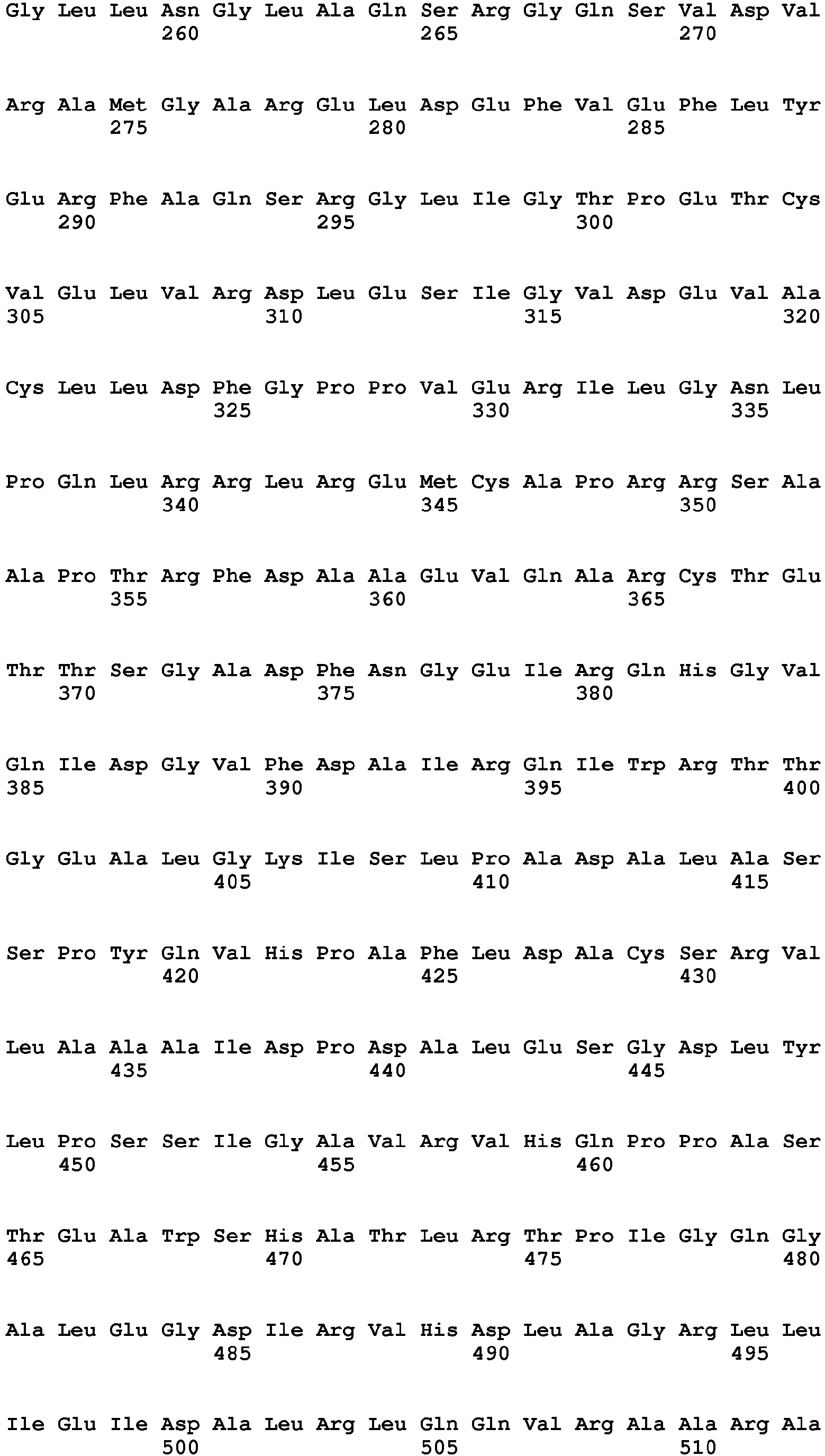

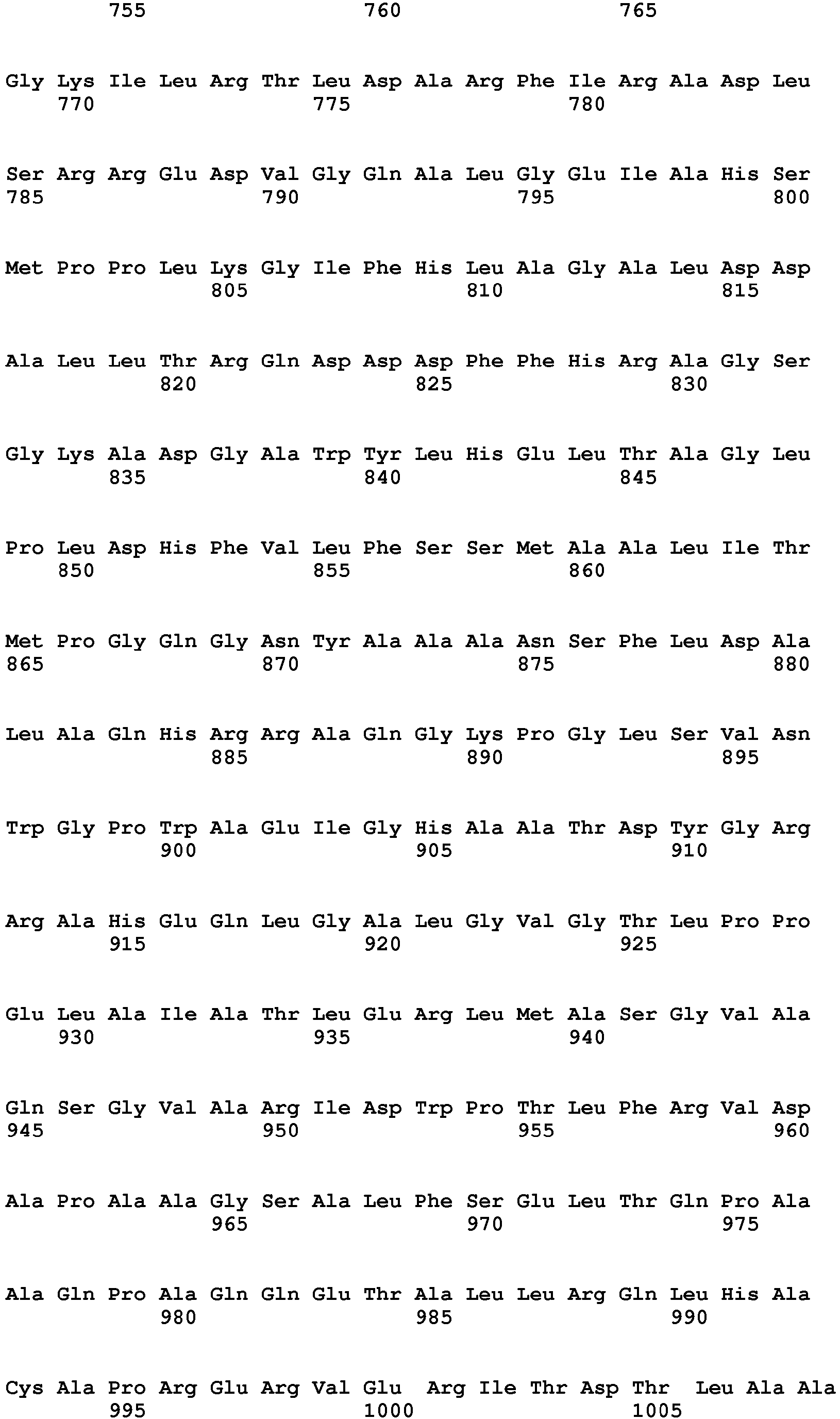

- <210> 17
<211> 1475
<212> PRT
<213> Burkholderia contaminans - <220>
<221> MISC_FEATURE
<222> (1)..(1475)
<223> putative beta-ketoacyl synthetase - <400> 17


- <210> 18
<211> 328
<212> PRT
<213> Burkholderia contaminans - <220>
<221> MISC_FEATURE
<222> (1)..(328)
<223> putative taurine catabolism dioxygenase - <400> 18


- <210> 19
<211> 456
<212> PRT
<213> Burkholderia contaminans - <220>
<221> MISC_FEATURE
<222> (1)..(456)
<223> putative transaminase - <400> 19


- <210> 20
<211> 316
<212> PRT
<213> Burkholderia contaminans - <220>
<221> MISC_FEATURE
<222> (1)..(316)
<223> putative epemerase/dehydratase - <400> 20


- <210> 21
<211> 239
<212> PRT
<213> Burkholderia contaminans - <220>
<221> MISC_FEATURE
<222> (1)..(239)
<223> putative thioesterase - <400> 21


- <210> 22
<211> 95
<212> PRT
<213> Burkholderia contaminans - <220>
<221> MISC_FEATURE
<222> (1)..(95)
<223> hypothetical protein - <400> 22

- <210> 23
<211> 58101
<212> DNA
<213> Burkholderia contaminans - <400> 23
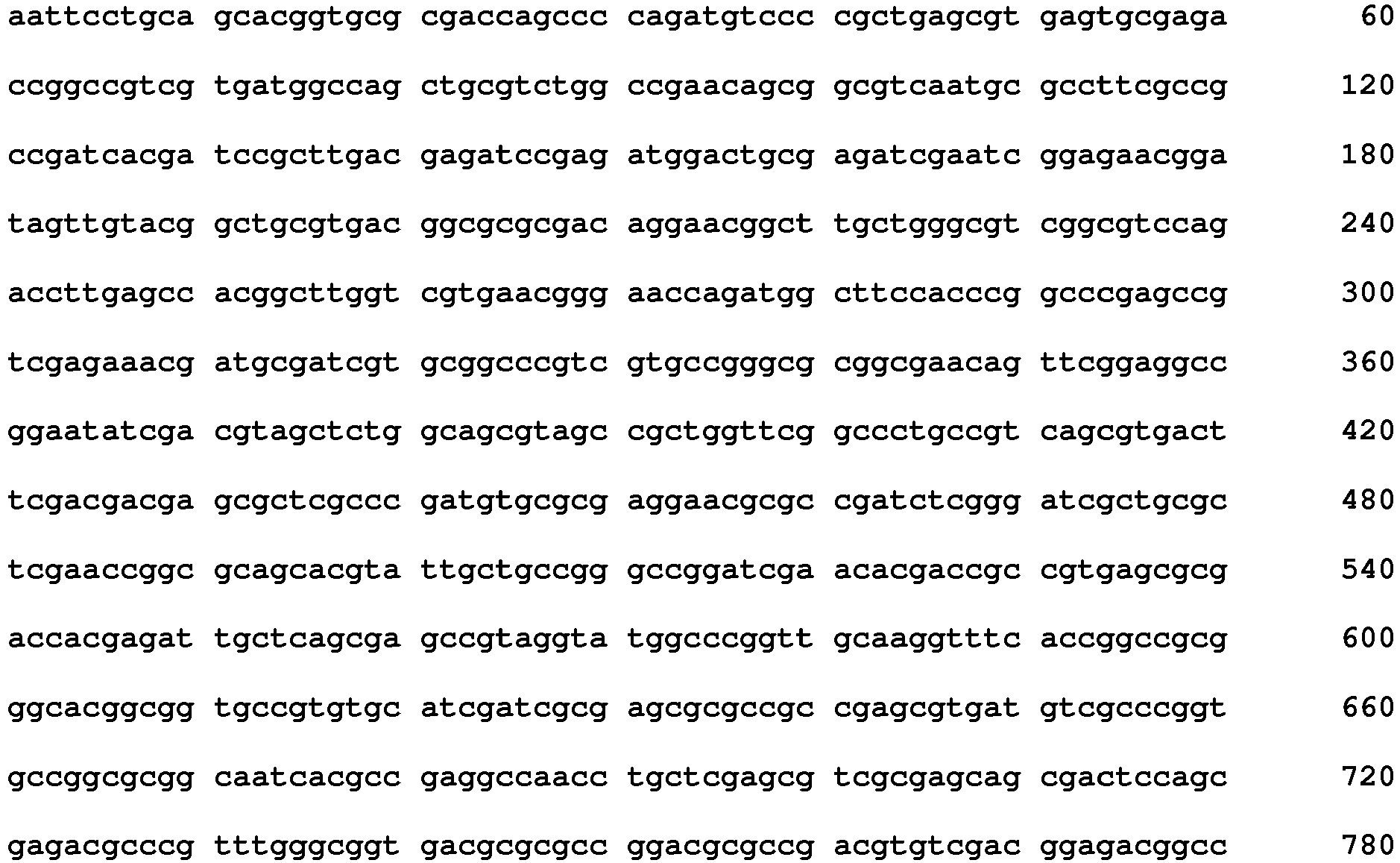


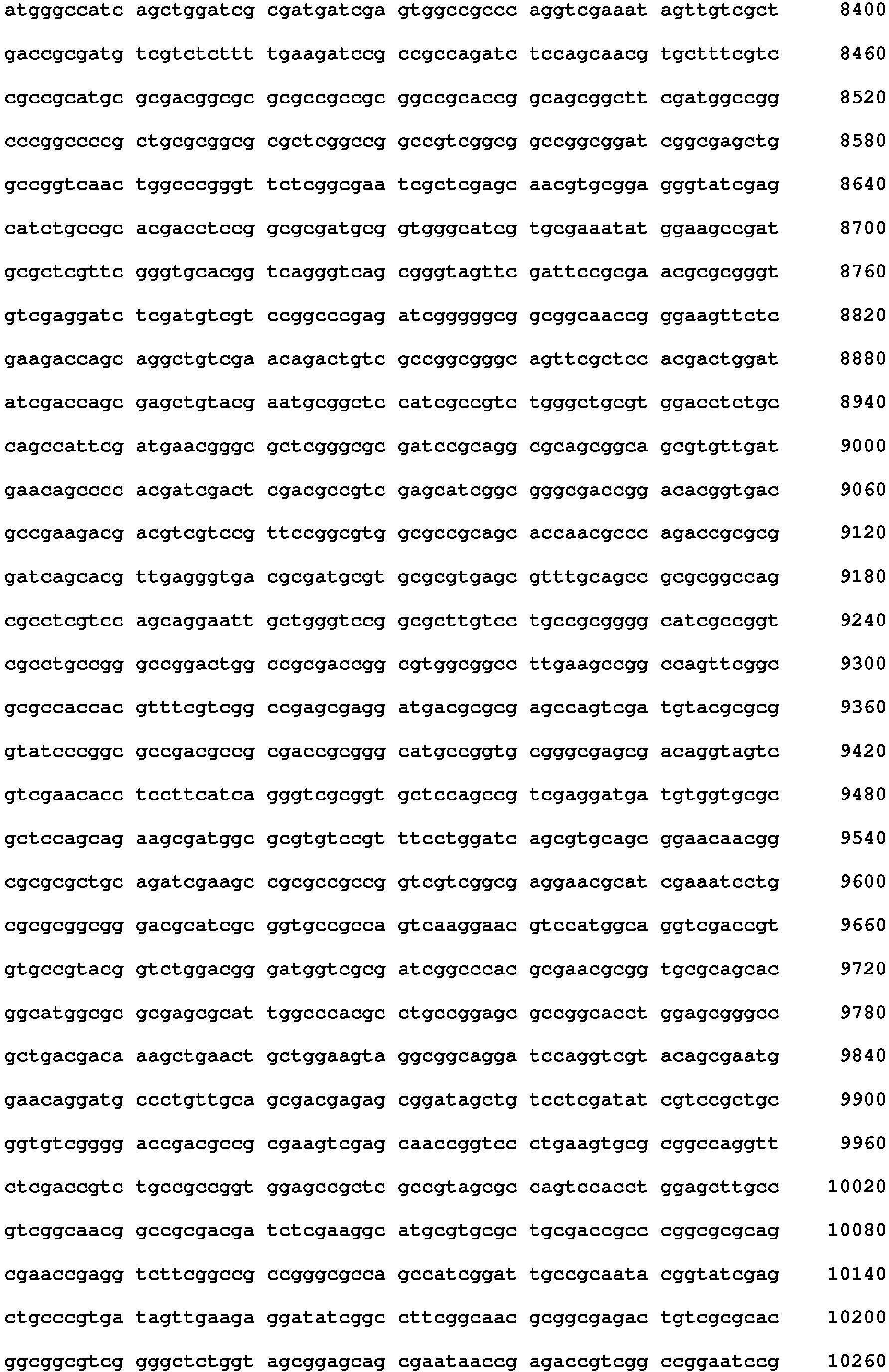









Claims (6)
- An isolated composition enriched for occidiofungin diastereomers/conformers corresponding to the diastereomers/conformers having the total correlation spectroscopy fingerprint identified in Figure 5C as the green NH correlations.
- A composition comprising the isolated composition enriched for occidiofungin diastereomers/conformers according to claim 1 and a pharmaceutical or agriculturally acceptable excipient or carrier.
- The composition according to claim 1 or 2, wherein said occidiofungin diastereomers/conformers are present in said composition in an amount of at least 37% of the total amount of occidiofungin diastereomers/conformers present within the enriched composition.
- The composition according to claim 3, wherein said occidiofungin diastereomers/conformers are present in said composition in an amount of at least 40%, 41, 42%, 43%, 44%, 45%, 46%, 47%, 48%, 49%, 50%, 51, 52%, 53%, 54%, 55%, 56%, 57%, 58%, 59%, 60%, 61%, 62%, 63%, 64%, 65%, 66%, 67%, 68%, 69%, 70%, 71%, 72%, 73%, 74%, 75%, 76%, 77%, 78%, 79%, 80%, 81%, 82%, 83%, 84%, 85%, 86%, 87%, 88%, 89%, 90%, 91%, 92%, 93%, 94%, 95%, 96%, 97%, 98% or 99% of the disclosed diastereomers/conformers in relation to the total amount of occidiofungin diastereomers/conformers in the composition.
- A composition according to any one of claims 1-4for use in the treatment of a fungal infection.
- The composition for use according to claim 5, wherein said fungal infection is caused by Candida albicans LL, Candida albicans TE, Candida glabrata ATCC66032, Candida parapsilosis ATCC90018 or Candida tropicalis ATCC66029.
Applications Claiming Priority (2)
| Application Number | Priority Date | Filing Date | Title |
|---|---|---|---|
| US201261731105P | 2012-11-29 | 2012-11-29 | |
| PCT/US2013/071941 WO2014085419A1 (en) | 2012-11-29 | 2013-11-26 | Engineering the production of a conformational variant of occidiofungin that has enhanced inhibitory activity against fungal species |
Publications (4)
| Publication Number | Publication Date |
|---|---|
| EP2925774A1 EP2925774A1 (en) | 2015-10-07 |
| EP2925774A4 EP2925774A4 (en) | 2016-11-09 |
| EP2925774B1 true EP2925774B1 (en) | 2018-01-31 |
| EP2925774B8 EP2925774B8 (en) | 2018-03-07 |
Family
ID=50773491
Family Applications (1)
| Application Number | Title | Priority Date | Filing Date |
|---|---|---|---|
| EP13858051.9A Active EP2925774B8 (en) | 2012-11-29 | 2013-11-26 | Engineering the production of a conformational variant of occidiofungin that has enhanced inhibitory activity against fungal species |
Country Status (3)
| Country | Link |
|---|---|
| US (4) | US9624270B2 (en) |
| EP (1) | EP2925774B8 (en) |
| WO (1) | WO2014085419A1 (en) |
Cited By (2)
| Publication number | Priority date | Publication date | Assignee | Title |
|---|---|---|---|---|
| US10265374B2 (en) | 2014-09-12 | 2019-04-23 | Mississippi State University | Occidiofungin formations and uses thereof |
| US12004514B2 (en) | 2012-11-29 | 2024-06-11 | The Texas A&M University System | Engineering the production of a conformational variant of occidiofungin that has enhanced inhibitory activity against fungal species |
Families Citing this family (4)
| Publication number | Priority date | Publication date | Assignee | Title |
|---|---|---|---|---|
| CN104109645B (en) * | 2014-06-06 | 2016-10-12 | 山西省农业科学院农产品贮藏保鲜研究所 | For preventing and treating bacterial strain and the biocontrol agent of postharvest disease of fruits and vegetables |
| CN107173393B (en) * | 2017-04-17 | 2020-05-19 | 山西省农业科学院农产品贮藏保鲜研究所 | Microbial inoculum for preventing and treating diseases before and after strawberry harvest and promoting growth, preparation method and application |
| US12102615B2 (en) * | 2018-04-05 | 2024-10-01 | The Texas A&M University System | Synthesis of novel xylose free occidiofungin analogues and methods of using them |
| CN114231448B (en) * | 2021-12-08 | 2023-05-23 | 广东省科学院微生物研究所(广东省微生物分析检测中心) | Burkholderia contaminated with indole degradation capability and application thereof |
Family Cites Families (15)
| Publication number | Priority date | Publication date | Assignee | Title |
|---|---|---|---|---|
| DK122686D0 (en) | 1986-03-17 | 1986-03-17 | Novo Industri As | PREPARATION OF PROTEINS |
| ATE294871T1 (en) | 1994-06-30 | 2005-05-15 | Novozymes Biotech Inc | NON-TOXIC, NON-TOXIGEN, NON-PATHOGENIC FUSARIUM EXPRESSION SYSTEM AND PROMOTORS AND TERMINATORS FOR USE THEREIN |
| WO2001040442A1 (en) | 1999-11-30 | 2001-06-07 | Agrivir Ab | Novel bacterial isolate and the preparation and use of its active metabolites |
| EP1569955A2 (en) | 2002-12-03 | 2005-09-07 | Sloan-Kettering Institute For Cancer Research | Gp120 specific antigens, conjugates thereof, methods for their preparation and uses thereof |
| GB0230217D0 (en) * | 2002-12-27 | 2003-02-05 | Biotica Tech Ltd | Borrelidin-producing polyketide synthase and its uses |
| US7345219B2 (en) | 2003-01-31 | 2008-03-18 | The Board Of Trustees For The University Of Arkansas | Mitogen-activated protein kinase and method of use to enhance biotic and abiotic stress tolerance in plants |
| DE602004010915T2 (en) | 2003-07-22 | 2008-12-11 | Theravance, Inc., South San Francisco | USE OF AN ANTIMYCOTIC ECHINOCANDIN AGENT COMBINED WITH AN ANTIBACTERIAL GLYCOPEPTIDE AGENT |
| US7893020B2 (en) | 2004-05-21 | 2011-02-22 | Mpex Pharmaceuticals, Inc. | Bacterial efflux pump inhibitors and methods of treating bacterial infections |
| US20070202051A1 (en) | 2006-02-10 | 2007-08-30 | Pari Gmbh | Aerosols for sinunasal drug delivery |
| GB2458473A (en) | 2008-03-17 | 2009-09-23 | Imuthes Ltd | 3'-O-allyl- and 3'-O-carboxymethyl- 2'-aminosaccharide derivatives, & amides thereof with peptides, as adjuvants |
| US20110136729A1 (en) * | 2009-05-26 | 2011-06-09 | Shien Lu | Occidiofungin, a unique antifungal glycopeptide produced by a strain of burkholderia contaminans |
| US8785376B2 (en) | 2010-12-20 | 2014-07-22 | Virginia Tech Intellectual Properties | Isolation, identification, and uses of antifungal compounds |
| WO2013096697A2 (en) | 2011-12-20 | 2013-06-27 | University Of Utah Research Foundation | Isolation, identification, and used of antifungal compounds |
| WO2014085419A1 (en) | 2012-11-29 | 2014-06-05 | The Texas A&M University System | Engineering the production of a conformational variant of occidiofungin that has enhanced inhibitory activity against fungal species |
| US10265374B2 (en) | 2014-09-12 | 2019-04-23 | Mississippi State University | Occidiofungin formations and uses thereof |
-
2013
- 2013-11-26 WO PCT/US2013/071941 patent/WO2014085419A1/en not_active Ceased
- 2013-11-26 EP EP13858051.9A patent/EP2925774B8/en active Active
- 2013-11-26 US US14/090,679 patent/US9624270B2/en active Active
-
2017
- 2017-02-22 US US15/438,934 patent/US20170247415A1/en not_active Abandoned
-
2019
- 2019-05-03 US US16/403,123 patent/US20190270777A1/en not_active Abandoned
-
2020
- 2020-12-07 US US17/113,764 patent/US12004514B2/en active Active
Non-Patent Citations (1)
| Title |
|---|
| None * |
Cited By (2)
| Publication number | Priority date | Publication date | Assignee | Title |
|---|---|---|---|---|
| US12004514B2 (en) | 2012-11-29 | 2024-06-11 | The Texas A&M University System | Engineering the production of a conformational variant of occidiofungin that has enhanced inhibitory activity against fungal species |
| US10265374B2 (en) | 2014-09-12 | 2019-04-23 | Mississippi State University | Occidiofungin formations and uses thereof |
Also Published As
| Publication number | Publication date |
|---|---|
| US20170247415A1 (en) | 2017-08-31 |
| US9624270B2 (en) | 2017-04-18 |
| EP2925774B8 (en) | 2018-03-07 |
| US20140147416A1 (en) | 2014-05-29 |
| US12004514B2 (en) | 2024-06-11 |
| EP2925774A4 (en) | 2016-11-09 |
| US20220007652A1 (en) | 2022-01-13 |
| WO2014085419A1 (en) | 2014-06-05 |
| US20190270777A1 (en) | 2019-09-05 |
| EP2925774A1 (en) | 2015-10-07 |
Similar Documents
| Publication | Publication Date | Title |
|---|---|---|
| US12004514B2 (en) | Engineering the production of a conformational variant of occidiofungin that has enhanced inhibitory activity against fungal species | |
| US20110053836A1 (en) | Use of defensins against tuberculosis | |
| US9017692B2 (en) | Antimicrobial agent, bacterial strain, biosynthesis, and methods of use | |
| Kubicek et al. | Facts and challenges in the understanding of the biosynthesis of peptaibols by Trichoderma | |
| JP7367950B2 (en) | Antibacterial polymyxin derivative compounds | |
| EP2261317B1 (en) | Microorganism producing cyclic compound | |
| AU2009224302C1 (en) | Cyclic compound and salt thereof | |
| JP5823733B2 (en) | Antibiotic-producing microorganism and antibiotic produced by the same | |
| JP2019529344A (en) | Lantibiotic variants and their use | |
| US20230181684A1 (en) | Novel antibiotic compositions and methods of making or using the same | |
| Class et al. | Patent application title: ENGINEERING THE PRODUCTION OF A CONFORMATIONAL VARIANT OF OCCIDIOFUNGIN THAT HAS ENHANCED INHIBITORY ACTIVITY AGAINST FUNGAL SPECIES Inventors: James Leif Smith (College Station, TX, US) Akshaya Ravichandran (College Station, TX, US) Shien Lu (Starkville, MS, US) Ganyu Gu (Painter, VA, US) | |
| Lim et al. | Fungal isocyanide synthases and xanthocillin biosynthesis in Aspergillus fumigatus. mBio 9: e00785-18 | |
| Meng et al. | Brevibacillus sp. and Brevibacillin: Biosynthesis, Classification, Bioactivity, and Potential Applications | |
| JP5878303B2 (en) | Antibiotic-containing fraction, its antibiotic and method for producing the antibiotic | |
| Helfrich et al. | Antibiotic and genetic profiling of field-collected and laboratory wild-type strains reveals seven novel Bacillus spizizenii strains that produce the lanthipeptide subtilin | |
| EP1041150A1 (en) | Hybrid synthetase, fungus/bacterium strain, hybrid peptide and compositions containing same | |
| Zhang et al. | Identification and characterization of the anti-MRSA WAP-8294A2 biosynthetic gene cluster from Lysobacter enzymogenes OH11 |
Legal Events
| Date | Code | Title | Description |
|---|---|---|---|
| PUAI | Public reference made under article 153(3) epc to a published international application that has entered the european phase |
Free format text: ORIGINAL CODE: 0009012 |
|
| 17P | Request for examination filed |
Effective date: 20150629 |
|
| AK | Designated contracting states |
Kind code of ref document: A1 Designated state(s): AL AT BE BG CH CY CZ DE DK EE ES FI FR GB GR HR HU IE IS IT LI LT LU LV MC MK MT NL NO PL PT RO RS SE SI SK SM TR |
|
| AX | Request for extension of the european patent |
Extension state: BA ME |
|
| DAX | Request for extension of the european patent (deleted) | ||
| RIC1 | Information provided on ipc code assigned before grant |
Ipc: C07K 14/195 20060101AFI20160621BHEP Ipc: A61P 31/04 20060101ALI20160621BHEP Ipc: A61K 38/16 20060101ALI20160621BHEP Ipc: C07K 14/37 20060101ALI20160621BHEP Ipc: C07K 14/39 20060101ALI20160621BHEP |
|
| RA4 | Supplementary search report drawn up and despatched (corrected) |
Effective date: 20161012 |
|
| RIC1 | Information provided on ipc code assigned before grant |
Ipc: A61P 31/04 20060101ALI20161006BHEP Ipc: C07K 14/39 20060101ALI20161006BHEP Ipc: C07K 14/195 20060101AFI20161006BHEP Ipc: C07K 14/37 20060101ALI20161006BHEP Ipc: A61K 38/16 20060101ALI20161006BHEP |
|
| GRAJ | Information related to disapproval of communication of intention to grant by the applicant or resumption of examination proceedings by the epo deleted |
Free format text: ORIGINAL CODE: EPIDOSDIGR1 |
|
| GRAP | Despatch of communication of intention to grant a patent |
Free format text: ORIGINAL CODE: EPIDOSNIGR1 |
|
| GRAP | Despatch of communication of intention to grant a patent |
Free format text: ORIGINAL CODE: EPIDOSNIGR1 |
|
| INTG | Intention to grant announced |
Effective date: 20171012 |
|
| INTG | Intention to grant announced |
Effective date: 20171012 |
|
| GRAS | Grant fee paid |
Free format text: ORIGINAL CODE: EPIDOSNIGR3 |
|
| GRAA | (expected) grant |
Free format text: ORIGINAL CODE: 0009210 |
|
| AK | Designated contracting states |
Kind code of ref document: B1 Designated state(s): AL AT BE BG CH CY CZ DE DK EE ES FI FR GB GR HR HU IE IS IT LI LT LU LV MC MK MT NL NO PL PT RO RS SE SI SK SM TR |
|
| REG | Reference to a national code |
Ref country code: GB Ref legal event code: FG4D Ref country code: CH Ref legal event code: EP |
|
| RAP2 | Party data changed (patent owner data changed or rights of a patent transferred) |
Owner name: THE TEXAS A&M UNIVERSITY SYSTEM Owner name: MISSISSIPPI STATE UNIVERSITY |
|
| REG | Reference to a national code |
Ref country code: AT Ref legal event code: REF Ref document number: 967286 Country of ref document: AT Kind code of ref document: T Effective date: 20180215 |
|
| REG | Reference to a national code |
Ref country code: IE Ref legal event code: FG4D |
|
| REG | Reference to a national code |
Ref country code: DE Ref legal event code: R096 Ref document number: 602013032818 Country of ref document: DE |
|
| REG | Reference to a national code |
Ref country code: NL Ref legal event code: FP |
|
| REG | Reference to a national code |
Ref country code: LT Ref legal event code: MG4D |
|
| REG | Reference to a national code |
Ref country code: AT Ref legal event code: MK05 Ref document number: 967286 Country of ref document: AT Kind code of ref document: T Effective date: 20180131 |
|
| PG25 | Lapsed in a contracting state [announced via postgrant information from national office to epo] |
Ref country code: FI Free format text: LAPSE BECAUSE OF FAILURE TO SUBMIT A TRANSLATION OF THE DESCRIPTION OR TO PAY THE FEE WITHIN THE PRESCRIBED TIME-LIMIT Effective date: 20180131 Ref country code: HR Free format text: LAPSE BECAUSE OF FAILURE TO SUBMIT A TRANSLATION OF THE DESCRIPTION OR TO PAY THE FEE WITHIN THE PRESCRIBED TIME-LIMIT Effective date: 20180131 Ref country code: ES Free format text: LAPSE BECAUSE OF FAILURE TO SUBMIT A TRANSLATION OF THE DESCRIPTION OR TO PAY THE FEE WITHIN THE PRESCRIBED TIME-LIMIT Effective date: 20180131 Ref country code: NO Free format text: LAPSE BECAUSE OF FAILURE TO SUBMIT A TRANSLATION OF THE DESCRIPTION OR TO PAY THE FEE WITHIN THE PRESCRIBED TIME-LIMIT Effective date: 20180430 Ref country code: LT Free format text: LAPSE BECAUSE OF FAILURE TO SUBMIT A TRANSLATION OF THE DESCRIPTION OR TO PAY THE FEE WITHIN THE PRESCRIBED TIME-LIMIT Effective date: 20180131 |
|
| PG25 | Lapsed in a contracting state [announced via postgrant information from national office to epo] |
Ref country code: IS Free format text: LAPSE BECAUSE OF FAILURE TO SUBMIT A TRANSLATION OF THE DESCRIPTION OR TO PAY THE FEE WITHIN THE PRESCRIBED TIME-LIMIT Effective date: 20180531 Ref country code: RS Free format text: LAPSE BECAUSE OF FAILURE TO SUBMIT A TRANSLATION OF THE DESCRIPTION OR TO PAY THE FEE WITHIN THE PRESCRIBED TIME-LIMIT Effective date: 20180131 Ref country code: LV Free format text: LAPSE BECAUSE OF FAILURE TO SUBMIT A TRANSLATION OF THE DESCRIPTION OR TO PAY THE FEE WITHIN THE PRESCRIBED TIME-LIMIT Effective date: 20180131 Ref country code: SE Free format text: LAPSE BECAUSE OF FAILURE TO SUBMIT A TRANSLATION OF THE DESCRIPTION OR TO PAY THE FEE WITHIN THE PRESCRIBED TIME-LIMIT Effective date: 20180131 Ref country code: AT Free format text: LAPSE BECAUSE OF FAILURE TO SUBMIT A TRANSLATION OF THE DESCRIPTION OR TO PAY THE FEE WITHIN THE PRESCRIBED TIME-LIMIT Effective date: 20180131 Ref country code: BG Free format text: LAPSE BECAUSE OF FAILURE TO SUBMIT A TRANSLATION OF THE DESCRIPTION OR TO PAY THE FEE WITHIN THE PRESCRIBED TIME-LIMIT Effective date: 20180430 Ref country code: PL Free format text: LAPSE BECAUSE OF FAILURE TO SUBMIT A TRANSLATION OF THE DESCRIPTION OR TO PAY THE FEE WITHIN THE PRESCRIBED TIME-LIMIT Effective date: 20180131 Ref country code: GR Free format text: LAPSE BECAUSE OF FAILURE TO SUBMIT A TRANSLATION OF THE DESCRIPTION OR TO PAY THE FEE WITHIN THE PRESCRIBED TIME-LIMIT Effective date: 20180501 |
|
| PG25 | Lapsed in a contracting state [announced via postgrant information from national office to epo] |
Ref country code: EE Free format text: LAPSE BECAUSE OF FAILURE TO SUBMIT A TRANSLATION OF THE DESCRIPTION OR TO PAY THE FEE WITHIN THE PRESCRIBED TIME-LIMIT Effective date: 20180131 Ref country code: IT Free format text: LAPSE BECAUSE OF FAILURE TO SUBMIT A TRANSLATION OF THE DESCRIPTION OR TO PAY THE FEE WITHIN THE PRESCRIBED TIME-LIMIT Effective date: 20180131 Ref country code: RO Free format text: LAPSE BECAUSE OF FAILURE TO SUBMIT A TRANSLATION OF THE DESCRIPTION OR TO PAY THE FEE WITHIN THE PRESCRIBED TIME-LIMIT Effective date: 20180131 Ref country code: AL Free format text: LAPSE BECAUSE OF FAILURE TO SUBMIT A TRANSLATION OF THE DESCRIPTION OR TO PAY THE FEE WITHIN THE PRESCRIBED TIME-LIMIT Effective date: 20180131 |
|
| REG | Reference to a national code |
Ref country code: DE Ref legal event code: R097 Ref document number: 602013032818 Country of ref document: DE |
|
| PG25 | Lapsed in a contracting state [announced via postgrant information from national office to epo] |
Ref country code: SK Free format text: LAPSE BECAUSE OF FAILURE TO SUBMIT A TRANSLATION OF THE DESCRIPTION OR TO PAY THE FEE WITHIN THE PRESCRIBED TIME-LIMIT Effective date: 20180131 Ref country code: SM Free format text: LAPSE BECAUSE OF FAILURE TO SUBMIT A TRANSLATION OF THE DESCRIPTION OR TO PAY THE FEE WITHIN THE PRESCRIBED TIME-LIMIT Effective date: 20180131 Ref country code: DK Free format text: LAPSE BECAUSE OF FAILURE TO SUBMIT A TRANSLATION OF THE DESCRIPTION OR TO PAY THE FEE WITHIN THE PRESCRIBED TIME-LIMIT Effective date: 20180131 Ref country code: CZ Free format text: LAPSE BECAUSE OF FAILURE TO SUBMIT A TRANSLATION OF THE DESCRIPTION OR TO PAY THE FEE WITHIN THE PRESCRIBED TIME-LIMIT Effective date: 20180131 |
|
| PLBE | No opposition filed within time limit |
Free format text: ORIGINAL CODE: 0009261 |
|
| STAA | Information on the status of an ep patent application or granted ep patent |
Free format text: STATUS: NO OPPOSITION FILED WITHIN TIME LIMIT |
|
| 26N | No opposition filed |
Effective date: 20181102 |
|
| PG25 | Lapsed in a contracting state [announced via postgrant information from national office to epo] |
Ref country code: SI Free format text: LAPSE BECAUSE OF FAILURE TO SUBMIT A TRANSLATION OF THE DESCRIPTION OR TO PAY THE FEE WITHIN THE PRESCRIBED TIME-LIMIT Effective date: 20180131 |
|
| REG | Reference to a national code |
Ref country code: CH Ref legal event code: PL |
|
| PG25 | Lapsed in a contracting state [announced via postgrant information from national office to epo] |
Ref country code: LU Free format text: LAPSE BECAUSE OF NON-PAYMENT OF DUE FEES Effective date: 20181126 Ref country code: MC Free format text: LAPSE BECAUSE OF FAILURE TO SUBMIT A TRANSLATION OF THE DESCRIPTION OR TO PAY THE FEE WITHIN THE PRESCRIBED TIME-LIMIT Effective date: 20180131 |
|
| REG | Reference to a national code |
Ref country code: BE Ref legal event code: MM Effective date: 20181130 |
|
| REG | Reference to a national code |
Ref country code: IE Ref legal event code: MM4A |
|
| PG25 | Lapsed in a contracting state [announced via postgrant information from national office to epo] |
Ref country code: LI Free format text: LAPSE BECAUSE OF NON-PAYMENT OF DUE FEES Effective date: 20181130 Ref country code: CH Free format text: LAPSE BECAUSE OF NON-PAYMENT OF DUE FEES Effective date: 20181130 |
|
| PG25 | Lapsed in a contracting state [announced via postgrant information from national office to epo] |
Ref country code: IE Free format text: LAPSE BECAUSE OF NON-PAYMENT OF DUE FEES Effective date: 20181126 |
|
| PG25 | Lapsed in a contracting state [announced via postgrant information from national office to epo] |
Ref country code: BE Free format text: LAPSE BECAUSE OF NON-PAYMENT OF DUE FEES Effective date: 20181130 |
|
| PG25 | Lapsed in a contracting state [announced via postgrant information from national office to epo] |
Ref country code: MT Free format text: LAPSE BECAUSE OF NON-PAYMENT OF DUE FEES Effective date: 20181126 |
|
| PG25 | Lapsed in a contracting state [announced via postgrant information from national office to epo] |
Ref country code: TR Free format text: LAPSE BECAUSE OF FAILURE TO SUBMIT A TRANSLATION OF THE DESCRIPTION OR TO PAY THE FEE WITHIN THE PRESCRIBED TIME-LIMIT Effective date: 20180131 |
|
| PG25 | Lapsed in a contracting state [announced via postgrant information from national office to epo] |
Ref country code: PT Free format text: LAPSE BECAUSE OF FAILURE TO SUBMIT A TRANSLATION OF THE DESCRIPTION OR TO PAY THE FEE WITHIN THE PRESCRIBED TIME-LIMIT Effective date: 20180131 |
|
| PG25 | Lapsed in a contracting state [announced via postgrant information from national office to epo] |
Ref country code: MK Free format text: LAPSE BECAUSE OF NON-PAYMENT OF DUE FEES Effective date: 20180131 Ref country code: HU Free format text: LAPSE BECAUSE OF FAILURE TO SUBMIT A TRANSLATION OF THE DESCRIPTION OR TO PAY THE FEE WITHIN THE PRESCRIBED TIME-LIMIT; INVALID AB INITIO Effective date: 20131126 Ref country code: CY Free format text: LAPSE BECAUSE OF FAILURE TO SUBMIT A TRANSLATION OF THE DESCRIPTION OR TO PAY THE FEE WITHIN THE PRESCRIBED TIME-LIMIT Effective date: 20180131 |
|
| P01 | Opt-out of the competence of the unified patent court (upc) registered |
Effective date: 20230728 |
|
| PGFP | Annual fee paid to national office [announced via postgrant information from national office to epo] |
Ref country code: NL Payment date: 20251126 Year of fee payment: 13 |
|
| PGFP | Annual fee paid to national office [announced via postgrant information from national office to epo] |
Ref country code: GB Payment date: 20251127 Year of fee payment: 13 |
|
| PGFP | Annual fee paid to national office [announced via postgrant information from national office to epo] |
Ref country code: FR Payment date: 20251226 Year of fee payment: 13 |
|
| PGFP | Annual fee paid to national office [announced via postgrant information from national office to epo] |
Ref country code: DE Payment date: 20251229 Year of fee payment: 13 |